Custom OEM Titanium Mesh For Cranial Repair Manufacturers & Factory

Advanced Neurosurgical Biomaterials & Precision Fabrication Protocols conforming to CE and ISO 13485 Quality Systems

Clinical & Material Dynamics in Cranial Repair

Evaluating the shifts toward custom anatomical solutions and advanced surface configurations

Anatomical Personalization
The neurosurgical landscape has moved rapidly from generic pre-formed meshes to patient-specific implants (PSIs). Custom-tailored mesh reduces OR adaptation times, optimizes aesthetic symmetry, and significantly limits post-operative complications arising from structural misfit.
Biocompatibility Optimization
Medical grade titanium (typically ASTM F67 Grade 2 or Ti-6Al-4V ELI ASTM F136) offers the perfect balance of yield strength, low modulus of elasticity, and superb osseointegration capability. This provides long-term stability and prevents rejection or tissue degradation.
Advanced Micro-Porous Geometry
Optimal vascularization relies on precise hole configurations and thickness (commonly 0.4mm to 0.6mm). Modern designs maintain a balance between rigidity to defend cerebral tissues and flexibility to adapt to complex temporal or supraorbital contours.

According to clinical neurosurgery reports, using high-precision CNC-formed or 3D-modeled OEM titanium meshes reduces intraoperative bending time by up to 68%, directly corresponding to lower infection rates related to prolonged anesthesia times.

Global Procurement Requirements for Class III Medical Devices

Navigating regulatory hurdles, material certificates, and design specifications

Purchasing agents representing national health ministries, private hospital groups, and multinational medical brands look for key metrics when validating a production partner for cranioplasty materials. Raw material traceability, cleanliness validation, and regulatory dossiers are non-negotiable.

100%
Material Traceability
ISO 13485
Quality Management
Class III
Medical Classification
<0.1μm
Surface Roughness Limit

Crucial Procurement Parameters

  • Biocompatibility Documentation: Suppliers must supply documentation for Cytotoxicity (ISO 10993-5), Sensitization (ISO 10993-10), and Systemic Toxicity.
  • Microscopic Precision: Edges must be completely burr-free to prevent mechanical irritation of the dura mater.
  • Sterilization Compatibilities: Mesh structures must withstand repeated steam autoclave processes (134°C) without dimensional deformation or oxidation.

China Factory 4.0: Supply Chain Resilience & Smart Production

How Synoviq integrates digital processing with stringent quality assurance

The orthopedic and craniomaxillofacial industry requires extreme precision. Synoviq utilizes a Factory 4.0 framework, incorporating digital workflows from CAD DICOM data ingestion down to the physical milling, laser cutting, and electrolytic anodization of the implants.

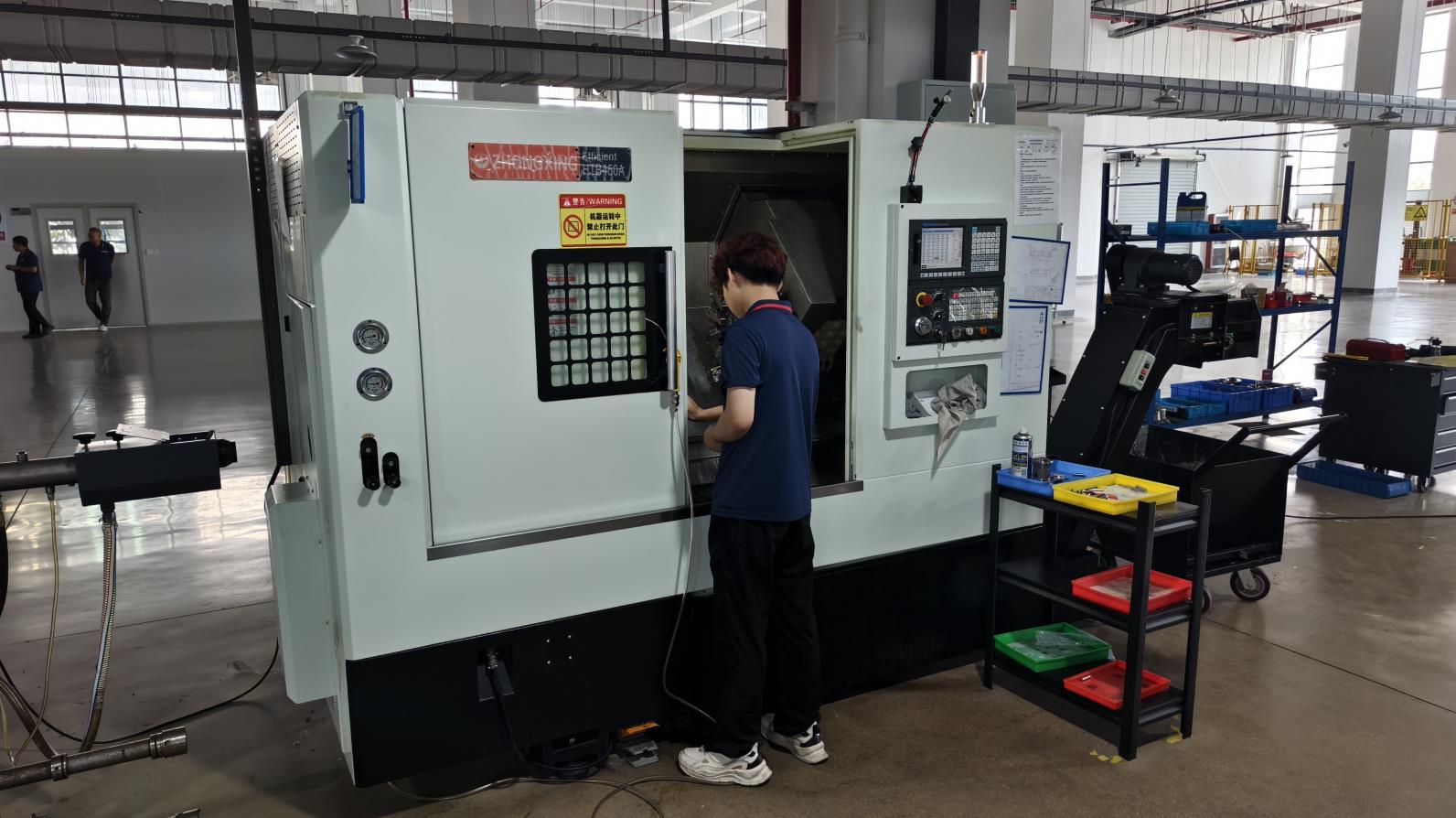
With a building area of 18,600 m², our production line features Swiss-type lathes, multi-axis CNC machining, and automated polishing systems. Our supply chain is constructed to mitigate global disruptions, sourcing raw titanium exclusively from certified medical-grade suppliers with mill test certificates (MTCs).

Supply Chain Advantages: 1,120+ integrated supply chain partners allow Synoviq to maintain continuous production, offering reliable delivery schedules to distributors in Europe, North America, and beyond.

Smart Manufacturing Highlights

Digital Modeling: Direct translation of CT scan data into precise mesh curvatures.
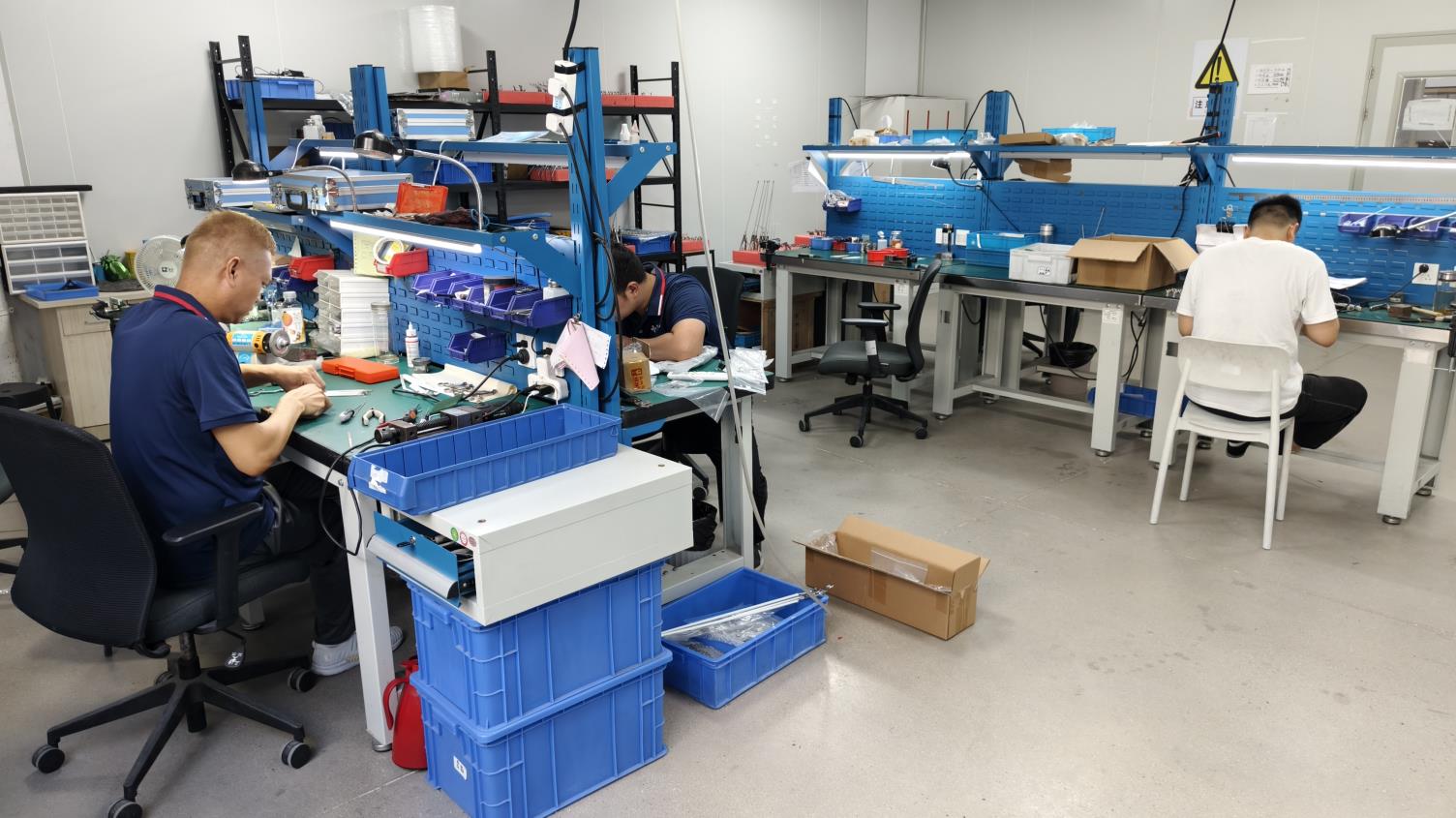
Controlled Cleanrooms: Final cleaning and packaging processes occur in Class 100,000 (ISO Class 8) cleanrooms.
Testing Equipment: Coordinate Measuring Machines (CMM) and mechanical testing systems analyze the tensile properties of every batch.

Synoviq Medical Technology Profile

Your strategic OEM/ODM partner for premium surgical implants and instruments

Synoviq Medical Technology (China) Co., Ltd. is a professional manufacturer of orthopedic implants and surgical instruments, dedicated to delivering innovative, reliable, and high-quality medical solutions for healthcare professionals worldwide. Since its establishment, Synoviq has focused on research, development, precision manufacturing, and international quality standards, providing comprehensive OEM and ODM services for global medical device brands, distributors, and hospitals.

Item Information
Company Name Synoviq Medical Technology (China) Co., Ltd.
Brand Synoviq
Established March 18, 2016
Building Area 18,600 m²
Annual Export Revenue USD 21.8 Million
Export Experience 8 Years
Industry Experience 14 Years
Quality Inspection 100% Final Inspection & Incoming Material Inspection
Product Inspection Methods CMM Measurement, Mechanical Testing, Surface Roughness Testing, Hardness Testing, Salt Spray Testing, Sterility Validation
Quality Control Staff 48
Business Type Manufacturer & Exporter (OEM/ODM)
Main Markets Europe, North America, South America, Middle East, Southeast Asia
Supply Chain Partners 1,120+
Main Customer Types Medical Device Brands, Importers, Distributors, Hospitals, Government Procurement Projects
R&D Capability Independent Product Design, Prototype Development, Clinical-Oriented Engineering, OEM & ODM Development
Customization Options Logo Customization, Packaging Customization, Product Design Customization, Material Selection, Surface Treatment
New Products Released Last Year 186
R&D Engineers 76

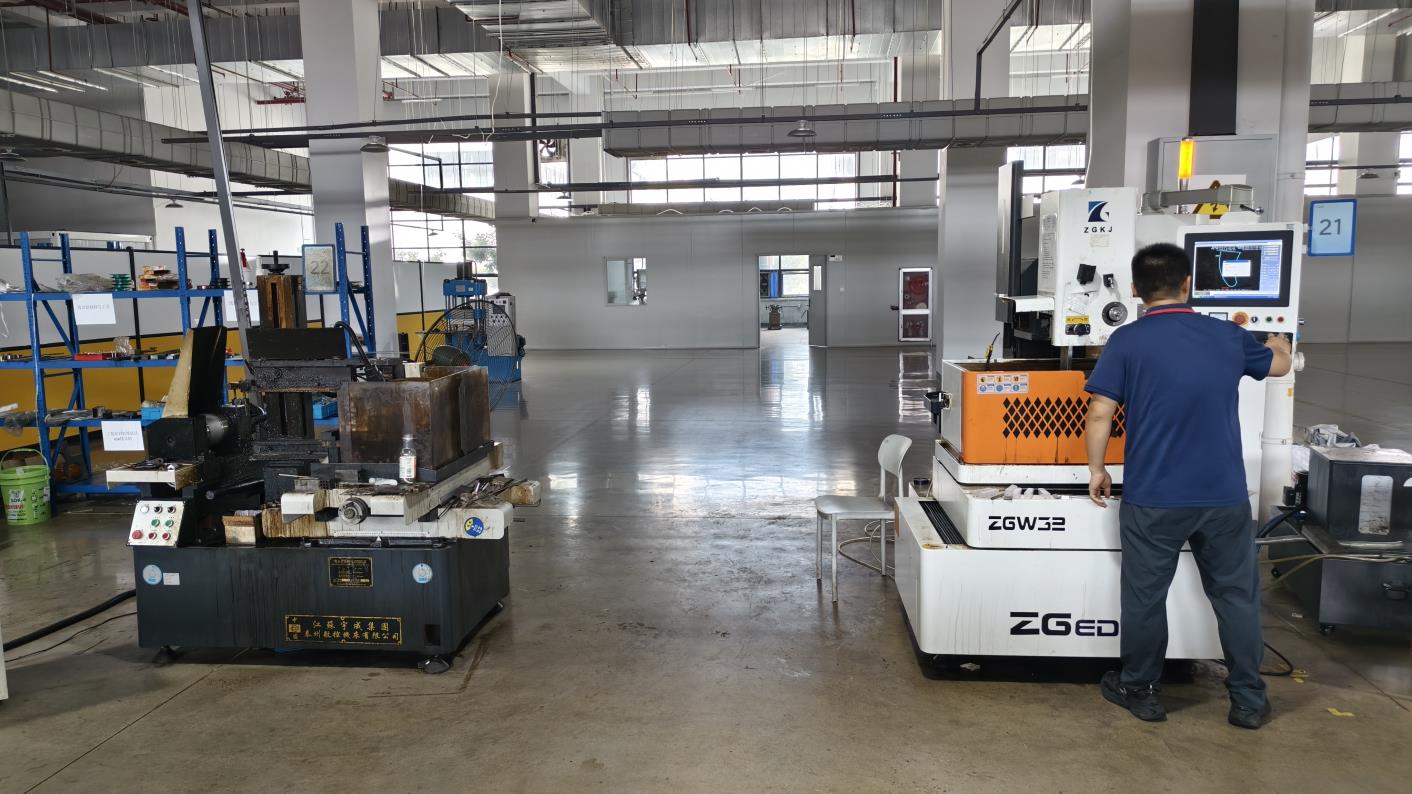
End-to-End Processing & Quality Evaluation Workflow

Visualizing our precision machining steps and rigorous lab validation procedures
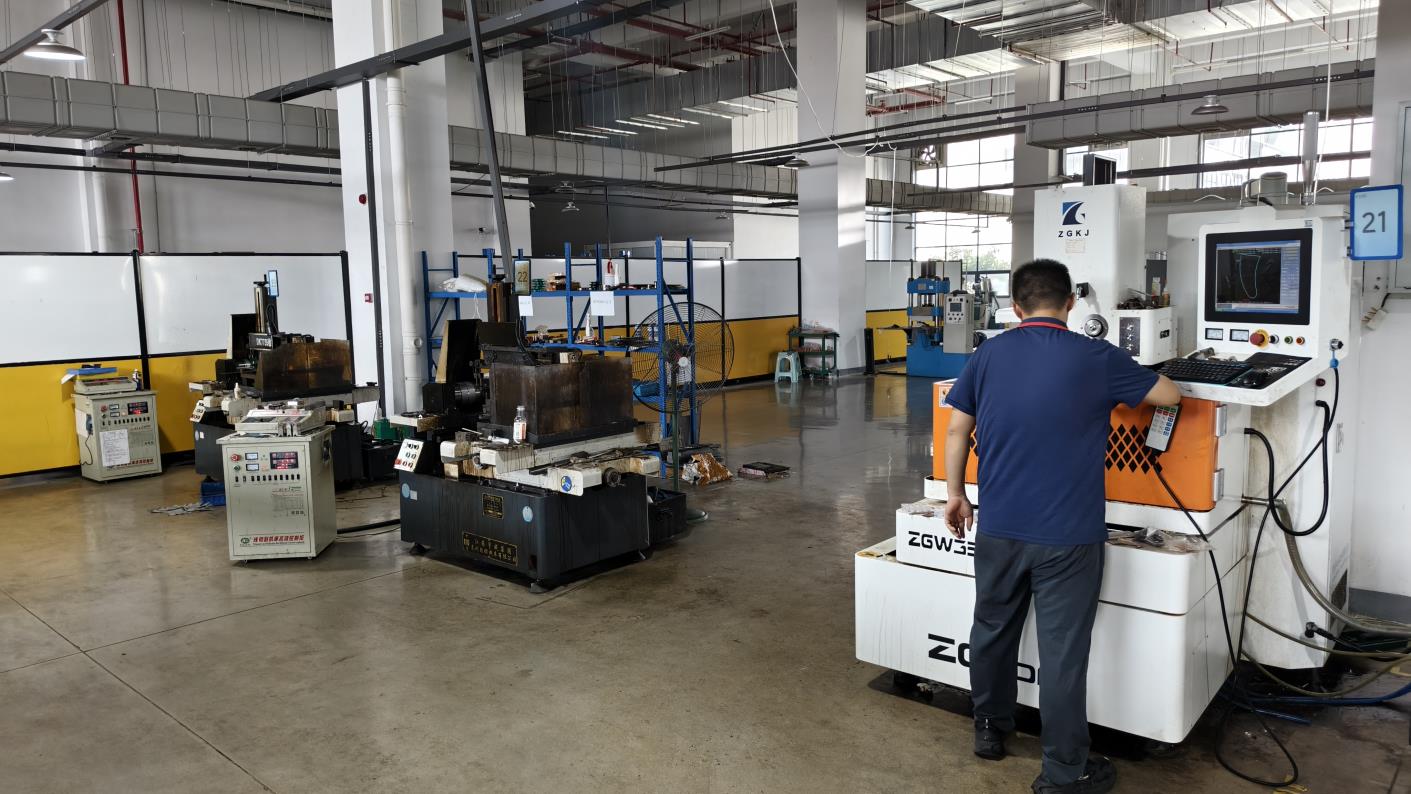
Cutting
Cutting
Machining
Machining
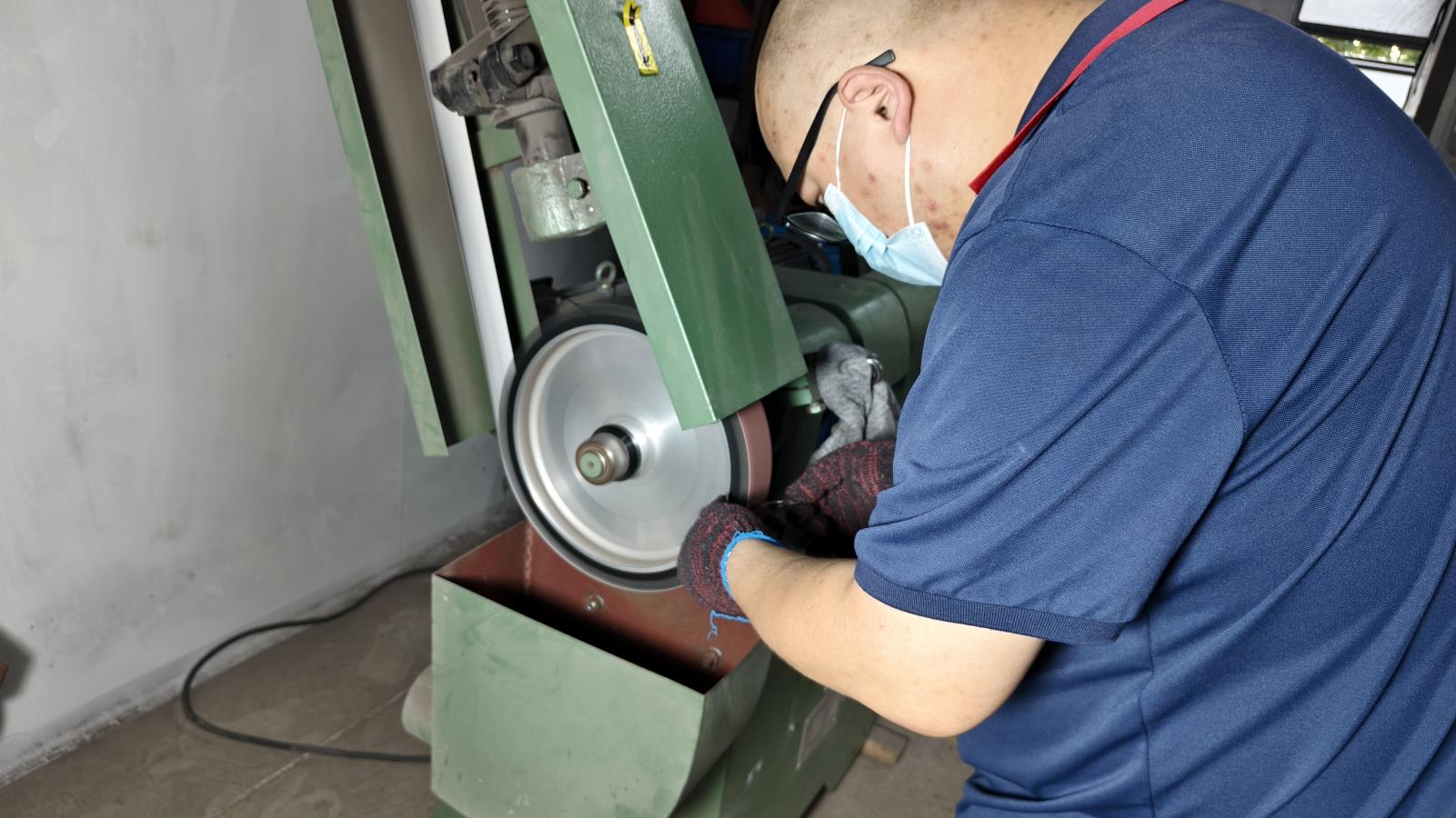
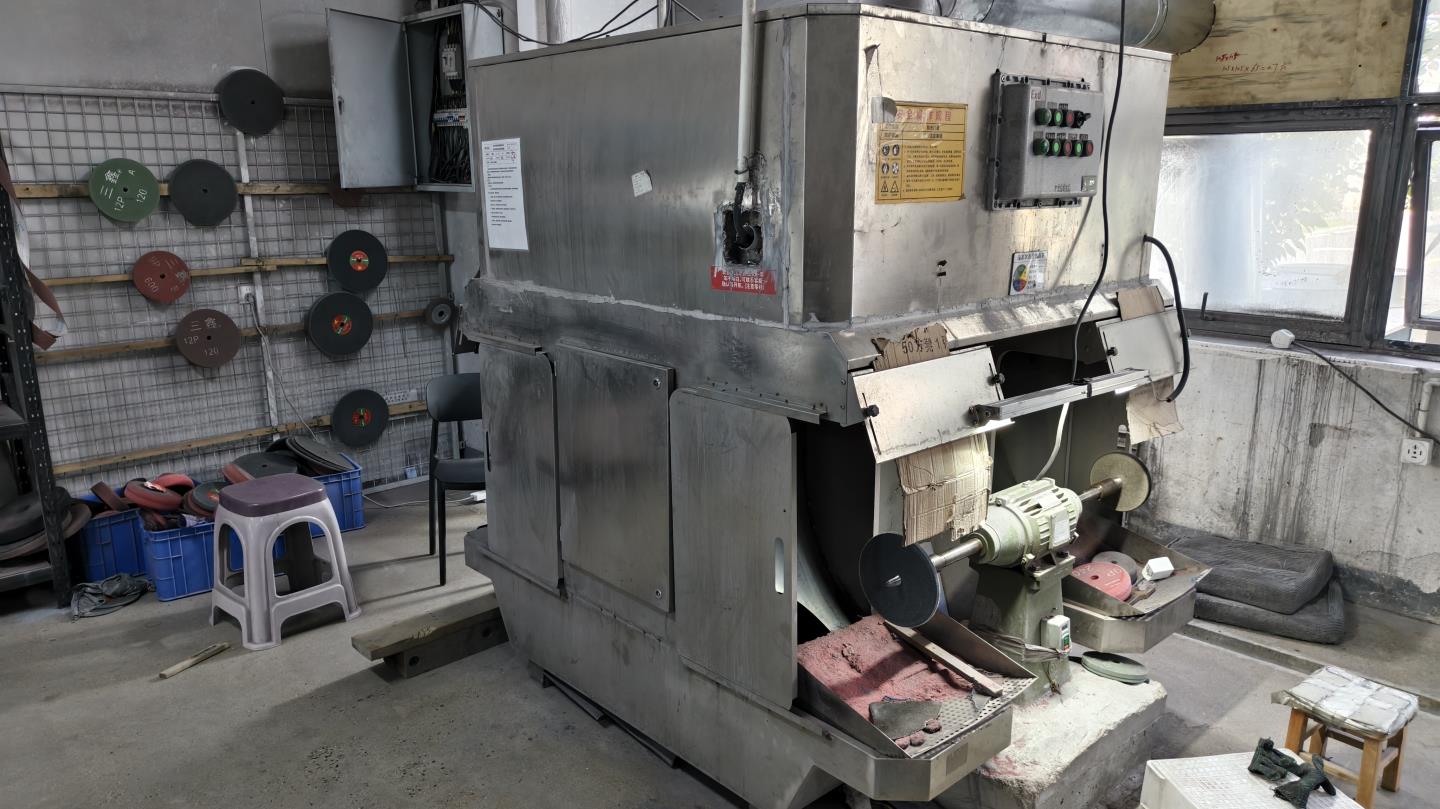
Polishing
Polishing
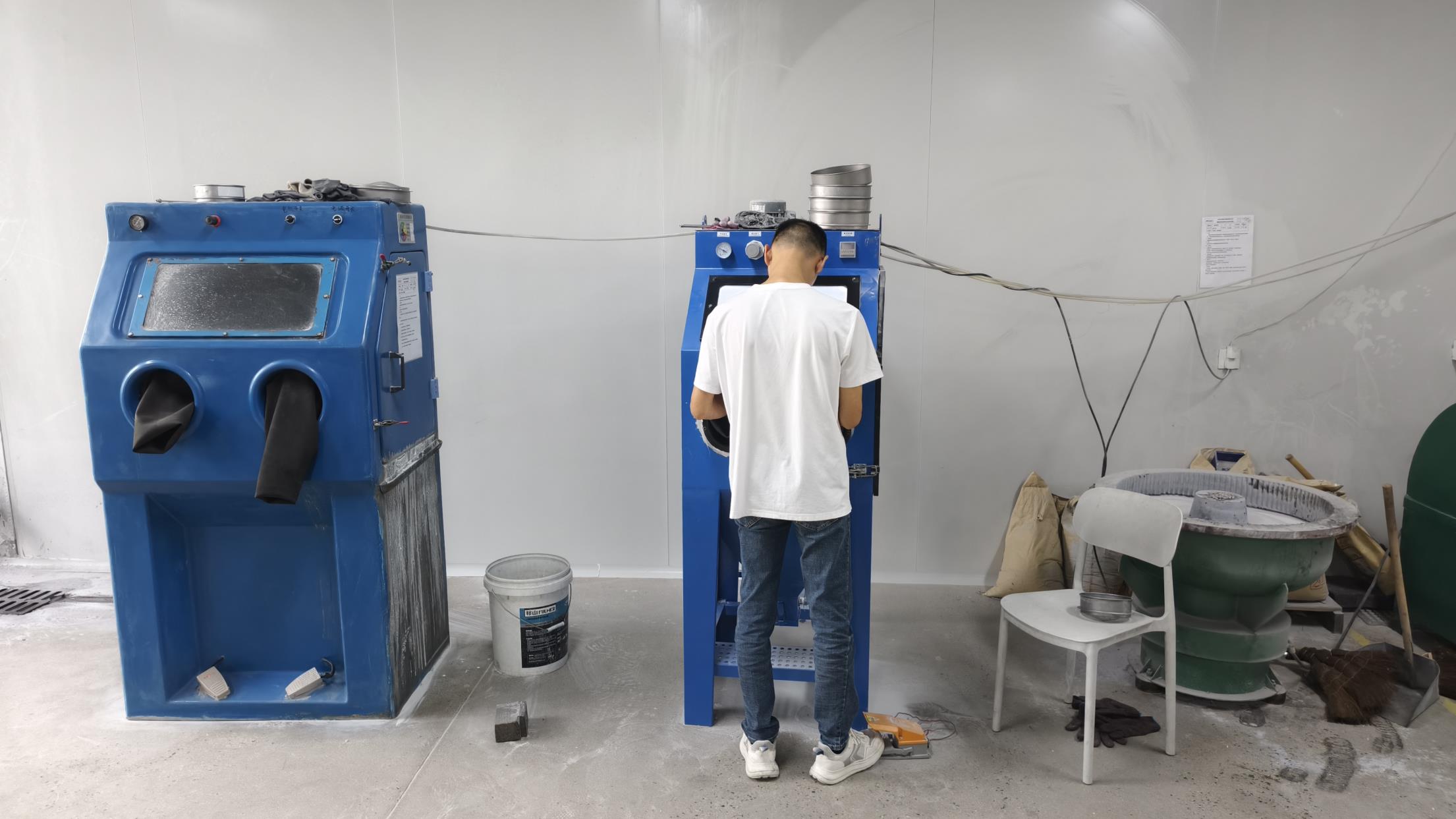
Surface Treatment
Surface Treatment
Assembling
Assembling
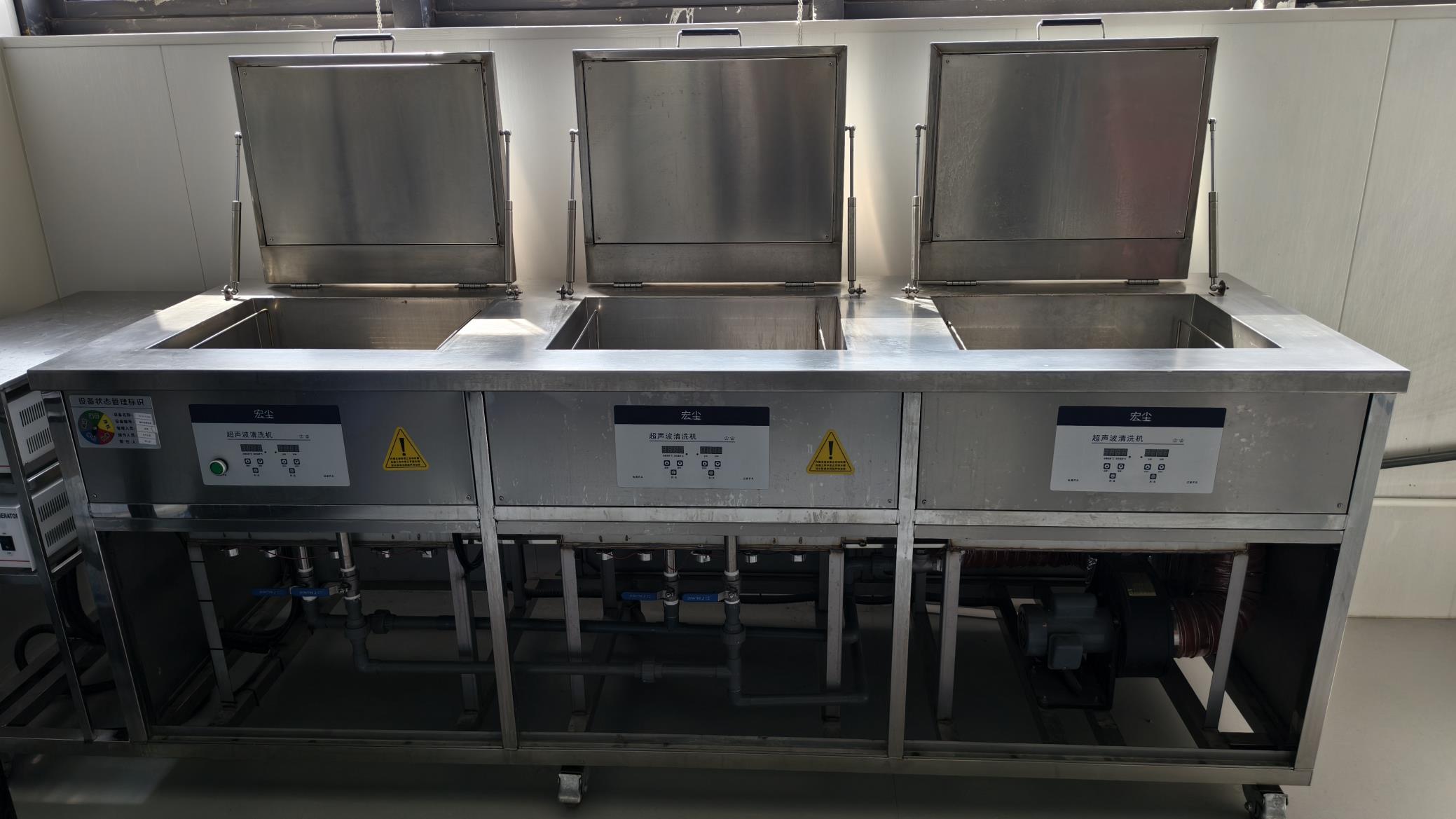
Cleaning
Cleaning
Wire Cutting Machine
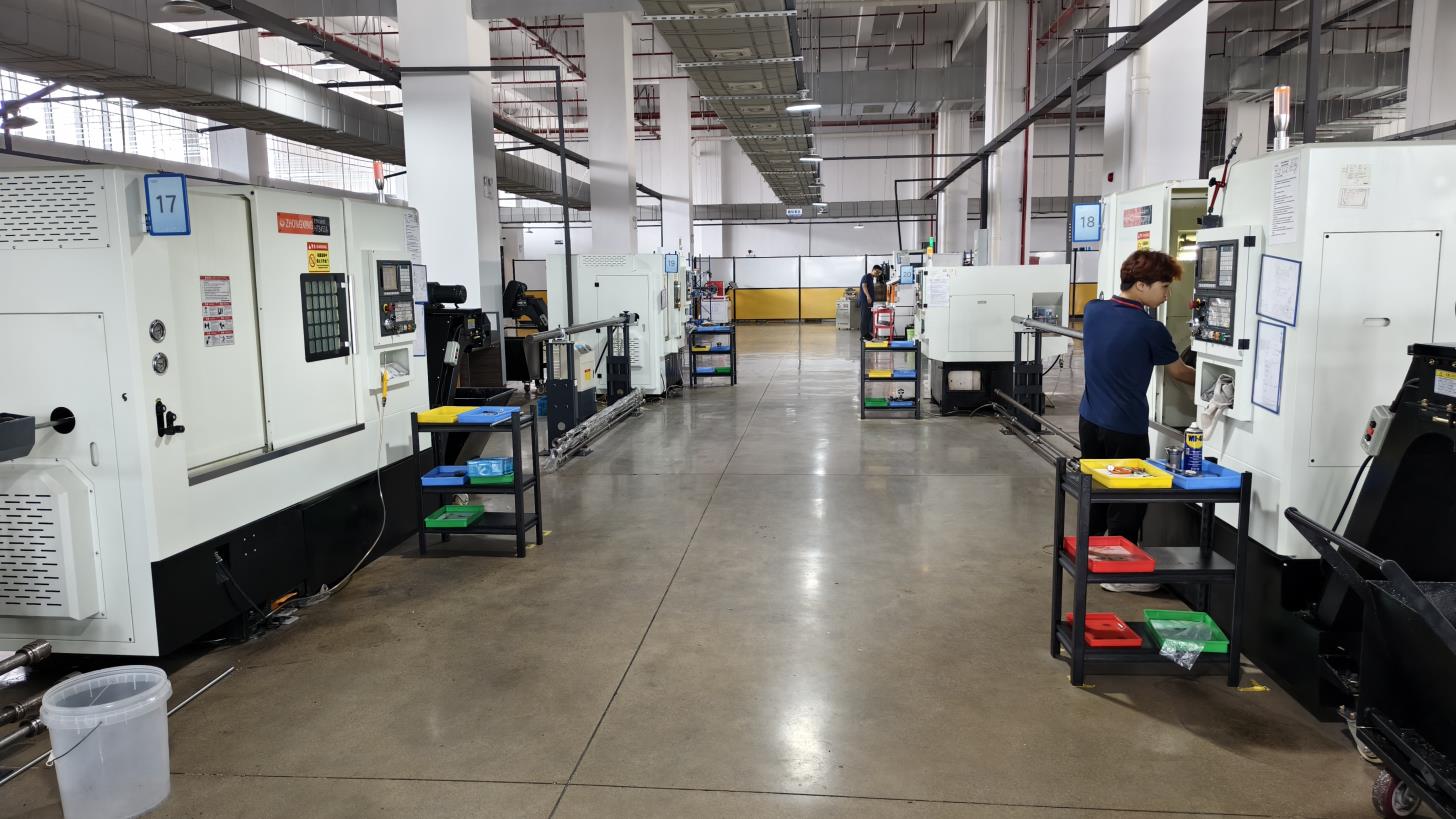
CNC Lathe
CNC Lathe
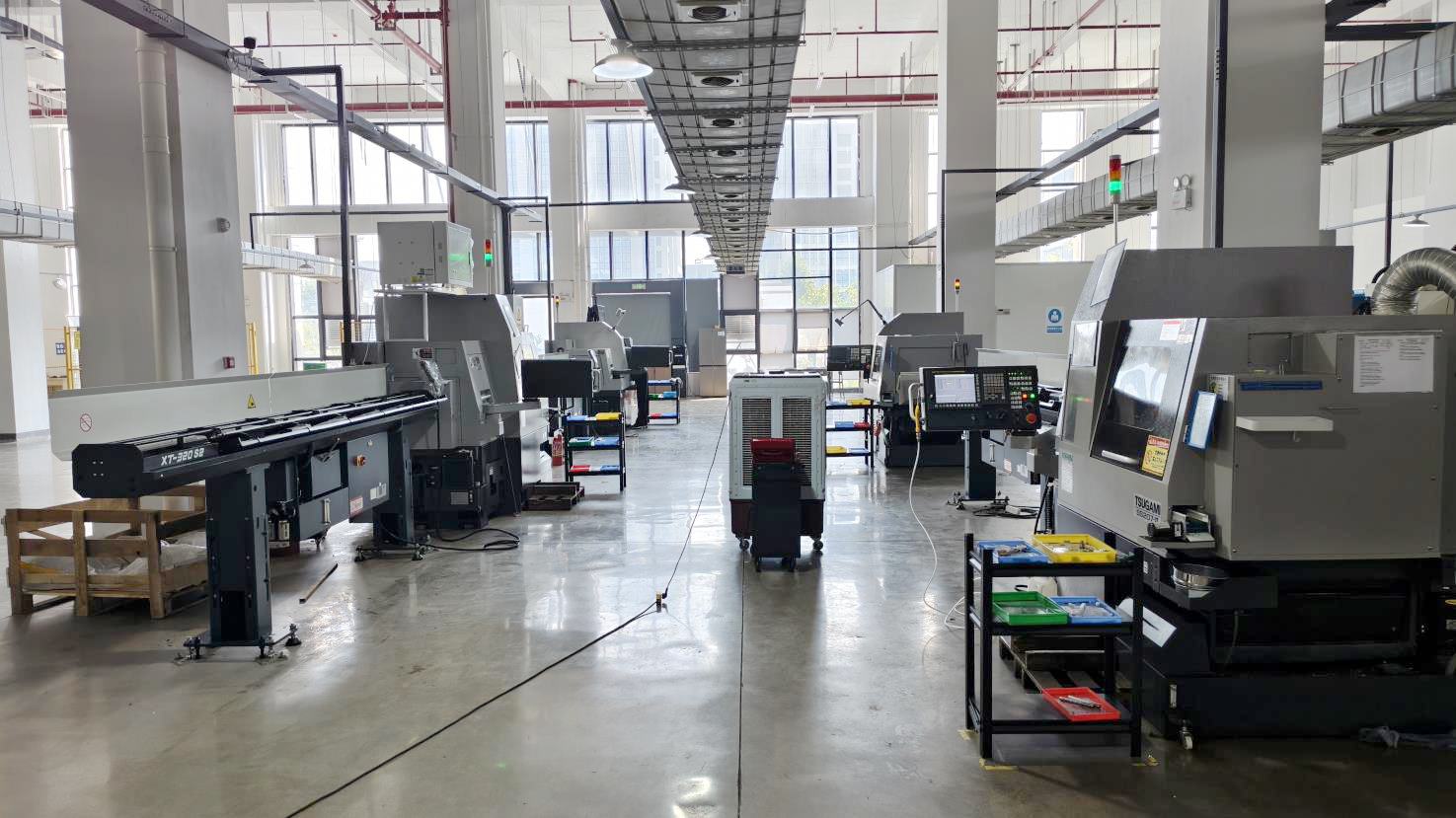
Swiss-type Lathe
Swiss-type Lathe
Grinder
Grinder
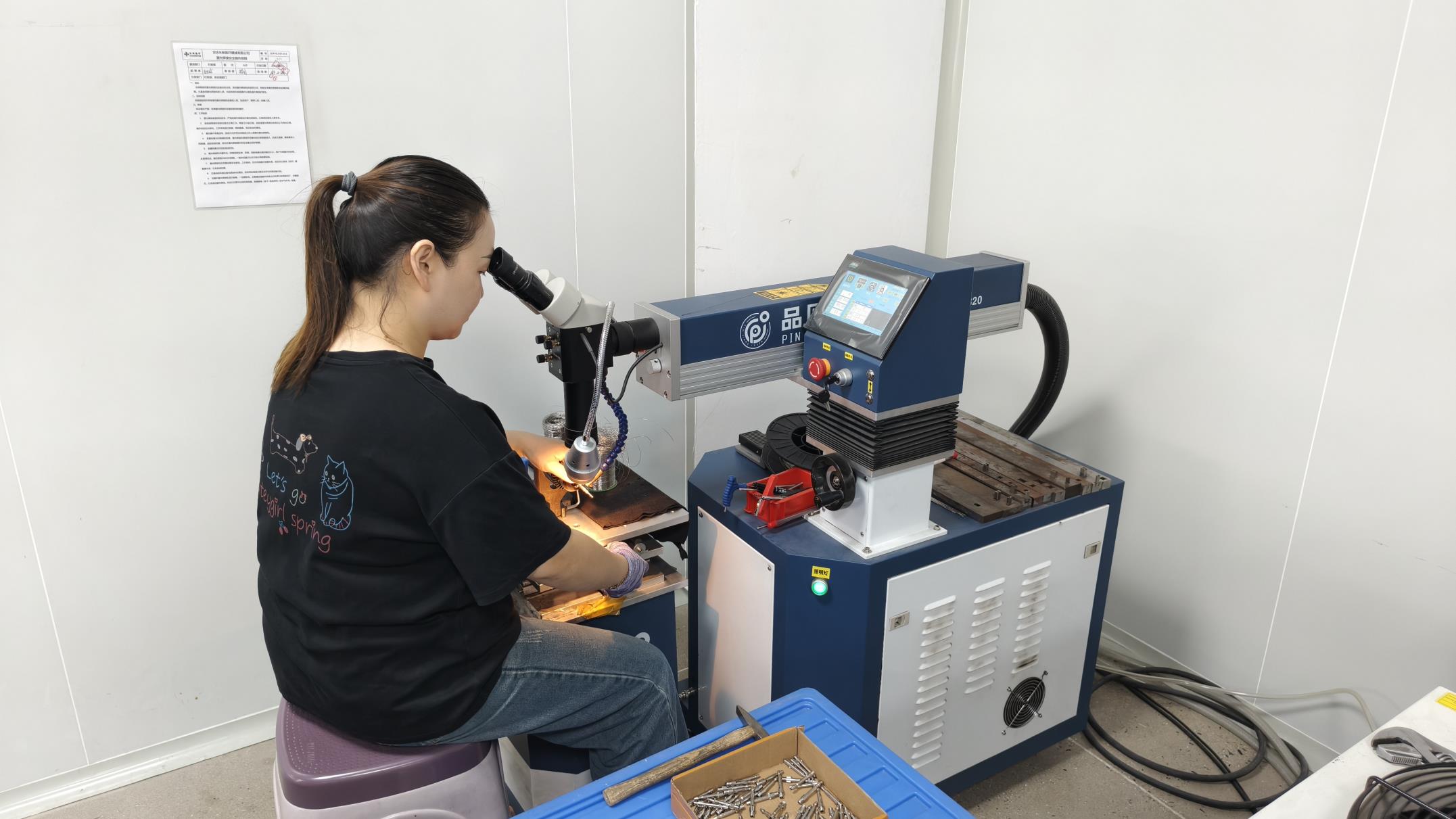
Laser Welding Machine
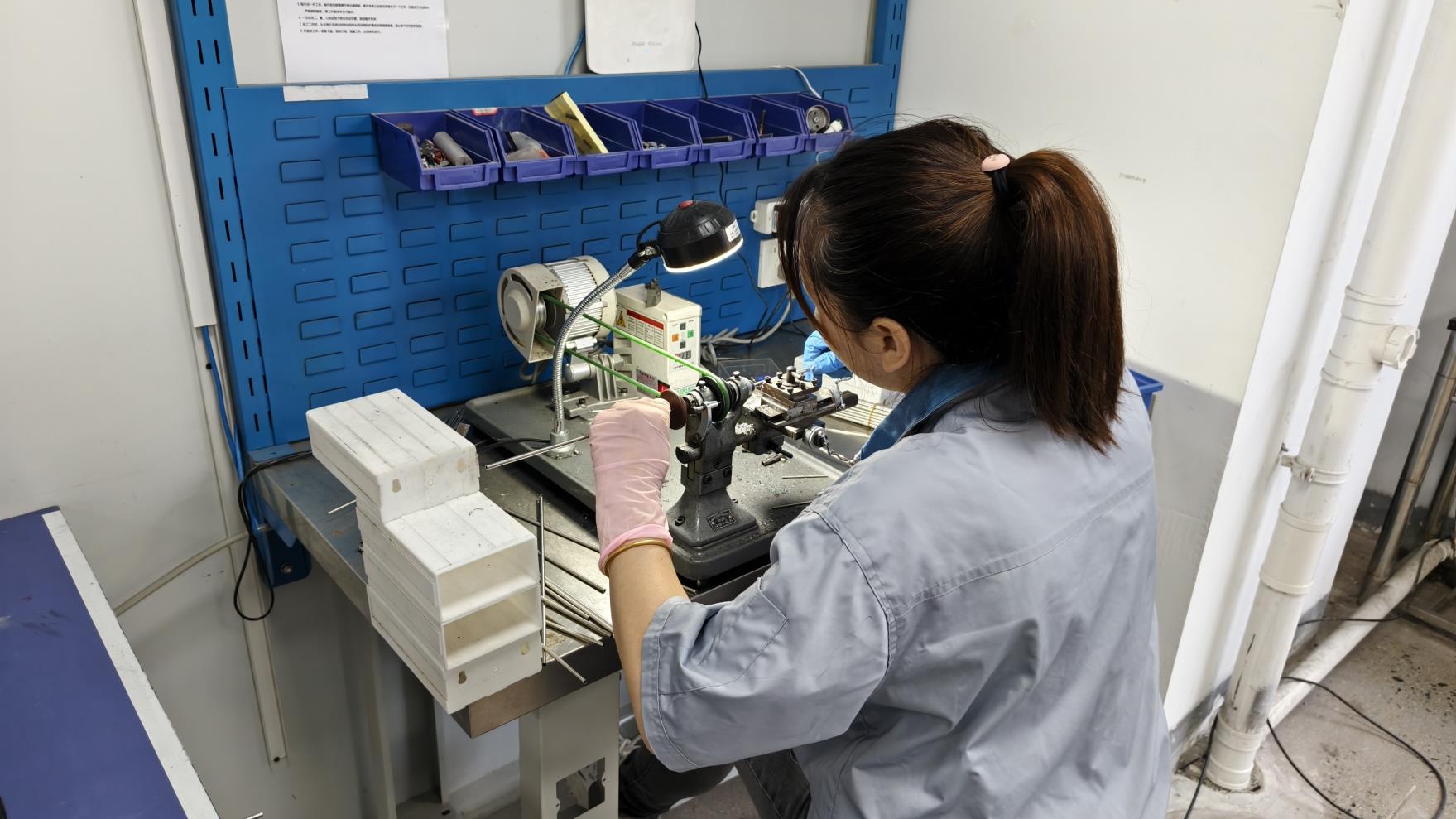
Lathe
Lathe
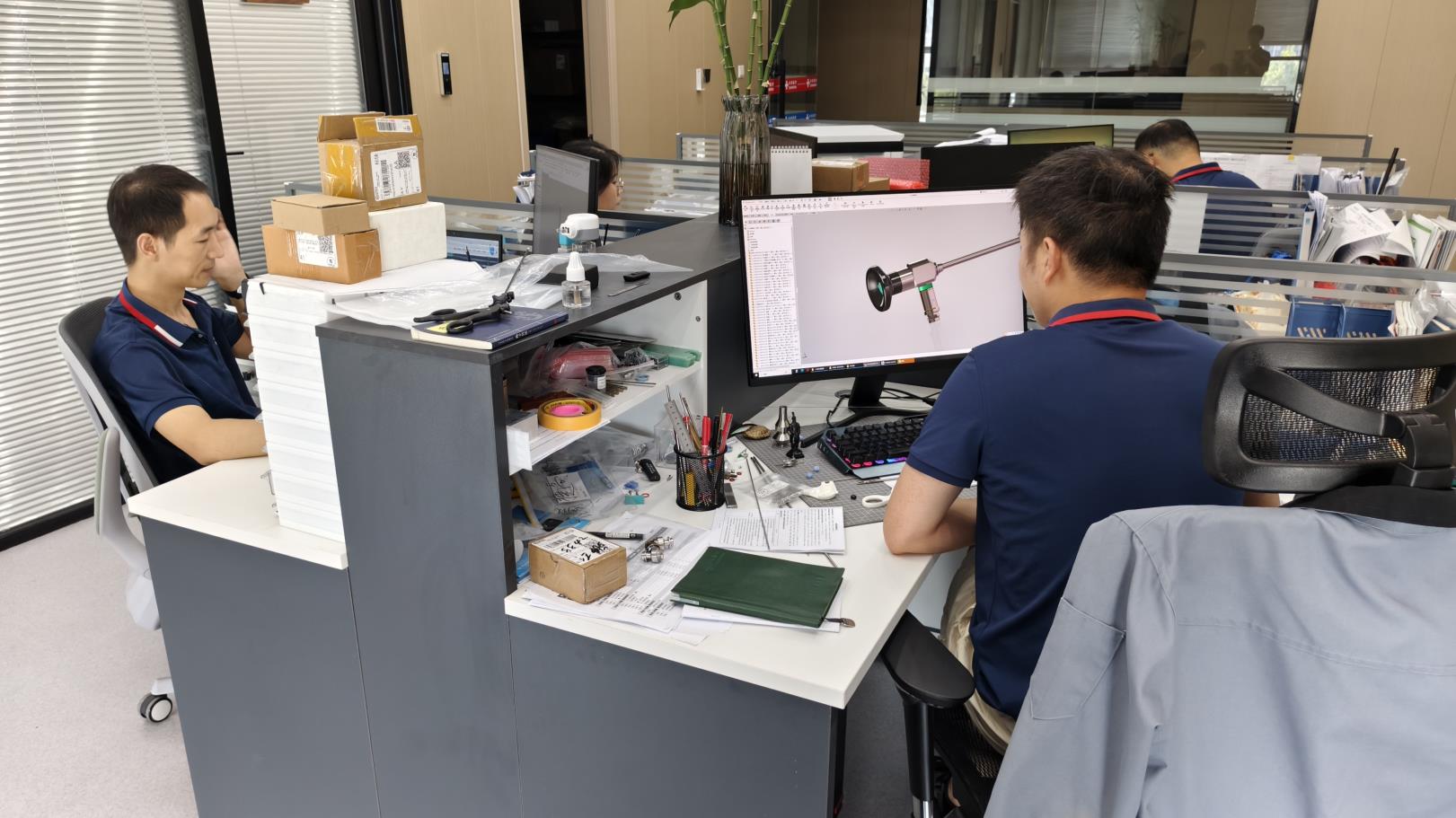
Design
Design
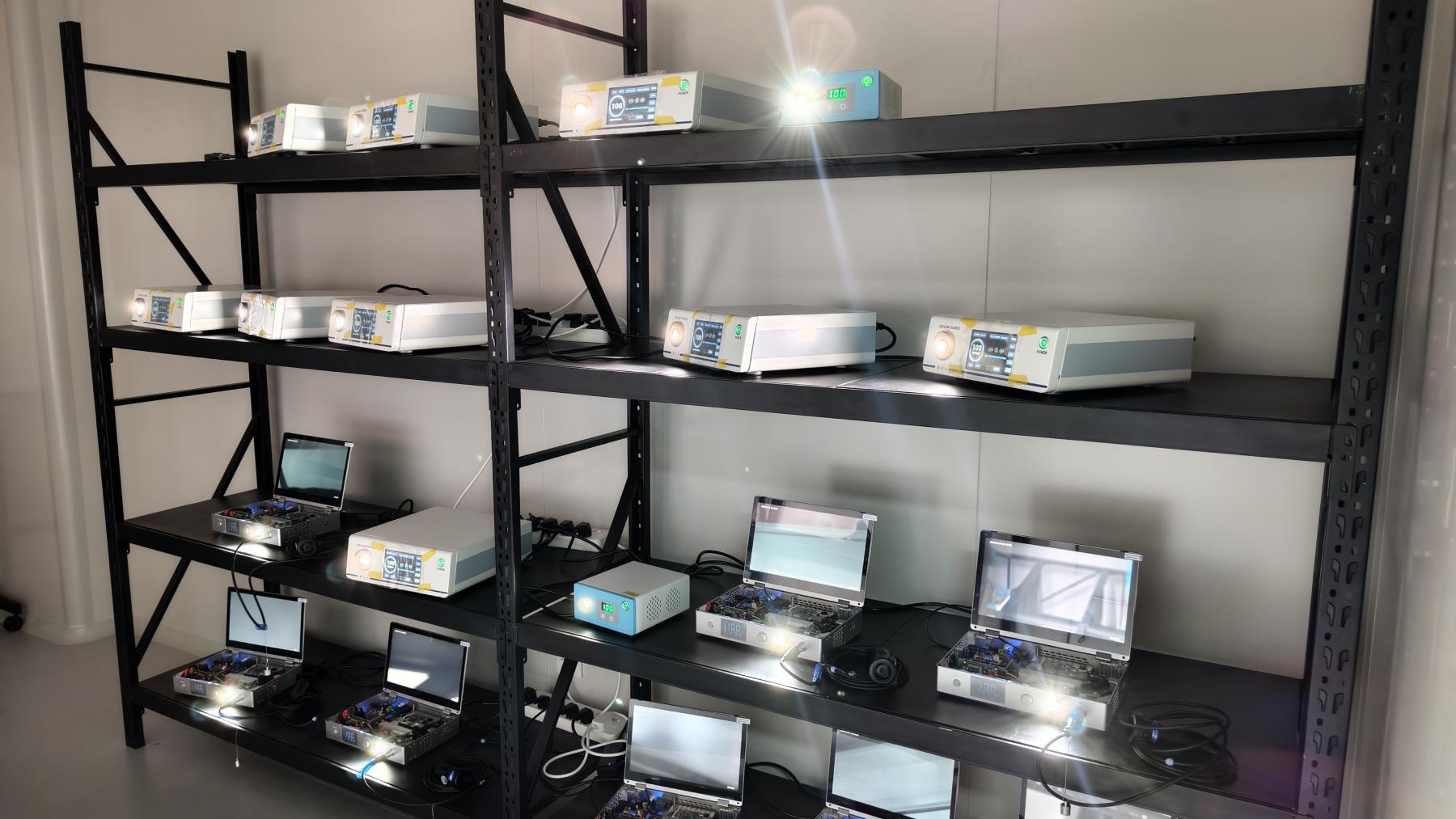
Aging Test
Aging Test
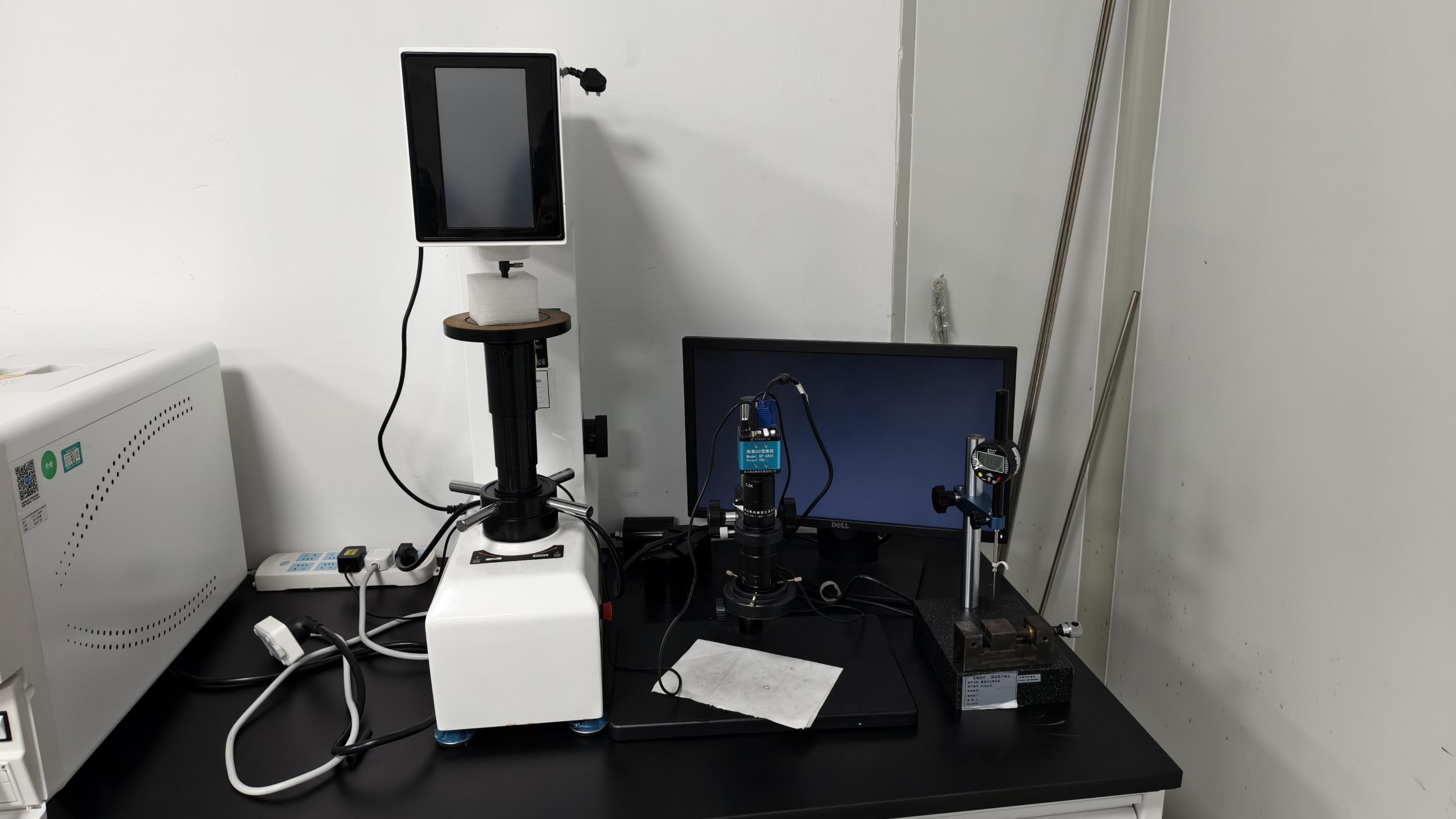
Digital Microscope
Digital Microscope
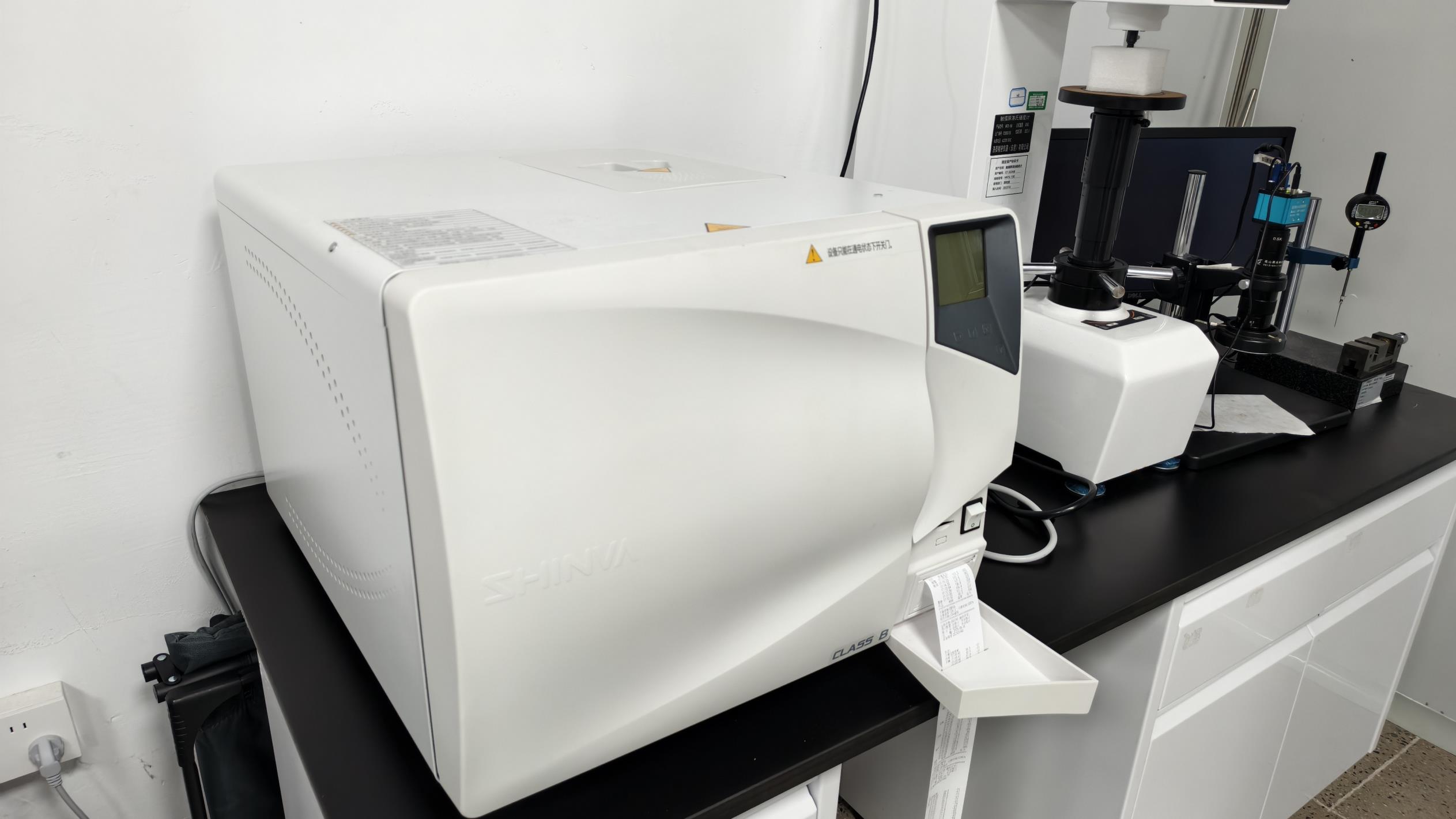
Steam Sterilizer
Steam Sterilizer
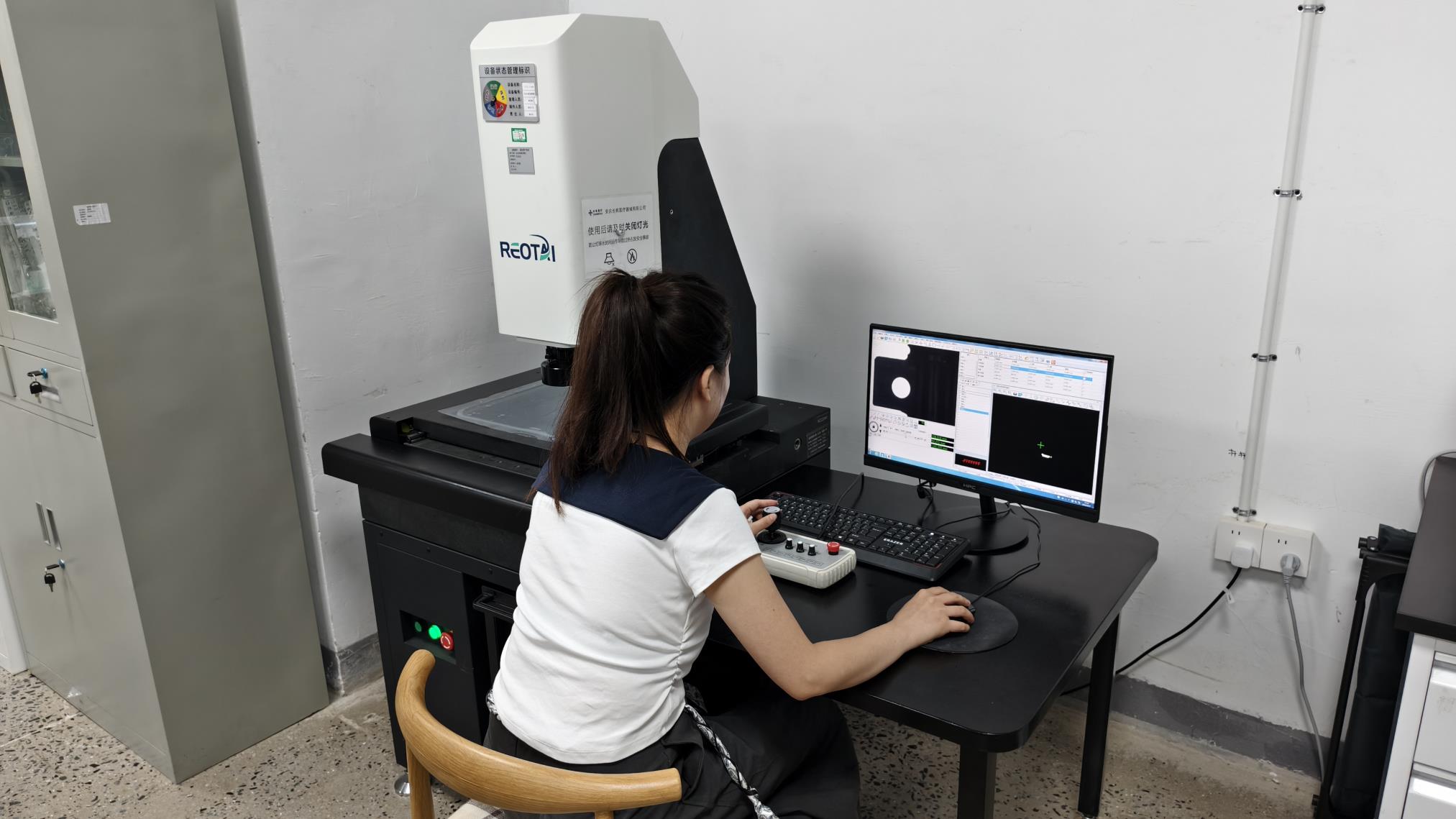
Automatic 2D Video Measuring Instrument
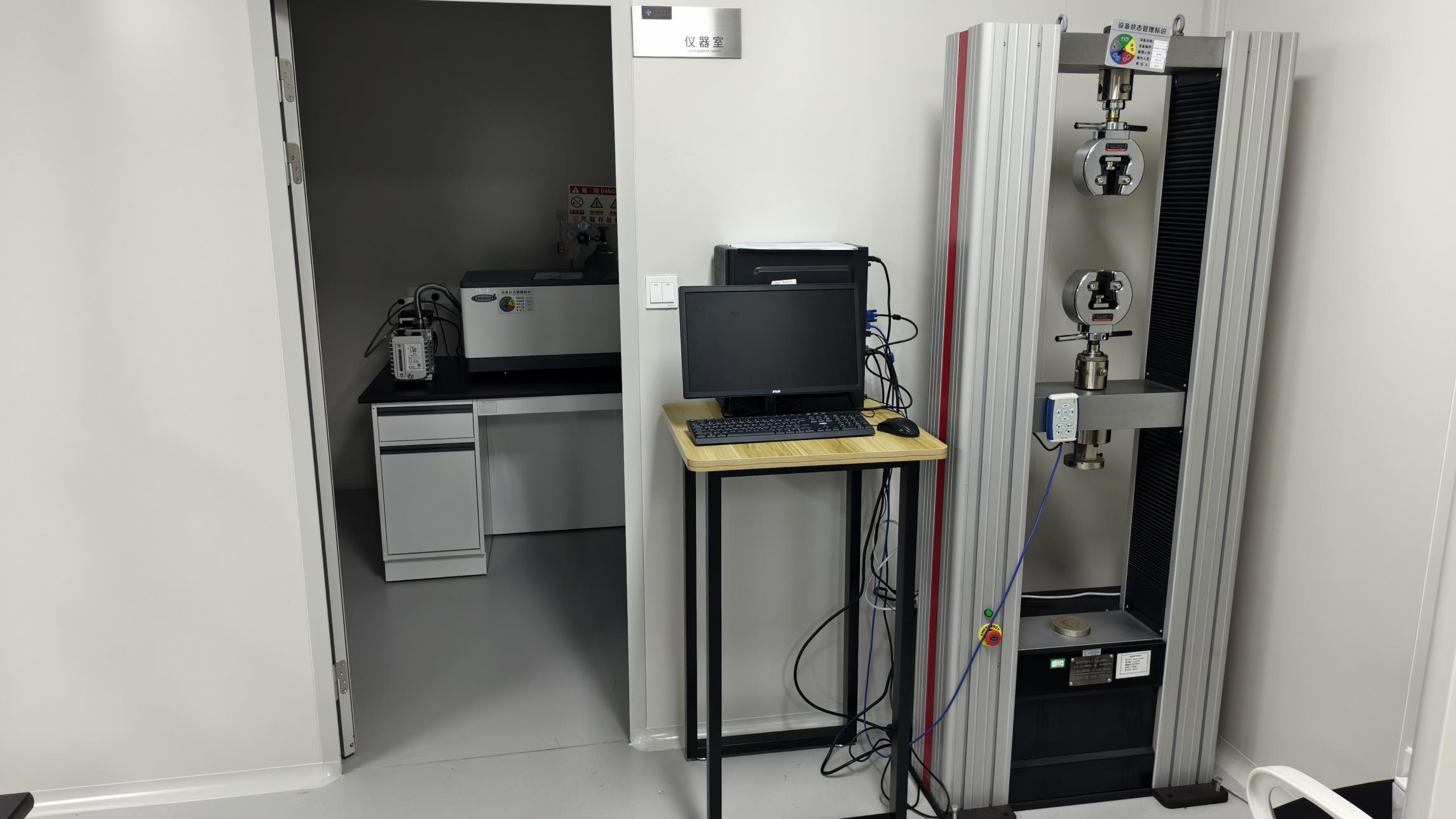
Tensile Testing Machine
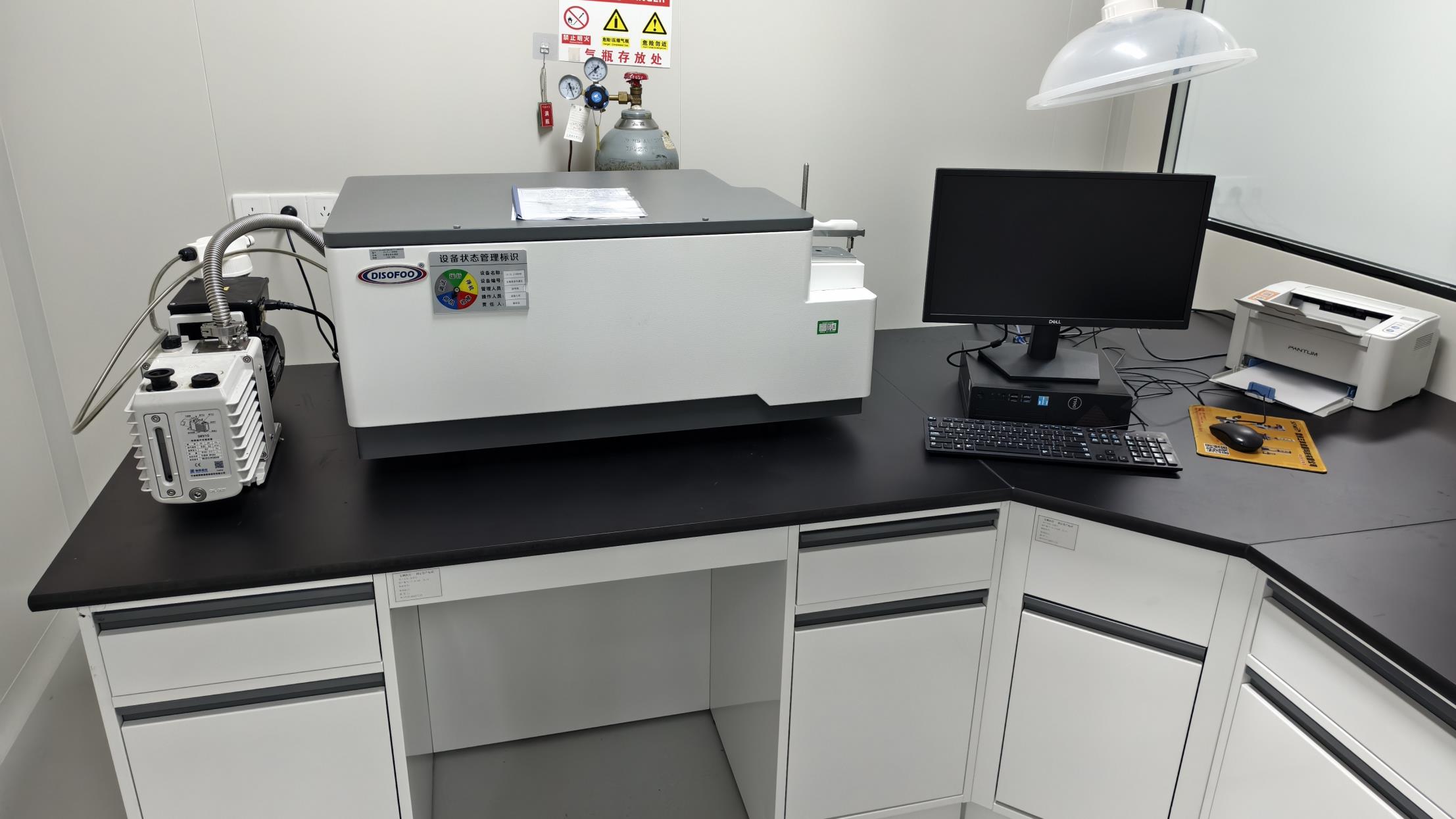
Spectrometer
Spectrometer
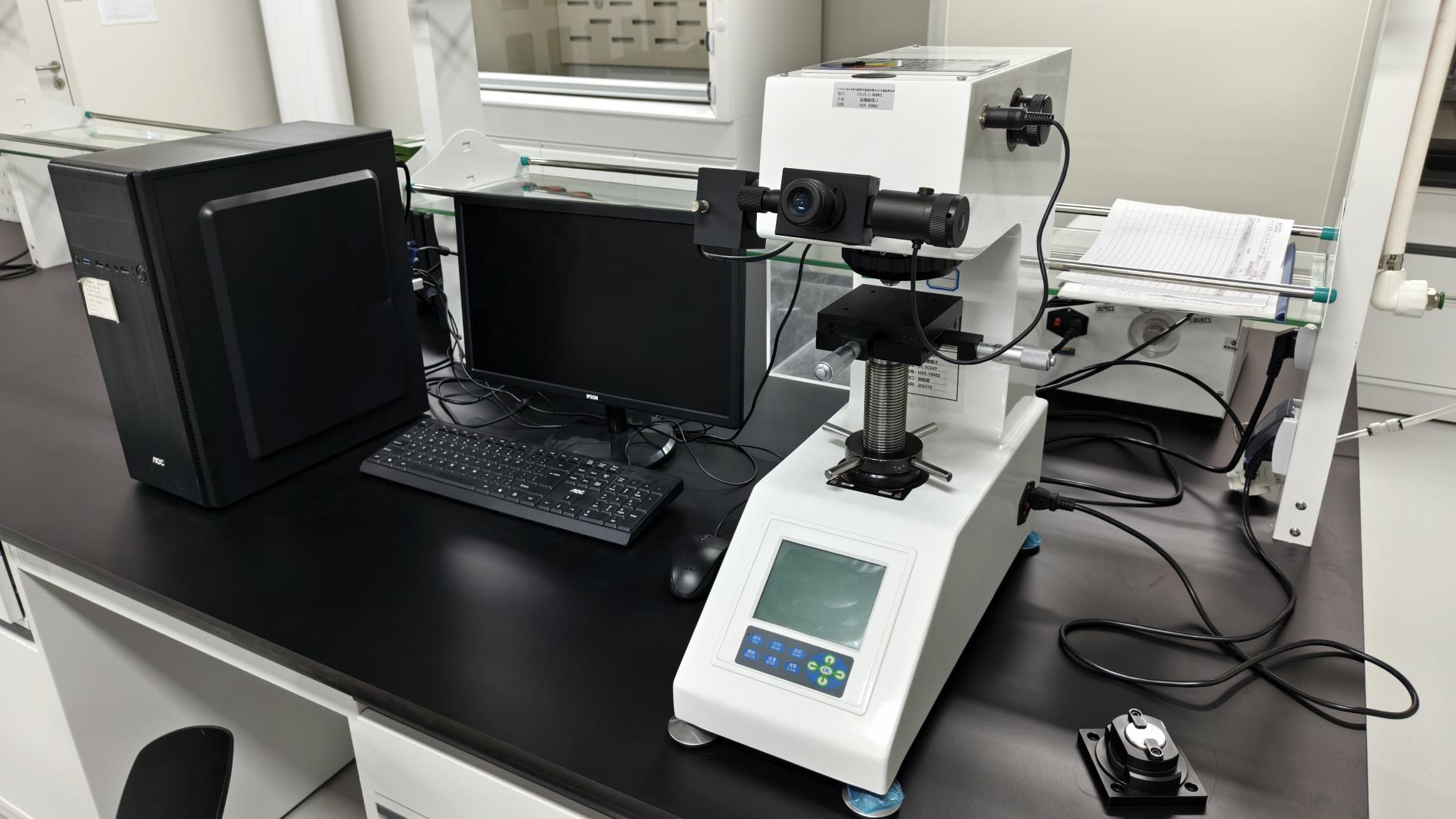
Hardness Tester
Hardness Tester
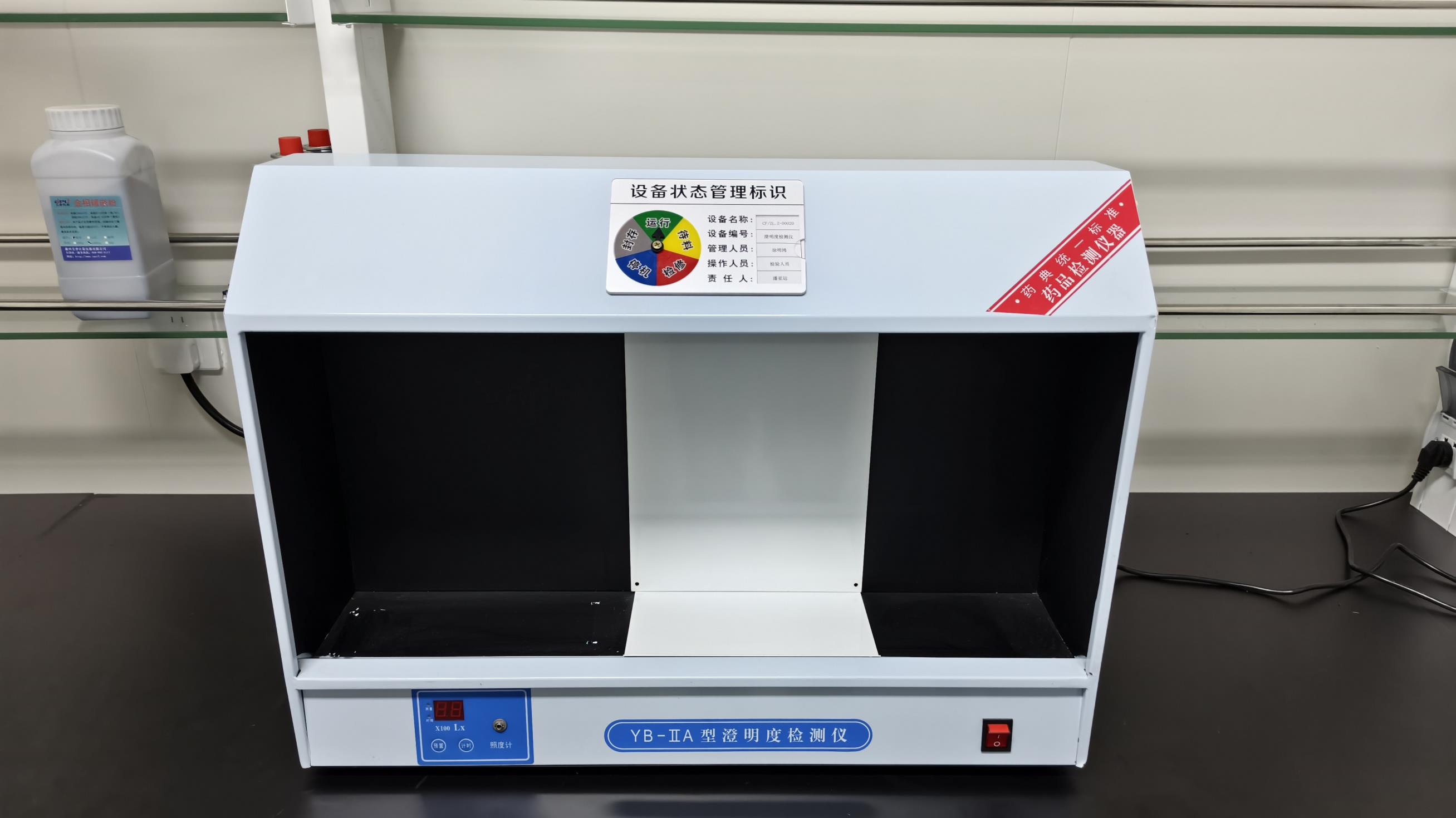
Clarity Detector
Clarity Detector
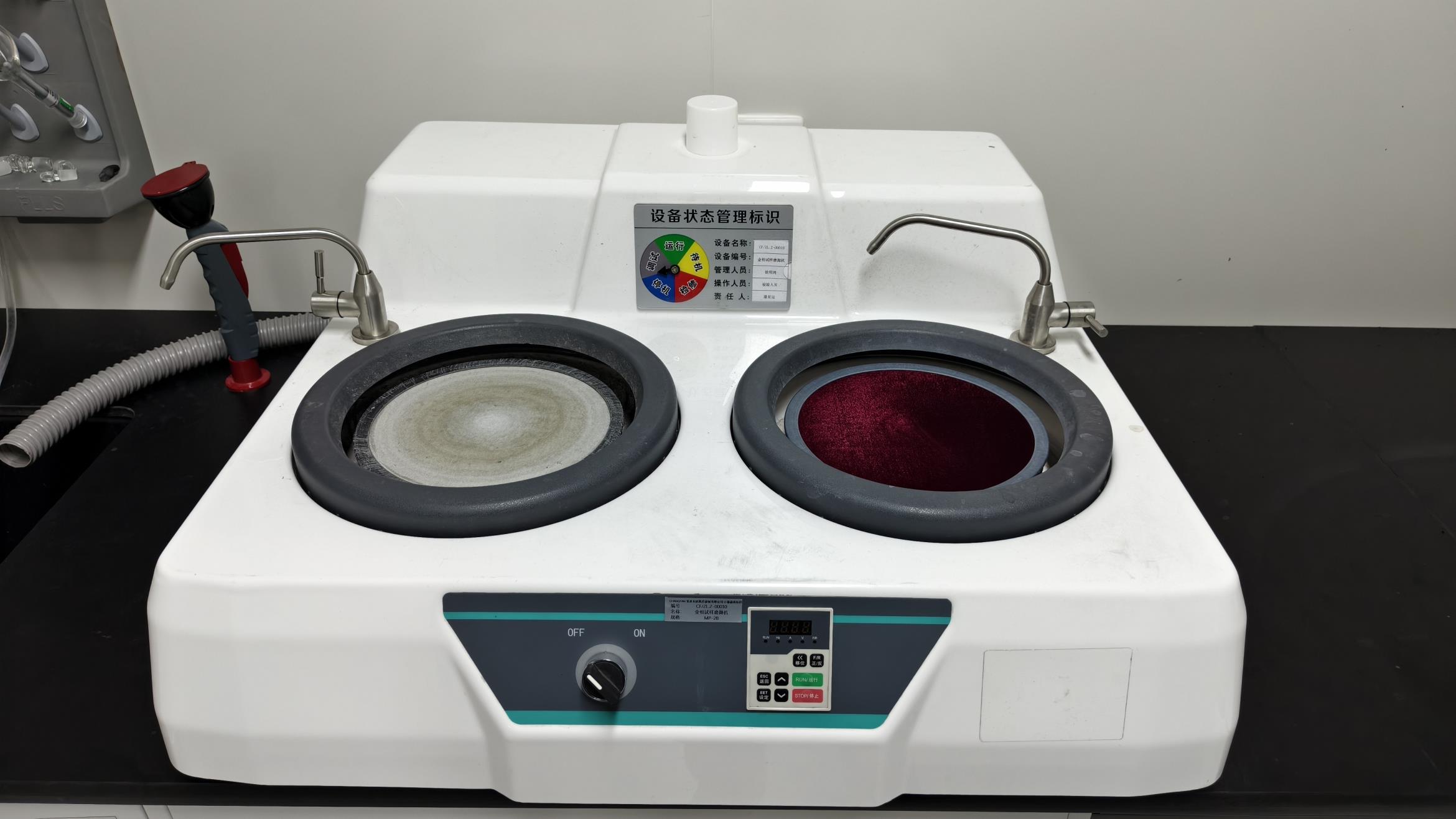
Metallographic Sample Machine
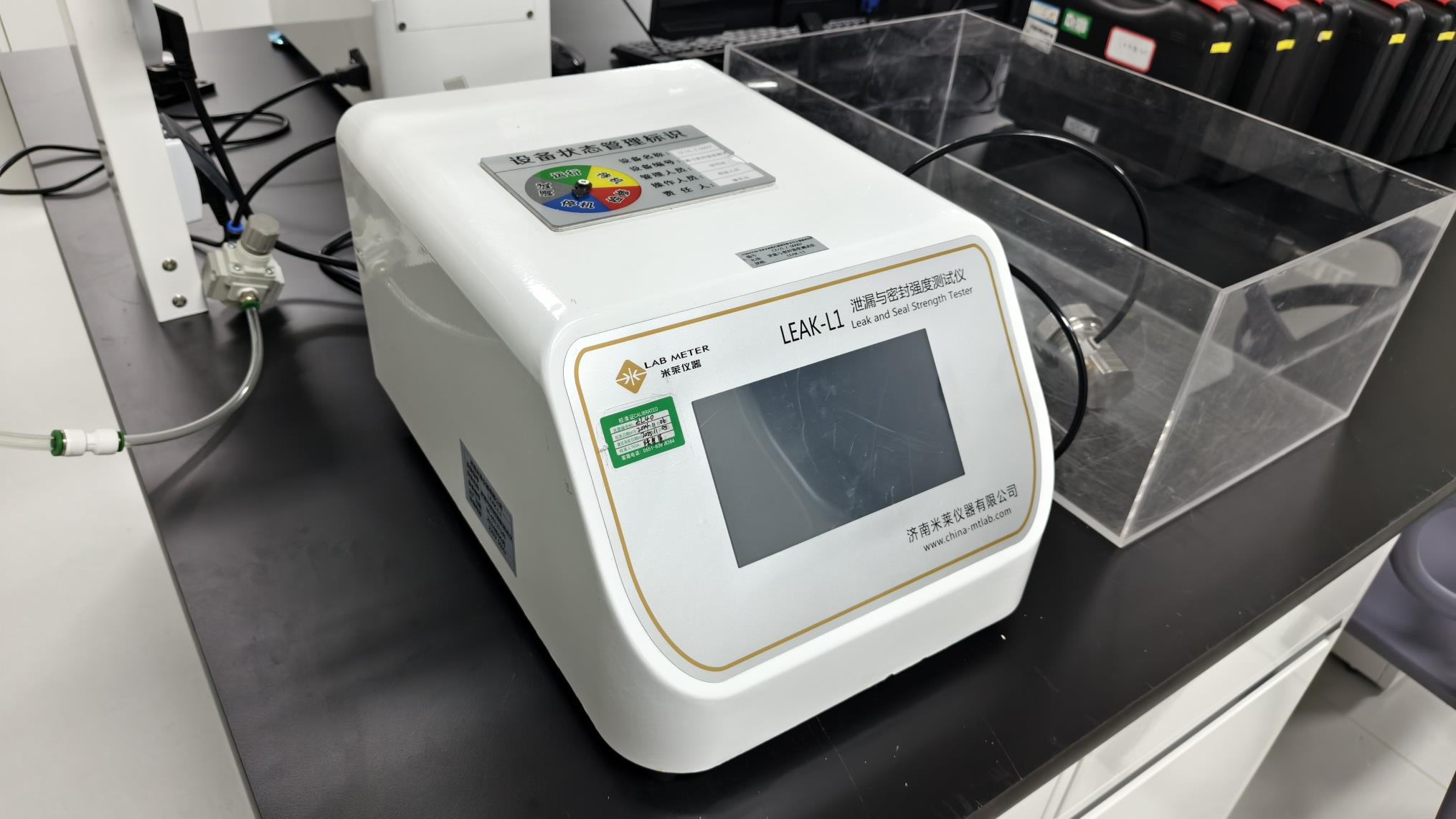
Leakage and Sealing Strength Tester

Clinical Adaptability: Applications in Cranio-Maxillofacial Surgery

Matching specific geometry designs to precise trauma and reconstructive sites

Titanium meshes are not universal. Different zones of the skull present varying physical loads and aesthetic criteria.

Temporal & Lateral Region Reconstruction
Requires high structural elasticity to handle continuous movement from temporal muscles. Multi-directional micro-mesh plates are usually specified between 0.3mm to 0.4mm thickness, facilitating natural movement and maintaining patient comfort.
Frontal & Supraorbital Contours
Aesthetics are paramount here. Rigid, 3D pre-shaped models conform closely to brow ridges and minimize visible implant borders. Precision-milled edge profiles ensure smooth transitional junctions with host bone.
High-Impact Cranial Vault Protection
For larger cranial defects (>100 cm²), we recommend thicker meshes (0.6mm). These provide adequate resistance against external impact, ensuring long-term cerebral protection.

Technical & Operational FAQ

Addressing critical engineering, material, and logistics queries for neurosurgical buyers

What grades of Titanium do you utilize for custom cranial mesh fabrication?
We primarily use pure medical titanium (Grade 2, conforming to ASTM F67 specifications) due to its excellent ductility, formability, and proven biocompatibility. For load-bearing requirements, we also utilize Titanium Alloy (Ti-6Al-4V ELI, ASTM F136).
Can you process custom anatomical meshes from MRI or CT DICOM data files?
Yes. Our dedicated R&D engineering team (consisting of 76 specialized engineers) can reconstruct 3D models from clean DICOM data, design patient-specific implants (PSI), and export precision toolpaths for CNC forming or production.
What cleanroom standard does your packaging facility maintain?
All final cleaning, assembly, and packaging processes occur within our state-of-the-art cleanroom, which conforms to Class 100,000 (ISO Class 8) cleanliness guidelines. This prevents bioburden levels from exceeding medical standards.
How does Synoviq ensure batch-to-batch quality reliability?
We employ a 48-member QA/QC staff who conduct 100% final inspections. Our validation methods include coordinate measuring machine (CMM) dimensional checks, mechanical tensile testing, metallographic sampling, spectrometer chemical validation, and sterility audits.
What are your typical OEM production and logistics lead times?
For standard catalog sizes, production is immediate. For custom-designed, patient-specific OEM projects, modeling to final production typically ranges from 7 to 15 working days. This is followed by rapid delivery via major international logistics providers.