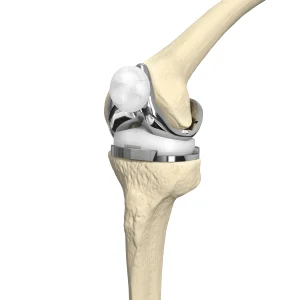
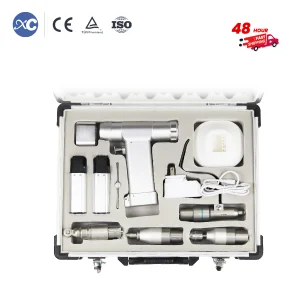
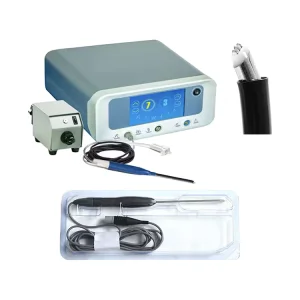
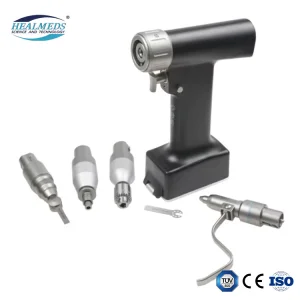
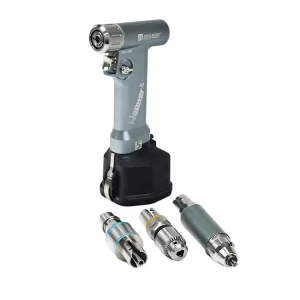
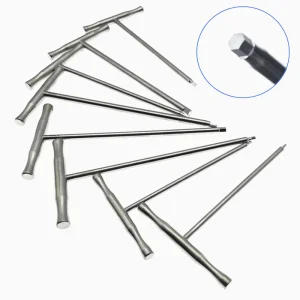
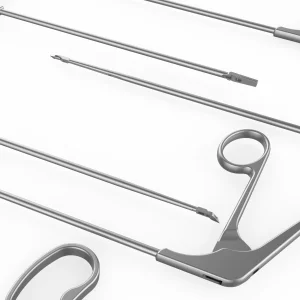
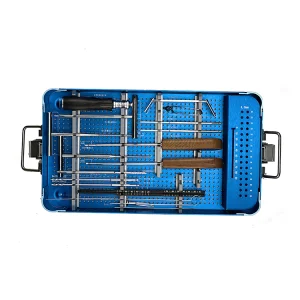
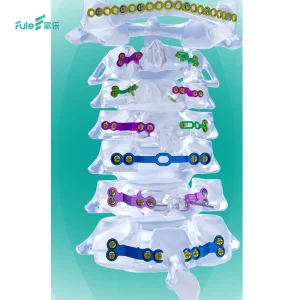
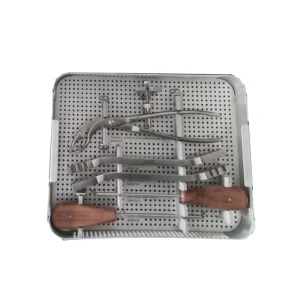
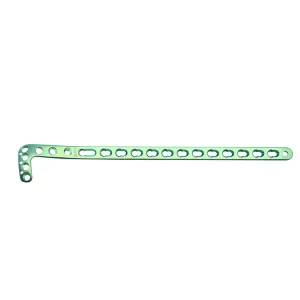
Discover our comprehensive collection of clinical-grade implants, high-efficiency power tools, and specialized arthroscopic instrumentation kits engineered for global medical standards.
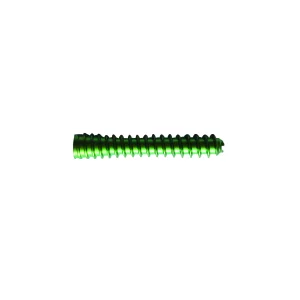
In the field of orthopedic sports medicine, reconstructing ligaments like the Anterior Cruciate Ligament (ACL) or Posterior Cruciate Ligament (PCL) demands absolute biomechanical stability. The choice of fixation implant determines patient recovery speeds, graft integration quality, and the overall success rate of arthroscopic procedures. Titanium Interference Screws remain the gold standard for securing soft tissue or bone-patellar tendon-bone (BTB) autografts and allografts in bone tunnels.
Medical Grade Titanium alloys, specifically Ti-6Al-4V ELI (Extra Low Interstitial, ASTM F136 / ISO 5832-3), provide the optimal balance between high tensile strength, outstanding fatigue resistance, and exceptional biocompatibility. While bioabsorbable materials (like PLA or PLDLA) are viable for specific demographics, high-performance titanium remains the material of choice for surgeons aiming to prevent premature implant degradation, severe inflammatory tissue reactions, and mechanical screw failure under intensive load profiles.
Unlike bioabsorbable polymers that can lose structural integrity before full bone-graft integration is completed, or cause localized sterile abscesses due to rapid acidic degradation, titanium interference screws guarantee structural stability indefinitely. This makes them highly recommended for high-impact athletes and revision surgeries where osseointegration failure cannot be risked.
A high-performing titanium interference screw is defined by intricate engineering elements that directly reduce clinical complications:
Over the last decade, China has transitioned from a high-volume industrial supplier to a center of high-precision biomedical engineering. Companies like Synoviq Medical Technology (China) Co., Ltd. represent this shift, offering manufacturing systems that meet or exceed European and North American alternatives at optimized cost structures.
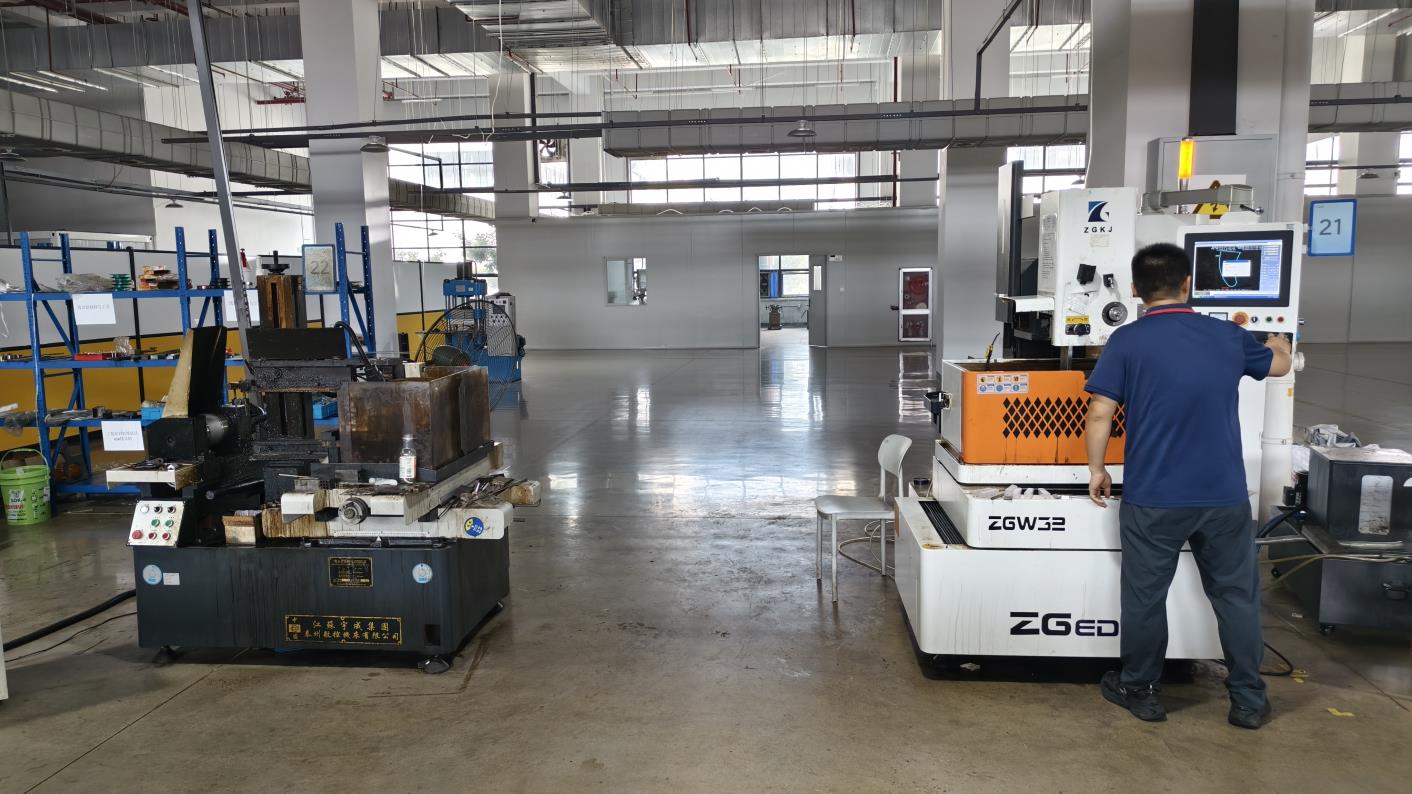
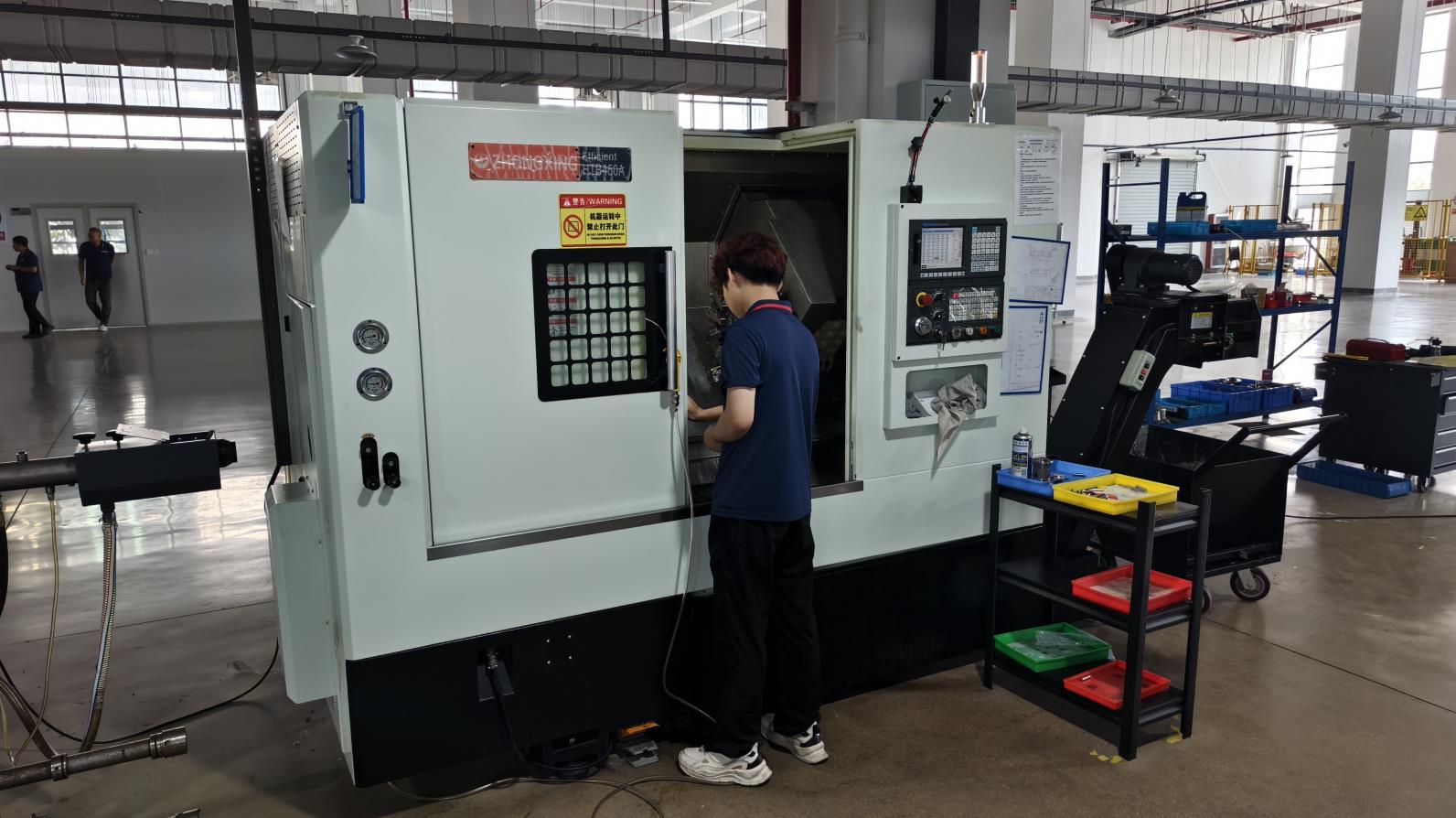
Producing precision implants requires micro-machining capabilities. By utilizing automated Swiss-type lathes and multi-axis CNC centers, Chinese medical manufacturers achieve tolerances within ±5 microns (μm). This guarantees that every titanium screw interface mates perfectly with its corresponding driver, mitigating the risk of intraoperative slippage.
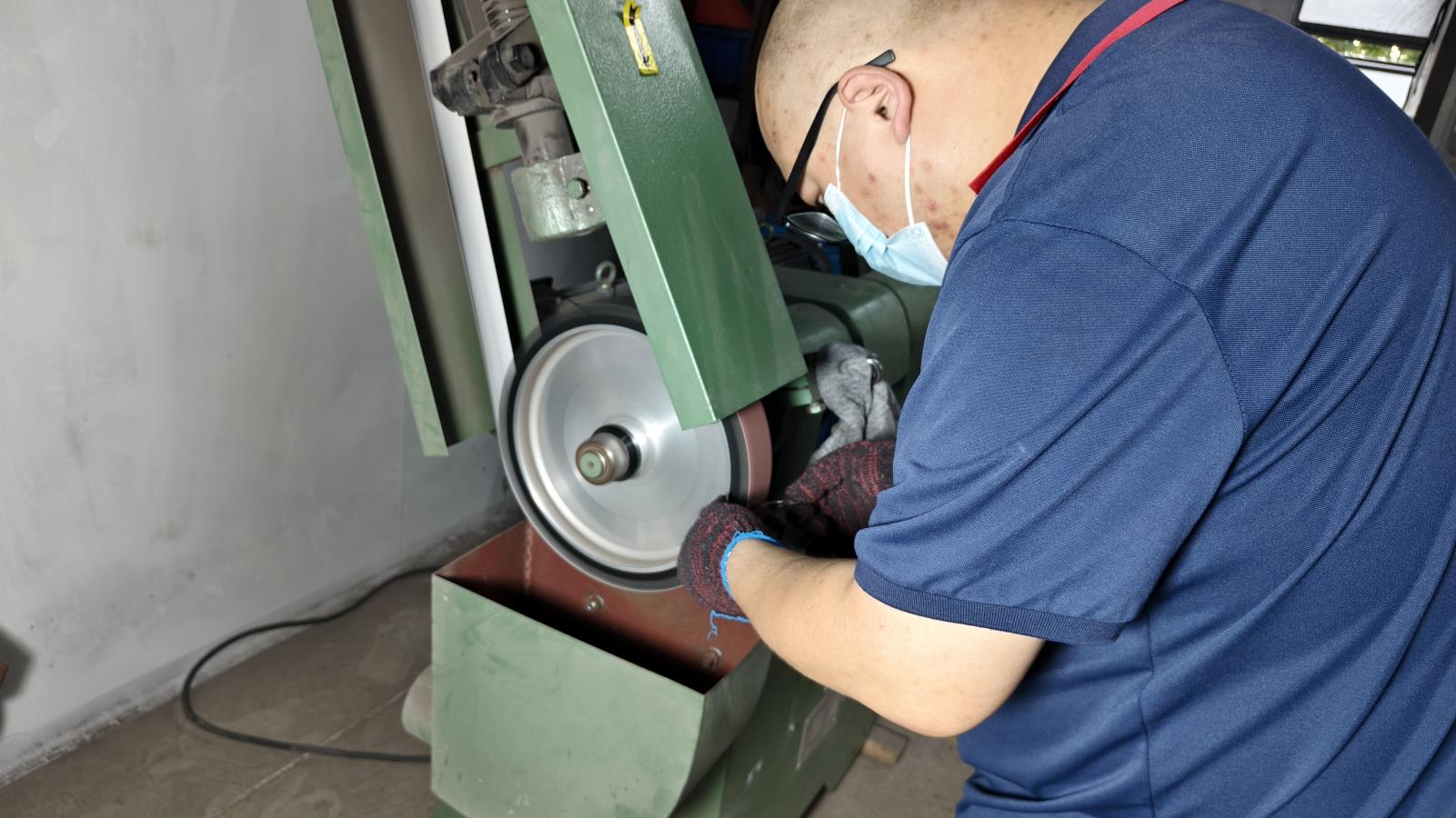
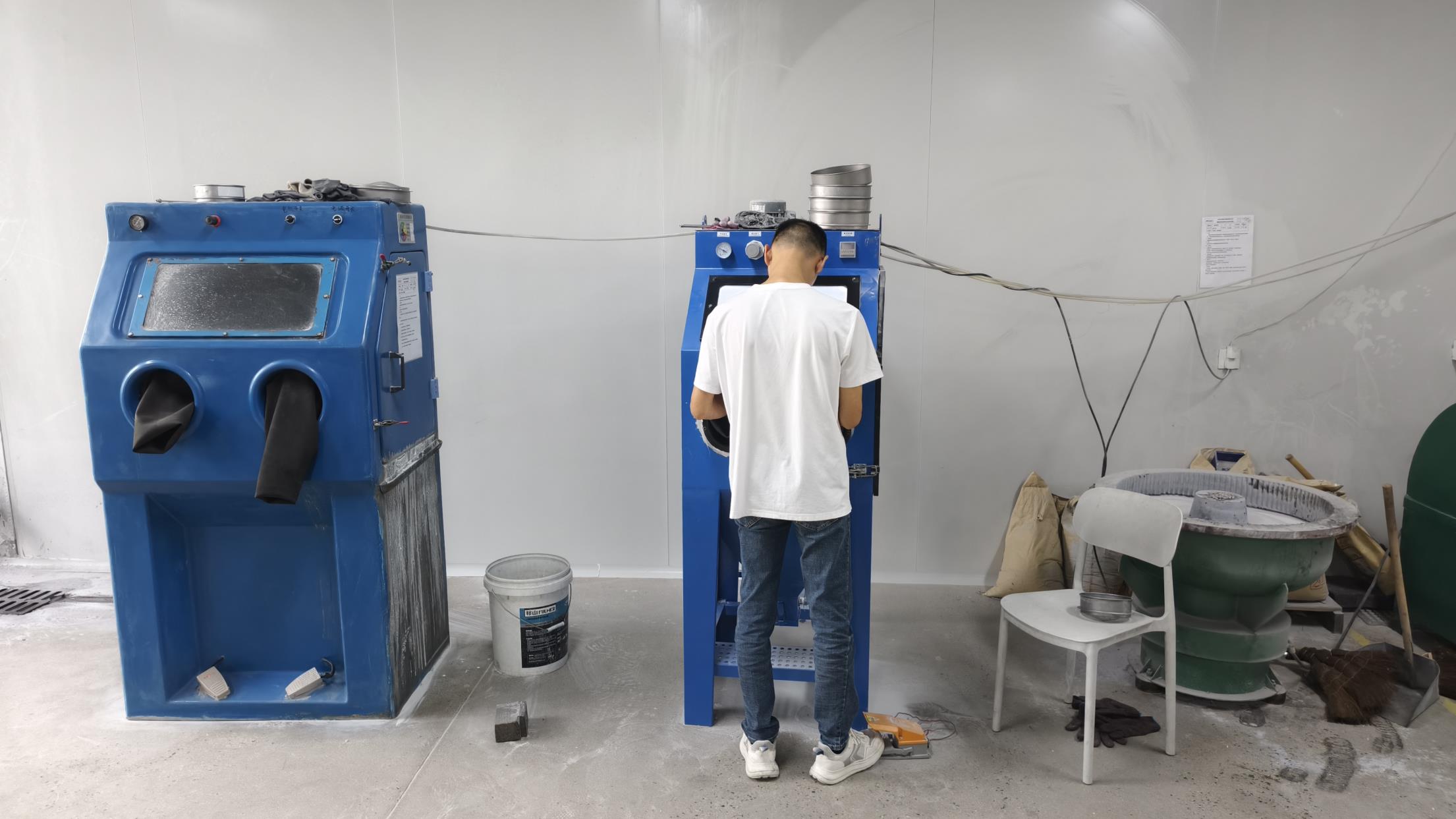
Synoviq deploys specialized surface finish processes such as electrochemical anodization, chemical passivation, and mechanical polishing. These techniques minimize surface micro-roughness, promote high osseointegration, and construct a stable titanium dioxide (TiO2) passivation layer to protect against biological corrosion.
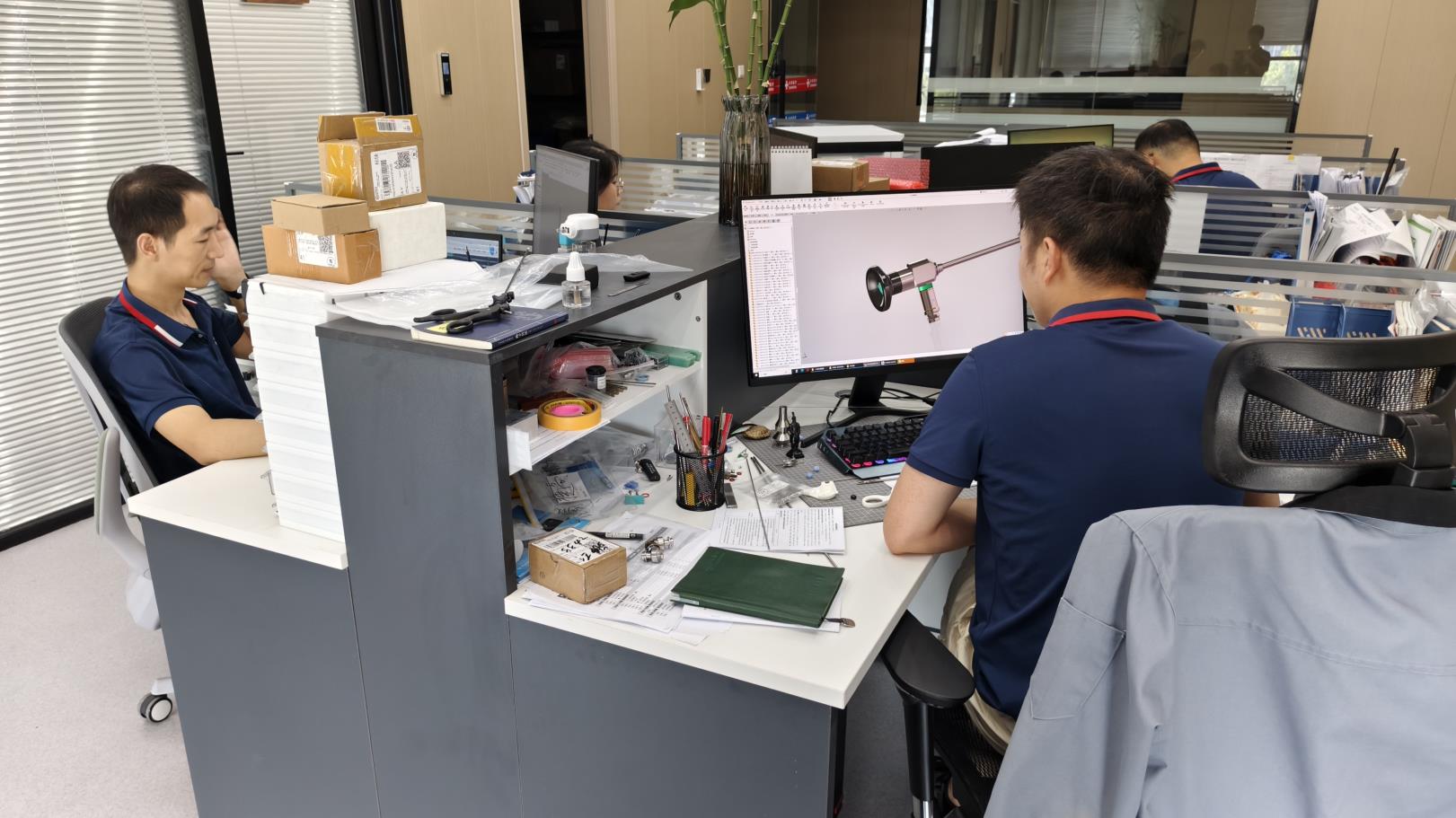
China's comprehensive industrial network provides immediate access to premium titanium bars, certified testing facilities, and sterile packaging supplies. Combined with our 76-engineer R&D team and a dedicated roster of over 1,120 supply chain partners, we dramatically reduce time-to-market for custom OEM runs—turning product designs into sterile-packaged, clinical-grade medical components in weeks rather than months.
Operational data and capacity benchmarks backing our global OEM/ODM orthopedic manufacturing partnerships.
Verified operations and manufacturing specs for auditing departments and global sourcing managers.
| Item | Information |
|---|---|
| Company Name | Synoviq Medical Technology (China) Co., Ltd. |
| Brand | Synoviq |
| Established | March 18, 2016 |
| Building Area | 18,600 m² |
| Annual Export Revenue | USD 21.8 Million |
| Export Experience | 8 Years |
| Industry Experience | 14 Years |
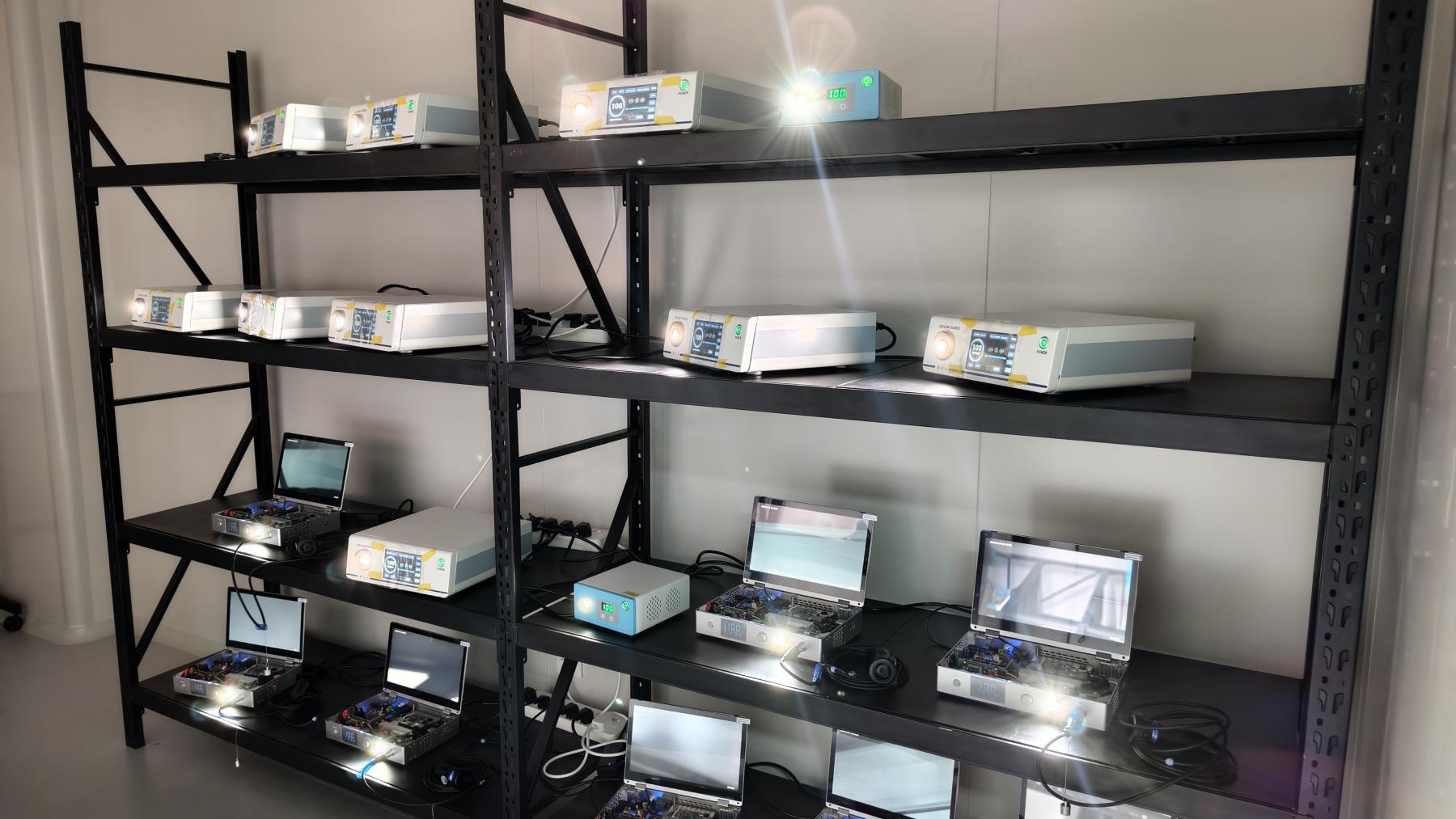
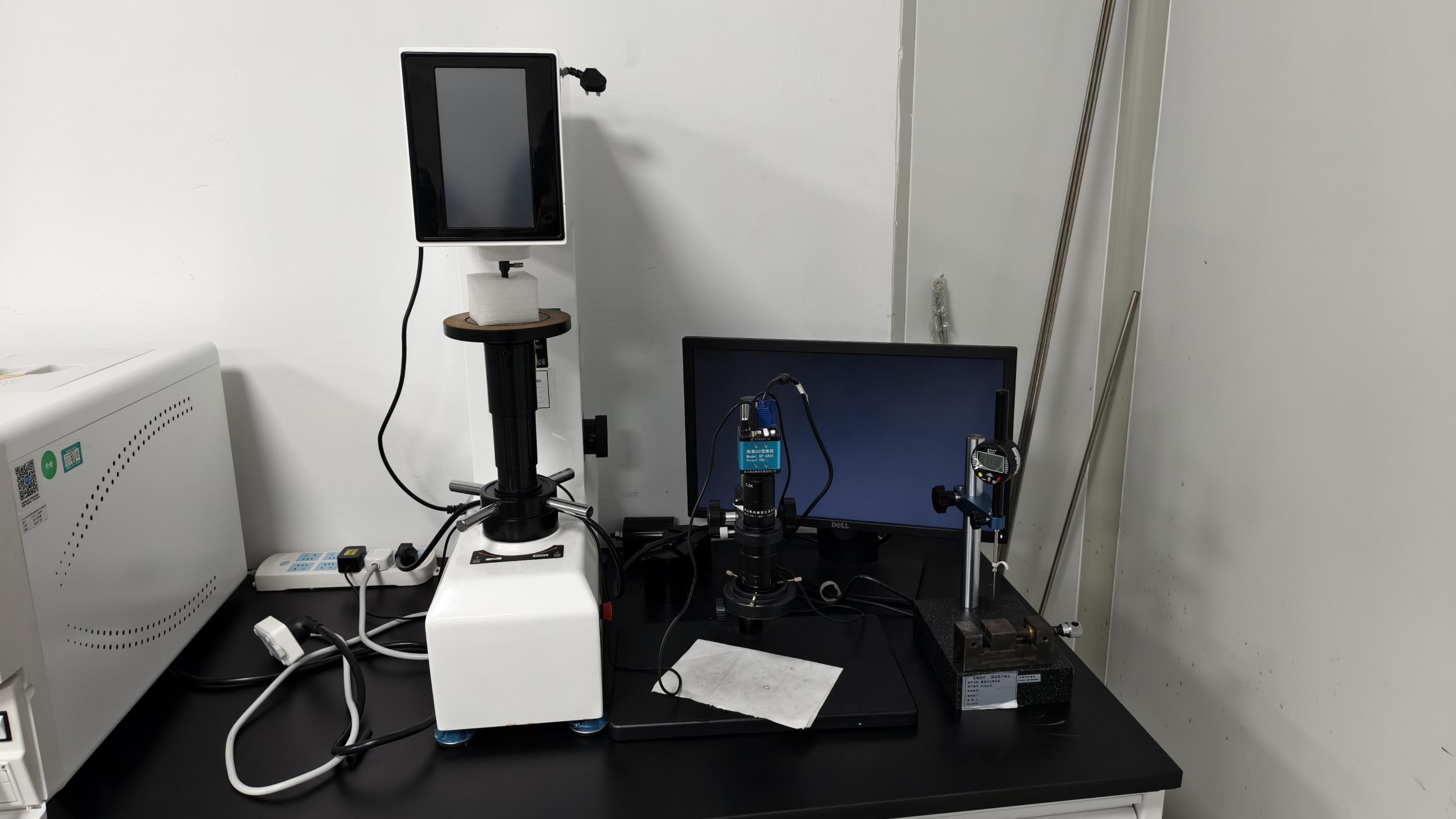
| Quality Inspection | 100% Final Inspection & Incoming Material Inspection |
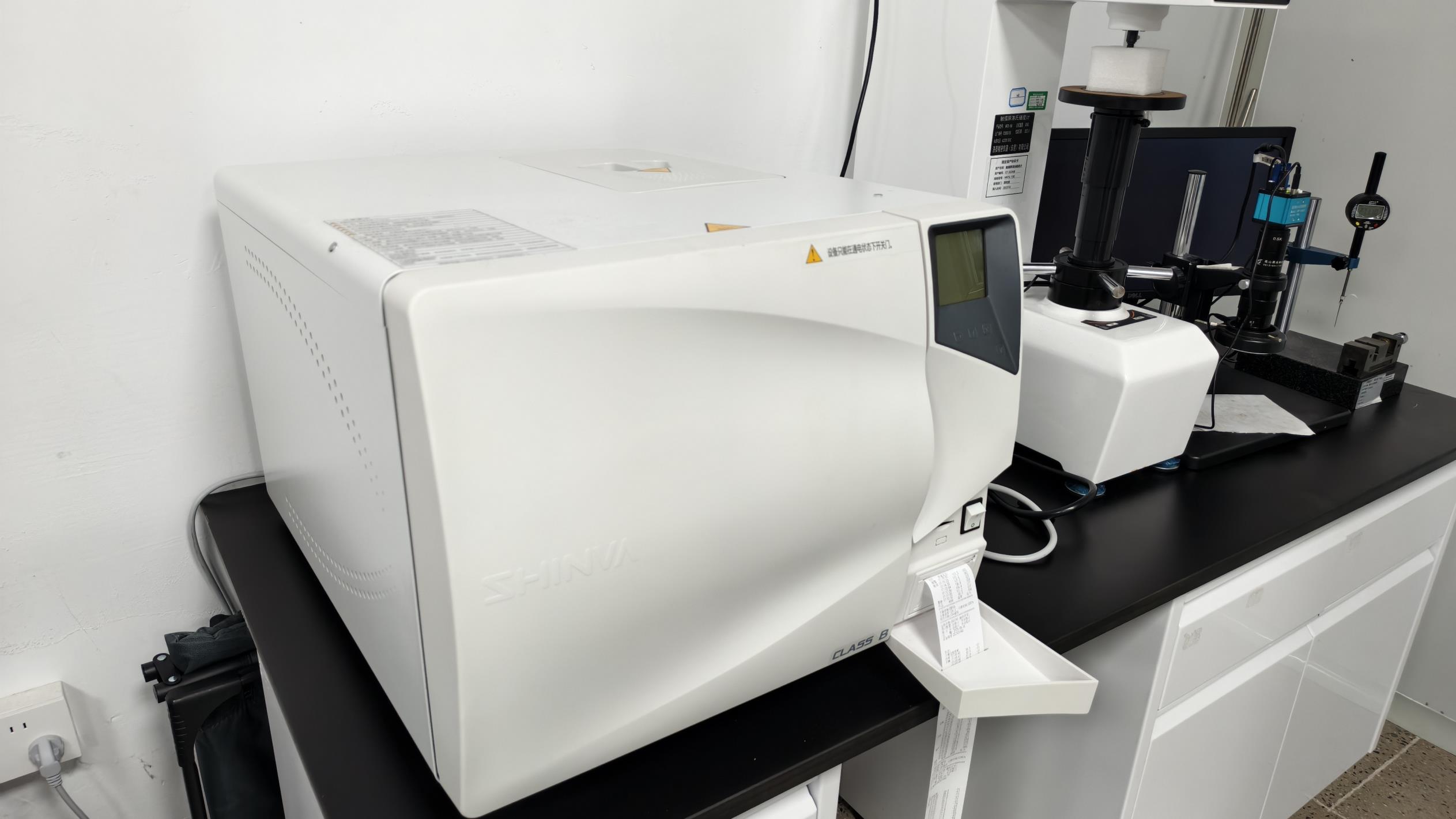
| Product Inspection Methods | CMM Measurement, Mechanical Testing, Surface Roughness Testing, Hardness Testing, Salt Spray Testing, Sterility Validation |
| Quality Control Staff | 48 |
| Business Type | Manufacturer & Exporter (OEM/ODM) |
| Main Markets | Europe, North America, South America, Middle East, Southeast Asia |
| Supply Chain Partners | 1,120+ |
| Main Customer Types | Medical Device Brands, Importers, Distributors, Hospitals, Government Procurement Projects |
| R&D Capability | Independent Product Design, Prototype Development, Clinical-Oriented Engineering, OEM & ODM Development |
| Customization Options | Logo Customization, Packaging Customization, Product Design Customization, Material Selection, Surface Treatment |
| New Products Released Last Year | 186 |
| R&D Engineers | 76 |
We maintain standard operations in dynamic environments, incorporating testing systems to meet strict medical regulatory criteria.
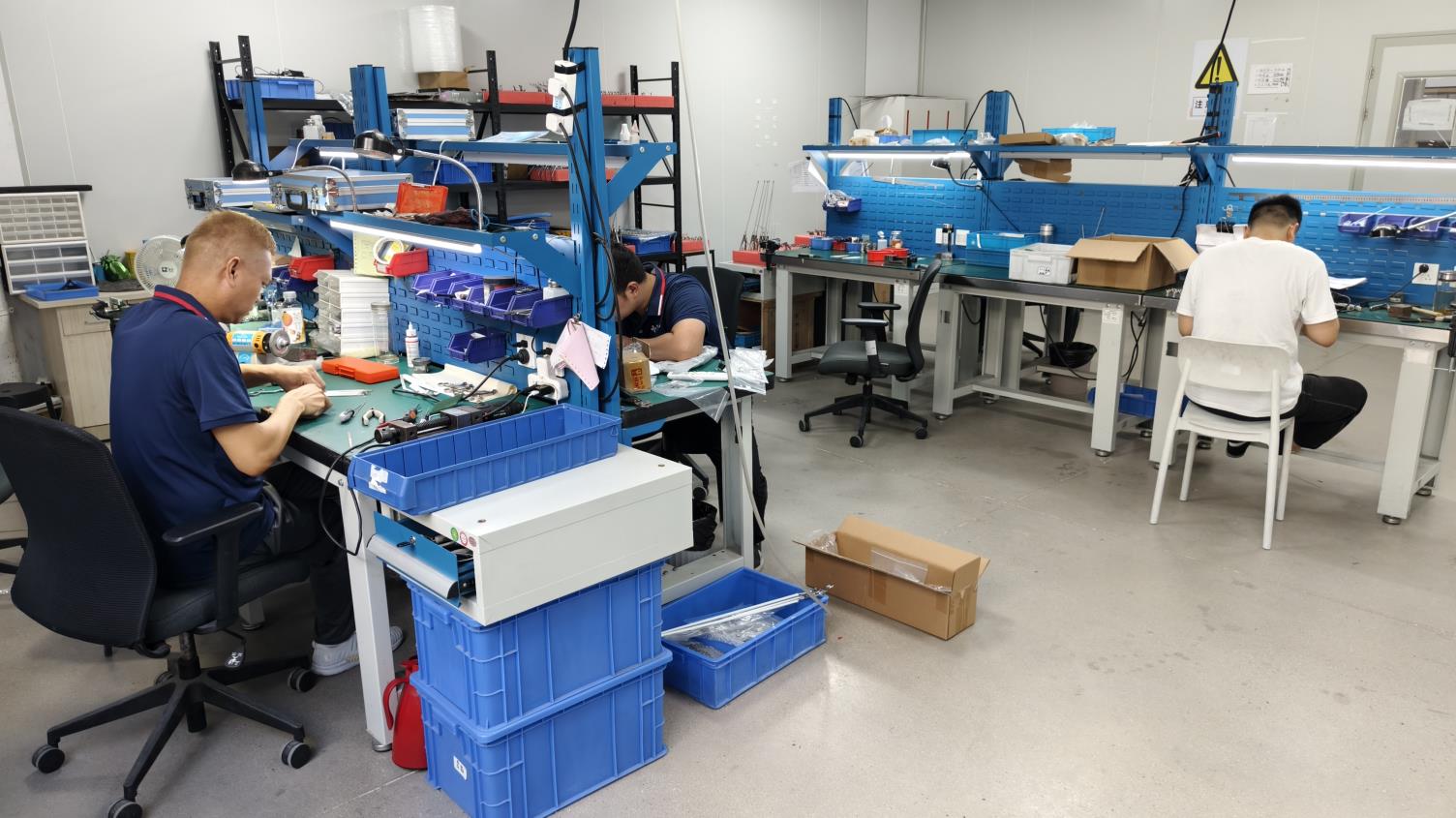
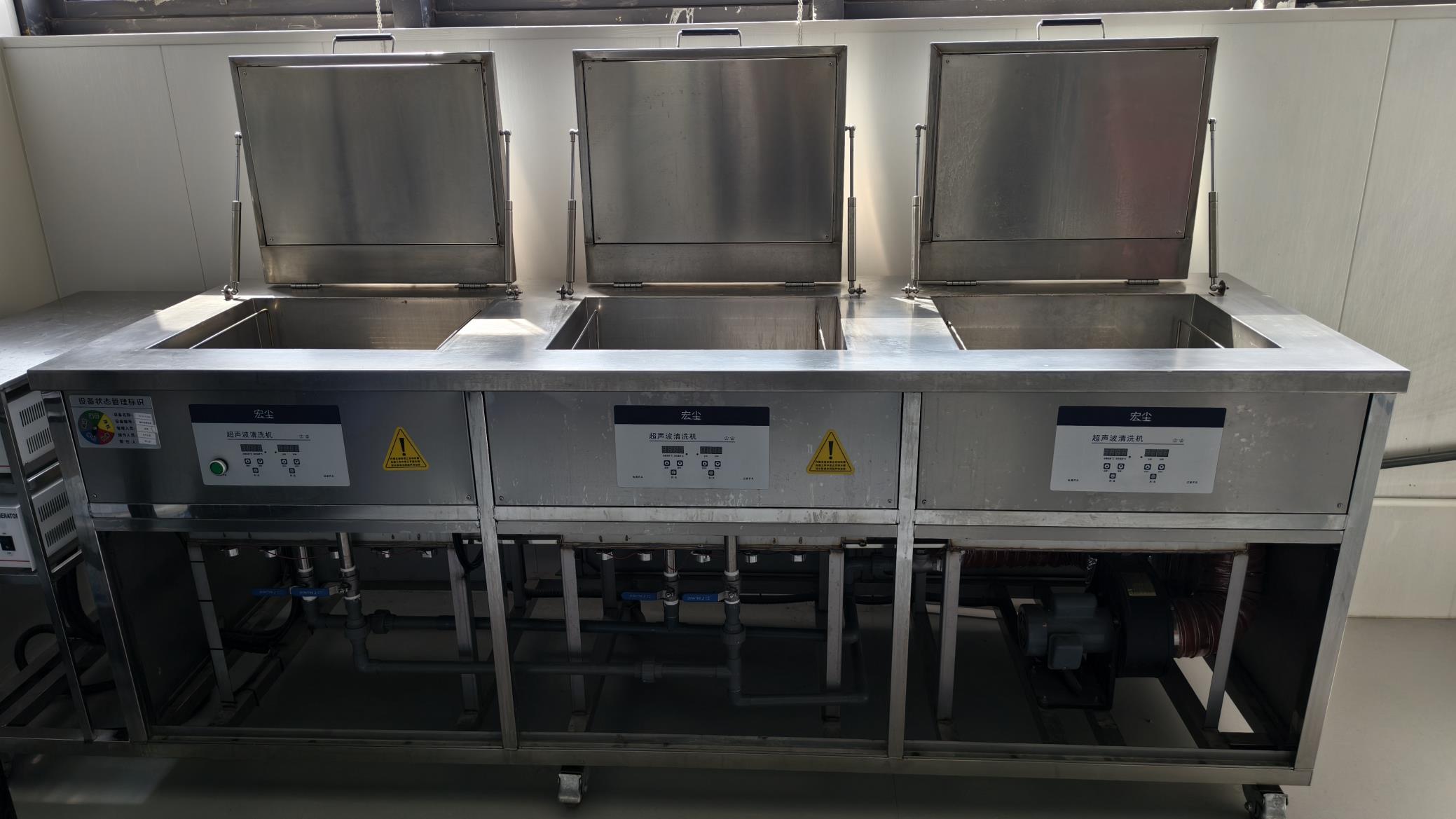
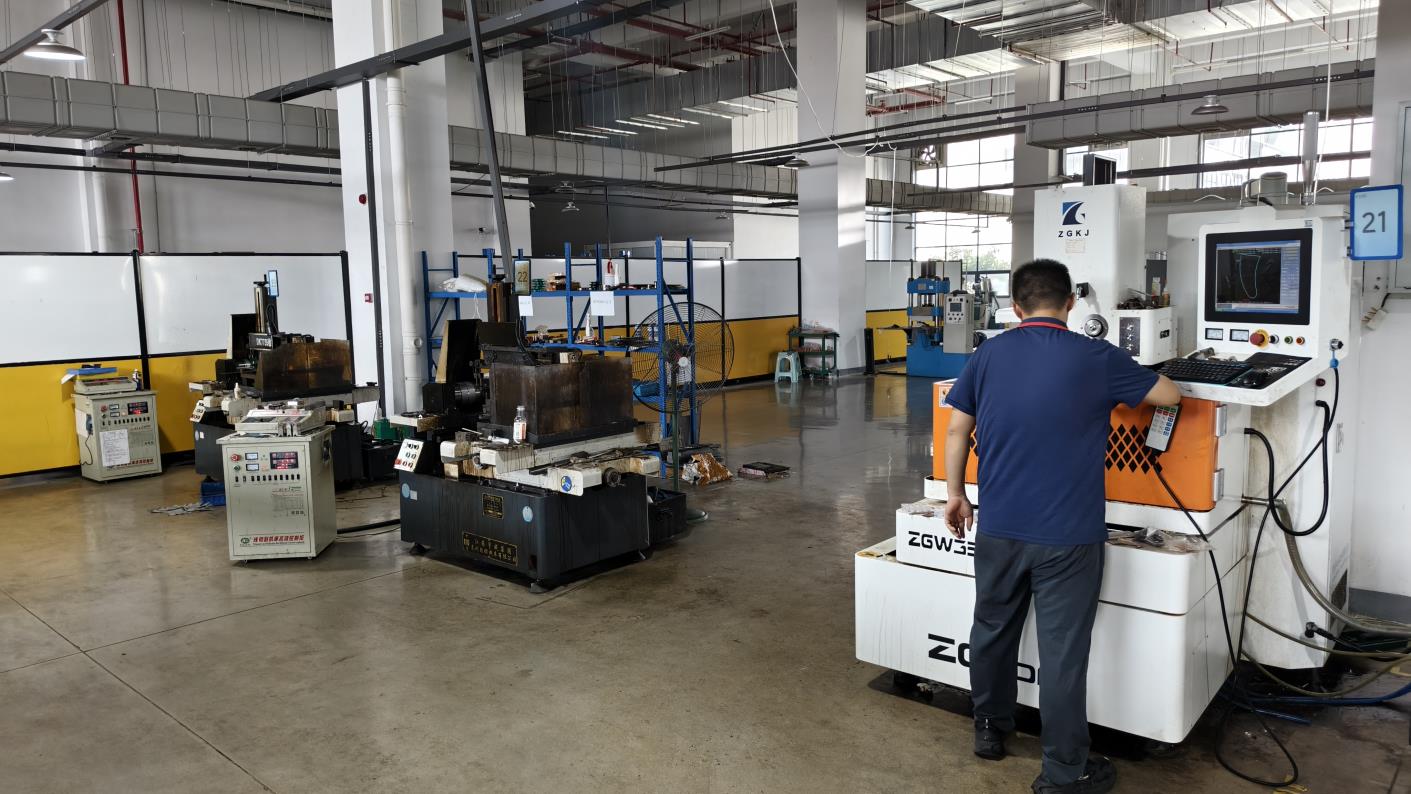
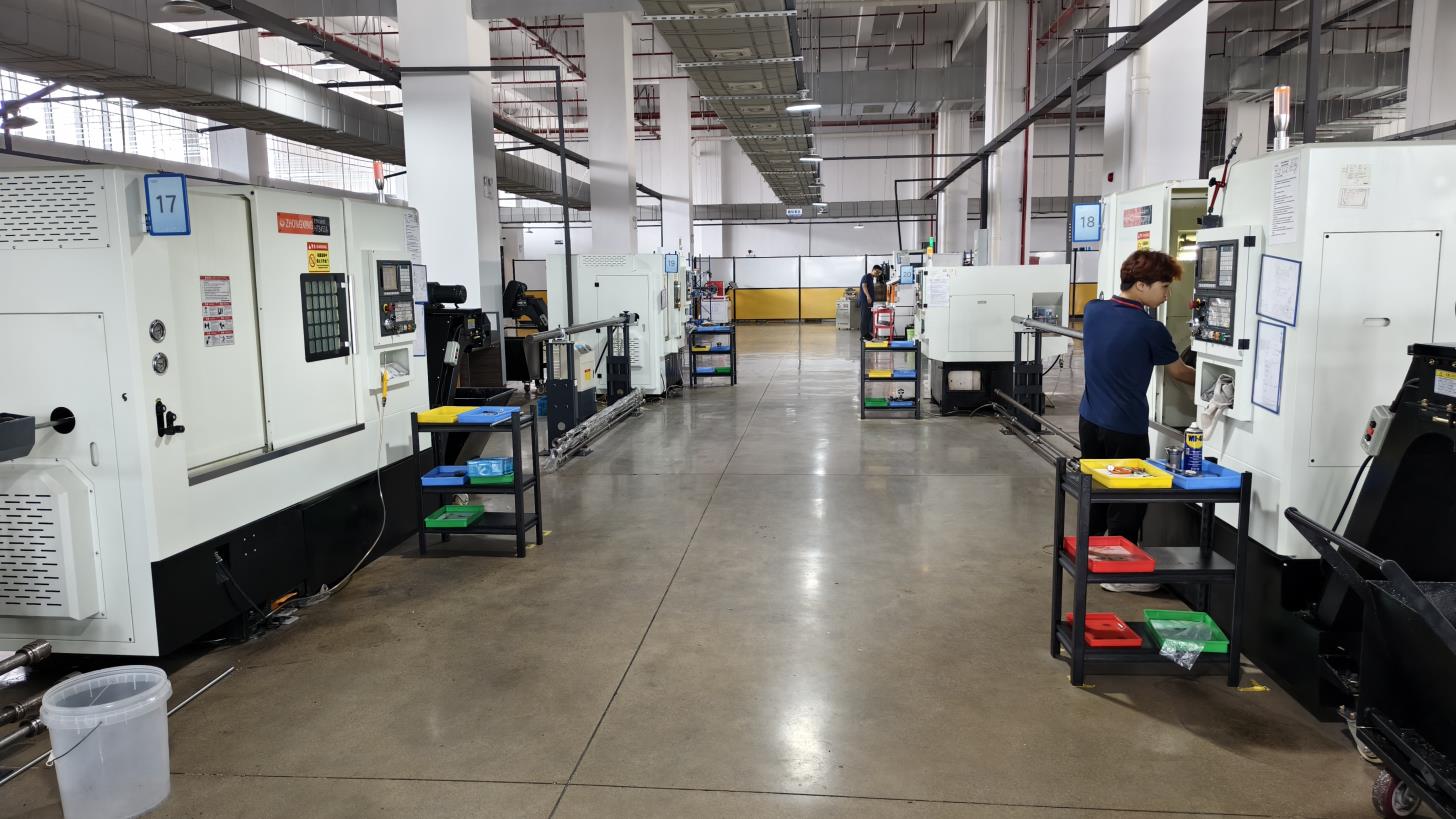
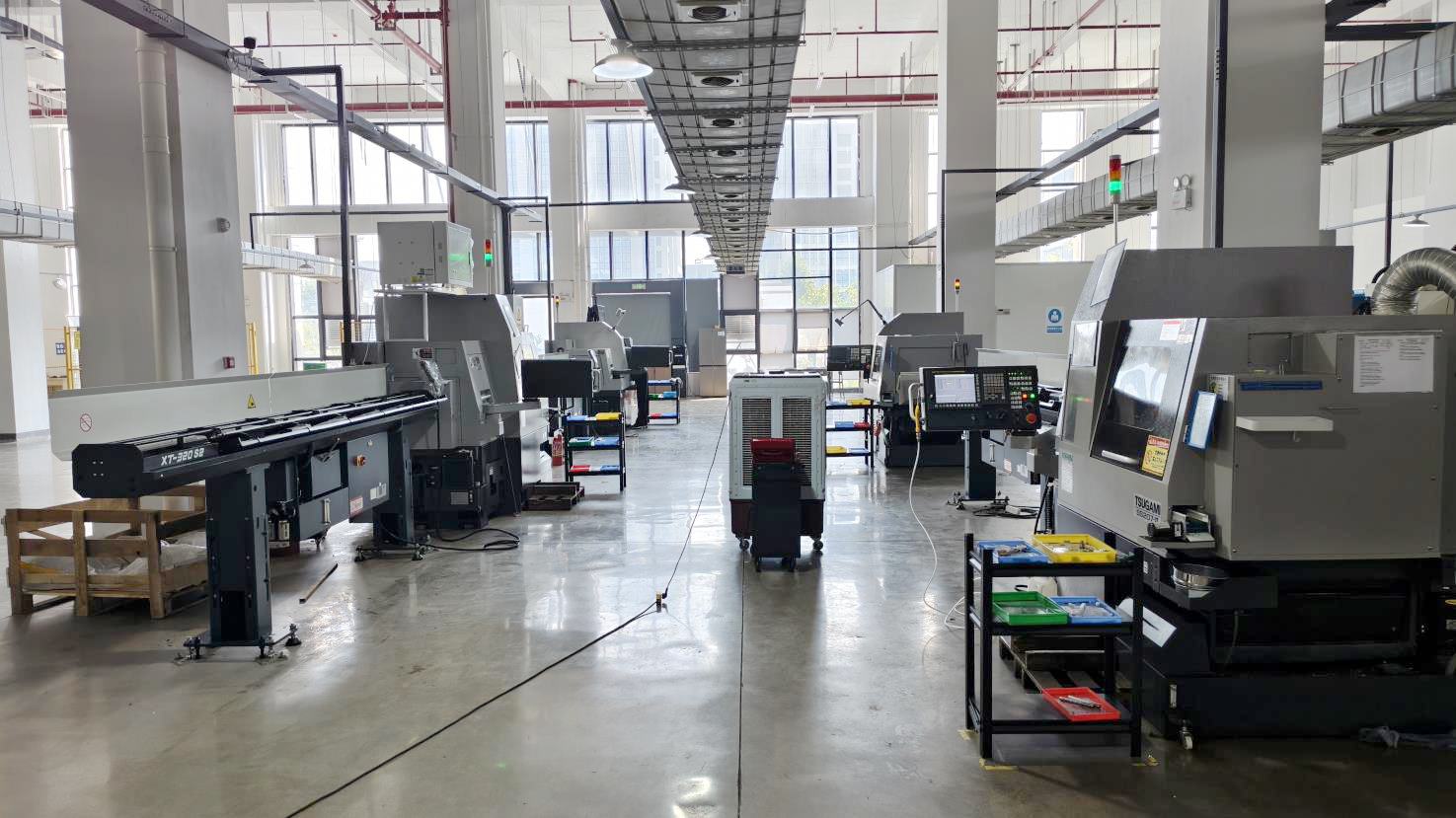
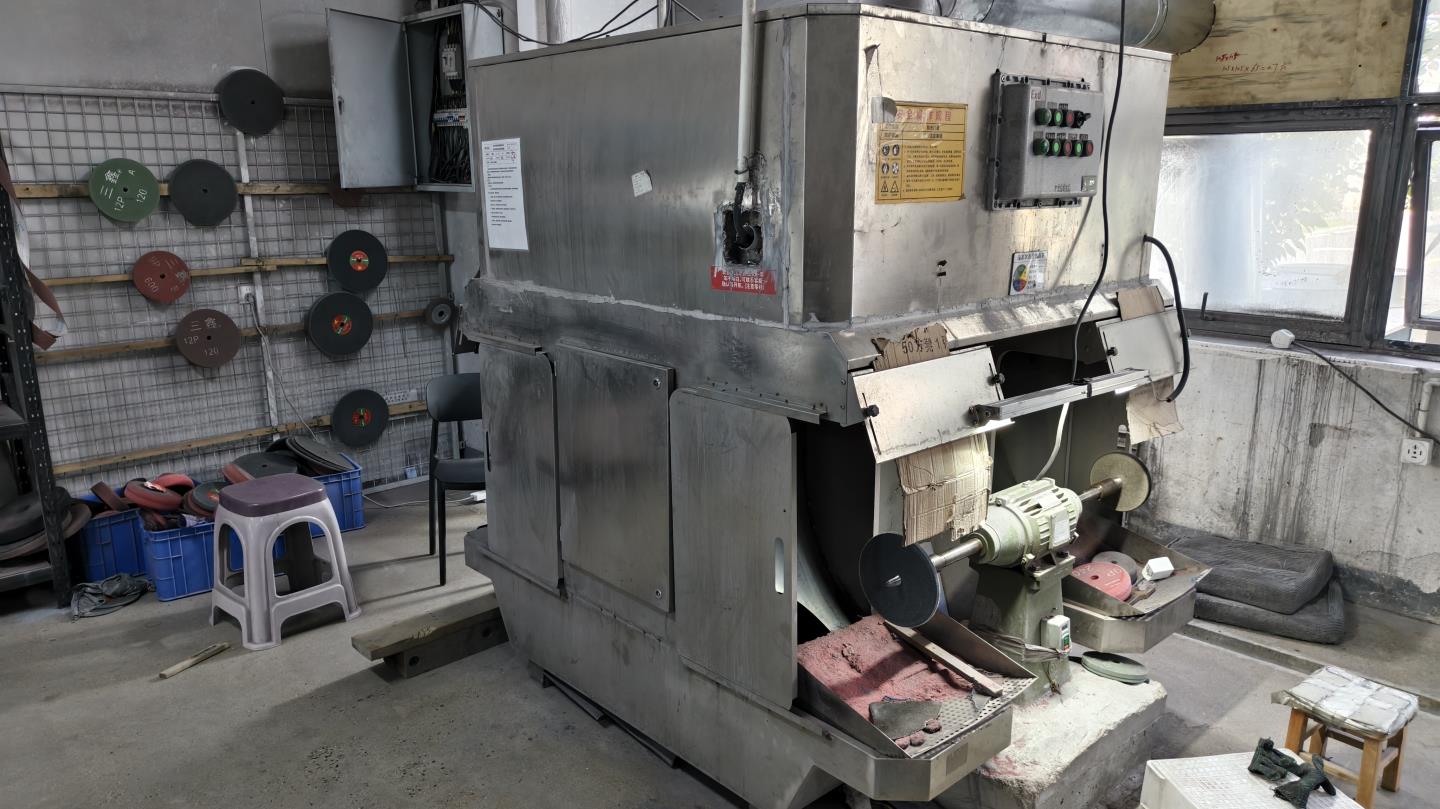
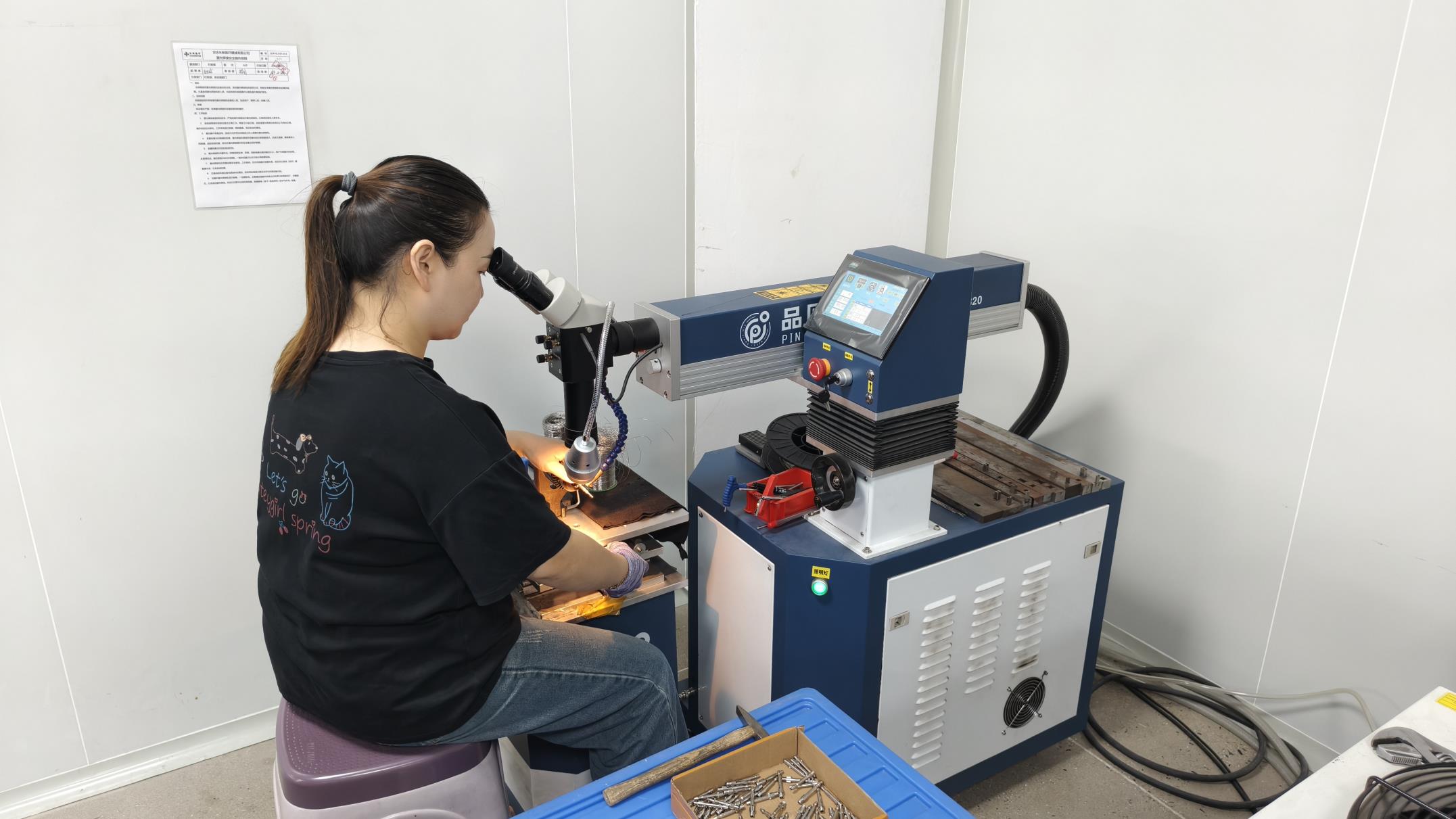
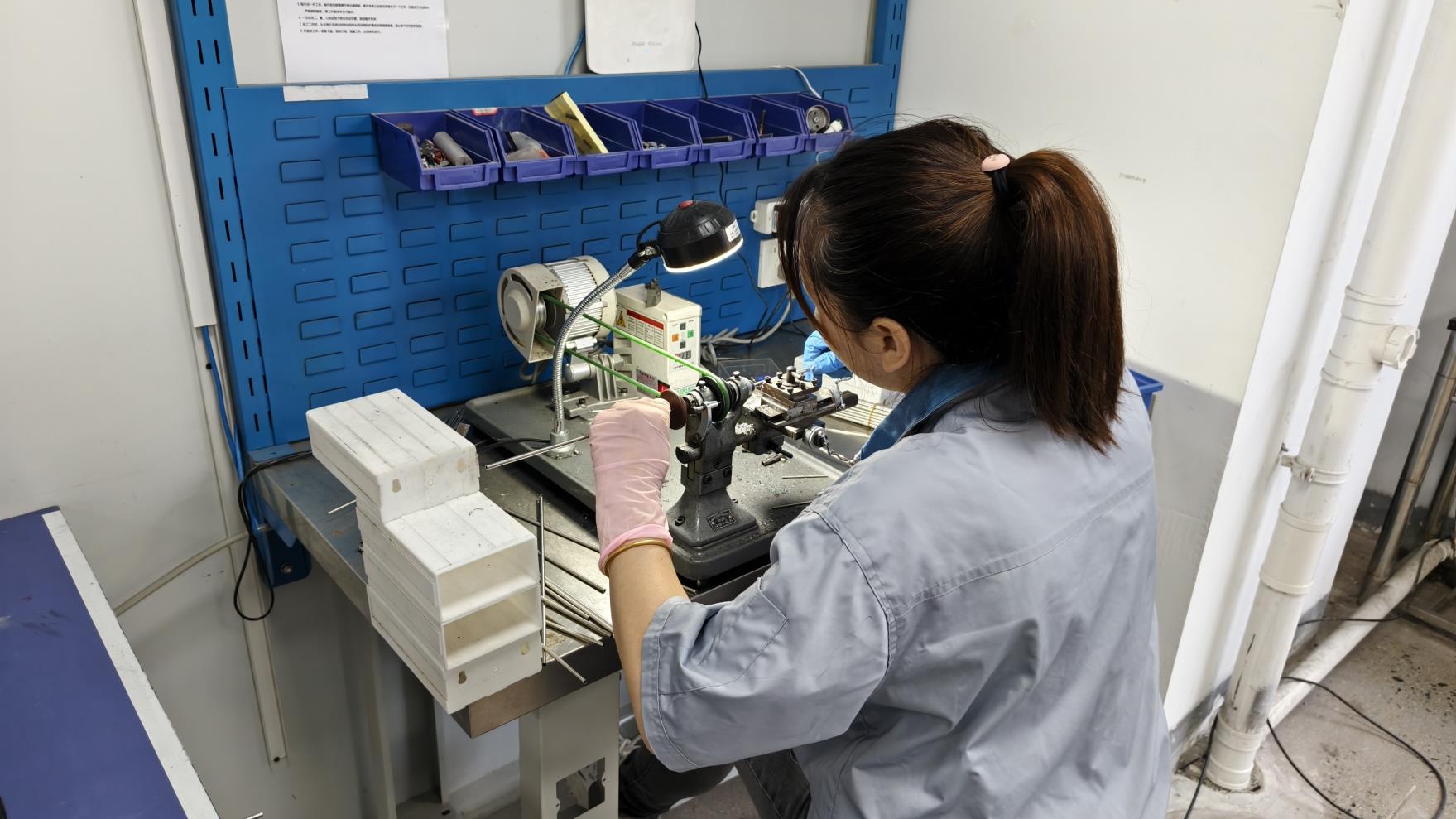
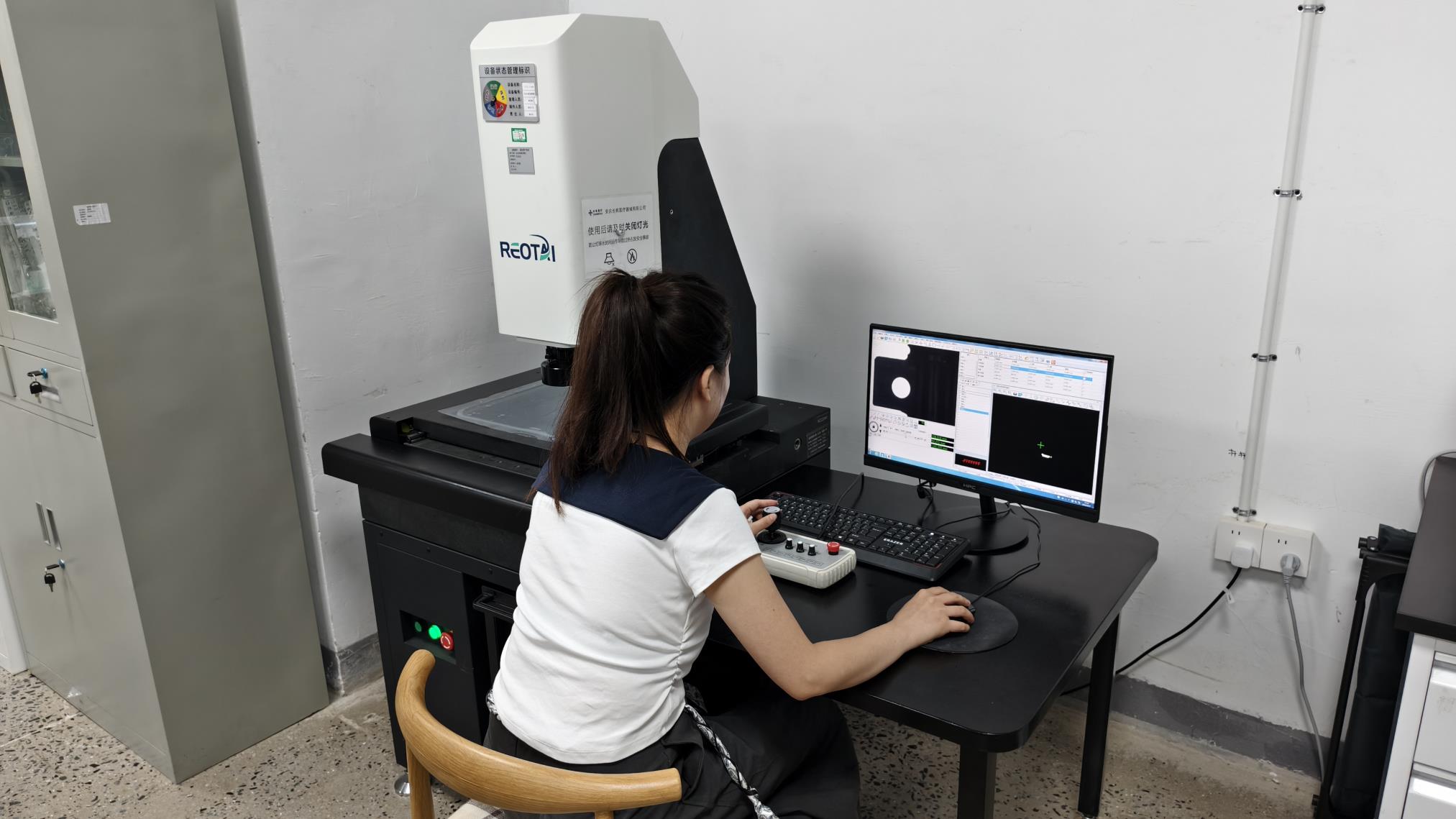
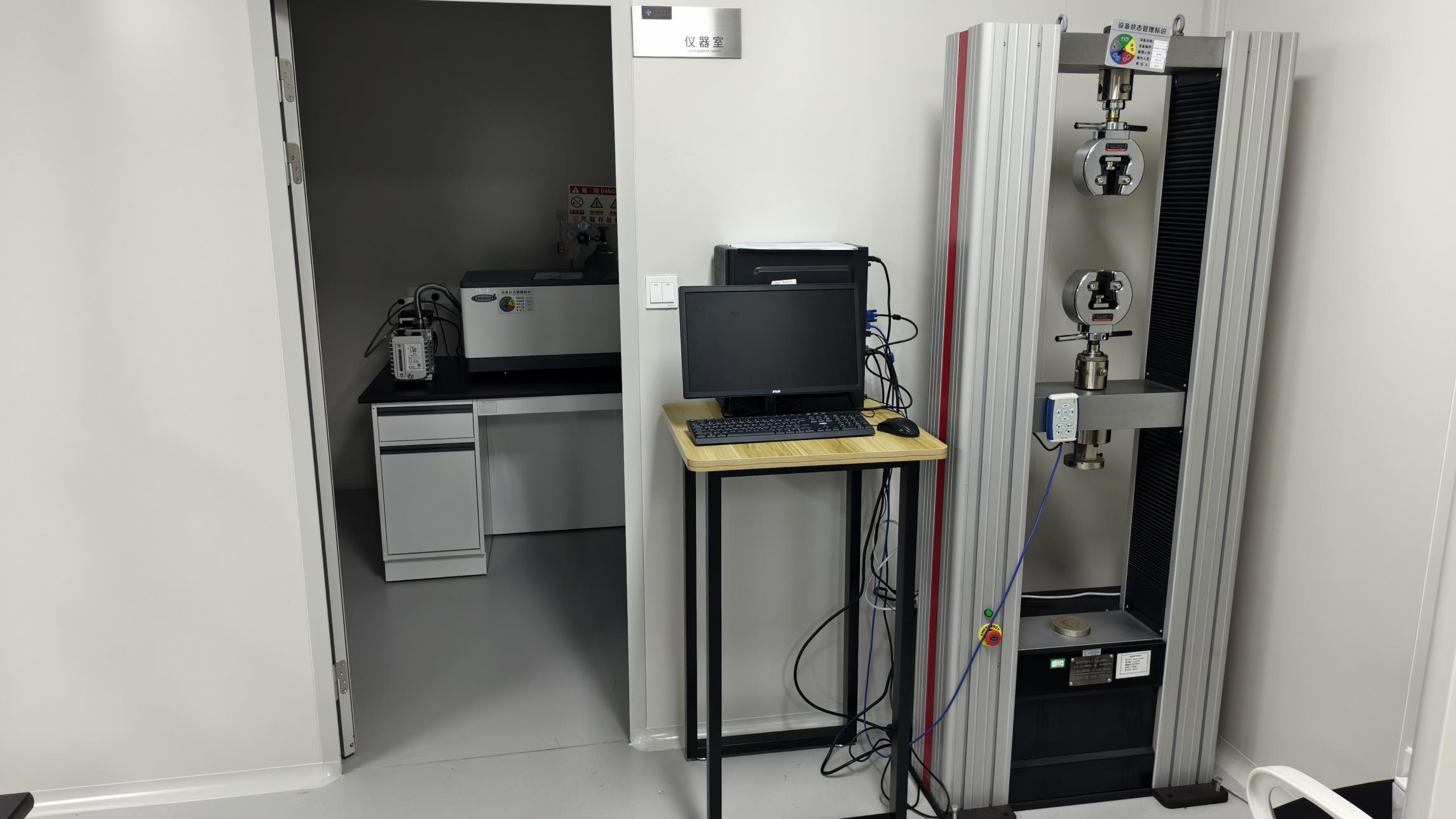
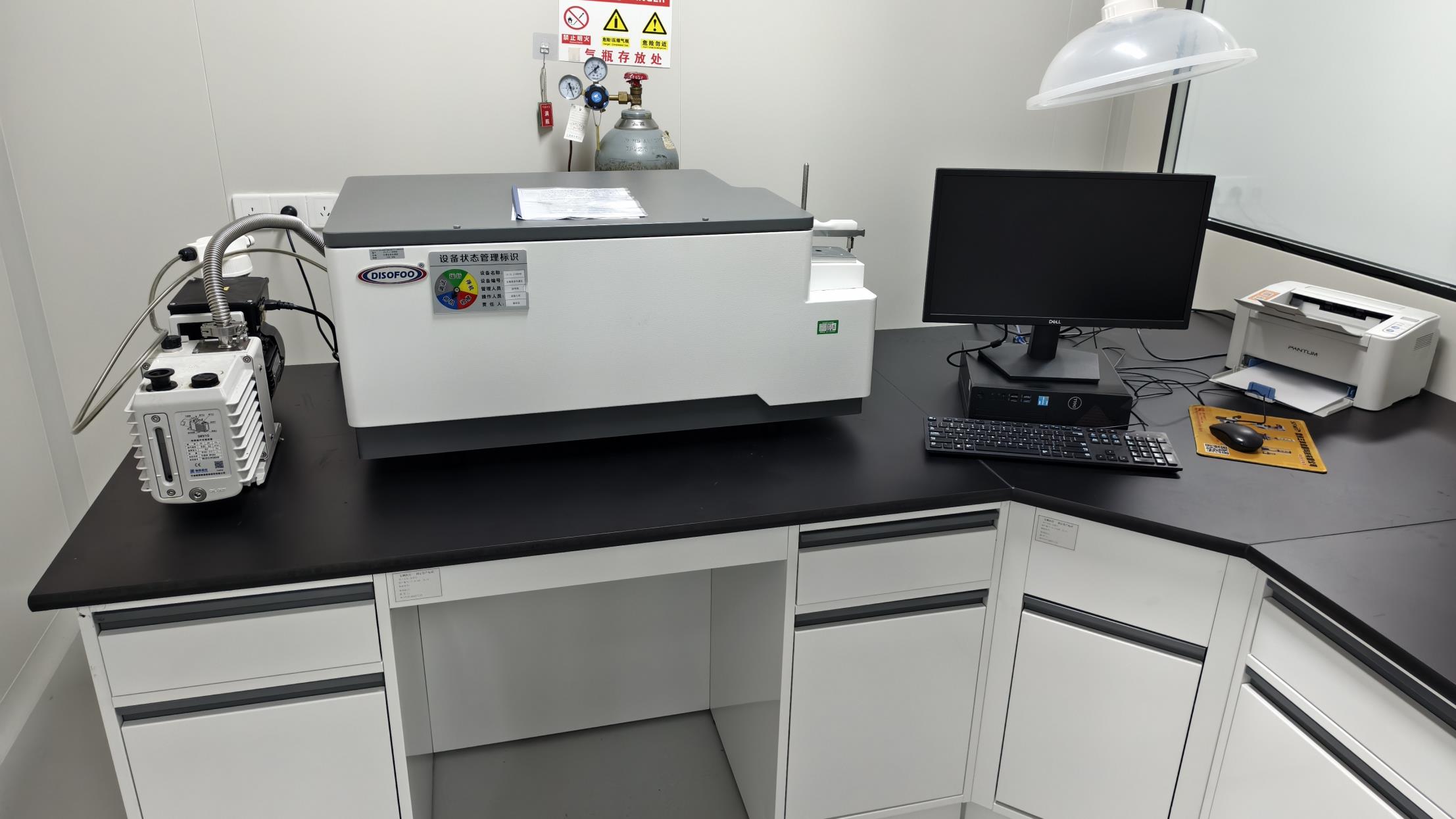
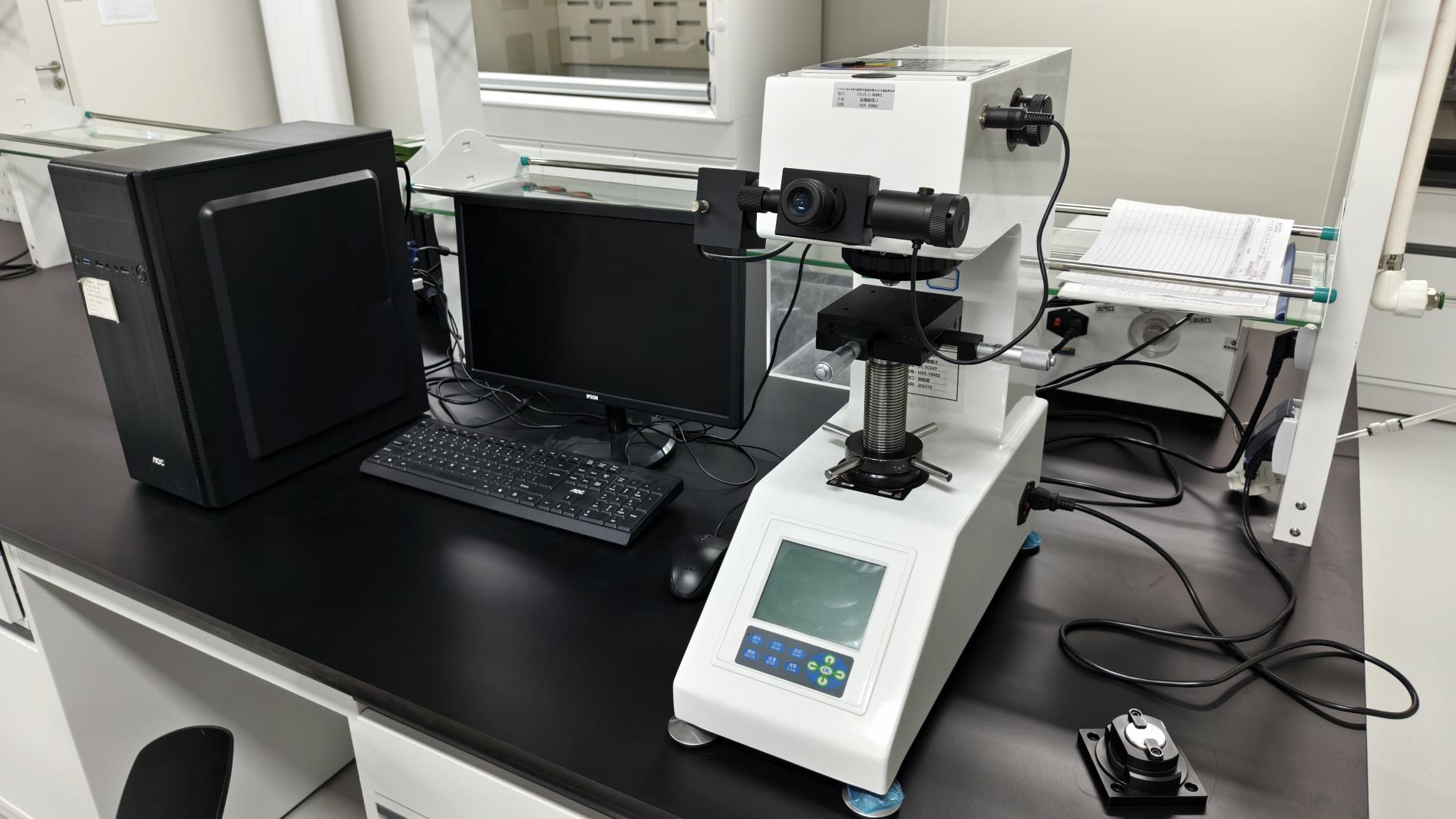
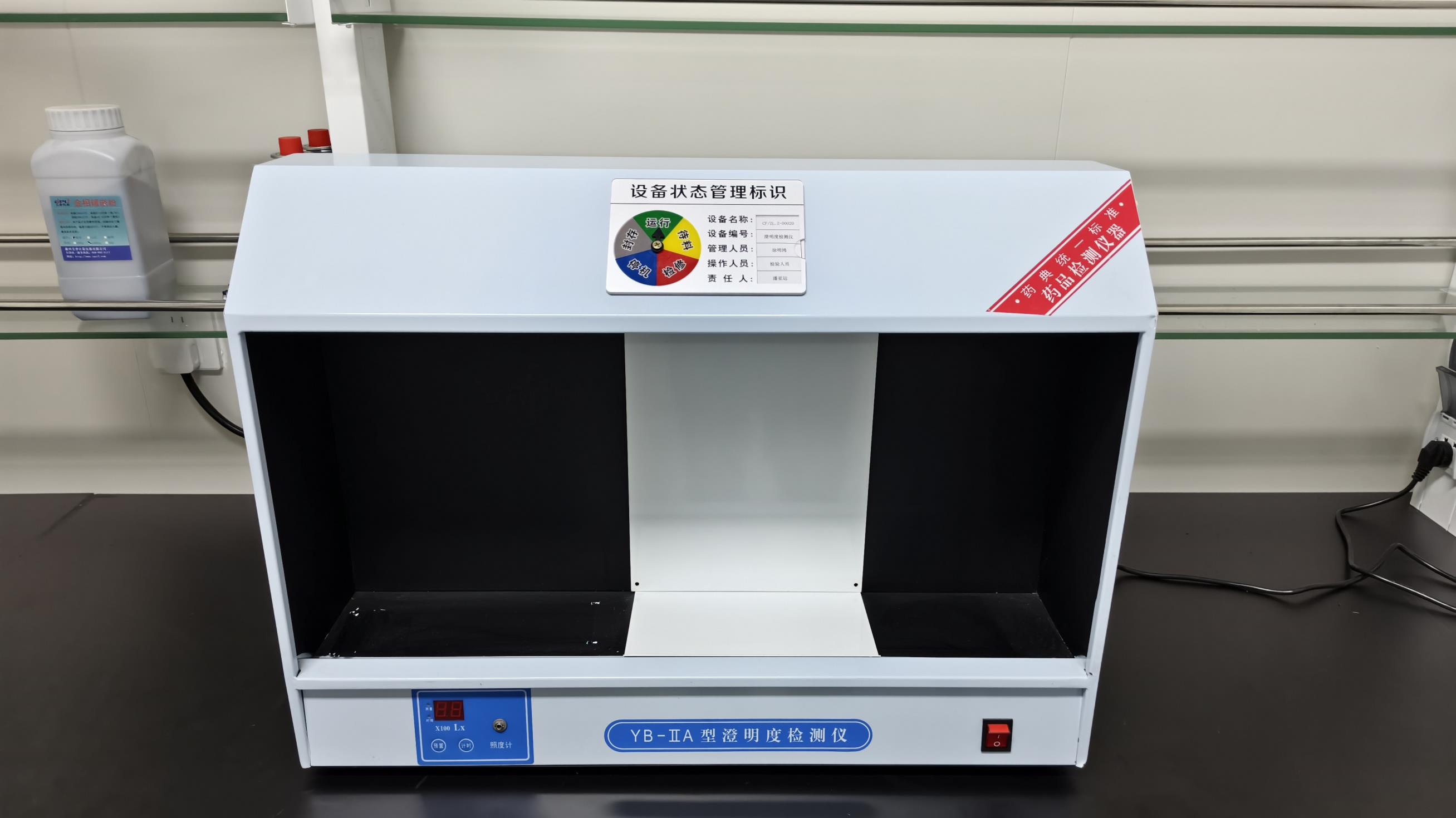
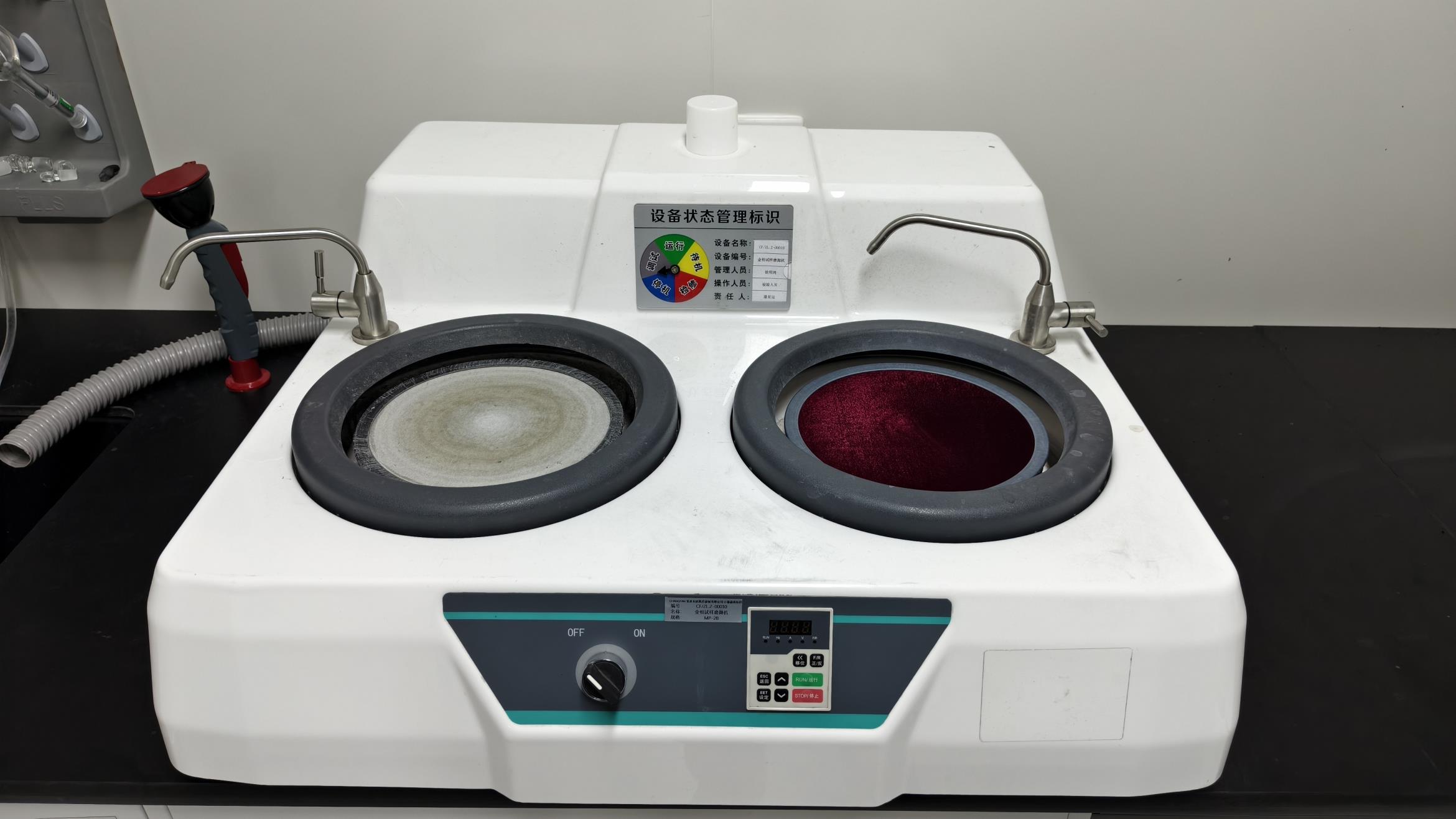
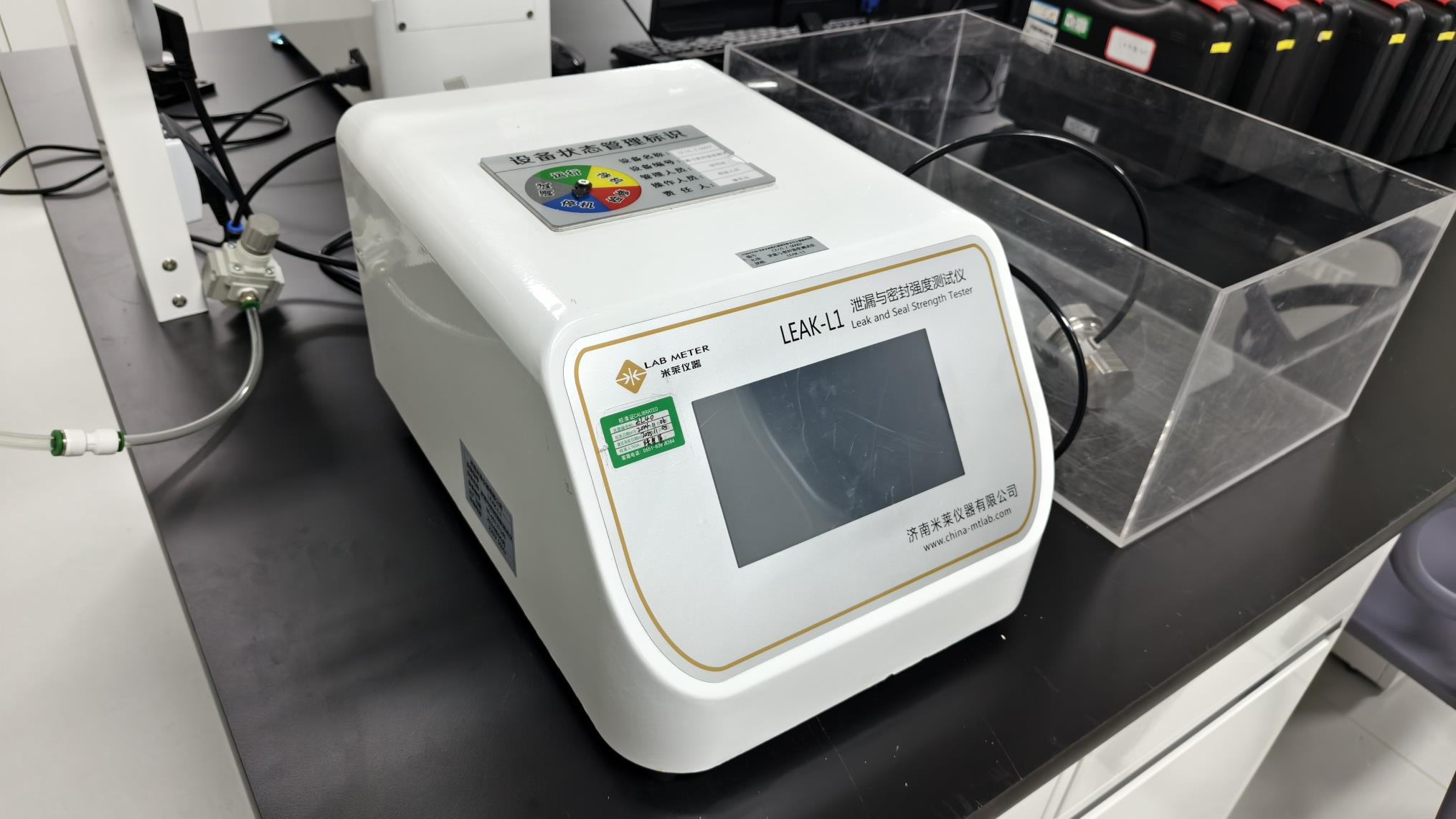
The global orthopedic sports medicine market is evolving. Sourcing managers and medical device brands must align with several shifting dynamics to remain competitive:
Standard off-the-shelf screws are giving way to anatomically optimized thread structures. Surgeons require distinct thread configurations for patellar bone blocks versus softer hamstring grafts. Custom manufacturing runs that accommodate unique core taper ratios, variable pitches, and custom driver connections are key to market capture.
In developed regions, hospitals are moving away from autoclave sterilization cycles within the OR, preferring pre-sterilized, single-use implants. Synoviq's cleanrooms conform to strict sterility requirements, enabling partners to import sterile-ready products that reduce administrative overhead and cross-contamination risks.
The regulatory shift from MDD to MDR in Europe and strict FDA Class II/III requirements highlight the necessity of material traceability. Every batch of Titanium Interference Screws must be supported by certified mill test reports, showing correct levels of Alpha-Beta alloy elements and structural integrity under fatigue testing protocols.
Leveraging our 14 years of orthopedic expertise, we work directly with global medical engineering departments to build custom thread structures, implement custom branding, and provide complete chemical and biomechanical documentation for regional regulatory compliance.
How we address core procurement, quality control, and shipping requirements for international distributors.
Find direct answers to technical, manufacturing, and sourcing inquiries.
A further look at our precision implants, locking plates, spinal fixation kits, and specialized external fixators.
 Synoviq Medical