Explore our core medical devices engineered to meet rigorous international standards for orthopedic trauma, spine surgeries, and veterinary procedures.
An executive analysis of market dynamics, engineering requirements, and the paradigm shift toward highly precise OEM solutions.
The global orthopedic surgery instruments market is undergoing a structural shift. Driven by aging demographics, a surge in sports-related trauma, and the rapid clinical adoption of Minimally Invasive Surgery (MIS), the demand for high-grade implants and specialized instrument kits has reached unprecedented levels. Modern surgeons require tactile responsiveness, absolute biomechanical compatibility, and ergonomic efficiency. Simultaneously, global medical device brands and hospital purchase procurement networks must balance these demanding clinical profiles with supply chain resilience and cost optimization.
For custom OEM/ODM sourcing, this dynamics creates a crucial need for manufacturers that combine biocompatible materials (such as ASTM F136 ELI Titanium, PEEK-OPTIMA, and 316LVM implant-grade stainless steel) with micro-precision fabrication. Orthopedic implants must sustain millions of load-bearing cycles without mechanical failure, meaning structural integrity and fatigue limits are non-negotiable quality metrics. As an experienced orthopedic supplier, Synoviq Medical Technology addresses this imperative through vertically integrated manufacturing, validated medical-grade surface coatings, and regulatory-grade quality control.
Utilizing high-tensile medical titanium alloy (Ti-6Al-4V ELI) and PEEK polymers to guarantee optimal elastic modulus and bone graft integration.
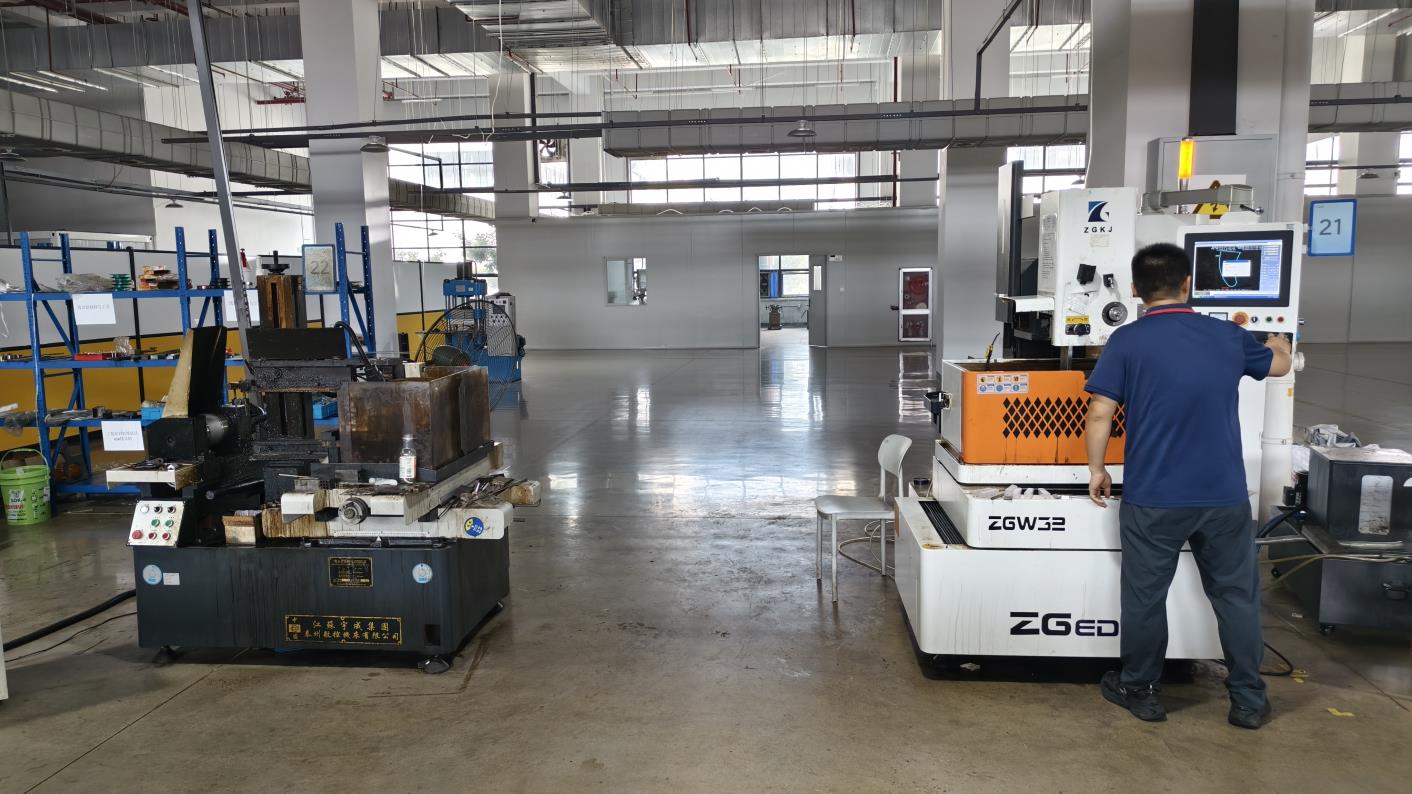
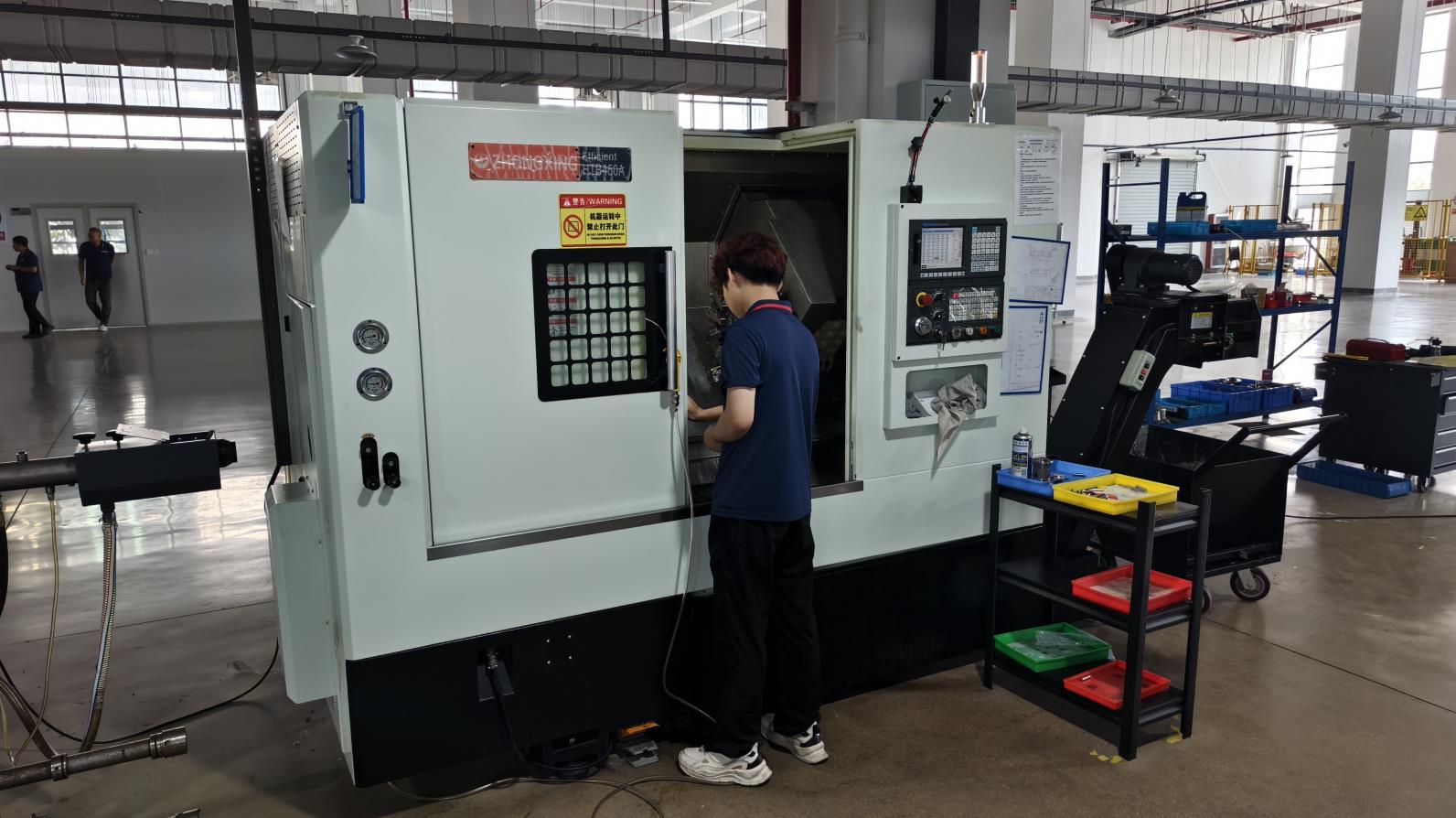
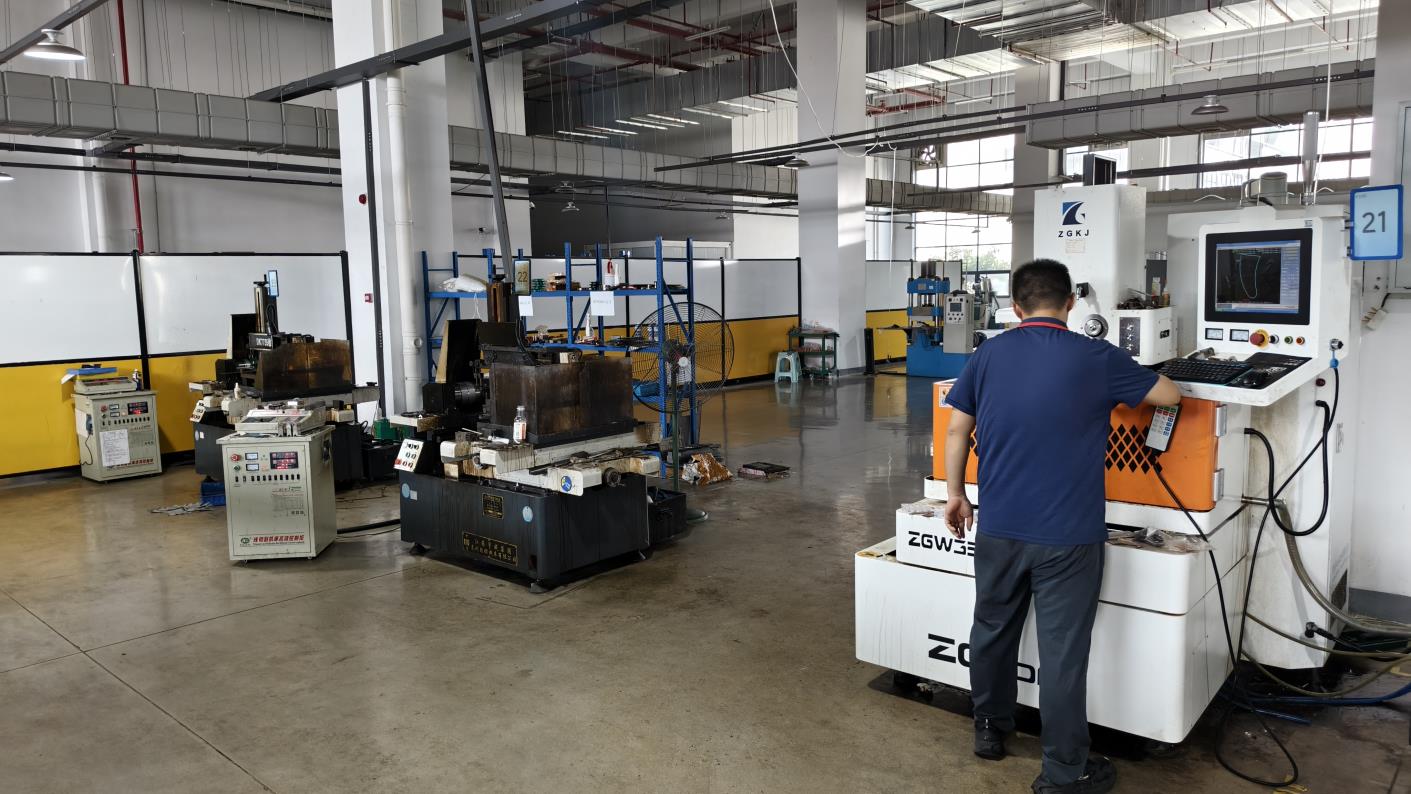
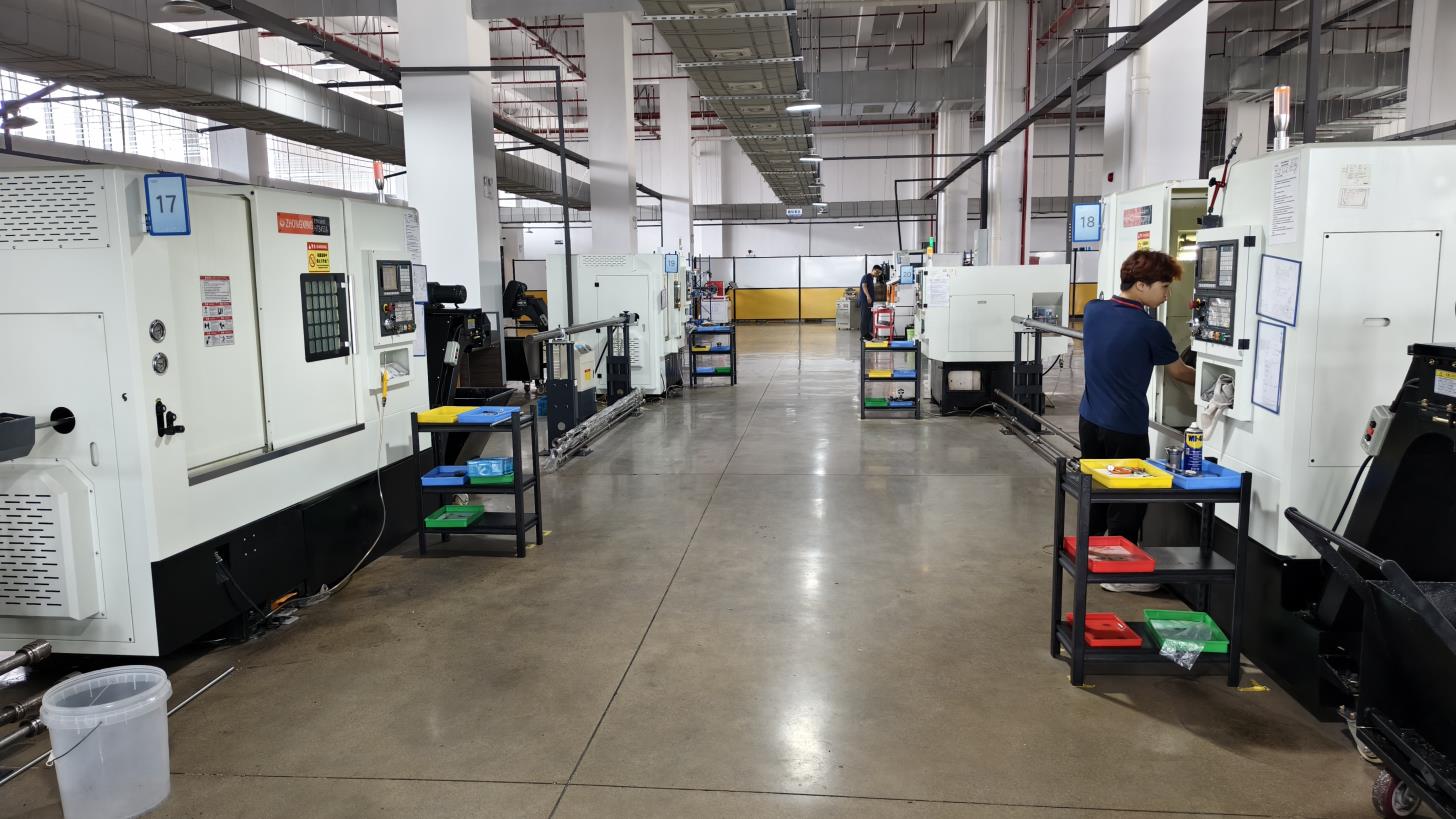
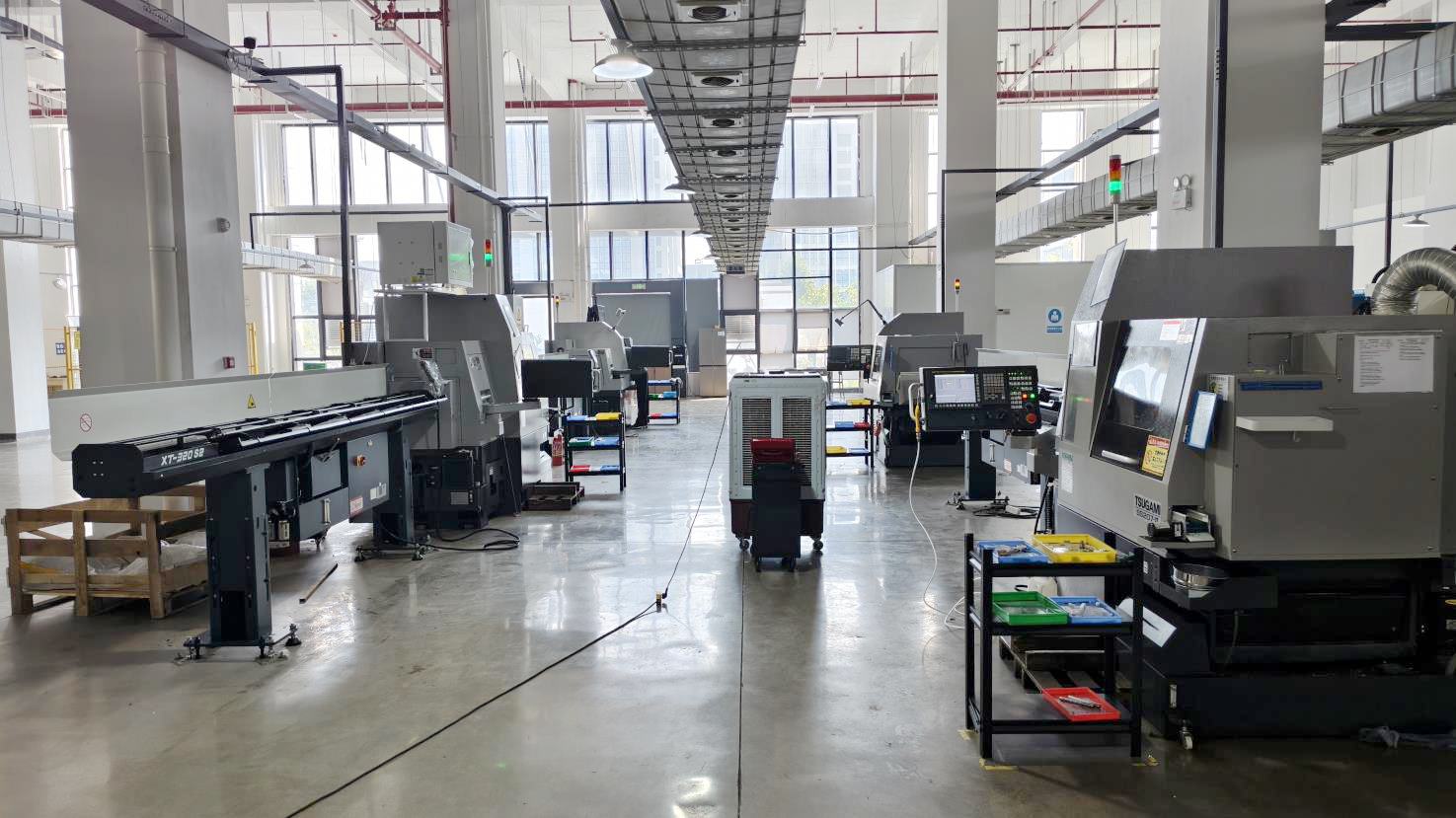
Deploying Swiss-type longitudinal CNC lathes and wire-cutting machinery to output component tolerances measured at the micron level.
Conforming fully to Class III medical product standards, featuring comprehensive ISO 13485 alignment and MDR-ready documentation support.
A trusted global orthopedic manufacturer offering complete, high-capacity OEM & ODM solutions for medical device brands, distributors, and surgical institutions.
Synoviq Medical Technology (China) Co., Ltd. is a professional manufacturer of orthopedic implants and surgical instruments, dedicated to delivering innovative, reliable, and high-quality medical solutions for healthcare professionals worldwide. Since its establishment, Synoviq has focused on research, development, precision manufacturing, and international quality standards, providing comprehensive OEM and ODM services for global medical device brands, distributors, and hospitals.
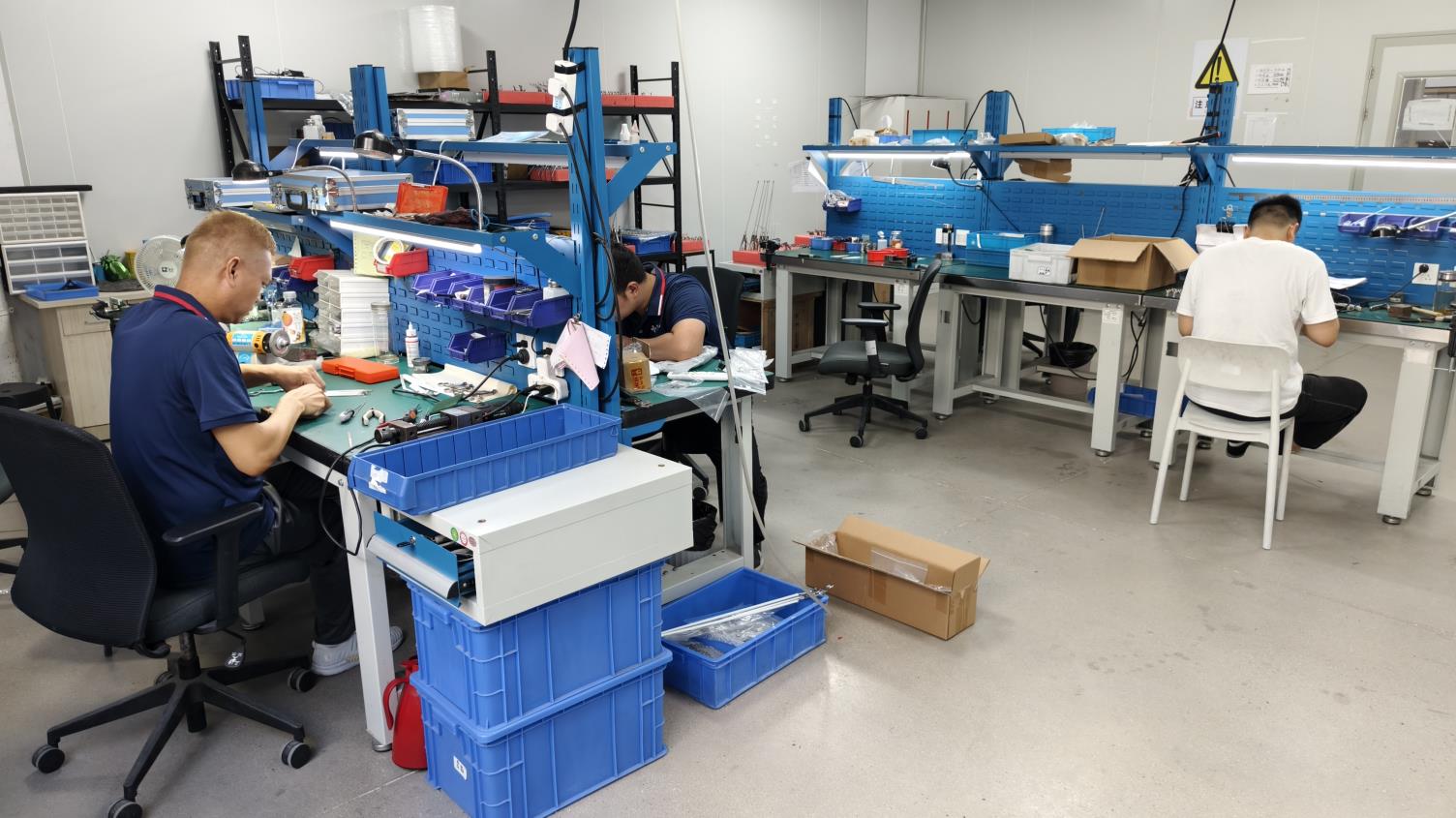
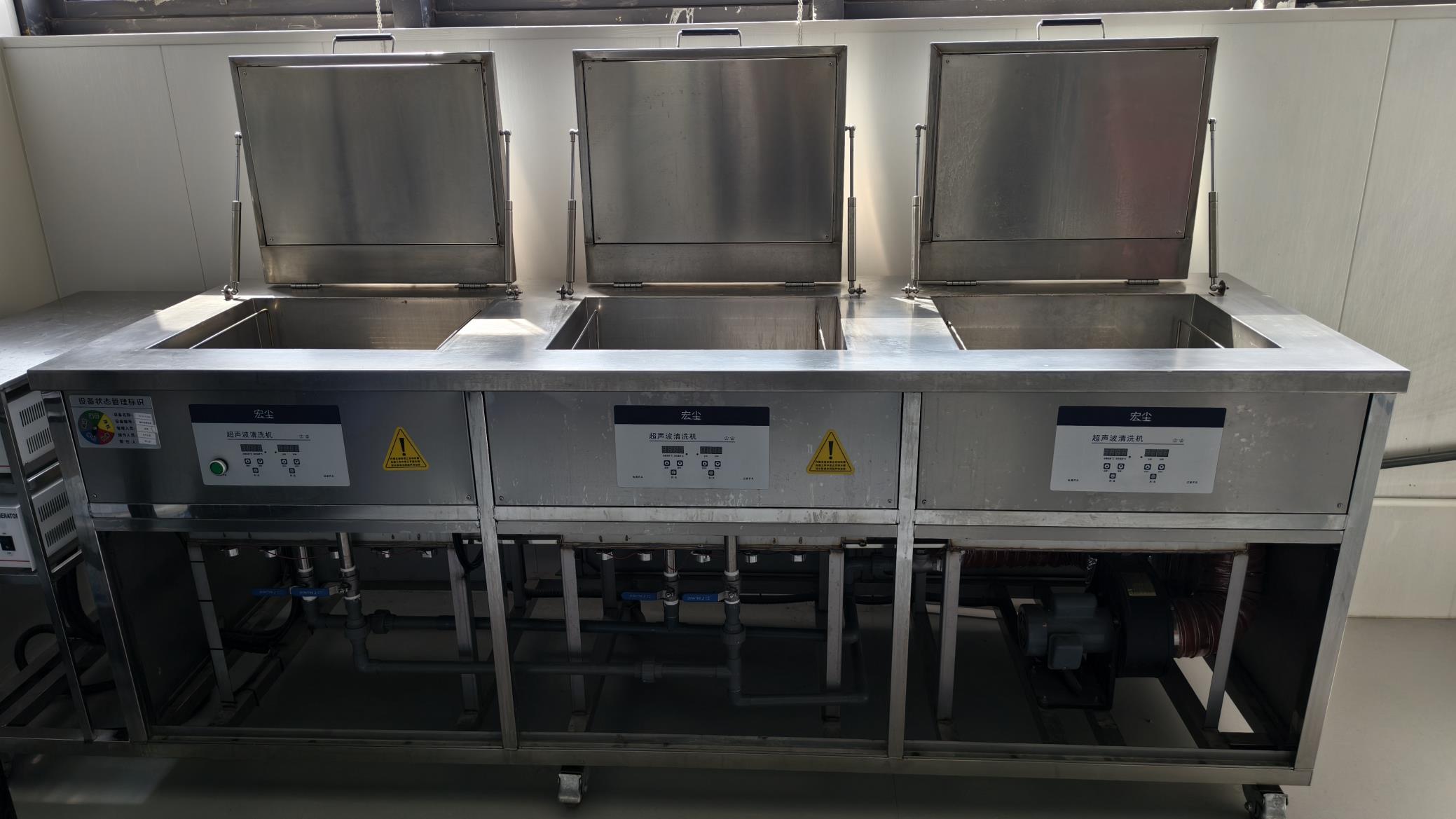
Our product portfolio includes trauma fixation systems, spinal implants, locking plates, intramedullary nails, external fixation systems, orthopedic screws, surgical instruments, and customized orthopedic solutions. Equipped with advanced CNC machining centers, precision inspection equipment, and modern clean production facilities, we ensure every product meets strict international quality requirements.
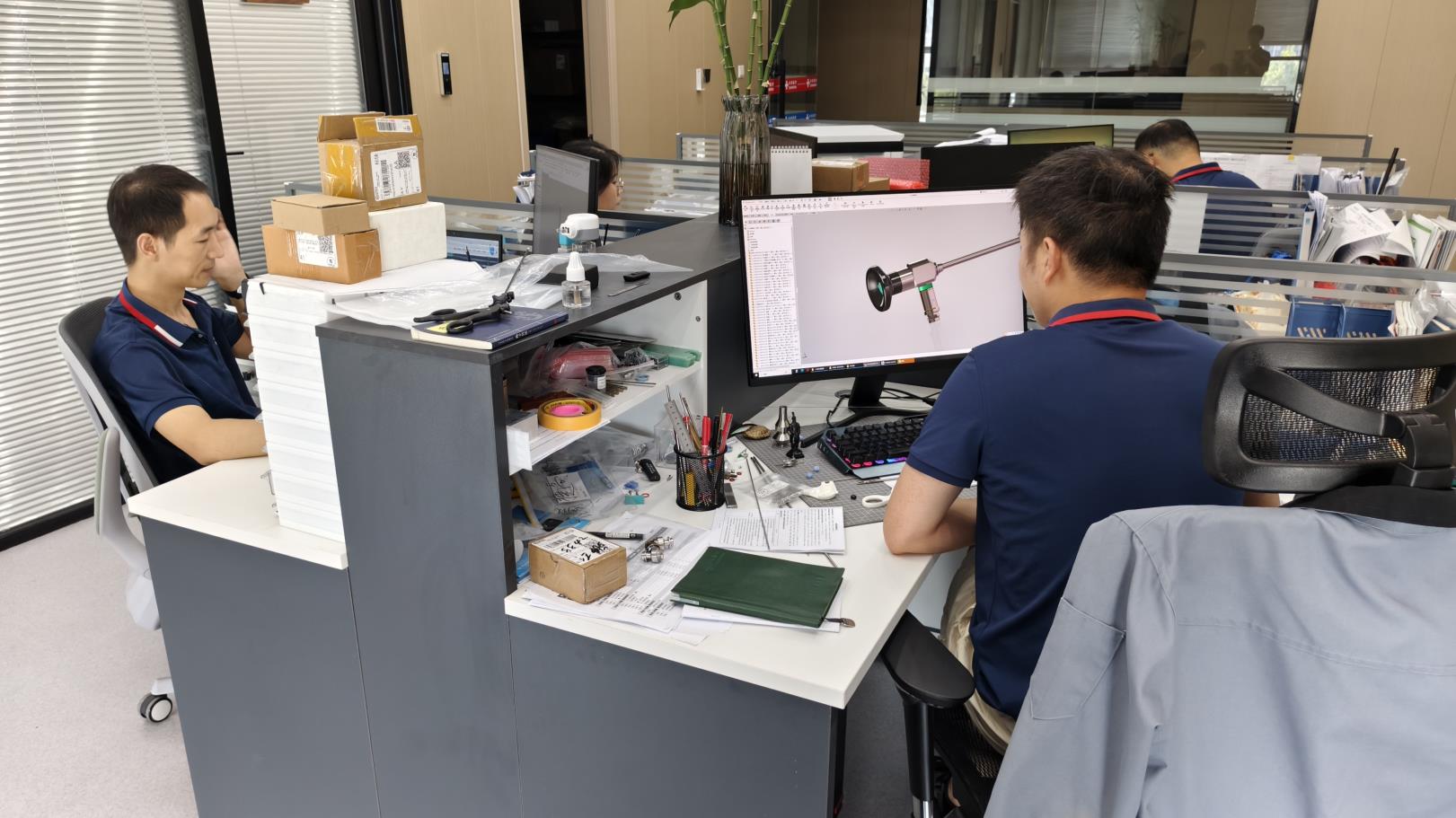
Driven by continuous innovation, Synoviq invests heavily in R&D and intelligent manufacturing to enhance product performance, surgical efficiency, and patient outcomes. Our experienced engineering team works closely with customers to develop customized products tailored to different clinical applications and market demands.
With a customer-oriented philosophy, competitive pricing, stable supply capability, and efficient technical support, Synoviq has established long-term partnerships with distributors, medical brands, and healthcare organizations across Europe, North America, South America, the Middle East, and Asia-Pacific. Committed to quality, innovation, and global collaboration, Synoviq Medical Technology (China) Co., Ltd. strives to become a trusted international partner in the orthopedic medical device industry.
| Business Parameters | Operational details & Capabilities |
|---|---|
| Company Name | Synoviq Medical Technology (China) Co., Ltd. |
| Brand | Synoviq |
| Established | March 18, 2016 |
| Building Area | 18,600 m² |
| Annual Export Revenue | USD 21.8 Million |
| Export Experience | 8 Years |
| Industry Experience | 14 Years |
| Quality Inspection | 100% Final Inspection & Incoming Material Inspection |
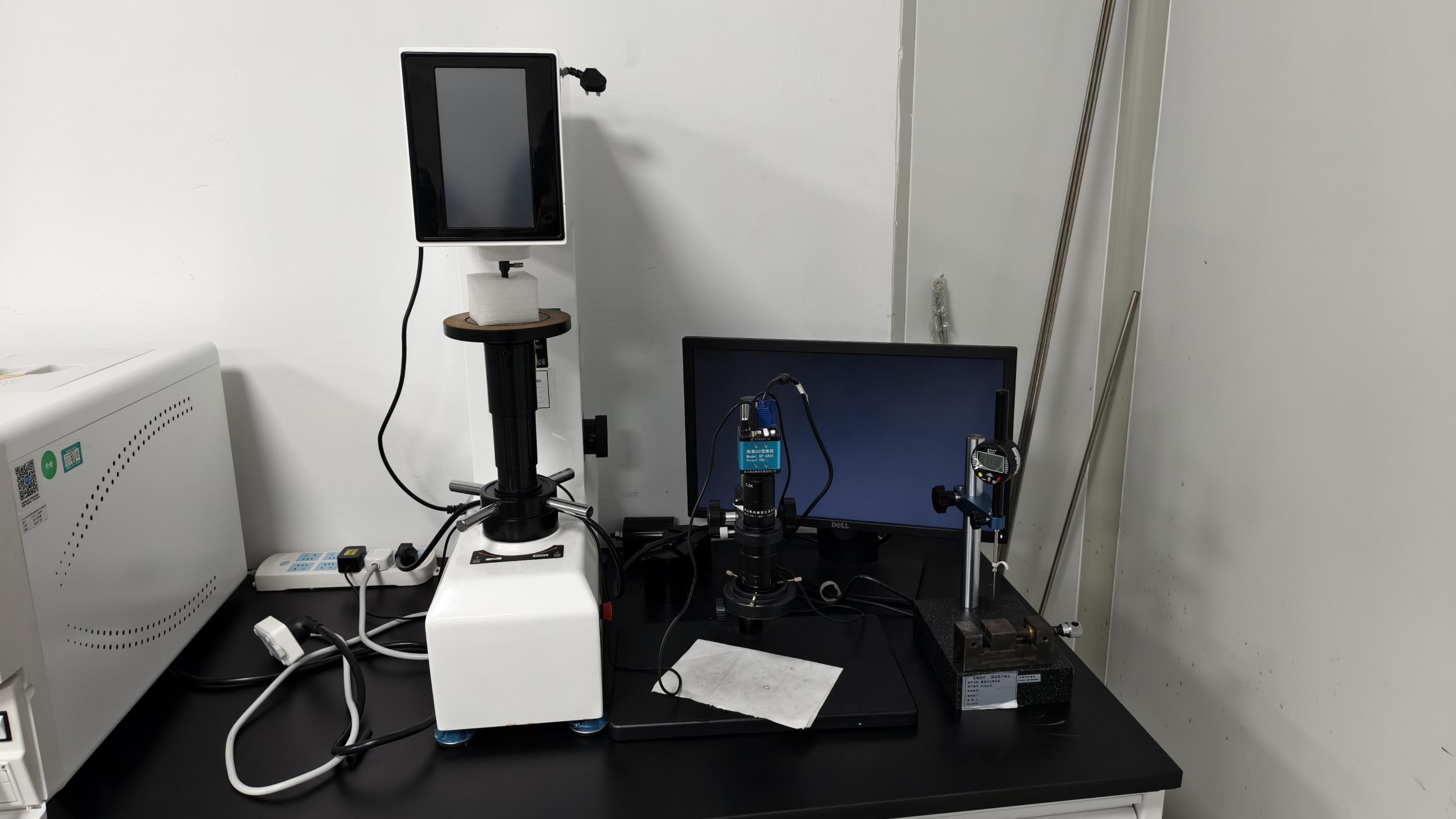
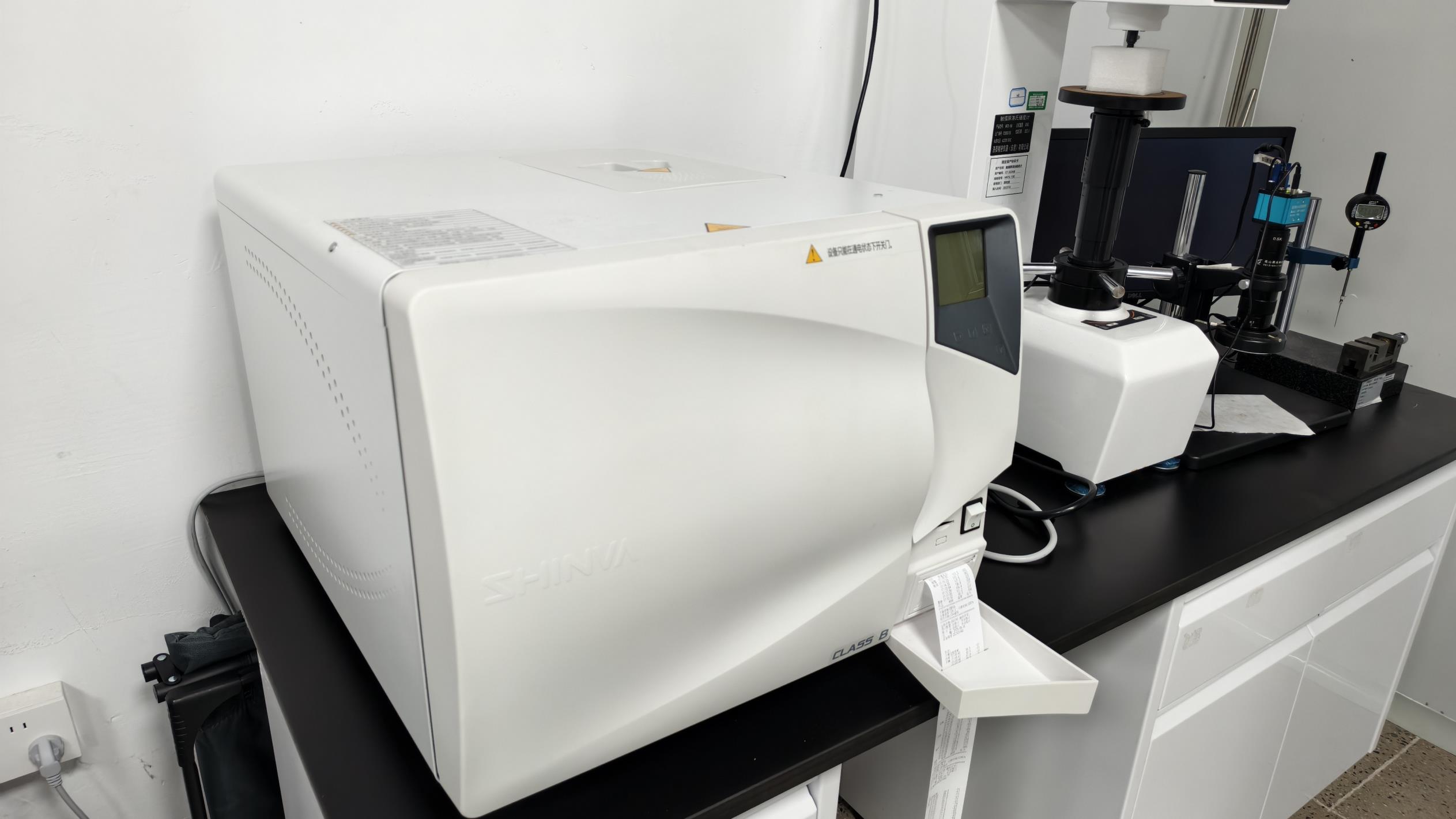
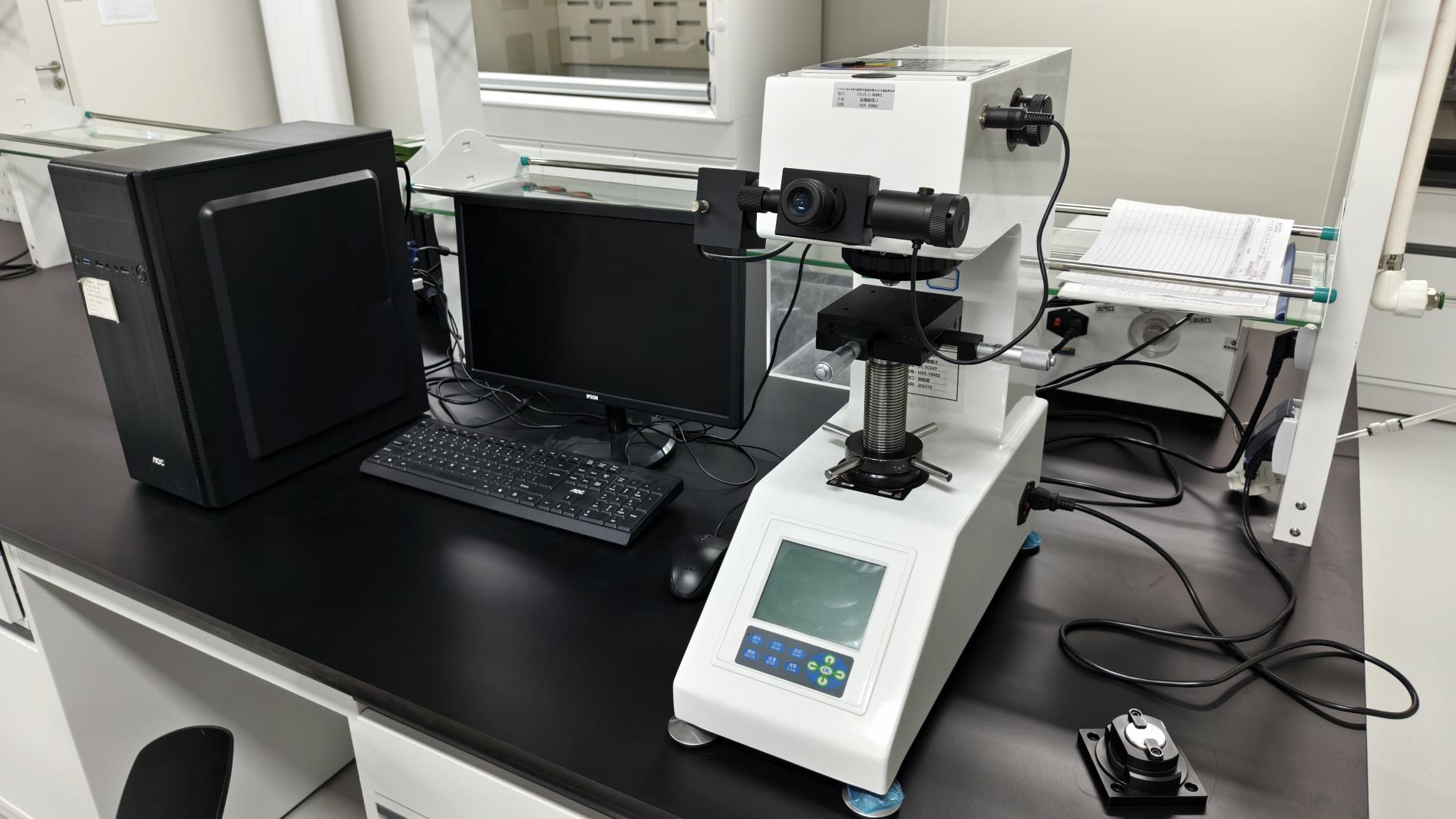
| Product Inspection Methods | CMM Measurement, Mechanical Testing, Surface Roughness Testing, Hardness Testing, Salt Spray Testing, Sterility Validation |
| Quality Control Staff | 48 Specialists |
| Business Type | Manufacturer & Exporter (OEM/ODM/OBM) |
| Main Markets | Europe, North America, South America, Middle East, Southeast Asia |
| Supply Chain Partners | 1,120+ Integrated Nodes |
| Main Customer Types | Medical Device Brands, Importers, Distributors, Hospitals, Government Procurement Projects |
| R&D Capability | Independent Product Design, Prototype Development, Clinical-Oriented Engineering, OEM & ODM Development |
| Customization Options | Logo Customization, Packaging Customization, Product Design Customization, Material Selection, Surface Treatment |
| New Products Released Last Year | 186 Innovative Items |
| R&D Engineers | 76 Engineers |
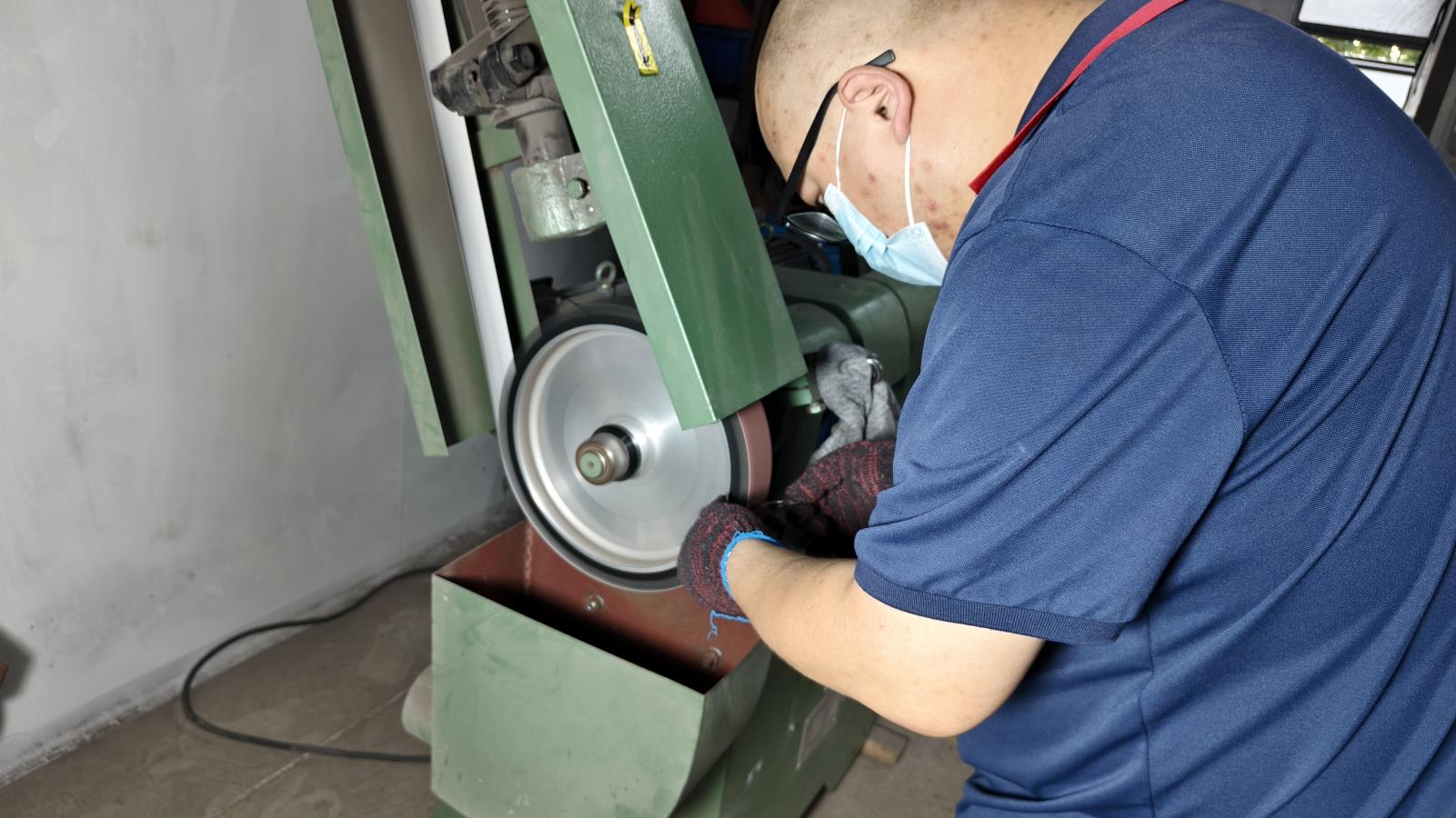
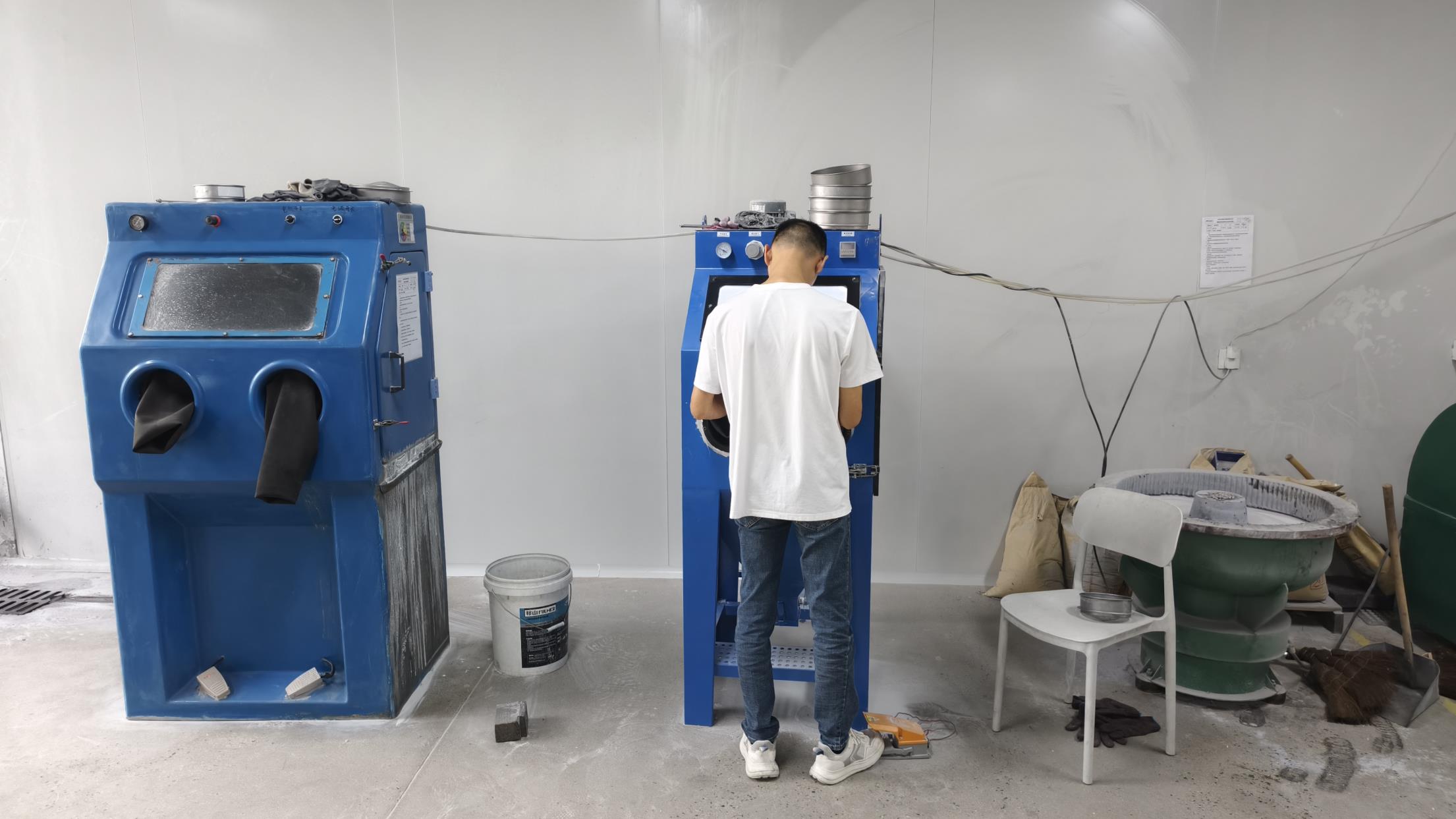
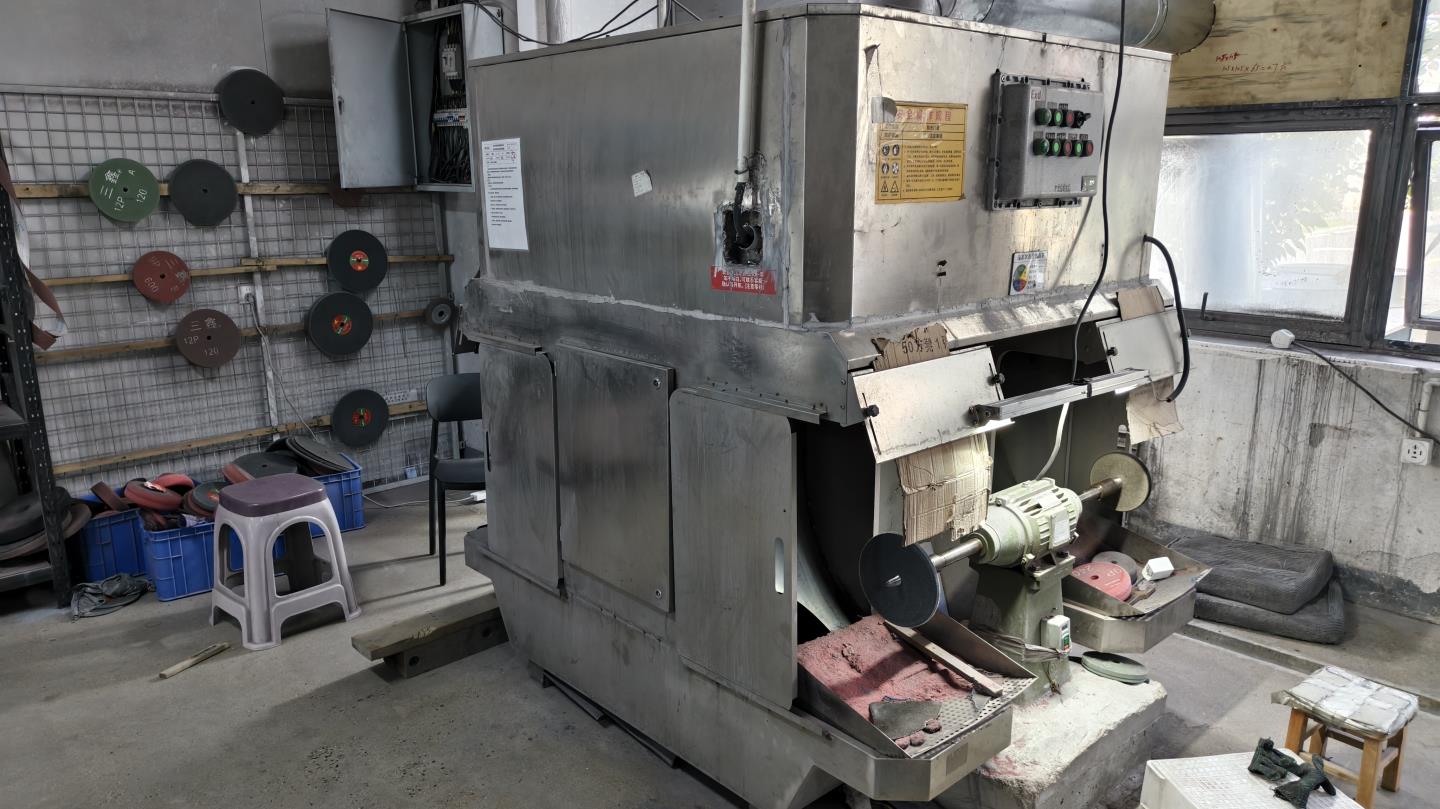
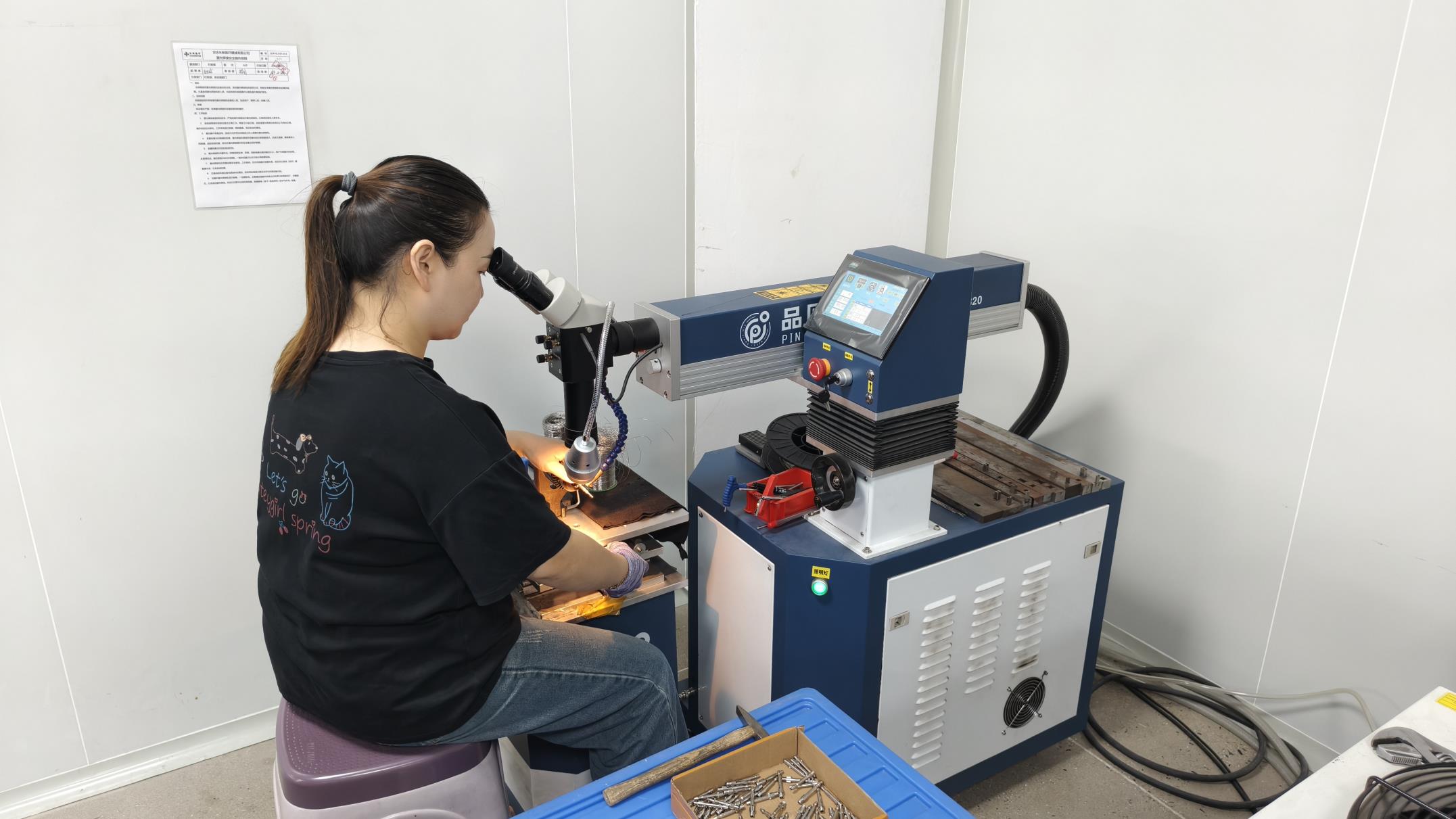
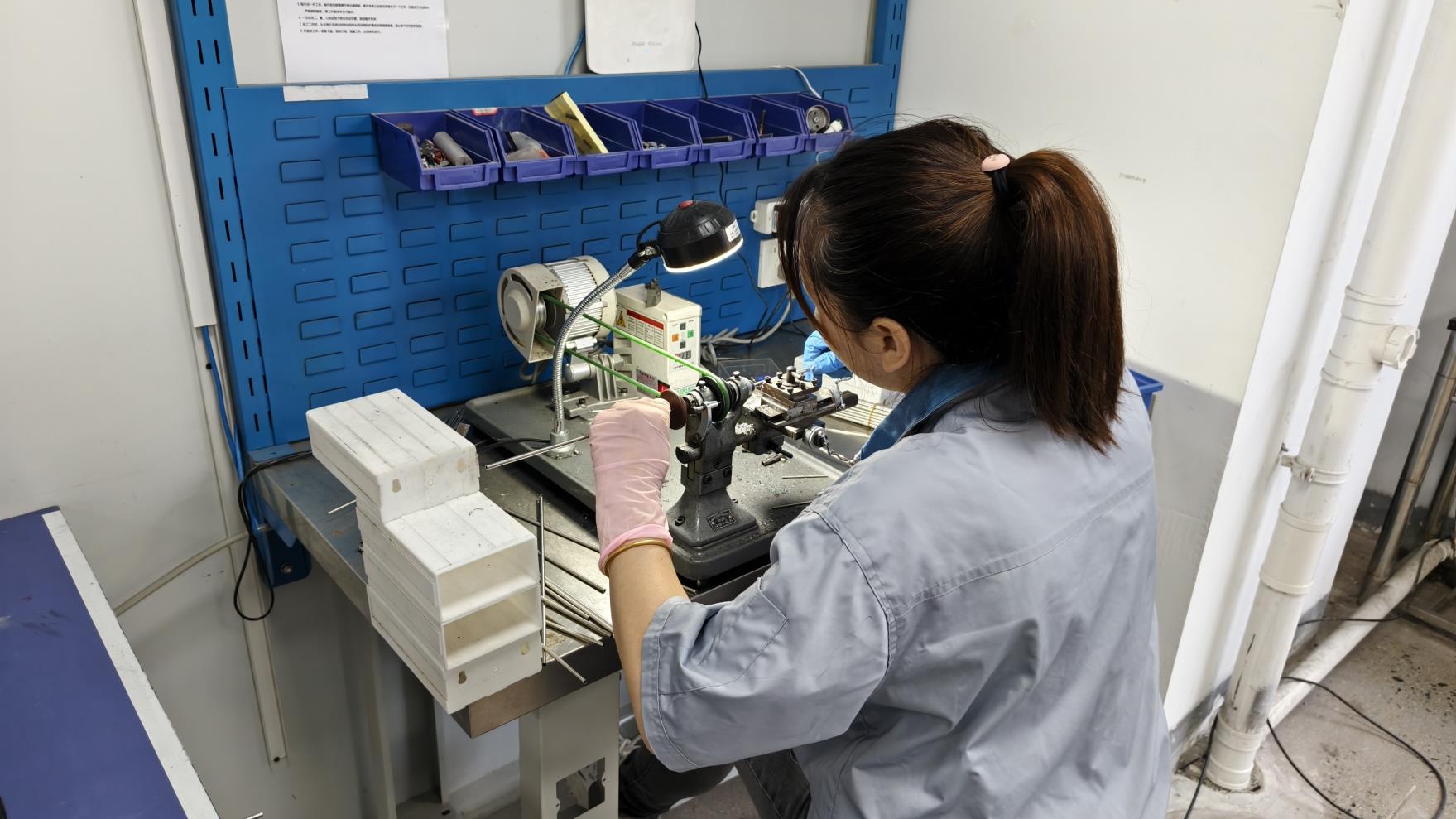
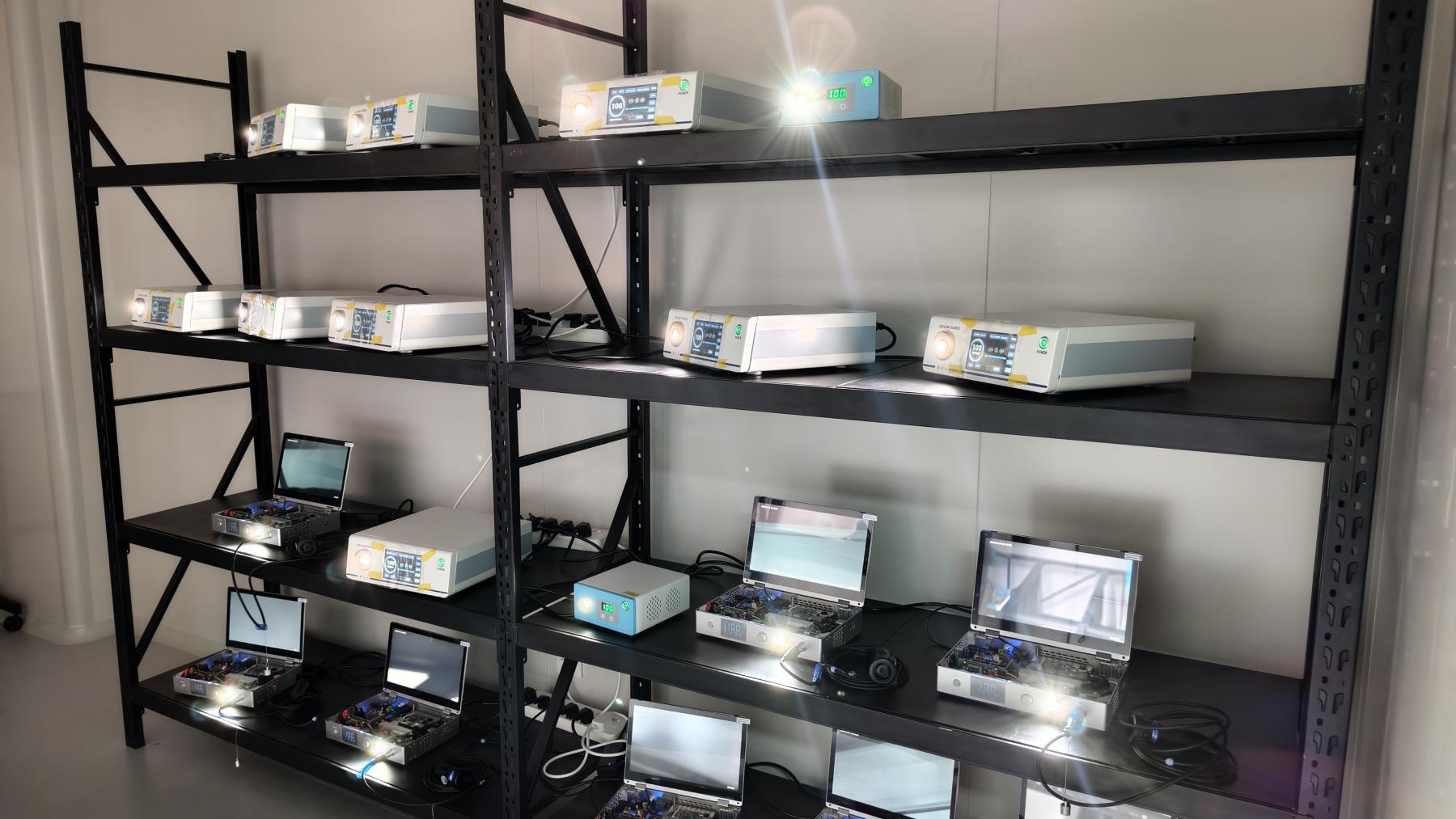
A multi-stage overview of how raw biocompatible materials are transformed into clinical-grade orthopedic systems.
How orthopedic trauma fixation, spinal constructs, and specialized instrumentation align with regional clinical protocols.
Surgical methodologies vary across geopolitical boundaries. Understanding these localized anatomical preferences is critical for an OEM supplier. Our customizable orthopedic products are engineered to align with varying clinical frameworks:
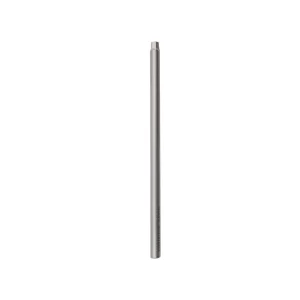
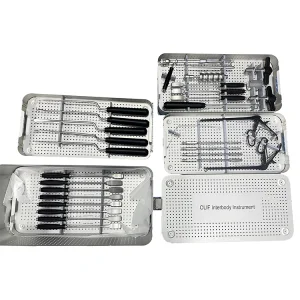
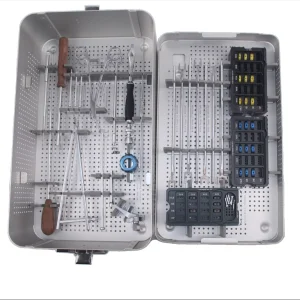
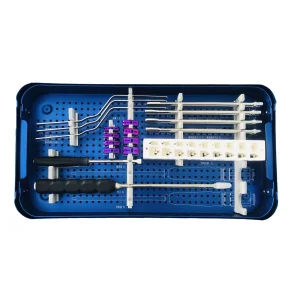
In high-volume hospital environments in Europe and North America, pedicle screw fixation systems (such as our 5.5mm Titanium Rod Posterior Spinal Internal Fixation System) require low-profile designs to prevent patient soft-tissue irritation. Furthermore, spine trauma surgery relies heavily on minimally invasive approaches like OLIF (Oblique Lateral Interbody Fusion). The Geasure OLIF instrument sets provide specific retractors, trial cages, and insertion guides engineered to facilitate secure access to the L4-L5 disc space, ensuring minimal disruption to the psoas muscle.
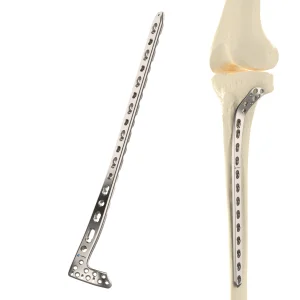
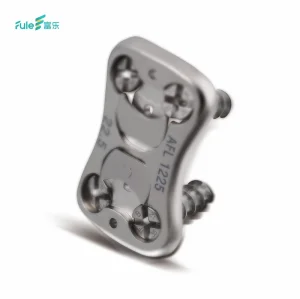
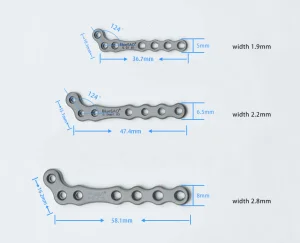
Locking compression plates (LCPs), such as the CANWELL Distal Tibial Low Profile Locking Plate, are critical for articular reconstruction. In emerging markets where vehicular accidents dominate trauma cases, surgeons require locking plates that provide dual-stabilization pathways: dynamic compression for secondary bone healing, and rigid locking for early mobilization. The micro-anatomical profiles of these plates are pre-bent to match anatomical variations, minimizing intraoperative bending requirements.
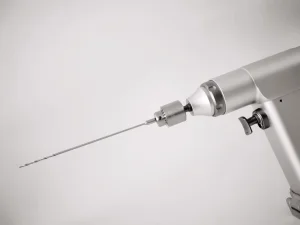
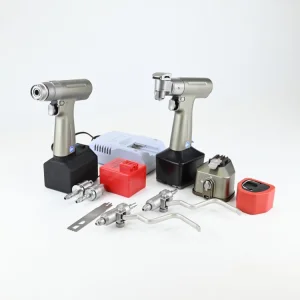
In the veterinary sector, domestic pet care in North America and Western Europe has seen a rapid uptake of advanced orthopedic methods such as TPLO (Tibial Plateau Leveling Osteotomy) and L-shape reconstruction locking plates. Veterinary surgeons require highly responsive, lightweight drills and robust 304 Stainless Steel TPLO saw blades that remain sharp across multiple sterilization runs. Our high-speed mini motor cannulated veterinary drills are optimized for sterilizability and high torque, enabling precise osteotomy execution in complex canine fracture situations.
Bridging traditional machining with additive manufacturing, smart implants, and next-generation biocompatibility.
The orthopedic implant sector is evolving rapidly. Synoviq's R&D engineering division is actively pursuing developmental pathways designed to align with next-generation medical needs over the next decade:
Traditional solid titanium implants are transitionally giving way to 3D-printed porous implants. By mimicking the trabecular architecture of cancellous bone, these printed micro-structures significantly lower the elastic modulus of titanium, mitigating the clinical issue of stress shielding. This advancement facilitates accelerated osteointegration, ensuring long-term stability for complex hip, knee, and spinal reconstruction projects.
For pediatric trauma fixation and low-load pediatric orthopedic surgeries, there is a clear trend toward transient implants that degrade safely within the body after bone union is achieved. Synoviq is investing in research into magnesium alloys and high-purity polylactic-co-glycolic acid (PLGA) polymers. This technology eliminates the need for secondary implant retrieval surgeries, lowering hospital costs and reducing surgical risks for patients.
To address the challenge of hospital-acquired infections, our surface treatment laboratories are validating advanced silver ion (Ag+) implant surfaces, as well as biomimetic calcium phosphate (CaP) coatings. These coatings provide dual clinical benefits: they inhibit bacterial colonization on the implant surface while actively stimulating local bone deposition for faster post-surgical recovery.
Analyzing how industrial clustering, advanced logistics, and raw material integration ensure uninterrupted medical device delivery.
In a volatile global market, supply chain continuity is a key differentiator for medical brands. Operating from China’s advanced medical manufacturing hubs, Synoviq Medical Technology leverages unique industrial advantages to benefit our global OEM partners:
A rigorous quality management framework designed to meet CE, ISO, and FDA requirements for Class III implants and instruments.
Orthopedic implants are categorized as high-risk medical devices (Class IIb or Class III). Consequently, compliance is central to our manufacturing philosophy. Synoviq's dedicated QA team of 48 specialists manages quality verification at every step of production:
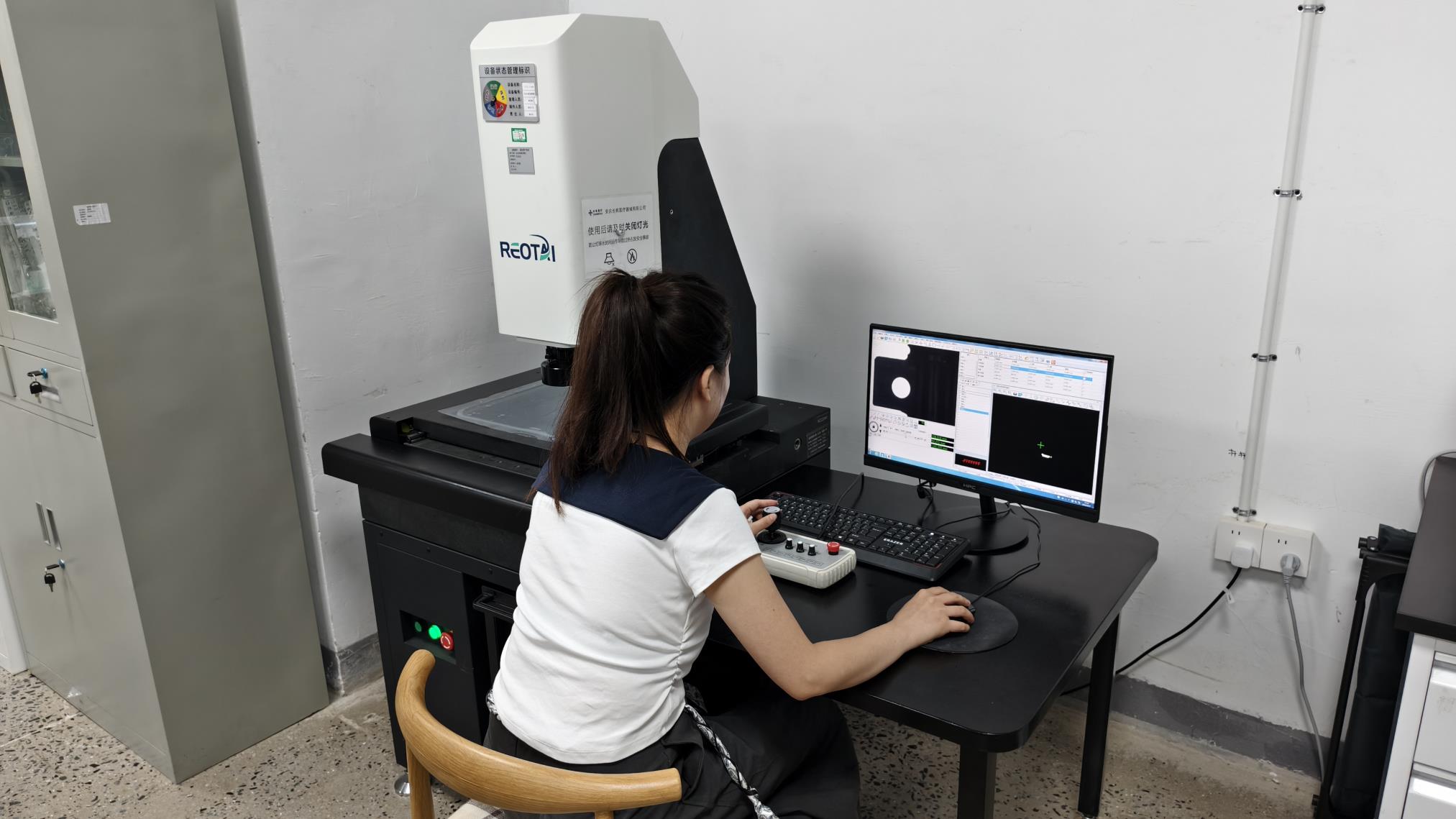
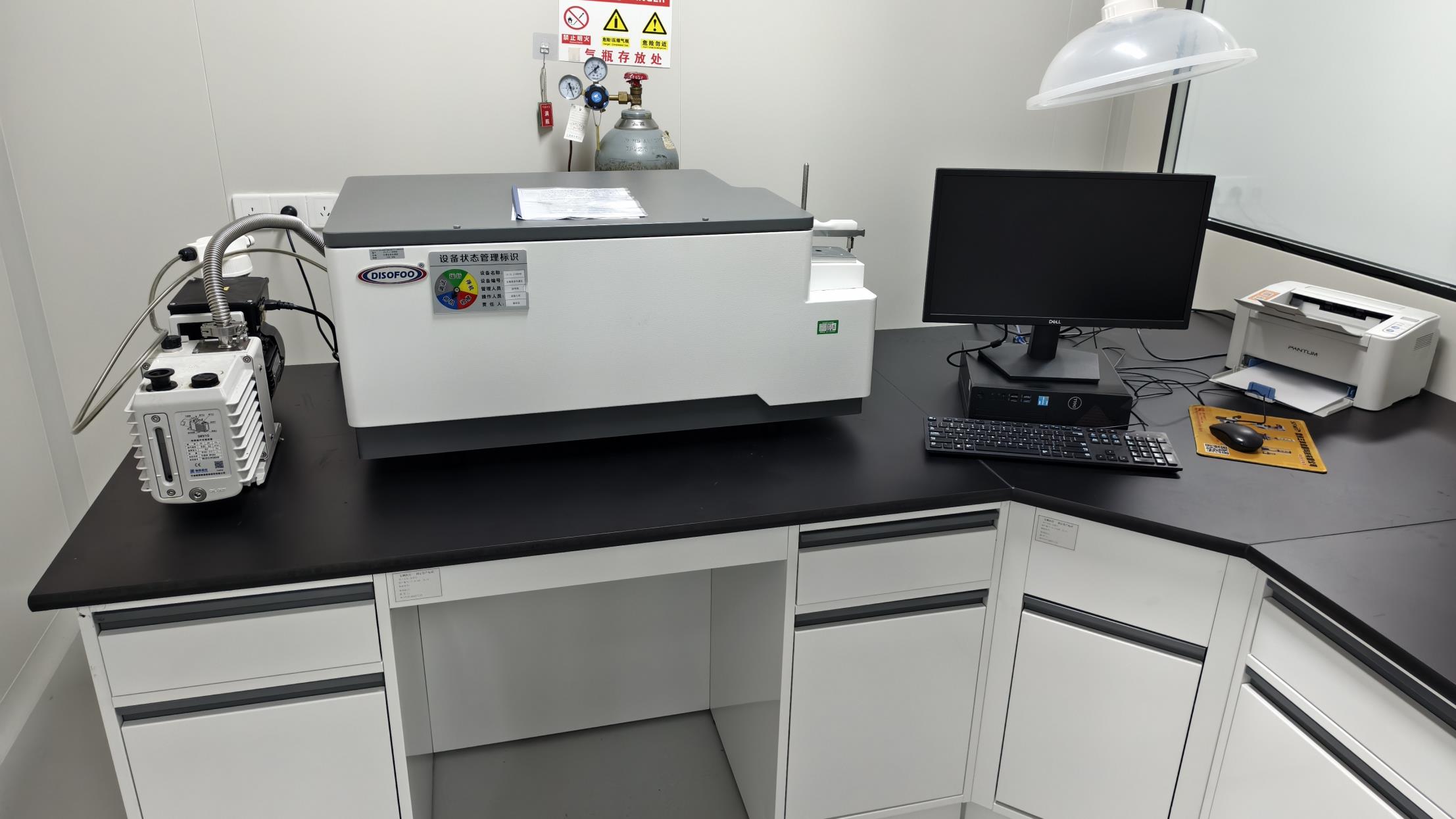
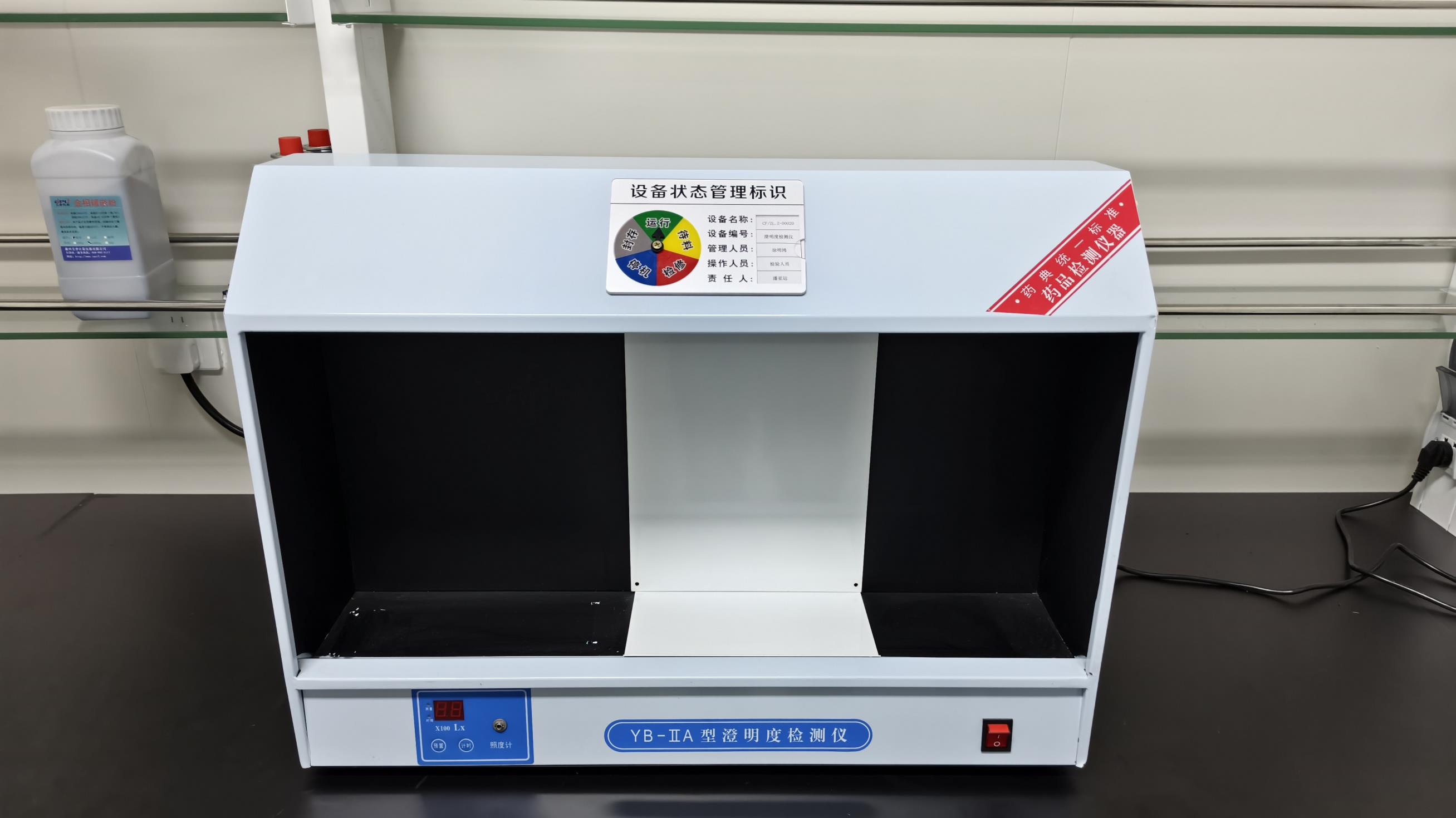
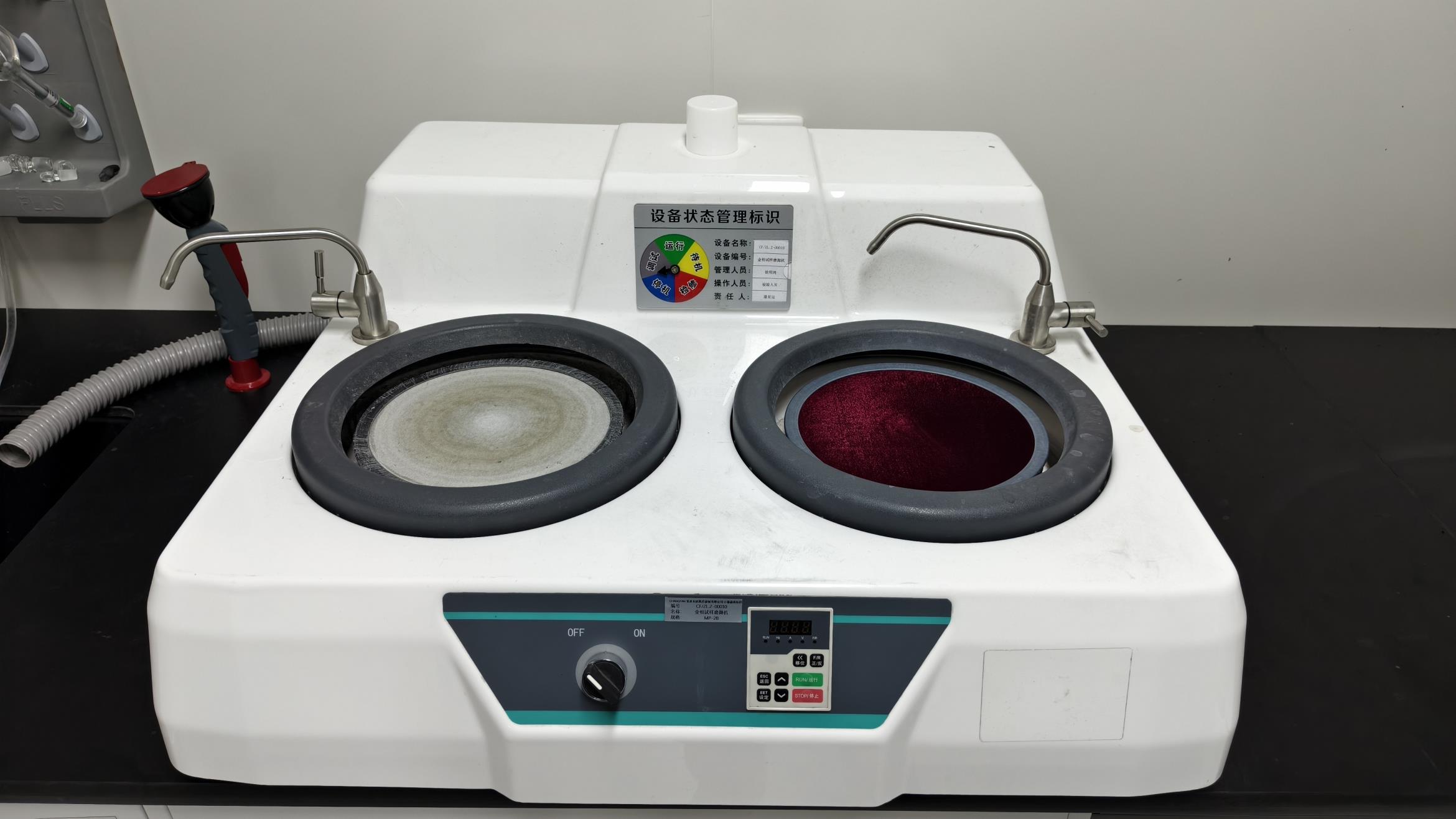
Our quality control process starts with Incoming Material Inspection. Every single batch of titanium or PEEK is verified using optical emission spectrometers and metallurgical preparation tools to confirm chemical purity and structural integrity. During the manufacturing run, in-process inspections are conducted using automated 2D video measuring systems and high-precision coordinate measuring machines (CMM) to maintain dimensional tolerances within microns.
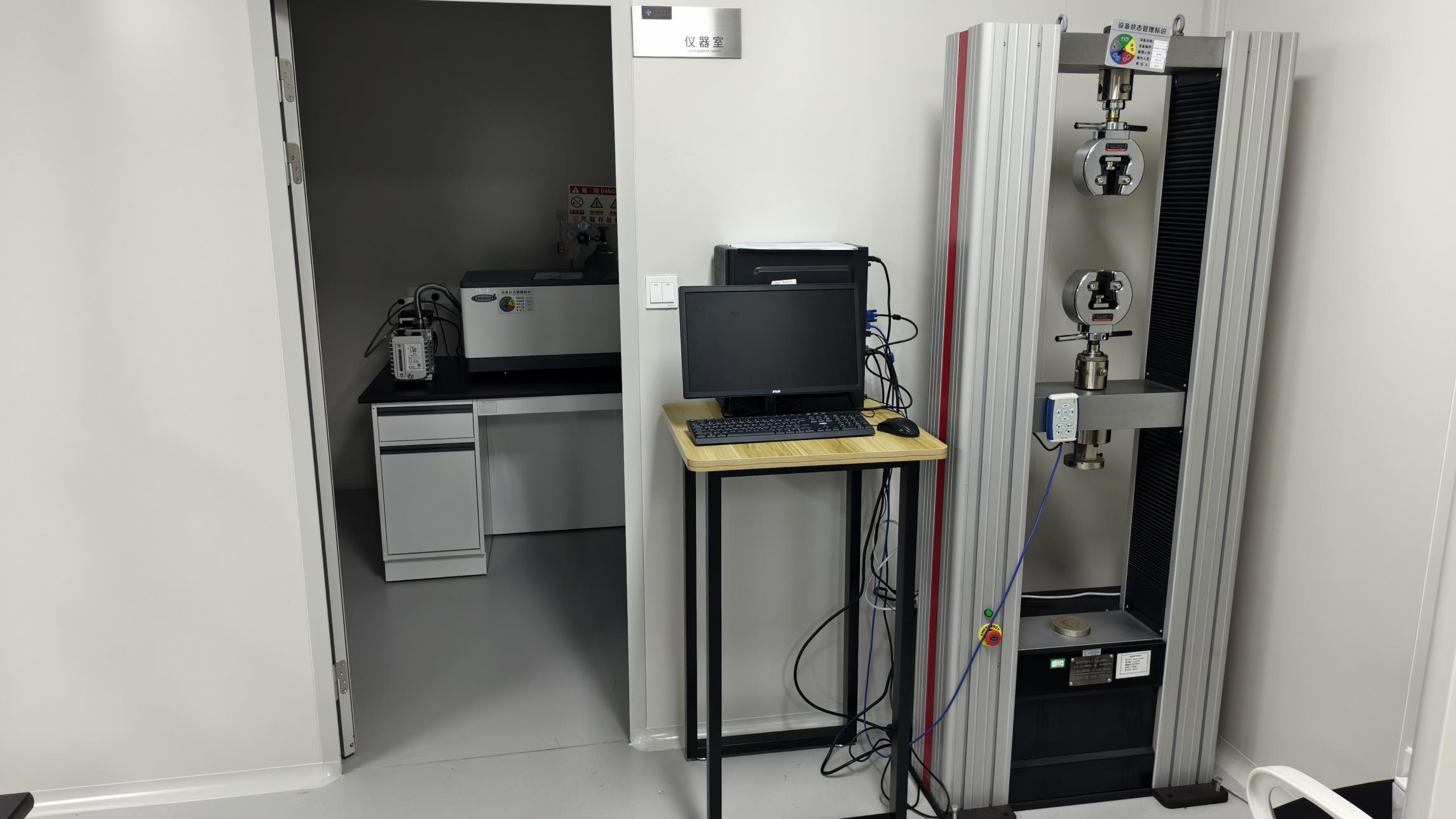
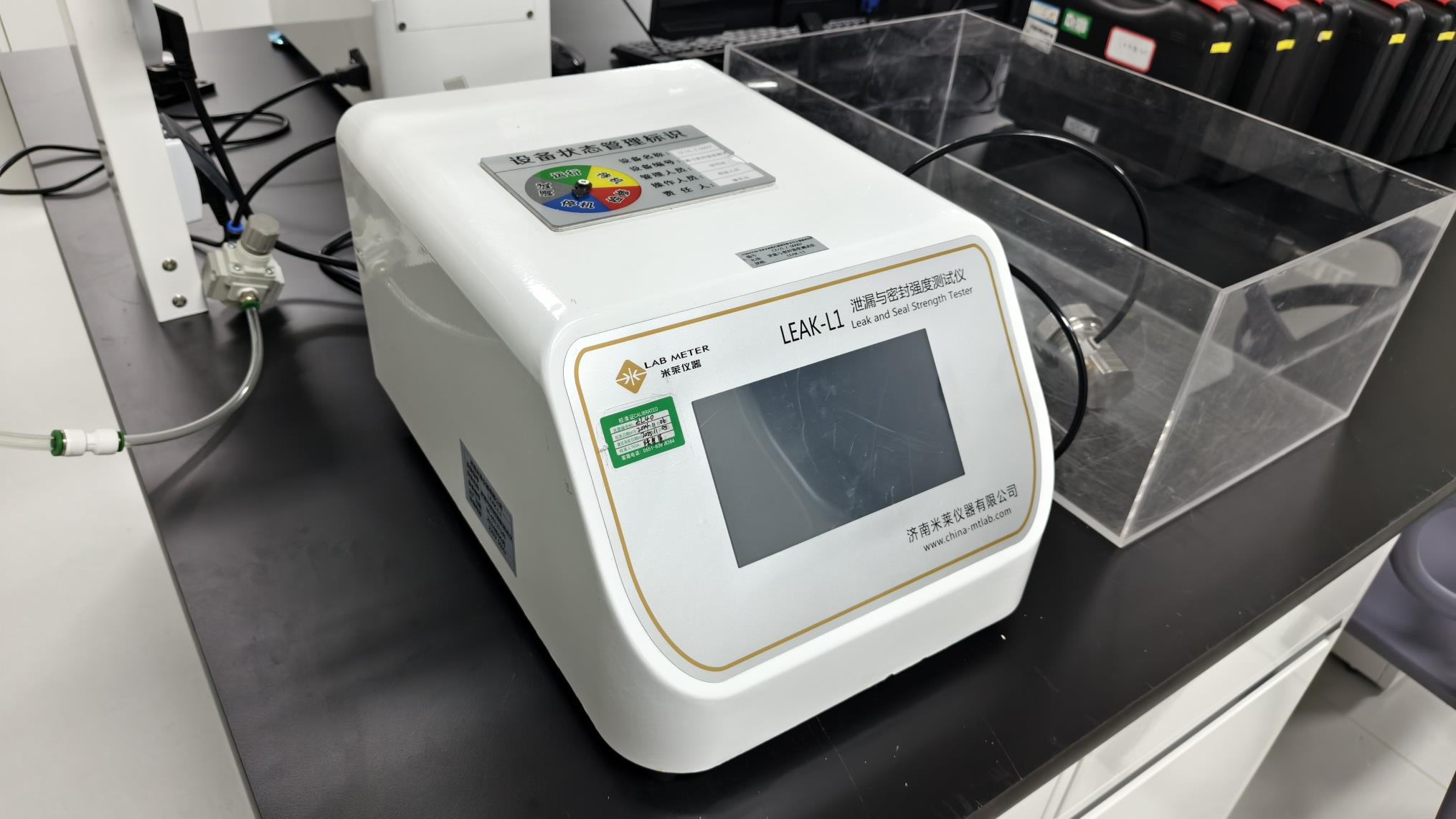
Before packaging in cleanrooms, our implants undergo intensive mechanical testing, including tensile, compression, and fatigue characterization, to simulate physiological loads. Sterile barriers are verified through leakage and sealing strength testers, ensuring sterility remains intact up to the point of surgical use. This complete validation history provides our clients with the necessary documentation to support CE certification under EU MDR 2017/745 and FDA 510(k) applications.
Key information regarding production capabilities, customization workflows, regulatory documents, and ordering logistics.
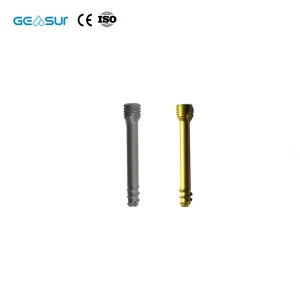
Review our specialized instrument sets, locking compression screws, and veterinary fracture plates designed for optimal biomechanical performance.
 Synoviq Medical