Pioneering orthopaedic, spinal, and reconstructive hardware engineered to rigorous global clinical standards.
The global reconstructive surgery sector is undergoing a paradigm shift from standardized, off-the-shelf plates to Patient-Specific Implants (PSI). Traditional solutions for cranial defects, mandibular trauma, and orbital floor fractures often required surgeons to manually bend and shape plates intraoperatively. This trial-and-error method increased surgical fatigue, extended operating room time, and compromised structural integrity.
Modern clinical guidelines highlight the urgent need for custom-tailored implants created from computerized tomography (CT) datasets. Through rapid advances in additive manufacturing (3D printing) using titanium alloy and PEEK (Polyetheretherketone), custom craniofacial implants achieve near-perfect anatomical matching. Key drivers in the current global market include:
Meeting requirements for global supply lines demands meticulous verification. Our products are backed by standard quality validations that address risk mitigation, mechanical durability, and biological tolerance.
Delivering precision orthopedic systems and OEM solutions worldwide.
Synoviq Medical Technology (China) Co., Ltd. is a professional manufacturer of orthopedic implants and surgical instruments, dedicated to delivering innovative, reliable, and high-quality medical solutions for healthcare professionals worldwide. Since its establishment, Synoviq has focused on research, development, precision manufacturing, and international quality standards, providing comprehensive OEM and ODM services for global medical device brands, distributors, and hospitals.
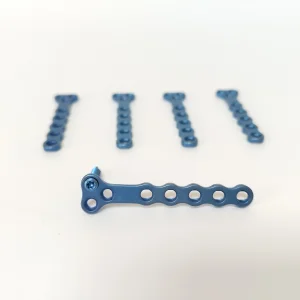
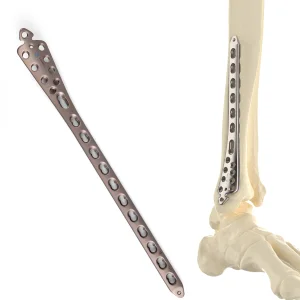
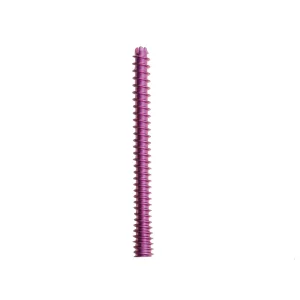
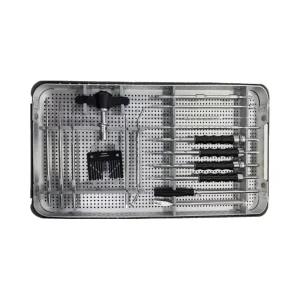
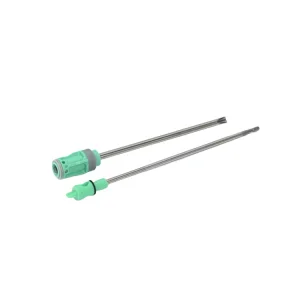
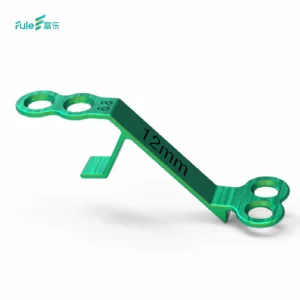
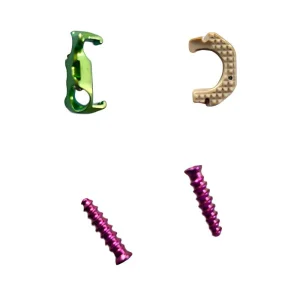
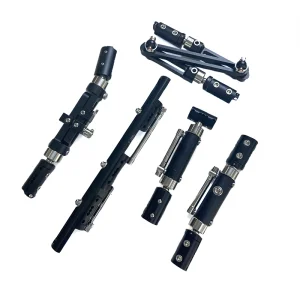
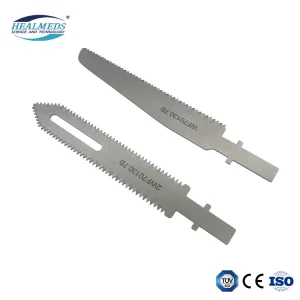
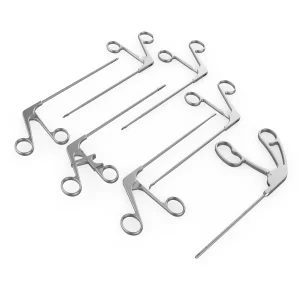
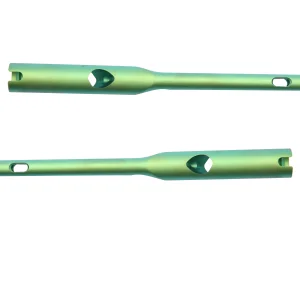
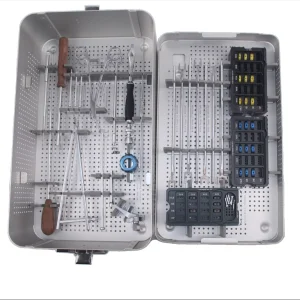
Our product portfolio includes trauma fixation systems, spinal implants, locking plates, intramedullary nails, external fixation systems, orthopedic screws, surgical instruments, and customized orthopedic solutions. Equipped with advanced CNC machining centers, precision inspection equipment, and modern clean production facilities, we ensure every product meets strict international quality requirements.
Driven by continuous innovation, Synoviq invests heavily in R&D and intelligent manufacturing to enhance product performance, surgical efficiency, and patient outcomes. Our experienced engineering team works closely with customers to develop customized products tailored to different clinical applications and market demands.
With a customer-oriented philosophy, competitive pricing, stable supply capability, and efficient technical support, Synoviq has established long-term partnerships with distributors, medical brands, and healthcare organizations across Europe, North America, South America, the Middle East, and Asia-Pacific. Committed to quality, innovation, and global collaboration, Synoviq Medical Technology (China) Co., Ltd. strives to become a trusted international partner in the orthopedic medical device industry.
| Corporate Metric | Operational Data & Specifications |
|---|---|
| Company Name | Synoviq Medical Technology (China) Co., Ltd. |
| Brand | Synoviq |
| Established | March 18, 2016 |
| Building Area | 18,600 m² |
| Annual Export Revenue | USD 21.8 Million |
| Export Experience | 8 Years |
| Industry Experience | 14 Years |
| Quality Inspection | 100% Final Inspection & Incoming Material Inspection |
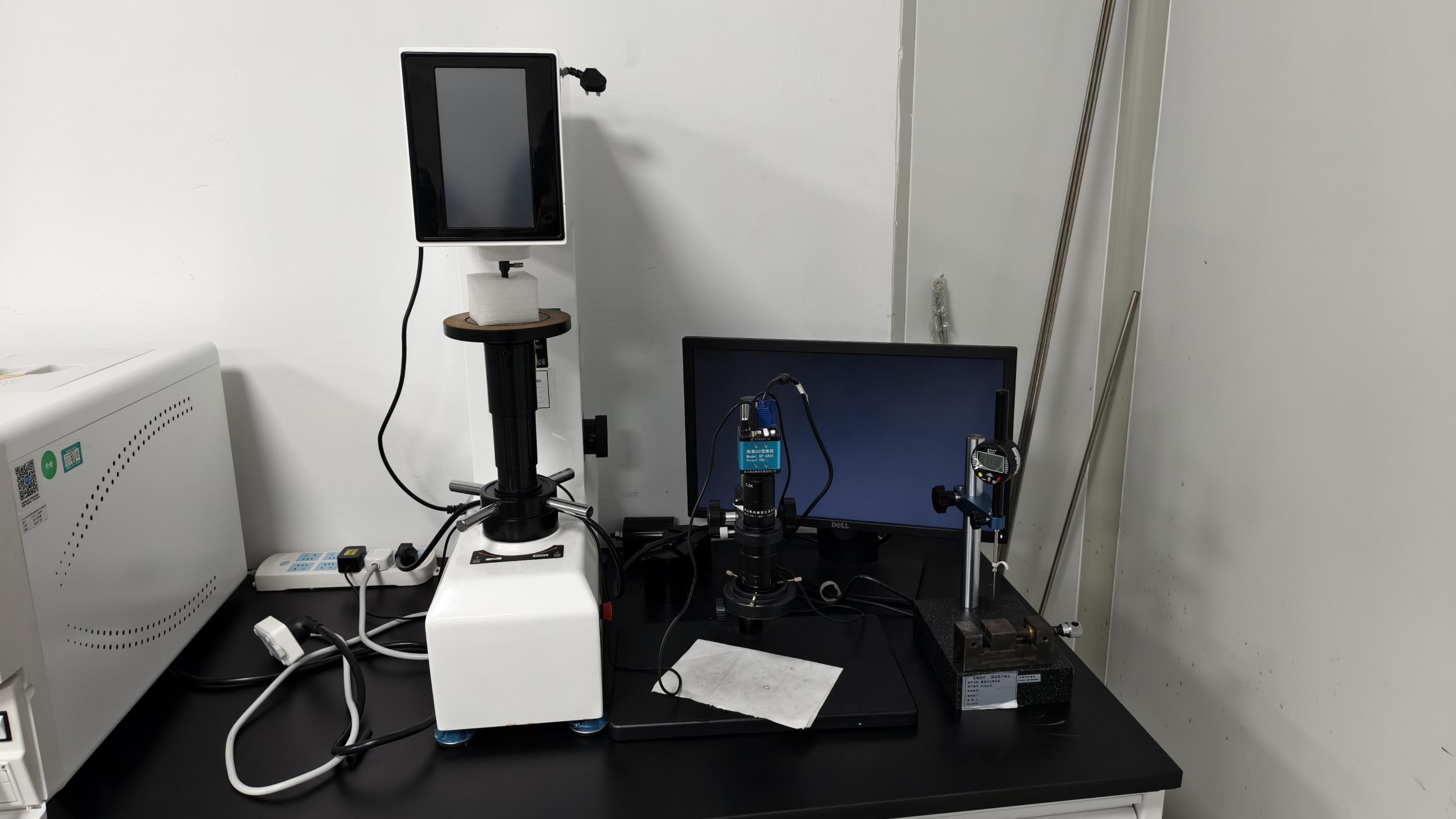
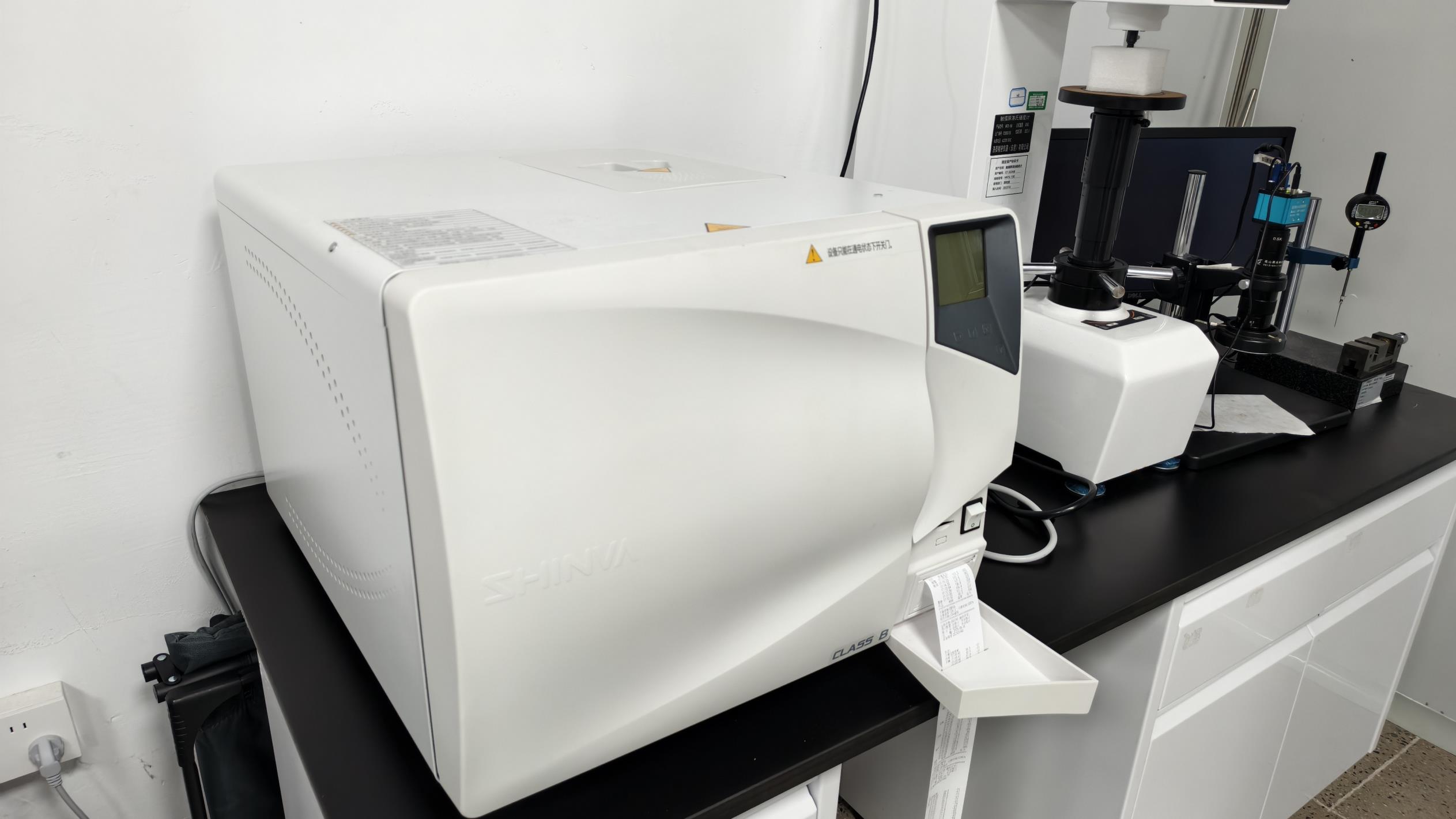
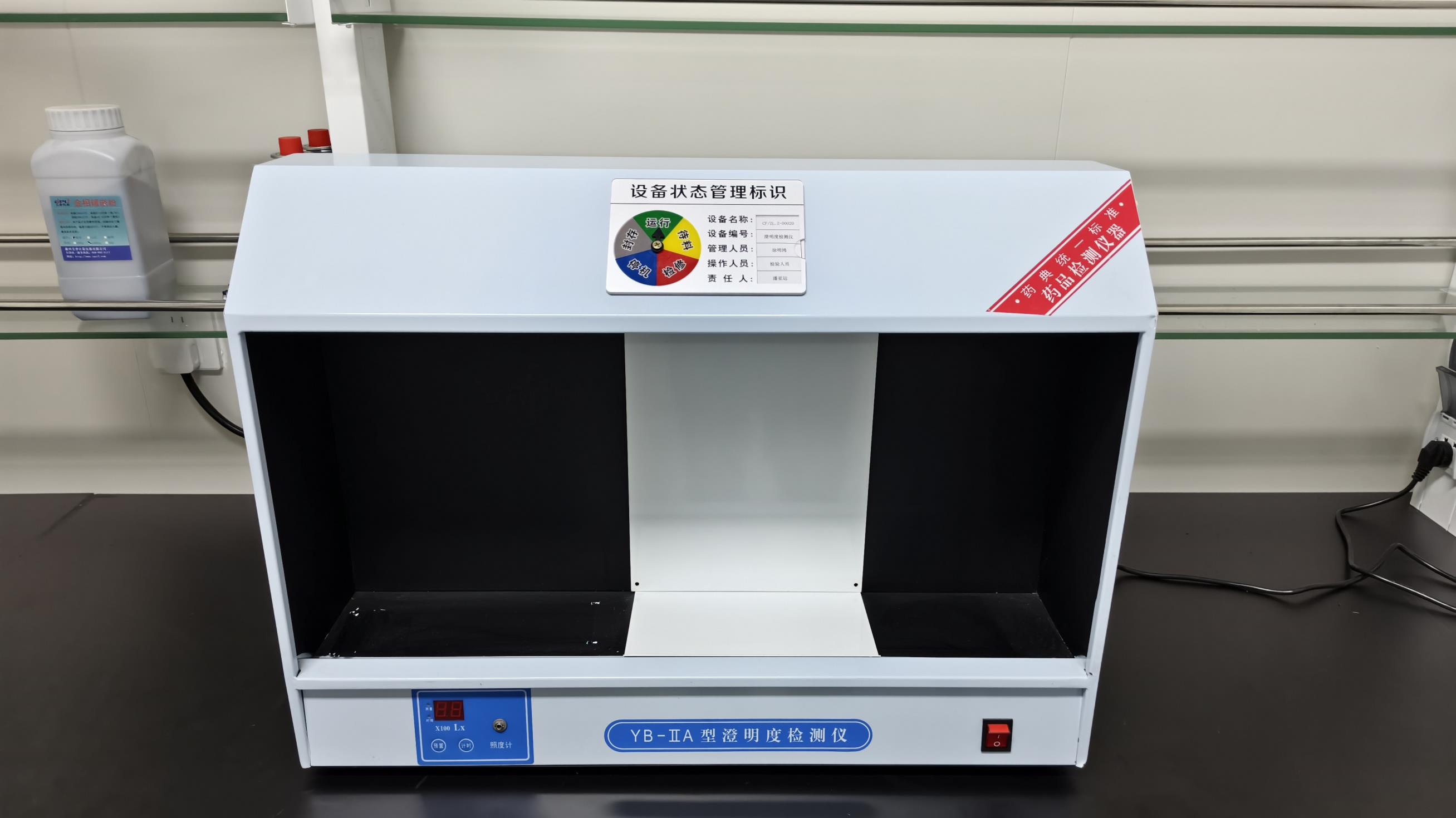
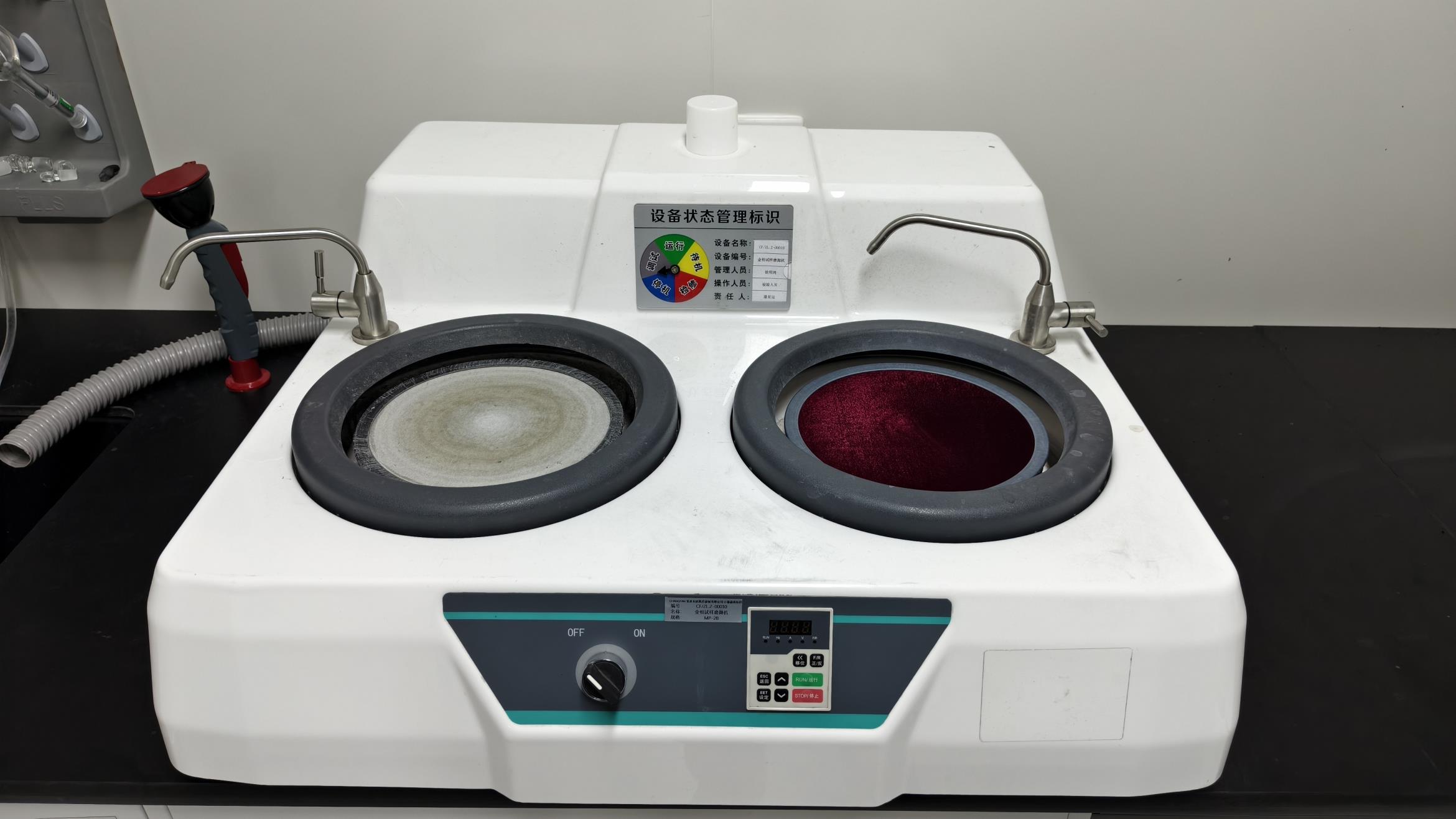
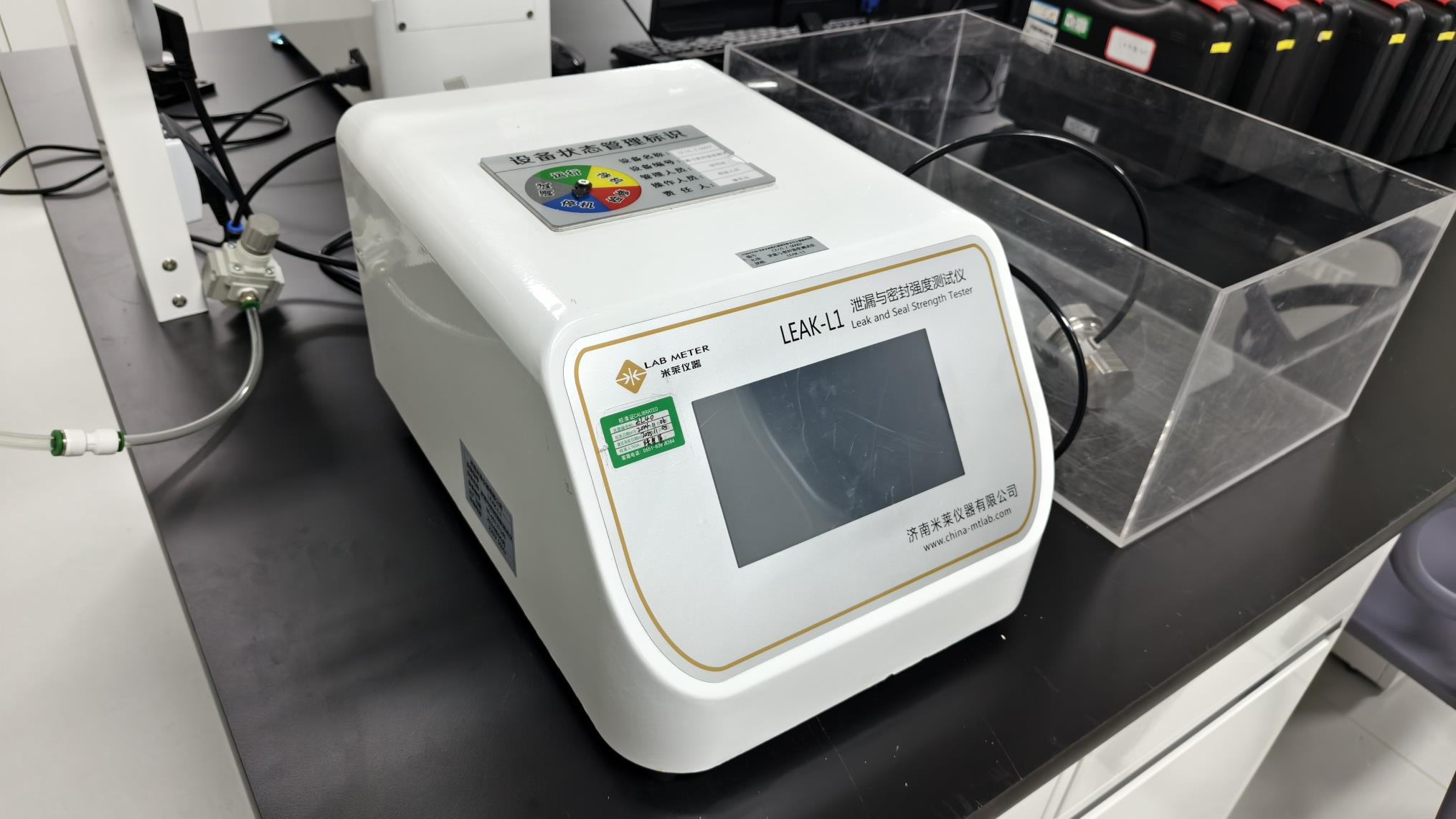
| Product Inspection Methods | CMM Measurement, Mechanical Testing, Surface Roughness Testing, Hardness Testing, Salt Spray Testing, Sterility Validation |
| Quality Control Staff | 48 Specialists |
| Business Type | Manufacturer & Exporter (OEM/ODM) |
| Main Markets | Europe, North America, South America, Middle East, Southeast Asia |
| Supply Chain Partners | 1,120+ Verified Entities |
| Main Customer Types | Medical Device Brands, Importers, Distributors, Hospitals, Government Procurement Projects |
| R&D Capability | Independent Product Design, Prototype Development, Clinical-Oriented Engineering, OEM & ODM Development |
| Customization Options | Logo Customization, Packaging Customization, Product Design Customization, Material Selection, Surface Treatment |
| New Products Released Last Year | 186 Innovative SKUs |
| R&D Engineers | 76 Core Engineers |
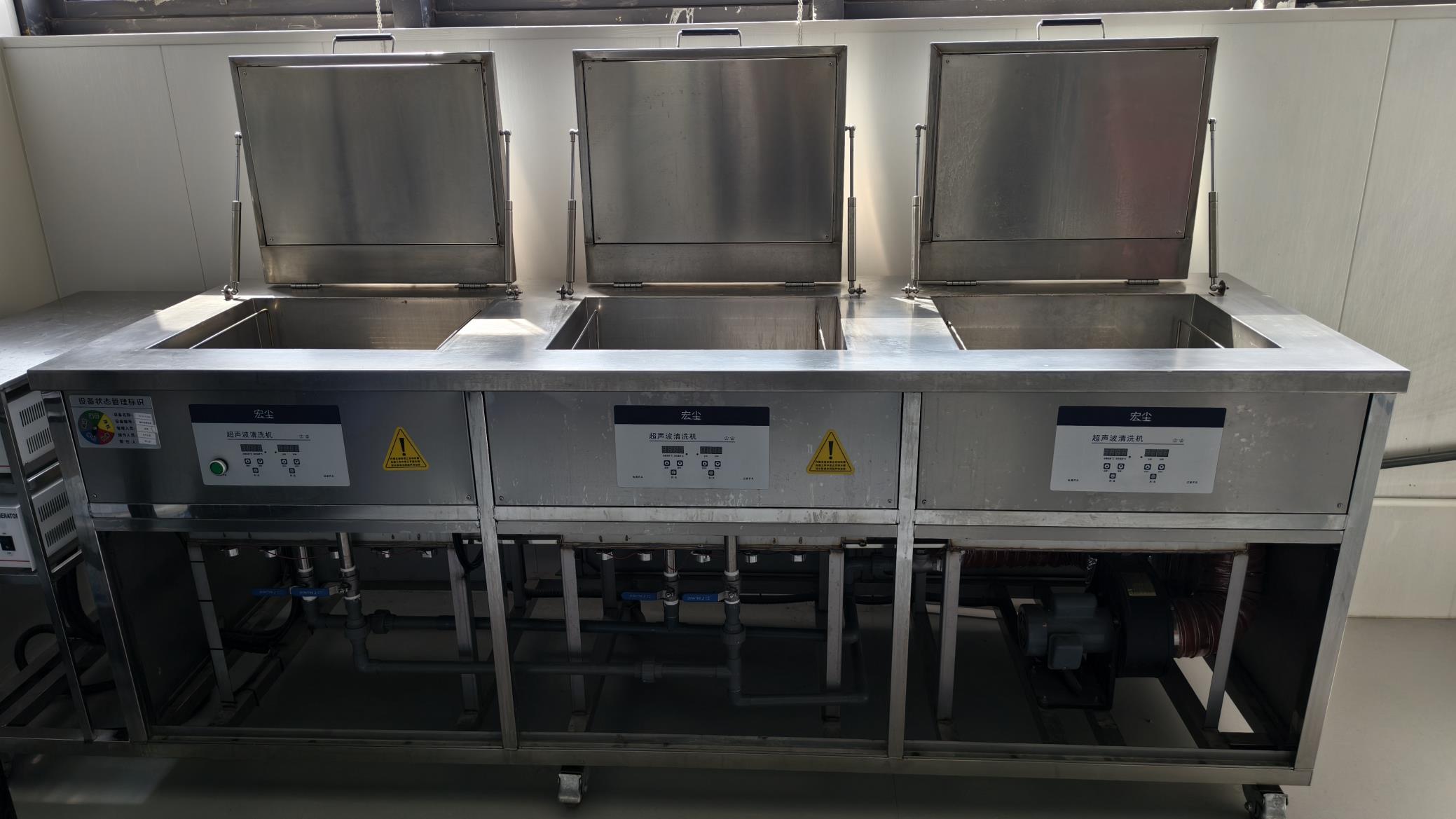
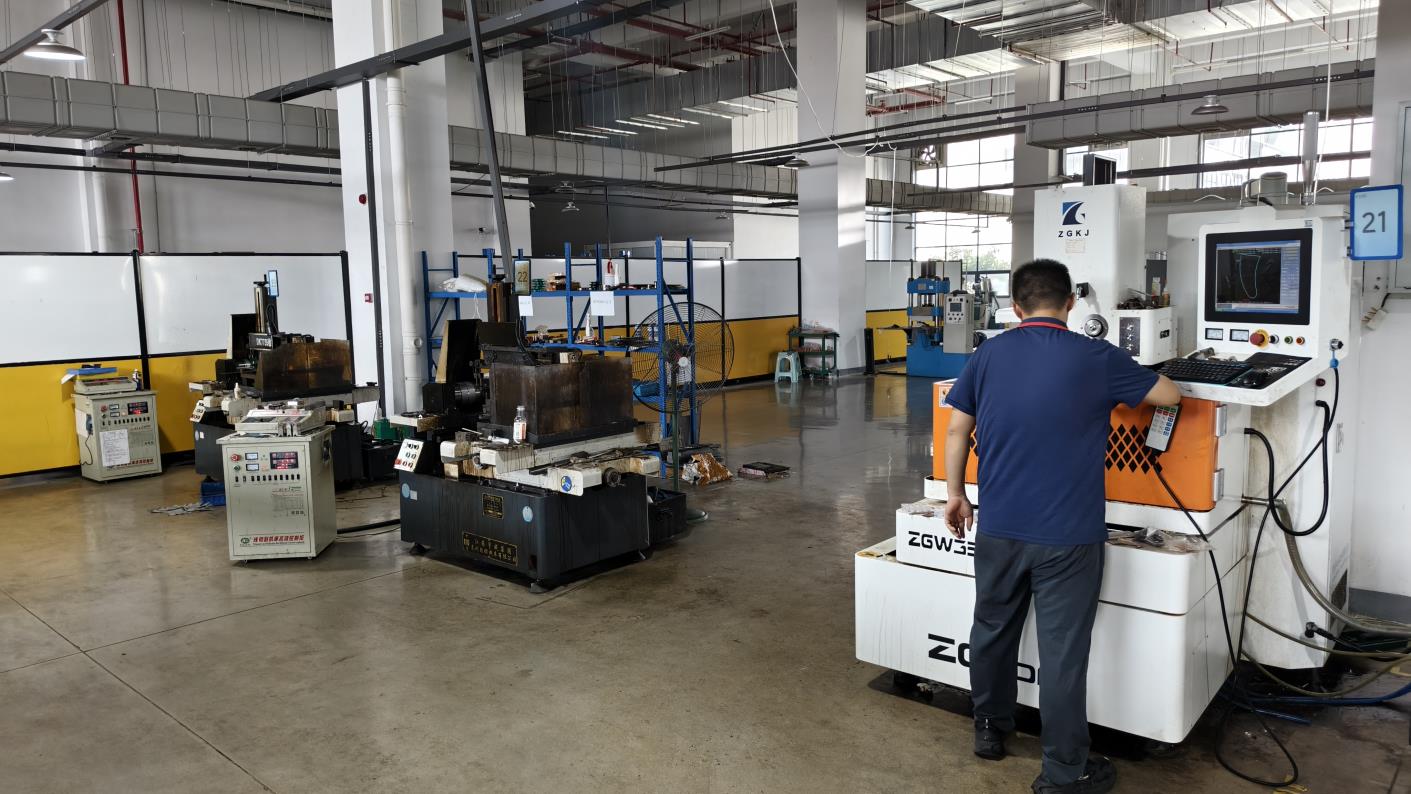
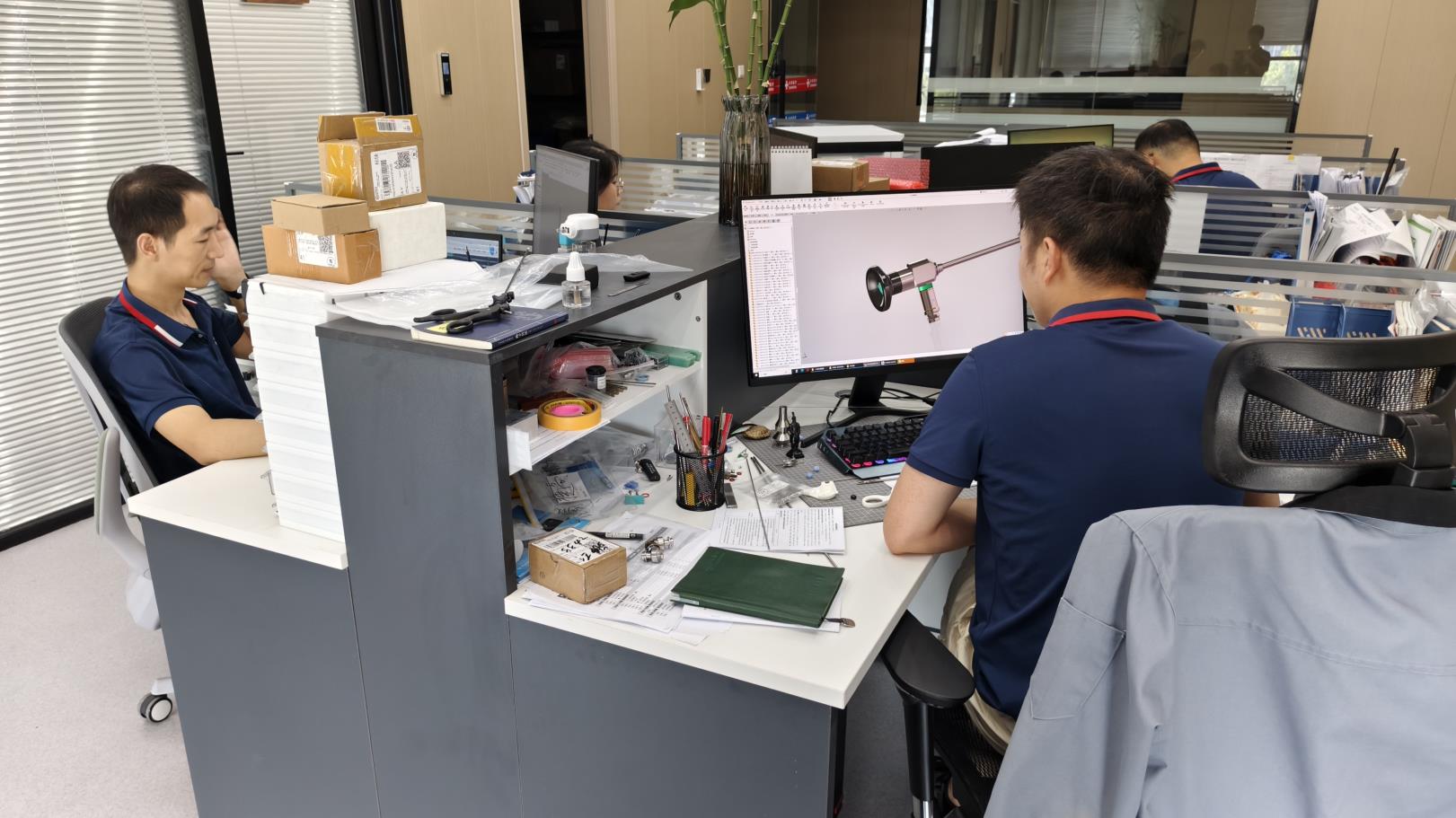
Synoviq integrates advanced logistics, high-precision CAD modeling, and industrial smart manufacturing to defend global medical device distributors against raw material volatility. Operating in China's high-tech manufacturing hub allows us to execute raw material procurement, thermal processing, CNC milling, wire cutting, passivation, and Class 100,000 cleanroom packaging in a continuous workflow, significantly reducing lead times.
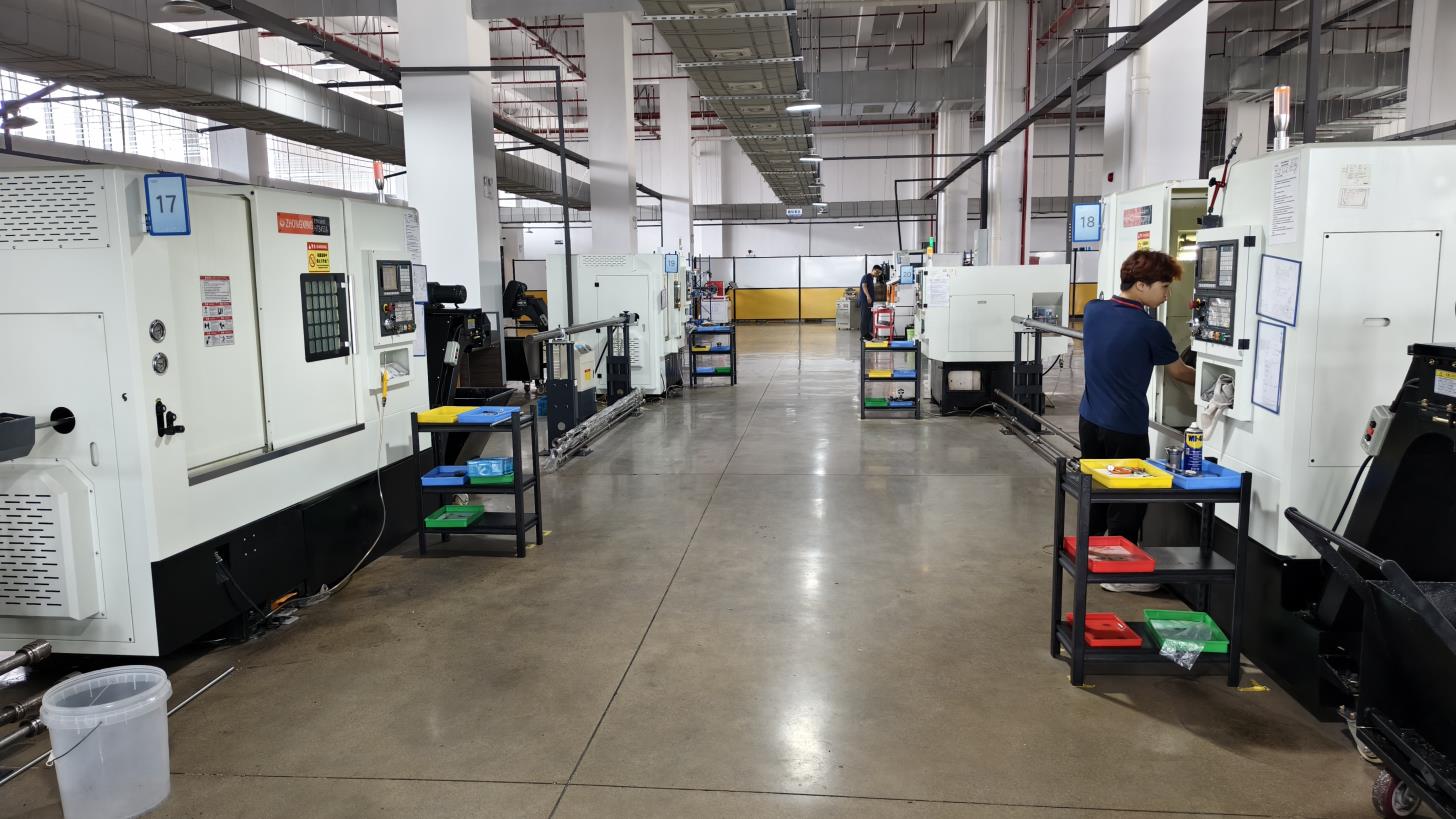
Every implant undergoes a precise, verified workflow from raw material preparation to final release.
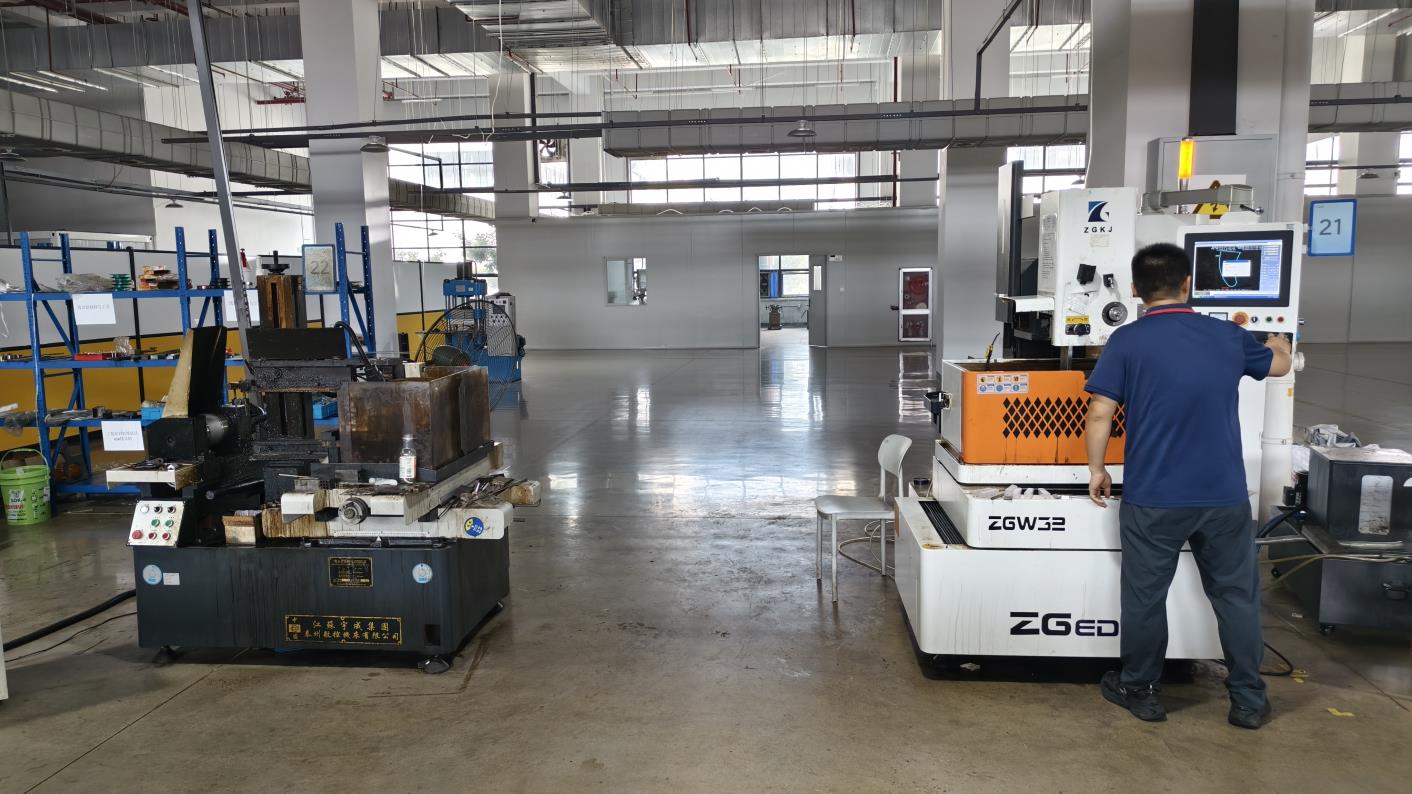
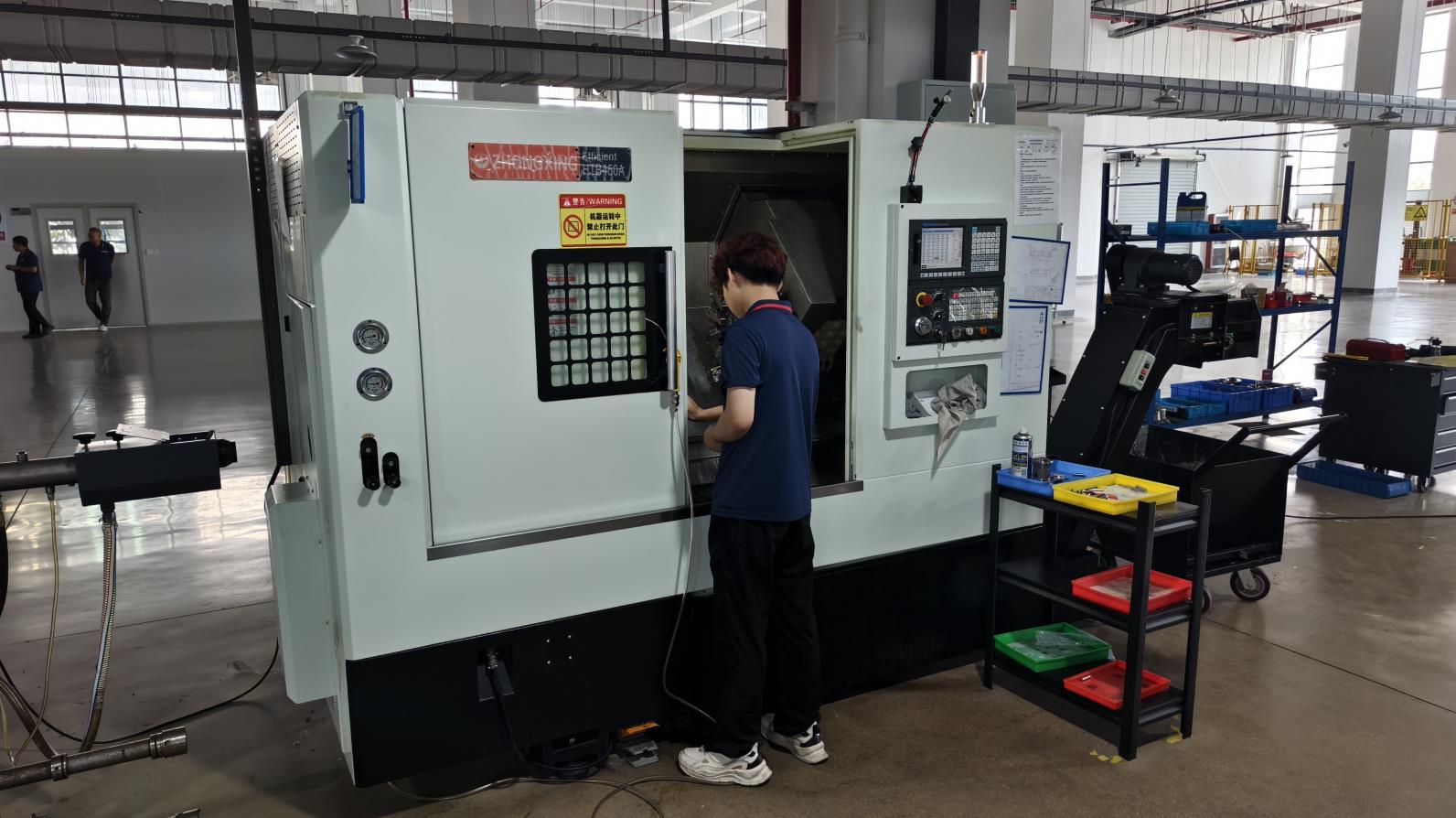
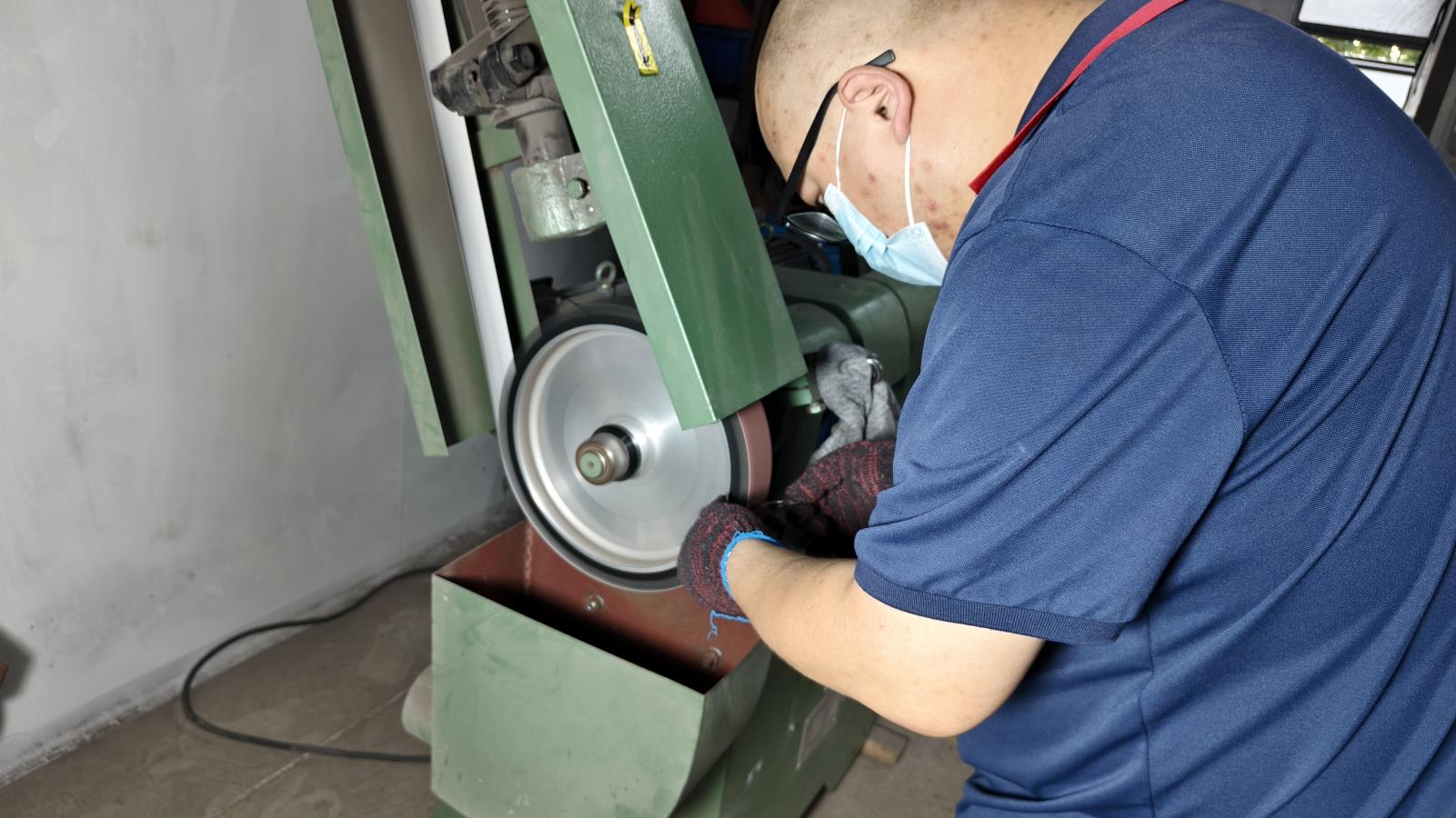
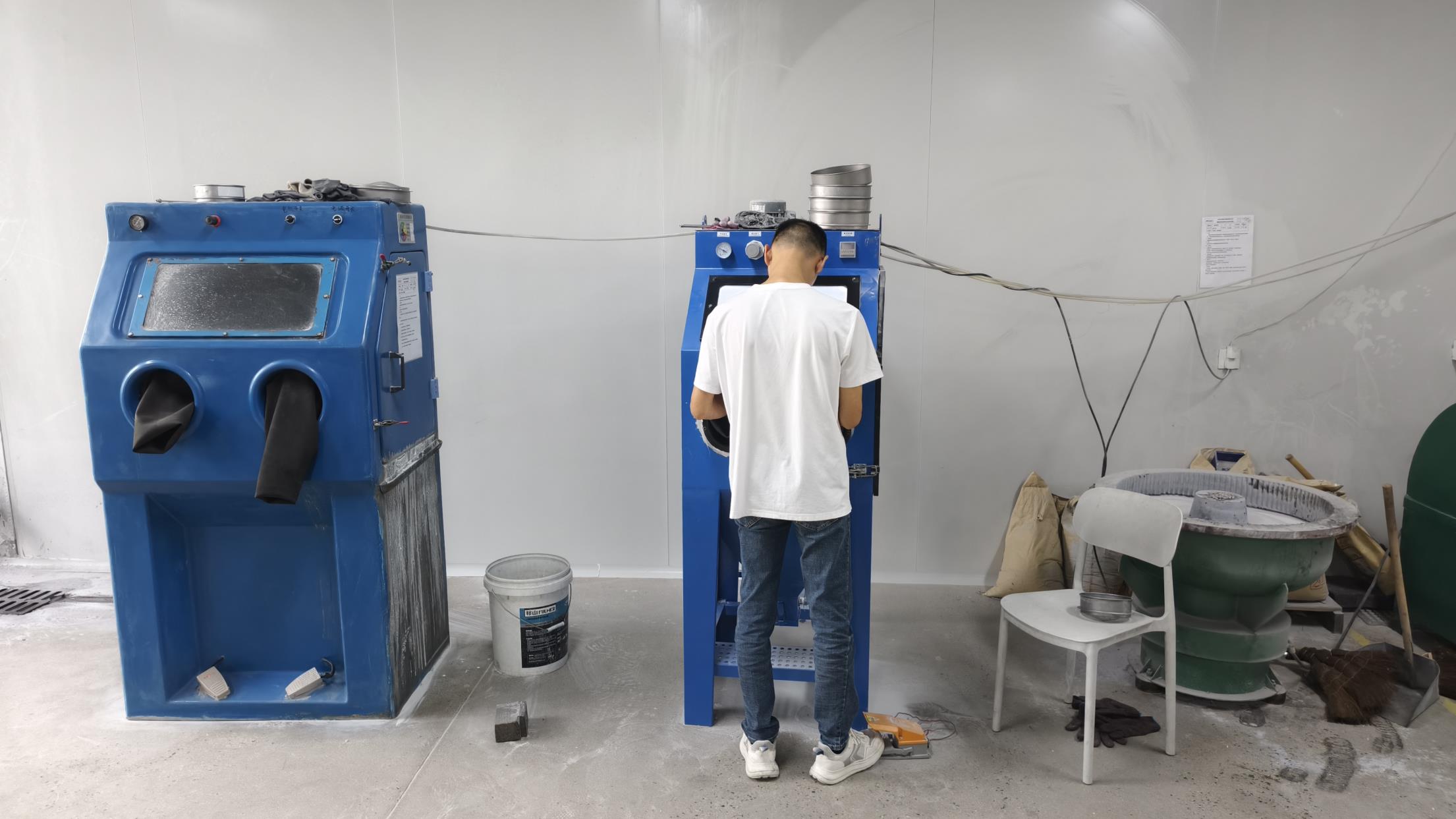
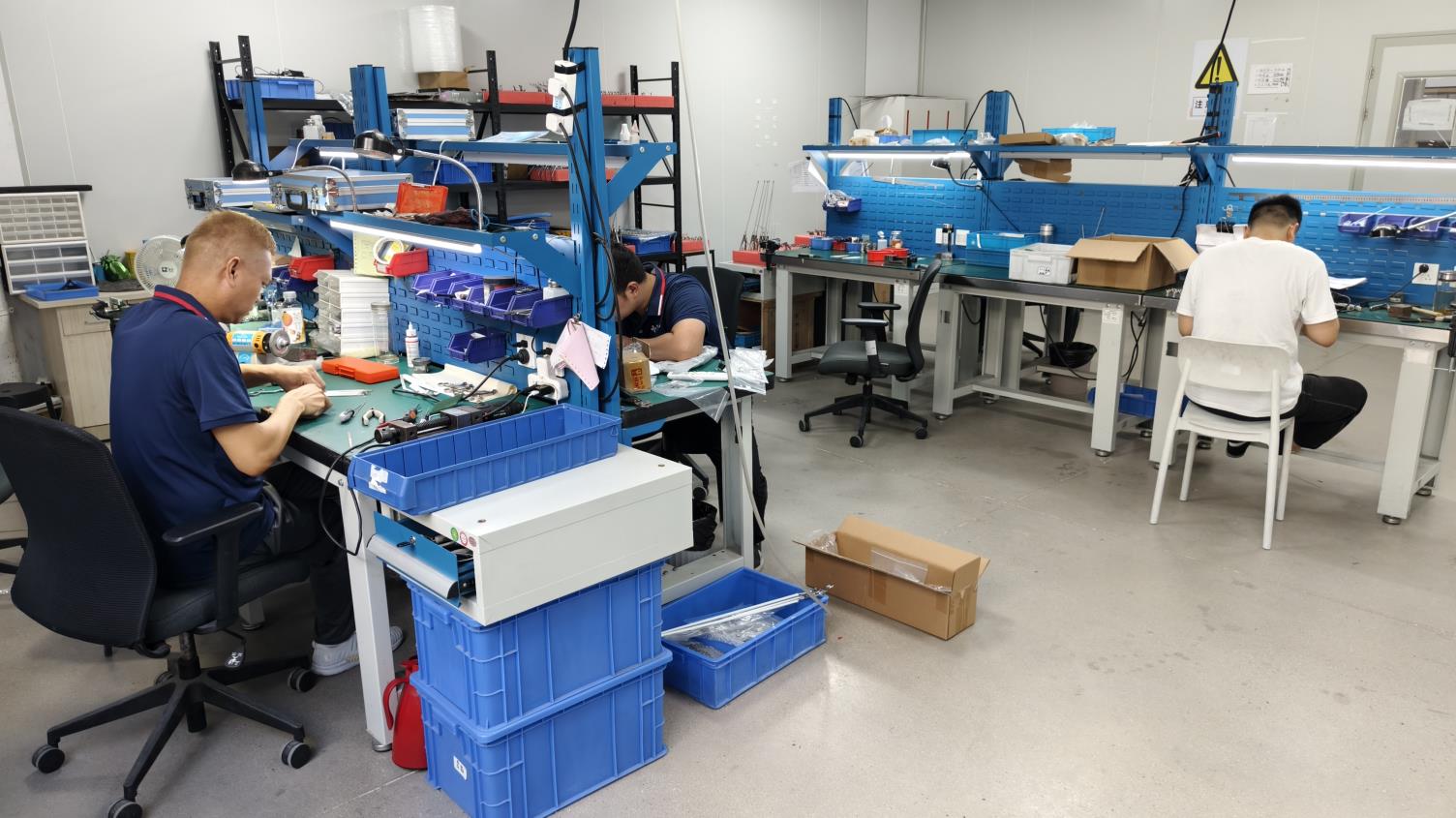
We deploy advanced multi-axis CNC machines and Swiss lathes to achieve tolerances within micrometers.
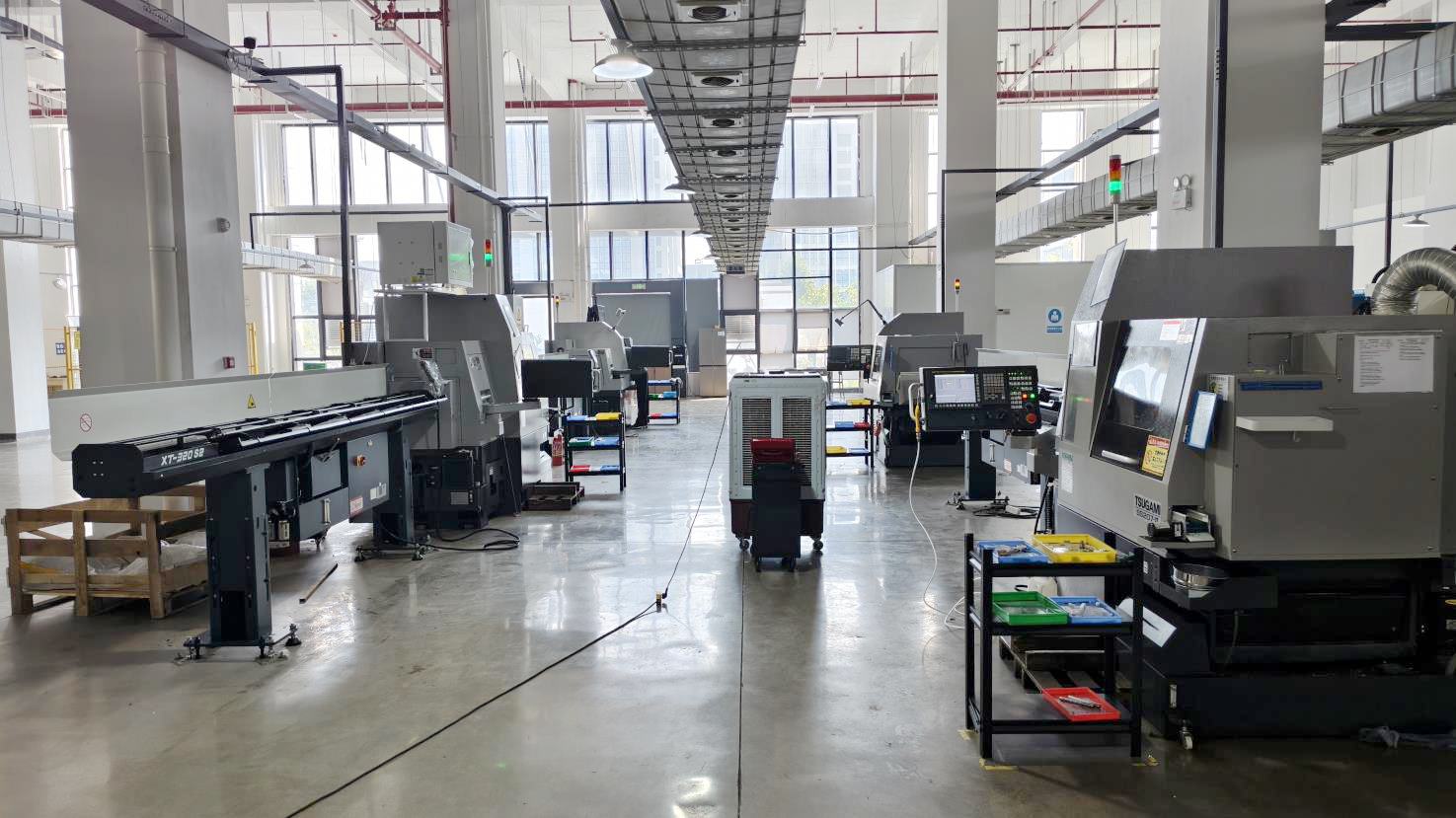
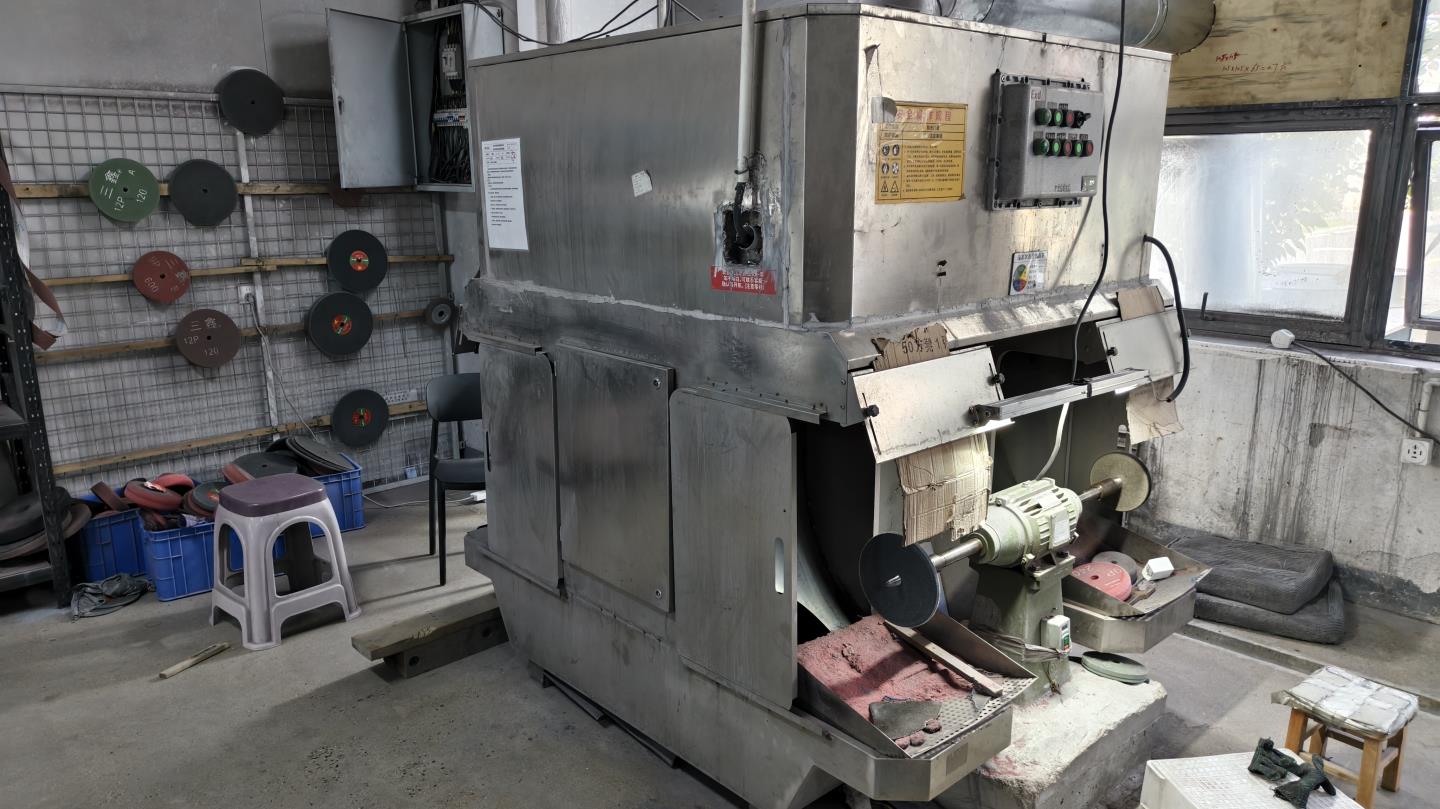
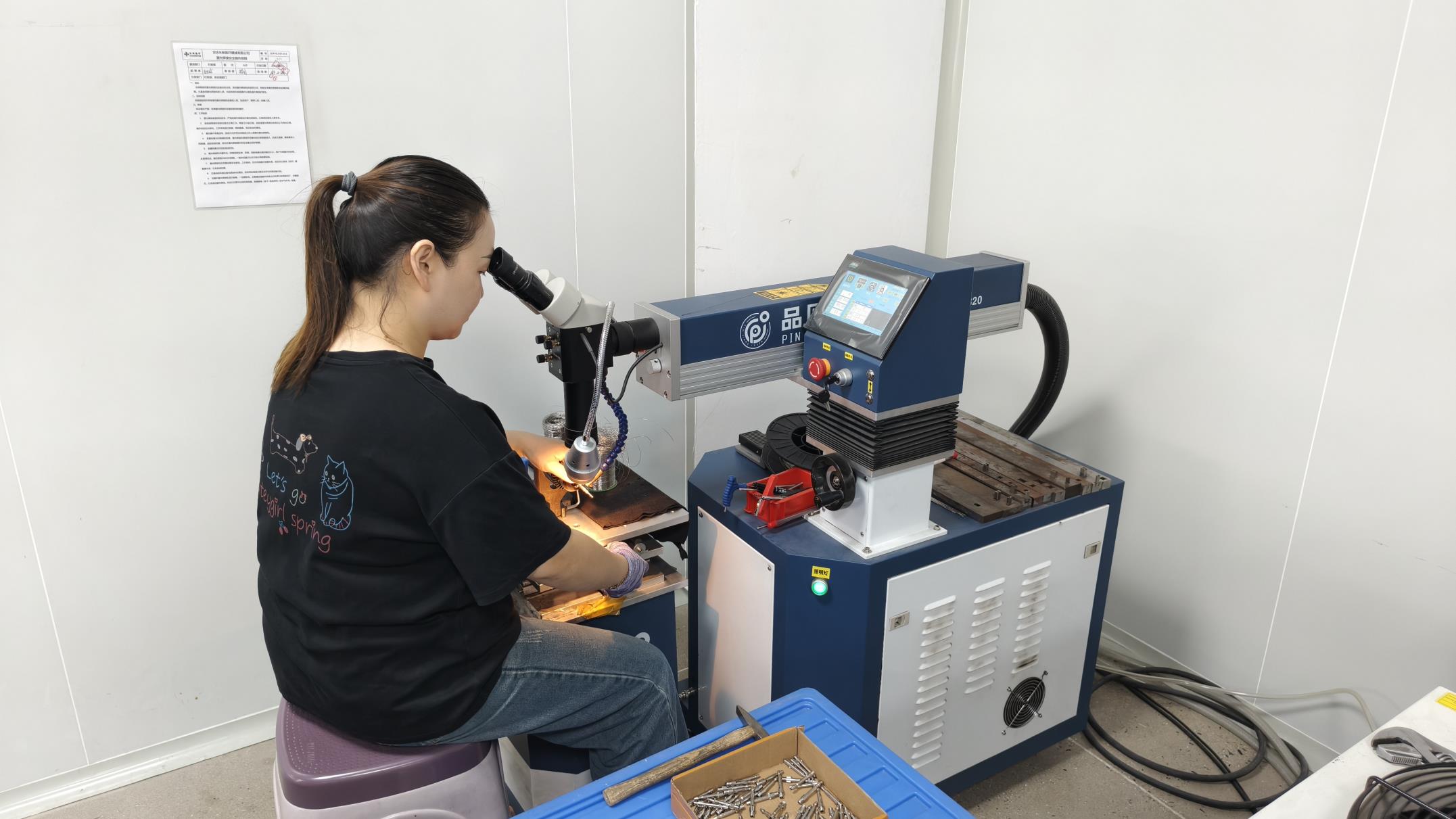
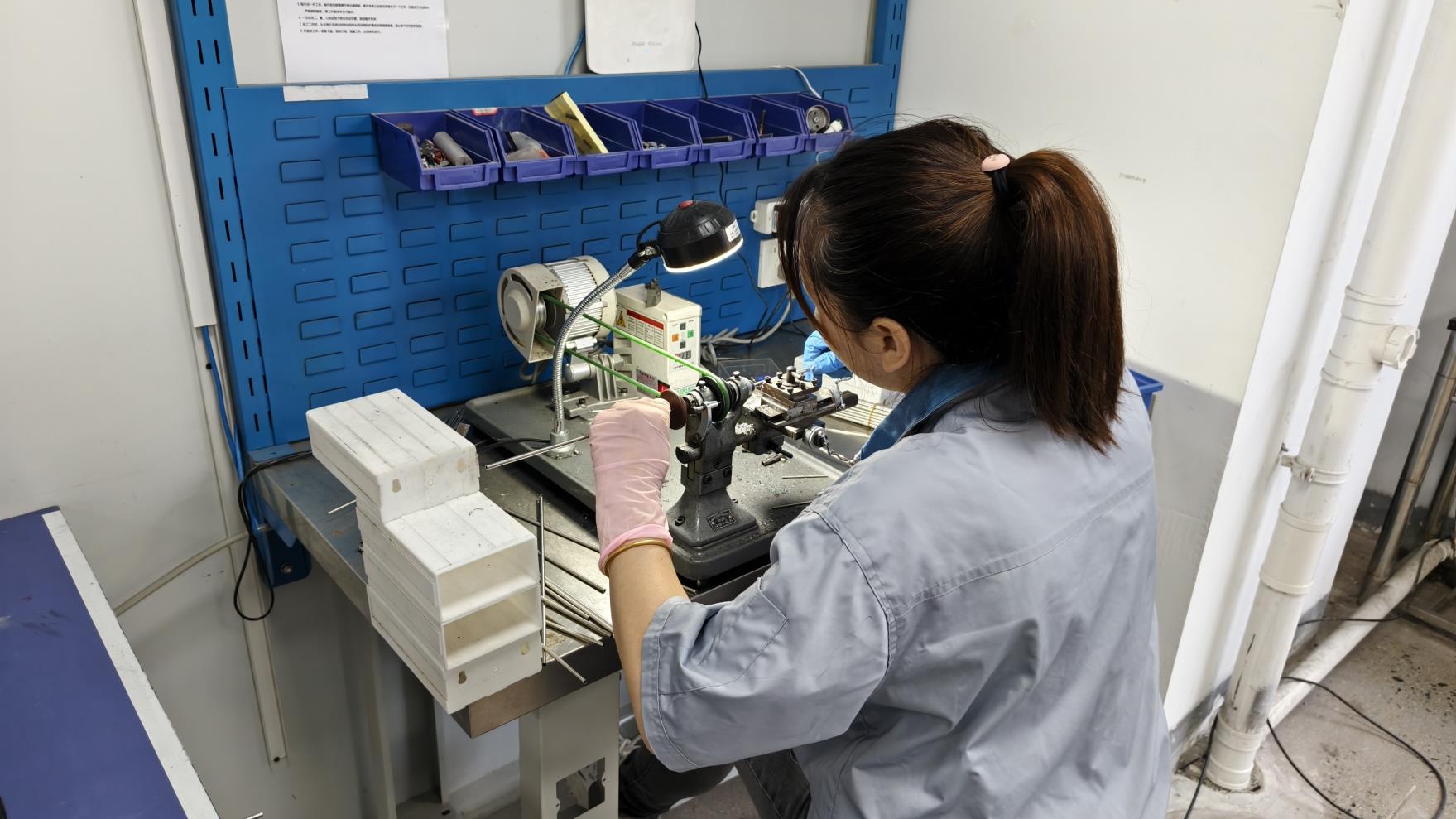
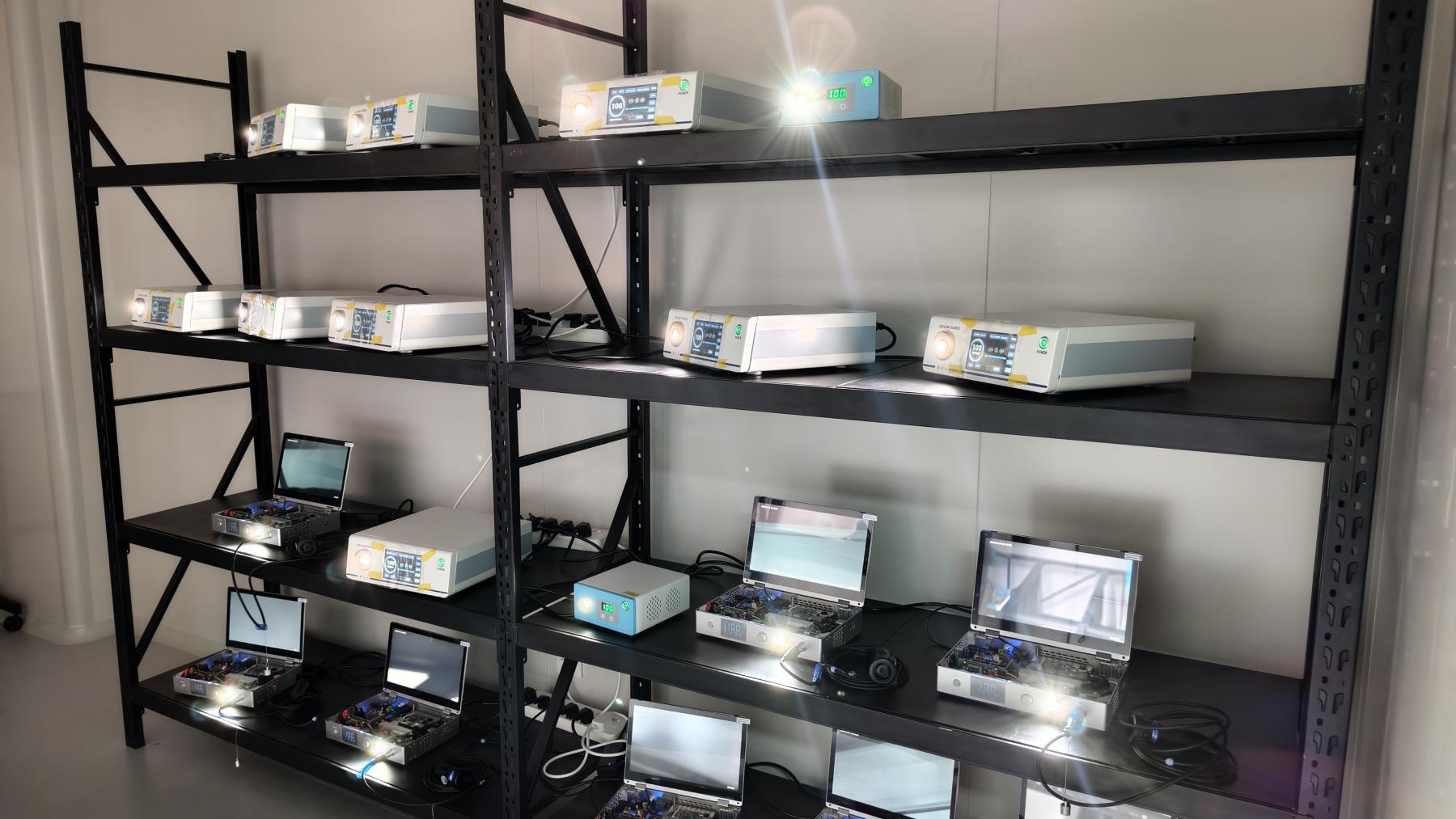
Using advanced diagnostics to inspect chemical composition, mechanical characteristics, and dimensional compliance.
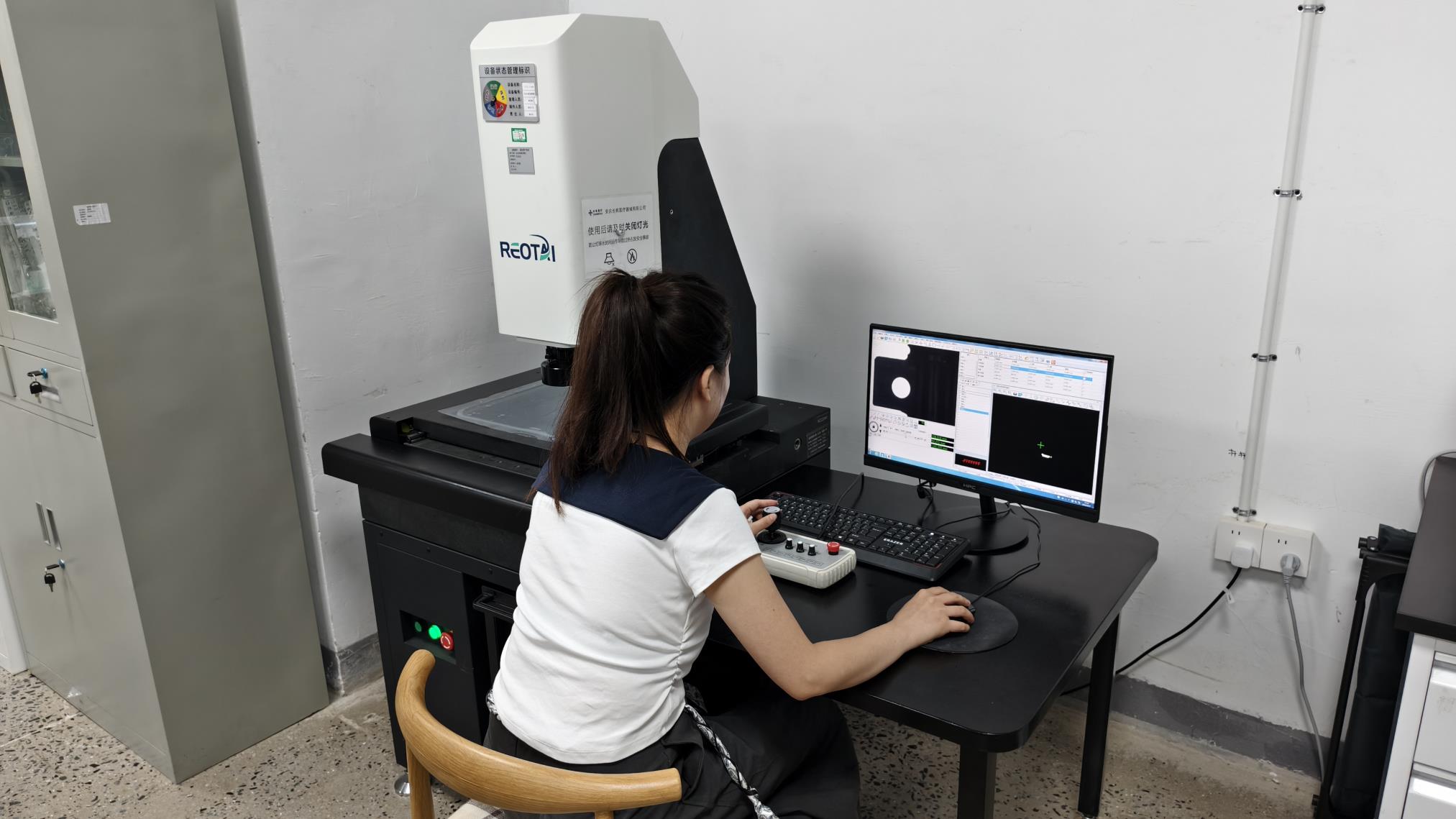
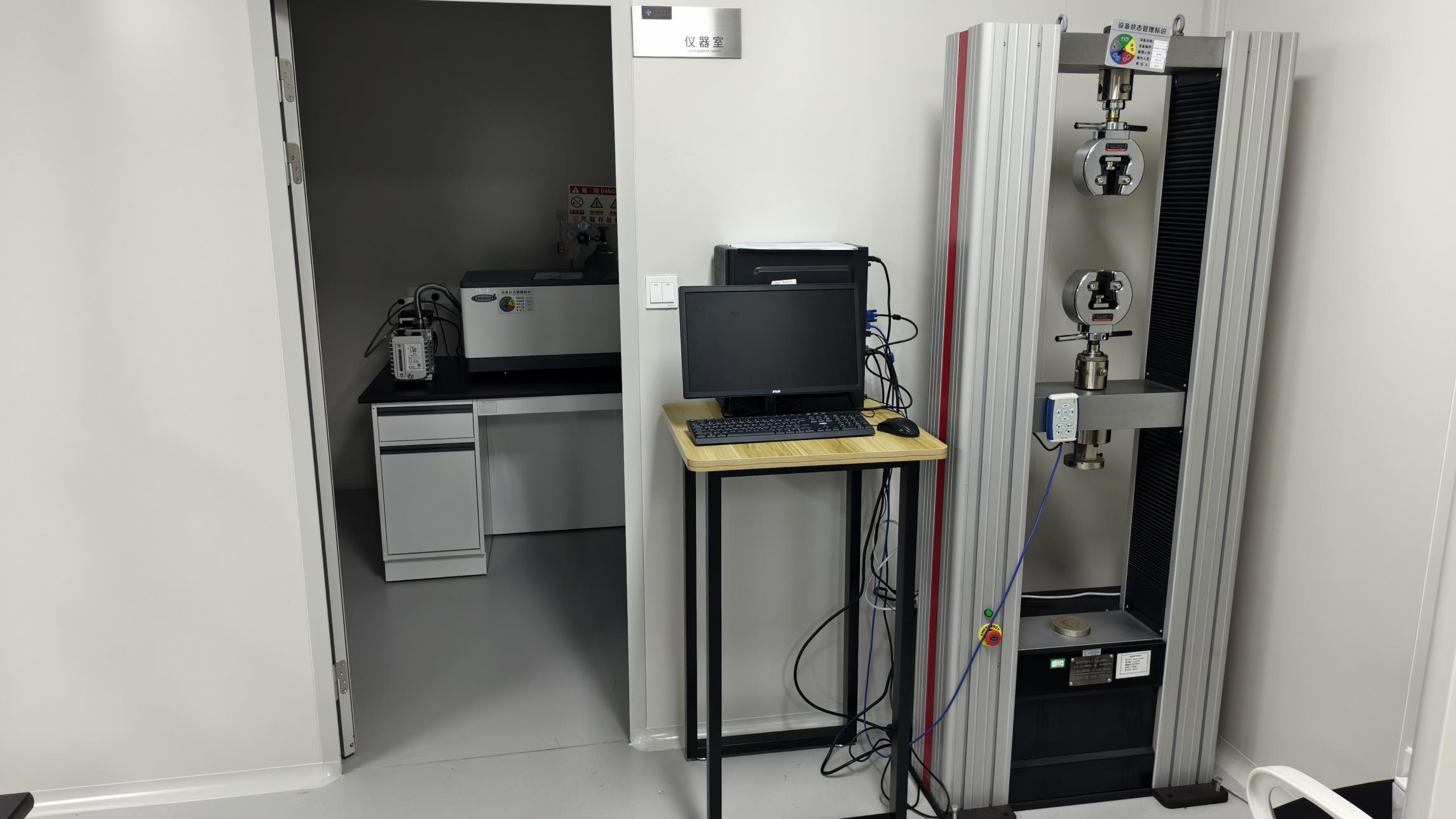
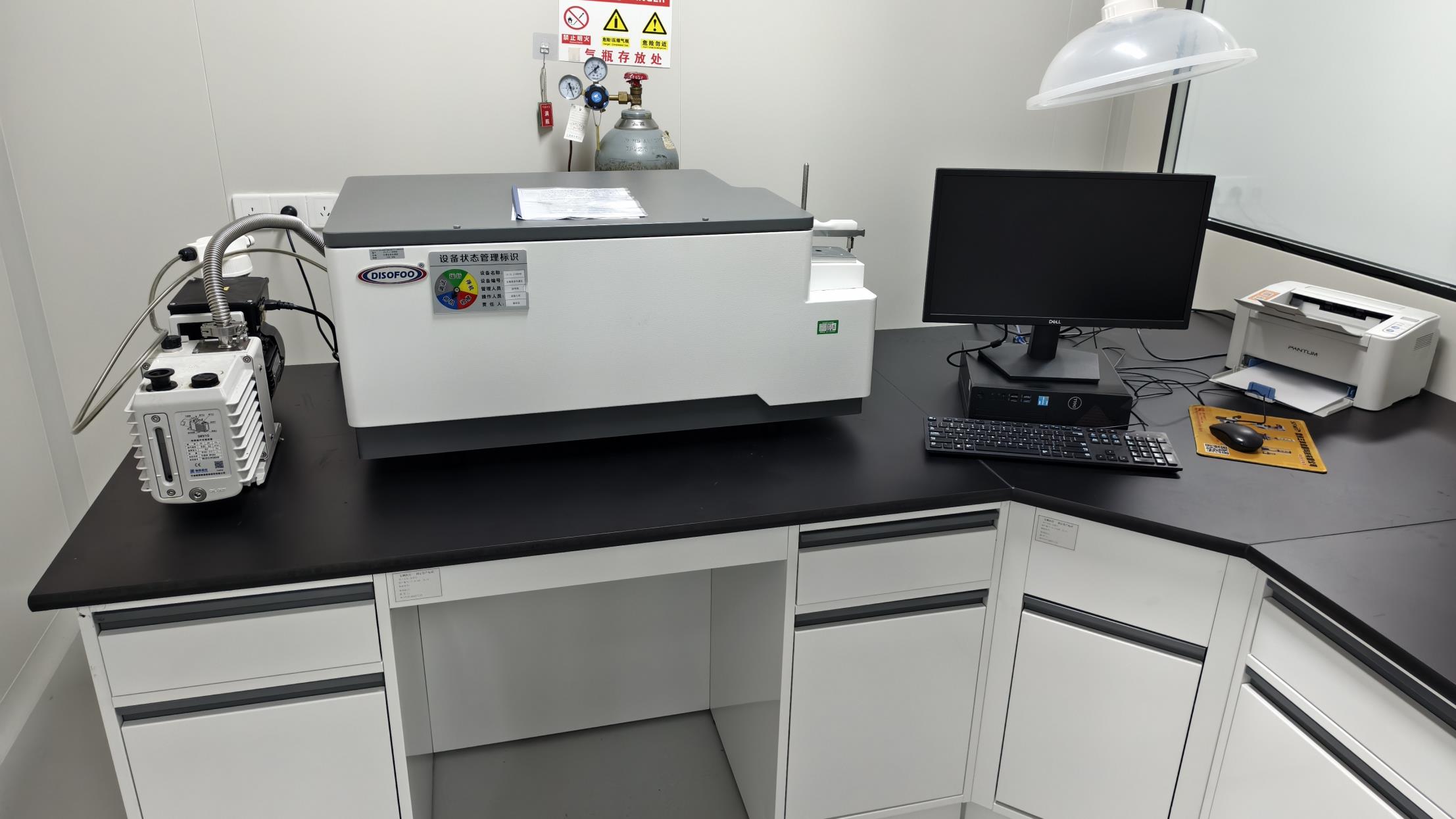
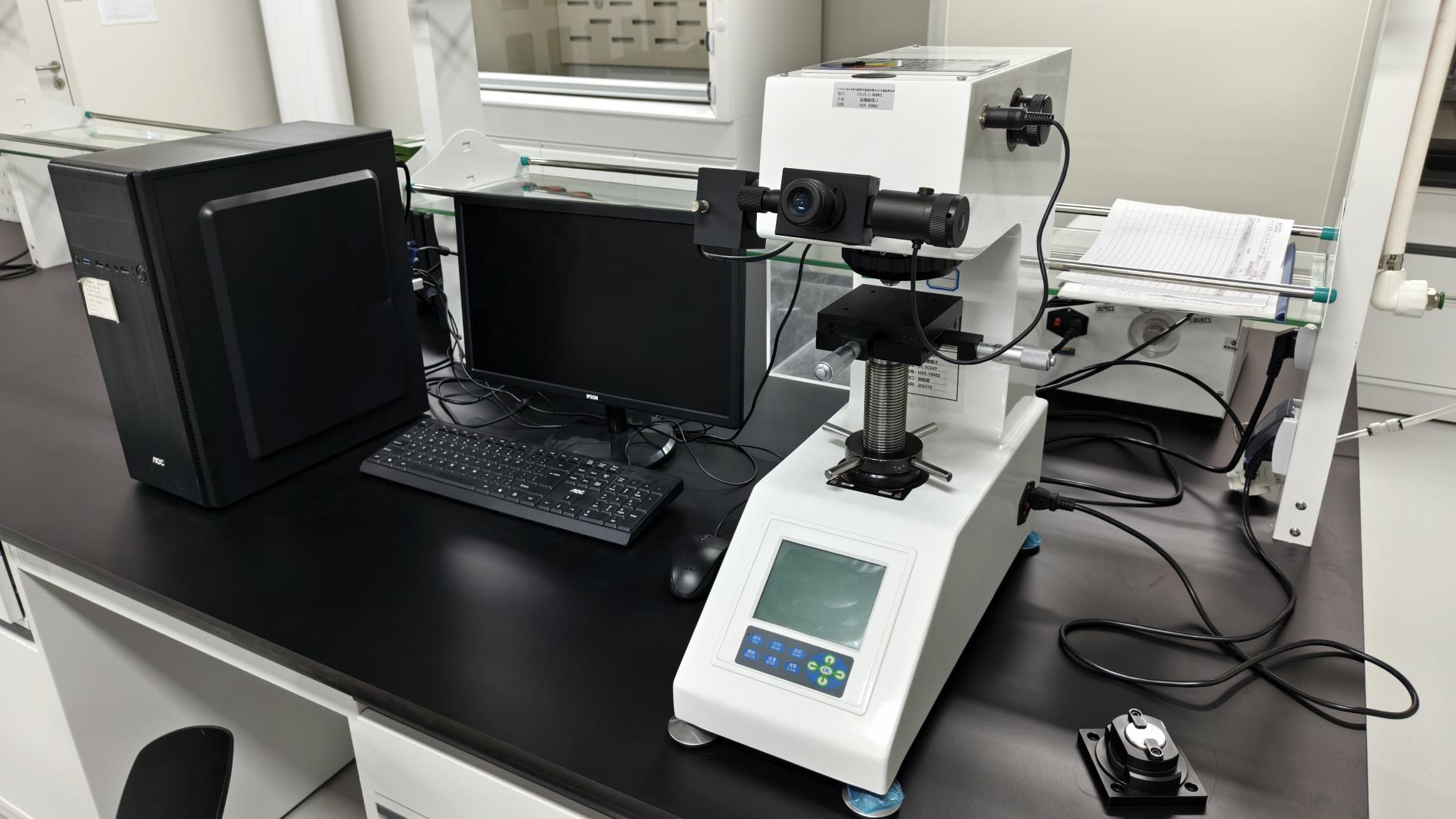
Ensuring surgical precision in critical anatomical regions.
Following tumor resection in skull base bones, reconstruction requires customized meshes or solid skull implants. PEEK and Titanium implants are molded to restore protection and maintain cranial pressure, adapting to thermal and neurological variances.
Accidents and trauma require complex reconstructions of the orbital floor, zygomatic arch, and midface. Customized implants fit precise bony margins to support the orbital globe and restore facial symmetry without intraoperative bending.
For conditions such as craniosynostosis or hemifacial microsomia, custom structural implants restore symmetrical volume. Virtual Surgical Planning (VSP) ensures correct anatomical placement and natural patient outcomes.
Our OEM/ODM service maps digital clinical models to surgical implants through a rigorous medical imaging process. Engineers convert raw DICOM CT data into precise 3D CAD vectors, compensating for anatomical asymmetry and soft-tissue considerations.
We perform Finite Element Analysis (FEA) on all customized models to test mechanical loading, structural stress distribution, and fatigue limits under dynamic physiological conditions. Using multi-axis CNC machines and Swiss lathes, we manufacture cranial meshes, reconstructive plates, and orthopaedic screws with high tolerance and consistency.
Finally, products undergo verification in Class 100,000 cleanrooms. This process removes fine particulates and chemical residues, ensuring low bioburden levels before sterilization validation. This systematic approach guarantees reliable surgical performance in operating rooms worldwide.
Technical answers for purchasing managers, biomedical engineers, and regulatory officers.
Reliable surgical solutions for trauma fixation, spinal fusion, and arthroscopic procedures.
 Synoviq Medical