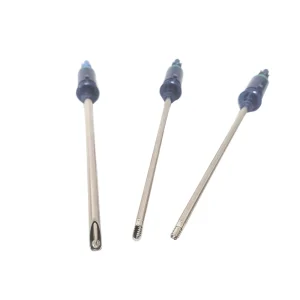
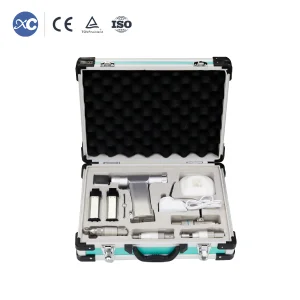
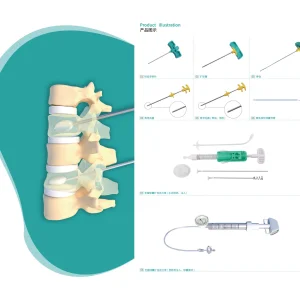
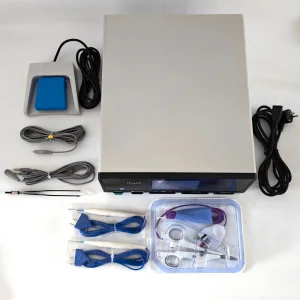
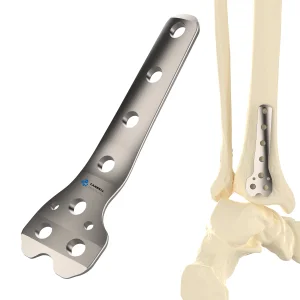
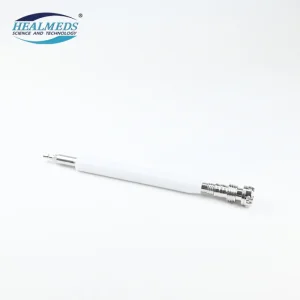
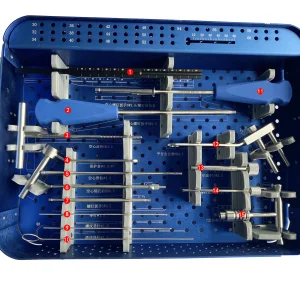
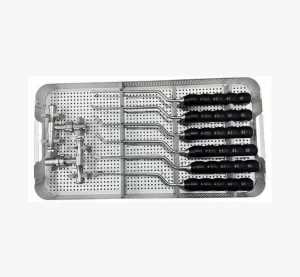
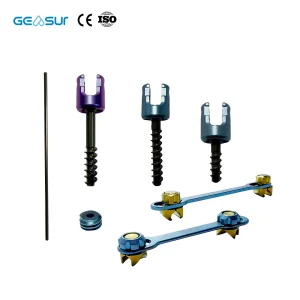
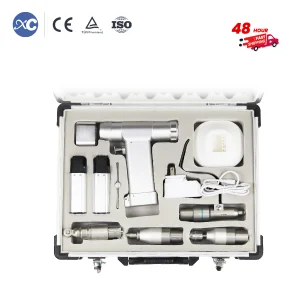
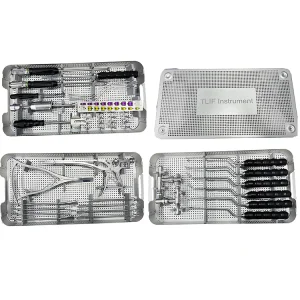
Clinical instrumentation, internal trauma fixation solutions, and power devices designed for world-class orthopedic departments.
Addressing the global challenge of geriatric intertrochanteric fractures through advanced engineering.
As the global population ages, the incidence of hip fractures, particularly unstable intertrochanteric fractures in osteoporotic patients, is rising rapidly. These fractures represent a significant public health challenge, demanding surgical solutions that allow for immediate weight-bearing, minimize surgical time, and reduce postoperative complications such as cutout, varus collapse, and implant failure.
The Proximal Femoral Nail Antirotation (PFNA) system has emerged as the gold standard in trauma orthopedics. Unlike conventional dynamic hip screws (DHS) or early-generation intramedullary nails that rely on lag screws, the PFNA design incorporates a helical blade. This blade achieves stability by compacting the cancellous bone surrounding the implant rather than removing it, dramatically improving anchor strength in poor-quality osteoporotic bone.
The single helical blade design combines rotational and axial stability in one element. By consolidating the fixation profile, surgeons can reduce the entry site incision size, conserving soft tissue envelope integrity and preserving blood supply to the femoral head.
The anatomical curvature of the PFNA nail optimizes stress distribution along the femoral shaft. By shifting the load-bearing axis medially closer to the anatomical line of force, it minimizes stress shielding and promotes callus formation.
With static and dynamic distal locking configurations, the PFNA allows customized intraoperative setups. Static configuration provides stable length maintenance, while dynamic slotting permits controlled fracture collapse under early weight-bearing.
Unpacking supply chain metrics, sourcing paradigms, and the global footprint of Chinese orthopedic manufacturing.
The global market for orthopedic trauma devices is shifting toward value-based healthcare. Hospital systems and procurement agencies in North America, Europe, and emerging economies are facing increasing budgetary constraints, driving the demand for high-quality, cost-effective orthopedic implants that meet strict international regulatory standards.
China has transformed from a low-cost contract manufacturer into a global center for high-precision orthopedic design and manufacturing. Leading manufacturers like Synoviq Medical Technology (China) Co., Ltd. invest heavily in CNC technology, advanced surface treatments, and comprehensive clinical validation to supply high-end implant portfolios globally.
For medical brand owners and international distributors, partnering directly with leading Chinese suppliers reduces supply chain steps, improves margins, and speeds up product delivery. However, assessing these factories requires looking beyond basic production volume. Key differentiators include raw material traceability, advanced machining capabilities, cleanroom compliance, and regulatory documentation support.
Synoviq Medical Technology (China) Co., Ltd. — Operational profiles and core engineering capabilities.
Synoviq Medical Technology (China) Co., Ltd. is a professional manufacturer of orthopedic implants and surgical instruments, dedicated to delivering innovative, reliable, and high-quality medical solutions for healthcare professionals worldwide. Since its establishment, Synoviq has focused on research, development, precision manufacturing, and international quality standards, providing comprehensive OEM and ODM services for global medical device brands, distributors, and hospitals.
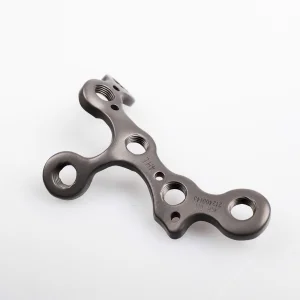
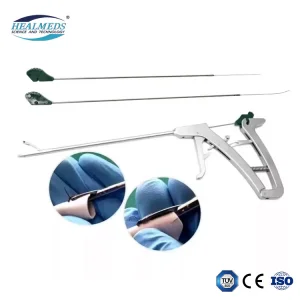
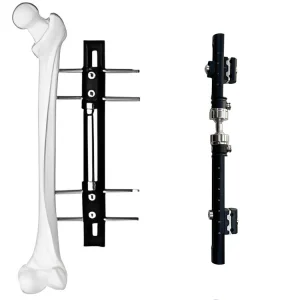
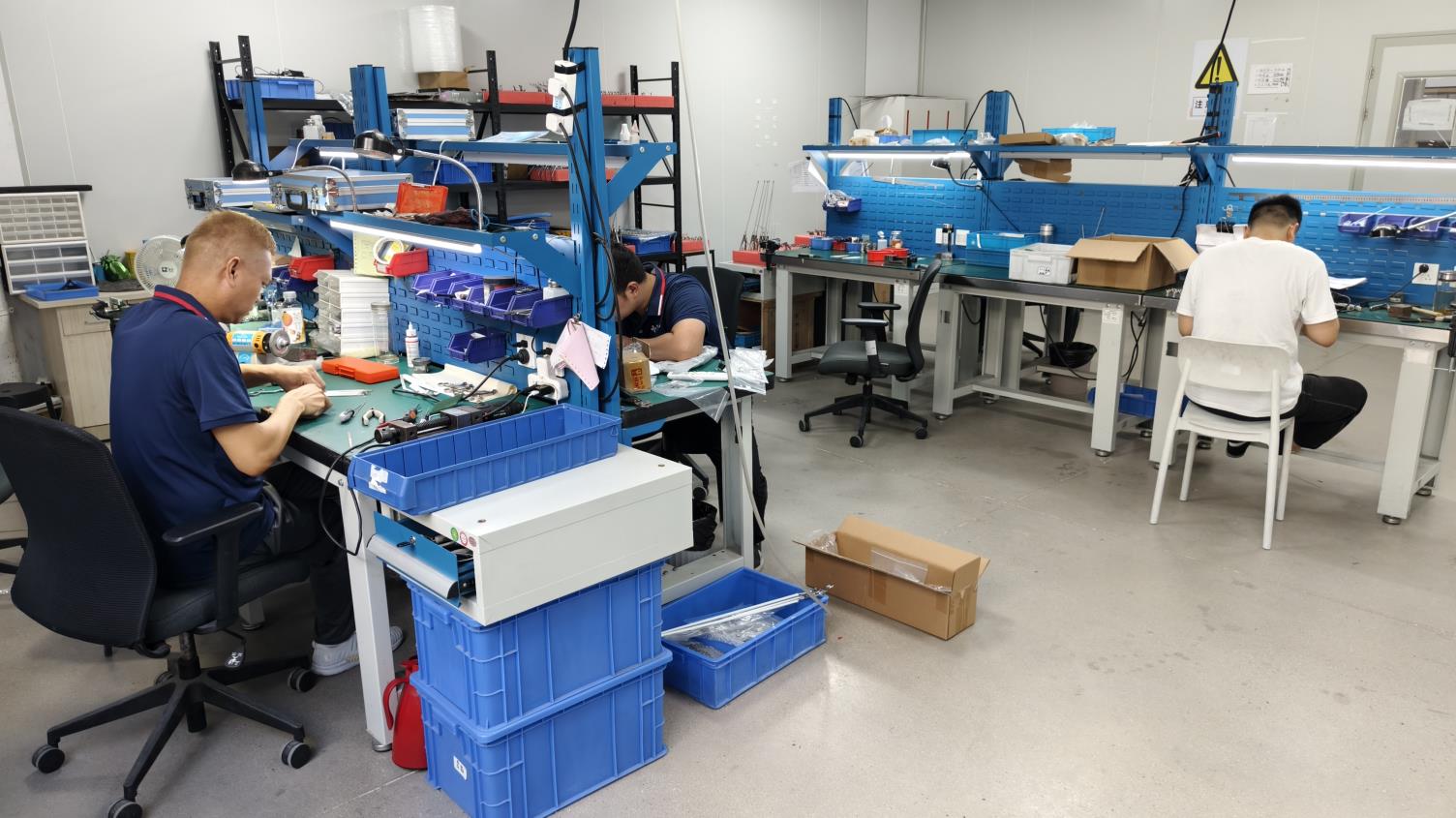
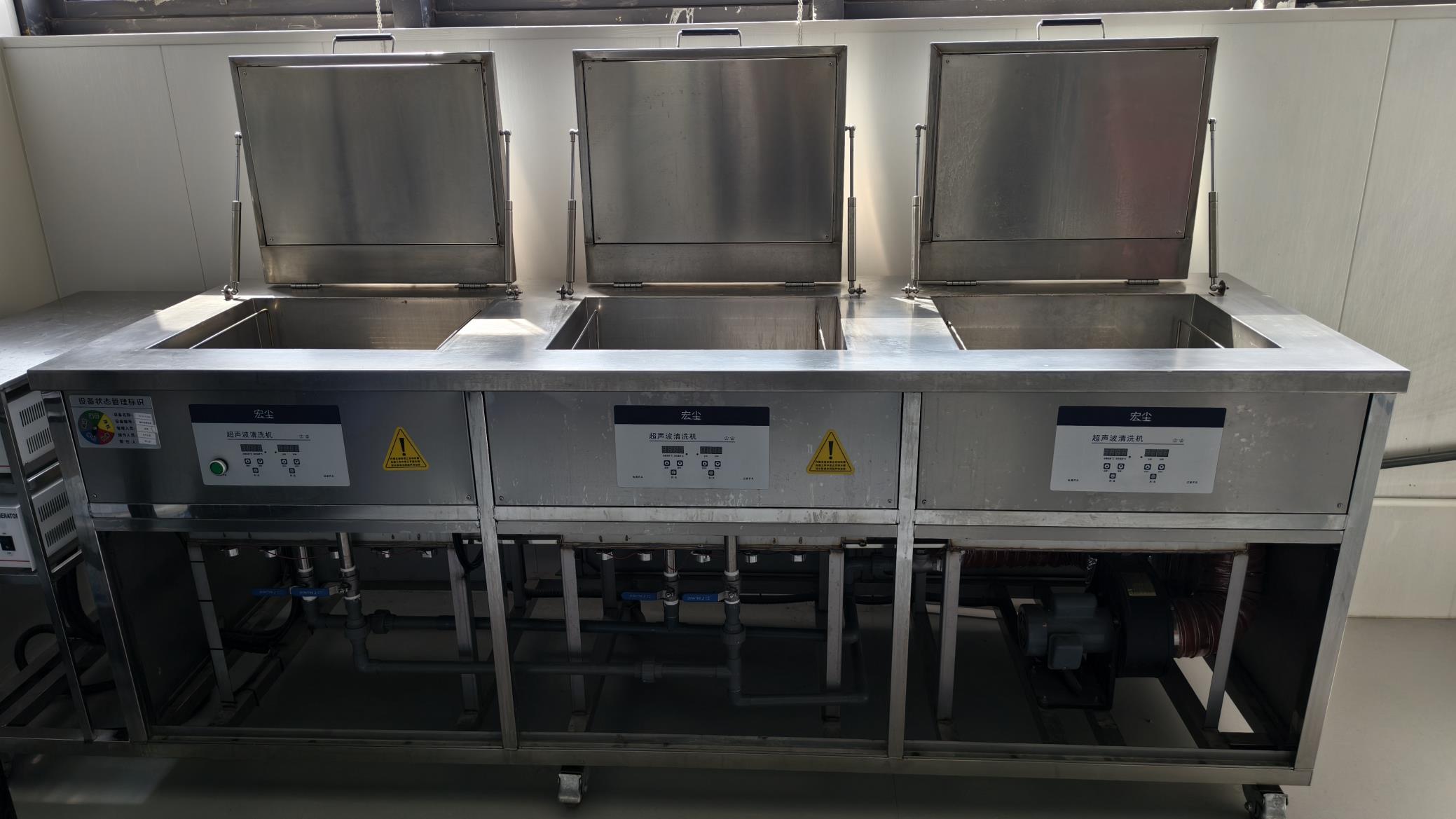
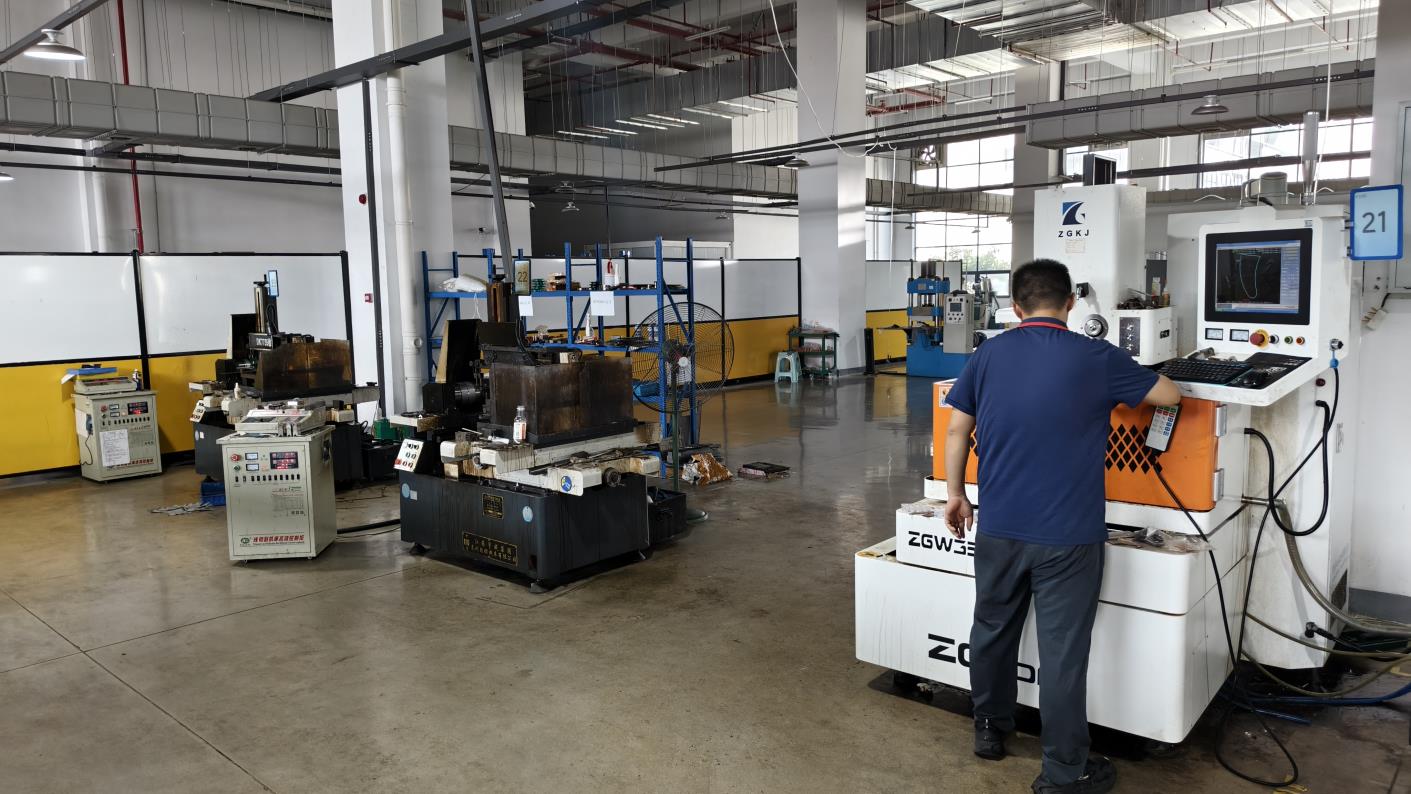
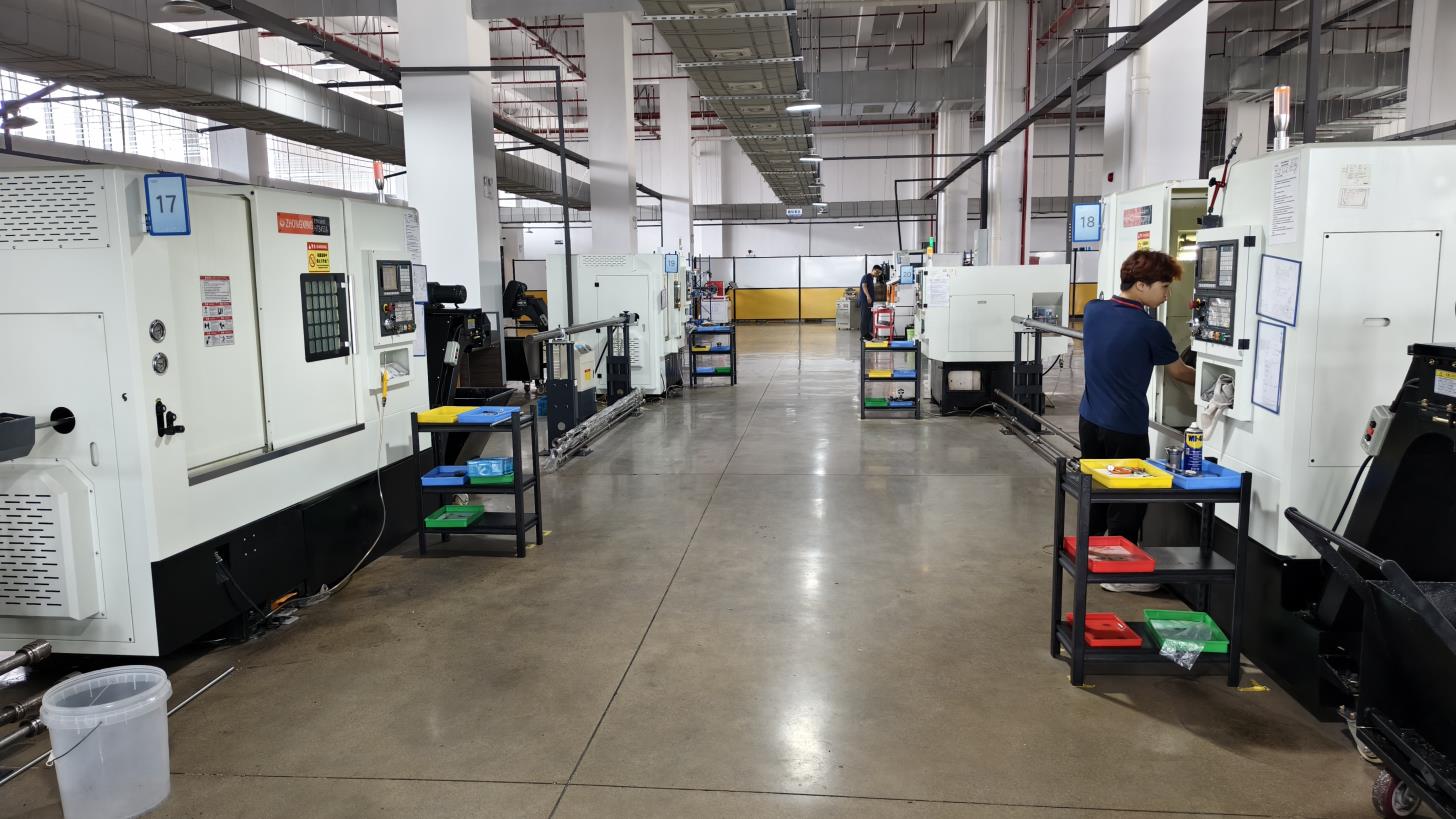
Our product portfolio includes trauma fixation systems, spinal implants, locking plates, intramedullary nails, external fixation systems, orthopedic screws, surgical instruments, and customized orthopedic solutions. Equipped with advanced CNC machining centers, precision inspection equipment, and modern clean production facilities, we ensure every product meets strict international quality requirements.
Driven by continuous innovation, Synoviq invests heavily in R&D and intelligent manufacturing to enhance product performance, surgical efficiency, and patient outcomes. Our experienced engineering team works closely with customers to develop customized products tailored to different clinical applications and market demands.
With a customer-oriented philosophy, competitive pricing, stable supply capability, and efficient technical support, Synoviq has established long-term partnerships with distributors, medical brands, and healthcare organizations across Europe, North America, South America, the Middle East, and Asia-Pacific.
| Item | Information |
|---|---|
| Company Name | Synoviq Medical Technology (China) Co., Ltd. |
| Brand | Synoviq |
| Established | March 18, 2016 |
| Building Area | 18,600 m² |
| Annual Export Revenue | USD 21.8 Million |
| Export Experience | 8 Years |
| Industry Experience | 14 Years |
| Quality Inspection | 100% Final Inspection & Incoming Material Inspection |
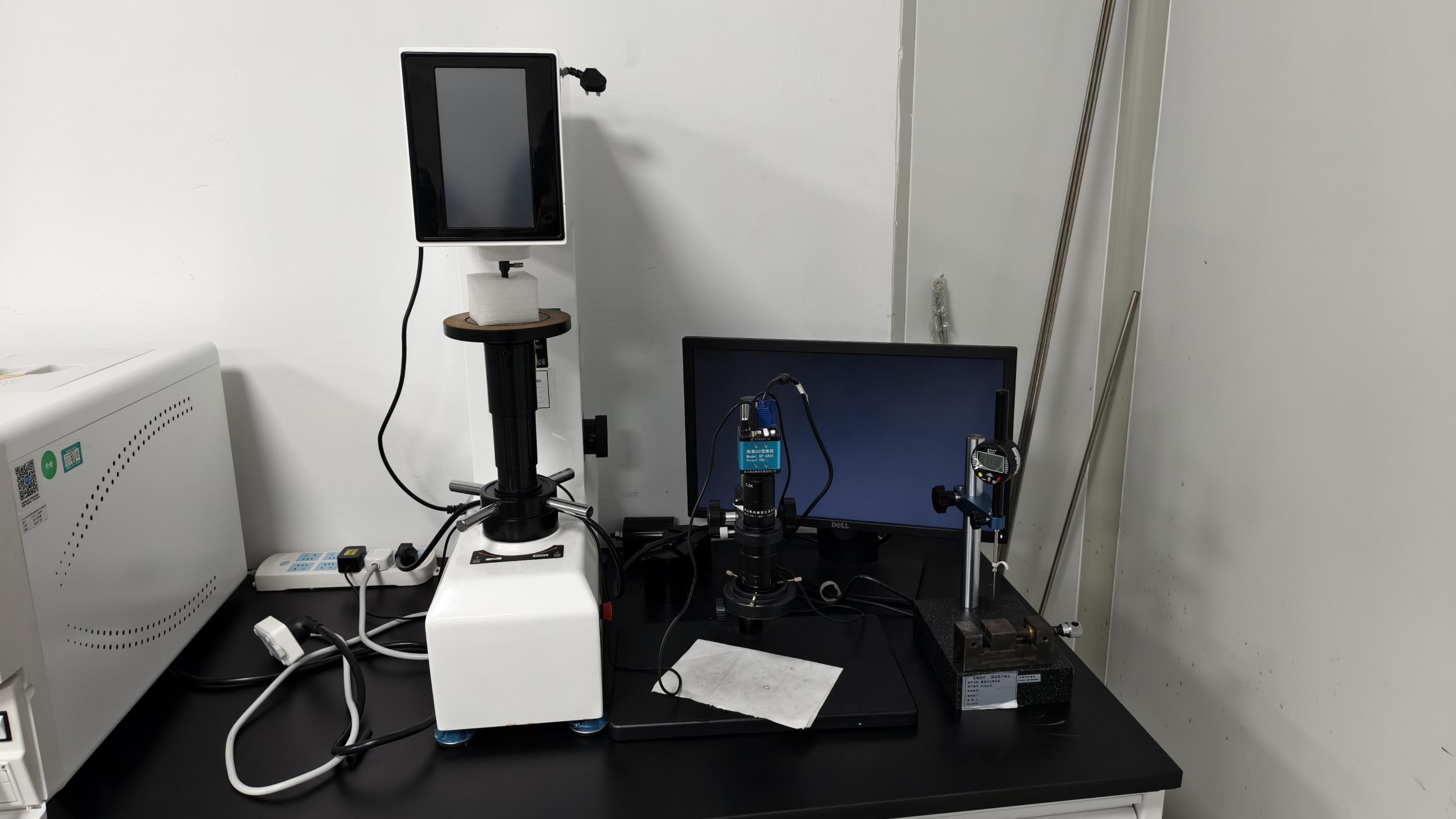
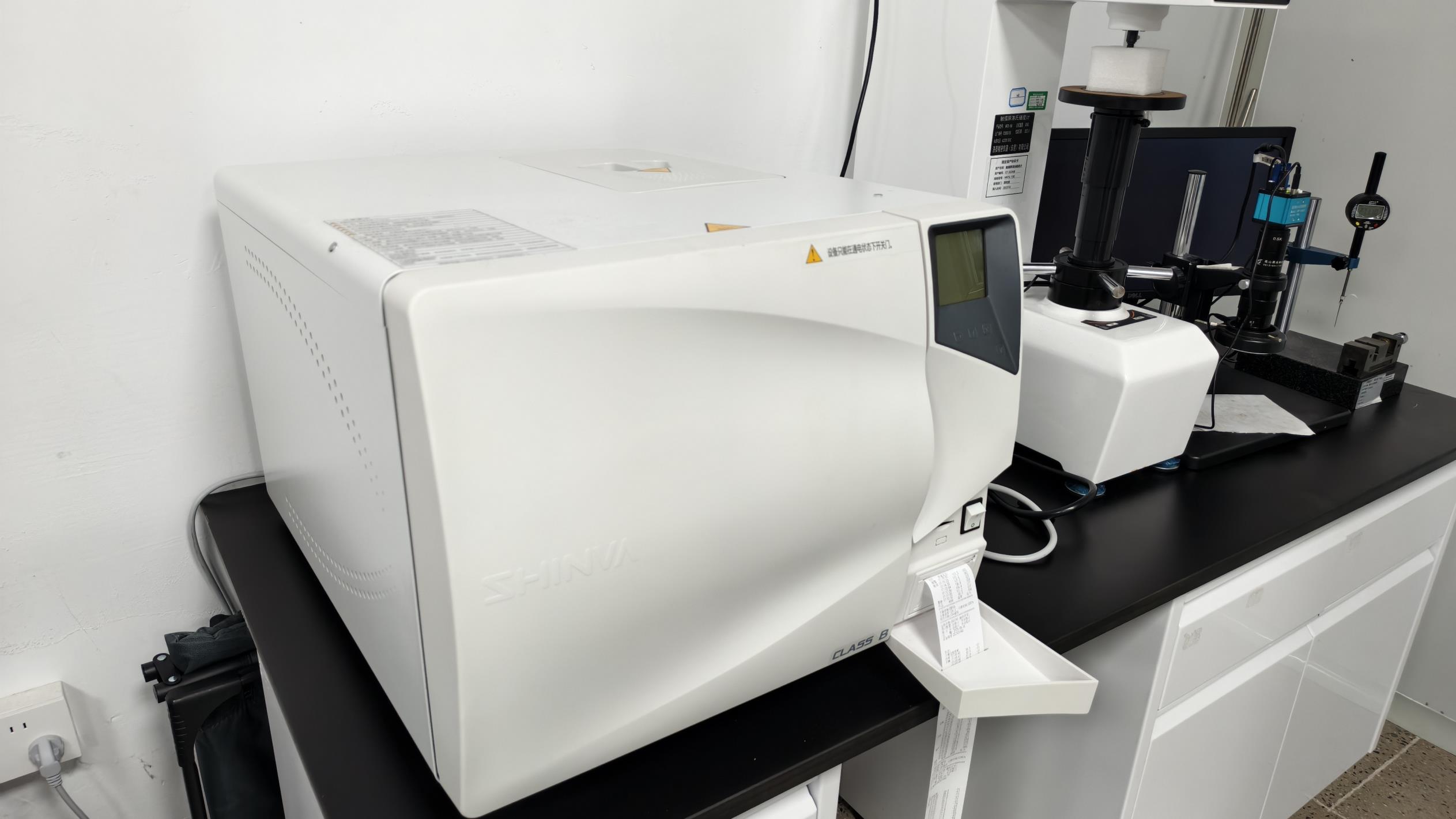
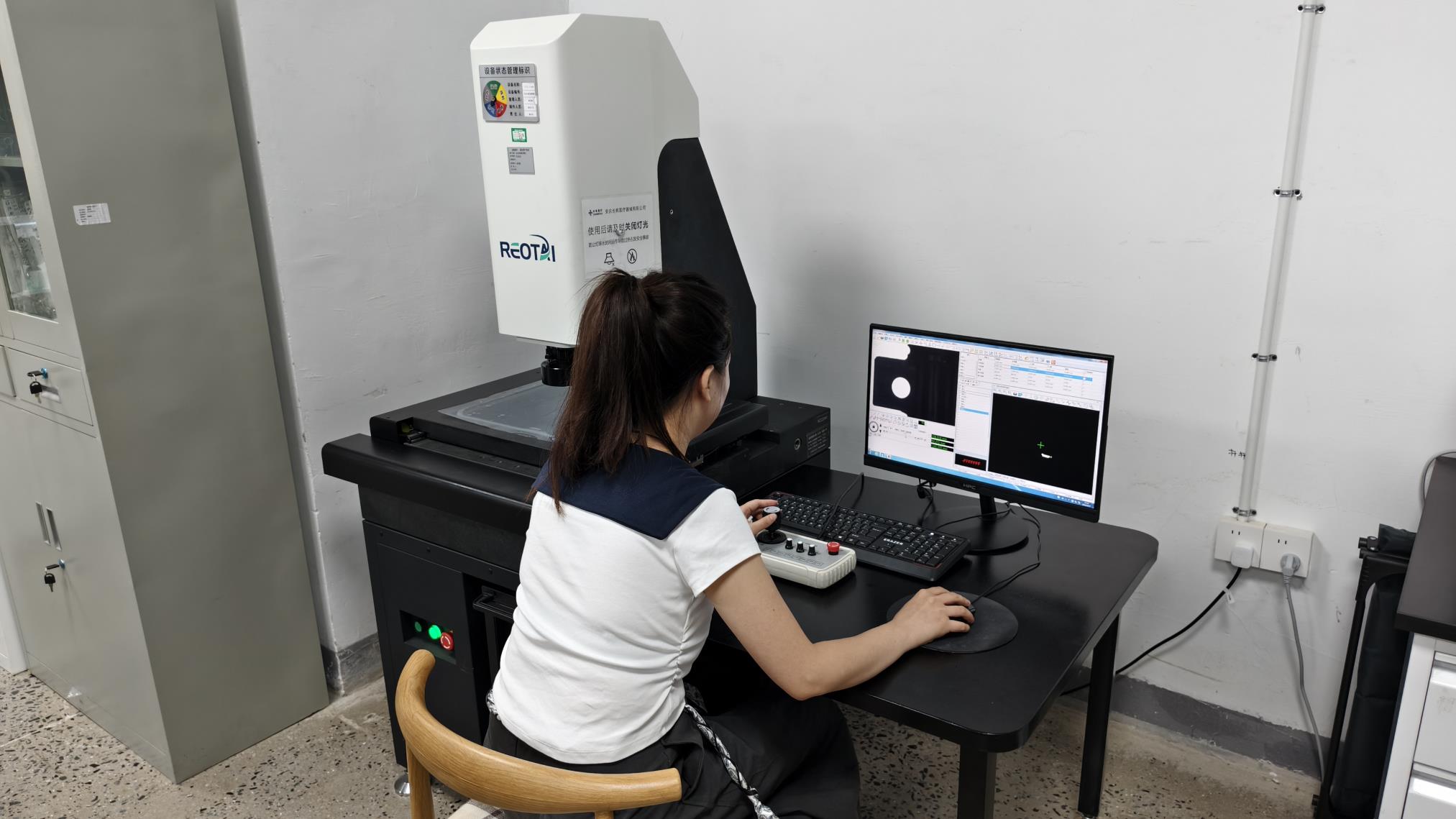
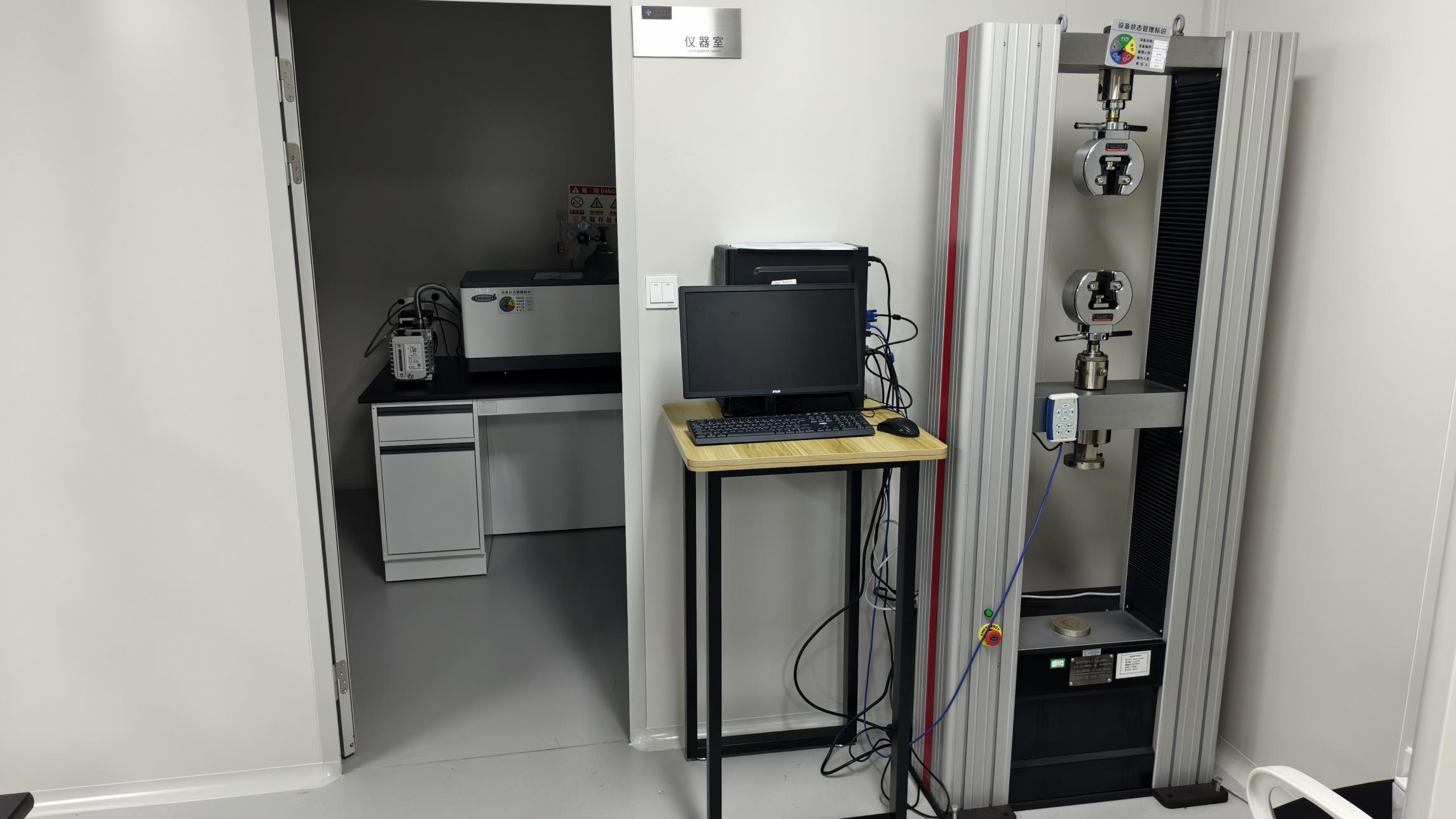
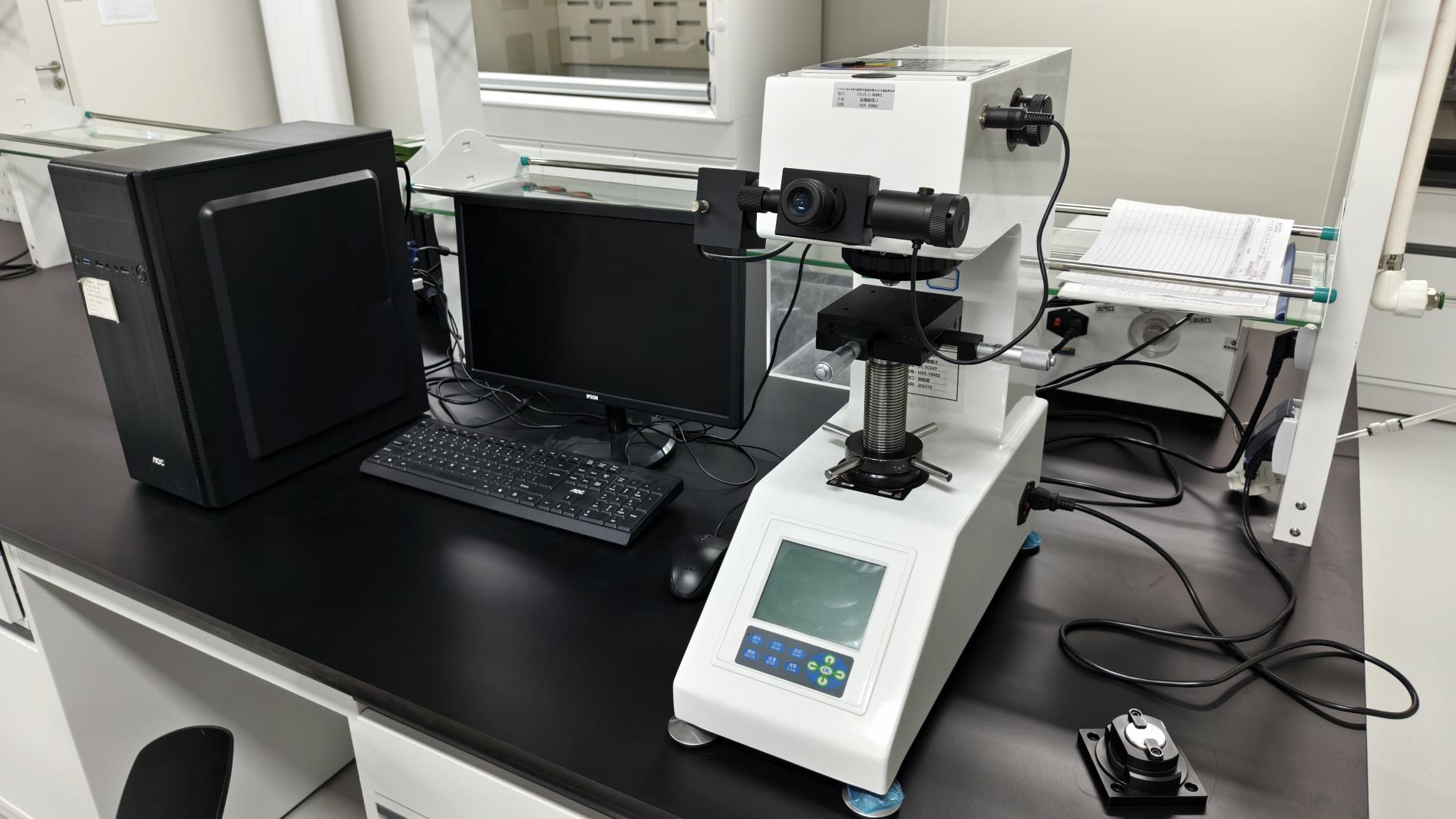
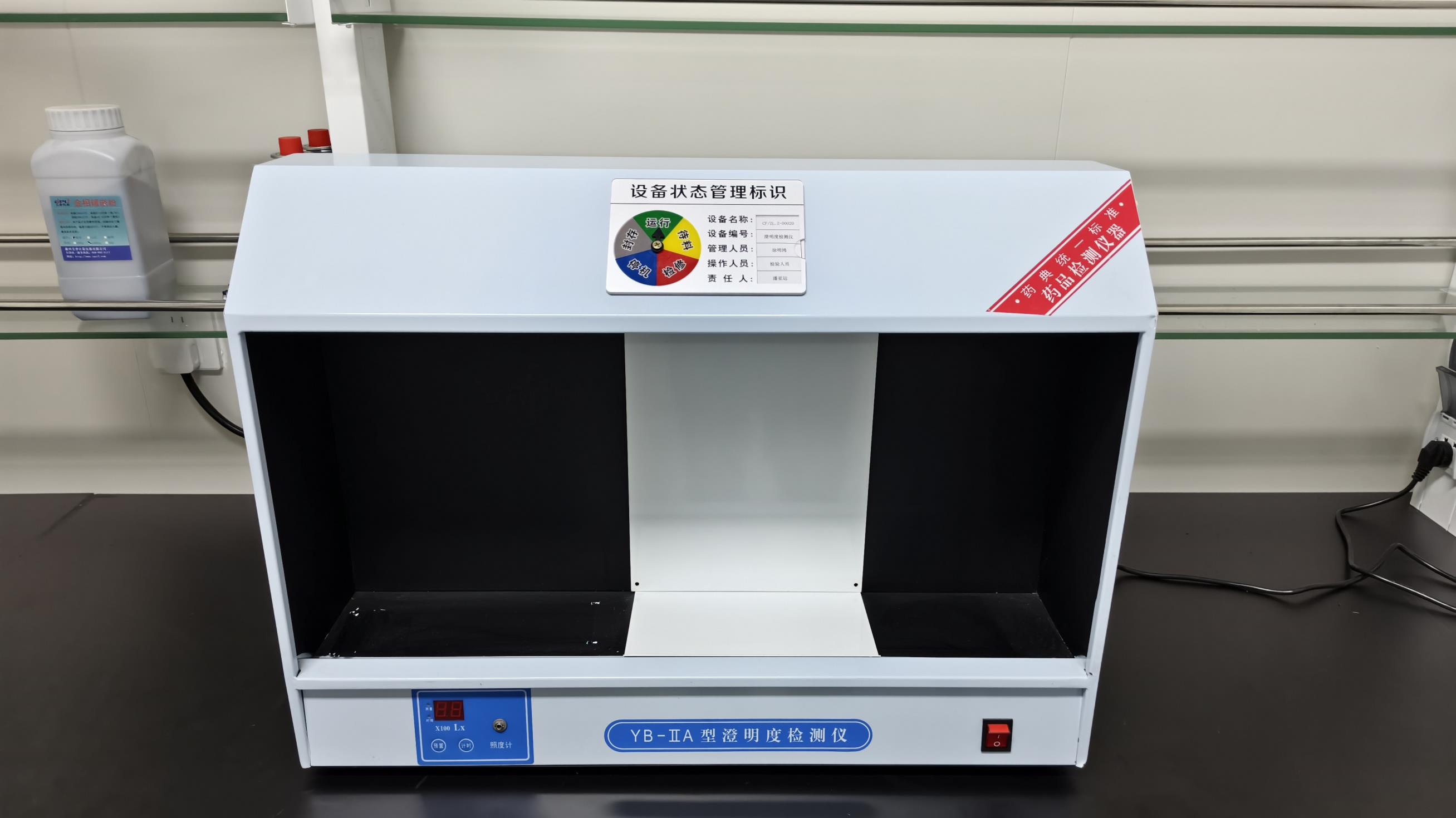
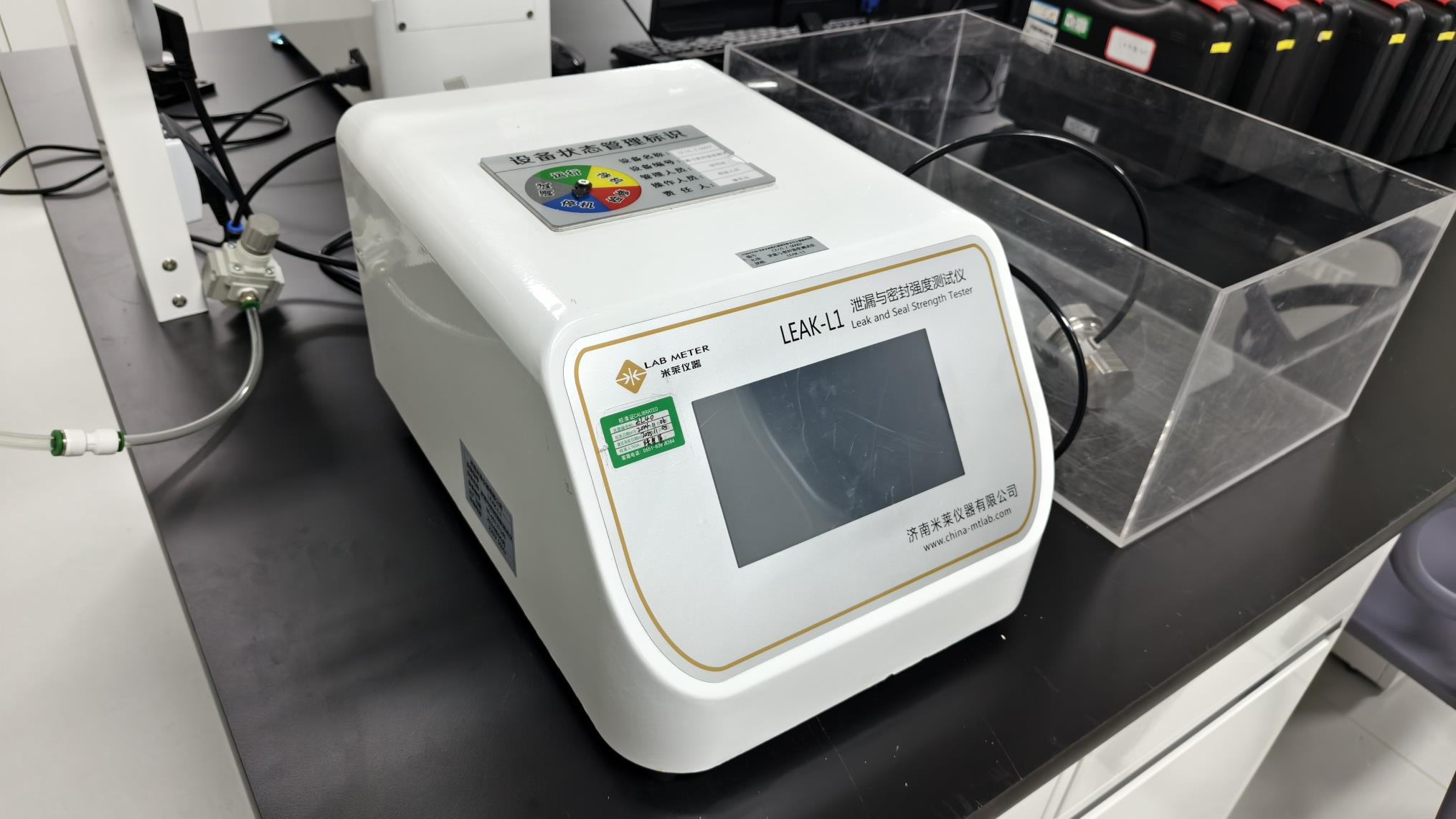
| Product Inspection Methods | CMM Measurement, Mechanical Testing, Surface Roughness Testing, Hardness Testing, Salt Spray Testing, Sterility Validation |
| Quality Control Staff | 48 |
| Business Type | Manufacturer & Exporter (OEM/ODM) |
| Main Markets | Europe, North America, South America, Middle East, Southeast Asia |
| Supply Chain Partners | 1,120+ |
| Main Customer Types | Medical Device Brands, Importers, Distributors, Hospitals, Government Procurement Projects |
| R&D Capability | Independent Product Design, Prototype Development, Clinical-Oriented Engineering, OEM & ODM Development |
| Customization Options | Logo Customization, Packaging Customization, Product Design Customization, Material Selection, Surface Treatment |
| New Products Released Last Year | 186 |
| R&D Engineers | 76 |
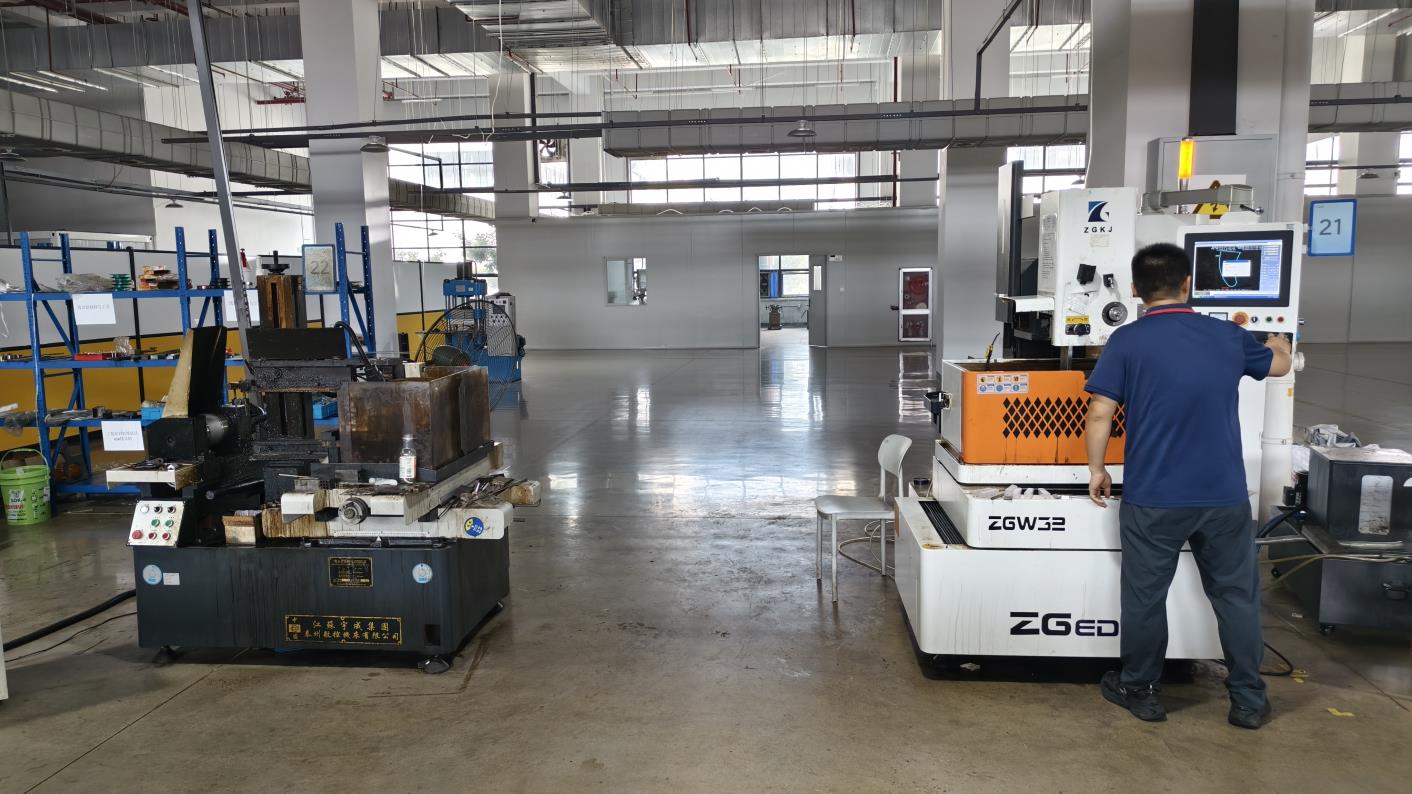
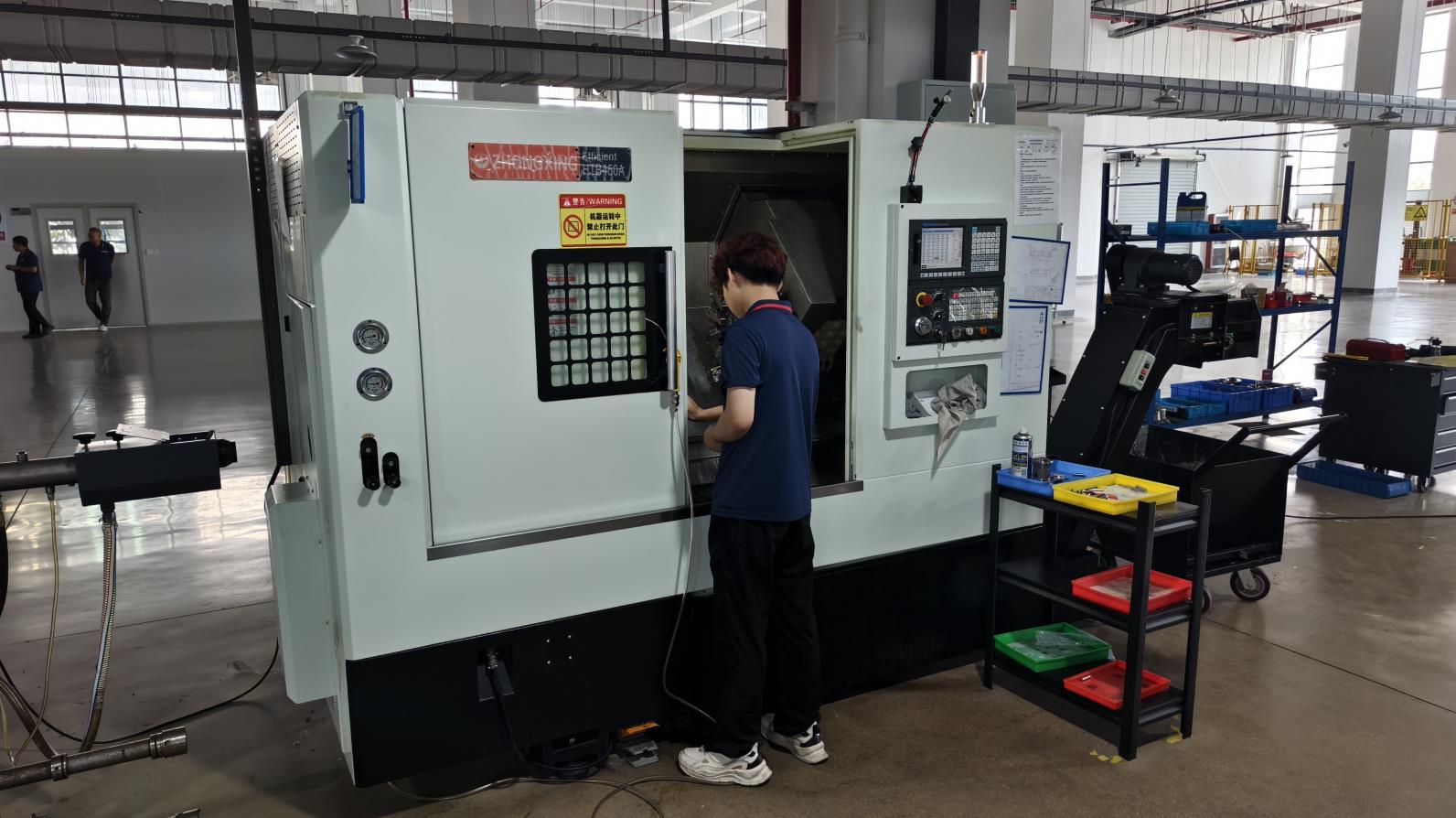
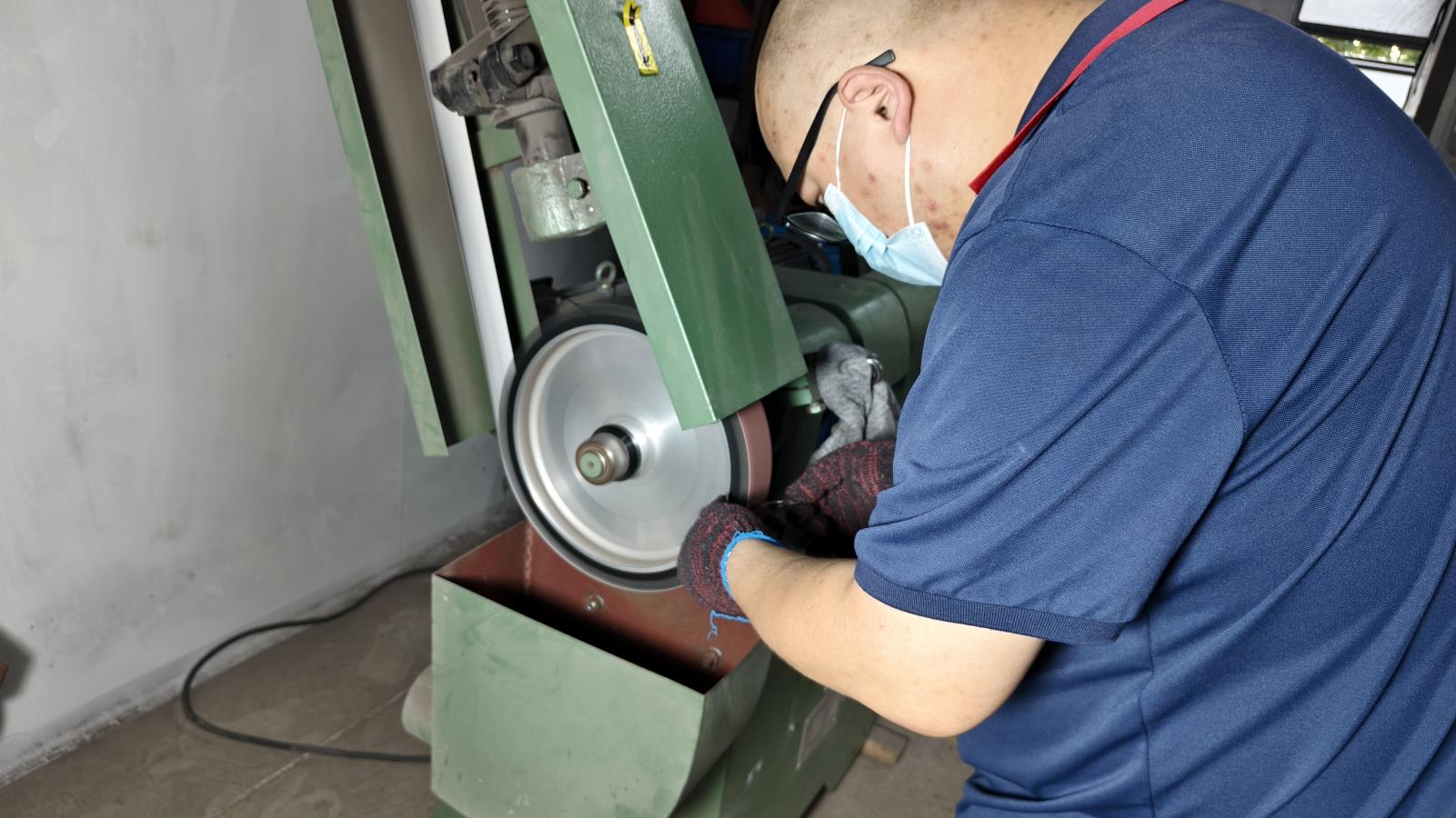
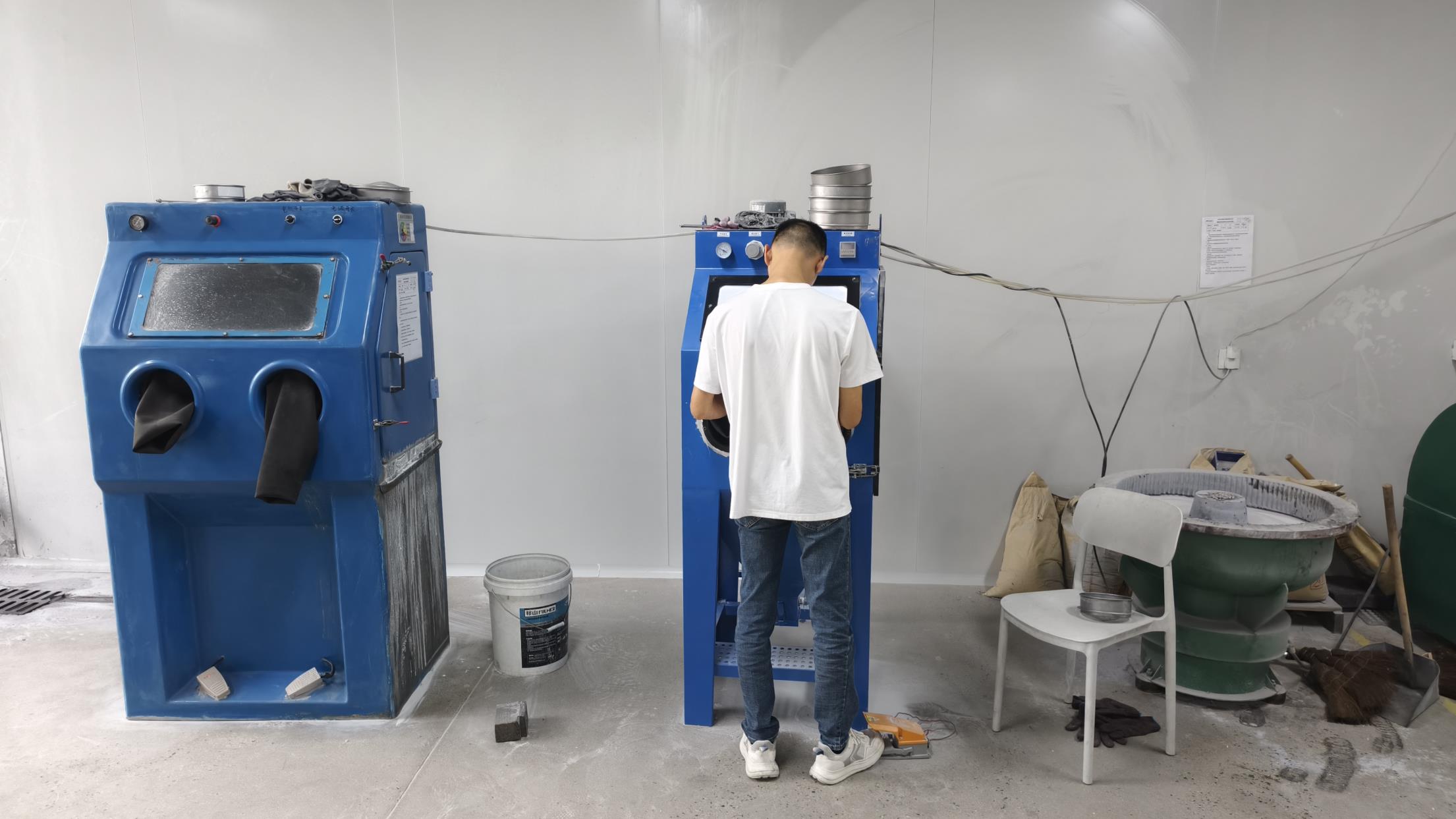
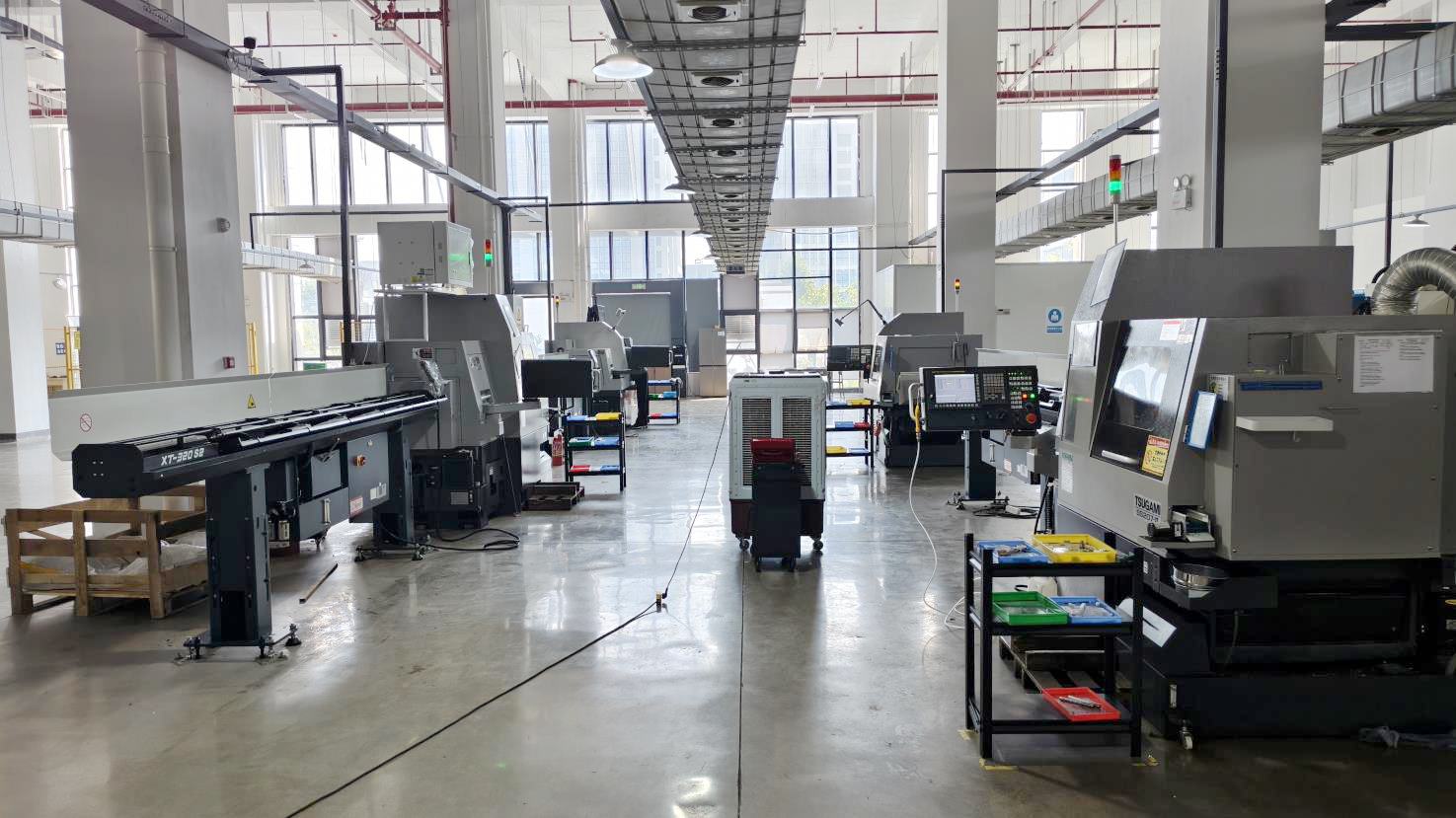
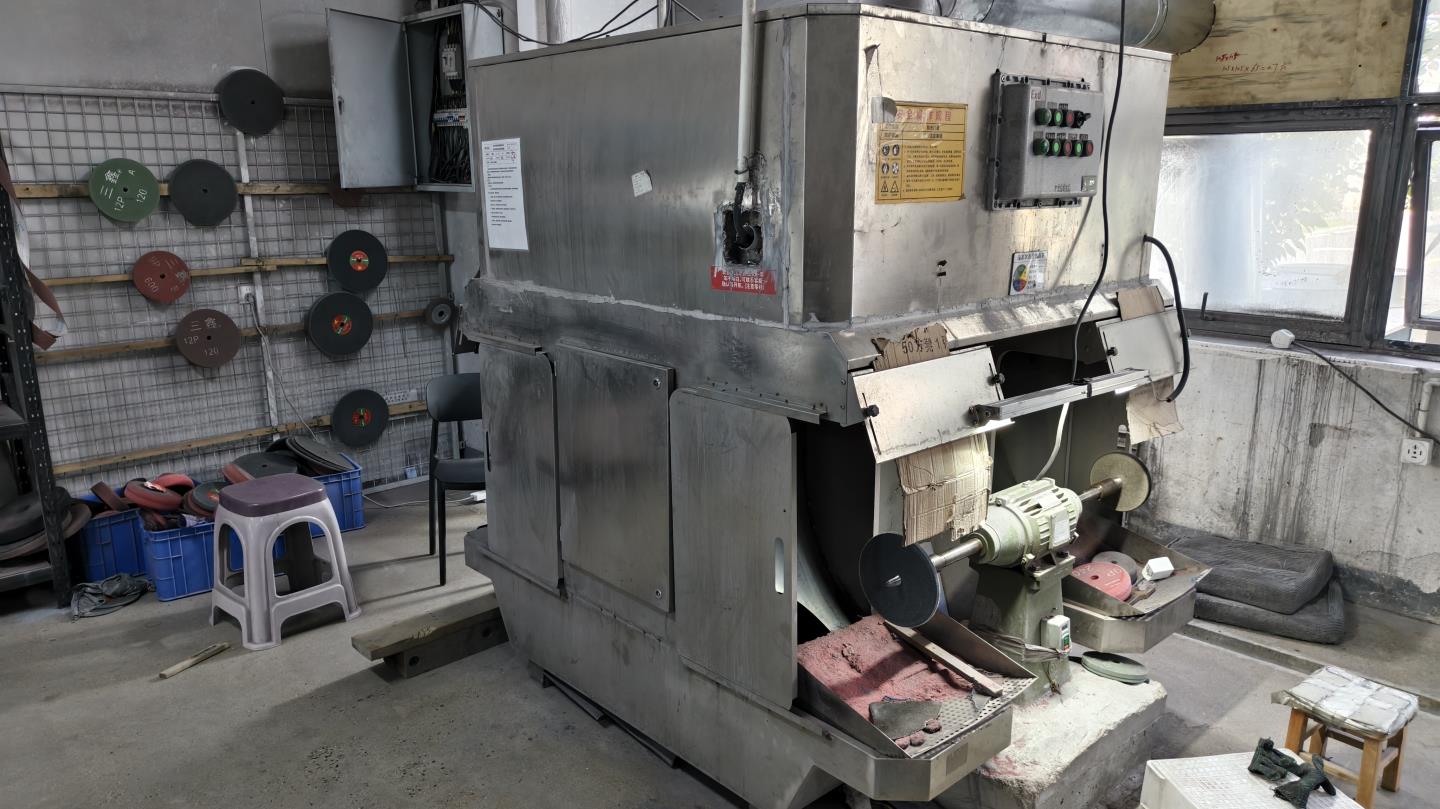
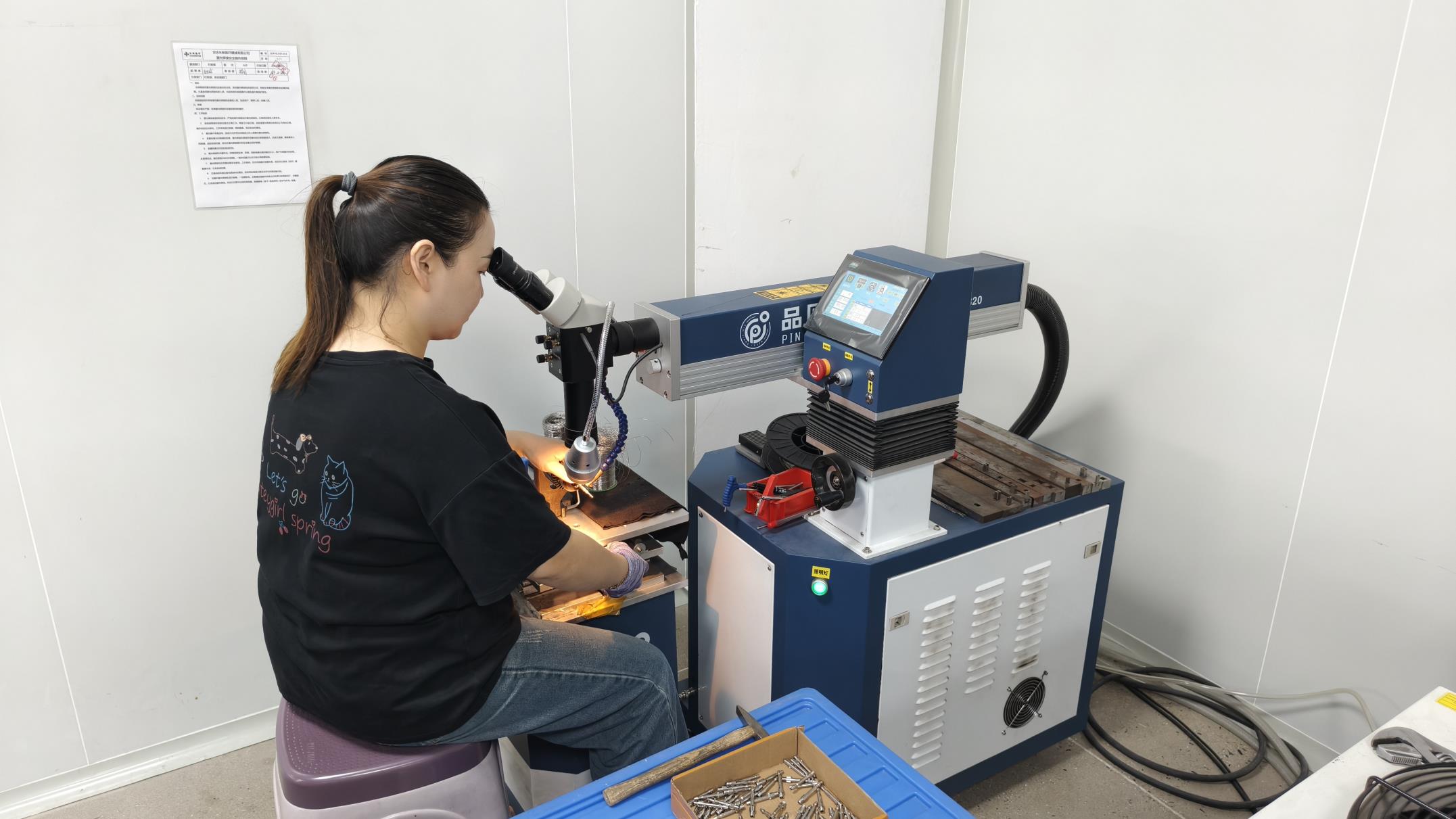
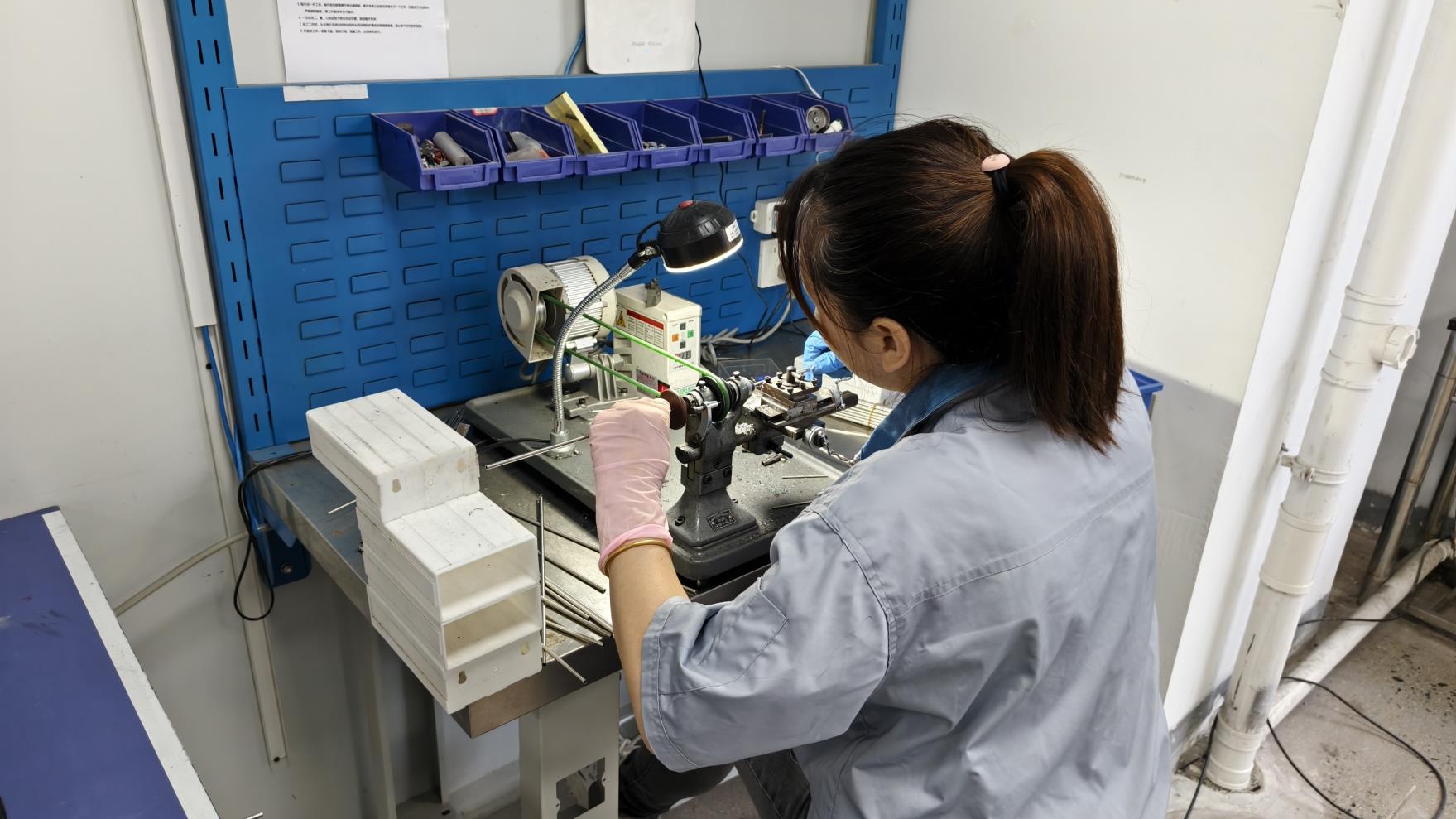
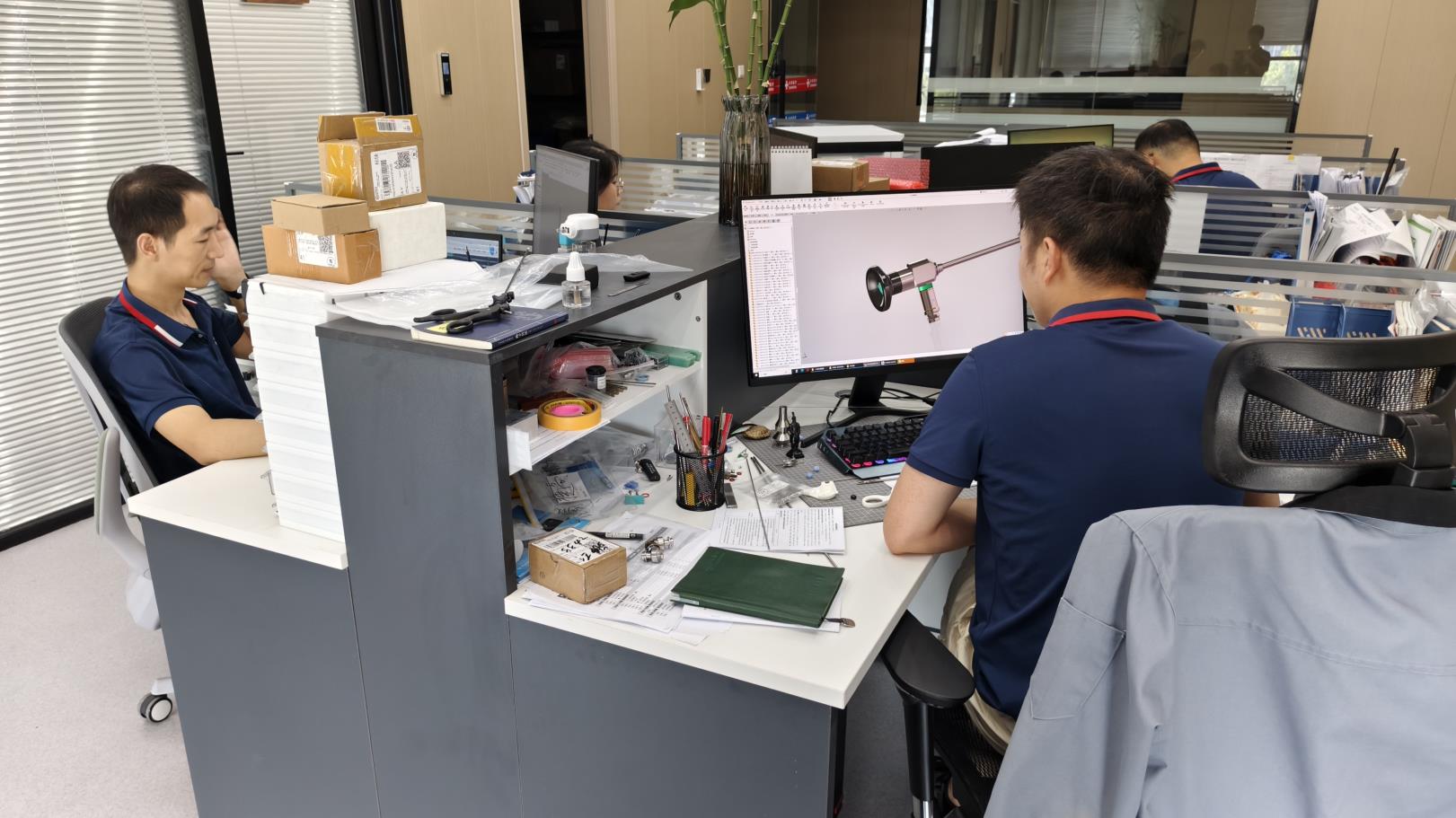
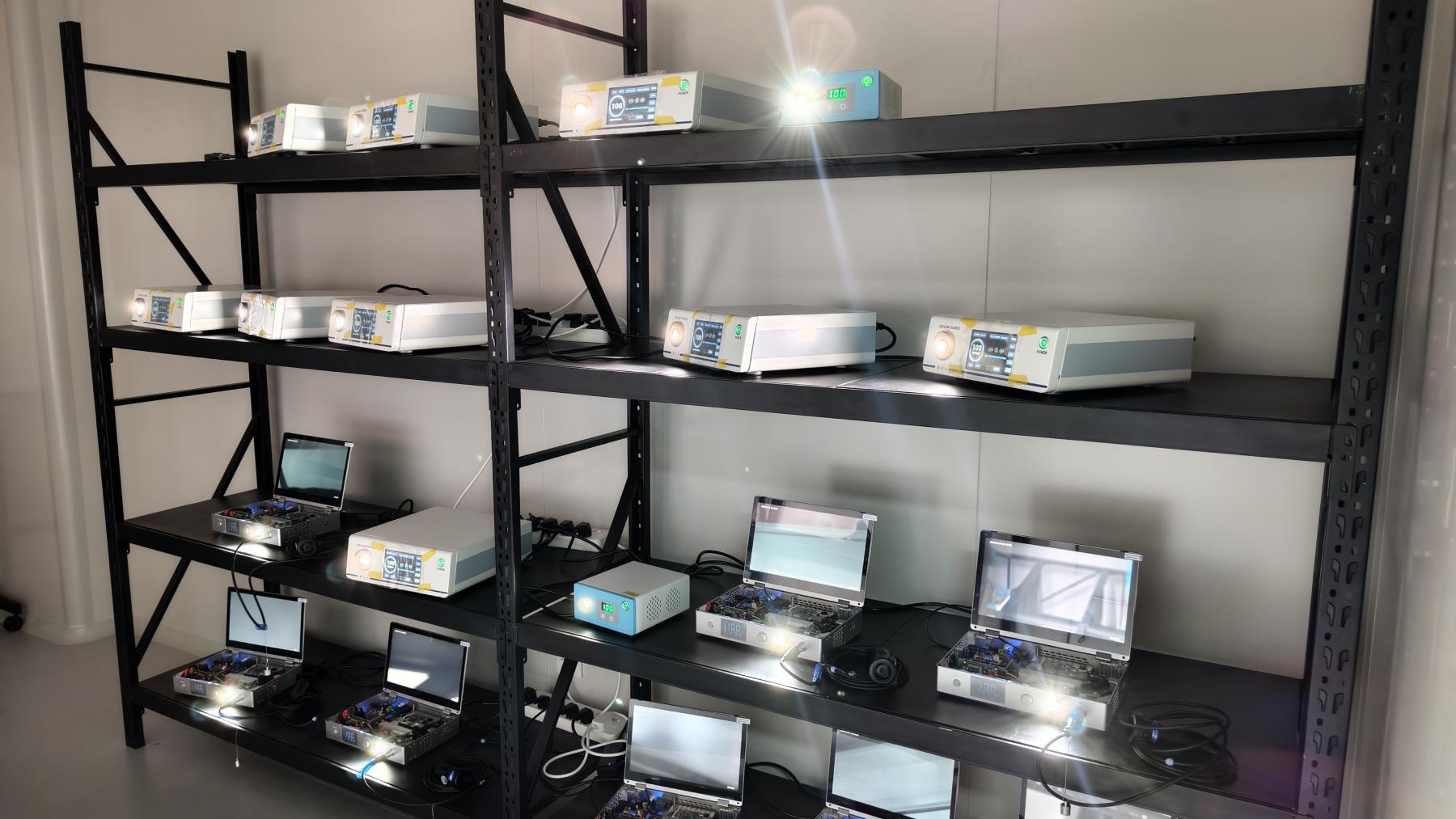
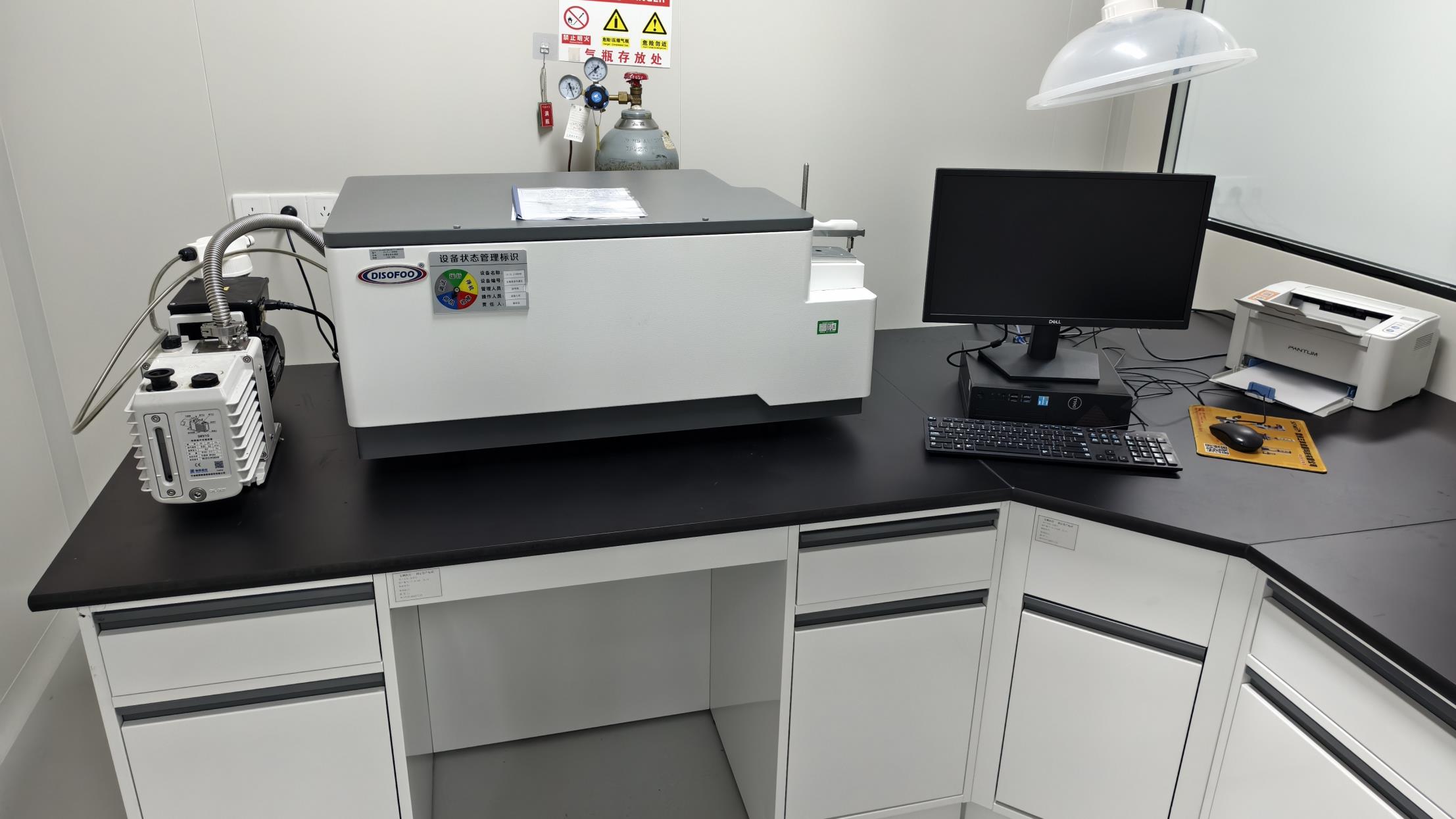
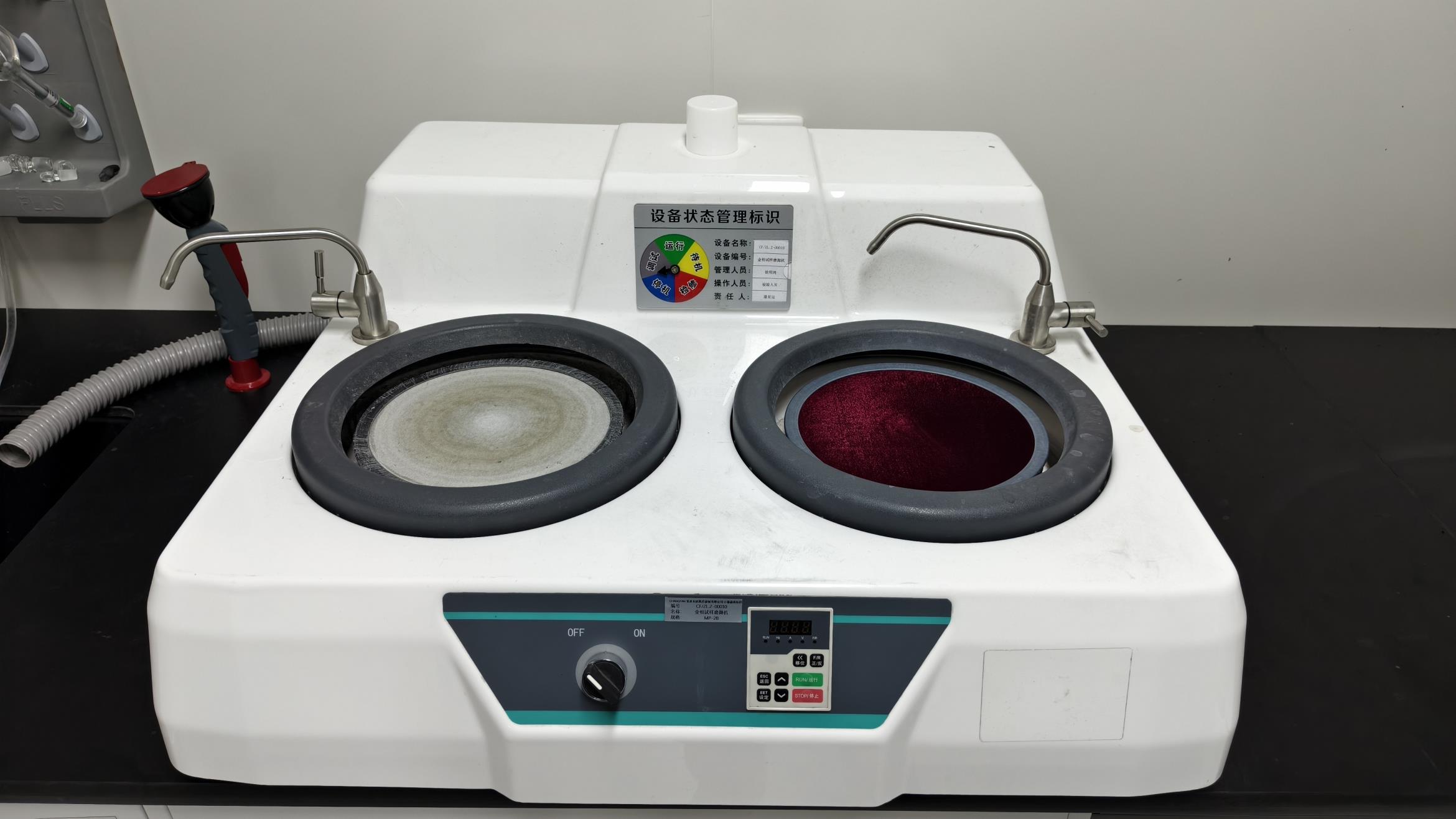
Visual breakdown of our 18,600 m² facility, precision machinery, and rigorous testing setups.
Manufacturing critical load-bearing implants like the PFNA system requires exceptional metallurgical precision and dimensional consistency. Raw materials, typically aerospace-grade Titanium Alloy (Ti-6Al-4V ELI conforming to ASTM F136), are verified through spectrometer analysis and structural hardness tests before entering the production line.
Our machining line uses automated Swiss-type sliding head lathes and multi-axis CNC machines to achieve tolerances within microns. Post-machining processes, including electrochemical anodization, create a biocompatible titanium oxide layer that increases wear resistance and reduces metal ion release.
Tailoring implant design to demographic variances and surgical conditions.
Standardized orthopedic implants must adapt to structural variations across different patient demographics. Femoral anatomy, including the radius of curvature (ROC) and femoral neck angle, differs between Asian, Caucasian, and African populations. Standard Western implants can sometimes cause anterior cortex impingement in shorter, female Asian patients.
Synoviq's dynamic R&D team addresses this by developing varying radii of curvature (ranging from 1.5m to 2.0m) and multiple CCD angles (125°, 130°). This anatomical customization prevents distal tip impingement, reduces postoperative anterior thigh pain, and avoids potential secondary fractures.
Optimized for osteoporotic patients. The compact instrumentation design reduces incision size and blood loss, helping to lower the risk of postoperative delirium and cardiorespiratory failure.
Long PFNA configurations provide stable bridge fixation across subtrochanteric fracture zones. The distal screw configuration helps prevent toggling, promoting axial stability under heavy biomechanical loads.
For patients with failing dynamic screws or structural complications, PFNA provides a reliable load-sharing alternative that bypasses compromised bone stock to anchor securely in the femoral shaft.
Navigating MDR, FDA 510(k), and distribution logistics in international markets.
Entering international medical markets requires strict compliance with quality standards. Class III medical implants, including PFNA systems, are subject to rigorous regulatory oversight. Sourcing from a partner like Synoviq, which has established ISO 13485:2016 quality systems, ensures smoother regulatory processes for importers and brand owners.
Synoviq offers complete technical file documentation, traceability reports, and sterilization validation dossiers. This support streamlines EU MDR submissions and FDA 510(k) registrations, helping distributors bring products to market faster and reduce regulatory risks.
Every single intramedullary nail and helical blade is laser-etched with a unique device identifier (UDI). This ensures complete traceability from the raw titanium ingot to the operating room.
We provide comprehensive packaging, labeling, and instrumentation customization to meet regional clinical preferences and distributor branding requirements.
Our products are available in either non-sterile configurations for hospital autoclave sterilization or pre-sterilized EO (Ethylene Oxide) packaging, validated to maintain a 10⁻⁶ Sterility Assurance Level (SAL).
Highlighting upcoming advancements in surface modification and smart implant technology.
The next generation of intramedullary fixation focuses on improving biological response and integrating digital health technologies. Synoviq's R&D roadmap includes several key development areas:
Technical answers to key clinical, manufacturing, and procurement inquiries.
Clinical instrumentation, internal trauma fixation solutions, and power devices designed for world-class orthopedic departments.
 Synoviq Medical