China Top ALIF Fusion Cages Manufacturer & Supplier

Precision-Engineered Interbody Fusion Solutions Exceeding Global Standards. Specialized OEM & ODM Services Partnering with Medical Brands Worldwide.

Executive Whitepaper: Deciphering Next-Generation Anterior Lumbar Interbody Fusion (ALIF) Systems

In the evolving landscape of complex spinal reconstructive surgery, the efficacy of interbody fusion systems relies heavily on advanced biomechanics, material optimization, and reliable supply chains. Anterior Lumbar Interbody Fusion (ALIF) has positioned itself as the surgical standard for addressing mechanical instabilities, severe degenerative disc disease, and sagittal malalignment. Synoviq Medical Technology (China) Co., Ltd. presents this comprehensive technical whitepaper to elucidate the biomechanical criteria, production technologies, and industrial supply mechanics that define our advanced ALIF Fusion Cages.

"The mechanical success of an ALIF cage relies on a delicate balance: maximizing contact surface area to reduce subsidence risk while providing a spacious graft chamber to facilitate uninterrupted osseous bridging."

1. Material Engineering: PEEK-OPTIMA® vs. Porous 3D-Printed Titanium

The selection of biomaterials dictates the implant's interaction with host physiological tissues. For decades, PEEK (Polyetheretherketone) has been the material of choice due to its radiolucent characteristics, enabling post-operative visualization of fusion progress via plain radiography or CT. With an elastic modulus of approximately 3.6 GPa, PEEK closely mimics the stiffness profile of human cortical bone, reducing stress-shielding and preventing regional osteopenia.

However, modern spinal orthopedics demands more than biological inertness. In response, our technical team has engineered advanced porous 3D-printed Titanium (Ti6Al4V ELI) cages. Leveraging direct metal laser sintering (DMLS), we print structures with interconnected micro-porosity (ranging from 600 to 800 microns) that mimic trabecular bone. This architecture acts as a scaffold for biological osteogenesis, facilitating vascular infiltration, bone cell attachment, and secondary stability through mechanical interlocking. This approach significantly shortens the fusion window and lowers the incidence of pseudarthrosis.

Radiolucency Optimization

Integrated tantalum marker pins embedded in our PEEK cages offer clear radiographic reference points without distorting CT or MRI images.

Anatomical Load Distribution

A broad load-bearing footprint with custom lordotic angles (ranging from 8° to 20°) maintains physiological lordosis and prevents sagittal tilt.

Anti-Migration Pyramids

Bi-directional surface teeth provide primary mechanical anchorage against displacement under shear forces during early mobilization.

2. Localized Clinical Application Scenarios

Modern spinal reconstructive approaches require specific clinical adaptations based on patient demographic and geometric variables:

  • Degenerative Disc Disease (DDD) with Segemental Instability: In patients experiencing disc height collapse, the restoring force of our high-lordotic ALIF cages re-tensions the anterior longitudinal ligament and restores foraminal height, relieving radicular pressure.
  • High Spondylolisthesis (L4-L5, L5-S1): Structural correction at these junctions requires deep implant stability. Using integrated multi-screw fixation options (stand-alone ALIF designs), our cages provide reliable mechanical stability without requiring additional posterior instrumentation, saving surgical time and reducing patient trauma.
  • Revision Surgeries for Pseudarthrosis: In cases of failed posterior fusion, anterior revisions utilizing our bio-inductive 3D porous titanium surfaces bypass posterior scar tissue, providing a vascular path for revision fusion success.
14+
Years Industry Experience
18,600m²
Modern Production Facility
186+
New Products Developed Annually
76+
Dedicated R&D Engineers

3. Industrial and Supply Chain Architecture of Chinese OEM/ODM Partnerships

The medical device manufacturing landscape has moved beyond pure cost arbitrage. Today's global medical brands seek reliable supply chain ecosystems that balance high quality, regulatory compliance, and capacity resilience. Operating out of our 18,600 m² state-of-the-art facility in China, Synoviq Medical Technology integrates the core processes required for rapid, cost-effective orthopedic production.

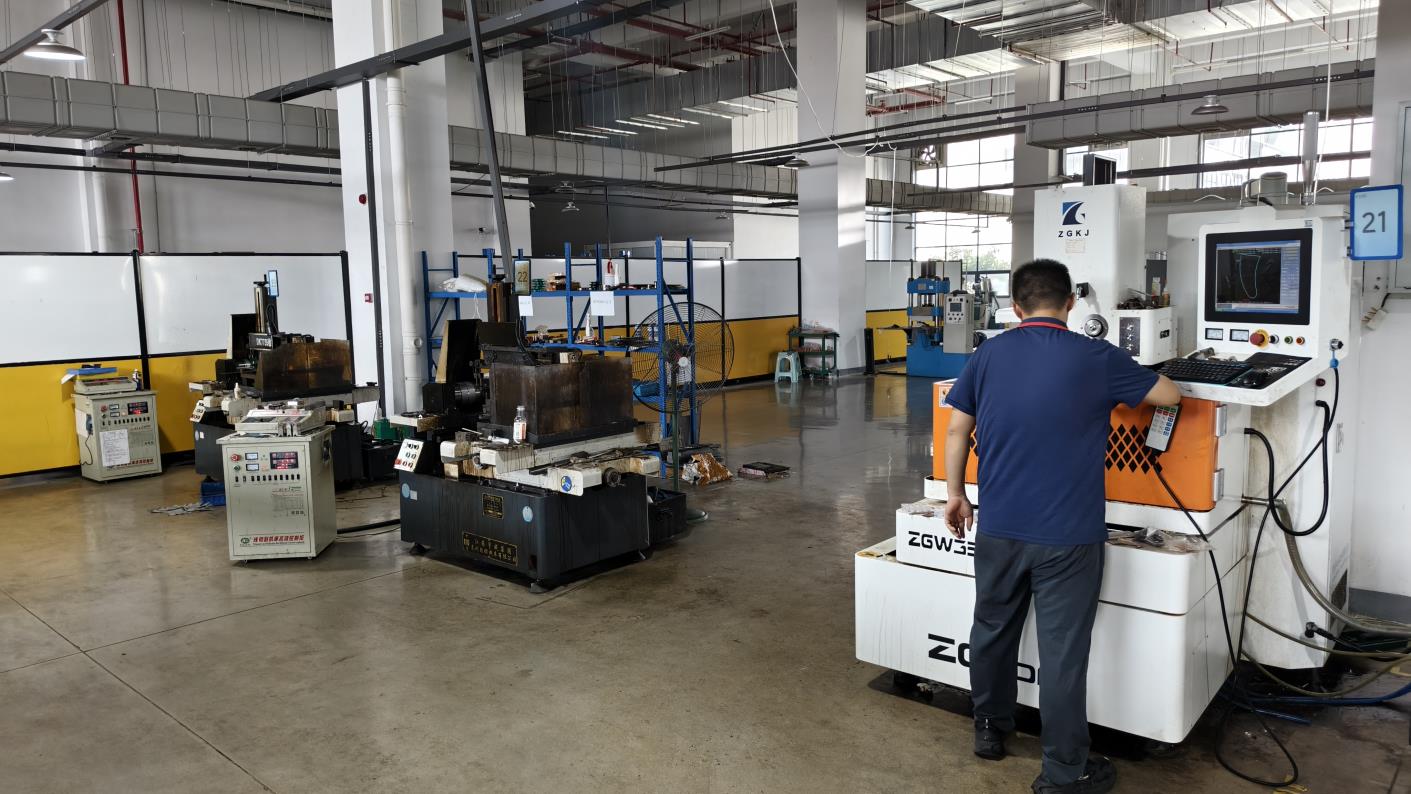
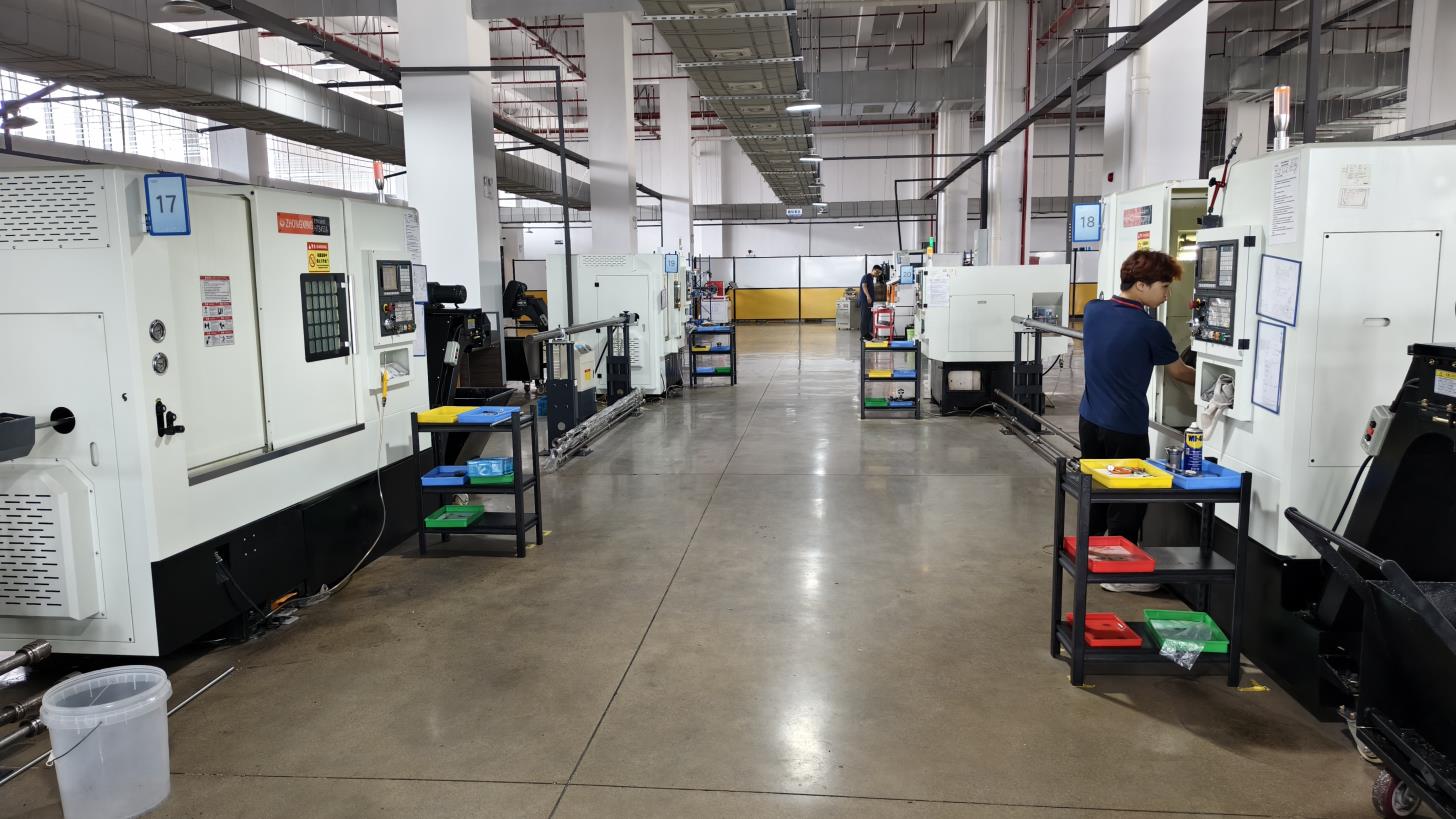
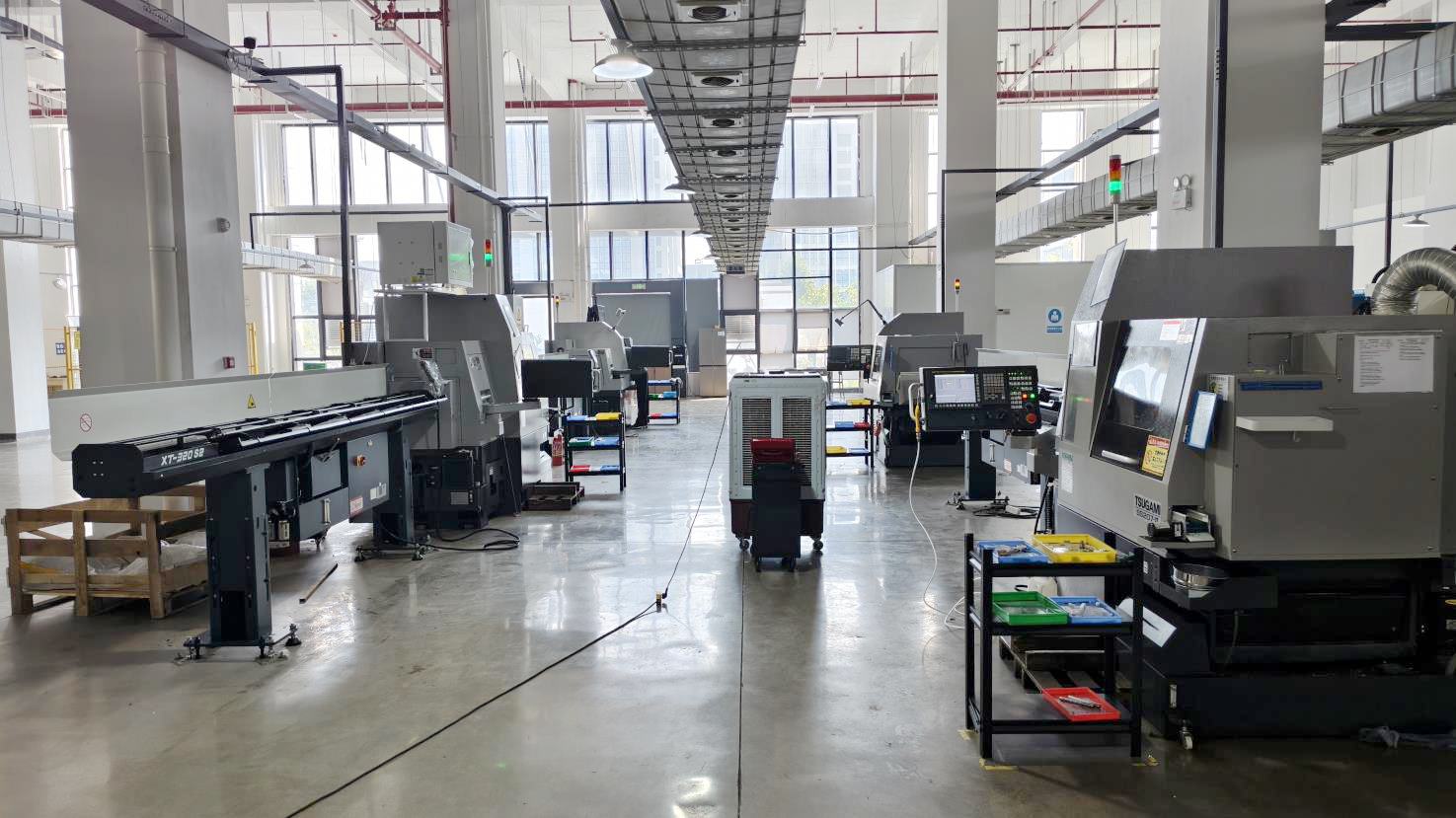
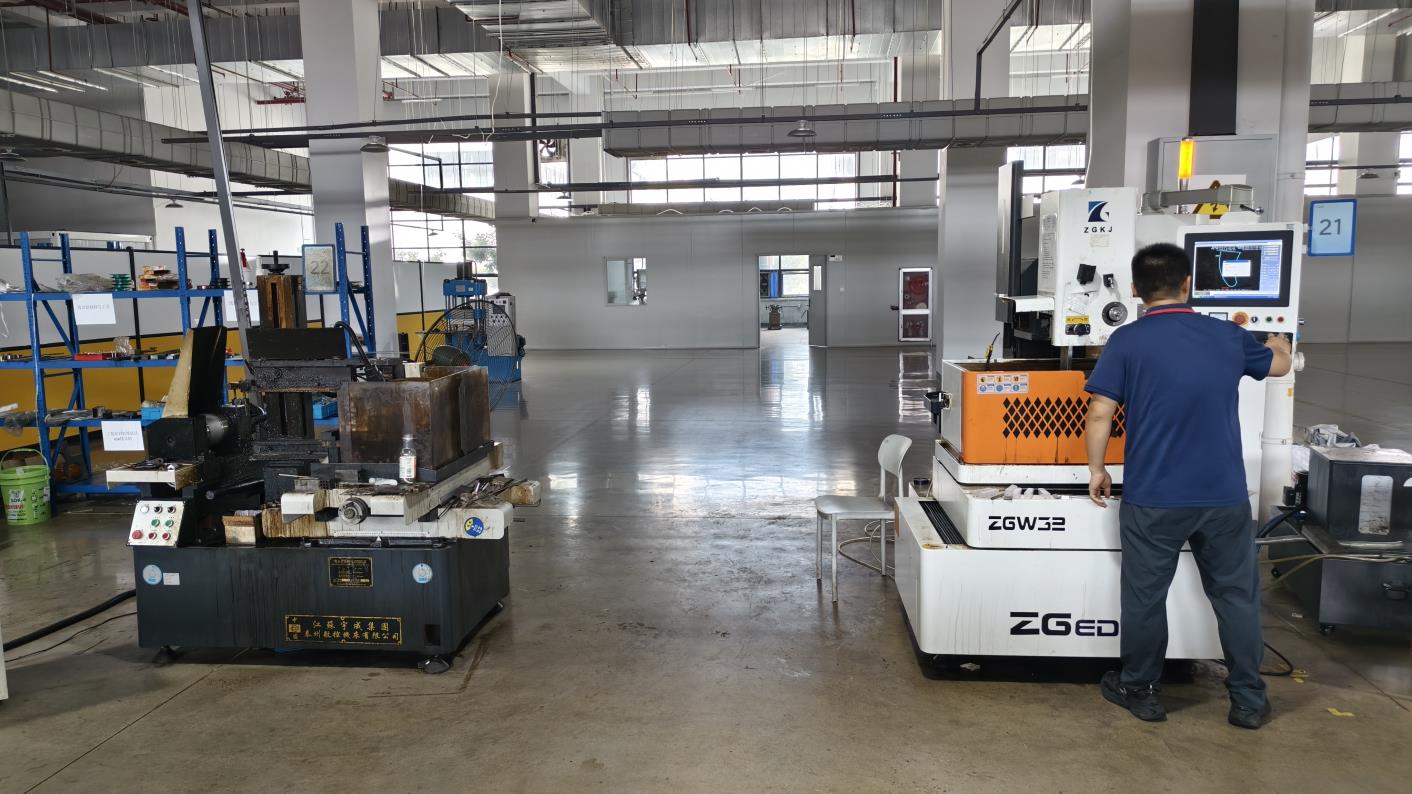
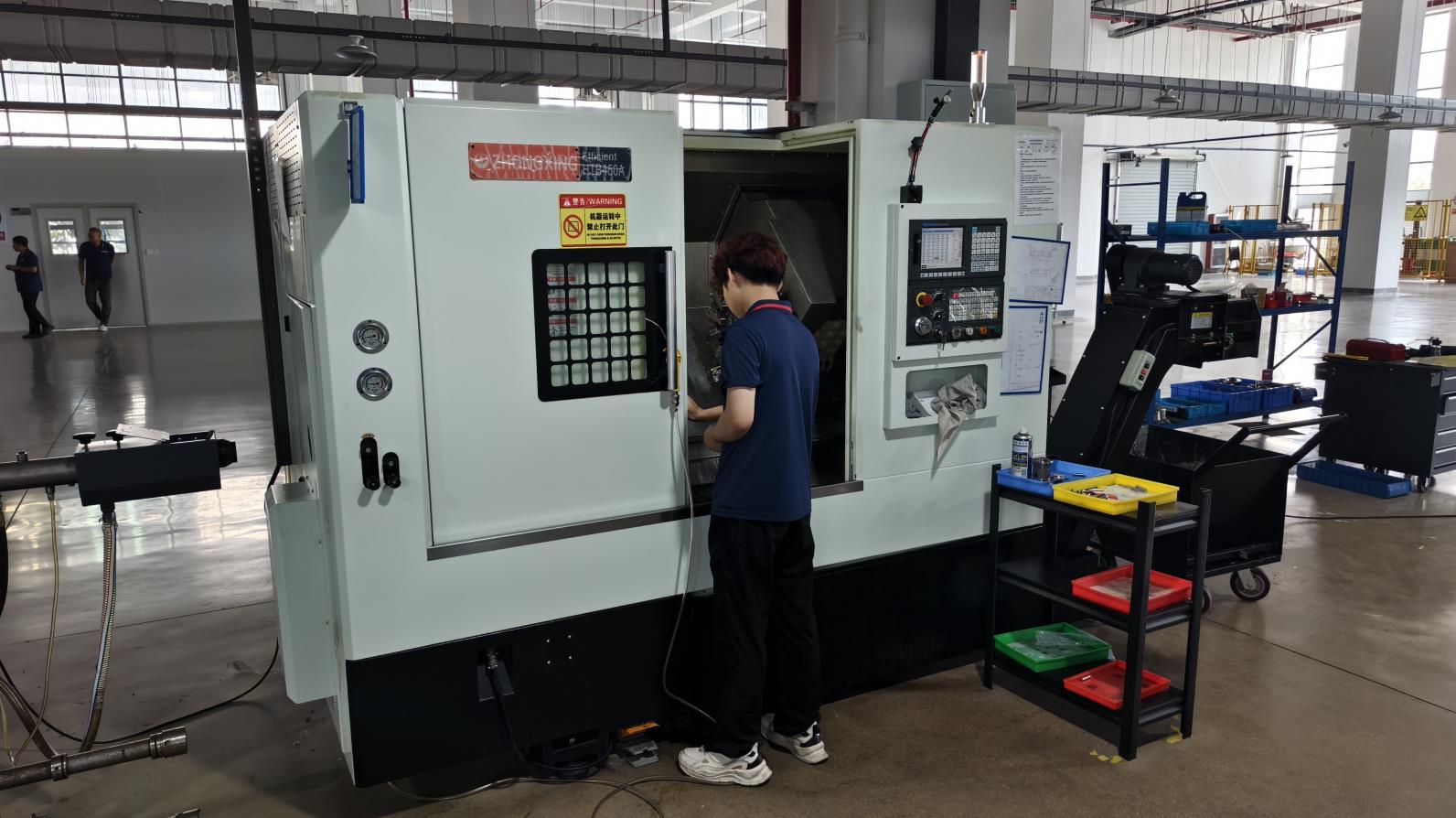
Our facility operates 5-axis Swiss-type precision lathes and advanced wire-cut machinery, enabling us to manufacture complex geometries with tolerances within single microns. With an established logistics network linking raw material sourcing (including partnerships with Invibio® for high-grade PEEK and certified medical-grade Titanium alloys) to our cleanroom packaging facilities, we guarantee stable lead times. This operational setup reduces inventory holding costs for our global partners.

Strategic Parameters Technical Capabilities & Specifications
Company Entity Synoviq Medical Technology (China) Co., Ltd.
Manufacturing Facilities 18,600 m² total footprint incorporating Class 100,000 Cleanrooms
R&D Workforce 76 specialized spinal and mechanical R&D engineers
Annual Export Volume USD 21.8 Million, servicing North America, Europe, LATAM, and Asia-Pacific
Raw Material Sourcing ASTM F136 ELI Titanium, ASTM F2026 Medical Grade PEEK (Invibio)
Inspection Array Coordinate Measuring Machines (CMM), Tensile testing, Metallographic analysis, Roughness & Hardness verification
Quality Assurance Team 48 Quality Control specialists overseeing 100% final inspections
OEM/ODM Support Material selection, surface modification, prototype design, rapid tool customization

4. Technical Roadmap & Future Outlook of Interbody Spacers

The future of interbody reconstruction lies at the intersection of biological activation and smart diagnostics. Synoviq's R&D roadmap targets the integration of next-generation features to address clinical challenges:

  • Bioactive Surface Modification: We are currently validating nano-hydroxyapatite (HA) surface infusions on PEEK substrates to stimulate immediate cellular osteoblastic response, combining the bone-like mechanical properties of PEEK with the quick healing advantages of titanium.
  • Integrated Zero-Profile Fixation: The next generation of our stand-alone ALIF designs features self-locking retention mechanisms, preventing screw back-out and minimizing postoperative vascular contact risks.
  • Patient-Matched Customized Implants: Utilizing preoperative 3D CT reconstructions, our production lines can output custom-shaped, patient-specific 3D-printed titanium ALIF cages to address complex, non-standard spinal deformities.

5. Localized Support & Regulatory Compliance Safeguards

Bringing a medical device to market requires navigating complex global regulatory frameworks. Synoviq maintains an ISO 13485-certified quality management system to support our international client base. We provide comprehensive documentation packages, including biocompatibility test records (ISO 10993 series), sterilization validation, and mechanical testing datasets (ASTM F2077 / ASTM F2267 standards). This regulatory support helps our partners accelerate their local FDA, CE MDR, or national registration approvals, reducing time-to-market and regulatory risk.

Industrial Production & Quality Control Systems

An inside look at our advanced manufacturing plants, research labs, and strict quality verification processes
Cutting Process
Raw Material Precision Cutting
Machining
CNC Component Machining
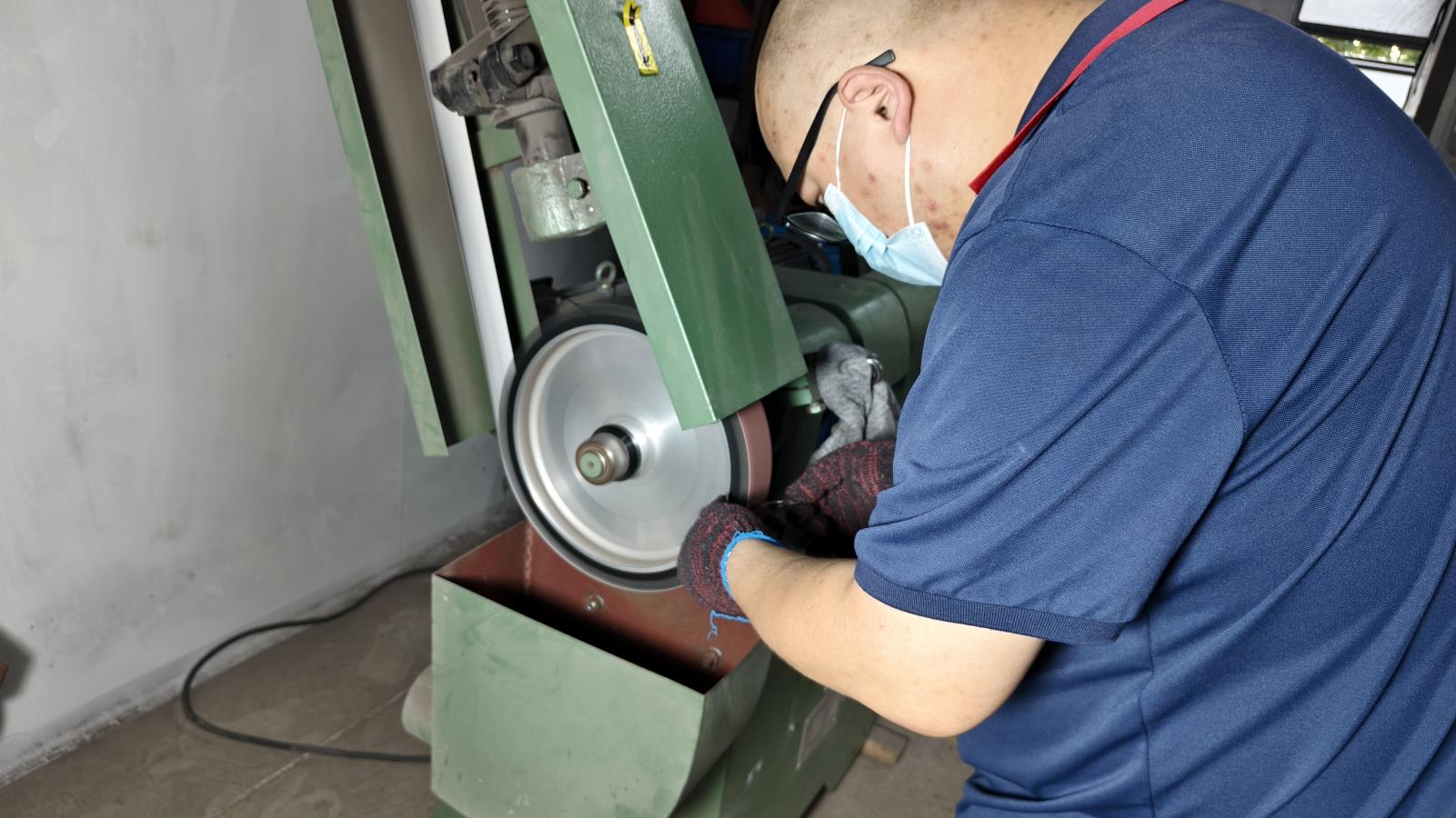
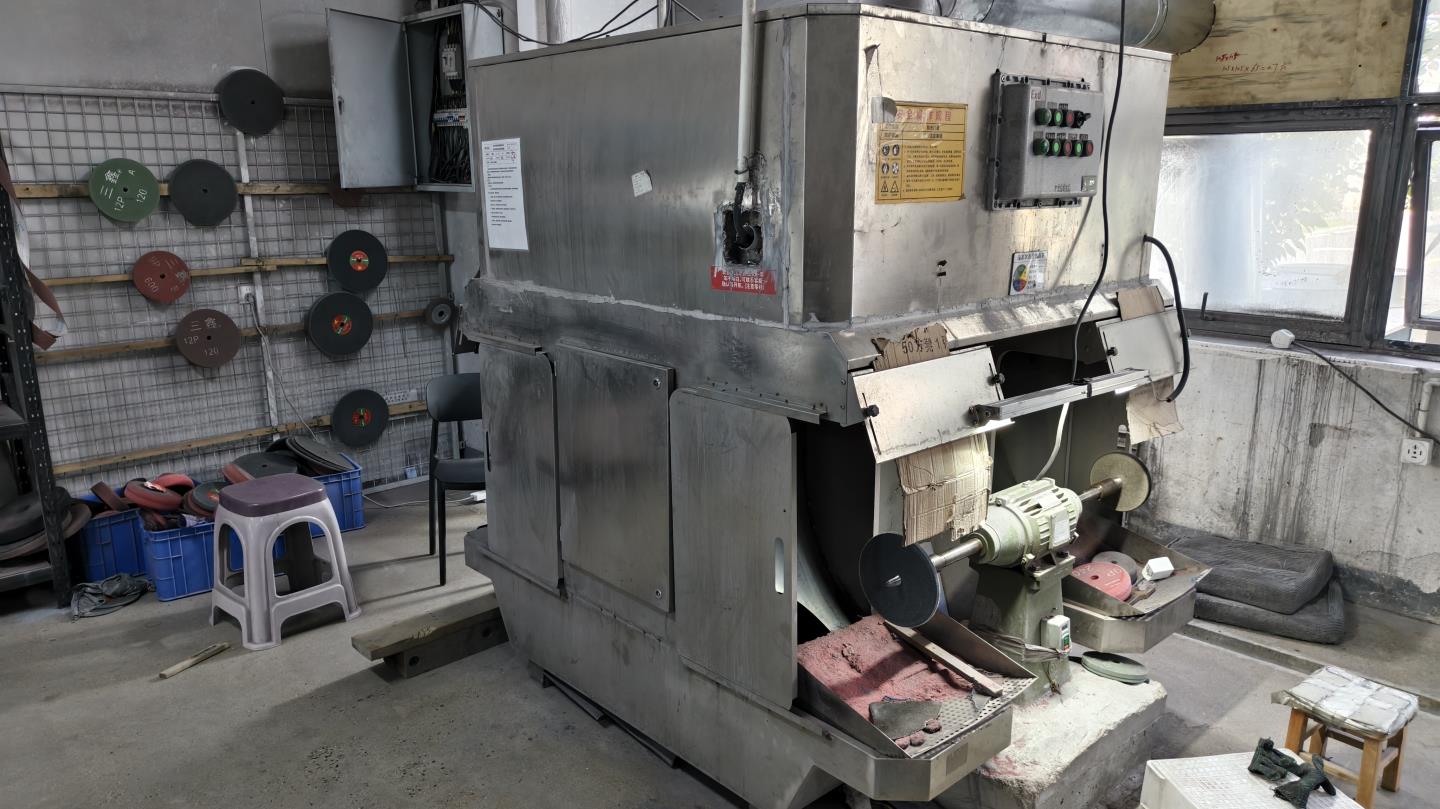
Polishing
Manual & Automated Polishing
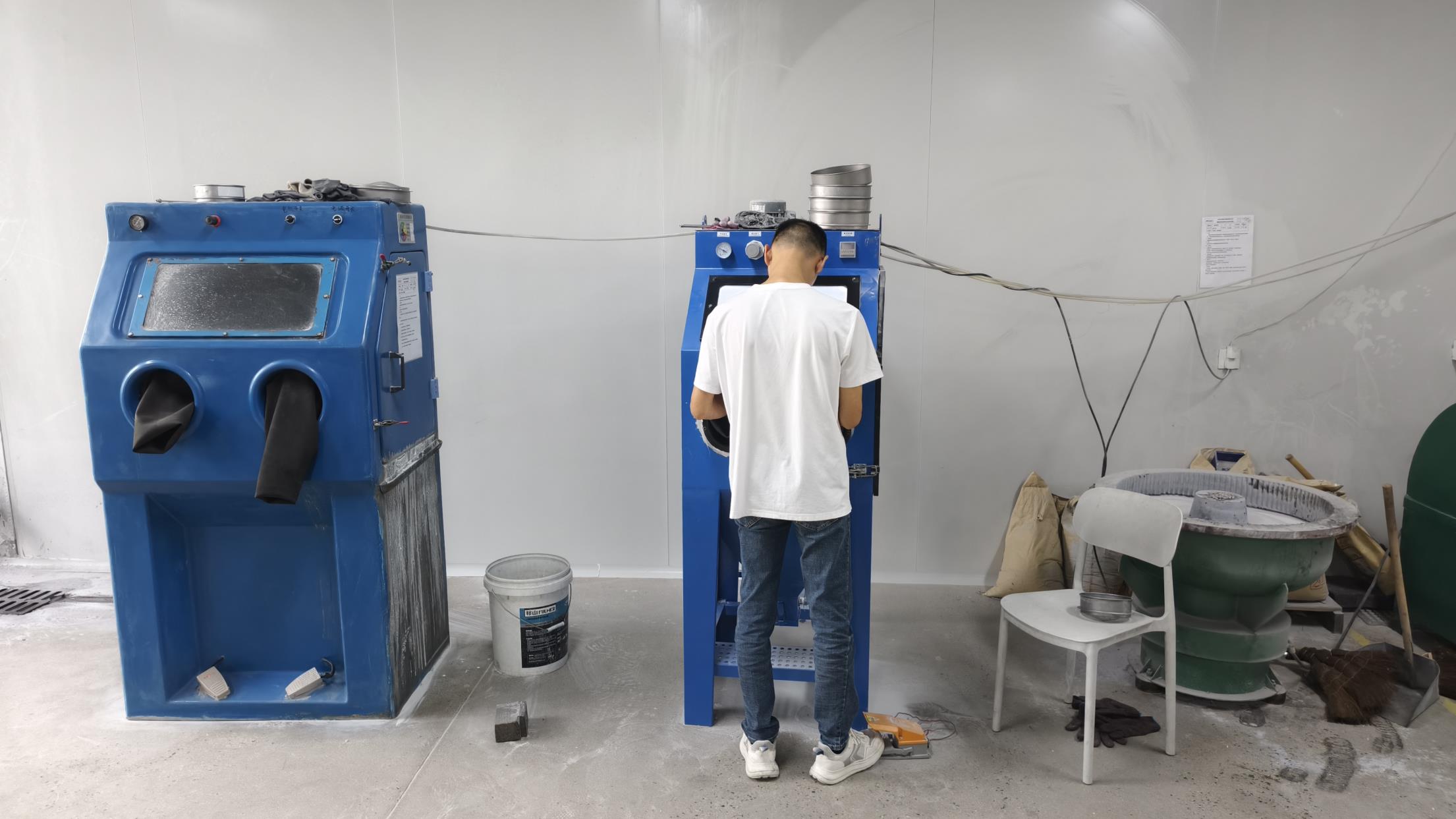
Surface Treatment
Advanced Surface Modification
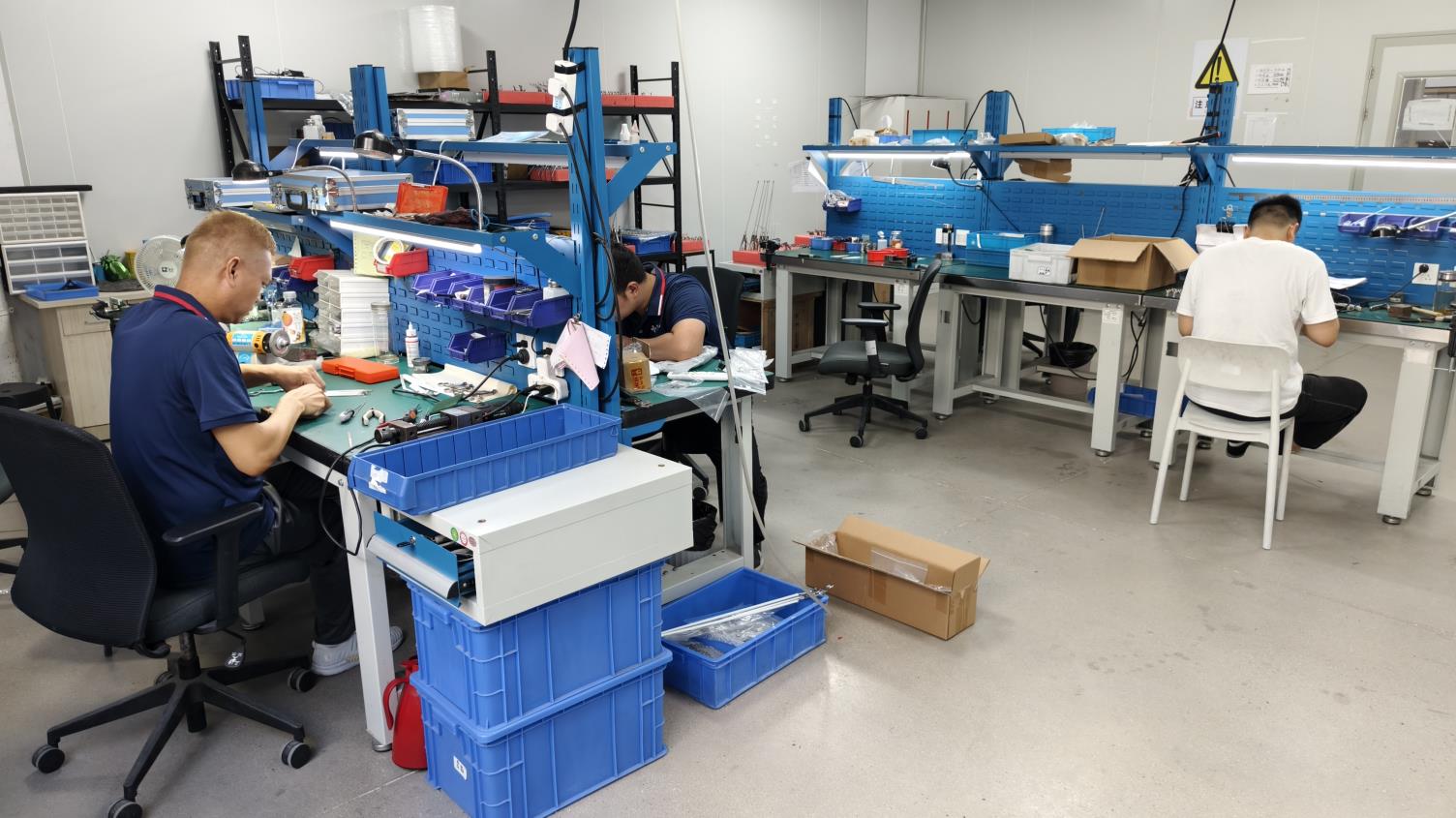
Assembling
Precision Implant Assembly
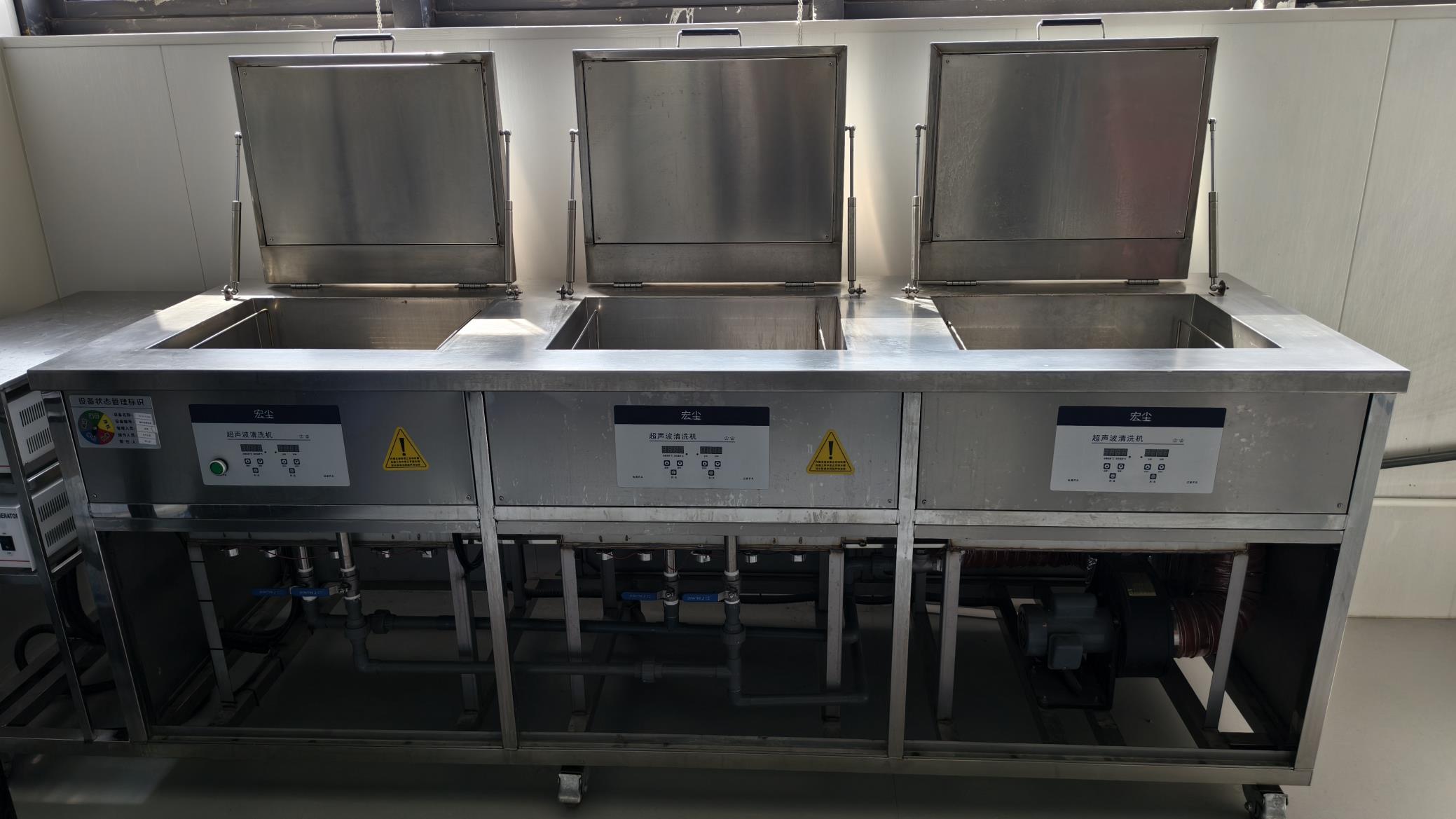
Cleaning
Ultrasonic Cleanroom Cleaning
Wire Cutting Machine
High Precision Wire Cutting
CNC Lathe
Multi-Axis CNC Lathes
Swiss-type Lathe
Swiss-type Lathe Processing
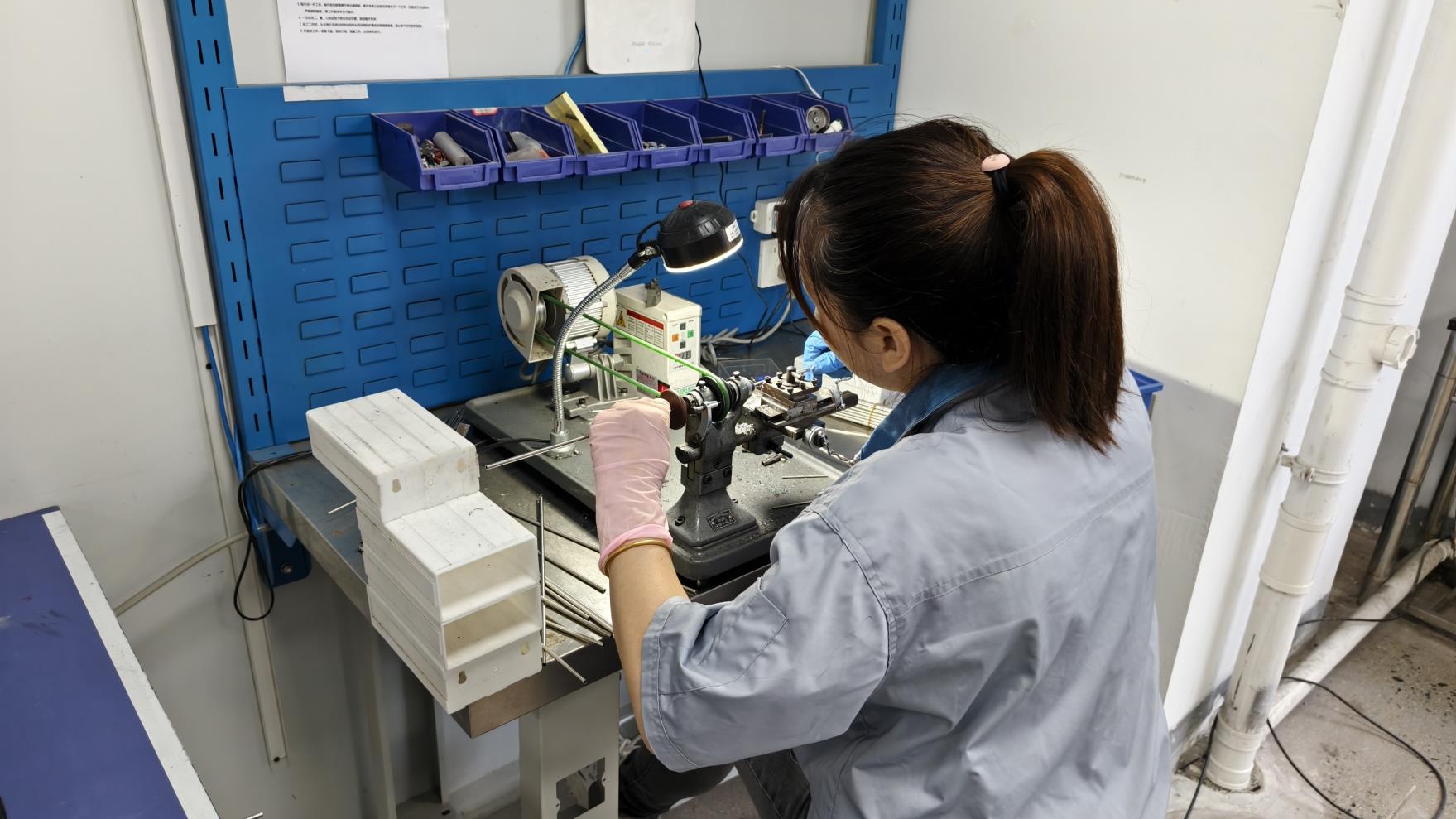
Grinder
Fine Grinding Machinery
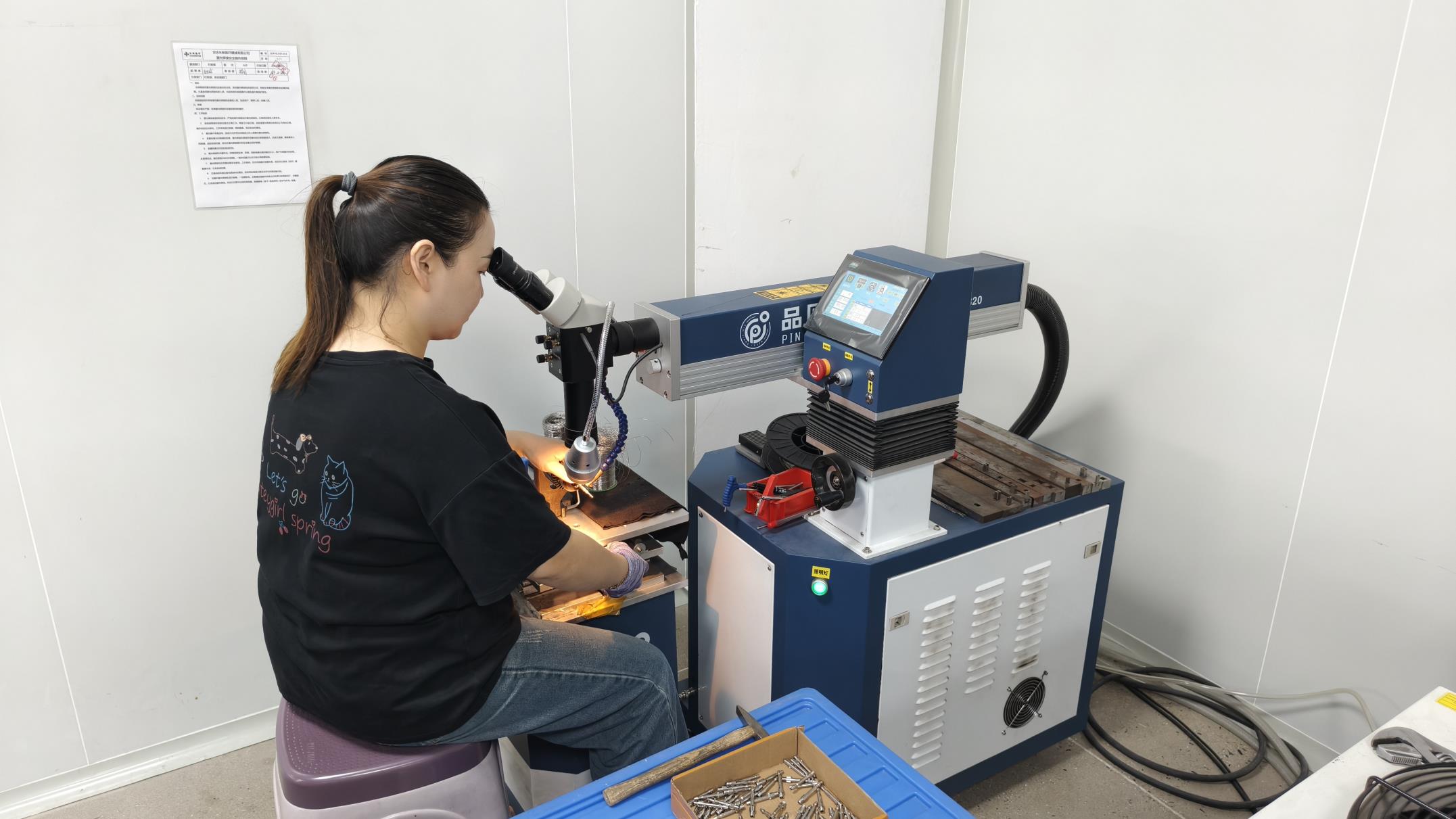
Laser Welding
Laser Welding System
Lathe
Manual Milling & Lathe Station
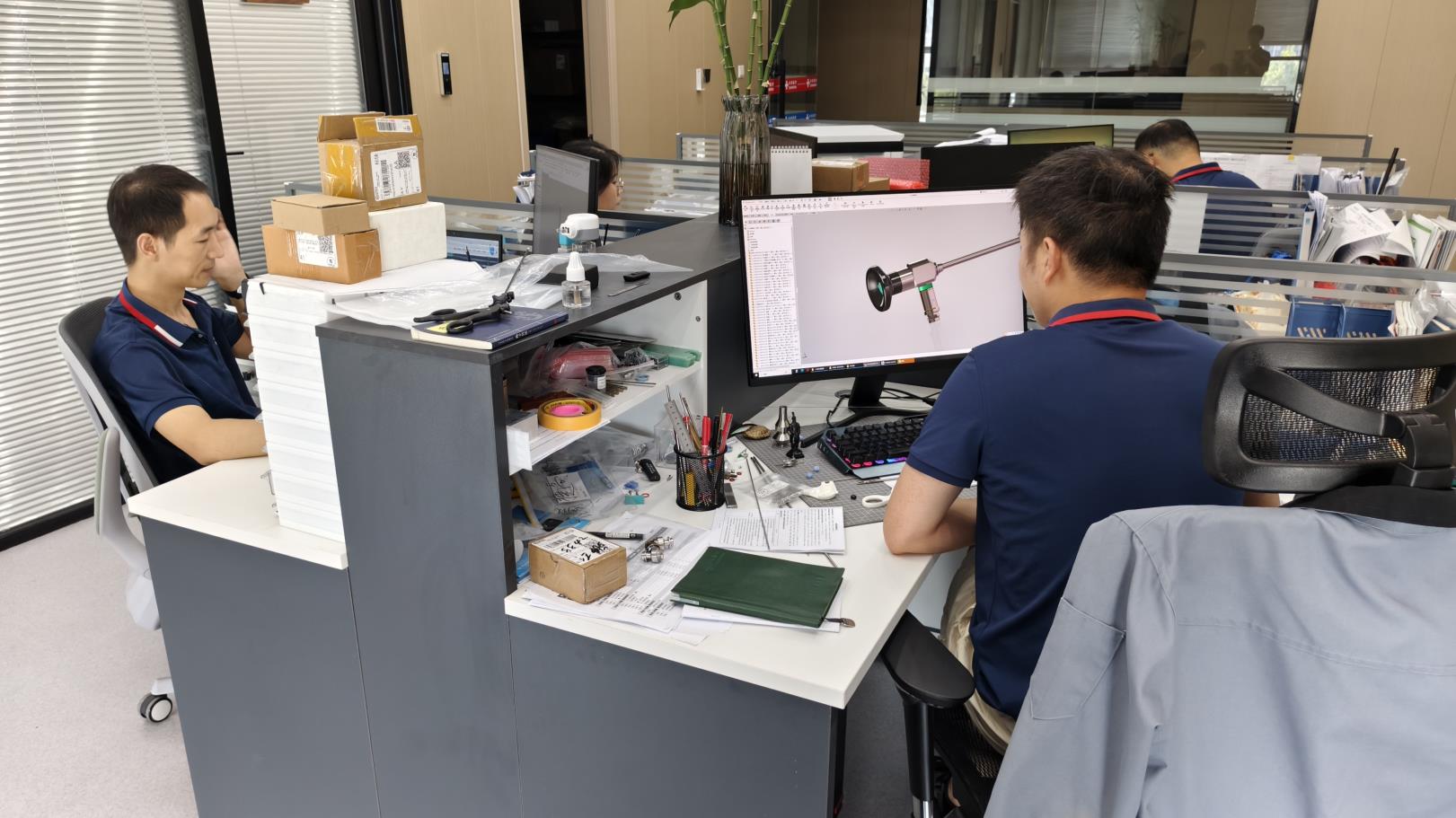
Design Lab
CAD/CAM CAD Structural Design
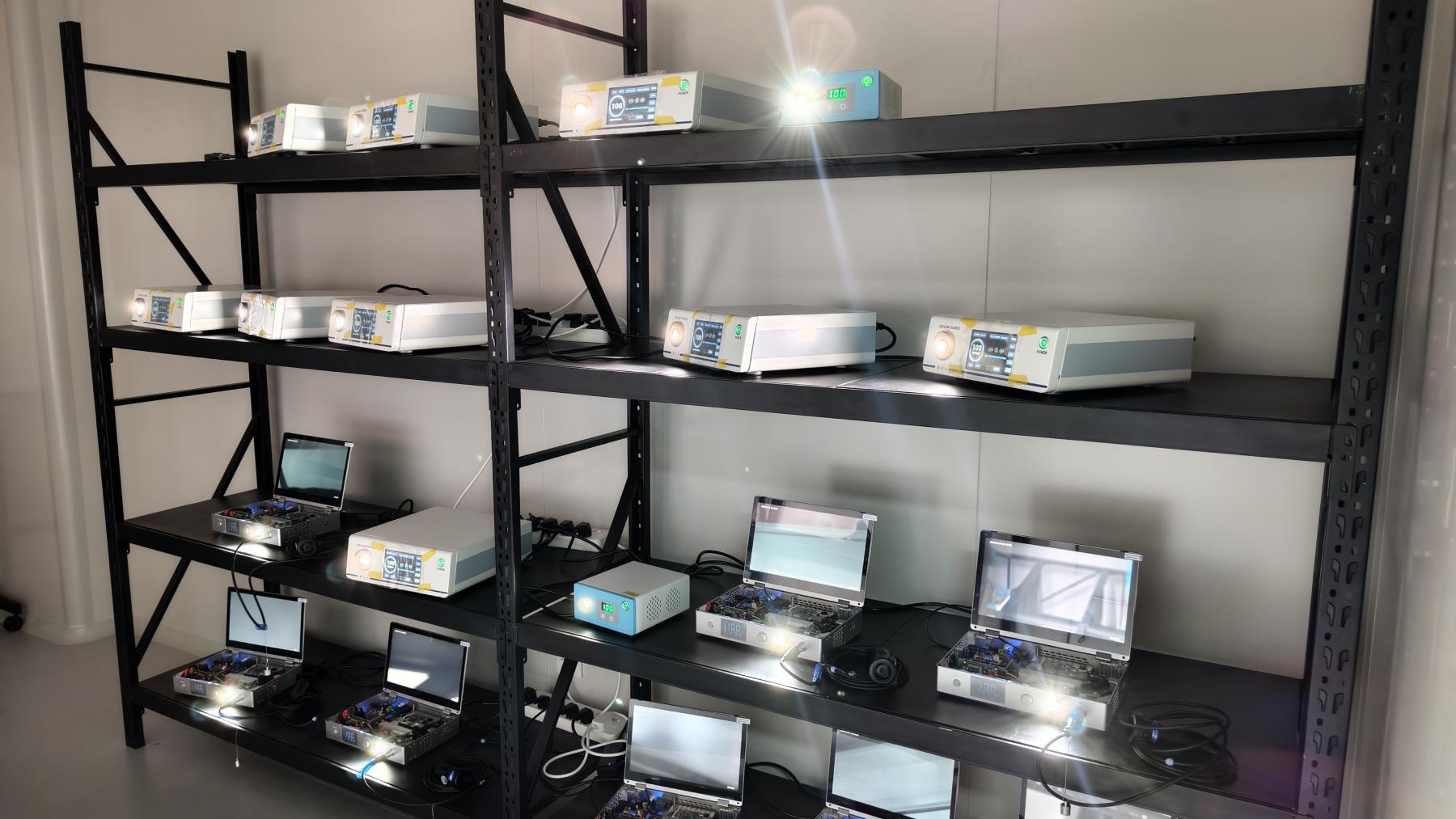
Aging Test
Environmental Aging Validation
Digital Microscope
Digital Microscopic Morphology Inspection
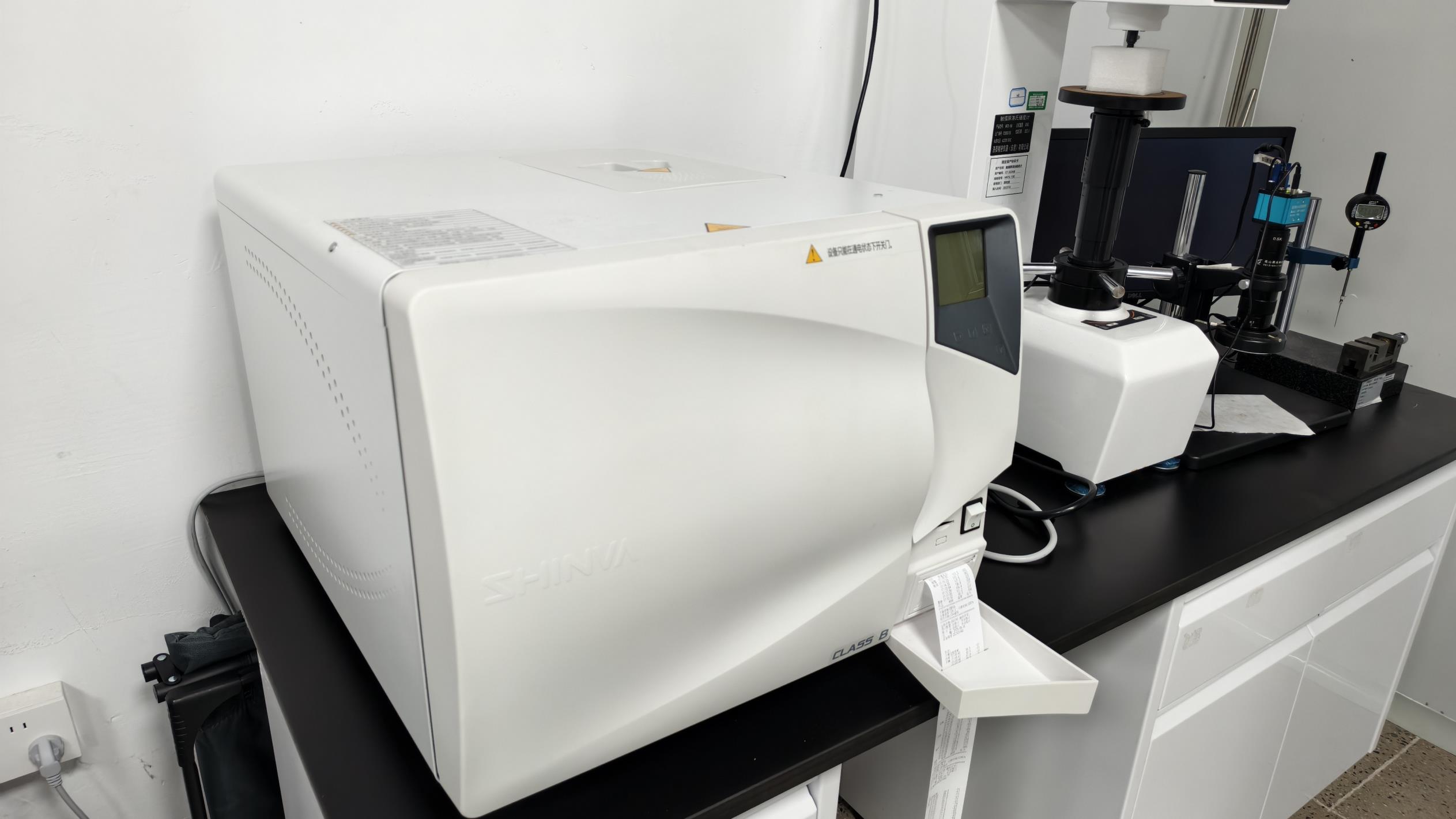
Steam Sterilizer
Autoclave & Steam Sterilizer Testing
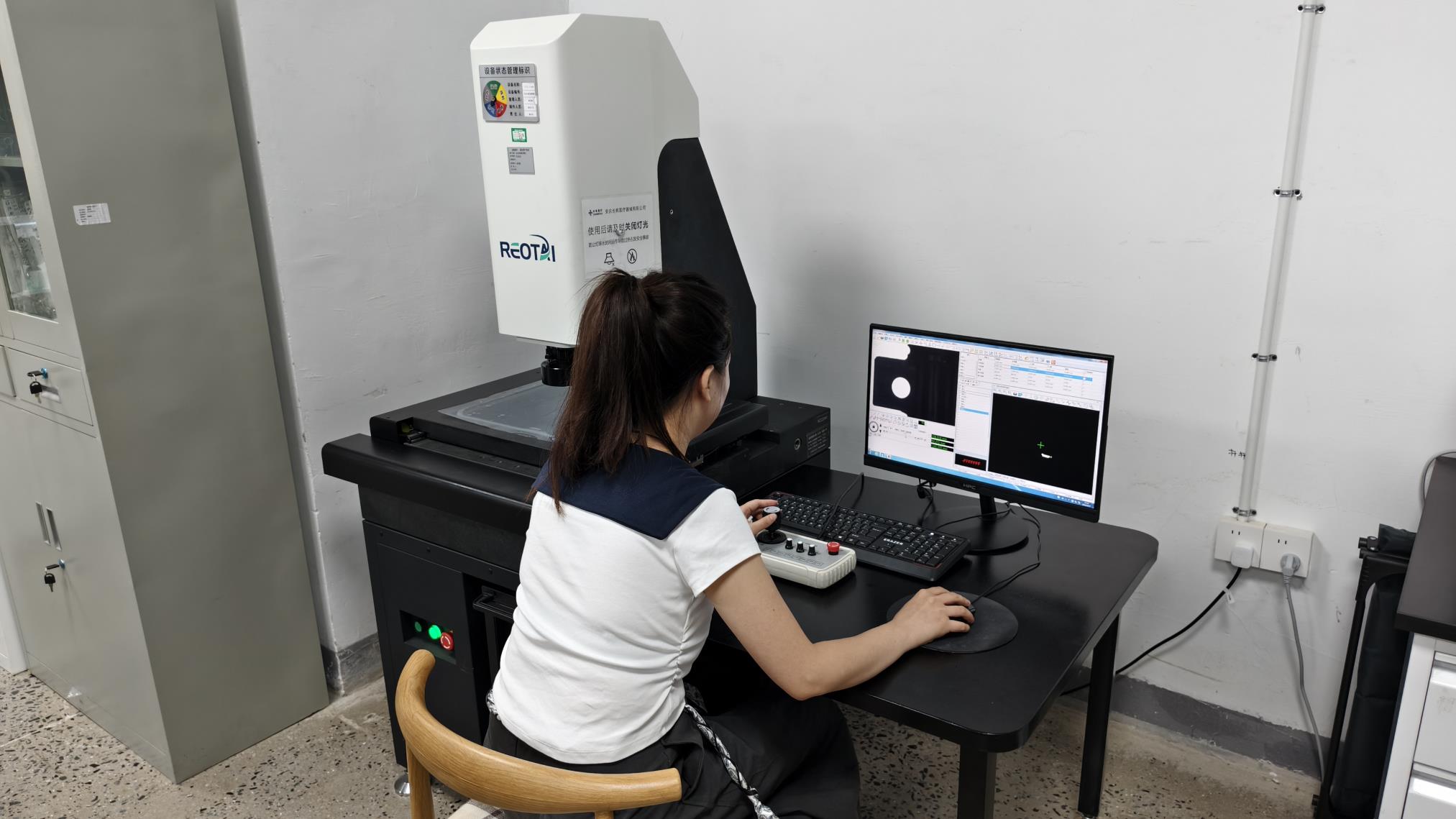
Video Measuring
Automatic 2D Video Measuring Instrument
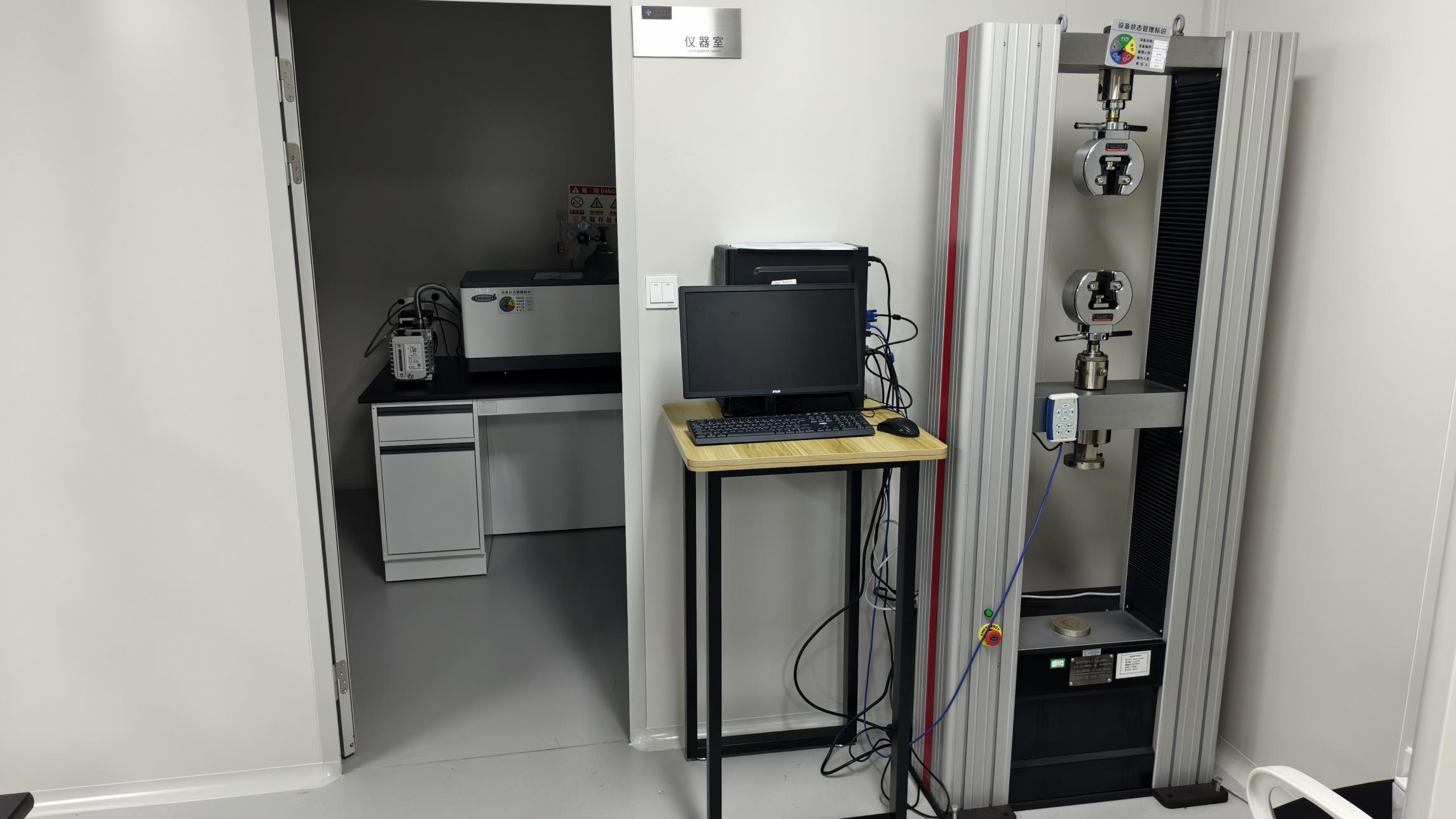
Tensile Testing
Tensile & Compressive Testing Machine
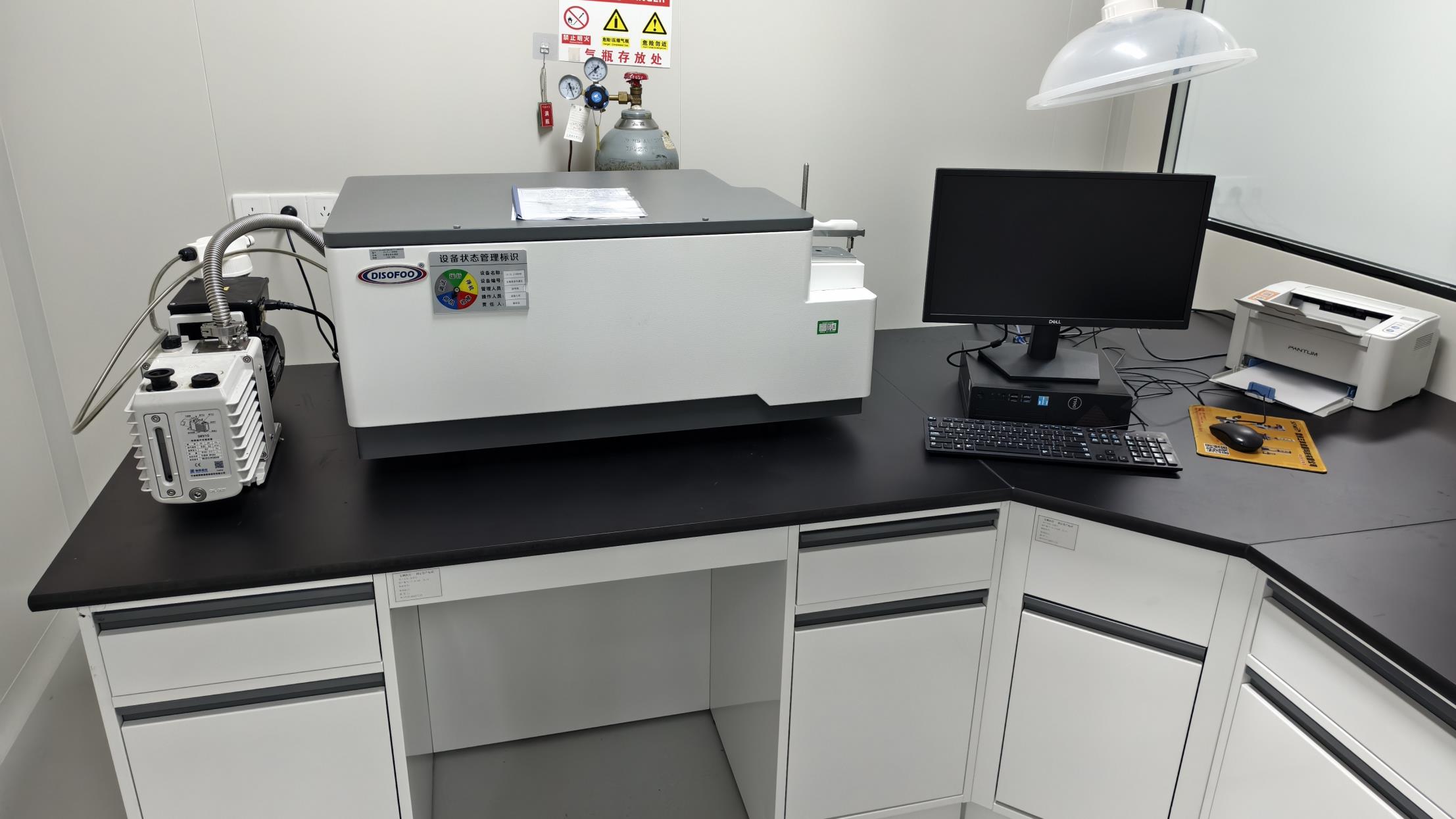
Spectrometer
Spectrometric Material Analysis
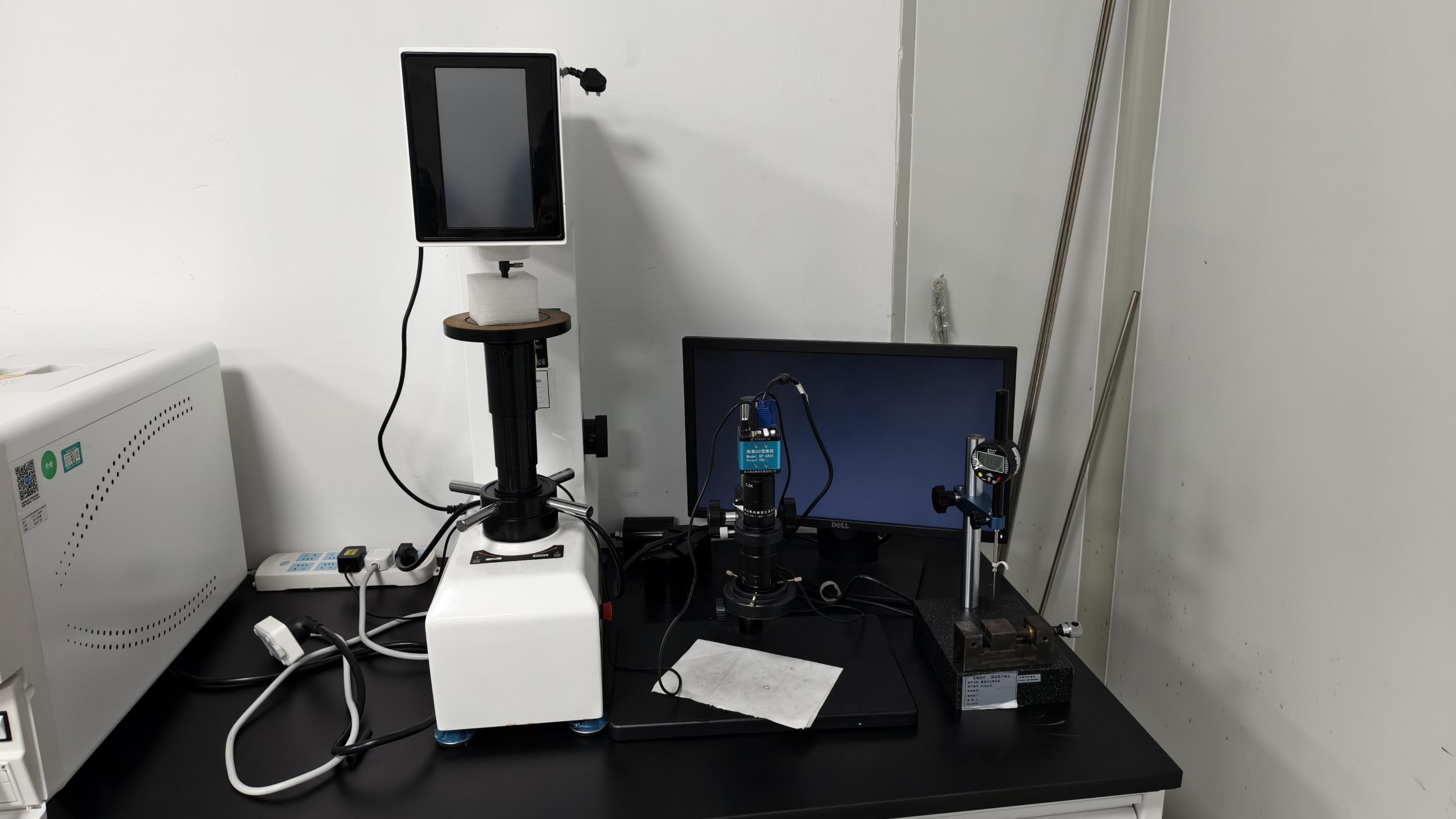
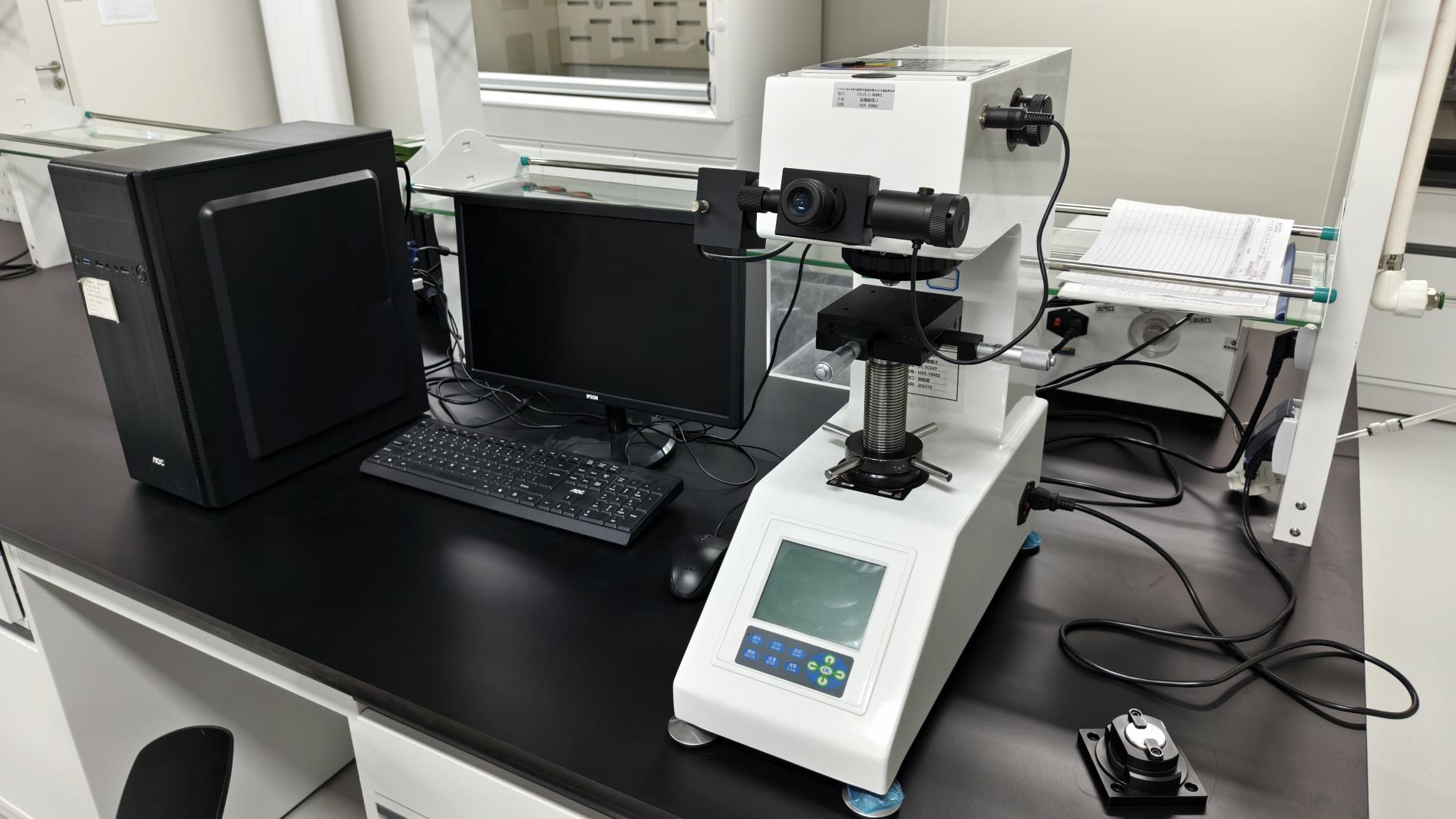
Hardness Tester
Rockwell Hardness Testing Station
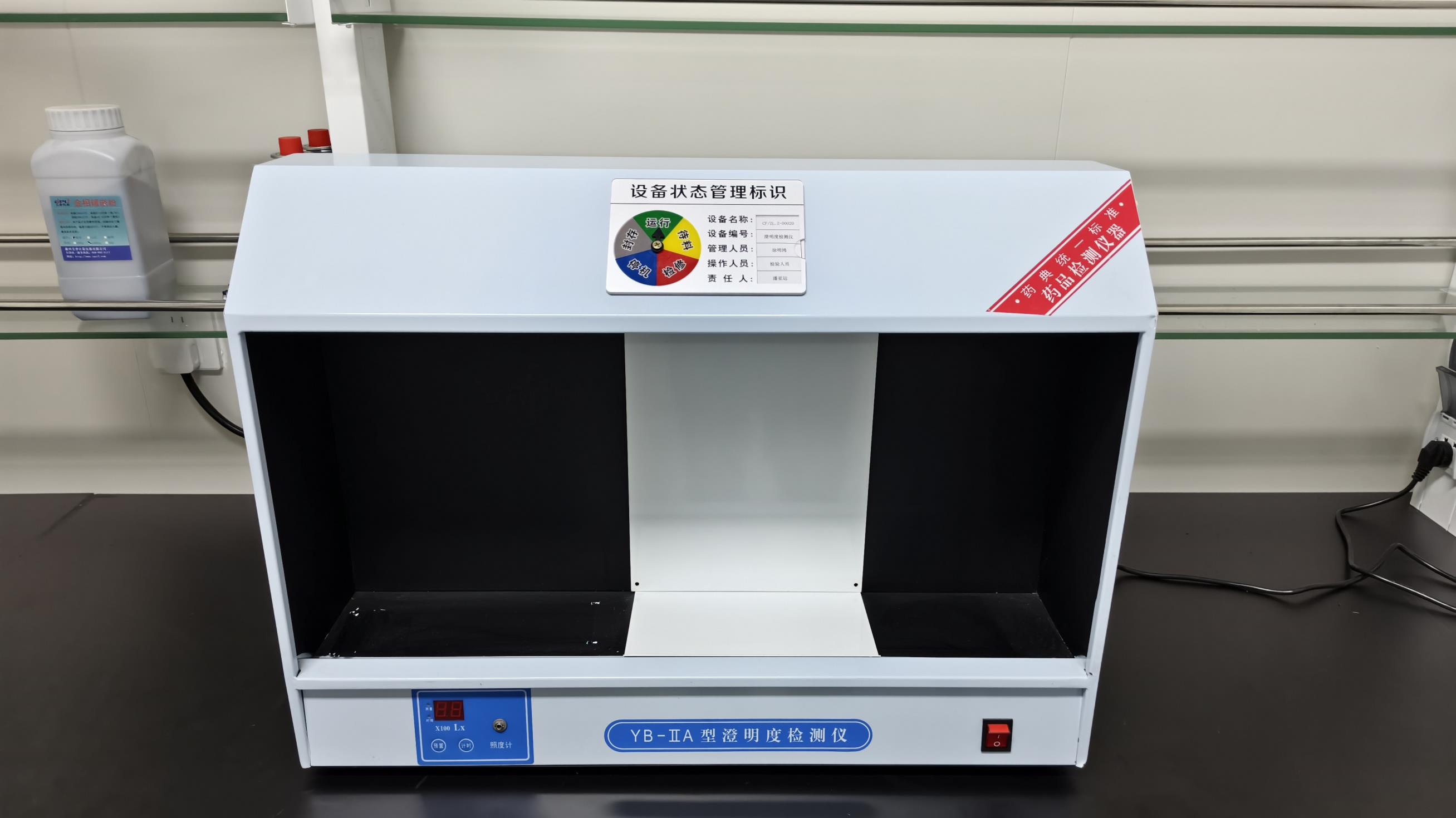
Clarity Detector
Particulate & Clarity Inspection
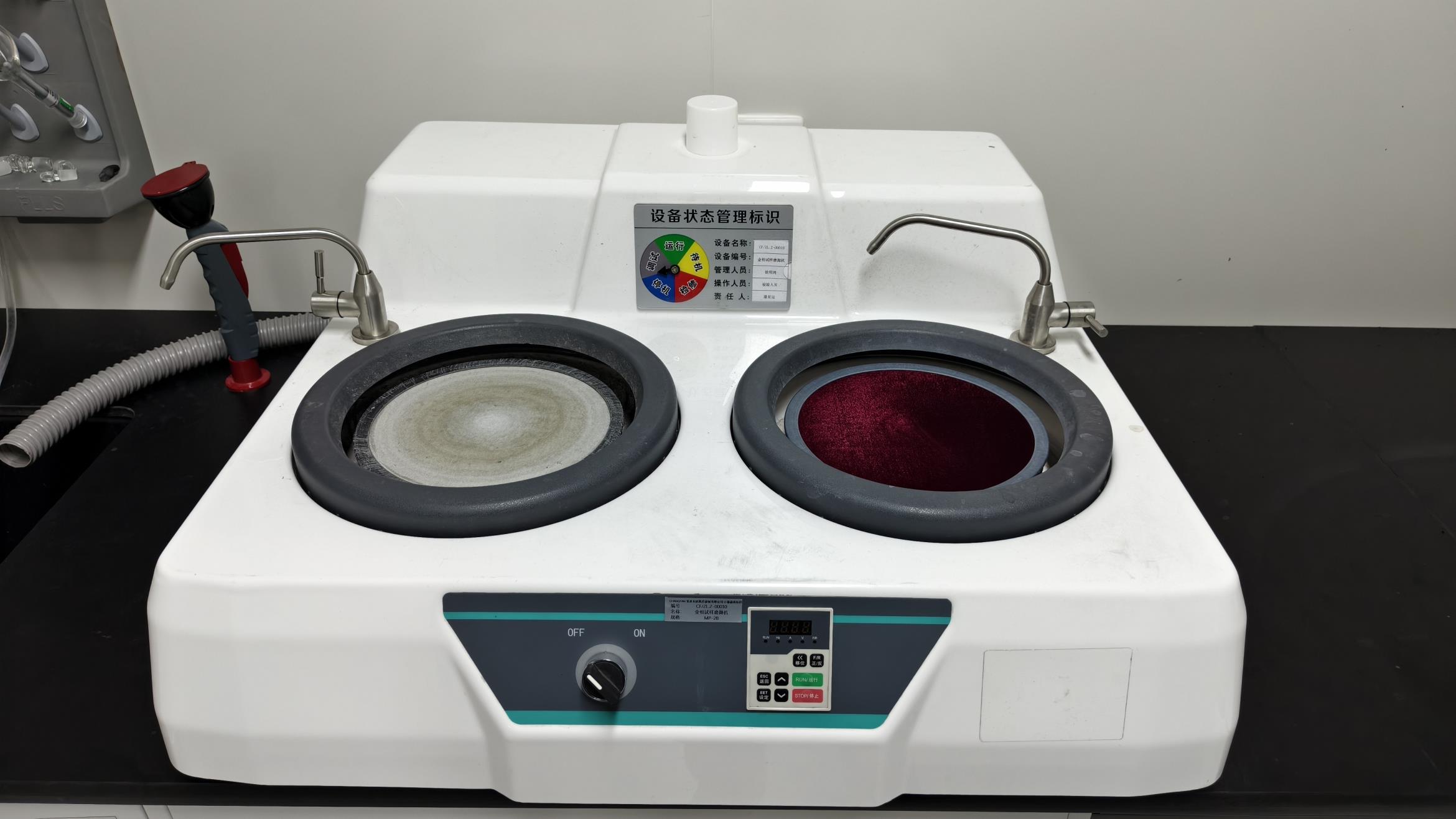
Metallographic Machine
Metallographic Grain Sample Processing
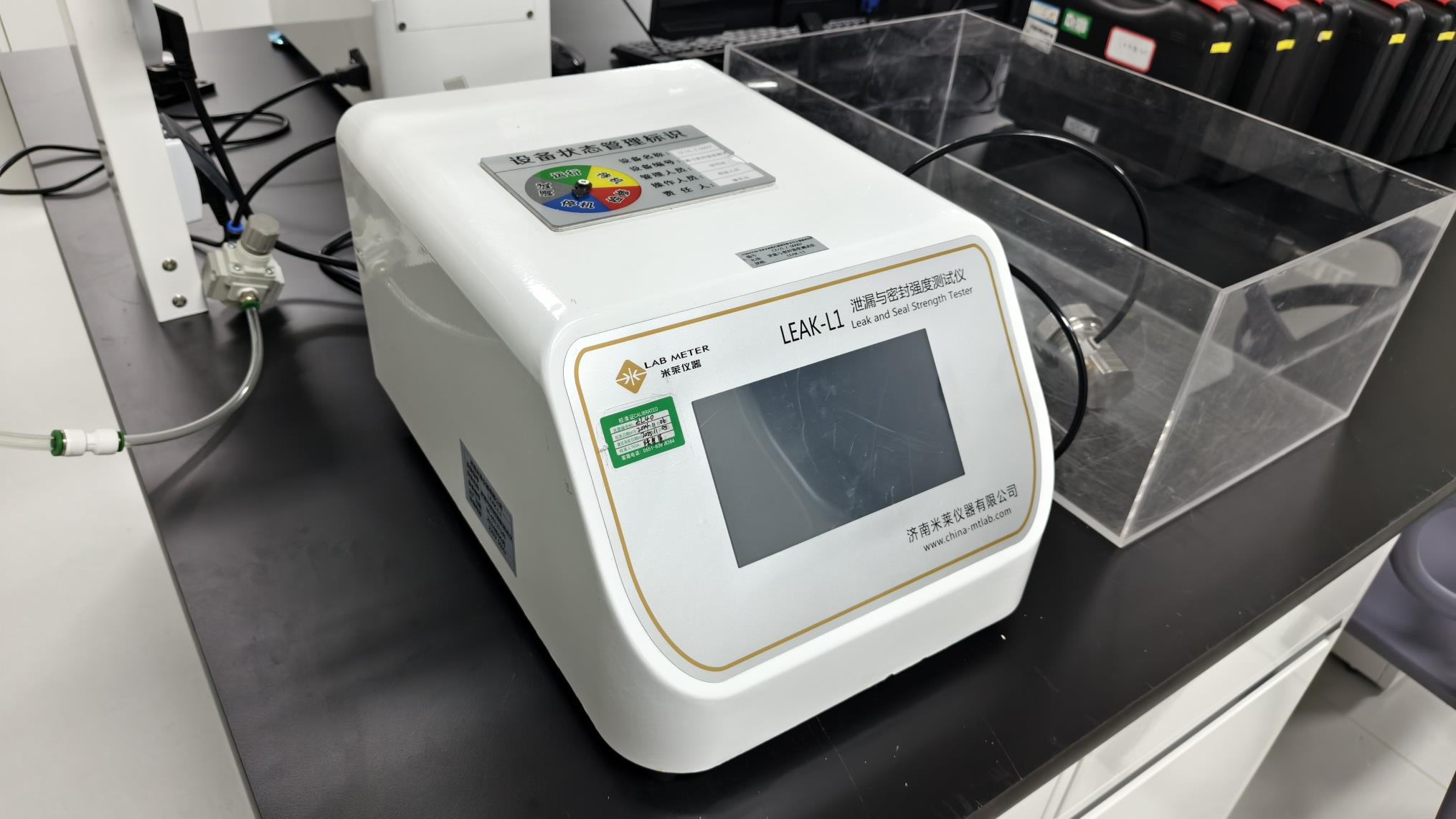
Leakage & Sealing Tester
Leakage and Sealing Strength Testing & Integrity Validation

Expert QA: Frequently Asked Questions

Crucial Product and Engineering Inquiries Answered by Our Technical & Quality Teams

Q1: What are the primary mechanical benefits of Stand-Alone ALIF Cages compared to traditional cages?
Stand-alone ALIF designs integrate fixation screws directly through the anterior profile of the cage, securing it to the adjacent vertebral bodies. This eliminates the need for posterior pedicle screw placement in select patients, reduces surgical time, minimizes blood loss, and limits tissue disruption. Crucially, our stand-alone designs feature variable screw exit angles to maximize anchoring hold in dense cancellous bone.
Q2: How does Synoviq prevent mechanical subsidence of ALIF cages in patients with lower bone density?
To prevent mechanical subsidence, our ALIF cages are designed with a maximized surface area footprint. This broad coverage distributes physiological load across the stronger cortical rim of the vertebral body rather than the softer central cancellous bone. In addition, the modulus of elasticity of our PEEK implants closely matches cortical bone, helping maintain stable, long-term disk height restoration.
Q3: What grade of titanium is used in Synoviq 3D-printed ALIF cages, and how is biocompatibility validated?
We use exclusively certified medical-grade titanium alloy powder (Ti6Al4V ELI conforming to ASTM F136). Each batch undergoes full chemical and particle size analysis. Our post-printing processing includes ultrasonic cleaning and acid etching to ensure zero loose powders remain. Biocompatibility is validated according to ISO 10993 standards, including cytotoxicity, systemic toxicity, and implantation testing.
Q4: What is the typical lead time for custom OEM design modifications, and how is logistics handled?
For standard profile adaptations (e.g. custom lordotic angles or modified screw slots), our engineers can deliver production-ready CAD drawings within 5 business days. Once the design is finalized, prototype manufacturing takes 7-14 days. We partner with major global logistics services to manage door-to-door shipping, customs clearance, and import/export documentation.
Q5: Does Synoviq provide surgical instrumentation kits to match the implants?
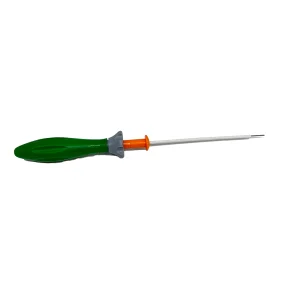
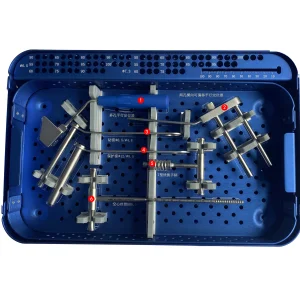
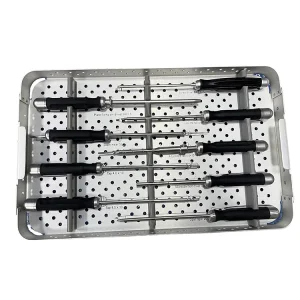
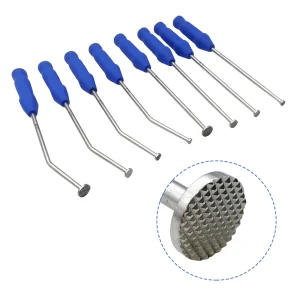
Yes, we provide dedicated surgical instrumentation kits designed specifically for our ALIF systems. These kits include trials, inserters, guides, and angled screwdrivers. The instruments are made of high-grade surgical stainless steel and medical silicone handles, arranged in custom sterilization trays to ensure surgical efficiency and long-term durability.