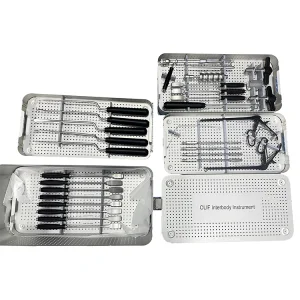
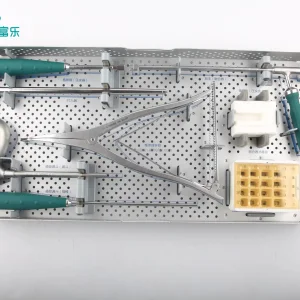
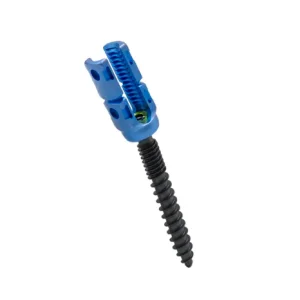
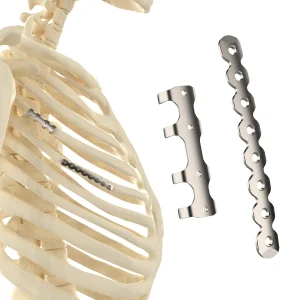
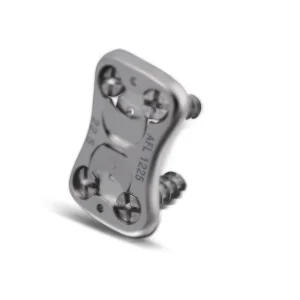
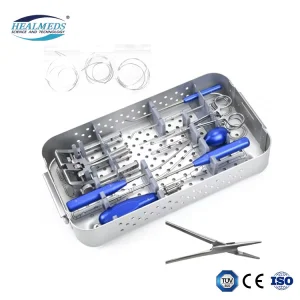
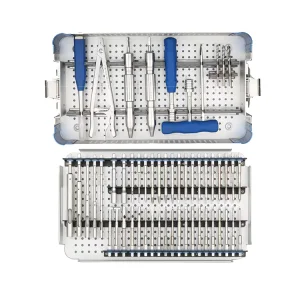
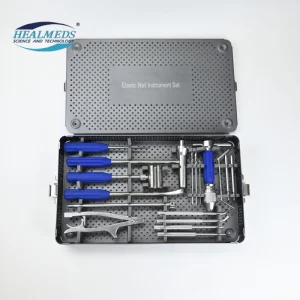
Select high-performance implants, specialized spinal instrumentation, and trauma hardware designed for optimal patient outcomes.
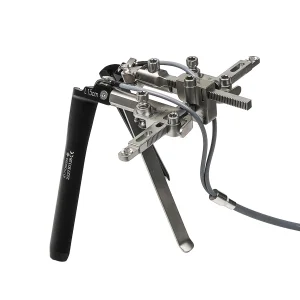
Distal radius fractures (DRFs) account for approximately 18% of all adult fractures encountered in emergency clinical settings globally. Historically, the management of complex, intra-articular, comminuted distal radius fractures has presented a profound therapeutic challenge to orthopedic surgeons. While volar locking plates have gained substantial market traction, Wrist External Fixators remain an indispensable and evidence-backed clinical choice, particularly in high-energy trauma cases, severe soft tissue injuries, and open fractures where immediate internal hardware insertion is contraindicated.
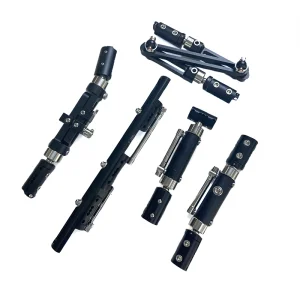
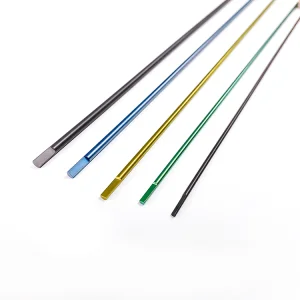
External fixation utilizes the biomechanical principle of ligamentotaxis. By applying sustained traction across the radiocarpal joint, tension is transmitted through the surrounding ligamentous structures and joint capsule, which subsequently reduces and aligns displaced bone fragments. As premium manufacturers based in China, we leverage precise mechanical engineering to optimize the stiffness, weight, and biocompatibility of external frames. Modern assemblies integrate radiolucent carbon fiber rods and high-grade titanium alloys (such as Ti-6Al-4V ELI) to achieve an optimal strength-to-weight ratio, allowing intraoperative visibility under fluoroscopy and excellent postoperative biomechanical load-sharing.
Synoviq Medical Technology (China) Co., Ltd. is a professional manufacturer of orthopedic implants and surgical instruments, dedicated to delivering innovative, reliable, and high-quality medical solutions for healthcare professionals worldwide. Since its establishment, Synoviq has focused on research, development, precision manufacturing, and international quality standards, providing comprehensive OEM and ODM services for global medical device brands, distributors, and hospitals.
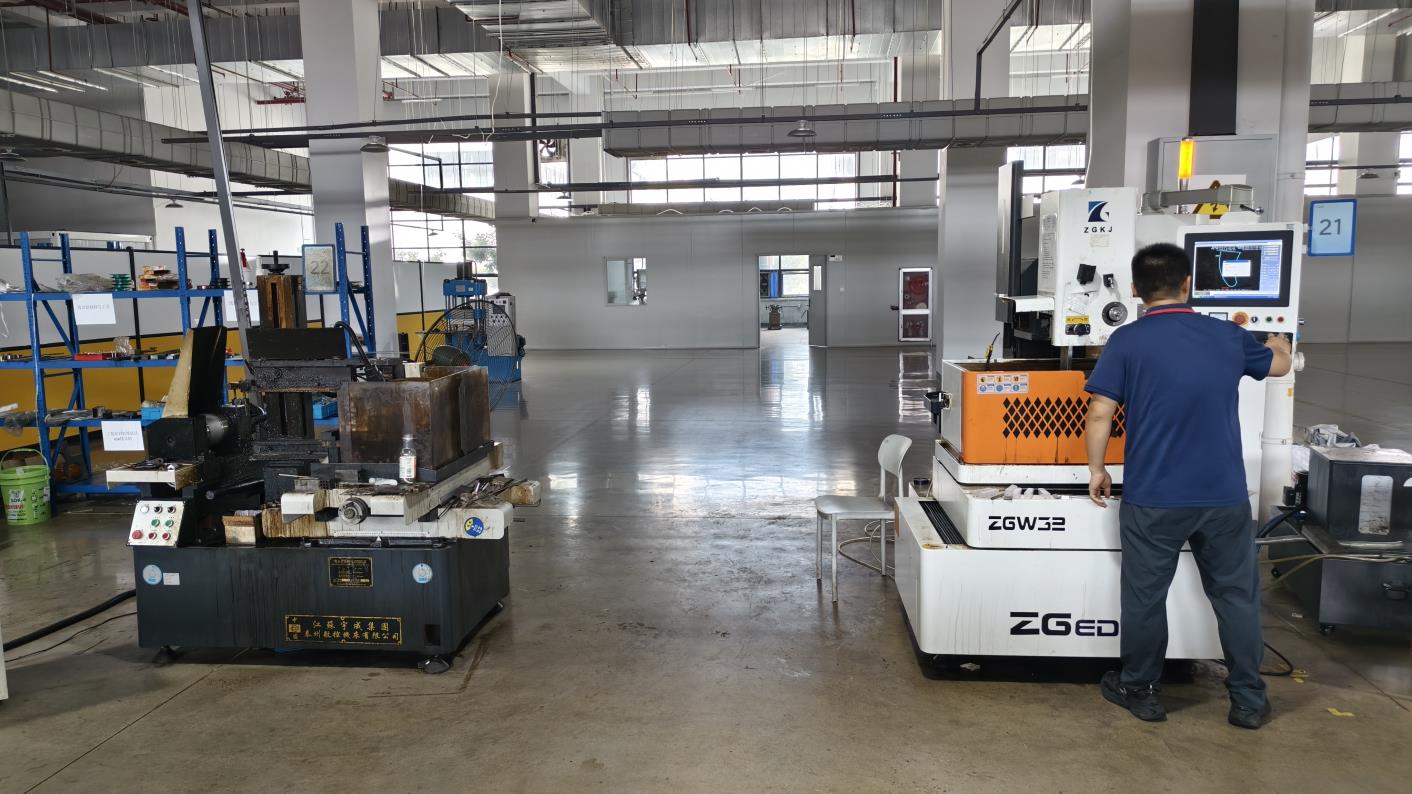
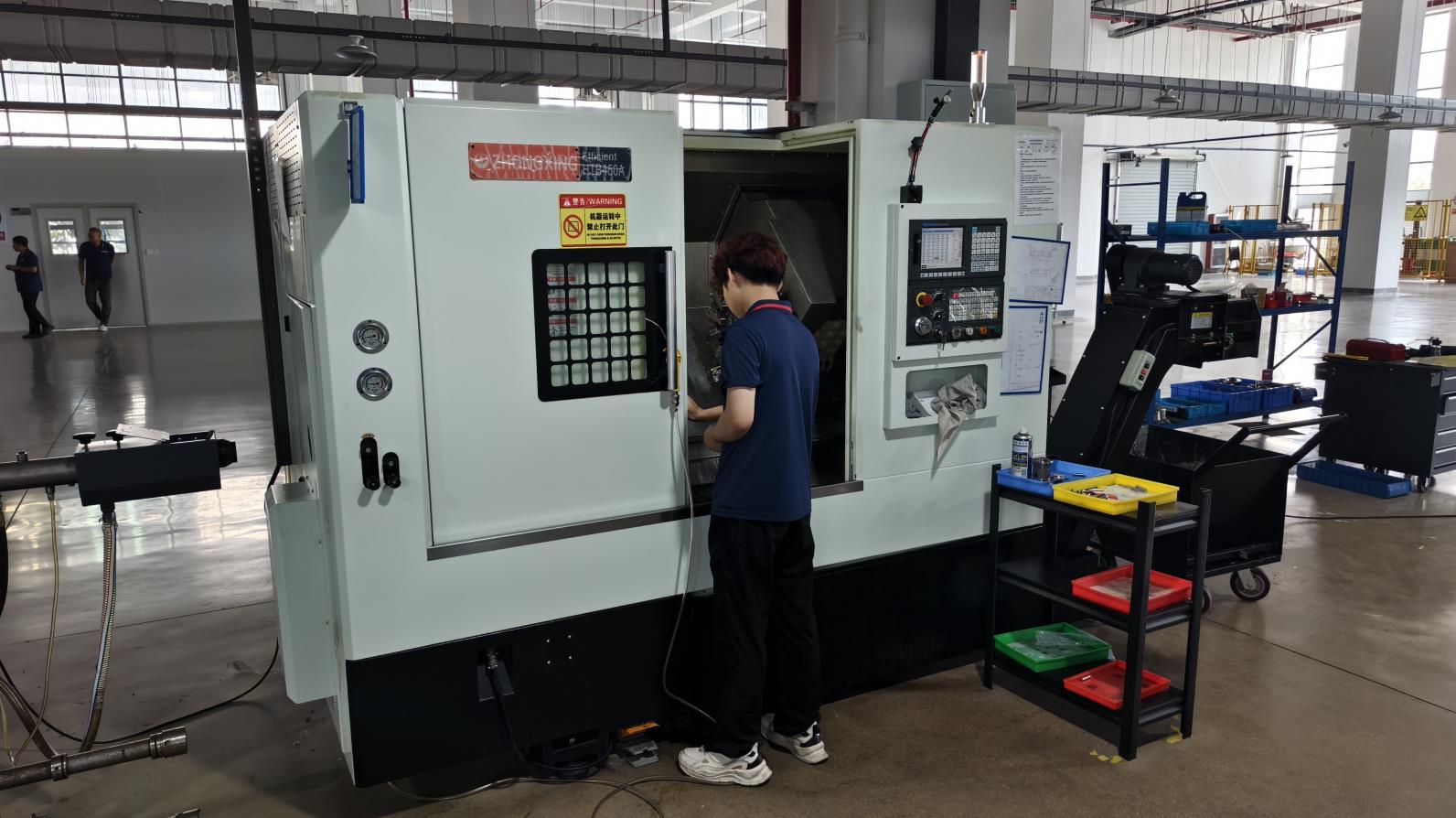
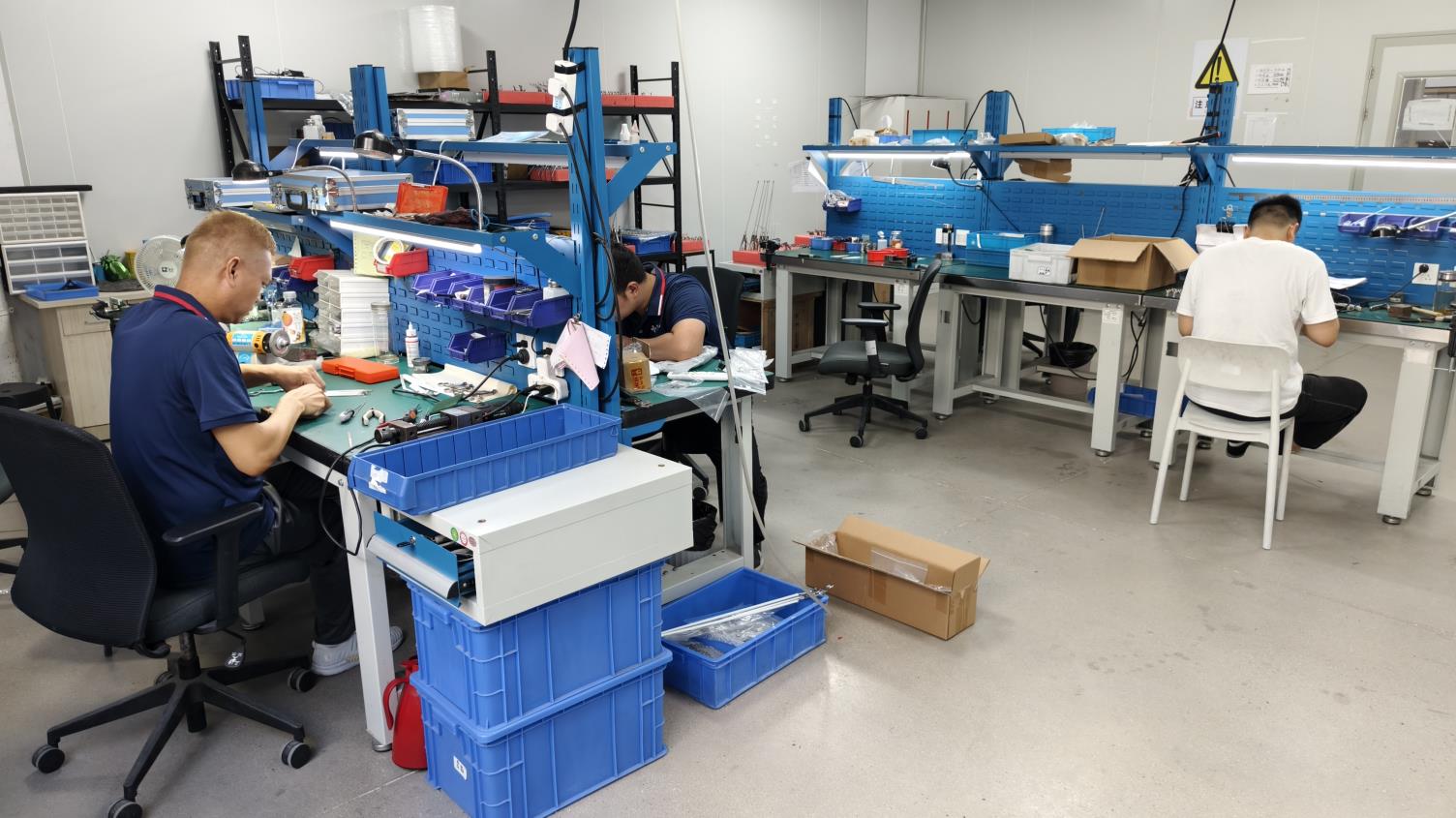
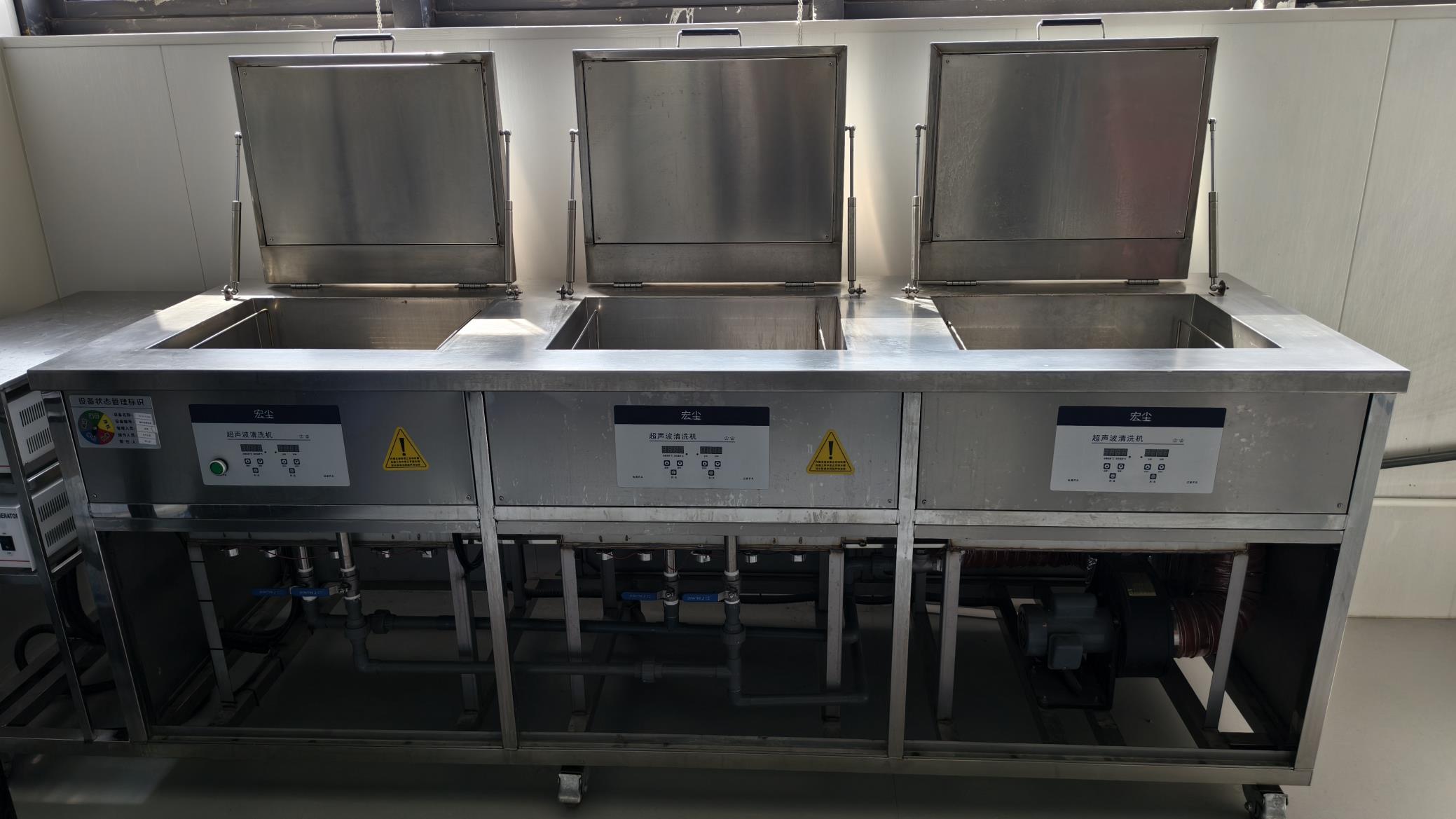
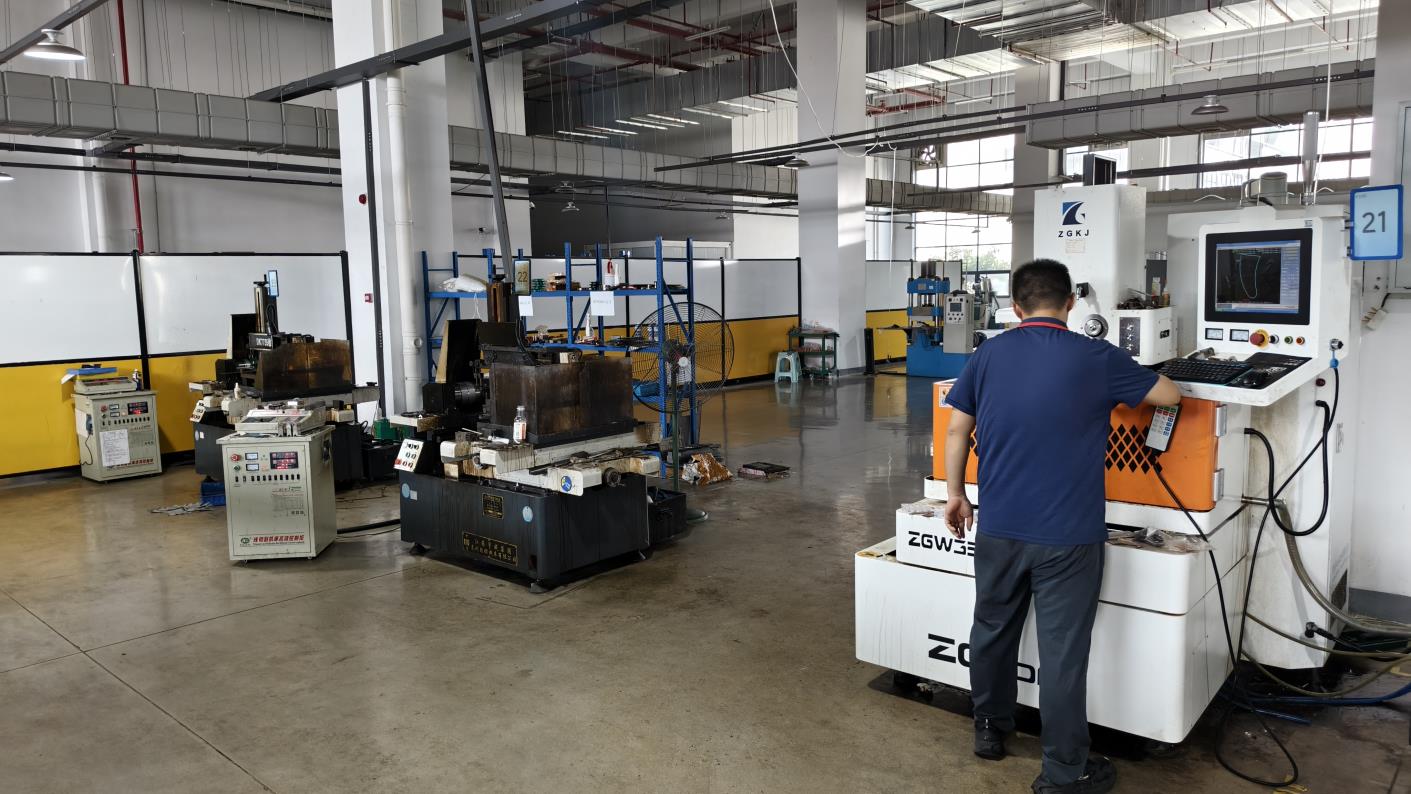
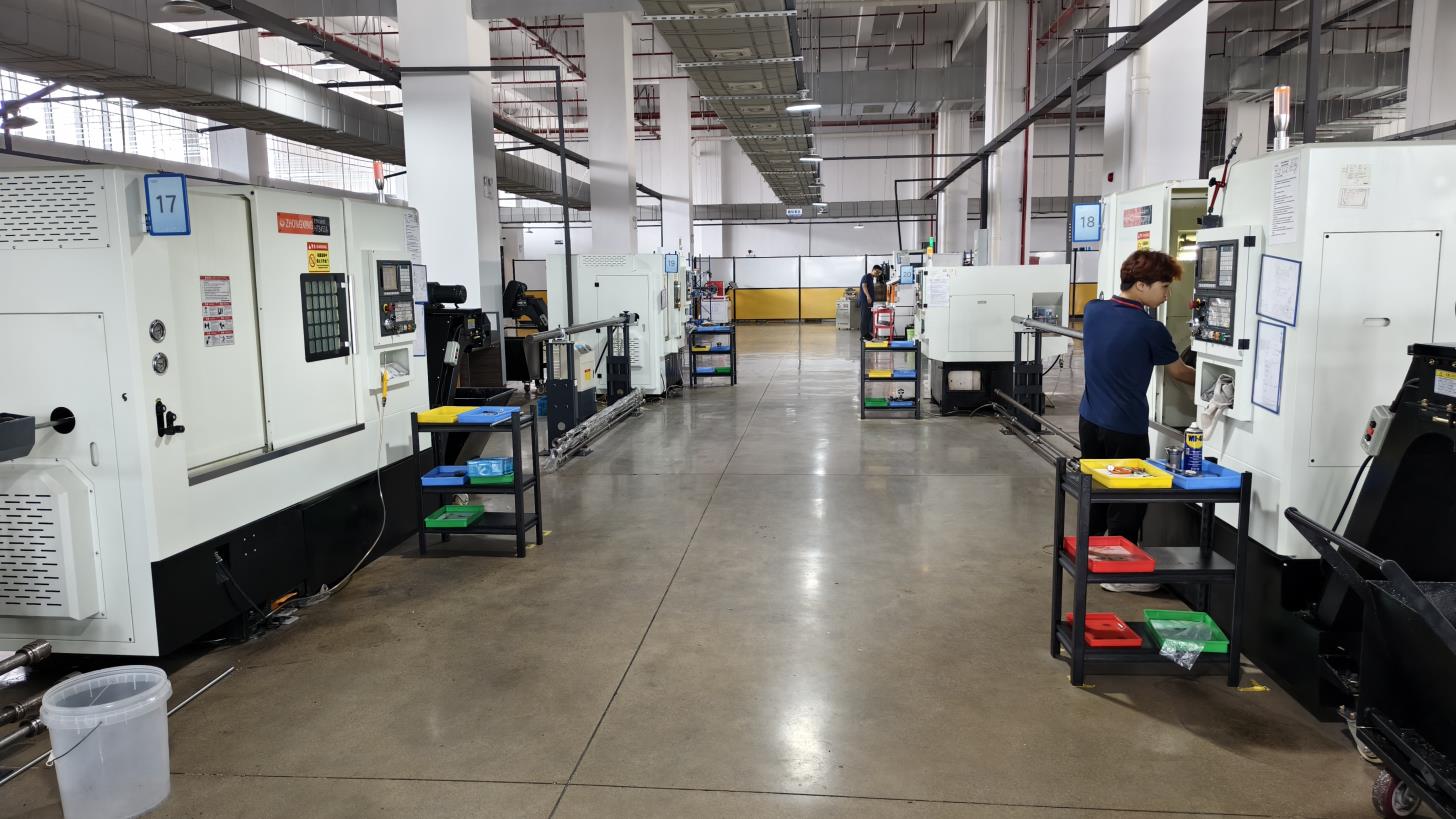
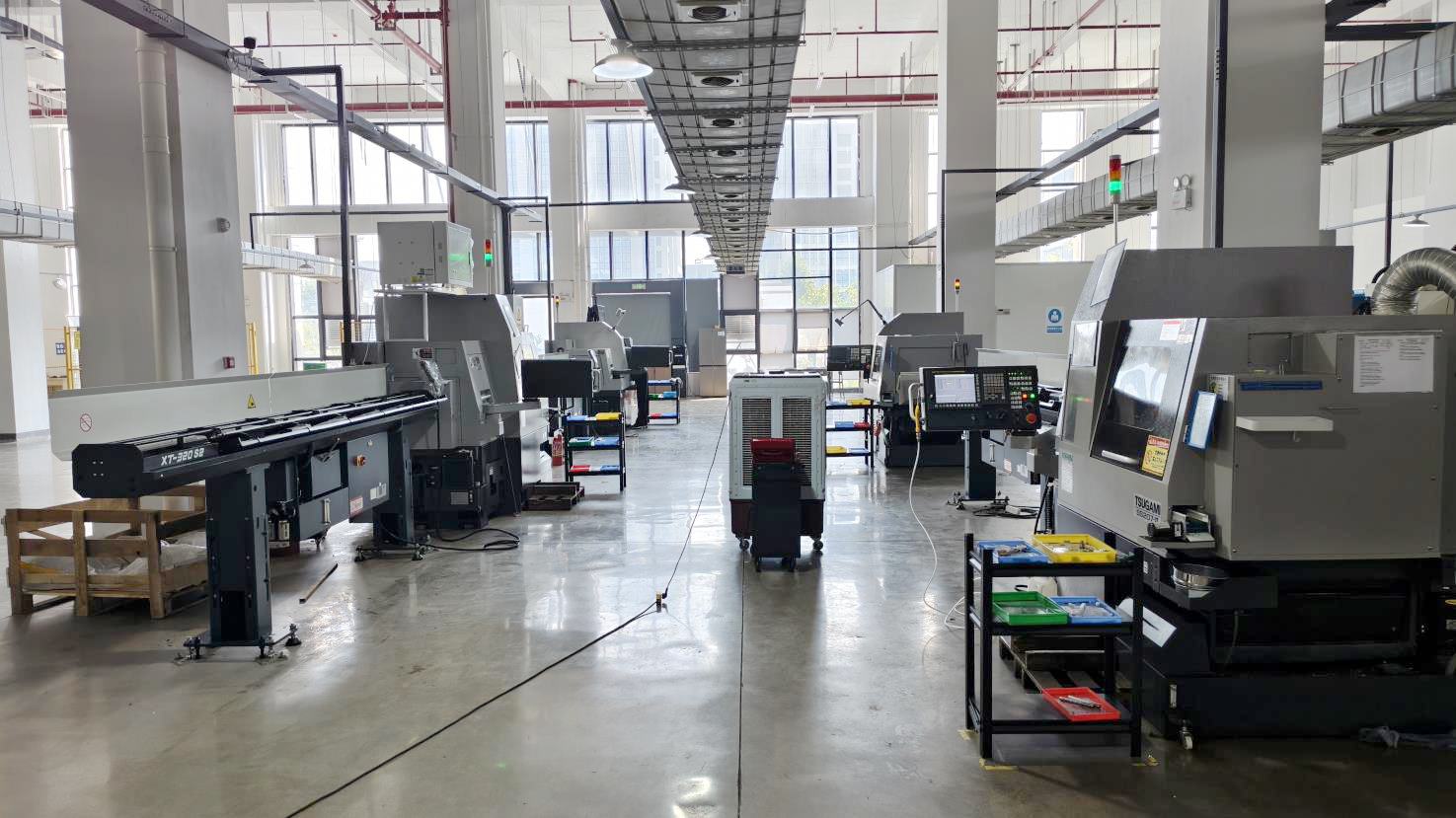
Our product portfolio includes trauma fixation systems, spinal implants, locking plates, intramedullary nails, external fixation systems, orthopedic screws, surgical instruments, and customized orthopedic solutions. Equipped with advanced CNC machining centers, precision inspection equipment, and modern clean production facilities, we ensure every product meets strict international quality requirements.
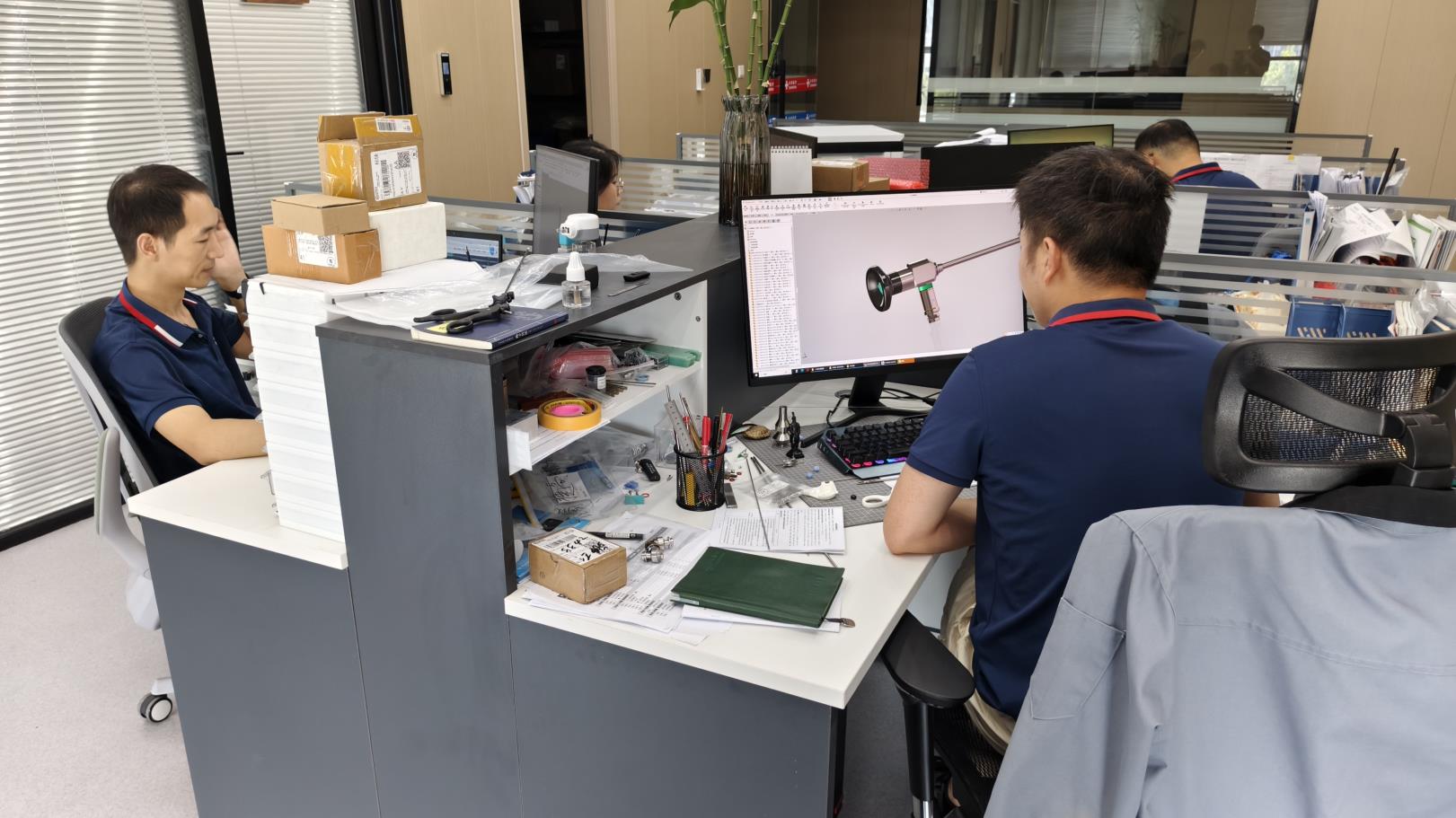
Driven by continuous innovation, Synoviq invests heavily in R&D and intelligent manufacturing to enhance product performance, surgical efficiency, and patient outcomes. Our experienced engineering team works closely with customers to develop customized products tailored to different clinical applications and market demands.
With a customer-oriented philosophy, competitive pricing, stable supply capability, and efficient technical support, Synoviq has established long-term partnerships with distributors, medical brands, and healthcare organizations across Europe, North America, South America, the Middle East, and Asia-Pacific.
| Operating Metric | System Data & Standards Verification |
|---|---|
| Company Name | Synoviq Medical Technology (China) Co., Ltd. |
| Brand | Synoviq |
| Established | March 18, 2016 |
| Building Area | 18,600 m² |
| Annual Export Revenue | USD 21.8 Million |
| Export Experience | 8 Years |
| Industry Experience | 14 Years |
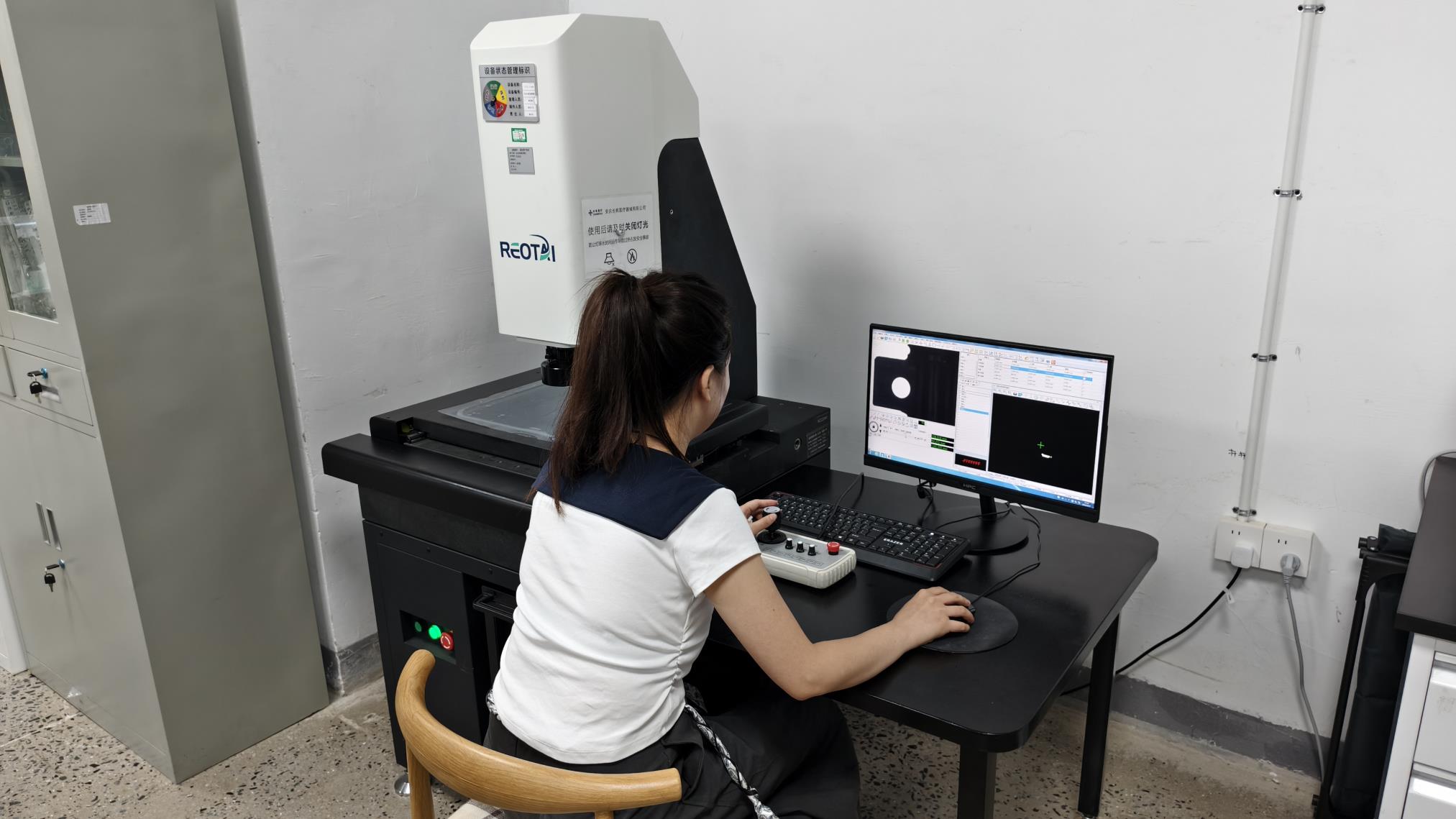
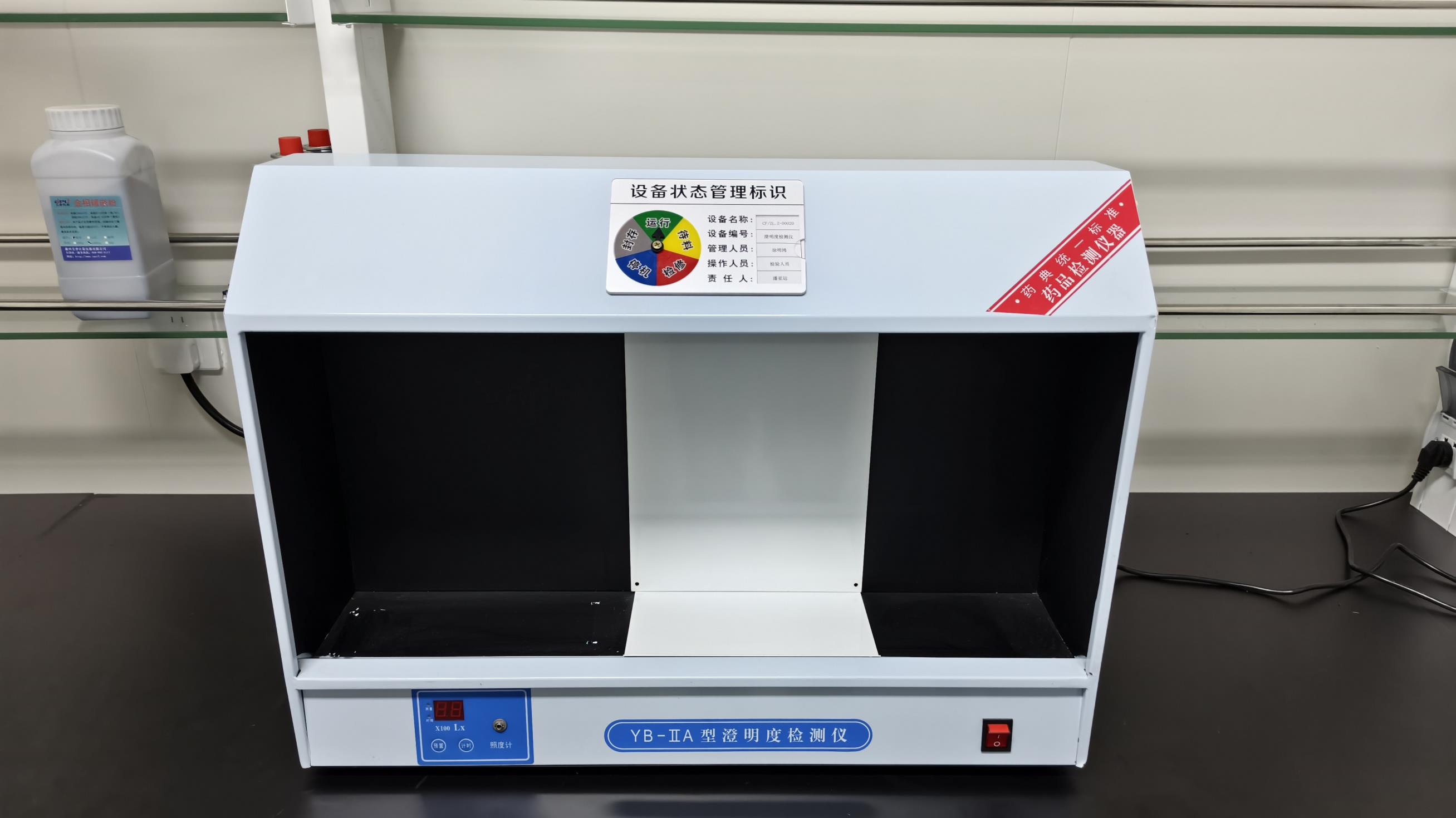
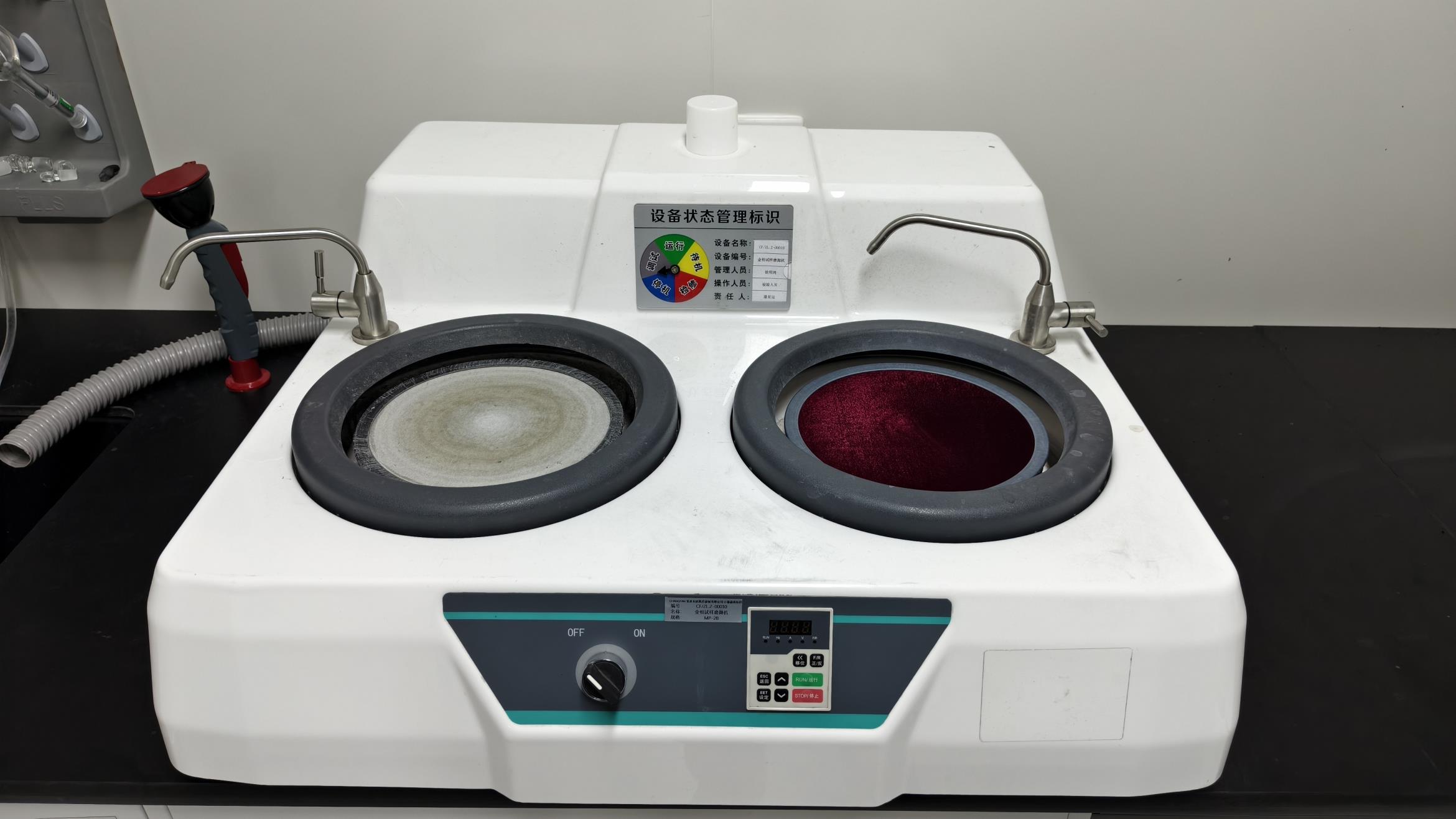
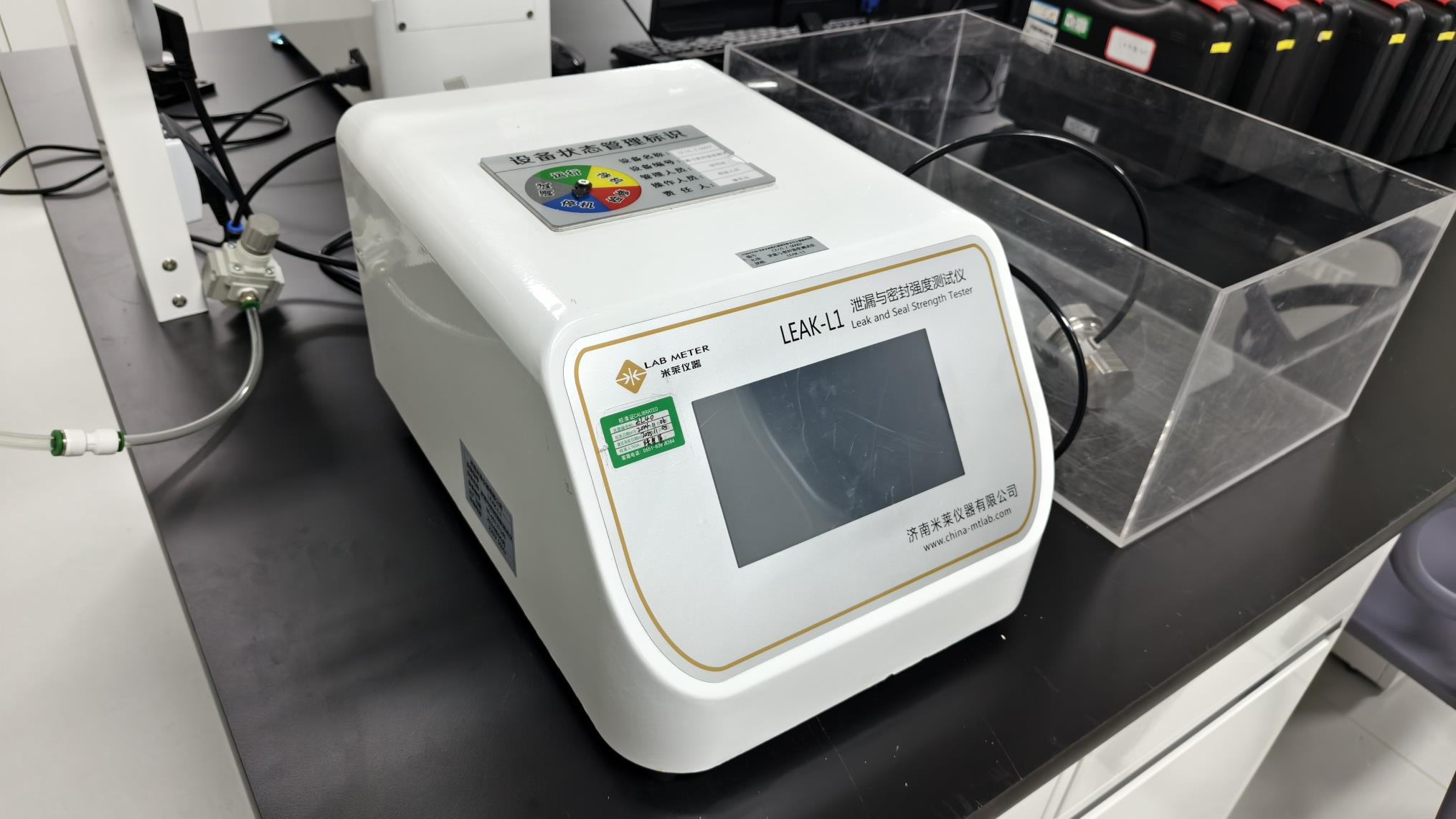
| Quality Inspection | 100% Final Inspection & Incoming Material Inspection |
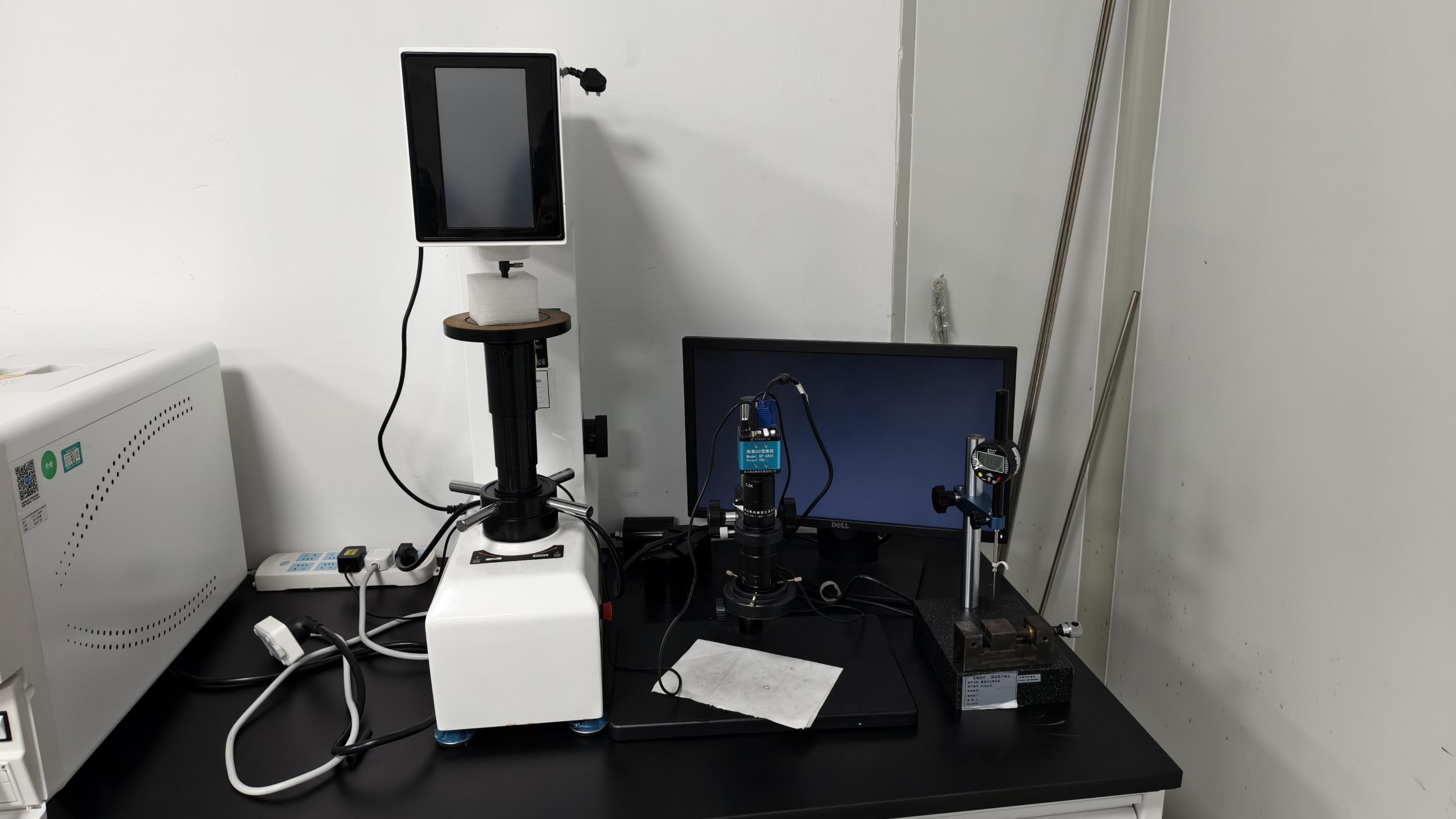
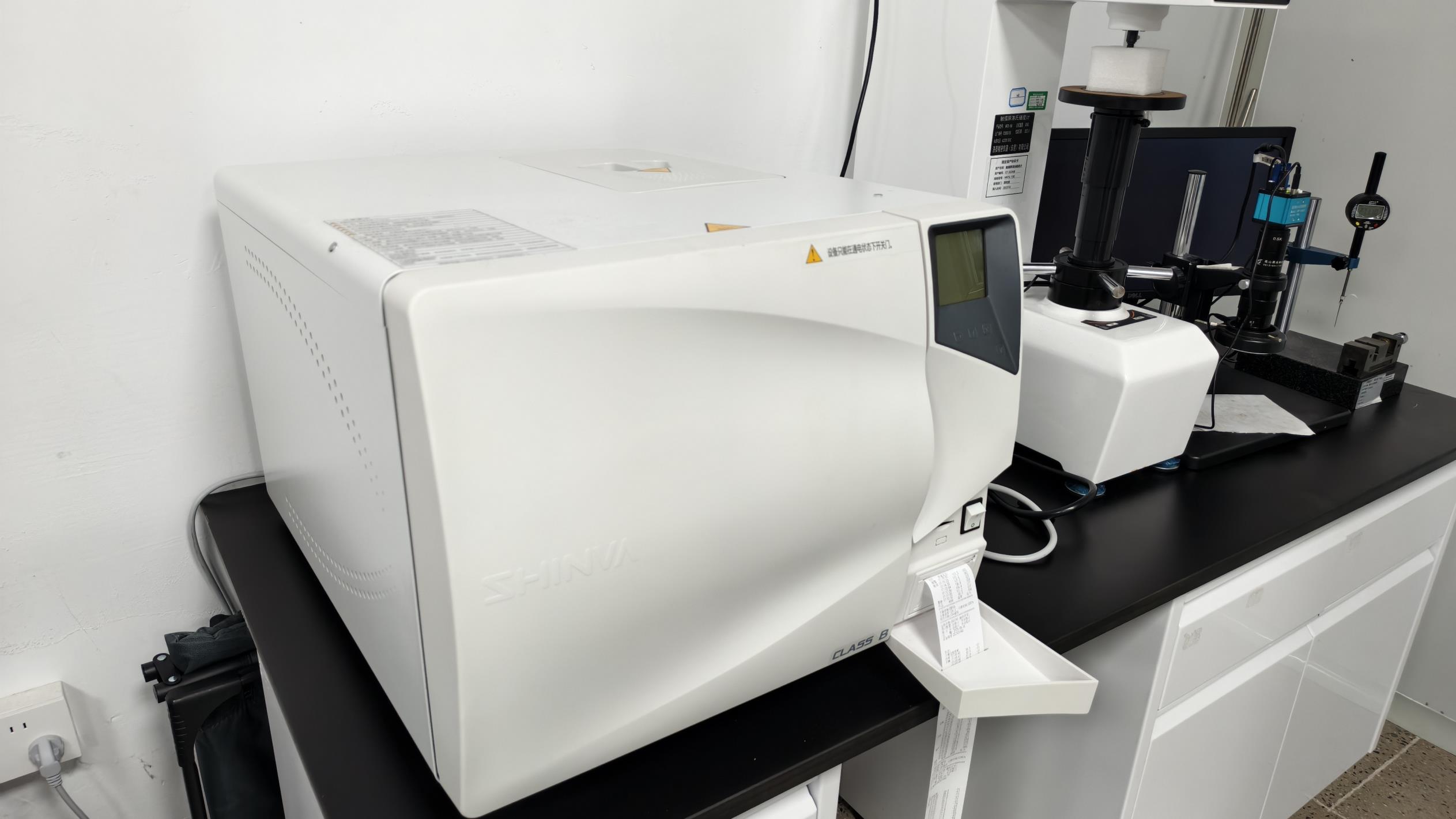
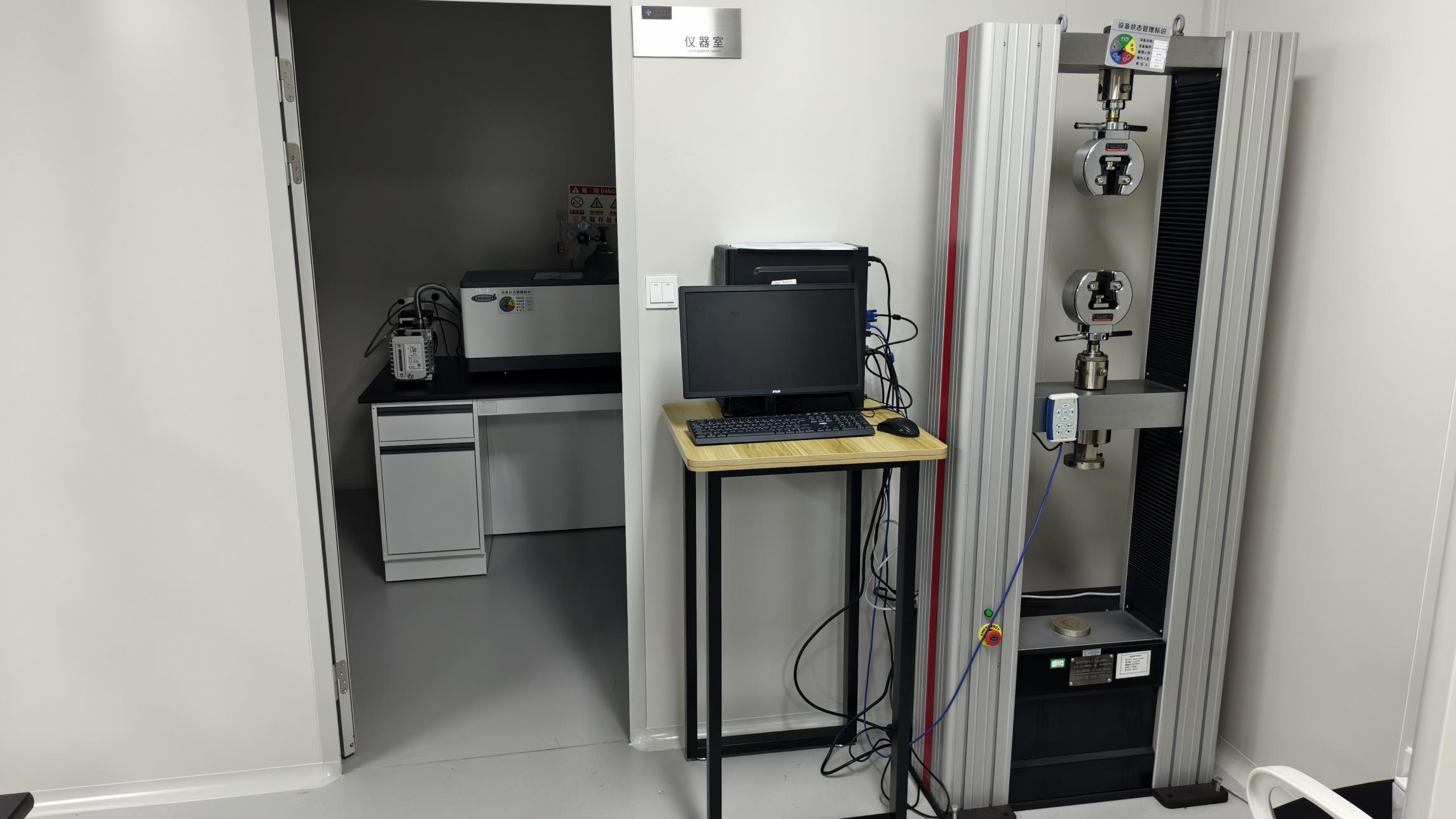
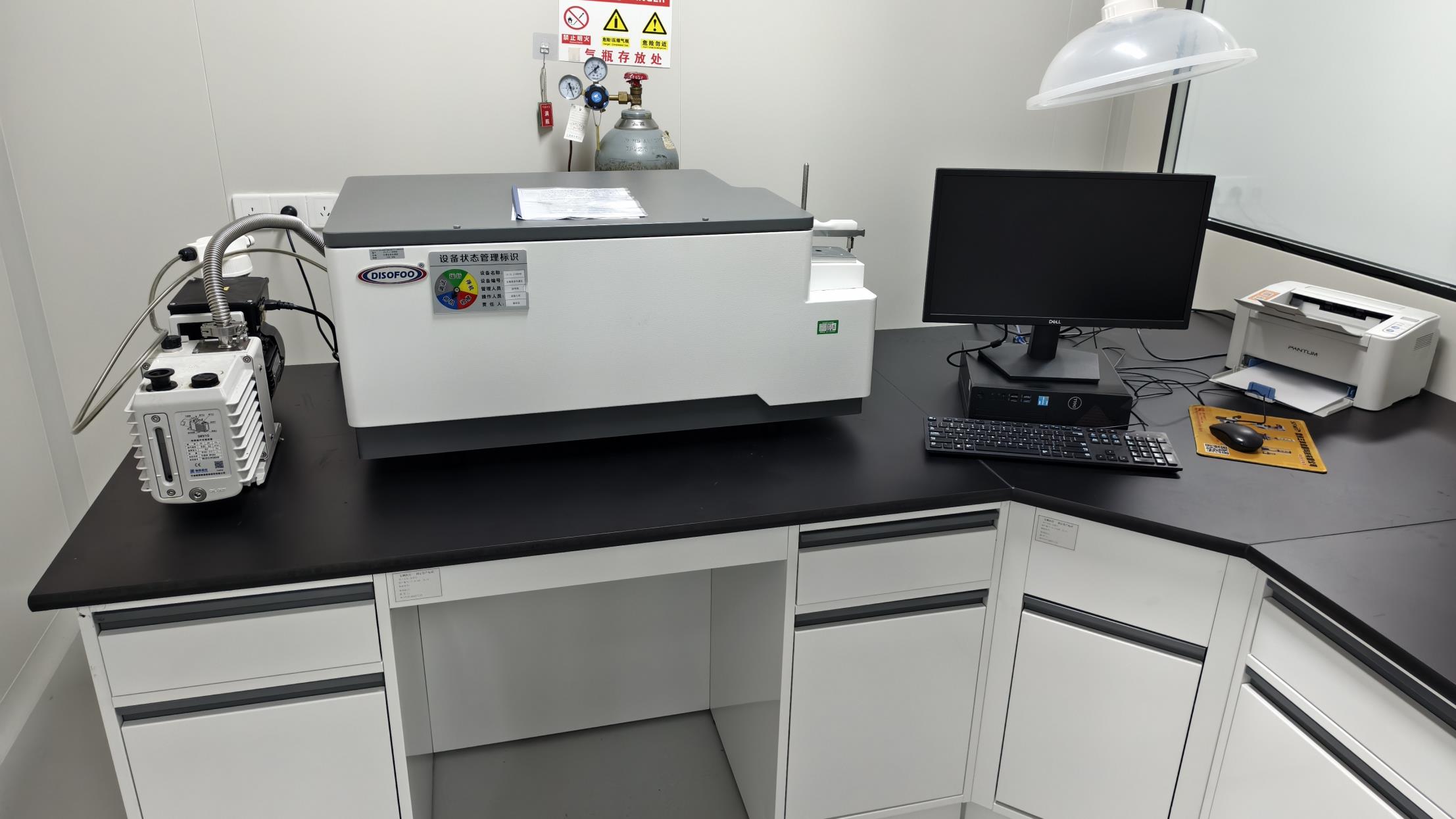
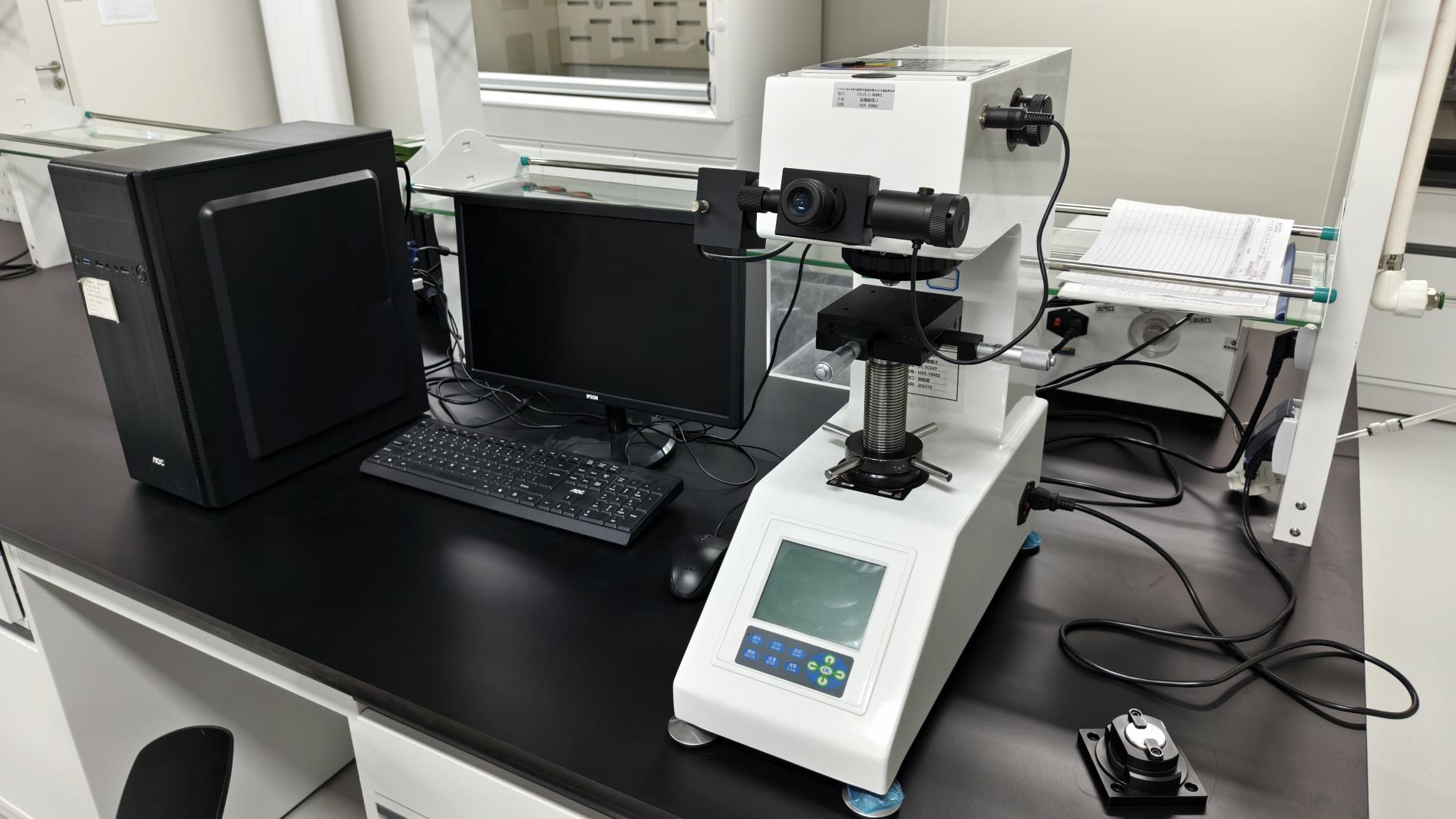
| Product Inspection Methods | CMM Measurement, Mechanical Testing, Surface Roughness Testing, Hardness Testing, Salt Spray Testing, Sterility Validation |
| Quality Control Staff | 48 Dedicated Personnel |
| Business Type | Manufacturer & Exporter (OEM/ODM/OBM) |
| Main Markets | Europe, North America, South America, Middle East, Southeast Asia |
| Supply Chain Partners | 1,120+ Active Global Collaborators |
| Main Customer Types | Medical Device Brands, Importers, Distributors, Hospitals, Government Procurement Projects |
| R&D Capability | Independent Product Design, Prototype Development, Clinical-Oriented Engineering, OEM & ODM Development |
| Customization Options | Logo Customization, Packaging Customization, Product Design Customization, Material Selection, Surface Treatment |
| New Products Released Last Year | 186 New SKUs & Systems |
| R&D Engineers | 76 Specialized Engineers |
Wrist external fixator configurations are highly dependent on the localized infrastructure, clinical standards, and injury demographics of different regions. By understanding these application scenarios, our engineering team refines system structures to optimize surgeon workflows:
In rapidly developing industrial centers and agricultural zones across Southeast Asia, Latin America, and parts of the Middle East, orthopedic clinics frequently admit patients with severe crush injuries and high-velocity trauma from machinery. These situations present highly comminuted, contaminated open fractures. Internal plating poses extreme risks of deep osteomyelitis. Here, the static wrist external fixator serves as a reliable definitive treatment. Fast, stable construct assembly with simple pin-to-rod clamps allows primary stabilization in under 30 minutes, minimizing patient systemic stress and enabling optimal soft tissue access for wound management.
In highly aged societies such as Western Europe, Japan, and North America, low-energy falls in osteoporotic patients represent a vast percentage of distal radius injuries. Volar locking plates remain common, but patient co-morbidities often rule out prolonged general anesthesia. For these cases, we design highly specialized, lightweight external fixation systems. These systems can be rapidly inserted under local hematoma block or regional anesthesia. The pins feature specialized micro-threads and hydroxyapatite (HA) coatings to enhance fixation stability within low-density cancellous bone, significantly reducing the risk of pin loosening or premature construct failure.
Field hospitals and disaster relief teams require medical hardware that is lightweight, modular, and universally compatible. Our carbon-fiber-reinforced wrist external fixators are optimized for field utility. Packaged in sterile, single-use procedure kits, they eliminate the need for autoclave preprocessing in remote zones. The complete system includes self-drilling, self-tapping Schanz pins that reduce the surgical footprint by eliminating the need for separate pre-drilling tools, making them the top choice for emergency stockpiles and humanitarian operations.
The external fixation sector is undergoing a rapid evolution, transitioning from rigid, passive mechanical frames to intelligent, dynamic, and patient-specific stabilization platforms. Synoviq's technical roadmap outlines key research divisions aimed at capturing next-generation market opportunities:
The integration of micro-strain gauges and passive sensors directly within the carbon fiber rods represents the vanguard of trauma orthopedics. By linking the external fixator to a telemetry module, our developmental systems can monitor mechanical load distribution across the fracture gap. Real-time data transmission via Bluetooth to a smartphone application allows clinical teams to monitor bone healing progress remotely. A decrease in rod strain indicates load transfer to the newly formed callus, indicating the precise window for external fixator removal and reducing the necessity for repetitive, costly follow-up radiographs.
Traditional cross-joint constructs completely immobilize the wrist, leading to joint stiffness and cartilage degeneration if maintained for more than six weeks. Our R&D department is actively testing polyaxial, hinge-joint designs that align precisely with the physiological center of rotation of the wrist. This allows controlled flexion-extension and radial-ulnar deviation while maintaining length and preventing collapse of the fracture zone. This dynamic rehabilitation phase dramatically speeds up functional recovery times.
Pin-tract infection is the most frequent complication associated with external fixation, affecting up to 10% of patients clinically. To address this issue, we are implementing a multi-phased surface modification roadmap. In addition to hydroxyapatite (HA) coatings for osseointegration, we are developing silver nanoparticle and chlorhexidine-impregnated coatings on the non-threaded shanks of our Schanz screws. These active coatings suppress biofilm formation, creating a reliable barrier against bacterial colonization along the transcutaneous tract.
The global medical device market demands rapid lead times, consistent mechanical reliability, and cost-effective pricing. The Chinese medical manufacturing cluster, particularly in the Jiangsu and Zhejiang industrial corridors, offers unparalleled structural advantages that Synoviq harnesses to benefit our global clientele:
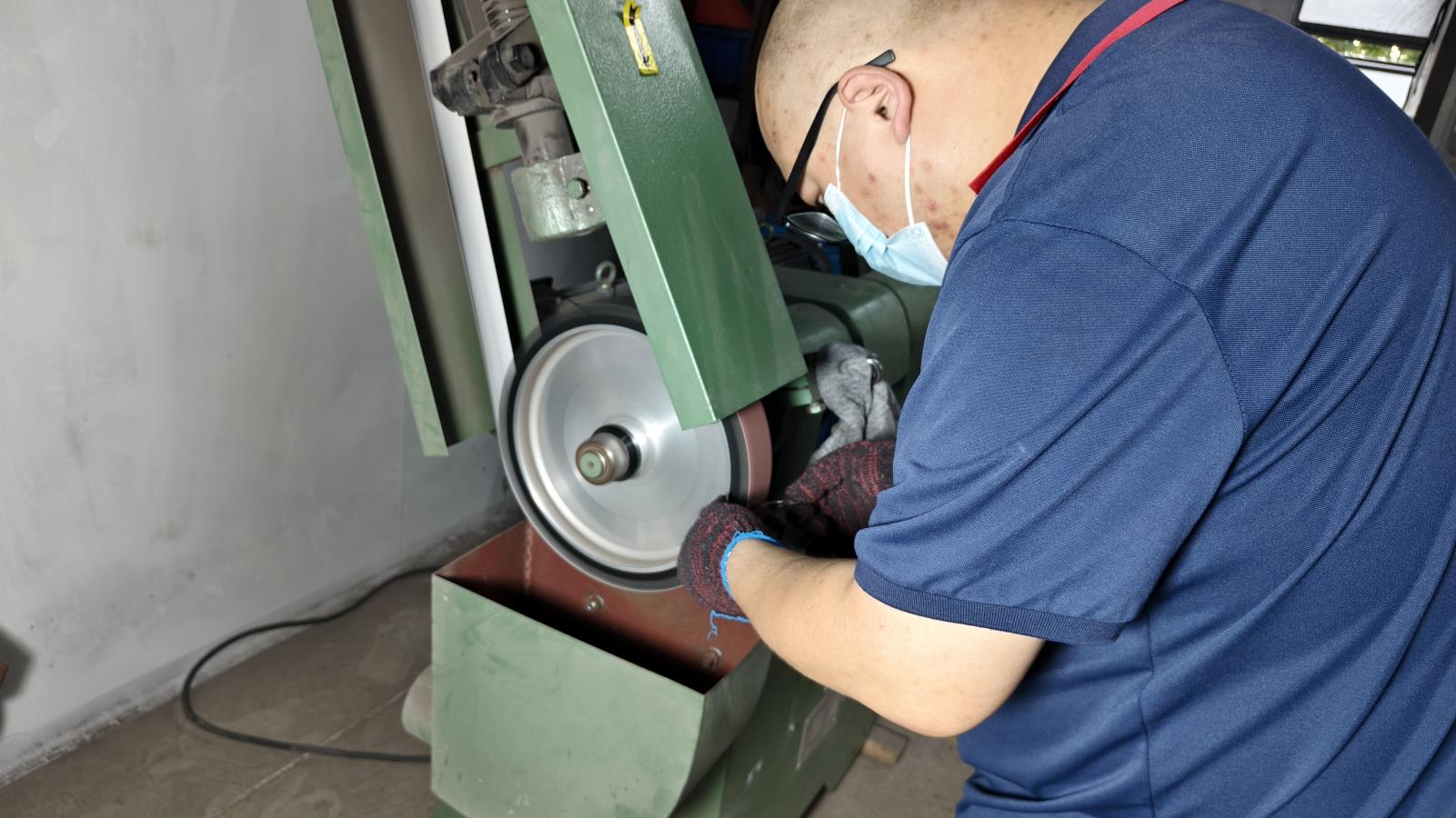
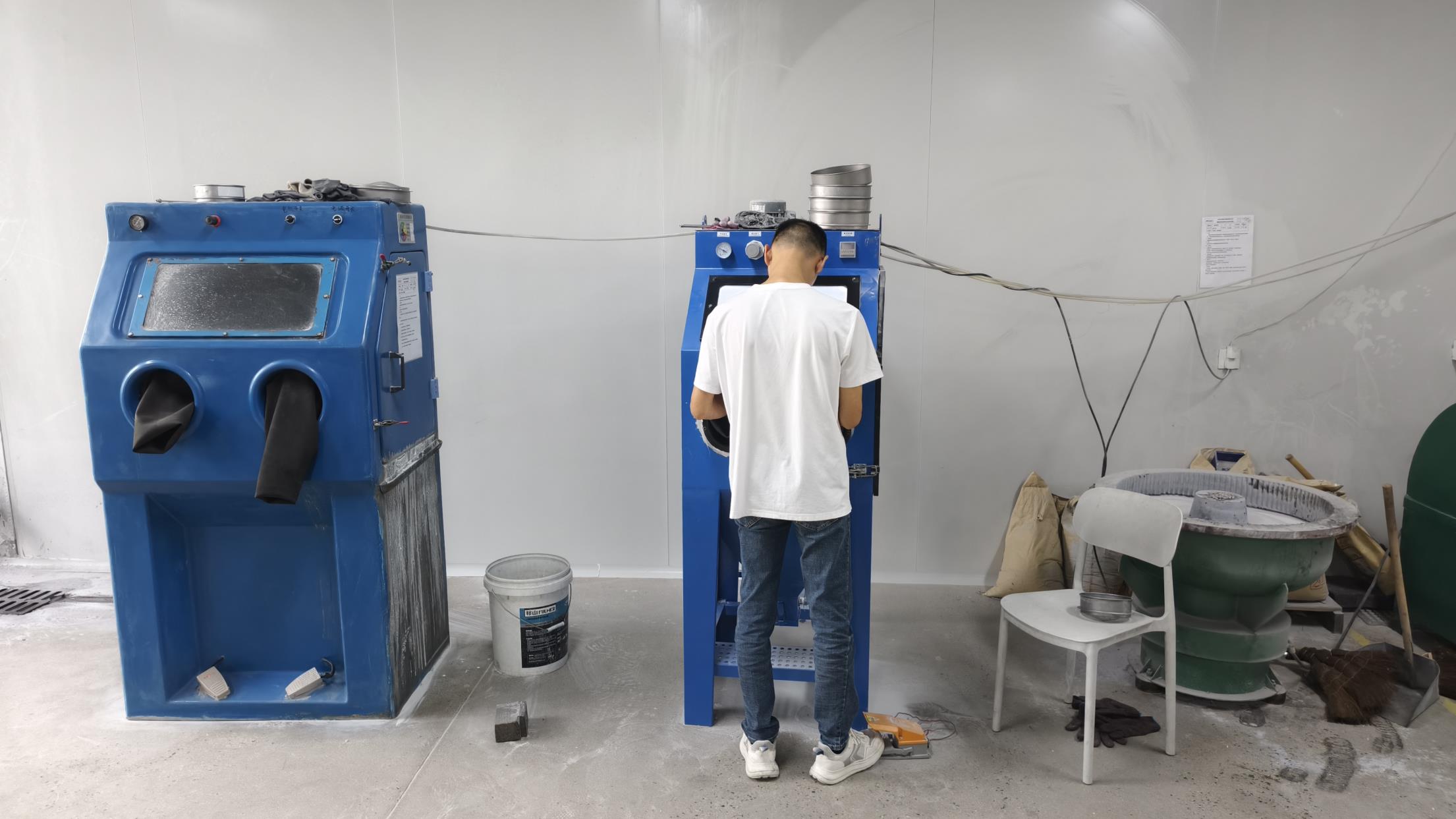
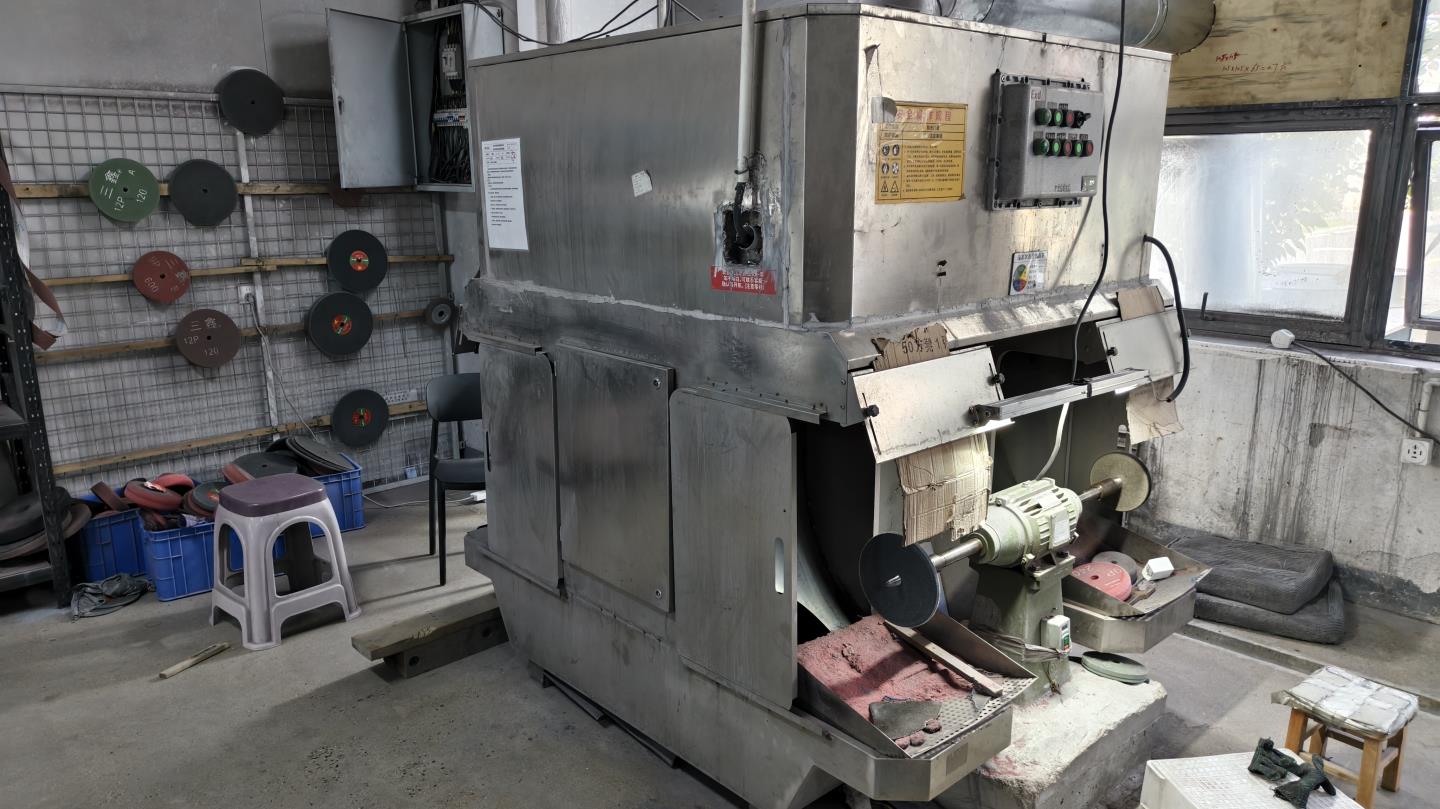
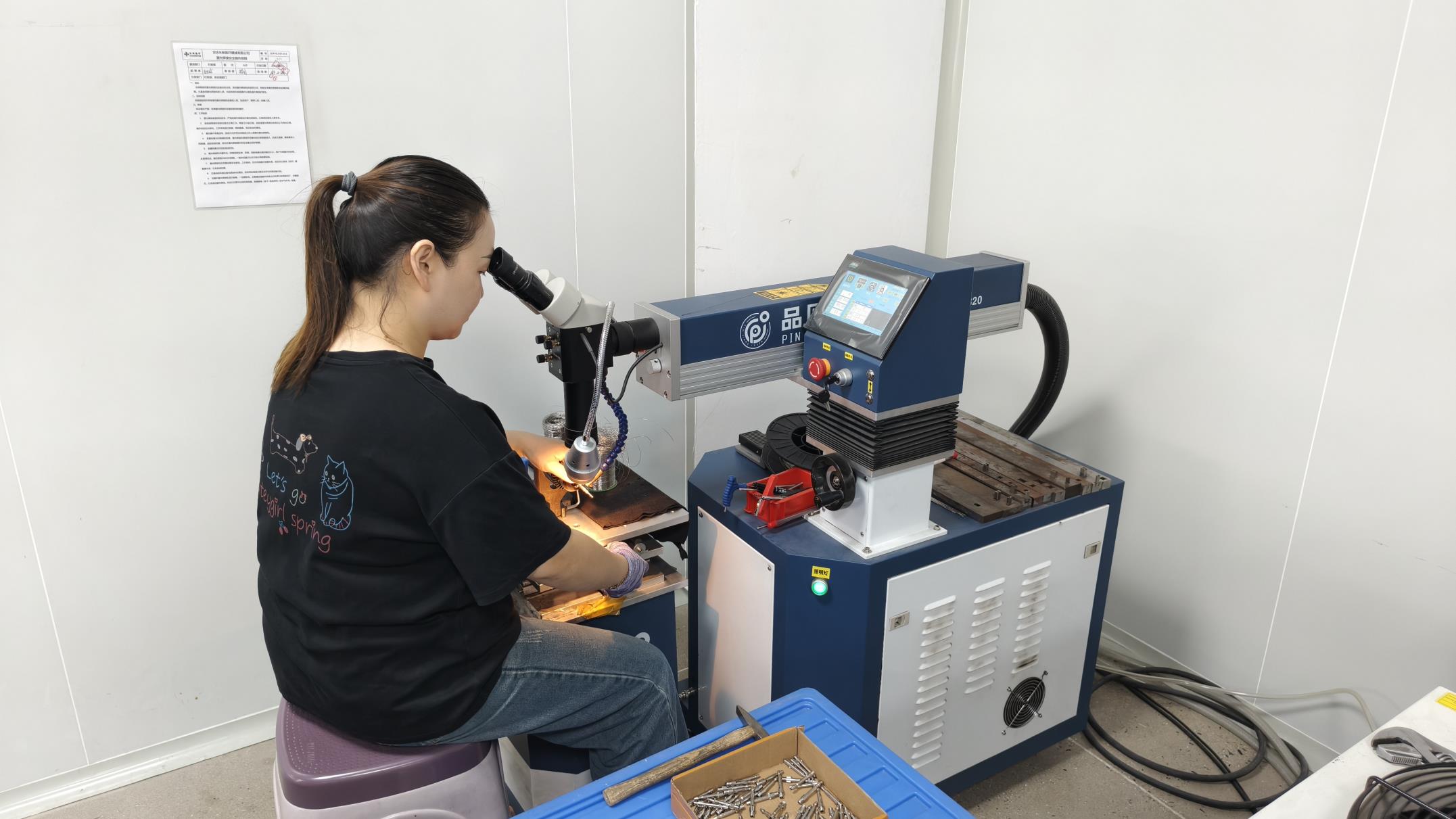
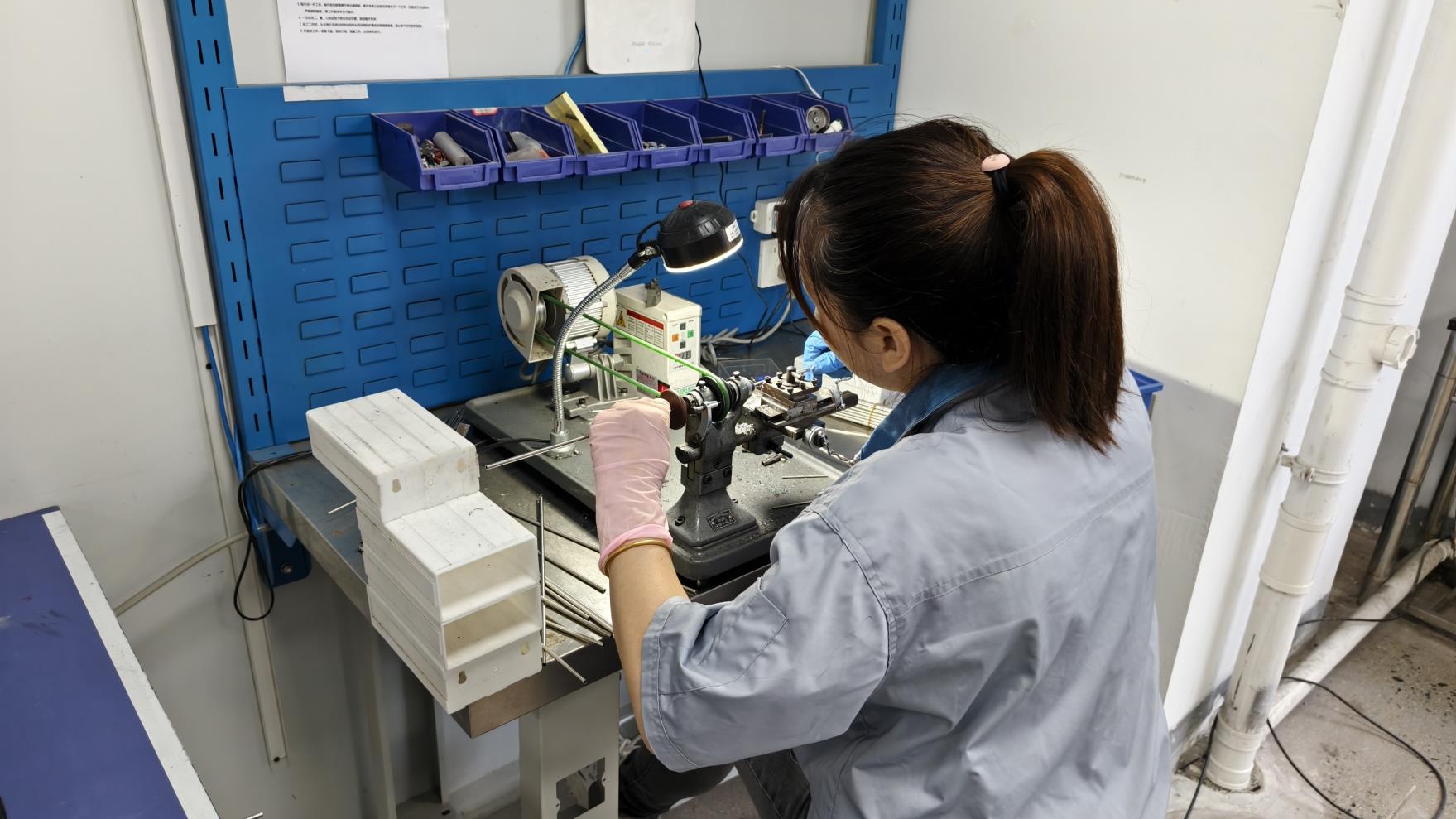
Our 18,600 m² factory operates under integrated manufacturing frameworks, eliminating outsourcing and quality control fragmentation. By maintaining direct control over all processing phases, from raw medical-grade titanium bar stock preparation to cleanroom packaging and ethylene oxide (EO) sterilization, we secure a robust and predictable supply chain. Our partnerships with over 1,120 material suppliers and logistics providers ensure that we remain unaffected by local raw material shortages, allowing us to guarantee dispatch timelines even under unstable global shipping conditions.
Furthermore, our advanced digital manufacturing setup, utilizing high-precision Swiss-type lathes and 5-axis CNC machining centers, allows us to transition from client CAD drawings to physically verified prototypes in under 48 hours. This capability dramatically accelerates regulatory submission cycles and reduces time-to-market for OEM distributors globally.
Selling medical implants globally requires strict adherence to stringent regulatory systems. Our internal compliance division ensures that all external fixators, spinal implants, and trauma systems comply with global regulatory frameworks:
Every process step at Synoviq, from initial design concept to post-market clinical surveillance, is documented and audited under the ISO 13485 quality management standard. This ensures complete traceability of raw material heats, machining parameters, cleaning validation, and sterilizer load cycles.
Our products undergo mechanical validation in accordance with ASTM standards (specifically ASTM F1541 for external fixator joints and constructs). This testing protocol evaluates dynamic construct stiffness, fatigue strength, and the slip resistance of the rod-to-pin clamps. We provide comprehensive technical files to assist our distributors in securing European Union Medical Device Regulation (EU MDR 2017/745) certificates, US FDA 510(k) clearances, and other localized registrations in South America and the Asia-Pacific region.
To support global markets, we offer localized training, customized multilingual surgical manuals, biomechanical analysis reports, and dedicated compliance consultation to guarantee frictionless import processes and smooth clinical adoption.
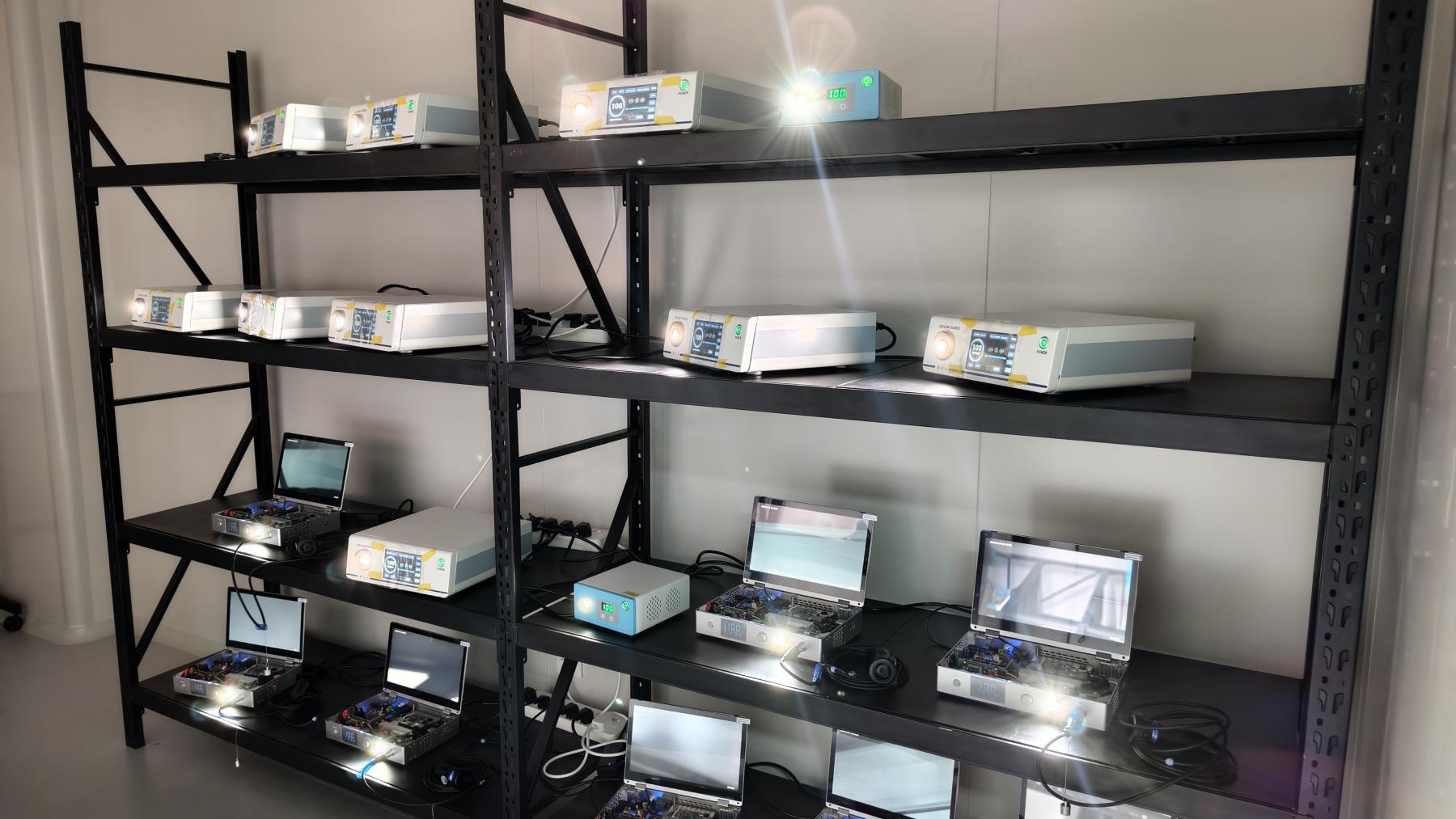
Explore our state-of-the-art production floor and metrology laboratory where quality is engineered into every component.
Expert technical clarifications regarding biomechanics, installation, and materials science of wrist external fixation.
Complete spinal fixation, sports medicine instrumentation, and fracture repair solutions constructed to meet strict international standards.
 Synoviq Medical