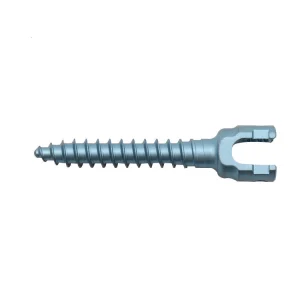
Premium, regulatory-compliant surgical instruments and bone fixation models manufactured under rigid ISO conditions.
Tibial trays represent the critical mechanical foundation of Total Knee Arthroplasty (TKA) systems. As the interface element transferring body load to the proximal tibia, their design directly affects long-term implant survival, strain distribution, and wear prevention. In recent decades, manufacturing materials and surface architectures have shifted rapidly toward maximizing biomechanical osteointegration while eliminating wear particle fatigue.
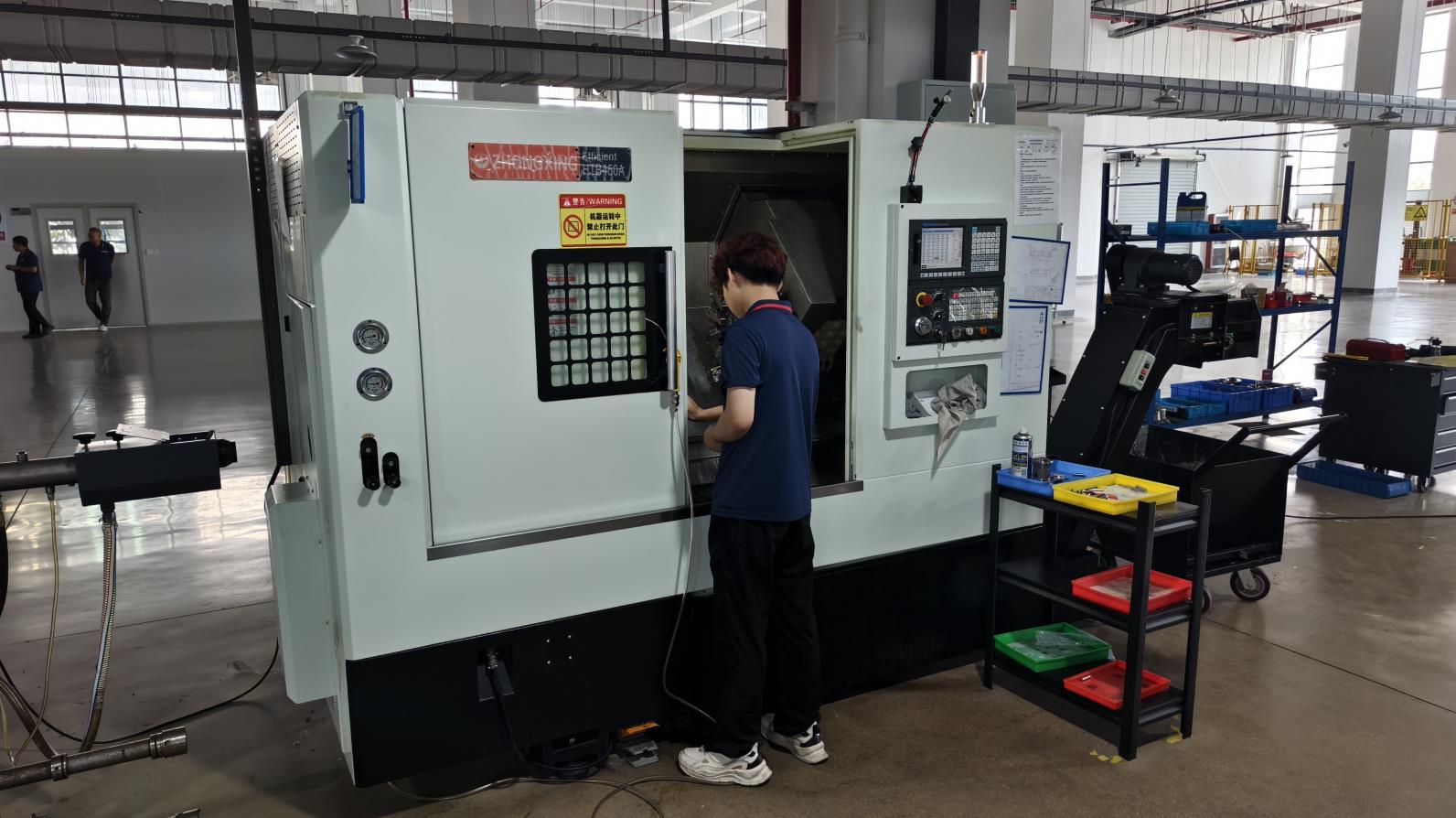
Historically, cemented cobalt-chromium alloys dominated the landscape. While they remain the benchmark for specific anatomical conditions, modern clinical demands have catalyzed the growth of cementless titanium alloy (Ti6Al4V) tibial trays. These are augmented with porous coatings or trabecular-mimicking metal matrixes. As a leading manufacturer, Synoviq Medical Technology (China) Co., Ltd. integrates state-of-the-art multi-axis CNC milling, electron beam melting (EBM) additive pathways, and sub-micron roughness testing to supply high-stability components globally.
The global orthopedic implants market is expected to expand considerably, with tibial trays accounting for a substantial portion of knee reconstructive investments. Chinese manufacturers have advanced from basic contract fabricators to sophisticated co-developers. Utilizing advanced localized supply networks, ISO 13485 facilities, and integrated metallurgical capabilities, providers like Synoviq produce implants that comfortably align with ASTM F136 and ISO 5832 standards, offering reliable supply alternatives for medical device developers globally.
Data-driven performance demonstrating manufacturing volume, QA capacity, and engineering expertise.
| Profile Parameter | Specifications & Verification Standard |
|---|---|
| Company Name | Synoviq Medical Technology (China) Co., Ltd. (Brand: Synoviq) |
| Established Date | March 18, 2016 (With 14 years of industrial experience) |
| Quality Control Staff | 48 dedicated QC specialist technicians |
| Inspection Frameworks | 100% Final Inspection & Incoming Material Inspection (ASTM standards) |
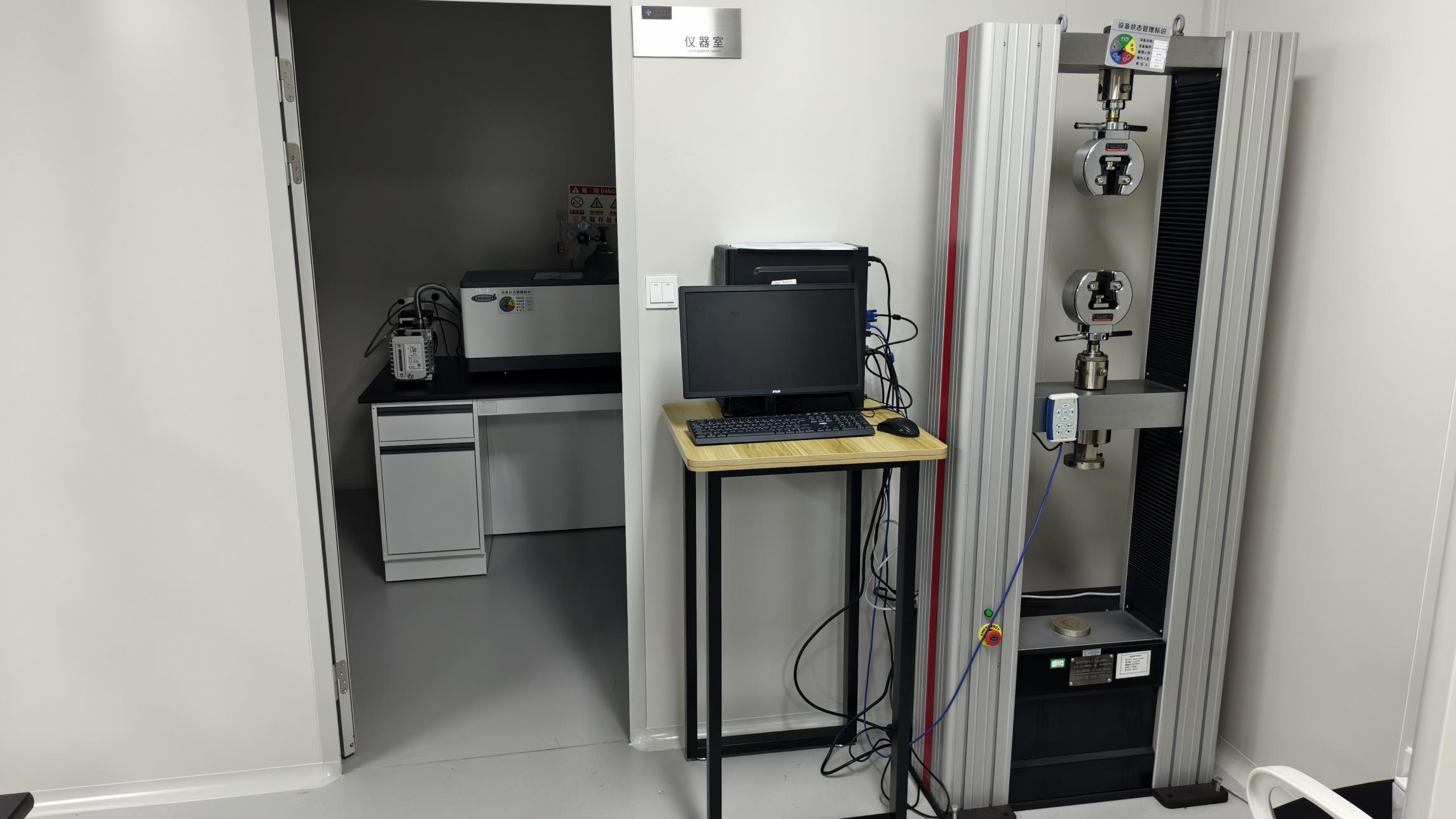
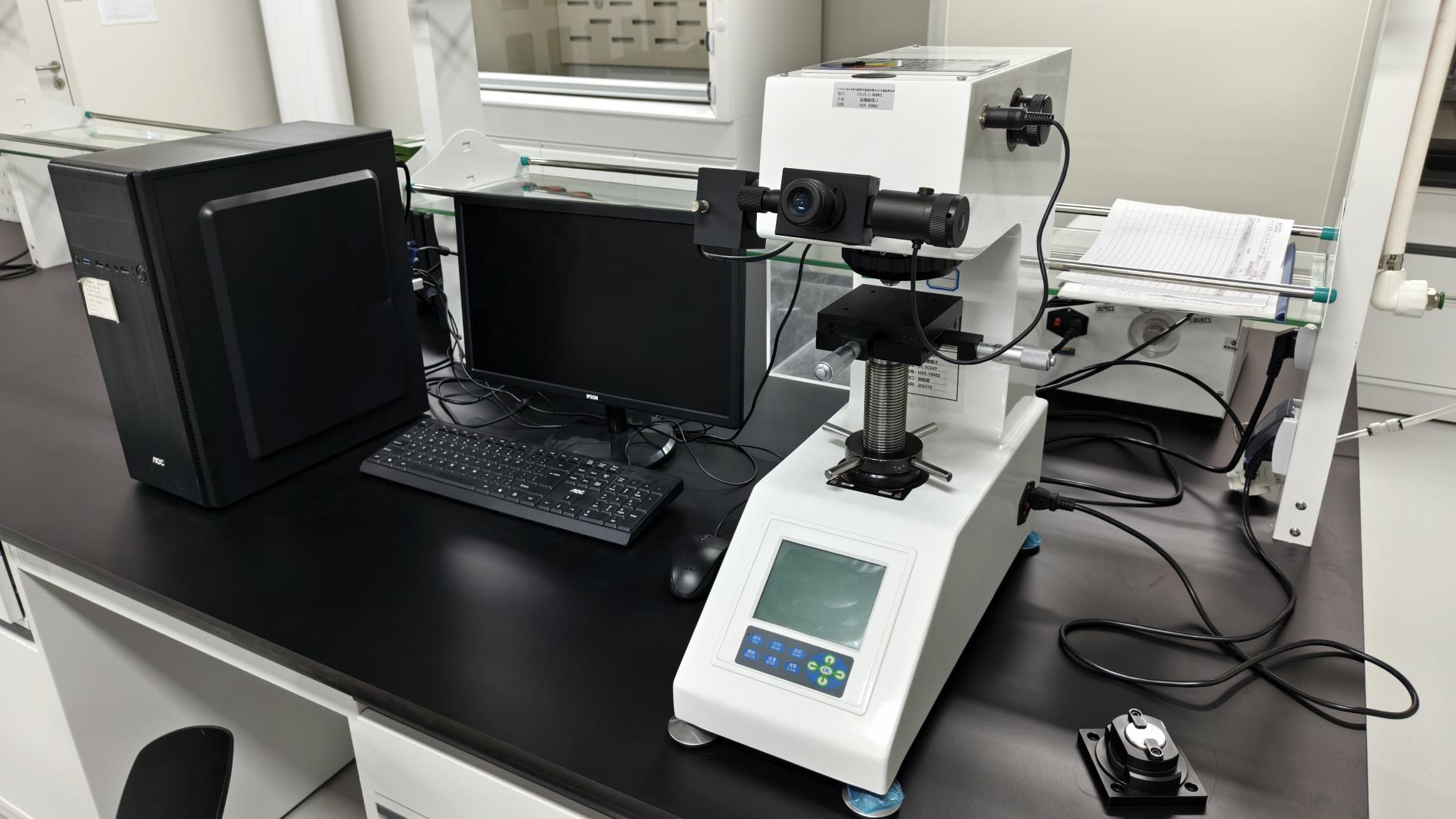
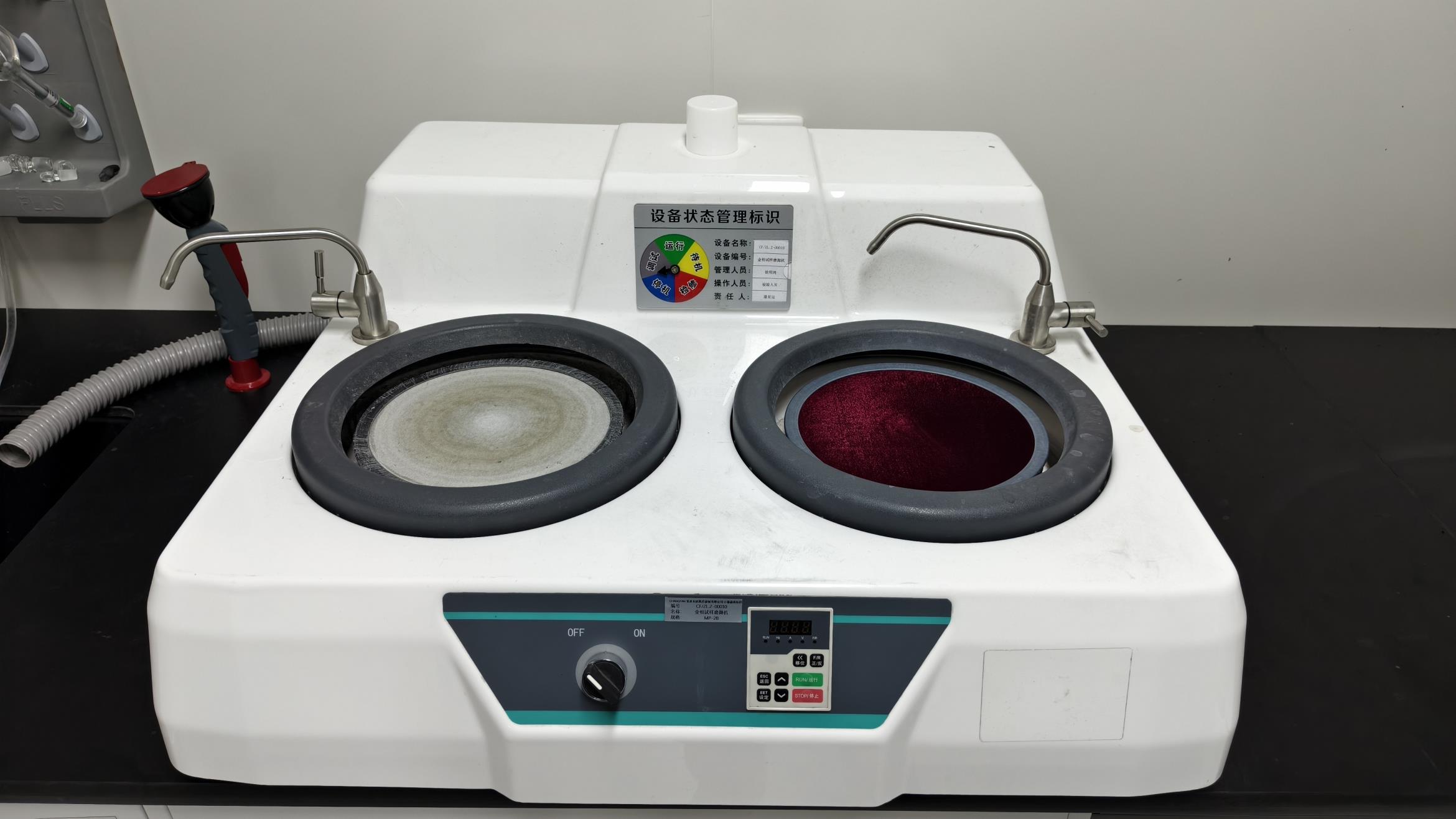
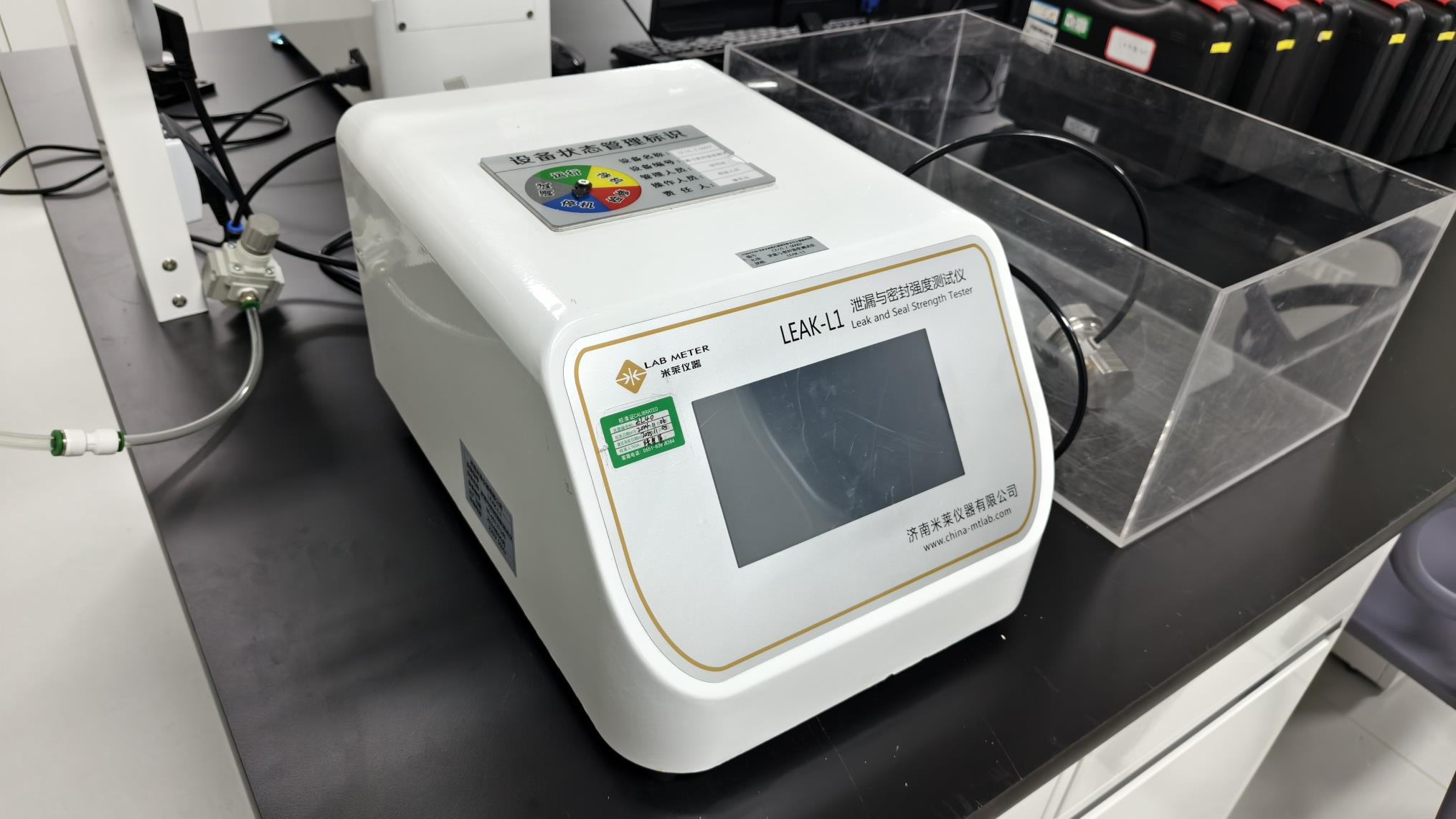
| Quality Inspection Protocols | CMM Measurement, Mechanical Testing, Surface Roughness Testing, Hardness Testing, Salt Spray Testing, Sterility Validation |
| Business Model | OEM & ODM Manufacturer & Exporter |
| New Product Development | 186 products released last year, showcasing strong design velocity |
| Supply Chain Integration | Active partnership with over 1,120 global supply chain channels |
Understanding the engineering advancements that minimize stress-shielding and wear-induced osteolysis.
Leveraging 3D metal printing allows for the construction of anatomically accurate tibial trays with controlled porosity. This architecture matches the young's modulus of trabecular bone, encouraging natural osteoblast infiltration and preventing aseptic loosening.
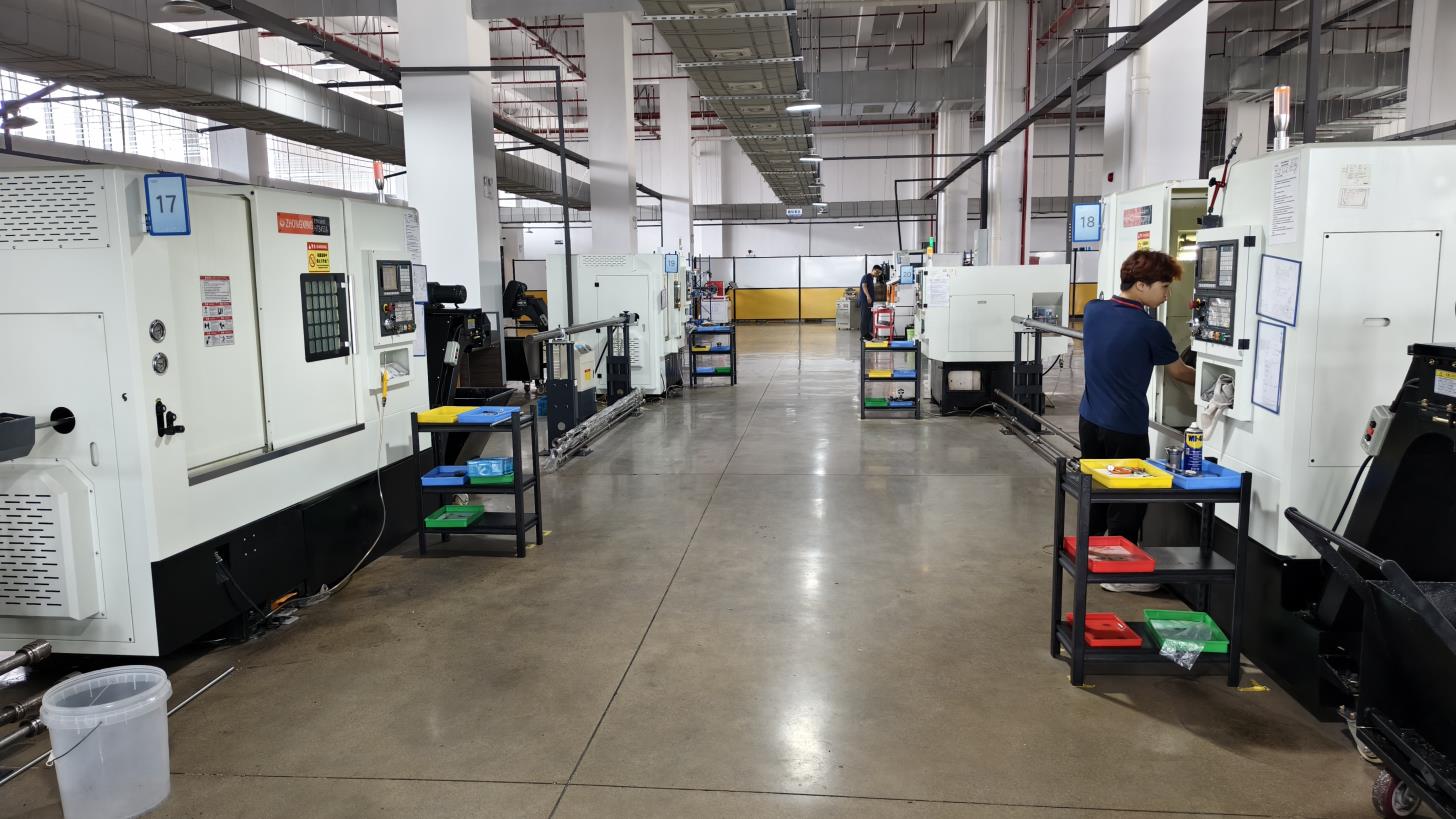
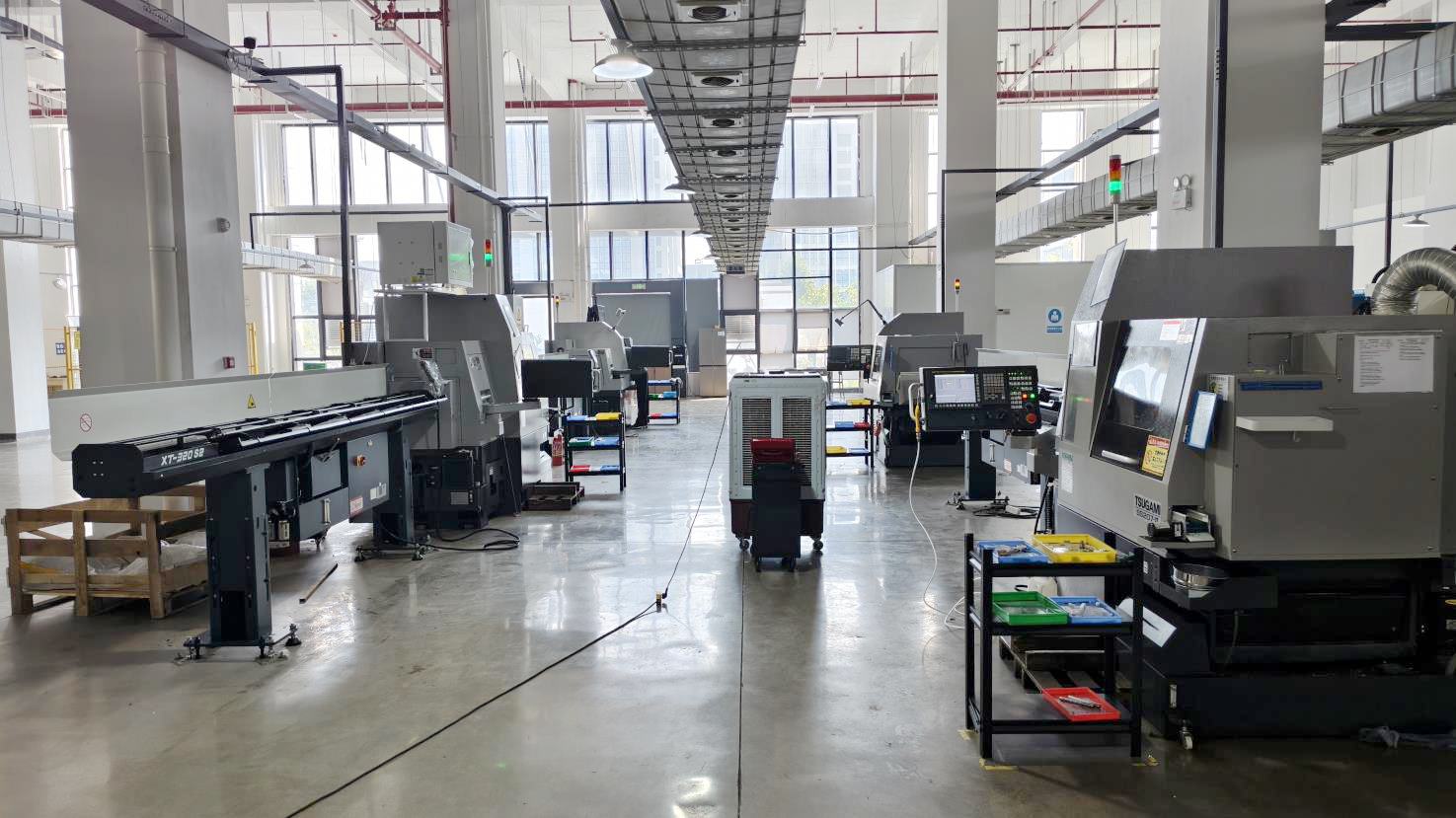
Using ultra-precision CNC swiss machining centers, we consistently achieve a surface roughness of Ra < 0.05 μm. This limits backside wear on the ultra-high-molecular-weight polyethylene (UHMWPE) insert, reducing patient particulate burden.
Integrating bioactive coatings like HA and titanium plasma spraying improves primary stability. This bio-conductive surface encourages faster mechanical locking between host bone and implant.
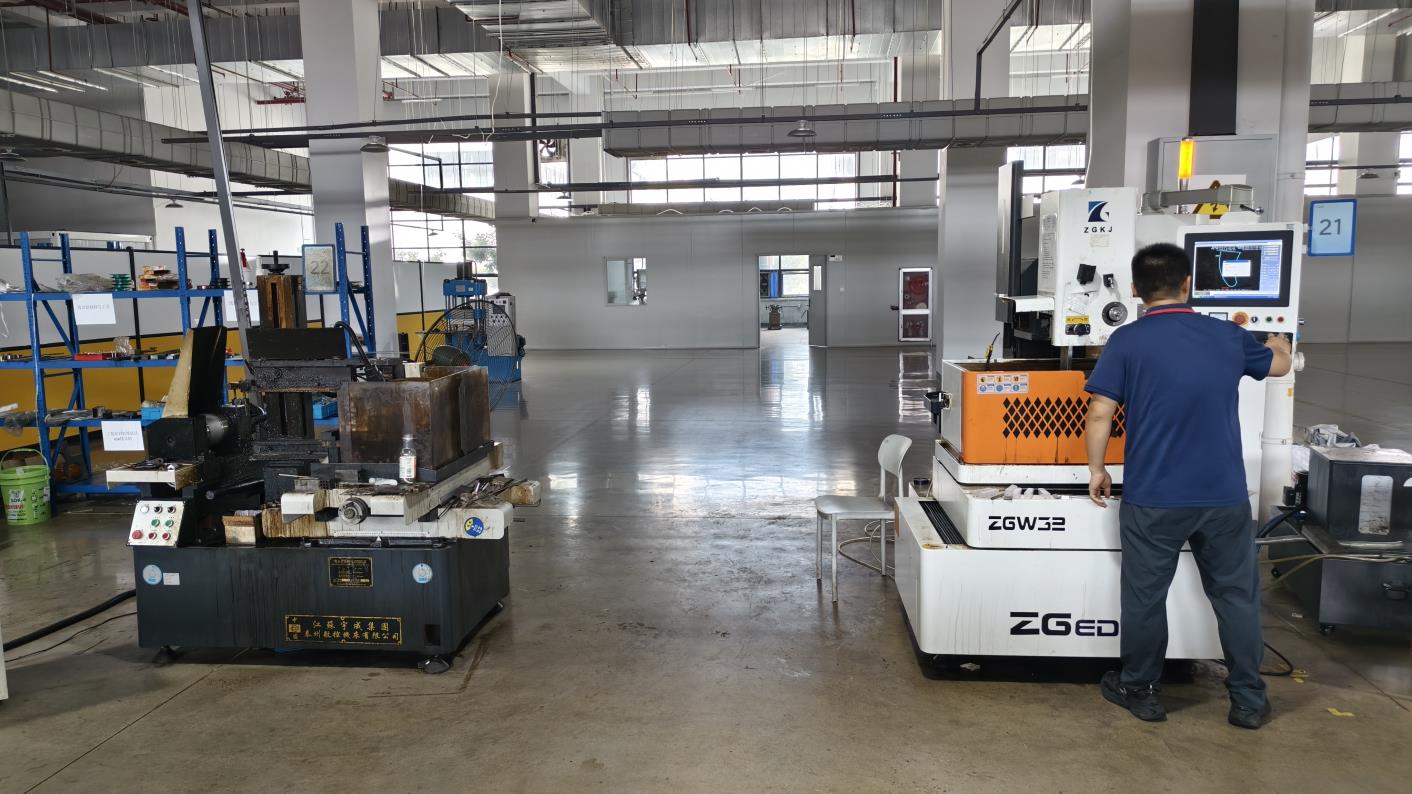
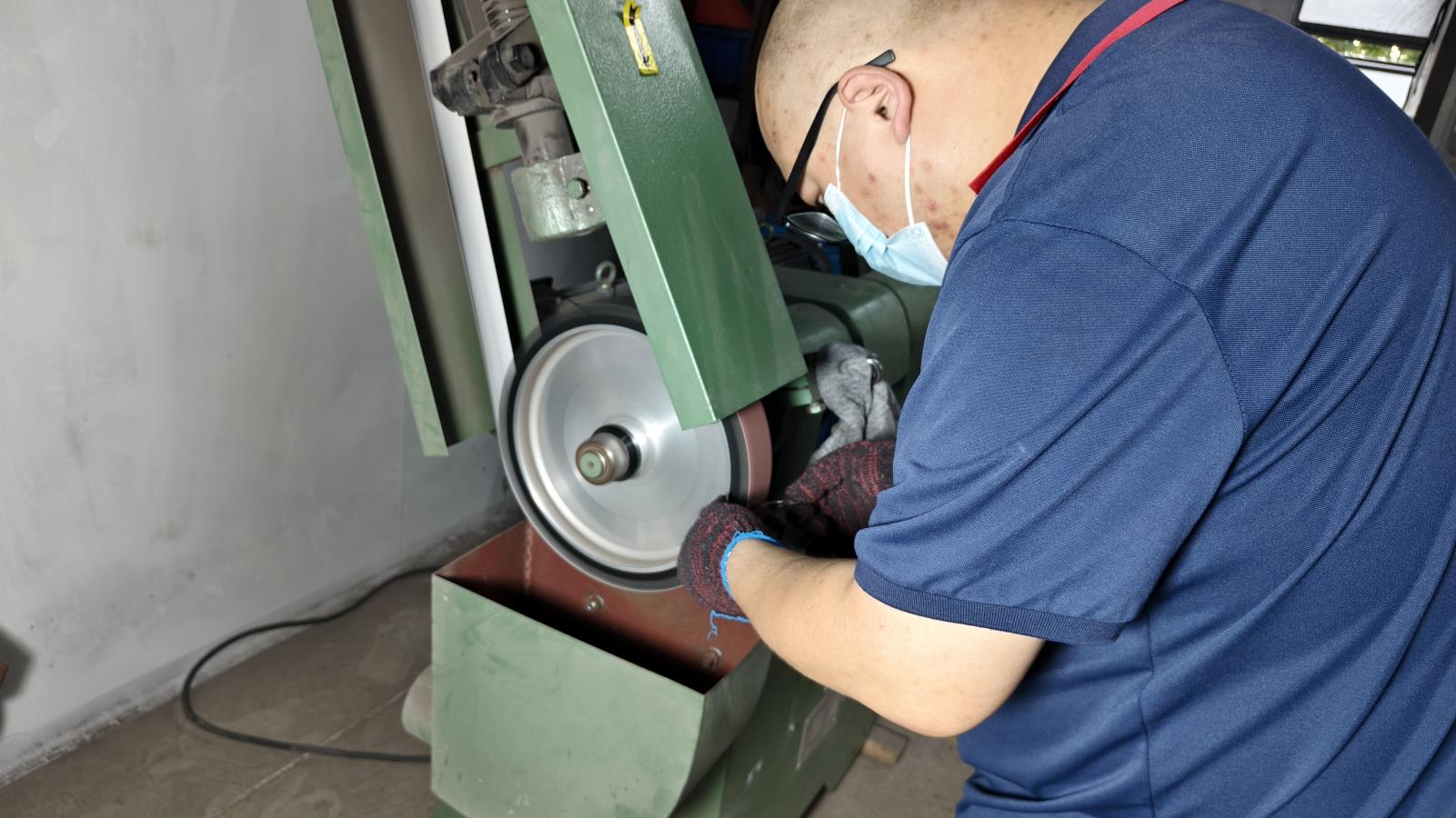
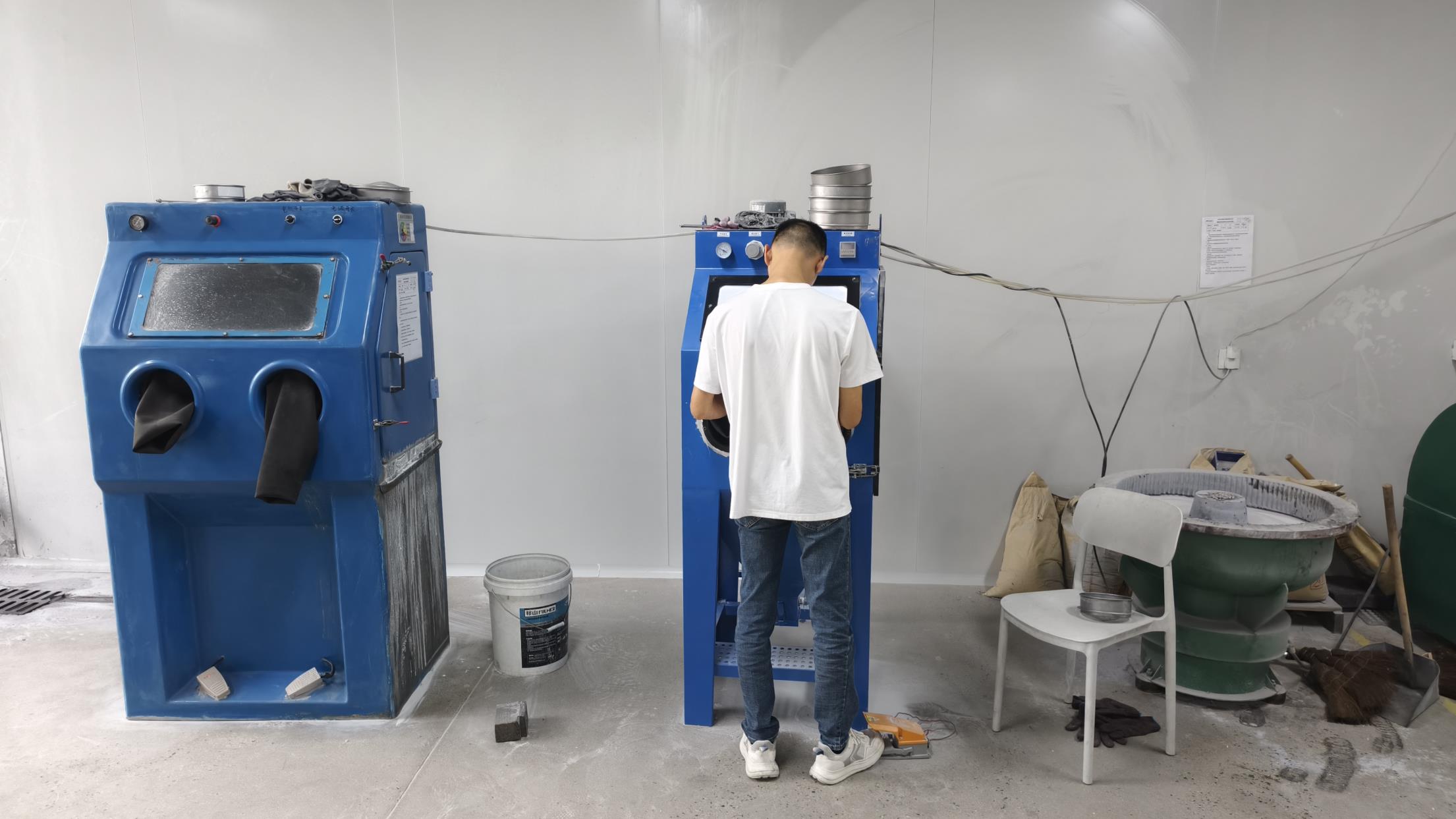
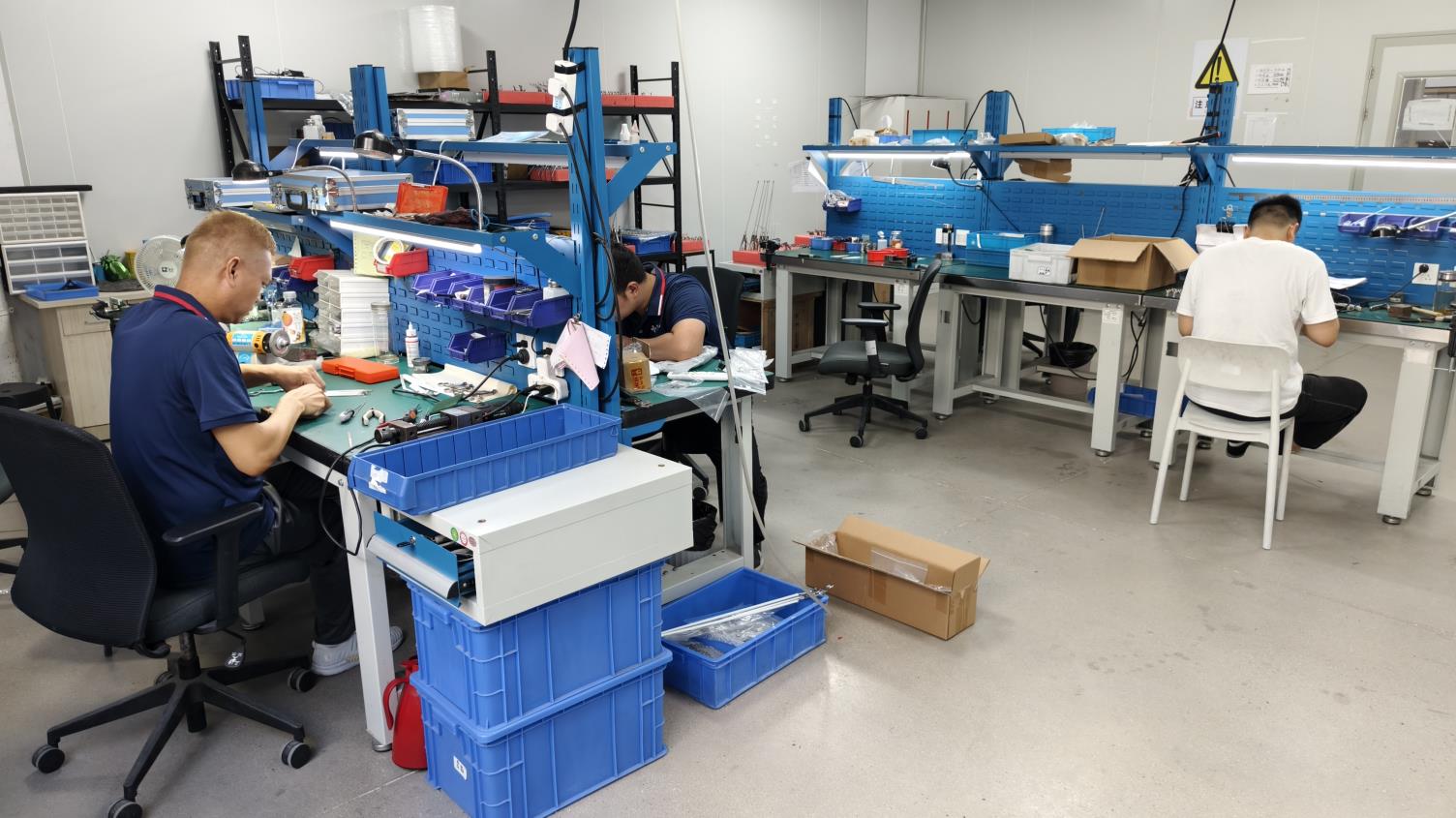
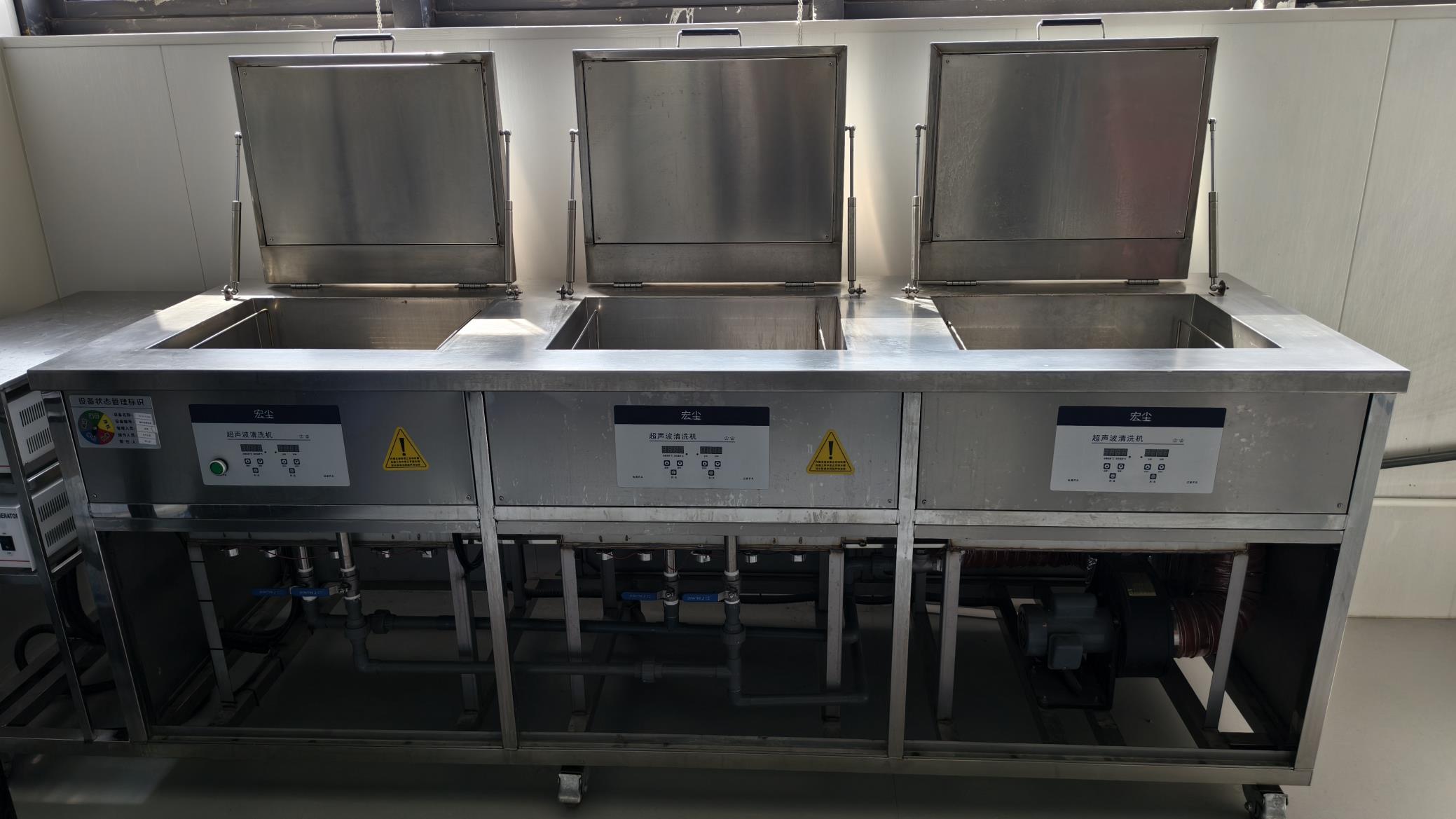
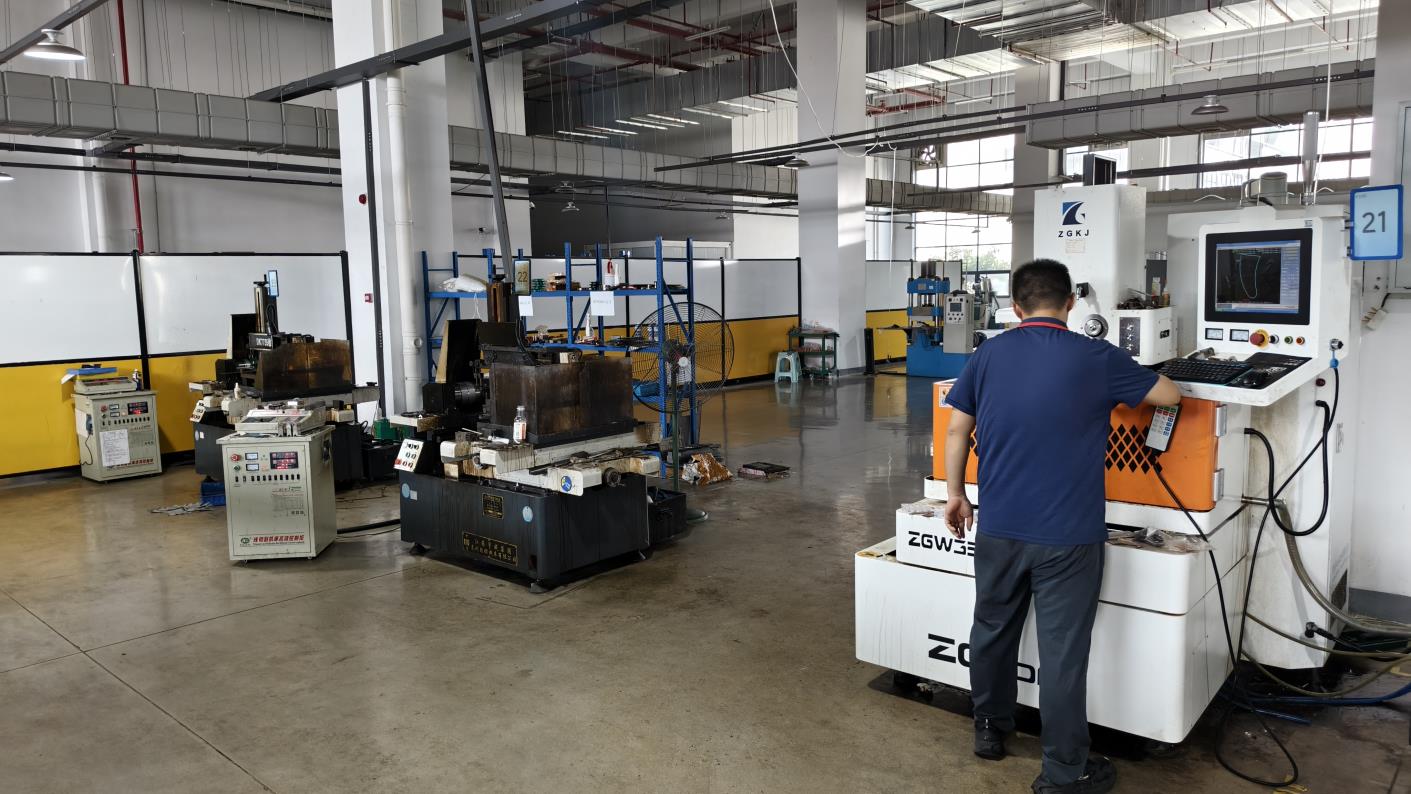
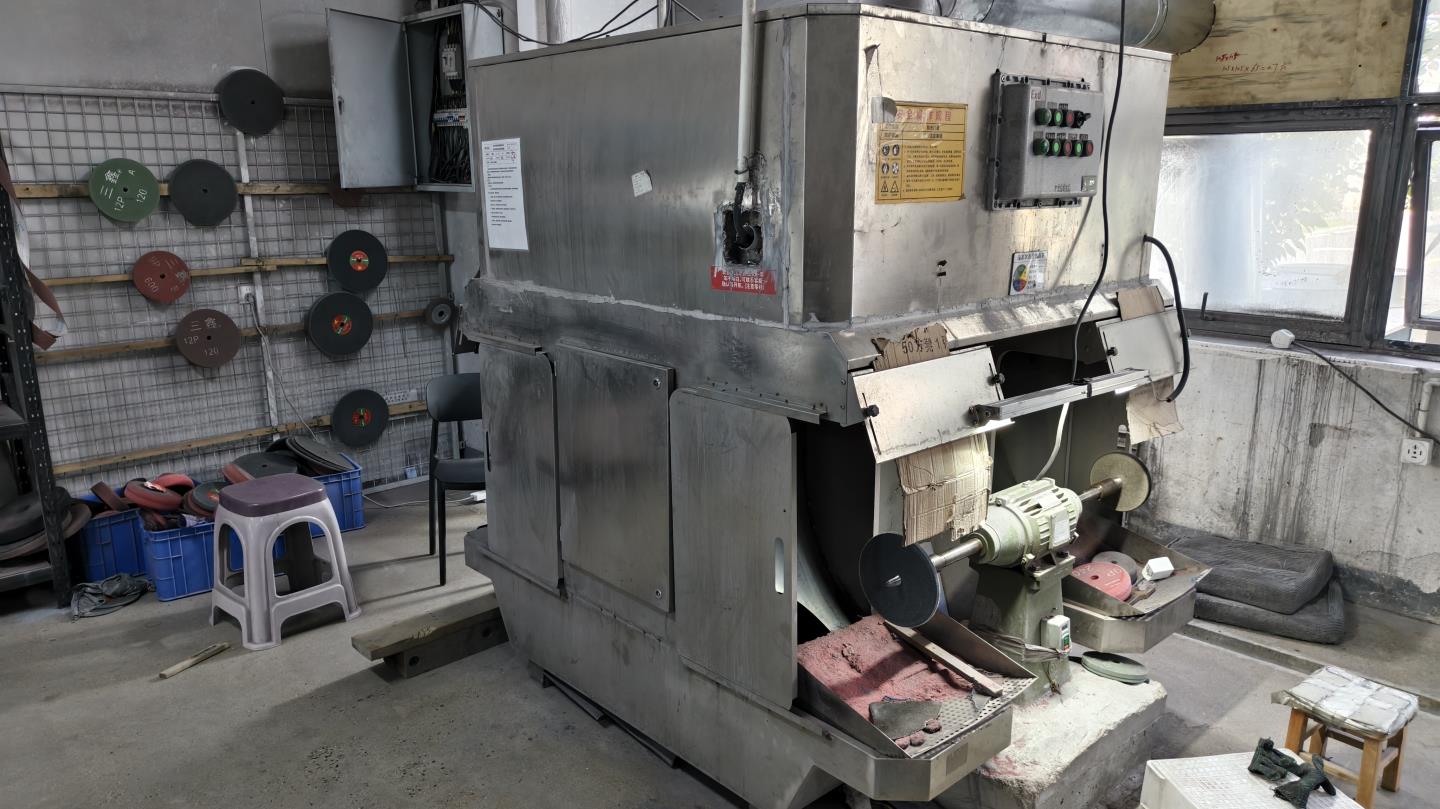
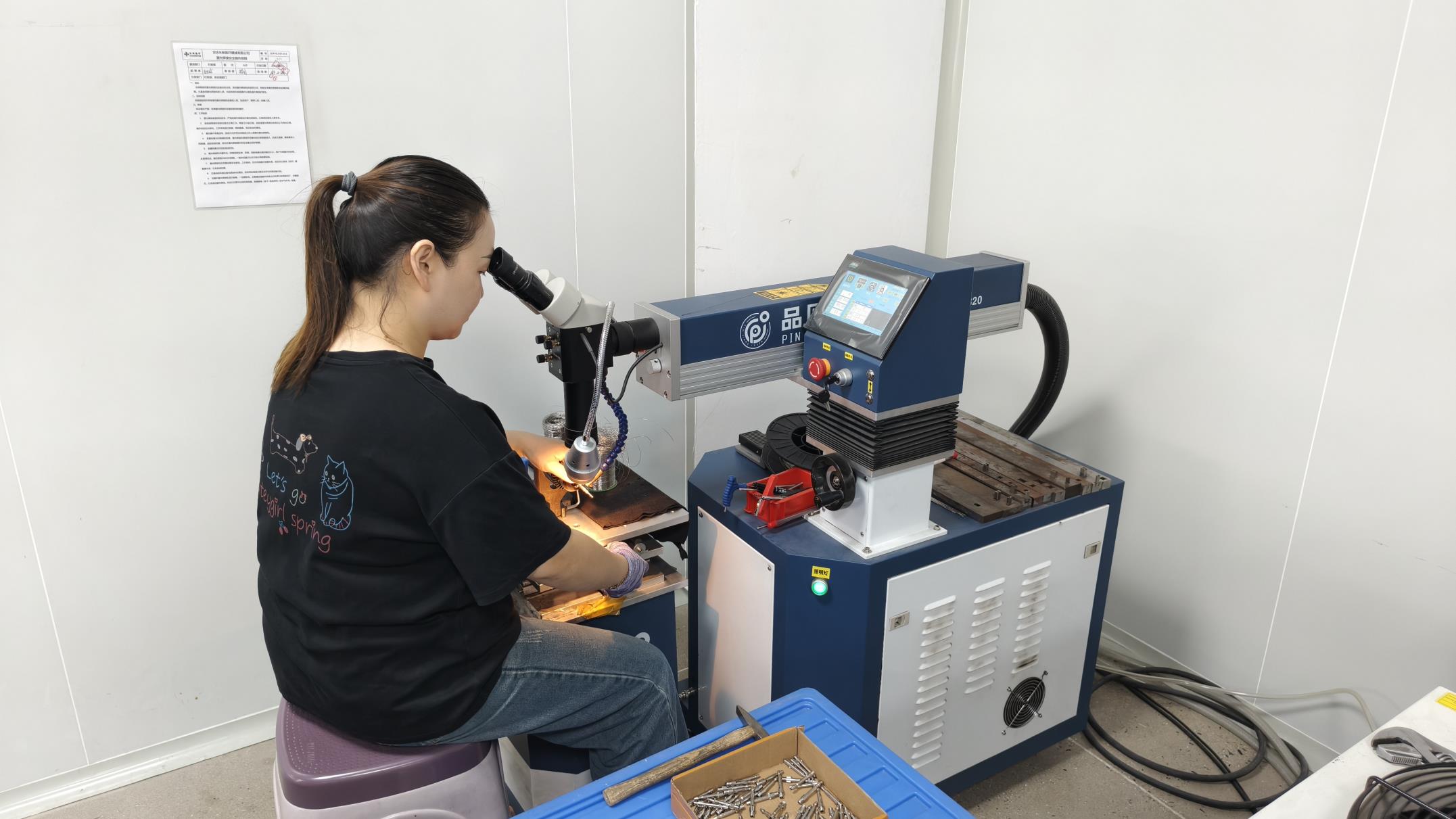
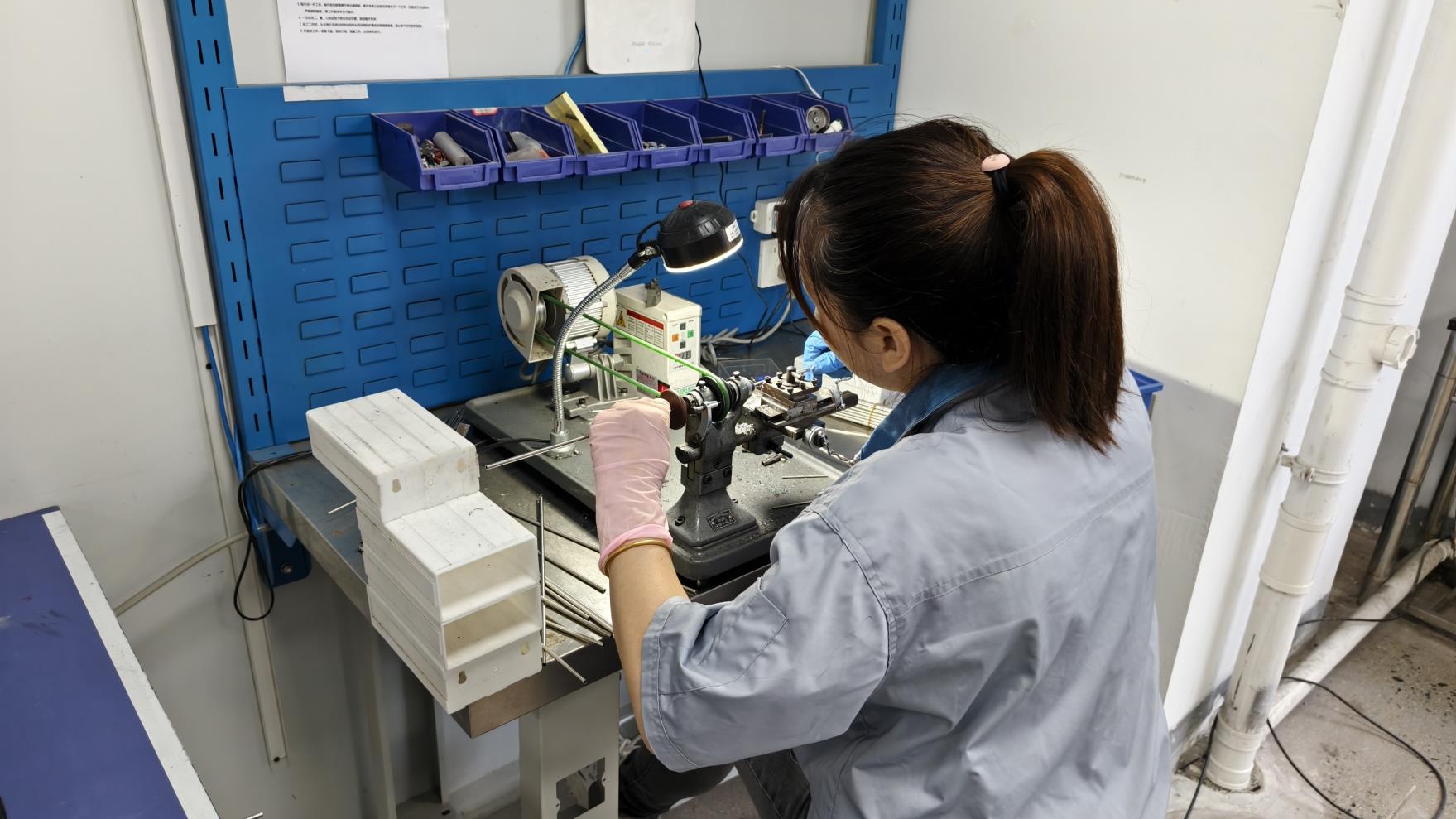
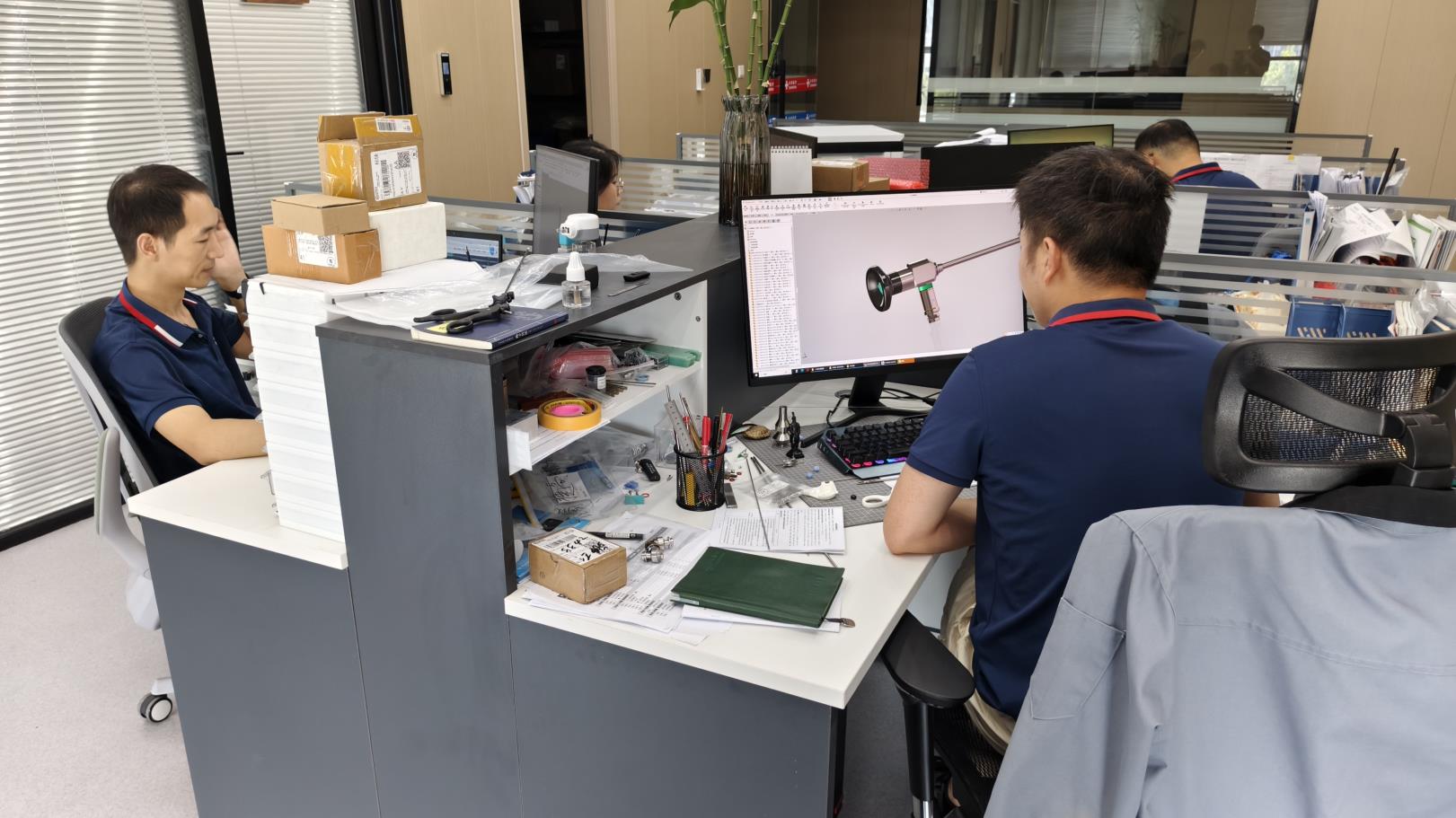
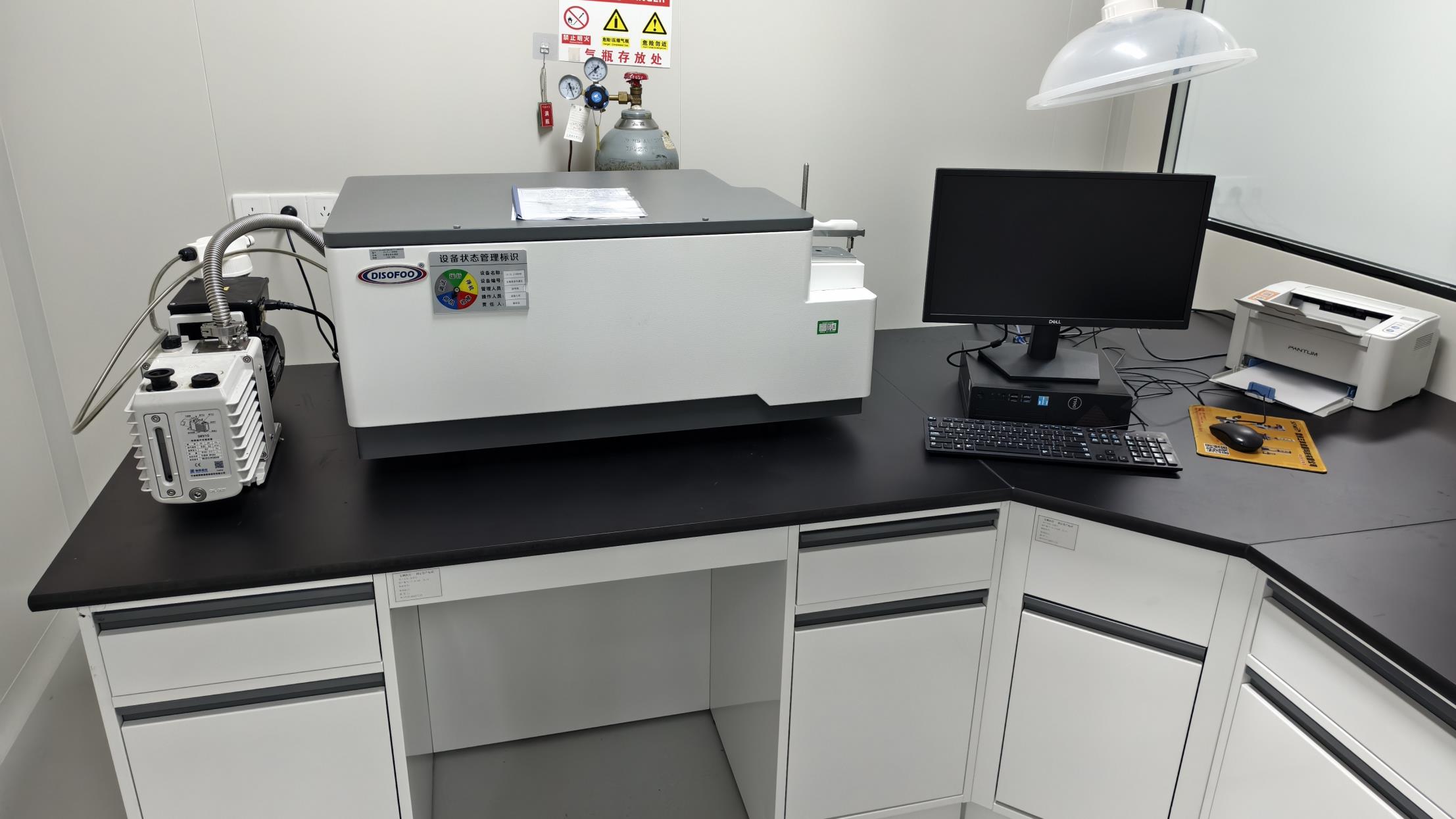
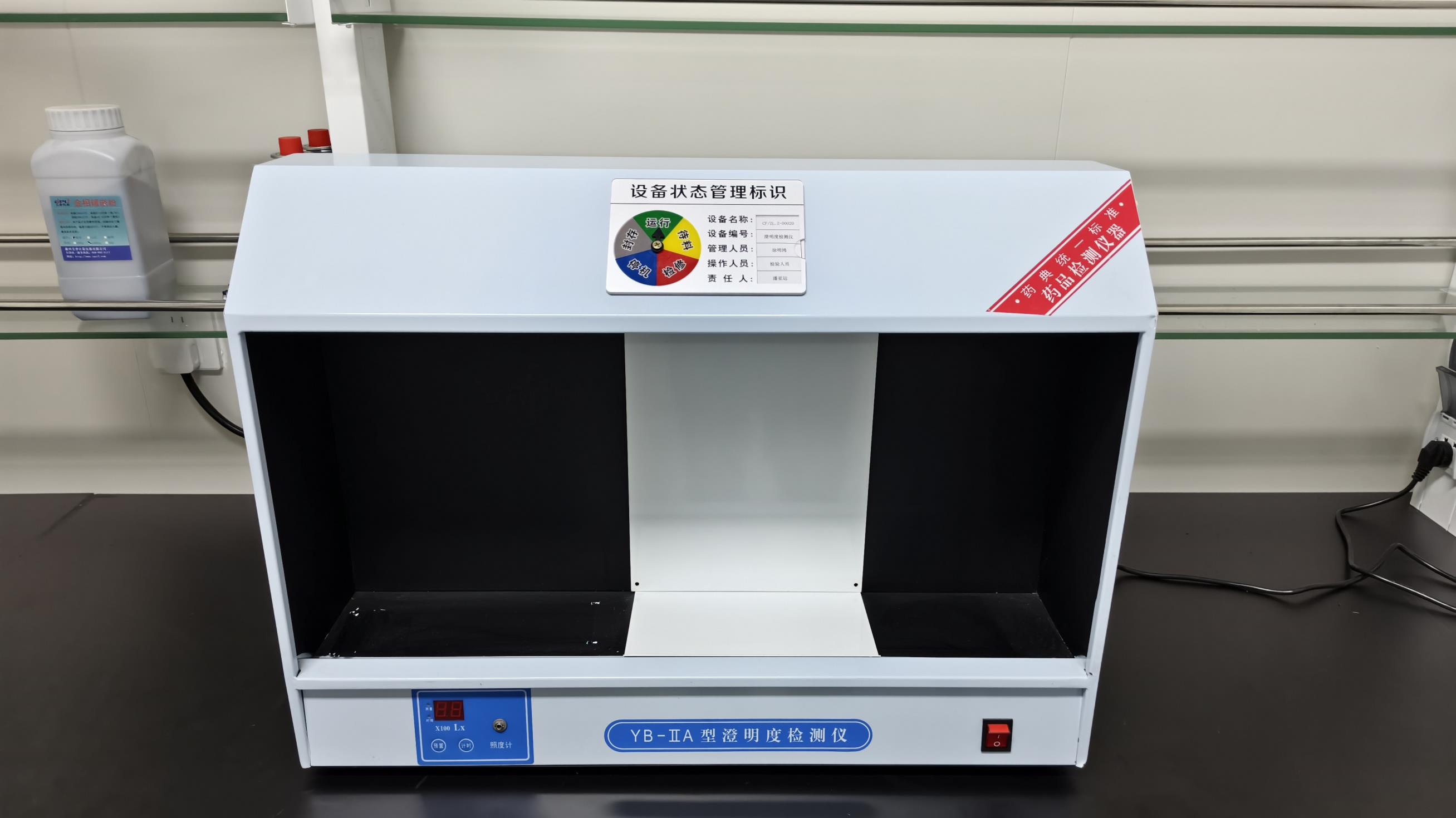
Visual tour of Synoviq's state-of-the-art production systems, showing testing equipment and multi-axis milling workshops.
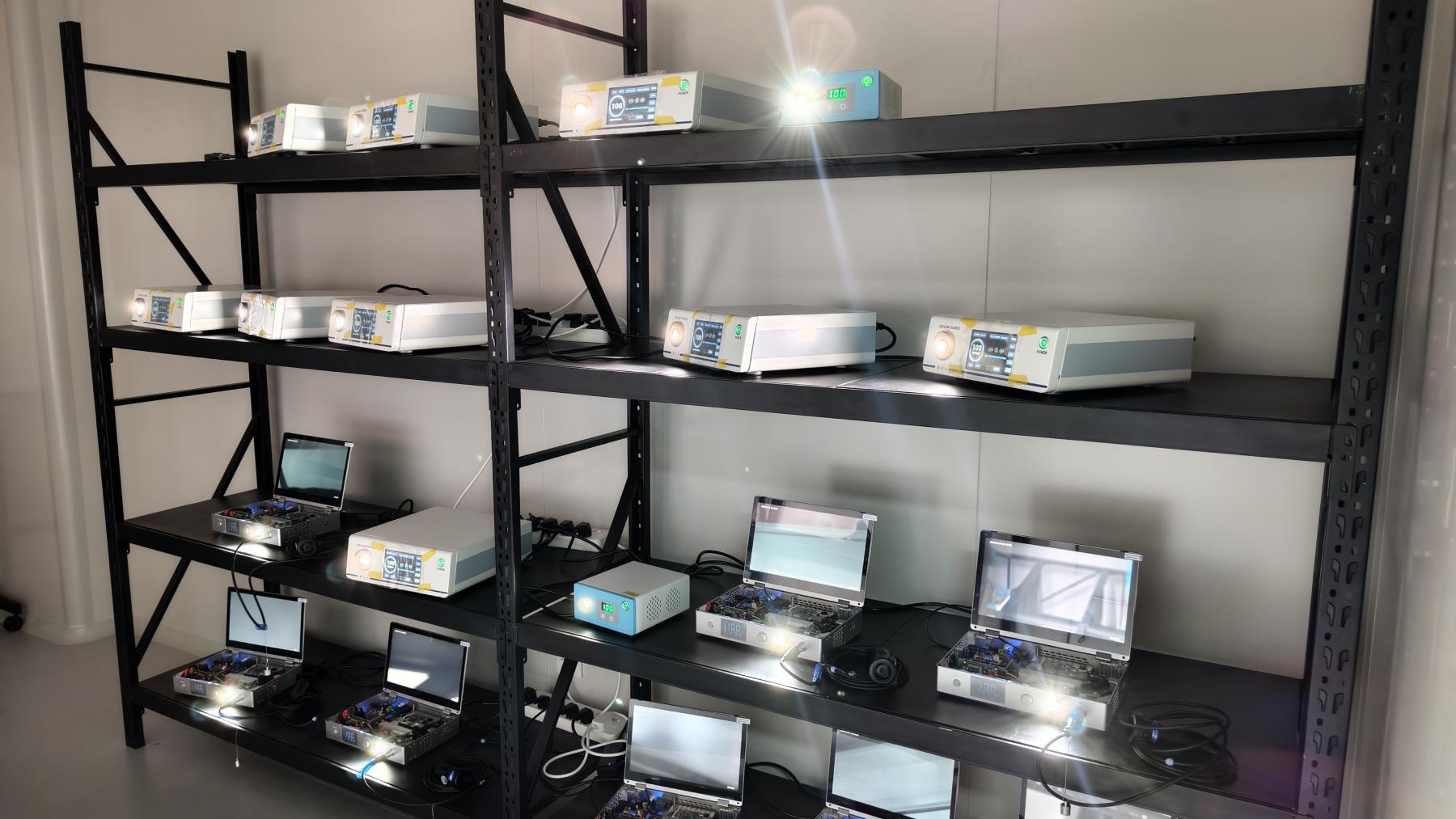
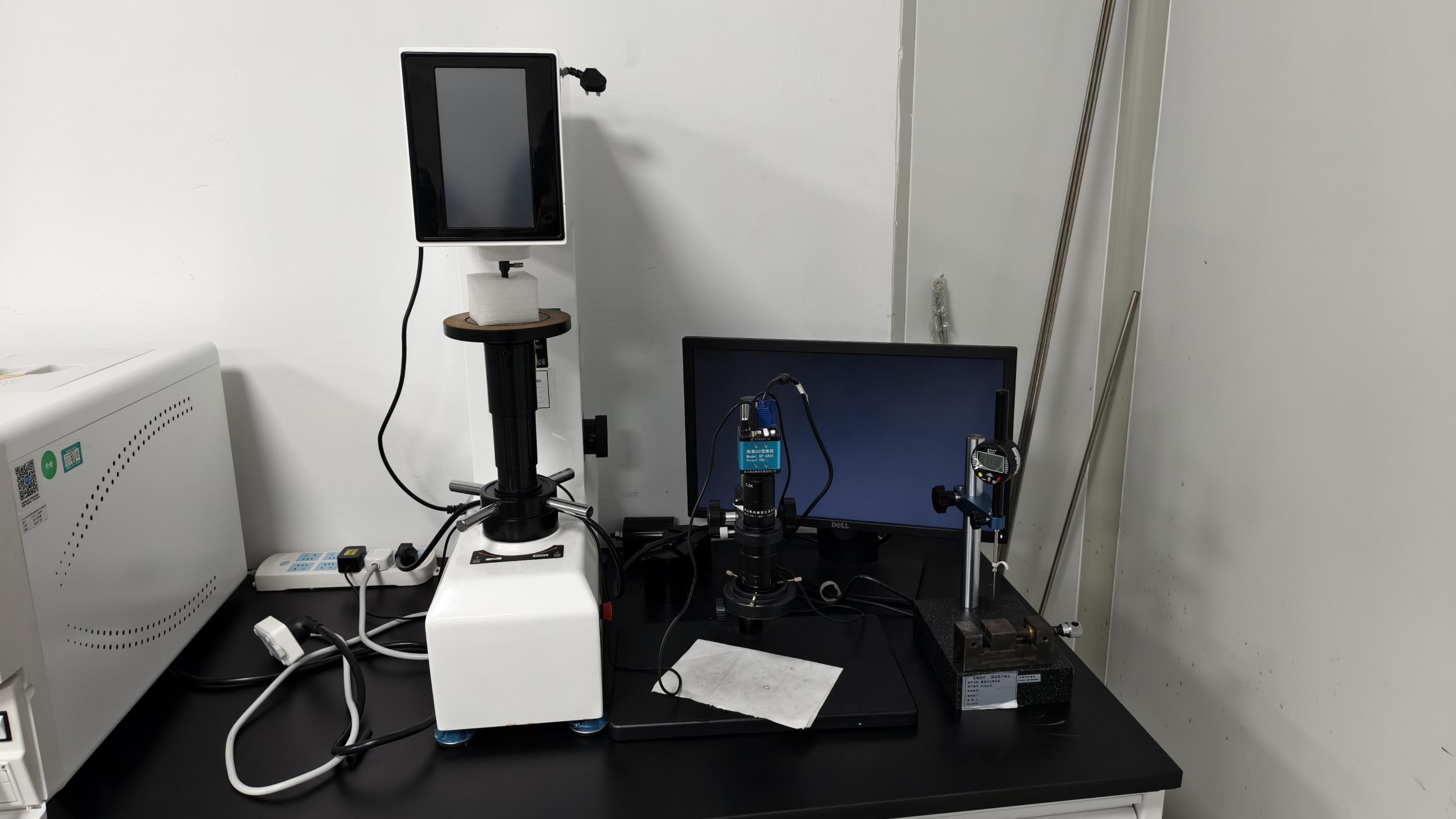
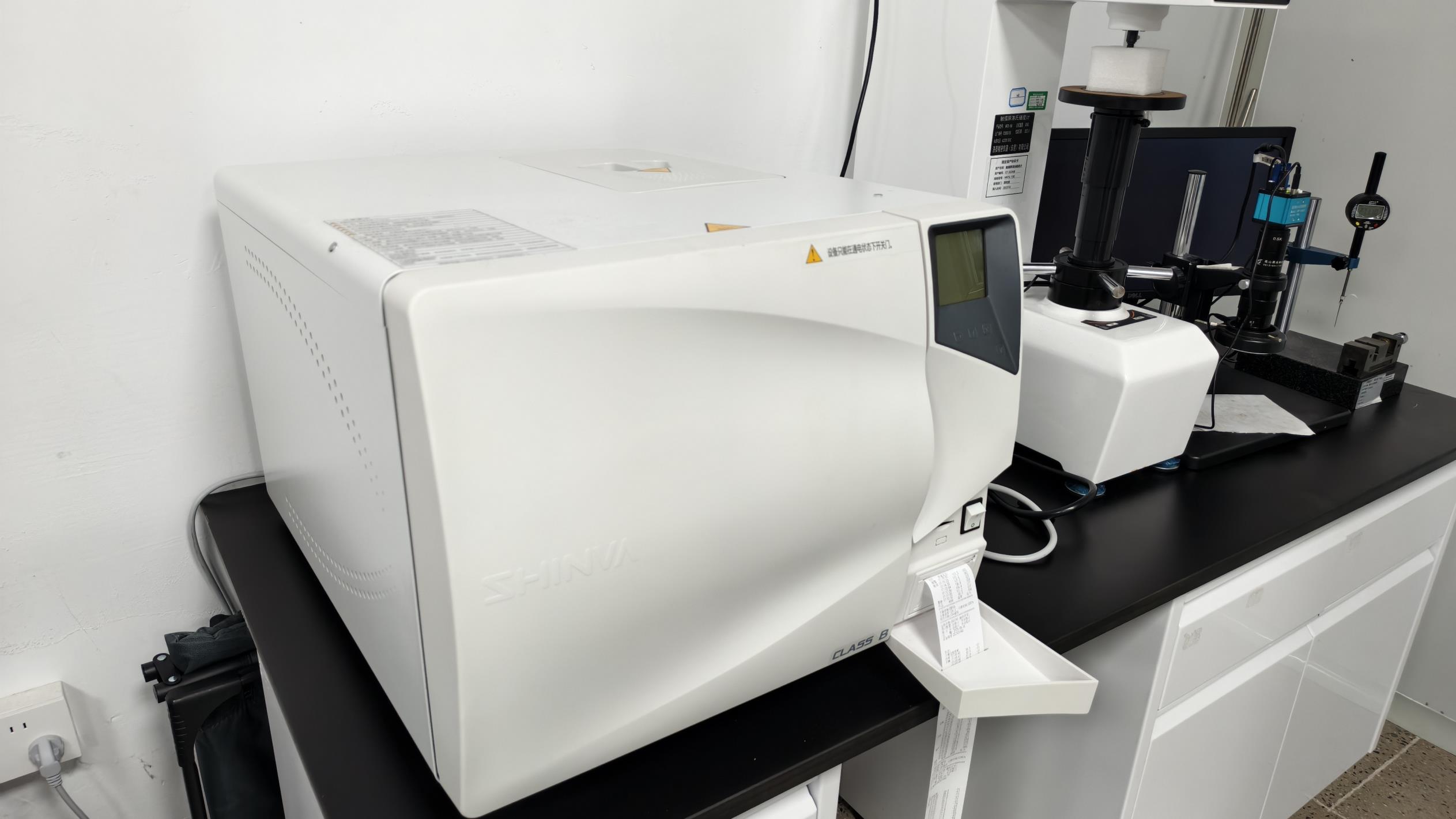
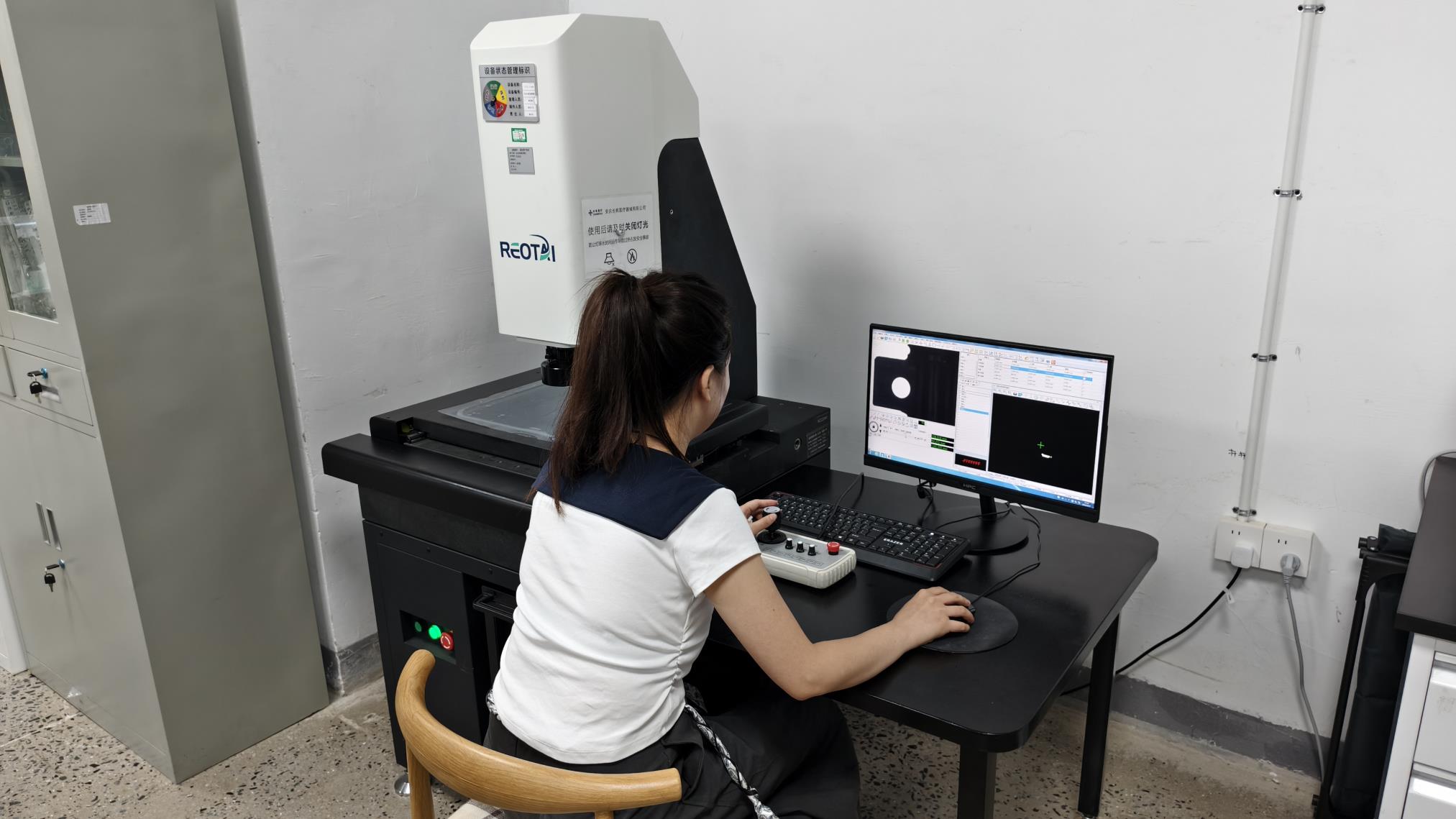
From strict metallurgical trace auditing to rapid customs shipping channels, we streamline medical B2B transactions.
Every production batch uses raw medical alloys tracked with mill test certificates (MTC). Whether purchasing titanium alloy (Ti-6Al-4V ELI) complying with ASTM F136 or cobalt-chromium (Co-Cr-Mo) under ISO 5832-4, our materials undergo incoming optical emission spectrometry and hardness validation prior to entering the production floor. This eliminates structural weak points or cross-contamination at the molecular scale.
We maintain a rigorous quality assurance framework to facilitate international regulatory pathways. Synoviq supports distributors with documentation required for European MDR CE certifications, FDA 510(k) applications, and regional NMPA clearance processes.
Expert technical insights regarding Tibial Trays design, manufacturing pathways, and regulatory guidelines.
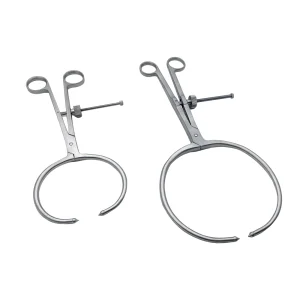
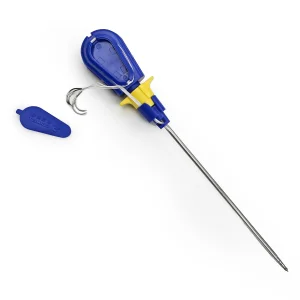
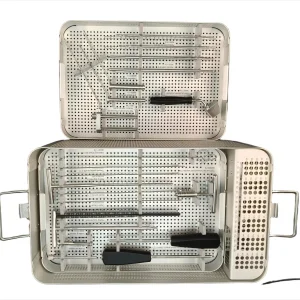
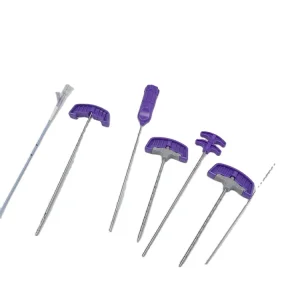
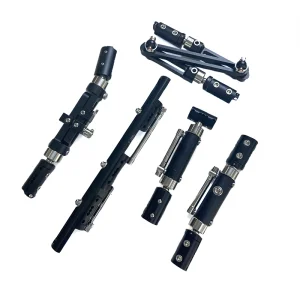
Complementary products supporting bone reconstruction, spinal fixation, and arthroscopic surgical procedures.
 Synoviq Medical