Explore our premium clinical hardware lines, manufactured under strict international regulatory compliance frameworks.
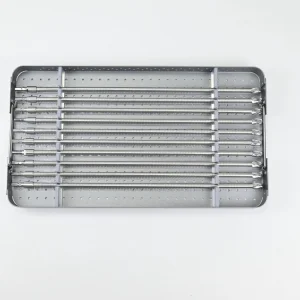
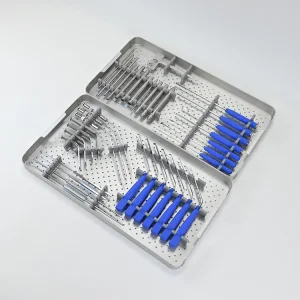
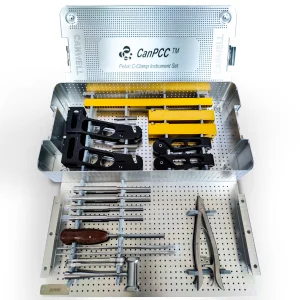
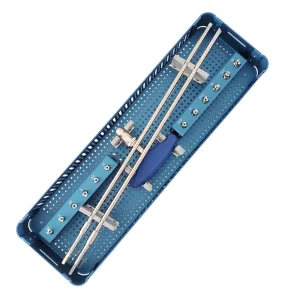
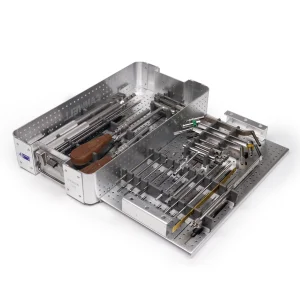
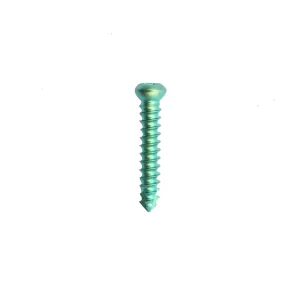
Mandibular reconstruction stands as one of the most demanding sub-specialties within Craniomaxillofacial (CMF) surgery. The mandible is not merely a structural bone; it is the dynamic foundation for mastication, deglutition, articulation, and aesthetic facial symmetry. Pathological disruptions resulting from malignant head and neck oncology resections, severe comminuted trauma, osteoradionecrosis, and congenital deformities necessitate high-fidelity reconstruction technologies to restore life-critical functionalities.
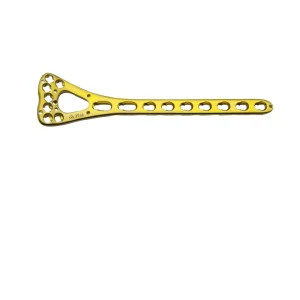
Historically, non-locking plate systems relied heavily on the friction generated between the reconstruction plate and the underlying bone surface. This dynamic often compromised local periosteal microcirculation, raising the risk of infection and bone necrosis. The paradigm shift toward Locking Reconstruction Plates has addressed these problems. By mechanically locking the screw head directly into the plate hole, the construct functions as an externalized internal fixator, reducing screw-plate-bone interface friction, safeguarding blood supply, and distributing masticatory forces evenly across the biological gap.
Clinical Perspective: Advanced mandibular reconstruction has transitioned from standard hand-contoured plates to patient-specific, pre-contoured, and 3D-guided virtual surgical planning (VSP) systems. However, standard-of-care stock locking plates remain a crucial clinical necessity globally due to their immediate intraoperative versatility, reliability, and cost efficiency in emergent surgical interventions.
Modern mandibular reconstruction systems must withstand complex multi-directional force profiles, including torsional, bending, and shear stresses exerted by the masseter, temporalis, and medial pterygoid muscles. The alloy utilized must balance high tensile strength, fatigue resistance, and biocompatibility with a modulus of elasticity that minimizes stress shielding—a phenomenon where the implant absorbs all mechanical loads, leading to adjacent bone resorption.
For these reasons, Grade 5 Titanium (Ti-6Al-4V ELI - Extra Low Interstitial) and pure titanium (CP Gr 4) remain the preferred materials. These metals enable micro-elastic deflection under physiological loading while supporting stable osseointegration. Their biocompatibility is further enhanced by their passive oxide layer, which prevents metal ion release into surrounding soft tissues.
China has established a robust ecosystem for medical device manufacturing, combining high-yield production capacities with state-of-the-art metrology and machining systems. Leading manufacturers leverage high-precision technologies once restricted to high-cost domestic markets in Western Europe and North America.
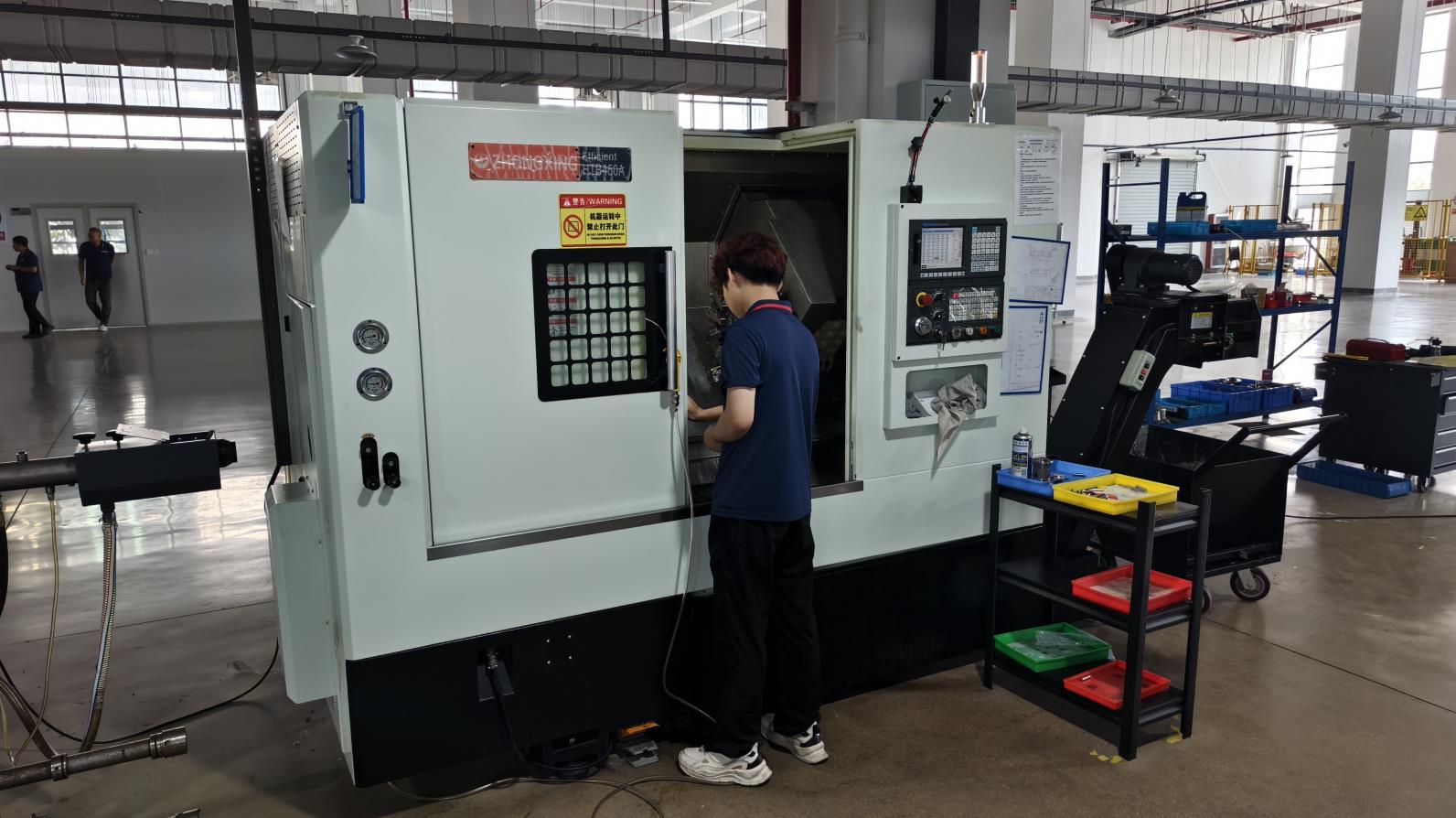
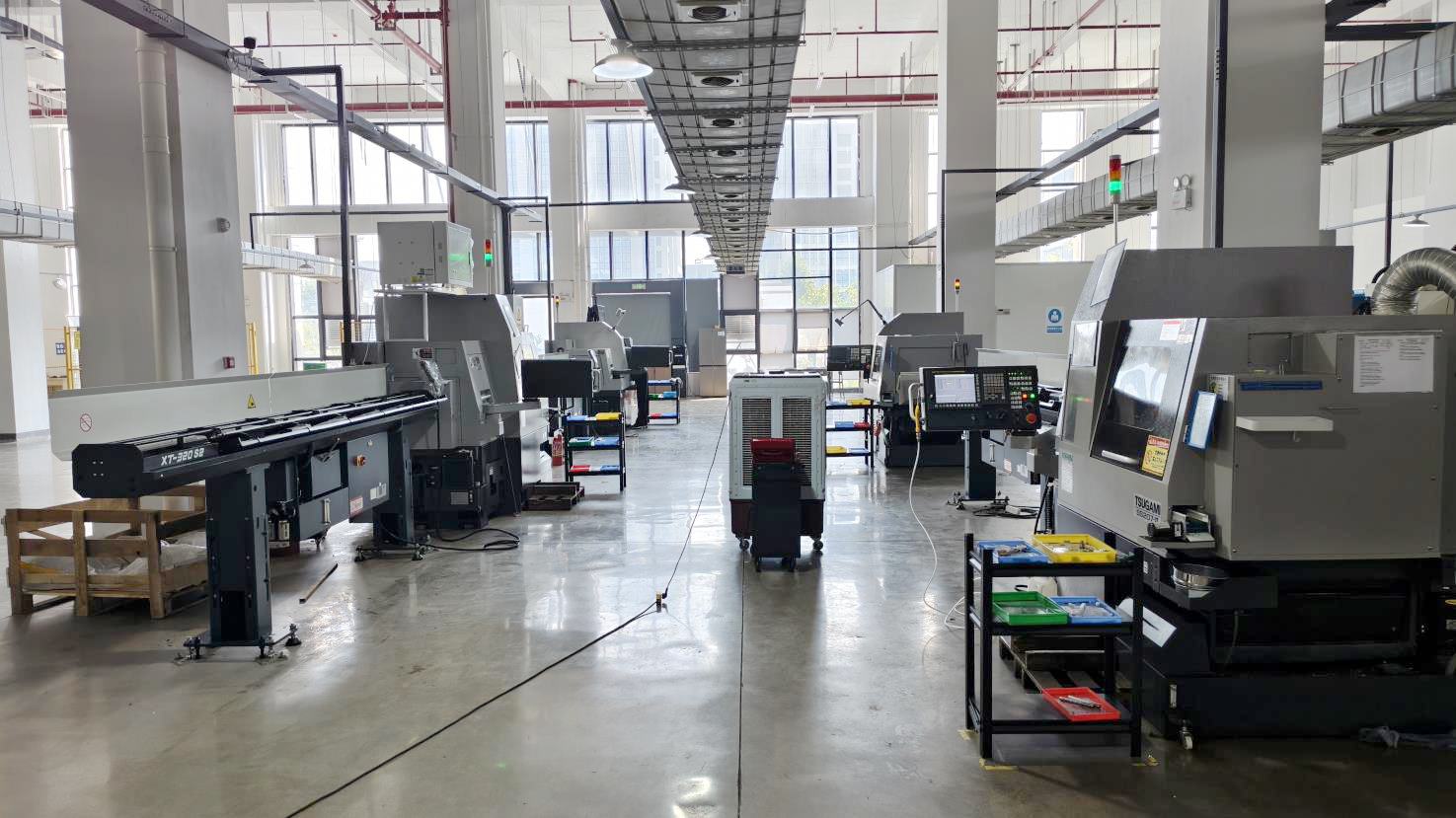
Using multi-axis Swiss-type turning lathes to manufacture complex locking screw profiles and variable angle locking holes within sub-micron tolerances, ensuring zero thread galling during high-stress bone engagement.
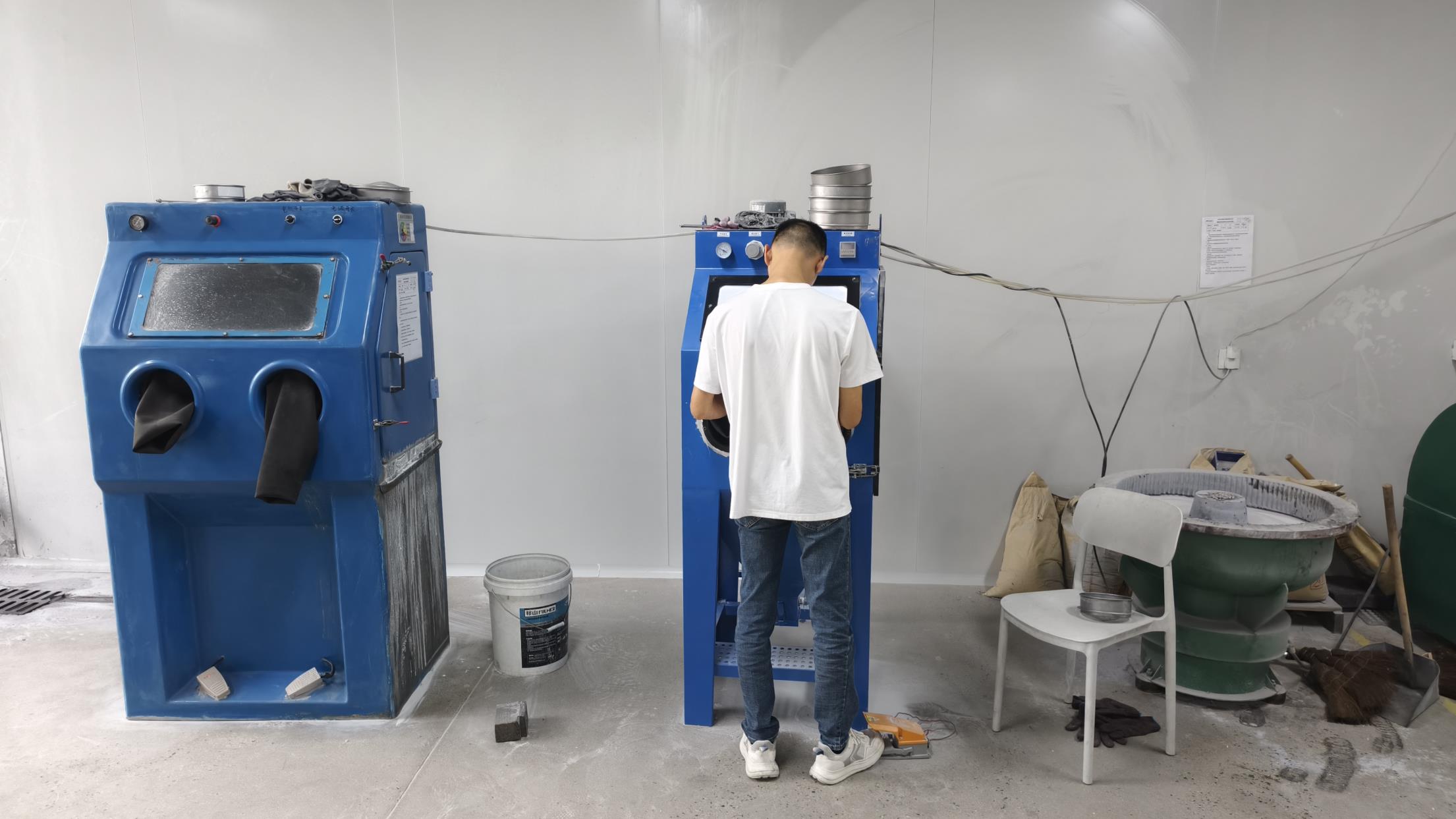
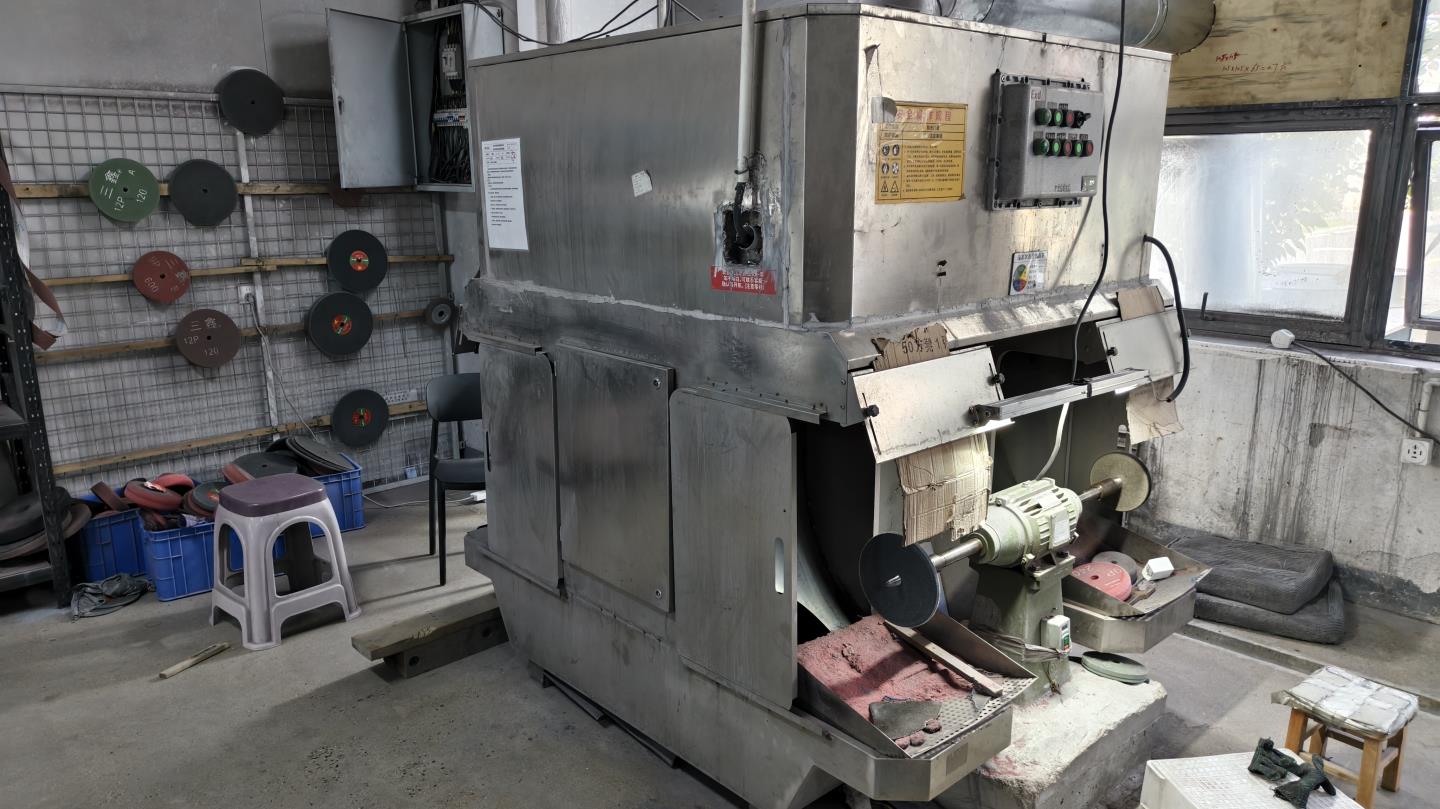
Advanced electrochemical surface treatments modification process that significantly improves structural wear resistance, limits fatigue crack propagation, and deposits a controlled thickness oxide shell for cell attachment.
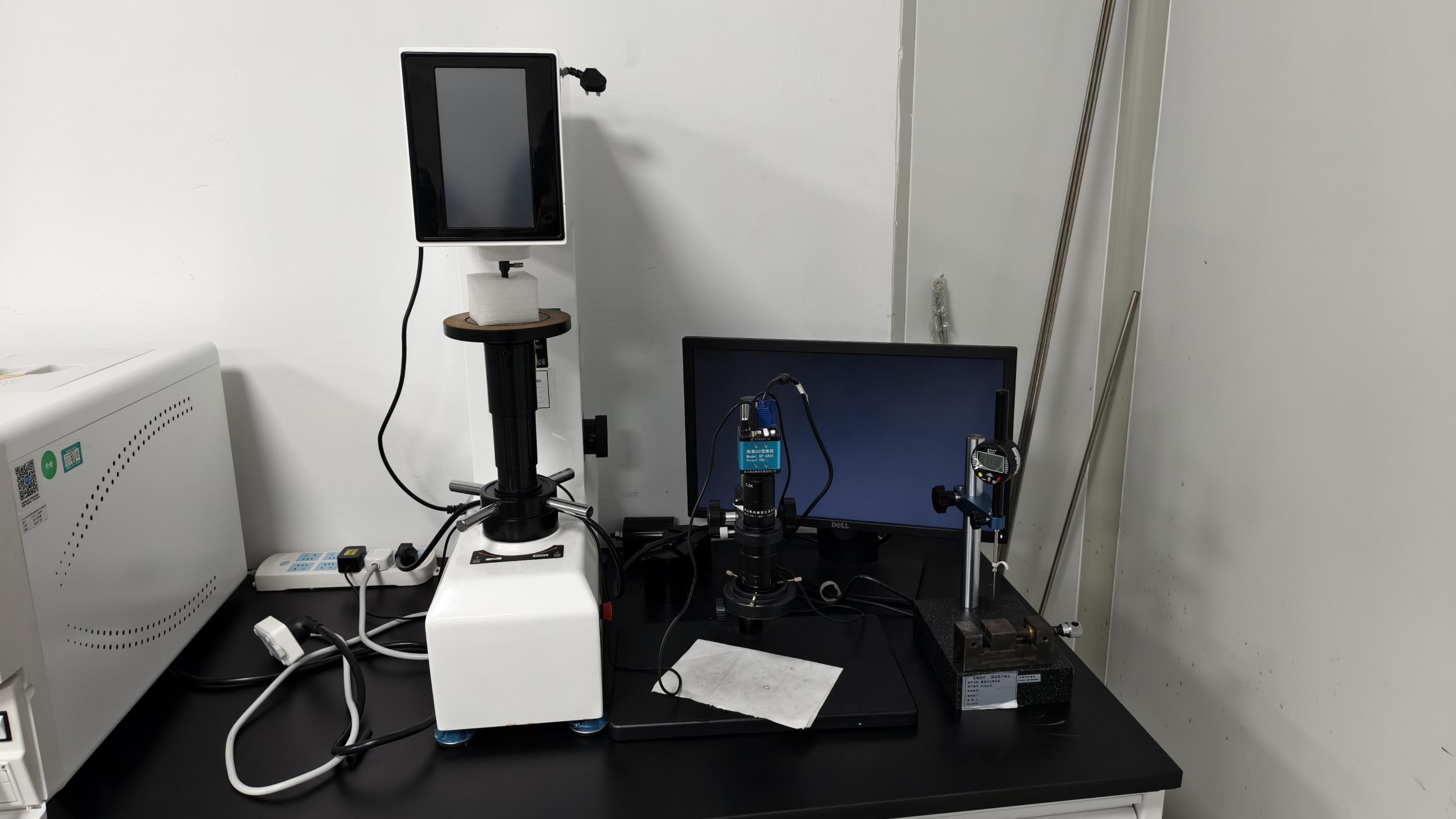
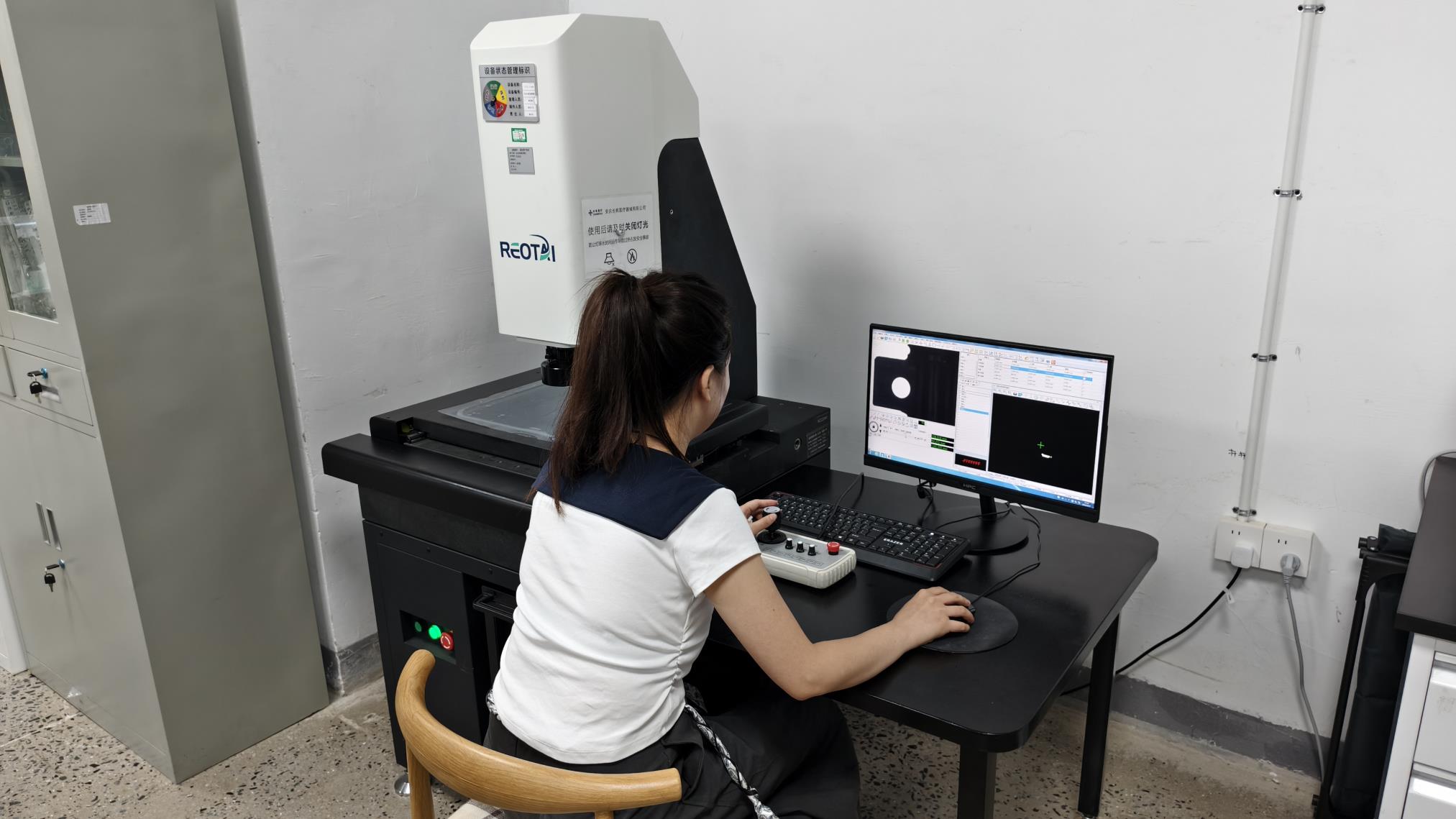
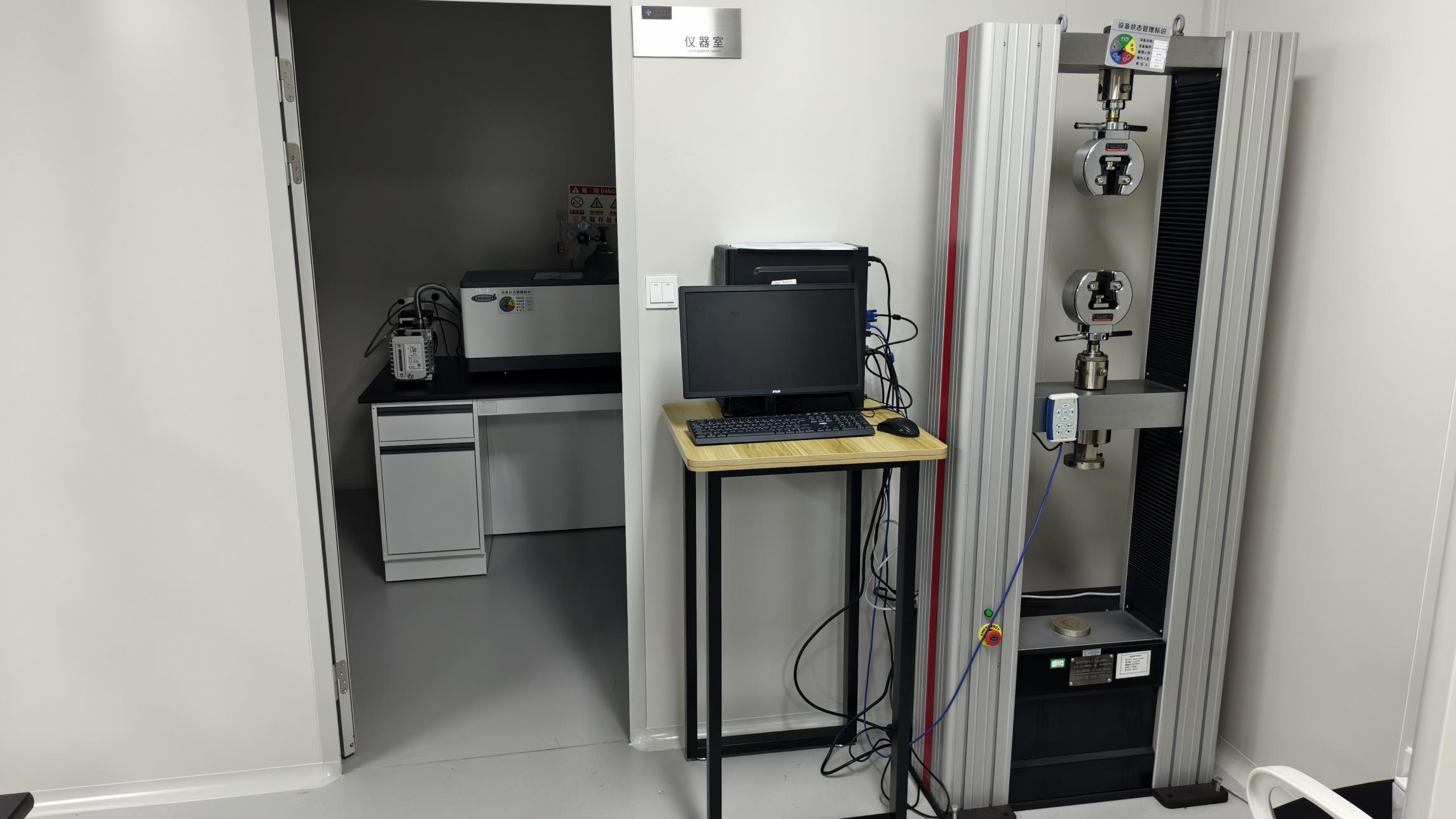
Integrated Coordinate Measuring Machines (CMM), metallographic evaluation, and high-frequency dynamic fatigue testers ensuring that mechanical profiles map fully to ISO 5832-3 standards.
Direct proximity to titanium raw ingot refinement bases and specialized downstream sterilization packaging plants reduces total cycle times by up to 40% compared to Western manufacturers.
Through comprehensive manufacturing protocols, Chinese orthopedic developers like Synoviq Medical Technology provide reliable OEM and ODM support, allowing global brands to distribute clinical-grade reconstructive hardware directly to surgical centers worldwide.
A leading international manufacturer of orthopedic implants and surgical instruments, delivering reliable, high-precision medical solutions for global healthcare professionals.
Synoviq Medical Technology (China) Co., Ltd. is a professional manufacturer of orthopedic implants and surgical instruments, dedicated to delivering innovative, reliable, and high-quality medical solutions for healthcare professionals worldwide. Since its establishment, Synoviq has focused on research, development, precision manufacturing, and international quality standards, providing comprehensive OEM and ODM services for global medical device brands, distributors, and hospitals.
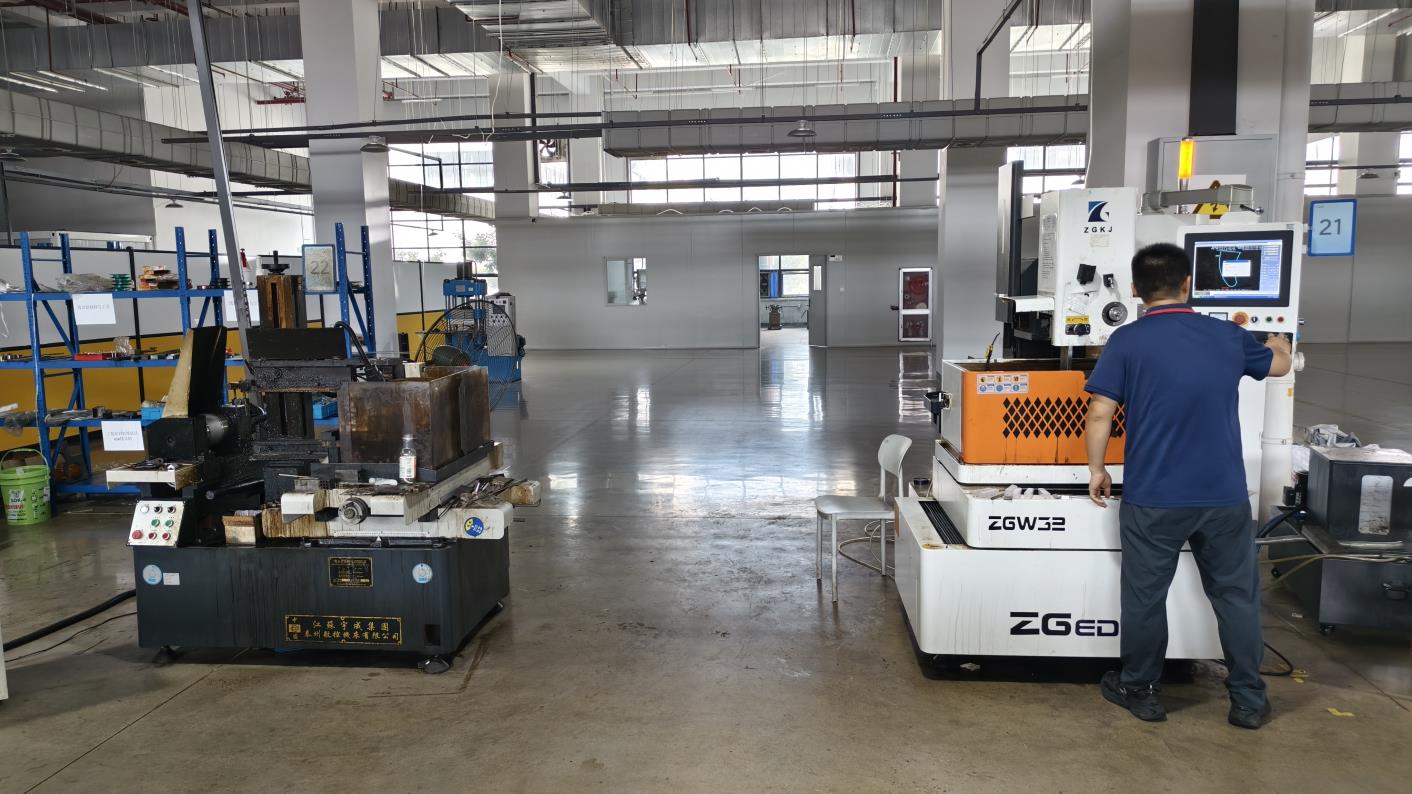
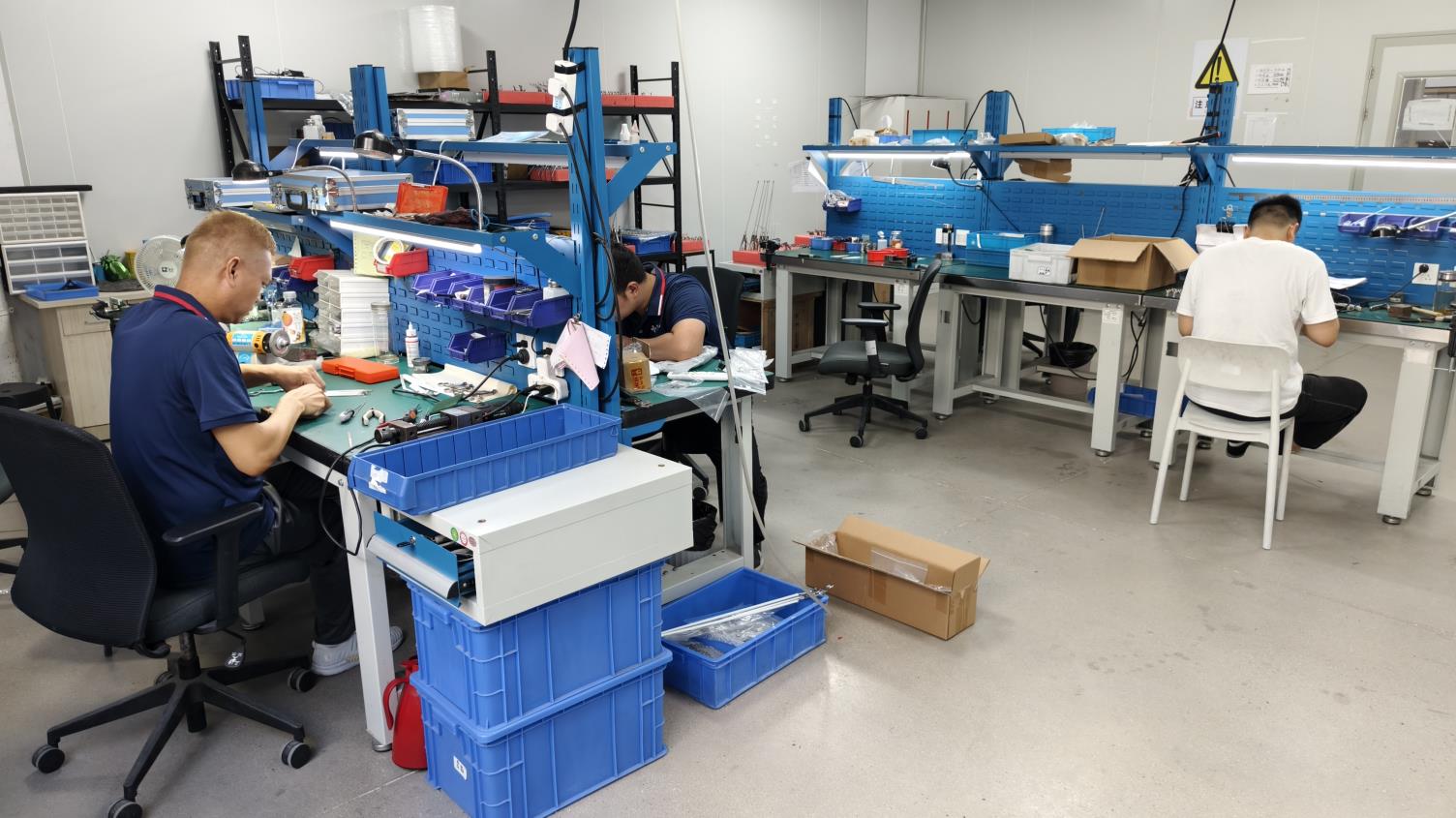
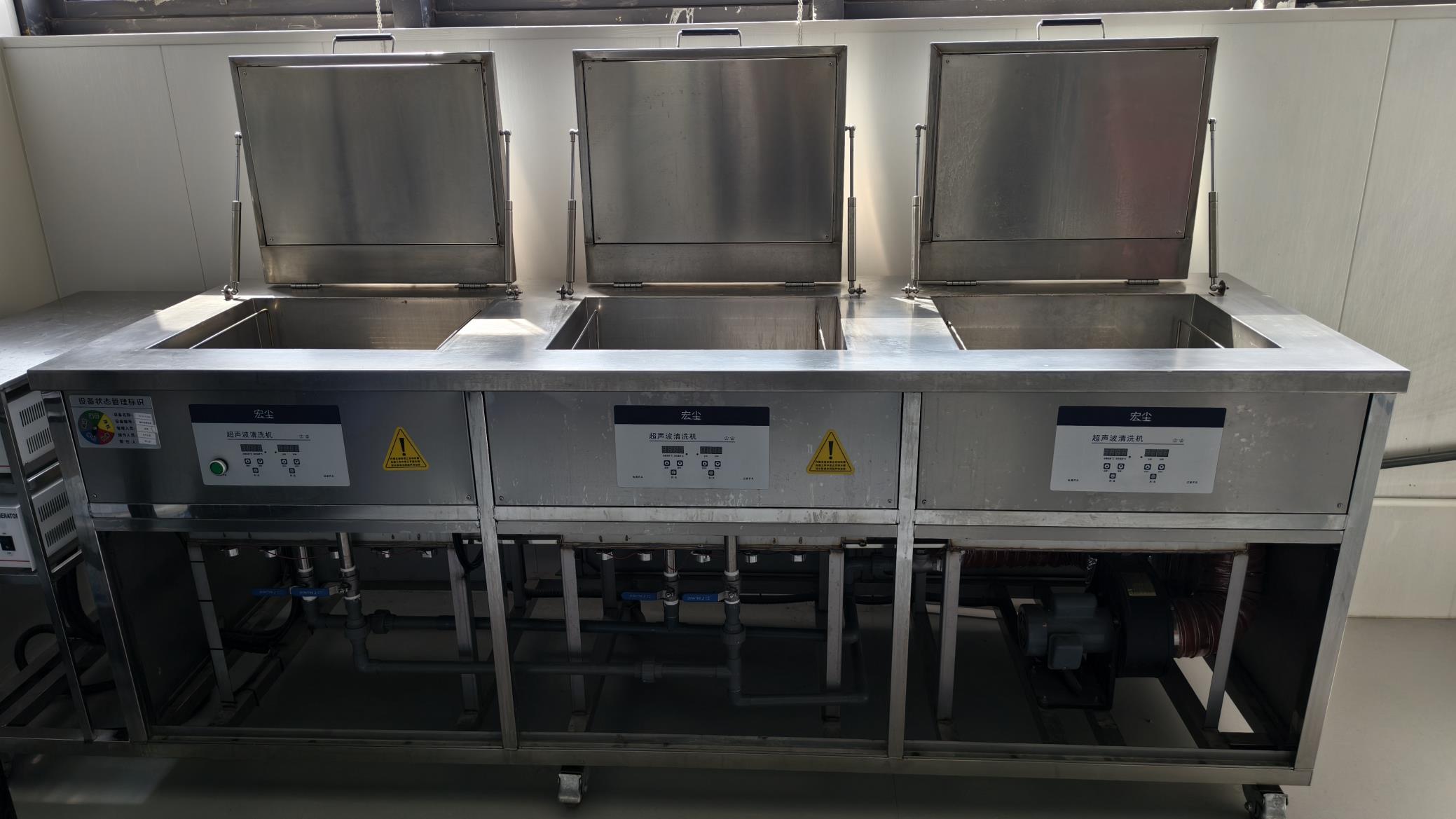
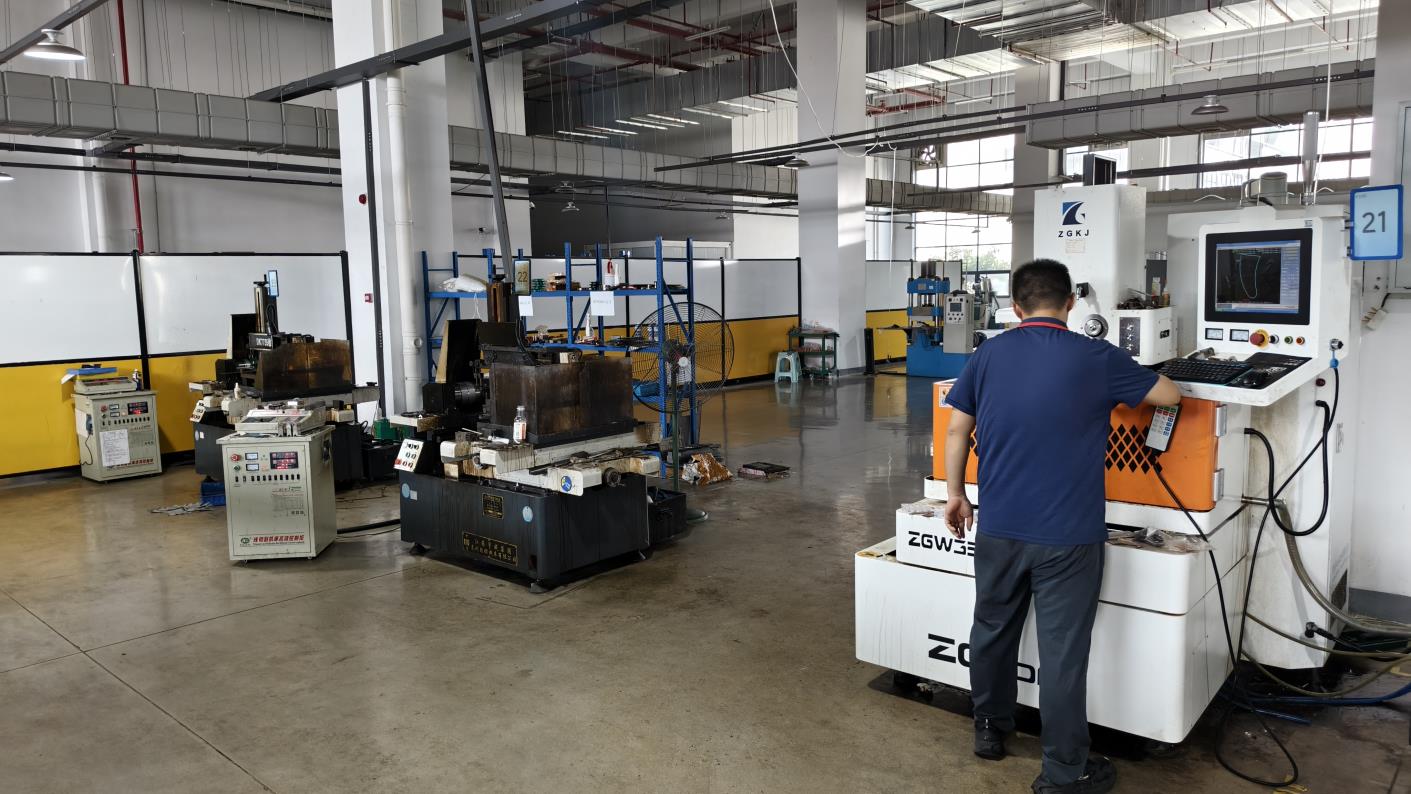
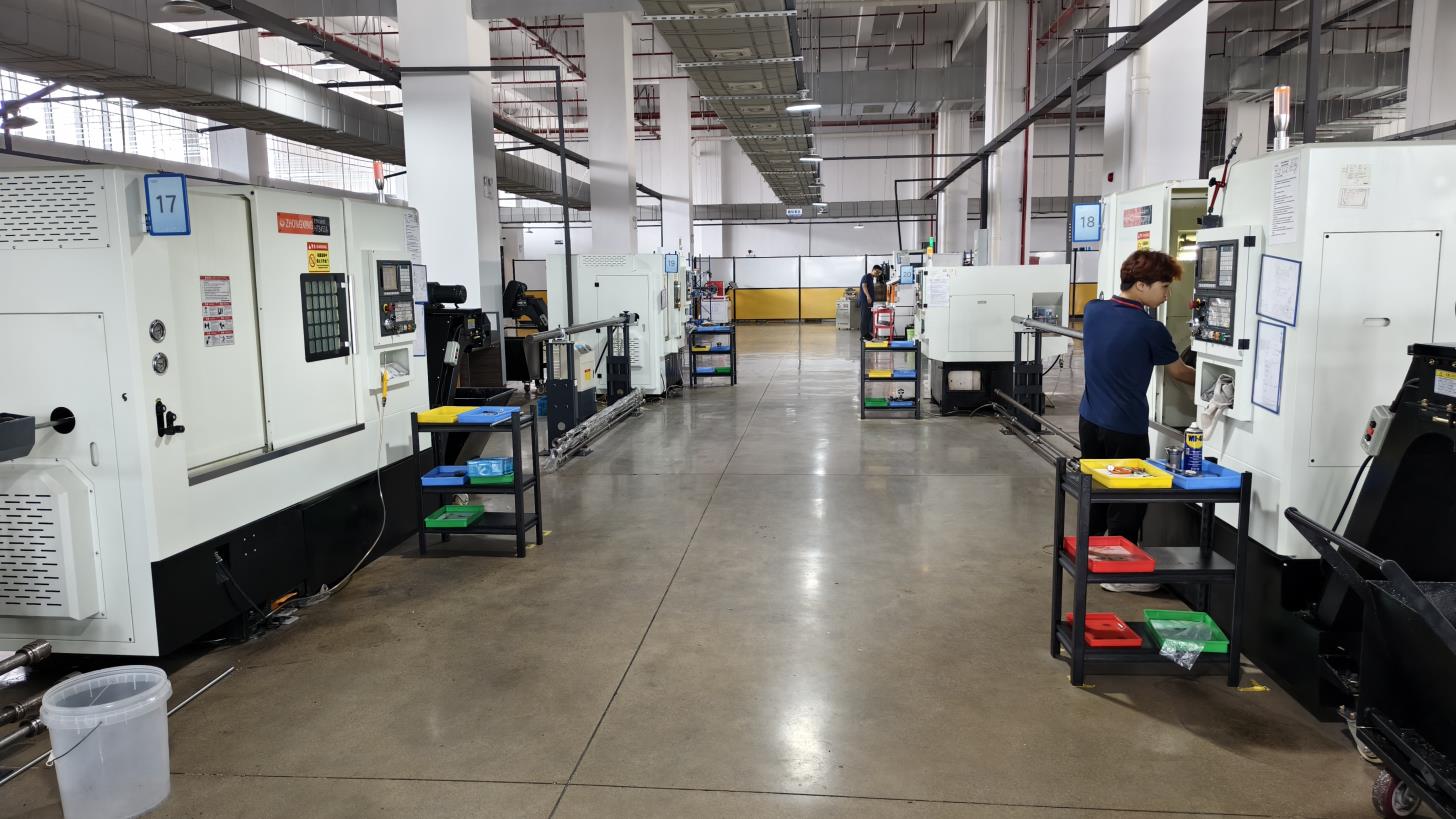
Our product portfolio includes trauma fixation systems, spinal implants, locking plates, intramedullary nails, external fixation systems, orthopedic screws, surgical instruments, and customized orthopedic solutions. Equipped with advanced CNC machining centers, precision inspection equipment, and modern clean production facilities, we ensure every product meets strict international quality requirements.
Driven by continuous innovation, Synoviq invests heavily in R&D and intelligent manufacturing to enhance product performance, surgical efficiency, and patient outcomes. Our experienced engineering team works closely with customers to develop customized products tailored to different clinical applications and market demands.
With a customer-oriented philosophy, competitive pricing, stable supply capability, and efficient technical support, Synoviq has established long-term partnerships with distributors, medical brands, and healthcare organizations across Europe, North America, South America, the Middle East, and Asia-Pacific. Committed to quality, innovation, and global collaboration, Synoviq Medical Technology (China) Co., Ltd. strives to become a trusted international partner in the orthopedic medical device industry.
| Corporate Parameter | Operational Capacities & Standards |
|---|---|
| Company Name | Synoviq Medical Technology (China) Co., Ltd. |
| Brand | Synoviq |
| Established | March 18, 2016 |
| Building Area | 18,600 m² |
| Annual Export Revenue | USD 21.8 Million |
| Export Experience | 8 Years |
| Quality Inspection | 100% Final Inspection & Incoming Material Inspection |
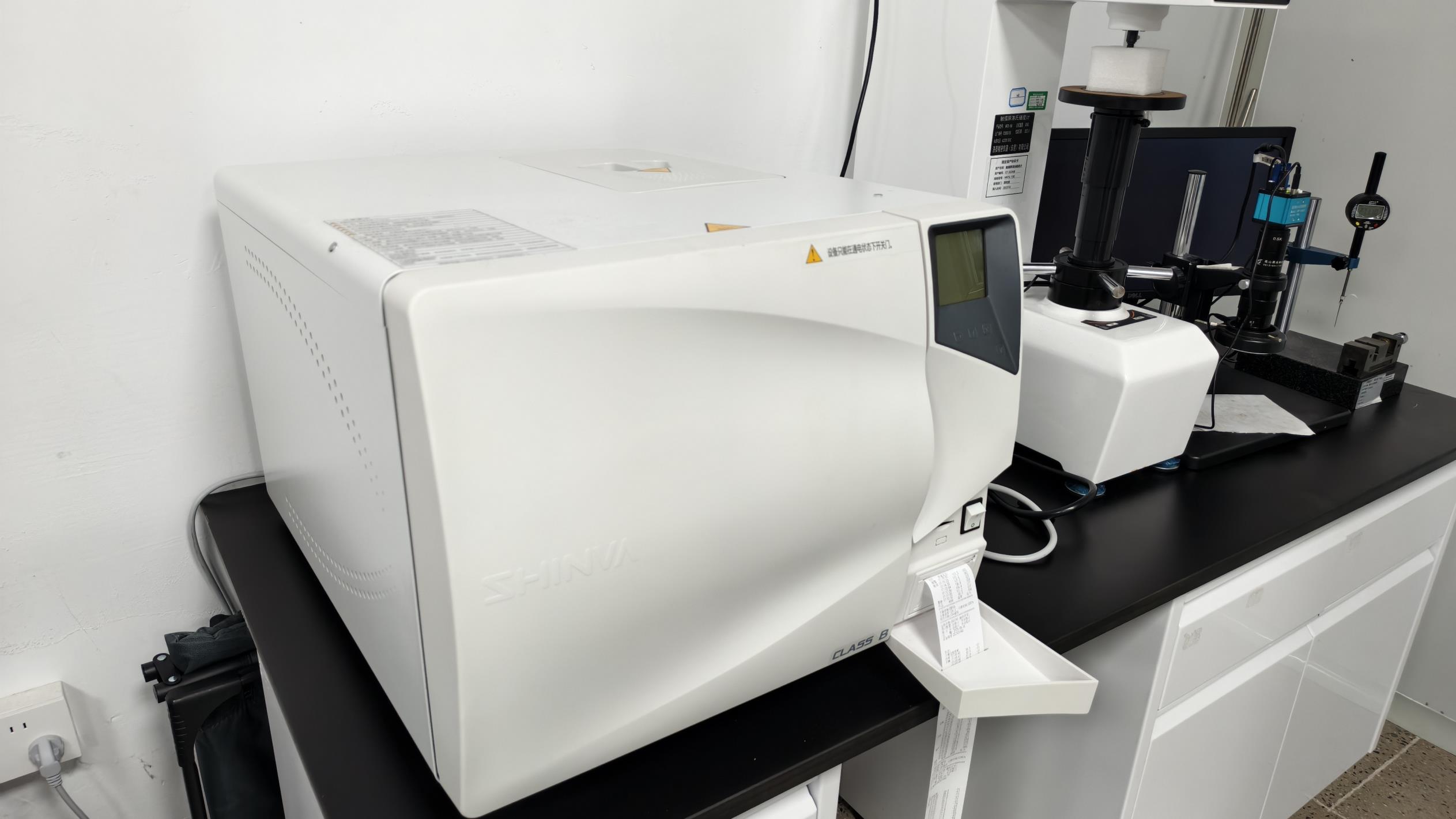
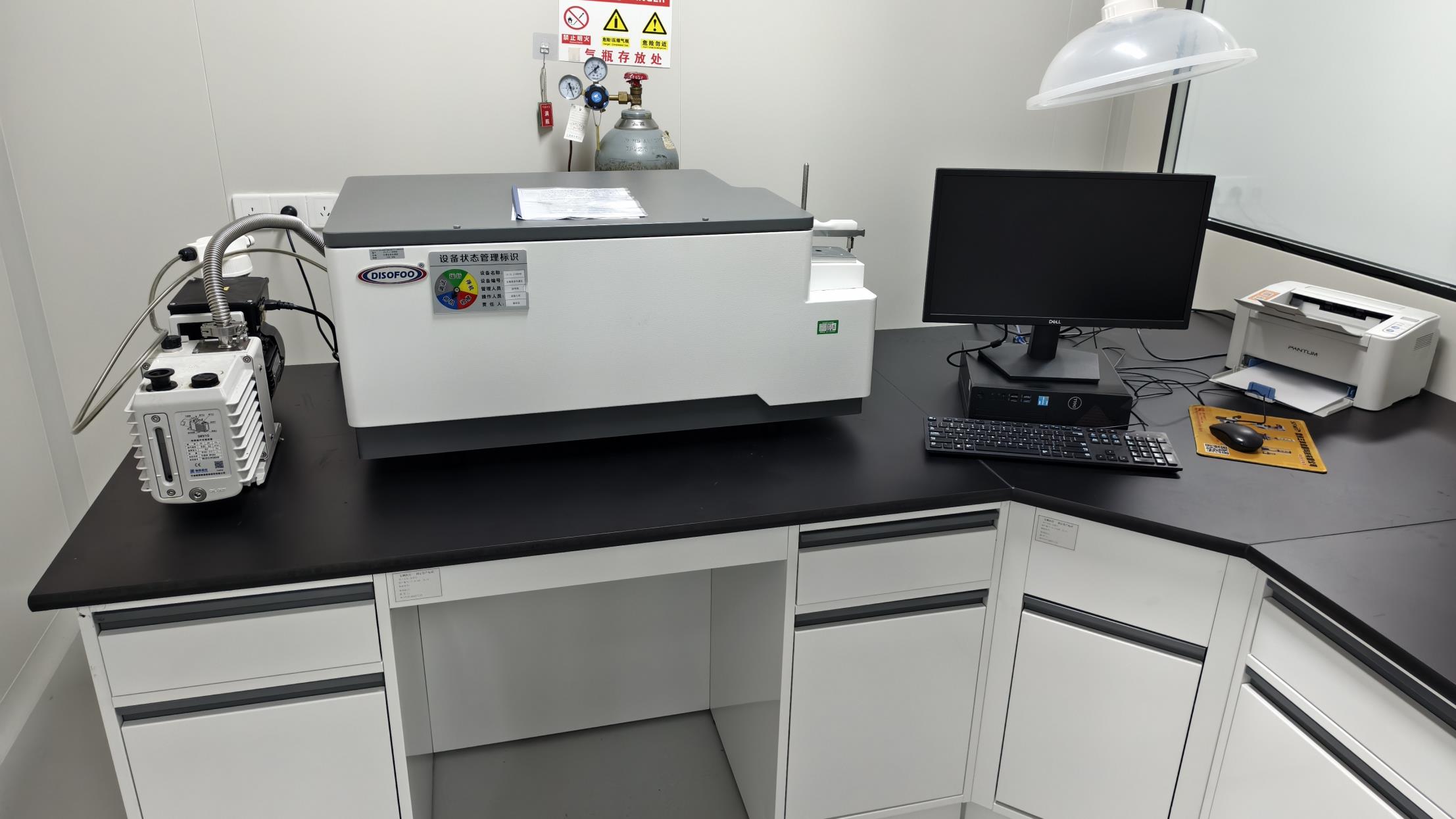
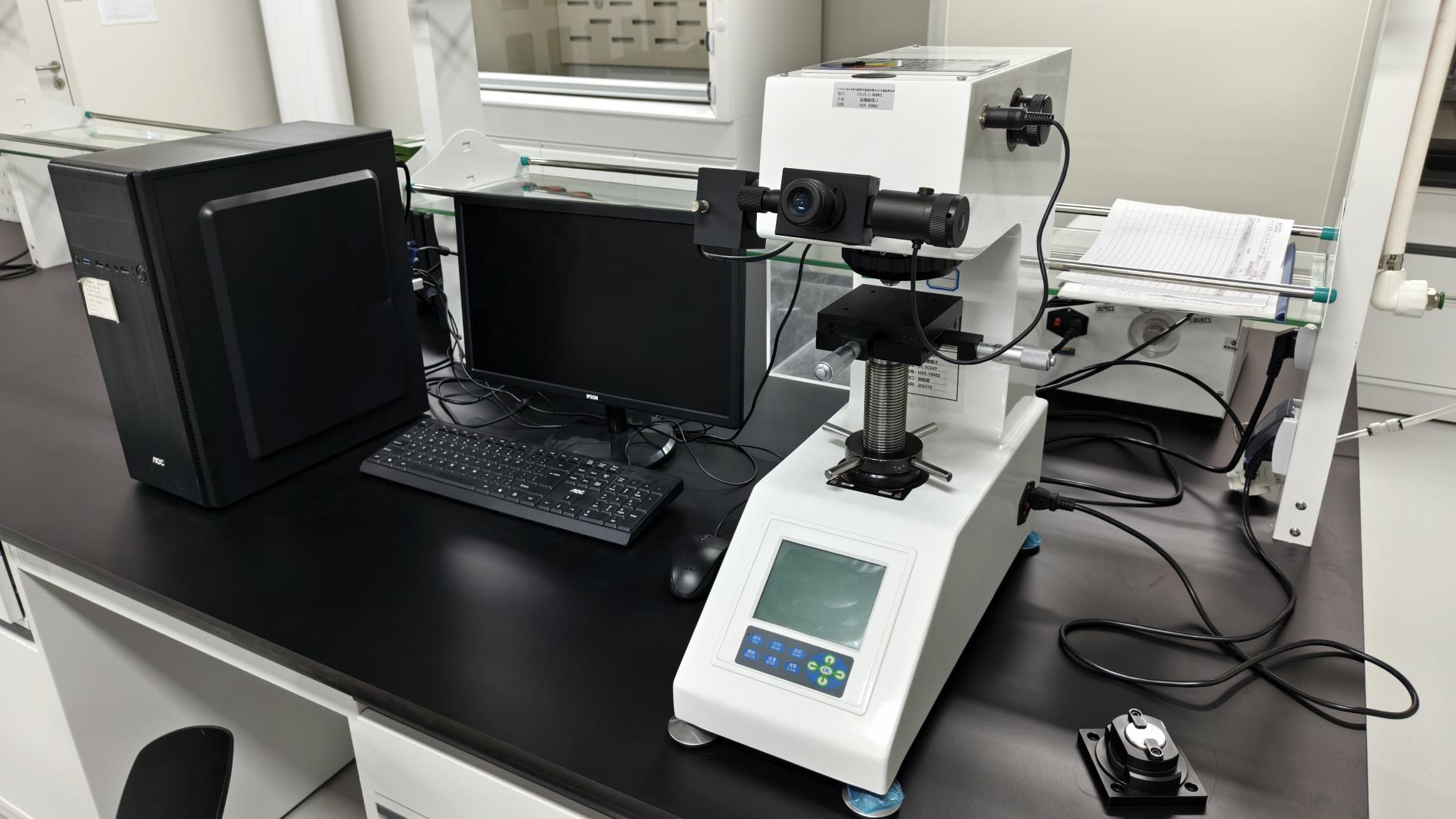
| Product Inspection Methods | CMM Measurement, Mechanical Testing, Surface Roughness Testing, Hardness Testing, Salt Spray Testing, Sterility Validation |
| Quality Control Staff | 48 Dedicated Specialists |
| Business Type | Manufacturer & Exporter (OEM/ODM) |
| Main Markets | Europe, North America, South America, Middle East, Southeast Asia |
| Supply Chain Partners | 1,120+ Verified Clinical Suppliers |
| Main Customer Types | Medical Device Brands, Importers, Distributors, Hospitals, Government Procurement Projects |
| R&D Capability | Independent Product Design, Prototype Development, Clinical-Oriented Engineering, OEM & ODM Development |
| Customization Options | Logo Customization, Packaging Customization, Product Design Customization, Material Selection, Surface Treatment |
| New Products Released Last Year | 186 Novel Designs |
| R&D Engineers | 76 Core Research Engineers |
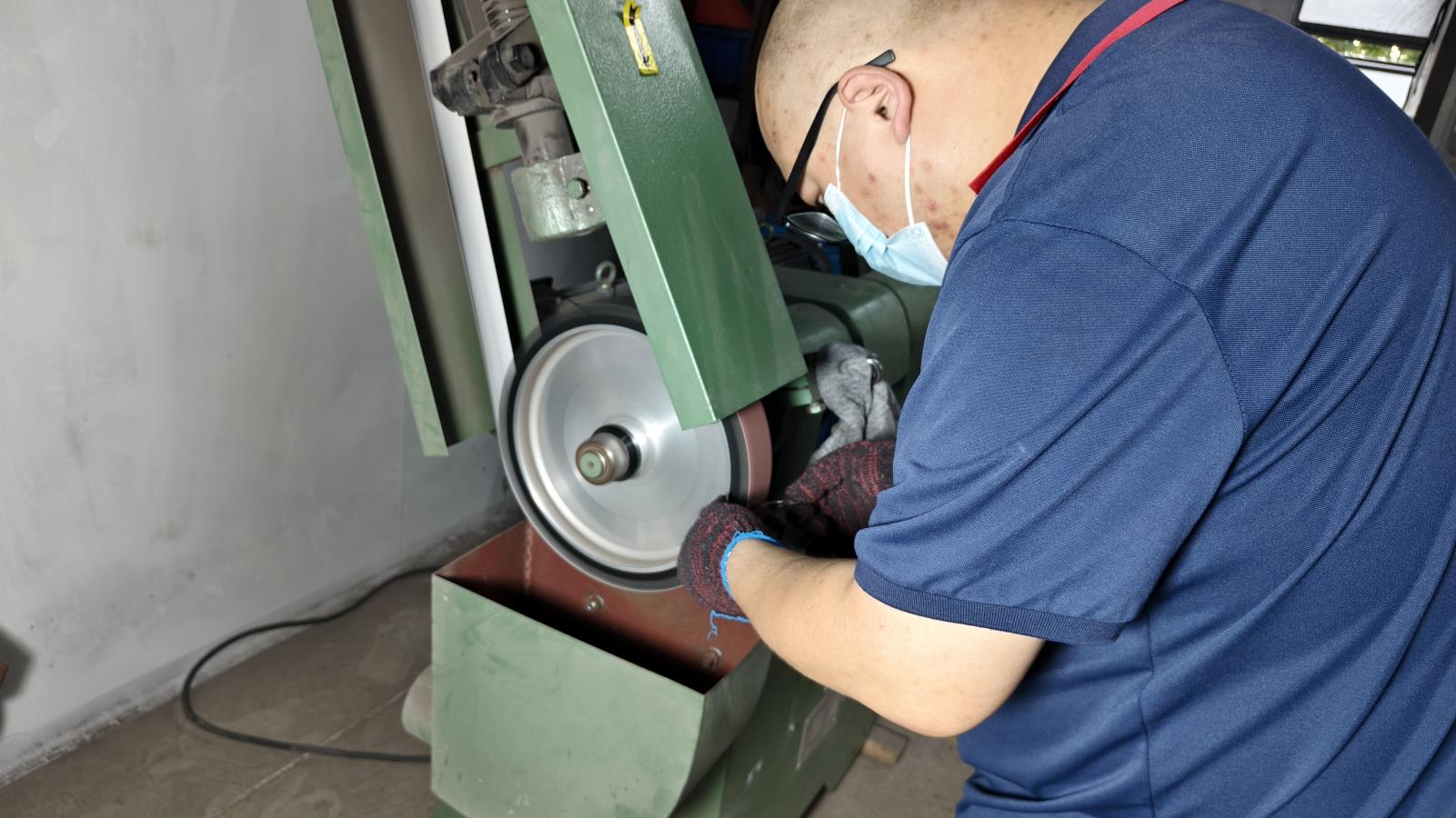
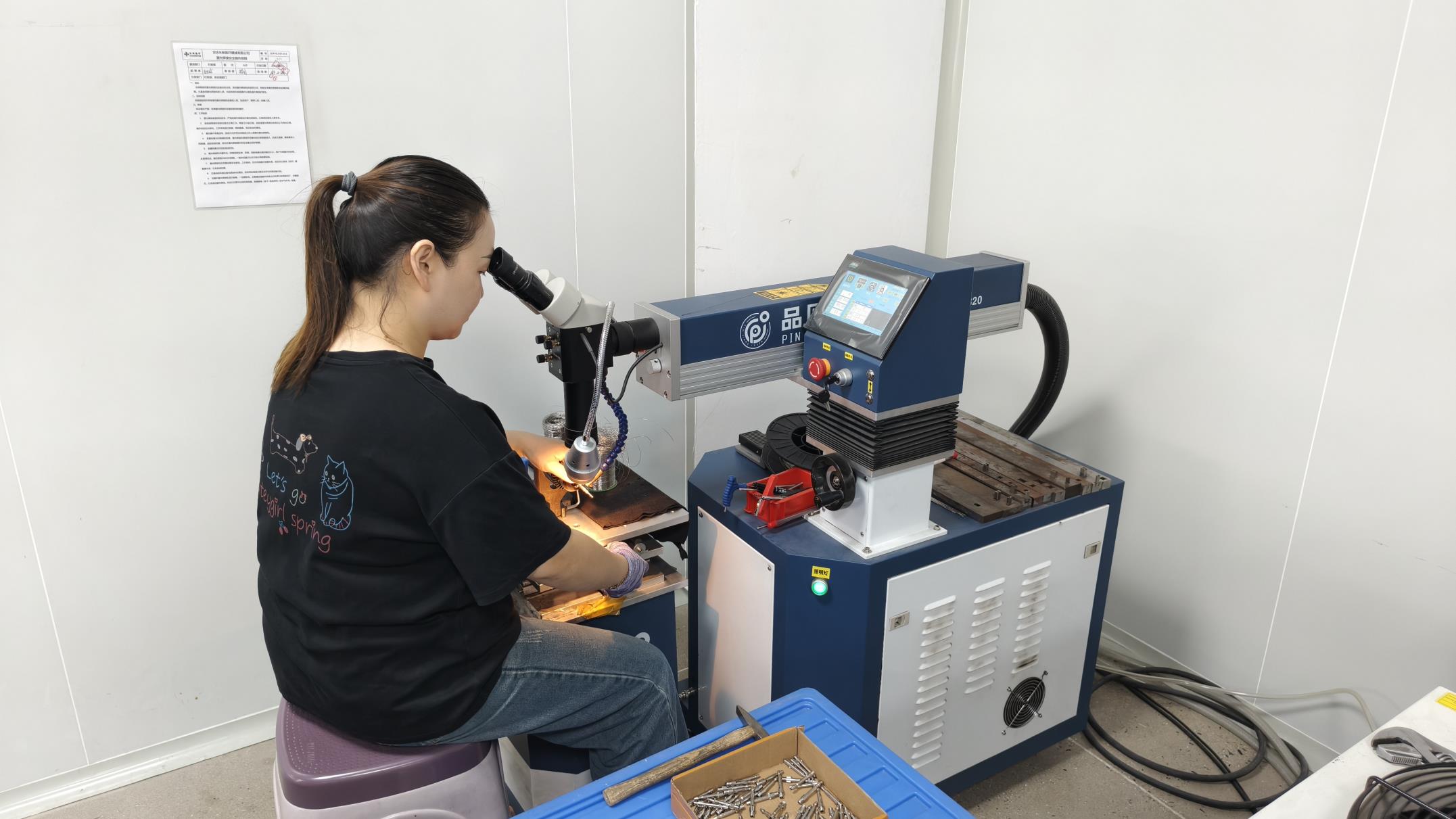
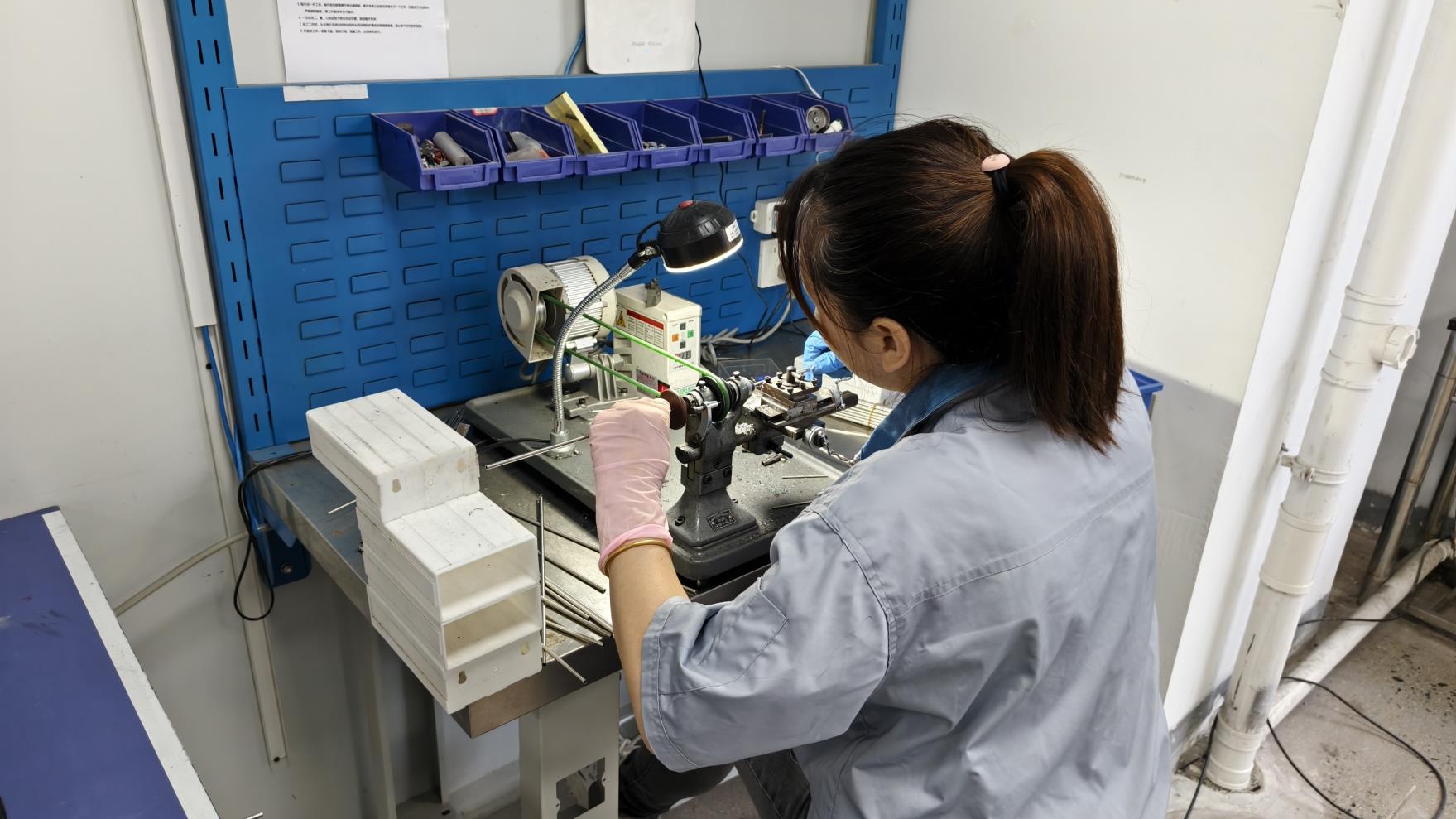
Take a closer look at our cleanrooms, precision processing gear, and validation laboratories.
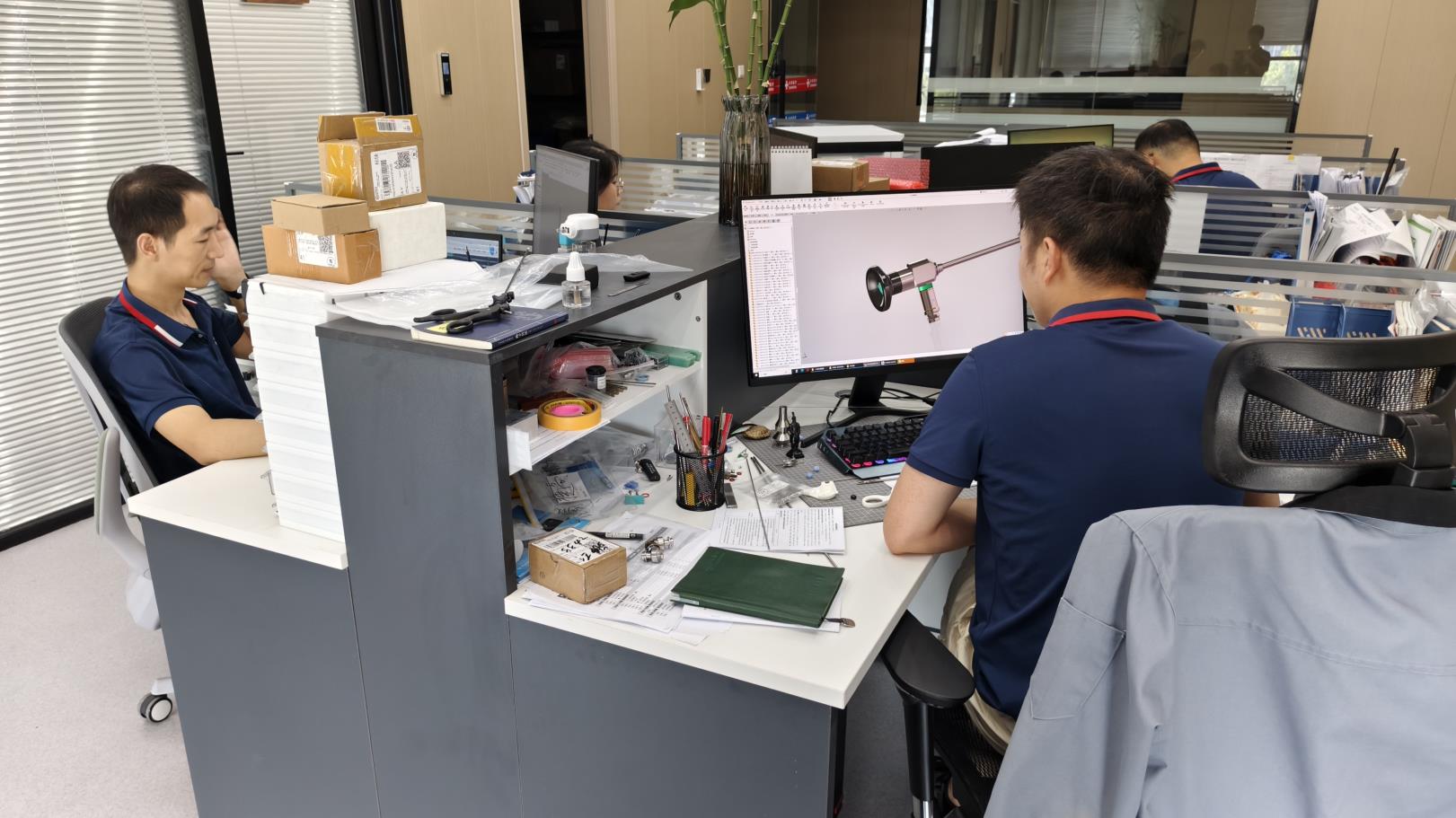
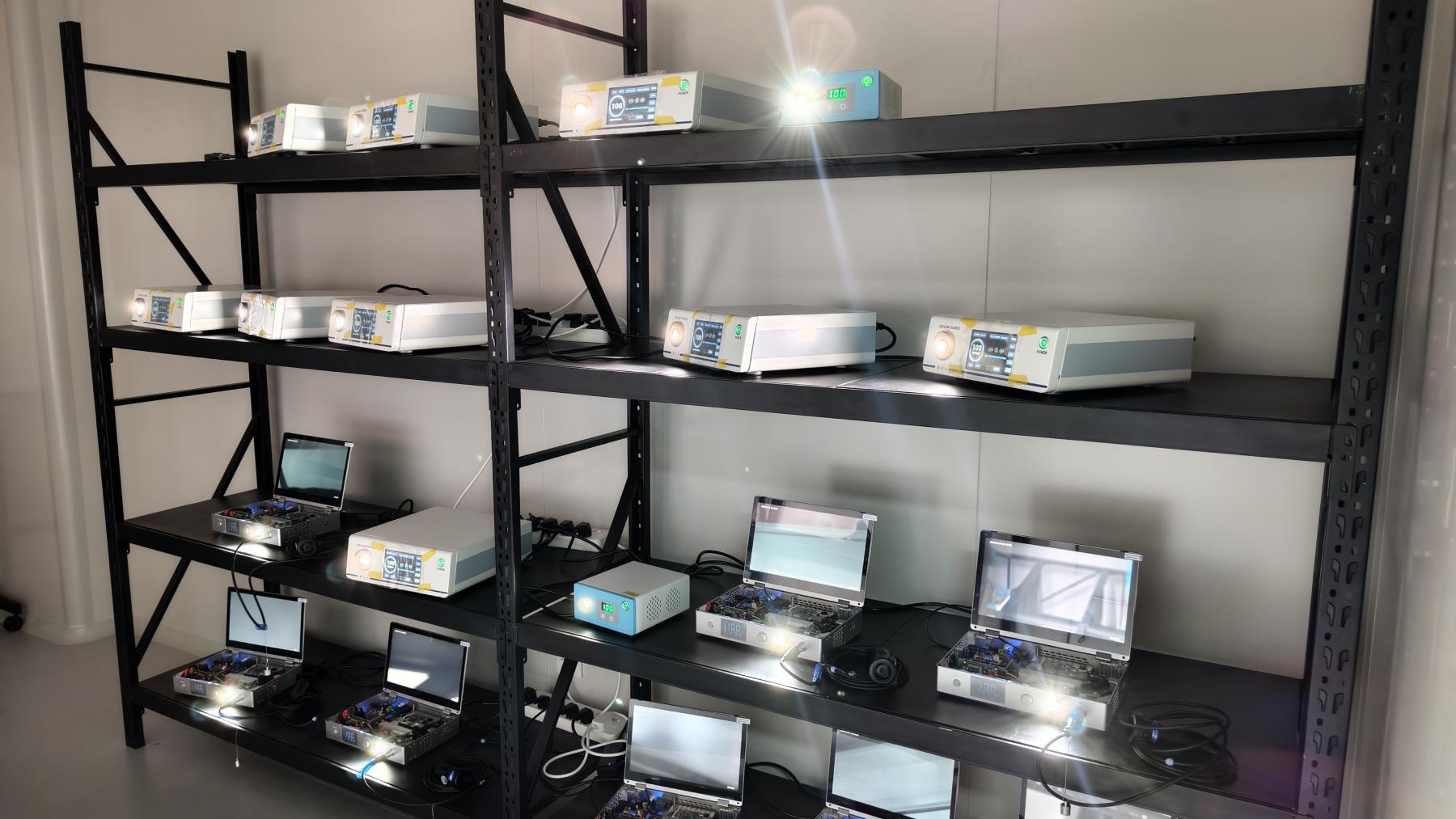
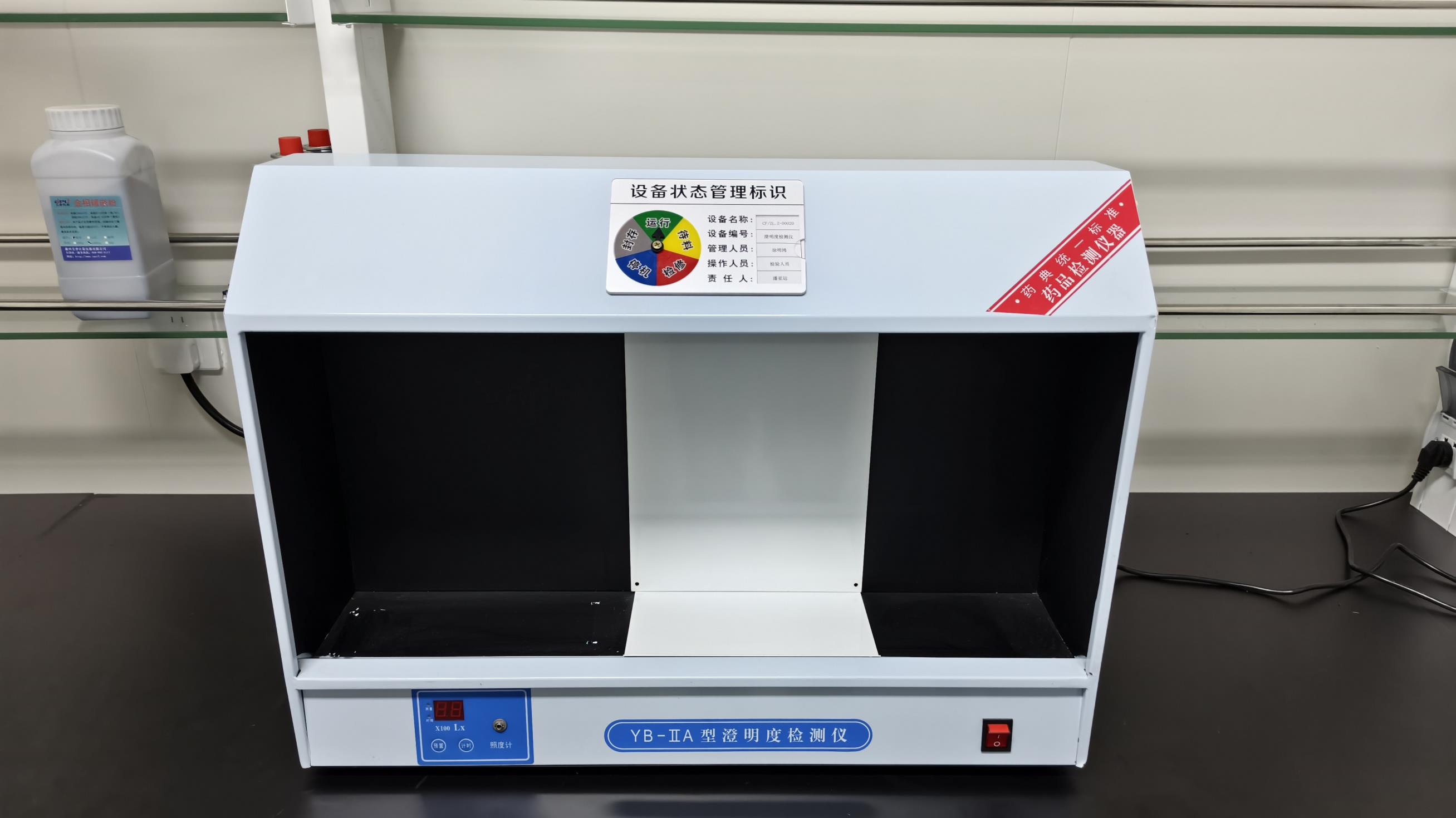
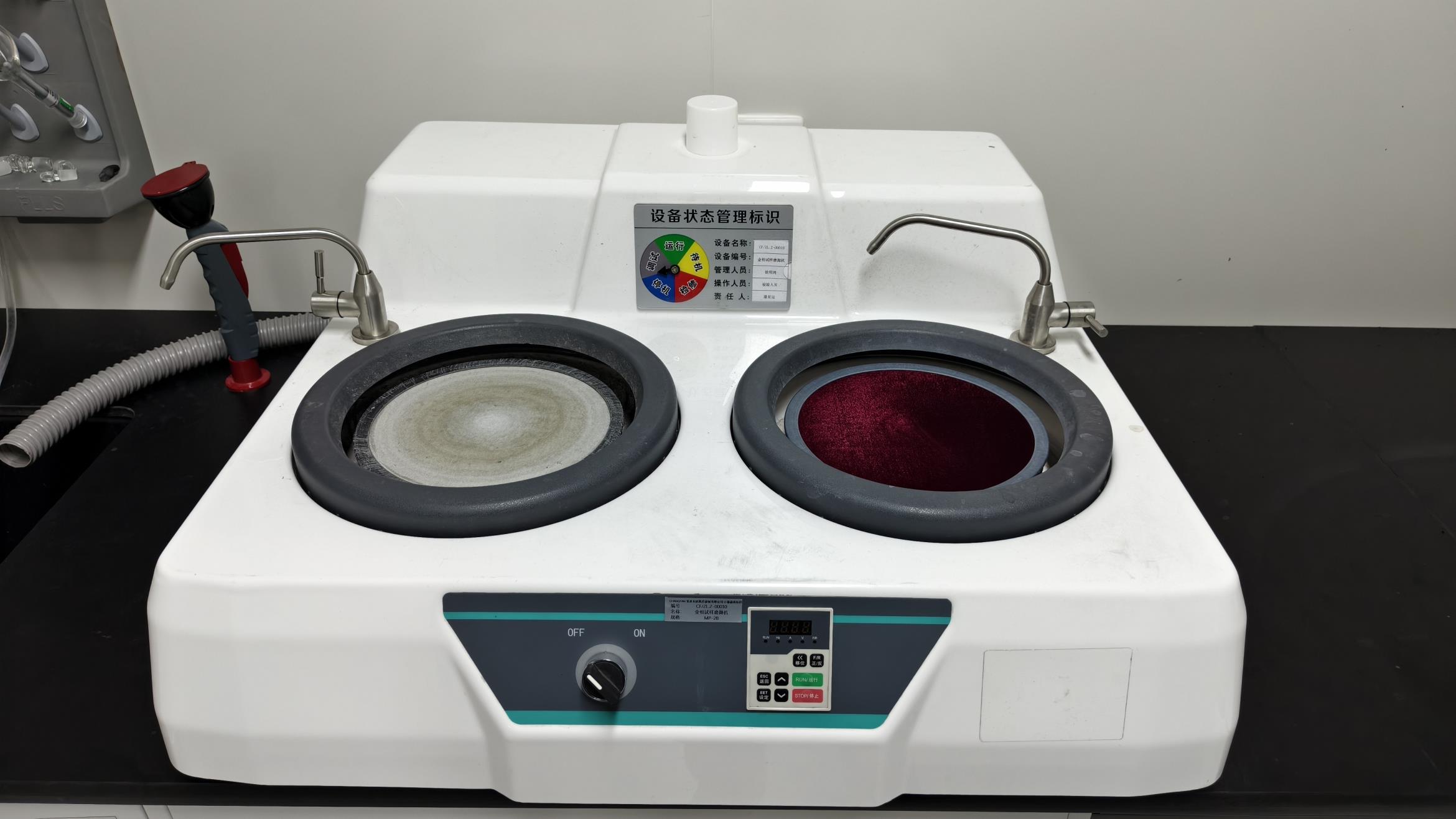
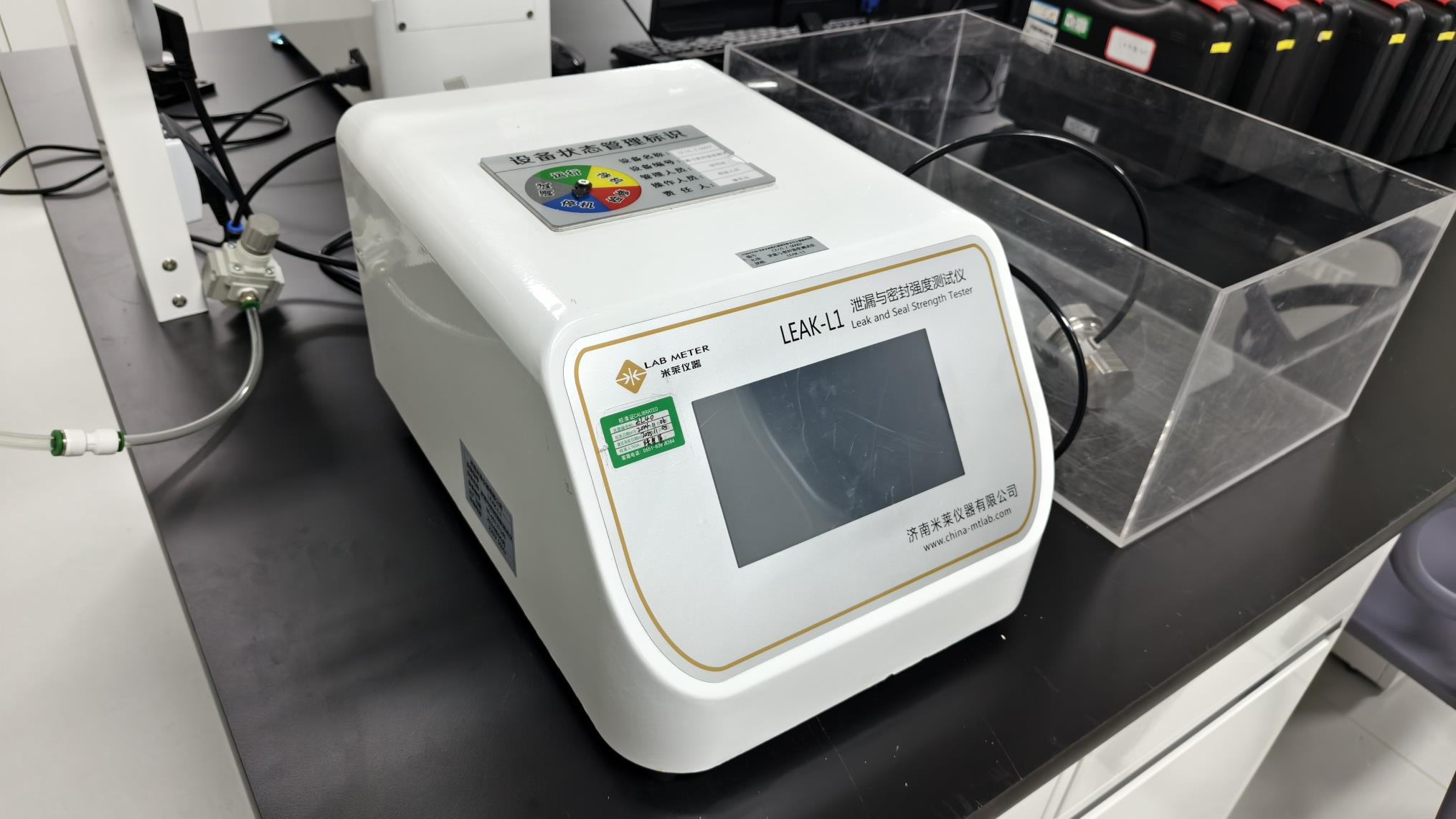
Procuring mandibular reconstruction implants requires navigating strict regulatory pathways. Hospital procurement offices and international medical distributors use clear checklists to evaluate suppliers. The primary criteria include regulatory certifications (such as ISO 13485, CE Class IIb/III, and FDA 510k clearances) and materials traceabilities.
Synoviq addresses these needs through digital tracking protocols, keeping trace records of raw materials from the mill source down to the sterile package code. This documentation is crucial during regulatory audits and post-market clinical follow-ups (PMCF).
While titanium remains the standard for load-bearing mandibular reconstruction, research has advanced into biocompatible hybrid systems. PEEK (Polyetheretherketone) is often paired with titanium plates in cases requiring complex anatomical contouring without significant structural loading. However, for segmental defects exceeding 5 cm, locking titanium reconstruction plates remain the clinical standard.
Our engineering team focuses on optimize plate profiles. By smoothing plate transitions, we reduce the stress points that can cause screw breakage. Additionally, our variable-angle locking holes allow surgeons to direct screws away from dental roots or fragile bone structures without compromising overall stability.
Design Advancement: Rounded geometry, tapered ends, and low profile (1.5mm to 2.5mm plate thickness) decrease plate palpability and reduce irritation of adjacent soft tissues. This design minimizes the risk of late plate exposure through the skin, a common complication in thin patients or those undergoing radiotherapy.
Answering key technical, manufacturing, and clinical design queries from orthopedic distributors and hospital surgeons.
Examine our broader range of medical components, manufactured under the same high-precision quality control framework.
 Synoviq Medical