Discover our comprehensive medical devices, featuring state-of-the-art trauma fixation solutions, high-grade spine implant hardware, and certified clinical instruments manufactured to international surgical quality standards.
The global orthopedic trauma field is witnessing a seismic shift from dynamic compression plates (DCP) to advanced Locking Compression Plates (LCP). Small fragment locking plates (typically designed for 2.7mm, 3.5mm, and 4.0mm screw configurations) have revolutionized fracture fixation by acting as internal fixators. They ensure angular stability without compromising periosteal blood circulation, a critical advancement for enhancing bone healing kinetics.
Modern clinical trends demand low-profile implants with anatomic contours to minimize soft-tissue irritation, particularly in superficial skeletal sites like the distal fibula, clavicle, and distal humerus. Manufacturers now leverage high-precision finite element analysis (FEA) to design plates that mimic biological strain gradients, reducing the risk of stress shielding and subsequent implant failure.
For medical device distributors, healthcare networks, and government tender buyers, navigating the global supply chain for orthopedic implants requires strict adherence to regulatory standards. The transition from MDD to the stringent EU Medical Device Regulation (MDR 2017/745) has reshaped market accessibility. Sourcing CE-certified hardware from accredited manufacturers is no longer optional—it is a critical commercial gateway.
Advanced procurement platforms require manufacturers who can offer comprehensive technical documentation, including raw material heat code traceability, biomechanical testing (ASTM F382 or ISO 9585 standards for fatigue and static bend testing), and certified cleanroom validation protocols. Procurement directors are looking for strategic partners who offer flexible OEM/ODM integration, customized laser-marking, and sterile packaging systems (UDI compliance) to streamline direct-to-market pipelines.
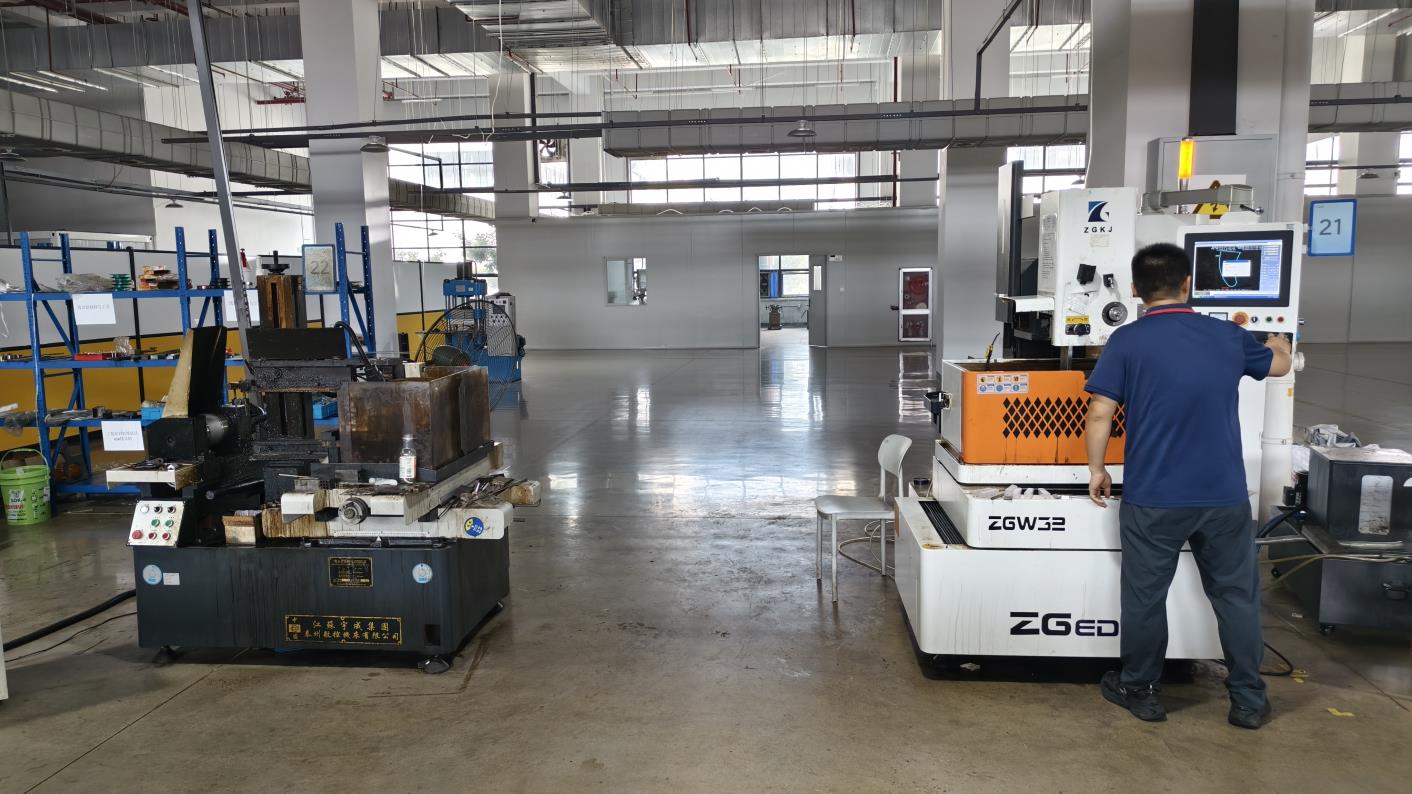
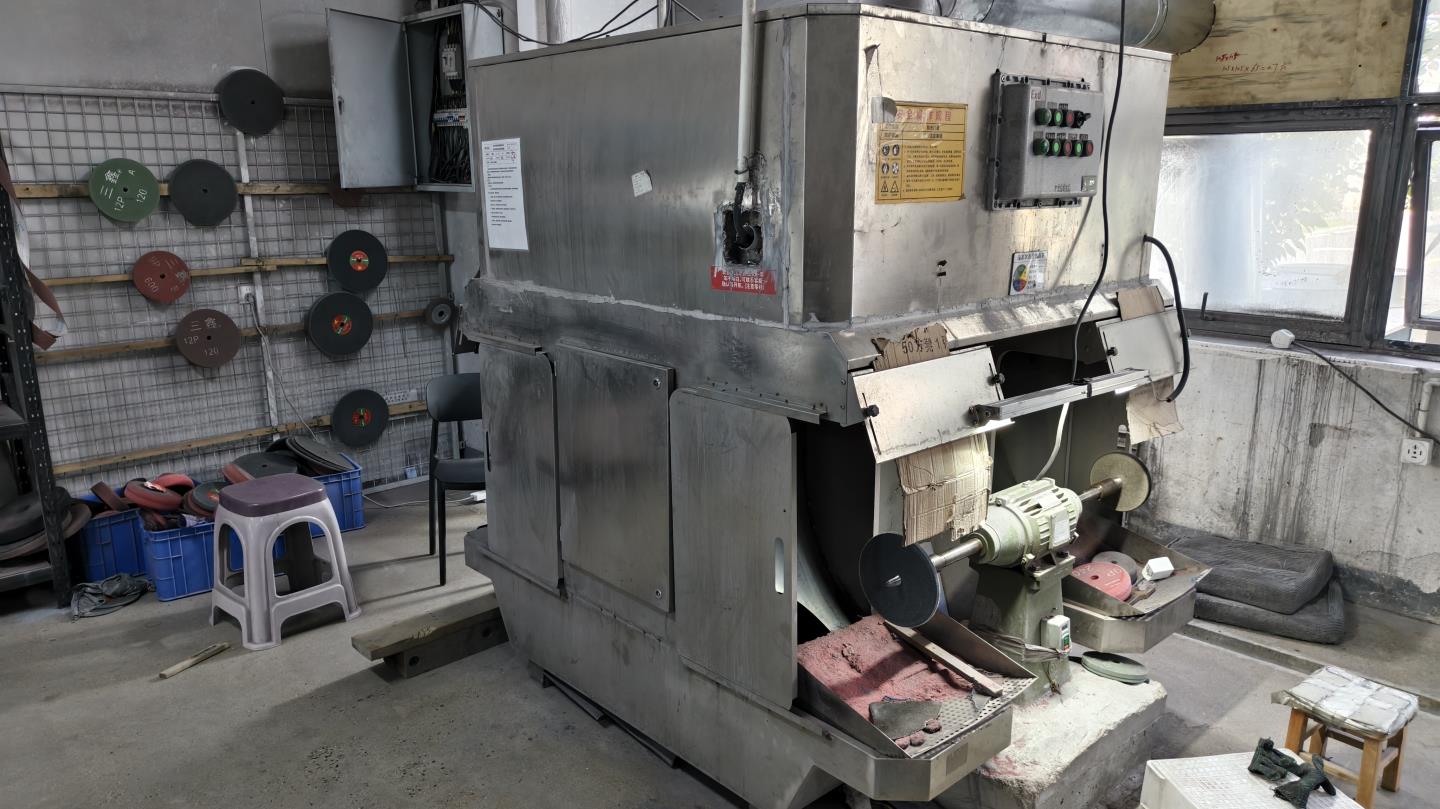
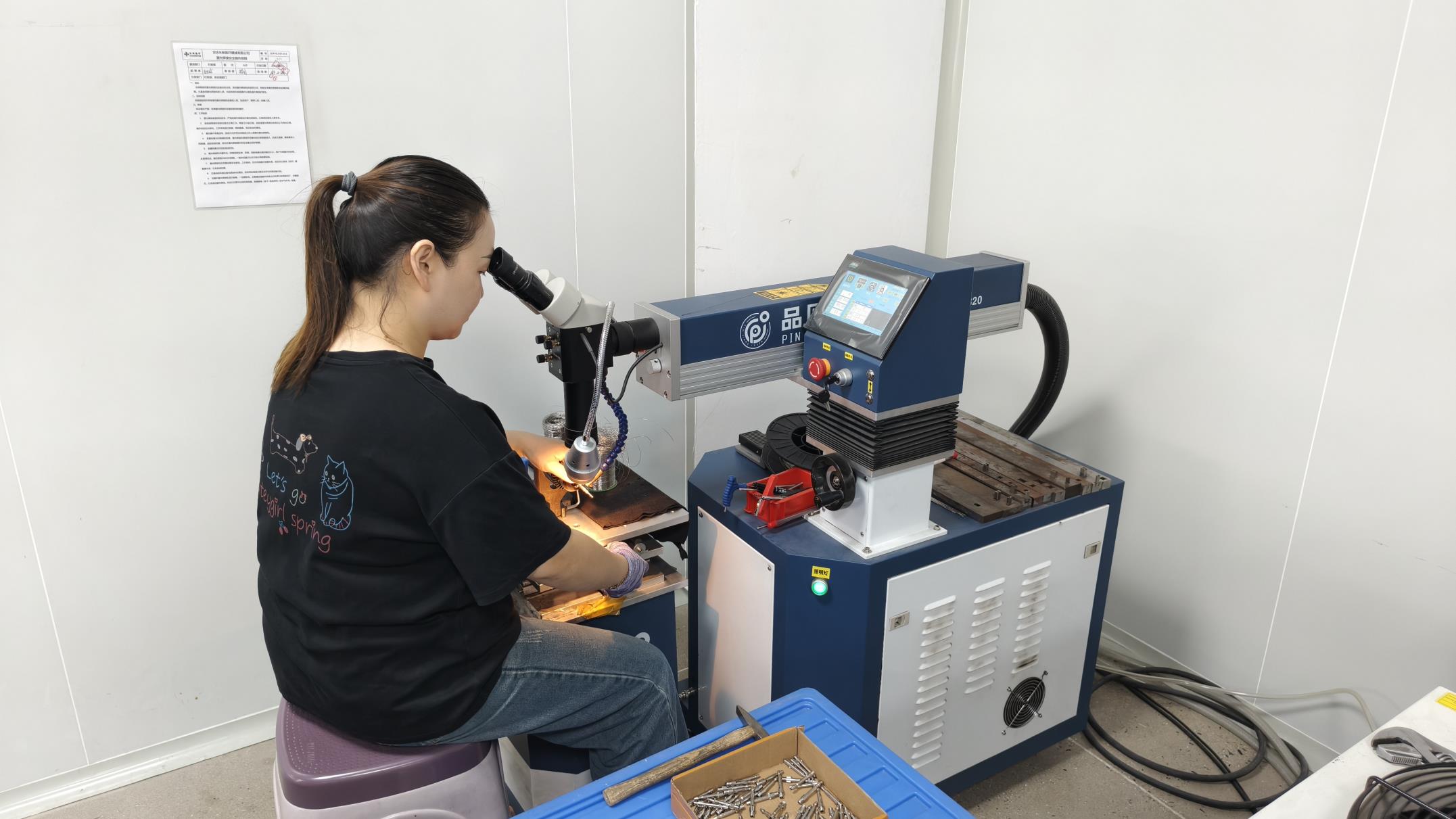
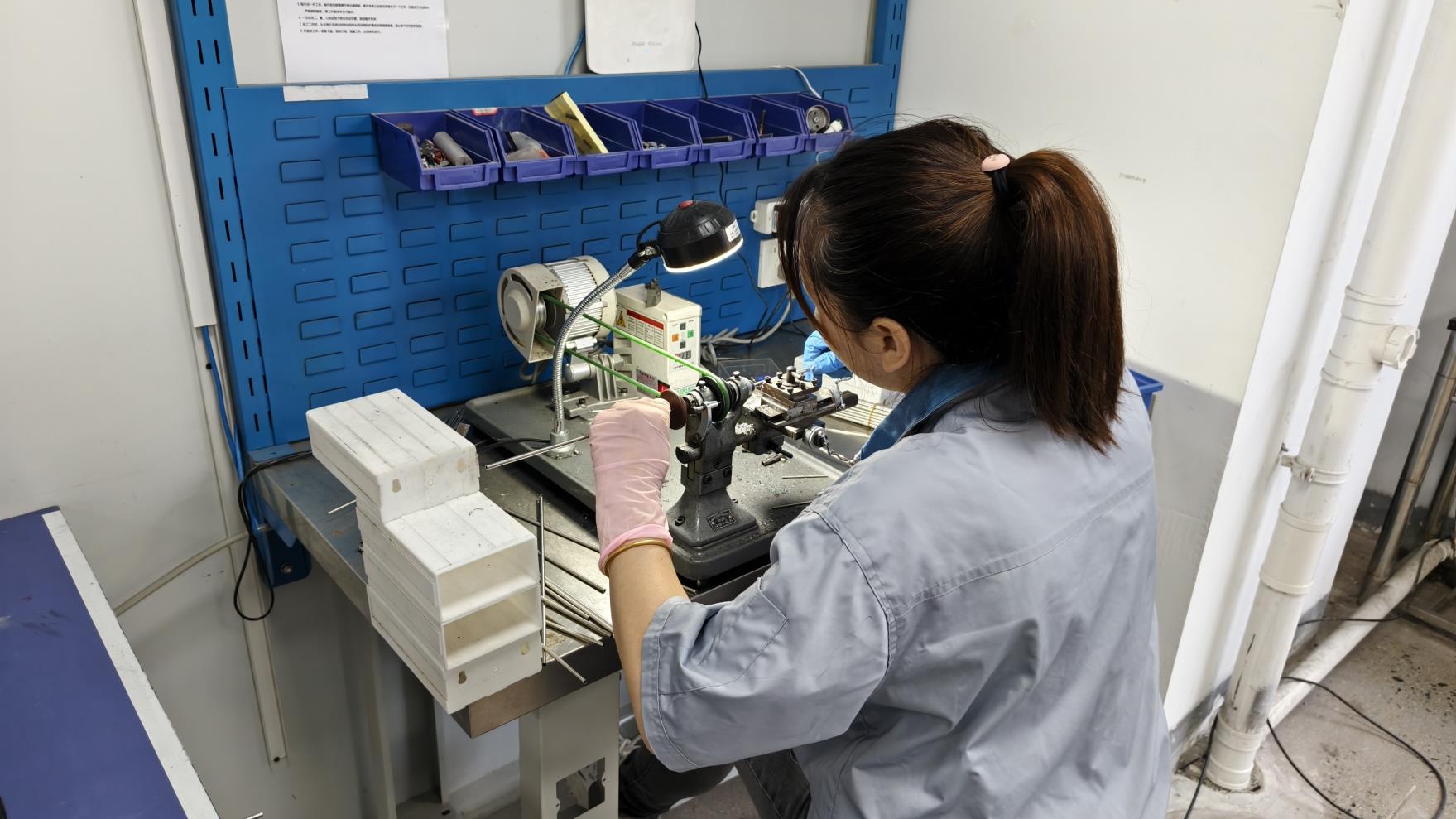
China's orthopedic manufacturing sector has evolved into a high-technology ecosystem characterized by automated smart manufacturing. At Synoviq Medical Technology, our facility implements "Factory 4.0" systems. This translates to integrated Swiss-type CNC automatic lathes, 5-axis machining centers, and online optical inspection loops that maintain tolerances within ±0.005mm.
By leveraging smart supply chain integration, we guarantee component traceability and material continuity, mitigating geopolitical supply line vulnerabilities. Our manufacturing operations maintain rigid quality gates, transitioning from raw titanium bar testing to final mechanical verification. This systematic approach ensures global distributors receive implants that perform consistently under extreme clinical loads.
Synoviq Medical Technology (China) Co., Ltd. is a professional manufacturer of orthopedic implants and surgical instruments, dedicated to delivering innovative, reliable, and high-quality medical solutions for healthcare professionals worldwide. Since its establishment, Synoviq has focused on research, development, precision manufacturing, and international quality standards, providing comprehensive OEM and ODM services for global medical device brands, distributors, and hospitals.
Our product portfolio includes trauma fixation systems, spinal implants, locking plates, intramedullary nails, external fixation systems, orthopedic screws, surgical instruments, and customized orthopedic solutions. Equipped with advanced CNC machining centers, precision inspection equipment, and modern clean production facilities, we ensure every product meets strict international quality requirements.
Driven by continuous innovation, Synoviq invests heavily in R&D and intelligent manufacturing to enhance product performance, surgical efficiency, and patient outcomes. Our experienced engineering team works closely with customers to develop customized products tailored to different clinical applications and market demands.
With a customer-oriented philosophy, competitive pricing, stable supply capability, and efficient technical support, Synoviq has established long-term partnerships with distributors, medical brands, and healthcare organizations across Europe, North America, South America, the Middle East, and Asia-Pacific.
| Item | Information Details |
|---|---|
| Company Name | Synoviq Medical Technology (China) Co., Ltd. |
| Brand | Synoviq |
| Established | March 18, 2016 |
| Building Area | 18,600 m² |
| Annual Export Revenue | USD 21.8 Million |
| Export Experience | 8 Years |
| Industry Experience | 14 Years |
| Quality Inspection | 100% Final Inspection & Incoming Material Inspection |
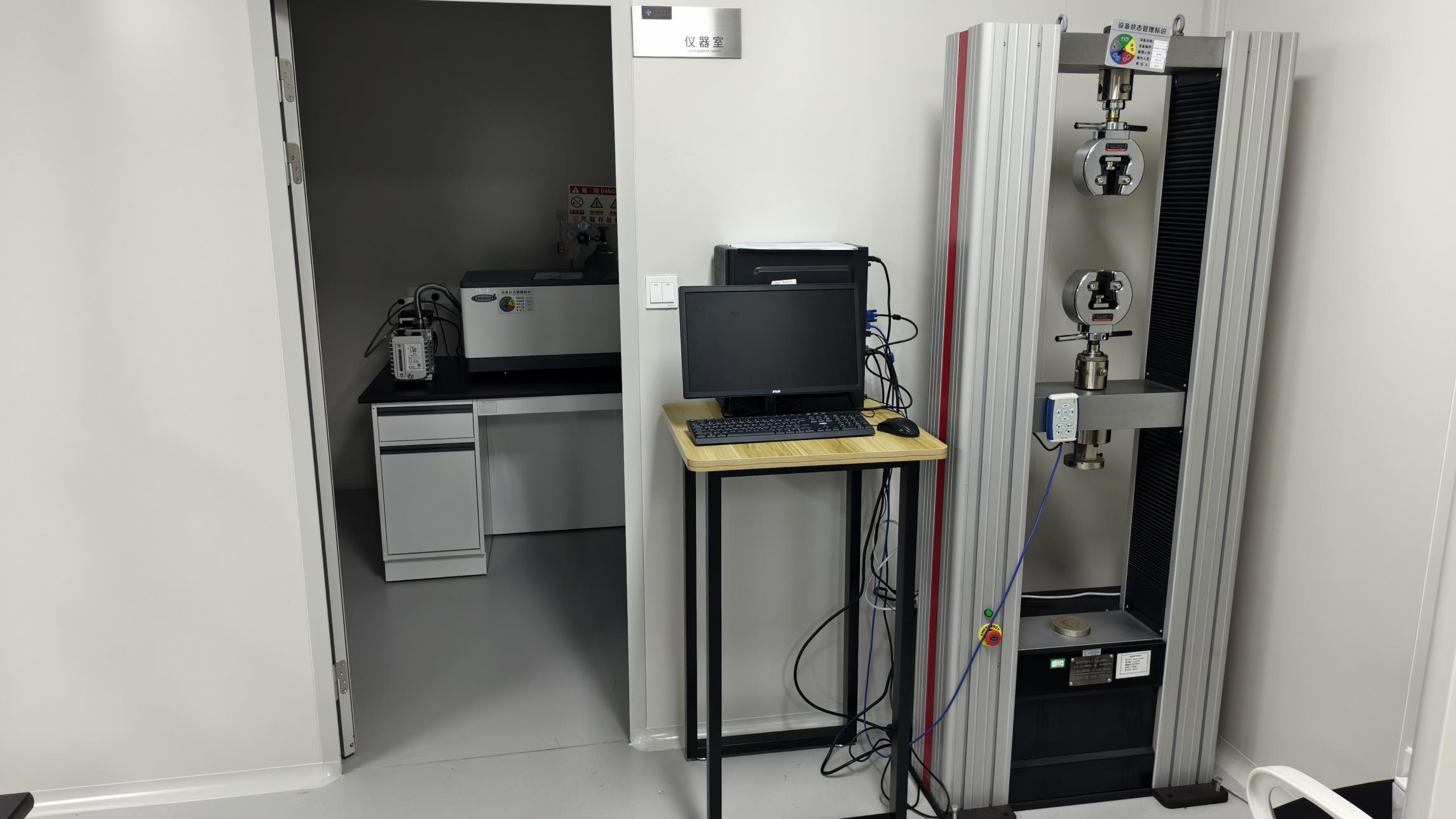
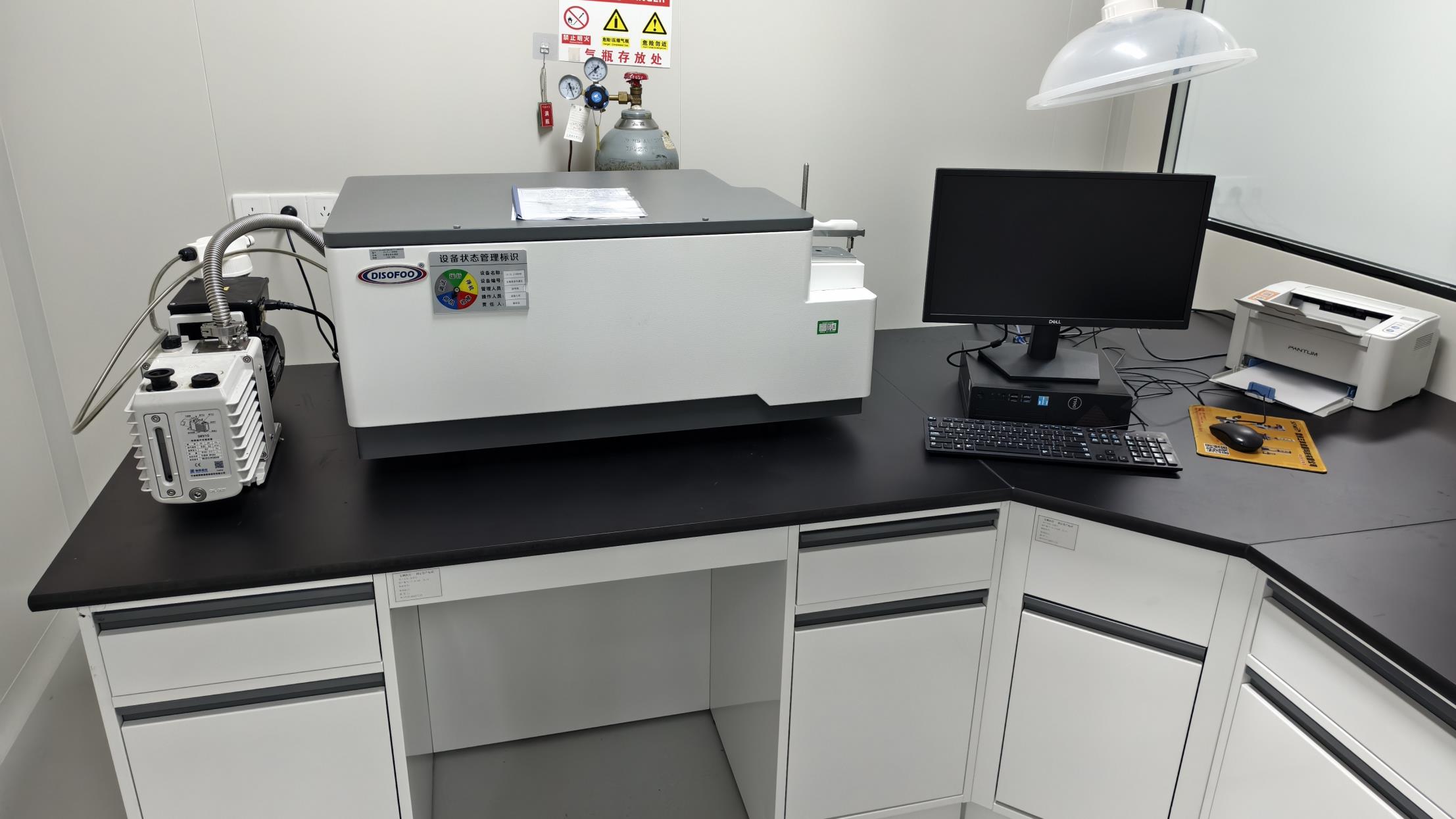
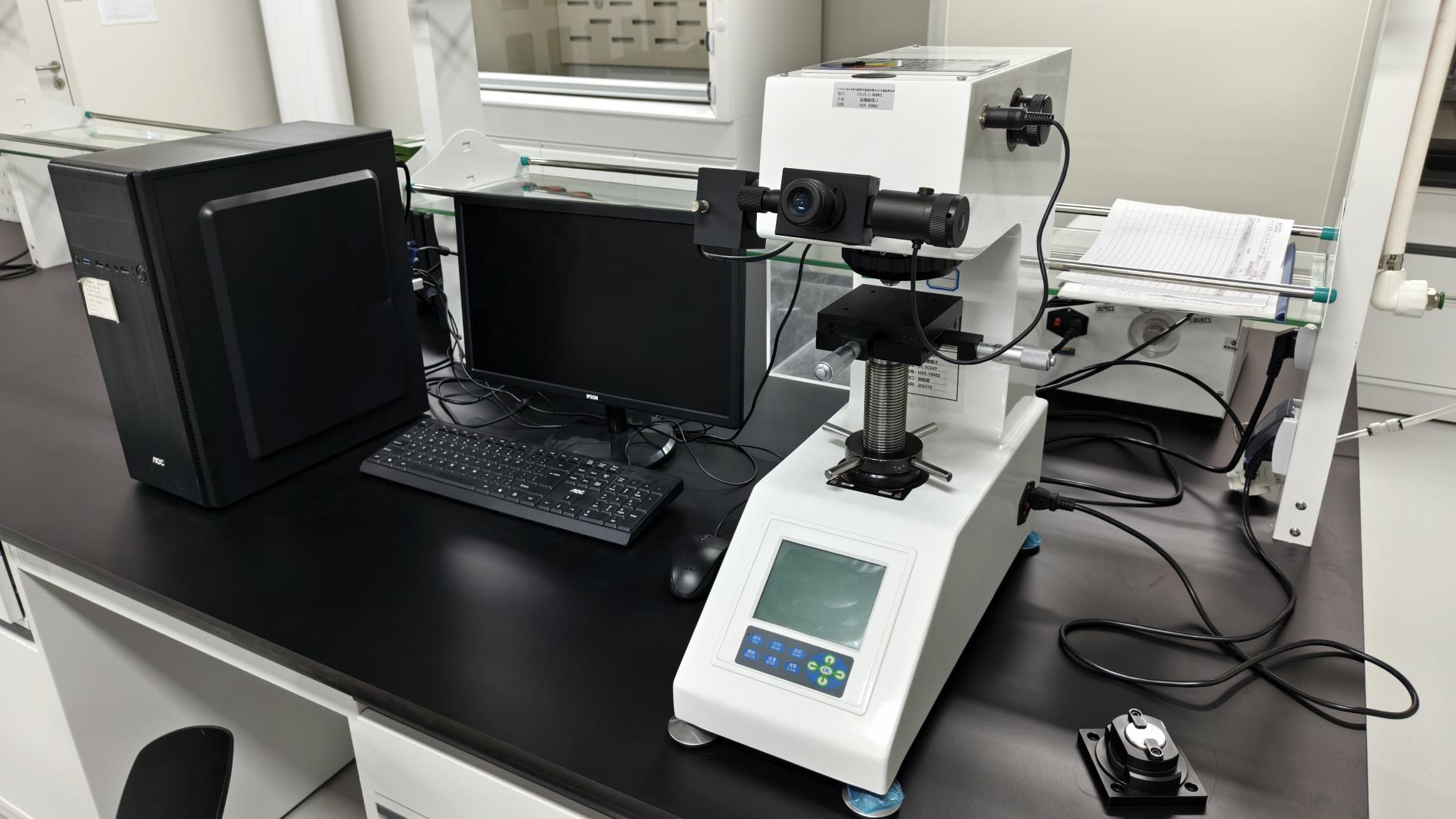
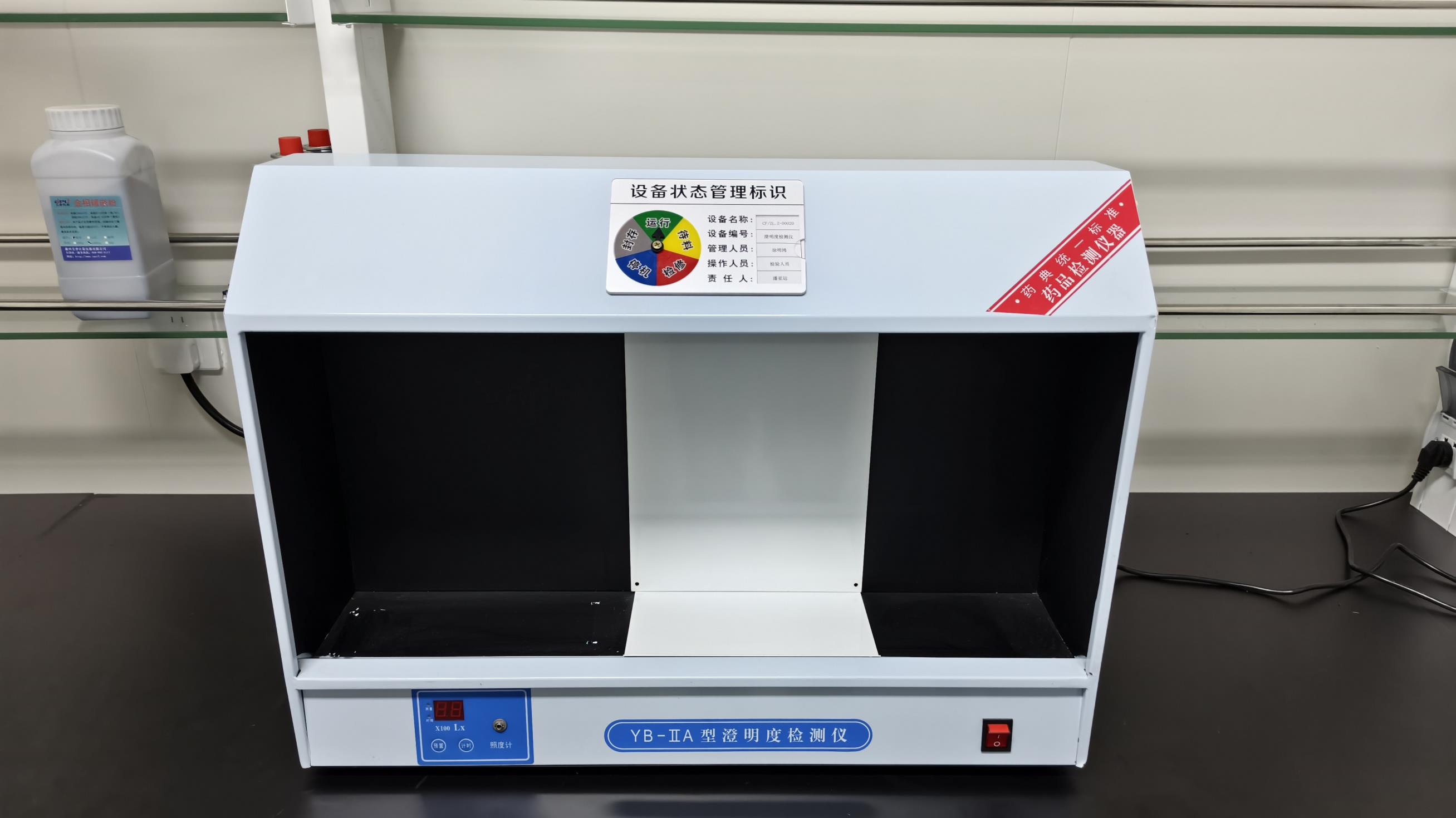
| Product Inspection Methods | CMM Measurement, Mechanical Testing, Surface Roughness Testing, Hardness Testing, Salt Spray Testing, Sterility Validation |
| Quality Control Staff | 48 |
| Business Type | Manufacturer & Exporter (OEM/ODM) |
| Main Markets | Europe, North America, South America, Middle East, Southeast Asia |
| Supply Chain Partners | 1,120+ |
| Main Customer Types | Medical Device Brands, Importers, Distributors, Hospitals, Government Procurement Projects |
| R&D Capability | Independent Product Design, Prototype Development, Clinical-Oriented Engineering, OEM & ODM Development |
| Customization Options | Logo Customization, Packaging Customization, Product Design Customization, Material Selection, Surface Treatment |
| New Products Released Last Year | 186 |
| R&D Engineers | 76 |
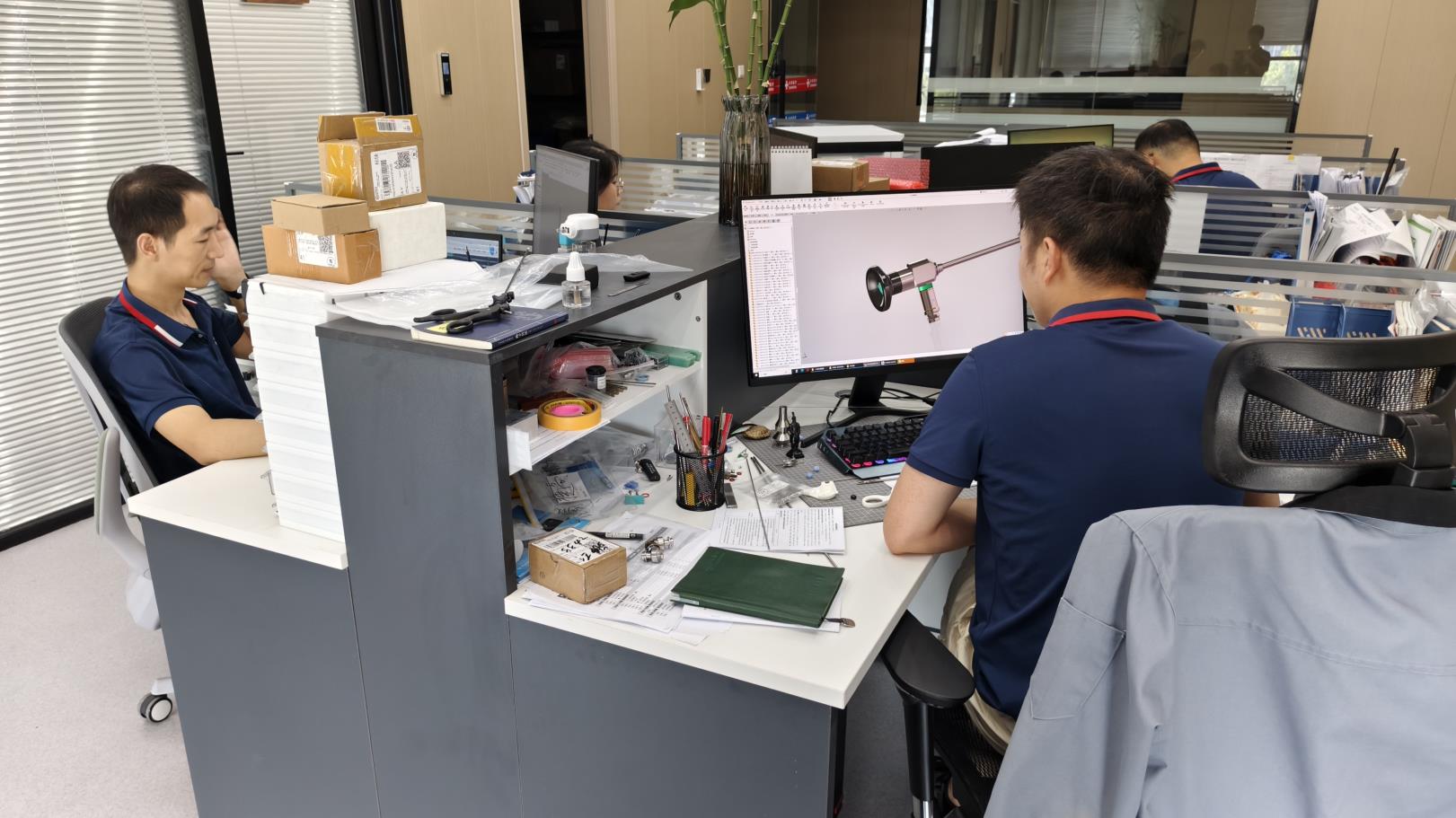
Precision is maintained through controlled, documented stages within our ISO-certified facilities. From digital geometric design down to microscopic finish validation, our fabrication flow guarantees structural integrity.
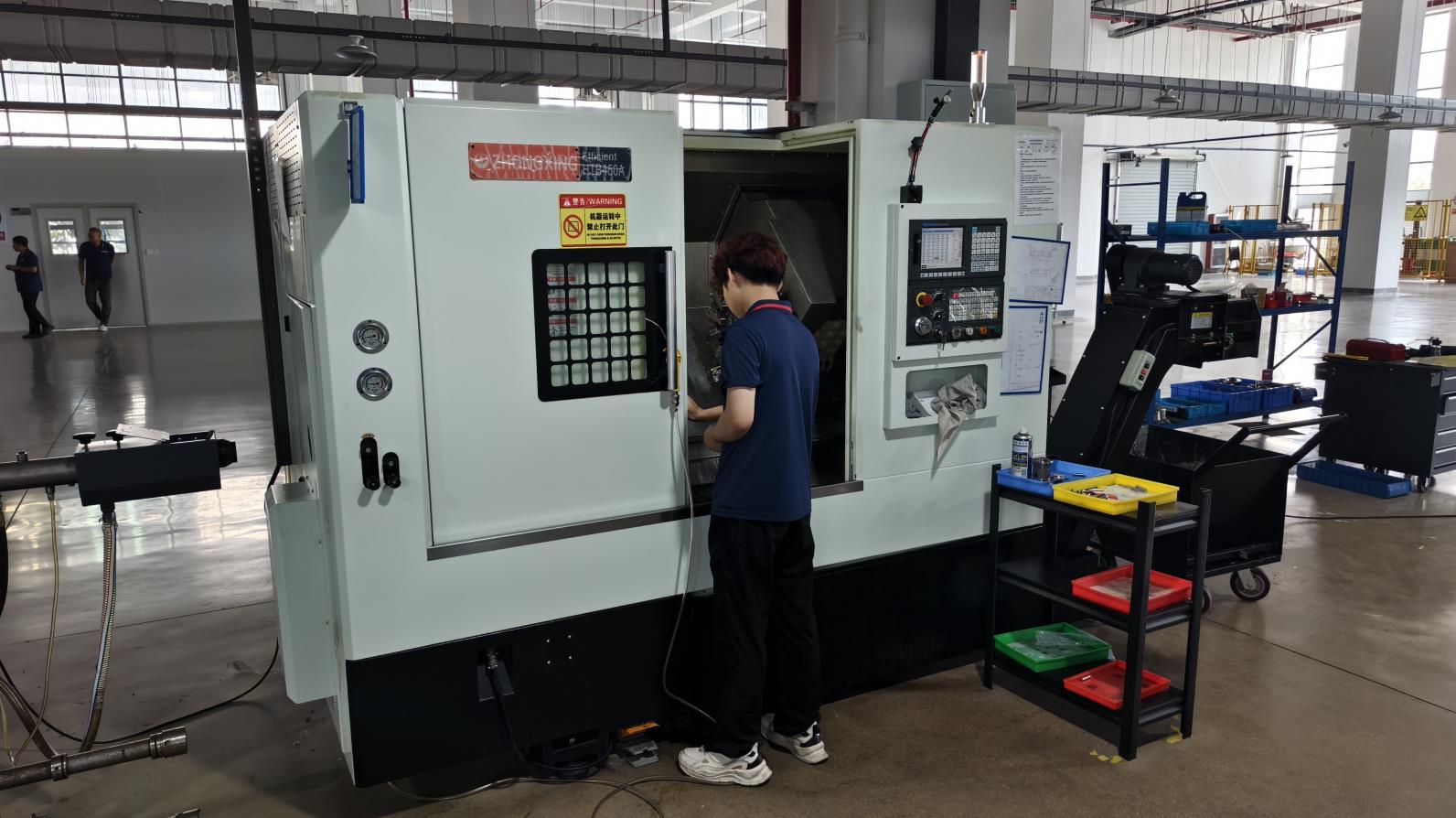
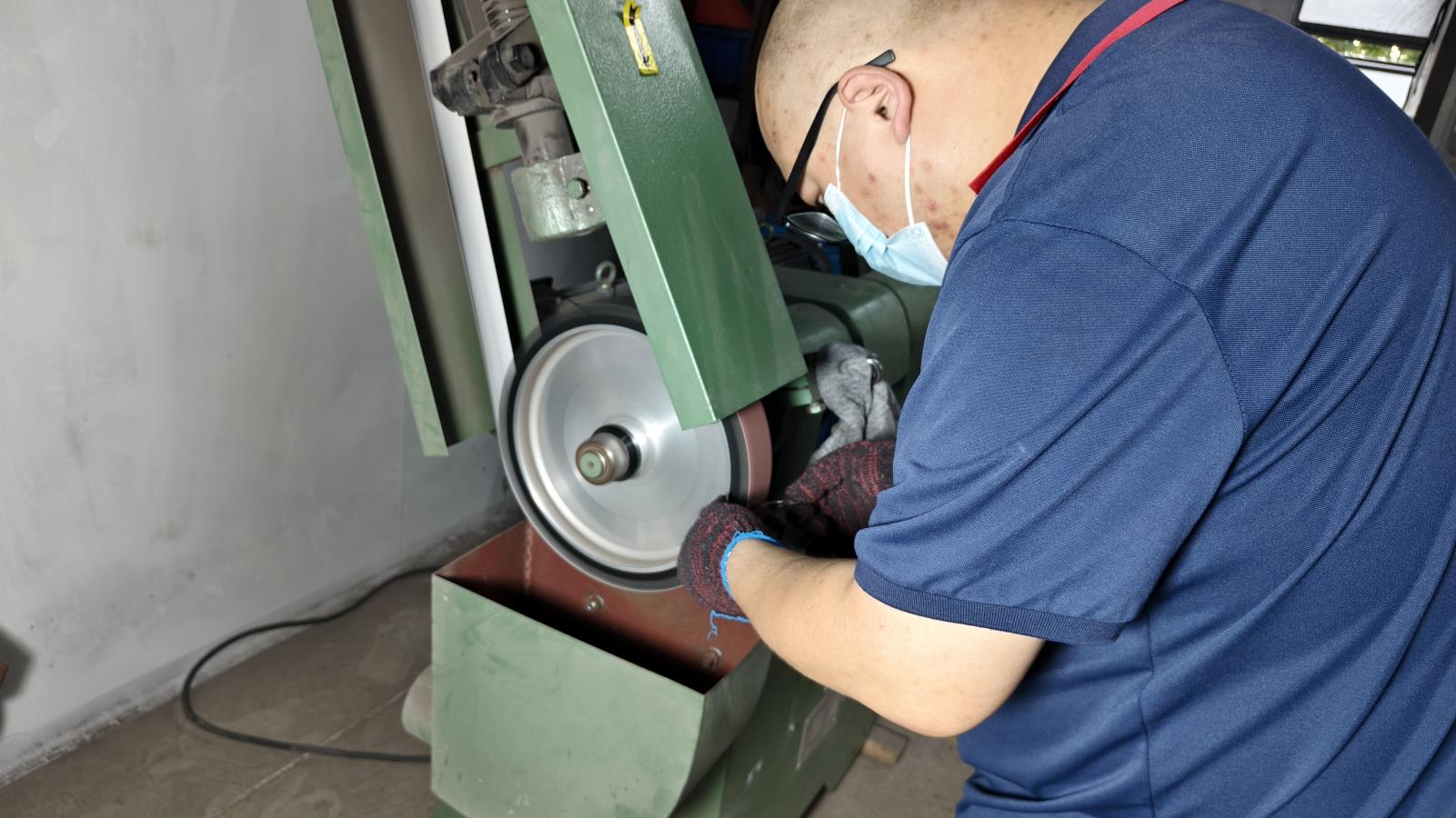
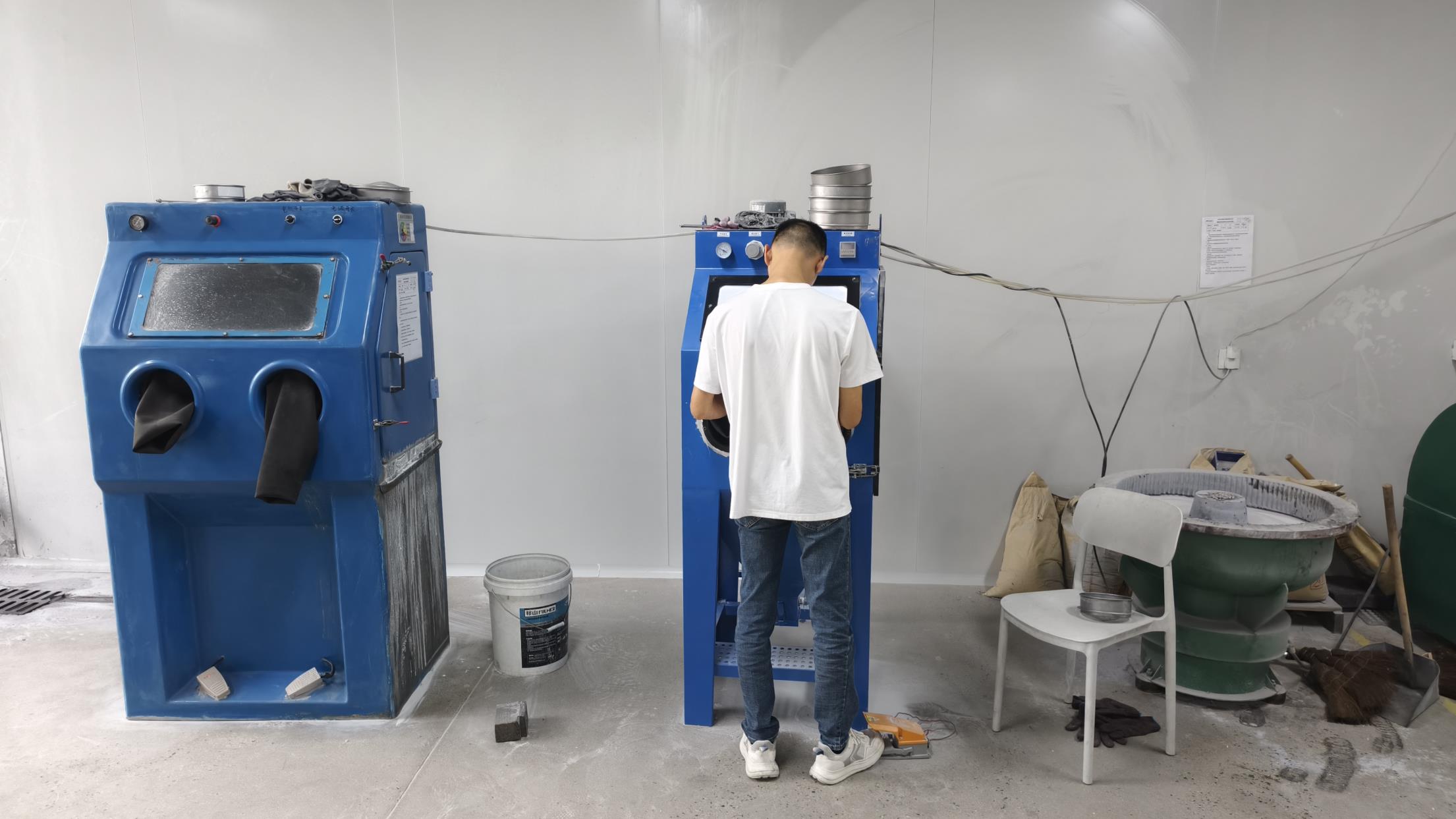
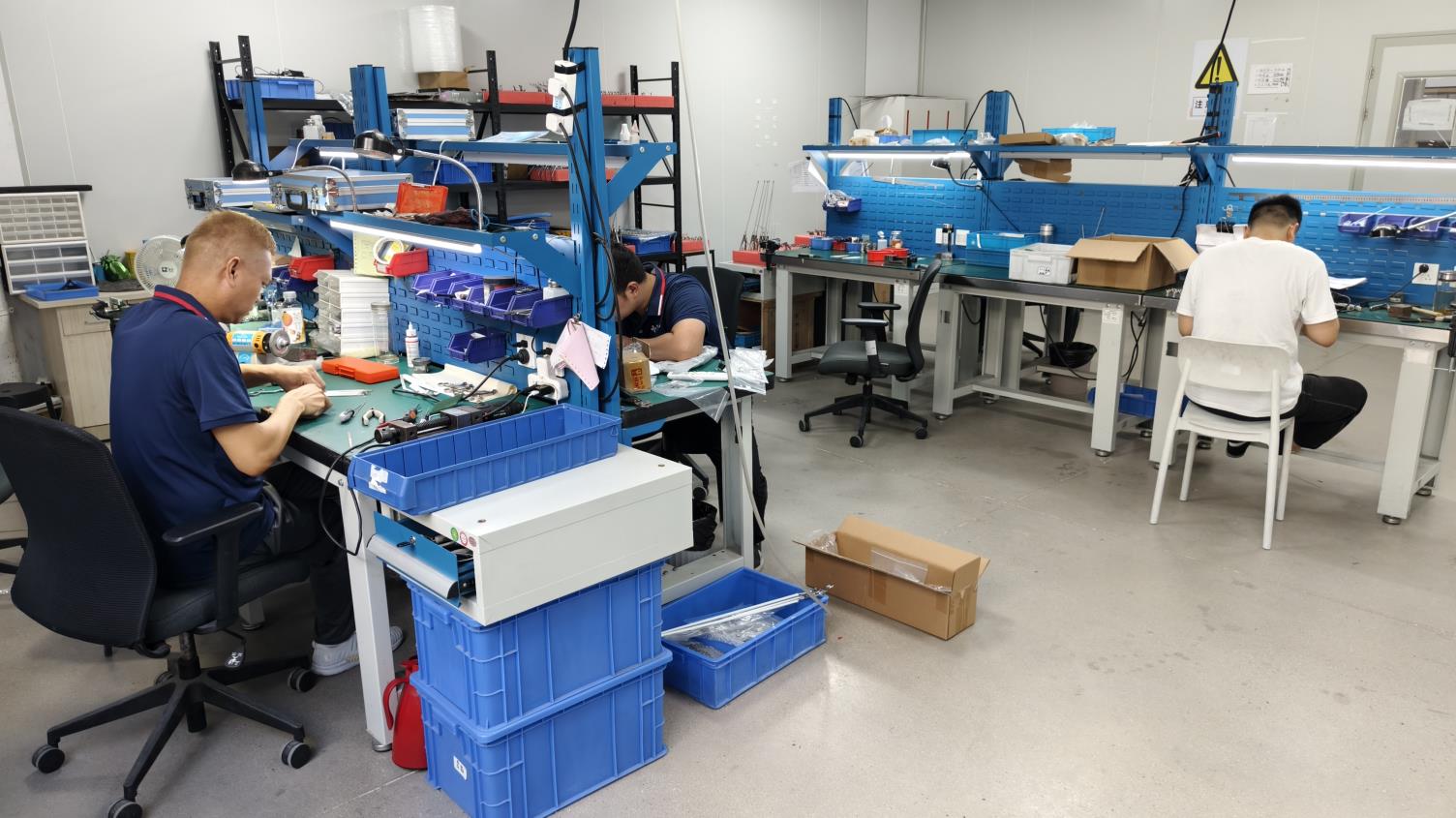
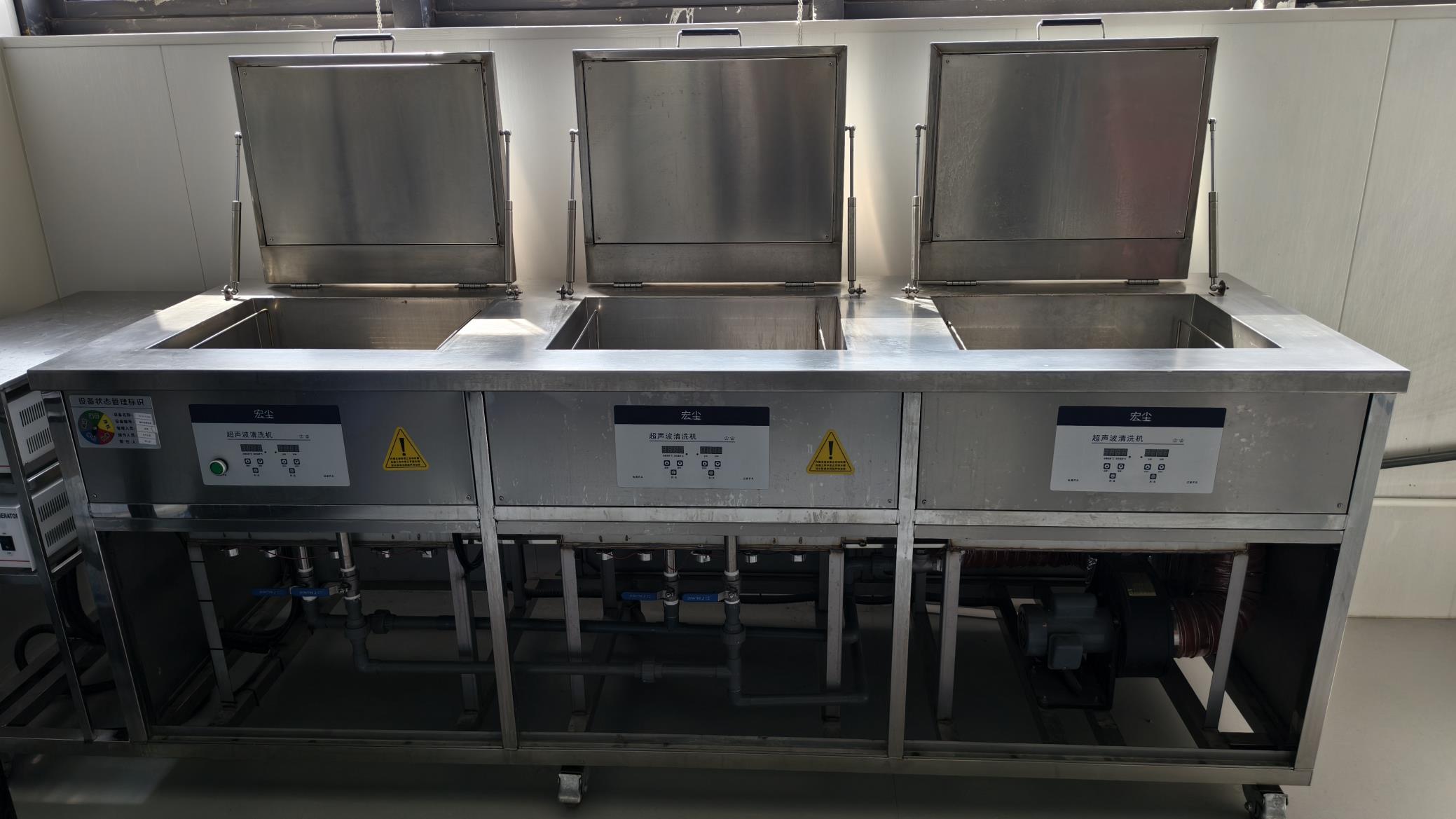
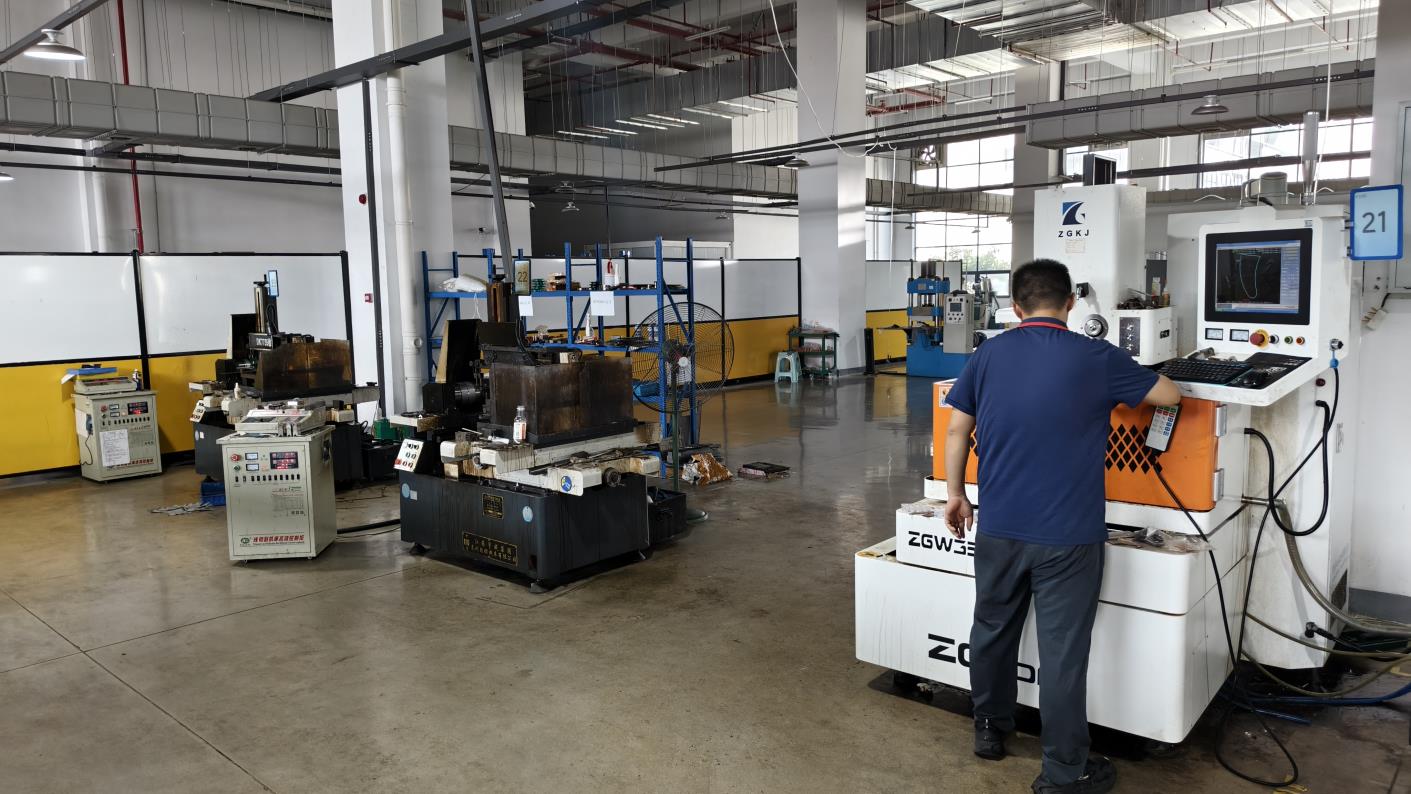
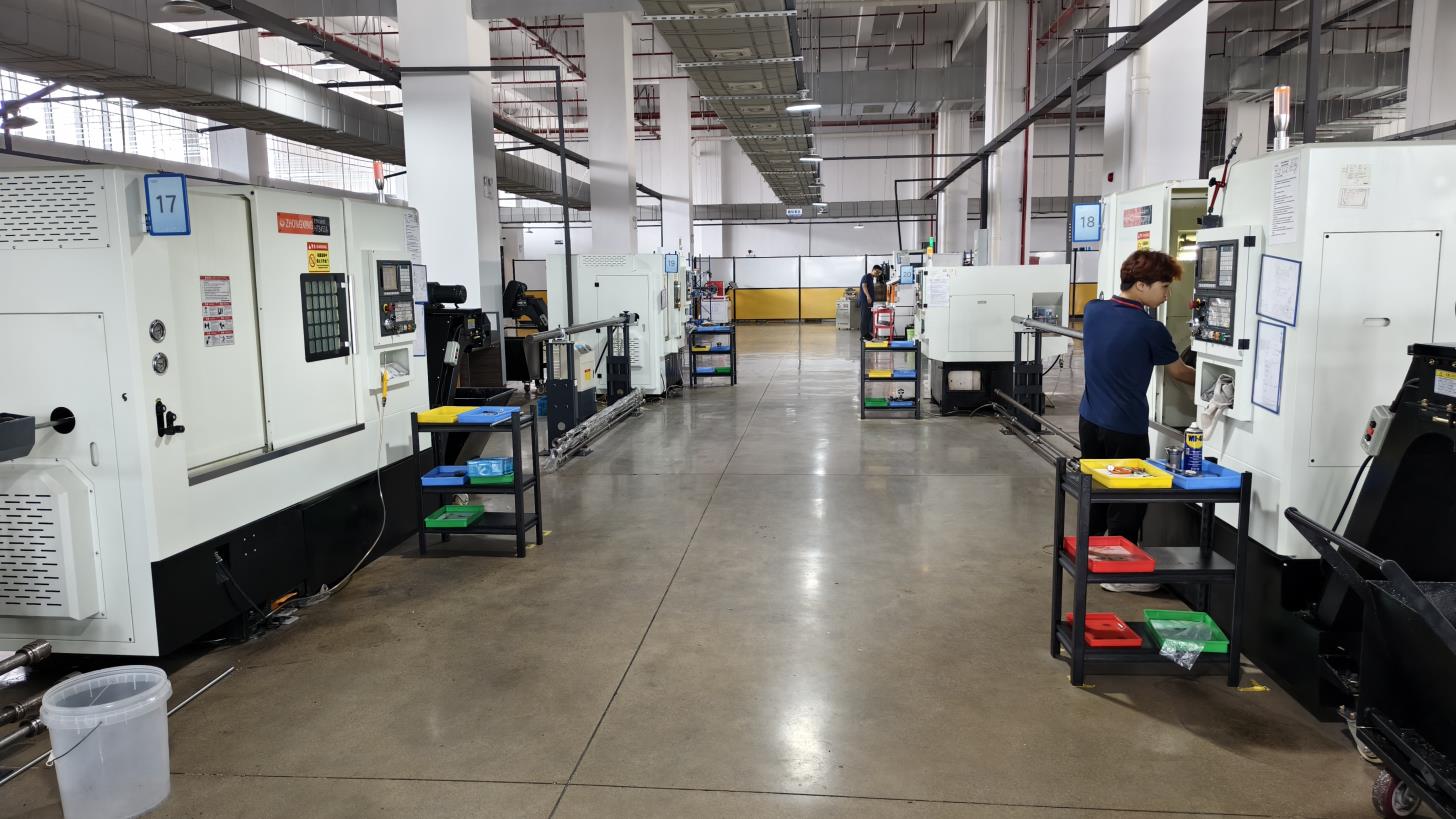
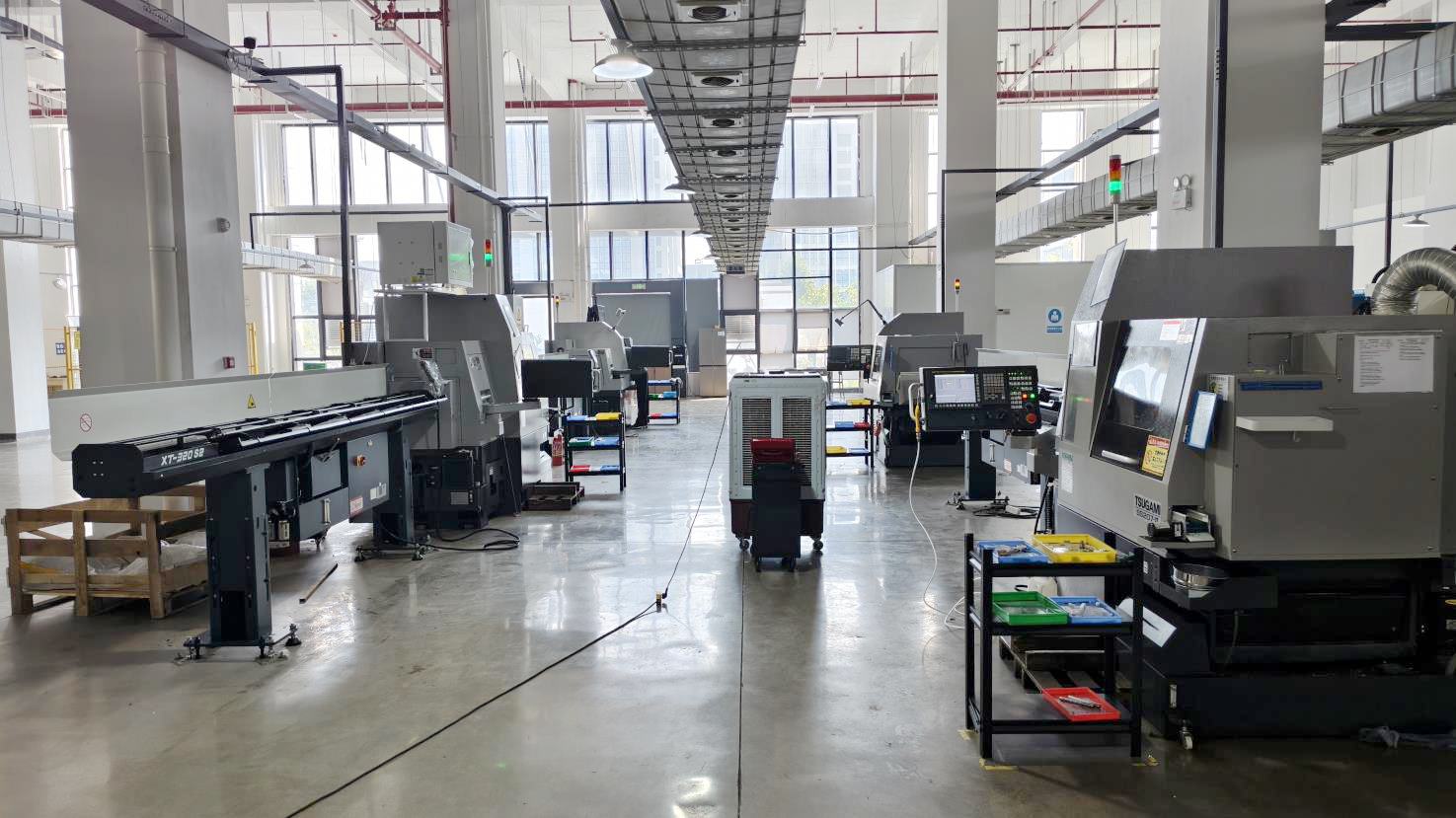
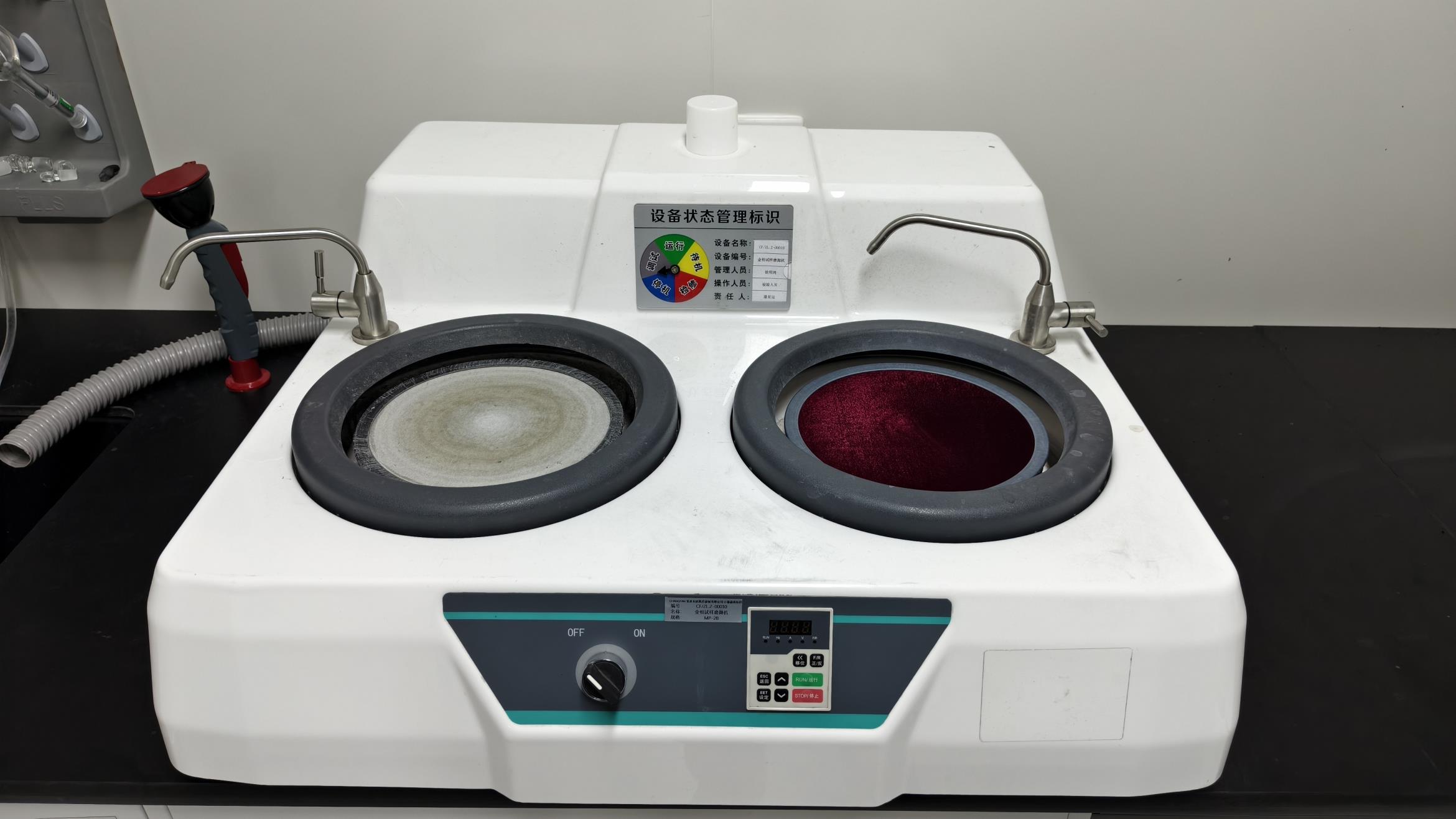
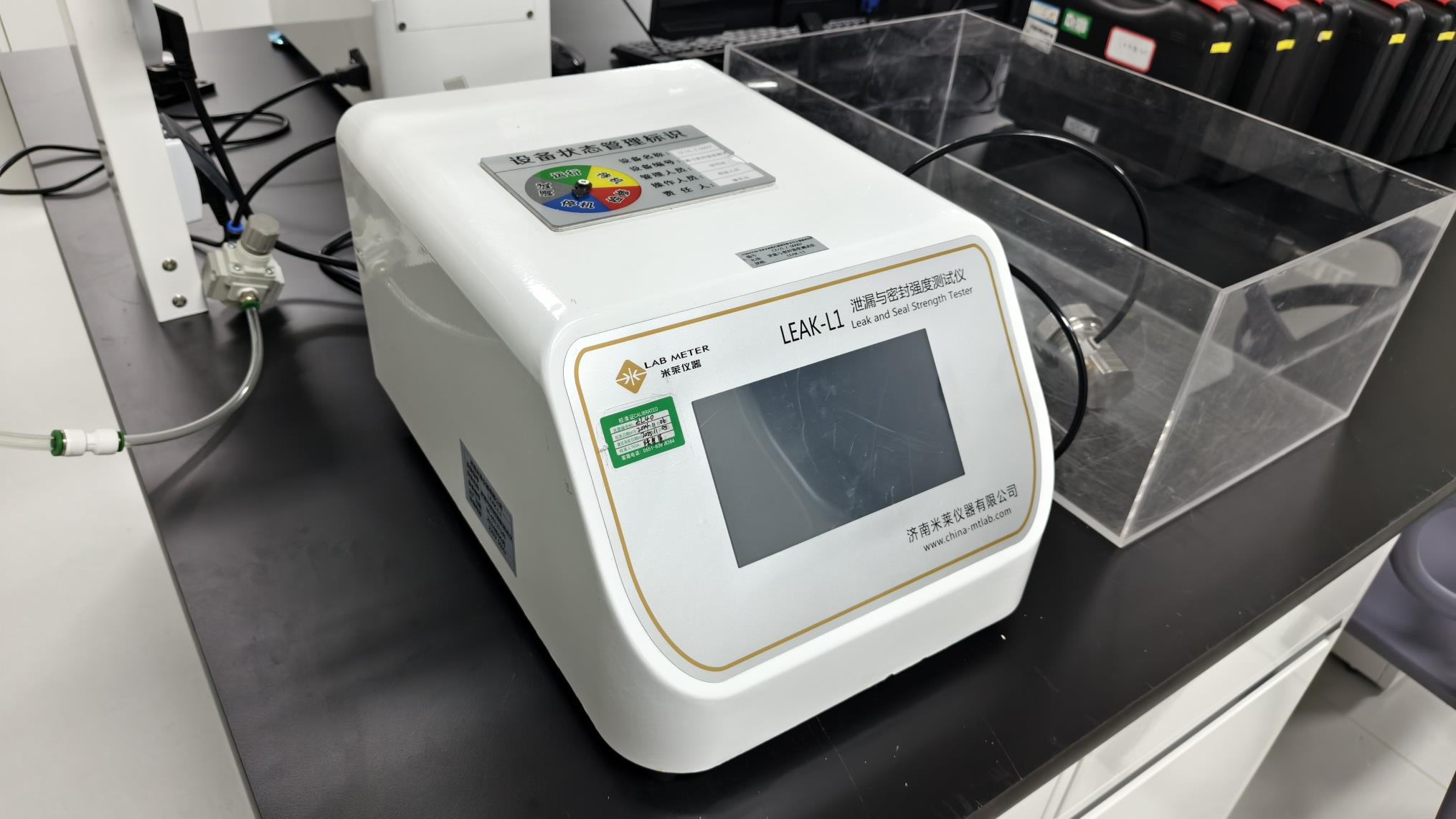
Consistent medical implants require strict metrology and chemical verification. The following devices represent the key infrastructure in our 100% final inspection program, ensuring clinical conformance for every surgical lot.
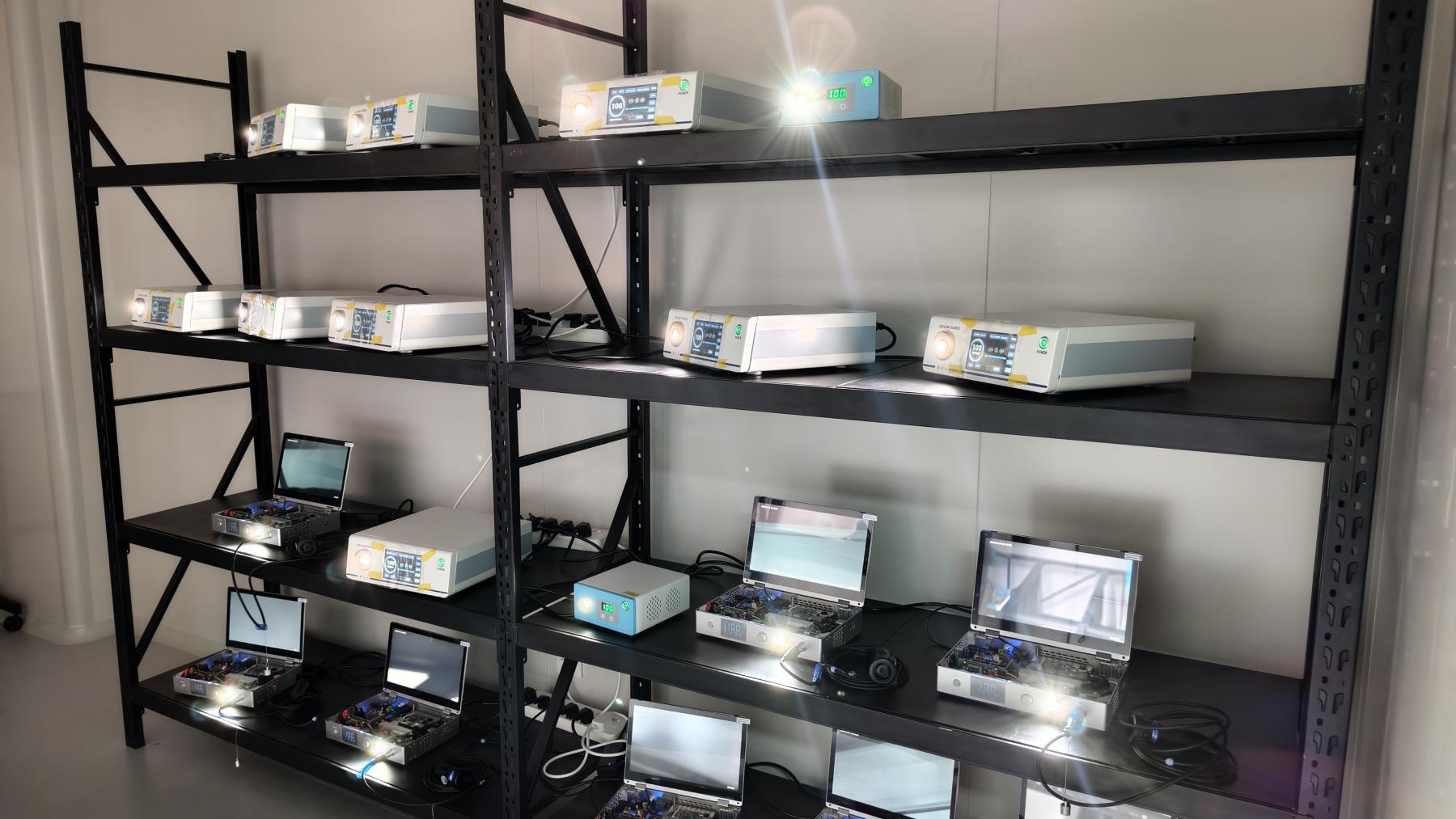
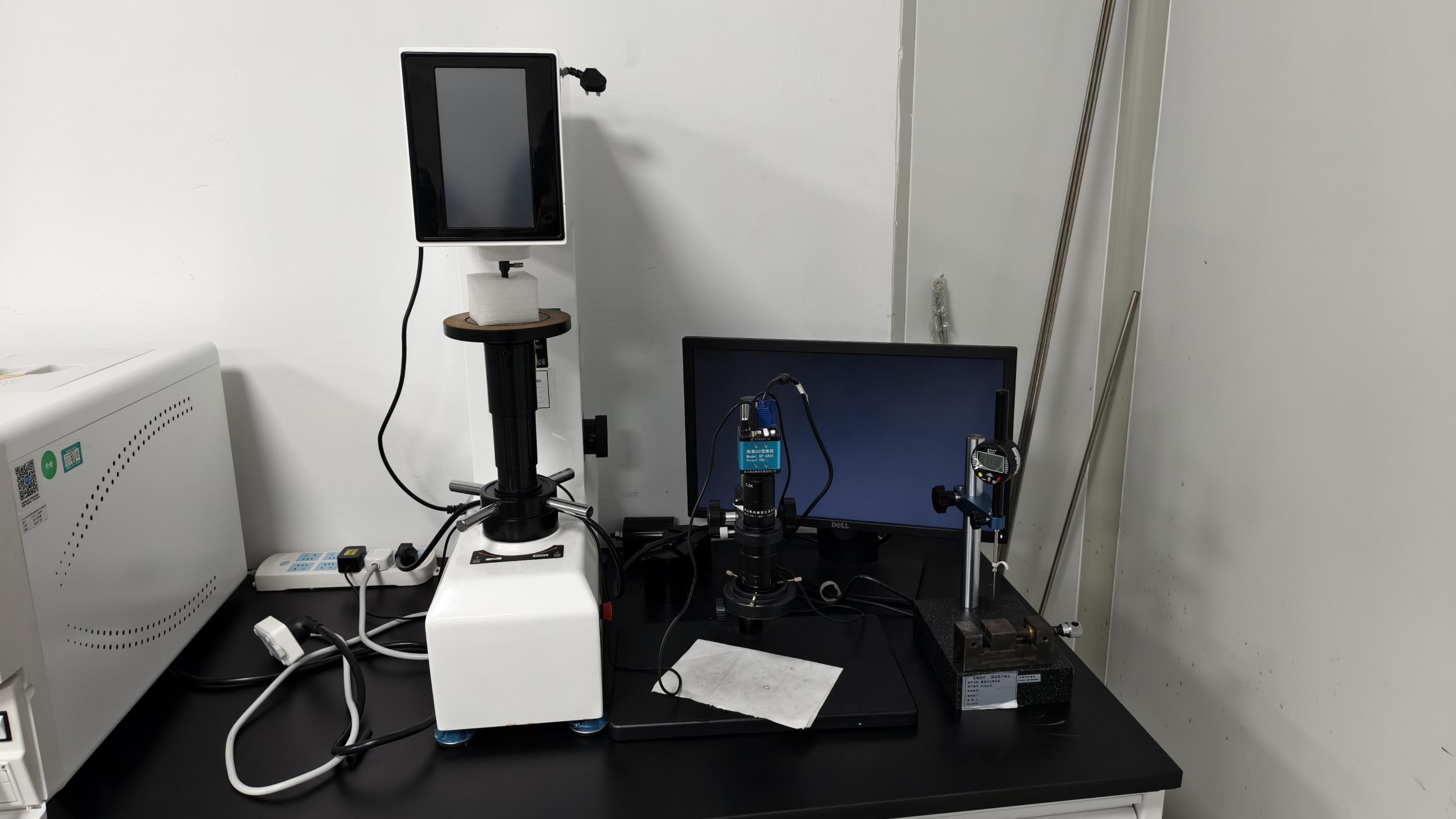
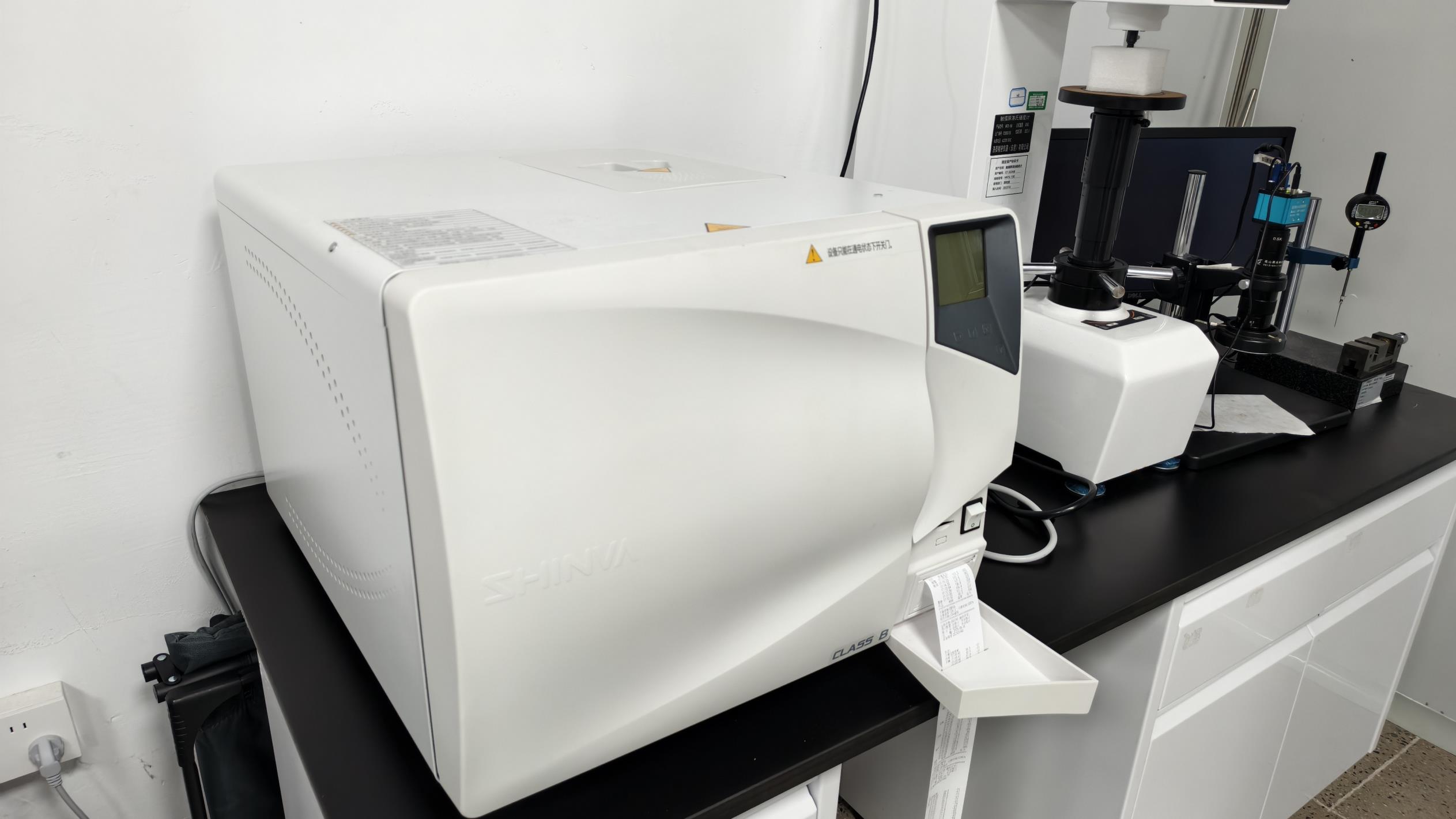
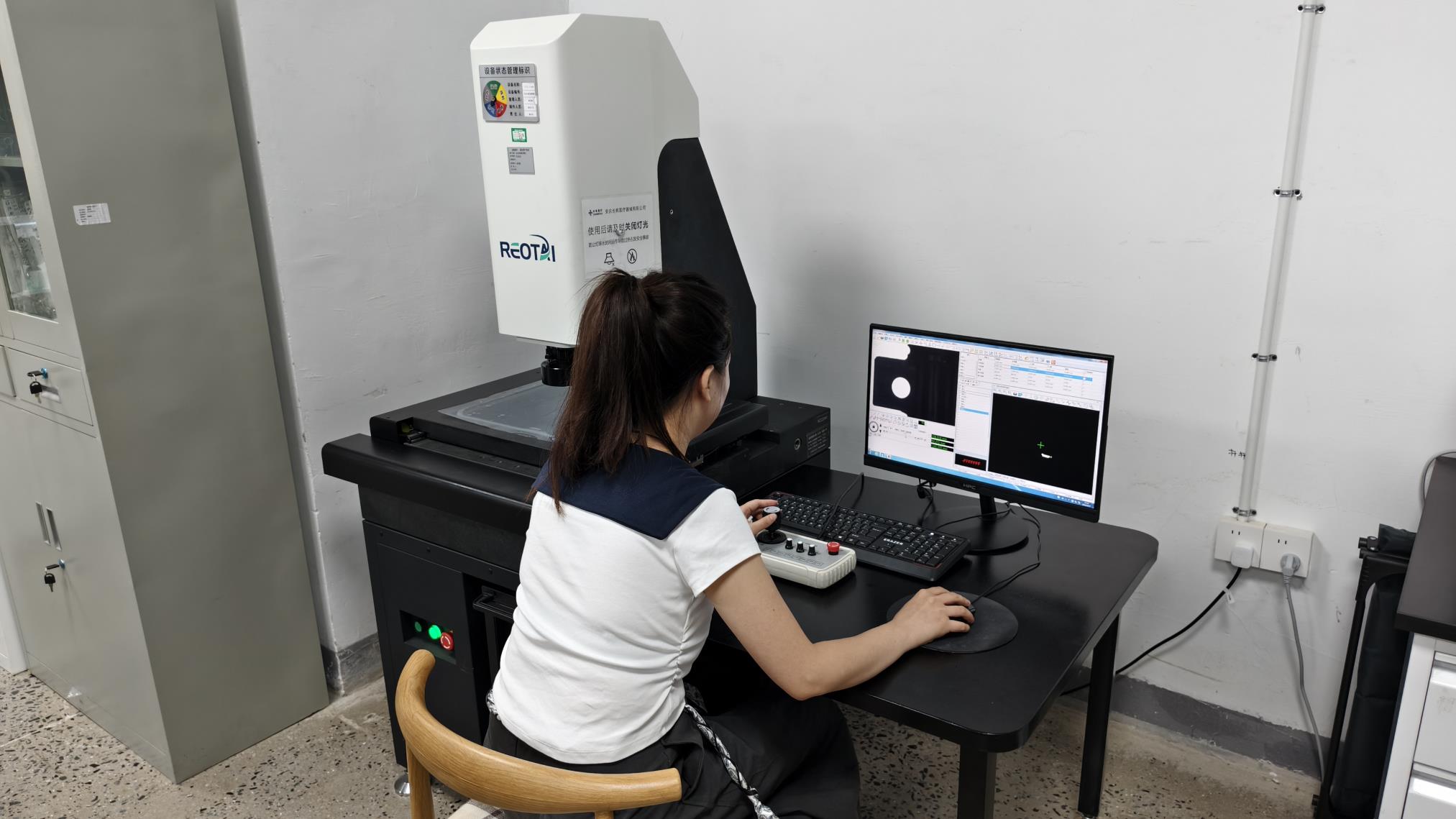
Small fragment fixation systems must accommodate various mechanical demands depending on patient anatomy and the location of the injury. Below are the primary medical settings where our locking plates are used:
Our CE-certified implants are optimized for small bone fixation, including the humerus, radius, ulna, distal fibula, and clavicle. Low-profile designs help prevent irritation to overlying tendons and thin skin layers, making them suitable for active and elderly patients.
The rise in advanced veterinary medicine has driven demand for specialized implants. Small fragment plates are frequently used for limb reconstruction and fracture repair in small-to-mid-sized domestic animals and veterinary patients.
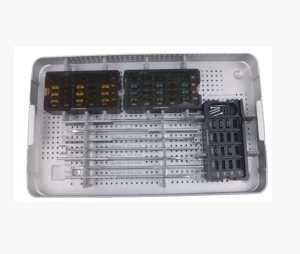
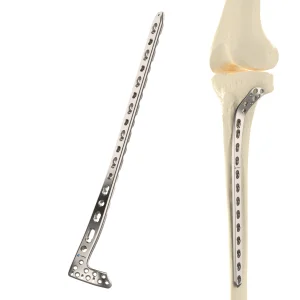
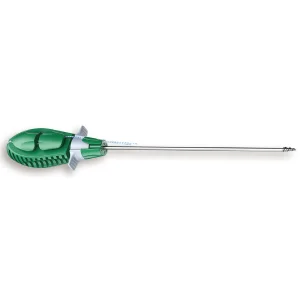
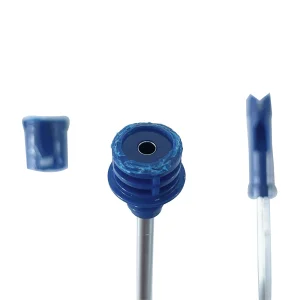
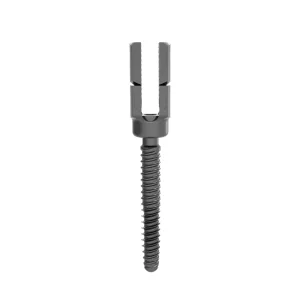
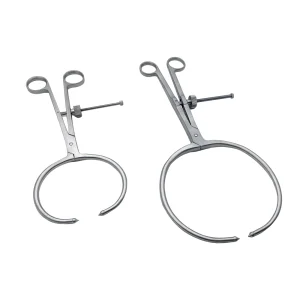
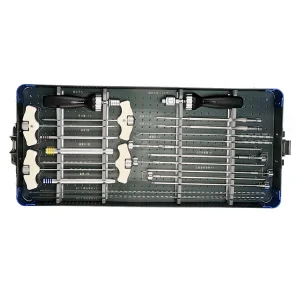
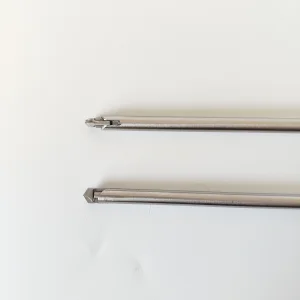
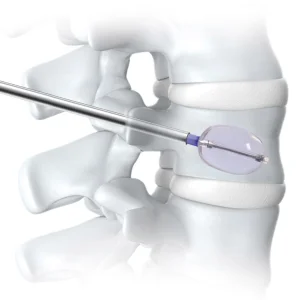
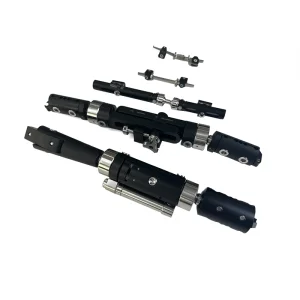
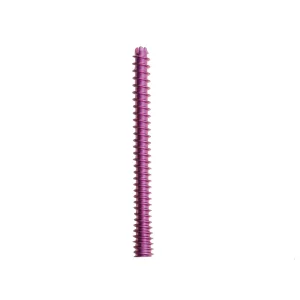
Below is the remaining selection of our orthopedic trauma, spine fixation, joint reconstruction systems, and professional surgical instruments manufactured by Synoviq Medical Technology.
 Synoviq Medical