Highly precise orthopedic hardware engineered to meet CE, ISO, and rigorous global clinical protocols.
An analysis of clinical demand, regulatory compliance, and international procurement structures.
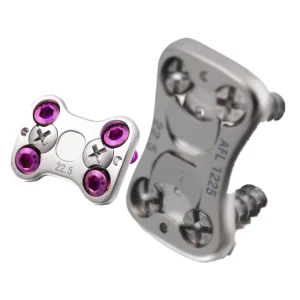
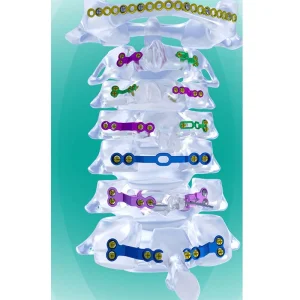
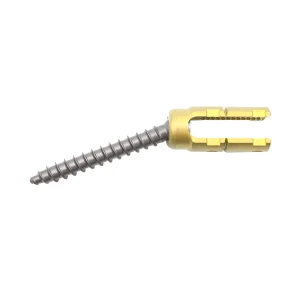
The global spinal implants market is undergoing a major technological transformation, with posterior cervical fixation systems taking center stage. Indicated for complex pathologies such as degenerative disc disease, spinal stenosis, cervical spondylotic myelopathy (CSM), tumors, and acute trauma, posterior cervical fixation provides vital biomechanical stabilization. By securing the cervical column from the posterior aspect utilizing polyaxial screws, rods, lateral mass plates, and connectors, surgeons can reliably achieve solid arthrodesis.
As global populations age and structural spine disorders become more prevalent, healthcare systems are prioritizing implants that guarantee long-term stability and minimize revision rates. The demand has shifted heavily toward low-profile designs that prevent soft tissue irritation while offering superior angular range of motion during screw insertion.
Furthermore, the regulatory environment is stricter than ever. With the European Union's transition to the Medical Device Regulation (MDR 2017/745), global procurement teams at hospitals, ministries of health, and international distributors are demanding verifiable CE certification. A certified system ensures that the manufacturing process, material biocompatibility (primarily Grade 5 Titanium Alloy, Ti-6Al-4V ELI), and clinical performance data have undergone thorough audit and validation.
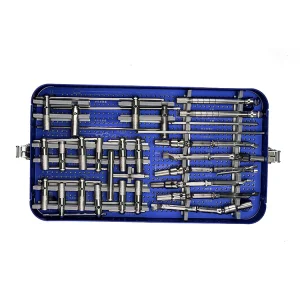
For global enterprise buyers, sourcing from certified suppliers reduces liability, accelerates market access, and guarantees patient safety. Suppliers must not only deliver high-performance implants but also complete instrument kits that streamline surgical steps in high-pressure operating room settings.
How advanced CNC automation, vertically integrated processes, and engineering talent drive value.
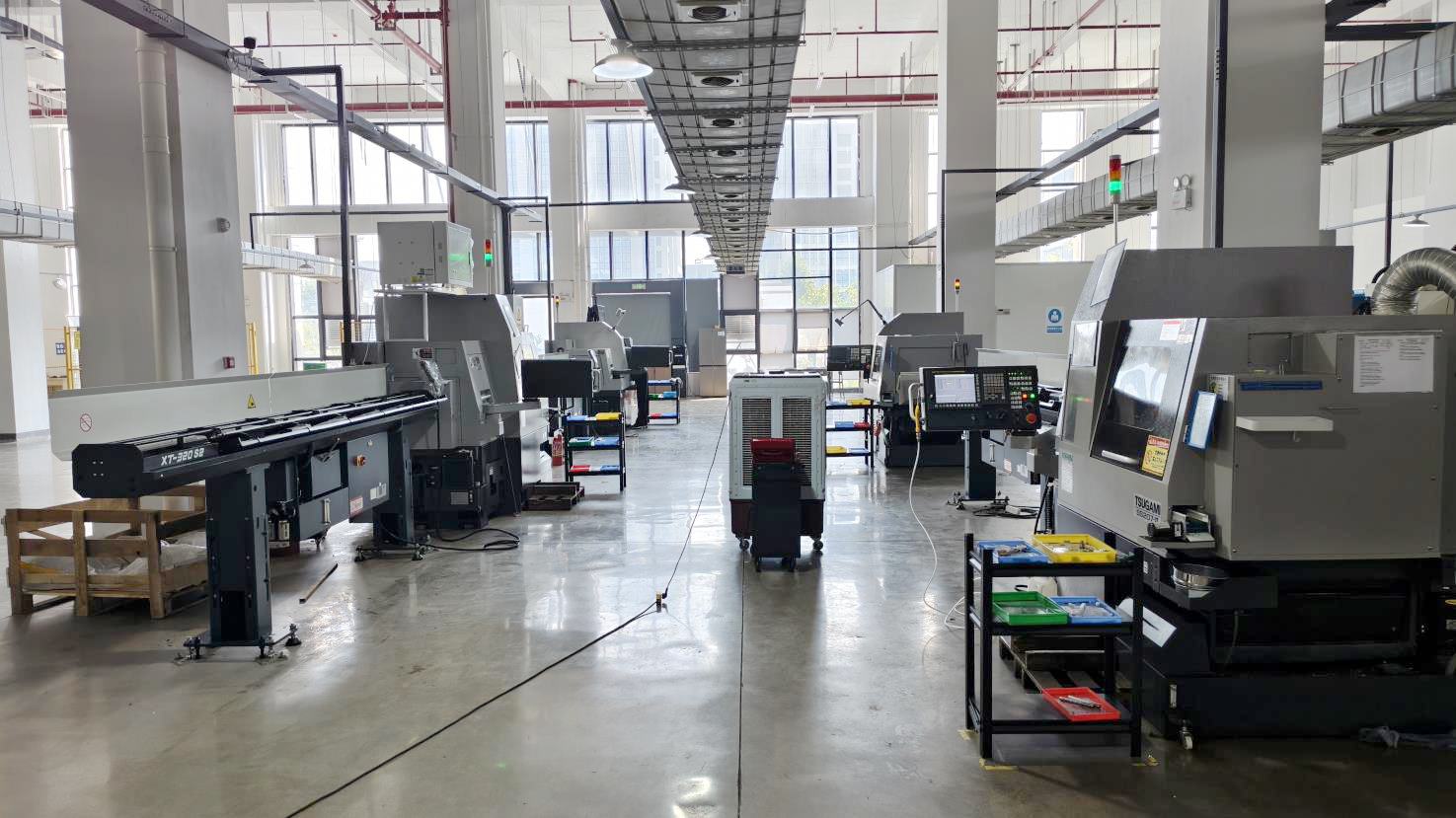
Leveraging state-of-the-art Swiss-type CNC lathes and multi-axis machining centers allows Chinese manufacturers to construct implants with tolerances within microns. This guarantees consistency across screw threads and locking mechanisms, preventing intraoperative thread stripping.
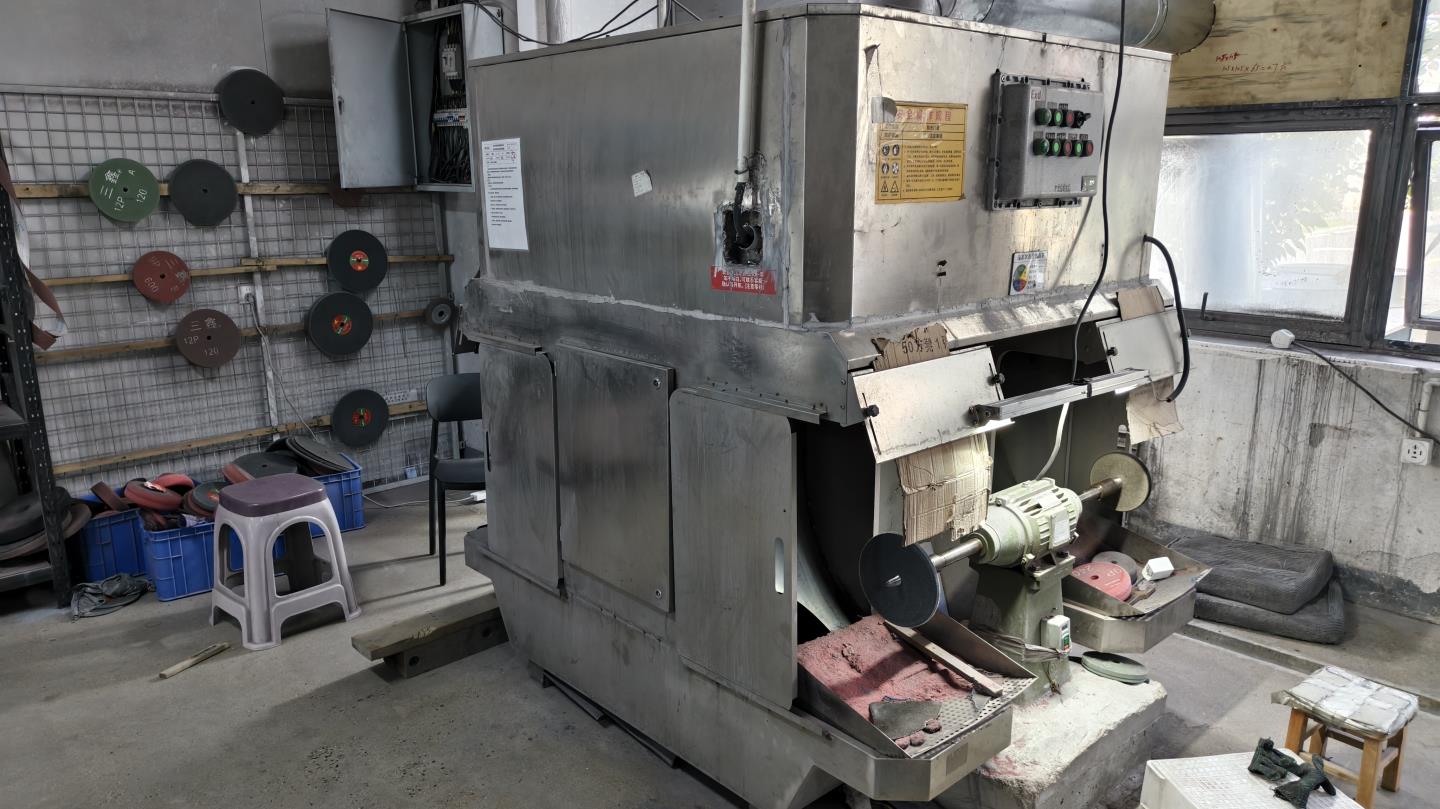
Through specialized anodization and chemical surface treatments, titanium implants acquire a protective oxide layer. This enhances corrosion resistance, reduces metal ion release, and improves osseointegration properties, crucial for long-term clinical safety.
With a massive industrial ecosystem containing over 1,120 supply partners, manufacturers like Synoviq significantly shorten lead times. High-quality raw material procurement, internal packaging, sterilization, and rapid prototyping occur within a single integrated corridor.
Chinese factories have transitioned from basic manufacturing to high-end, intelligent production hubs. Large-scale investments in design software (CAD/CAM), simulation systems for stress analysis, and automated cleanroom systems ensure that every batch meets global requirements. This integration of design, validation, and production reduces overhead costs, passing significant cost savings to international distributors and hospital purchasing groups without compromising quality.
Synoviq Medical Technology (China) Co., Ltd. — Your trusted international orthopedic implant partner.
Synoviq Medical Technology (China) Co., Ltd. is a professional manufacturer of orthopedic implants and surgical instruments, dedicated to delivering innovative, reliable, and high-quality medical solutions for healthcare professionals worldwide. Since its establishment, Synoviq has focused on research, development, precision manufacturing, and international quality standards, providing comprehensive OEM and ODM services for global medical device brands, distributors, and hospitals.
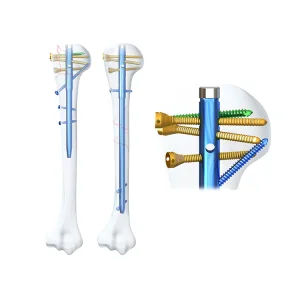
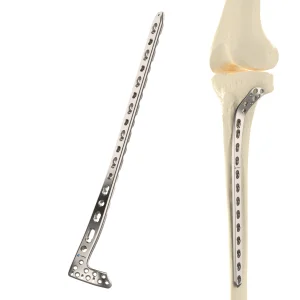
Our product portfolio includes trauma fixation systems, spinal implants, locking plates, intramedullary nails, external fixation systems, orthopedic screws, surgical instruments, and customized orthopedic solutions. Equipped with advanced CNC machining centers, precision inspection equipment, and modern clean production facilities, we ensure every product meets strict international quality requirements.
Driven by continuous innovation, Synoviq invests heavily in R&D and intelligent manufacturing to enhance product performance, surgical efficiency, and patient outcomes. Our experienced engineering team works closely with customers to develop customized products tailored to different clinical applications and market demands.
With a customer-oriented philosophy, competitive pricing, stable supply capability, and efficient technical support, Synoviq has established long-term partnerships with distributors, medical brands, and healthcare organizations across Europe, North America, South America, the Middle East, and Asia-Pacific.
| Metric / Capability | Details & Value |
|---|---|
| Brand & Identity | Synoviq | Est. March 18, 2016 |
| Production Facility | 18,600 m² state-of-the-art building area |
| QC & R&D Talent | 48 Quality inspectors & 76 R&D Engineers |
| Innovation Rate | 186 New products released last fiscal year |
| Main Markets | Europe, North America, South America, Middle East, Southeast Asia |
| Core Operations | OEM, ODM, International Tenders, Brand Customization |
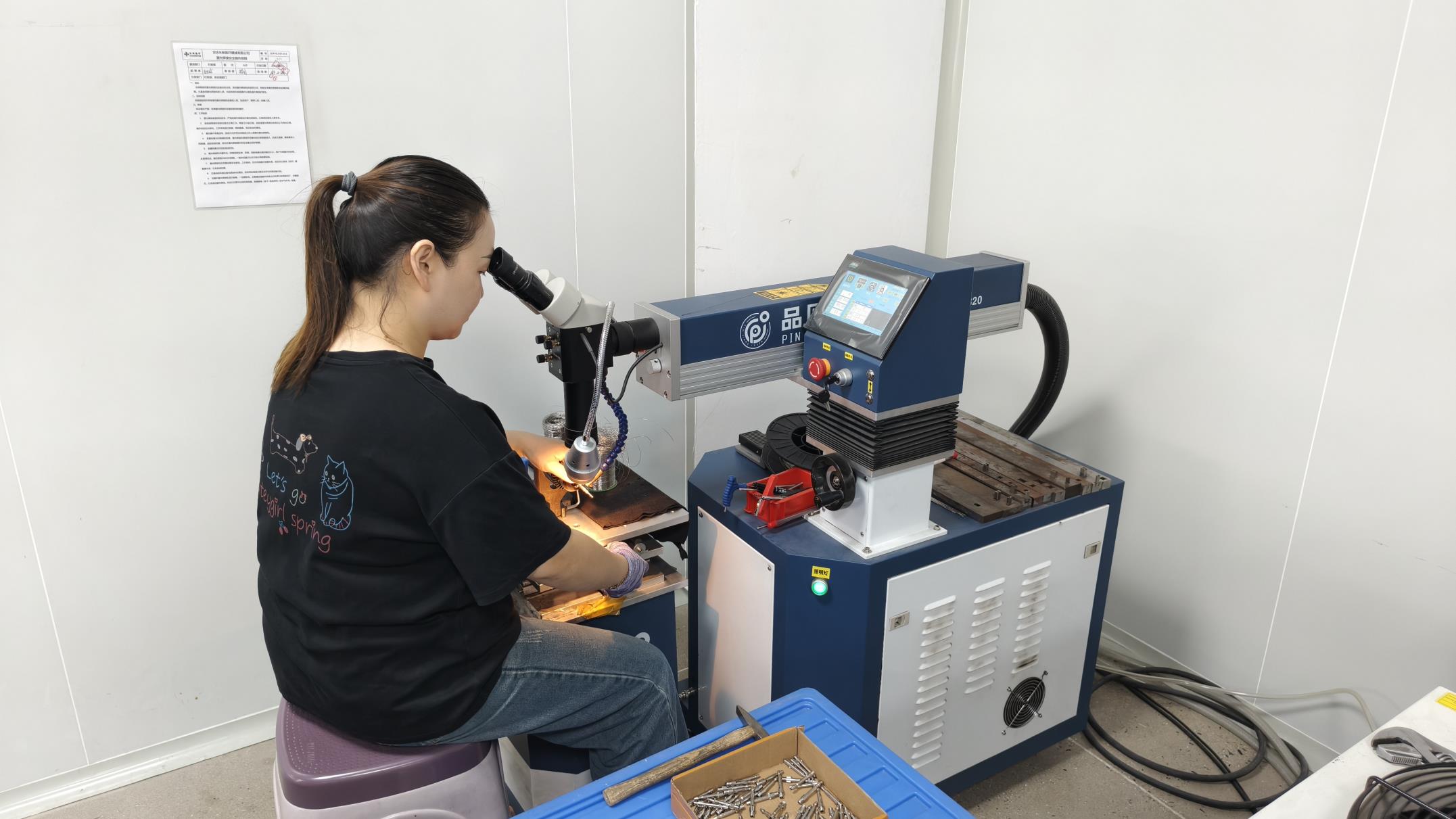
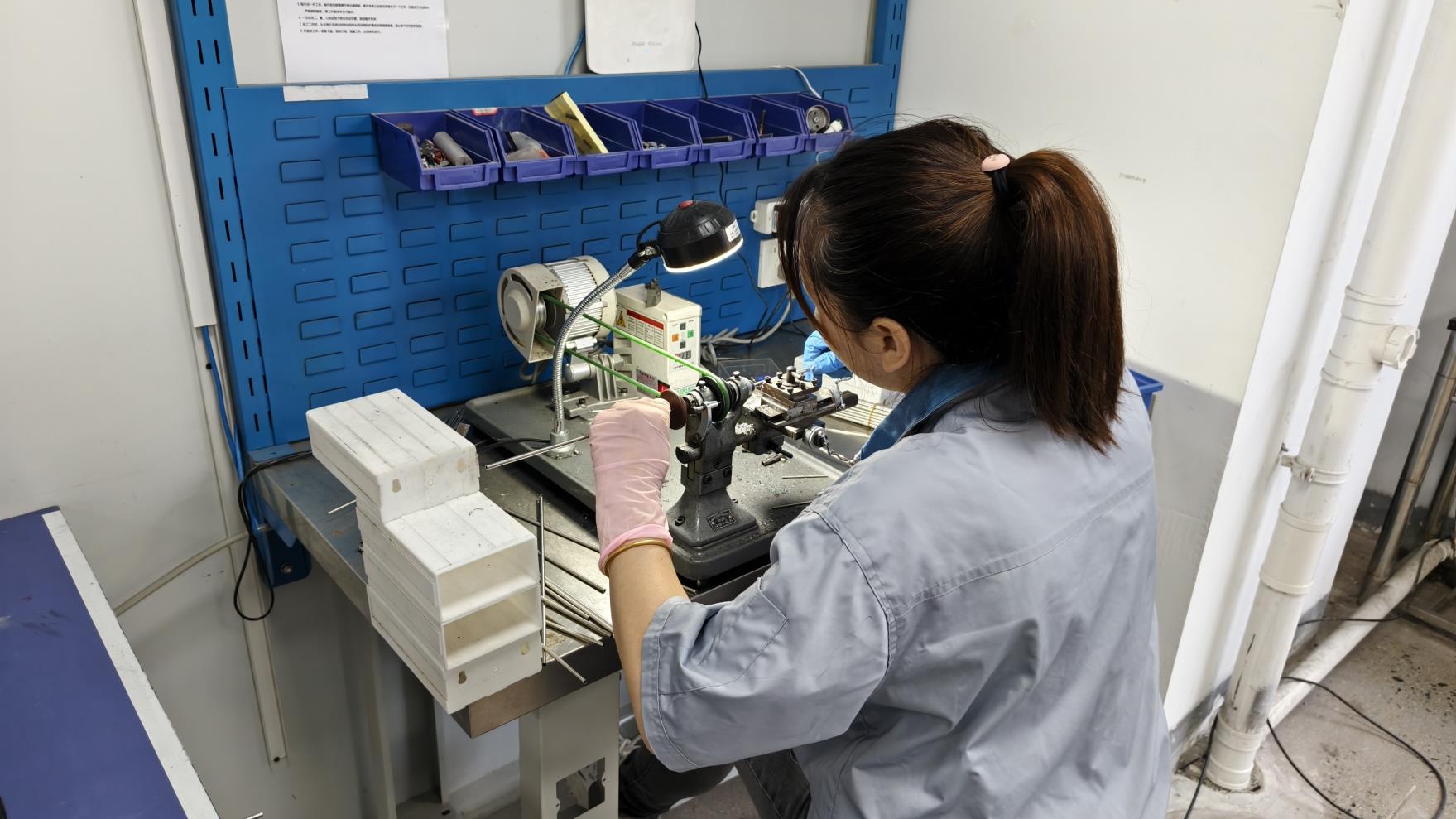
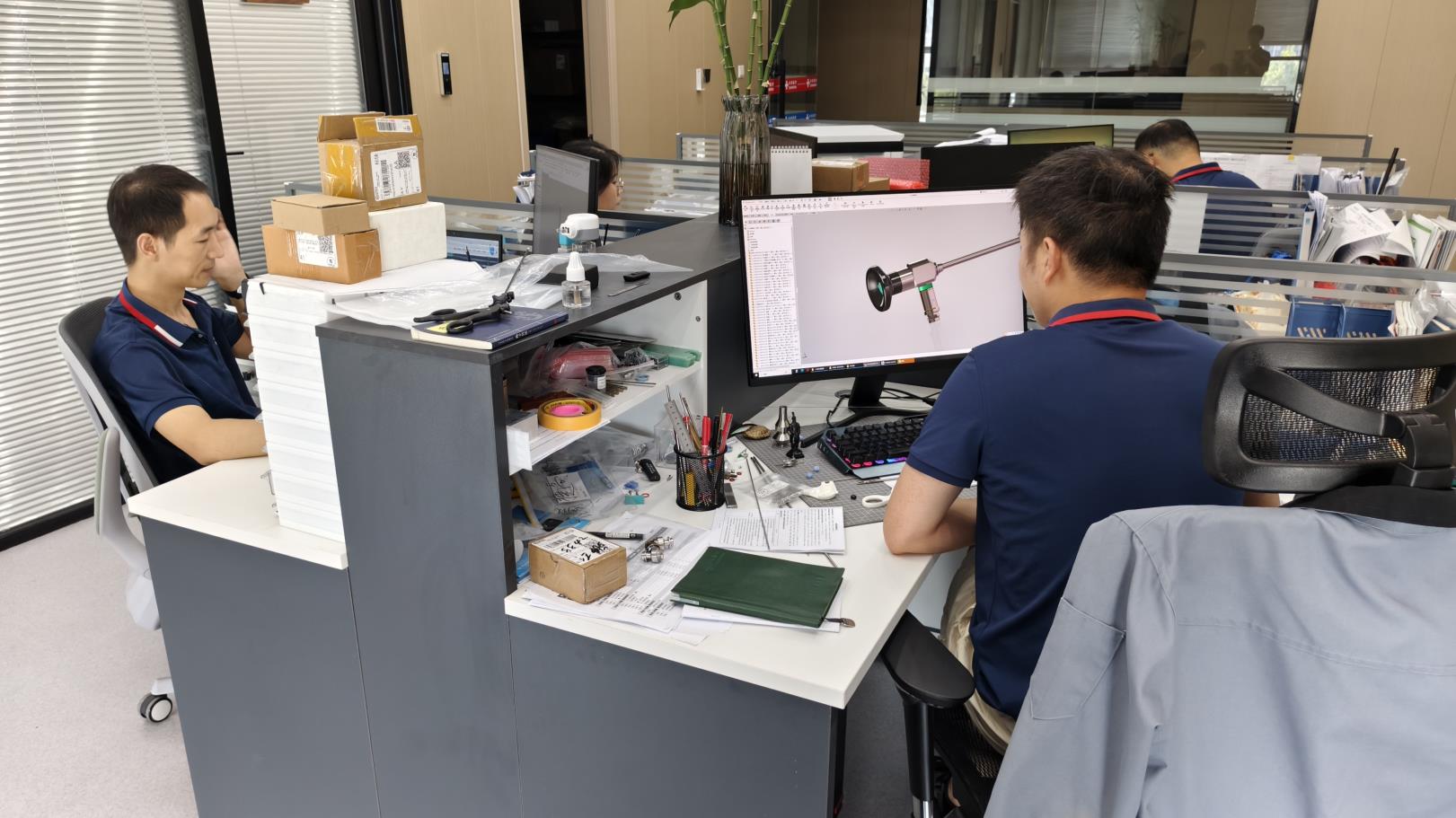
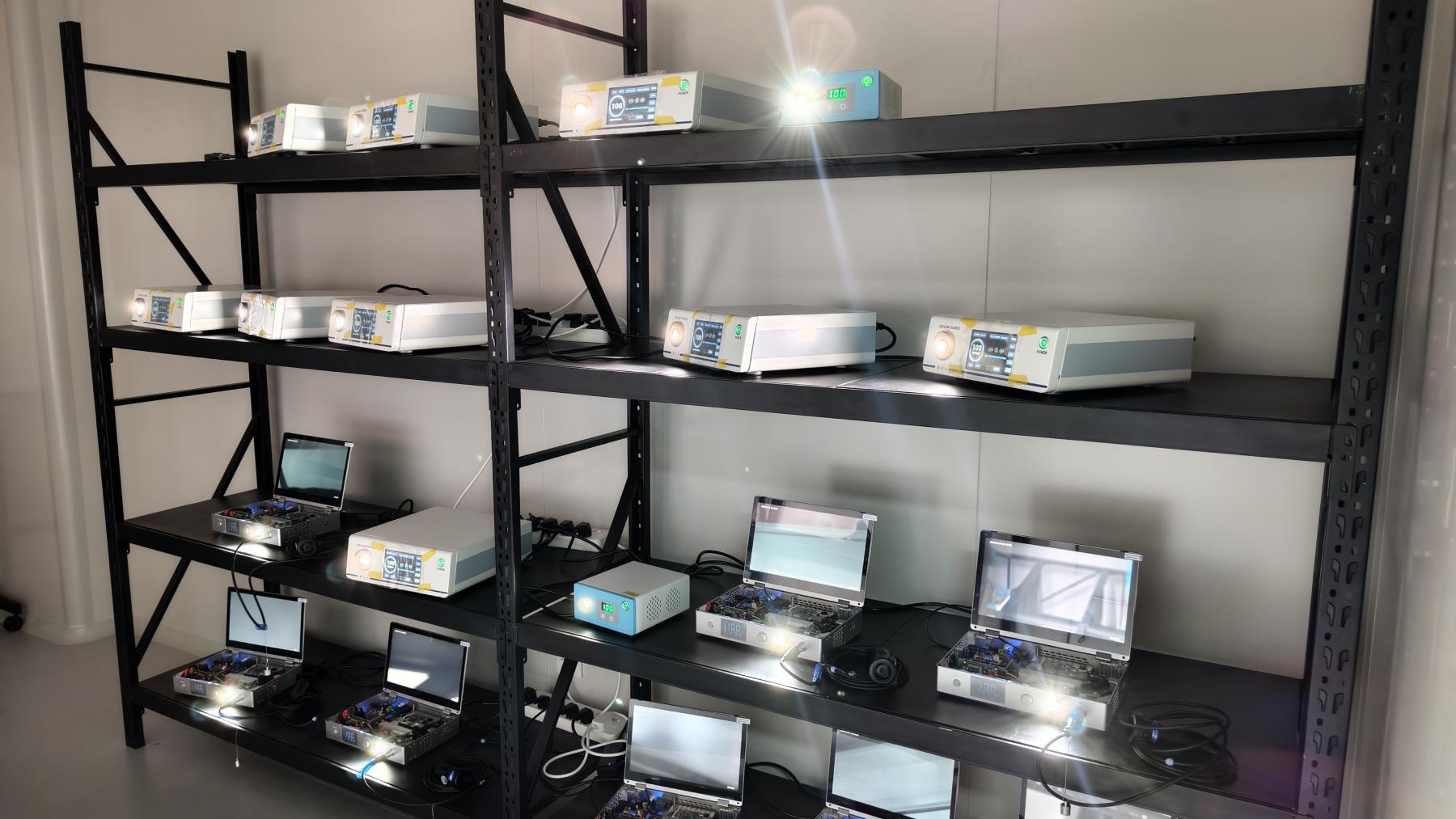
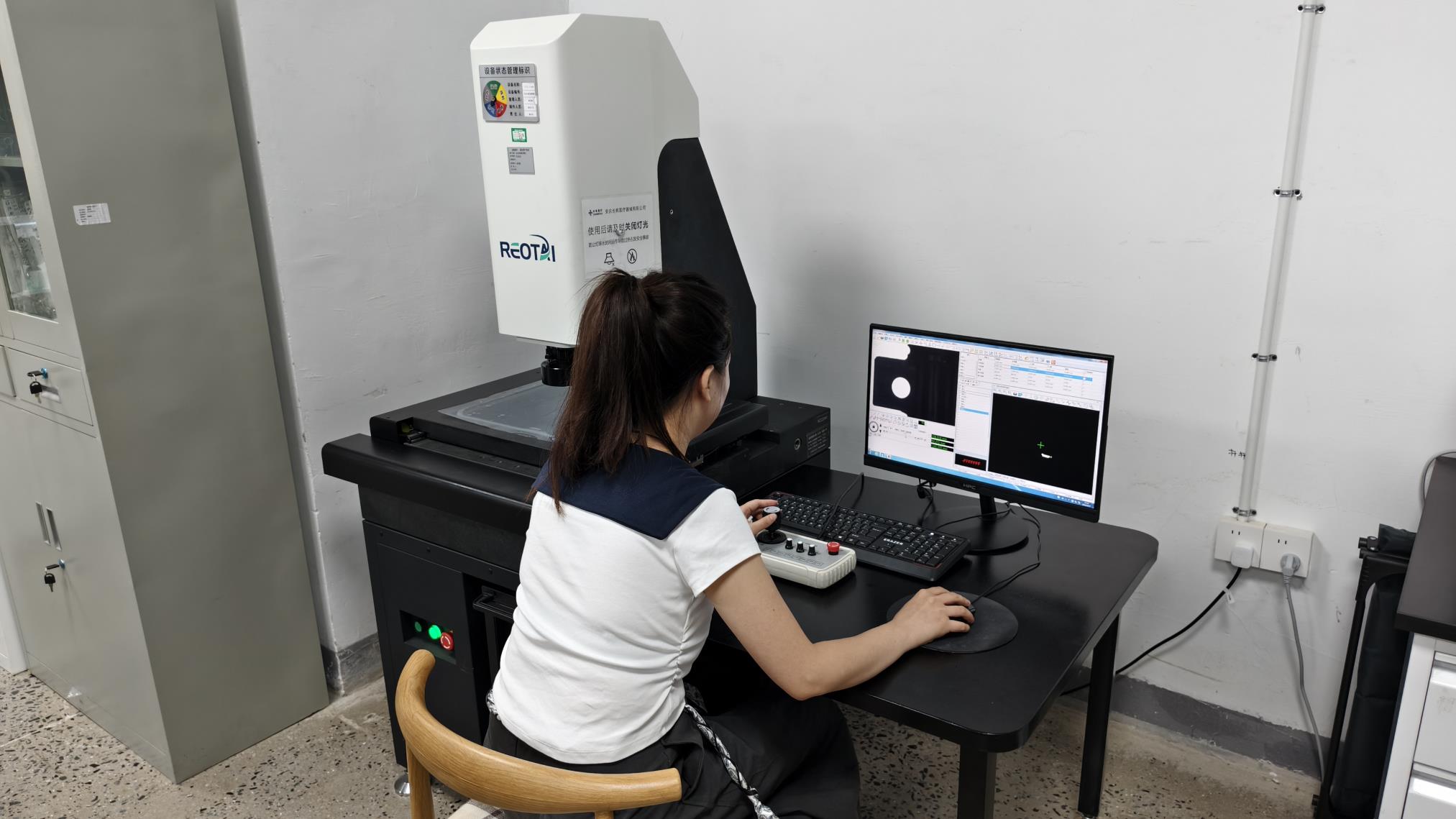
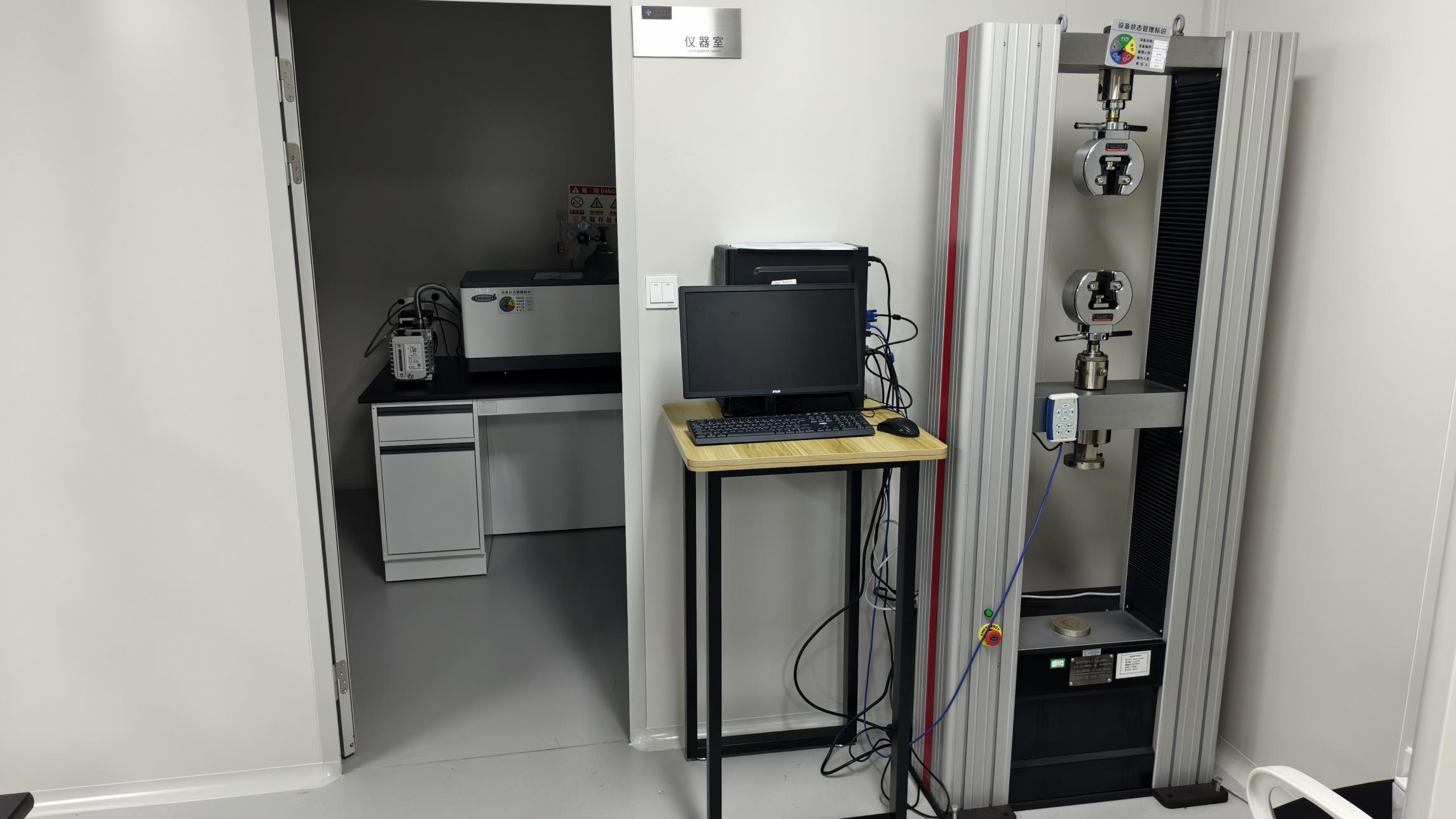
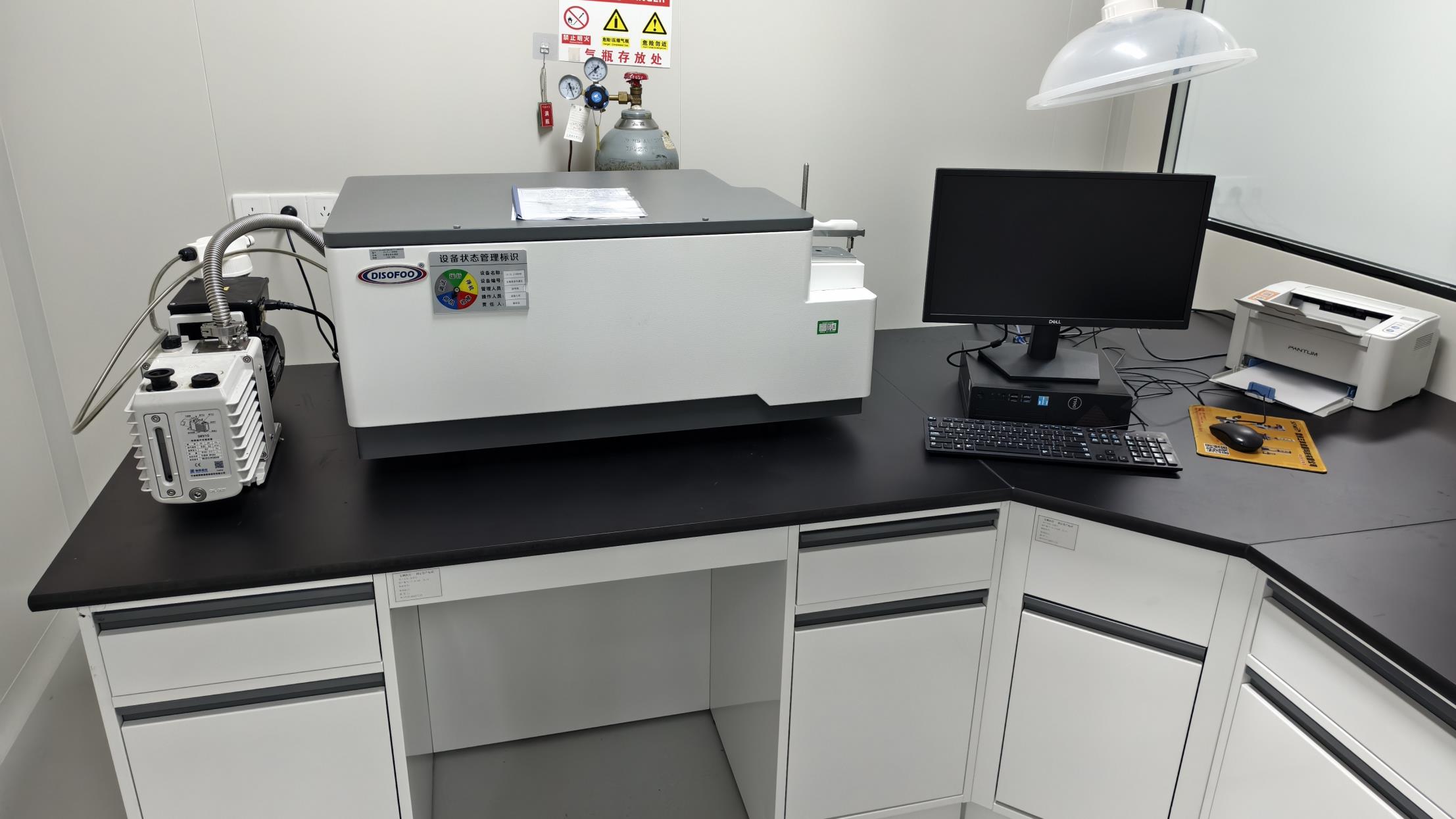
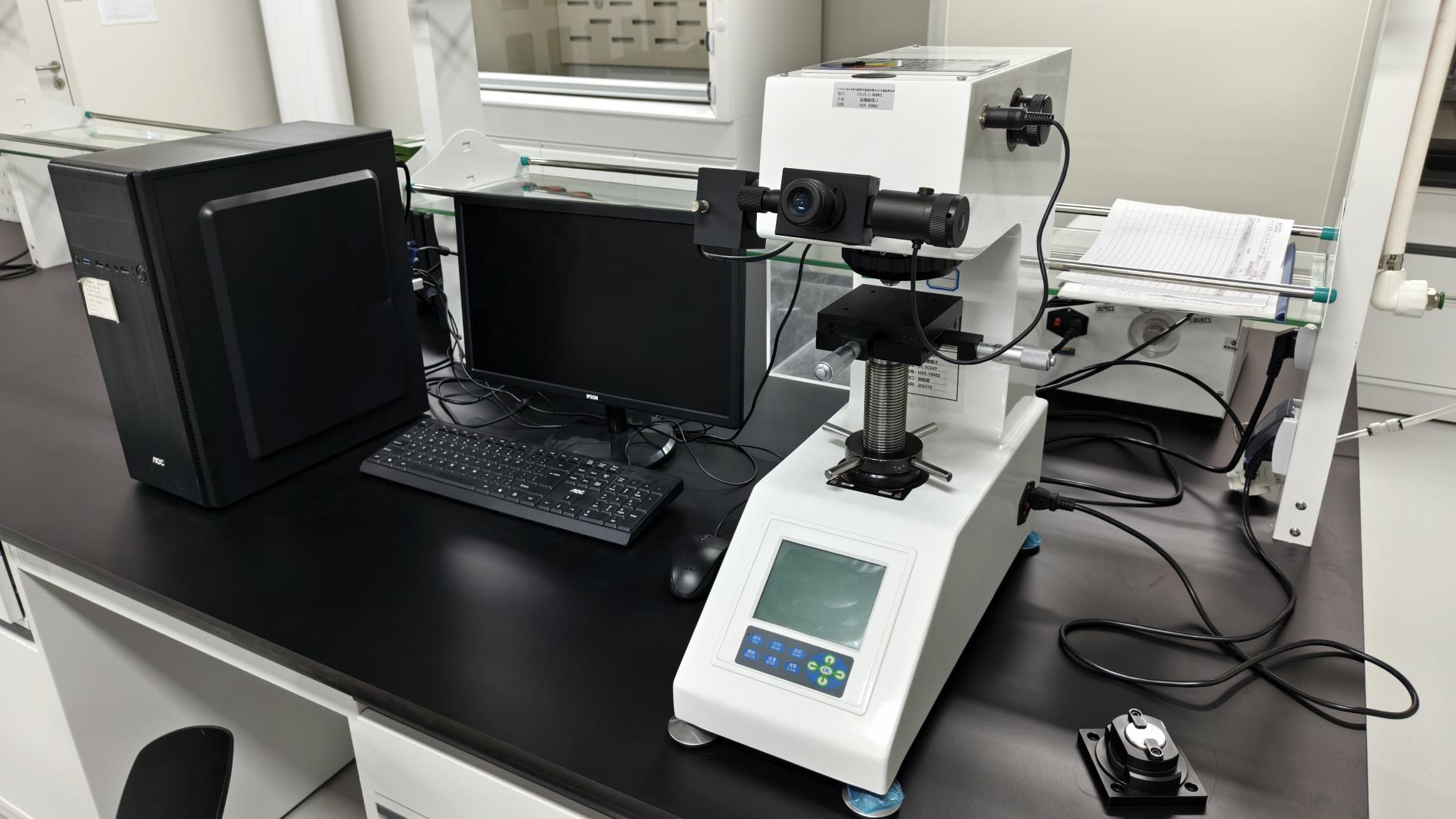
A glimpse into our advanced production lines, machining sections, and cleanroom facilities.
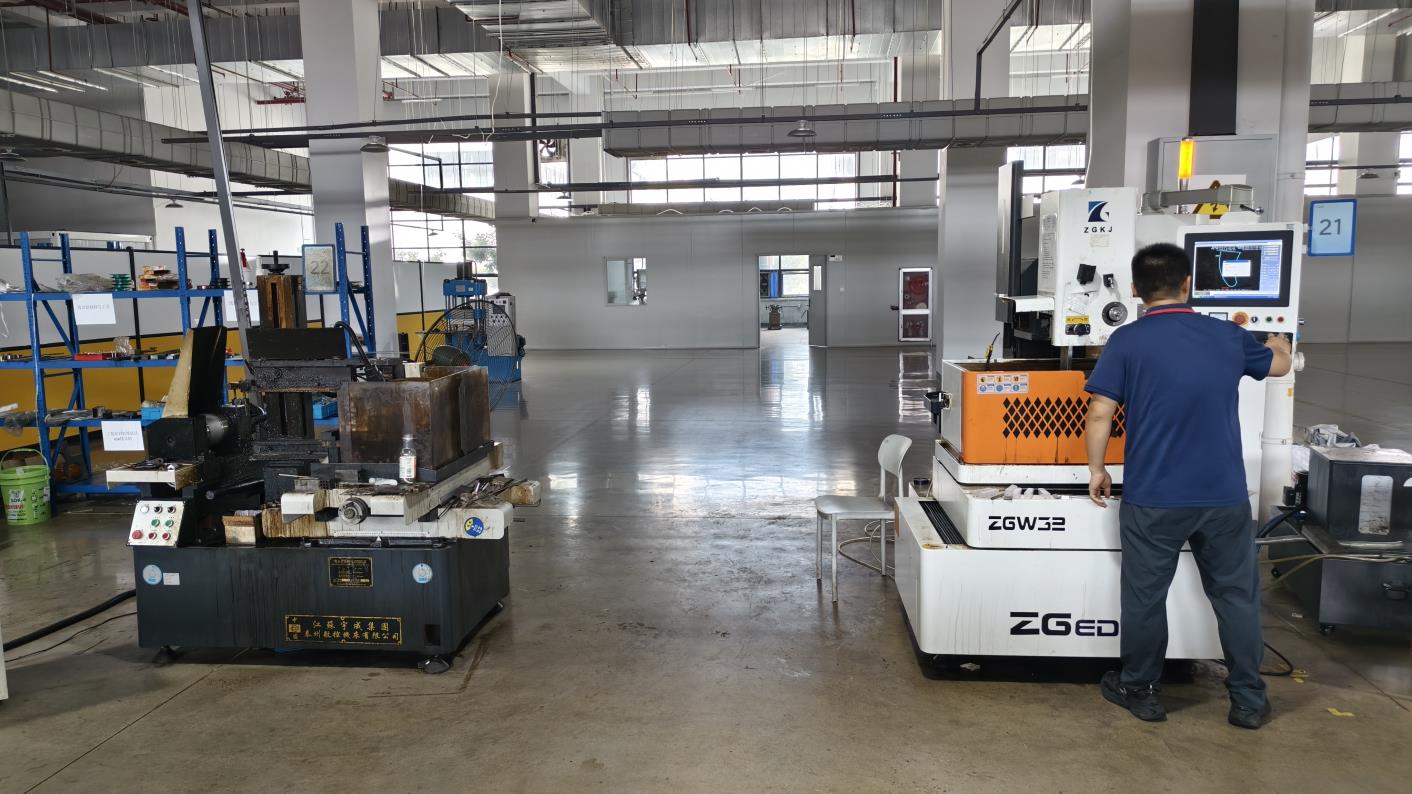
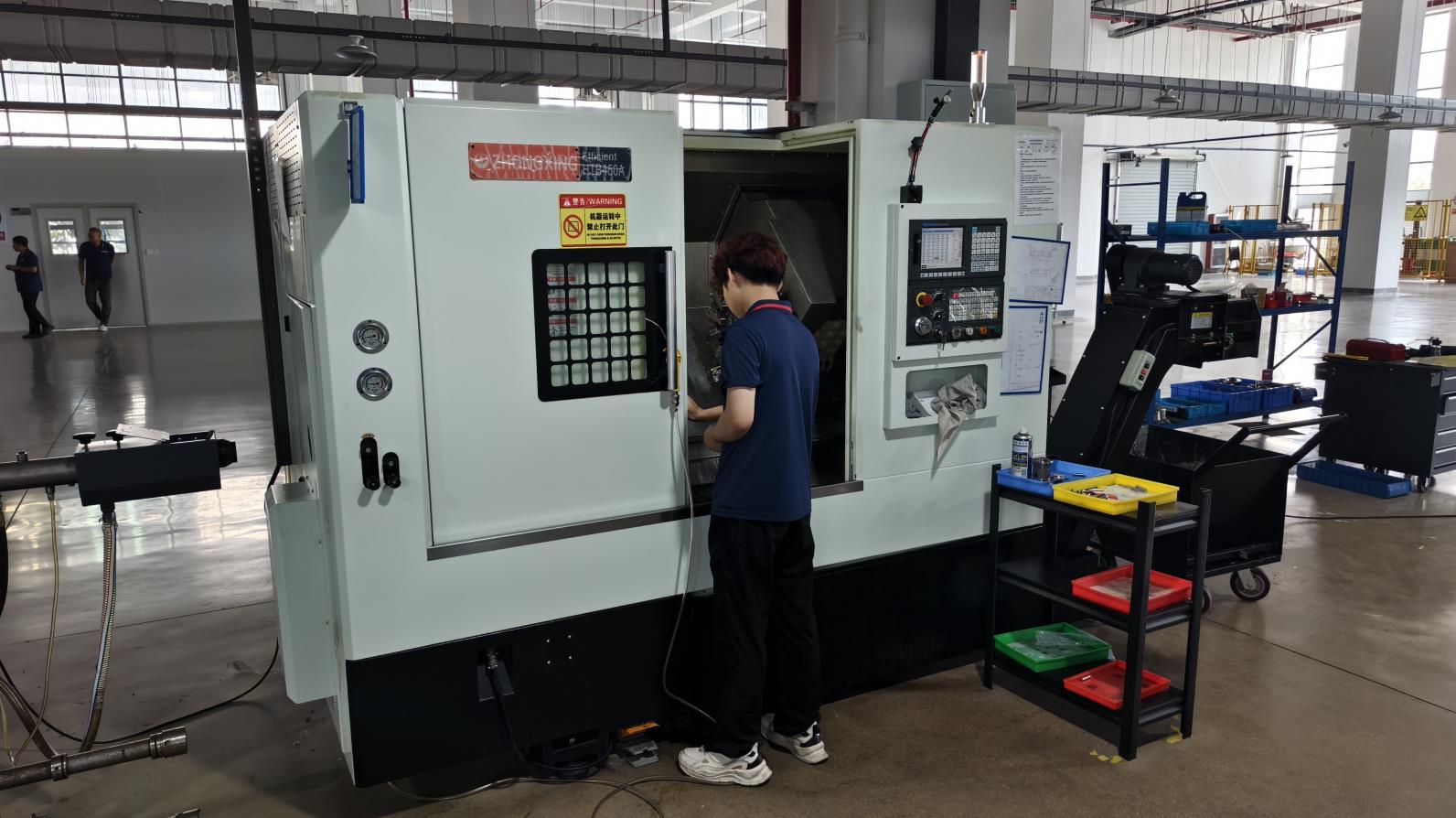
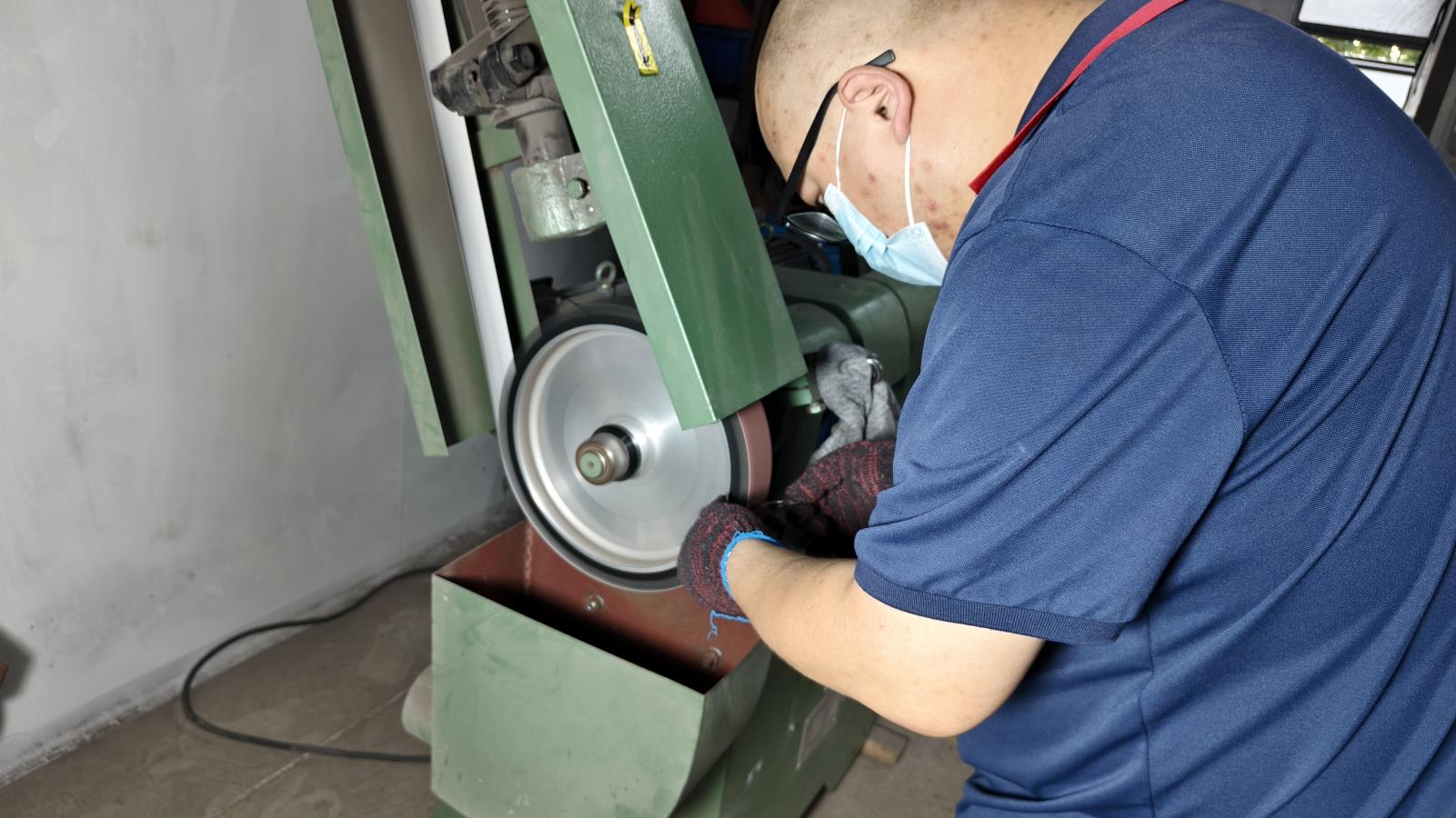
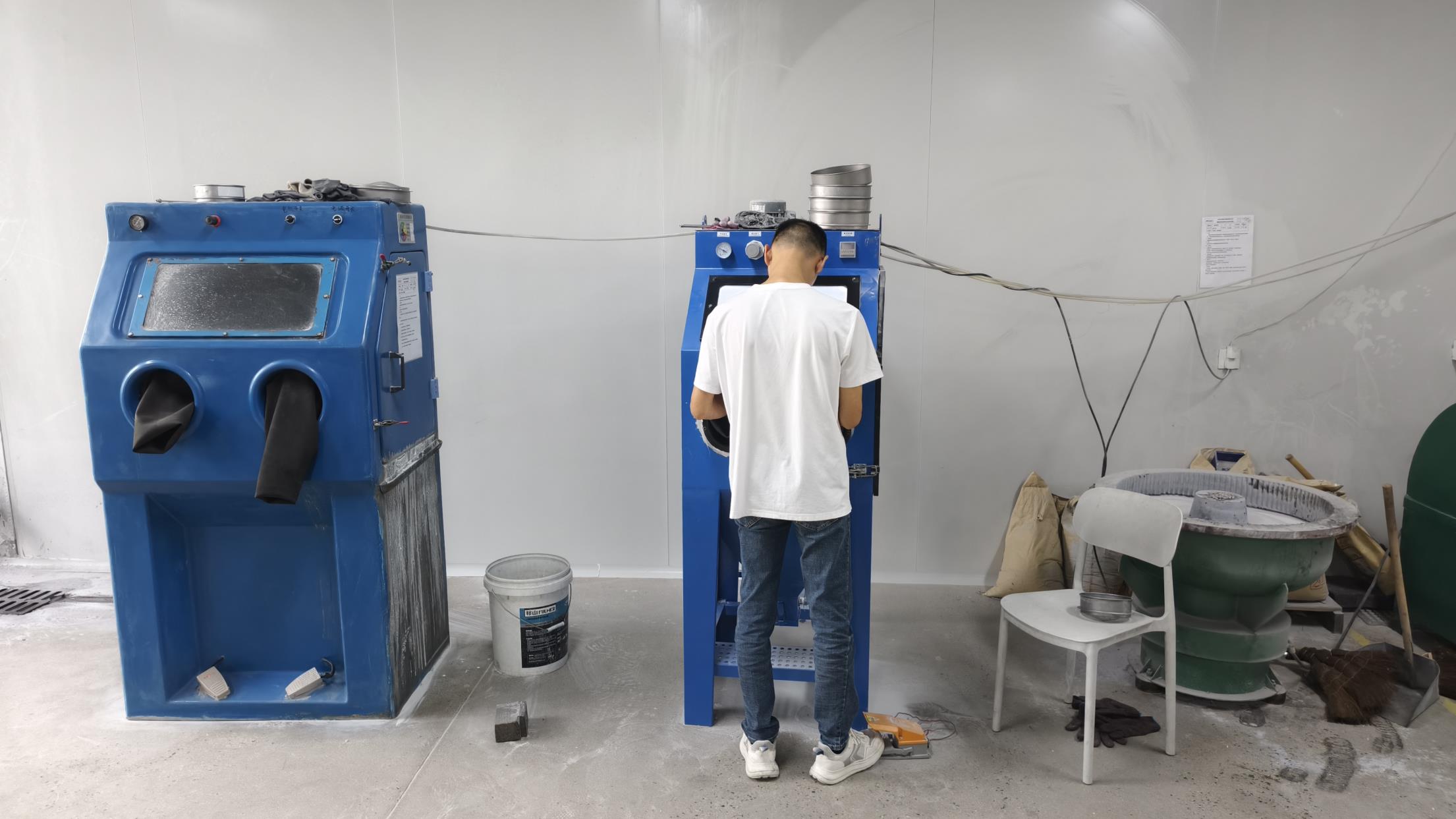
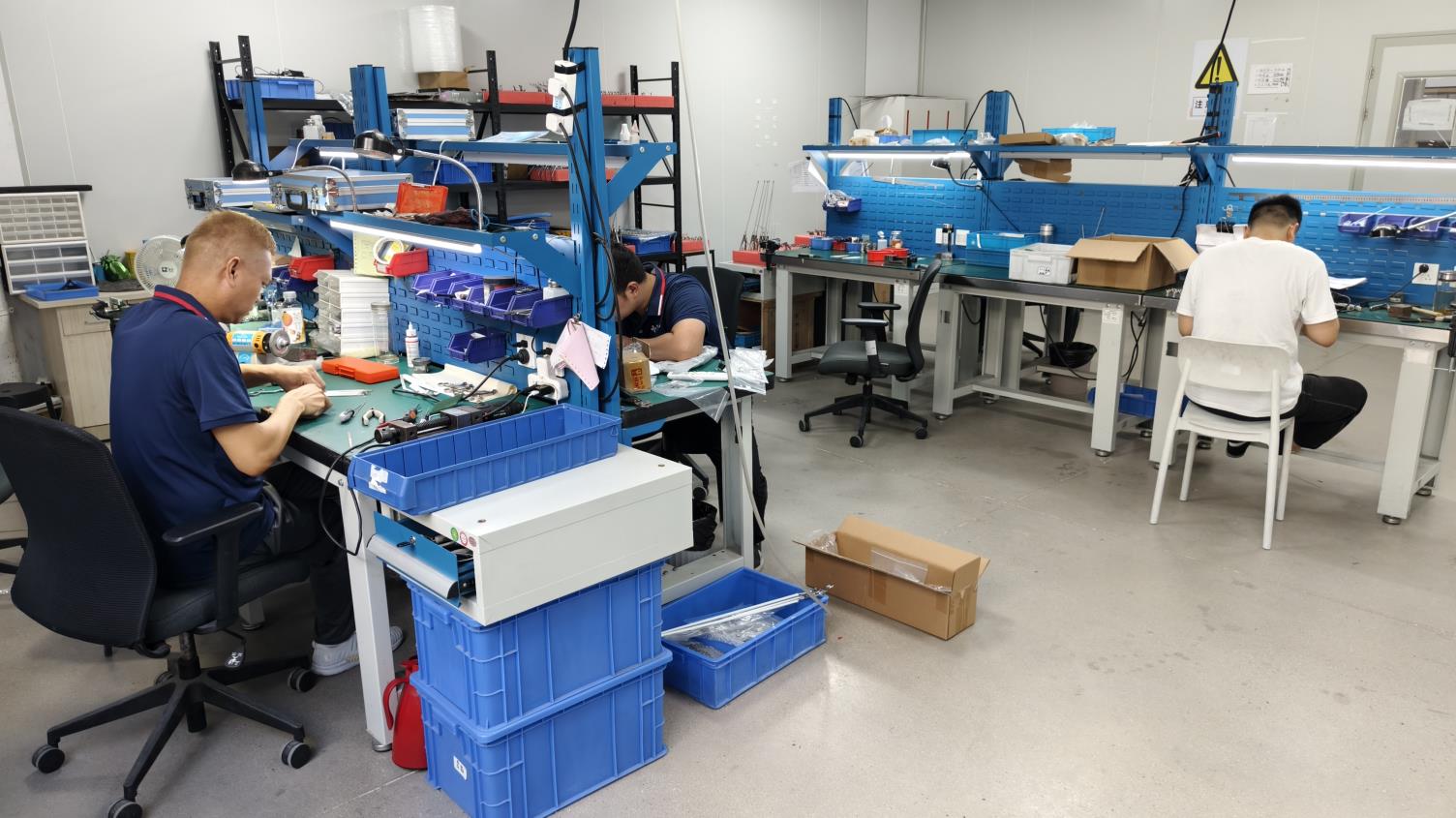
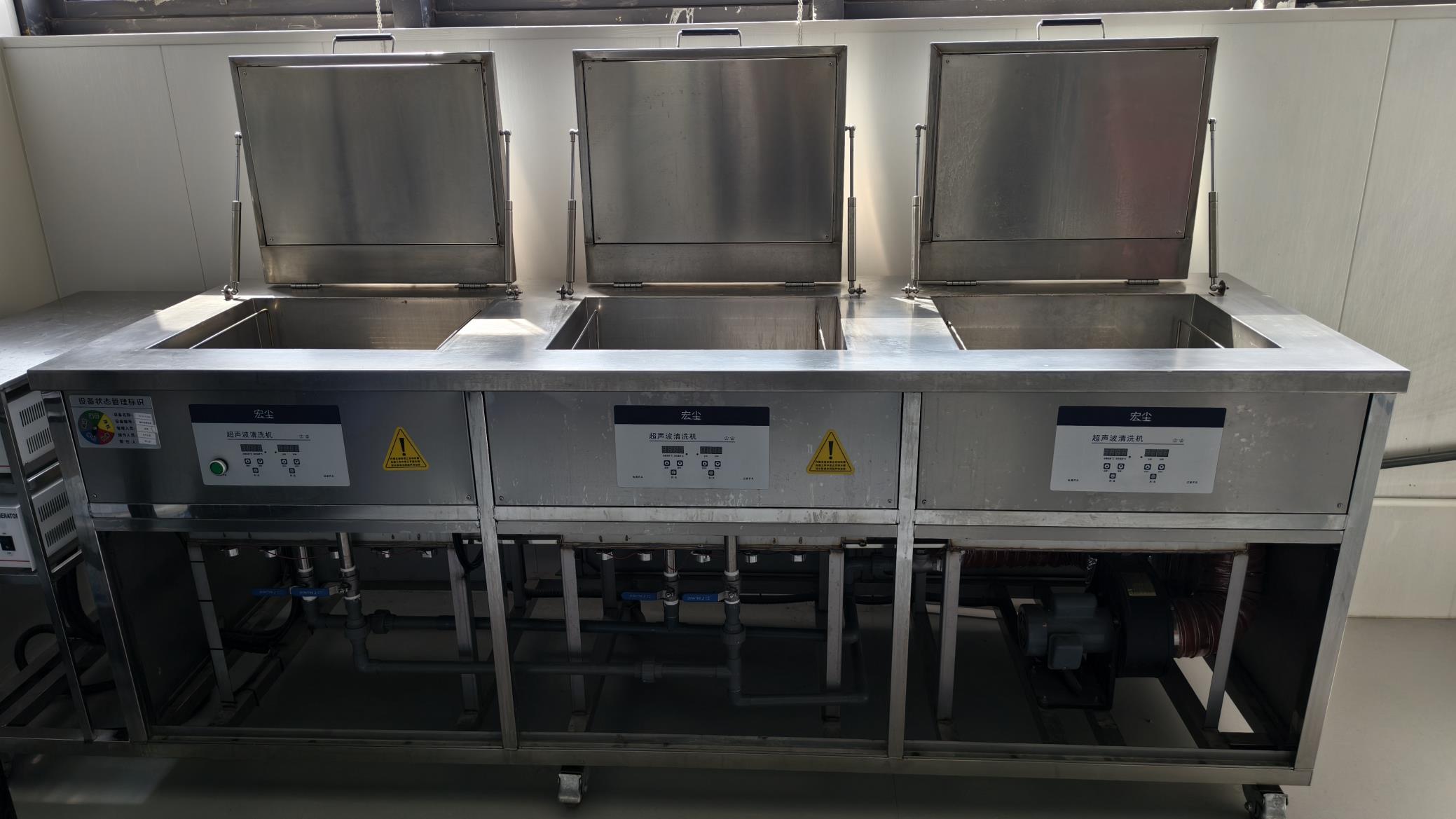
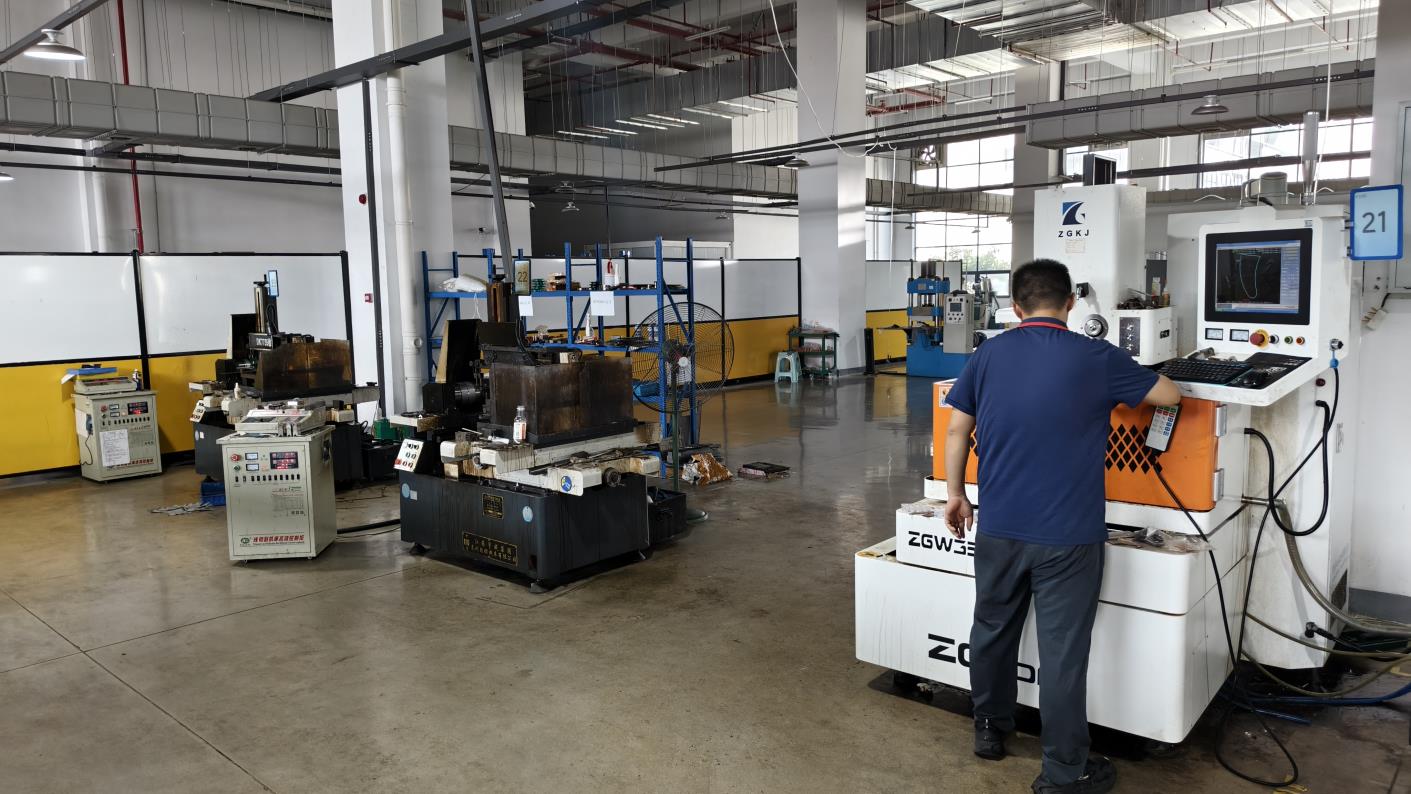
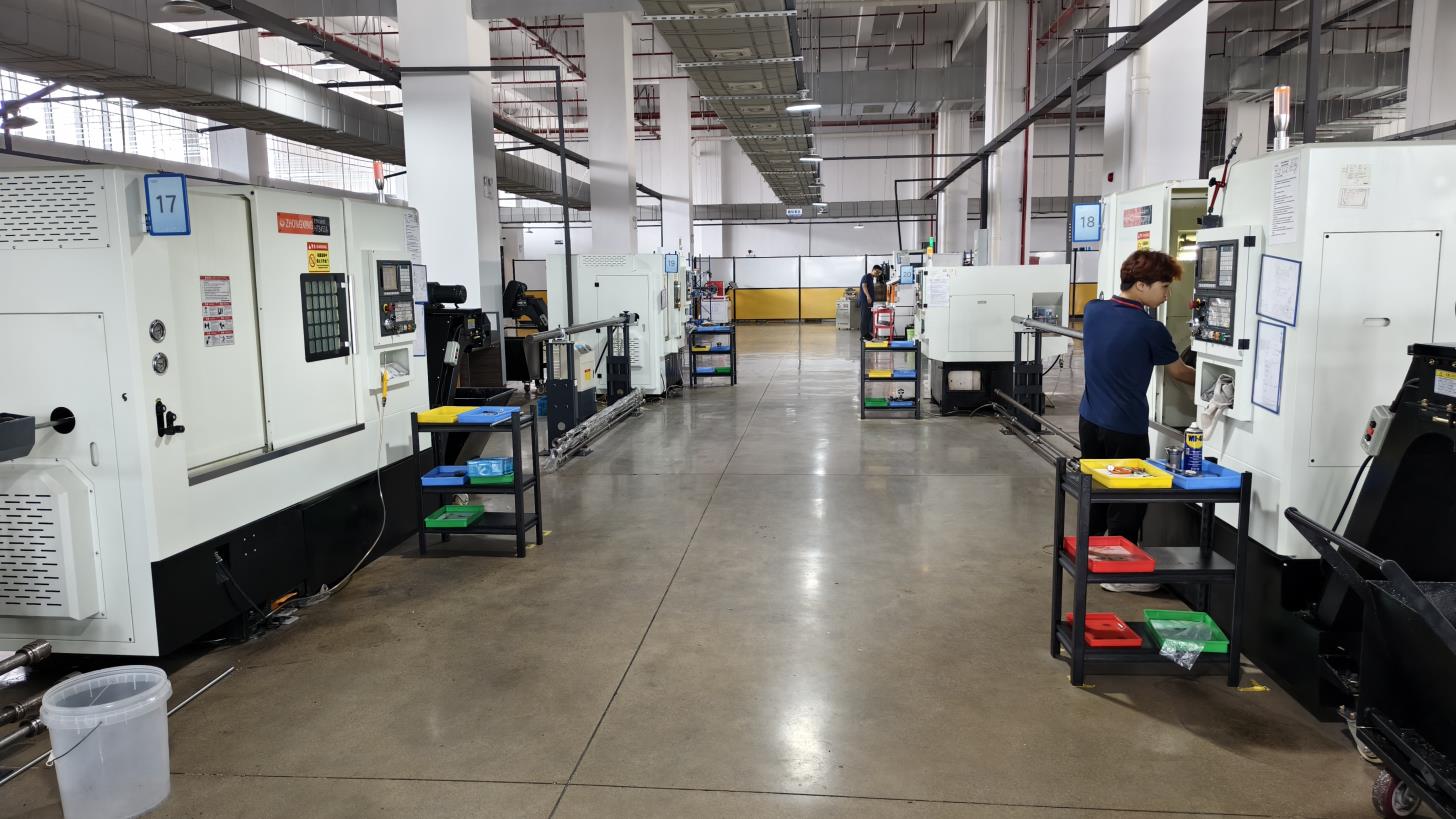
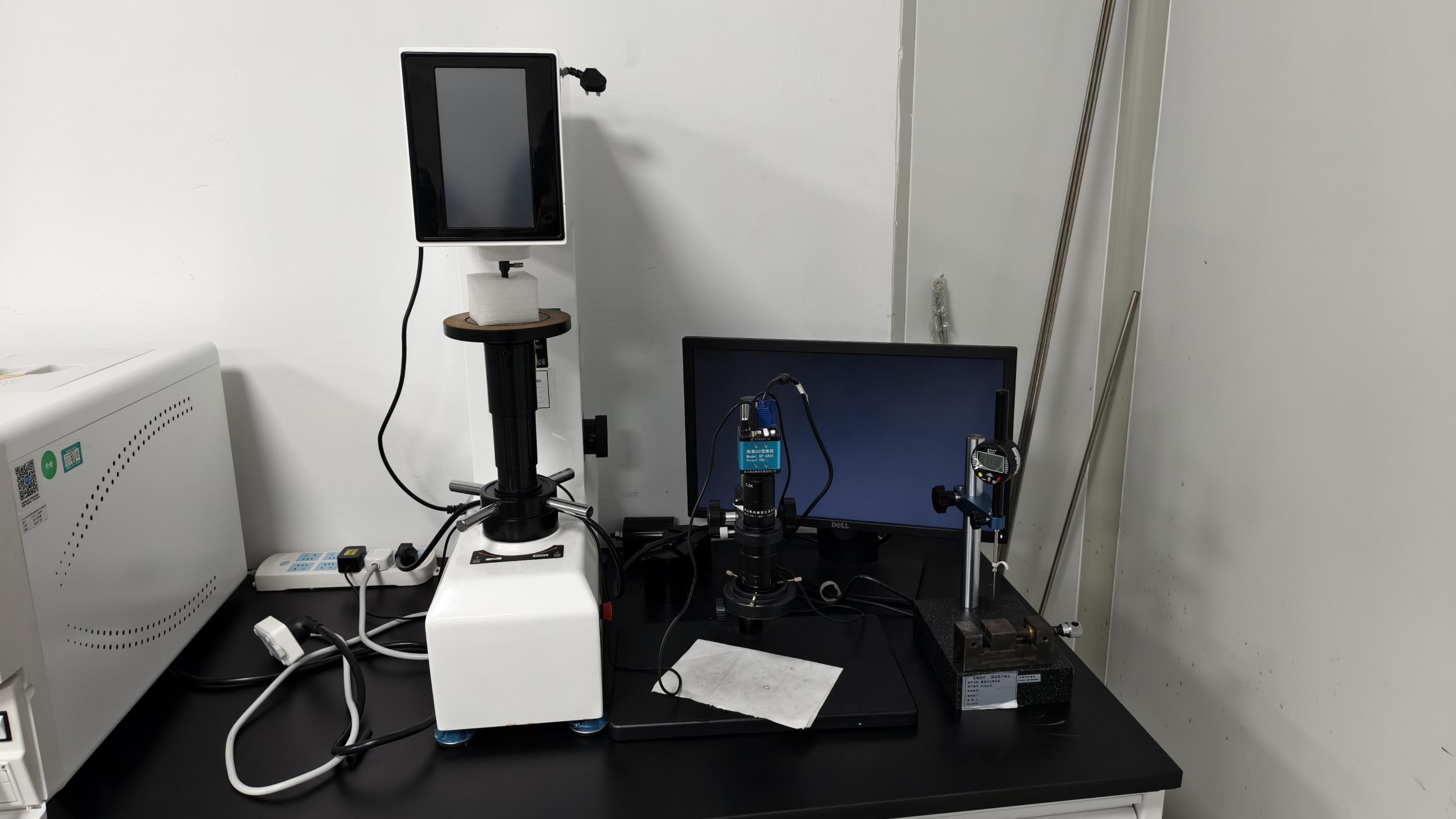
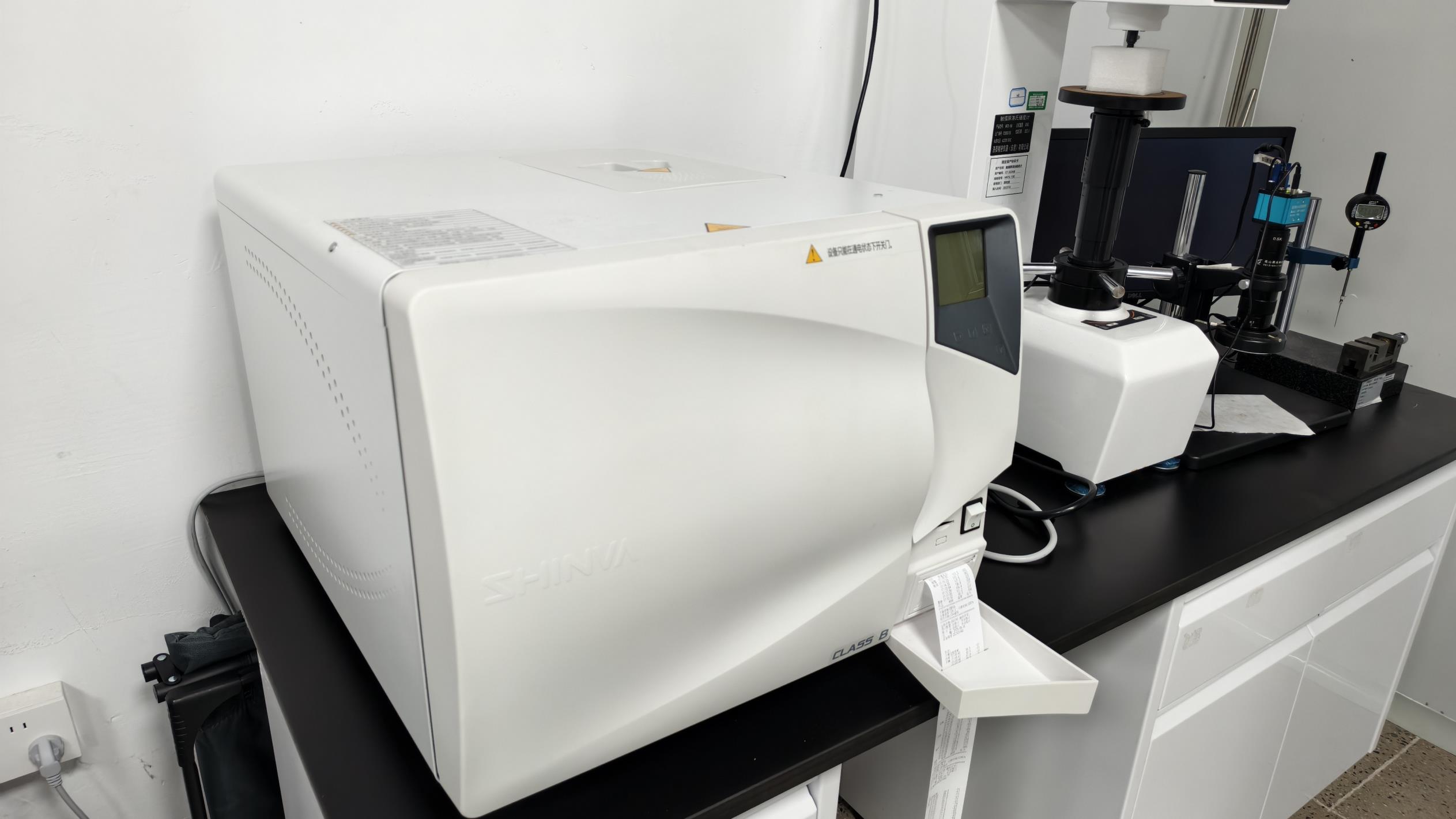
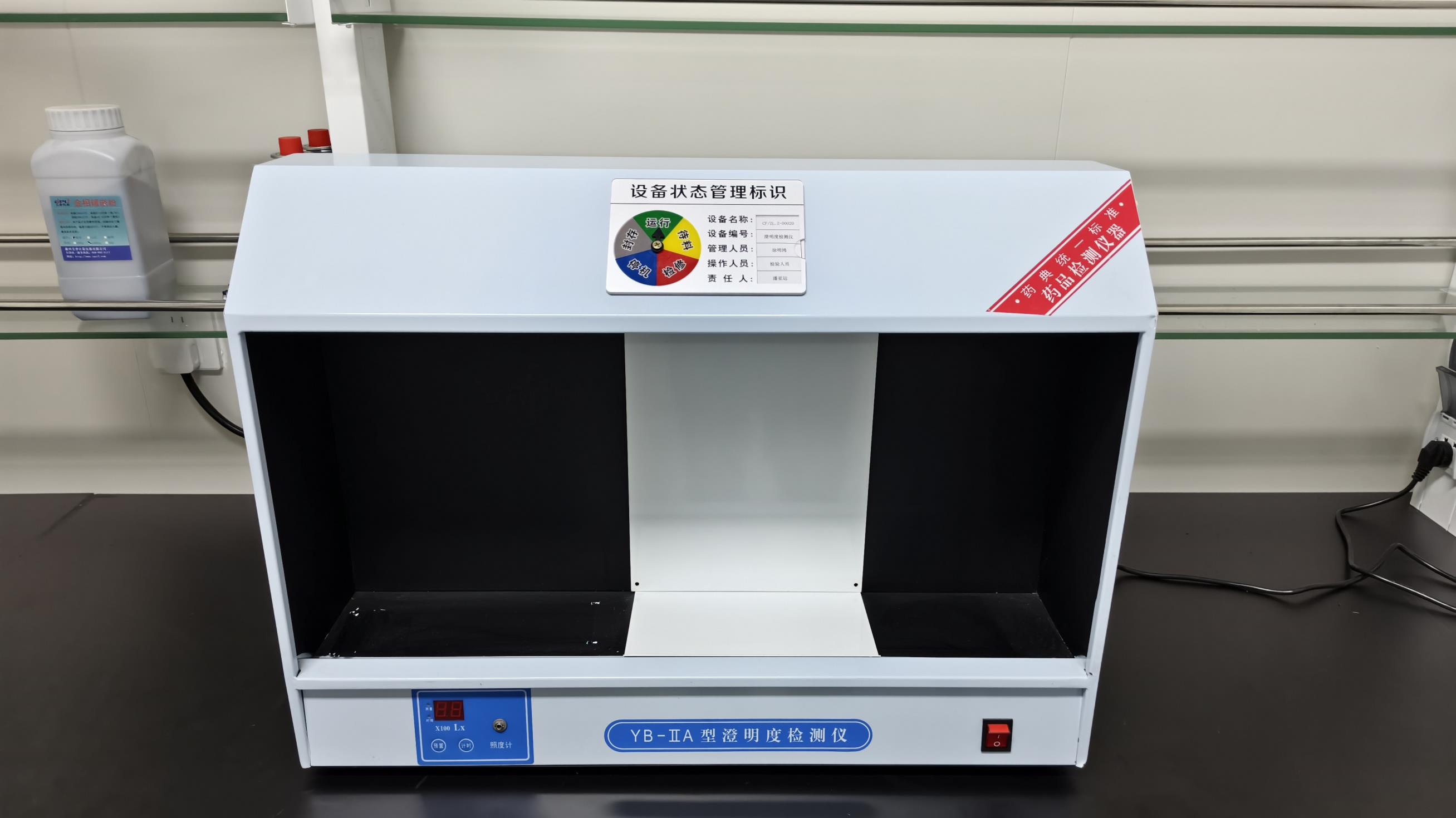
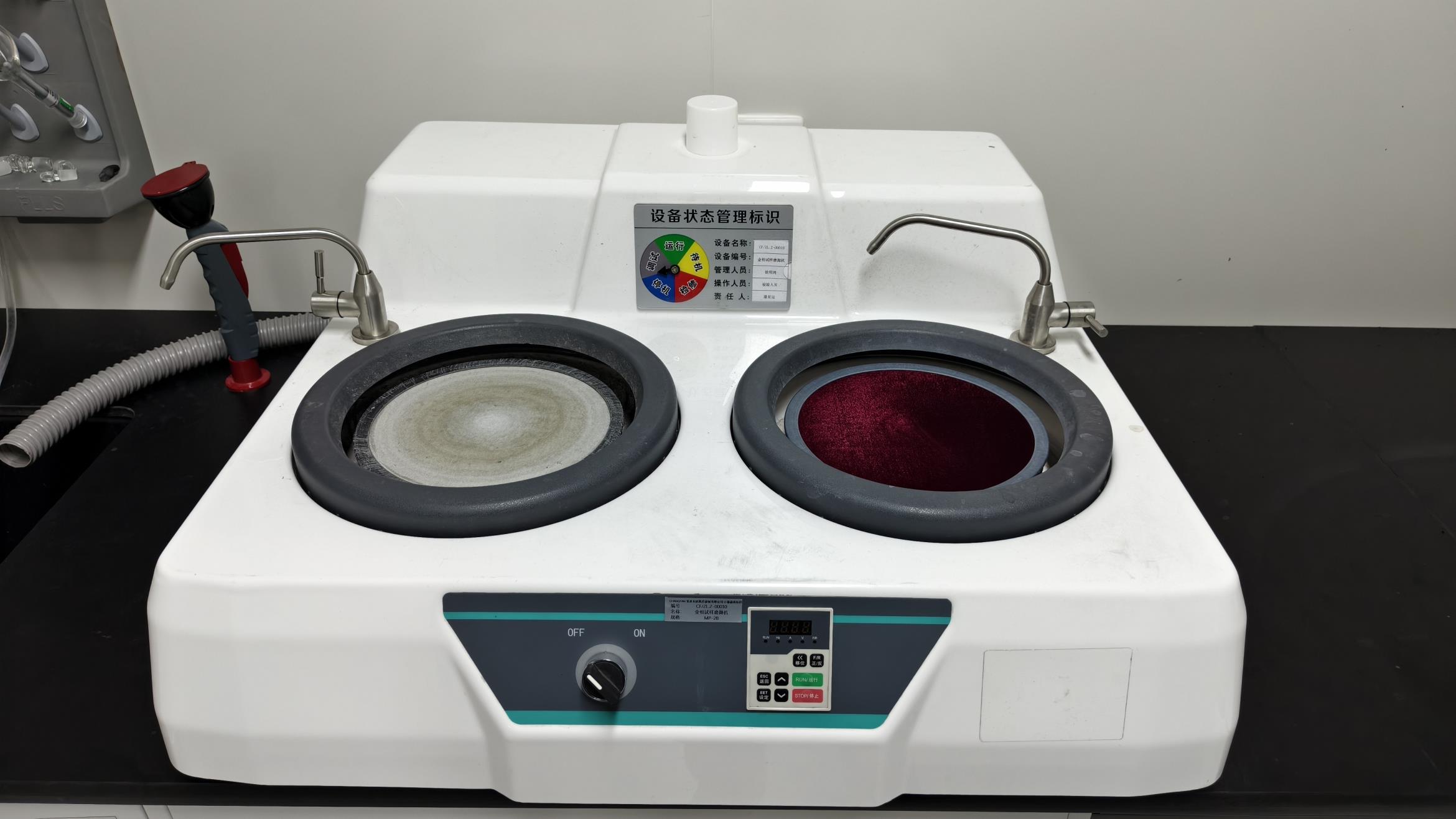
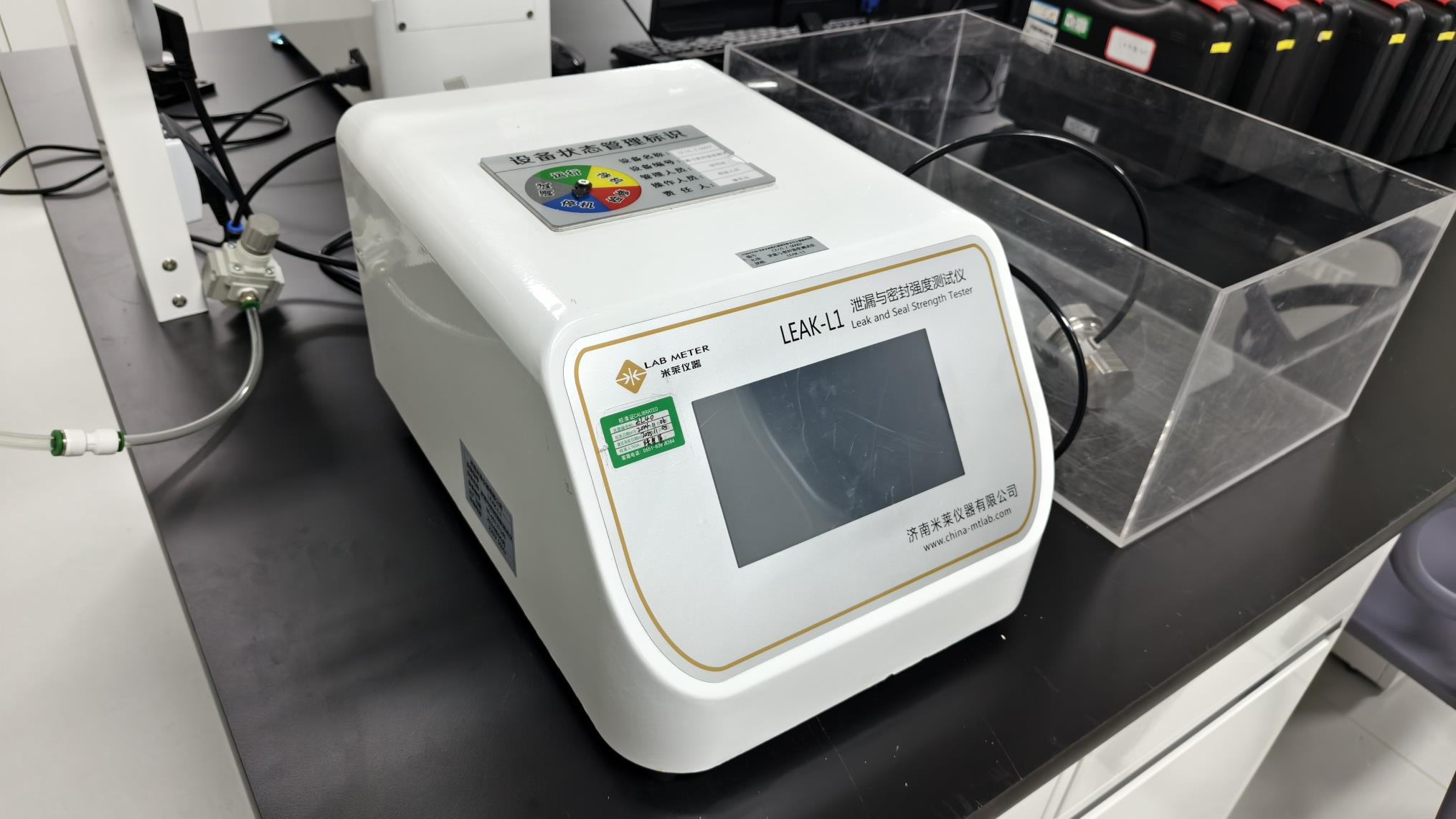
Ensuring 100% final validation via physical, mechanical, and bio-burden evaluation protocols.
Patient safety is paramount. Synoviq maintains an independent testing facility utilizing advanced digital microscopes, 2D optical measuring tools, spectrometers, and mechanical stress test machines. All implants undergo rigorous evaluations, including CMM measurement, mechanical fatigue testing, surface roughness analysis, hardness testing, salt spray corrosion testing, and sterility validation.
Understanding the clinical requirements of posterior spinal construct placement.
In multi-level cervical myelopathy where compression occurs primarily from ligamentous hypertrophy or osteophytes, posterior decompression (laminectomy) is often paired with instrumentation. By inserting lateral mass or pedicle screws in conjunction with longitudinal rods, the spine is immediately stabilized, preventing progressive subluxation, postoperative kyphosis, and spinal cord injury.
Trauma resulting in the rupture of the posterior ligamentous complex demands rapid intervention. Posterior fixation systems act as rigid internal splints, resisting rotational, translational, and shear forces. Similarly, when spinal primary or metastatic tumors compromise posterior skeletal elements, these systems provide immediate postoperative weight-bearing capacity.
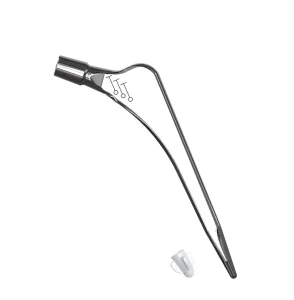
Severe craniocervical disruptions require fixation extending up to the skull base. Modular posterior systems incorporate specialized occipital plates that connect seamlessly with cervical rods, utilizing lateral mass or pedicle anchoring to achieve robust craniocervical fusion.
The use of biocompatible titanium alloys ensures high fatigue resistance, a modulus of elasticity closer to bone, and excellent MRI/CT imaging compatibility, which reduces scanning artifacts. The low-profile connector and screw head designs minimize contact with paraspinal muscles, significantly reducing post-surgical pain and incision site discomfort.
The future of spinal implants: custom options, 3D printing, and navigation-guided surgery.
Integration with surgical navigation systems is growing rapidly. Modern posterior fixation components are designed to interface seamlessly with robotic navigation arrays and intraoperative imaging, ensuring highly precise screw placement.
Additive manufacturing (3D printing) enables the production of customized hooks, connectors, and plates matched to patient anatomy. This is especially useful in revision surgeries and complex pediatric deformities.
The industry is moving toward percutaneous posterior cervical screw placement. Sourcing trends prioritize instrument configurations that support smaller incisions, reduce blood loss, and facilitate faster patient recovery.
Key technical, clinical, and commercial questions answered by our spinal implants team.
From spinal constructs to trauma locking systems, browse our high-performance inventory.
 Synoviq Medical