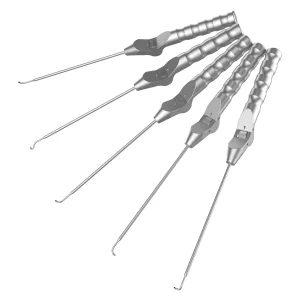
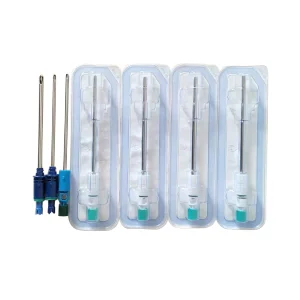
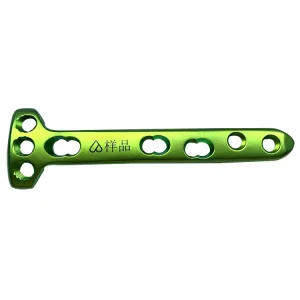
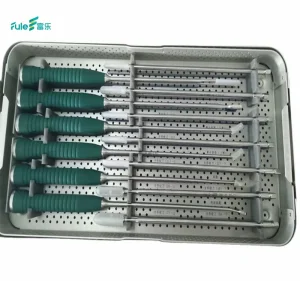
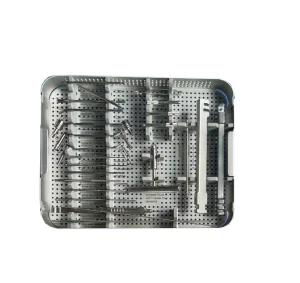
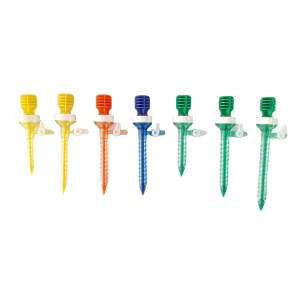
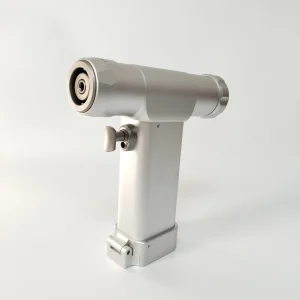
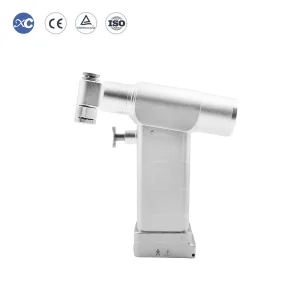
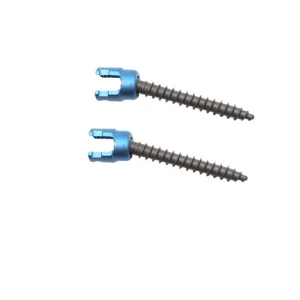
In modern trauma orthopedics, stabilization of long bone fractures—such as those of the femur, tibia, and humerus—requires implant systems that balance structural load-bearing capacity with dynamic biological healing. Large Fragment Locking Plates represent the pinnacle of this clinical evolution. Unlike traditional non-locking systems that rely entirely on plate-to-bone friction for stabilization, locking plate constructs act as internal fixators. The threaded screw heads lock mechanically into the plate's combination holes, distributing loading forces uniformly across the construct without compressing the underlying periosteum.
Preservation of Periosteal Blood Supply: Minimal contact between the plate and cortical bone prevents vascular necrosis, accelerating natural callus formation.
High Angular Stability: Under high axial loading conditions, the locked construct prevents primary and secondary loss of reduction, even in osteopenic bone.
Dynamic Compression Integration: The implementation of standard combination holes allows surgeons to choose between rigid locking fixation and dynamic axial compression within the same surgical corridor.
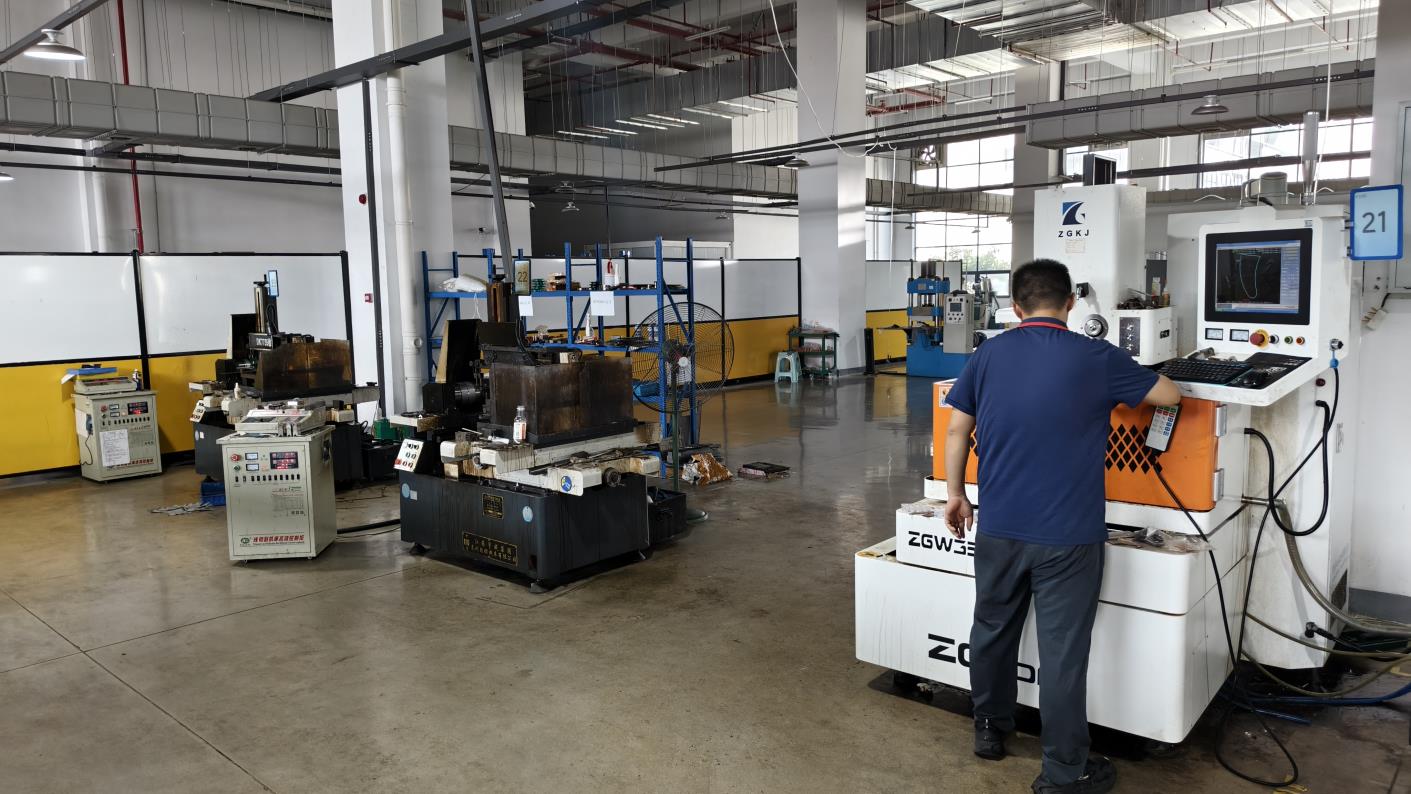
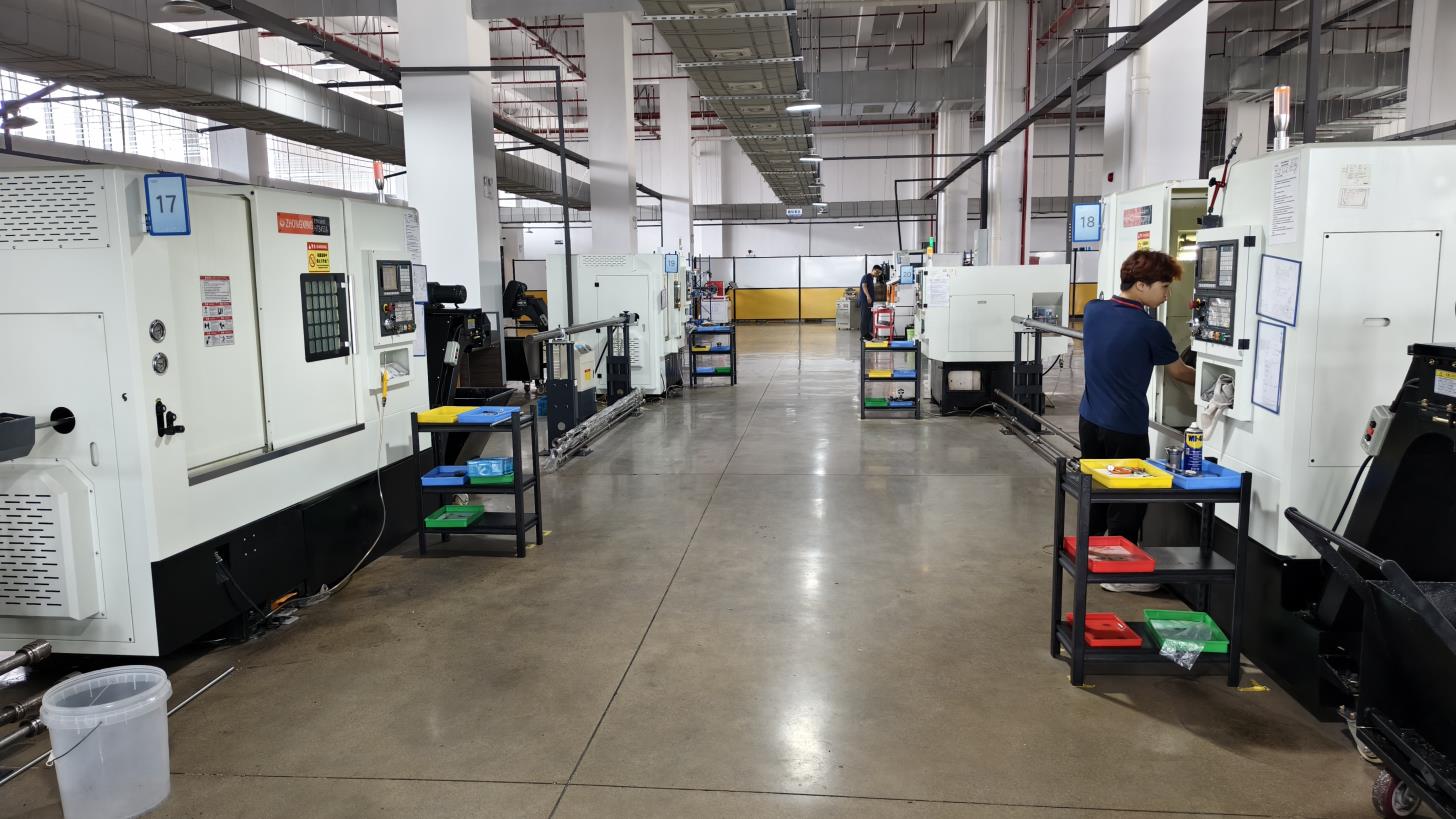
As a CE-certified manufacturer, Synoviq Medical Technology provides internationally recognized orthopedic implant systems that meet these stringent medical demands. We employ advanced CNC milling and Swiss-type machining to deliver exact tolerances, ensuring seamless screw-to-plate interfaces that prevent cold welding and thread stripping during complex clinical operations.
The demand for clinical trauma implants varies significantly by geography, patient demographics, and regional healthcare policies. Synoviq’s Large Fragment Locking Plates (typically configured for 4.5mm and 5.0mm screw systems) are optimized for various regional medical applications:
In European and North American markets characterized by aging demographics, locking plate systems are heavily relied upon to manage osteoporotic fractures. Traditional screws easily pull out of low-density bone, whereas locked constructs distribute load through the plate itself, reducing implant failure rates.
In rapid-growth markets throughout APAC and LATAM, high-impact motor accidents and sports-related trauma are more prevalent. These patients require highly rigid plate structures capable of managing complex comminuted femur or tibia shaft fractures under active load.
Modern operating rooms worldwide increasingly practice Minimally Invasive Plate Osteosynthesis (MIPO). Synoviq design variations include tapered plate ends and anatomical contours to facilitate easy submuscular tunneling, mitigating soft tissue damage.
Selecting the correct metallurgical composition is vital for clinical success. Synoviq utilizes premium medical-grade Titanium Alloys (Ti-6Al-4V ELI) and high-performance 316L Stainless Steel. The choice of materials dictates the stiffness, fatigue resistance, and MRI compatibility of the final locking construct.
| Property Parameter | Medical Grade Titanium Alloy (Ti-6Al-4V ELI) | 316L Stainless Steel (ASTM F138) | Clinical Performance Impact |
|---|---|---|---|
| Modulus of Elasticity | ~110 GPa | ~200 GPa | Titanium is closer to cortical bone, significantly reducing stress shielding. |
| Tensile Strength (Min) | 860 MPa | 490 - 1350 MPa | Provides high load-bearing capacity for long-bone fracture stabilization. |
| Biocompatibility | Excellent (Forms stable TiO2 layer) | Good (Standard clinical use) | Titanium features superior osseointegration and lower allergy rates. |
| MRI Artifacts | Minimal Artifact Distortion | Moderate to High Distortion | Titanium implants allow clearer post-operative radiological evaluations. |
| Corrosion Resistance | Extremely High | High (Passivated) | Prevents local galvanic corrosion at the plate-screw contact point. |
Synoviq Medical Technology (China) Co., Ltd. is a professional manufacturer of orthopedic implants and surgical instruments, dedicated to delivering innovative, reliable, and high-quality medical solutions for healthcare professionals worldwide. Since its establishment, Synoviq has focused on research, development, precision manufacturing, and international quality standards, providing comprehensive OEM and ODM services for global medical device brands, distributors, and hospitals.
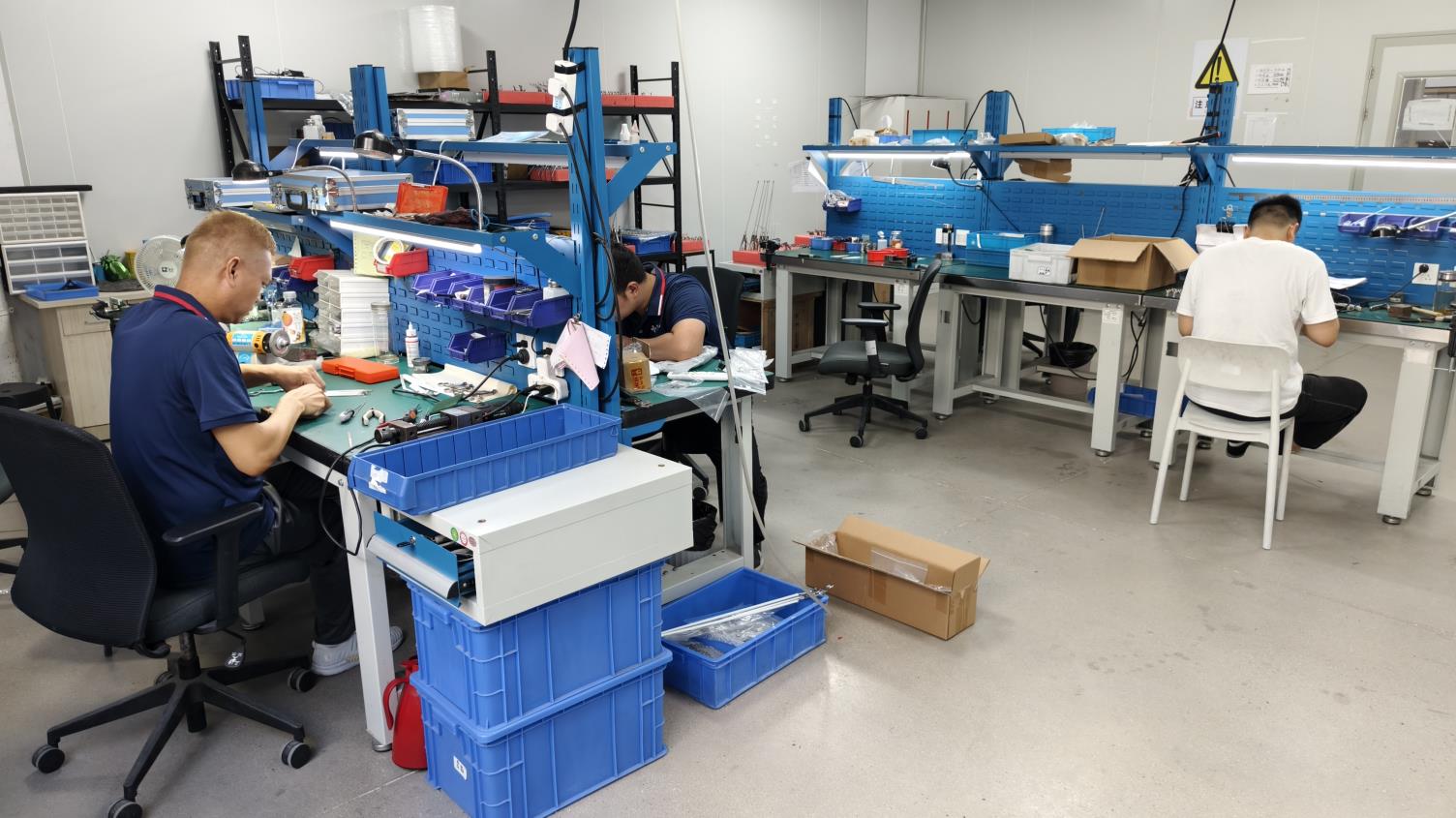
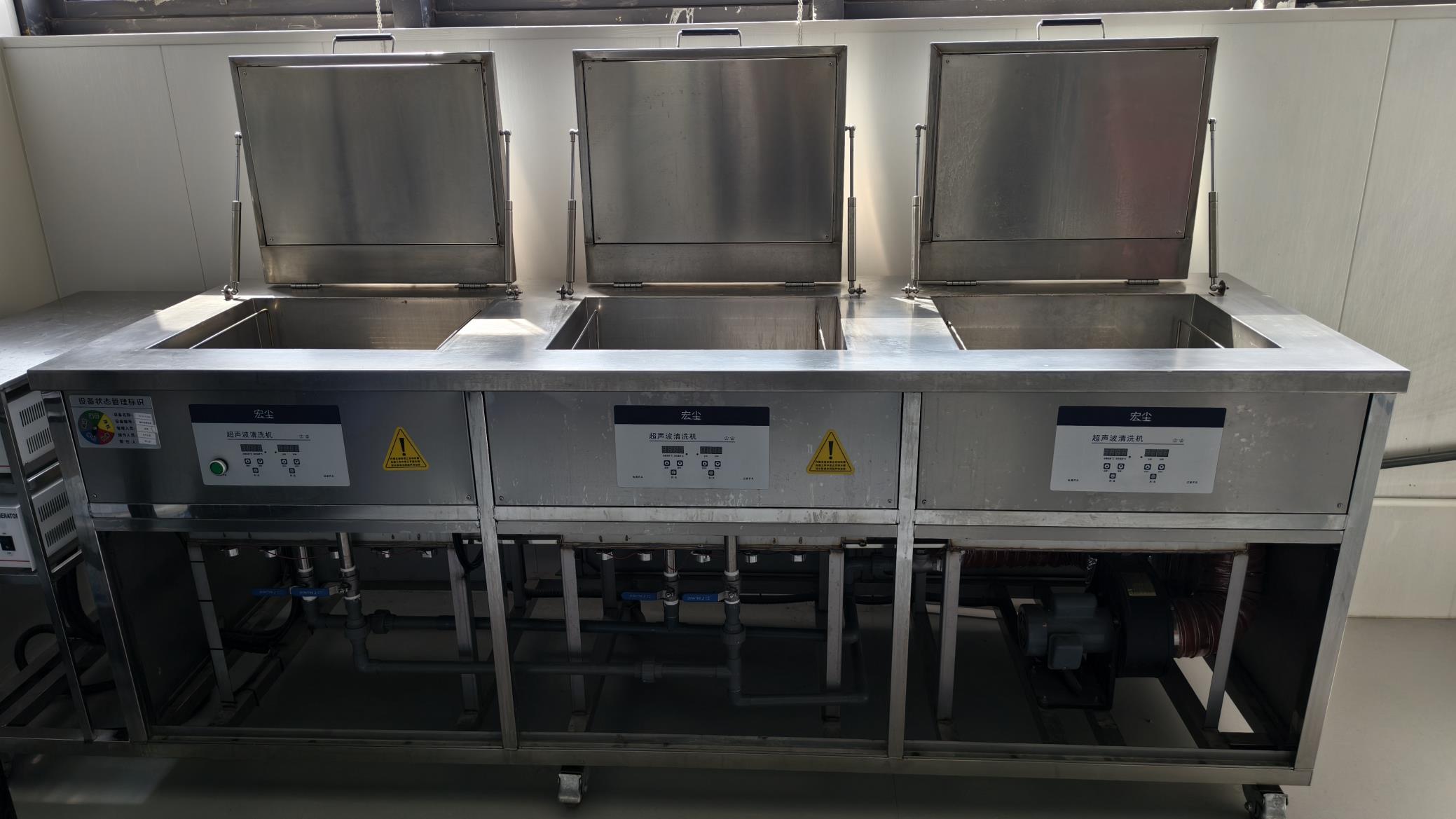
Our product portfolio includes trauma fixation systems, spinal implants, locking plates, intramedullary nails, external fixation systems, orthopedic screws, surgical instruments, and customized orthopedic solutions. Equipped with advanced CNC machining centers, precision inspection equipment, and modern clean production facilities, we ensure every product meets strict international quality requirements.
| Item | Corporate Information & Supply Chain Capabilities |
|---|---|
| Company Name | Synoviq Medical Technology (China) Co., Ltd. |
| Brand | Synoviq |
| Established | March 18, 2016 |
| Building Area | 18,600 m² |
| Annual Export Revenue | USD 21.8 Million |
| Export Experience | 8 Years |
| Industry Experience | 14 Years |
| Quality Inspection | 100% Final Inspection & Incoming Material Inspection |
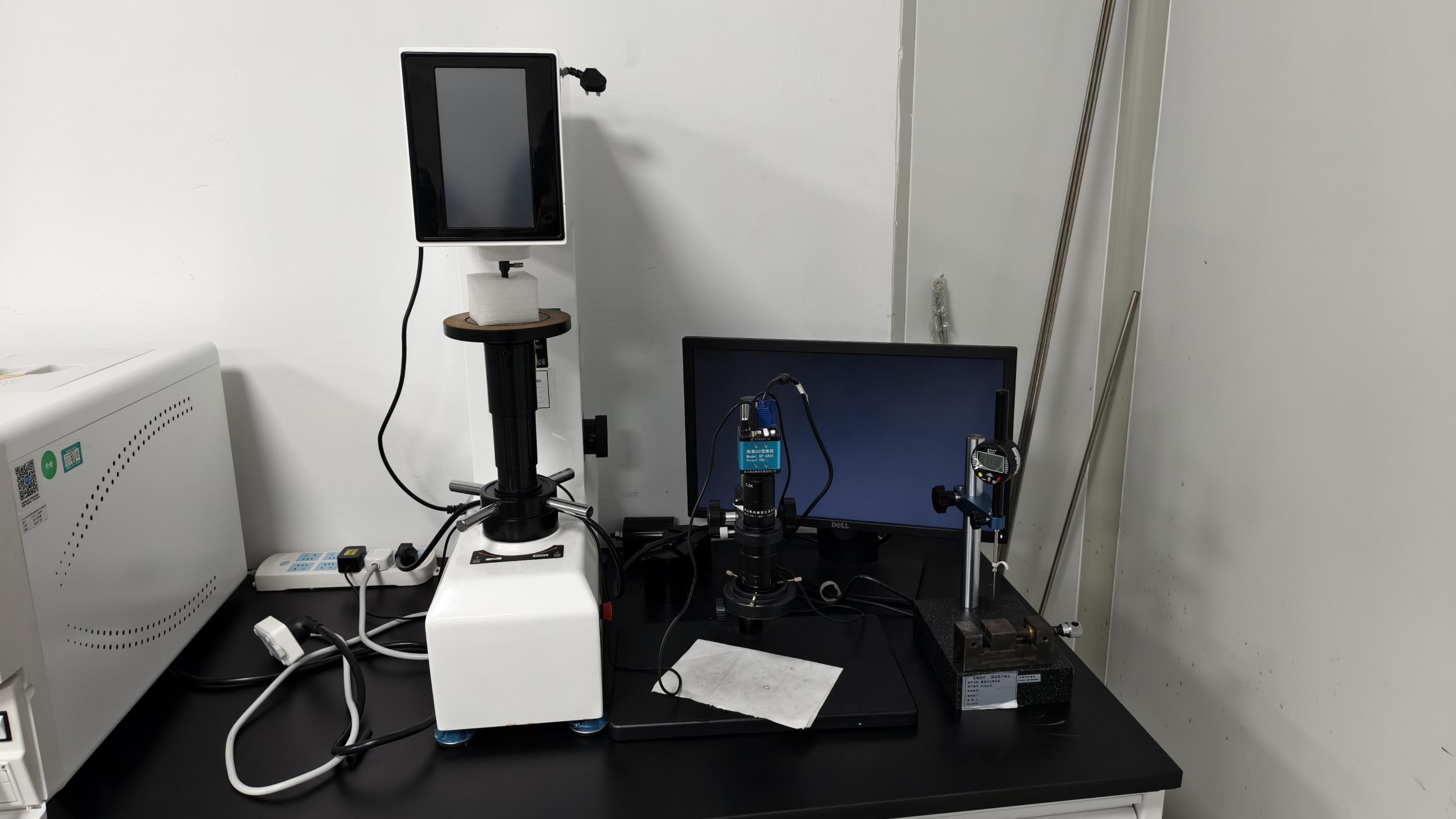
| Product Inspection Methods | CMM Measurement, Mechanical Testing, Surface Roughness Testing, Hardness Testing, Salt Spray Testing, Sterility Validation |
| Quality Control Staff | 48 Specialists |
| Business Type | Manufacturer & Exporter (OEM/ODM) |
| Main Markets | Europe, North America, South America, Middle East, Southeast Asia |
| Supply Chain Partners | 1,120+ Verified Partners |
| Main Customer Types | Medical Device Brands, Importers, Distributors, Hospitals, Government Procurement Projects |
| R&D Capability | Independent Product Design, Prototype Development, Clinical-Oriented Engineering, OEM & ODM Development |
| Customization Options | Logo Customization, Packaging Customization, Product Design Customization, Material Selection, Surface Treatment |
| New Products Released Last Year | 186 Innovative Products |
| R&D Engineers | 76 Engineers |
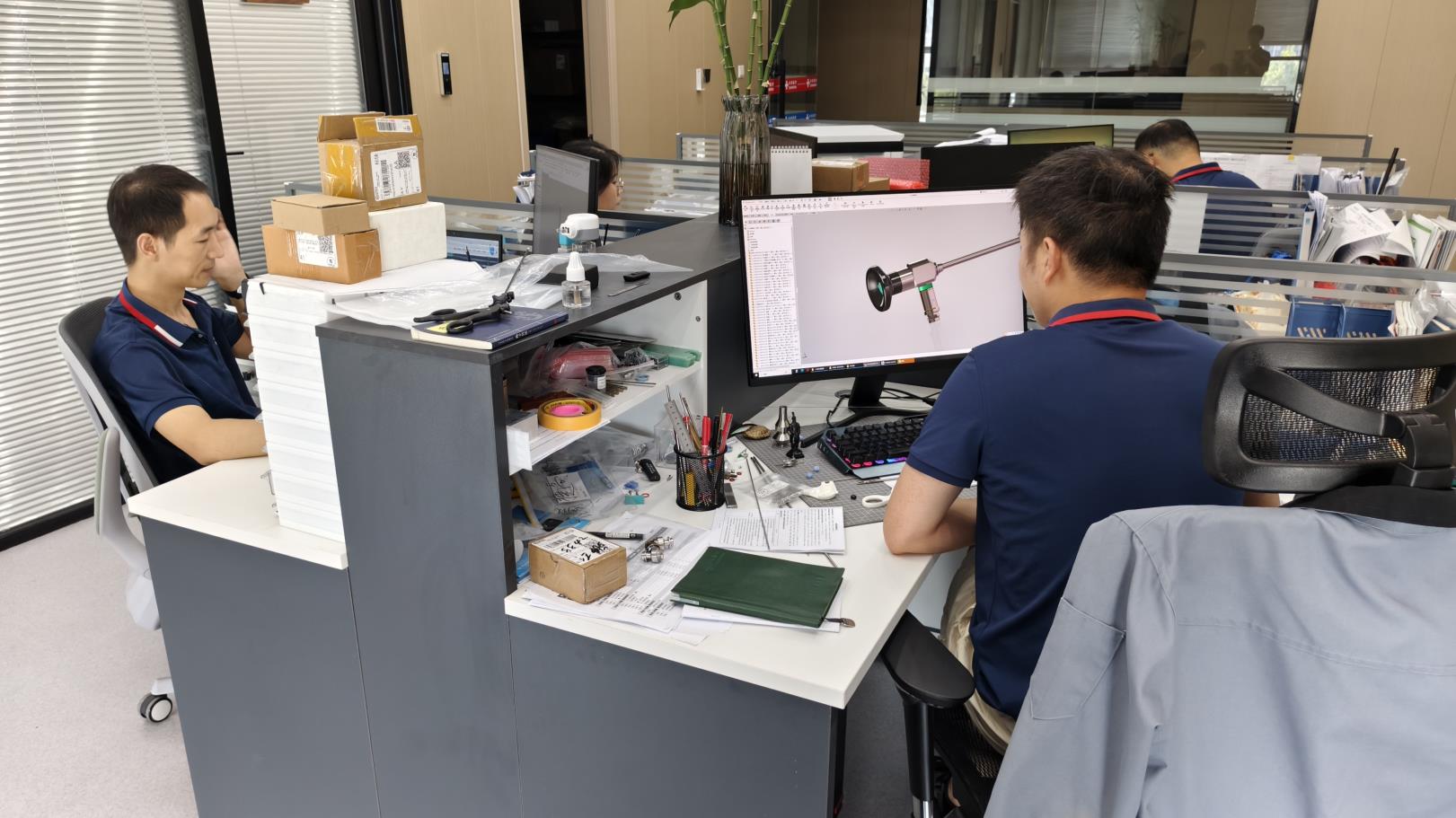
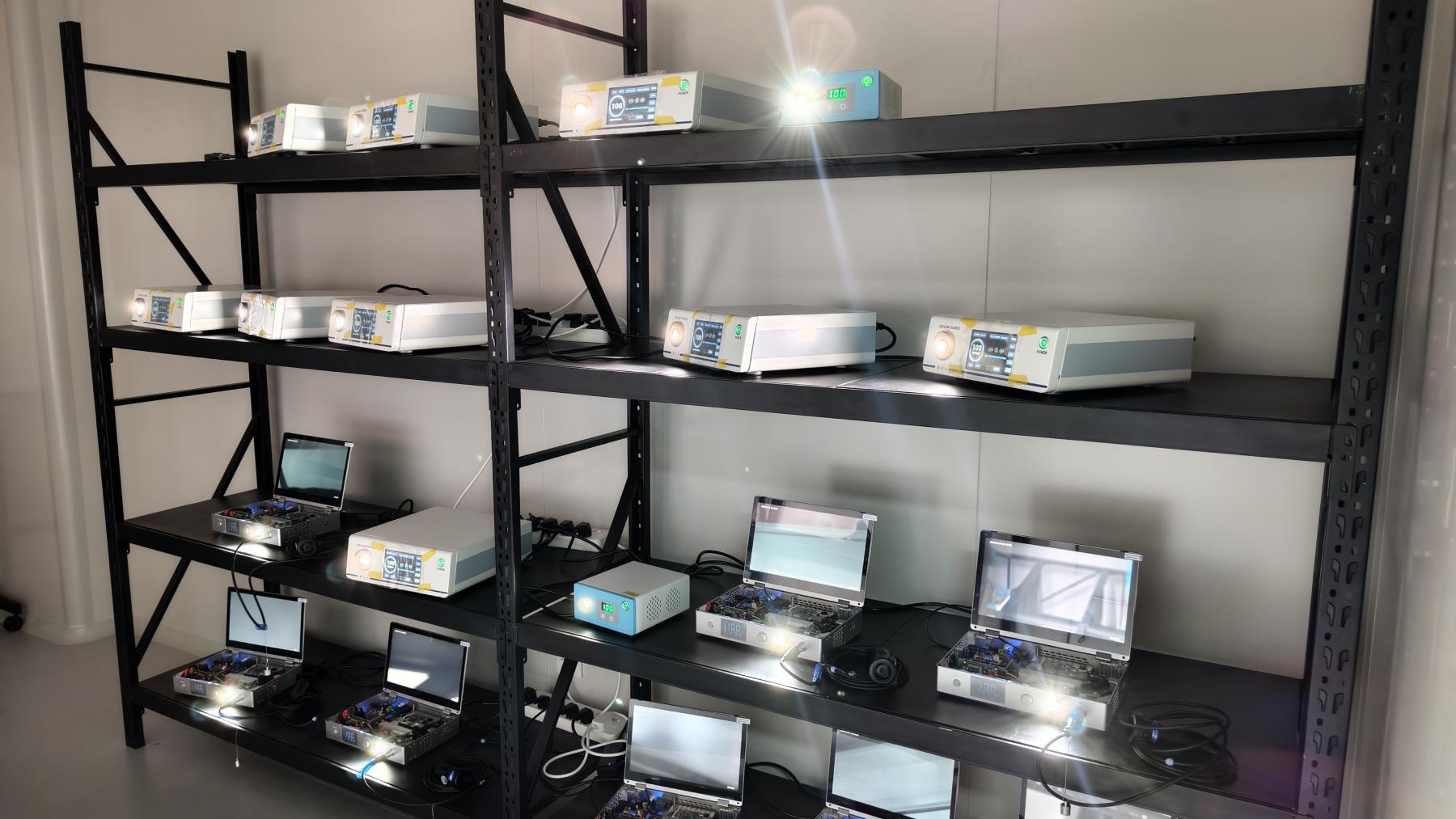
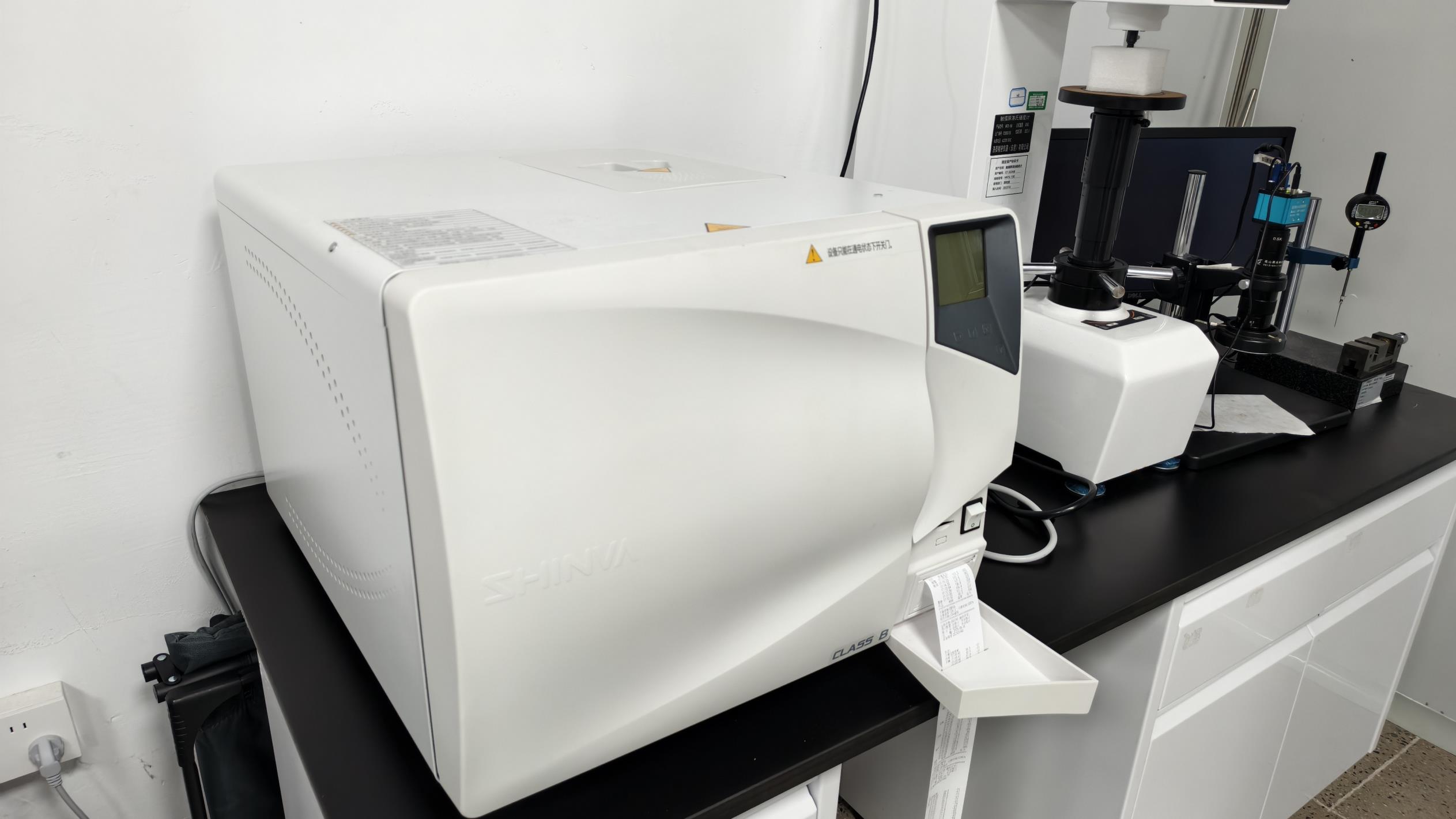
Our ISO 13485 compliant facility utilizes advanced production machinery and rigorous quality control testing instruments to ensure 100% reliability for all clinical orthopedic implants.
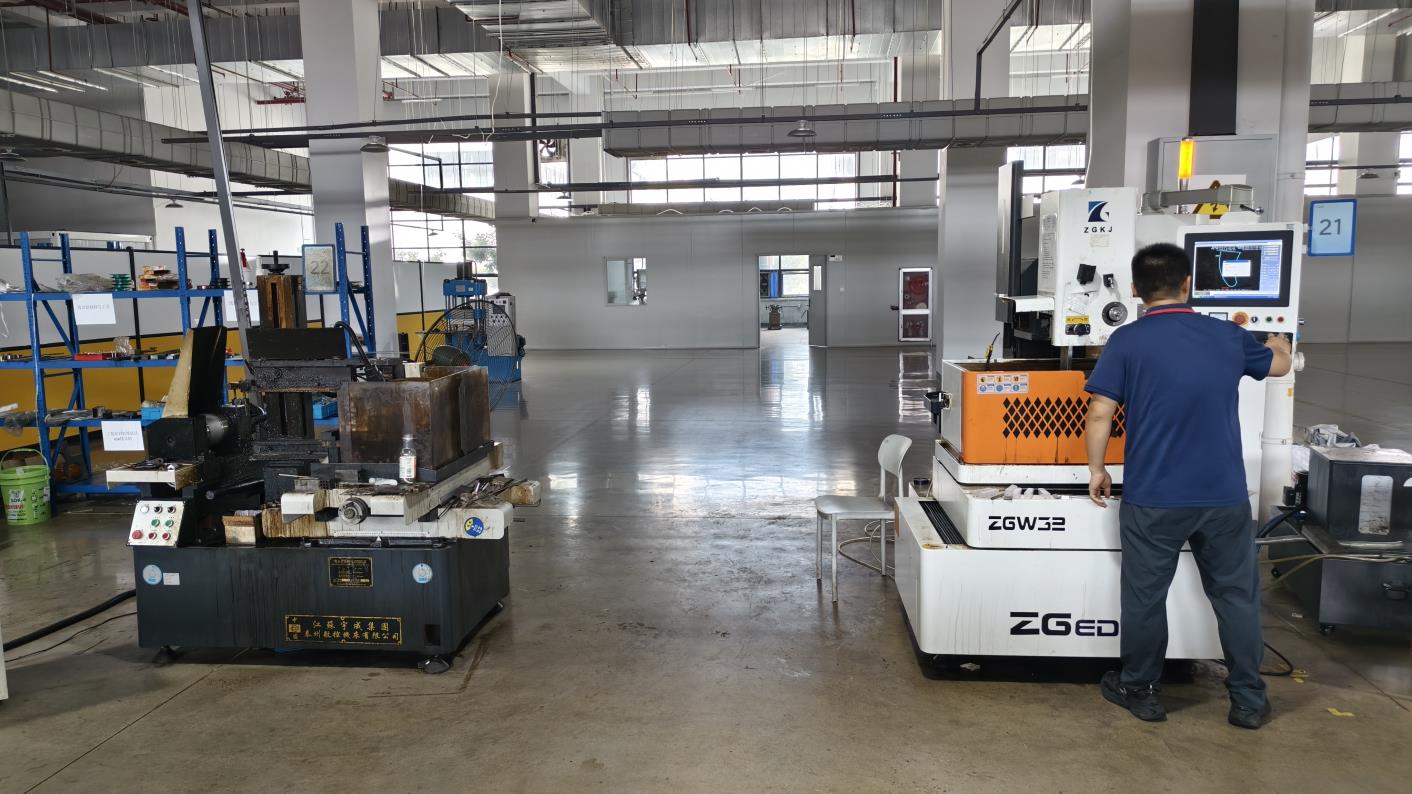
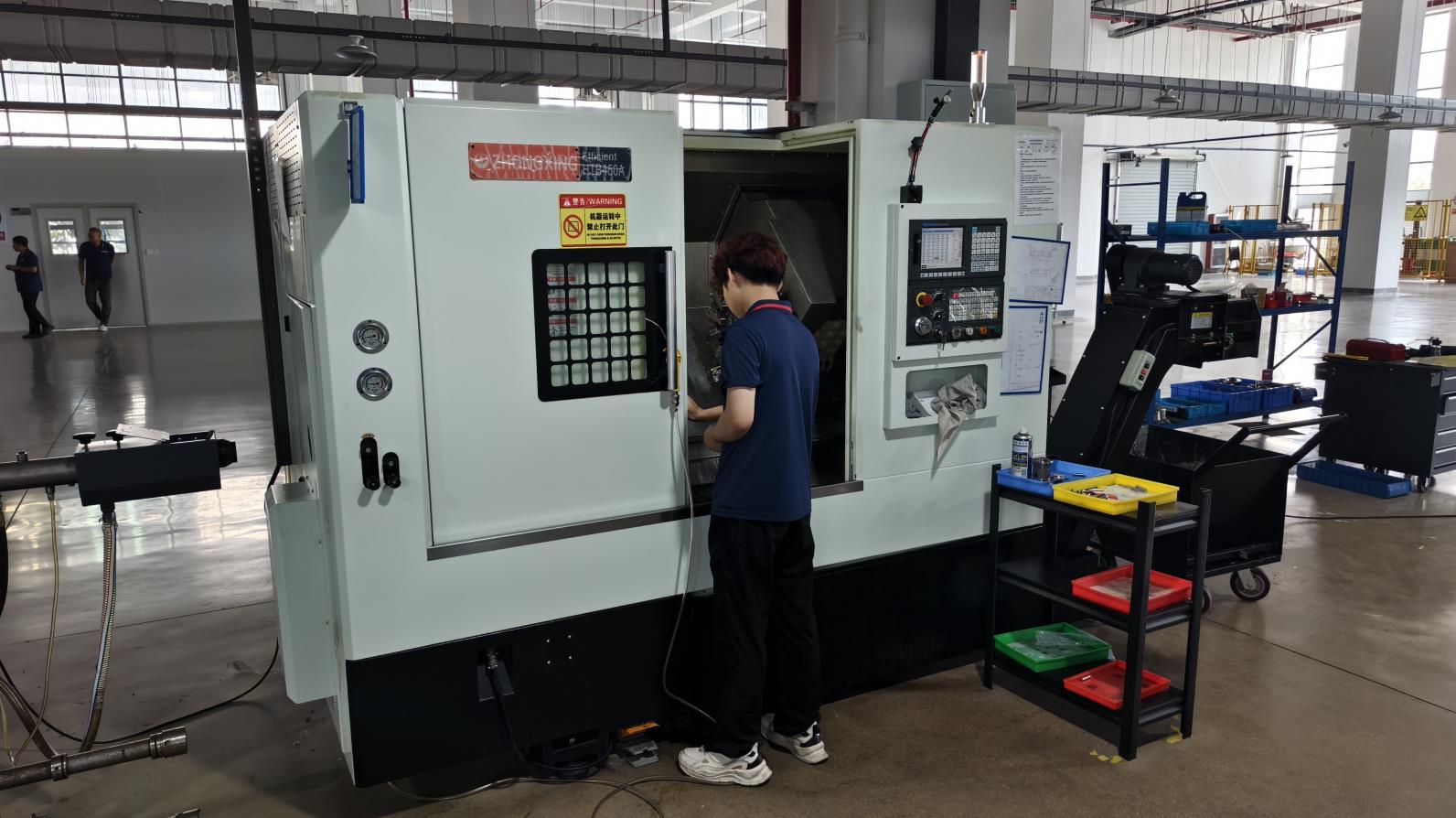
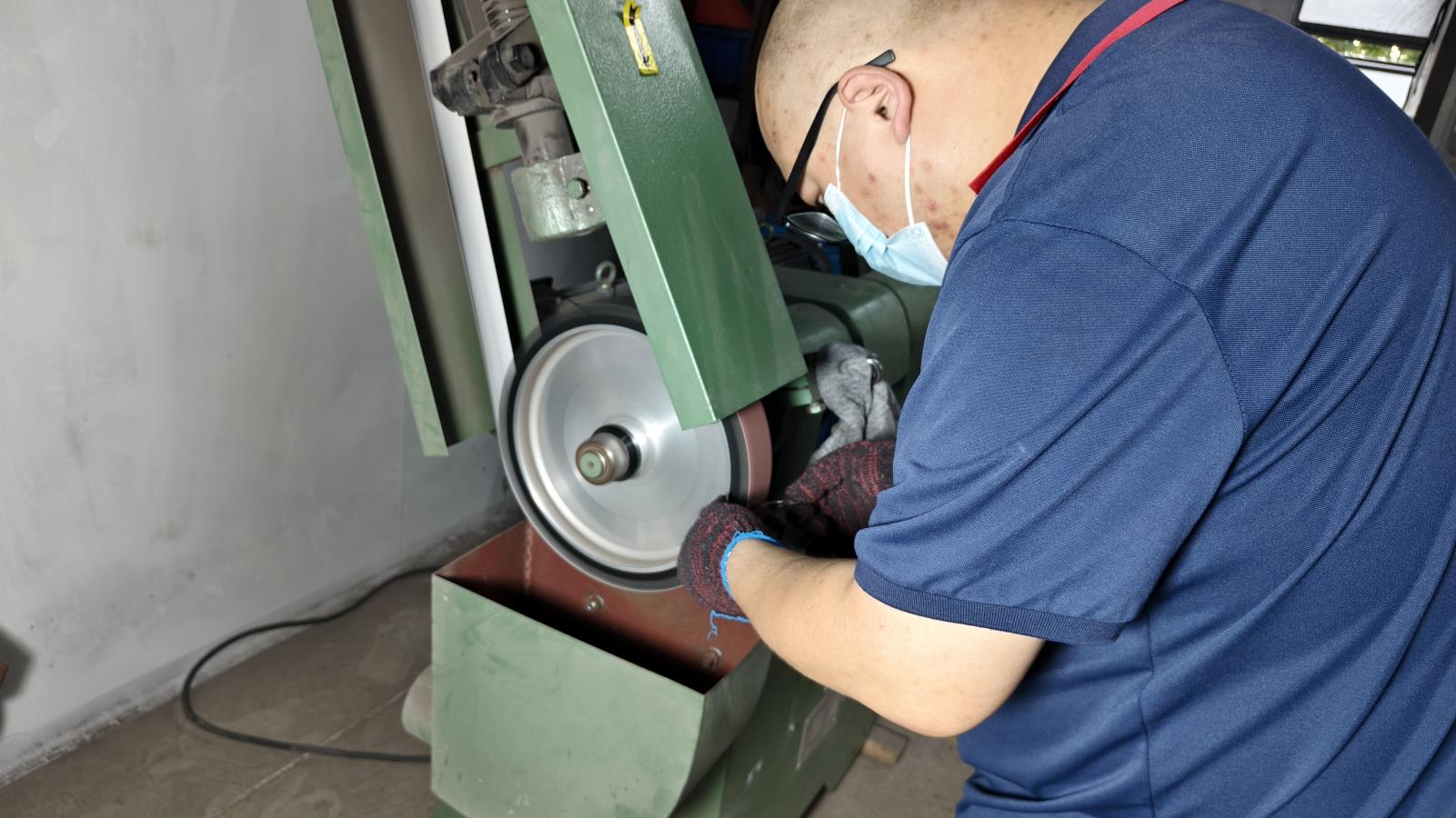
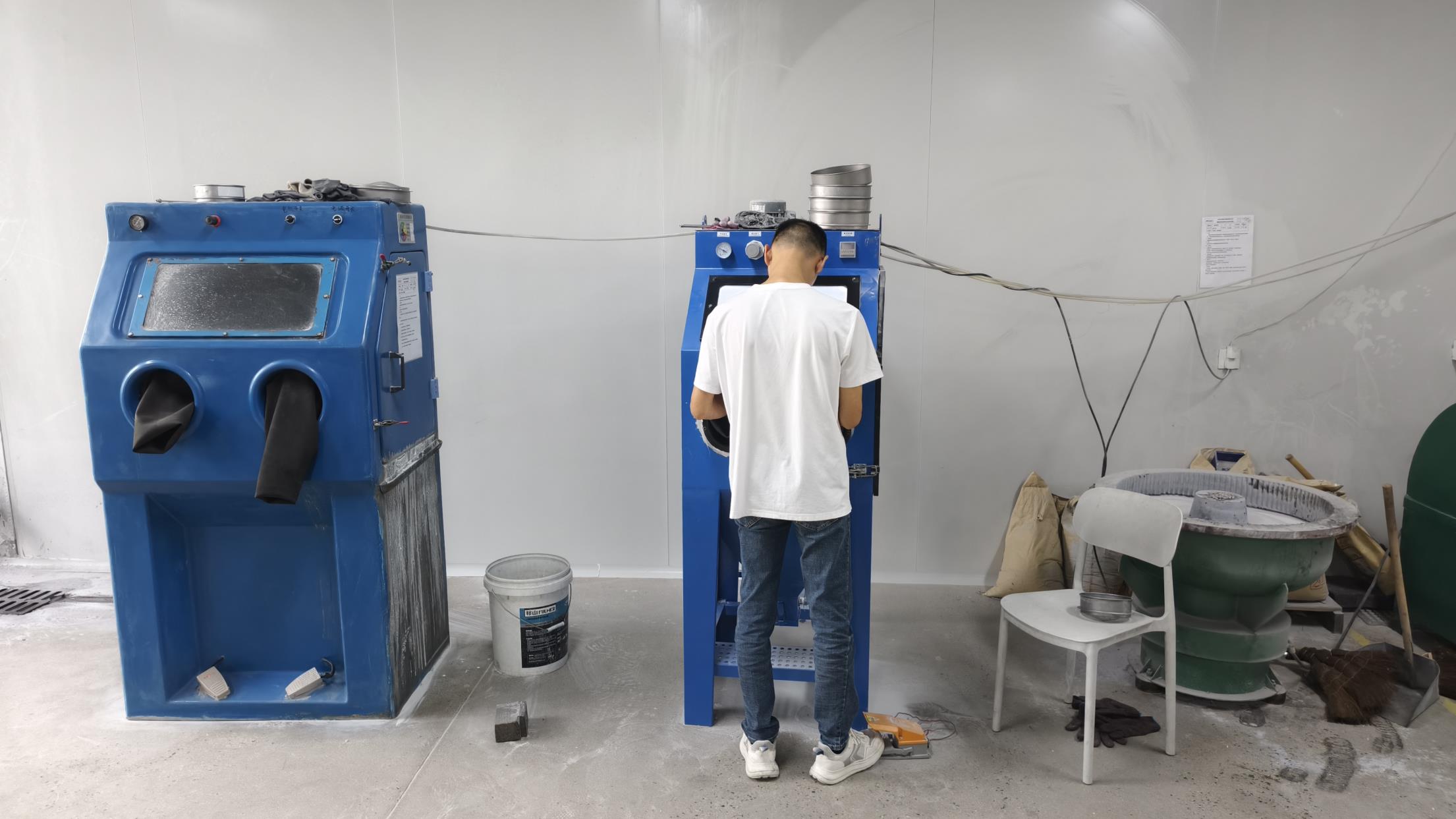
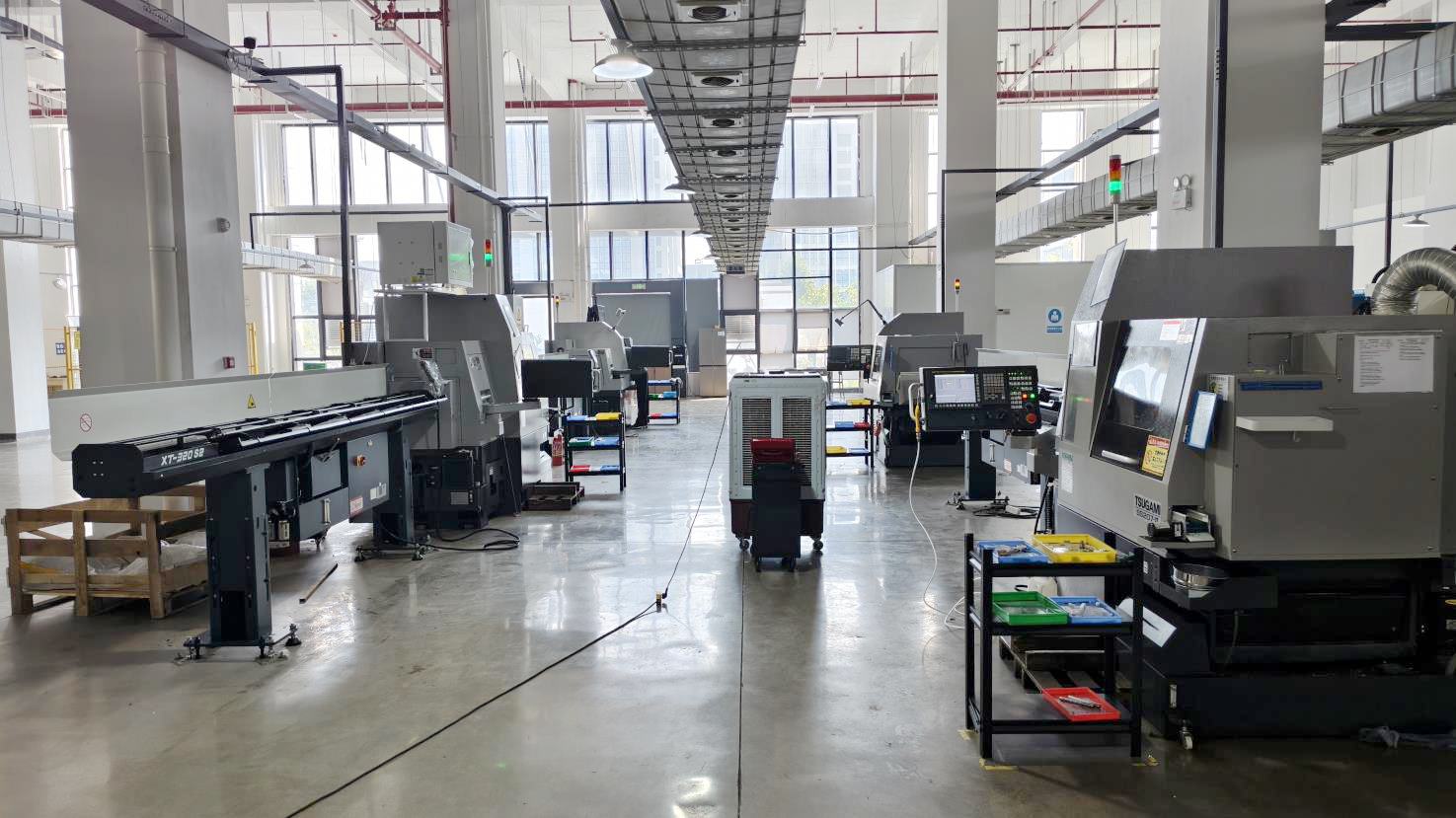
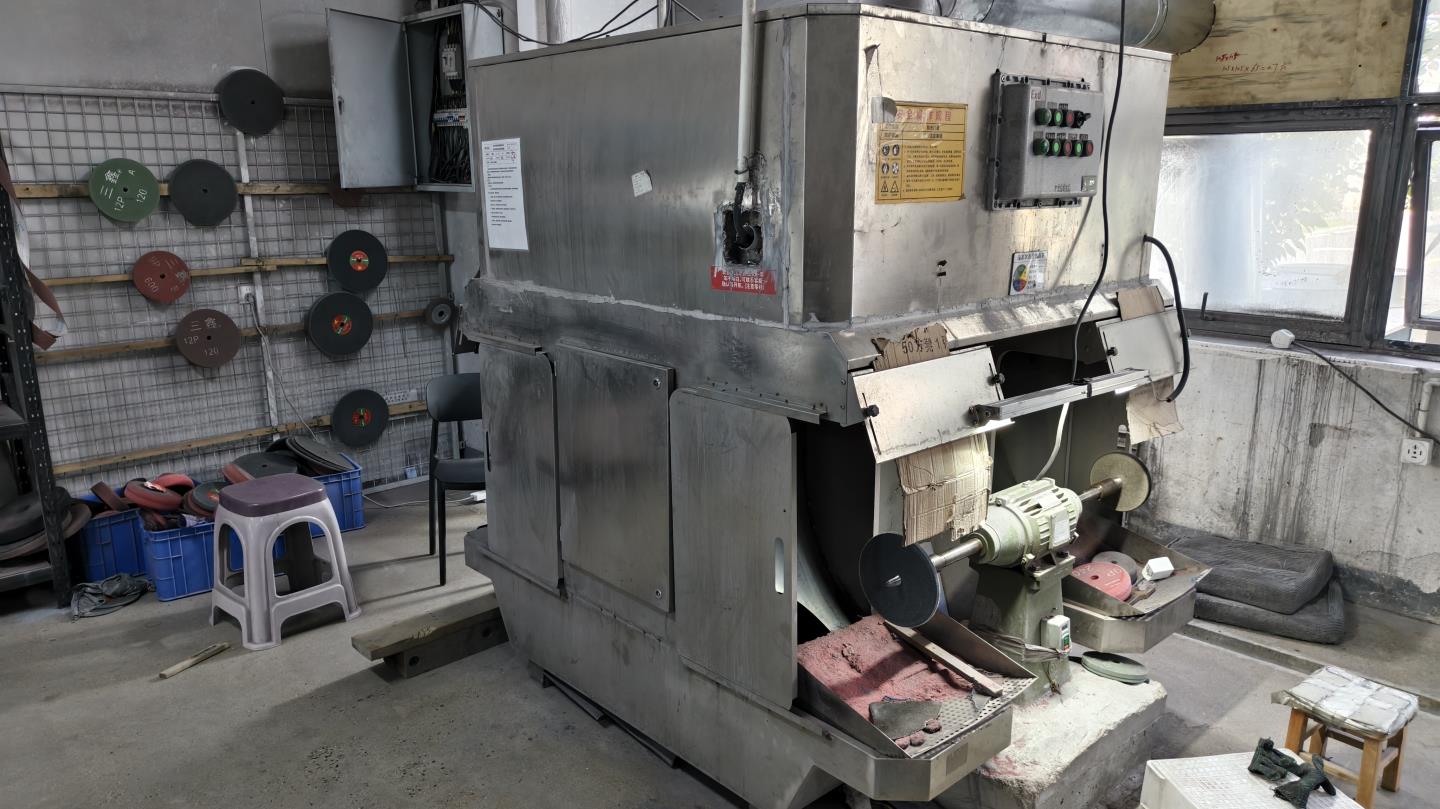
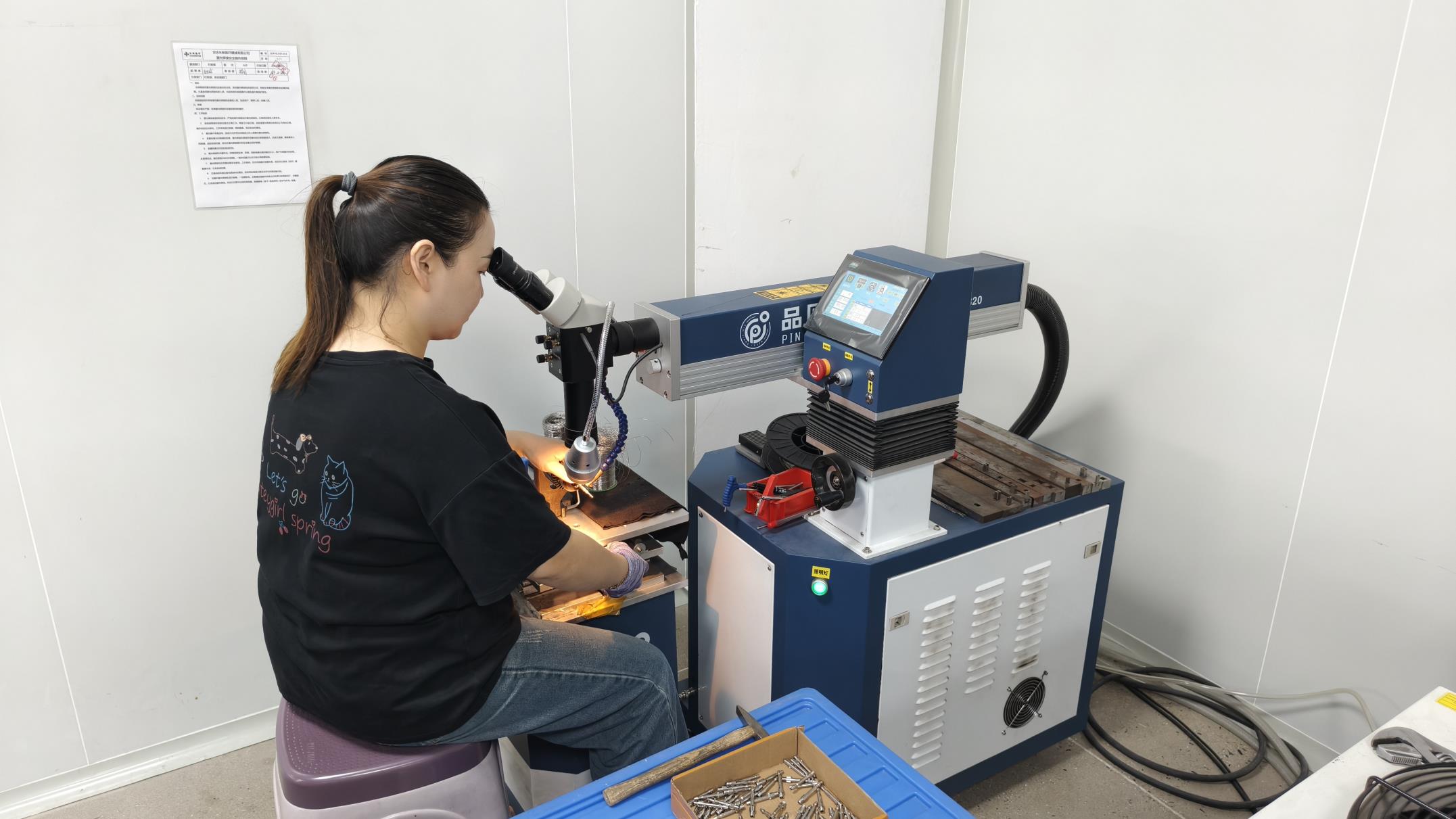
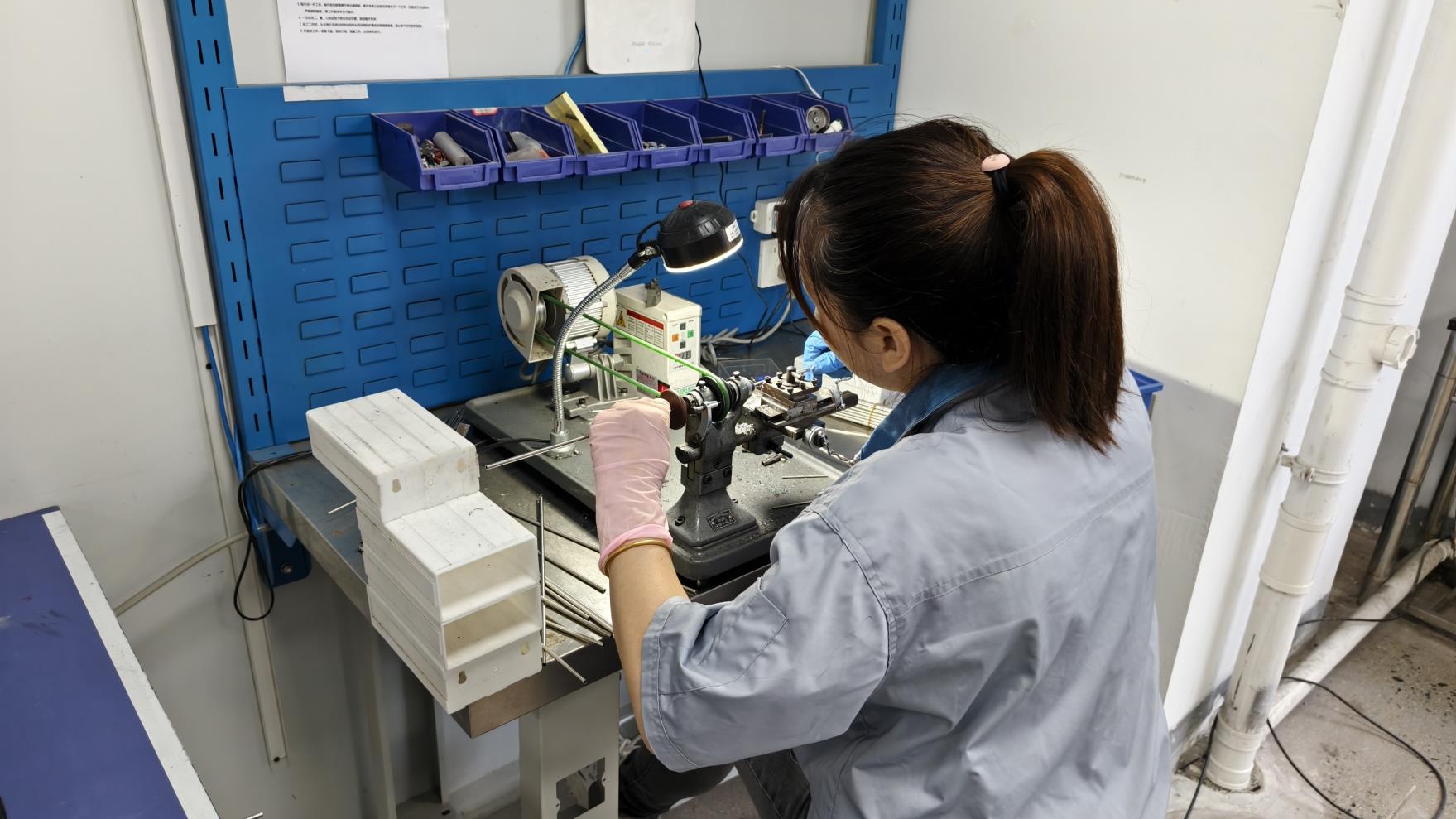
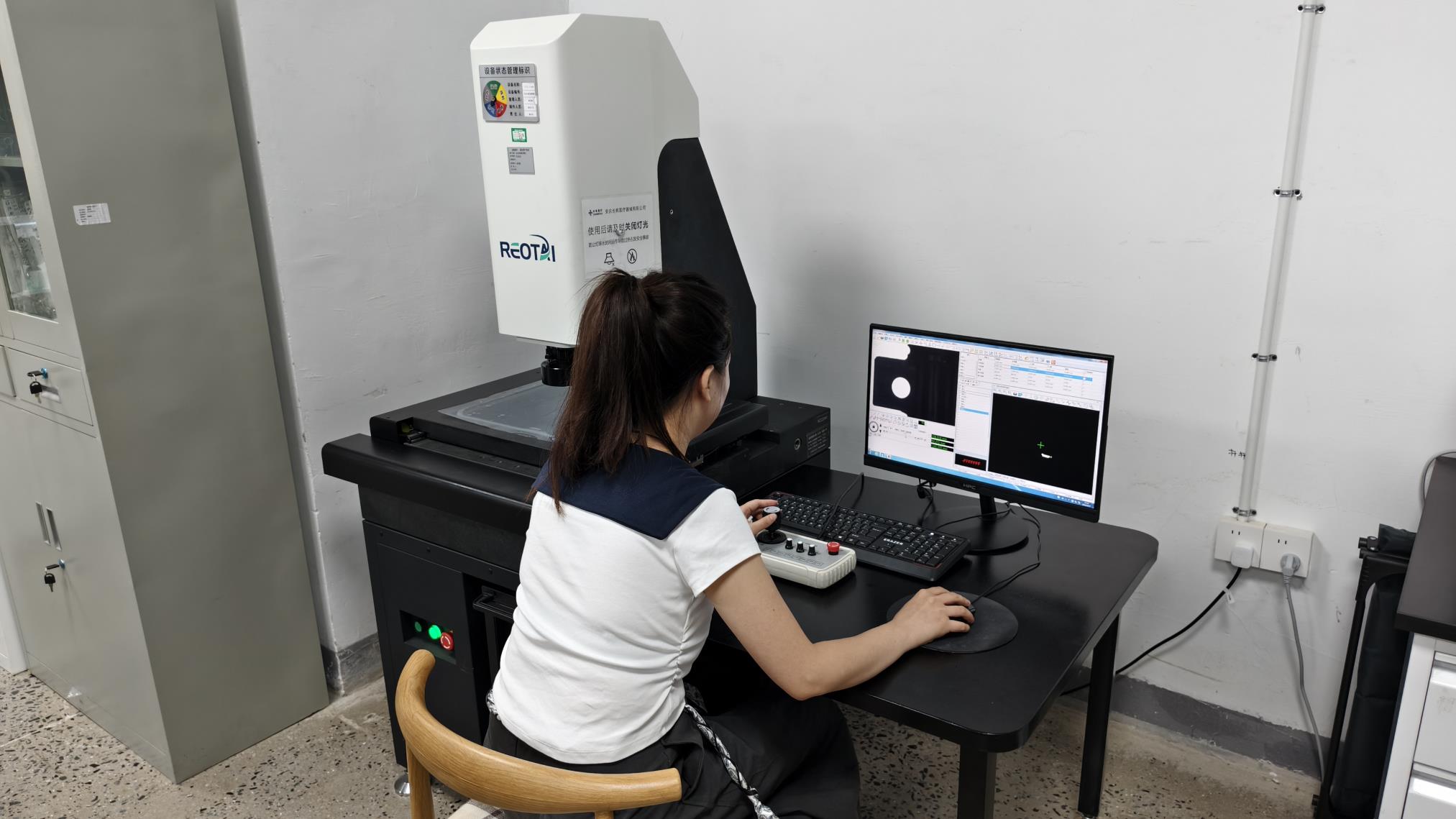
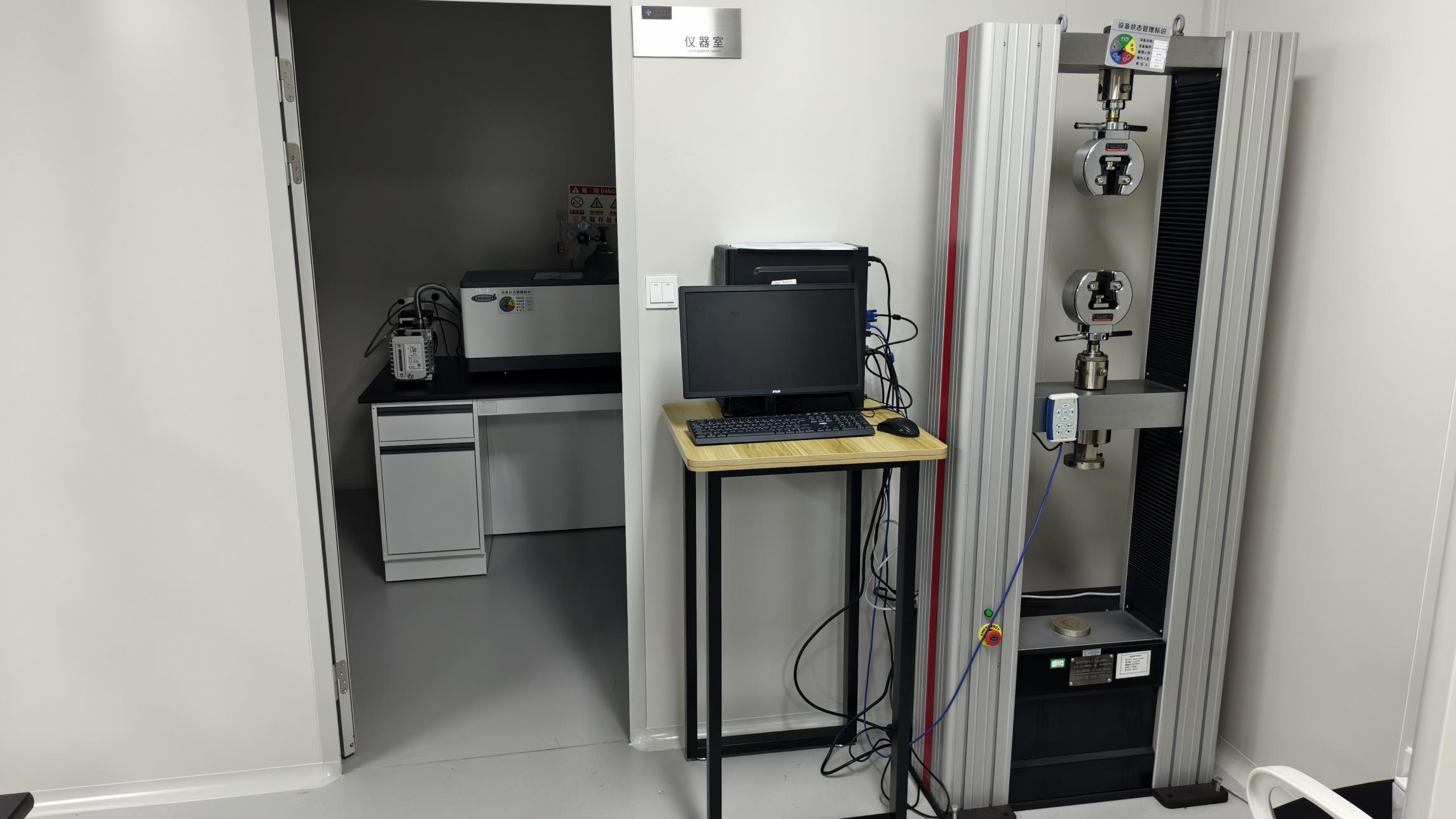
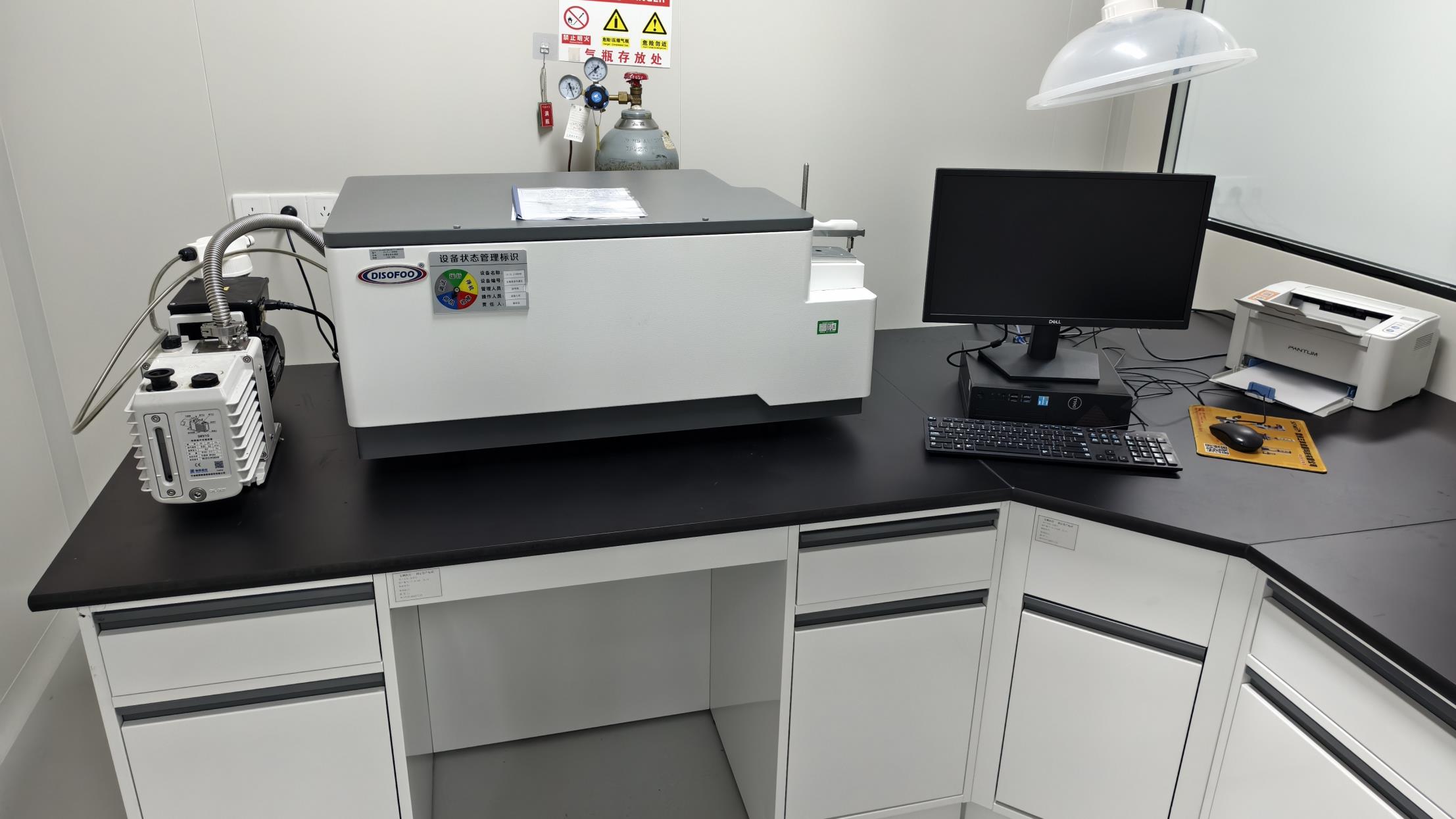
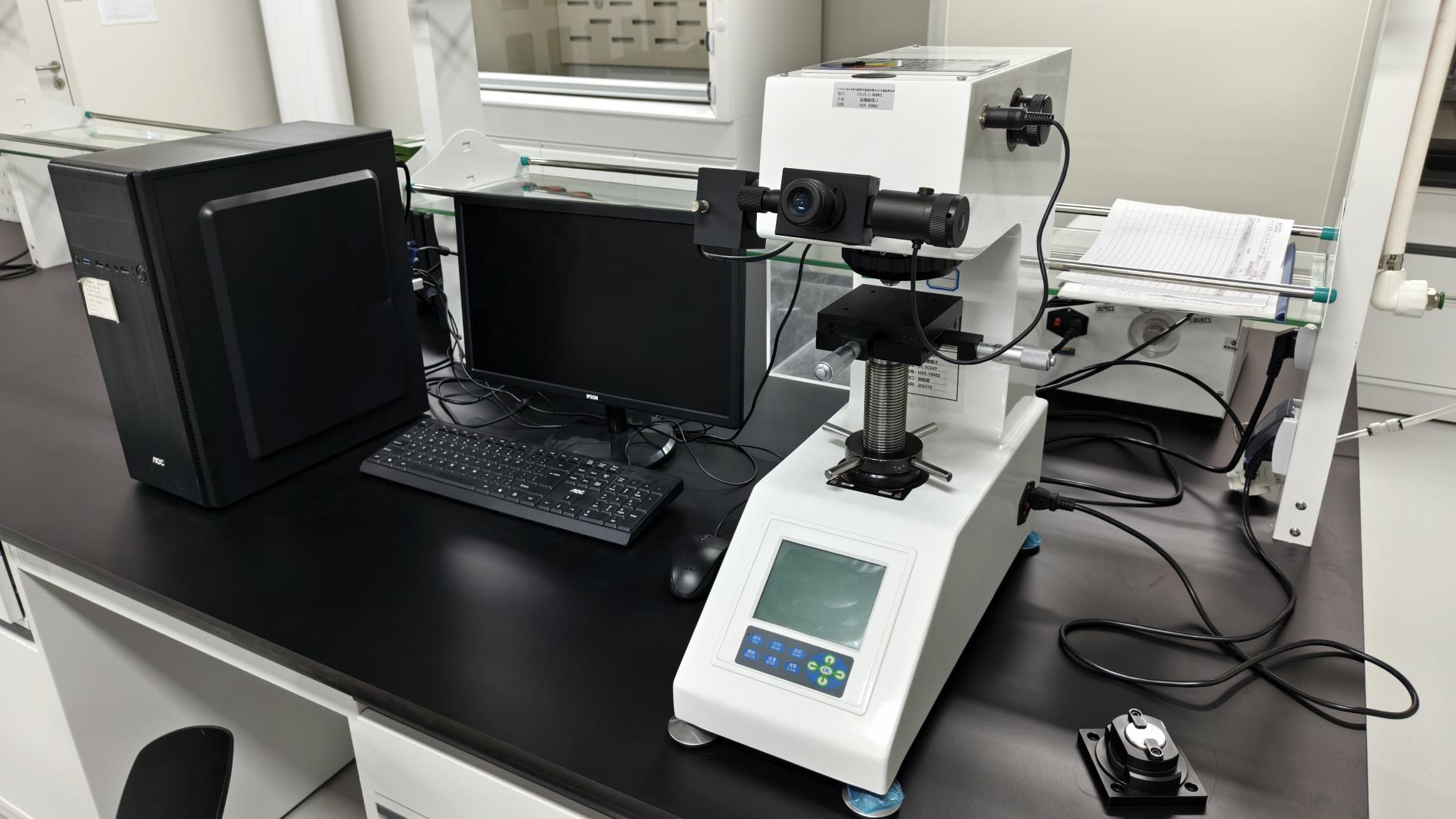
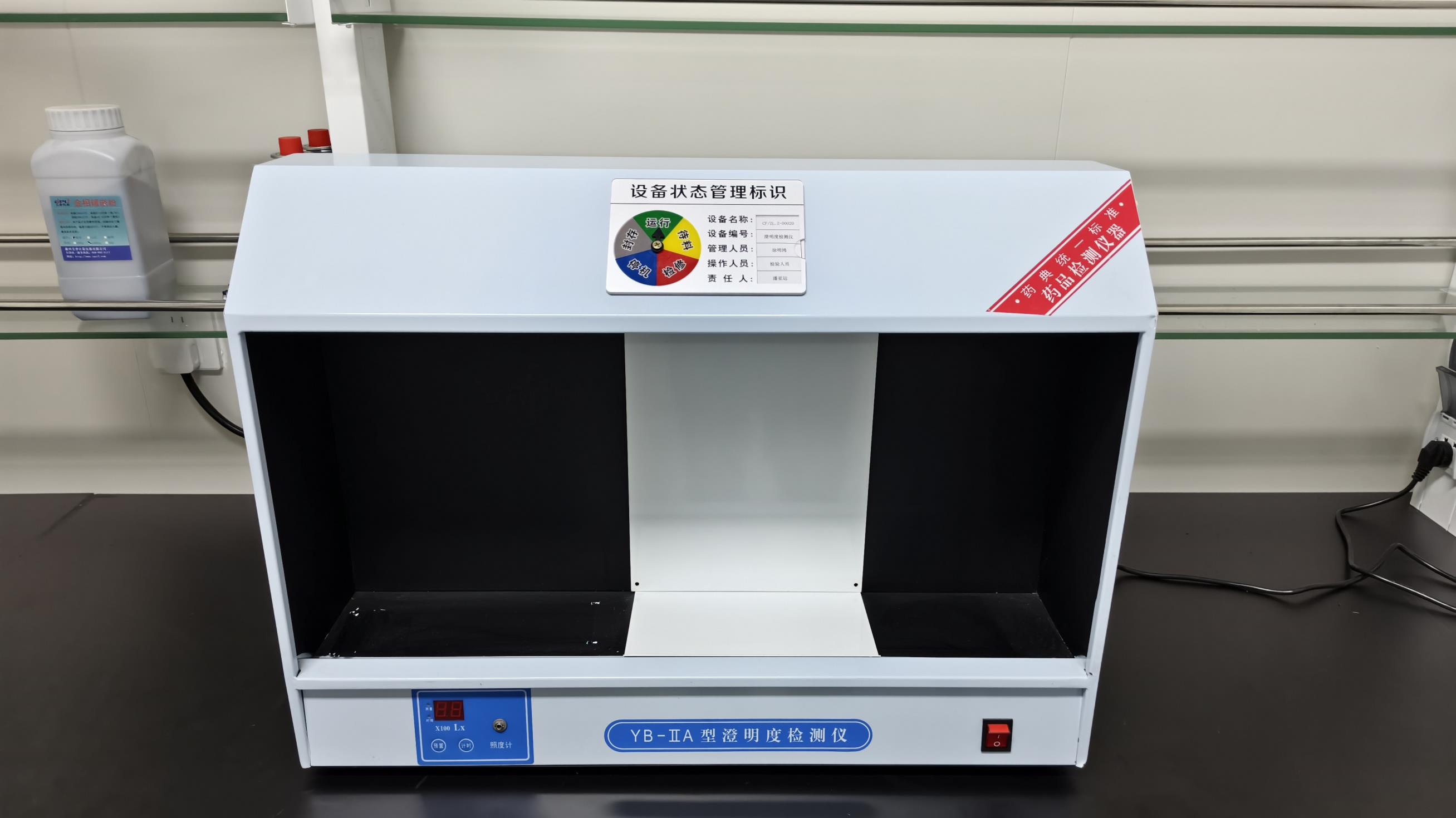
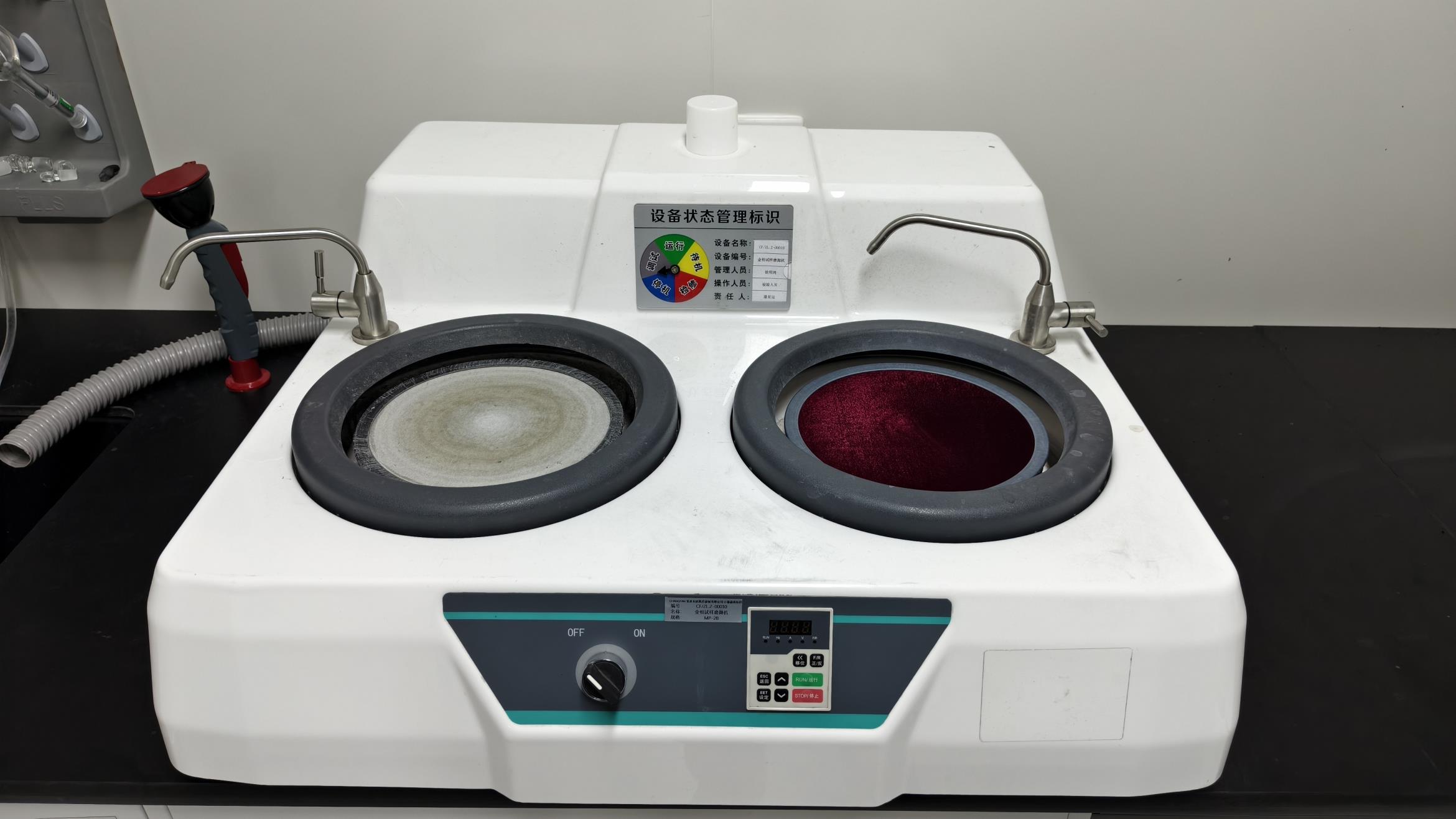
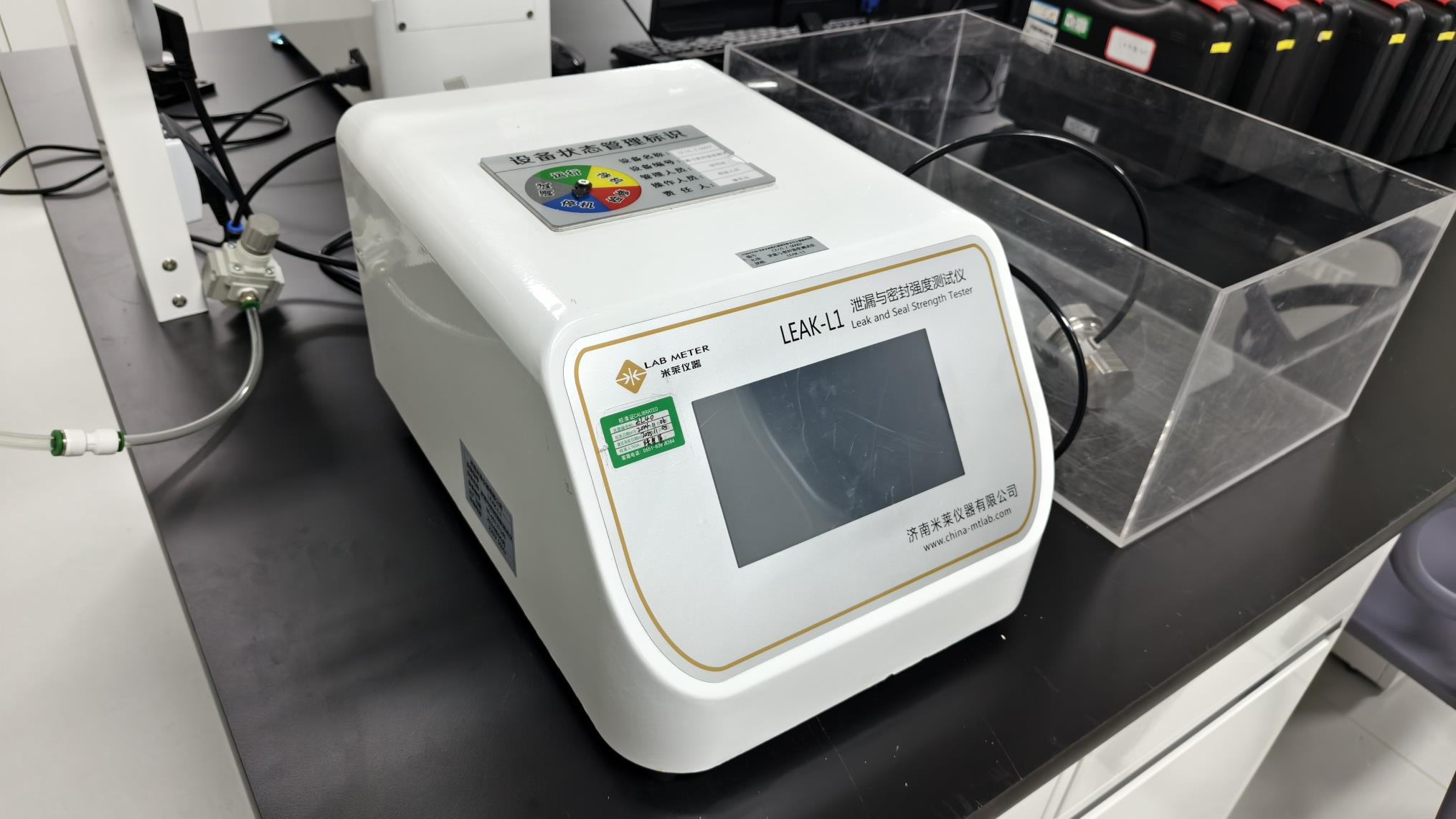
In the post-MDR era, medical device procurement channels must guarantee stability and transparency. Synoviq addresses these critical supply chain needs through vertical integration, securing raw materials directly from premium, certified titanium and stainless steel foundries. This mitigates supply delays and insulates clients from global market price fluctuations.
Scalable Dynamic Production: Our 18,600 m² state-of-the-art facility integrates both Swiss-type CNC precision lathes and automated cleaning tunnels, facilitating seamless scaling of production runs to meet sudden market surges.
Advanced Prototype Engineering: Supported by 76 dedicated R&D engineers, we transform clinical concepts into functional, testable prototypes within short development cycles.
Comprehensive Metrology & QC: Every production batch undergoes strict CMM dimensional inspection, tensile testing, and metallographic validation, minimizing the risk of post-market recalls.
The future of fracture fixation lies in the convergence of bio-materials, active structural integration, and digital manufacturing workflows. Synoviq is currently executing an advanced technology roadmap designed to continuously improve long-term patient outcomes:
Applying Type II electrochemical anodization to titanium plates improves fatigue resistance and helps prevent tissue adhesion, facilitating cleaner and safer implant extraction during secondary hardware removal.
We are piloting sub-micron thickness Hydroxyapatite (HA) coatings localized specifically on the bone-facing surface of anatomical plates to promote rapid osteointegration in complex comminuted osteopenic fractures.
Our R&D team is researching integrated micro-strain gauges designed to wireless monitor real-time mechanical changes, providing quantitative telemetry on postoperative bone healing progression directly to clinicians.
In the orthopedic device sector, quality assurance and international compliance are non-negotiable. Synoviq maintains strict adherence to the new EU Medical Device Regulation (MDR 2017/745), ensuring all large fragment implants and instrument sets carry clear CE certification. Our manufacturing pipelines are governed by ISO 13485:2016 quality management systems.
Our validation protocols include:
ASTM F382 Testing: Mechanical bending and fatigue characterization to evaluate the structural integrity of locking plates under physiological loading cycles.
100% Dimensional Inspection: CMM assessment of critical parameters, ensuring perfect alignment of combination locking screw holes.
Sterility Validation: Class 10,000 packaging environments that support clean room sterile supply lines for direct-to-operating-room hospital delivery.
Discover detailed, engineering-based answers to key inquiries regarding the clinical application, material performance, and supply chain of Synoviq orthopedic trauma implants.
 Synoviq Medical