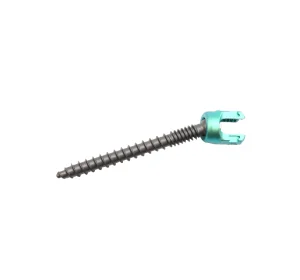
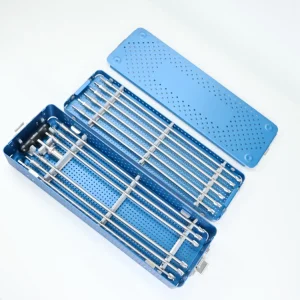
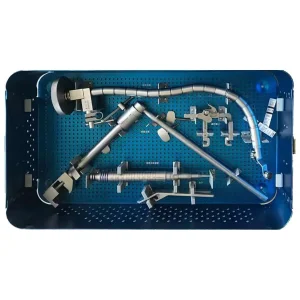
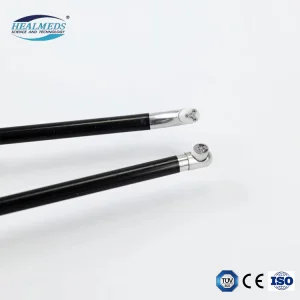
Explore our leading catalog of CE-certified implants and precision surgical instruments developed for diverse orthopaedic applications.
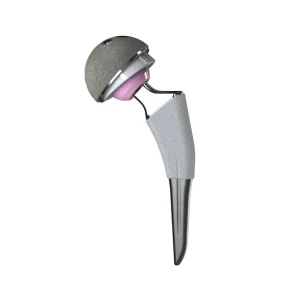
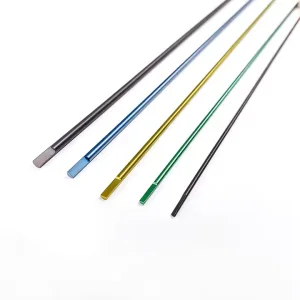
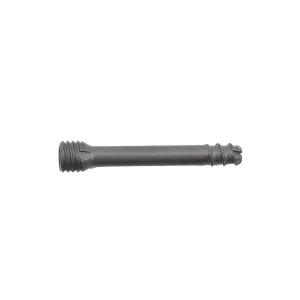
An in-depth look at why the headless cannulated screw remains the gold standard in small bone osteosynthesis.
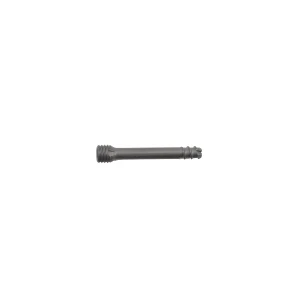
In modern orthopedic reconstructive surgery, the management of intra-articular fractures and osteotomy fixations requires implants that can provide stable compression without disrupting articulating cartilage. The Herbert Screw, characterized by its unique headless design and differential thread pitch, has long served as the fundamental framework for stabilizing scaphoid nonunions, capitellum fractures, and small joint arthrodesis.
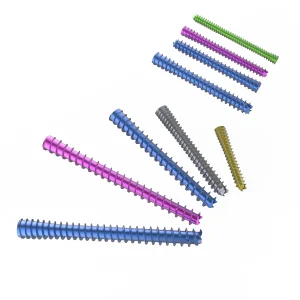
Engineered from medical-grade Titanium Alloy (ASTM F136), our Herbert Screws are manufactured to withstand severe shear forces. Titanium is chosen for its superior biocompatibility, high strength-to-weight ratio, and excellent fatigue resistance. Standard stainless-steel implants may provoke soft-tissue irritation or require removal, but titanium implants exhibit excellent osseointegration, enabling long-term clinical safety. Furthermore, our cannulated design allows for precise guide wire placement, ensuring accurate insertion and minimized risk of malalignment.
For surgeons, the headless configuration is highly advantageous. Because the proximal end sits completely below or flush with the articular cartilage, there is virtually zero risk of tendon impingement or joint abrasion. This makes it ideal for locations like the scaphoid, osteochondral surfaces of the knee, radial head, and distal tibia.
A trusted global manufacturer specializing in orthopedic implants, trauma systems, and surgical tools.
Synoviq Medical Technology (China) Co., Ltd. is a leading manufacturer of orthopedic implants and surgical instruments, dedicated to delivering innovative, reliable, and high-quality medical solutions for healthcare professionals worldwide. Since its establishment, Synoviq has focused on research, development, precision manufacturing, and international quality standards, providing comprehensive OEM and ODM services for global medical device brands, distributors, and hospitals.
Our product portfolio includes trauma fixation systems, spinal implants, locking plates, intramedullary nails, external fixation systems, orthopedic screws, surgical instruments, and customized orthopedic solutions. Equipped with advanced CNC machining centers, precision inspection equipment, and modern clean production facilities, we ensure every product meets strict international quality requirements.
Driven by continuous innovation, Synoviq invests heavily in R&D and intelligent manufacturing to enhance product performance, surgical efficiency, and patient outcomes. Our experienced engineering team works closely with customers to develop customized products tailored to different clinical applications and market demands.
With a customer-oriented philosophy, competitive pricing, stable supply capability, and efficient technical support, Synoviq has established long-term partnerships with distributors, medical brands, and healthcare organizations across Europe, North America, South America, the Middle East, and Asia-Pacific.
| Specification Detail | Technical Parameters & Credentials |
|---|---|
| Company Name | Synoviq Medical Technology (China) Co., Ltd. |
| Brand & Trademark | Synoviq |
| Date Established | March 18, 2016 |
| Building Area | 18,600 m² modern cleanrooms & testing facilities |
| Annual Export Revenue | USD 21.8 Million |
| Export & Industry Experience | 8 Years of Exporting, 14 Years of Orthopedic Manufacturing |
| Quality Inspection Standard | 100% Final Inspection & strict Incoming Material Verification |
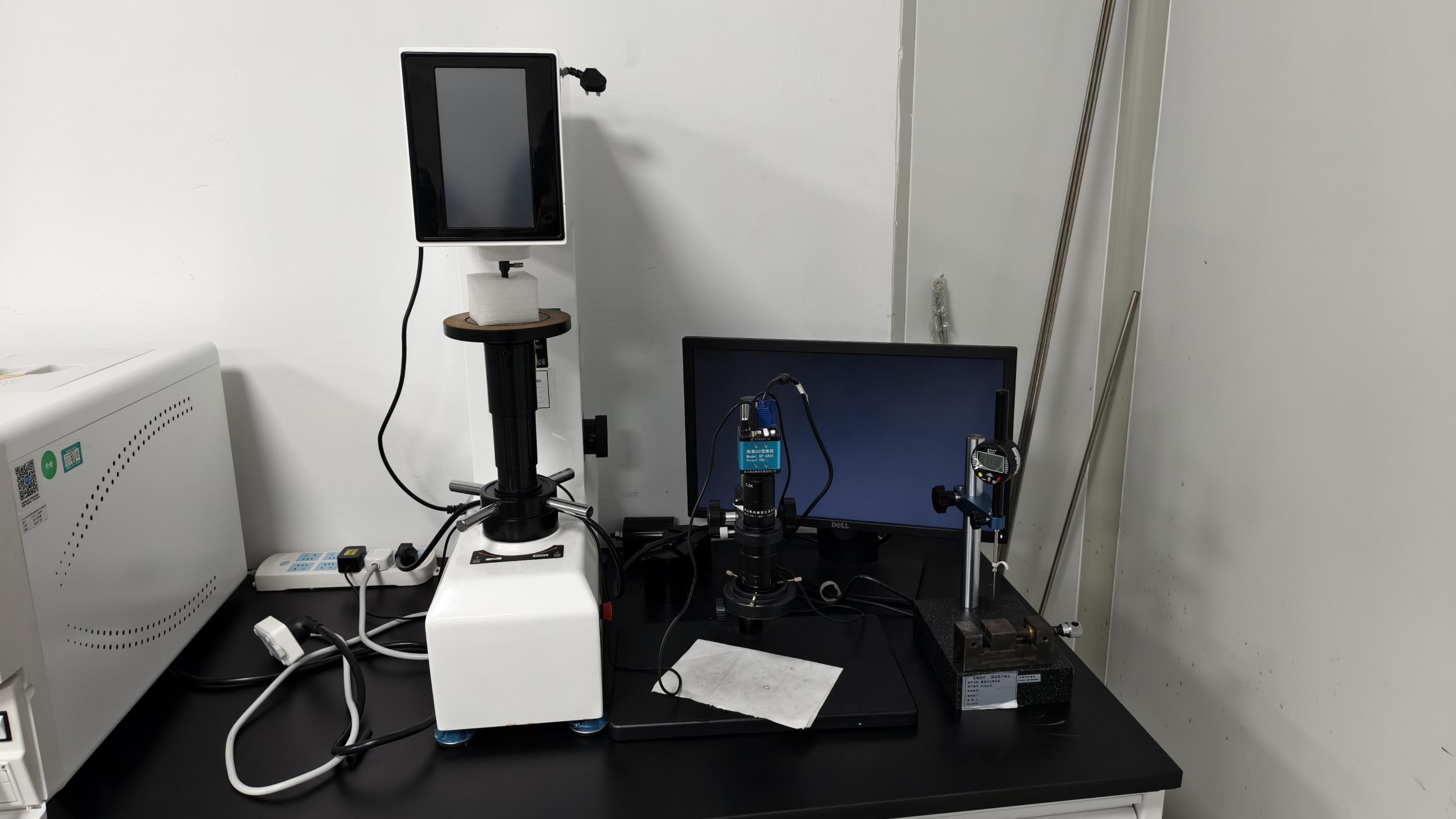
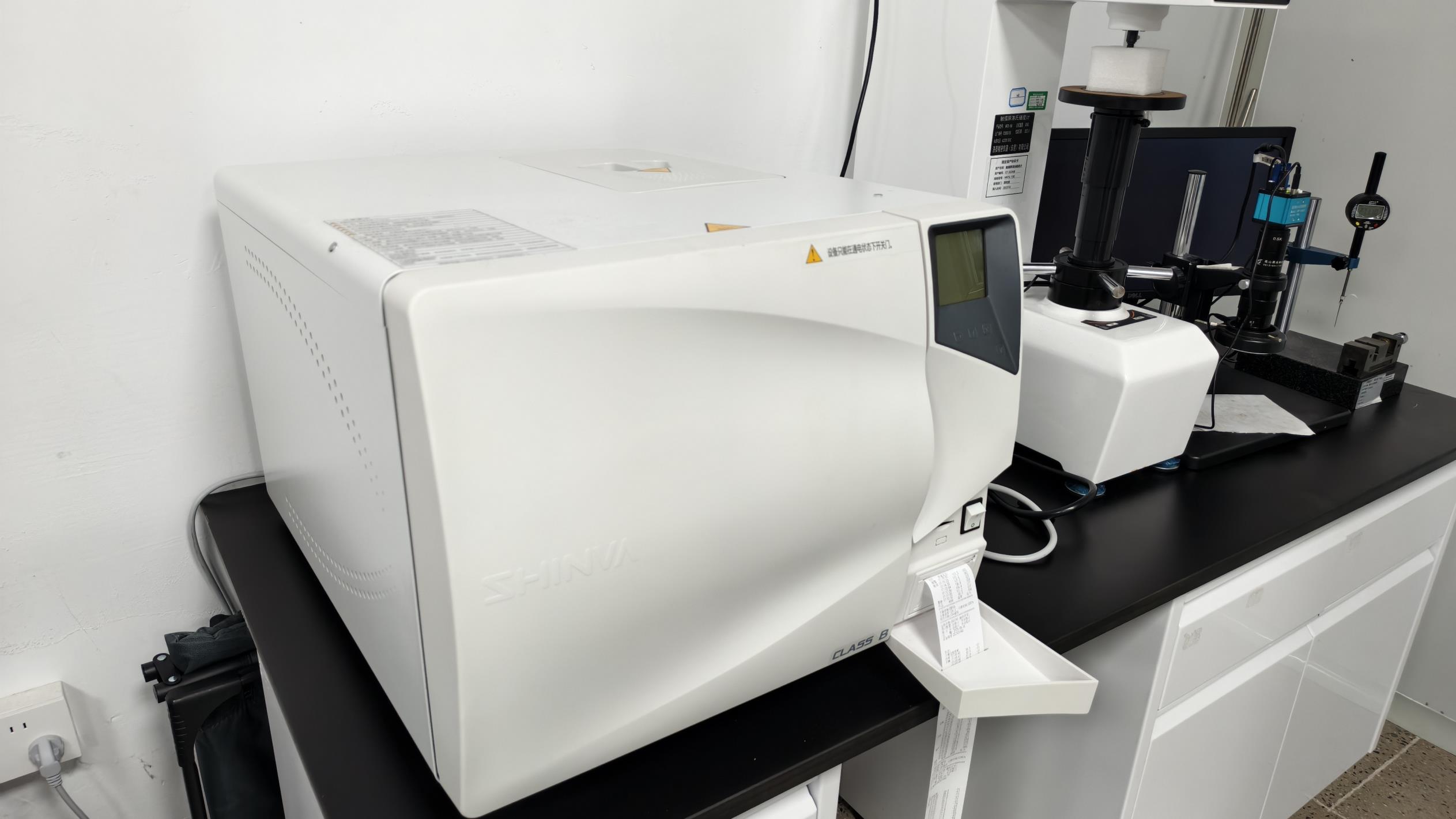
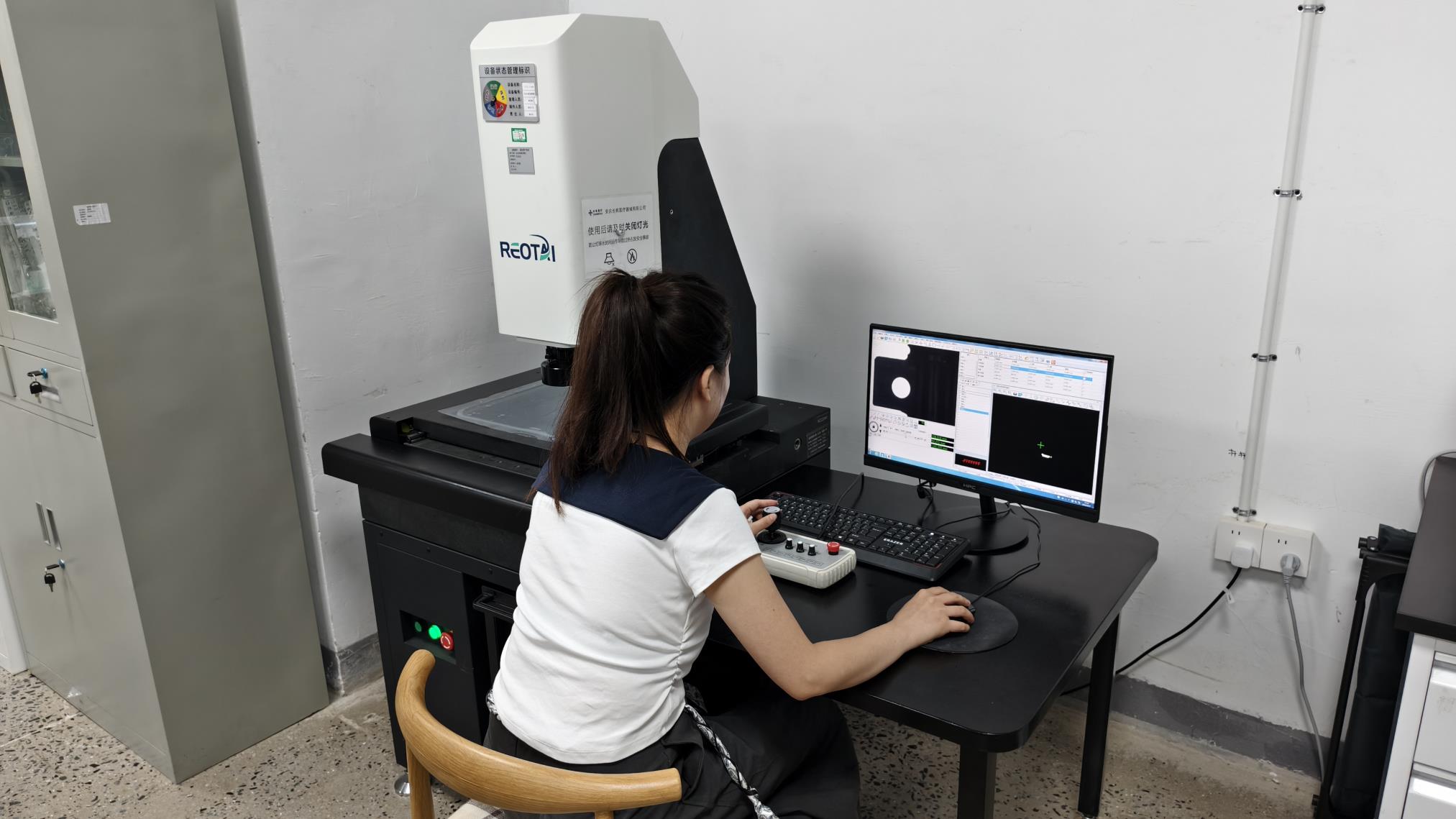
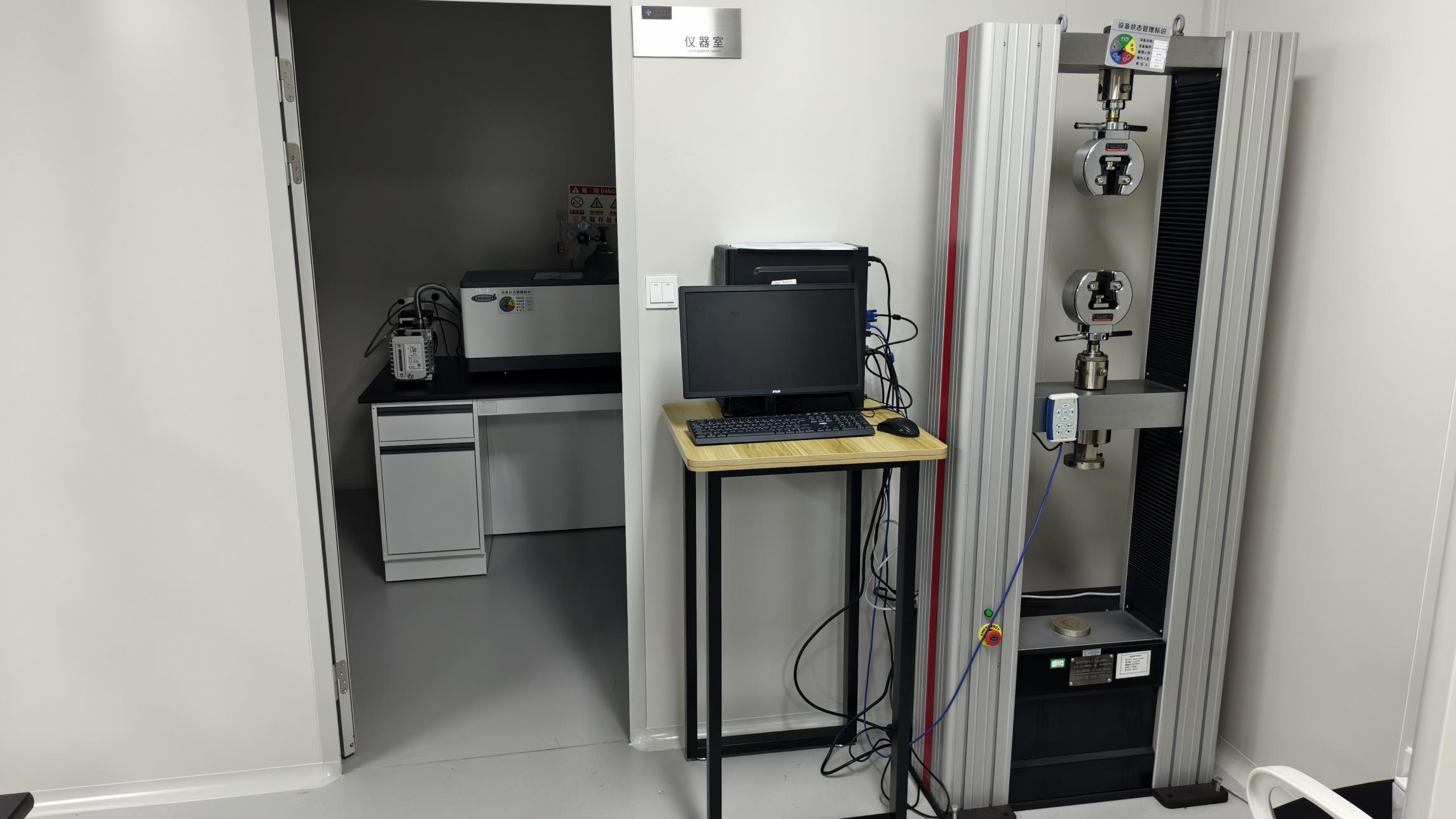
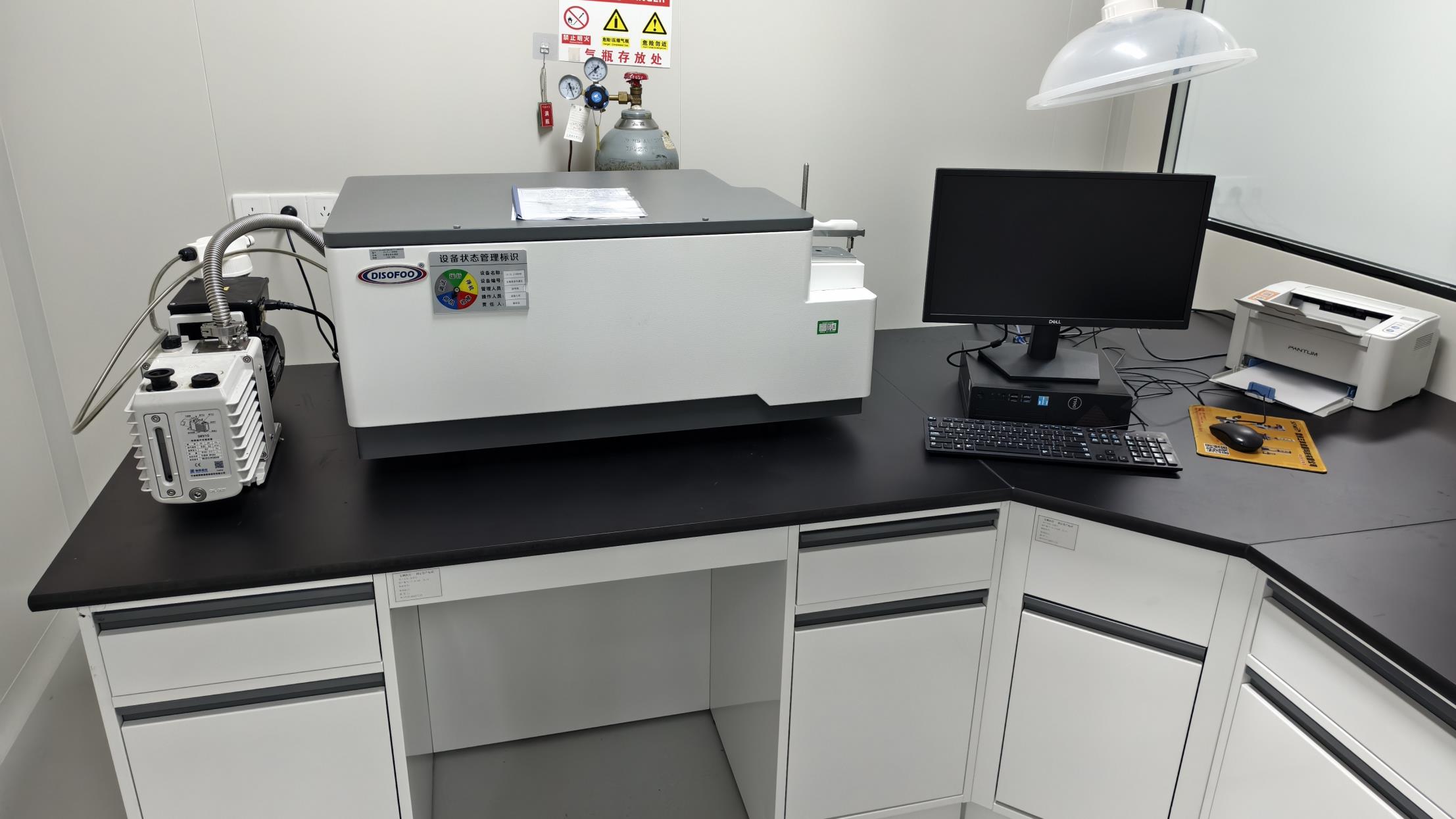
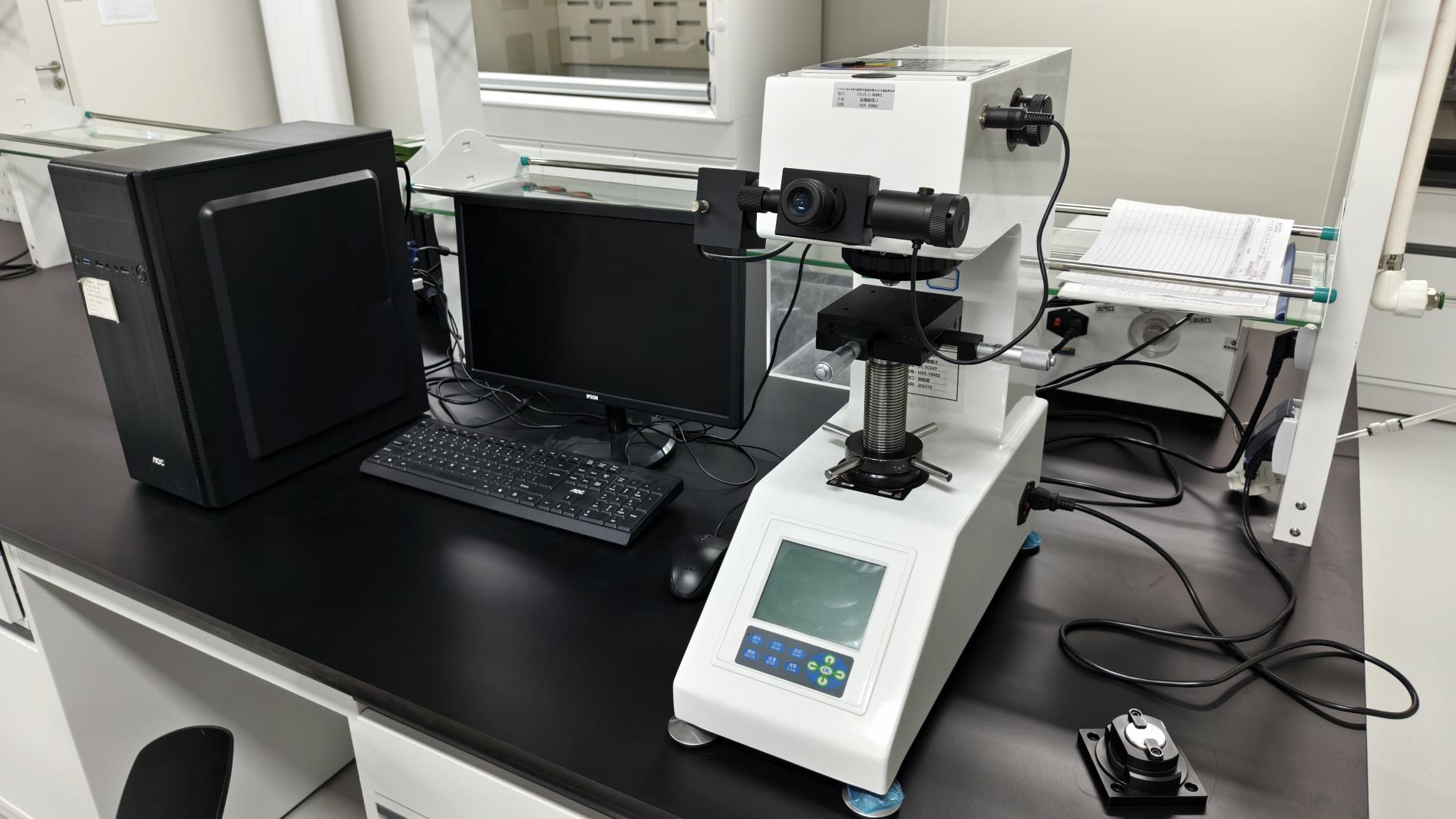
| Product Inspection Methods | CMM Measurement, Mechanical Testing, Surface Roughness Testing, Hardness Testing, Salt Spray Testing, Sterility Validation |
| Quality Control Staff | 48 dedicated QC specialists |
| R&D Engineers & Design Output | 76 Engineers, 186 New Products Released annually |
| Customization Capabilities | OEM/ODM: Logo, Packaging, Geometry Design, Surface Treatments |
Years Industry Experience
Production Facility
R&D Engineers
Supply Chain Partners
Combining world-class production infrastructure with cost efficiencies and strict compliance.
We use high-precision Swiss-type lathes and CNC machining centers to process complex components down to single-micron tolerances, ensuring each Herbert Screw thread has clean edges and consistent pitch accuracy.
Our facility meets ISO 13485 quality systems and CE certification protocols. This allows our products to clear custom checkpoints and satisfy rigid hospital standards worldwide.
By using localized, medical-grade titanium material suppliers, we lower production costs while maintaining certified mechanical properties, passing the savings directly to our partners.
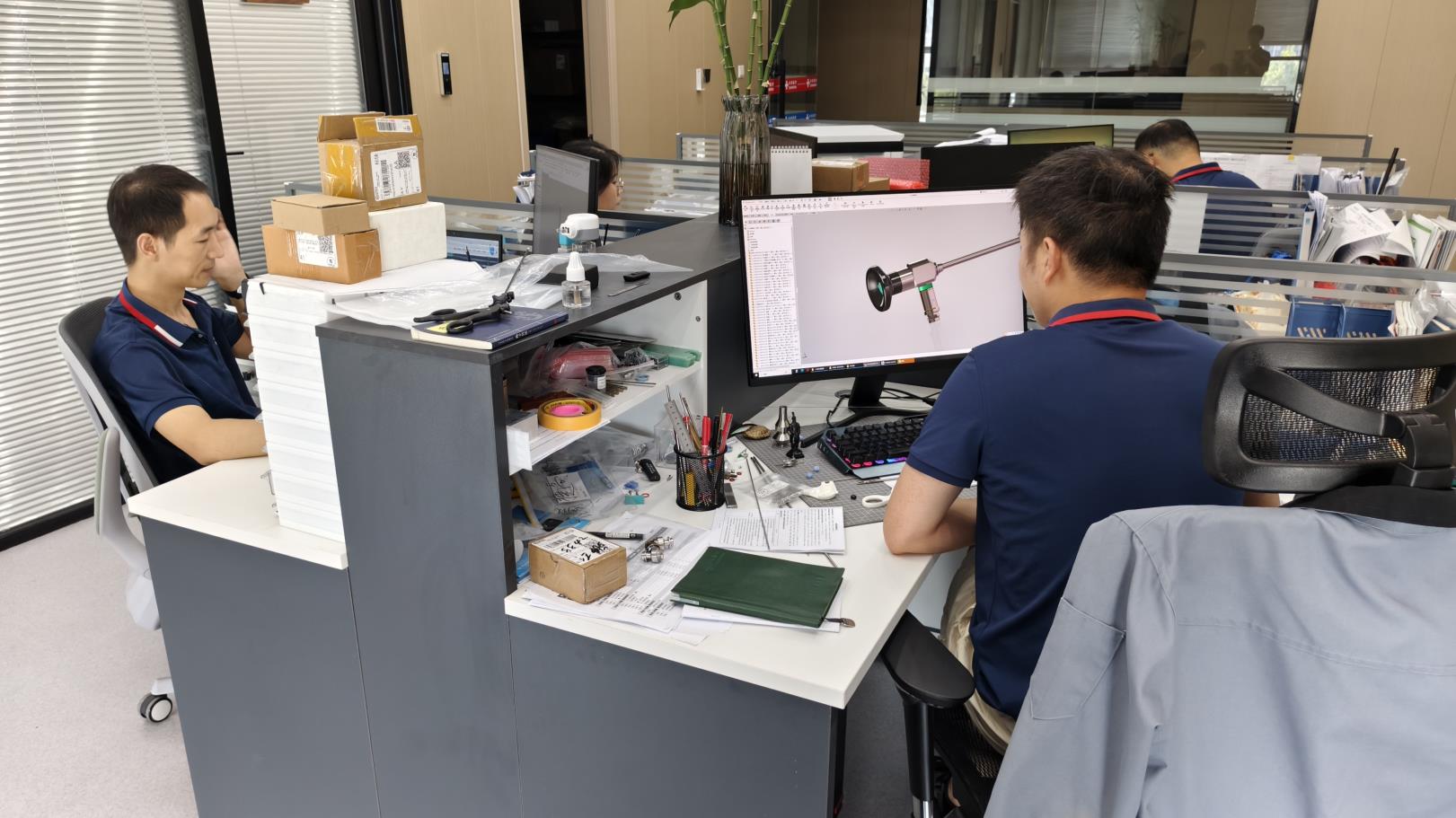
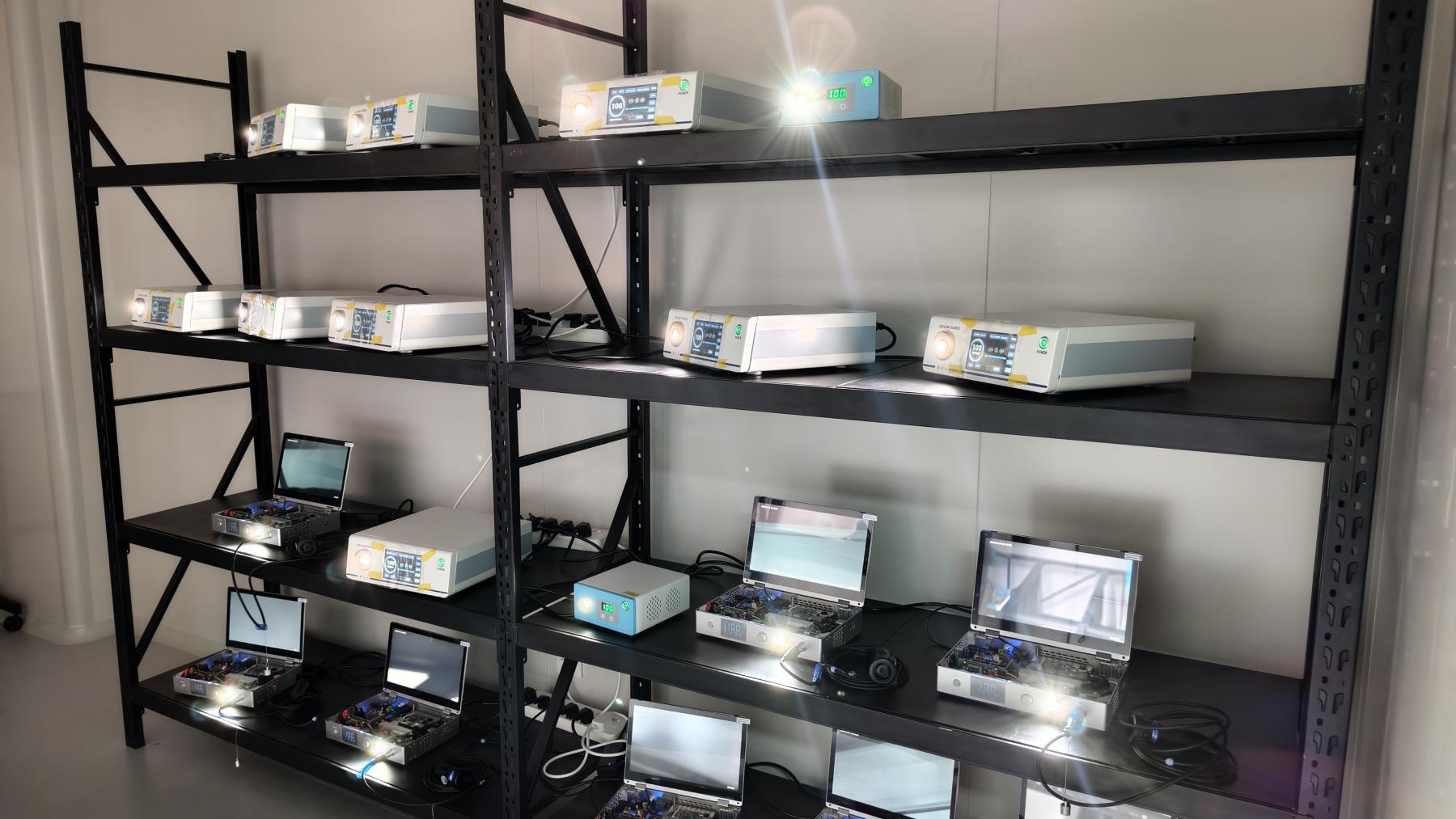
A visual tour of our production facility, showcasing precision manufacturing from raw materials to final packaging.
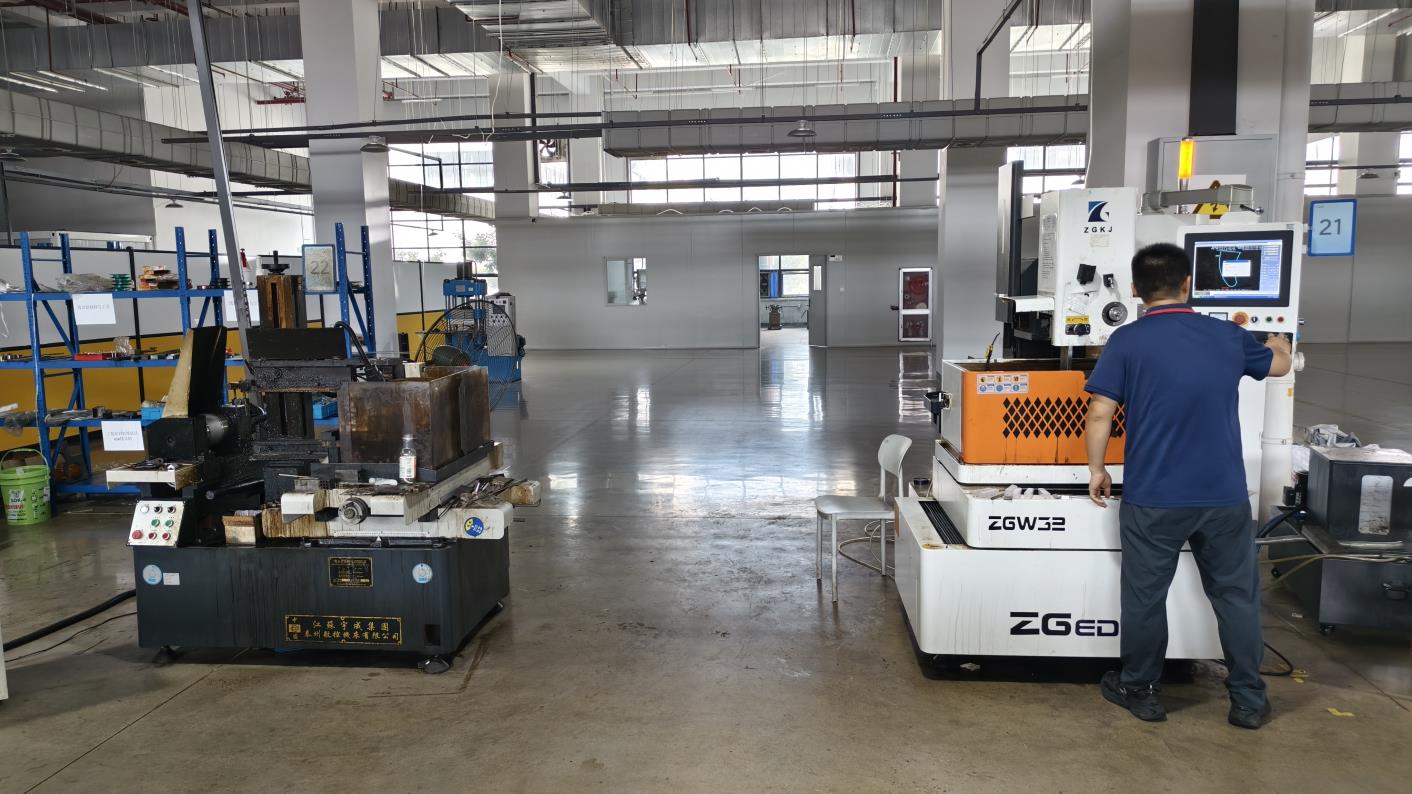
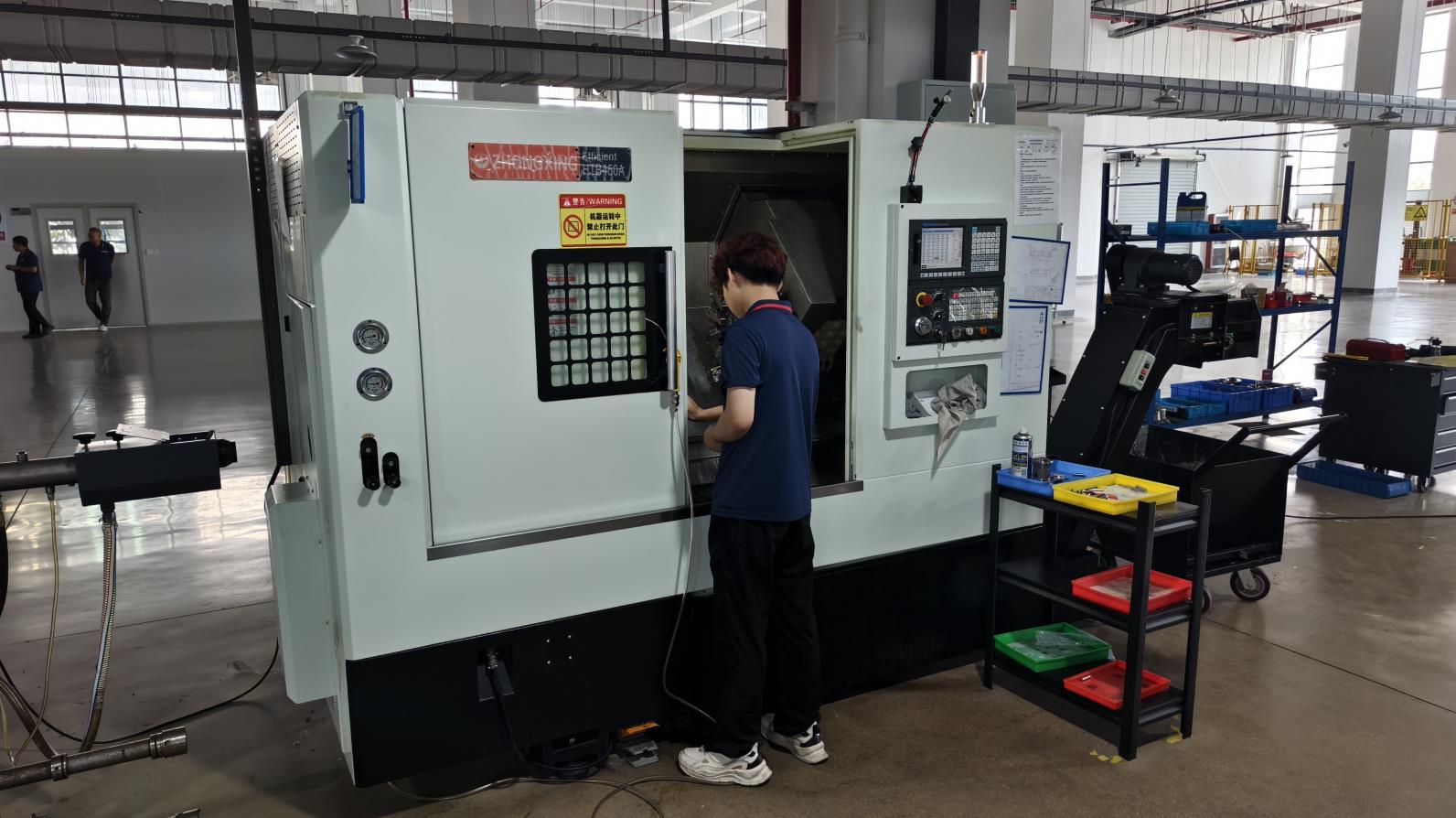
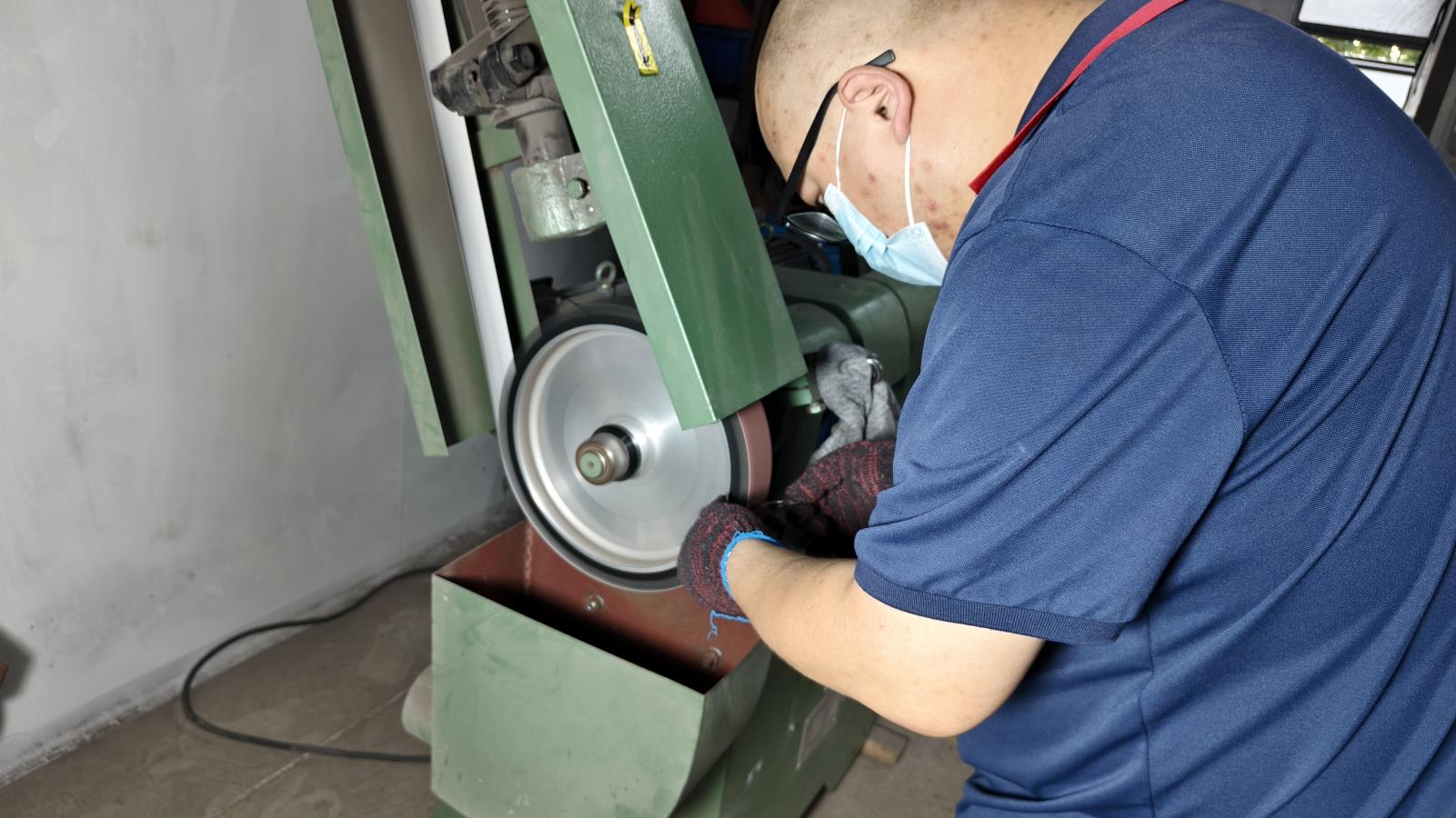
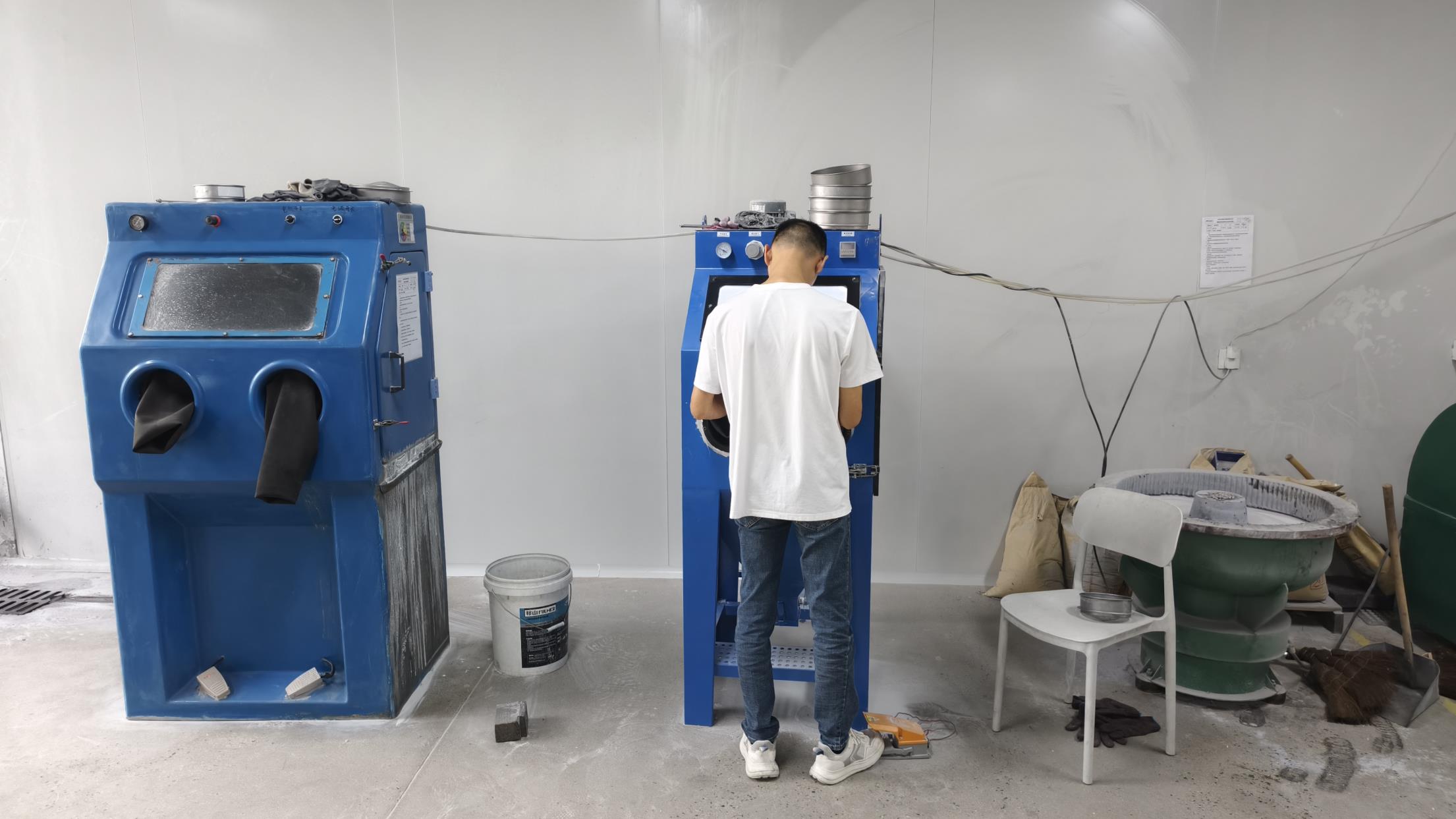
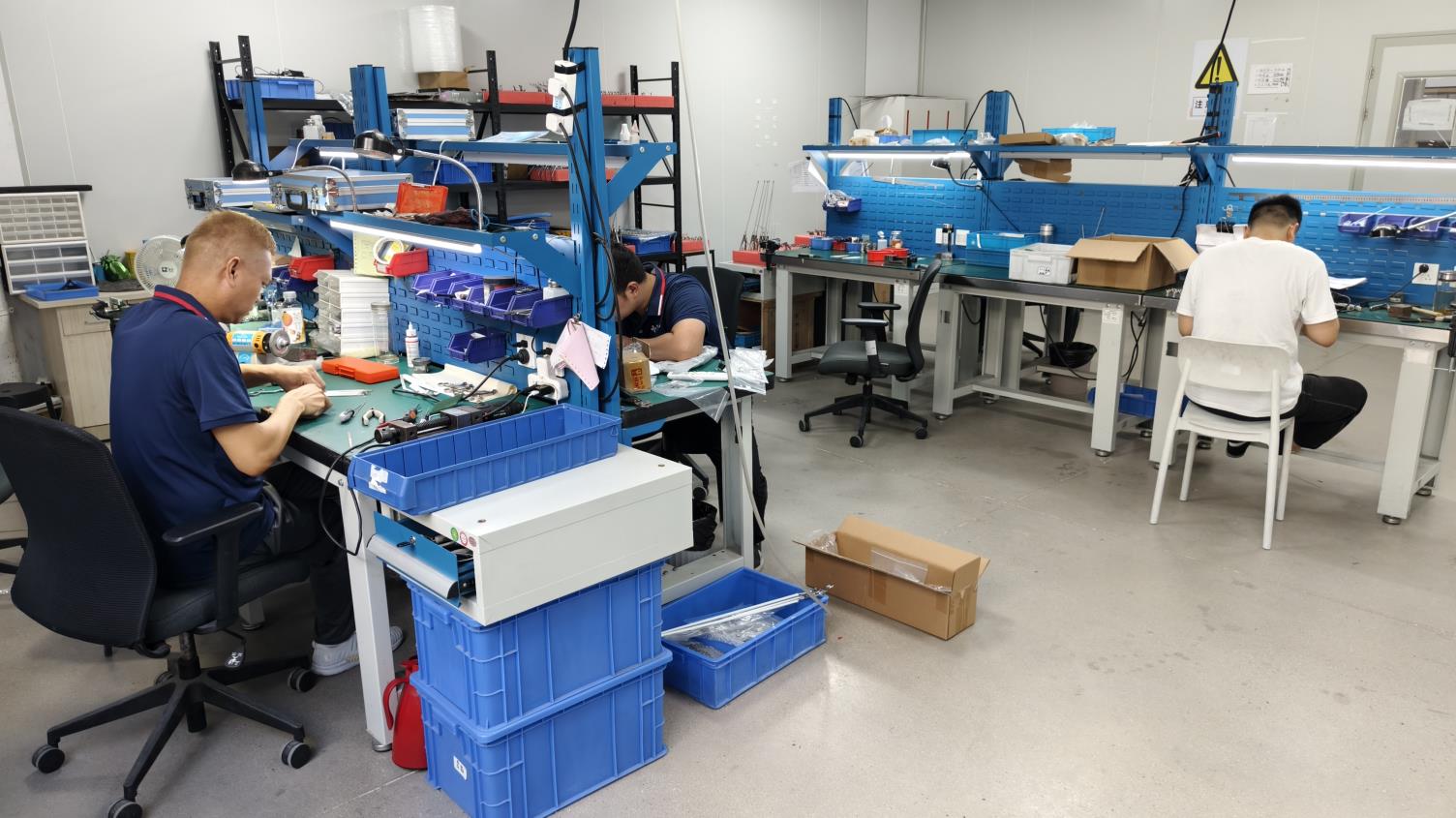
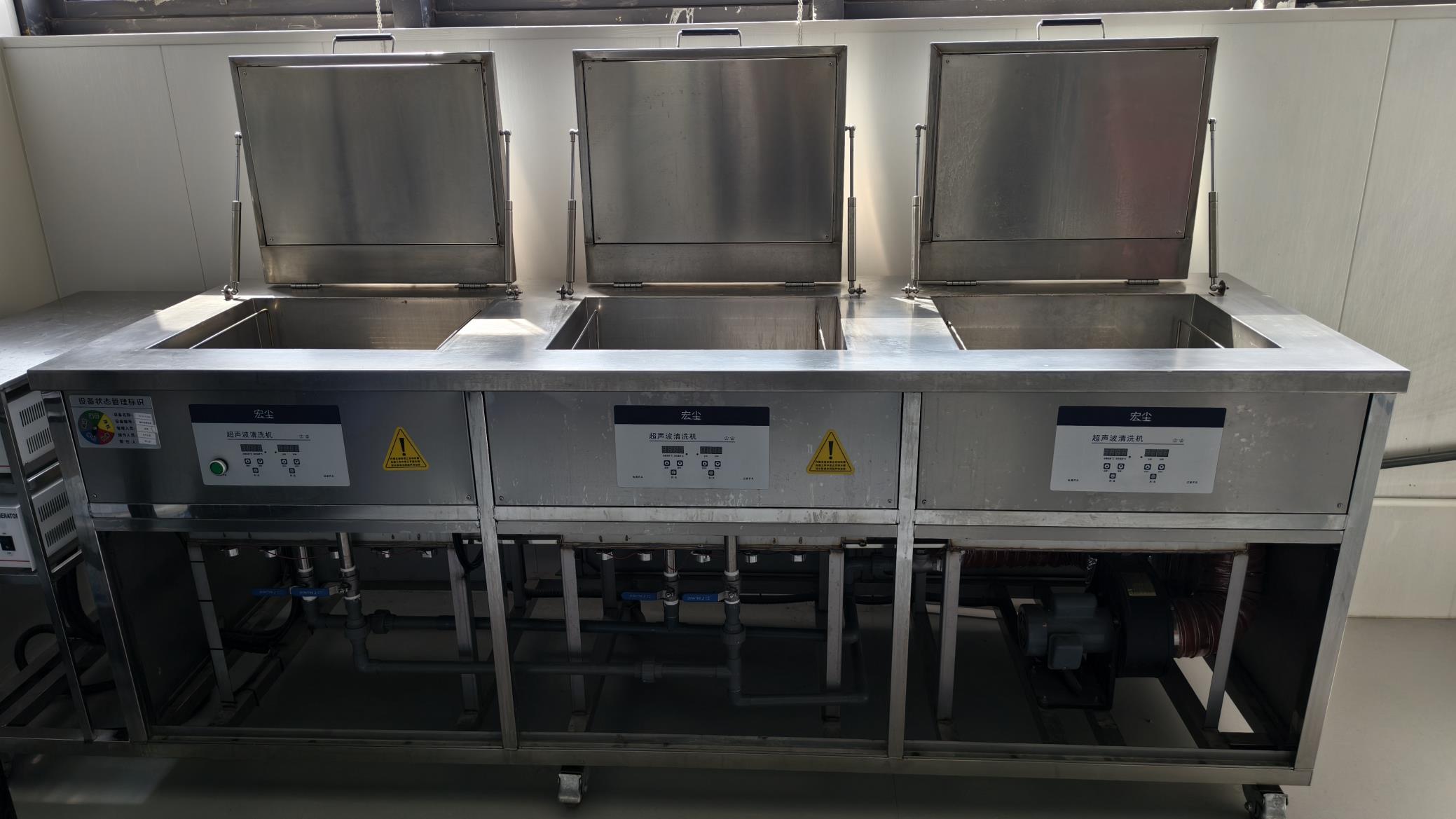
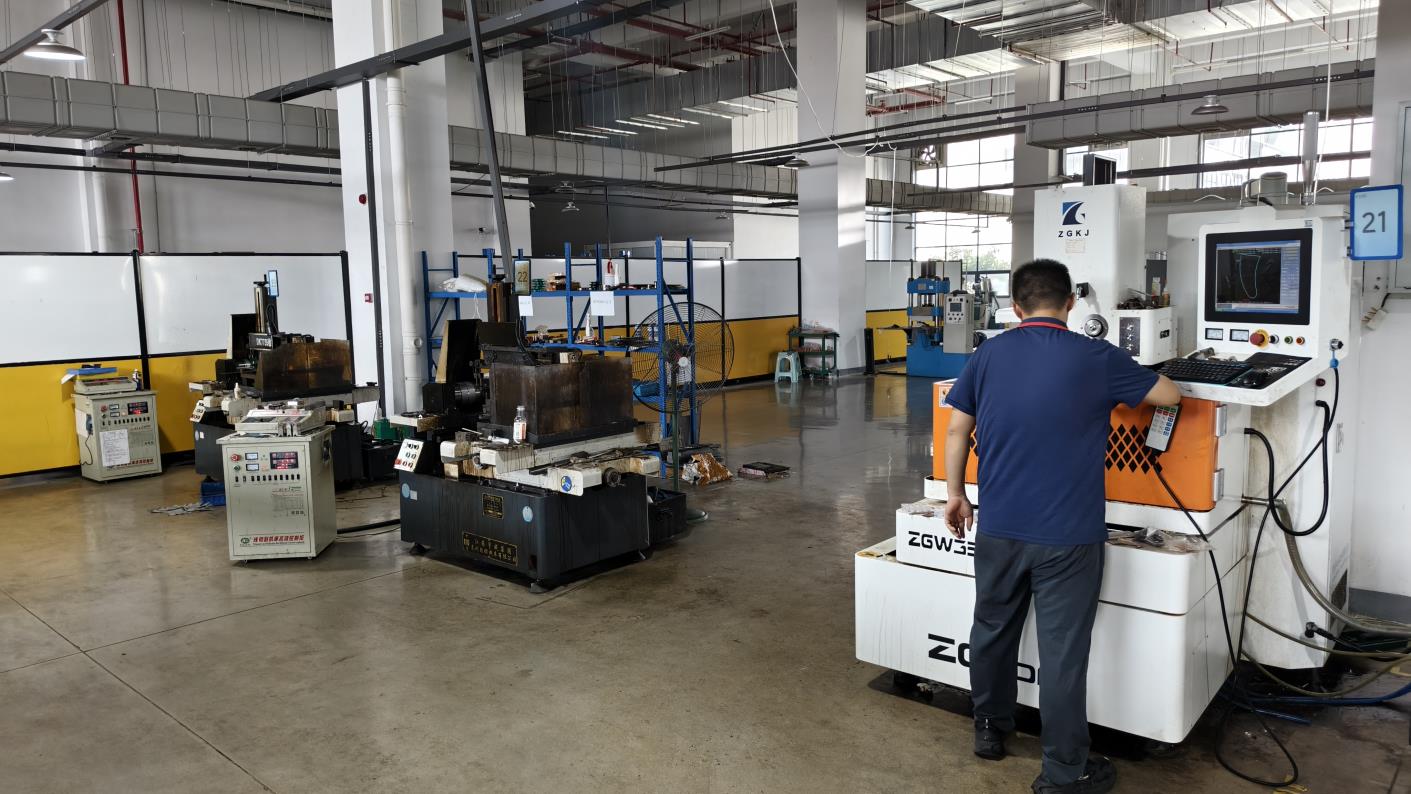
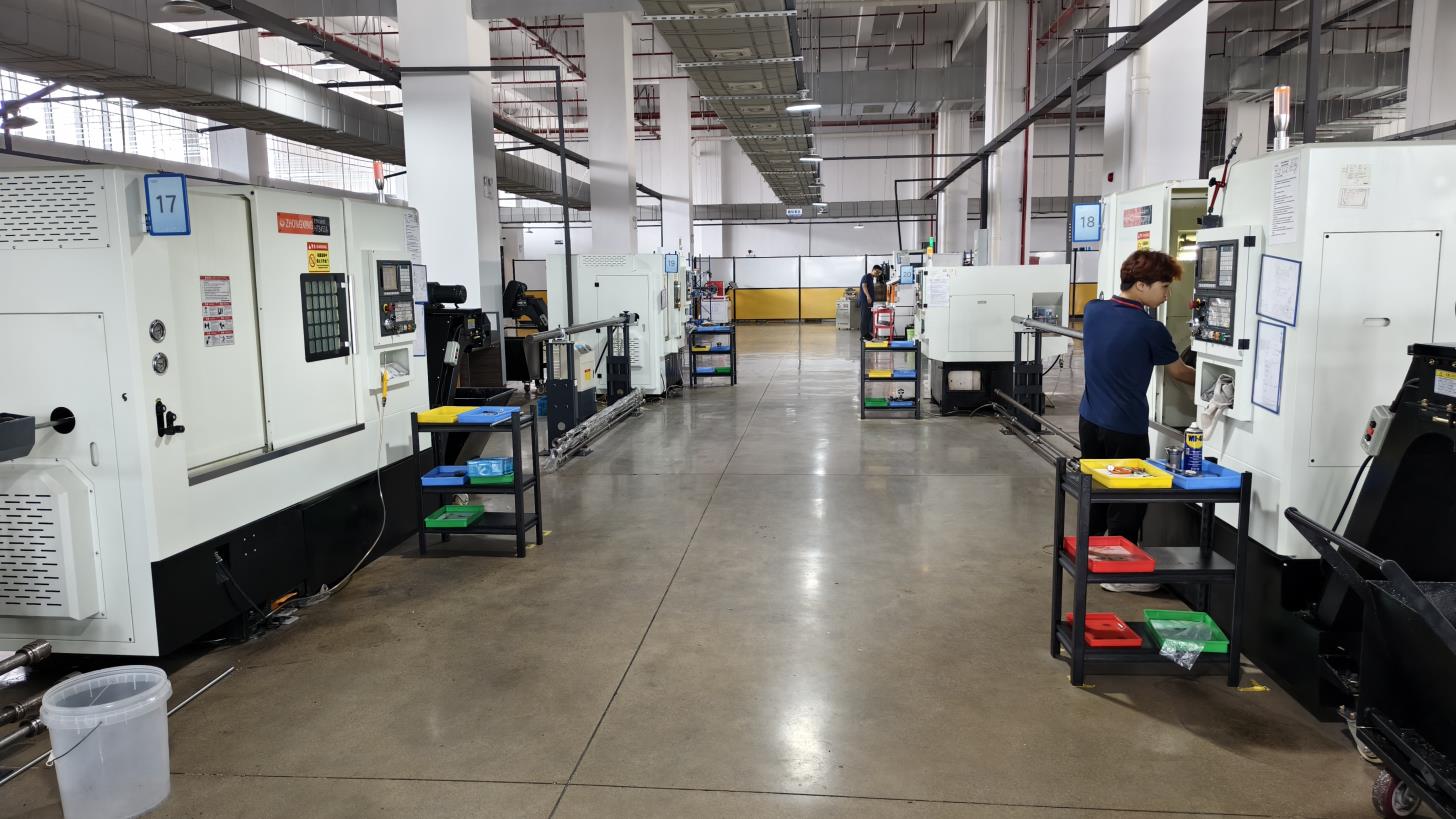
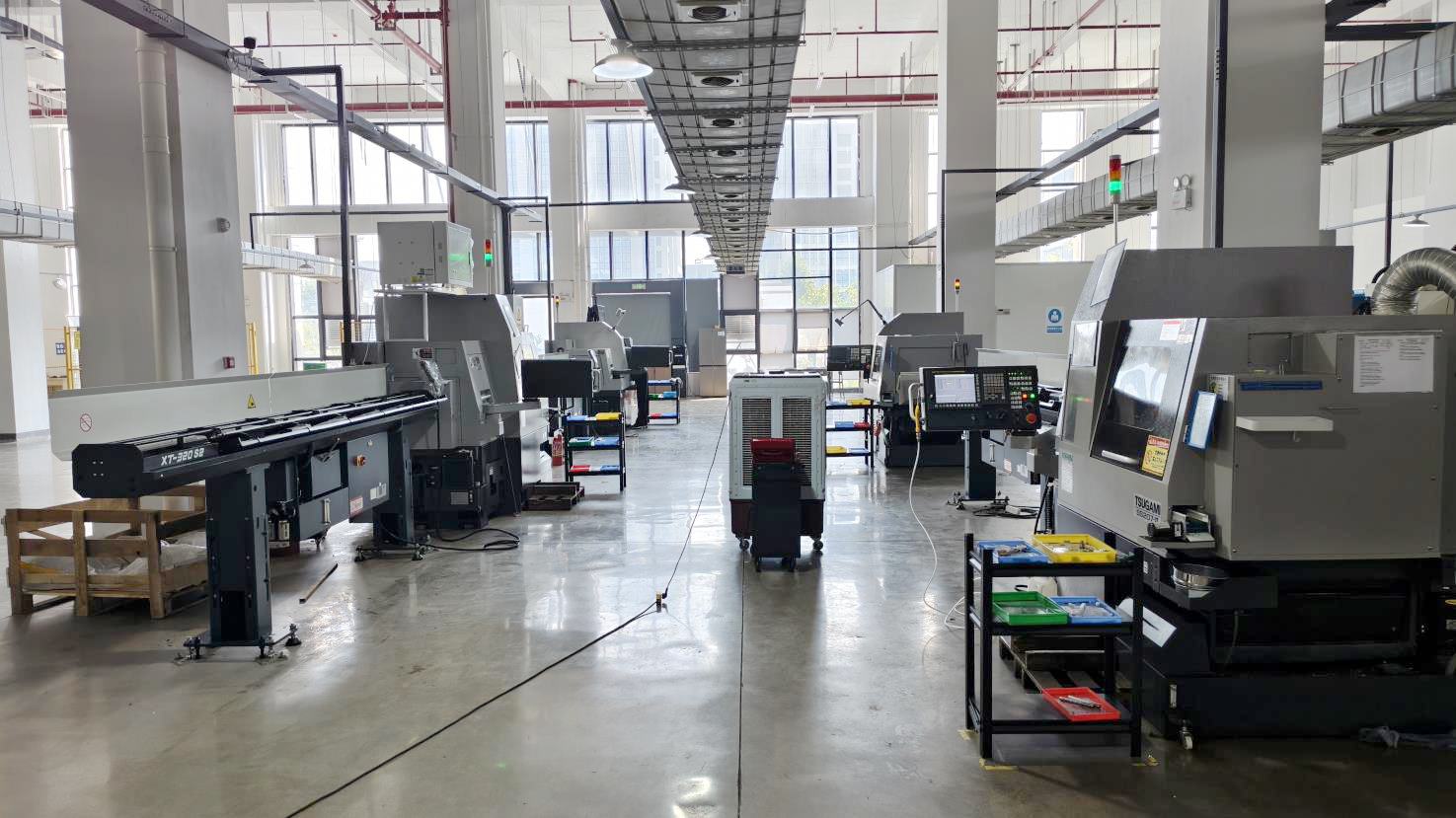
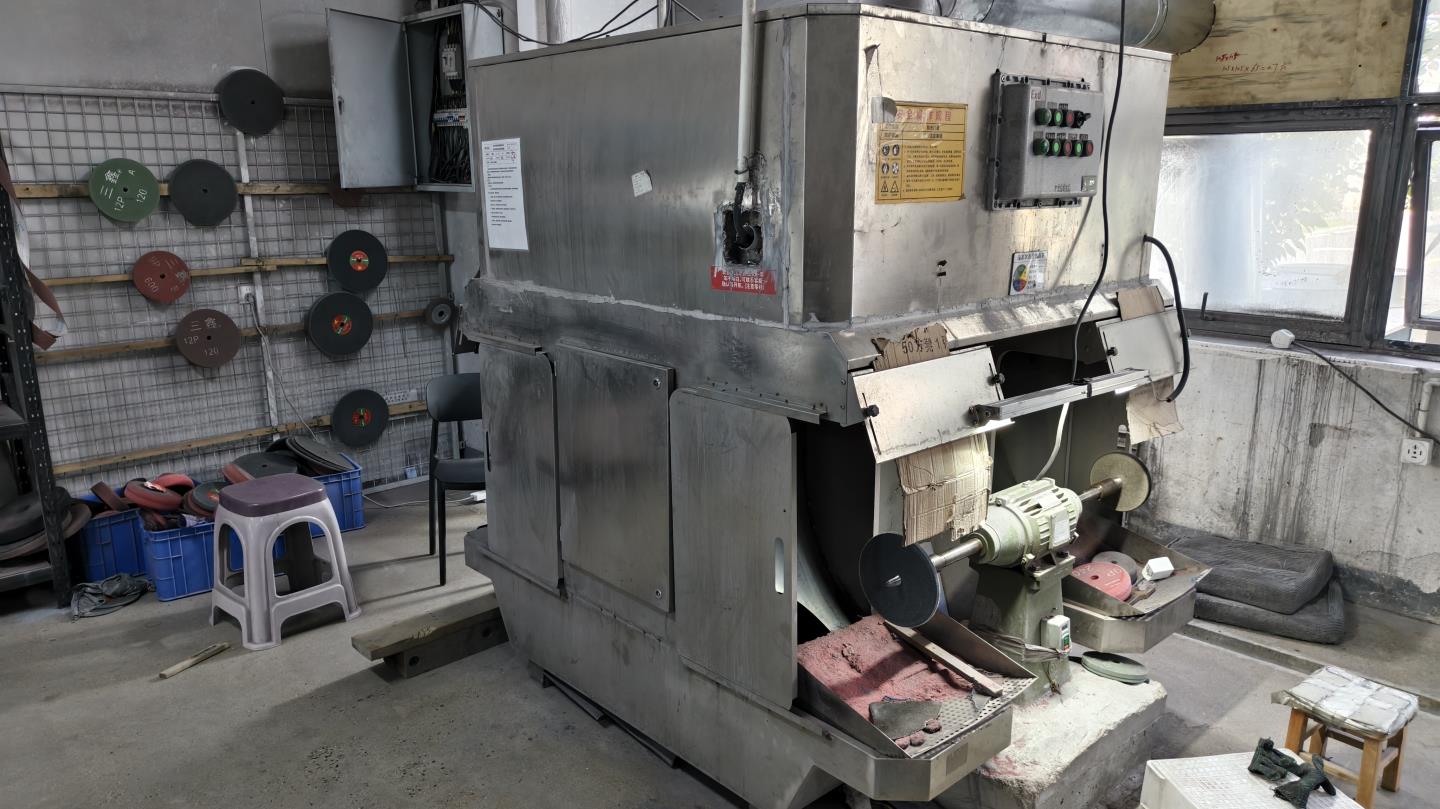
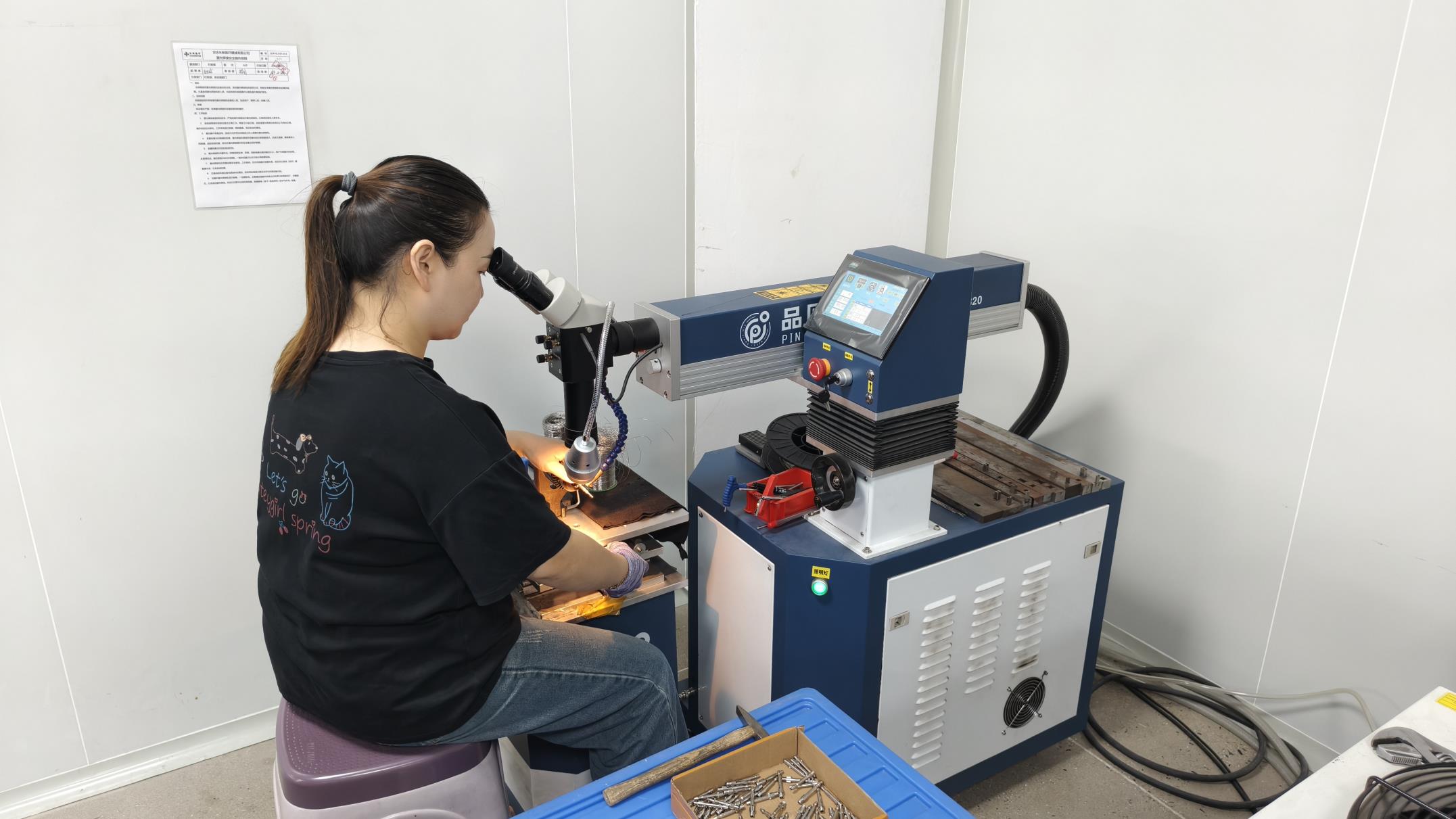
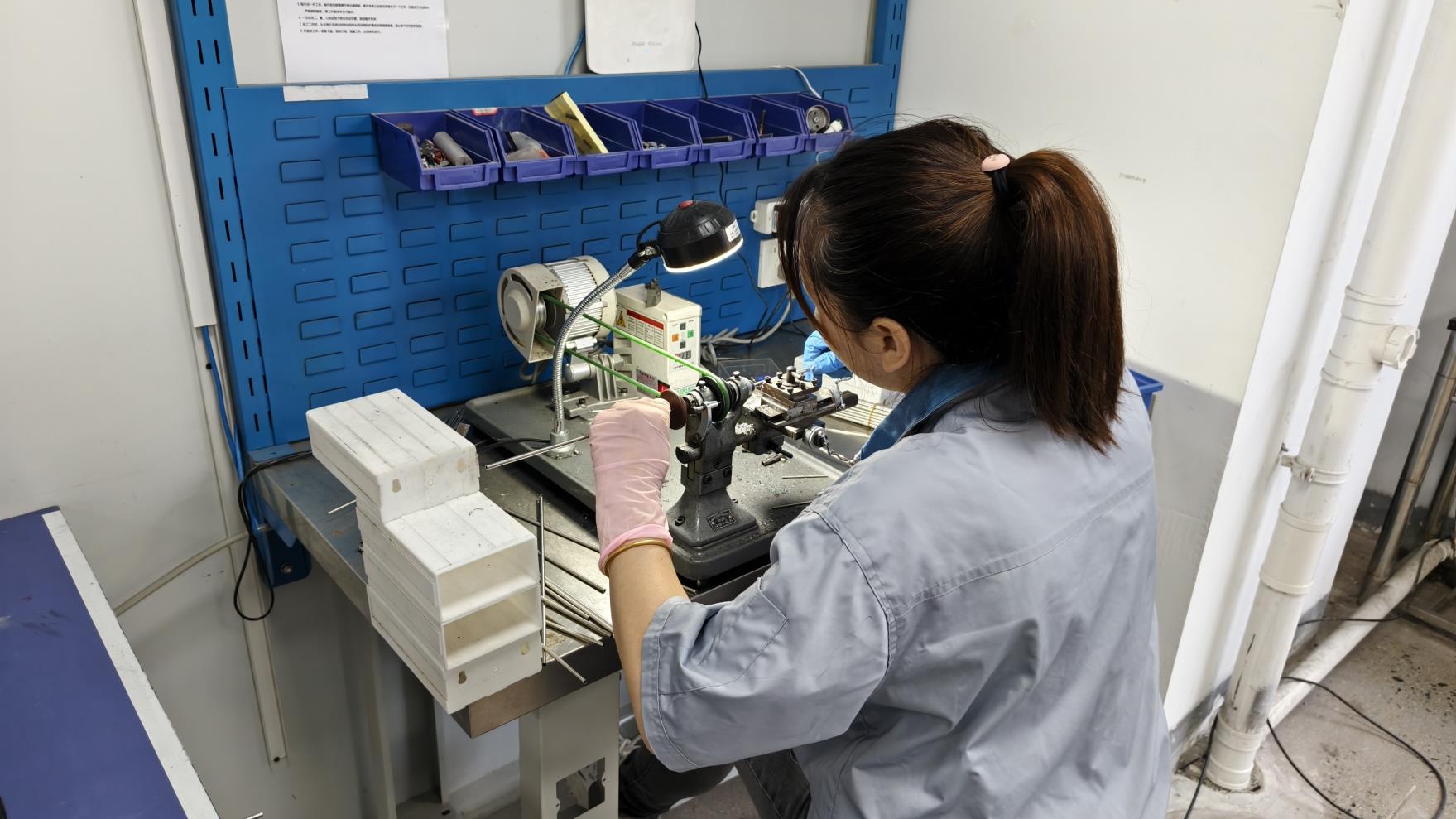
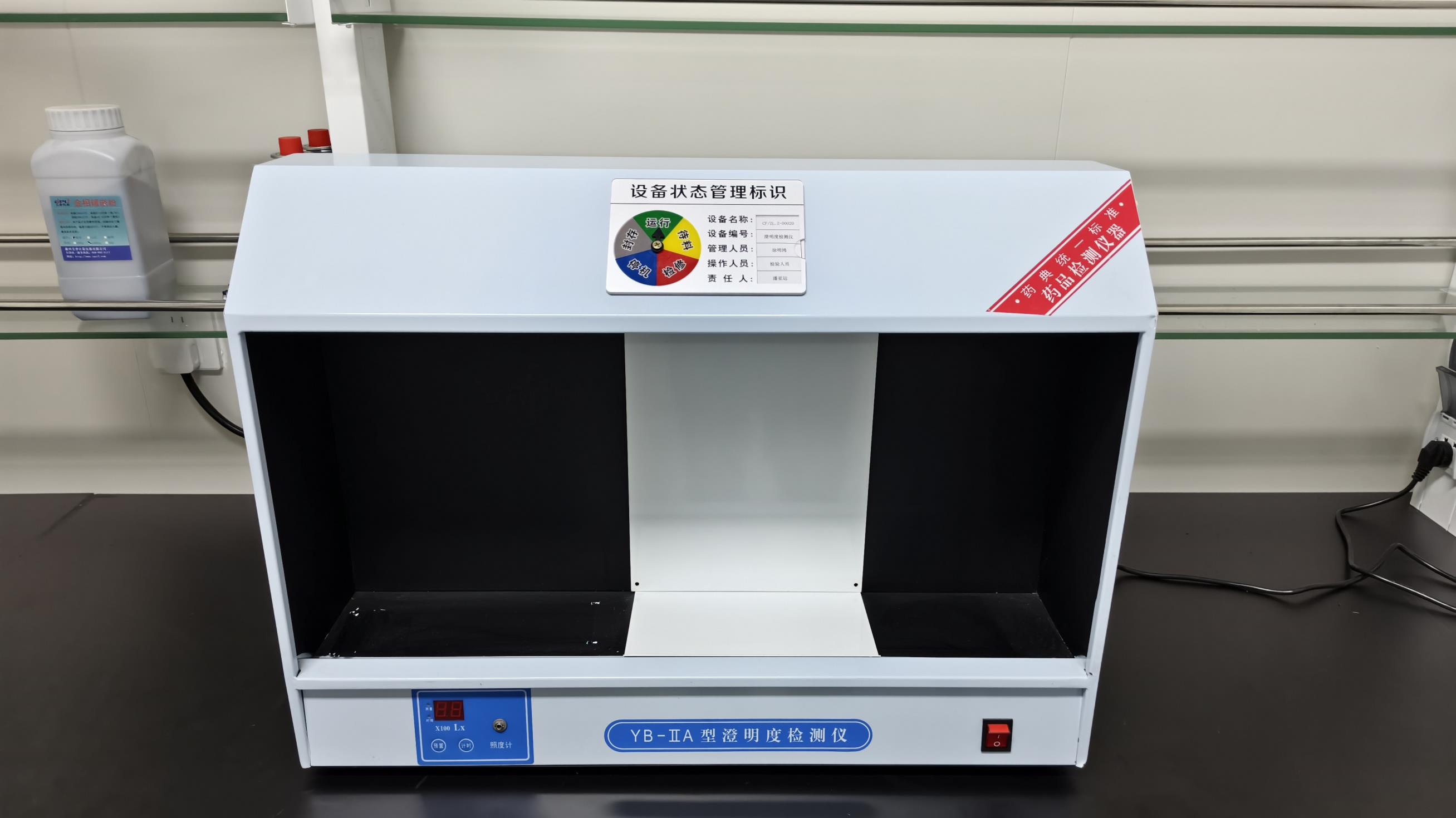
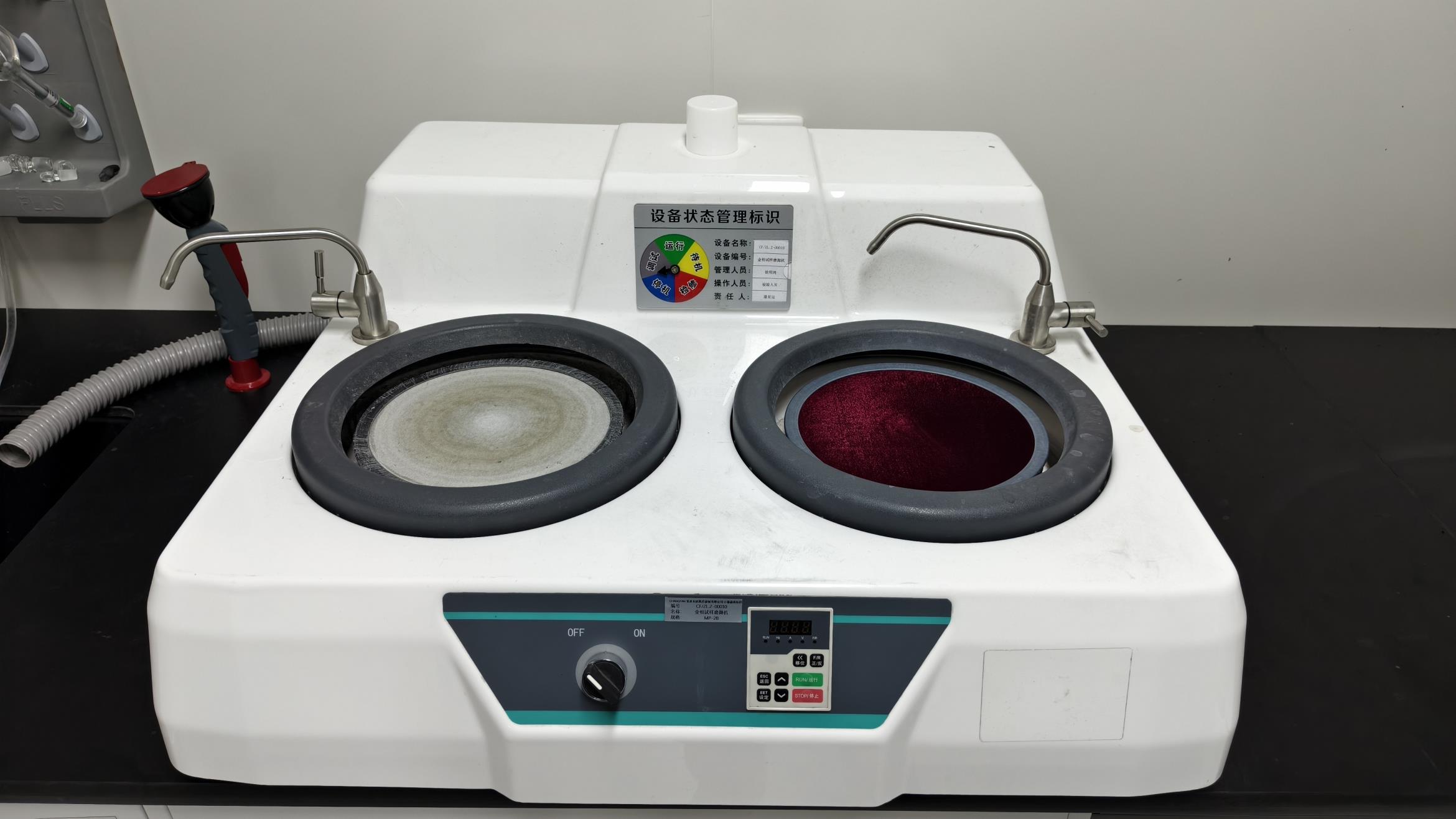
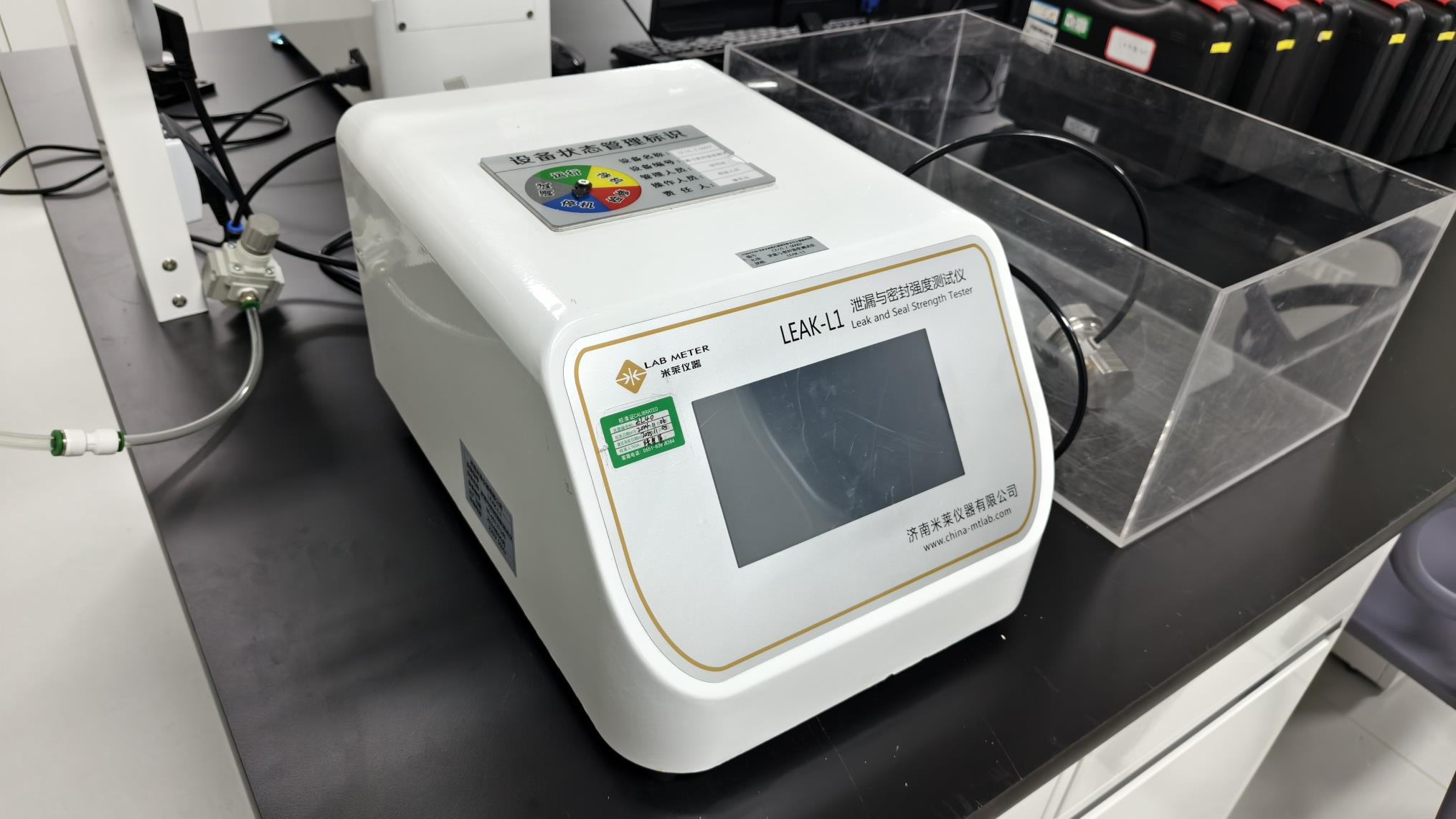
100% inspection guarantee with advanced equipment to verify mechanical properties and dimensions.
Understanding the application profiles and demand indicators of headless compression screws across global orthopedic sectors.
The clinical utility of Herbert Screws extends beyond hand surgery to several anatomical sites. Orthopaedic distributors and procurement officers evaluate supplier catalogs based on these clinical demands:
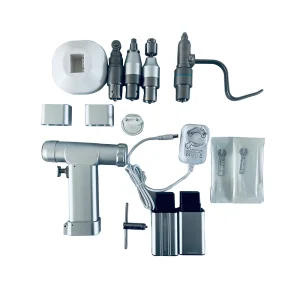
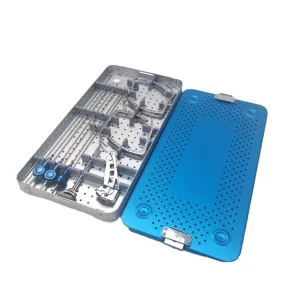
Large-scale medical device buyers require high production capacity, consistent quality, and customized options. Synoviq addresses these issues by offering surface finish treatments (such as Type II anodization for increased fatigue life), customizable screw lengths, and complete, pre-configured surgical instrumentation kits for immediate clinical use.
Critical insights regarding sourcing, manufacturing standards, and clinical uses of our Herbert Screws.
Our Herbert Screws are manufactured from medical-grade Titanium Alloy (ASTM F136 / ISO 5832-3). This alloy is chosen for its excellent biocompatibility, corrosion resistance, high tensile strength, and low elastic modulus, which matches the mechanical properties of human bone.
The headless design allows the screw to be countersunk beneath the articular surface. This prevents joint impingement, soft-tissue irritation, and cartilage damage while maintaining compression across the fracture line.
Yes. We offer OEM/ODM services, including electrochemical laser marking, custom packaging layouts, sterilization bag options, and specific surgical instrument kit configurations to meet the requirements of your target market.
Our manufacturing facility operates under a certified ISO 13485 quality system. Our products have CE marking, allowing us to export to markets in Europe, the Middle East, South America, and Asia-Pacific.
Lead times vary based on configuration details and order quantity. Standard configurations are typically processed and shipped within 30-45 days, while customized OEM/ODM projects may require 60-90 days for prototyping and quality validation.
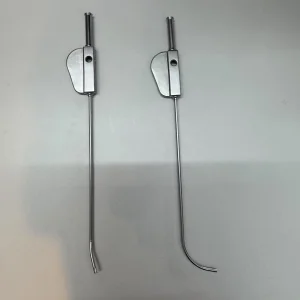
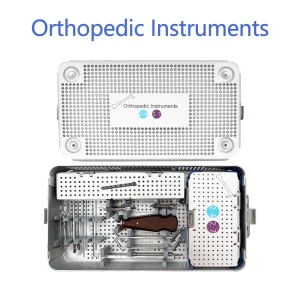
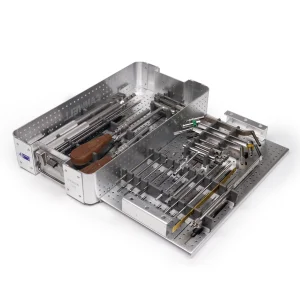
Explore our selection of orthopedic implants and specialized instrument kits designed for veterinary and human procedures.
 Synoviq Medical