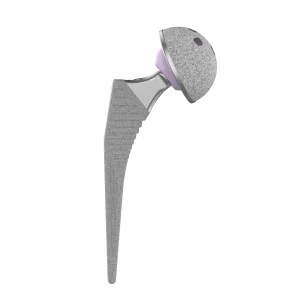
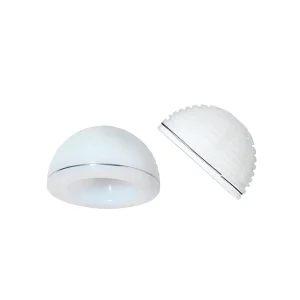
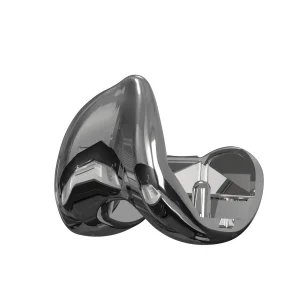
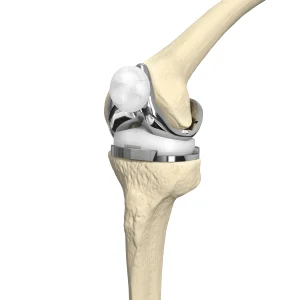
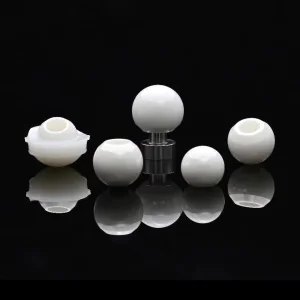
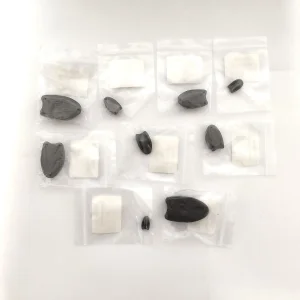
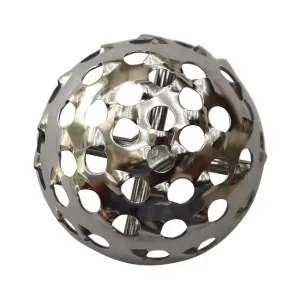
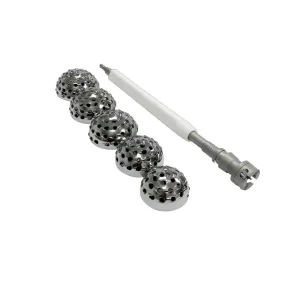
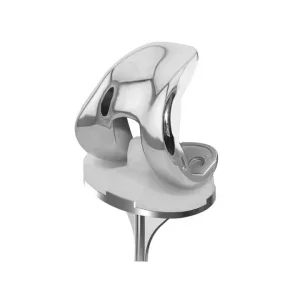
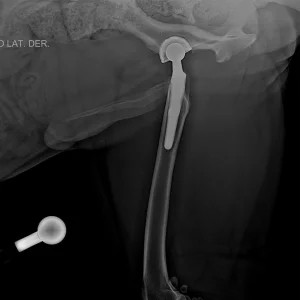
Engineered with medical-grade Titanium Alloy and high-performance cross-linked polyethylene, specifically configured for optimal primary stability.
The urban center of Kaédi, serving as the commercial capital of Mauritania's southern Gorgol region, presents distinct medical logistics and clinical environments. Regional healthcare installations, notably the Centre Hospitalier de Kaédi, face growing requirements for advanced reconstructive surgeries, primarily driven by osteoarthritic degradation, severe joint trauma, and secondary degenerative articular conditions common within agricultural and pastoral demographics.
In arid, dusty environments, prosthetic implants must possess exceptional bio-tribological stability. Minimal wear rates and extreme mechanical resilience are paramount. Our titanium and cobalt-chromium-molybdenum (CoCrMo) arthroplasty components are highly optimized for these environments, offering robust secondary osseointegration and reliable cementation parameters. This minimizes the risk of aseptic loosening in patients who have limited access to secondary revision surgeries.
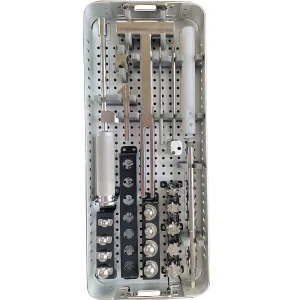
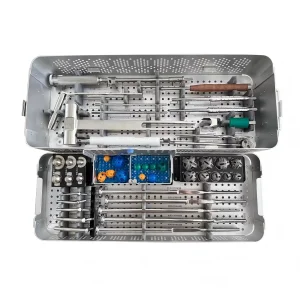
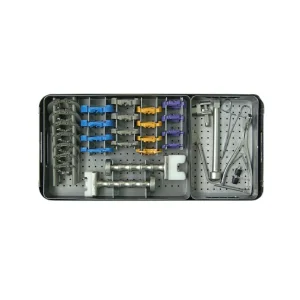
Additionally, clinical resources in rural Mauritania often demand streamlined surgical procedures. Synoviq addresses this by supplying pre-configured instrument sets and dual-mobility hip replacement systems. These options significantly reduce intraoperative time and lower the incidence of post-operative dislocations, providing a highly reliable solution for surgeons operating under demanding conditions.
Our prosthetics leverage plasma-sprayed Titanium-Hydroxyapatite (Ti-HA) coatings and ultra-high-molecular-weight polyethylene (UHMWPE) bearings. This dual-coating structure accelerates stable bone ingrowth and mitigates particulate wear debris under high load-bearing activities.
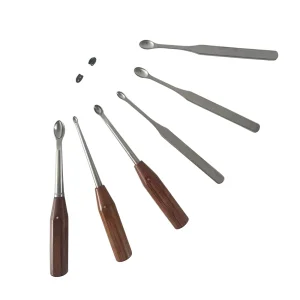
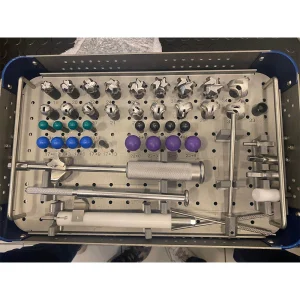
We supply sterilized, modular joint assemblies and specialized precision instrumentation kits. These configurations ensure local hospitals can maintain sterile integrity and execute standard procedures with minimal revision rates.
Why hospital networks, NGO procurement programs, and medical equipment distributors choose Synoviq Medical Technology.
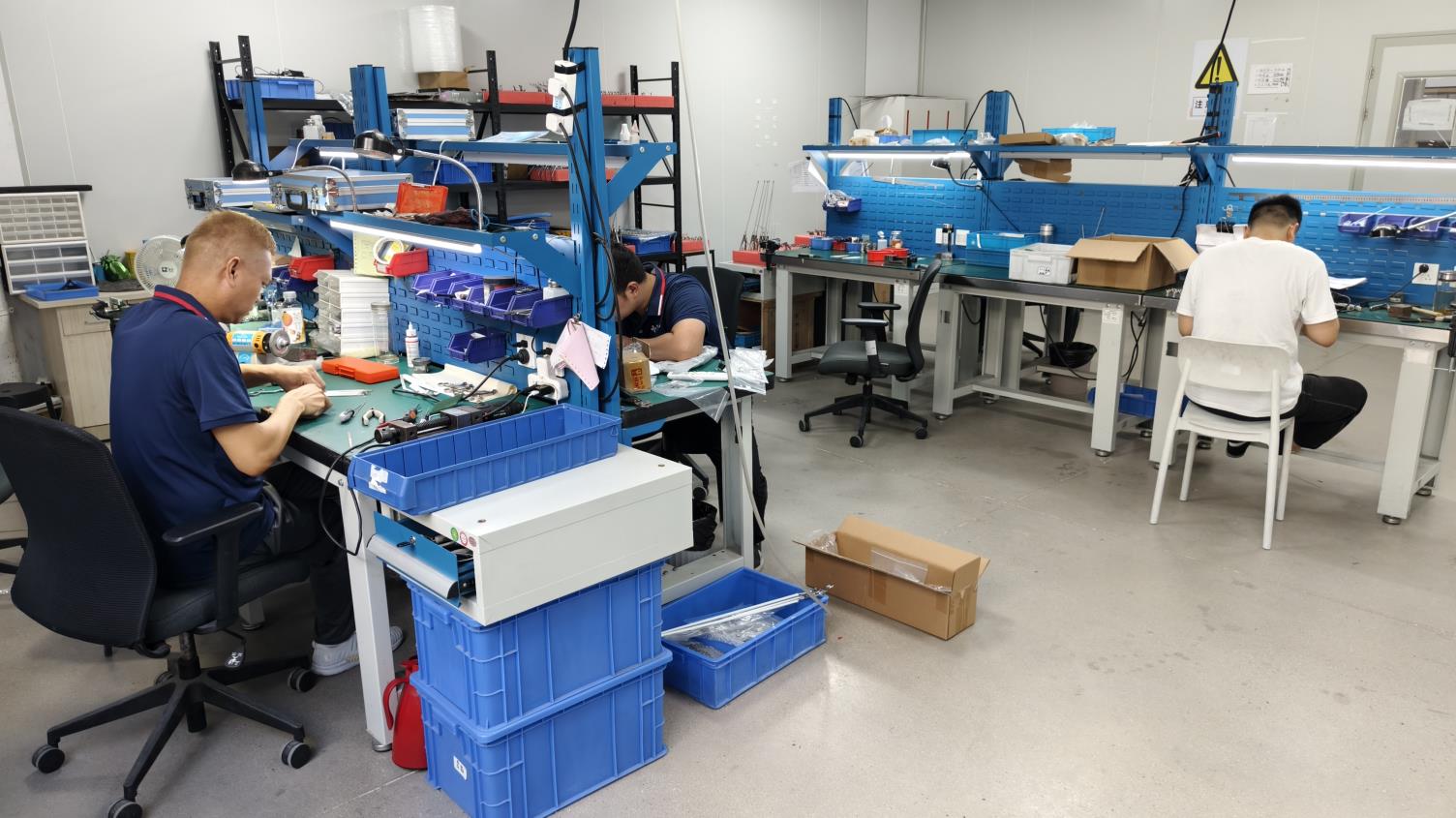
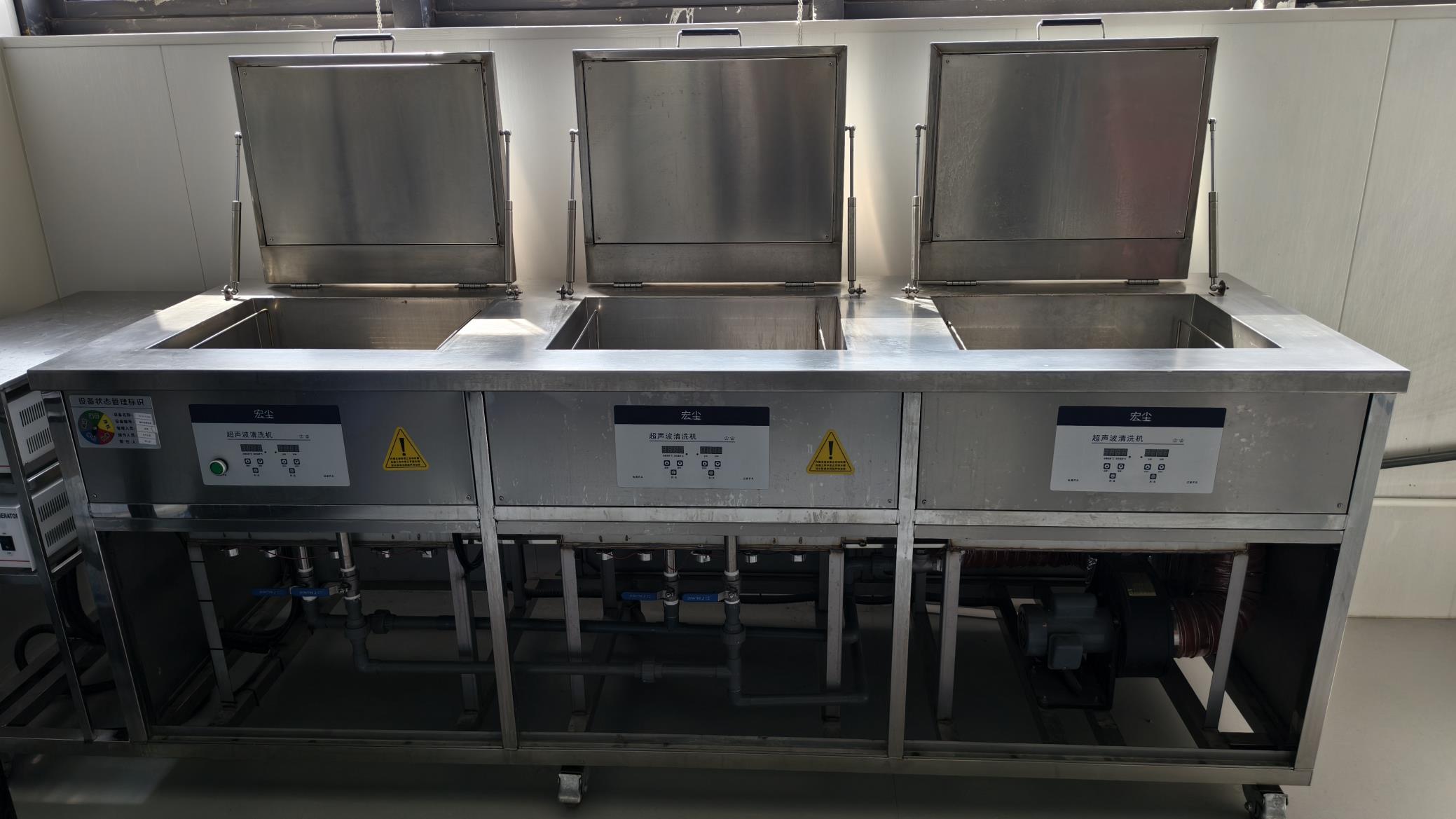
All joint replacement components are manufactured in our state-of-the-art facility under strict regulatory frameworks. We guarantee full traceability, raw material verification, and international certification compliance for imports to West Africa.
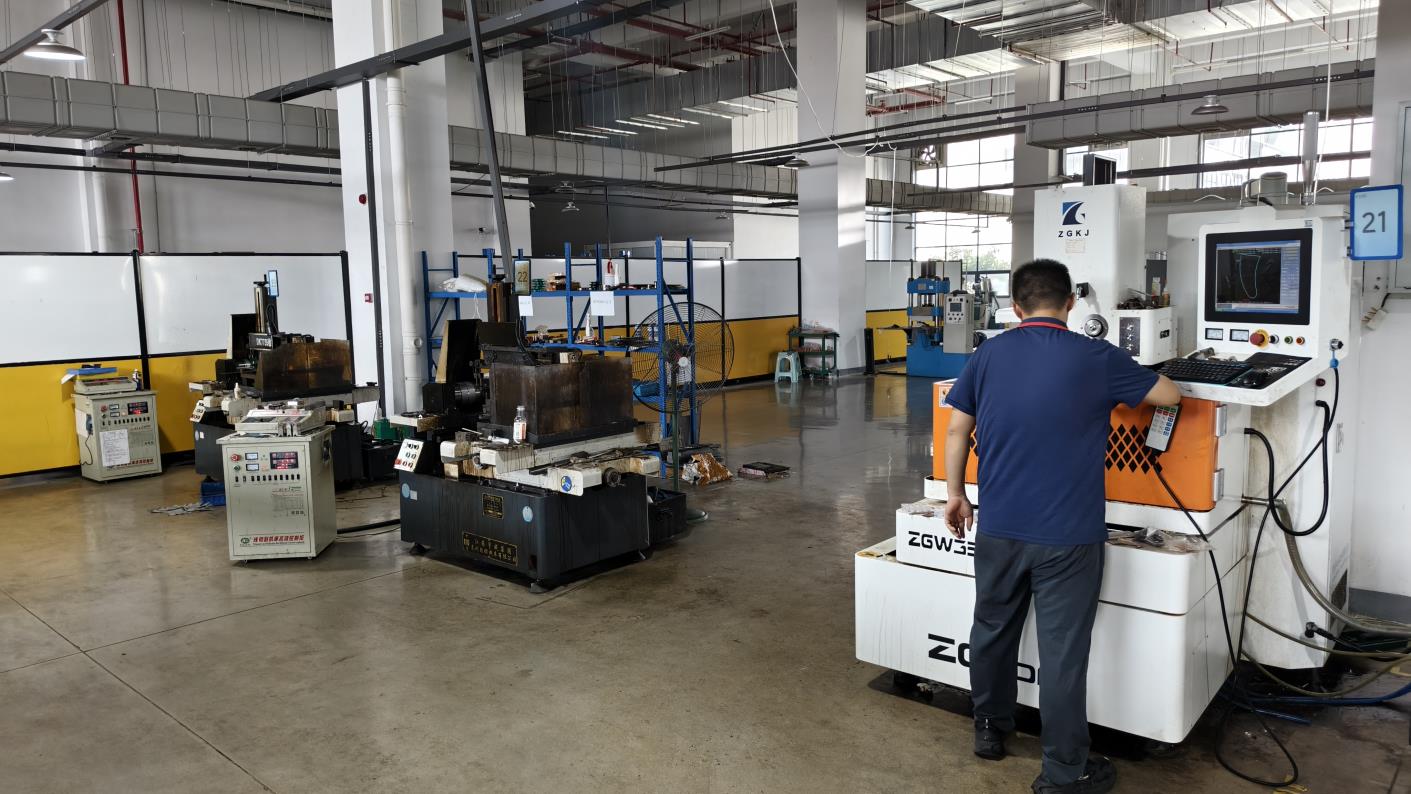
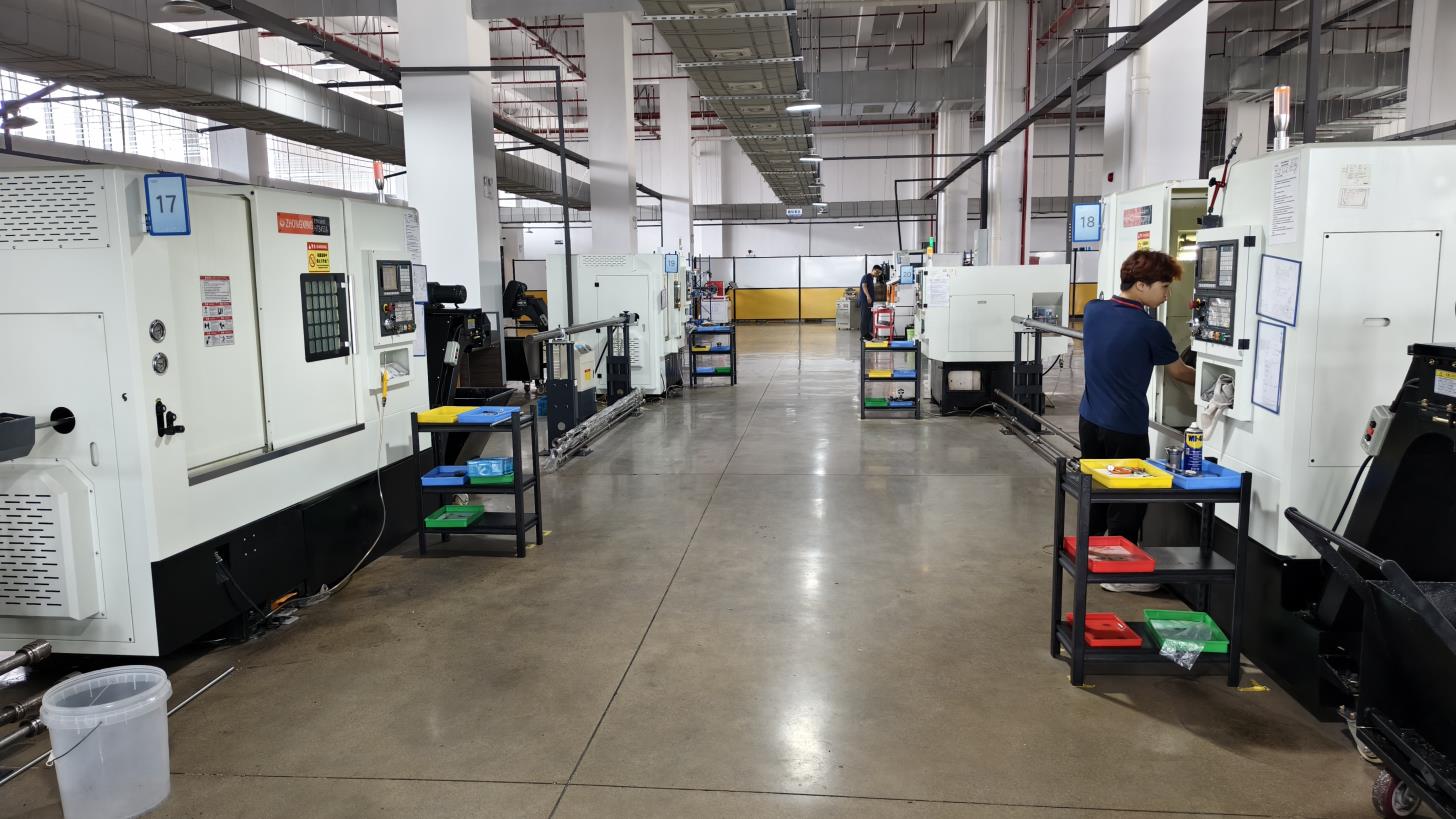
Leveraging high-precision CNC machining centers and Swiss-type lathes, we offer extensive OEM/ODM customization. This includes custom sizes, specialized surface texturing, and custom branding tailored to local clinical preferences.
We provide comprehensive export handling, including customs documentation, protective double-barrier packaging, and air/ocean freight coordination to Nouakchott Port and domestic transport to Kaédi.
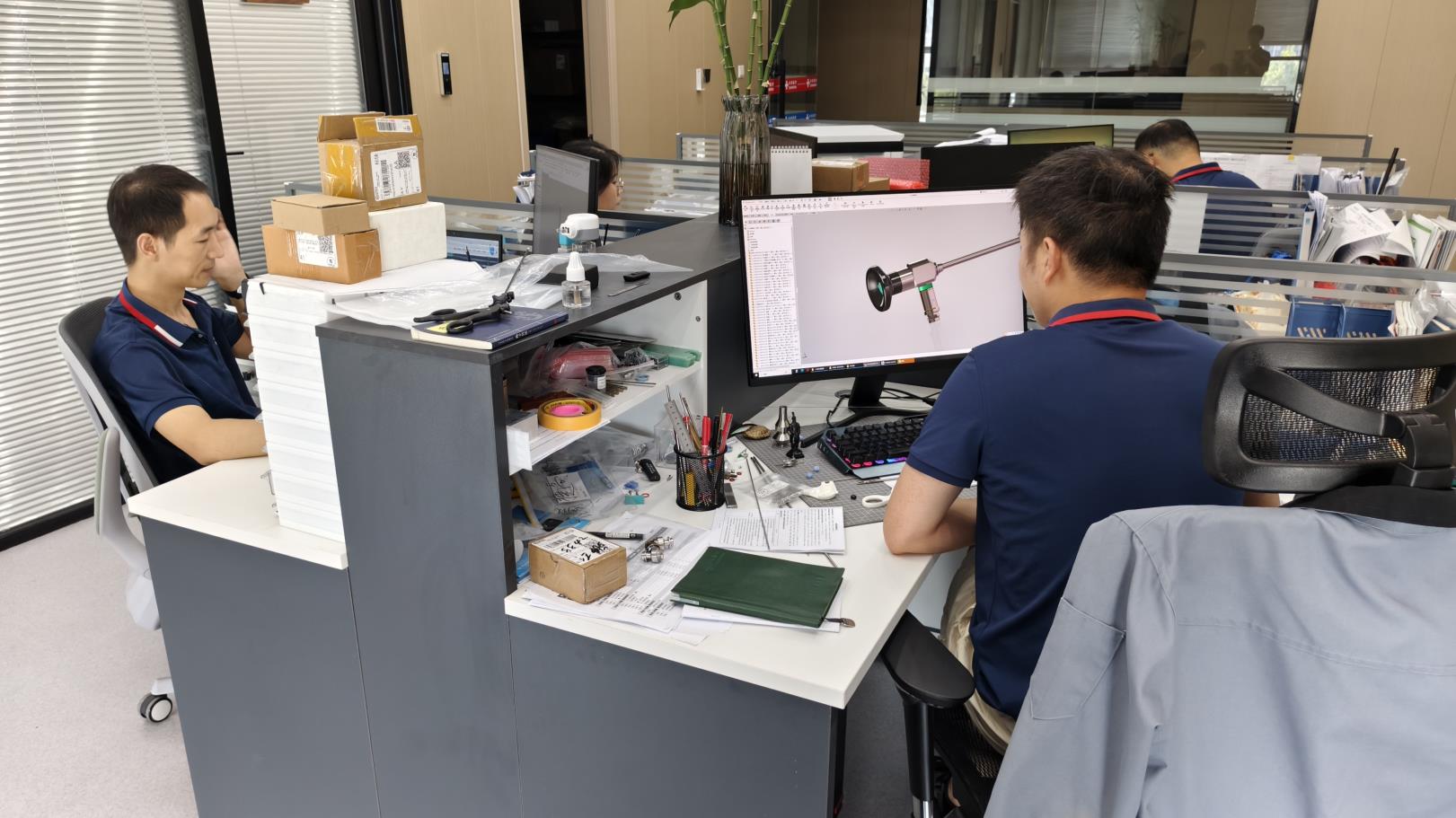
Synoviq Medical Technology (China) Co., Ltd. is a recognized center of excellence for orthopedic product design, clinical validation, and advanced manufacturing.
| Performance Indicator | Operational Standard & Metrics |
|---|---|
| Company Name | Synoviq Medical Technology (China) Co., Ltd. |
| Primary Brand | Synoviq / Synoviq Orthopedics |
| Establishment & Industry Experience | Founded March 18, 2016; 14 years of design and manufacturing experience. |
| Manufacturing Facility Area | 18,600 m² cleanroom and processing zone capacity. |
| Annual Export Volume | USD 21.8 Million distributed globally. |
| In-House R&D Engineering Force | 76 full-time research and mechanical engineers. |
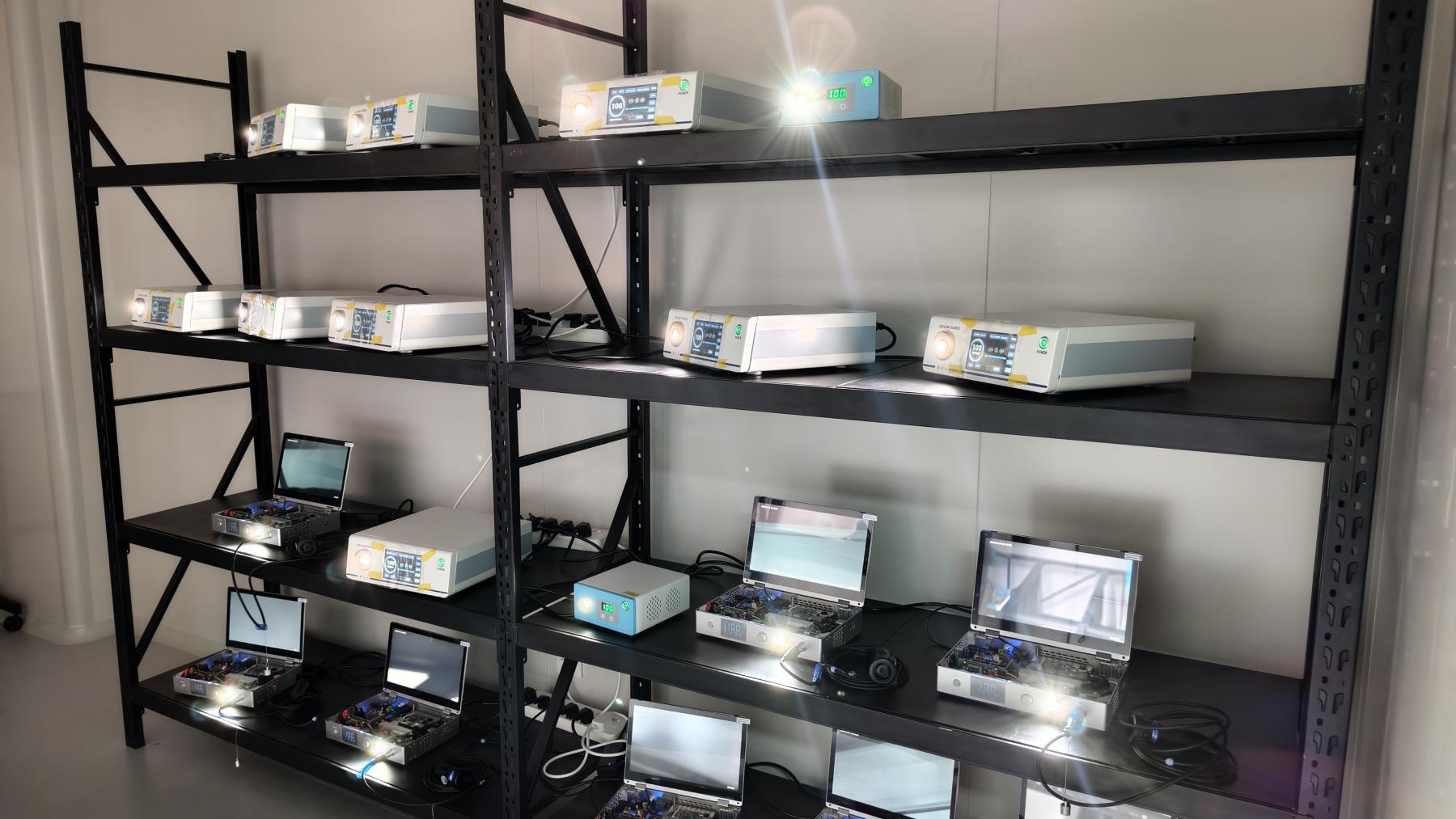
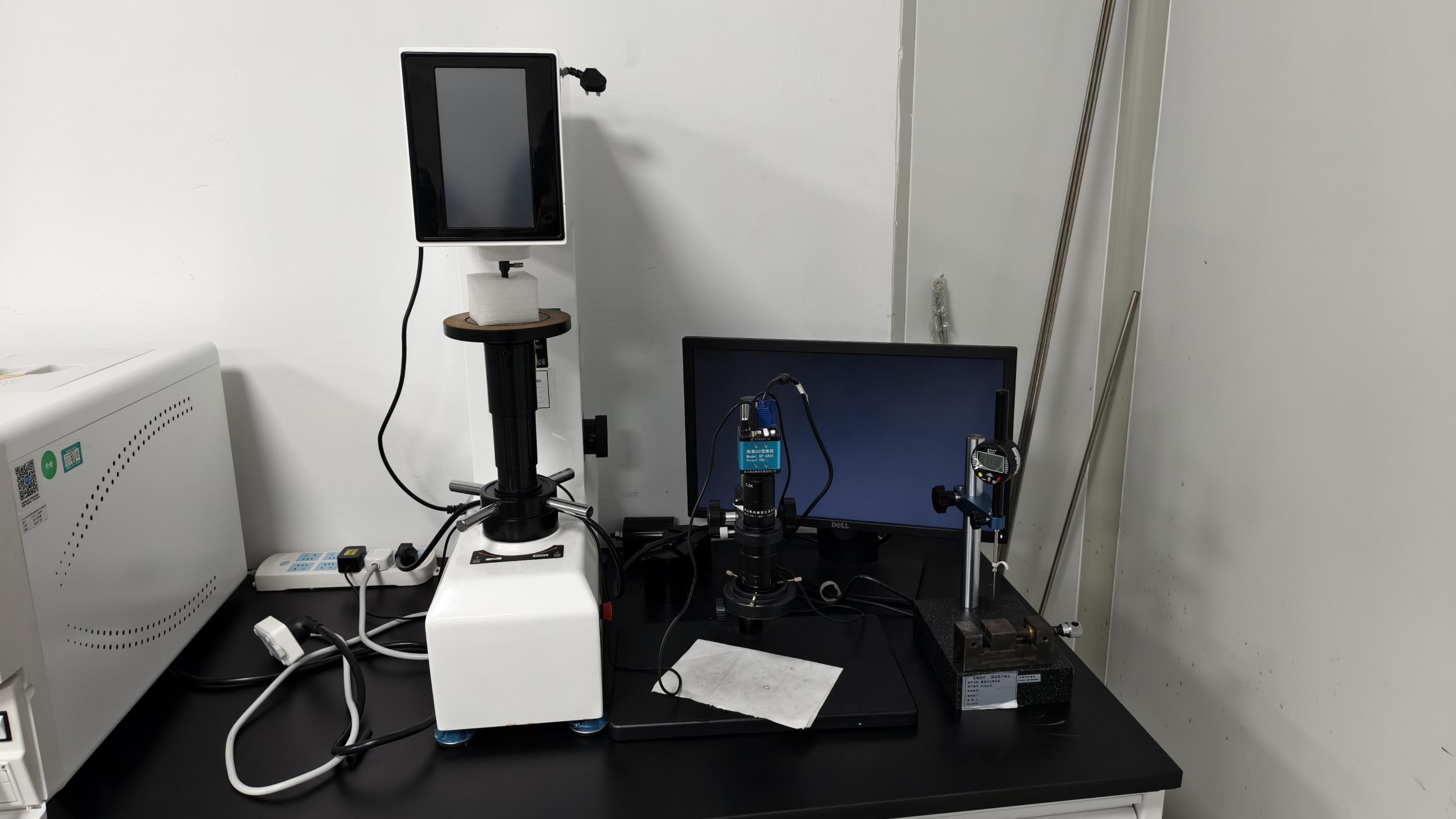
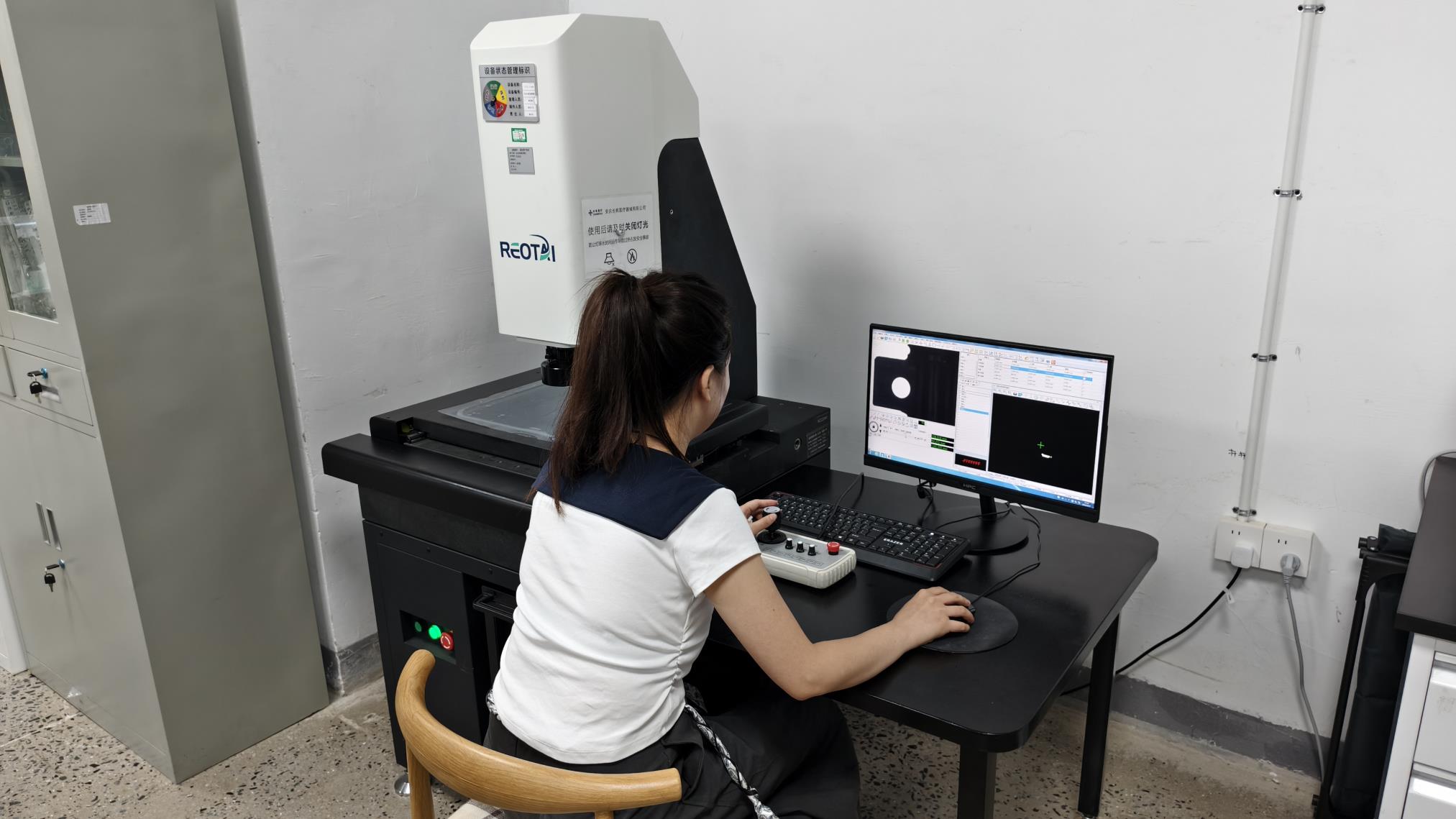
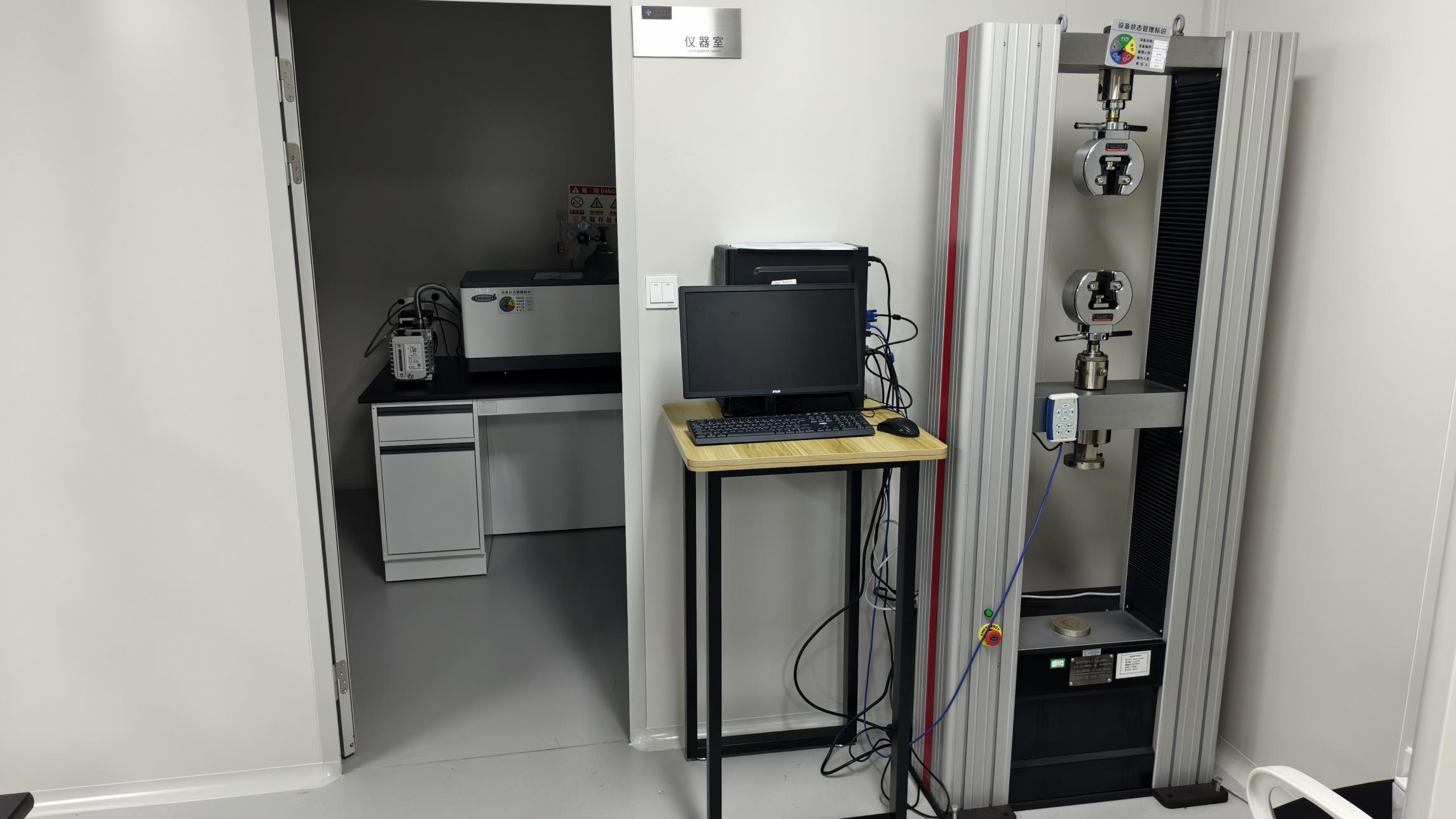
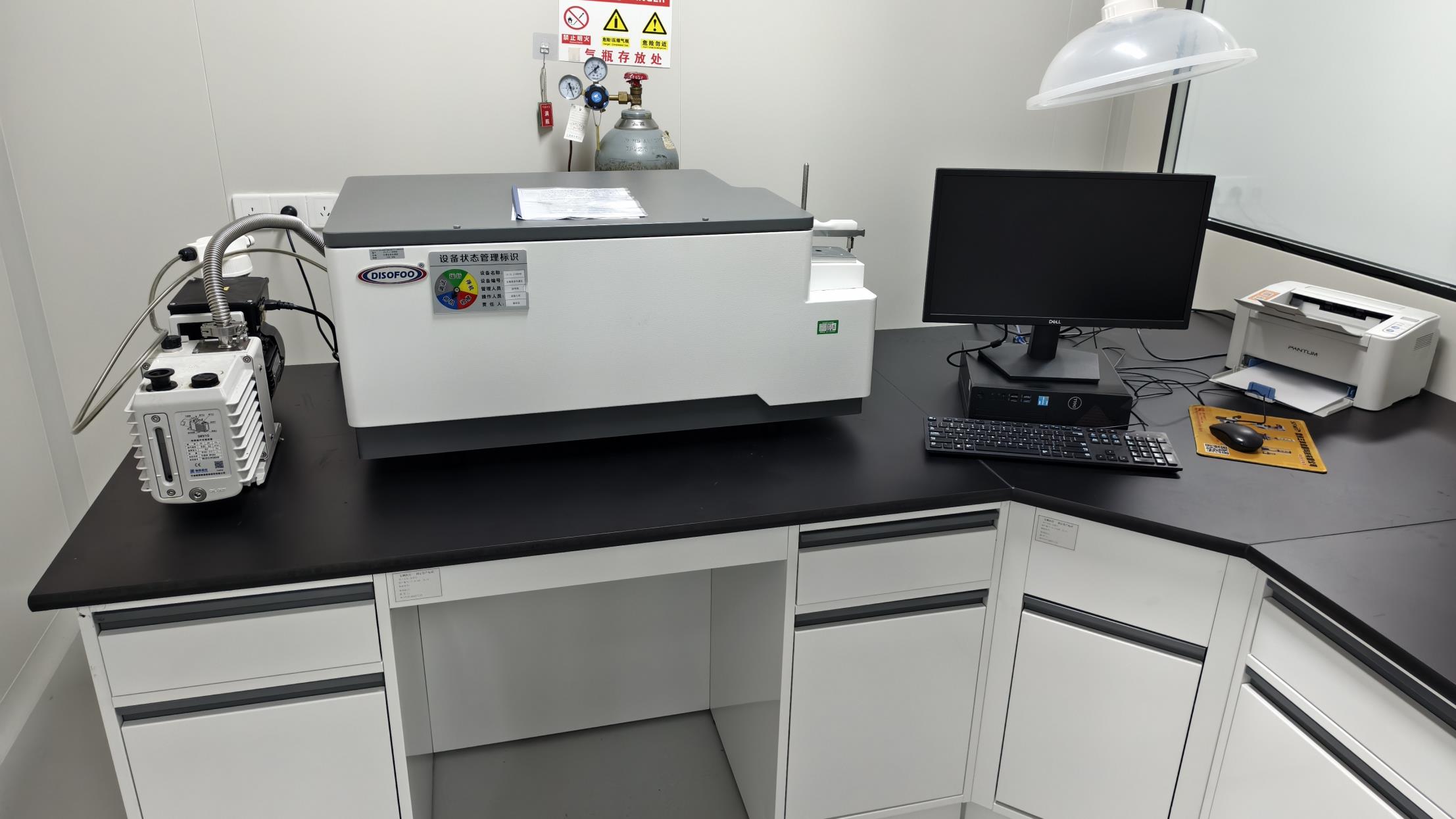
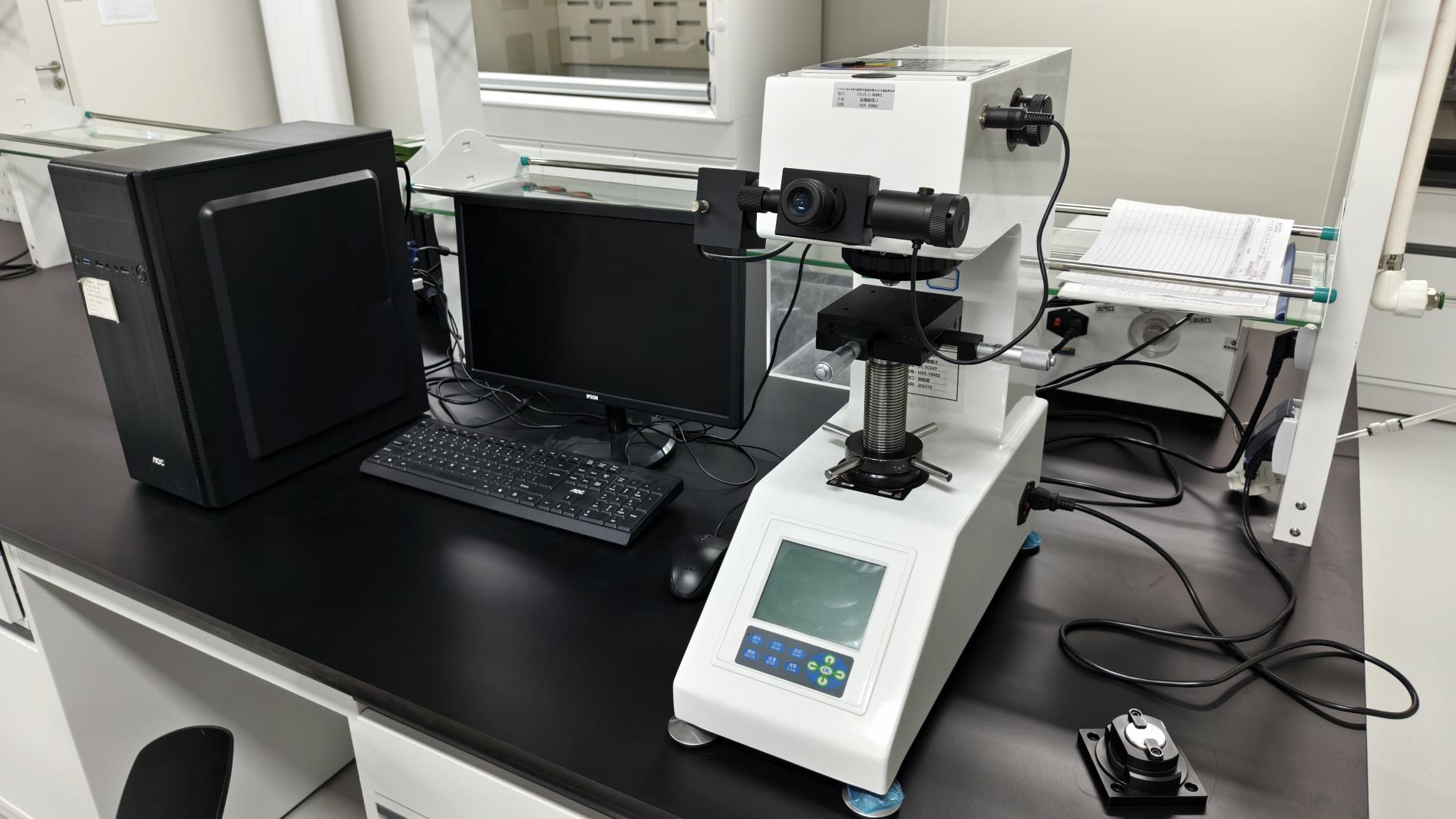
| Metrology & Quality Inspection | 100% Final Inspection via coordinate measuring machines (CMM), metallographic testers, and fatigue testing machinery. |
| Materials Processed | Implants: Ti6Al4V ELI (ASTM F136), CoCrMo (ASTM F1537), UHMWPE (ASTM F648), Alumina/Zirconia Ceramics. Instruments: 17-4PH, 316L, 420 Stainless Steels. |
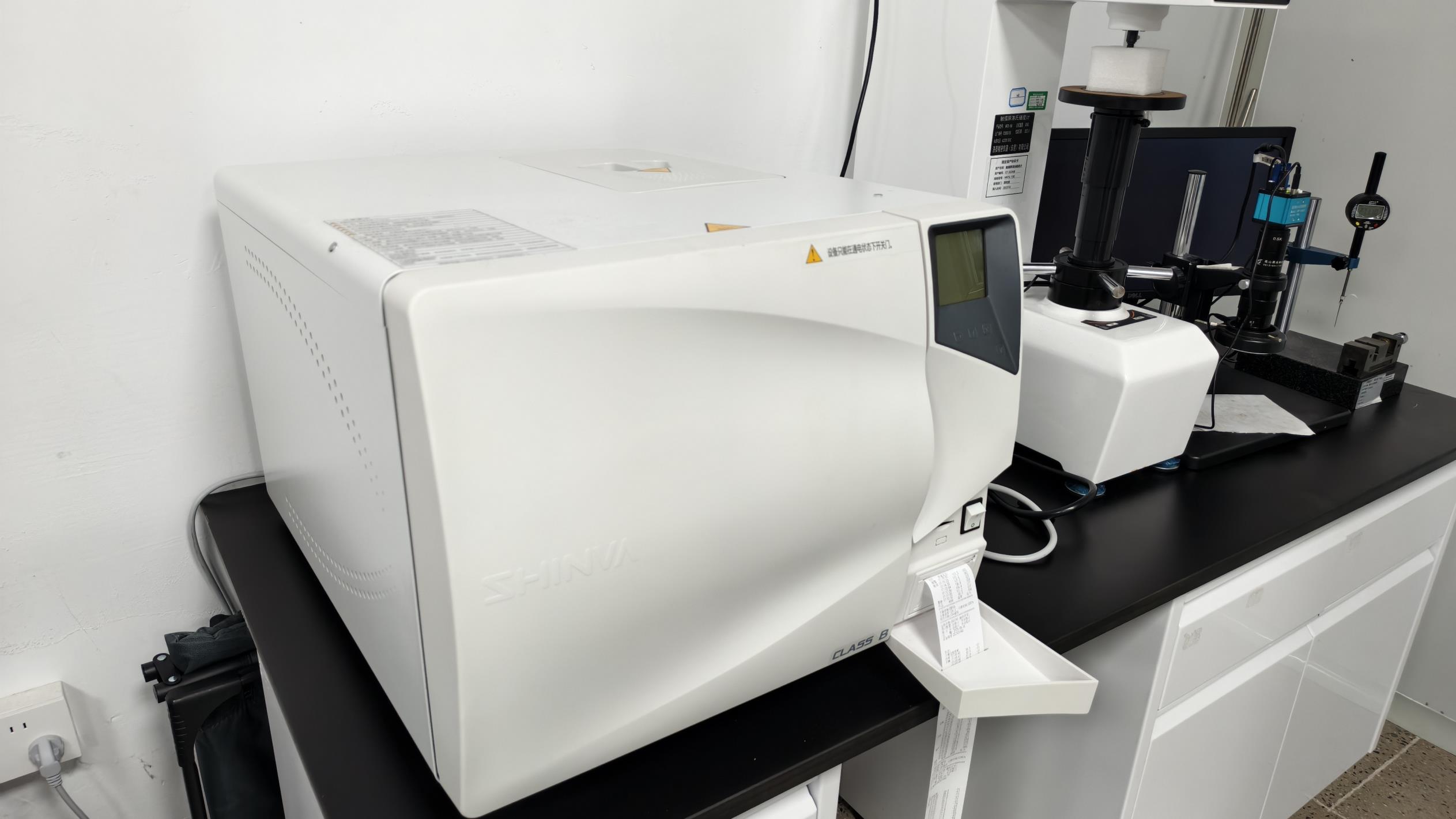
| Sterilization Validation | EO (Ethylene Oxide) / Gamma Radiation validation protocols according to ISO 11135 and ISO 11137. |
Our dedicated procurement team can provide itemized quotes, material safety data sheets (MSDS), and registration certificates for healthcare providers in the Gorgol region.
Send Inquiry Now ➜Every implant undergoes extensive dimensional verification, material characterization, and quality inspections to ensure patient safety.
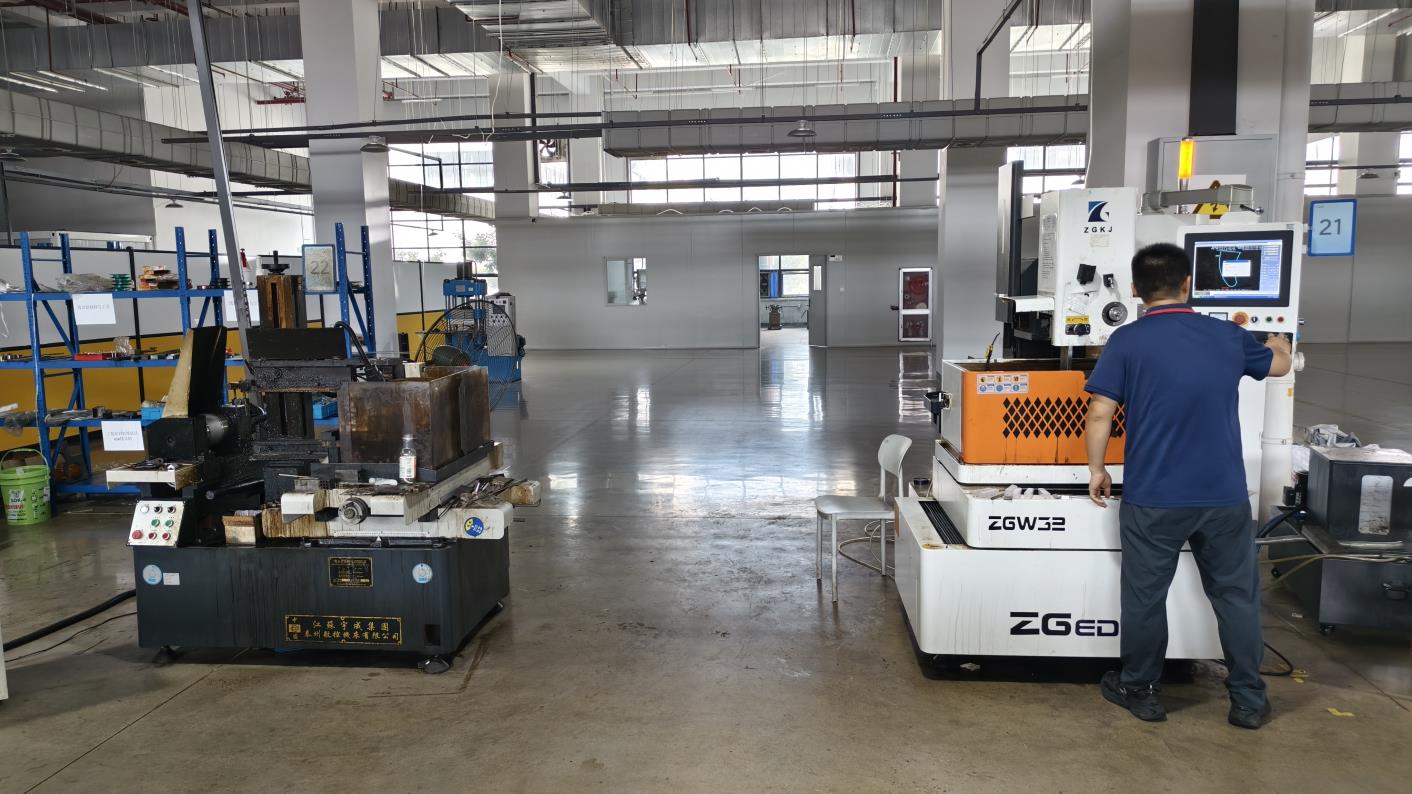
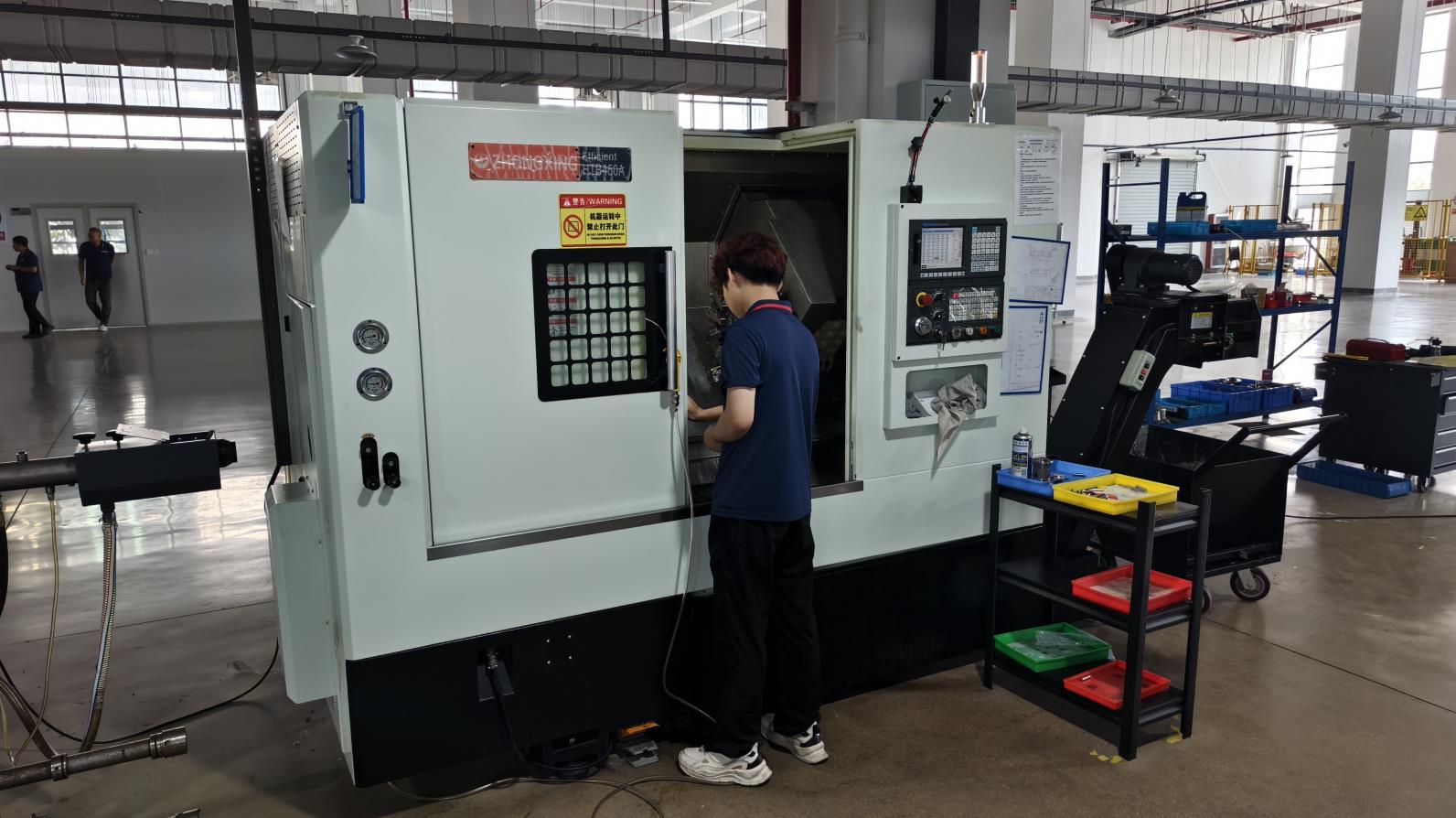
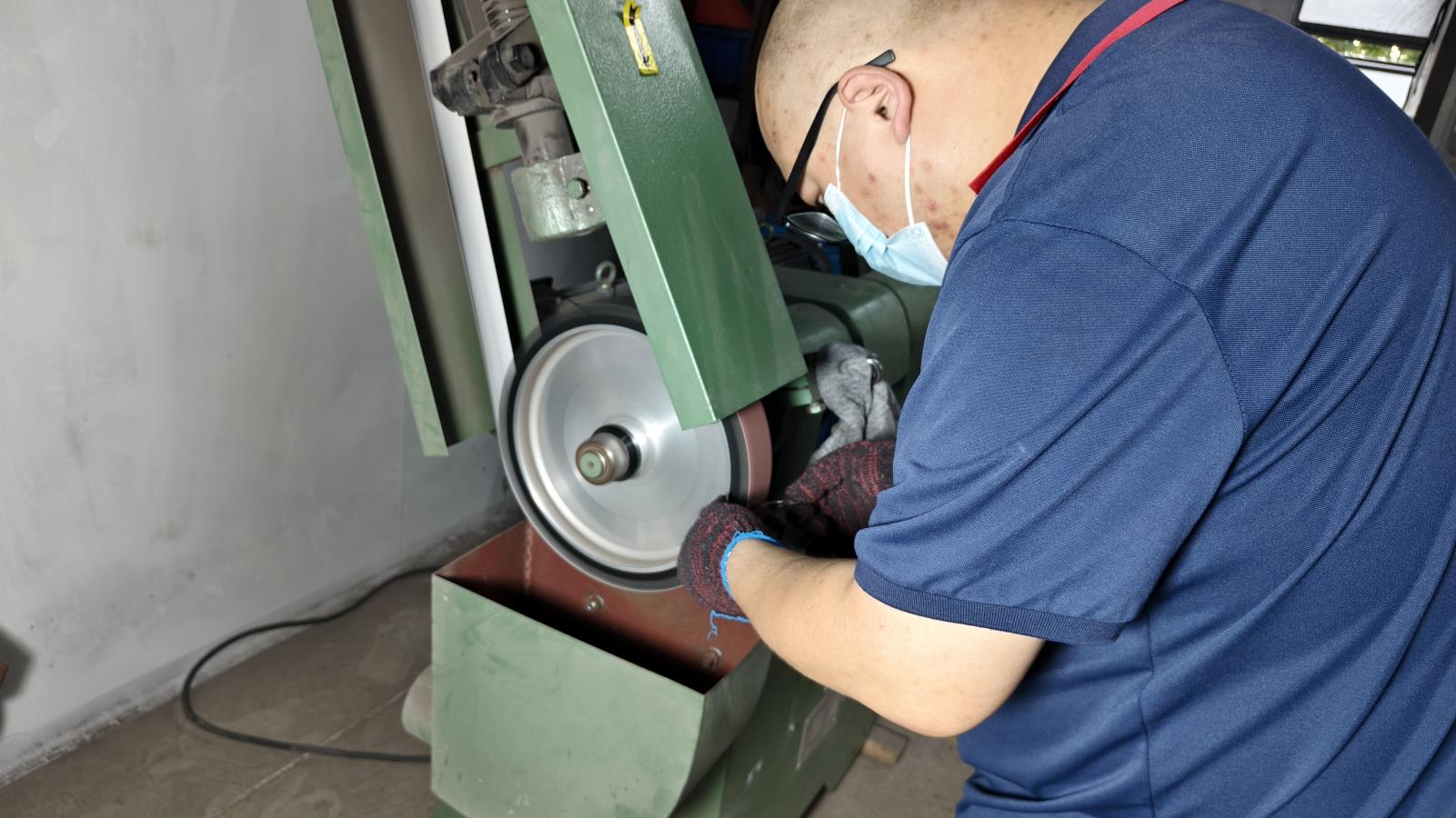
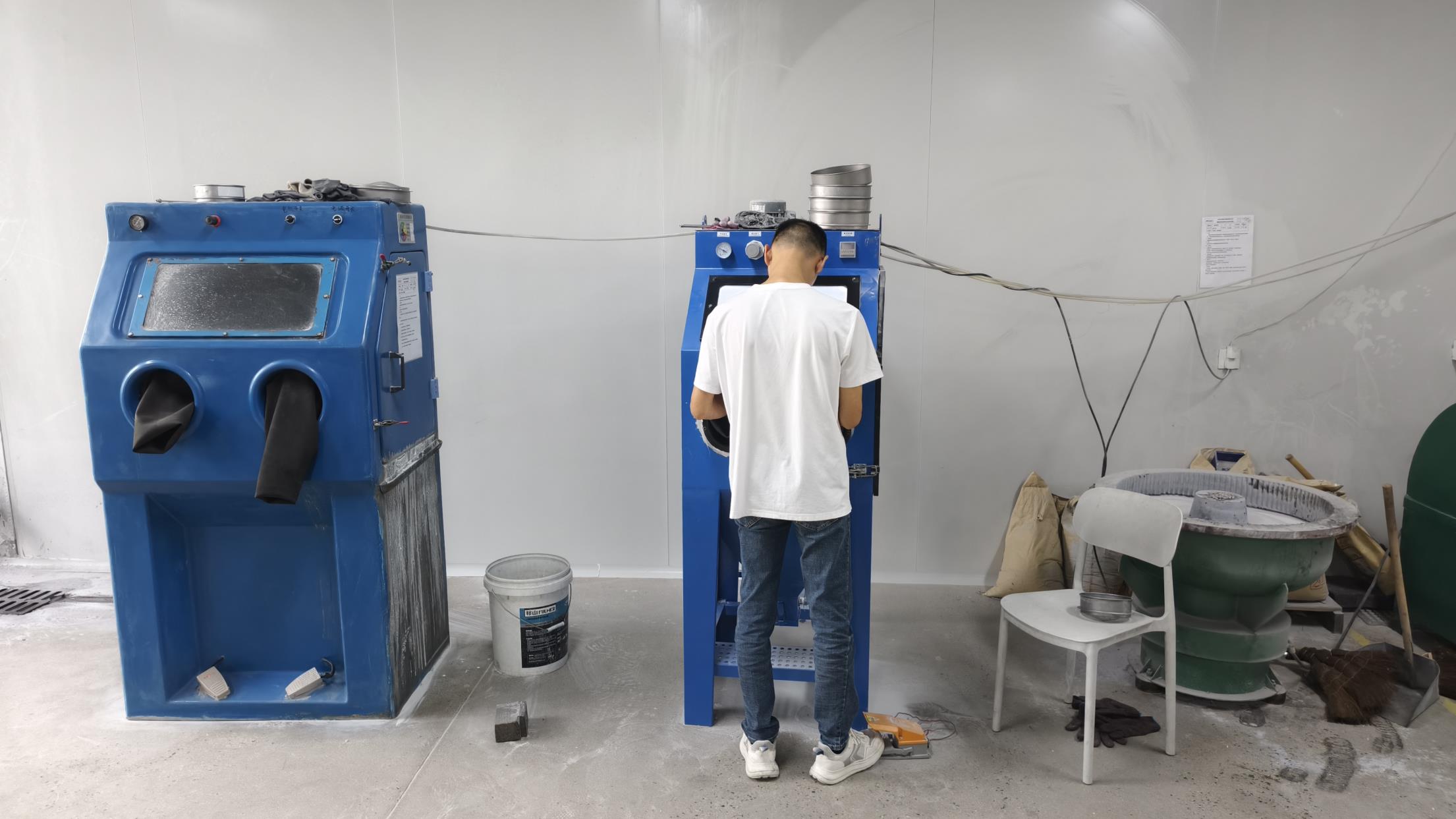
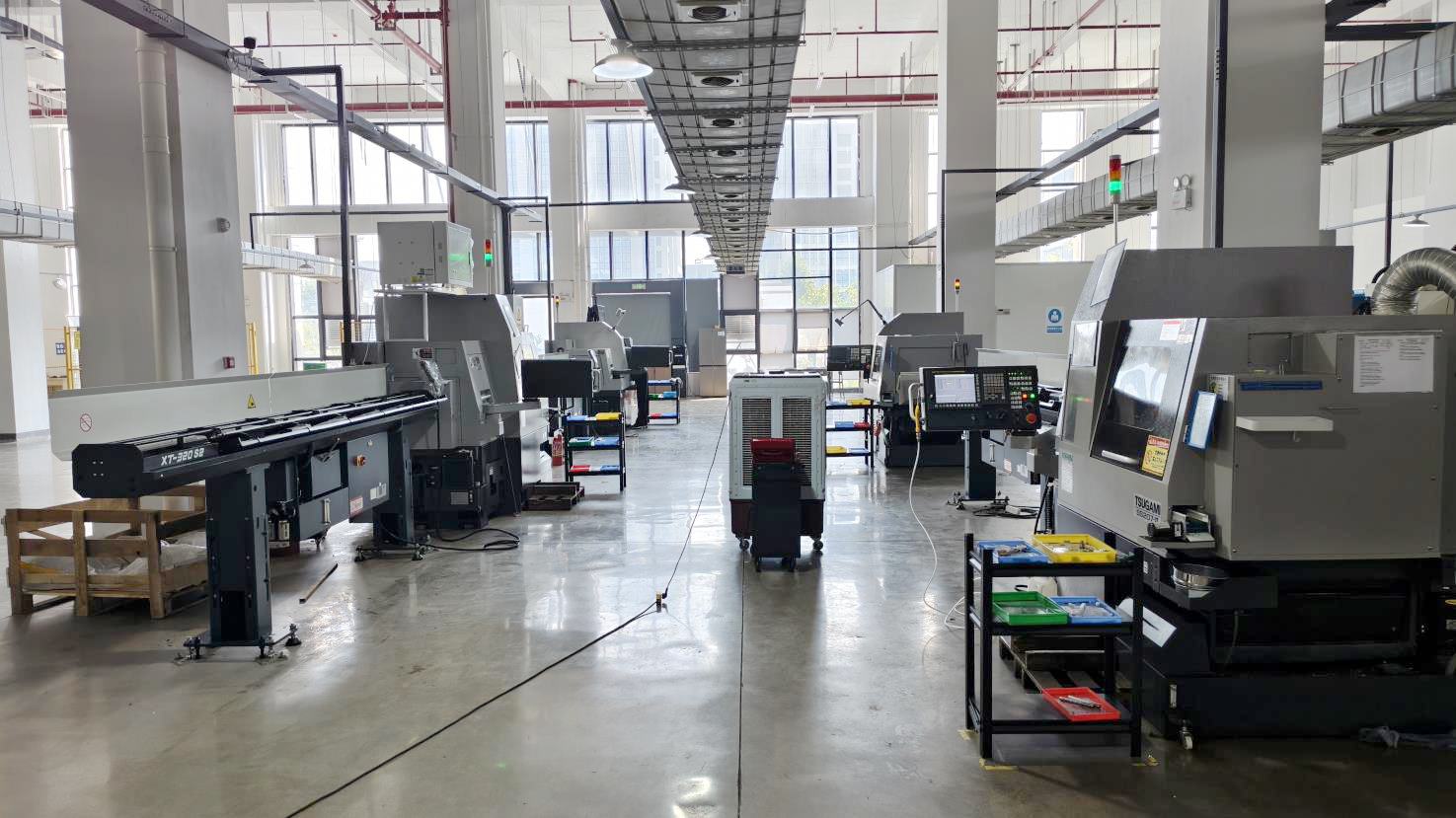
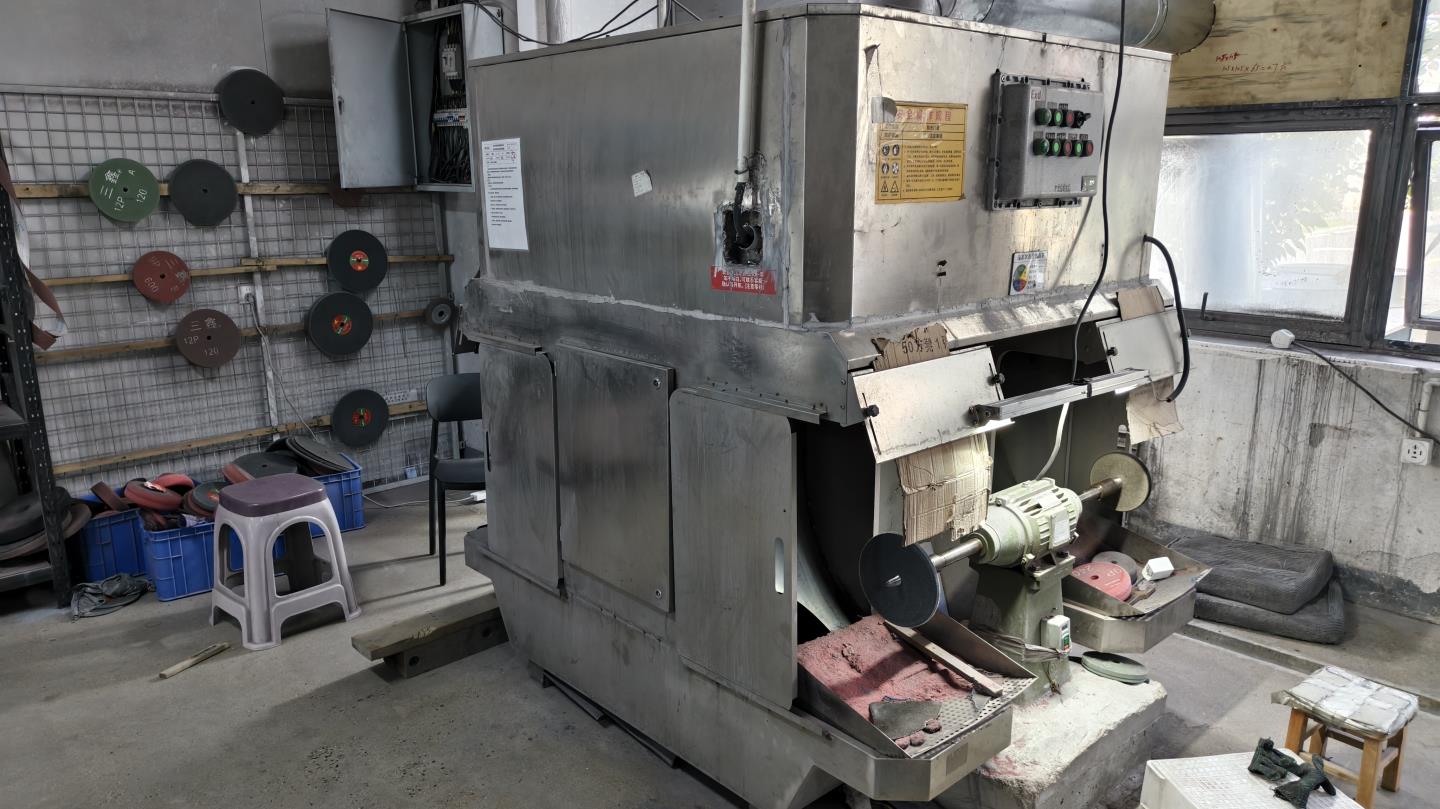
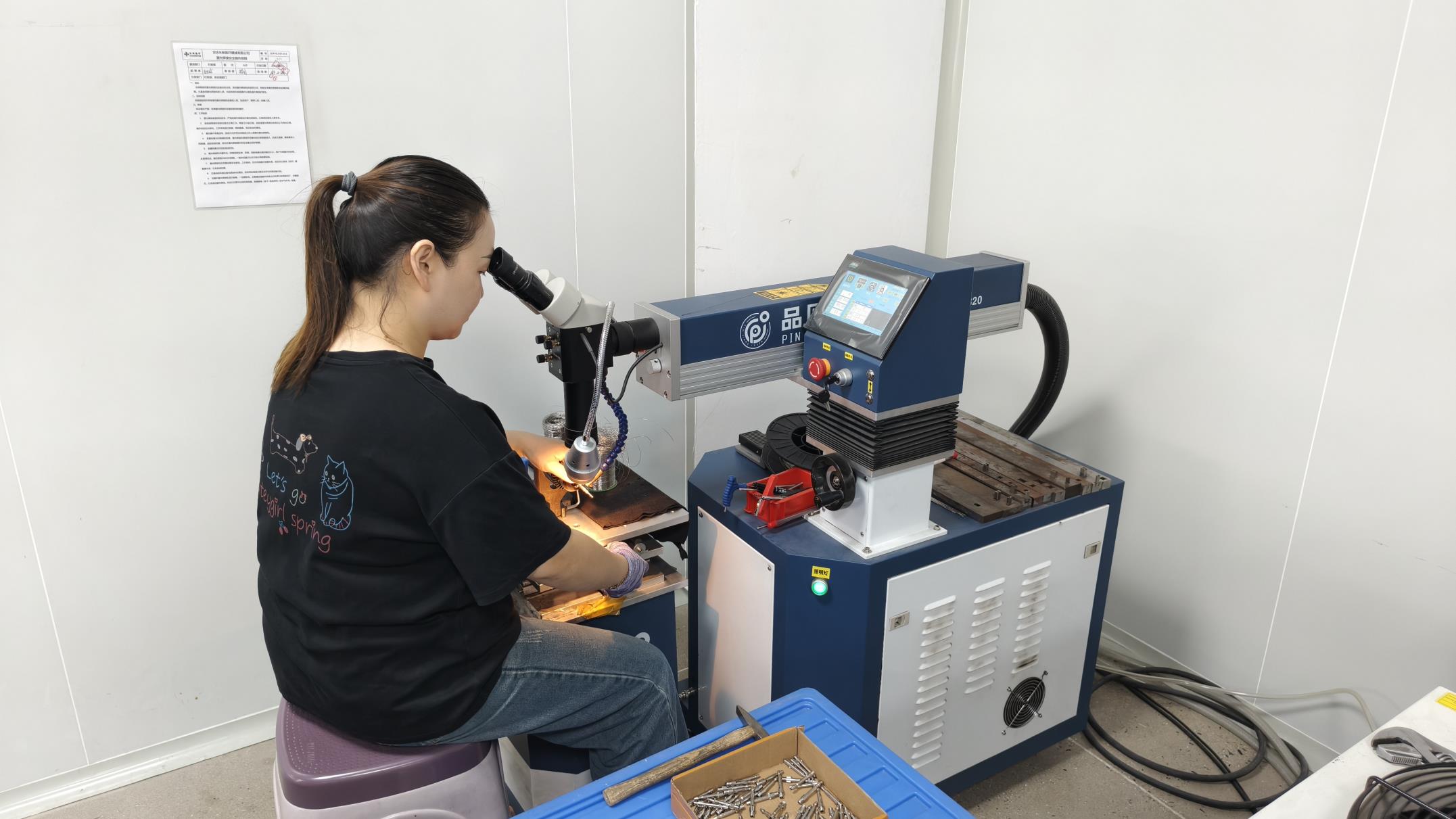
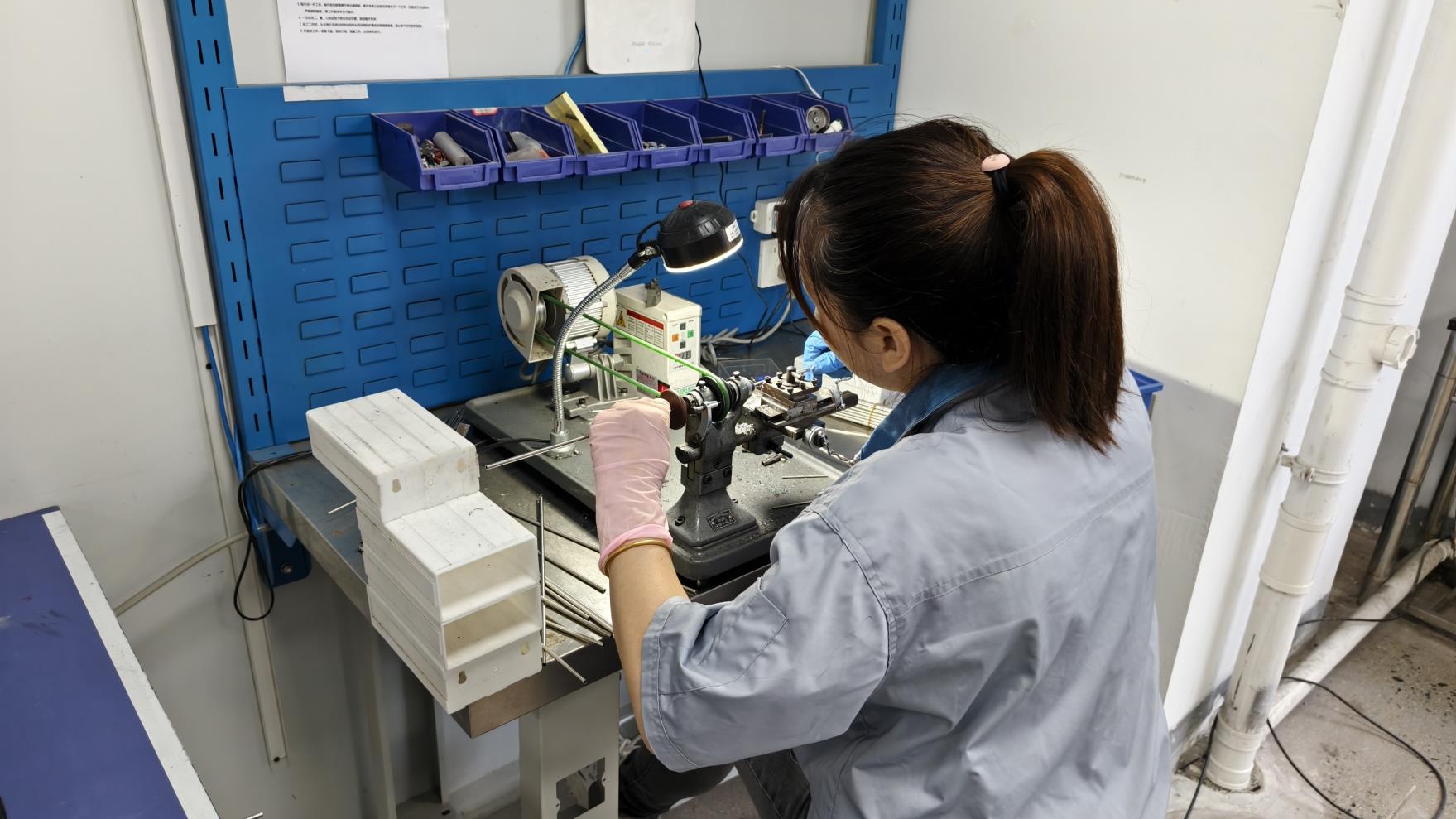
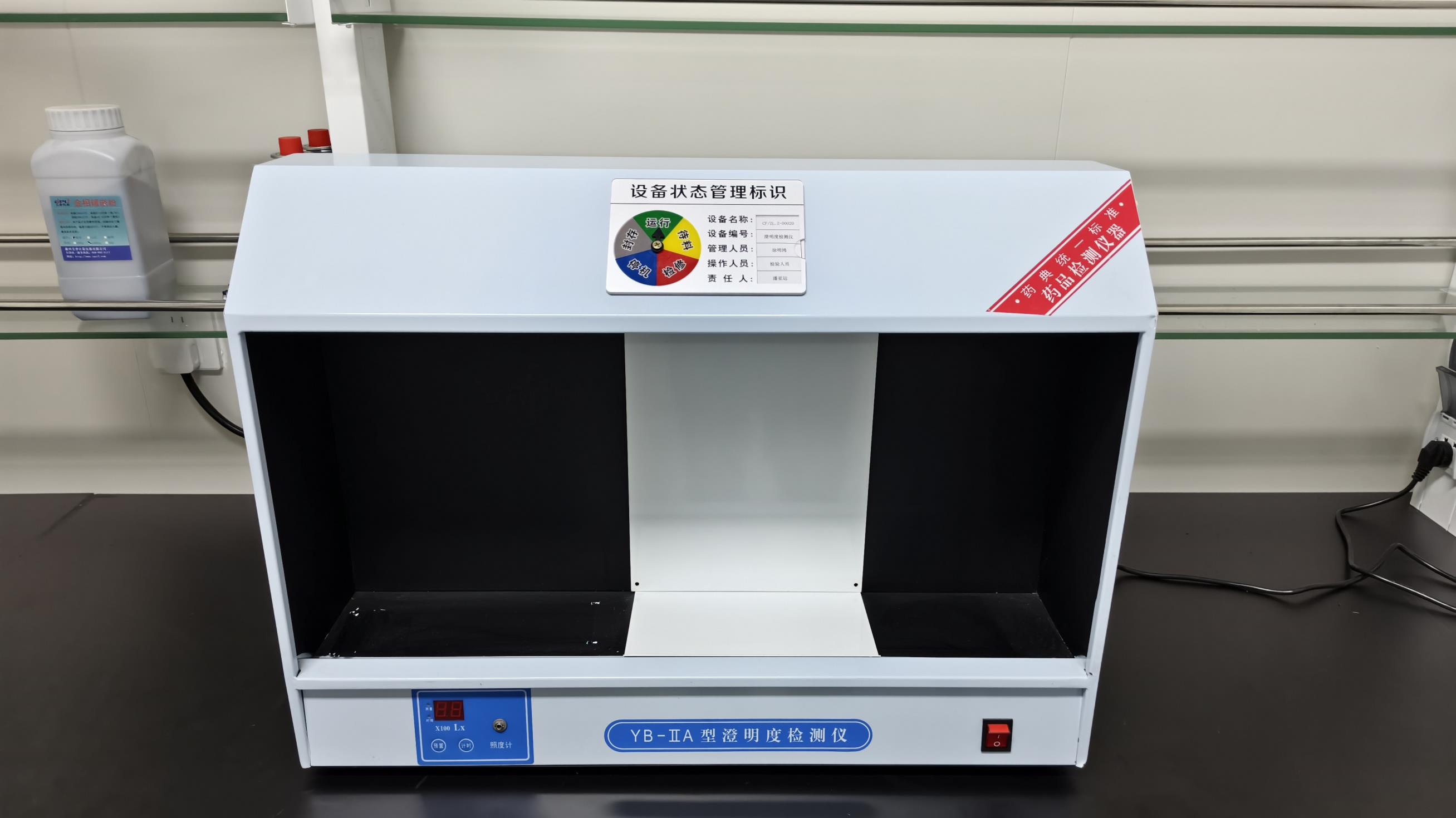
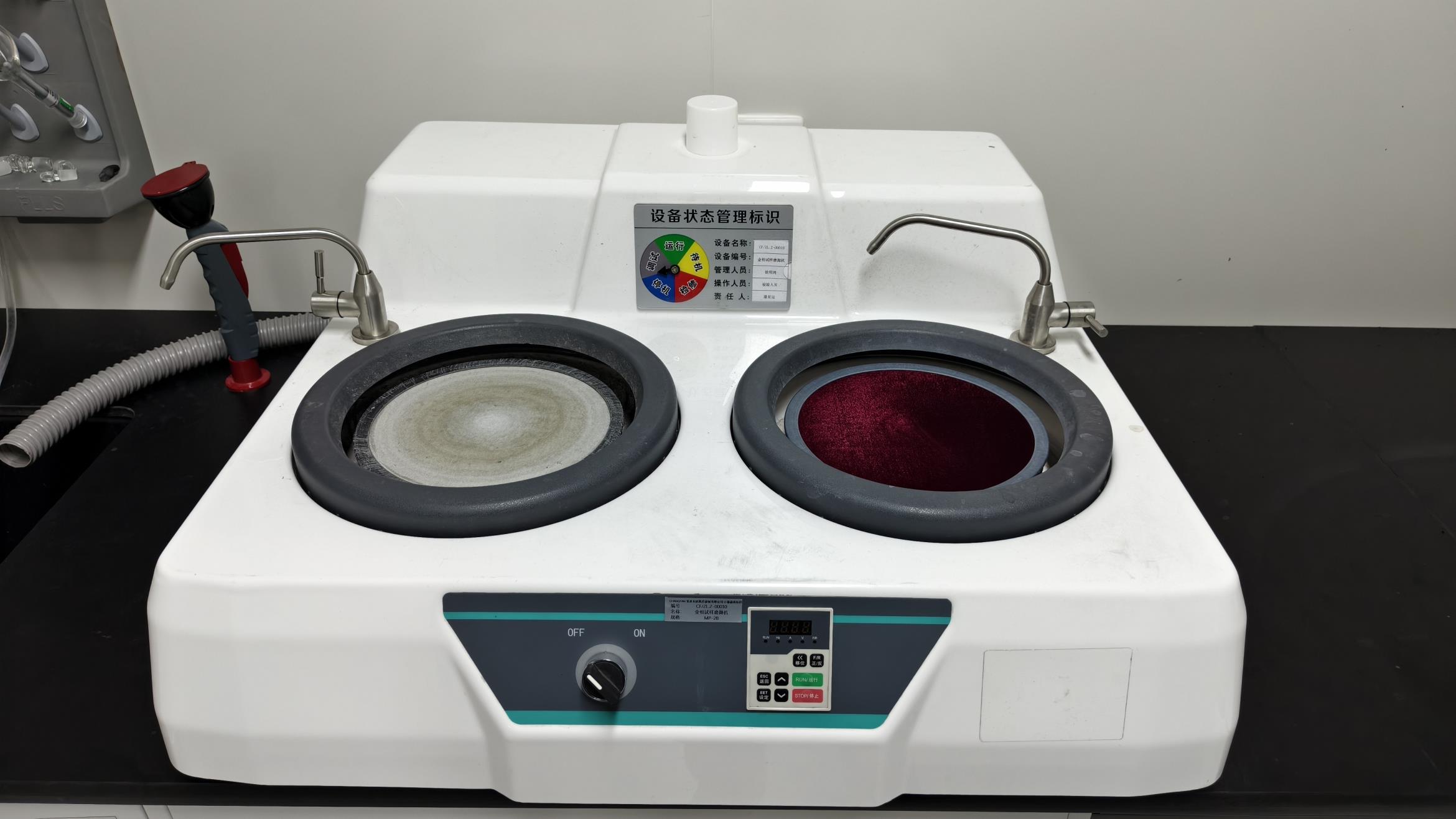
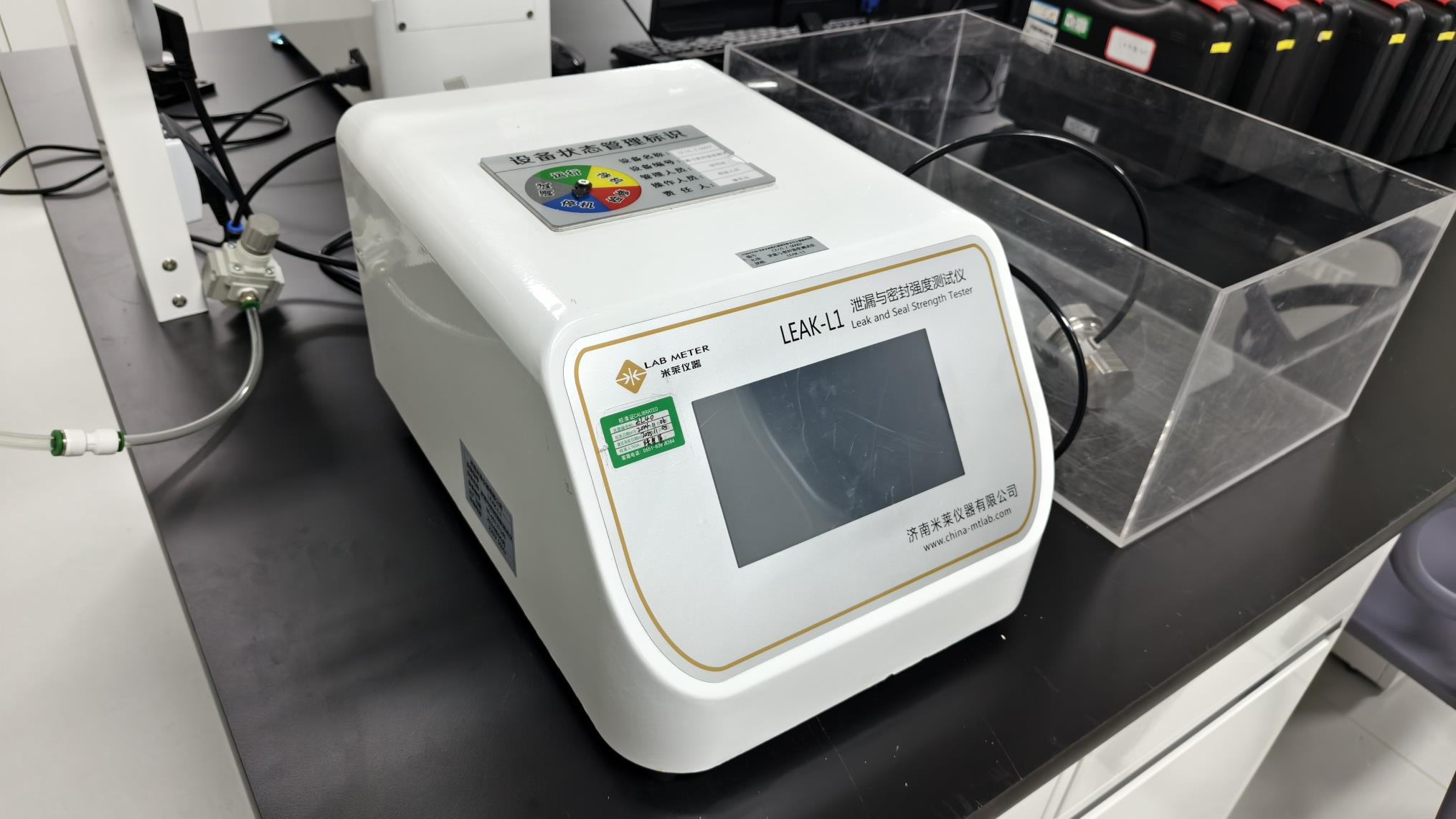
Insights into wear-resistance and surface technology enhancements shaping contemporary joint reconstruction.
Modern clinical studies show that Ceramic-on-UHMWPE constructs significantly reduce abrasive wear compared to traditional Metal-on-Metal joints. This prevents osteolysis and minimizes the release of localized cobalt-chromium ions into the surrounding tissue.
By treating UHMWPE with electron-beam radiation, cross-linking density is enhanced. This modification significantly improves wear resistance, ensuring the components can withstand high levels of patient activity over decades.
Uncemented titanium stems feature macro-textured surfaces and micro-porous structures. This design promotes direct bone apposition, providing immediate mechanical stability and enabling long-term biological fixation.
Explore our complete range of implants and surgical instruments, including veterinary systems designed to the same rigorous medical-grade standards.
Ensuring compliance with international standards for smooth importation and clinical validation in hospital networks across West Africa.
We source raw medical-grade metals (Ti6Al4V ELI, CoCrMo) from certified suppliers, accompanied by material inspection certificates (EN 10204 3.1). Polyethylene inserts are machined using UHMWPE, ensuring structural resistance against dynamic stress and wear.
Every product is packaged in a cleanroom environment using high-barrier blister packaging. This maintains sterile integrity during shipping, customs processing, and long-term storage in warm or high-humidity regions.
| Validation Phase | Methods and Equipment |
|---|---|
| Bio-burden Testing | Validates sterile processing and raw material purity. |
| Dimensional Checks | Ensured via 2D and 3D coordinate measurement systems down to micron tolerances. |
| Dynamic Simulation | Simulates joint loading over 5 million cycles to ensure long-term mechanical durability. |
Answers to key operational, clinical, and regulatory questions from healthcare distributors and procurement managers.
Our complete range of total hip (THR) and total knee (TKR) joint replacements are certified under ISO 13485 quality systems and hold CE Class III certification. We supply all required export documentation, including Certificates of Free Sale (CFS), raw material certificates, and sterile validation reports, ensuring smooth customs clearance through the Ministry of Health (Ministère de la Santé de Mauritanie).
Our products are packaged in dual-barrier sterile peel pouches and placed in protective exterior boxes. This ensures the sterile barrier remains intact in humid or dusty conditions. The implants are made from bio-inert materials, such as titanium alloy and cross-linked UHMWPE, which are chemically stable and unaffected by variations in ambient storage temperatures prior to surgical use.
Yes. As an OEM and ODM manufacturer, we can customize product sizing, adjust femoral stem taper designs, alter laser-etched markings, and tailor packaging. Our R&D team works directly with clinical teams to modify components according to specific anatomical needs or local surgical preferences.
Standard implant sizes are kept in stock, allowing for shipment within 7 to 15 business days. Customized or large-scale tender orders typically require 30 to 45 days for manufacturing and packaging. We work with leading logistics partners to offer flexible shipping terms (FOB, CIF, CFR) to major regional transit points, including Nouakchott, Nouadhibou, and Dakar.
Contact our technical sales team for comprehensive catalogs, quality documentation, and competitive quotes for your orthopedics business.
Send Inquiry Now ➜ Synoviq Medical