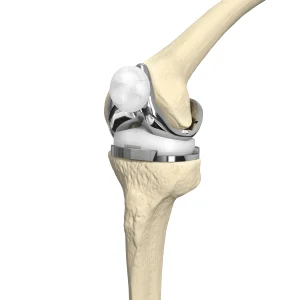
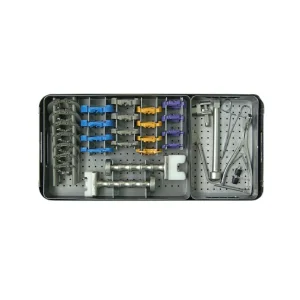
Explore our primary configurations of total joint replacements, designed to match the clinical requirements of major healthcare providers in Ghana, including teaching hospitals and orthopedic specialty centers.
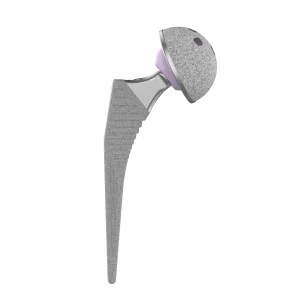
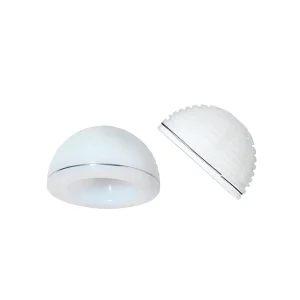
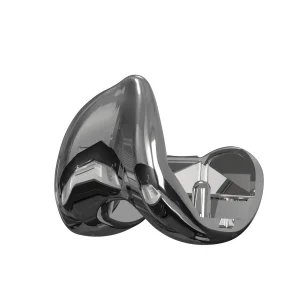
In recent years, Ghana has emerged as a key medical and economic hub in West Africa, driving a transition toward higher-tier medical interventions. Total Hip Replacement (THR) and Total Knee Replacement (TKR) surgeries, once reserved for specialized healthcare institutions abroad, are now increasingly performed in local referral facilities. Leading hospitals such as Korle Bu Teaching Hospital (KBTH) in Accra, Komfo Anokye Teaching Hospital (KATH) in Kumasi, and dynamic private clinics are expanding their orthopedic capacities to address degenerative joint diseases, traumatic injuries, and congenital conditions.
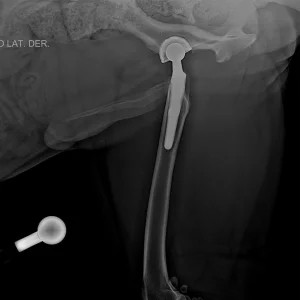
Clinical Insight: The demand for THR in Ghana is heavily influenced by a high prevalence of sickle cell disease (SCD) presenting as avascular necrosis (AVN) of the femoral head in young adults. Unlike western countries where osteoarthritis dominates in older patients, exporters of hip replacements to Ghana must supply implant materials with high durability and wear-resistance appropriate for active, younger demographics.
Several key factors shape the joint replacement market in Ghana:
B2B orthopedic importers and medical device distributors in Ghana face strict operational constraints. Navigating the logistics of import clearance through the Tema Port or Kotoka International Airport requires comprehensive compliance certification to satisfy the Ghana Food and Drugs Authority (FDA) guidelines. Class III medical devices, such as total hip and knee prosthetics, require exhaustive technical dossiers detailing structural safety, biological compatibility, and clinical trial efficacy.
A resilient global supplier must provide more than raw products. They must supply clinical reassurance. This includes providing complete material certificates (such as medical-grade titanium alloy Ti6Al4V, Cobalt-Chromium-Molybdenum CoCrMo, and Ultra-High-Molecular-Weight Polyethylene UHMWPE), sterile packaging validation, and regulatory support documentation like CE certificates and ISO 13485 accreditations.
Utilization of advanced biomaterials including HA-coated surfaces to promote rapid osseointegration, critical for minimizing early aseptic loosening in young patients.
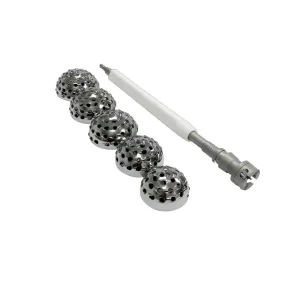
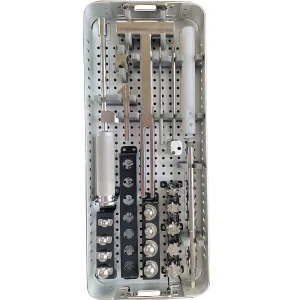
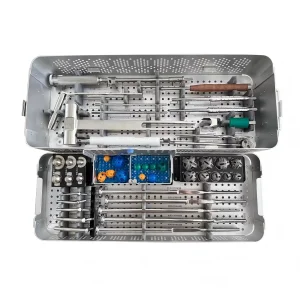
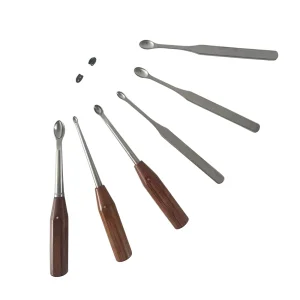
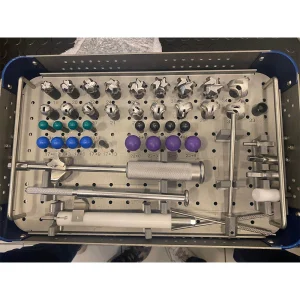
Surgical success depends heavily on the ergonomic design and availability of auxiliary instrumentation sets (e.g., Acetabular Reamers, PGR Knee trials).
Avoiding hospital shortages through robust inventory holding and dynamic manufacturing schedules, minimizing lead time to West Africa.
How Synoviq Medical Technology integrates advanced production processes with automated testing to deliver Class III orthopedic joint systems that rival global brands in both safety and clinical outcome metrics.
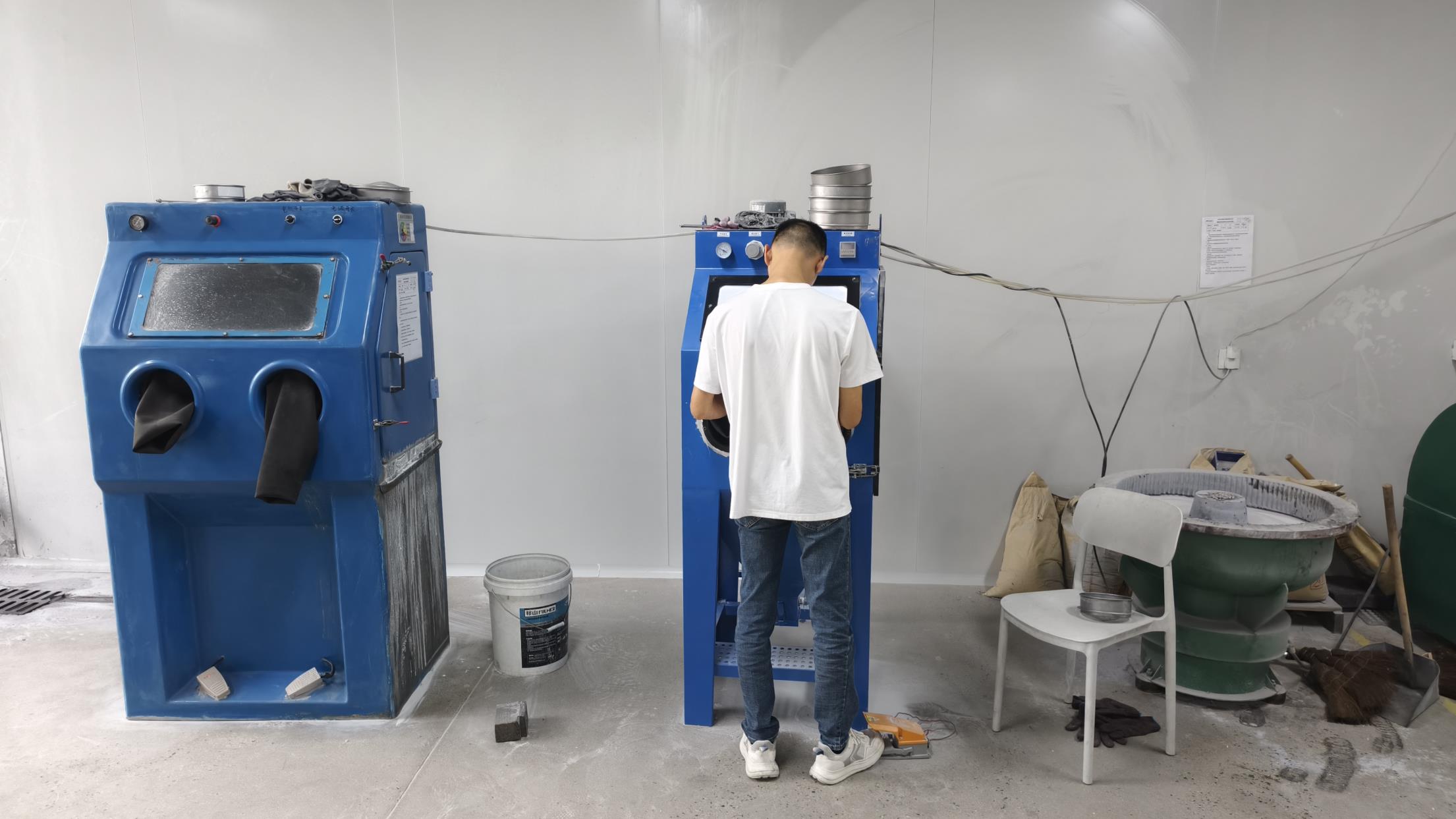
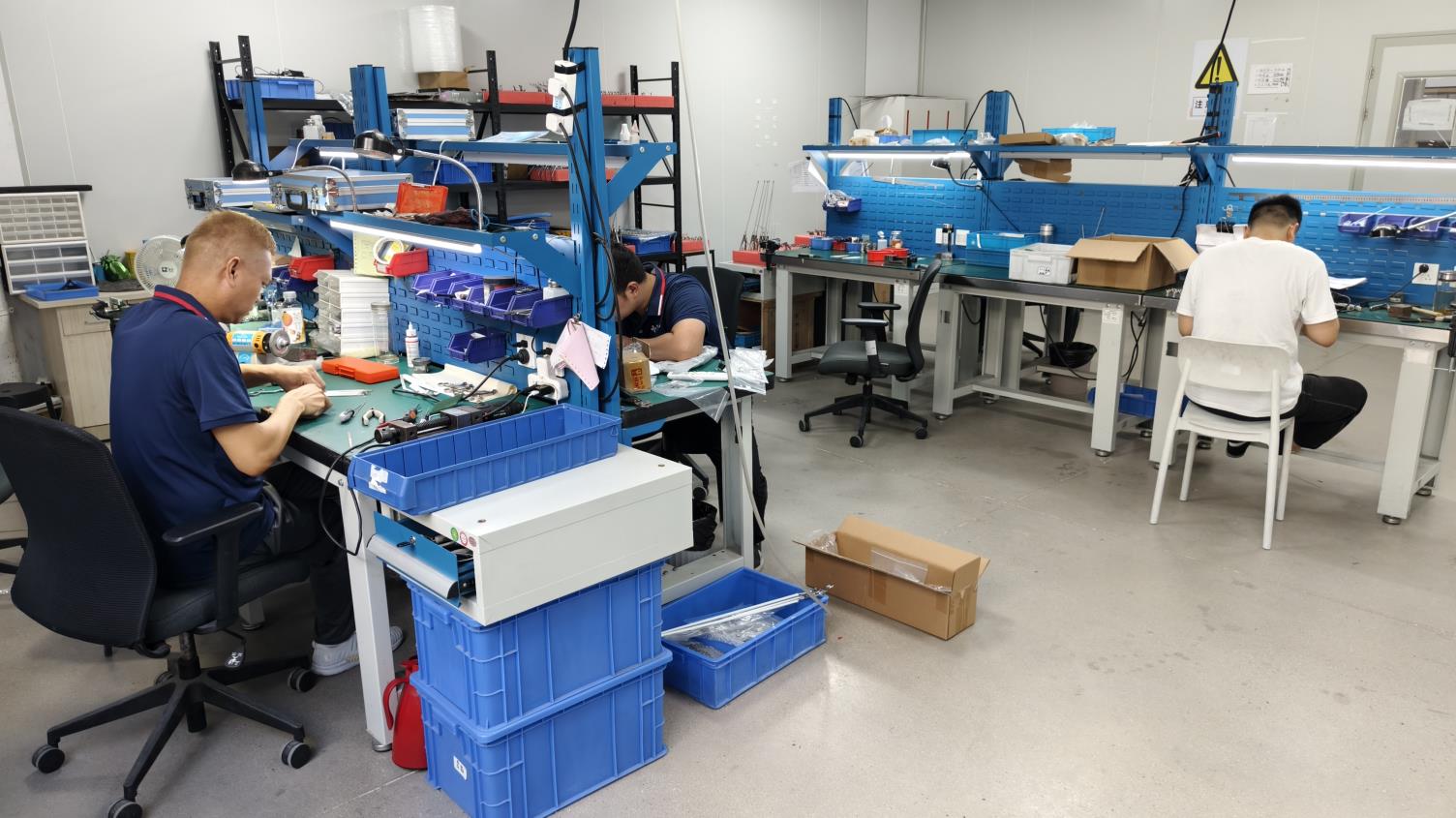
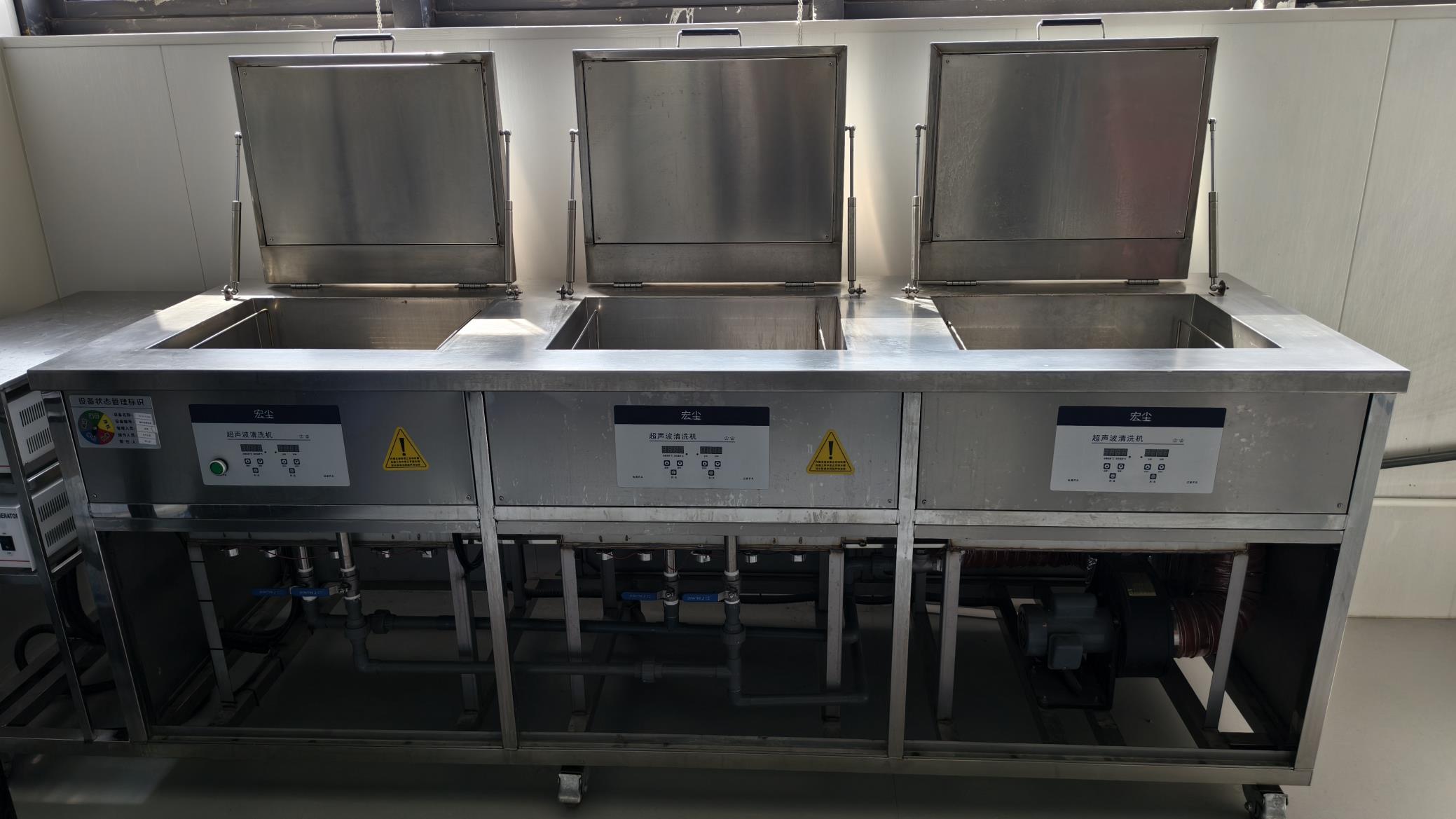
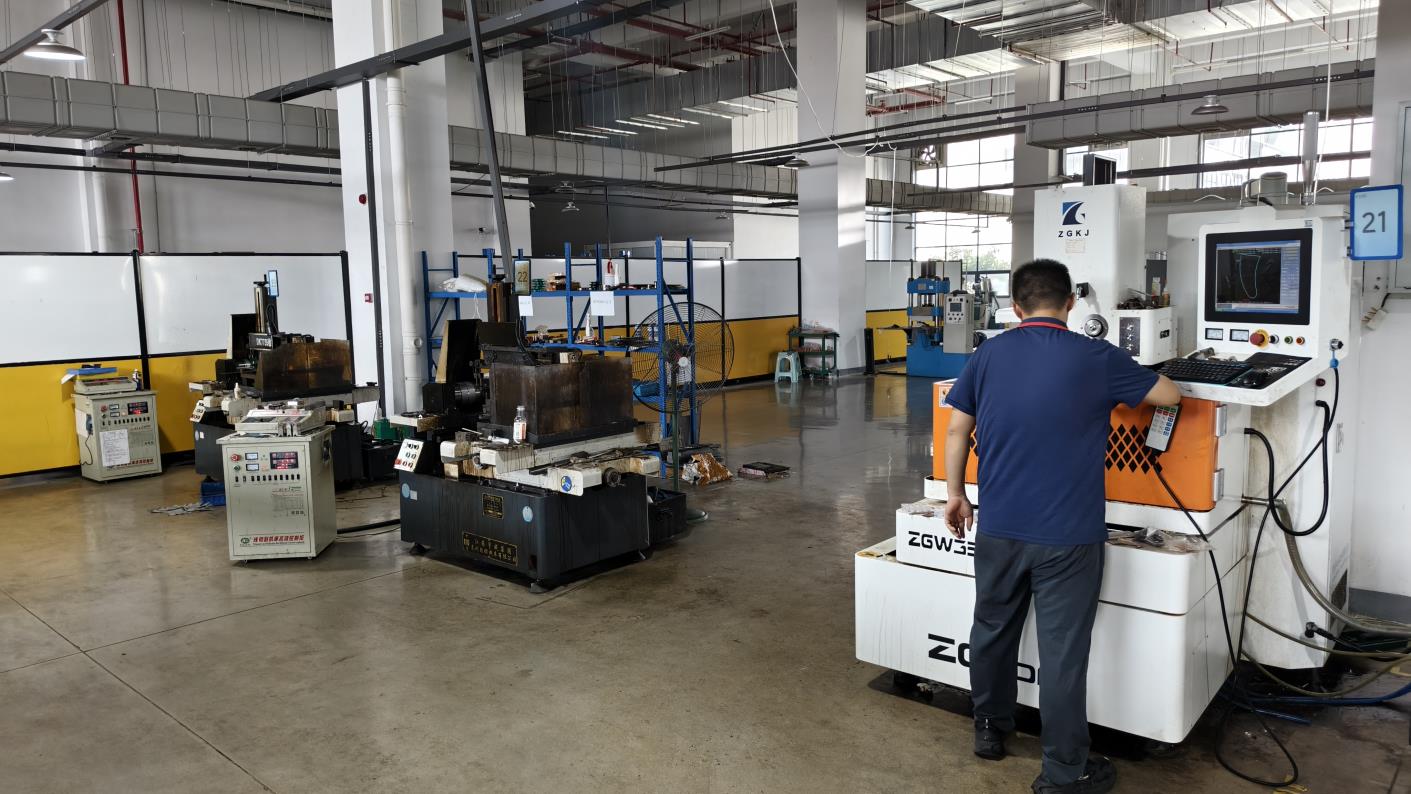
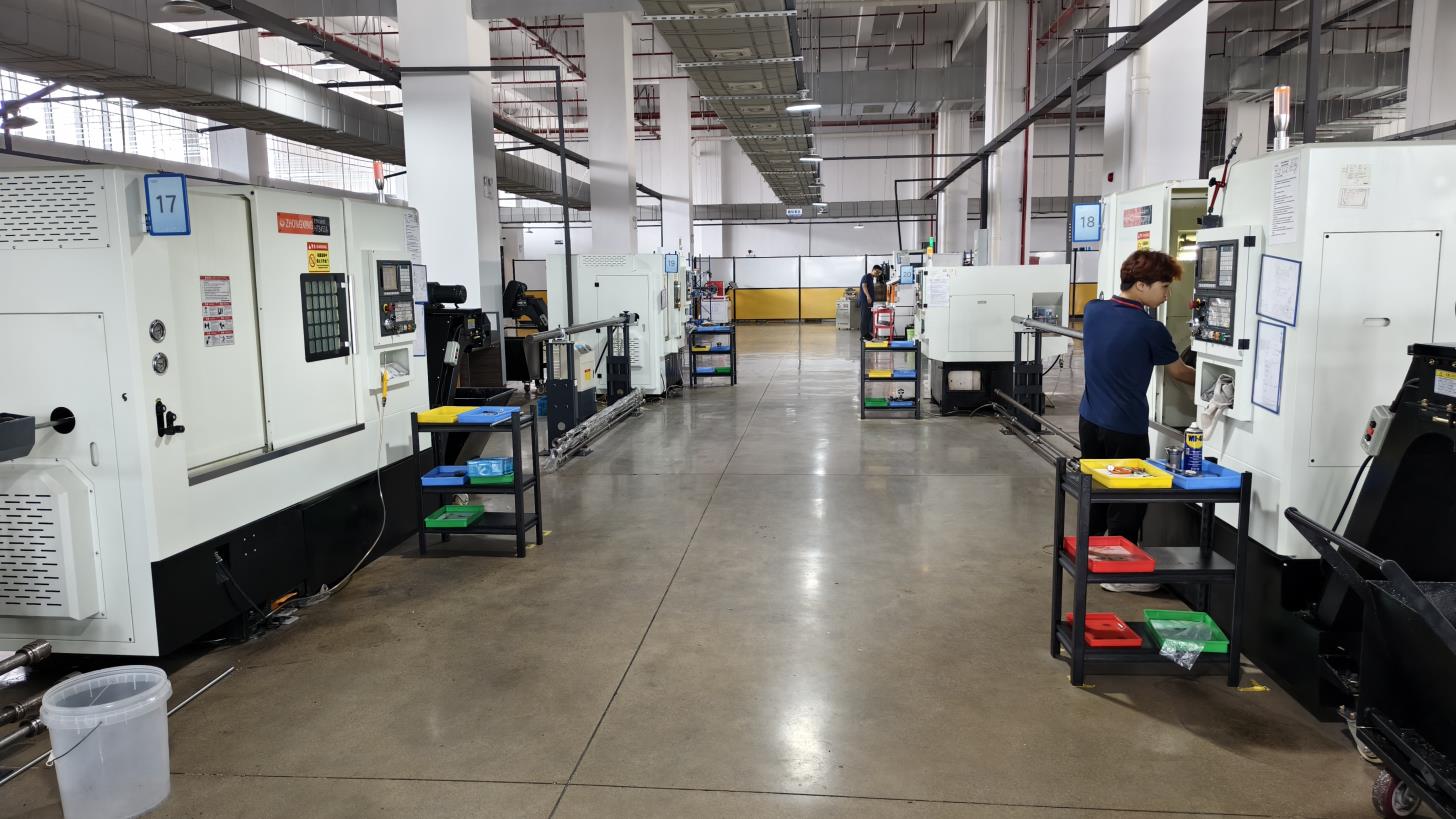
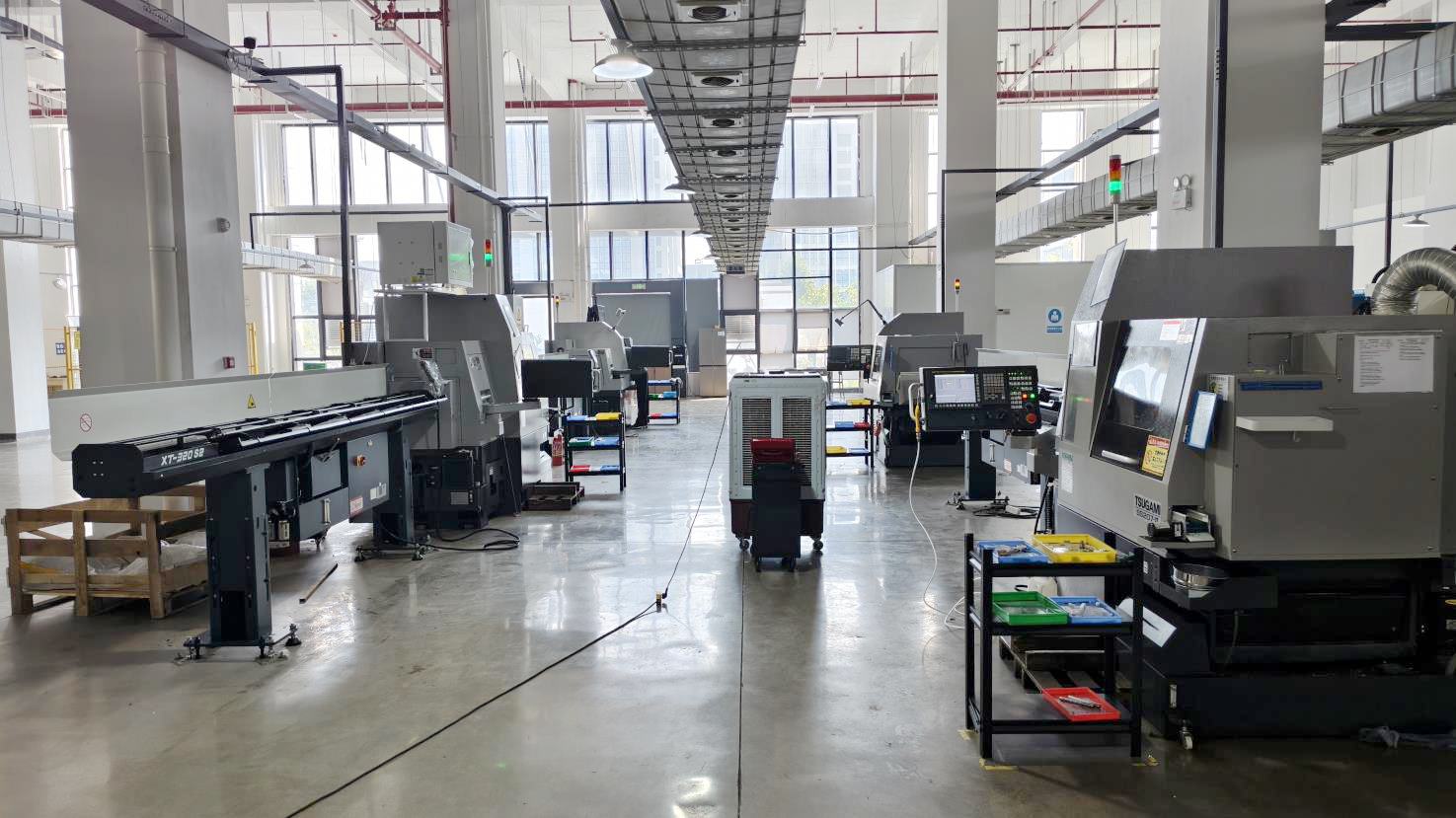
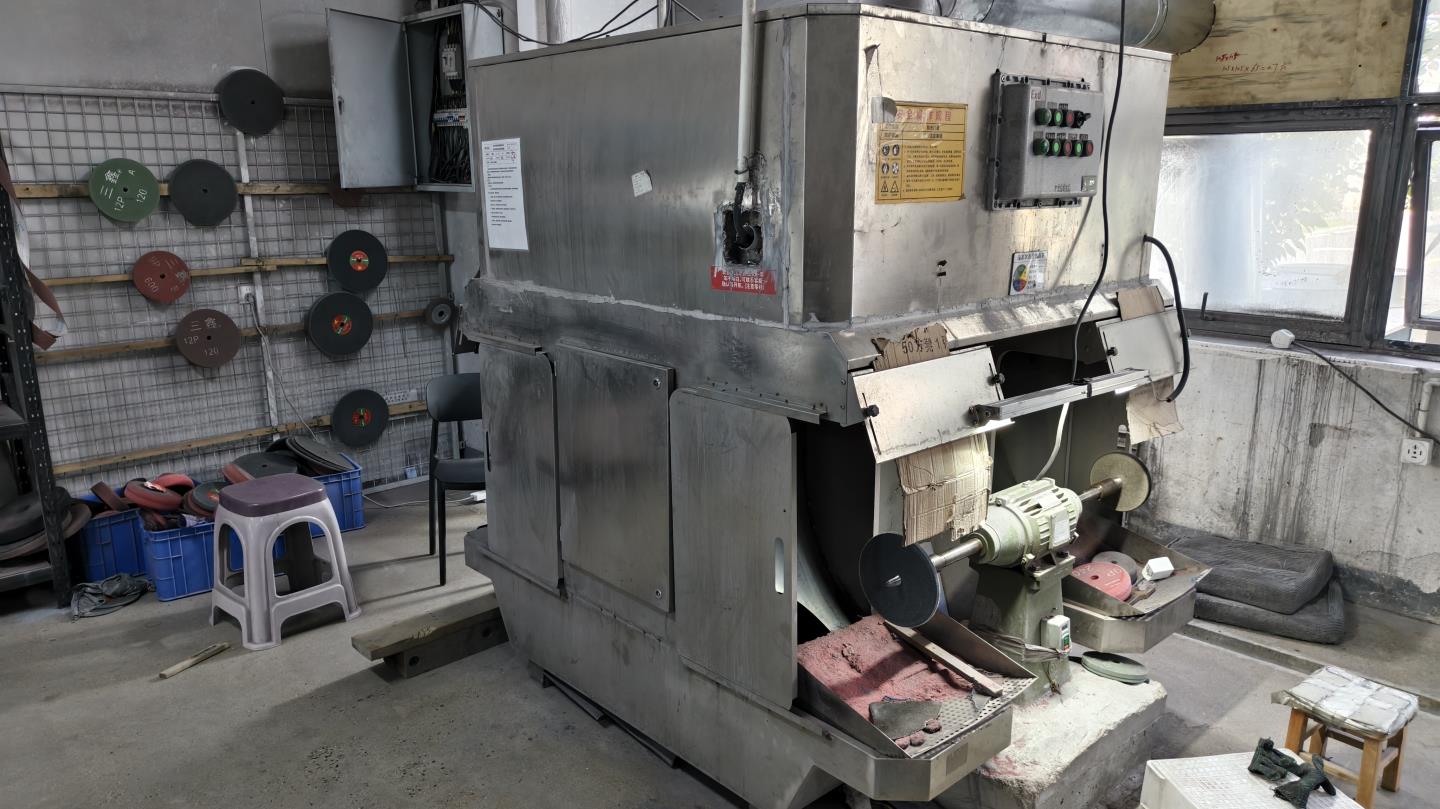
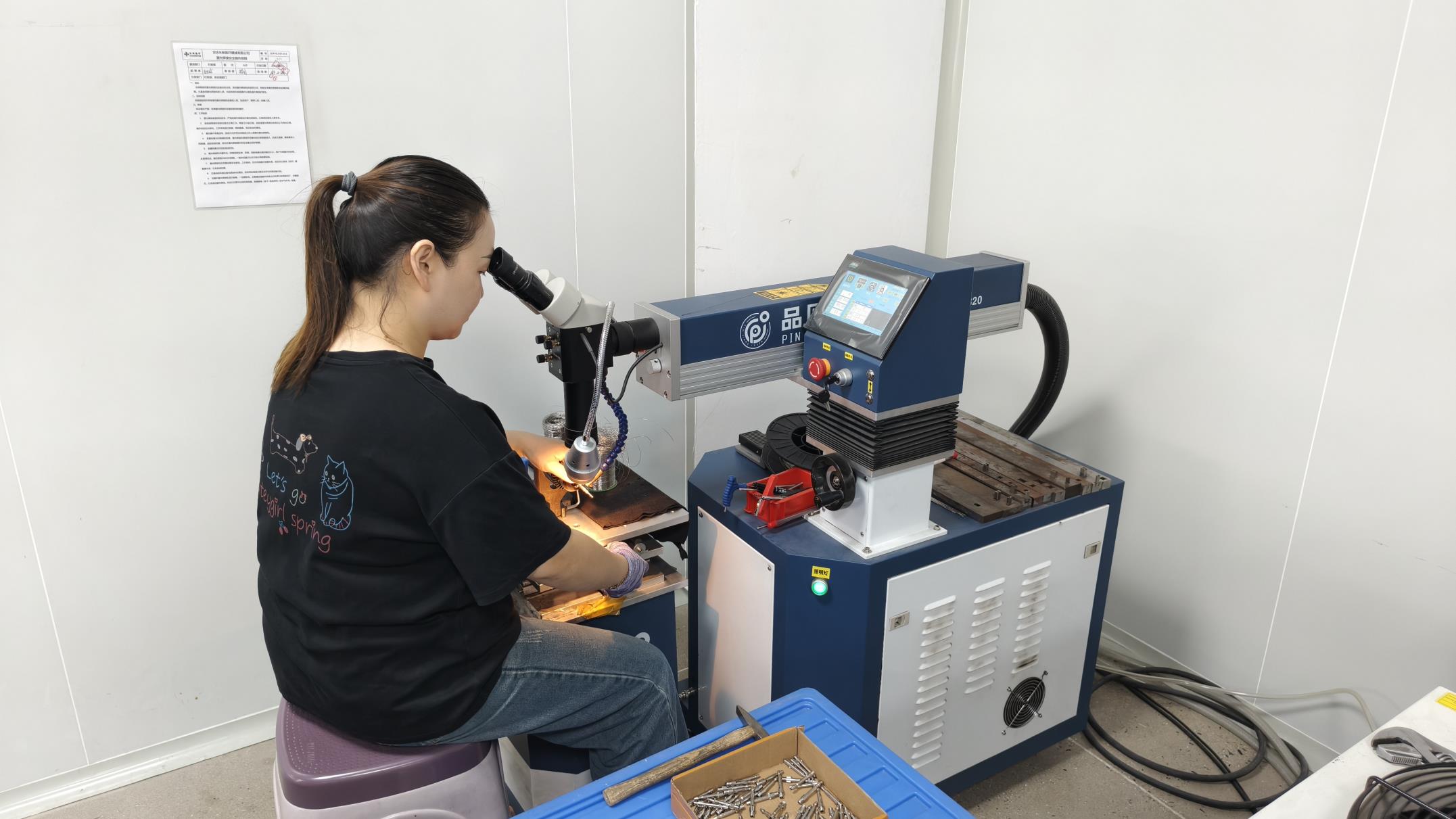
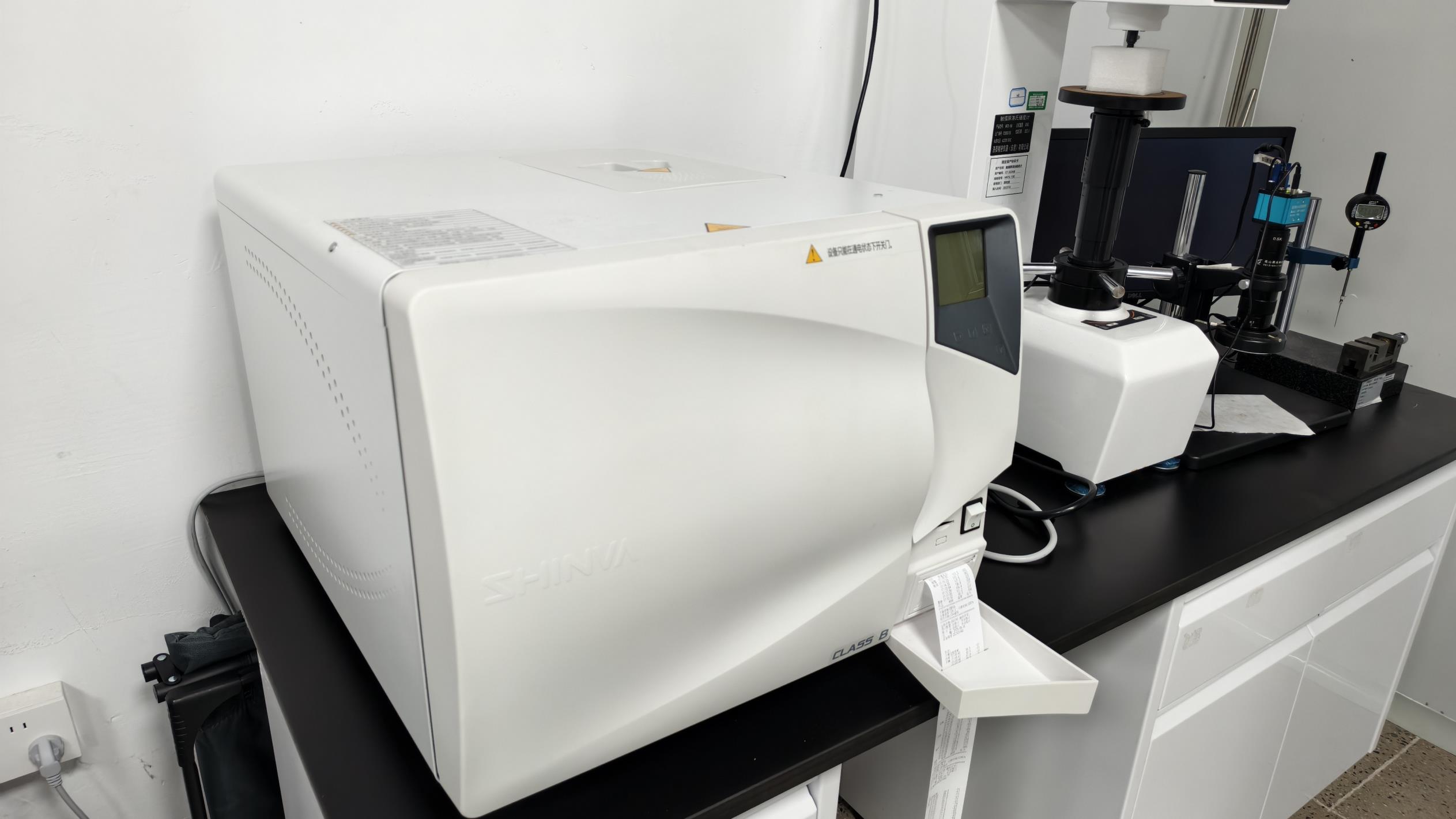
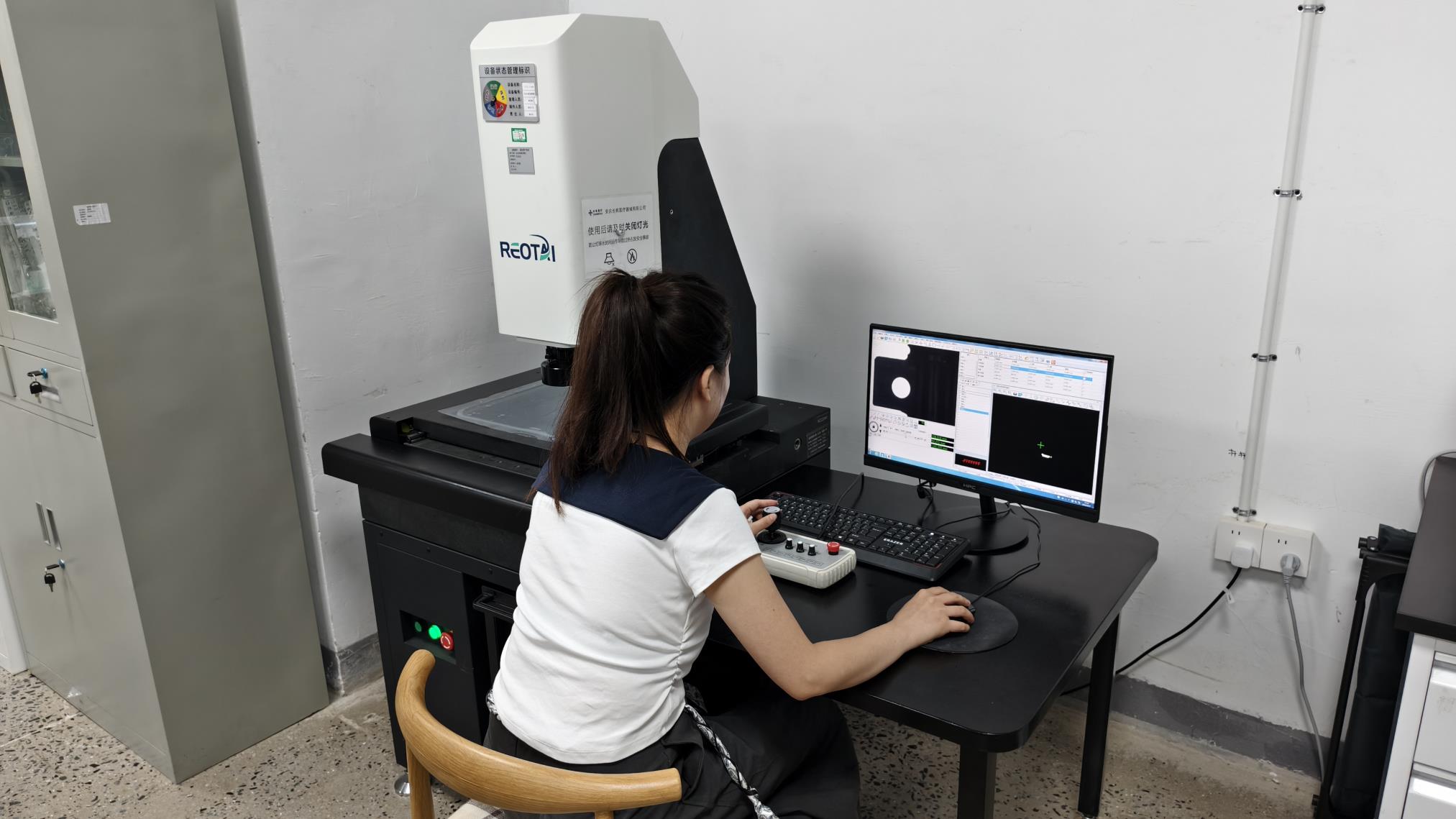
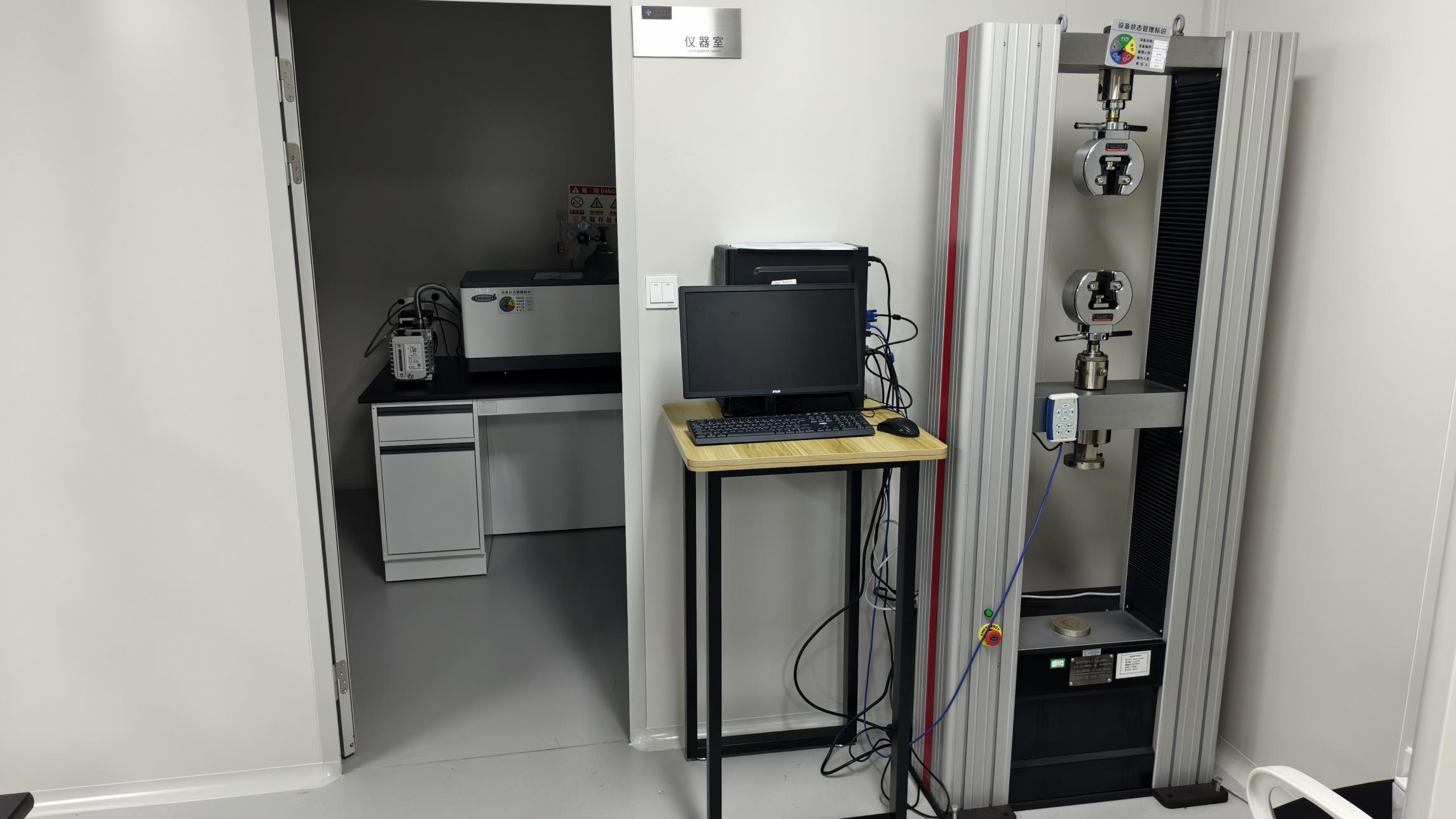
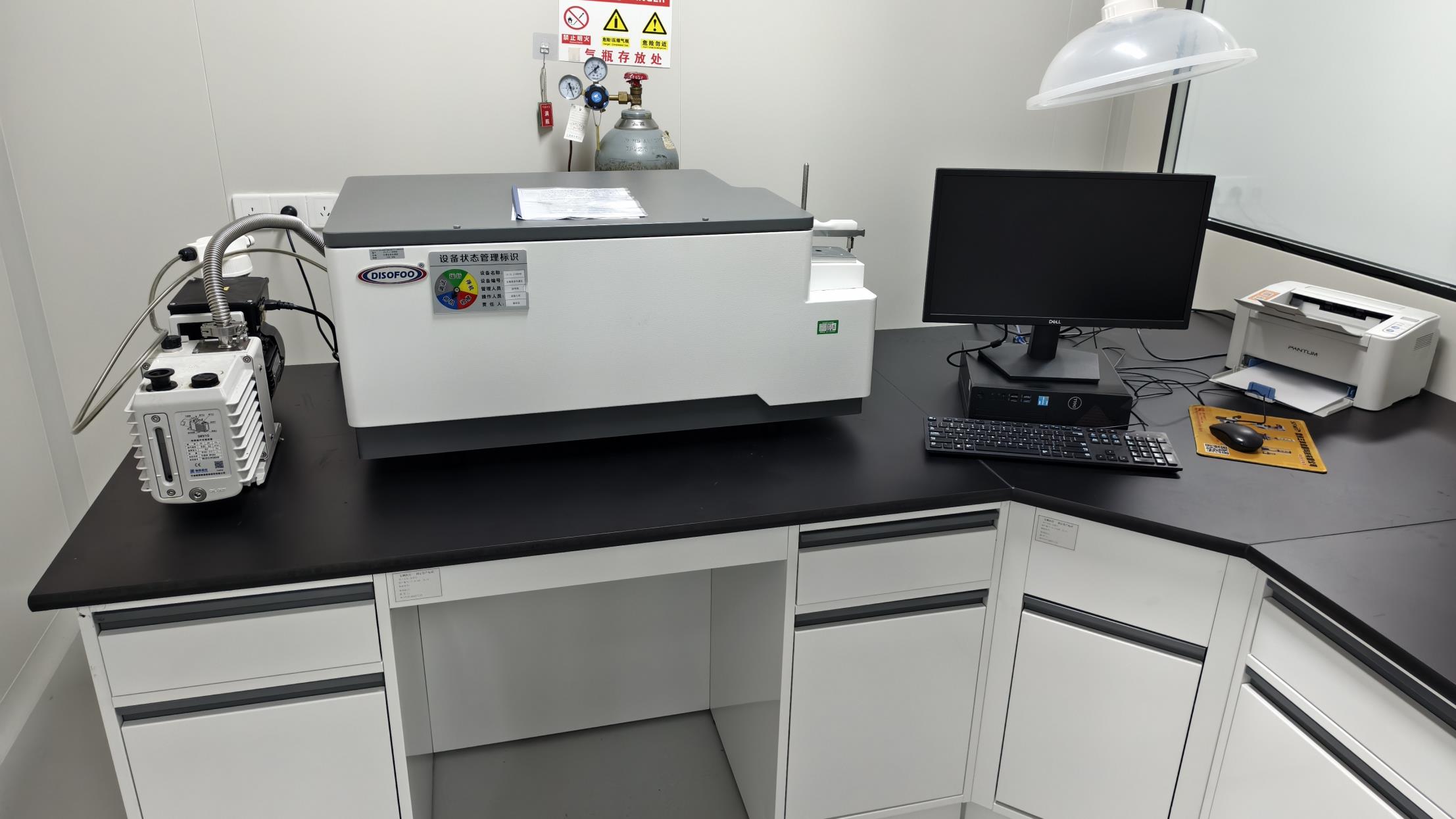
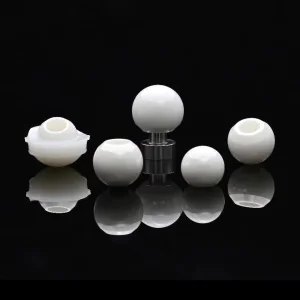
Synoviq Medical Technology utilizes state-of-the-art Swiss-type CNC machines, multi-axis grinding units, and automated surface treatment setups to ensure the highest micro-tolerance execution. In the orthopedic sector, where a variation of a few microns can lead to implant fatigue or joint instability, our Industry 4.0 workflow ensures that every batch of hip stems, ceramic femoral heads, and tibial inserts exhibits near-zero defect rates.
By digitizing the entire production flow—from incoming medical-grade titanium alloy bar verification (using optical spectrometers and metallographic analysis) to final sterilization validations—we assure global medical distributors of absolute supply chain transparency and reliability.
Synoviq Medical Technology (China) Co., Ltd. is a professional manufacturer of orthopedic implants and surgical instruments, dedicated to delivering innovative, reliable, and high-quality medical solutions for healthcare professionals worldwide. Since its establishment, Synoviq has focused on research, development, precision manufacturing, and international quality standards, providing comprehensive OEM and ODM services for global medical device brands, distributors, and hospitals.
Our product portfolio includes trauma fixation systems, spinal implants, locking plates, intramedullary nails, external fixation systems, orthopedic screws, surgical instruments, and customized orthopedic solutions. Equipped with advanced CNC machining centers, precision inspection equipment, and modern clean production facilities, we ensure every product meets strict international quality requirements.
| Item | Information |
|---|---|
| Company Name | Synoviq Medical Technology (China) Co., Ltd. |
| Brand | Synoviq |
| Established | March 18, 2016 |
| Building Area | 18,600 m² |
| Annual Export Revenue | USD 21.8 Million |
| Export Experience | 8 Years |
| Industry Experience | 14 Years |
| Quality Inspection | 100% Final Inspection & Incoming Material Inspection |
| Product Inspection Methods | CMM Measurement, Mechanical Testing, Surface Roughness Testing, Hardness Testing, Salt Spray Testing, Sterility Validation |
| Quality Control Staff | 48 |
| Business Type | Manufacturer & Exporter (OEM/ODM) |
| Main Markets | Europe, North America, South America, Middle East, Southeast Asia, West Africa (including Ghana) |
| Supply Chain Partners | 1,120+ |
| Main Customer Types | Medical Device Brands, Importers, Distributors, Hospitals, Government Procurement Projects |
| R&D Capability | Independent Product Design, Prototype Development, Clinical-Oriented Engineering, OEM & ODM Development |
| Customization Options | Logo Customization, Packaging Customization, Product Design Customization, Material Selection, Surface Treatment |
| New Products Released Last Year | 186 |
| R&D Engineers | 76 |
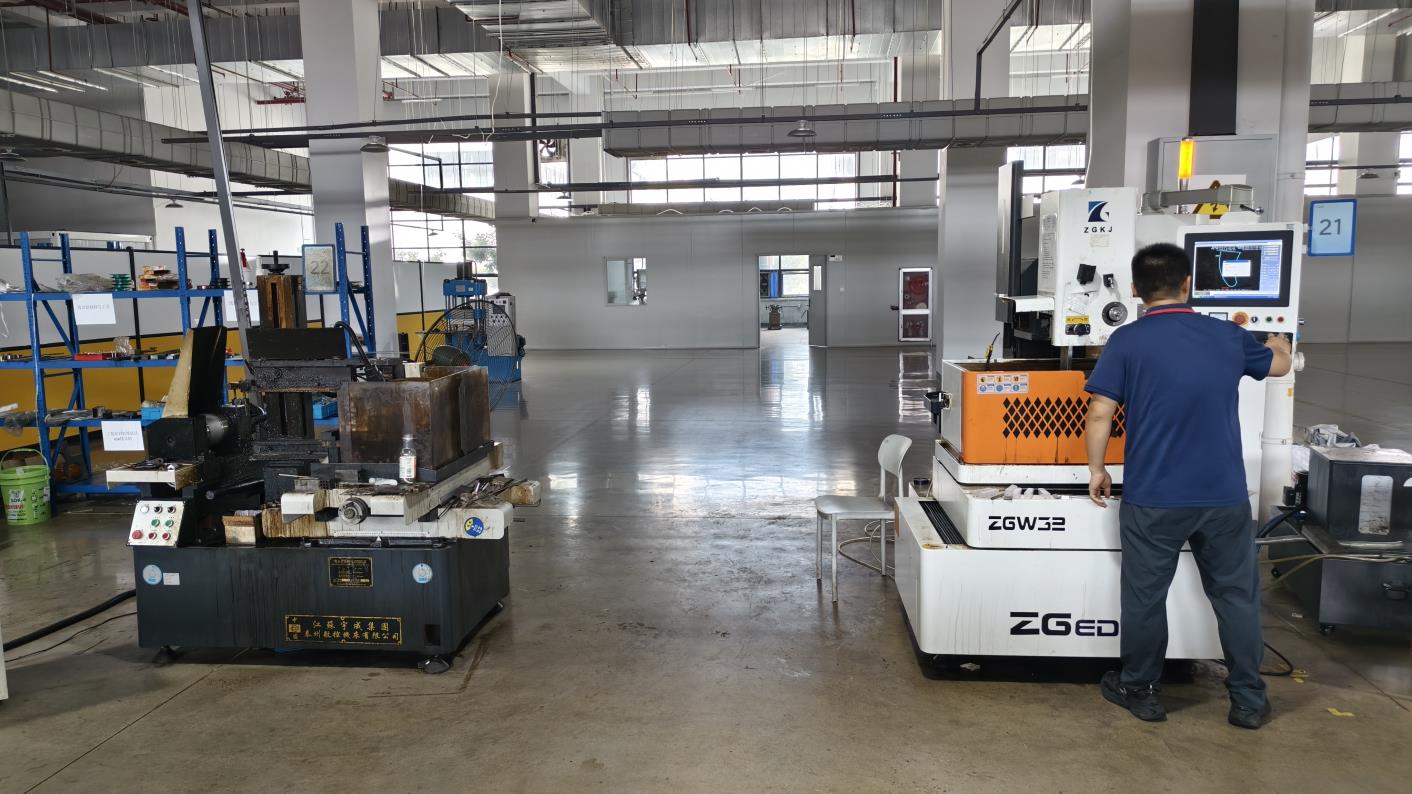
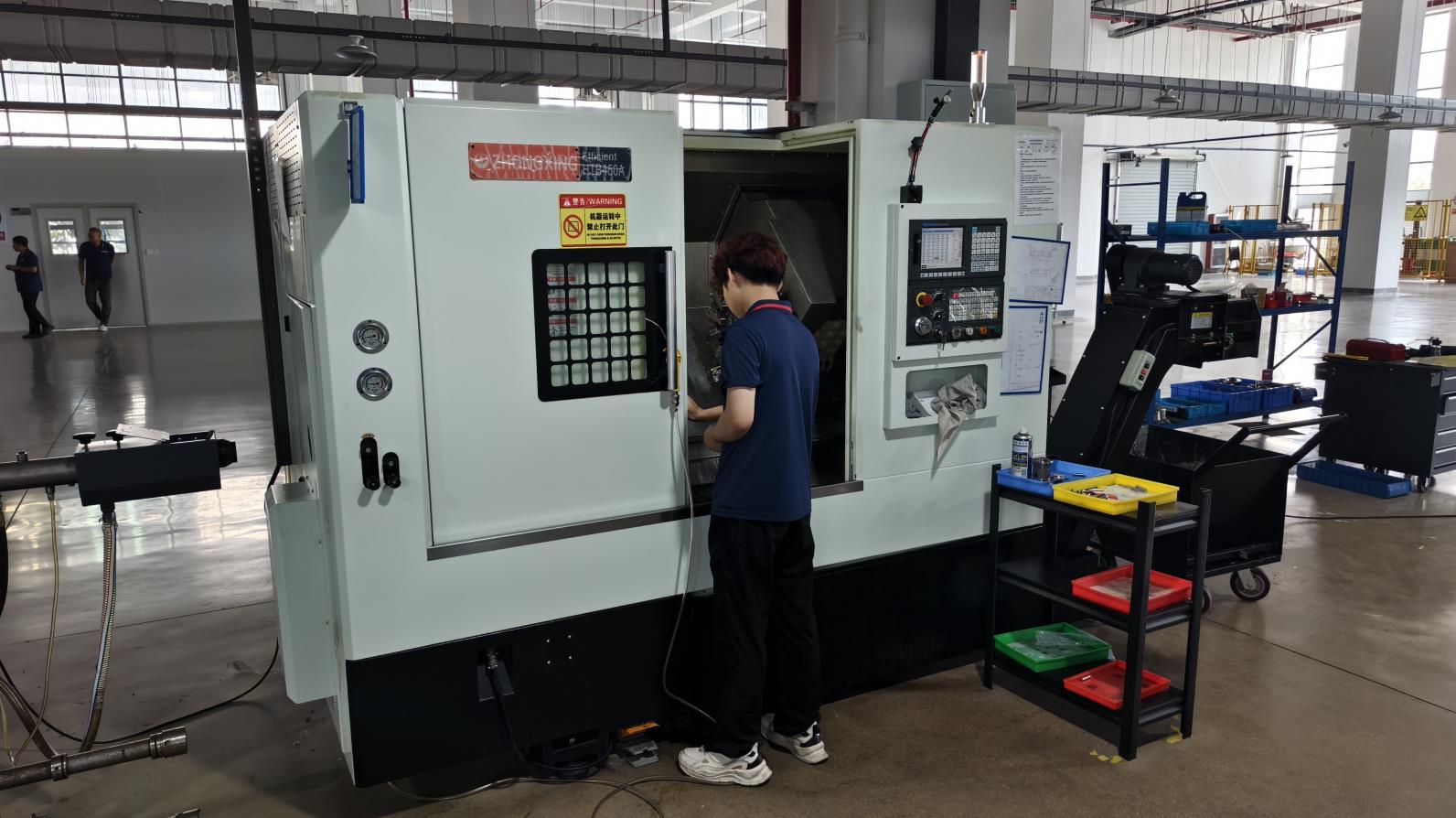
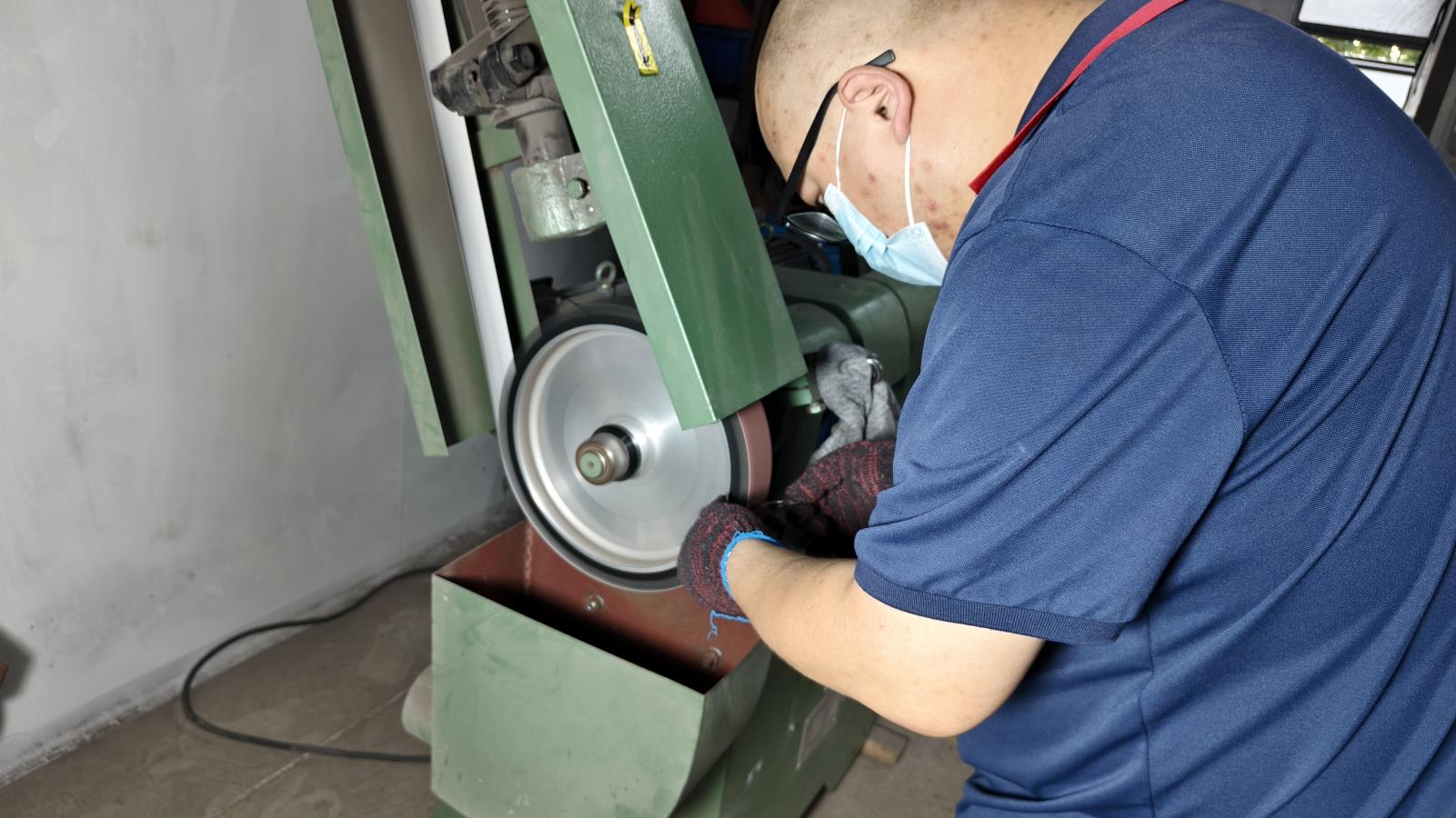
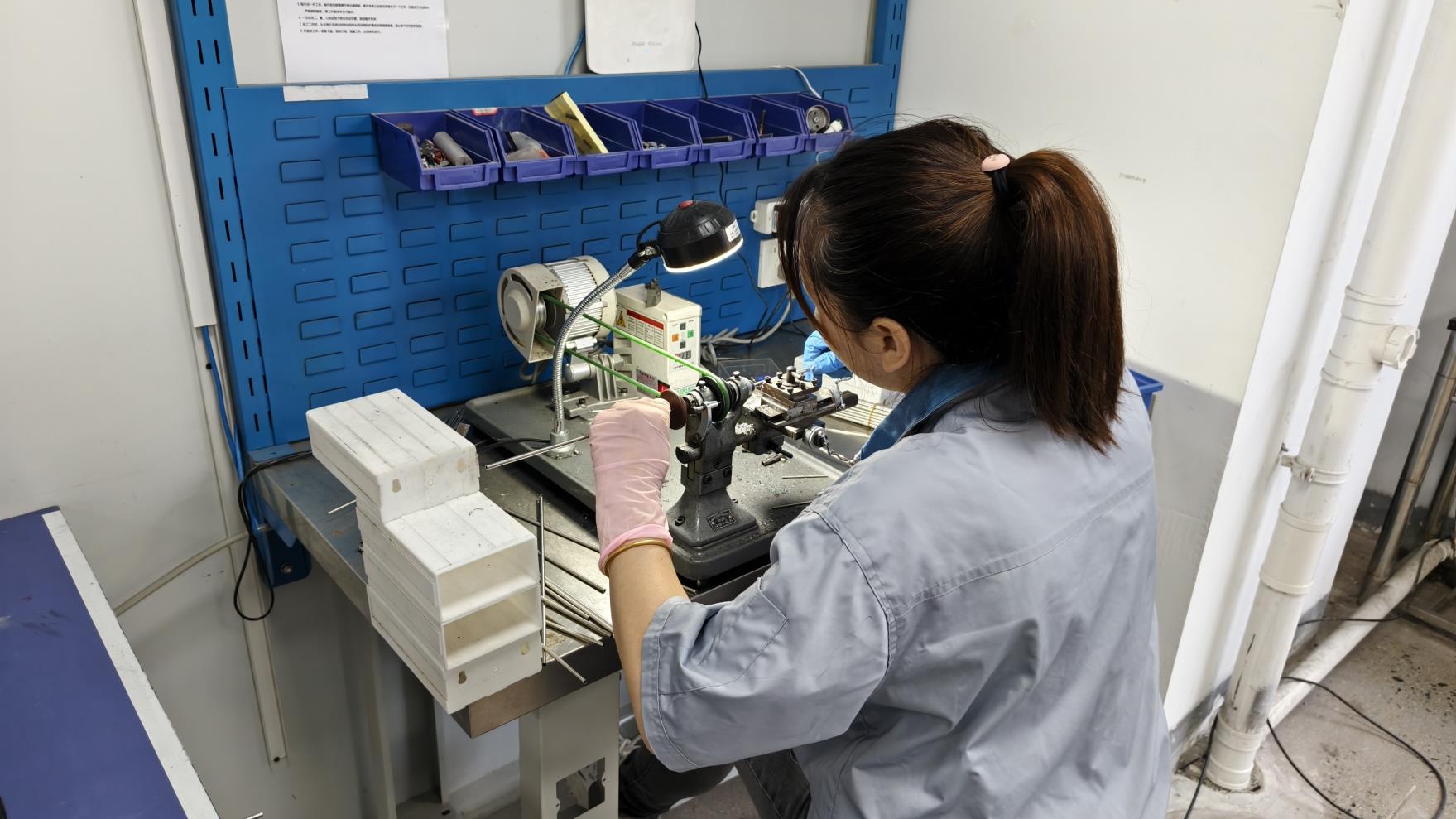
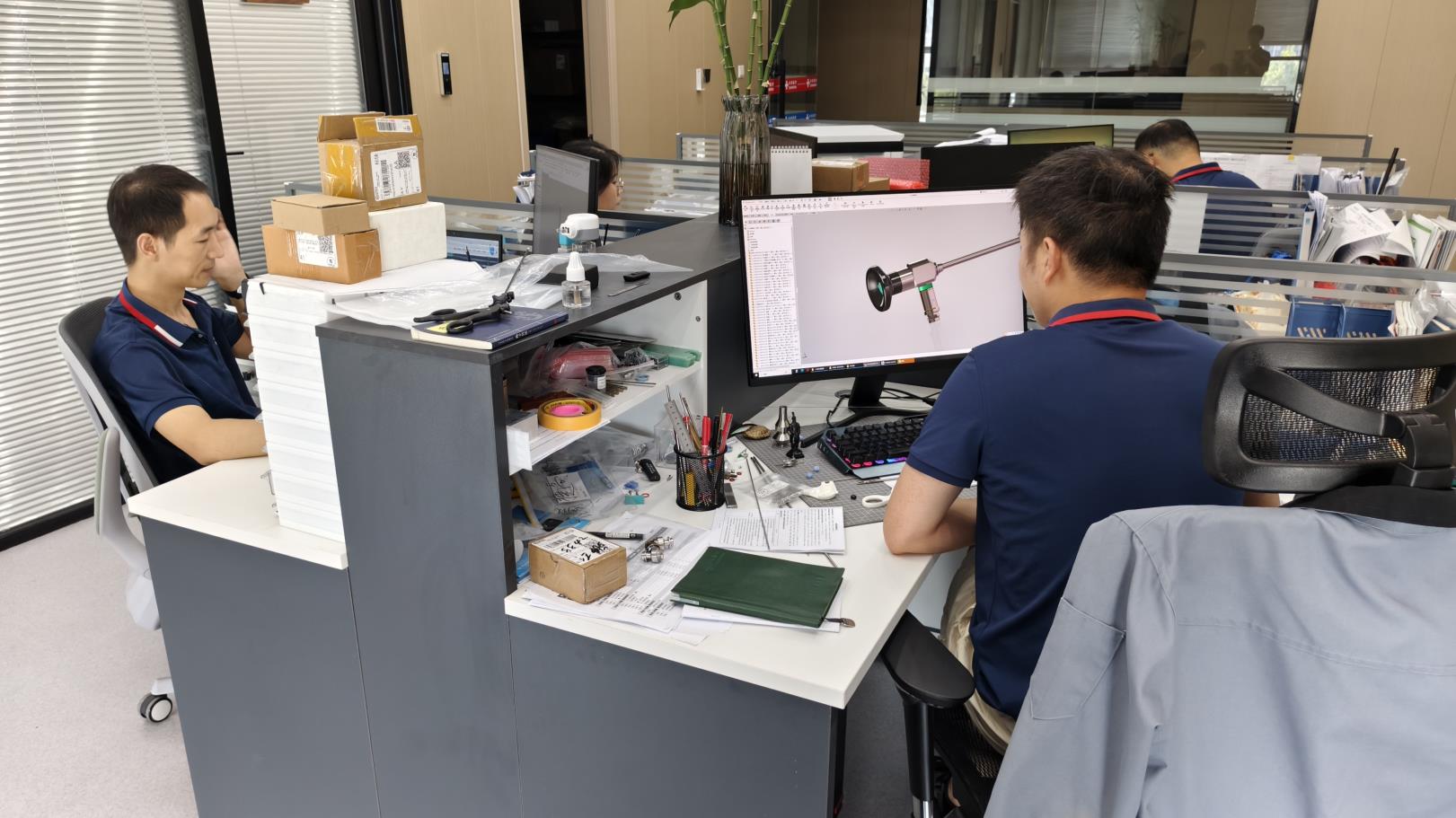
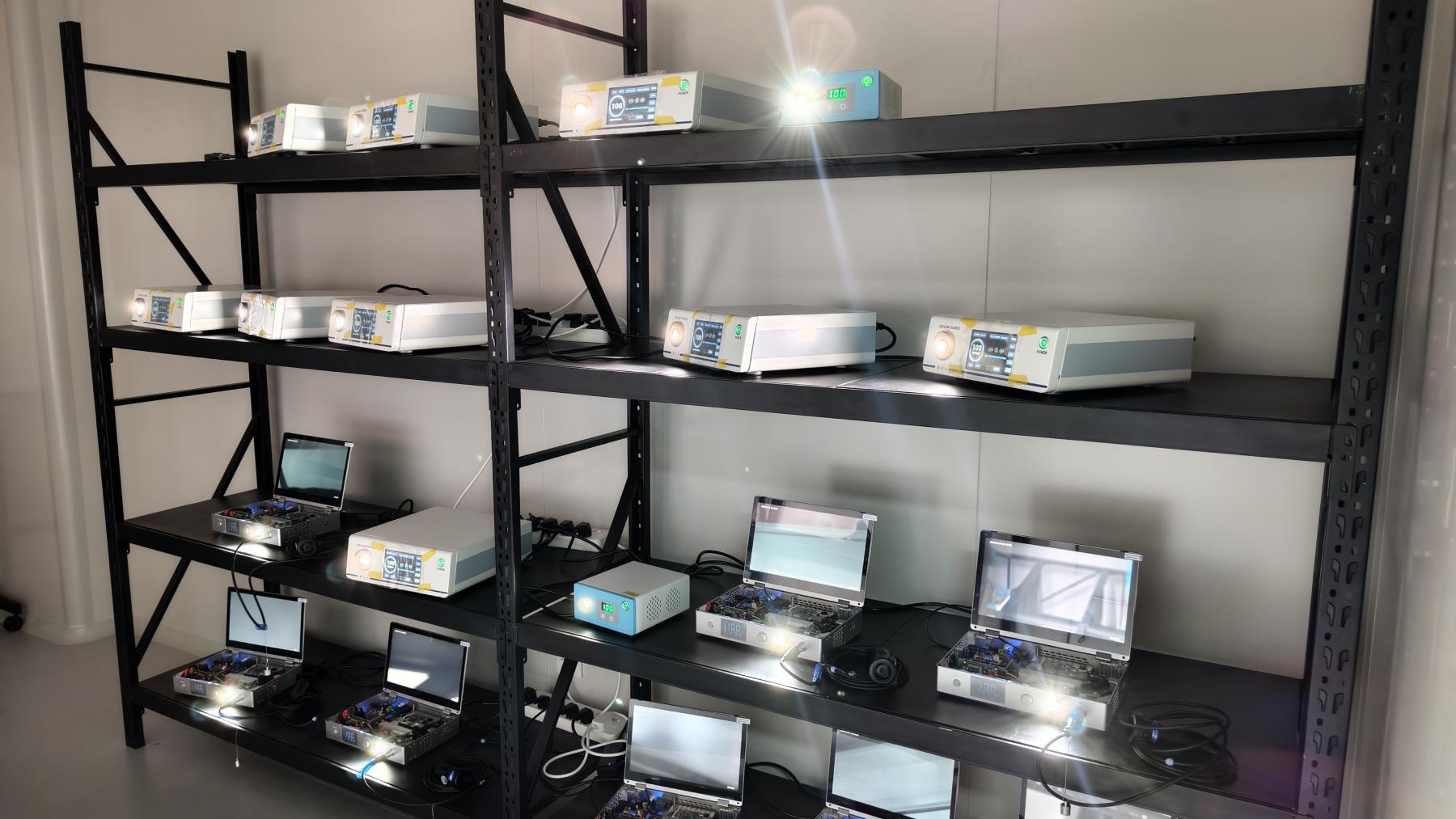
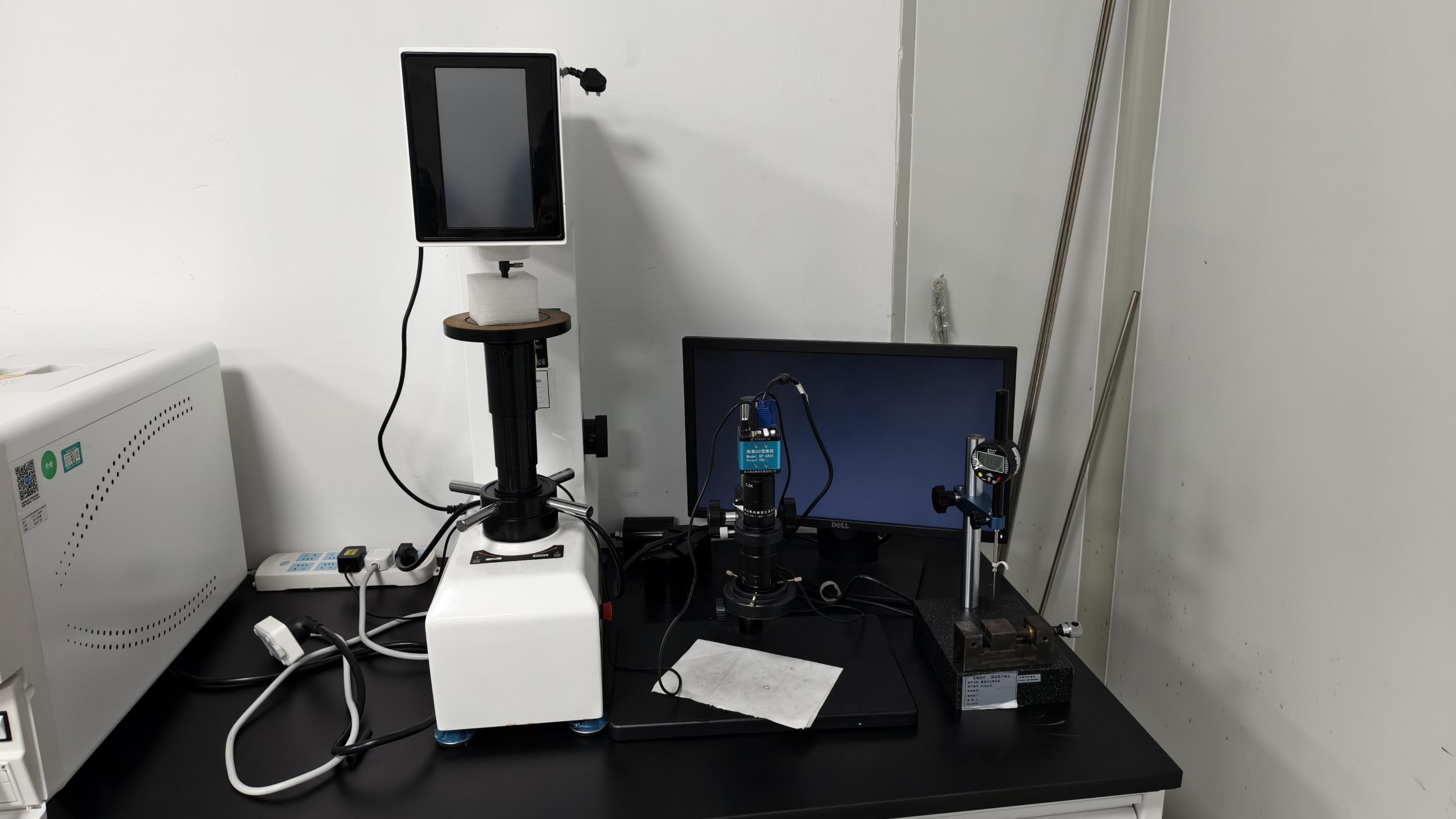
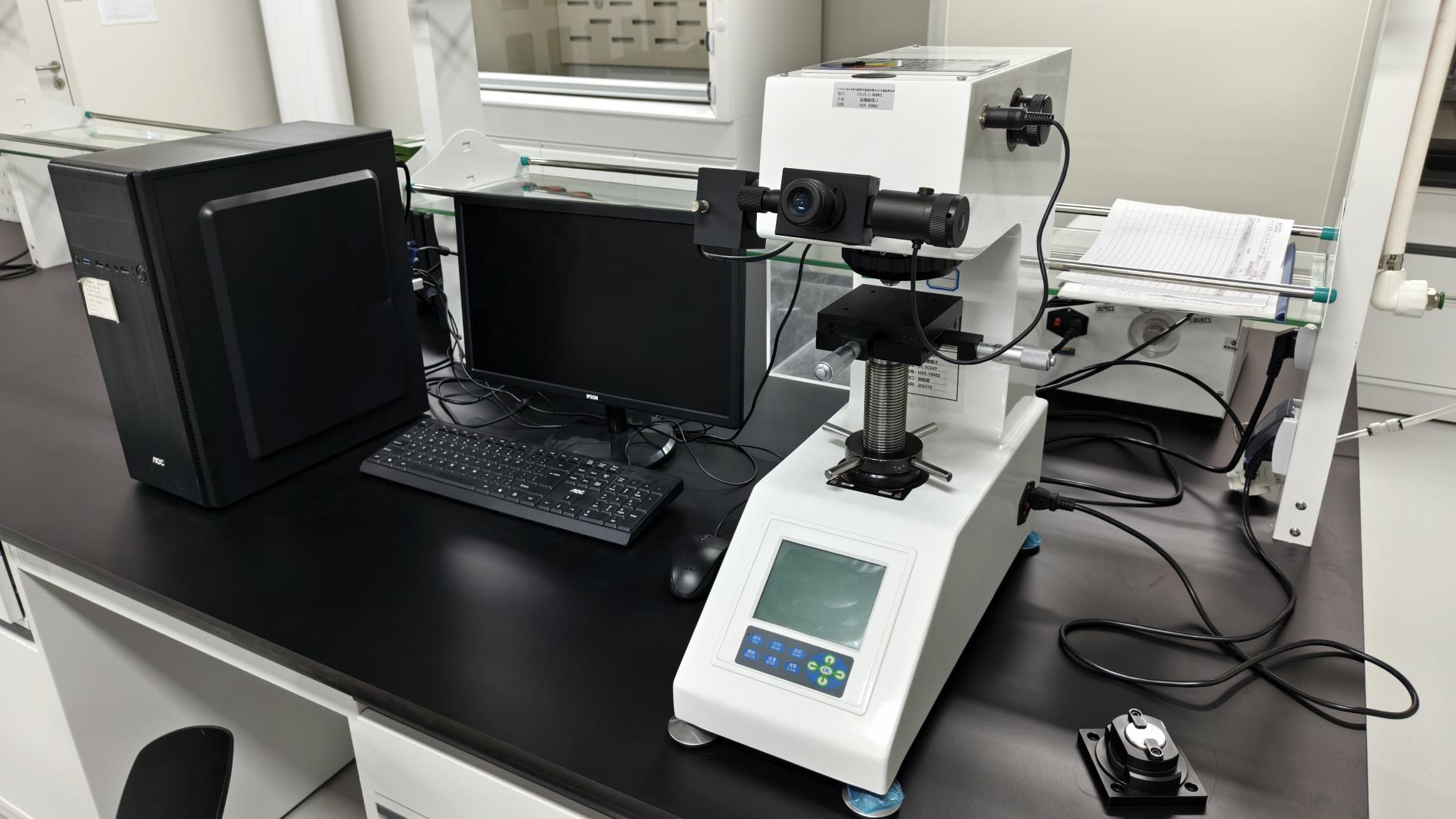
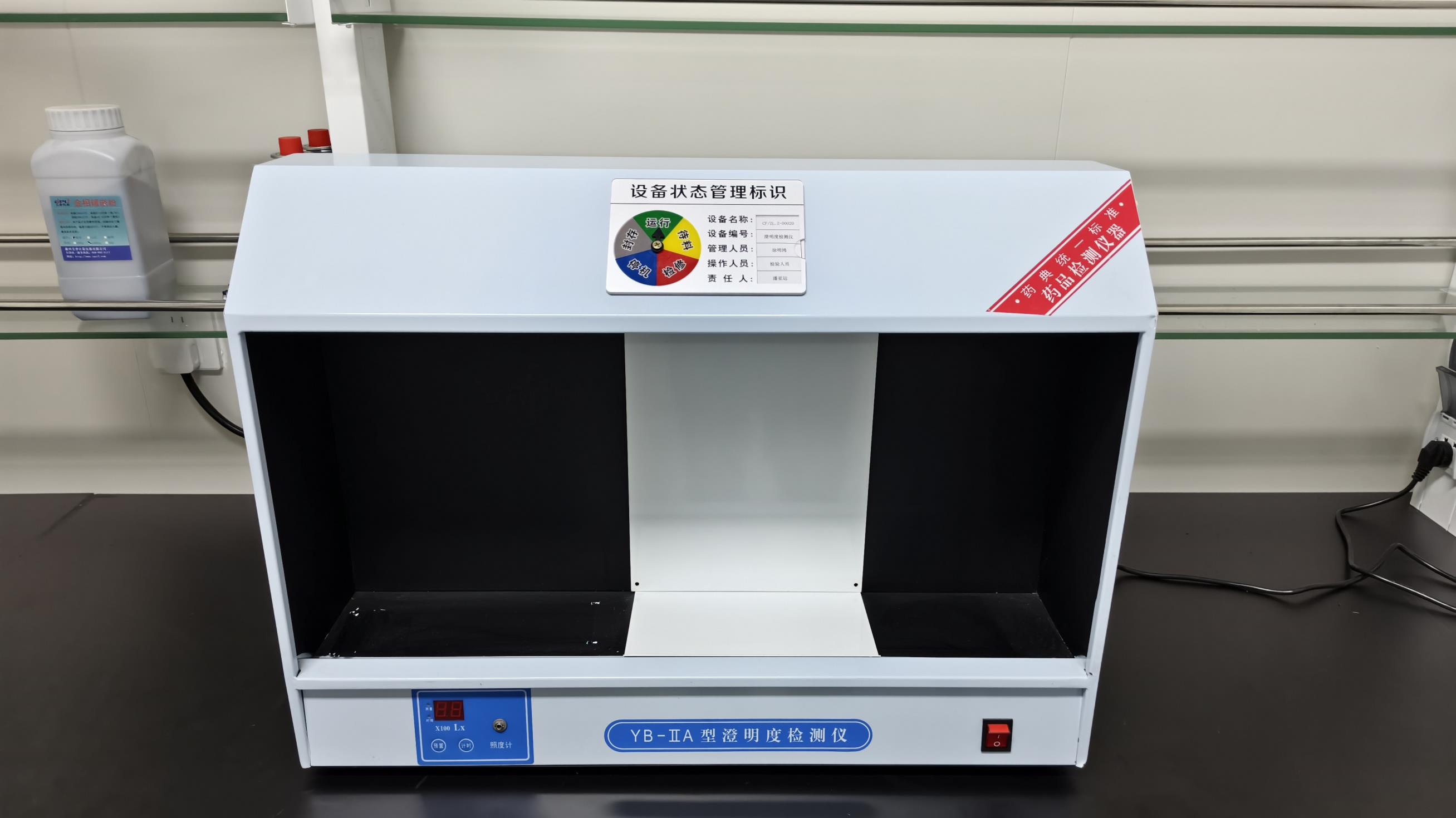
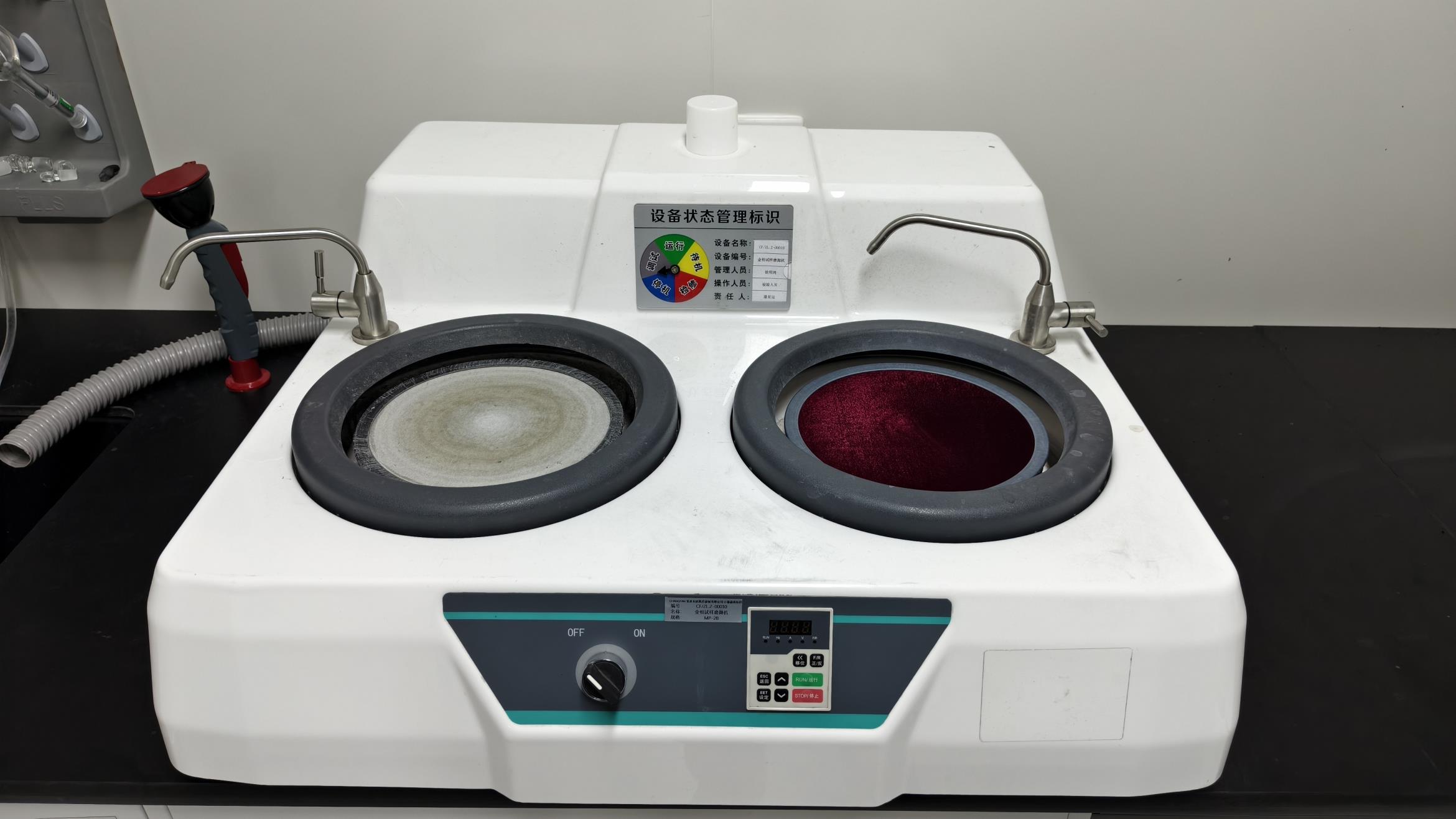
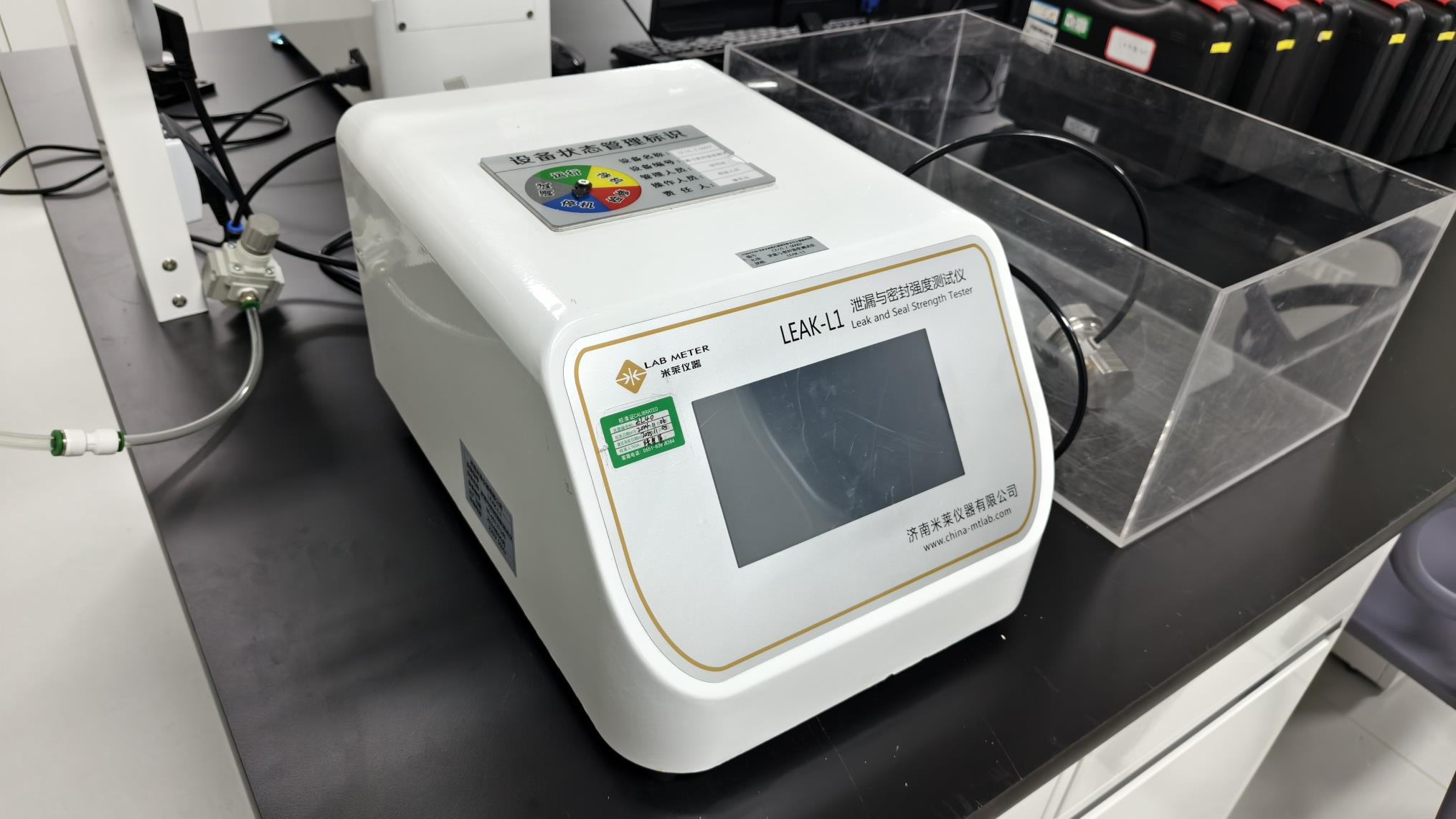
Prosthetics must be optimized for regional anatomical differences. Synoviq's engineering teams collaborate with global medical groups to analyze anthropometric variances in femoral head diameters, offset ranges, and tibial plateau sizing. For the West African demographic, the following configurations are prioritized:
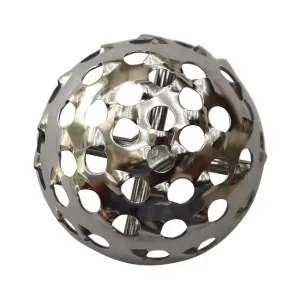
For younger patients requiring high stability under active load scenarios. The Titanium Plasma Spray + Hydroxyapatite (HA) coating facilitates biological osseointegration, ensuring long-term mechanical anchorage without the thermal necrosis risks of bone cement.
High dislocation risks represent a major clinical concern in primary and revision cases. The dual-mobility configuration provides a wider range of motion, reducing micro-instability and decreasing revision incidences. This is critical for patients who perform physical labor or have structural ligamentous laxity.
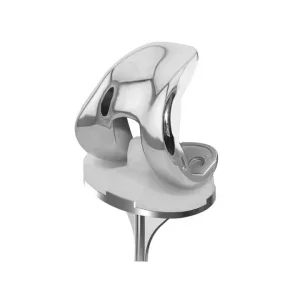
A primary consideration in advanced stages of osteoarthritis and severe varus/valgus knee deformities. The cam-and-post mechanism replaces the function of the posterior cruciate ligament (PCL), offering structural support for complex skeletal corrections.
Answers to key regulatory, manufacturing, and distribution queries from procurement agents and orthopedic distributors in Ghana.
Review our full list of orthopedic components, instruments, and specialized surgical equipment suitable for hospital operations across Ghana.
Connect with our technical export division to discuss customized pricing, shipping schedules to Tema port, registration documents, and product customization services.
 Synoviq Medical