 Synoviq Medical
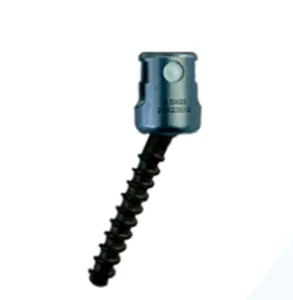
Optimized Minimally Invasive (MIS) and Cervical Fixation Solutions Engineered for Hungarian Clinical Standards.
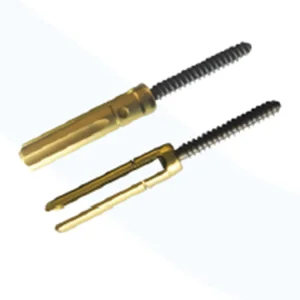
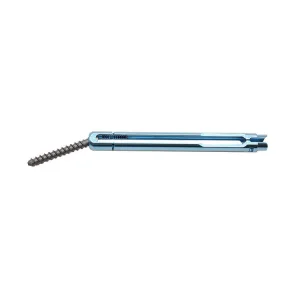
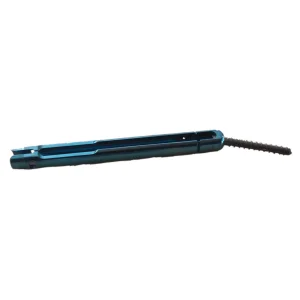
The Hungarian orthopedic and spinal implant market has entered a phase of rapid modernization and structural reform. Driven by the National Health Insurance Fund (NEAK - Nemzeti Egészségbiztosítási Alapkezelő) and supported by regional medical hubs such as Semmelweis University in Budapest and the National Center for Spinal Disorders (OGK), the demand for high-performance, cost-effective spinal fixation systems has risen dramatically.
With an aging population and a high incidence of degenerative disc diseases and spine trauma, public and private clinics across Hungary are actively optimizing their procurement frameworks. The transition from traditional open surgeries to Minimally Invasive Spine Surgery (MISS) is the primary driver of this evolution, presenting a high demand for precision-engineered multi-axial pedicle screws, cervical fixation plates, and titanium rod systems.
Medical device distribution in Hungary is governed strictly by the EU Medical Device Regulation (MDR 2017/745). Importers and hospitals mandate that suppliers hold comprehensive technical documentations, CE marks, and ISO 13485 certification. Alignment with the National Institute of Pharmacy and Nutrition (OGYÉI) regulations ensures that products can be registered and integrated smoothly into local procurement procedures.
Clinical needs in Hungary require spinal implants to demonstrate superior biomechanical stability and ease of instrumentation. Local spine surgeons categorize applications into three primary fields:
Synoviq's engineering teams focus on advanced technological trajectories to ensure Hungarian distributors remain at the cutting edge of the market:
A Trusted Partner for OEM/ODM Spinal Implants and Precision Orthopedic Instruments
Synoviq Medical Technology (China) Co., Ltd. is a professional manufacturer of orthopedic implants and surgical instruments, dedicated to delivering innovative, reliable, and high-quality medical solutions for healthcare professionals worldwide. Since our establishment, we have focused on research, development, precision manufacturing, and international quality standards, providing comprehensive OEM and ODM services for global medical device brands, distributors, and hospitals.
| Item | Information |
|---|---|
| Company Name | Synoviq Medical Technology (China) Co., Ltd. |
| Brand | Synoviq |
| Established | March 18, 2016 |
| Building Area | 18,600 m² |
| Annual Export Revenue | USD 21.8 Million |
| Export Experience | 8 Years |
| Industry Experience | 14 Years |
| Quality Inspection | 100% Final Inspection & Incoming Material Inspection |
| Product Inspection Methods | CMM Measurement, Mechanical Testing, Surface Roughness Testing, Hardness Testing, Salt Spray Testing, Sterility Validation |
| Quality Control Staff | 48 Specialists |
| Business Type | Manufacturer & Exporter (OEM/ODM) |
| Main Markets | Europe (including Hungary), North America, South America, Middle East, Southeast Asia |
| Supply Chain Partners | 1,120+ Verified Suppliers |
| Main Customer Types | Medical Device Brands, Importers, Distributors, Hospitals, Government Procurement Projects |
| R&D Capability | Independent Product Design, Prototype Development, Clinical-Oriented Engineering, OEM & ODM Development |
| Customization Options | Logo Customization, Packaging Customization, Product Design Customization, Material Selection, Surface Treatment |
| New Products Released Last Year | 186 Innovative SKUs |
| R&D Engineers | 76 Engineers |
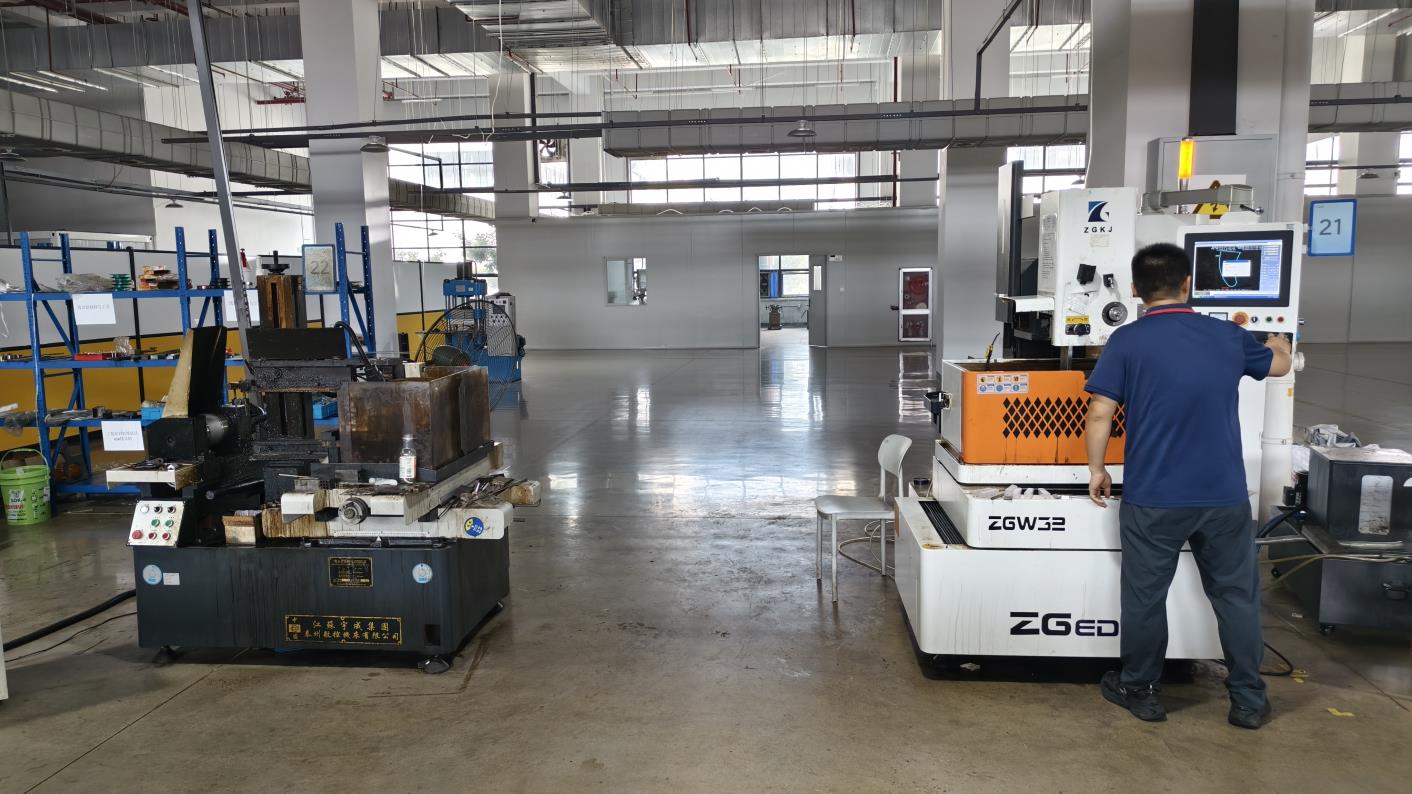
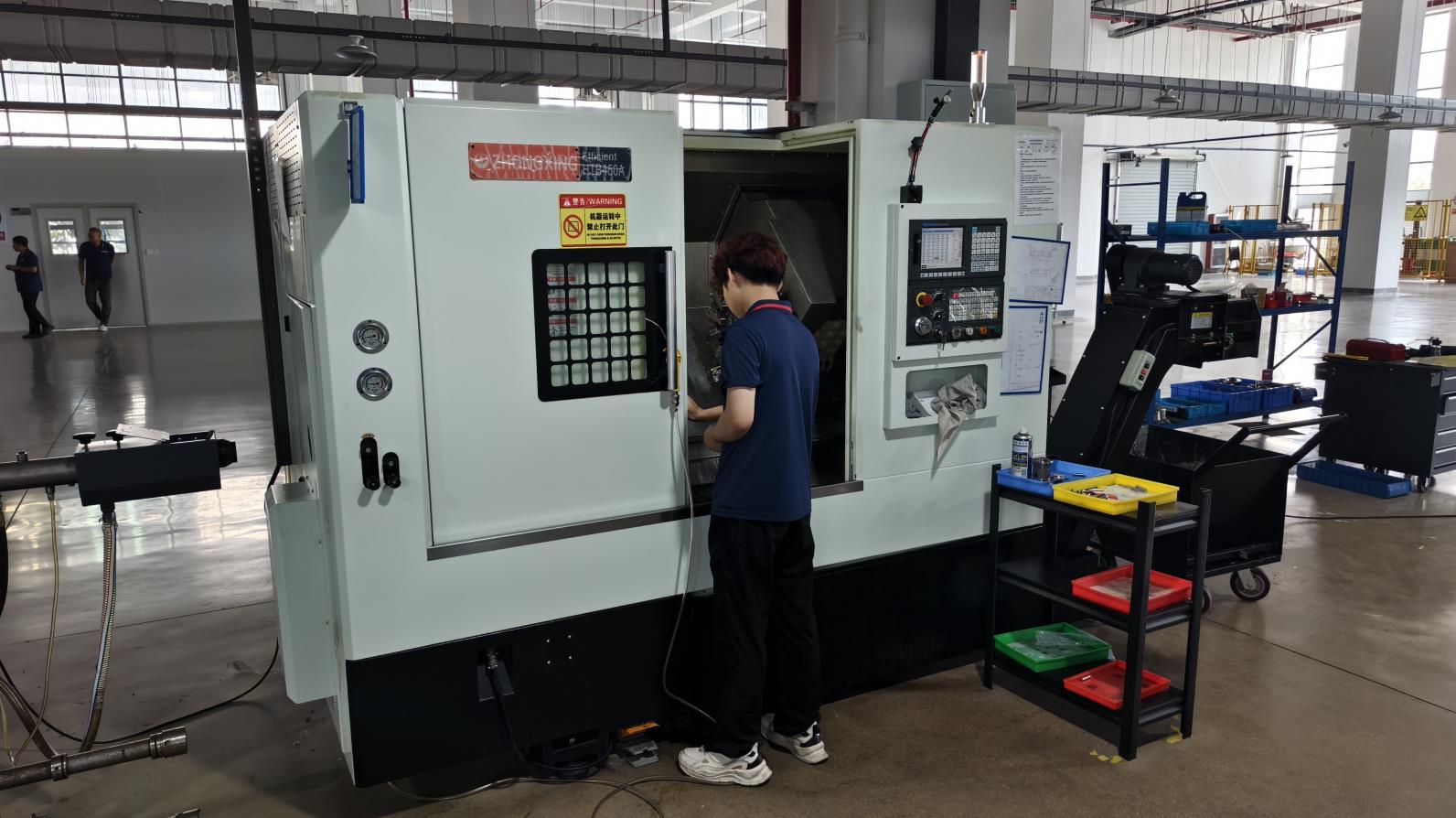
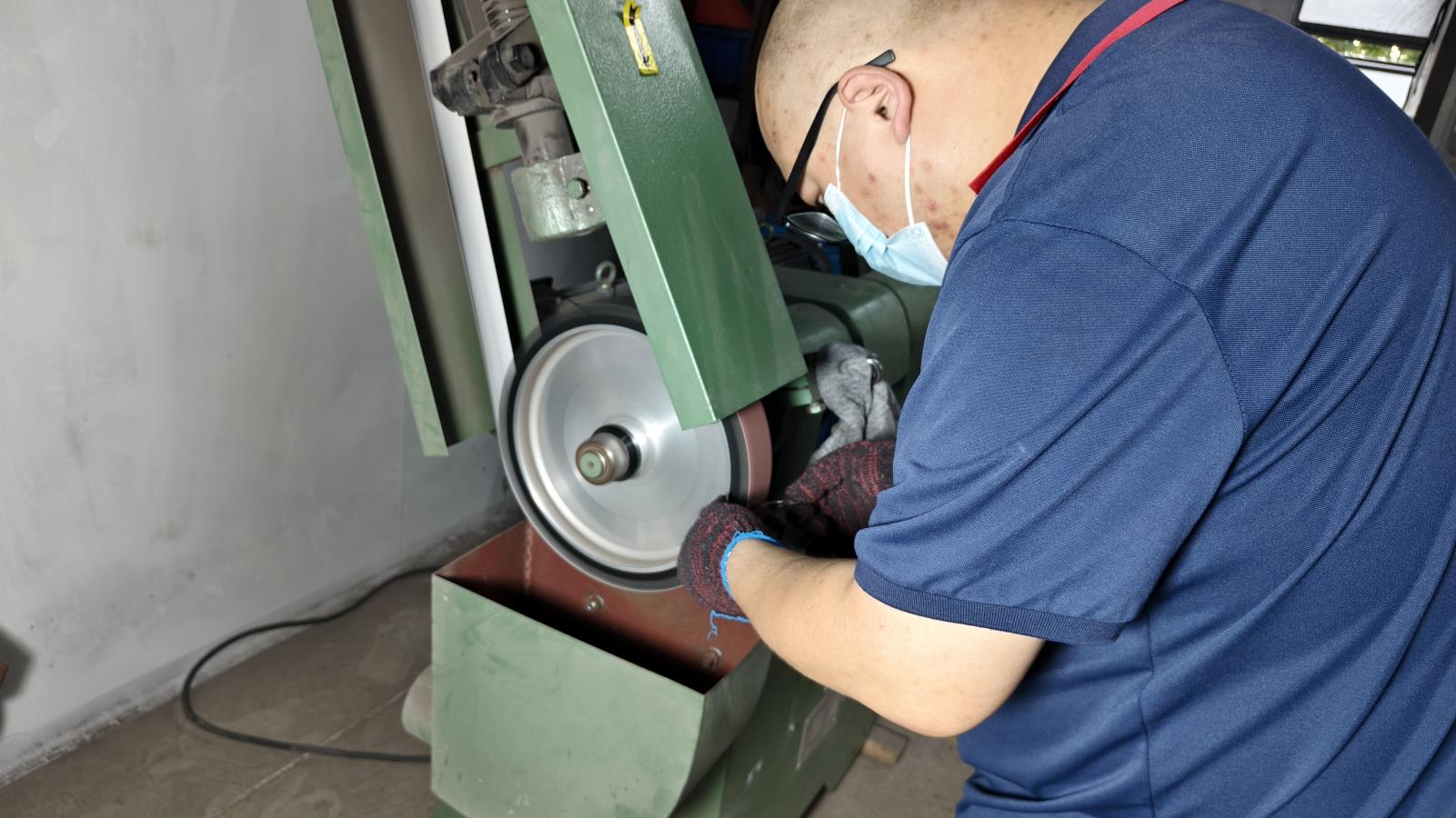
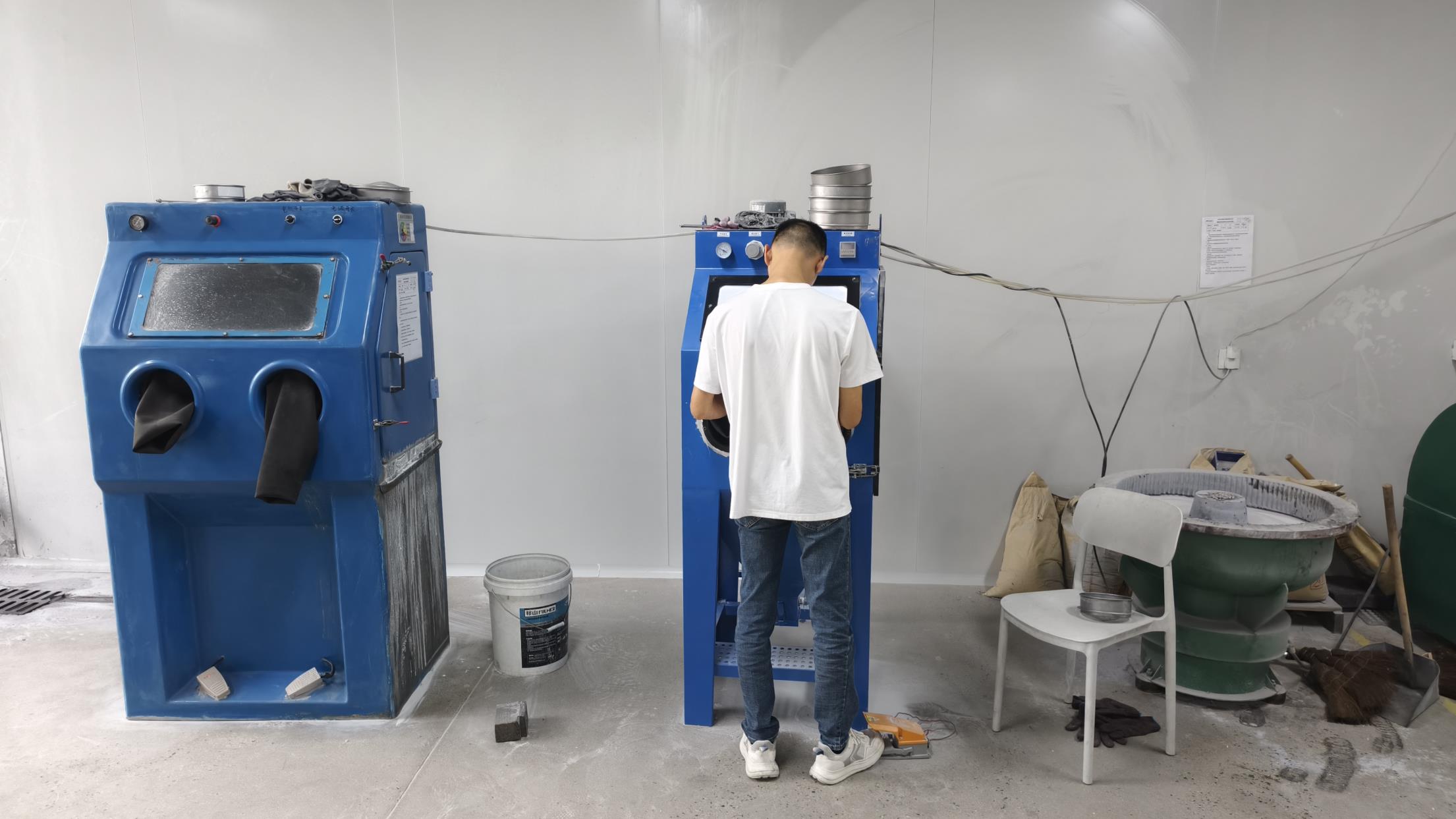
From Premium Raw Material to Sterilized Spinal Implants Ready for Hungarian Clinics
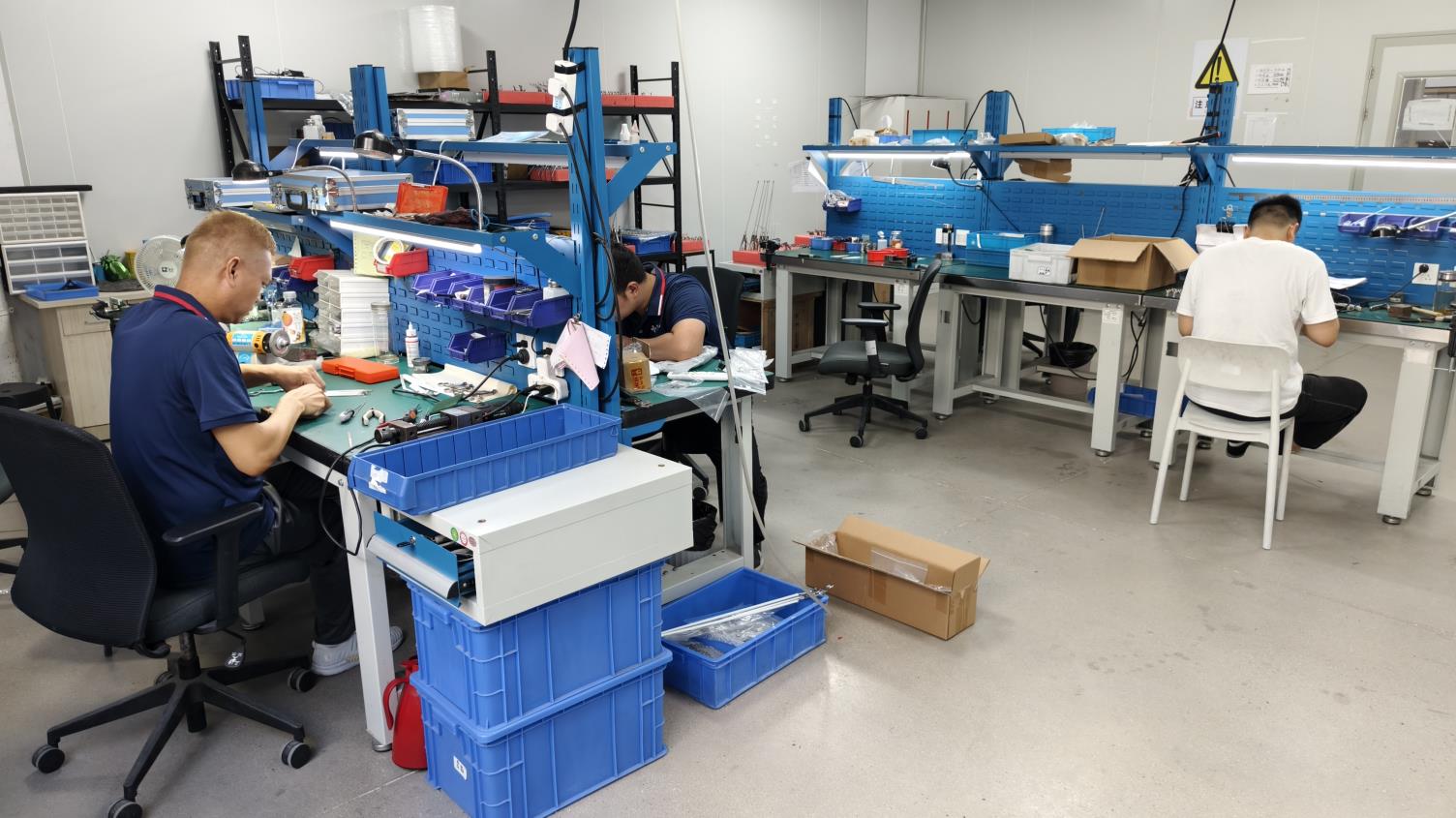
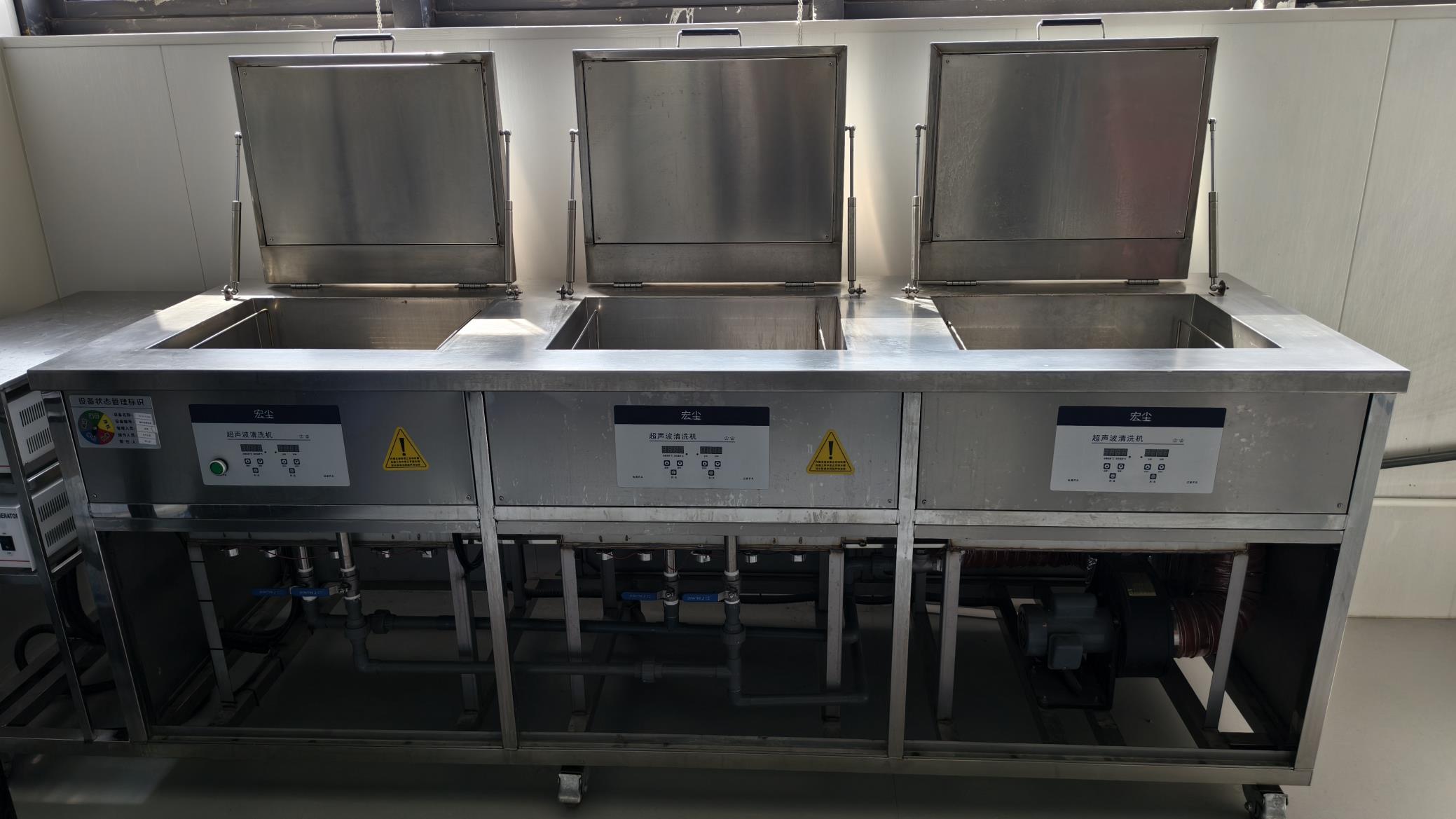
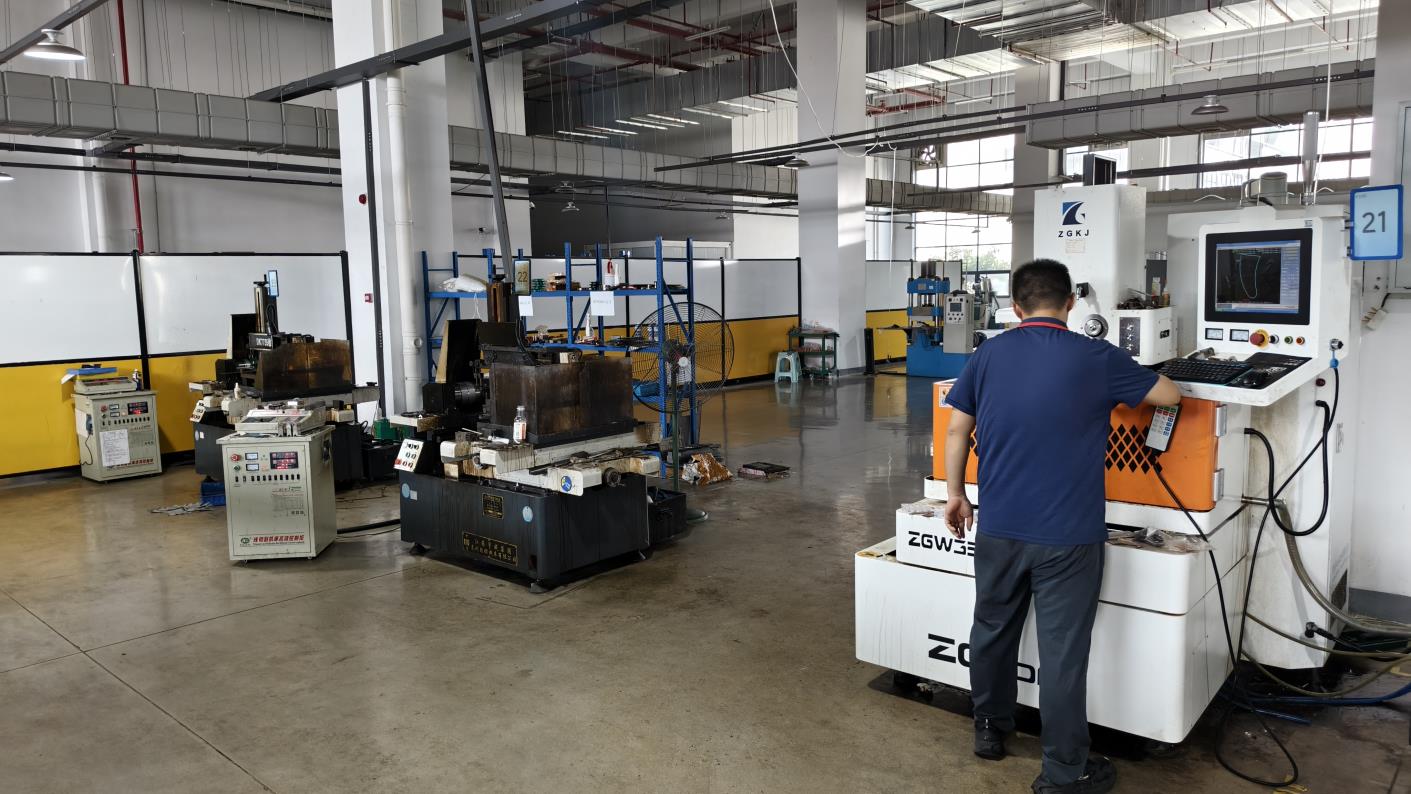
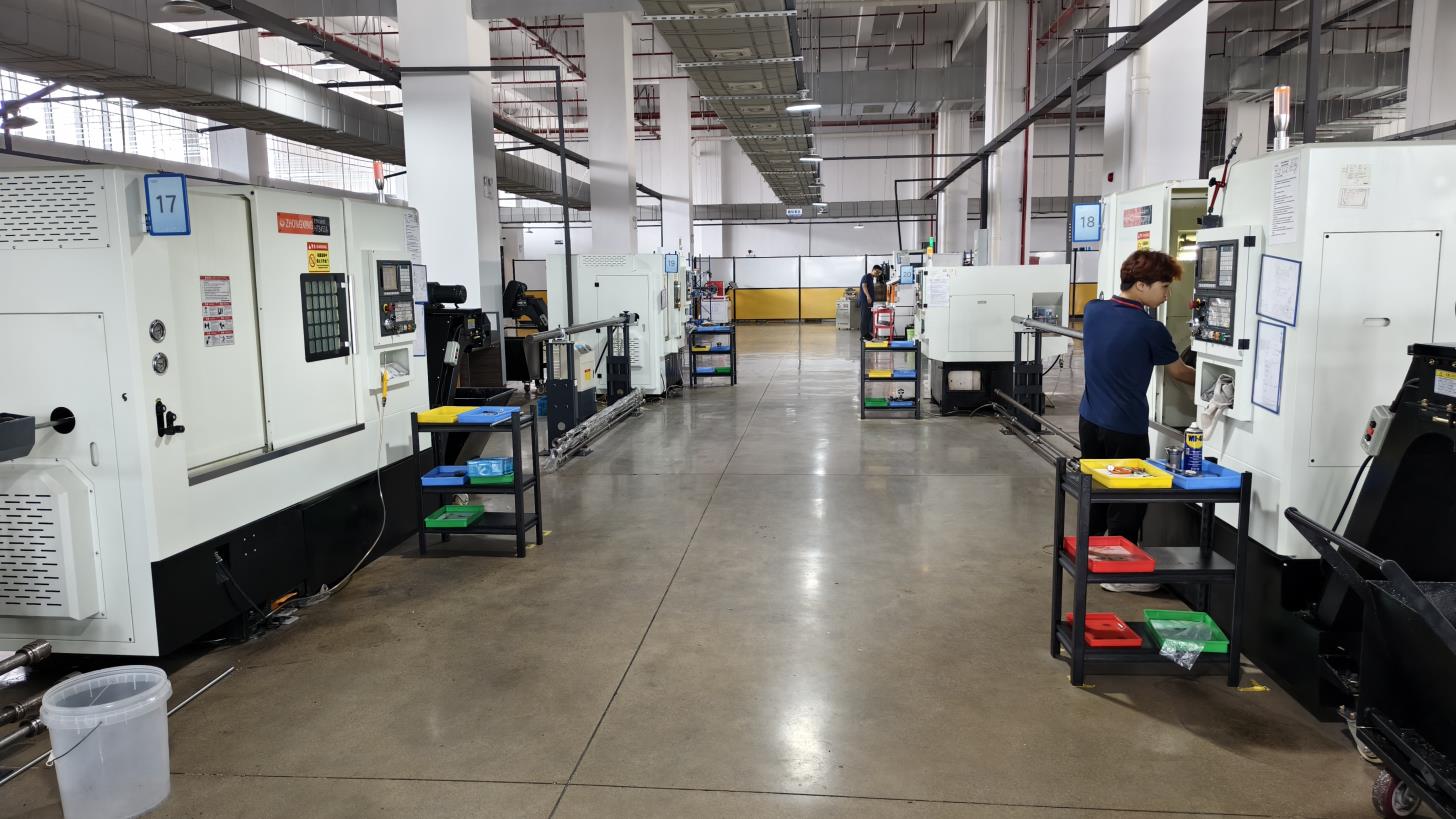
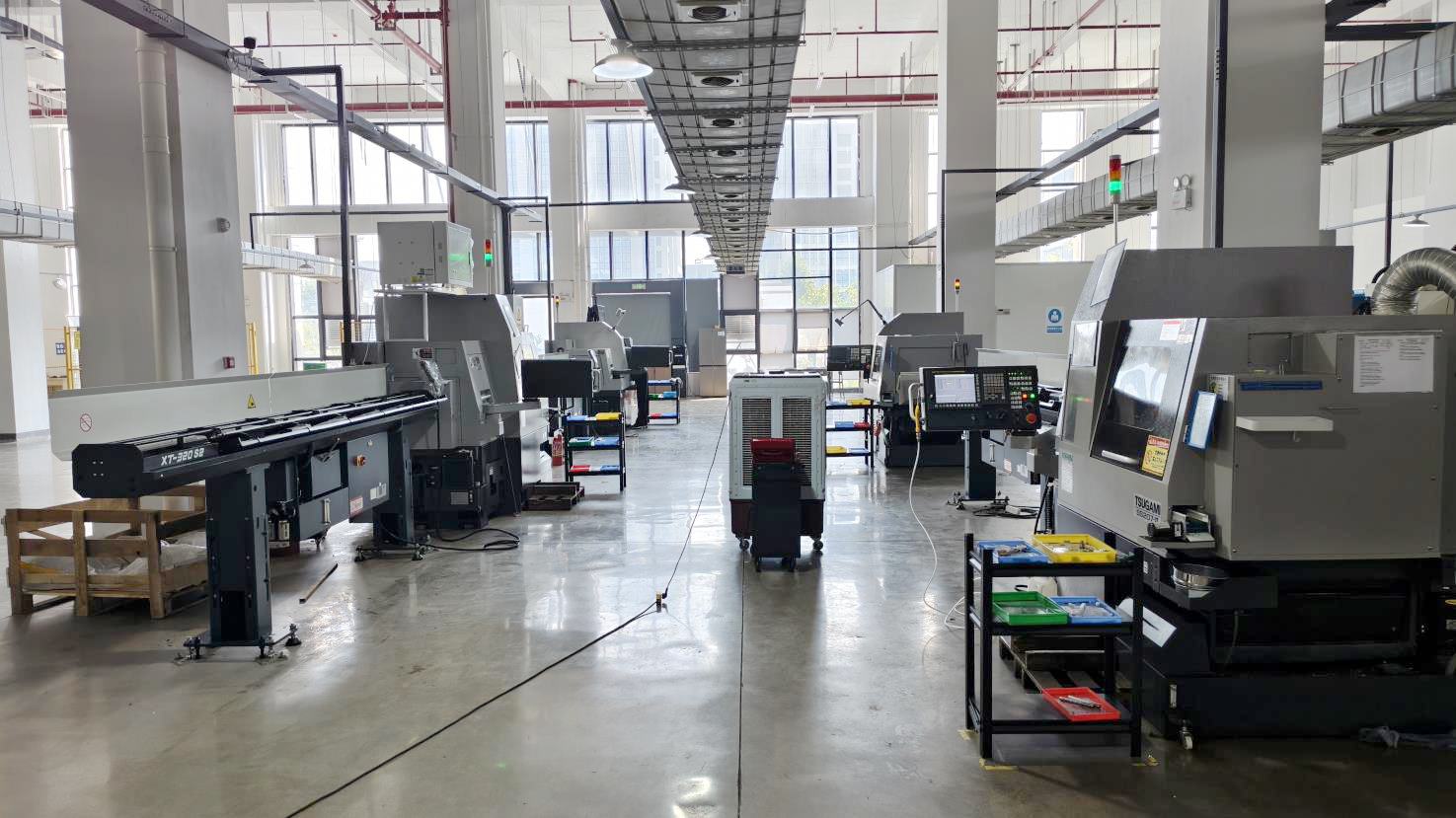
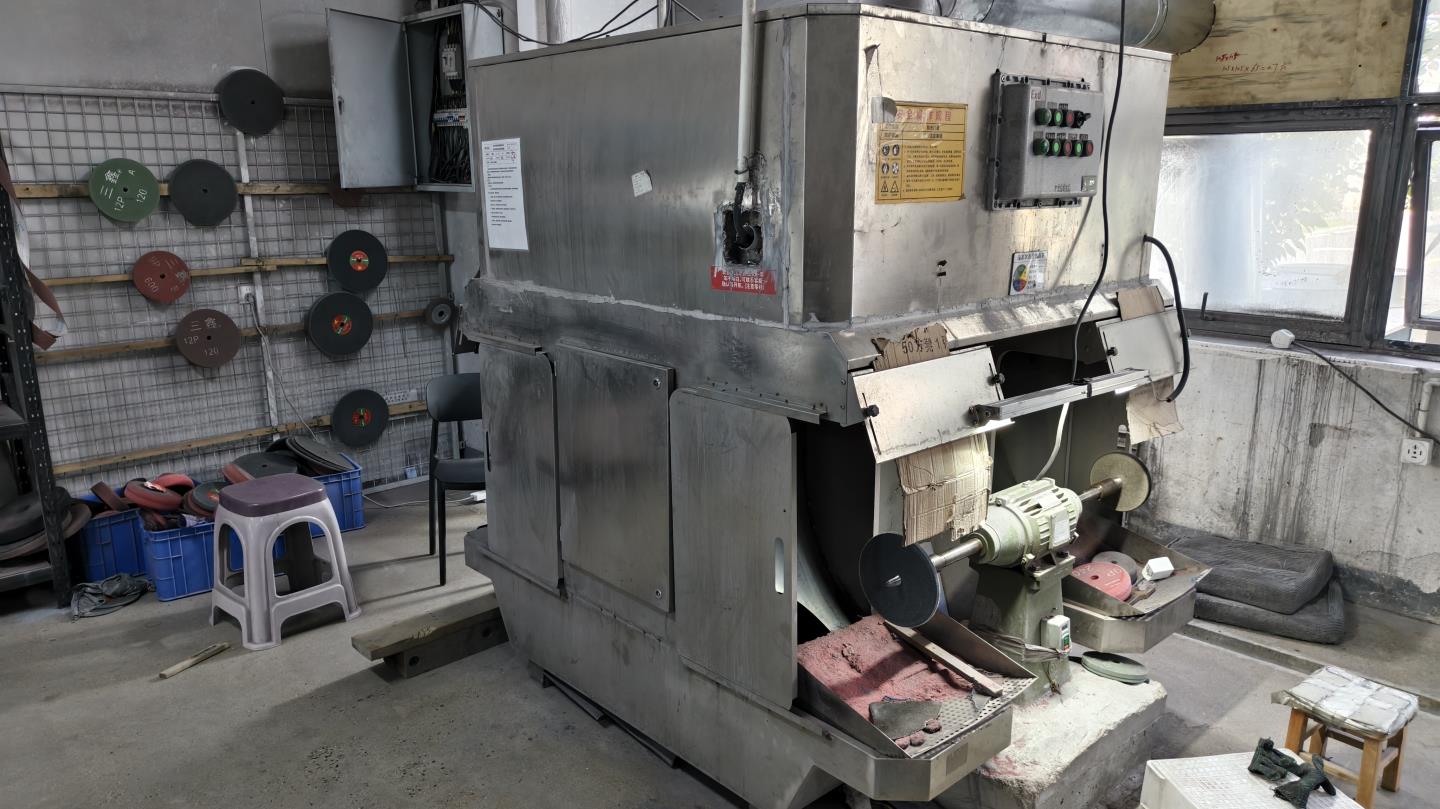
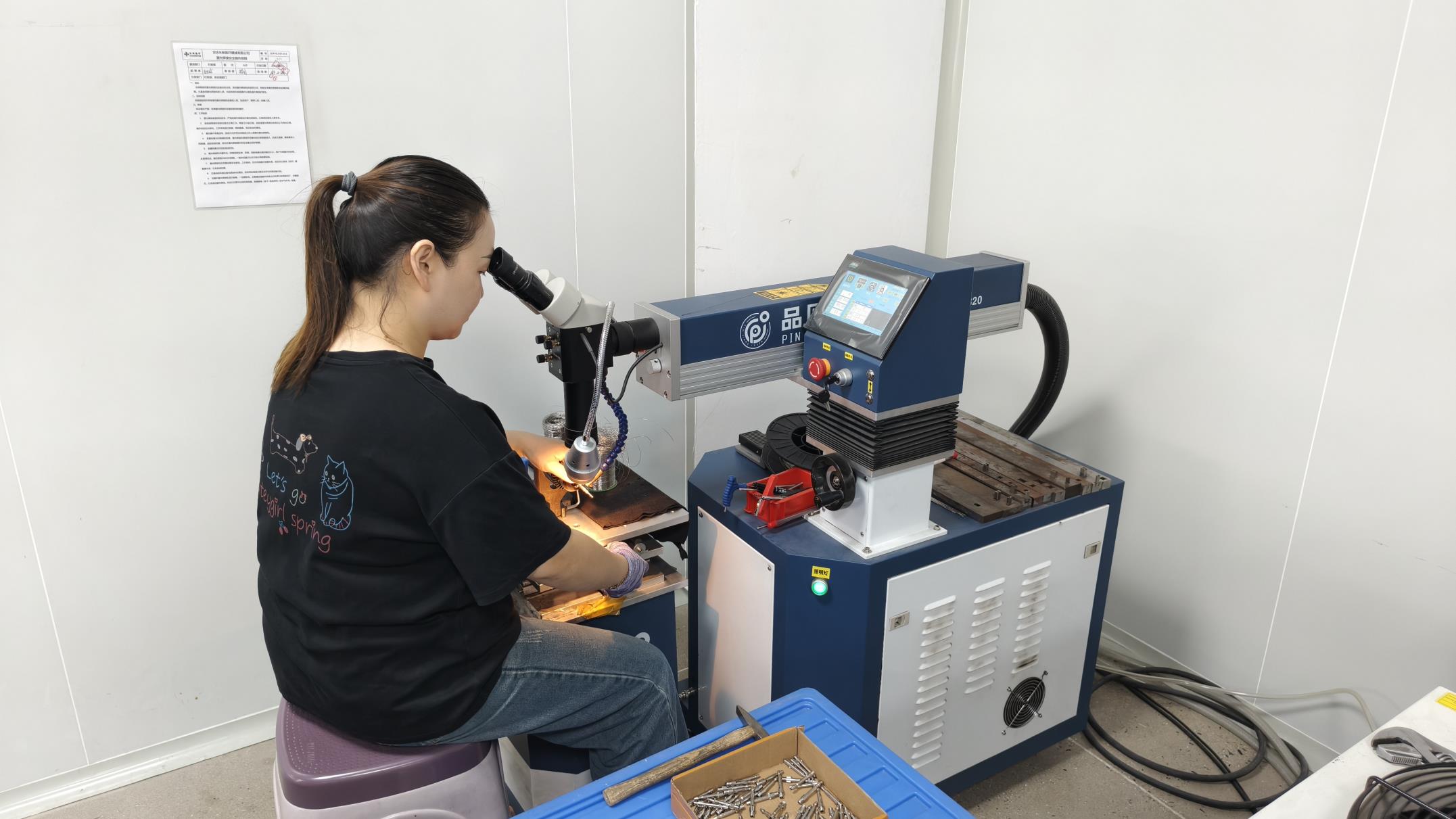
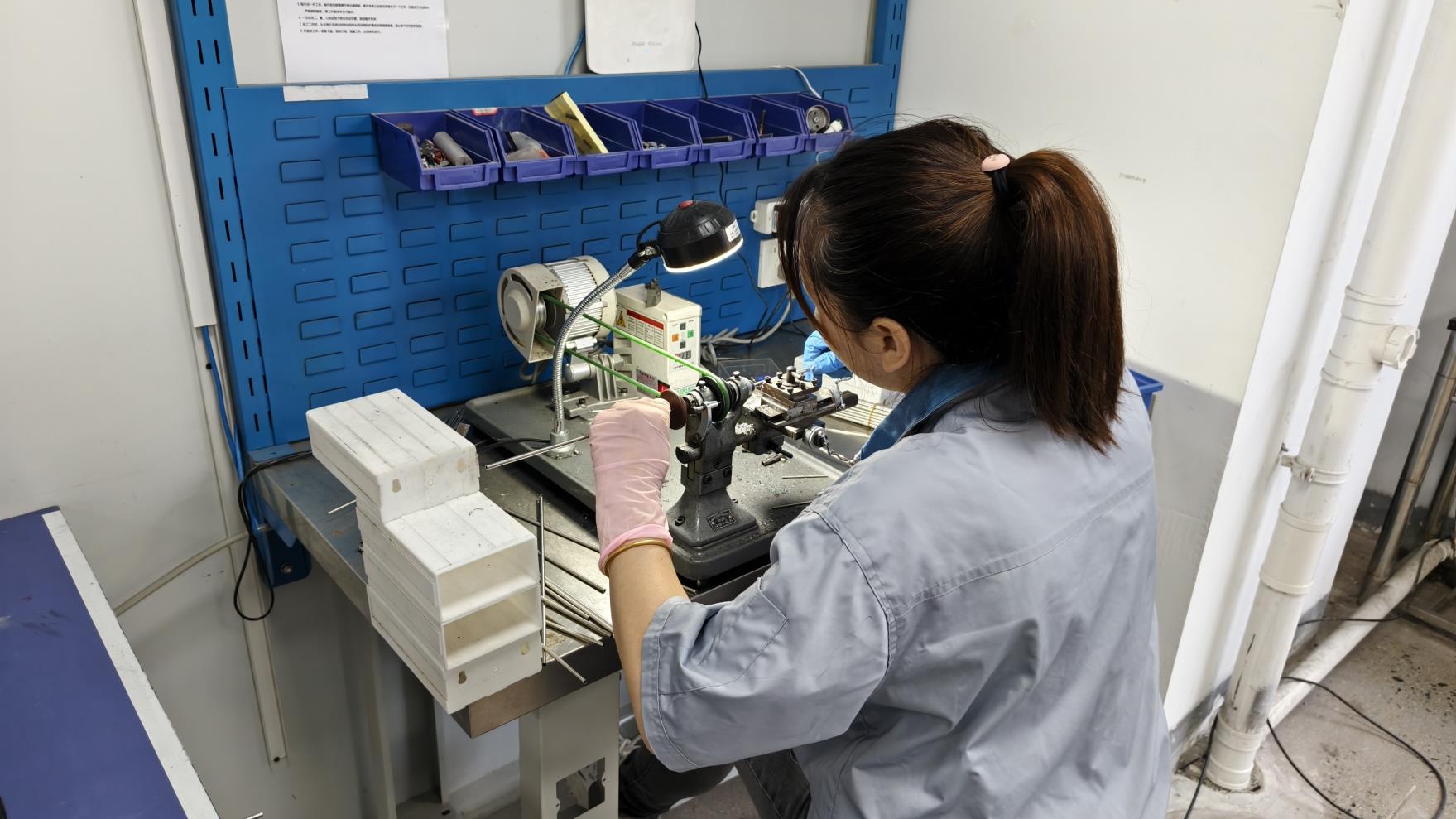
Ensuring 100% Mechanical Compliance, Sterility, and Dimensional Precision for European Safety Norms
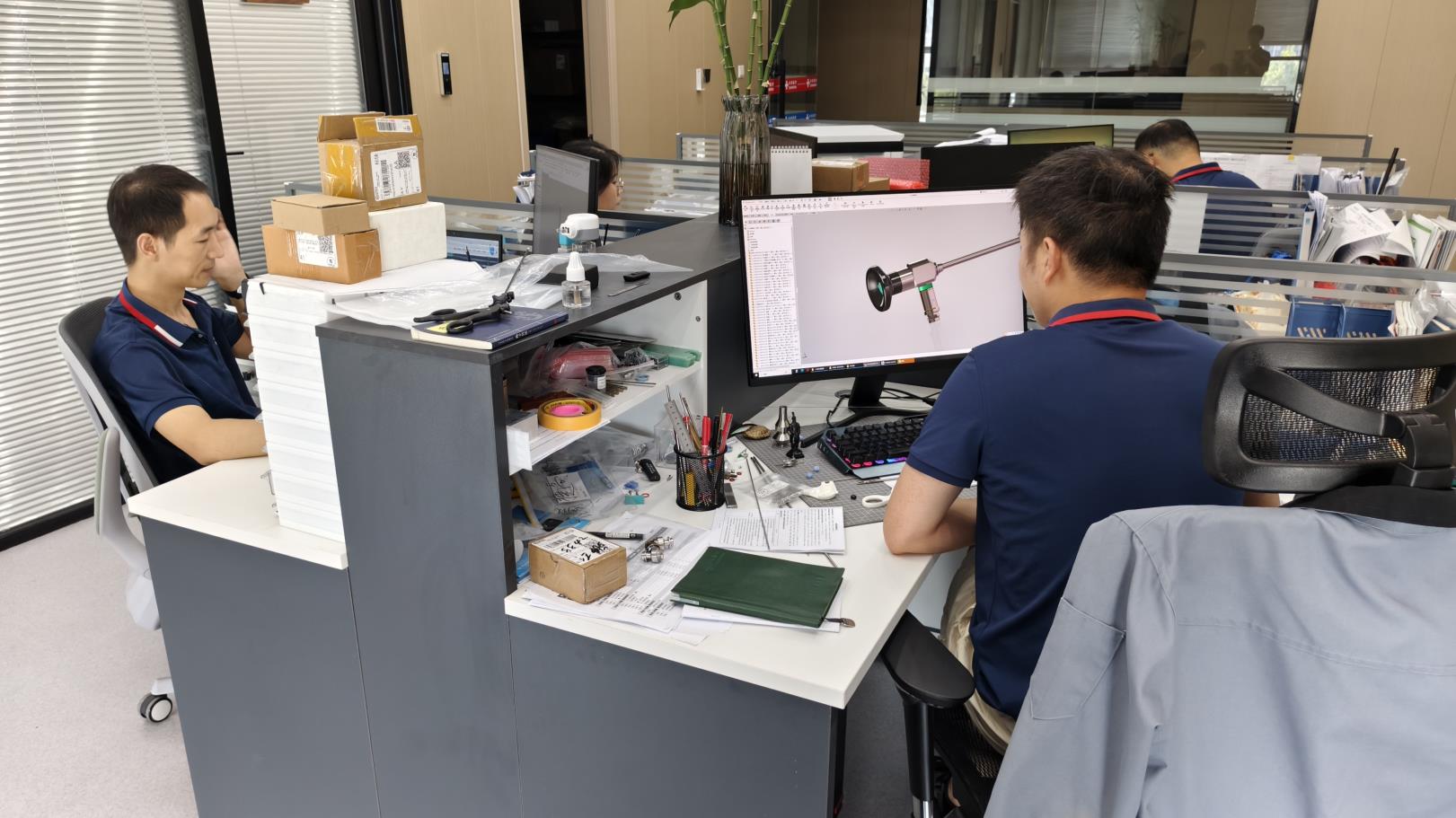
Utilizing state-of-the-art solid modeling and Finite Element Analysis (FEA) to simulate biological stress distributions prior to production.
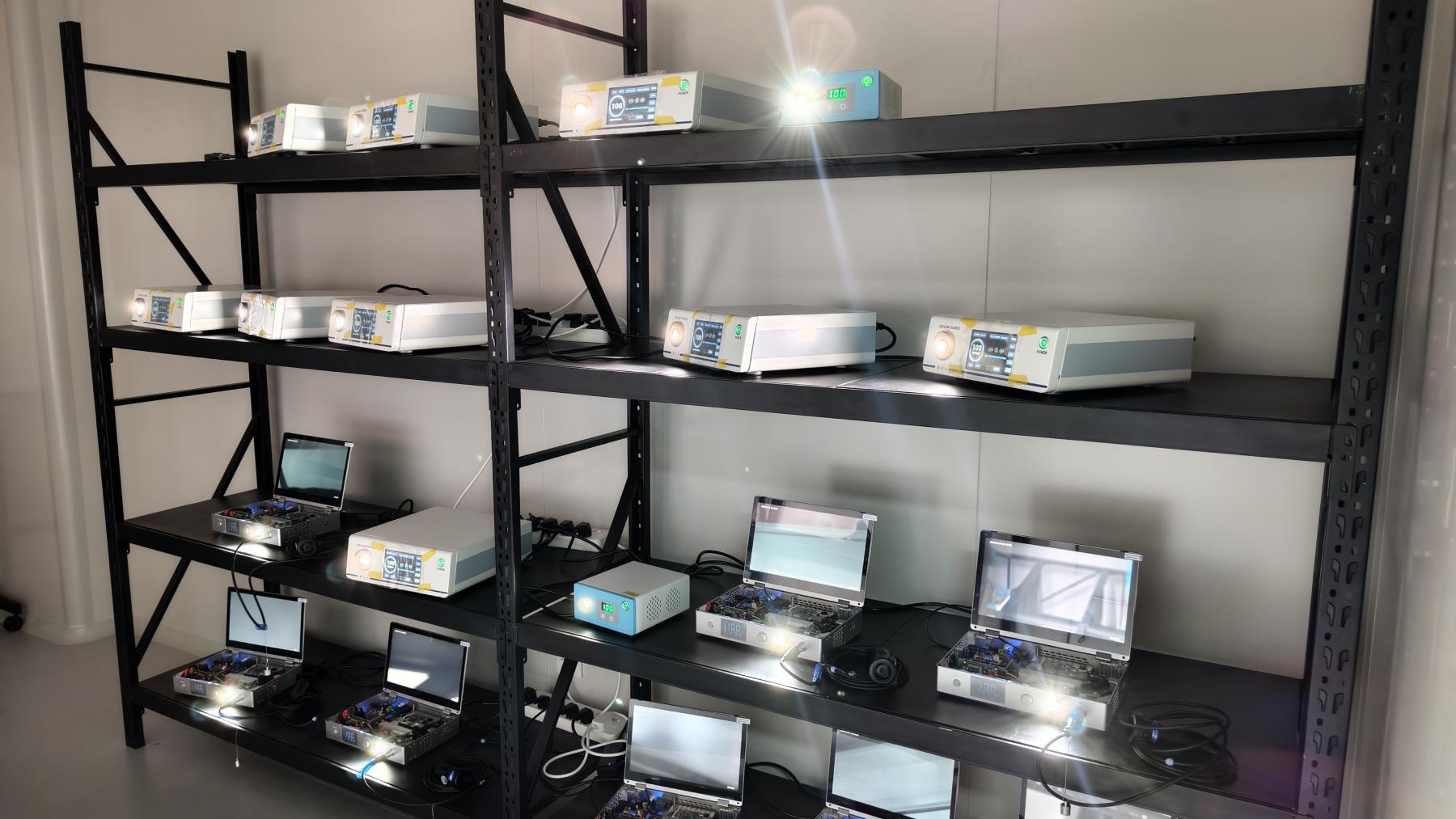
Evaluating fatigue properties under dynamic loading cycles (ASTM F1717 / ASTM F2193) to verify lifetime structural integrity.
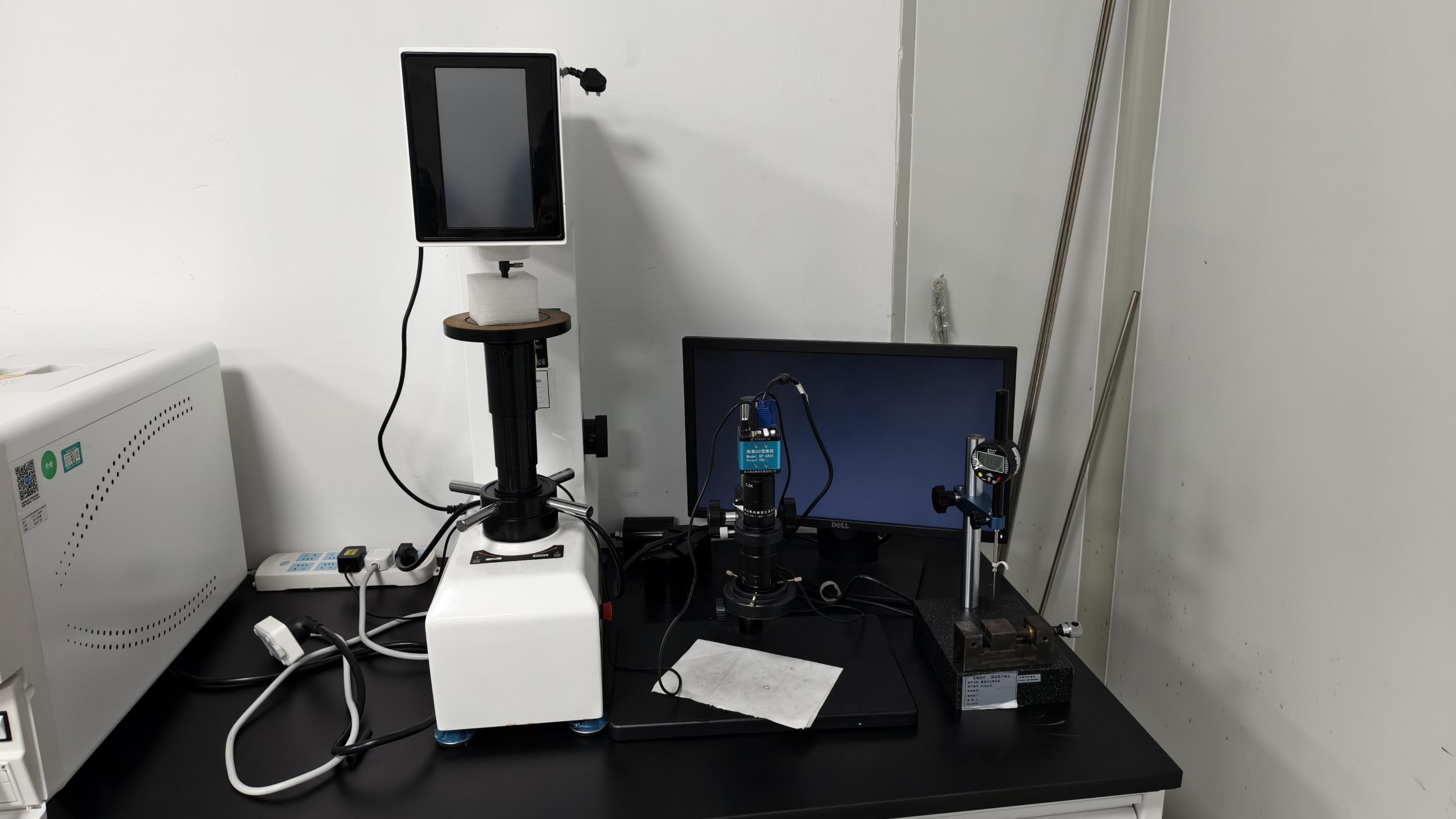
Conducting high-magnification surface analyses to examine micro-threads, structural homogeneity, and thread profiles.
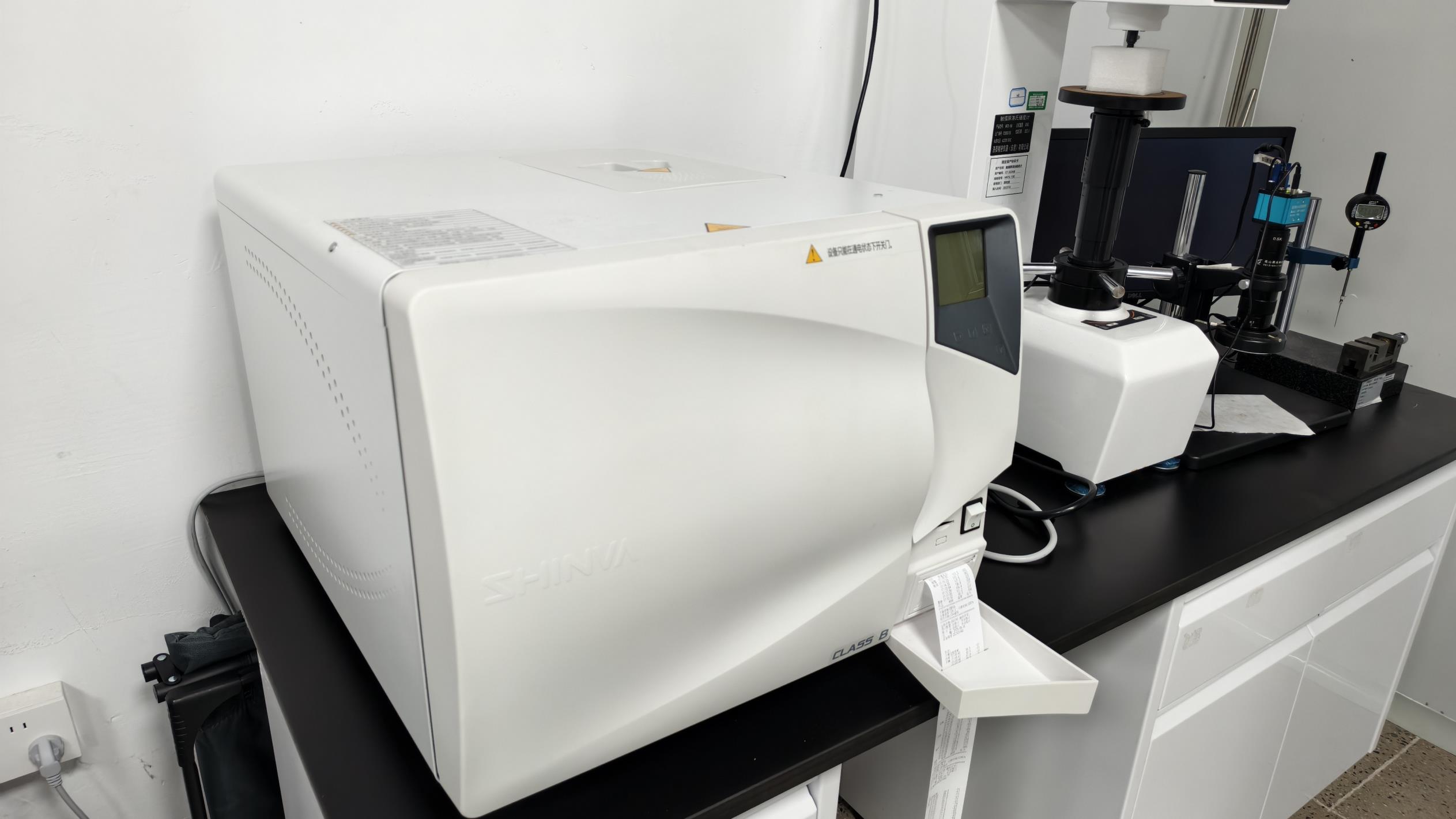
Validating reprocessing protocols and parameters to ensure clean, sterile delivery configurations for surgical units.
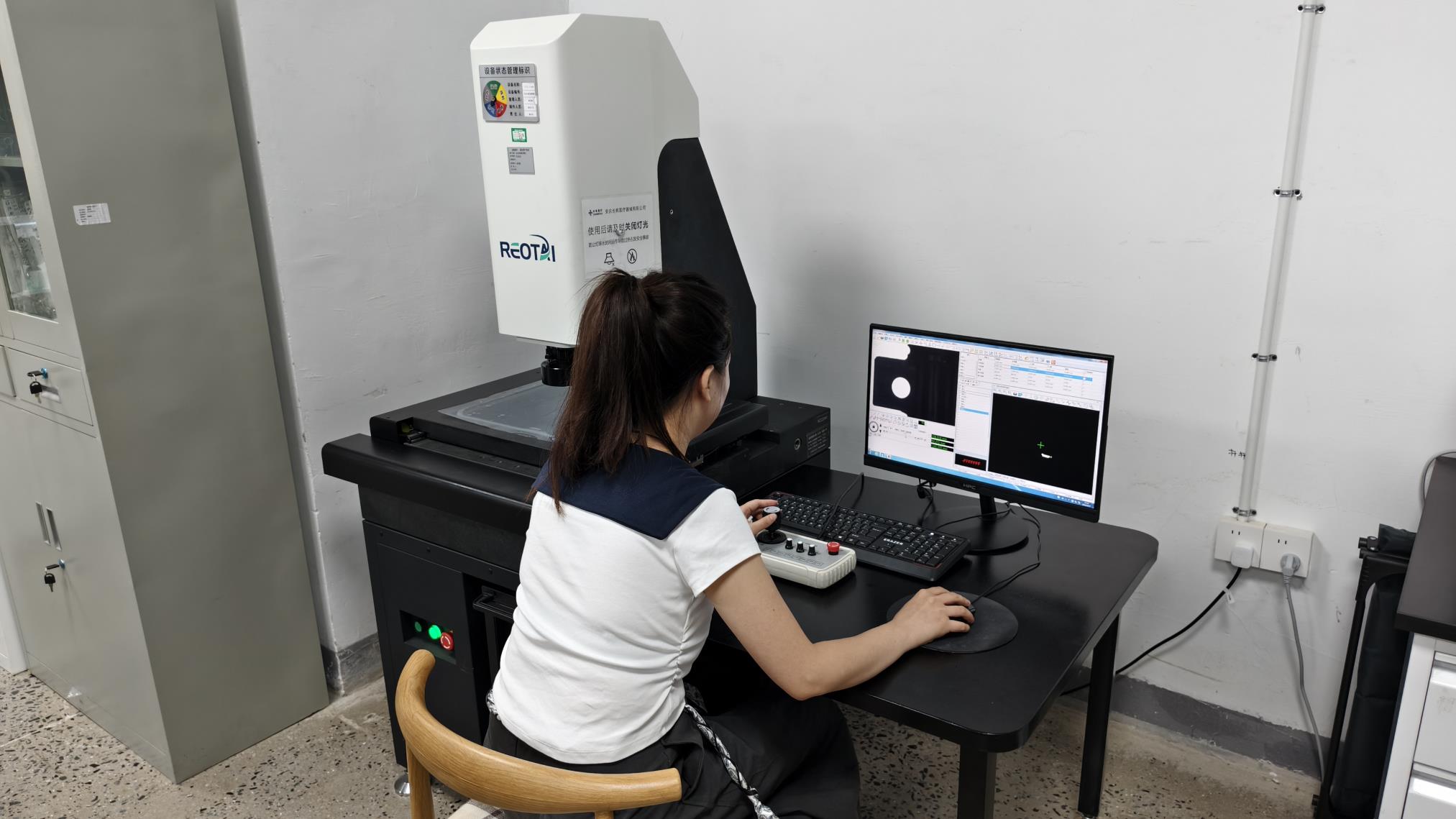
Verifying sub-micron dimensional clearances of screw head drives, outer diameter pitch, and inner thread runout.
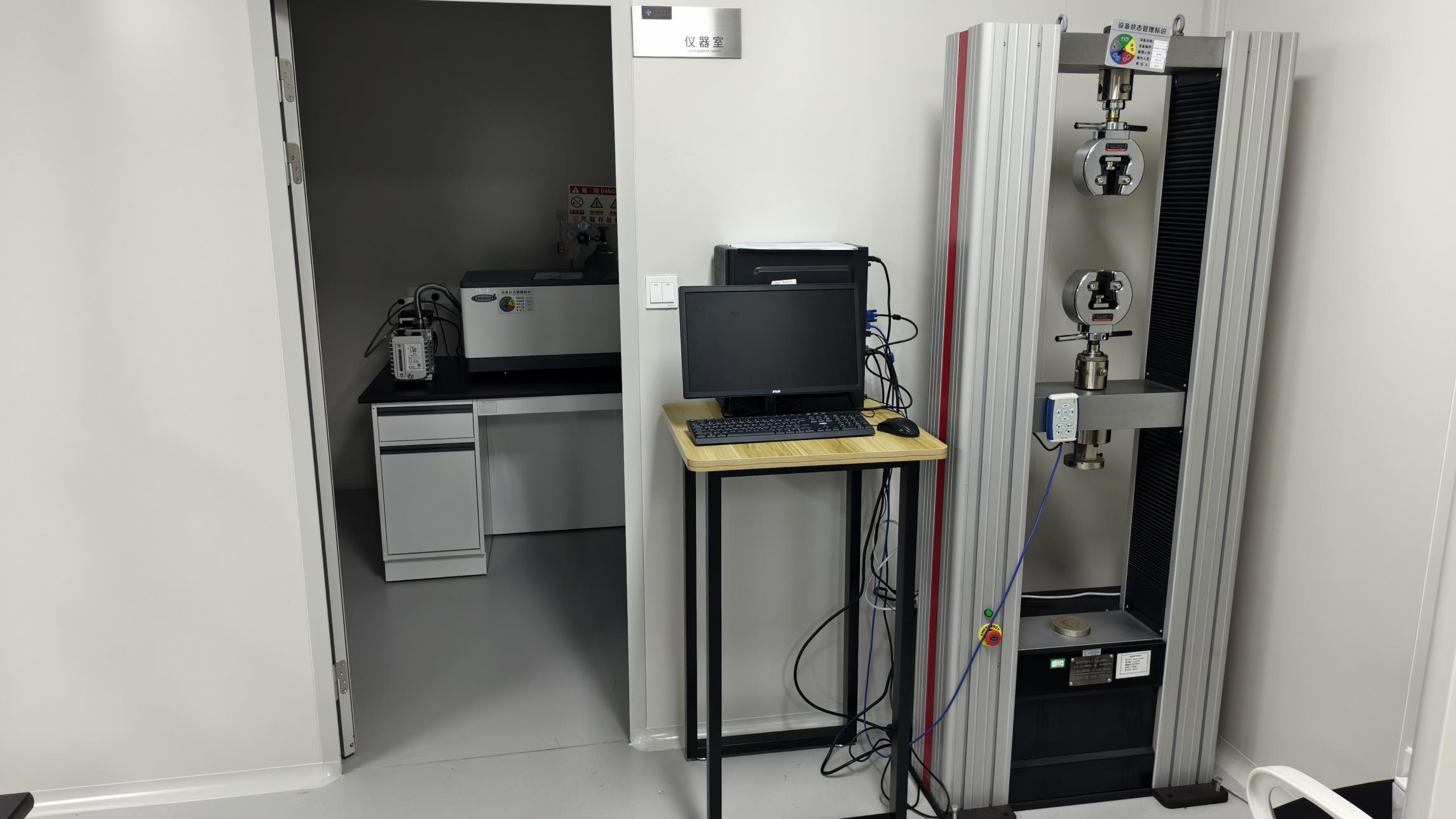
Determining yield strength, ultimate tensile strength, and axial pull-out resistance parameters for every batch of screws.
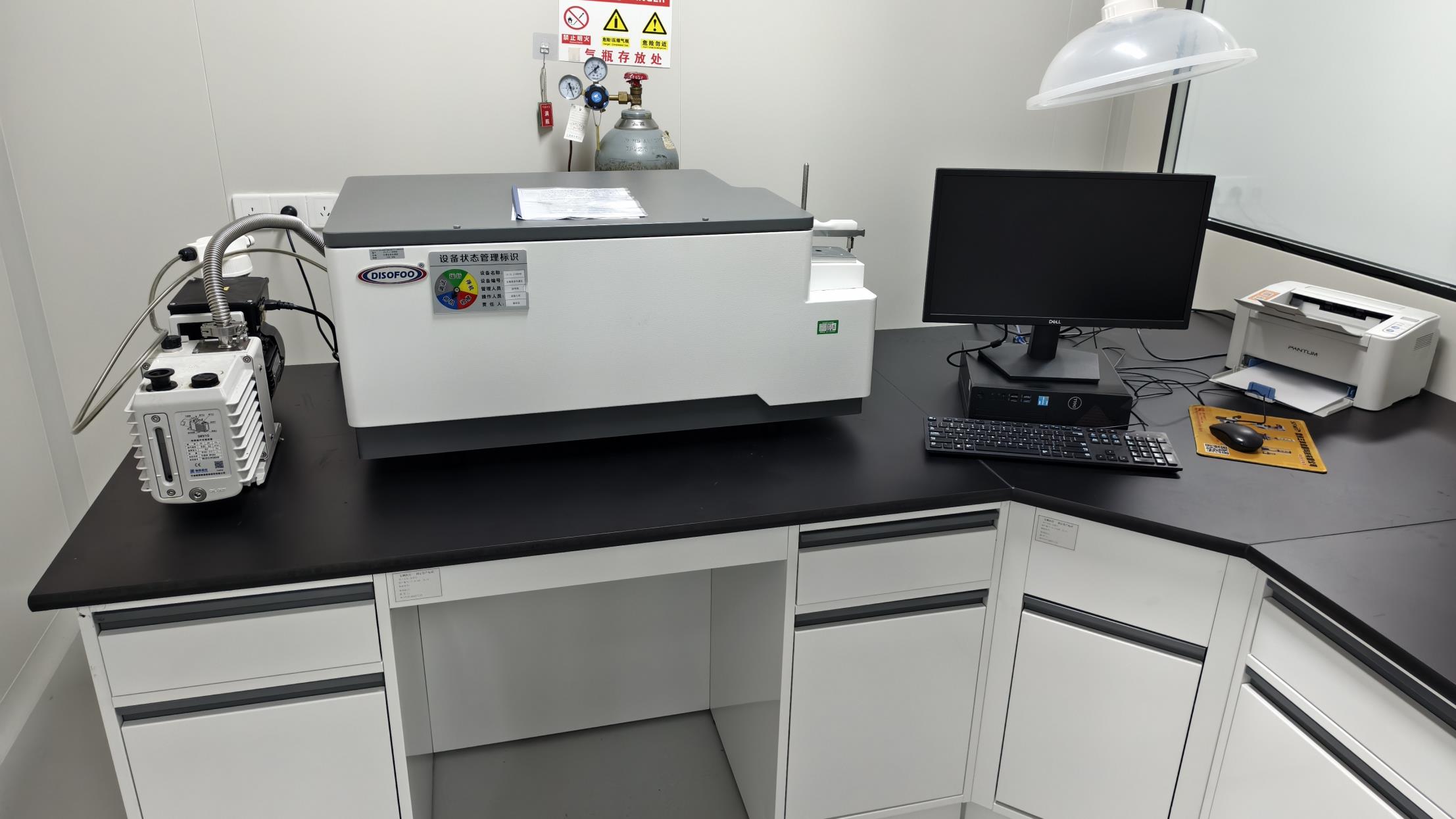
Verifying chemical composition profiles of incoming titanium alloys, certifying Grade 5 titanium configurations.
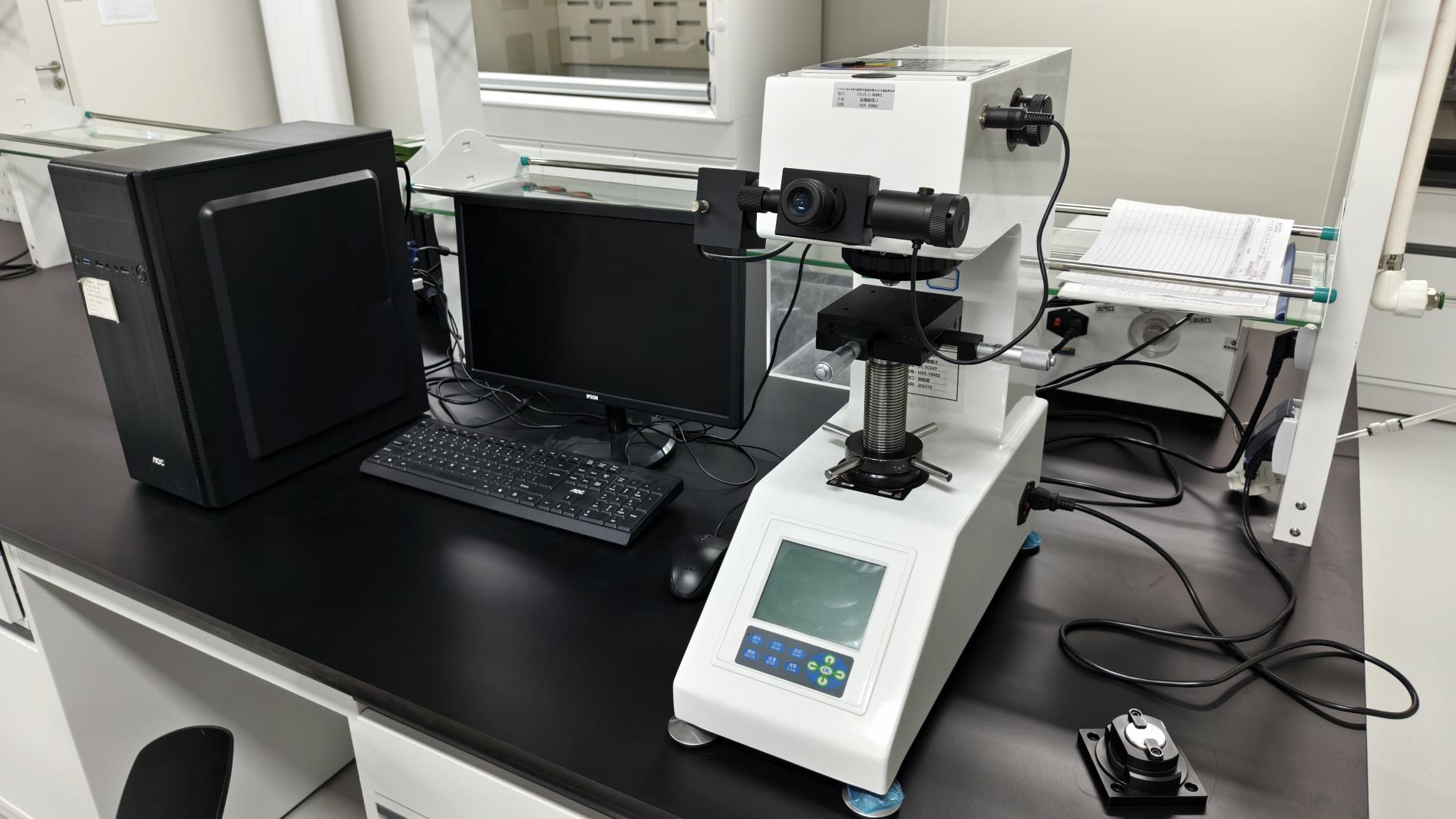
Monitoring raw bar and finished component heat-treatment phases to achieve specific mechanical and structural ranges.
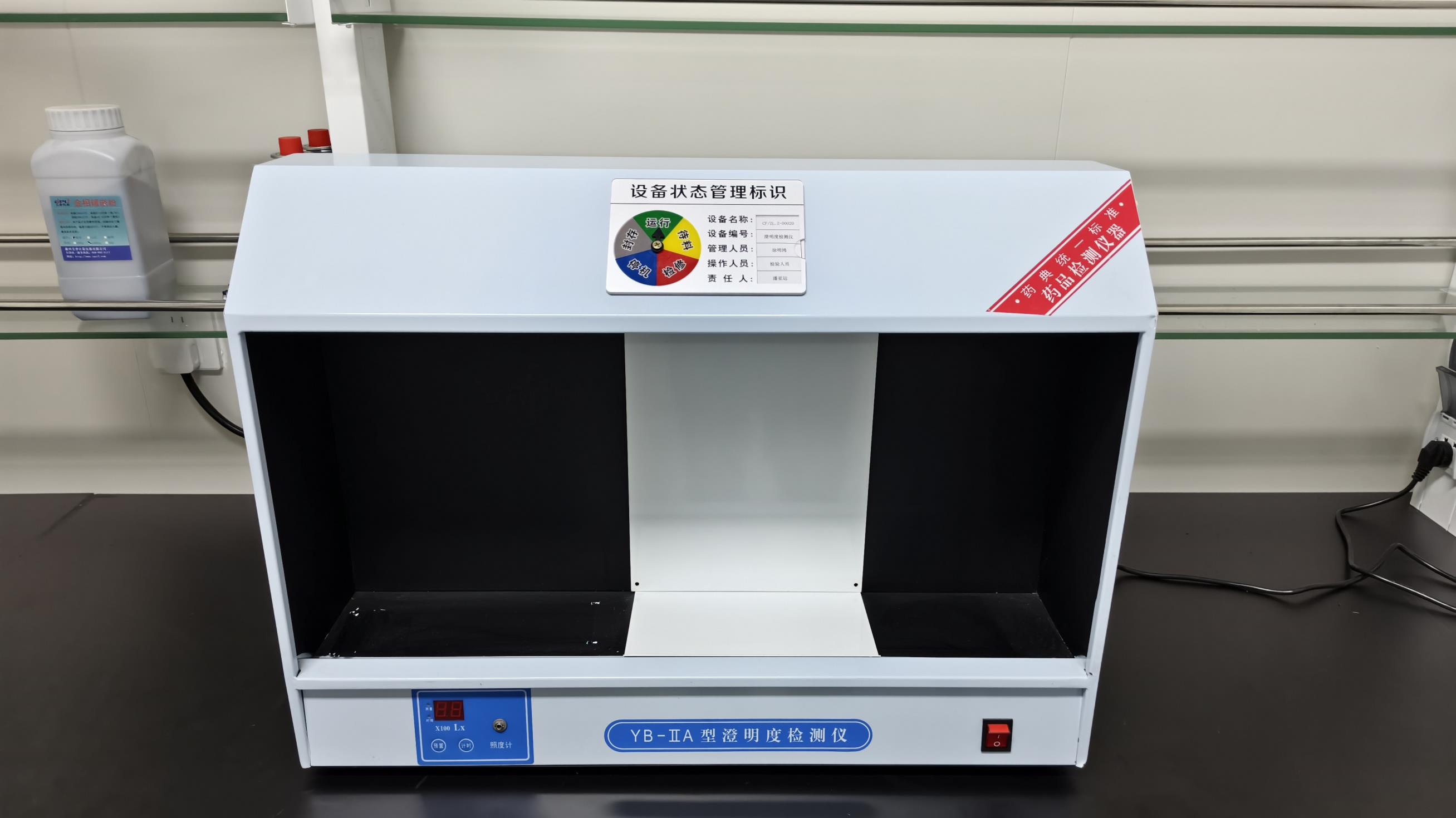
Measuring particle presence and solution clarity in validation cleaning processes to maintain particulate-free surfaces.
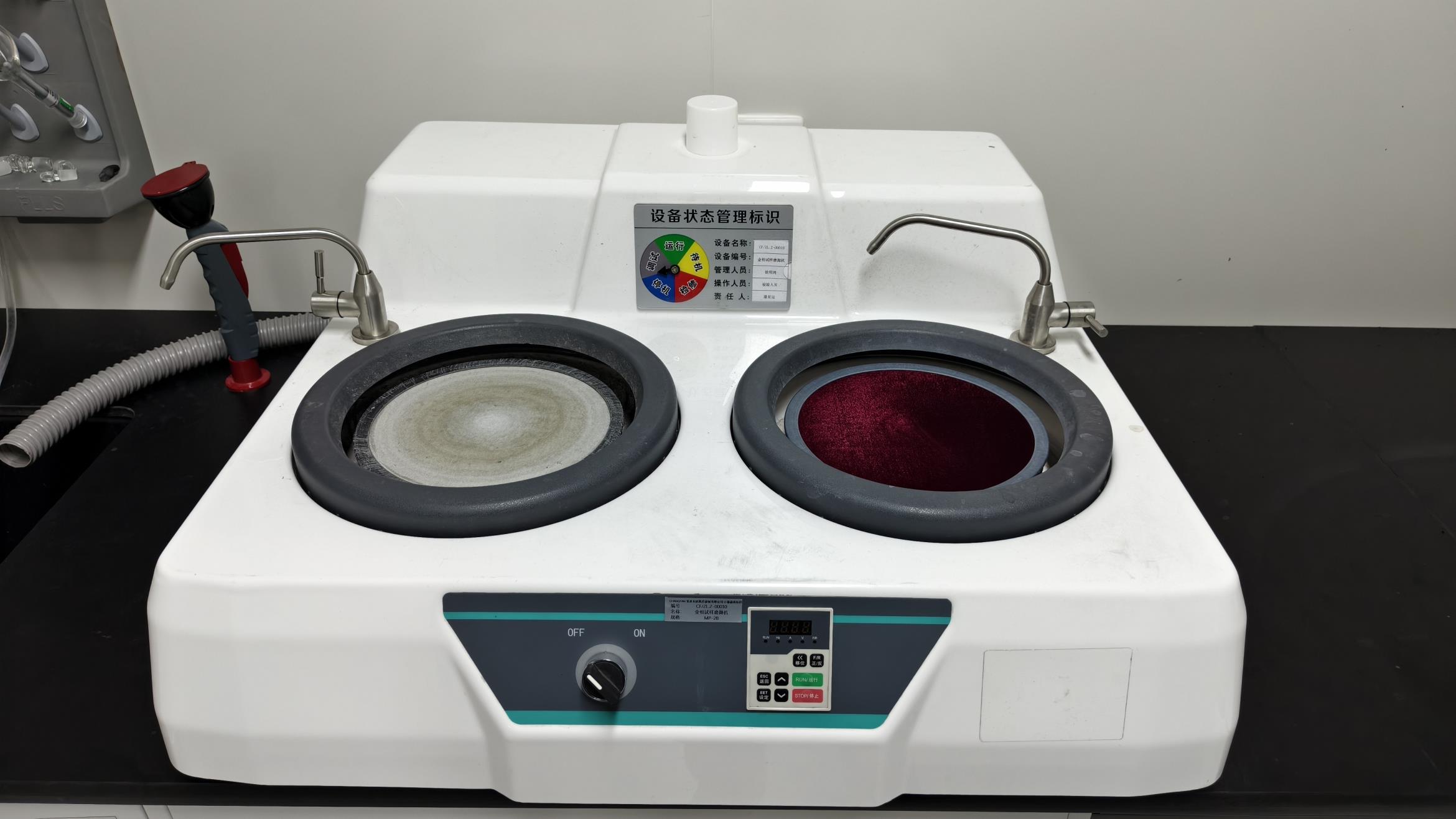
Analyzing grain structure distributions of titanium alloys to identify defects, voids, or inclusions before production.
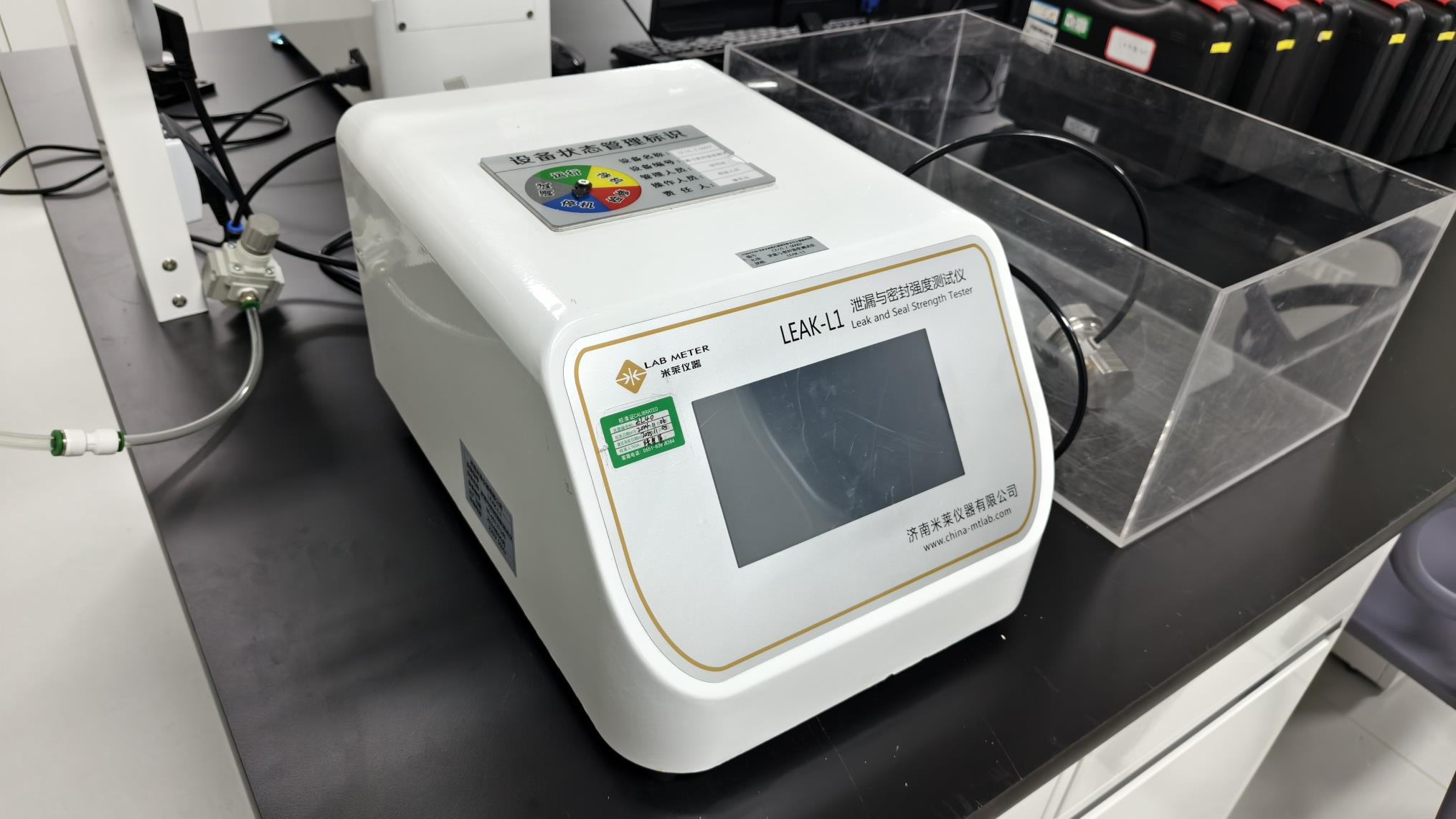
Verifying packaging barrier integrity to prevent sterility loss during global shipping logistics and prolonged shelf-lives.
Partnering with Synoviq Medical Technology ensures a robust bridge between high-volume manufacturing efficiency and strict compliance with European clinical parameters. By integrating full-service CNC processing, internal testing capabilities, and experienced regulatory departments, we alleviate the traditional friction points associated with overseas medical procurement.
With a massive 18,600 m² cleanroom and production area, Synoviq is built to manage large bulk distributions without compromising on detail. Our 100% final inspection protocol guarantees that no defective screw or rod reaches your loading docks. Every single unit undergoes a strict dimensional and visual check, minimizing the risk of intraoperative failure and subsequent liability.
With 76 experienced engineers and 186 new products launched last year, we offer unparalleled agility in customizing spinal implant sets. Whether you require specific thread changes for a custom neurosurgical protocol in Budapest, unique laser markings, or optimized toolsets for orthopedic kits, Synoviq delivers tailored components with shortened engineering timelines.
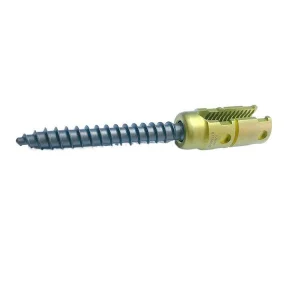
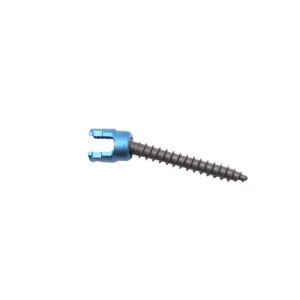
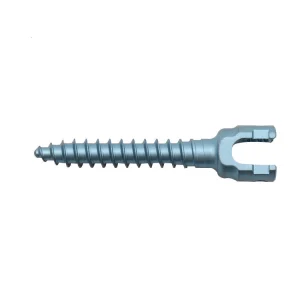
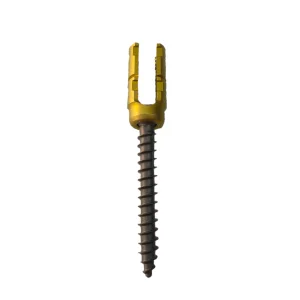
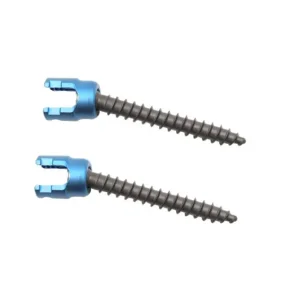
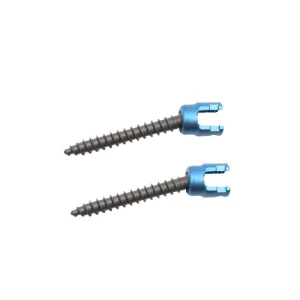
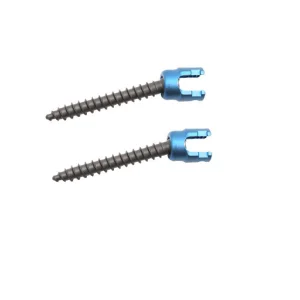
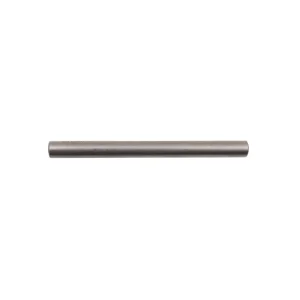
A Wide Range of Multi-Axial, Monoaxial, and Reduction Screws Suitable for Hungary's Leading Hospitals
Essential Insights for Distributing Spinal Implants in the Hungarian & Central European Markets
Yes. All our products are manufactured in compliance with ISO 13485 standards. Our technical files and medical-grade materials match the requirements of the EU Medical Device Regulation (MDR 2017/745), facilitating smooth local registration with OGYÉI (Országos Gyógyszerészeti és Élelmezés-egészségügyi Intézet) in Hungary.
We exclusively use premium Ti-6Al-4V ELI (Grade 5 Extra Low Interstitial) alloy conforming to ASTM F136 standards. This medical-grade material provides outstanding biocompatibility, superior corrosion resistance, and high fatigue limits under physiological loads.
Absolutely. Our technical division is staffed by 76 dedicated R&D engineers. We offer extensive custom capabilities including custom laser-marking, specialized titanium anodizing, bespoke thread modifications for specialized pedicle designs, and custom surgical instruments to match local clinical protocols.
Standard configurations are dispatched from our warehouse in 2 to 4 weeks. For bulk orders or custom OEM runs, timelines vary from 30 to 45 days. We provide direct shipping routes to Budapest, utilizing air freight and rail routes (New Silk Road) for maximum economic efficiency.
Each batch is subject to physical checks in our verification lab. This includes axial pull-out checks, mechanical torsion verification, and long-term fatigue testing according to ASTM F1717 norms to simulate up to 5 million loading cycles without structural failure.