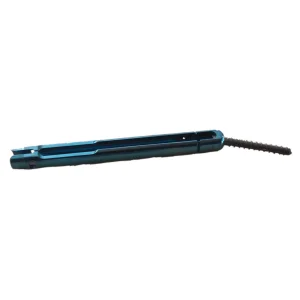
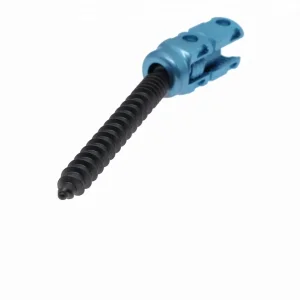
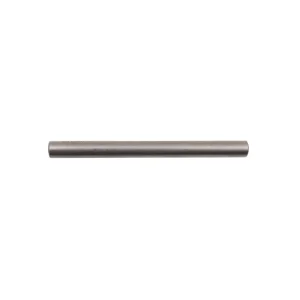
High-precision orthopedic constructs designed to stabilize and fuse spinal segments, engineered from implant-grade Titanium.
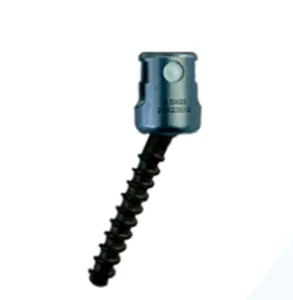
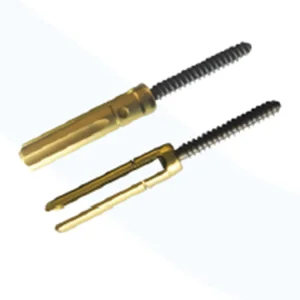
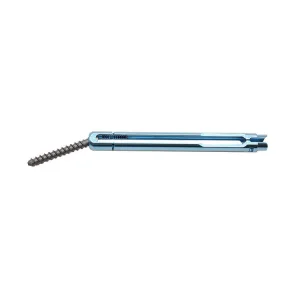
The Seattle metropolitan area is a premier global hub for biomedical engineering, clinical research, and advanced software technology. Driven by institutions like University of Washington (UW) Medicine, the Swedish Neuroscience Institute, and Harborview Medical Center, the region demands an elite class of orthopedic implants that align with rapid recoveries, minimally invasive surgery (MIS), and digitized surgical workflows.
In addition, Seattle’s history of precision manufacturing (anchored by its legacy aerospace sector) creates a local infrastructure highly attuned to complex metallurgical validation, tight tolerances, and biocompatibility testing. As a premier offshore manufacturer, Synoviq partners with distributors, OEMs, and private label brands across Washington state to provide implants that blend surgical efficacy with optimized global manufacturing margins.
Unpacking the technological shifts, supply chain movements, and material standards governing the global spine market.
The global spinal implants market is undergoing a significant transition toward implant customization, smart materials, and digital integration. Key trends driving the industry include:
Transitioning from traditional PEEK implants to porous Titanium structures that foster osseointegration. Micro-textured titanium surfaces imitate natural trabecular bone geometry, promoting rapid cell attachment and structural mechanical stability.
Shorter hospital stays and reduced tissue disruption necessitate pedicle screws with low profile designs, reliable cannulation, and highly intuitive insertion instrumentation designed for percutaneous applications.
Post-pandemic logistics necessitate diversified medical production. By utilizing Synoviq's advanced CNC milling facilities, Seattle brands can de-risk their component supply chains while maintaining strict FDA-aligned quality parameters.
Strict clinical documentation requirements demand manufacturing facilities to conduct extensive validation, including metallographic inspection, fatigue limit evaluation, and post-market tracking systems.
Every implant undergoes a cleanroom packaging and mechanical verification workflow matching national regulatory specifications.
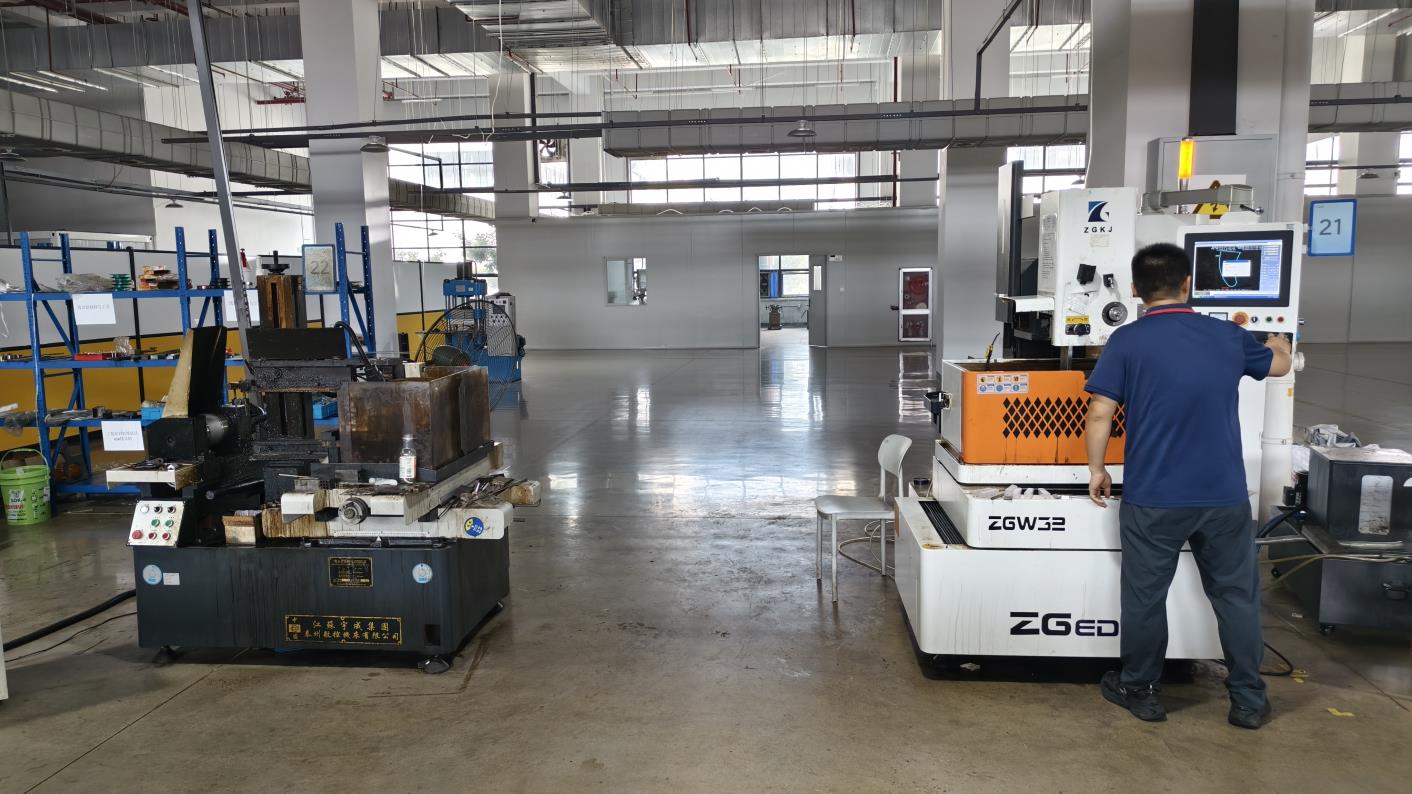
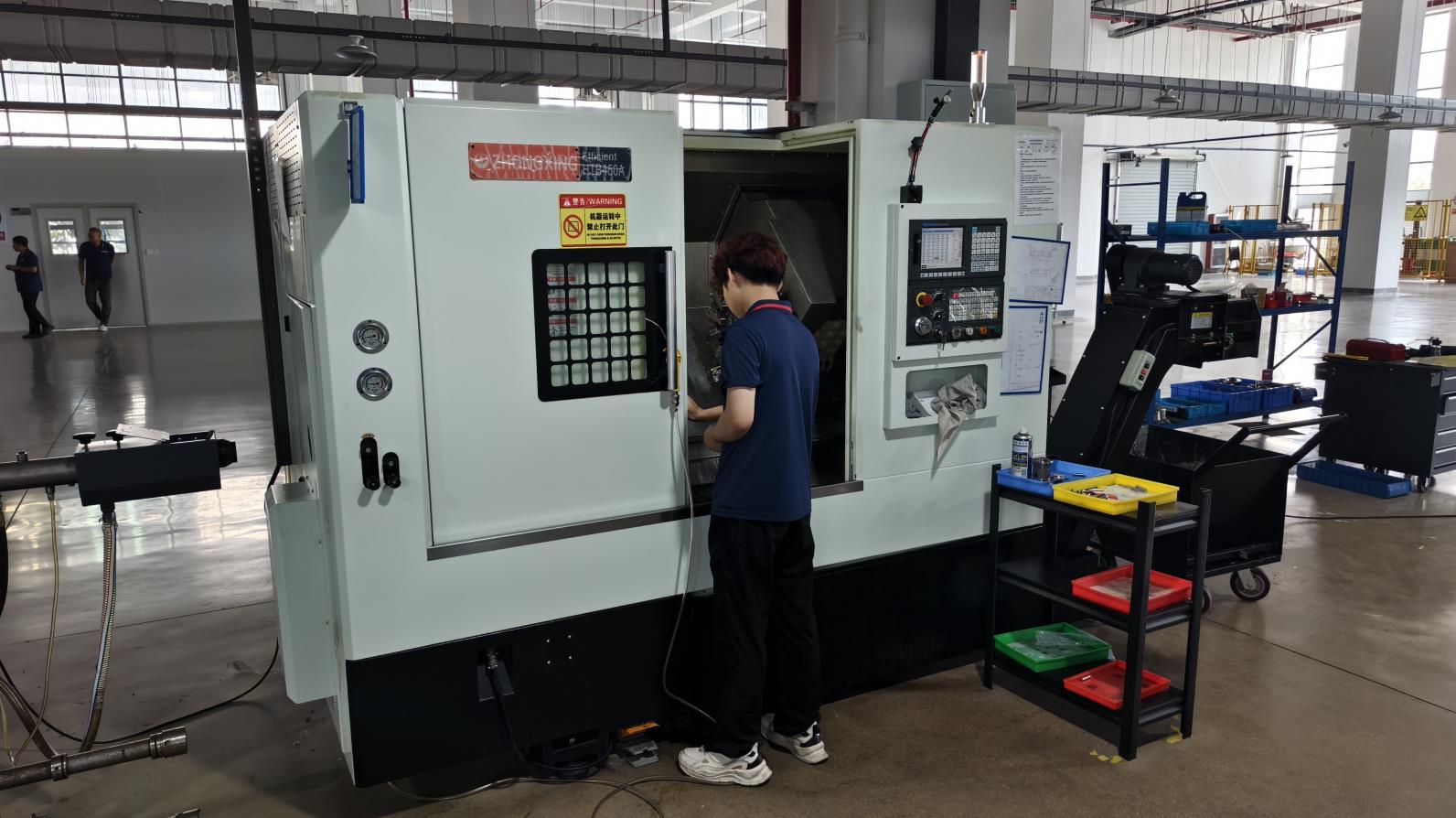
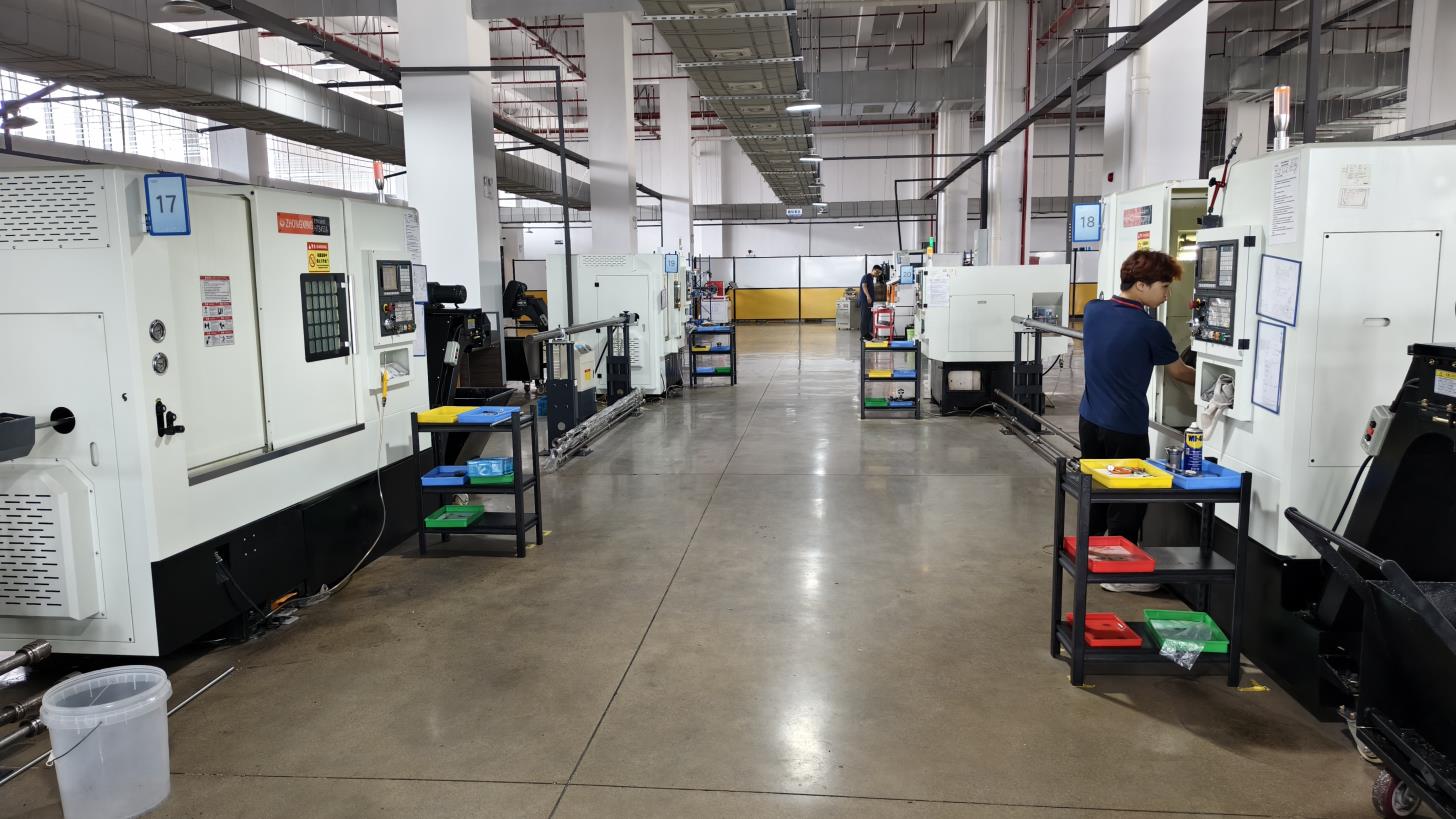
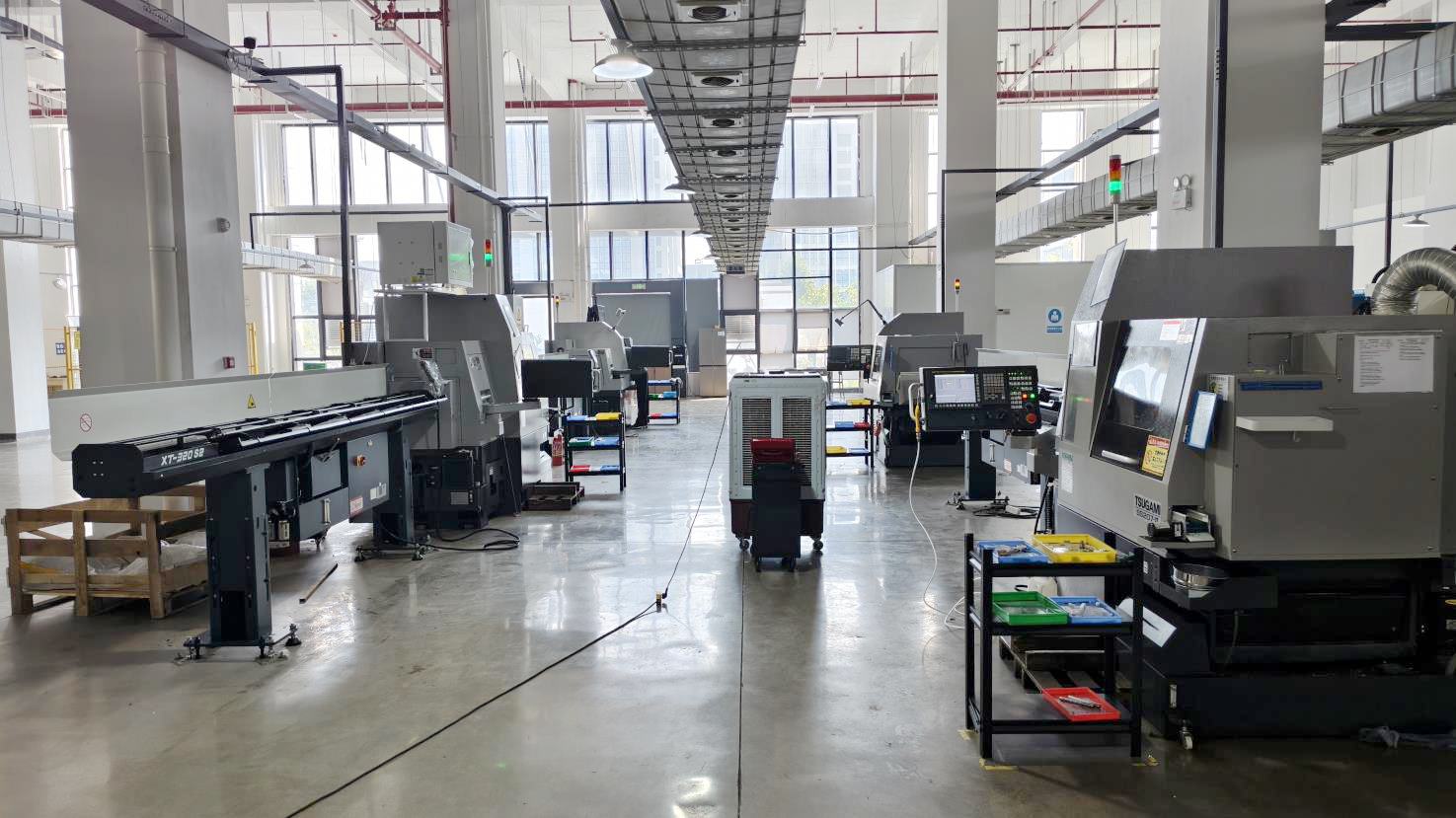
Utilizing high-precision Swiss-type lathes and CNC multi-axis centers to produce exact screw thread configurations.
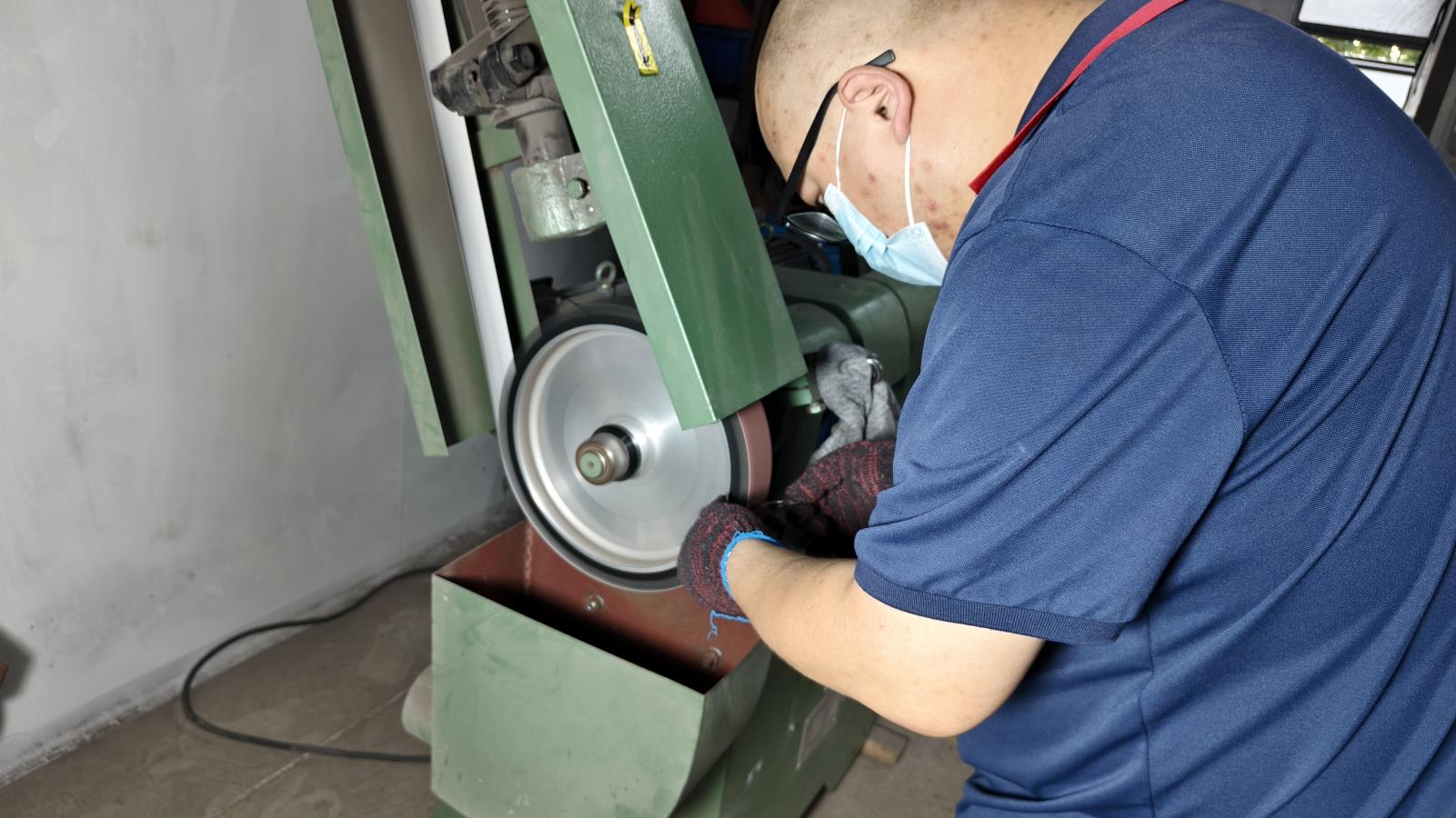
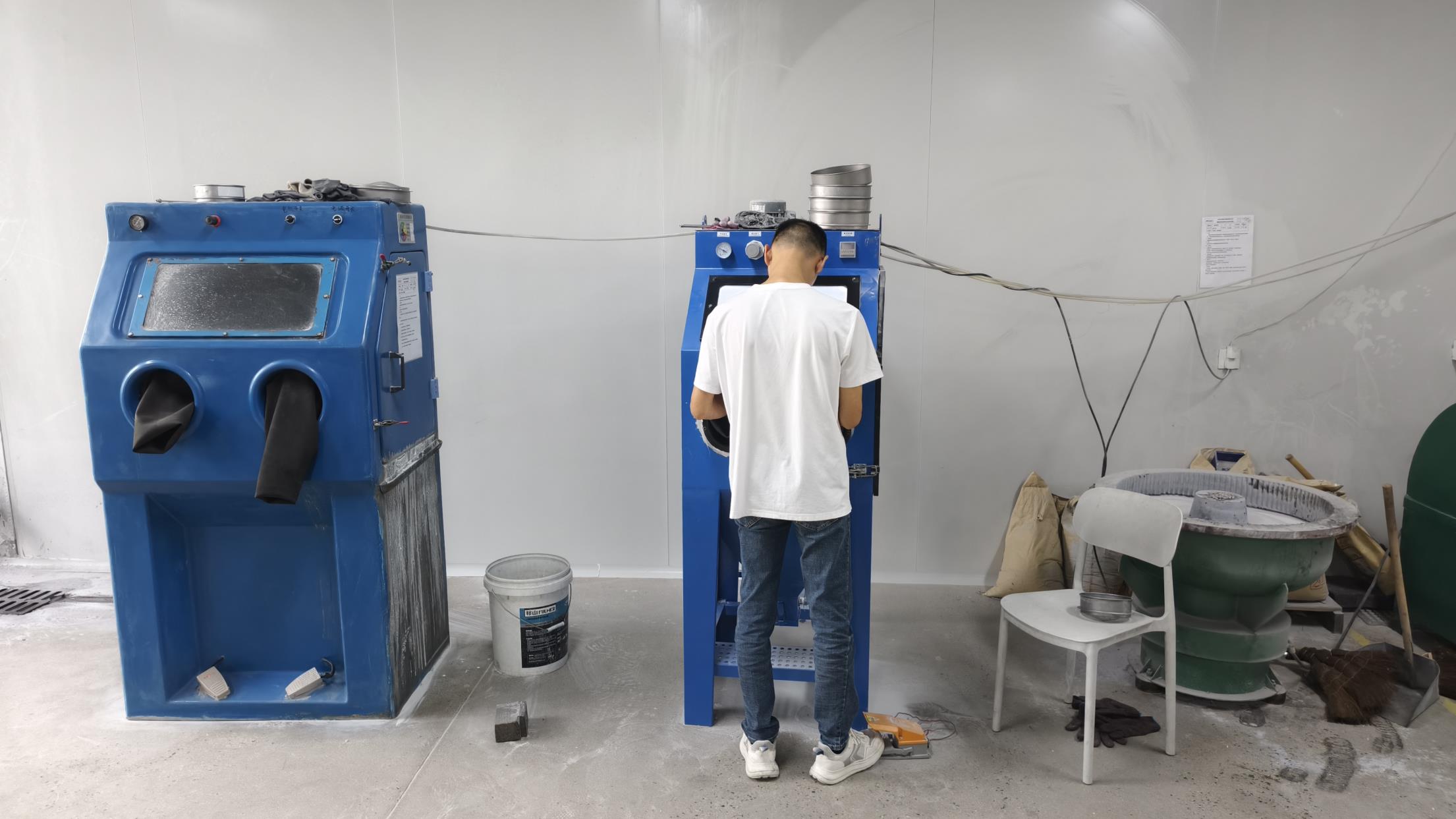
Anodizing and acid-etching techniques to improve surface biocompatibility and structural pull-out strength.
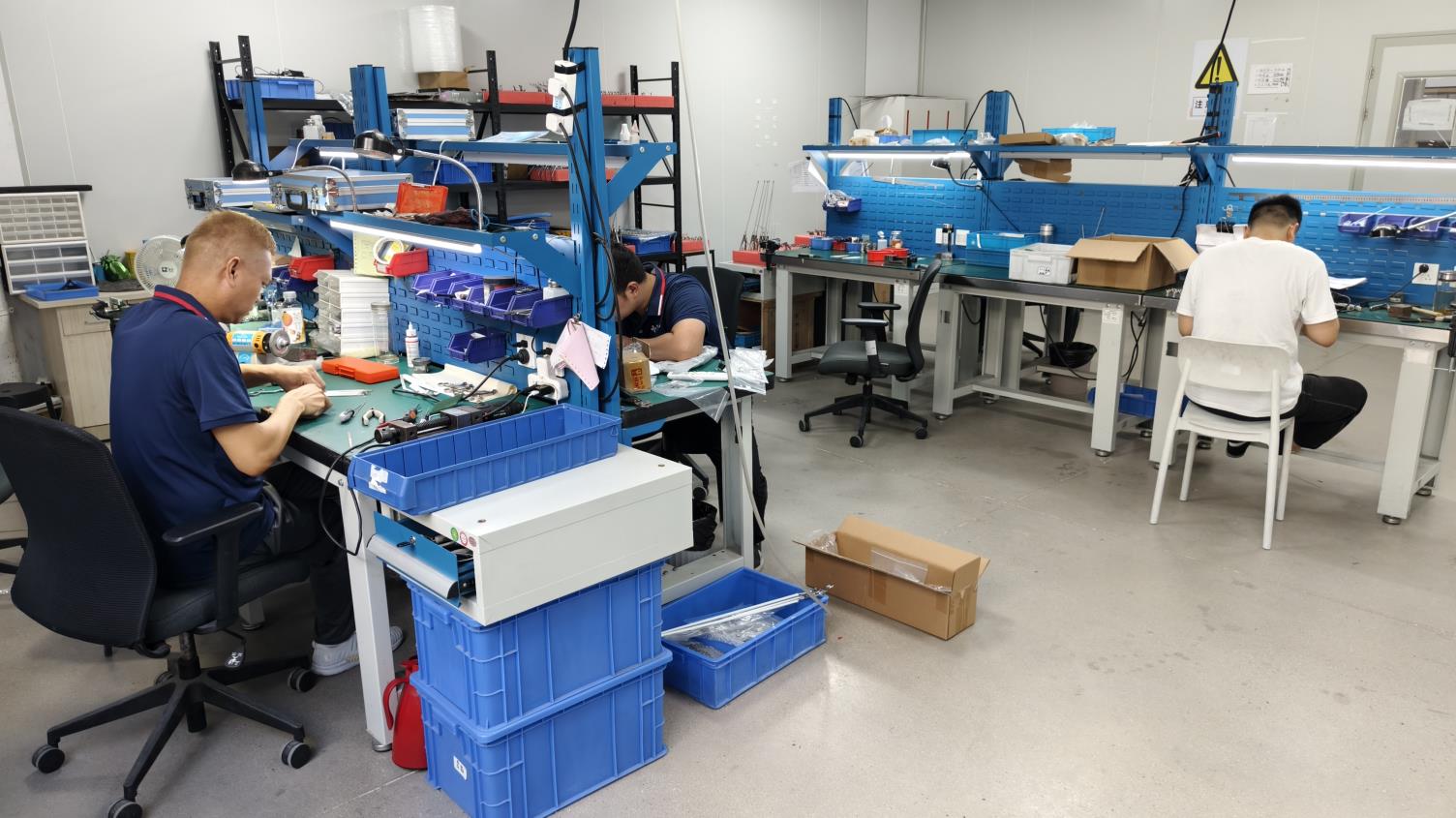
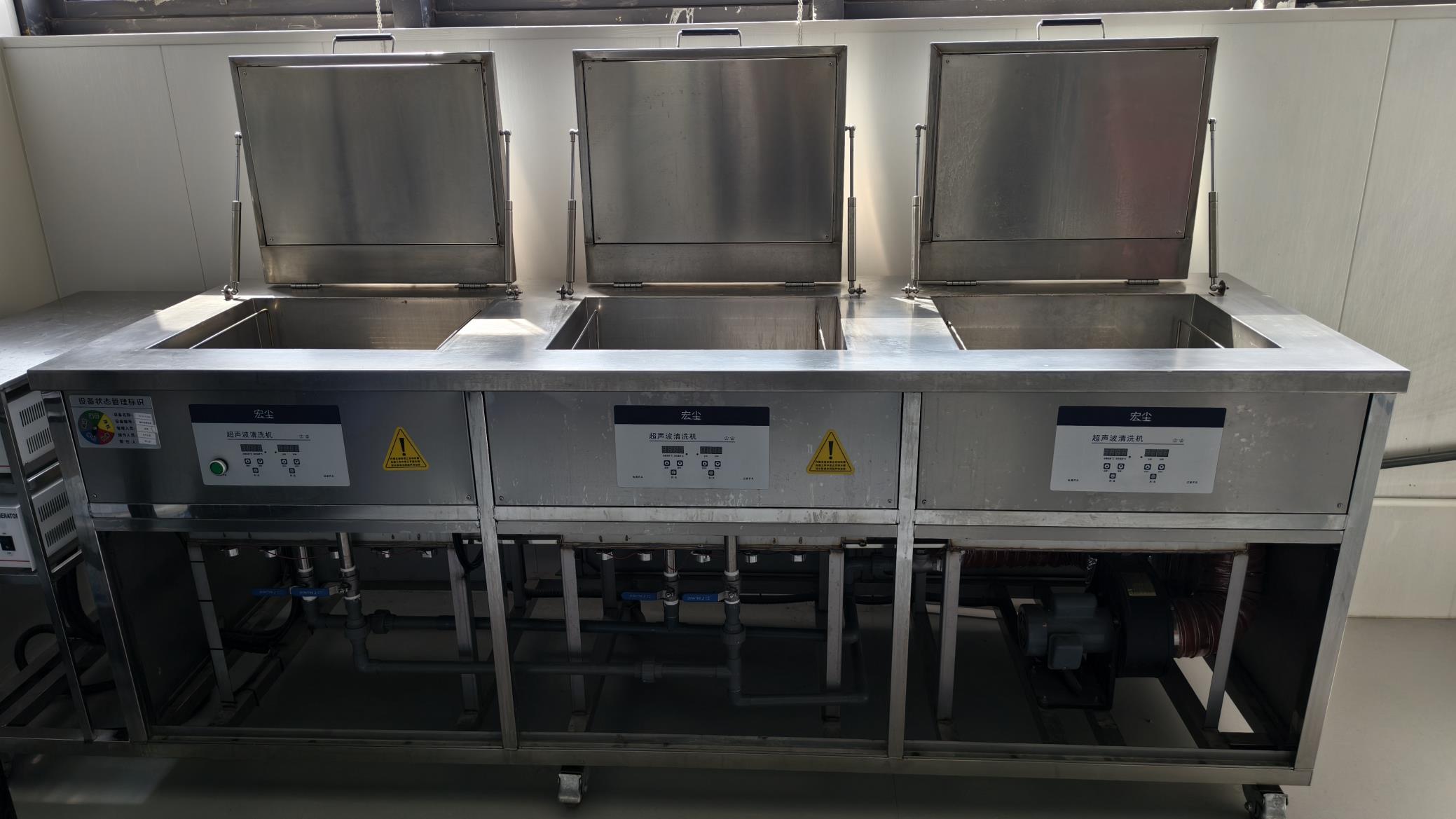
Assembling and cleaning spinal constructs in positive-pressure cleanrooms to eliminate microbial contamination.
Static and dynamic fatigue testing under ASTM F1717 and ASTM F543 requirements.
Global Orthopedic Implants & Instrumentation Production Center
Synoviq Medical Technology (China) Co., Ltd. is a professional manufacturer of orthopedic implants and surgical instruments, dedicated to delivering innovative, reliable, and high-quality medical solutions for healthcare professionals worldwide. Since its establishment, Synoviq has focused on research, development, precision manufacturing, and international quality standards, providing comprehensive OEM and ODM services for global medical device brands, distributors, and hospitals.
Our product portfolio includes trauma fixation systems, spinal implants, locking plates, intramedullary nails, external fixation systems, orthopedic screws, surgical instruments, and customized orthopedic solutions. Equipped with advanced CNC machining centers, precision inspection equipment, and modern clean production facilities, we ensure every product meets strict international quality requirements.
Driven by continuous innovation, Synoviq invests heavily in R&D and intelligent manufacturing to enhance product performance, surgical efficiency, and patient outcomes. Our experienced engineering team works closely with customers to develop customized products tailored to different clinical applications and market demands.
With a customer-oriented philosophy, competitive pricing, stable supply capability, and efficient technical support, Synoviq has established long-term partnerships with distributors, medical brands, and healthcare organizations across Europe, North America, South America, the Middle East, and Asia-Pacific.
| Operational Dimension | Value Metric / Capability |
|---|---|
| Company Name | Synoviq Medical Technology (China) Co., Ltd. |
| Brand Name / Trademarks | Synoviq |
| Date of Establishment | March 18, 2016 |
| Production Footprint Area | 18,600 m² |
| Export Revenue Base | USD 21.8 Million |
| Global Export Experience | 8 Years |
| Total Industry Track Record | 14 Years |
| Quality Assurance Focus | 100% In-line Quality & Raw Material Verification |
| Quality System Verification | CMM, Mechanical Fatigue, Surface Profilometry, Sterility Assay |
| Metrology & Quality Analysts | 48 Specialists |
| Business Capability Scope | Integrated Manufacturer & Exporter (OEM/ODM) |
| R&D Staff Resources | 76 Systems Engineers |
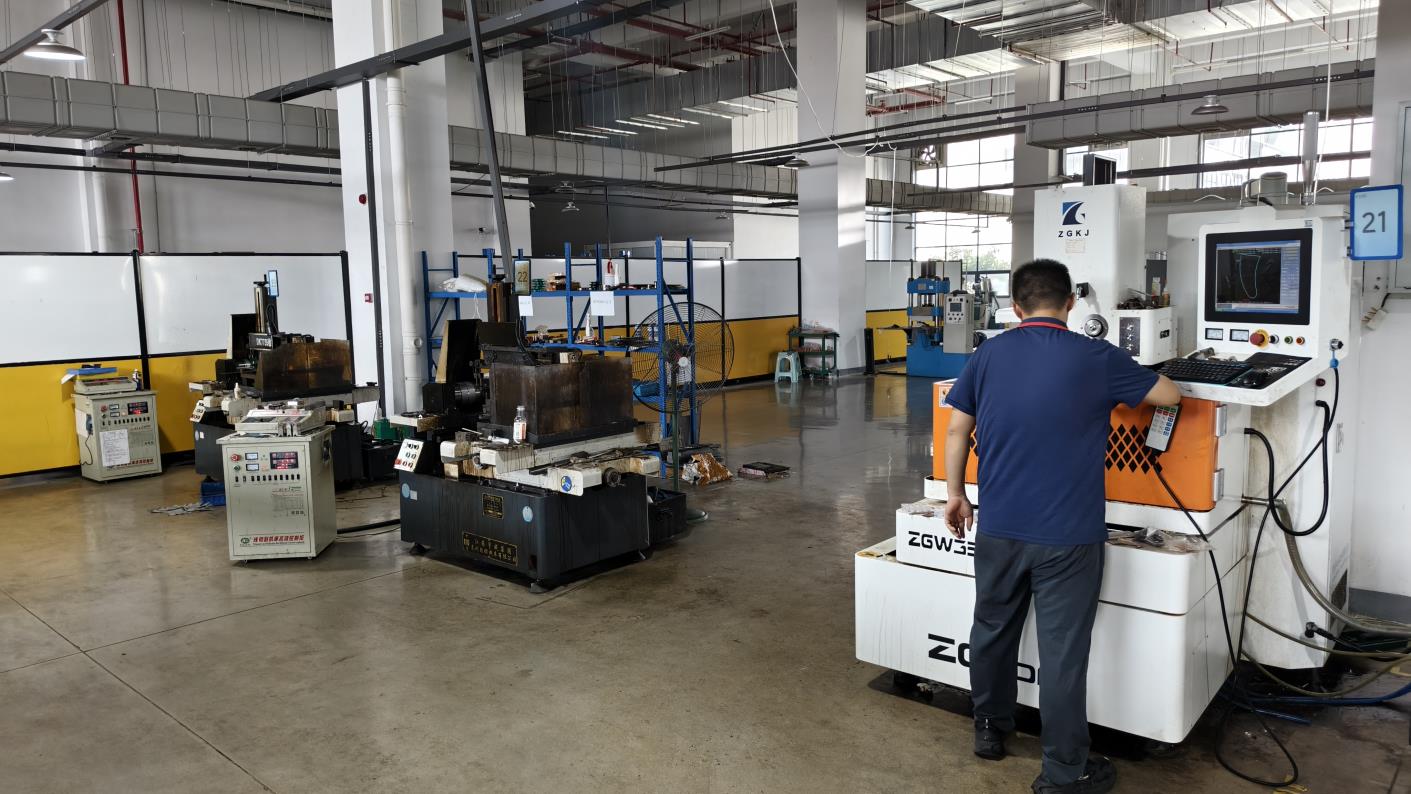
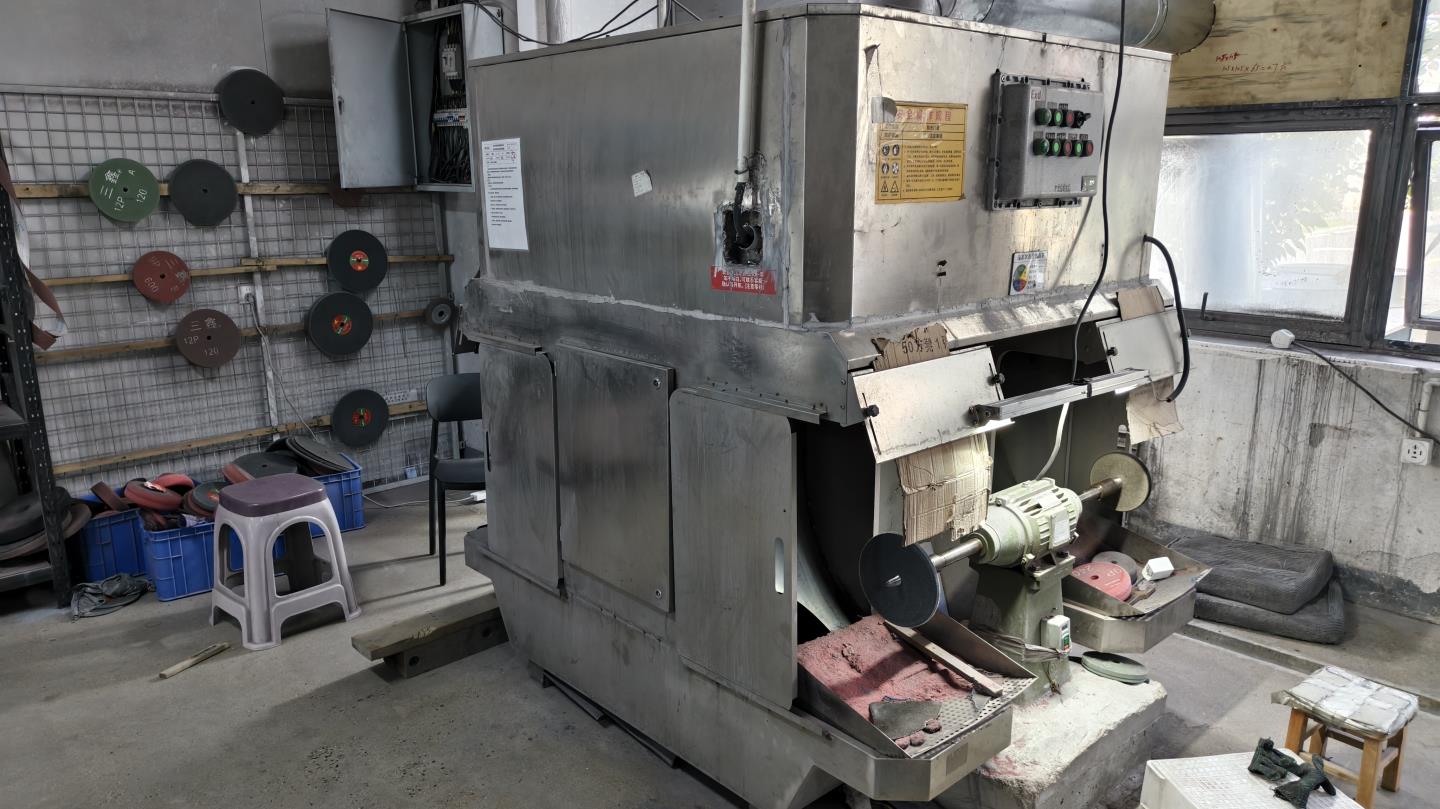
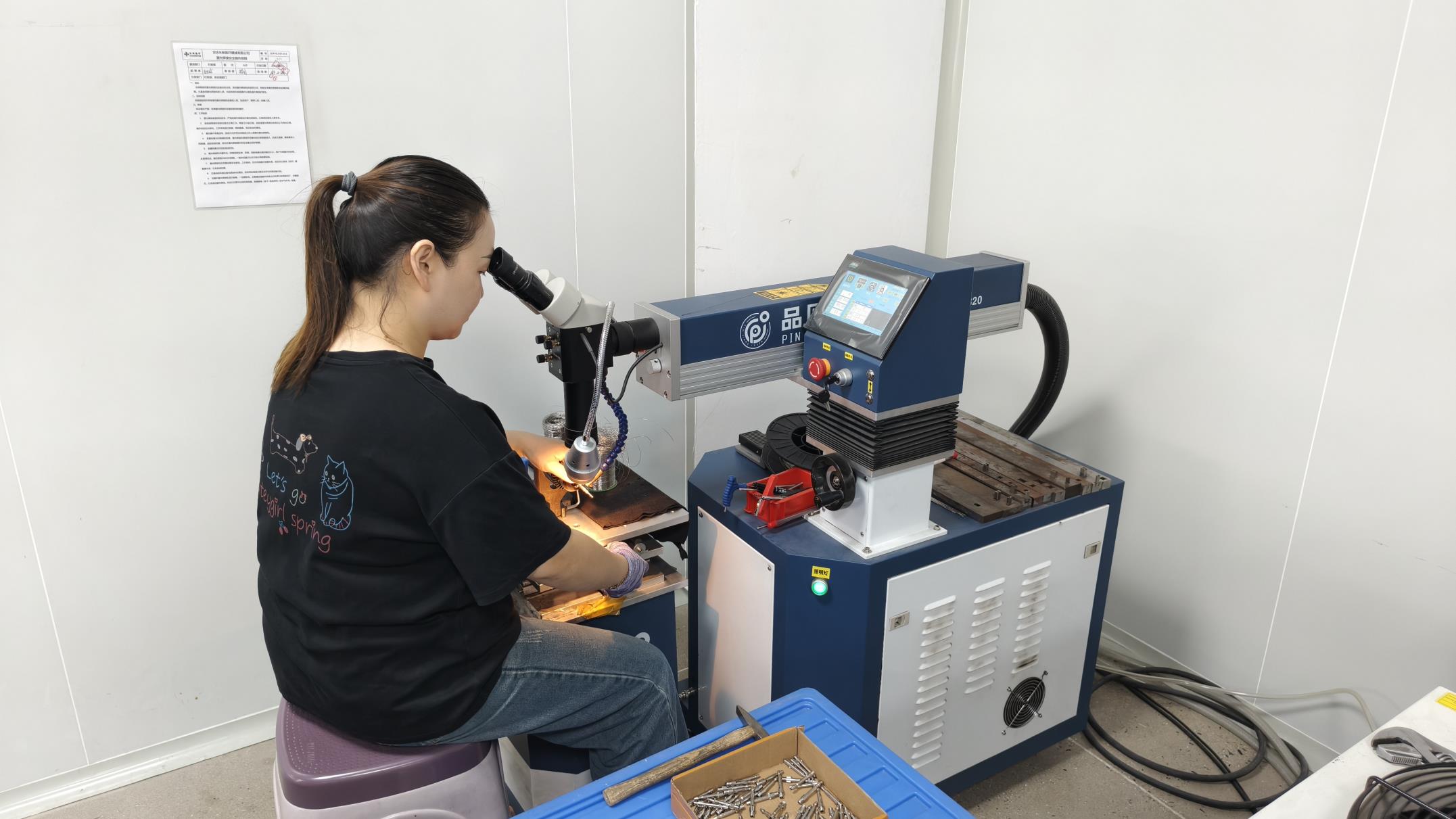
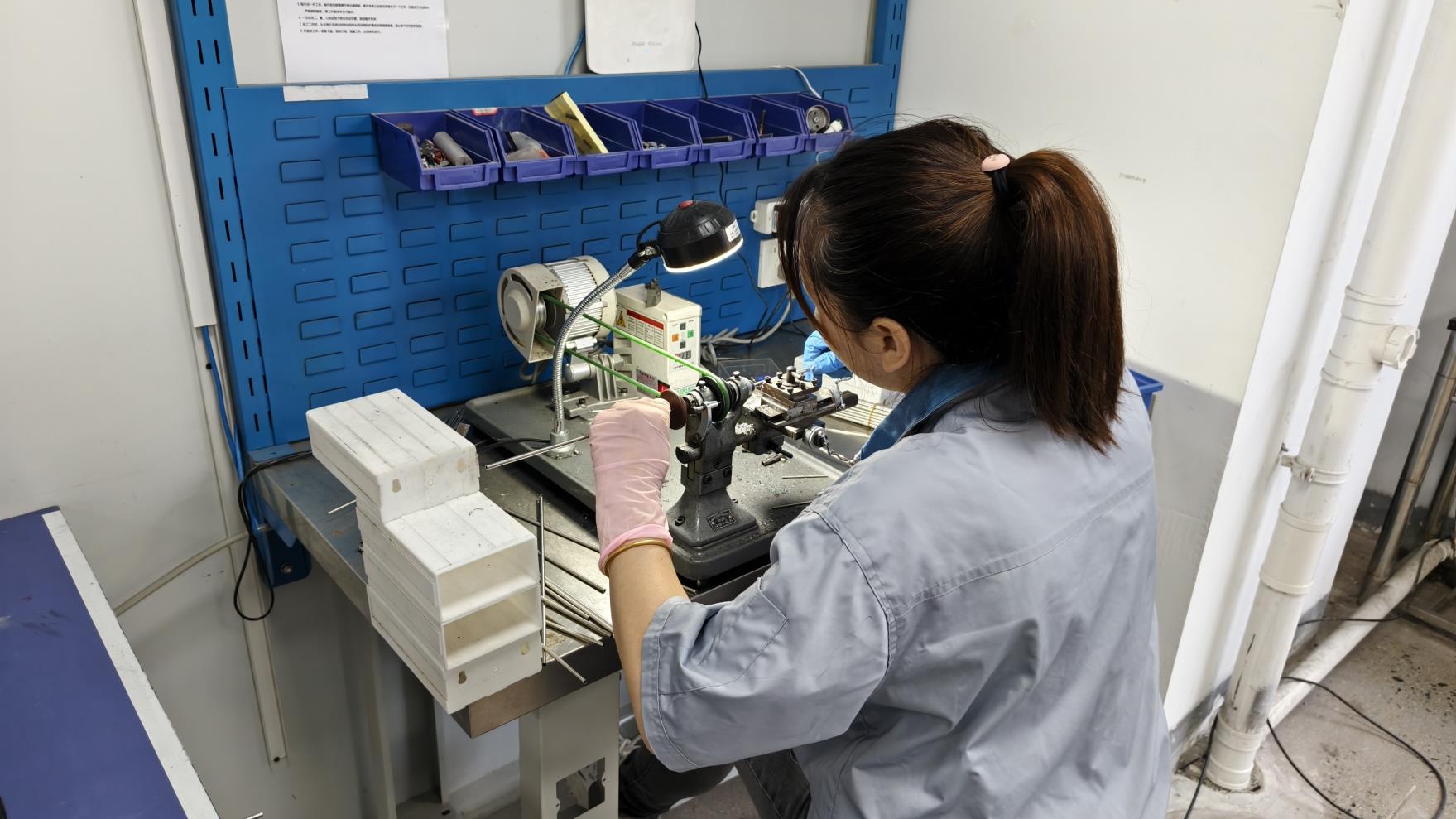
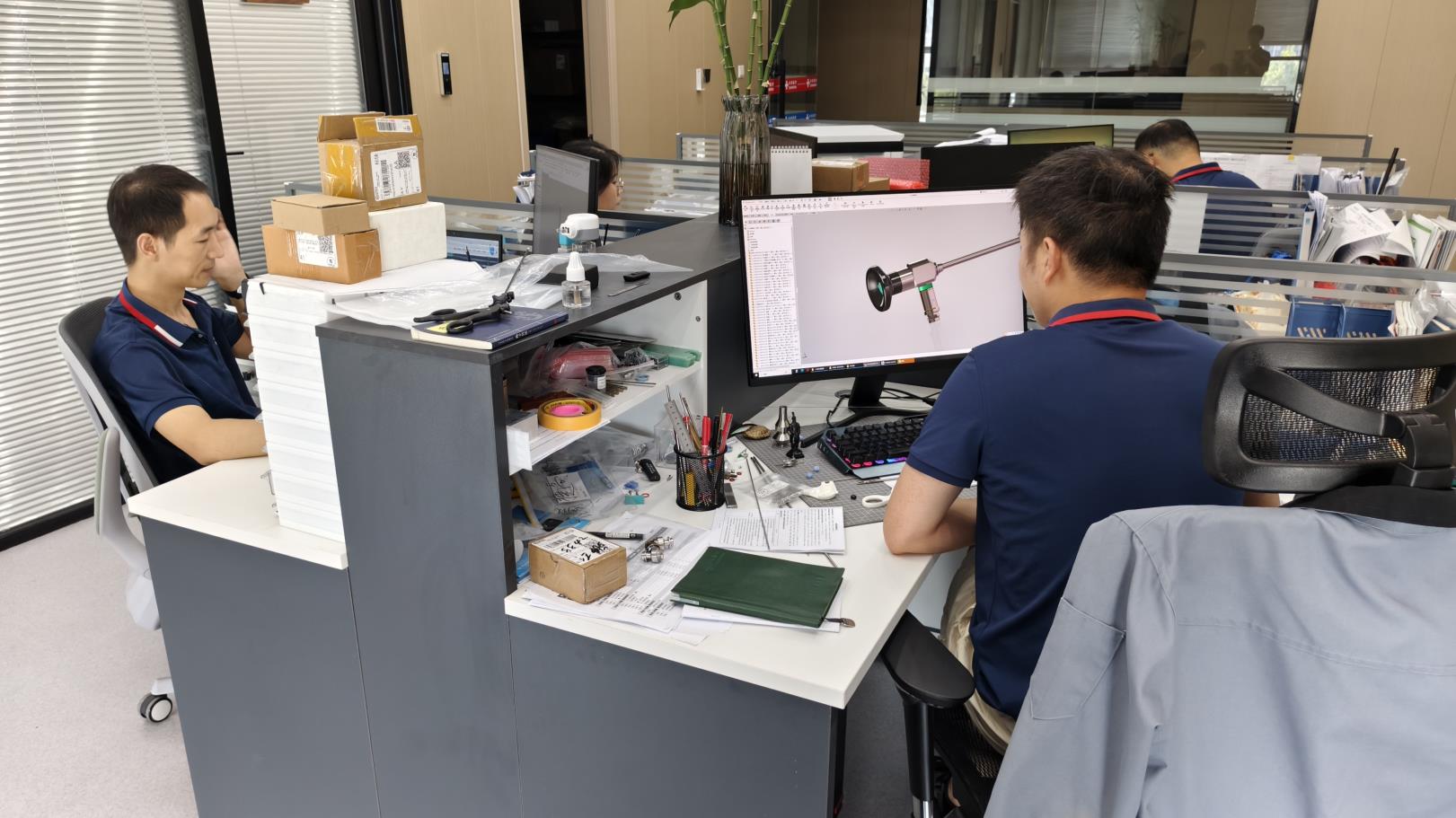
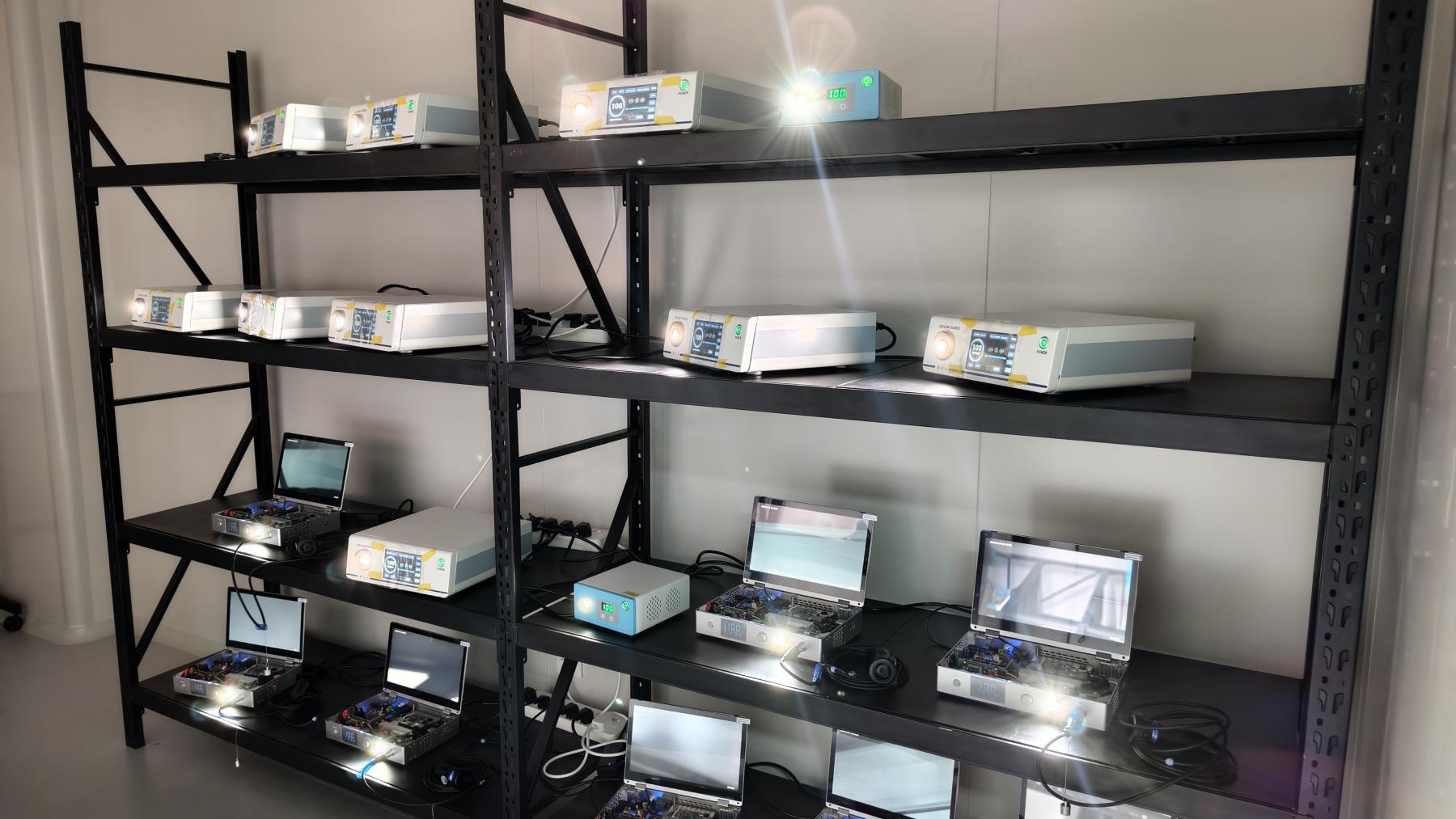
A glimpse inside our ISO-certified clean production bays, precision milling machinery, and structural quality control labs.
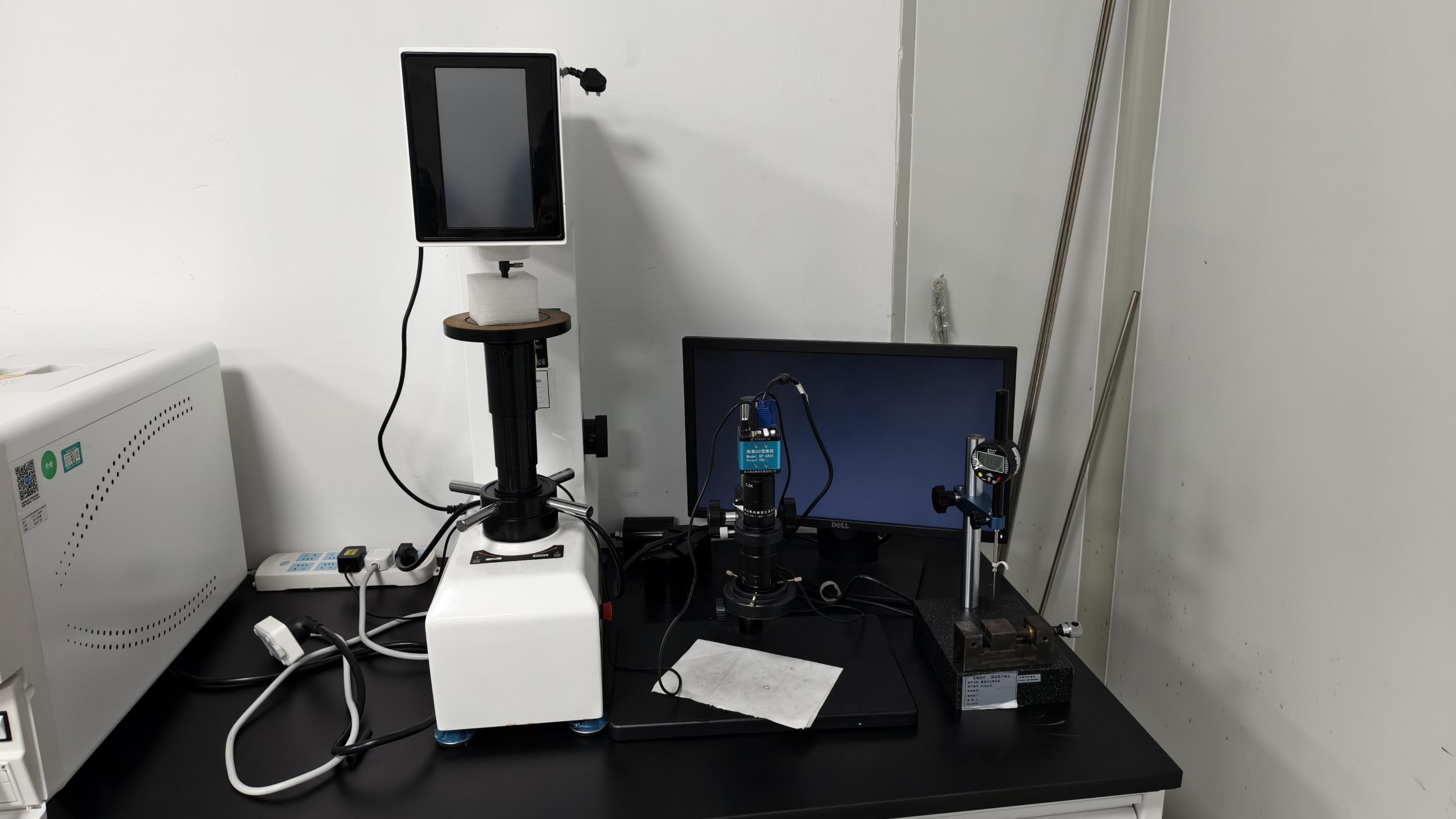
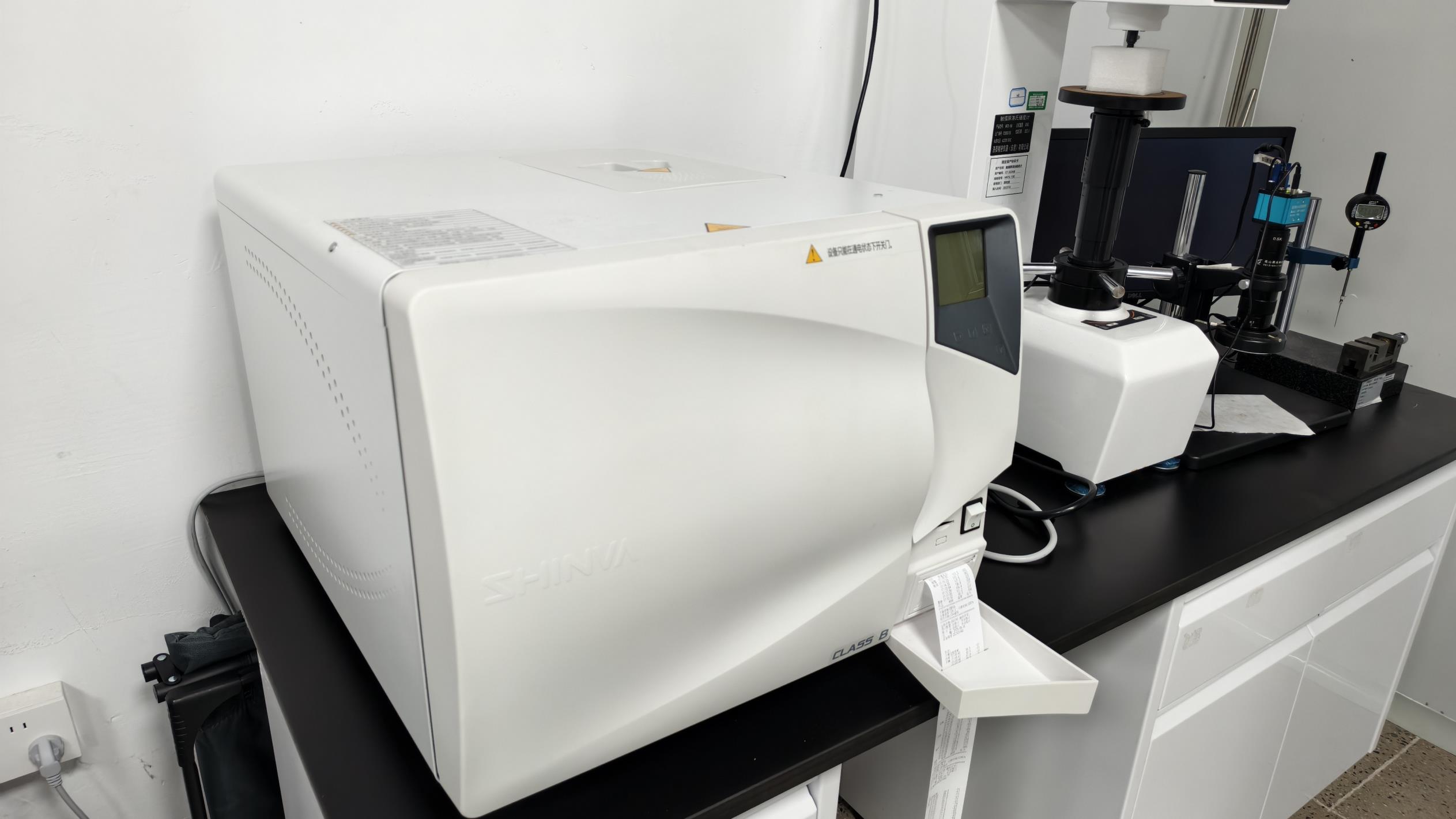
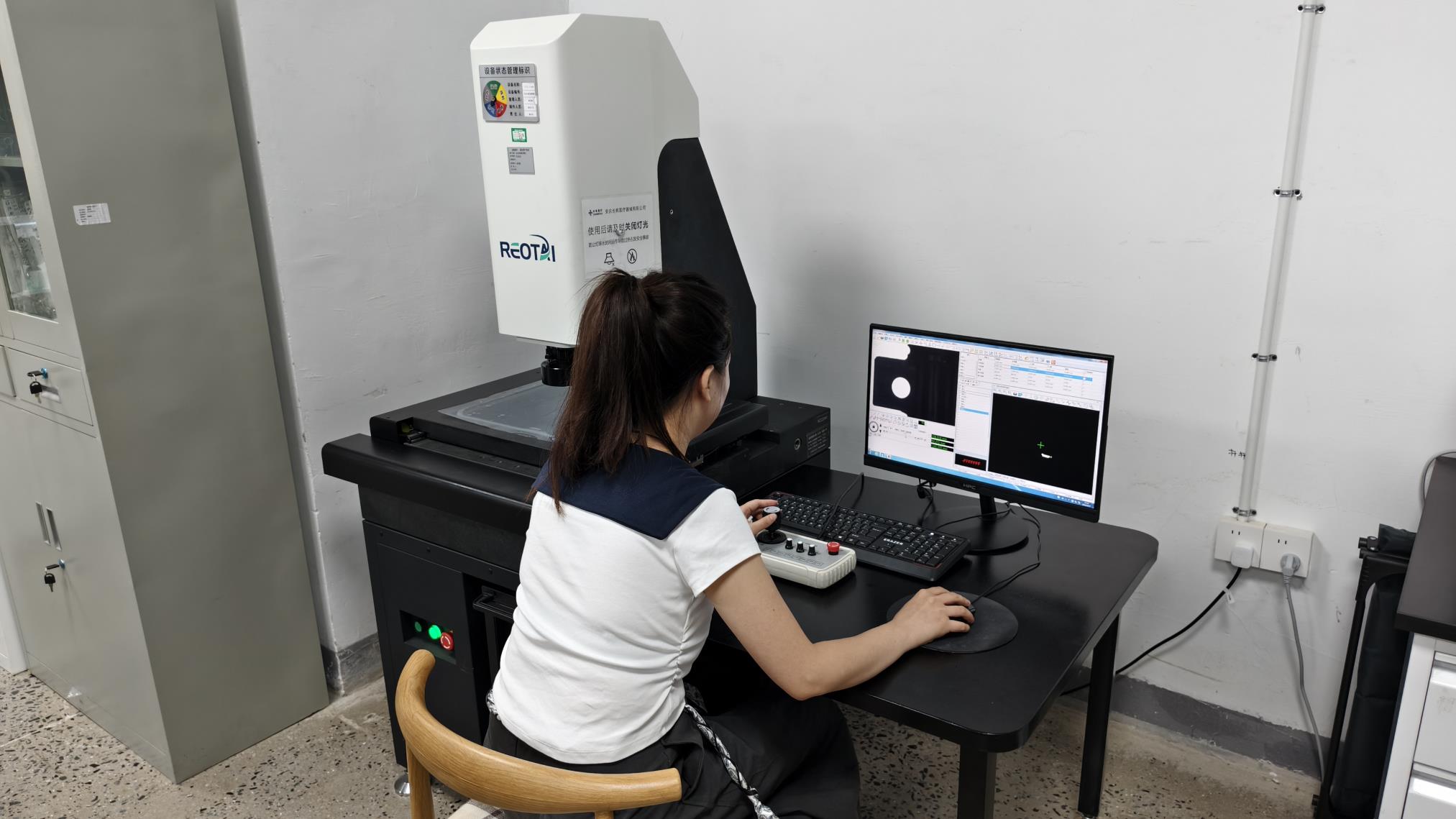
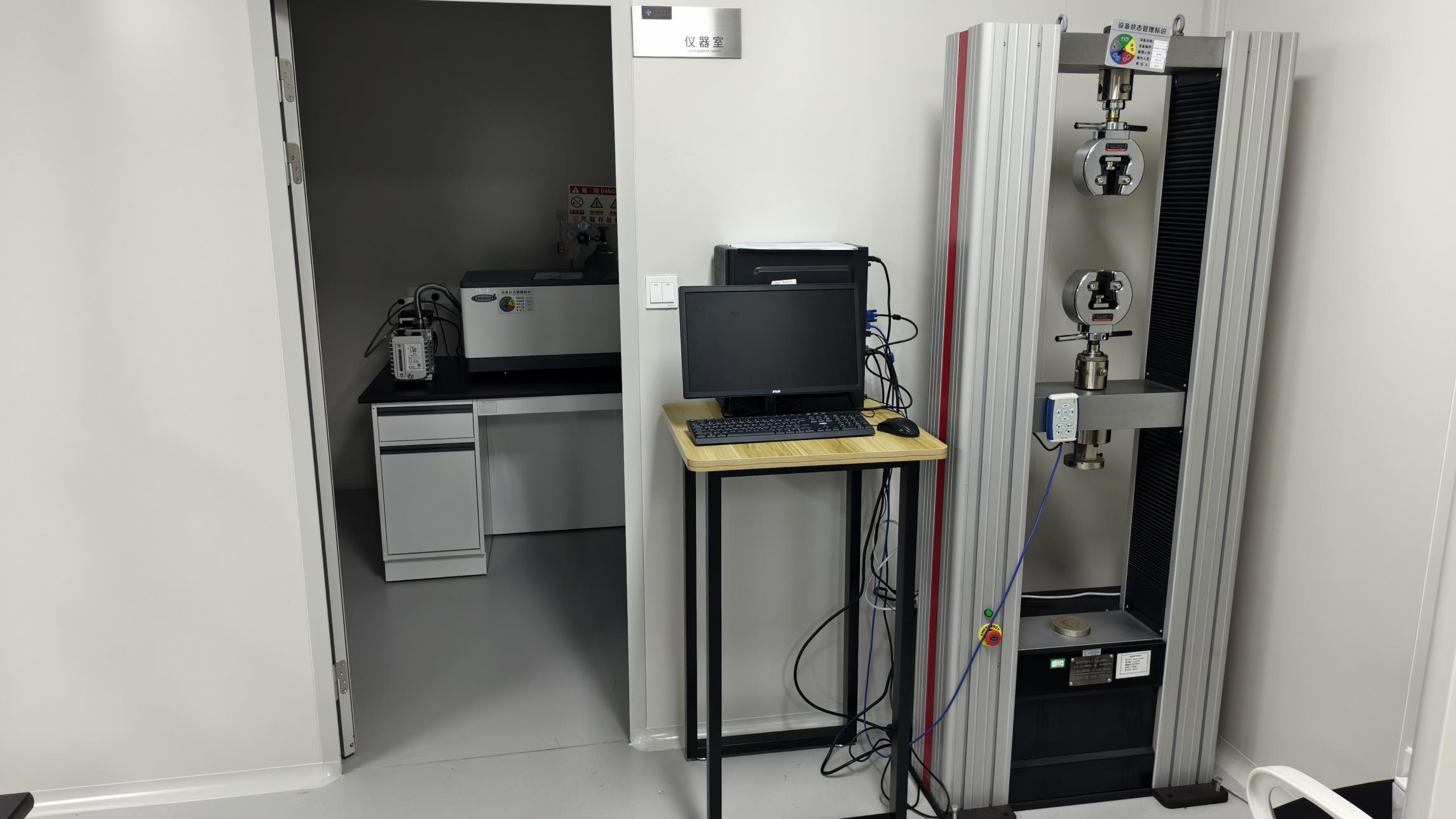
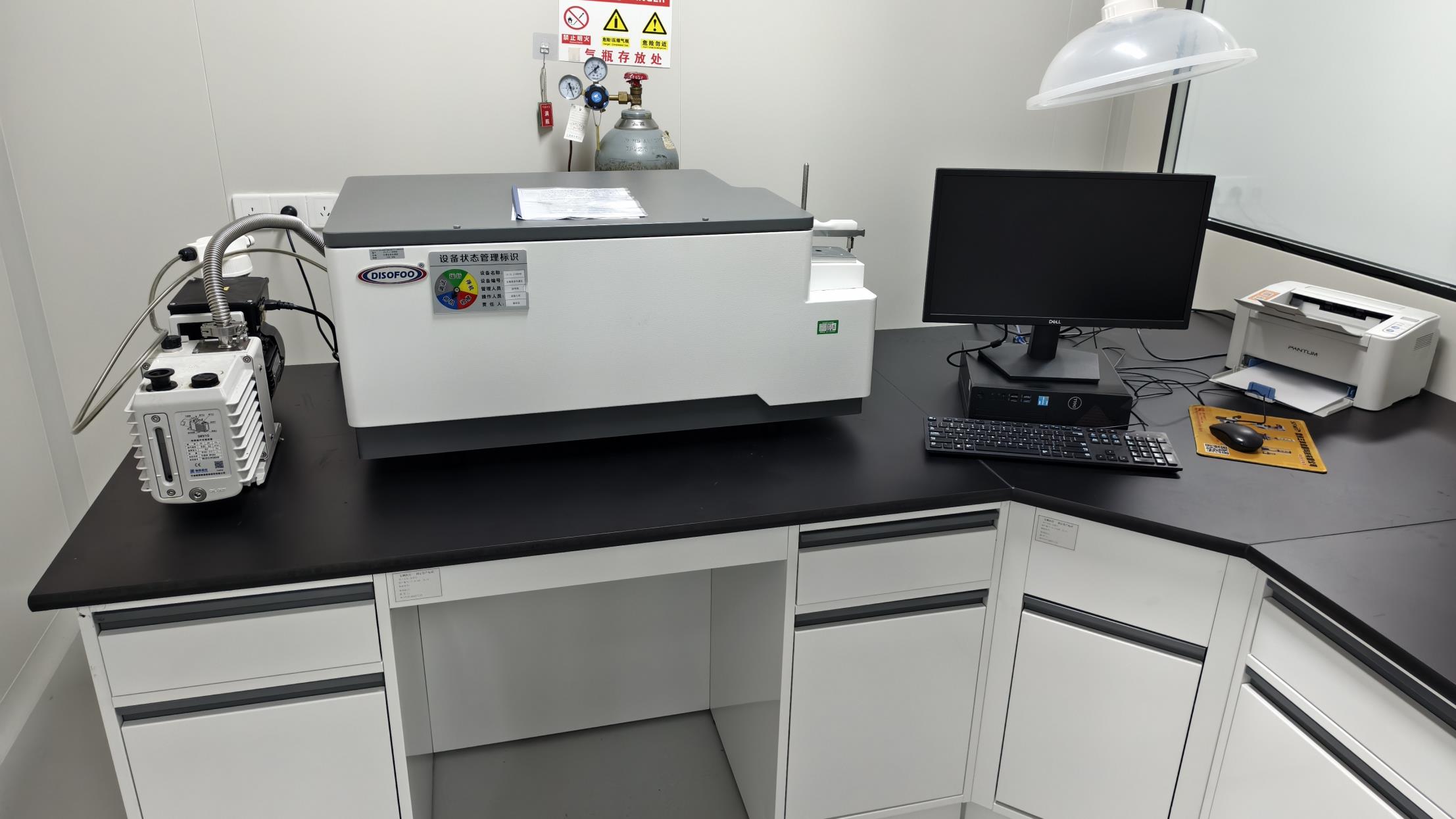
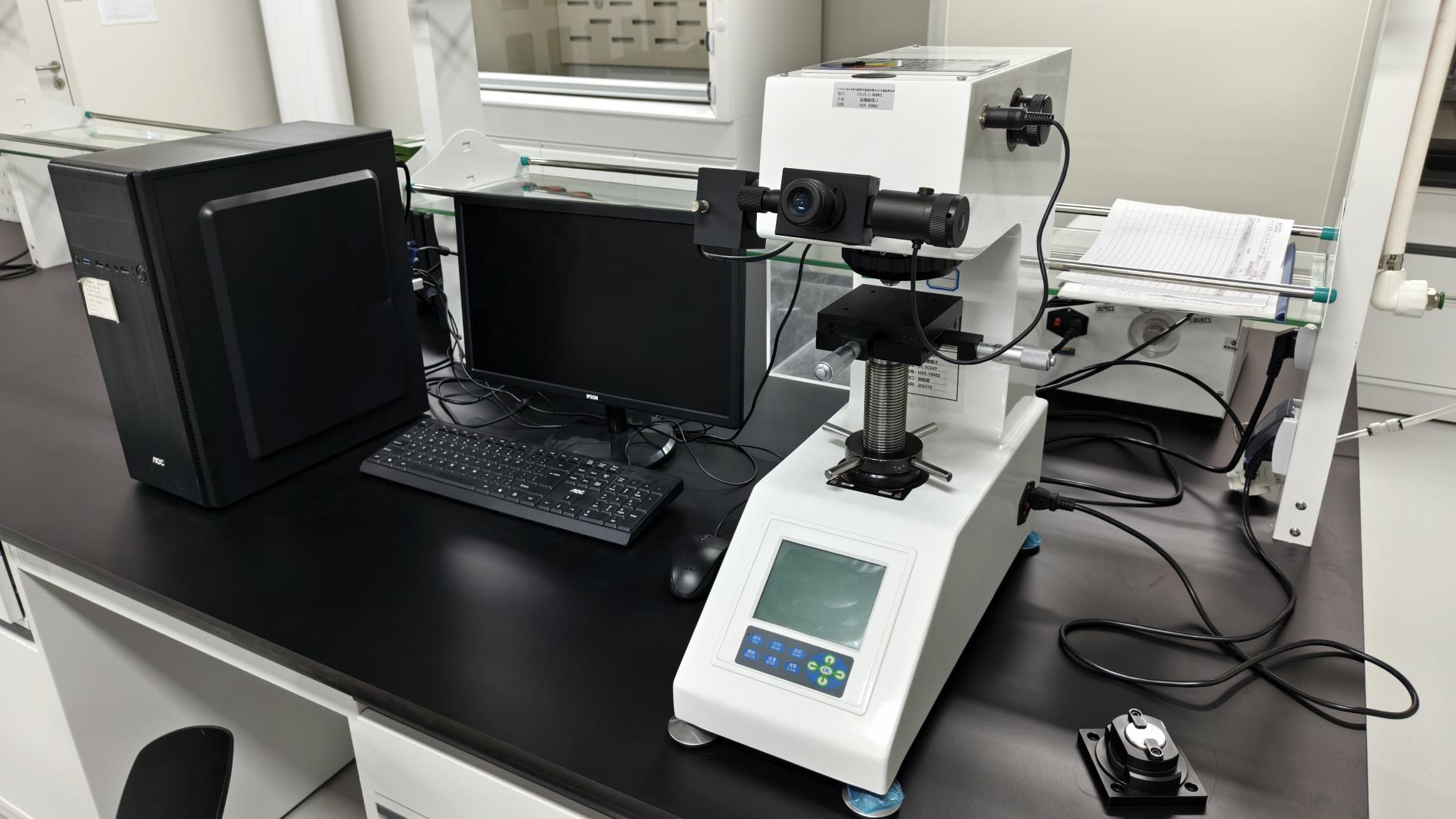
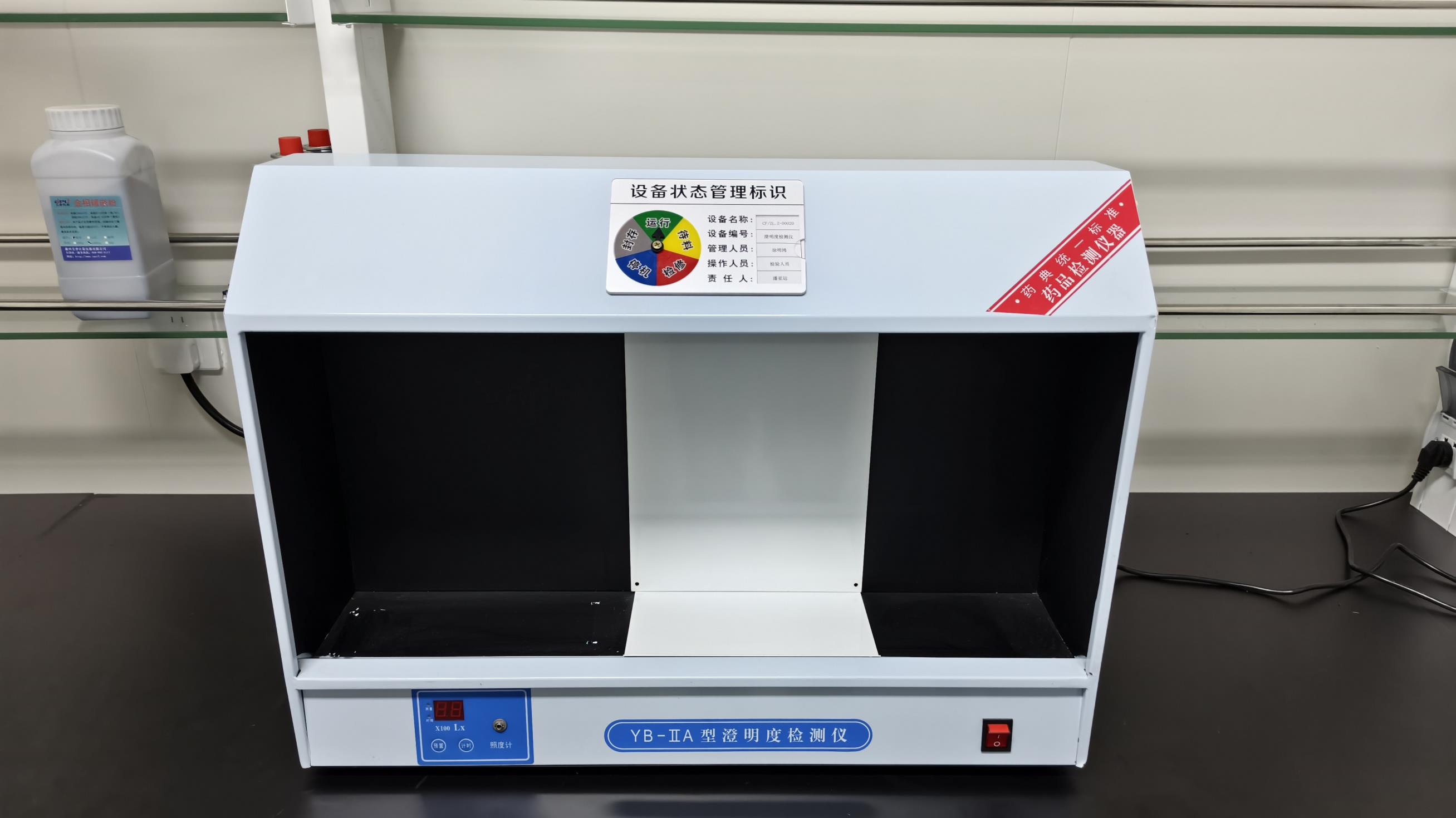
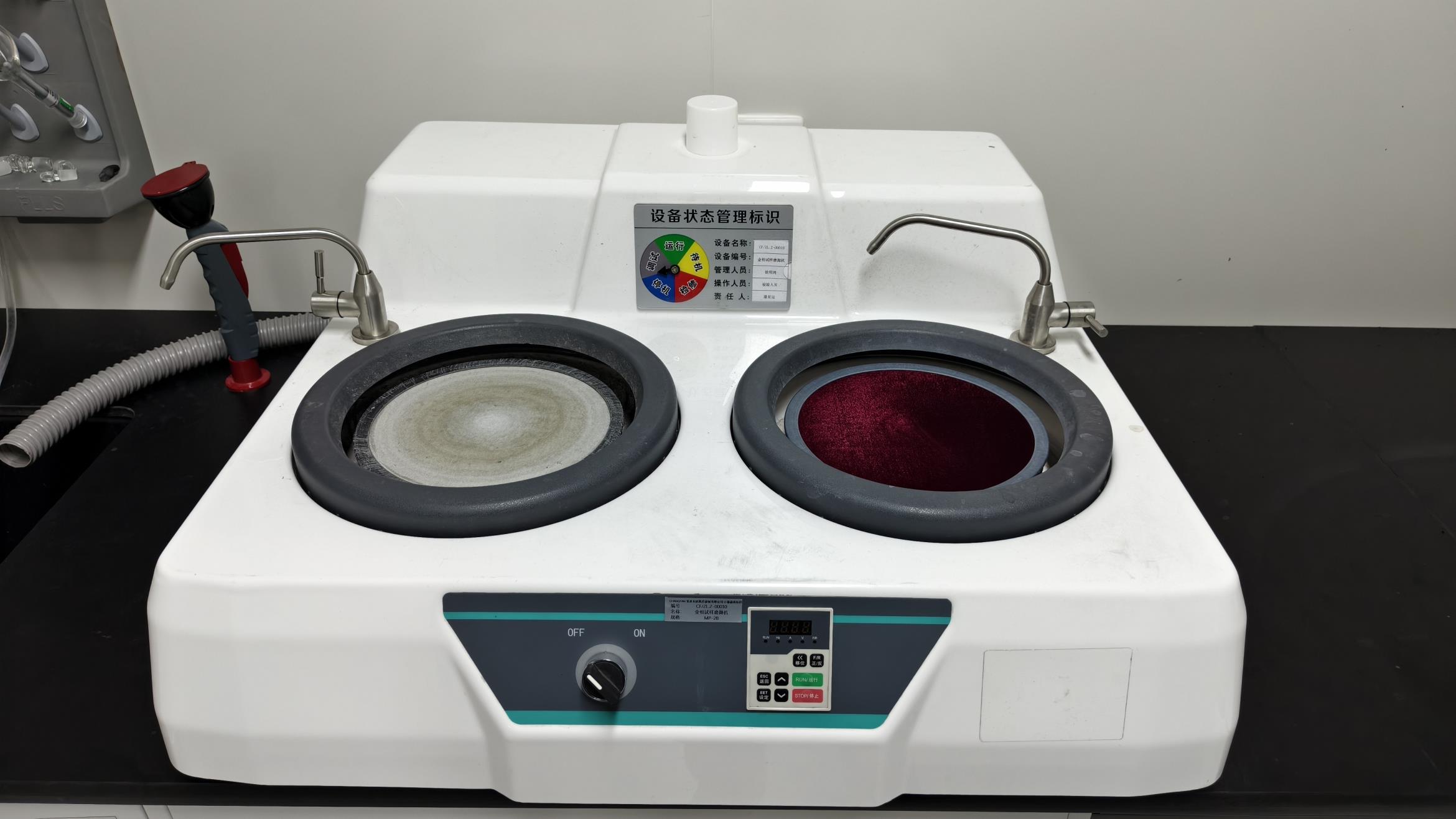
Addressing key regulatory, material science, and custom OEM processing concerns for Seattle buyers.
All Synoviq spinal implants are machined from implant-grade Titanium Alloy (Ti-6Al-4V ELI) conforming to ASTM F136 specifications. This medical alloy features extra low interstitial elements, ensuring optimized biocompatibility, high fatigue limits, and superior tensile strength required for long-term clinical fixation.
We supply a complete technical documentation package, including comprehensive material certificates (melt shop origins), chemical composition evaluations, static/dynamic mechanical validation records, cleanroom verification reports, and sterilization validation documents. This data facilitates the local regulatory filing process for Seattle distributors.
We offer both type II anodization (increasing surface hardness and wear resistance while minimizing screw galling) and type III anodization (color coding for surgical identification). Additionally, we can supply specialized acid-etched and grit-blasted microstructures that promote bone-implant mechanical interlocking.
For custom OEM designs, our cycle includes 2D/3D model creation (48 hours), high-fidelity prototype machining (5-7 days), and final product inspection. Depending on design scale and tooling setup, bulk production runs usually take 30 to 45 business days, with air shipping to Seattle-Tacoma International Airport (SEA) taking 5-7 days.
Yes. Synoviq is equipped with dynamic fatigue testing machines that execute compressive and torsional shear fatigue evaluations in simulated body fluids (PBS), complying with ASTM F1717 guidelines. This testing guarantees our spinal rods and pedicle screws can withstand physiological loads across multiple millions of cycles.
Supplemental components to construct complete, multi-segment posterior stabilization systems.
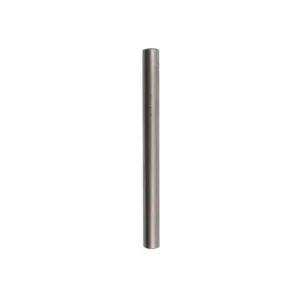
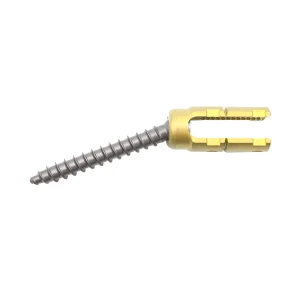
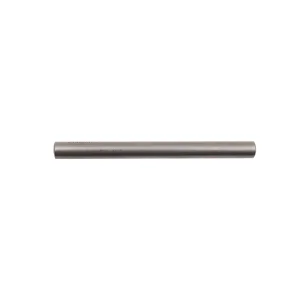
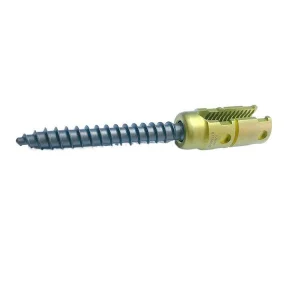
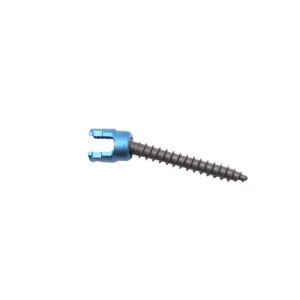
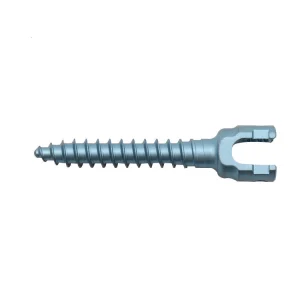
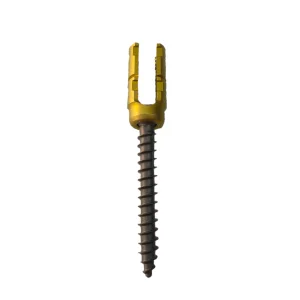
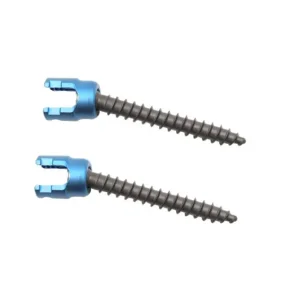
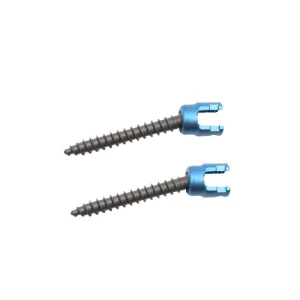
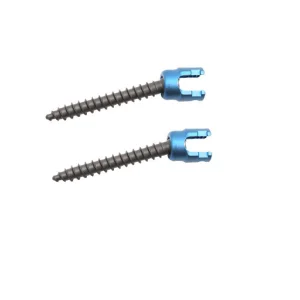
Comprehensive selection of FDA-grade monoaxial, polyaxial, and reduction screw assemblies for Seattle hospitals.
Looking to expand your orthopedic supply footprint in Seattle and the Pacific Northwest? Speak directly to our engineering coordinators to request mechanical verification documents, customize dimensions, or request production-ready prototypes.
 Synoviq Medical