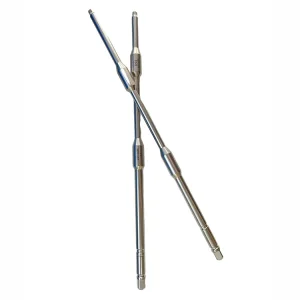
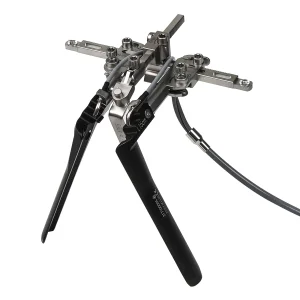
Optimized spinal repair instruments designed for complex scoliosis revision and high-demand orthopedic protocols in the Osaka Medical District.
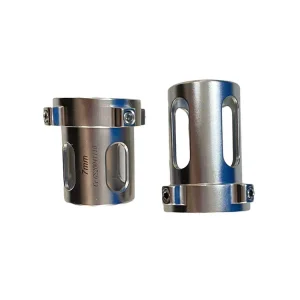
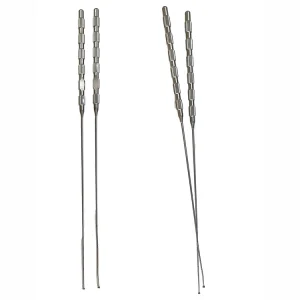
Osaka, traditionally referred to as the industrial heart of the Kansai region, has undergone a significant structural shift from heavy industrial fabrication to advanced biotechnology, biomedical engineering, and medical device manufacturing. Known globally for its concentration of high-precision metalworking workshops (typically in districts like Higashiosaka and Yao), Osaka holds a key role in supply chains requiring extreme micro-machining tolerances. The demand for orthopedic accessories and surgical instrumentation in Osaka is driven by some of the most prestigious academic and research hospitals in Asia, including Osaka University Hospital, Osaka Metropolitan University Hospital, and specialized clinics in the Kansai Science City.
For global procurement officers, collaborating with orthopedic manufacturers catering to the Osaka market means adhering to stringent quality expectations. Japanese clinical practice requires instruments with zero surface micro-cracks, high corrosion resistance through repeatedly demanding autoclave cycles, and biocompatible material selections (such as High-Nitrogen Stainless Steel or ASTM F136 Titanium). As the market moves toward minimally invasive spine surgeries (MISS) and custom joint reconstruction, local and global medical brands rely on manufacturing partners who can bridge the gap between traditional Japanese craft-level quality and cost-effective, high-volume CNC processes.
Global medical device brands and hospital supply chains face complex challenges. Regulatory scrutiny under European Medical Device Regulation (MDR) and the US FDA has increased requirements for documentation and traceability. In parallel, global healthcare budgets demand cost containment. This creates a dual pressure: sourcing agents must identify orthopedic manufacturers that reduce unit costs without introducing regulatory risks.
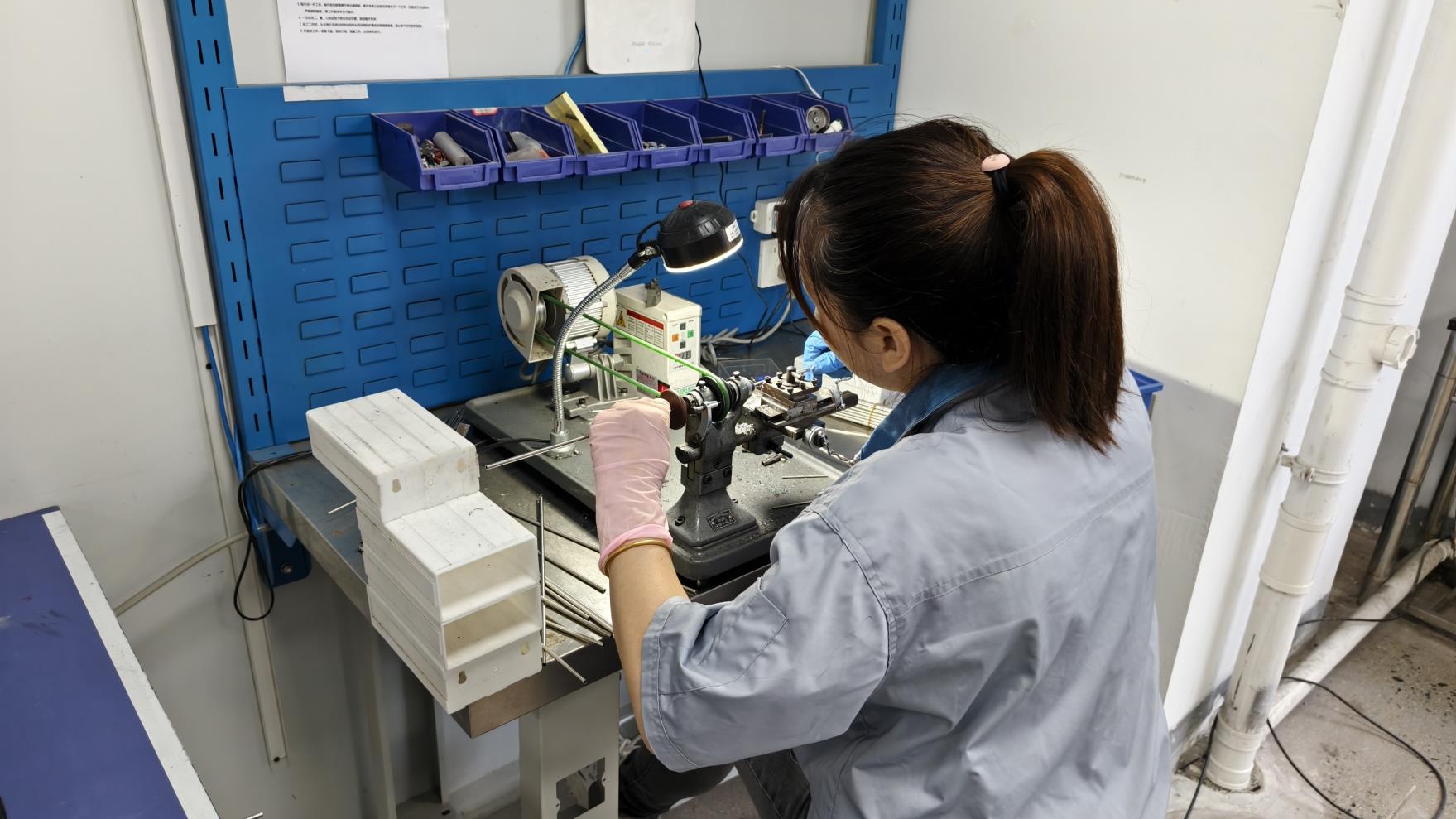
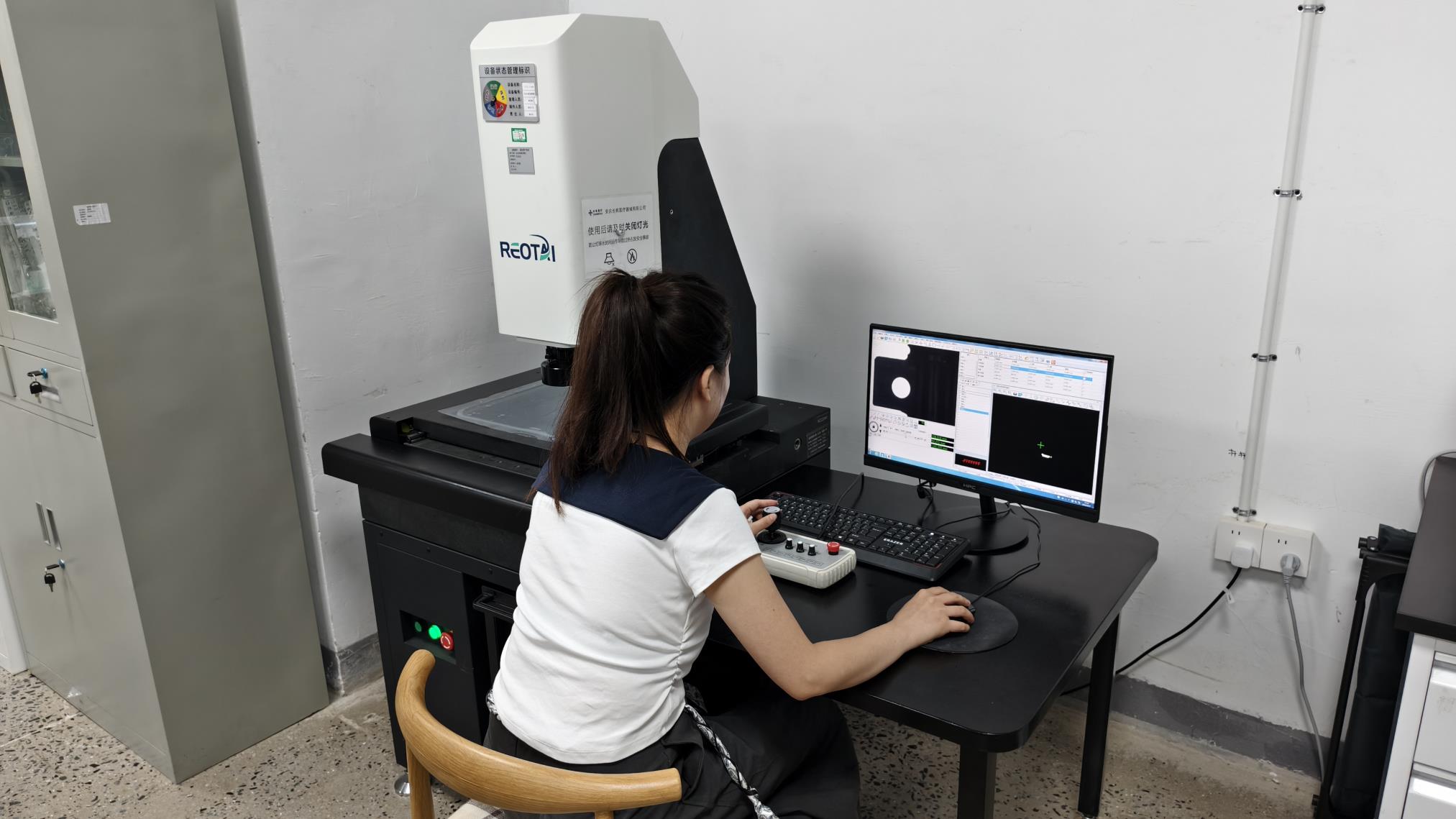
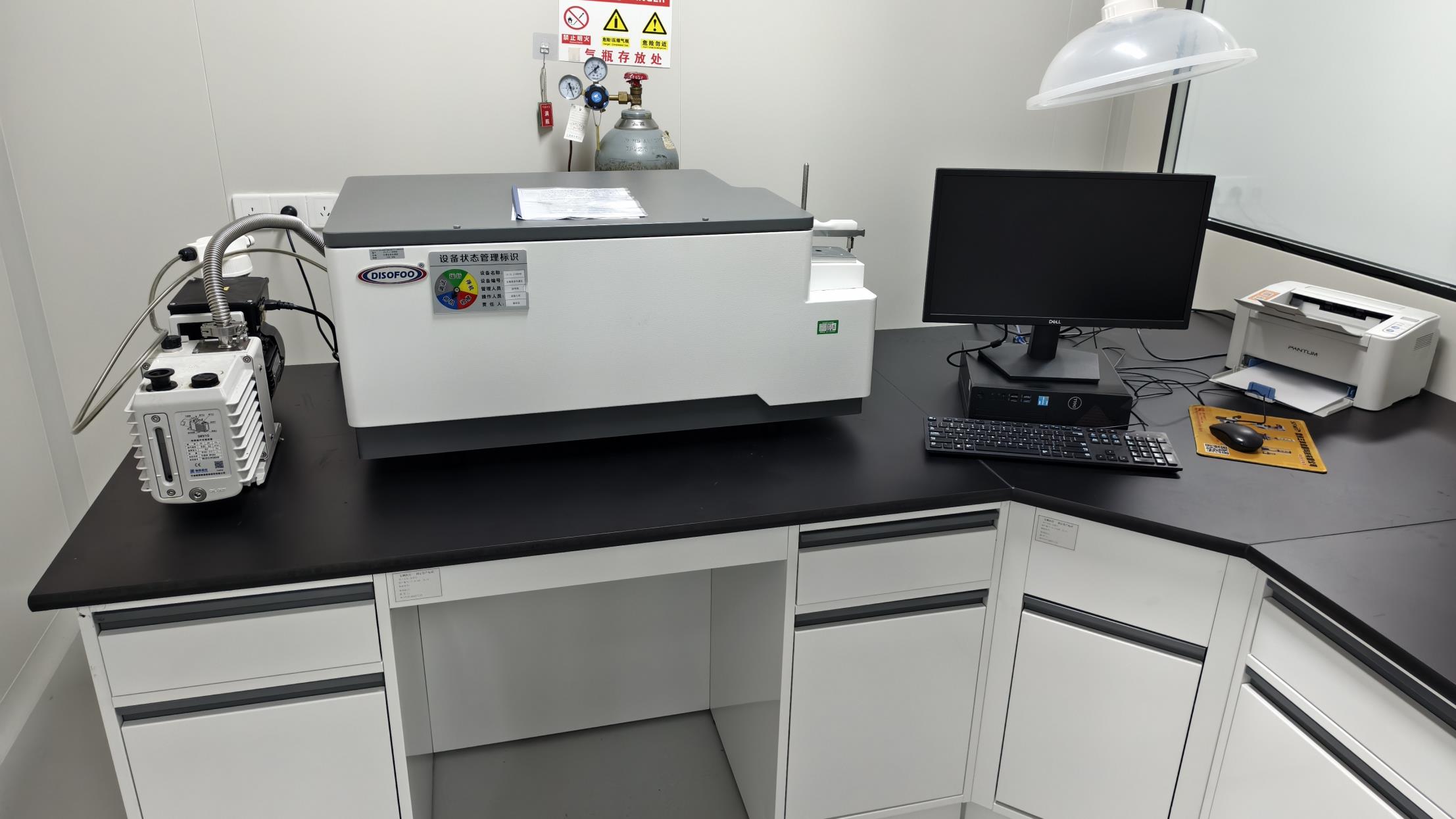
A reliable OEM/ODM manufacturer addresses this issue through complete vertical integration. By handling raw material verification (using spectroscopy and metallographical analysis), micro-machining on Swiss-type lathes, multi-axis milling, and proprietary electrochemical passivation treatments in-house, the manufacturing supply chain becomes fully transparent. For critical components like TLIF Cage Holders, Torque Limiters, and Pedicle Positioning Devices, even a microscopic deviation in thread tolerance can cause surgical failures or slippage. Our manufacturing procedures use 100% physical measurements paired with automated 2D video inspection systems to eliminate defects prior to packaging.
| Sourcing Challenge | Implications for Osaka & Global Brands | Synoviq Manufacturing Response |
|---|---|---|
| Material Traceability | Risk of implant rejection or corrosion in long-term implants. | 100% incoming inspection using optical emission spectrometers; mill test reports provided. |
| Dimensional Precision | Mismatch between instruments and orthopedic implants from different lots. | Strict ±0.005mm tolerances maintained using Swiss-type CNC Lathes and multi-axis machining. |
| Passivation Quality | Early rust or staining on surgical accessories after autoclave sterilization. | Automated ultrasonic cleaning and nitric/citric acid passivation verified by salt spray testing. |
| Regulatory Approval | Delays in PMDA (Japan), FDA 510(k), or CE MDR registrations. | Comprehensive technical files, ISO 13485 compliance, and validation data packages. |
Integrating medical design, material science, and manufacturing to deliver high-performance orthopedic systems.
Utilization of high-biocompatibility materials including Titanium Grade 5 (Ti-6Al-4V ELI), PEEK (Polyetheretherketone), CoCrMo, and ultra-high-molecular-weight polyethylene (UHMWPE) for long-term implant stability.
Application of advanced surface treatments such as Type II titanium anodizing, physical vapor deposition (PVD) coatings for color coding, and hydroxyapatite (HA) coating to promote osseointegration.
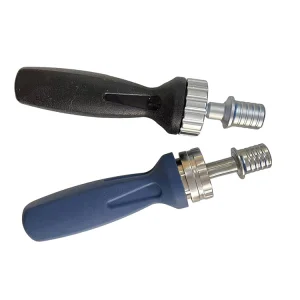
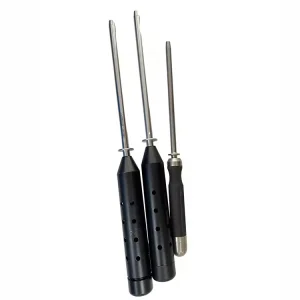
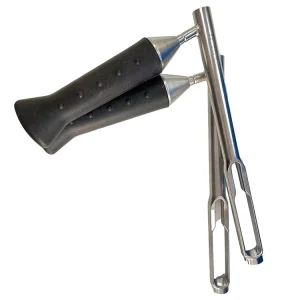
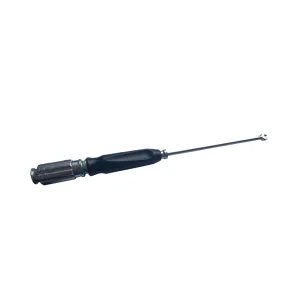
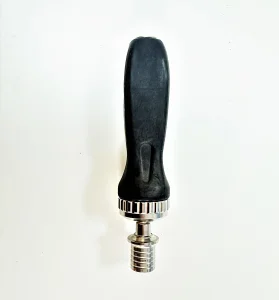
Development of surgical handpieces, torque limiters, and ratchets featuring ergonomic silicone-overmolded handles. Our systems withstand repeated autoclave cycles without material degradation.
Synoviq Medical Technology (China) Co., Ltd. is a professional manufacturer of orthopedic implants and surgical instruments, dedicated to delivering reliable, innovative, and high-quality medical solutions for healthcare organizations and distributors worldwide. Since our establishment, we have focused on precision engineering, advanced materials, and strict quality control systems. Our primary operations cover comprehensive OEM and ODM partnerships for global medical device brands, importers, and regional distribution partners.
Our product portfolio ranges from trauma fixation plates, intramedullary nail systems, and spinal stabilization hardware to customized orthopedic surgical instruments and accessories. Equipped with advanced multi-axis CNC machining, modern clean production facilities, and coordinate measuring systems, we ensure every finished instrument meets international clinical specifications.
Through continuous investment in research and development, Synoviq aims to optimize surgical efficiency and patient outcomes. Our technical team works alongside clinicians to develop instrumentation solutions tailored to the challenges of modern operating rooms. With 14 years of industry experience and a robust international distribution network, Synoviq supports partners across Europe, North America, South America, the Middle East, and Asia-Pacific.
| Synoviq Medical Technology - Operational Profile | |
|---|---|
| Brand | Synoviq |
| Established | March 18, 2016 |
| Building Area | 18,600 m² |
| Annual Export Revenue | USD 21.8 Million |
| Export Experience | 8 Years |
| Industry Experience | 14 Years |
| Quality Inspection | 100% Final Inspection & Incoming Material Inspection |
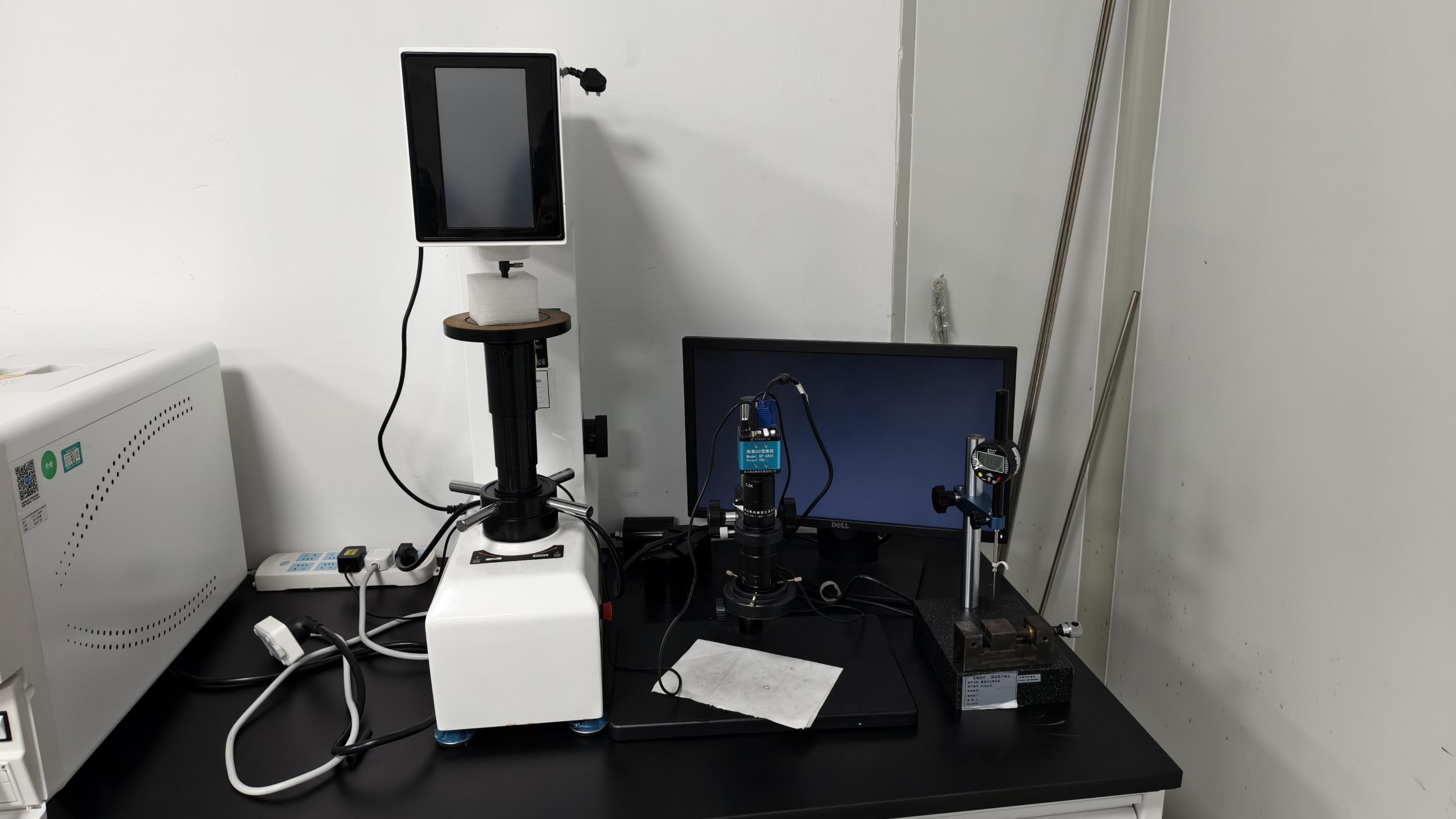
| Product Inspection Methods | CMM Measurement, Mechanical Testing, Surface Roughness Testing, Hardness Testing, Salt Spray Testing, Sterility Validation |
| Quality Control Staff | 48 |
| Business Type | Manufacturer & Exporter (OEM/ODM) |
| Main Markets | Europe, North America, South America, Middle East, Southeast Asia |
| Supply Chain Partners | 1,120+ |
| New Products Released Last Year | 186 |
| R&D Engineers | 76 |
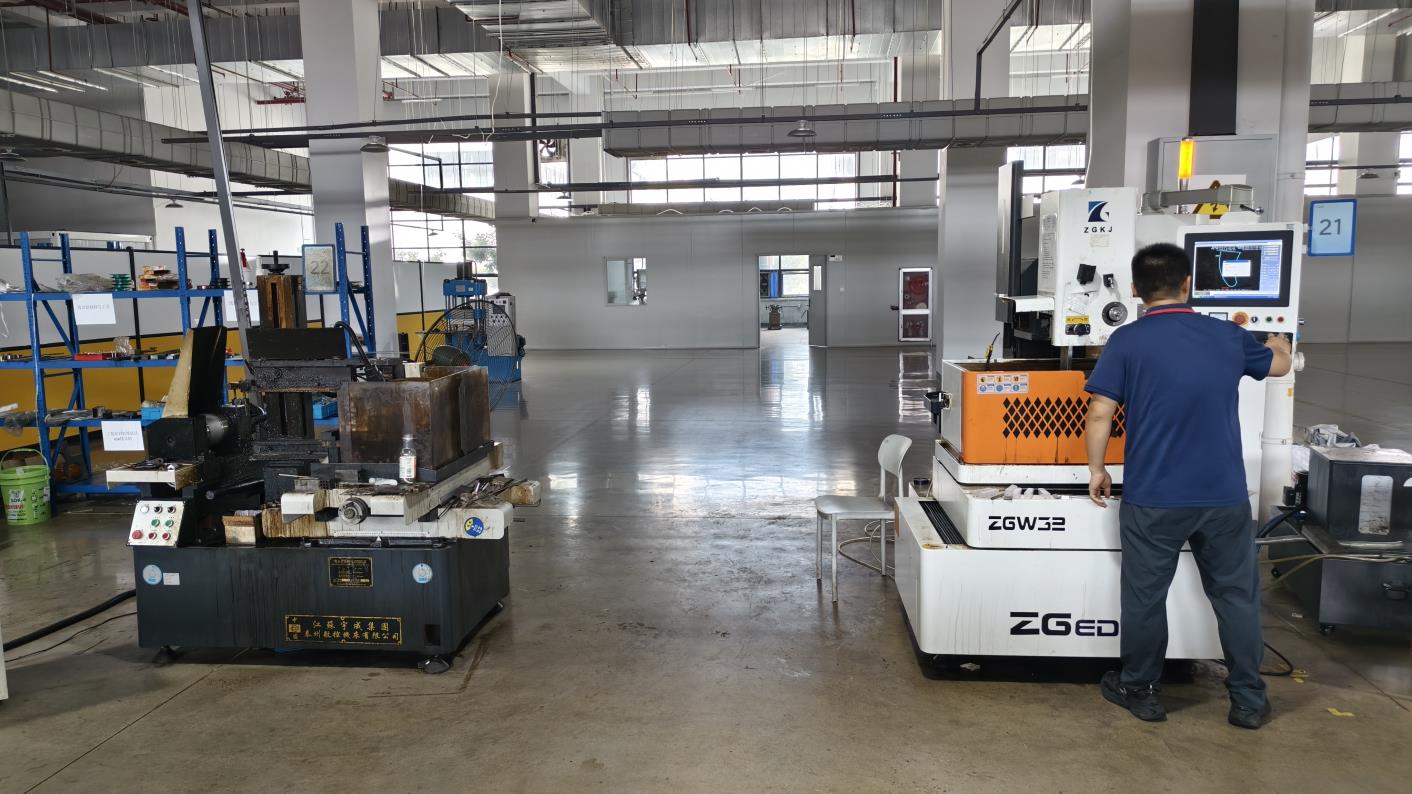
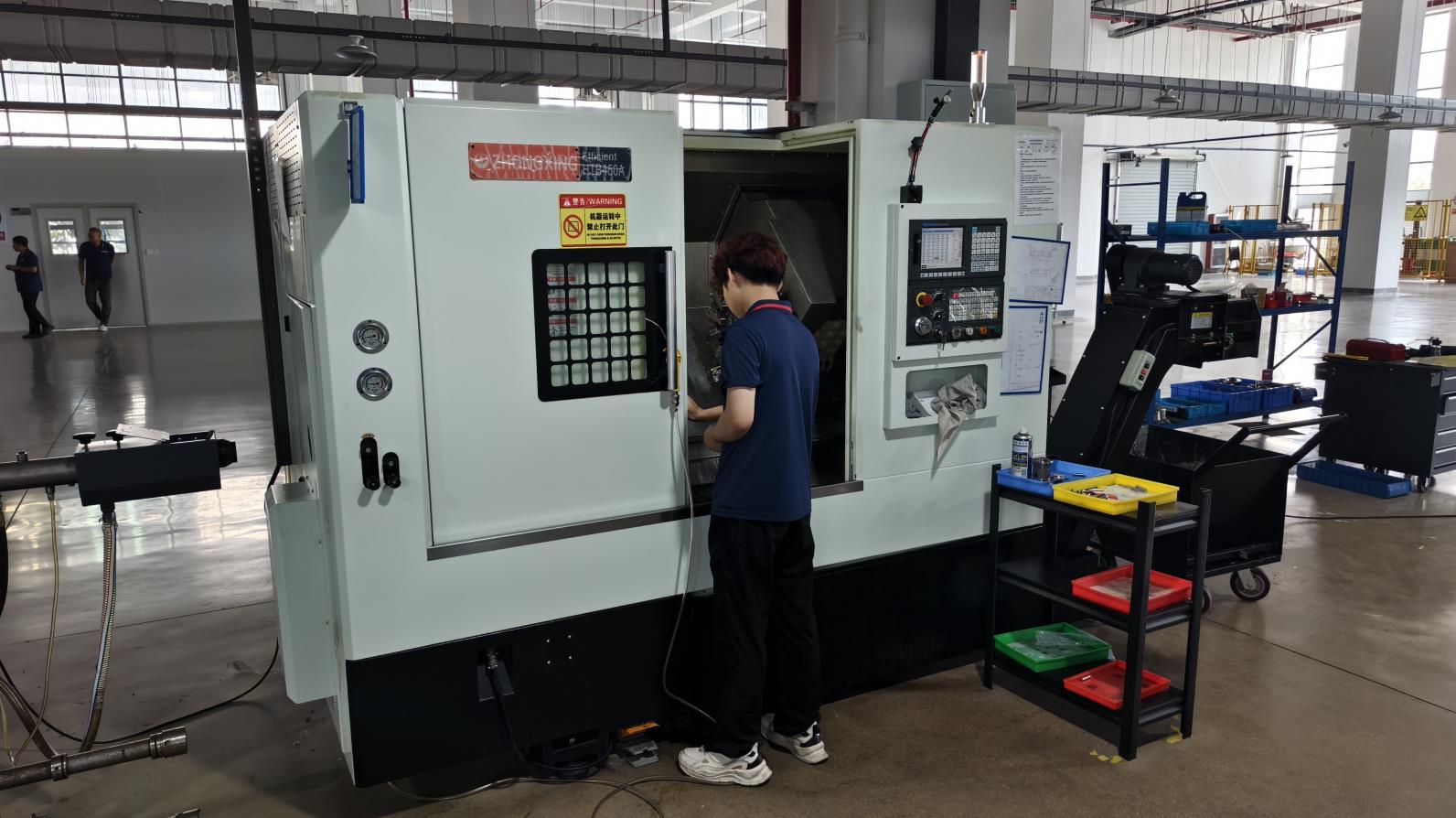
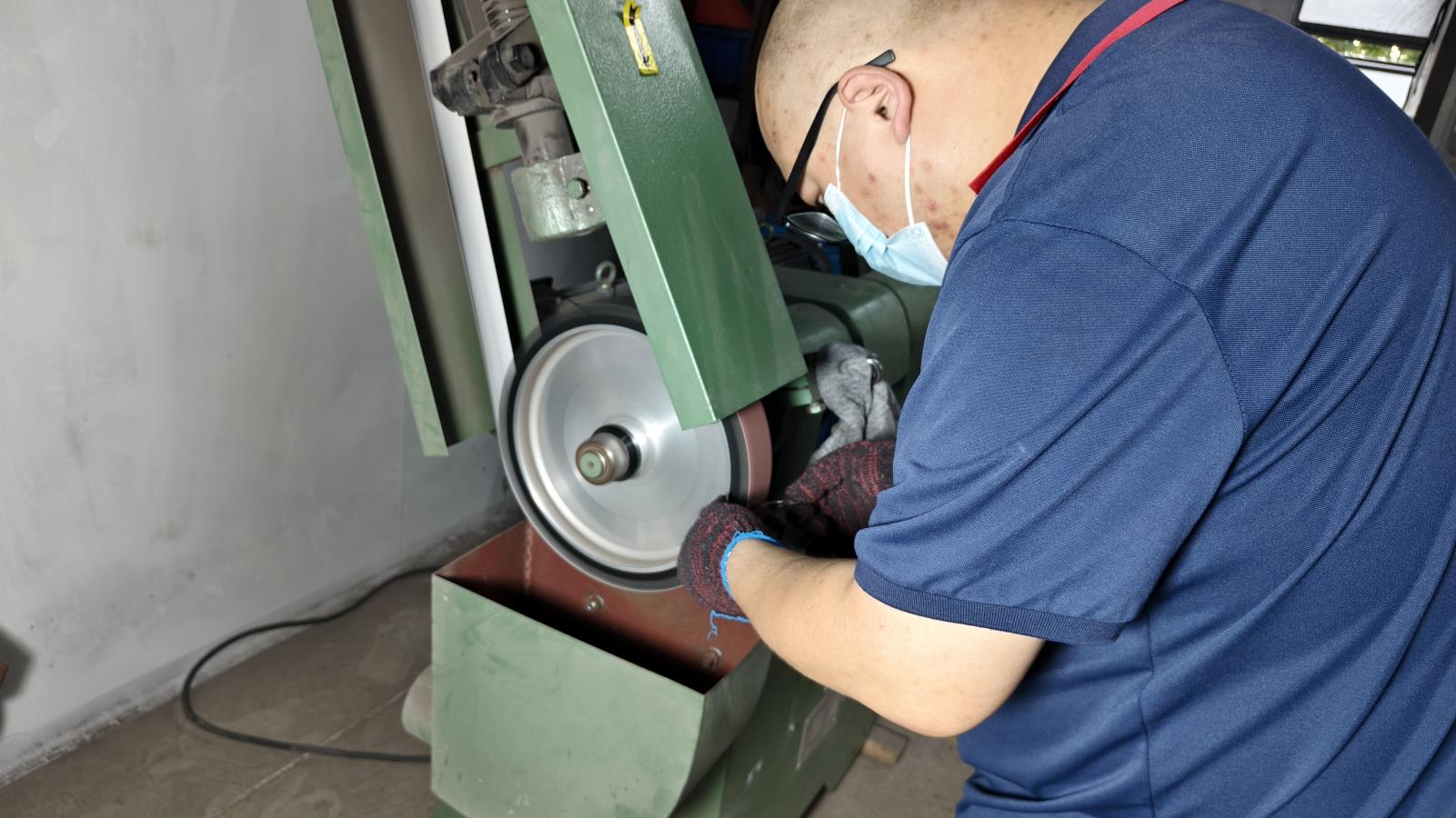
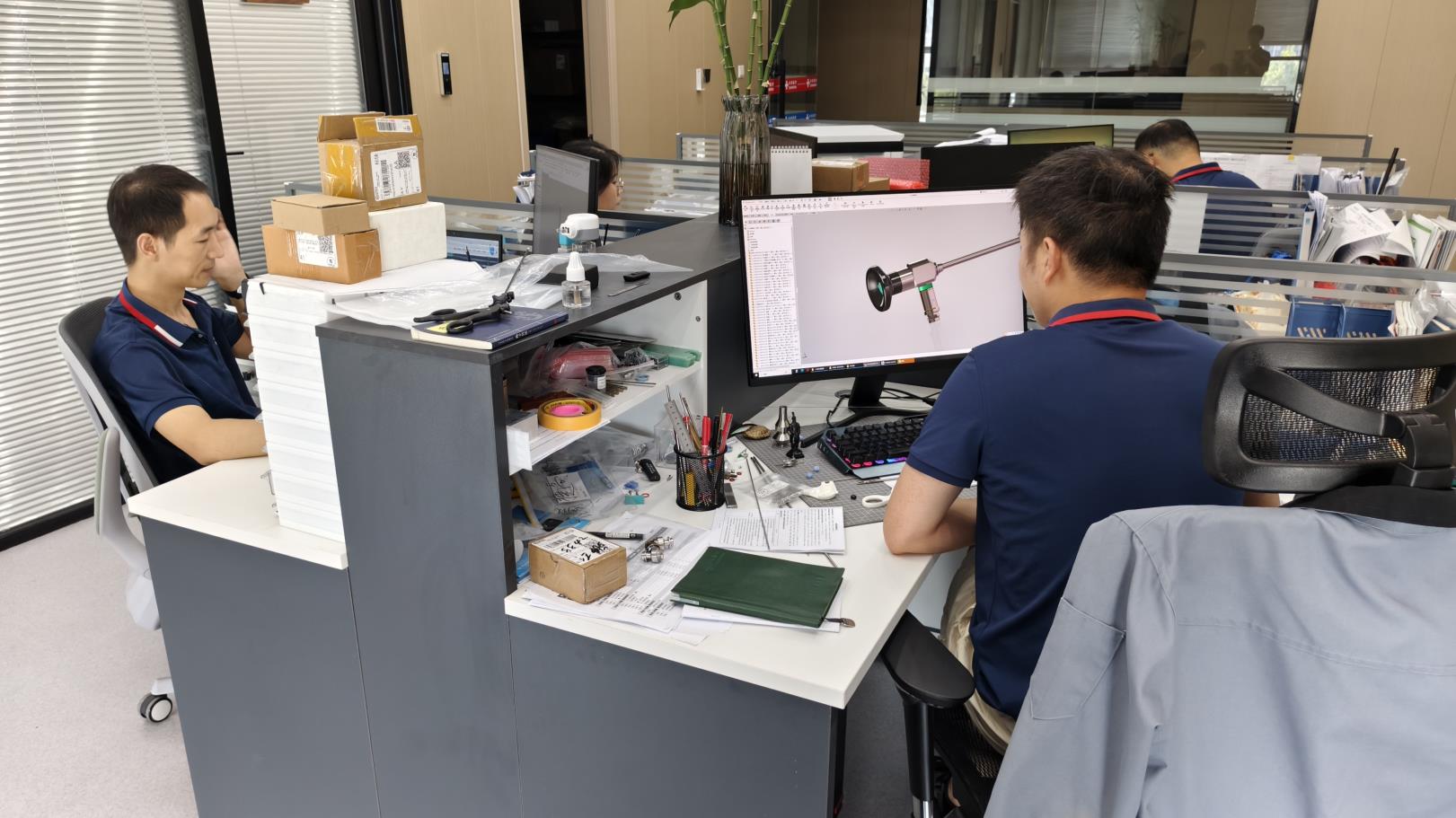
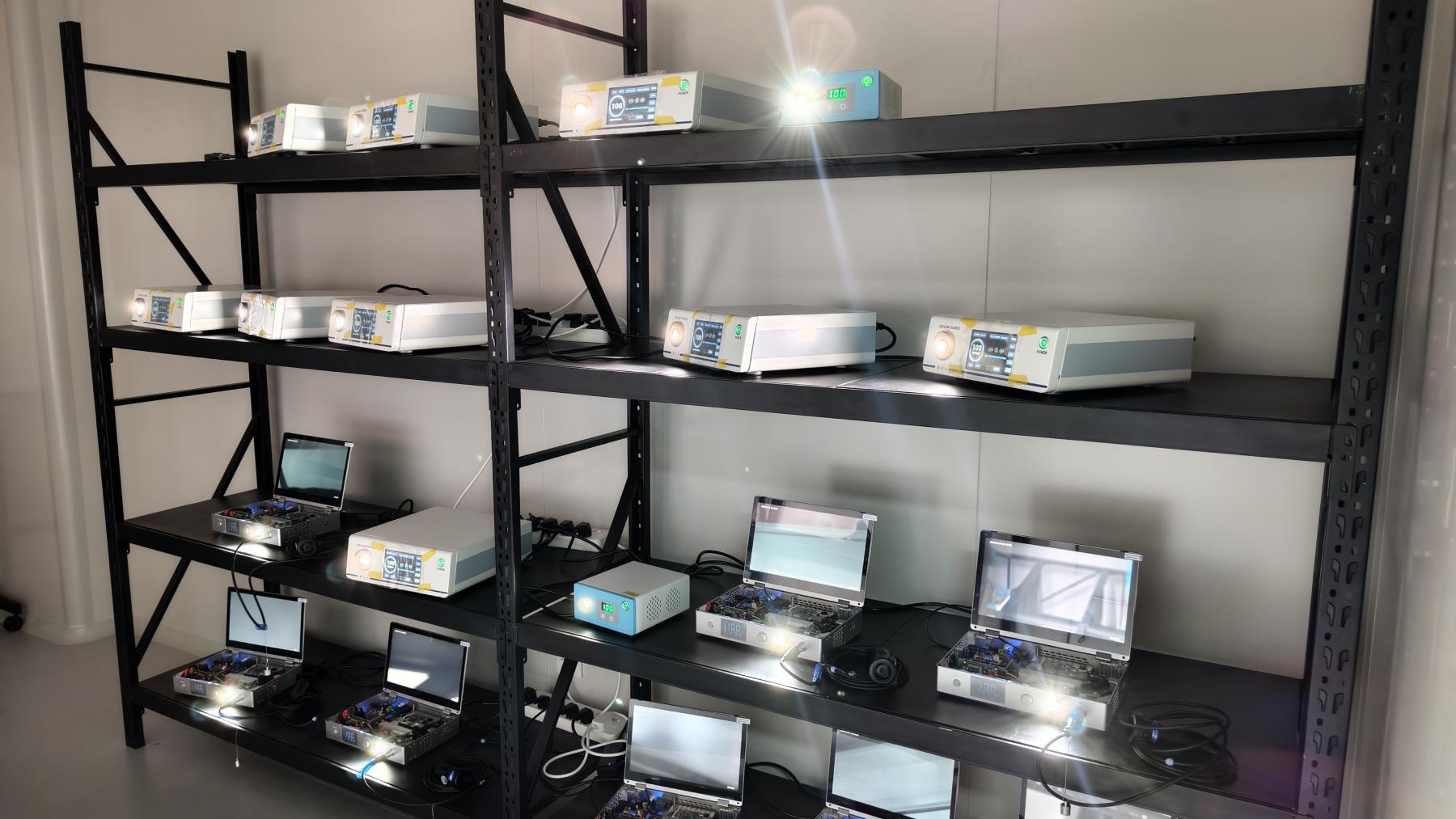
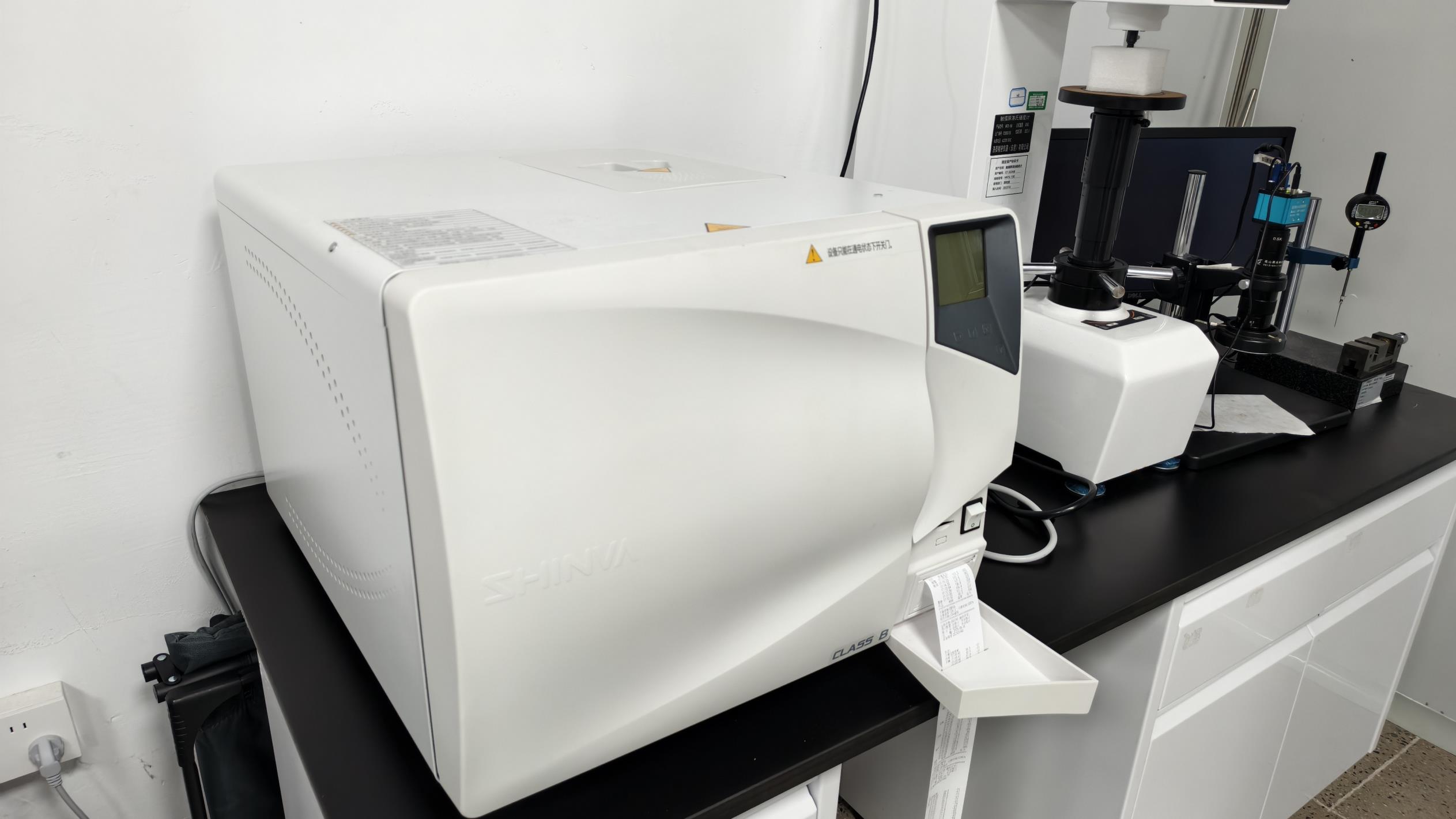
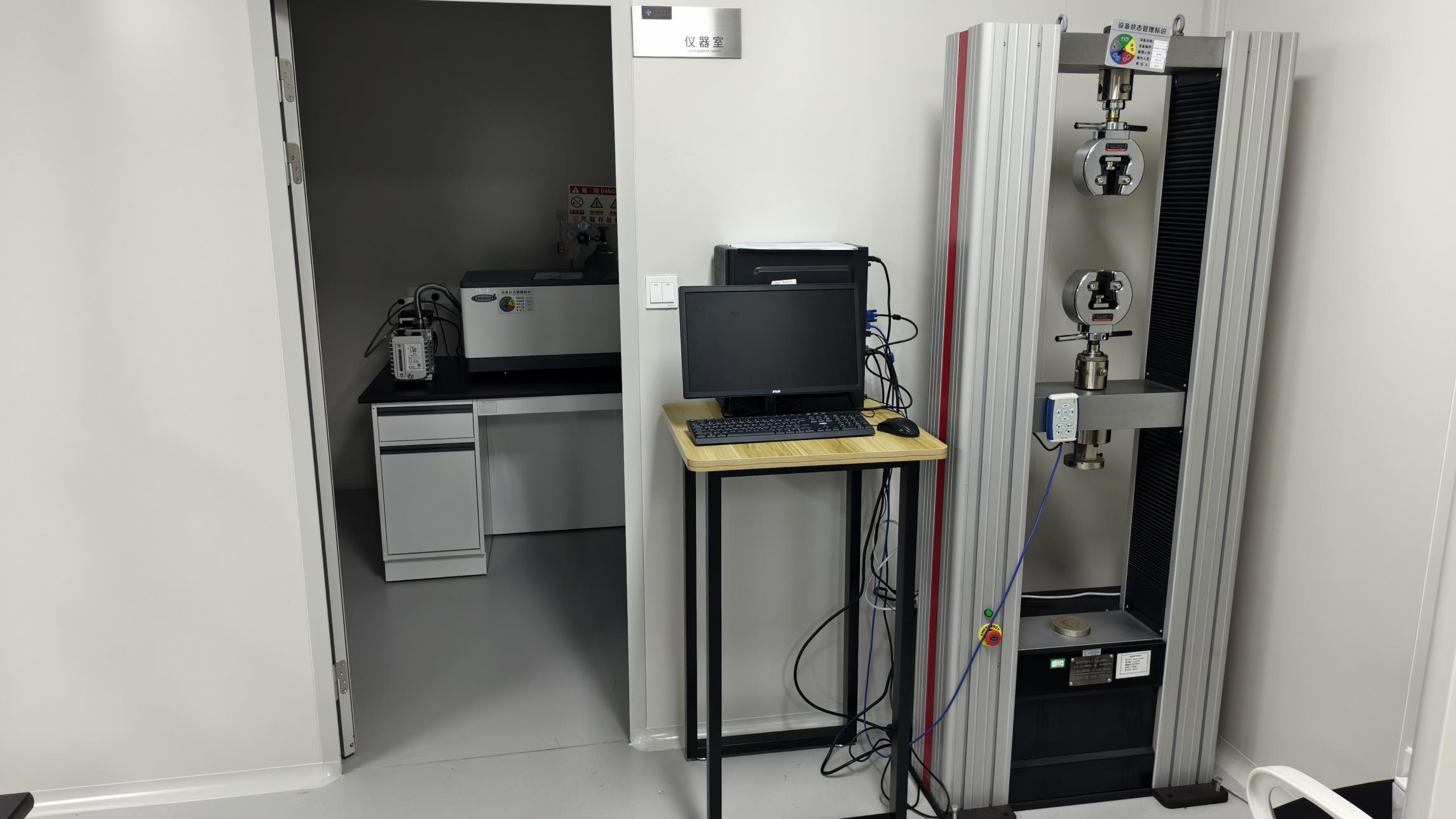
A visual walkthrough of our high-precision manufacturing processes and state-of-the-art testing equipment.
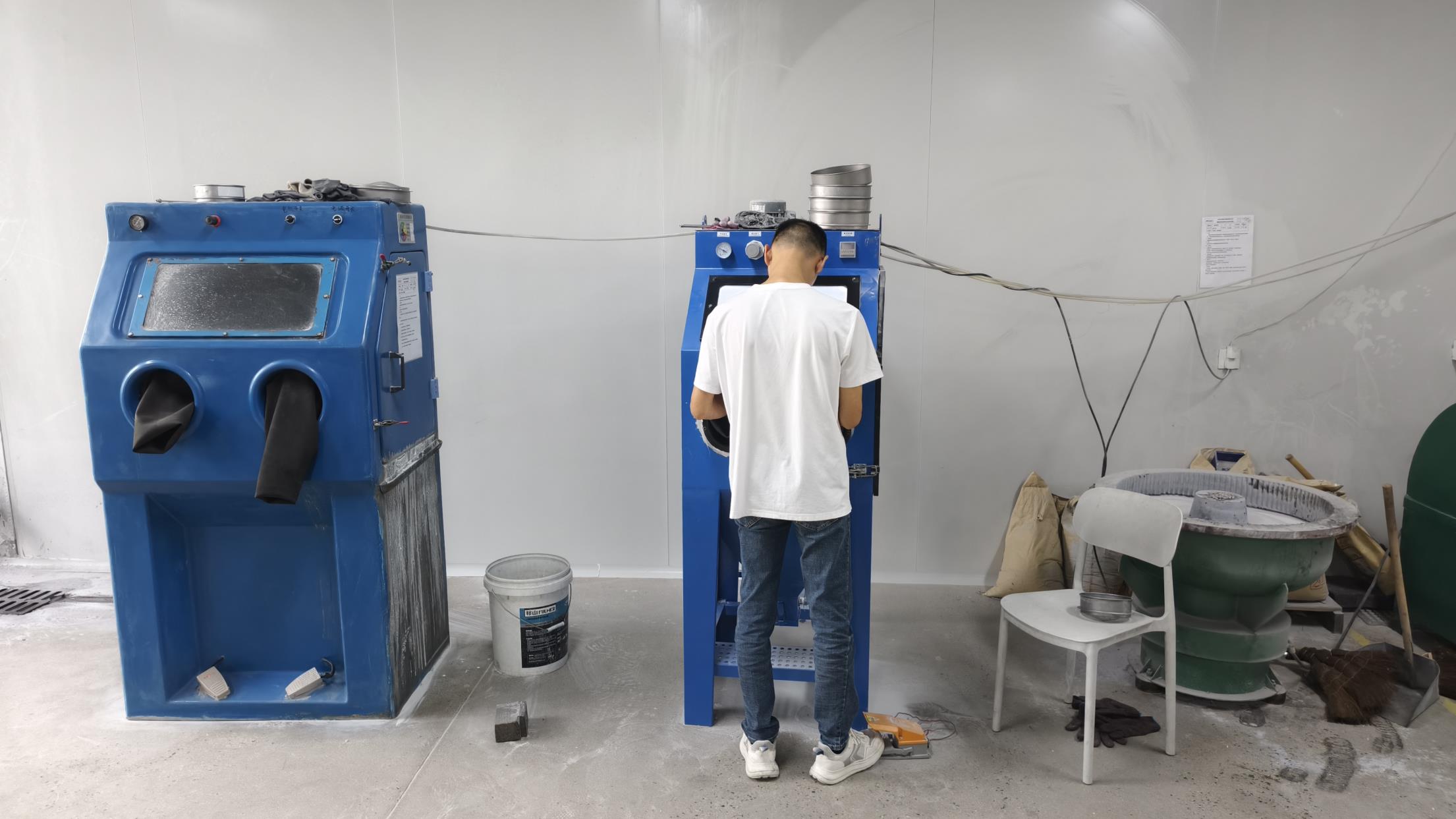
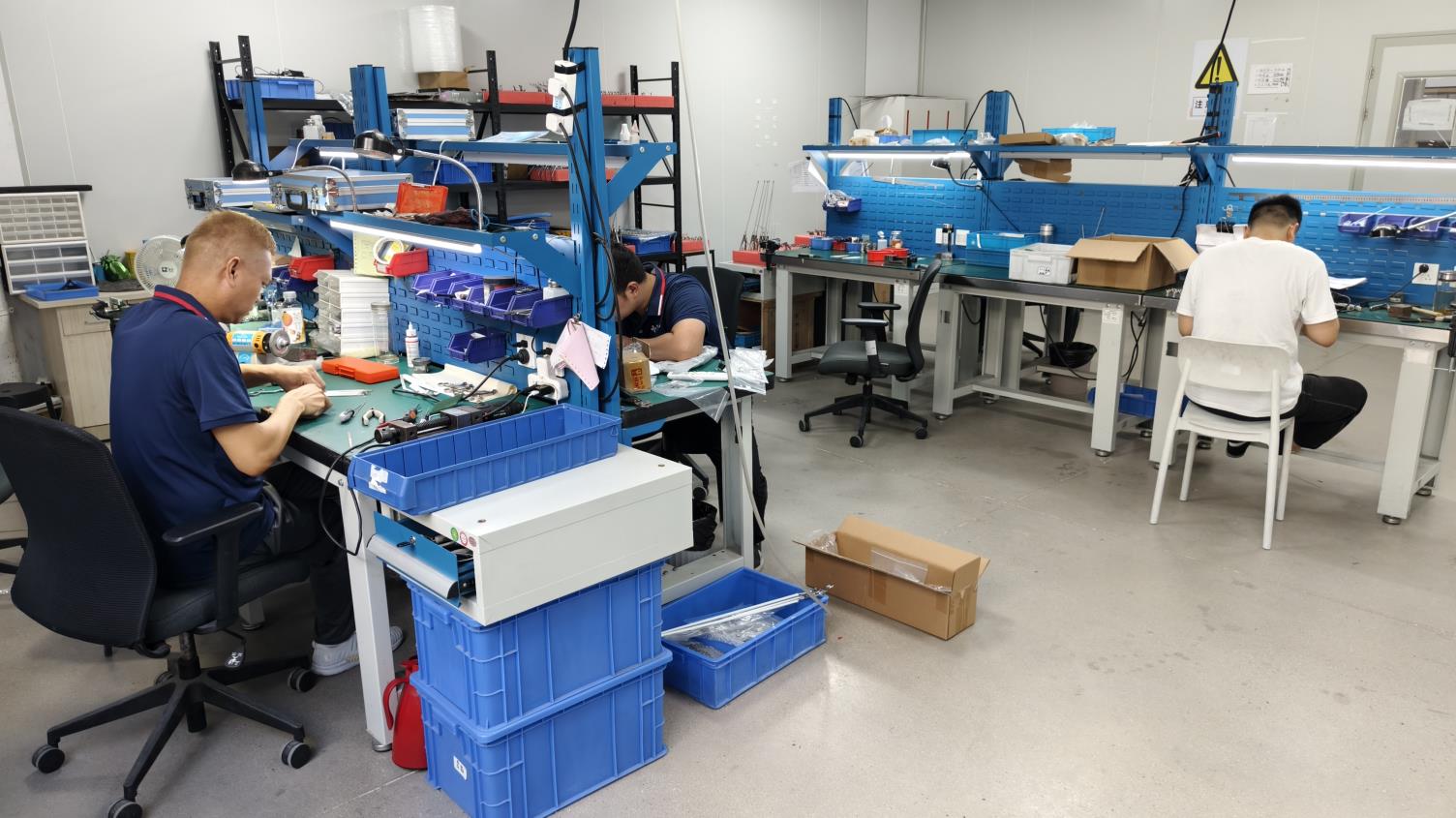
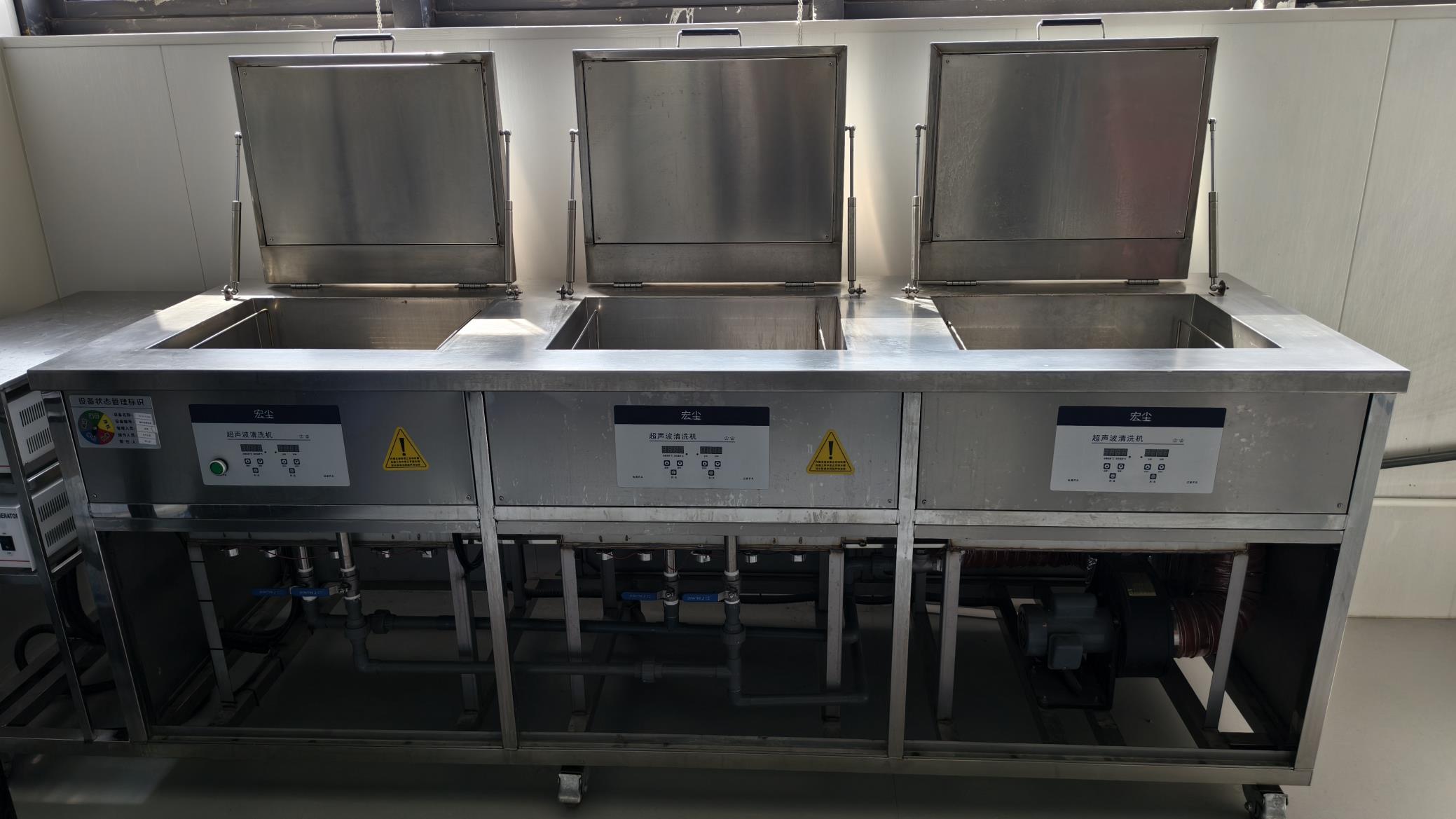
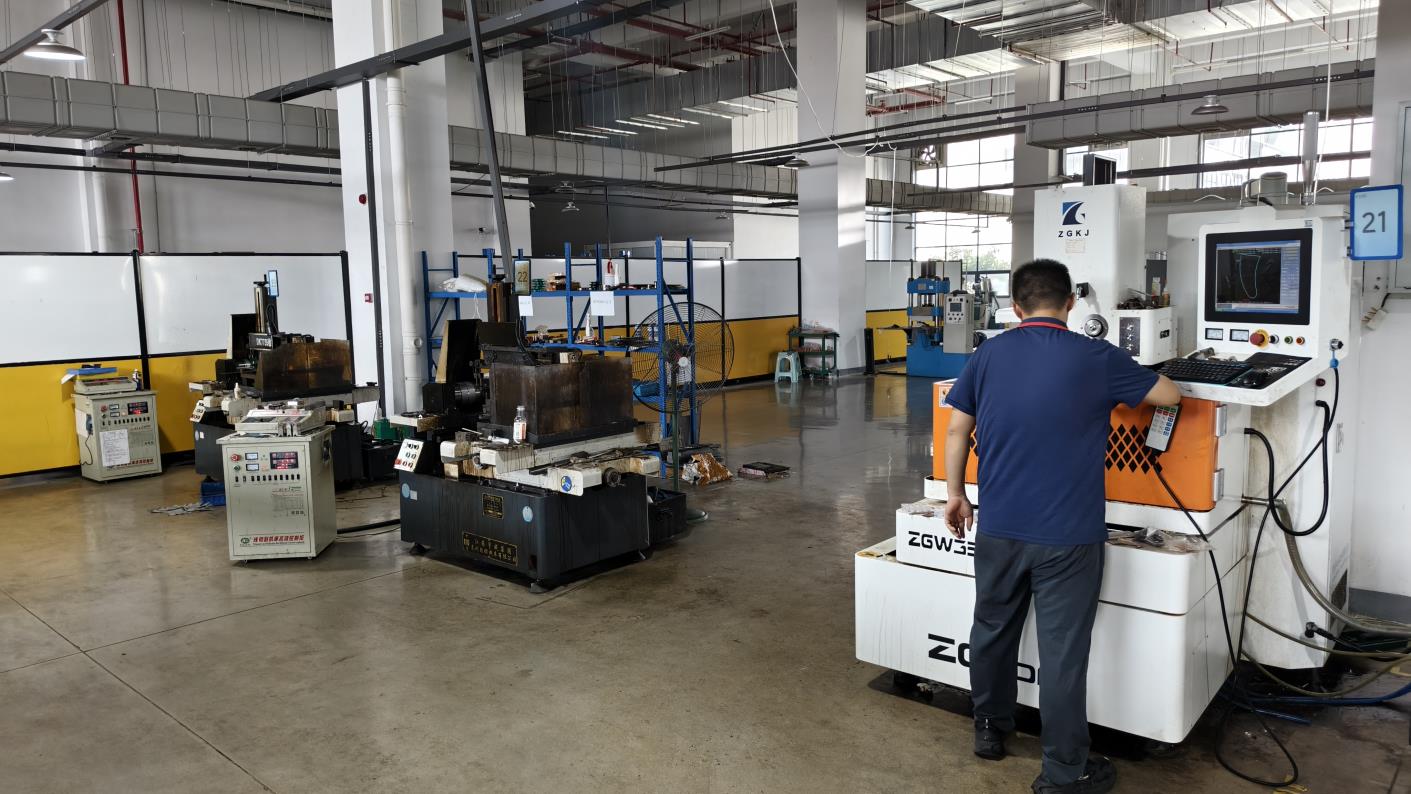
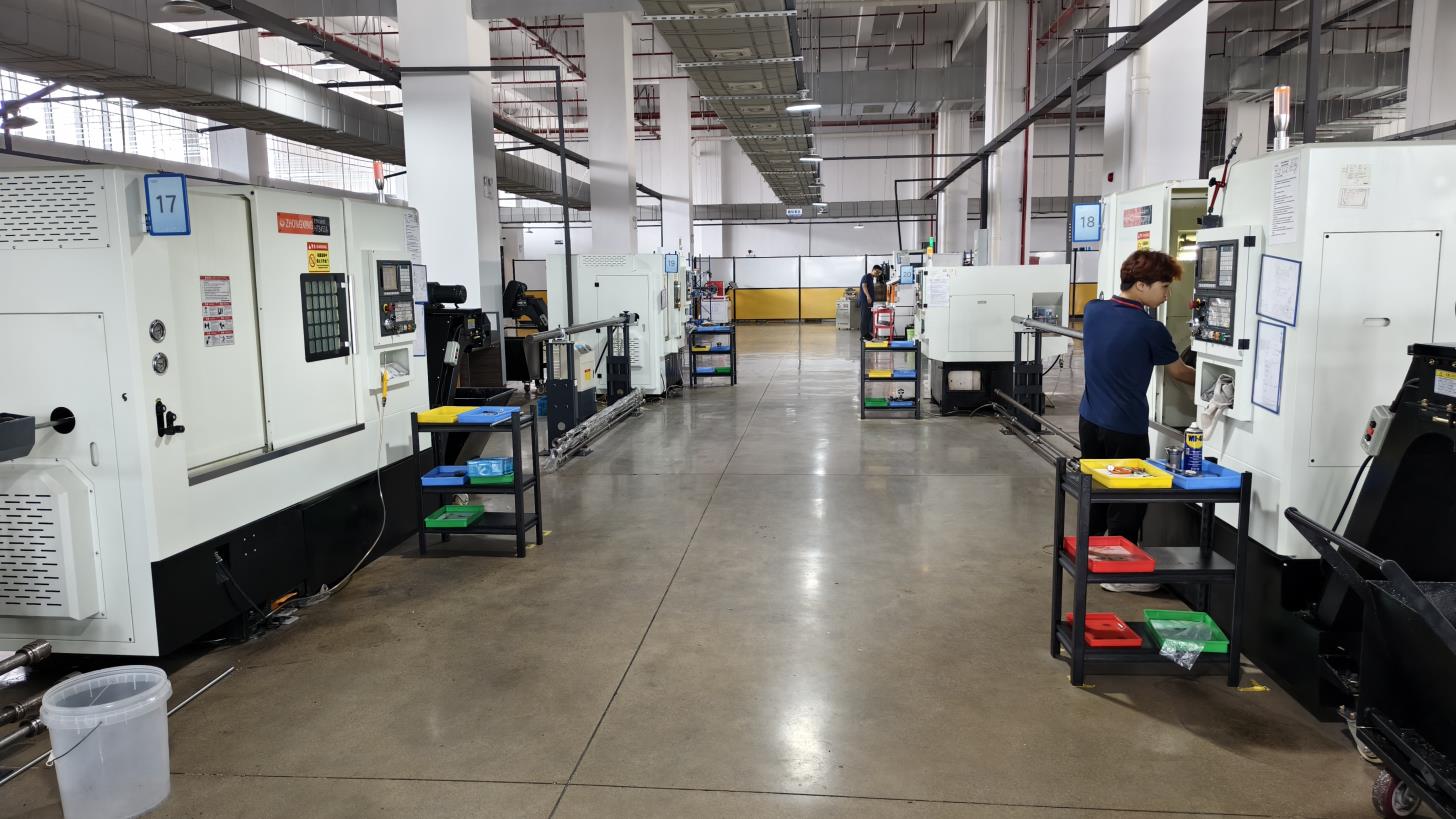
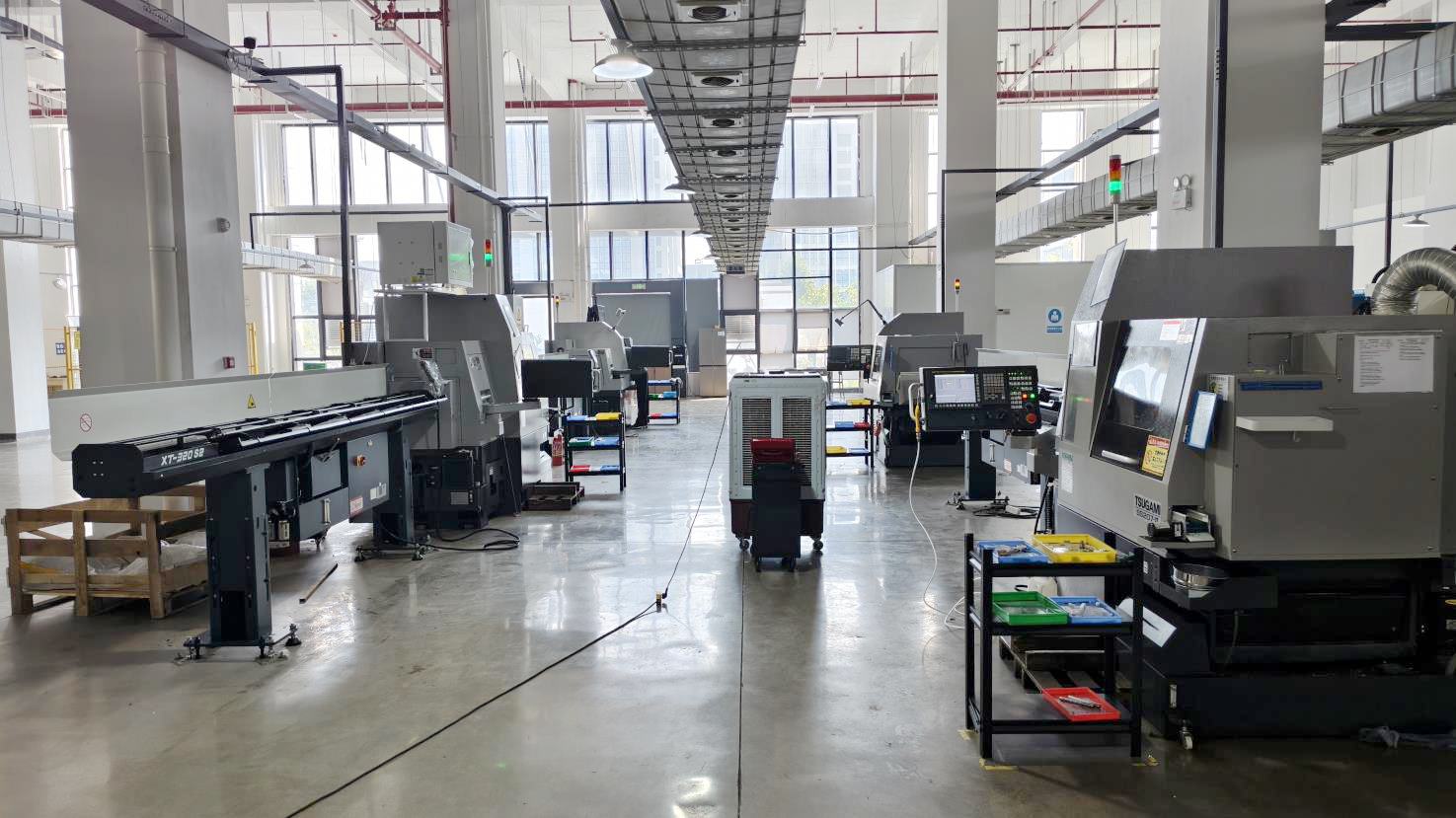
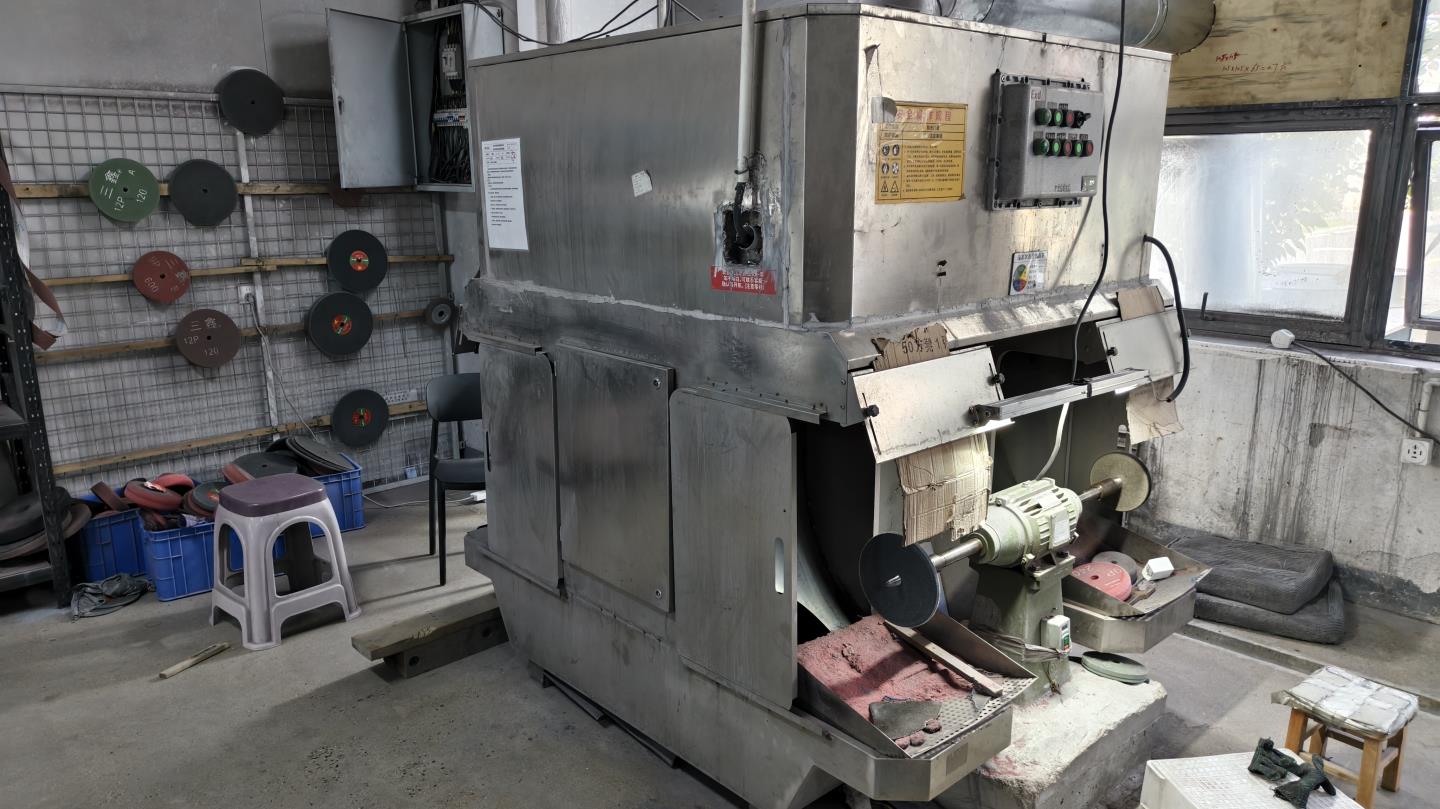
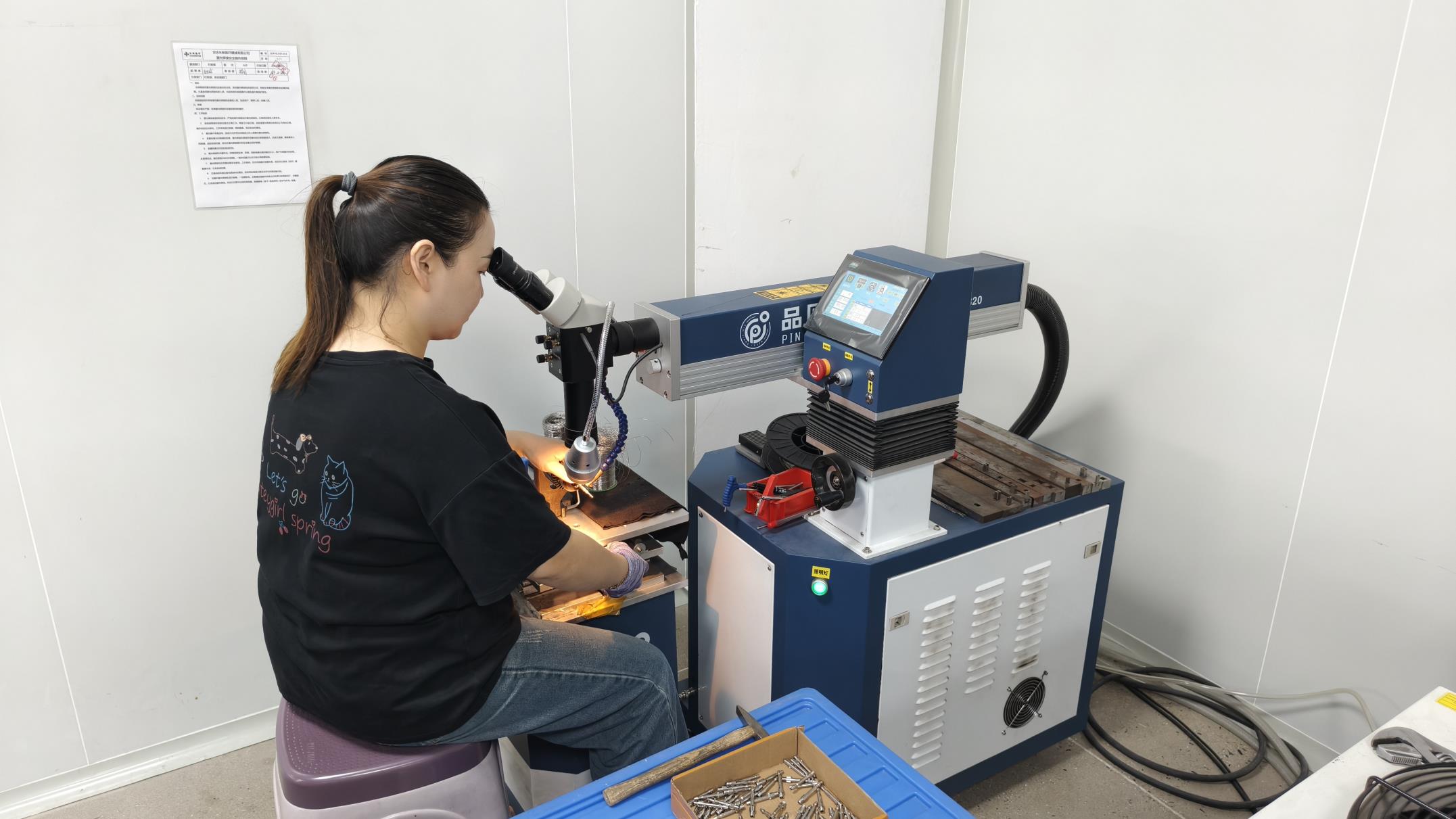
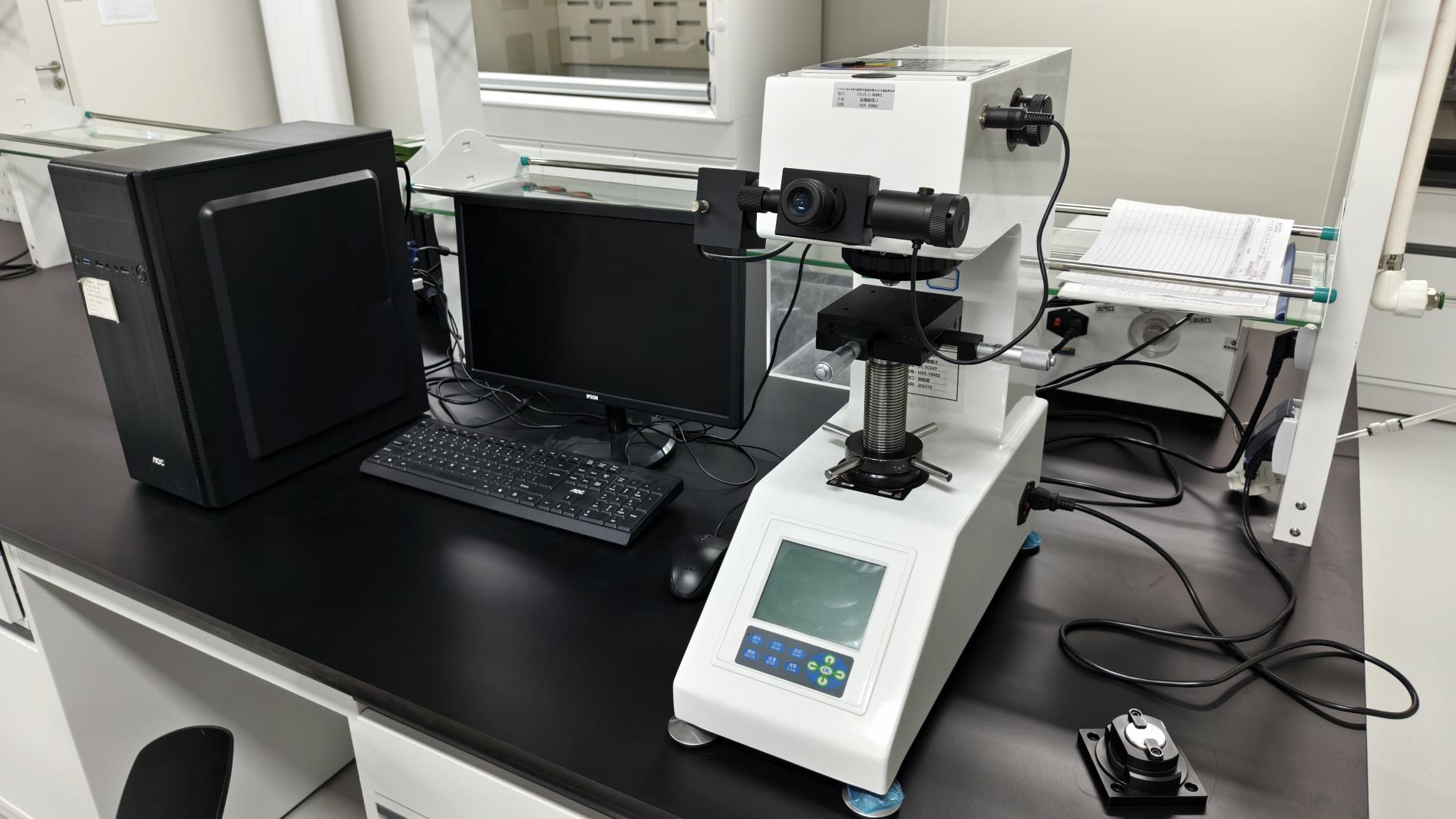
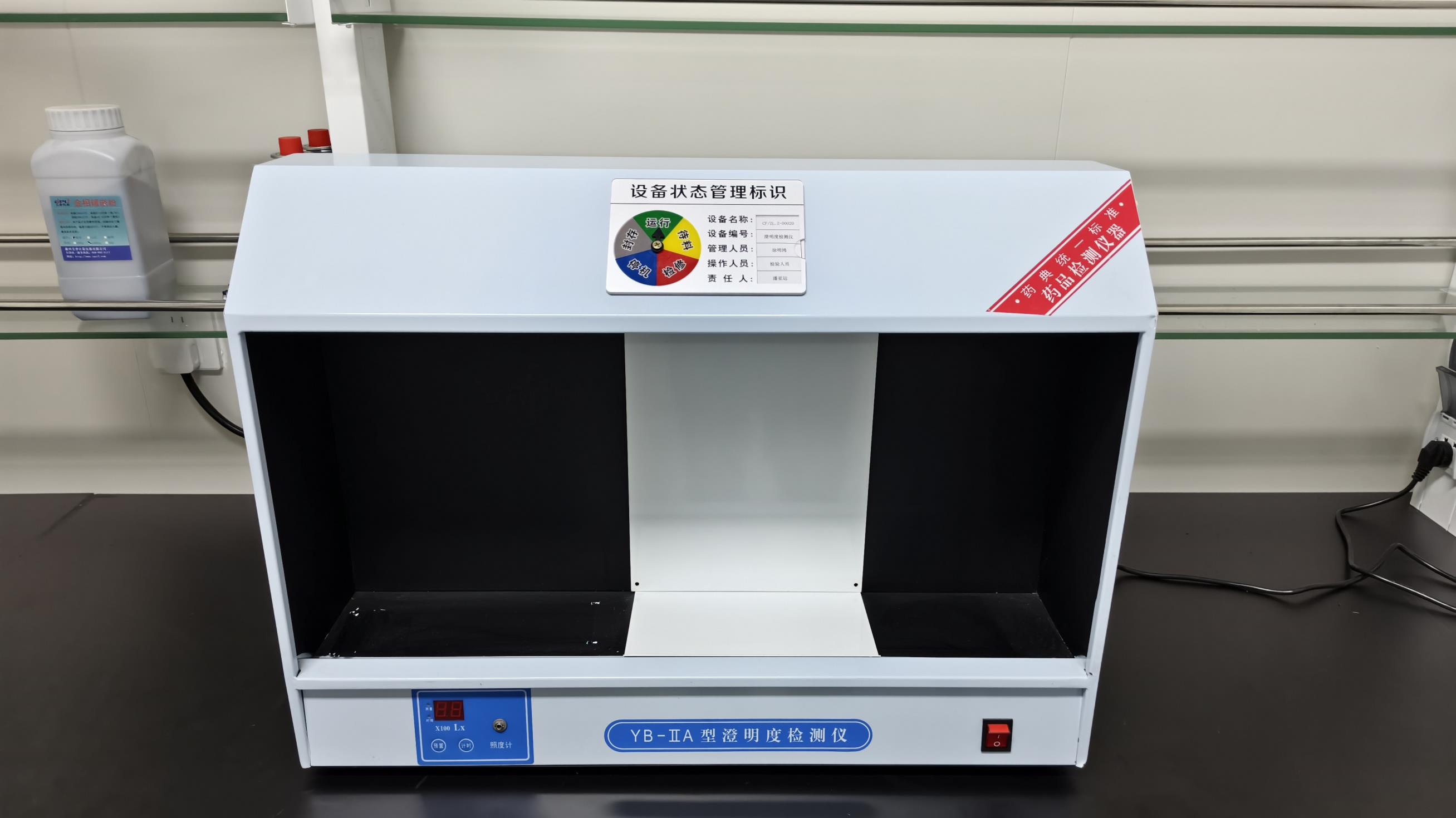
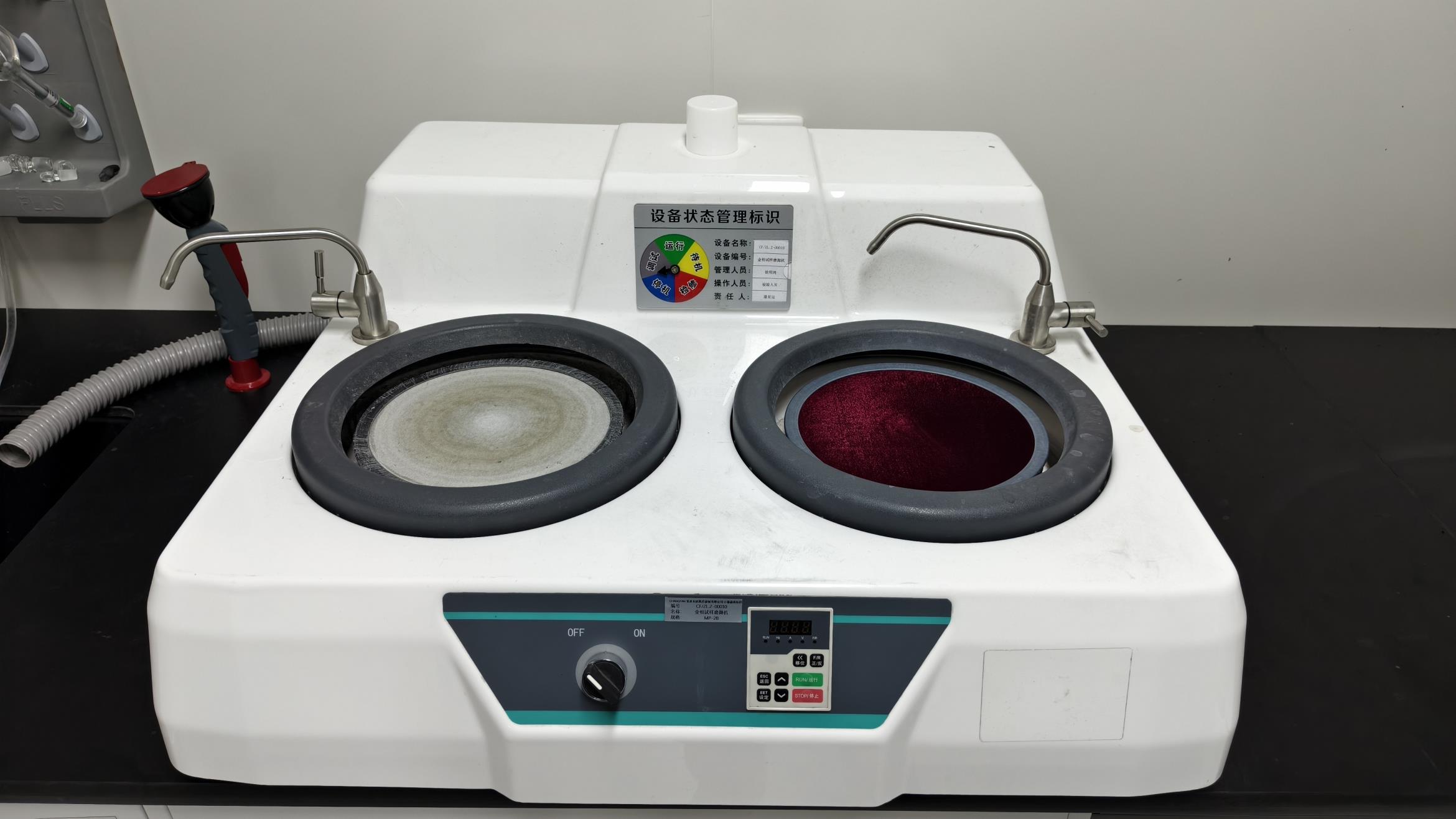
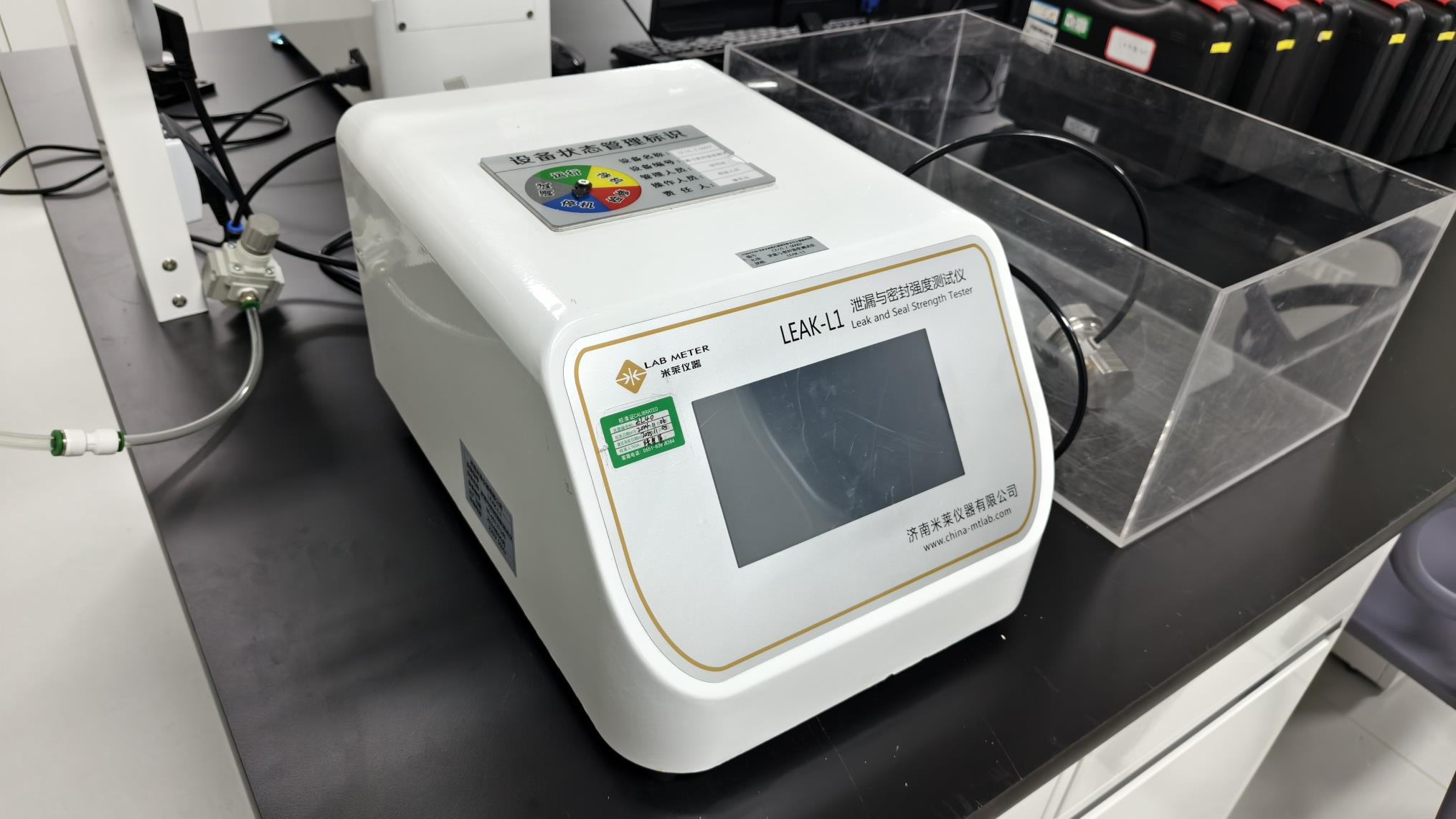
Answers to complex engineering, regulatory, and logistics queries for orthopedic accessories.
For custom orthopedic instruments, prototype development and design verification typically require 3 to 4 weeks. Once design sign-off is completed, bulk production runs on Swiss CNC lathes and machining centers generally take 45 to 60 days, depending on material complexity and required surface treatments like Type II anodization.
Synoviq operates under a strictly audited ISO 13485 quality system. For clients in Osaka and throughout Japan, we provide comprehensive technical documentation, including raw material certificates (ASTM F136 / ISO 5832-3), dimensional measurement reports, and biocompatibility studies. This documentation supports the PMDA regulatory approval pathway for Class I, II, and III medical devices.
We perform a comprehensive testing sequence including coordinate measuring machine (CMM) dimensional verification, tensile strength testing, surface roughness testing (Ra values < 0.4 µm for articulating components), metallographical examination, salt spray testing to check passivation layer integrity, and steam sterilization validation to simulate autoclave degradation.
Yes. We offer medical-grade PVD coatings (Titanium Nitride - TiN, Diamond-Like Carbon - DLC) and Type II titanium anodization. These treatments provide high color durability for surgical kits, helping operating room staff identify instrument sizes during procedures and improving surface hardness and wear resistance.
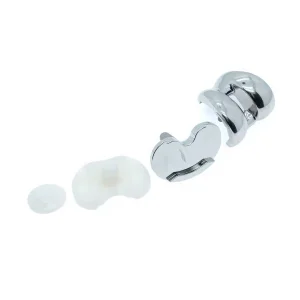
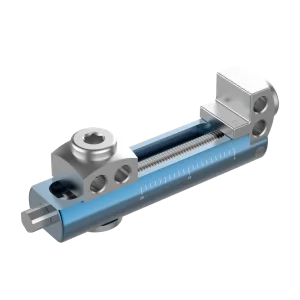
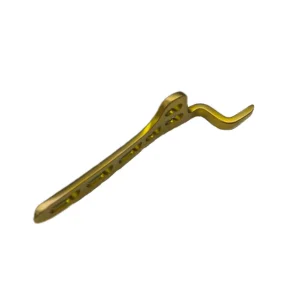
Explore our full line of spinal instruments, locking plates, external fixation frames, and joint components.
 Synoviq Medical