Engineered to meet the exact clinical specifications of leading orthopedic surgeons in the National Capital Region.
Understanding the clinical, infrastructural, and regulatory factors driving the demand for high-quality orthopedic accessories in Metro Manila.
Metro Manila, the vibrant economic heart of the Philippines, is undergoing an unprecedented modernization of its medical and surgical infrastructure. Supported by the Department of Health (DOH) health modernization mandates and a rapid expansion of private healthcare conglomerates, hospitals across the National Capital Region (NCR) are dramatically upgrading their surgical capacities. From prestigious government hospitals such as the Philippine General Hospital (PGH) in Ermita to state-of-the-art private hubs like St. Luke's Medical Center (Global City and Quezon City), Cardinal Santos Medical Center, and The Medical City, the demand for advanced surgical interventions has scaled exponentially.
This transformation is particularly evident in the field of orthopedics and traumatology. Metropolitan Manila faces a dual challenge: a rising geriatric population suffering from degenerative disc diseases and osteoarthritis, coupled with a high incidence of motor-vehicle and industrial trauma cases. Consequently, complex procedures such as spinal fusion, pediatric scoliosis correction, total knee arthroplasty (TKA), and internal fracture fixation are performed daily in high volumes. To support these surgical endeavors, healthcare systems require a highly reliable supply of medical consumables, implants, and precise surgical instruments.
In Metro Manila, orthopedic surgical protocols are highly optimized to balance patient outcomes, operational turnaround times, and financial viability under the PhilHealth reimbursement system. For manufacturers and distributors, understanding these localized clinical realities is vital:
Over a decade of manufacturing excellence powering orthopedic solutions worldwide.
How our advanced manufacturing systems ensure class-leading quality for clinical applications in the Philippines.
As a leading orthopedic manufacturer, Synoviq Medical Technology continuously pioneers new production boundaries. Our commitment to orthopedic research and development translates into safer surgical procedures and superior mechanical stability. Our manufacturing roadmap focusing on the Philippine and Southeast Asian markets prioritizes three core pillars:
We source ultra-pure Titanium alloys (Ti-6Al-4V ELI / Grade 23) and medical-grade cobalt-chromium-molybdenum (Co-Cr-Mo) to construct our implants. These materials minimize foreign-body reactions and maximize fatigue strength, preventing postoperative implant fracture in active patients.
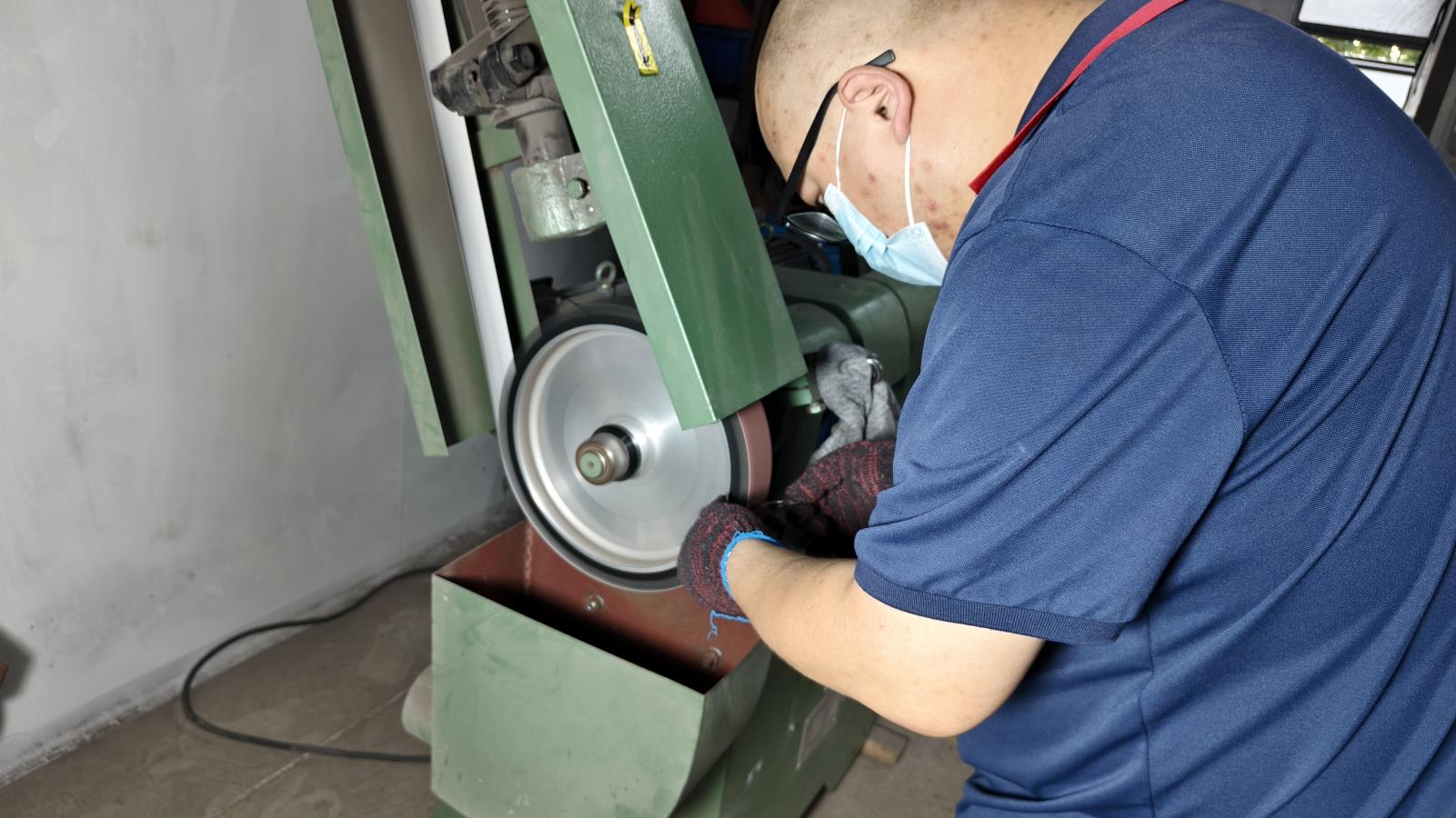
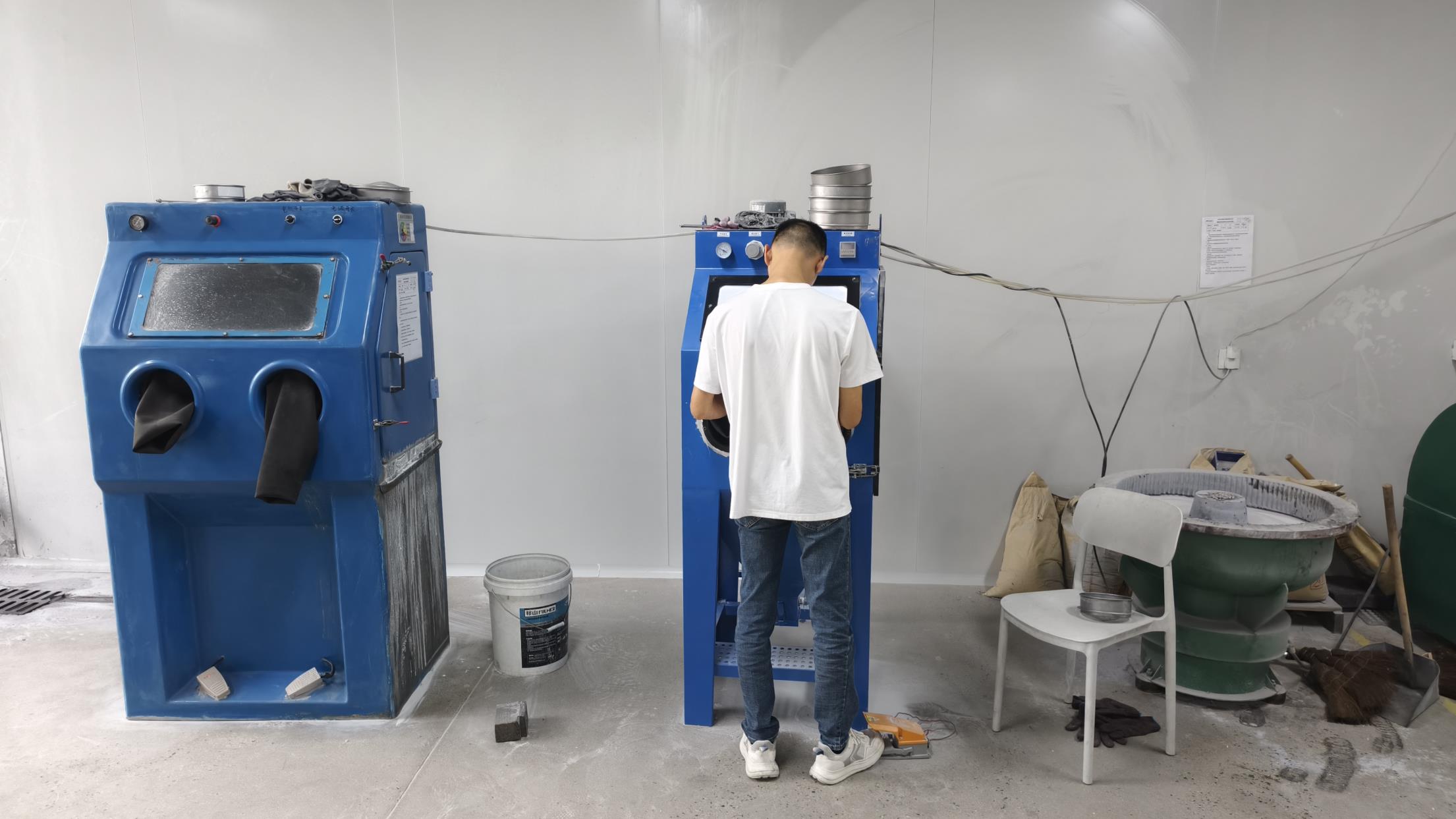
Using laser-etching, acid-blasting, and anodic oxidation (Type II & III), we create specific nano-roughness surfaces on our spinal cages and bone screws. This design accelerates osseointegration, ensuring that bone cells bond directly with the implant for long-term stability.
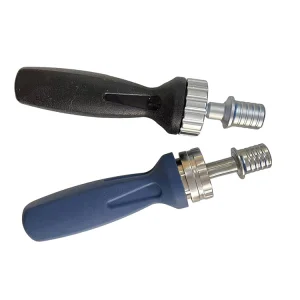
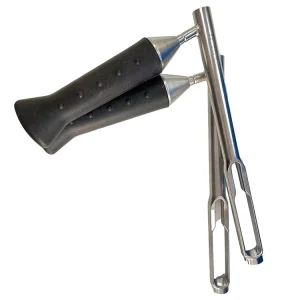
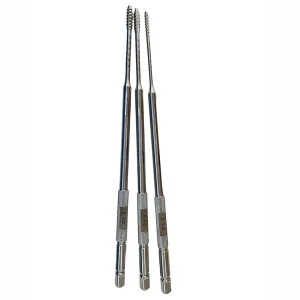
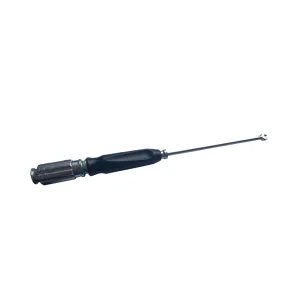
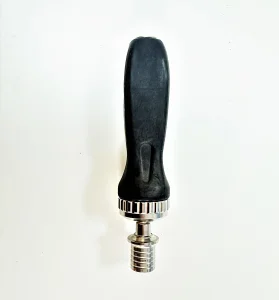
Our quick-coupling ratchet handles, silk taps, and screwdrivers are anatomically contoured to reduce surgeon hand fatigue during prolonged procedures. The mechanical gears are engineered with micro-tolerances, ensuring tactile feedback during screw insertion.
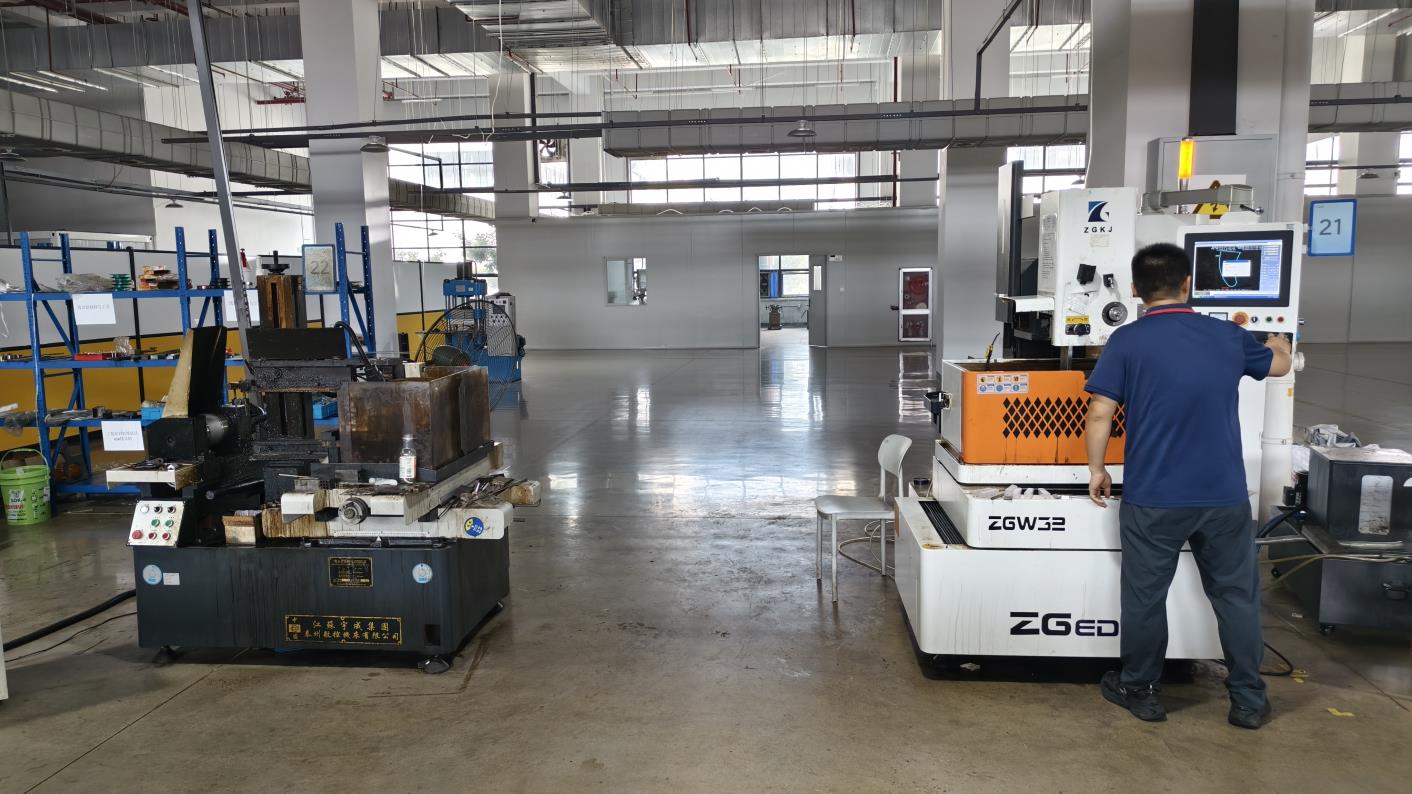
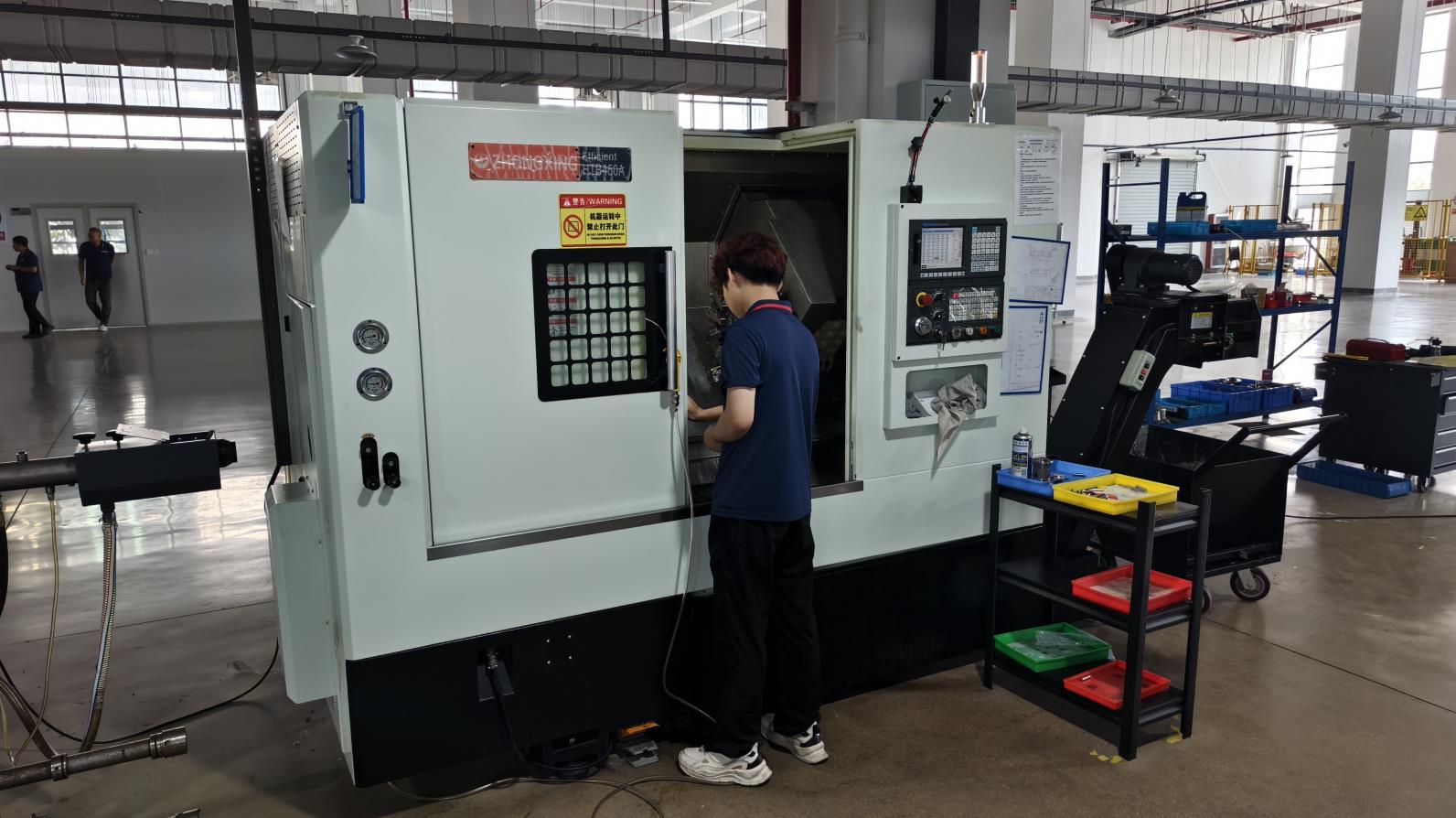
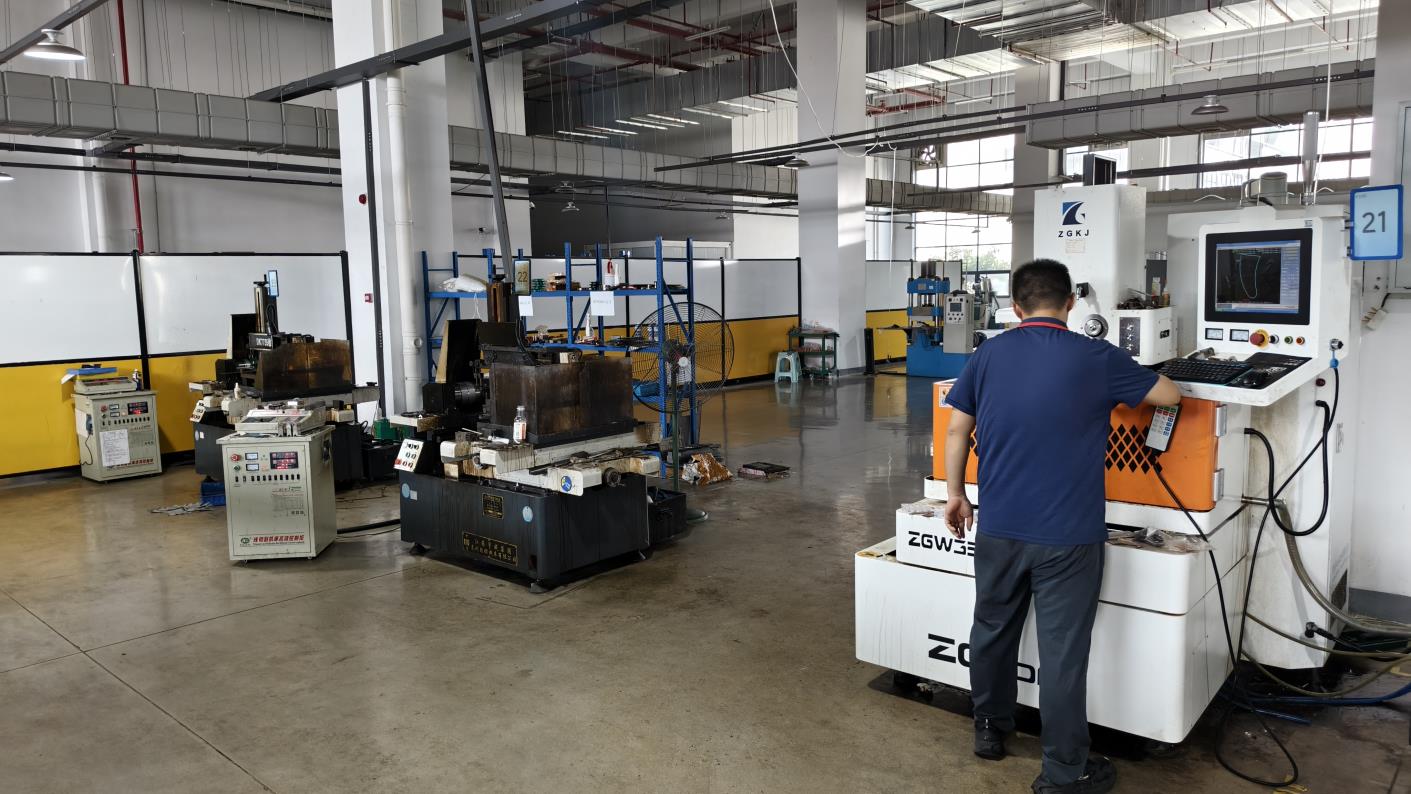
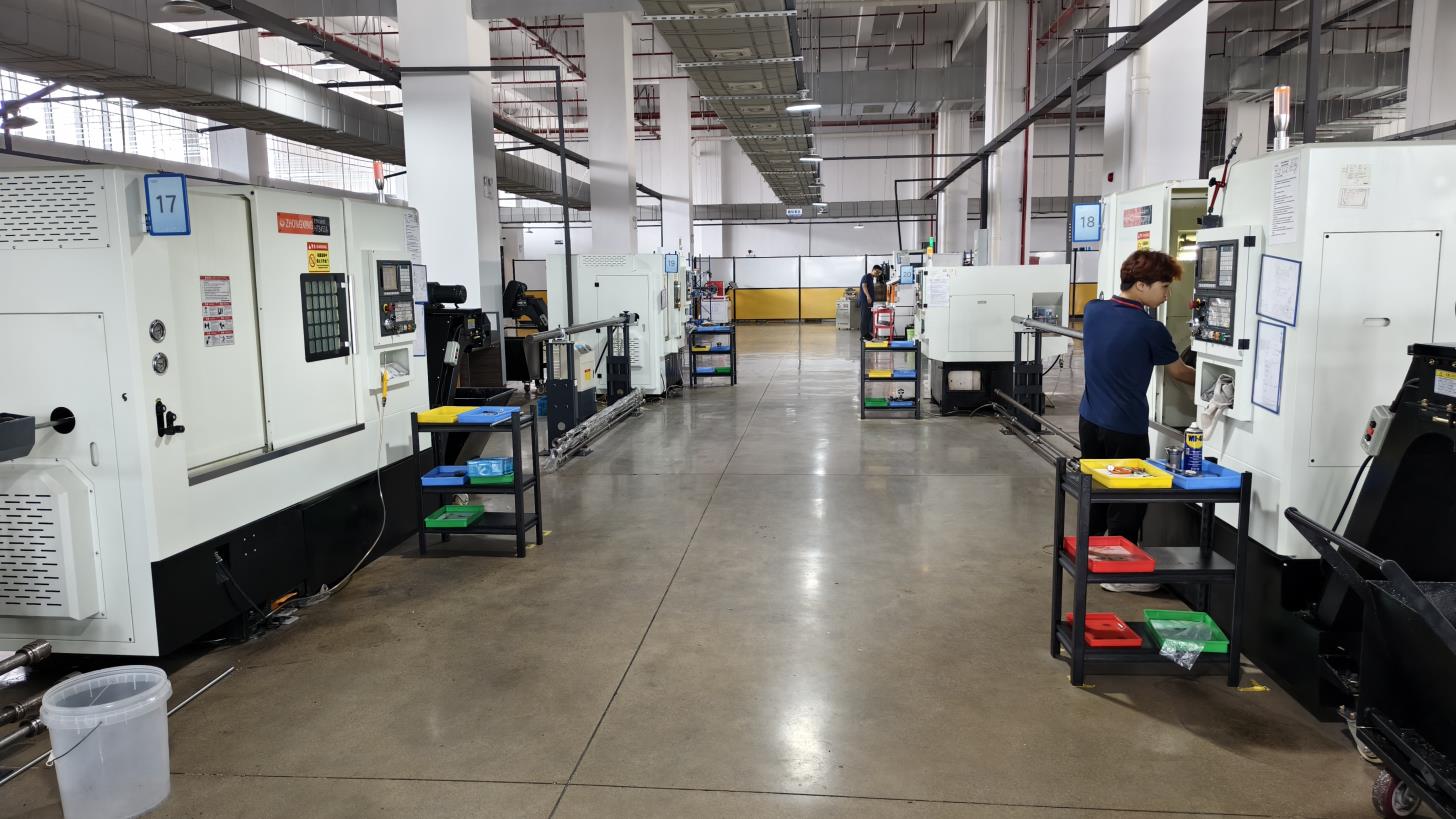
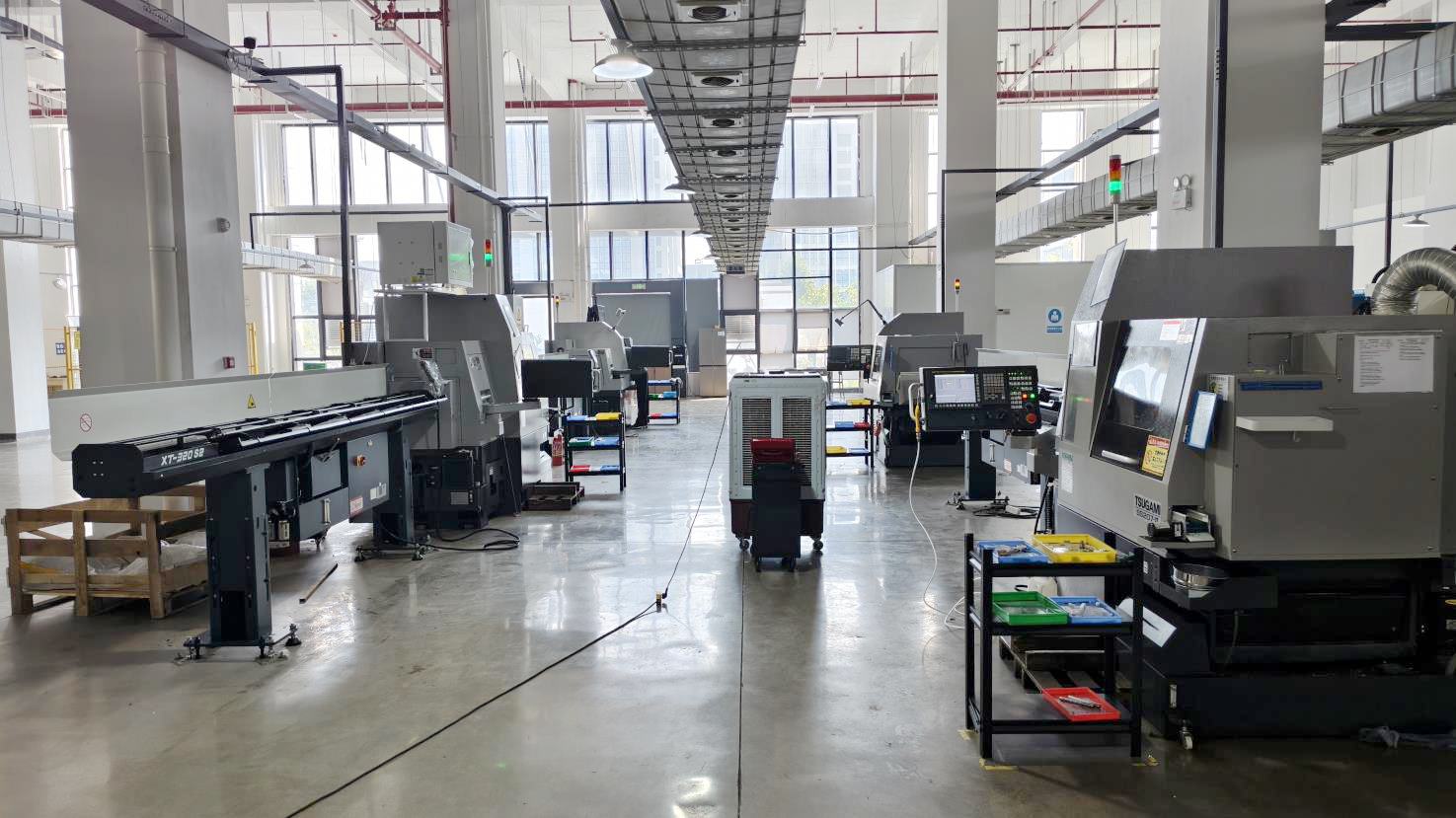
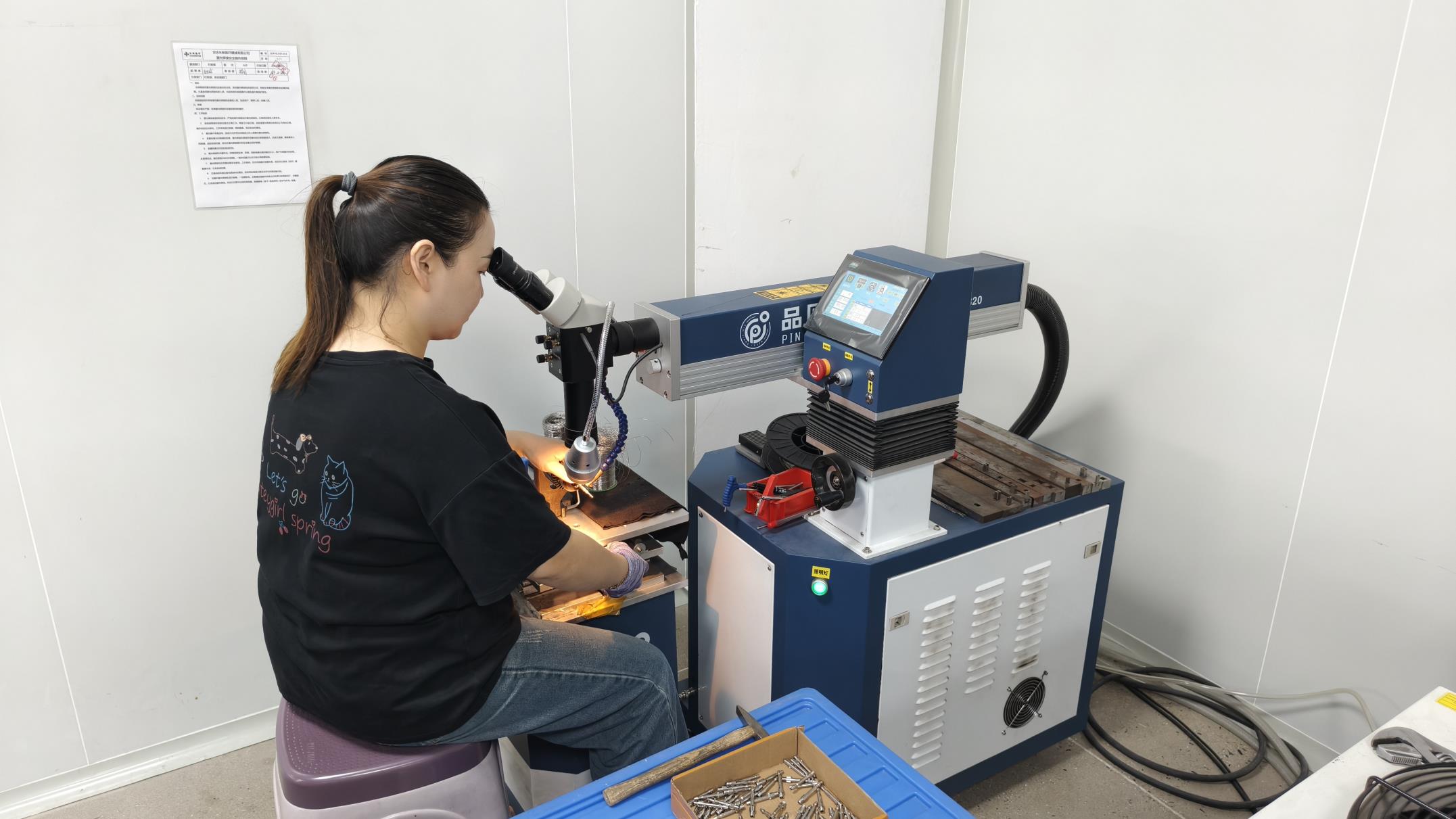
By leveraging Swiss-type CNC automatic lathes, high-precision wire-cutting, and laser-welding technologies, we guarantee that every orthopedic accessory is delivered with sub-micron accuracy. This extreme attention to detail minimizes intraoperative complications, ensuring a seamless fit between screws, plates, and surgical instruments.
Why sourcing directly from Synoviq China offers unmatched logistics, pricing, and quality advantages.
For medical distributors, hospital procurement networks, and private importers in the Philippines, sourcing orthopedic devices from Western Europe or North America often poses significant logistics and financial challenges. Lengthy transit times, complex customs clearance, and high freight costs can lead to inventory stockouts or excessive pricing for local patients. Synoviq offers a resilient alternative:
Our manufacturing base in China enjoys direct maritime and air transport links to Manila. Ocean freight from primary Chinese ports to the Manila Port Area (South Harbor/North Harbor) typically takes only 5 to 7 days, compared to 30-40 days from Europe or the United States. Air cargo shipments can arrive at Ninoy Aquino International Airport (NAIA) within 24 to 48 hours, enabling rapid restocking of emergency trauma configurations.
Under the ASEAN-China Free Trade Area (ACFTA), import duties on medical consumables and implants are significantly reduced or eliminated when accompanied by a Certificate of Origin (Form E). This trade agreement translates to immediate cost savings for Manila-based partners, enabling competitive hospital bidding.
Synoviq's vertically integrated supply chain enables us to handle raw material sourcing, CNC machining, surface polishing, sterile packaging, and quality testing entirely in-house. Because we do not rely on third-party manufacturing sub-contractors, we can stabilize our lead times and protect our clients from global supply chain disruptions.
A transparent breakdown of our corporate structure, machinery, and capabilities.
| Corporate Parameter | Technical Detail & Verification |
|---|---|
| Company Name | Synoviq Medical Technology (China) Co., Ltd. |
| Brand & Trademark | Synoviq |
| Established Date | March 18, 2016 |
| Building Area | 18,600 m² (Class 100,000 Cleanroom & Modern Office Suite) |
| Annual Export Revenue | USD 21.8 Million |
| Export Experience | 8 Years serving Southeast Asia, Europe, and South America |
| Quality Inspection | 100% Final Inspection & Strict Incoming Raw Material Inspection |
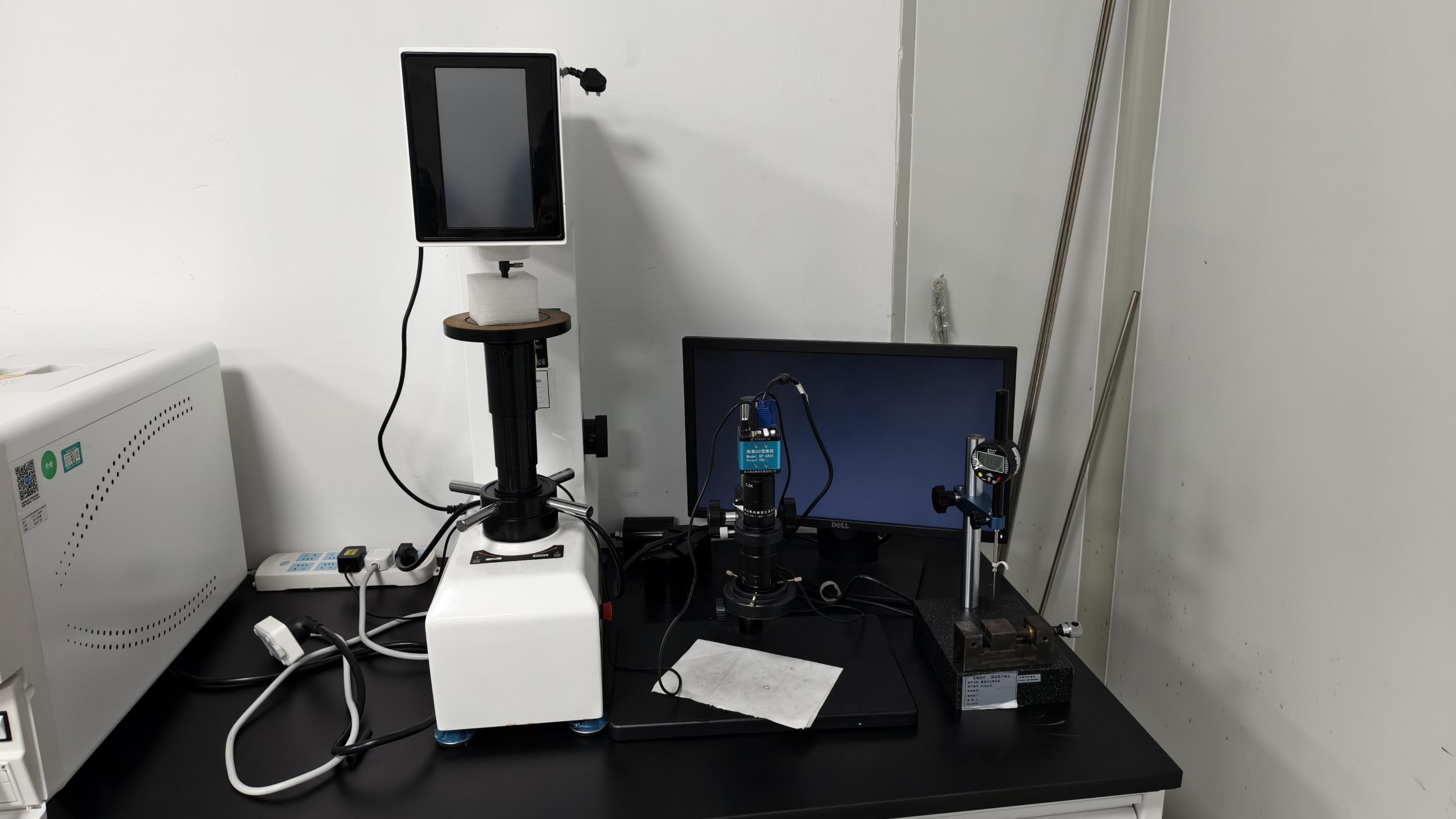
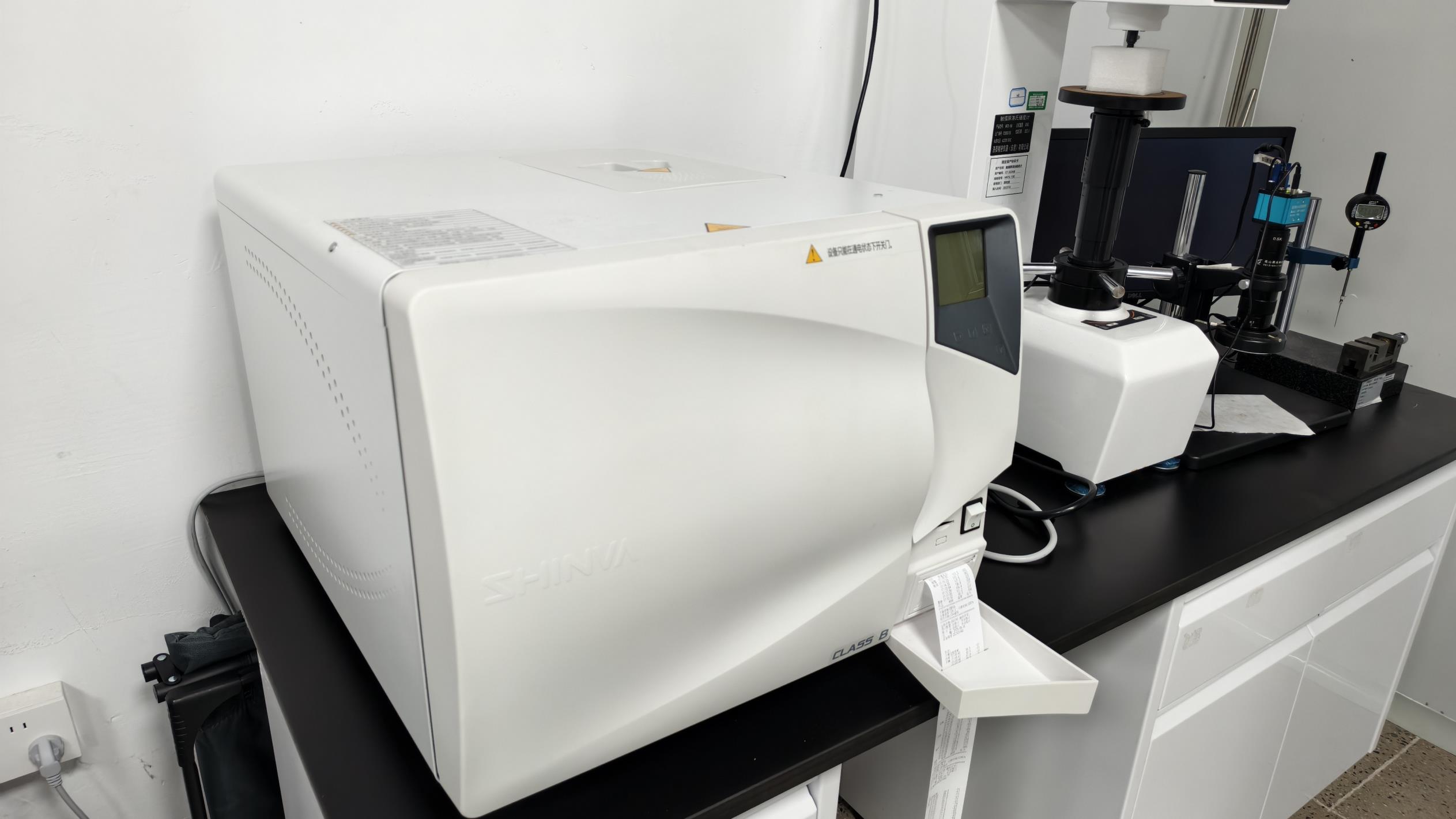
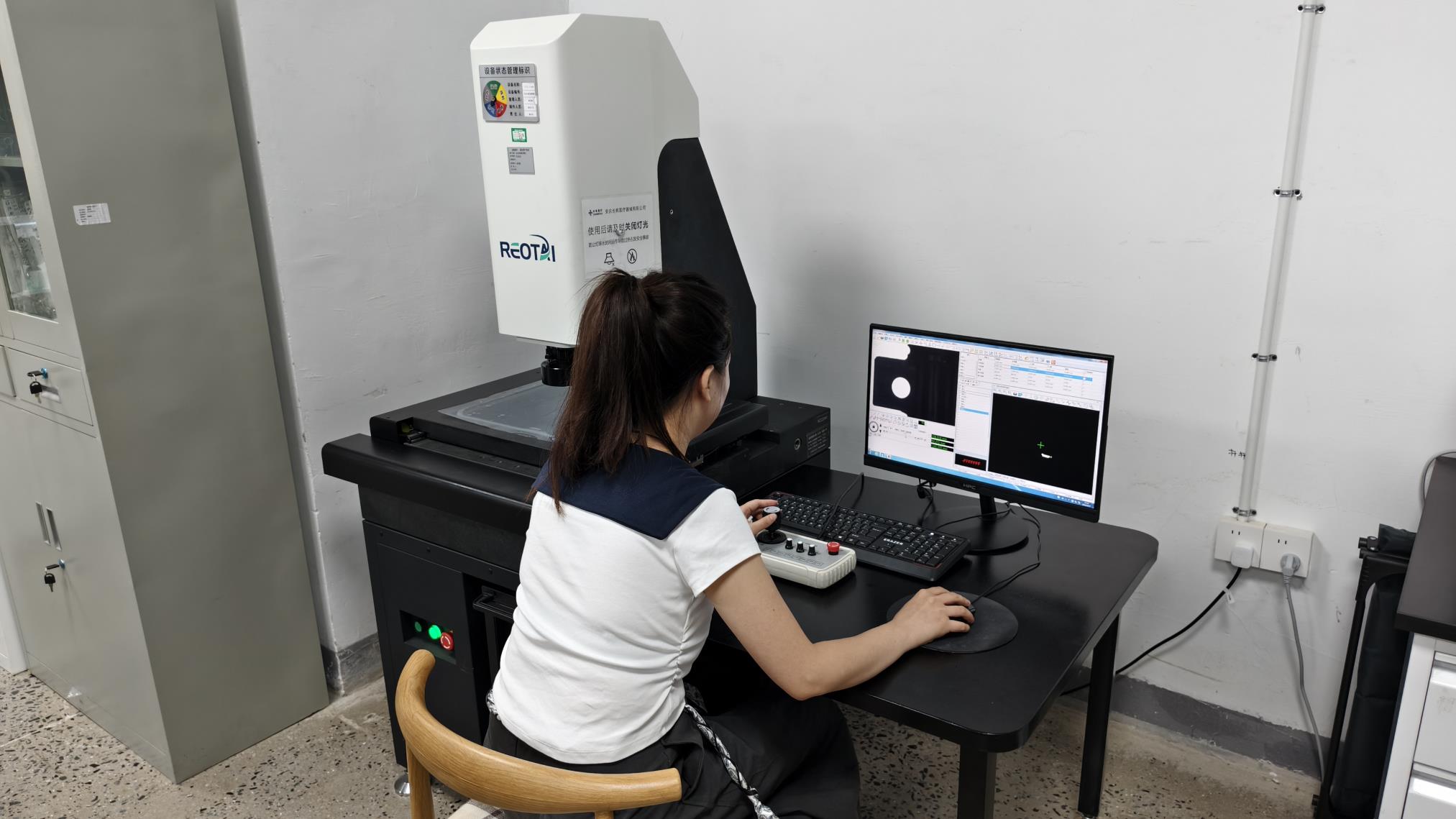
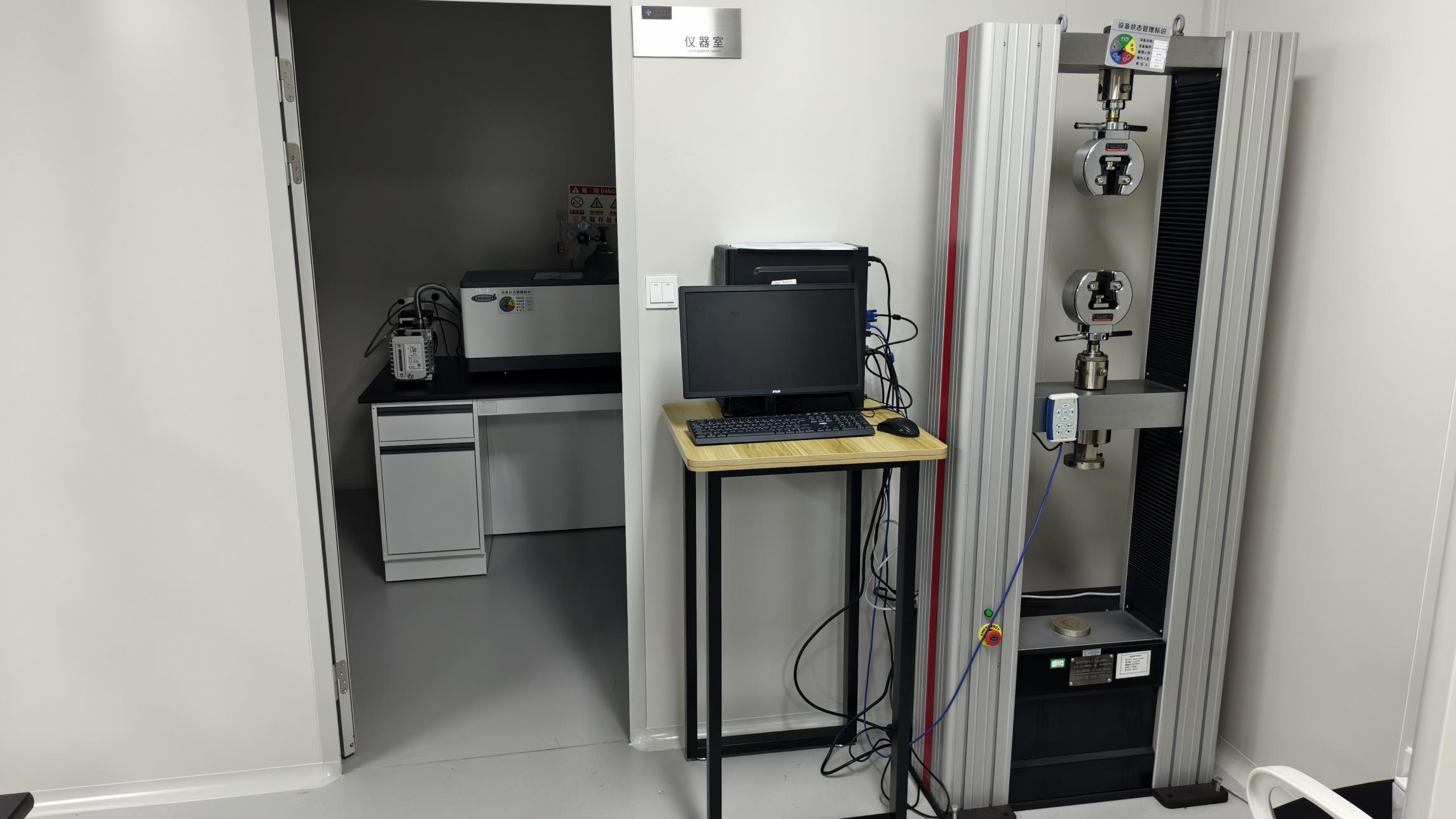
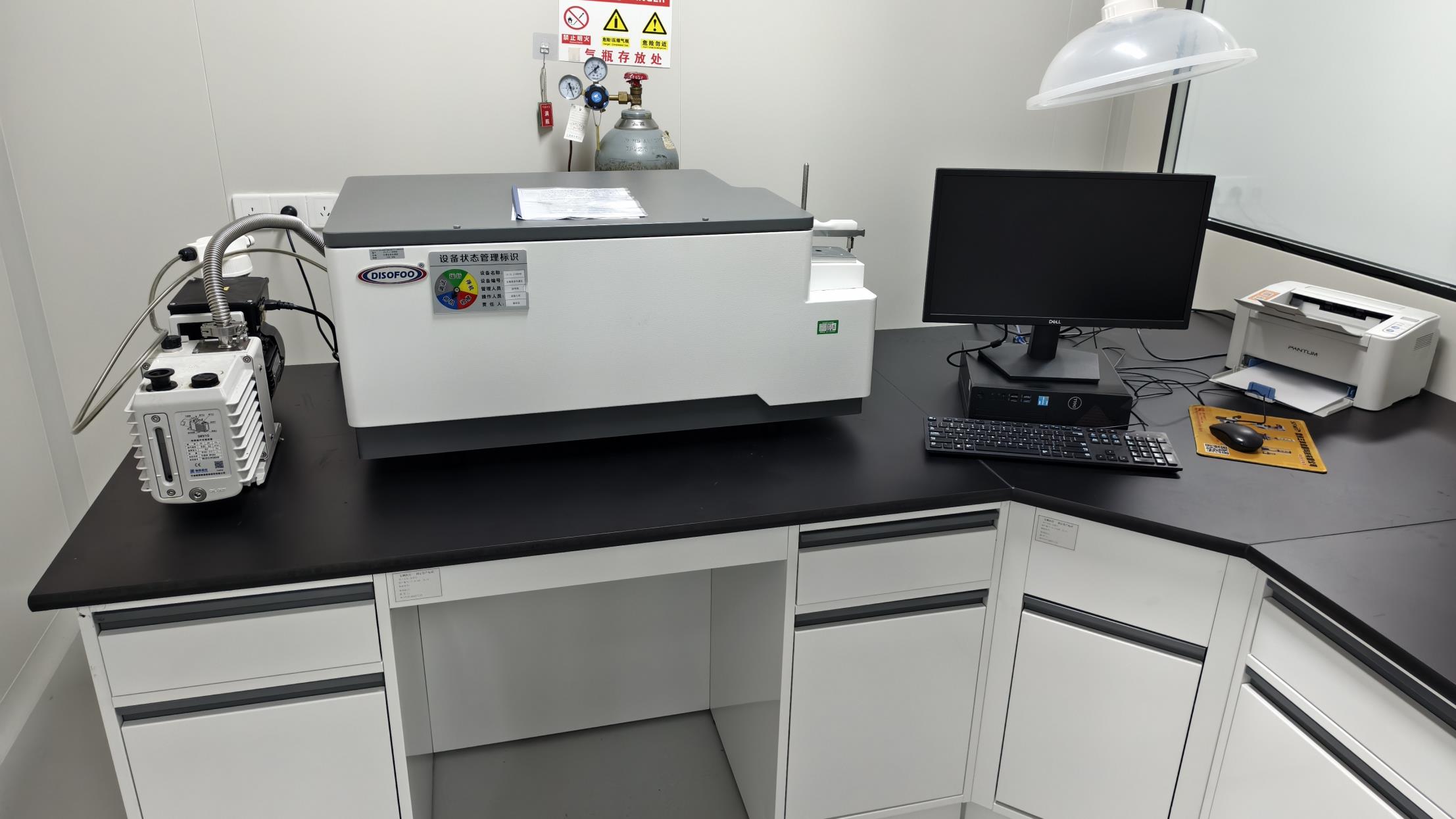
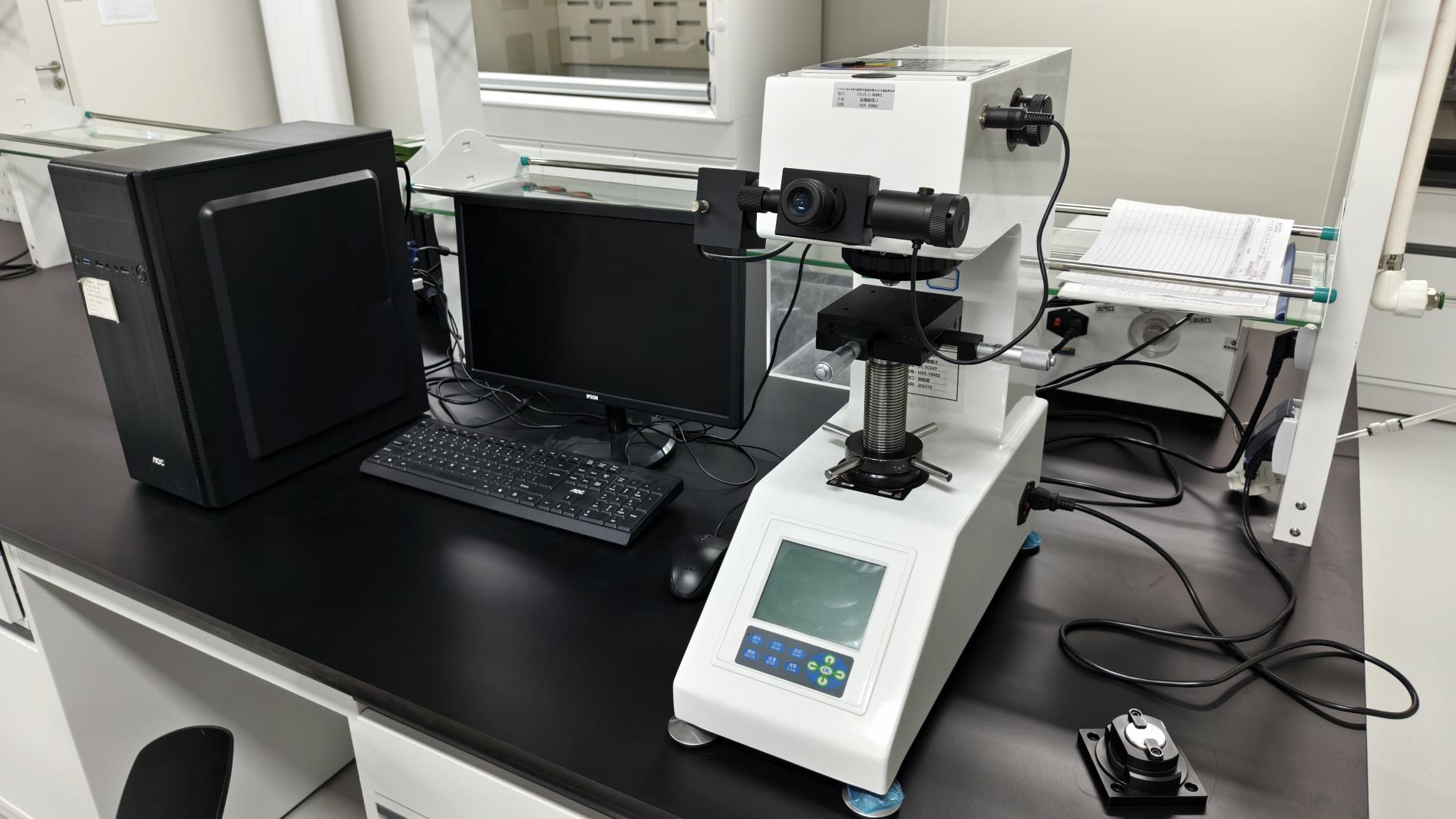
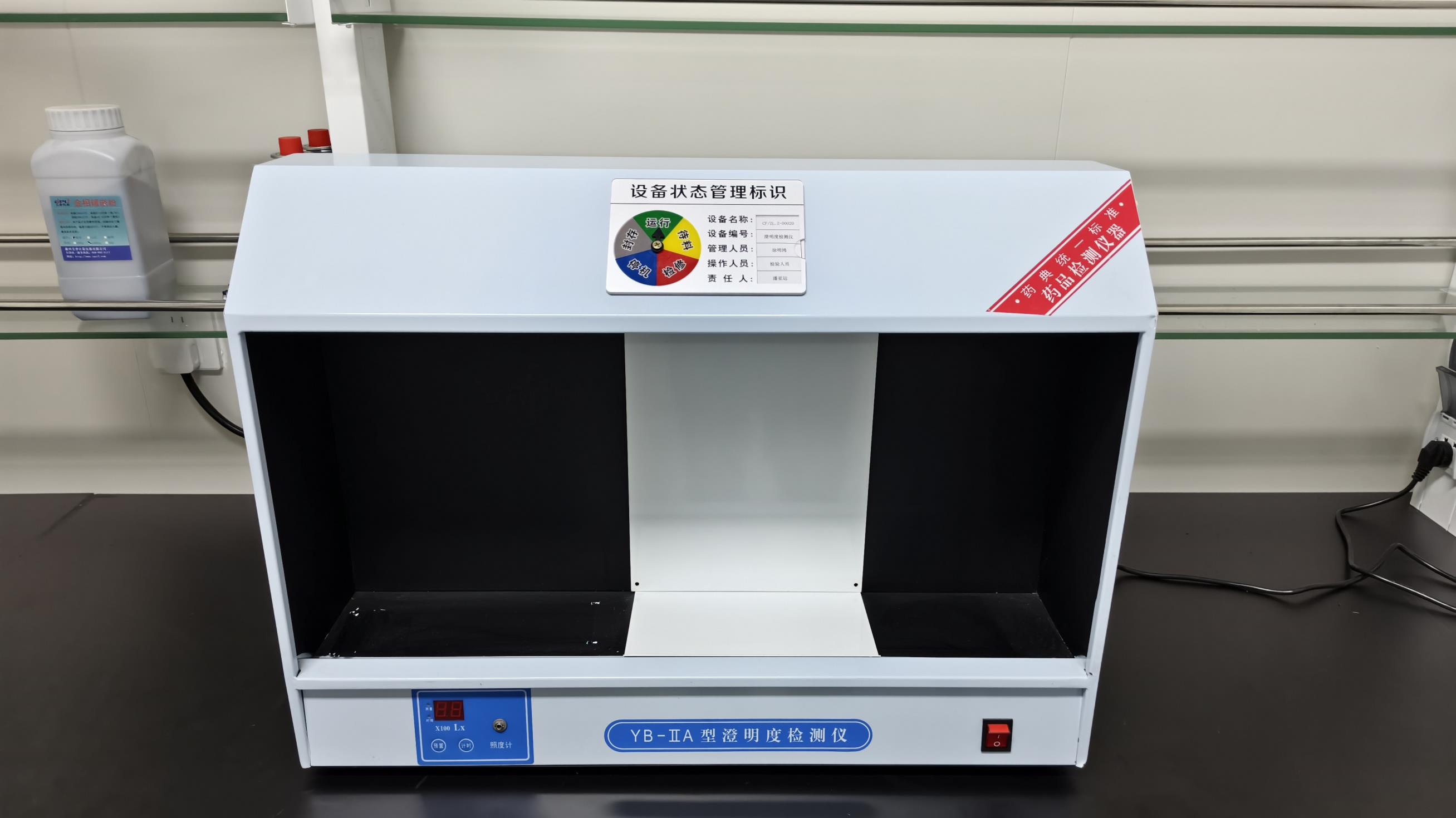
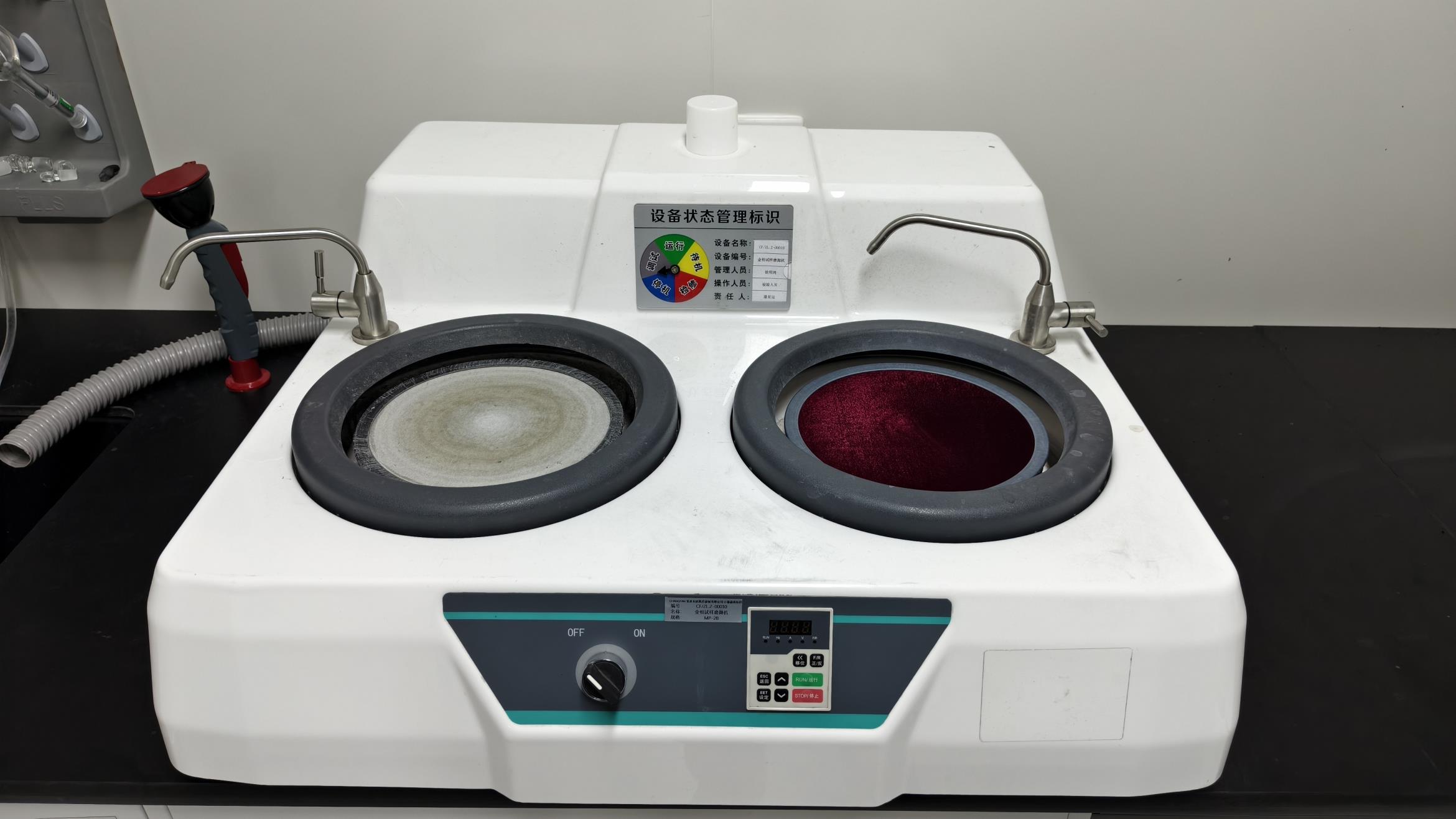
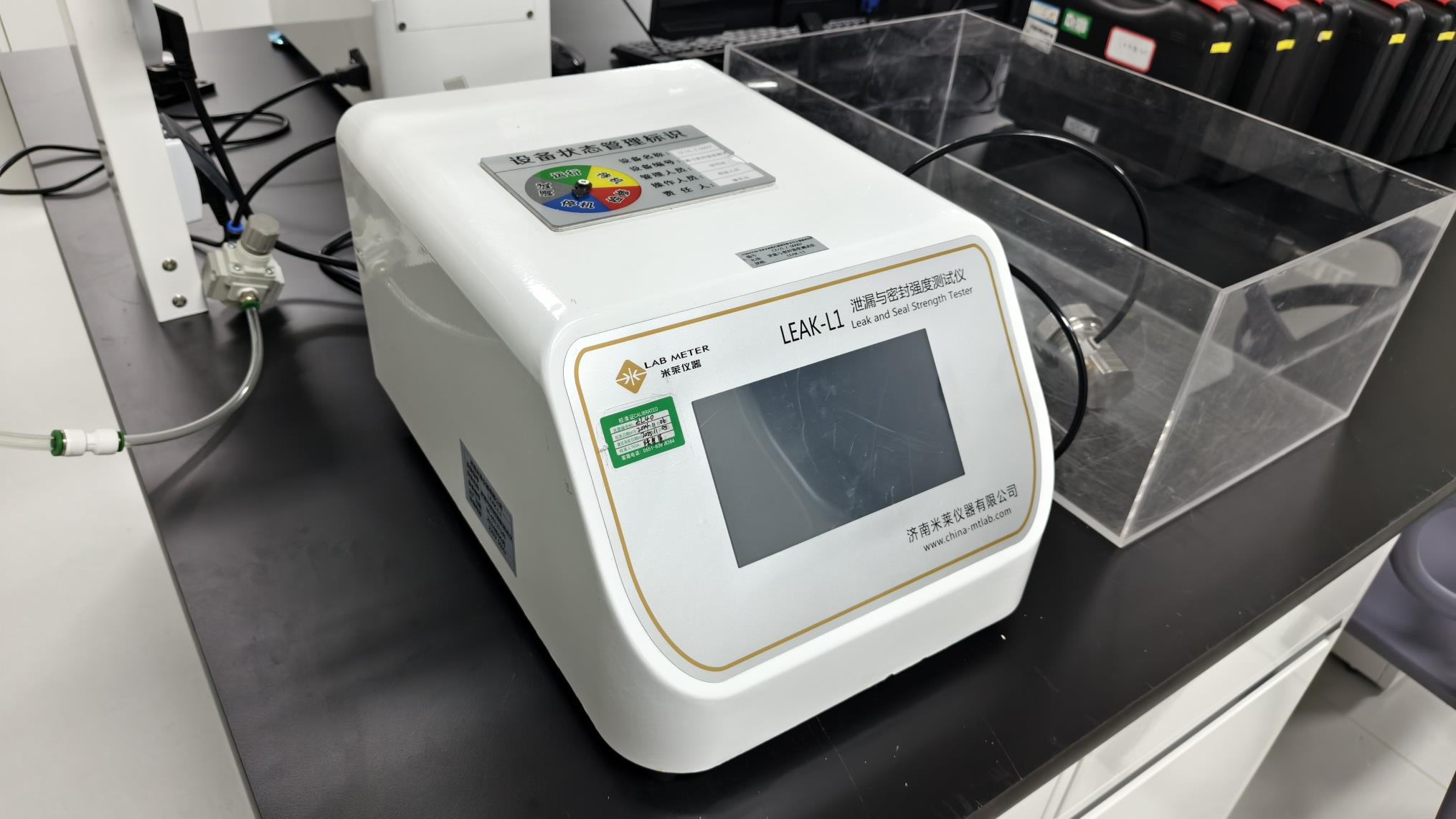
| Product Inspection Methods | CMM Measurement, Mechanical Testing, Surface Roughness Testing, Hardness Testing, Salt Spray Testing, Sterility Validation |
| Quality Control Staff | 48 Certified Quality Assurance Inspectors |
| Business Type | Manufacturer & Exporter (OEM/ODM Specialized) |
| R&D Capability | Independent Product Design, Prototype Development, Clinical-Oriented Engineering, Custom Implant CAD/CAM Design |
| Customization Options | Laser Logo Engraving, Customized Blister & Cardboard Packaging, Custom Instrument Configurations, Specific Titanium Color Anodization |
| R&D Engineers | 76 Experienced Medical Device Engineers |
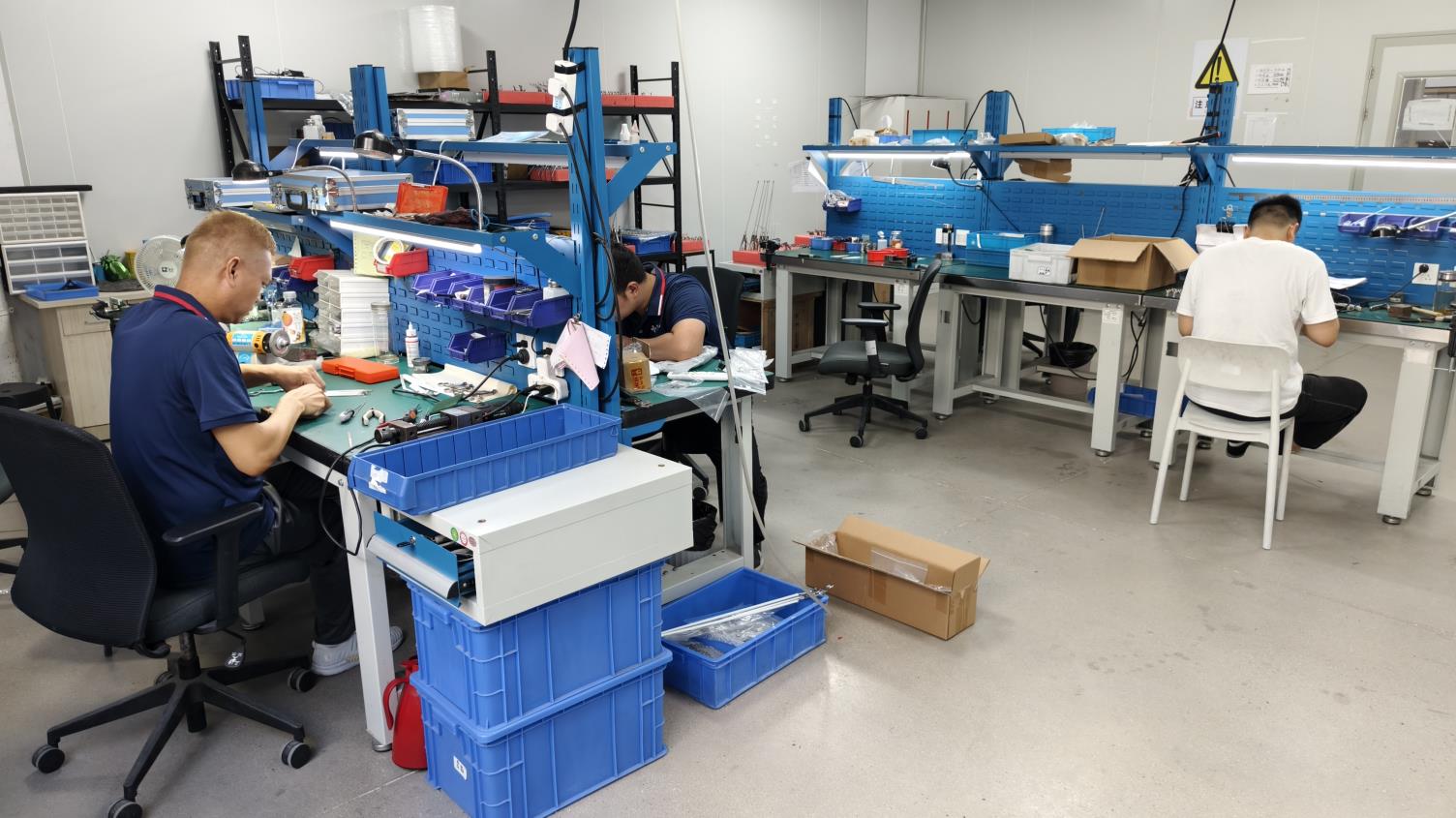
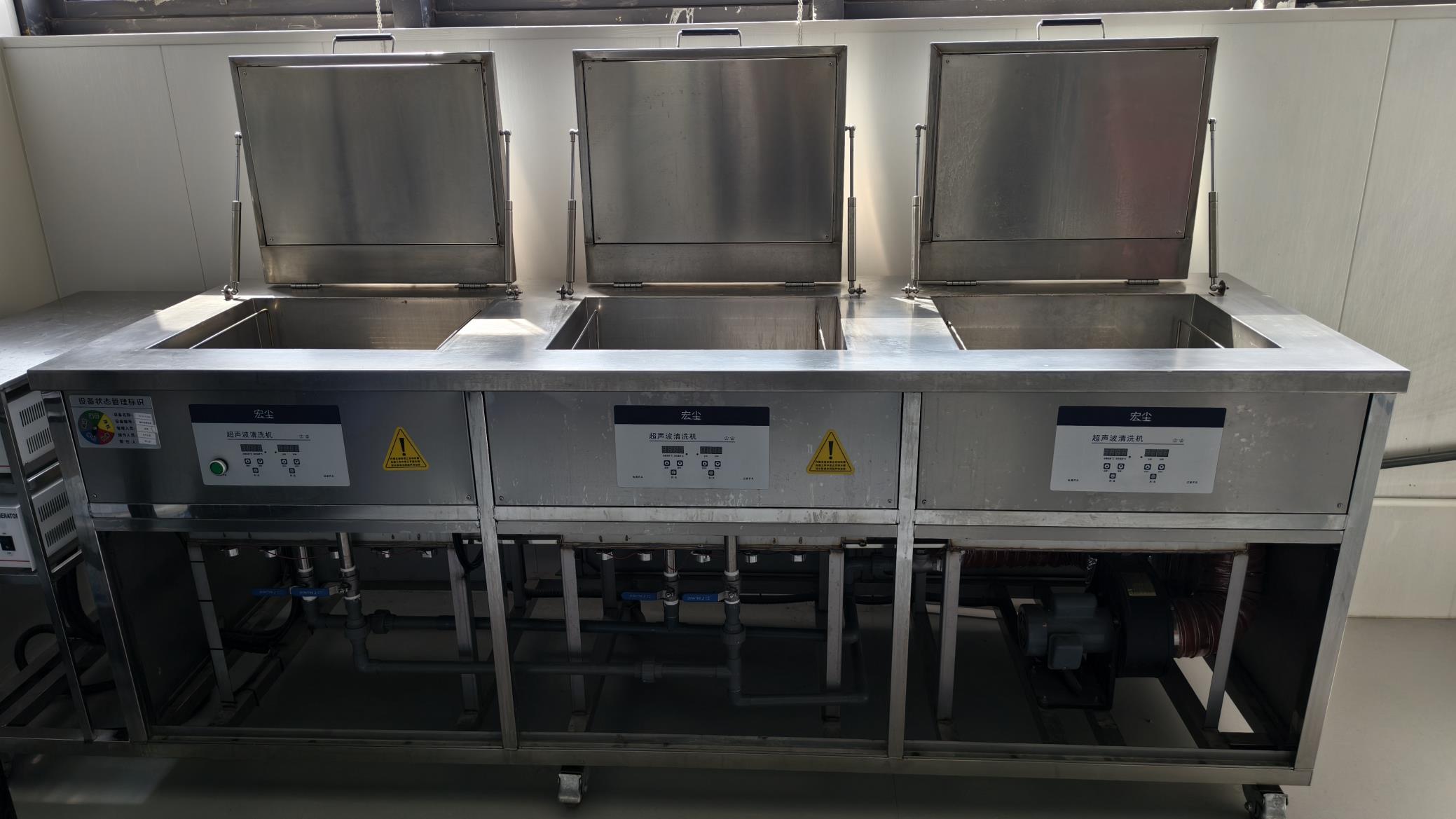
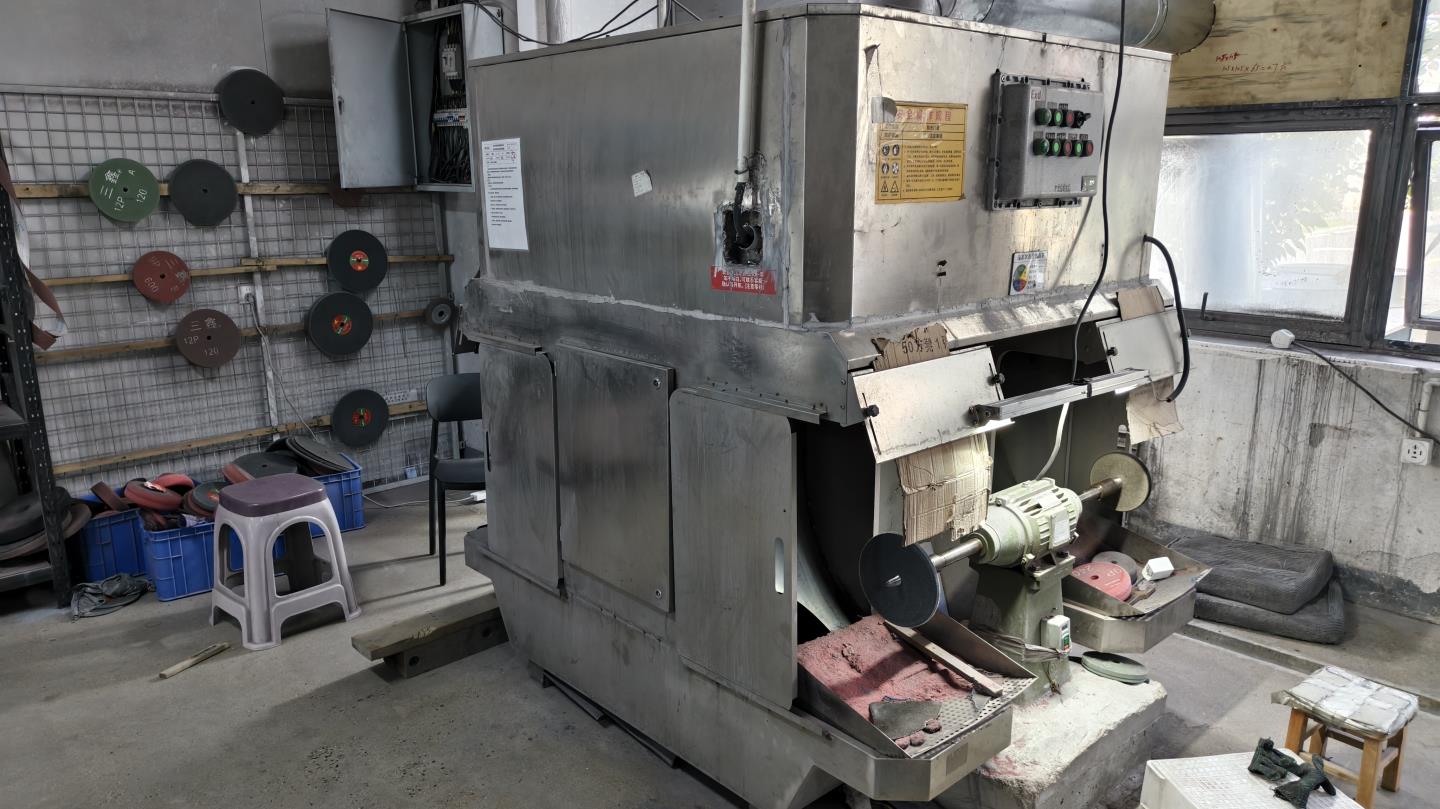
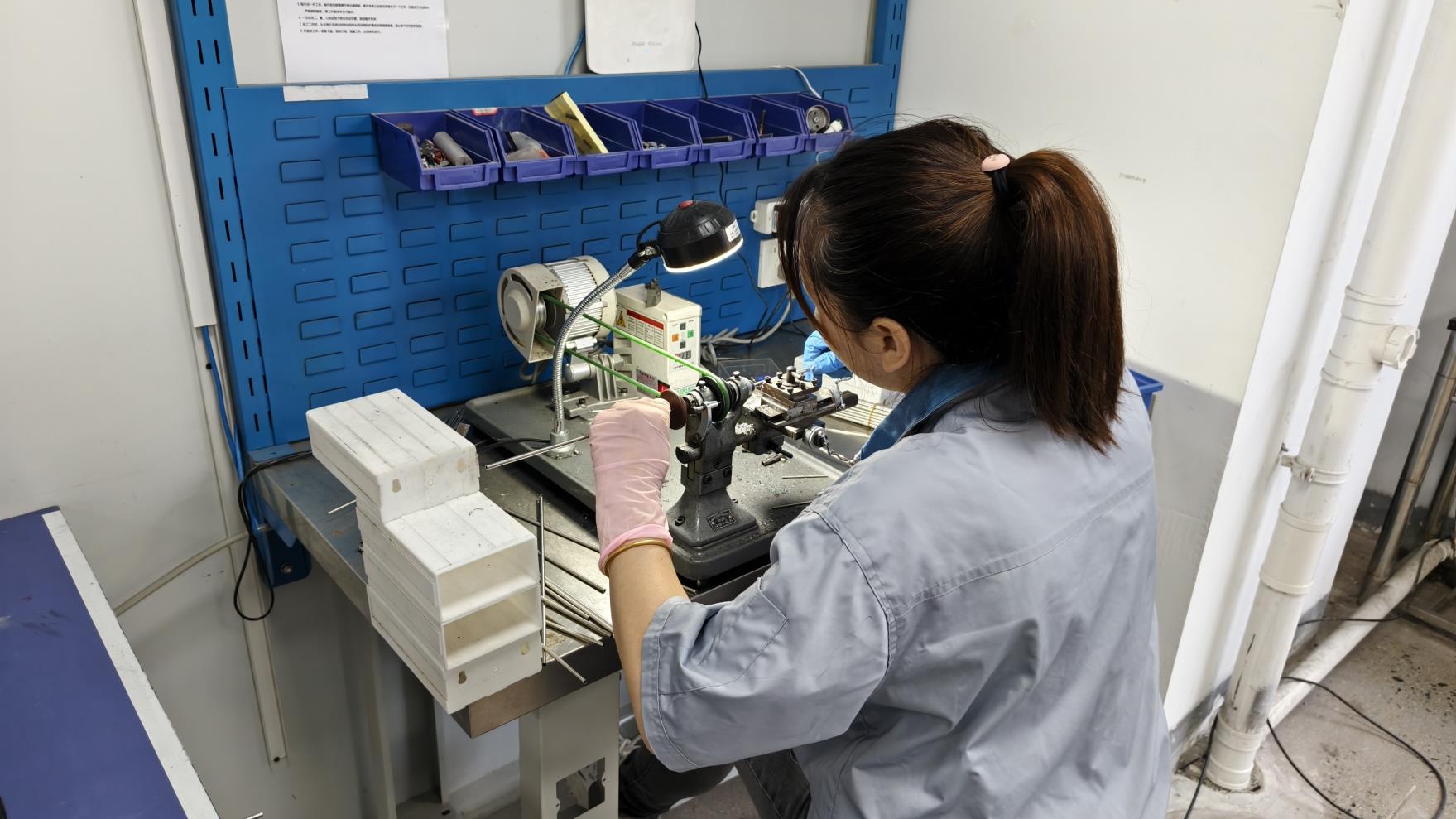
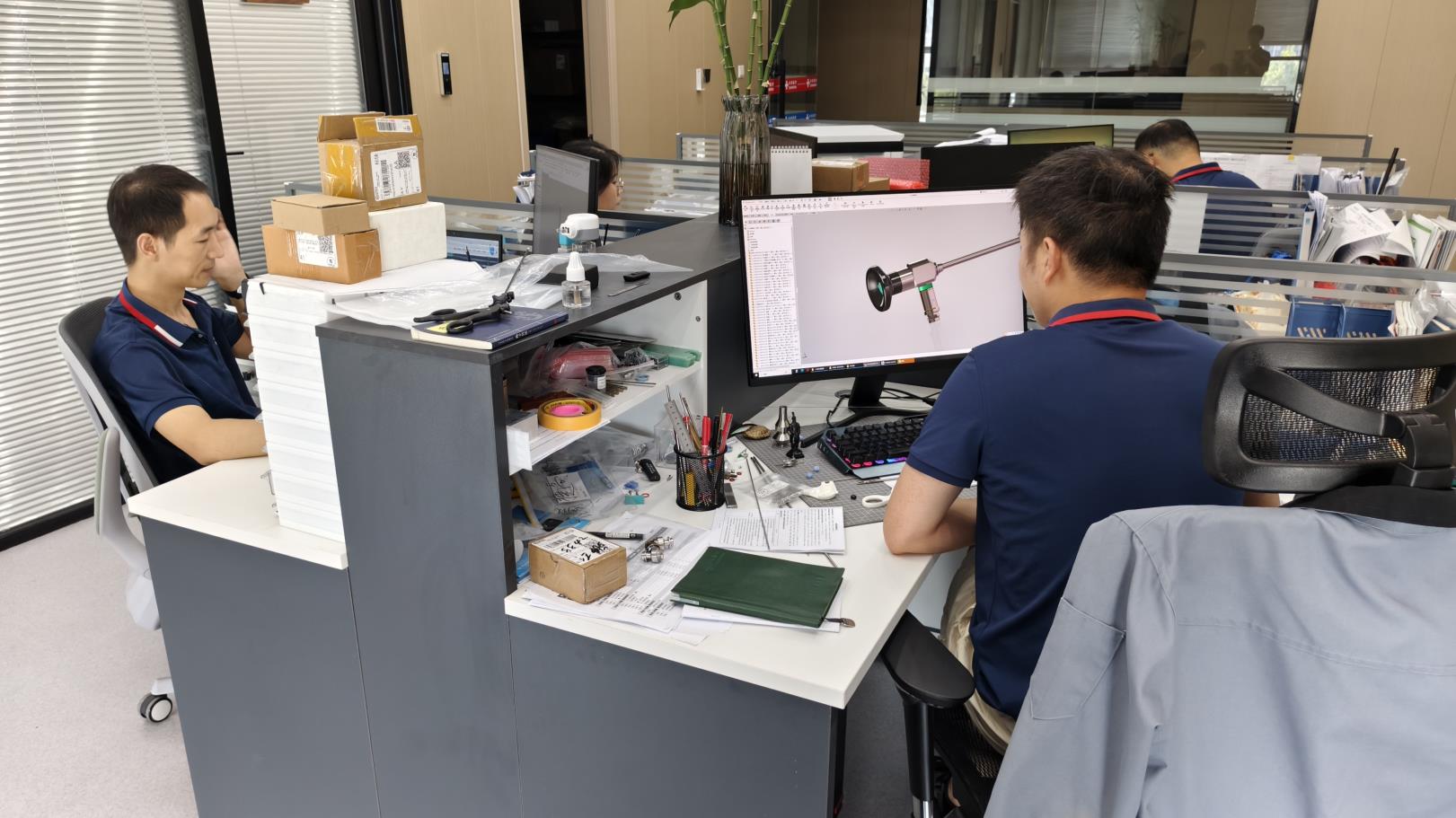
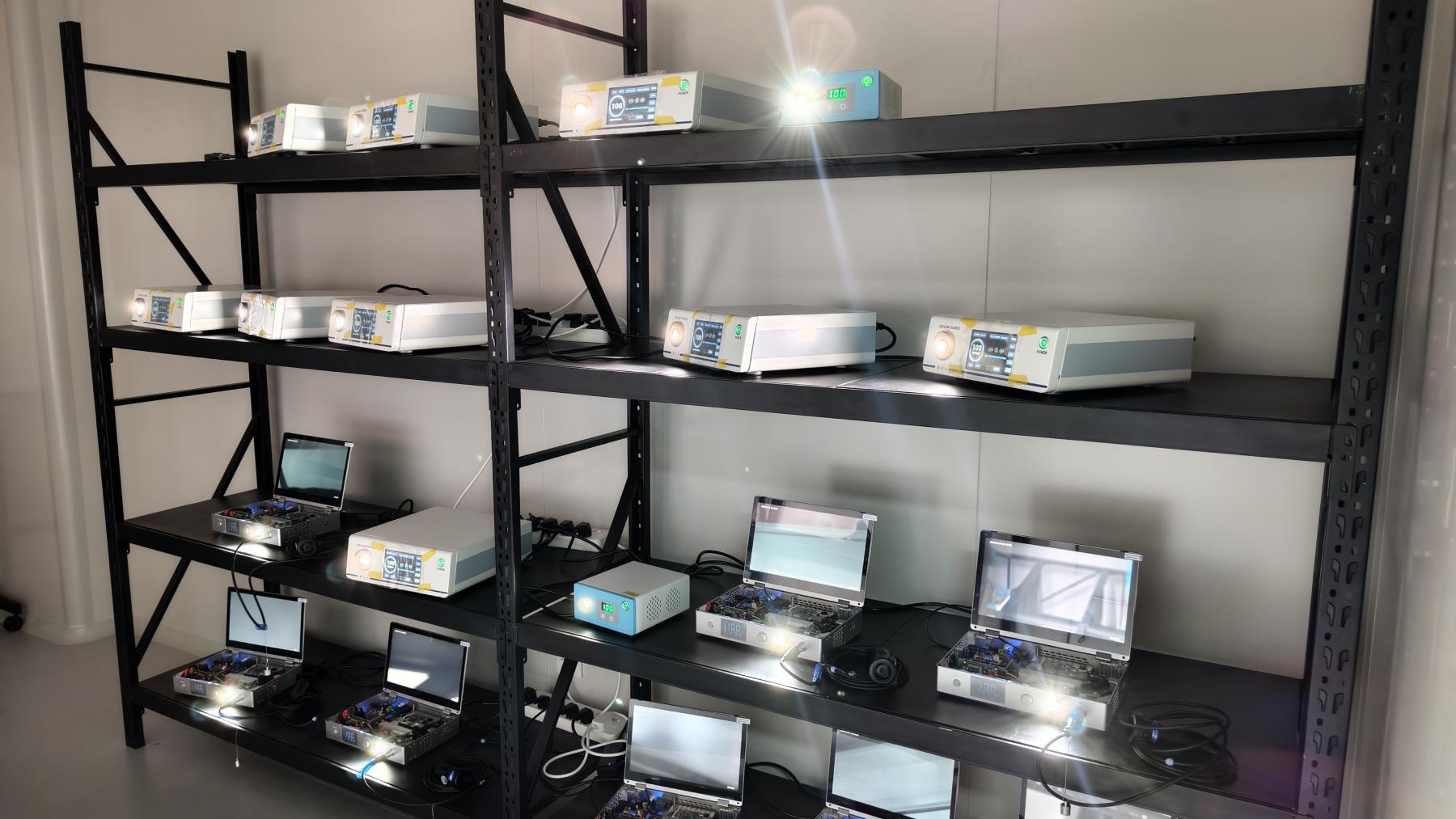
Real-time capture of our manufacturing pipeline, highlighting cleanroom assembly and testing equipment.
How we support Philippine medical distributors through complex regulatory pathways.
Entering the Philippine healthcare market requires strict compliance with local regulations. The registration of medical devices in the Philippines is governed by the Food and Drug Administration (FDA) Philippines, specifically the Center for Device Regulation, Radiation Health, and Research (CDRRHR). Under Administrative Order No. 2018-0002, medical devices are classified from Class A (low risk) to Class D (high risk) based on their invasiveness and anatomical location:
To successfully obtain a Certificate of Medical Device Registration (CMDR) or a Certificate of Medical Device Notification (CMDN), our compliance division supplies complete documentation dossiers, including:
By partnering with Synoviq, Manila distributors can bypass typical paperwork delays. Our experienced regulatory affairs team provides direct support, answering query letters from CDRRHR promptly and ensuring a seamless registration process that gets products to market faster.
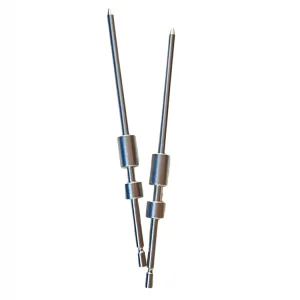
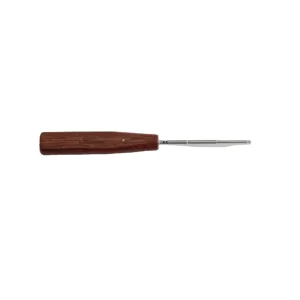
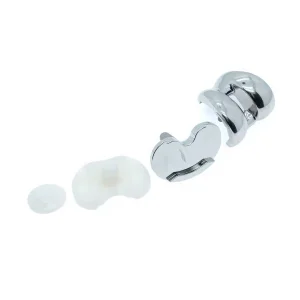
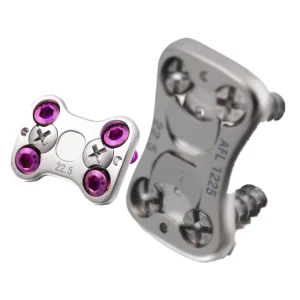
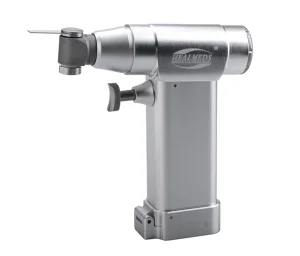
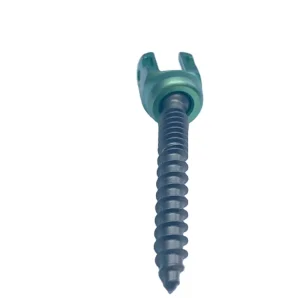
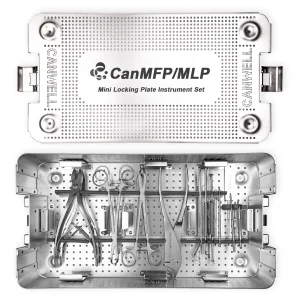
Browse our complete array of trauma plates, spinal systems, and precise surgical instruments available for export to the Philippines.
Answers to critical questions regarding compliance, shipping to Manila, and custom manufacturing.
 Synoviq Medical