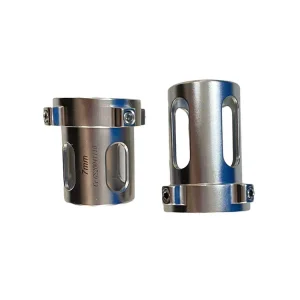
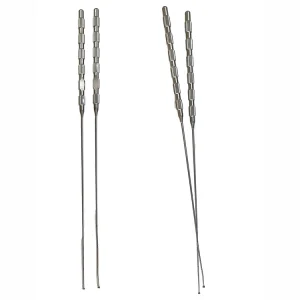
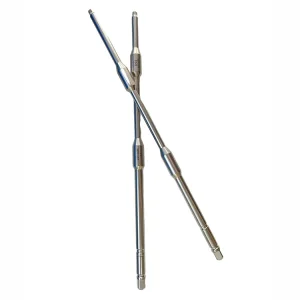
Designed to assist Thai spine specialists and clinical teams with outstanding anatomical compliance and surgical ergonomics. These instruments represent our core technological capacity in scoliosis correction and complex spinal surgeries, supporting hospitals across Bangkok, Chiang Mai, and regional health zones.
Thailand has established itself as the undisputed medical hub of Southeast Asia, drawing millions of international patients annually for sophisticated surgeries while simultaneously expanding healthcare access for its domestic population. Driven by the government's "Thailand Medical Hub" strategic roadmap, there is an unprecedented push for high-quality, cost-efficient medical devices and implants.
Crucially, Thailand has transitioned into a complete aged society, with over 20% of its population now aged 60 and above. This demographic shift has accelerated the prevalence of degenerative spinal conditions, osteoporosis-induced fractures, and osteoarthritis. Public health infrastructure, governed by the Universal Coverage Scheme (UCS) and Civil Servant Medical Benefit Scheme (CSMBS), requires massive supplies of orthopedic consumables that offer reliable clinical outcomes at sustainable price points. Private hospital networks such as BDMS, Bumrungrad, and Thonburi Healthcare Group demand premium-tier instrument customizability, high-grade biocompatibility, and swift technical support.
As a premier orthopedic manufacturer, Synoviq recognizes these challenges. We provide Thailand's distributors and hospitals with surgical tools fabricated using medical-grade titanium (Gr 5 / ASTM F136) and premium stainless steel, ensuring structural integrity during high-torque applications.
The global market for orthopedic accessories and surgical instruments is experiencing a shift toward minimally invasive surgery (MIS), digital integration, and patient-specific implant designs. The industry demands absolute precision: even a micrometer-scale variance in pedicle positioning devices or torque limiters can significantly impact surgical outcomes.
Leading global contract manufacturers must deploy advanced technology, including Swiss-type precision lathes, 5-axis CNC machining, and automated polishing. In parallel, validation protocols like 3D Coordinate Measuring Machine (CMM) inspections, digital microscopy, and spectroscopic alloy verification have become mandatory to assure biomechanical safety.
Our global supply ecosystem at Synoviq operates strictly within this paradigm. Incorporating certified manufacturing methods and material tracking, we enable international distributors to bypass traditional supply bottlenecks, delivering clinical instruments that rival Western Tier-1 brands at a highly competitive Total Cost of Ownership (TCO).
Synoviq Medical Technology (China) Co., Ltd. is a professional manufacturer of orthopedic implants and surgical instruments, dedicated to delivering innovative, reliable, and high-quality medical solutions for healthcare professionals worldwide. Since its establishment, Synoviq has focused on research, development, precision manufacturing, and international quality standards, providing comprehensive OEM and ODM services for global medical device brands, distributors, and hospitals.
Our product portfolio includes trauma fixation systems, spinal implants, locking plates, intramedullary nails, external fixation systems, orthopedic screws, surgical instruments, and customized orthopedic solutions. Equipped with advanced CNC machining centers, precision inspection equipment, and modern clean production facilities, we ensure every product meets strict international quality requirements.
| Item | Information Details |
|---|---|
| Company Name | Synoviq Medical Technology (China) Co., Ltd. |
| Brand | Synoviq |
| Established | March 18, 2016 |
| Building Area | 18,600 m² |
| Annual Export Revenue | USD 21.8 Million |
| Export Experience | 8 Years |
| Quality Inspection | 100% Final Inspection & Incoming Material Inspection |
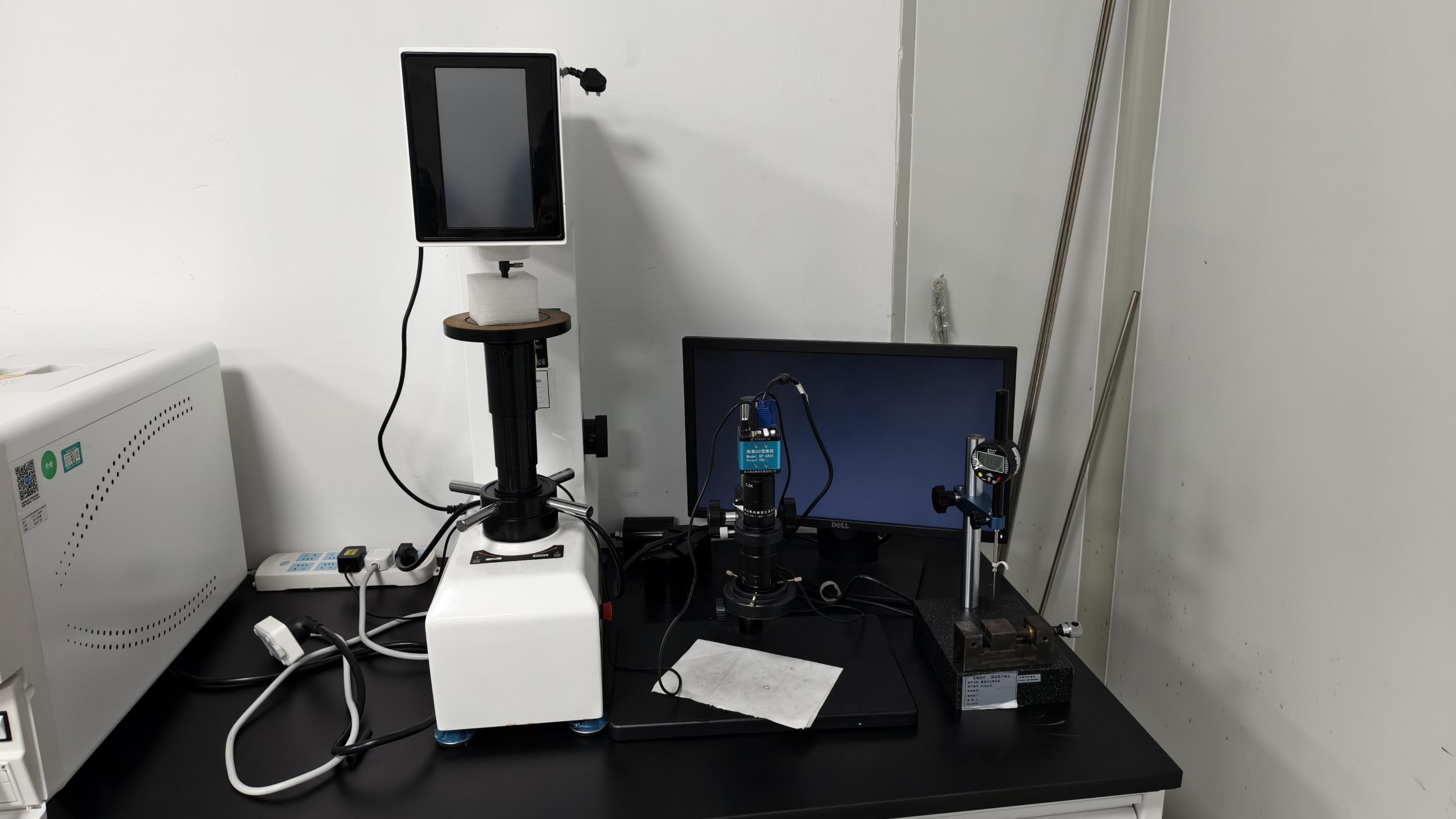
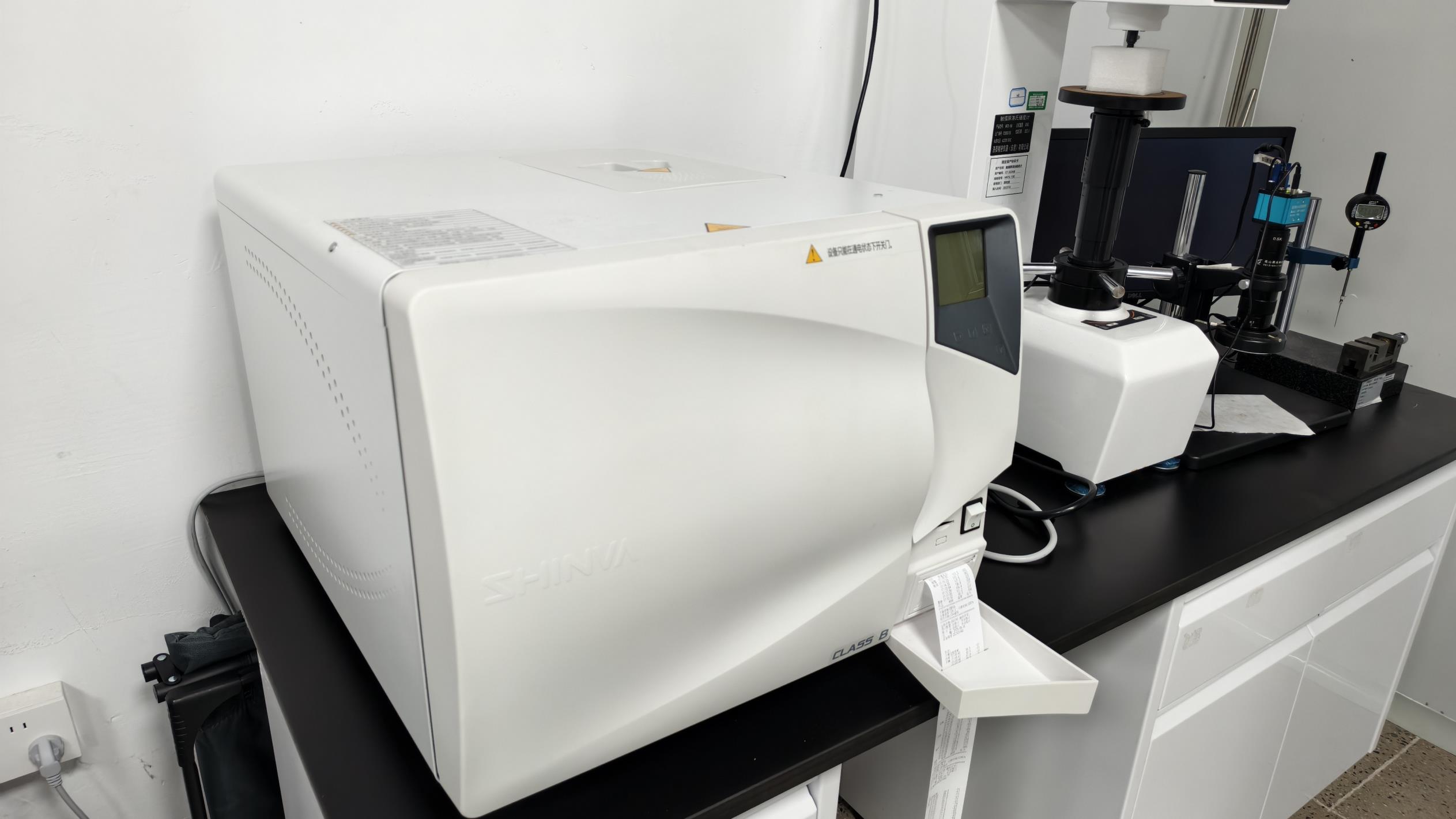
| Inspection Methods | CMM Measurement, Mechanical Testing, Surface Roughness Testing, Hardness Testing, Salt Spray Testing, Sterility Validation |
| Quality Control Staff | 48 Dedicated Specialists |
| Business Type | Manufacturer & Exporter (OEM/ODM/OBM) |
| Main Markets | Southeast Asia (Thailand, Vietnam, Indonesia), Europe, North America, Middle East |
| R&D Capability | Independent Design, Prototype Development, Clinical Engineering, Custom Kit Configuration |
| Customization Options | Logo Etching, Cleanroom Packaging, Instrument Structural Adjustment, Surface Finish Anodization |
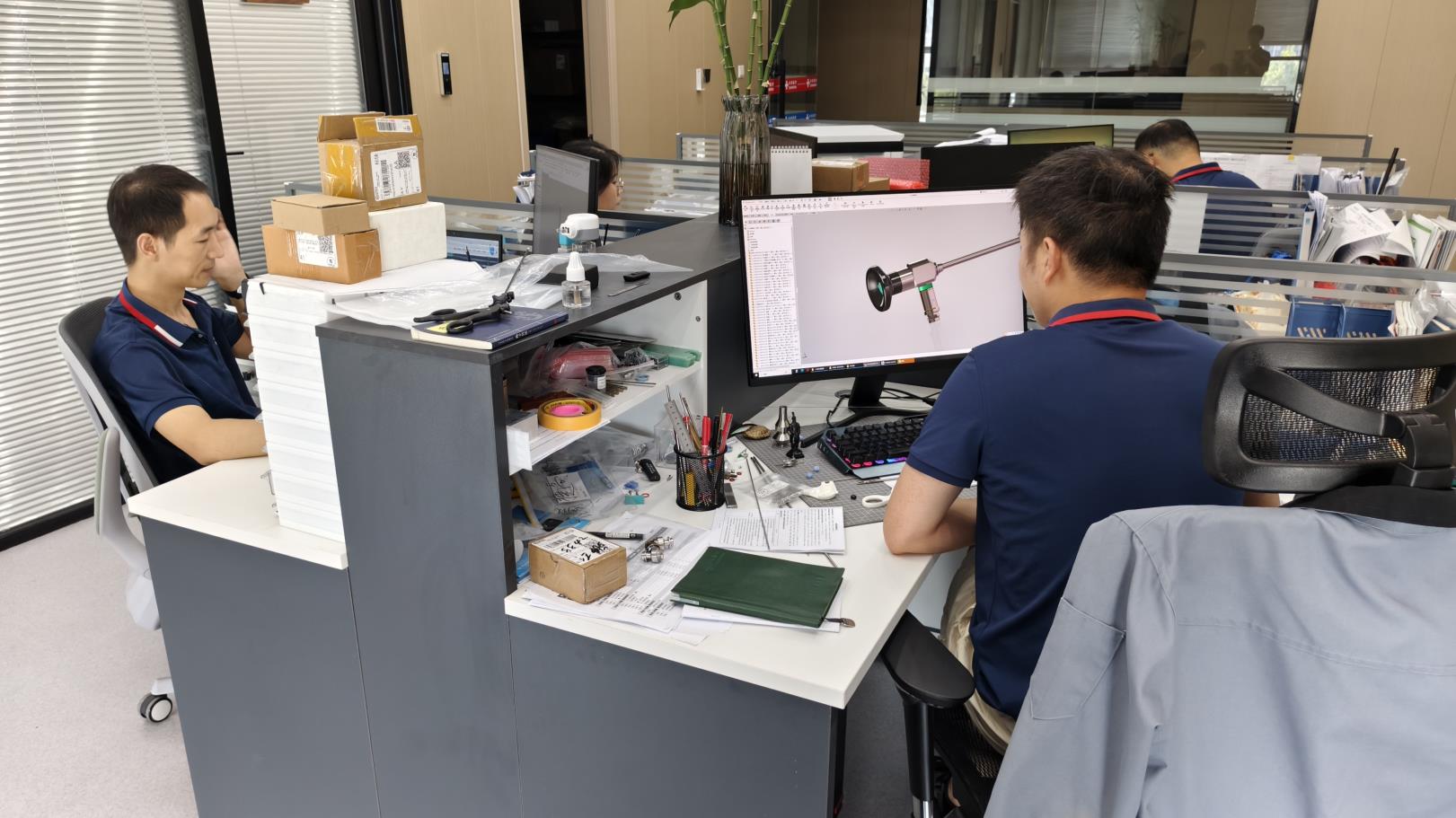
| R&D Engineers | 76 Specialized Medical Engineers |
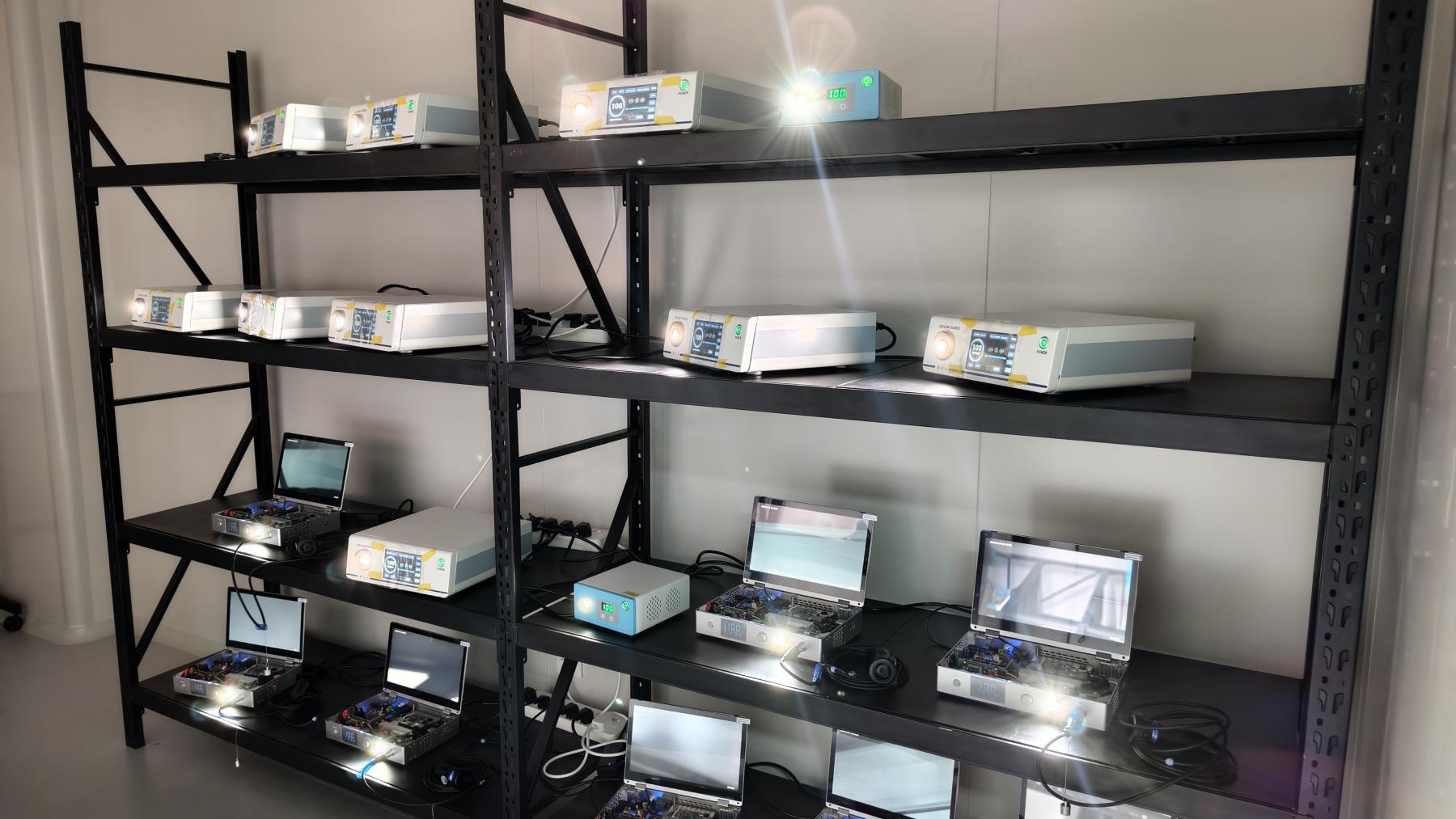
To secure compliance with global medical device standards, we maintain a complete end-to-end production workflow internally. Below are the key manufacturing steps and testing protocols that validate the reliability of every Synoviq instrument sent to Thailand.
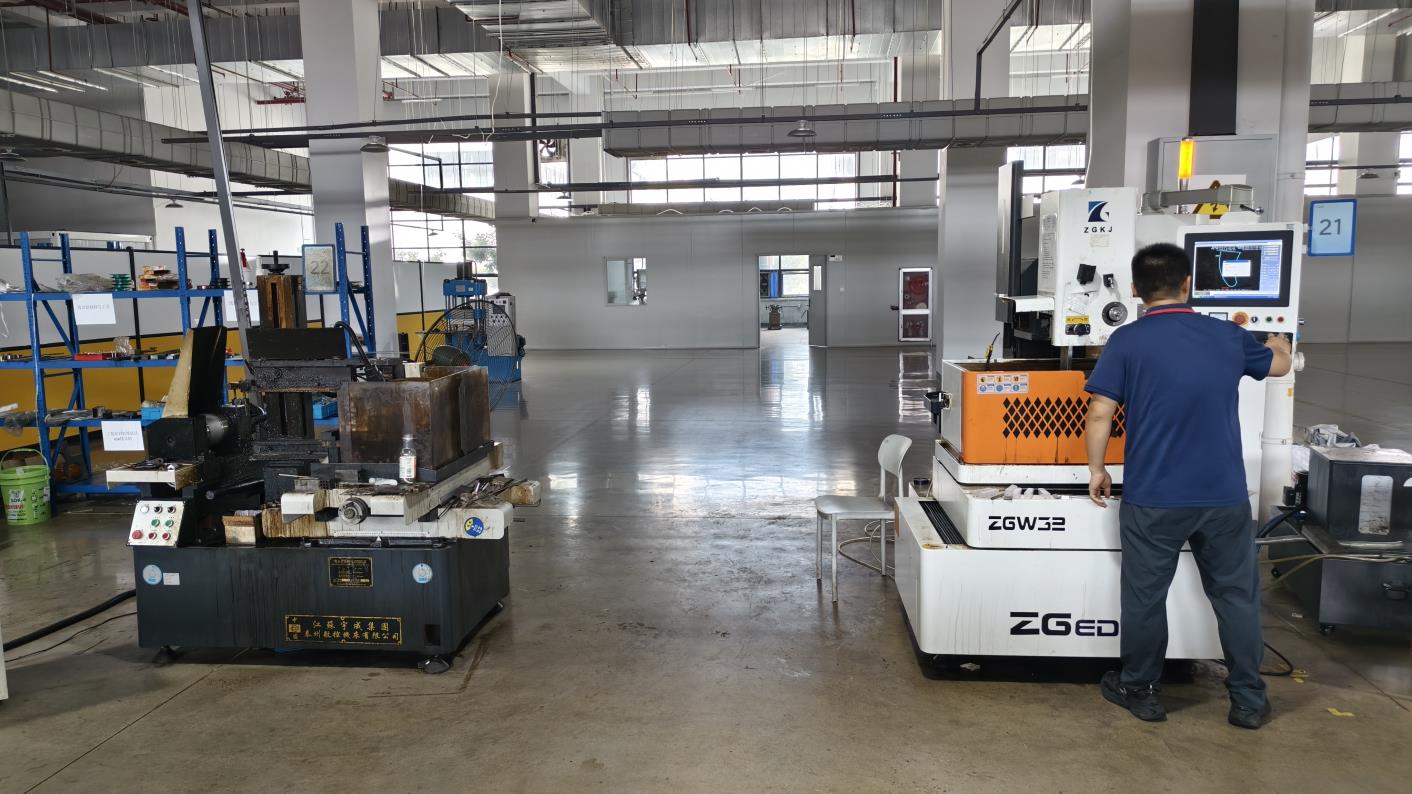
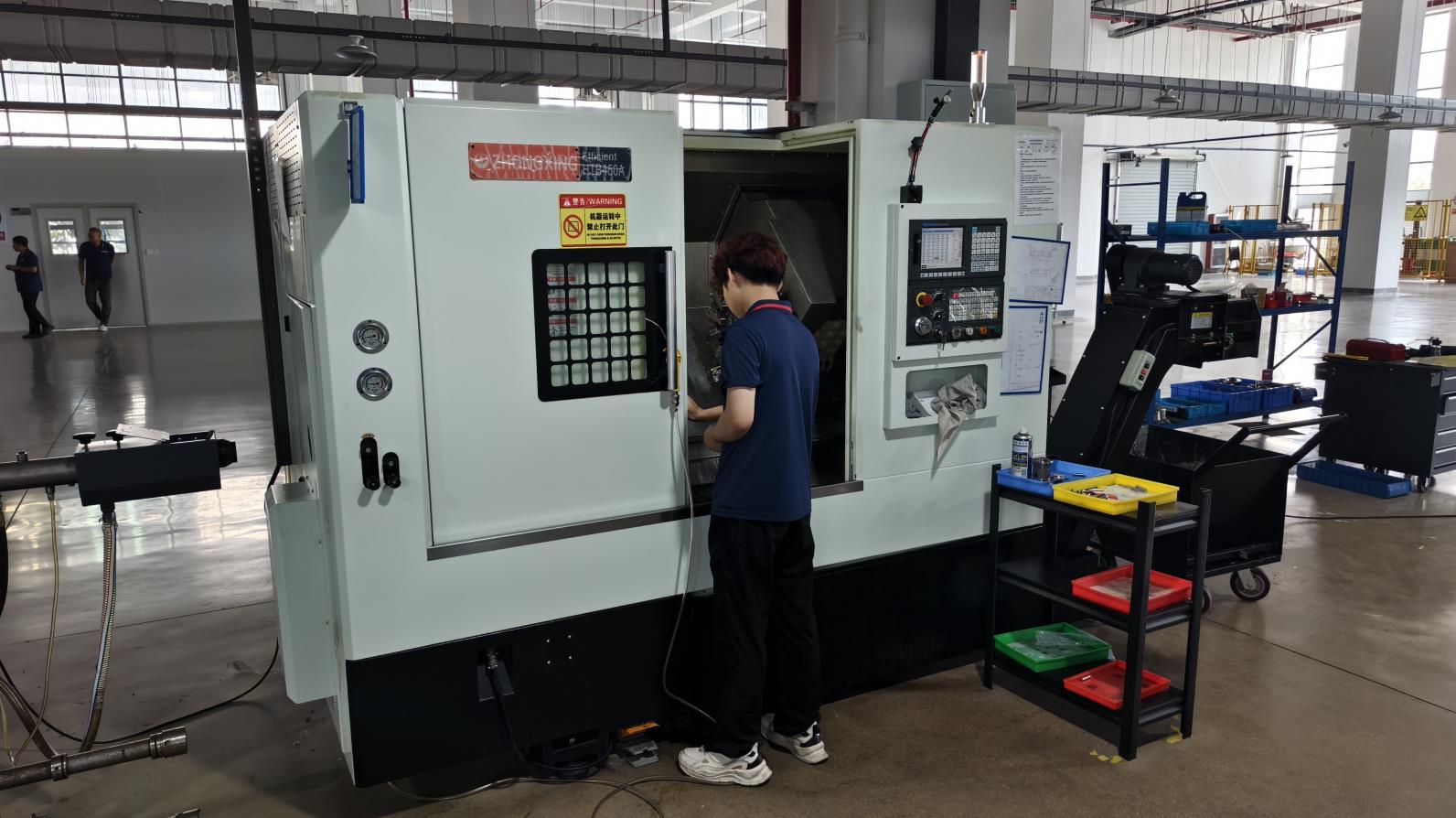
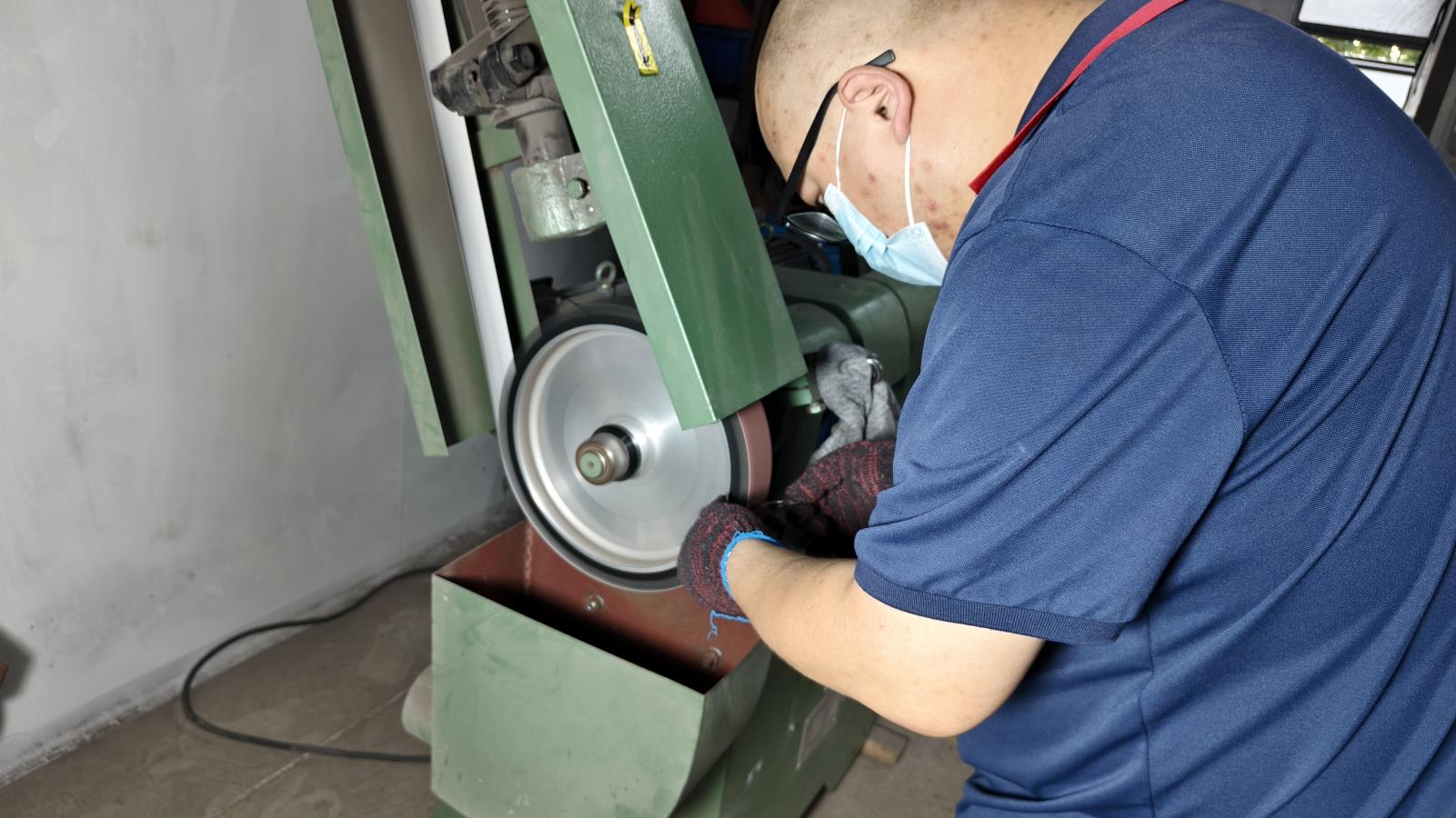
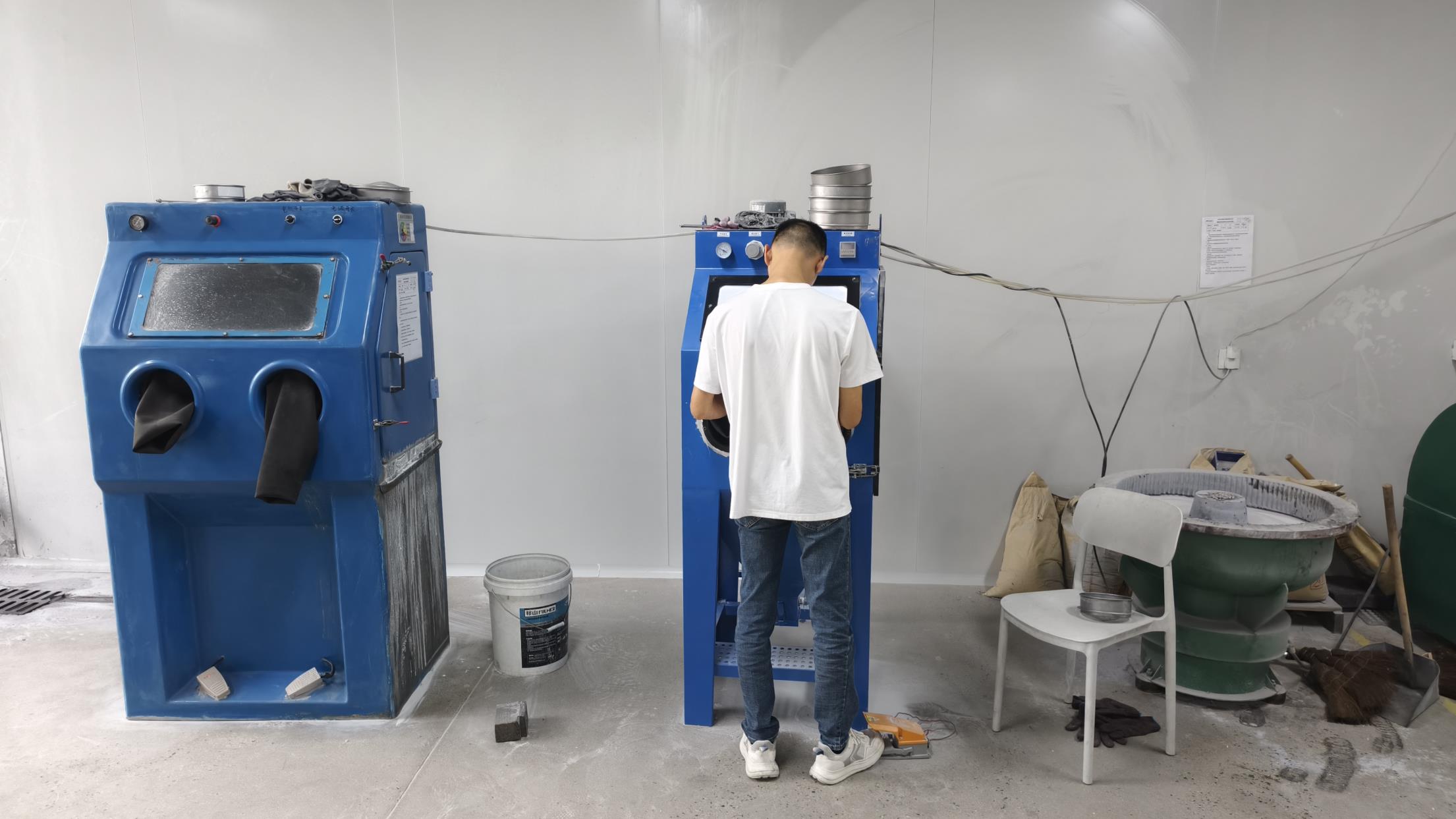
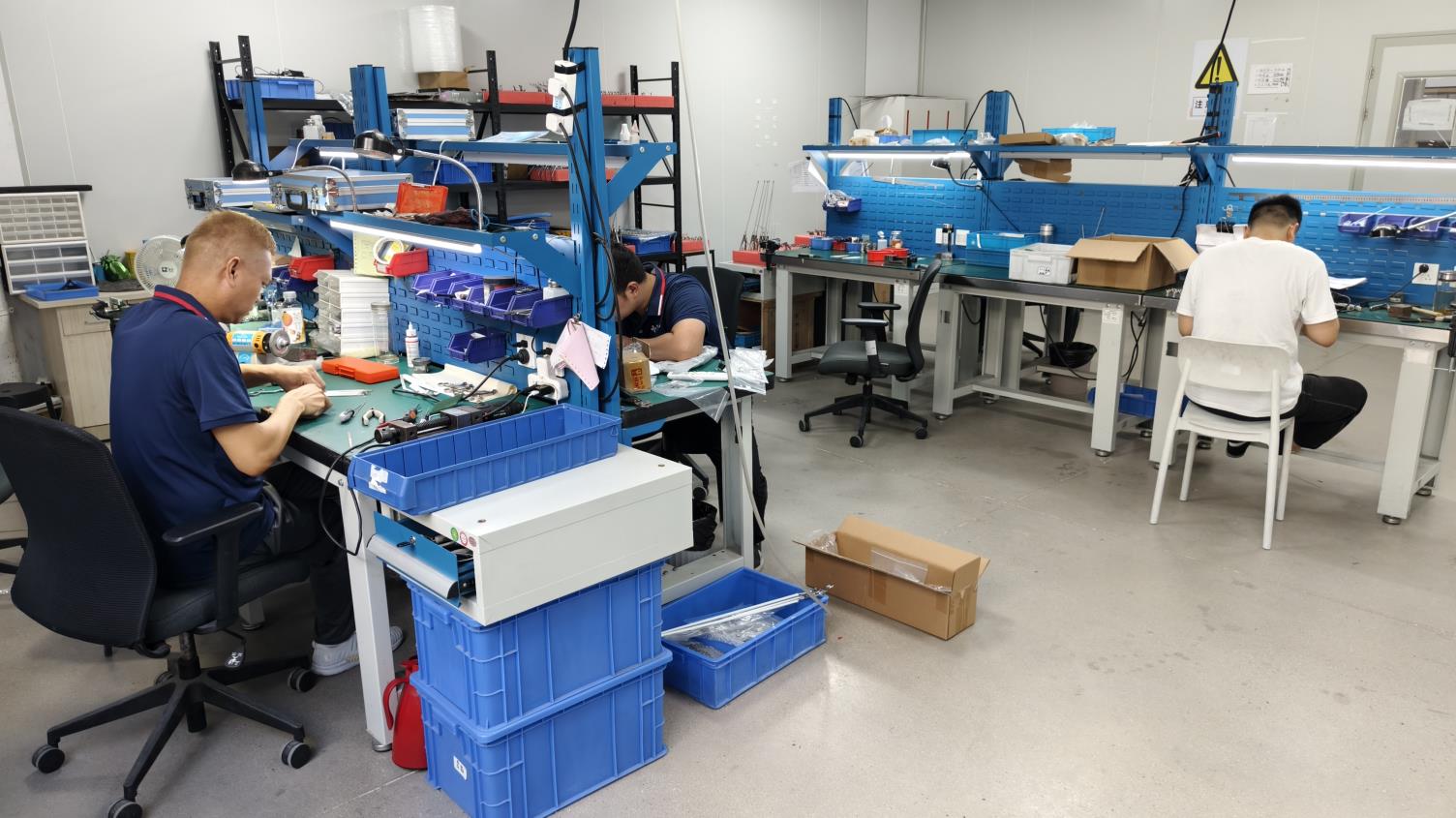
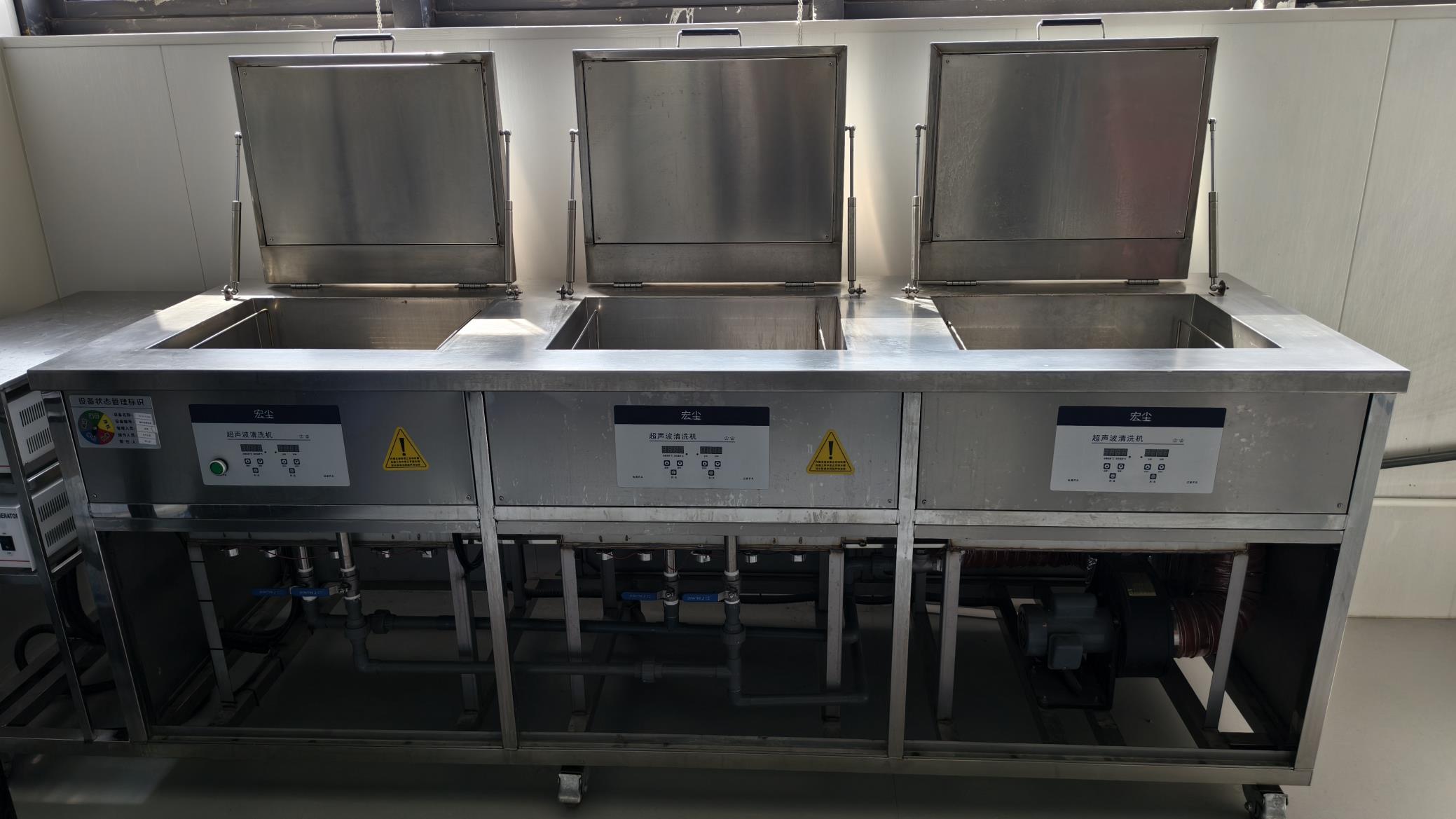
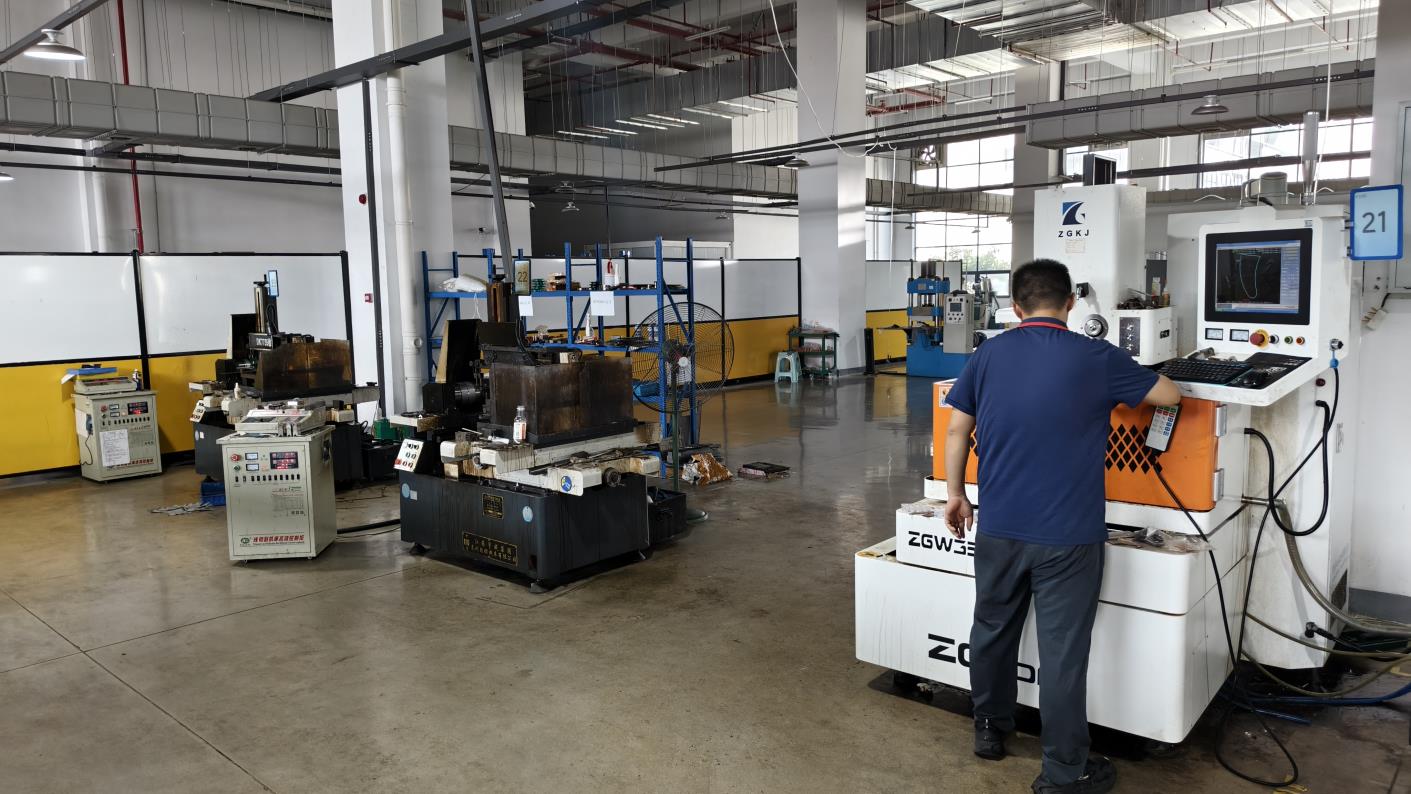
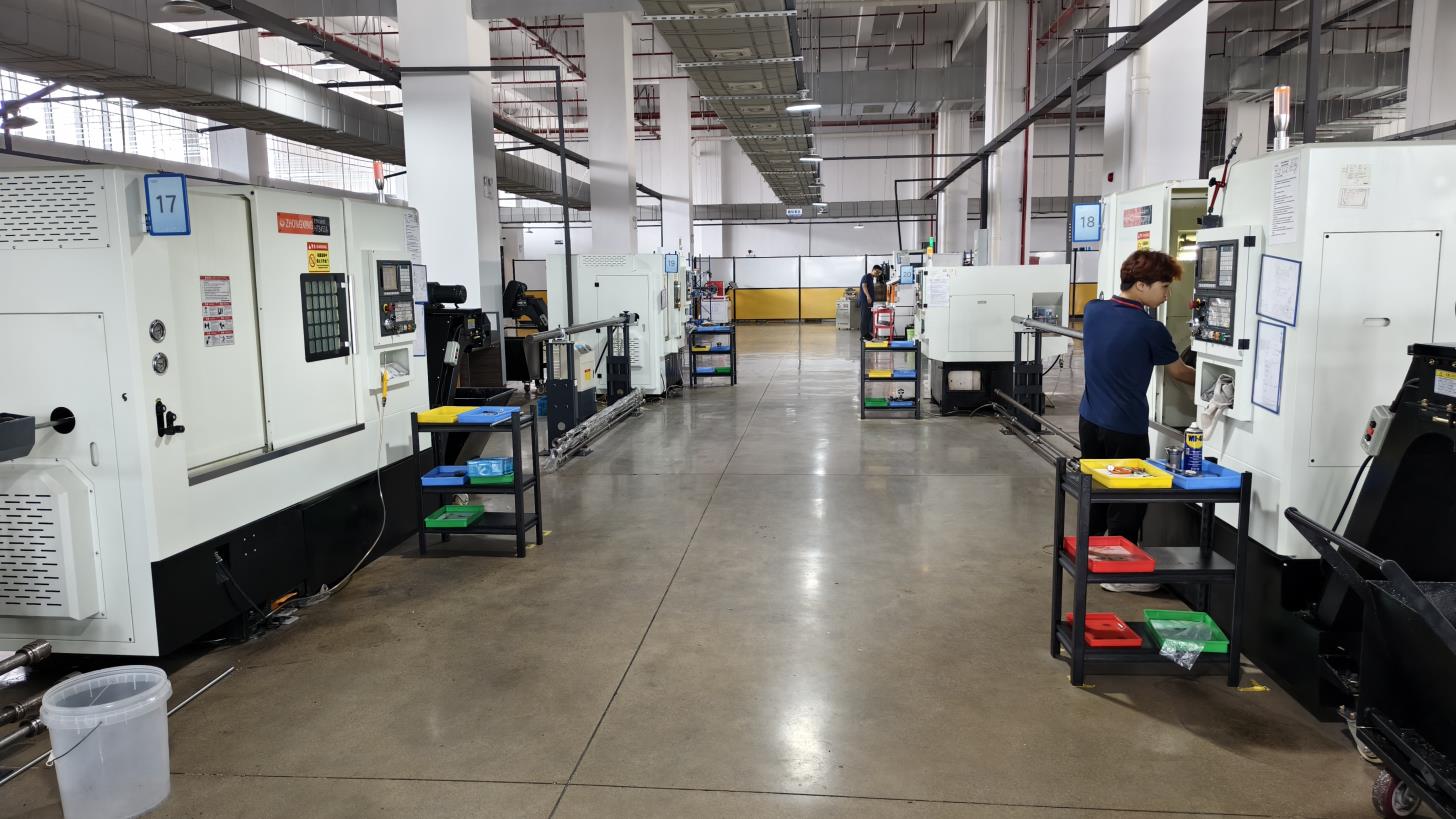
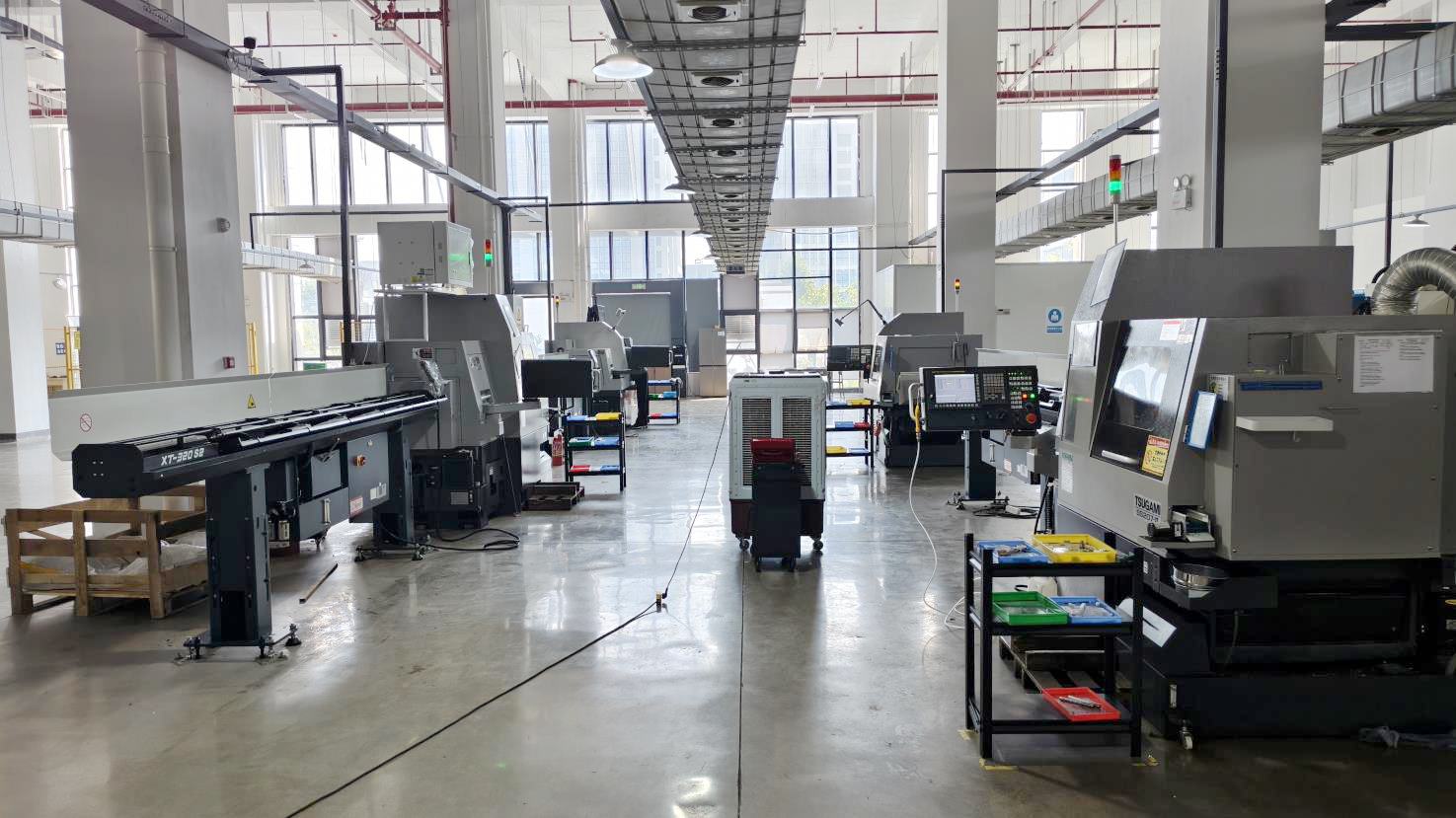
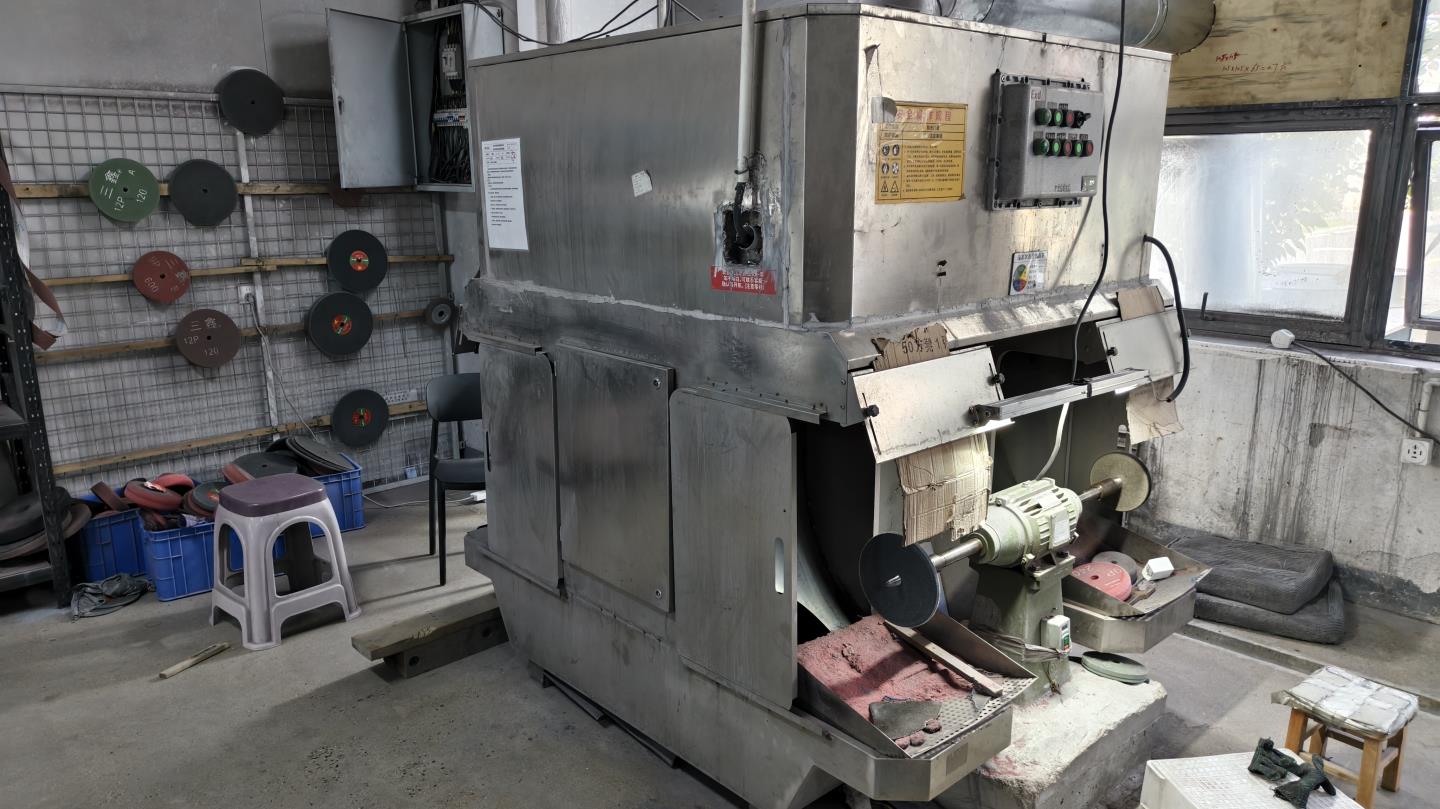
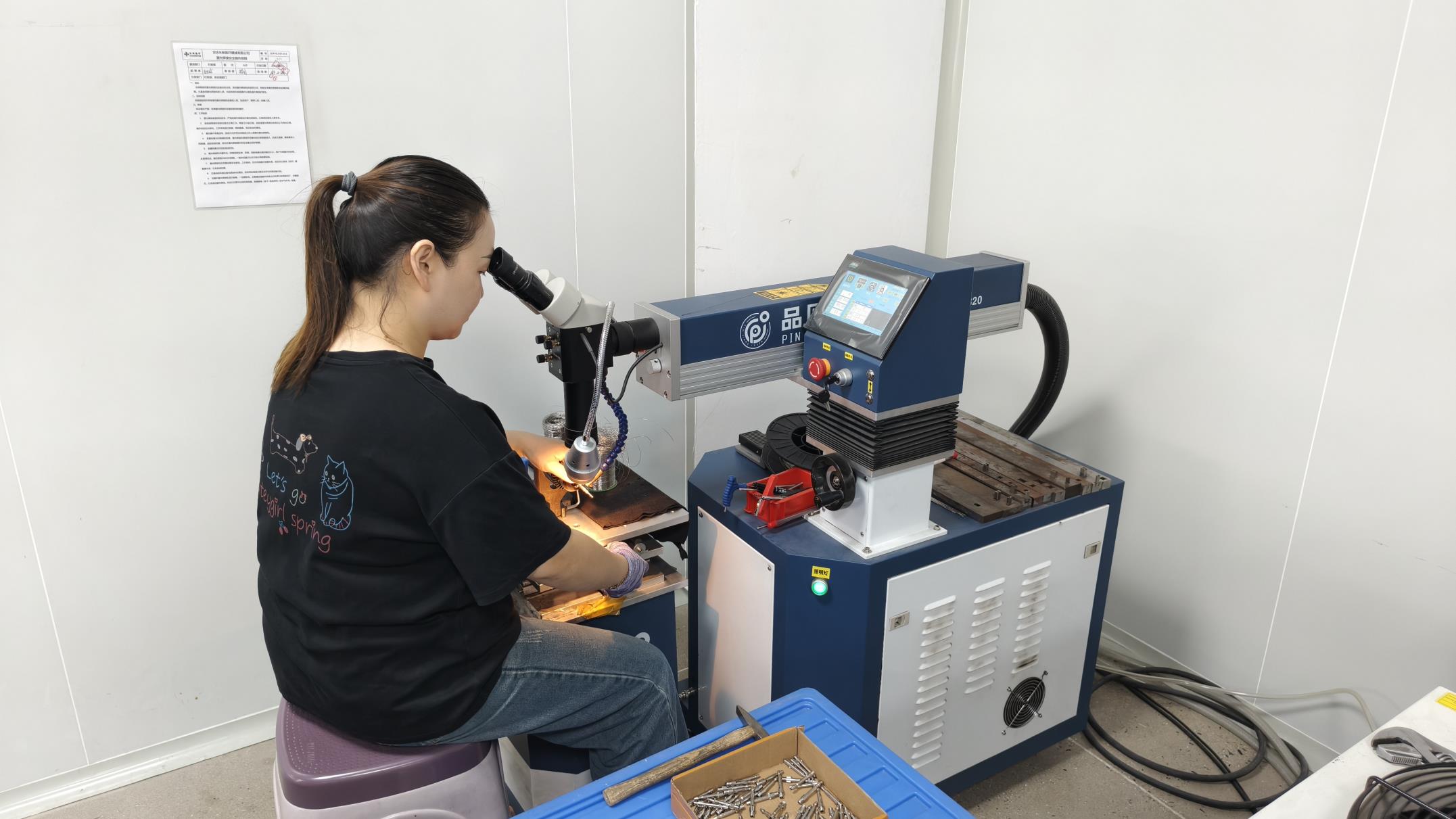
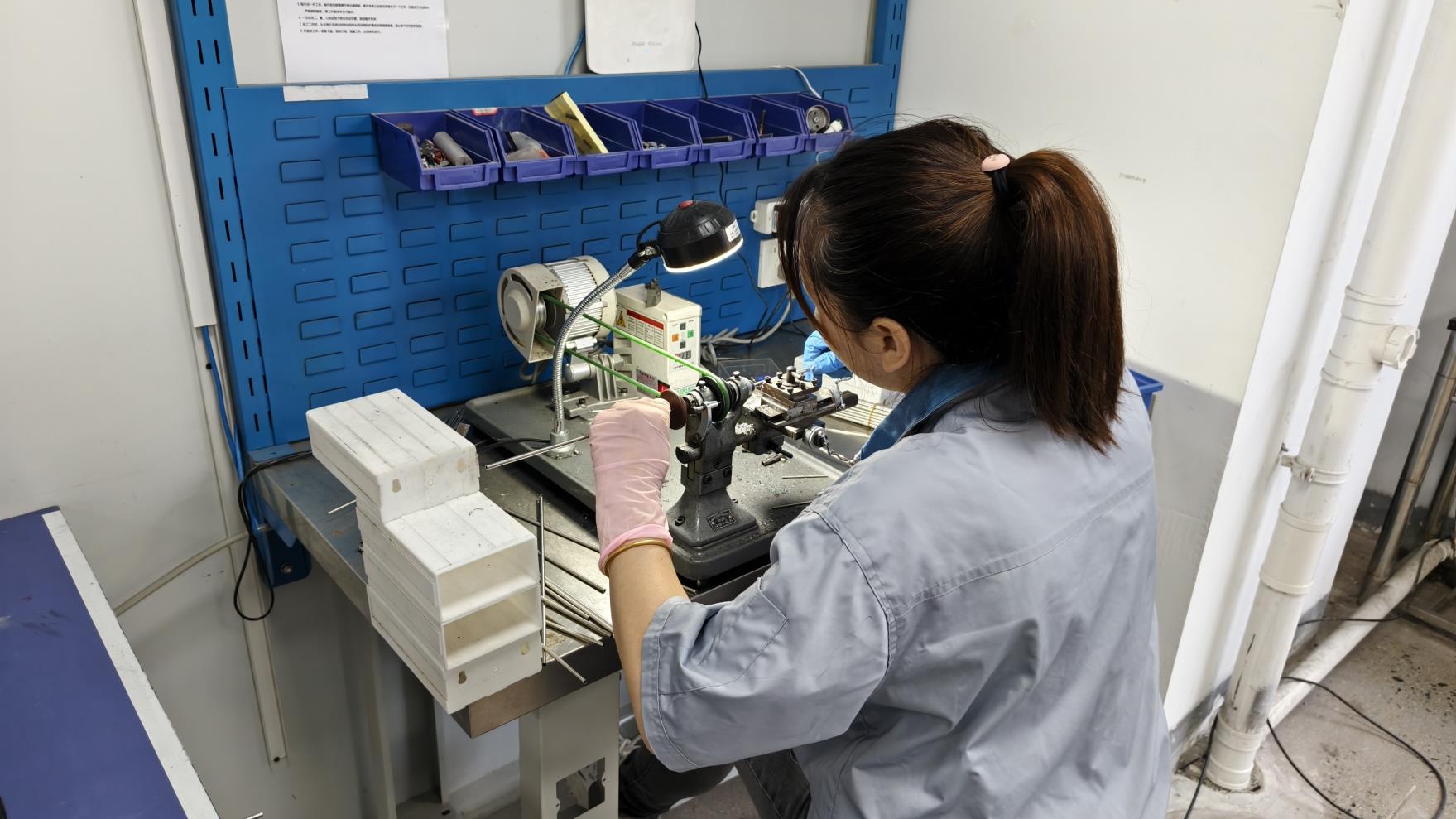
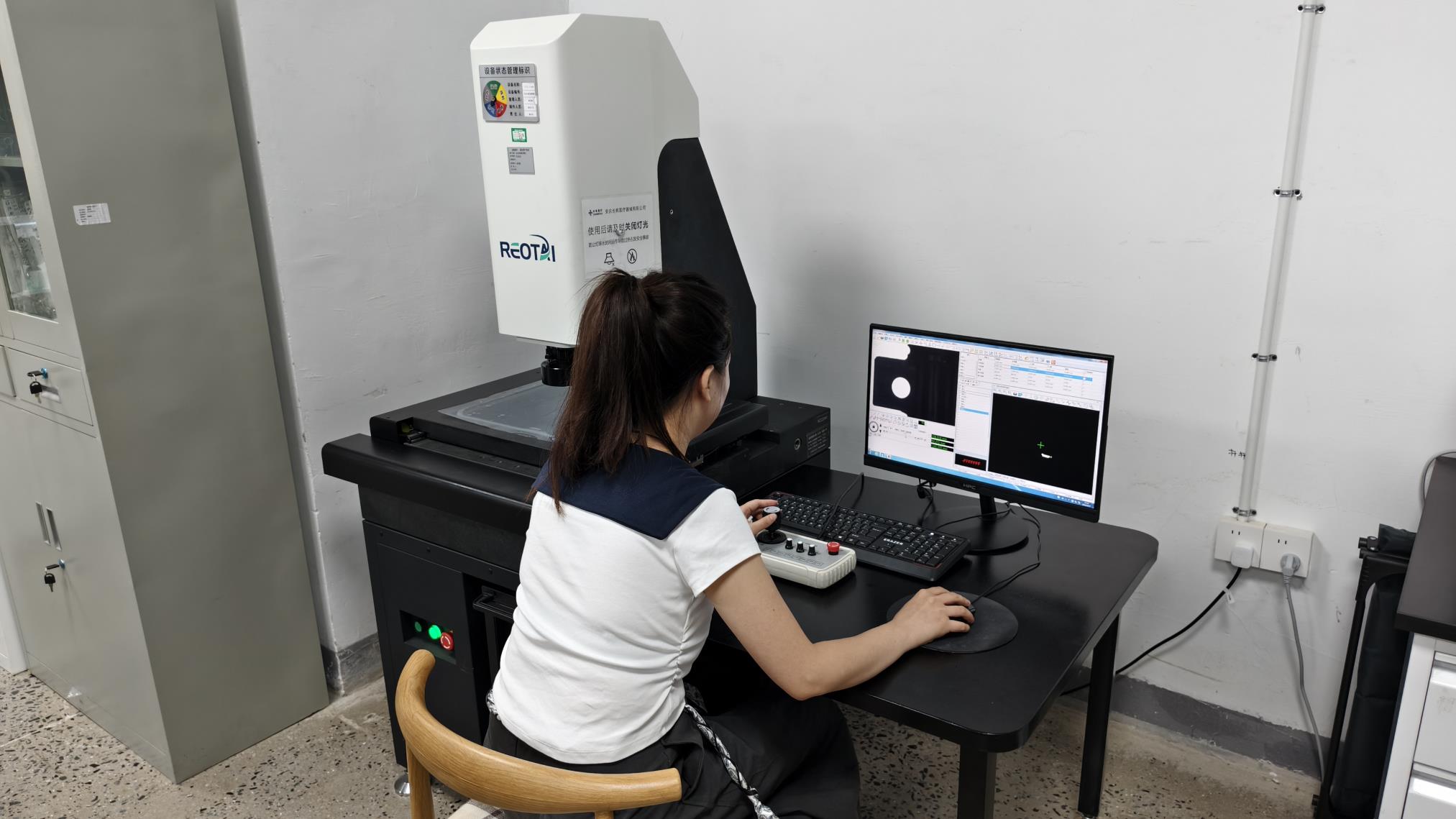
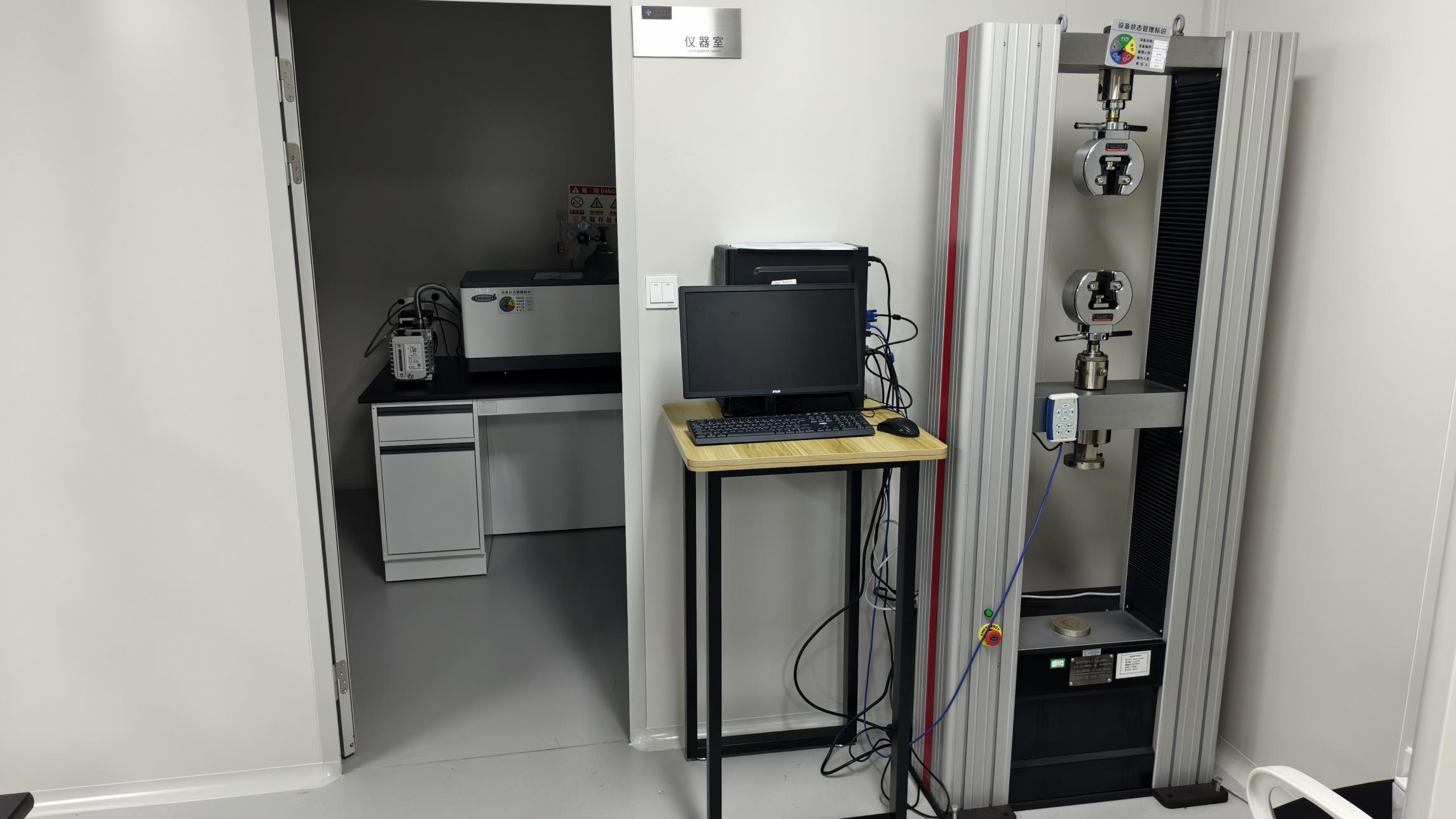
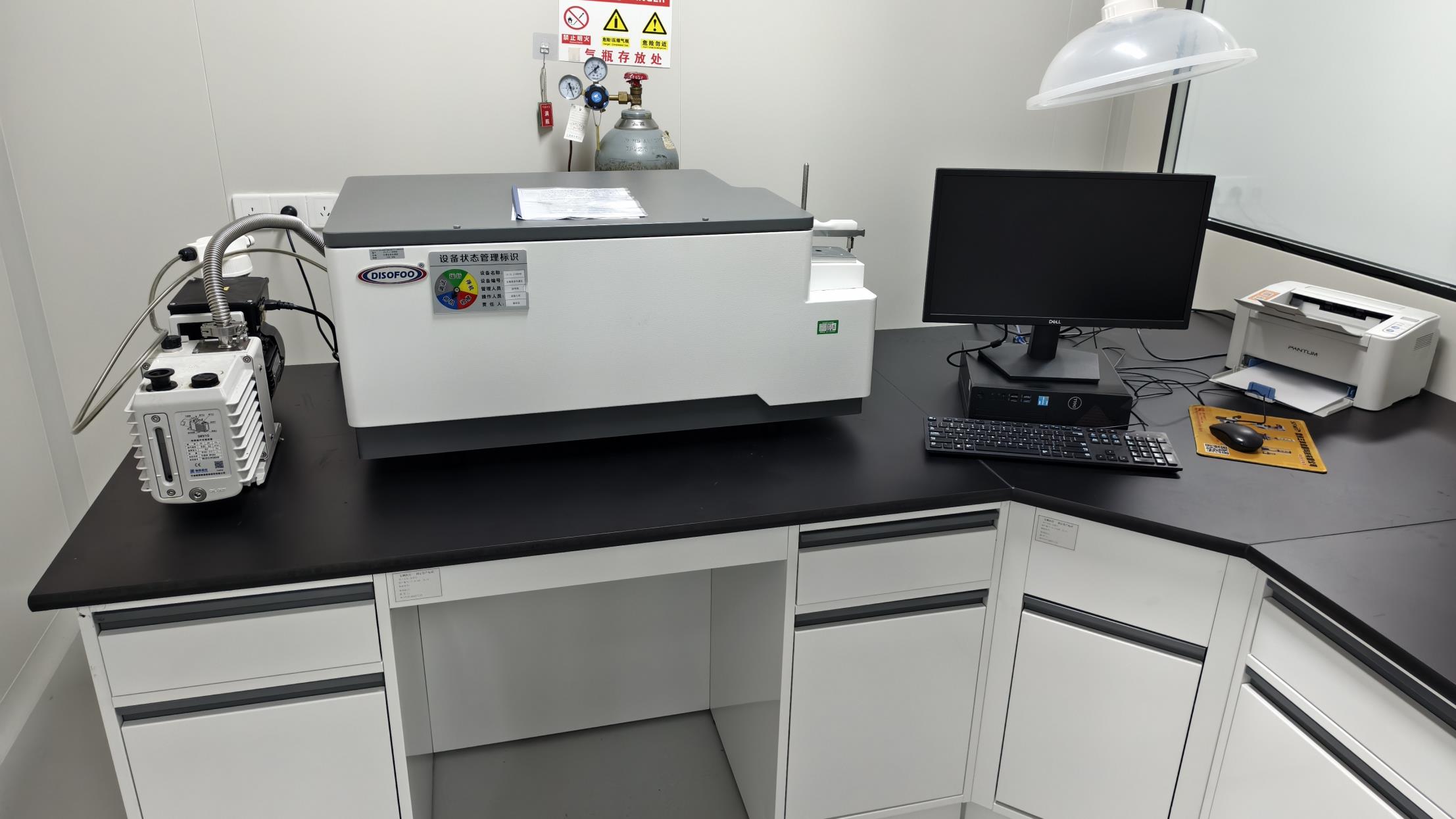
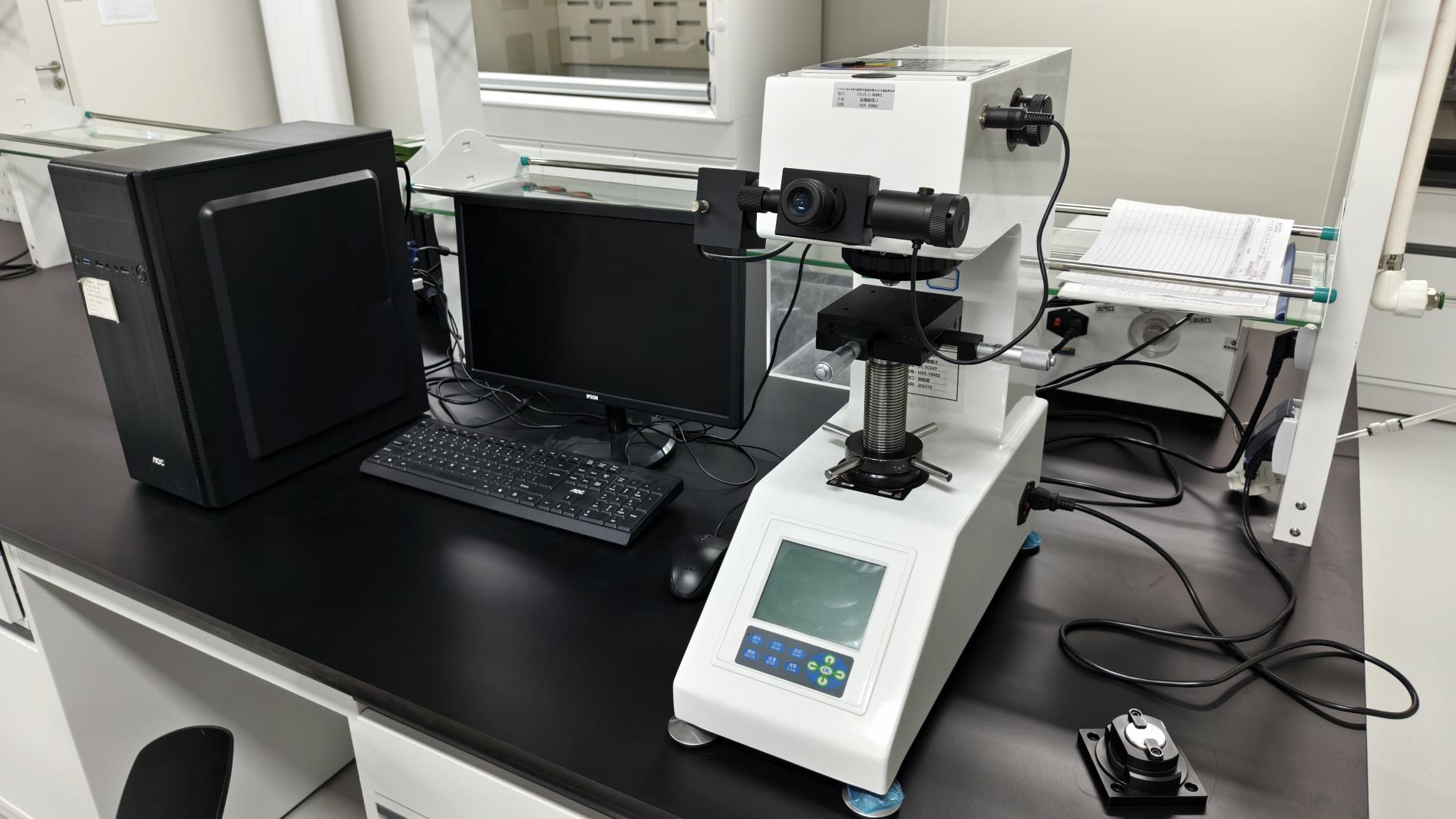
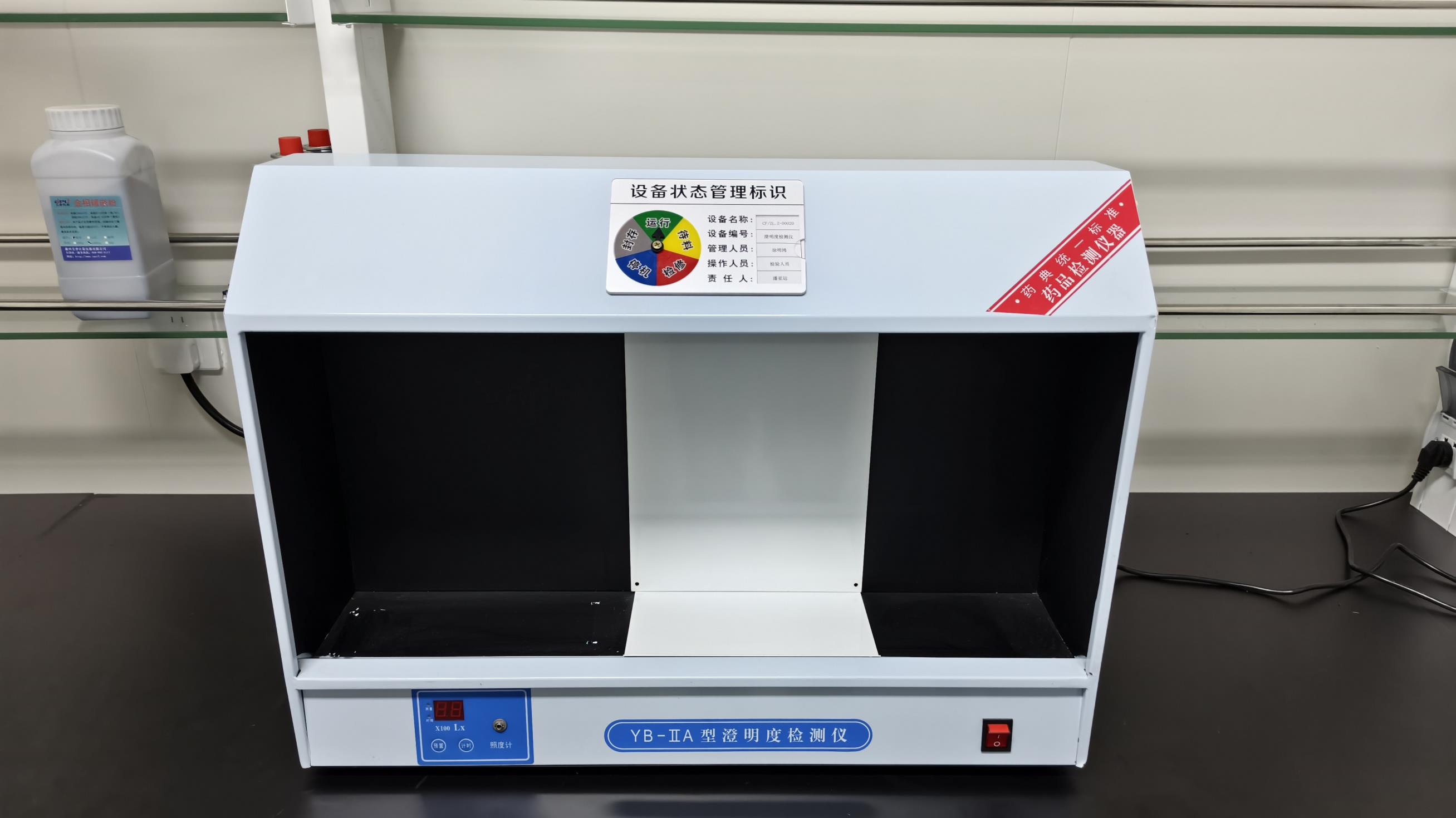
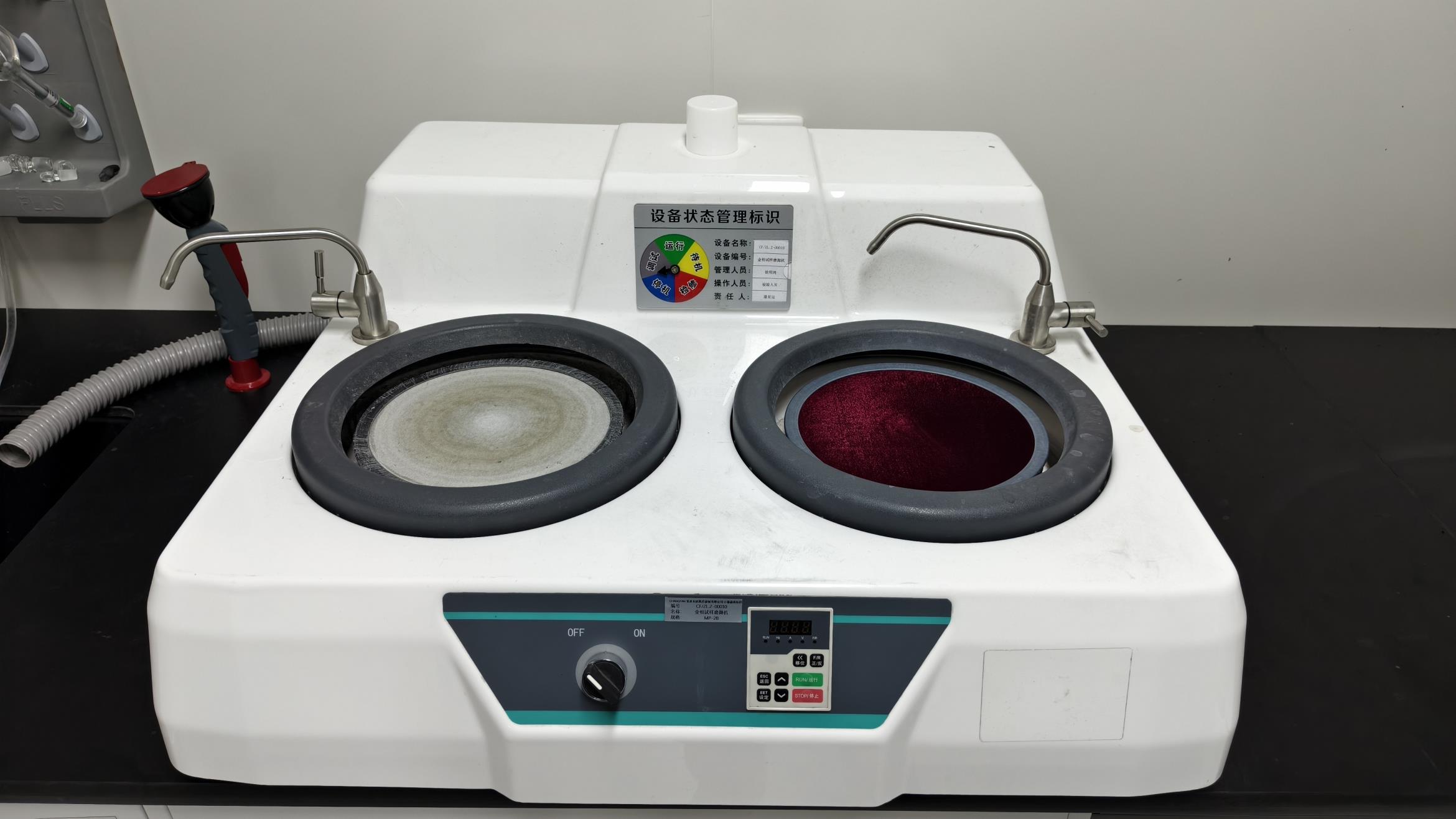
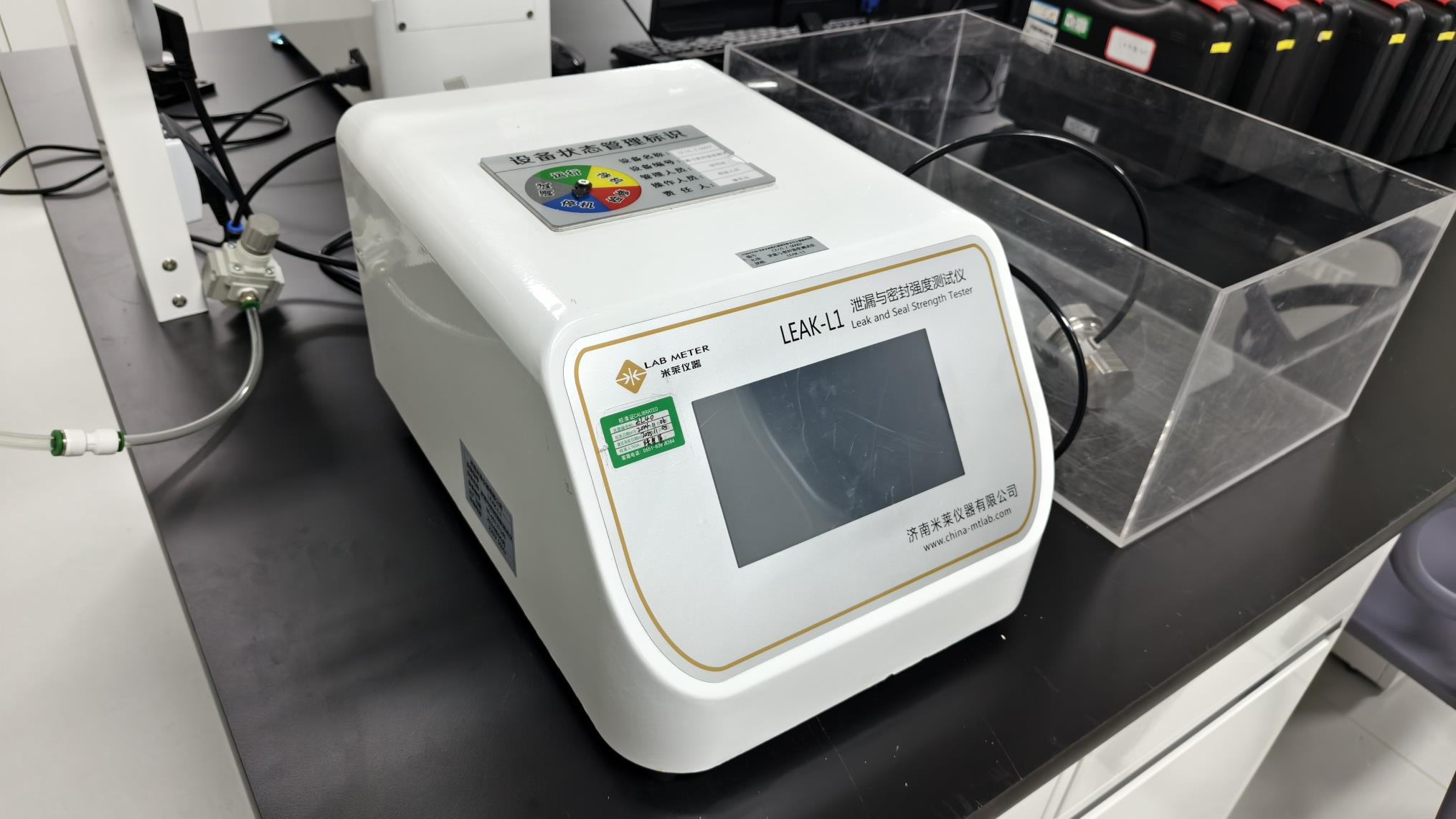
Securing authorization from the Food and Drug Administration (FDA) of Thailand is a critical phase for importing orthopedic medical devices. Under the Medical Device Act (B.E. 2551) and its amendments, orthopedic implants and instruments are classified based on patient risk (Class 1 to Class 4).
Most spinal instruments and implants fall under Class 2 or Class 3, requiring a formal submission via the Common Submission Dossier Template (CSDT). Synoviq simplifies this process for Thai importers by supplying complete, well-organized documentation packages:
By cooperating with our technical division, our partners in Thailand consistently reduce regulatory evaluation times, expediting access to clinical networks in Bangkok, Nonthaburi, and beyond.
Our orthopedic systems and surgical accessories are tailored to perform in demanding clinical settings across Thailand:
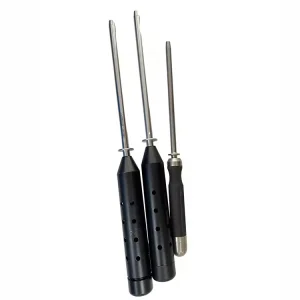
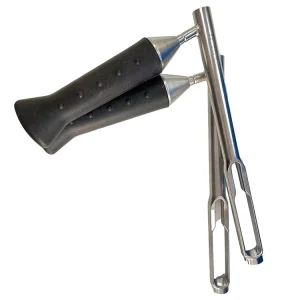
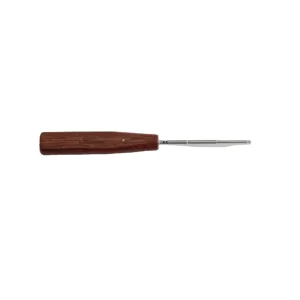
In university teaching hospitals like Siriraj and King Chulalongkorn Memorial Hospital, spinal surgeons leverage our spinal reset sleeves and pedicle alignment tools to secure complex adjustments safely, correcting pediatric spinal deformities with high predictability.
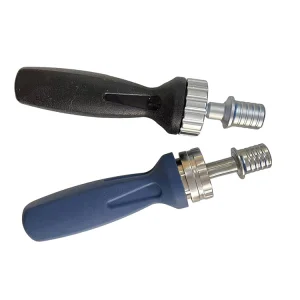
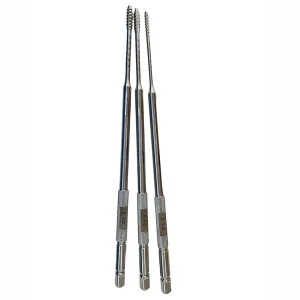
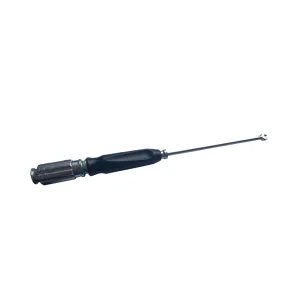
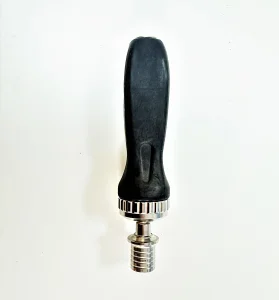
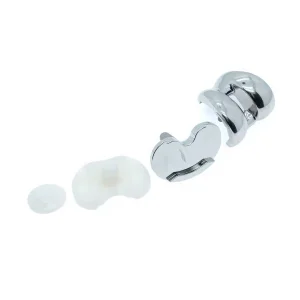
In orthopedic units throughout Bangkok and Chiang Mai, knee replacement implants address osteoarthritis in Thailand's aging demographic. Precision torque limiters and screwdrivers protect structural interfaces, minimizing operating times.
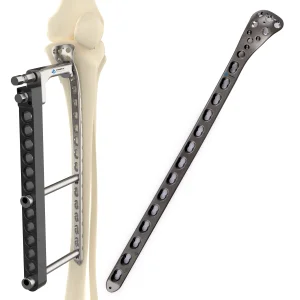
Regional public trauma centers face continuous demand for fracture fixation systems. Our Variable Angle Proximal Tibia Plates and intramedullary nails deliver reliable structural stability for motor vehicle accident patients.
Explore our comprehensive catalog of surgical instruments, spinal components, and articular prosthetics. Every product link provides detailed dimensional drawings and material grades to support your procurement requirements.
The field of orthopedic devices is transitioning toward digitization and enhanced structural biology. Synoviq is currently investing in developmental research across key areas to support the future needs of orthopedic departments in Thailand:
Developing advanced 3D-printed titanium implants featuring customized trabecular structures to optimize bone ingrowth and accelerate post-operative recovery times.
Designing smart surgical tools equipped with real-time torque feedback and sensor telemetry to confirm appropriate implant tension during complex operations.
Perfecting osteoconductive coatings, such as silicon-doped hydroxyapatite, to decrease implant integration cycles and lower infection risks.
Researching next-generation magnesium alloys that bioabsorb gradually within the body, reducing the need for subsequent surgical extraction procedures.
Explore clear, regulatory-focused answers addressing customization, delivery logistics, import protocols, and after-sales support for the Thailand market.
Upgrade your hospital inventories or expand your distributor catalog with high-precision surgical instruments. Get in touch with our engineering team for technical evaluations, pricing proposals, and registration documentation.
Send Inquiry Now Synoviq Medical