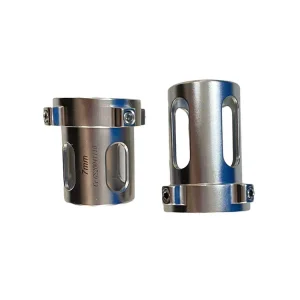
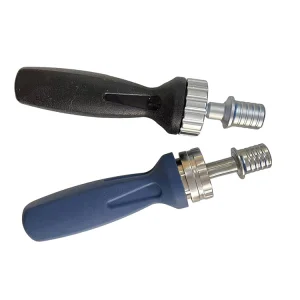
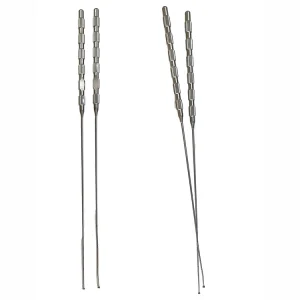
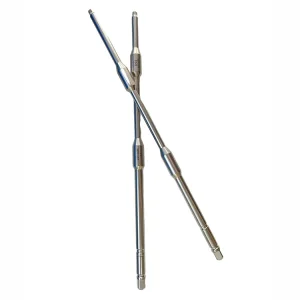
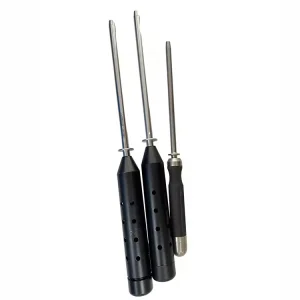
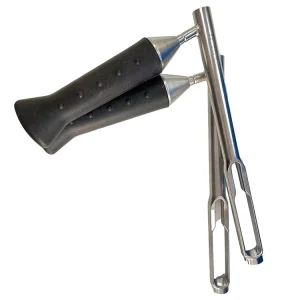
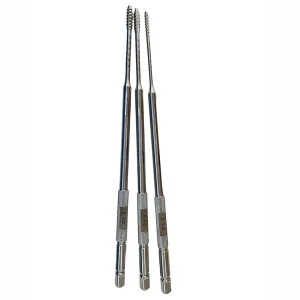
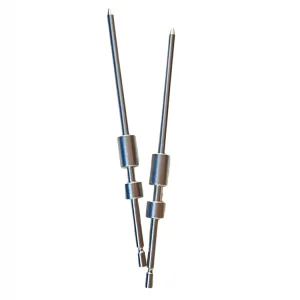
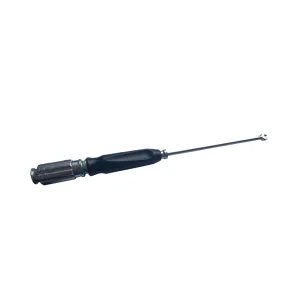
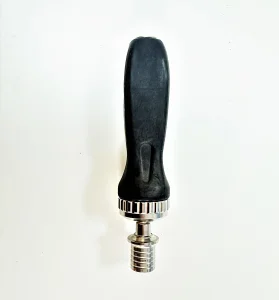
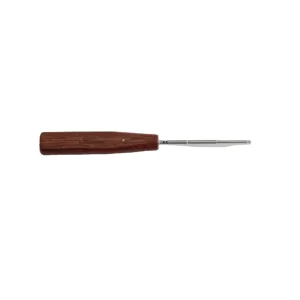
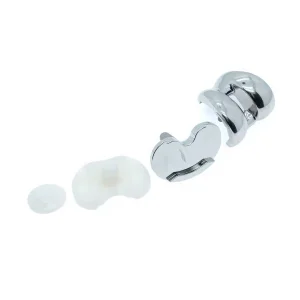
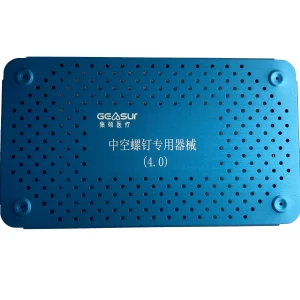
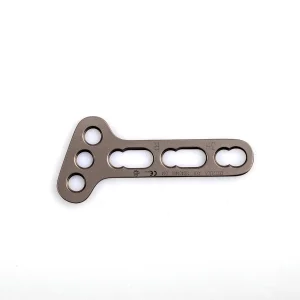
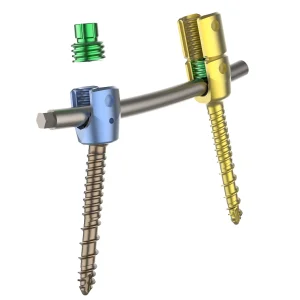
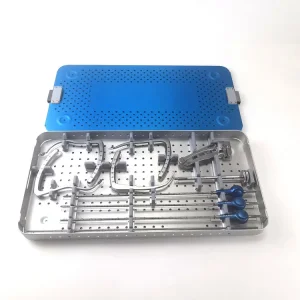
Advanced surgical instruments optimized for precision orthopedic procedures, supporting complex corrections and fast recovery protocols.
Navigating the complex dynamics of public procurement, localized clinical specifications, and import compliance rules.
The Russian medical device market is undergoing a major structural transformation. Driven by the state's healthcare modernization initiatives under Federal Laws 44-FZ and 223-FZ, municipal healthcare centers and federal specialized research centers (such as the Ilizarov Scientific Center and the Priorov National Medical Research Center of Traumatology and Orthopedics) are facing growing patient volumes. This rising demand for joint reconstruction, spinal fixation, and complex osteosynthesis products has exposed critical vulnerabilities in domestic supply chains, making reliable international partnerships essential.
Orthopedic accessory factories targeting Russia must look beyond simple manufacturing. Understanding localized clinical preferences is key. Russian spine surgeons and traumatologists prioritize high-performance instruments that can withstand repeated autoclave sterilization rounds without losing structural integrity or dimensional tolerance. With the transition from traditional GOST-R registrations to the unified Eurasian Economic Union (EAEU) medical regulatory system, Russian importers are prioritizing suppliers who offer comprehensive technical dossiers, trace raw material origins, and provide robust local regulatory support.
Commercial entry into the Russian Federation requires registration with Roszdravnadzor (RZN). Navigating this process demands high levels of transparency from manufacturing partners. The transition to EAEU regulation (Recommendation No. 29) requires comprehensive technical, toxicological, and clinical trials conducted in authorized Russian laboratories. Factors like chemical characterization (ISO 10993-18) and biomechanical fatigue testing (ASTM F1717 / ISO 12189 for spinal systems) are critical for securing registration approvals without costly review delays.
A statistical summary of our manufacturing capabilities, engineering assets, and QA protocols.
Synoviq Medical Technology (China) Co., Ltd. - Partnering for Next-Gen Orthopedic Solutions.
Synoviq Medical Technology (China) Co., Ltd. is a professional manufacturer of orthopedic implants and surgical instruments, dedicated to delivering innovative, reliable, and high-quality medical solutions for healthcare professionals worldwide. Since its establishment, Synoviq has focused on research, development, precision manufacturing, and international quality standards, providing comprehensive OEM and ODM services for global medical device brands, distributors, and hospitals.
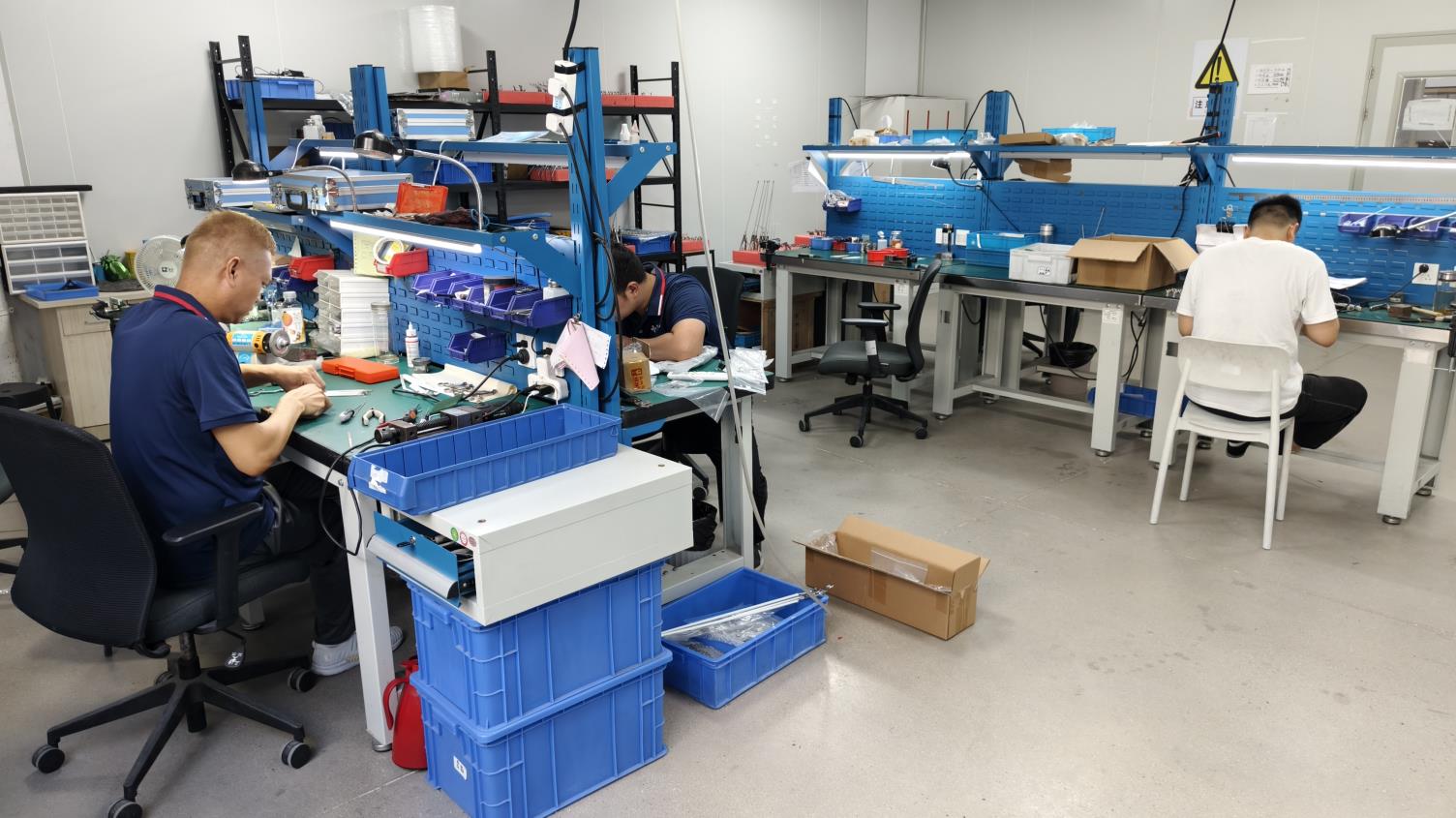
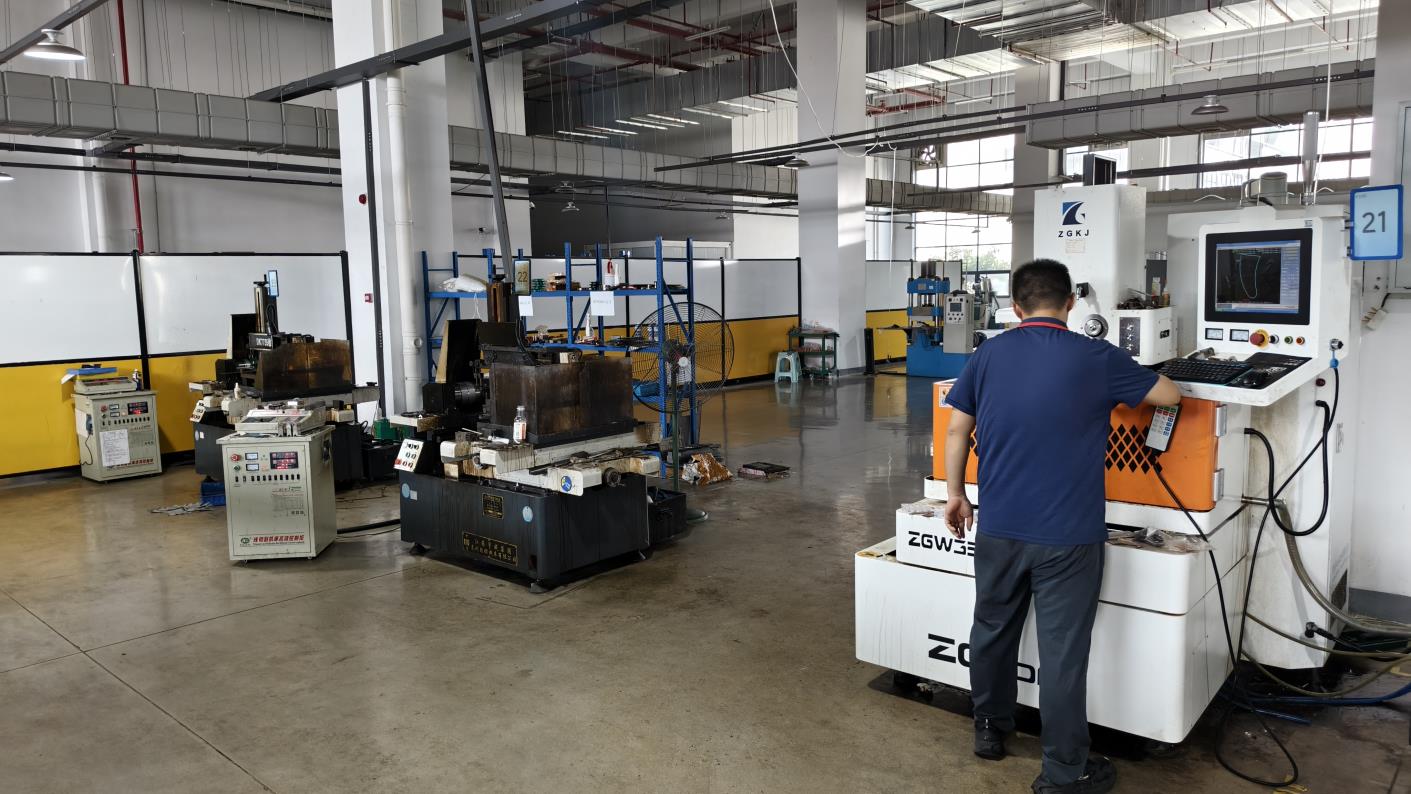
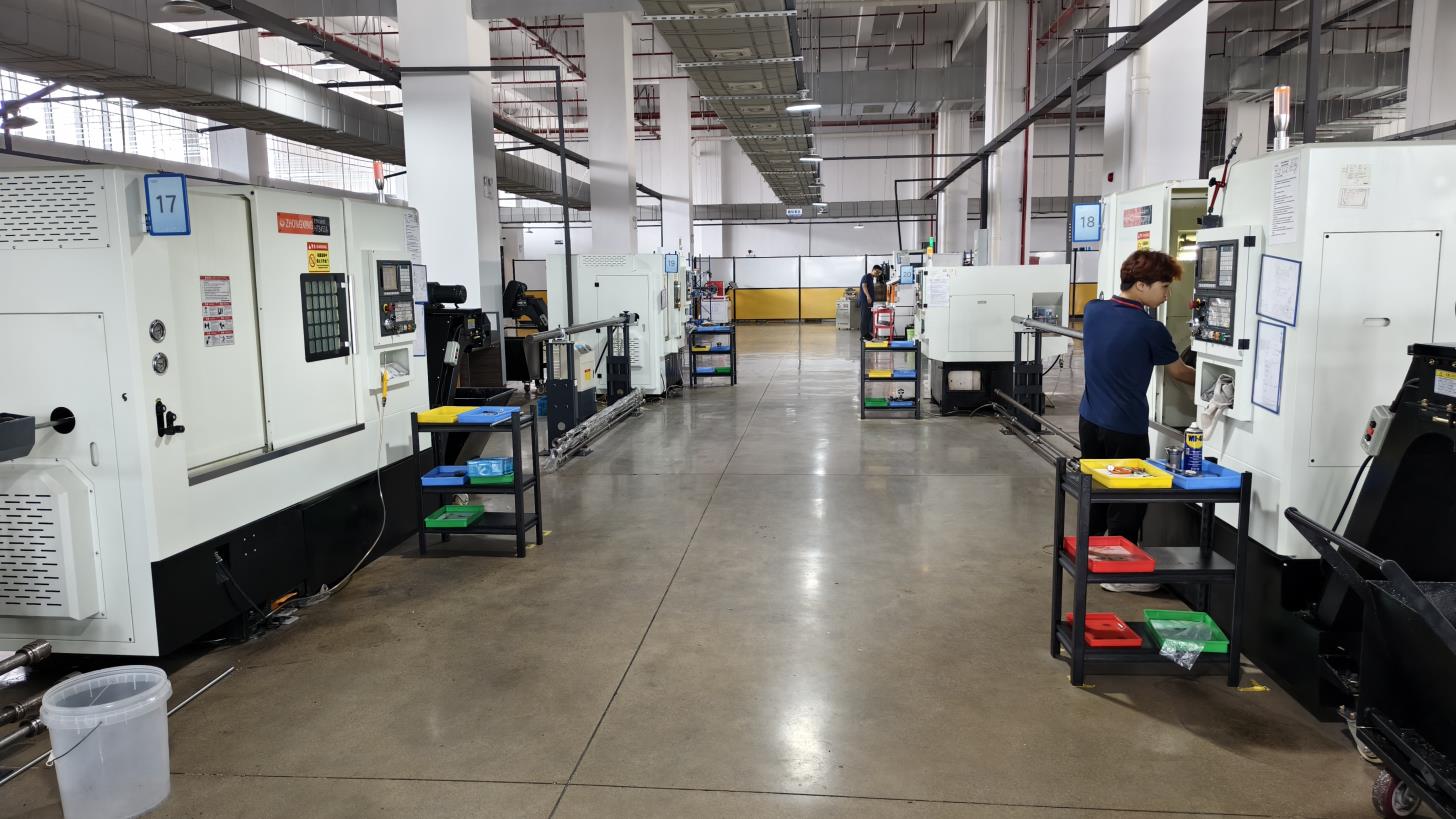
Our product portfolio includes trauma fixation systems, spinal implants, locking plates, intramedullary nails, external fixation systems, orthopedic screws, surgical instruments, and customized orthopedic solutions. Equipped with advanced CNC machining centers, precision inspection equipment, and modern clean production facilities, we ensure every product meets strict international quality requirements.
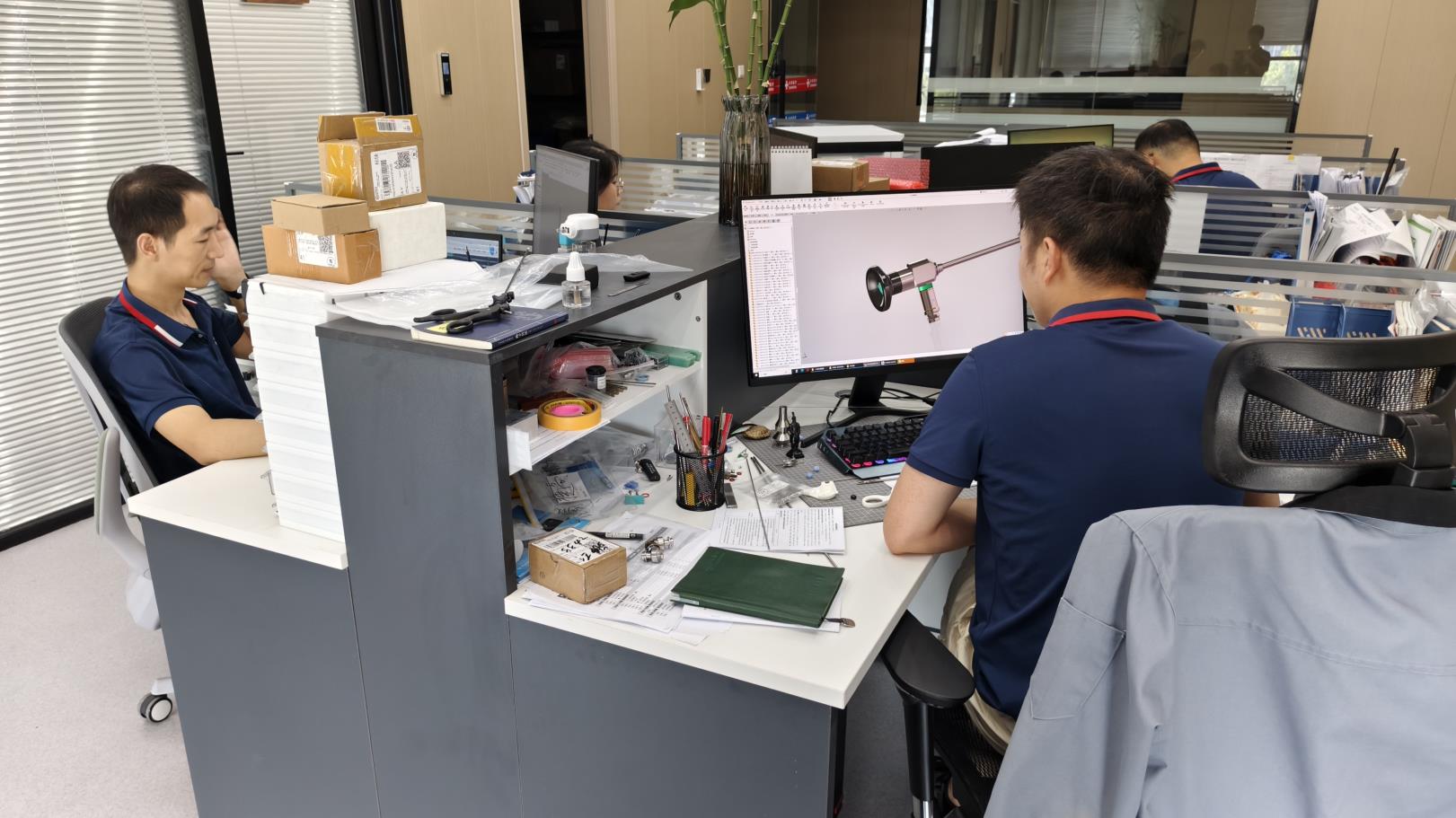
Driven by continuous innovation, Synoviq invests heavily in R&D and intelligent manufacturing to enhance product performance, surgical efficiency, and patient outcomes. Our experienced engineering team works closely with customers to develop customized products tailored to different clinical applications and market demands.
With a customer-oriented philosophy, competitive pricing, stable supply capability, and efficient technical support, Synoviq has established long-term partnerships with distributors, medical brands, and healthcare organizations across Europe, North America, South America, the Middle East, and Asia-Pacific.
| Operating Metric | Technical & Commercial Specifications |
|---|---|
| Company Name | Synoviq Medical Technology (China) Co., Ltd. |
| Brand | Synoviq |
| Established | March 18, 2016 |
| Building Area | 18,600 m² |
| Annual Export Revenue | USD 21.8 Million |
| Export Experience | 8 Years |
| Industry Experience | 14 Years |
| Quality Inspection | 100% Final Inspection & Incoming Material Inspection |
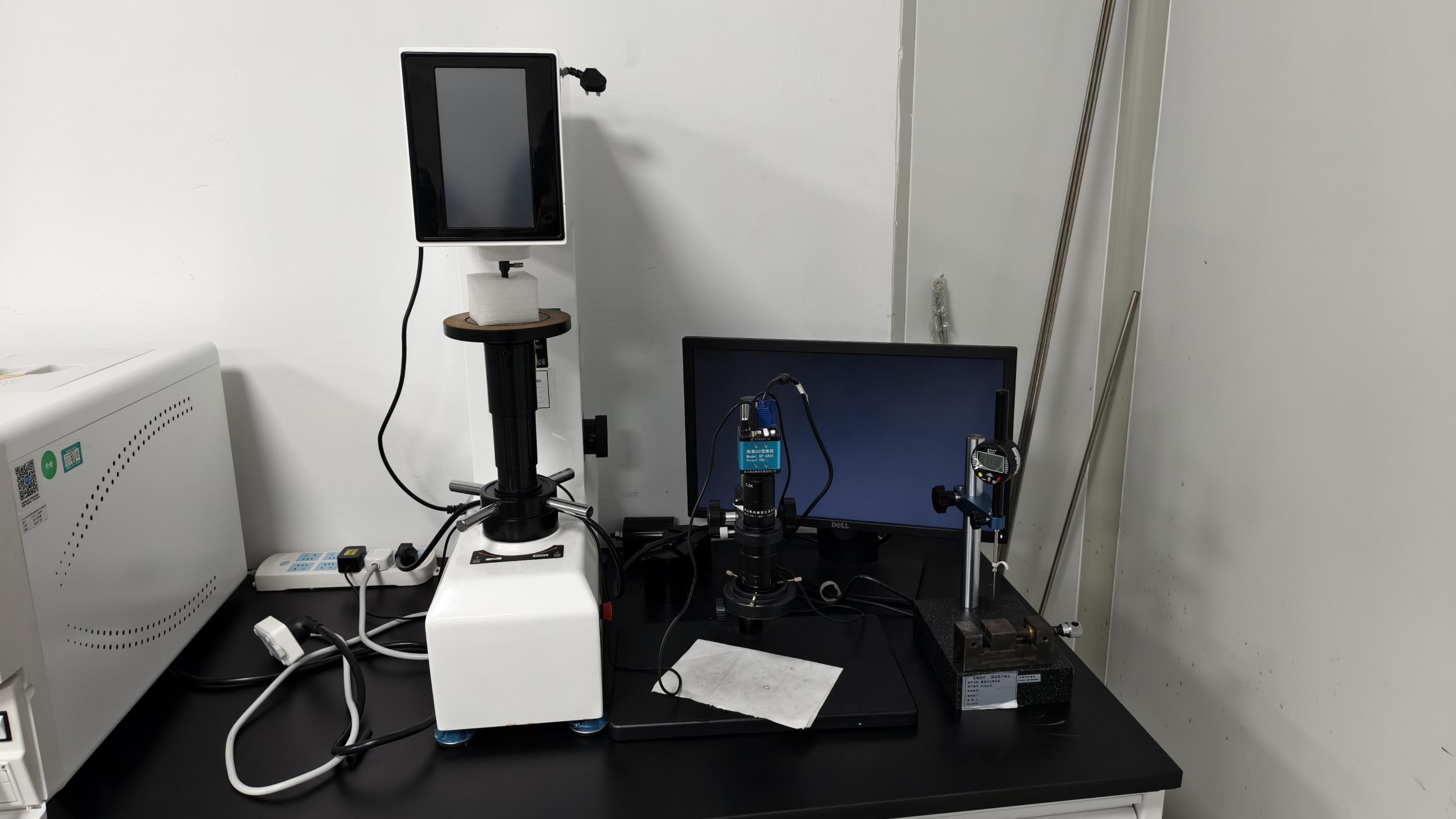
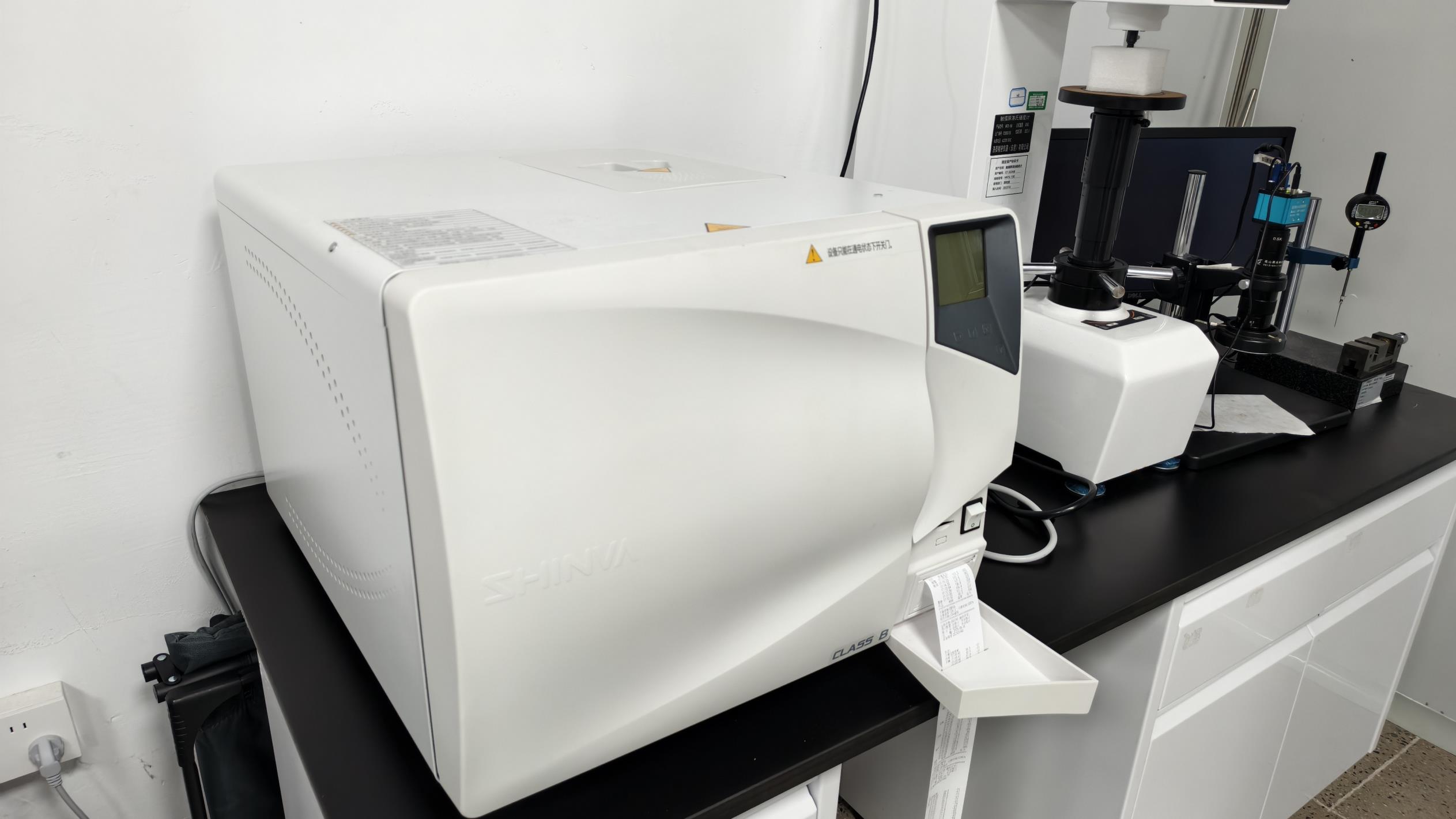
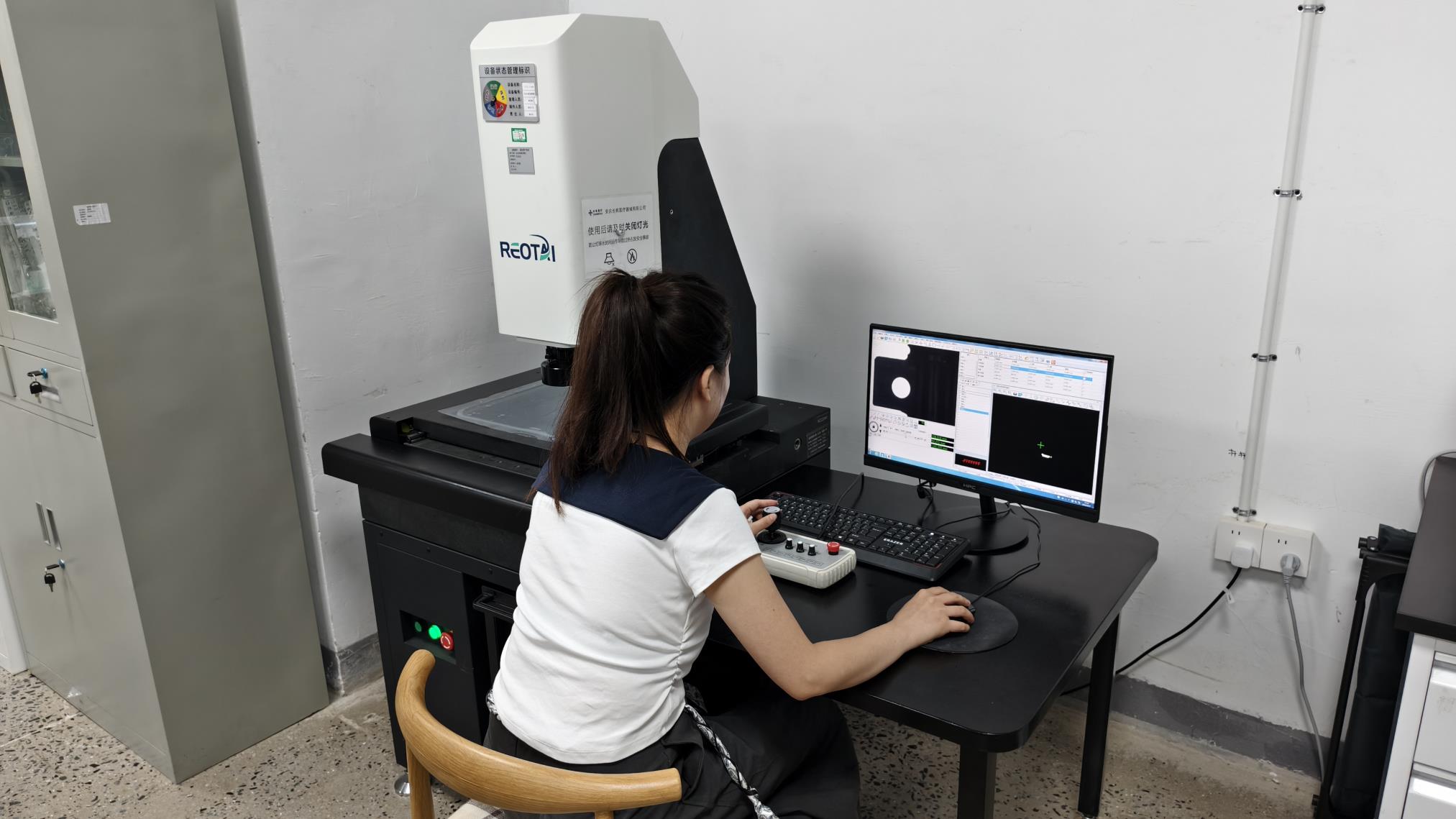
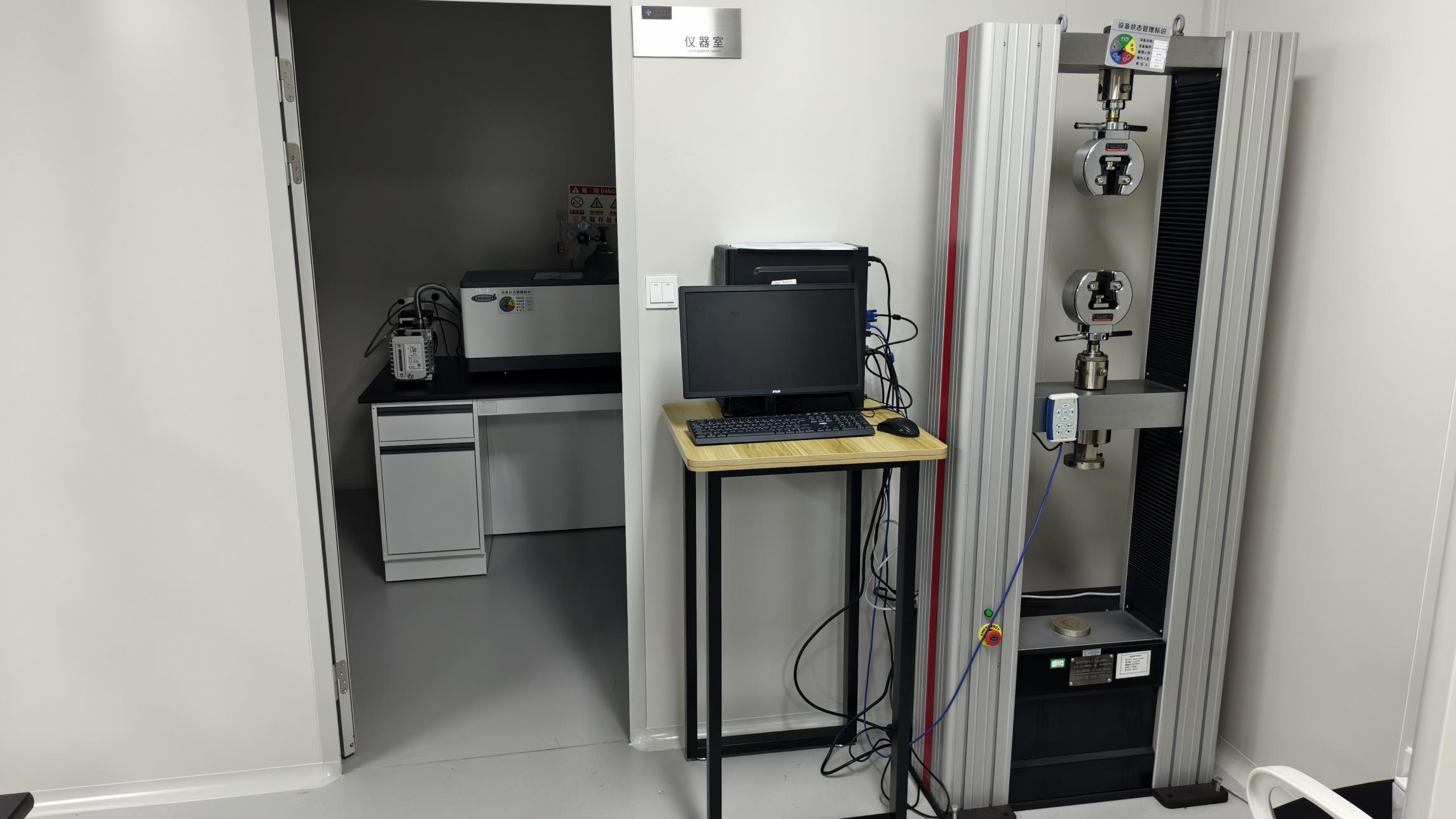
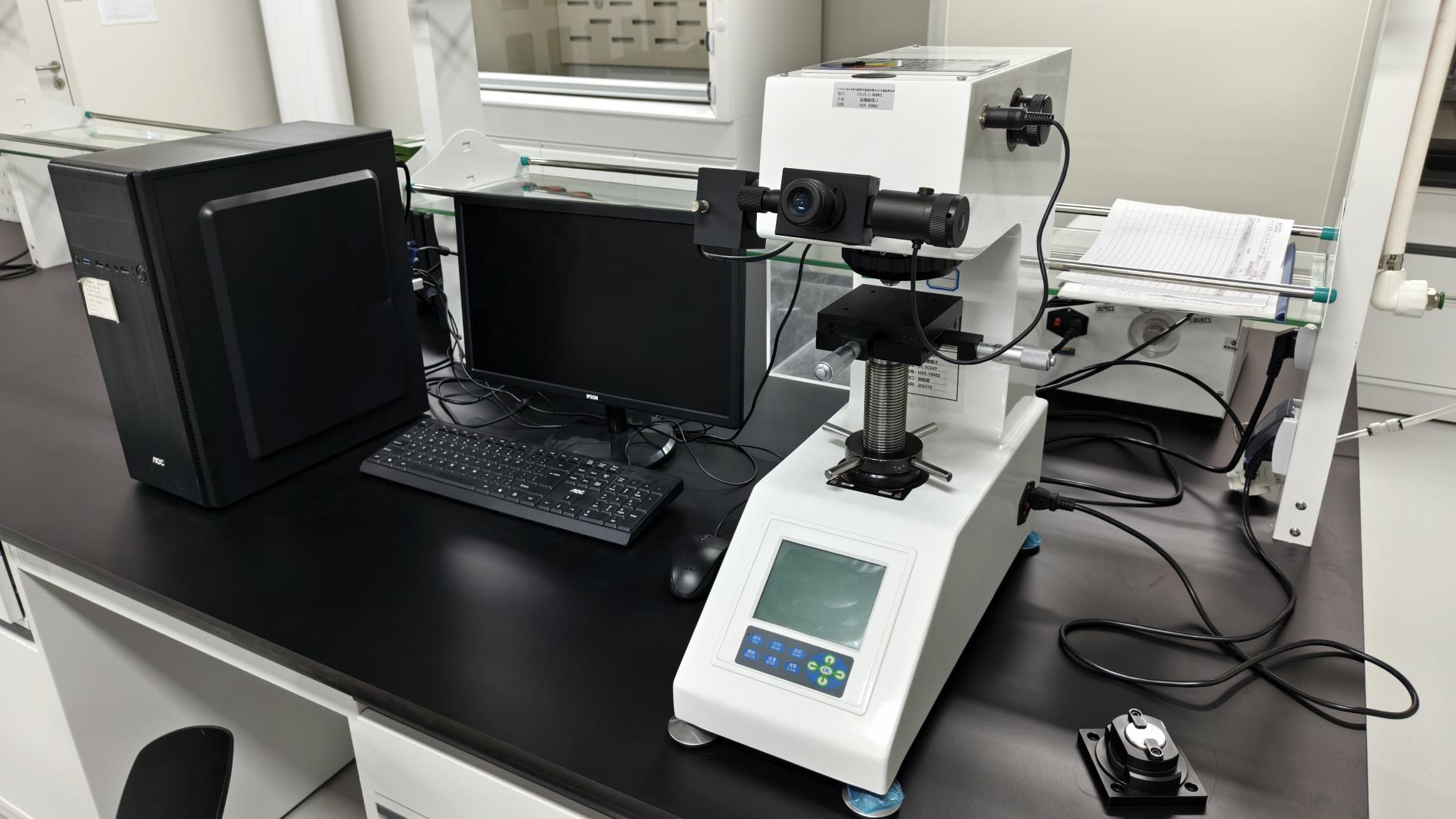
| Product Inspection Methods | CMM Measurement, Mechanical Testing, Surface Roughness Testing, Hardness Testing, Salt Spray Testing, Sterility Validation |
| Quality Control Staff | 48 Specialists |
| Business Type | Manufacturer & Exporter (OEM/ODM) |
| Main Markets | Europe, North America, South America, Middle East, Southeast Asia |
| Supply Chain Partners | 1,120+ Verified Entities |
| Main Customer Types | Medical Device Brands, Importers, Distributors, Hospitals, Government Procurement Projects |
| R&D Capability | Independent Product Design, Prototype Development, Clinical-Oriented Engineering, OEM & ODM Development |
| Customization Options | Logo Customization, Packaging Customization, Product Design Customization, Material Selection, Surface Treatment |
| New Products Released Last Year | 186 Innovative Items |
| R&D Engineers | 76 Dedicated Experts |
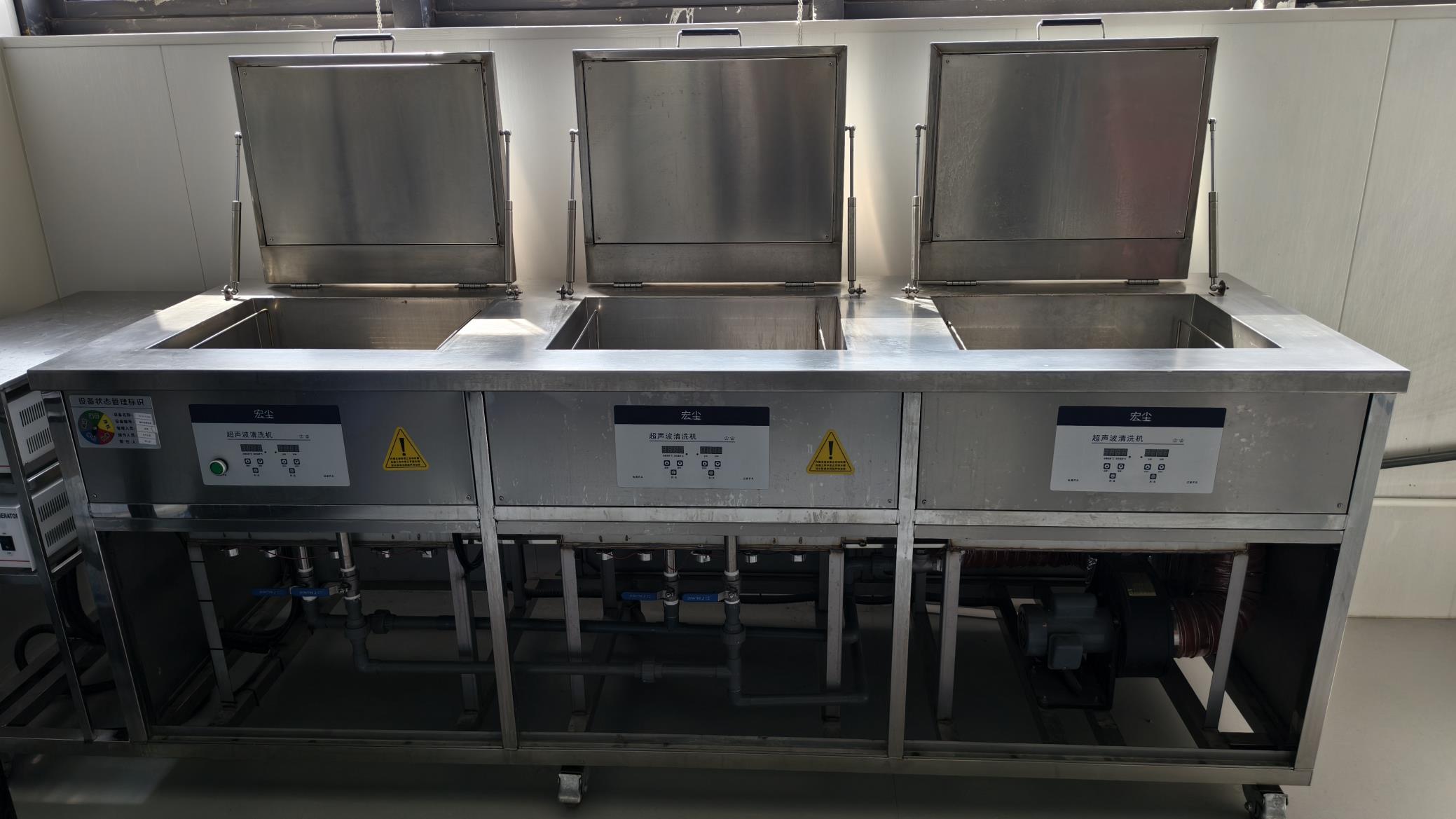
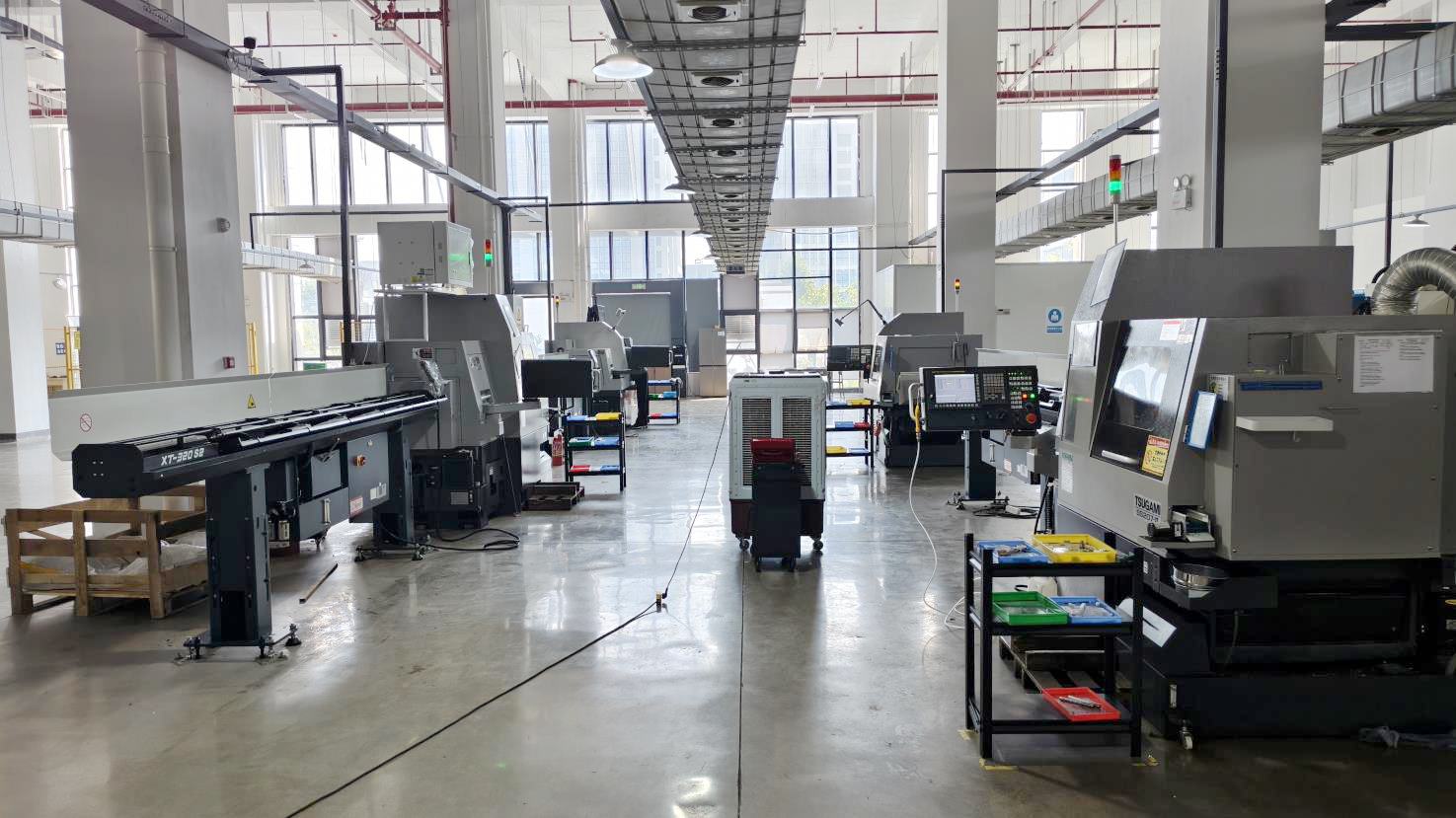
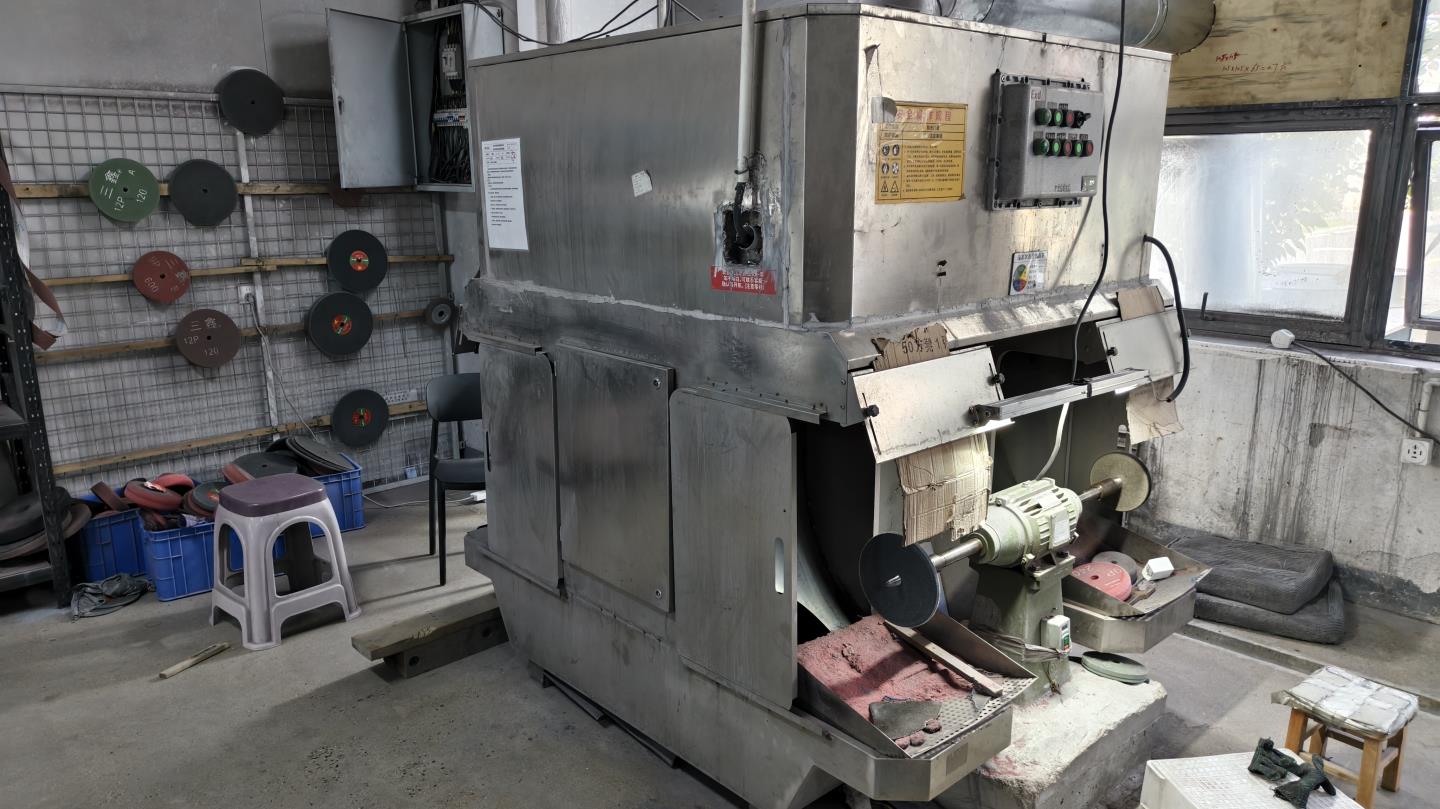
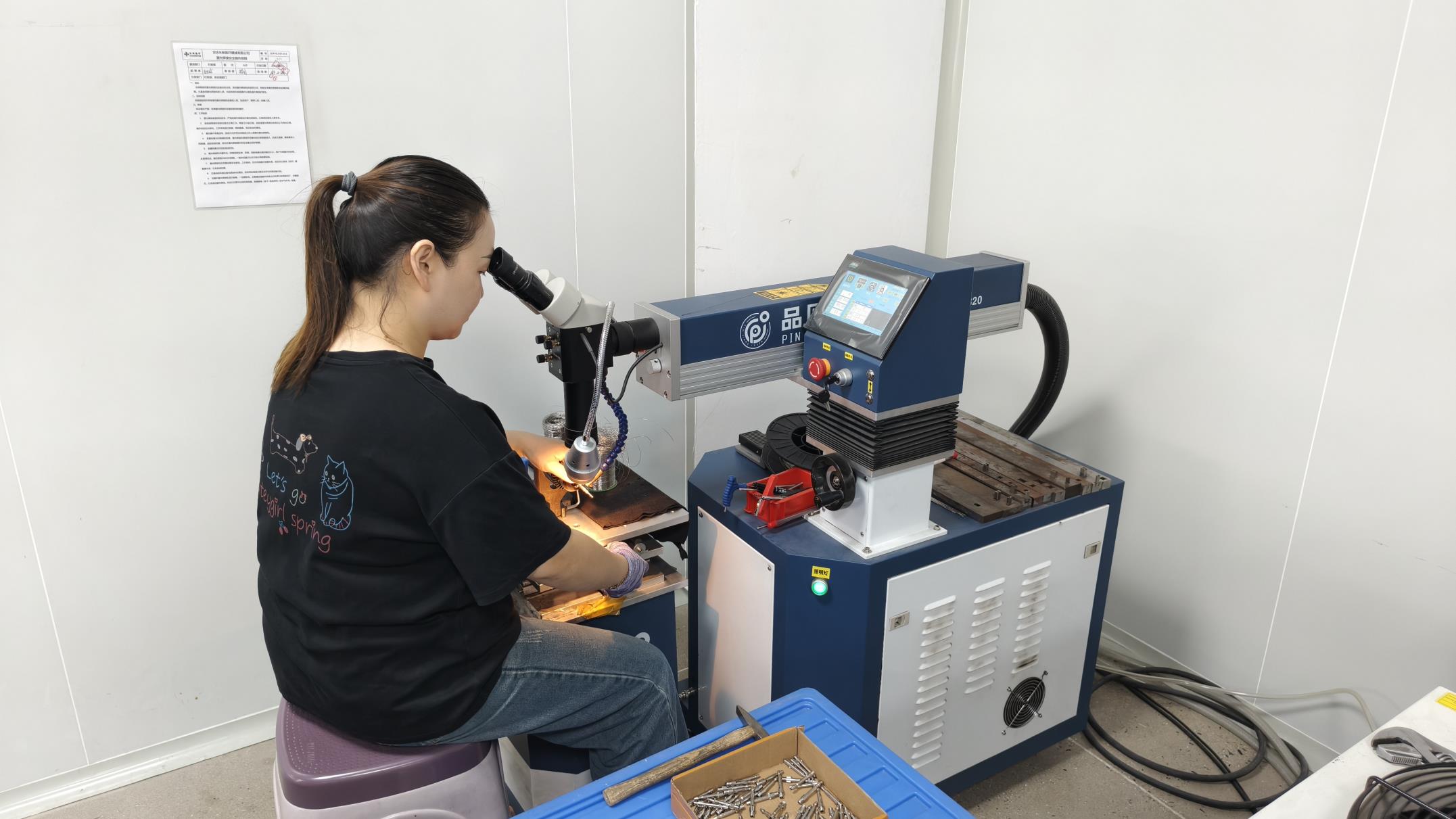
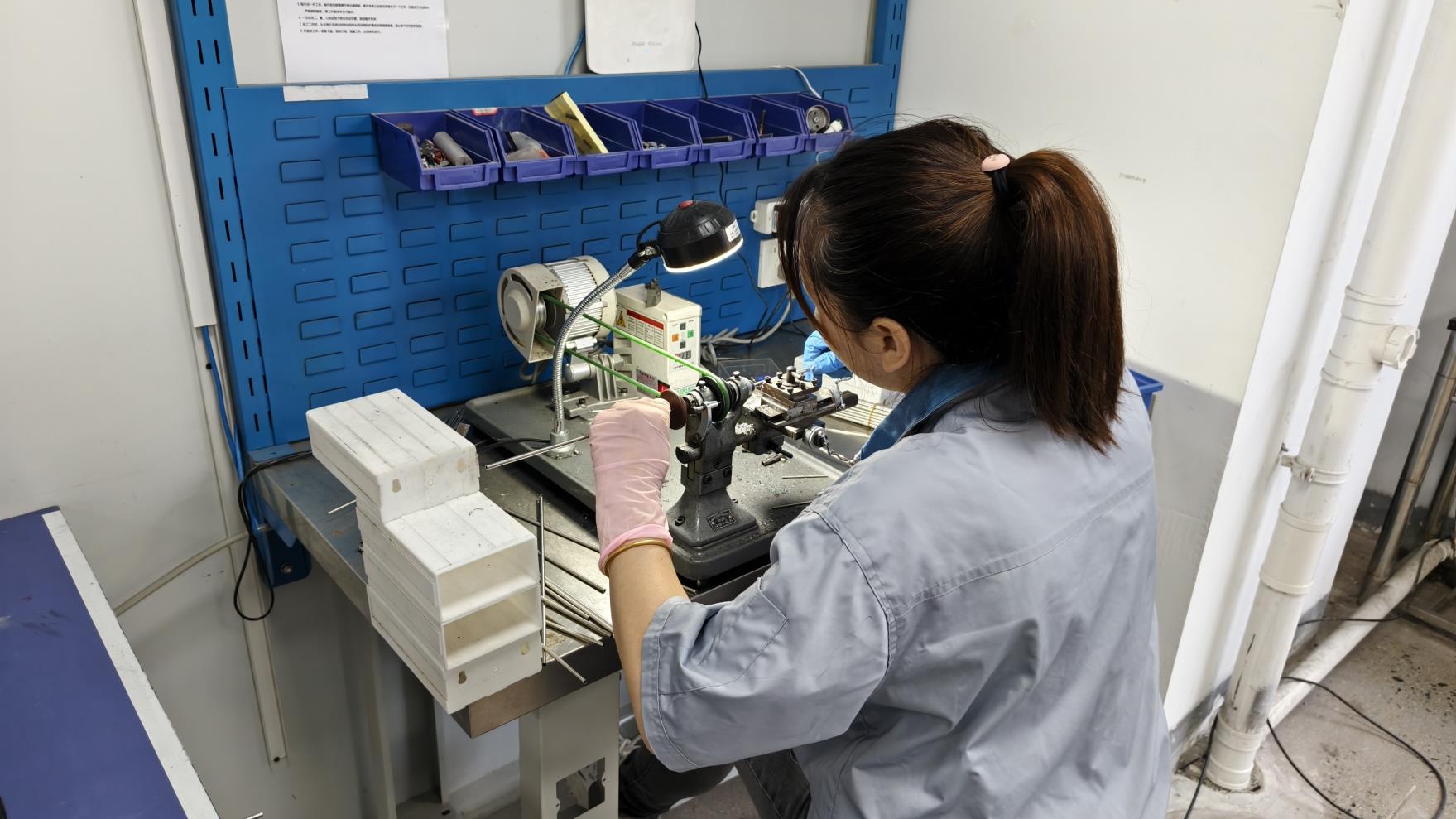
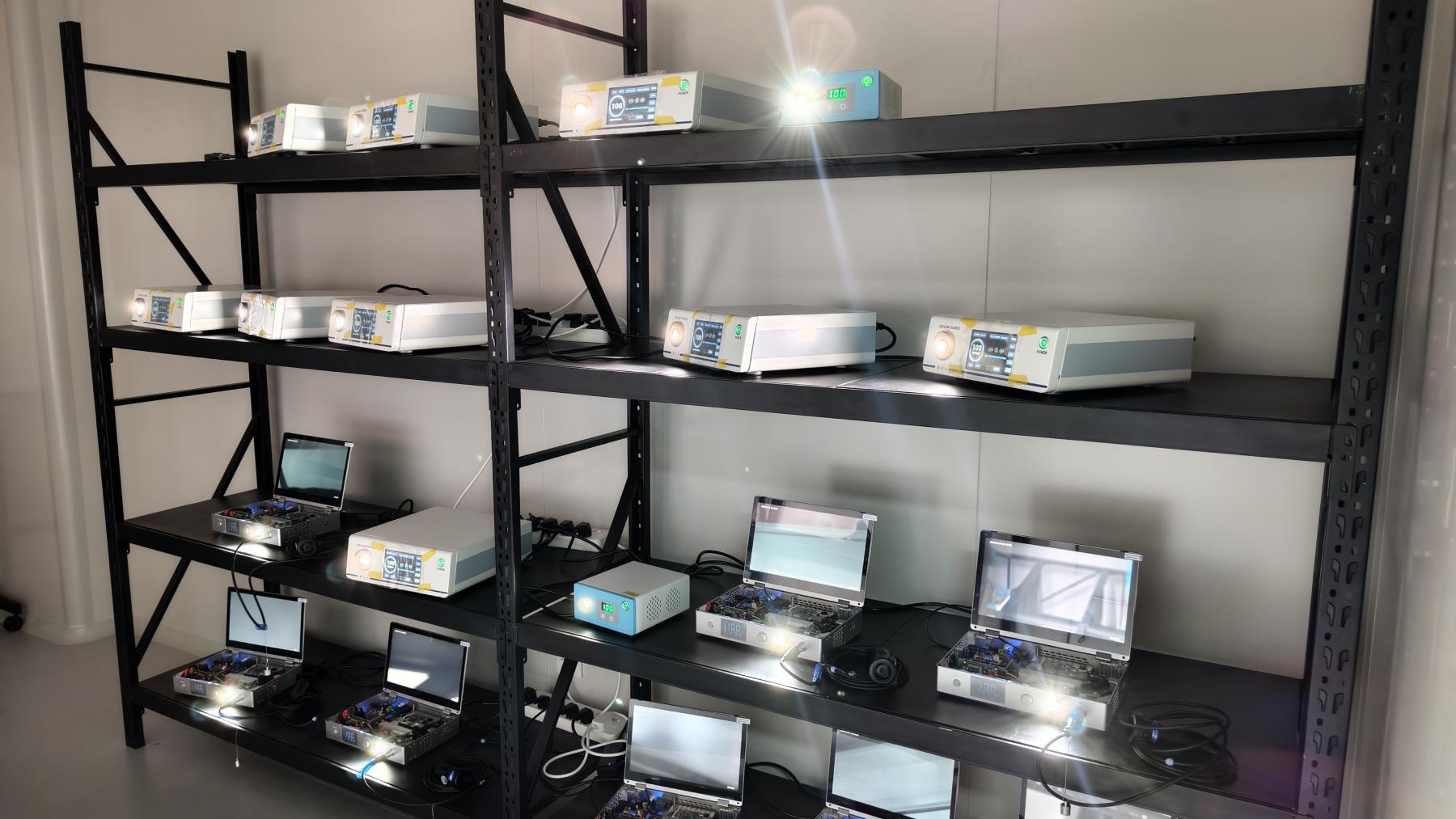
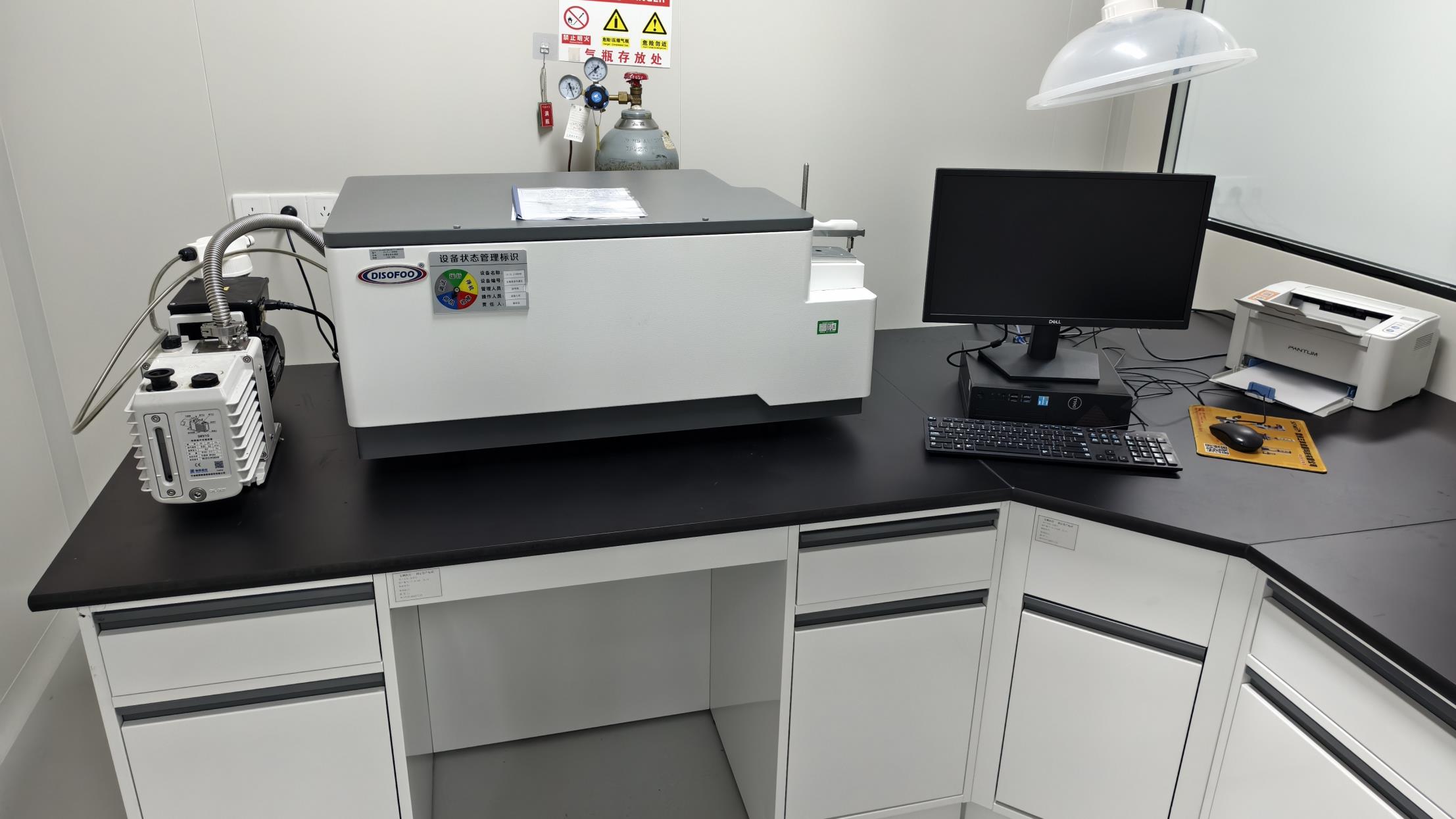
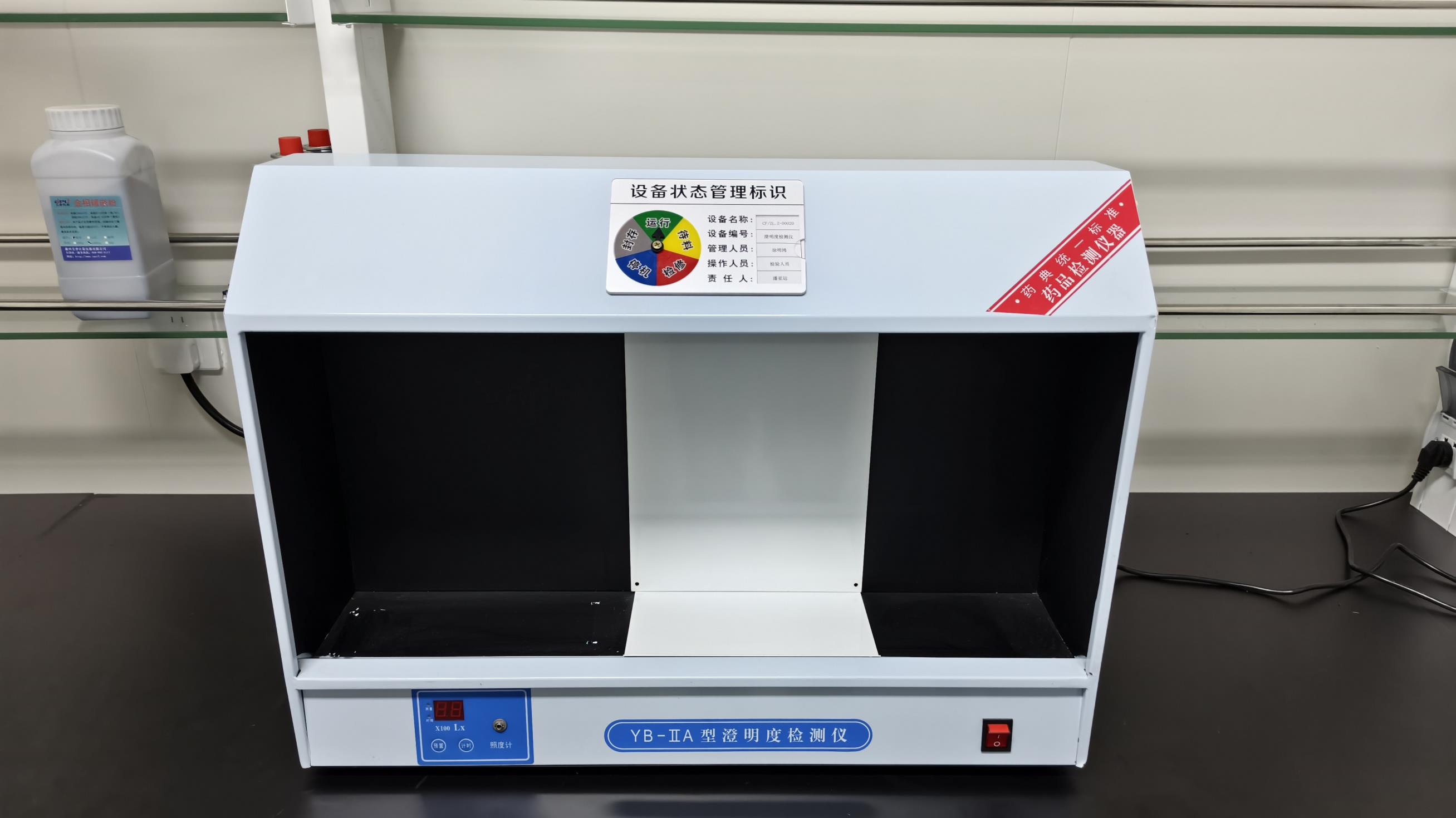
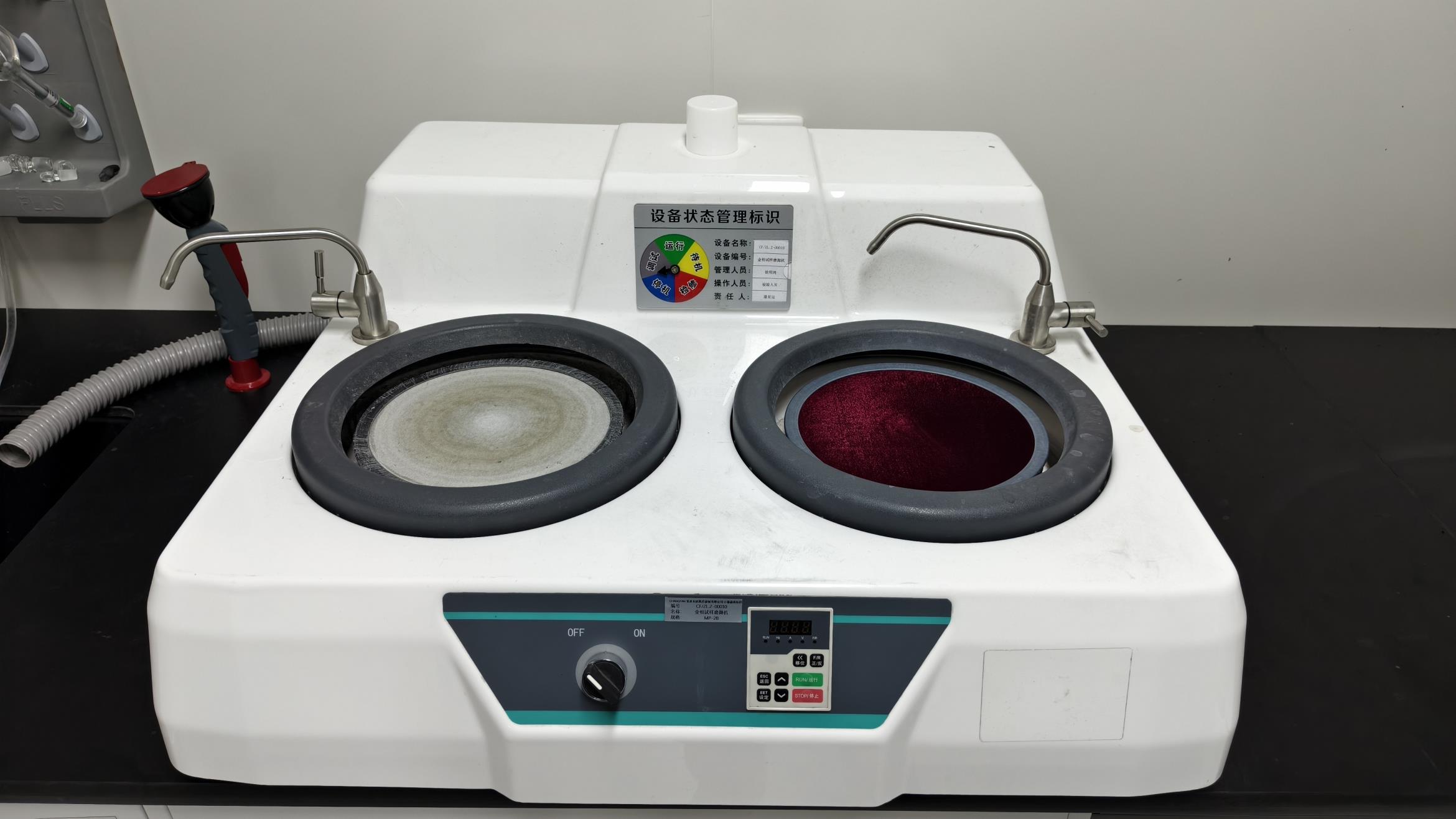
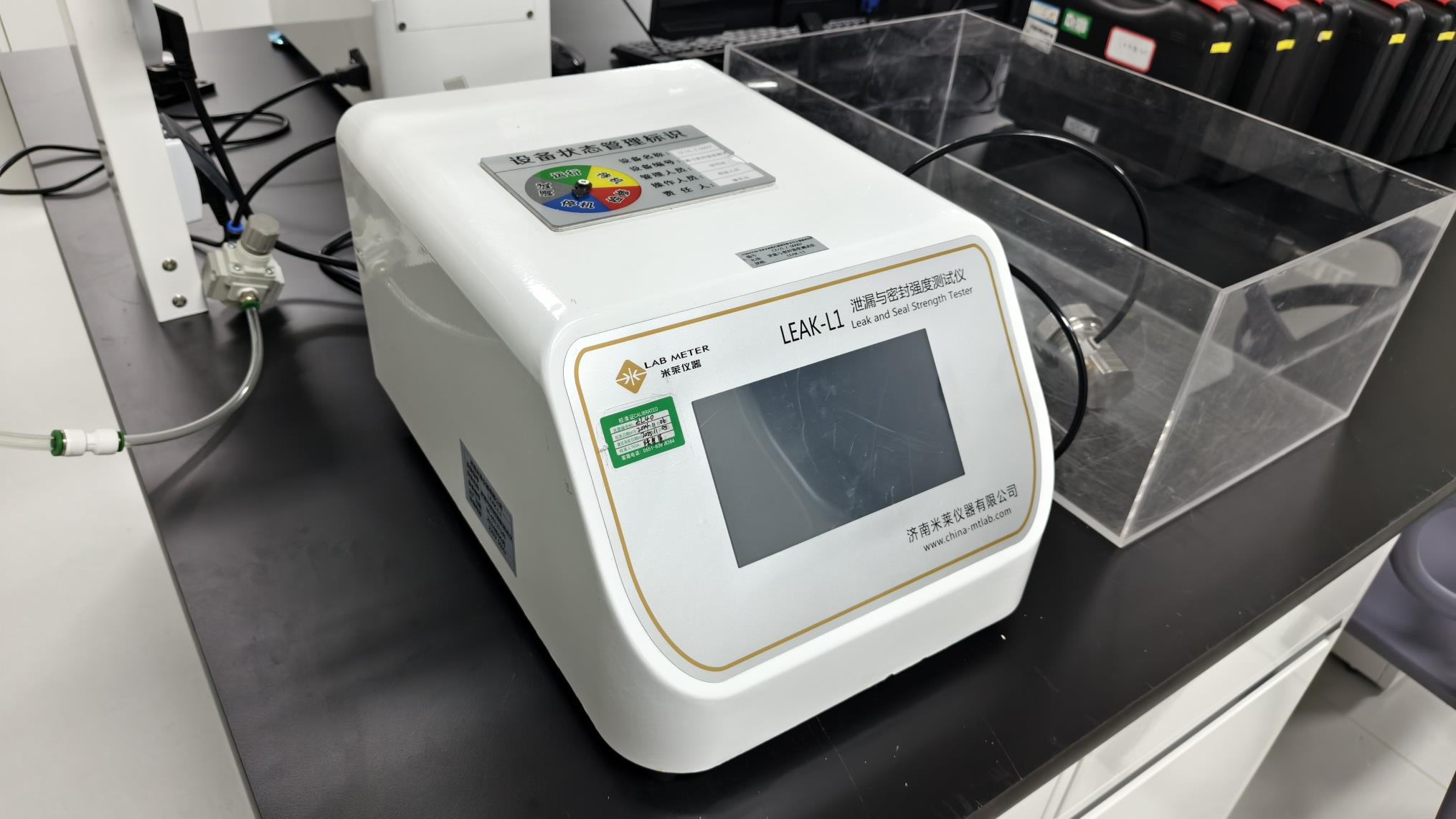
A visual walkthrough of our step-by-step production flow, advanced Swiss machining equipment, and testing instruments.
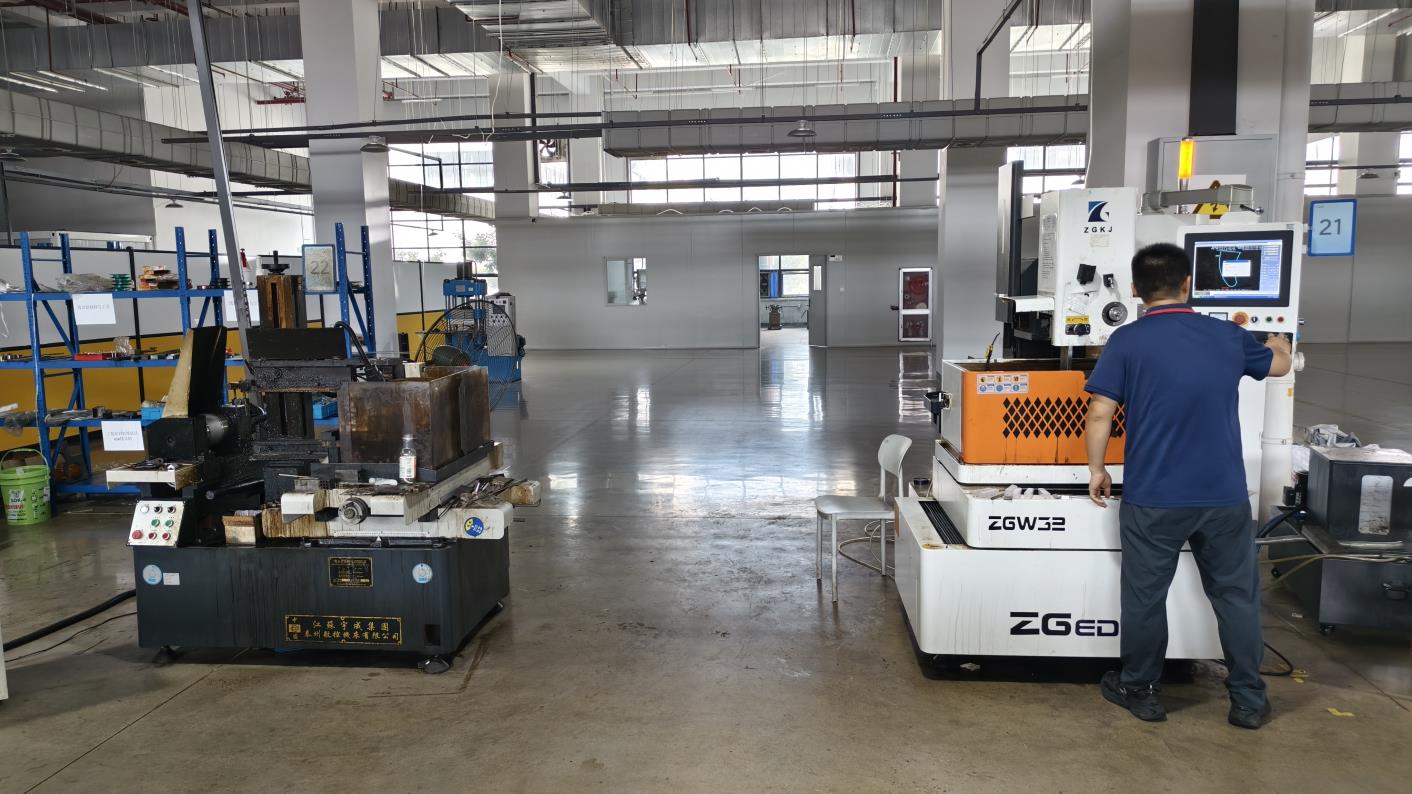
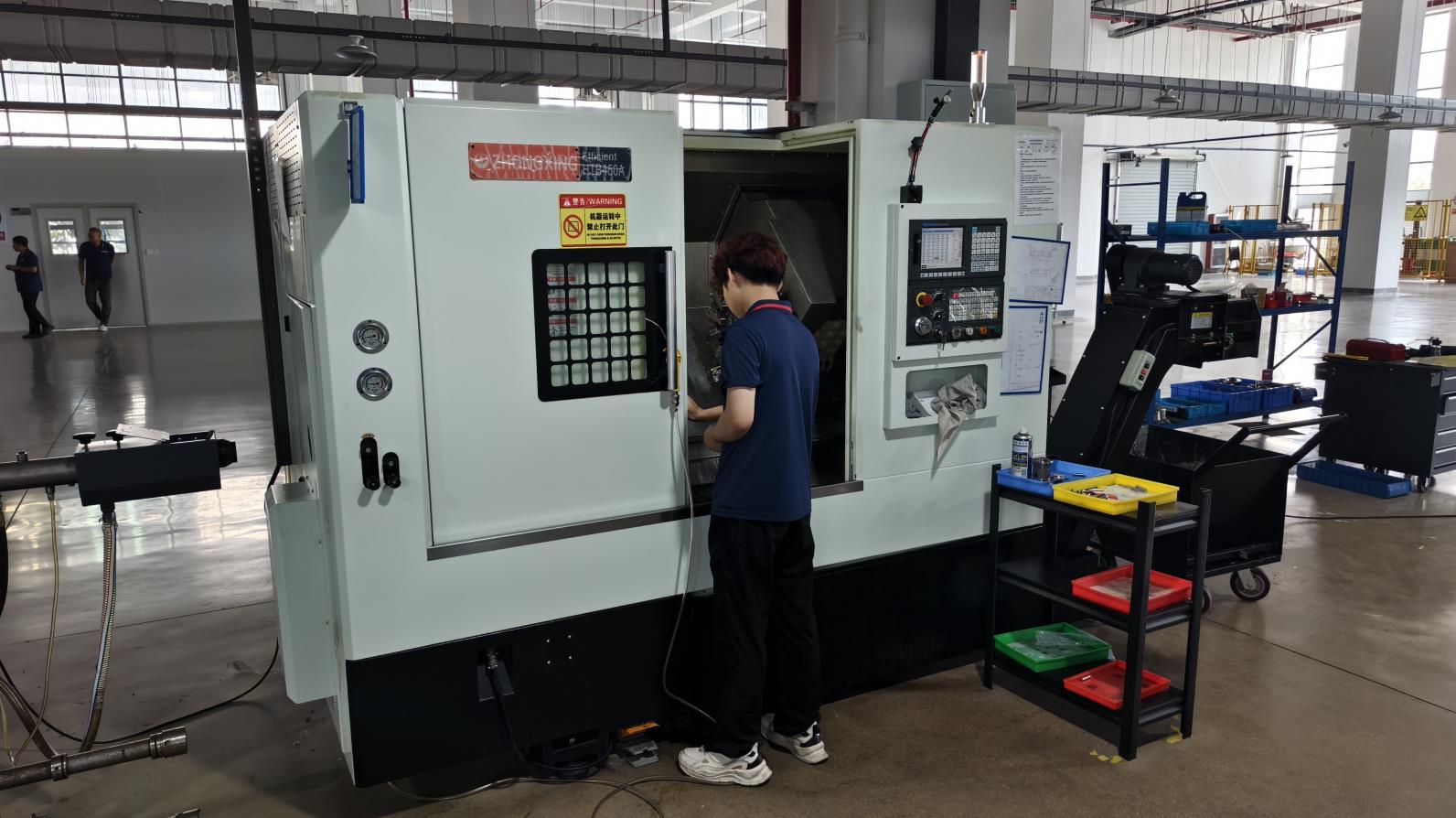
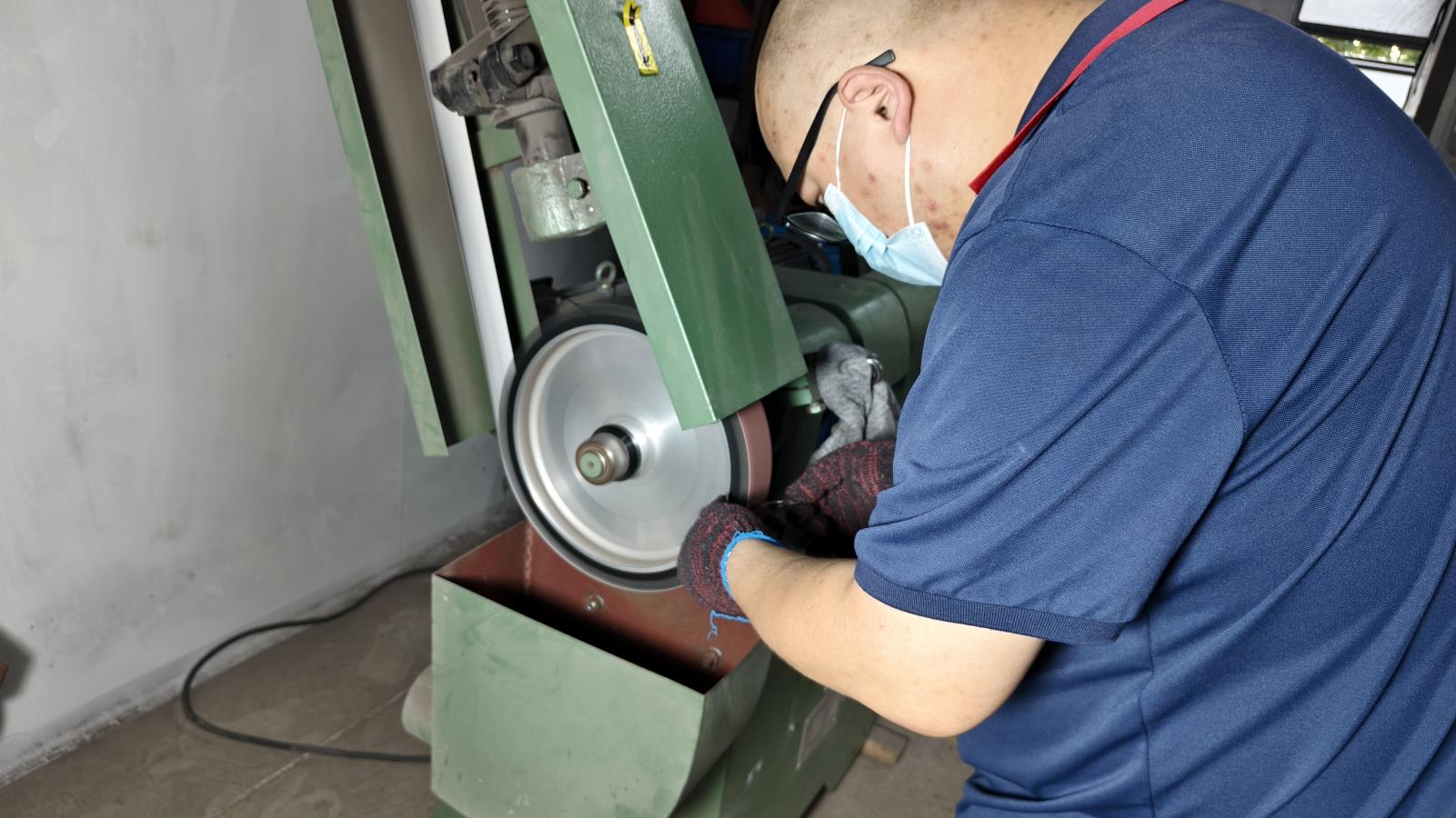
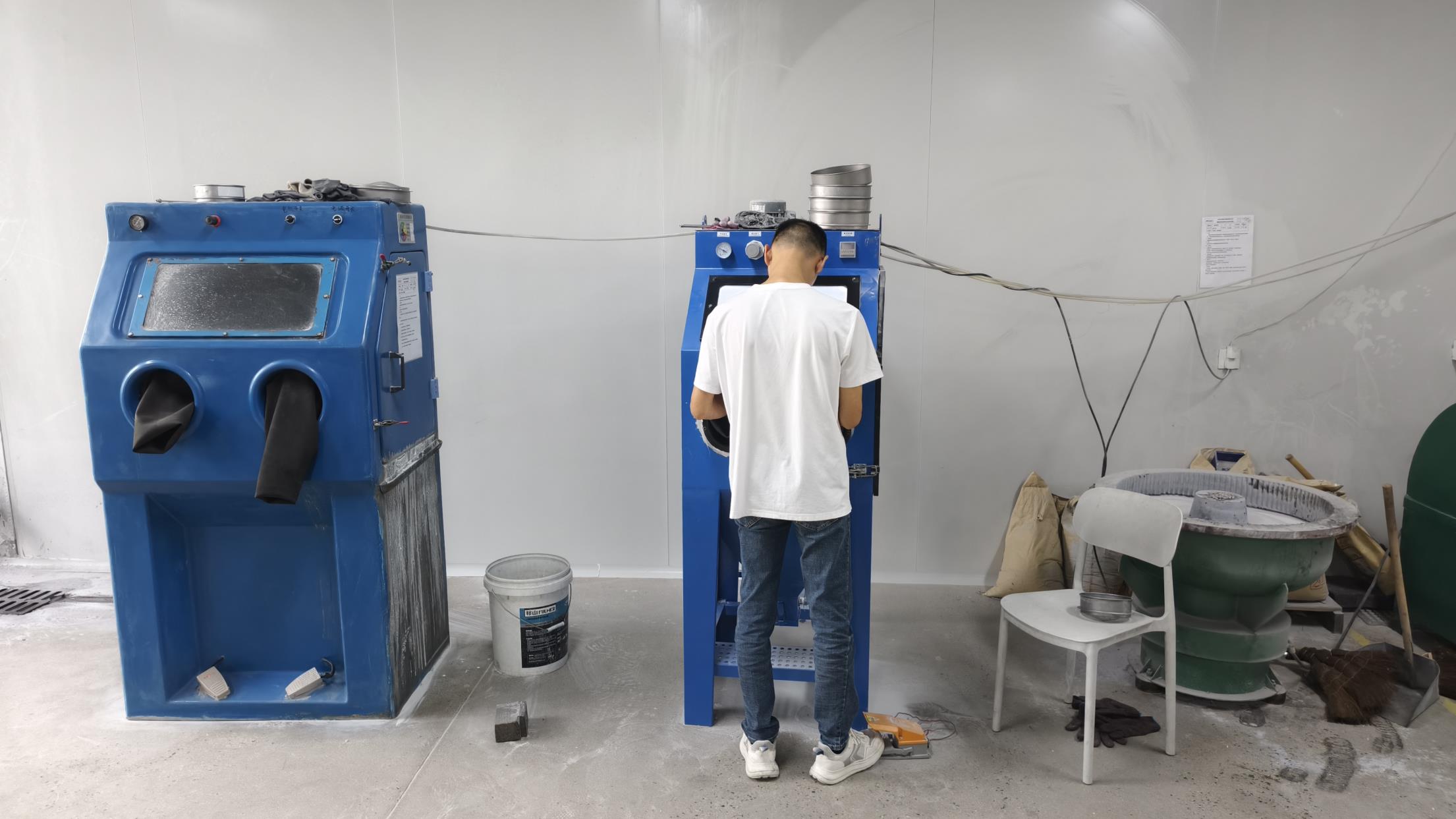
Scientific alignment with clinical needs: material choice, surface coatings, and mechanical tolerances.
Modern orthopedic surgery relies on advanced material science to ensure implant integration and durability. Synoviq uses medical-grade titanium alloys conforming to ASTM F136 (Ti-6Al-4V ELI) and biocompatible stainless steels (316LVM, conforming to ISO 5832-1). These raw materials are selected for their excellent mechanical strength, corrosion resistance, and low Young's modulus, minimizing stress shielding in bone tissue. Every batch of raw material undergoes spectral analysis to verify its composition before entering production.
Our manufacturing technology features five-axis CNC Swiss-type lathes capable of machining micro-tolerances within ±5 microns. For spinal fixation products, such as monoaxial and polyaxial pedicle screws, the threading profiles are optimized using CAD simulation to maximize bone purchase and pull-out strength. To improve osseointegration, implants undergo specialized surface treatments. This includes Type II anodization to increase wear resistance, and dual acid-etching to create a micro-rough surface topography that supports osteoblast attachment and accelerates bone remodeling.
Optimizing lead times, material sourcing, and logistics channels for the Russian Federation.
Synoviq's Factory 4.0 initiatives integrate an ERP system with real-time shop floor data to manage production schedules efficiently. Every implant is laser-marked with a unique UDI (Unique Device Identification) code, enabling full traceability from raw titanium bars through chemical cleaning to final packaging. Within our Class 100,000 cleanrooms, computerized optical comparators and Coordinate Measuring Machines (CMM) verify dimensional accuracy, ensuring that all orthopedic products shipped to Russia match the high standards required by global medical distributors.
We work with international logistics networks to ensure reliable delivery to Russian medical hubs, including Moscow, Saint Petersburg, and Novosibirsk. Our export services accommodate both air freight for urgent surgical orders and rail shipping via the New Silk Road corridors for larger wholesale orders. Additionally, we provide documentation in bilingual formats (English/Russian) to simplify customs processing and speed up local distribution.
Answers to common questions regarding regulatory approvals, raw materials, manufacturing capacity, and logistics.
Synoviq provides comprehensive regulatory support, including complete technical files, raw material mill test certificates (ISO 5832/ASTM compliance), biocompatibility reports (ISO 10993 series), and manufacturing sterilization validation studies. We also work closely with our partners' local regulatory consultants to simplify the submission and review process with Roszdravnadzor.
We use Ti-6Al-4V ELI (Extra Low Interstitial) titanium alloy conforming to ASTM F136 and ISO 5832-3 standards. For trauma locking plates, we also use pure titanium (Grade 2/Grade 4) where custom structural flexibility is required. Raw materials are sourced from verified suppliers and undergo optical emission spectrometry testing upon receipt.
Our engineering team works from customer-submitted CAD designs, STEP files, or physical reference samples. Once specifications are confirmed, our R&D department uses simulation software to optimize performance, manufactures initial functional prototypes for client testing, and handles high-volume production in our CNC facility.
Standard lead times range from 30 to 45 days, depending on batch sizes and order complexity. Shipments to Moscow and major logistics hubs in Russia are handled via overland rail freight through Harbin/Manzhouli or express air cargo to ensure prompt and secure delivery.
A full portfolio of locking plates, pedicle screw systems, and specialized instruments for orthopedic and trauma surgery.
 Synoviq Medical