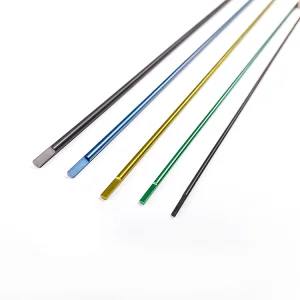
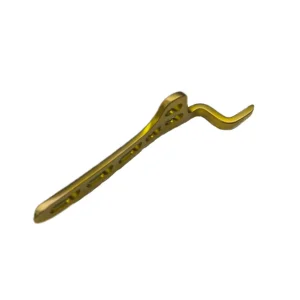
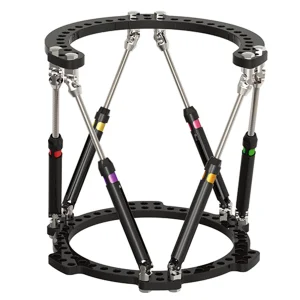
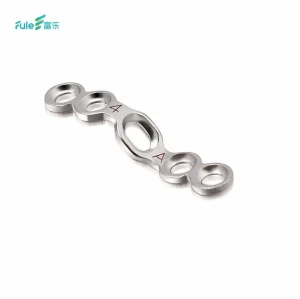
Explore our premium product line manufactured via high-precision CNC automation and rigorous clinical testing environments.
In modern orthopedics, mechanical stability and biomaterial harmony dictate clinical outcomes. Titanium spinal rods represent the vanguard of spinal fixation technologies, widely indicated for degenerative disc diseases, structural scoliosis, kyphosis, spinal stenosis, and complex vertebral trauma.
The global transition from stainless steel to titanium-based alloys (particularly Ti-6Al-4V ELI / Grade 23 and Ti-6Al-7Nb) has fundamentally restructured patient recovery paths. Titanium alloys exhibit a lower modulus of elasticity compared to stainless steel, aligning more closely with the natural compliance of cortical bone. This reduces the risk of stress shielding and subsequent implant loosening.
Furthermore, the superior corrosion resistance, high fatigue limits, and relative MRI compatibility of medical-grade titanium allow spinal surgeons to construct constructs that stand the test of long-term physiological stress.
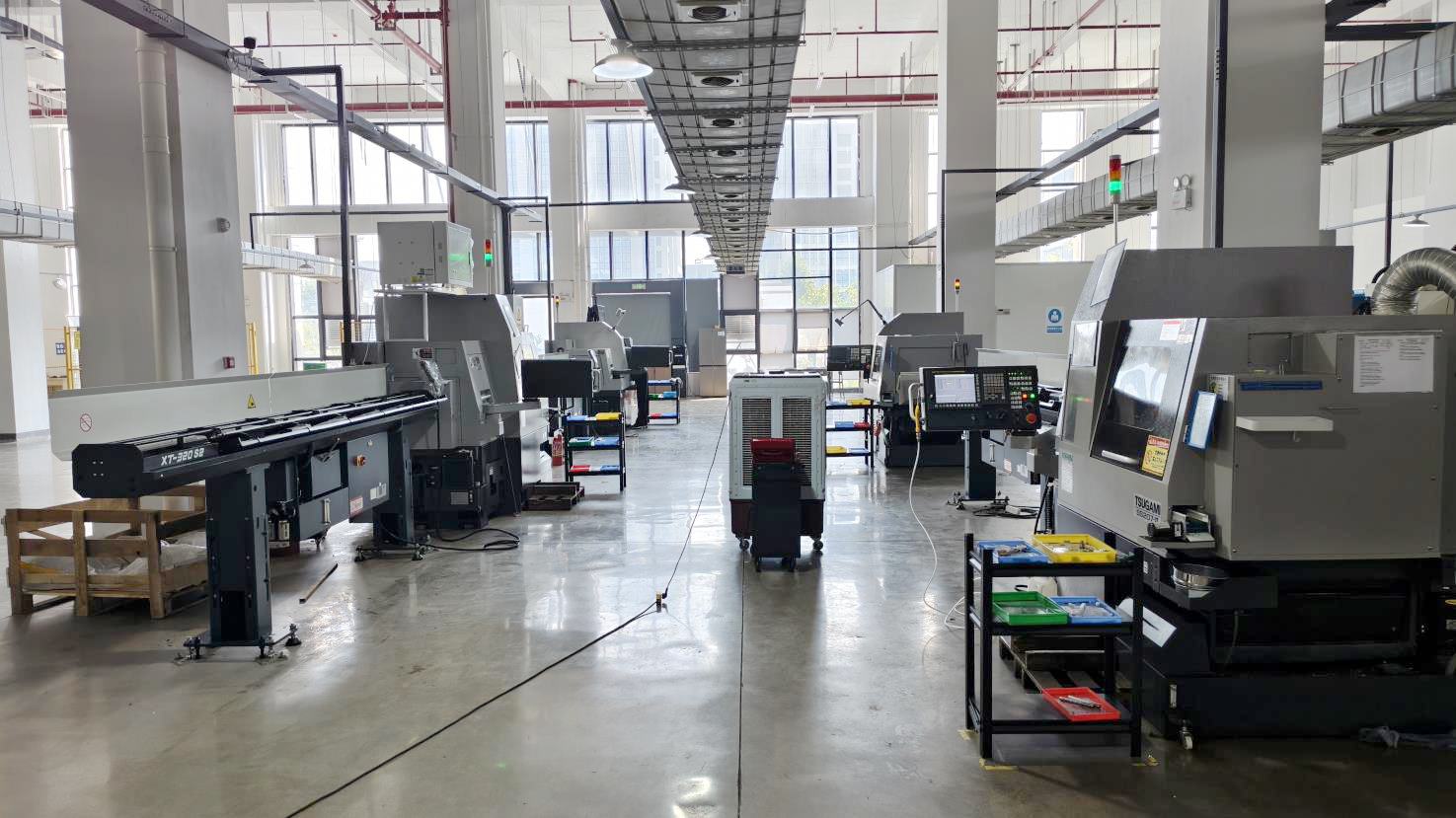
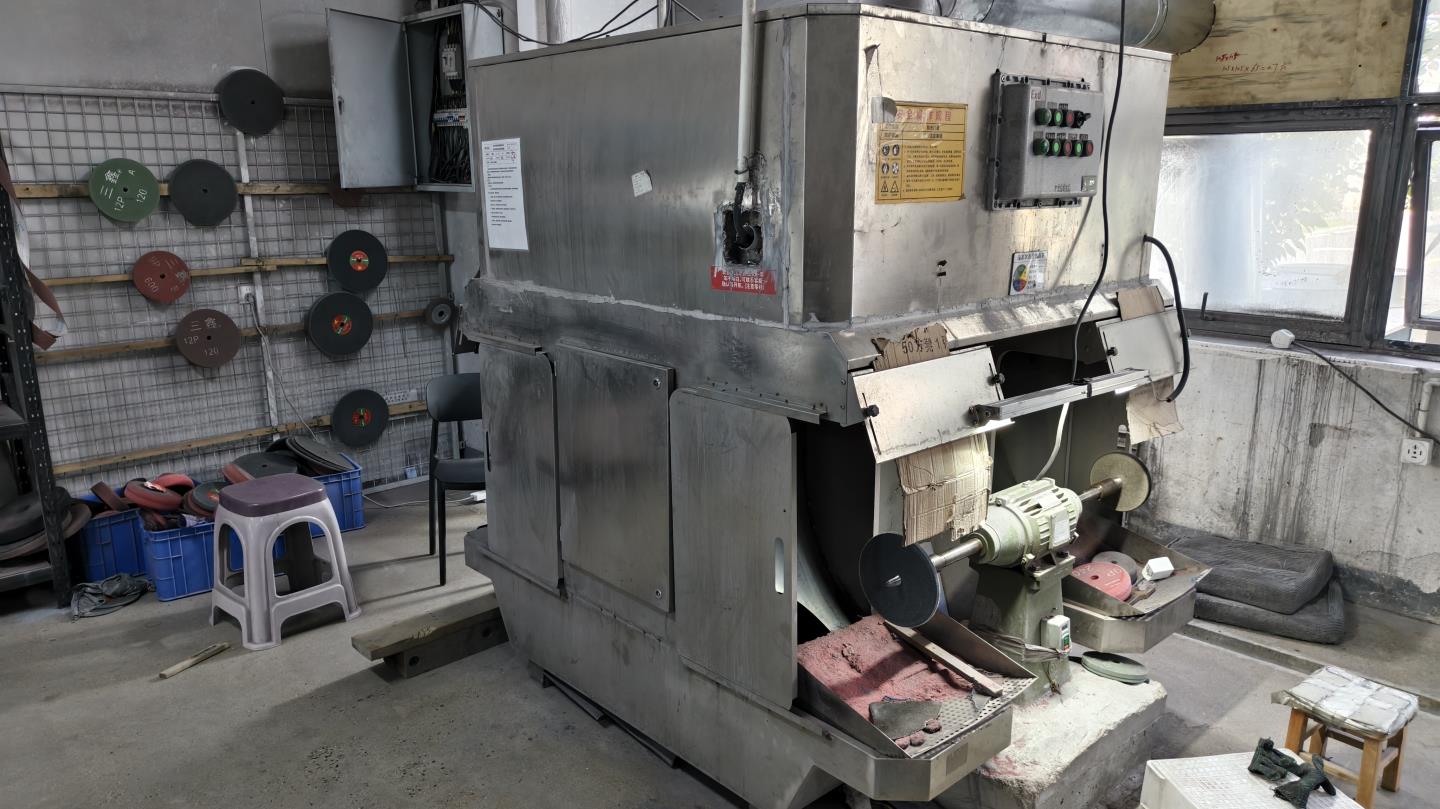
Combining automated Swiss-type machining centers with clinical cleanliness protocols to guarantee defect-free implants.
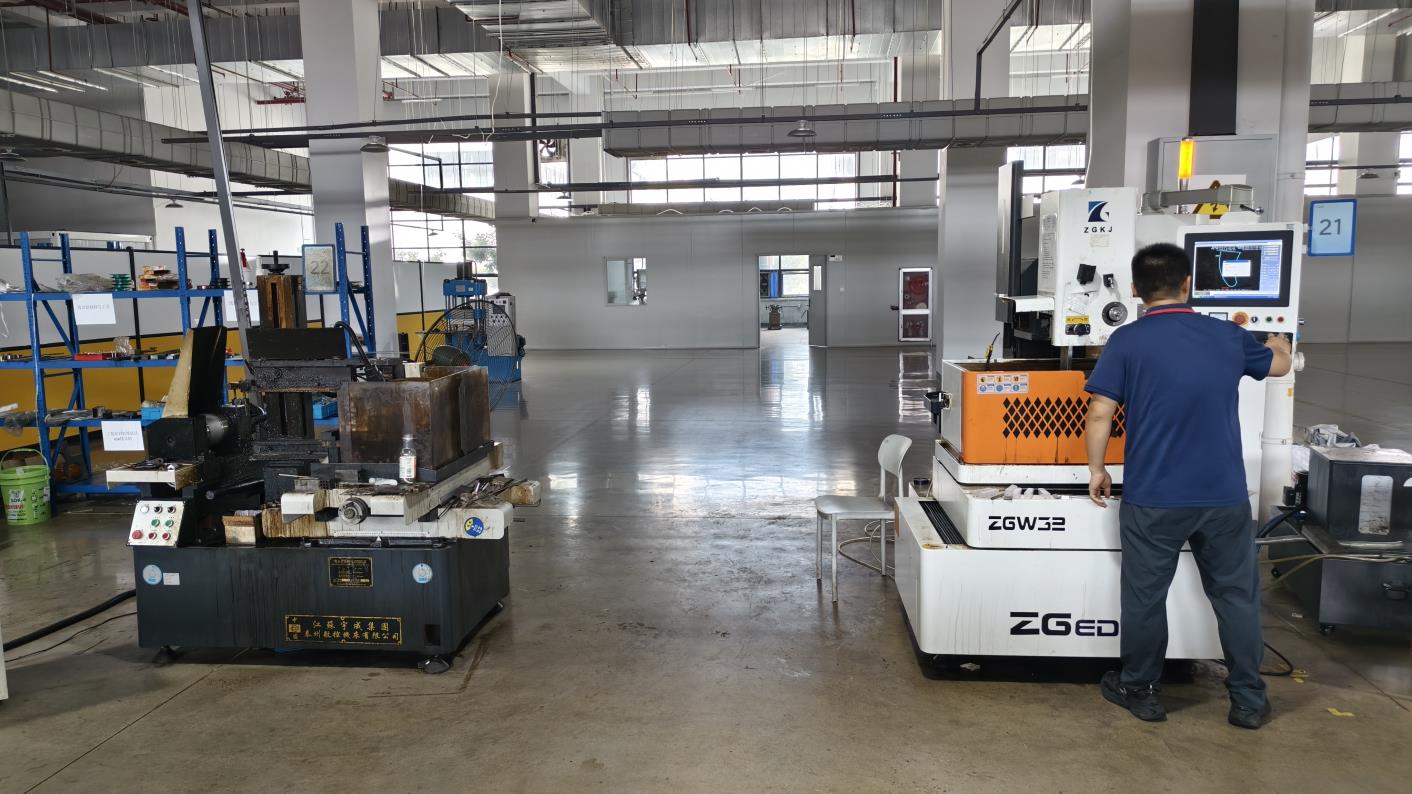
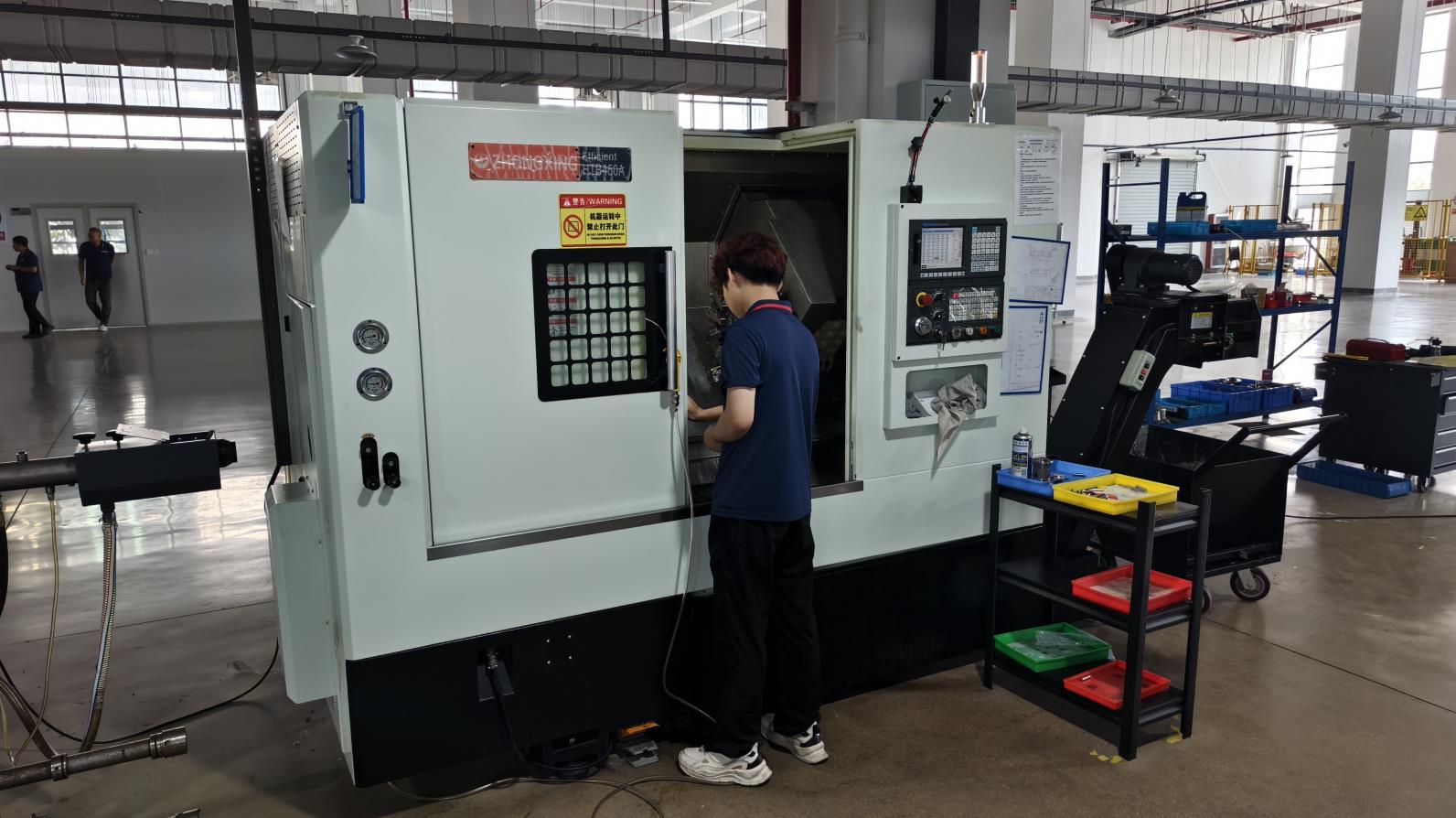
Our facility runs state-of-the-art Swiss-type multi-axis CNC machines capable of turning, drilling, and polishing spinal rods to sub-micron dimensional tolerances (+/- 0.005mm).
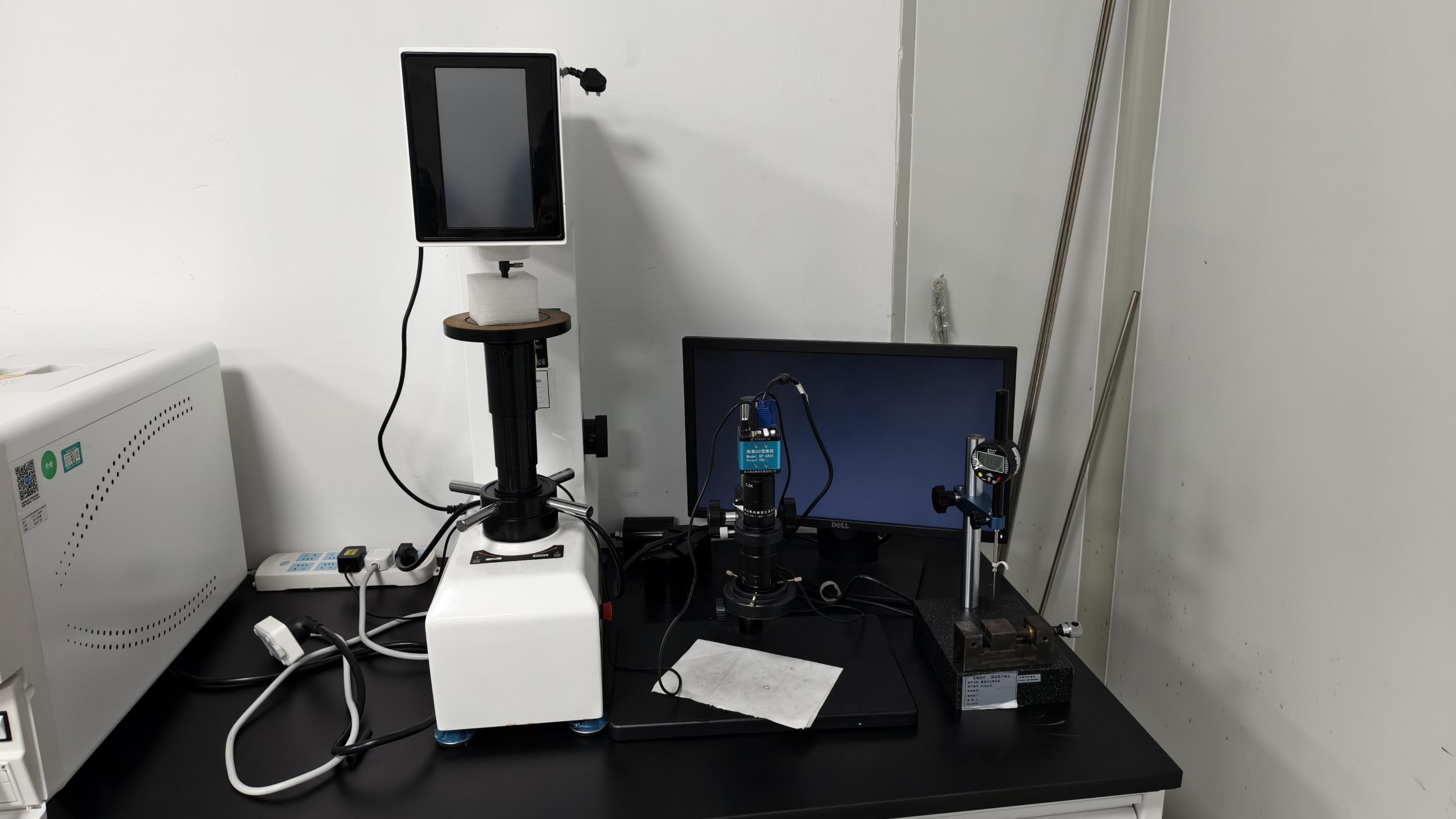
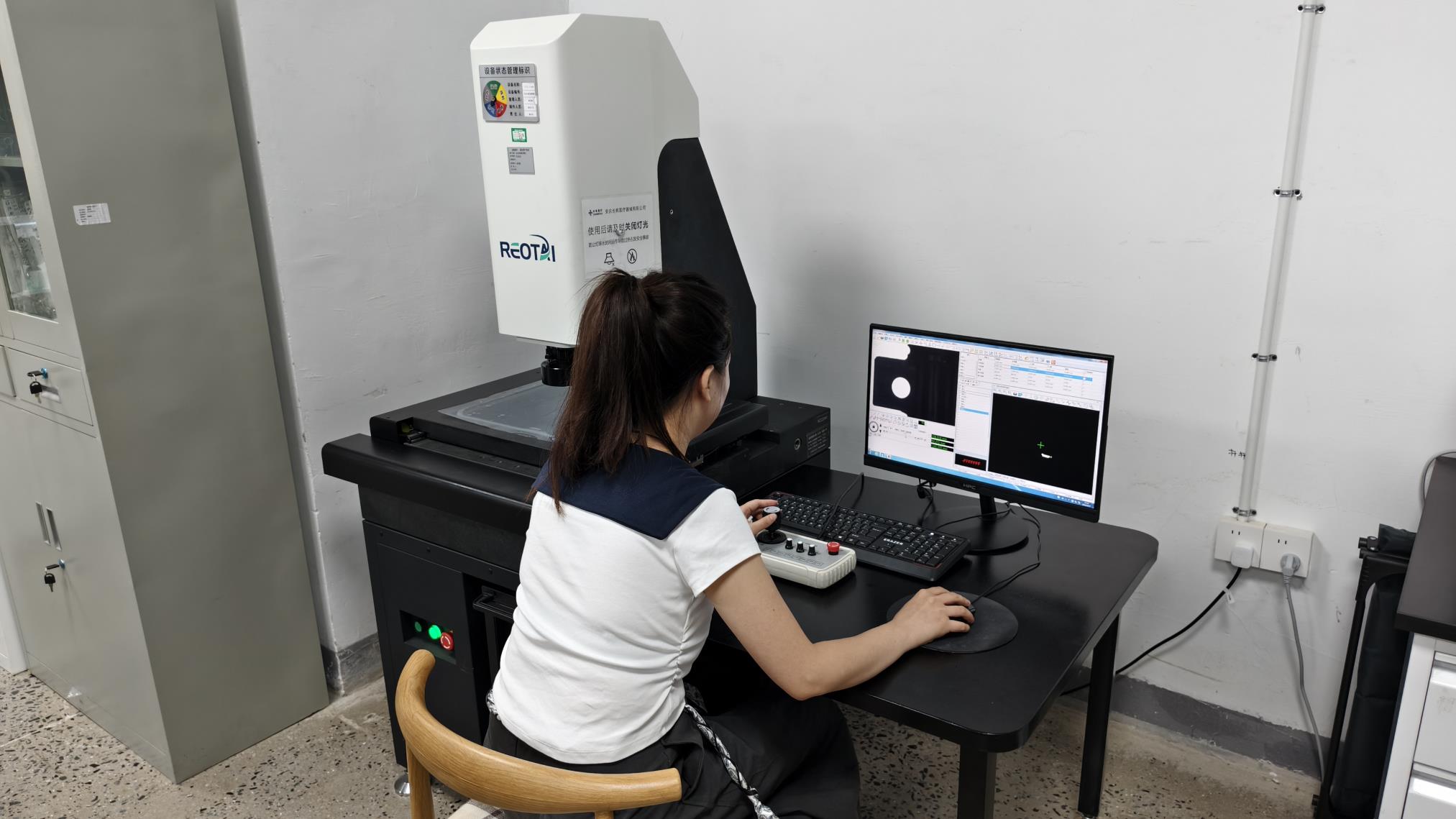
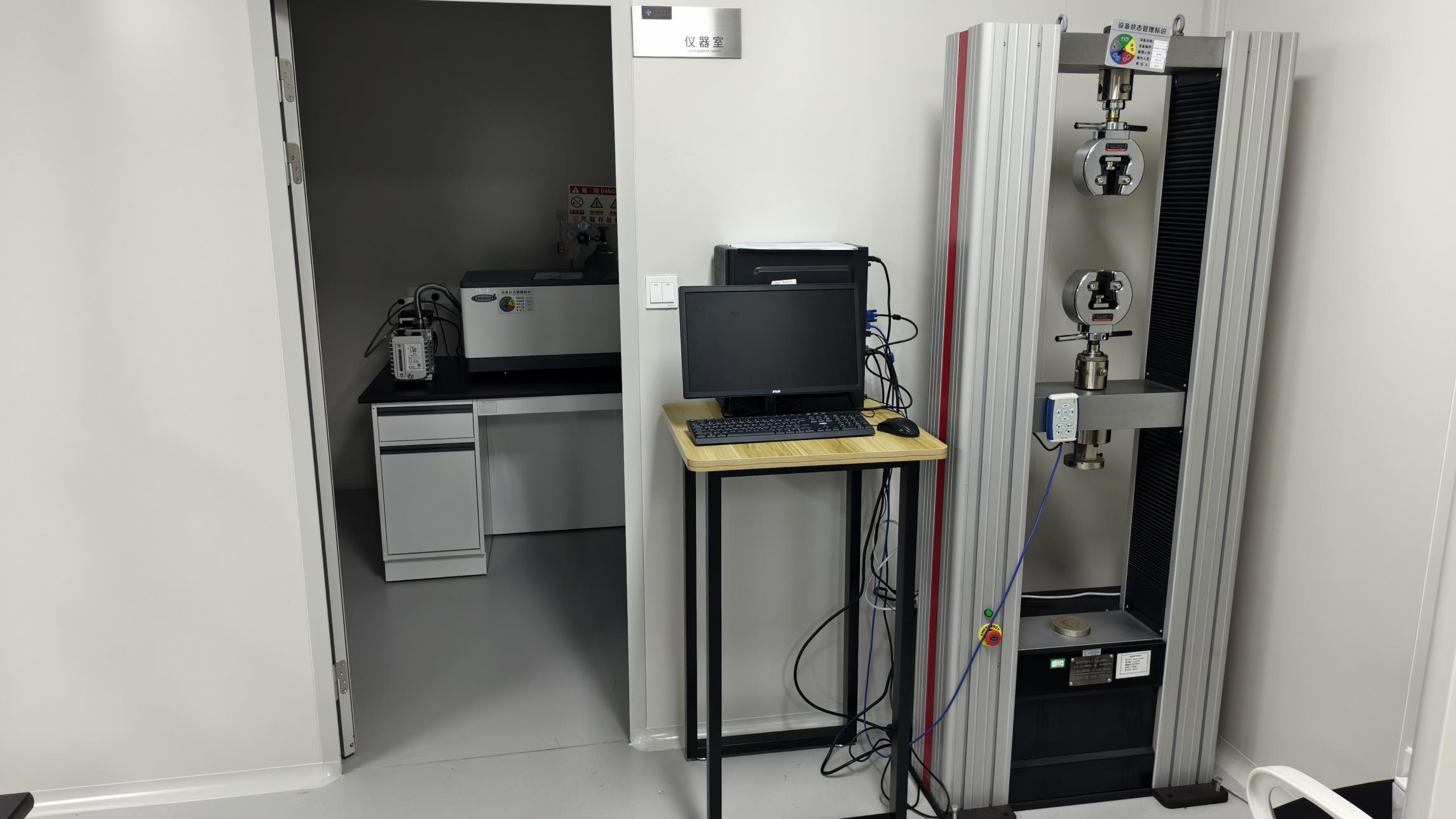
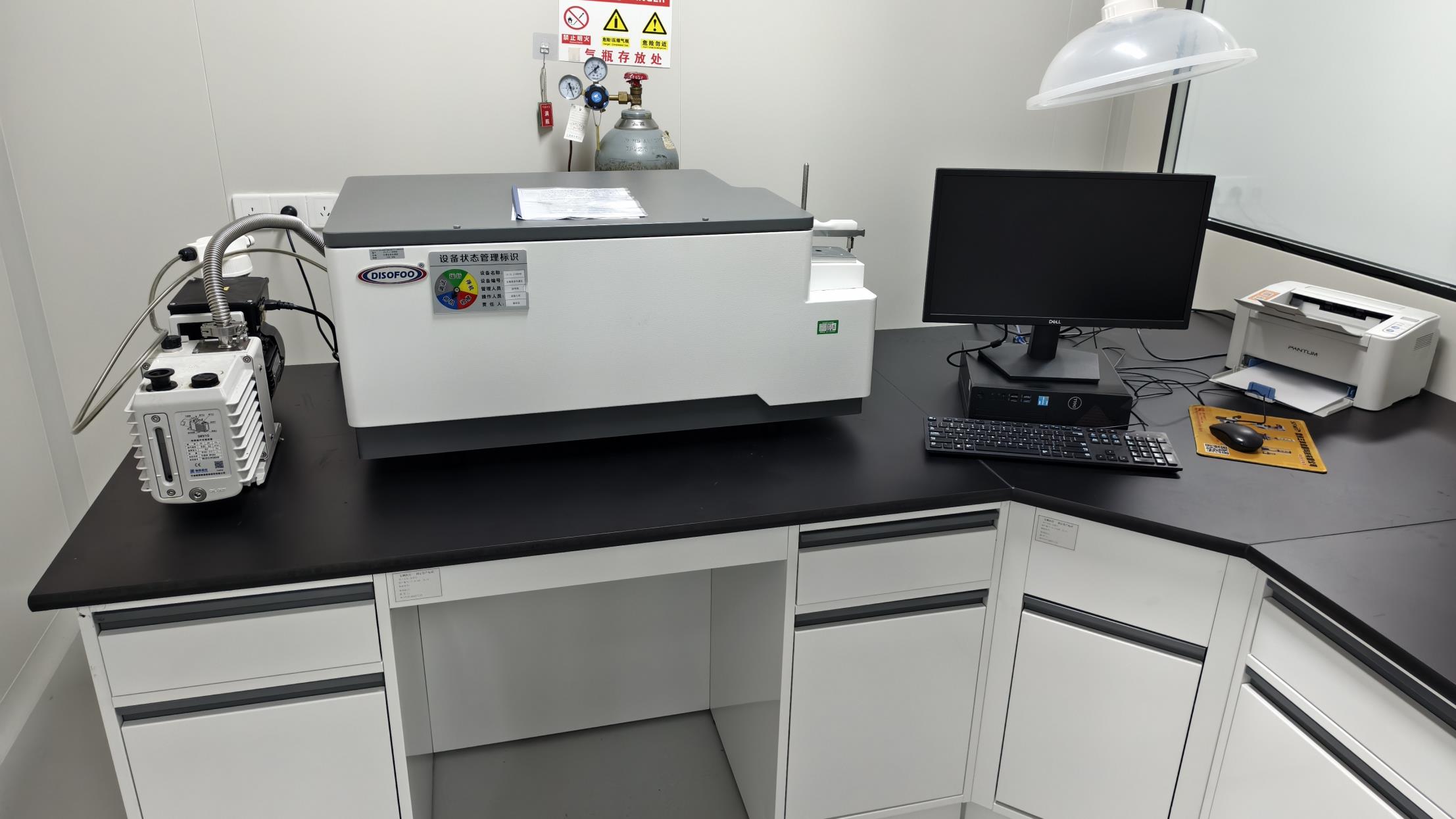
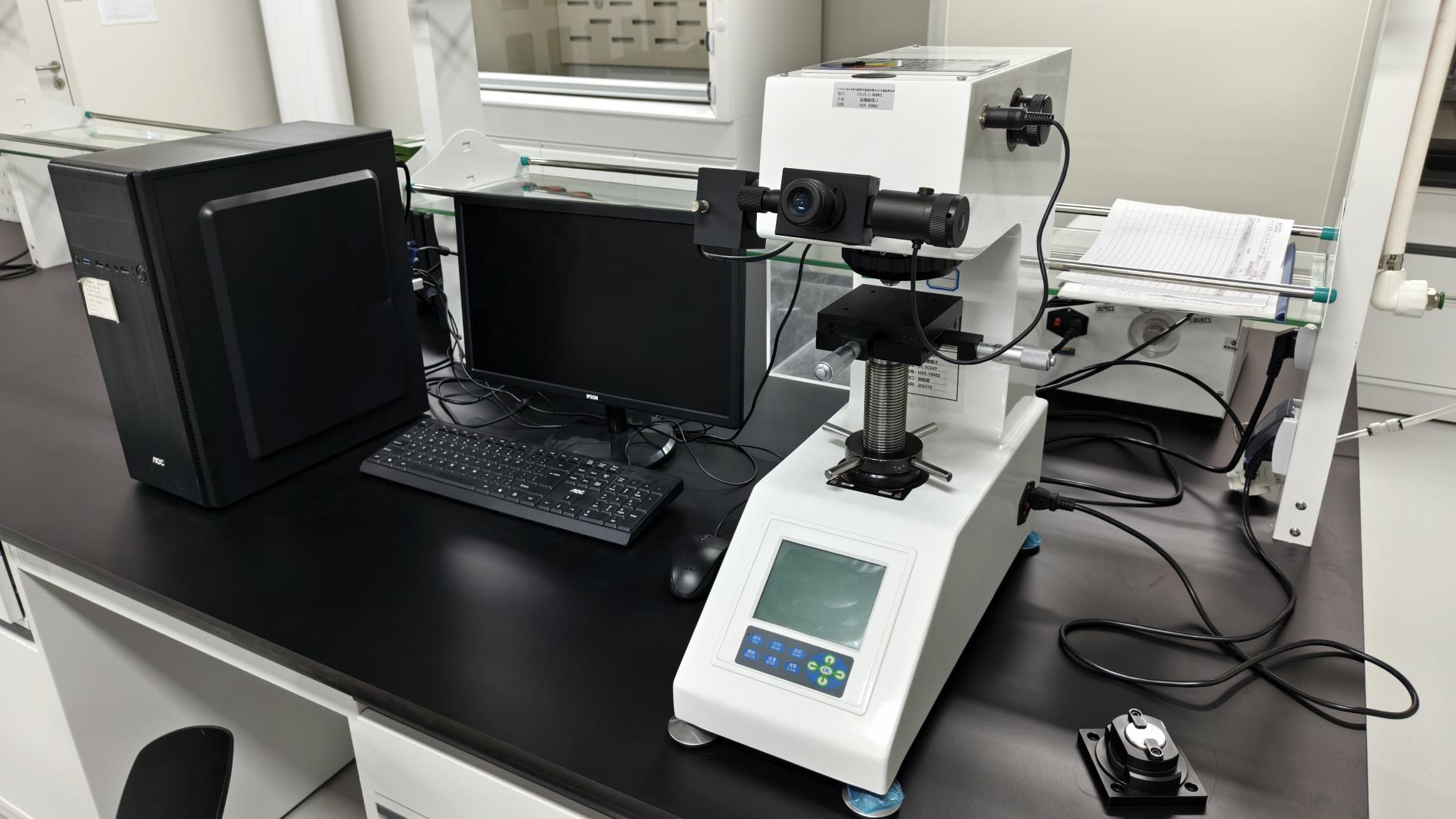
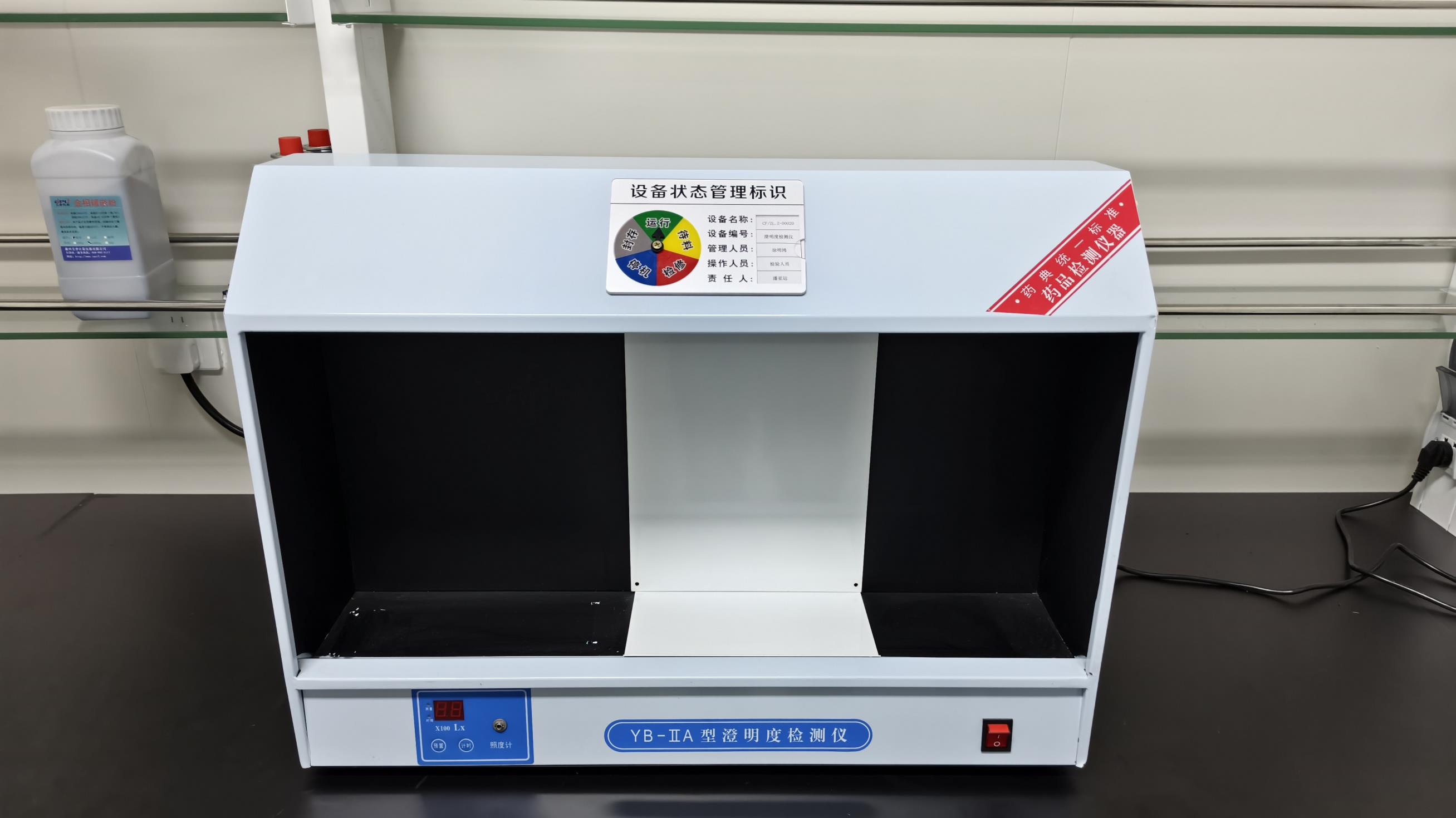
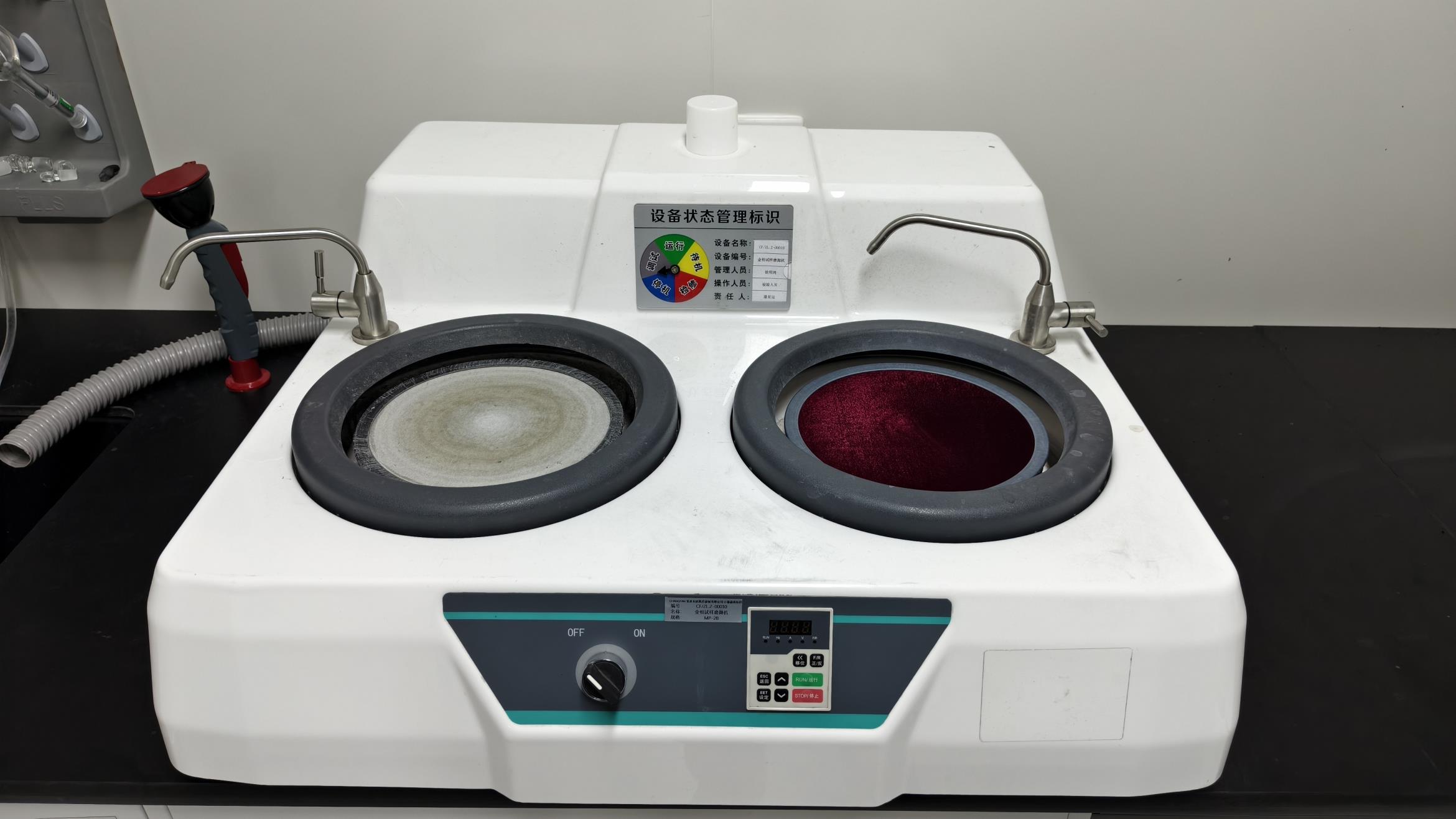
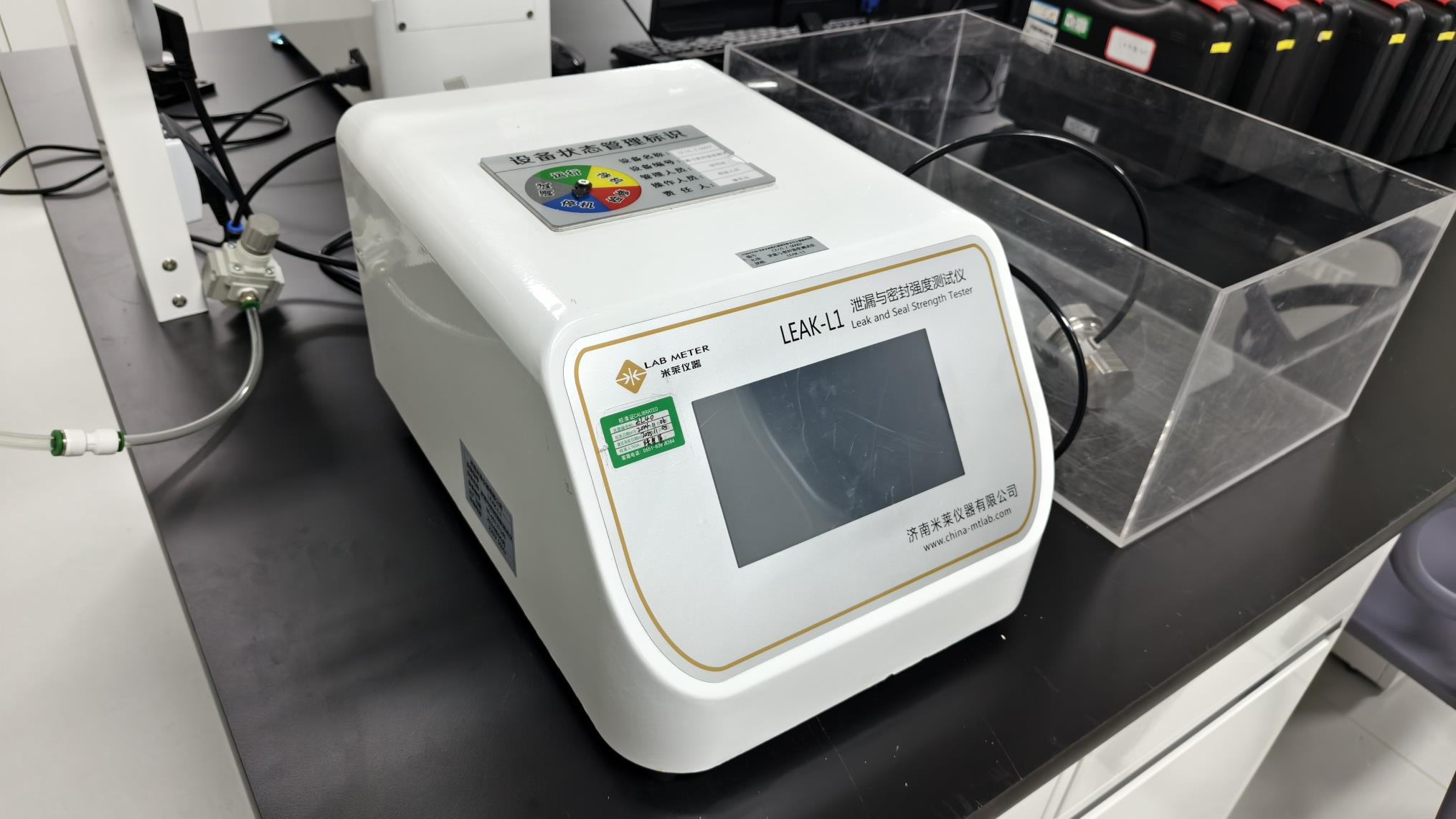
Utilizing Coordinate Measuring Machines (CMM), surface roughness profiling, and metallographic validation, we guarantee that no component with structural flaws ever exits our cleanrooms.
Through intensive vertical integration, we optimize raw material raw-stock acquisition (Ti-6Al-4V) from verified melt sources, ensuring rapid delivery times and insulation against price shocks.
For many years, the production of complex orthopedic implants was monopolized by Western manufacturers. Today, our China Industry 4.0 initiatives have democratized high-end surgical component production. By deploying smart factory solutions, including connected IoT machine monitors, digital twin product modeling, and real-time raw-stock traceability, Synoviq Medical matches—and frequently exceeds—the manufacturing performance metrics of traditional European and American manufacturing centers.
This transition has directly reduced the ultimate cost-per-procedure for healthcare systems globally, without forcing a compromise on biocompatibility or material performance. Synoviq works continuously to adapt to ISO and global standards, transforming how clinical organizations manage bulk surgical device procurements.
Synoviq Medical Technology (China) Co., Ltd. stands as a premier developer, manufacturer, and international exporter of orthopedic surgical devices and implants. Headquartered in a state-of-the-art facility spanning over 18,600 square meters, we dedicate ourselves to refining patient care through mechanical precision and biomedical advancements.
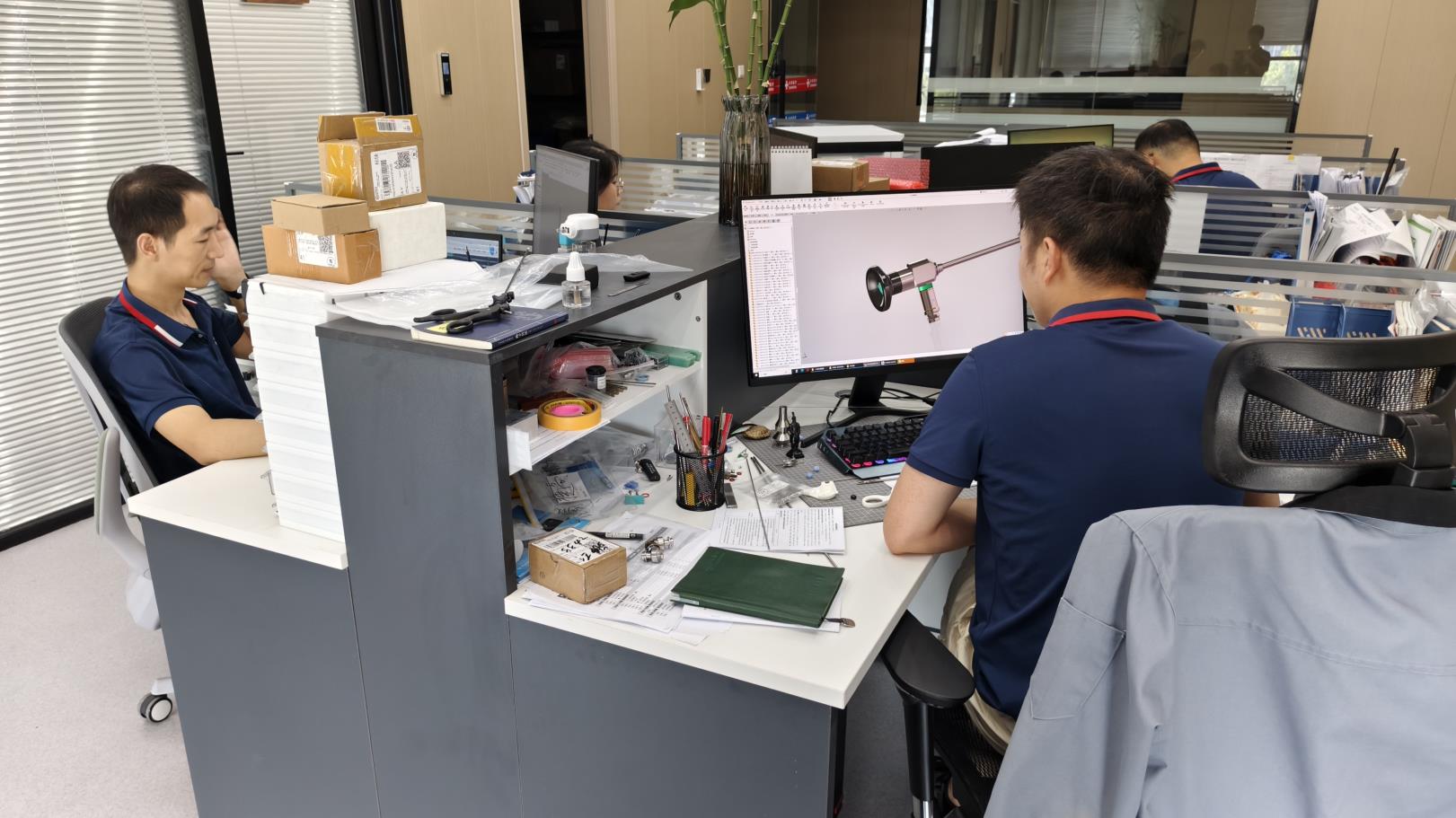
Equipped with highly integrated engineering teams and advanced research divisions, we support medical device brands, distributors, national GPOs, and veterinary institutions through fully customized OEM and ODM services. From basic fracture plating systems to custom-profiled spinal stabilizers, our inventory meets the rigorous specifications required by today’s surgeon base.
76 Specialists
48 QC Personnel
| Corporate Metric | Verified Details |
|---|---|
| Company Name | Synoviq Medical Technology (China) Co., Ltd. |
| Brand | Synoviq |
| Established | March 18, 2016 |
| Building Area | 18,600 m² |
| Annual Export Revenue | USD 21.8 Million |
| Export Experience | 8 Years |
| Quality Control Staff | 48 Specialized Inspectors |
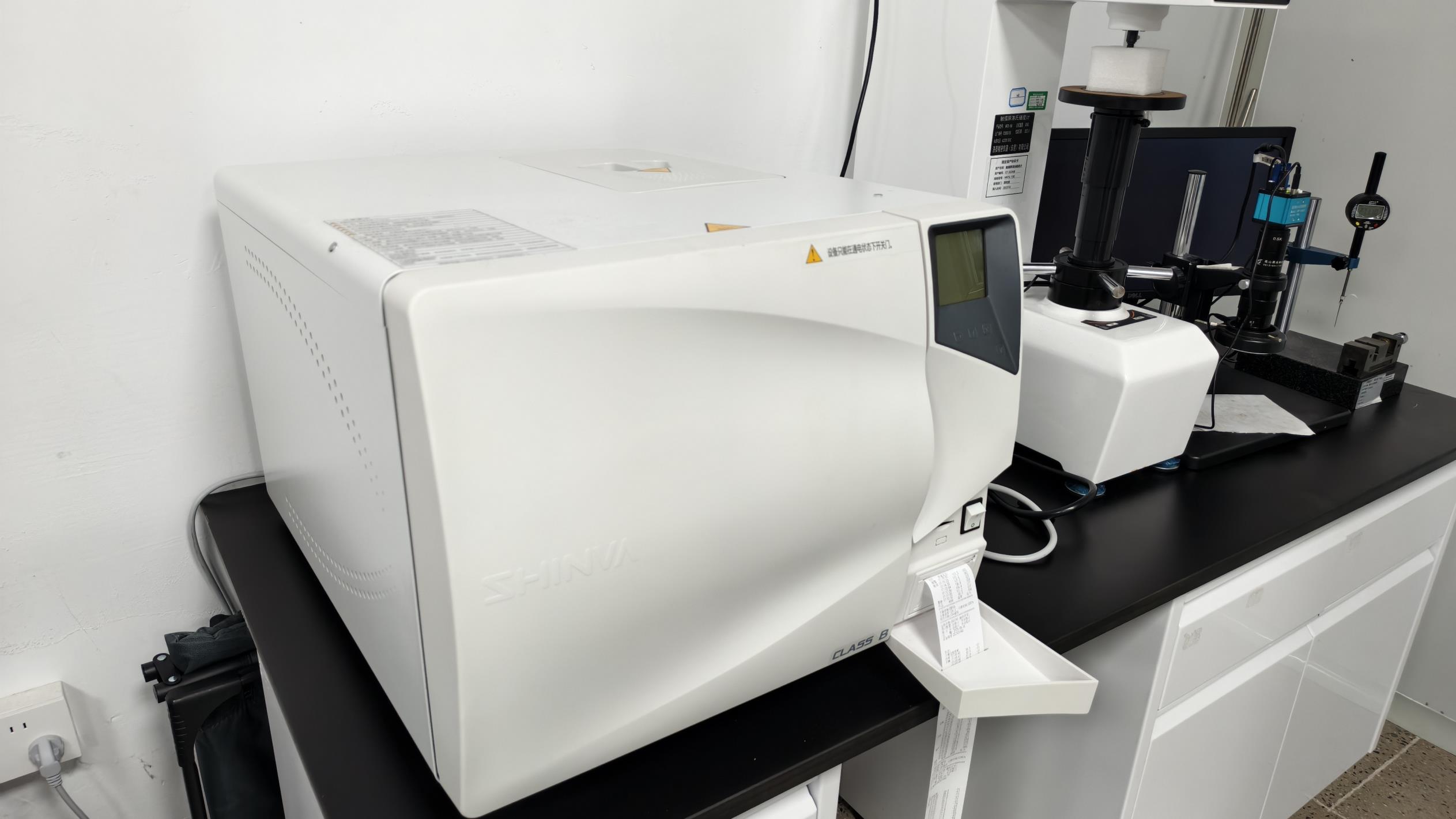
| Inspection Protocols | CMM, Metallurgical Analysis, Sterility Validation, Fatigue & Tensile Testing |
| R&D Team Size | 76 Engineers |
| Customization Scope | Logo, Packaging, Structural Design, Surface Finish & Materials |
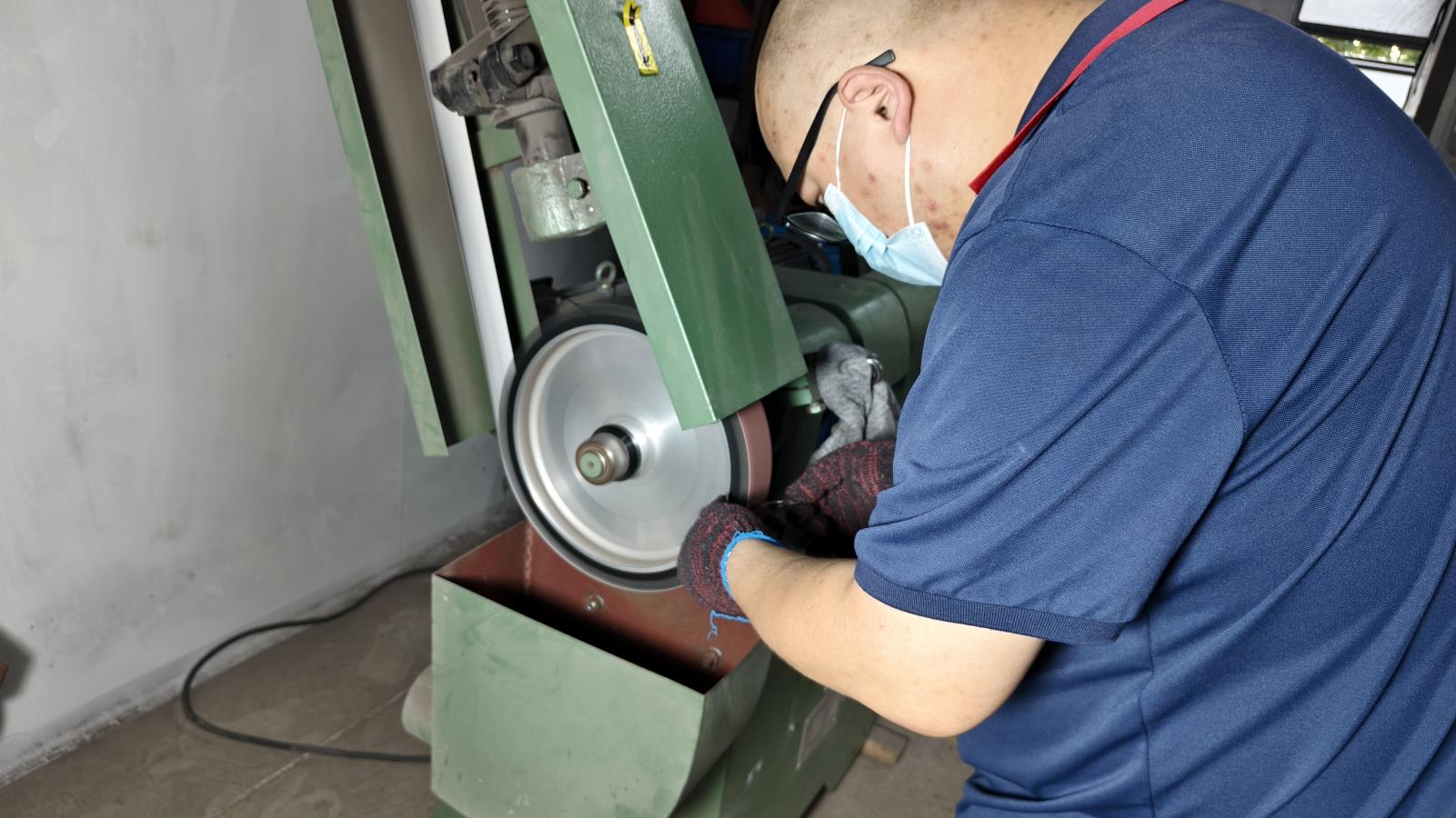
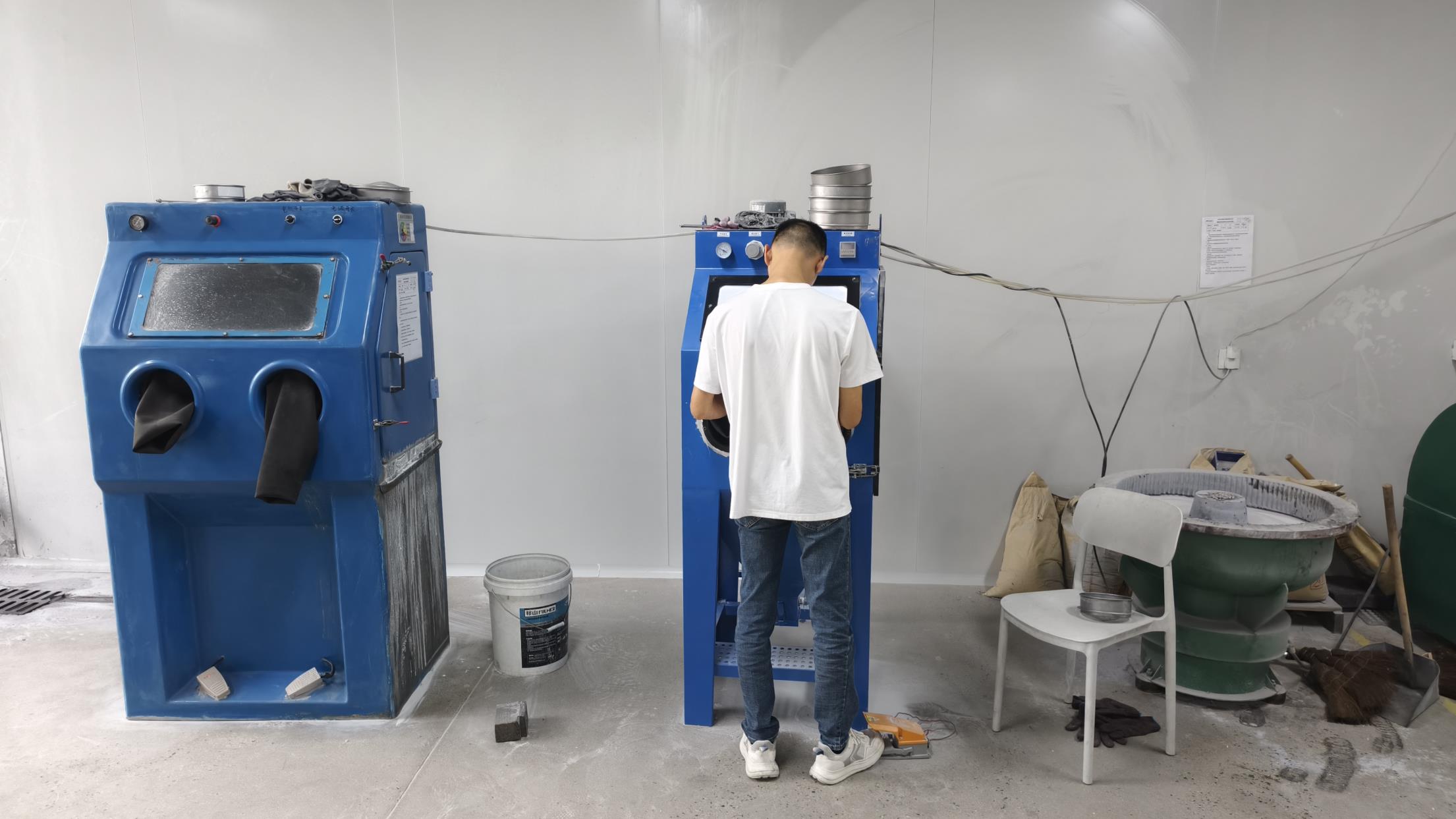
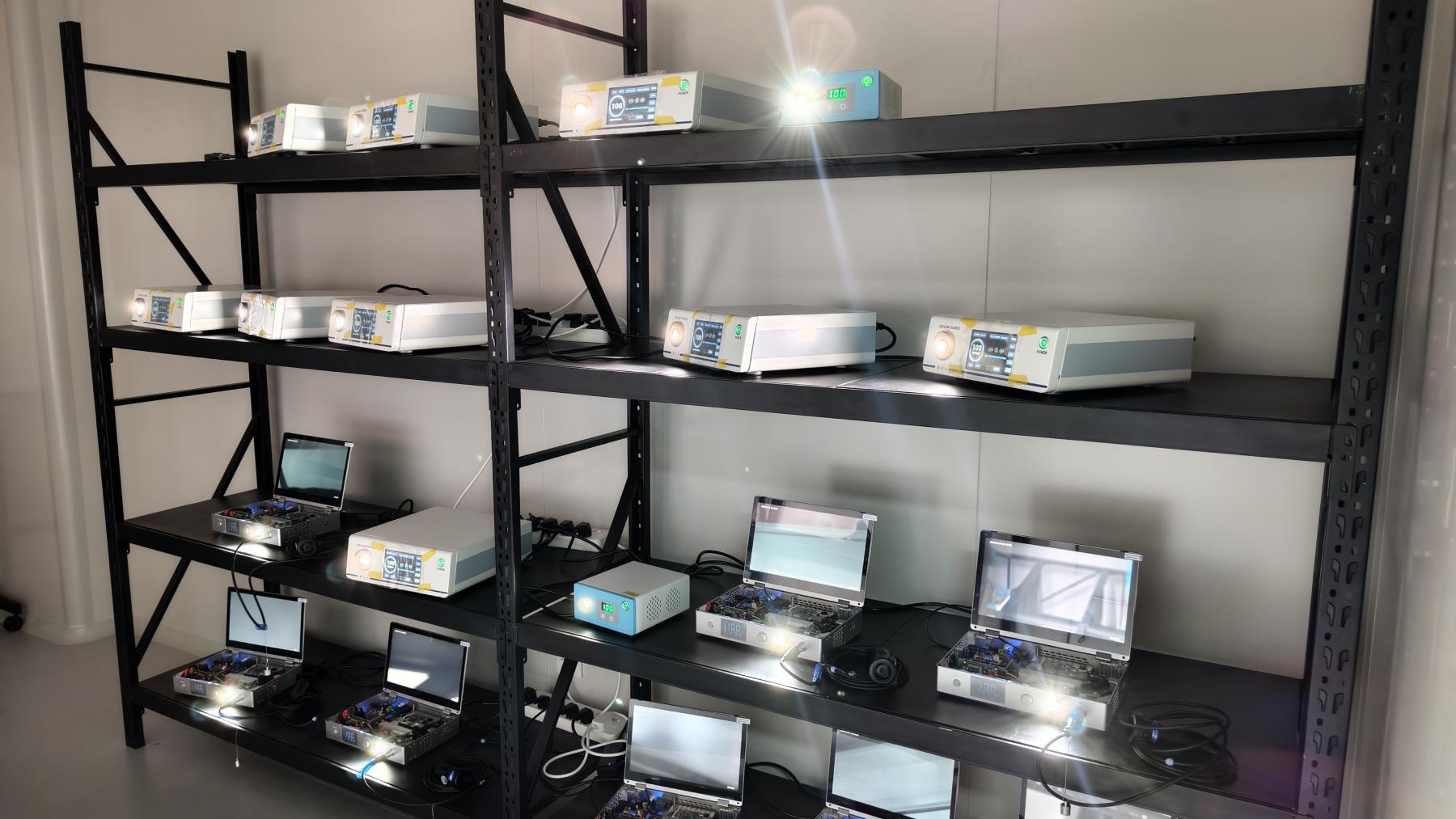
A visual walkthrough of our high-integrity manufacturing and testing processes.
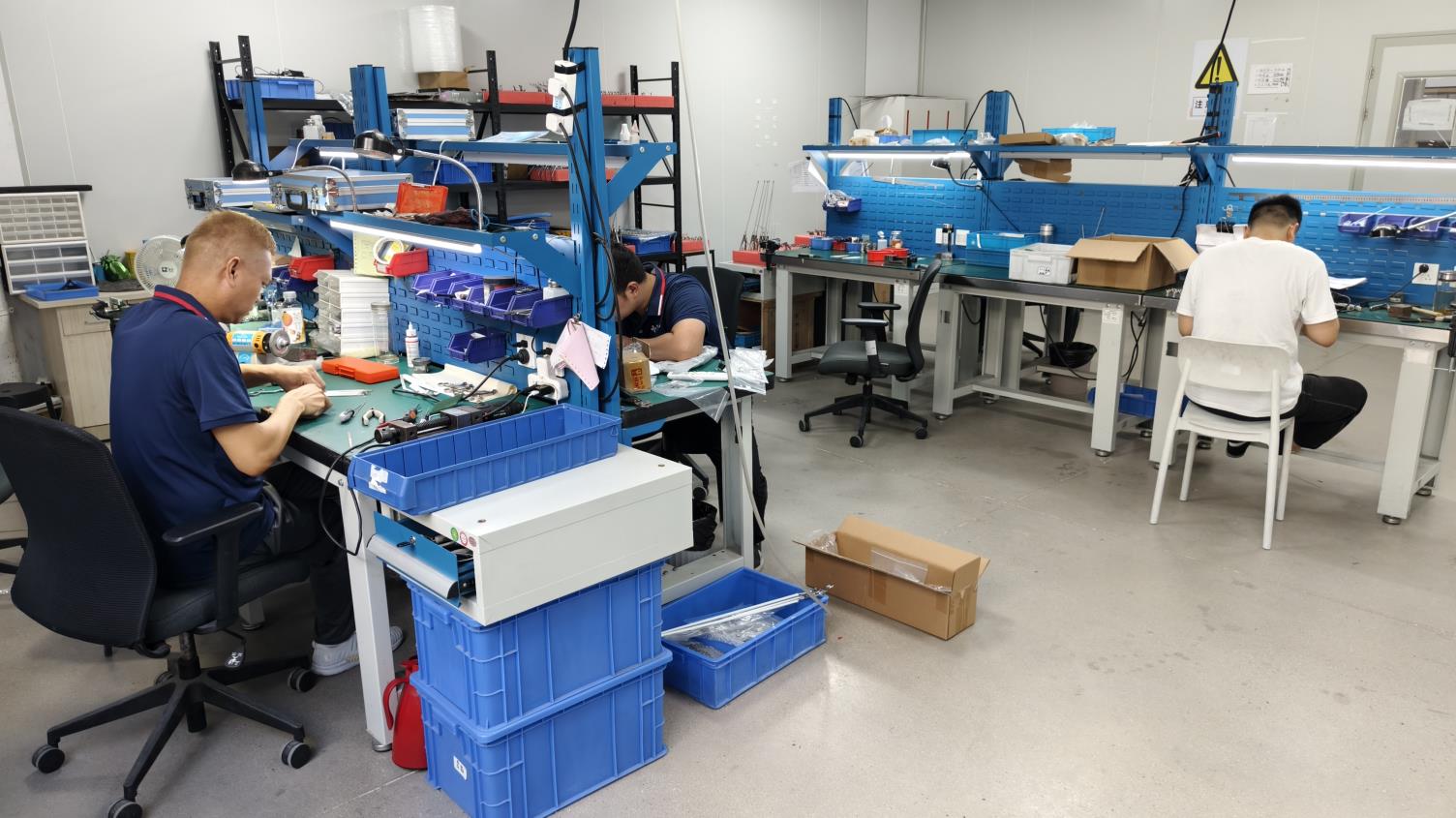
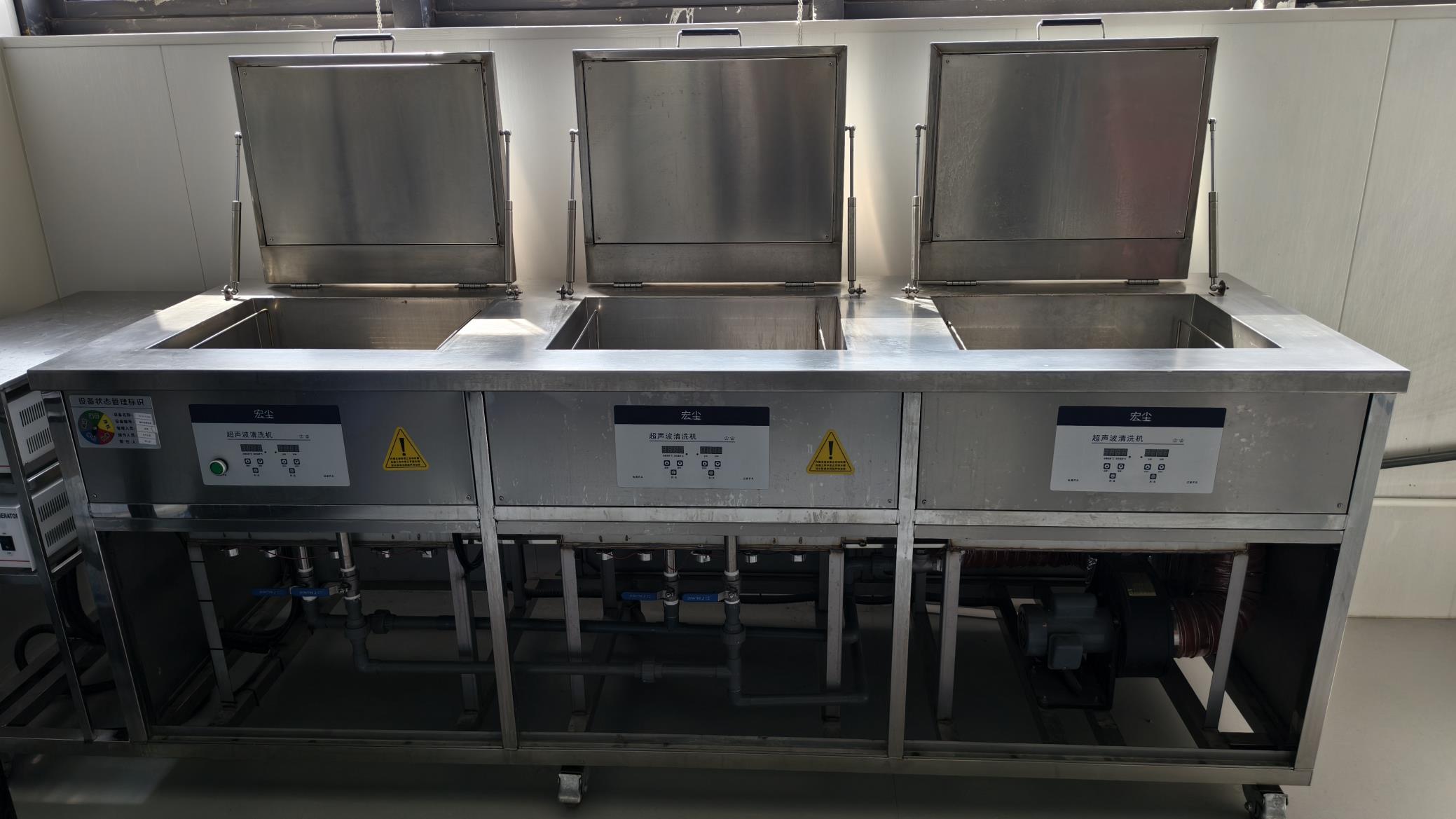
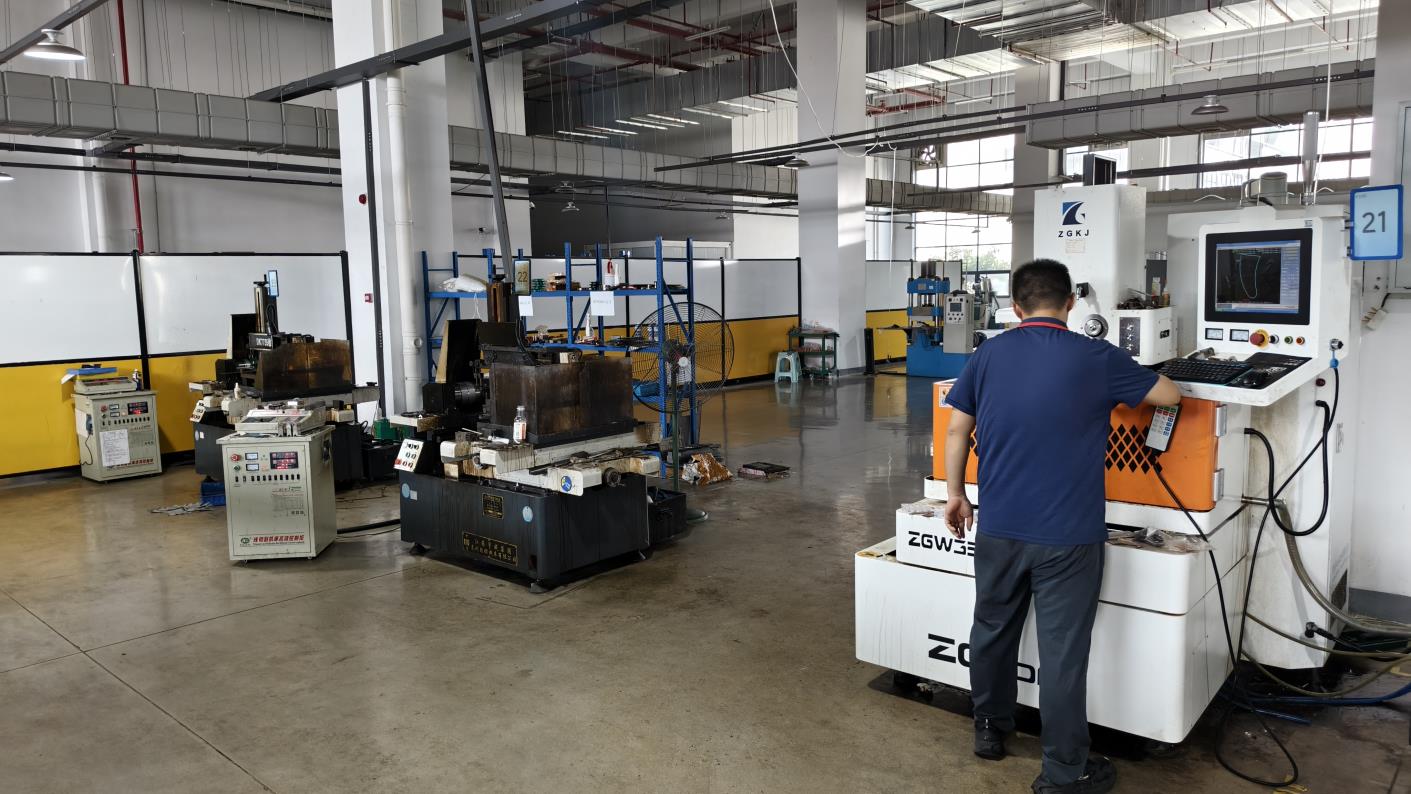
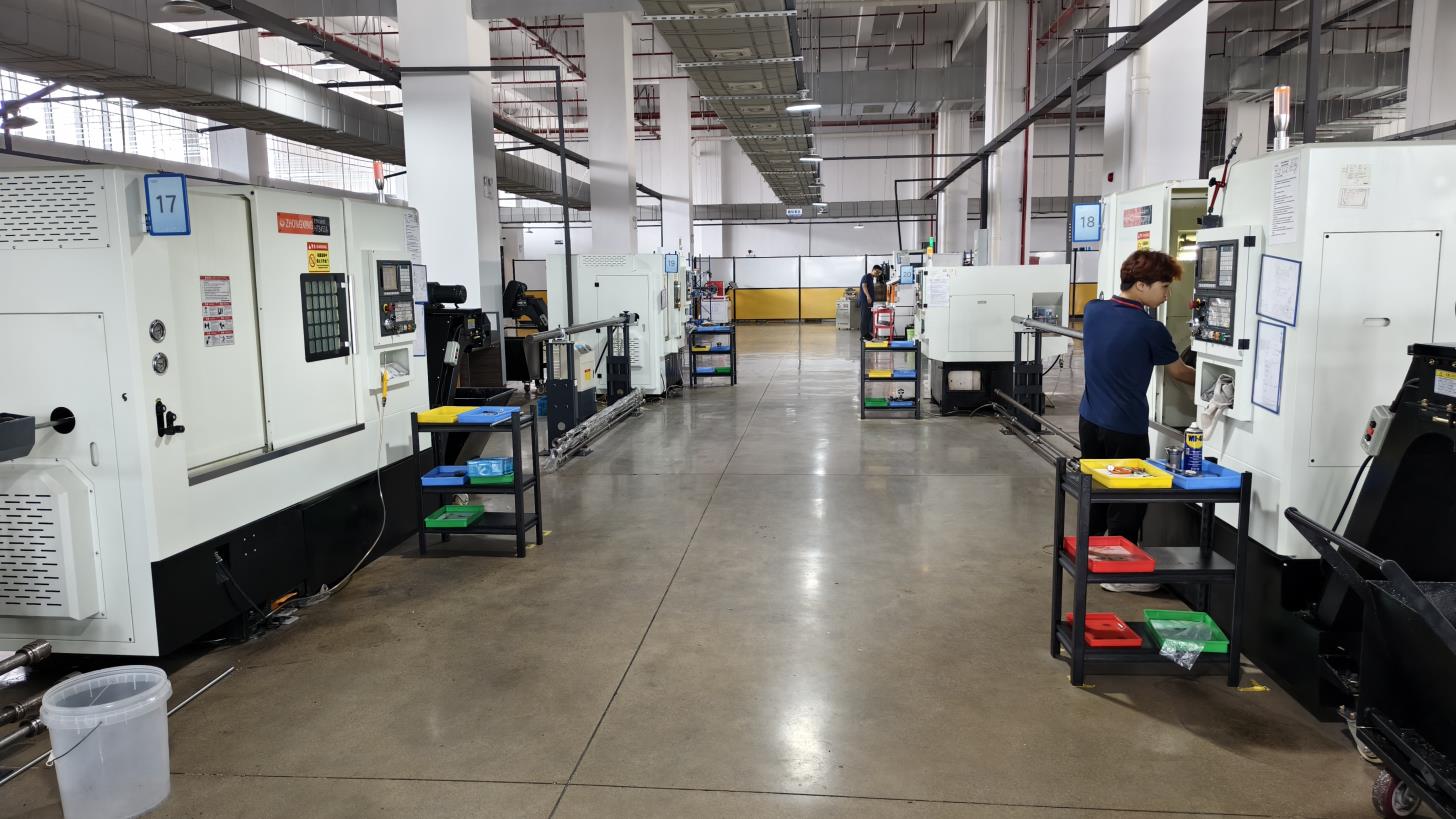
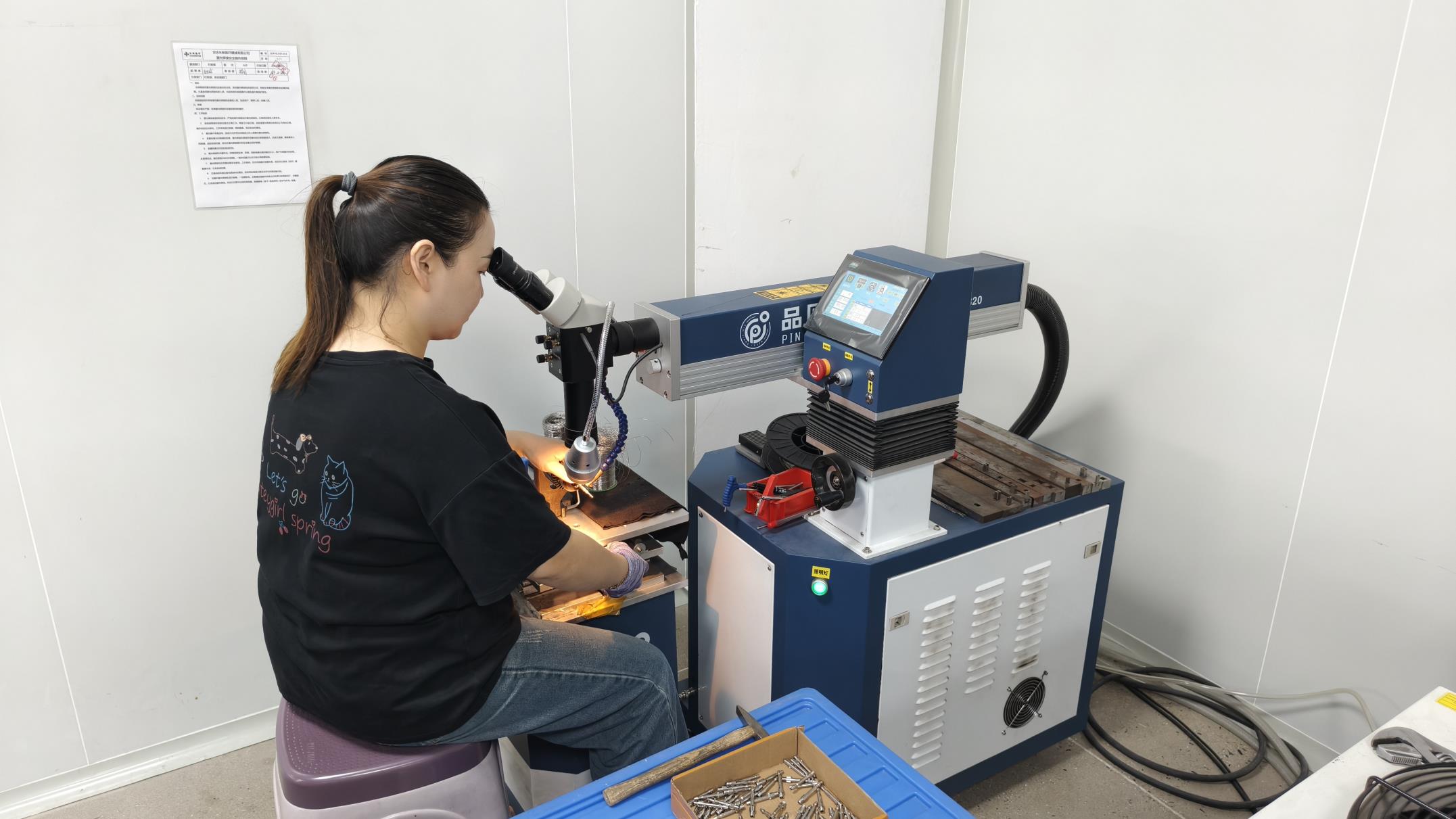
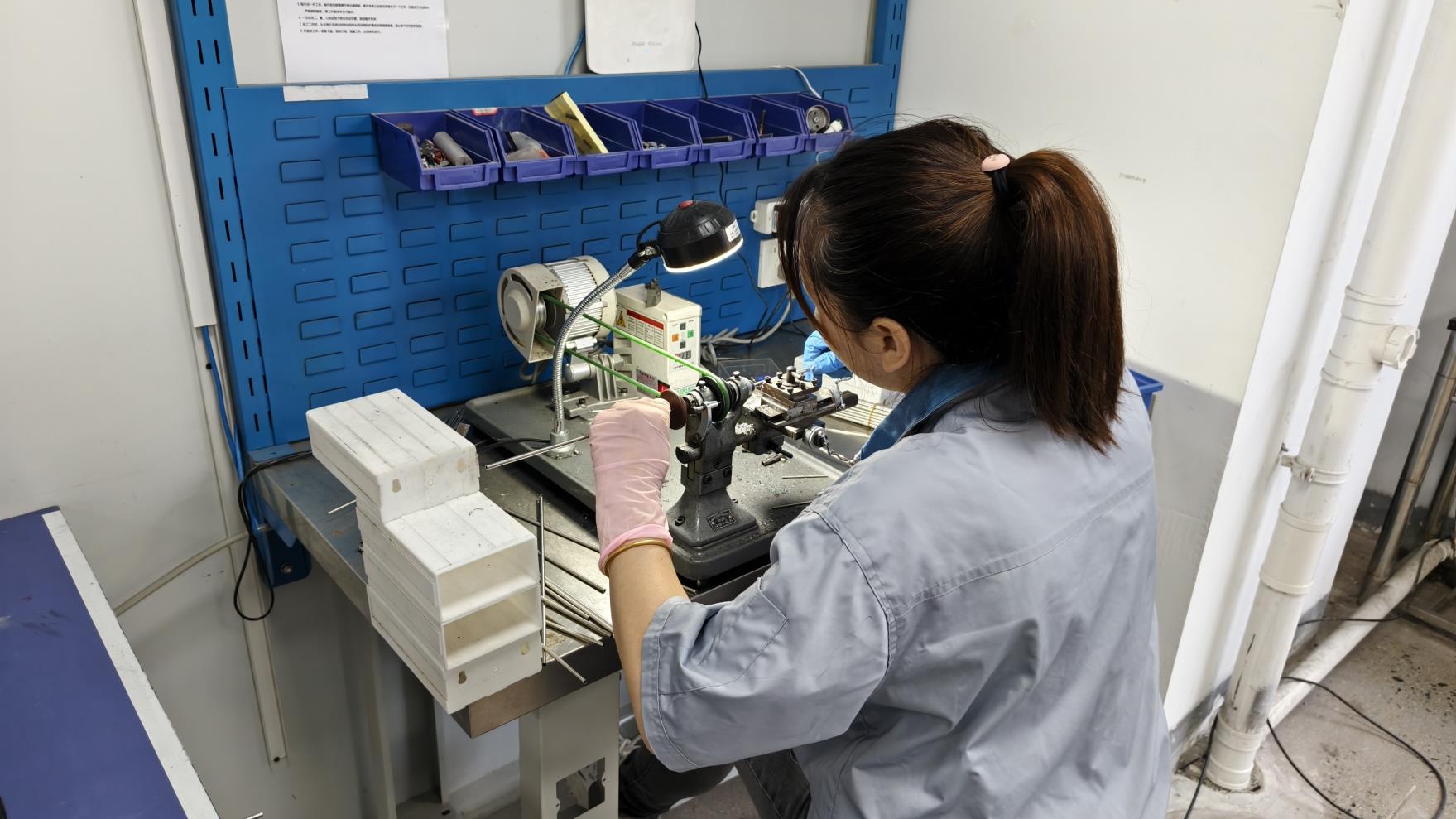
Validating compliance via optical, biological, and physical diagnostic methods.
Guiding healthcare buyers, distributors, and surgical centers in securing high-reliability spine implant supplies.
Procurement teams representing public health authorities and medical distributors must prioritize regulatory and chemical compliance metrics over price.
Titanium spinal rod systems must remain adaptable to various physical stress contexts, including:
Direct technical explanations regarding material choices, customization limits, and compliance for purchasing managers.
Complete instrumentation and fixation configurations designed for specialized clinics and surgical centers.
 Synoviq Medical