Explore our high-precision biomedical titanium locking systems and surgical instrumentation engineered for maximum clinical performance.
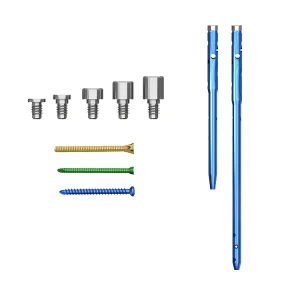
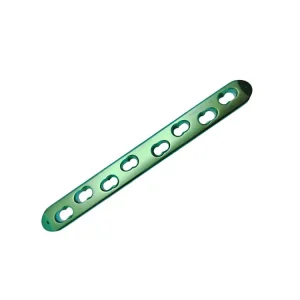
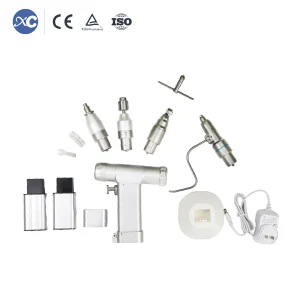
Over the past three decades, the global orthopedic community has undergone a fundamental paradigm shift. Traditional dynamic compression plates (DCP) have progressively yielded to Titanium Locking Compression Plates (LCP) as the gold standard for fracture management. Modern biomechanics demands implants that not only stabilize bone fragments but also preserve localized vascularity. Titanium locking plates achieve this by acting as internal fixators, eliminating the need for intimate plate-to-bone contact and reducing the risk of periosteal devascularization.
As a leading titanium locking plates exporter, Synoviq Medical Technology (China) Co., Ltd. stands at the forefront of this industrial transformation. Utilizing advanced medical-grade titanium alloy (Ti-6Al-4V ELI / ASTM F136), we manufacture trauma systems that balance low modulus of elasticity with exceptional fatigue limits. This reduces the stress-shielding effect, promoting accelerated osseointegration and reducing clinical revision rates globally.
A comprehensive overview of our manufacturing capacity, quality milestones, and operational capabilities serving orthopedic distributors worldwide.
Synoviq Medical Technology (China) Co., Ltd. is a professional manufacturer of orthopedic implants and surgical instruments, dedicated to delivering innovative, reliable, and high-quality medical solutions for healthcare professionals worldwide. Since its establishment, Synoviq has focused on research, development, precision manufacturing, and international quality standards, providing comprehensive OEM and ODM services for global medical device brands, distributors, and hospitals.
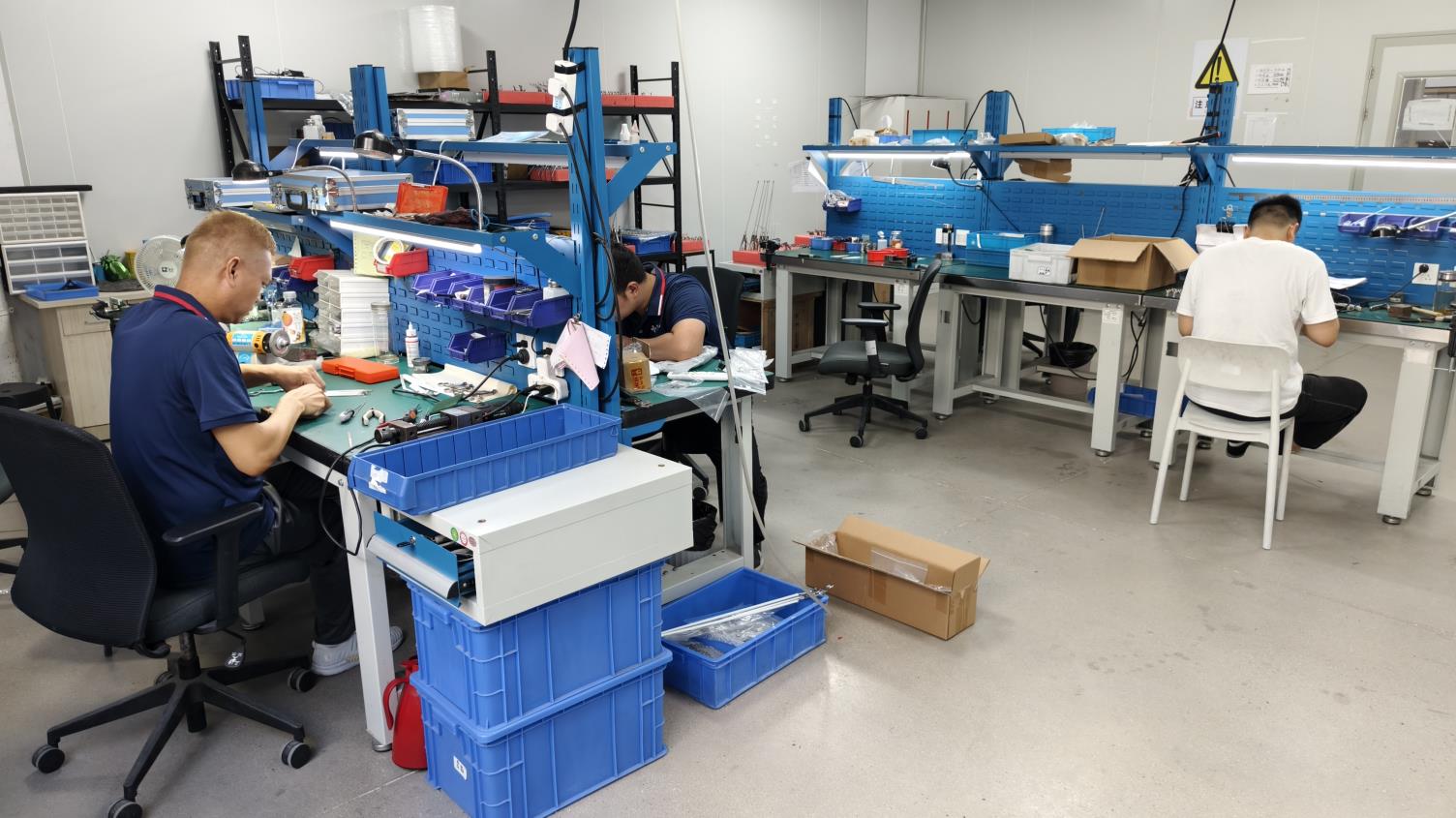
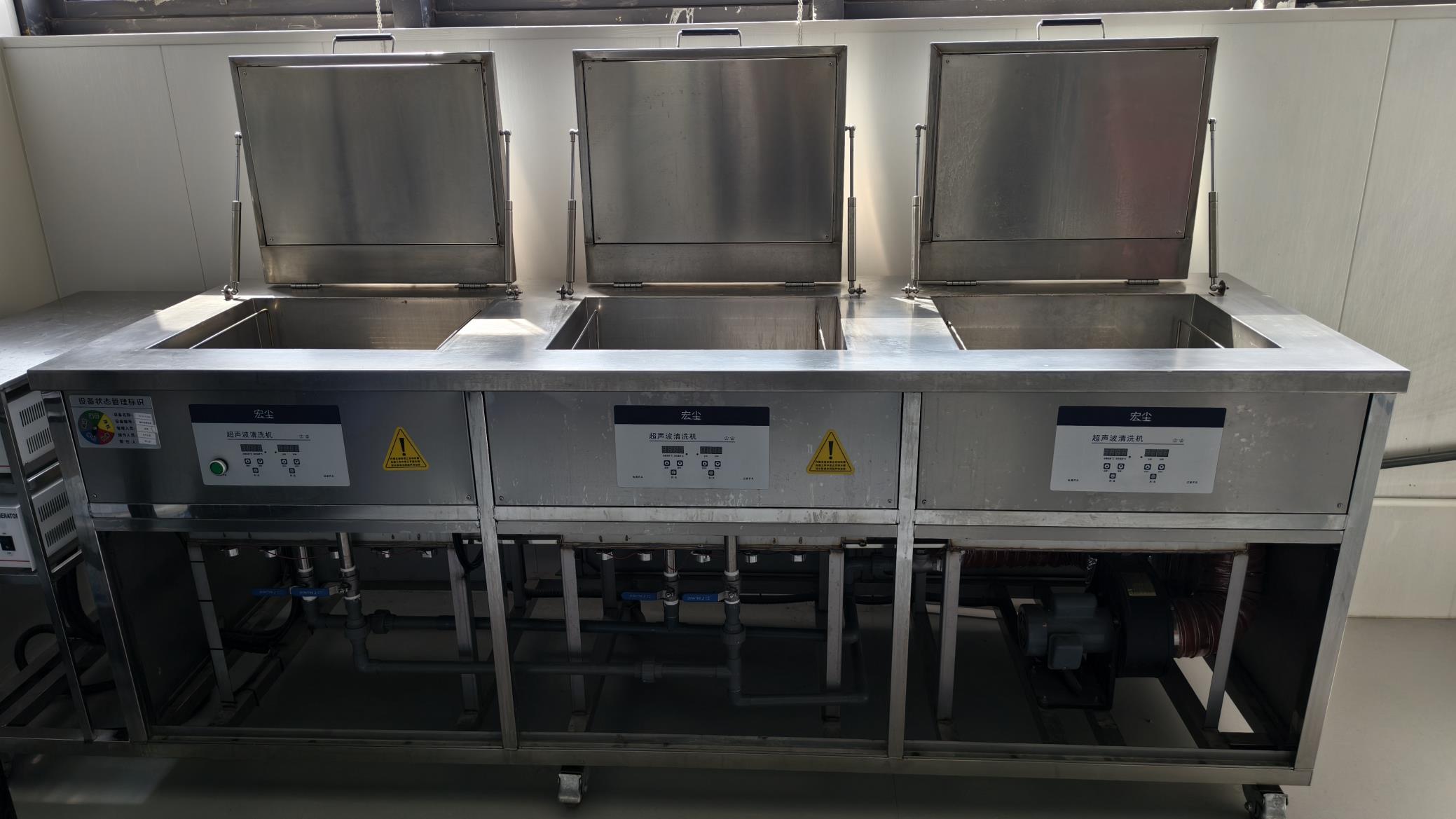
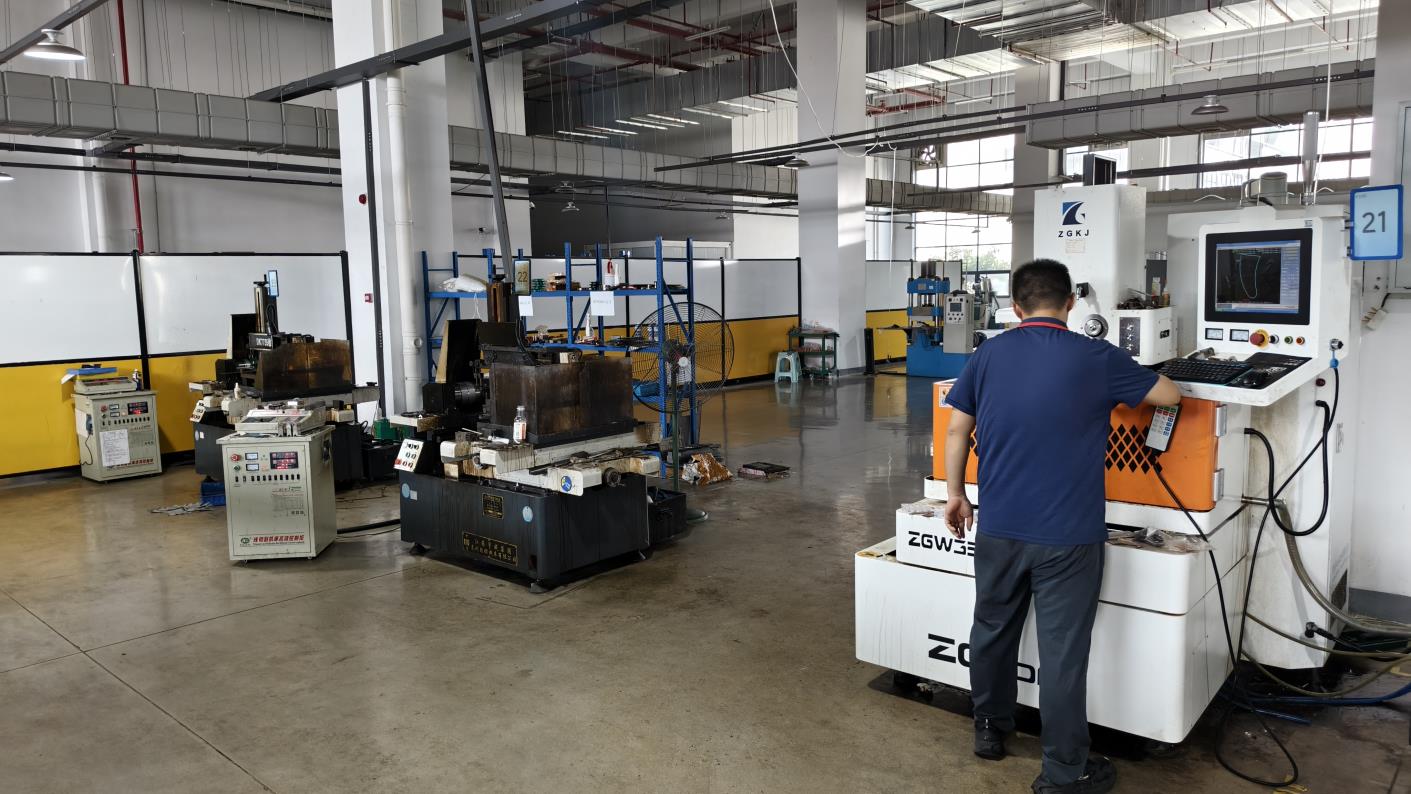
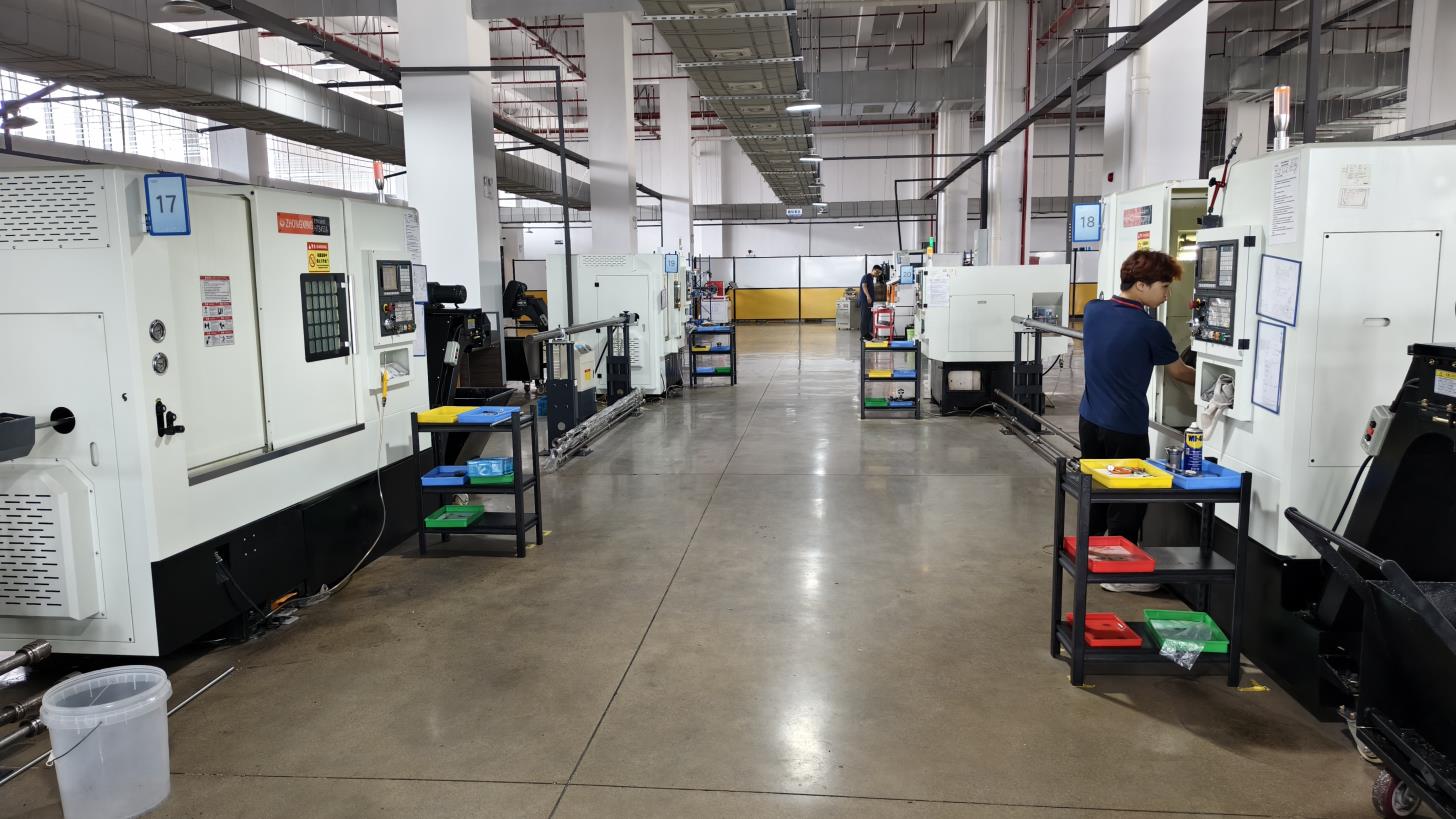
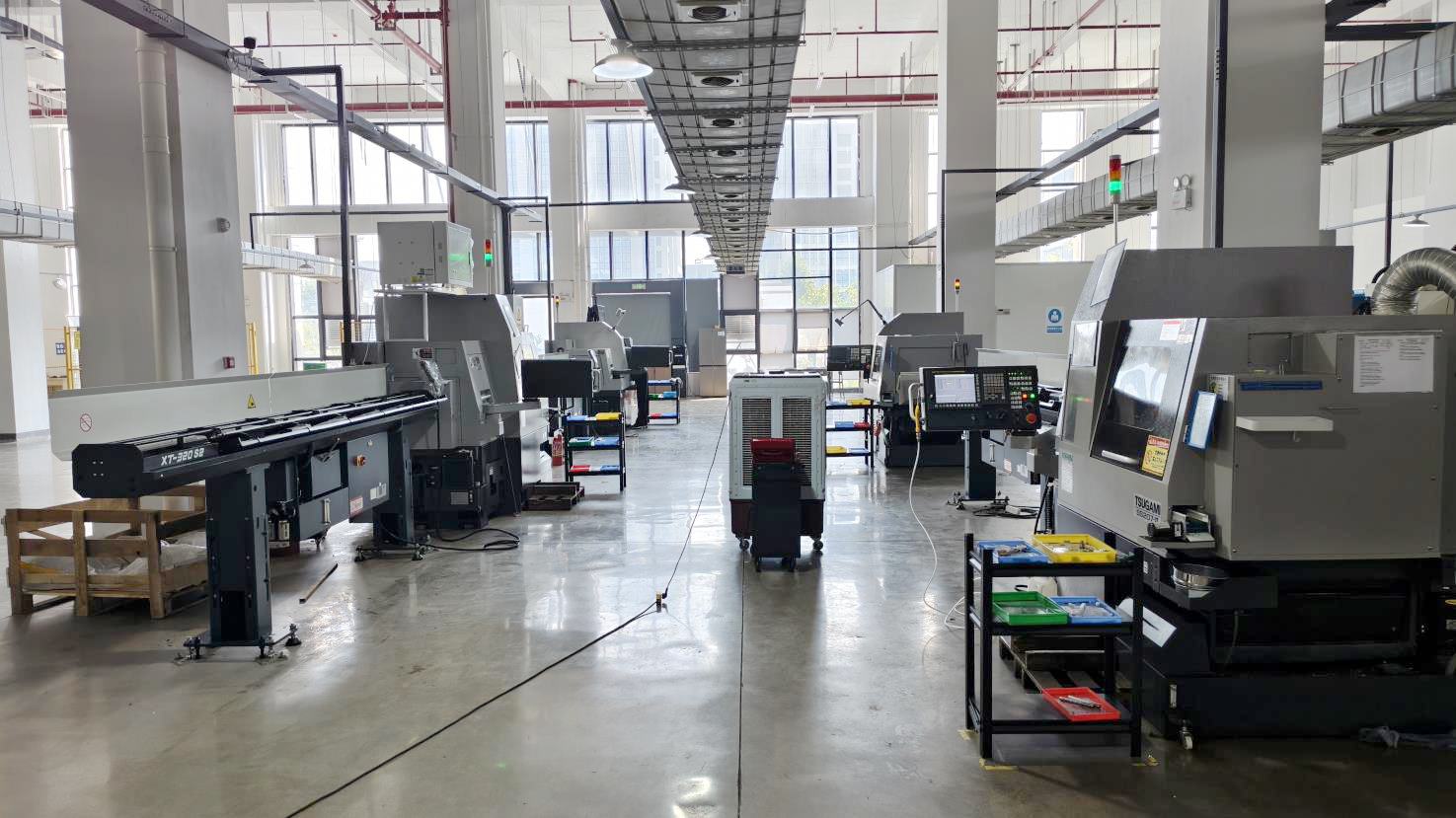
Our product portfolio includes trauma fixation systems, spinal implants, locking plates, intramedullary nails, external fixation systems, orthopedic screws, surgical instruments, and customized orthopedic solutions. Equipped with advanced CNC machining centers, precision inspection equipment, and modern clean production facilities, we ensure every product meets strict international quality requirements.
| Item / Parameter | Information & Technical Capabilities |
|---|---|
| Company Name | Synoviq Medical Technology (China) Co., Ltd. |
| Brand & Trademark | Synoviq |
| Established Date | March 18, 2016 |
| Manufacturing & Building Area | 18,600 m² state-of-the-art cleanroom and CNC workshop facility |
| Annual Export Revenue | USD 21.8 Million |
| Quality Certification & Inspection | 100% Final Inspection & Incoming Material Inspection (Grade 5 ELI Titanium) |
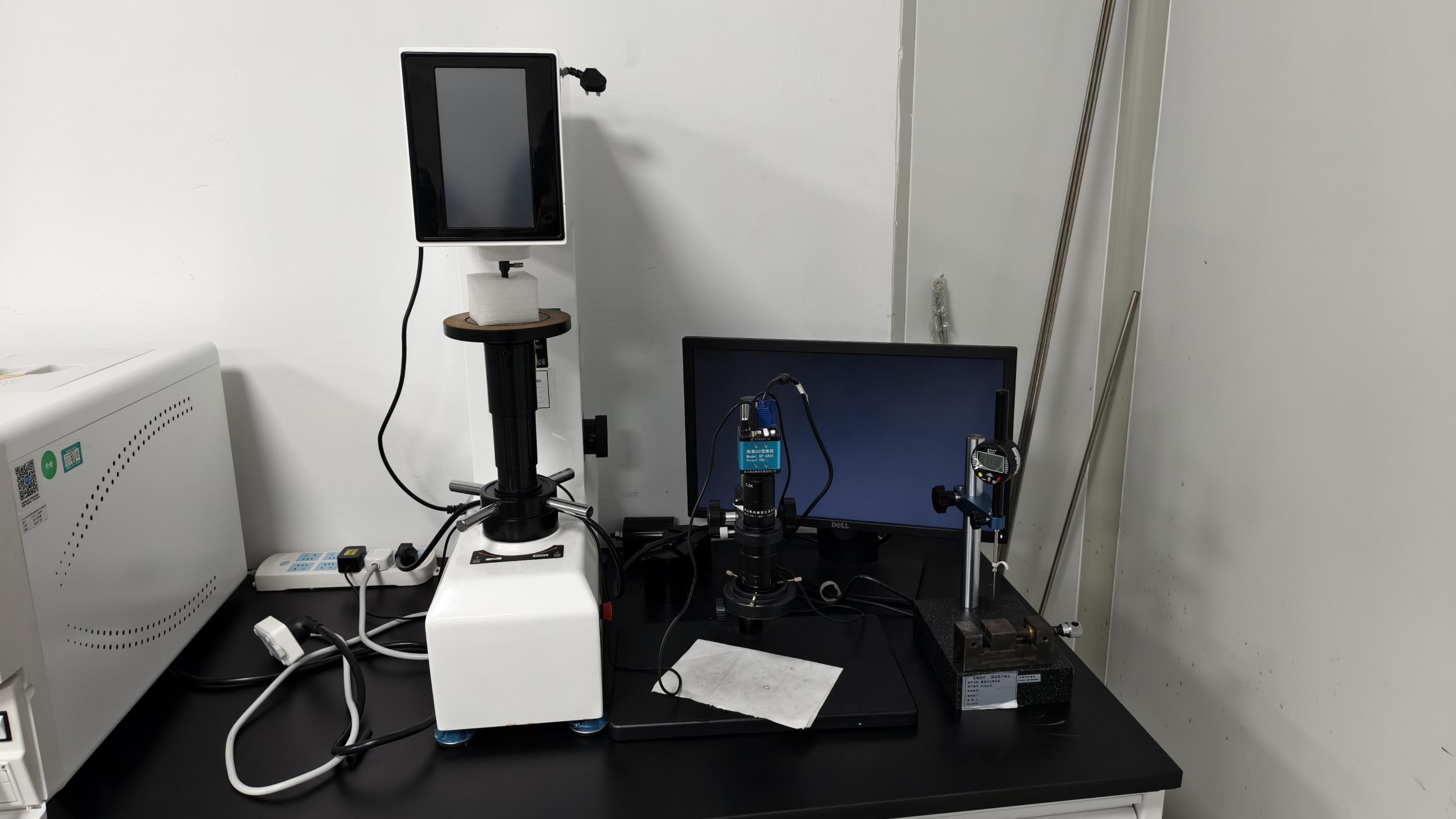
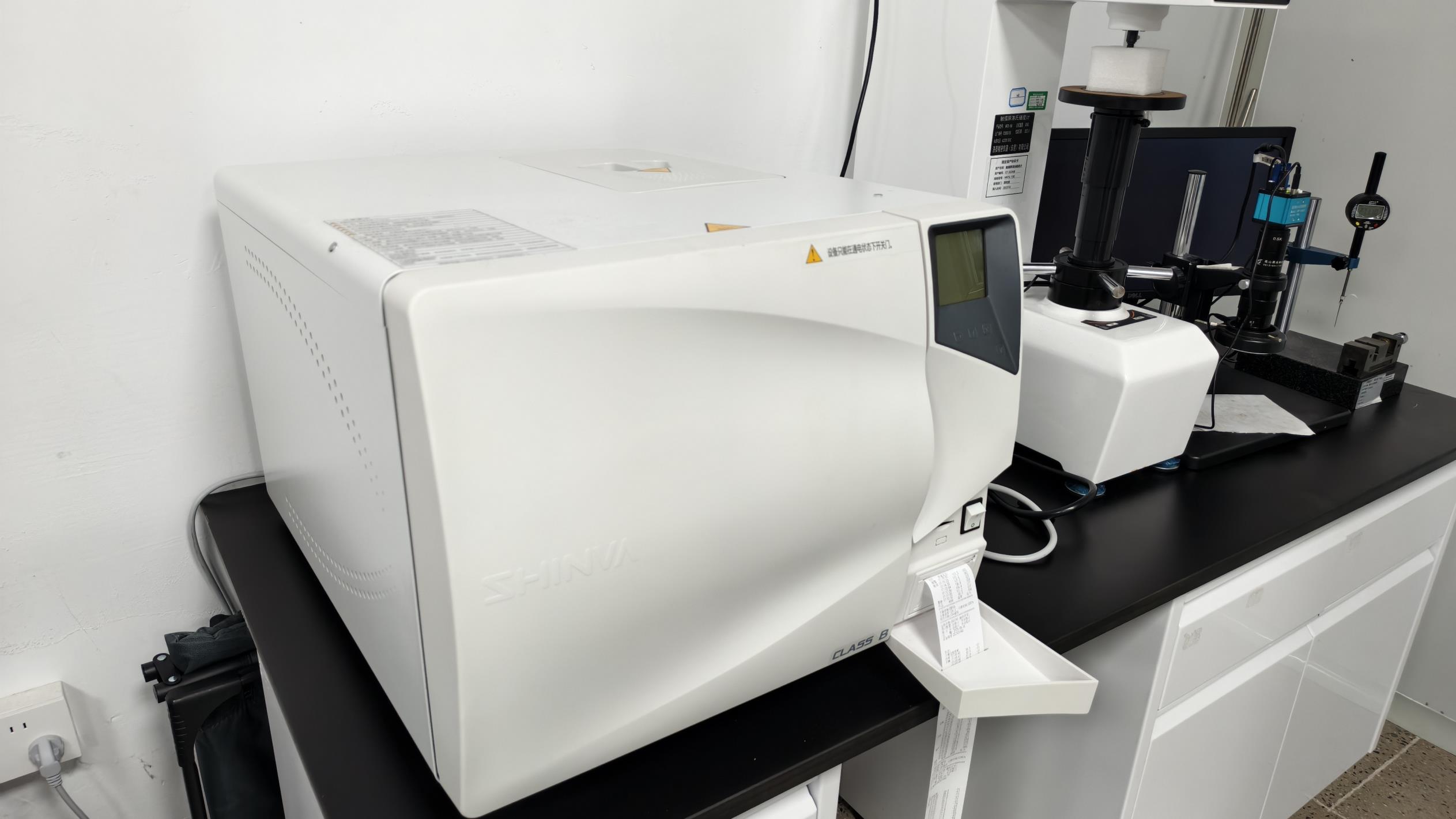
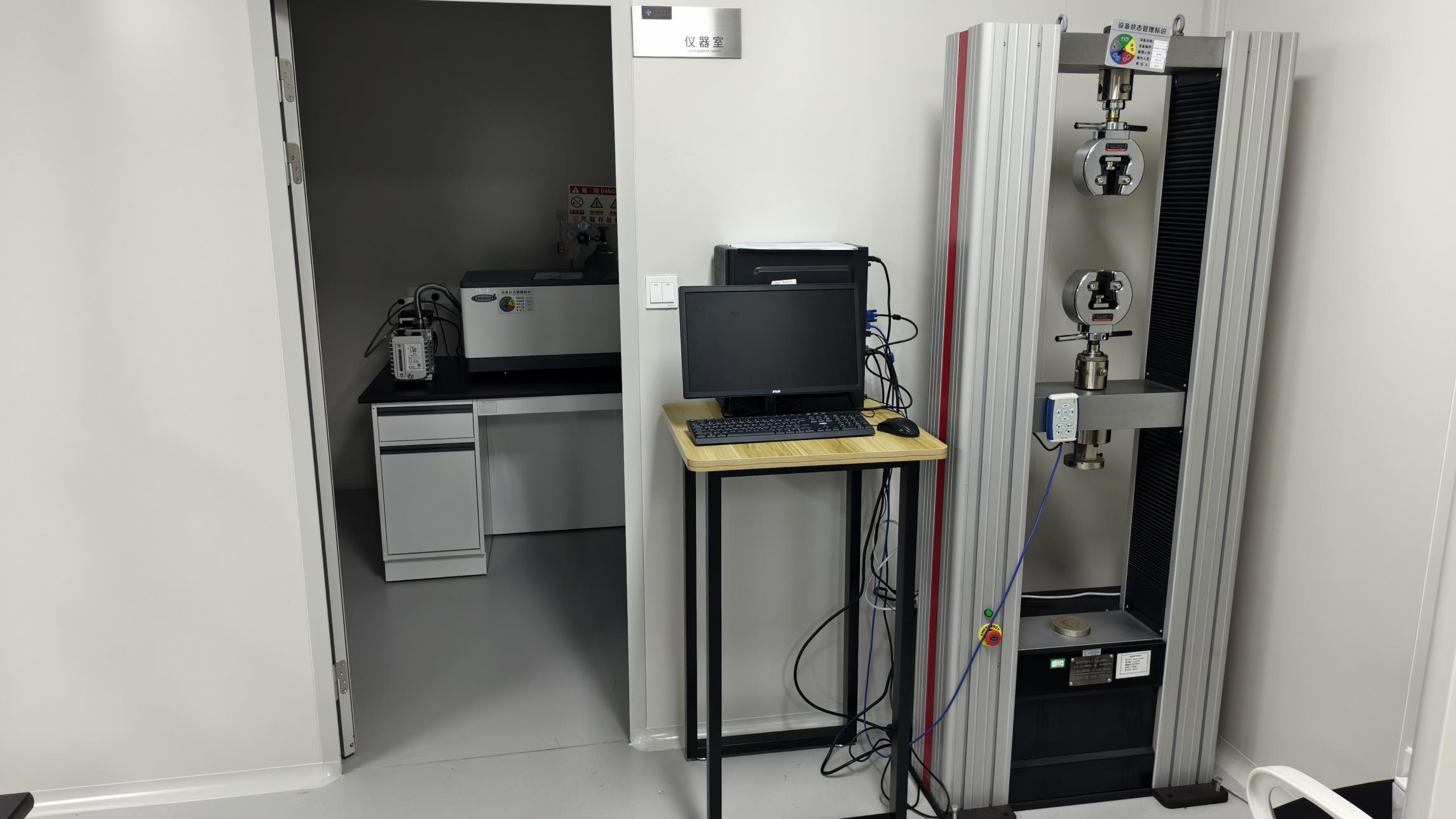
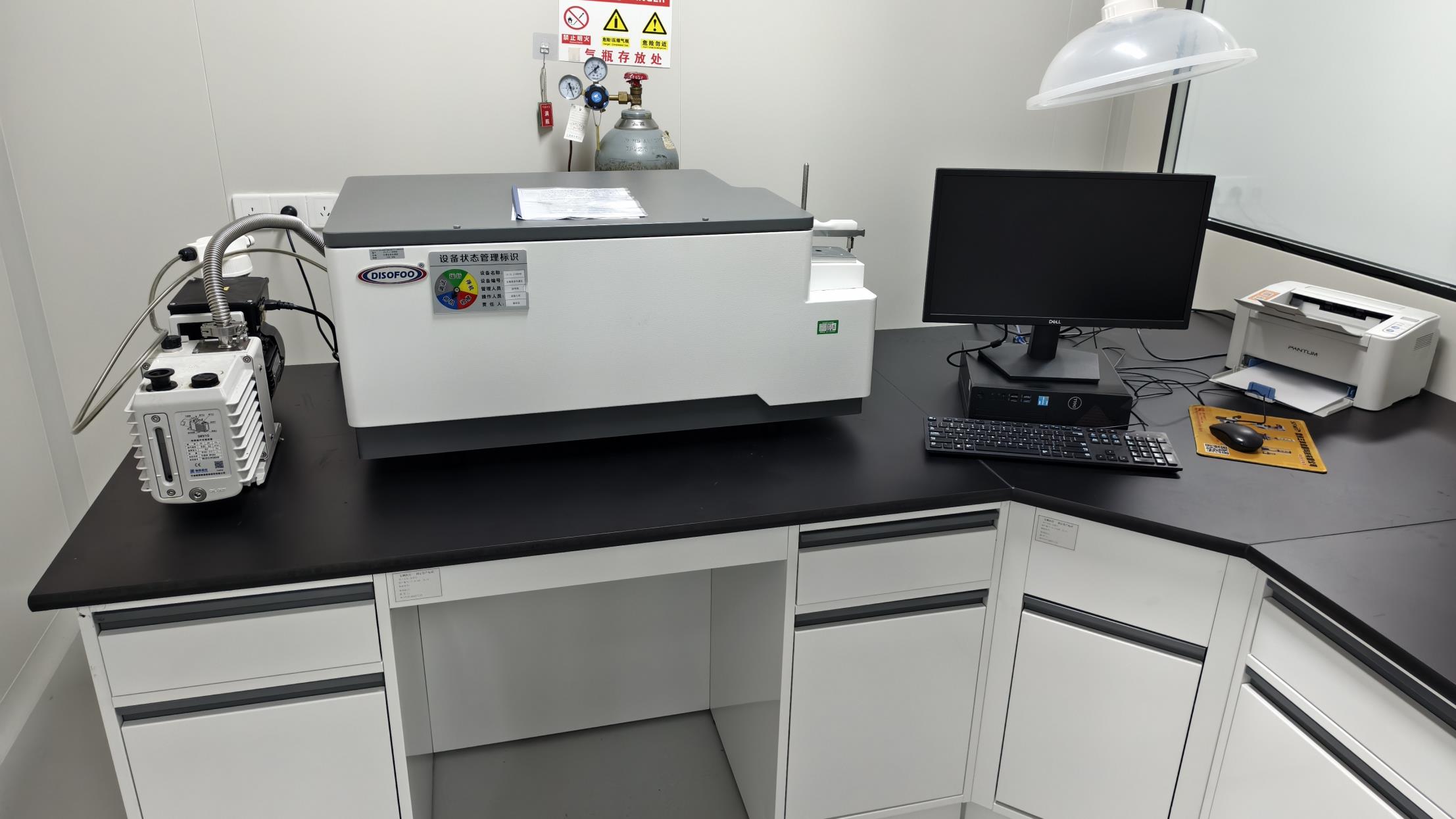
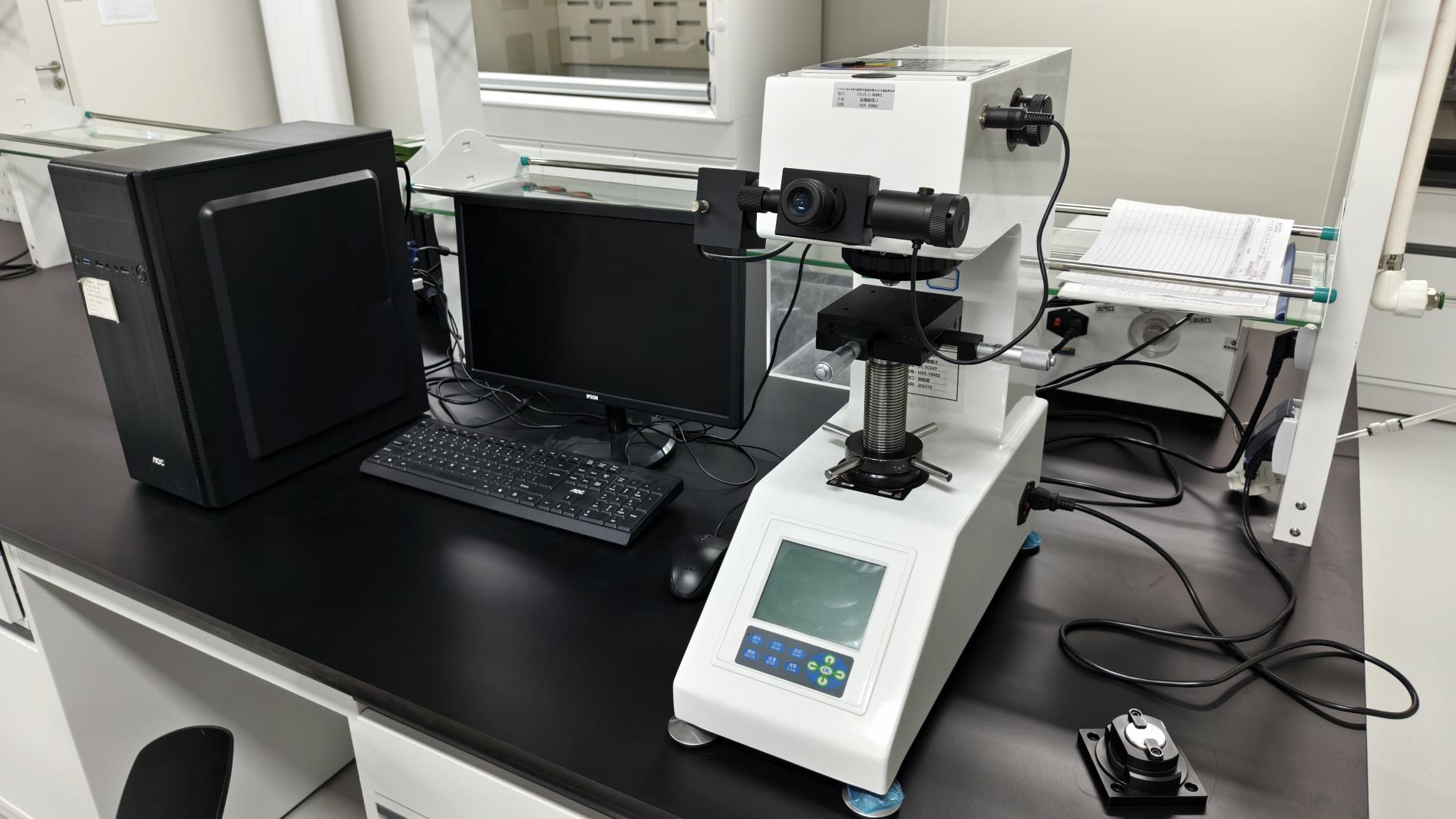
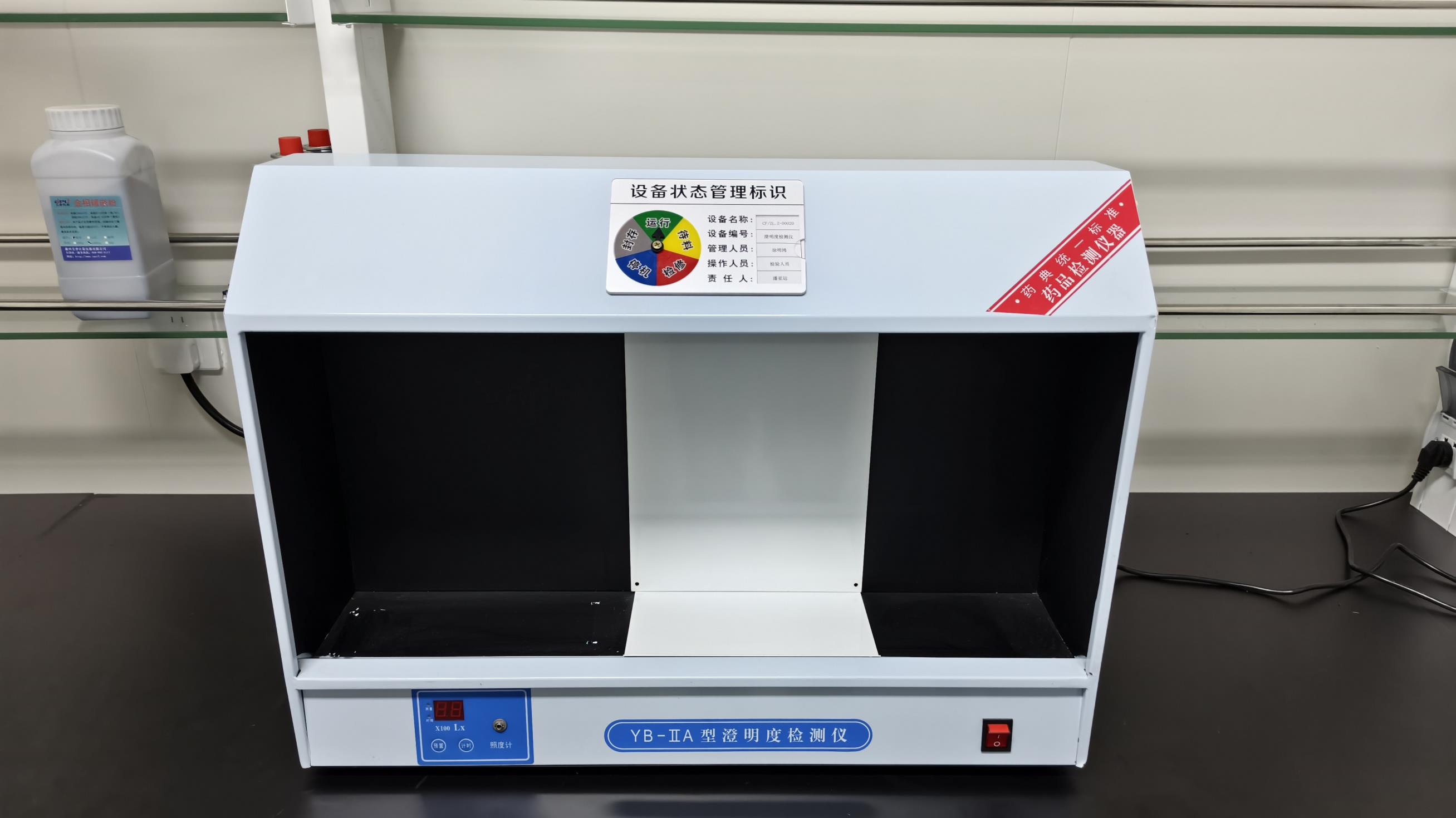
| Product Inspection Methods | CMM Measurement, Mechanical Testing, Surface Roughness Testing, Hardness Testing, Salt Spray Testing, Sterility Validation |
| Quality Control Staff | 48 Dedicated QC Inspectors and Metrologists |
| Business Models | Manufacturer & Exporter (Supporting OEM, ODM, OBL models) |
| Primary Target Markets | Europe, North America, South America, Middle East, Southeast Asia |
| Active Supply Chain Partners | 1,120+ Global healthcare networks and industrial suppliers |
| Core Customer Types | Medical Device Brands, Importers, Distributors, Hospitals, Government Procurement Projects |
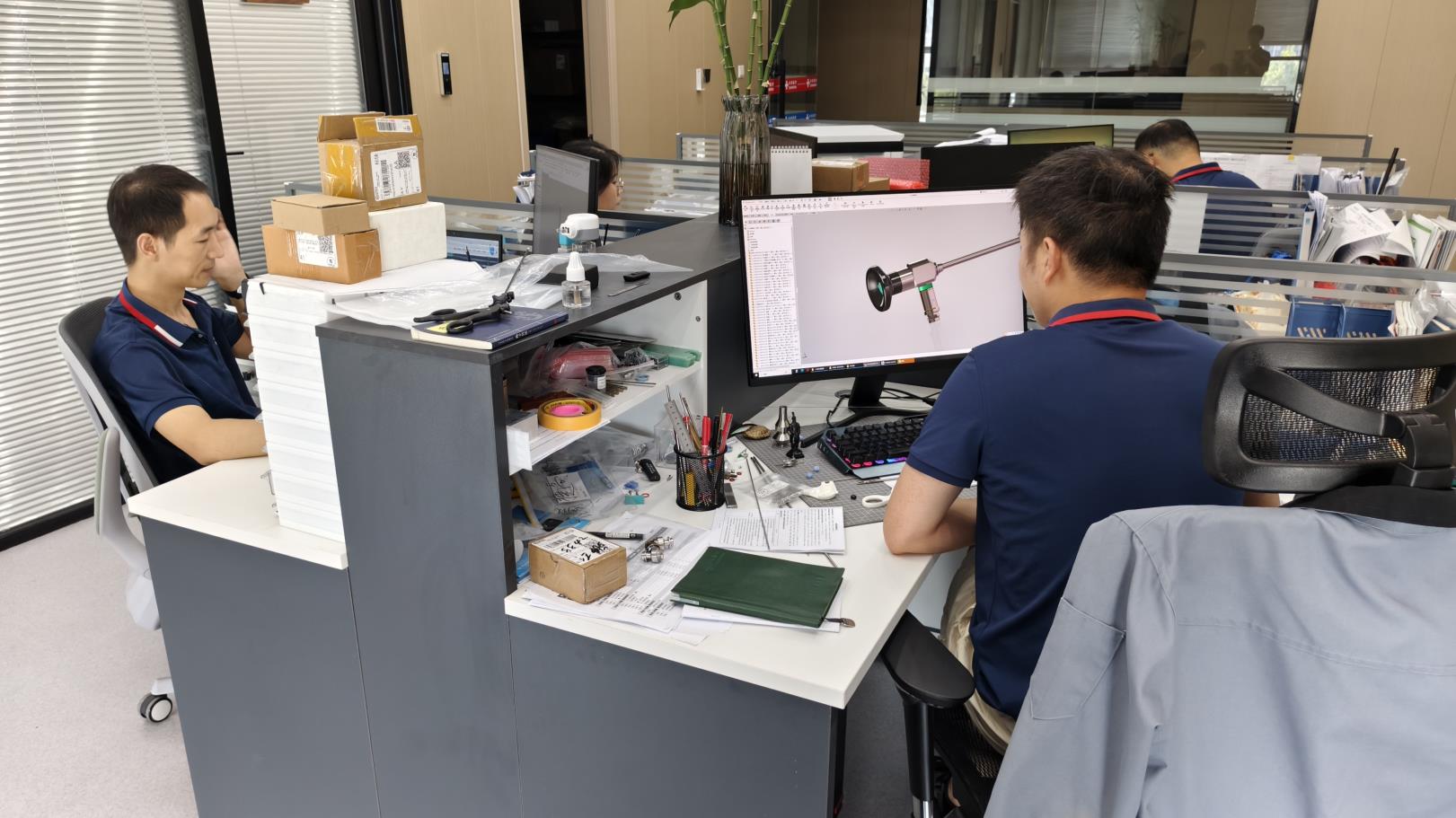
| R&D Capability | Independent Product Design, Prototype Development, Clinical-Oriented Engineering, OEM & ODM Development |
| Customization Options | Laser Logo Customization, Packaging Customization (Sterile & Non-sterile options), Product Design Customization, Material Selection, Surface Treatment (Anodization, HA Coating) |
| New Products Released Last Year | 186 Patents and product line expansions |
| R&D Engineers | 76 Specialists in biomedical engineering, mechanical simulation, and metallurgy |
How Synoviq combines advanced machine tool engineering with high-capacity workflows to guarantee lead times and dimensional tolerances.
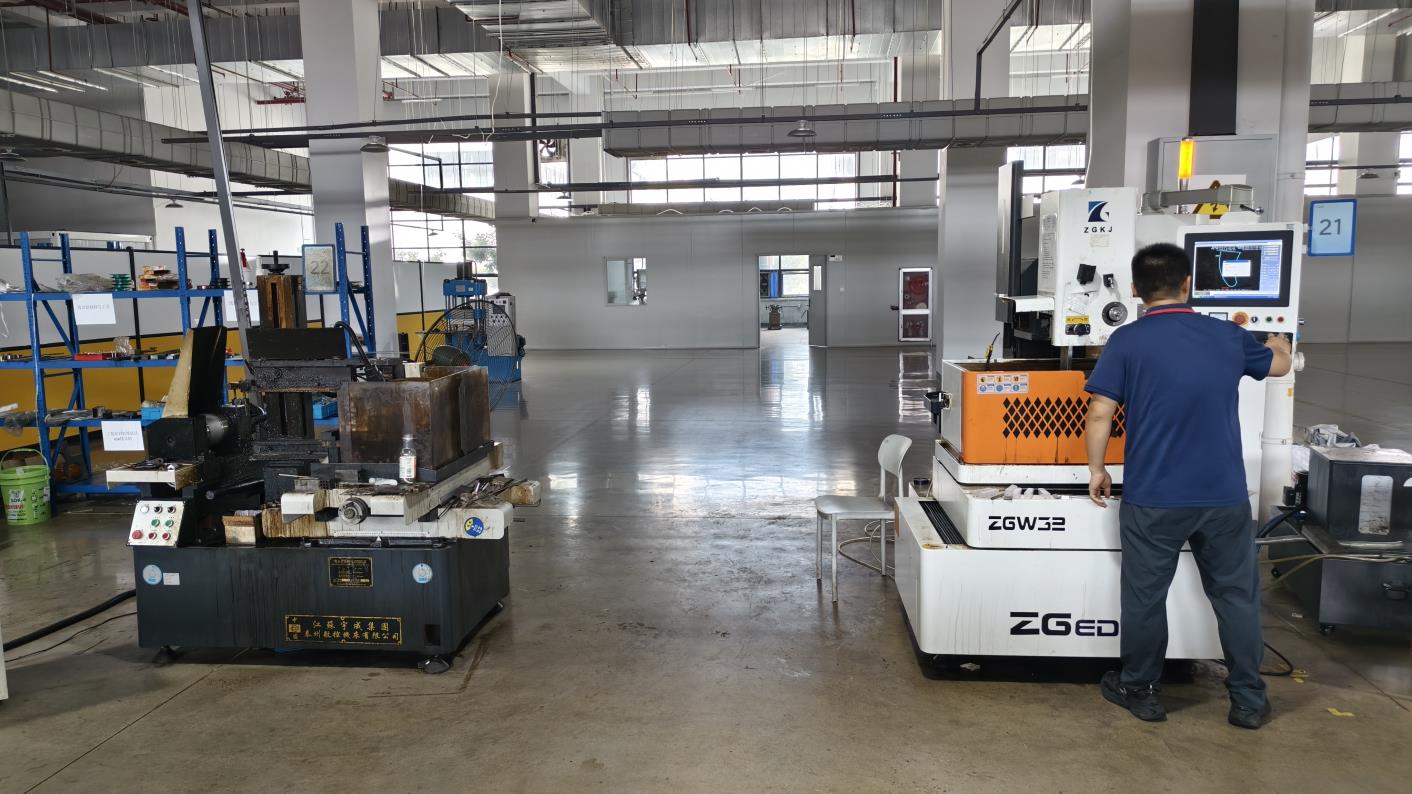
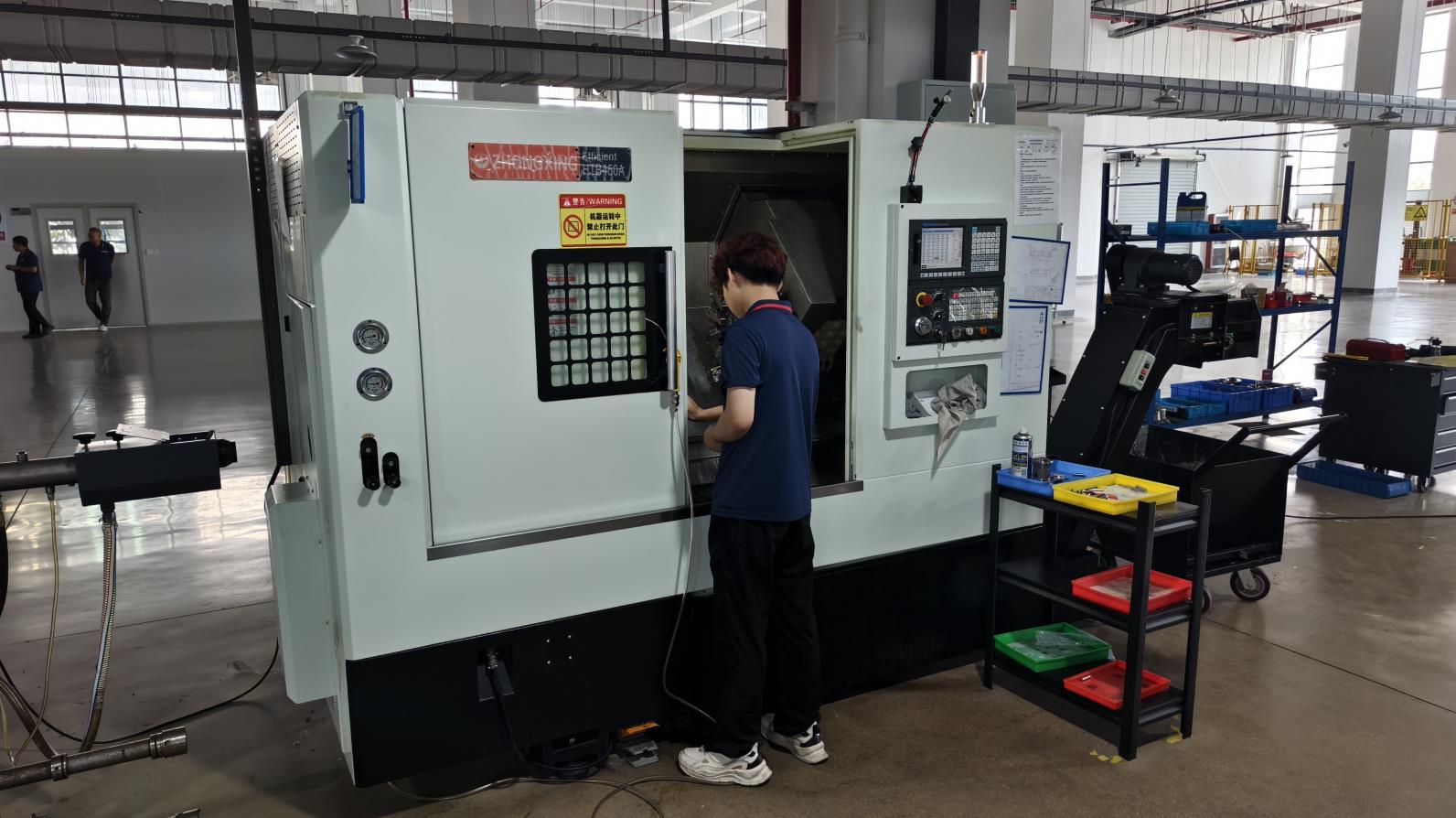
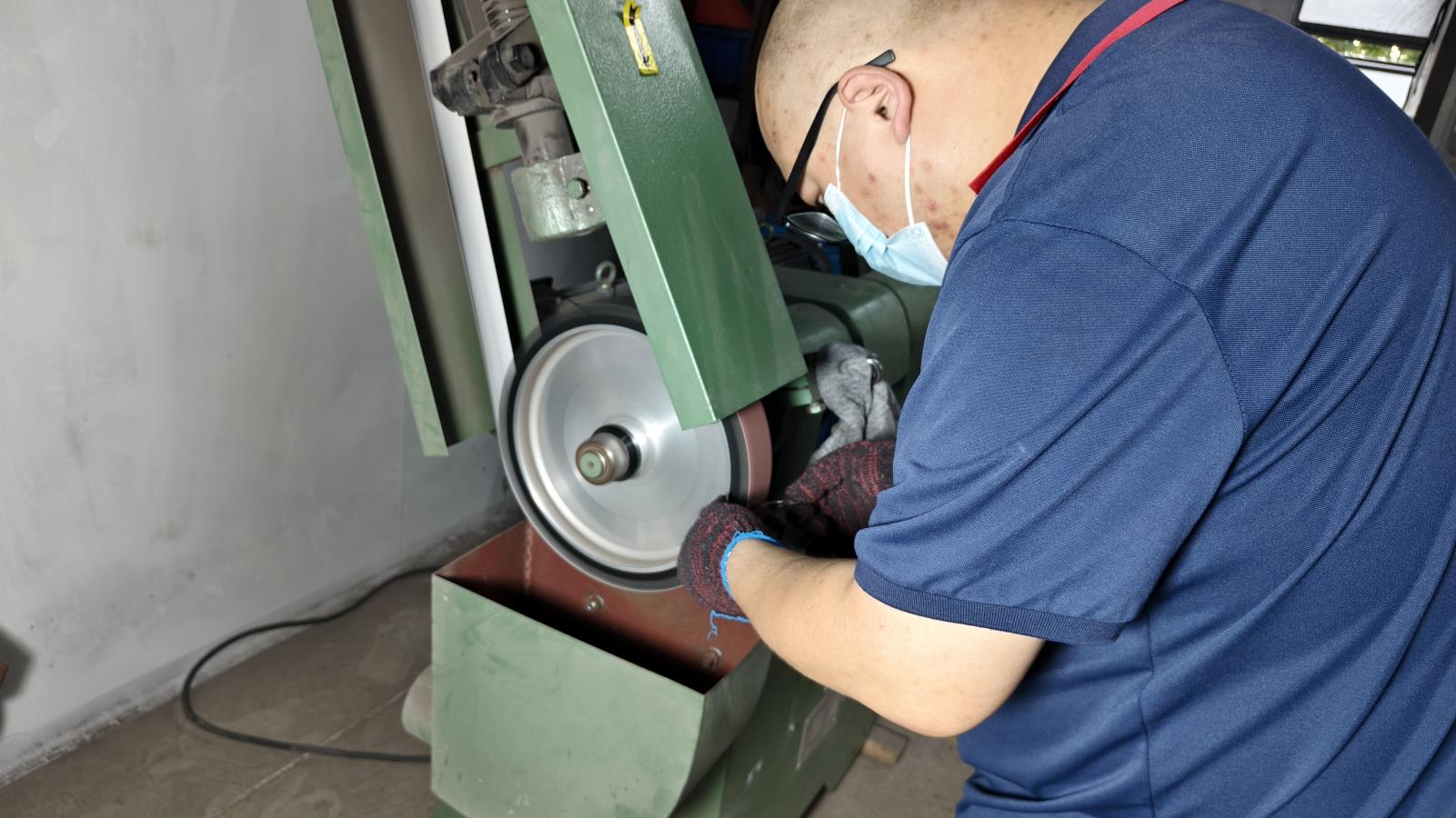
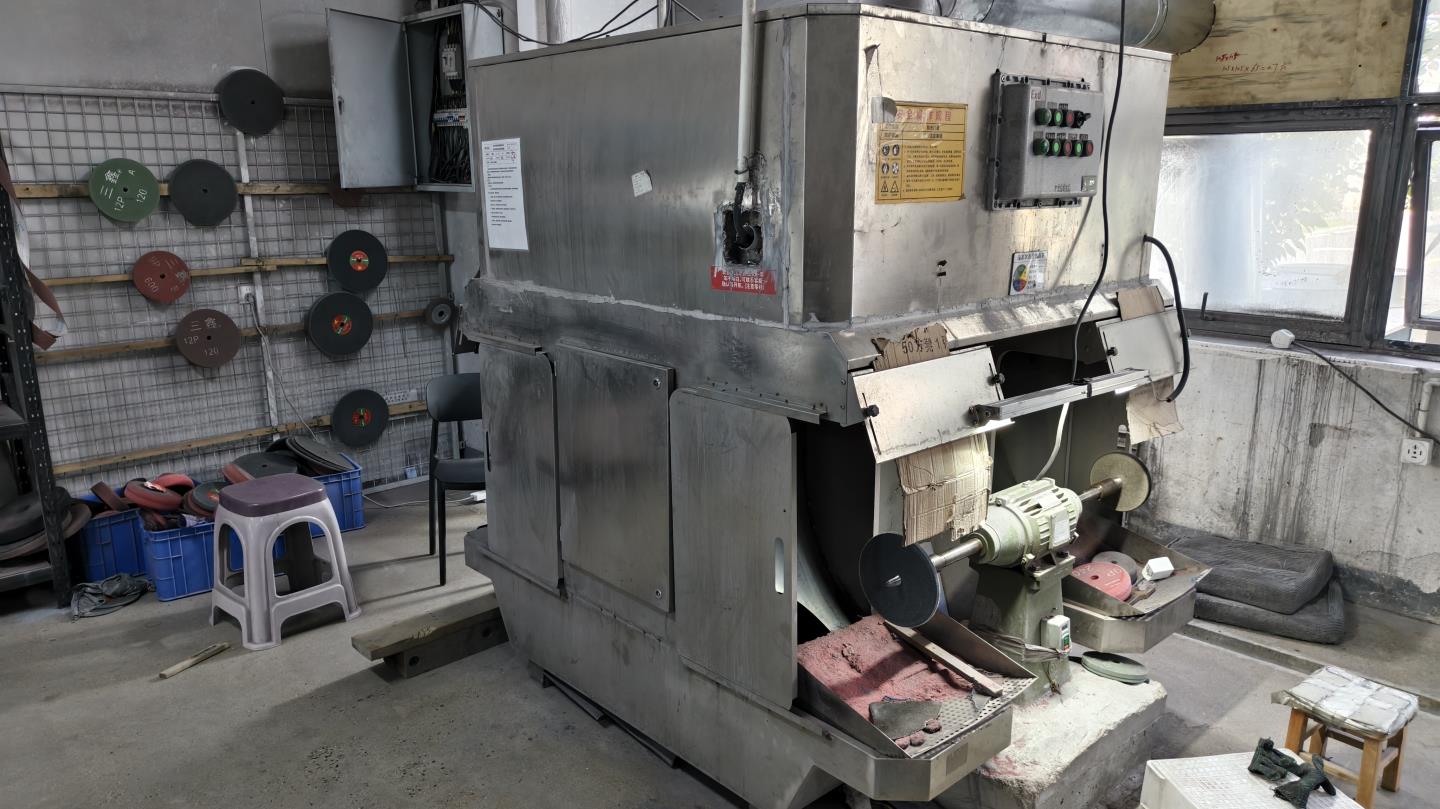
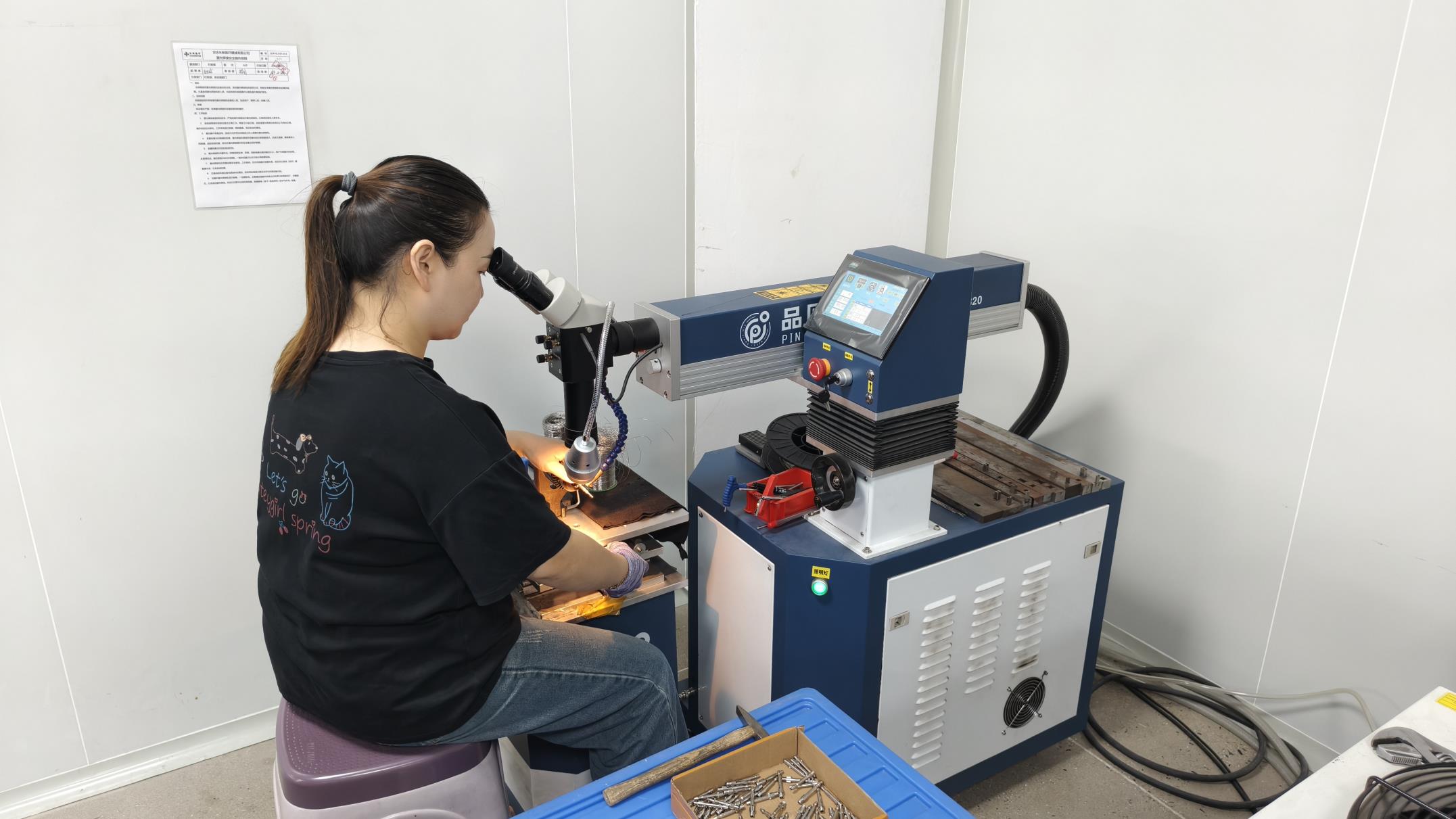
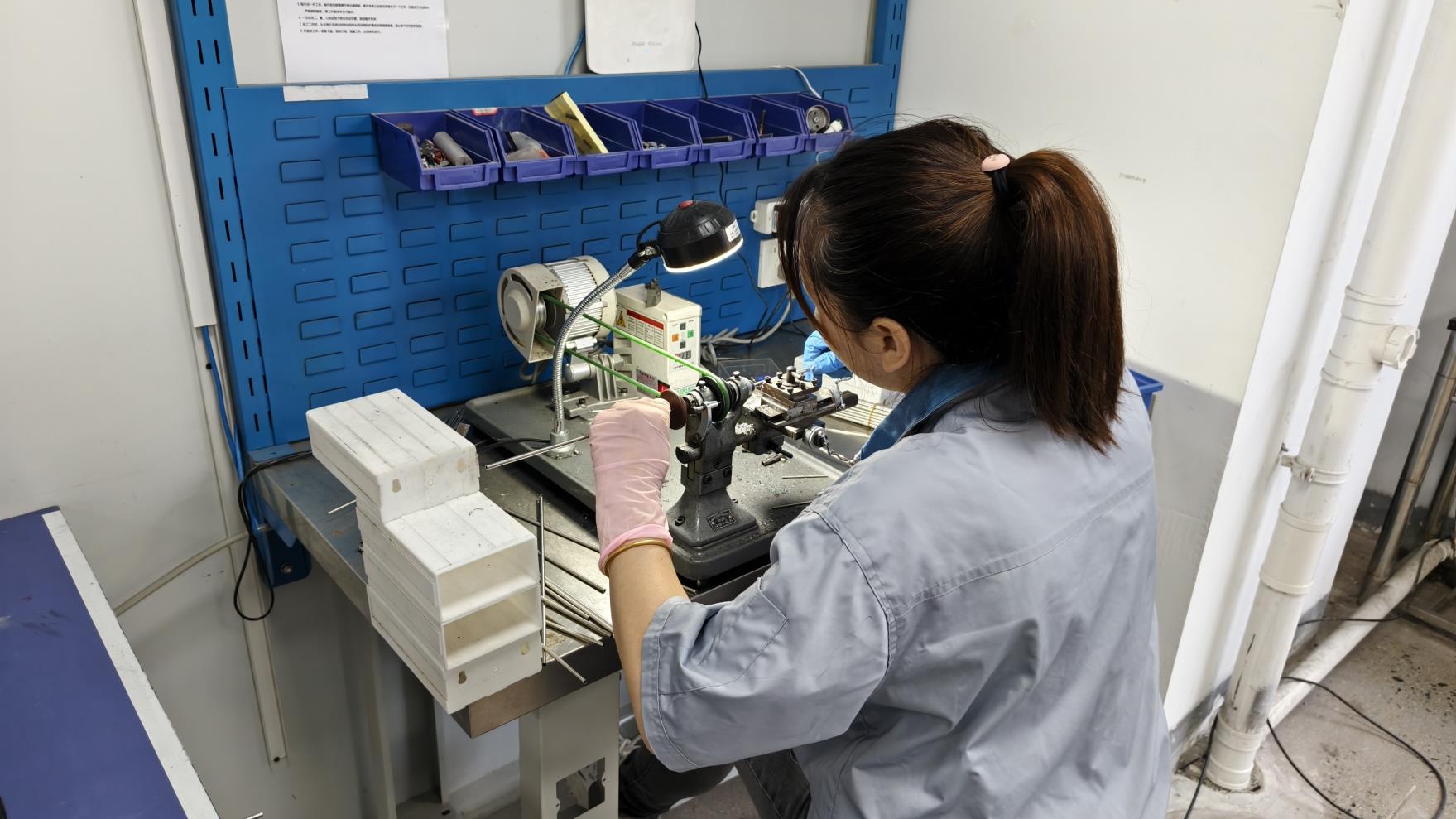
The global demand for orthopedic trauma implants requires not just absolute biomechanical safety, but also scalable production systems. Our factory in China leverages a fully integrated supply chain, reducing raw material procurement times by 40% compared to Western competitors. Through Swiss-type longitudinal CNC machining and automated grinding lines, we produce complex anatomical contours that match specific patient populations without human positioning error. This high degree of industrial efficiency ensures our cost-effective pricing structure does not compromise on micron-level tolerances (±0.005mm).
Providing physical, biological, and chemical proof profiles for zero-defect global distribution.
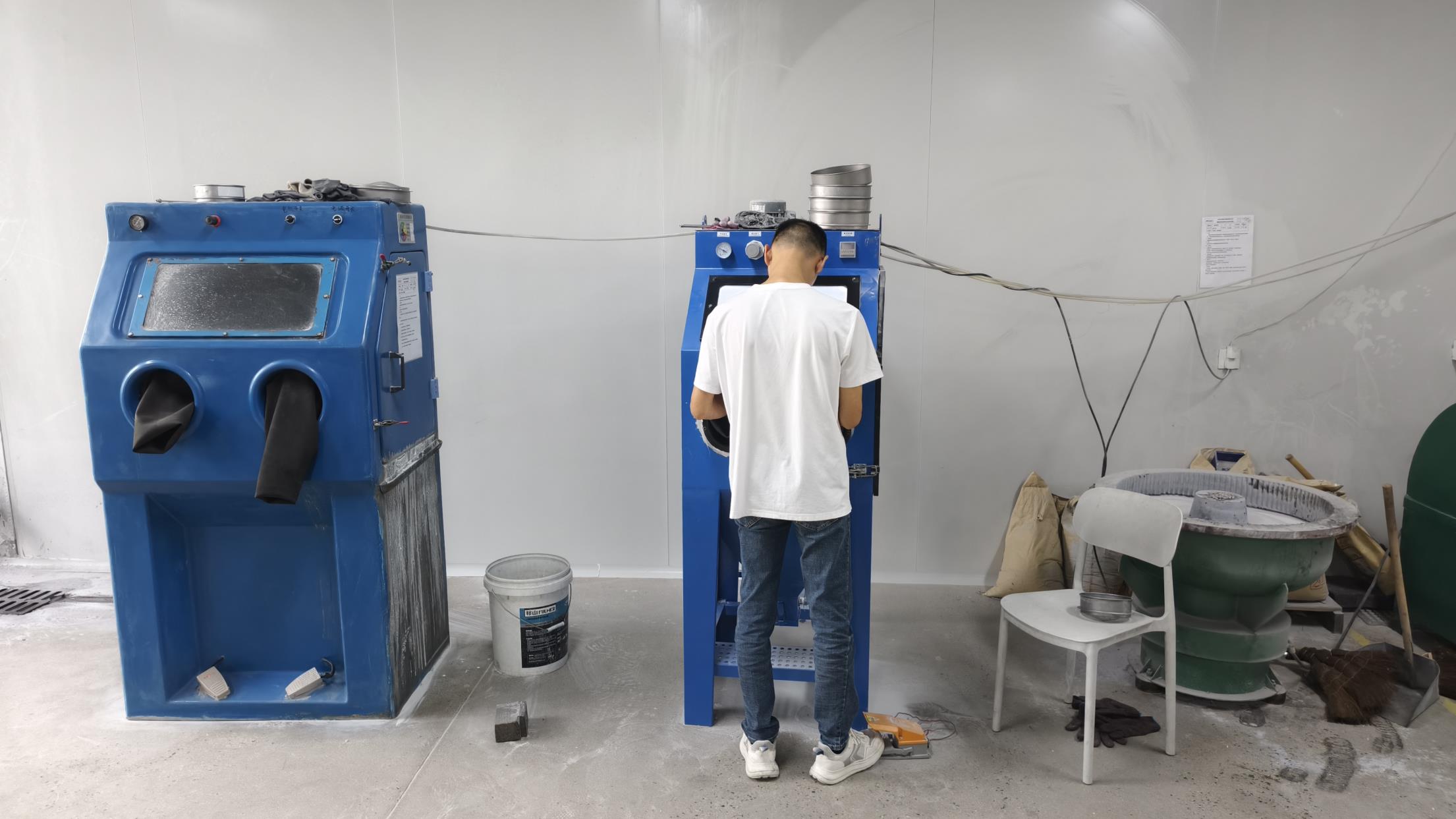
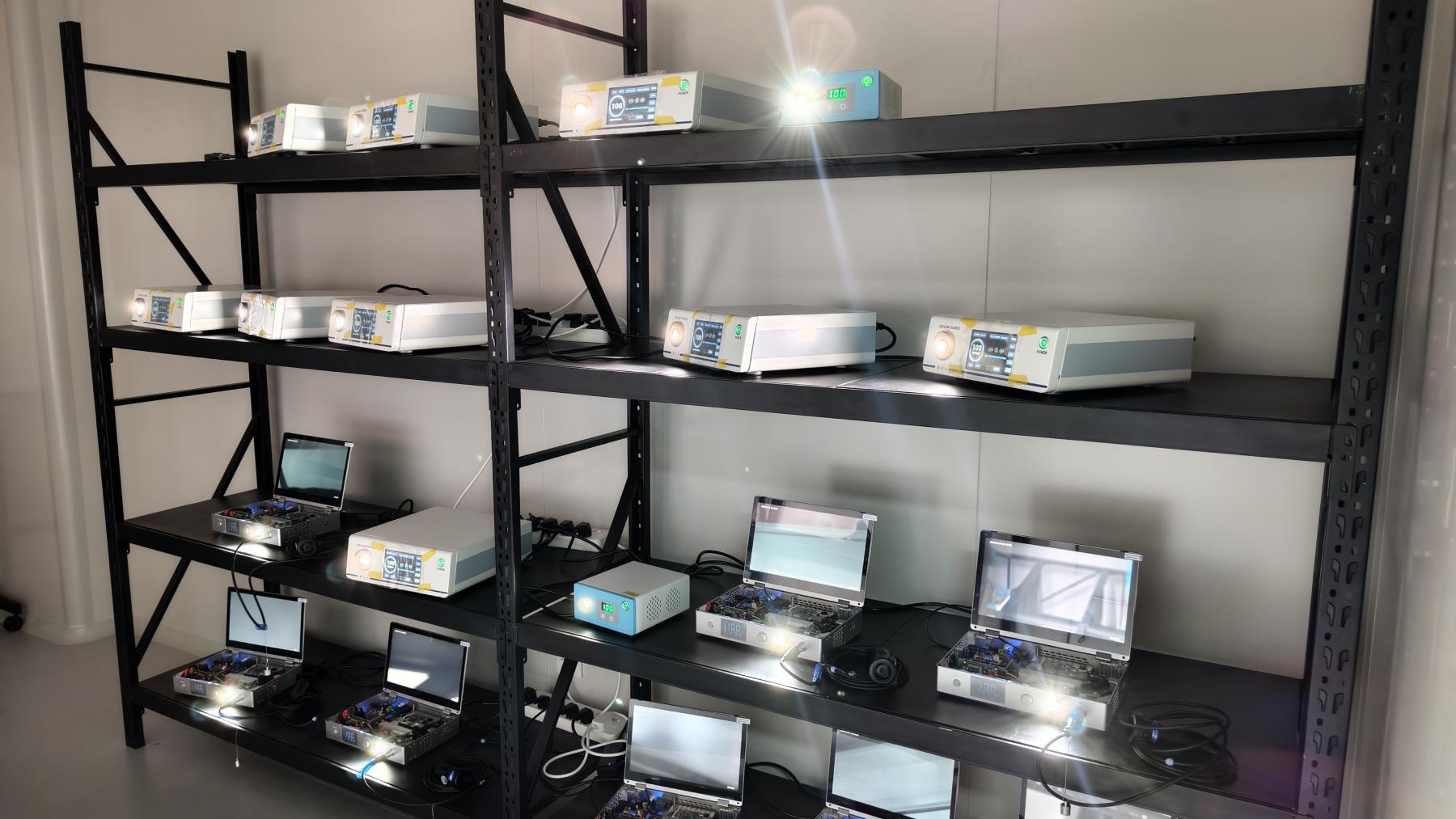
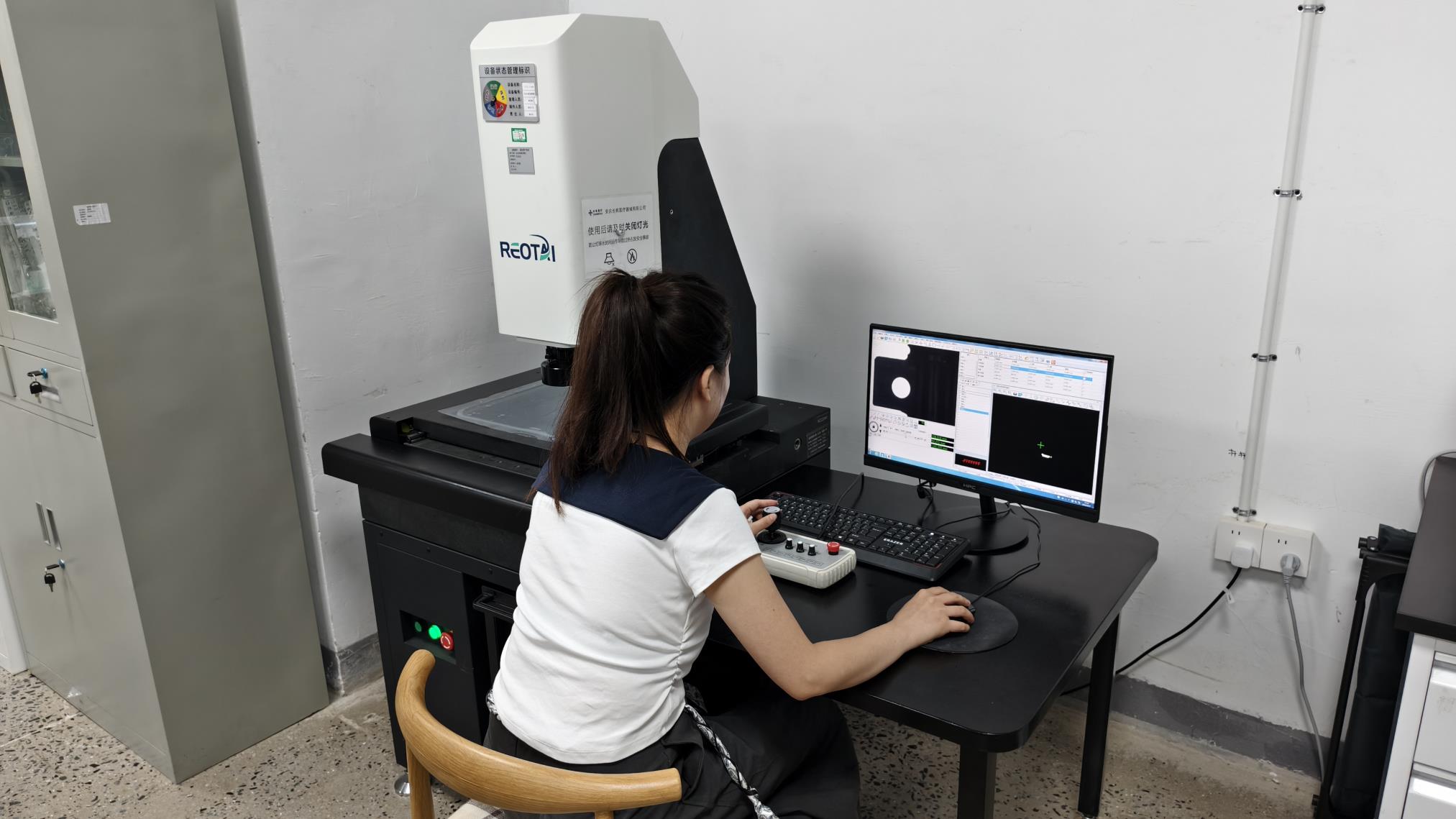
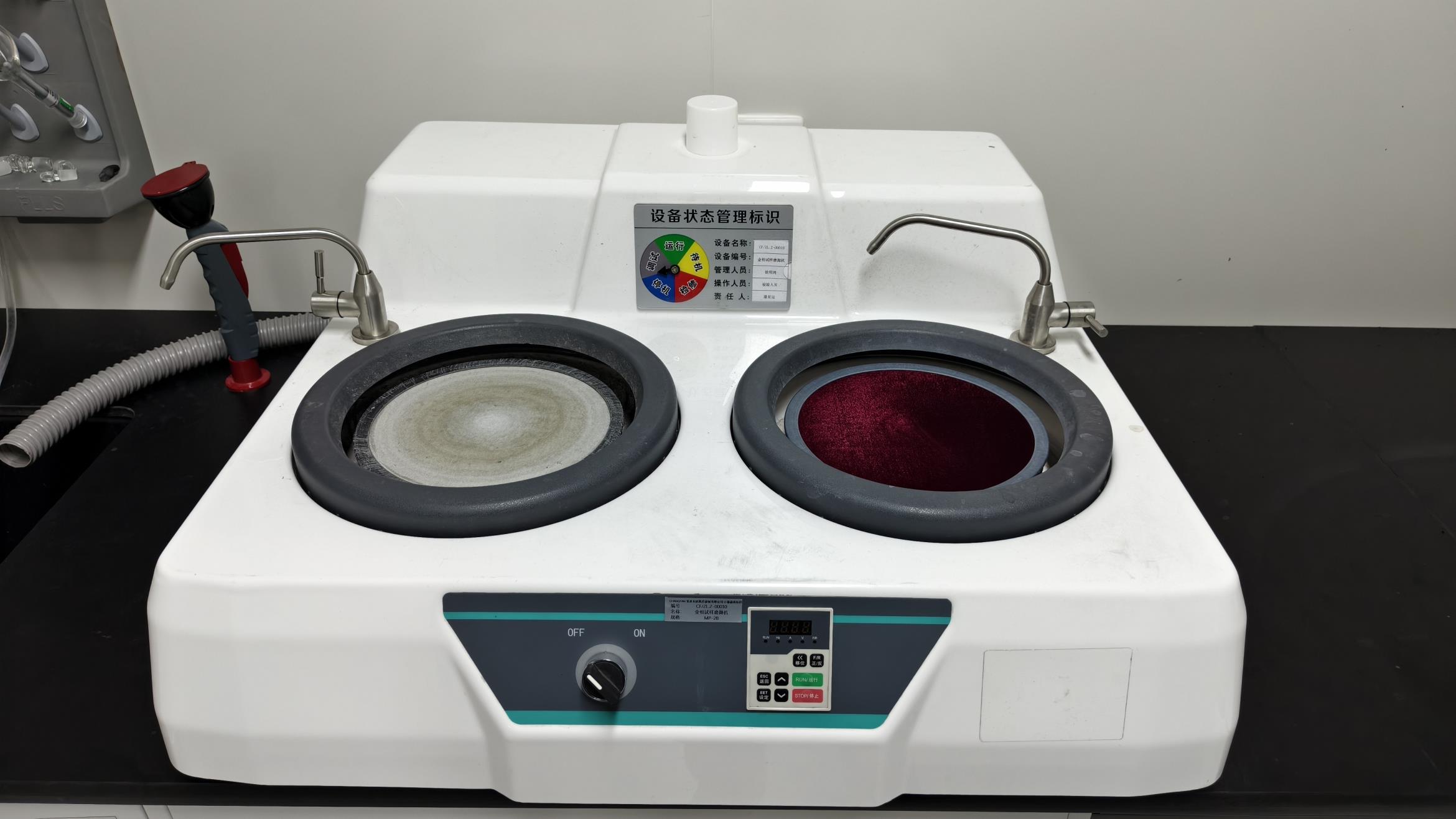
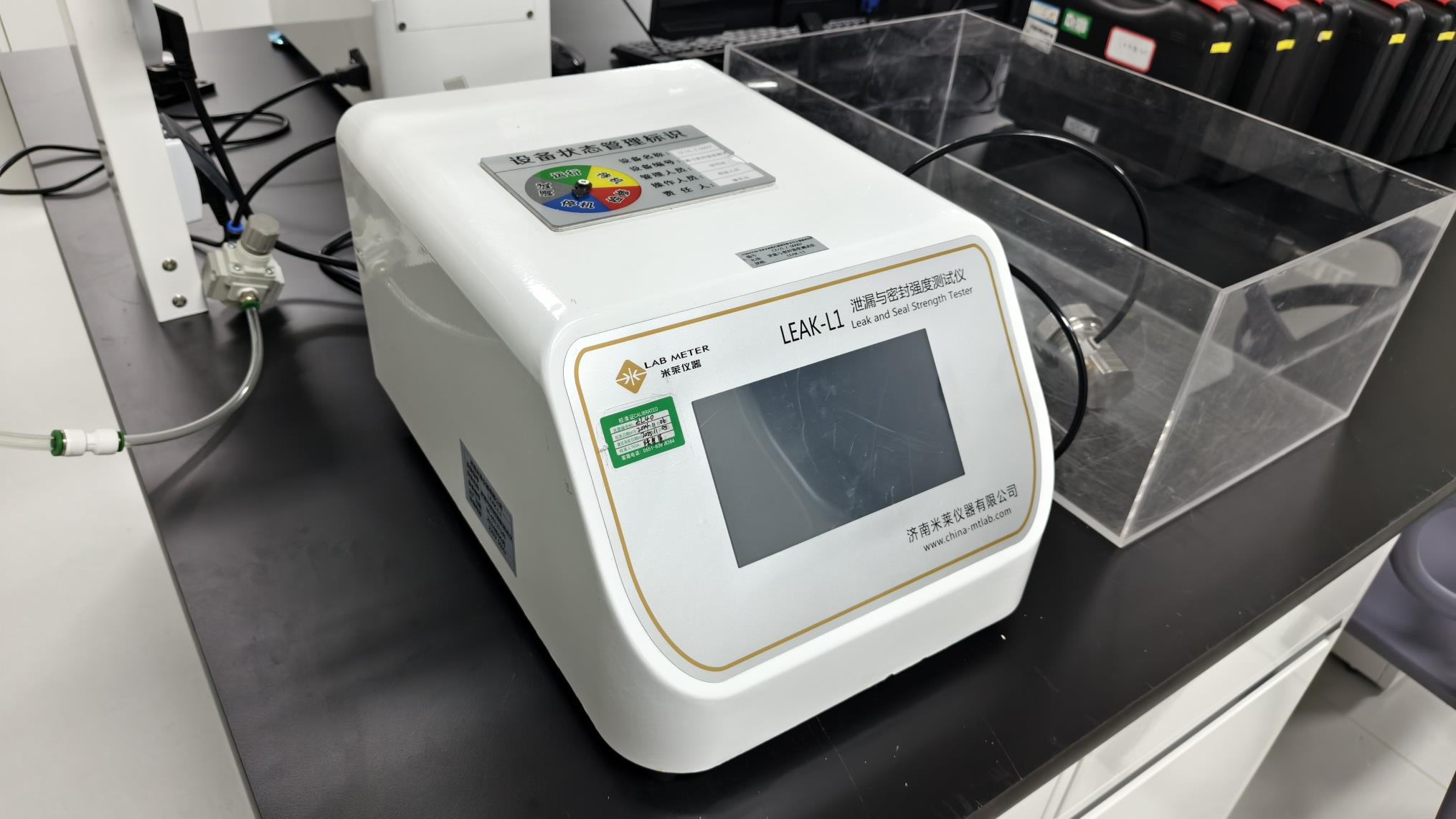
Orthopedic implants reside permanently or semi-permanently in patient physiology, leaving no room for material instability or mechanical failure. Under the CE and Class III regulation frameworks, Synoviq executes 100% validation checks on chemical raw-material compositions through spectrometers, verifying Grade 5 titanium standards. Dynamic cyclic fatigue tests are conducted to simulate standard human gait over millions of stress cycles (complying with ASTM F382 standard test methods for metallic bone plates). Our metrology lab is equipped with 2.5D visual control, digital microscopy, and automated Coordinate Measuring Machines (CMM) to ensure the locking threads perfectly align with the locking screw heads.
Understanding regional surgical strategies and the integration of next-generation materials.
Western economies require heavier bone locking plates with higher fatigue resistance to manage larger patient body mass indexes and active geriatric populations. Conversely, Asian markets require lower profile plates with highly anatomical pre-bent geometries designed for smaller bone structures, preventing soft tissue irritation.
Advanced Type II electrochemical anodization reduces cold-welding tendencies between titanium locking plates and titanium alloy screws. Additionally, emerging bio-active coatings like hydroxyapatite (HA) are being integrated to stimulate osseous binding in osteoporotic clinical cases.
Modern operating theaters utilize 3D pre-operative planning. Manufacturers must supply files and step-files compatible with digital modeling systems, allowing medical device exporters to act not just as parts suppliers, but as digital design partners.
For medical brand managers, B2B importers, and government hospital supply project tenders, procuring medical-grade bone fixation systems involves managing substantial regulatory and financial risks. Ensuring compliance with local regulatory frameworks (such as the EU MDR, US FDA 510(k), and ANVISA) is a critical step prior to entering new markets. Standardizing procurement contracts around ISO 13485 certified facilities is essential for maintaining supply chain security.
Through our dedicated OEM/ODM division, we establish strict material traceability. Every batch of titanium sheets and bars is documented with official material certificates tracking the origin back to the smelt pool. By choosing Synoviq, distributors secure a stable production partner with stable manufacturing capacities, reducing inventory carrying costs by implementing just-in-time container deliveries.
Helping procurement directors, orthopedic surgeons, and biomedical engineers resolve complex technical questions.
Complete surgical instrumentation and reconstructive solutions optimized for global surgical centers.
 Synoviq Medical