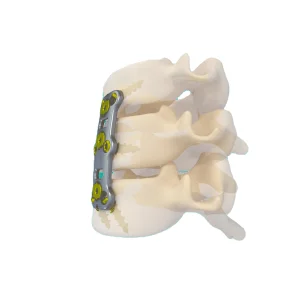
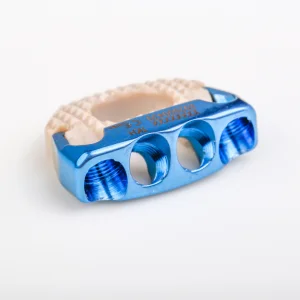
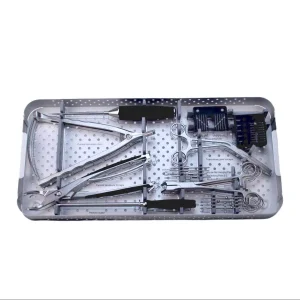
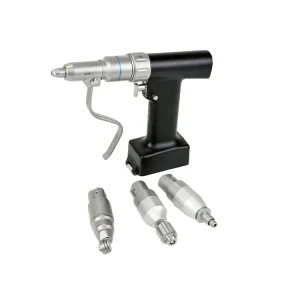
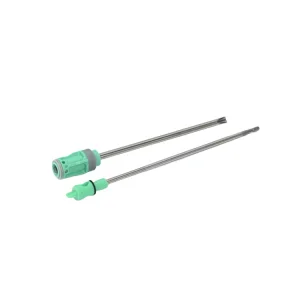
Engineered to international clinical standards, utilizing high-grade titanium alloys and PEEK biomaterials.
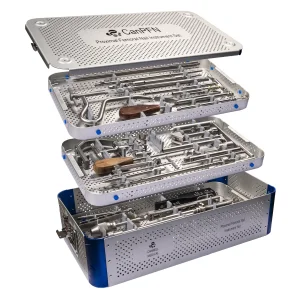
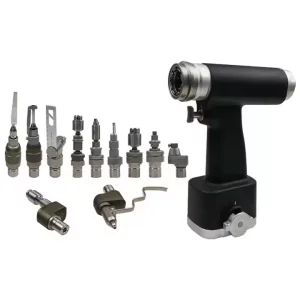
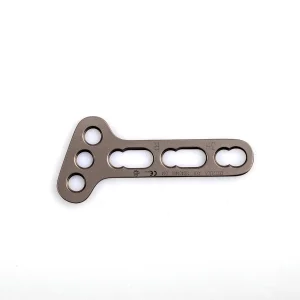
The global musculoskeletal device market is experiencing an unprecedented structural shift. Driven by an aging worldwide demographic, rising incidence of osteoarthritis, and escalating sports-related joint injuries, the demand for high-precision orthopedic braces, spinal implants, external fixation systems, and specialized surgical tooling has accelerated. Modern clinical care demands solutions that bridge post-operative stabilization with dynamic active rehabilitation. Consequently, orthopedic braces are no longer mere static supports; they represent sophisticated biomechanical devices engineered to optimize physiological load redistribution, prevent secondary tissue damage, and accelerate patient recovery timelines.
Concurrently, healthcare providers, hospital procurement networks, and OEM medical device distributors face mounting pressures: balancing stringent clinical efficacy and regulatory compliance against escalating healthcare costs. Identifying top trusted orthopedic braces manufacturers and suppliers has become a strategic priority for global healthcare stakeholders. Suppliers must deliver uncompromised metallurgical purity, micrometric manufacturing tolerances, bio-compatible surface treatments, and robust regulatory documentation under EU MDR (2017/745) and US FDA regulatory frameworks.
Key Industry Takeaway: Modern orthopedic procurement prioritizes supply chains capable of delivering seamless integration between internal fixation hardware (e.g., intramedullary nails, pedicle screws, PEEK cages) and external stabilizing braces, backed by full ISO 13485 auditability.
Combining complete industrial clusters, high-tier CNC automation, and world-class metallurgical research.
China's Yangtze River Delta medical clusters unite raw material refining (Ti-6Al-4V ELI titanium, PEEK, 316L Stainless Steel), precision tooling machining, surface treatment laboratories, and sterile packaging within a 50-kilometer radius, dramatically shortening lead times.
Leading Chinese facilities utilize multi-axis Swiss-type automatic lathes and 5-axis CNC machining centers capable of maintaining micrometric tolerances (±0.005mm) required for intricate pedicle screws, locking plates, and complex hinge mechanisms in orthopedic braces.
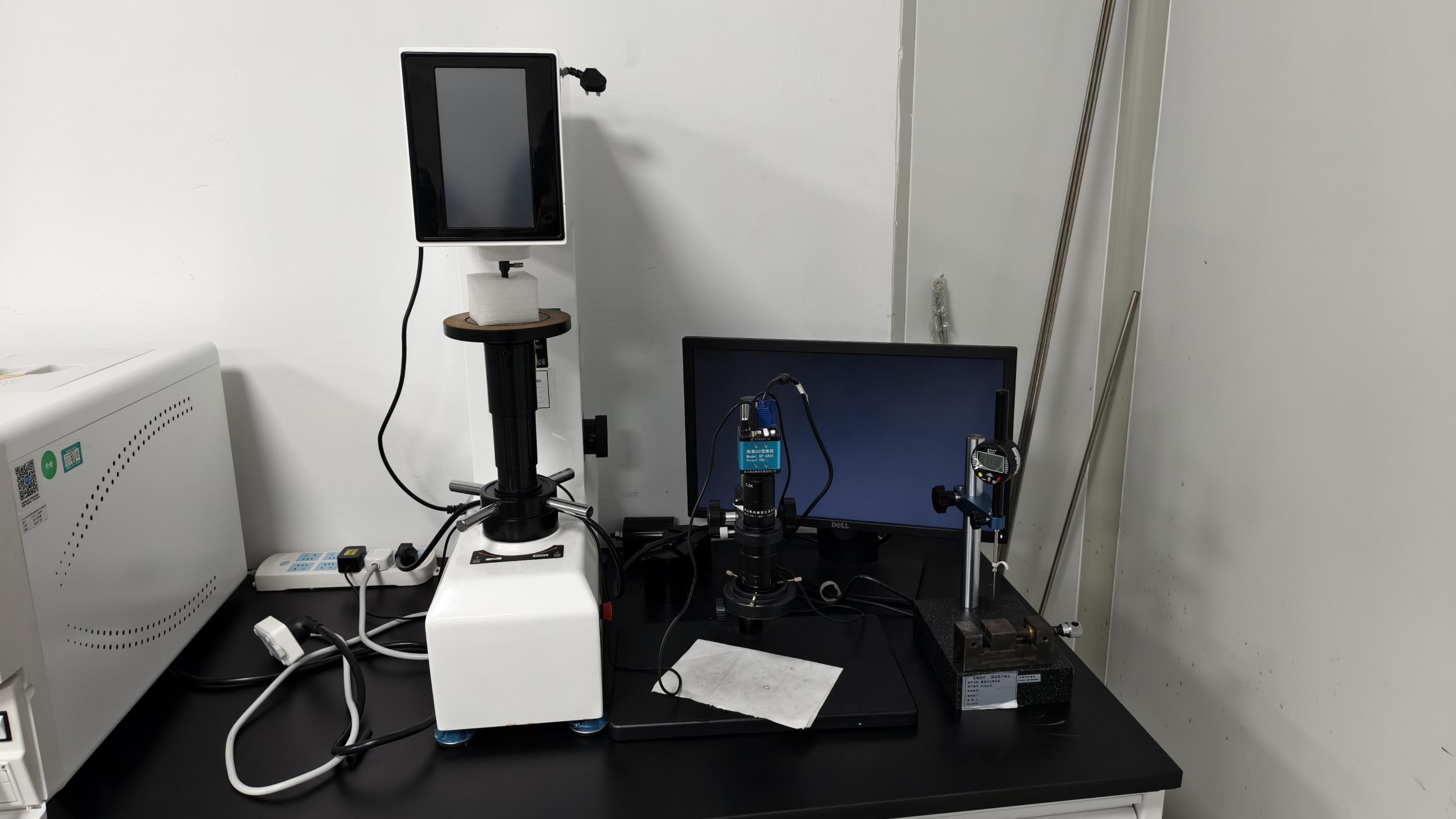
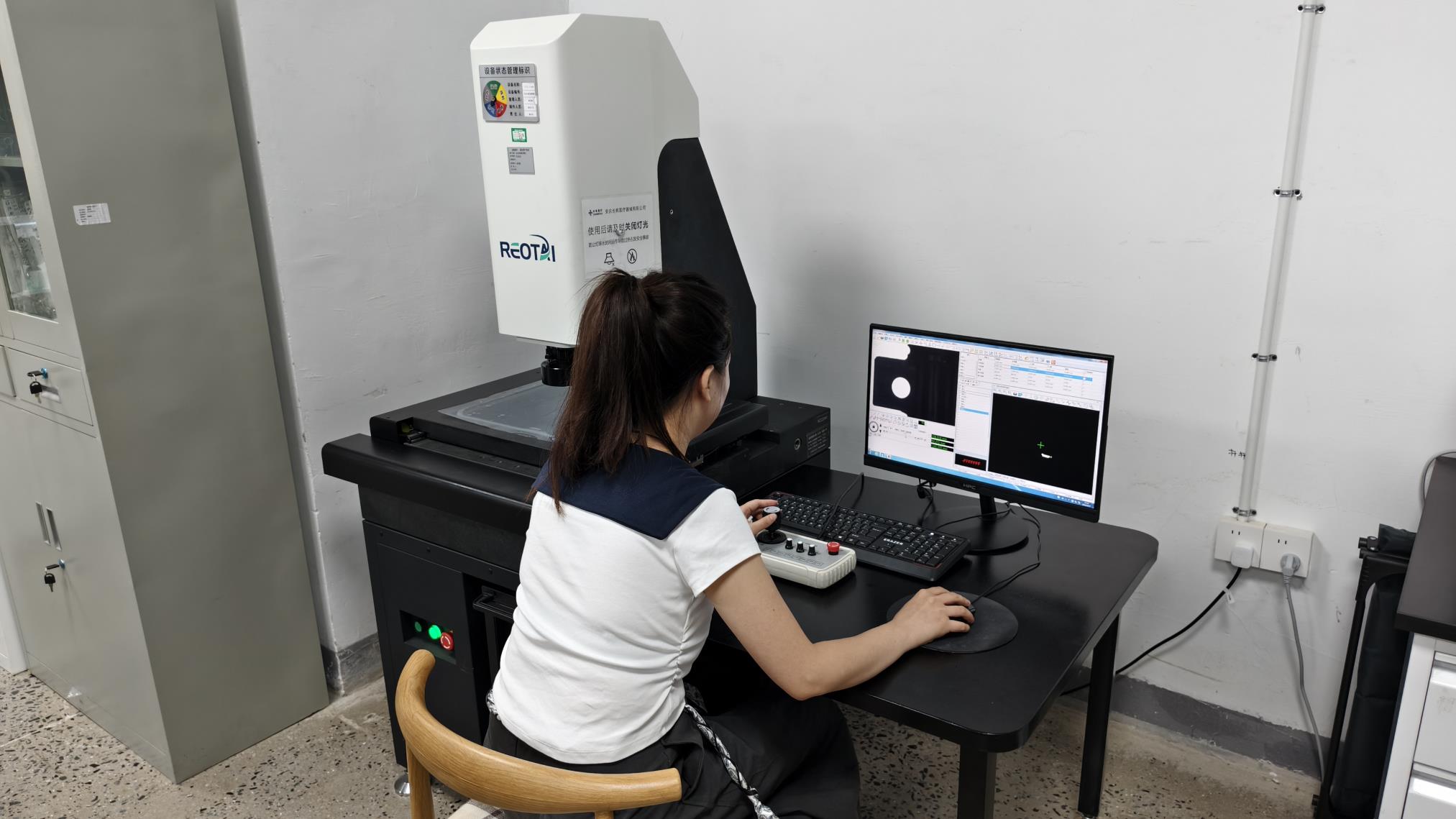
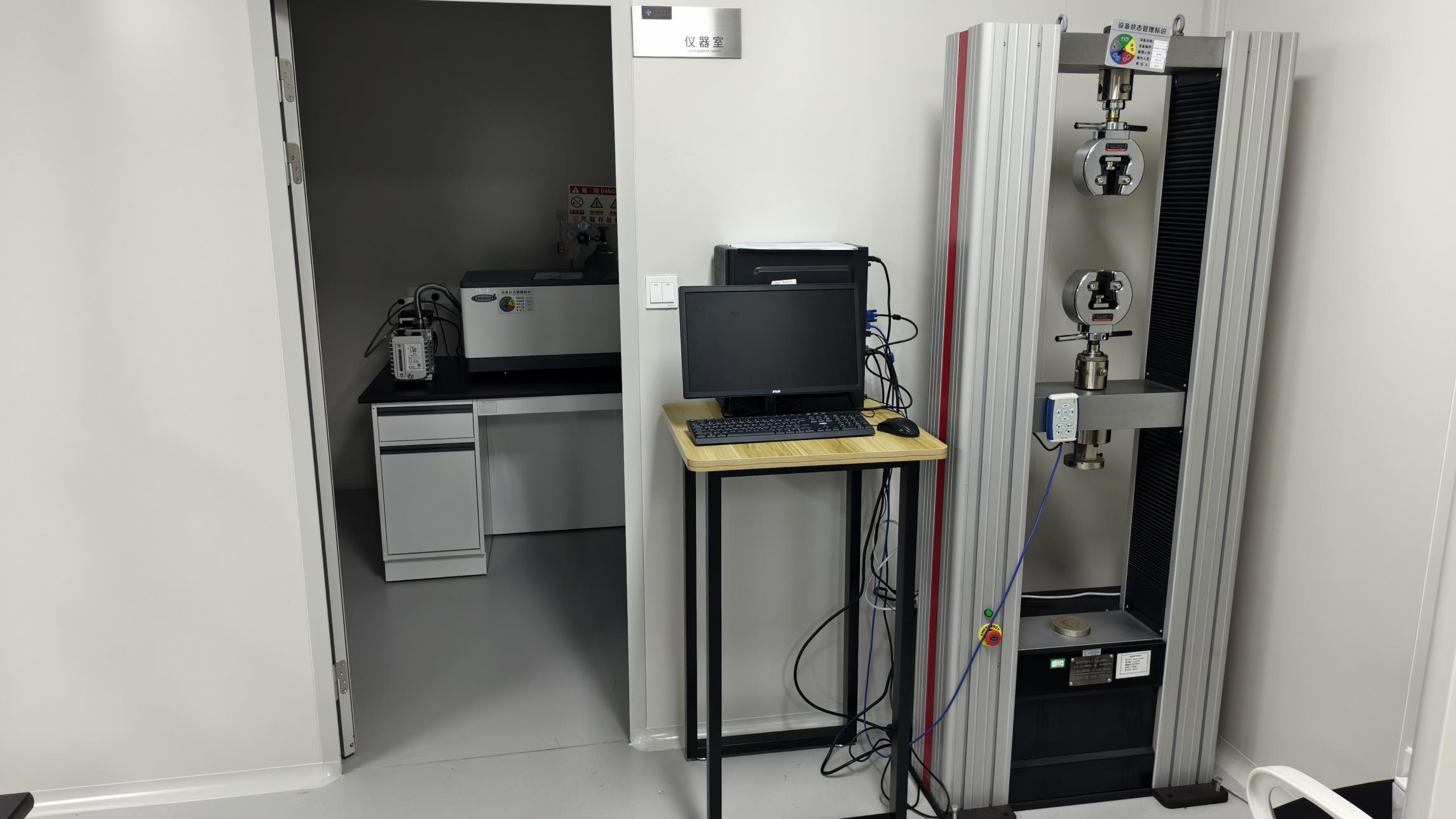
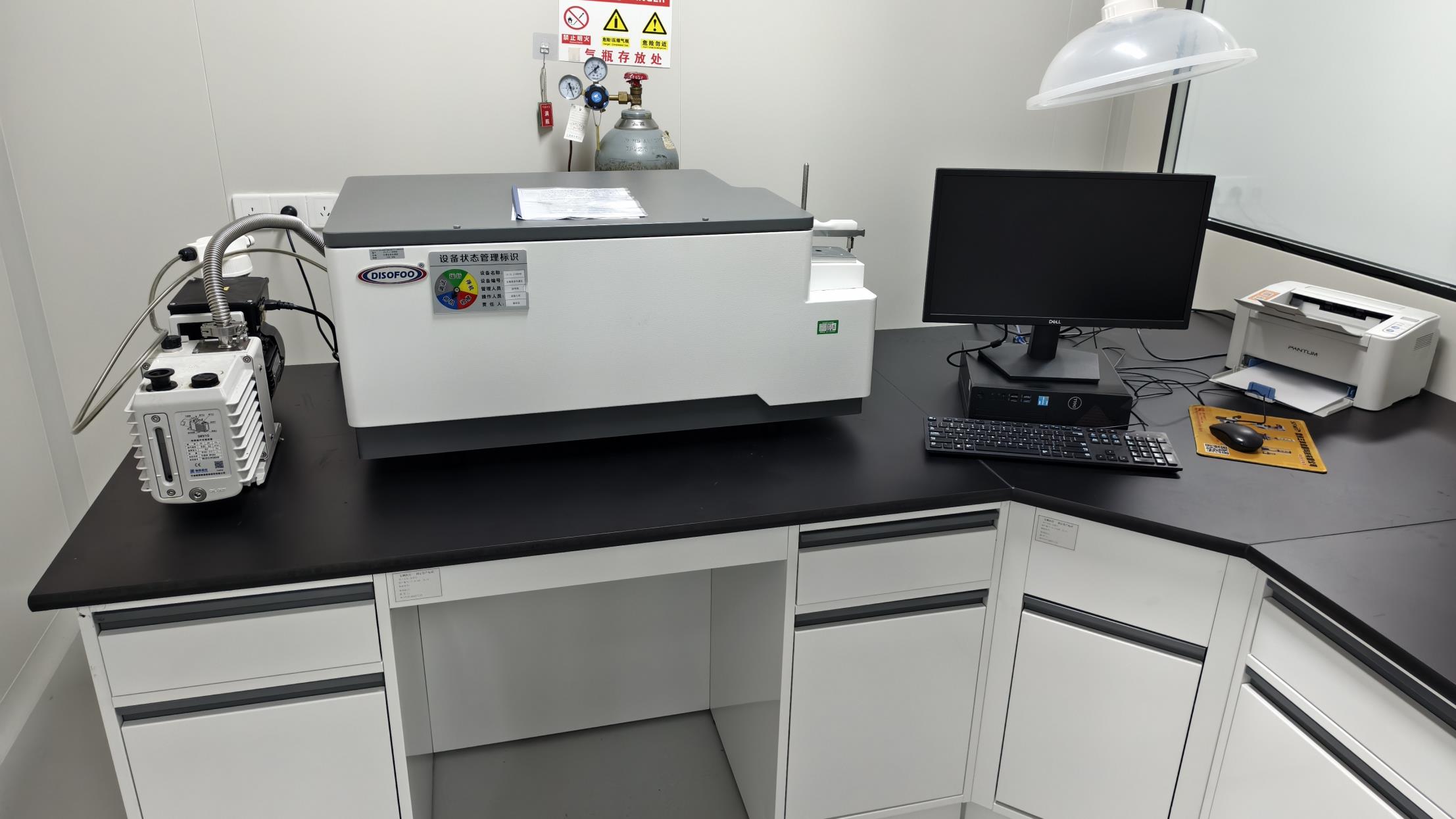
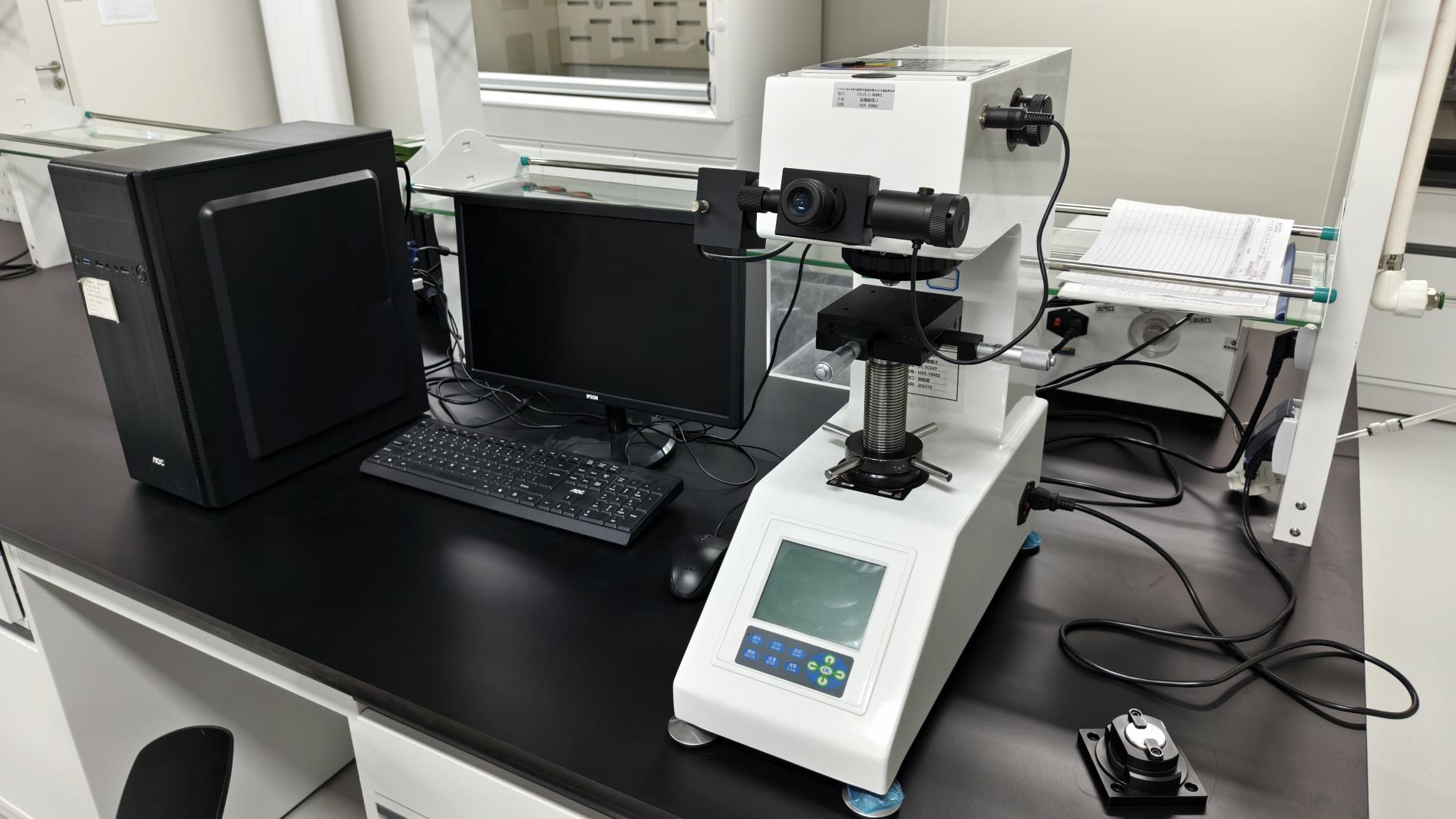
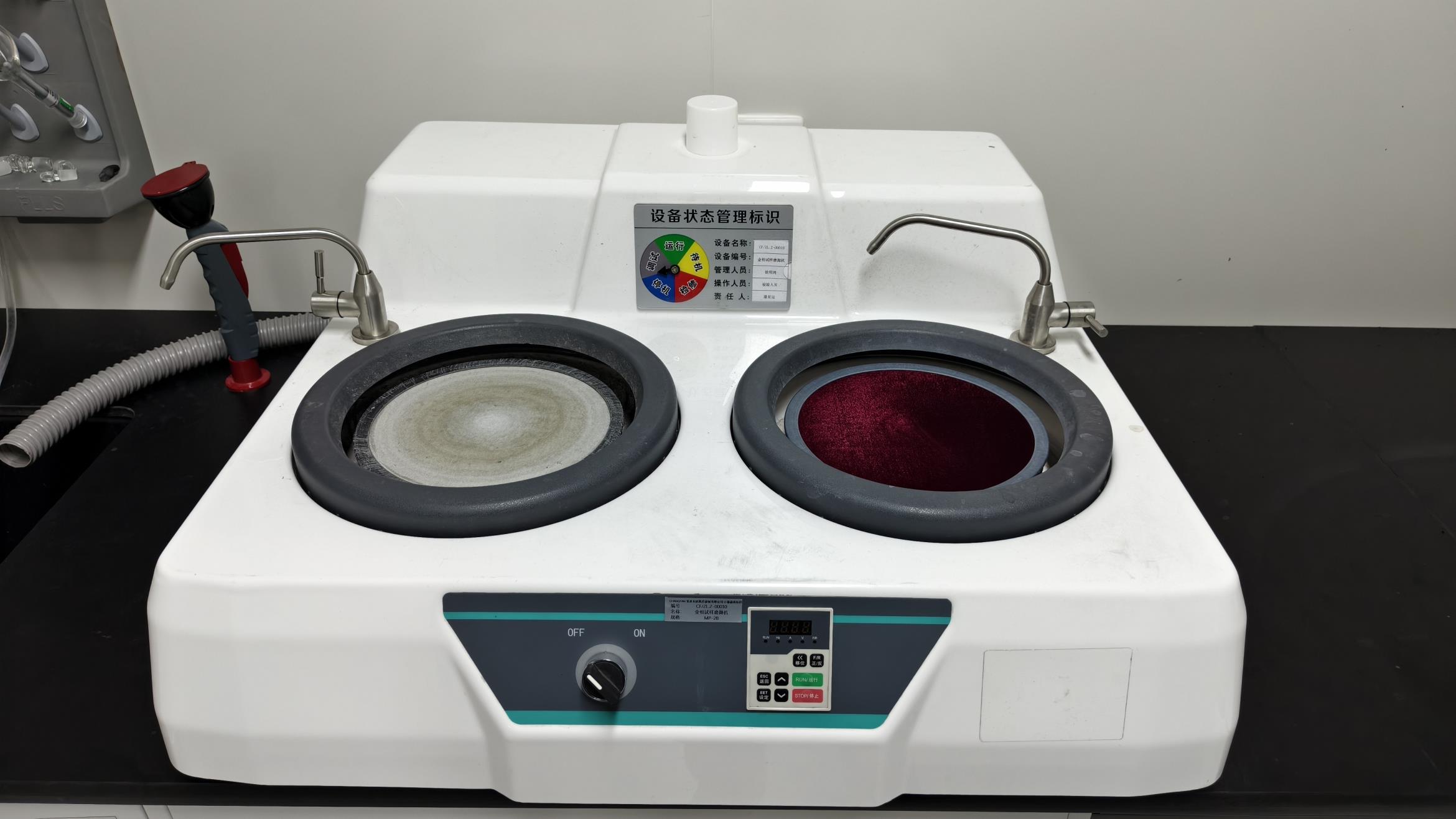
Top-tier Chinese manufacturers operate under ISO 13485:2016 quality management systems. 100% final quality inspections—utilizing CMM, digital microscopes, and mechanical tensile testing—ensure absolute zero-defect delivery for critical clinical applications.
Key technological shifts driving next-generation orthopedic braces and surgical equipment.
The integration of micro-electromechanical sensors (MEMS) into post-operative braces allows real-time tracking of joint angle flex, range-of-motion (ROM) compliance, and patient movement loads. Data transmitted directly to orthopedic surgeons optimizes rehabilitation pathways and early interventions.
Additive manufacturing via selective laser sintering (SLS) enables custom-fit orthopedic braces derived from patient CT/MRI scans. This eliminating skin breakdown, improves load distribution, and delivers personalized stabilization for scoliosis, knee osteoarthritis, and complex fracture braces.
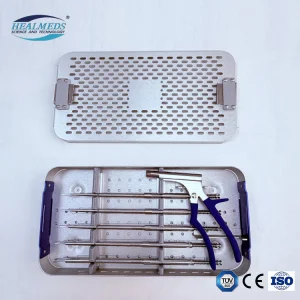
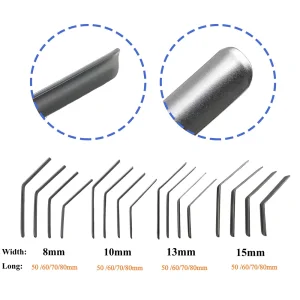
Modern surgical trends favor reduced tissue disruption. Specialized instruments—such as 360-degree rotating laminectomy forceps and micro tubular retractors—work hand-in-hand with low-profile braces to ensure rigid perioperative spinal control with minimal patient downtime.
Polyether ether ketone (PEEK) cages and radiolucent carbon fiber composite brace frames allow clear post-operative X-ray and CT artifact-free imaging, empowering clinicians to accurately monitor bone graft fusion and tissue regeneration.
Customized solutions engineered for targeted clinical environments and recovery protocols.
Utilized following anterior cervical discectomy and fusion (ACDF) or lumbar pedicle screw fixation. Rigid cervical collars and thoracolumbosacral orthoses (TLSO) immobilize the axial spine, ensuring optimal bone graft osteointegration.
Working alongside locking bone plates and intramedullary PFN/PFNA nails, functional fracture braces allow progressive weight-bearing while preventing shear forces during distal radius, humeral, or tibial bone consolidation.
Designed for ACL/PCL tears and meniscus repairs, hinged knee braces featuring dual-axis ROM locks regulate flexion-extension limits, protecting graft tension during aggressive athletic physical therapy.
Unloader knee braces shift compartment loads away from damaged cartilage in unicompartmental osteoarthritis, relieving pain, restoring mobility, and delaying total knee replacement procedures.
Specialized micro tubular retractors, plaster cast saws, and mini intramedullary pins tailored for canine and feline cranial cruciate ligament (CCL) stabilization and complex bone alignment.
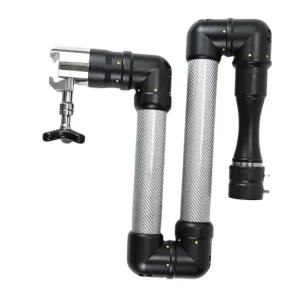
Assistive limbs braces such as Spider Arm articulators provide rigid hands-free extremity positioning during arthroscopic shoulder procedures and total knee arthroplasty (TKA).
For international healthcare brands, importers, government tenders, and hospital networks, selecting an orthopedic manufacturing partner involves stringent due diligence. The regulatory barrier for medical devices Class I, IIa, and IIb requires complete traceability from raw billet heat numbers to final sterile packaging.
Mandatory Quality Management System standard ensuring continuous risk assessment (ISO 14971), process validation, design controls, and formal corrective/preventive action (CAPA) tracking.
Verification of Technical Documentation Files (TDF), Clinical Evaluation Reports (CER), Unique Device Identification (UDI) labeling, and cleanroom bioburden controls.
Full mill test certificates (MTC) verifying ASTM F136 Titanium, ASTM F138 Stainless Steel, or VICTREX PEEK materials, certified for long-term implantability and mechanical endurance.
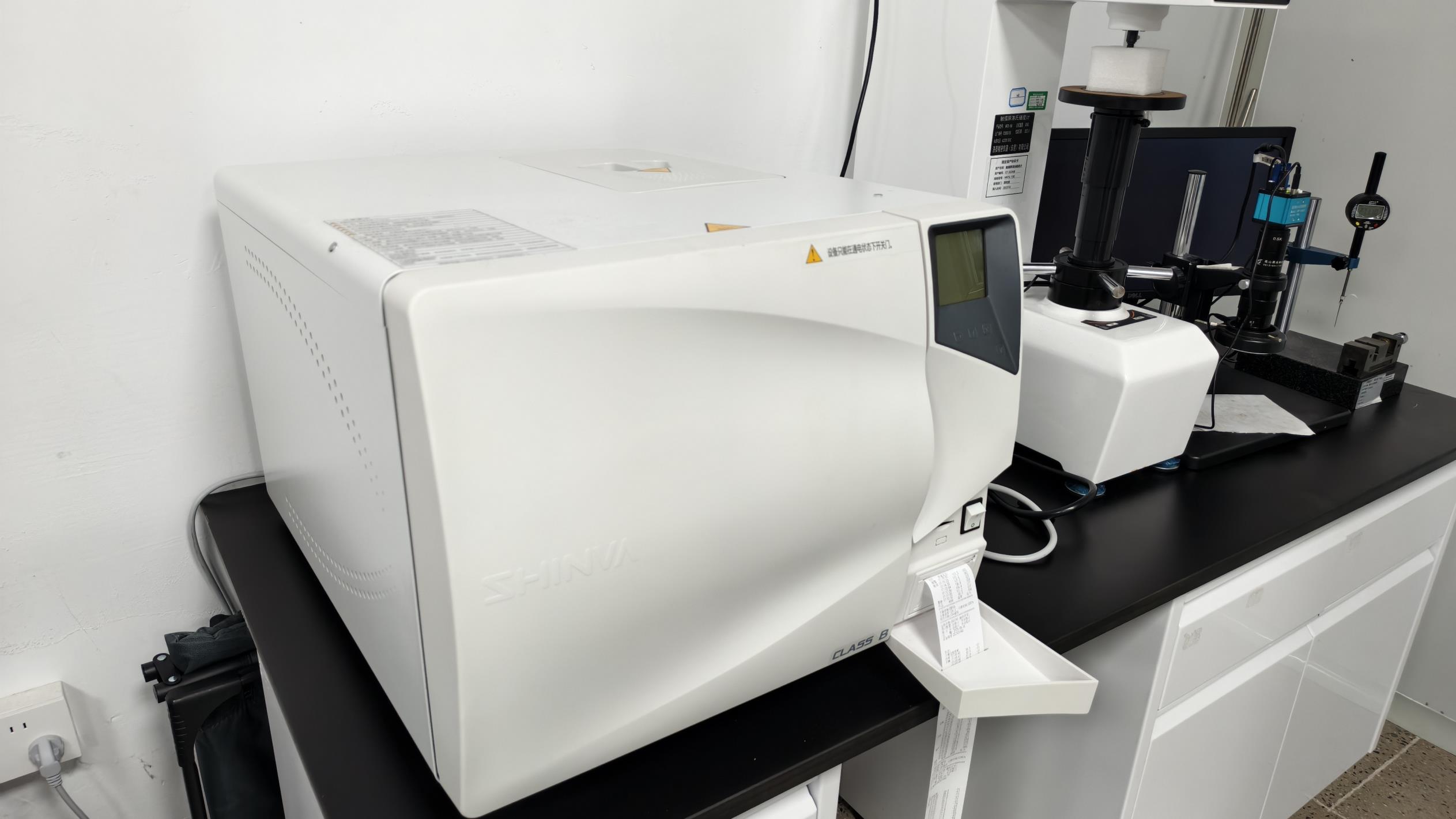
Design for Manufacturability (DFM) support, rapid 3D prototyping, custom laser marking, private label packaging, and validated sterilization parameters (Gamma or Steam Autoclave).
Professional manufacturer of orthopedic implants, surgical instruments, and fixation solutions.
Synoviq Medical Technology (China) Co., Ltd. is a professional manufacturer of orthopedic implants and surgical instruments, dedicated to delivering innovative, reliable, and high-quality medical solutions for healthcare professionals worldwide. Since its establishment, Synoviq has focused on research, development, precision manufacturing, and international quality standards, providing comprehensive OEM and ODM services for global medical device brands, distributors, and hospitals.
Our product portfolio includes trauma fixation systems, spinal implants, locking plates, intramedullary nails, external fixation systems, orthopedic screws, surgical instruments, and customized orthopedic solutions. Equipped with advanced CNC machining centers, precision inspection equipment, and modern clean production facilities, we ensure every product meets strict international quality requirements.
Driven by continuous innovation, Synoviq invests heavily in R&D and intelligent manufacturing to enhance product performance, surgical efficiency, and patient outcomes. Our experienced engineering team works closely with customers to develop customized products tailored to different clinical applications and market demands.
With a customer-oriented philosophy, competitive pricing, stable supply capability, and efficient technical support, Synoviq has established long-term partnerships with distributors, medical brands, and healthcare organizations across Europe, North America, South America, the Middle East, and Asia-Pacific.
| Item | Information Specification |
|---|---|
| Company Name | Synoviq Medical Technology (China) Co., Ltd. |
| Brand | Synoviq |
| Established | March 18, 2016 |
| Building Area | 18,600 m² |
| Annual Export Revenue | USD 21.8 Million |
| Export Experience | 8 Years |
| Industry Experience | 14 Years |
| Quality Inspection | 100% Final Inspection & Incoming Material Inspection |
| Product Inspection Methods | CMM Measurement, Mechanical Testing, Surface Roughness Testing, Hardness Testing, Salt Spray Testing, Sterility Validation |
| Quality Control Staff | 48 Specialists |
| Business Type | Manufacturer & Exporter (OEM/ODM Solutions) |
| Main Markets | Europe, North America, South America, Middle East, Southeast Asia |
| Supply Chain Partners | 1,120+ Global Strategic Partners |
| Main Customer Types | Medical Device Brands, Importers, Distributors, Hospitals, Government Procurement Projects |
| R&D Capability | Independent Product Design, Prototype Development, Clinical-Oriented Engineering, OEM & ODM Development |
| Customization Options | Logo Customization, Packaging Customization, Product Design Customization, Material Selection, Surface Treatment |
| New Products Released Last Year | 186 Innovative Products |
| R&D Engineers | 76 Senior Engineers |
State-of-the-art production lines equipped for advanced medical device fabrication.
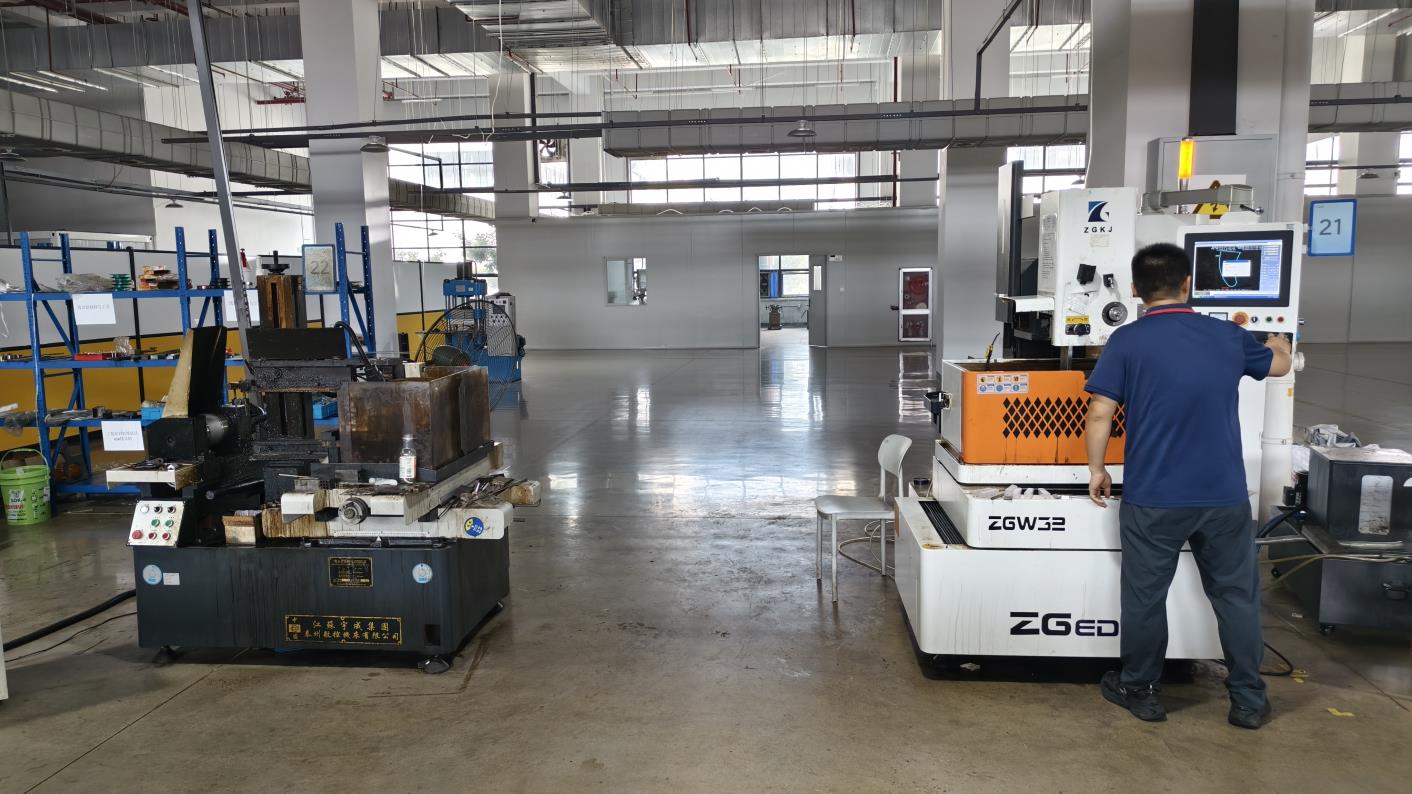
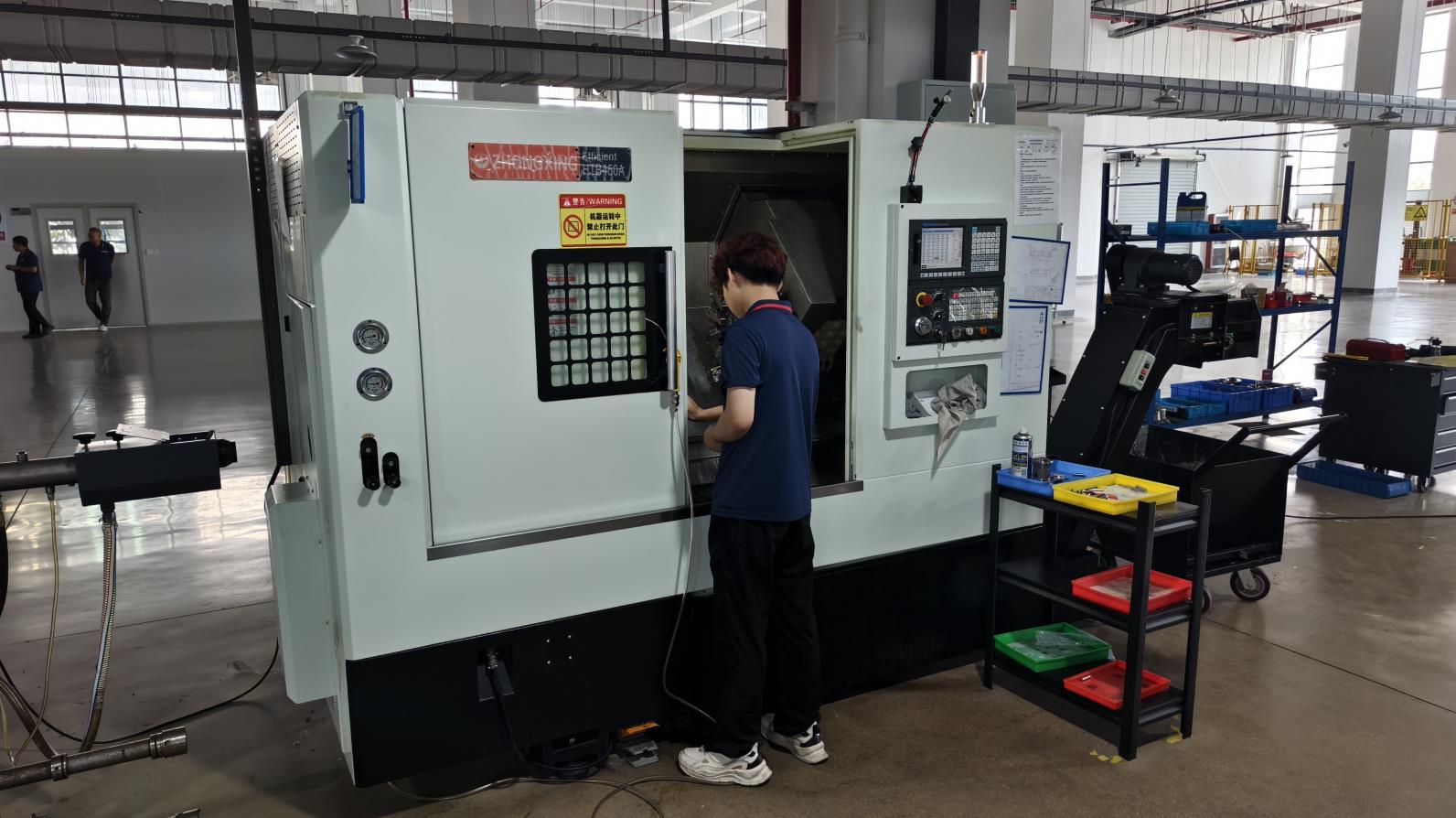
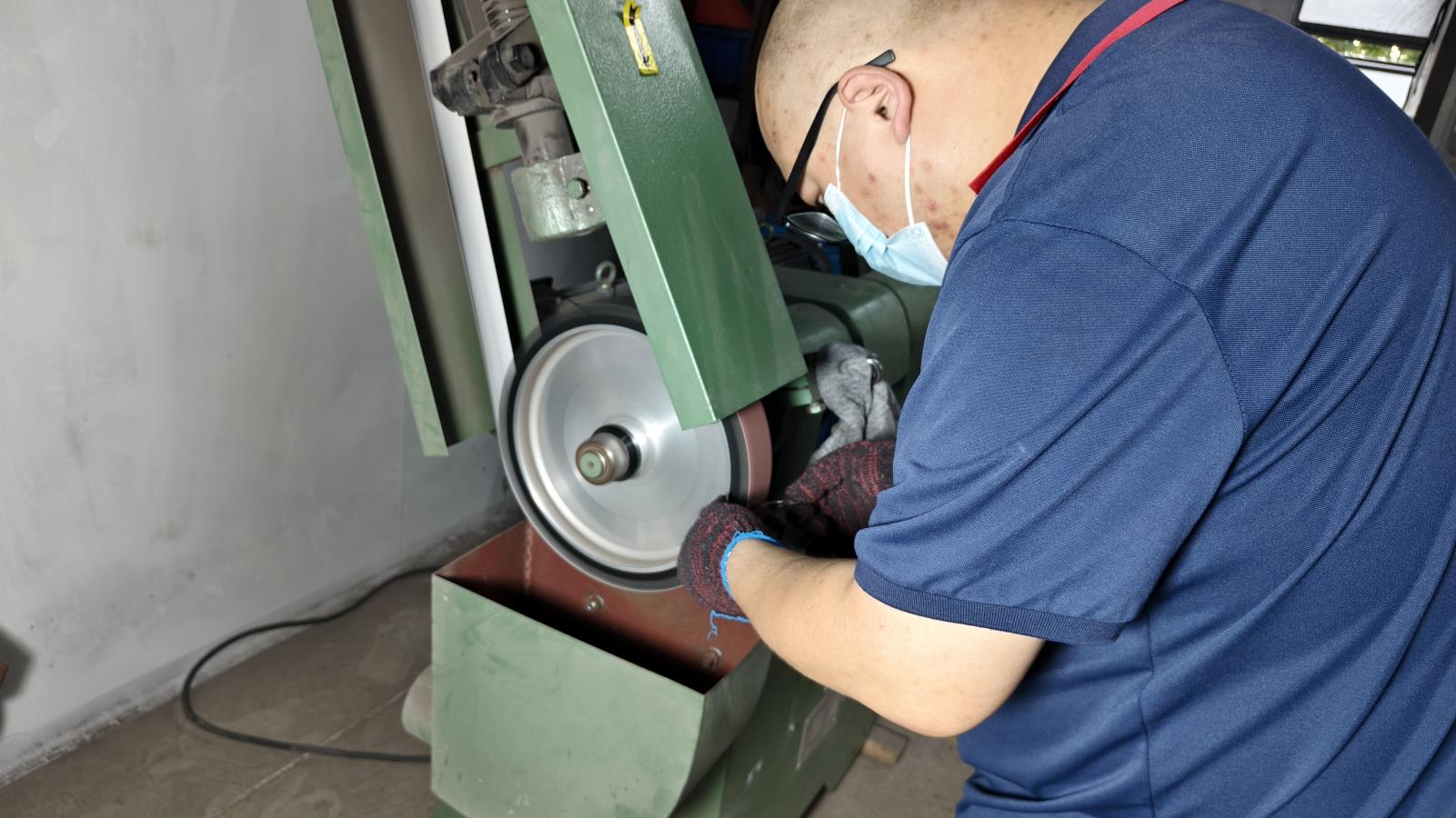
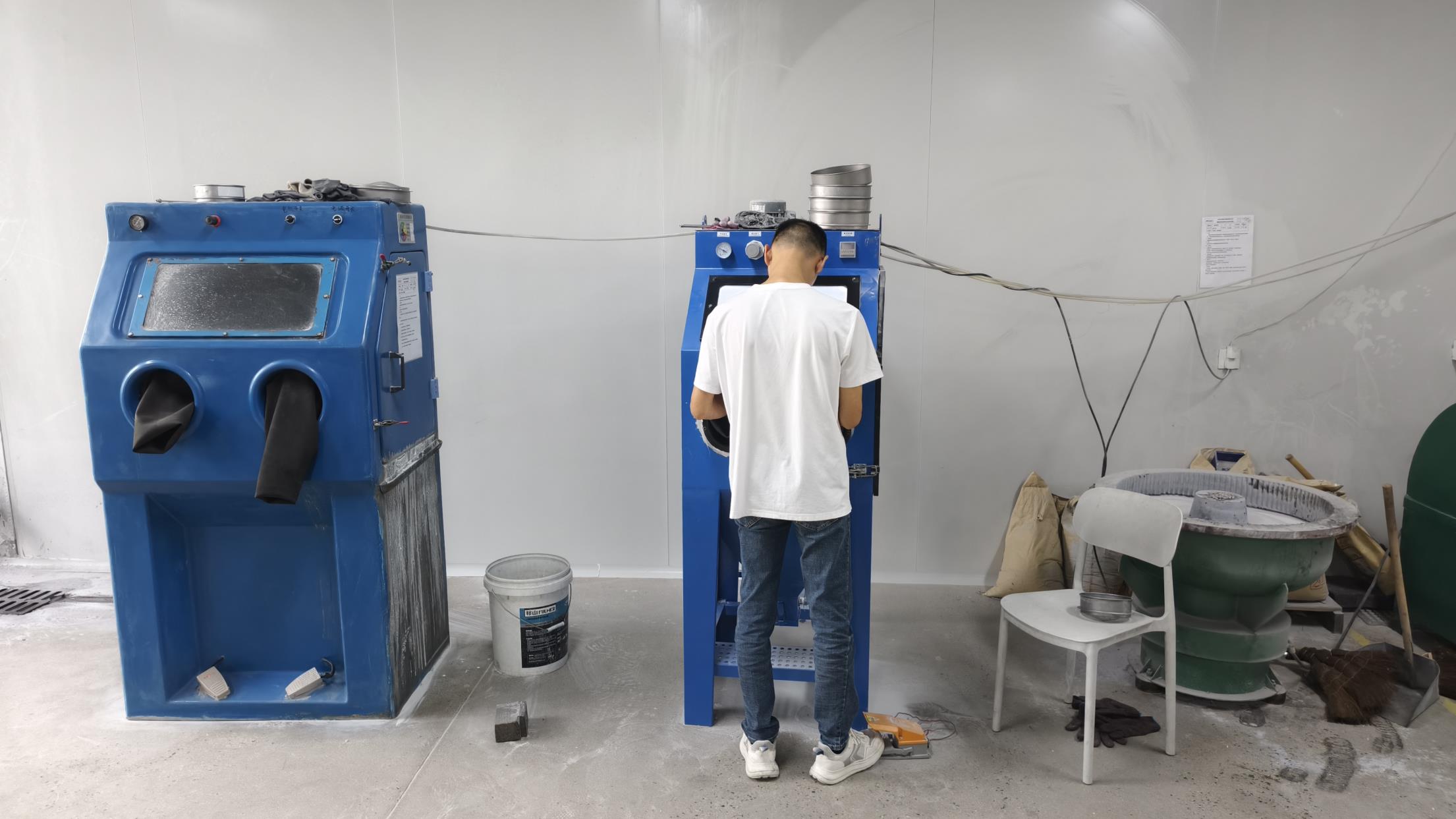
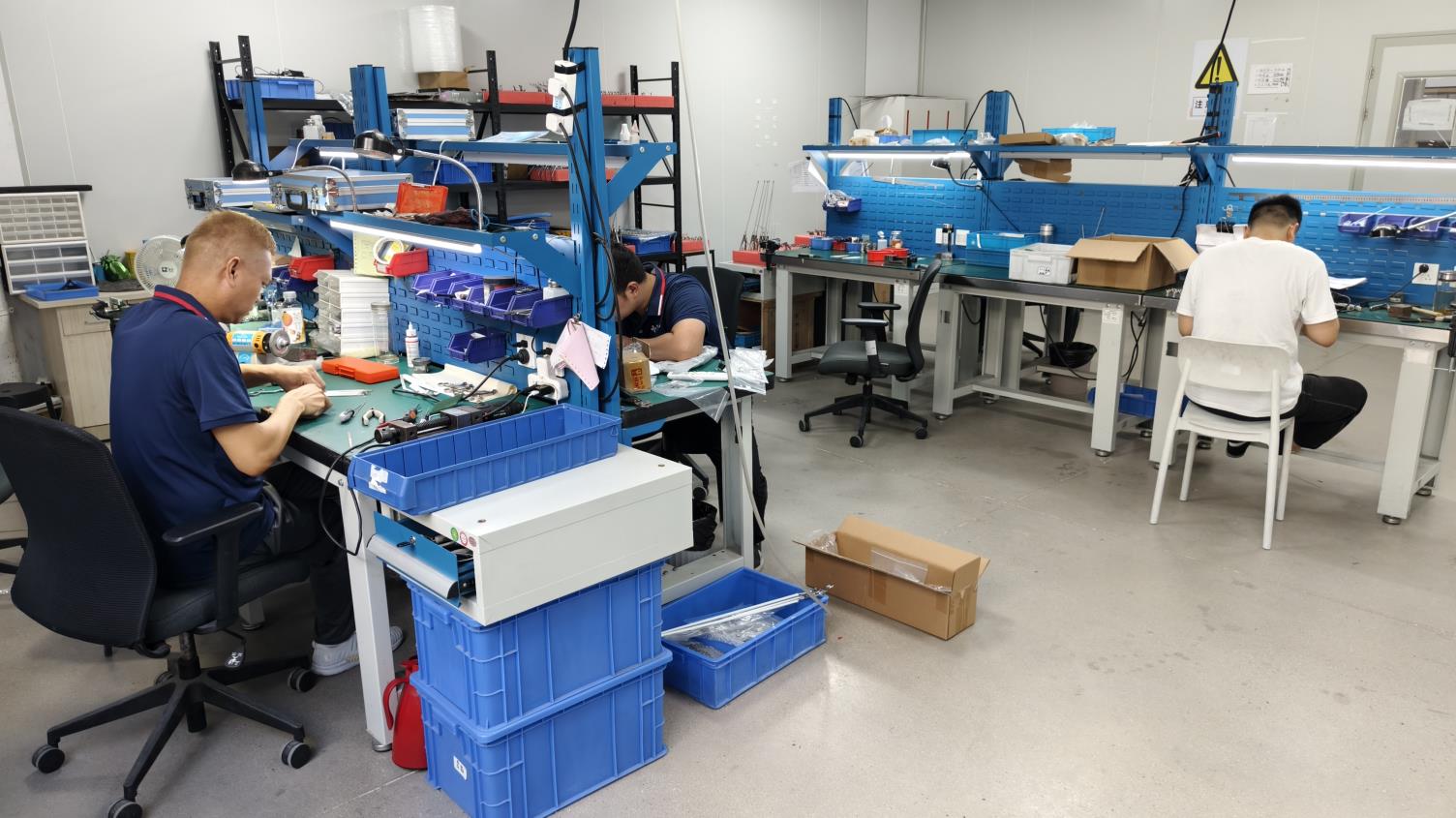
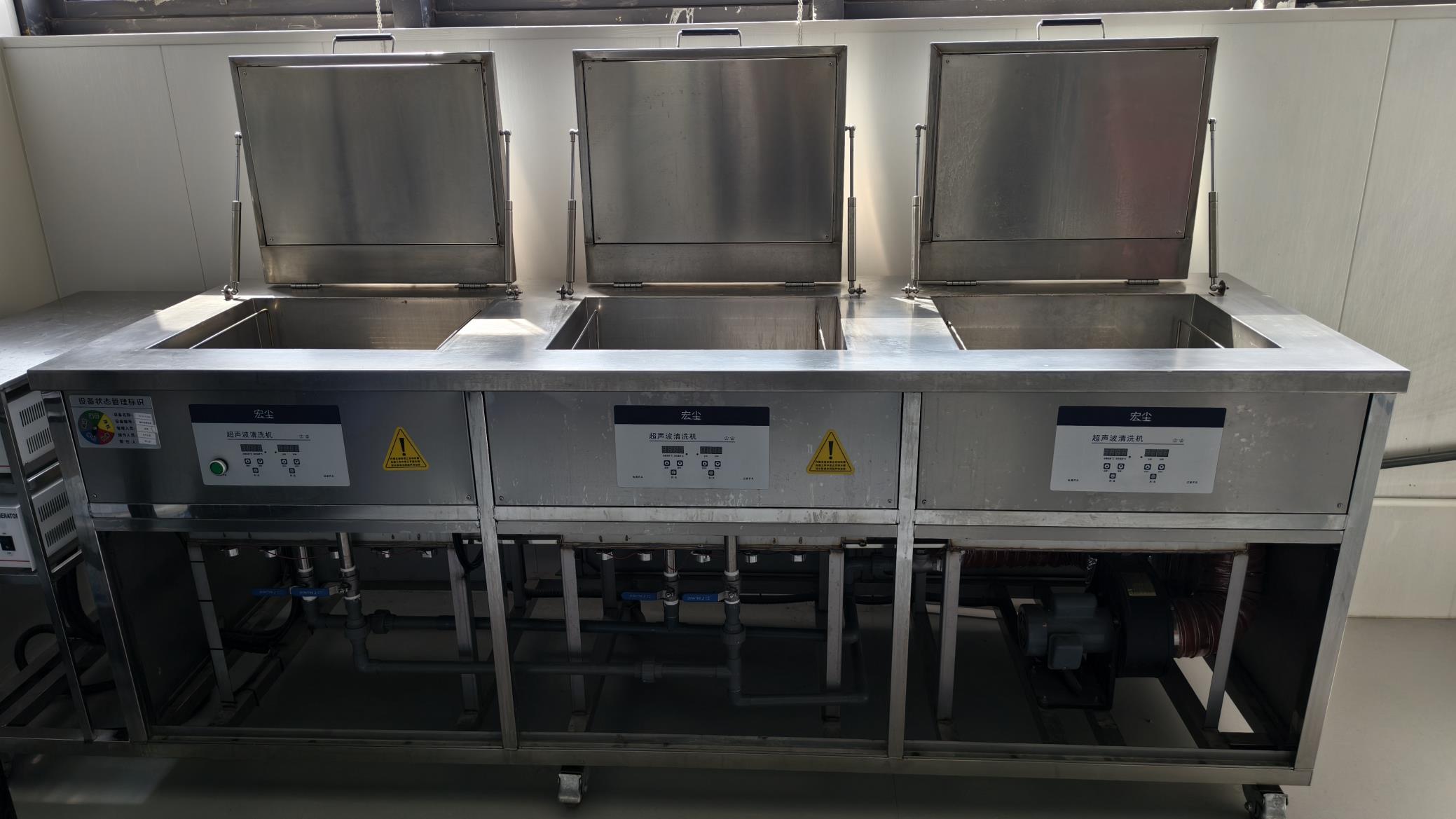
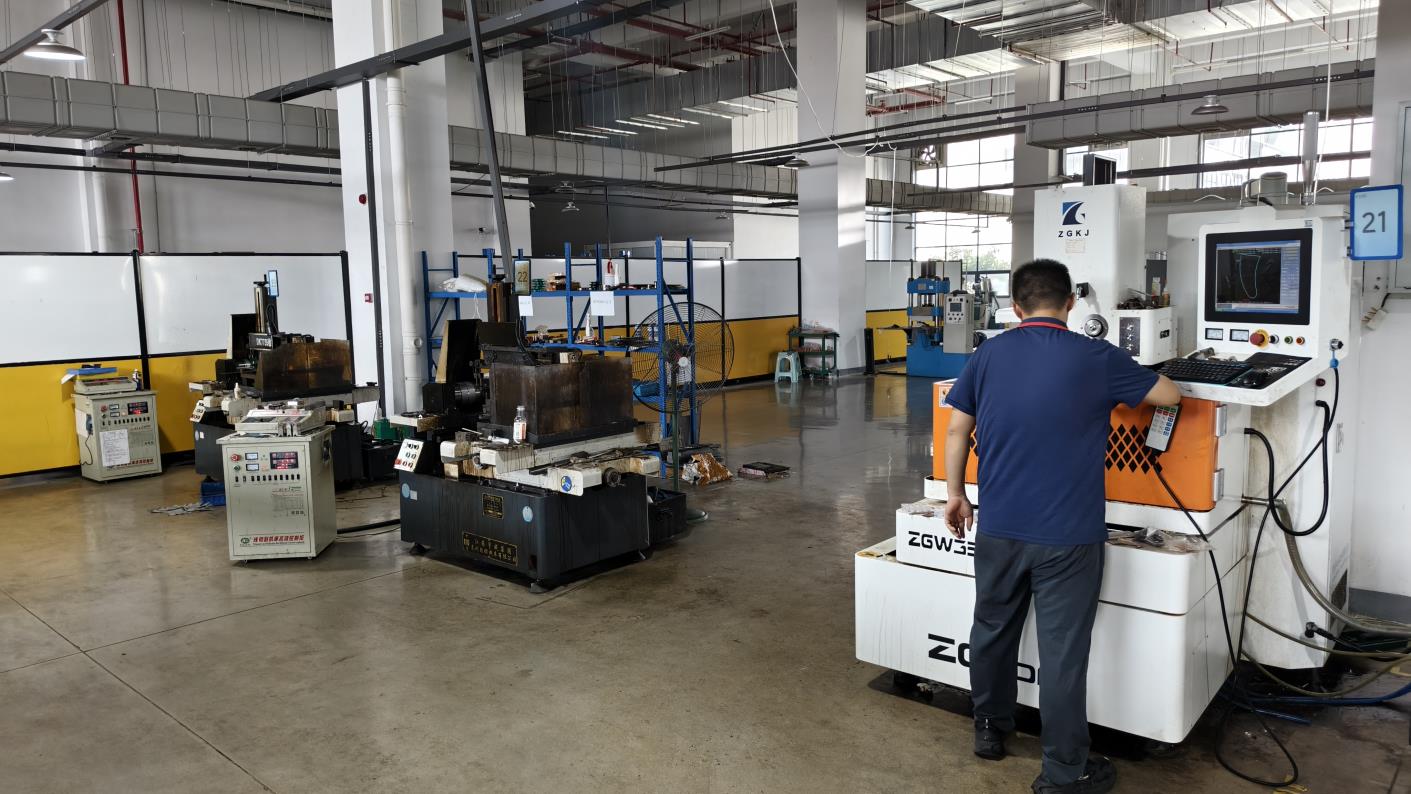
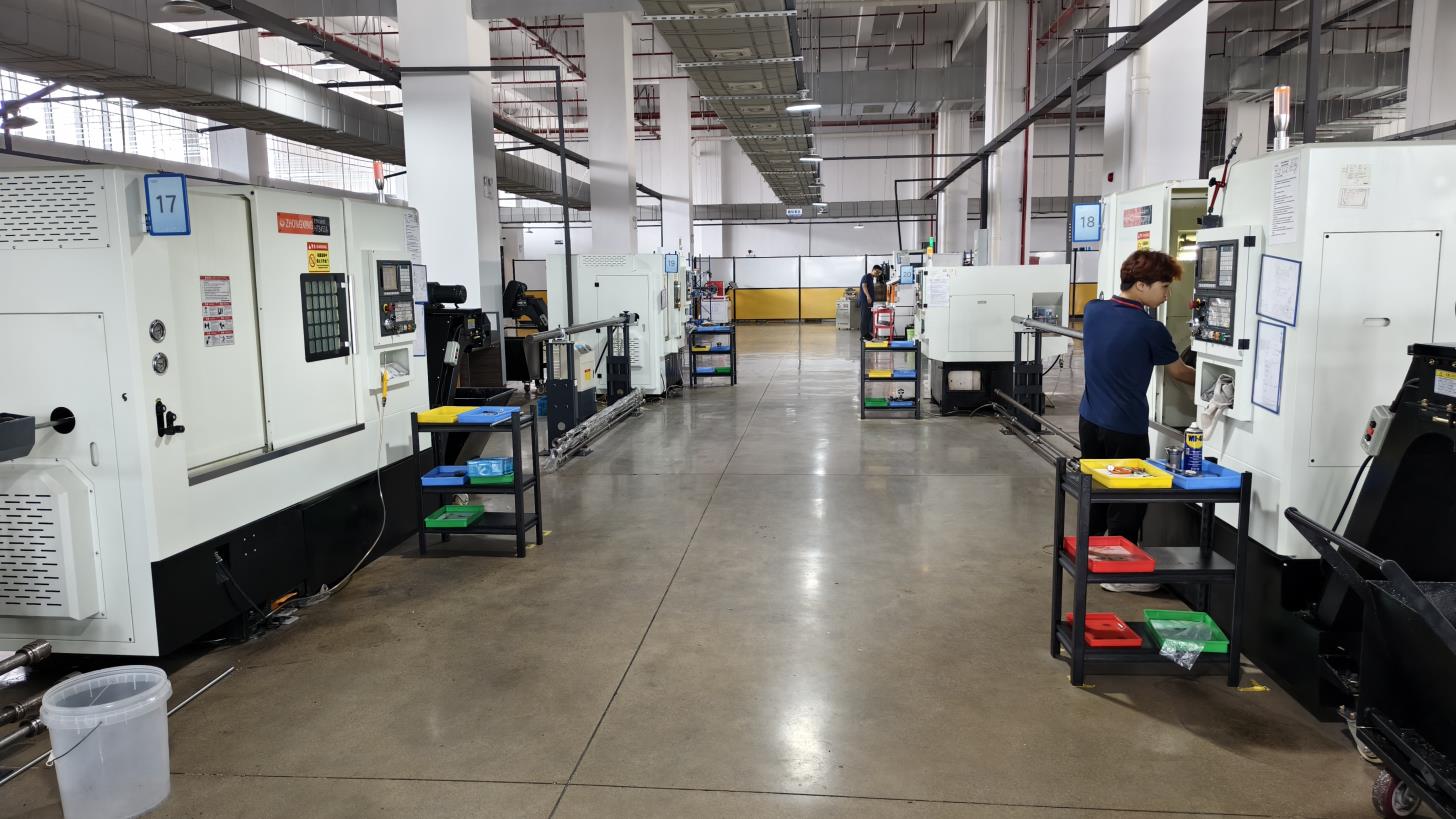
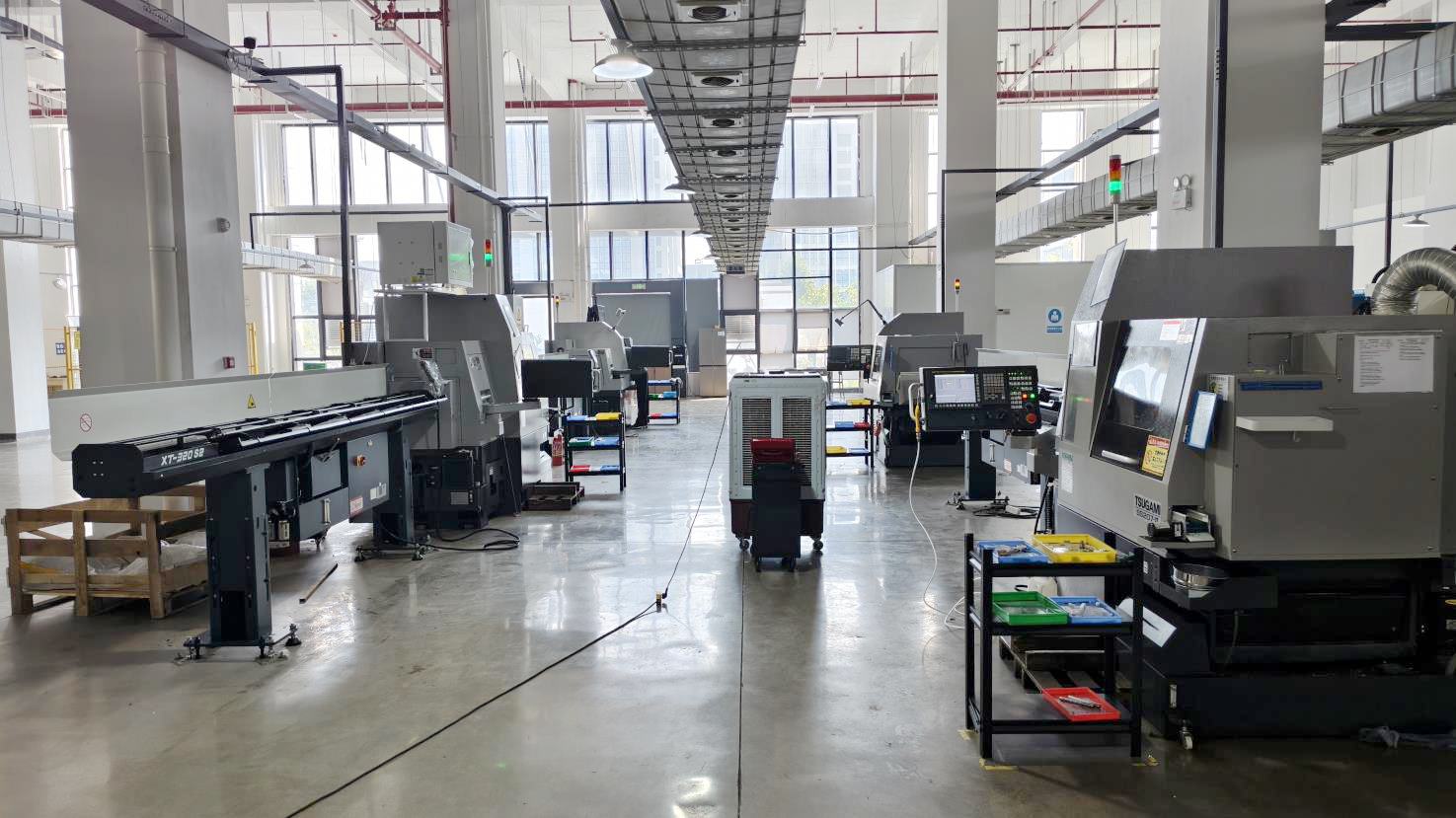
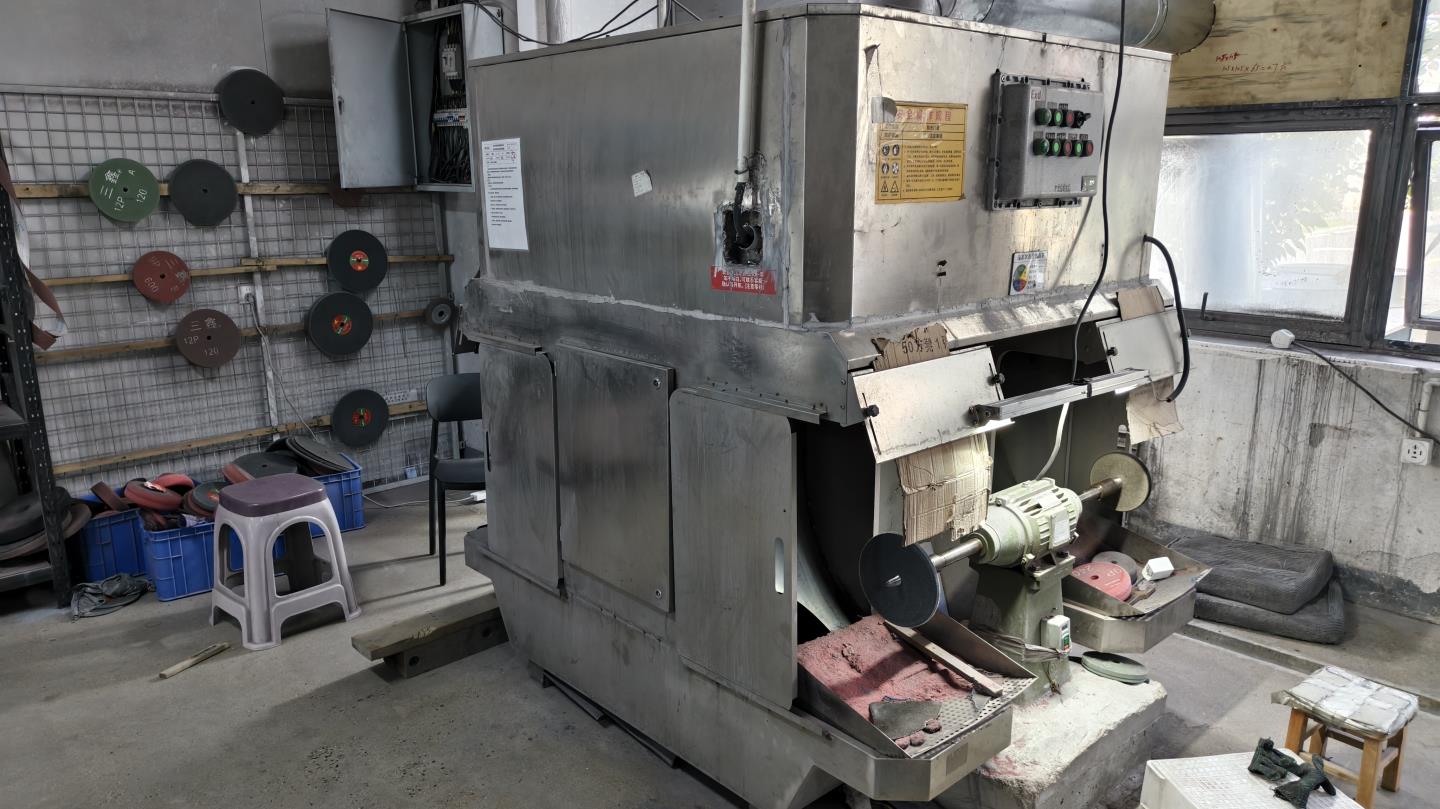
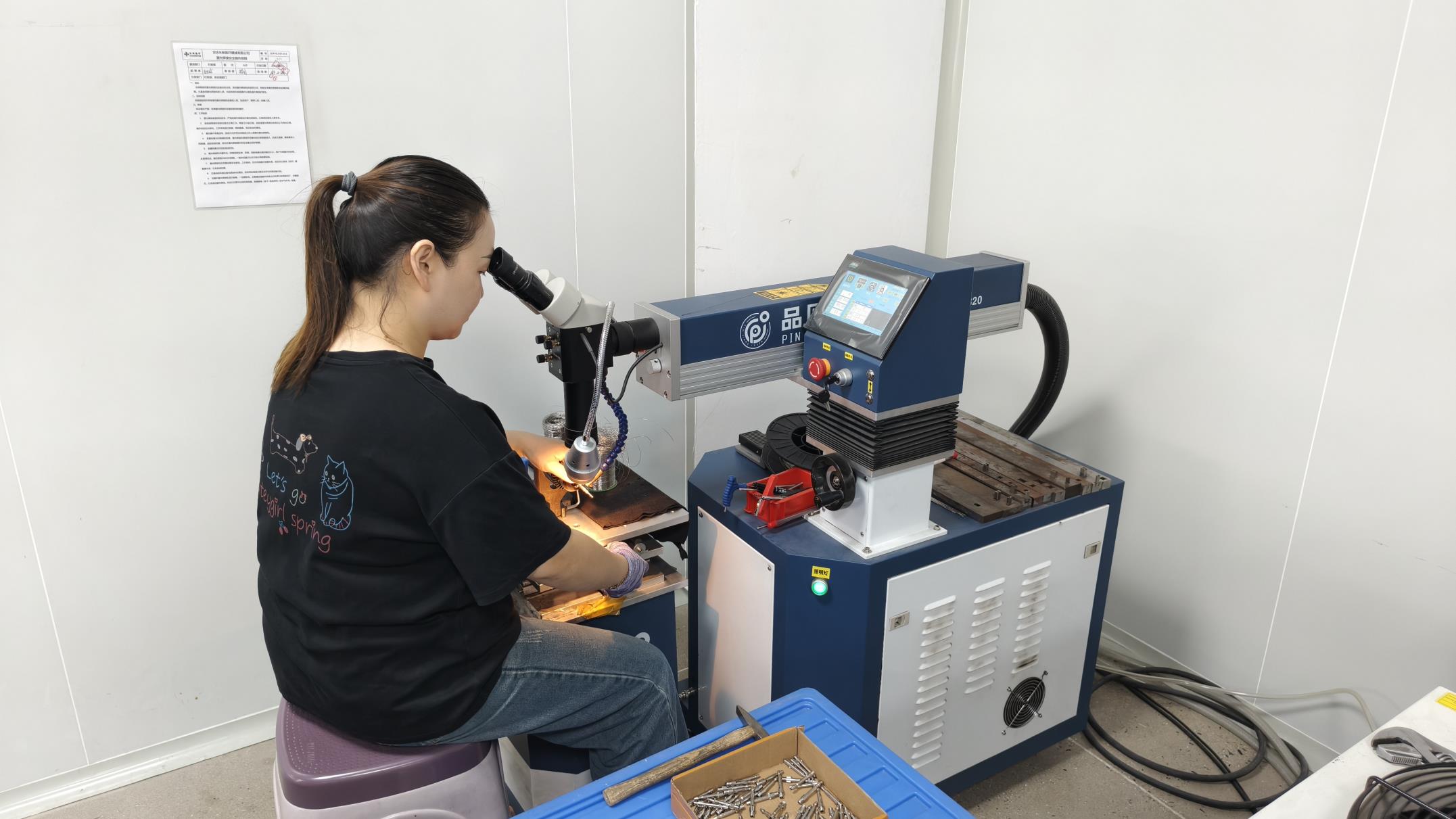
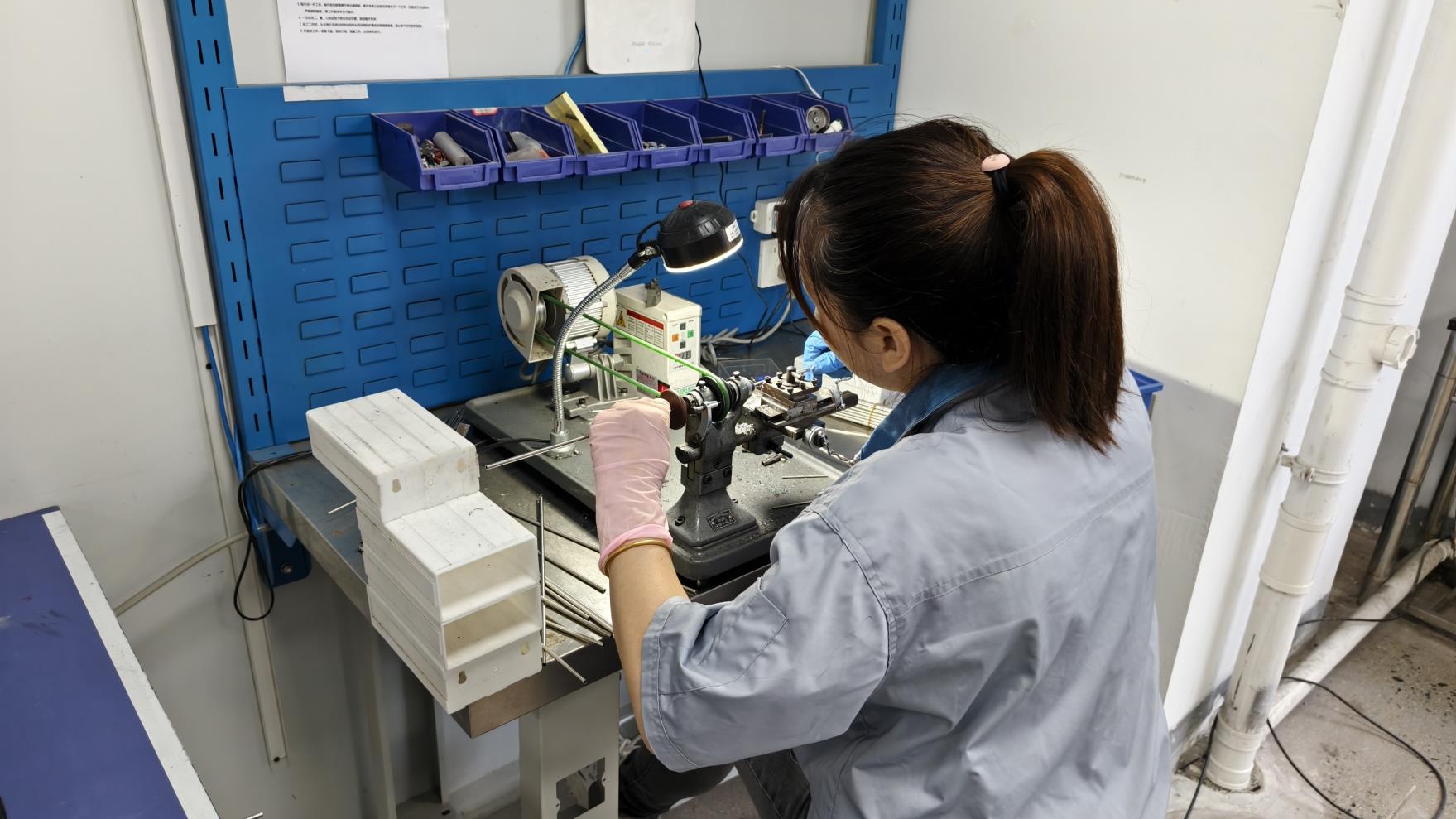
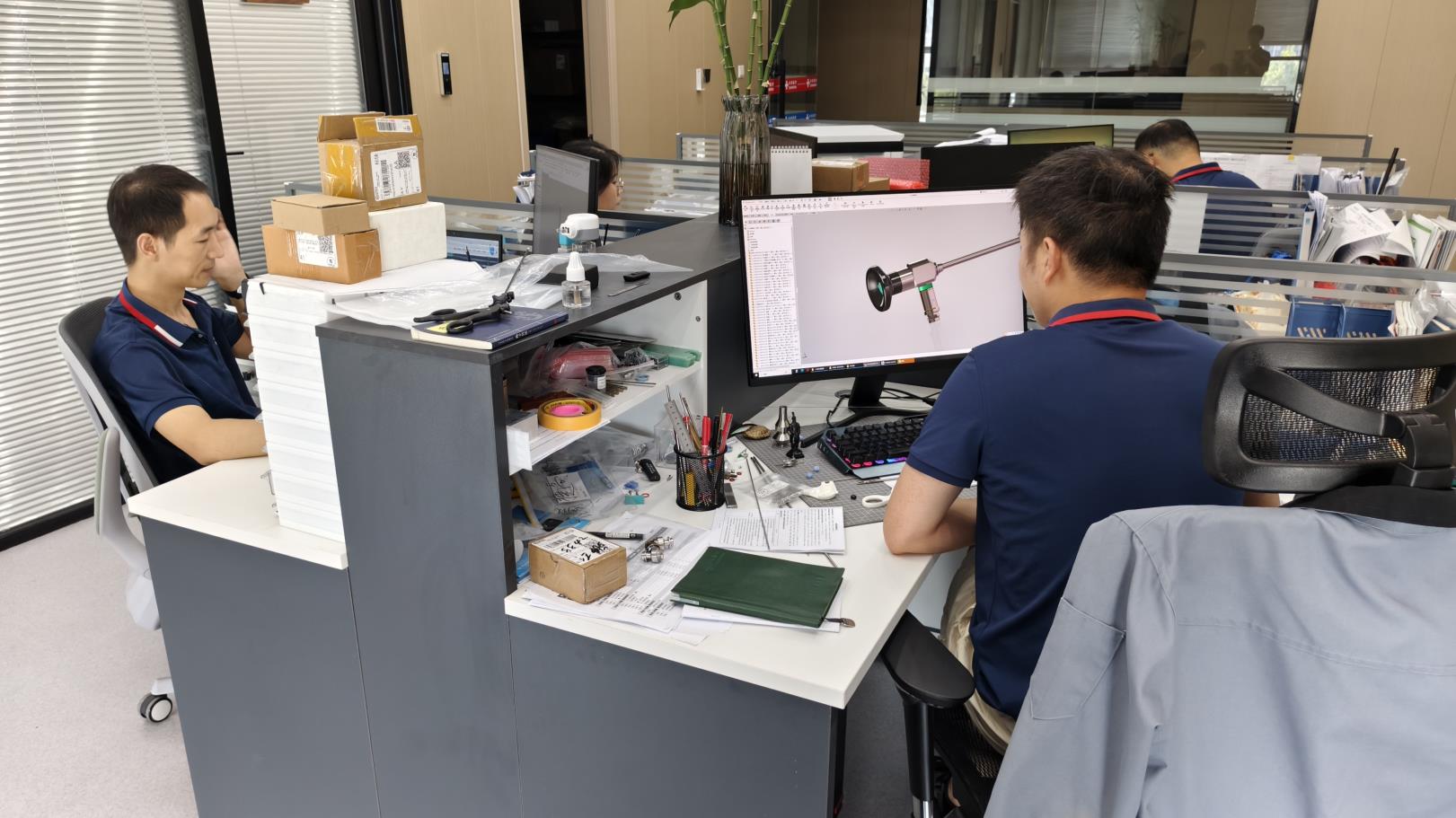
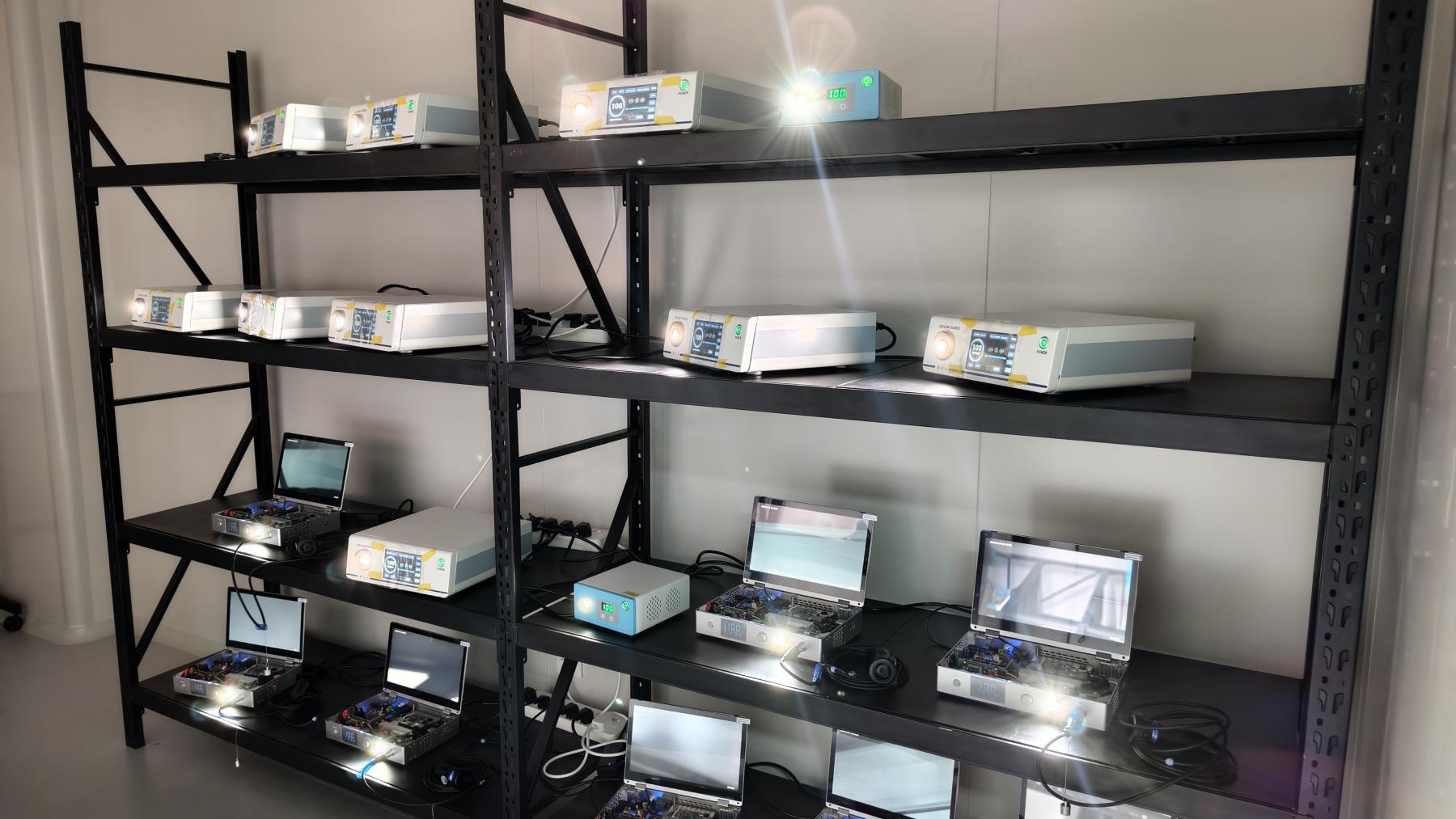
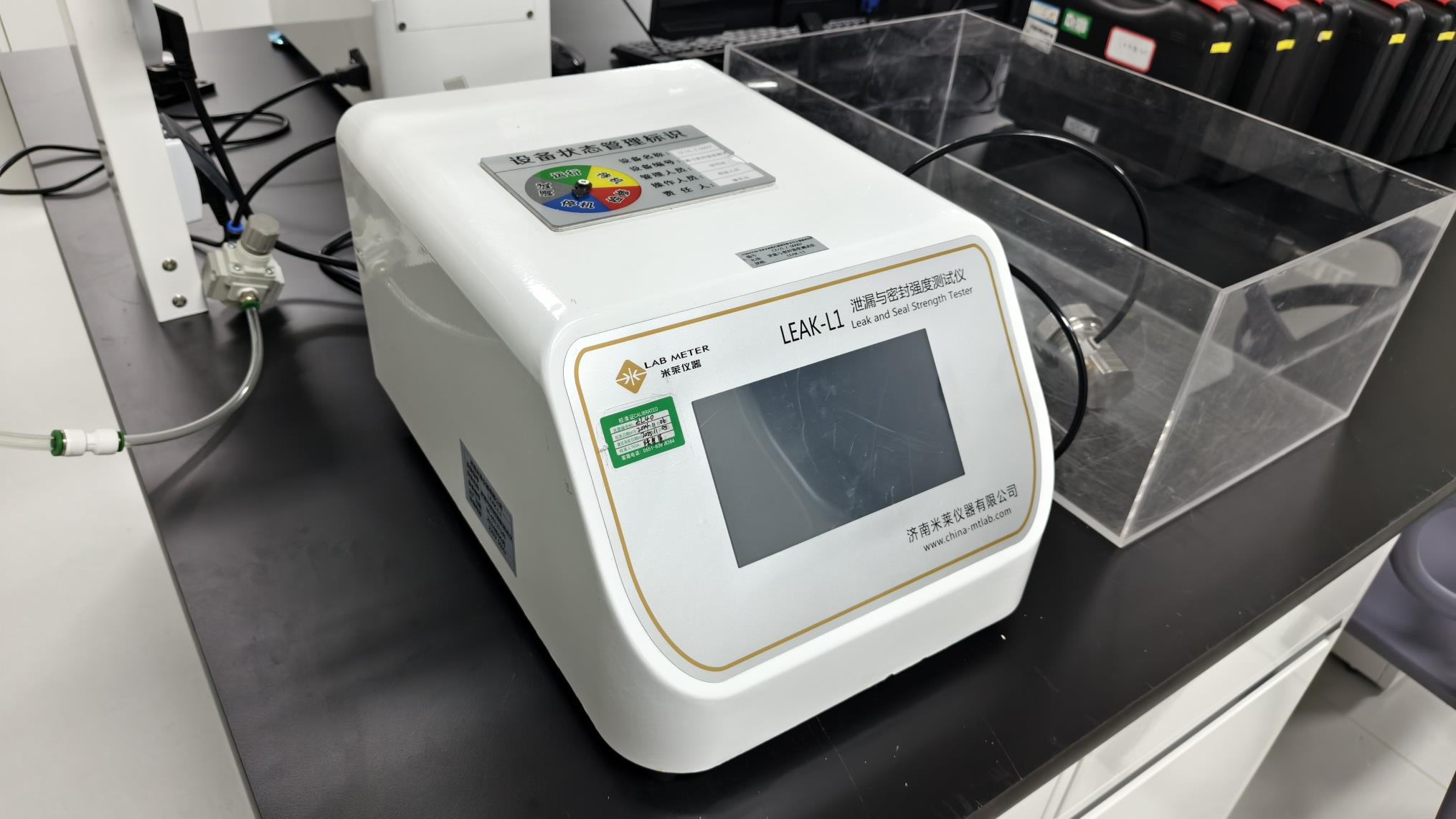
100% rigorous testing protocols backed by 48 quality control specialists.

Key technical, regulatory, and commercial queries answered by our senior engineering team.
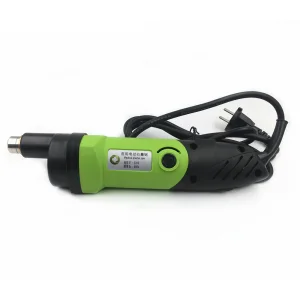
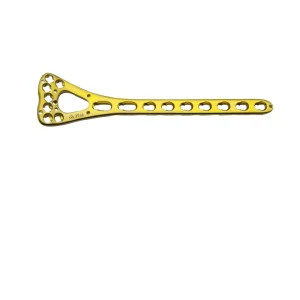
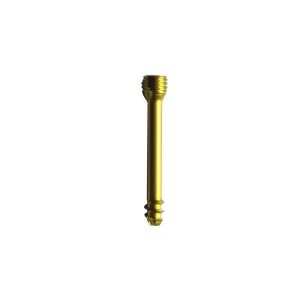
Explore our wide array of specialized orthopedic instruments, saws, and bone fixation screws.
 Synoviq Medical