Premium implants, surgical systems, and trauma fixation instruments designed for maximum structural rigidity and biomechanical precision.
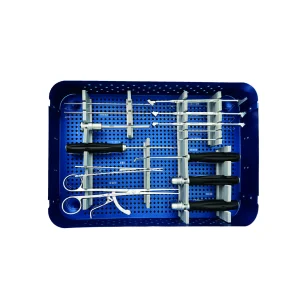
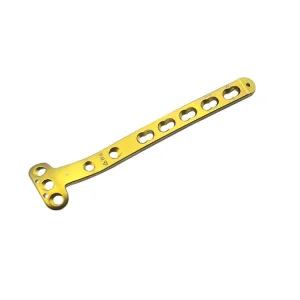
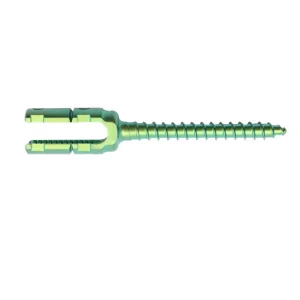
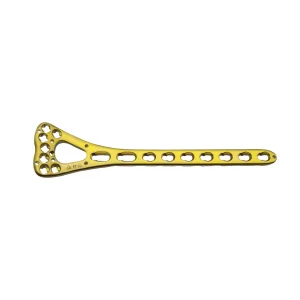
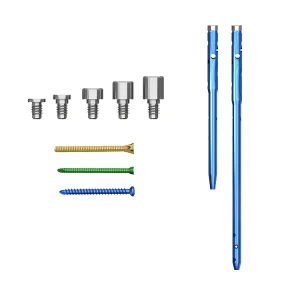
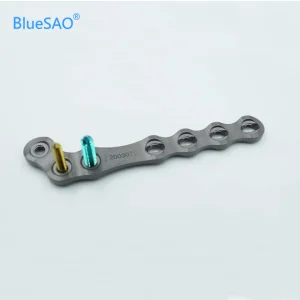
An authoritative analysis of mechanical stabilization, structural engineering, and procurement requirements in posterior spinal fixation systems.
In posterior spinal constructs, mechanical stability remains the primary indicator of successful long-term fusion. While pedicle screws and longitudinal rods absorb the majority of sagittal bending stresses, they are inherently vulnerable to axial rotation and lateral translation forces. Transverse cross connectors act as critical cross-bracing elements, significantly increasing the structural rigidity of the entire assembly and preventing rod migration, especially in multi-level spinal constructs.
Biomechanical studies demonstrate that installing a cross connector to bridge the bilateral longitudinal rods constructs a closed-loop frame structure, transforming a parallel column configuration into a torsionally resistant box grid. This geometric configuration dramatically reduces rotational micromotion at the fusion segment. Uncontrolled micro-movement under rotational torque can lead to construct fatigue, pedicle screw loosening at the bone-screw interface, and ultimately pseudarthrosis.
By restricting cross-axial movement, transverse connectors protect the graft site during critical early osteointegration phases. For manufacturers and exporters, this highlights the necessity of producing cross connectors with high mechanical stability, low physical profiles, and adjustable length ranges to accommodate variable intraoperative inter-rod distances.
Modern spine surgery emphasizes minimizing soft tissue disruption and avoiding hardware impingement. High-profile implants frequently cause postoperative irritation of the overlying muscle and fascia, leading to chronic back discomfort. Thus, next-generation spinal cross connectors feature ultra-low designs that sit level with or below the profile of the pedicle screw heads.
Furthermore, locking mechanism reliability is key. Synoviq uses precision-machined locking caps and multi-axial joint components that enable easy angulation adjustments without compromising locking torque. This reduces surgical times and ensures long-term mechanical reliability under dynamic fatigue loads.
Material engineering is the foundation of high-performance orthopedic implants. Grade 23 Titanium Alloy (Ti-6Al-4V ELI) is widely preferred due to its superior biocompatibility, high strength-to-weight ratio, and lower modulus of elasticity, which reduces stress-shielding risks. For complex pediatric scoliosis surgeries or long construct fixations where rotational stability demands are exceptional, Cobalt-Chromium (CoCr) connectors are increasingly selected. CoCr provides higher stiffness to resist severe deforming forces without requiring bulkier, higher-profile components.
Synoviq Medical Technology (China) Co., Ltd. is a leading OEM and ODM manufacturer of orthopedic implants and surgical instruments, serving global healthcare networks.
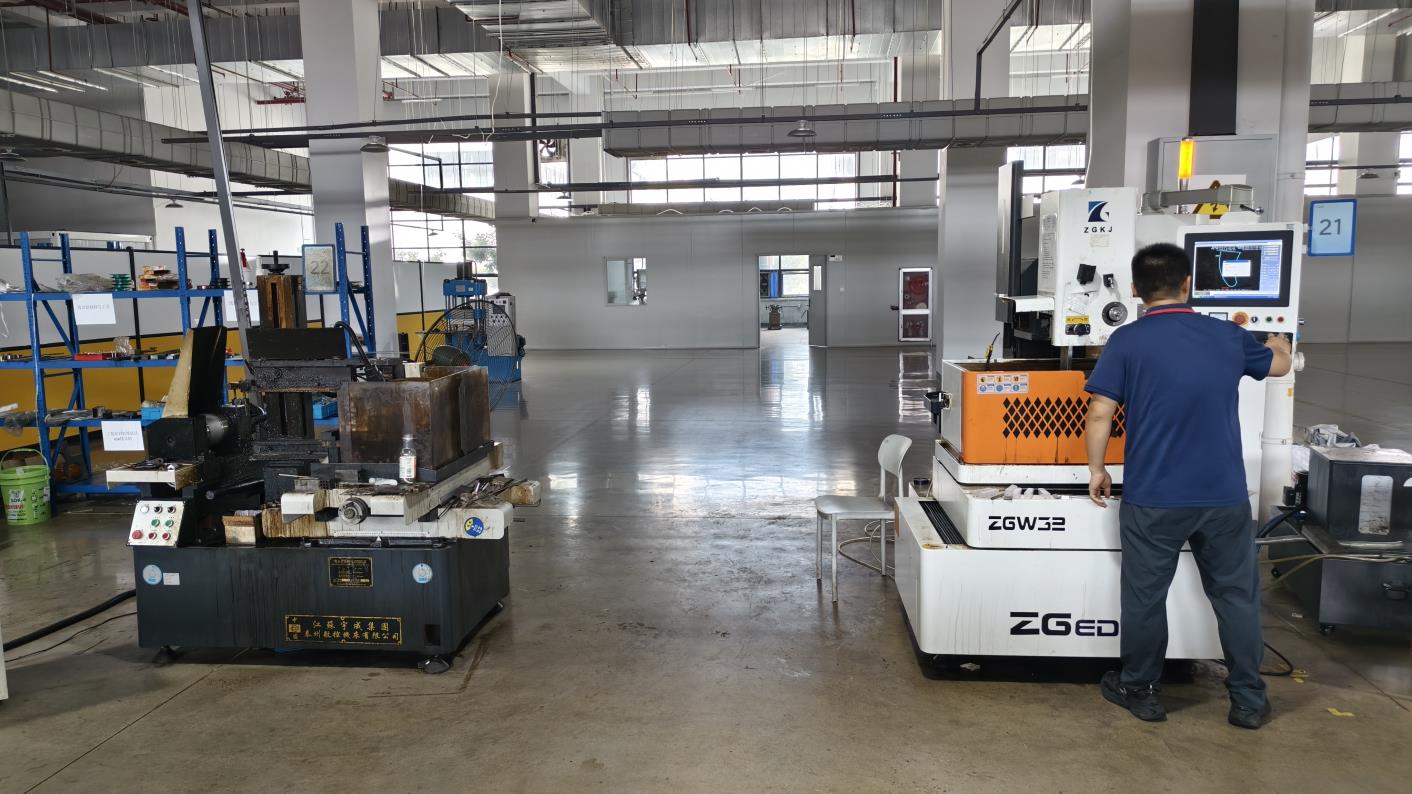
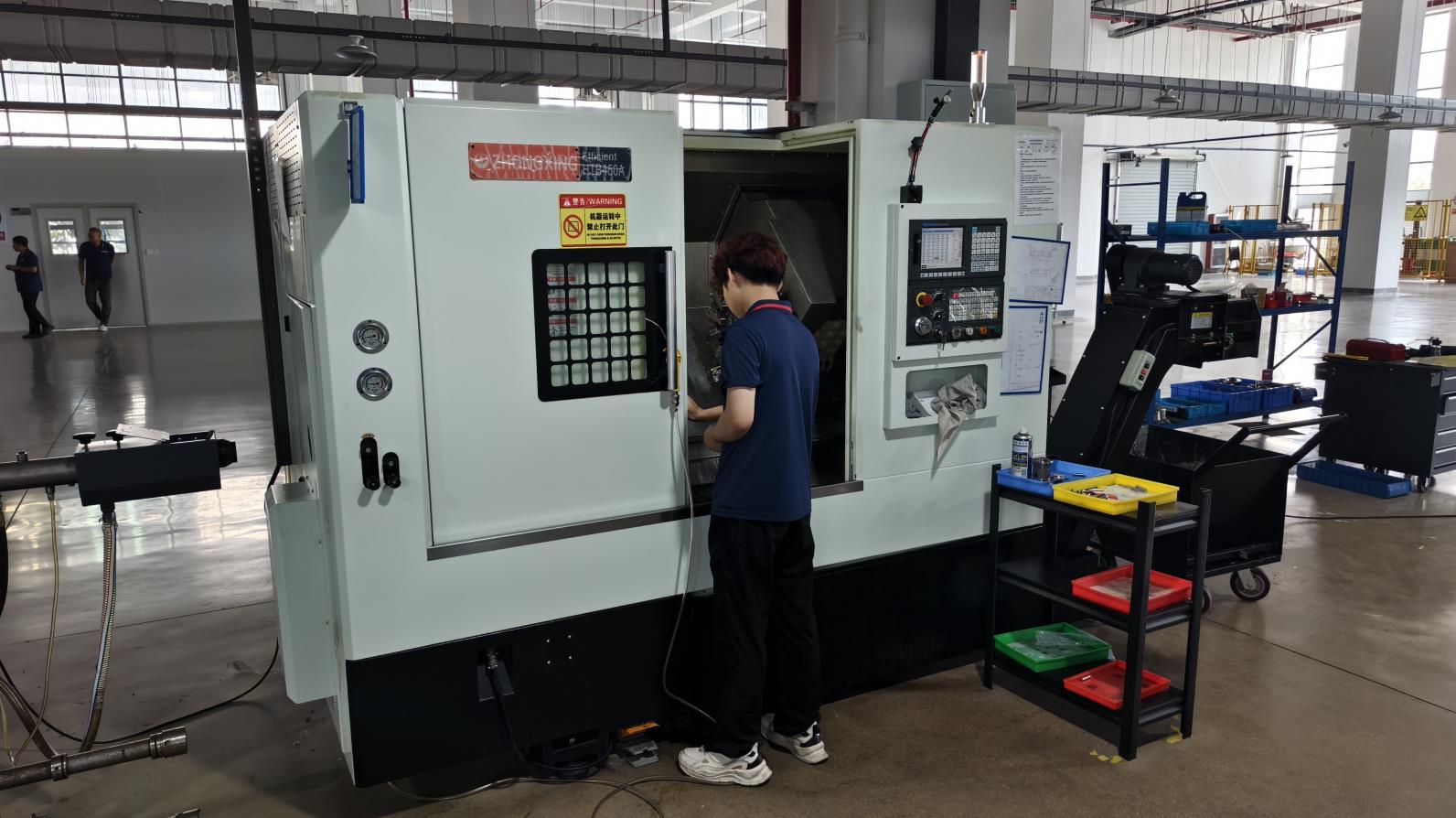
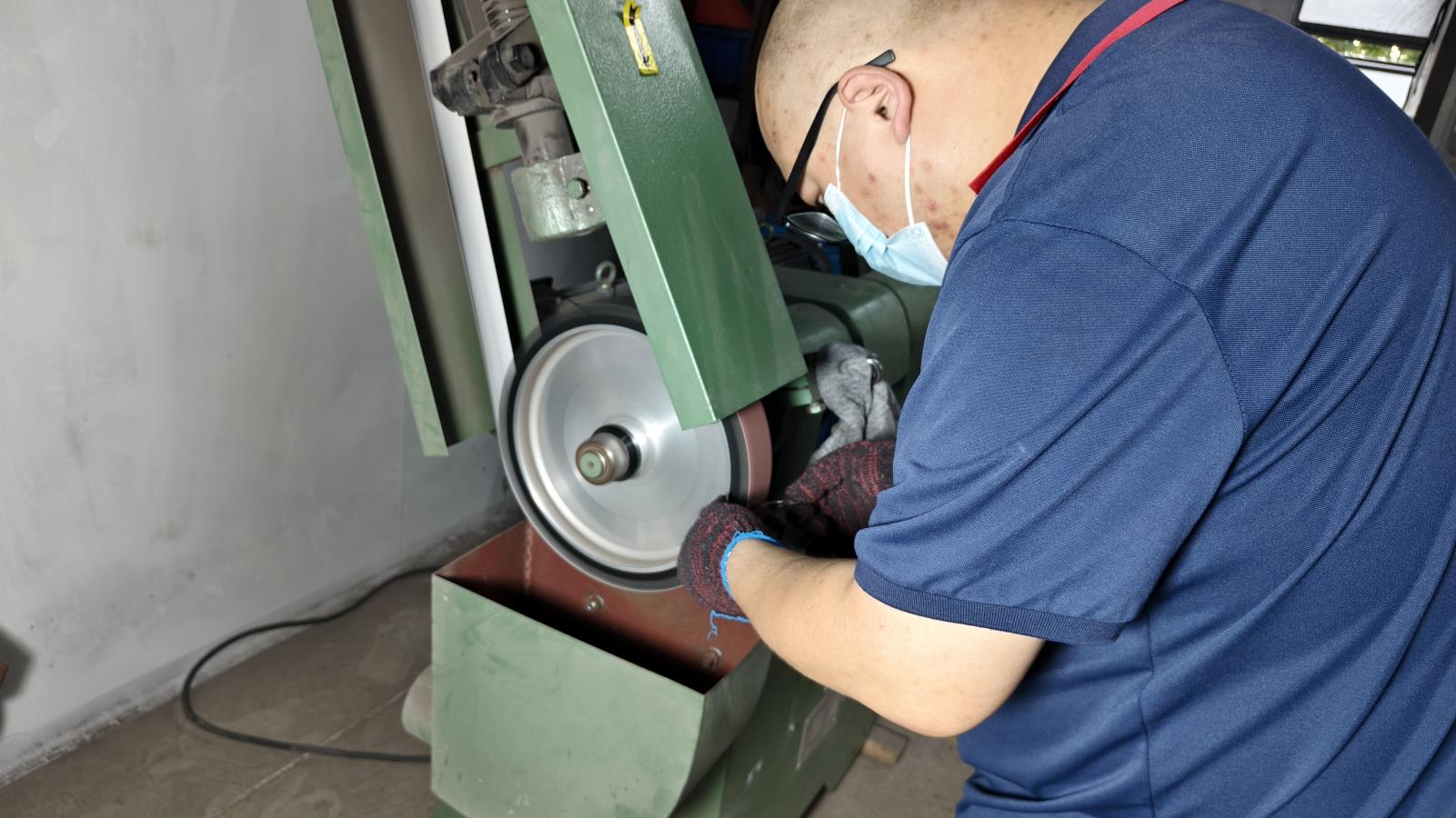
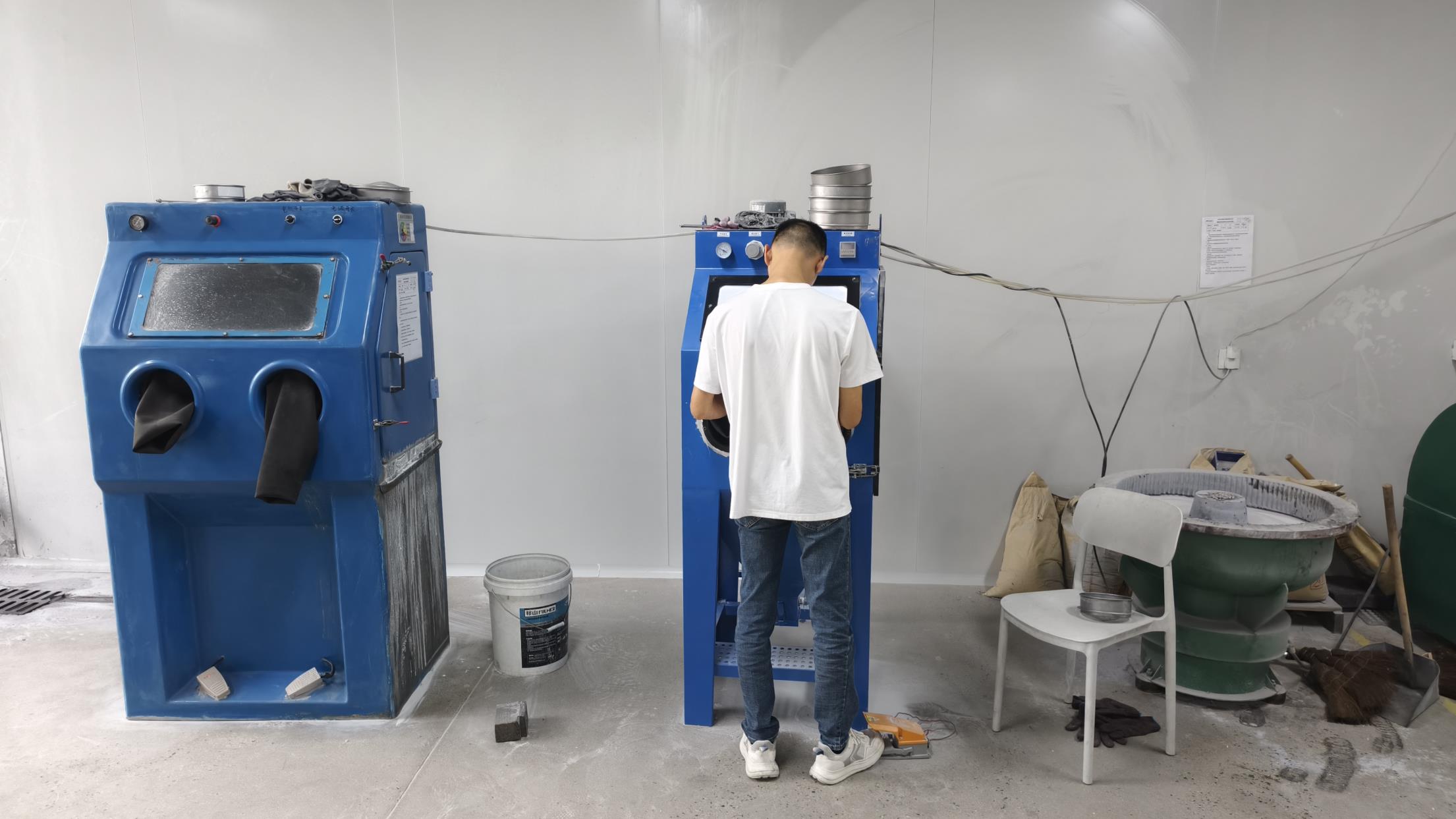
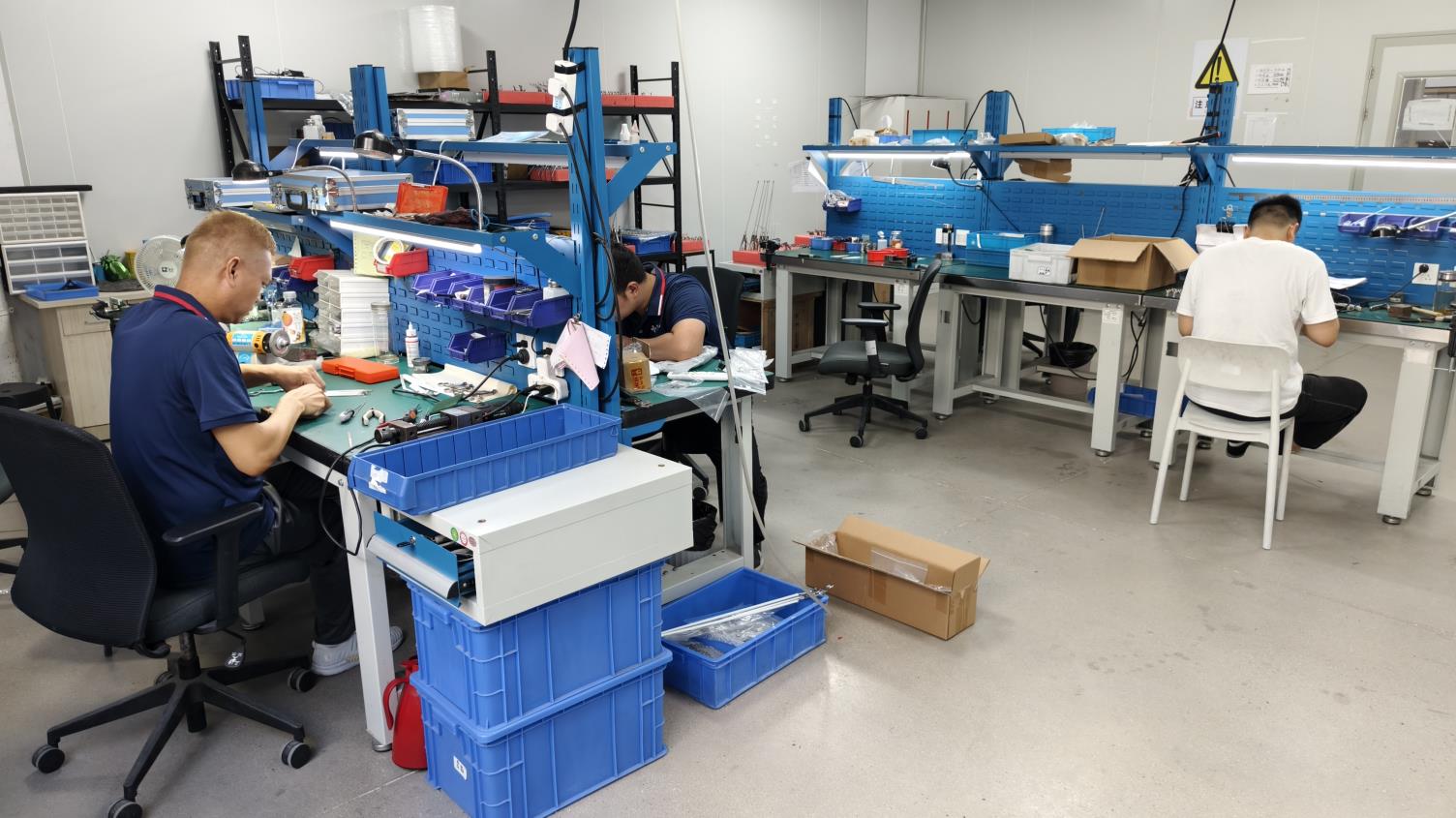
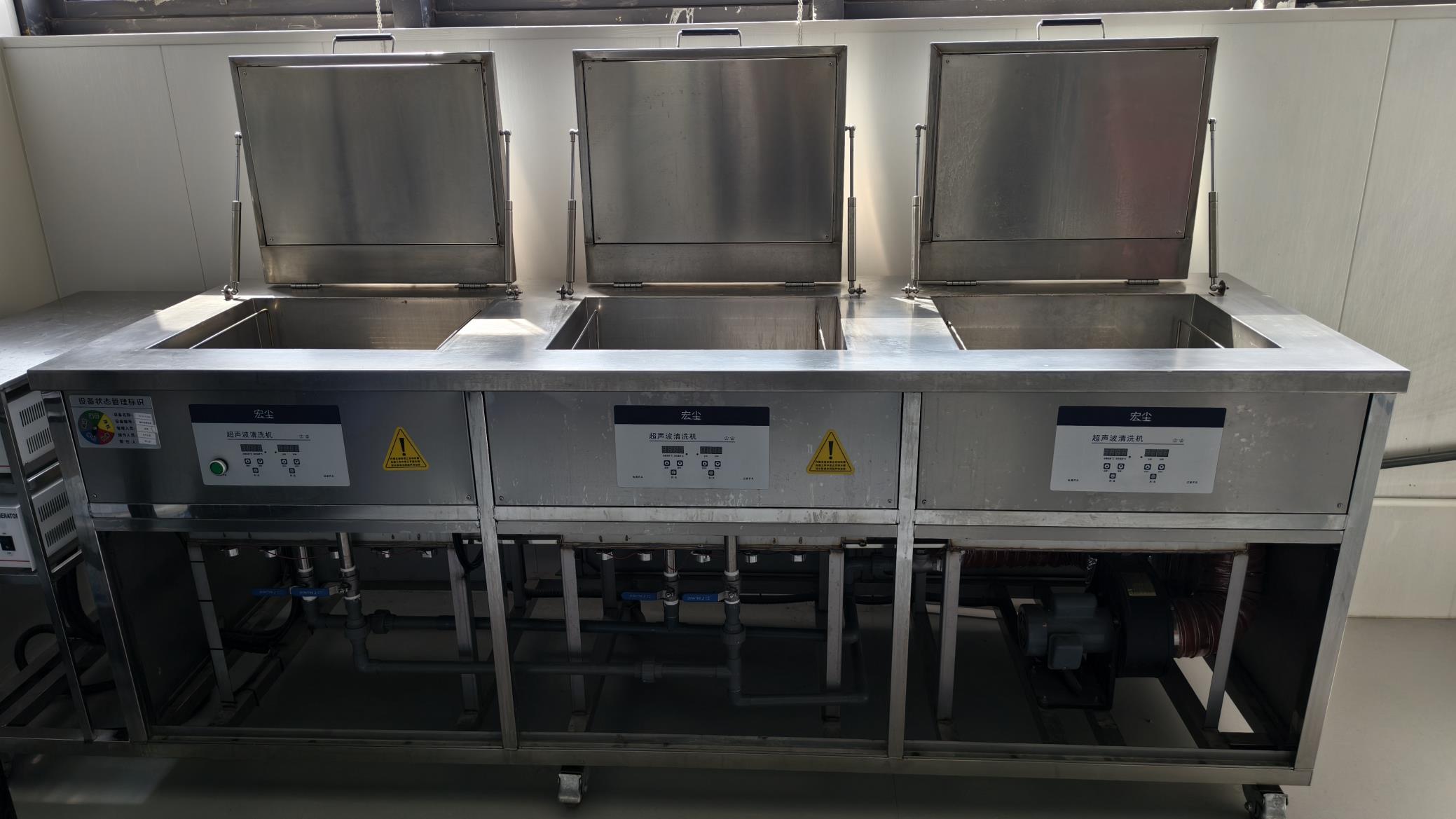
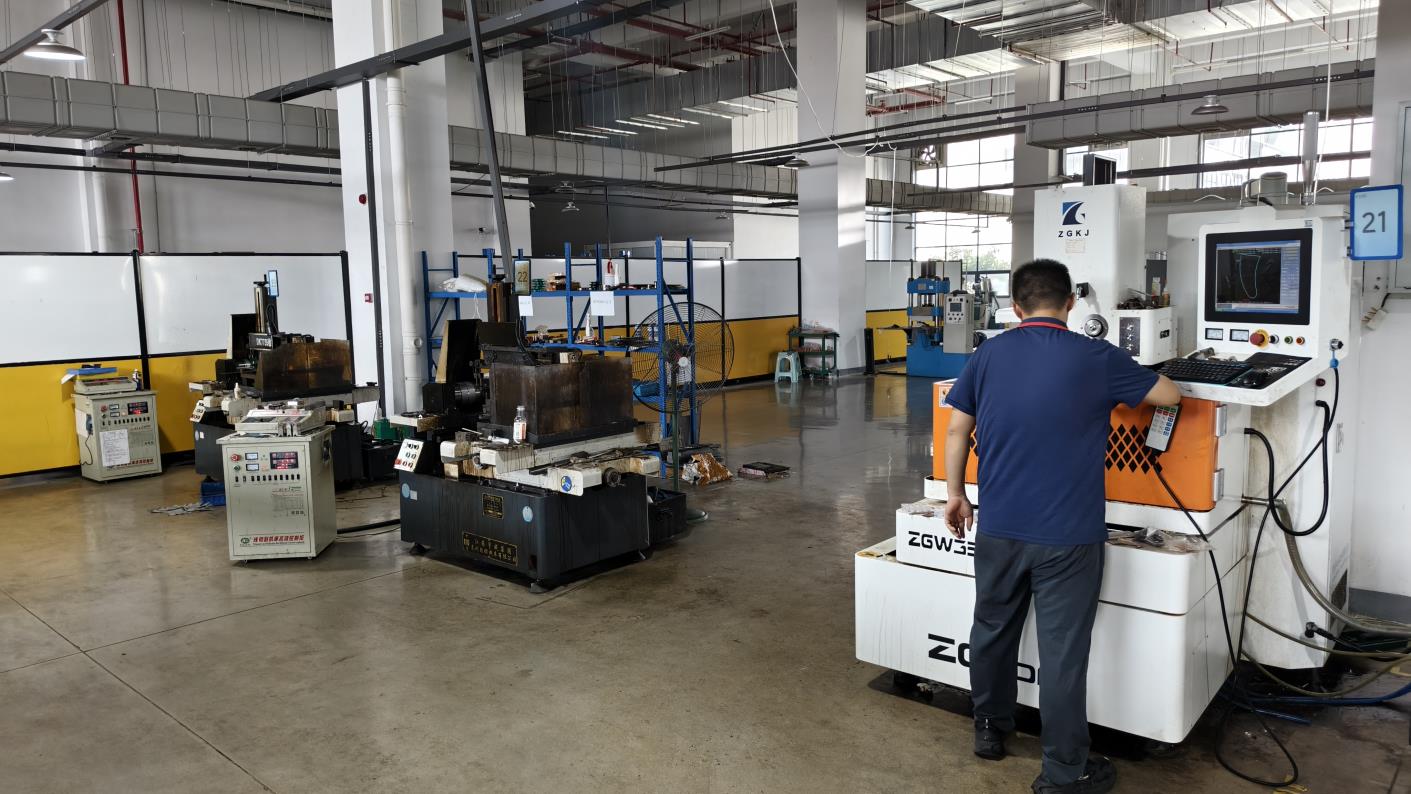
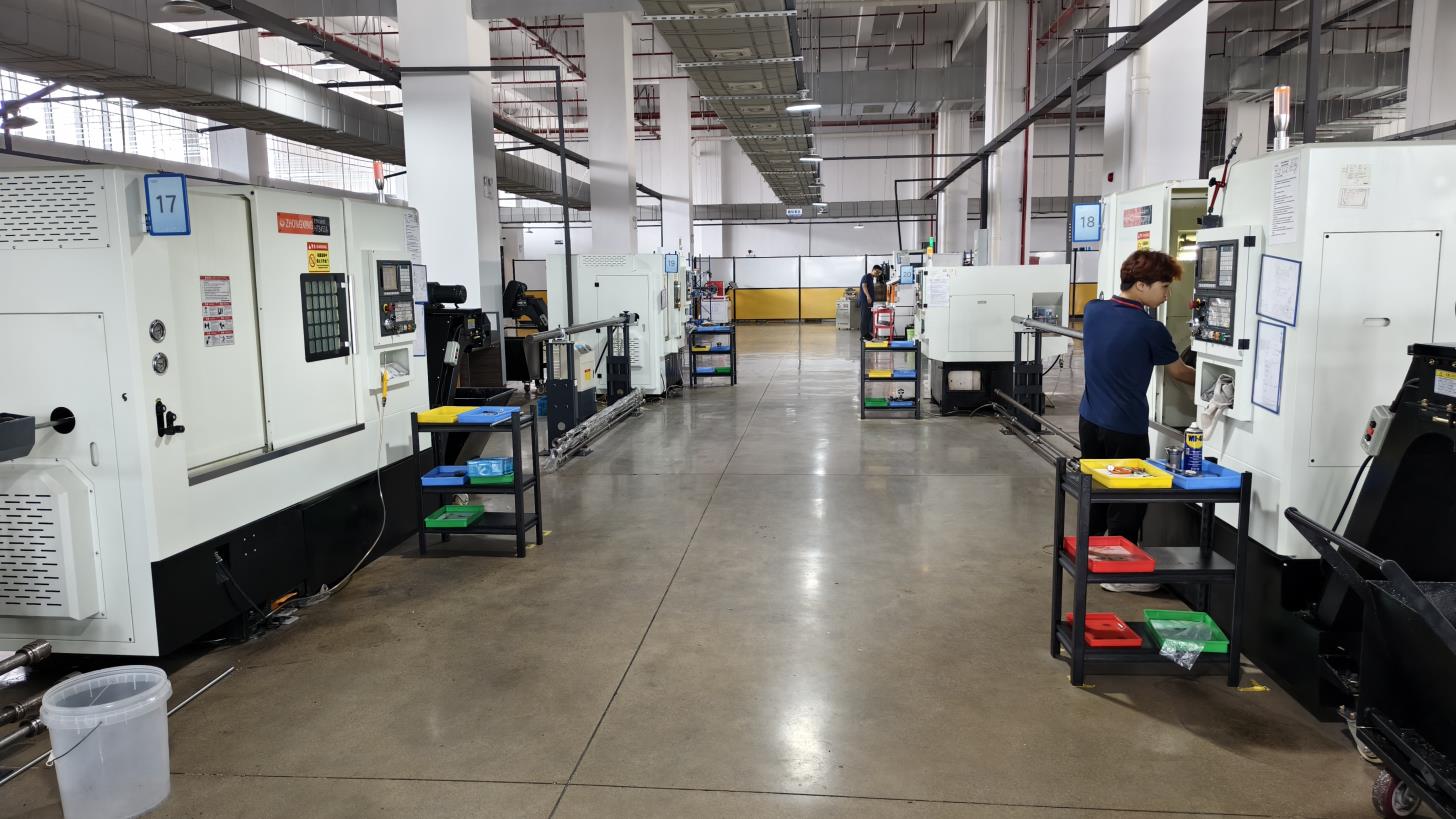
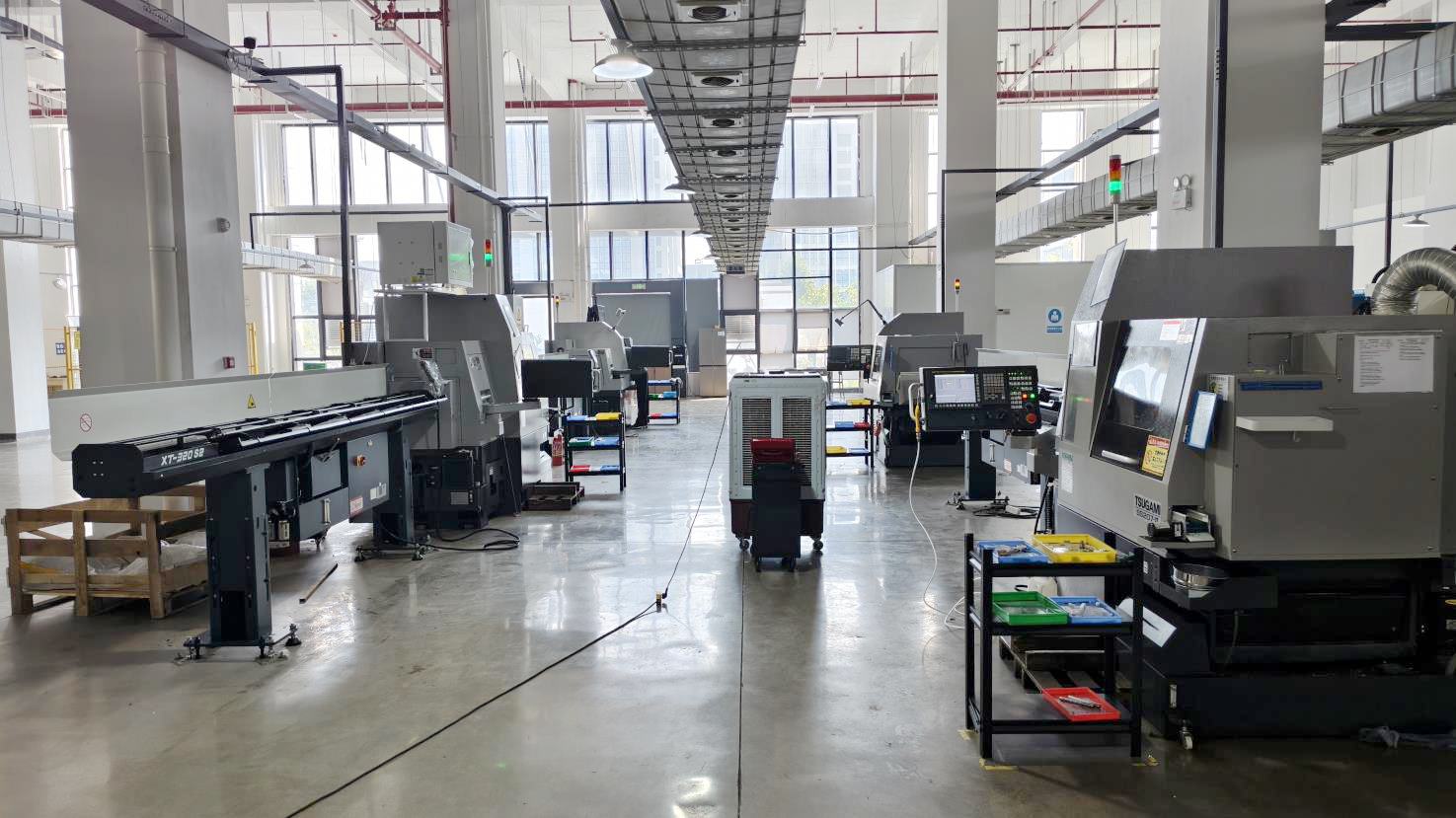
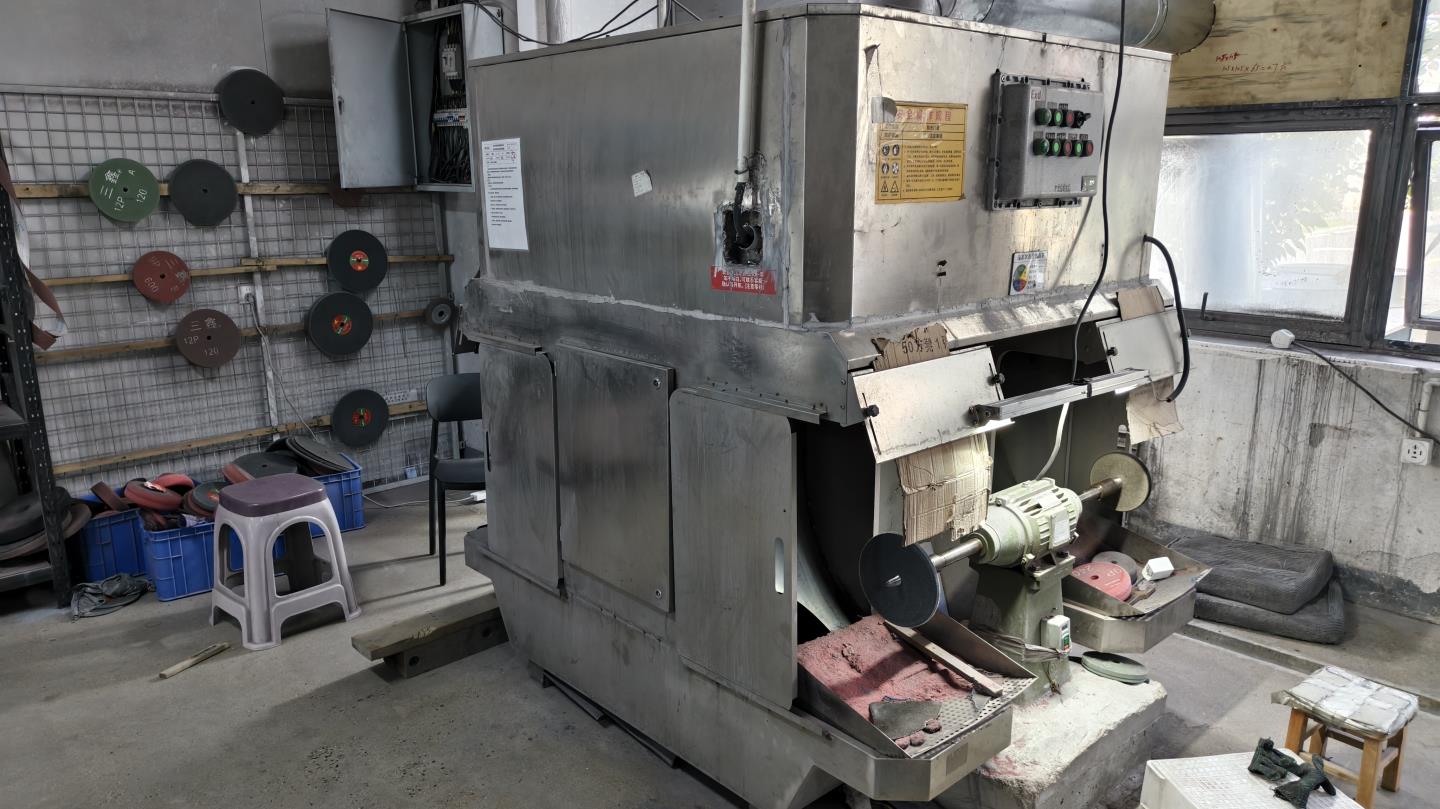
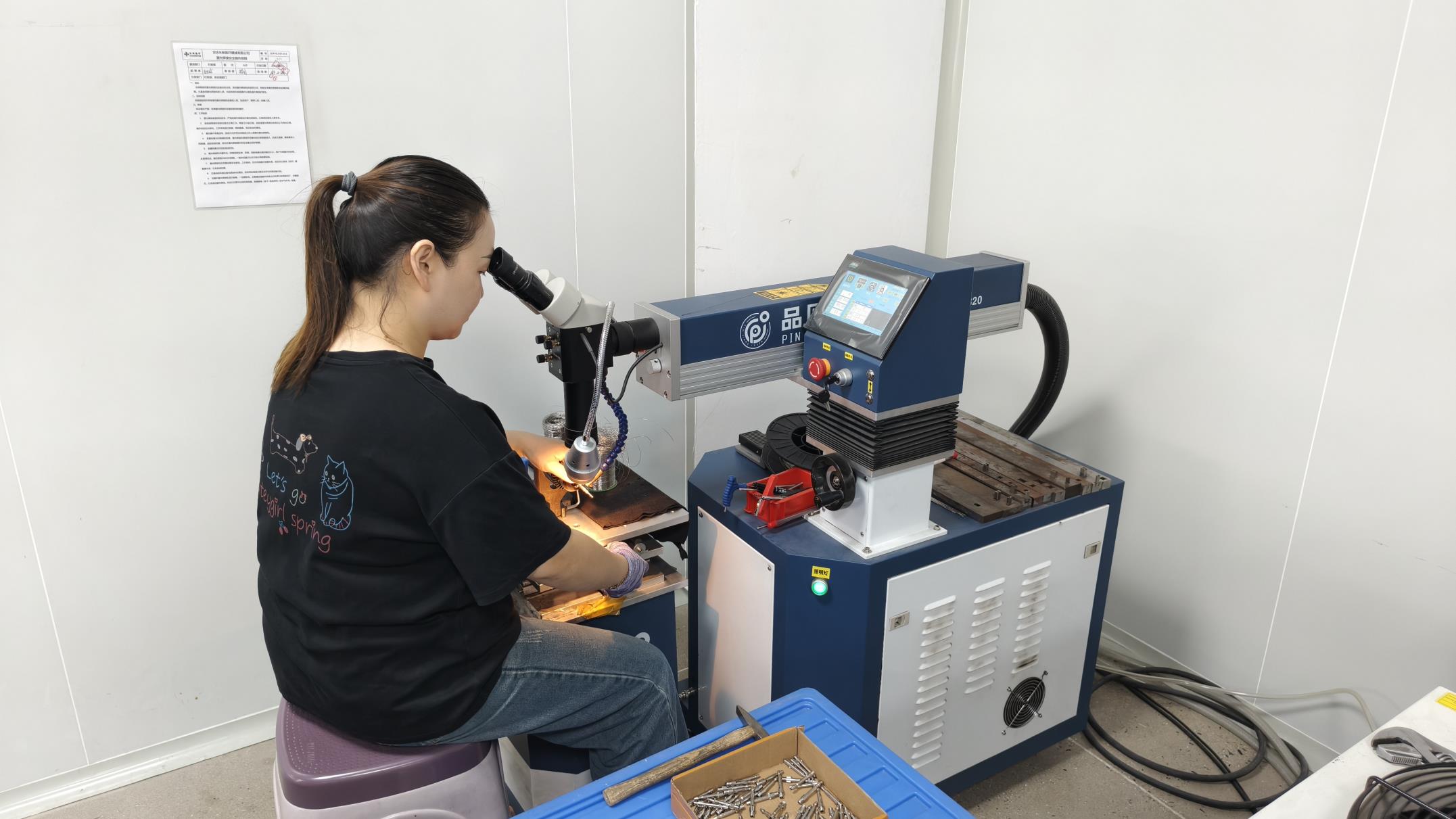
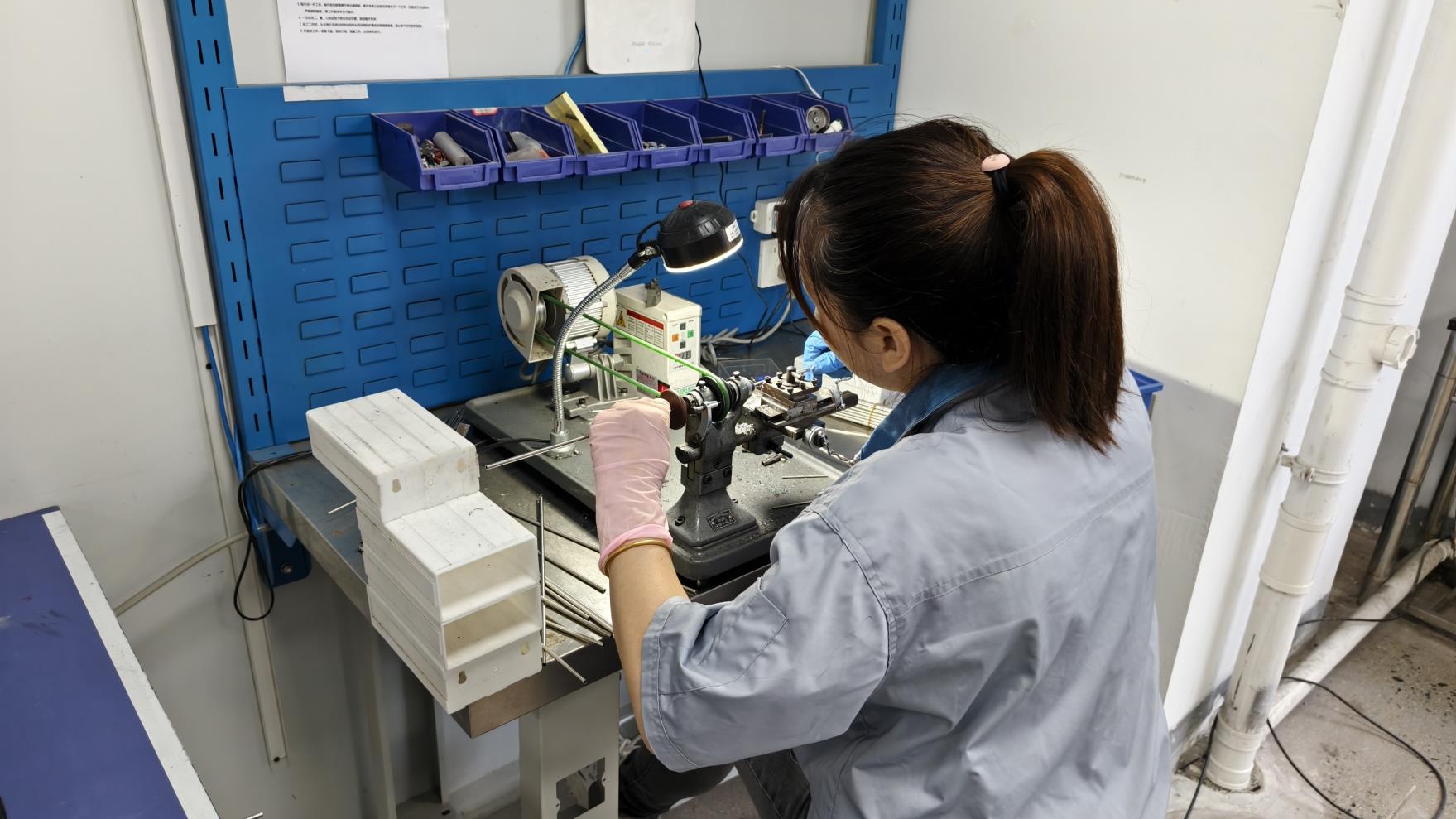
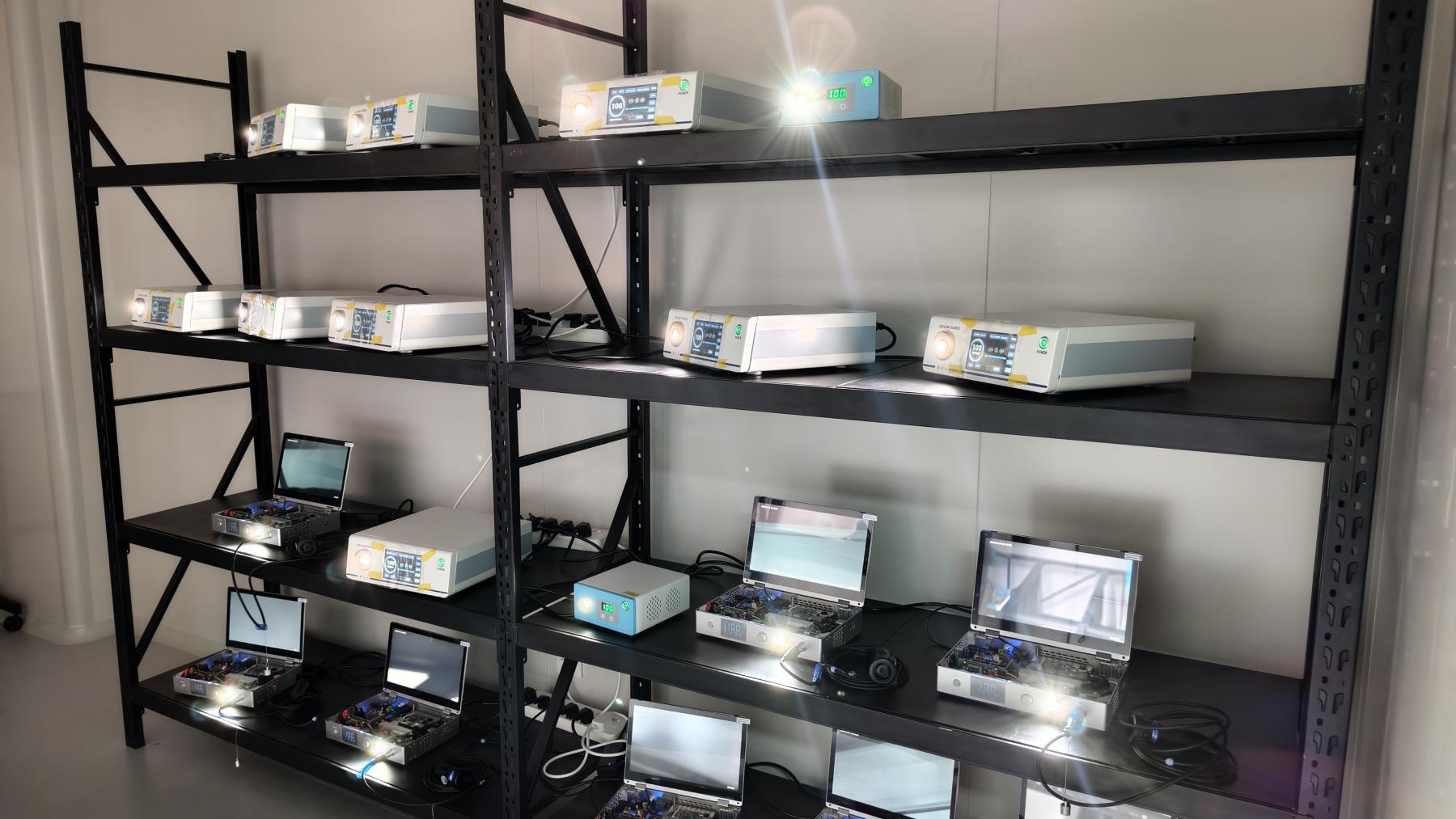
Synoviq Medical Technology (China) Co., Ltd. specializes in the research, design, and precision manufacturing of orthopedic implants and surgical instruments. Our advanced facility spans a building area of 18,600 m² and features modern CNC machining lines, cleanroom facilities, and comprehensive testing labs. Since our founding, we have focused on providing scalable, medical-grade solutions for orthopedics brands, private label distributors, and hospital procurement systems worldwide.
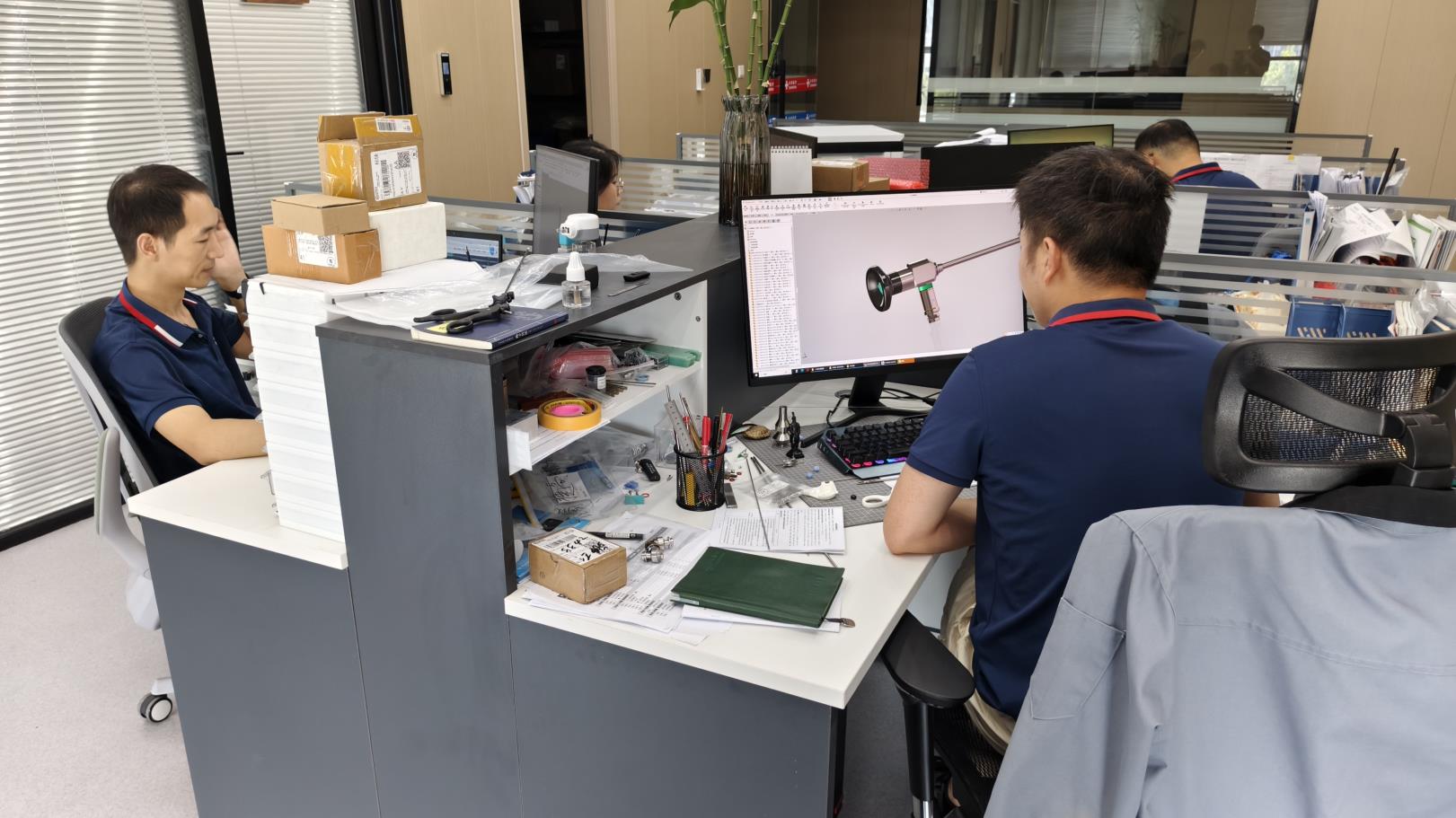
With an experienced R&D team and strict adherence to international quality protocols, we manage every step of the supply chain—from initial clinical design inputs to packaging, sterilization, and final delivery logistics. Our commitment to high engineering standards ensures that every screw, plate, instrument, and spinal cross connector matches critical clinical performance criteria.
| Specification Parameter | Details & Capabilities |
|---|---|
| Company Name | Synoviq Medical Technology (China) Co., Ltd. |
| Brand Name & IP | Synoviq |
| Date Established | March 18, 2016 (Backed by 14 Years of Group Industry Experience) |
| Manufacturing Area | 18,600 m² custom-built surgical implant manufacturing base |
| Annual Export Volume | USD 21.8 Million (Serving markets in EU, Americas, Middle East, Asia) |
| Quality Operations Staff | 48 Quality Control (QC) and Regulatory Assurance specialists |
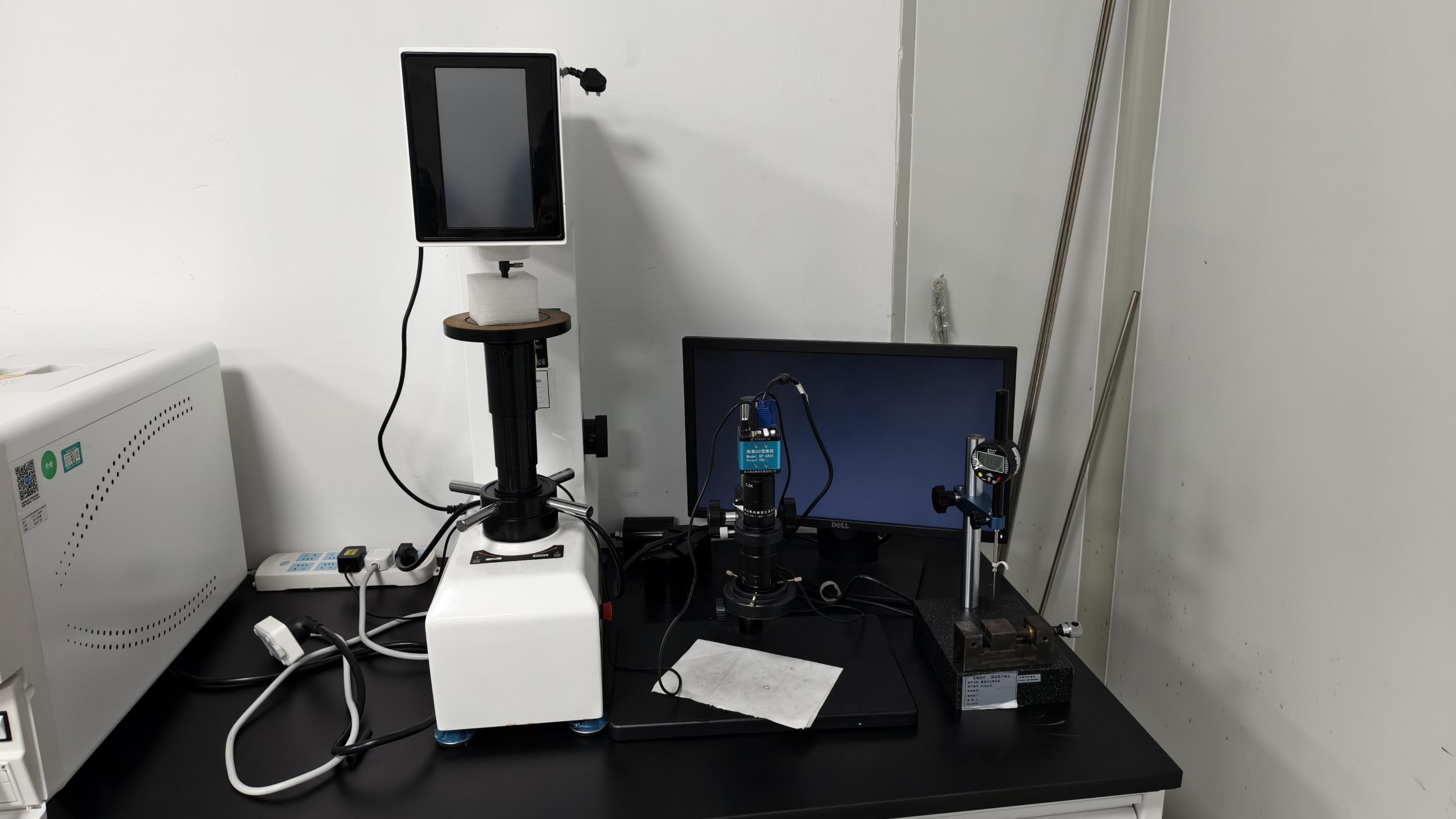
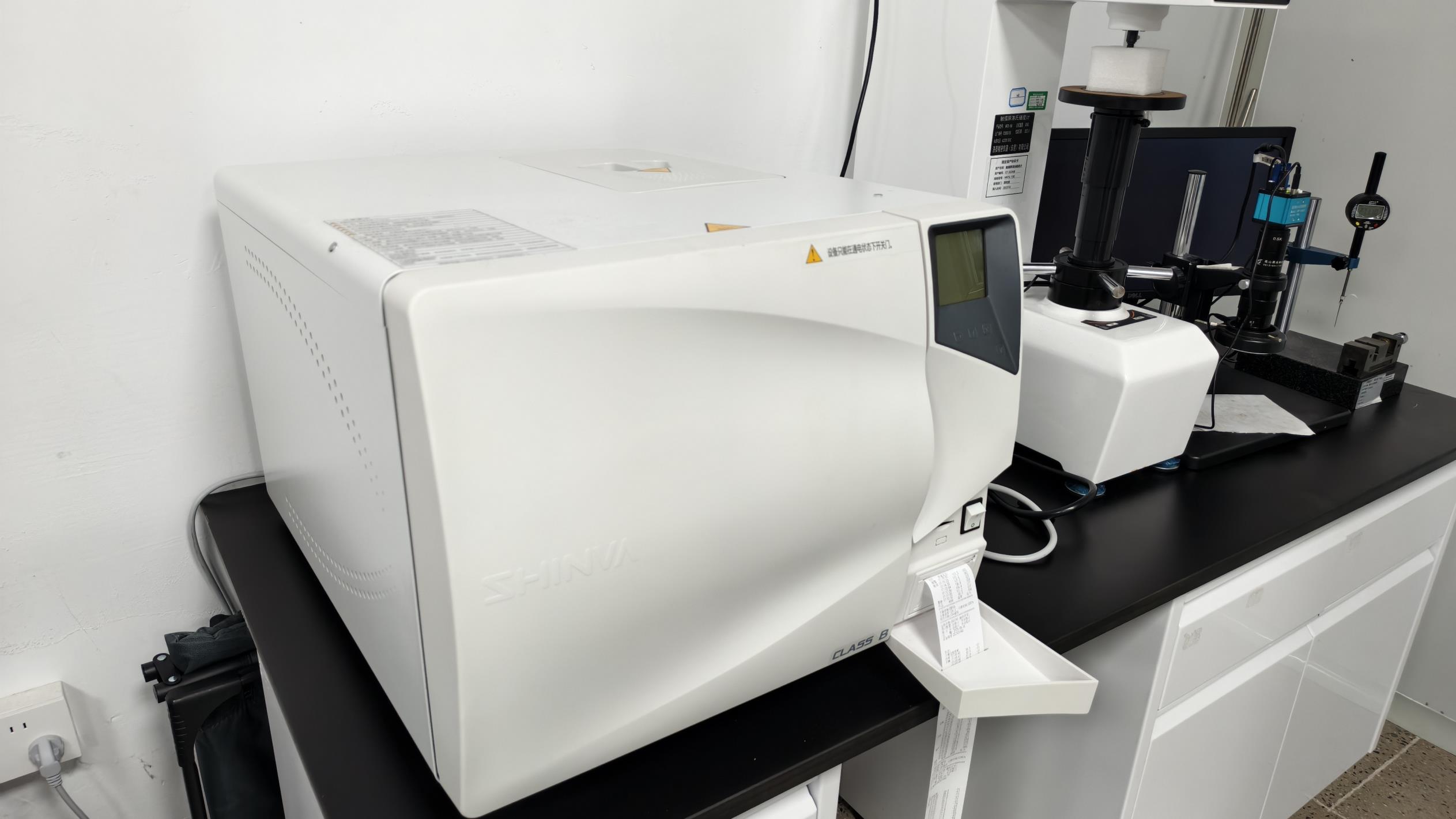
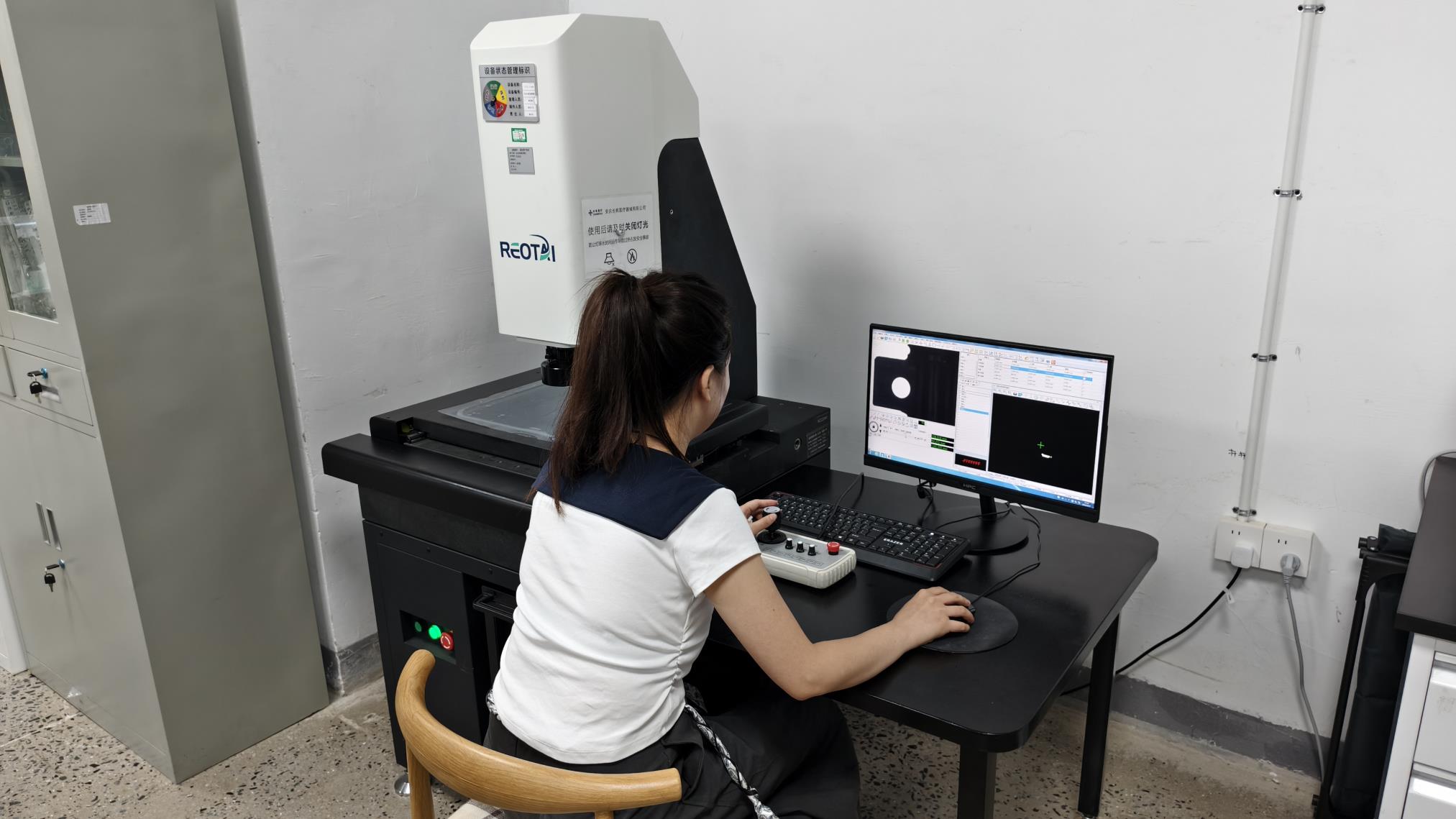
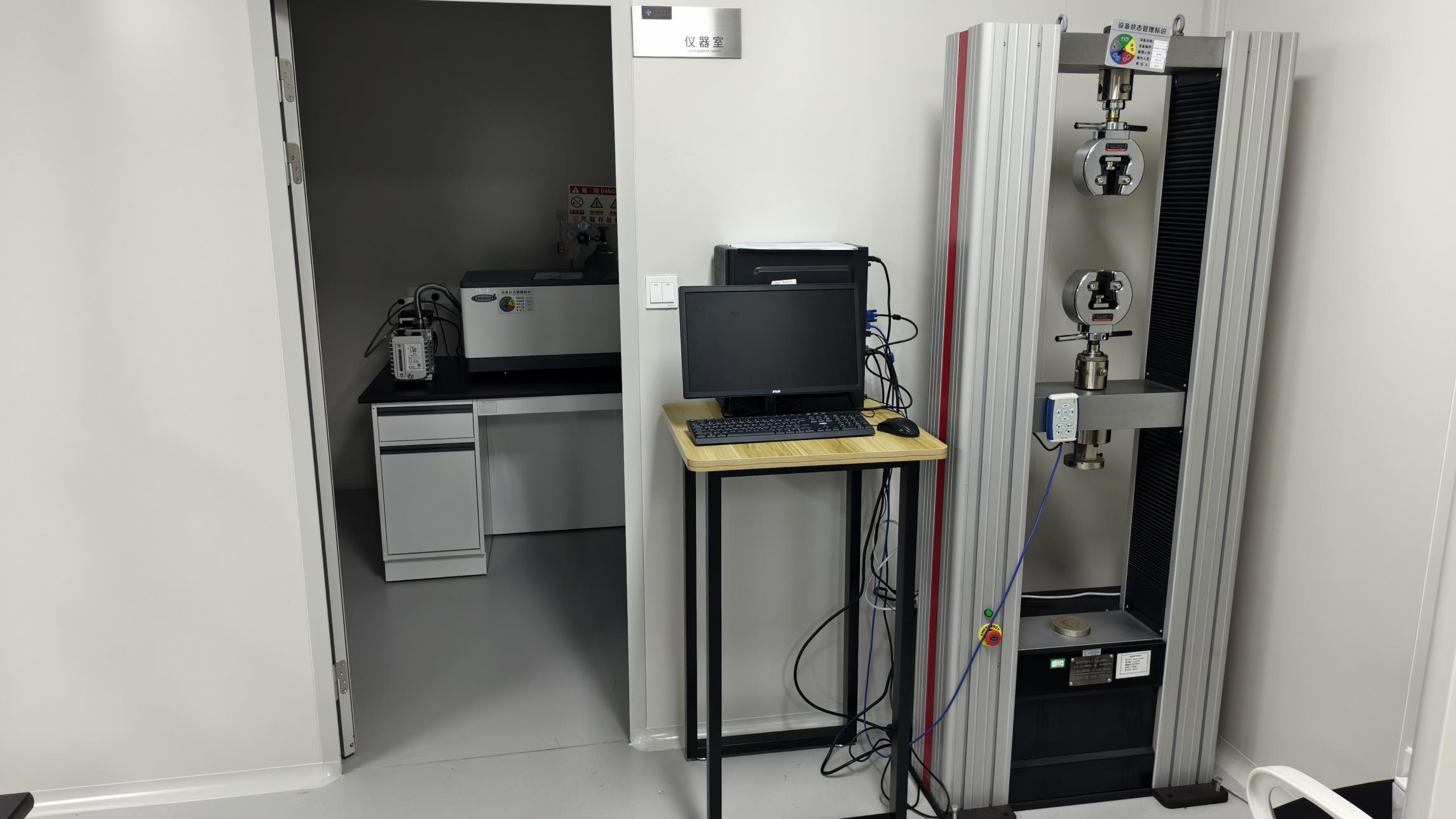
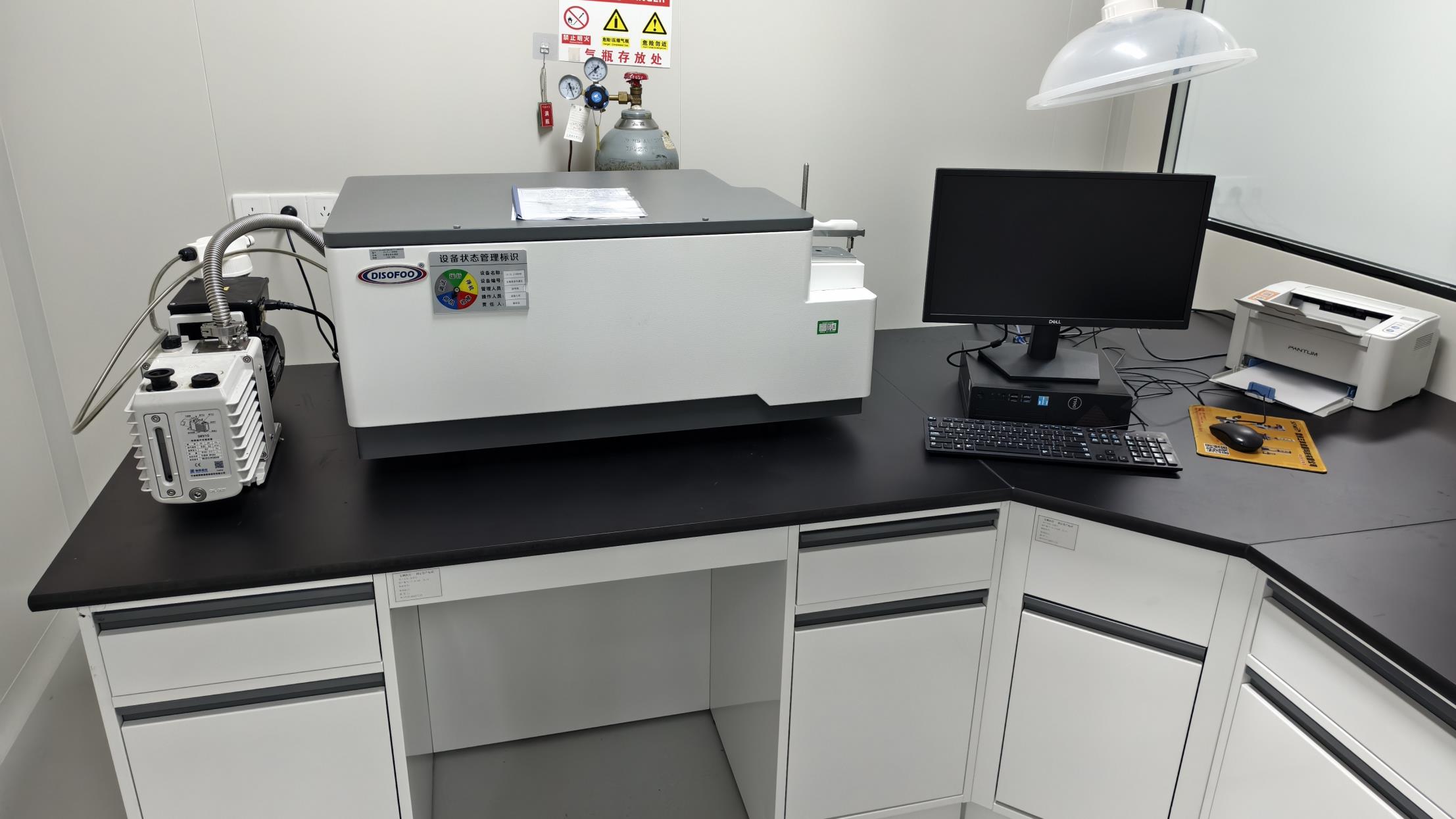
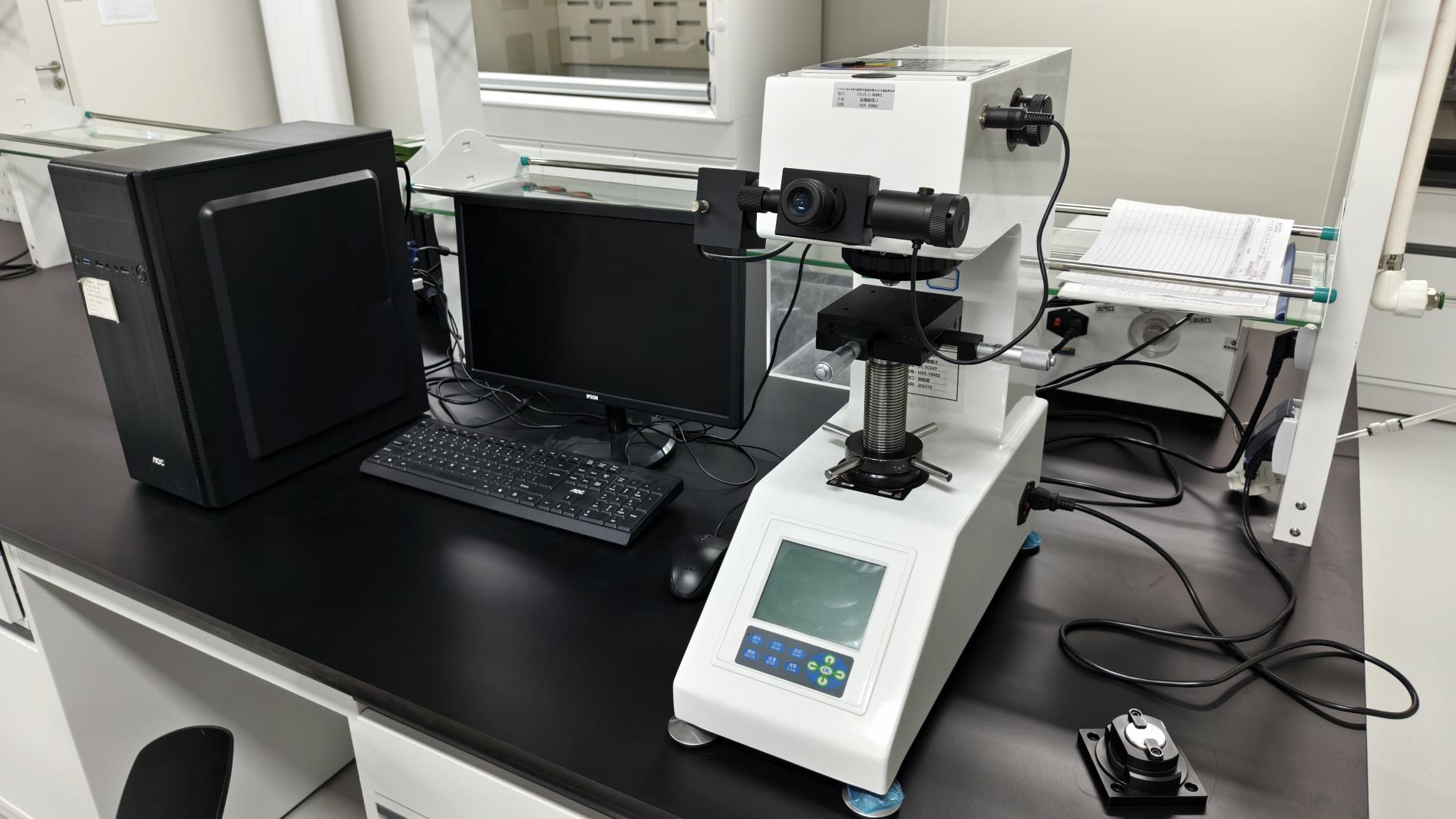
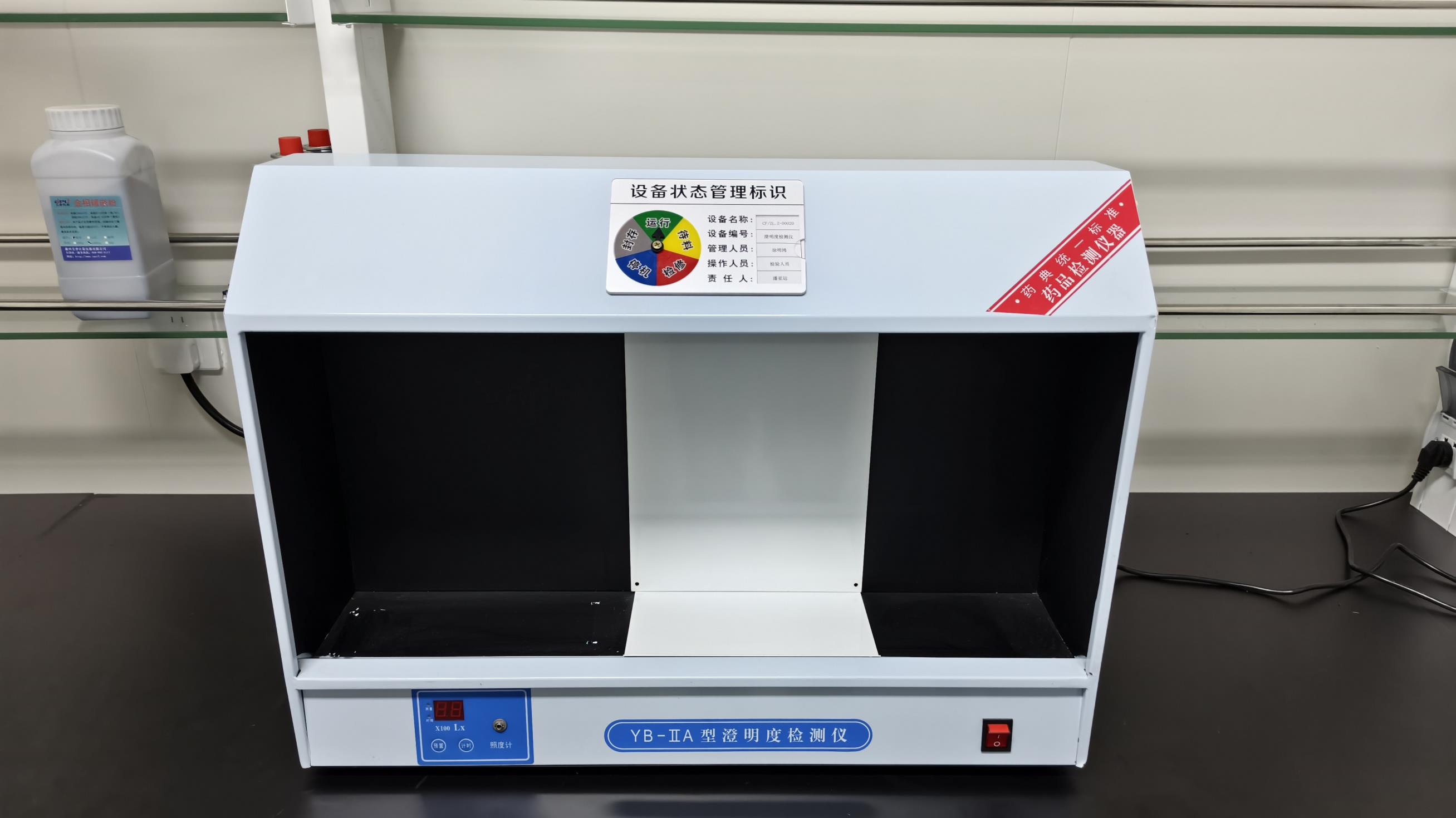
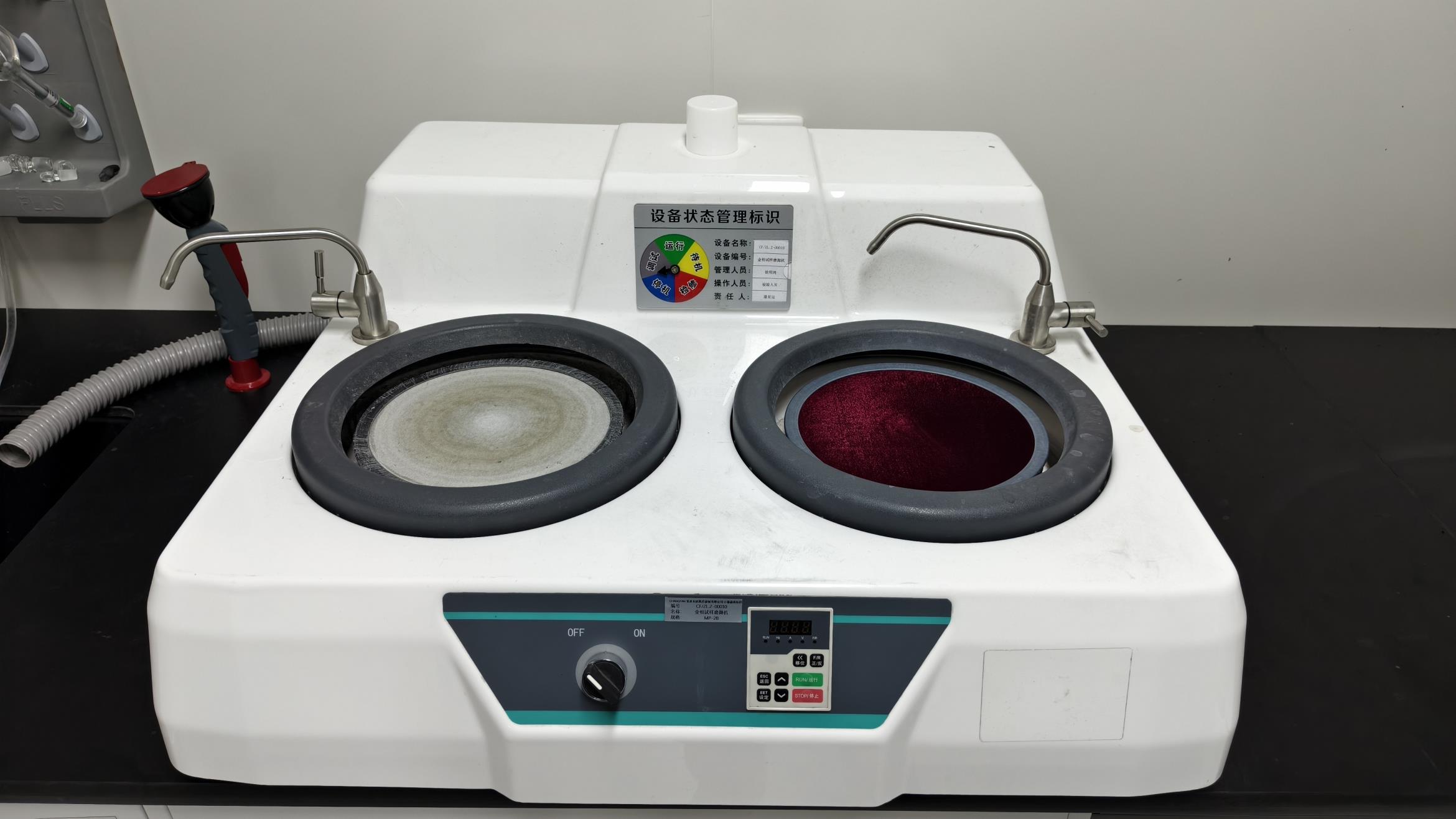
| Product Testing Methods | Coordinate Measuring Machine (CMM), Tensile/Mechanical Fatigue, Surface Roughness, Hardness, Salt Spray, Sterility Validation |
| Customization Capabilities | Complete OEM/ODM customization (laser marking, custom profiles, anodization, sterile packing solutions) |
| R&D Division | 76 Engineers delivering design modeling, prototyping, and biomechanical validation support |
| Supply Chain Partners | Over 1,120 global distribution networks, raw material providers, and clinical centers |
Our vertical production and rigorous validation procedures guarantee structural consistency and bio-compatibility across all implant systems.
Understanding procurement mandates, regulatory alignment, and technological transitions driving the global spine market.
Clinical workflows are shifting rapidly toward tissue-sparing surgical approaches. Minimally invasive spinal fusion requires lower-profile cross connectors that can be passed percutaneously or through narrow retraction corridors without requiring extensive muscle detachment.
Global procurement teams prioritize cost-efficiency alongside mechanical performance. By leveraging advanced Swiss machining centers, Synoviq reduces cycle times and material scrap, providing competitive pricing margins for distributors participating in national tenders.
Placing medical devices in international markets requires rigorous regulatory support. Synoviq supports its clients with complete MDR technical documentation, FDA dossiers, biocompatibility data, and sterilization validations to accelerate registration timelines.
A central debate in spinal biomechanics centers on construct flexibility. Completely rigid posterior stabilization has been standard, but it can accelerate adjacent segment degeneration (ASD) by transferring high mechanical loads to nearby unfused levels. As a result, research is focusing on semi-rigid or dynamic transverse connectors.
These dynamic systems allow minor flexion-extension or axial rotation, reducing peak load concentrations at adjacent levels while maintaining the necessary lateral stability for posterior fusion. Translating these biomechanical trends into production-ready designs requires advanced FEA (Finite Element Analysis) capabilities, a key area where Synoviq's R&D team works closely with partner organizations to develop custom implant profiles.
Developing advanced surface modifications, customized patient geometries, and sensor-integrated smart orthopedic solutions.
As orthopedics moves past traditional titanium sandblasting, we are developing surface finishes that improve soft tissue integration and reduce bacterial adhesion. Our R&D roadmap includes implementing acid-etched nanostructures and anodic oxidation to create bioactive TiO2 layers that support bone attachment and resist biofilm formation.
Additionally, PEEK (Polyetheretherketone) cross connectors, featuring plasma-sprayed titanium coatings or integrated carbon-fiber reinforcement, are being engineered. These composite materials provide radiolucency for clearer post-operative imaging while preserving mechanical properties comparable to titanium alloys.
Industrial 3D printing (Electron Beam Melting and Direct Metal Laser Sintering) is redefining implant manufacturing. 3D printing enables the production of porous trabecular titanium structures that mimic human bone density, reducing stress shielding and promoting bone ingrowth.
For custom orthopedic solutions, additive manufacturing allows for the production of patient-matched implants built directly from preoperative CT scans. We are actively refining our CNC and 3D printing integrations to support the cost-efficient production of custom cross connectors and specialized trauma plates for complex anatomical cases.
Technical and regulatory answers for sourcing managers, orthopedic distributors, and medical engineers.
Explore our trauma plates, veterinary solutions, surgical instruments, and interventional devices manufactured to international standards.
 Synoviq Medical