Premium class-certified trauma fixation plates, intramedullary locking systems, and surgical tools powered by Synoviq Medical Technology.
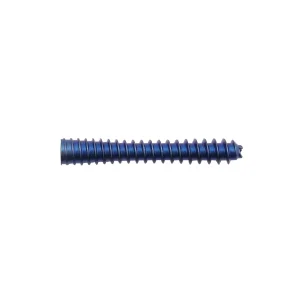
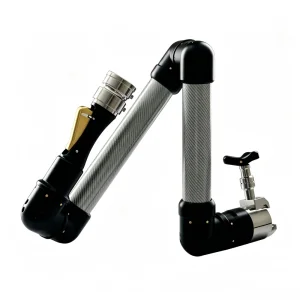
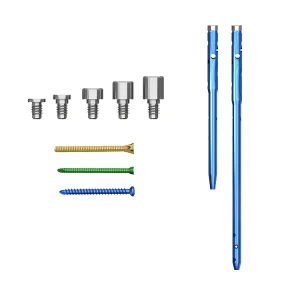
Understanding the interface dynamics, osteointegration, and surface technologies that define modern joint replacement therapy.
Total Hip Arthroplasty (THA) has undergone a major paradigm shift with the rapid ascent of cementless hip prostheses. Unlike cemented models that rely on polymethyl methacrylate (PMMA) bone cement to anchor components, cementless designs leverage the biological principles of bone growth. This method, often referred to as biological fixation, utilizes a press-fit surgical technique combined with highly engineered, porous metal surfaces. The result is structural osteointegration, where host bone directly traverses the implant's outer layers, establishing a dynamic interface that responds naturally to physiological load changes.
Achieving primary stability is critical for the success of cementless procedures. The initial mechanical press-fit prevents micromotion at the bone-prosthesis boundary. Research demonstrates that excessive relative motion (exceeding 150 microns) can trigger fibrous tissue growth rather than healthy bone deposition, leading to early component loosening. To maintain primary stability, global implant designers utilize anatomic geometries, tapered profiles, and specialized coatings. Over time, secondary biological stability develops as trabecular bone invades the open pores of the prosthetic material.
For optimal bone ingrowth, material scientists have identified that the interconnected pore system of a cementless prosthesis must maintain a pore size between 100 to 400 micrometers, with an overall volumetric porosity of 40% to 80%. This range mimics the architectural matrix of natural human trabecular bone, providing a scaffold for vascularization and subsequent osteogenesis.
In addition to geometry, material chemistry plays a vital role. Medical-grade titanium alloys (specifically Ti-6Al-4V ELI) and cobalt-chromium-molybdenum (CoCrMo) alloys serve as the base substrates due to their excellent biocompatibility, corrosion resistance, and high fatigue strength. To optimize bone integration, advanced manufacturers apply surface modifications, including Titanium Plasma Spray (TPS), vacuum plasma-sprayed Hydroxyapatite (HA) coatings, or highly porous metals created through additive manufacturing. These coatings act as bioactive stimulants, accelerating the mineral phase attachment of osteoblasts directly to the implant surface.
Driving clinical performance through precision manufacturing, robust supply chains, and extensive OEM/ODM orthopedic expertise.
Synoviq Medical Technology (China) Co., Ltd. is a leading manufacturer of orthopedic implants and surgical instruments. We deliver innovative, reliable, and high-quality medical devices to healthcare professionals globally. Our focus spans research, development, precision manufacturing, and international quality standards. We offer comprehensive OEM and ODM services tailored for global medical device brands, distributors, and healthcare systems.
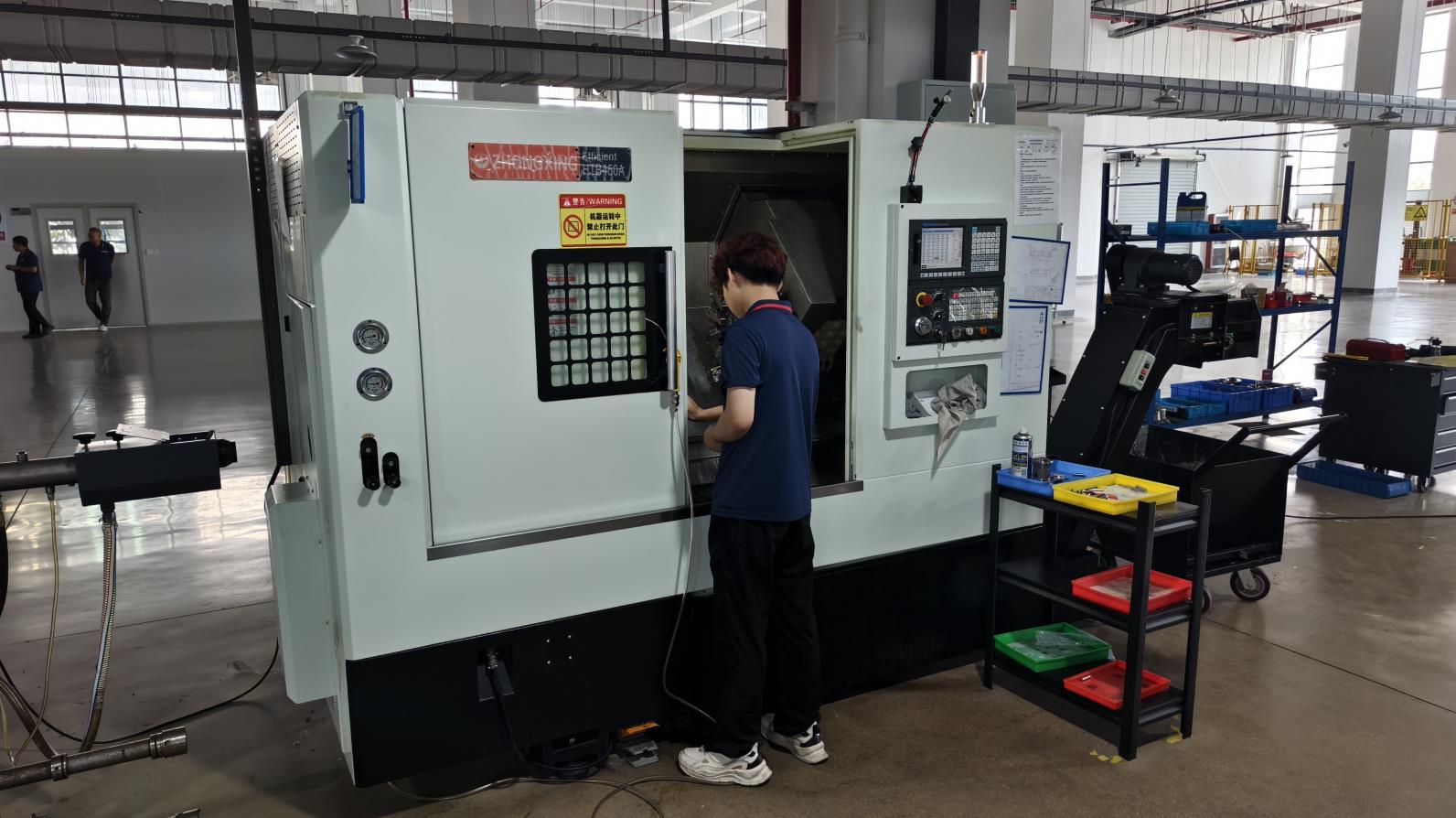
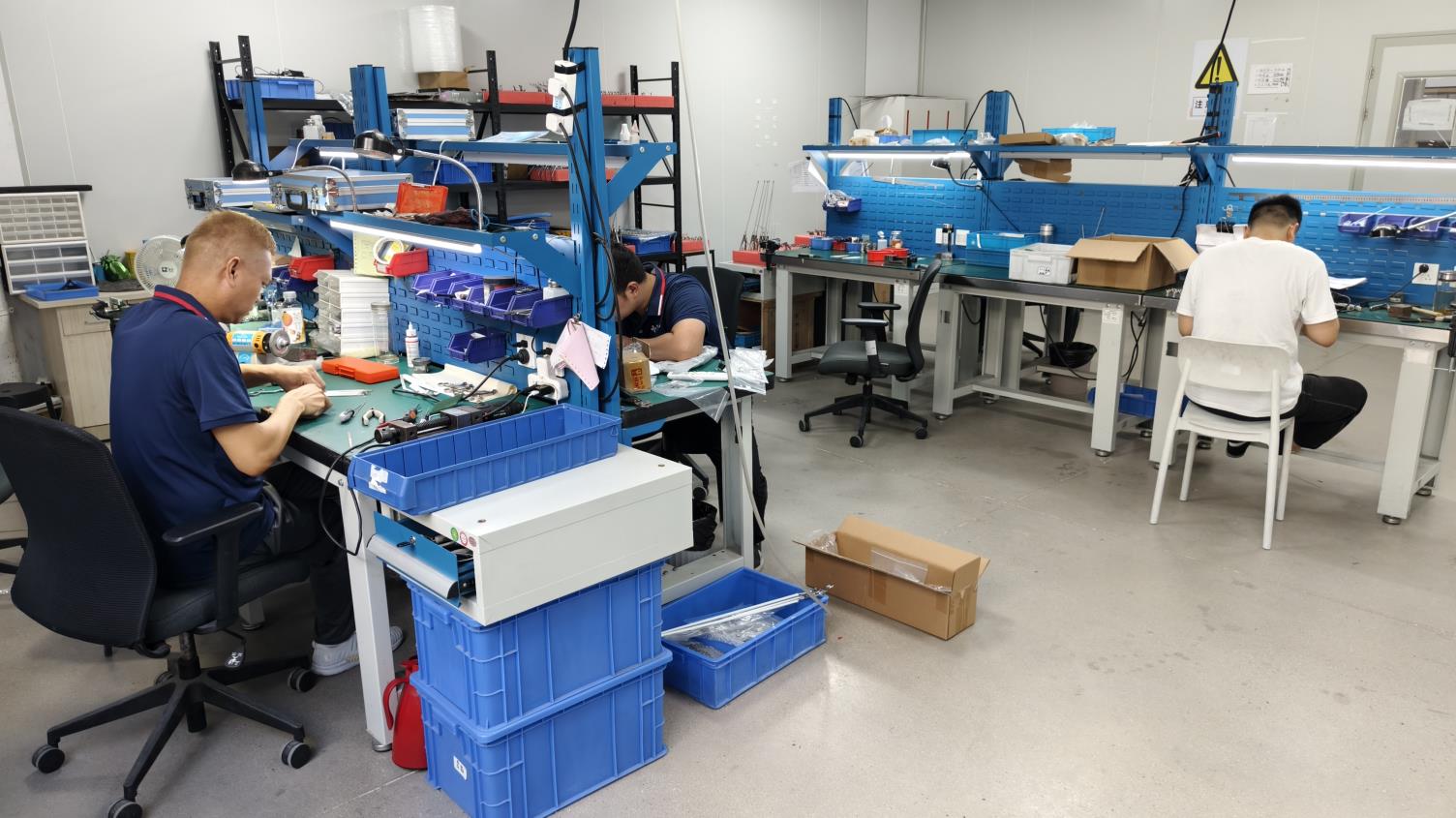
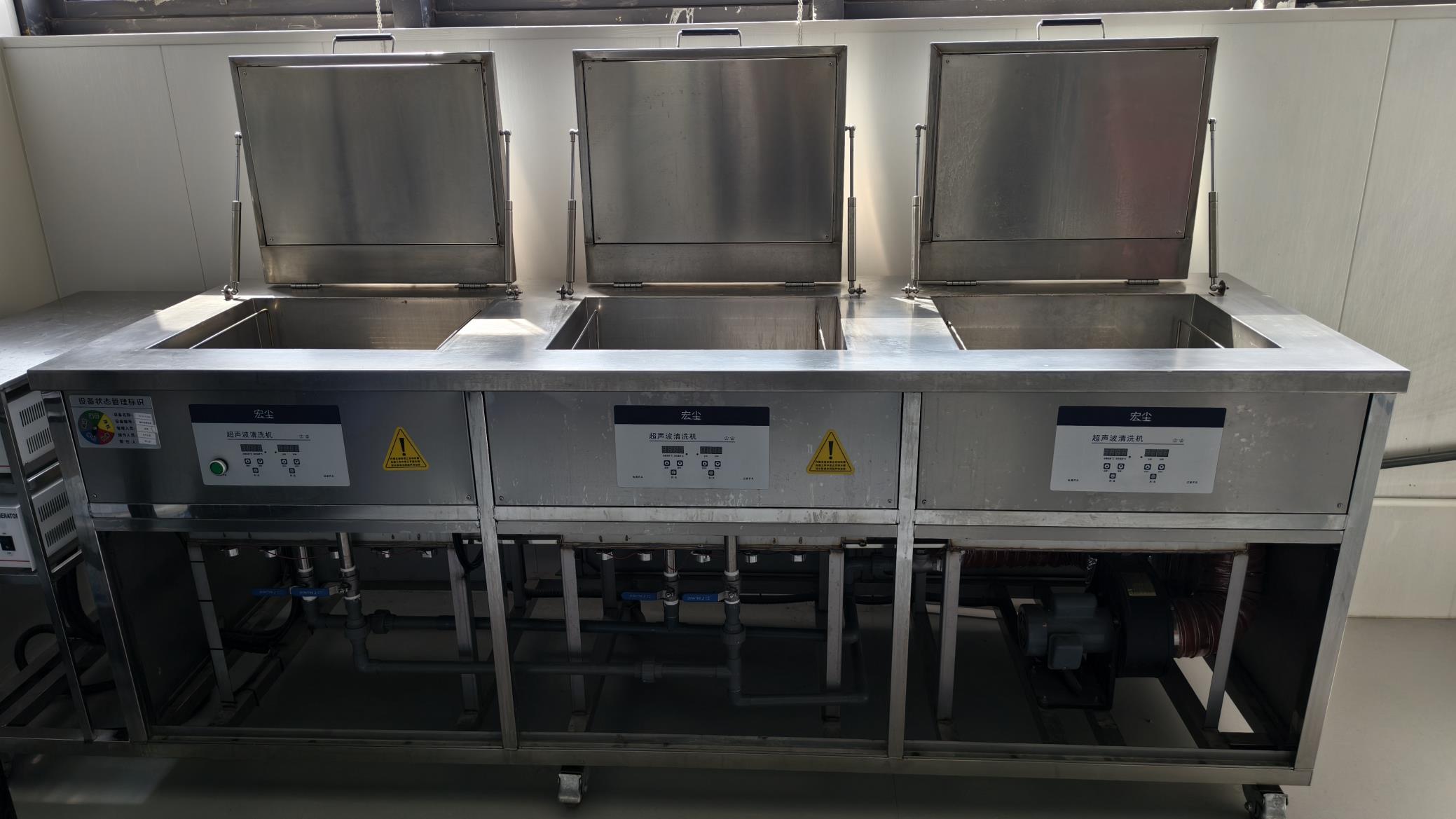
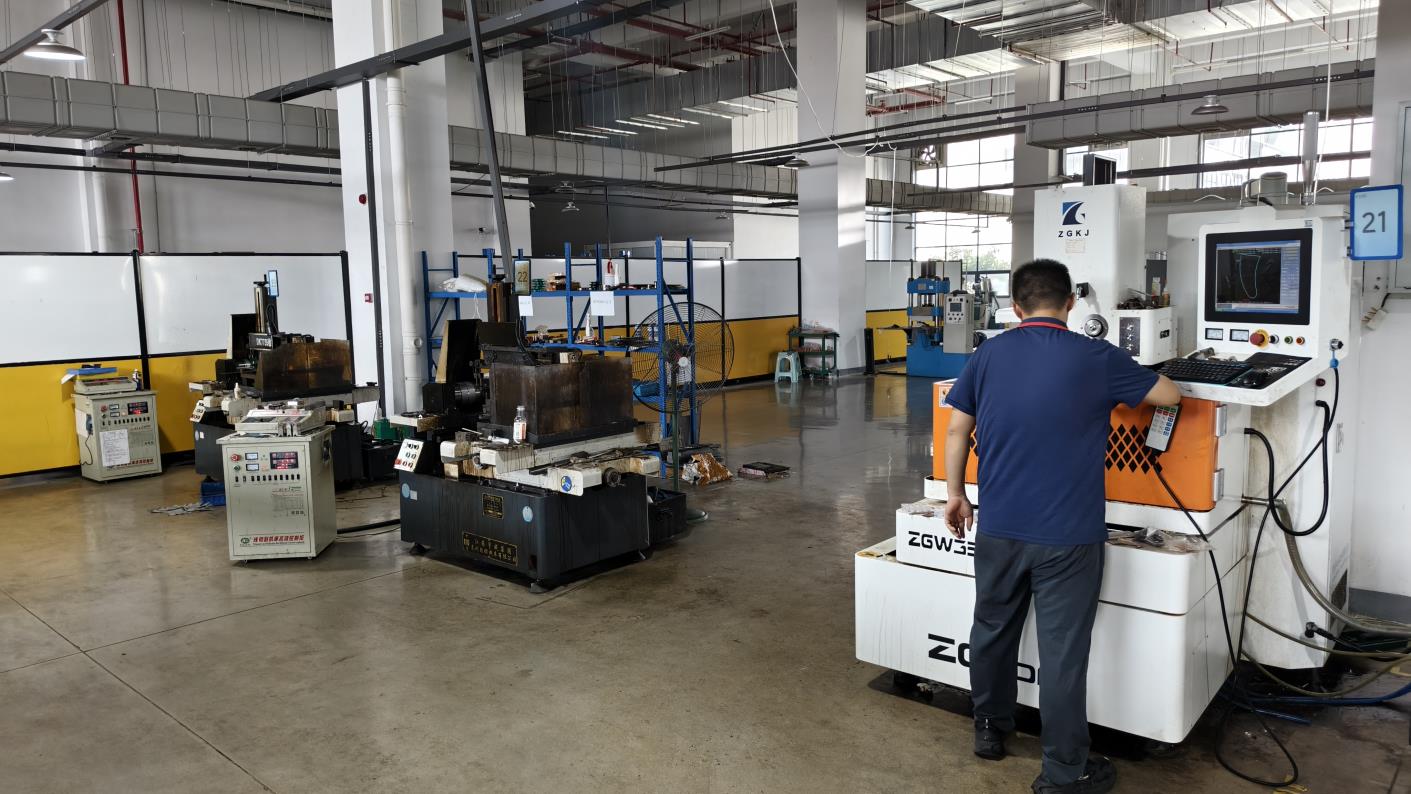
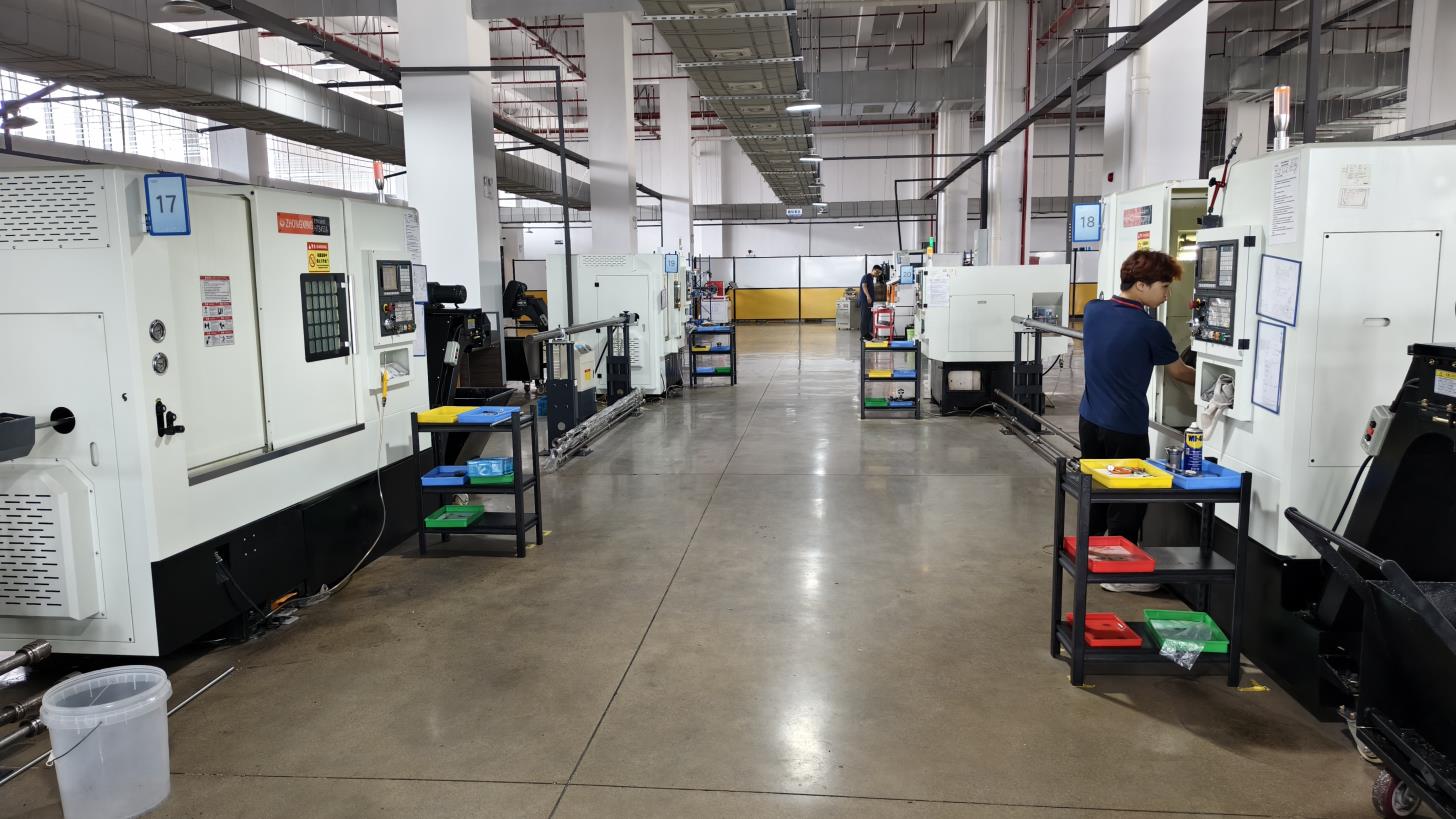
Our product portfolio features trauma fixation systems, spinal implants, locking plates, intramedullary nails, external fixation systems, orthopedic screws, surgical instruments, and customized solutions. Utilizing state-of-the-art CNC machining centers, precision inspection machinery, and modern cleanroom facilities, we ensure that every implant matches rigorous global performance criteria.
| Specification Category | Operational Data & Manufacturer Details |
|---|---|
| Company Name | Synoviq Medical Technology (China) Co., Ltd. |
| Established Date | March 18, 2016 |
| Quality Inspection Protocols | 100% Final Inspection & Incoming Material Inspection |
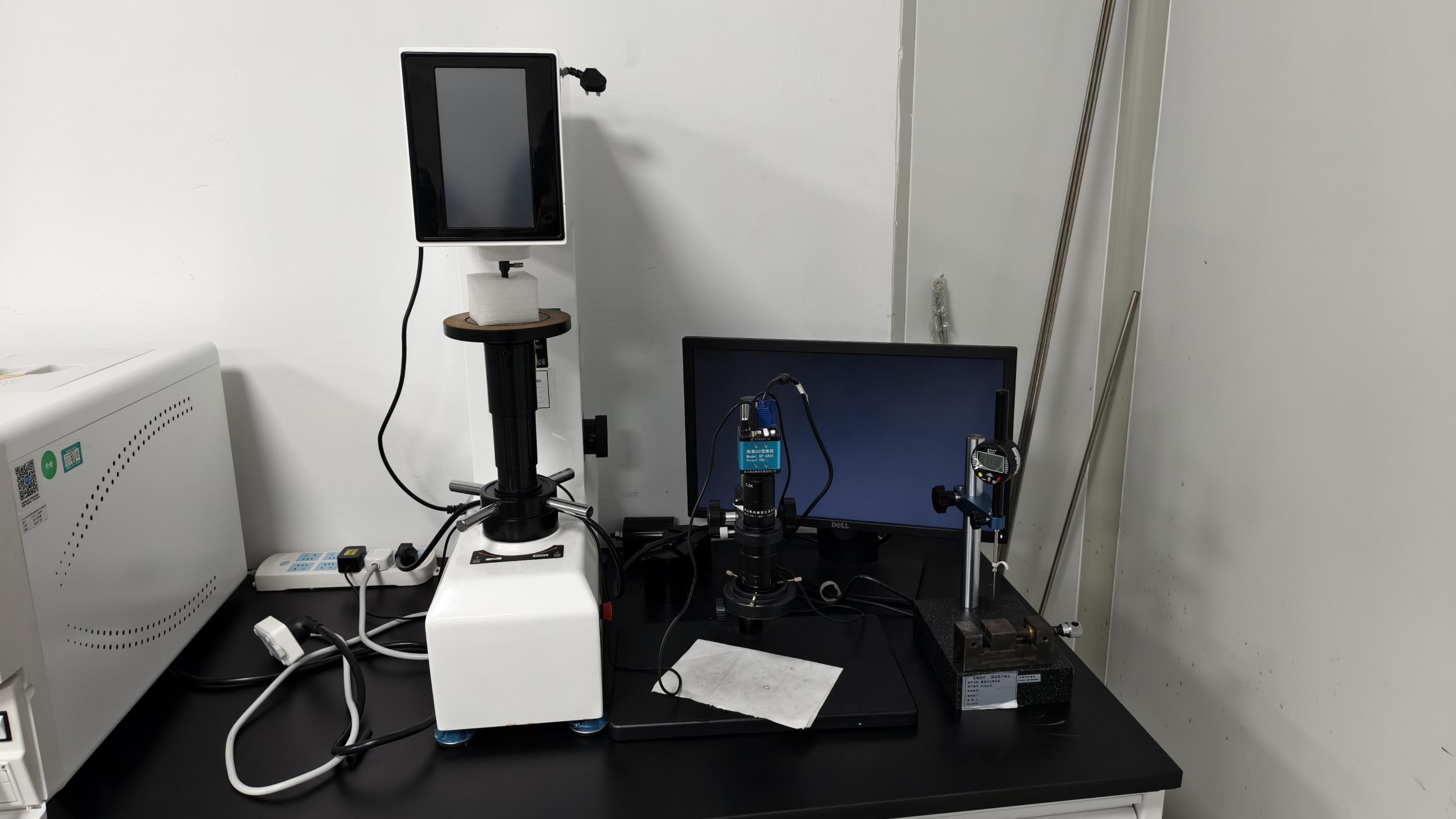
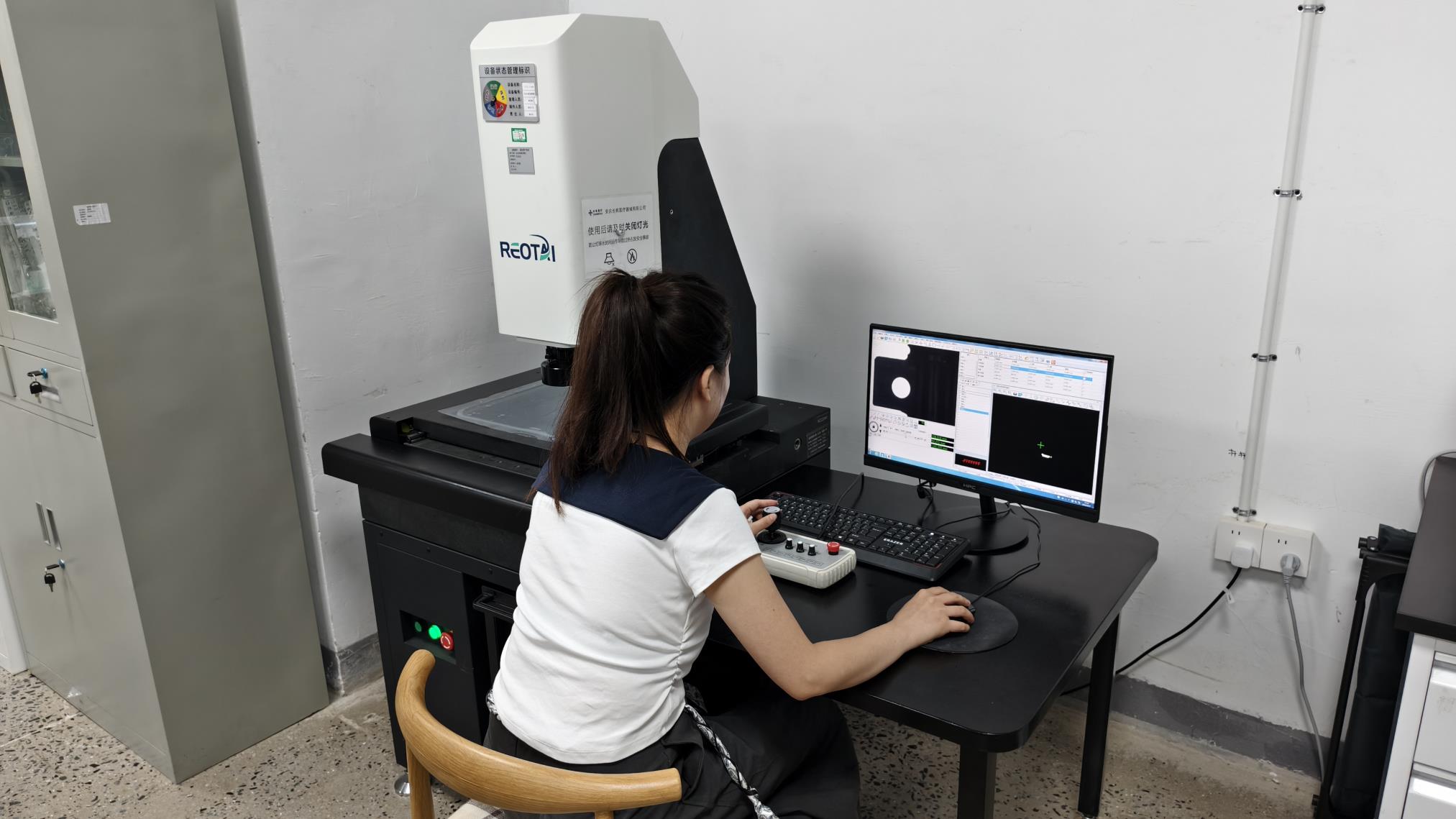
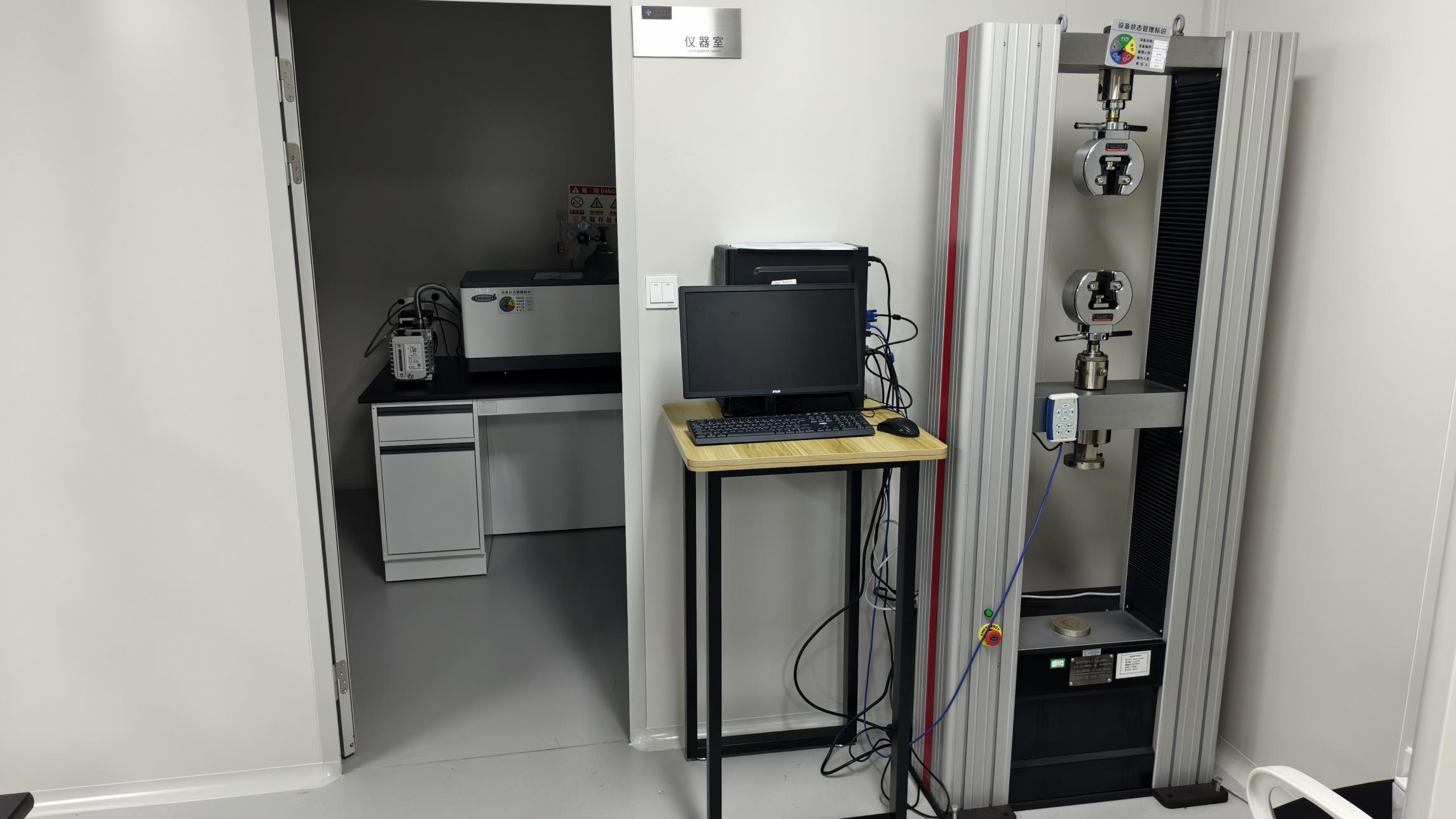
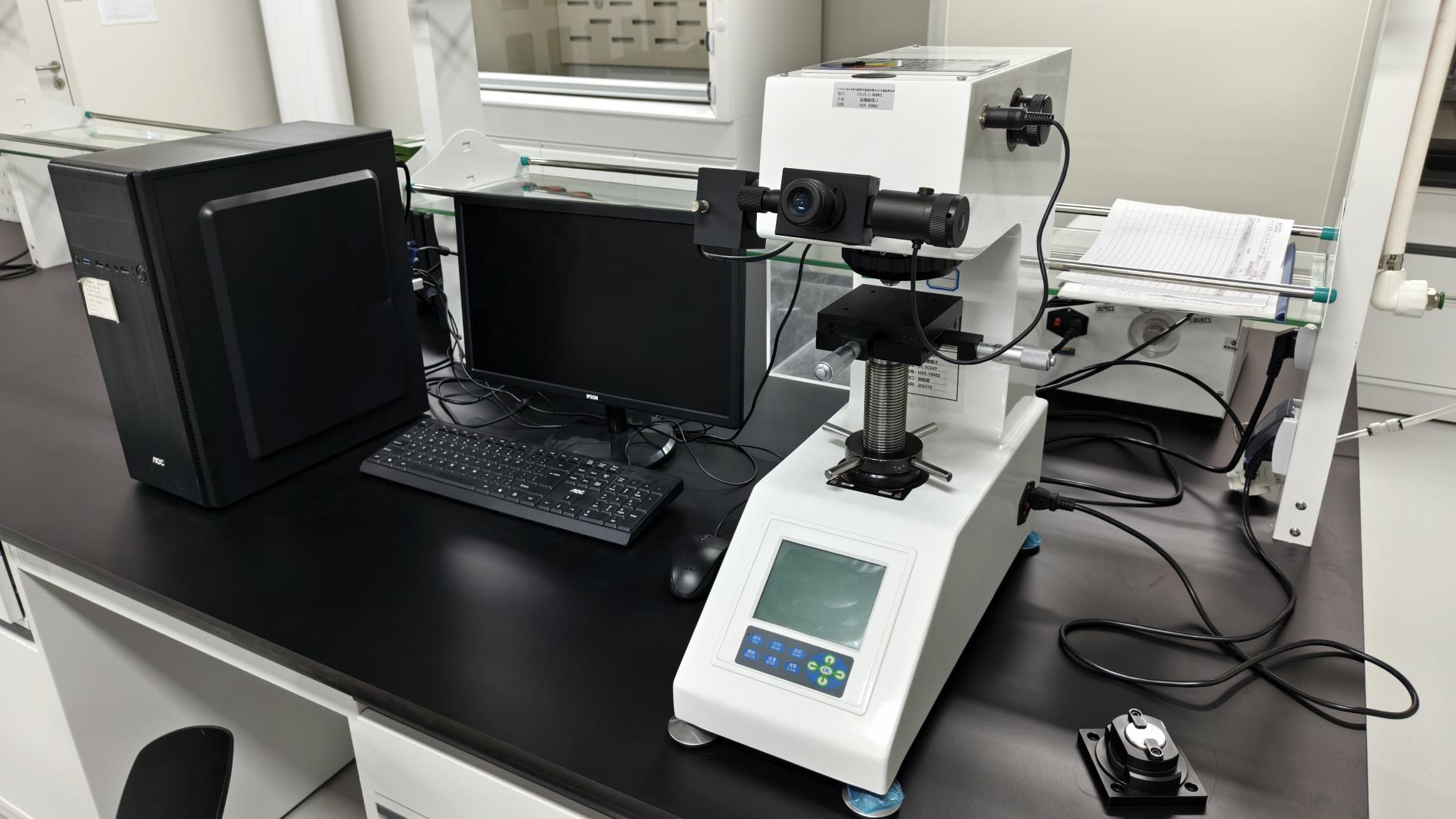
| Product Inspection Methods | CMM Measurement, Mechanical Testing, Surface Roughness Testing, Hardness Testing, Salt Spray Testing, Sterility Validation |
| Quality Control Staff | 48 Dedicated Specialists |
| Business Models | Manufacturer & Exporter (OEM/ODM contract manufacturing) |
| Primary Supply Chain Network | 1,120+ Verified Global Partners |
| Annual Product Innovation | 186 New Products Released Last Year |
Adapting implant designs to meet distinct surgical demands, patient demographics, and healthcare systems worldwide.
In rapidly aging societies like Europe and Japan, managing osteoporotic bone quality is a major clinical priority. Synoviq designs specific press-fit stems that optimize load distribution to prevent periprosthetic fractures in lower-density bone structures.
In North America and emerging markets, total hip replacements are increasingly performed on younger, highly active individuals. These patients require high-performance, wear-resistant designs, such as dual-mobility cementless interfaces combined with advanced ceramic-on-ceramic or vitamin-E-infused cross-linked polyethylene liners.
In regions managing public tenders and cost-controlled healthcare systems, suppliers must balance clinical performance with economic value. Synoviq addresses this through standardized, scalable manufacturing setups that keep high-quality implant options accessible.
Innovating the next generation of joint reconstruction: from additive manufacturing to smart bio-interfaces.
The manufacturing technology of cementless hip systems is evolving rapidly. Traditional subtractive milling and plasma spraying are increasingly integrated with Additive Manufacturing (3D Printing). Direct Metal Laser Sintering (DMLS) and Electron Beam Melting (EBM) enable engineers to build complex components layer-by-layer. This allows the integration of porous lattices directly into the core design of the femoral stem and acetabular cup. These 3D-printed surfaces mimic trabecular bone patterns, providing structural support while allowing natural cellular ingrowth.
Looking ahead, the development of intelligent, functionalized surfaces represents the next major milestone. Researchers are exploring bioactive surfaces doped with osteoinductive proteins, such as Bone Morphogenetic Protein-2 (BMP-2), and silver nanoparticles to prevent implant-associated infections. Further down the roadmap, the integration of embedded micro-sensors within the hollow portions of femoral stems will allow real-time monitoring of post-operative loading patterns and bone healing progress. This data can then be securely transmitted to orthopedic surgeons for personalized clinical follow-ups.
Focuses on printing complex titanium lattice configurations directly onto components, eliminating coating delamination risks while improving biological integration.
Applies hydroxyapatite (HA) coatings enriched with antibacterial agents and growth factors to accelerate healing and minimize infection risks.
Incorporates micro-sensors to monitor implant strain, structural integrity, and local temperature, providing clinical teams with real-time diagnostic data.
Why leading global medical device brands partner with Synoviq for reliable, high-volume production.
Managing a medical device supply chain requires absolute reliability. A delay in delivery can affect surgical schedules and patient care. Located in one of the world's leading industrial clusters, Synoviq Medical Technology utilizes China's robust, vertically integrated manufacturing ecosystem. From raw material sourcing (such as high-grade titanium bar stock from certified domestic and international suppliers) to final sterilized packaging, every step of our process is closely integrated to ensure efficiency and control.
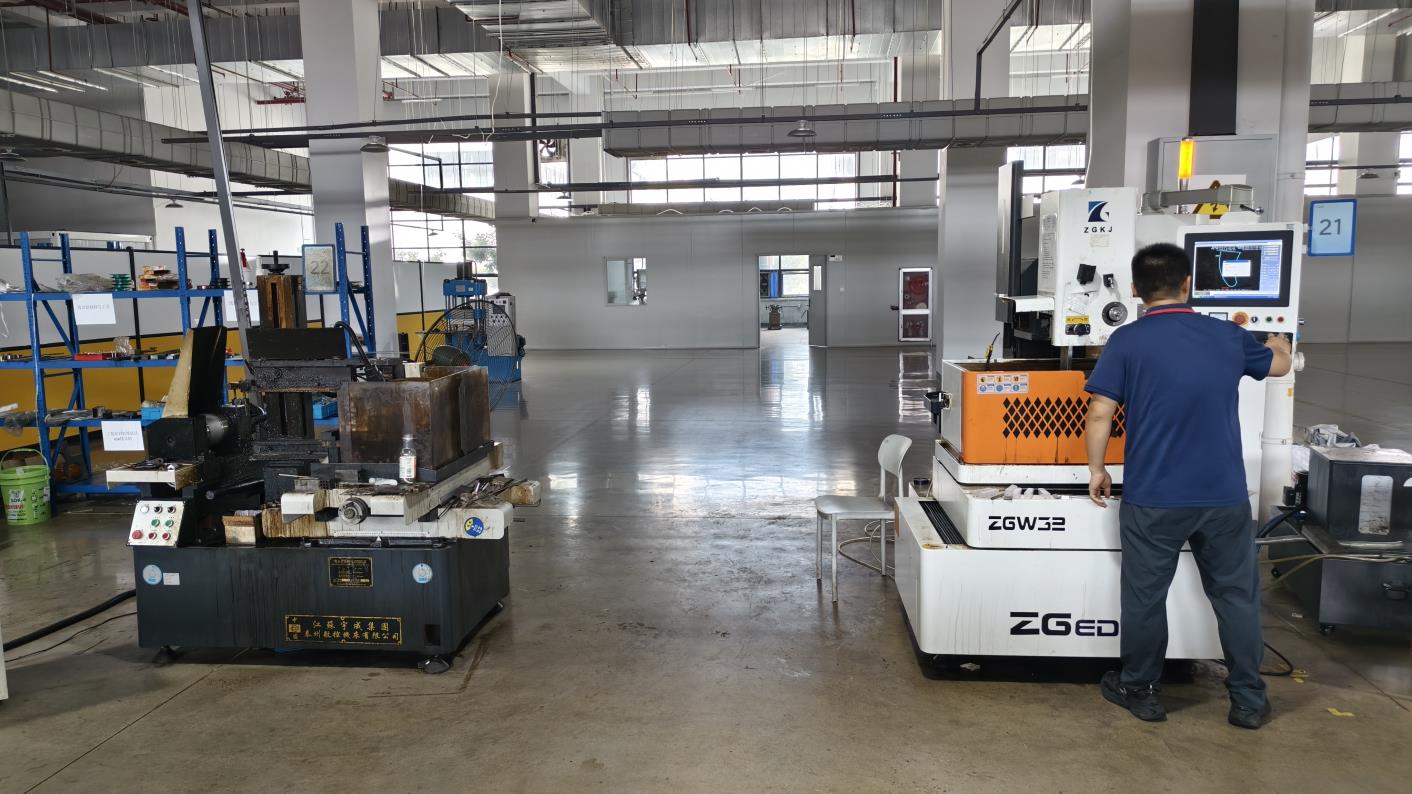
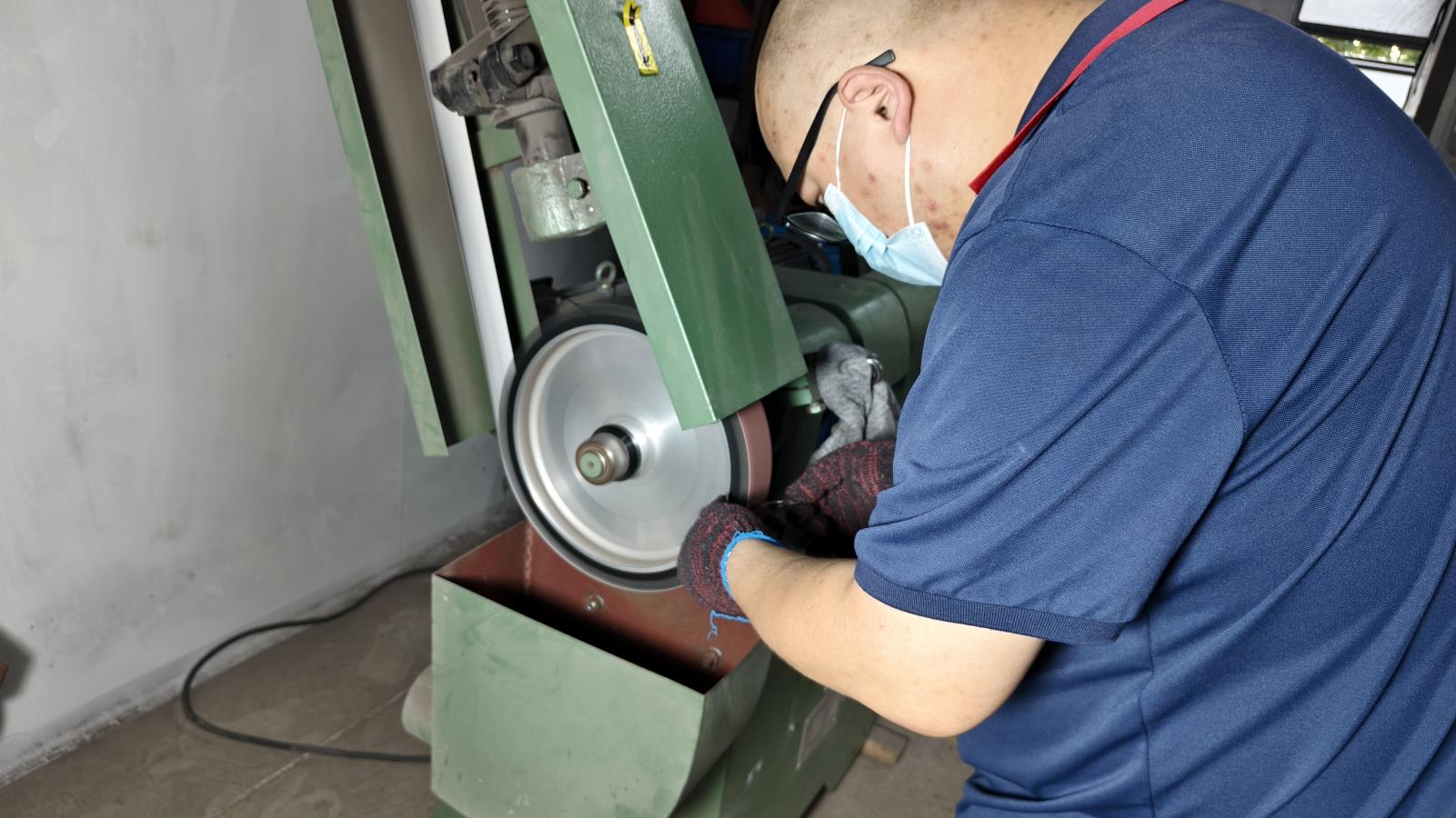
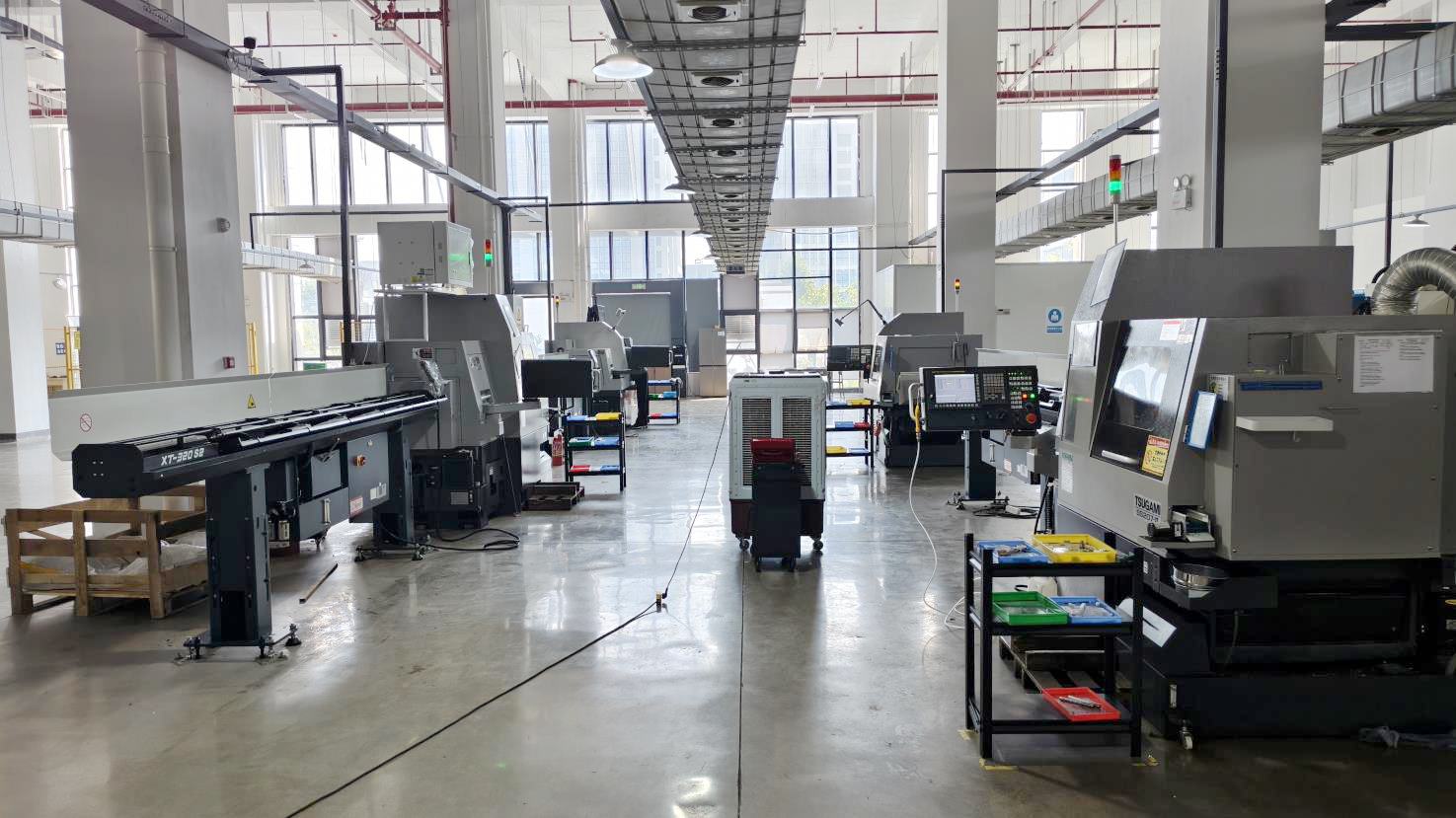
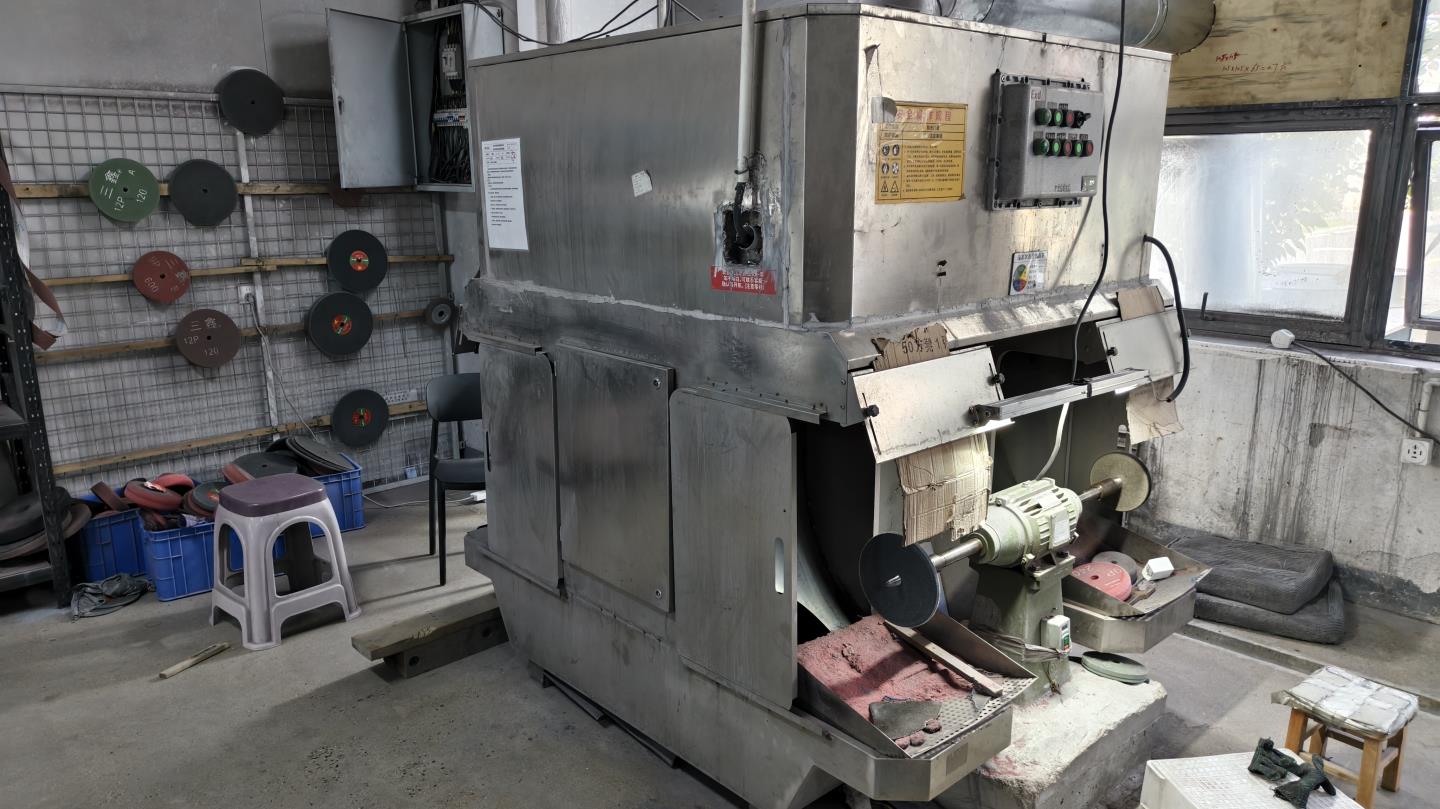
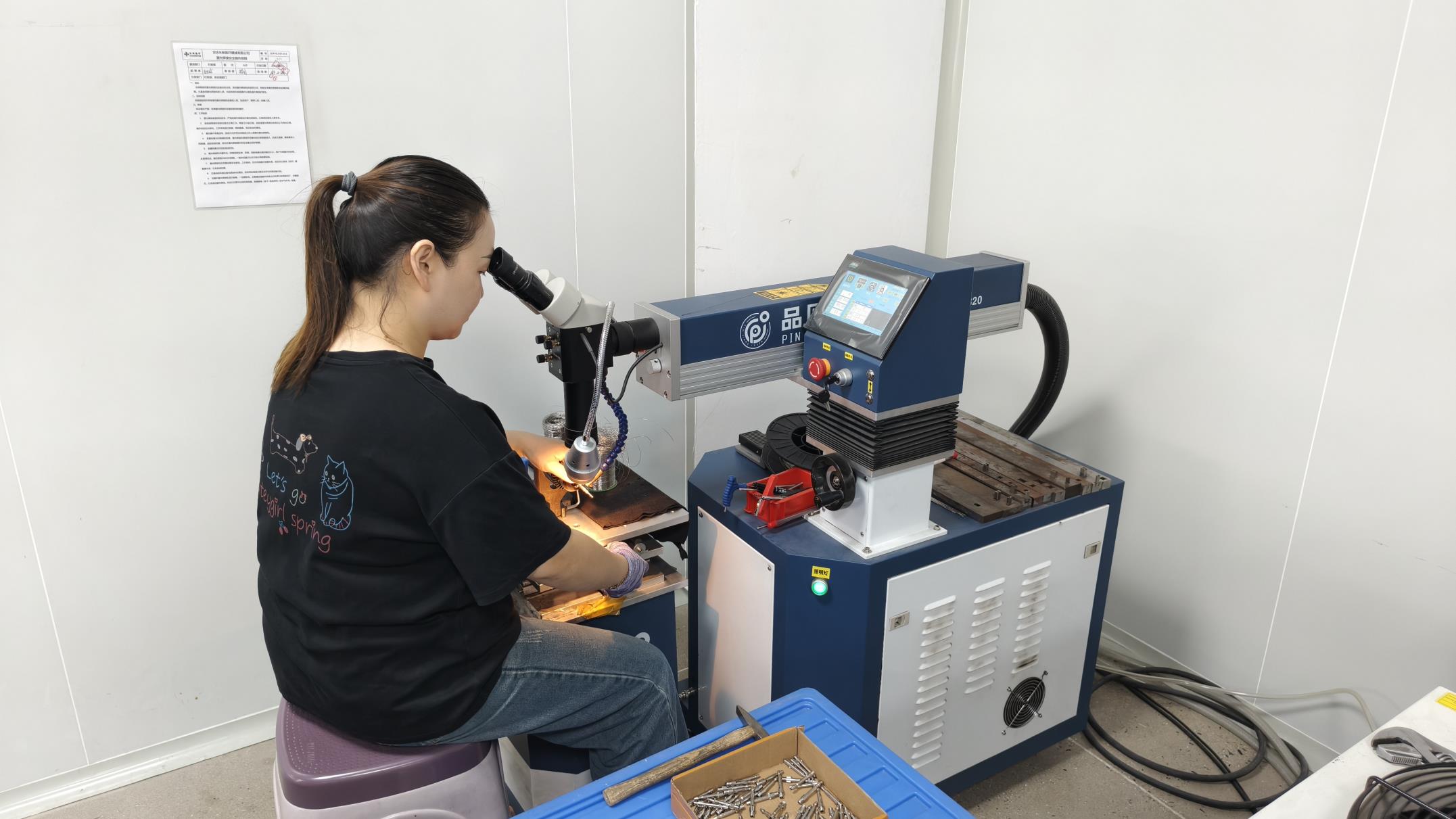
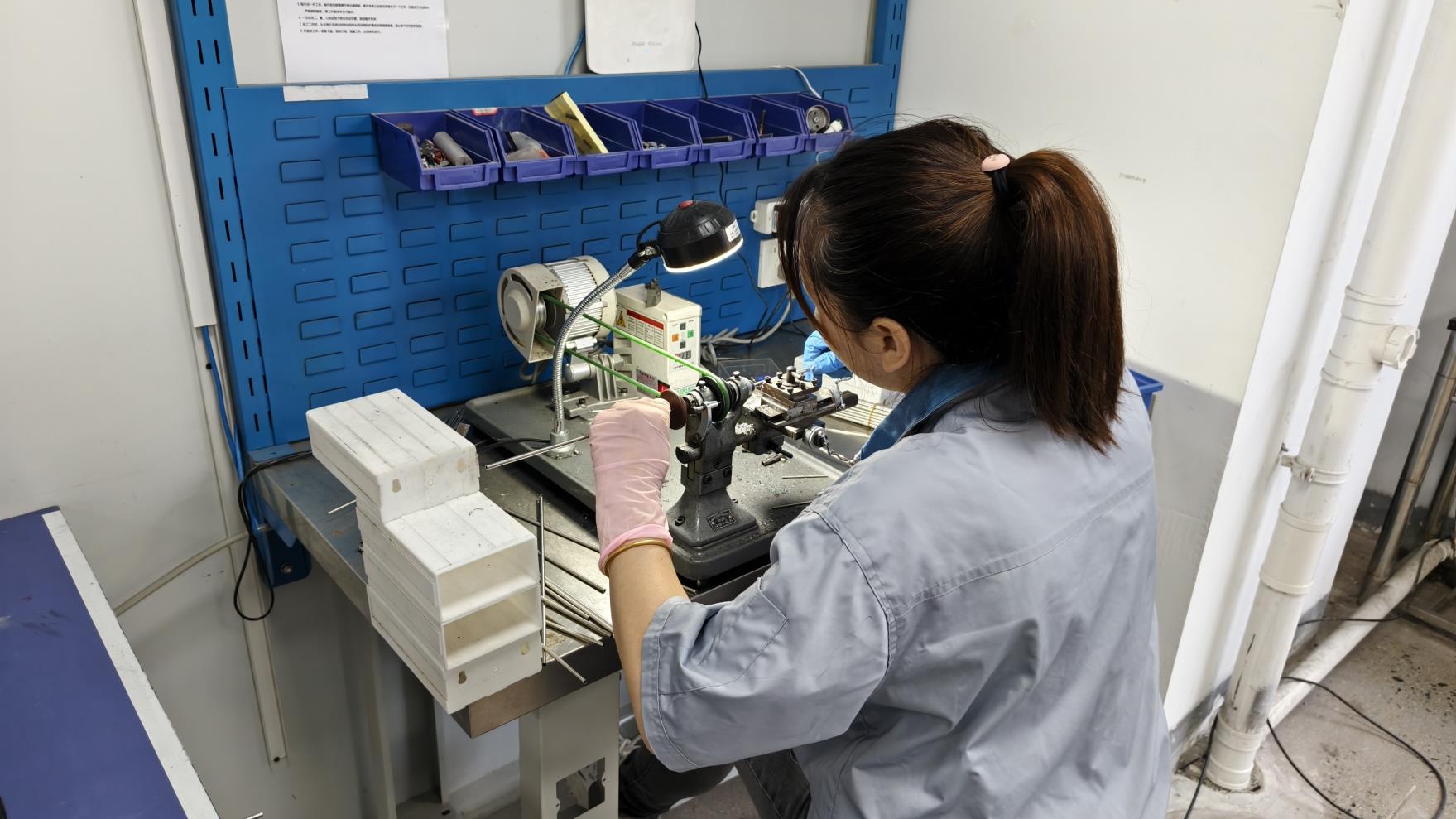
Our facility houses advanced manufacturing equipment, including Swiss-type precision lathes, multi-axis CNC machining centers, and automated polishing systems. By keeping critical processes like wire cutting, laser welding, and metallographic testing on-site, we reduce dependence on third-party suppliers. This configuration protects our supply chain from external bottlenecks, allowing us to maintain predictable, stable lead times for our global partners.
Through the integration of lean manufacturing principles and real-time process monitoring, Synoviq maintains a production yield rate exceeding 99.7%. This efficiency allows us to balance costs without compromising the strict tolerances required for medical implants.
Navigating complex international medical standards to ensure seamless market entry and patient safety.
Orthopedic implants are categorized as high-risk medical devices (Class III under the European MDR and US FDA systems). Achieving regulatory approval is a critical step for market entry. Synoviq maintains a dedicated regulatory affairs division that monitors compliance with global standards, including ISO 13485 quality systems, European CE MDR certifications, and regional regulatory frameworks.
Our regulatory support extends beyond standard paperwork. We offer complete technical documentation, including raw material traceability logs, biocompatibility assessments (ISO 10993 series), cleaning validations, and mechanical stress test reports (ASTM F136 / ISO 5832-3 standards). This comprehensive documentation helps simplify registration processes for distributors and brand owners with local ministries of health.
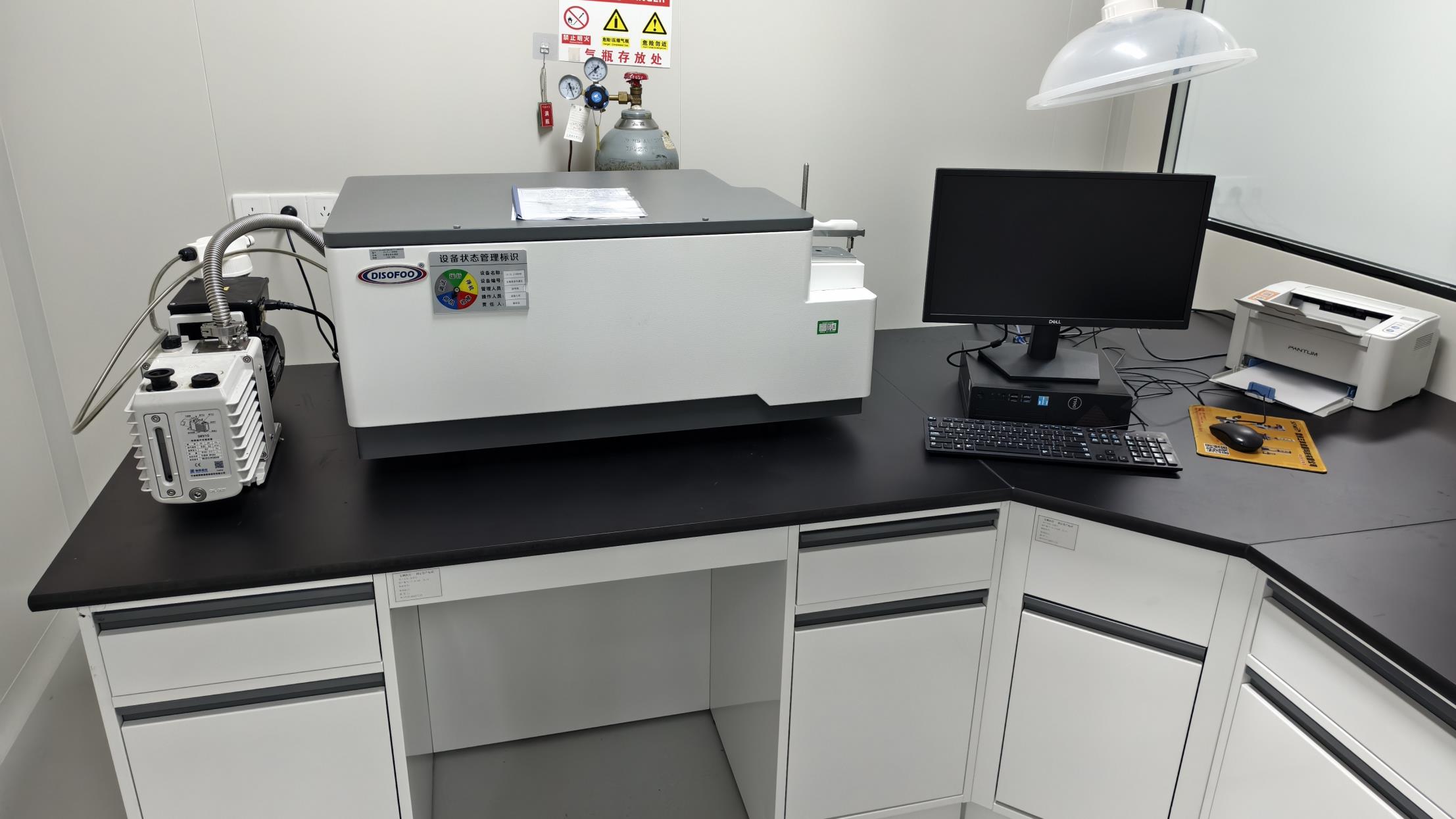
All raw materials undergo strict chemical testing and spectral validation to confirm the use of high-grade surgical alloys.
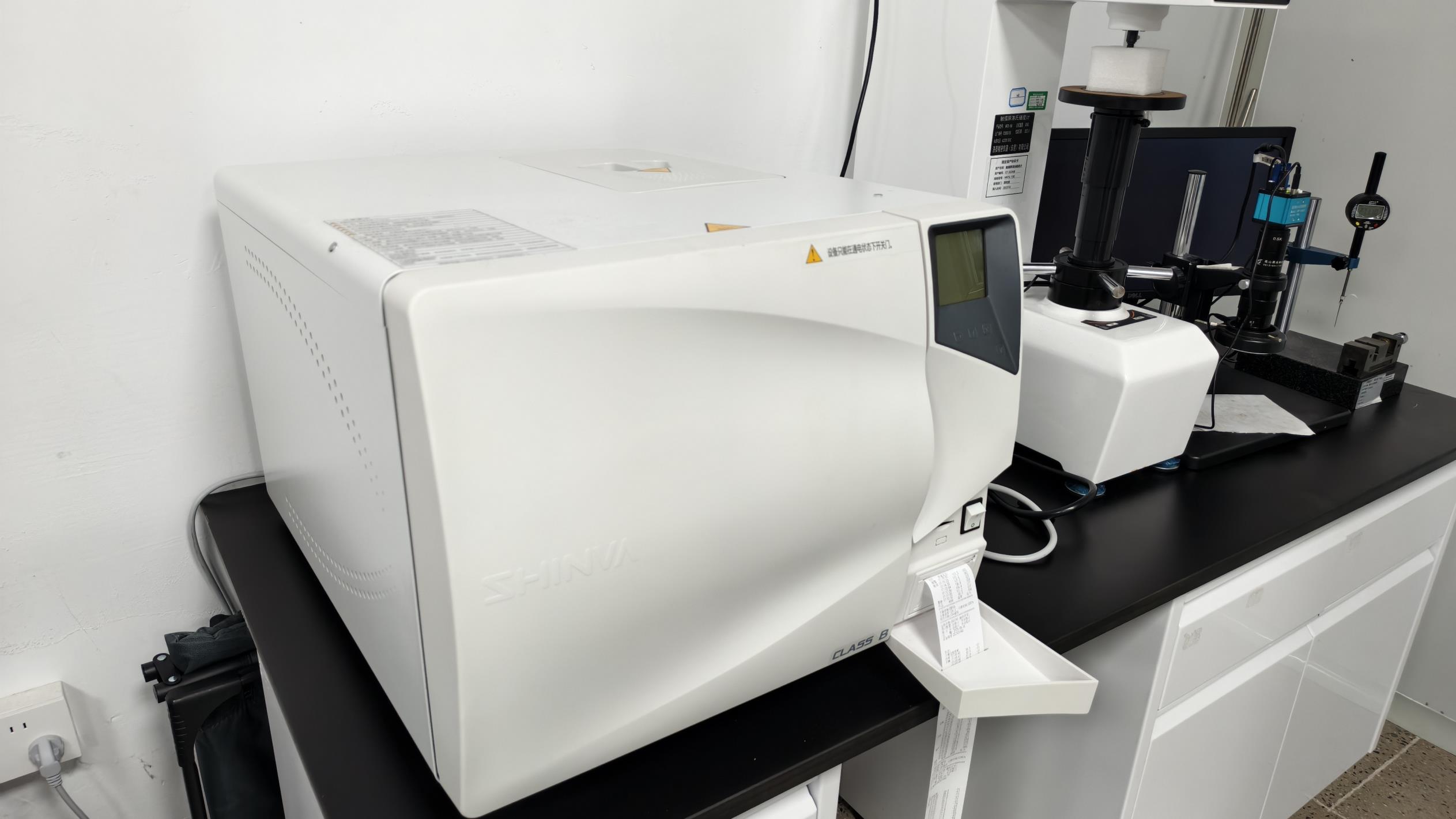
Validated cleaning and packaging processes performed within certified cleanroom environments to guarantee sterility.
Full support with CE, ISO, and regional certifications to assist partners with regulatory registrations.
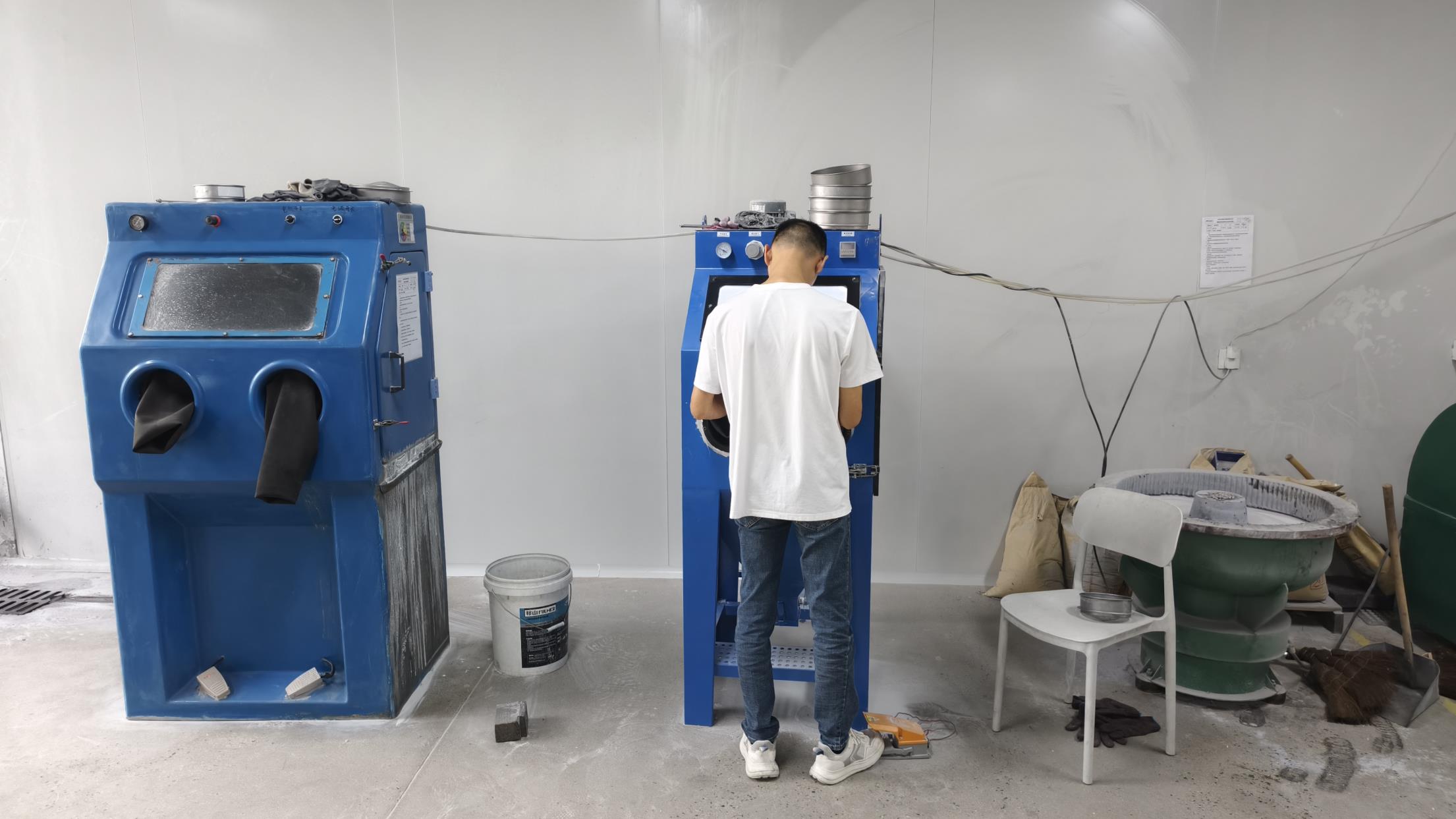
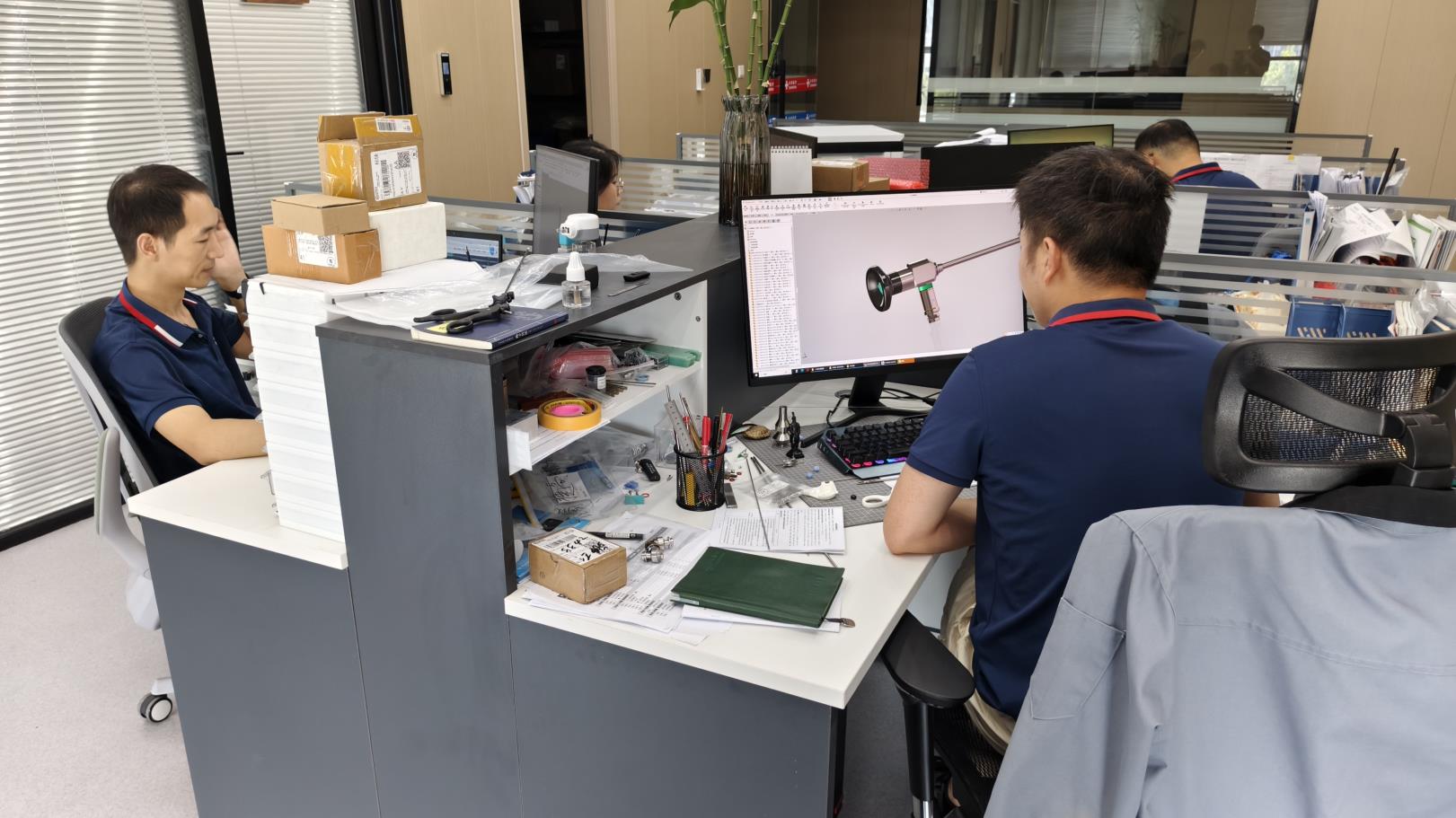
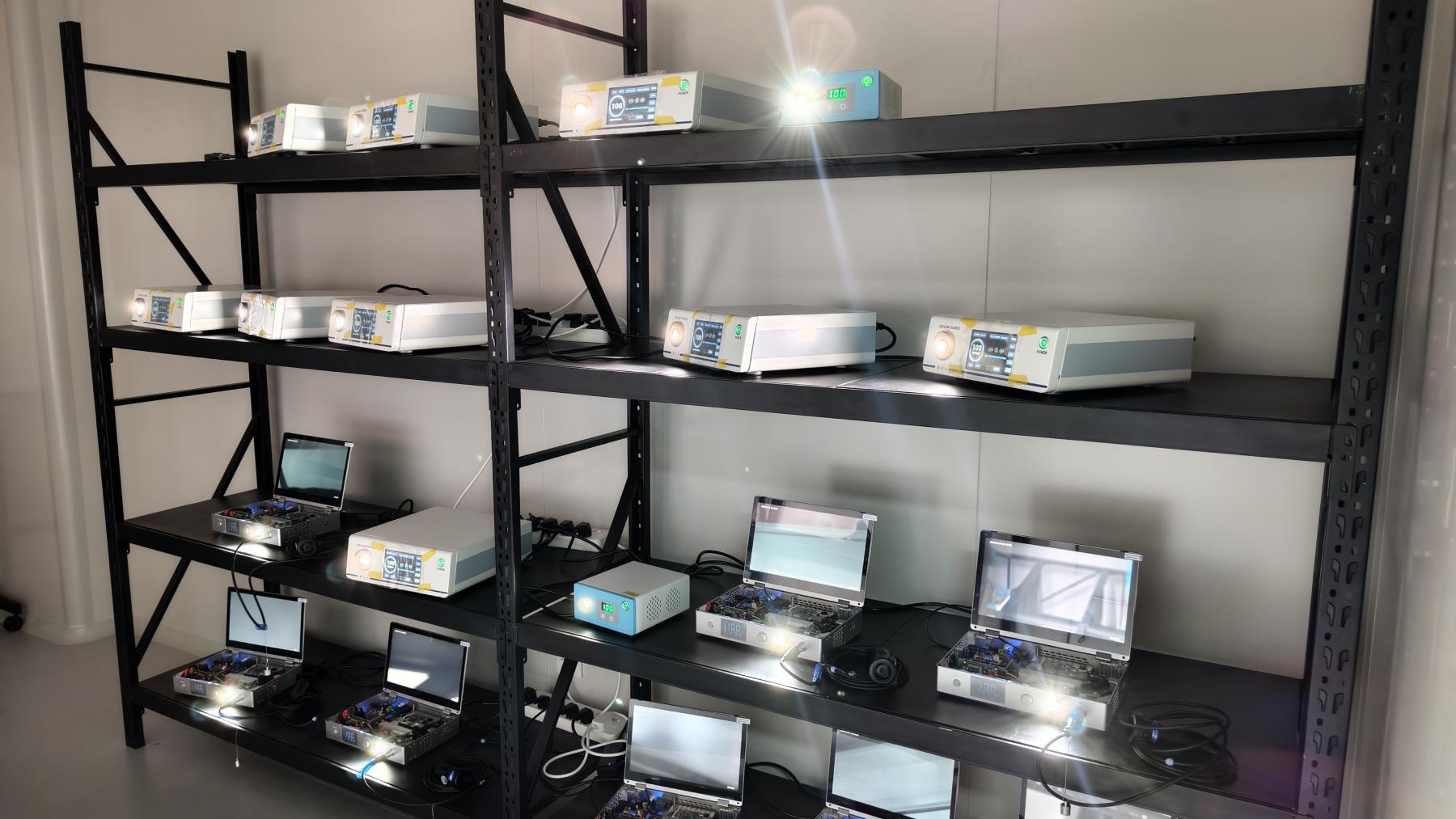
An inside look at our advanced manufacturing lines, automated CNC systems, and material validation labs.
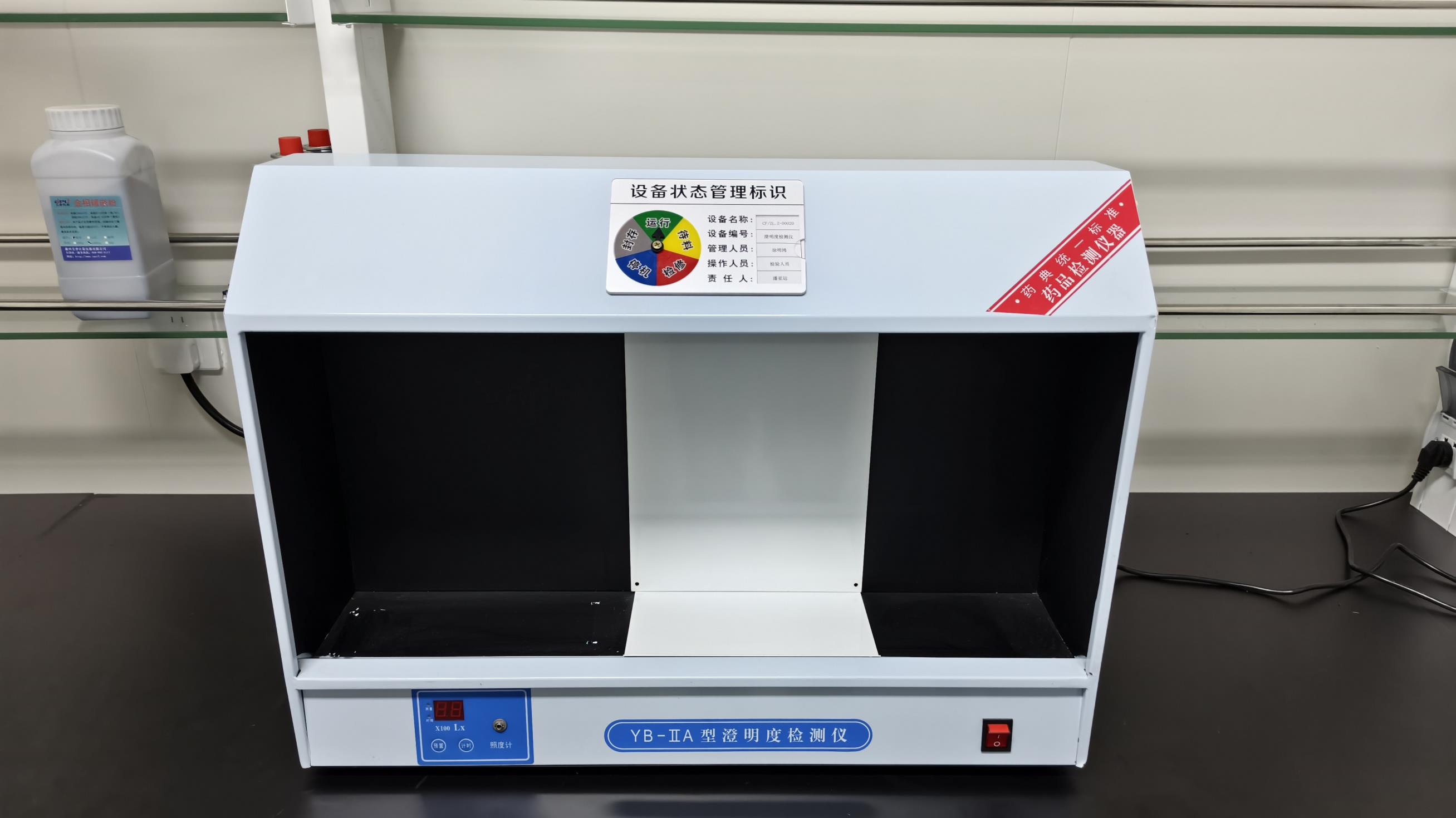
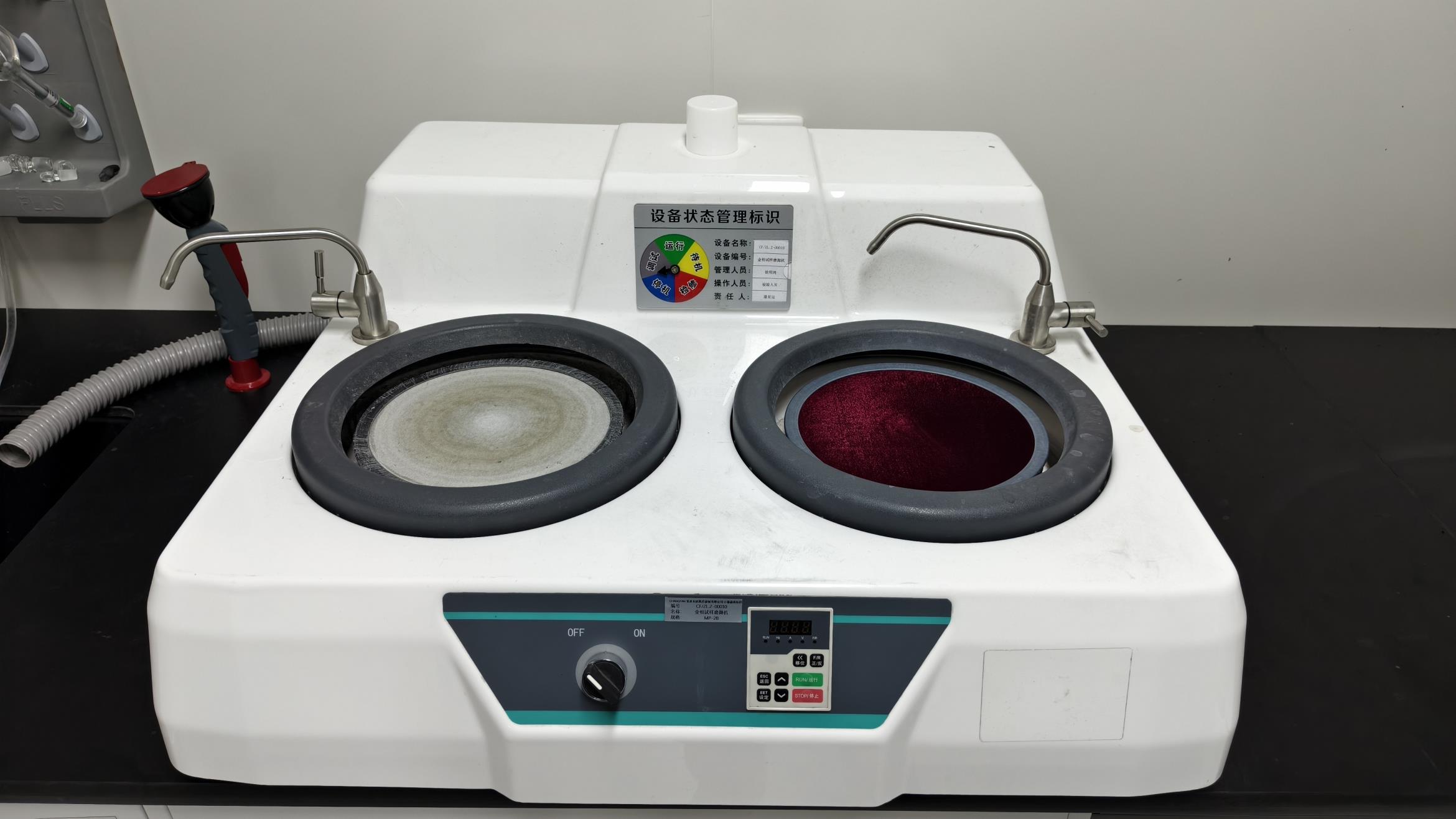
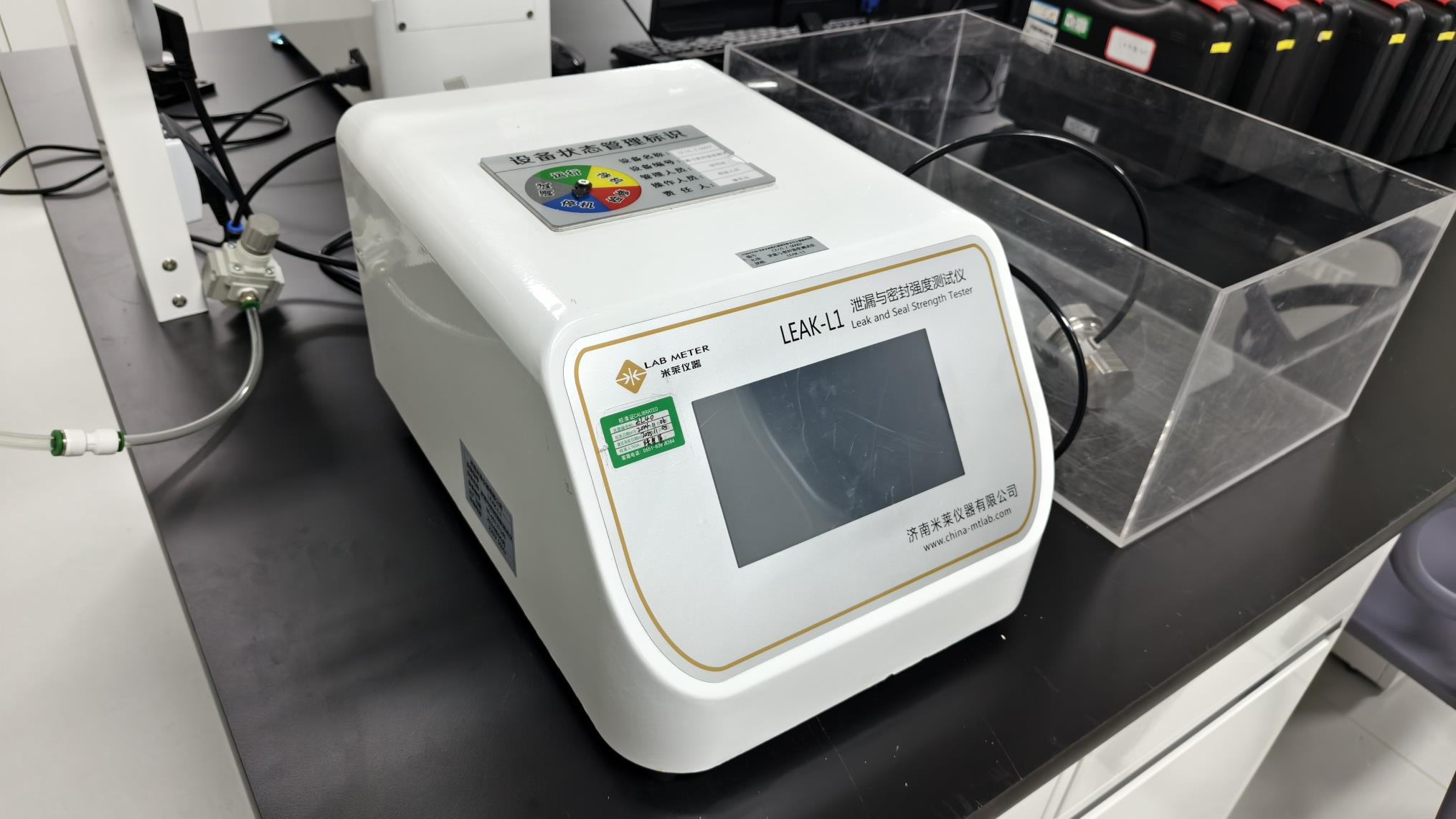
Technical insights on biological fixation, material performance, and manufacturer operations.
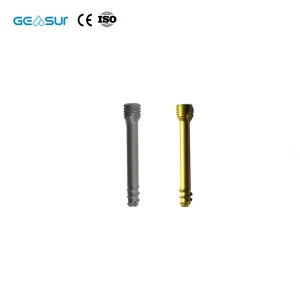
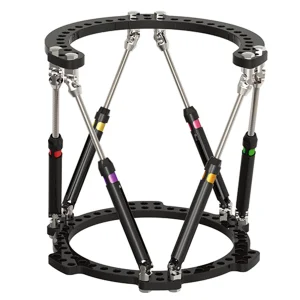
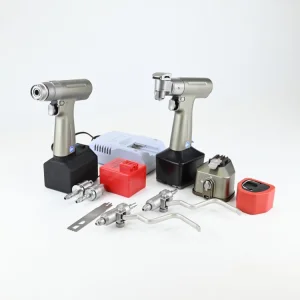
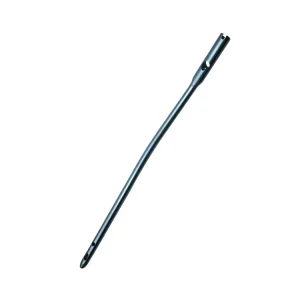
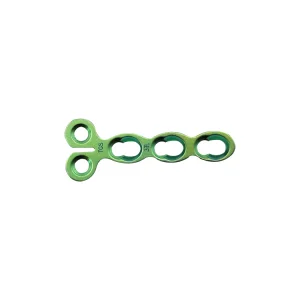
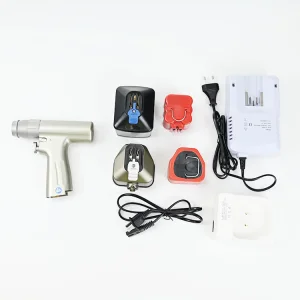
High-performance external fixators, intramedullary locking nails, compression screws, and motorized bone cutters.
 Synoviq Medical