Engineered to deliver extreme structural integrity, biocompatibility, and biomechanical precision for global trauma and reconstruction settings.
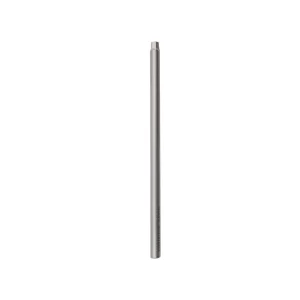
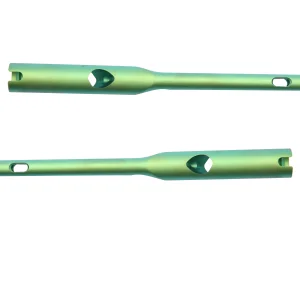
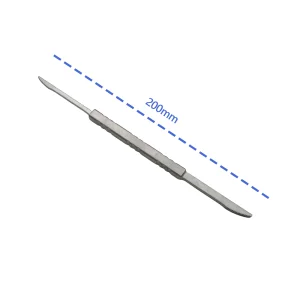
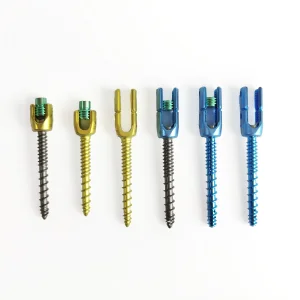
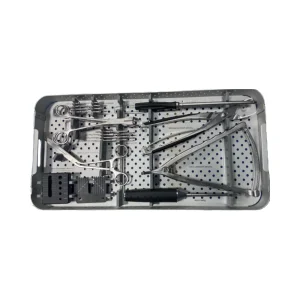
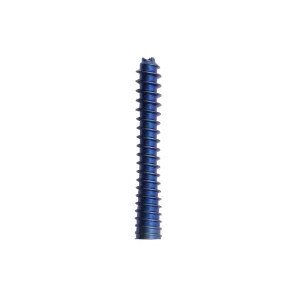
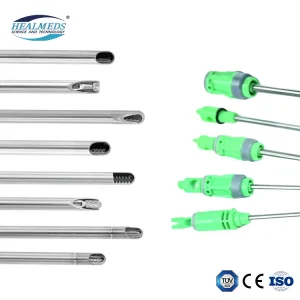
Retrograde femoral nailing represents a pivotal paradigm shift in modern trauma surgery and orthopedics. Fractures occurring within the distal third of the femur, supracondylar region, and periprosthetic sites near total knee arthroplasties (TKA) pose immense mechanical challenges. Traditional anterograde nailing configurations or plate fixation frameworks often struggle with biomechanical stabilization, screw purchase, and preservation of periosteal blood supply. Retrograde intramedullary nails resolve these deficiencies by providing a biomechanically superior, load-sharing load path positioned closer to the distal articulation.
By entering the joint through the intercondylar notch, the retrograde approach allows surgeons to achieve optimal alignment, stability, and compression, especially in complex polytrauma patients. The structural requirements of these surgical scenarios demand exceptional fatigue limit margins and biological inertness. Our advanced design options incorporate anatomical bends, multi-planar distal interlocking configurations, and high-strength titanium alloy formulations. These attributes minimize structural failure risks while allowing early weight-bearing and functional mobilization of patients, directly improving overall clinical endpoints.
The retrograde orientation ensures robust stabilization of distal metaphyseal-diaphyseal segments, avoiding disturbance of proximal femoral soft tissues and potential hip joint morbidity. Additionally, it offers a crucial solution for patients with pre-existing proximal femoral implants, ipsilateral acetabular or pelvic ring disruptions, and extreme obesity.
The international market for orthopedic trauma fixation implants is undergoing rapid growth, driven by an aging global population, rising rates of high-impact road traffic accidents, and the democratization of advanced orthopedic surgery in developing economies. Historically dominated by a few multinational conglomerates based in North America and Western Europe, the supply chain has transitioned towards a highly competitive, globally integrated ecosystem. Within this paradigm, China has emerged as a powerhouse for precision medical device fabrication, shifting from basic component production to highly sophisticated manufacturing facilities capable of producing Class III medical implants.
This industrial transition is underpinned by structural investments in high-precision Swiss-type CNC machining, advanced metallurgical inspection regimes, and stringent regulatory compliance strategies. European and American medical device brands, regional distributors, and government procurement boards increasingly partner with leading Chinese OEMs/ODMs to balance cost management with uncompromising product quality. The integration of advanced raw materials sourcing, combined with lower operational and logistical overheads, makes China-based orthopedic manufacturing centers the primary growth engines for global surgical implant distribution chains.
Synoviq Medical Technology (China) Co., Ltd. is a professional manufacturer of orthopedic implants and surgical instruments, dedicated to delivering innovative, reliable, and high-quality medical solutions for healthcare professionals worldwide. Since its establishment, Synoviq has focused on research, development, precision manufacturing, and international quality standards, providing comprehensive OEM and ODM services for global medical device brands, distributors, and hospitals.
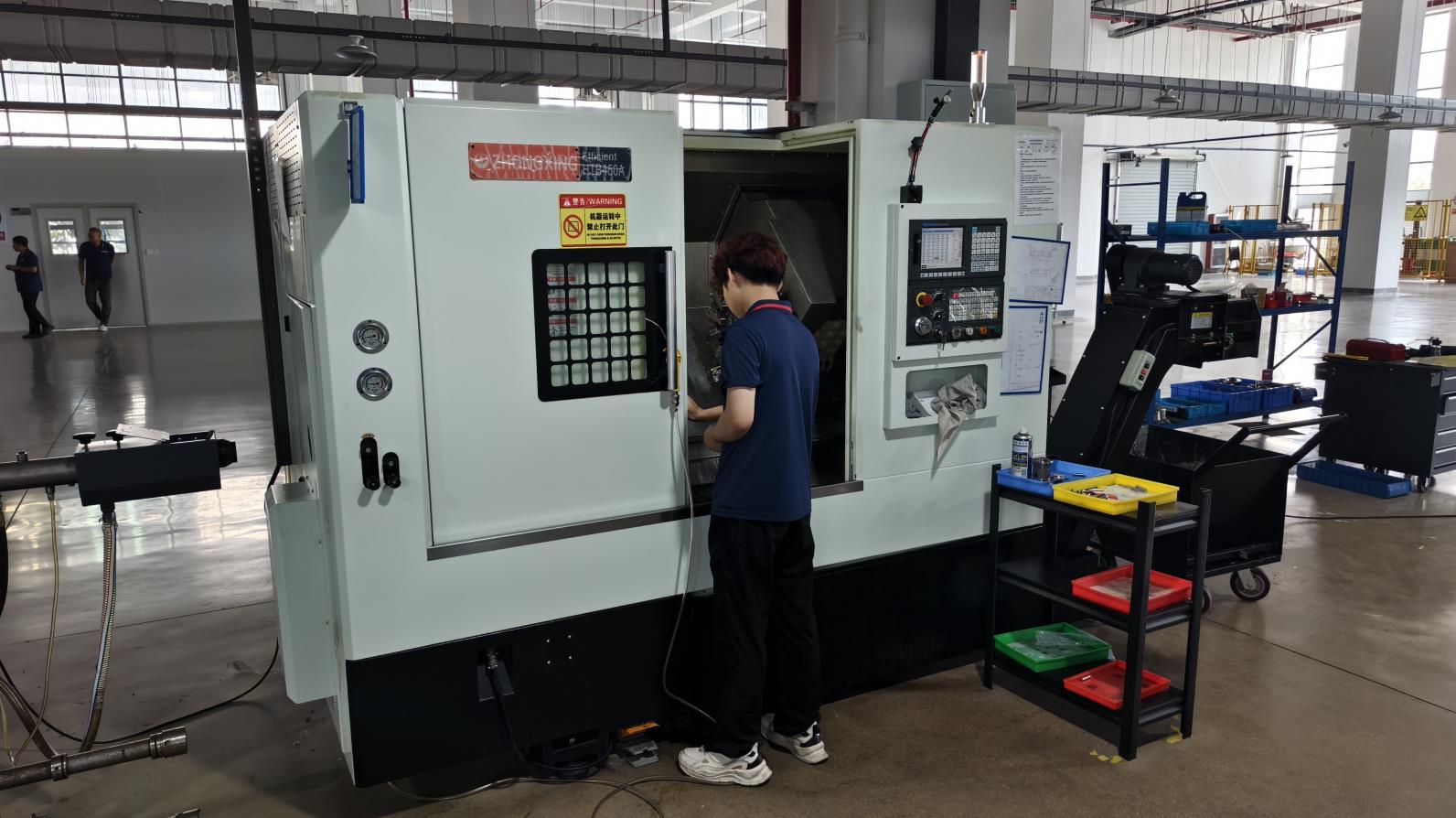
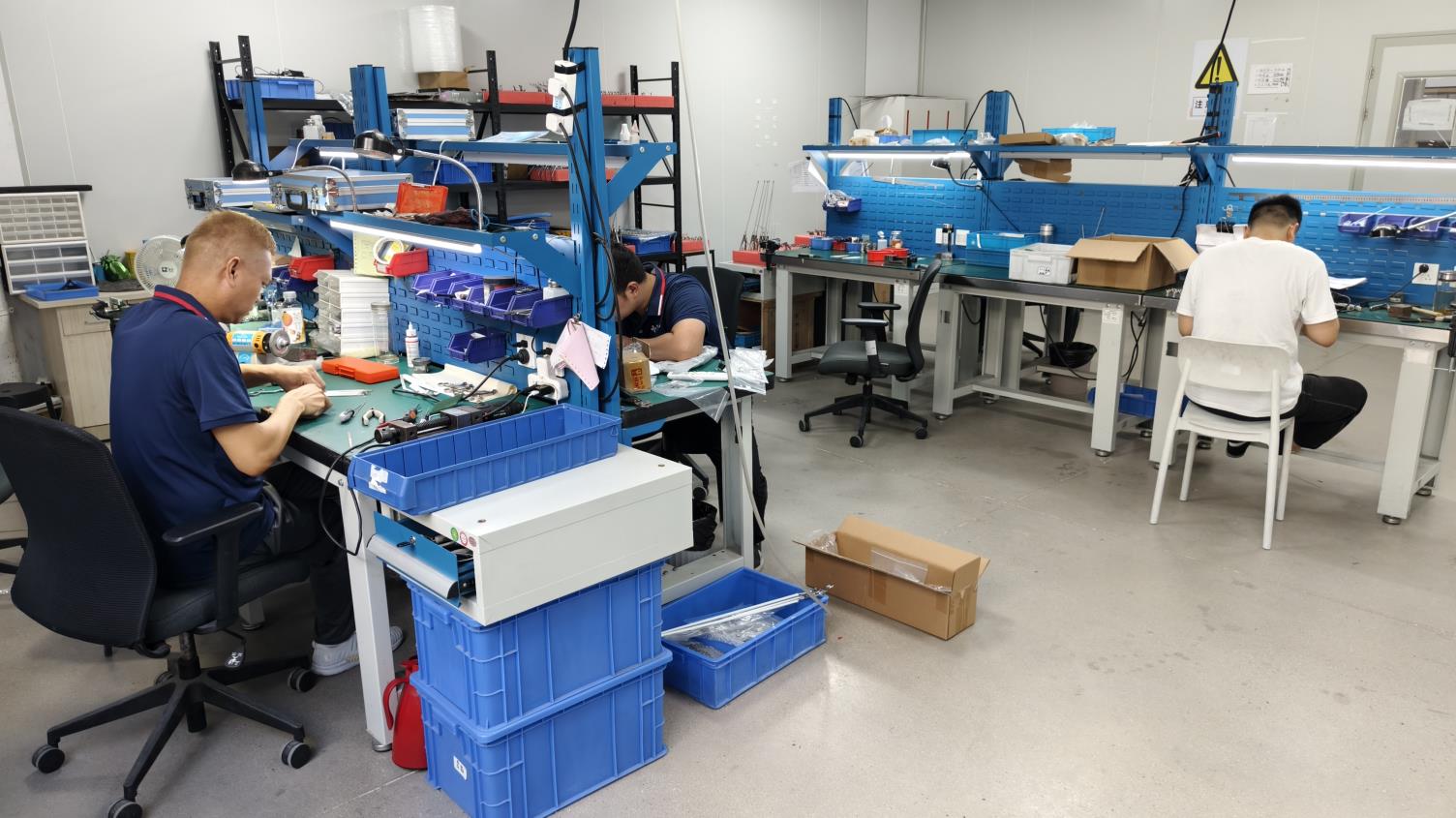
Our product portfolio includes trauma fixation systems, spinal implants, locking plates, intramedullary nails, external fixation systems, orthopedic screws, surgical instruments, and customized orthopedic solutions. Equipped with advanced CNC machining centers, precision inspection equipment, and modern clean production facilities, we ensure every product meets strict international quality requirements.
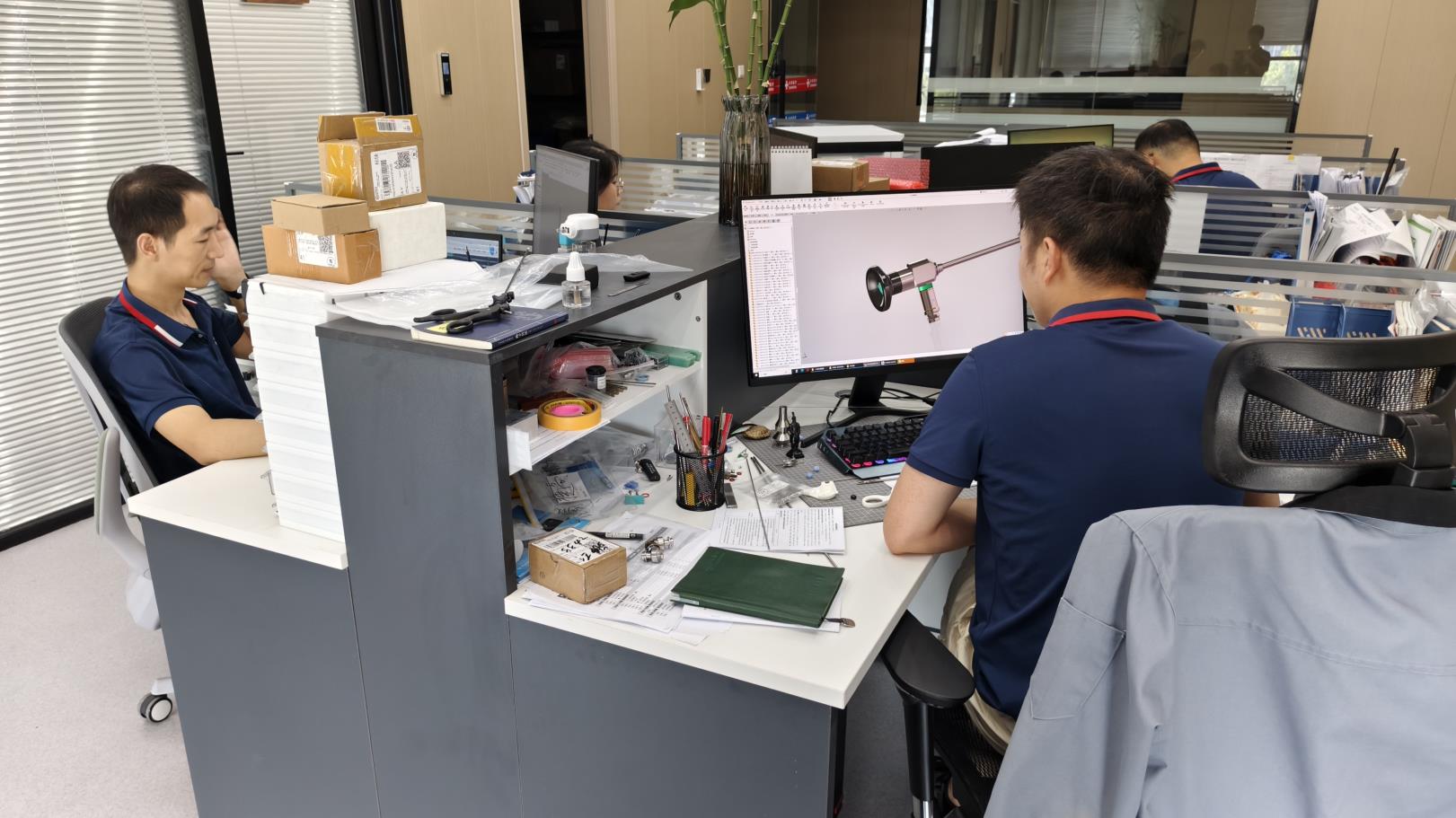
Driven by continuous innovation, Synoviq invests heavily in R&D and intelligent manufacturing to enhance product performance, surgical efficiency, and patient outcomes. Our experienced engineering team works closely with customers to develop customized products tailored to different clinical applications and market demands.
With a customer-oriented philosophy, competitive pricing, stable supply capability, and efficient technical support, Synoviq has established long-term partnerships with distributors, medical brands, and healthcare organizations across Europe, North America, South America, the Middle East, and Asia-Pacific.
Committed to quality, innovation, and global collaboration, Synoviq Medical Technology (China) Co., Ltd. strives to become a trusted international partner in the orthopedic medical device industry.
| Specification Parameter | Operational Standard & Value |
|---|---|
| Company Name | Synoviq Medical Technology (China) Co., Ltd. |
| Brand Name & Registration | Synoviq |
| Established Date | March 18, 2016 |
| Building Area | 18,600 m² |
| Annual Export Revenue | USD 21.8 Million |
| Export Experience | 8 Years |
| Industry Experience | 14 Years |
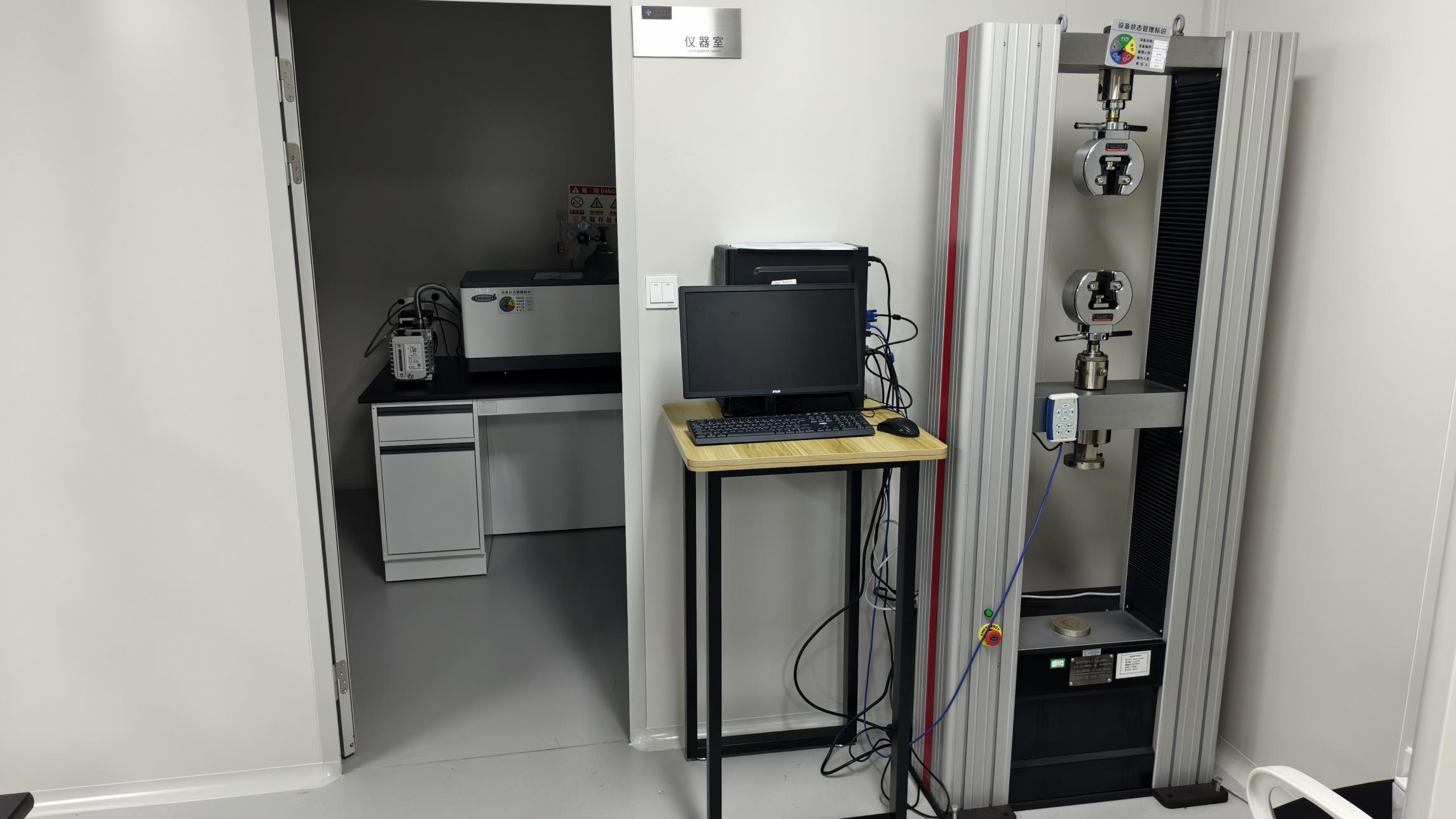
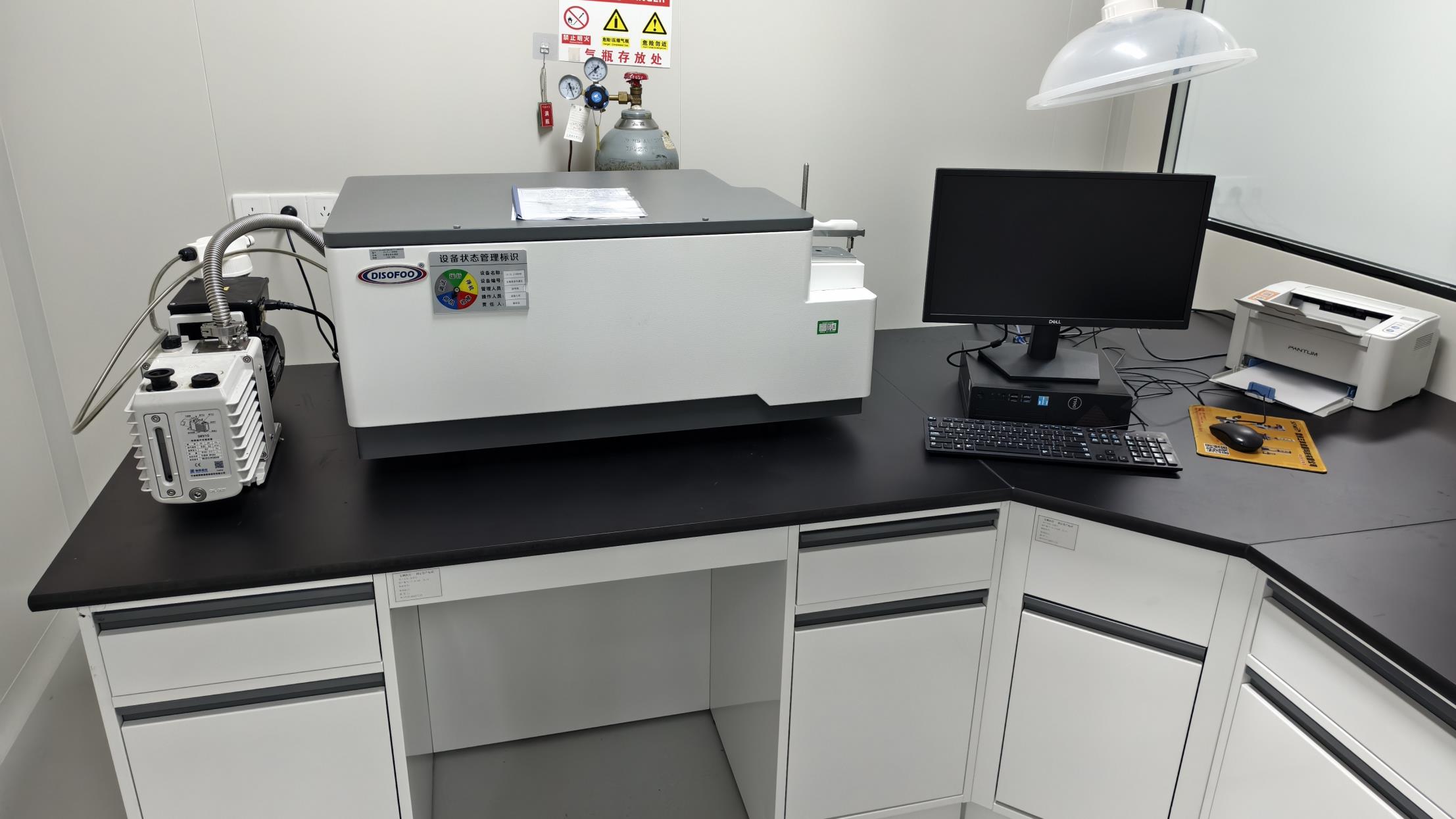
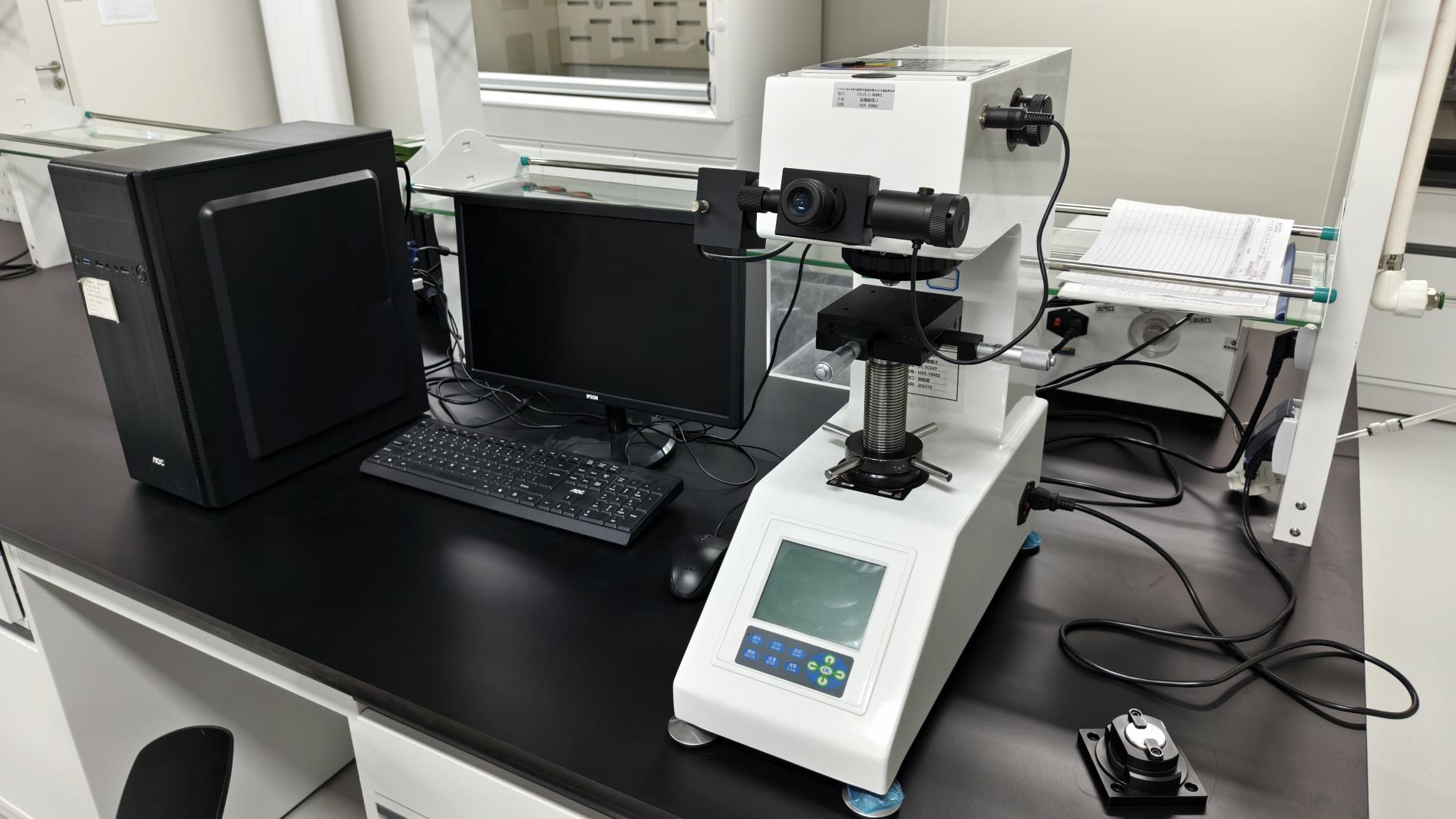
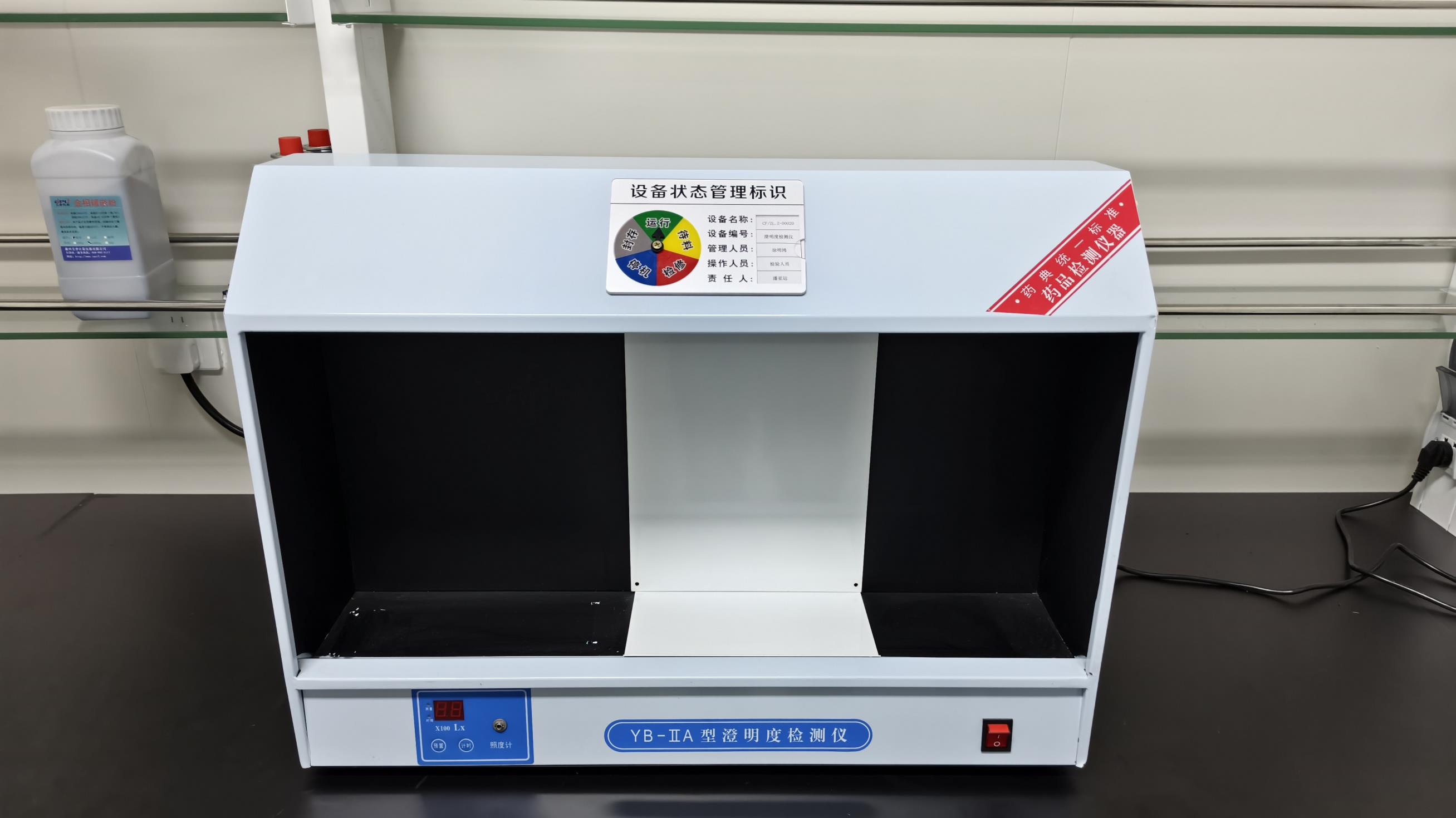
| Quality Inspection Protocols | 100% Final Inspection & Incoming Material Inspection |
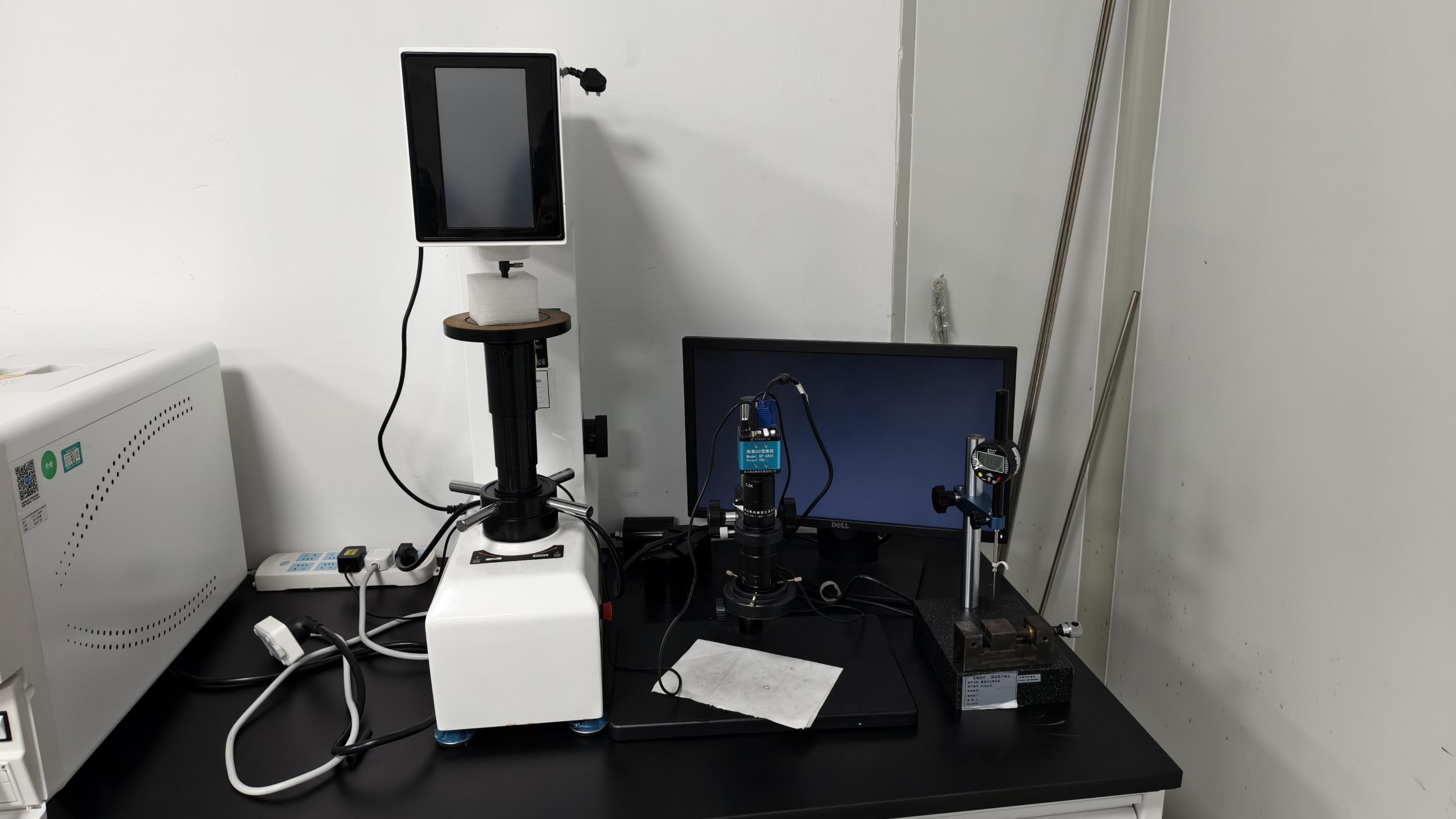
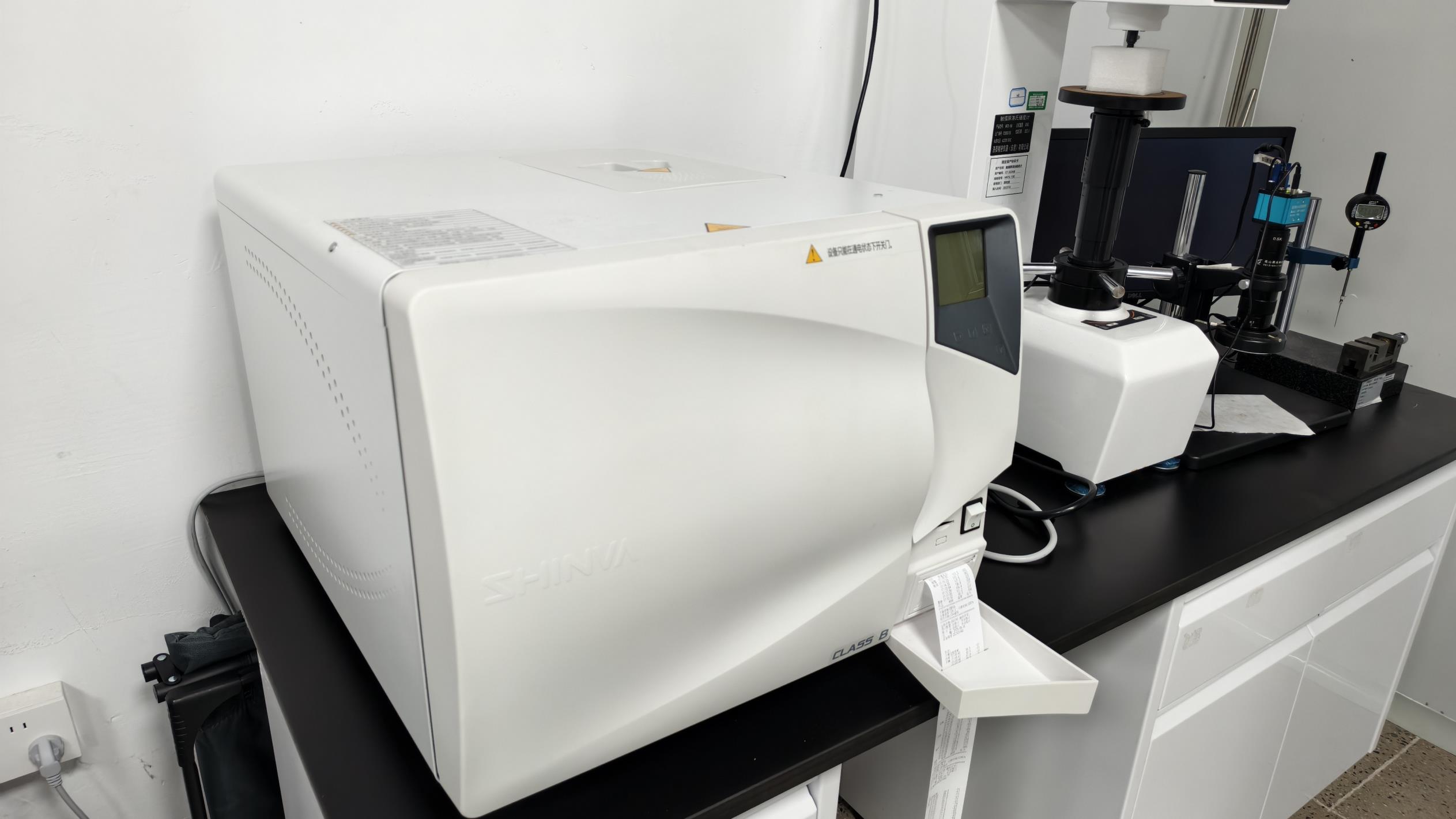
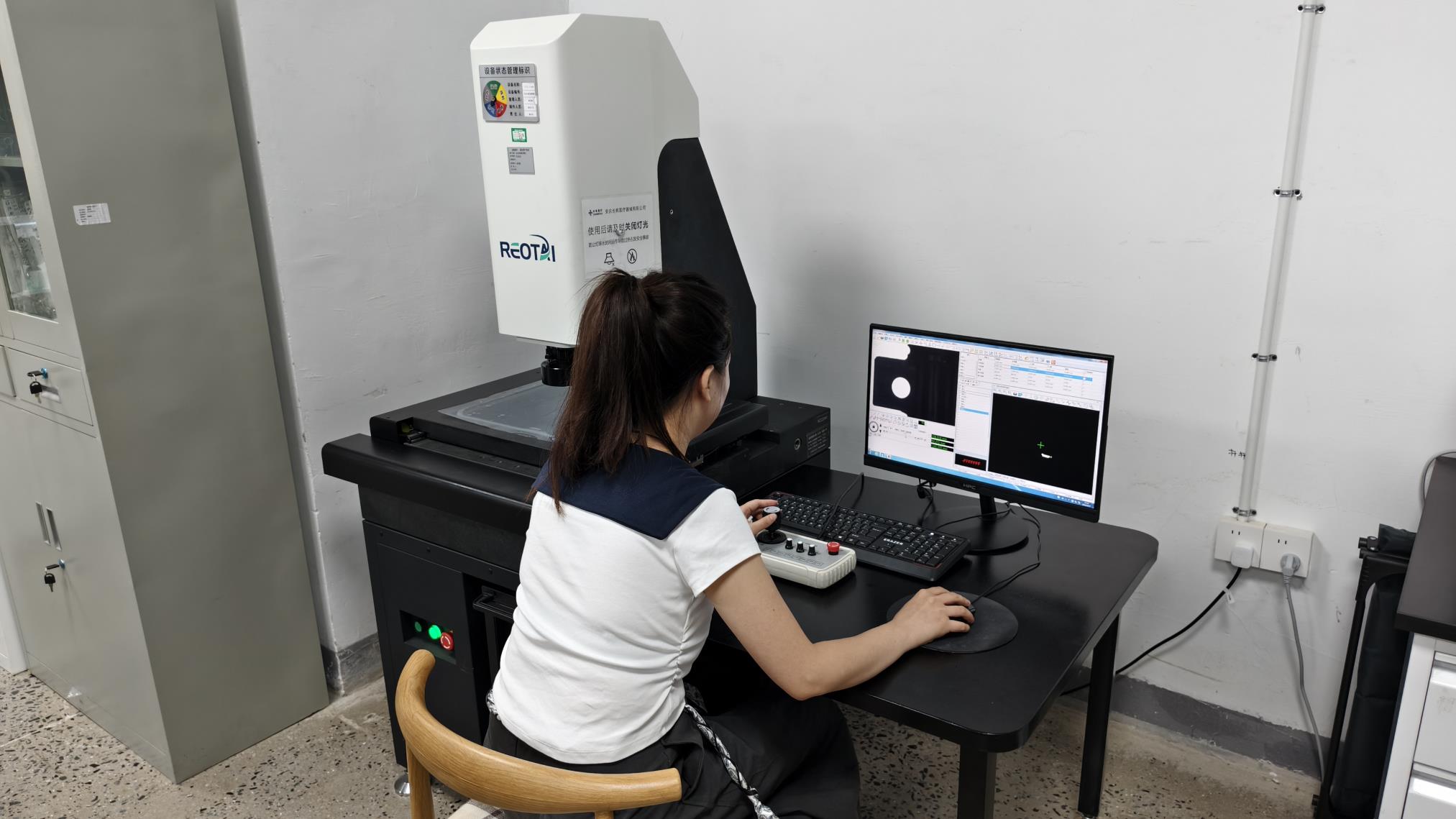
| Product Inspection Methods | CMM Measurement, Mechanical Testing, Surface Roughness Testing, Hardness Testing, Salt Spray Testing, Sterility Validation |
| Quality Control Staff | 48 Dedicated Officers |
| Business Model | Manufacturer & Exporter (OEM/ODM contract manufacturing) |
| Main Export Destinations | Europe, North America, South America, Middle East, Southeast Asia |
| Supply Chain Partners | 1,120+ Active Global Partners |
| Main Customer Types | Medical Device Brands, Importers, Distributors, Hospitals, Government Procurement Projects |
| R&D Capability | Independent Product Design, Prototype Development, Clinical-Oriented Engineering, OEM & ODM Development |
| Customization Options | Logo Customization, Packaging Customization, Product Design Customization, Material Selection, Surface Treatment |
| New Products Released Last Year | 186 Innovative Product Models |
| R&D Engineers | 76 Specialized Engineers |
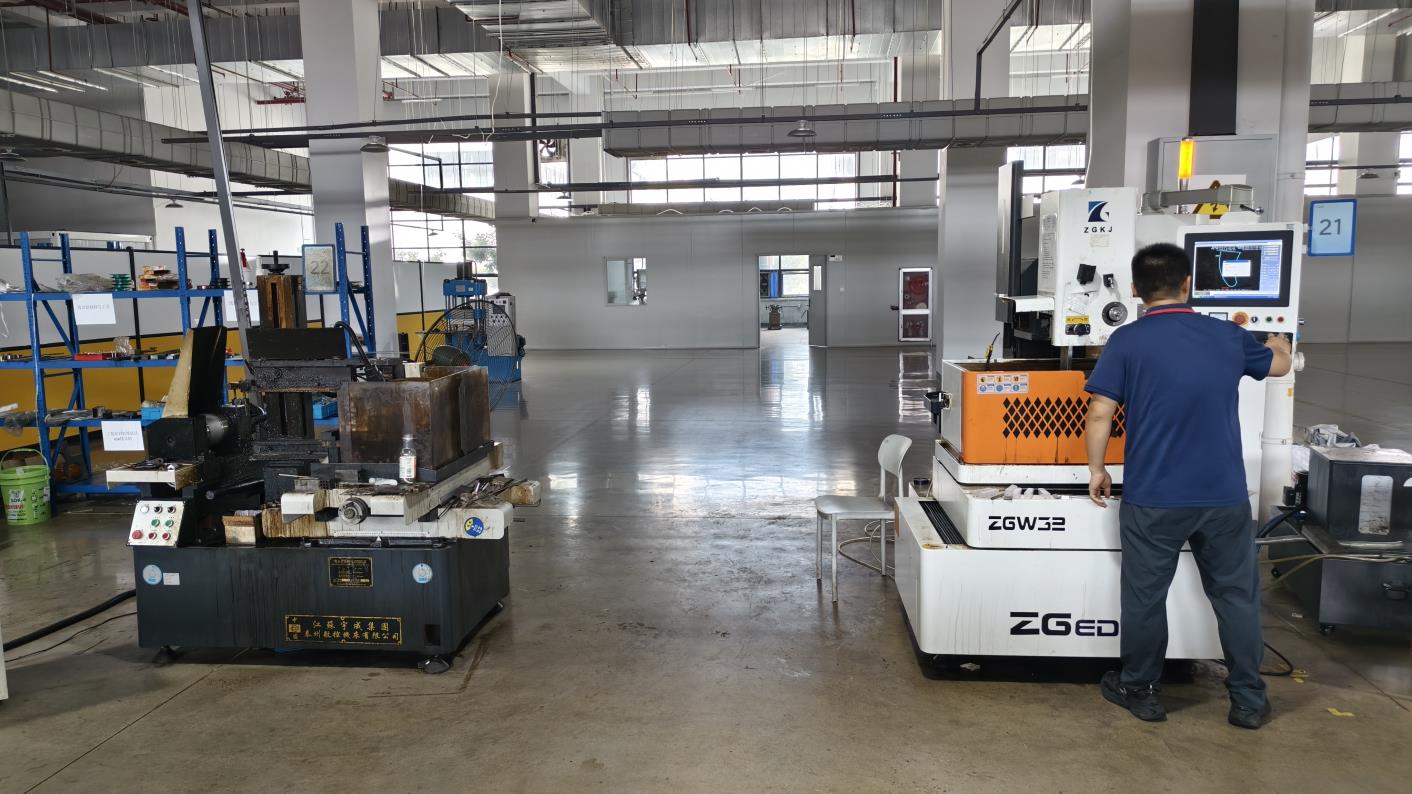
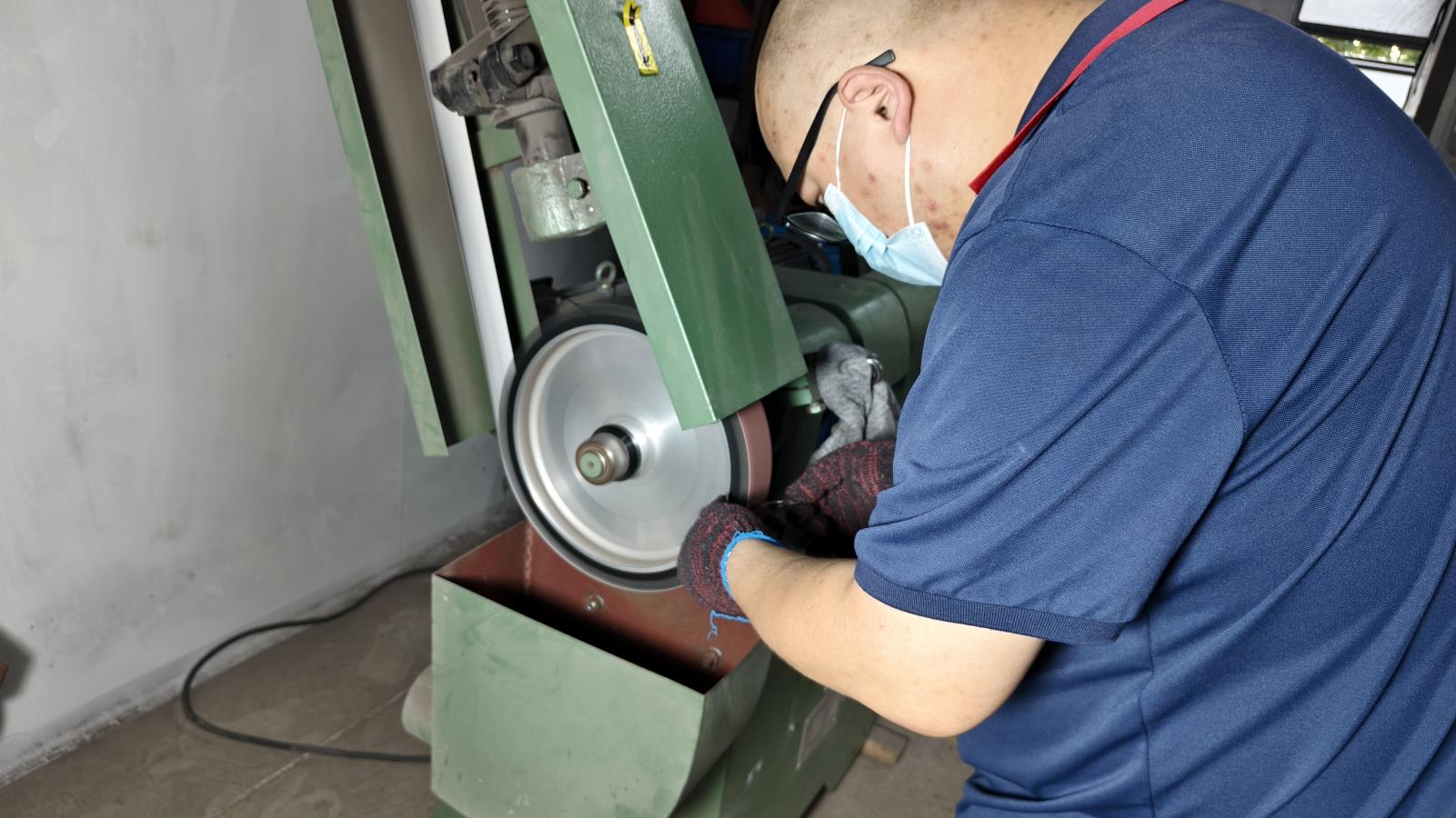
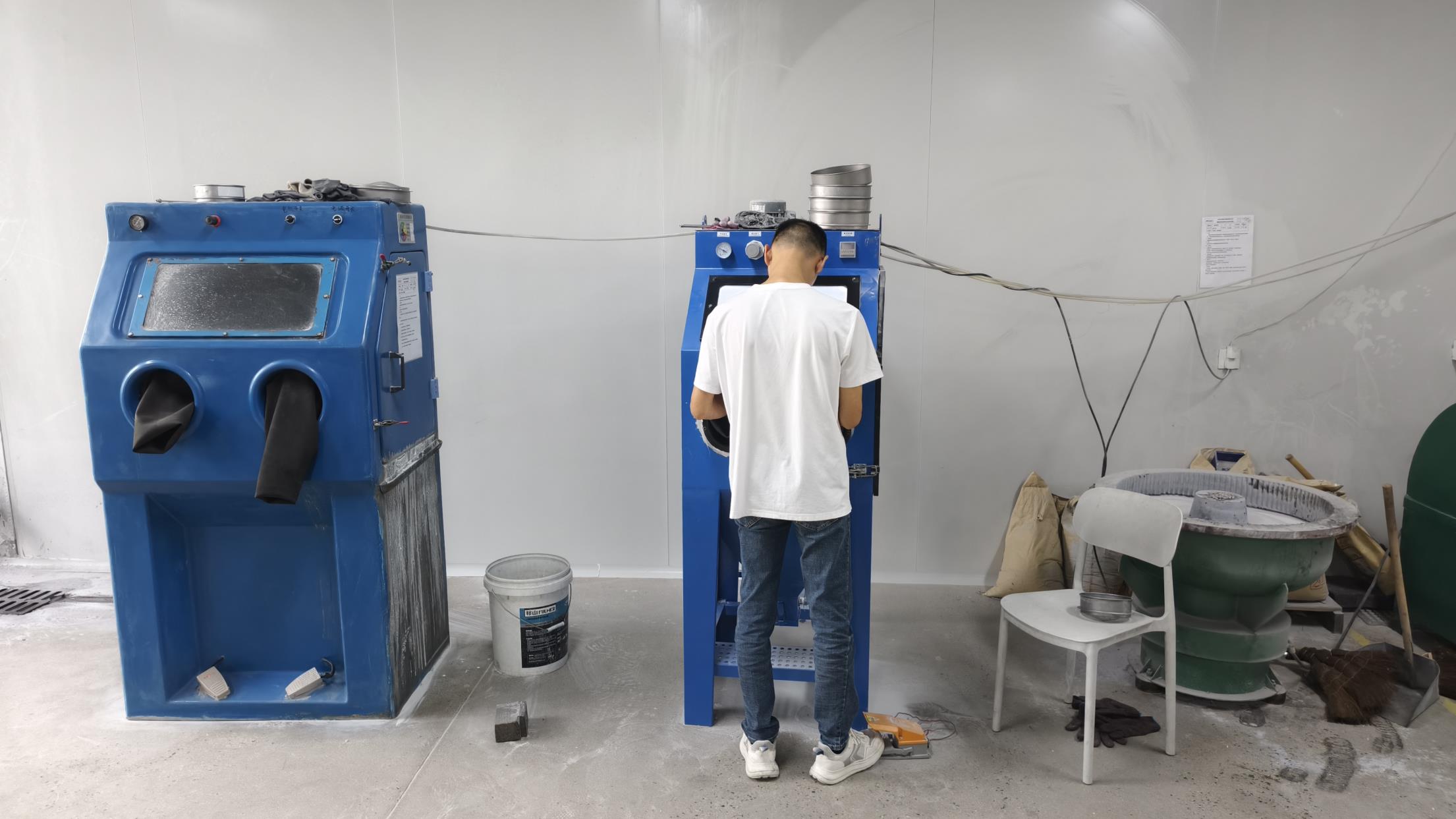
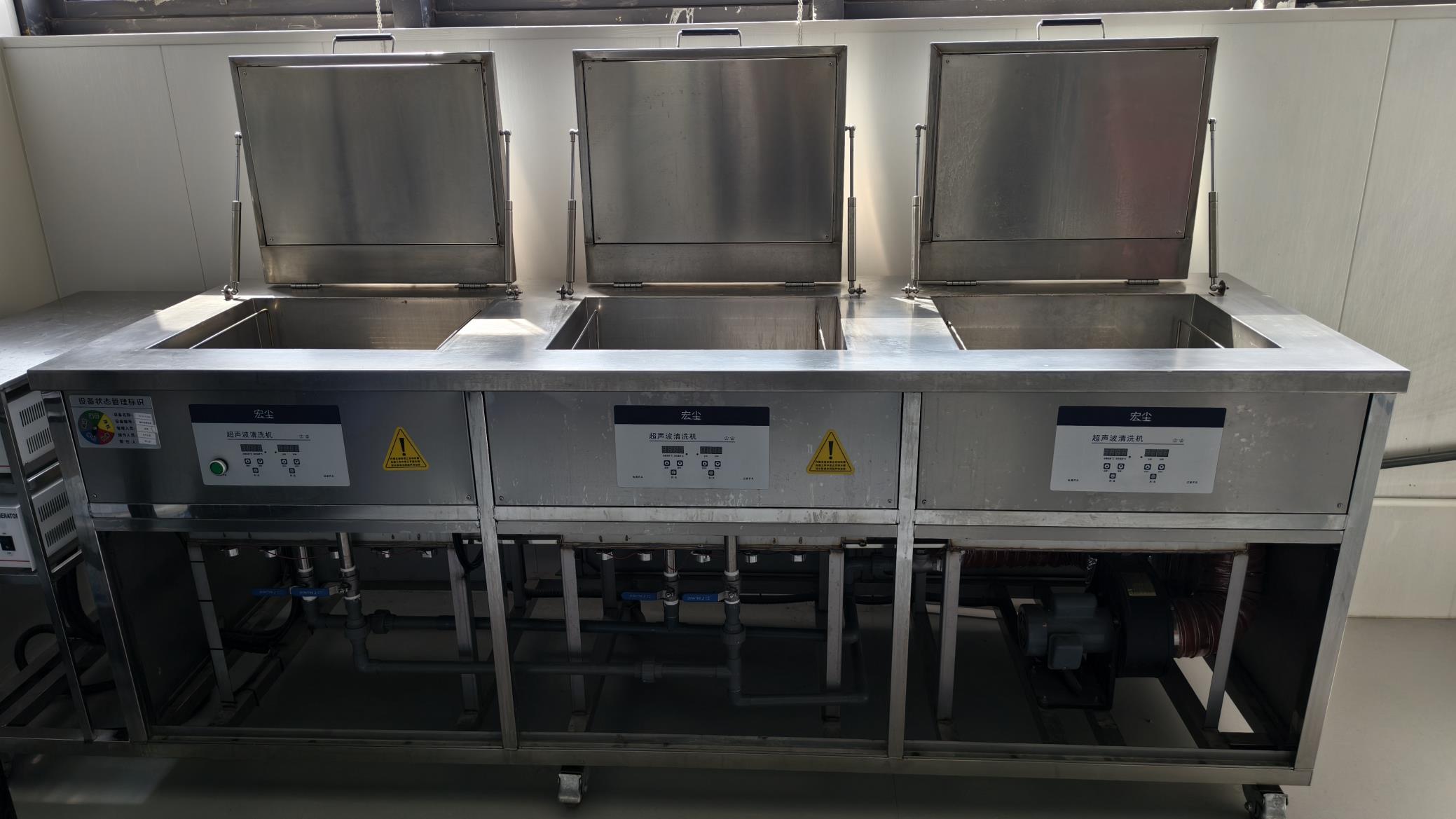
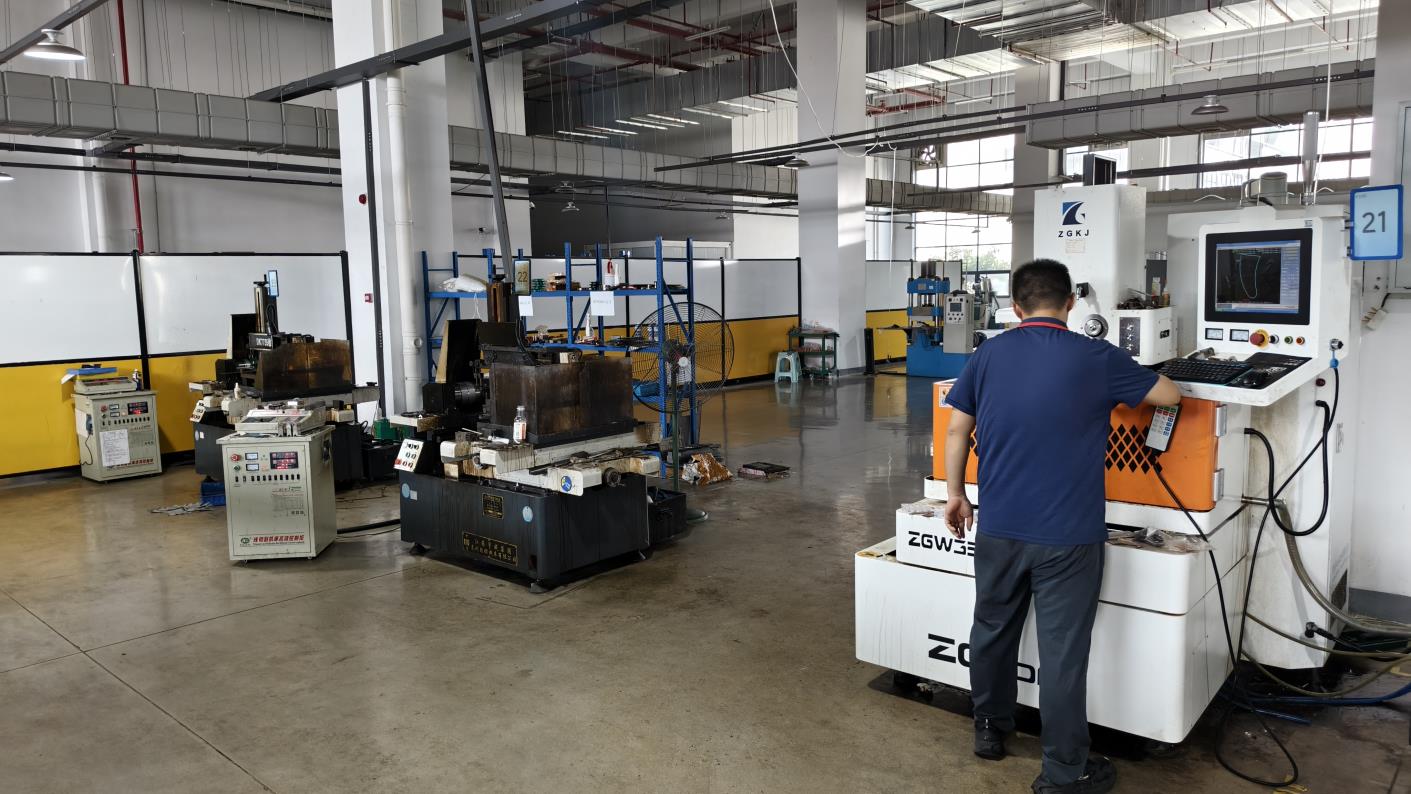
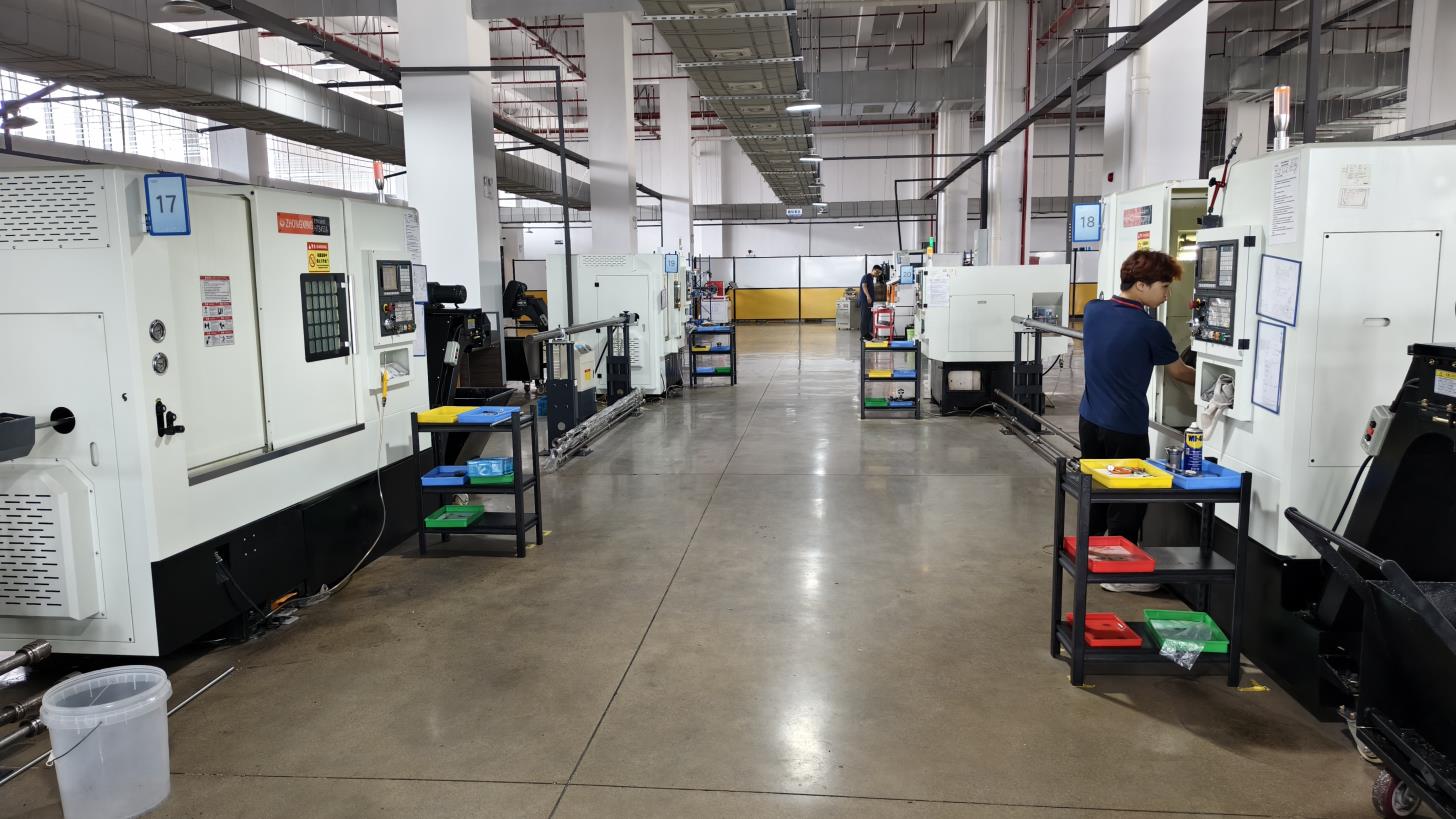
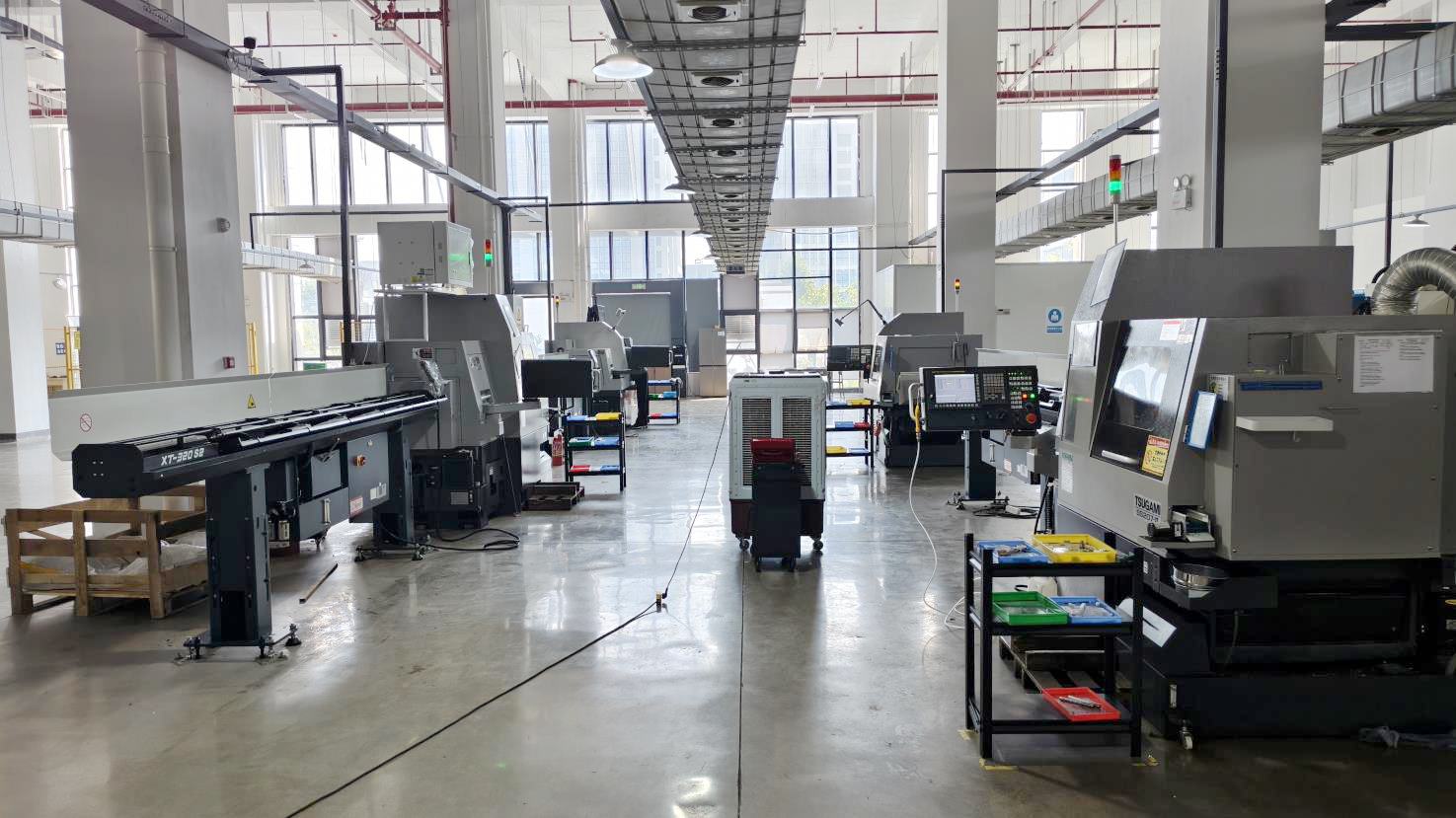
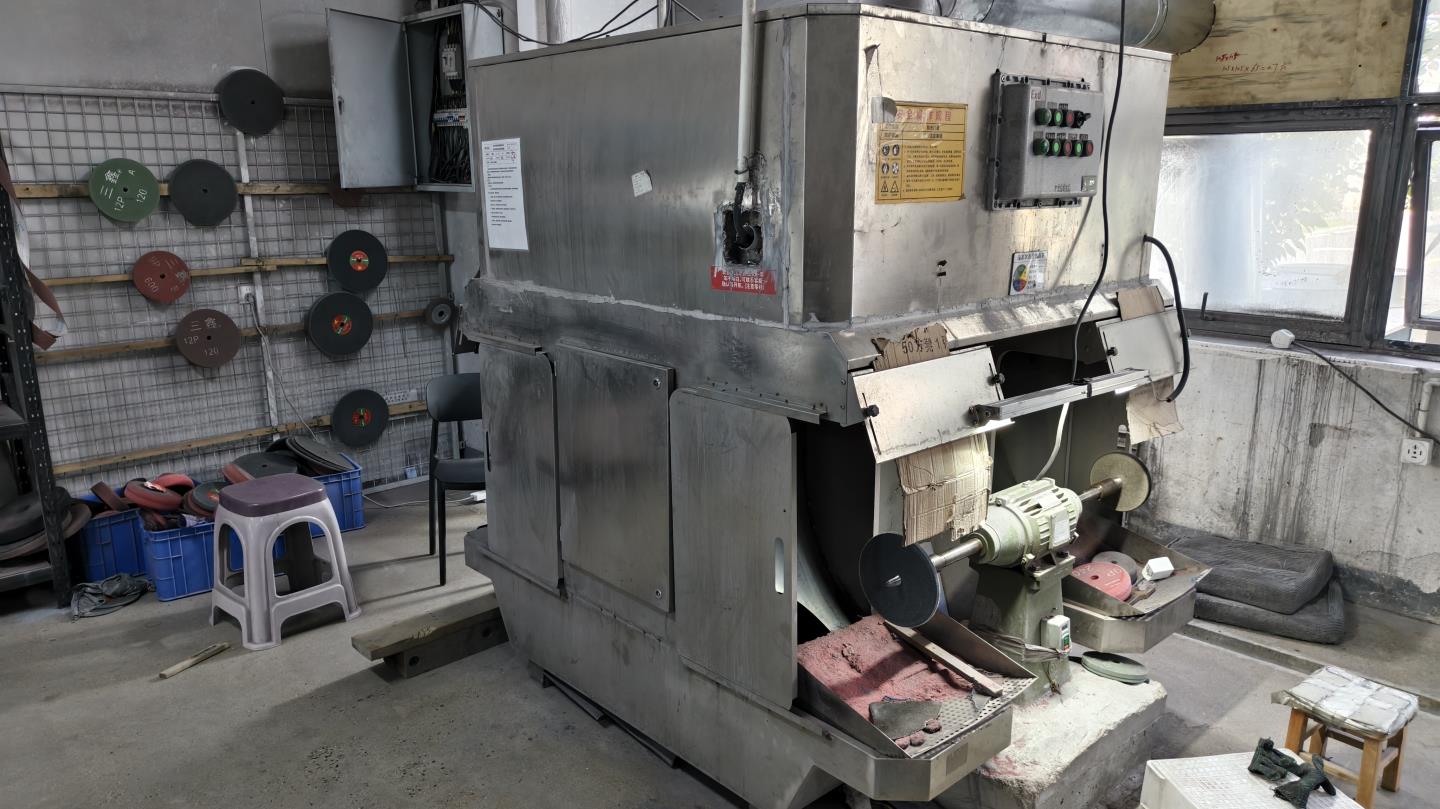
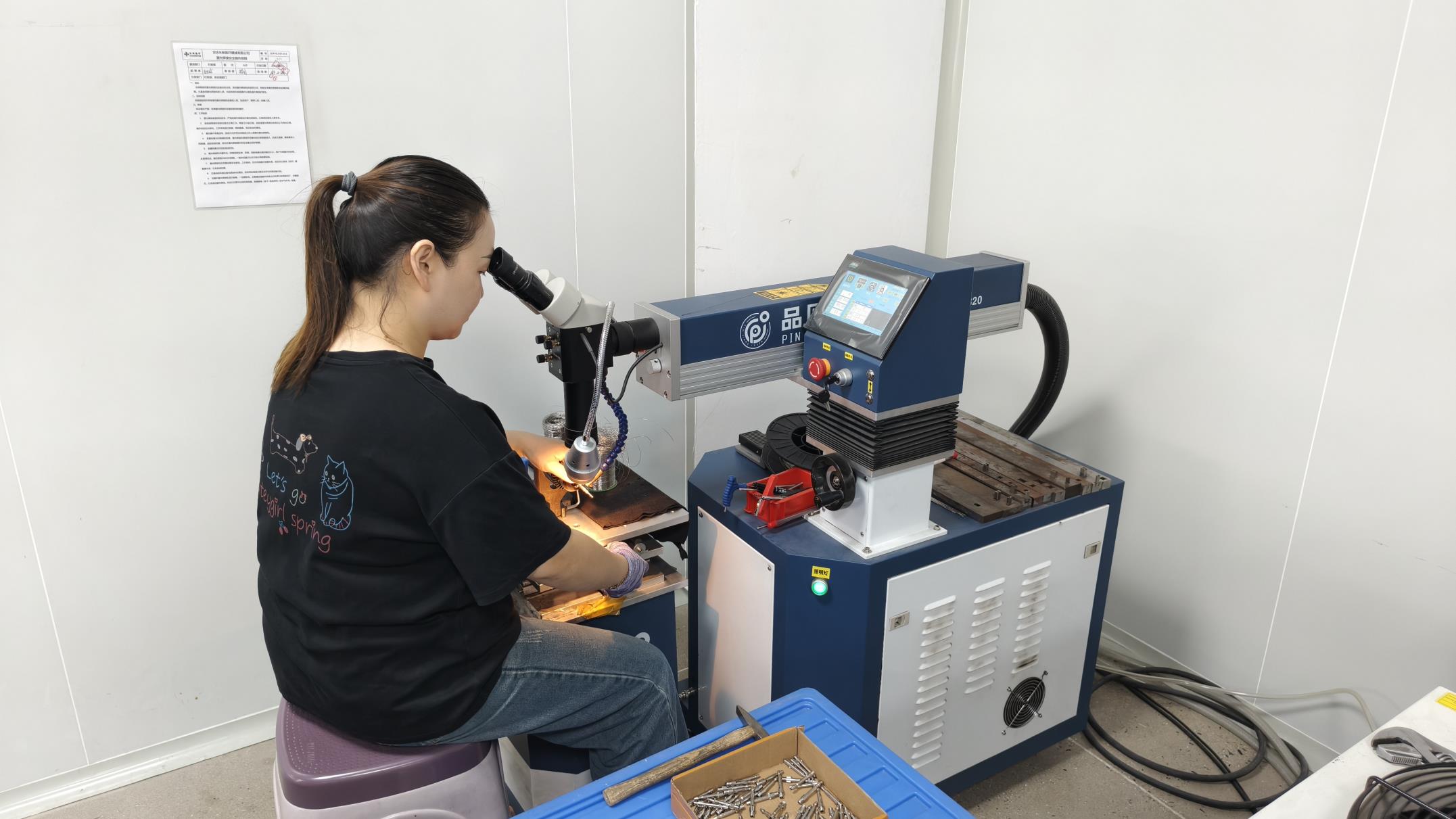
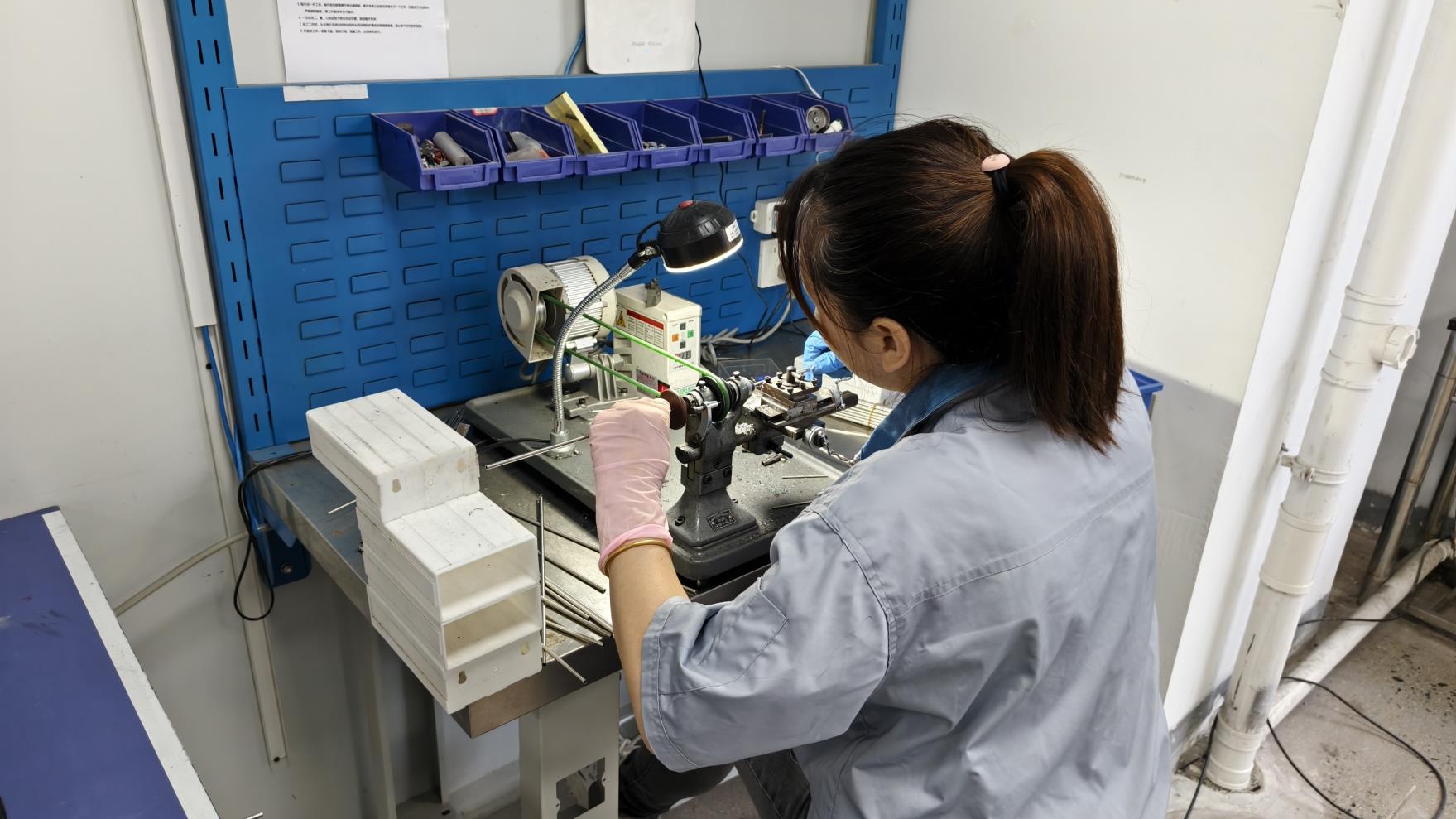
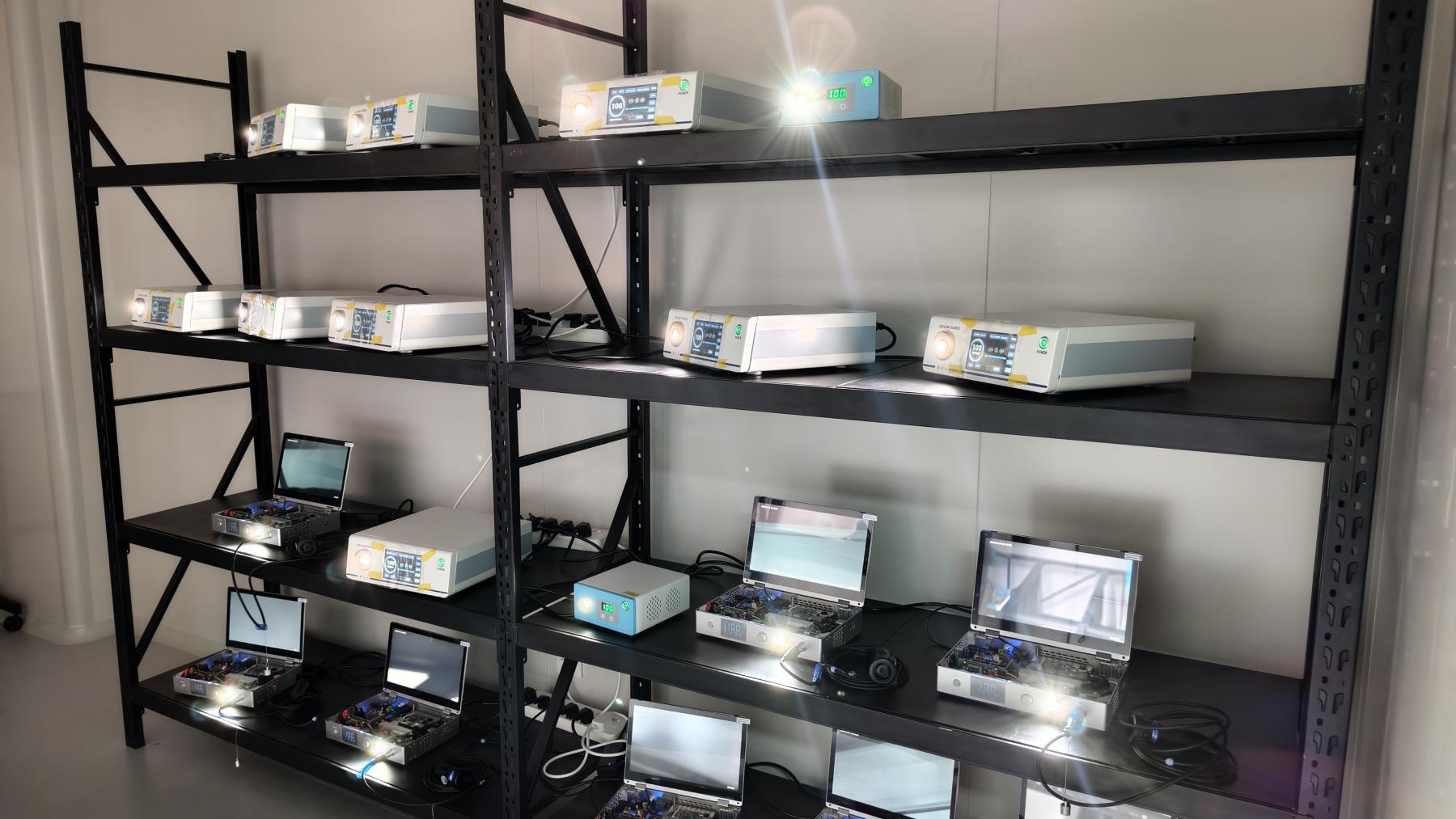
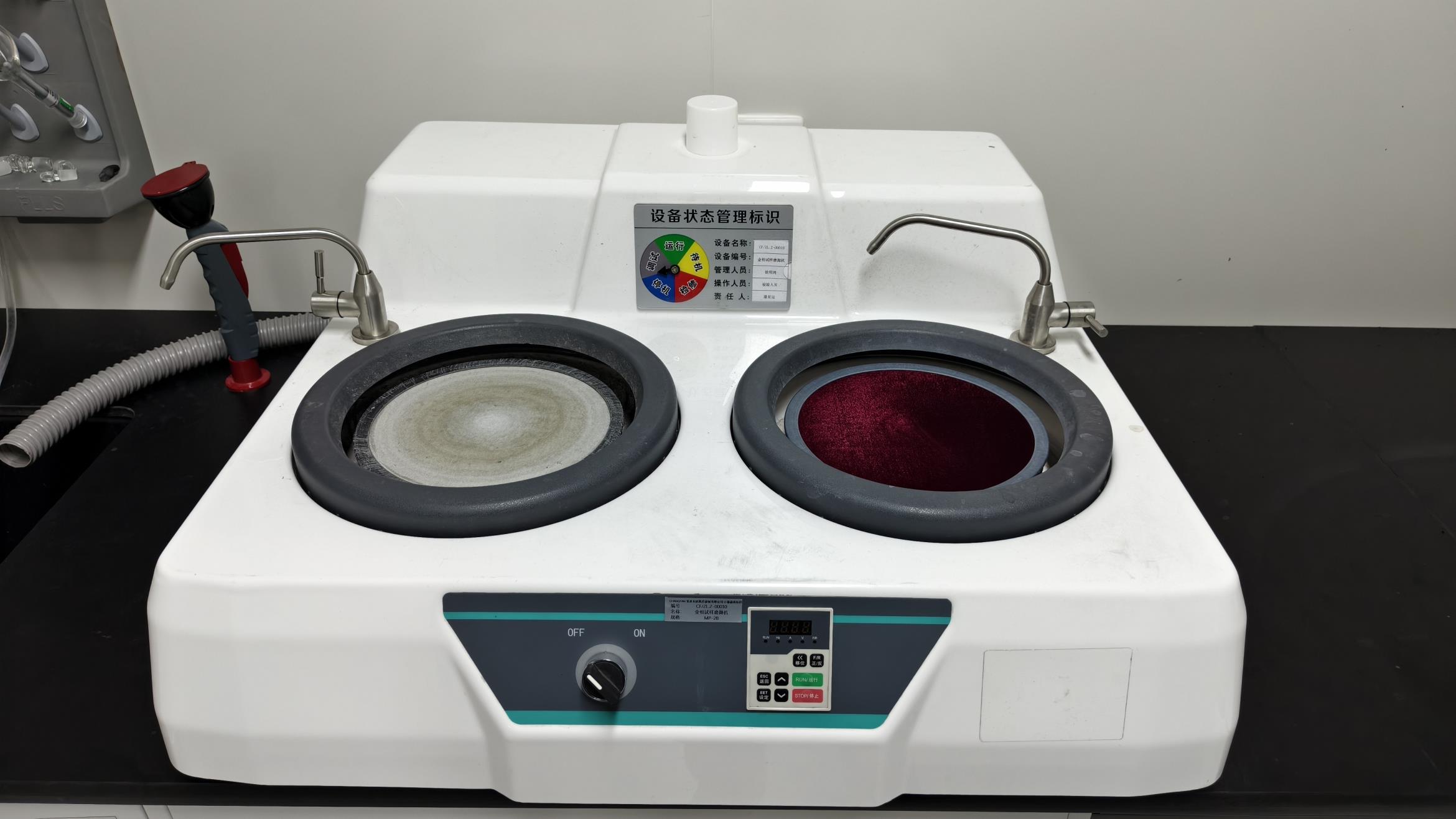
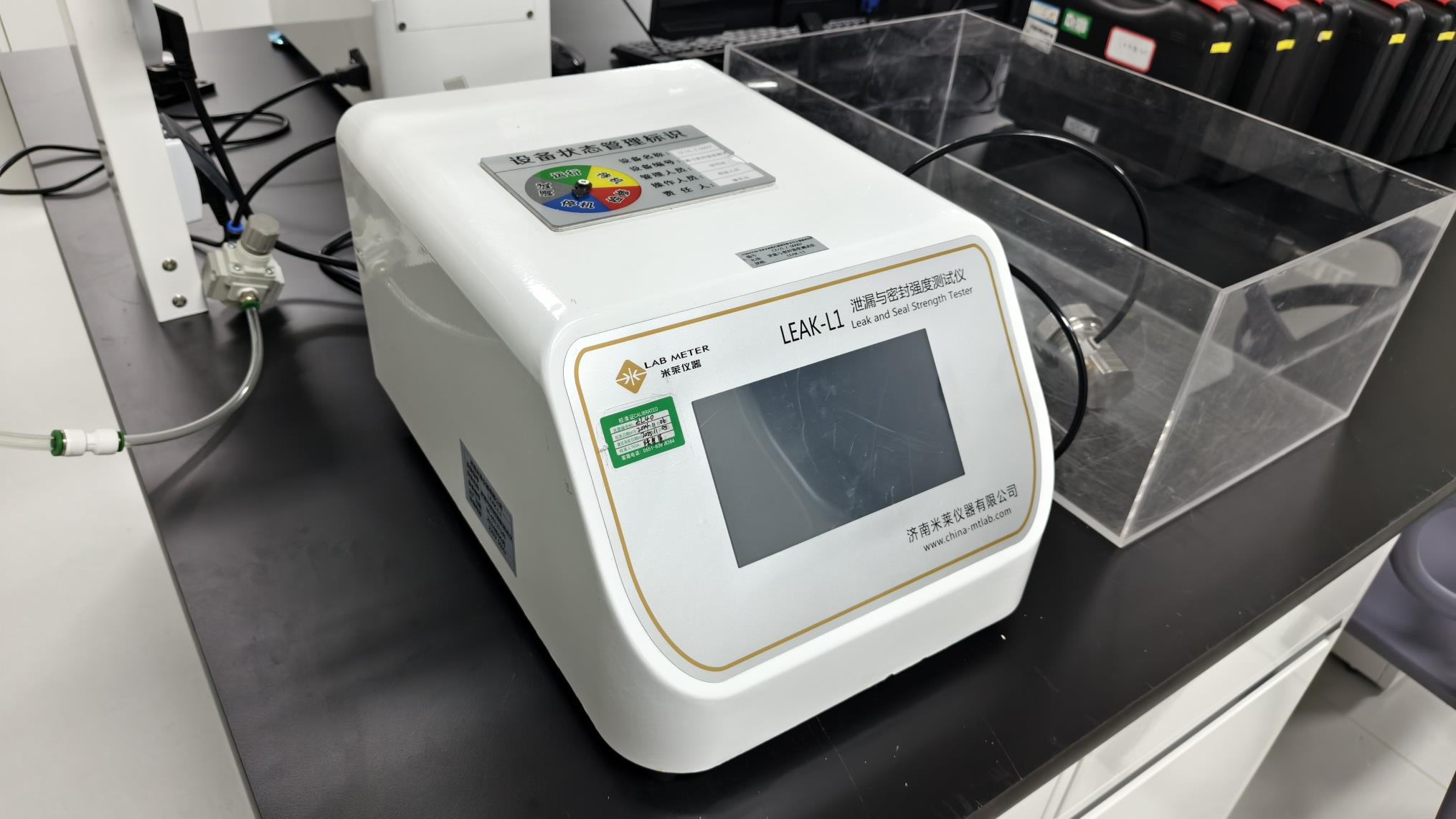
Operating a state-of-the-art facility, Synoviq integrates specialized machinery from wire cutting to Swiss-type lathes to produce complex medical implants. Every instrument and implant undergoes a multi-stage fabrication and inspection pipeline to verify geometry, mechanical tolerances, and biocompatibility properties.
The roadmap for retrograde femoral nailing technology is defined by material sciences, digital surgery integration, and customized biomechanical engineering. Traditionally manufactured from high-grade titanium alloys (such as Ti-6Al-4V ELI) and implant-grade stainless steel, future product development pipelines are exploring carbon fiber reinforced polyetheretherketone (CFR-PEEK) composites. These materials feature elastic modulus properties that closely mimic human cortical bone, reducing stress shielding effects and promoting accelerated callus formation.
Simultaneously, surface modification technologies are shifting from passive anodization to active nano-hydroxyapatite or chemical vapor deposition (CVD) coatings. These advances promote osteointegration directly at the bone-implant interface, minimizing micro-motion and reducing secondary loosening. In addition, the integration of electromagnetic distal locking navigation systems is reducing intraoperative fluoroscopy exposure times, safeguarding both surgical teams and patients. By implementing these digital templates, Synoviq ensures our manufacturing pipeline remains aligned with the transition toward computerized, minimally invasive surgical workflows.
In clinical practice, the choice between anterograde and retrograde nail configurations depends heavily on anatomical conditions and injury mechanisms. Retrograde femoral nails are indicated for distal third fractures, supracondylar fractures with intra-articular extensions, and osteoporotic periprosthetic fractures. For example, in polytrauma cases requiring simultaneous pelvic and spine stabilizations, the retrograde approach allows the surgeon to perform fixation without changing the patient’s supine position, shortening operative time and reducing cardiovascular strain.
In developing regions, where clinical presentations are often delayed and access to advanced fluoroscopy is limited, retrograde instrumentation sets must be simple and robust. The mechanical distal targeting guide allows accurate locking screw placement without high-end imaging equipment. Conversely, in highly advanced healthcare systems with rapid rehabilitation programs, the primary demand centers on rigid, multi-planar distal fixation. This configuration provides the stability required for early weight-bearing protocols, shortening hospital stays and accelerating patient recovery.
Because orthopedic implants are classified as Class III (high-risk) medical devices under most global jurisdictions, meeting regulatory standards is critical for international distribution. Manufacturers must maintain comprehensive quality systems, typically audited to ISO 13485 standards. Product designs must pass rigorous biocompatibility assessments (ISO 10993) and fatigue, bending, and torsional testing protocols (such as ASTM F1264 for intramedullary fixation devices).
Our regulatory strategy centers on maintaining strict technical files to support FDA 510(k) clearances, CE MDR certifications in Europe, and NMPA approvals in China. This framework guarantees full raw material traceability from premium medical-grade titanium ingots through CNC machining, passivation, cleaning, and packaging. In addition, sterility validation protocols must show sterile barrier system integrity for up to five years, protecting clinical distributors from compliance liabilities.
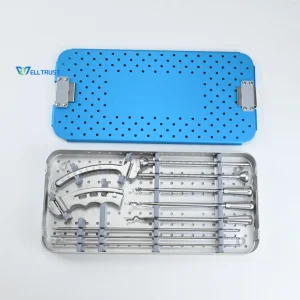
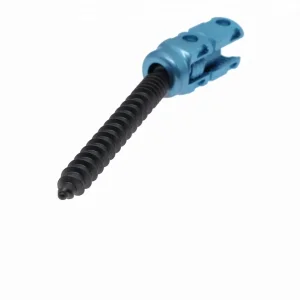
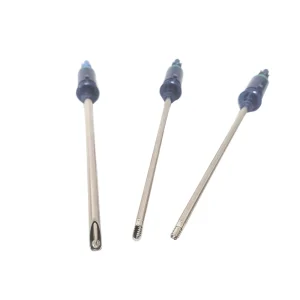
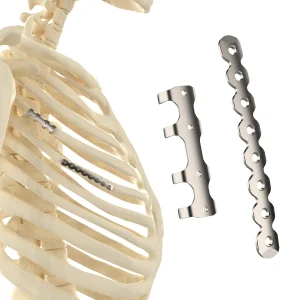
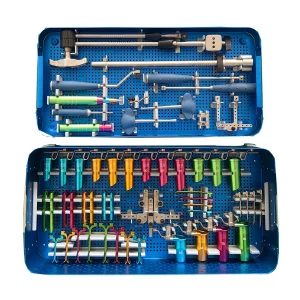
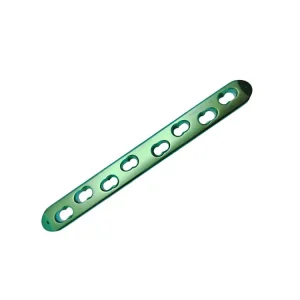
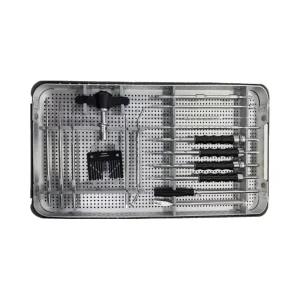
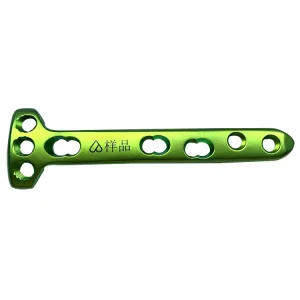
Explore our extended catalog of implant assemblies, locking fixation plates, and surgical toolkits designed for high-performance clinical applications.
 Synoviq Medical