Premium clinical instruments and internal fixation devices engineered to meet rigorous ISO and CE global standards.
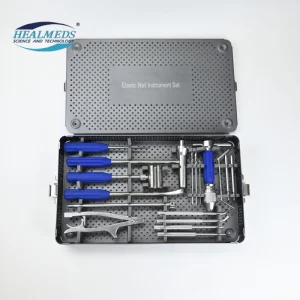
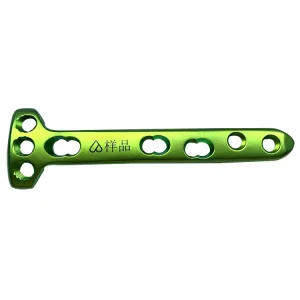
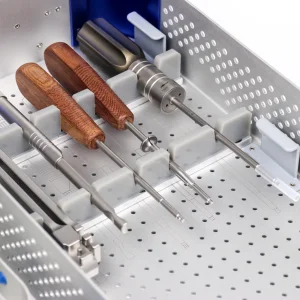
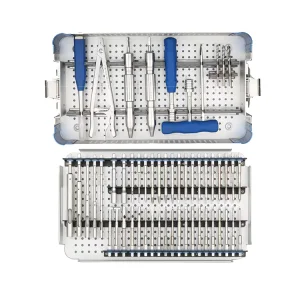
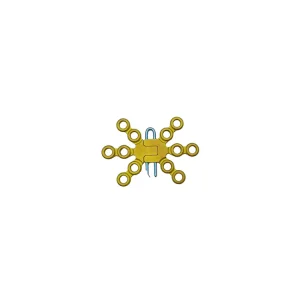
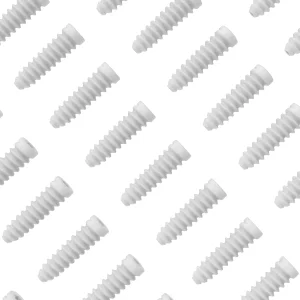
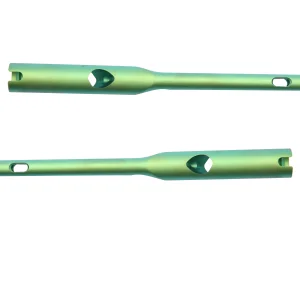
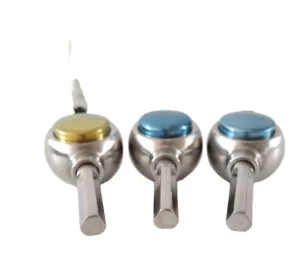
In global orthopedic trauma care, the stabilization of long bone fractures (femoral, tibial, and humeral shafts) has shifted decisively toward interlocking intramedullary (IM) nails. As load-sharing devices rather than load-bearing systems (like locking plates), intramedullary nails are positioned close to the bone's neutral axis. This physiological alignment distributes axial load dynamically, minimizing bending moments, fostering secondary bone healing through micromotion-induced callus formation, and accelerating patient mobilization.
The mechanical efficiency of an interlocking IM nail depends heavily on its design configuration—specifically, the geometry of the proximal and distal interlocking locking paths, the nail's curvature, and raw material properties. In high-impact fractures, simple intramedullary fixation without interlocking screws cannot resist torsional and axial rotation forces. Dynamic and static interlocking screw designs prevent shortening and rotation of the bone segments, restoring physiological stability to unstable comminuted fractures.
As a premier China interlocking intramedullary nails exporter, Synoviq Medical Technology addresses these structural challenges with high-grade titanium and steel implants. The mechanical interface between the locking screw and nail aperture is engineered to tolerate high physiological stress cycle amplitudes. This biomechanical precision minimizes mechanical play, mitigates screw shear failures, and preserves endosteal blood supply, satisfying rigorous orthosurgical requirements.
Evaluating market forces, localization policies, and procurement models that impact global medical device sourcing.
Public healthcare tenders and Group Purchasing Organizations (GPOs) operate under extreme budget pressures. Purchasing departments must secure high-quality implants without exceeding strict cost constraints. Synoviq manages this by manufacturing CE-certified orthopedic products at high volume, lowering unit costs while meeting stringent clinical guidelines.
Global medical companies utilize Synoviq’s advanced manufacturing infrastructure to market custom trauma portfolios. With 76 dedicated R&D engineers, we develop tailored designs, modify distal targeting systems, and apply custom surface anodization, helping brands accelerate speed-to-market.
Exporting Class III medical devices demands thorough regulatory compliance. We provide complete technical files (STED format), validation records, sterility reports, and clinical evaluation summaries, ensuring smooth registration processes with regulatory bodies worldwide (including NMPA, CE MDR, and LATAM health agencies).
How metallurgical refinement and surface technologies improve osseointegration and reduce infection rates.
The interface between implant and host tissue is critical for surgical success. Standard implants are susceptible to wear, stress shielding, or bacterial colonization. Materials science research has driven advances in alloy configuration and microscale topography.
Historically, medical-grade Stainless Steel (316LVM) served as the default material for fixation devices due to its high yield strength. However, its high elastic modulus (approx. 200 GPa) relative to cortical bone (approx. 15-20 GPa) often results in stress shielding, leading to bone resorption. Modern clinical practice prefers Titanium Alloy (Ti-6Al-4V ELI). With an elastic modulus of ~110 GPa, titanium halves the stiffness mismatch, reducing stress shielding and encouraging long-term bone remodeling.
| Implant Material Property | Medical Stainless Steel (316LVM) | Titanium Alloy (Ti-6Al-4V ELI) | Bioabsorbable Polymer (PLGA) | Cortical Human Bone (Reference) |
|---|---|---|---|---|
| Elastic Modulus (GPa) | 190 - 205 | 105 - 115 | 3.0 - 5.0 | 15 - 20 |
| Tensile Strength (MPa) | ≥ 860 | ≥ 895 | 40 - 80 | 100 - 150 |
| Corrosion Resistance | Moderate (pitting risk) | Excellent (passivated TiO2 layer) | N/A (degrades in vivo) | N/A |
| Biocompatibility Profile | Good | Excellent (high osseointegration) | Excellent (resorbable) | Host Tissue |
| Primary Application | Temporary Plates, Heavy Trauma | Premium IM Nails, Locking Plates | ACL Interference Screws, Pins | Natural System |
The future of intramedullary nail design targets two key challenges: implant-associated infections and distal targeting precision. Next-generation systems feature surface-modified technologies like silver-nanoparticle and iodine-doped anodic coatings that resist biofilm formation without compromising osteoclast activity. In addition, electromagnetic targeting guides are replacing traditional fluoroscopy, reducing intraoperative radiation exposure for surgical teams.
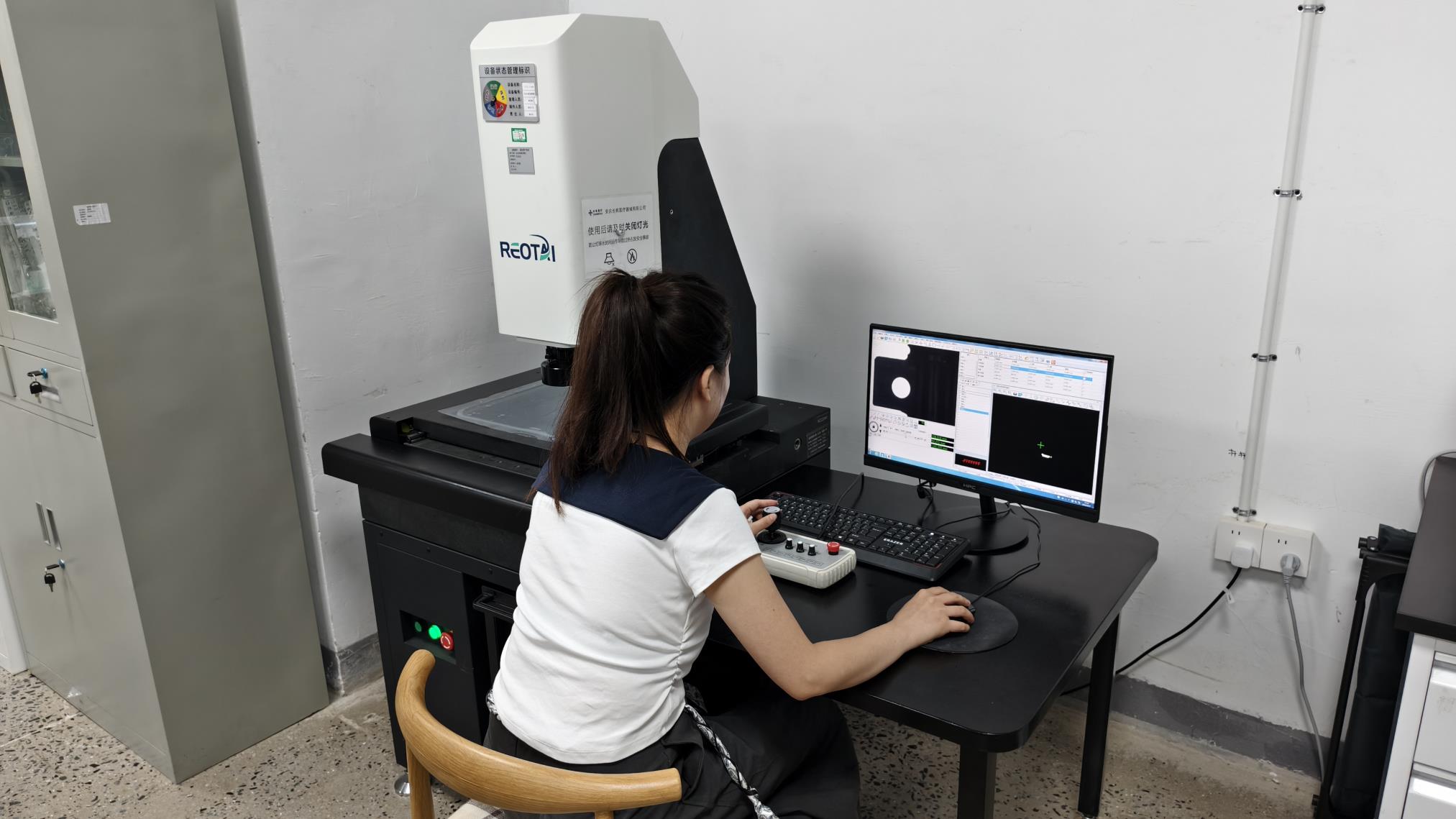
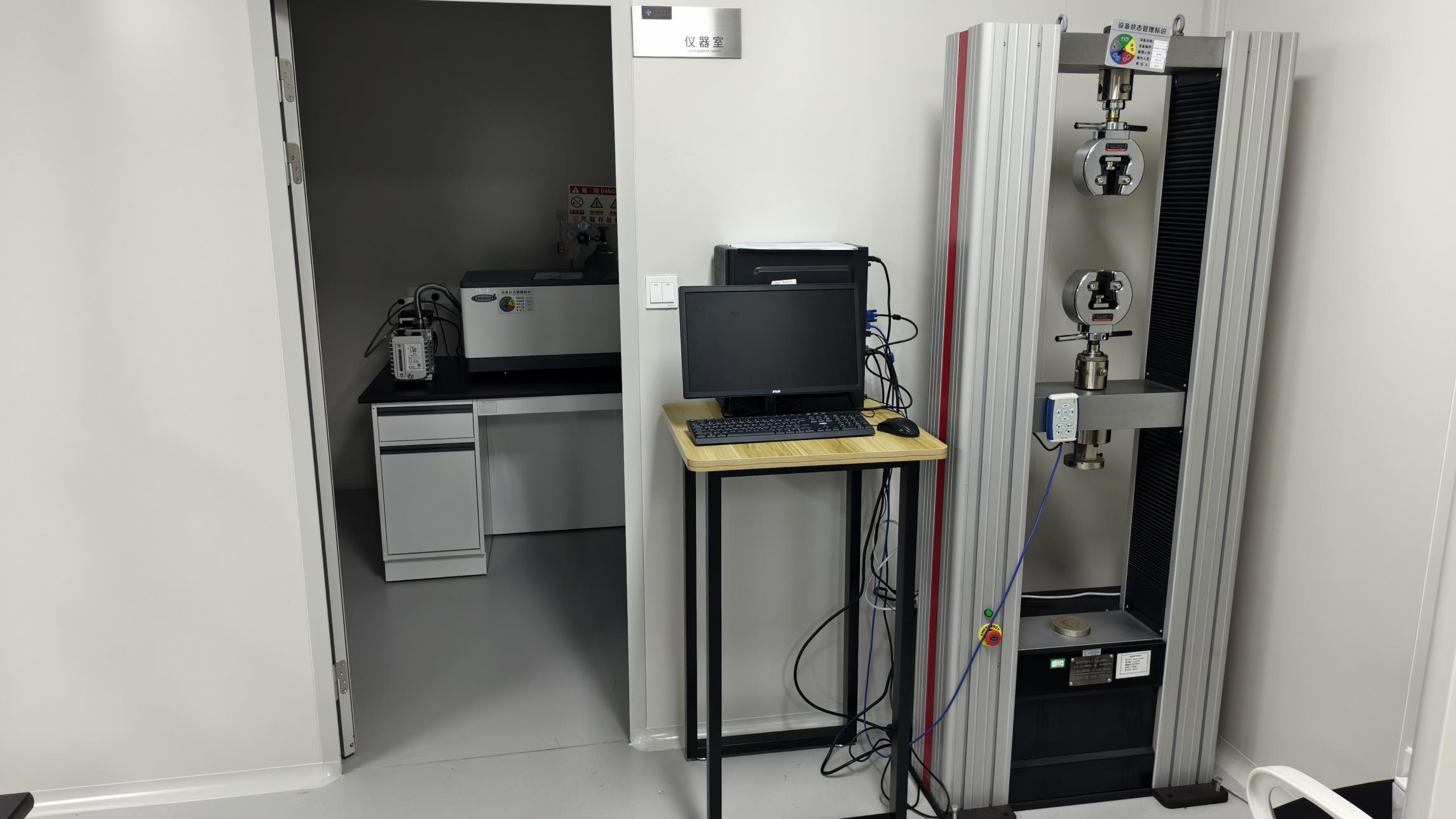
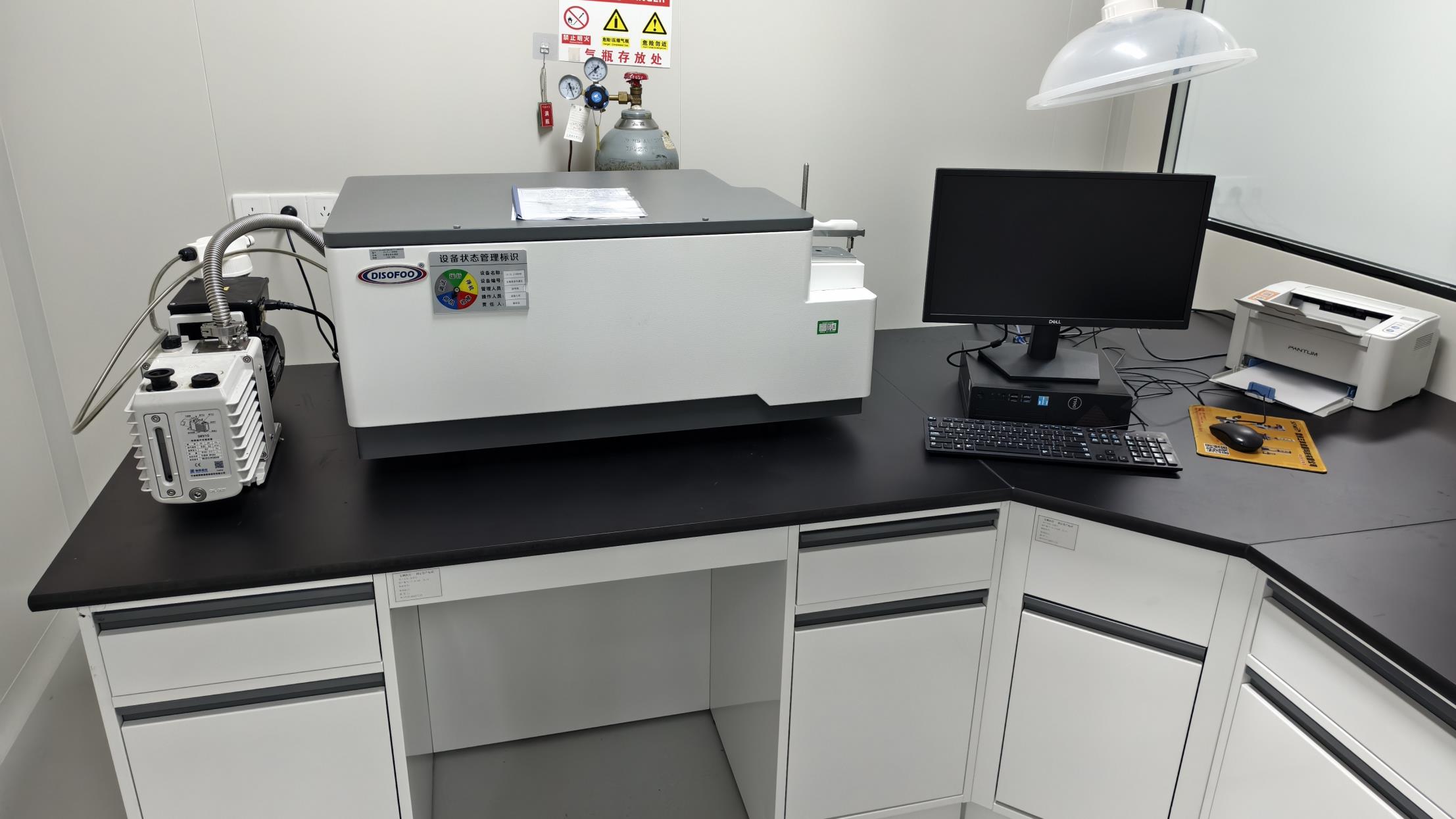
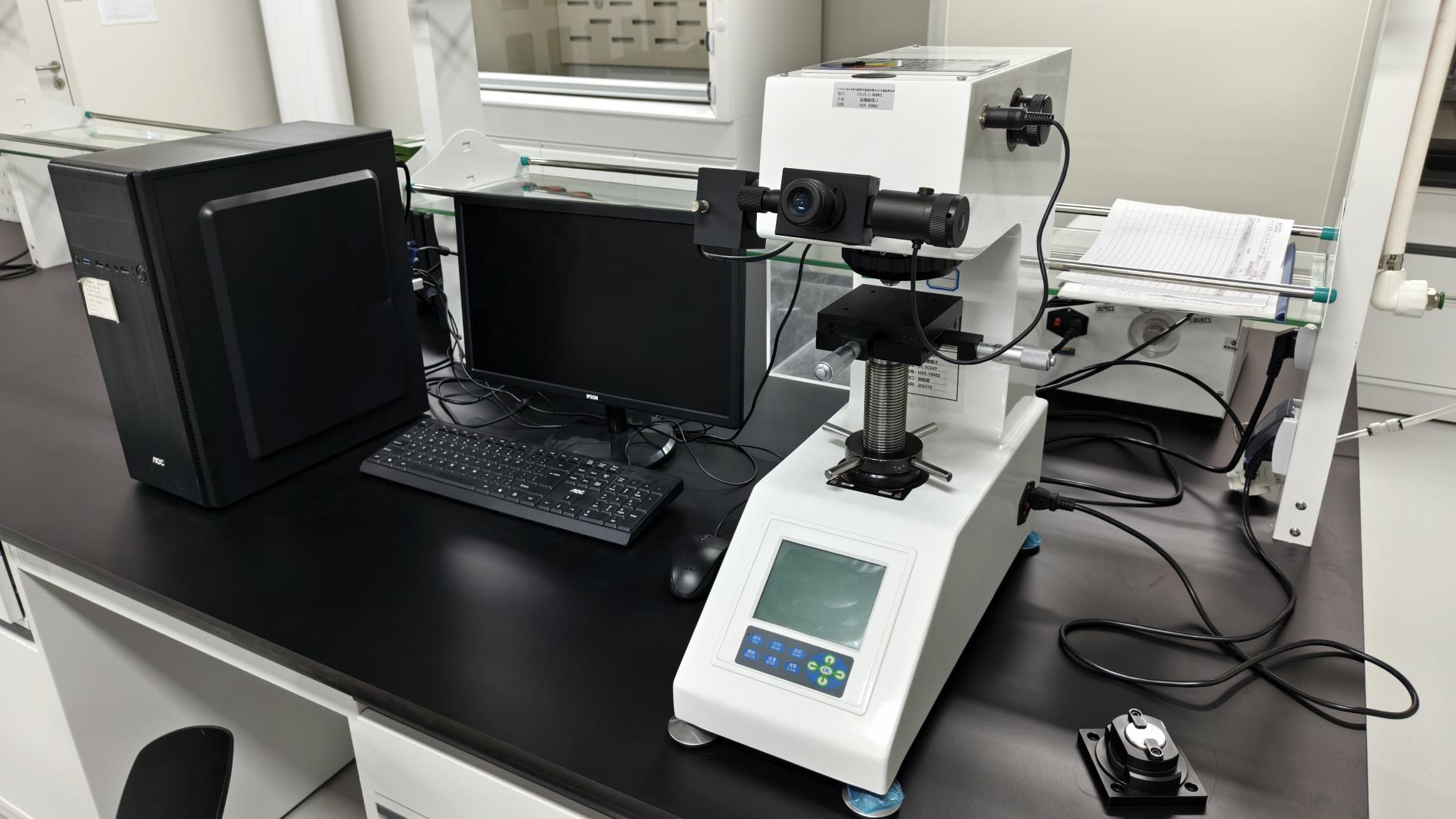
Precision machining and quality control at Synoviq's state-of-the-art production facility.
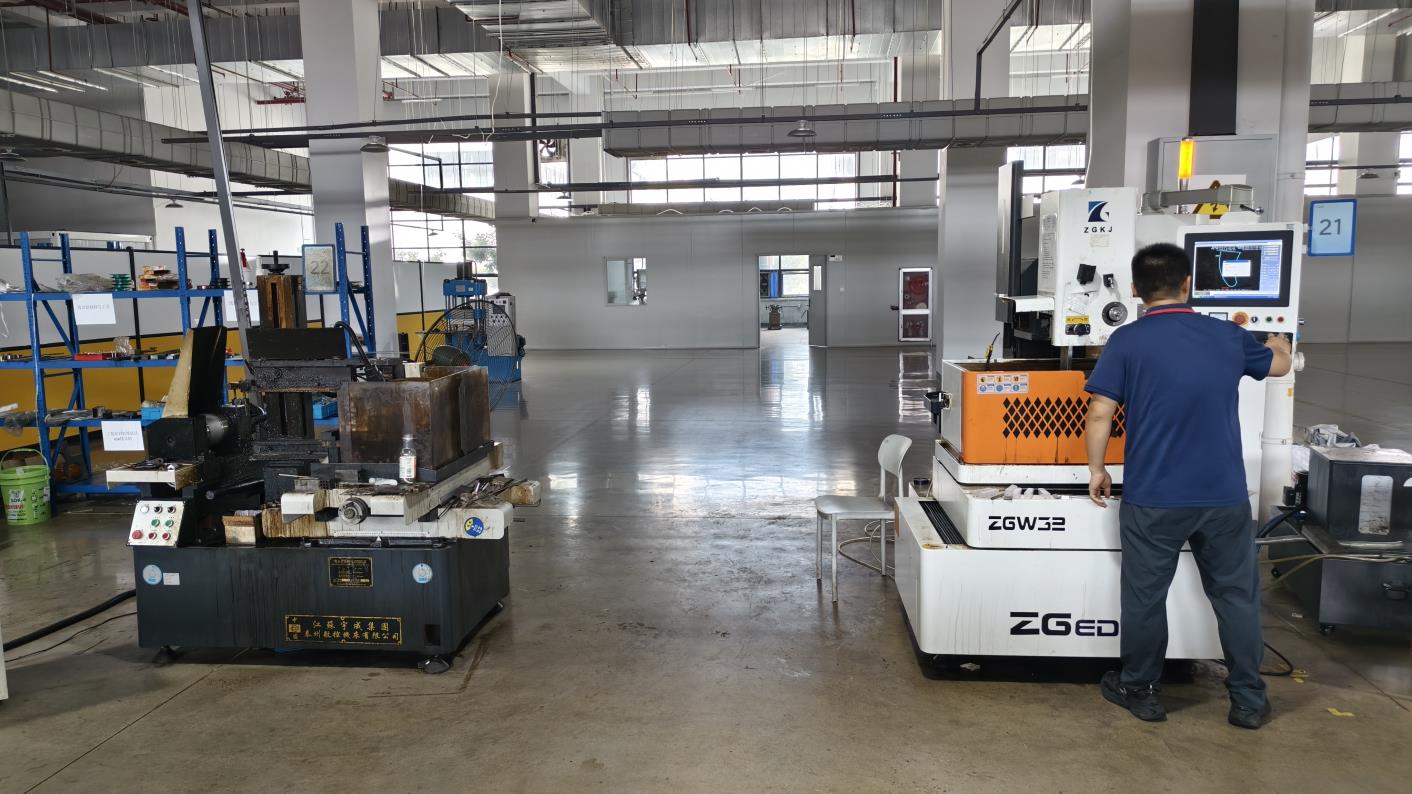
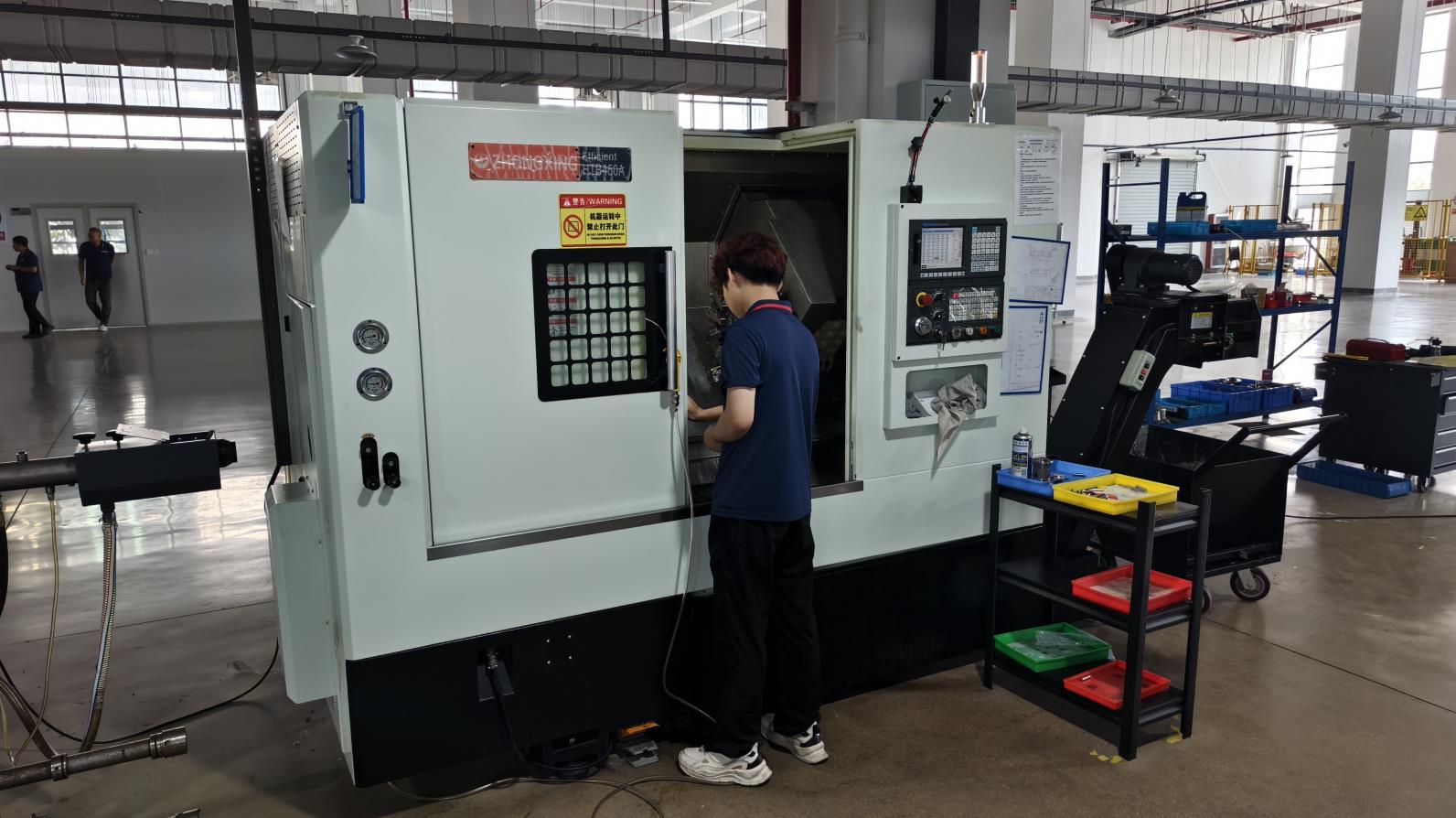
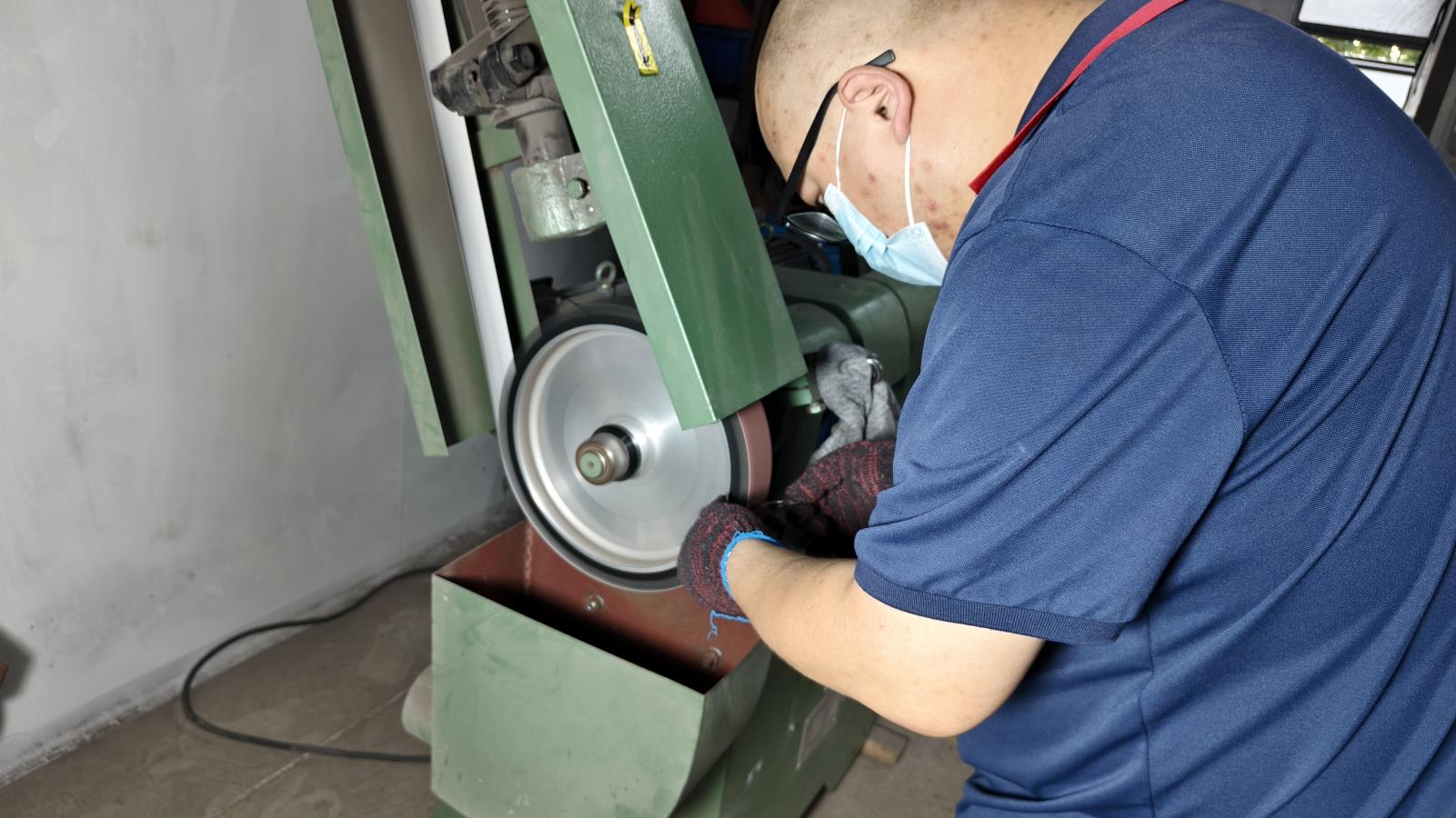
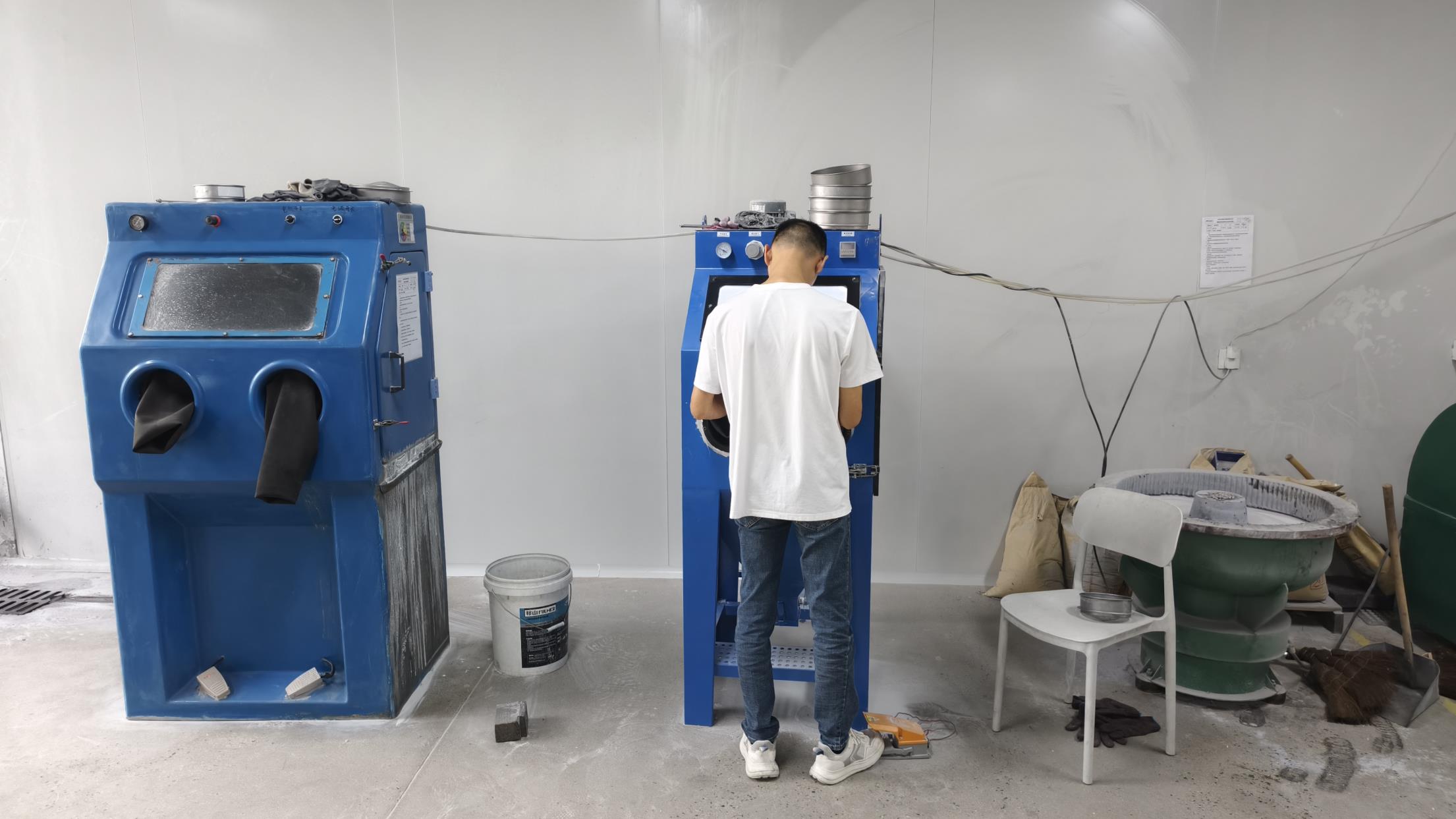
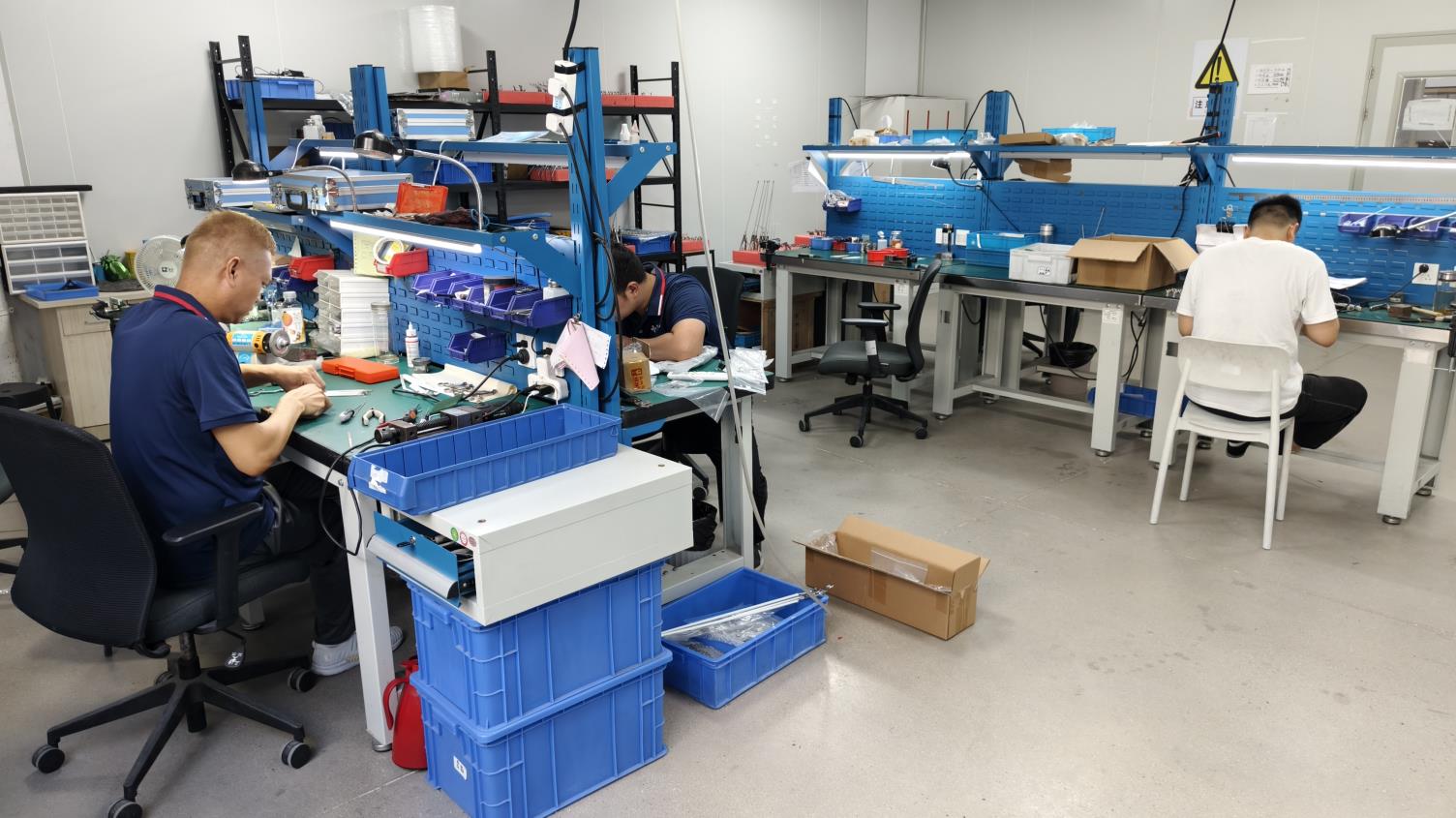
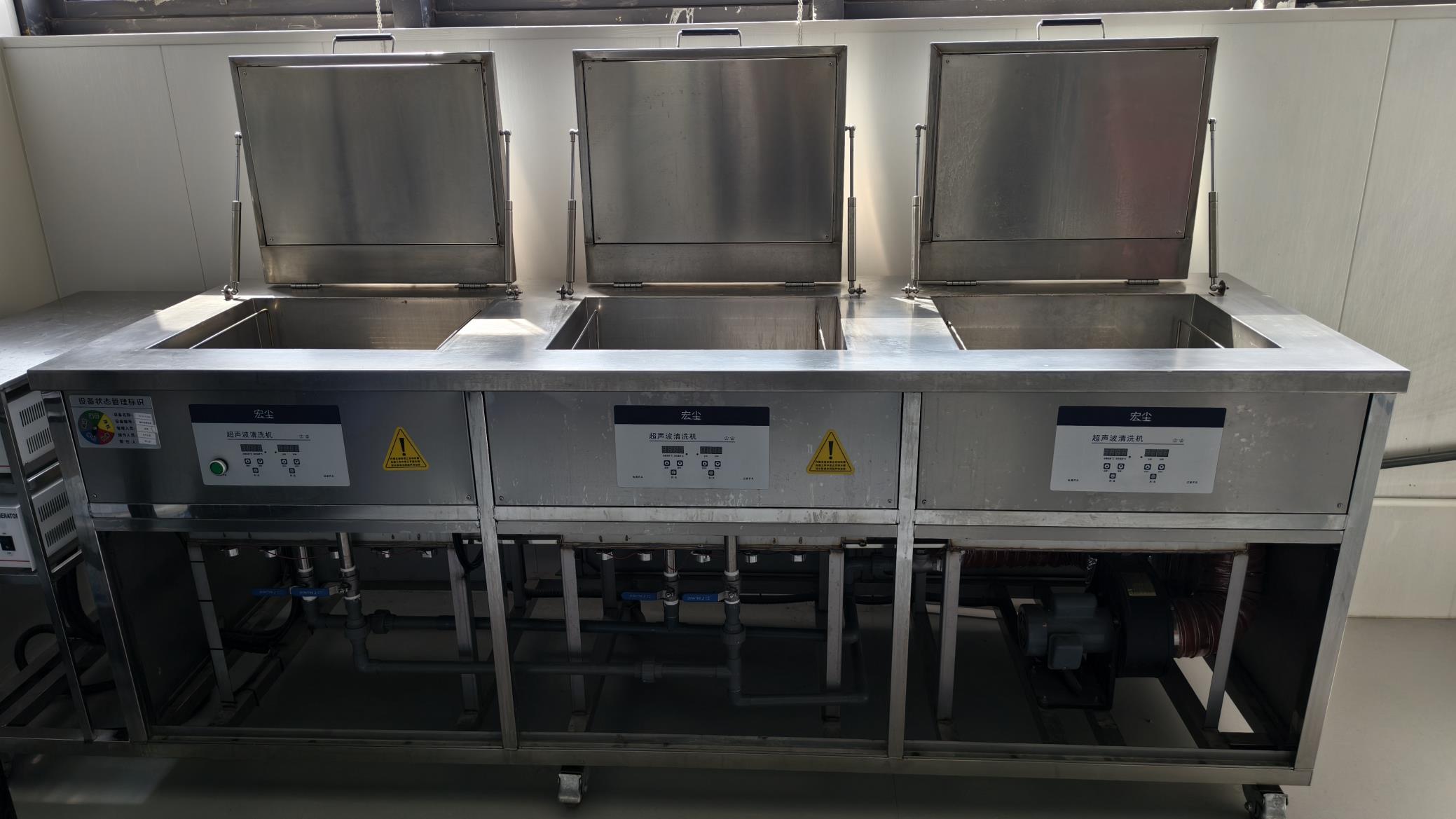
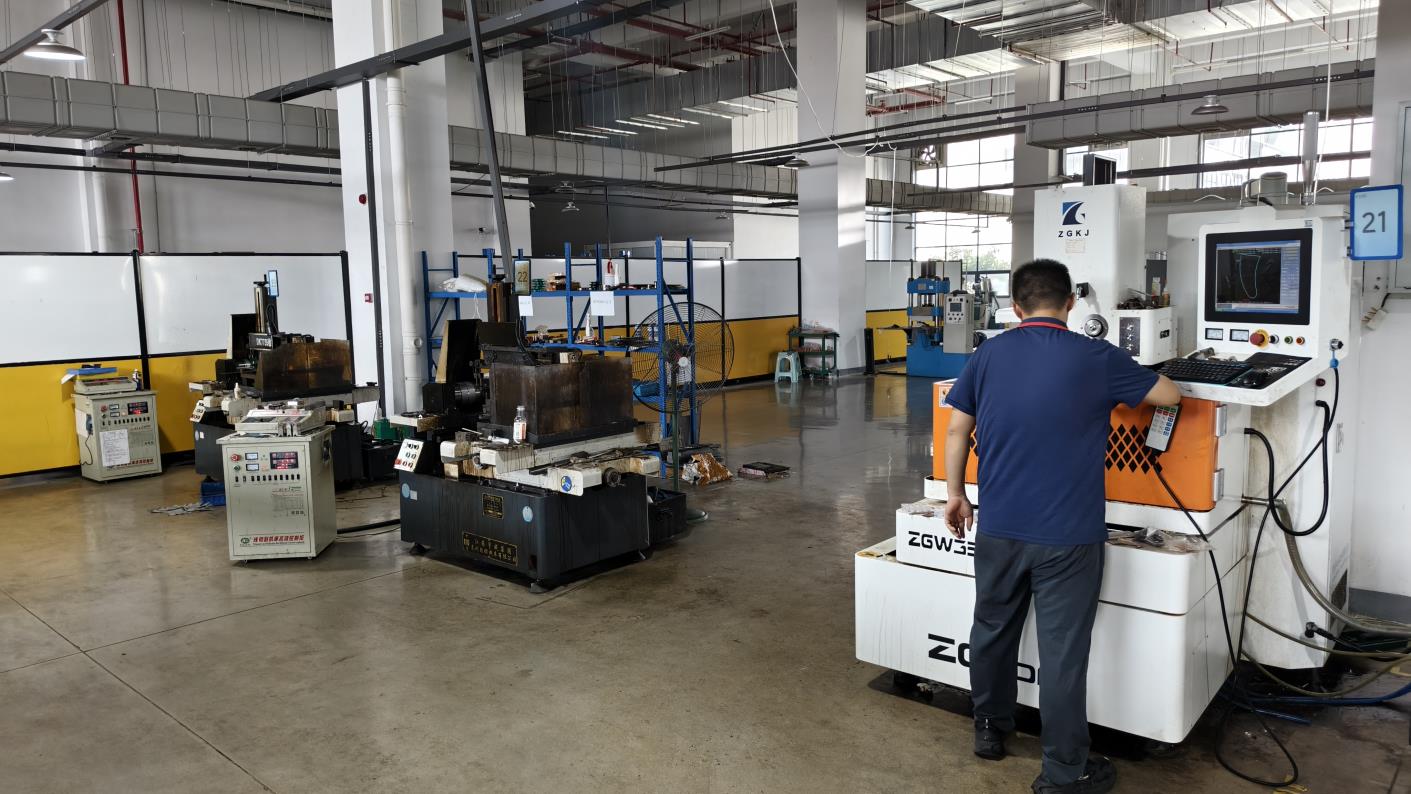
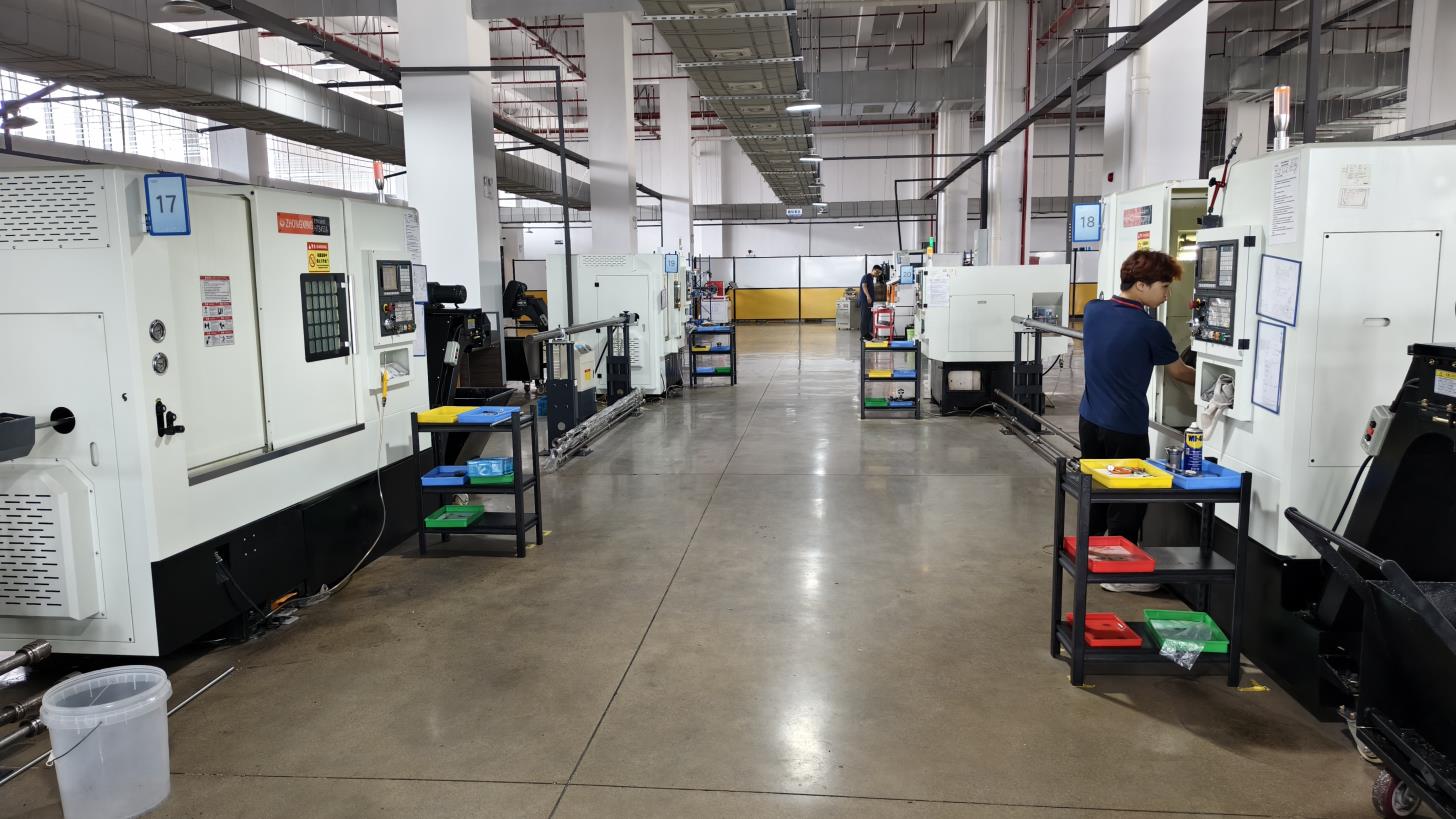
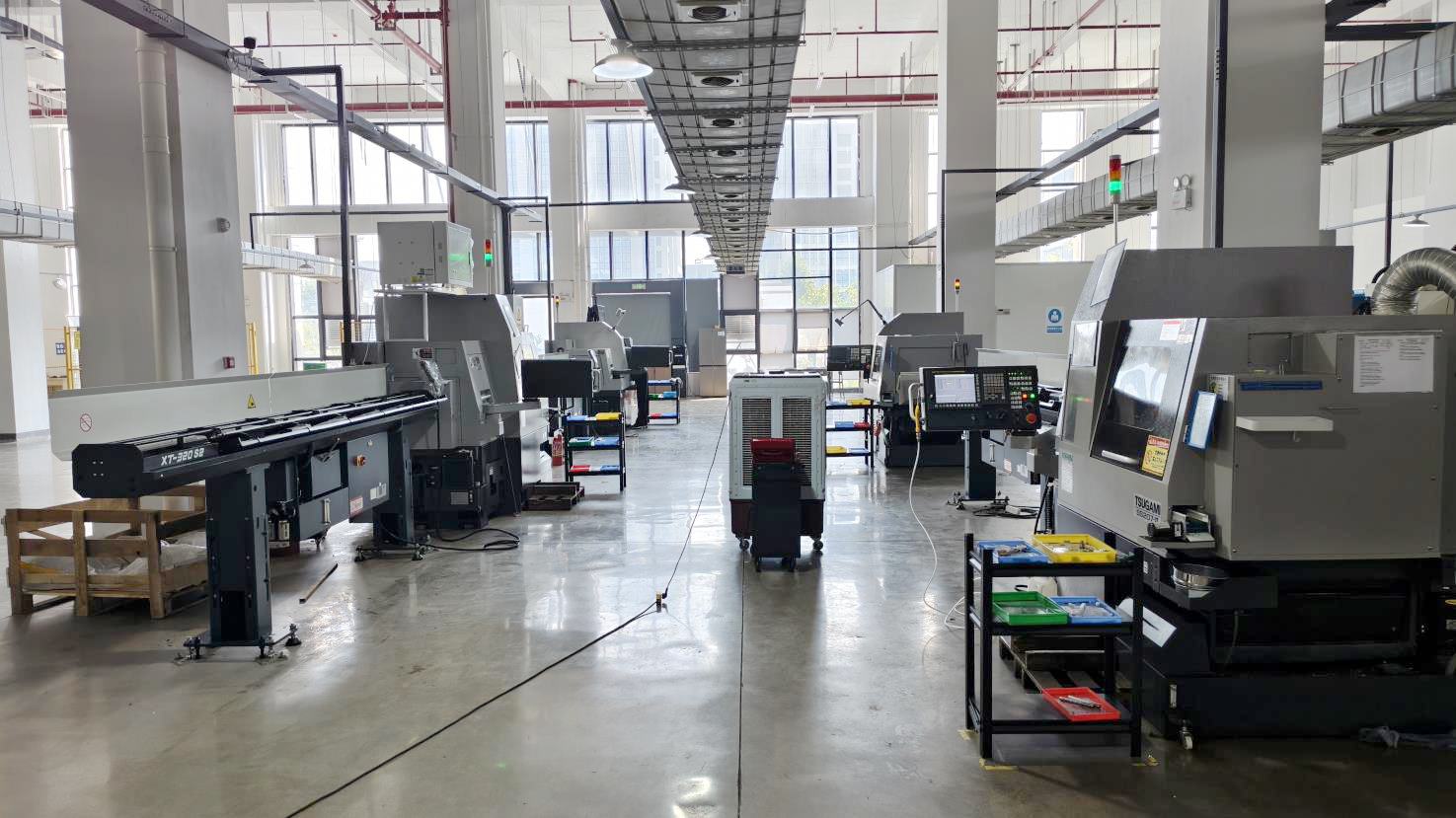
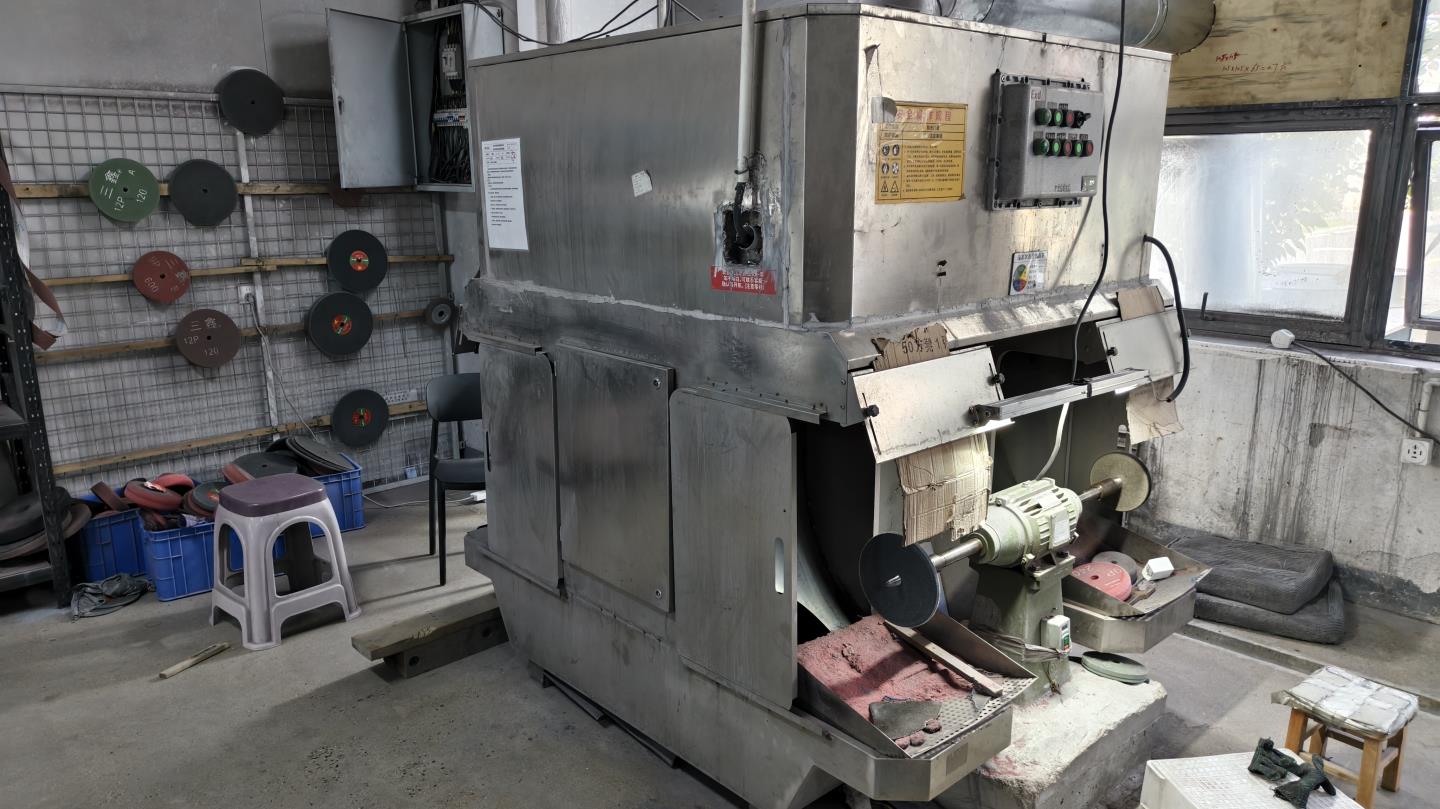
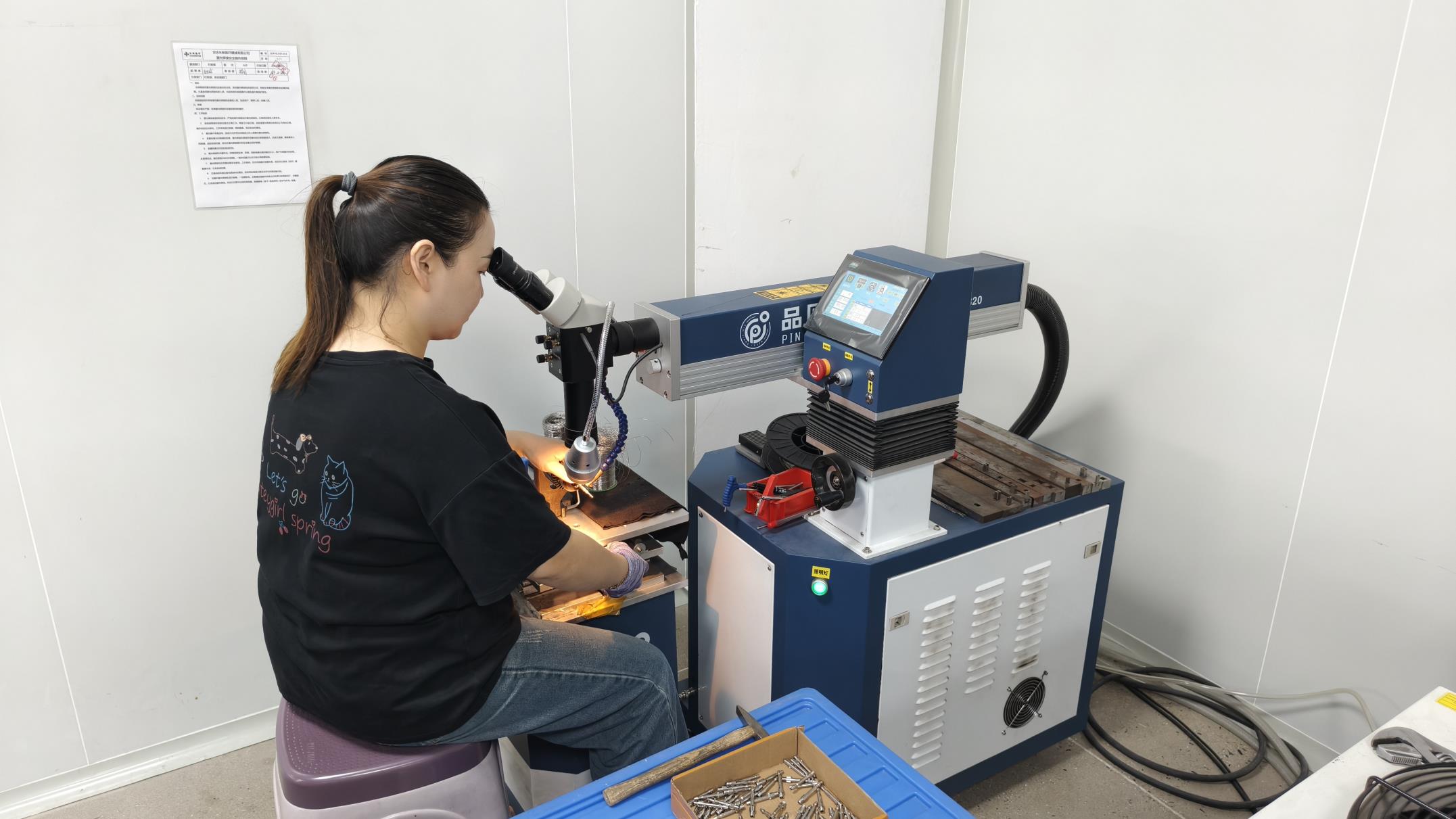
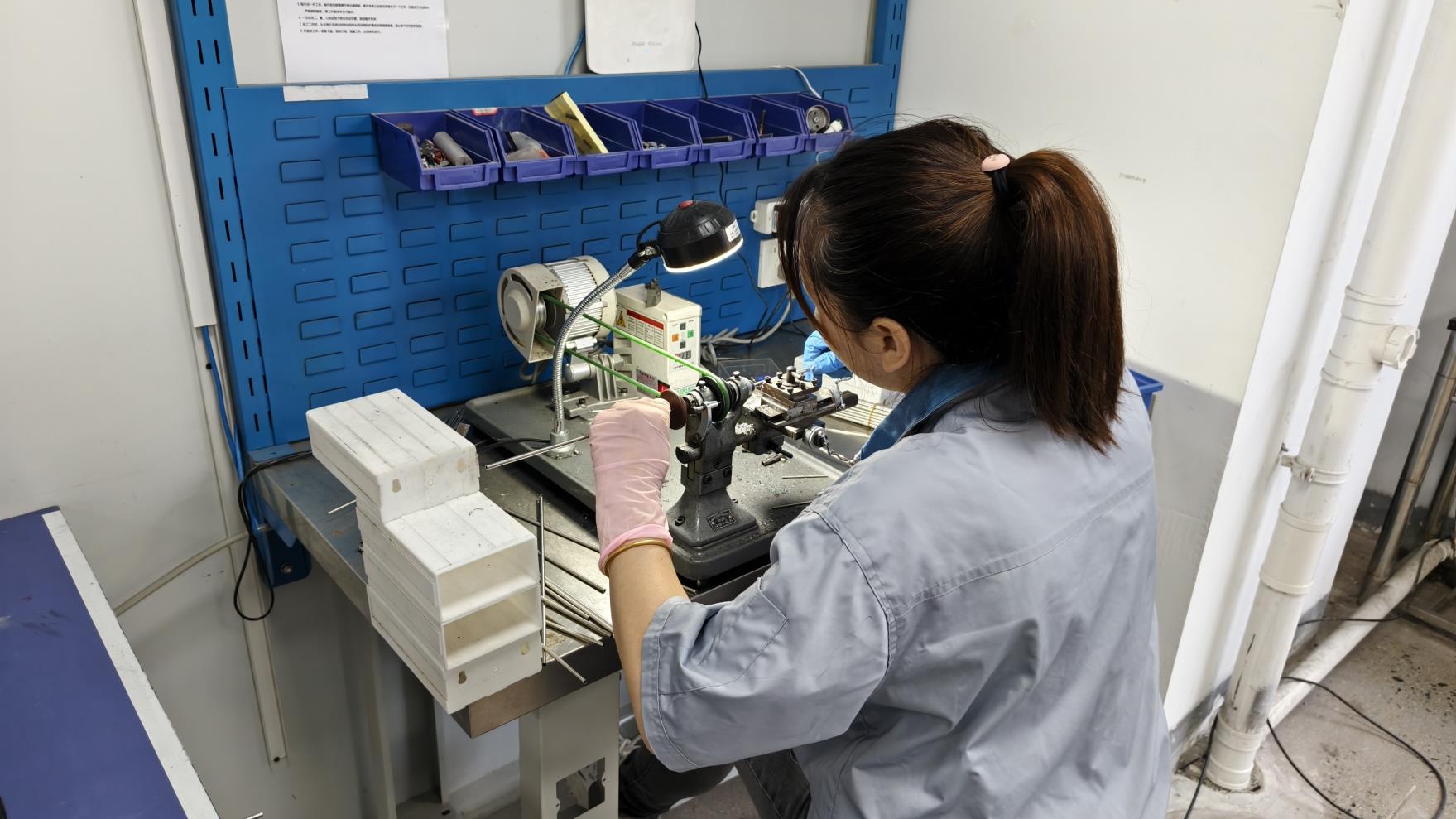
Our internal verification lab uses strict diagnostics to guarantee that 100% of released implants comply with international standards.
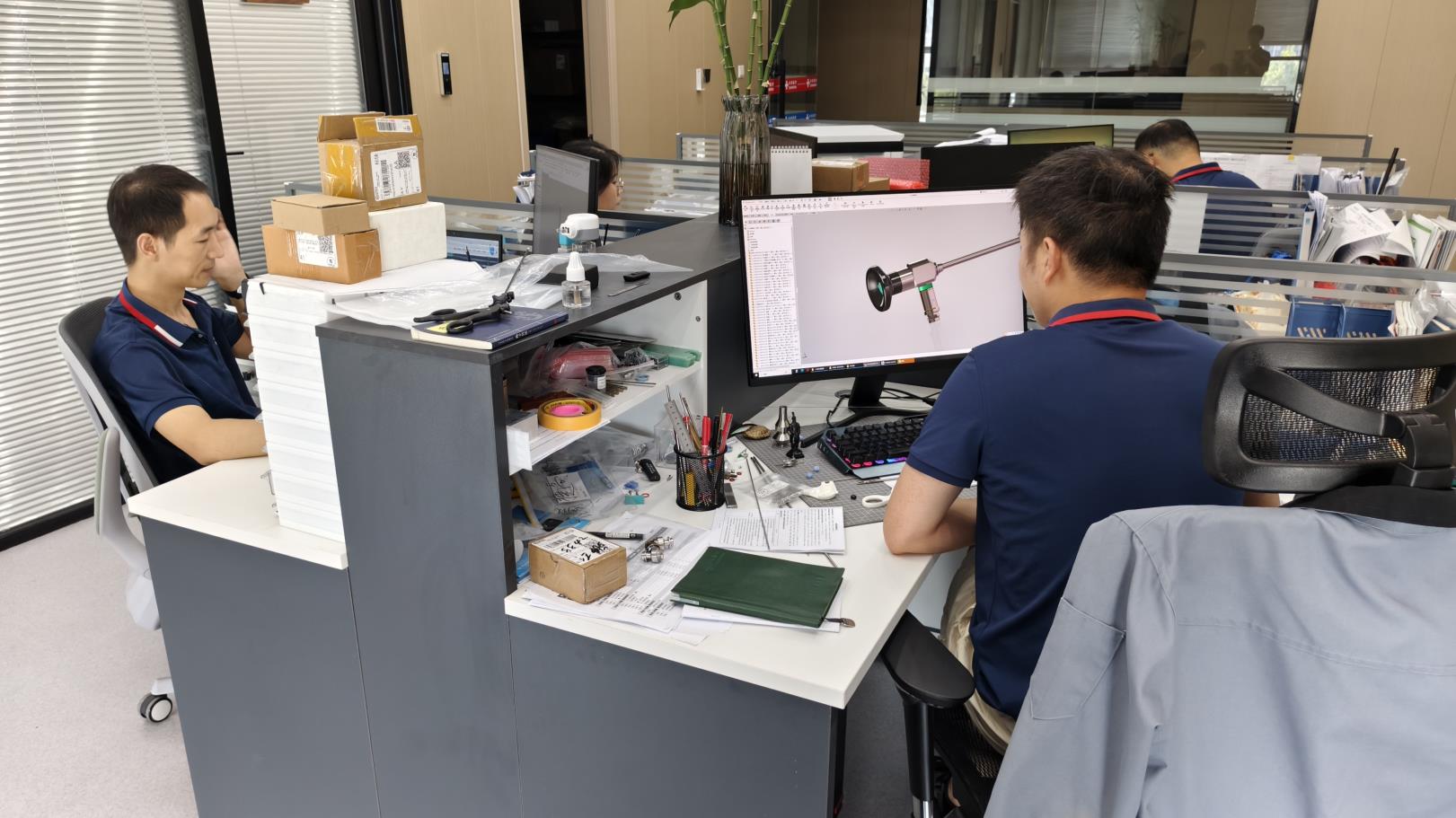
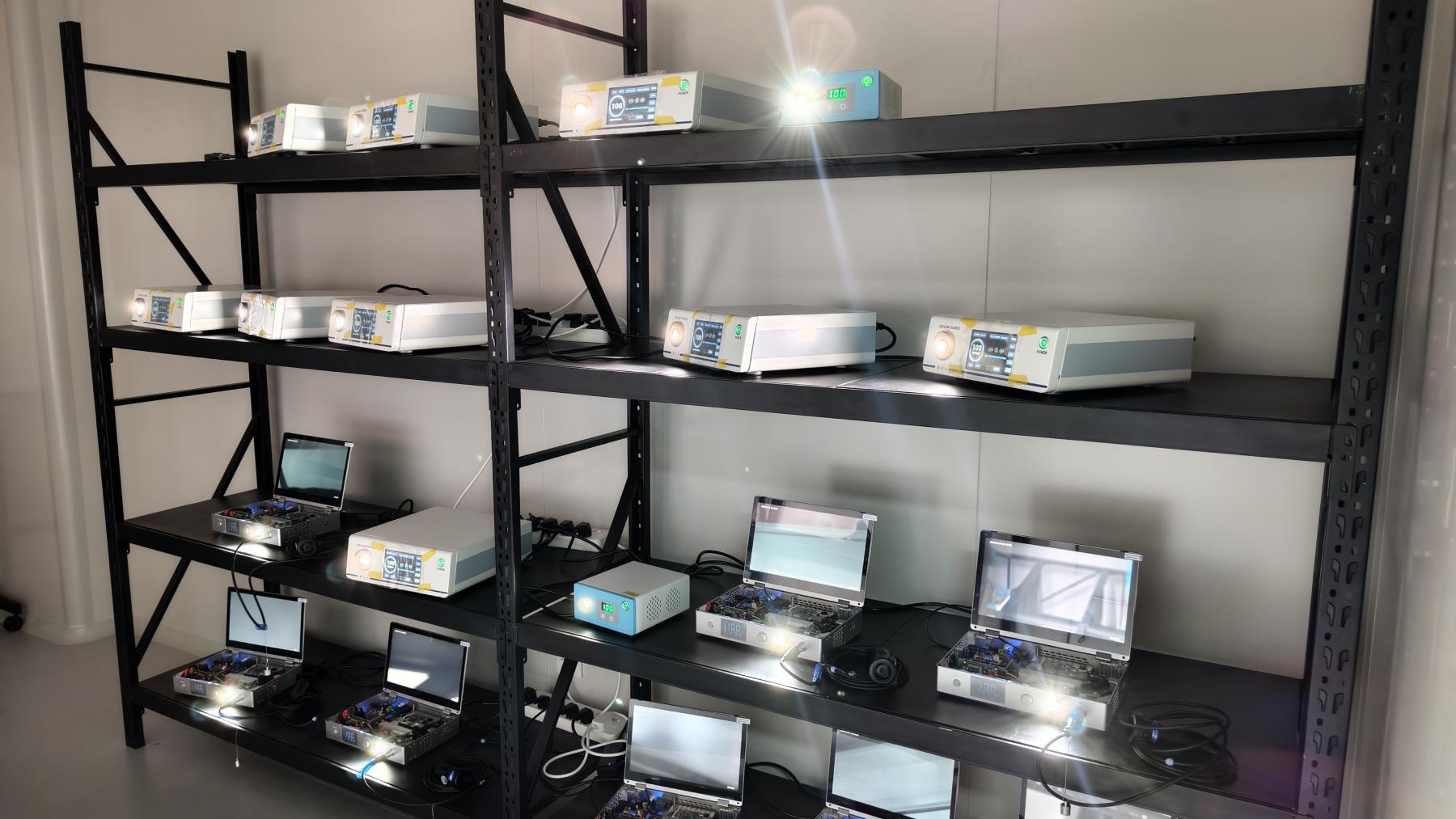
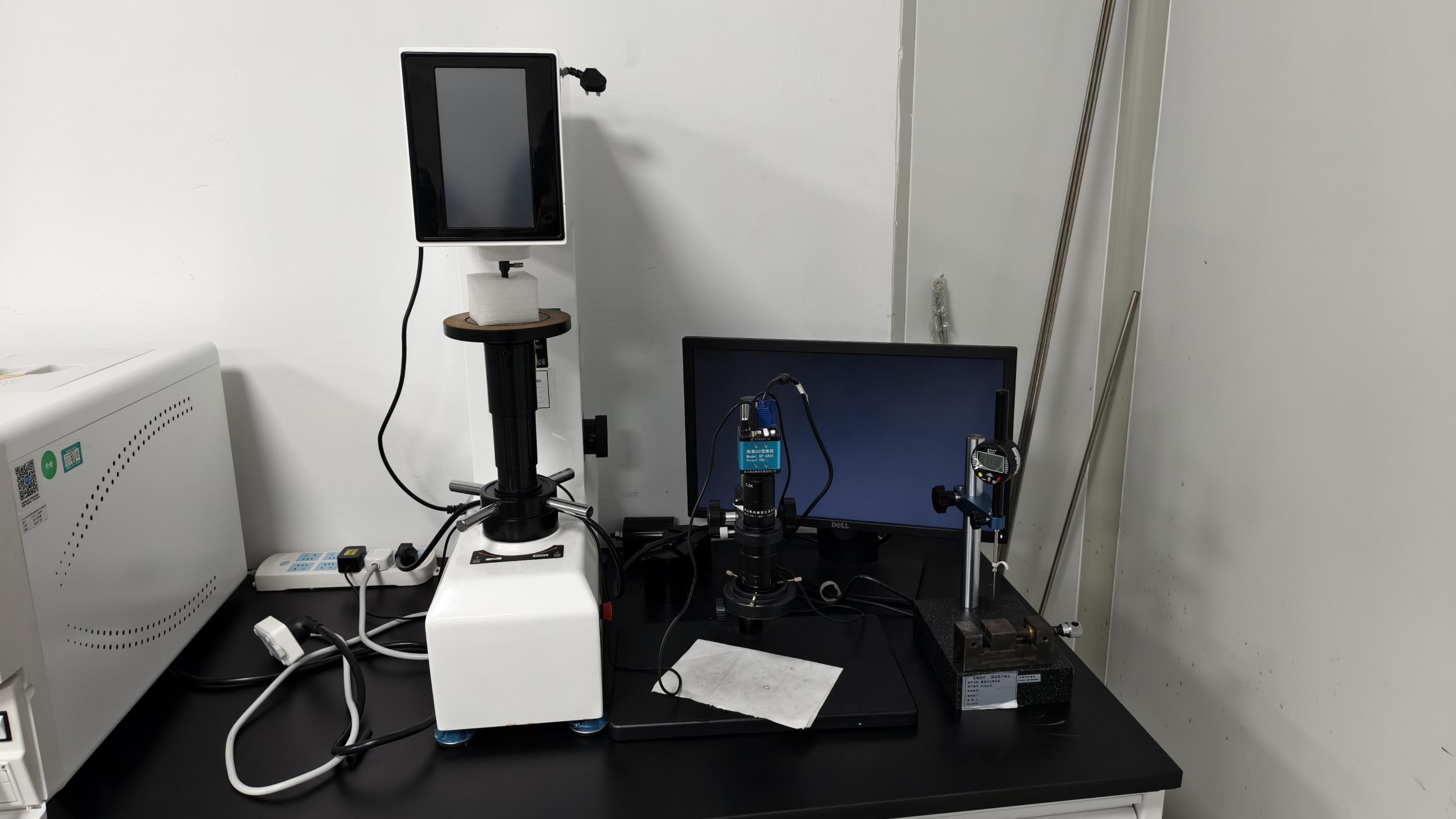
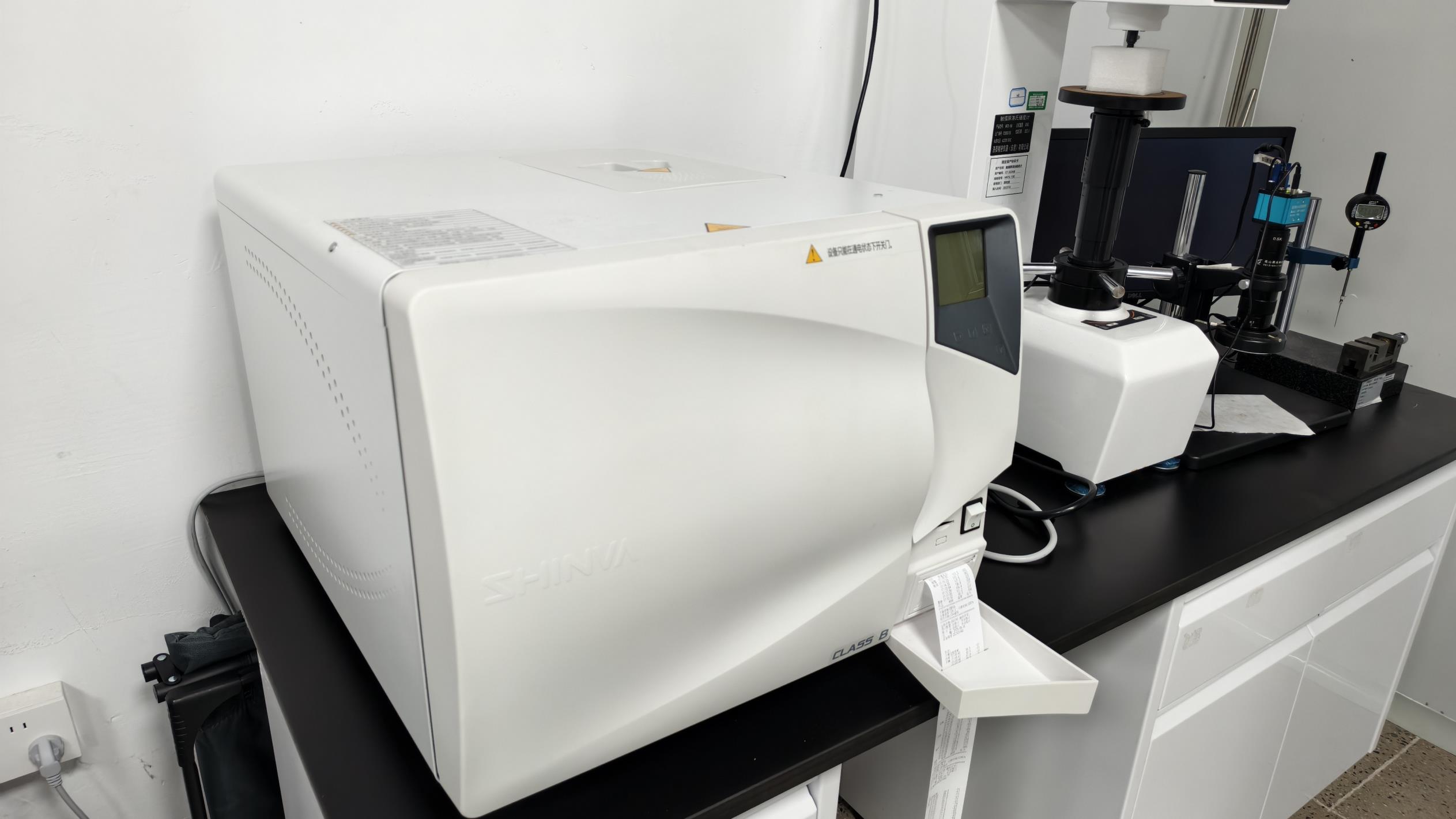
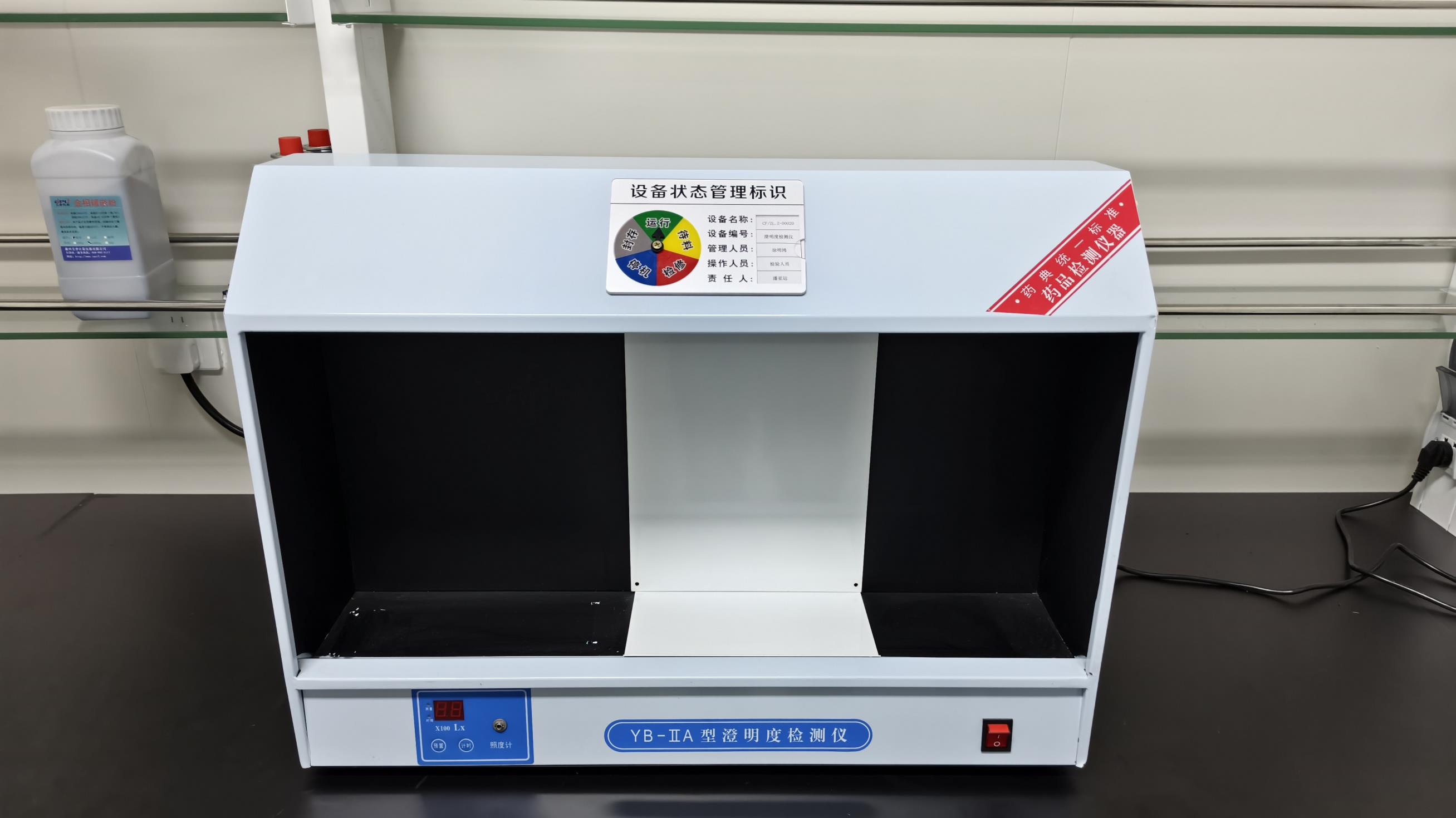
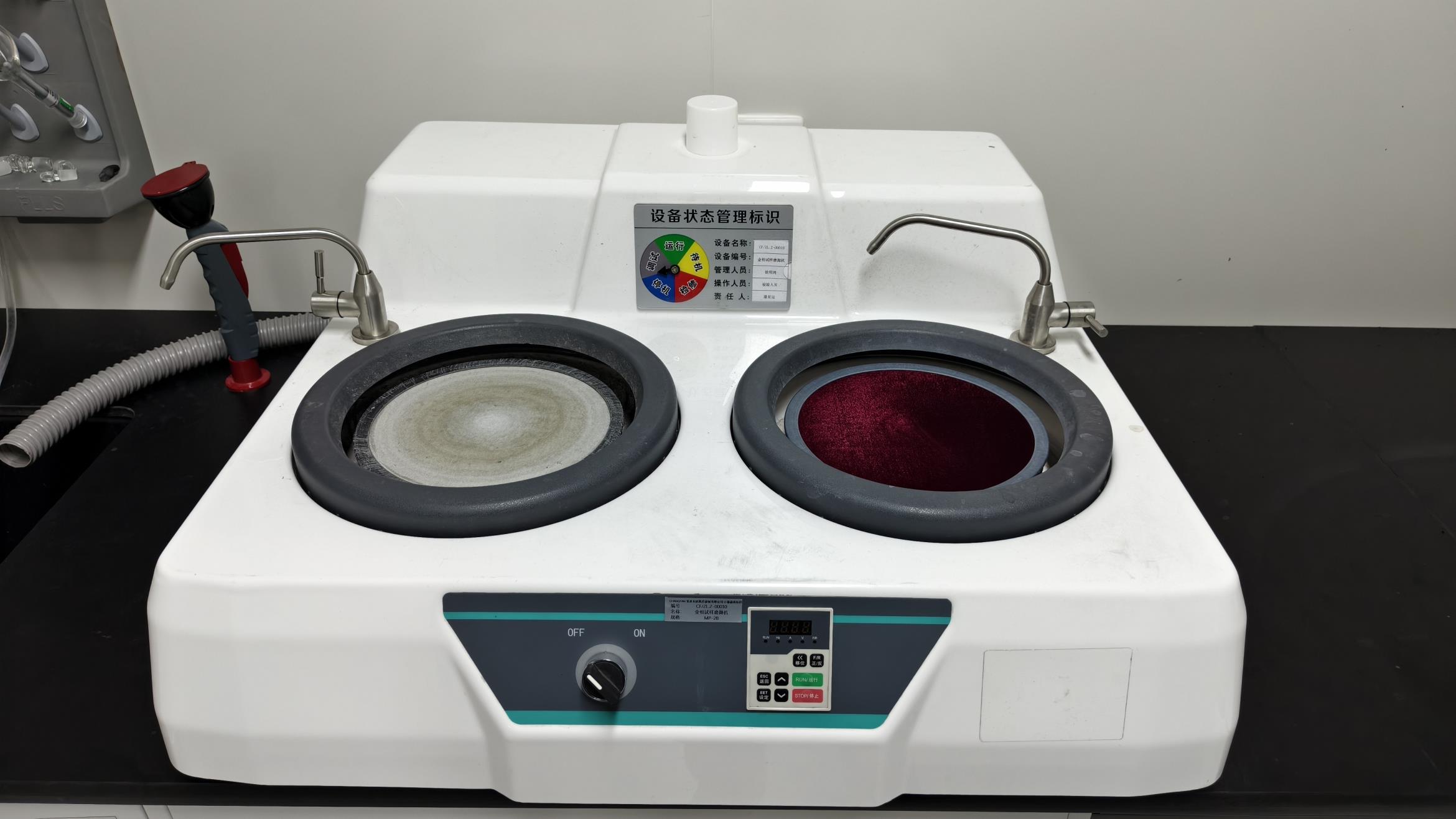
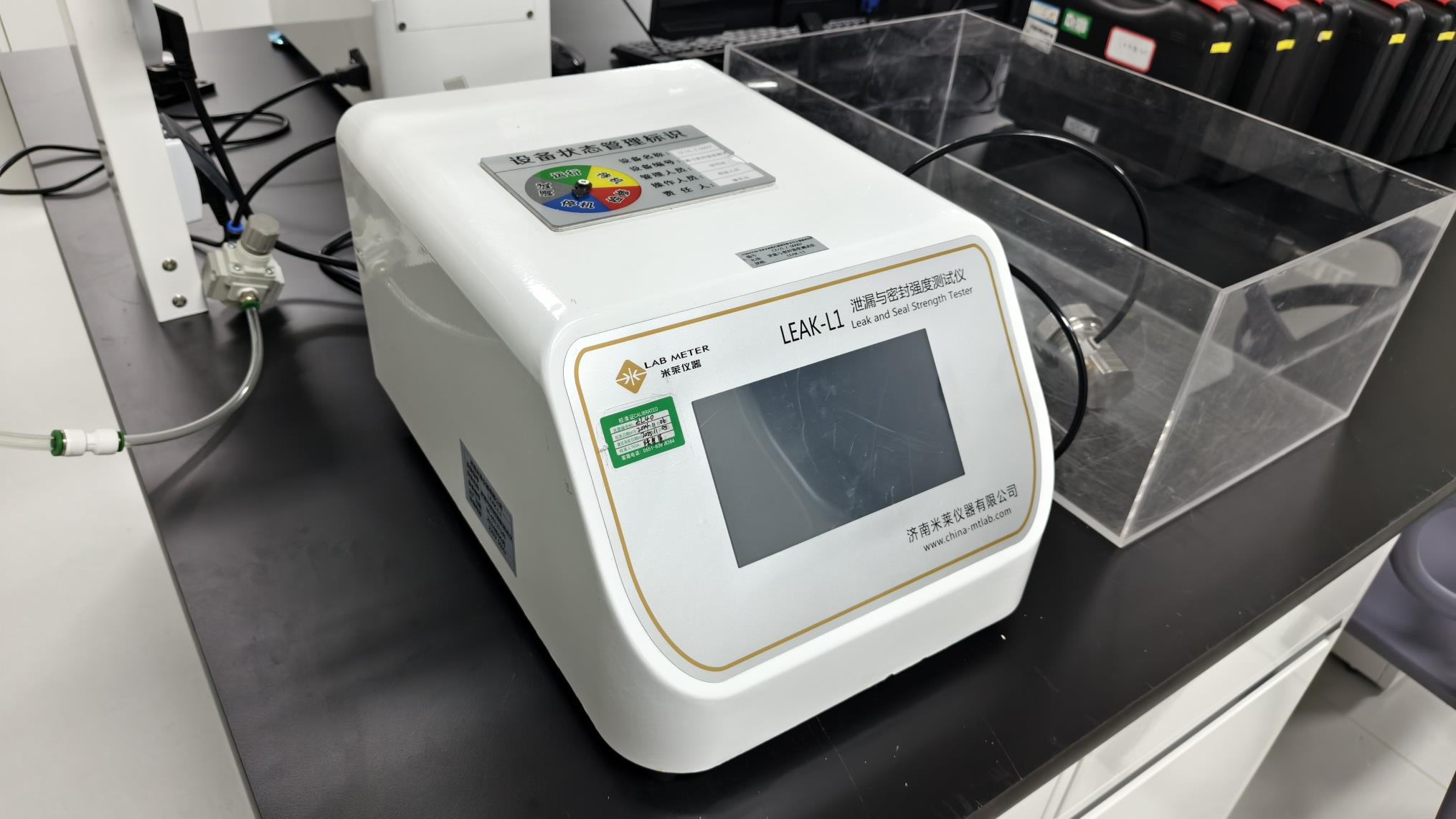
Discover Synoviq Medical Technology (China) Co., Ltd.—our organizational scale, manufacturing capabilities, and global distribution network.
Synoviq Medical Technology (China) Co., Ltd. is a professional manufacturer of orthopedic implants and surgical instruments, dedicated to delivering innovative, reliable, and high-quality medical solutions for healthcare professionals worldwide. Since its establishment, Synoviq has focused on research, development, precision manufacturing, and international quality standards, providing comprehensive OEM and ODM services for global medical device brands, distributors, and hospitals.
Our product portfolio includes trauma fixation systems, spinal implants, locking plates, intramedullary nails, external fixation systems, orthopedic screws, surgical instruments, and customized orthopedic solutions. Equipped with advanced CNC machining centers, precision inspection equipment, and modern clean production facilities, we ensure every product meets strict international quality requirements.
Driven by continuous innovation, Synoviq invests heavily in R&D and intelligent manufacturing to enhance product performance, surgical efficiency, and patient outcomes. Our experienced engineering team works closely with customers to develop customized products tailored to different clinical applications and market demands.
With a customer-oriented philosophy, competitive pricing, stable supply capability, and efficient technical support, Synoviq has established long-term partnerships with distributors, medical brands, and healthcare organizations across Europe, North America, South America, the Middle East, and Asia-Pacific.
| Item | Information |
|---|---|
| Company Name | Synoviq Medical Technology (China) Co., Ltd. |
| Brand | Synoviq |
| Established | March 18, 2016 |
| Building Area | 18,600 m² |
| Annual Export Revenue | USD 21.8 Million |
| Export Experience | 8 Years |
| Industry Experience | 14 Years |
| Quality Inspection | 100% Final Inspection & Incoming Material Inspection |
| Product Inspection Methods | CMM Measurement, Mechanical Testing, Surface Roughness Testing, Hardness Testing, Salt Spray Testing, Sterility Validation |
| Quality Control Staff | 48 |
| Business Type | Manufacturer & Exporter (OEM/ODM) |
| Main Markets | Europe, North America, South America, Middle East, Southeast Asia |
| Supply Chain Partners | 1,120+ |
| Main Customer Types | Medical Device Brands, Importers, Distributors, Hospitals, Government Procurement Projects |
| R&D Capability | Independent Product Design, Prototype Development, Clinical-Oriented Engineering, OEM & ODM Development |
| Customization Options | Logo Customization, Packaging Customization, Product Design Customization, Material Selection, Surface Treatment |
| New Products Released Last Year | 186 |
| R&D Engineers | 76 |
Common technical and regulatory queries from orthopedic device distributors, hospital procurement teams, and surgeons.
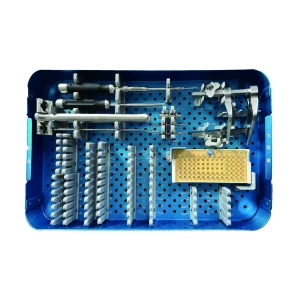
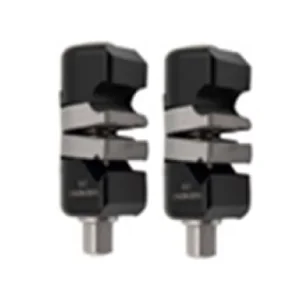
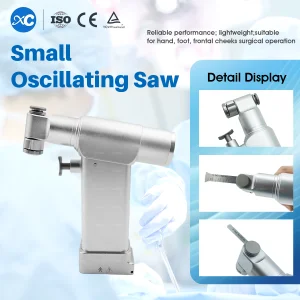
Explore our surgical tools, external fixator systems, and specialty fixation components.
 Synoviq Medical