Explore our cutting-edge orthopedic solutions engineered for clinical excellence, stability, and fast patient recovery.
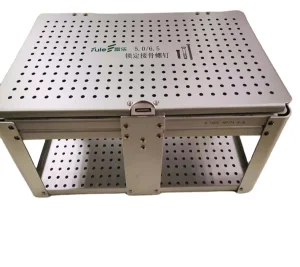
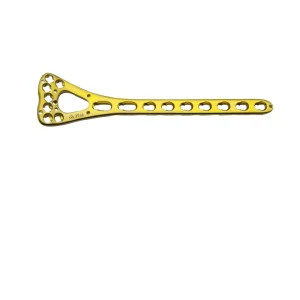
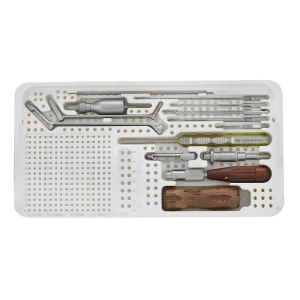
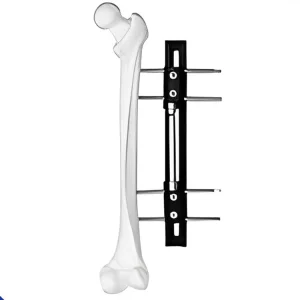

In-depth technical insight into macroeconomic demands, surgical indications, and supply chain solutions.
The global demand for orthopedic trauma implants—specifically femoral intramedullary (IM) nails—is driven by an aging global population, rising rates of vehicular accidents, and growing accessibility to advanced healthcare in emerging economies. For procurement officers, biomedical engineers, and medical device distributors, sourcing implants involves complex evaluations that go beyond unit cost. The primary challenges are compliance with evolving international standards (such as the EU MDR and FDA 510(k)), mechanical reliability under cyclical weight-bearing loads, and biological compatibility of materials.
Surgical demands require femoral intramedullary nails to provide optimal biomechanical stability to allow early mobilization. The nail must exhibit high fatigue strength to resist micro-motion failure, have a modulus of elasticity close to human bone to minimize stress shielding, and possess precise locking configurations (both static and dynamic) to handle various fracture patterns (subtrochanteric, diaphyseal, and distal metaphyseal). Our systems are engineered to address these clinical requirements, minimizing risk for both healthcare providers and patients.
To address the demands of global healthcare tenders, modern medical device manufacturers must bridge the gap between biological requirements and mass-manufacturing capabilities. This requires a comprehensive approach to implant manufacturing:
Biomaterial Selection & Quality Control: Modern orthopedic solutions require high-strength, medical-grade titanium alloys (specifically Ti-6Al-4V ELI, conforming to ASTM F136). This material provides an ideal balance of biocompatibility, mechanical resilience, and fatigue performance, reducing the risk of corrosion and adverse tissue reactions.
Innovative Surface Alteration: Advanced anodizing treatments (Type II or Type III) are utilized to build a uniform titanium oxide layer. This improves surface hardness, reduces friction during insertion, and enhances fatigue life, which is critical for long-term implant integrity.
Precision Anatomical Alignment: Utilizing finite element analysis (FEA) and morphological databases, modern intramedullary nails are designed with anatomical curves (radius of curvature ranging from 1.0 to 1.5 meters) that reflect real patient anatomy, lowering the risk of anterior cortical impingement during nail placement.
A trusted global manufacturer and exporter specializing in Class III orthopedic implants and surgical instruments.
Synoviq Medical Technology (China) Co., Ltd. is a specialized manufacturer of orthopedic implants and surgical instruments. We are dedicated to providing reliable, high-quality medical solutions to healthcare professionals worldwide. Since our establishment, we have focused on precision manufacturing, research and development, and strict alignment with international quality standards.
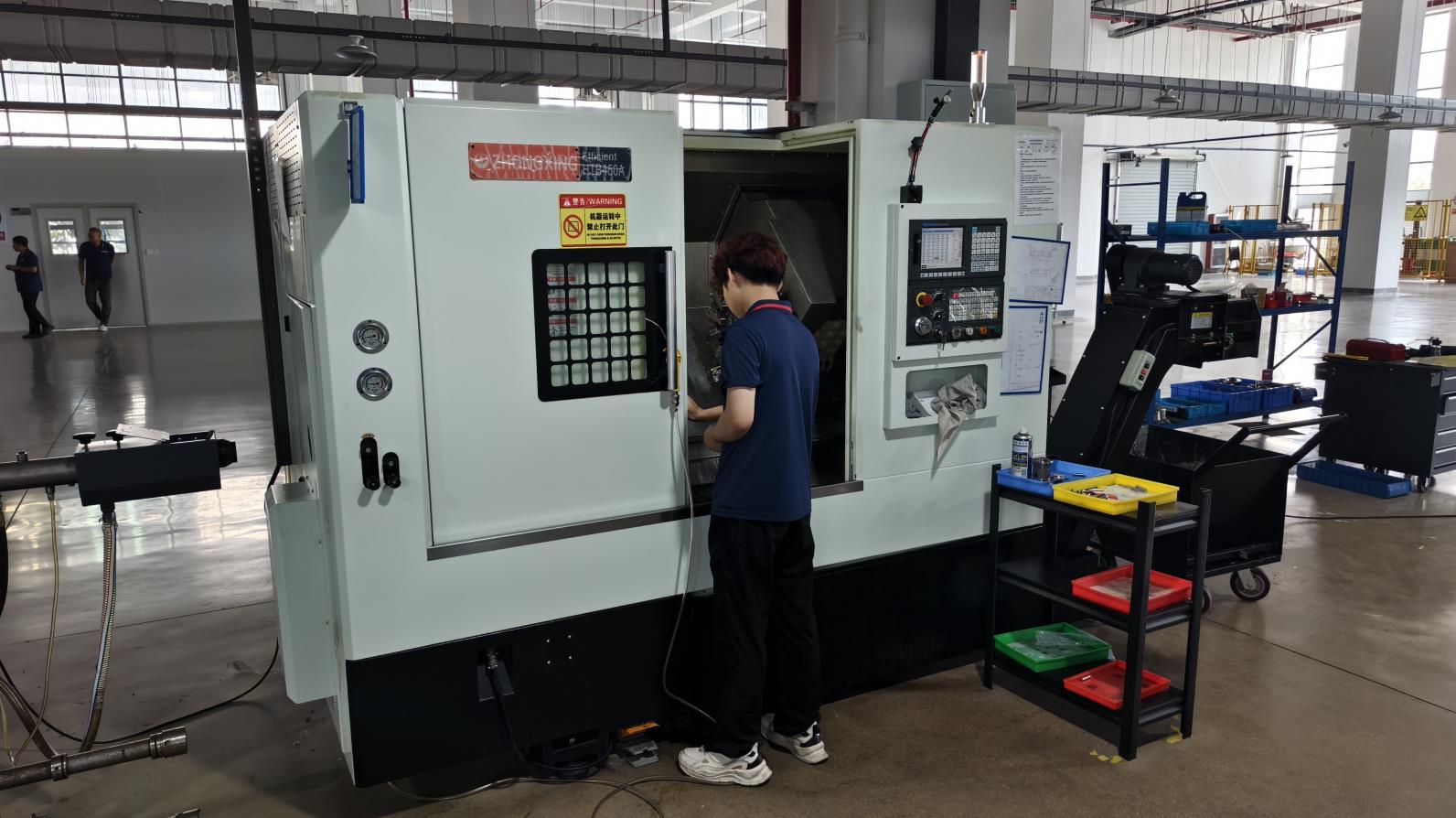
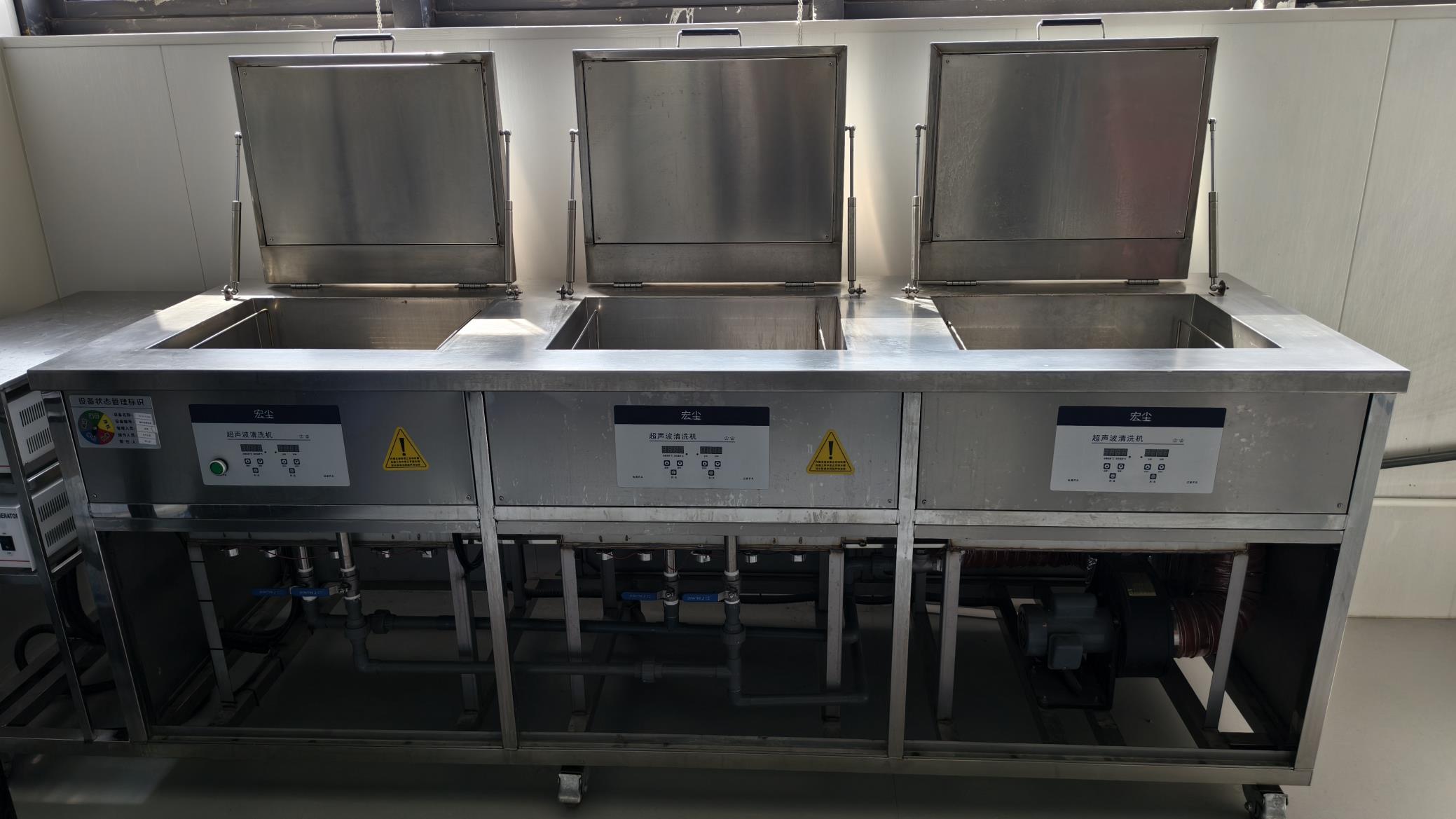
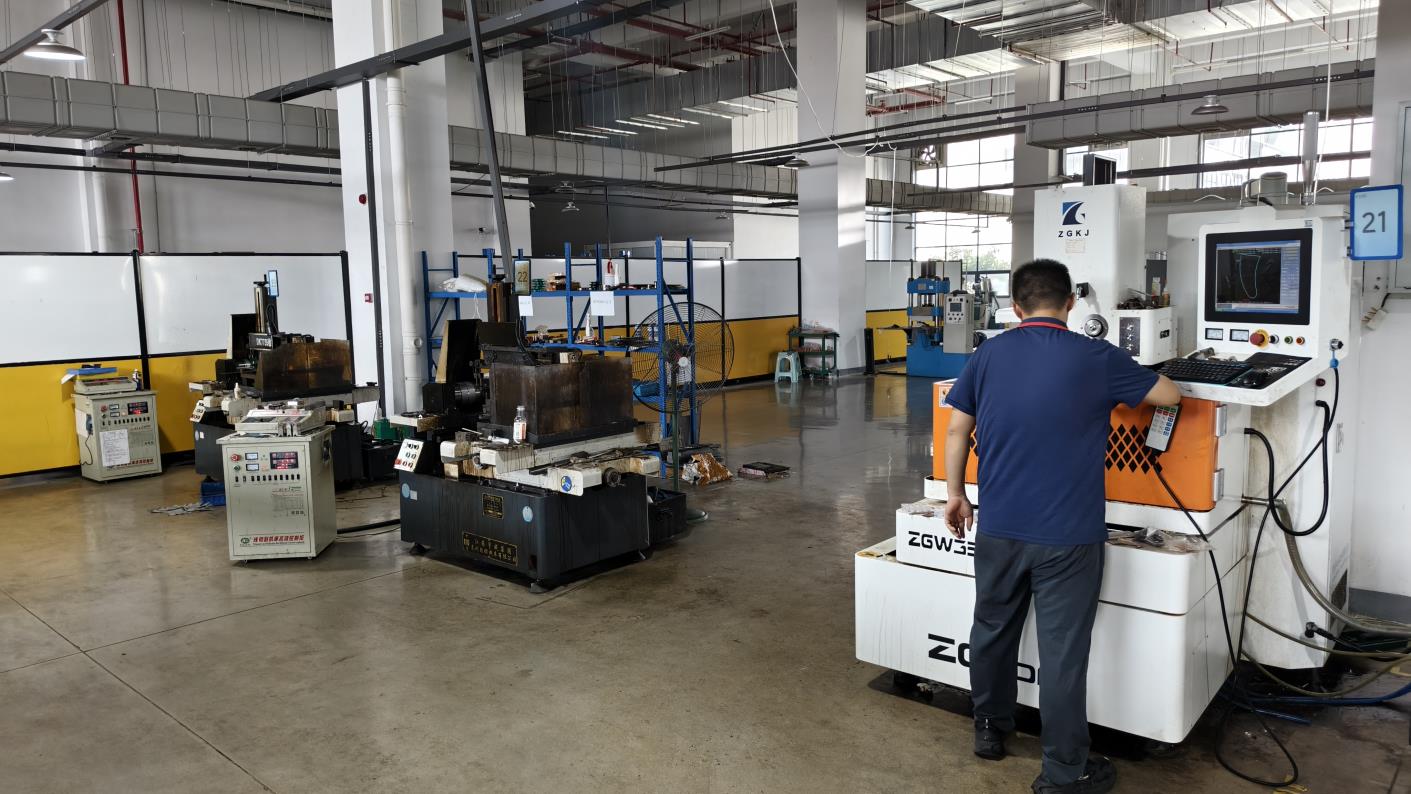
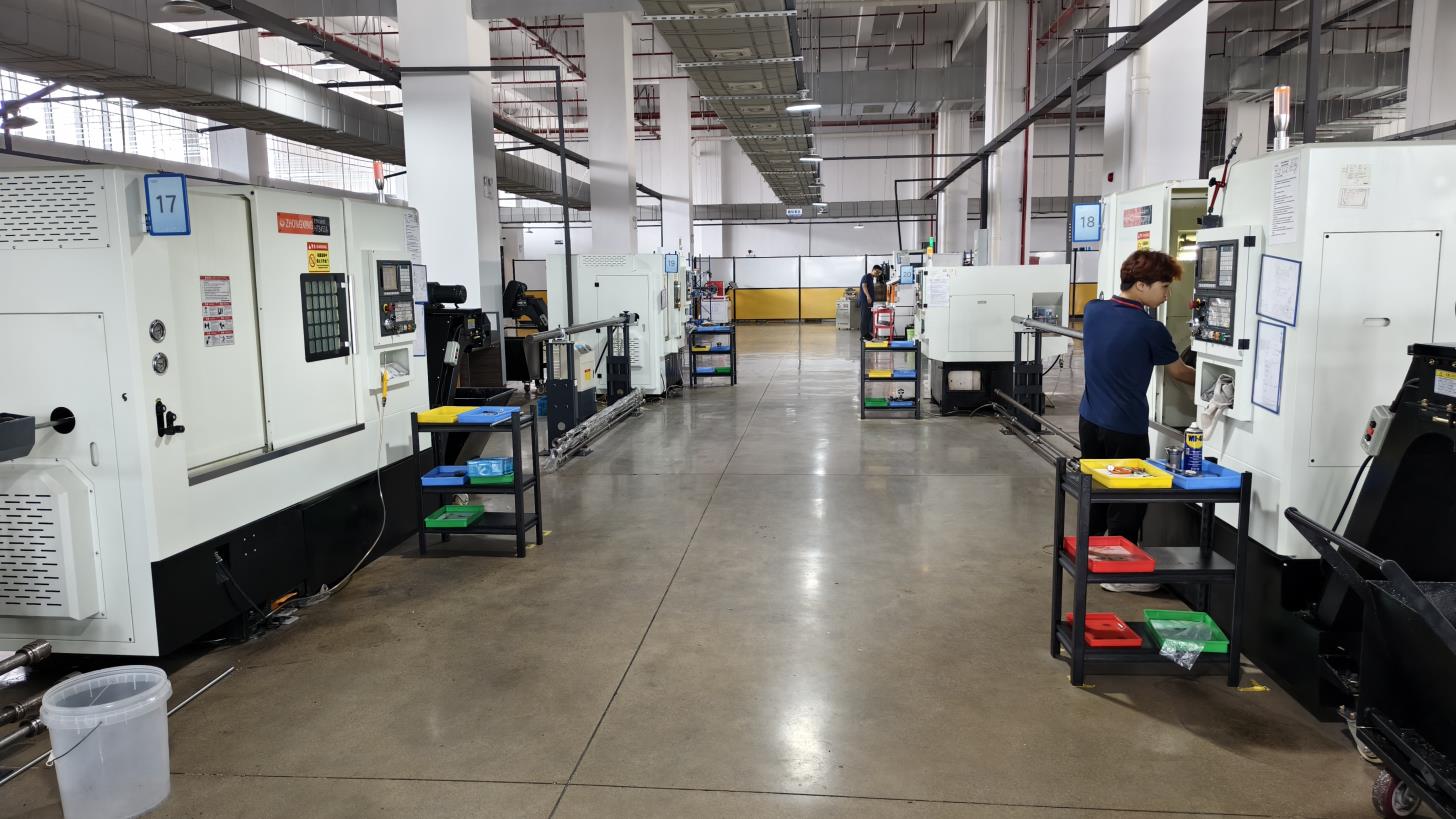
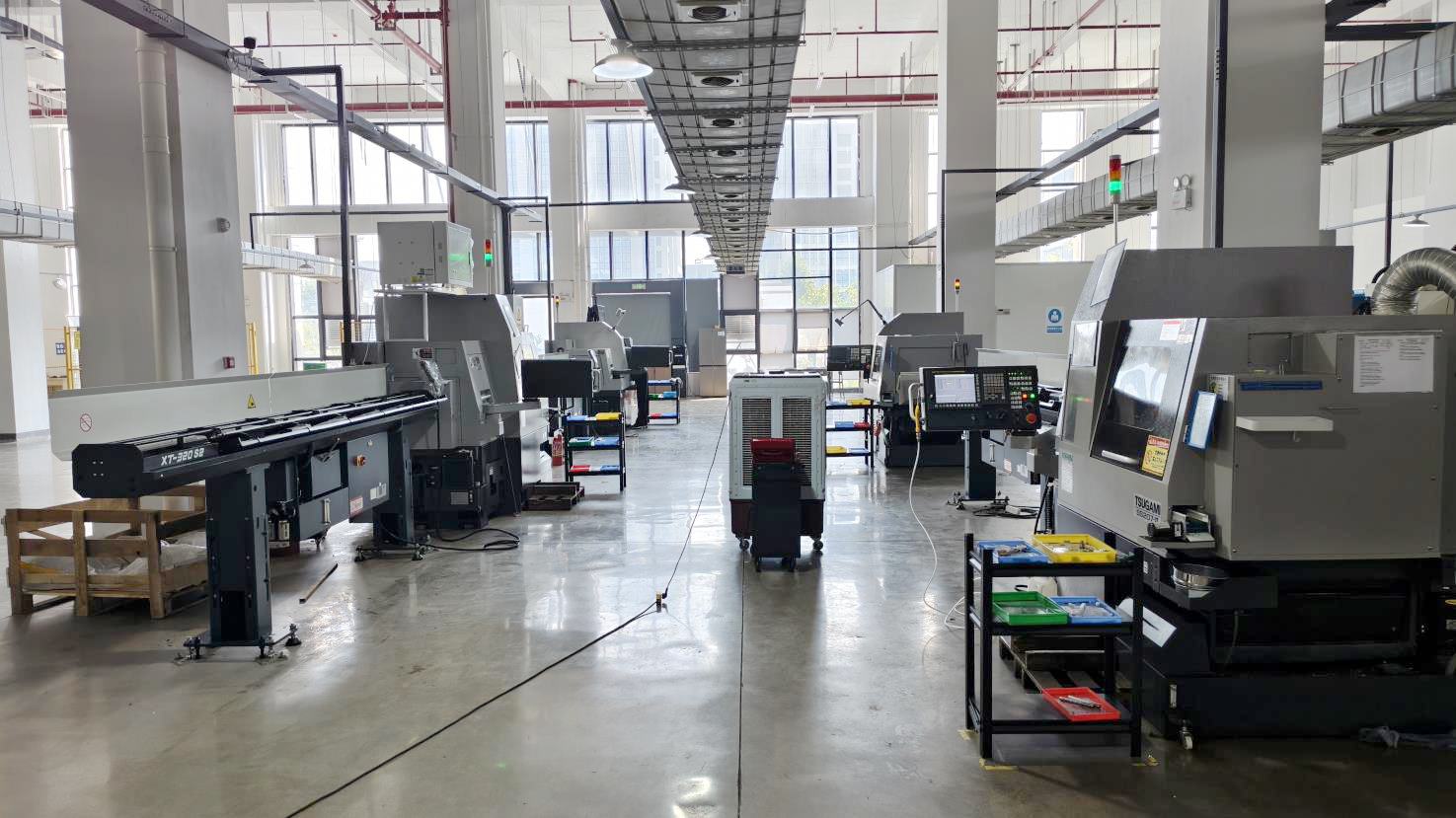
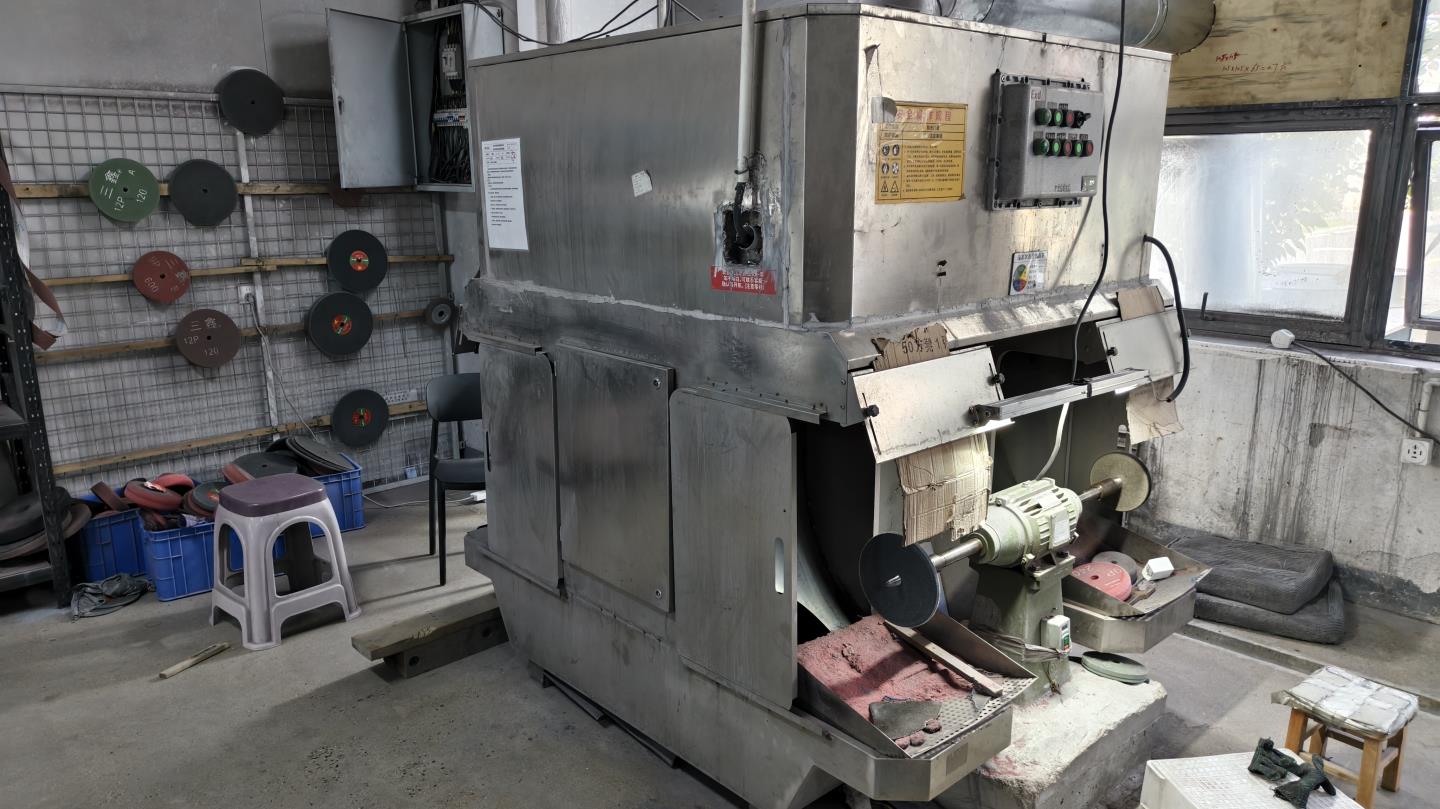
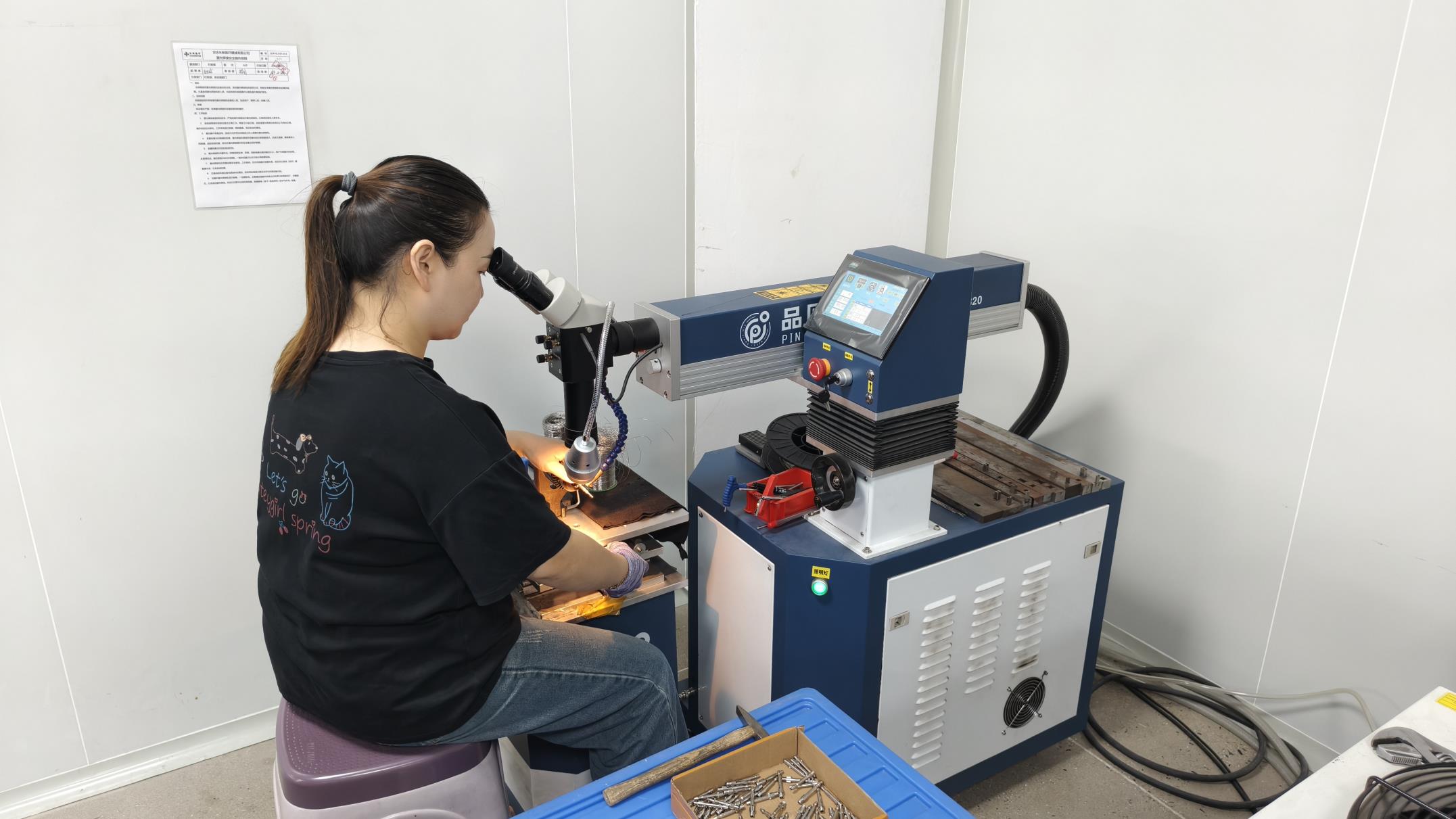
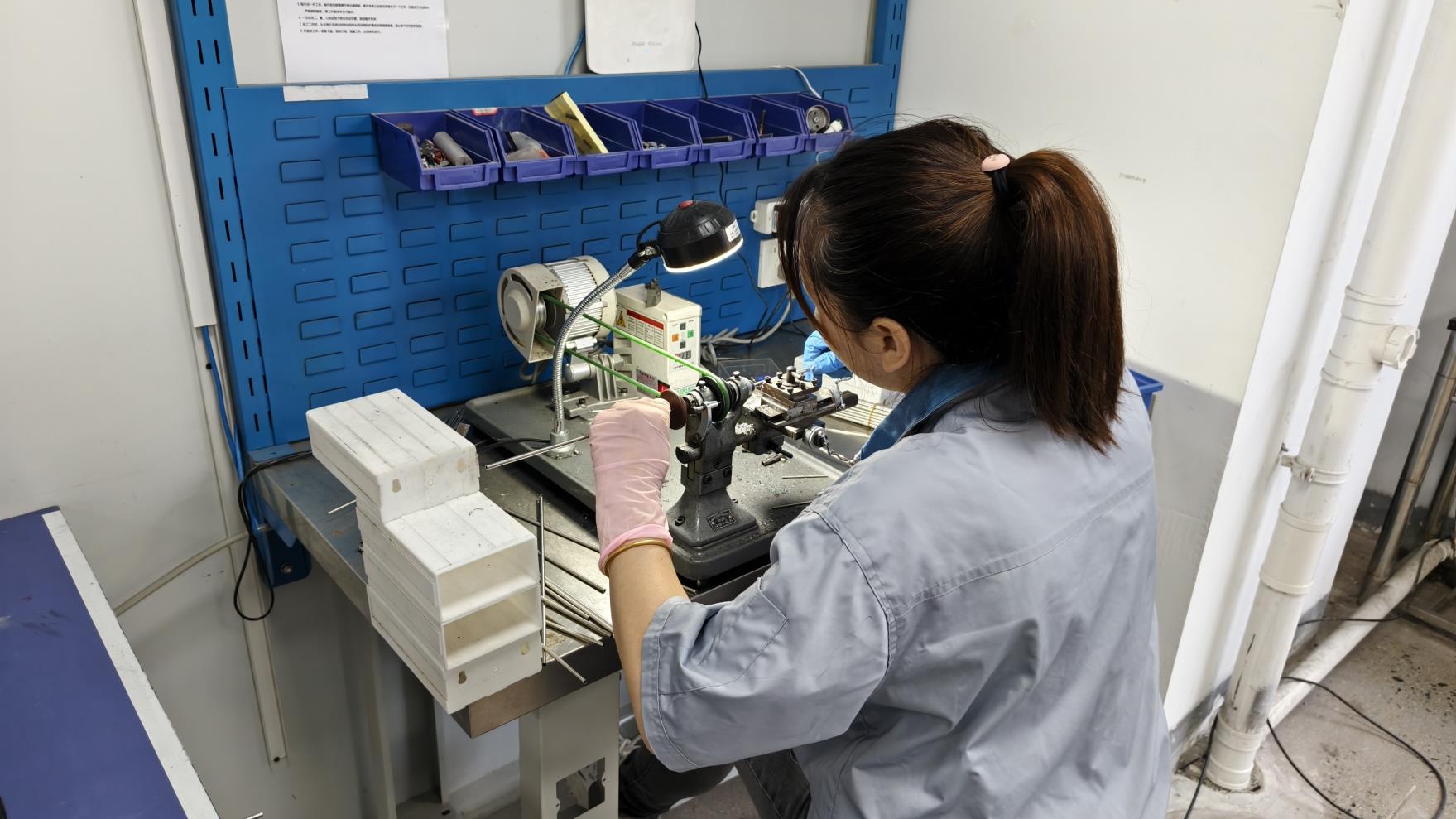
Our portfolio features trauma fixation systems, spinal implants, locking plates, intramedullary nails, external fixation devices, orthopedic screws, and custom surgical instruments. Operating advanced CNC Swiss-type machining centers and digital inspection suites, we ensure that each implant meets rigorous mechanical and biological standards.
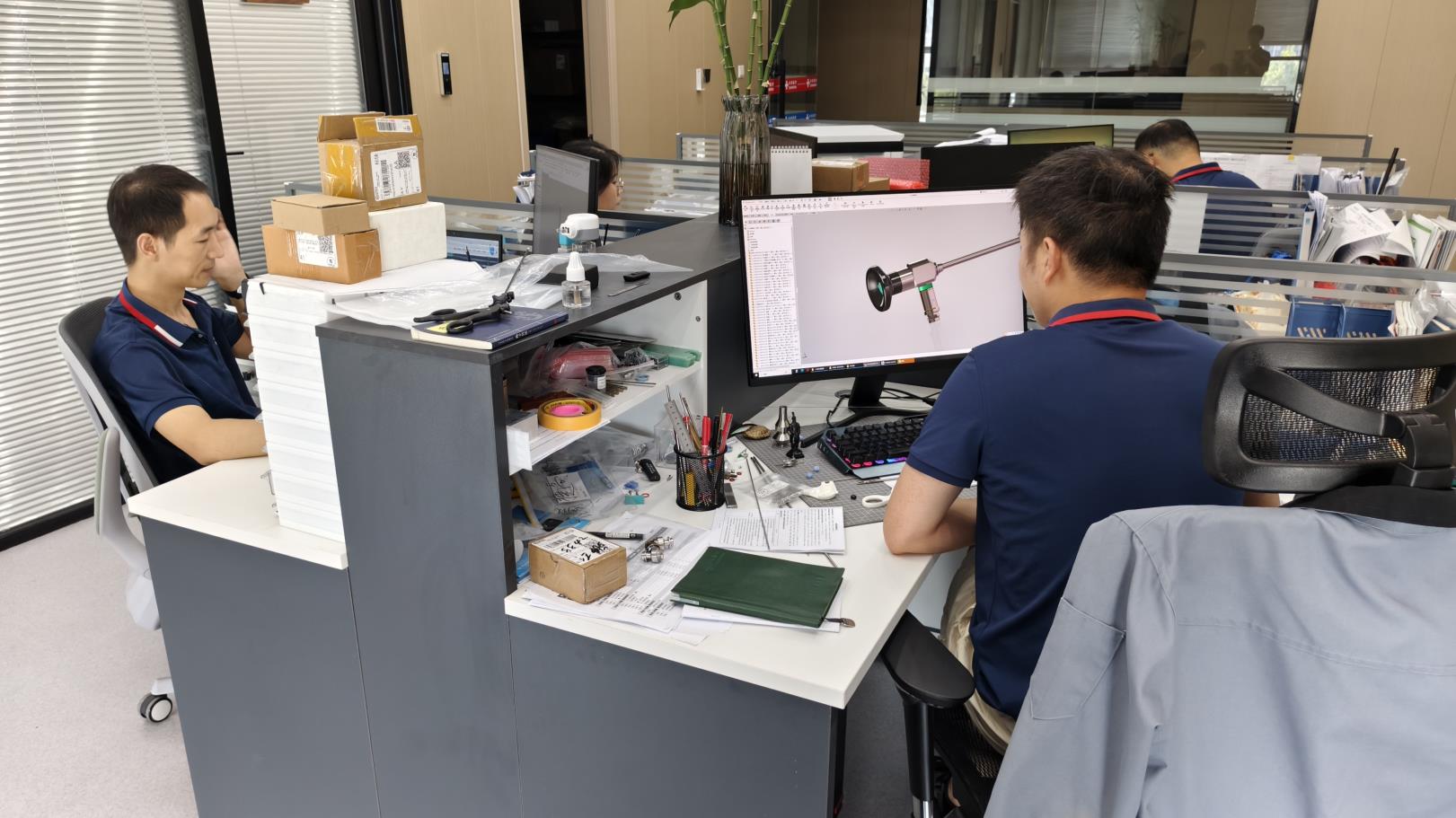
We offer comprehensive OEM and ODM services for global medical device brands, distributors, and large hospital networks. Through active R&D, Synoviq continues to introduce innovative solutions that support surgical efficiency and positive clinical outcomes.
| Operational Metric | Specifications & Capability |
|---|---|
| Brand & Entity | Synoviq / Synoviq Medical Technology (China) Co., Ltd. |
| Establishment Date | March 18, 2016 |
| Quality Control Force | 48 dedicated QC inspectors |
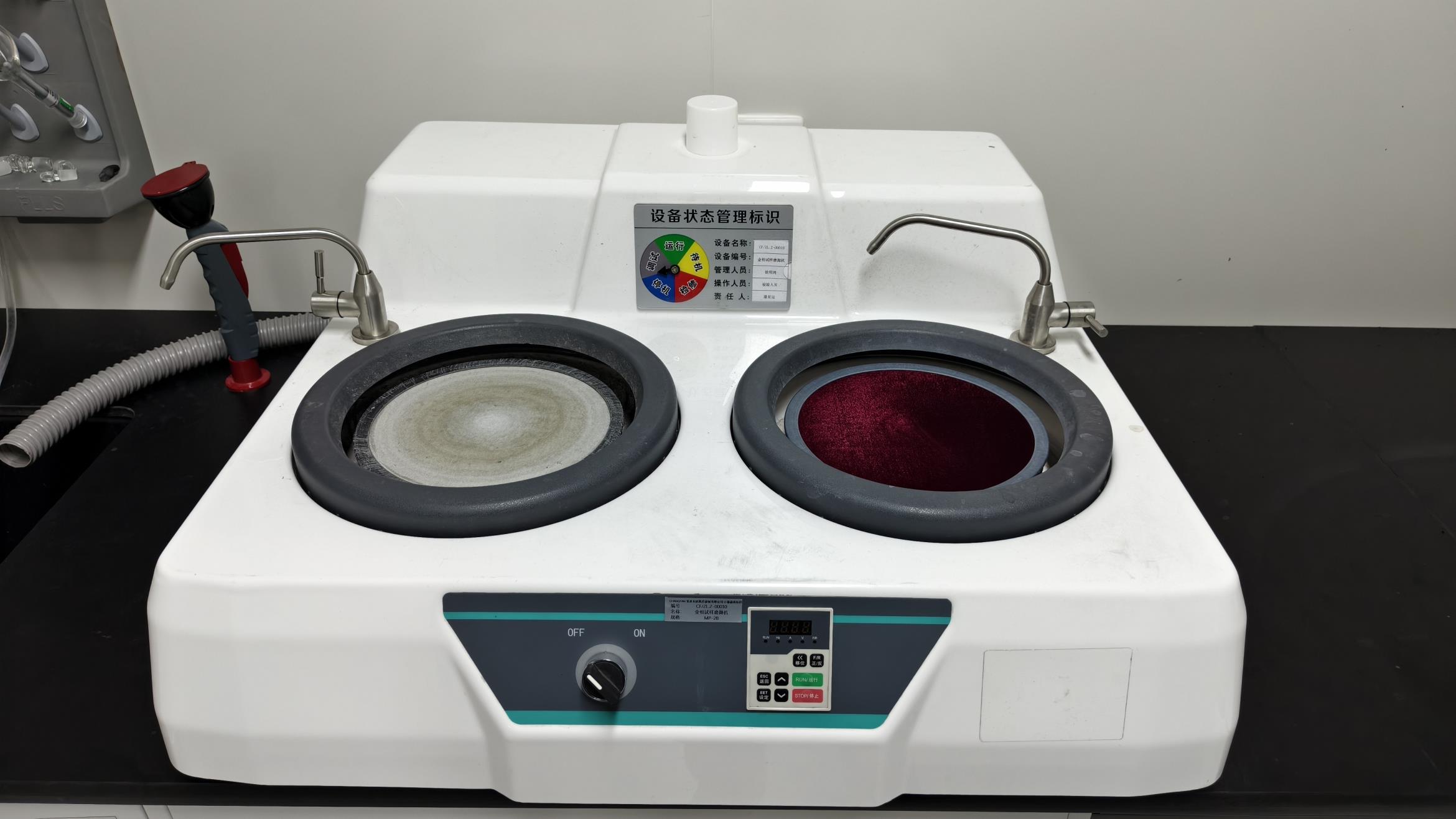
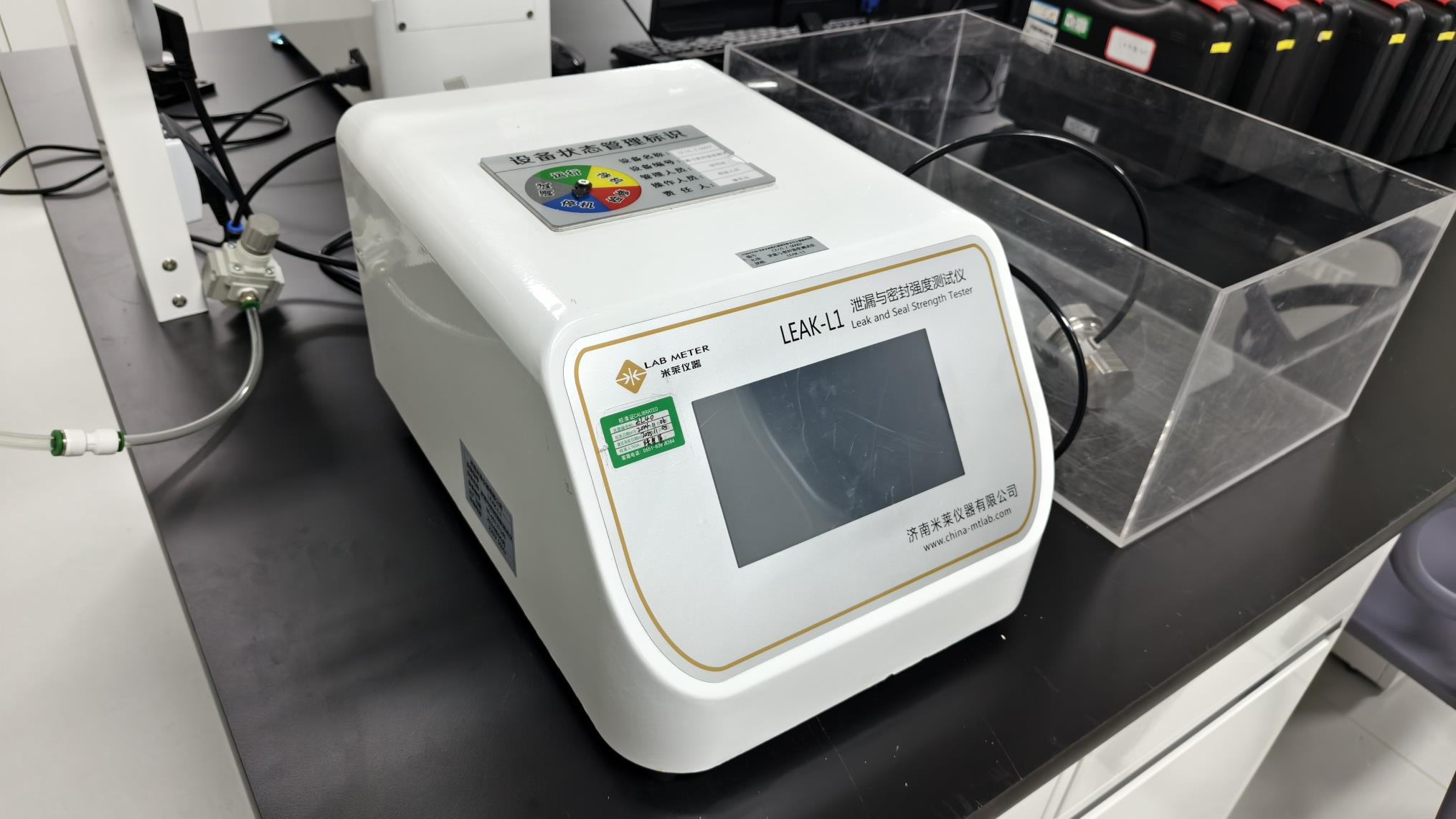
| Inspection Infrastructure | CMM Measurement, Fatigue Testing, Surface Roughness & Hardness, Sterility Validation |
| Export Reach | Europe, North America, South America, Middle East, Southeast Asia |
| New Product Pipeline | 186 products released last year |
| Supply Chain Network | 1,120+ active global partners |
Pioneering advancements in implant biology, navigation systems, and material sciences.
We are integrating bio-active coatings such as Hydroxyapatite (HA) and silver-ion antibacterial coatings onto our titanium implants to improve osseointegration and reduce implant-associated infection risks.
To reduce fluoroscopy exposure for surgical teams, we are developing advanced electromagnetic (EM) distal targeting systems that help surgeons achieve screw locking without multiple X-ray checks.
Our long-term R&D roadmap focuses on incorporating micro-sensors within intramedullary cavities to monitor strain and bone healing parameters in real-time, aiding postoperative rehabilitation.
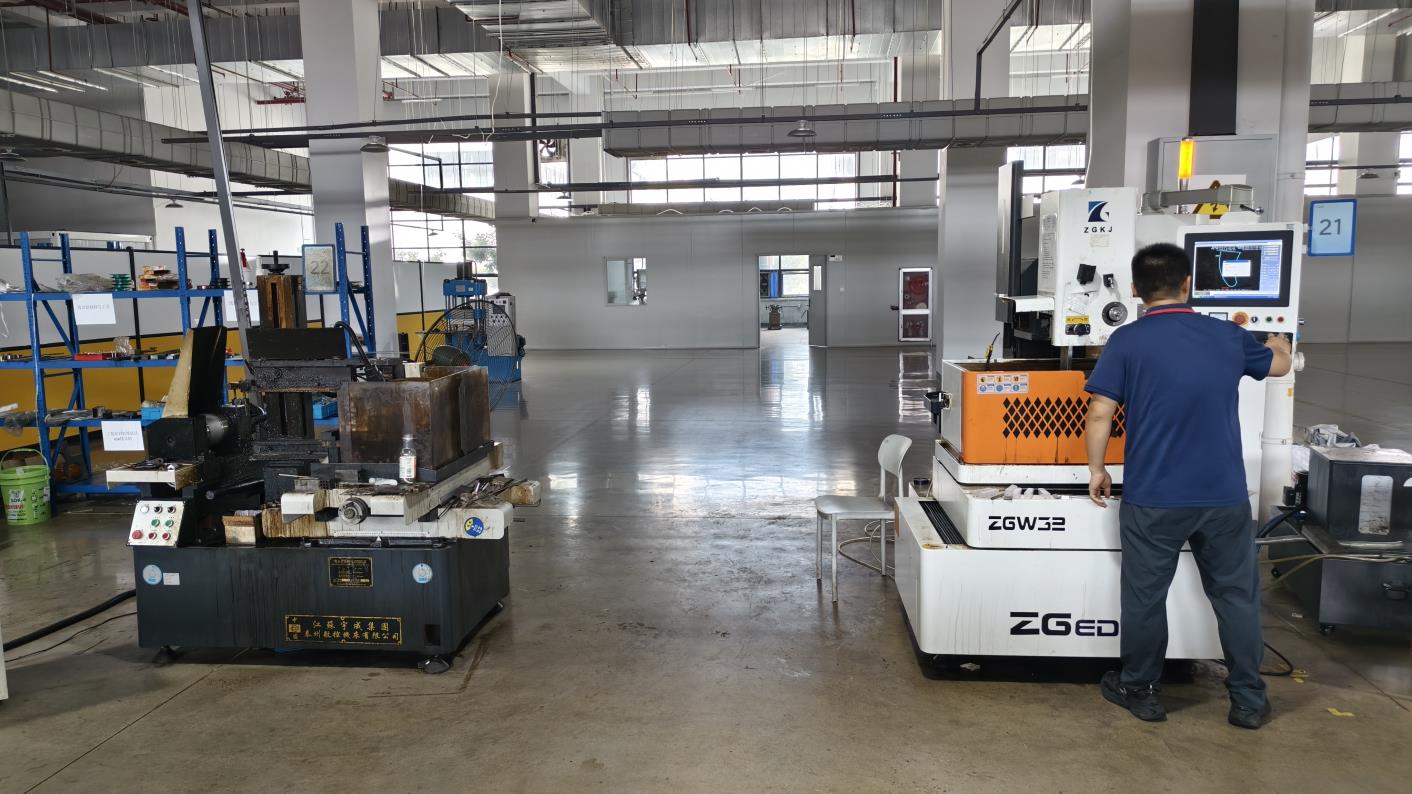
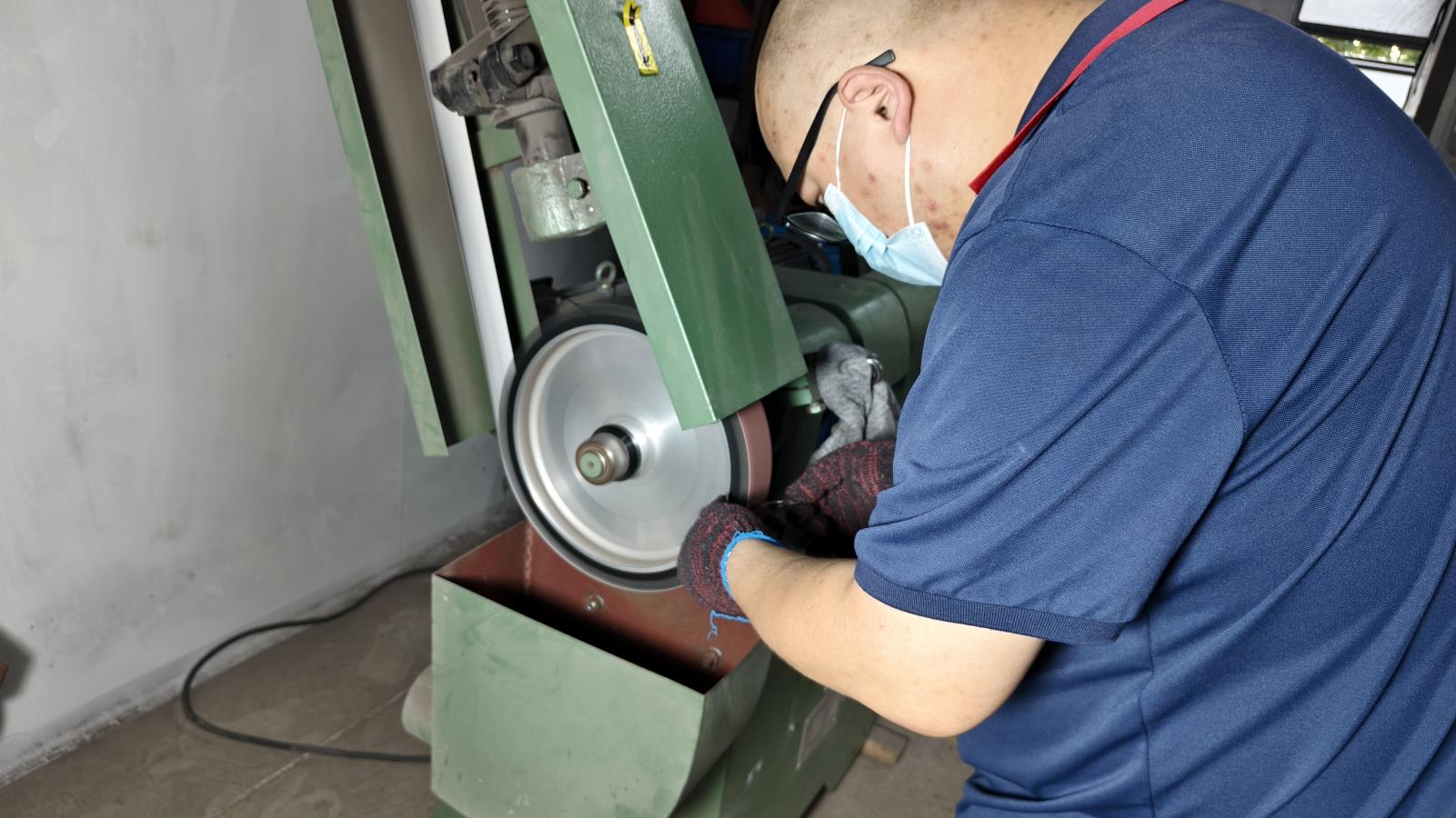
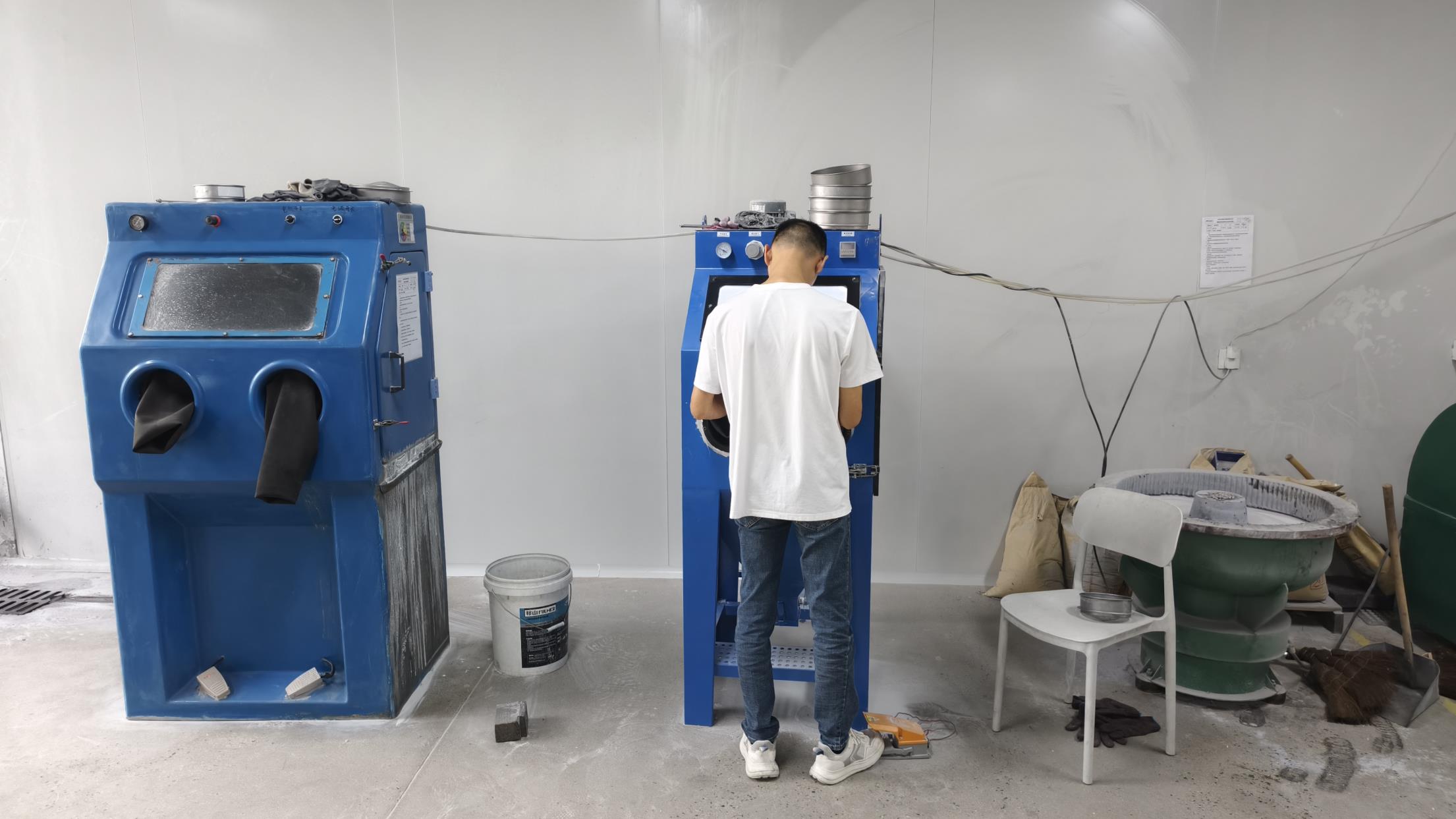
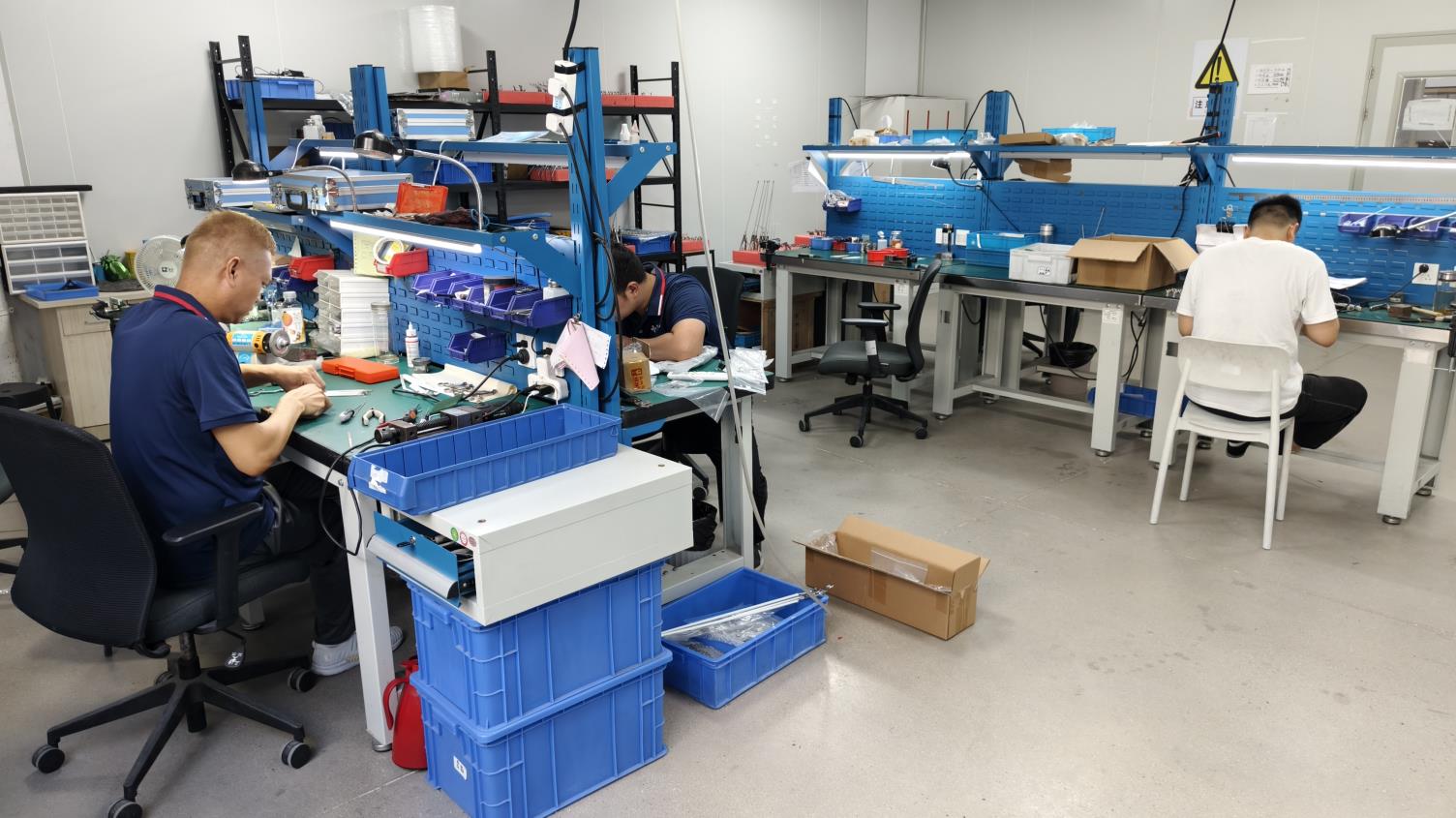
Take a closer look at our cleanrooms, precision CNC machining centers, and comprehensive testing laboratories.
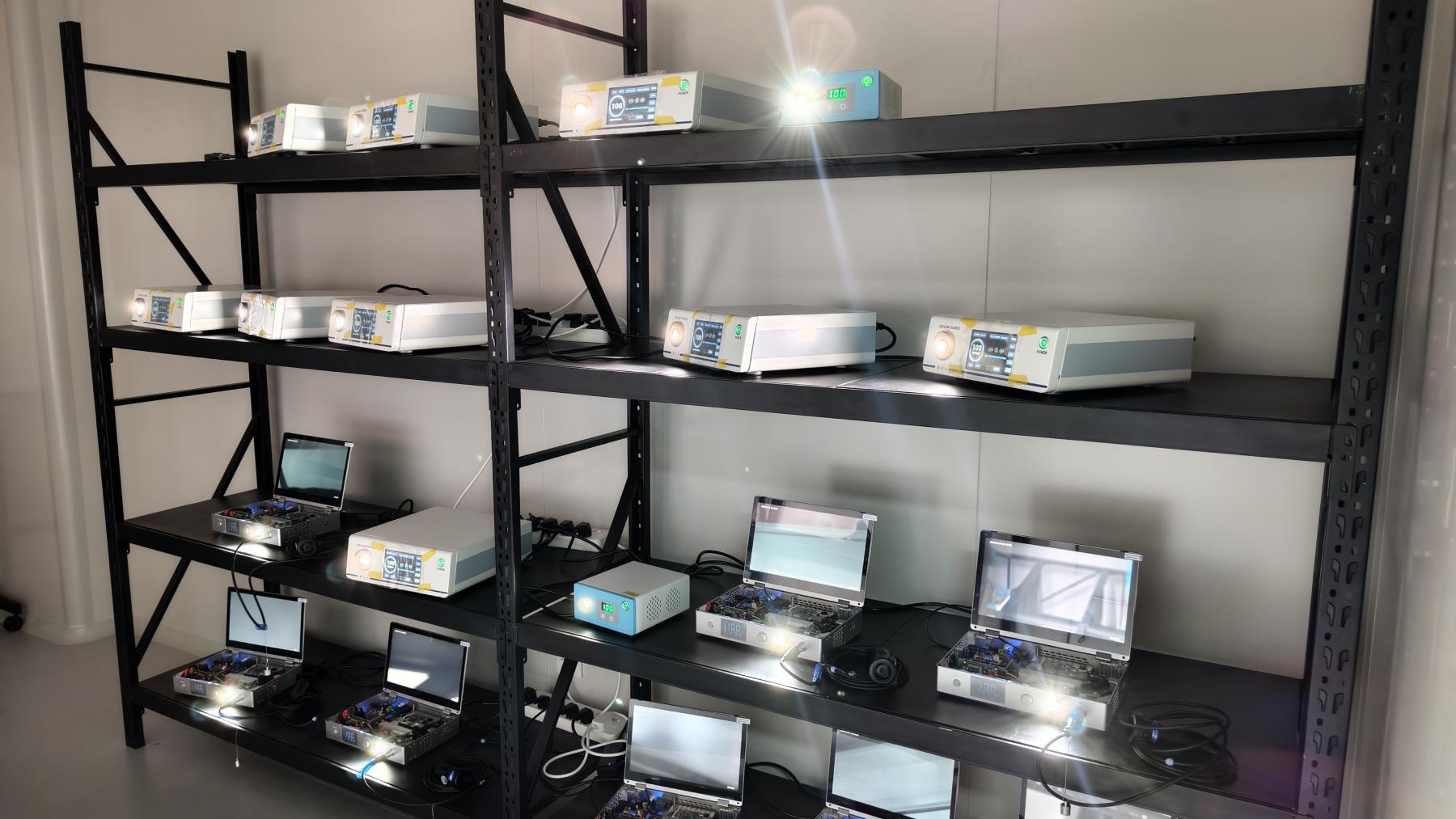
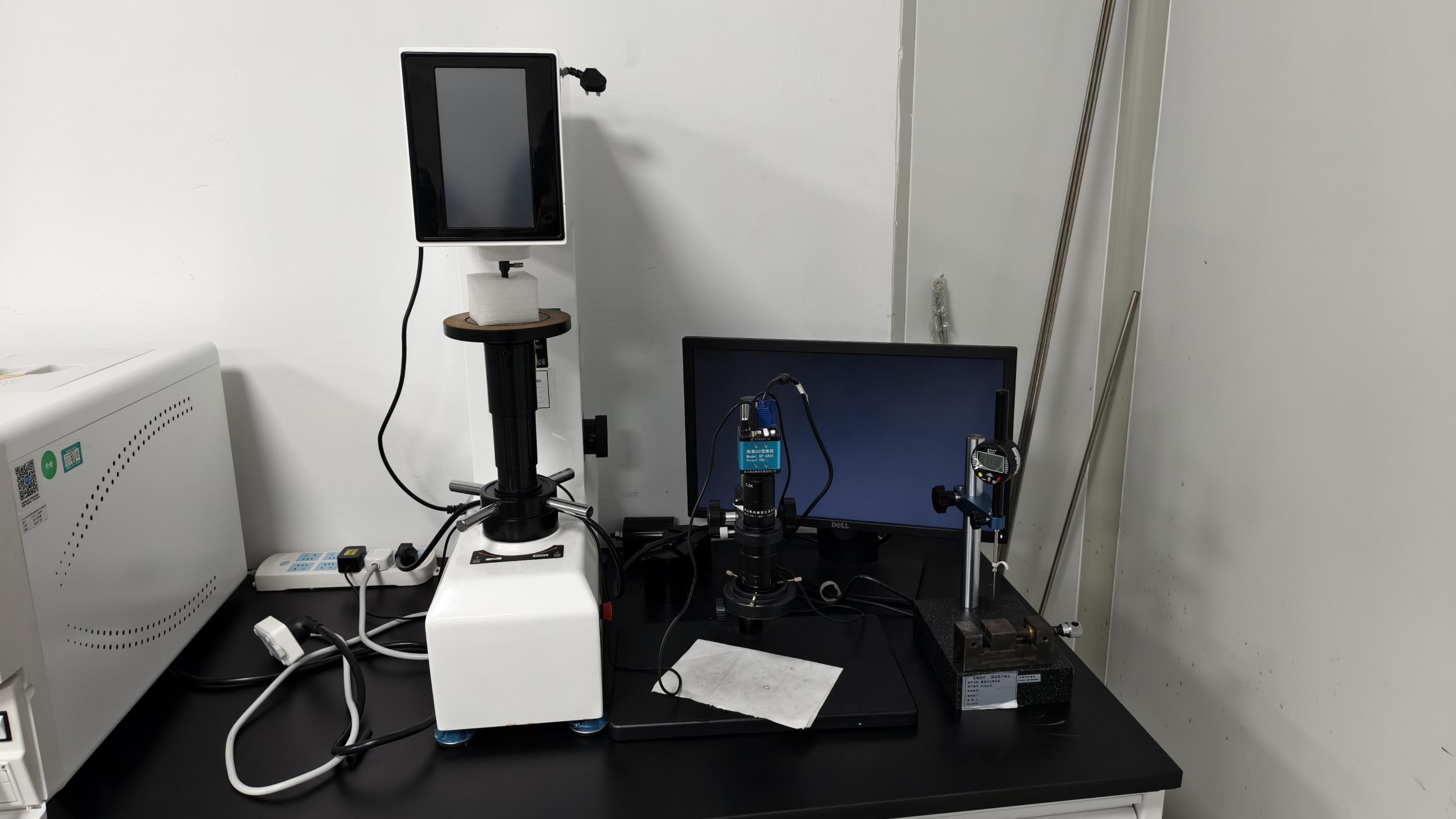
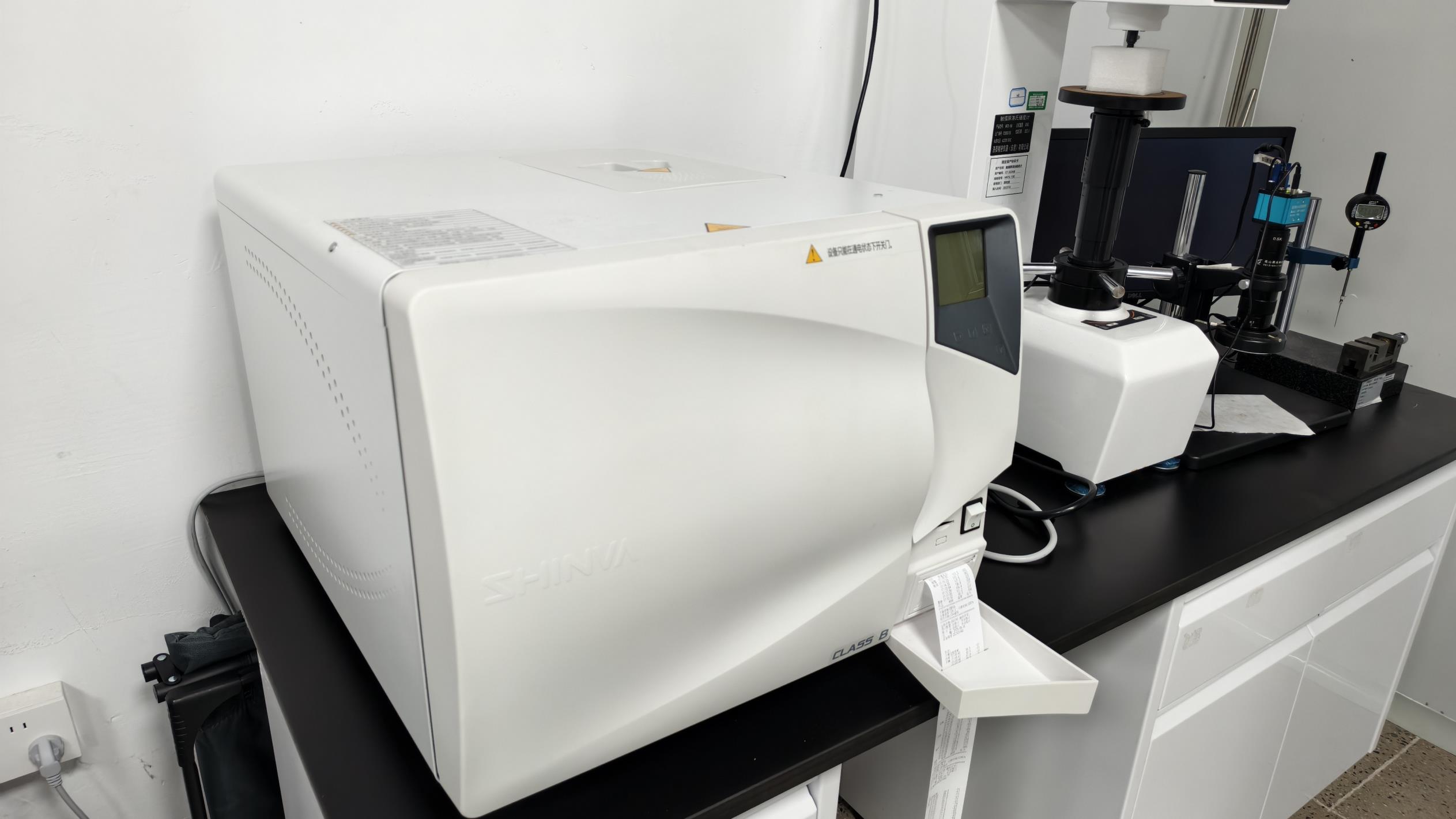
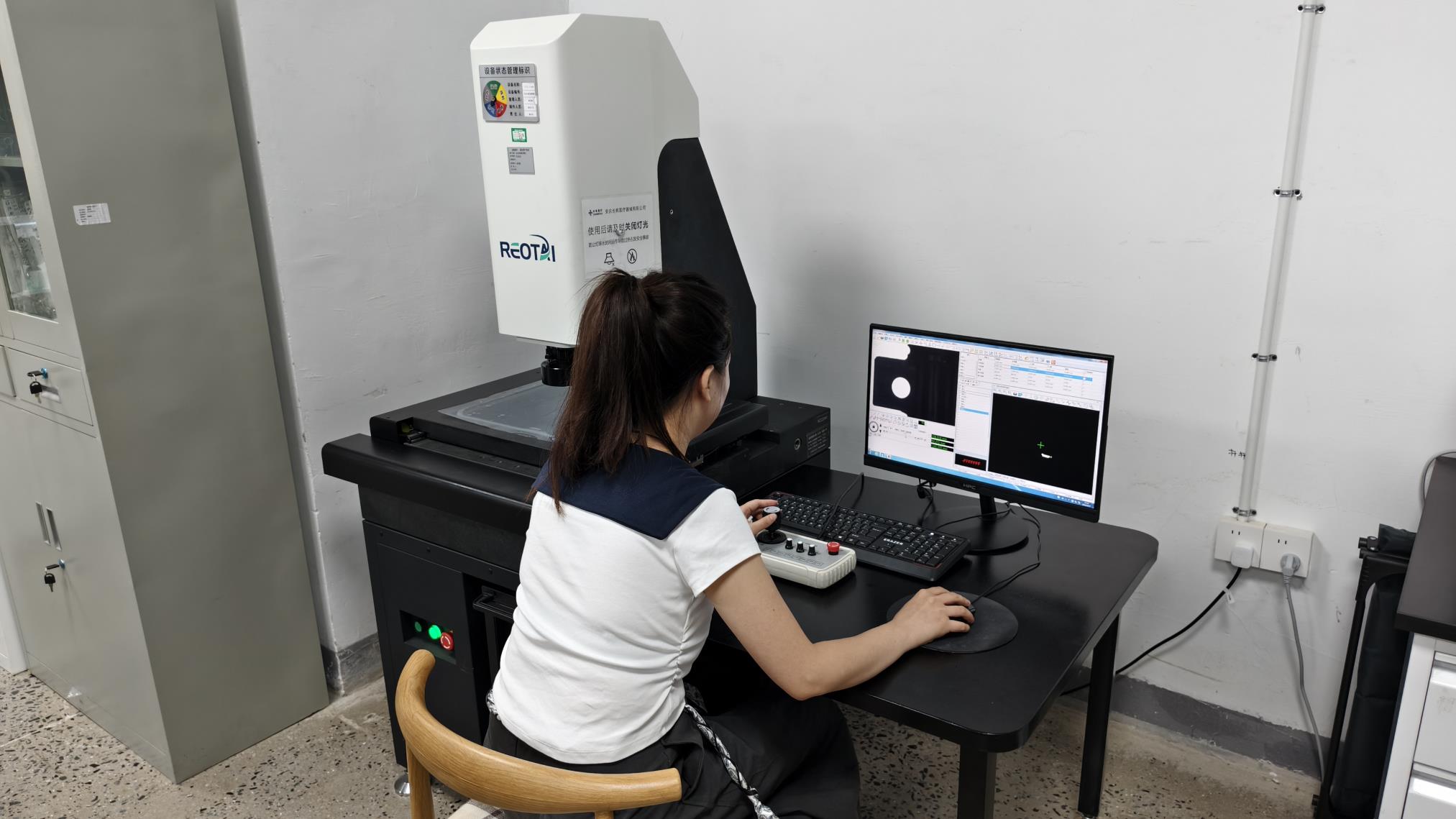
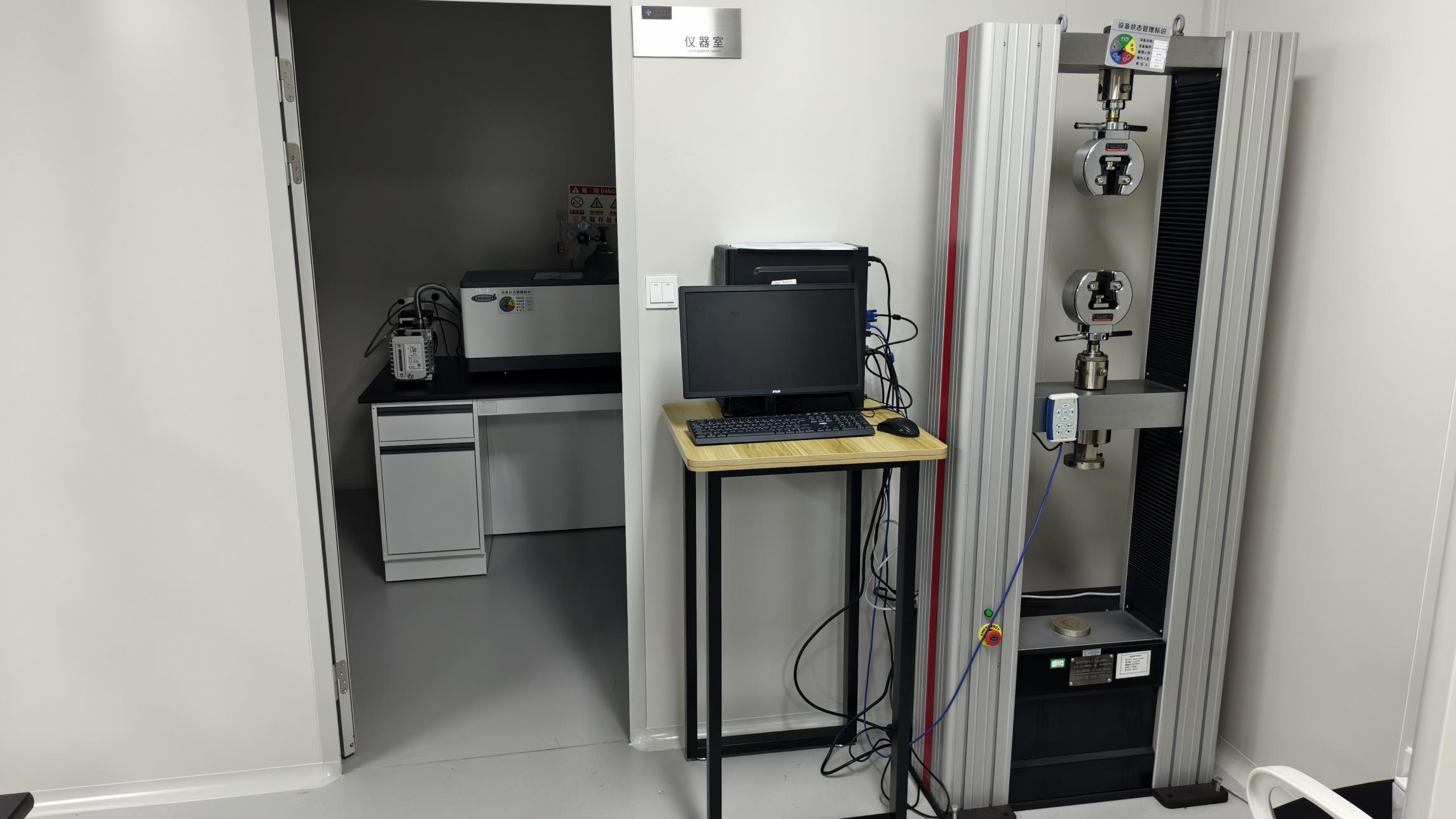
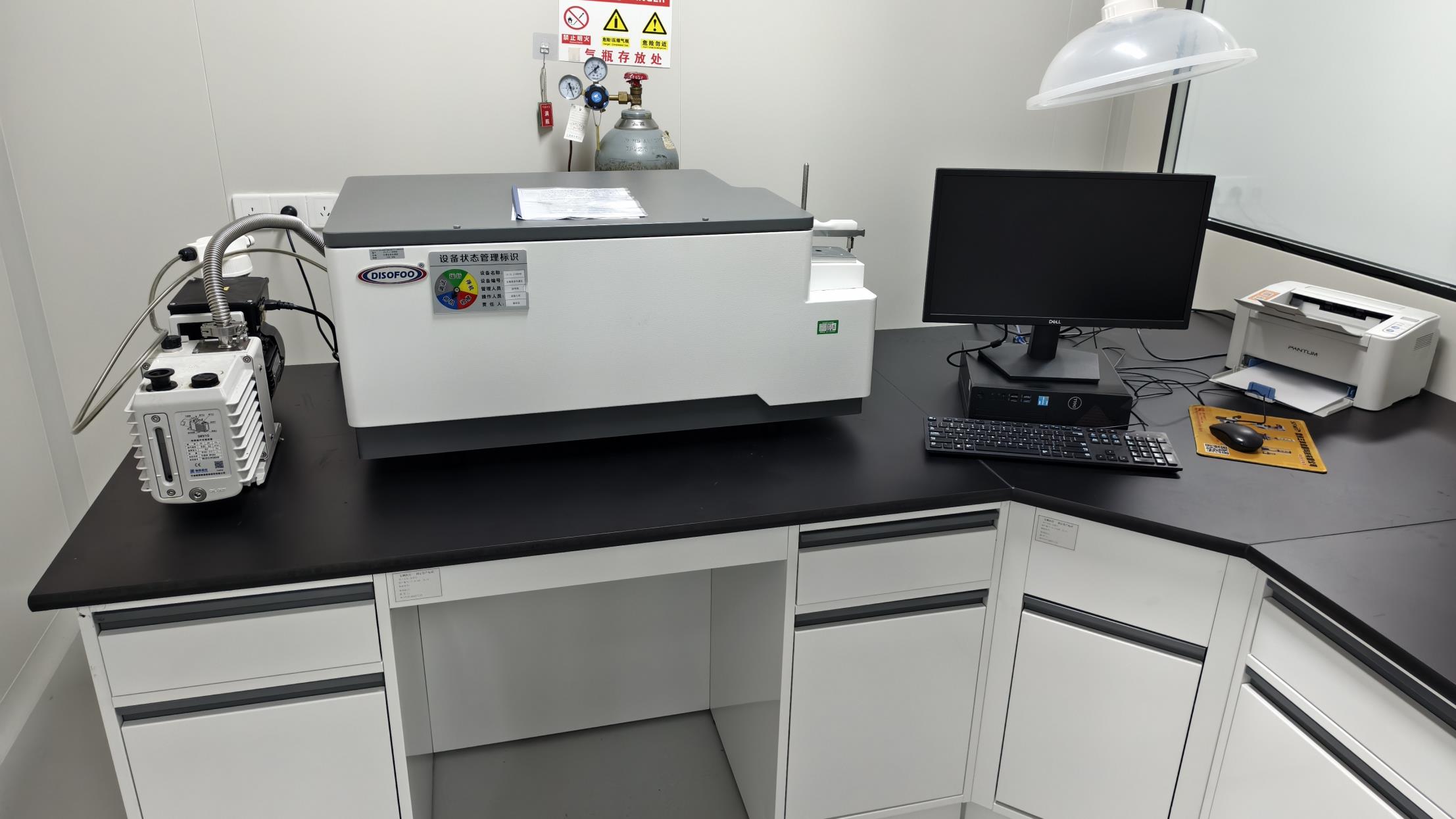
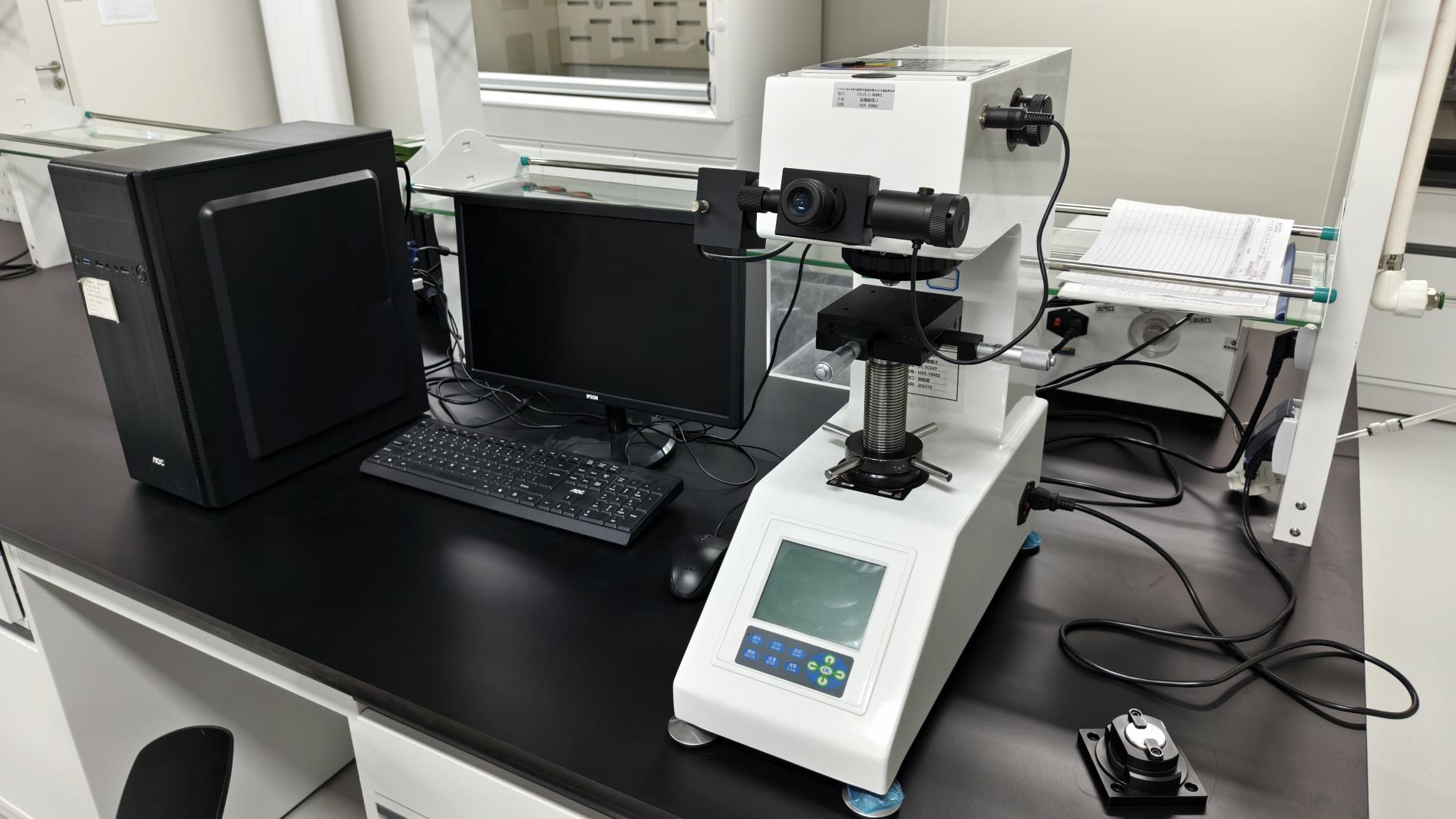
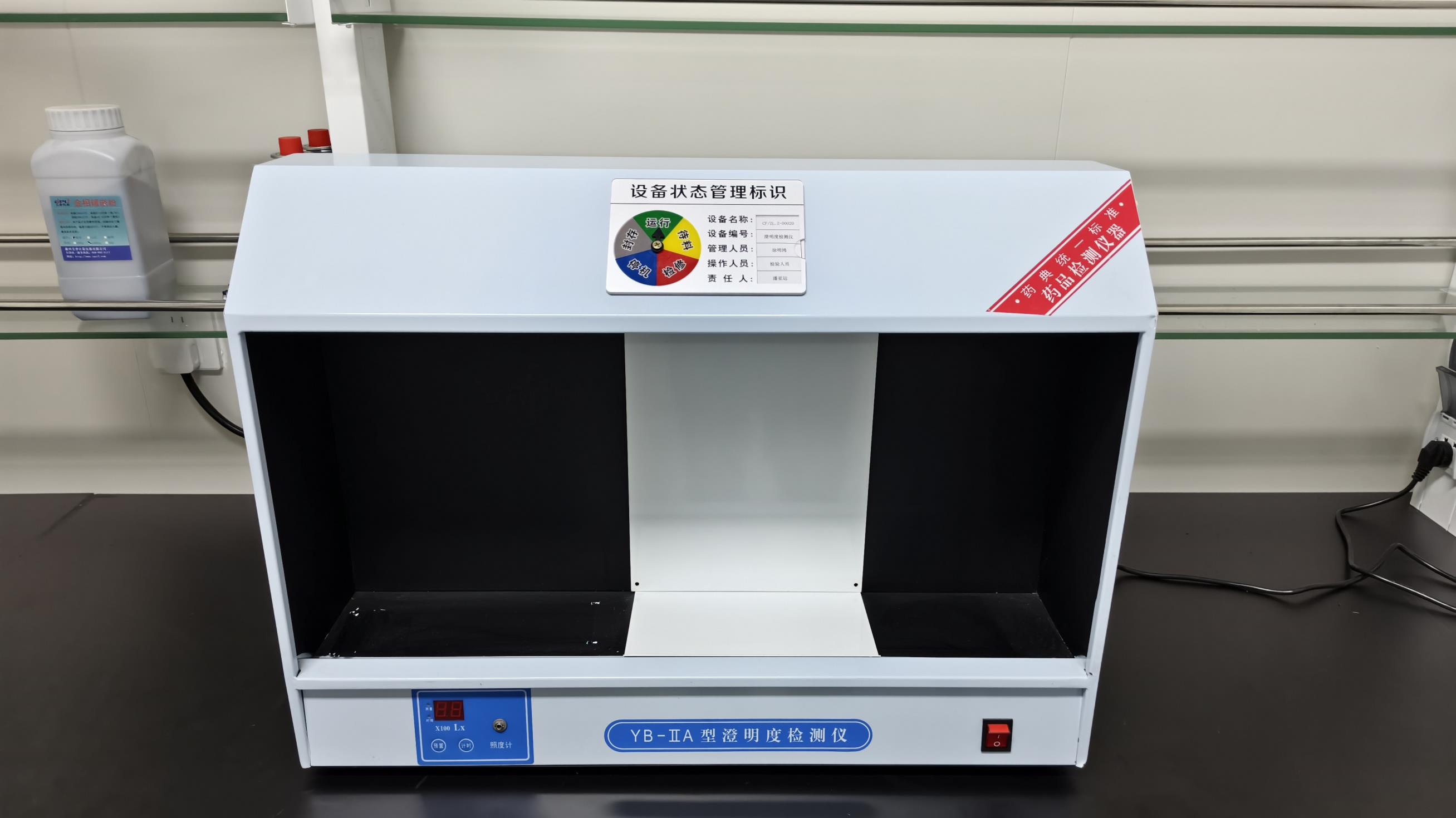
Ensuring cross-border compliance, documentation safety, and stable supply chain pathways.
Operating in the orthopedic trauma sector requires adherence to regulatory compliance frameworks. Orthopedic implants, such as intramedullary nails, are classified under Class III (FDA) or Class III / Class IIb (EU MDR), necessitating complete technical documentation, clinical evaluations, and batch traceability.
Synoviq maintains ISO 13485 quality management system certification for medical devices. Our manufacturing workflows, cleanroom protocols, and inspection regimens are documented, verified, and audited. From raw material identification through heat-number tracking to spectrometer checks, we ensure that the final product is fully traceable to its material source.
We support our international partners with responsive supply chain management, offering logistics, custom clearance documentation, and localized packaging support. We offer sterilized packaging (double-pouch Tyvek sterilization) to enable implants to be directly distributed to clinical hubs and hospitals.
Whether fulfilling government tenders, manufacturing for global orthopedic brands, or partnering with regional distributors, we provide flexible customization options. This includes customized laser marking, tailored instrumentation kits, and modified geometry designs to meet specific regional requirements.
Detailed answers to technical, mechanical, and regulatory questions commonly asked by procurement managers and clinicians.
Titanium Alloy (Ti-6Al-4V ELI conforming to ASTM F136) offers distinct clinical benefits compared to 316L Stainless Steel. First, its modulus of elasticity is closer to that of cortical bone, which helps minimize "stress shielding"—a phenomenon where the implant bears too much load, leading to bone resorption. Second, titanium exhibits excellent fatigue resistance and biocompatibility, reducing the risk of corrosion and metal sensitivity in patients. Stainless steel is sometimes selected for its higher rigidity in specific situations, but titanium remains the preferred choice for long-term intramedullary fixation.
Distal locking holes are under significant load, making them potential points of stress concentration. Synoviq addresses this through design and manufacturing optimization. We apply rounded transitions to internal corners and thread pathways to reduce stress concentrations. Furthermore, our Swiss CNC machines achieve precise surface finishes (Ra < 0.4 μm), reducing microscopic surface defects that can lead to crack initiation. Lastly, our implants undergo dynamic fatigue testing to ensure they can withstand cyclical loads without premature failure.
Static locking utilizes round locking holes that restrict both axial translation and rotation, providing maximum stability for unstable or comminuted fractures. Dynamic locking uses an elongated slot, allowing controlled axial compression (micro-motion) while maintaining rotational stability. This axial load sharing helps stimulate callus formation and accelerate healing in simple transverse or short oblique fractures during weight-bearing.
We provide full OEM and ODM services. This includes customized length and diameter configurations, tailored distal locking patterns, and custom surface anodization (color-coding by size). We also design and manufacture matching instrument sets, which can be branded with your company's logo. In terms of packaging, we offer bulk non-sterile implants as well as single-use sterile packaging using medical-grade Tyvek materials.
Our quality control department consists of 48 specialists who perform 100% final inspections. The process includes Coordinate Measuring Machine (CMM) dimensional verification, metallographic structural analysis, tensile strength verification, surface roughness inspections, and micro-crack detection. Each shipment includes a comprehensive QA document pack, including material mill certificates, sterilization validation reports (for sterile goods), and batch dimensional compliance reports.
Explore our additional trauma, spine, and veterinary implant systems designed for precise clinical application.
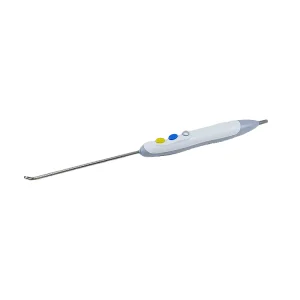
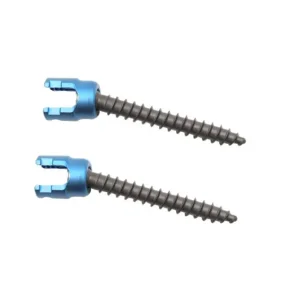
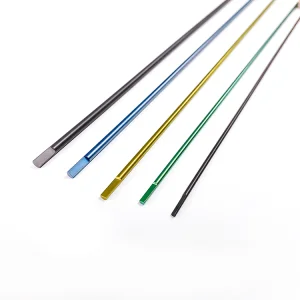
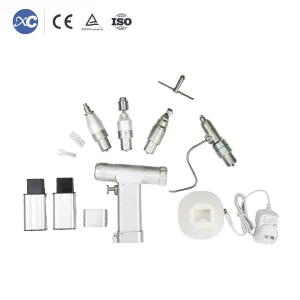
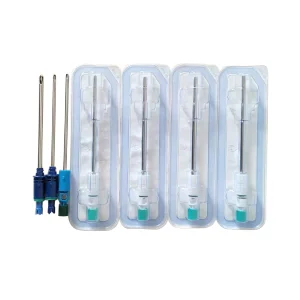
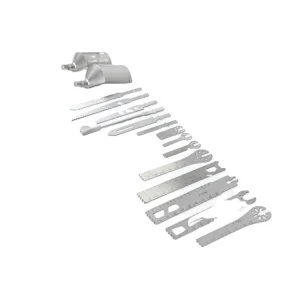
Require detailed catalogs, mechanical test results, or customized OEM development quotes? Contact our sales team today to request a quote or order samples.
Request Technical Consultation Synoviq Medical