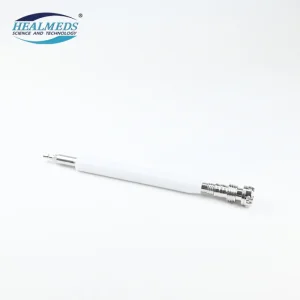
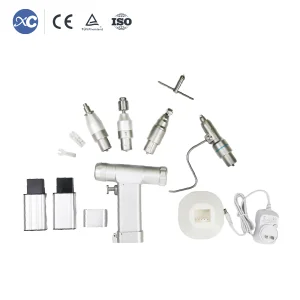
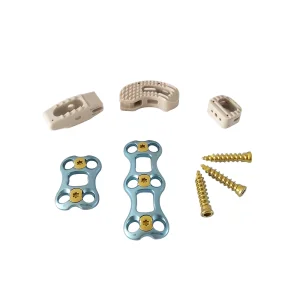
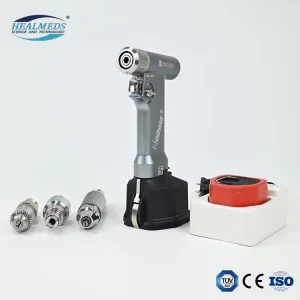
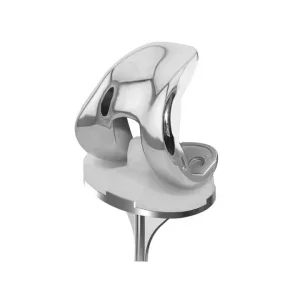
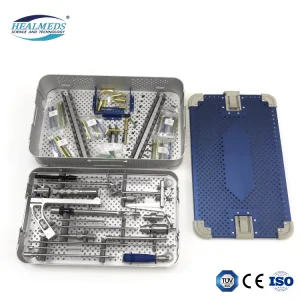
Explore our high-performance orthopedic system offerings engineered to facilitate optimized surgical outcomes and structural biomechanics.
Lumbar interbody fusion has transitioned into a highly predictable, standardized clinical solution for treating degenerative disc disease, spondylolisthesis, and spinal instability. Among various surgical techniques, Transforaminal Lumbar Interbody Fusion (TLIF) stands out for its capability to access the disc space while minimizing nerve root retraction.
Historically, autologous bone graft was the gold standard. However, the development of interbody spacers has revolutionized the field. Specifically, Polyetheretherketone (PEEK) has risen to prominence due to its biomechanical properties. As global distributors, hospitals, and orthopedic device OEMs navigate a complex medical market, identifying top-tier TLIF PEEK Cages suppliers becomes a critical mission of balancing clinical efficacy, material certification, and supply chain viability.
The demand for spinal implants is rising globally due to aging populations, increasing incidences of spinal disorders, and advancements in minimally invasive spine surgery (MISS) protocols. The choice of implant material plays a definitive role in preventing post-operative failures such as subsidence, migration, or pseudoarthrosis.
PEEK features a modulus of elasticity (approx. 3.6 GPa) which is extremely close to human cortical bone. This mitigates the risk of stress shielding, which is highly prevalent in rigid titanium implants, thereby supporting native bone load distribution.
Unlike metallic implants, PEEK is radiolucent, enabling surgeons to precisely monitor bone growth and assess fusion progression over time via X-ray and CT scans without diagnostic artifacts.
Medical-grade PEEK (conforming to ASTM F2026 standards) exhibits excellent biocompatibility, chemical resistance, and biostability, proving safe for long-term clinical implantation.
Today's market is witnessing a transition toward hybrid technologies, such as titanium-coated PEEK or porous PEEK structures. These innovations seek to marry the structural flexibility of PEEK with the superior early osteointegration characteristics of titanium surfaces, defining the roadmap for the next generation of TLIF interbody fusion devices.
Hospital purchasing networks, government tenders, and international medical device brands require high-quality standards. Procurement decisions are no longer purely based on cost; they are heavily influenced by the manufacturer's regulatory compliance, production capacity, and research capabilities.
When vetting a TLIF PEEK Cages Supplier & Exporter, procurement departments evaluate the following metrics:
Synoviq Medical Technology (China) Co., Ltd. is a professional manufacturer of orthopedic implants and surgical instruments, dedicated to delivering innovative, reliable, and high-quality medical solutions for healthcare professionals worldwide. Since its establishment, Synoviq has focused on research, development, precision manufacturing, and international quality standards, providing comprehensive OEM and ODM services for global medical device brands, distributors, and hospitals.
Our product portfolio includes trauma fixation systems, spinal implants, locking plates, intramedullary nails, external fixation systems, orthopedic screws, surgical instruments, and customized orthopedic solutions. Equipped with advanced CNC machining centers, precision inspection equipment, and modern clean production facilities, we ensure every product meets strict international quality requirements.
| Item | Information Details |
|---|---|
| Company Name | Synoviq Medical Technology (China) Co., Ltd. |
| Brand | Synoviq |
| Established Date | March 18, 2016 |
| Building Area | 18,600 m² |
| Annual Export Revenue | USD 21.8 Million |
| Export Experience | 8 Years |
| Industry Experience | 14 Years |
| Quality Inspection | 100% Final Inspection & Incoming Material Inspection |
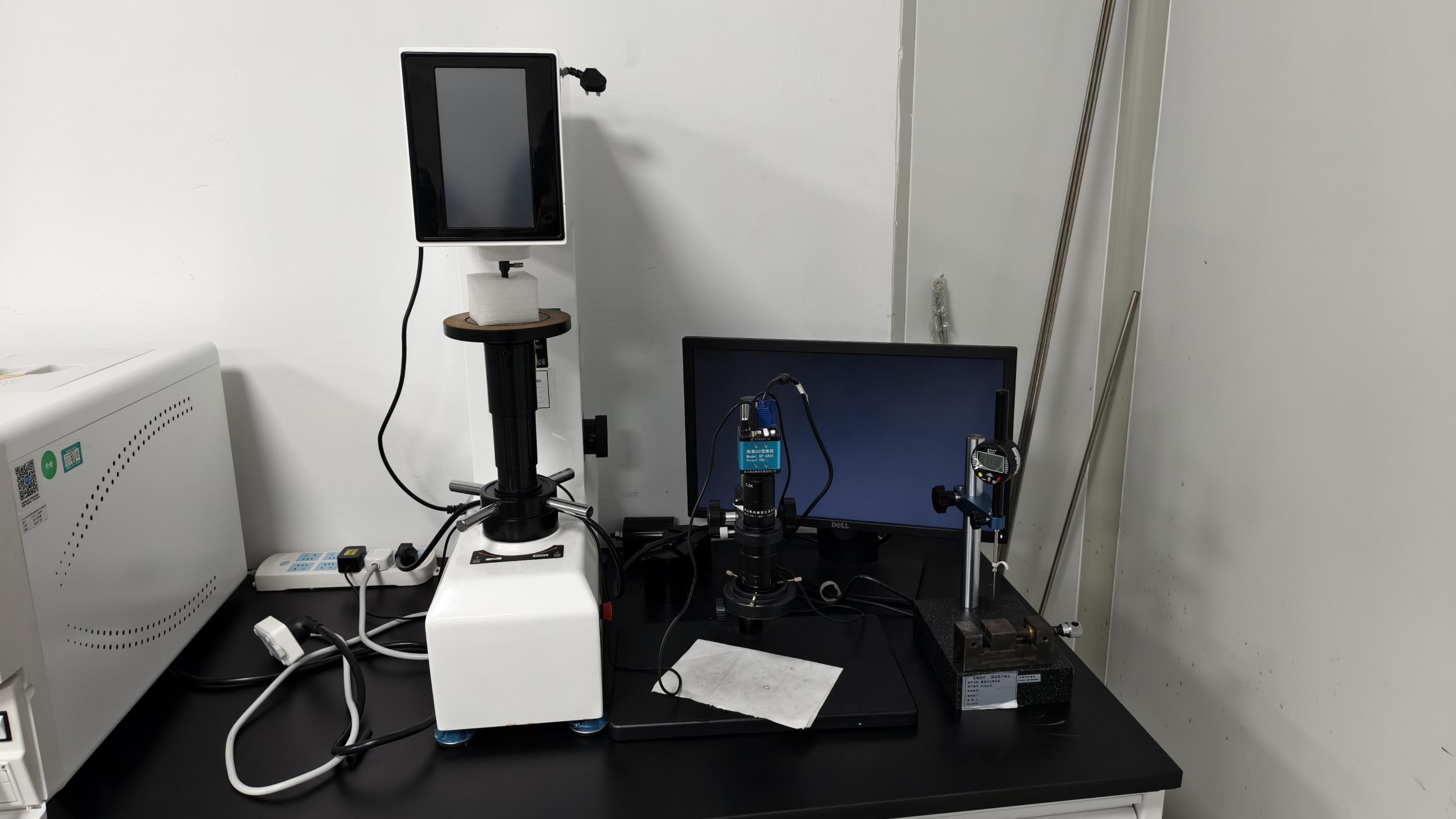
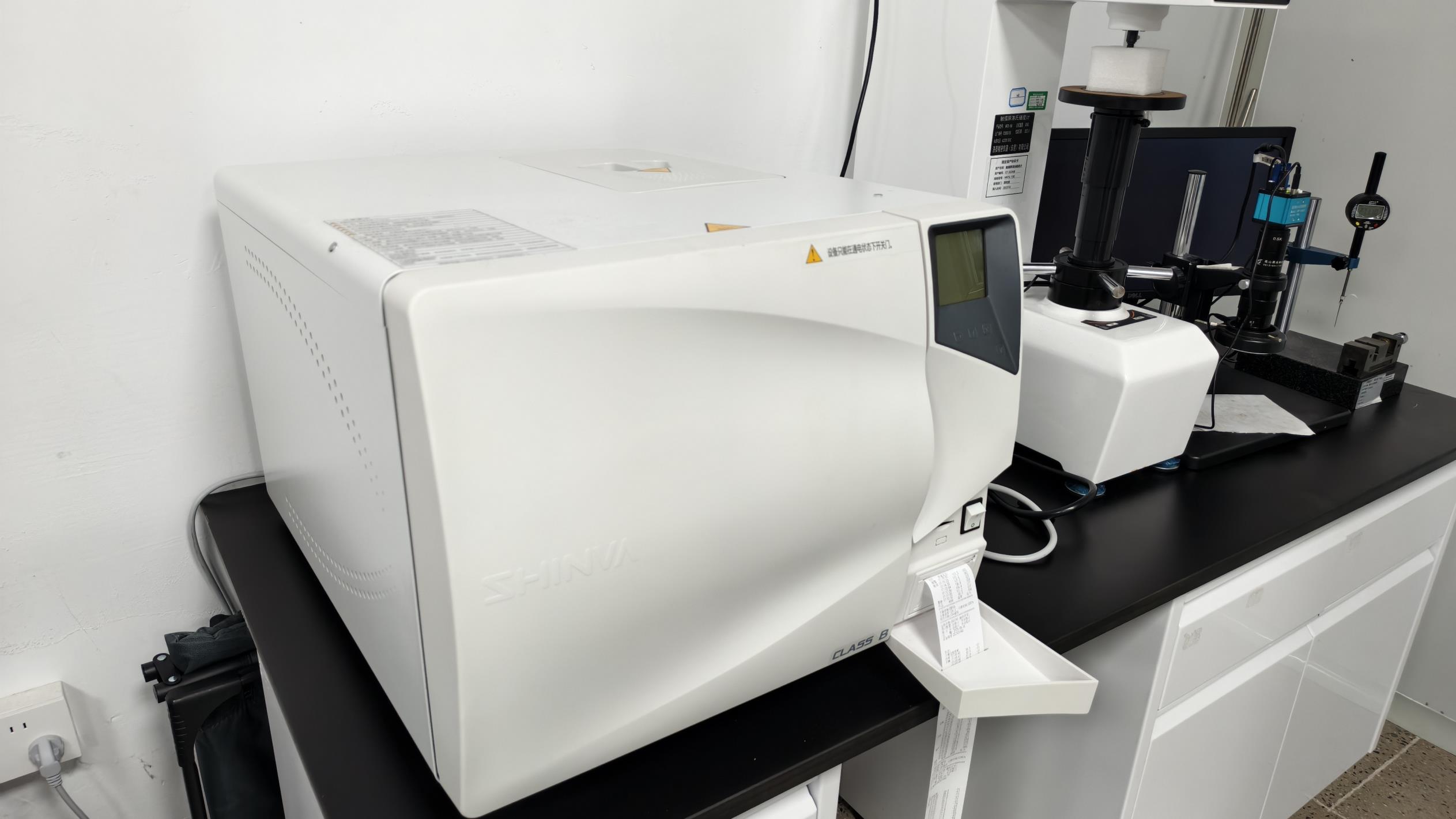
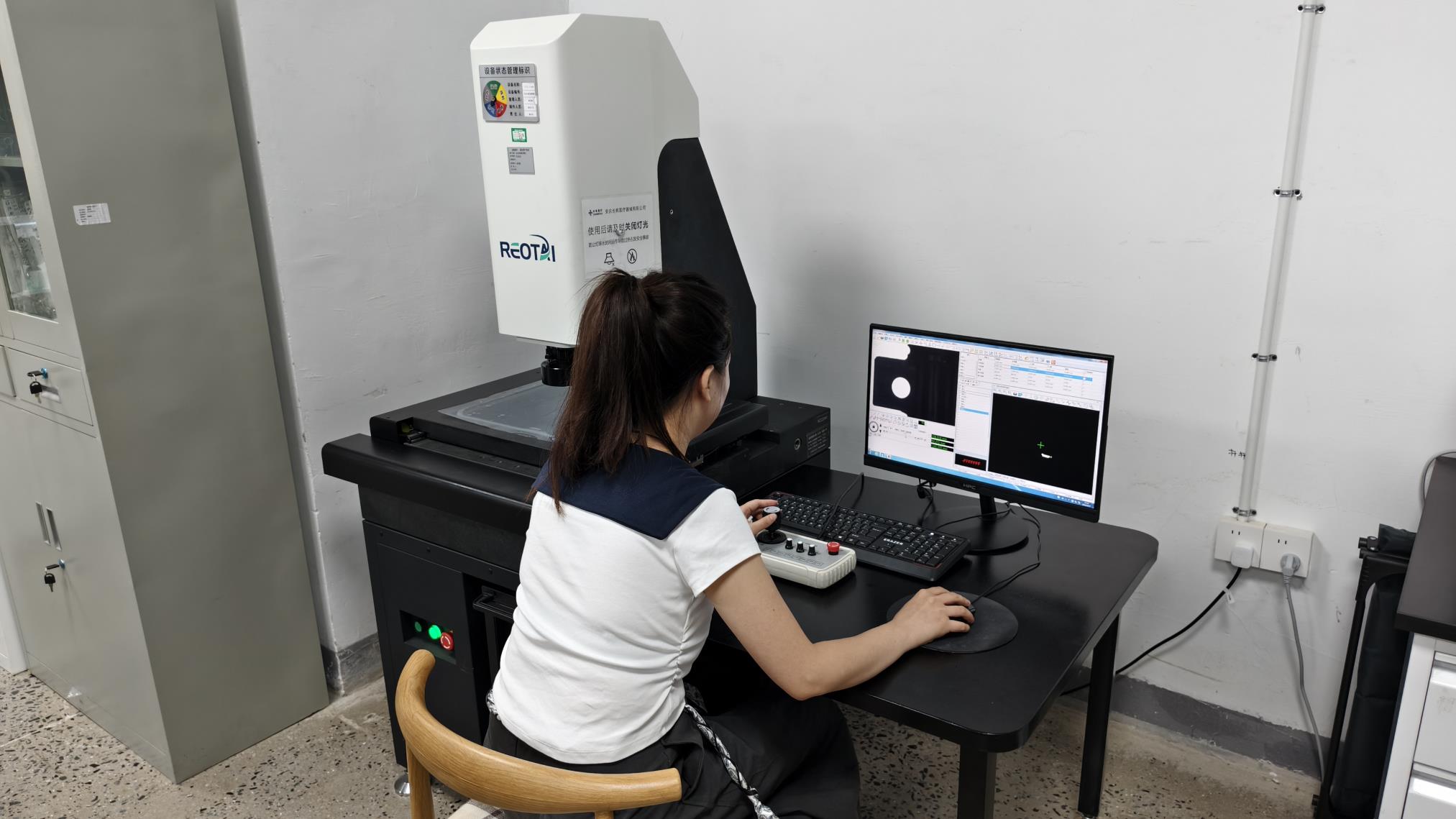
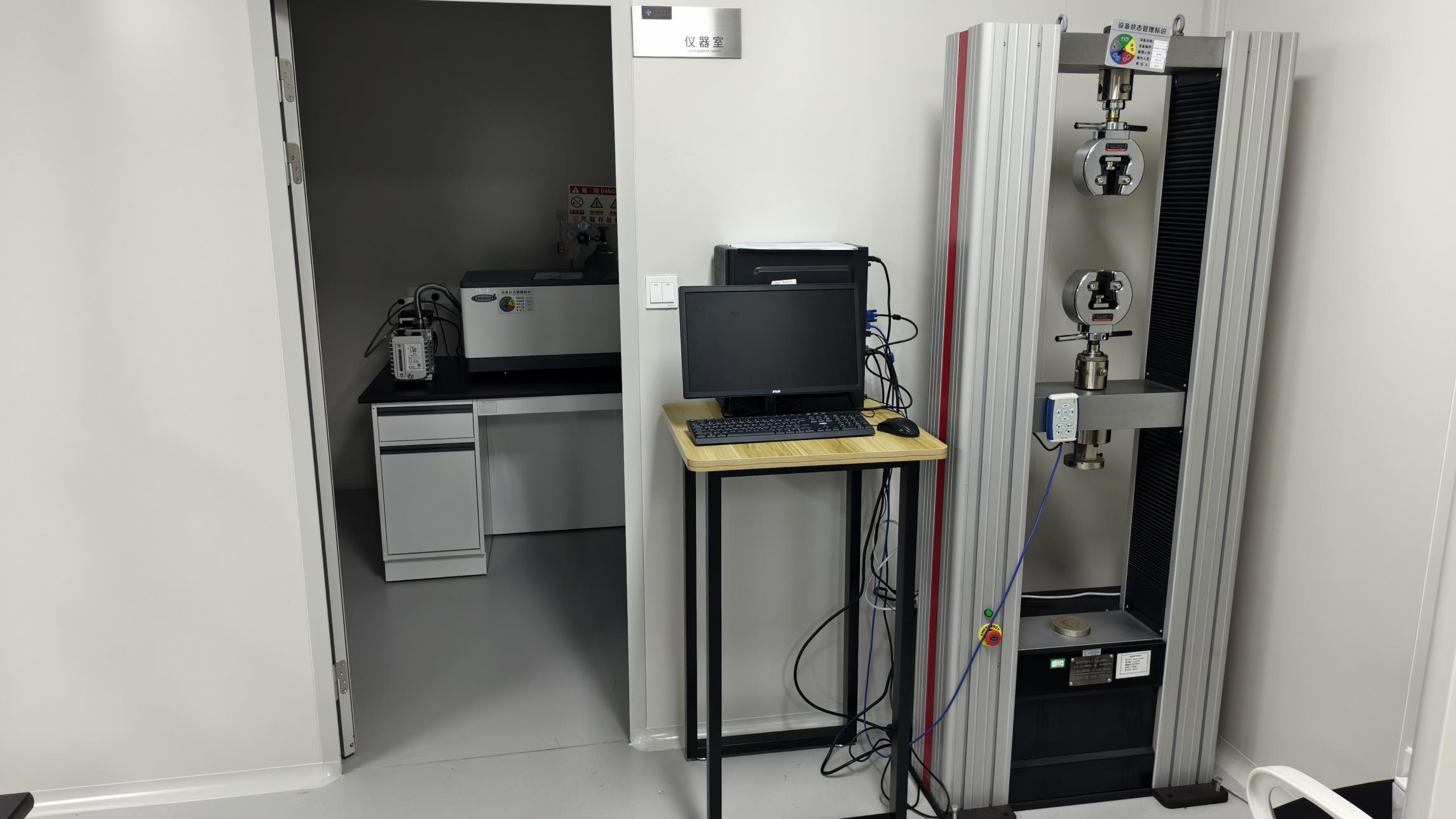
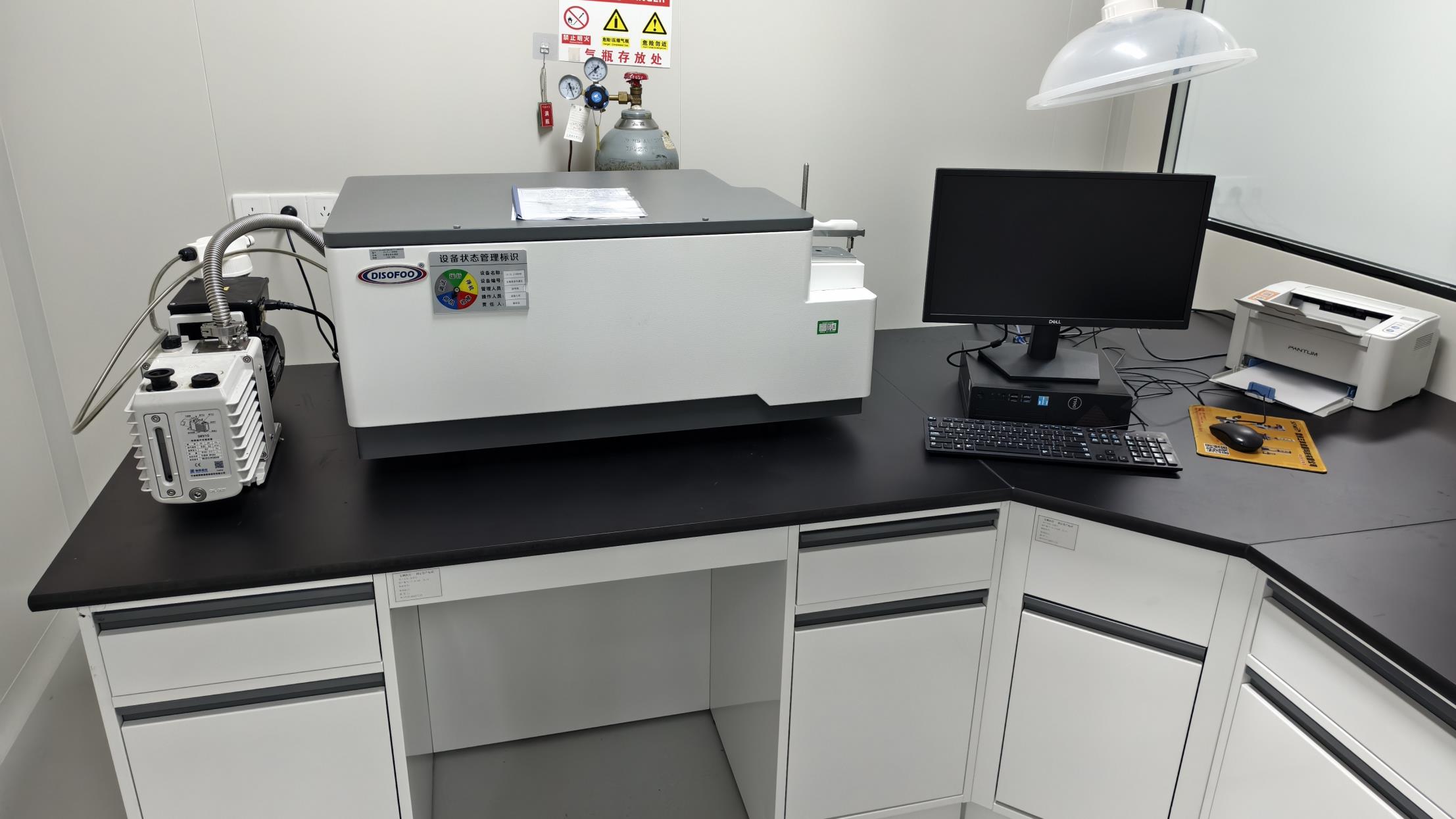
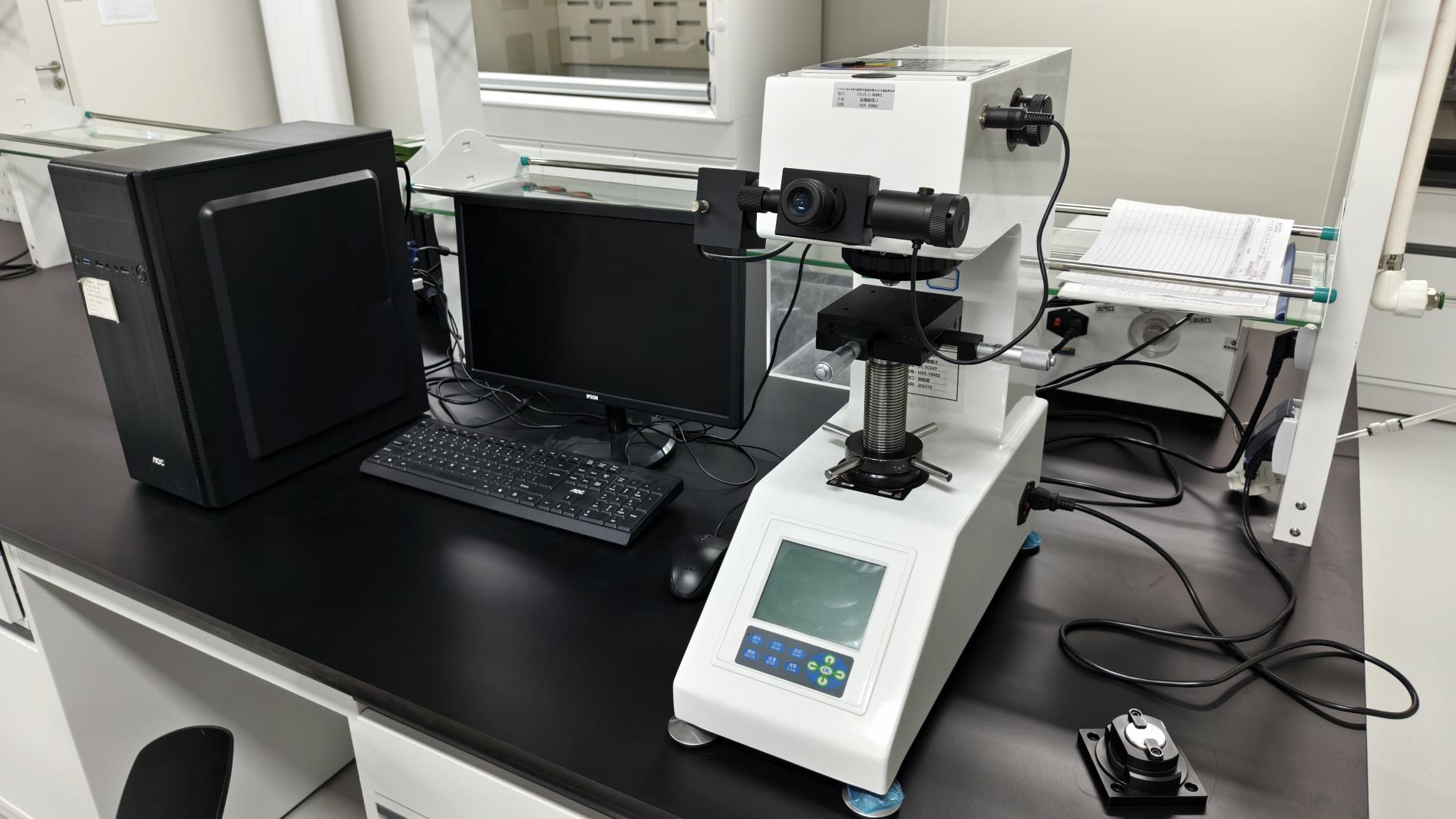
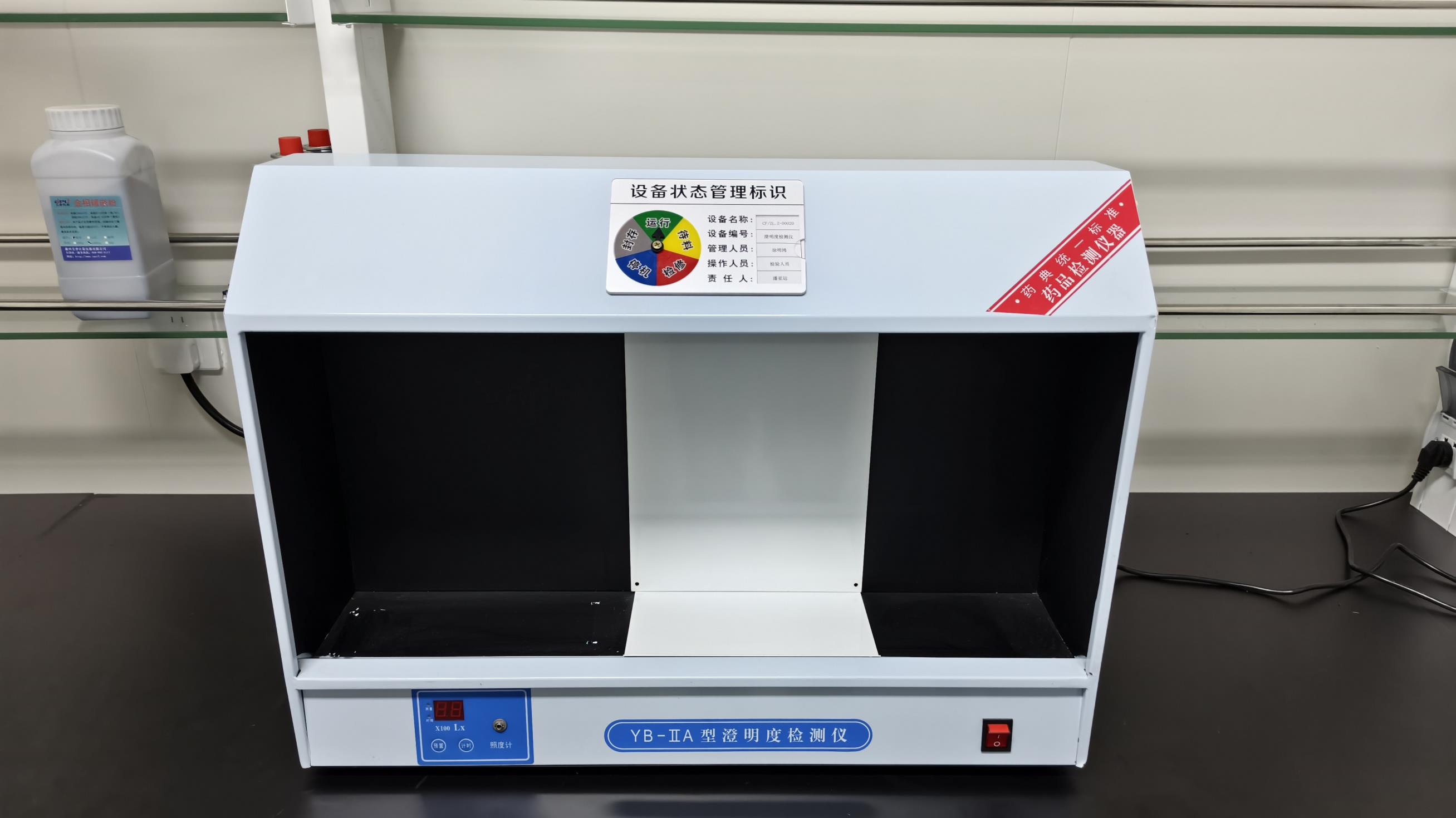
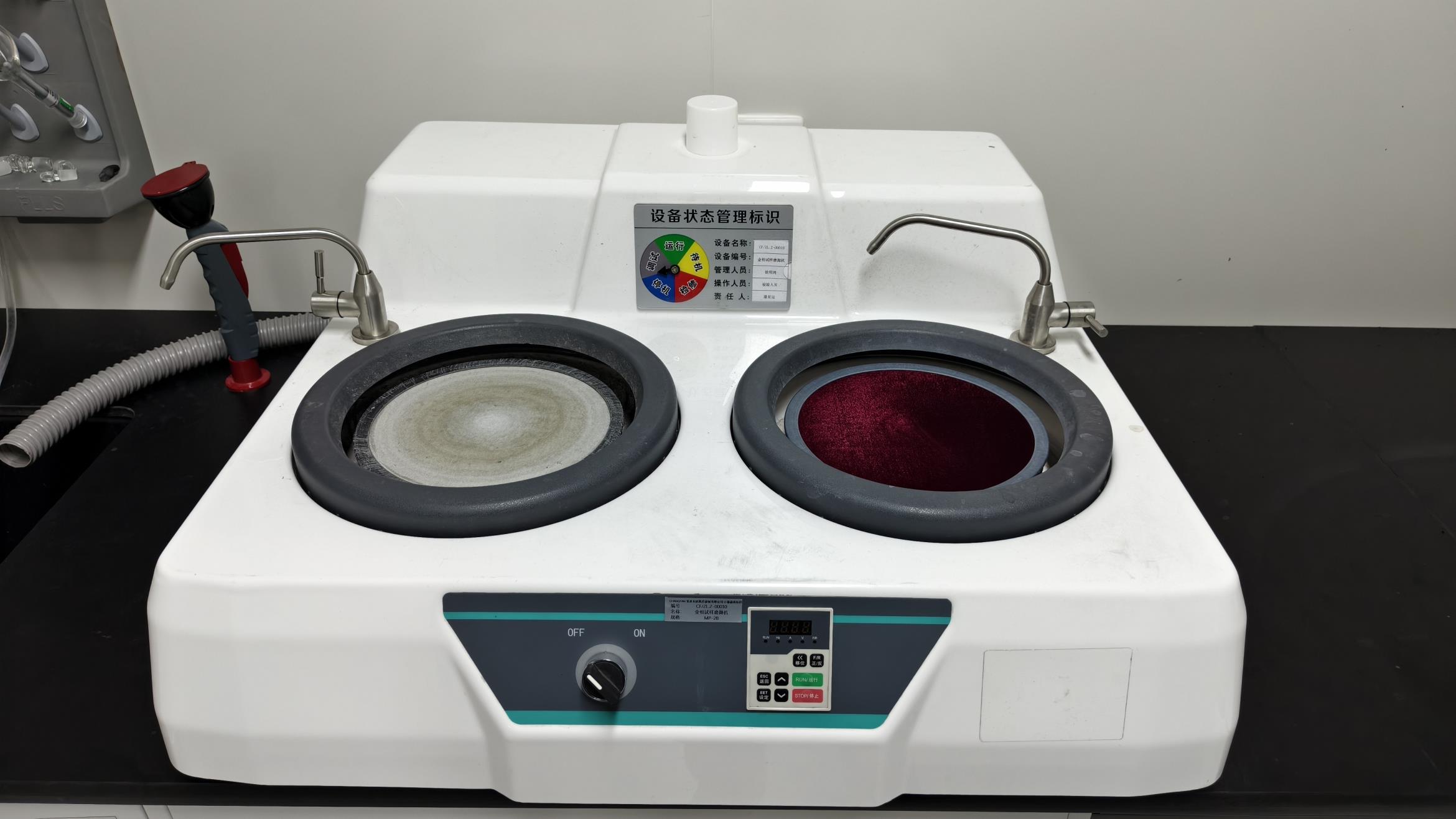
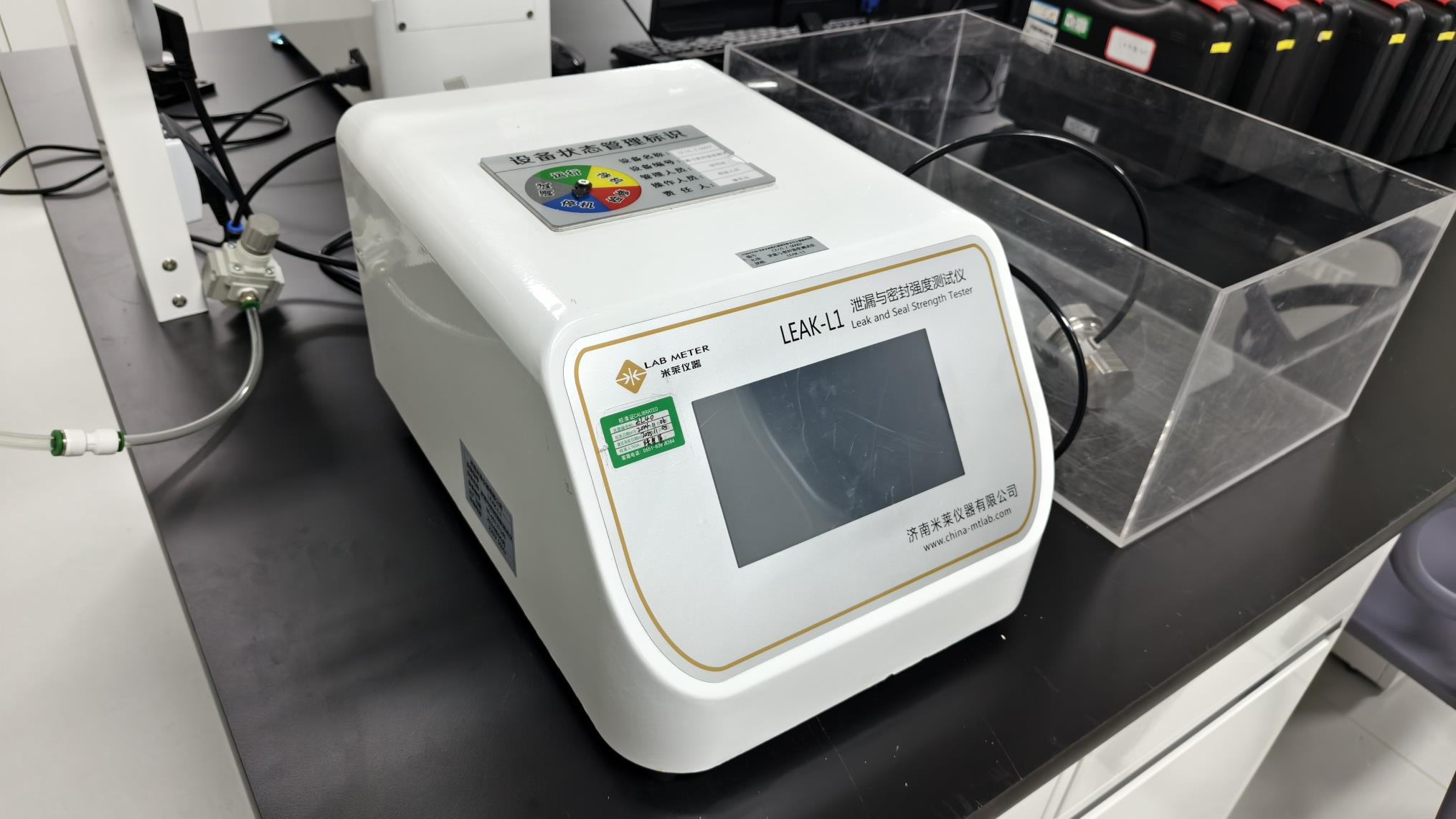
| Product Inspection Methods | CMM Measurement, Mechanical Testing, Surface Roughness Testing, Hardness Testing, Salt Spray Testing, Sterility Validation |
| Quality Control Staff | 48 Dedicated Specialists |
| Business Type | Manufacturer & Exporter (OEM/ODM) |
| Main Markets | Europe, North America, South America, Middle East, Southeast Asia |
| Supply Chain Partners | 1,120+ Globally |
| Main Customer Types | Medical Device Brands, Importers, Distributors, Hospitals, Government Procurement Projects |
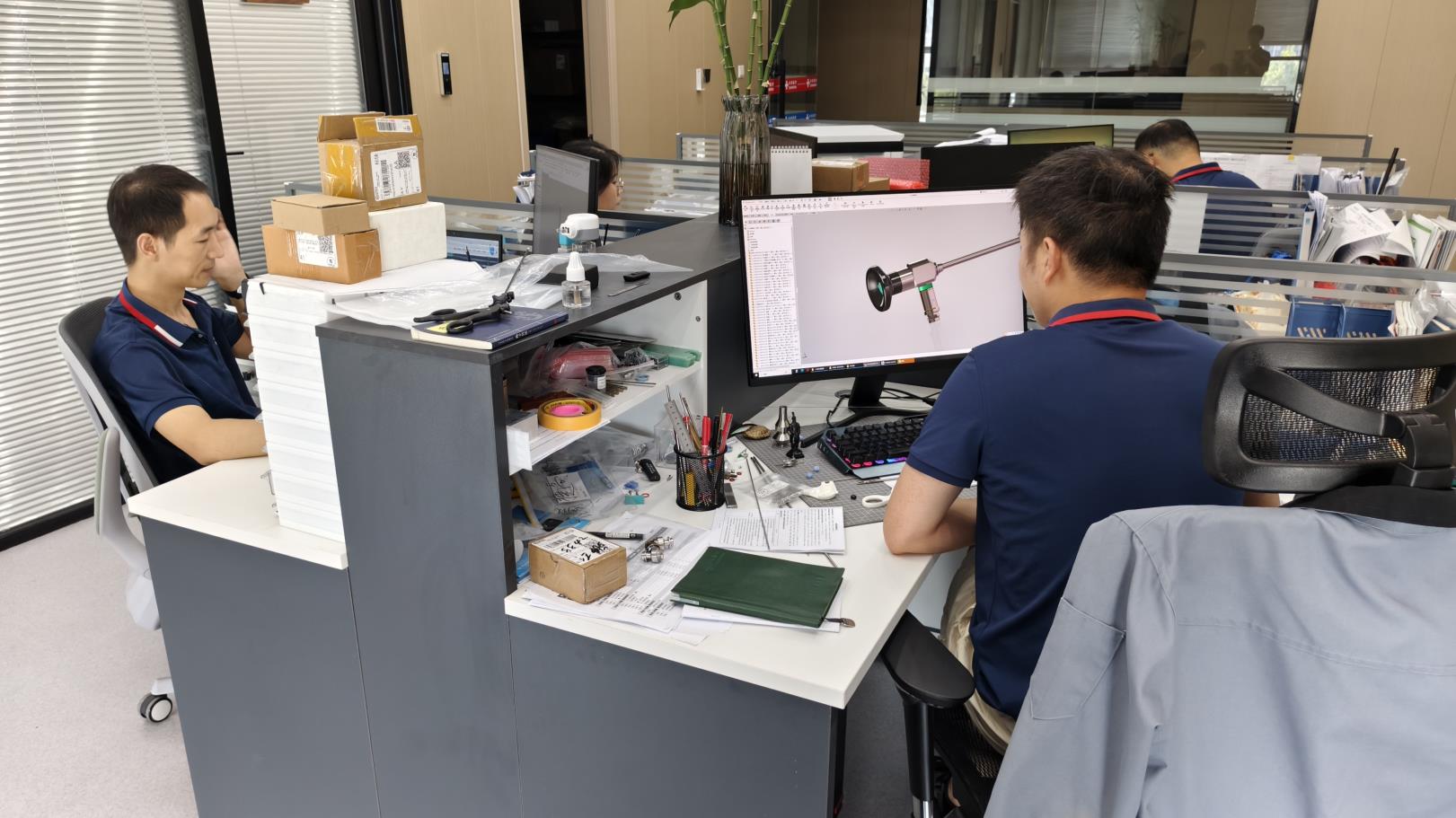
| R&D Capability | Independent Product Design, Prototype Development, Clinical-Oriented Engineering, OEM & ODM Development |
| Customization Options | Logo Customization, Packaging Customization, Product Design Customization, Material Selection, Surface Treatment |
| New Products Released Last Year | 186 products |
| R&D Engineers | 76 Engineers |
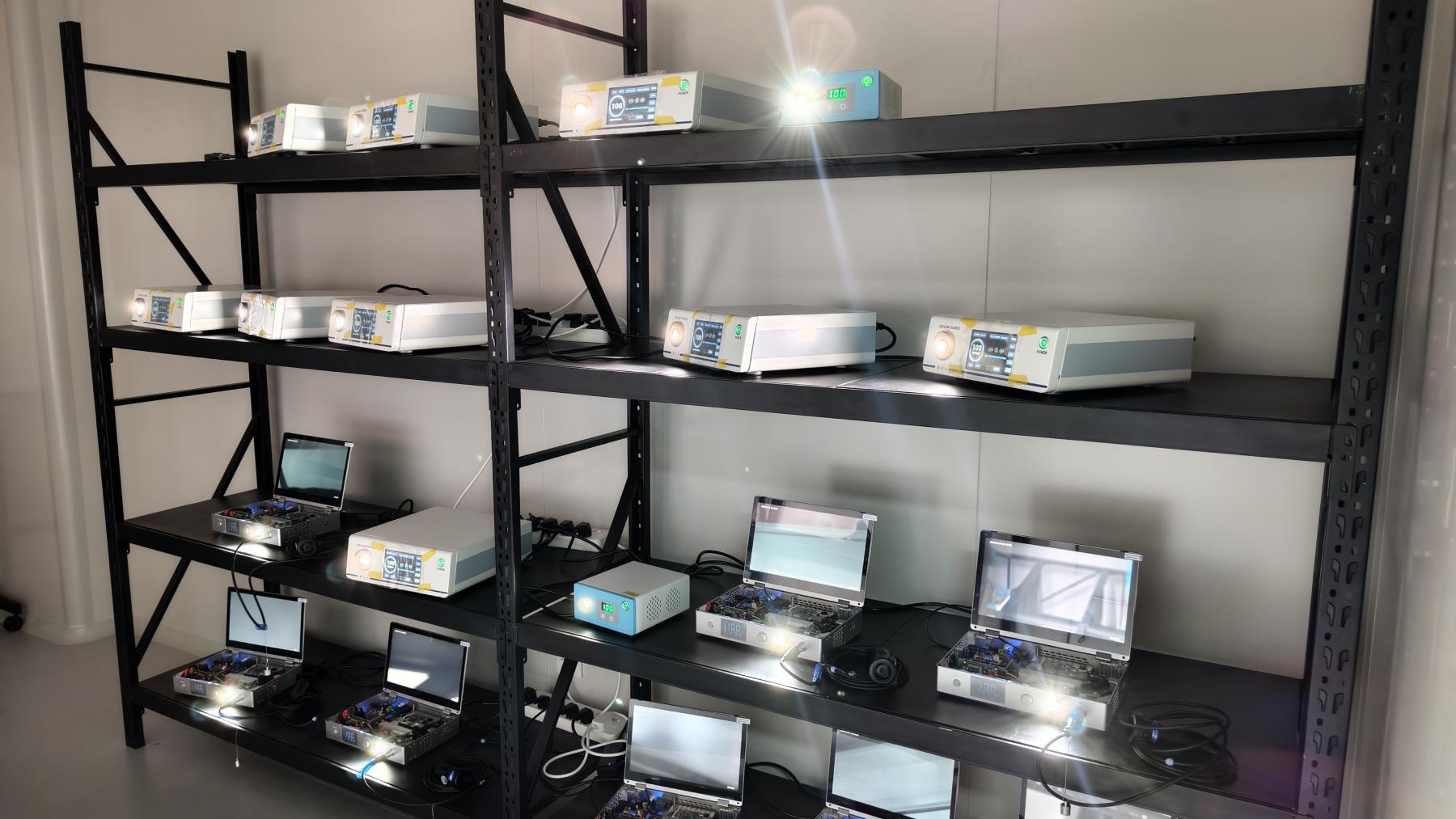
Our advanced manufacturing processes integrate automated precision machining with stringent quality control stages. This ensures that every spinal implant and surgical instrument performs reliably under complex biological loads.
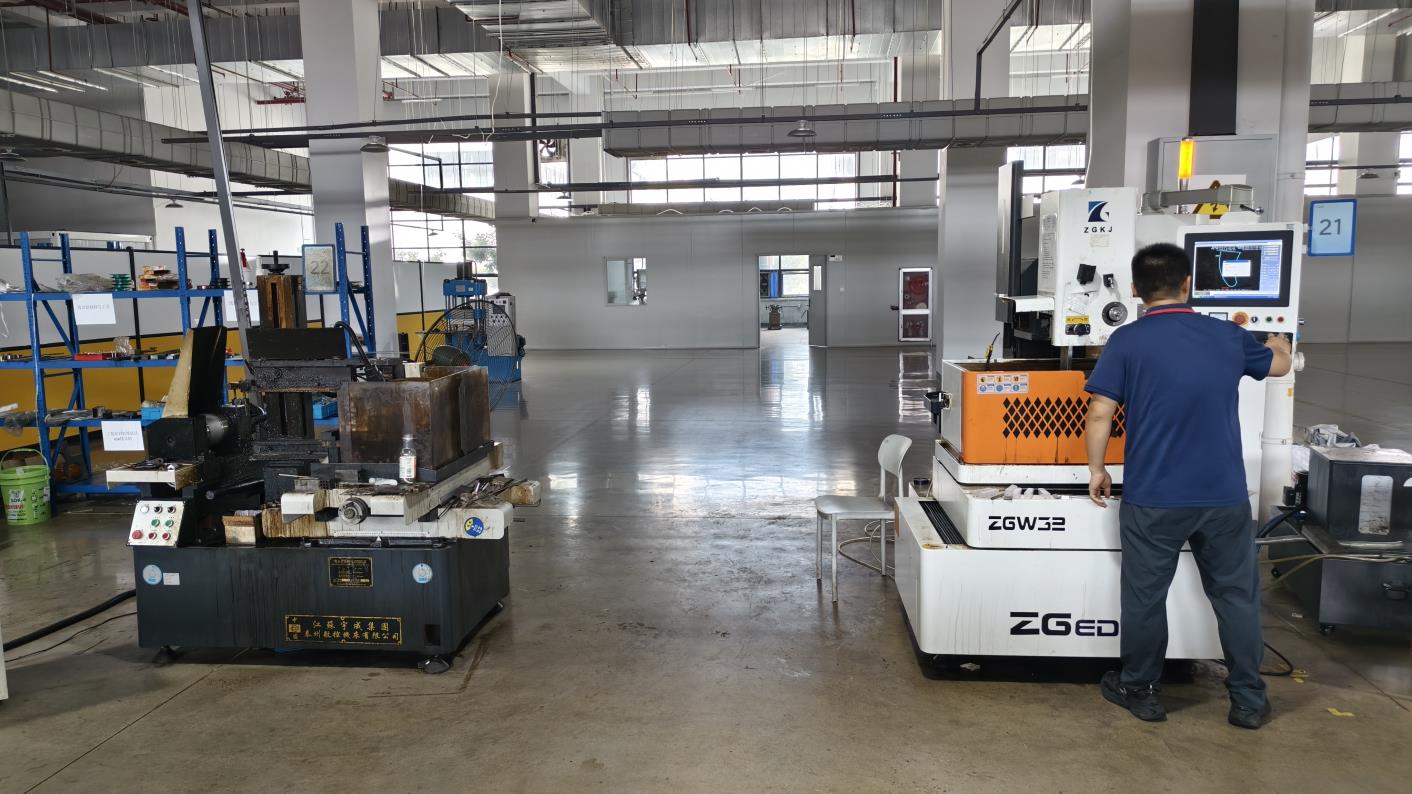
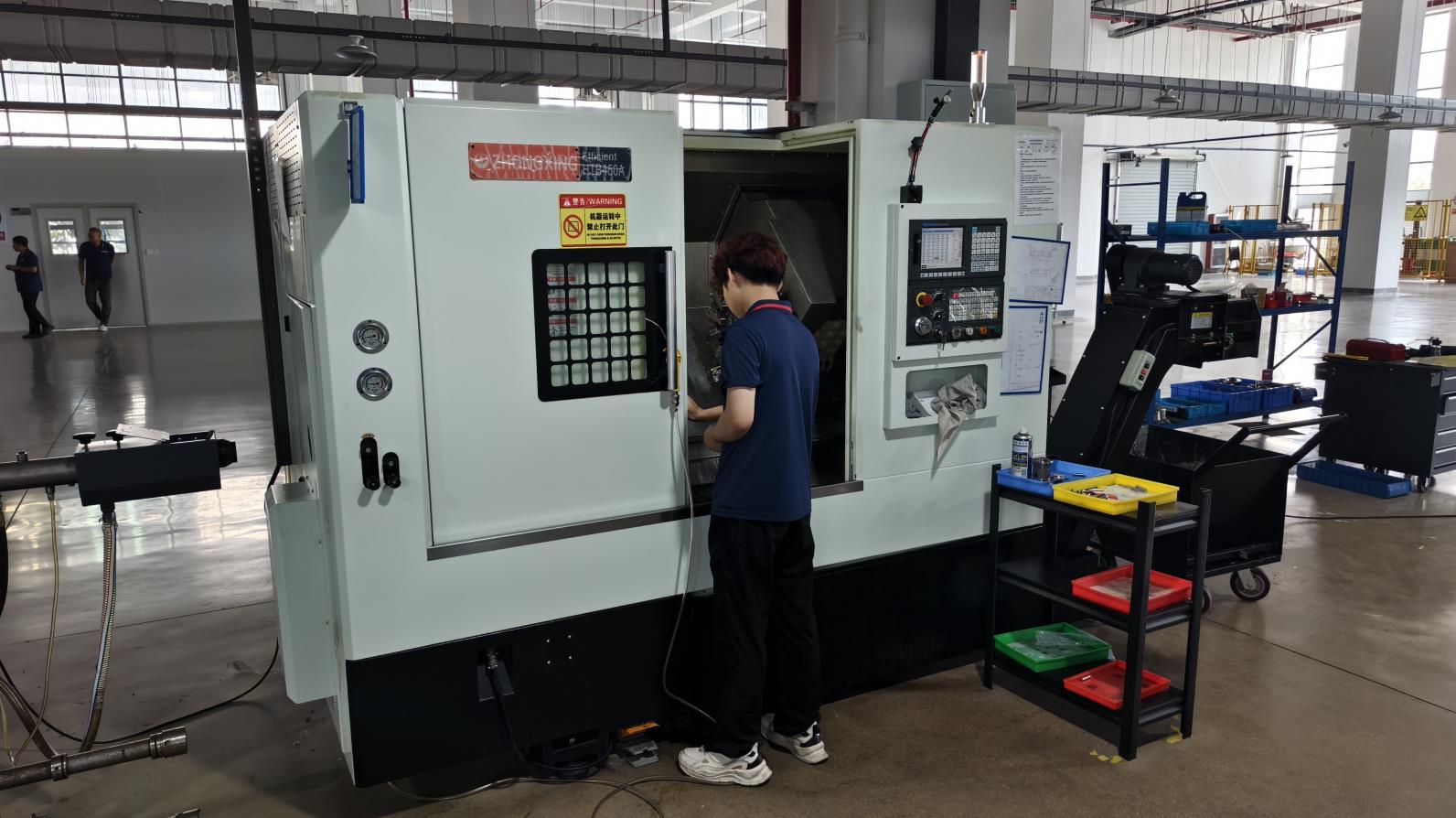
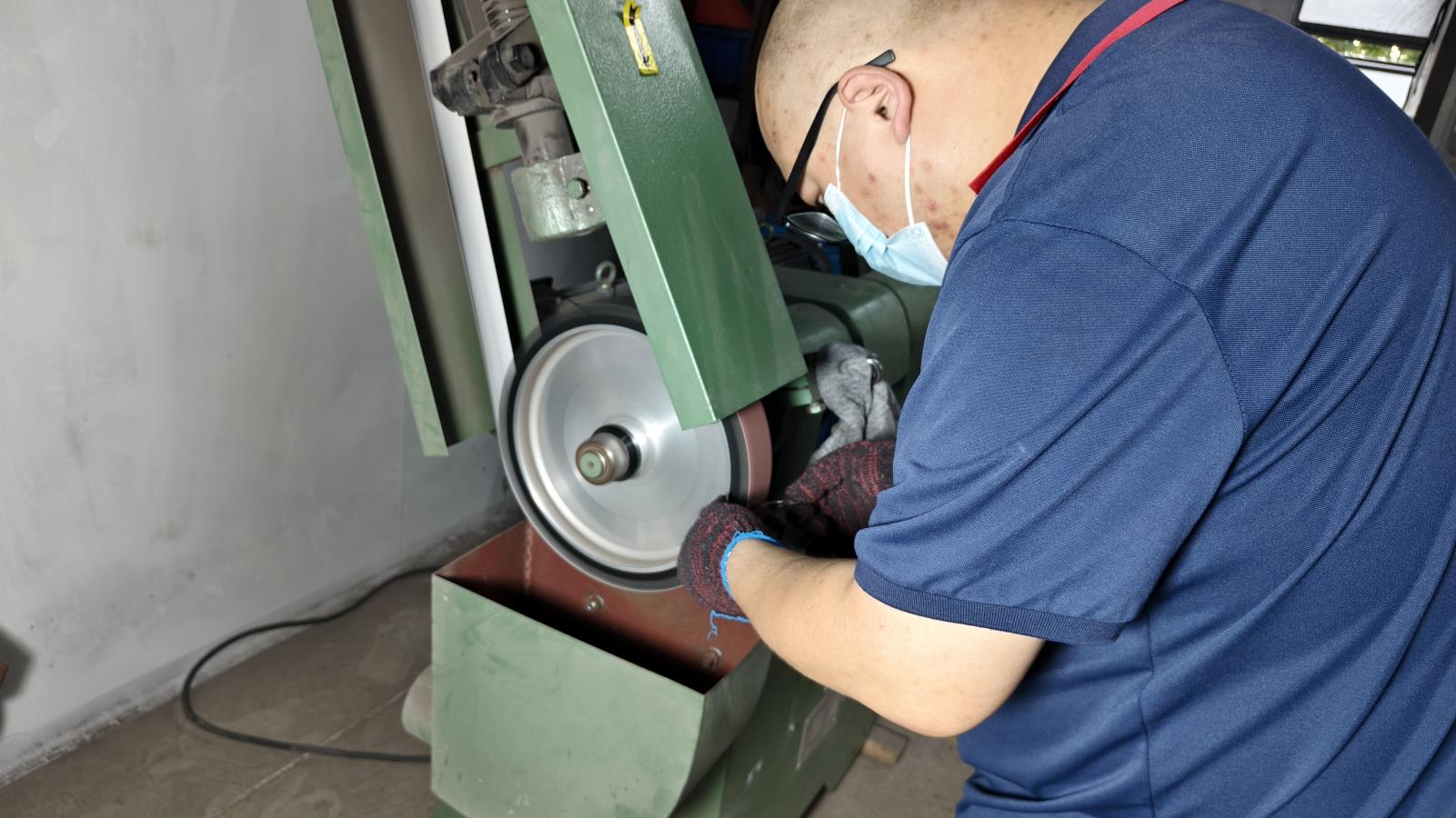
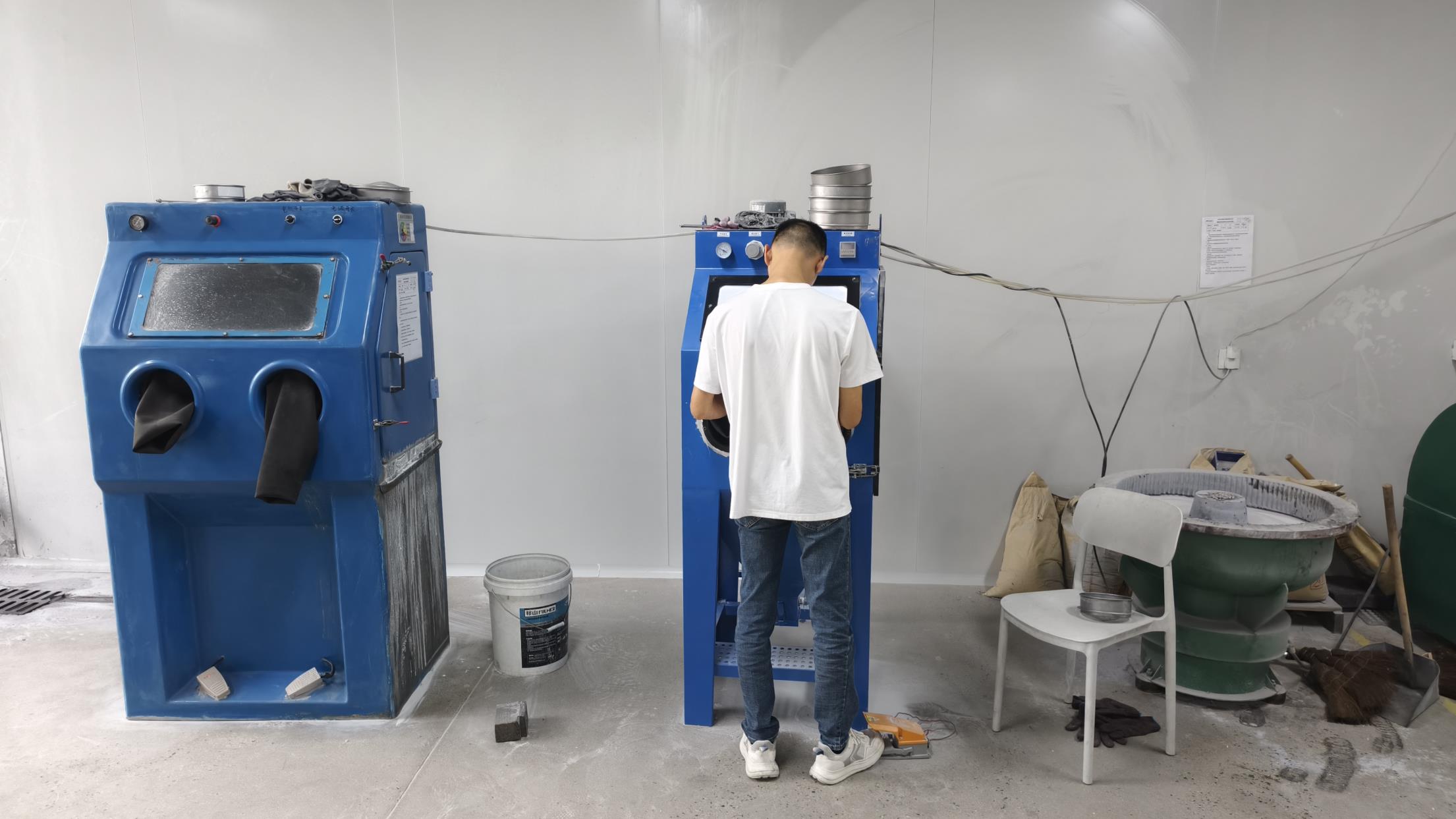
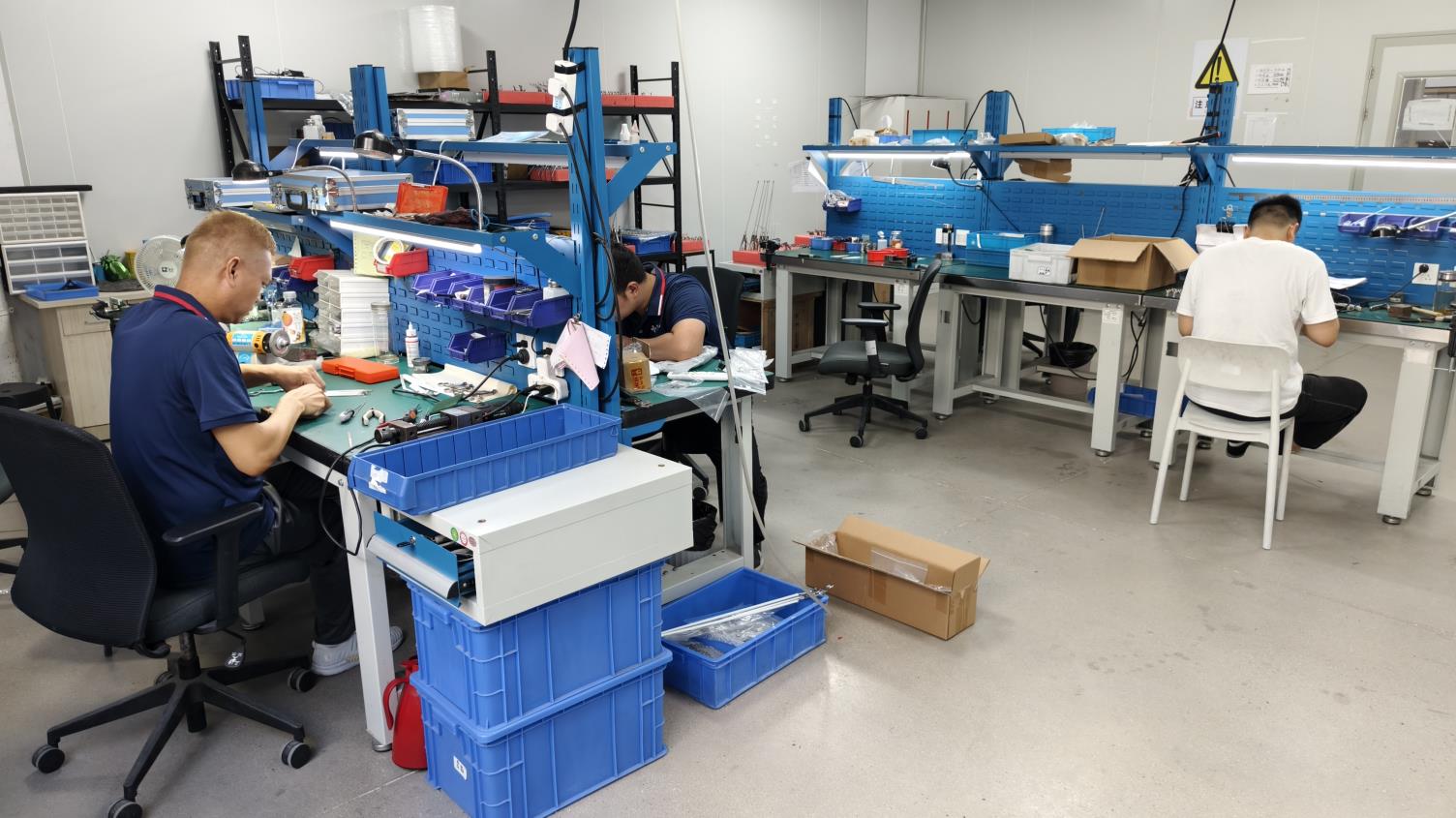
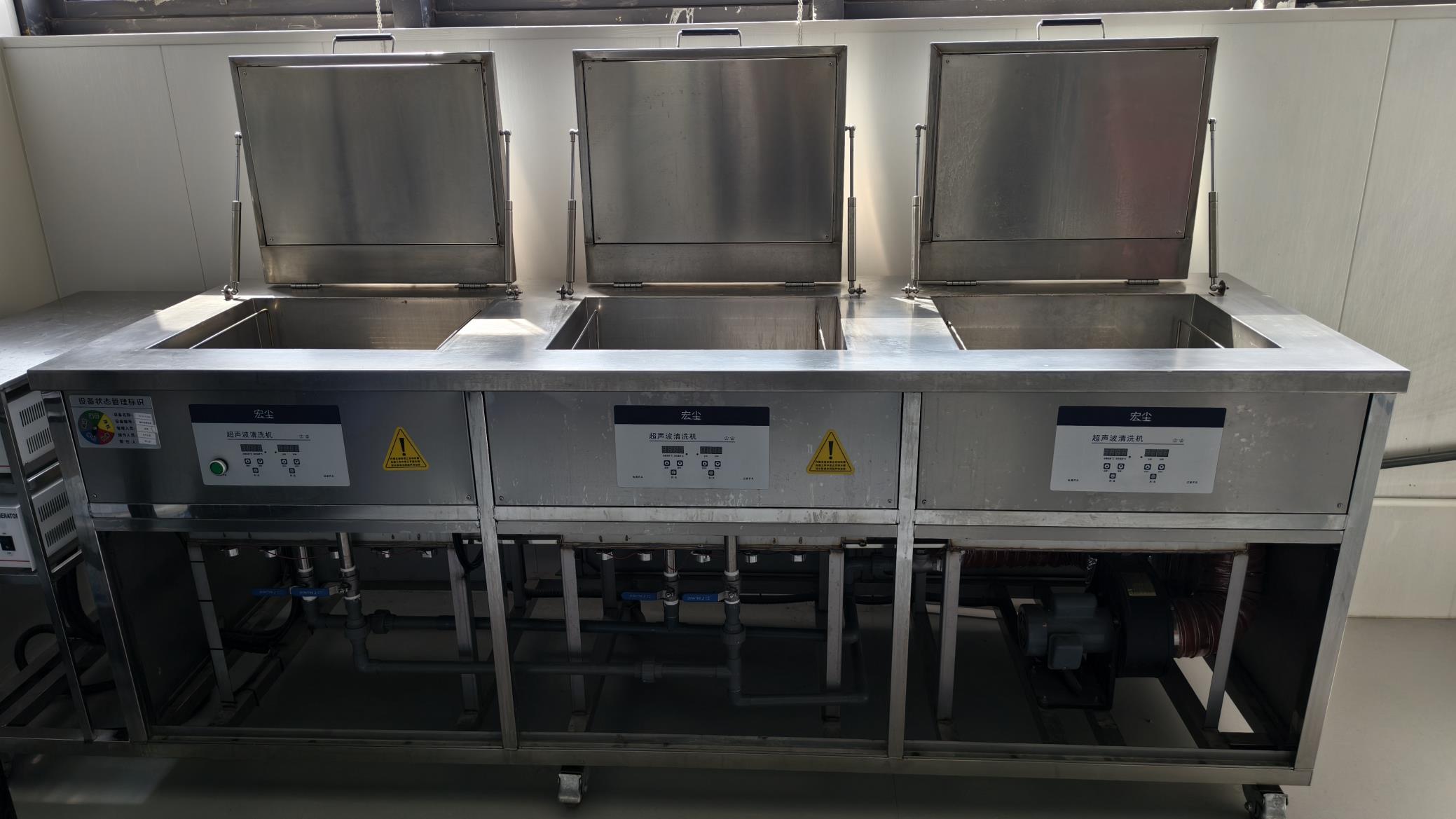
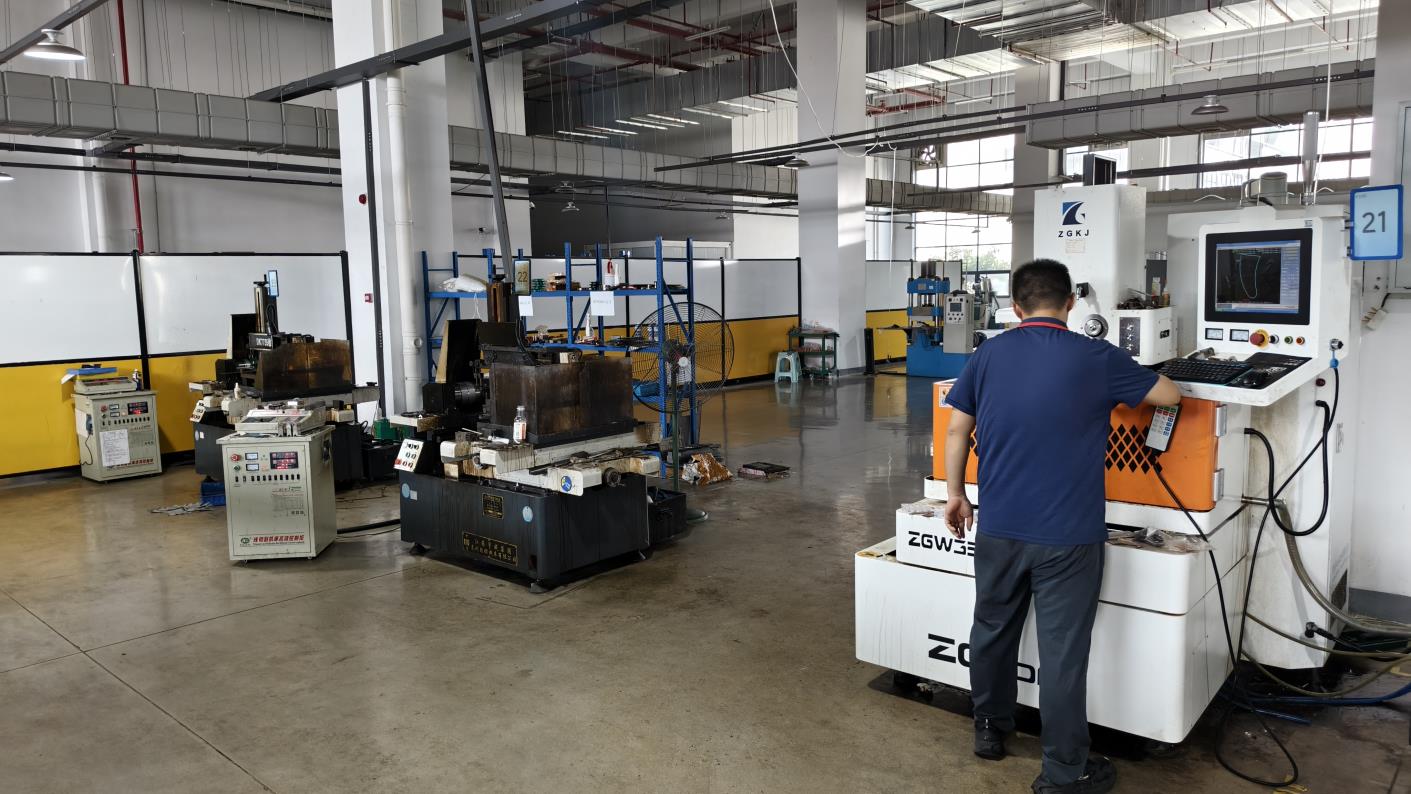
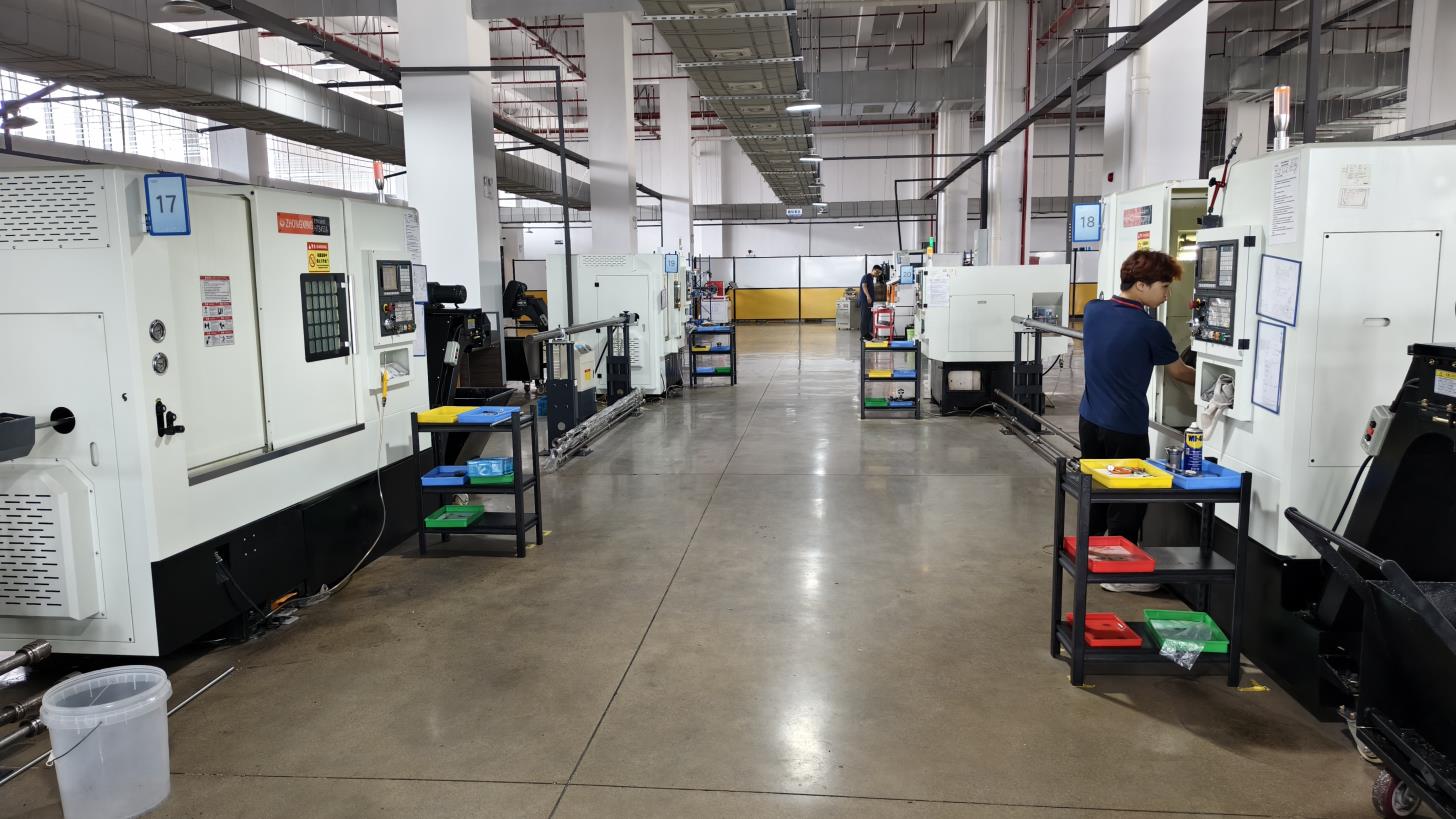
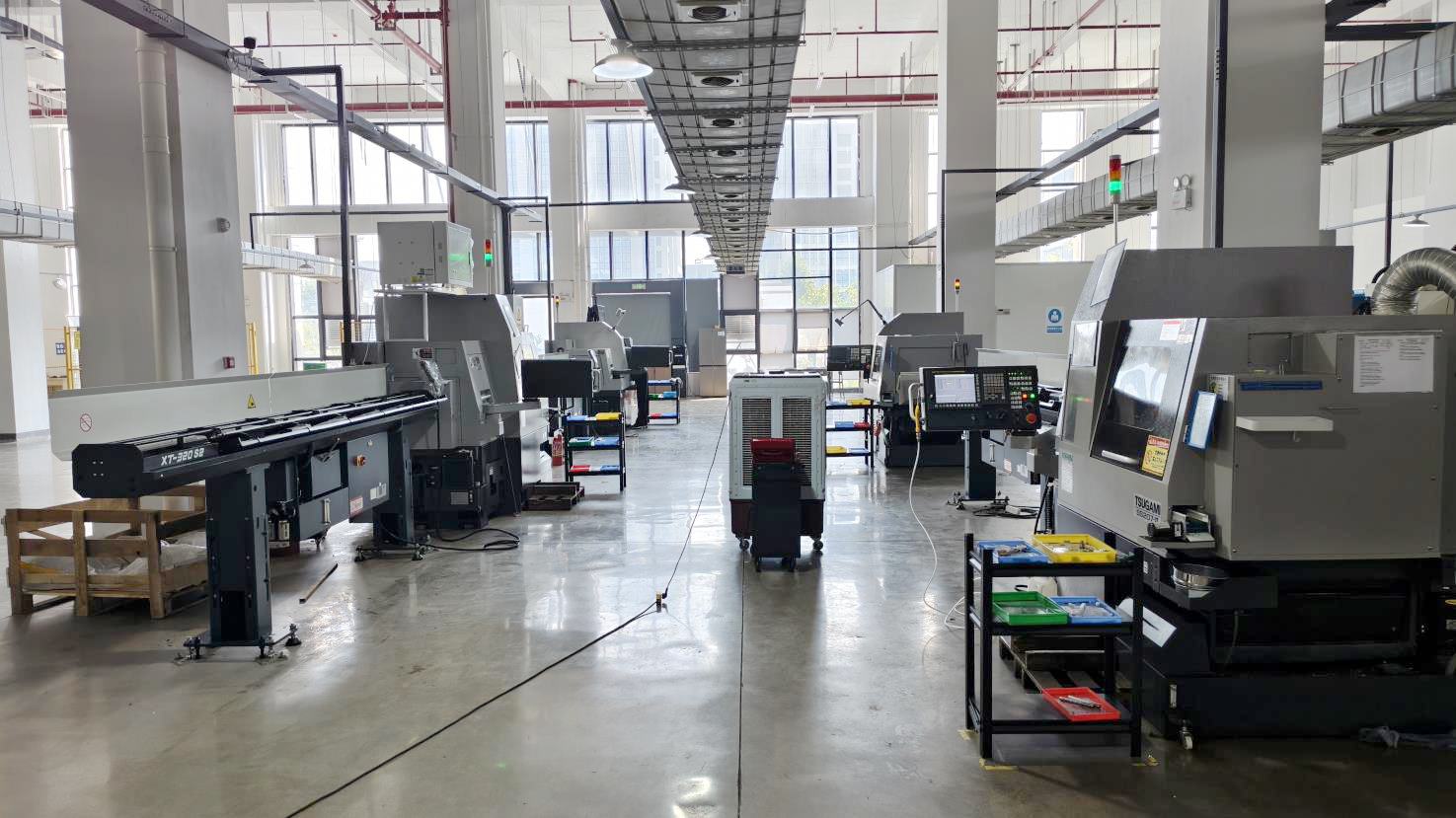
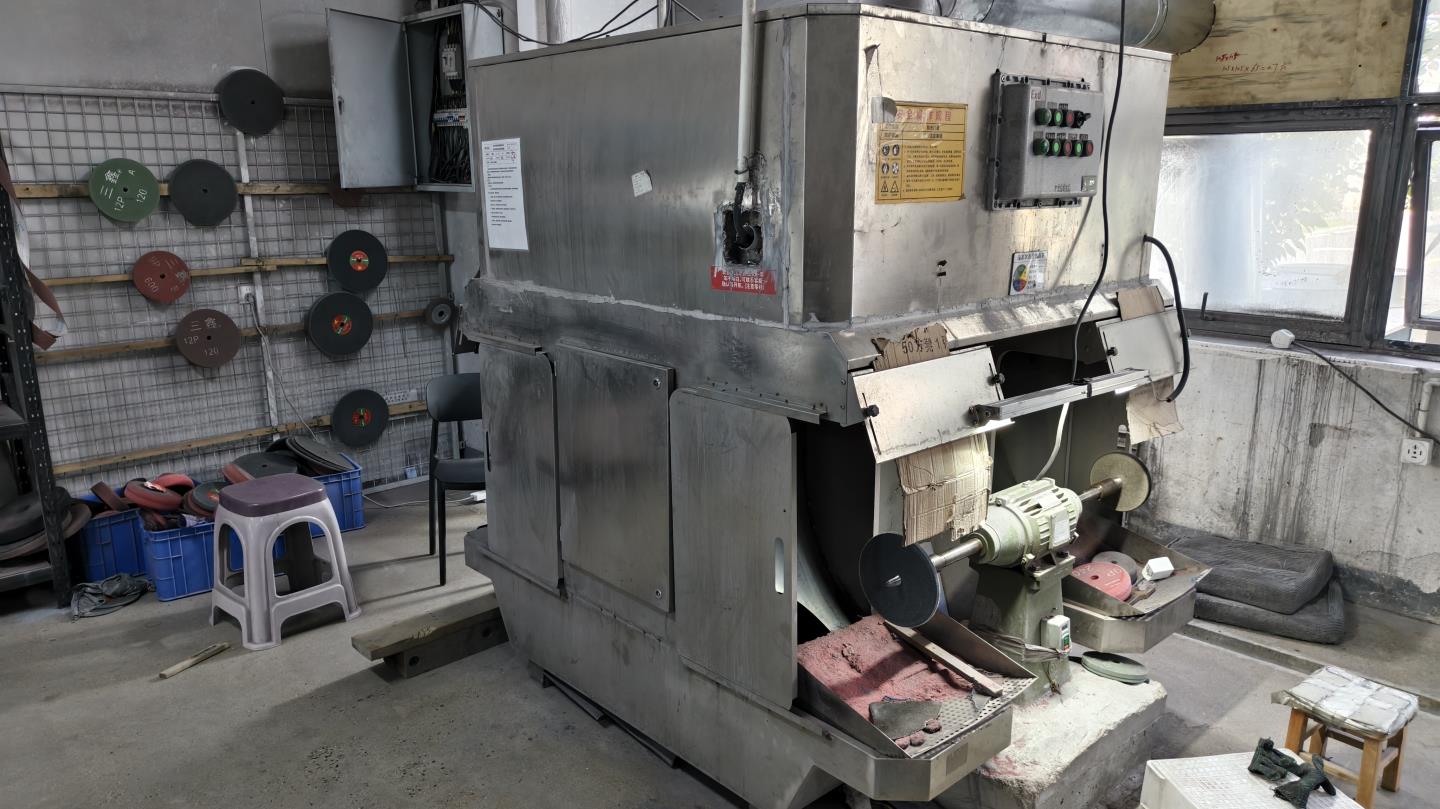
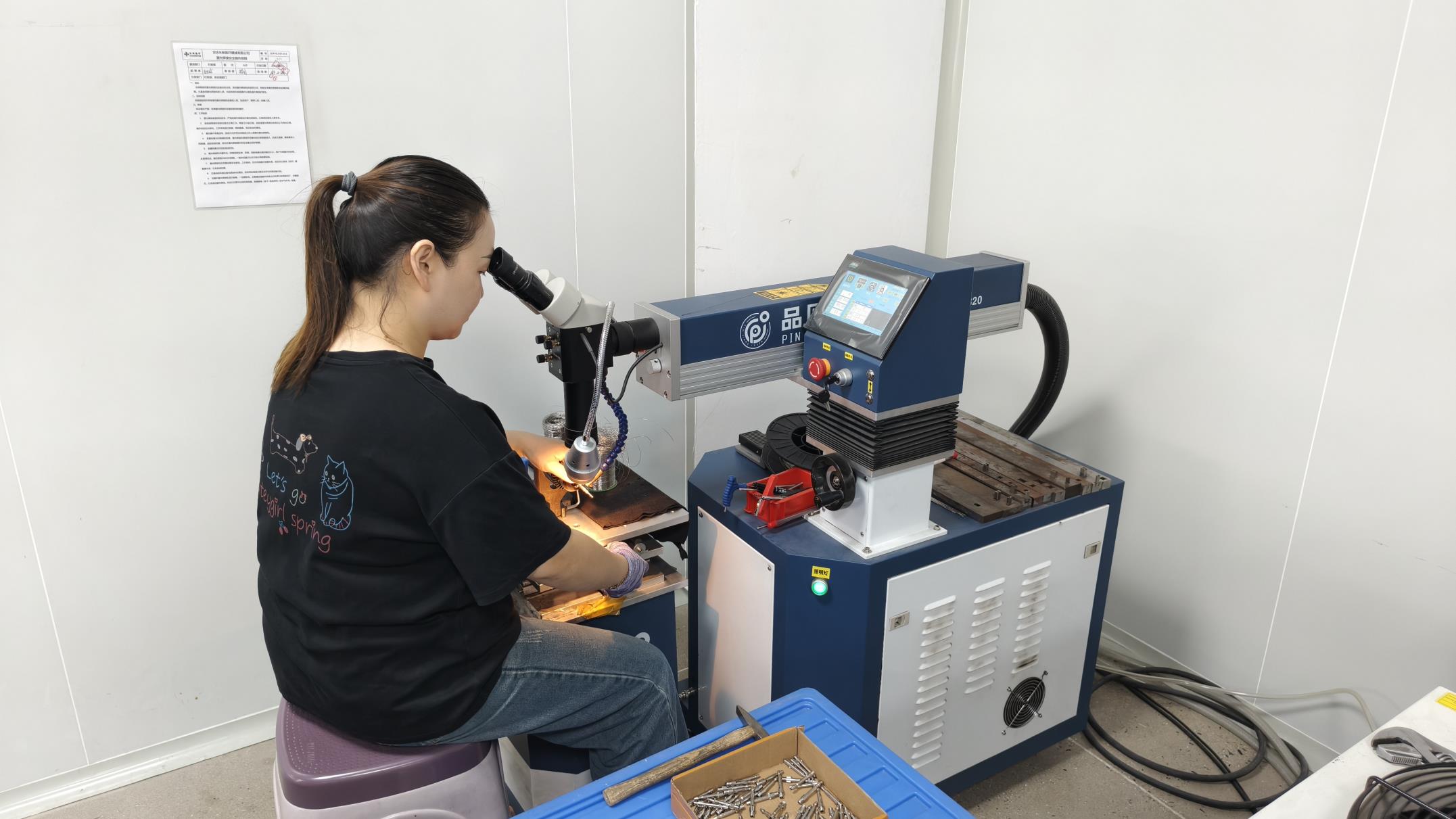
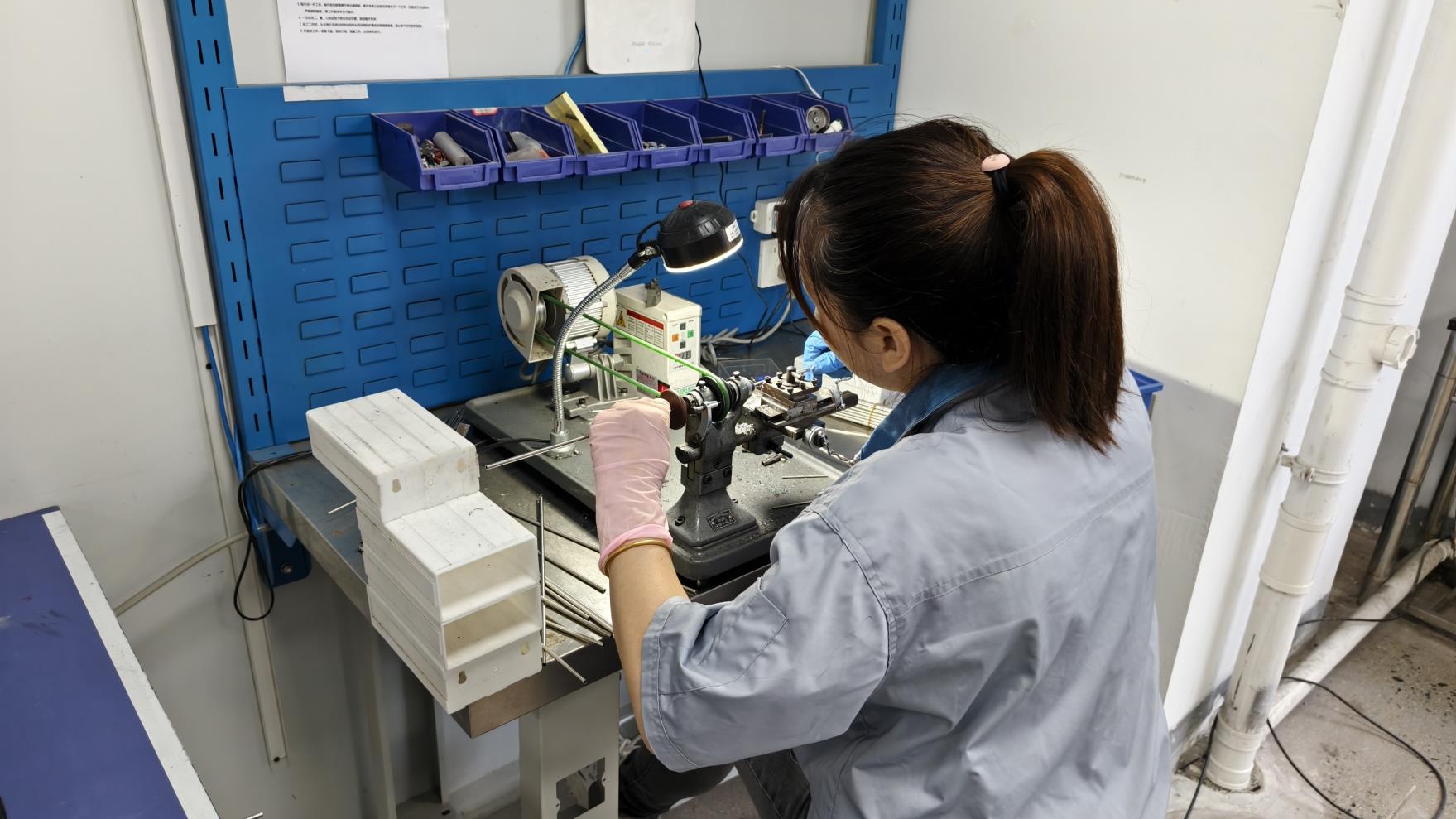
Synoviq is committed to a zero-defect policy. Utilizing advanced physical, chemical, and biological testing equipment, our 48-member QA/QC department monitors every batch, verifying compliance with ASTM and ISO benchmarks.
Spinal surgery technology continues to innovate. Modern spinal fusion systems are moving beyond basic mechanical support and heading towards biological integration. In the next 3-5 years, our technical roadmap will focus on three key trends:
We are actively developing Plasma-Sprayed Titanium coated PEEK (Ti-PEEK) and Hydroxyapatite (HA) surface structures. These modifications combine the elastic modulus of PEEK with the osteoconductive properties of titanium, facilitating rapid endplate integration.
By leveraging additive manufacturing technologies, we can produce interconnected porous configurations throughout the implant body. This design allows bone ingrowth through the cage, enhancing mechanical fixation.
Integrating micro-sensor technology into the fusion architecture to monitor structural load variations and local pH changes post-operation, signaling successful fusion or early-stage infection warning signs.
Here are key insights regarding manufacturing standards, materials, clinical applications, and global sourcing processes for TLIF PEEK Cages.
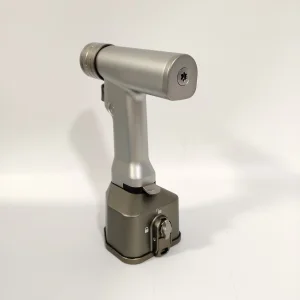
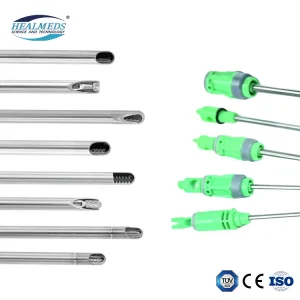
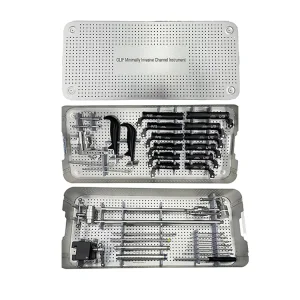
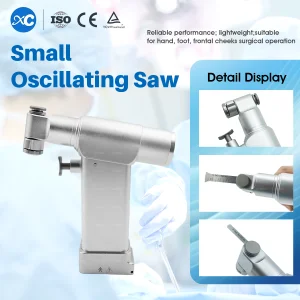
Explore our extended portfolio of internal fixation, orthopedic bone plating, power tools, and surgical instruments.
 Synoviq Medical