High-precision orthopedic medical tools and implants matching international standards for trauma, spine, and joint restoration.
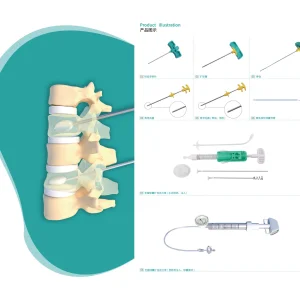
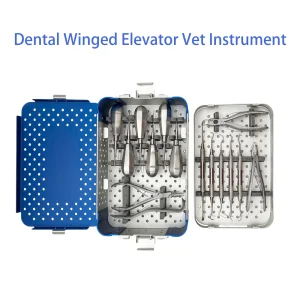
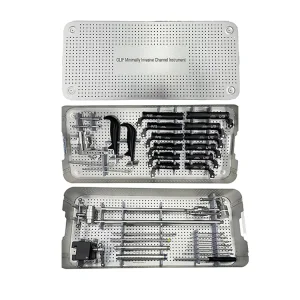
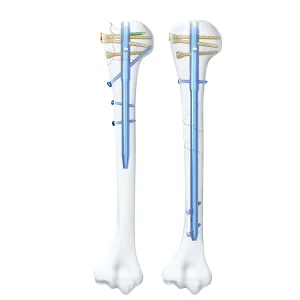
In the domain of internal fracture fixation, the clinical transition from standard dynamic compression plates (DCP) to modern locking compression plates (LCP) represents a critical milestone in orthopedic biomechanics. Traditional plating systems rely on friction interface between the metal plate and the underlying cortical bone to stabilize fractures. This mechanical coupling requires strong screw torque to compress the plate tightly onto the periosteum. However, this compression often leads to compromised local vascularization, localized bone necrosis, and increased rates of delayed union or nonunion.
Conversely, locking plates establish a single, integrated construct where the locking screw thread engages directly with the threaded hole of the plate. This fixed-angle interface removes the necessity of compression between the plate and the bone, preserving the periosteal blood supply. Biomechanically, the construct functions analogously to an internal-external fixator. The stress is distributed uniformly across the entire length of the construct, lowering the risk of localized stress concentration and screw pull-out—especially in osteoporotic bone or comminuted metaphyseal fractures.
Modern clinical research highlights that while absolute stability (which yields direct primary bone healing) is crucial for articular surfaces, relative stability (allowing controlled micro-motion) stimulates callus formation (secondary bone healing) in extra-articular diaphyseal or metaphyseal fractures. By adjusting screw density and choosing dynamic locking designs, surgeons can customize the axial stiffness of the construct to optimize patient rehabilitation times.
Headquartered in China, Synoviq Medical Technology (China) Co., Ltd. is an established manufacturer of orthopedic implants and surgical instruments, supporting global markets with OEM/ODM medical configurations.
| Corporate Capability Indicator | Specifications & Verification Details |
|---|---|
| Company Name | Synoviq Medical Technology (China) Co., Ltd. |
| Brand Identity & OEM Setup | Synoviq (Custom branding options available) |
| Establishment Date | March 18, 2016 (8 Years Export Experience, 14 Years Industry Tenure) |
| Quality Assurance Staff | 48 dedicated QC inspectors conducting 100% final inspections |
| Production Quality Verification | CMM Measurement, Mechanical Testing, Surface Roughness Testing, Hardness Testing, Salt Spray Testing, Sterility Validation |
| Target Global Markets | Europe, North America, South America, Middle East, Southeast Asia |
| Supply Chain Integrity | 1,120+ supply chain partners for material traceablity and rapid delivery |
From raw bar stock of medical titanium alloy to sterile, surface-treated orthopedic implants, every processing step is documented and validated.
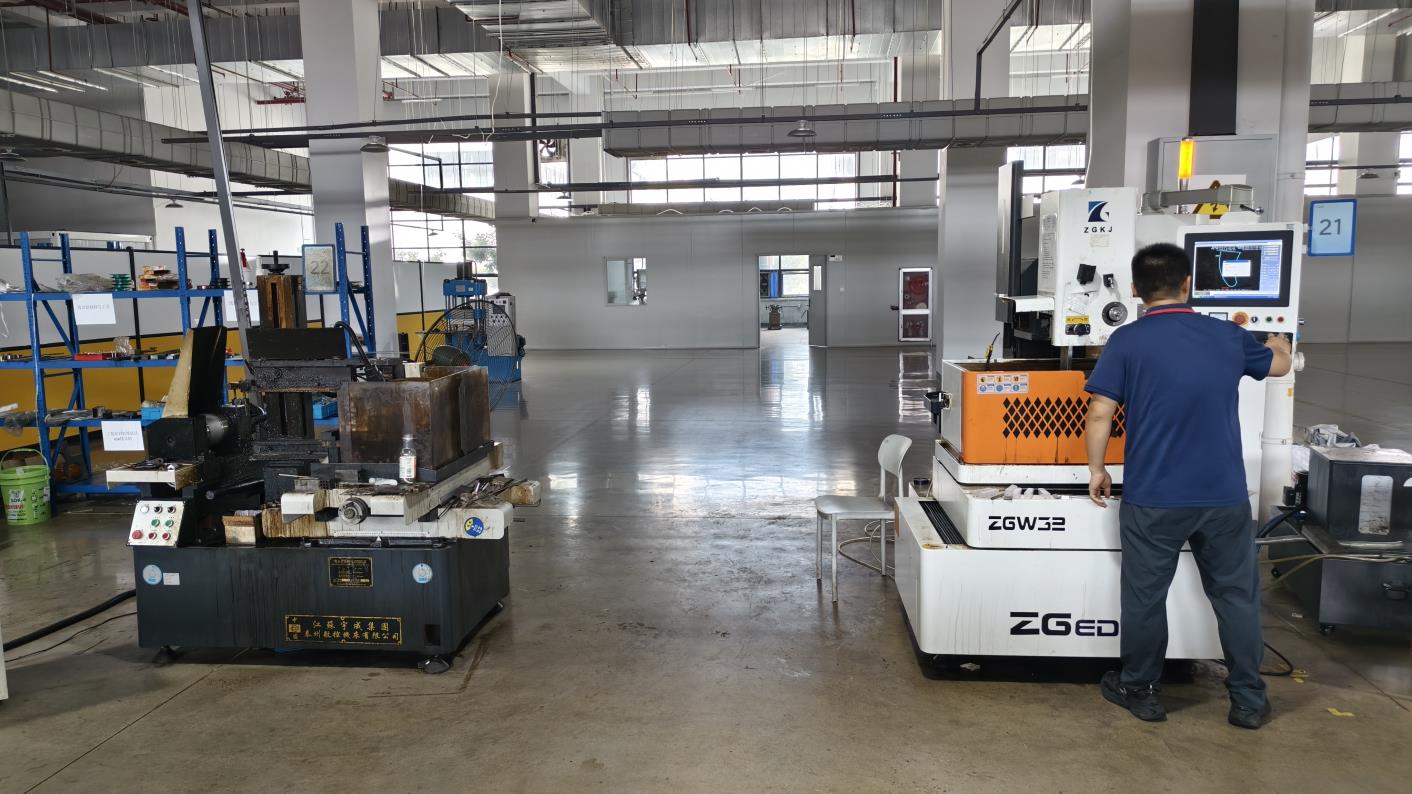
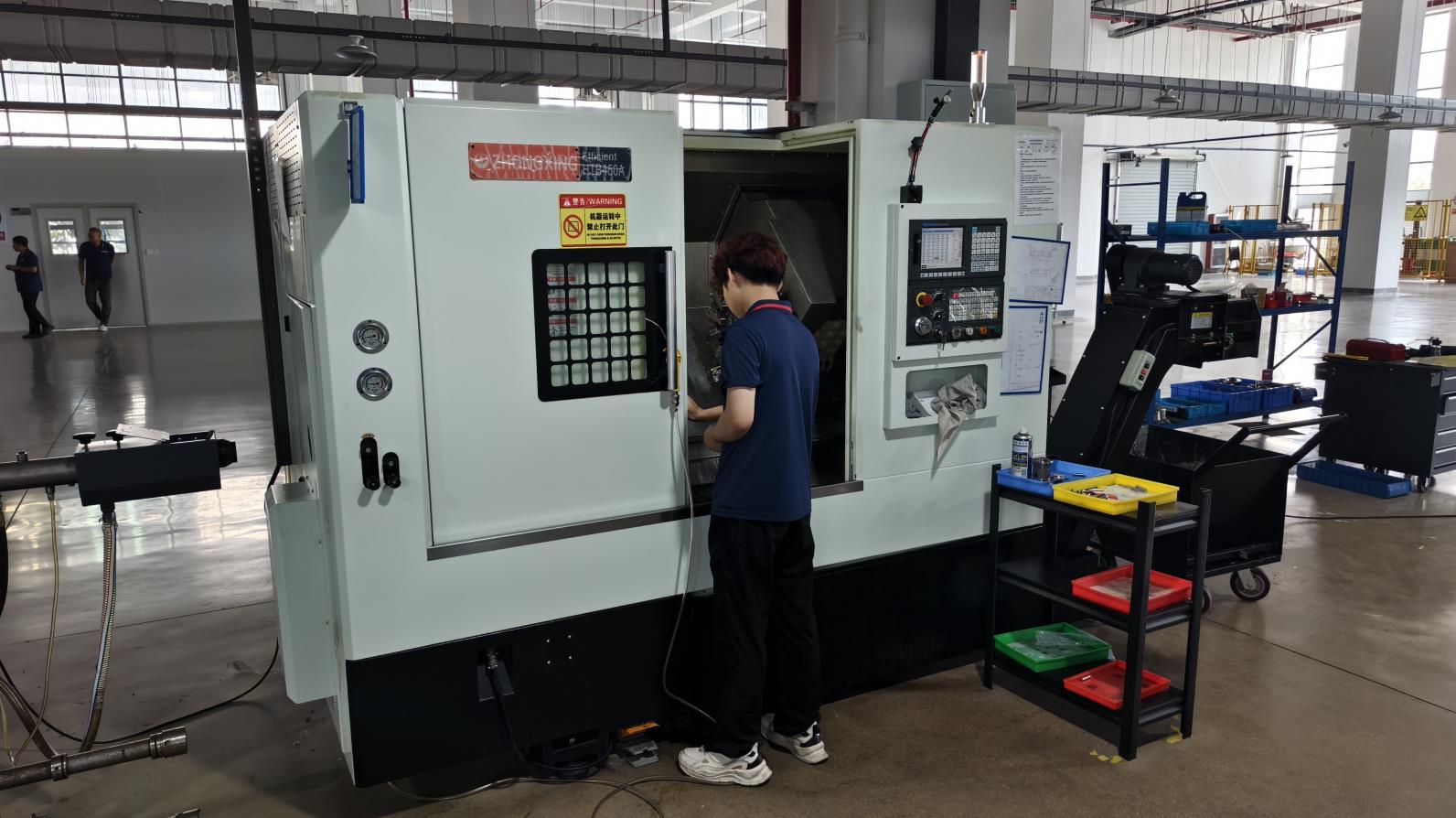
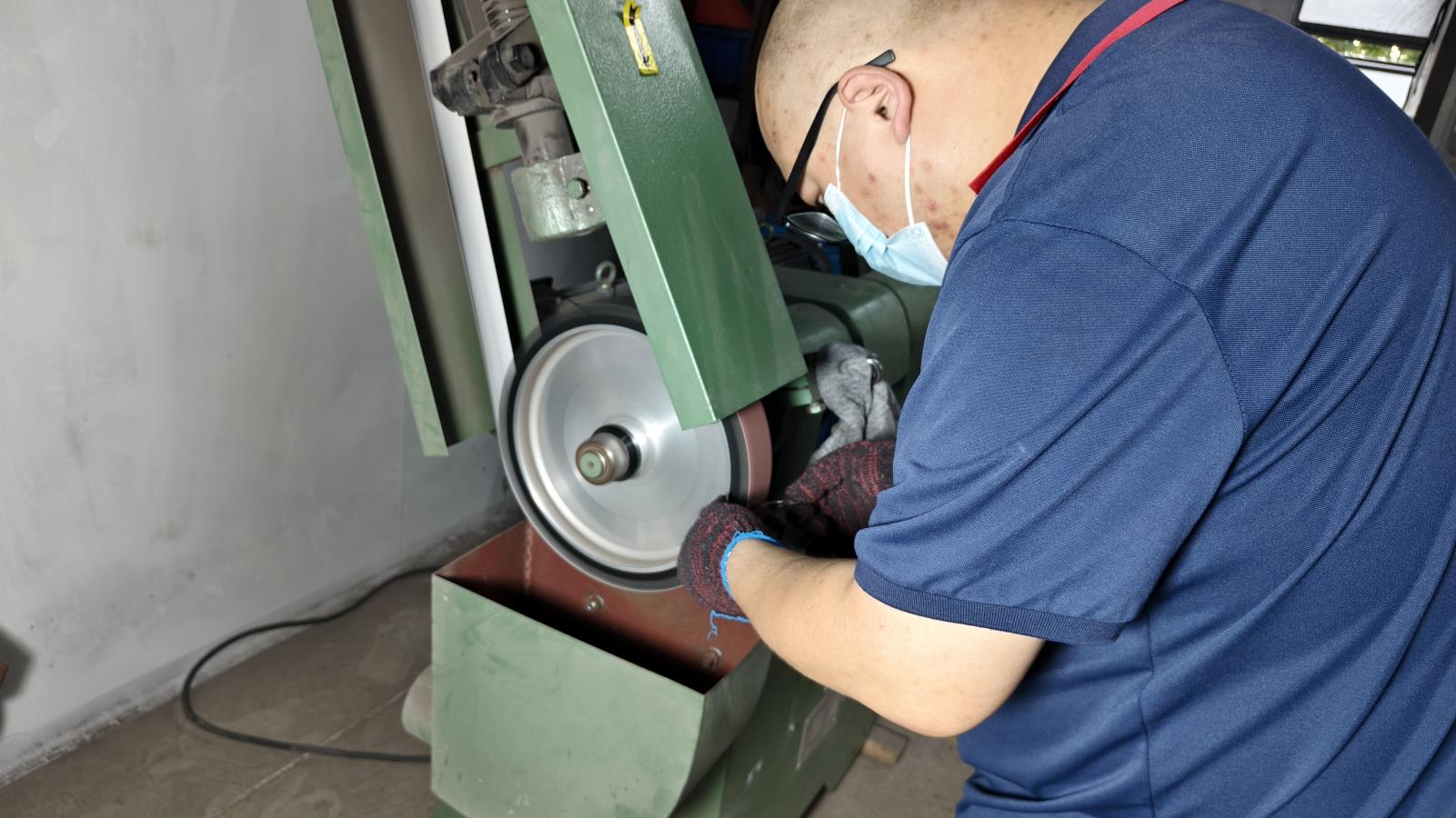
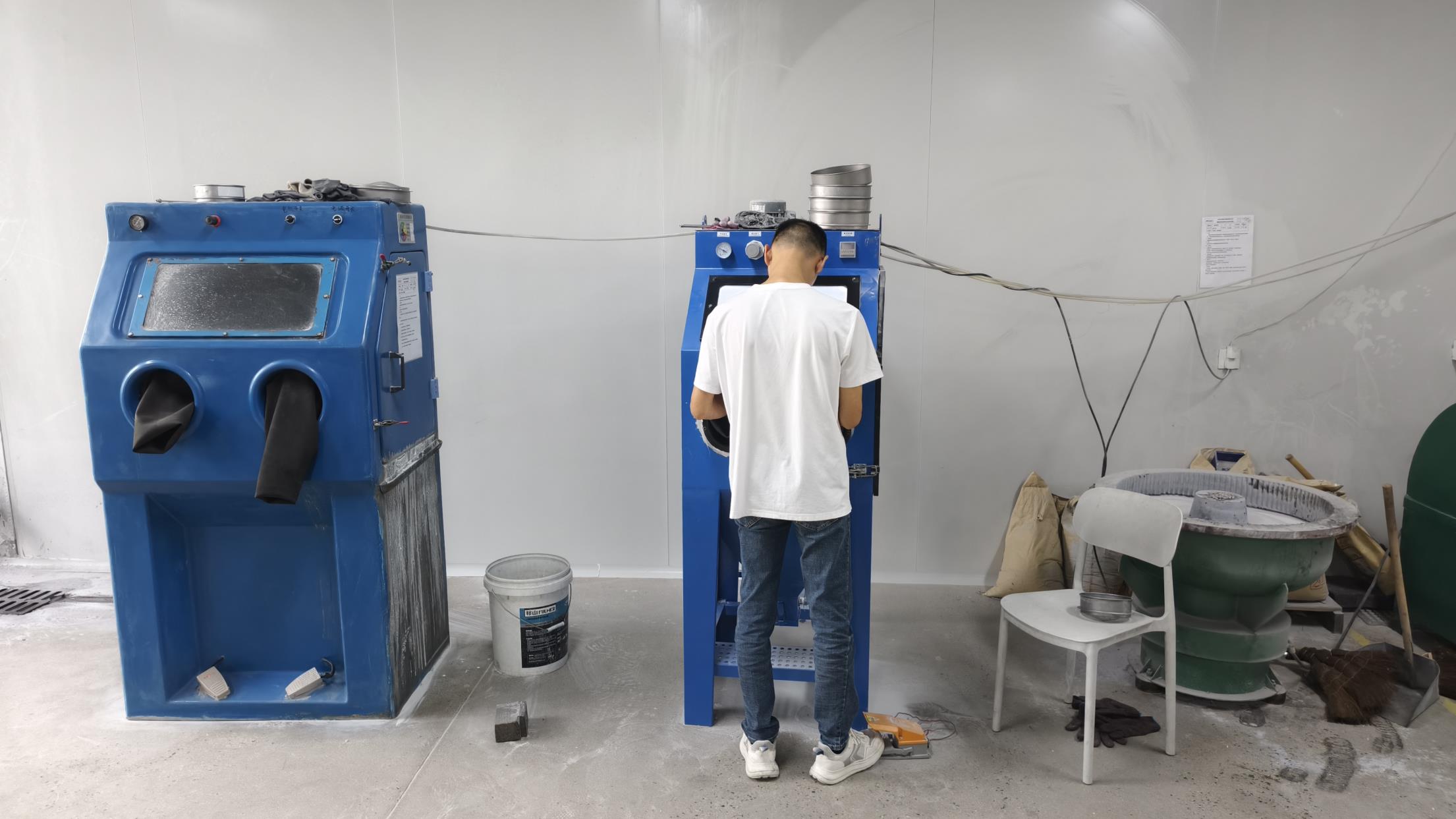
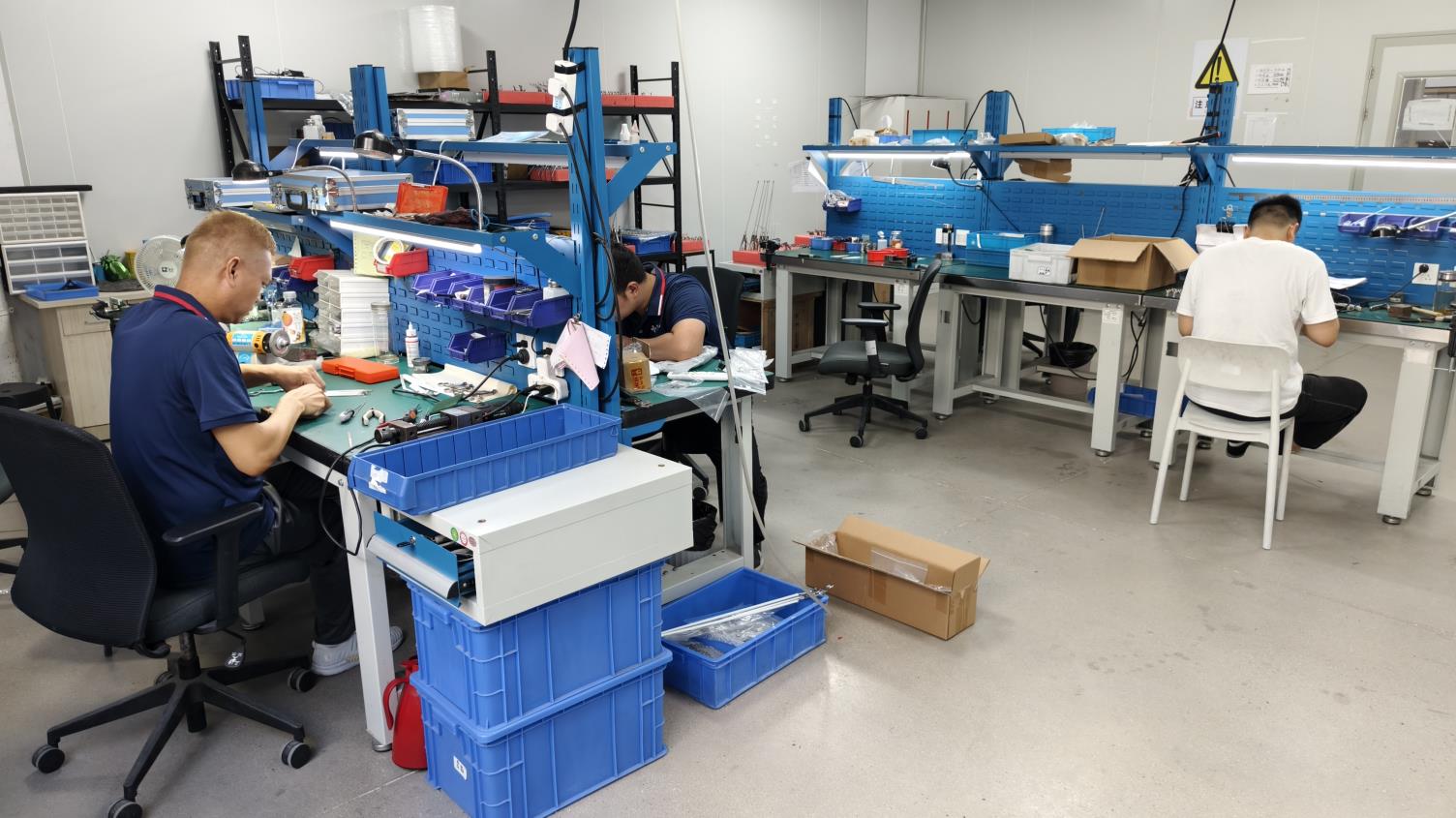
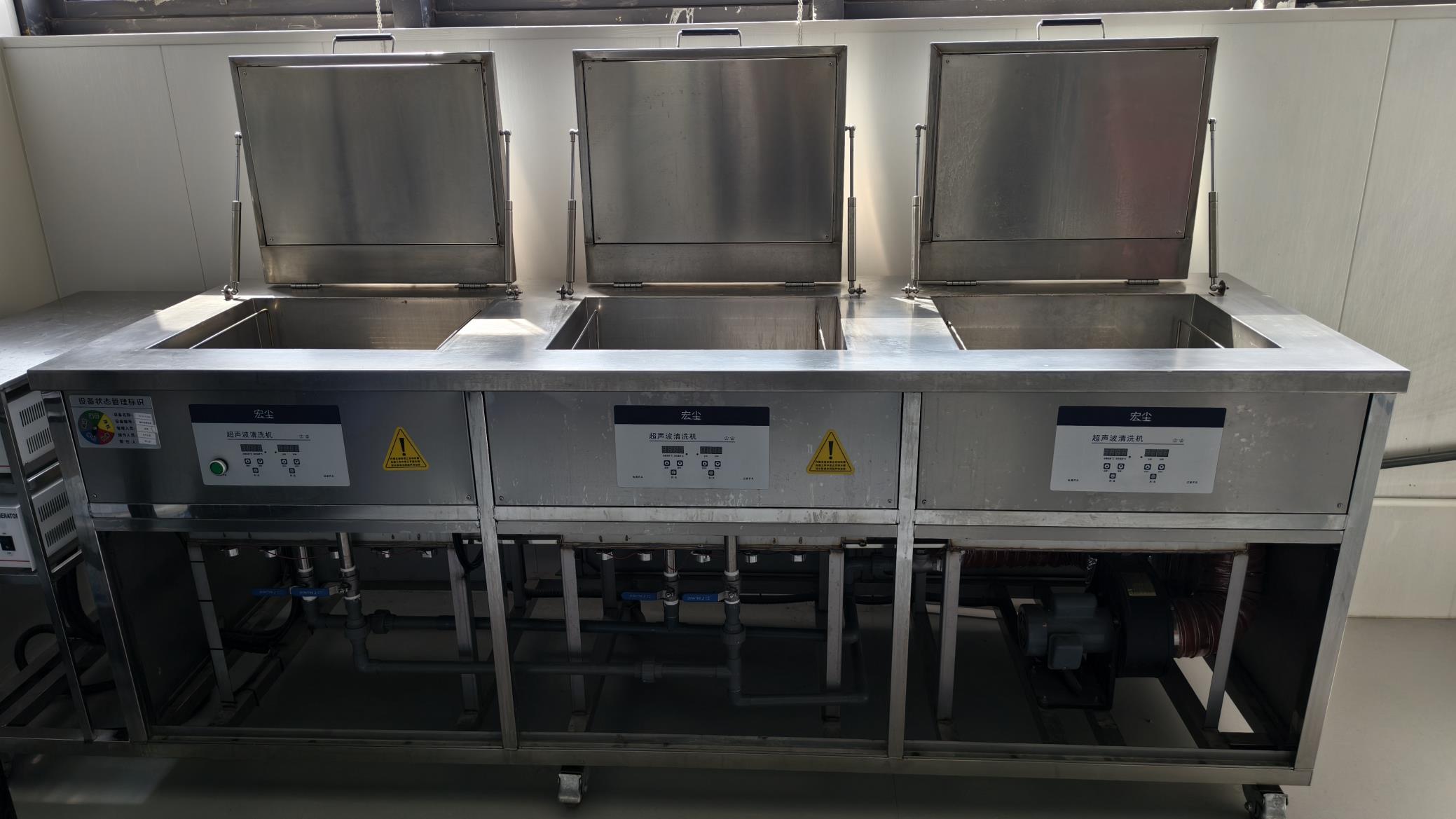
Our machinery allows us to maintain strict tolerances down to the micron level for medical-grade implant geometries.
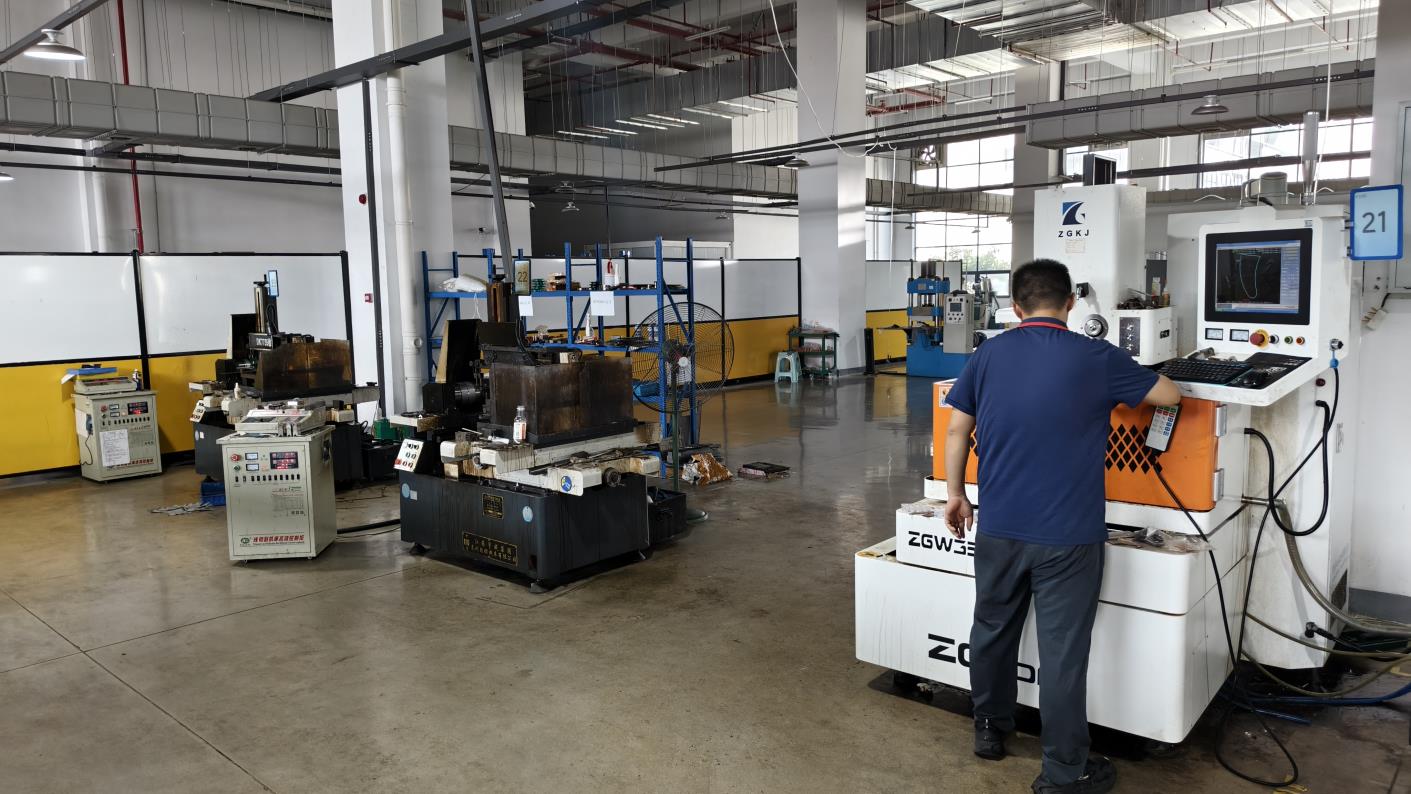
Wire Cutting Machine
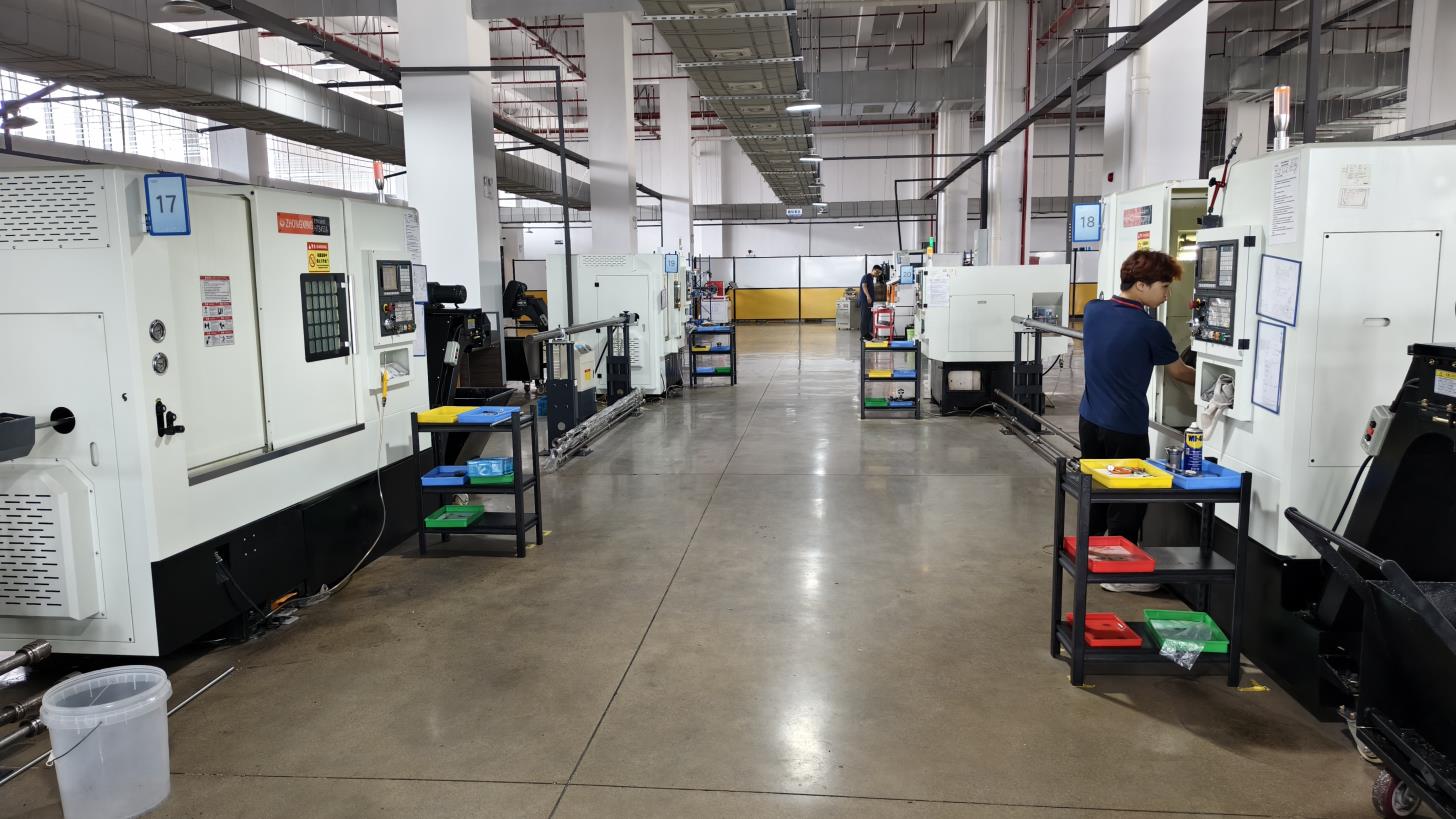
Precision CNC Lathe
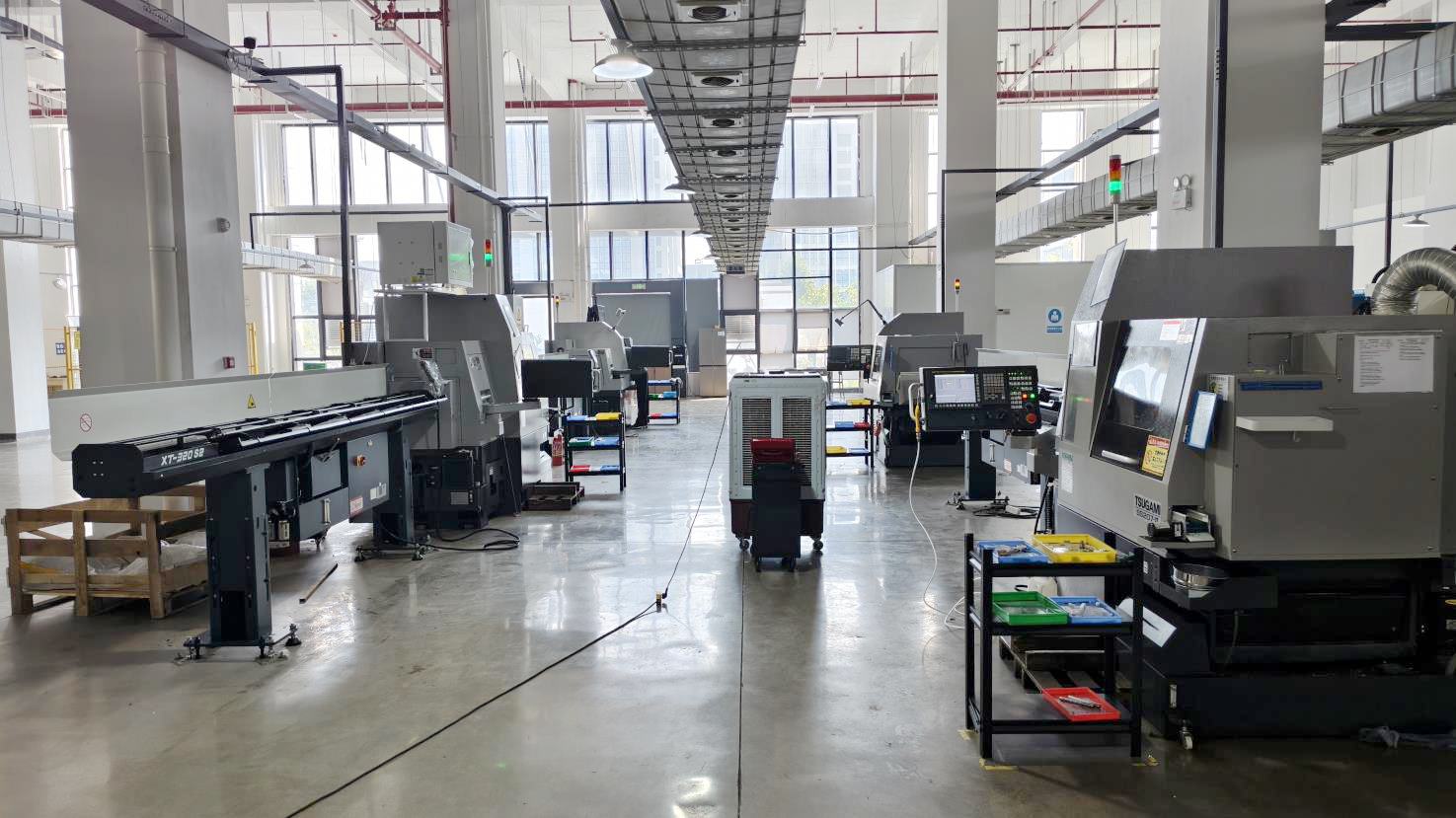
Swiss-Type Multi-Axis CNC
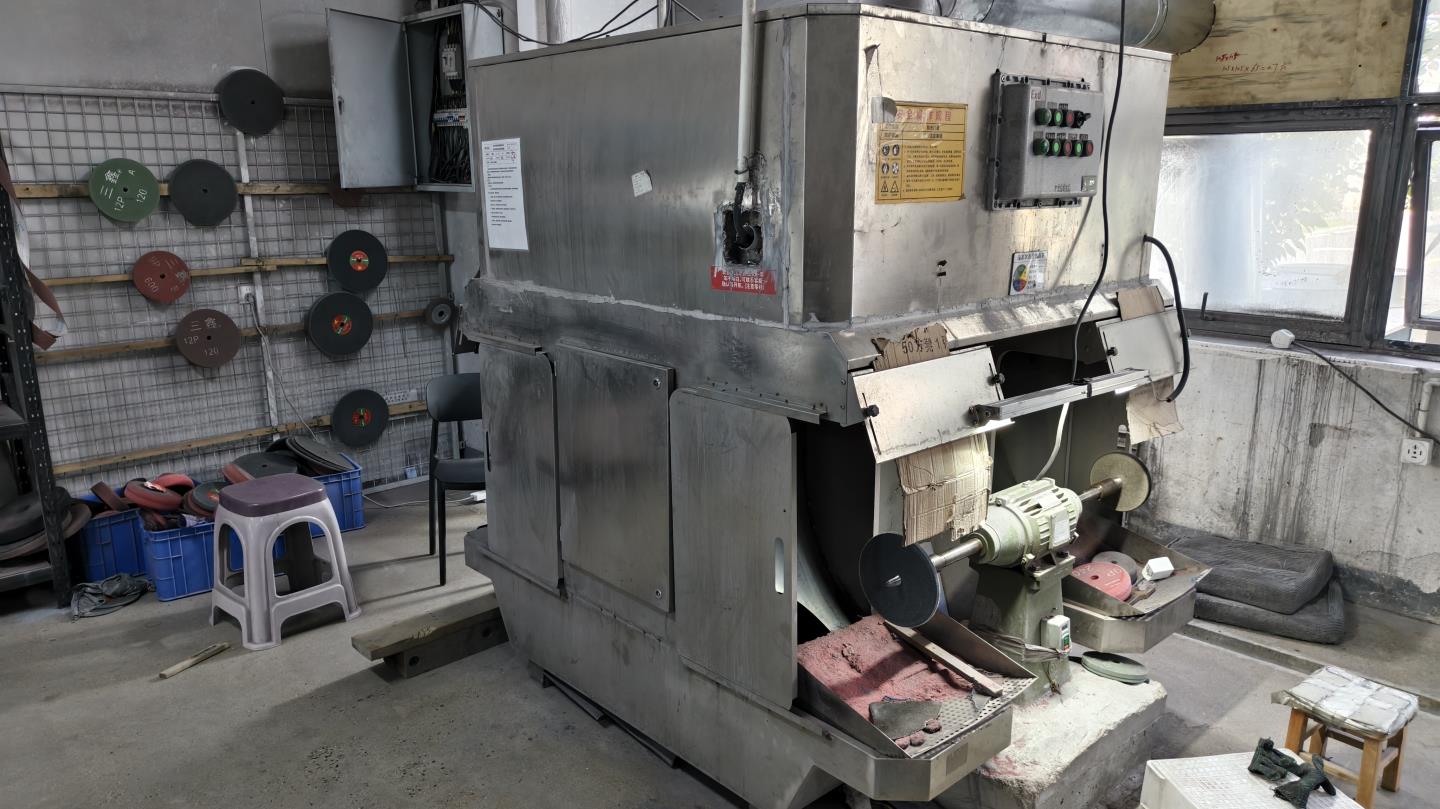
Universal Grinding System
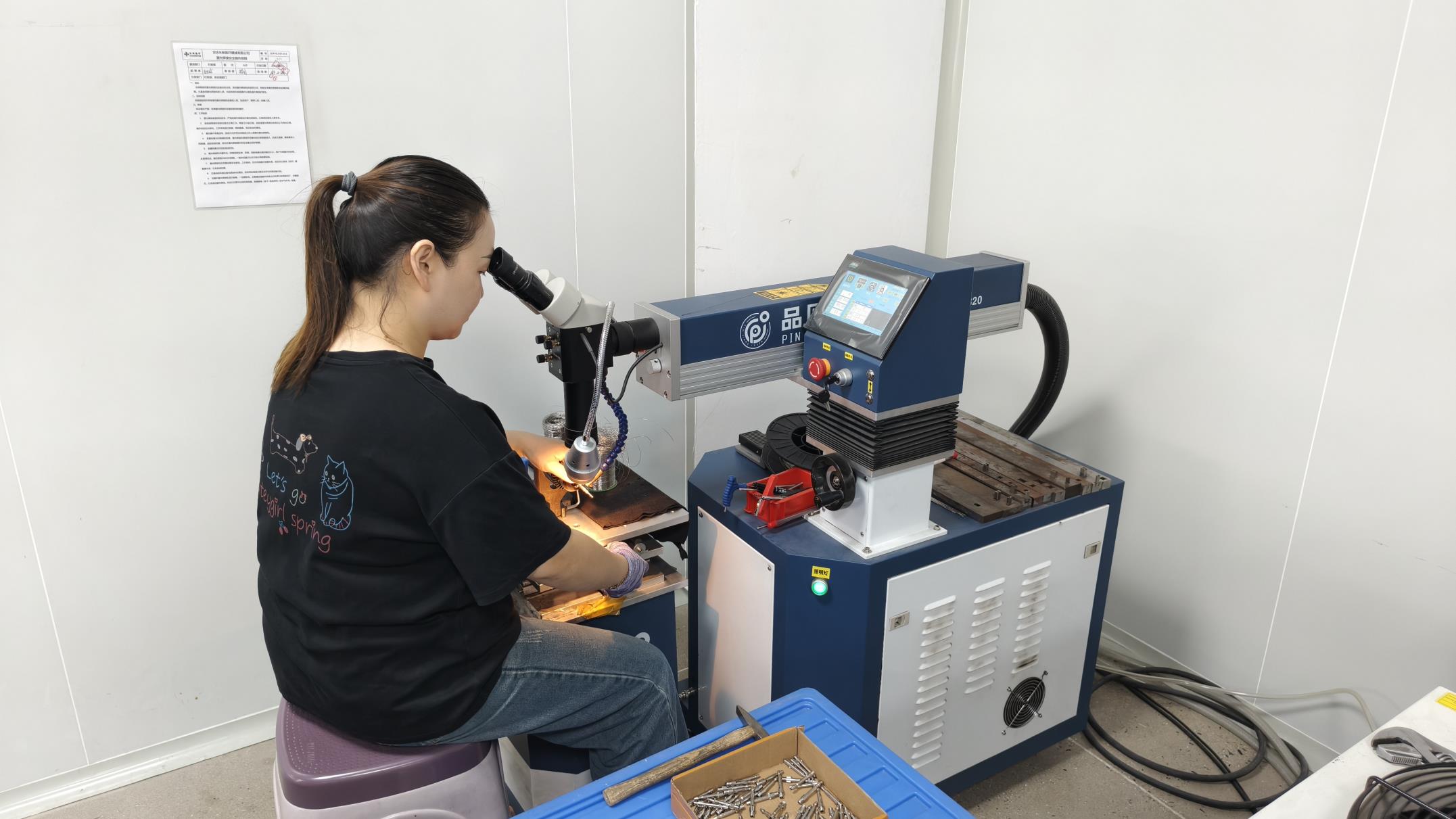
Laser Welding Machine
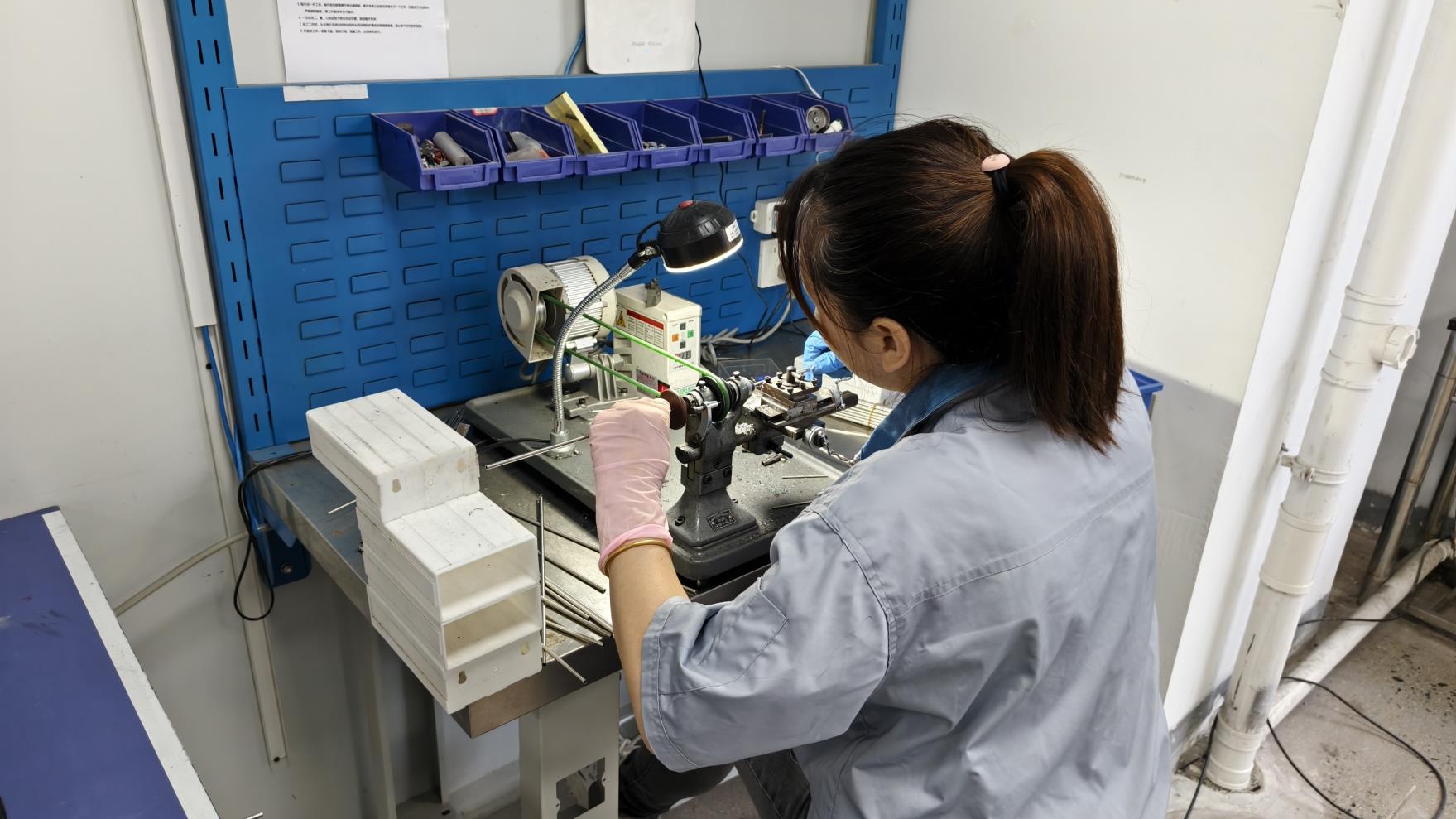
Manual & Support Lathe
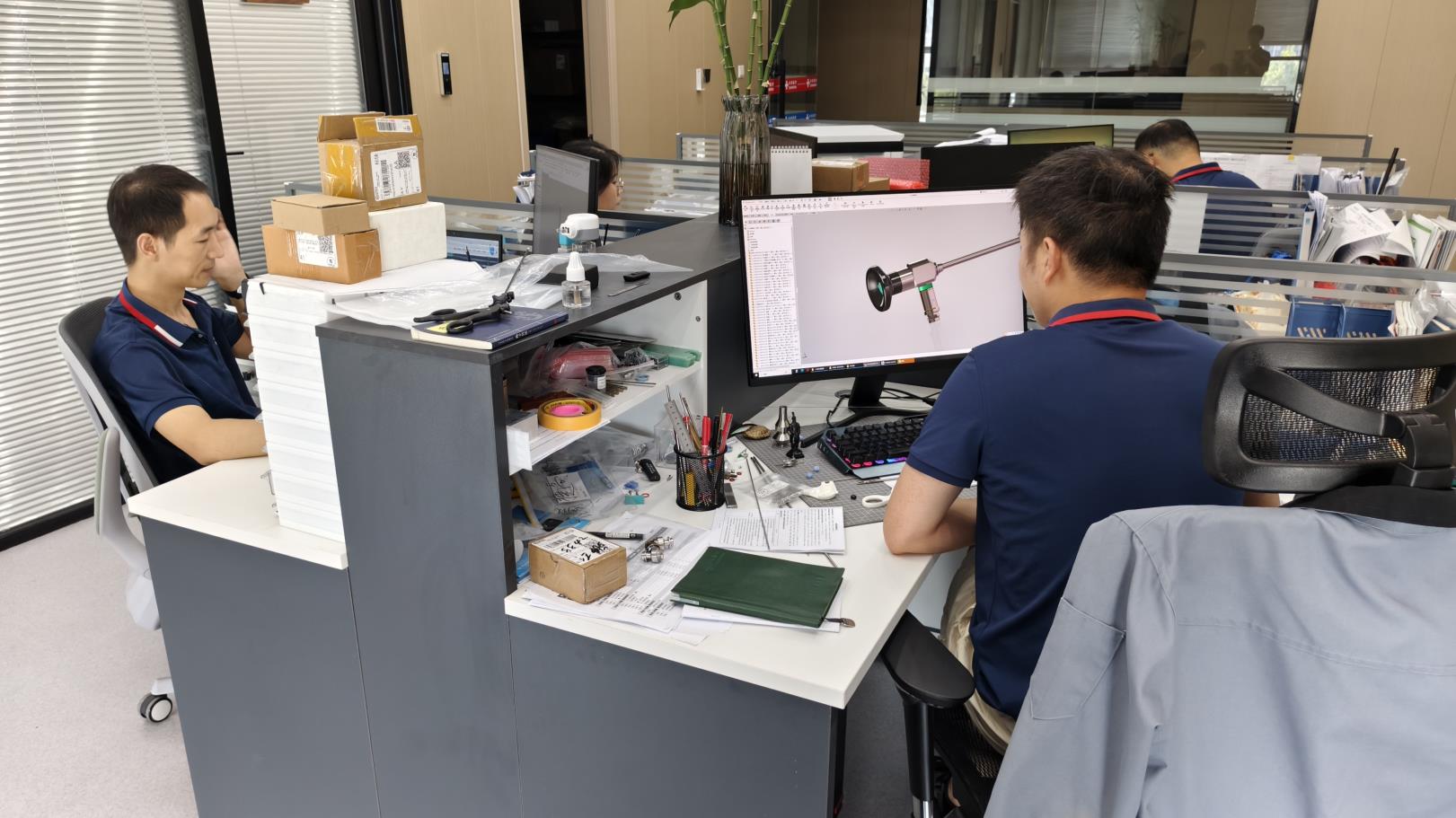
Clinical R&D CAD Design
Every production batch of plates undergoes structural and mechanical testing to ensure reliability and safety under cyclic loading conditions.
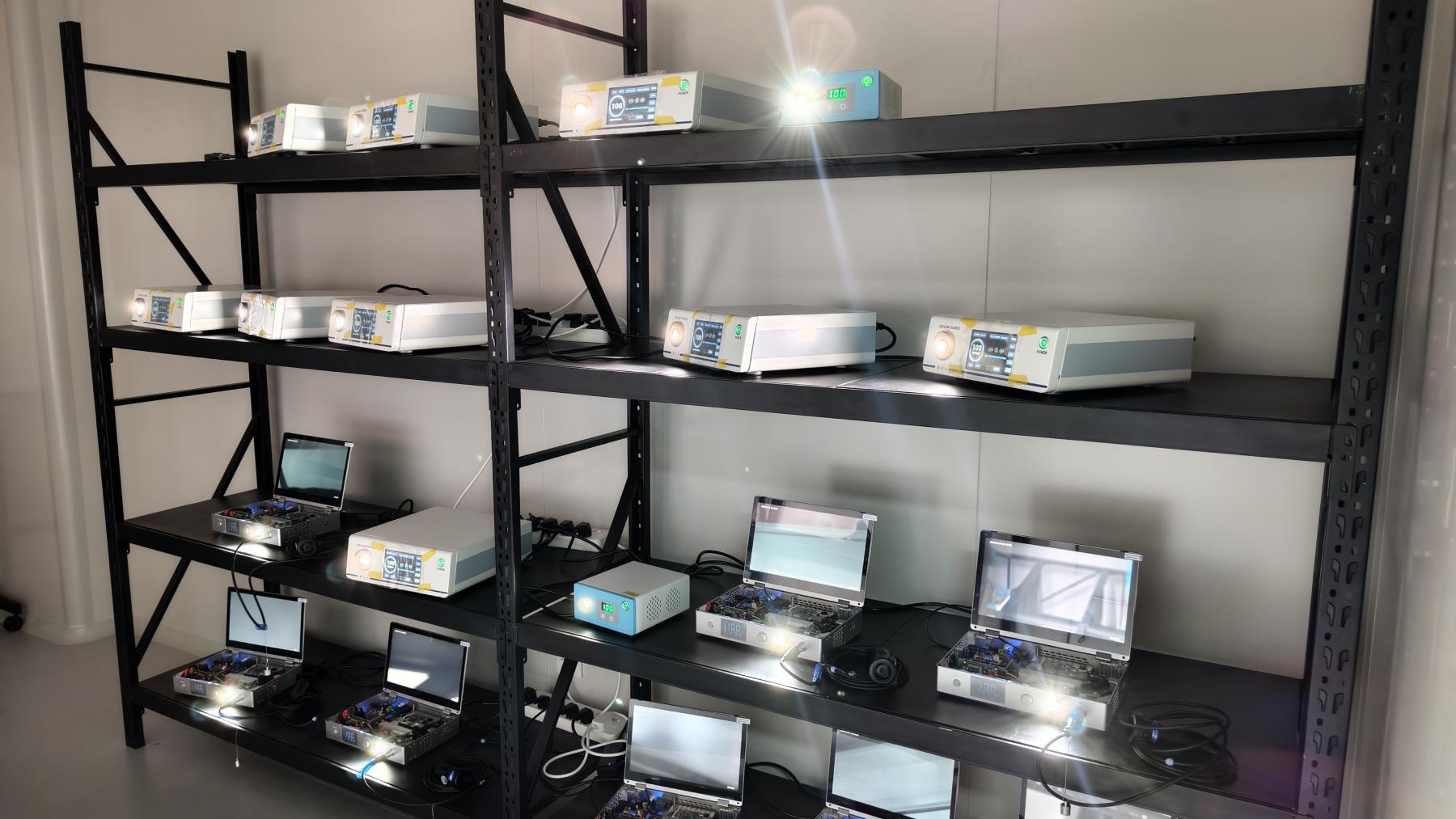
Thermal & Mechanical Aging
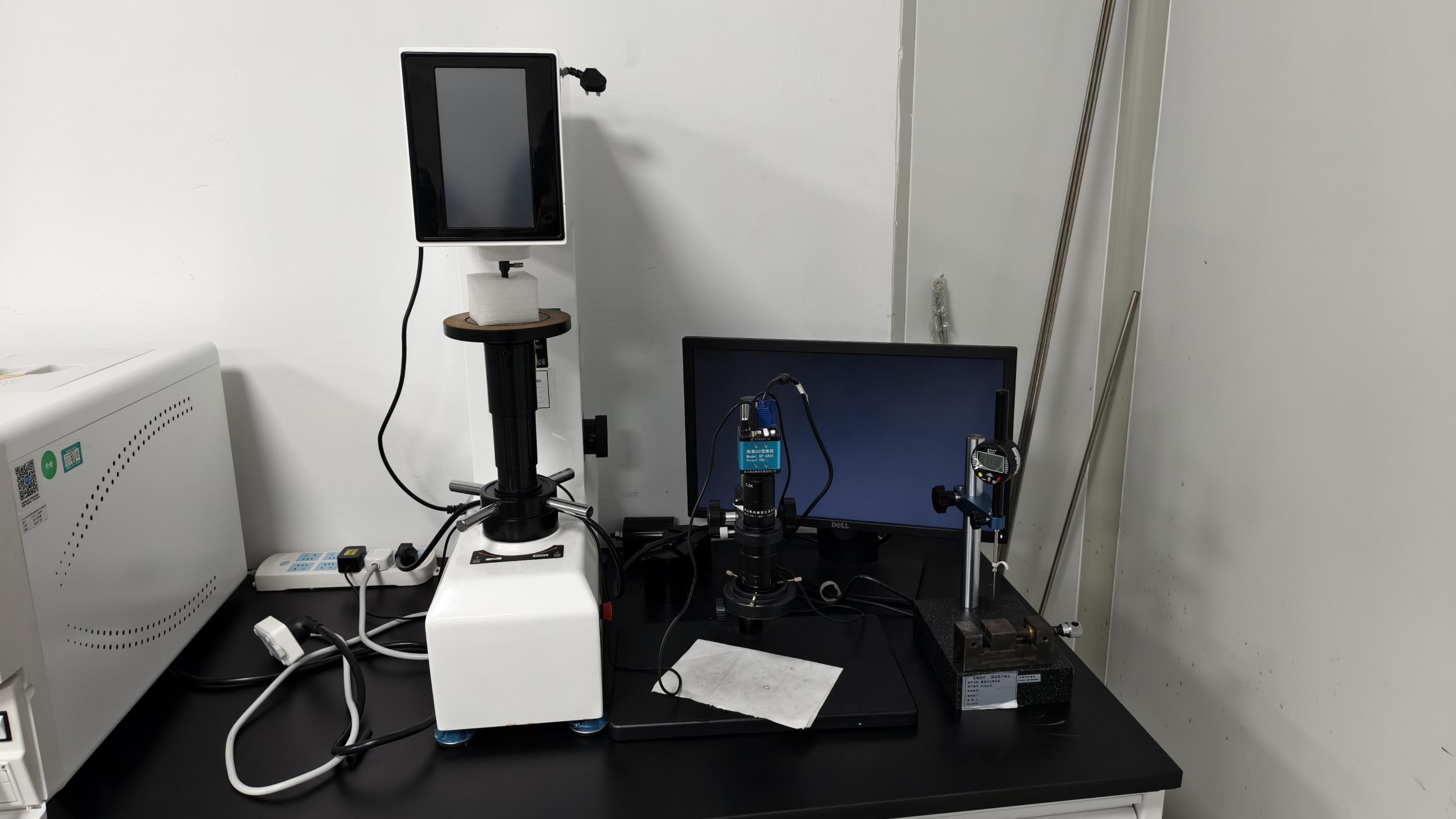
High-Res Digital Microscope
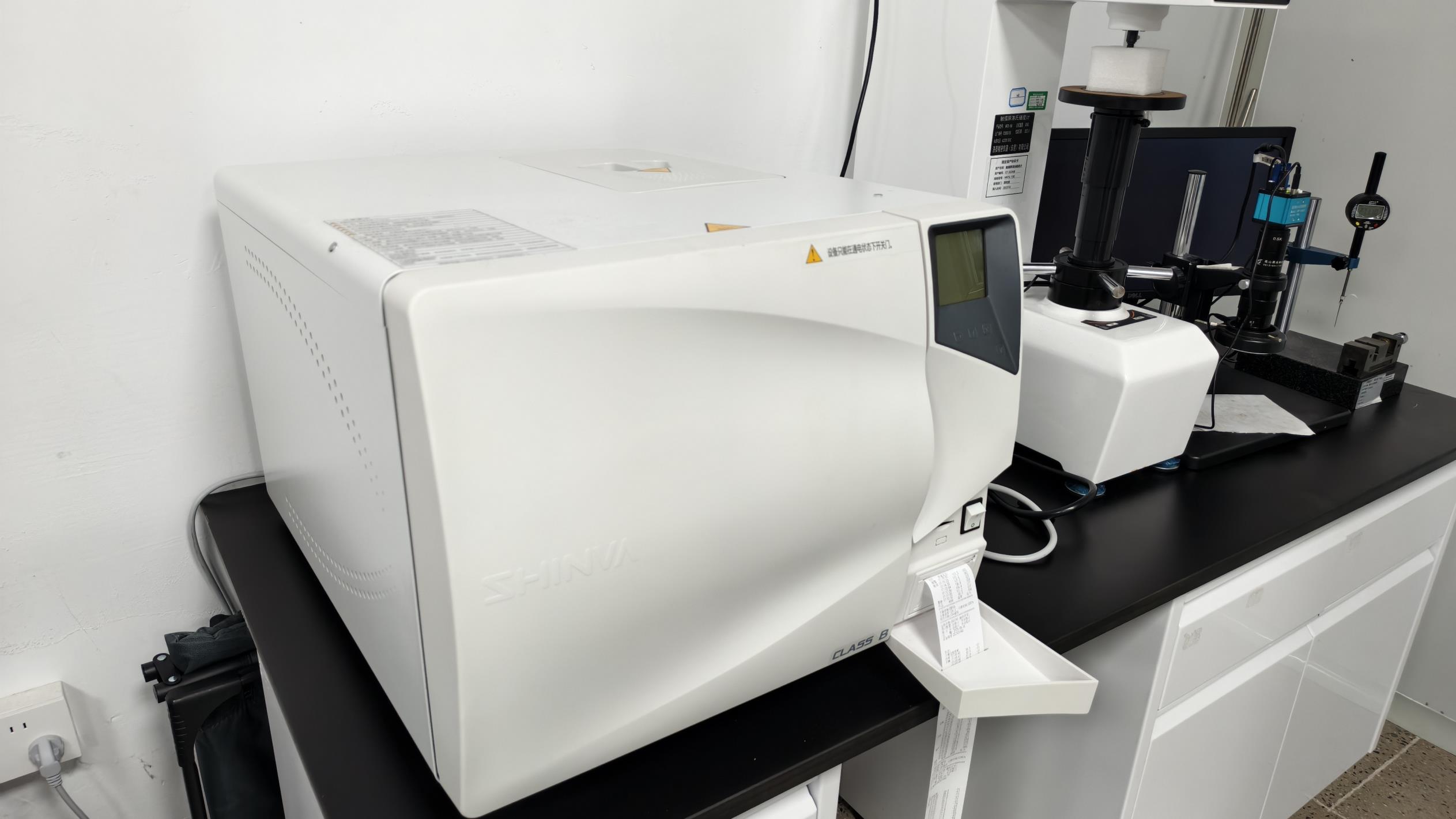
Steam Sterilization Validation
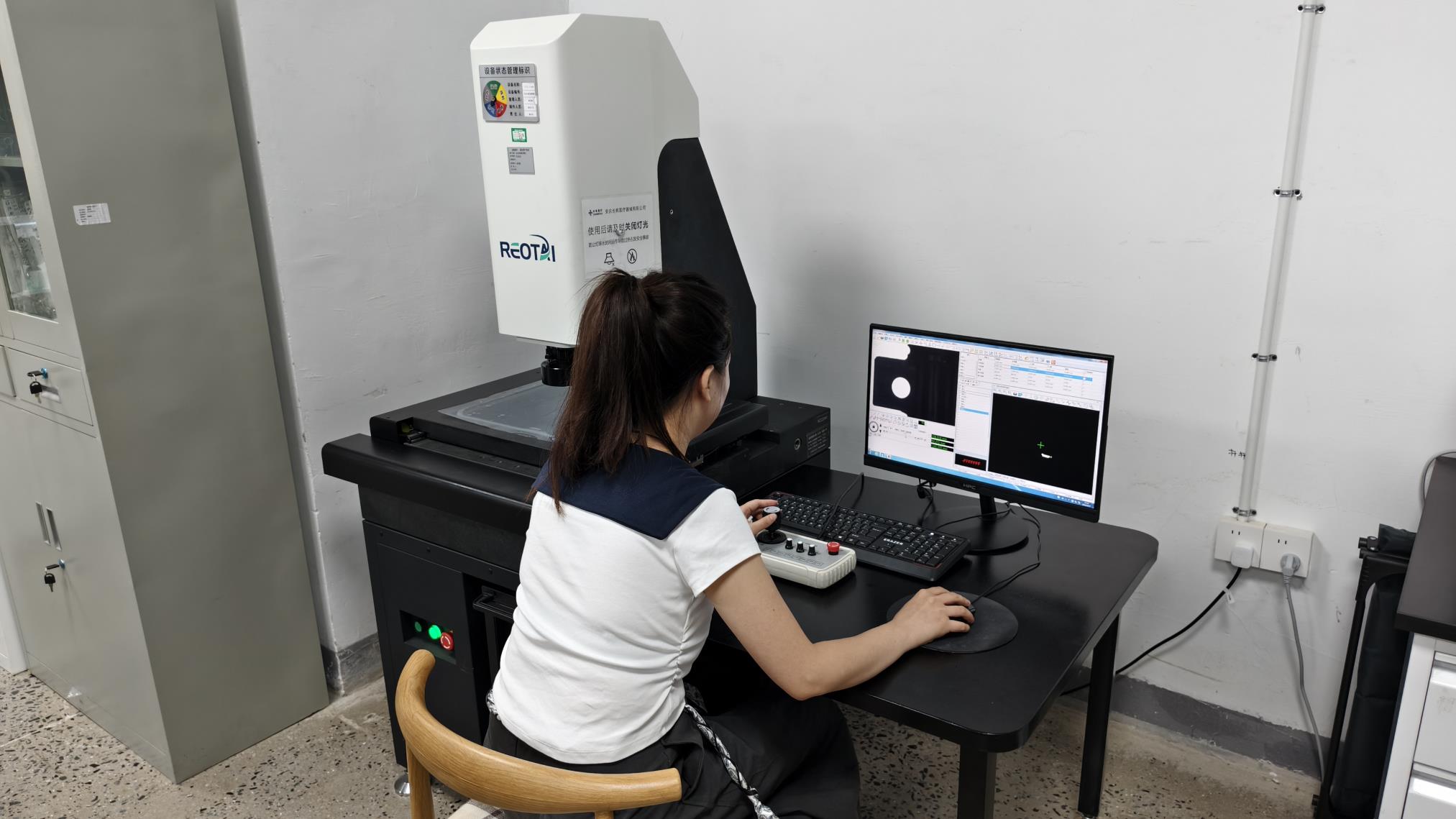
2D Video Measuring
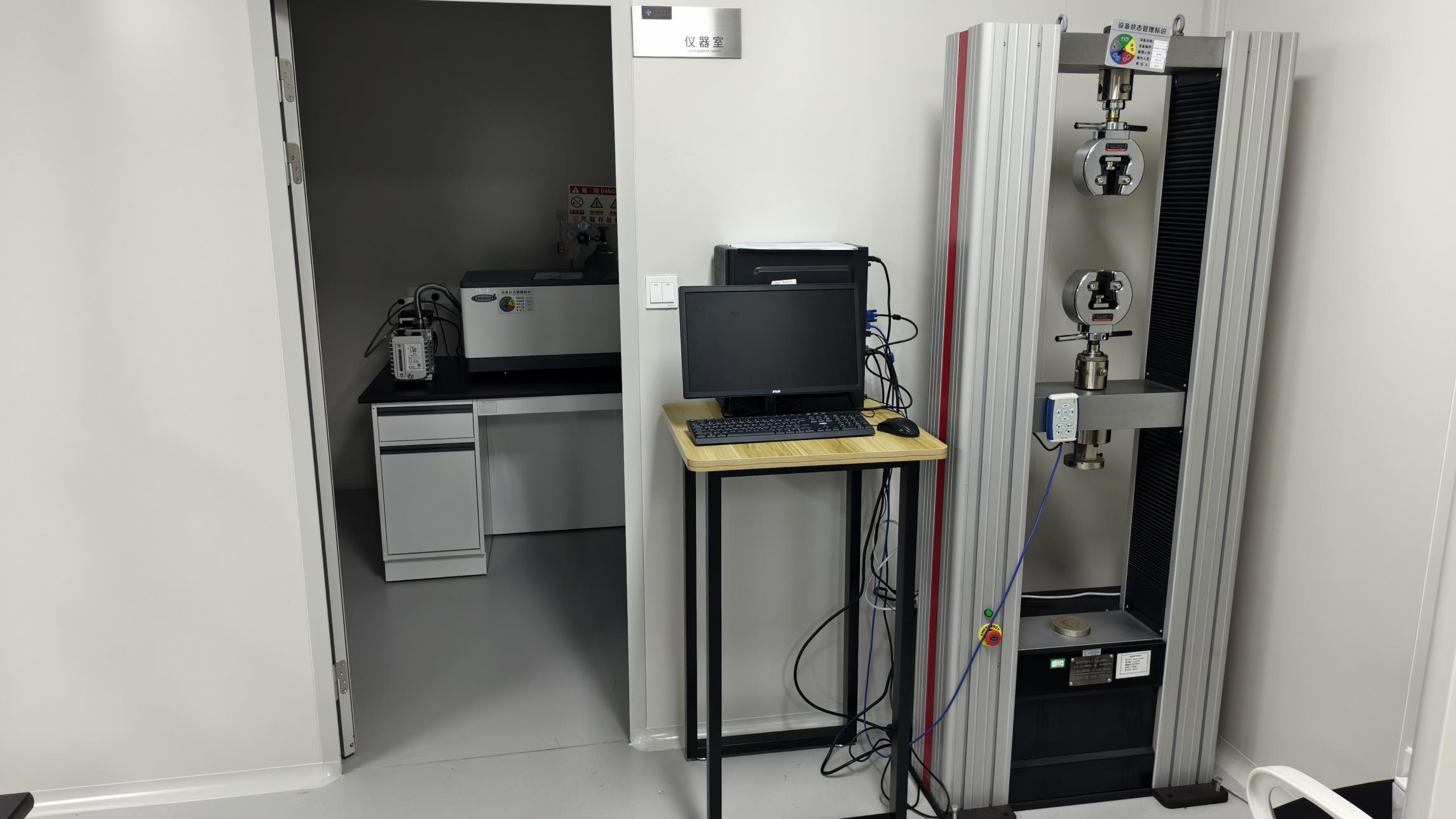
Universal Tensile Testing
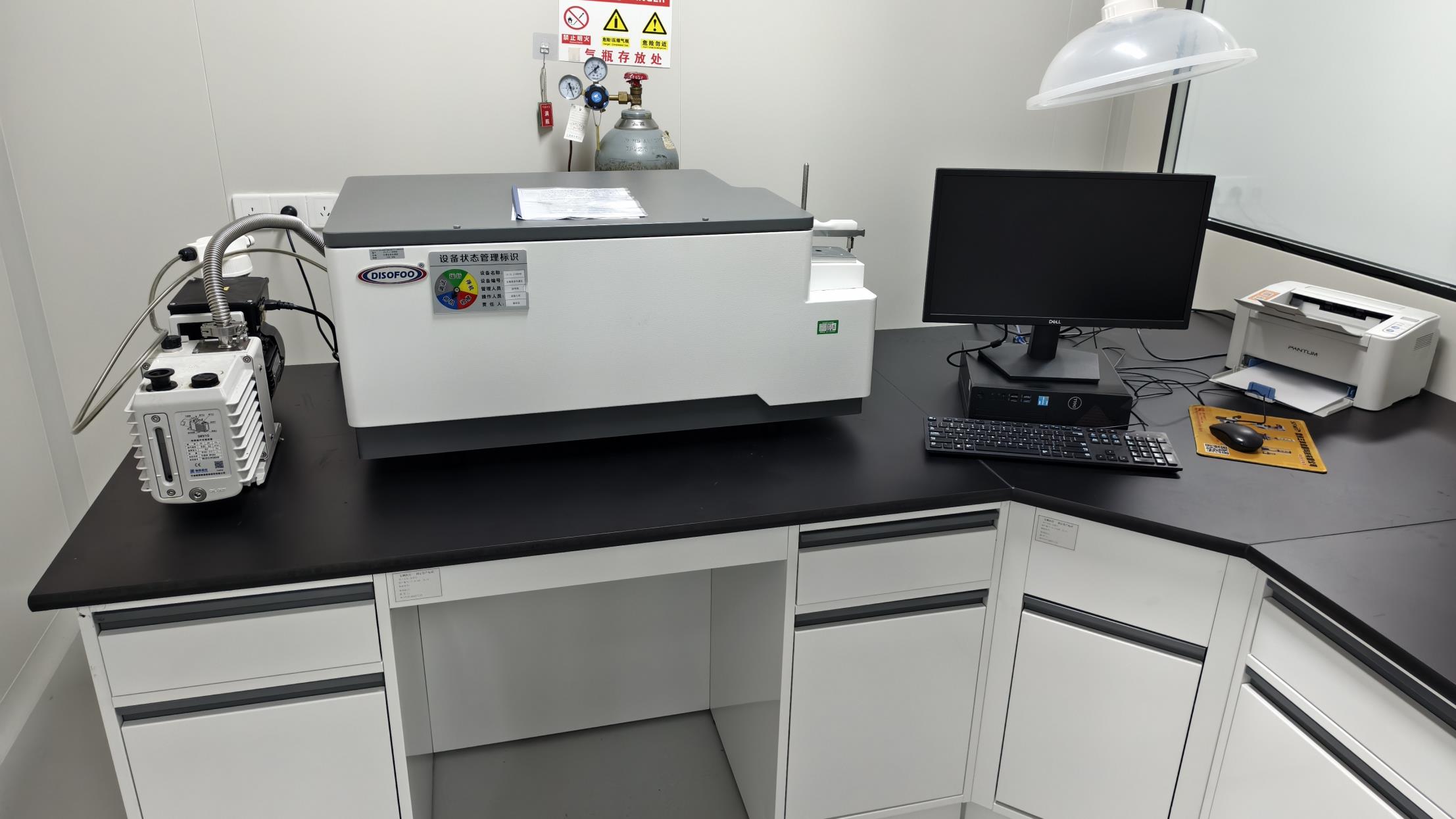
Material Spectrum Analysis
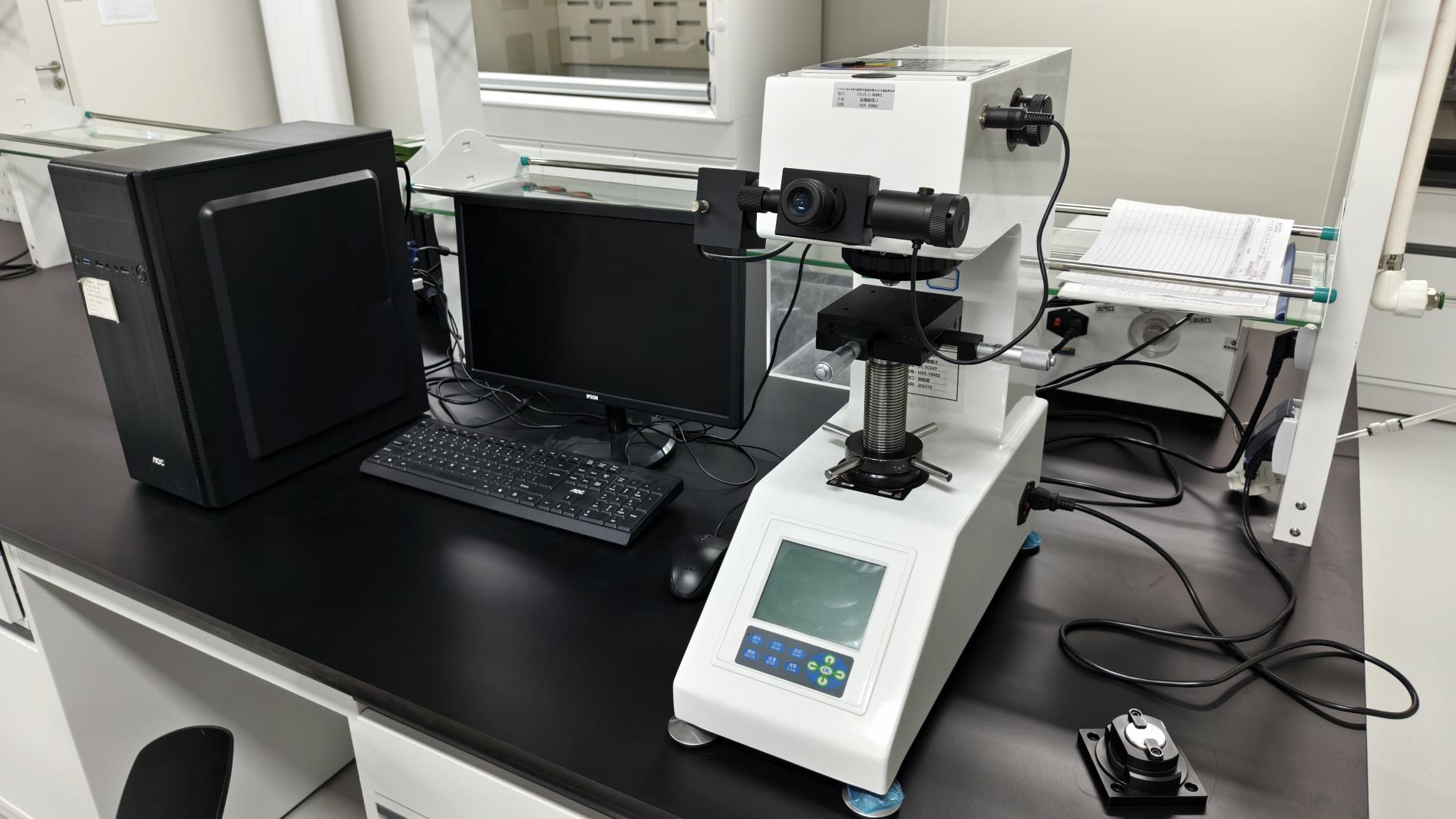
Vickers & Rockwell Hardness
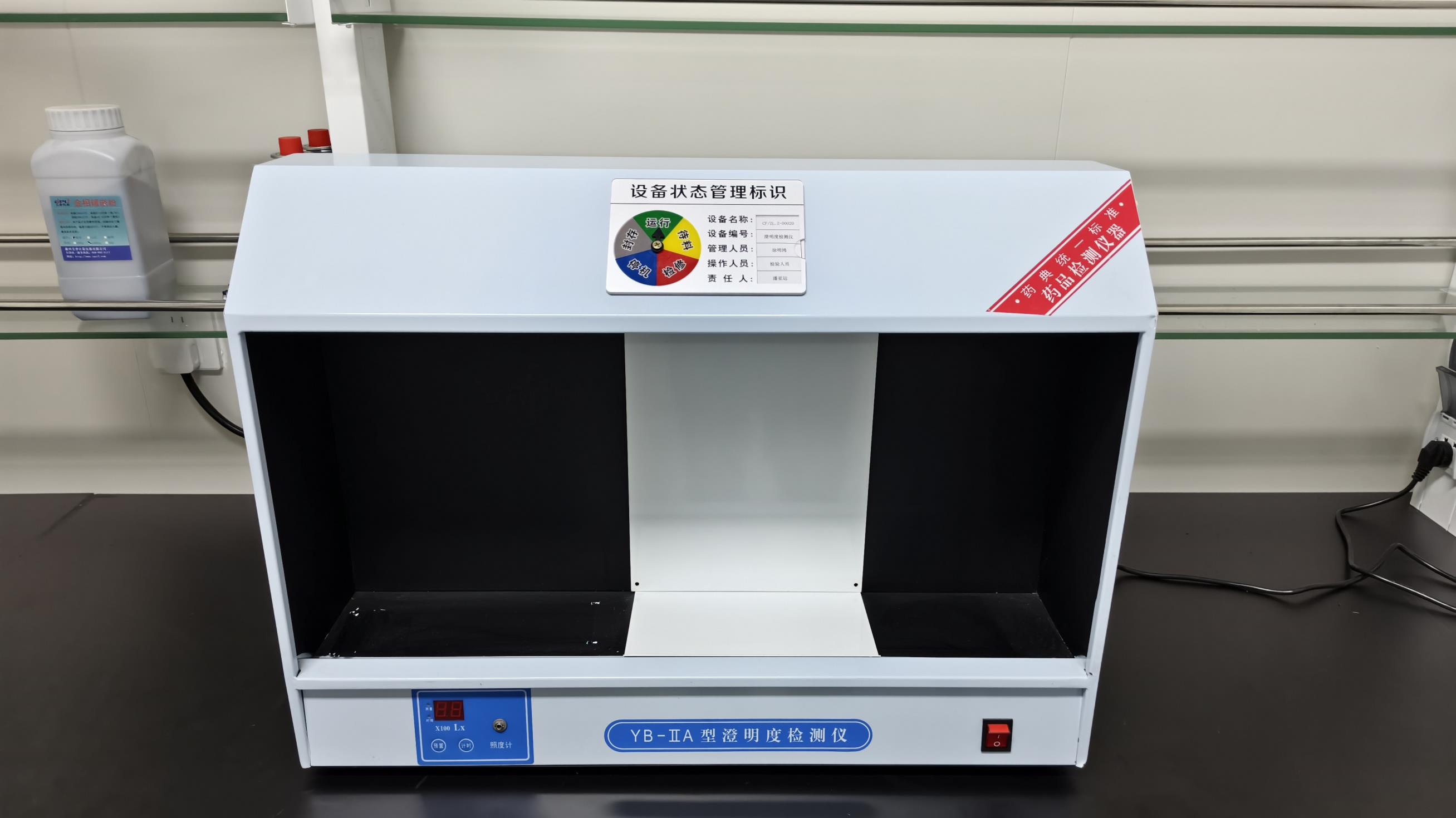
Liquid Clarity Detector
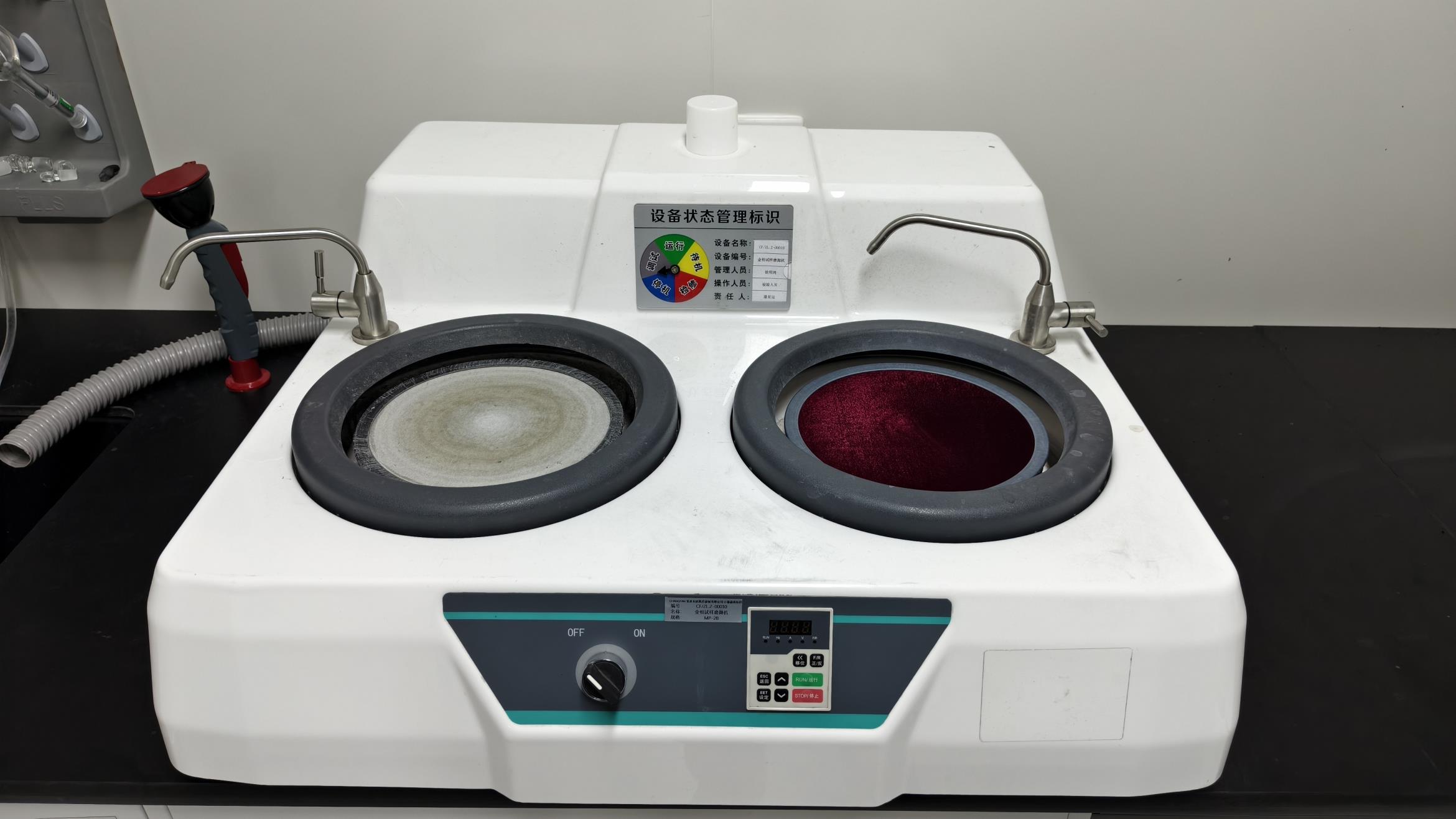
Metallographic Prep
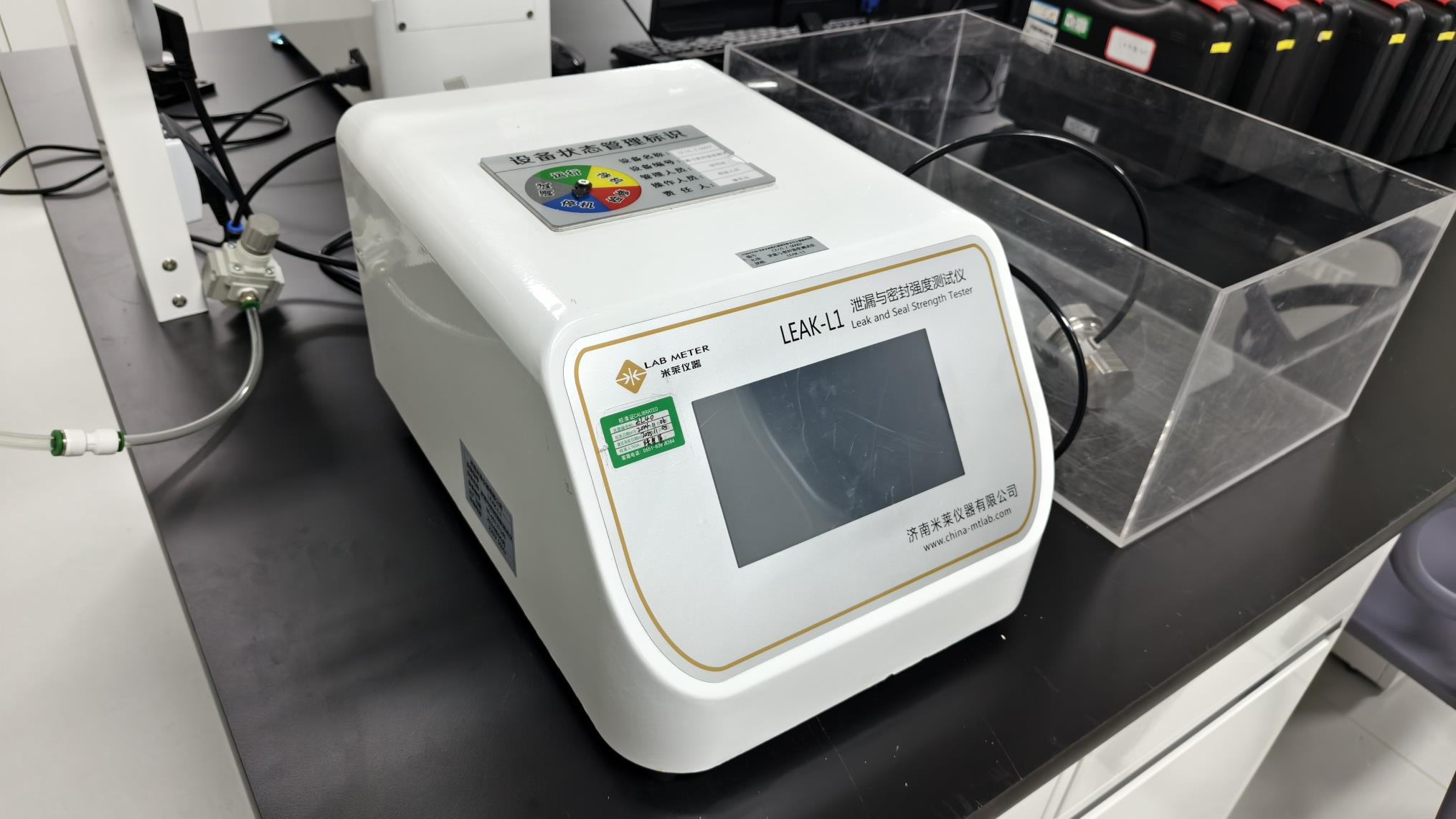
Packaging Sealing Tester
Anthropological databases show that femur bend radii, tibial torsion angles, and clavicle shapes differ across Western and Asian demographics. Synoviq uses finite element analysis (FEA) to design anatomically pre-contoured plates. This reduces the need for intraoperative plate shaping and lowers the risk of post-implantation plate fatigue.
Small animal surgery requires miniature, highly specialized plates (1.5mm to 2.7mm locking systems). Synoviq develops tailored micro-locking constructs for cruciate repair in dogs and complex long bone fractures in feline patients, adapting human-grade titanium implants for veterinary surgery.
Revision surgeries involve addressing compromised bone stocks, pre-existing screw paths, and nonunions. Our polyaxial locking systems allow surgeons to angulate locking screws up to 15 degrees off-center. This enables them to target stable bone segments without compromising mechanical stability.
The field of osteosynthesis continues to evolve beyond static metal implants. R&D efforts focus on introducing surface bio-activation and dynamic stress control. Synoviq's engineering teams are currently developing next-generation implants centered around three key technologies:
Global medical device distributors face challenges with raw material price volatility, long regulatory review cycles, and logistics delays. China's manufacturing clusters, particularly in the Jiangsu and Guangdong regions, offer a reliable foundation to address these issues. By centralizing raw material sourcing (certified medical Ti-6Al-4V titanium alloy), multi-axis CNC milling, heat treating, cleanroom packaging, and testing facilities in close proximity, Synoviq minimizes lead times and maintains stable production lines.
Our network of over 1,120 supply chain partners ensures we can scale production quickly during high-volume contract runs. Additionally, our dedicated quality control team of 48 personnel monitors every stage of production, maintaining consistency across both custom OEM implants and standard distribution orders.
Pre-contoured bone plates, spinal stabilization constructs, and corresponding instrument kits for surgical application.
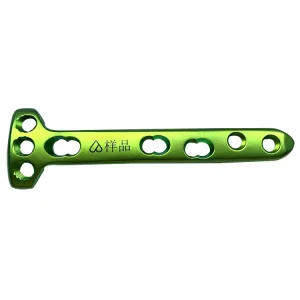
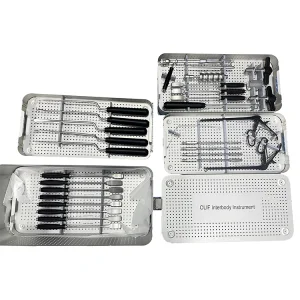
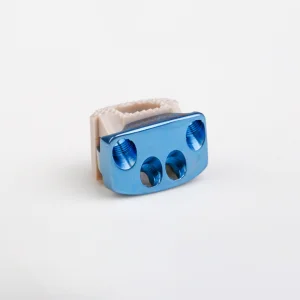
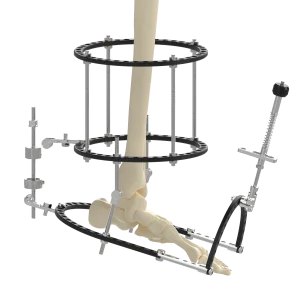
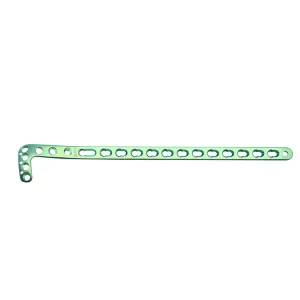
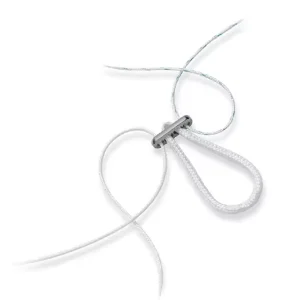
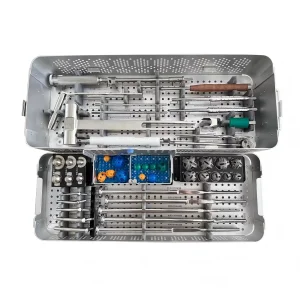
For high-risk Class IIb and Class III medical devices, documentation and regulatory compliance are essential for market access. Synoviq maintains quality control systems designed to align with strict regulatory frameworks, supporting global medical device importers, clinical buyers, and distributor networks.
Synoviq's compliance system relies on key regulatory pillars:
Technical answers regarding raw materials, clinical applications, and OEM customization capabilities.
Grade 5 Titanium Alloy (specifically ELI - Extra Low Interstitial, ASTM F136) offers a lower elastic modulus (~110 GPa) than 316LVM Stainless Steel (~200 GPa). This lower modulus reduces stress shielding, matching the natural flexibility of bone. Titanium also provides high fatigue strength, biocompatibility, and MRI compatibility. Stainless steel, while stiffer and heavier, remains a cost-effective choice for short-term structural stabilization.
Standard locking screws form a rigid, fixed-angle connection with the plate, preventing relative movement. Dynamic locking screws allow controlled axial movement through a dual-sleeve design or modified thread. This design helps distribute strain more evenly along the fracture line, reducing stress concentration at the plate ends and encouraging symmetrical callus formation.
ASTM F382 outlines methods for testing the mechanical properties of metallic bone plates. Key evaluations include the static bending strength (to determine bending stiffness and structural yield point) and dynamic bending fatigue testing. Under dynamic testing, the plate is subjected to cyclic load profiles for up to 1 million cycles to confirm it can support physiological loads during the healing process.
Our washing and primary packaging stages take place in a certified Class 10,000 (ISO Class 7) cleanroom. We use multi-stage ultrasonic washing systems with deionized water, followed by particle monitoring, microbial bioburden testing, and LAL endotoxin testing. This process ensures the implants meet international sterile product standards prior to sterilization.
Yes, we provide full ODM services. Using CT data or anatomical databases, our 76 R&D engineers can design implants optimized for regional bone dimensions. This custom matching helps reduce the need for intraoperative bending and shortens surgical times.
We offer Type II and Type III anodic oxidation. Anodization forms a protective titanium oxide layer that increases wear resistance, reduces metal ion release, and allows for color-coding (e.g., green, blue, gold) to help clinical staff quickly identify plate sizes and profiles during surgery.
The combi-hole features a dual-geometry design: one side is threaded to lock the screw at a fixed angle, while the other side is sloped to accept dynamic compression screws. This allows the surgeon to apply compression to consolidate the fracture or lock the construct for stable fixation, depending on the clinical need.
For standard titanium plate designs under OEM contracts, production cycles typically range from 30 to 45 days, depending on batch volume. Custom anatomical designs that require cleanroom packaging and sterility validation may take 60 to 75 days, including prototype development, mechanical testing, and trial production runs.
 Synoviq Medical