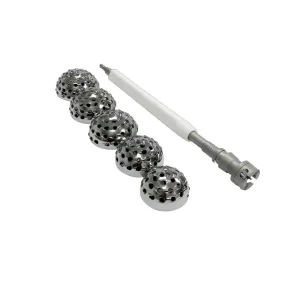
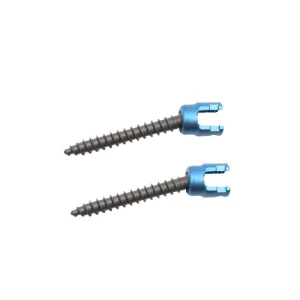
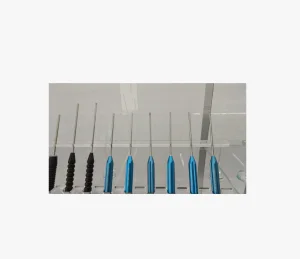
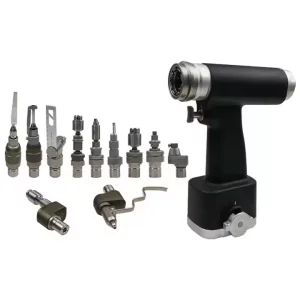
Explore our leading surgical instruments, high-precision implants, and power tools designed to match the exacting tolerances of modern orthopedic surgeries.
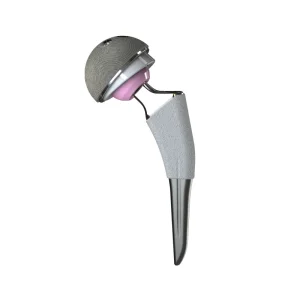
The global joint replacement industry has witnessed a paradigm shift in the tribological matches utilized for Total Hip Arthroplasty (THA). Among the interfaces available, the Metal-on-Polyethylene (MoP) coupling remains the undisputed clinical gold standard, backed by more than four decades of registry data. The clinical longevity of MoP systems has been exponentially improved by modern polymer engineering.
Early iterations of MoP joints utilized conventional Ultra-High-Molecular-Weight Polyethylene (UHMWPE) sterilized by gamma irradiation in air, which was highly susceptible to in-vivo oxidation and subsequent wear-debris induced osteolysis. The introduction of Highly Cross-Linked Polyethylene (HXLPE) in the late 1990s marked a revolution, reducing wear rates by up to 90%. Today, the industry is transitioning rapidly toward antioxidant-stabilized liners, incorporating Vitamin E (alpha-tocopherol) directly into the HXLPE matrix to maintain long-term oxidative stability and mechanical integrity without sacrificing wear resistance.
Conventional UHMWPE: High risk of oxidative degradation and wear debris (delamination).
Highly Cross-Linked Polyethylene (HXLPE): High dose irradiation induces cross-linking, significantly lowering volumetric wear.
Vitamin E HXLPE: Actively scavenges free radicals, preventing long-term embrittlement, ensuring stability for young, active patients.
Synoviq Medical Technology (China) Co., Ltd. is a professional manufacturer of orthopedic implants and surgical instruments, dedicated to delivering innovative, reliable, and high-quality medical solutions for healthcare professionals worldwide. Since its establishment, Synoviq has focused on research, development, precision manufacturing, and international quality standards, providing comprehensive OEM and ODM services for global medical device brands, distributors, and hospitals.
| Item / Metric | Detailed Corporate Information |
|---|---|
| Company Name | Synoviq Medical Technology (China) Co., Ltd. |
| Brand | Synoviq |
| Established | March 18, 2016 |
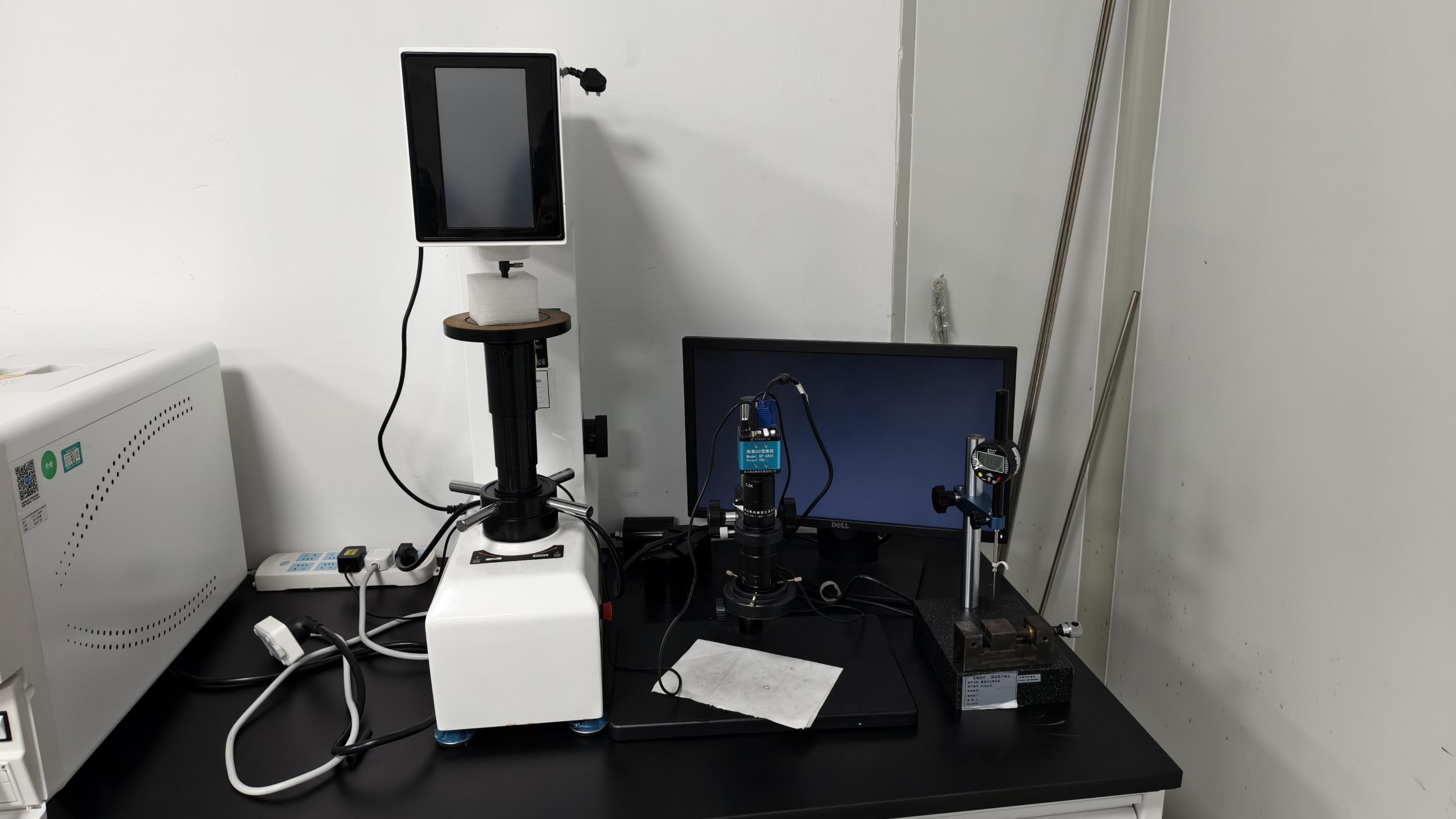
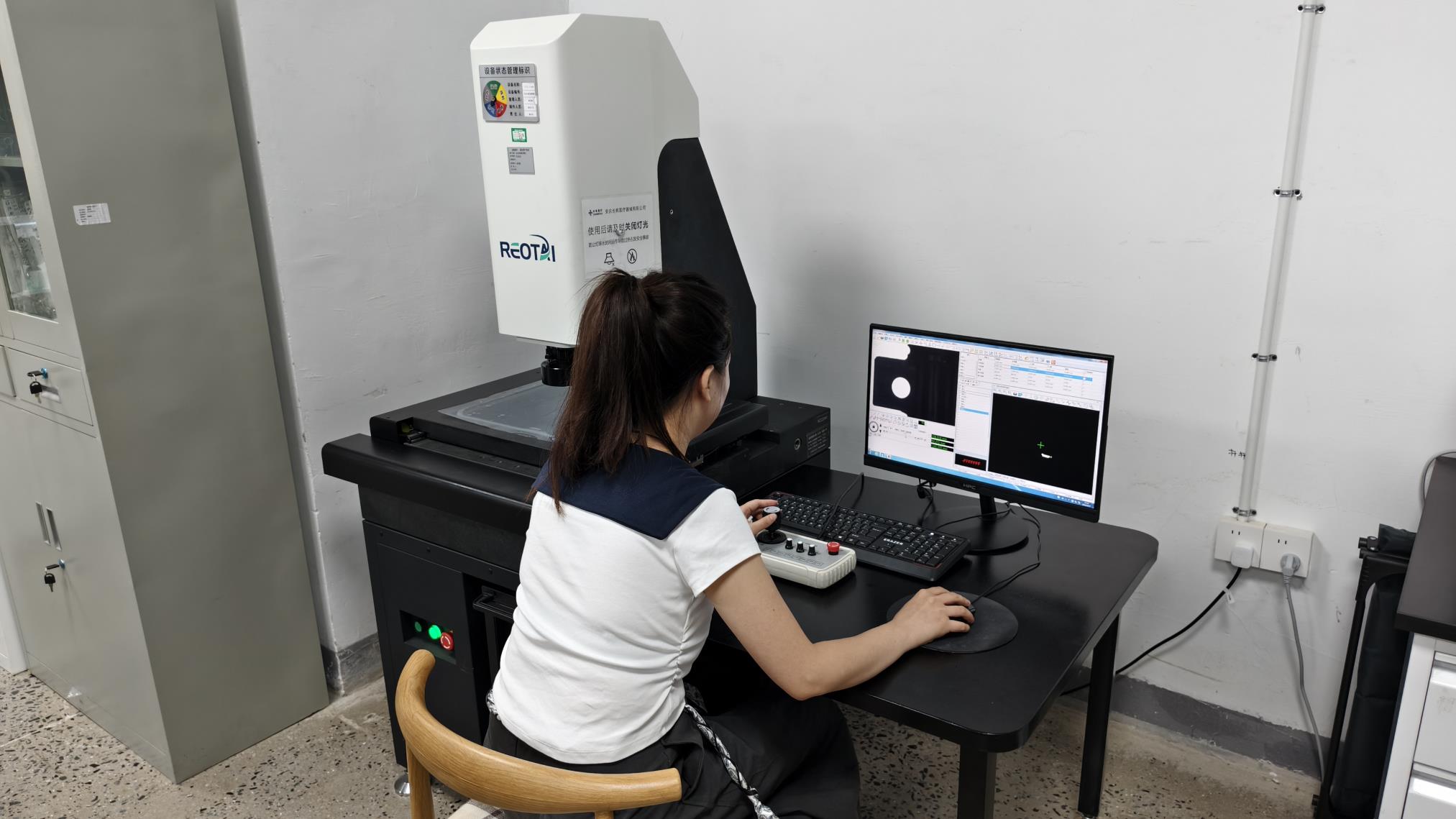
| Quality Inspection | 100% Final Inspection & Incoming Material Inspection |
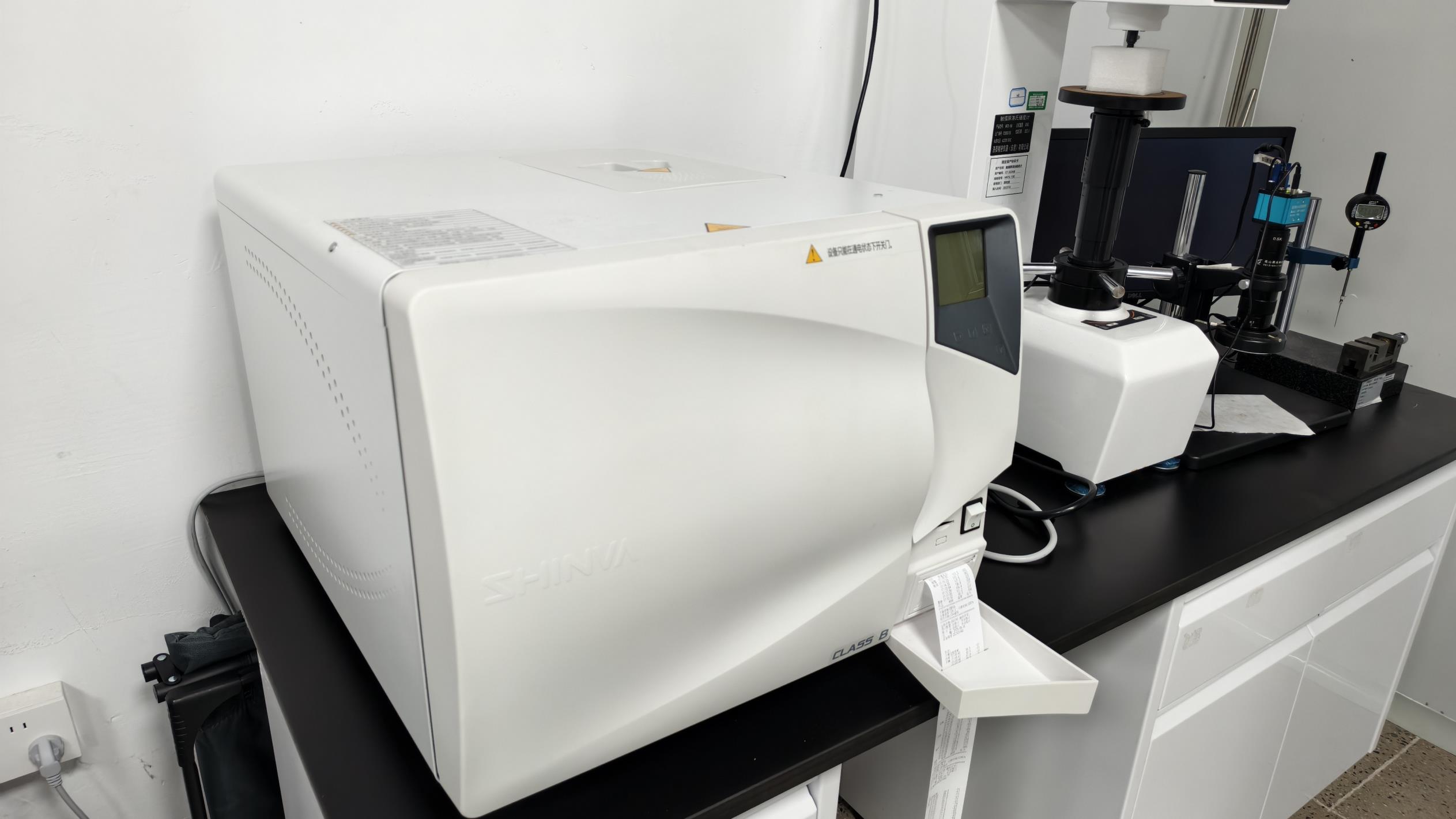
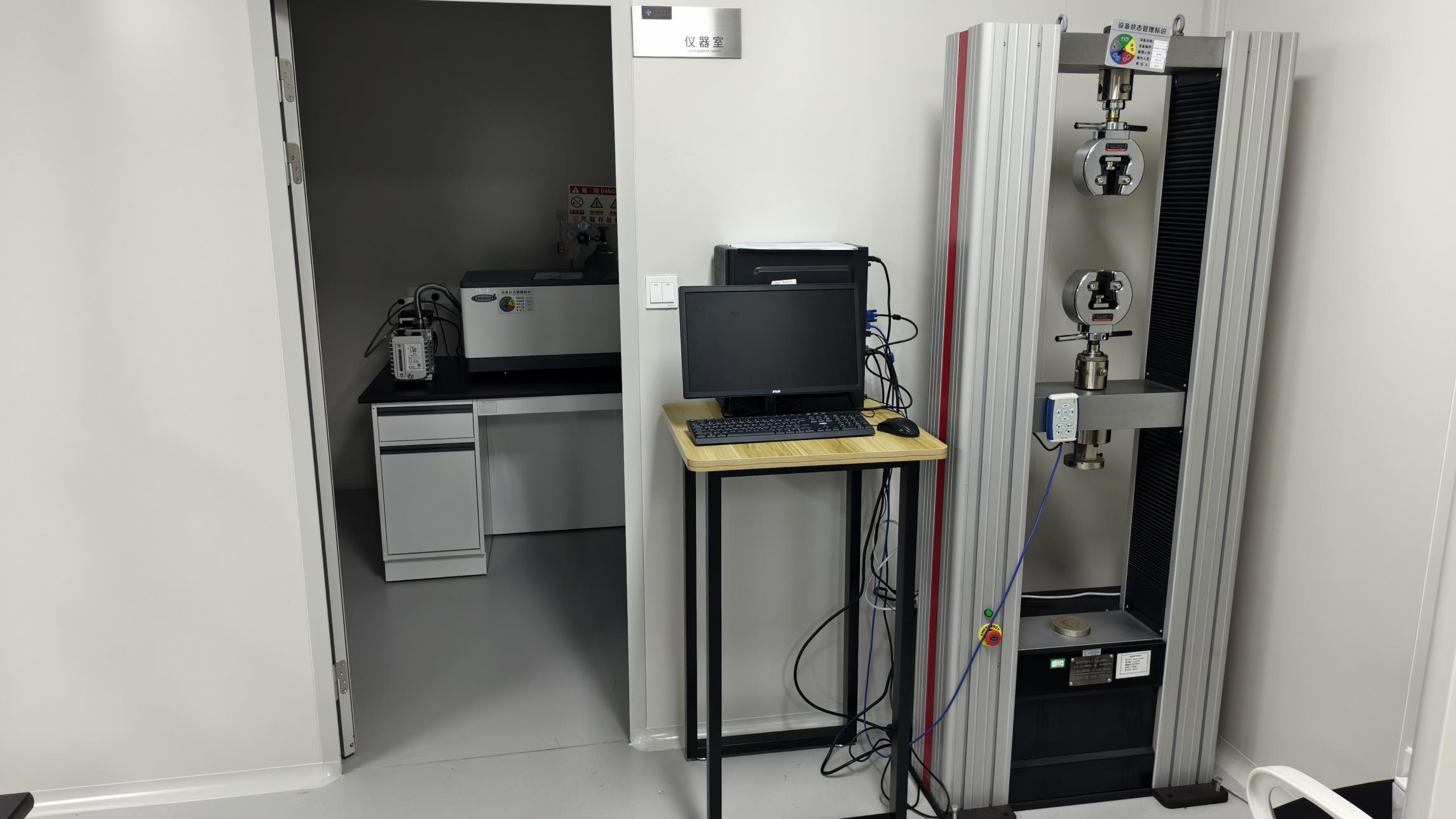
| Product Inspection Methods | CMM Measurement, Mechanical Testing, Surface Roughness Testing, Hardness Testing, Salt Spray Testing, Sterility Validation |
| Quality Control Staff | 48 Quality Control Professionals |
| Business Type | Manufacturer & Exporter (OEM/ODM) |
| Main Markets | Europe, North America, South America, Middle East, Southeast Asia |
| Supply Chain Partners | 1,120+ Active Partners Globally |
| New Products Released Last Year | 186 New Innovative Devices |
How orthopedic device distributors and B2B hospital procurement managers navigate modern supply chain realities.
Procuring raw medical metals (like ISO 5832-1 implant-grade Stainless Steel, ISO 5832-3 Titanium alloy, or ASTM F75 Cobalt-Chromium) and medical plastics (GUR 1020/1050 UHMWPE) requires 100% heat-traceability and structural certification to prevent premature catastrophic wear.
Under the European Medical Device Regulation (MDR 2017/745) and FDA 510(k) clearances, the regulatory burden on implant exporters has skyrocketed. Factories must offer comprehensive Class III technical documentation, biocompatibility testing (ISO 10993), and clinical evaluation reports.
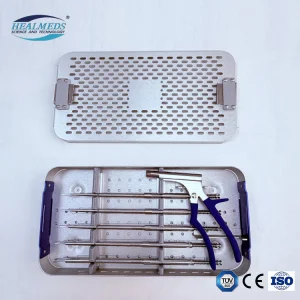
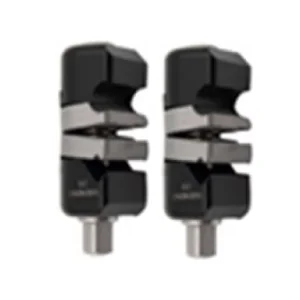
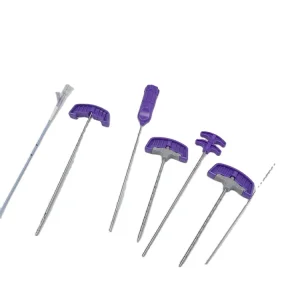
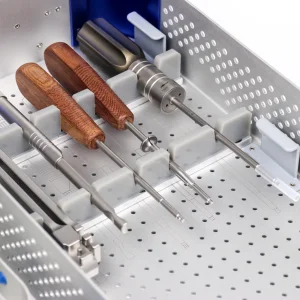
Distributors require not only implants but specialized, sterile-packed instrument sets (acetabular reamers, trial heads, insertion tools) designed to integrate seamlessly. Synoviq addresses this macro demand by engineering custom implants and matching high-durability instrument kits.
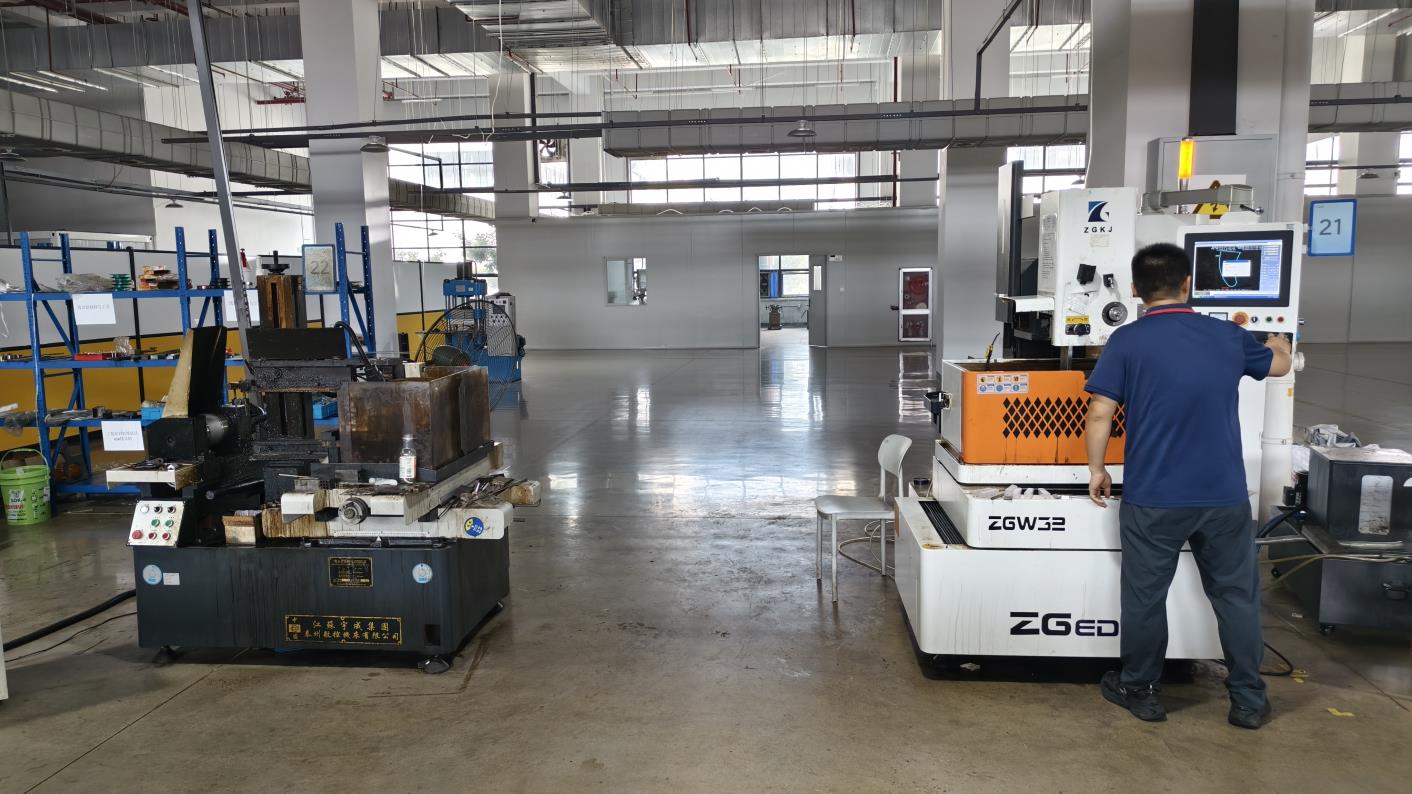
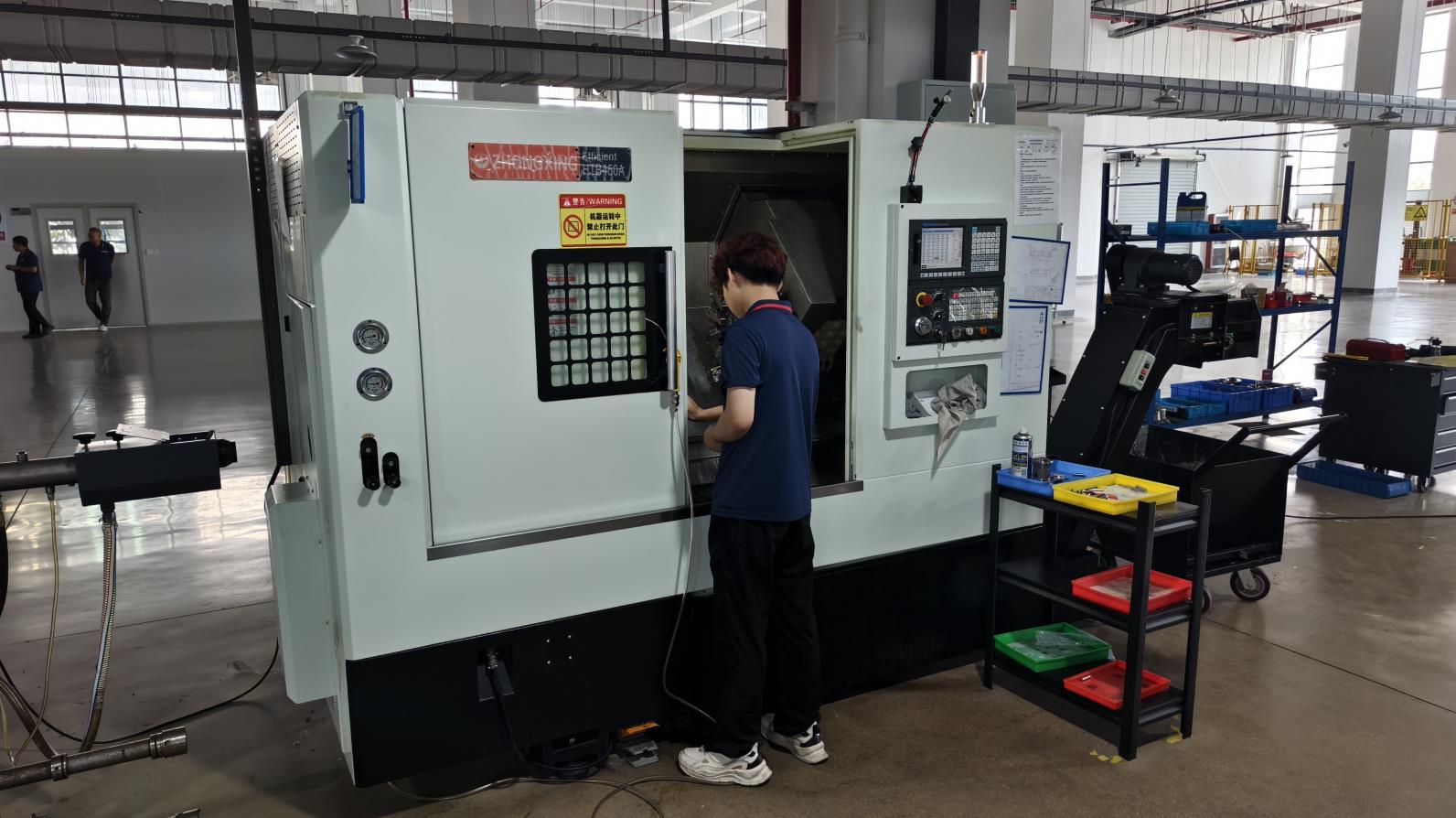
Inside Synoviq's state-of-the-art facilities: Where advanced metallurgy and polymer chemistry transform into life-changing implants.
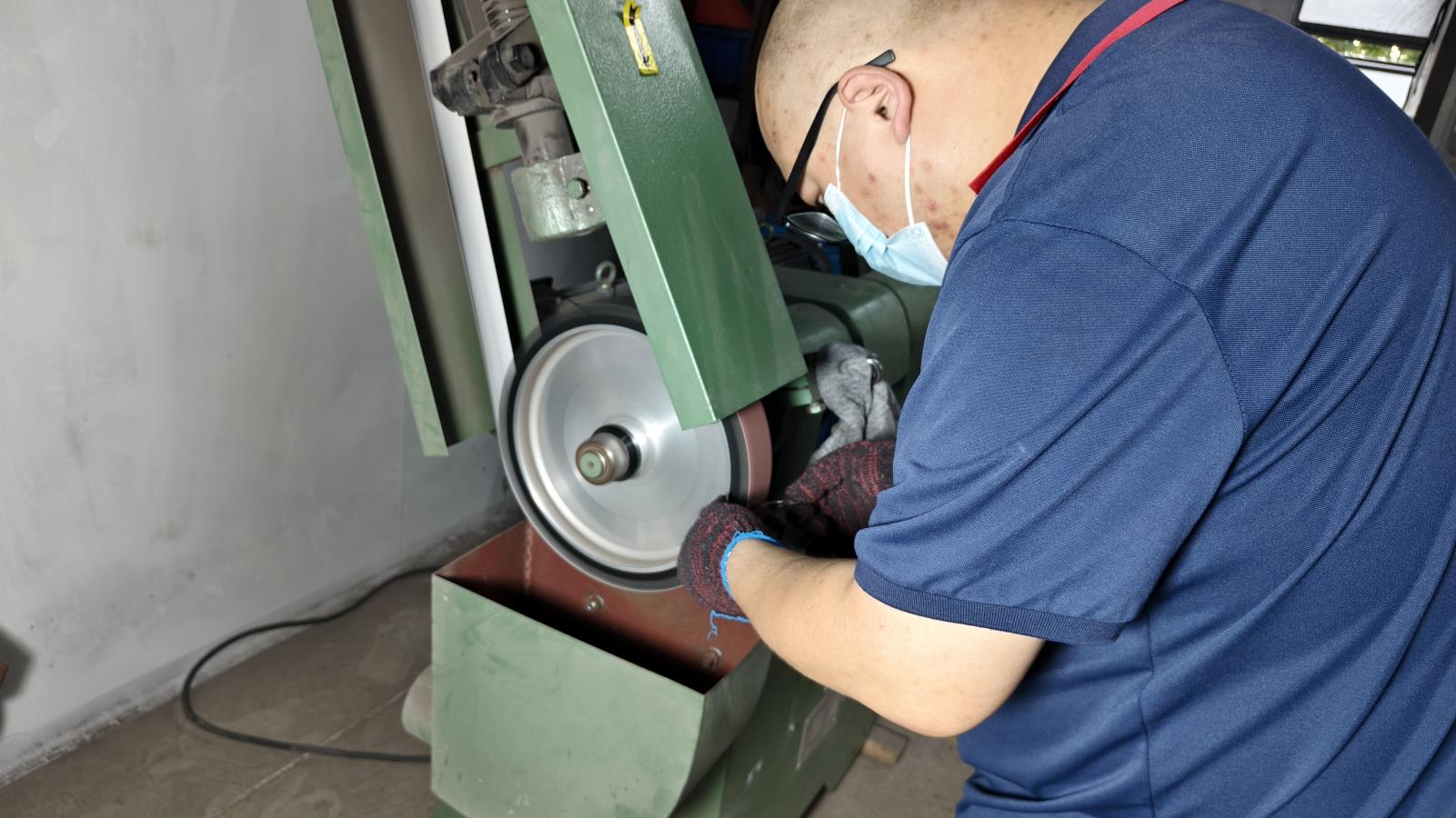
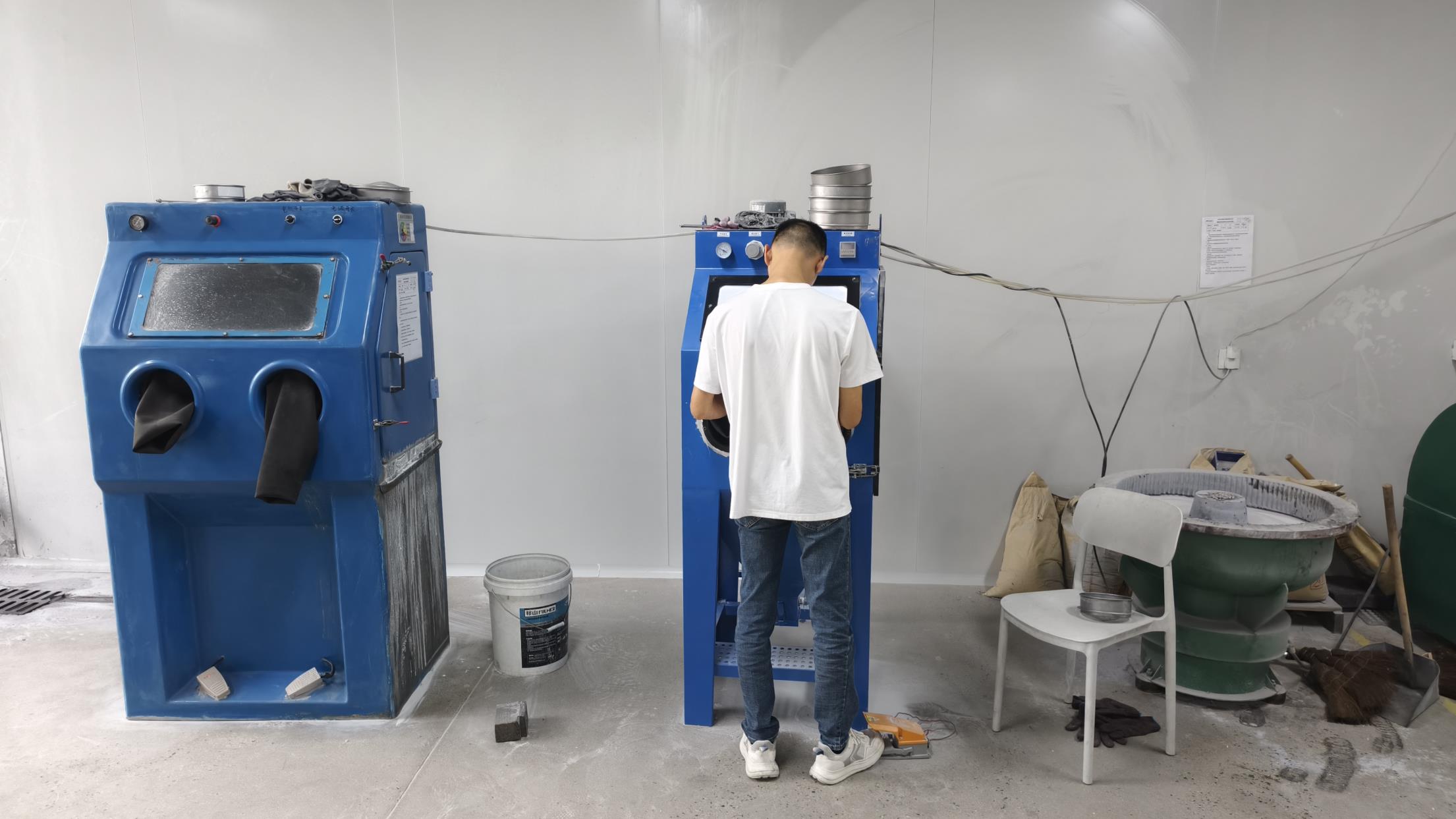
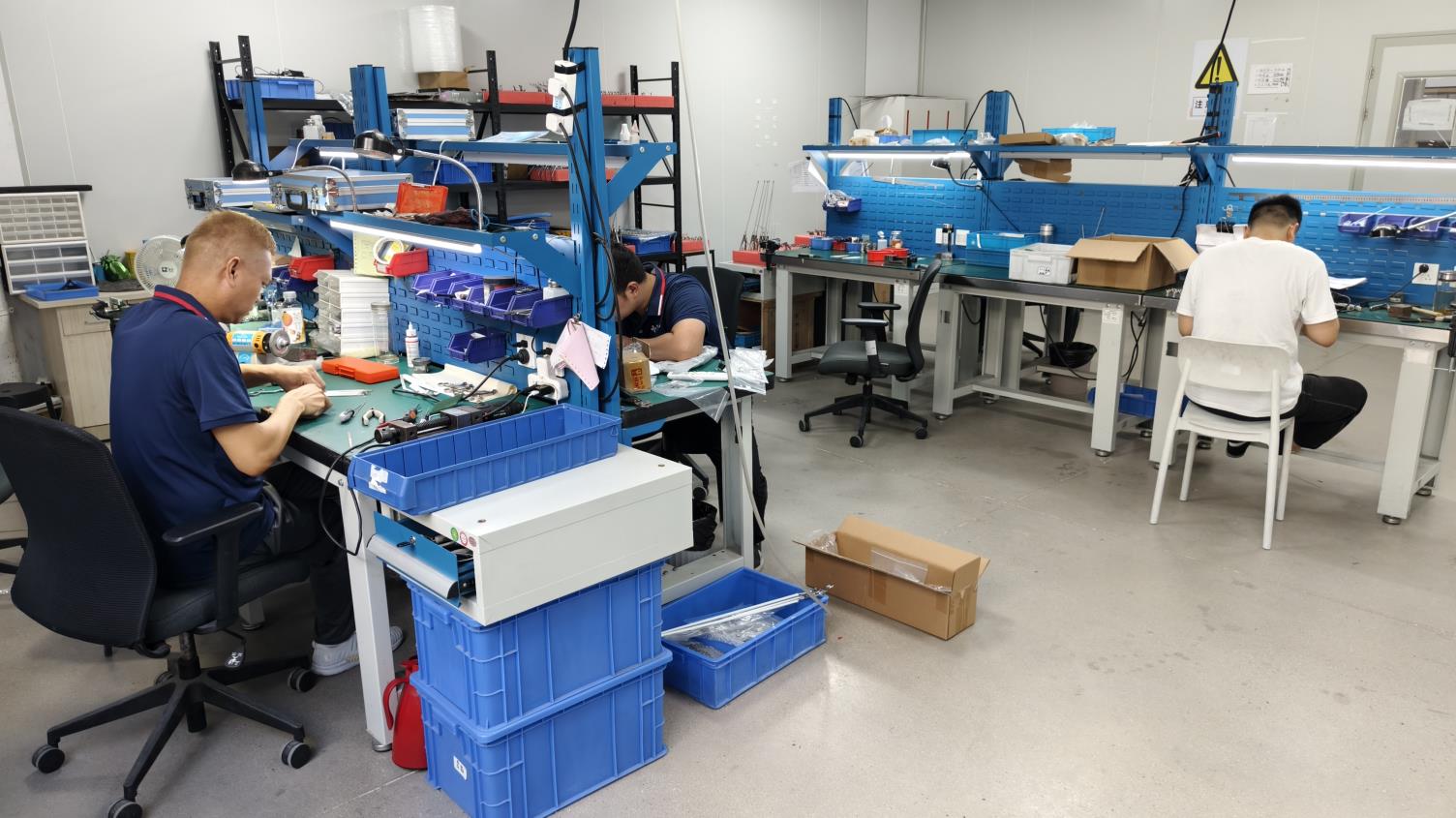
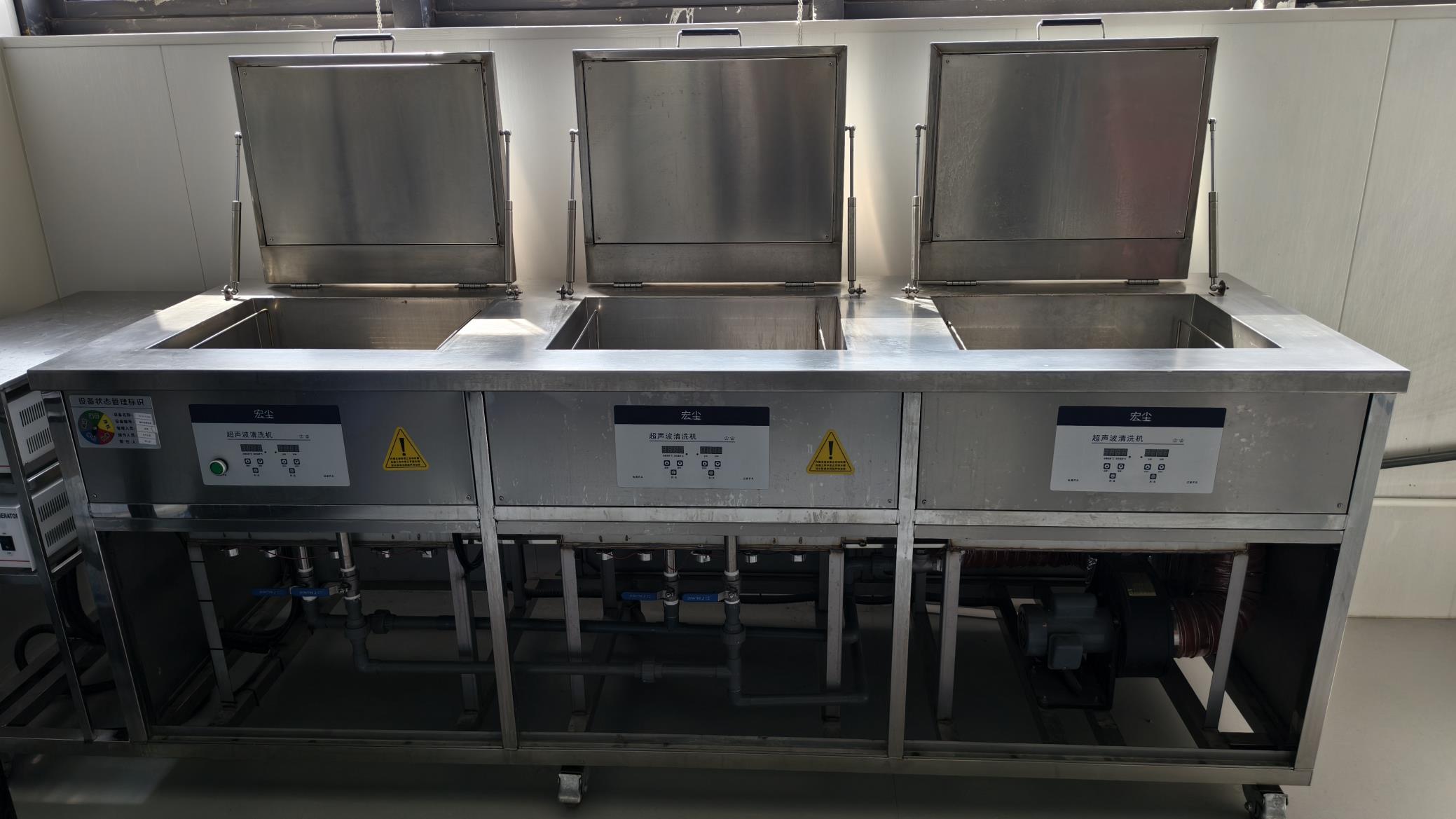
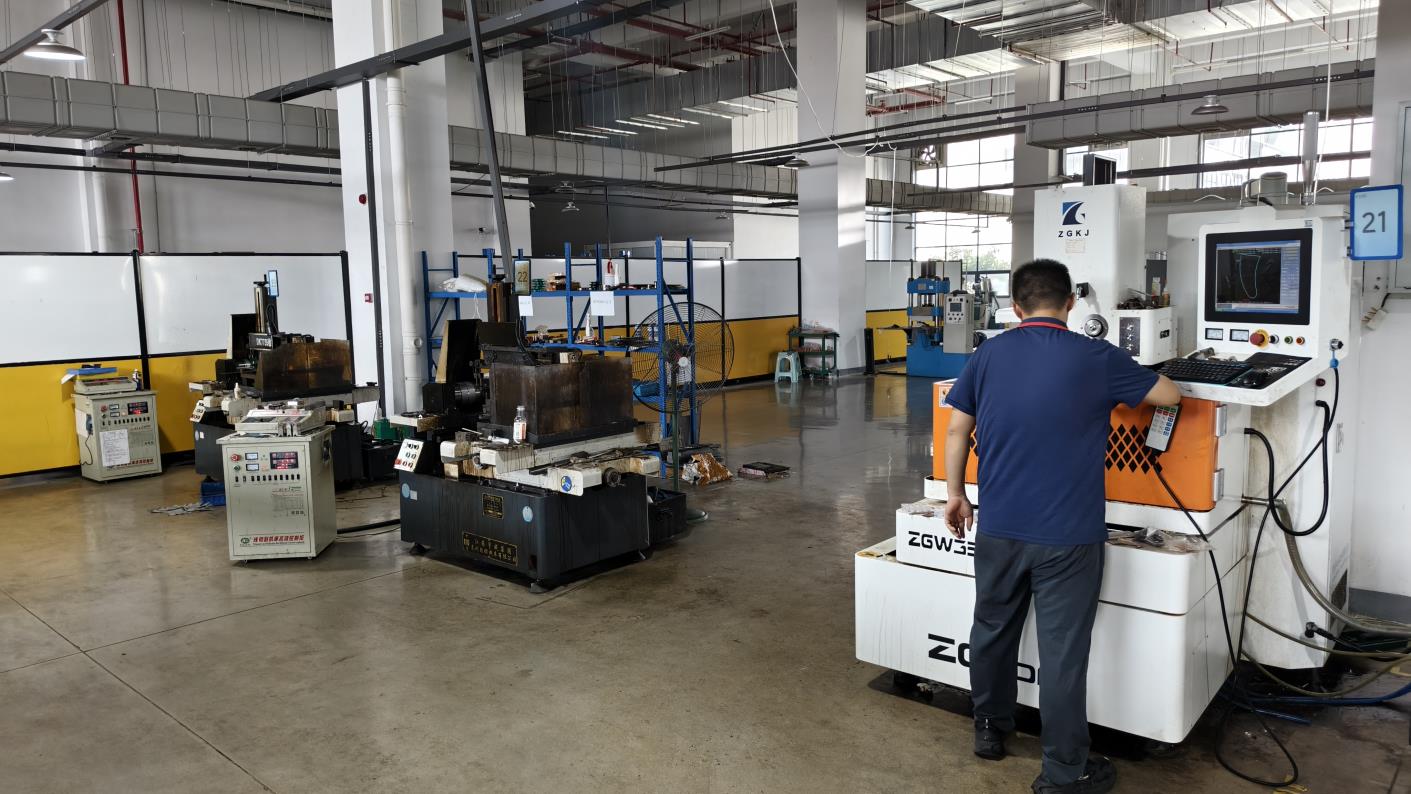
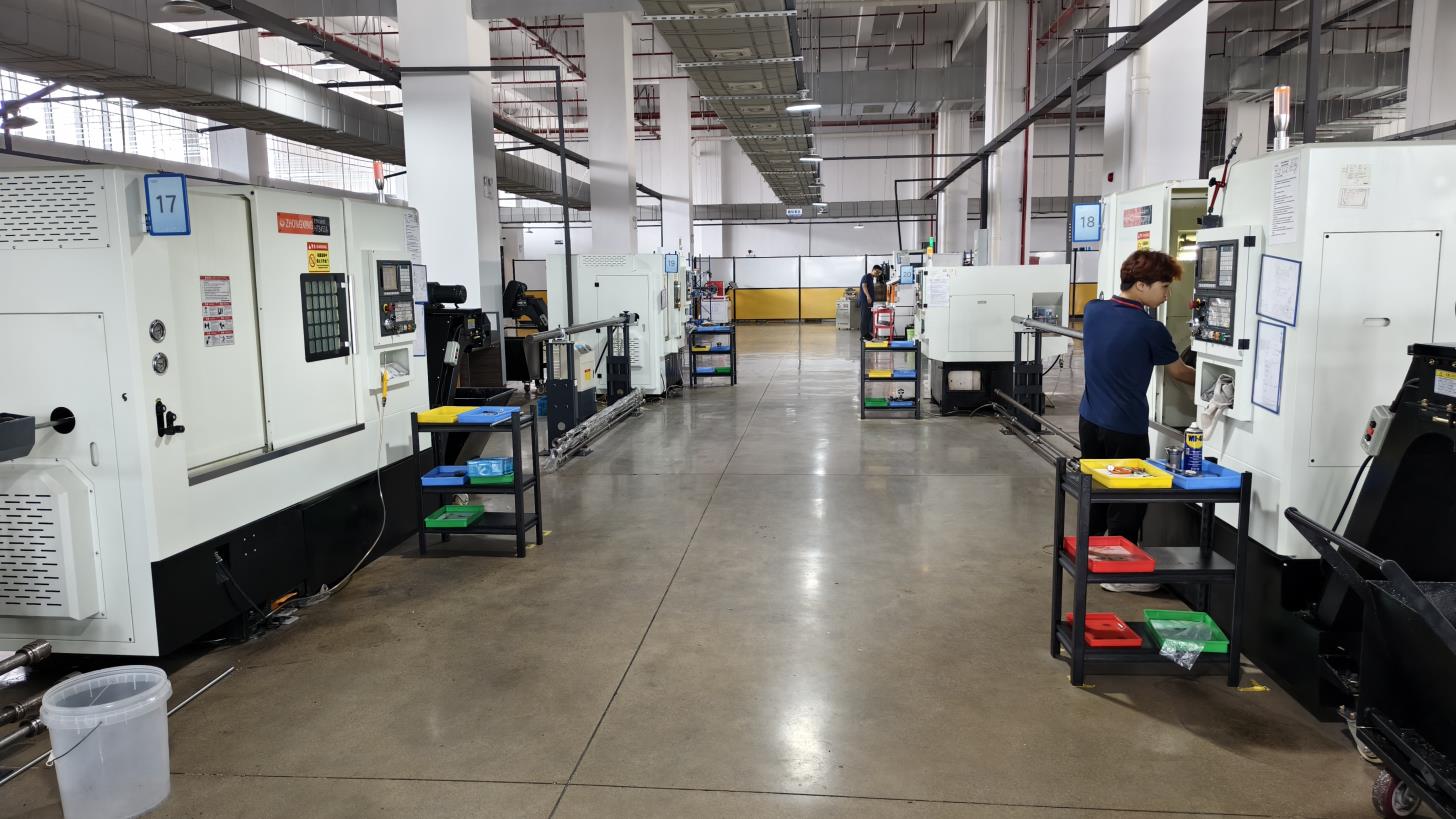
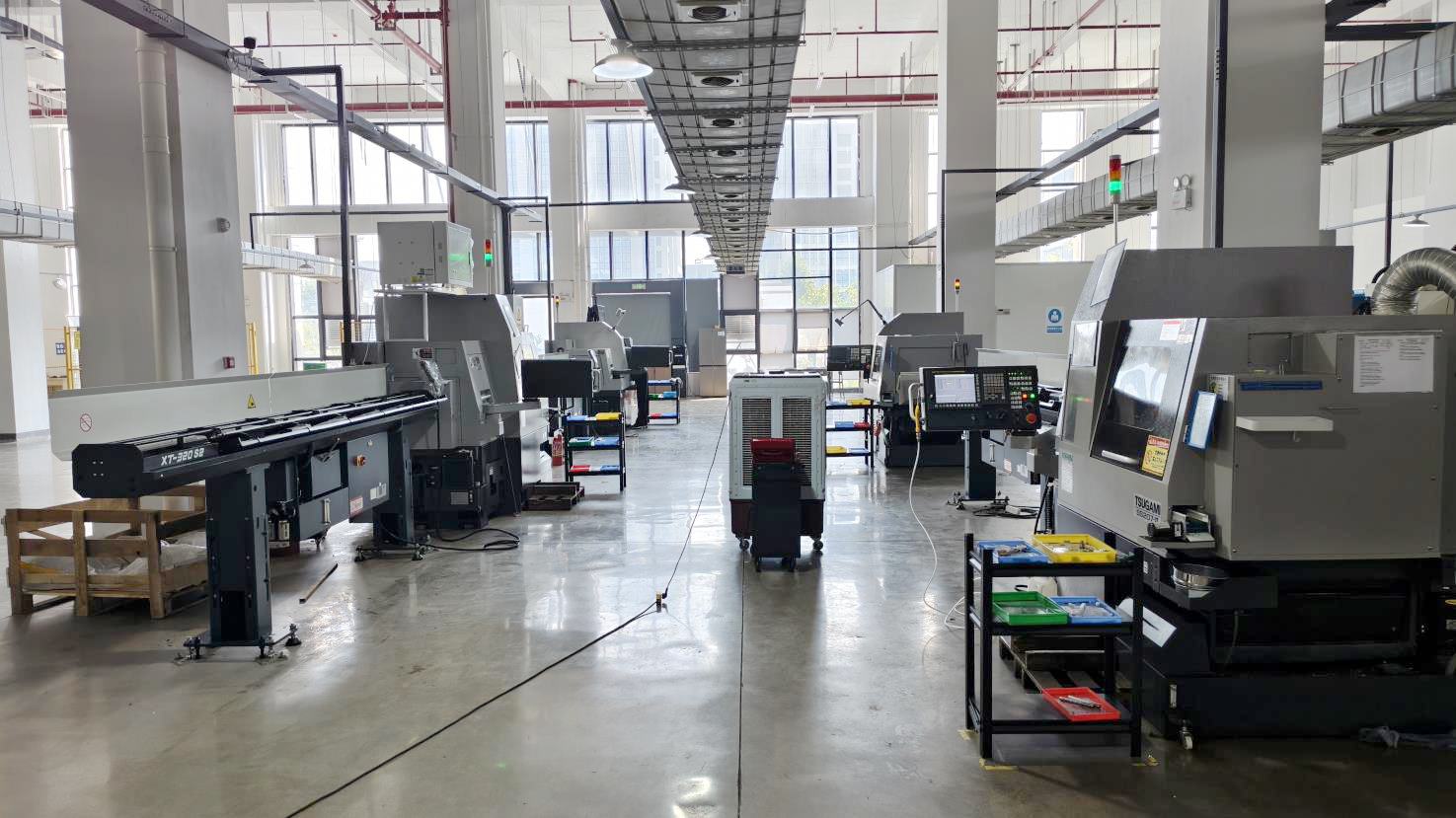
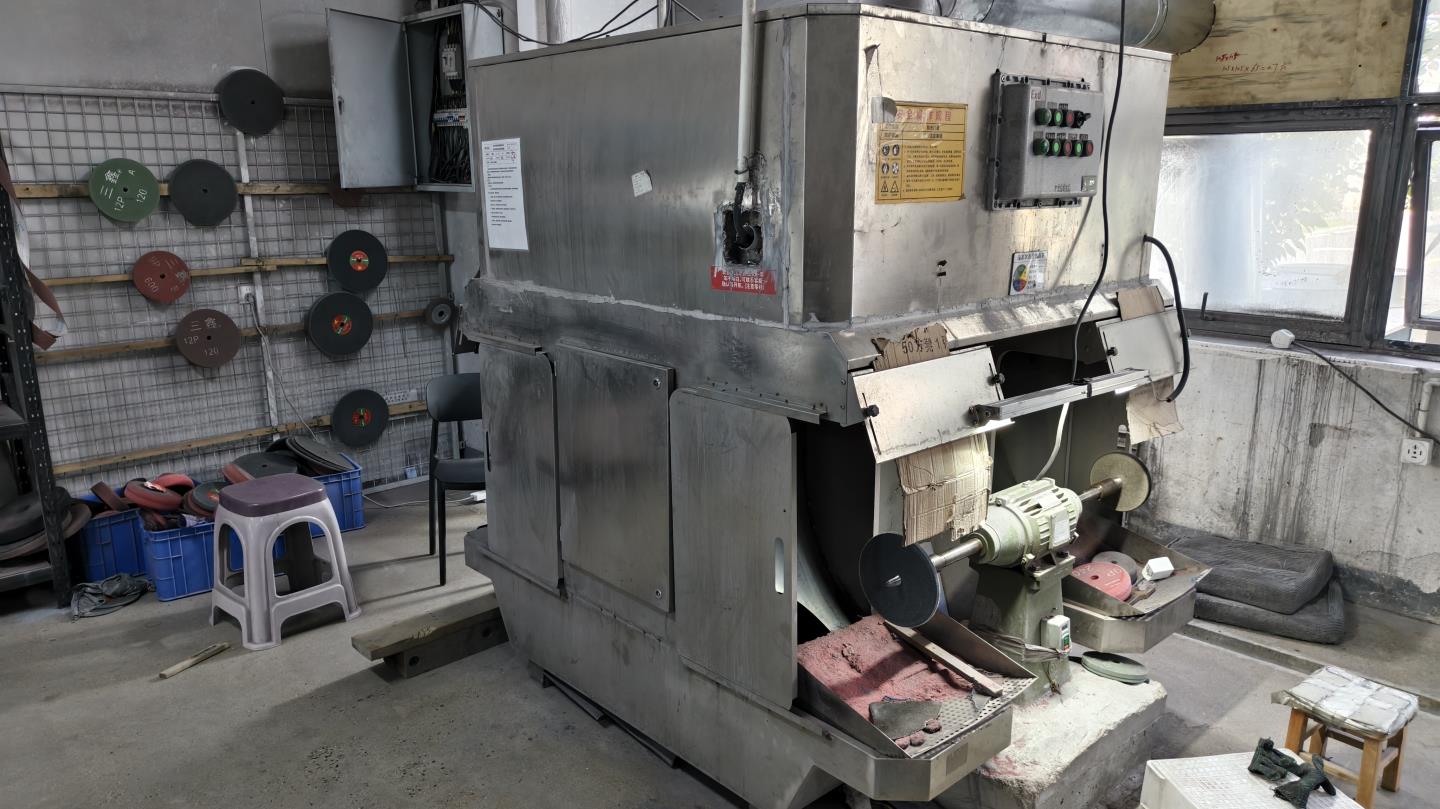
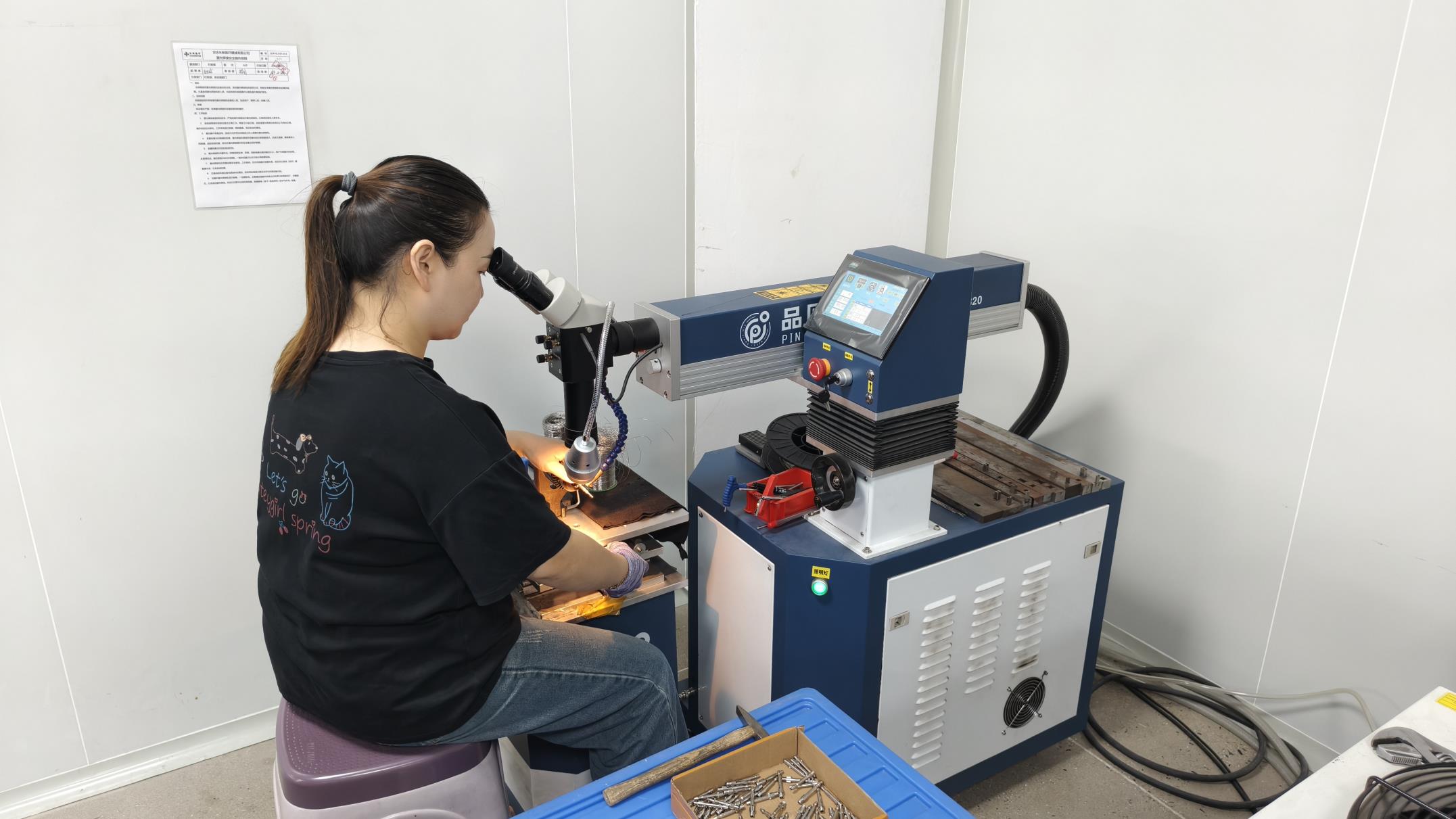
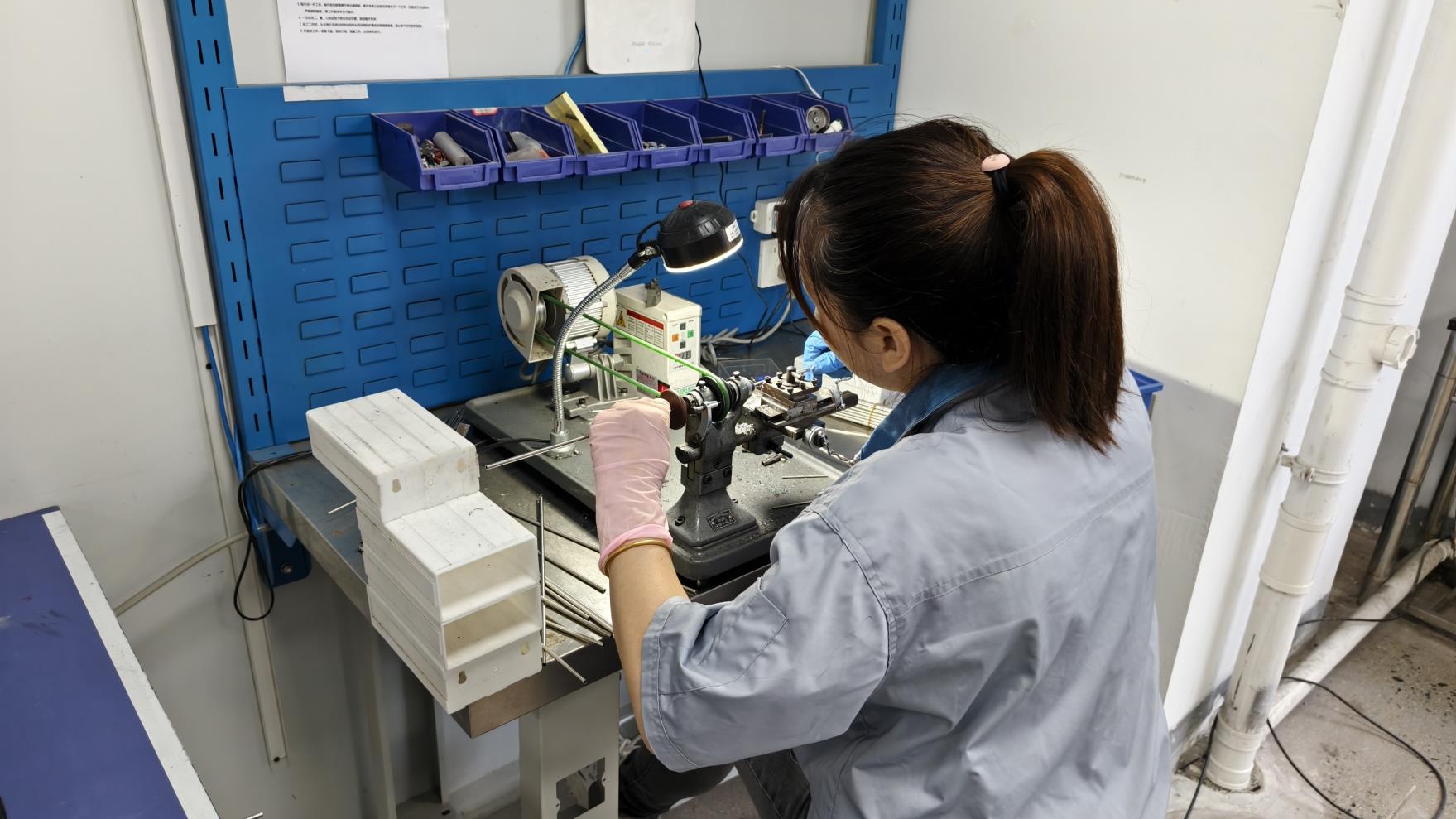
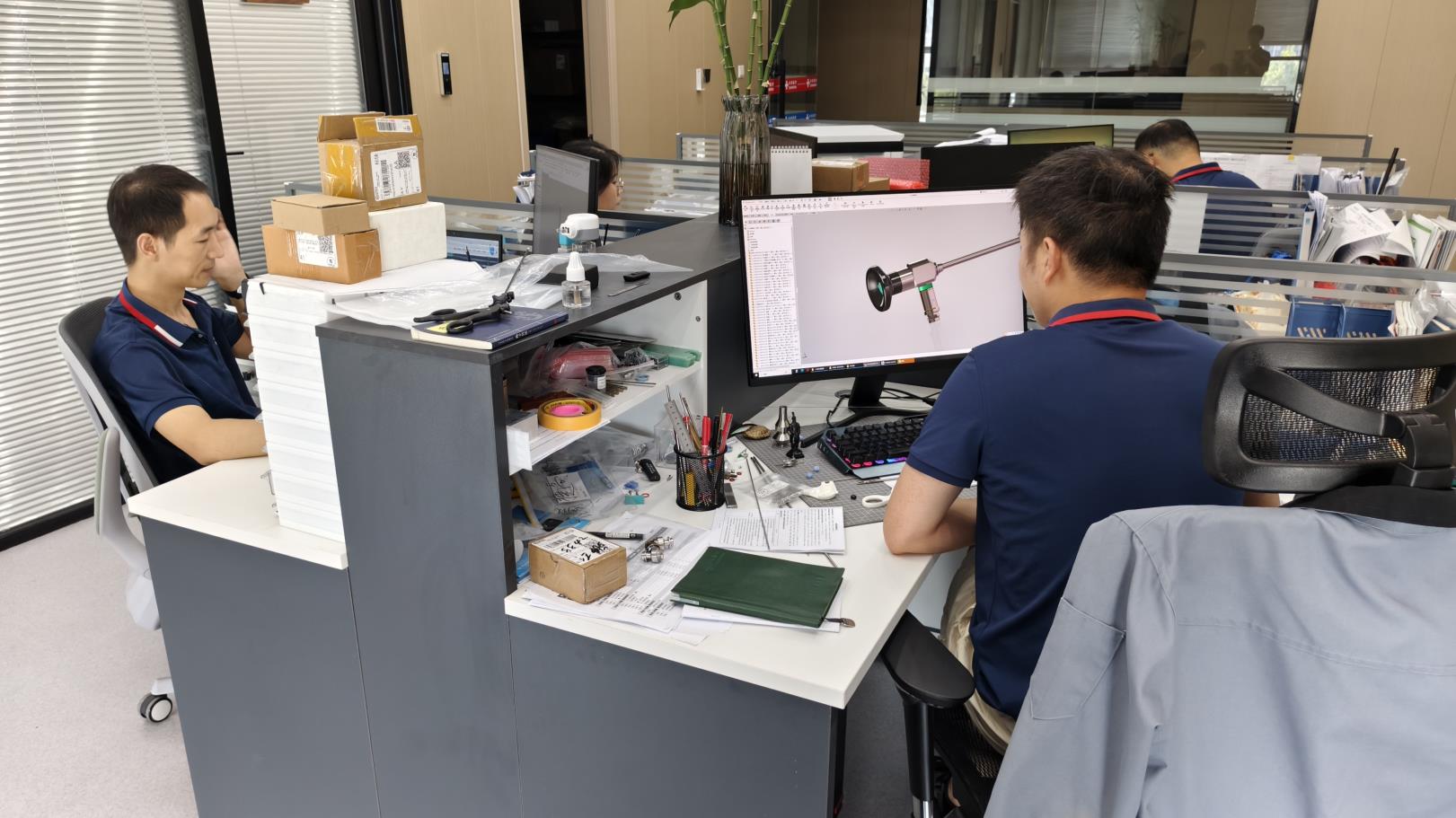
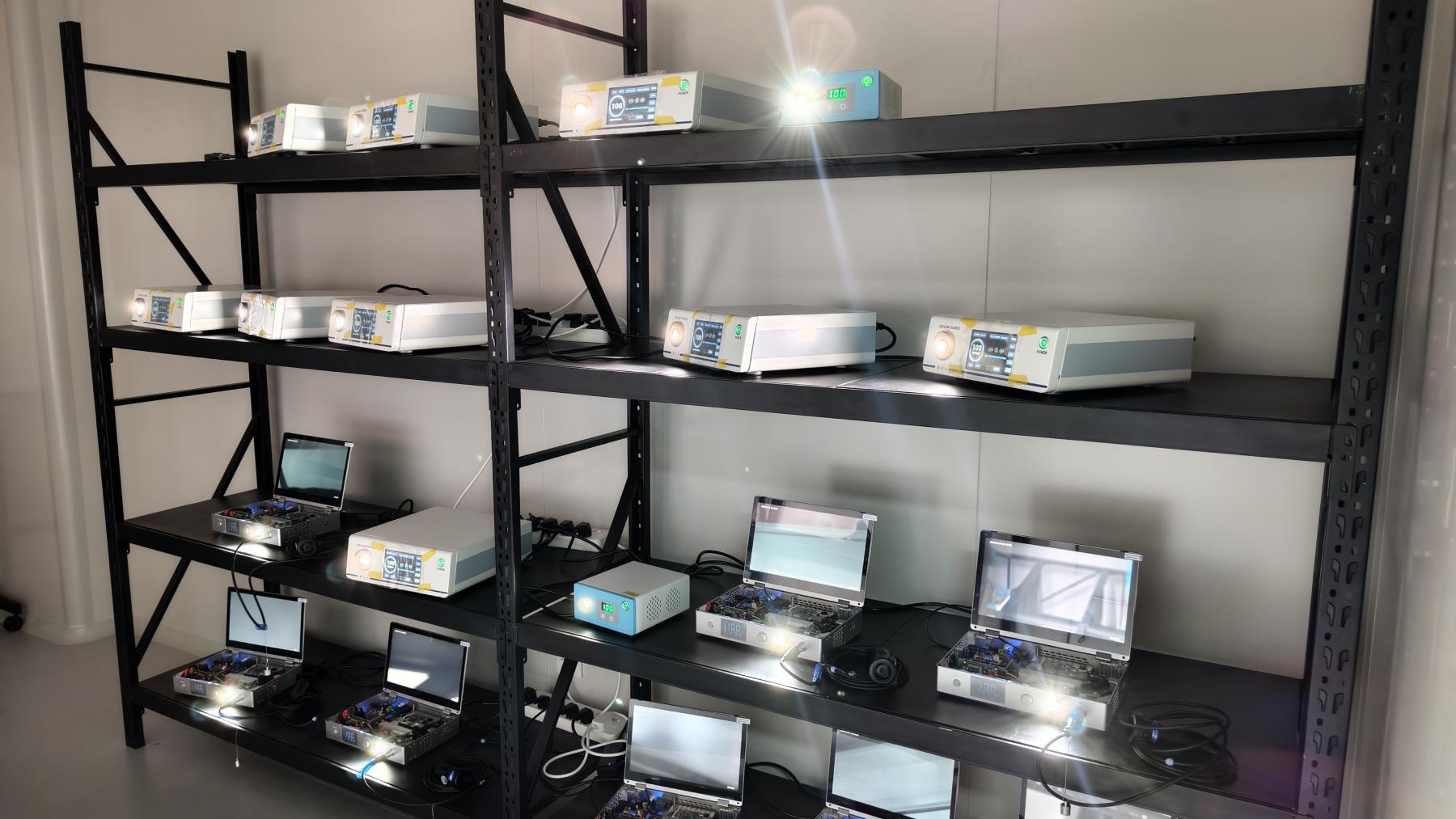
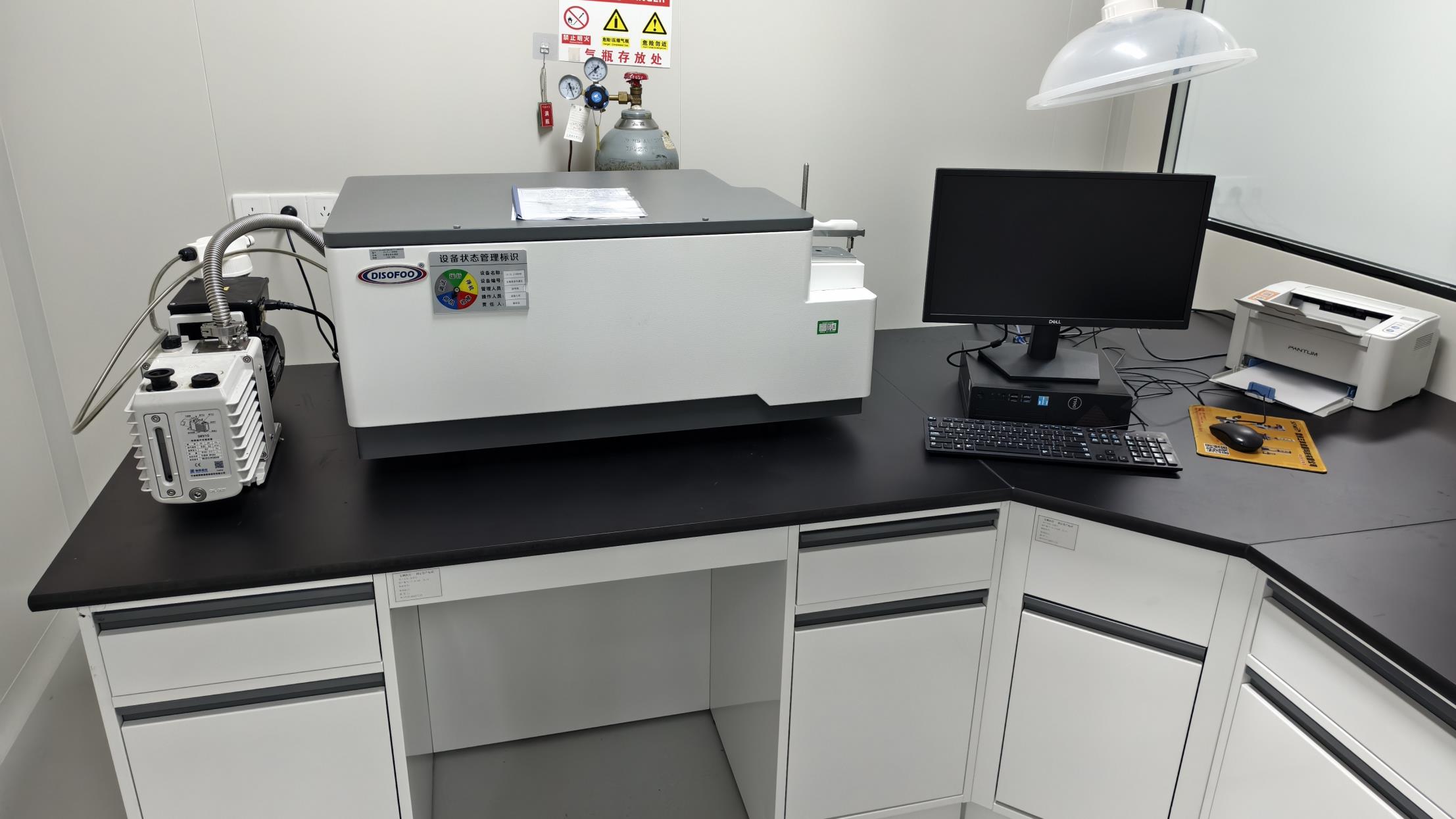
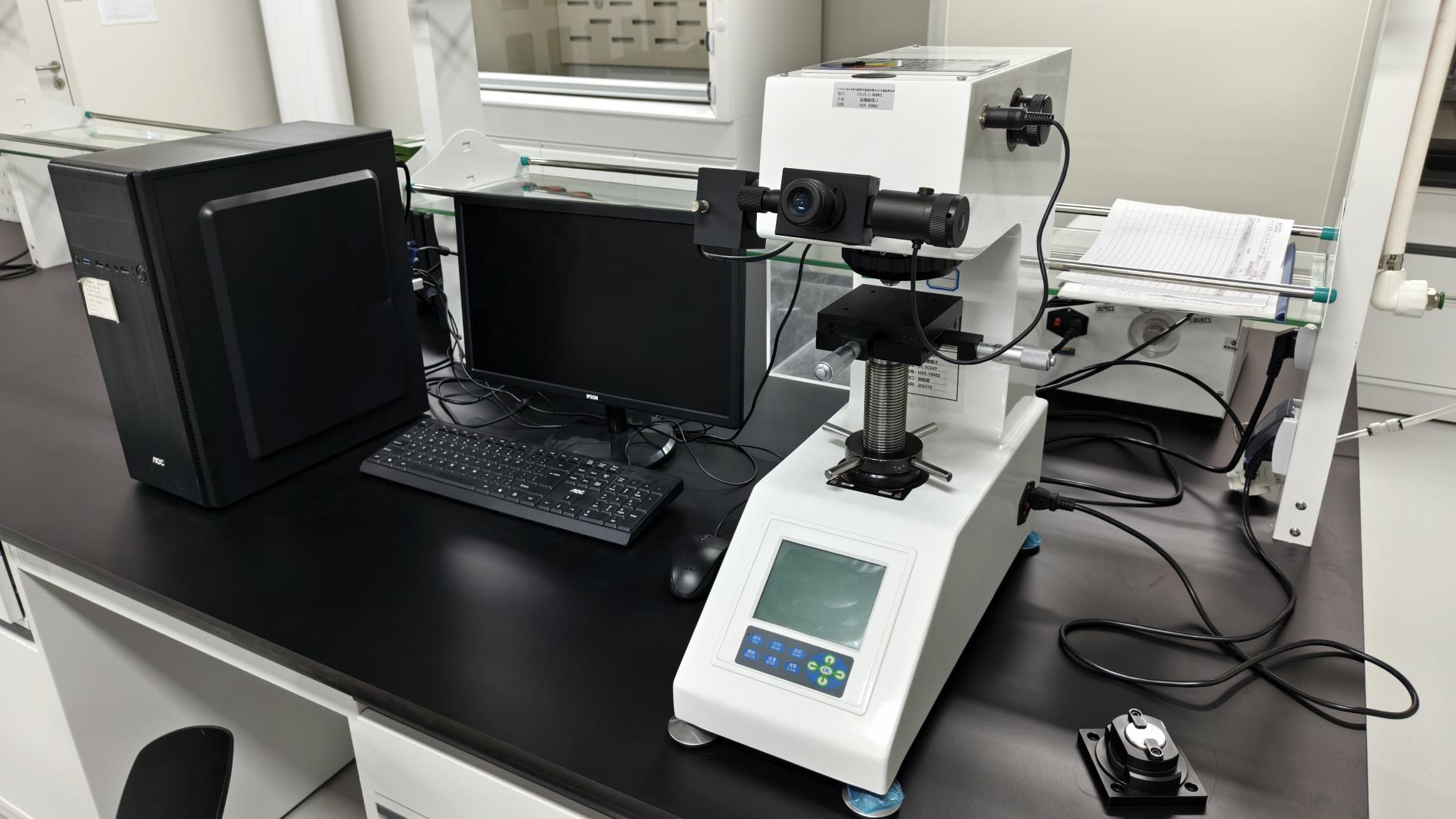
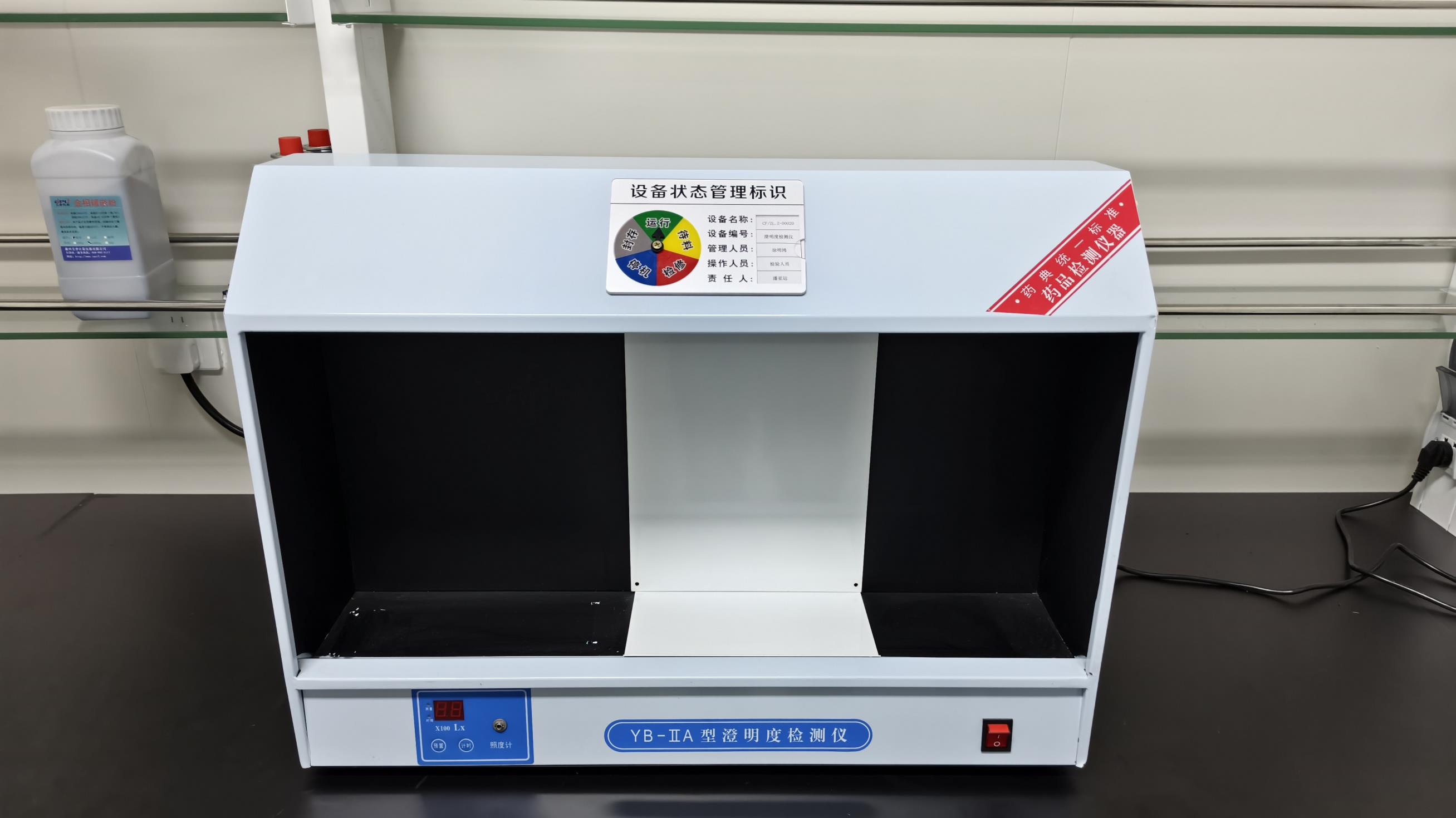
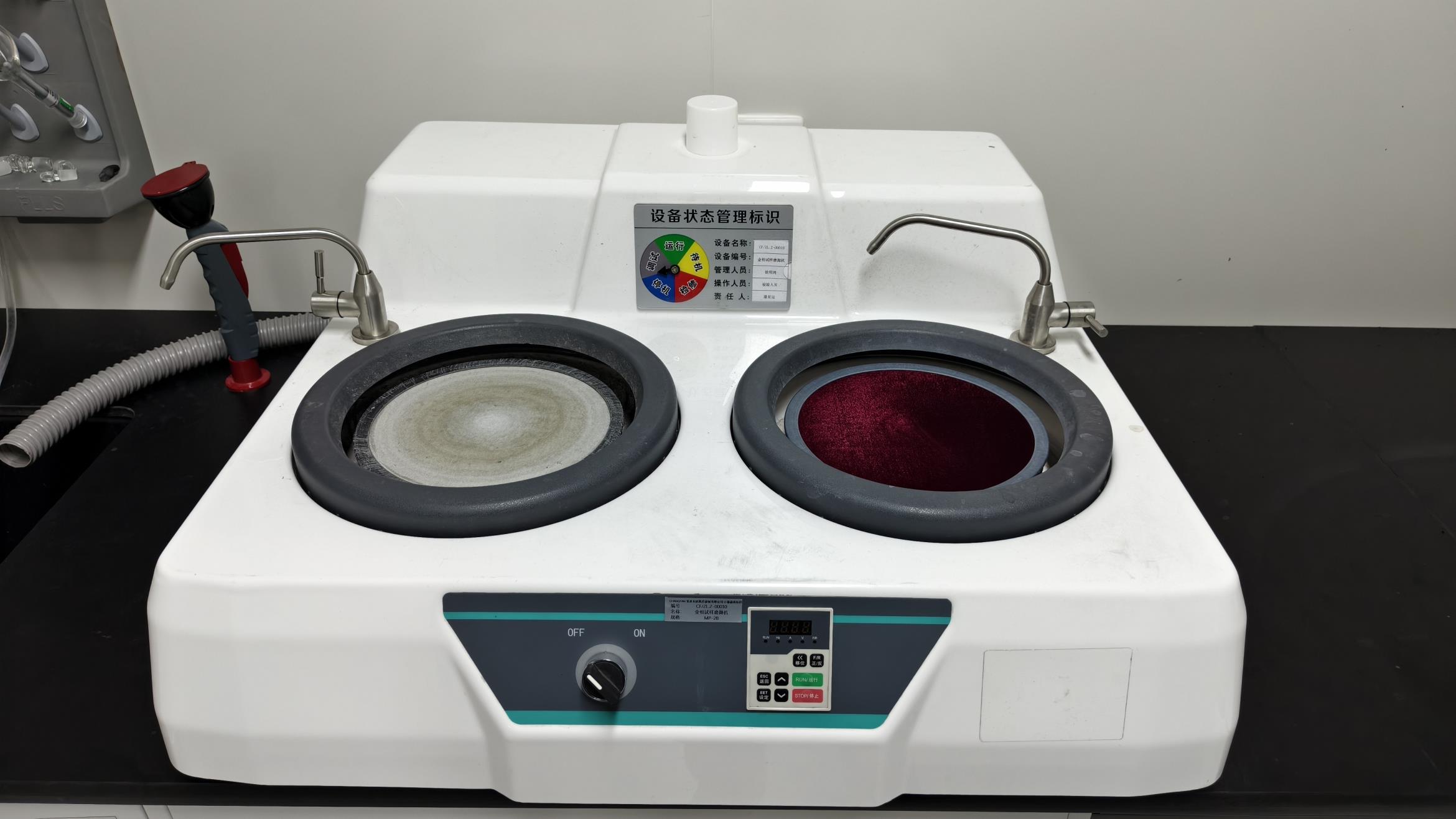
Developing next-generation joint interfaces that reduce aseptic loosening and increase prosthesis service life past 30 years.
Future iterations of femoral stems and acetabular shells utilize 3D-printed trabecular titanium structures coated with hydroxyapatite (HA) or strontium-infused calcium phosphate. These coatings accelerate secondary biological osseointegration, transforming cementless fixation performance.
To drastically minimize post-operative dislocation risks, Dual-Mobility concepts are becoming mainstream. Combining a small metal femoral head articulating inside a large mobile polyethylene liner, which in turn articulates inside a metal back cup, provides maximum range of motion (ROM) and stability.
Synoviq's future pipeline explores embedded polymer micro-sensors capable of tracking volumetric wear, local pH fluctuations (indicating early subclinical infection), and in-vivo joint pressure distributions, feeding real-time biomechanical diagnostics back to orthopedic clinicians.
Guaranteeing international delivery, localized field technical service, and absolute clinical compliance across borders.
Shipping Class III implantable medical devices requires more than just standard logistics. Synoviq ensures every metal-on-polyethylene joint is double-packaged in certified sterile Tyvek pouches within ISO Class 7 cleanrooms, utilizing validated Gamma Irradiation or Ethylene Oxide (EtO) sterilization routines.
Additionally, we assist our local import partners by providing ready-to-submit regulatory dossiers (including ISO 13485 audits, biocompatibility test results, and mechanical validation data under ISO 7206). We stand behind our distributors with localized engineering training, dedicated customer support teams, and customized surgical instrument loaner programs for clinical trials and hospital bidding cycles.
Important product questions answered for clinical researchers, supply managers, and hospital distribution partners.
Browse our extended range of intramedullary nails, trauma systems, spinal screws, and precision veterinary surgical tools.
 Synoviq Medical