Understanding the clinical demand, material dynamics, and global supply configurations for circular external fixation systems.
The Ilizarov Ring Fixator remains the premier modality for biological distraction osteogenesis, resolving cases of infected non-unions, osteomyelitis, complex fractures, and severe congenital deformities where internal fixation is contraindicated.
Modern clinical settings prioritize radiolucent, lightweight configurations. Global factories are transitioning production lines from surgical-grade stainless steel to biocompatible titanium alloys (Ti-6Al-4V ELI) and carbon fiber composite materials.
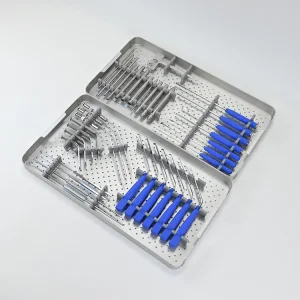
Hospitals and medical device brands are migrating away from fragmented suppliers, shifting orders to large-scale, vertically integrated OEM/ODM manufacturing hubs capable of supplying complete surgical instrument sets and modular fixation kits.
The manufacturing paradigm of circular external fixators requires extreme geometric precision. Wire tensioning, ring rigidity, and rod thread tolerances directly dictate clinical outcomes. A minimal deviation in the pitch of a distraction rod can cause mechanical failure during the distraction phase, highlighting why selecting a qualified industrial factory with rigorous CMM inspections and ISO compliance is a clinical prerequisite.
Proven metrics in orthopedic implant manufacturing, international exporting, and R&D capability.
Bridging class-leading clinical design with lean manufacturing efficiency for trauma and spinal implants.
Synoviq Medical Technology (China) Co., Ltd. is a professional manufacturer of orthopedic implants and surgical instruments, dedicated to delivering innovative, reliable, and high-quality medical solutions for healthcare professionals worldwide. Since its establishment, Synoviq has focused on research, development, precision manufacturing, and international quality standards, providing comprehensive OEM and ODM services for global medical device brands, distributors, and hospitals.
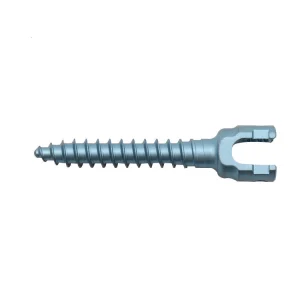
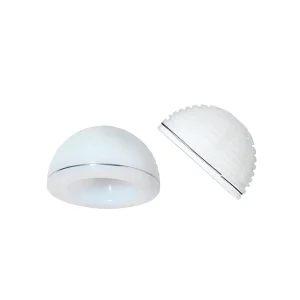
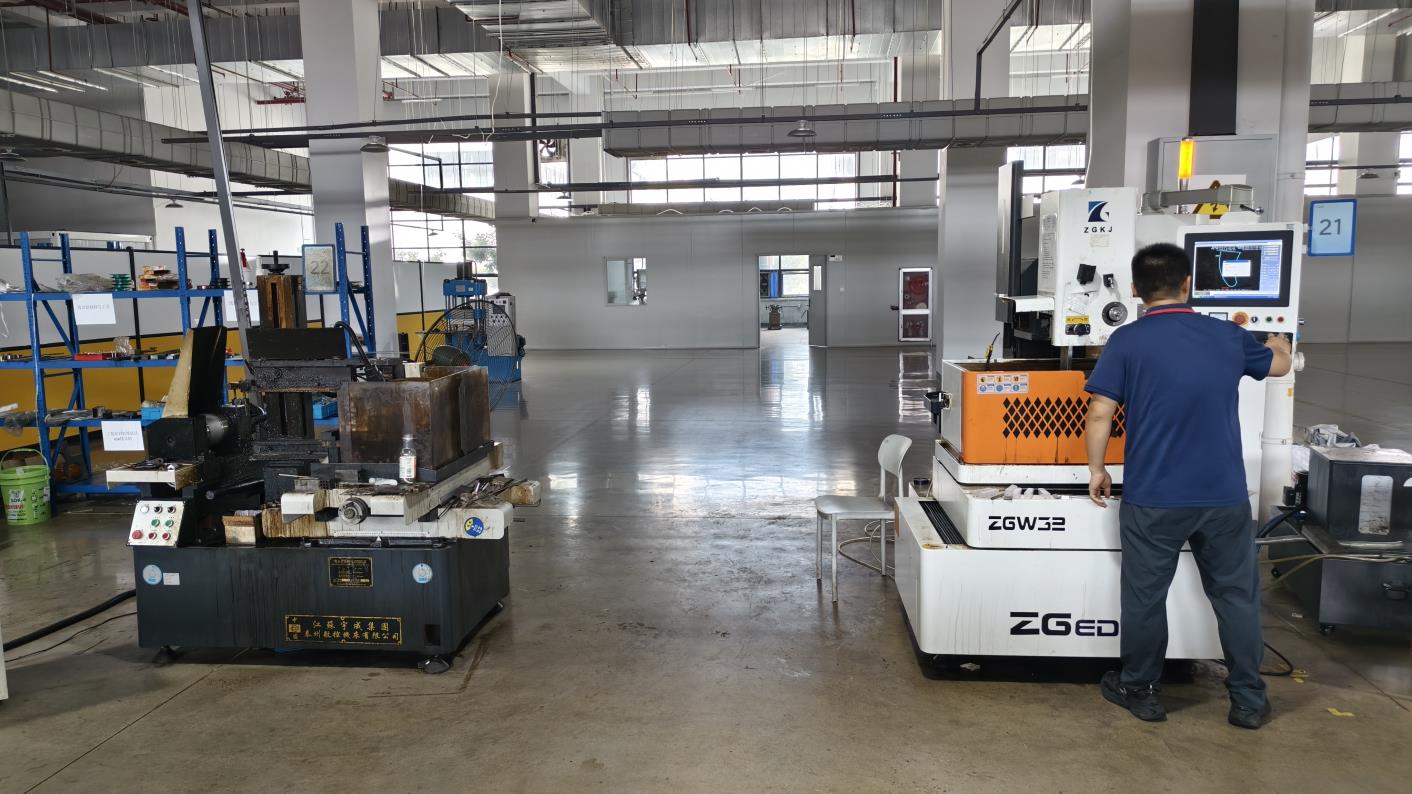
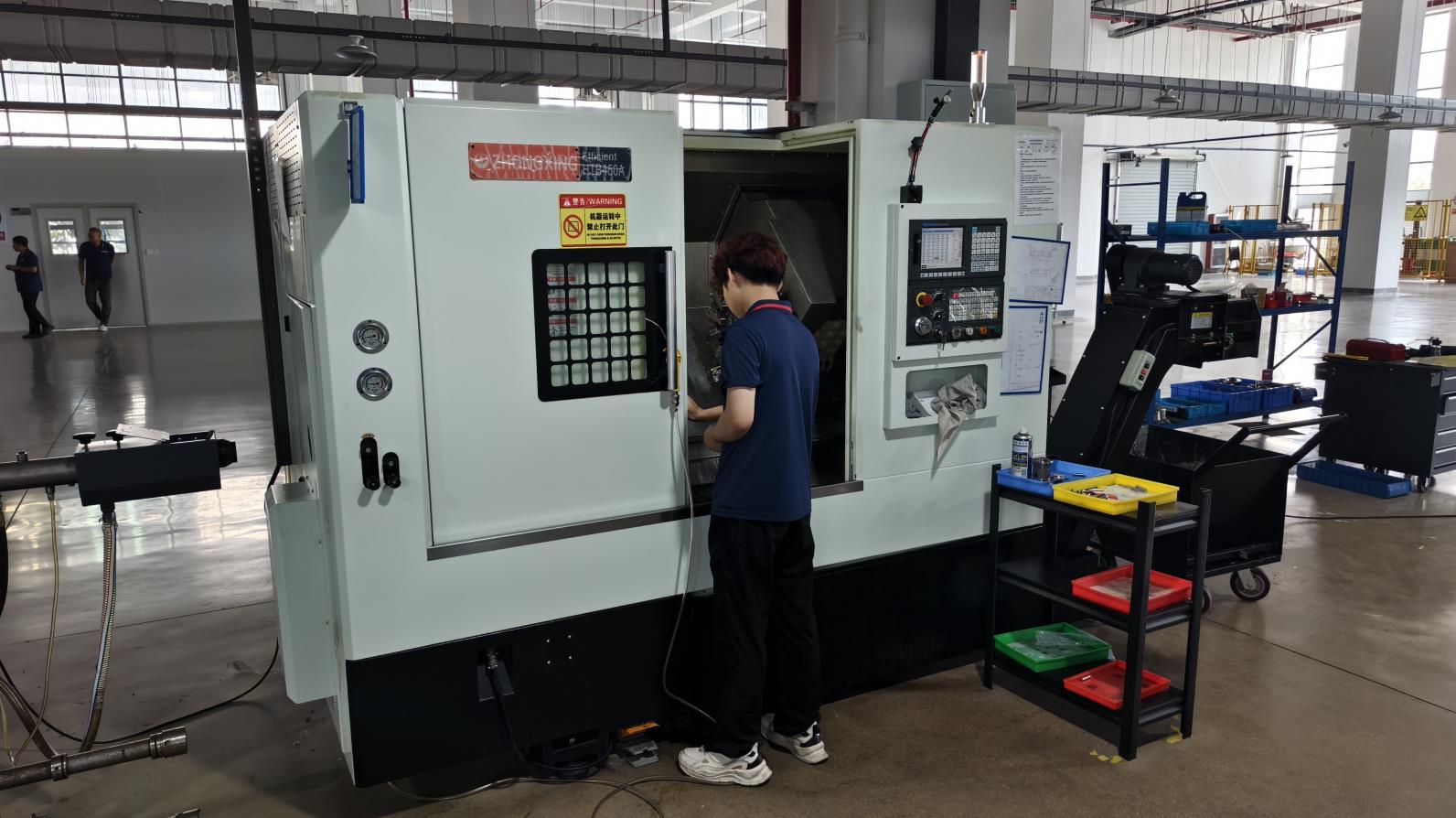
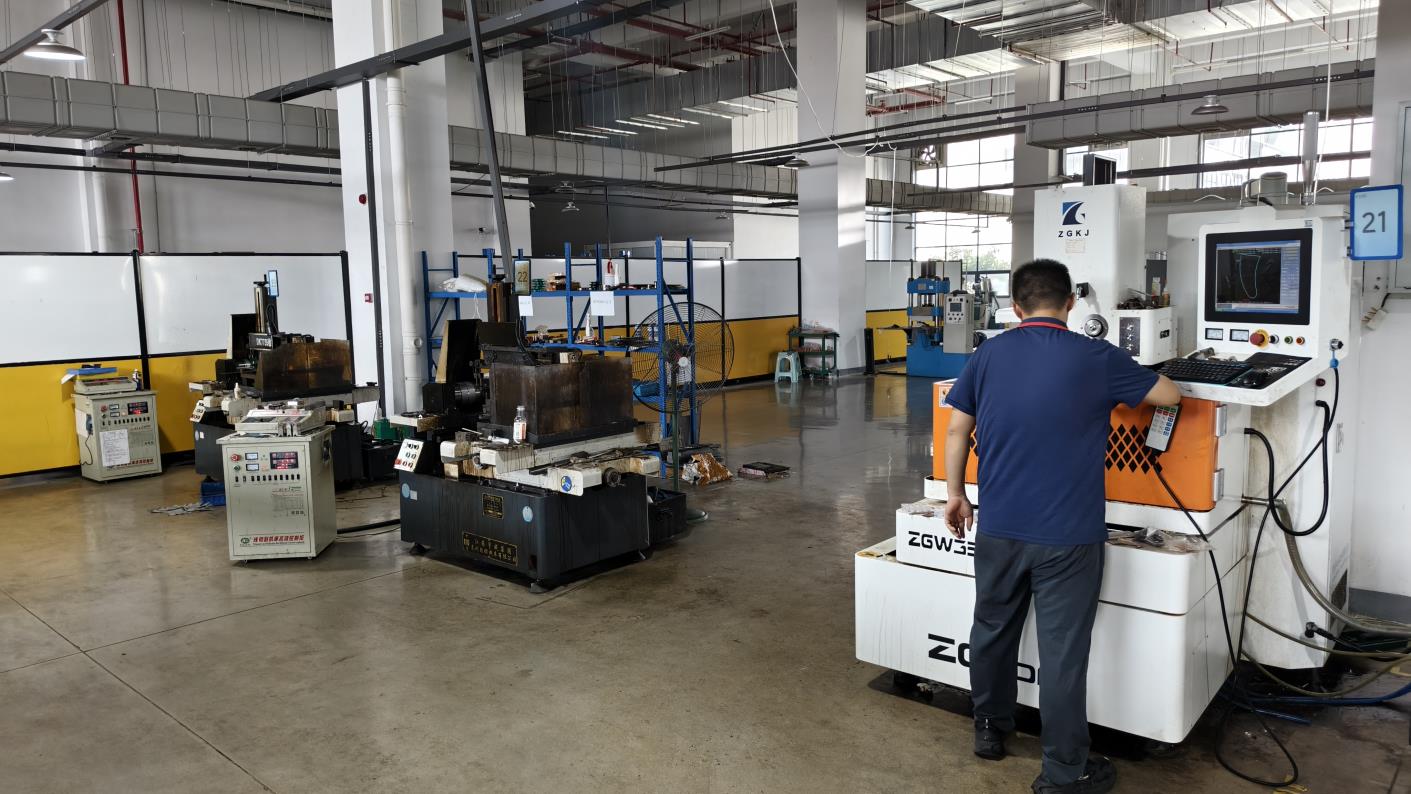
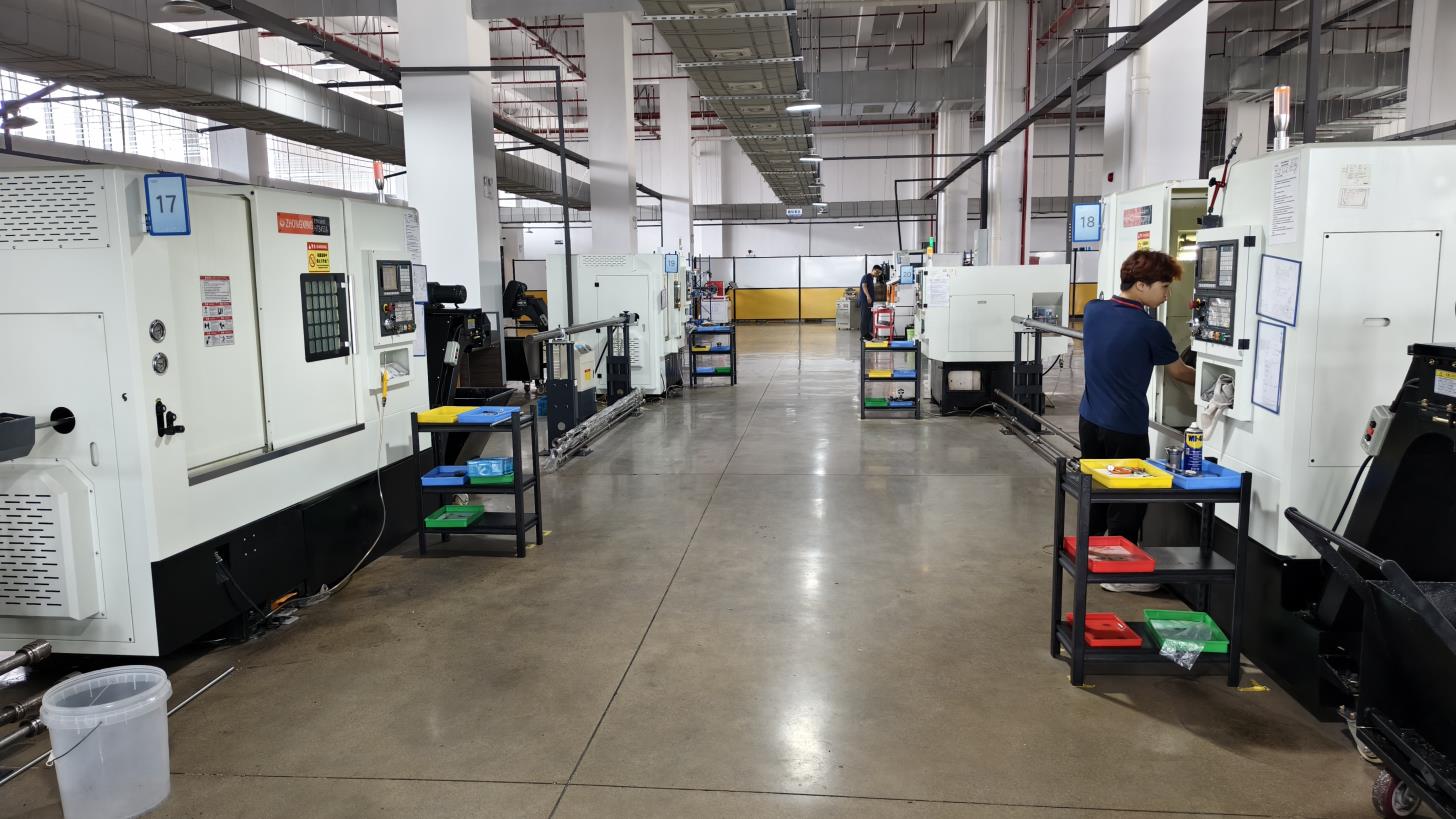
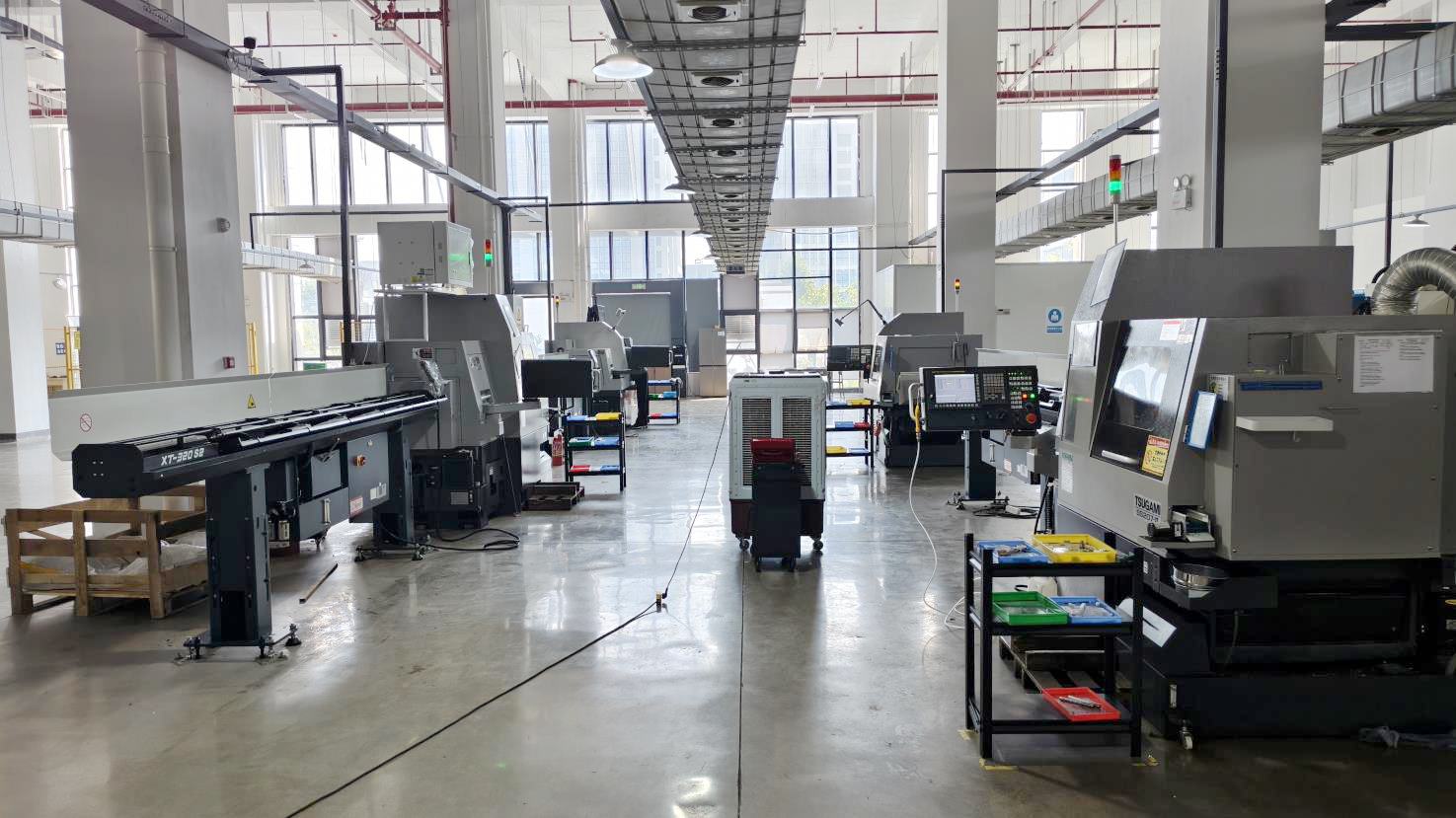
Our product portfolio includes trauma fixation systems, spinal implants, locking plates, intramedullary nails, external fixation systems, orthopedic screws, surgical instruments, and customized orthopedic solutions. Equipped with advanced CNC machining centers, precision inspection equipment, and modern clean production facilities, we ensure every product meets strict international quality requirements.
Driven by continuous innovation, Synoviq invests heavily in R&D and intelligent manufacturing to enhance product performance, surgical efficiency, and patient outcomes. Our experienced engineering team works closely with customers to develop customized products tailored to different clinical applications and market demands.
With a customer-oriented philosophy, competitive pricing, stable supply capability, and efficient technical support, Synoviq has established long-term partnerships with distributors, medical brands, and healthcare organizations across Europe, North America, South America, the Middle East, and Asia-Pacific.
| Item | Information Details |
|---|---|
| Company Name | Synoviq Medical Technology (China) Co., Ltd. |
| Brand | Synoviq |
| Established | March 18, 2016 |
| R&D Engineers / QC Staff | 76 / 48 Professionals |
| Quality Inspection | 100% Final Inspection & Incoming Material Inspection |
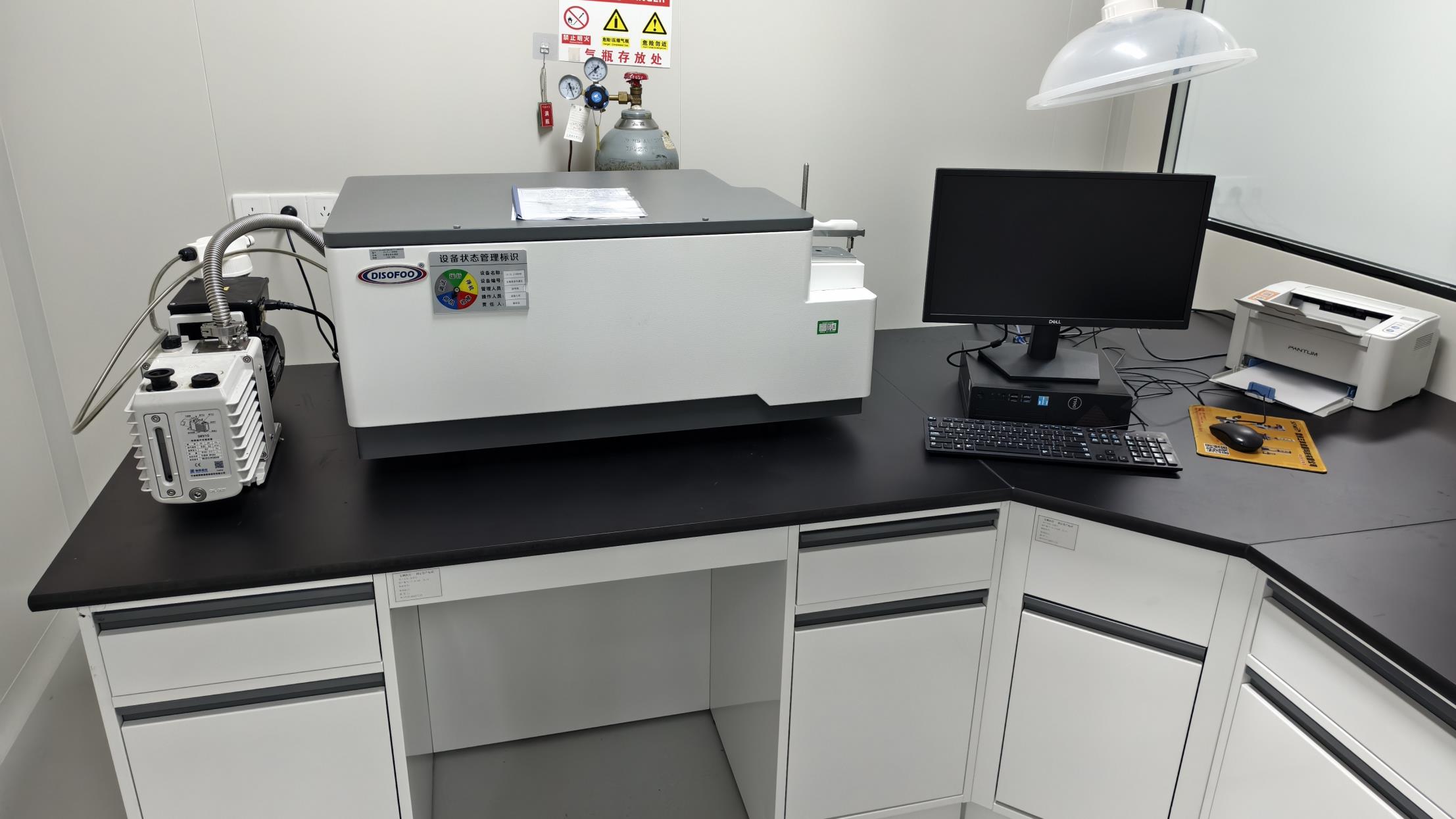
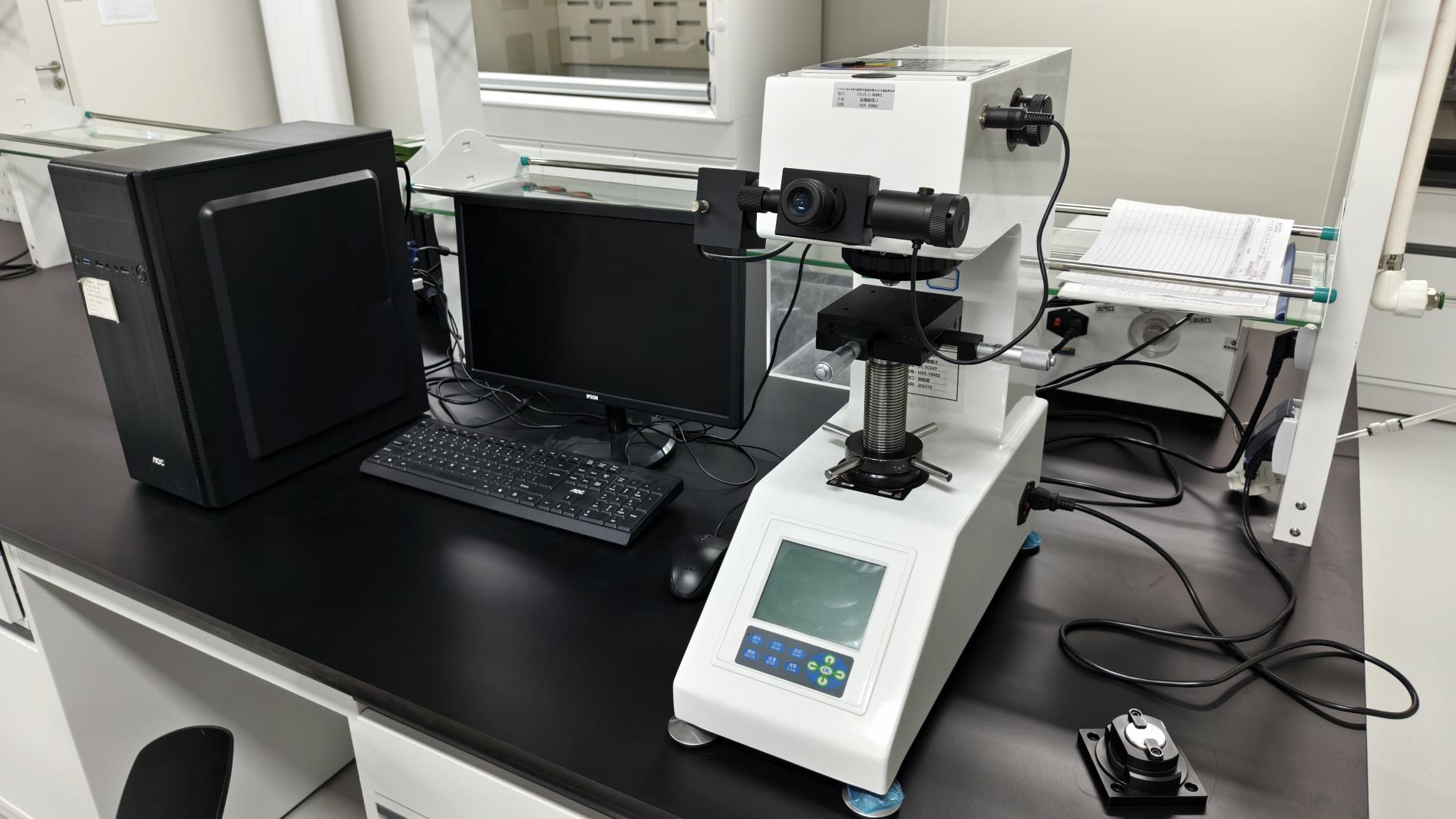
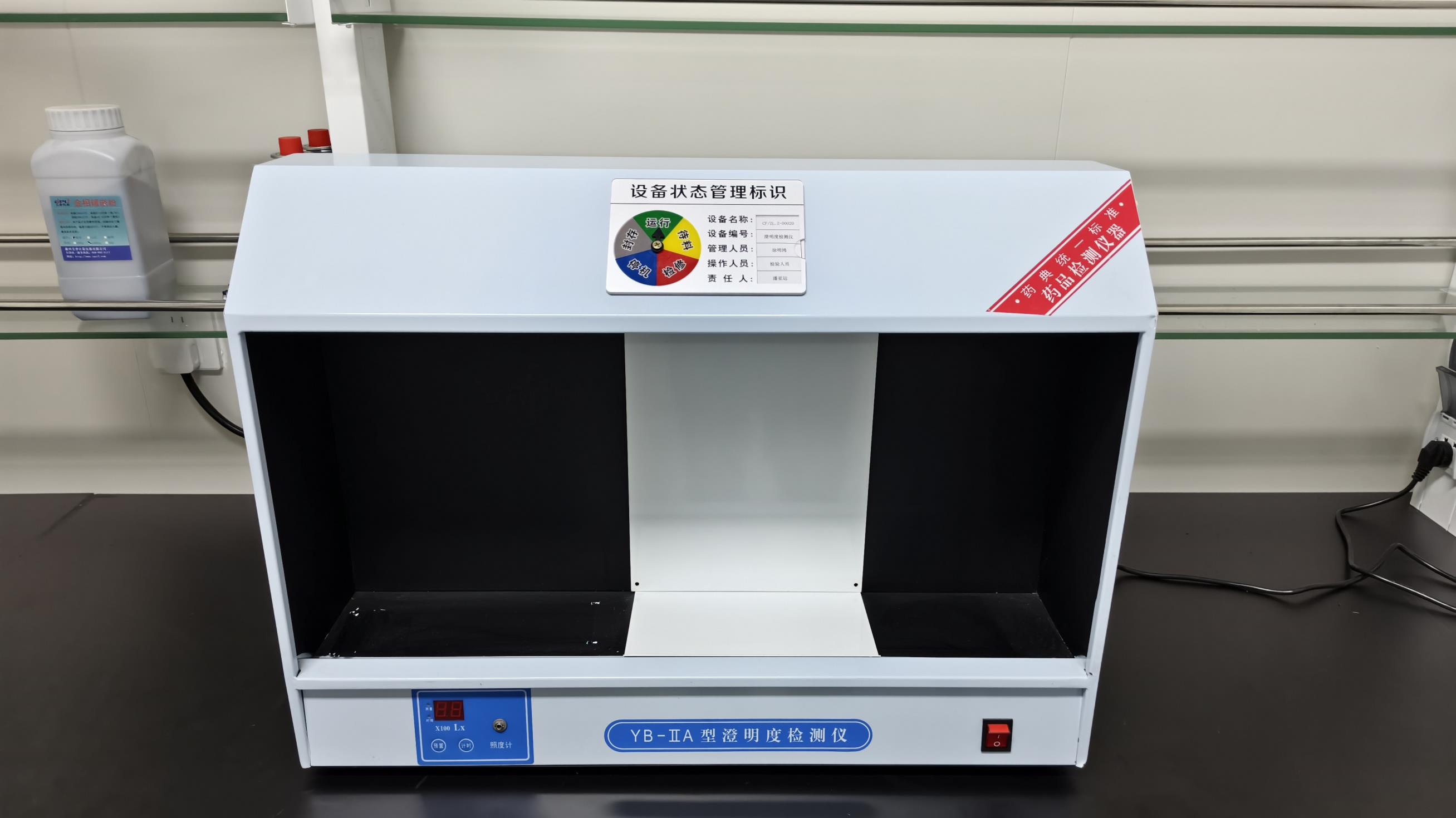
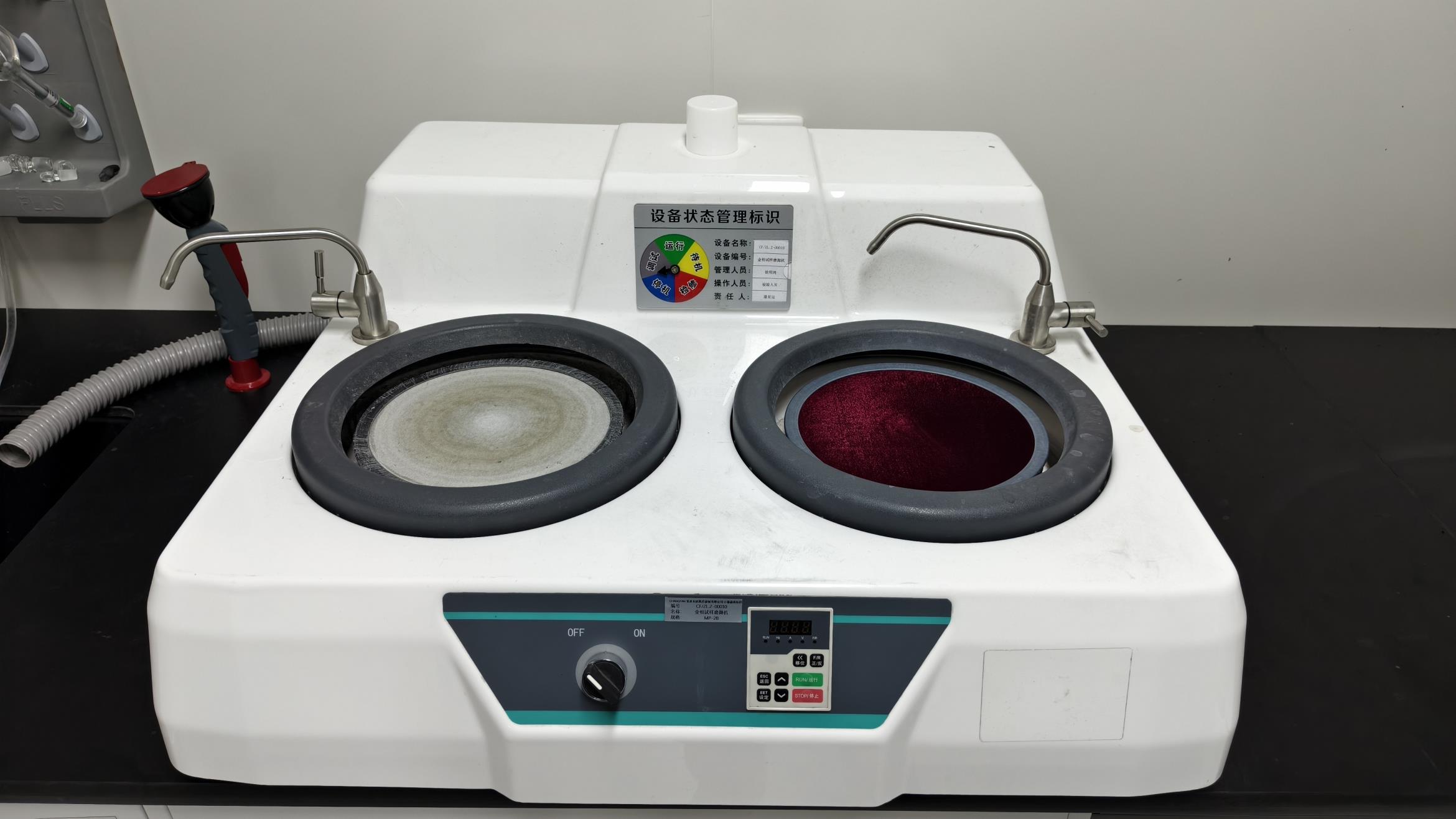
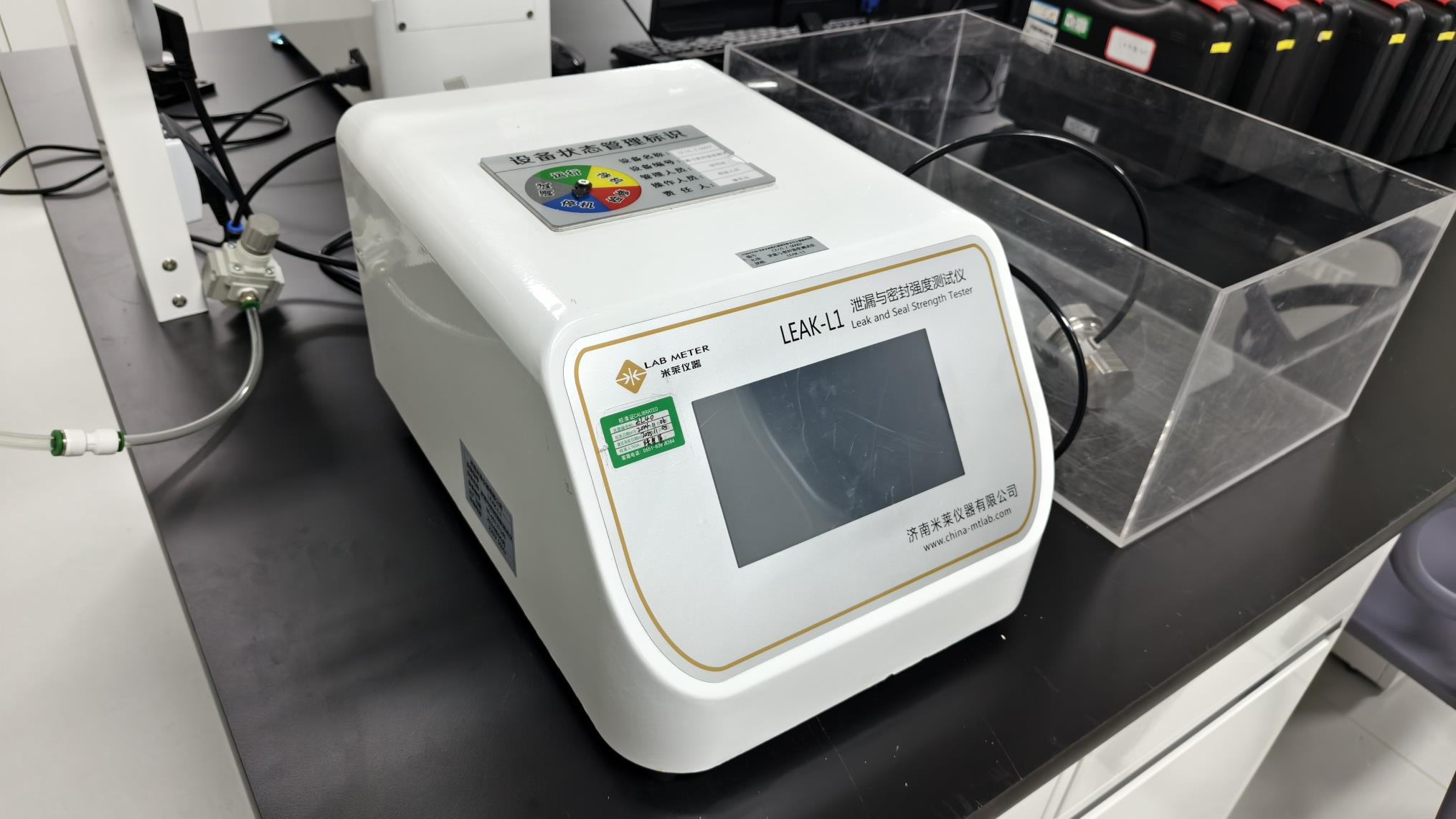
| Inspection Methods | CMM Measurement, Mechanical Testing, Roughness, Hardness, Salt Spray, Sterility Validation |
| Business Type | Manufacturer & Exporter (OEM/ODM/OBM) |
| Main Markets | Europe, North America, South America, Middle East, Southeast Asia |
| Customization Options | Logo, Packaging, Product Design, Materials, Surface Treatment |
| New Products (Last Year) | 186 Innovative Devices Released |
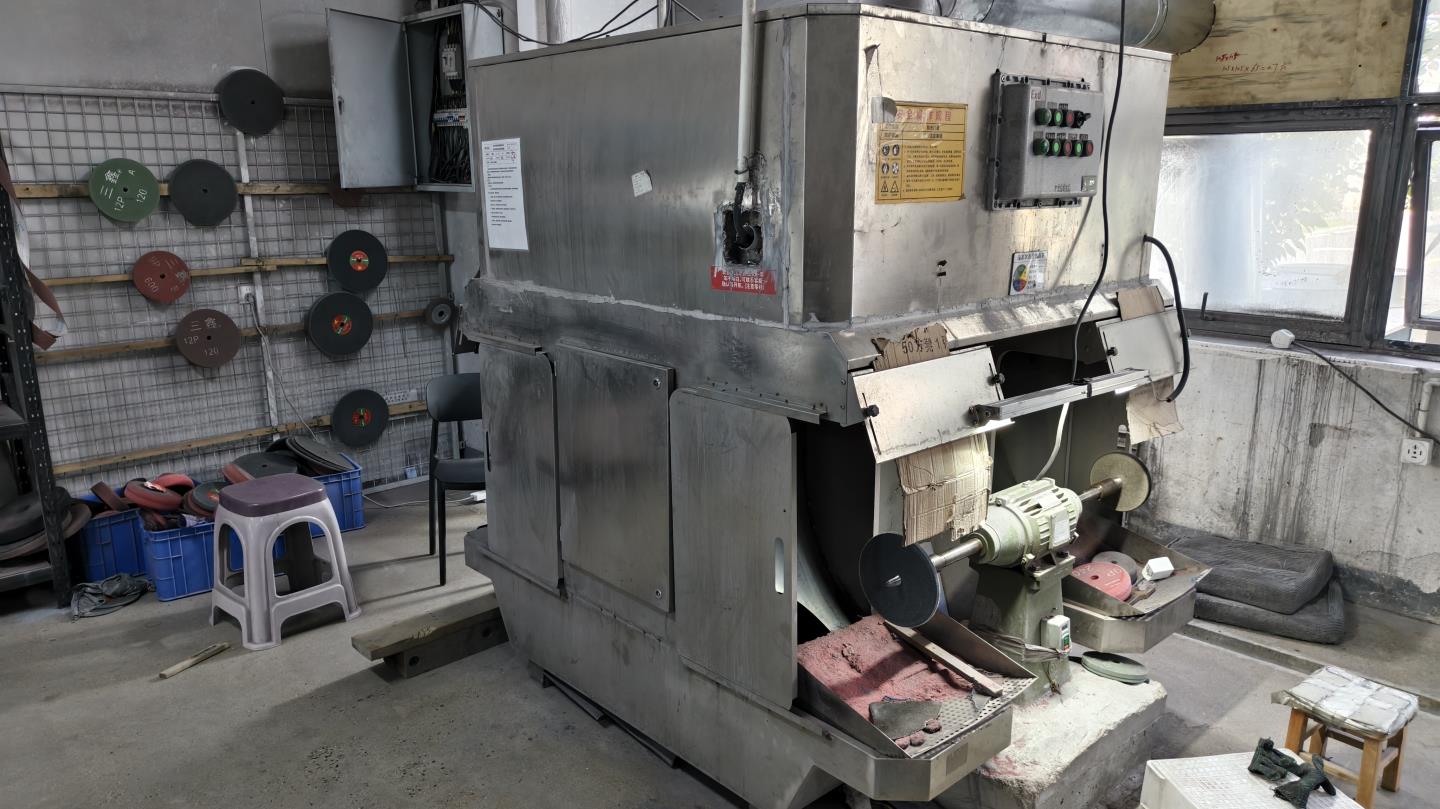
An overview of our precision machining shop, handling everything from cutting raw medical bars to finished sterile packing.
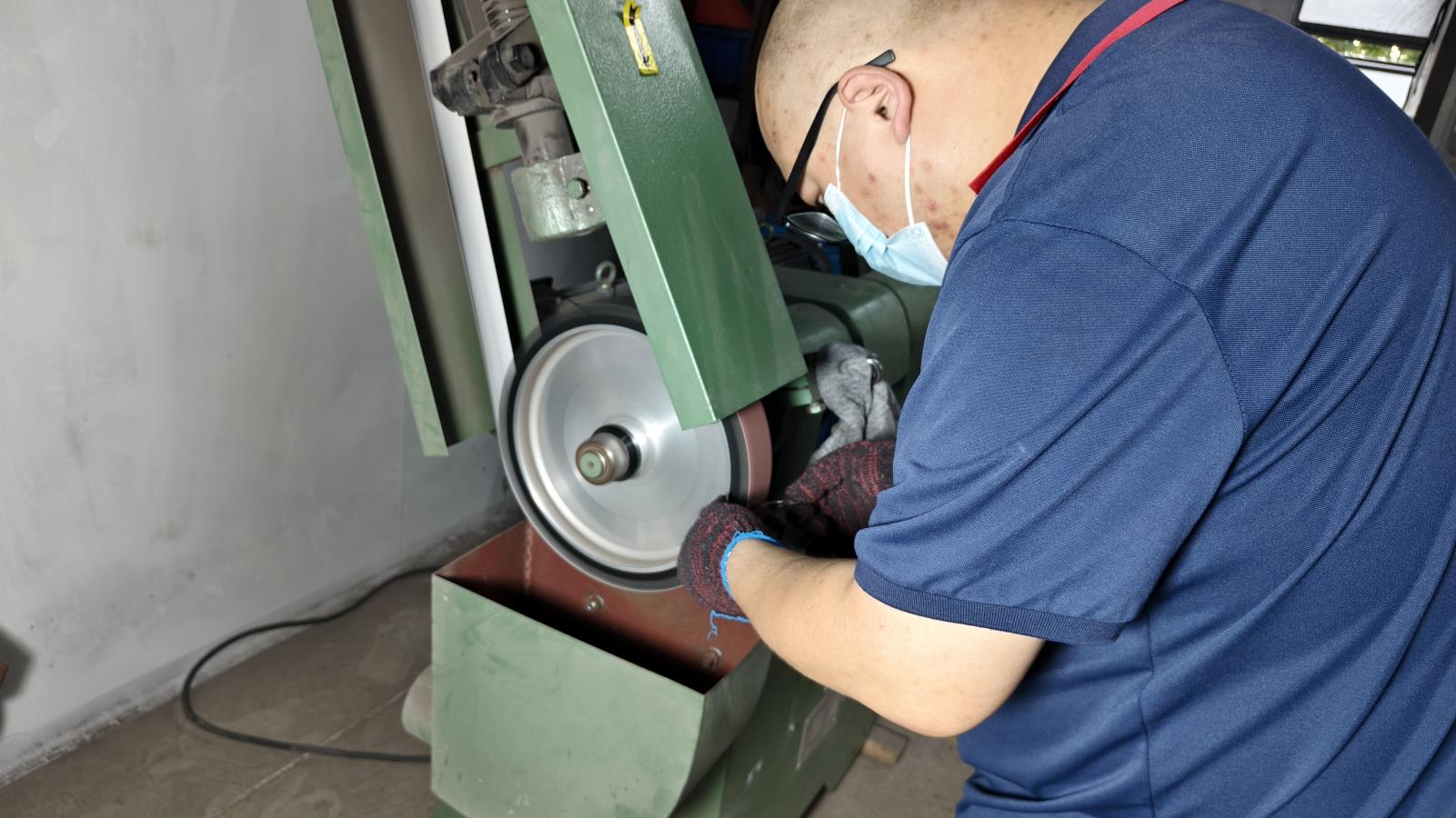
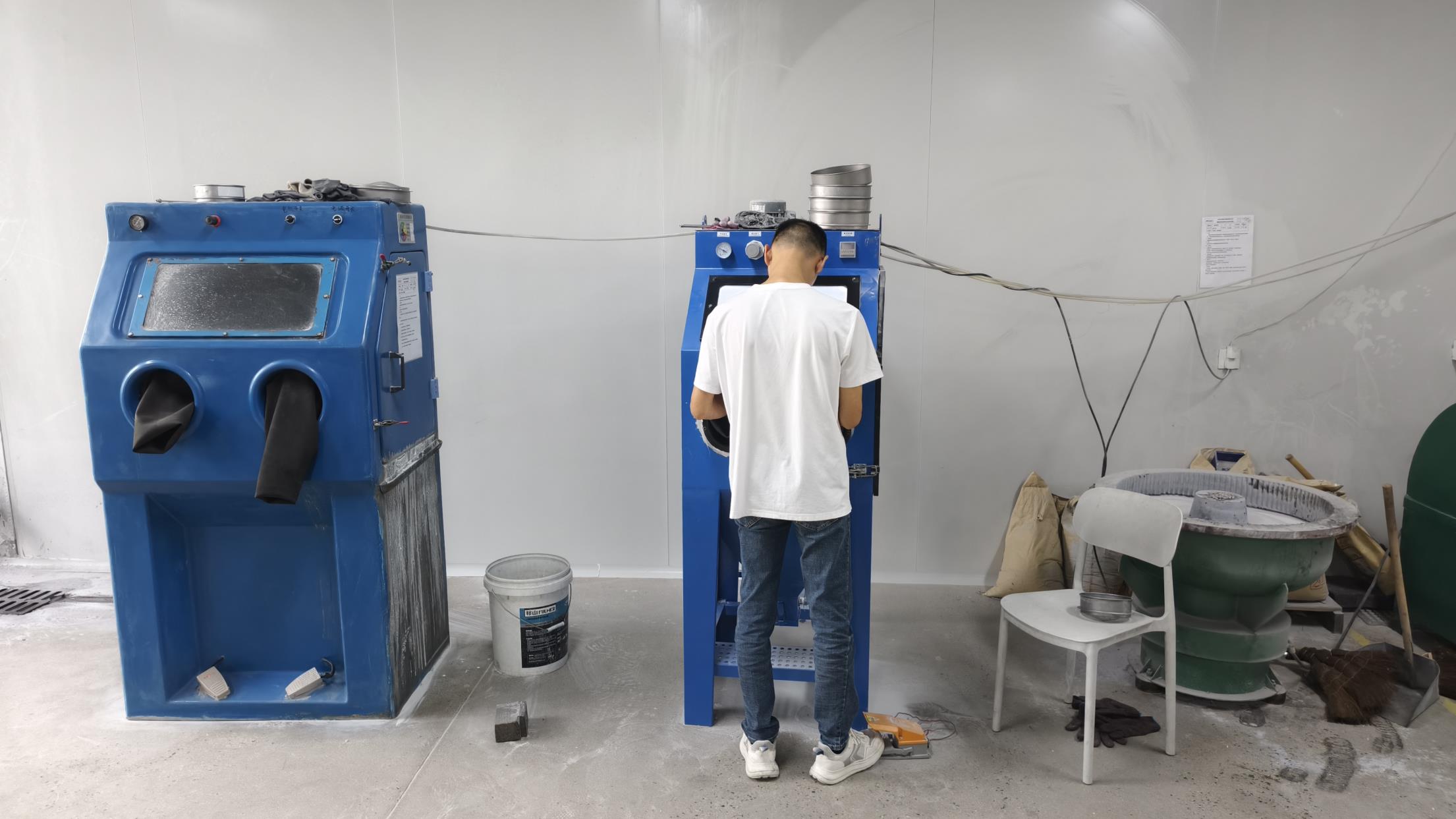
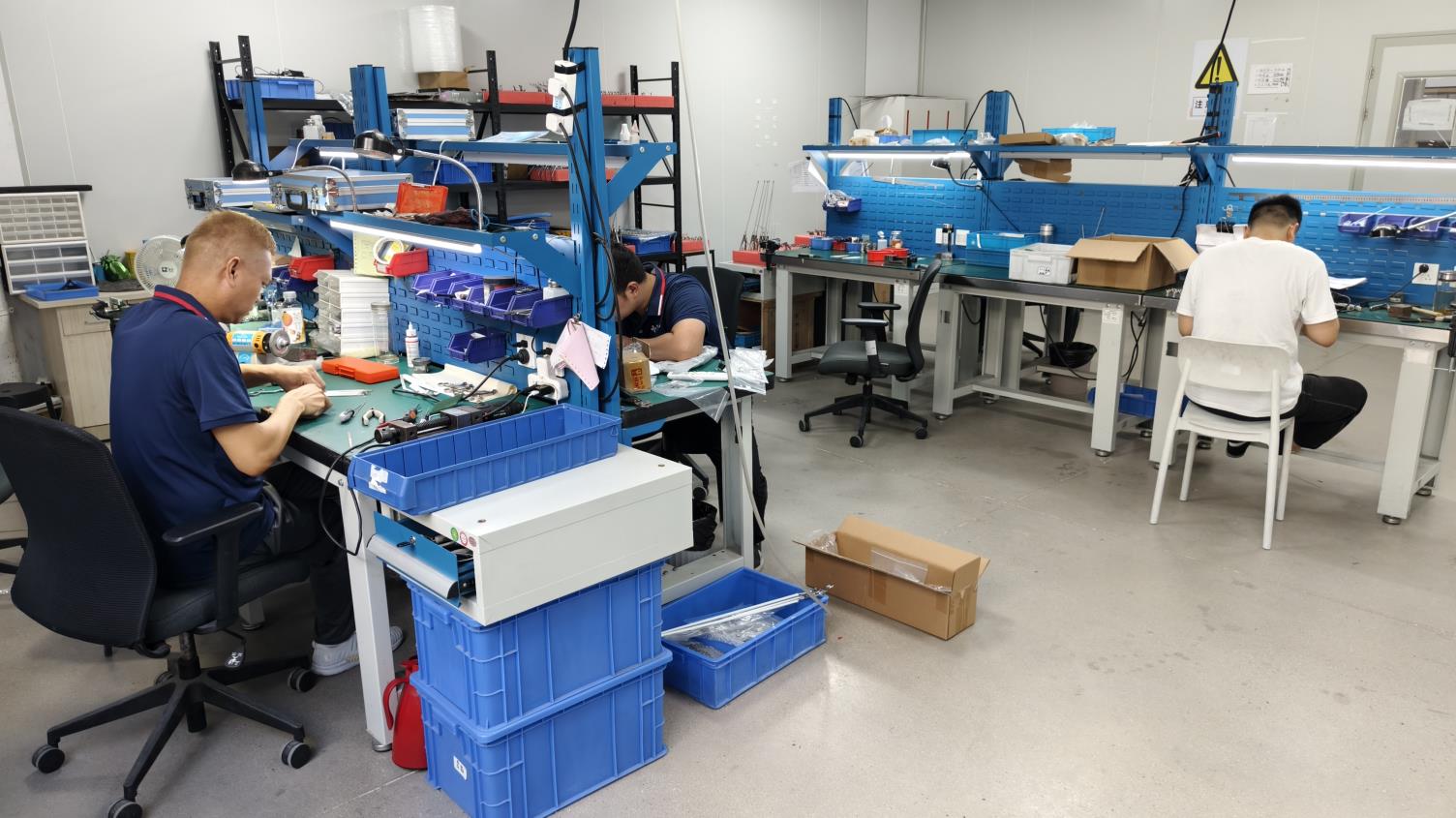
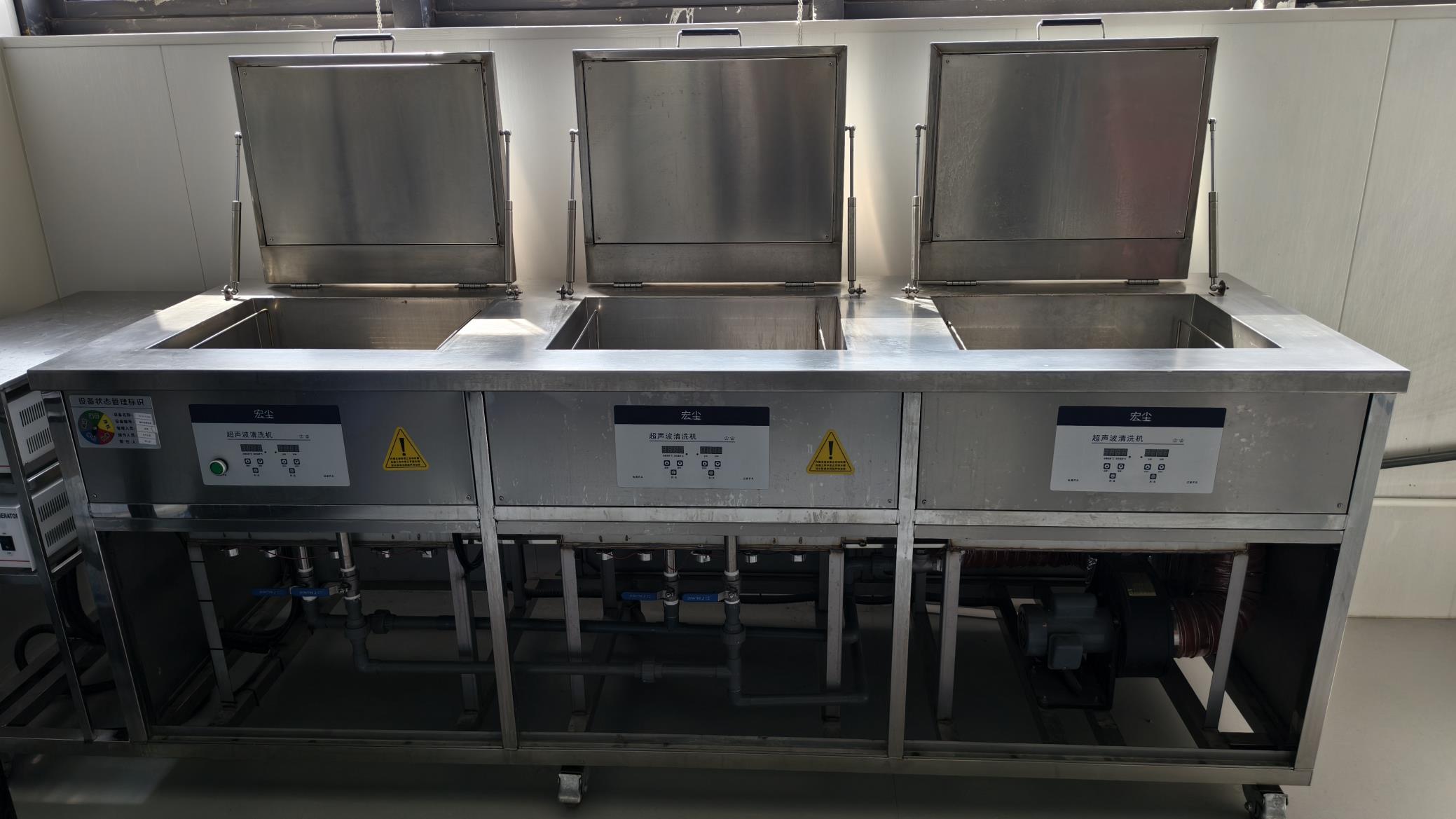
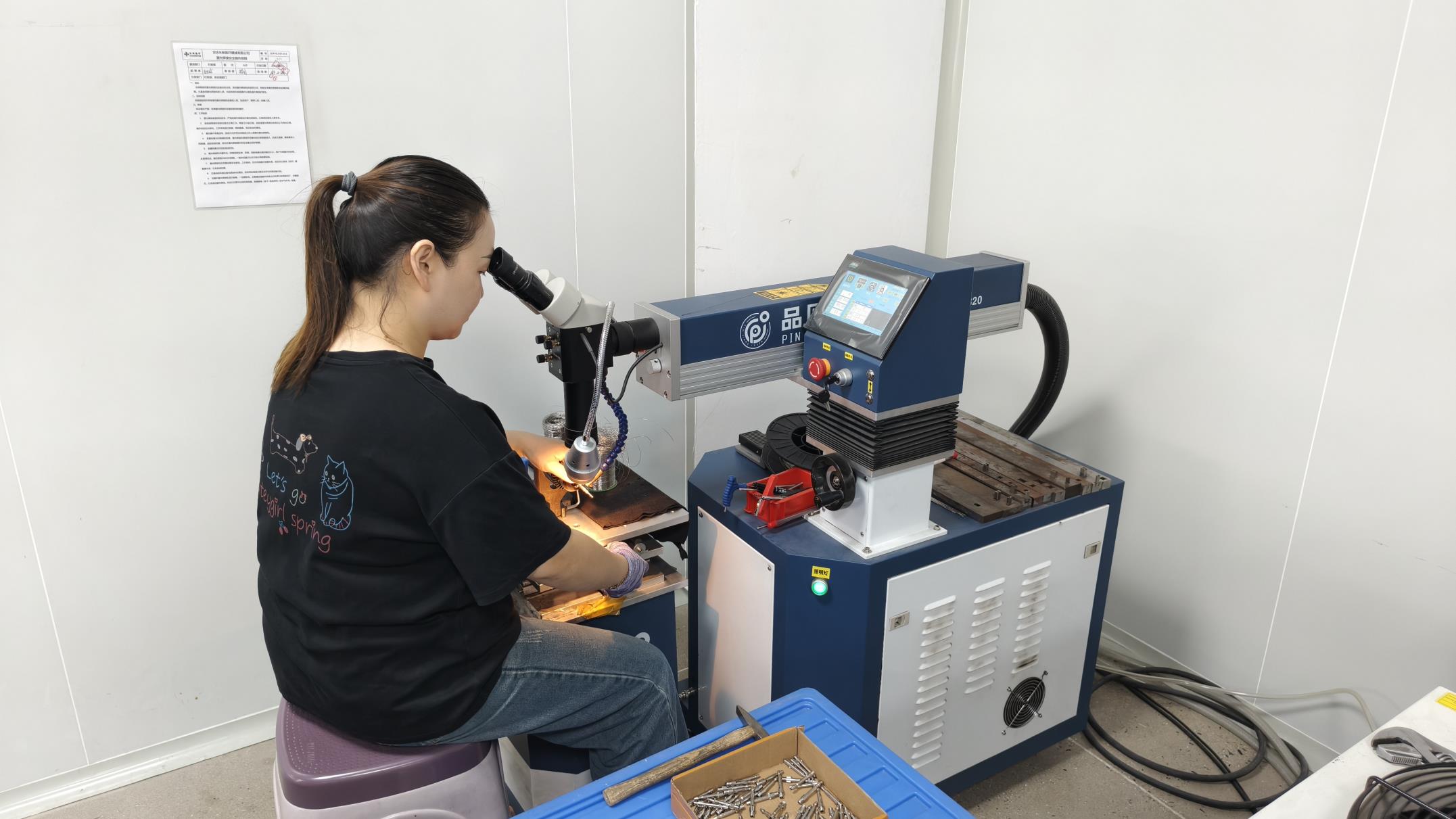
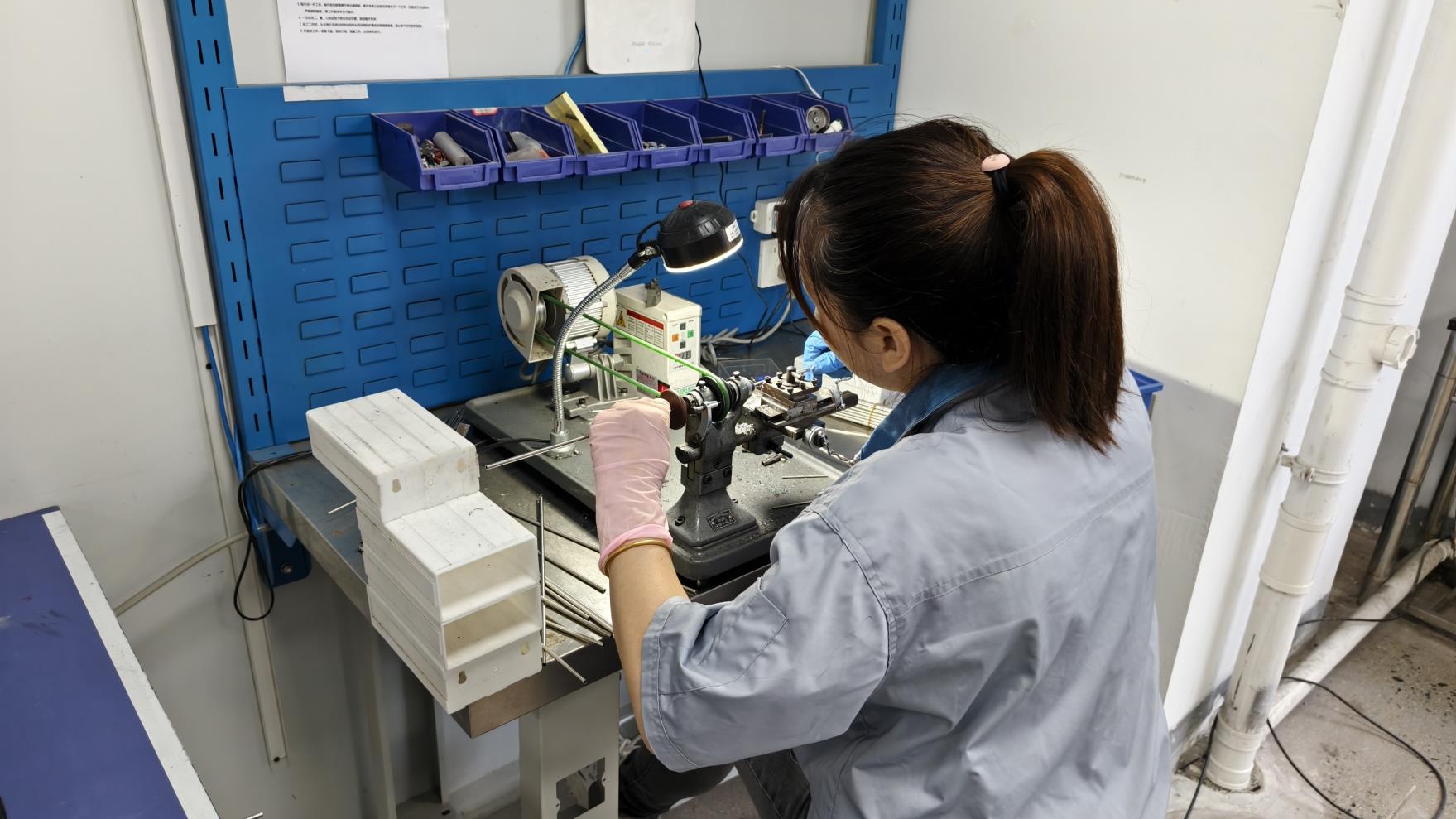
Maintaining the E-E-A-T baseline through clinical validation, physical testing, and absolute dimensional traceability.
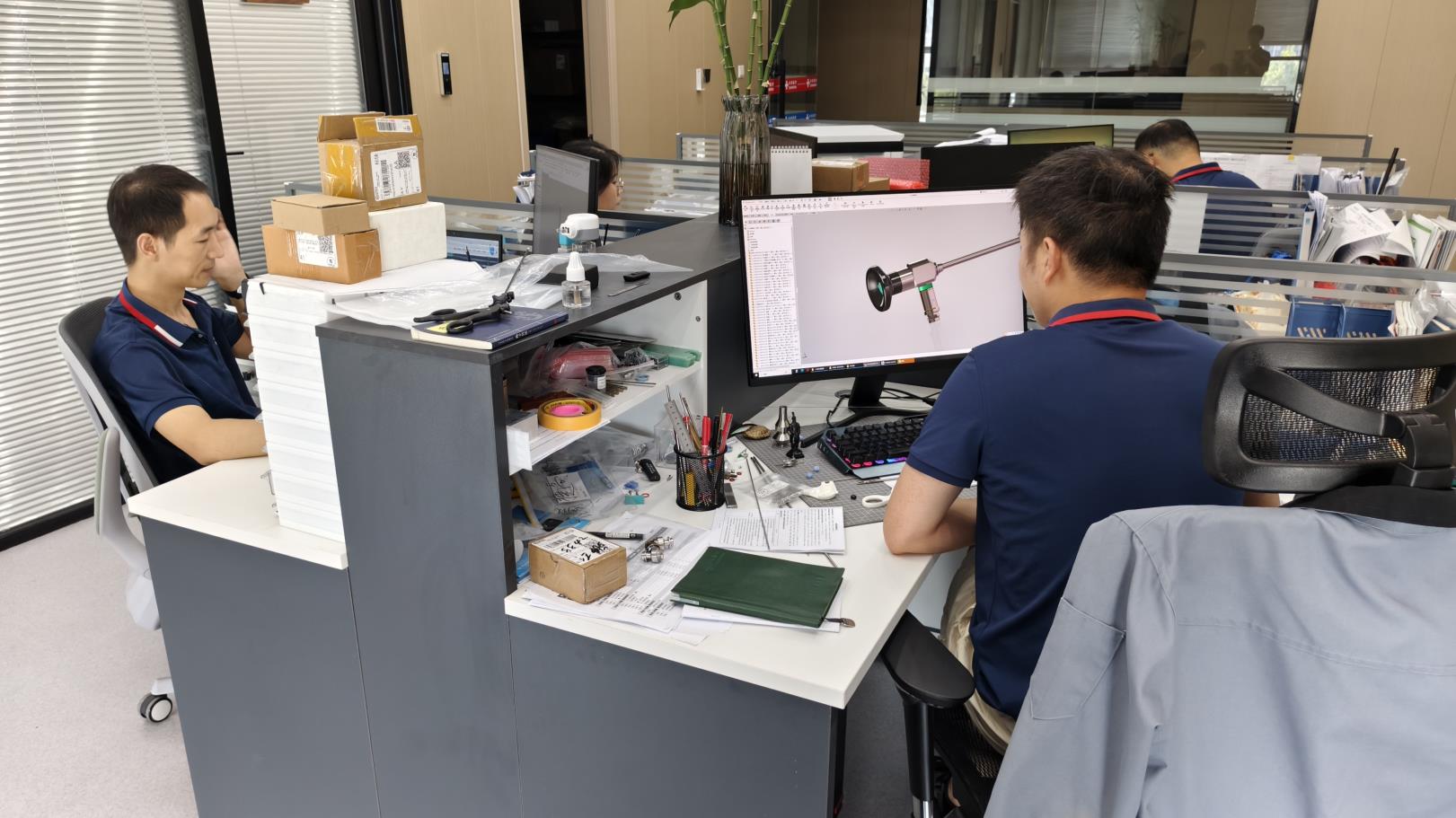
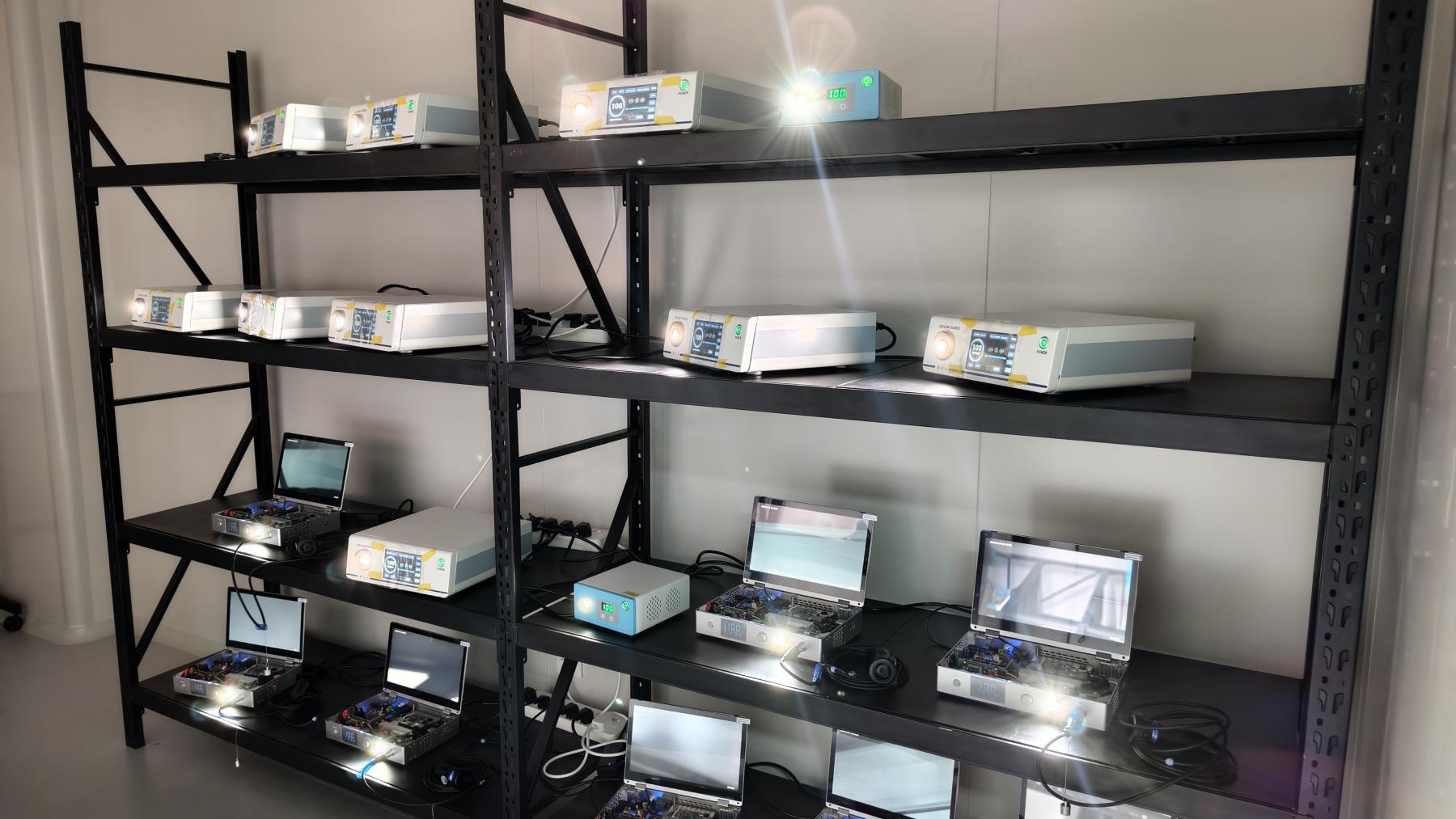
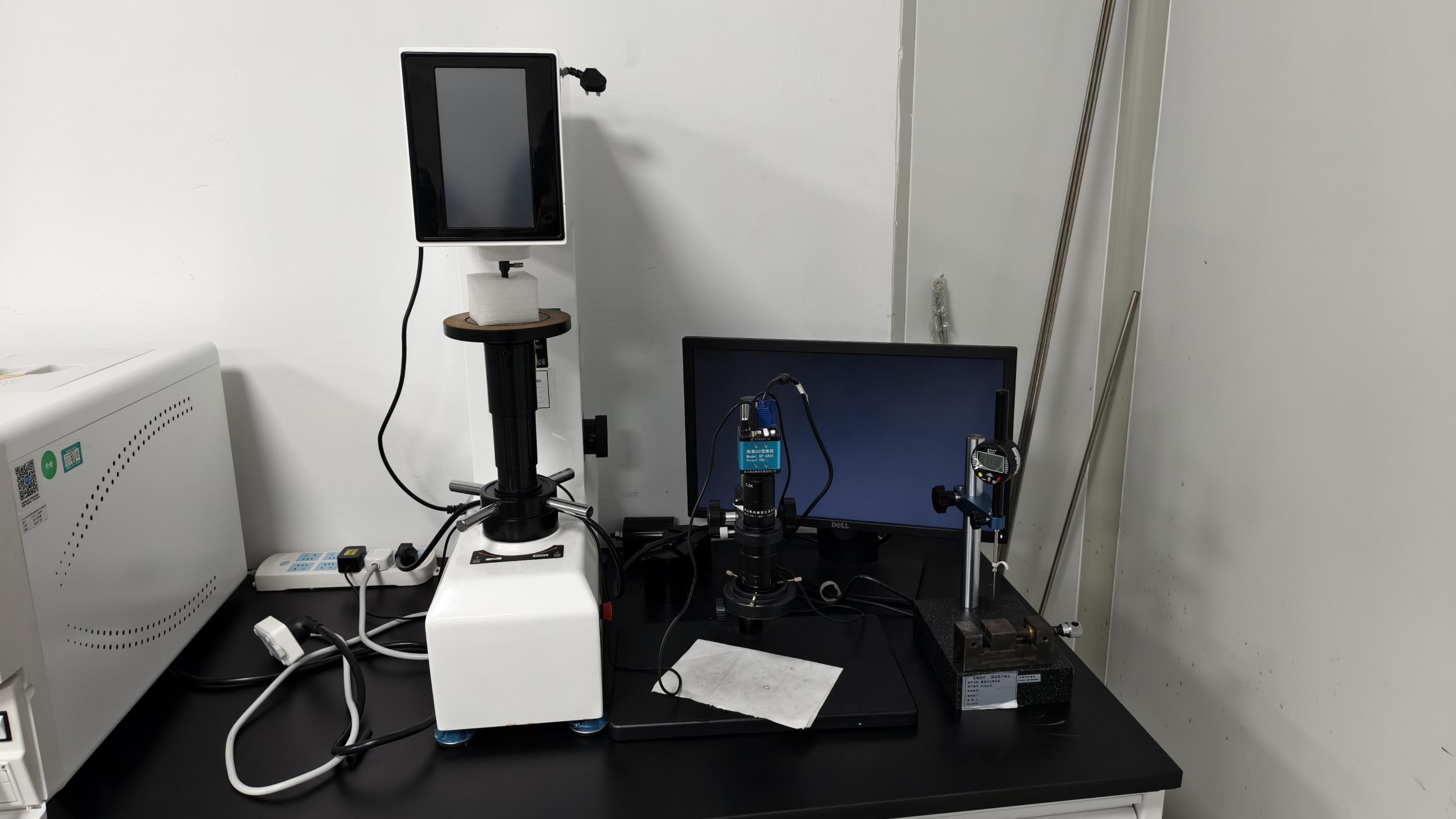
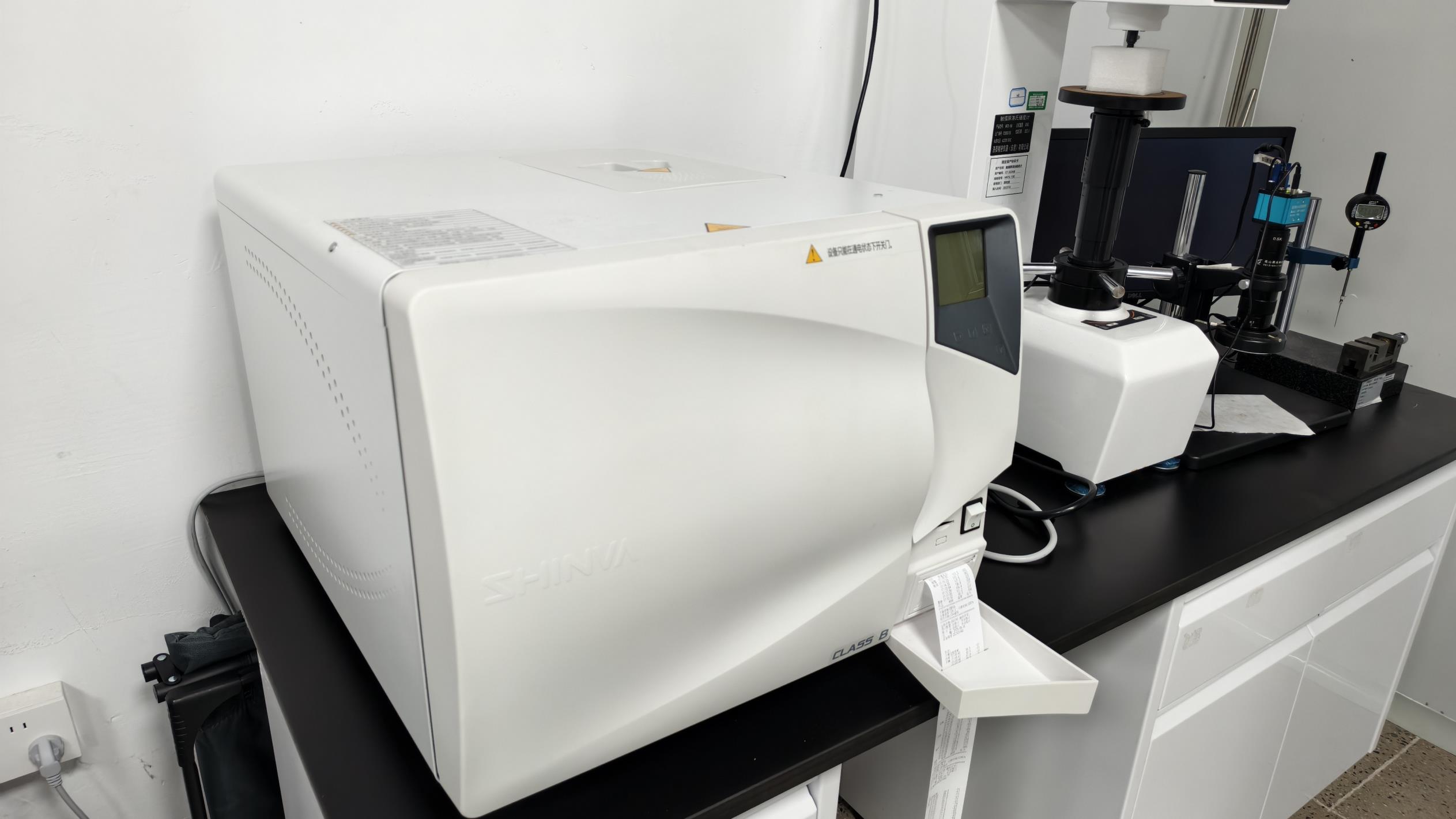
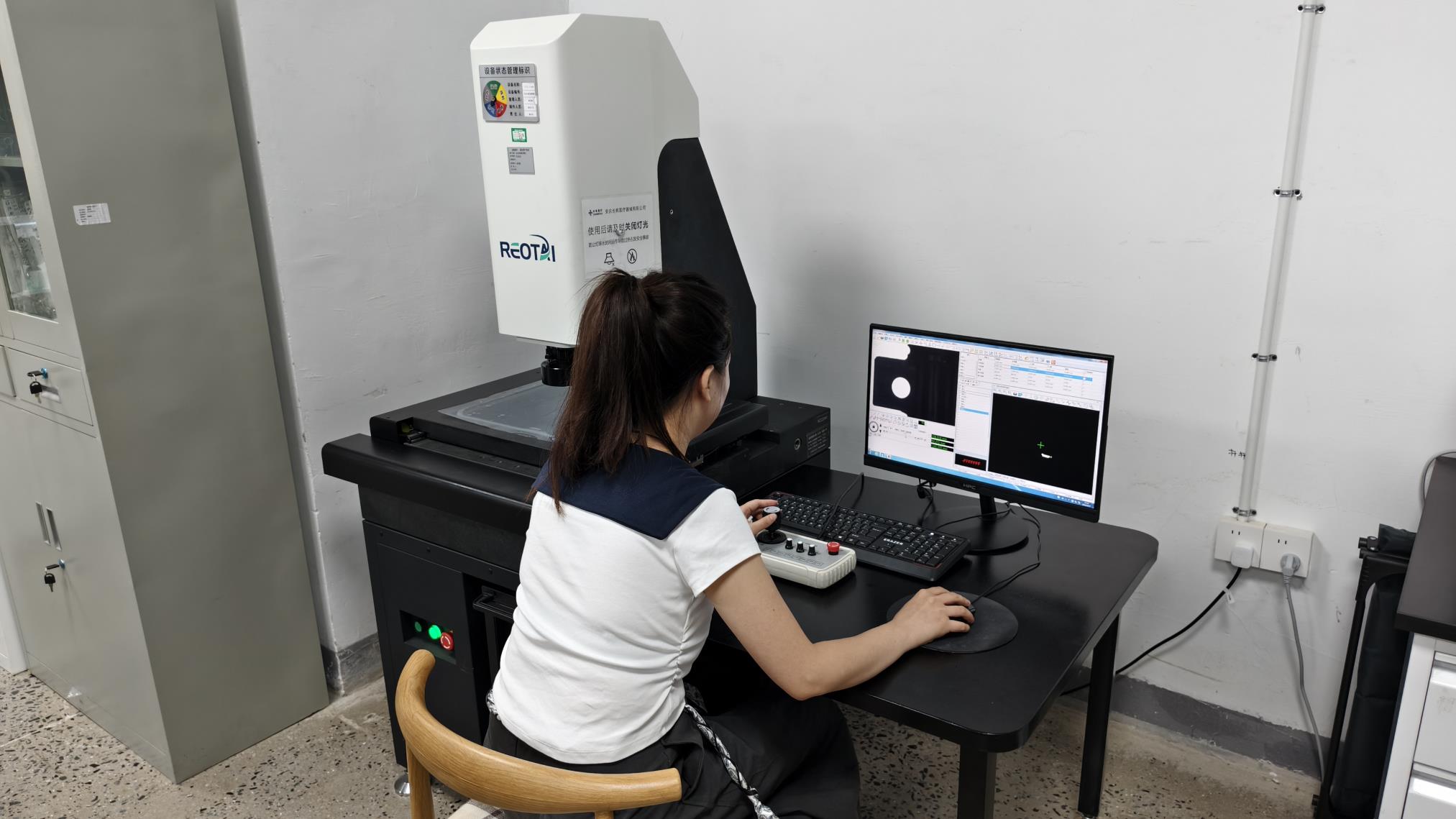
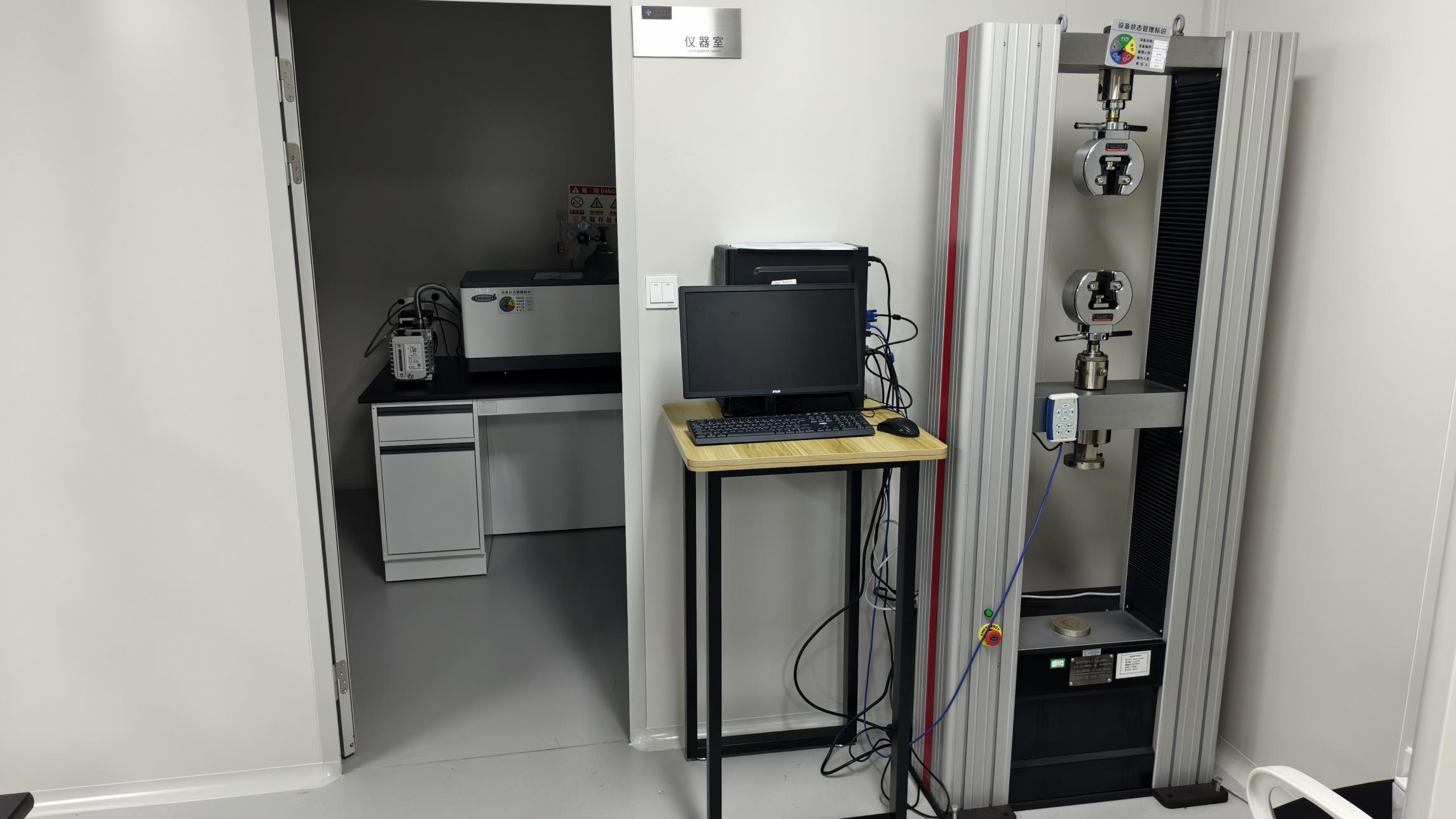
How regional clinical environments adapt the Ilizarov method to meet specific patient demographics and resource levels.
In regions with high rates of motor accidents or industrial injuries, hospitals demand fast-application modular external frames. Hybrid ring setups—incorporating both pin-to-bar elements and traditional circular rings—enable swift stabilization in emergency rooms, protecting soft tissue from secondary damage.
Developed countries with advanced pediatric and rehab networks utilize computerized hexapod alignment systems. Precise software inputs guide the gradual distraction of congenital shortenings or post-traumatic malunions, requiring strict component tolerances and zero back-lash in adjustable struts.
Aging populations suffer from severe neuropathic joint collapse. Stable, circular weight-bearing rings act as an external protective envelope. Patient comfort demands ultralight carbon-fiber components that enable early ambulation while preventing pin-tract infection through rigid motion control.
Where clinical engineering meets next-generation digital modeling and smart materials.
The evolution from manual ring calculations to computerized correction software represents a major leap in orthopedic care. By inputting radiological deformity parameters, the program calculates the daily adjustment length for six distinct struts. Future iterations will include automated, motor-driven motorized struts that shorten adjustment routines, reducing human error during home-care manipulation.
Pin-tract infection remains the primary challenge in long-term external fixation. Synoviq's R&D focus is centered on evaluating titanium pins coated with hydroxyapatite (HA) or silver-ion nanotechnology to promote bone osteointegration at the cortical boundary, effectively blocking bacteria from descending along the pin path.
Carbon-composite rings deliver a superior strength-to-weight ratio compared to stainless steel and provide absolute radiolucency. Surgeons can monitor callus consolidation via standard X-rays without the metal shadow obscuring the bone gap, improving clinical judgment on when to safely remove the frame.
Why leading global medical device OEMs partner with Chinese suppliers like Synoviq for reliable high-volume production.
Synoviq leverages raw materials, precision heat treatments, chemical anodization, and sterile packaging services all within a tight regional circle. This drastically cuts logistics lead times and minimizes production interruptions.
By using Swiss-type CNC automatic lathes and multi-axis machining centers, Chinese factories guarantee tight dimensional tolerances (+/-0.01mm). This ensures modular parts remain perfectly interchangeable during surgery.
With 48 in-house QC specialists, Synoviq implements 100% video dimension measurement and mechanical fatigue validation. This rigorous testing matches the QA criteria of major Western European and North American medical brands.
How we navigate global medical regulatory frameworks and support international distributors.
Exporting medical devices requires thorough regulatory alignment. Synoviq operates in compliance with ISO 13485 quality management systems. Our orthopedic implants are registered as Class II/III medical devices, backed by complete technical documentation, biocompatibility profiles, and sterility validation certificates. This allows our global partners to confidently register products and submit bids for public hospital tenders.
Additionally, we offer localized technical support. From providing step-by-step assembly guides for complex hexapod systems to training surgical teams, we ensure the safety of both patients and medical staff.
Answers to key regulatory, manufacturing, and clinical design questions from B2B buyers.
 Synoviq Medical