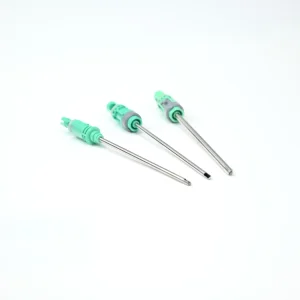
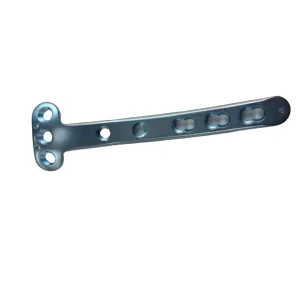
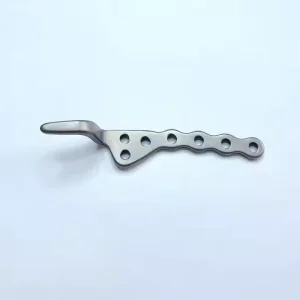
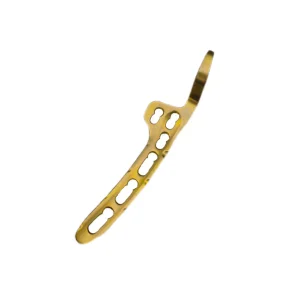
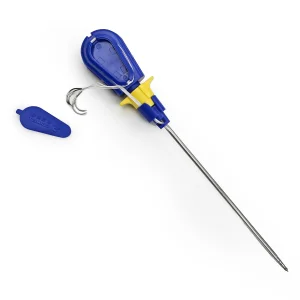
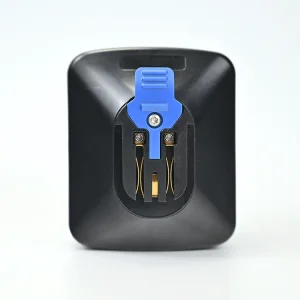
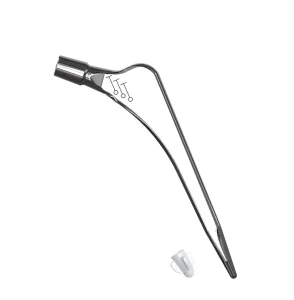
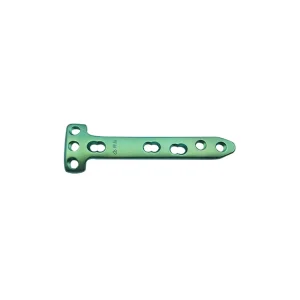
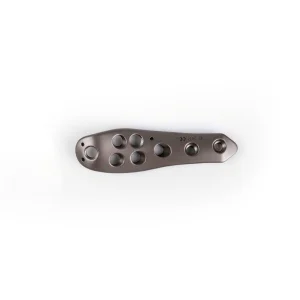
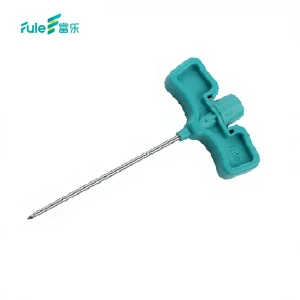
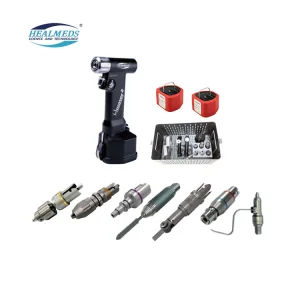
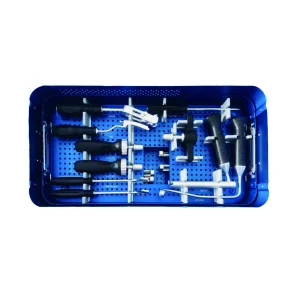
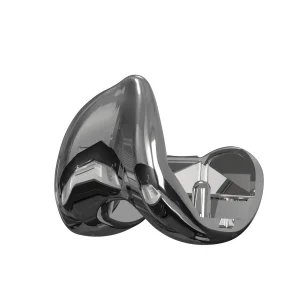
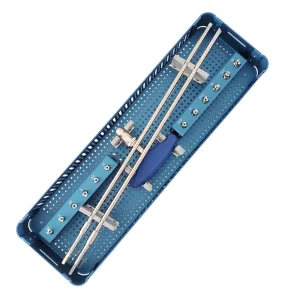
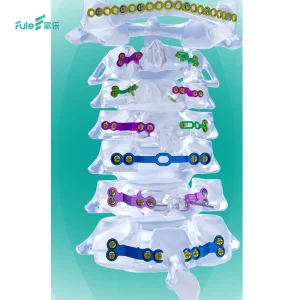
Select premium trauma reconstruction plates, arthroscopy shaver assemblies, and fixation sets engineered for high-performance surgical applications.
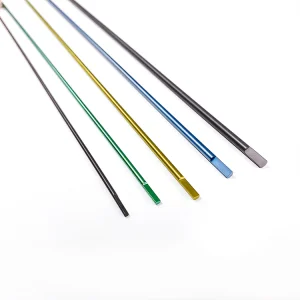
Understanding the clinical imperatives and design parameters driving fusion technology today.
Cervical interbody cages have revolutionized the treatment of cervical disc diseases, including degenerative disc disease (DDD), herniations, and cervical spondylotic myelopathy. By establishing stable mechanical support within the intervertebral space, these cages preserve anatomical alignment, restore physiological lordosis, and promote rapid bony fusion. Historically, clinical practices shifted from structural autografts to synthetic alternatives to eliminate donor-site morbidity and improve surgical predictability.
Today, the global market for spinal implants demands highly customized, biocompatible, and structurally optimized implants. Orthopedic surgeons and medical device procurement directors face the complex task of selecting manufacturing partners capable of meeting strict tolerances, material specifications, and regulatory frameworks. The evolution of materials from biocompatible metals to advanced engineering polymers and 3D-printed porous structures forms the foundation of modern spine surgery development.
Transition from traditional stainless steel to biomedical grade Ti-6Al-4V ELI titanium alloys and biocompatible Polyetheretherketone (PEEK-OPTIMA) to mimic natural bone elasticity.
Optimizing contact area footprint and modulus of elasticity to lower mechanical stress peaks on the vertebral endplates, preventing painful postoperative implant sinking.
Engineered structures facilitating accurate postoperative diagnostic evaluation via X-ray, CT, and MRI scans without diagnostic-limiting scattering artifacting.
The shift toward biological fixation, surface modifications, and additive manufacturing.
Electron Beam Melting (EBM) and Direct Metal Laser Sintering (DMLS) technologies allow manufacturers to produce porous trabecular titanium designs. This simulates human cancellous bone, stimulating faster osteoblast proliferation and physical bone ingrowth (osseointegration).
Physical Vapor Deposition (PVD) coating, hydroxyapatite (HA) plasma spraying, and laser texturing are applied to PEEK cages to combine the elasticity of polymers with the bioactivity of osteoclasts, avoiding fibrous encapsulation.
Modern clinical workflows favor smaller incision profiles. Top manufacturers now supply articulating and expandable interbody cages that can be adjusted in-situ, minimizing adjacent level soft-tissue trauma.
A leading professional manufacturer of orthopedic implants and precision surgical instruments.
| Corporate Parameter | Detailed Specifications & Operations |
|---|---|
| Company Name | Synoviq Medical Technology (China) Co., Ltd. |
| Brand | Synoviq |
| Established | March 18, 2016 |
| Industry Experience | 14 Years |
| Export Experience | 8 Years |
| Quality Inspection Standards | 100% Final Inspection & Incoming Material Inspection (Lot-traceable) |
| Product Inspection Methods | CMM Measurement, Mechanical Testing, Surface Roughness Testing, Hardness Testing, Salt Spray Testing, Sterility Validation |
| Quality Control Staff | 48 Quality Specialists |
| Business Model | Manufacturer & Exporter (Contract Manufacturing OEM / Design Customization ODM) |
| Main Markets | Europe, North America, South America, Middle East, Southeast Asia |
| Supply Chain Partners | 1,120+ Materials and Logistical Partners globally |
| Main Customer Types | Medical Device Brands, Importers, Distributors, Hospitals, Government Procurement Projects |
| Customization Options | Logo Customization, Packaging Customization, Product Design Customization, Material Selection, Surface Treatment |
A visual tour of our production floor, machining centers, testing equipment, and regulatory control systems.
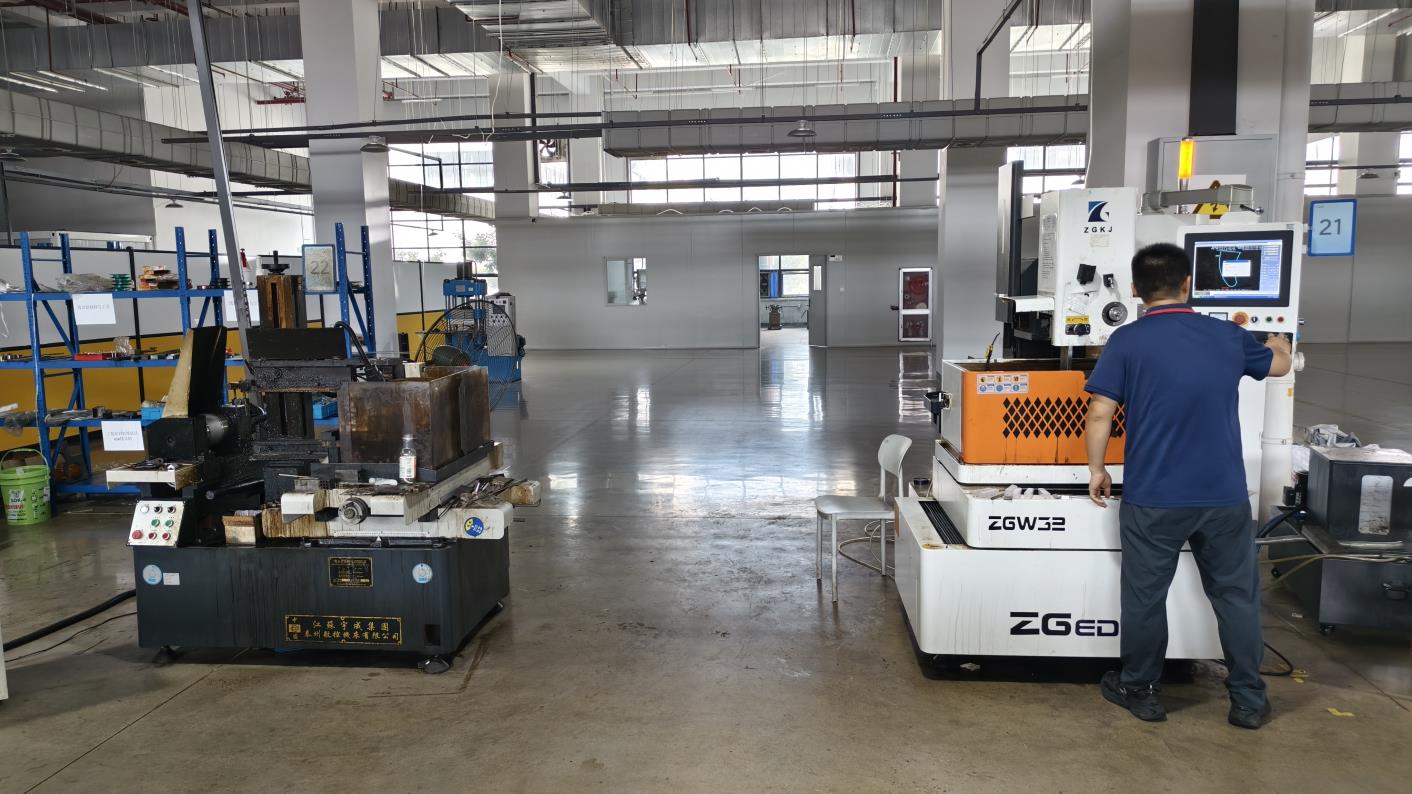
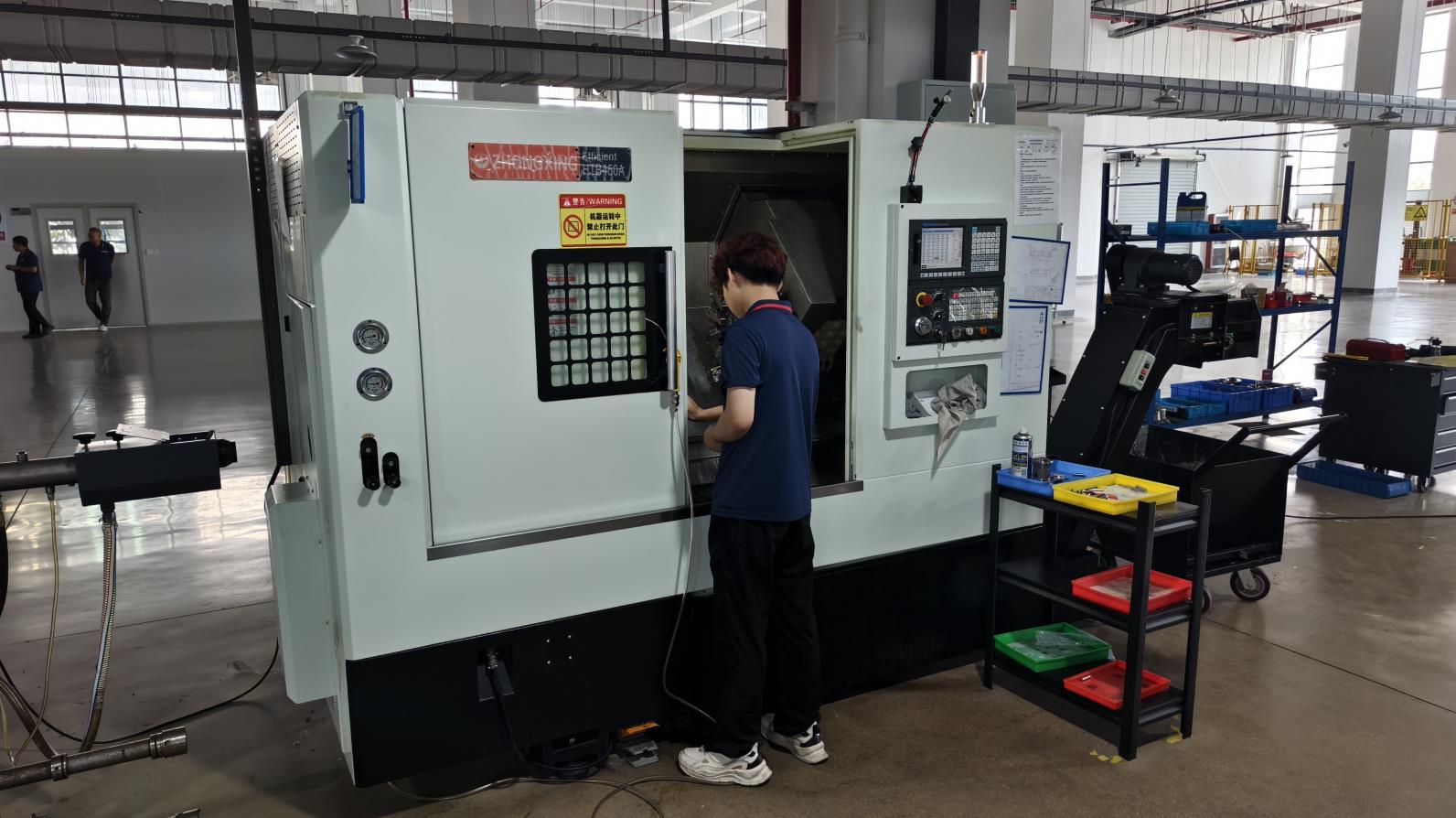
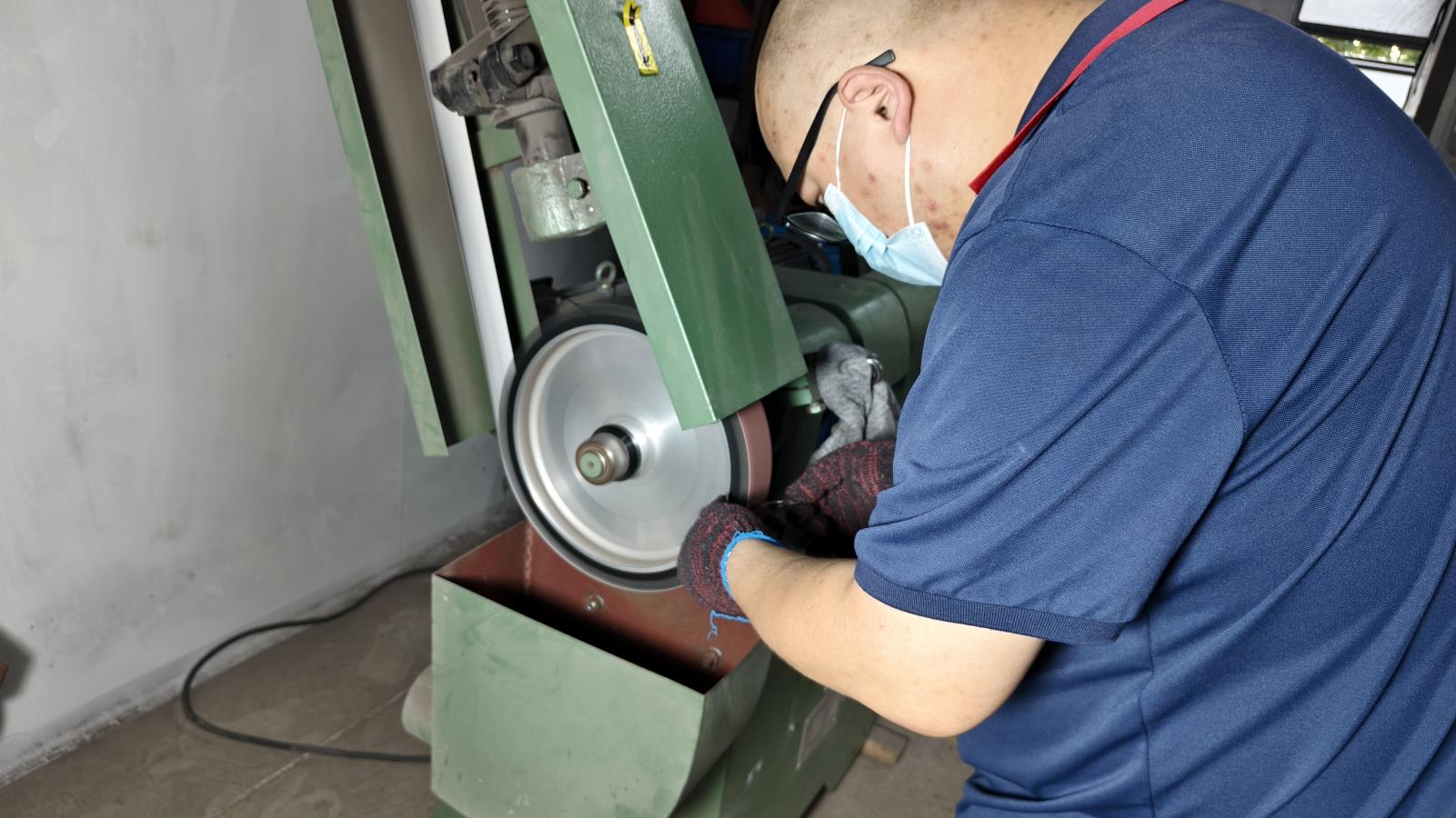
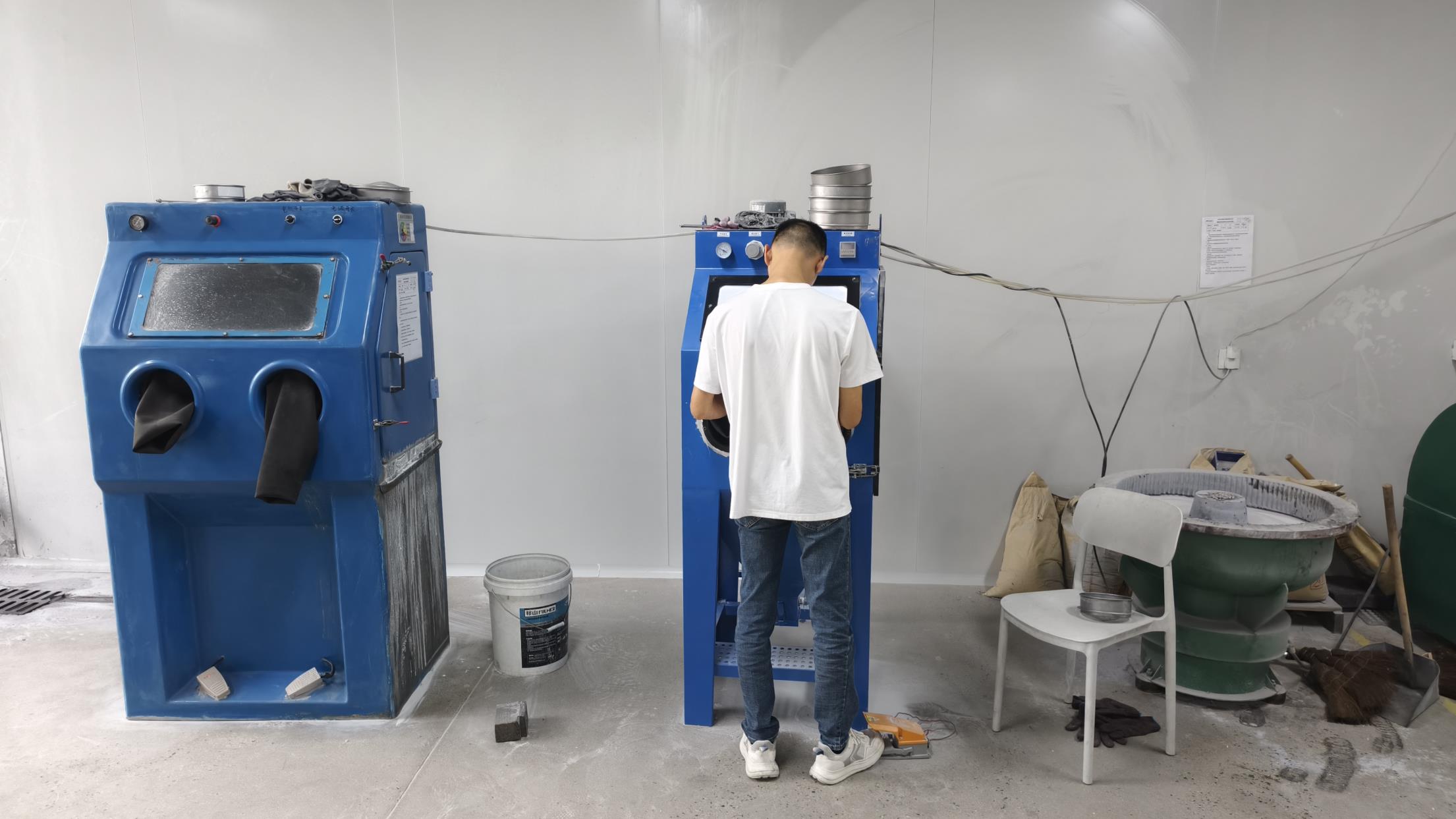
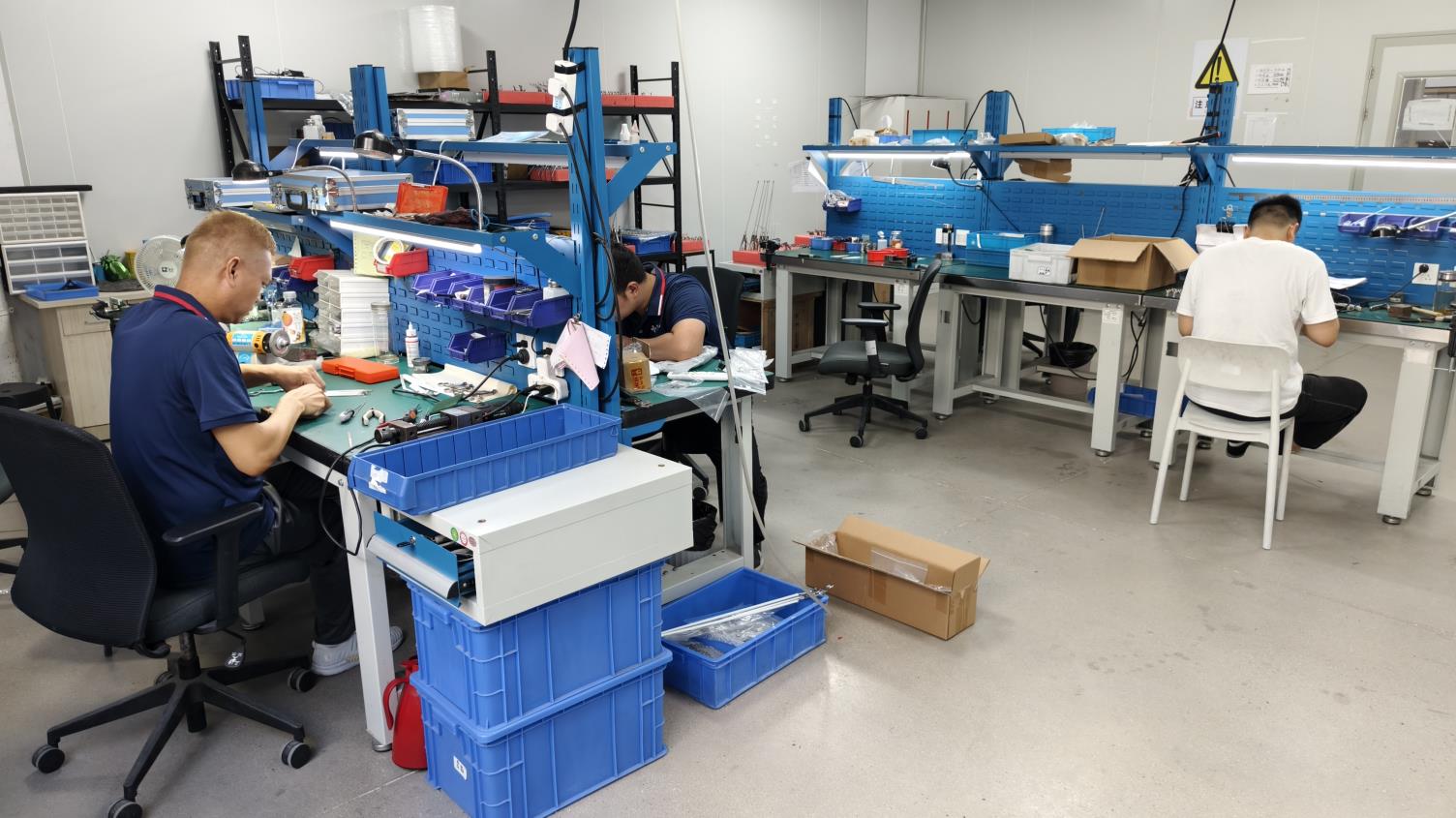
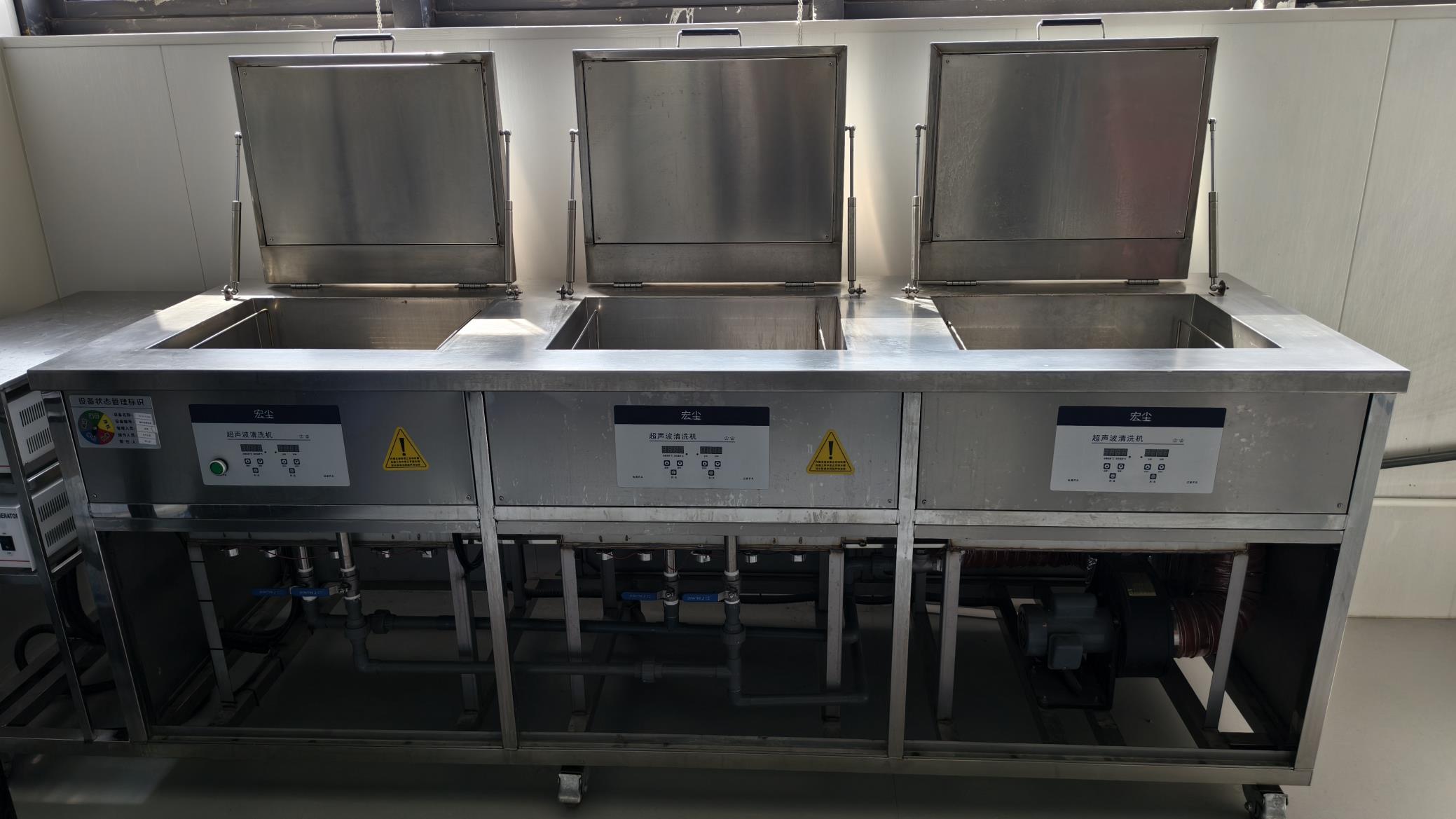
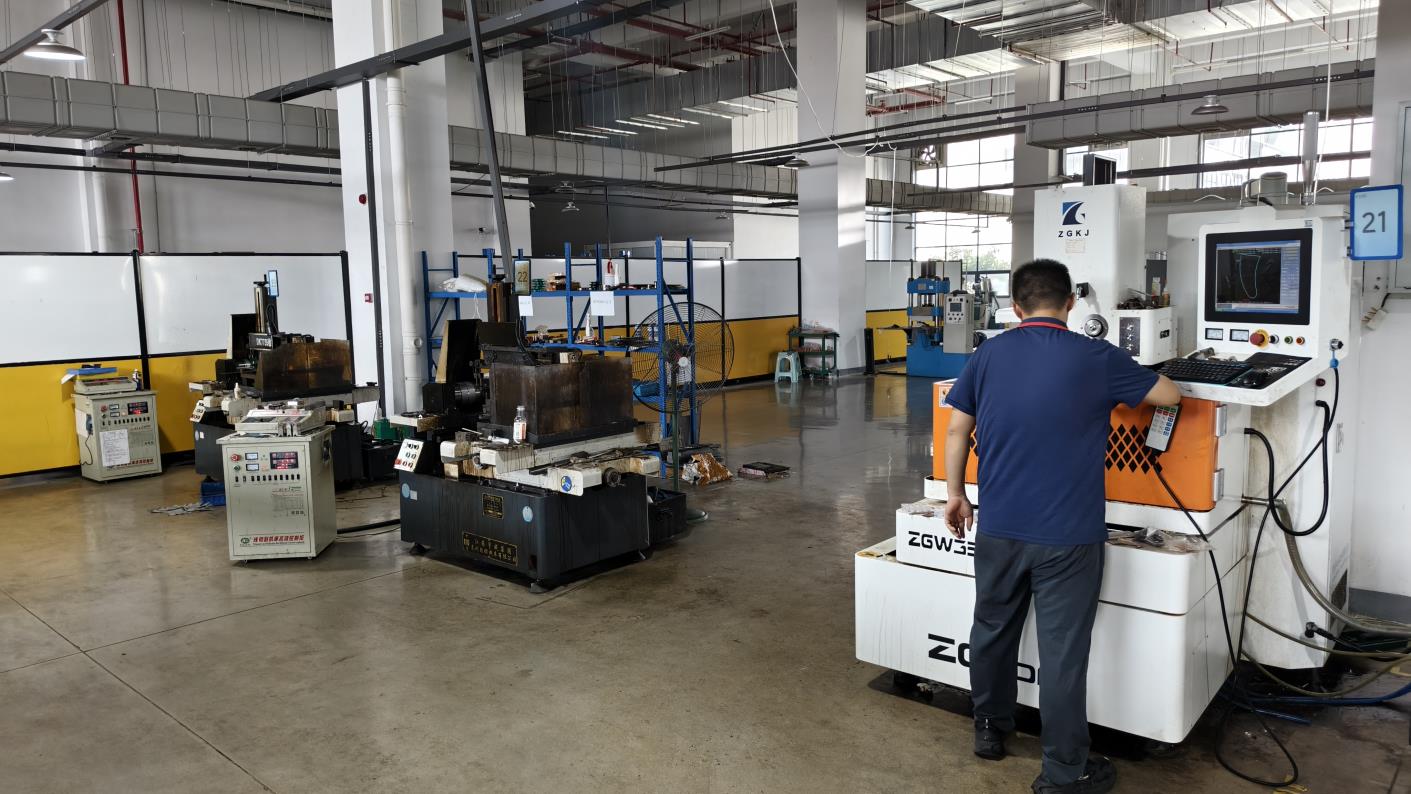
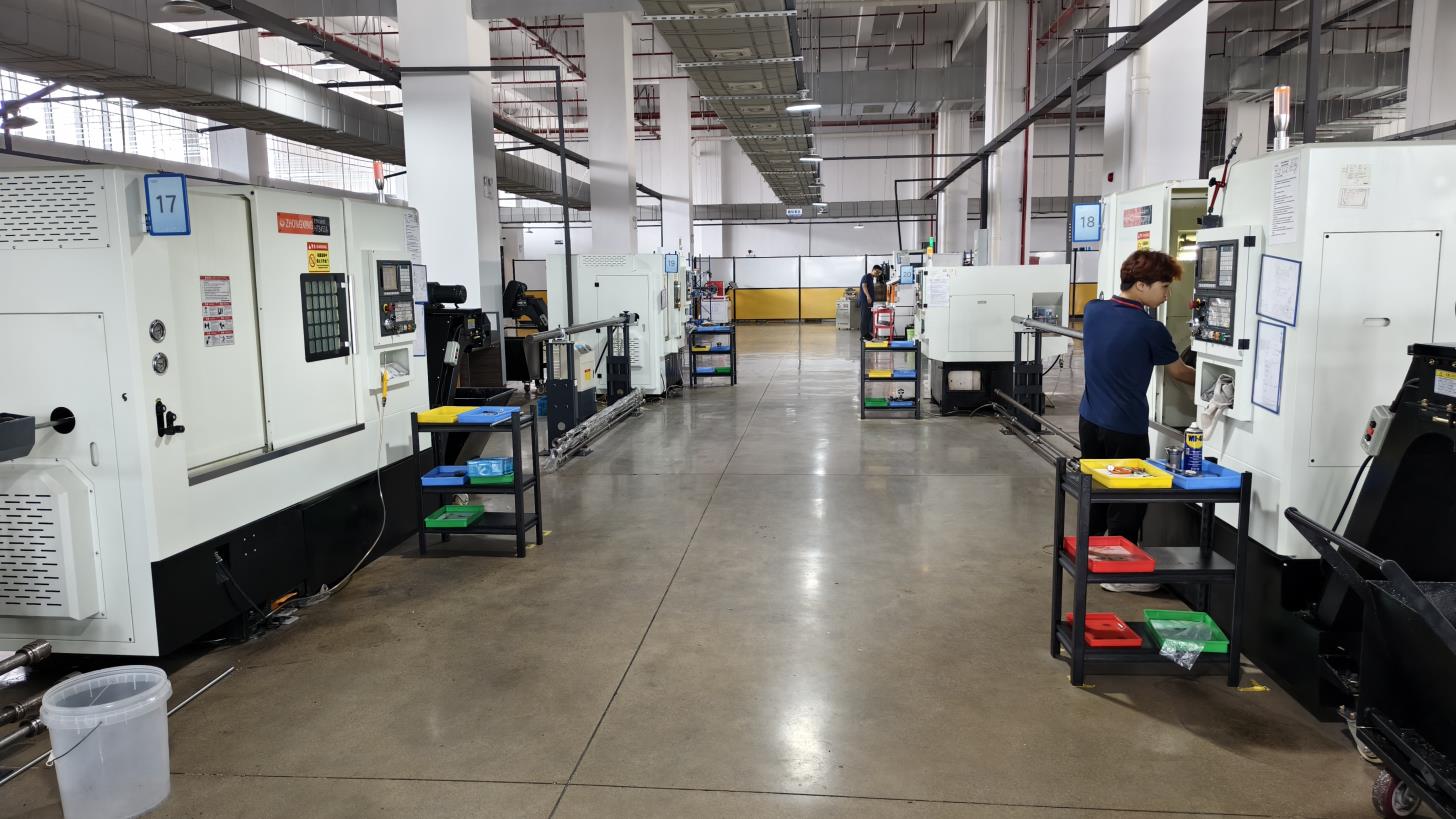
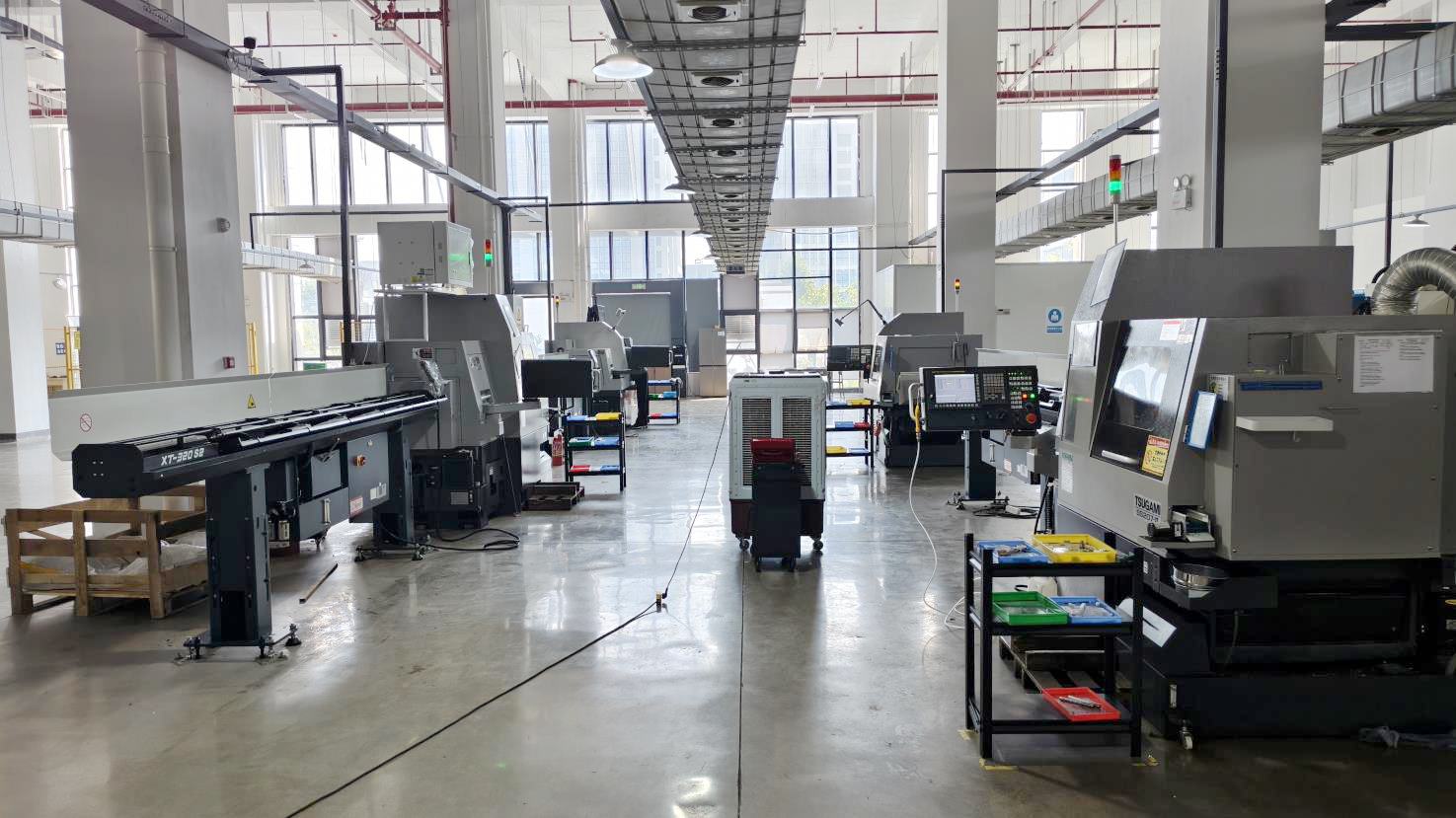
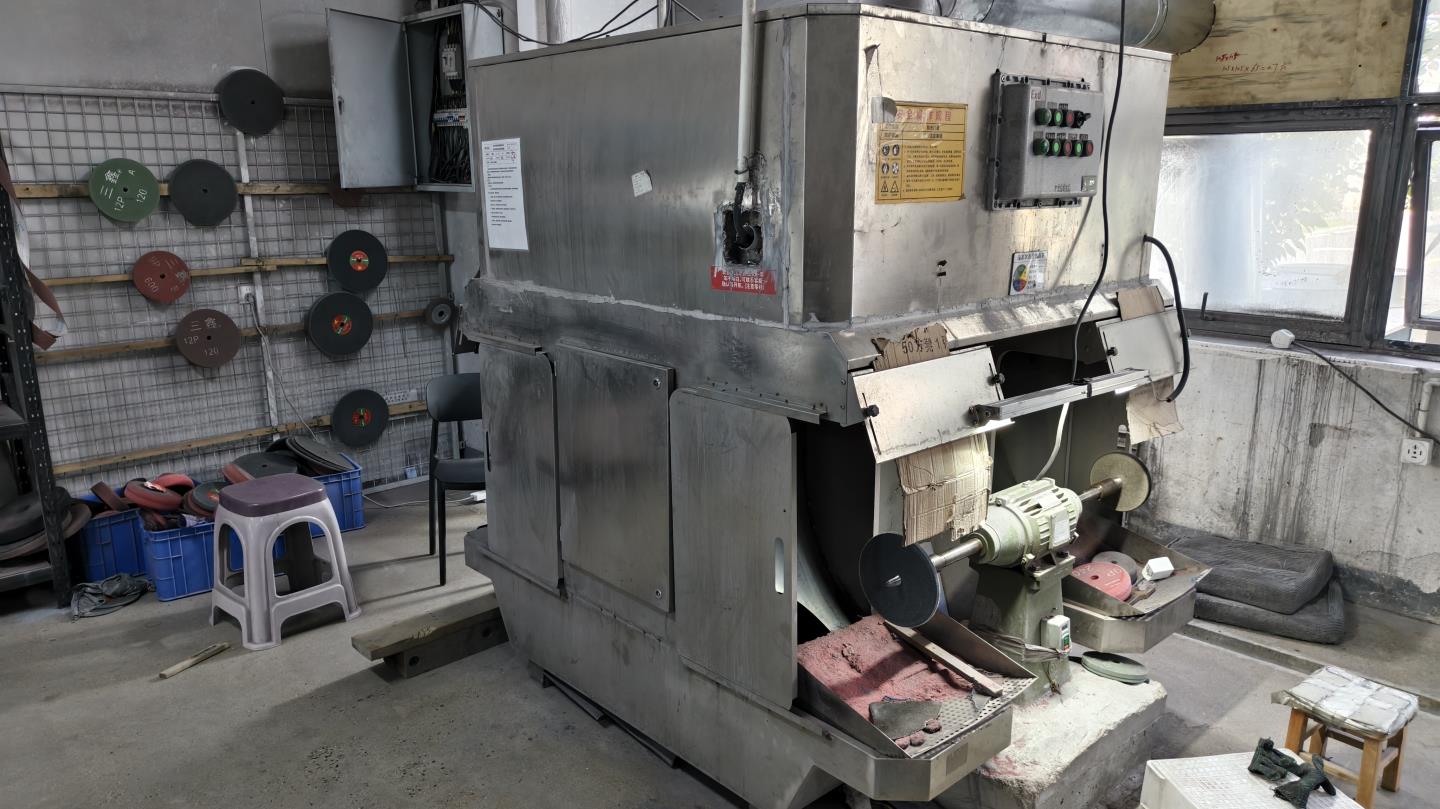
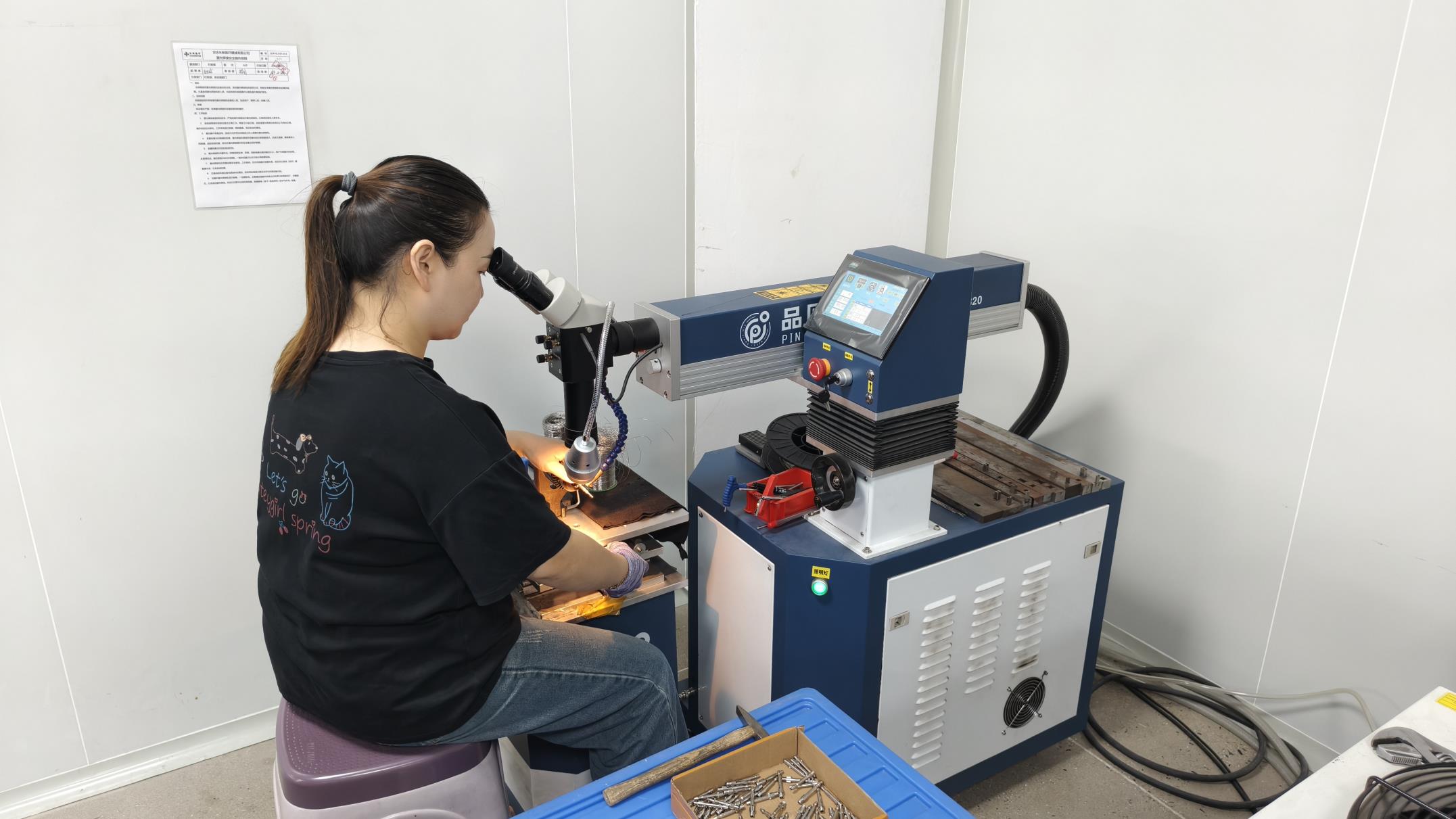
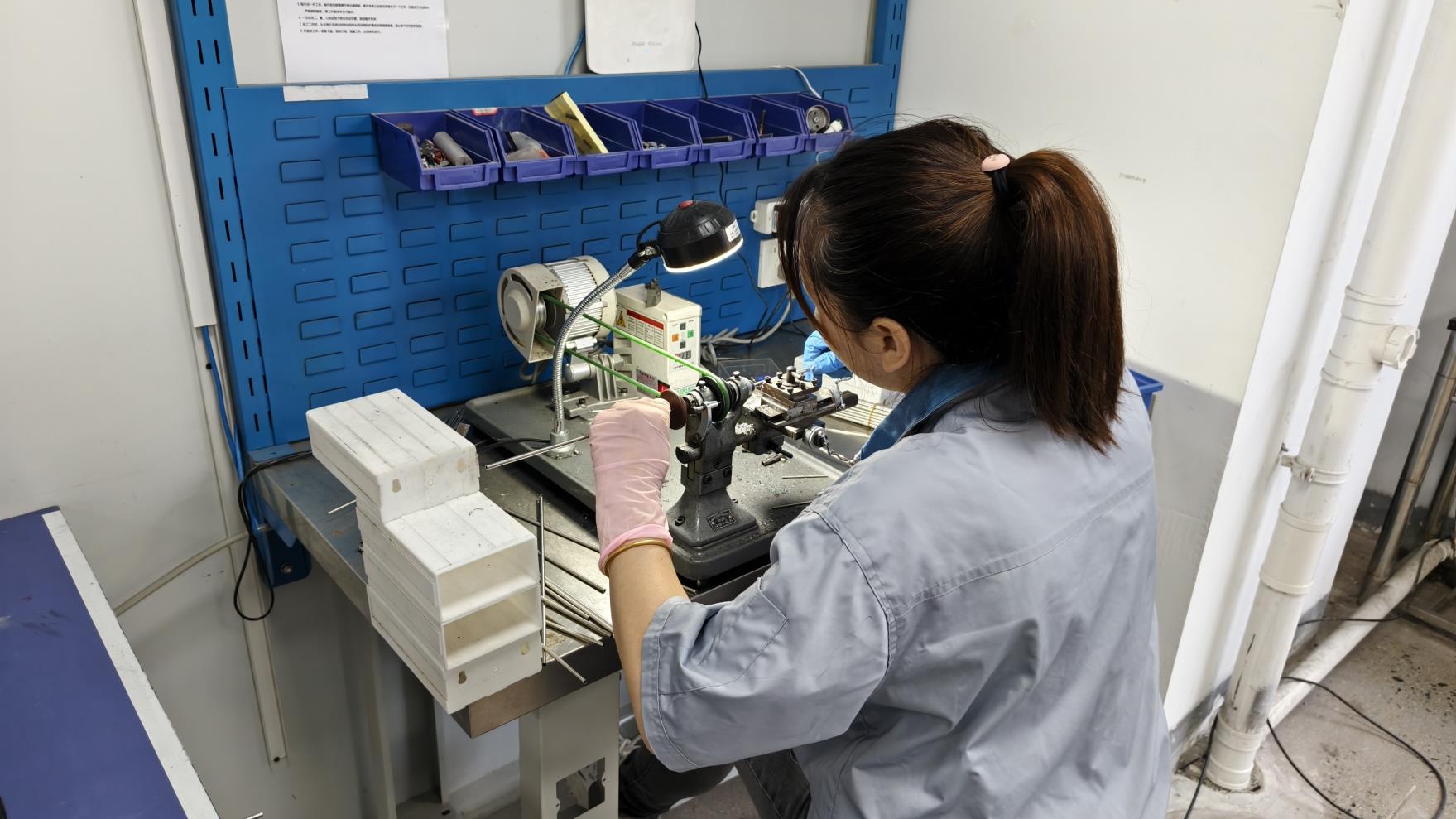
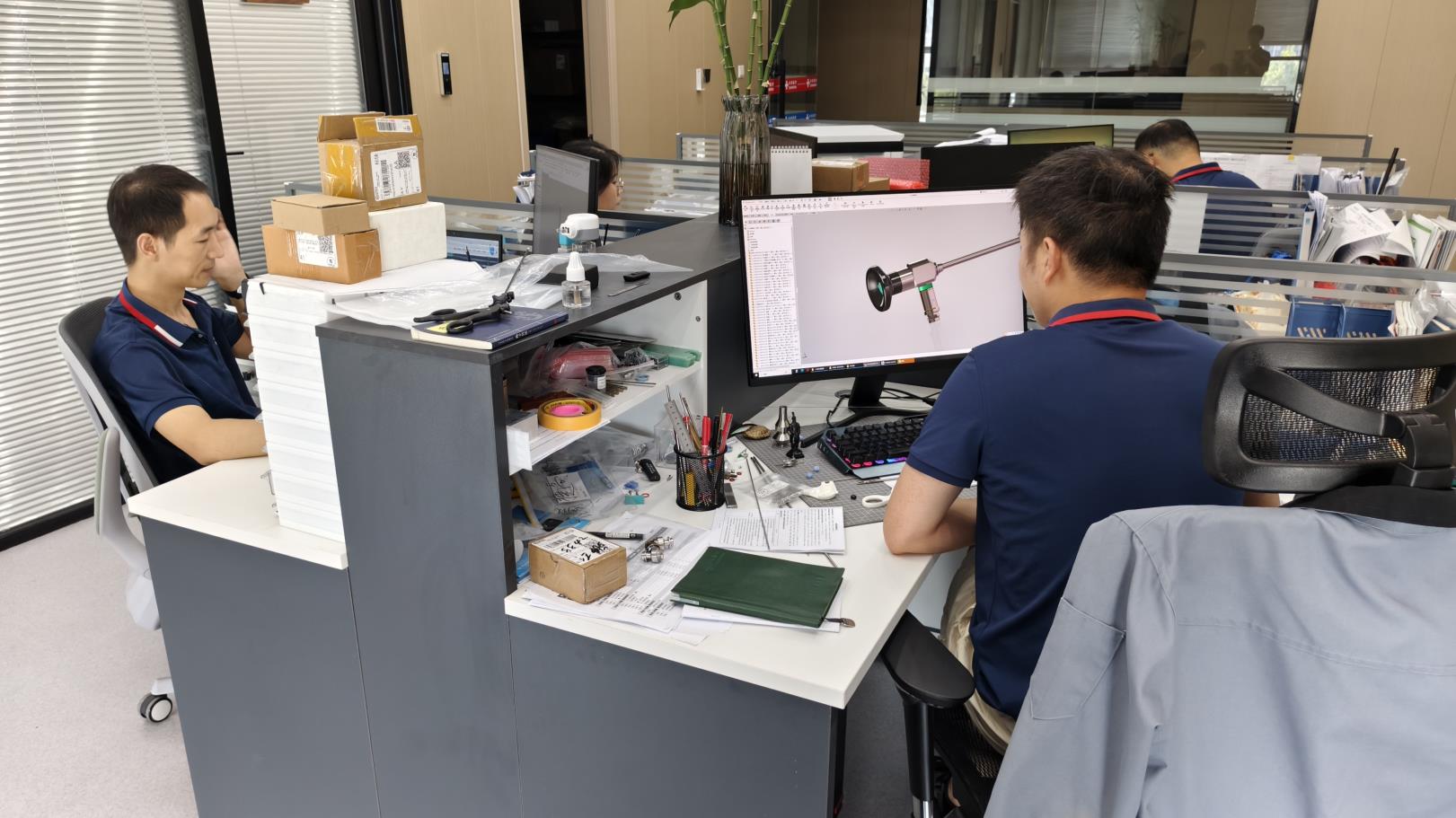
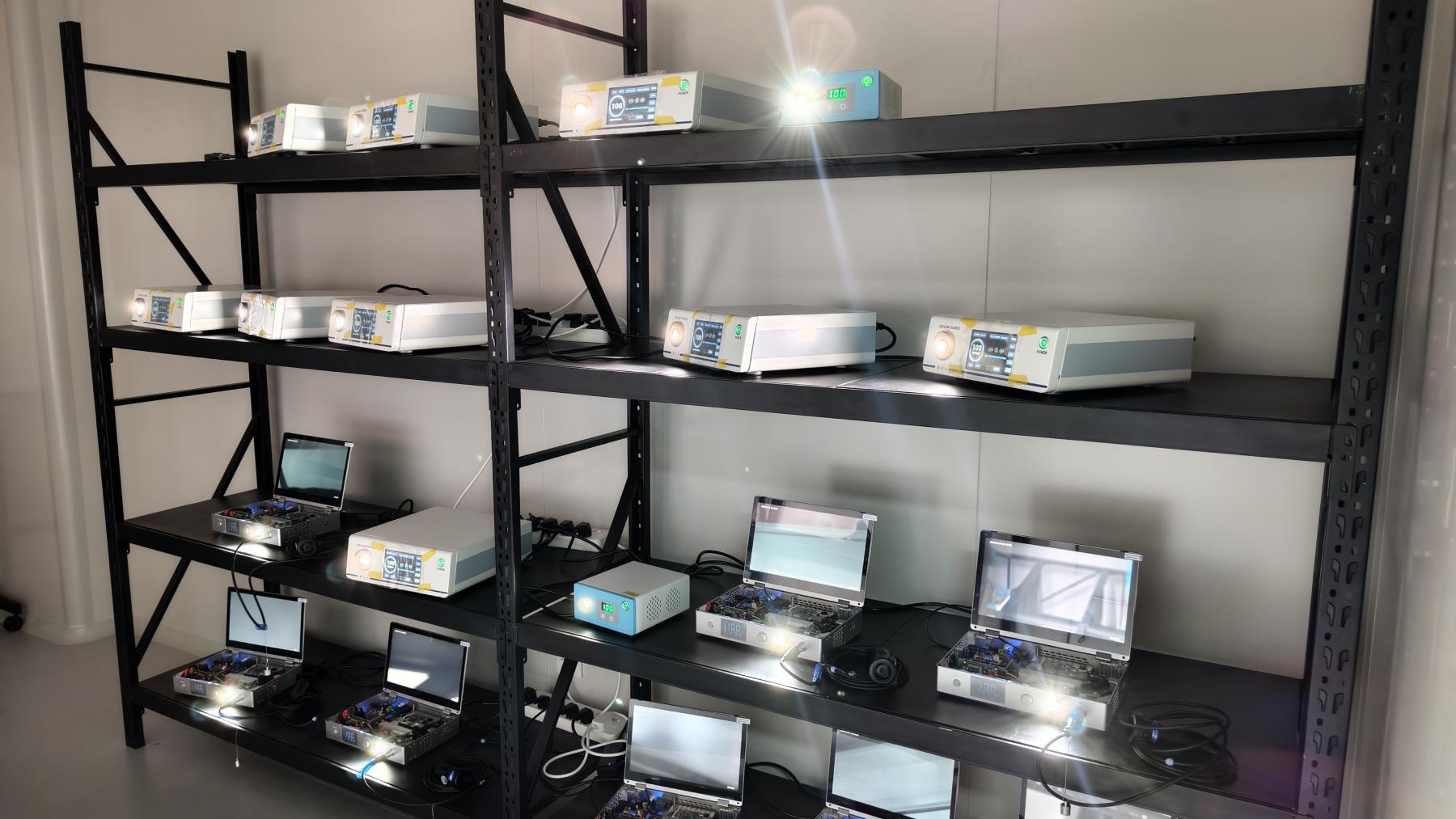
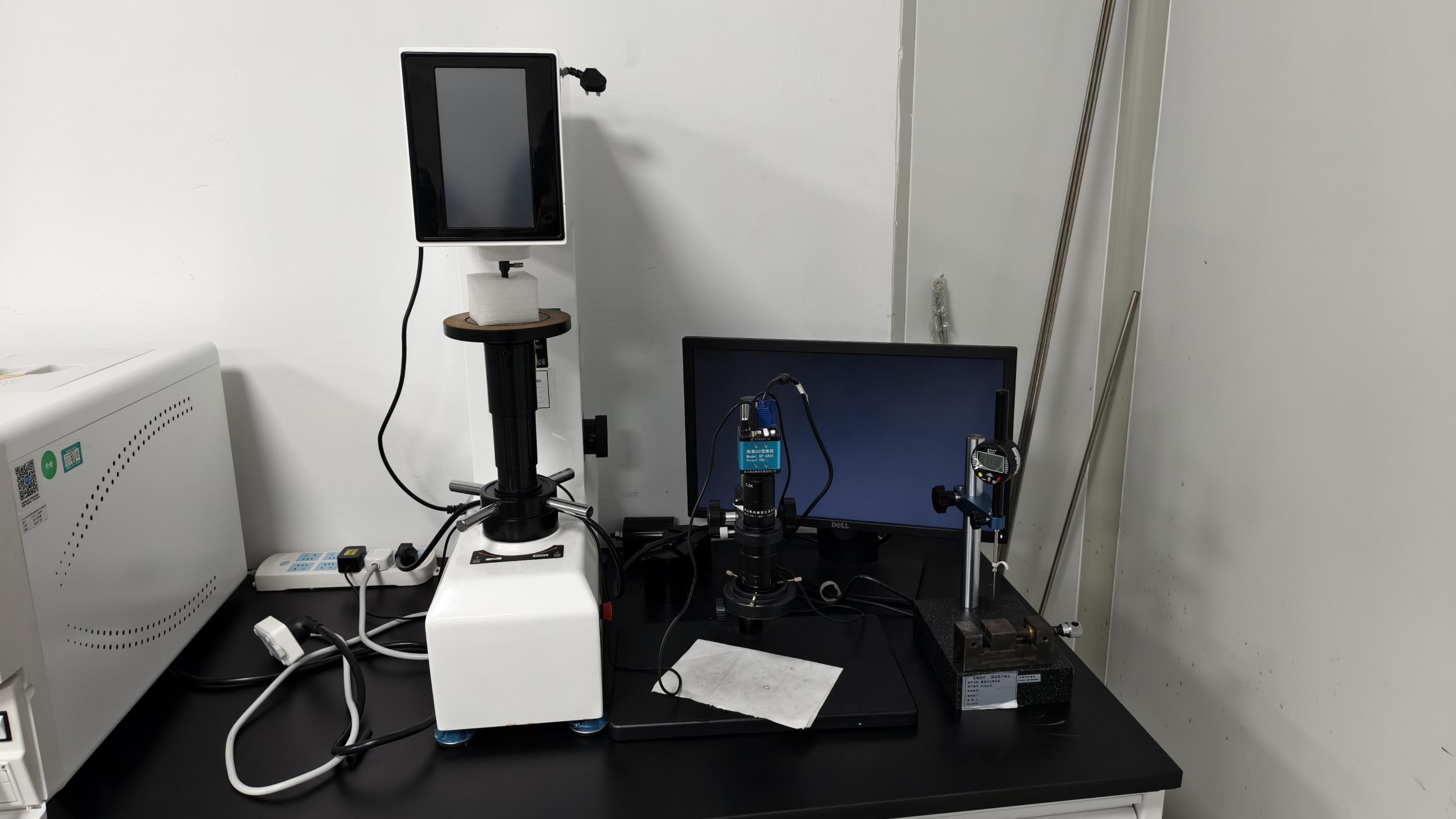
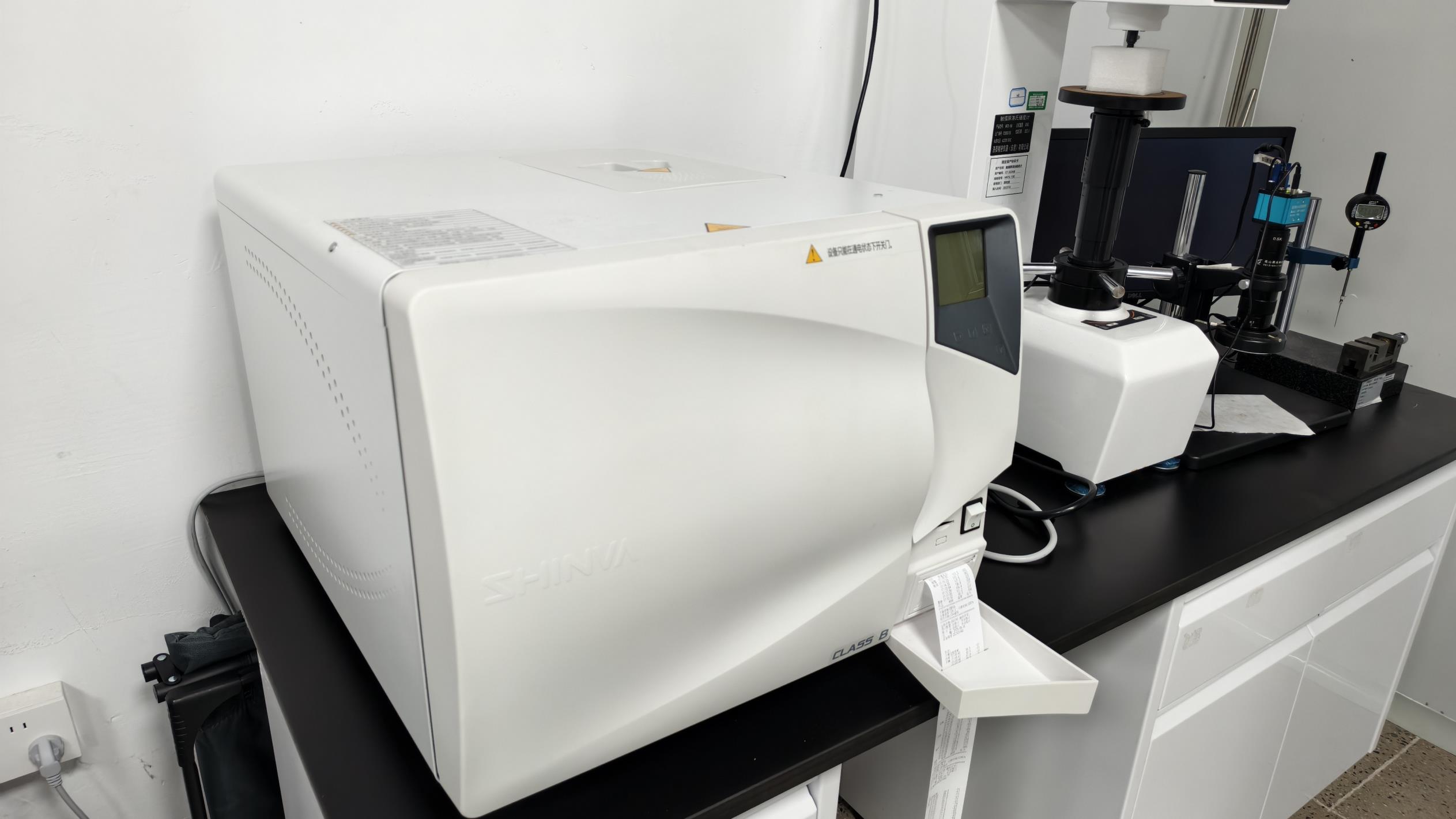
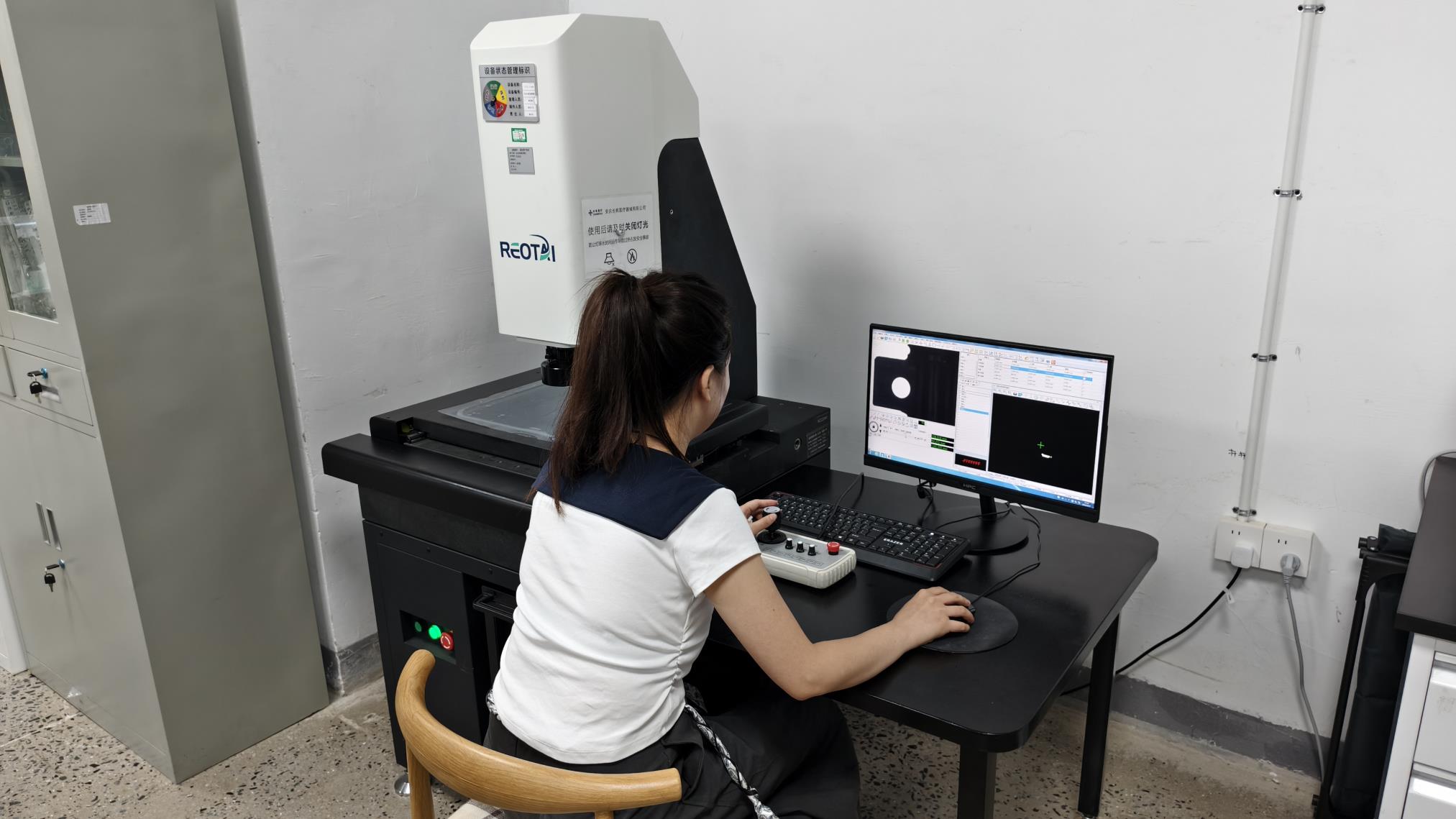
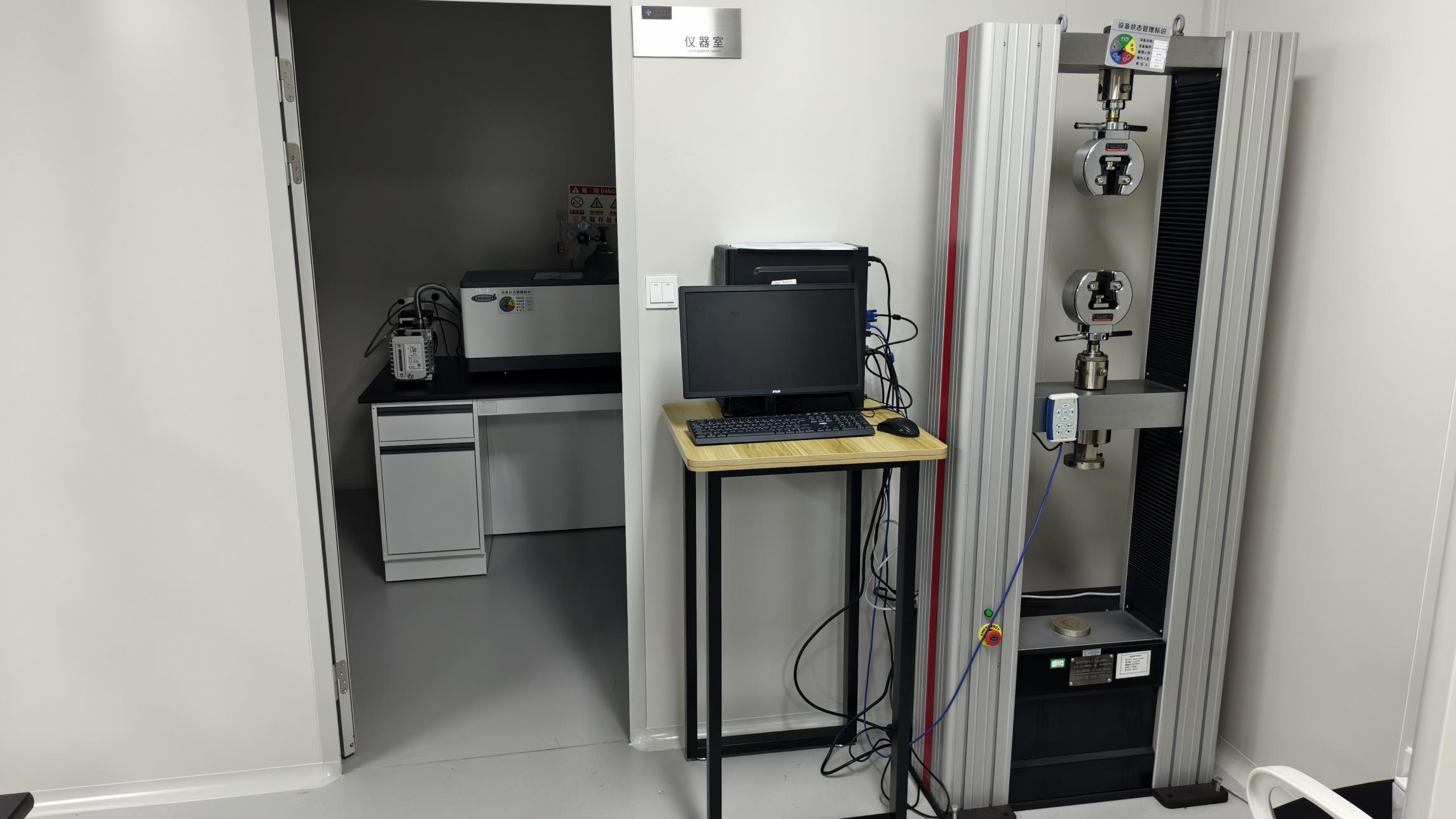
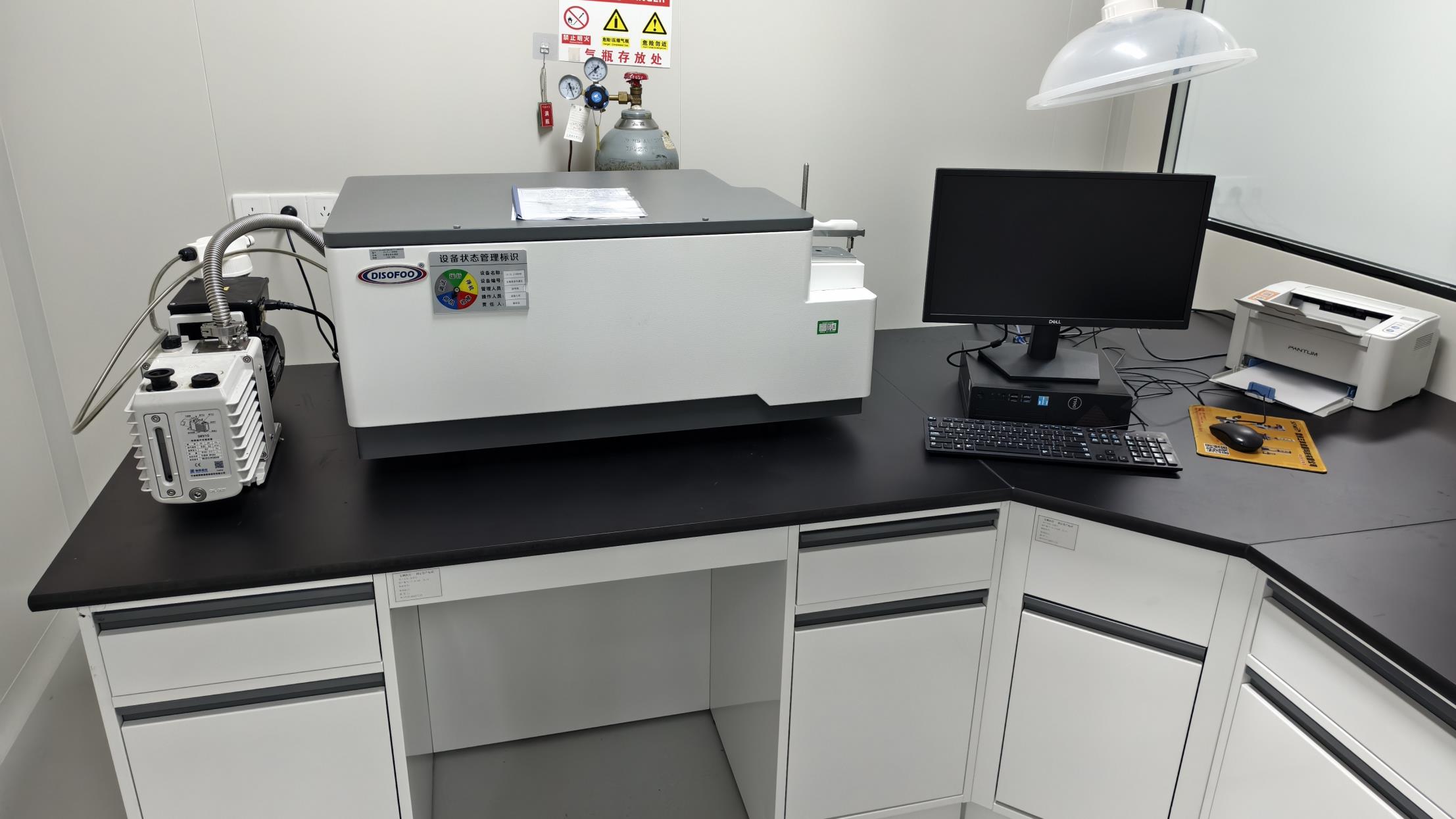
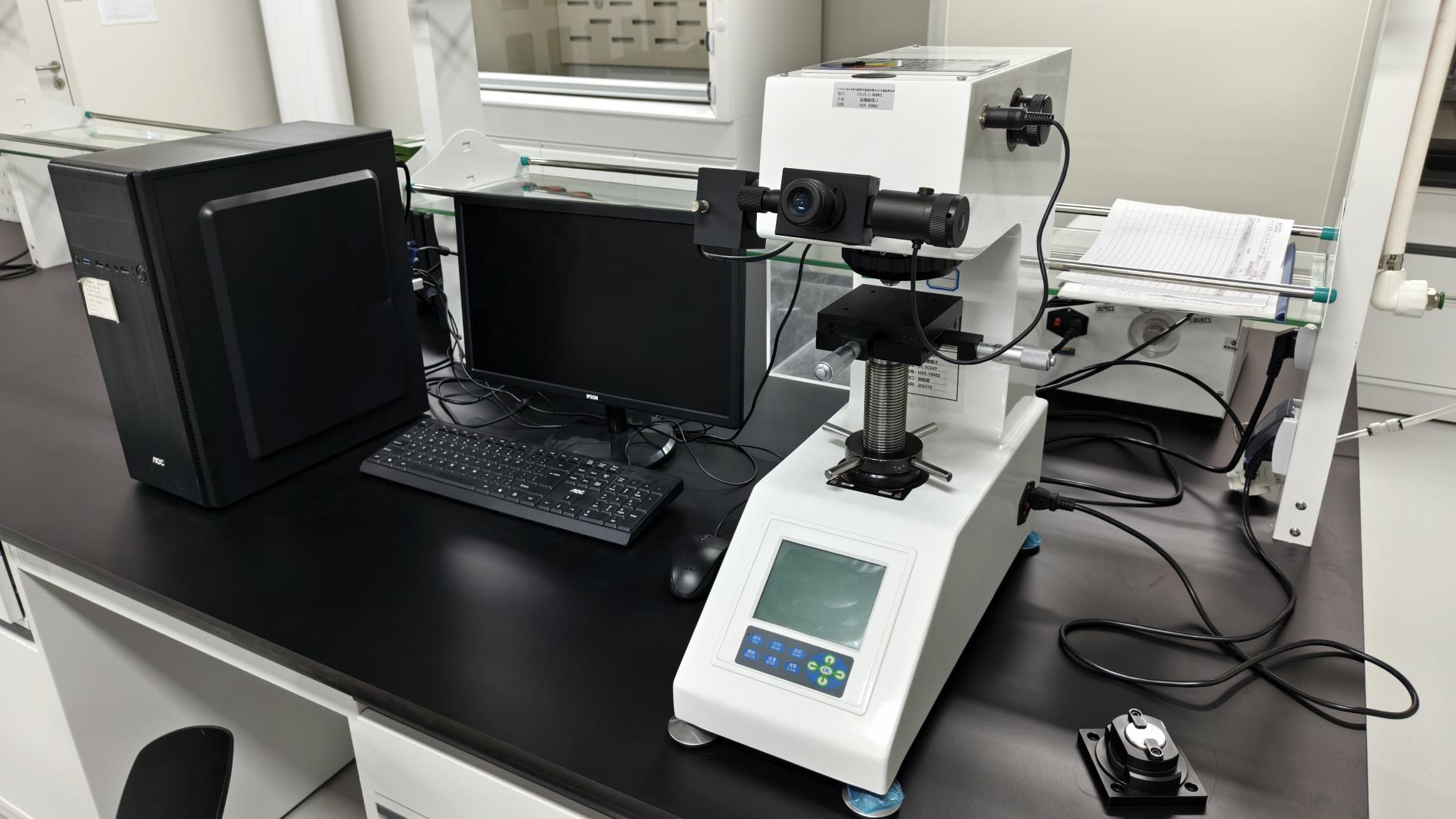
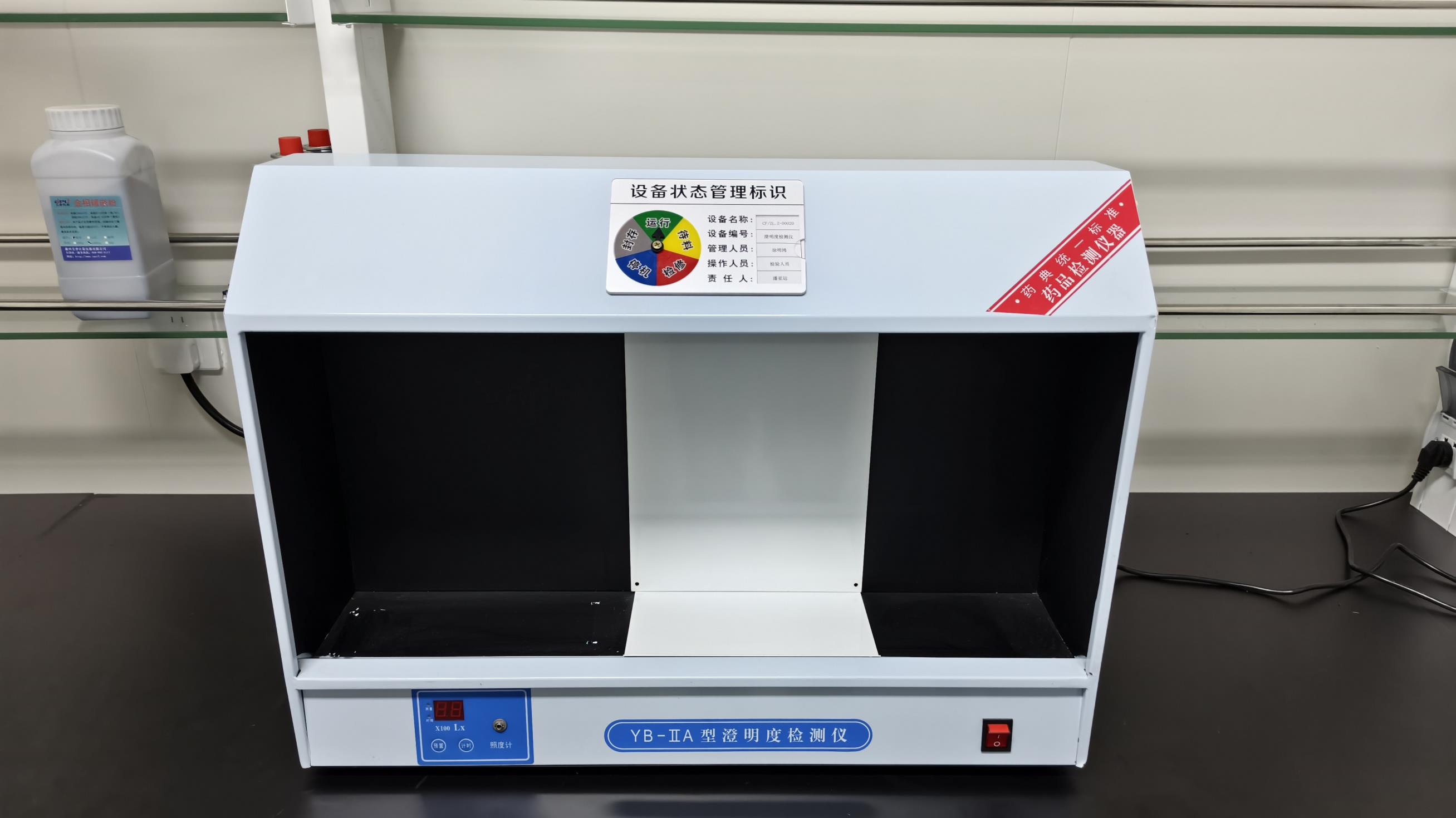
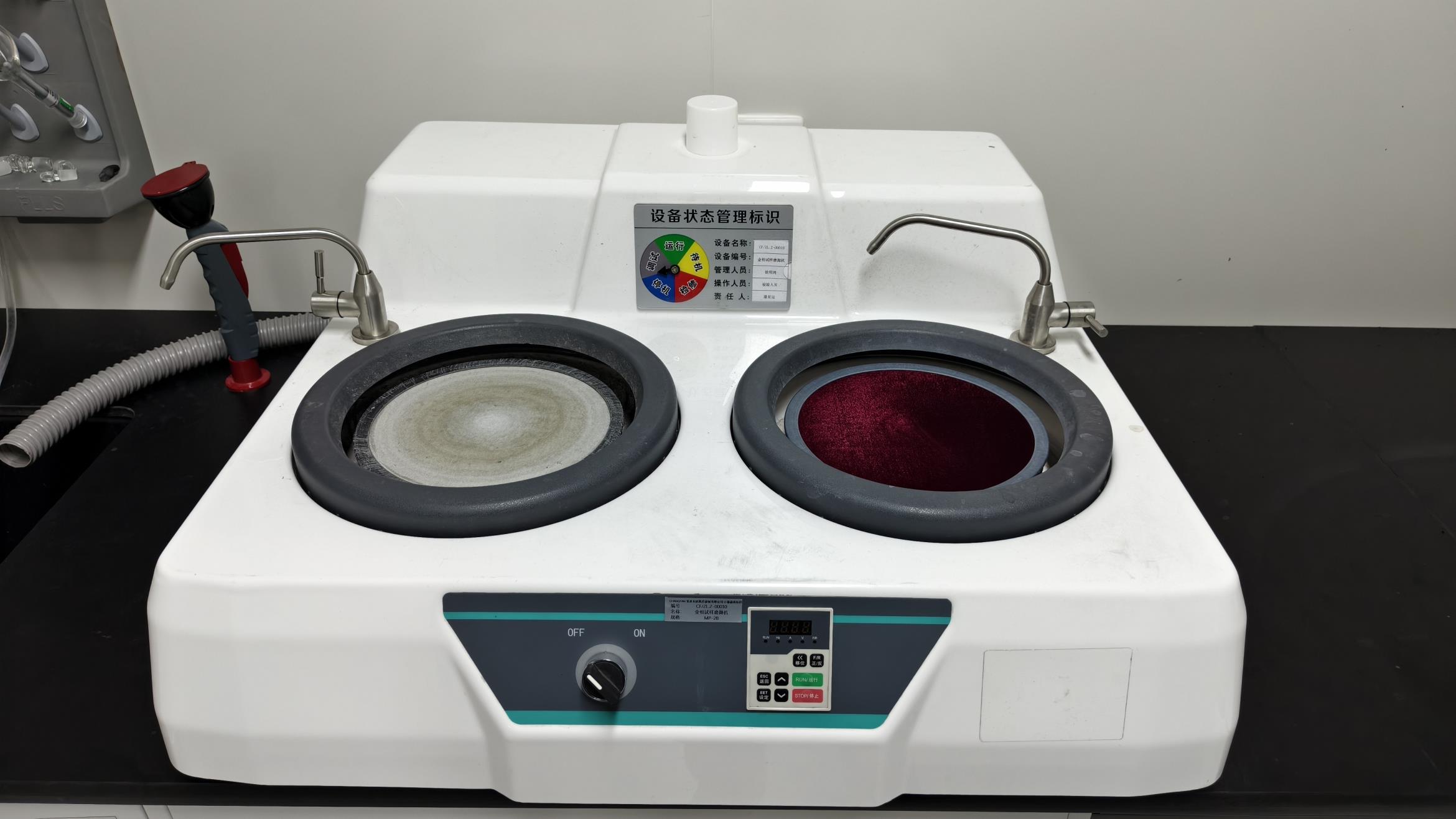
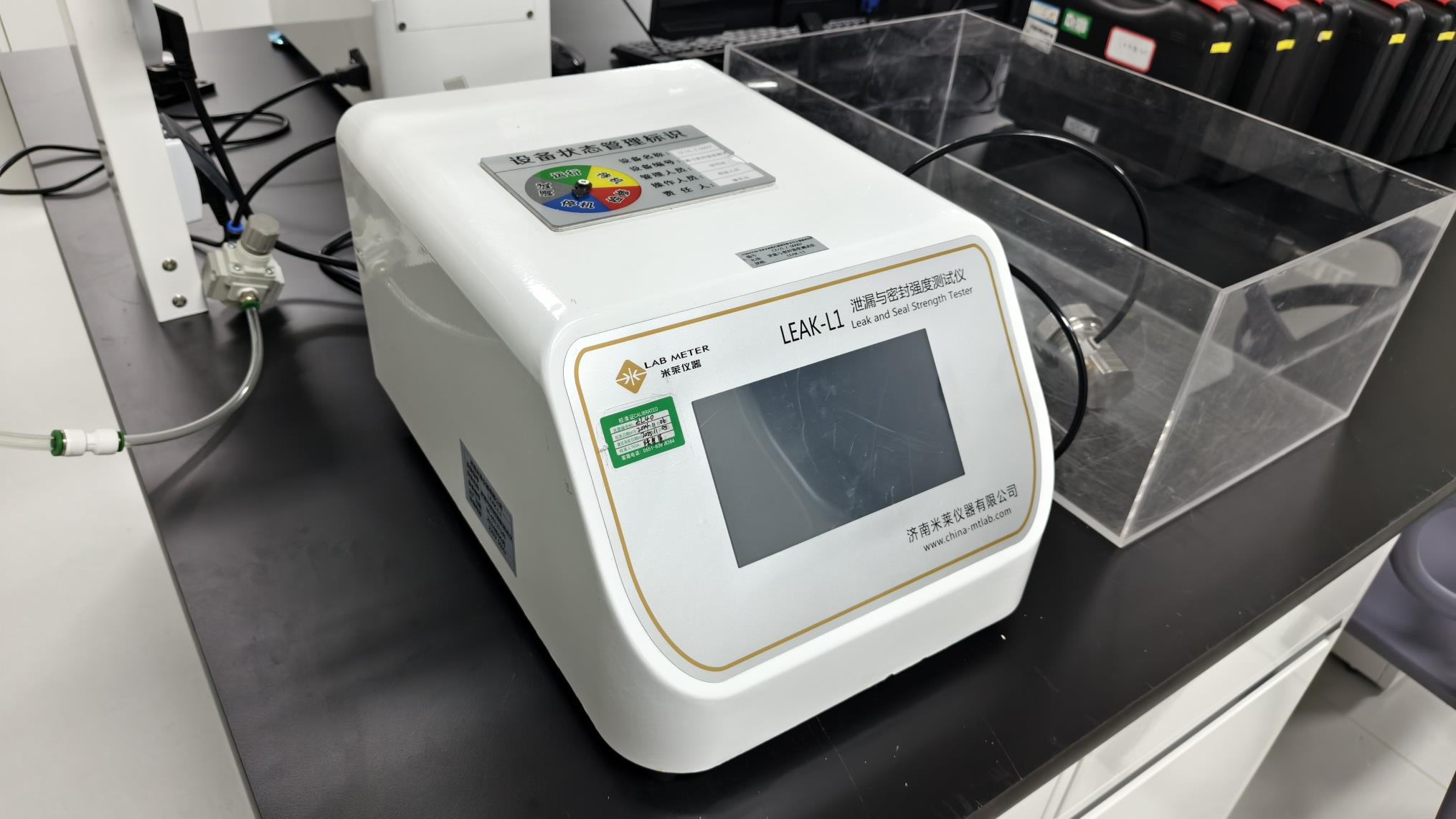
A checklist for sourcing agents, distributor networks, and hospital group purchasing organizations.
Evaluate certifications for FDA 510(k) clearances, CE MDR registration under EU 2017/745, and ISO 13485 Quality Management Systems. A qualified factory should provide full technical files and Biological Evaluation Reports (ISO 10993).
Verify the source of titanium alloys and PEEK compounds. Top factories use medical-grade materials from leading suppliers like Victrex (PEEK-OPTIMA) and titanium conforming to ASTM F136 standards.
Orthopedic implants require tight tolerances (±0.005mm). The factory must utilize automated coordinate measuring machines (CMM) and vision inspection systems to guarantee physical precision.
The future of interbody fusion devices focuses on smart monitoring, surface functionalization, and patient-specific geometry.
Implementing hydrothermal chemical modifications to create hydrophilic titanium-oxide layers on implant surfaces. This micro-texture accelerates protein adsorption and osteoblast differentiation, reducing fusion times.
Development of bio-absorbable composites infused with bone morphogenetic proteins (BMP-2). The implant supports the vertebra initially and gradually transfers the mechanical load as it safely degrades.
Integrating miniaturized, battery-free strain gauges and micro-sensors within the cage structure. Using NFC wireless transmission, clinical teams can monitor fusion progress and load distribution in real time.
Answers to common technical, manufacturing, and regulatory questions from international distributors.
PEEK (Polyetheretherketone) has an elastic modulus similar to human cortical bone, which helps reduce stress shielding and implant subsidence. It is also radiolucent, allowing surgeons to monitor fusion progress on X-rays without image distortion. Titanium, especially when 3D-printed with a porous structure, offers superior direct osseointegration and mechanical strength, making it ideal for patients with lower bone density.
We maintain strict control over our post-production process. Implants undergo multi-stage automated ultrasonic cleaning in purified water. This is followed by visual analysis under digital microscopes and packaging inside an ISO Class 7 cleanroom to keep particulate counts and bioburden levels well below regulatory limits.
Yes. As a full-service OEM/ODM manufacturer, we develop both the implants and the matching surgical trial inserters, trial blocks, depth guides, and retractor systems. This provides distributors and hospitals with a single, compatible source for the entire system.
Our manufacturing facility operates under ISO 13485 quality standards. Depending on the product line, we provide CE certification and FDA-compliant technical documentation, enabling smooth regulatory registration and market entry for international buyers.
Standard custom production runs generally take between 30 to 45 days. This includes initial raw material verification, Swiss-type CNC machining, surface finishing, and quality control. Cleanroom packaging and validation processes are integrated into this production schedule.
Select premium trauma reconstruction plates, arthroscopy shaver assemblies, and fixation sets engineered for high-performance surgical applications.
 Synoviq Medical