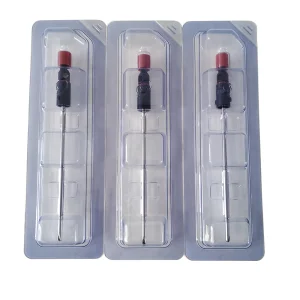
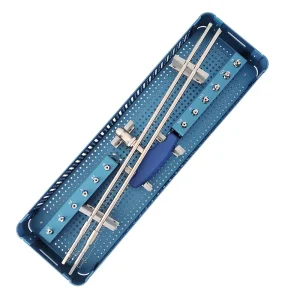
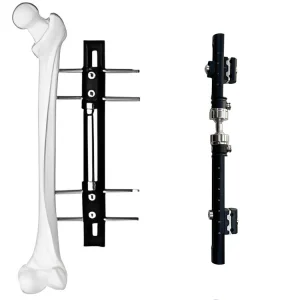
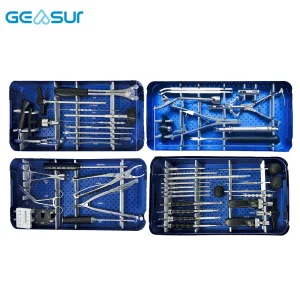
Explore our cutting-edge orthopedic trauma, spine, and specialized surgical equipment manufactured under strict CE & ISO controls.
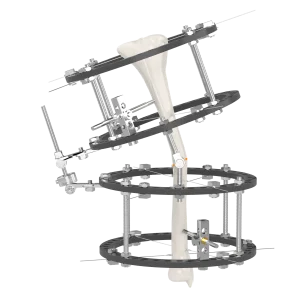
Understanding the paradigm shift from permanent metallic fixation to transient, bio-assimilable structural scaffolds in modern osteosynthesis.
The global orthopedic surgery domain is witnessing a historic technological evolution. Historically, metals such as titanium, stainless steel, and cobalt-chromium alloys have served as the gold standard for trauma fixation and joint reconstructions. However, the intrinsic properties of permanent metal implants often lead to long-term clinical complications. These include stress shielding—where the metal plate absorbs the physiological load, causing adjacent bone density to degrade—as well as chronic foreign body responses, palpable hardware discomfort, and the inevitable requirement for secondary hardware removal surgeries. The latter carries distinct surgical risks, increases hospital bed occupancy, and escalates healthcare expenditure globally.
In response to these clinical pain points, Bioresorbable Orthopedic Implants have emerged as a disruptive class of biomaterials. Fabricated from advanced biodegradable polymers such as Poly-L-lactic acid (PLLA), Poly-D,L-lactic acid (PDLLA), Poly(lactic-co-glycolic acid) (PLGA), and bioabsorbable magnesium alloys, these implants provide robust initial mechanical fixation during the critical bone-healing phase. As the bone gradually remodels and regains its native load-bearing capacity, the bioresorbable implant undergoes progressive hydrolytic degradation, breaking down into non-toxic monomers (lactic acid and glycolic acid) that are naturally metabolized by the human body into carbon dioxide and water. This transient nature completely eliminates the need for secondary revision surgeries, making it the premier choice for pediatric orthopedics, craniomaxillofacial repairs, and sports medicine reconstructions.
A trusted global manufacturer and exporter specializing in high-precision orthopedic implants and surgical instrumentation.
Synoviq Medical Technology (China) Co., Ltd. is a professional manufacturer of orthopedic implants and surgical instruments, dedicated to delivering innovative, reliable, and high-quality medical solutions for healthcare professionals worldwide. Since its establishment, Synoviq has focused on research, development, precision manufacturing, and international quality standards, providing comprehensive OEM and ODM services for global medical device brands, distributors, and hospitals.
Our product portfolio includes trauma fixation systems, spinal implants, locking plates, intramedullary nails, external fixation systems, orthopedic screws, surgical instruments, and customized orthopedic solutions. Equipped with advanced CNC machining centers, precision inspection equipment, and modern clean production facilities, we ensure every product meets strict international quality requirements.
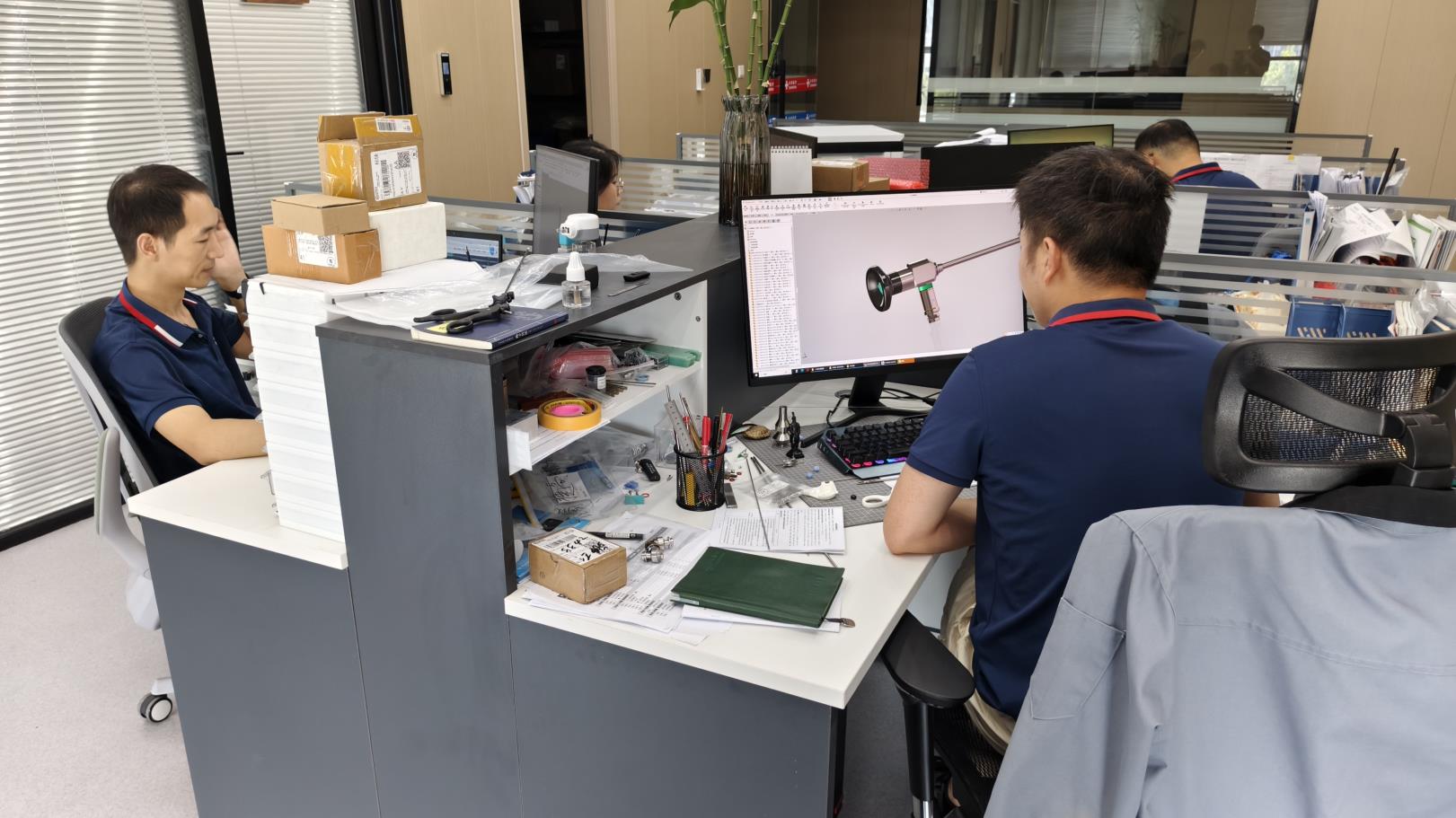
Driven by continuous innovation, Synoviq invests heavily in R&D and intelligent manufacturing to enhance product performance, surgical efficiency, and patient outcomes. Our experienced engineering team works closely with customers to develop customized products tailored to different clinical applications and market demands. With a customer-oriented philosophy, competitive pricing, stable supply capability, and efficient technical support, Synoviq has established long-term partnerships with distributors, medical brands, and healthcare organizations across Europe, North America, South America, the Middle East, and Asia-Pacific.
| Item | Information Details & Technical Capabilities |
|---|---|
| Company Name | Synoviq Medical Technology (China) Co., Ltd. |
| Brand | Synoviq |
| Established Date | March 18, 2016 |
| Building Area | 18,600 m² Class-100,000 Cleanroom & Precision Workshop Areas |
| Annual Export Revenue | USD 21.8 Million |
| Export & Industry Experience | 8 Years Exporting | 14 Years Industry R&D Experience |
| Quality Inspection Protocols | 100% Final Inspection & Strict Incoming Raw Material Inspection |
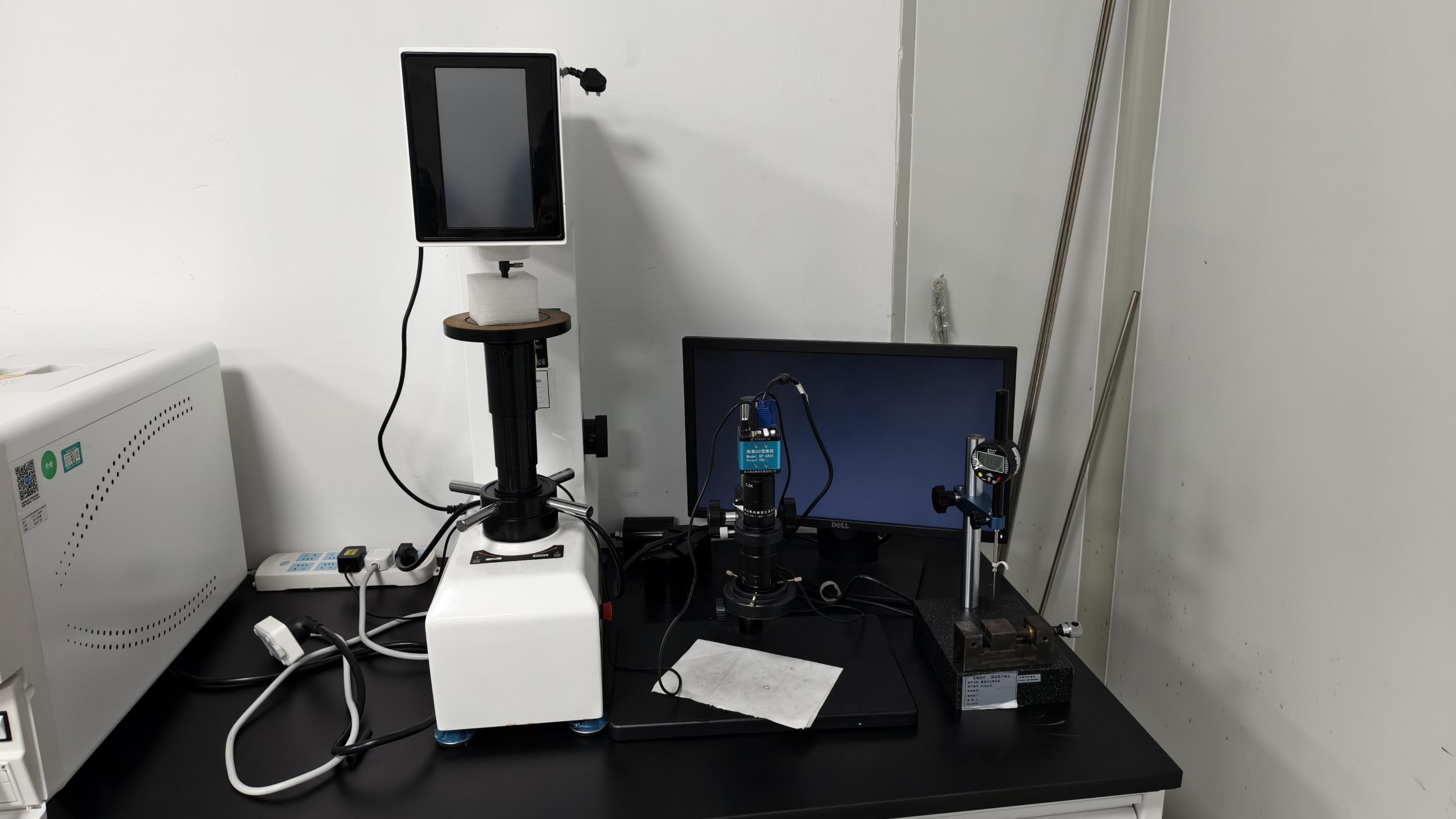
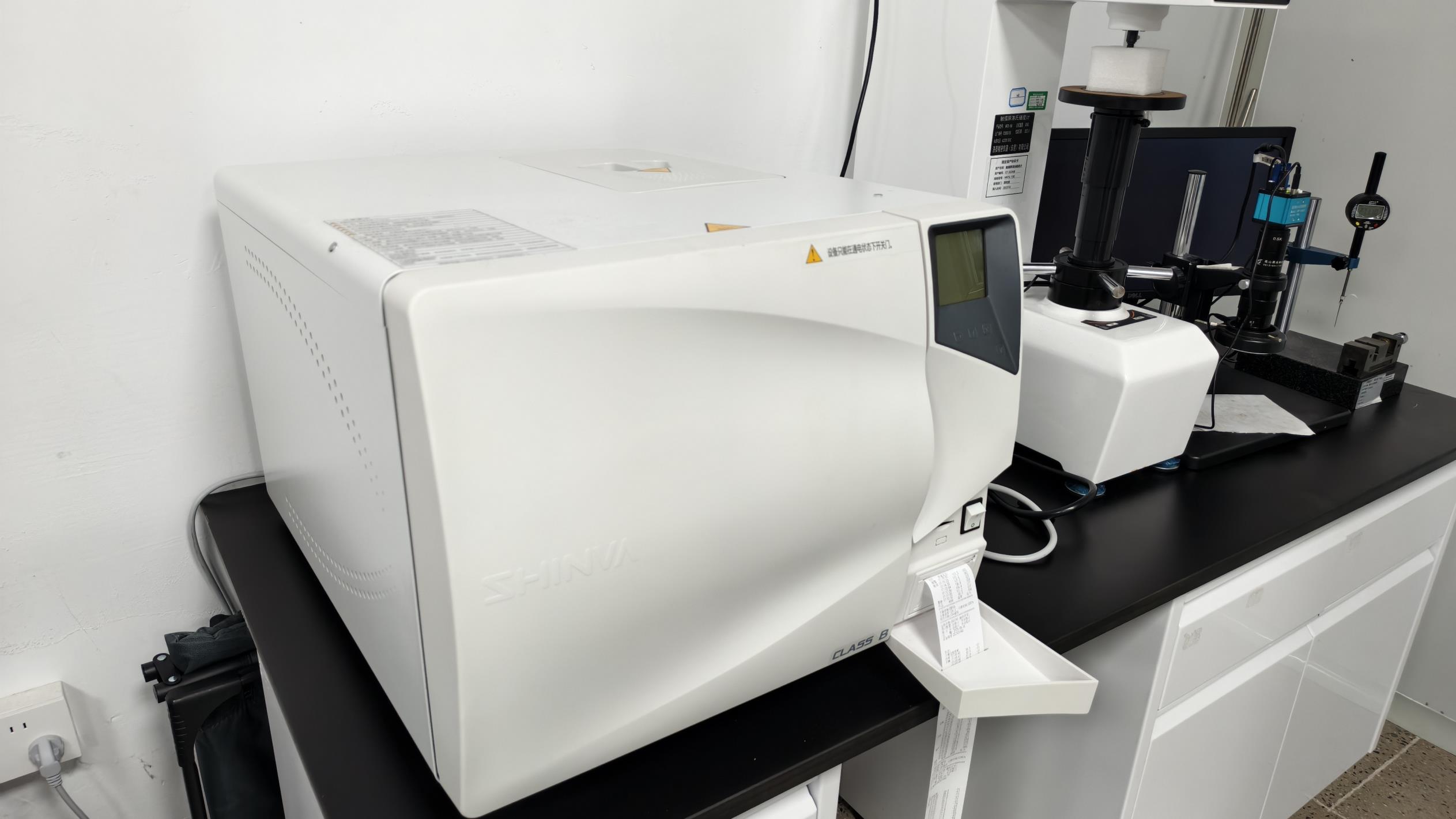
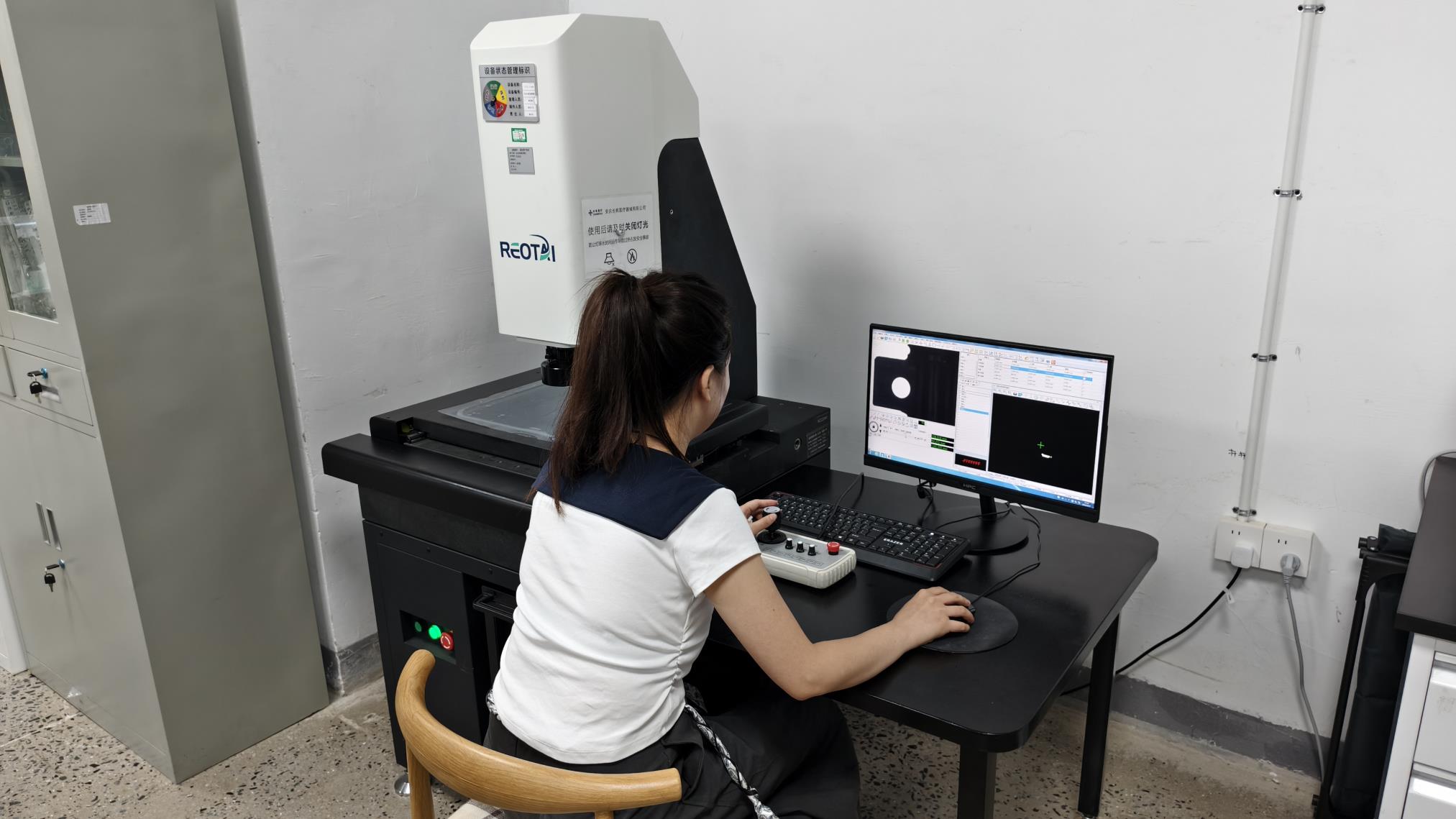
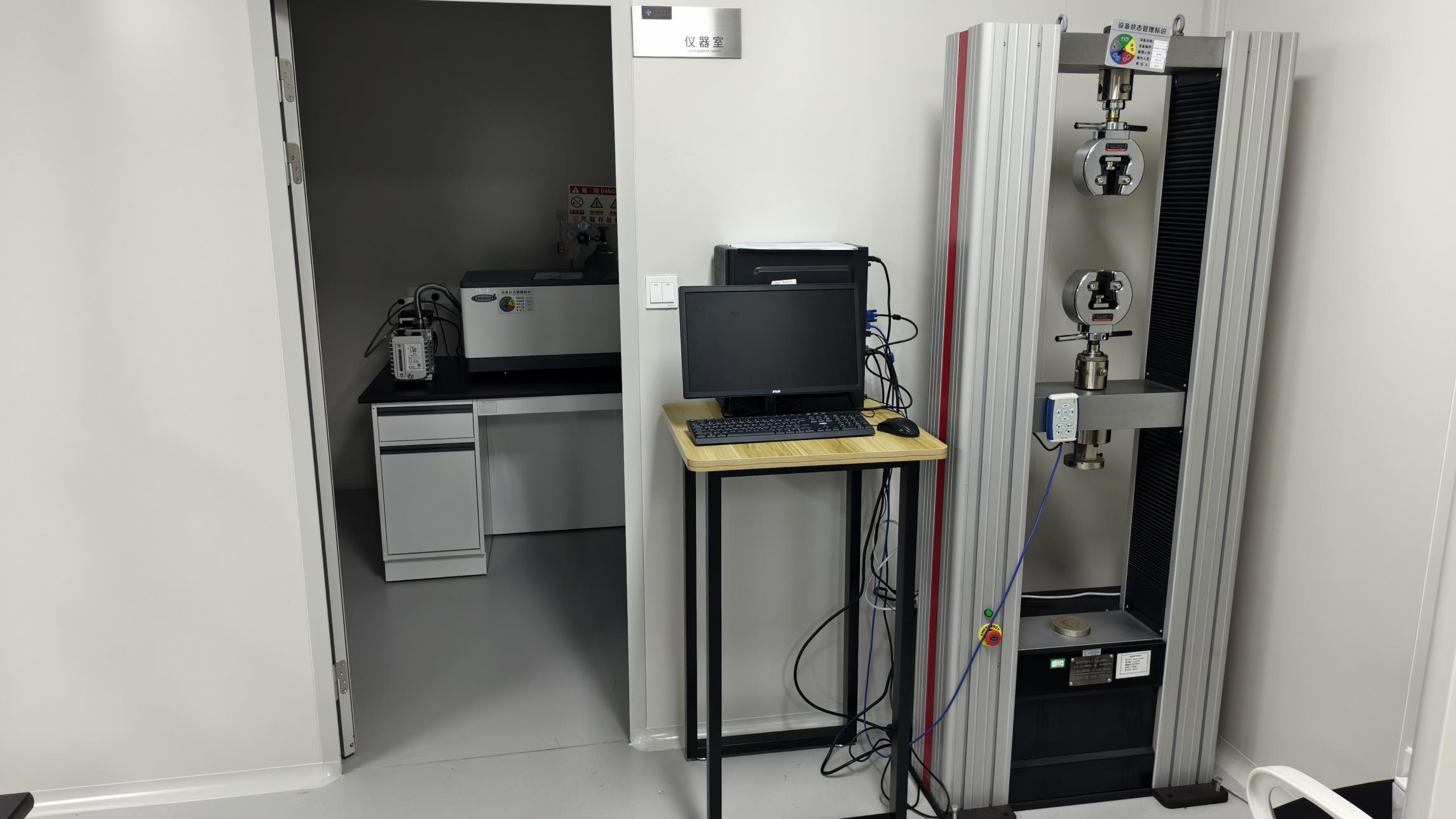
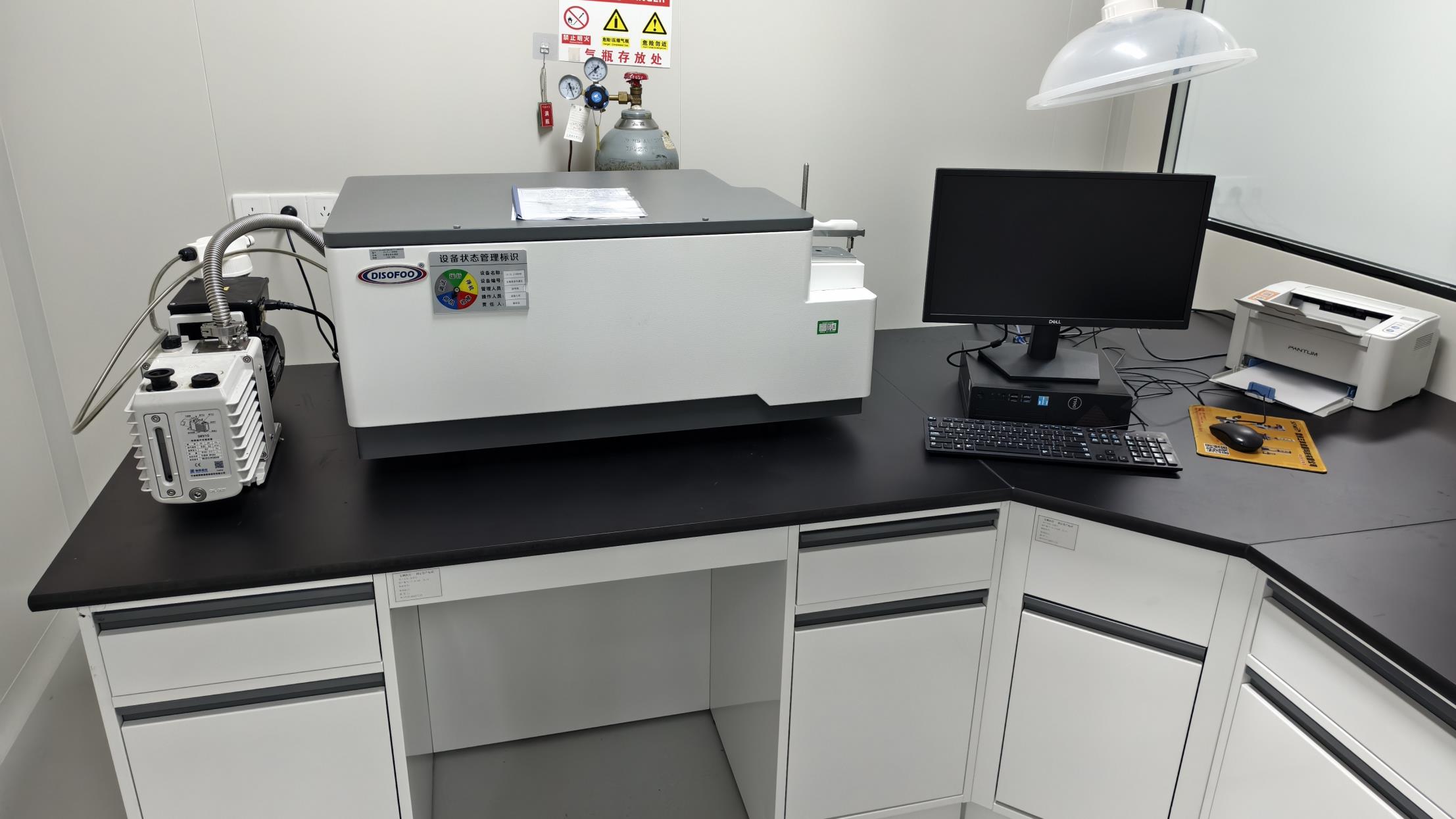
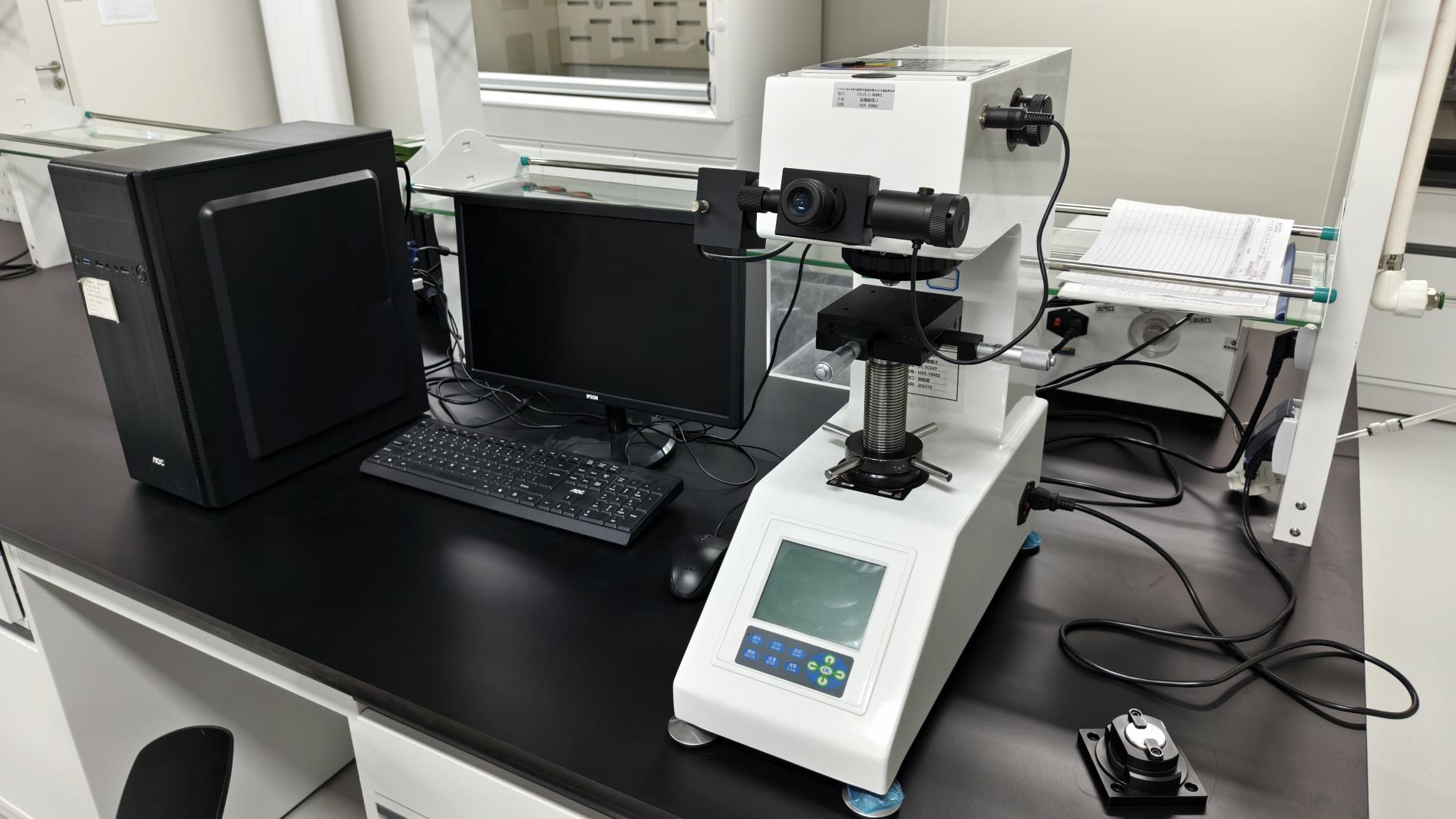
| Product Inspection Methods | CMM Measurement, Mechanical Testing, Surface Roughness Testing, Hardness Testing, Salt Spray Testing, Sterility Validation |
| Quality Control Staff | 48 Certified QA/QC Engineers and Auditors |
| Business Type | Manufacturer & Exporter (OEM/ODM/OBM available) |
| Main Markets | Europe, North America, South America, Middle East, Southeast Asia |
| Supply Chain Partners | 1,120+ active international and domestic medical device distributors |
| R&D Capability | Independent Product Design, Prototype Development, Clinical-Oriented Engineering, OEM & ODM Development |
| Customization Options | Logo Customization, Packaging Customization, Product Design Customization, Material Selection, Surface Treatment |
| New Products Released Last Year | 186 newly registered orthopedic tools, instrumentation sets, and implants |
| R&D Engineers | 76 specialized biomedical and mechanical design engineers |
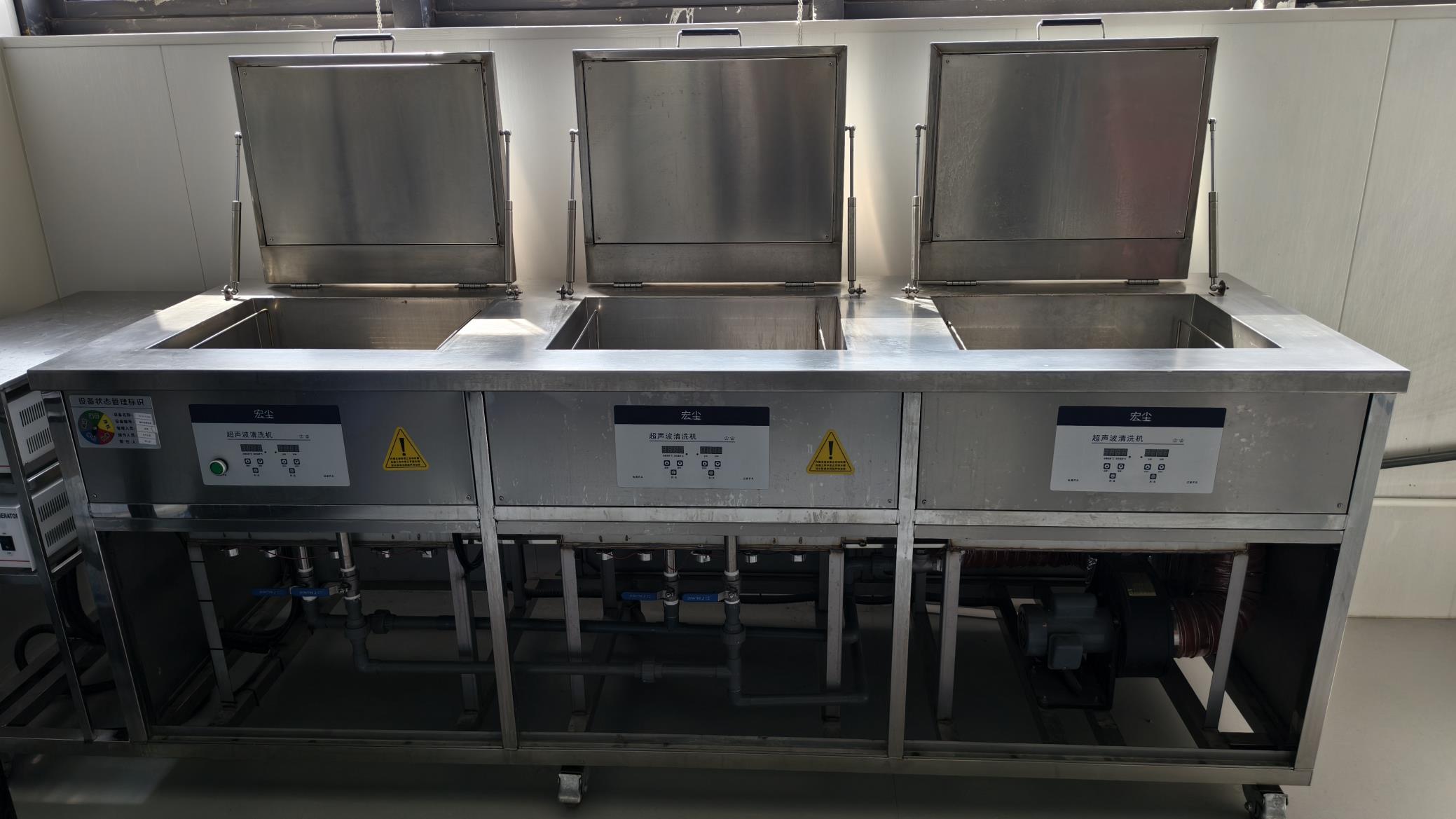
Uncompromising quality and high-throughput production enabled by advanced Swiss machining, automated cleaning, and ISO-certified processes.
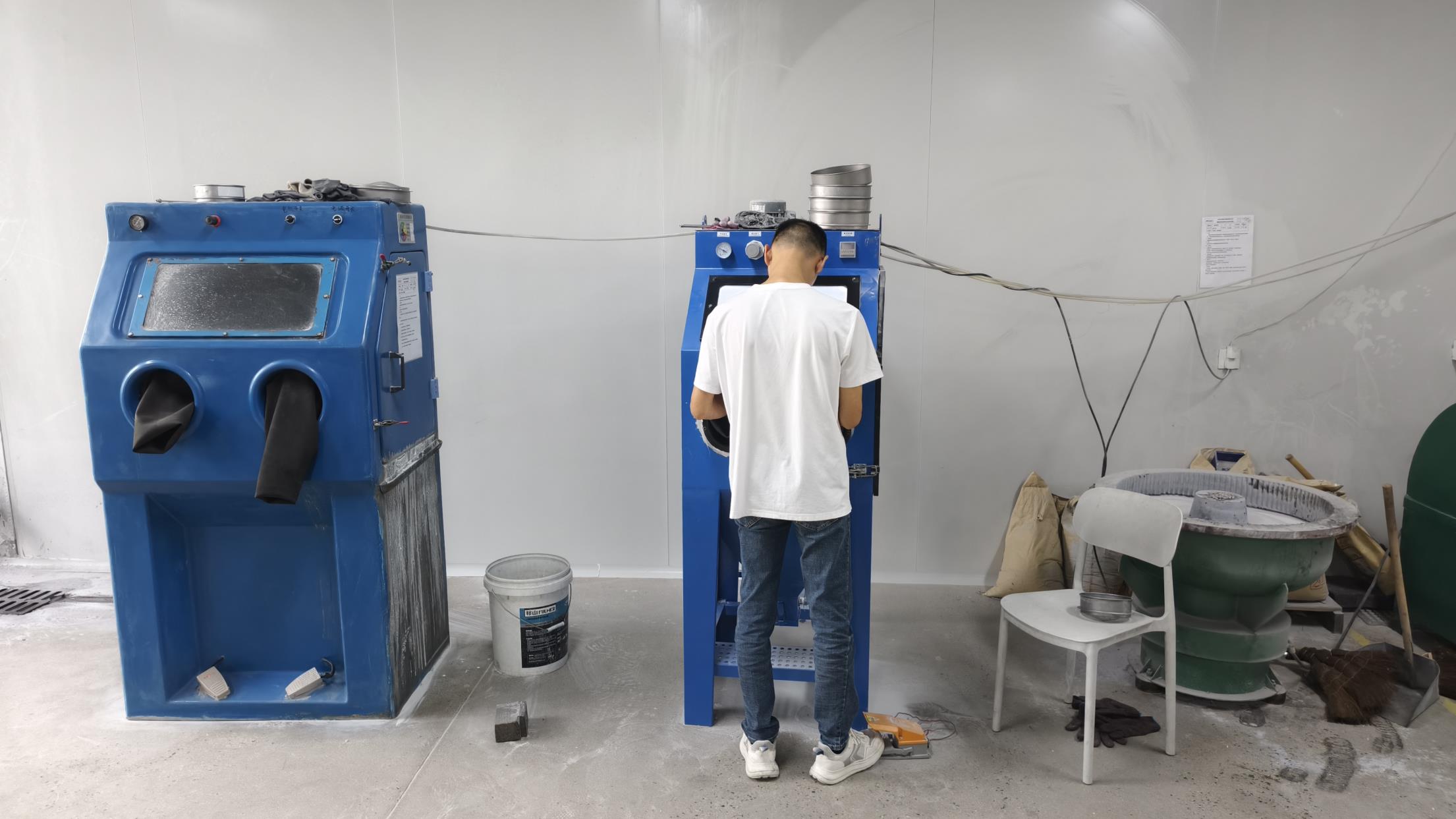
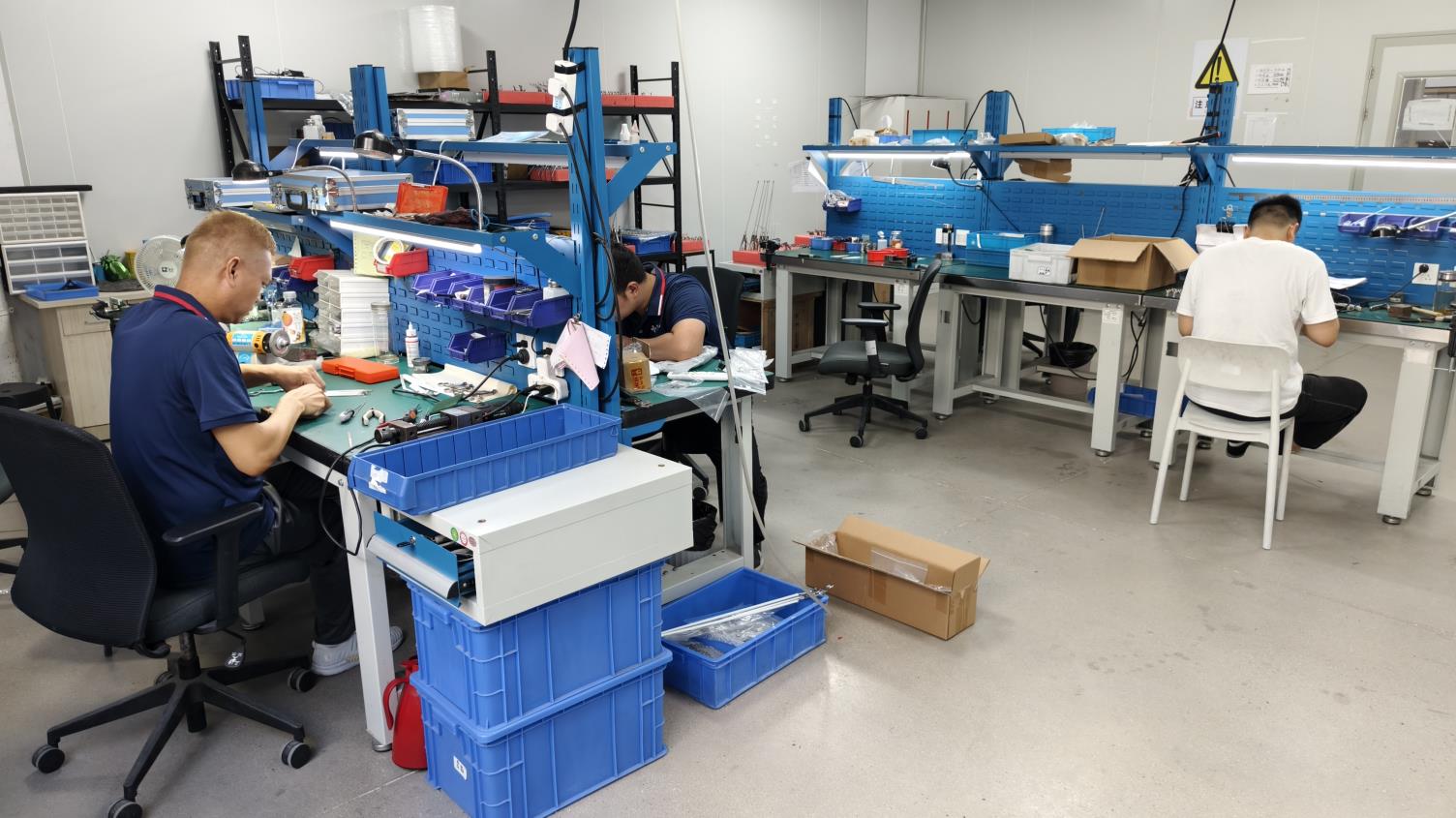
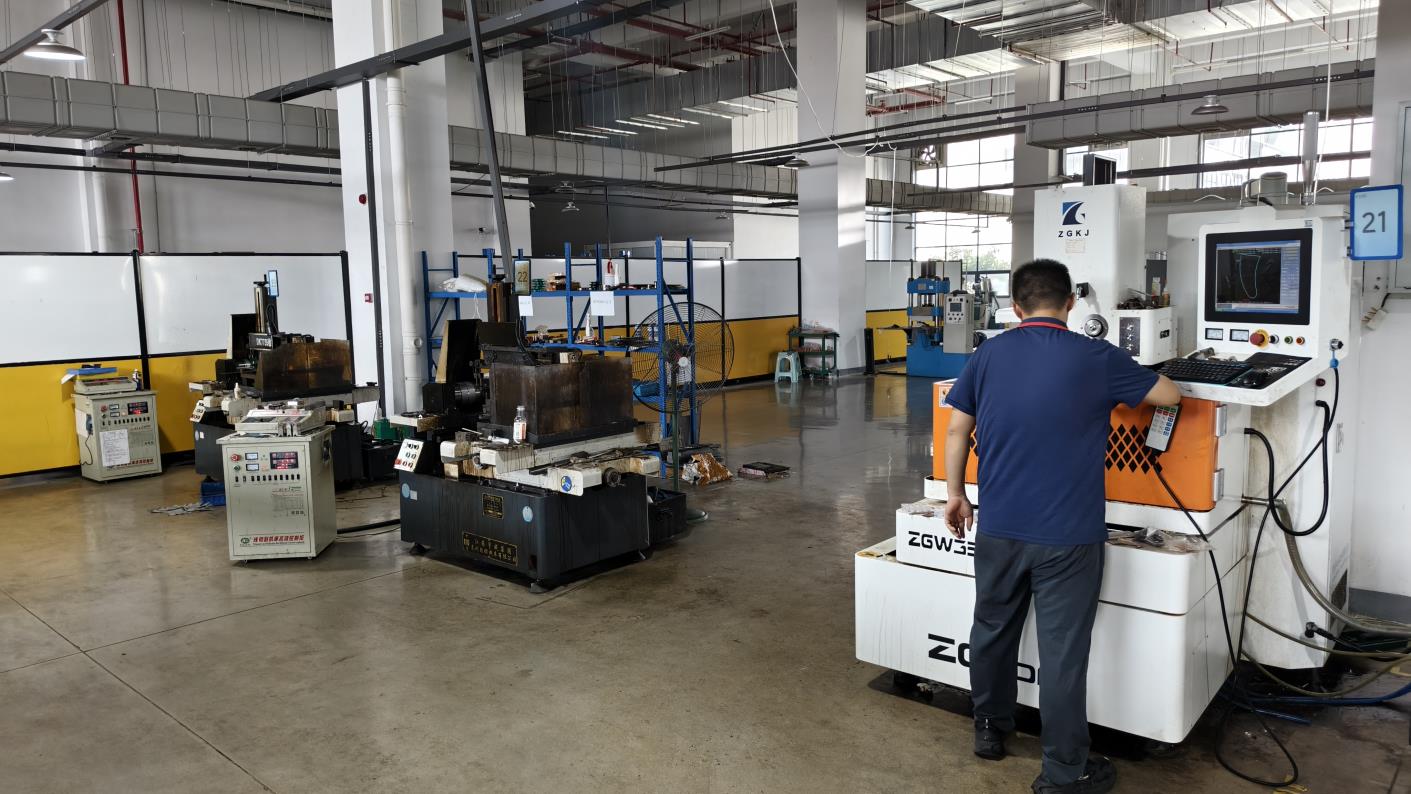
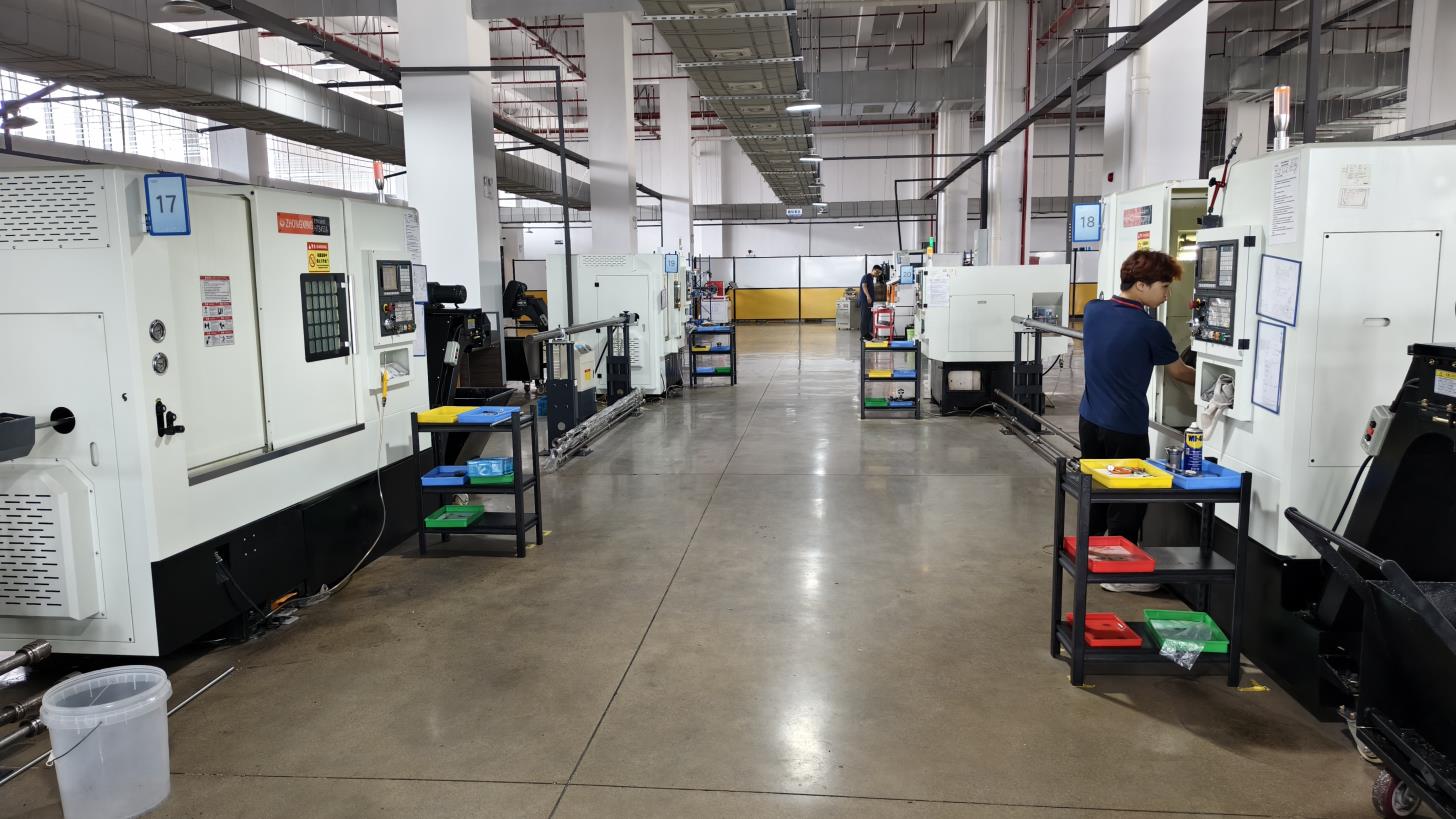
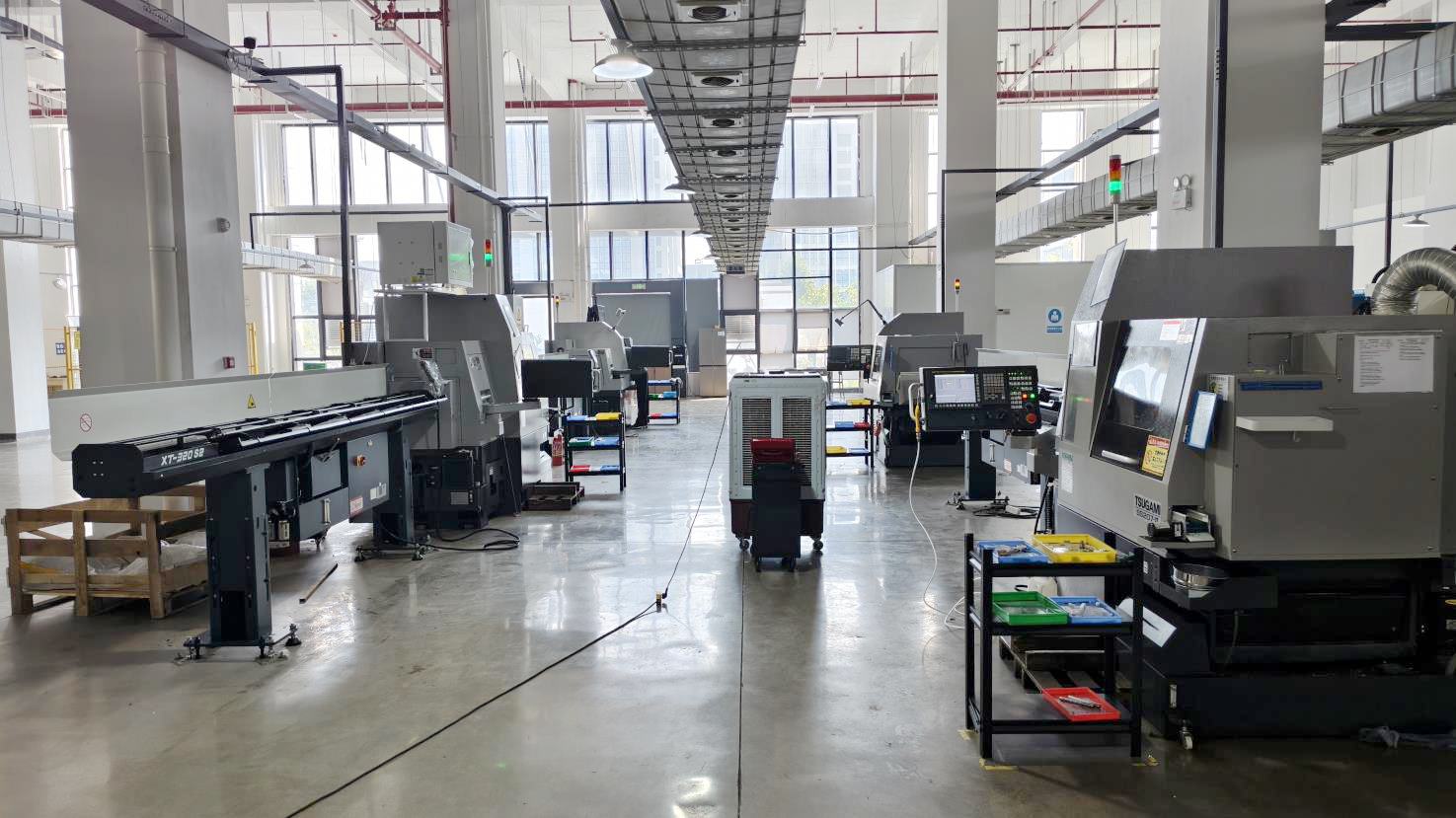
As the global medical sector transitions toward value-based healthcare, medical device procurement managers face intense pressure to balance product quality with cost efficiency. The Chinese orthopedic supply chain has evolved from basic component assembly to high-end, intelligent manufacturing hubs capable of executing complex biomaterial designs. Synoviq's state-of-the-art 18,600 m² facility features integrated vertical manufacturing capabilities, starting from high-grade medical raw materials (such as medical-grade Titanium alloys, PEEK, and specialized bioresorbable polymers) to finished sterilized products.
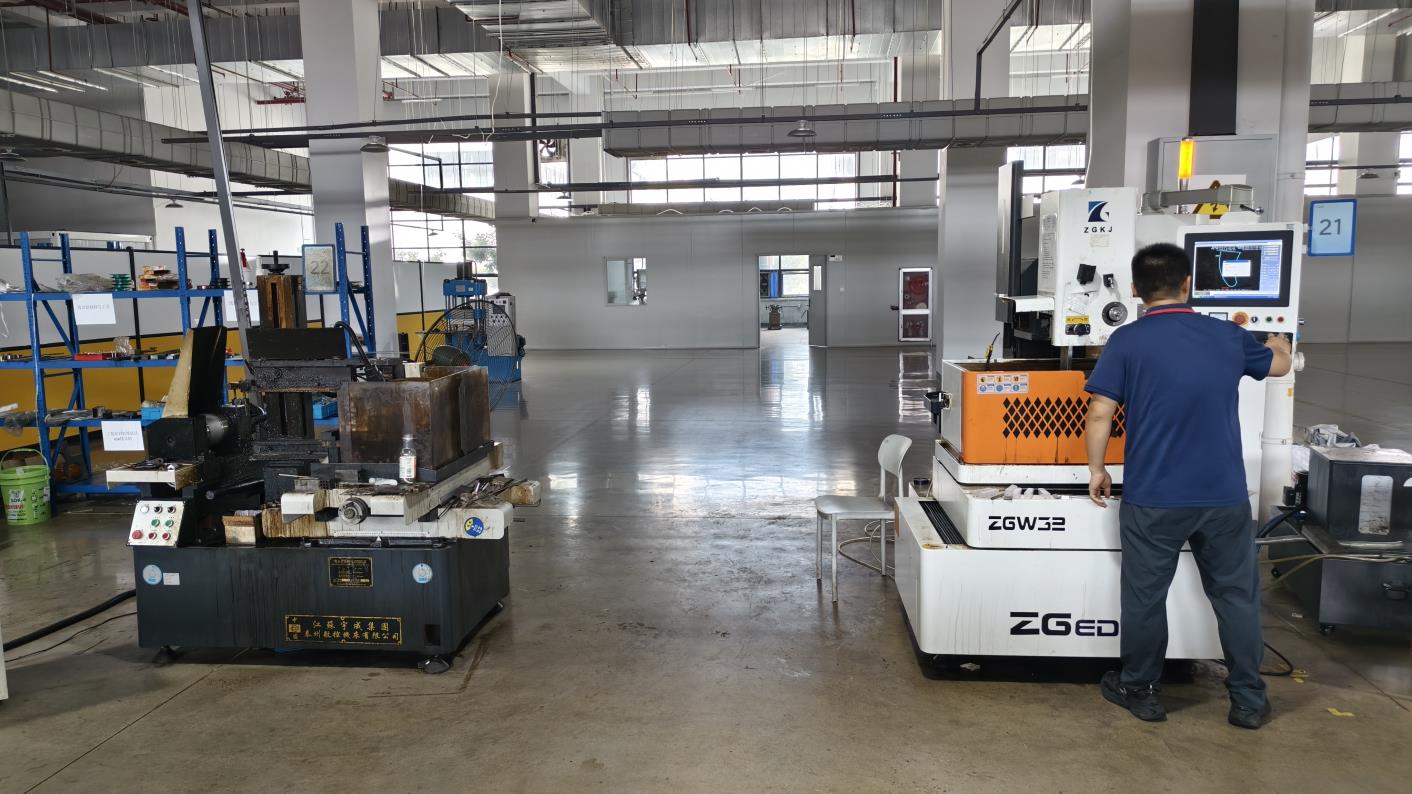
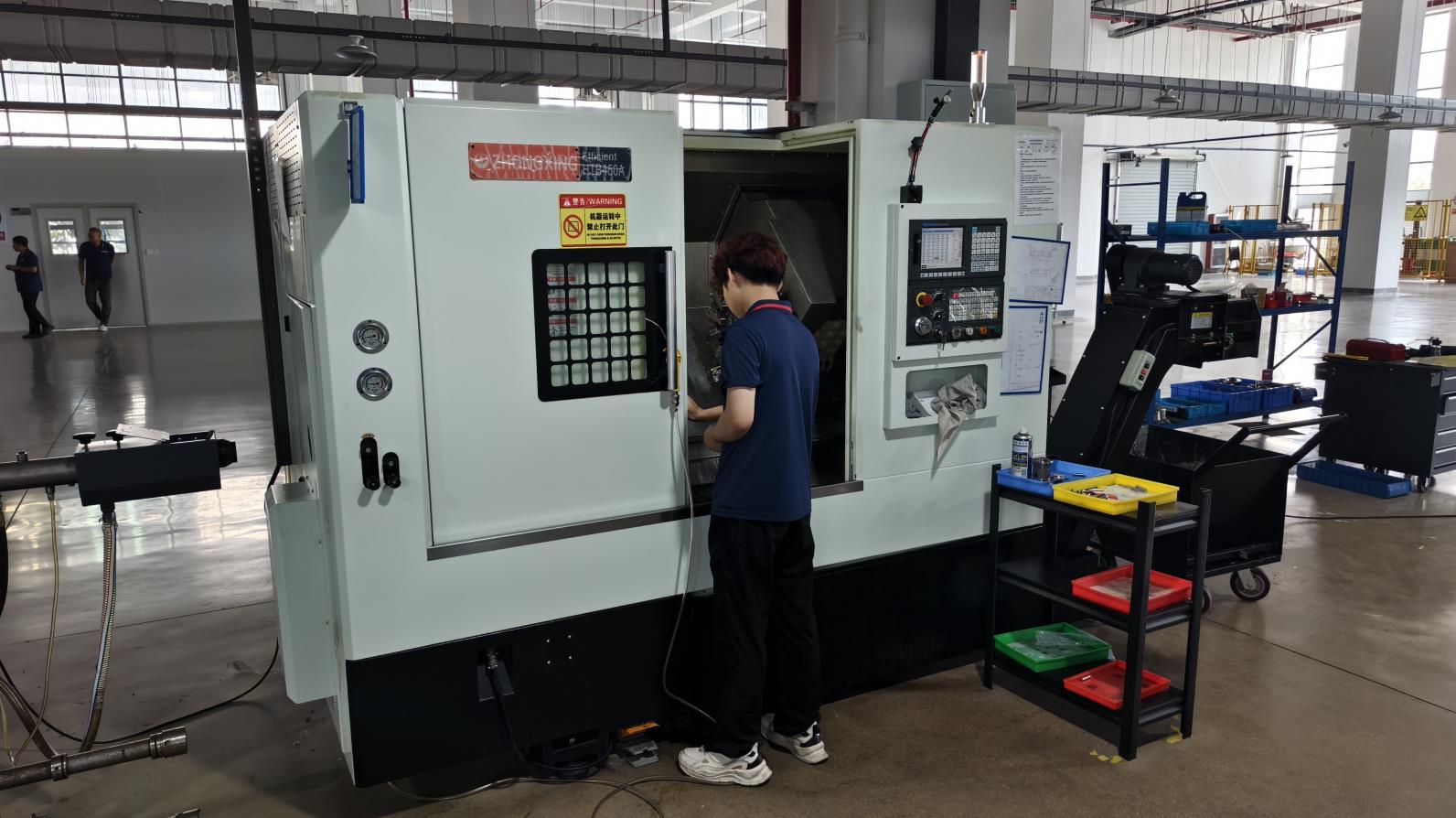
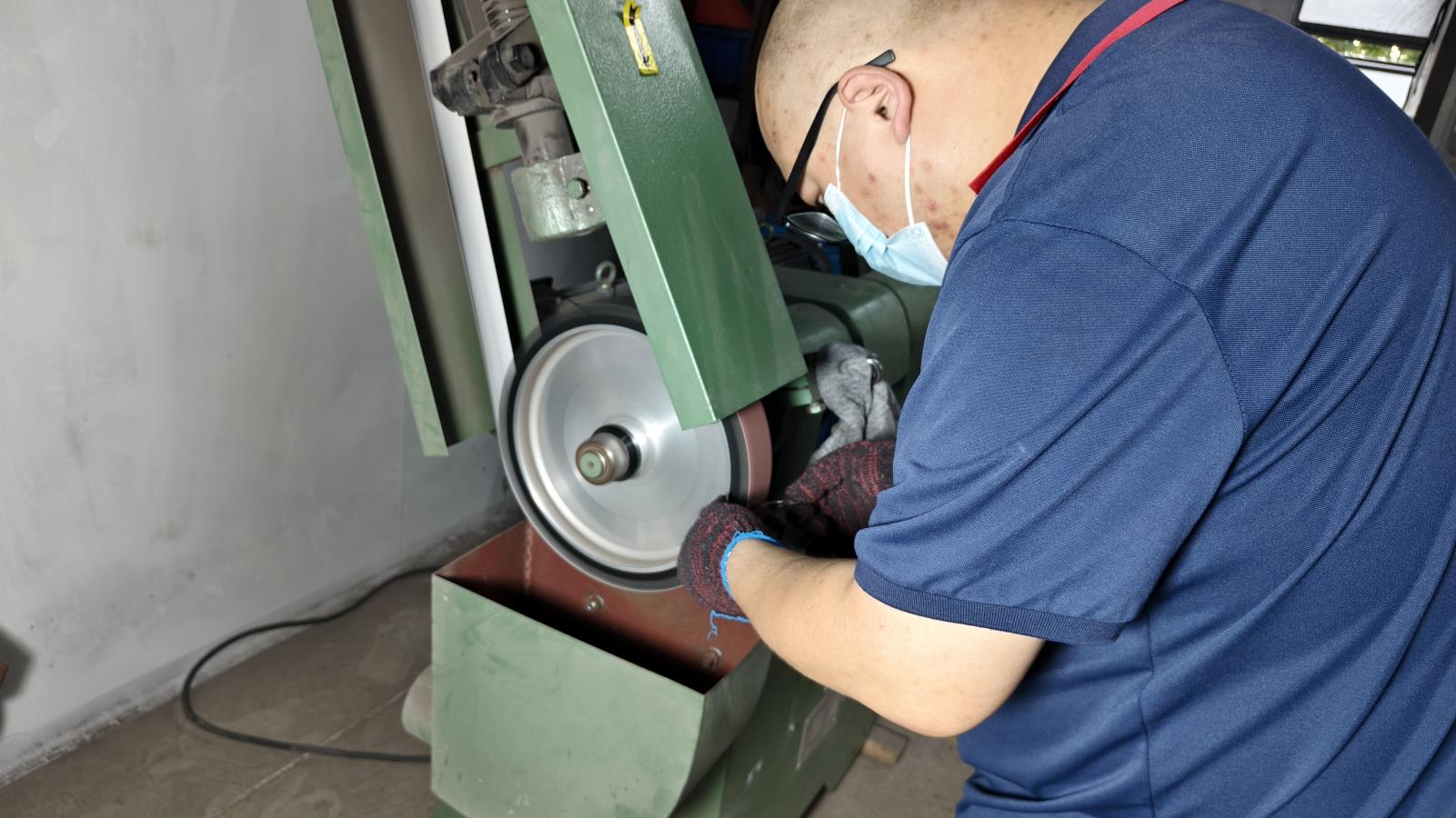
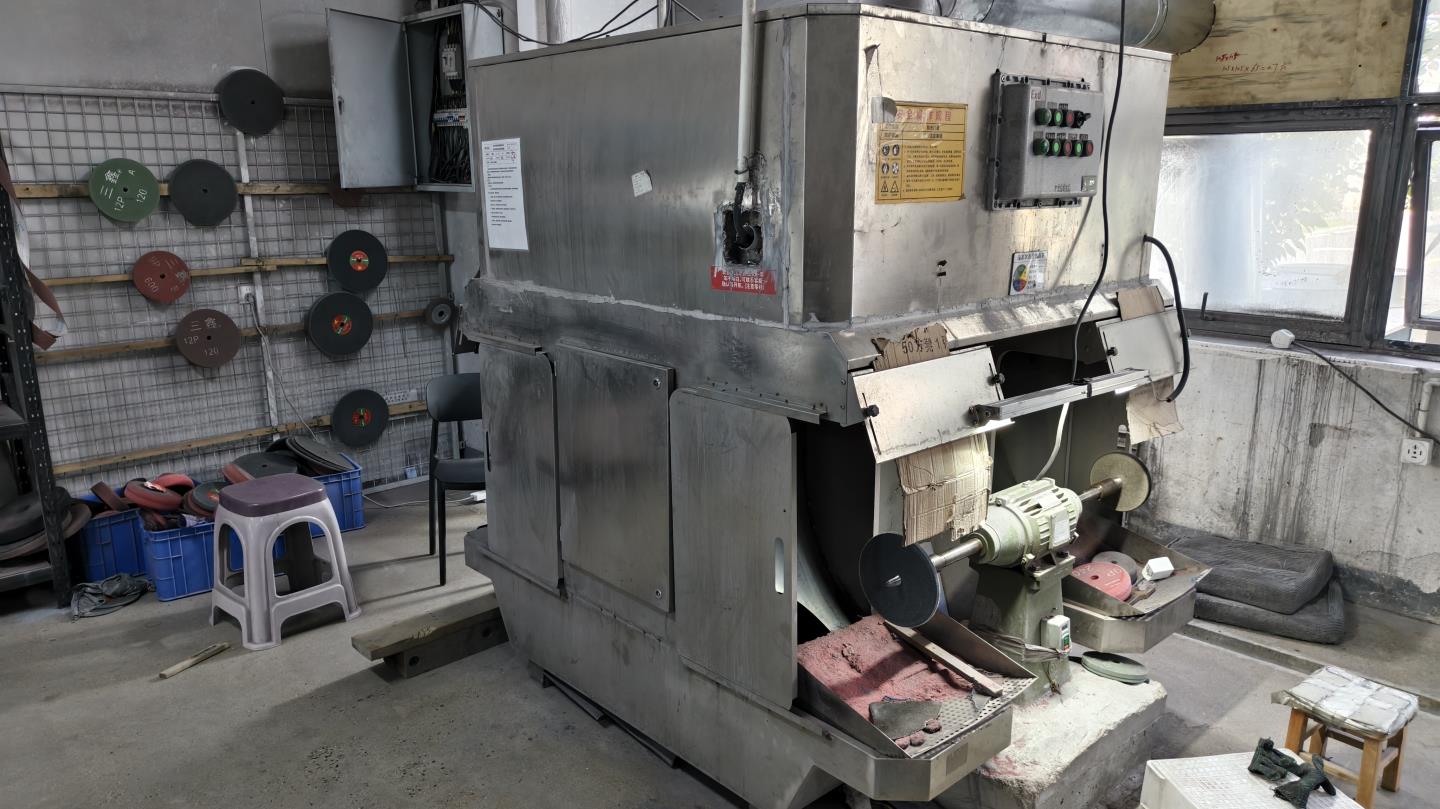
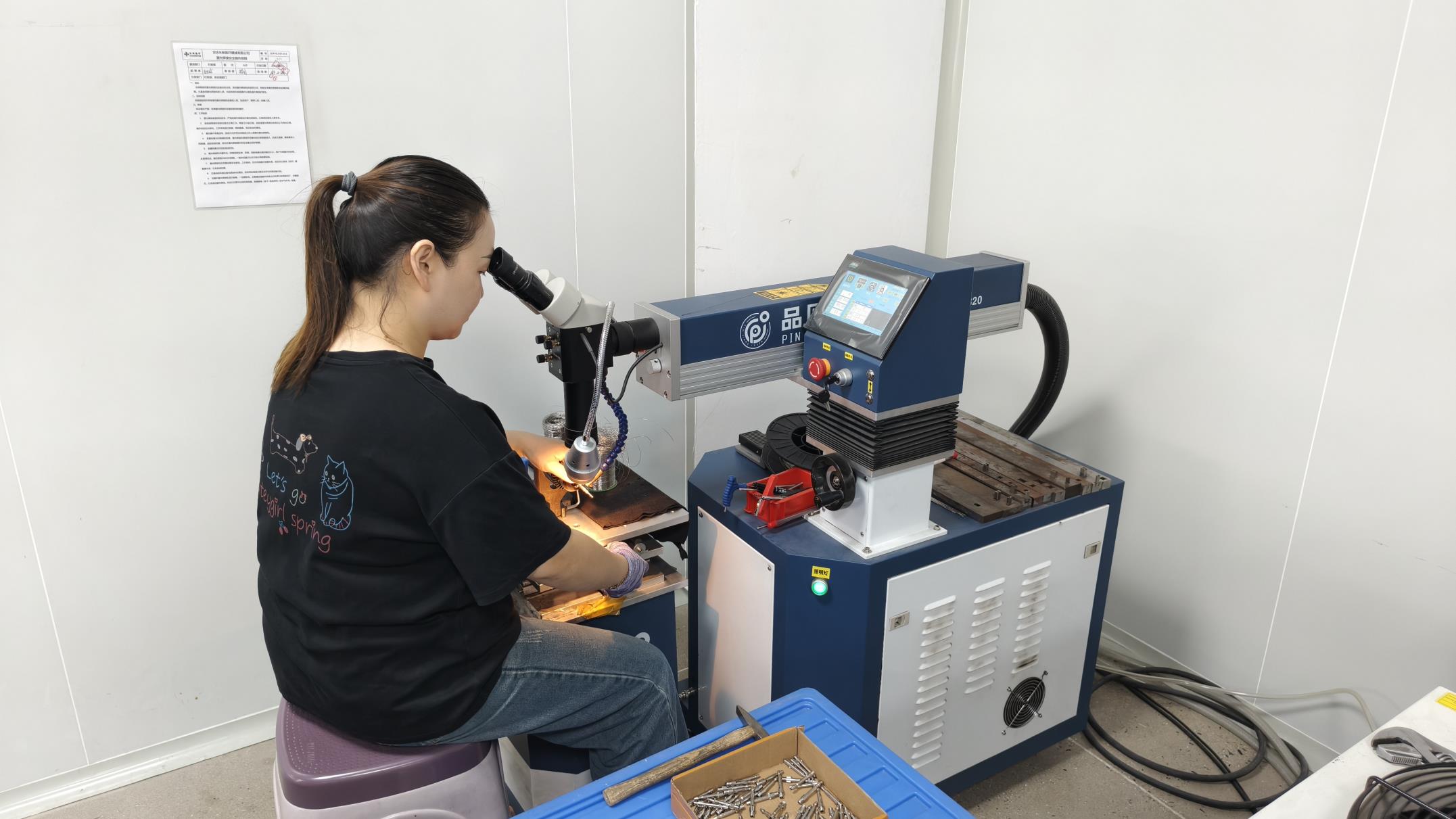
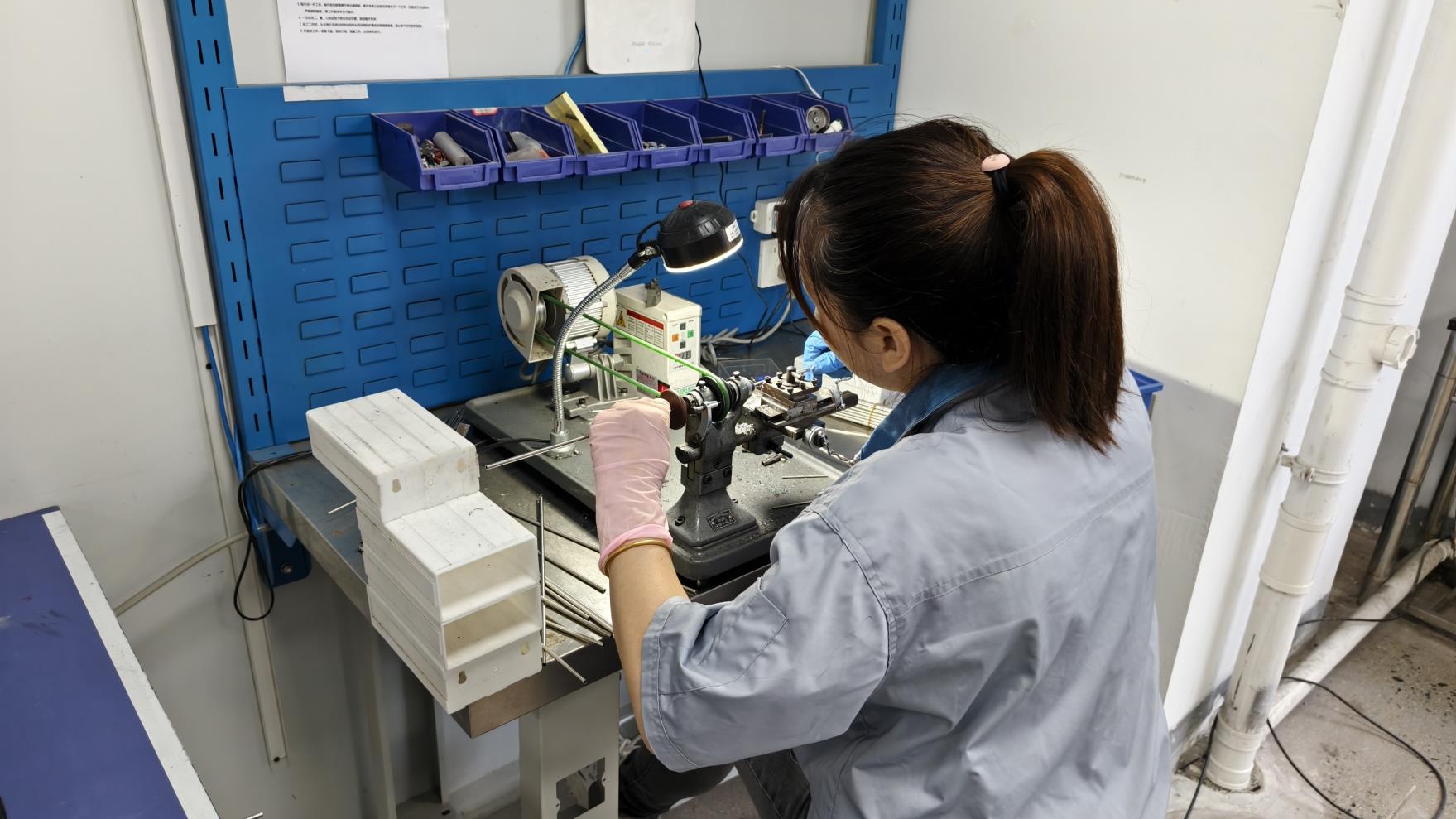
Our plant operates a fleet of high-precision Swiss-type lathes, multi-axis CNC machining centers, and wire cutting setups to ensure tolerances within the micron range. Below is a comprehensive look inside our production workflow, showing the critical phases of manufacturing and assembly that secure the safety and efficacy of our orthopedic implants:
The convergence of polymer chemistry, 3D printing, and drug-eluting biomaterials in orthopedic care.
Optimizing the molecular weight distribution of copolymer blends (like PLGA) allows designers to align the resorption rate perfectly with the patient’s bone growth kinetics. This avoids mechanical failure due to premature degradation while preventing local acidic buildup.
Integrating bioactive glass nanoparticles, hydroxyapatite (HA), and beta-tricalcium phosphate (β-TCP) directly into bioresorbable polymer matrices. This composite approach actively triggers osteoblast differentiation, accelerating bone regeneration at the implant boundary.
Developing implants loaded with anti-microbial peptides or osteoinductive growth factors (like BMP-2) that release in a controlled manner during degradation. This reduces the risk of surgical site infections (SSI) and promotes early-stage biological integration.
Targeted medical contexts where bioresorbable implants offer superior therapeutic and commercial outcomes.
Bioresorbable orthopedic implants are not universal replacements for all metal fixtures; rather, they excel in specific medical contexts where temporary fixation is preferred:
Ensuring absolute safety, sterility, and mechanical reliability through state-of-the-art testing equipment.
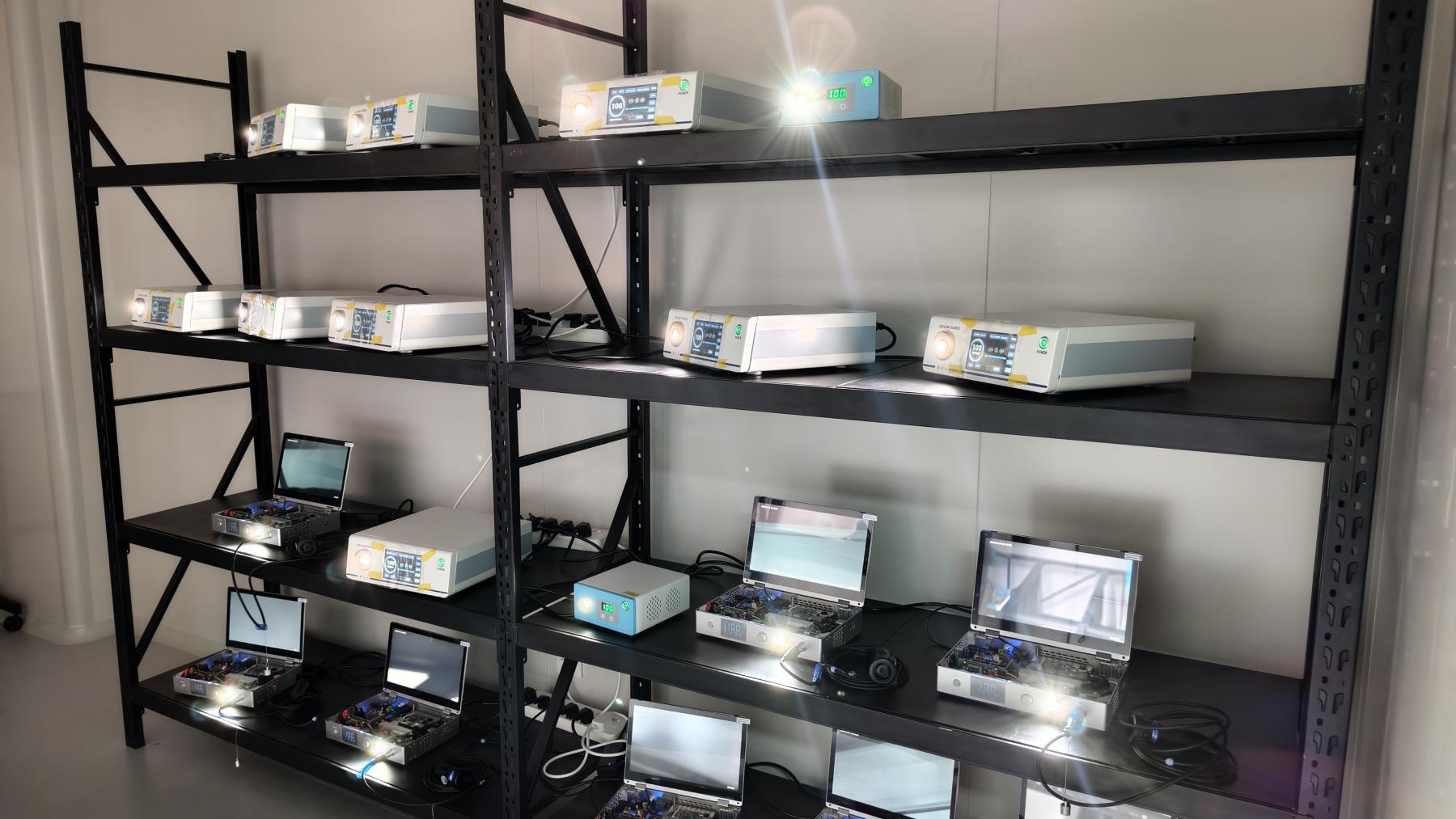
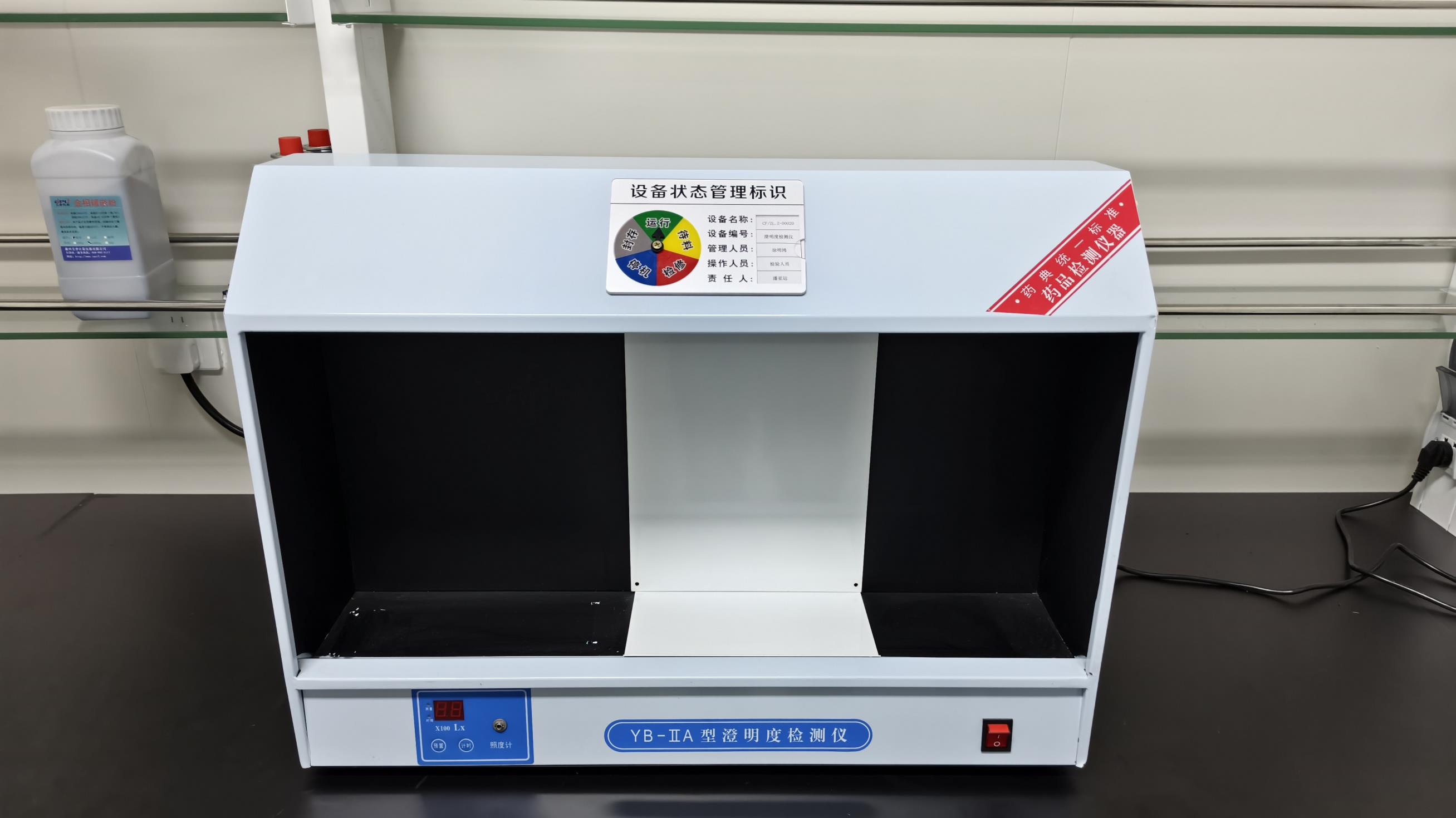
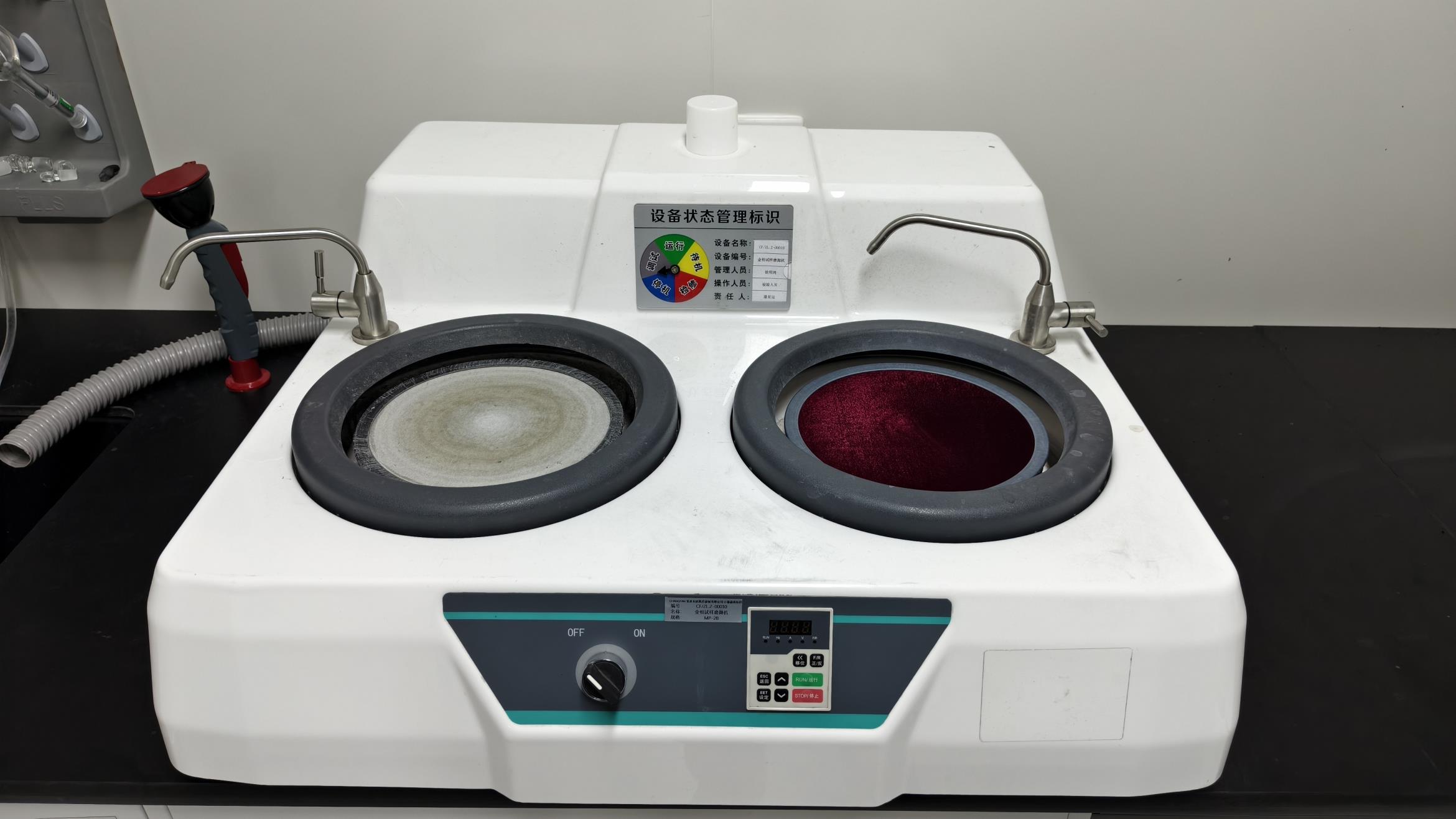
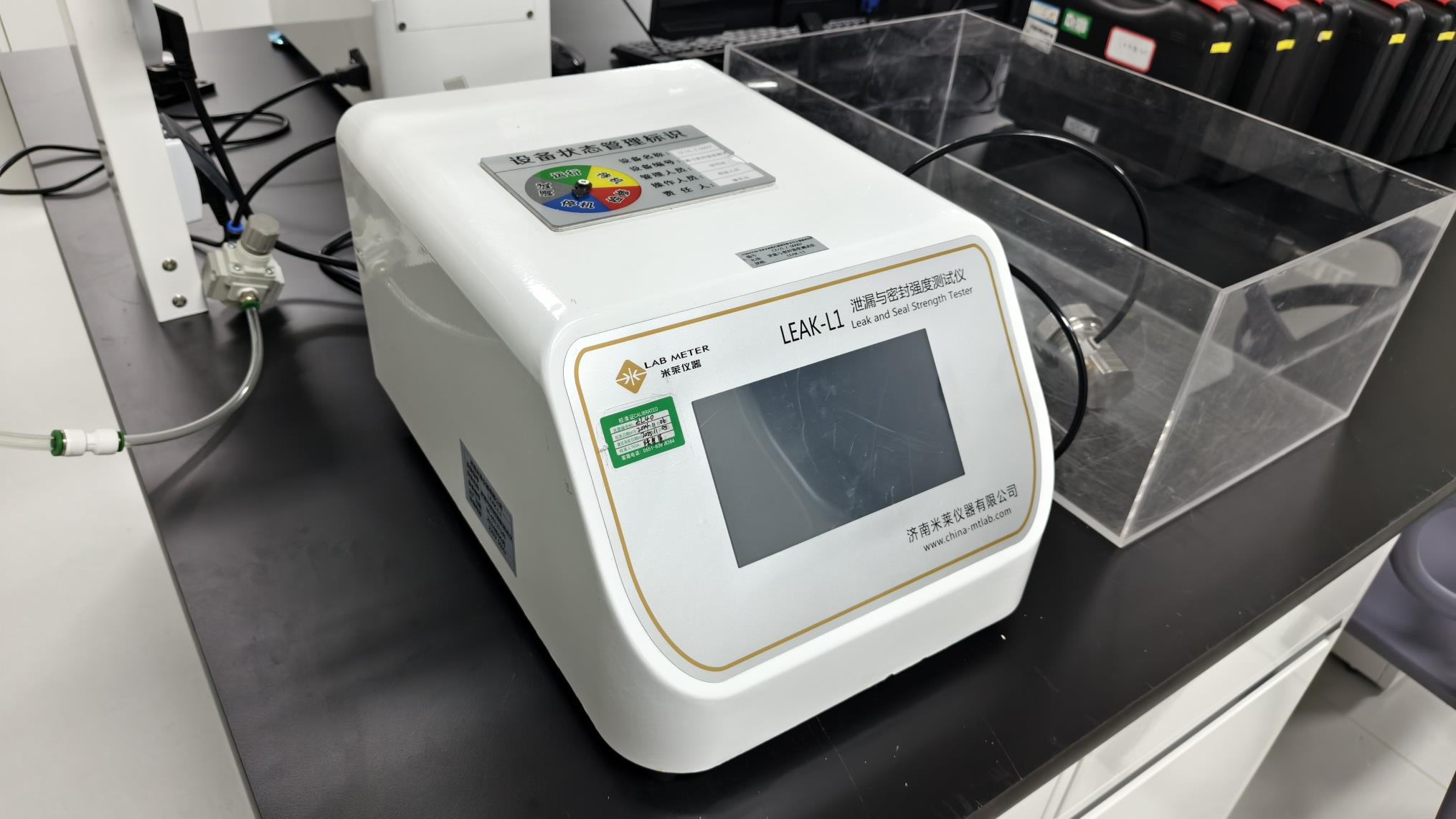
Medical implants must meet high safety standards. At Synoviq, quality control is integrated into every step of our process. Our testing facility is run by 48 certified QA/QC specialists who verify raw materials, measure in-process tolerances, and confirm sterile packaging.
Our quality control program utilizes a range of advanced testing equipment to evaluate mechanical performance and chemical purity before shipping:
Professional answers to common questions about materials, regulations, degradation, and ordering.
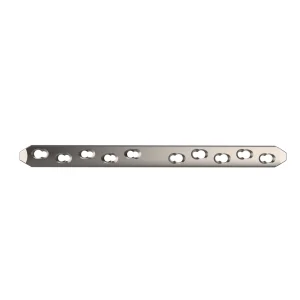
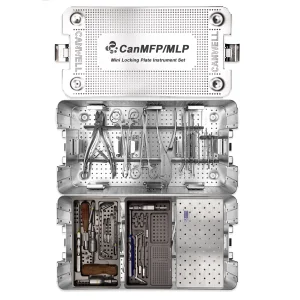
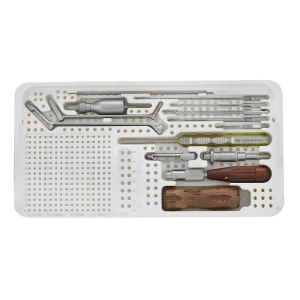
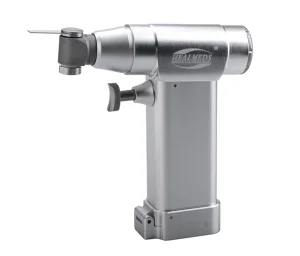
Advanced titanium plates, spinal pedicle screw instrumentation, and joint prostheses built for clinical precision.
 Synoviq Medical