OEM/ODM Unilateral External Fixators Manufacturer & Factories

Precision Engineering, Clinical Efficacy, and Global Quality Standards for Advanced Trauma Fixation Systems and Orthopedic Implants

Unilateral External Fixation: Clinical Architecture & OEM Manufacturing Strategy

A comprehensive technical report on materials, mechanical stability, and manufacturing pipelines for orthopedics trauma applications

Clinical Indications & Mechanobiology

Unilateral external fixators represent a cornerstone of limb reconstruction, trauma stabilization, and deformity correction. Structurally localized to one side of the bone, they afford surgeons the ability to maintain skeletal alignment, minimize soft tissue disruption, and support osteogenesis via controlled micro-motions.

By bypassing the fractured segment, these devices distribute physiological loads. Crucially, they mitigate the risk of stress shielding—a common complication where overly rigid fixation halts bone remodeling. Our designs utilize dynamic compression and distraction systems to balance mechanical stiffness with biological elasticity.

Biocompatibility & Materials Science

Material integrity determines clinical performance. Our manufacturing processes utilize surgical-grade Titanium Alloy (Ti-6Al-4V ELI) and high-strength medical carbon fiber. Titanium guarantees unmatched biocompatibility and corrosion resistance while matching the density profile of human cortical bone.

Carbon fiber rods, when integrated into our unilateral assemblies, deliver high radiolucency. This allows surgeons to obtain crystal-clear intraoperative fluoroscopy images, verifying bone union without metal artifacts blocking the vision. Every raw batch undergoes optical emission spectrometry validation.

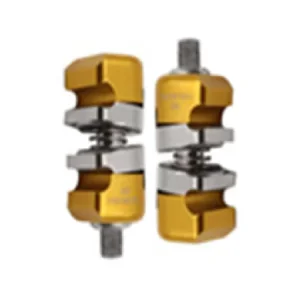
"The mechanical success of a unilateral external fixation construct is directly determined by the pin-to-rod clamp design, clamp slip resistance, and the biomechanical parameters of the bone-screw interface. Our OEM/ODM engineering pipeline solves the critical balance between clamp grip force and lightweight construct ergonomics."

Global Sourcing & Macro-industry Solutions

Modern clinical procurement departments, orthopedic distributors, and global medical device OEMs demand highly resilient, compliant supply chains. The transition towards outpatient surgery centers and specialized emergency hospitals has led to rising demand for sterile, procedure-ready unilateral external fixation kits. Synoviq addresses this market shifting through custom ODM design partnerships.

  • Trauma & Emergency Care Centers: Rapid application unilateral fixators optimized for temporary stabilization in polytrauma patients, allowing quick primary stability prior to definitive internal fixation.
  • Limb Reconstruction Programs: Modular, highly adjustable systems designed for gradual correction, incorporating bone transport and compression-distraction functions.
  • Veterinary Traumatology: Adaptations of human-grade unilateral external fixators scaled for veterinary orthopedic surgeries, featuring specialized small-bone pin configurations.
  • Pediatric Systems: Low-profile, lightweight alloy fixtures that respect open growth plates while maintaining stable multi-planar reduction.

Synoviq Medical Technology (China) Co., Ltd.

A premier global manufacturer of orthopedic implants and surgical instruments

Synoviq Medical Technology is dedicated to delivering innovative, reliable, and high-quality medical solutions for healthcare professionals worldwide. Since our establishment, we have focused on research, development, precision manufacturing, and international quality standards, providing comprehensive OEM and ODM services for global medical device brands, distributors, and hospitals.

14+
Years Experience
18,600m²
Building Area
76
R&D Engineers
100%
Quality Checked
Item / Dimension Synoviq Manufacturing & Corporate Capability Details
Company Name & Brand Synoviq Medical Technology (China) Co., Ltd. | Brand: Synoviq
Established March 18, 2016
Annual Export Revenue USD 21.8 Million (Exporting for 8+ Years to Europe, Americas, Middle East, and Asia-Pacific)
Quality Inspection & Staff 100% Final Inspection & Incoming Material Inspection led by 48 dedicated QC Staff
Product Inspection Methods CMM Measurement, Mechanical Testing, Surface Roughness Testing, Hardness Testing, Salt Spray Testing, Sterility Validation
R&D Capability Independent Product Design, Prototype Development, Clinical-Oriented Engineering, OEM & ODM Development (186 New Products Released Last Year)
Customization Options Logo Customization, Packaging Customization, Product Design Customization, Material Selection, Surface Treatment

Advanced Manufacturing & Quality Inspection

Step-by-step documentation of our precision engineering and validation capabilities
Production Workflow Phases

Cutting Process
Cutting
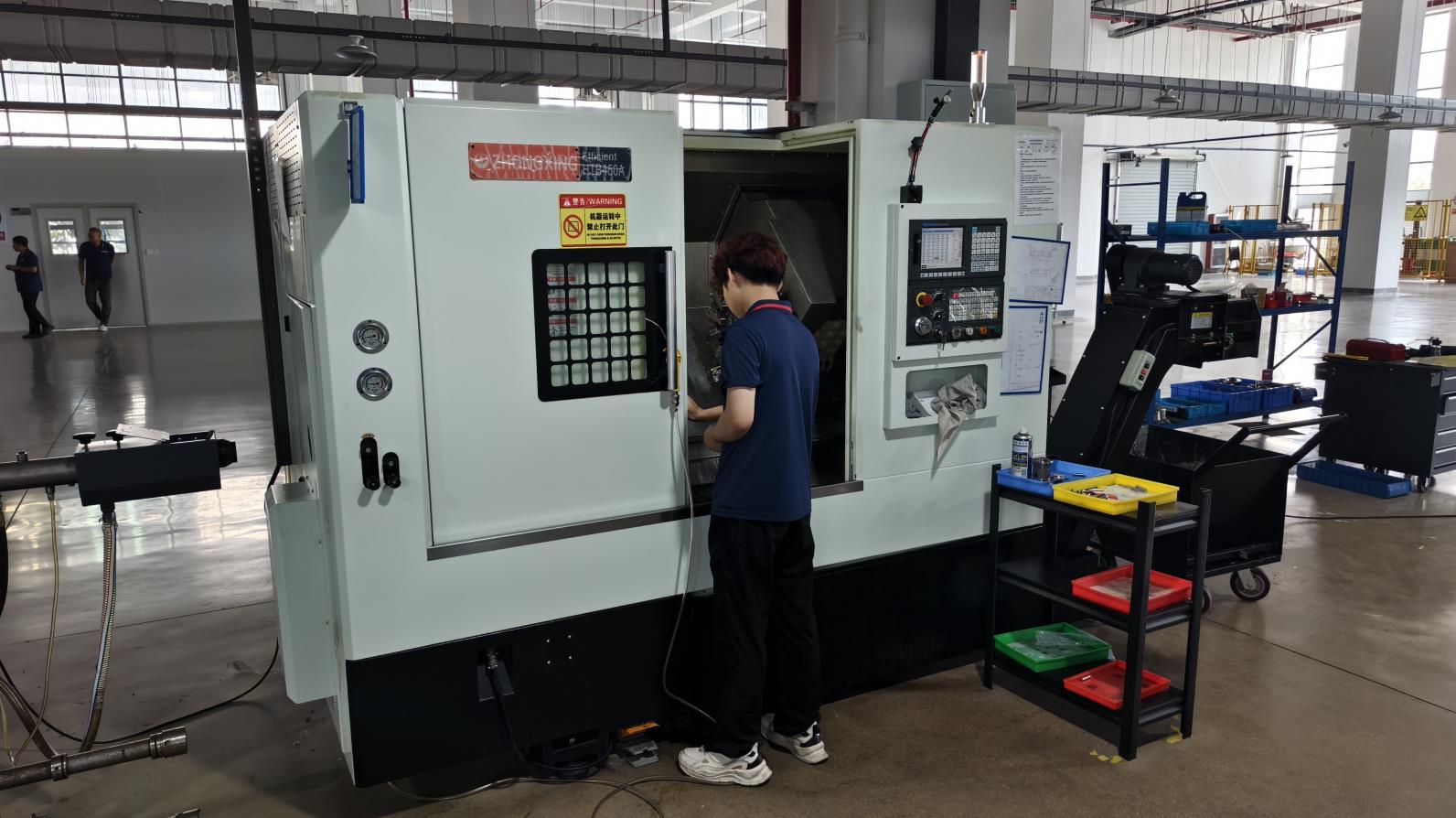
Machining Process
Machining
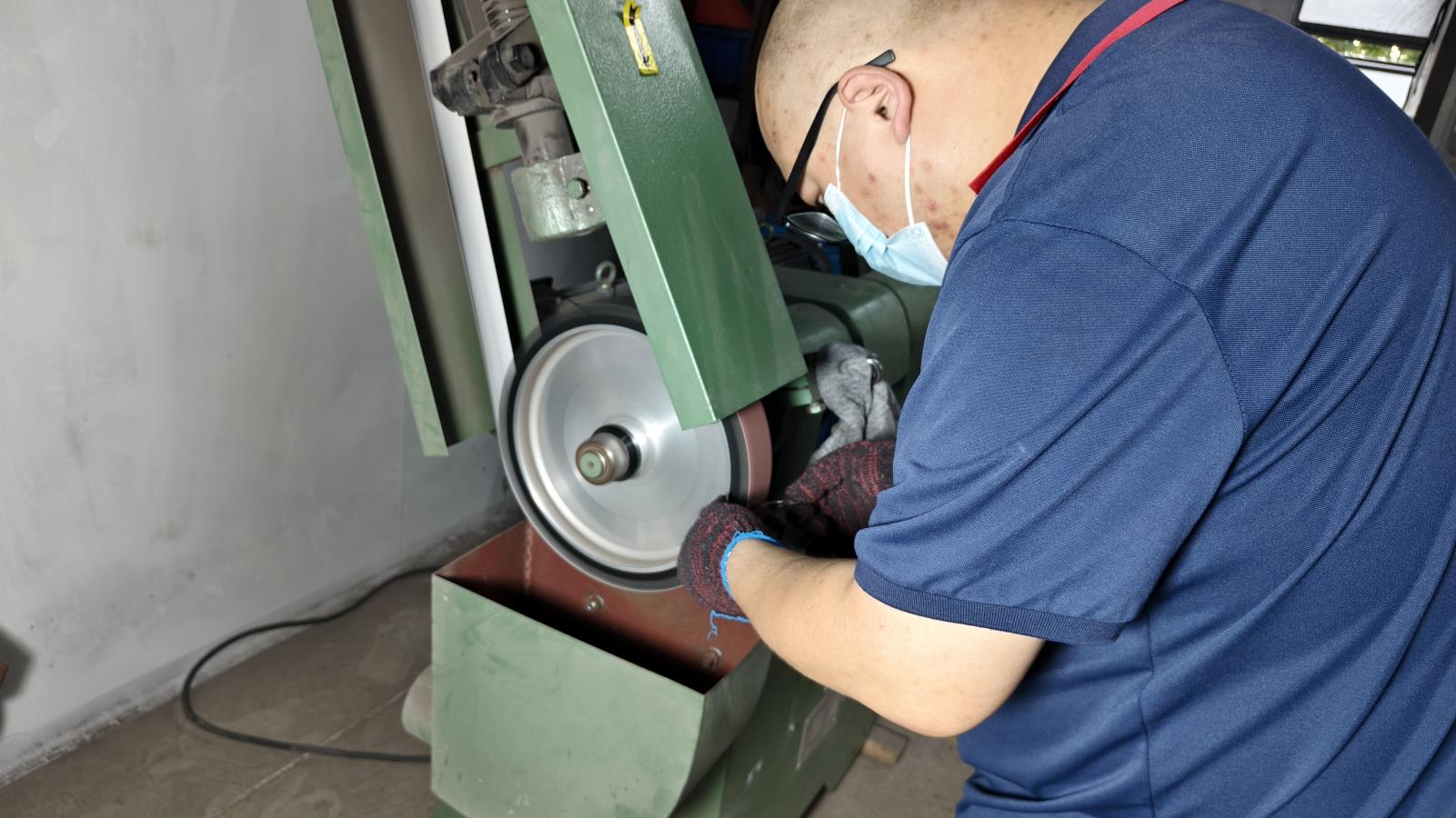
Polishing Process
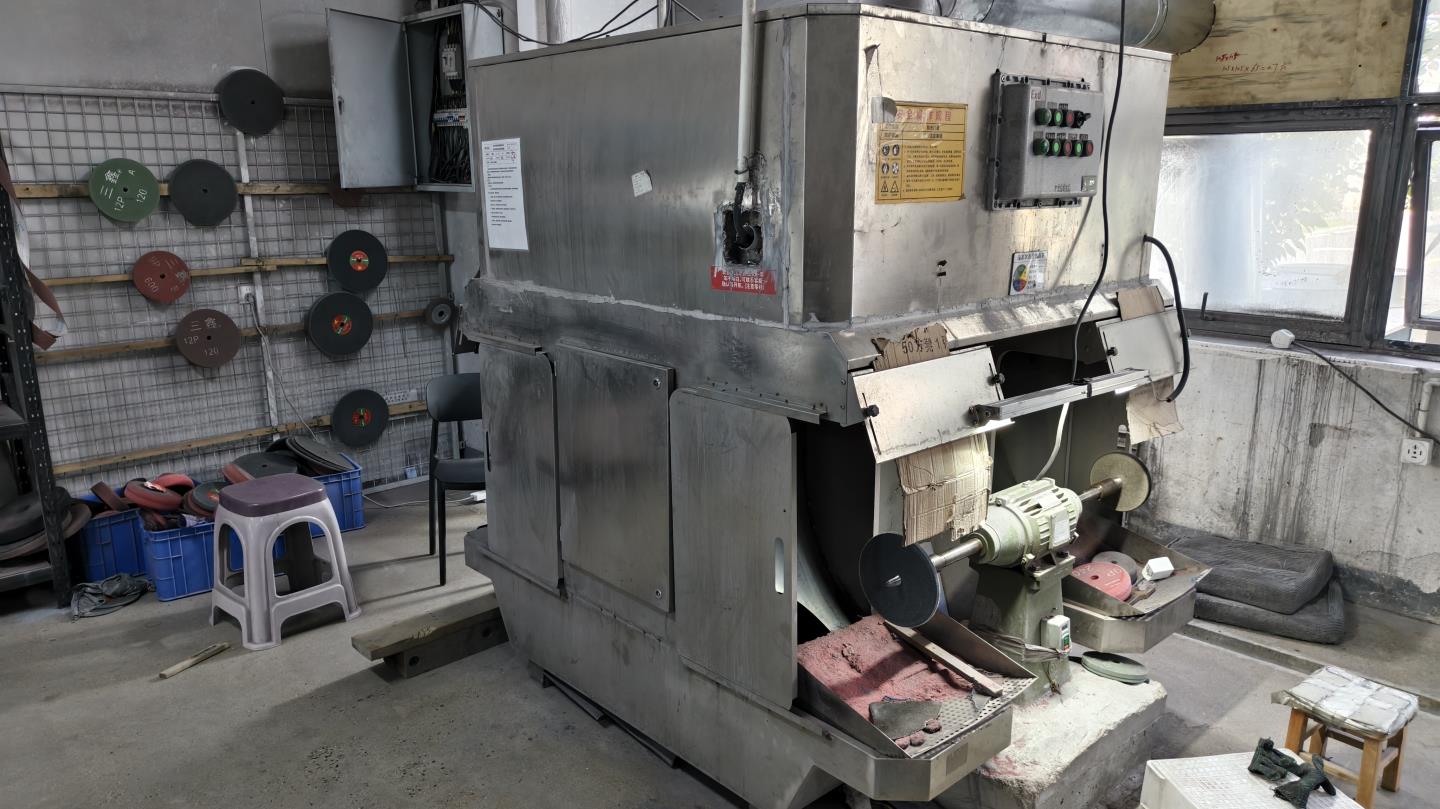
Polishing
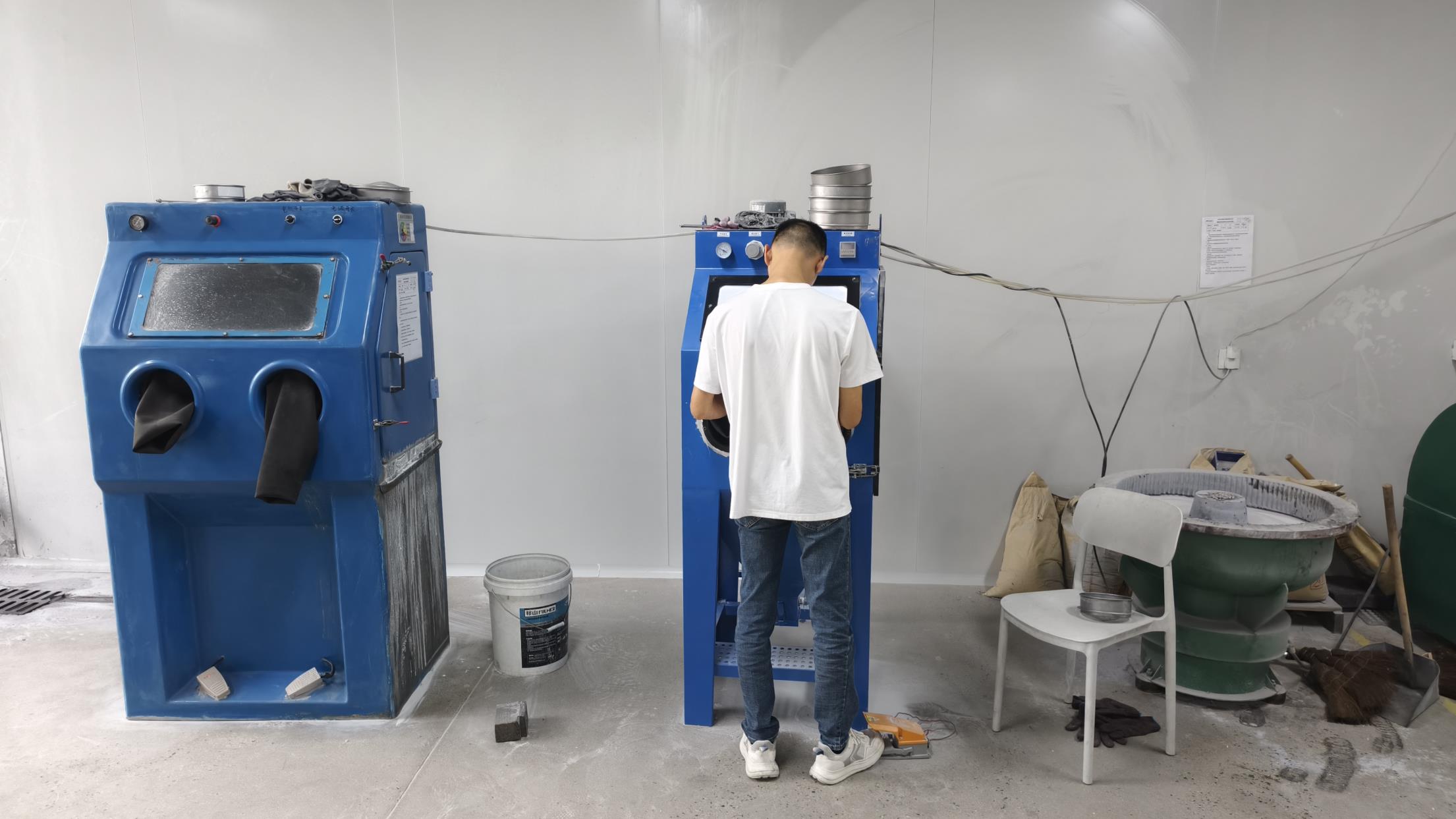
Surface Treatment Process
Surface Treatment
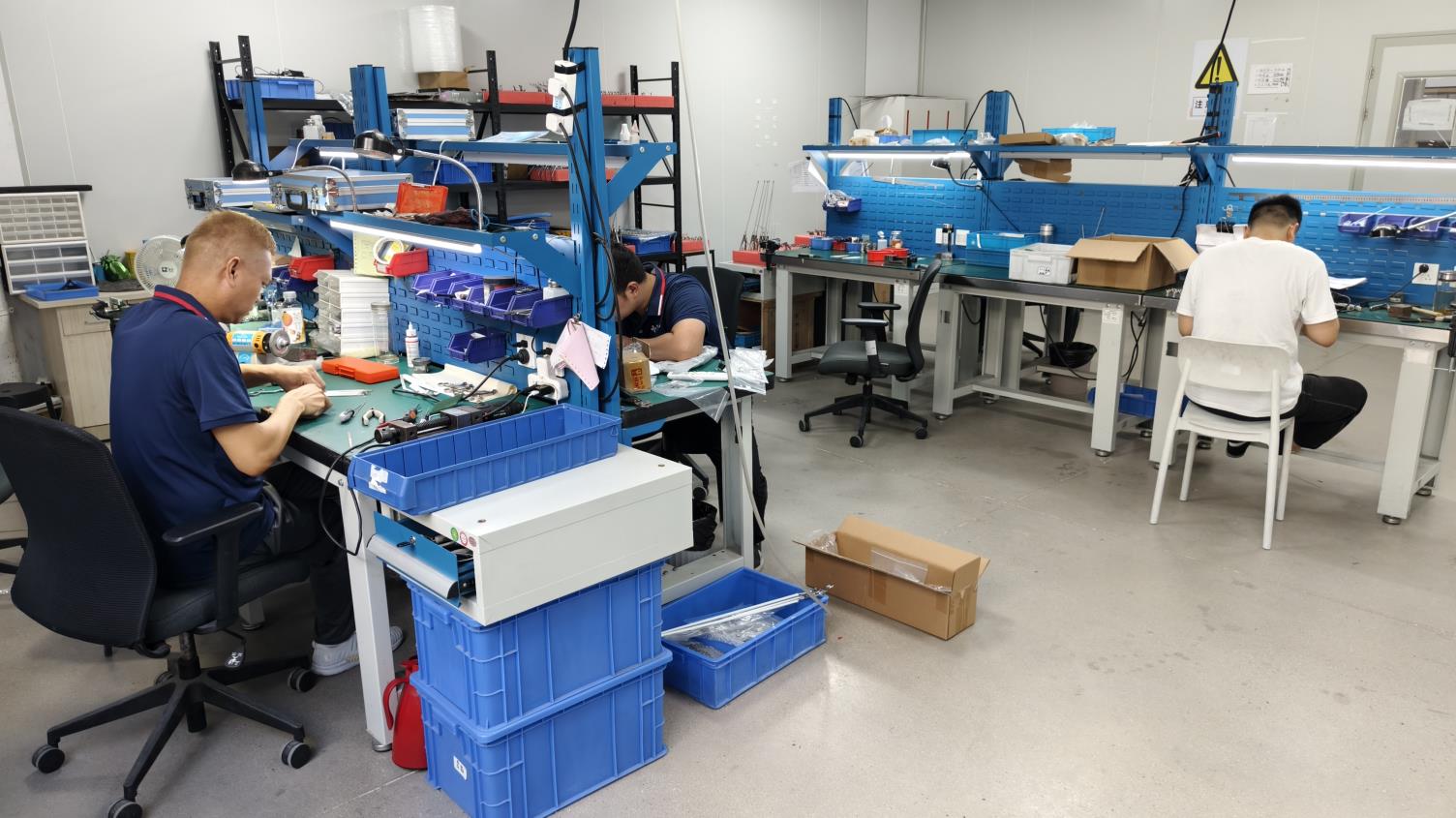
Assembling Process
Assembling
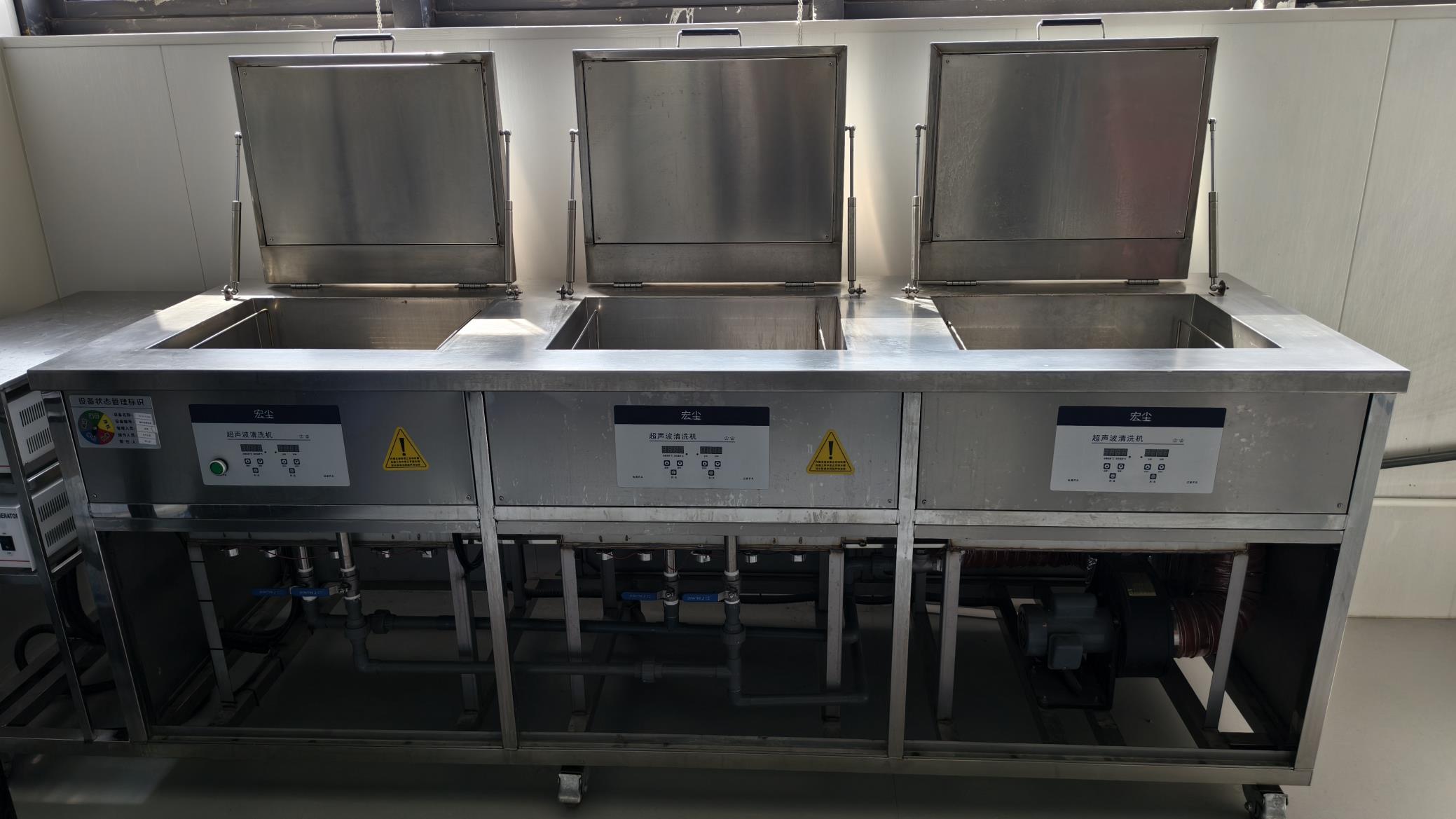
Cleaning Process
Cleaning

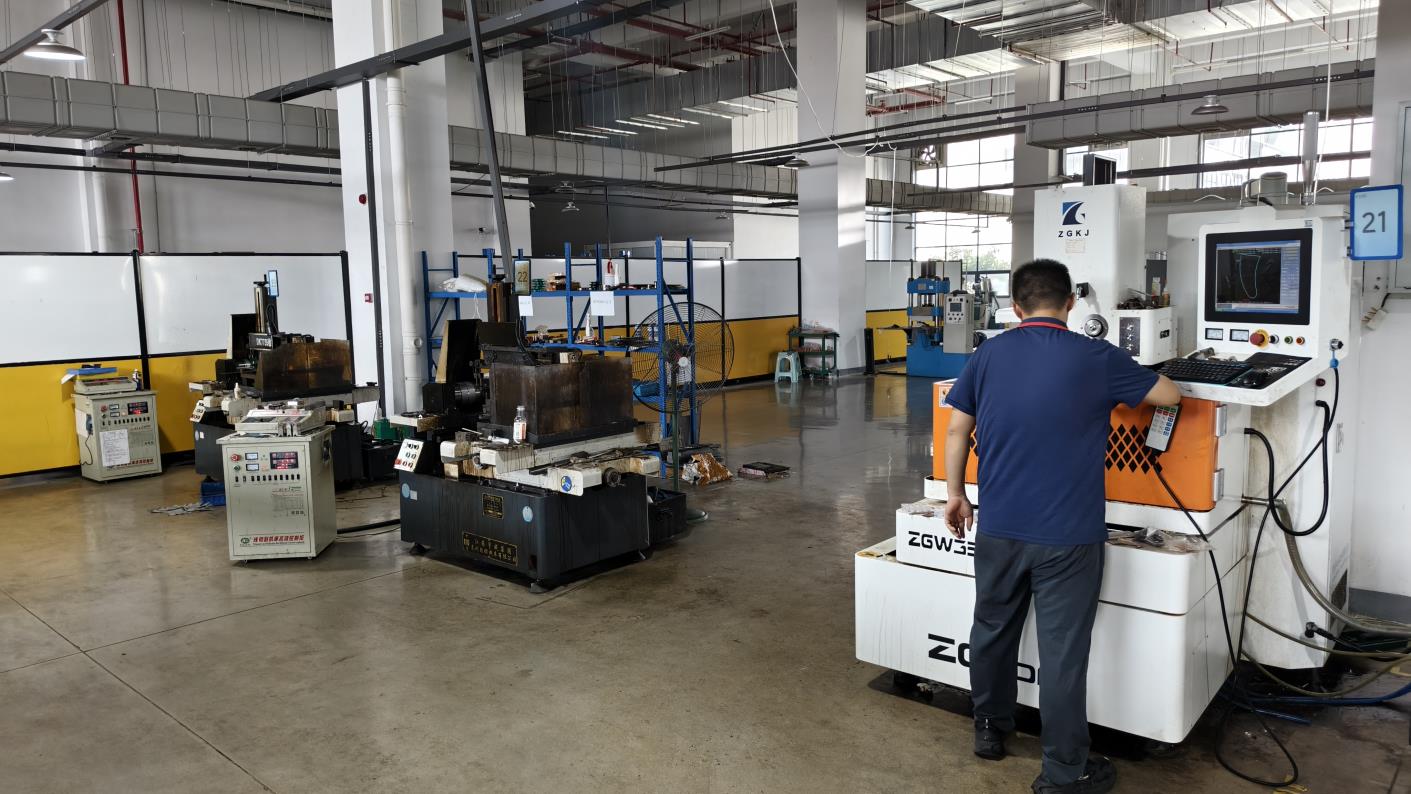
Machinery & Precision Manufacturing Hardware

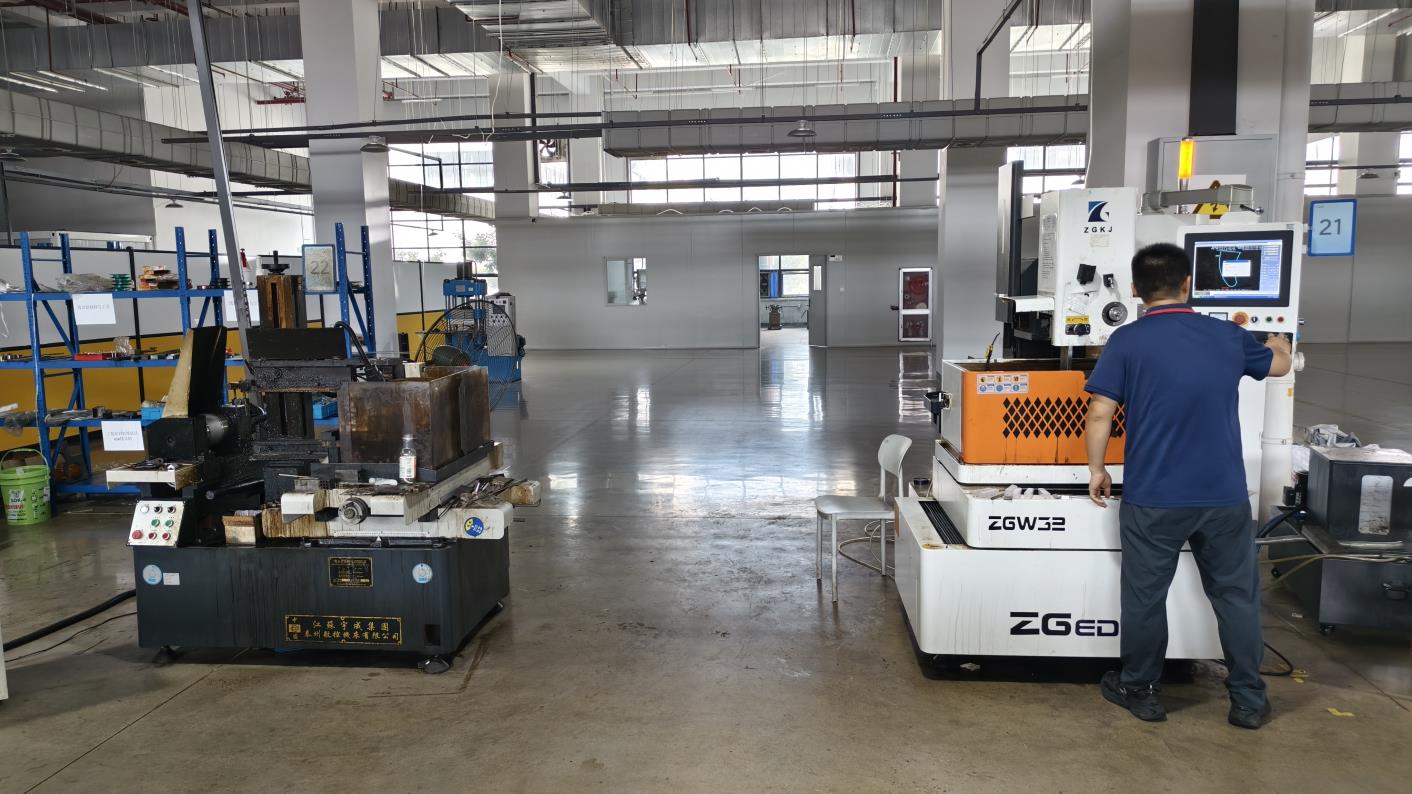
Wire Cutting Machine
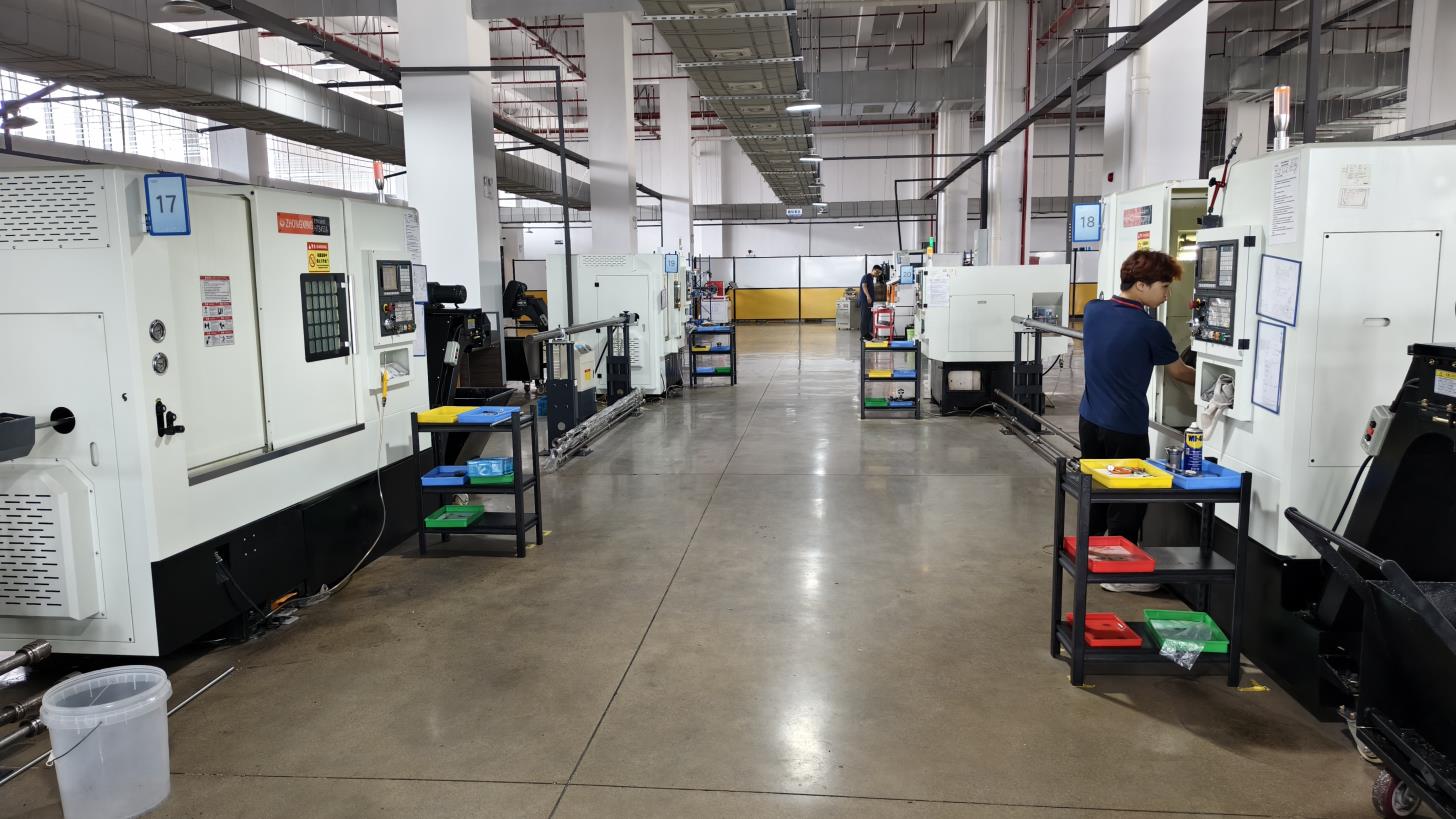
CNC Lathe
CNC Lathe
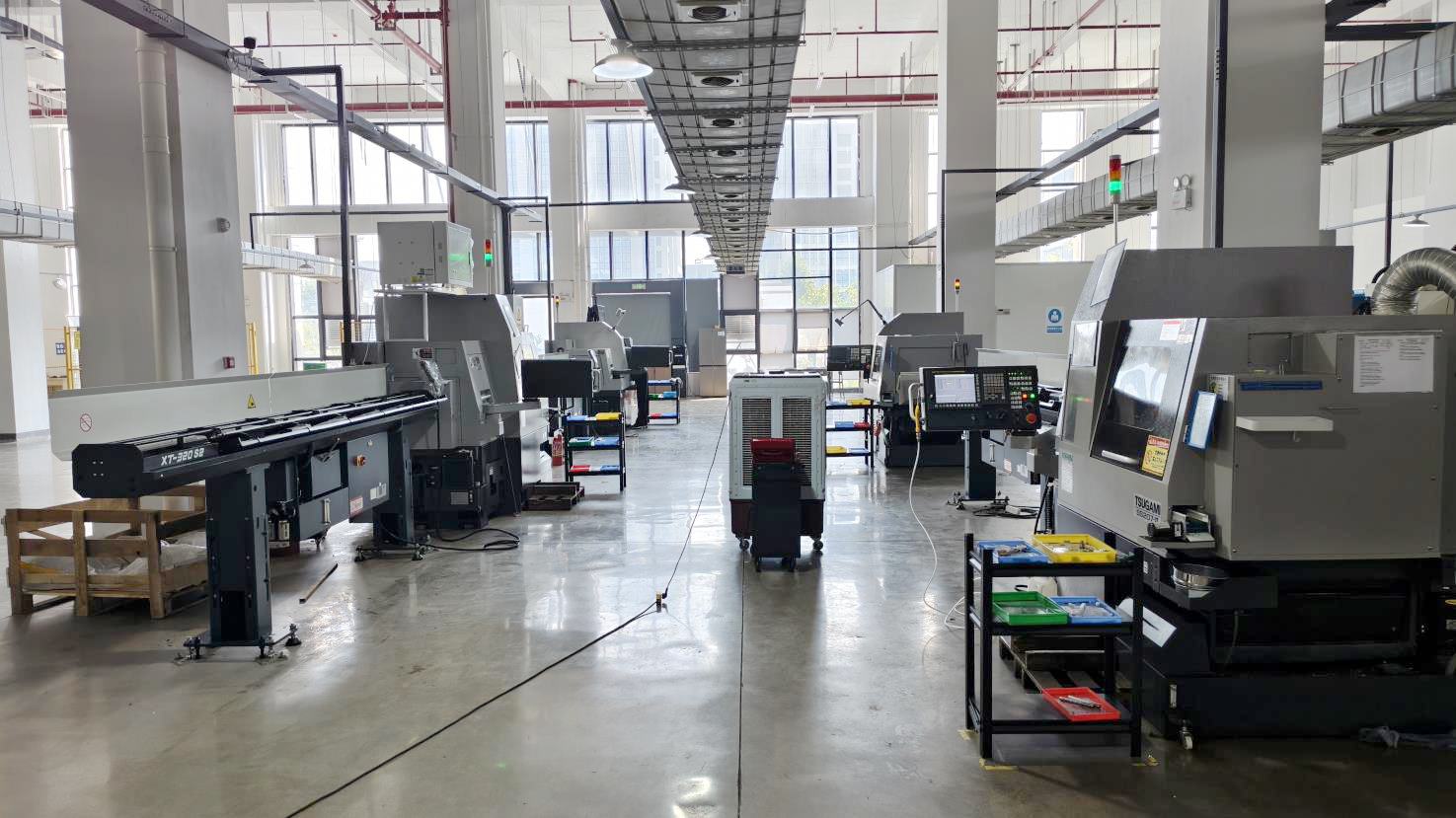
Swiss-type Lathe
Swiss-type Lathe
Grinder
Grinder
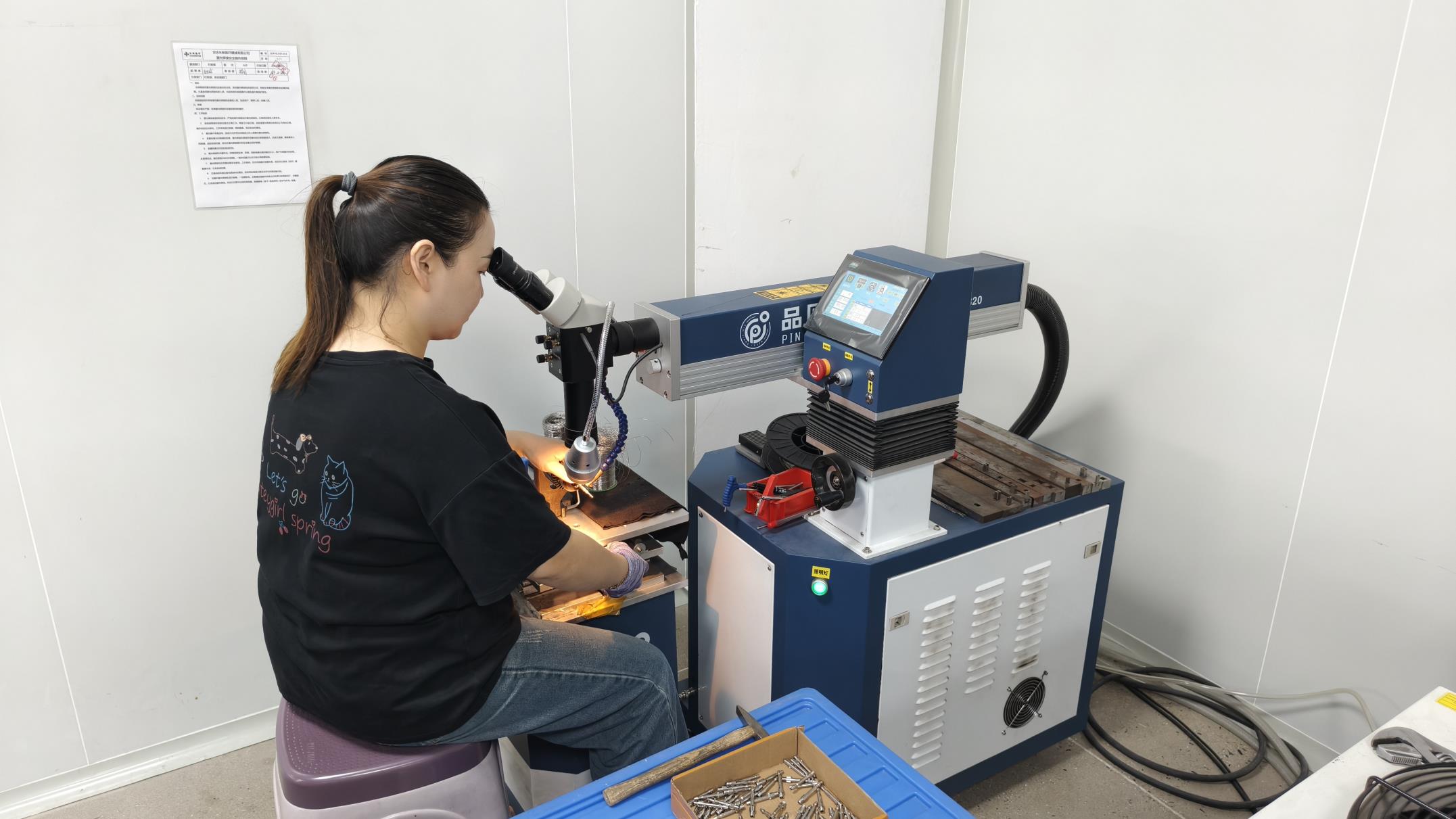
Laser Welding Machine
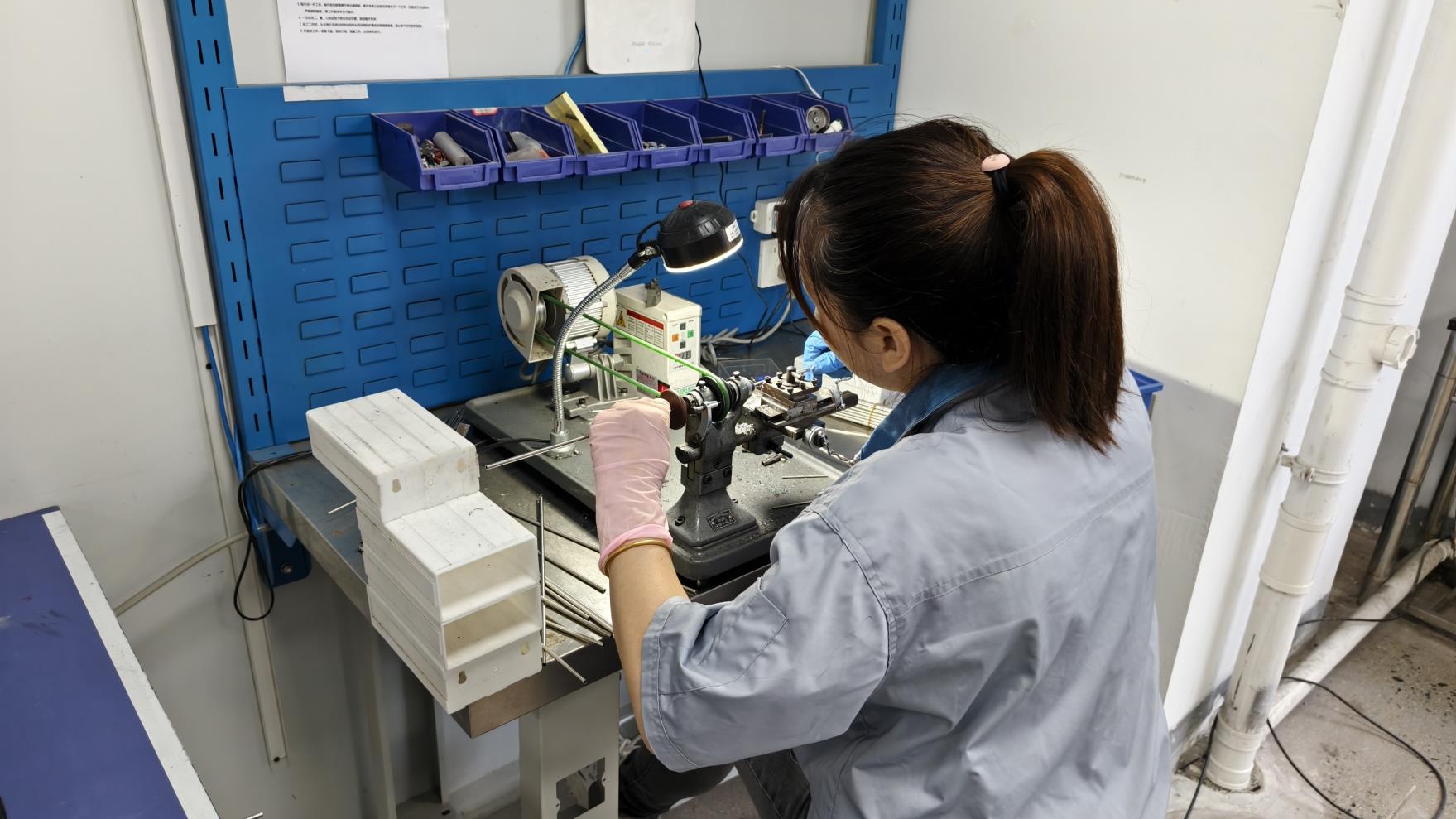
Lathe
Lathe

Quality Assurance, Validation & Metallurgy Labs

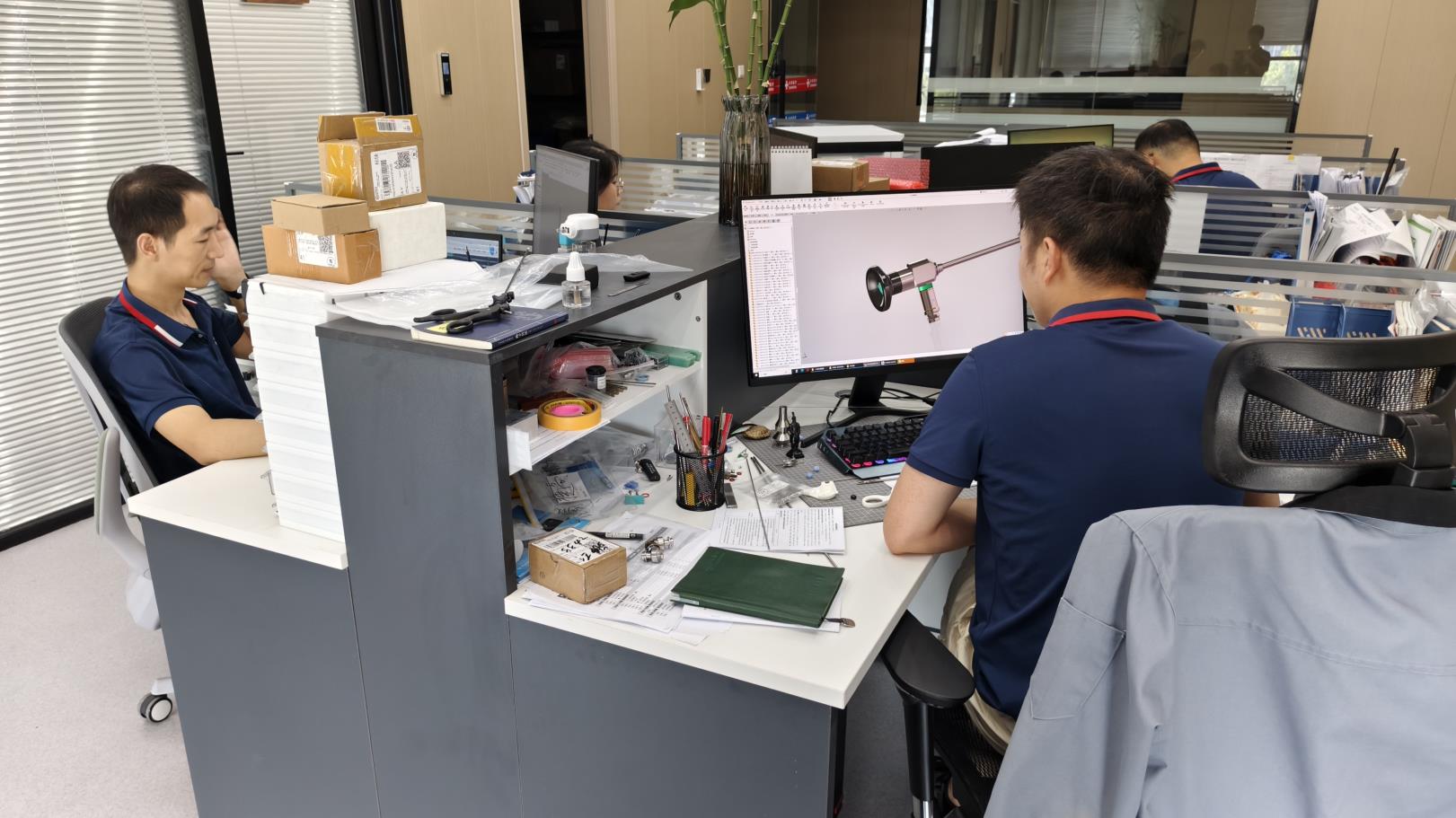
CAD/CAM Design Center
Design
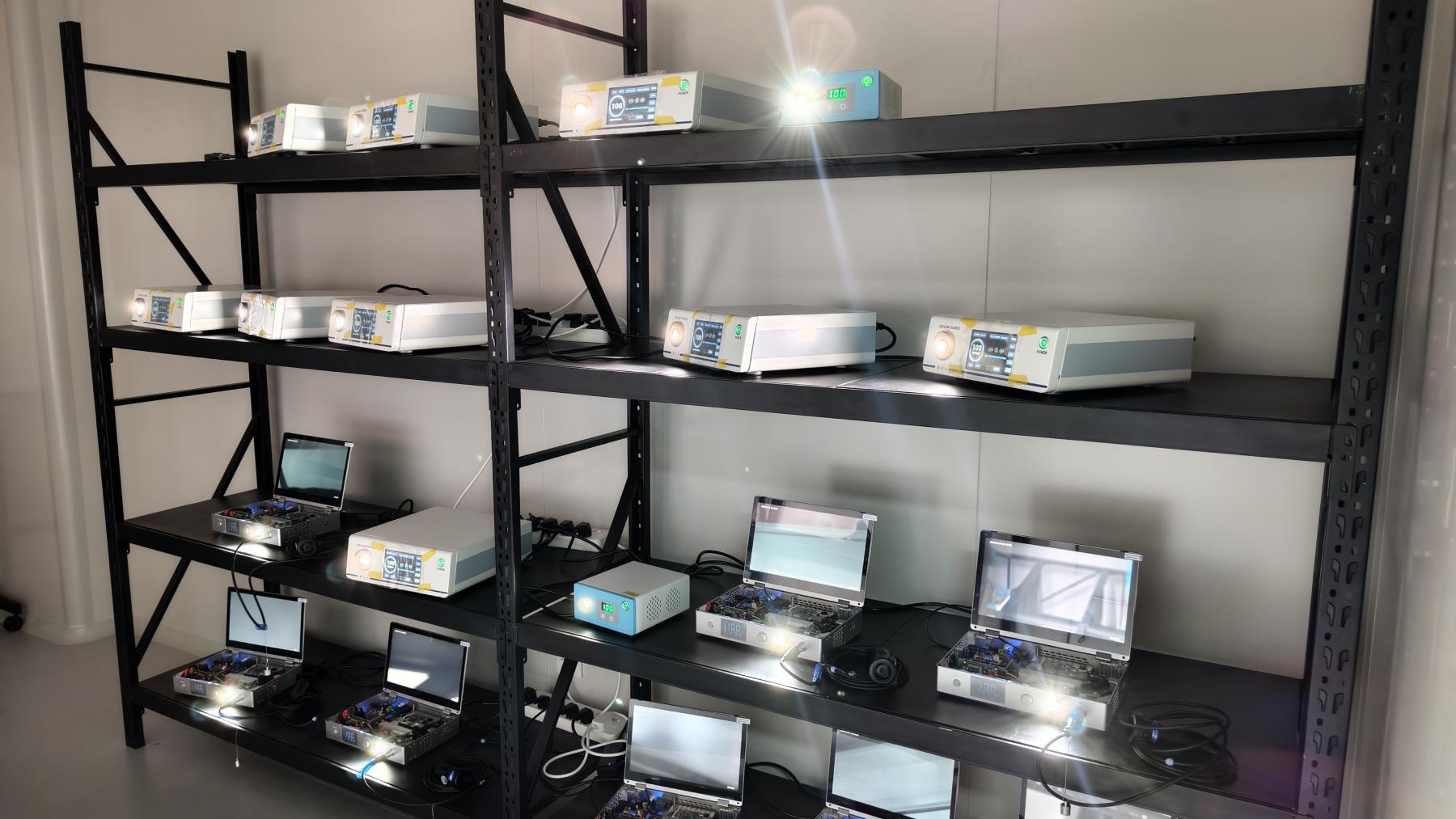
Aging Test chamber
Aging Test
Digital Microscope
Digital Microscope
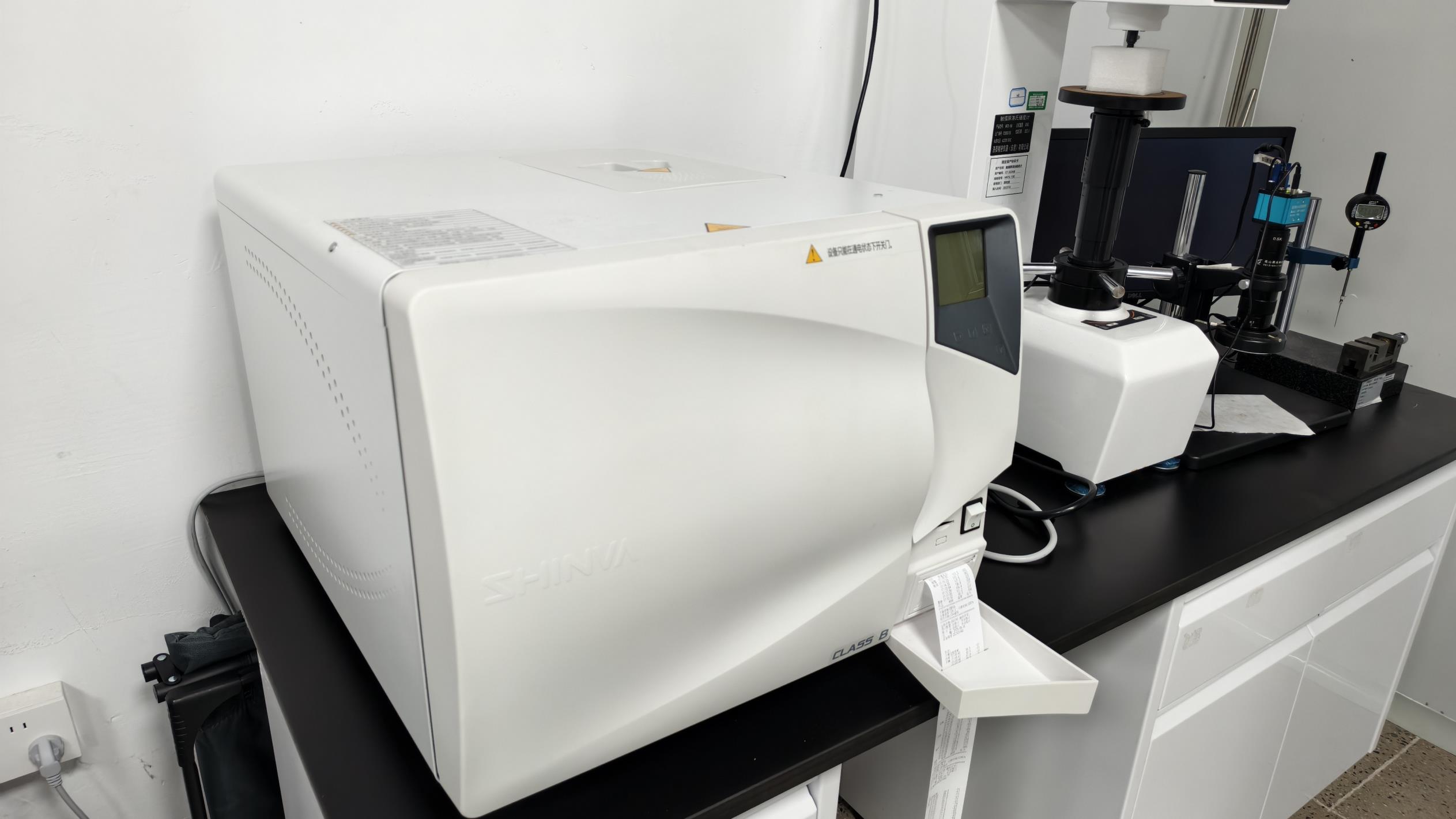
Steam Sterilizer
Steam Sterilizer
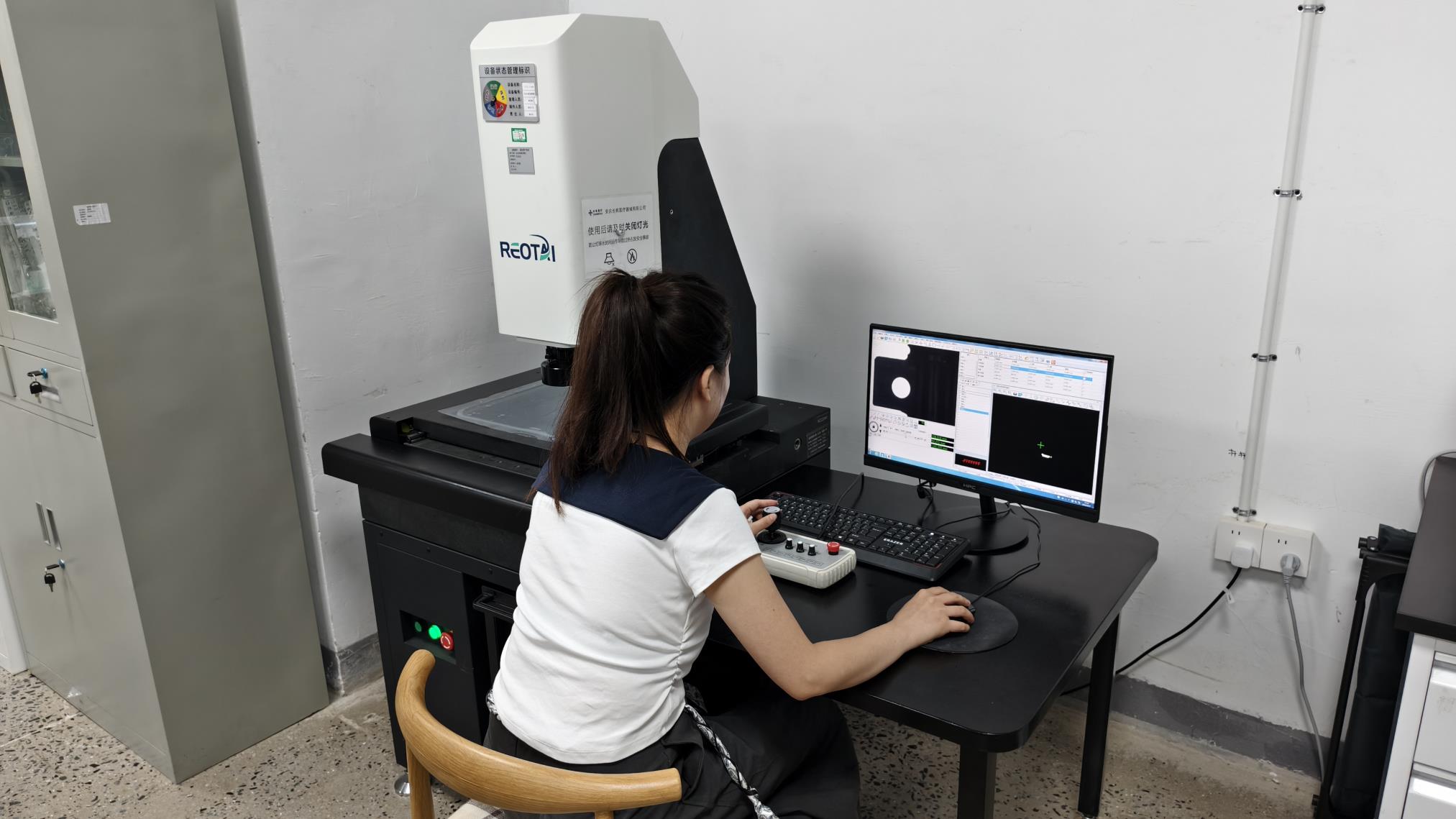
Automatic 2D Video Measuring Instrument
Automatic 2D Measuring
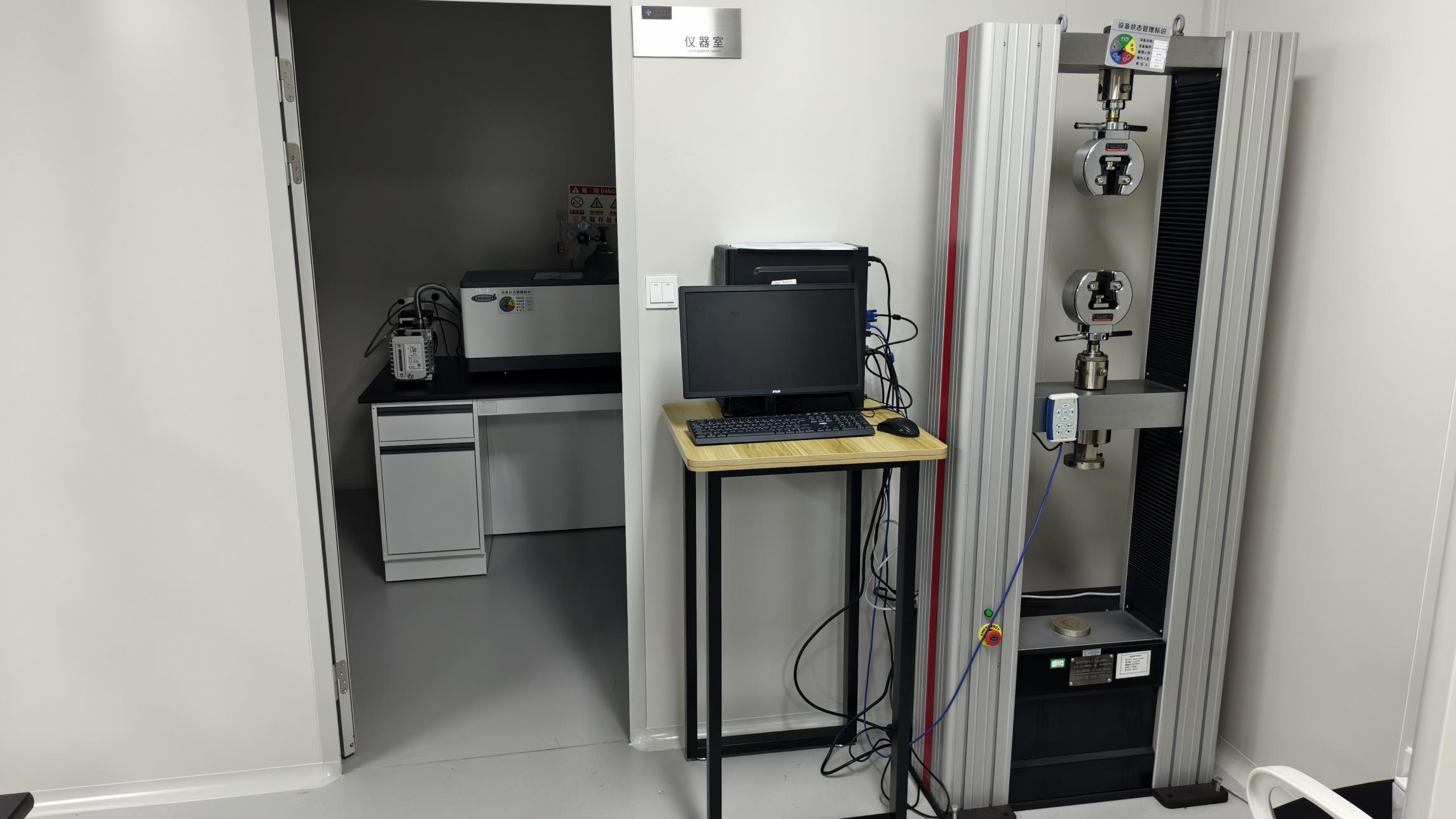
Tensile Testing Machine
Tensile Testing
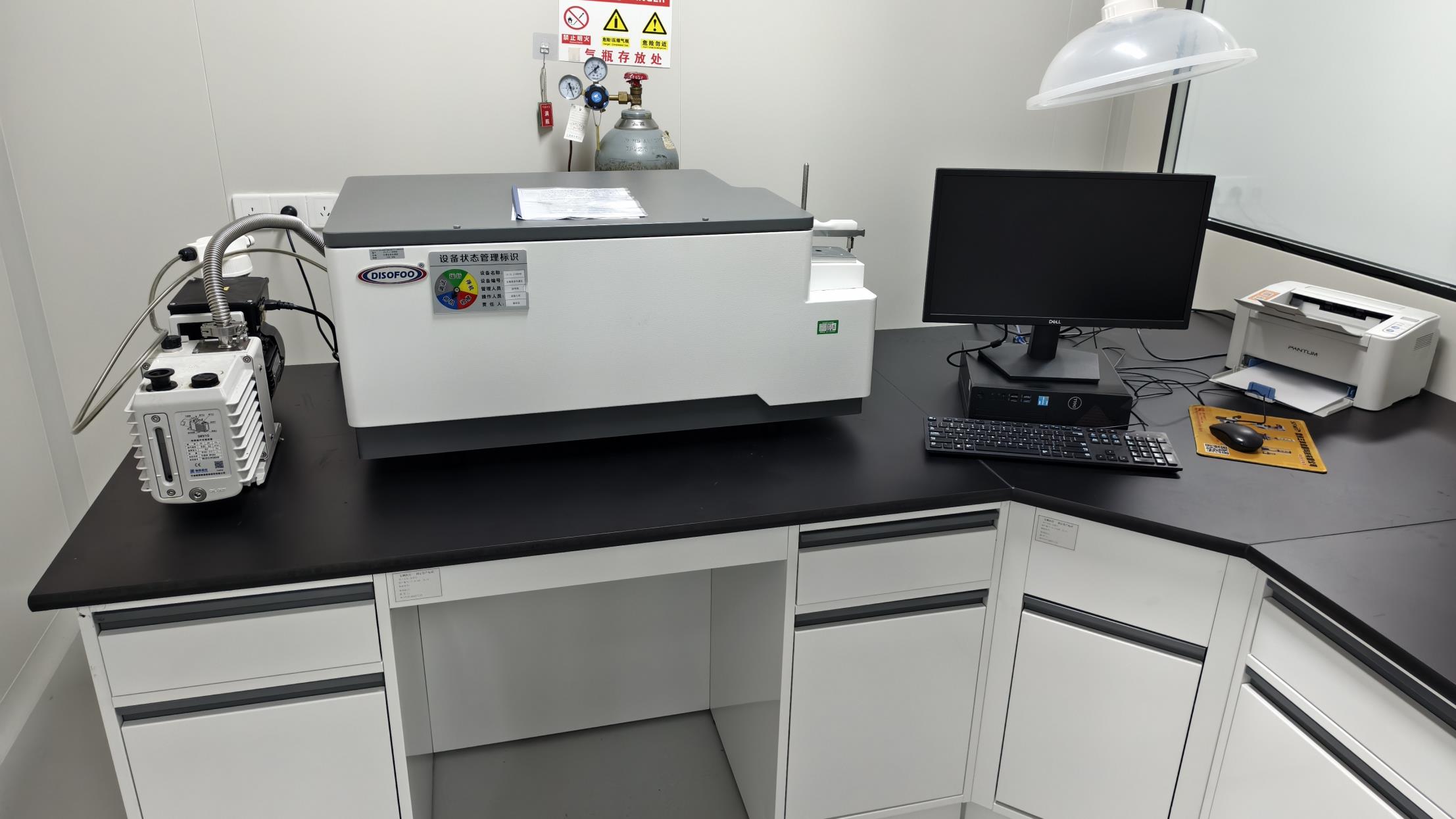
Spectrometer
Spectrometer
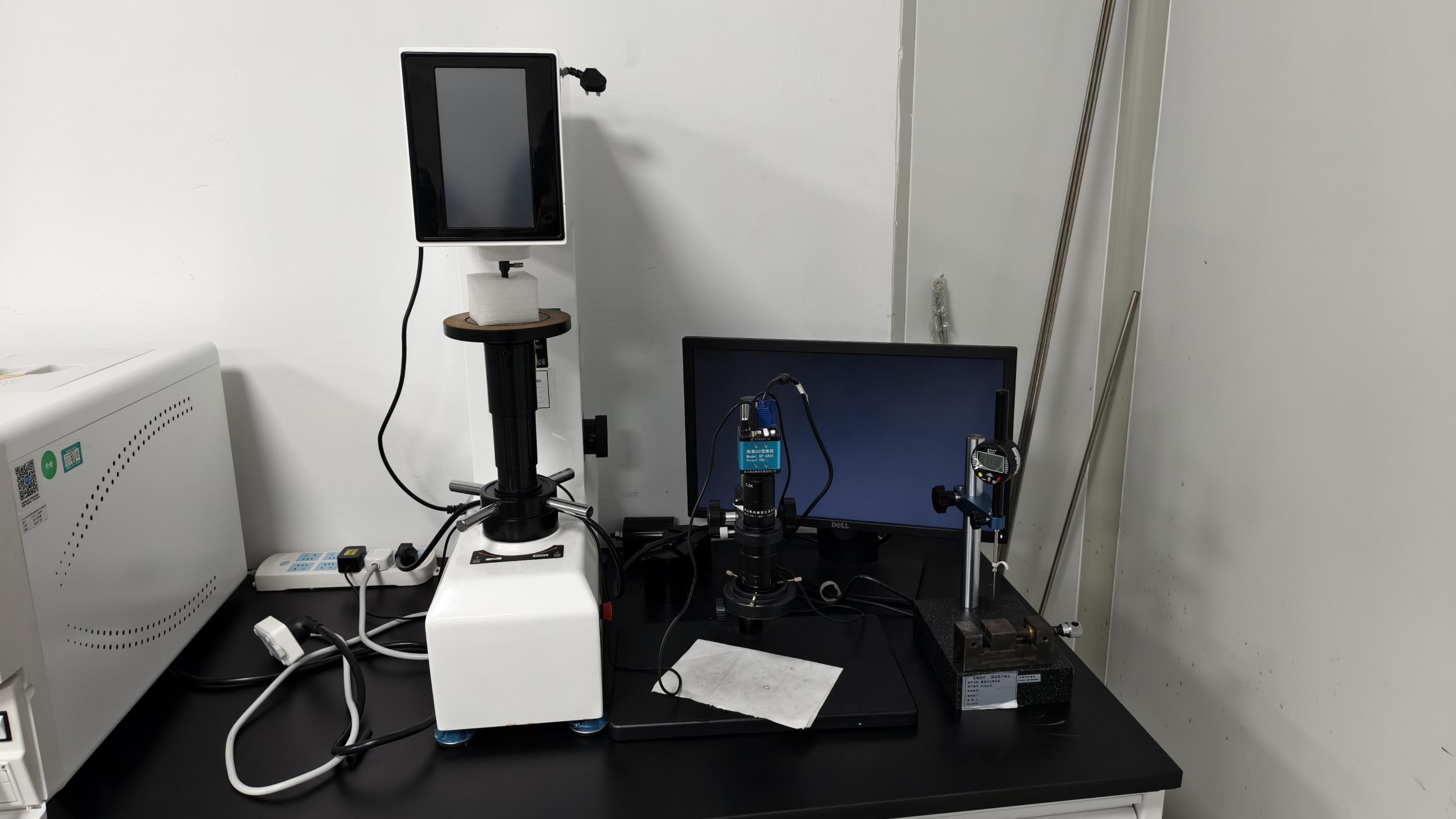
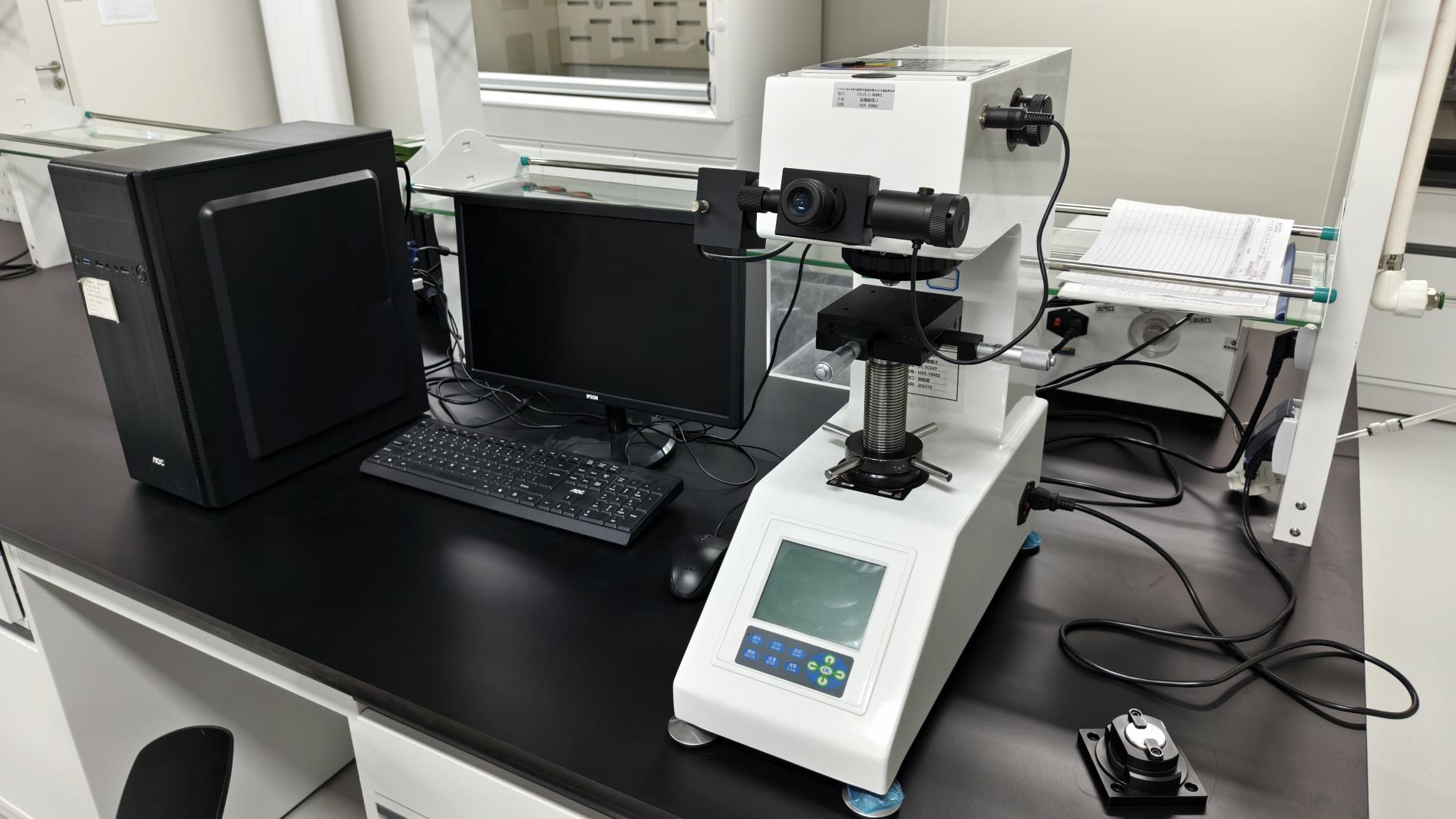
Hardness Tester
Hardness Tester
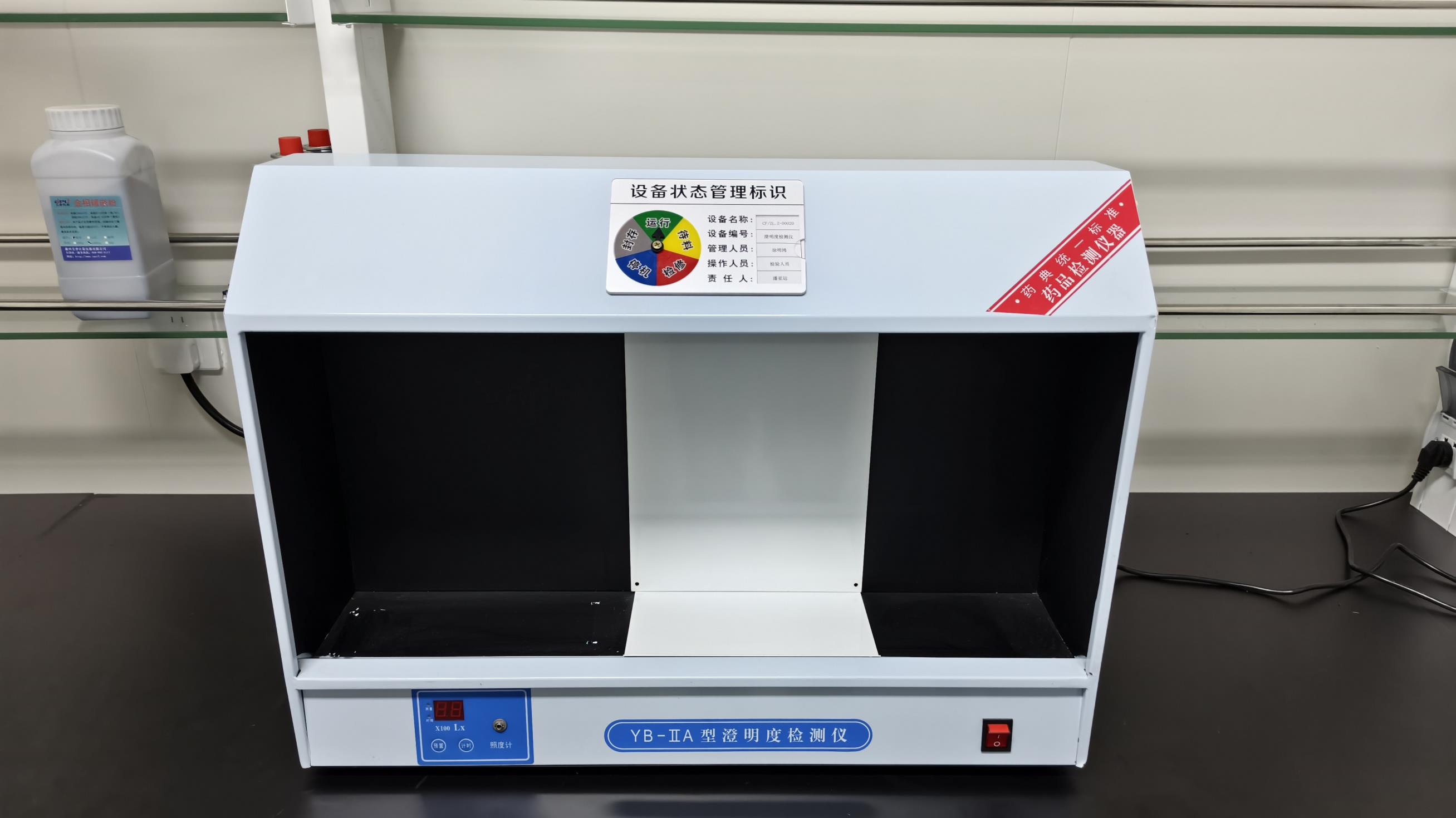
Clarity Detector
Clarity Detector
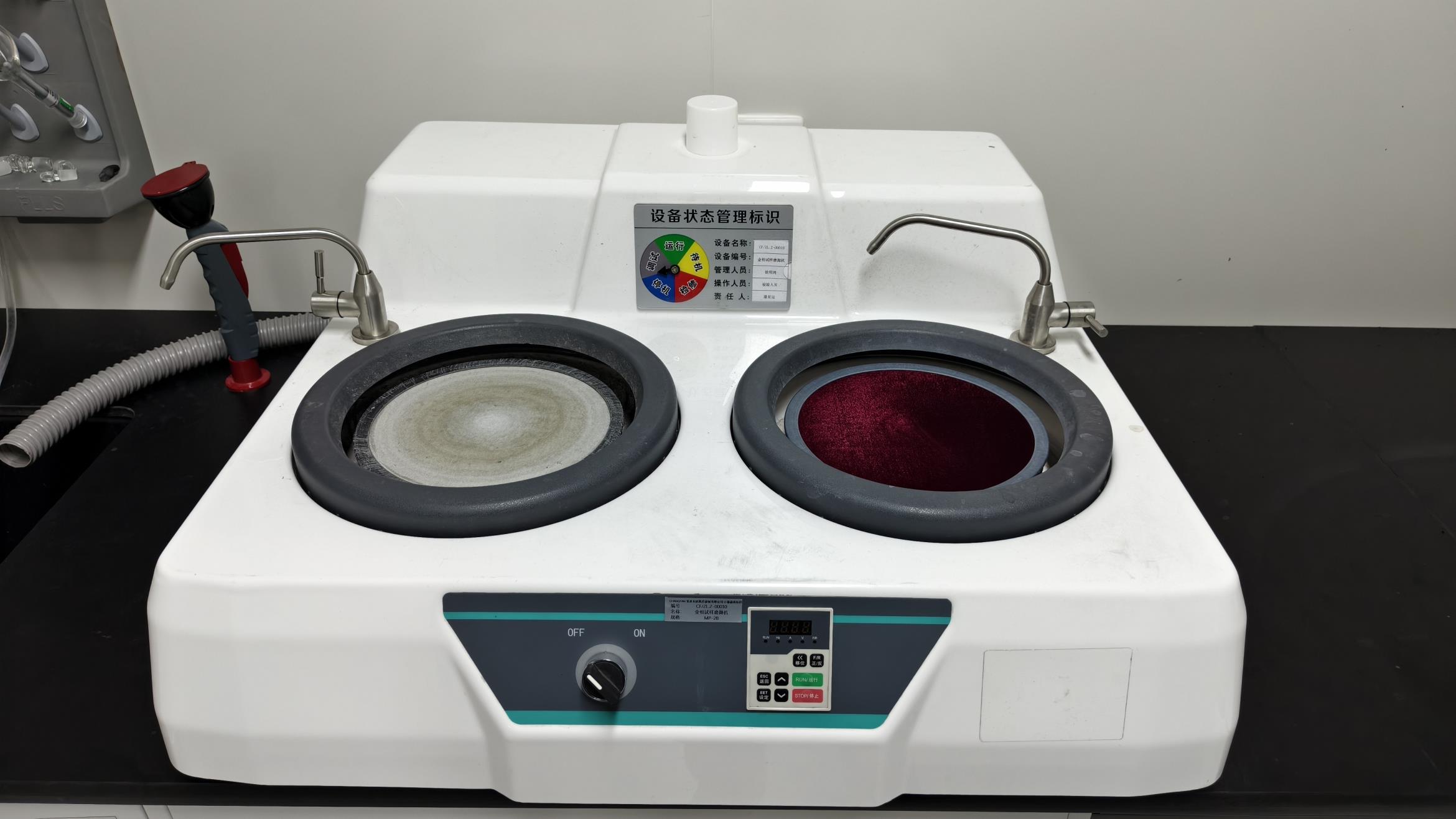
Metallographic Sample Machine
Metallographic Sample
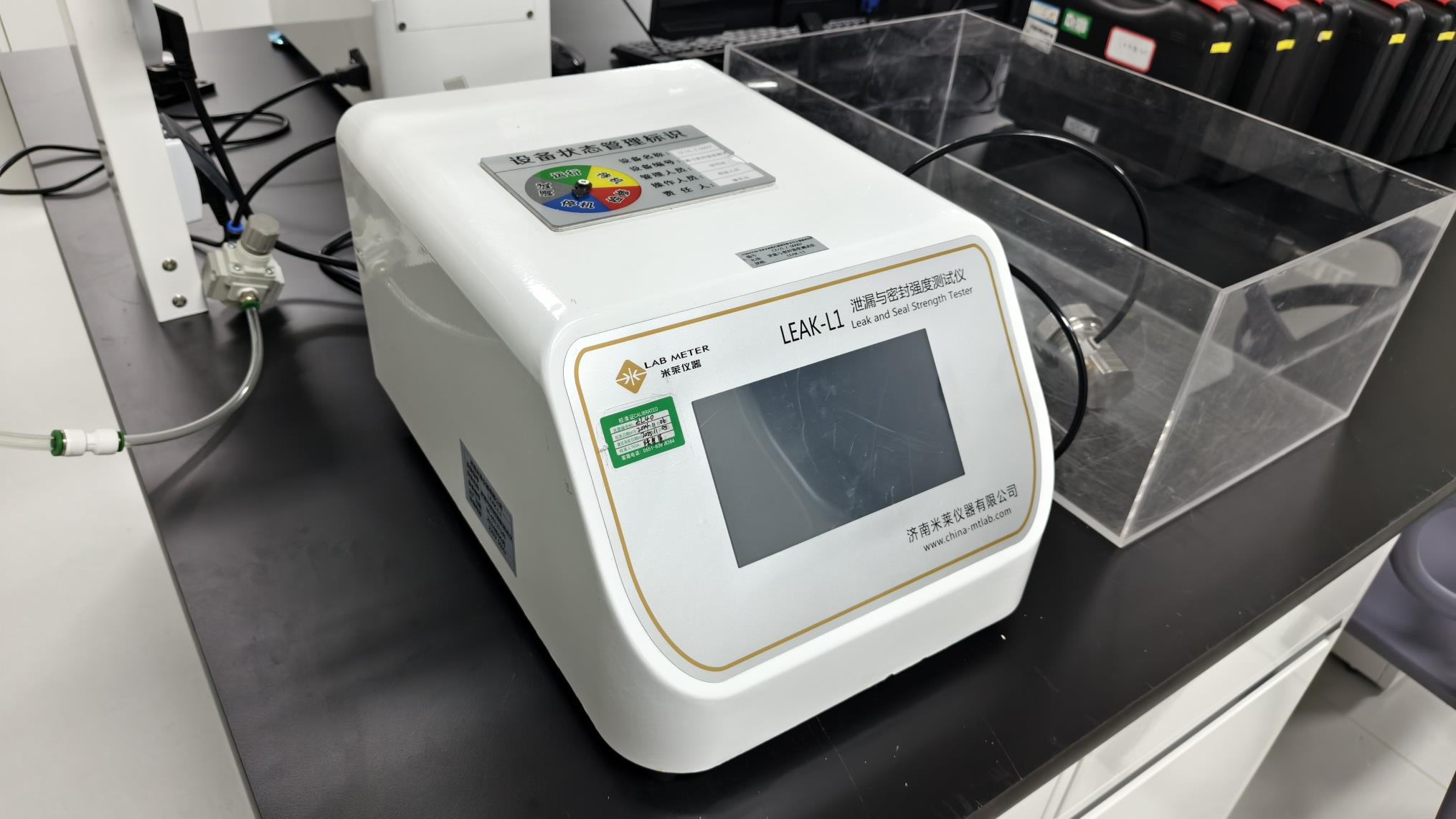
Leakage and Sealing Strength Tester

Technology Roadmap & Innovation Horizons

Driving clinical value through smart design, digitalization, and customized bio-materials

Phase 1: Dynamic Mechanics
  • Implementation of active dynamization systems that allow controlled micro-movements to stimulate axial callus formation during early weight-bearing.
  • Low-profile micro-adjustable clamps reducing patient visual awareness and reducing accidental impacts.
  • Advanced locking pin designs with variable thread pitches targeting osteoporotic bone anchorage.
Phase 2: Hybrid Structures
  • PEEK (Polyetheretherketone) components paired with titanium elements to improve bone-fixator compliance and reduce structural weight.
  • Carbon fiber composite integration for total radiolucency in key visualization zones.
  • Introduction of antimicrobial anodized coatings (such as silver ion impregnation) to minimize pin-tract infection rates.
Phase 3: Digital Integration
  • Inclusion of smart sensor modules embedded into unilateral fixation bars to record real-time mechanical stress variations.
  • Cloud-compatible orthopedics tracking enabling trauma teams to verify bone healing progress without multiple checkup x-rays.
  • AI-assisted preoperative template models customized for complex patient osteotomy plans.

Supply Chain Resilience & Regulatory Compliance

Navigating global healthcare barriers with ISO 13485 manufacturing facilities

Procuring surgical implants requires strict adherence to international quality guidelines. At Synoviq, compliance is built directly into our manufacturing footprint. Our cleanrooms operate under class 10,000 protocols to satisfy European CE (MDR) and global regulatory demands.

Traceability Protocol

Each unilateral external fixator, bone pin, and clamp receives a laser-etched Unique Device Identification (UDI) code. This barcode matches the exact raw material batch, production run, and testing reports, ensuring 100% compliance during post-market surveillance.

Lead Time Assurance

We work with over 1,120 supply chain partners to source medical-grade titanium and carbon fiber composites. By keeping raw material buffers, we maintain stable pricing models and insulate our partners against global resource supply shocks.

Localized Distribution

Synoviq supports customized packaging and logistics fulfillment. We offer OEM partners sterilization options (EO/Gamma) and drop-shipping models to local surgical warehouses, ensuring seamless end-user integration.

Expert QA: Clinical & Sourcing Support

Direct technical answers from Synoviq's engineering and quality assurance departments

What core advantages do unilateral external fixators offer compared to ring fixators?
Unilateral external fixators are structurally simpler and faster to apply, making them ideal for acute trauma management and long bone diaphyseal fractures. They cause less soft-tissue irritation and are more comfortable for the patient compared to circular ring fixators, although rings are preferred for complex, multi-segment limb lengthening.
How does Synoviq prevent mechanical slip in the pin-to-rod clamps?
Our design features micro-grooved clamping interfaces combined with high-tensile locking bolts. Each clamp assembly undergoes mechanical load testing to verify resistance to torsional and axial displacement, ensuring clinical stability during early patient mobilization.
What customized OEM and ODM capabilities are available for international medical brands?
We offer complete customization of pin placement dimensions, bar diameters (ranging from pediatric sizes to adult femur assemblies), custom surface anodization colors, cleanroom packaging options, and private labeling. Our 76 R&D engineers can convert customer sketches into clinical prototypes within 2-4 weeks.
How is biocompatibility and corrosion resistance verified?
We use certified Ti-6Al-4V ELI (Grade 5) titanium. Our chemical processing includes citric passivation and anodic surface treatment, which increases oxide layer thickness. Products are validated via metallographic inspection, cytotoxicity tests, and salt spray testing.
What are your standard lead times and MOQ parameters?
Standard lead times for standard components range from 15 to 30 days. For custom ODM orders, production timelines depend on tool design complexity, usually taking 45-60 days. Minimum Order Quantities (MOQs) are negotiable depending on standard shapes or fully custom mechanical assemblies.