Direct access to our advanced surgical systems engineered for precision clinical applications and biomechanical durability.
Analyzing biomechanical demands, regulatory pathways, and global distribution logistics in advanced orthopedics.
The global surgical implants industry relies heavily on titanium alloys (such as Ti-6Al-4V ELI), implant-grade stainless steel, and high-performance polymers like PEEK (Polyetheretherketone). These materials must exhibit exceptional tensile strength, fatigue resistance, and osteointegration characteristics. Every implant engineered must satisfy rigorous ASTM and ISO standards for mechanical stability and microstructural integrity.
Surgical implants represent Class IIb and Class III medical devices depending on their permanent residency inside the human body. Regulatory compliance (CE MDR in Europe, FDA 510(k) in the US, and NMPA in China) dictates strict validation protocols for cleanroom packaging, sterility assurance levels (SAL 10-6), and comprehensive raw material traceability from ingot to packaged device.
An aging global population, combined with a rising incidence of musculoskeletal trauma and degenerative disc diseases, has pushed joint reconstruction, spinal fixation, and complex trauma fixation plates to the forefront of medical manufacturing. OEMs must adapt to demand shifts toward minimally invasive surgeries (MISS) and patient-specific implant designs.
The global supply chain for orthopedic devices has shifted toward highly integrated manufacturing clusters in China. The core competitive advantage is not merely labor cost, but rather ecosystem vertical integration, advanced machining capabilities, and strict quality control loops.
By localizing the entire lifecycle—from Swiss-type high-precision CNC lathing, wire cutting, and polishing to anodization, laser marking, and cleanroom assembly—Chinese manufacturers can achieve rapid prototyping and high-volume production without compromising on geometric tolerances (often within ±0.005mm).
Final Quality Control Inspection Protocols
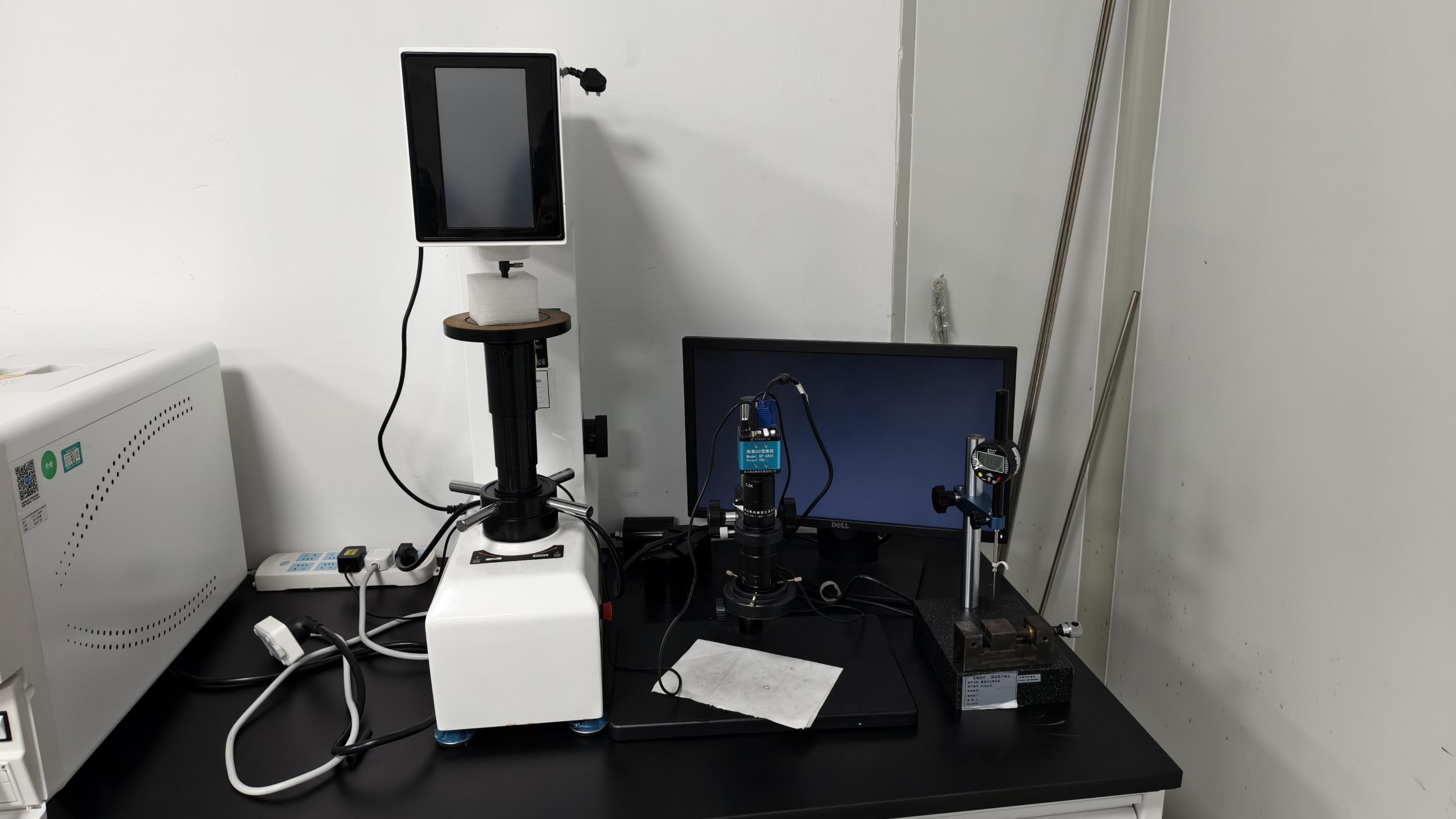
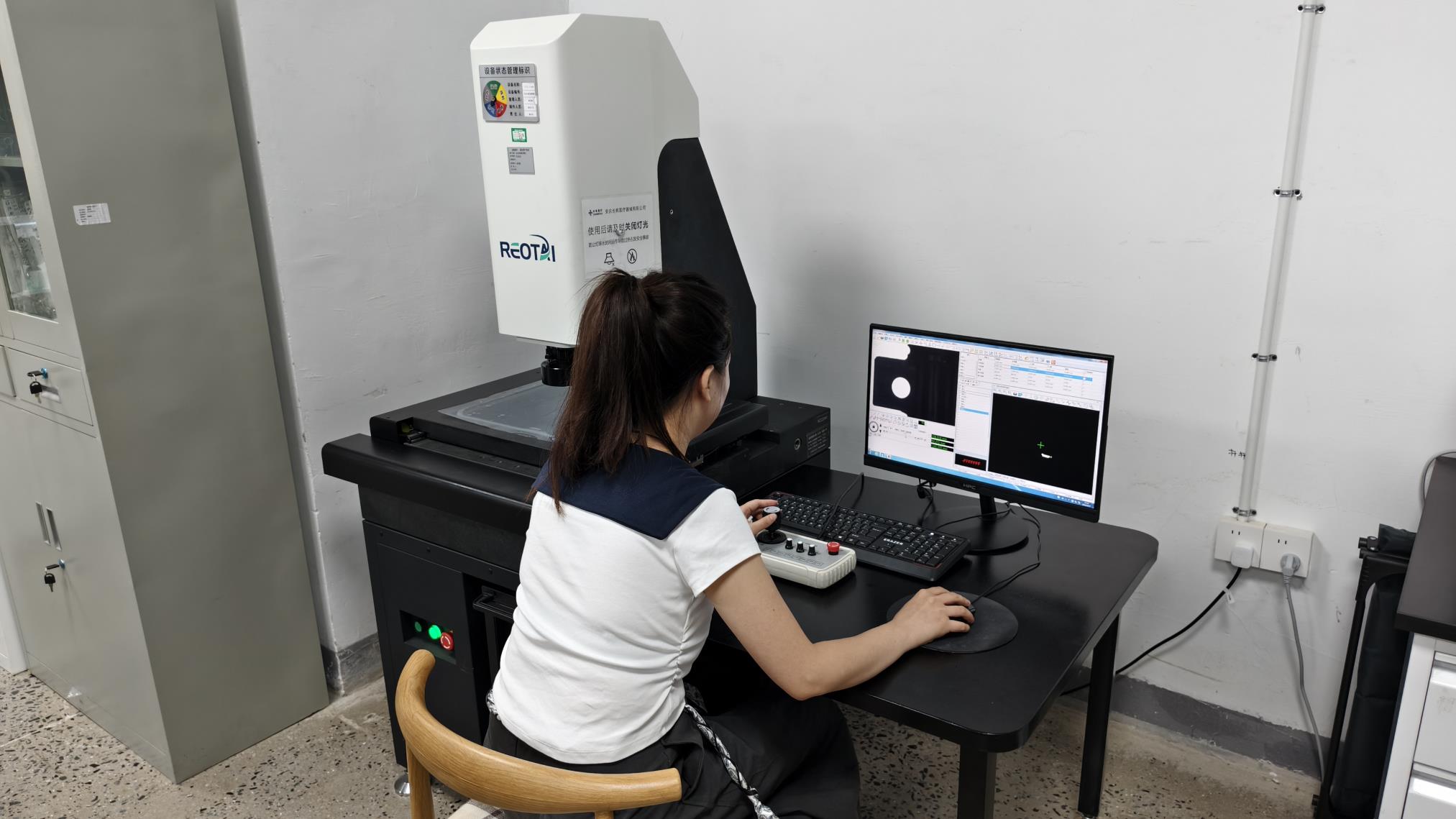
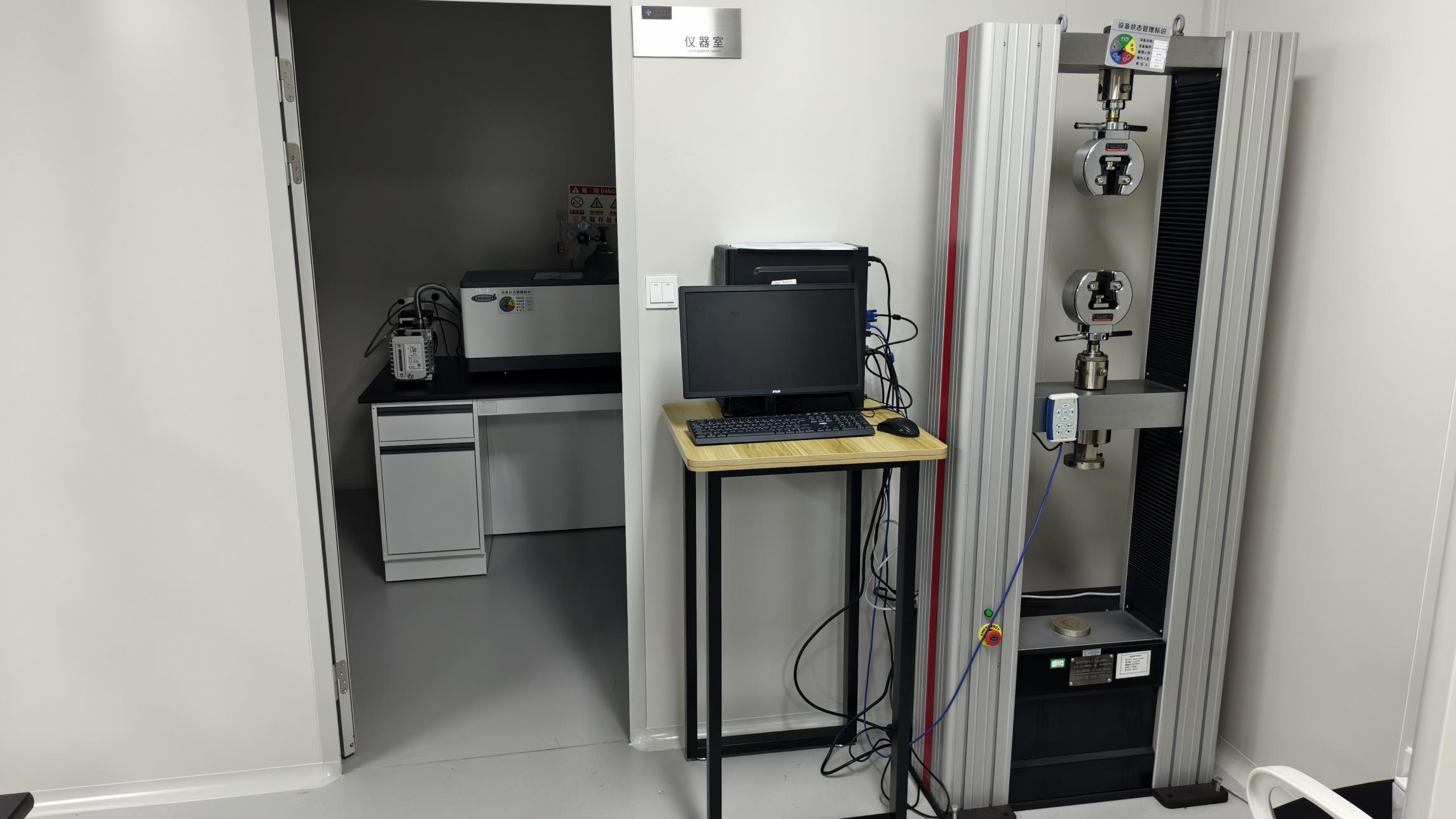
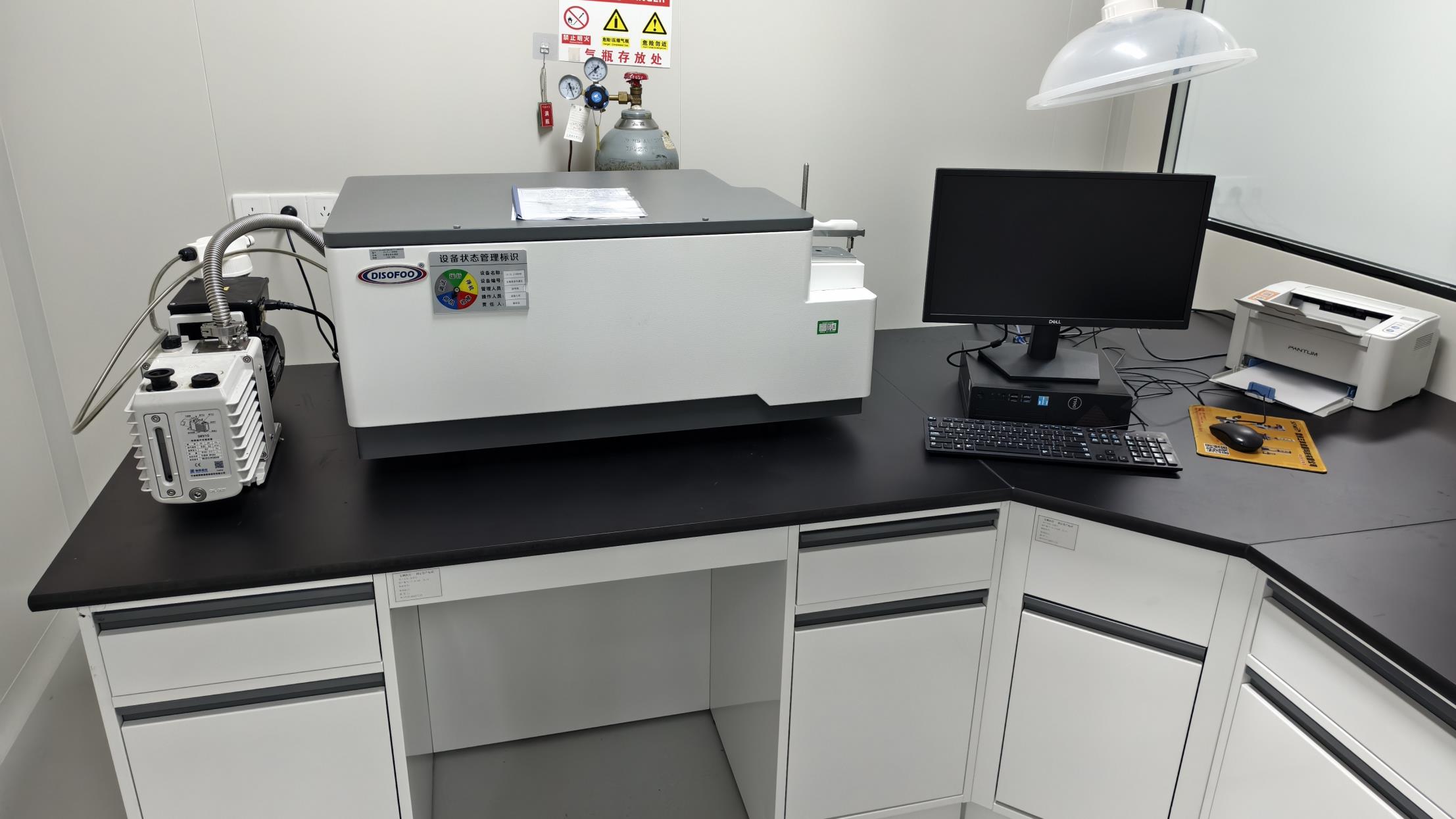
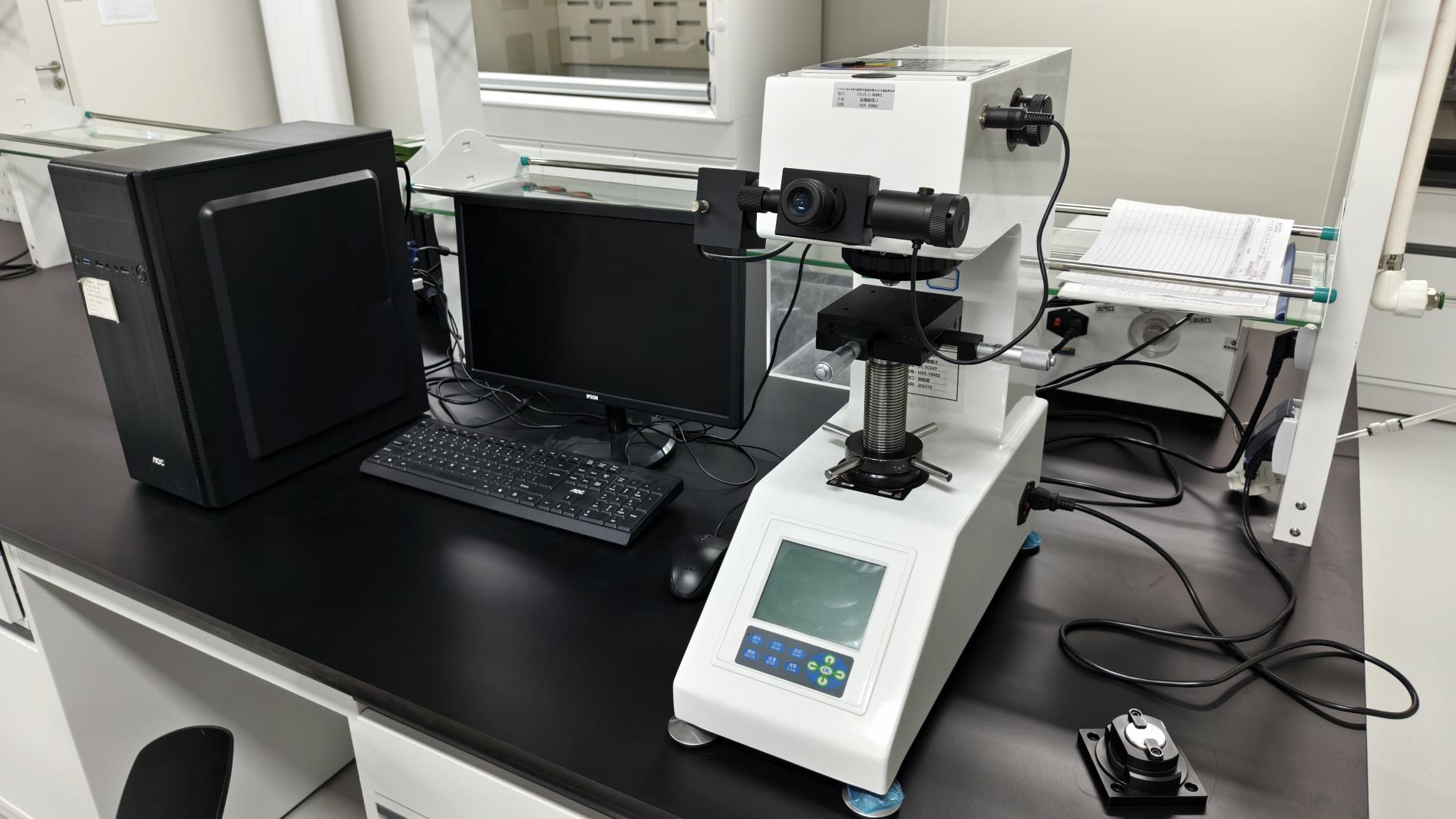
Every batch undergoes coordinate metrology, surface roughness testing (Ra < 0.2 μm for joint surfaces), mechanical fatigue profiling, and chemical analysis. The integration of digital tracking systems ensures paperless traceability throughout the fabrication sequence.
A professional OEM/ODM manufacturer of orthopedic implants and surgical instruments serving global clinical markets.
| Item / Parameter | Operational Details & Capabilities |
|---|---|
| Company Name | Synoviq Medical Technology (China) Co., Ltd. |
| Brand | Synoviq |
| Established | March 18, 2016 |
| Building Area | 18,600 m² |
| Annual Export Revenue | USD 21.8 Million |
| Export Experience | 8 Years |
| Industry Experience | 14 Years |
| Quality Inspection | 100% Final Inspection & Incoming Material Inspection |
| Product Inspection Methods | CMM Measurement, Mechanical Testing, Surface Roughness Testing, Hardness Testing, Salt Spray Testing, Sterility Validation |
| Quality Control Staff | 48 Dedicated Specialists |
| Business Type | Manufacturer & Exporter (OEM/ODM) |
| Main Markets | Europe, North America, South America, Middle East, Southeast Asia |
| Supply Chain Partners | 1,120+ Verified Partners |
| Main Customer Types | Medical Device Brands, Importers, Distributors, Hospitals, Government Procurement Projects |
| R&D Capability | Independent Product Design, Prototype Development, Clinical-Oriented Engineering, OEM & ODM Development |
| Customization Options | Logo Customization, Packaging Customization, Product Design Customization, Material Selection, Surface Treatment |
| New Products Released Last Year | 186 New Surgical Solutions |
| R&D Engineers | 76 Senior Engineers |
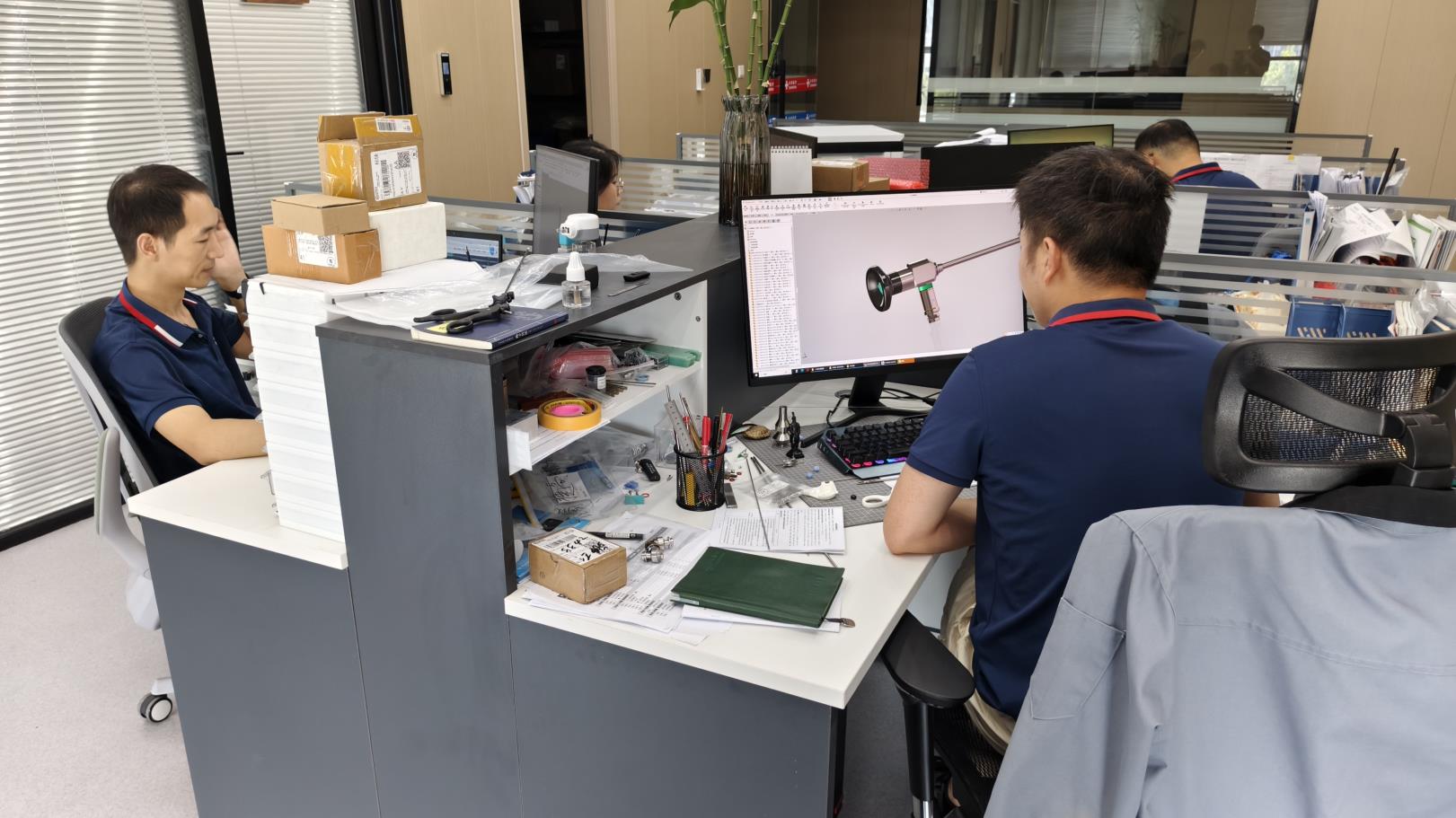
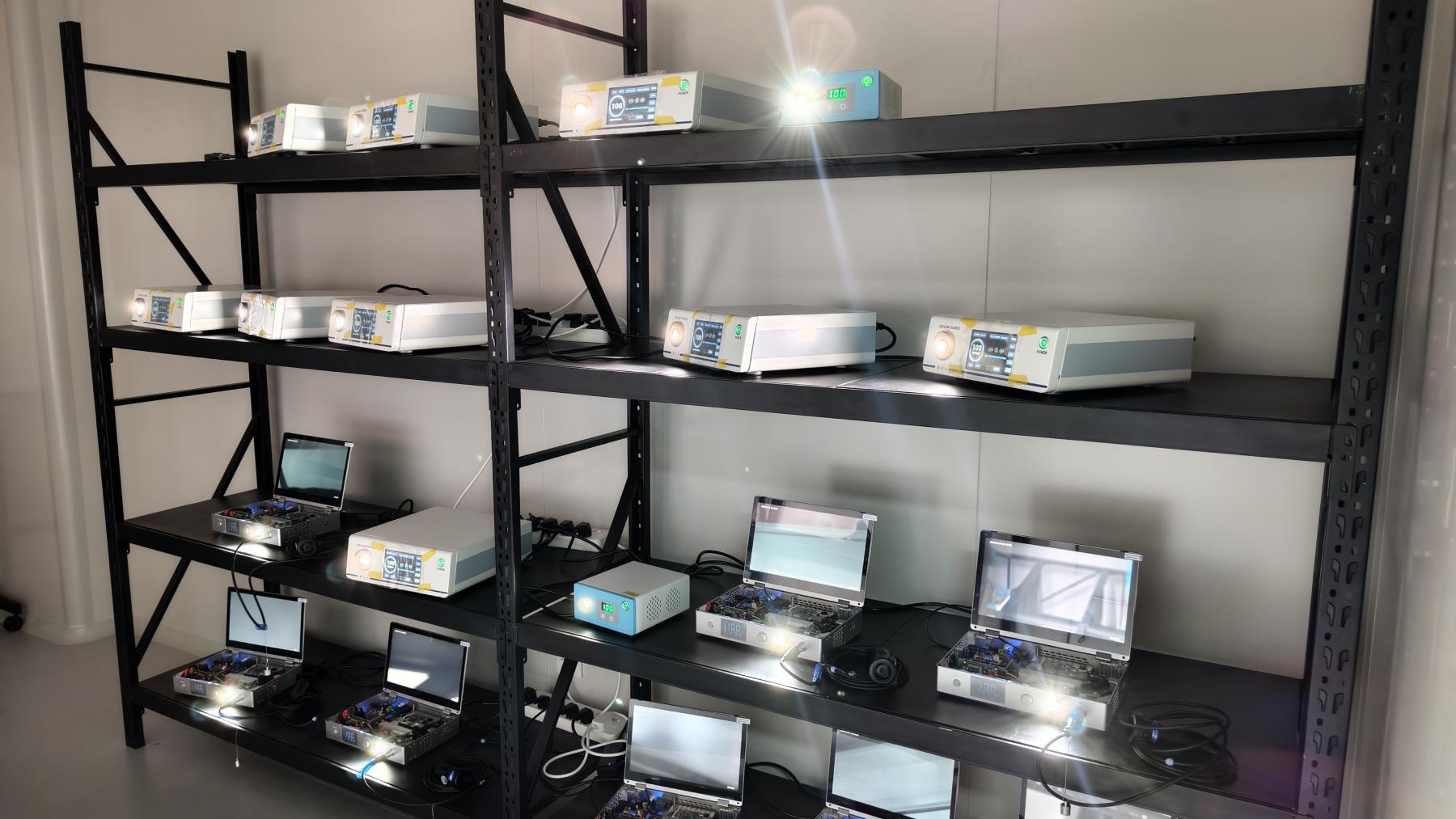
Our 18,600 m² clean facility utilizes automated machinery and strict tolerances to deliver pristine medical devices.
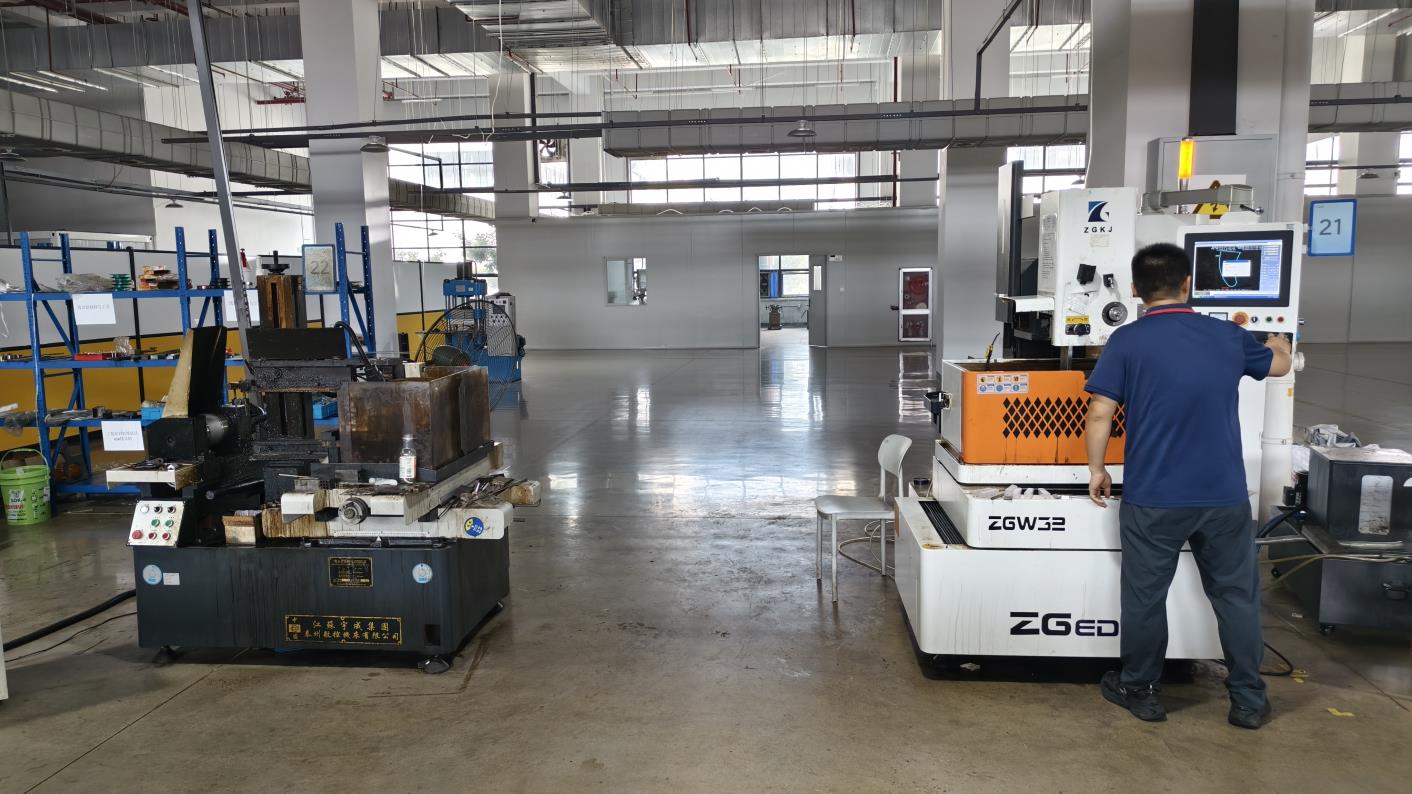
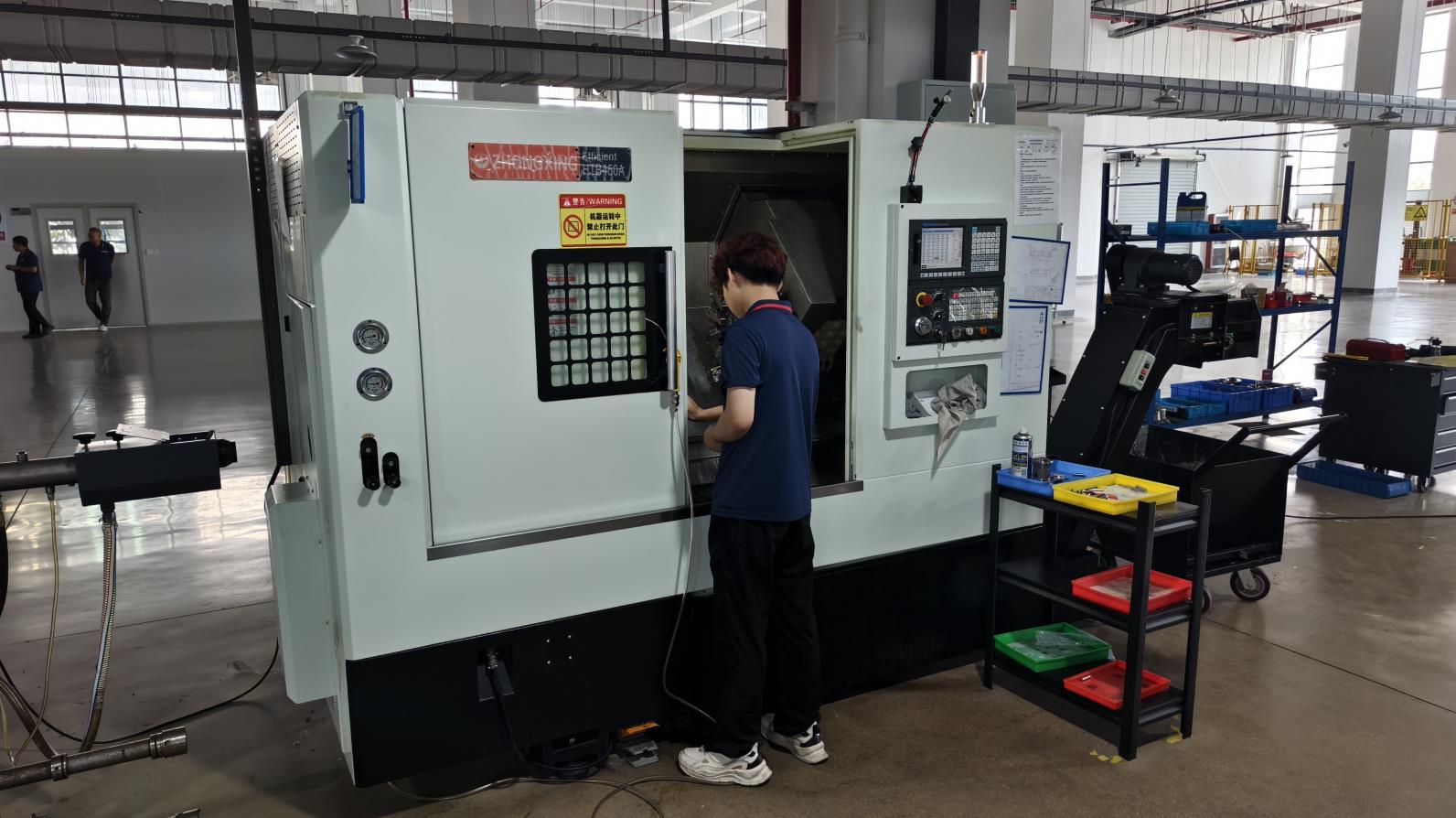
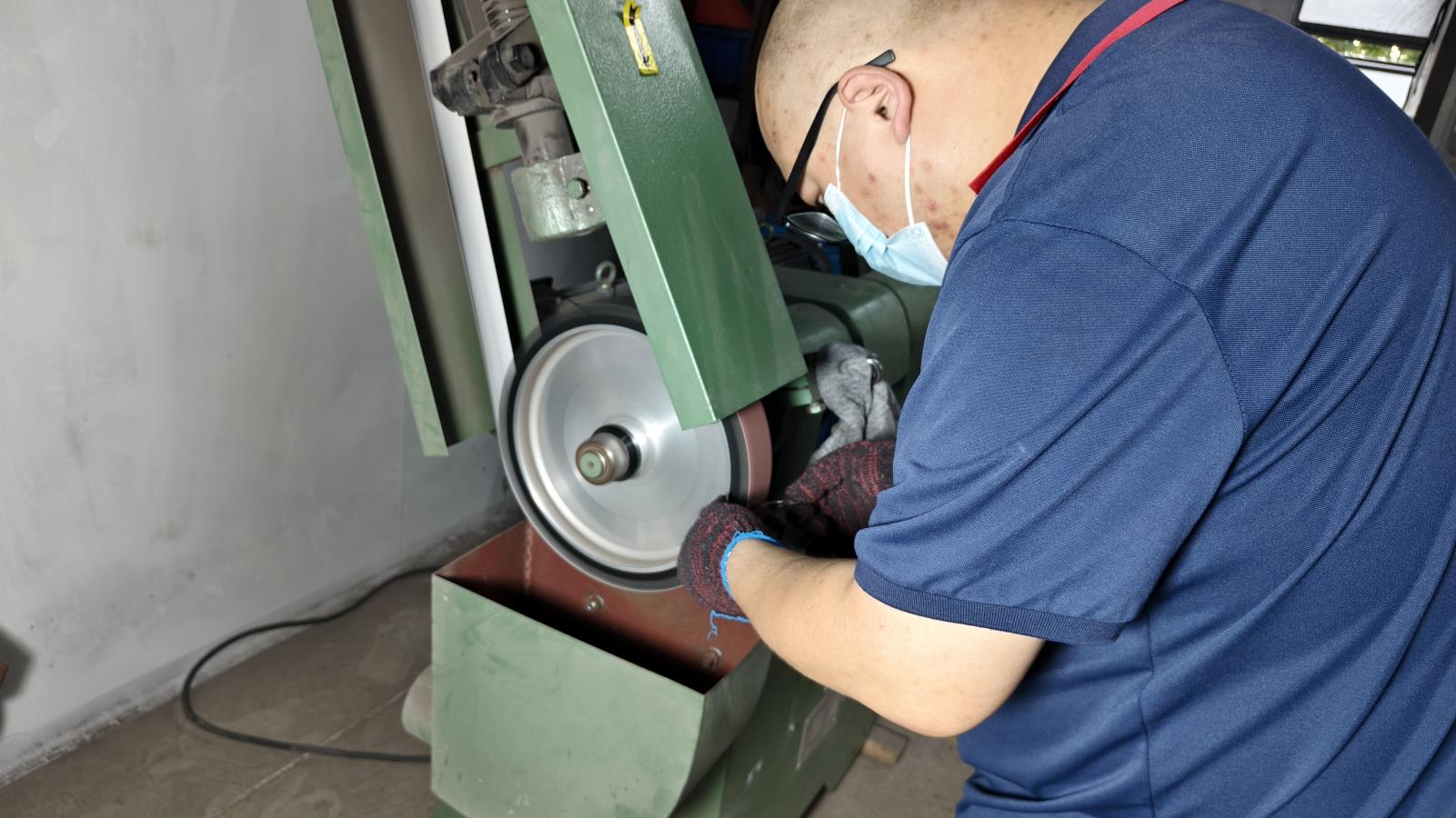
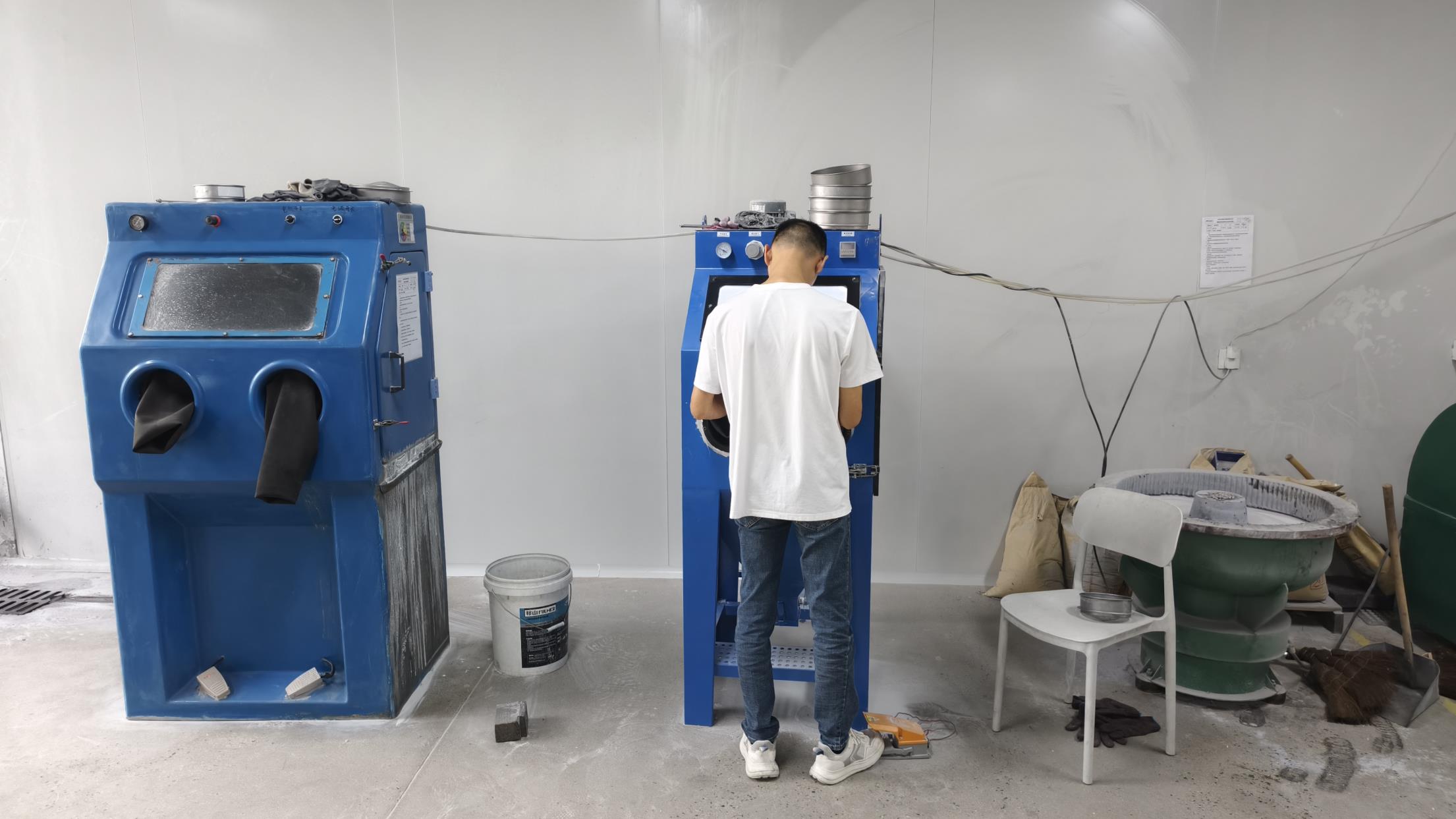
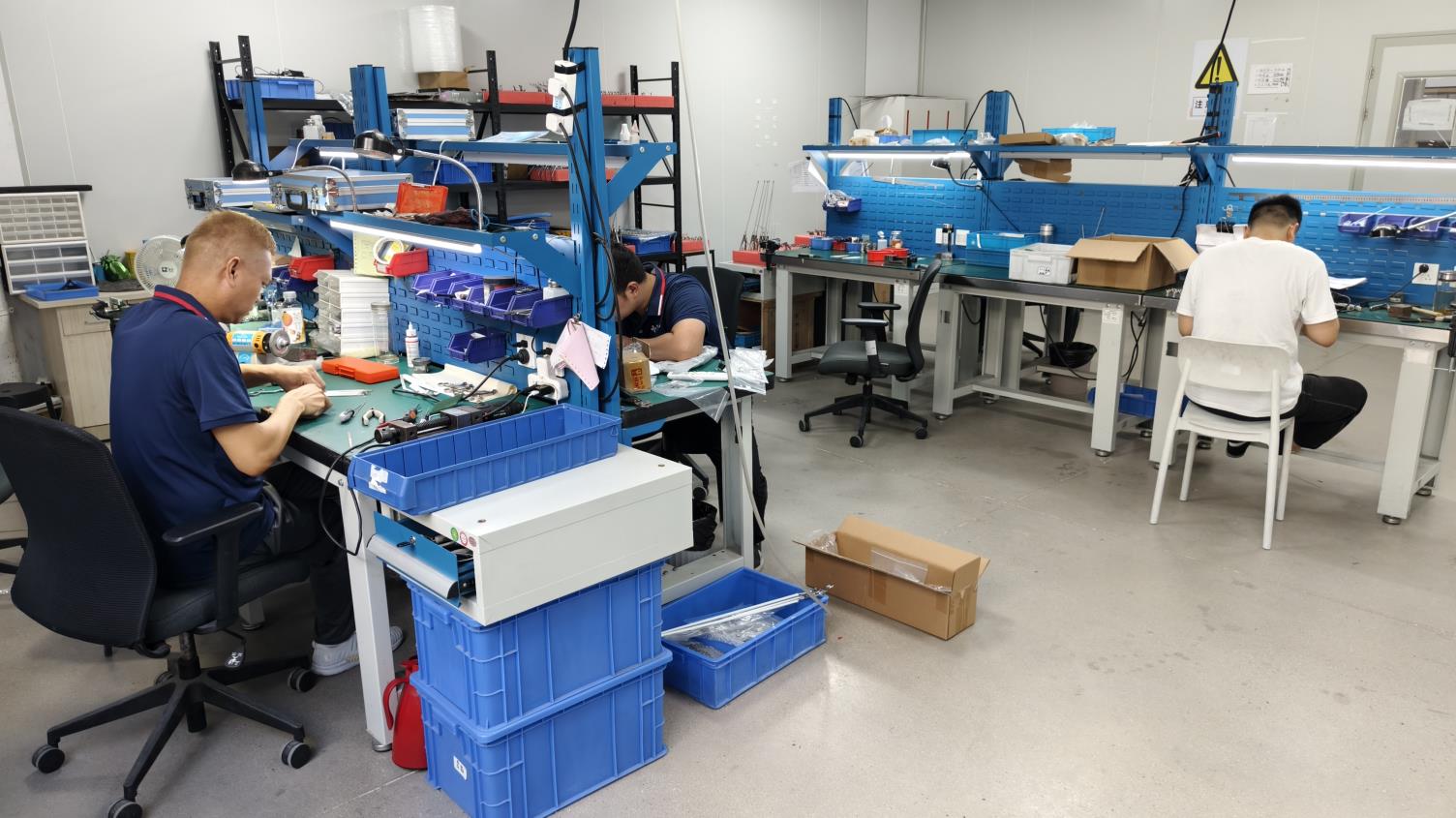
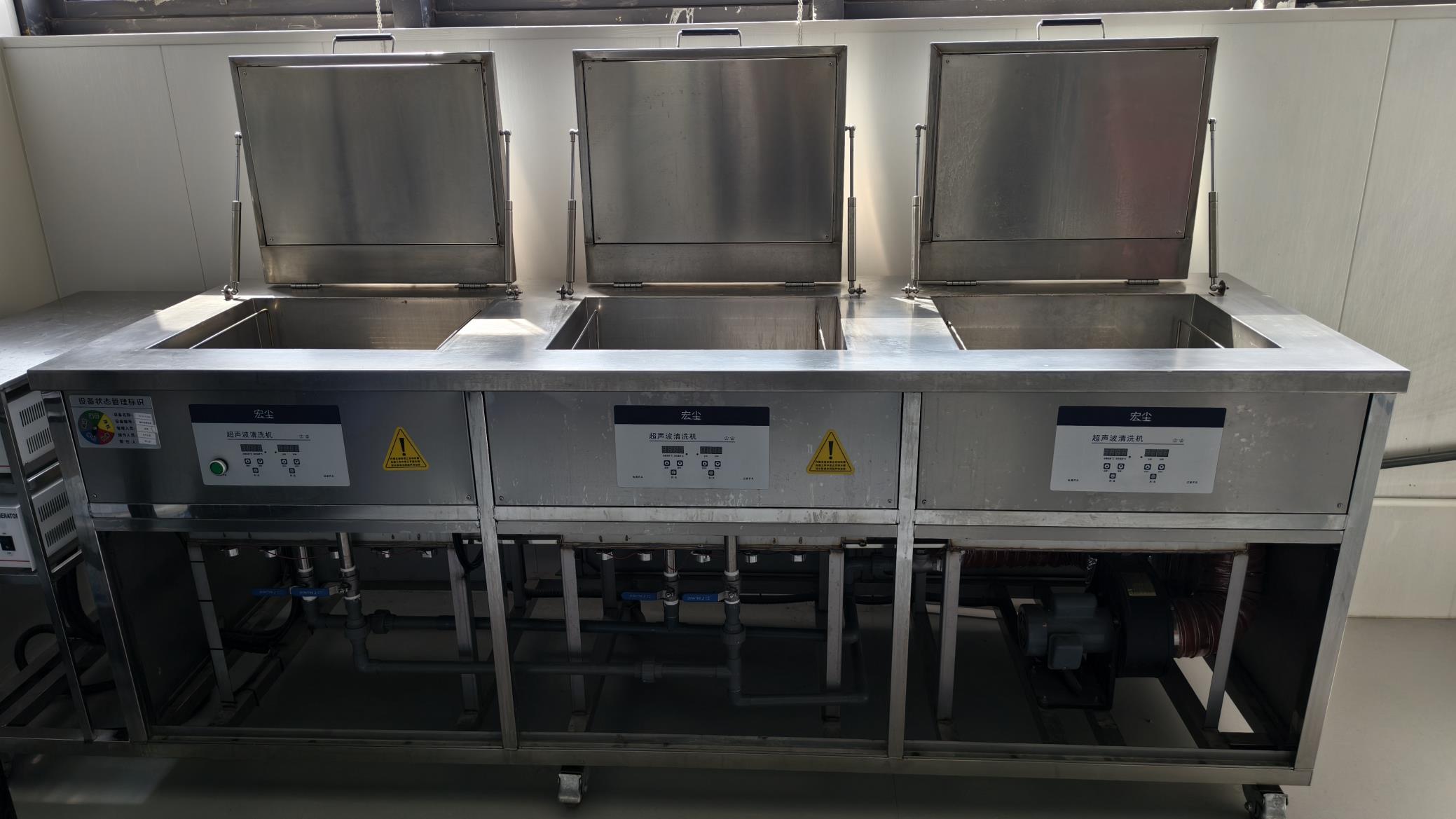
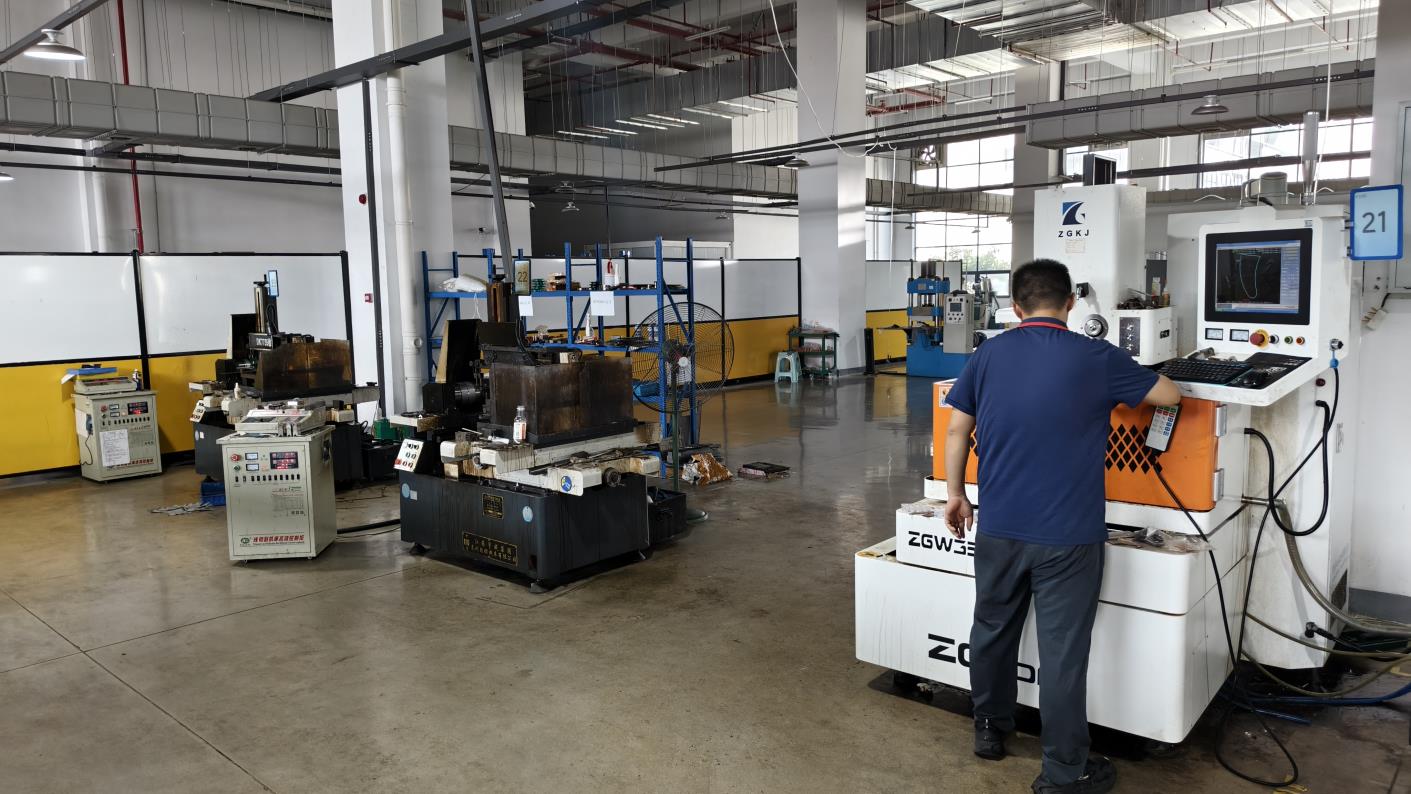
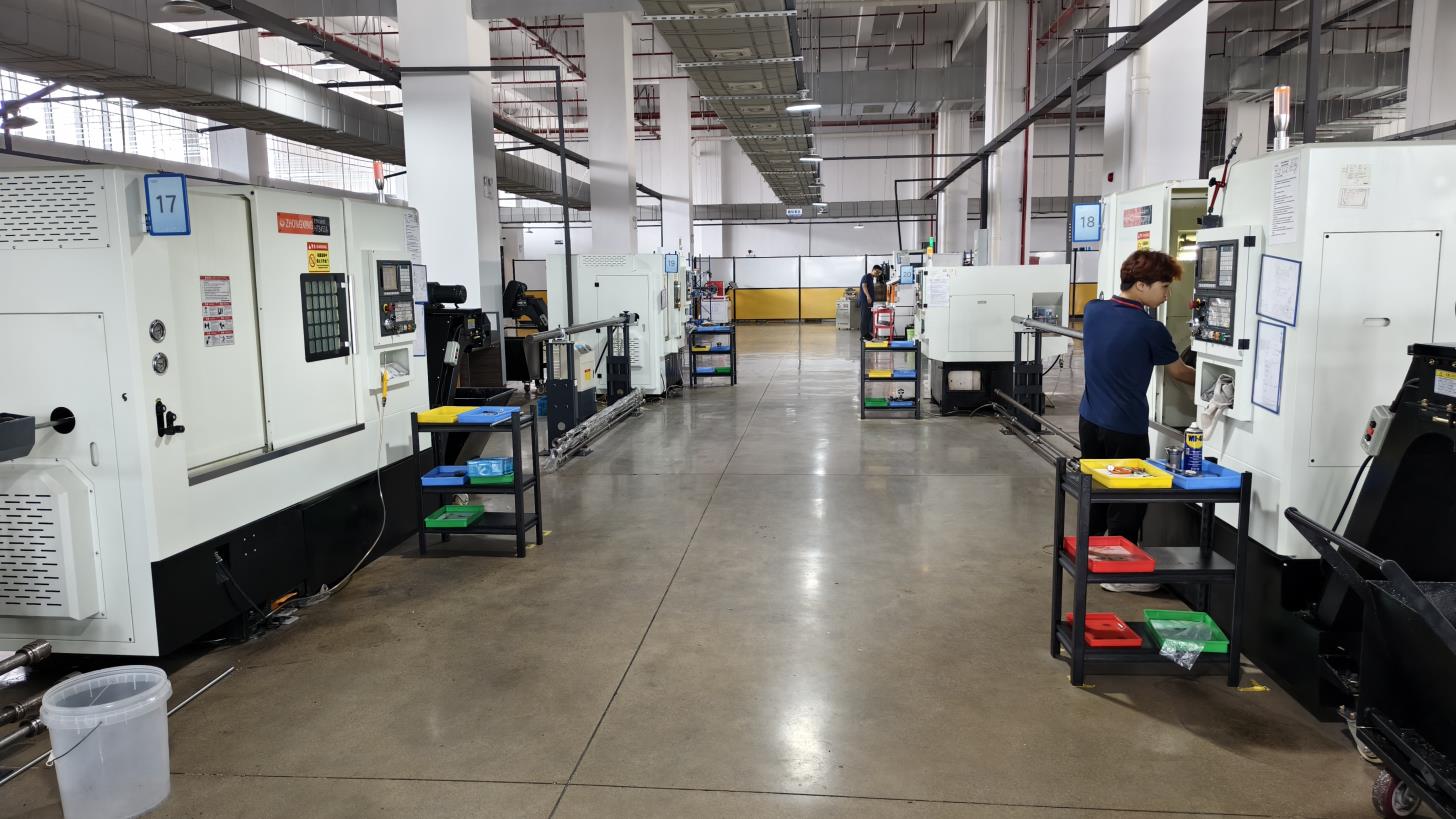
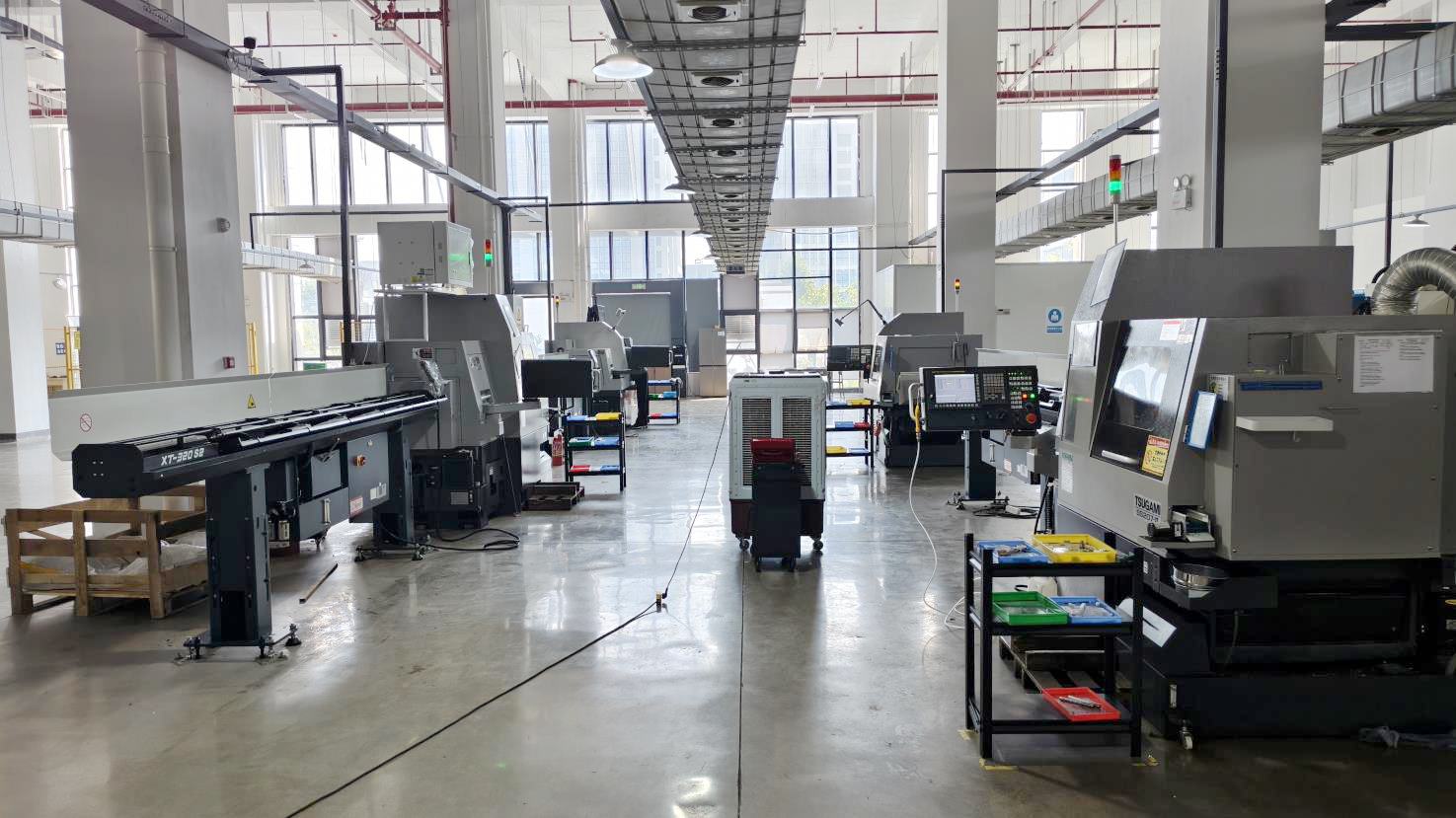
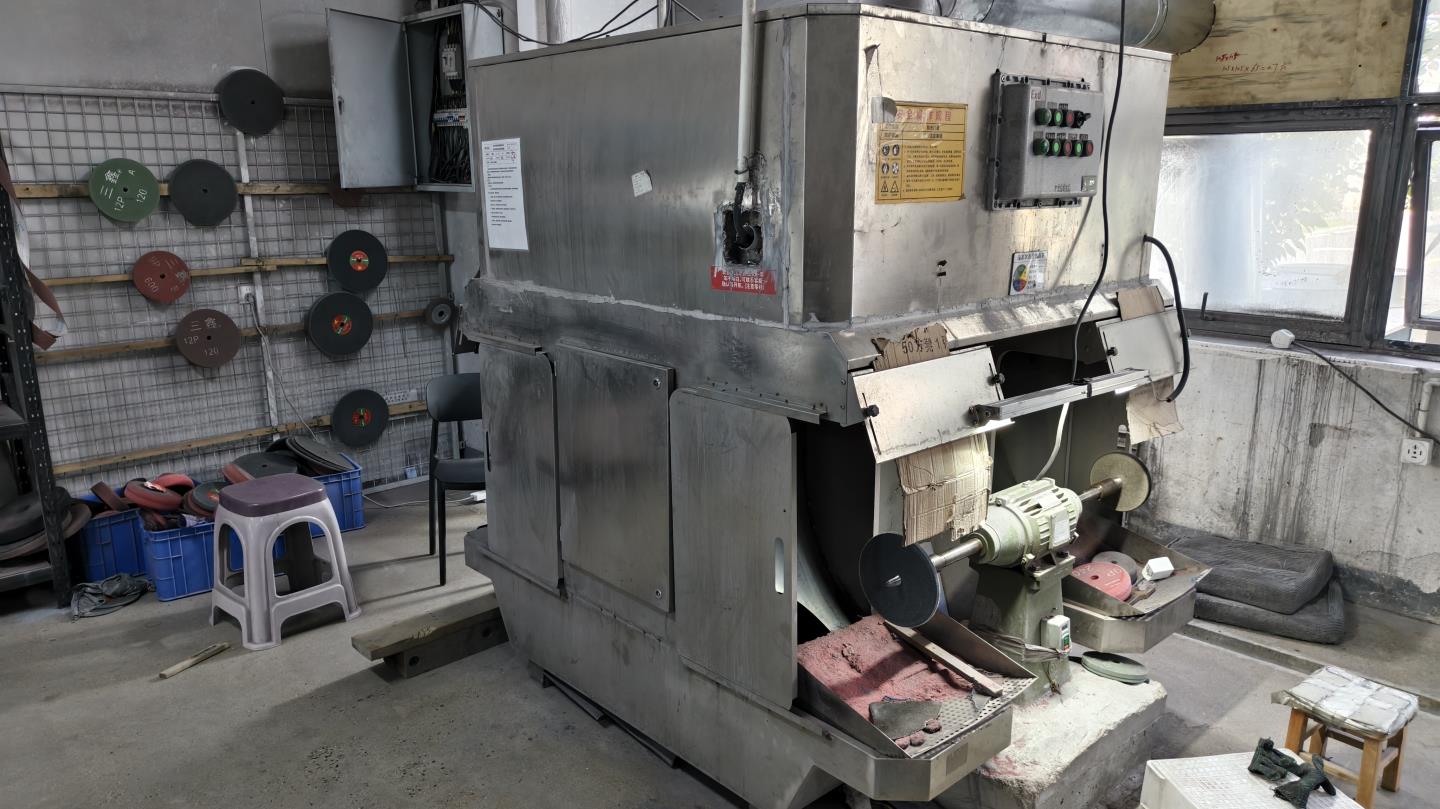
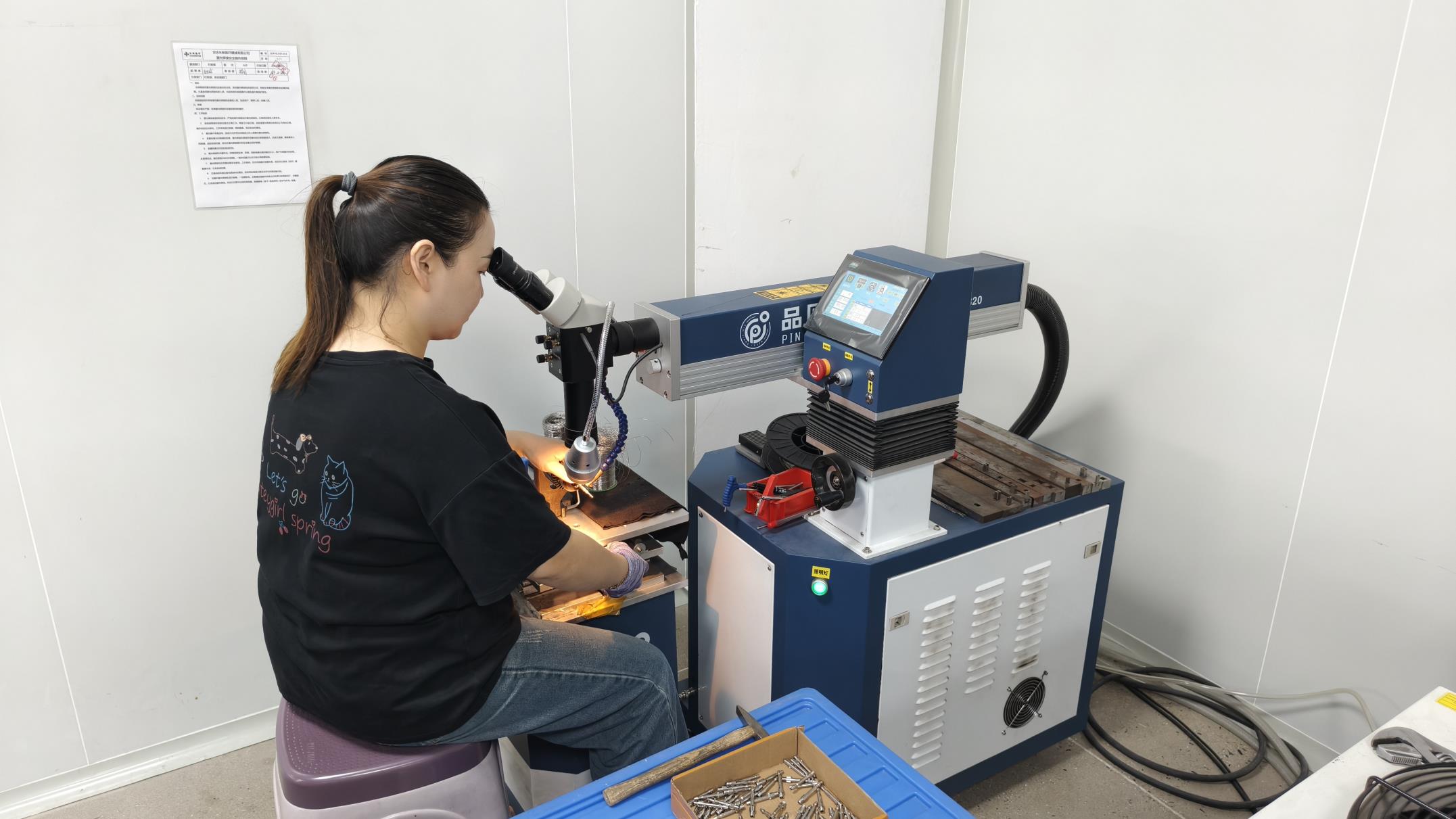
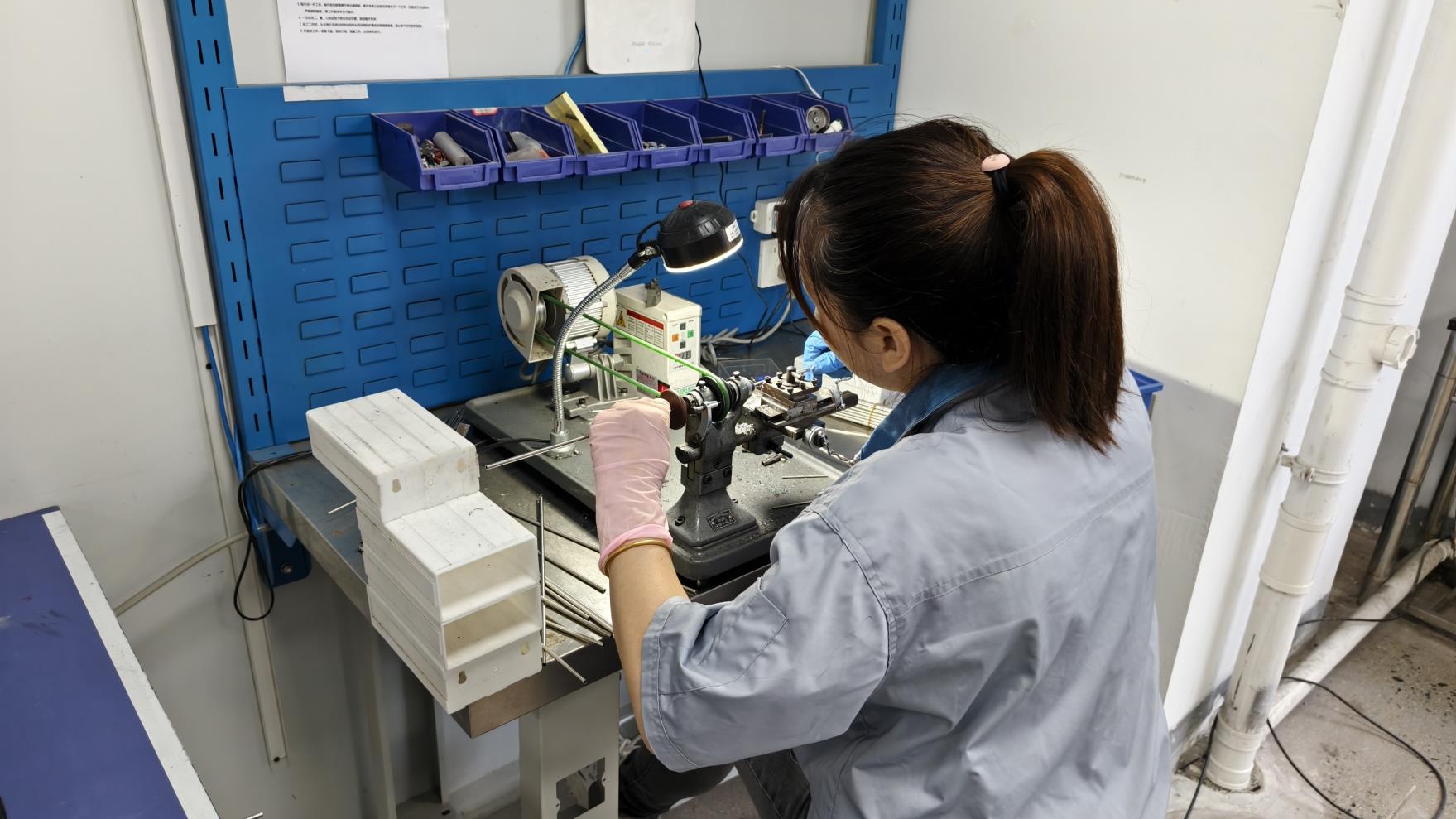
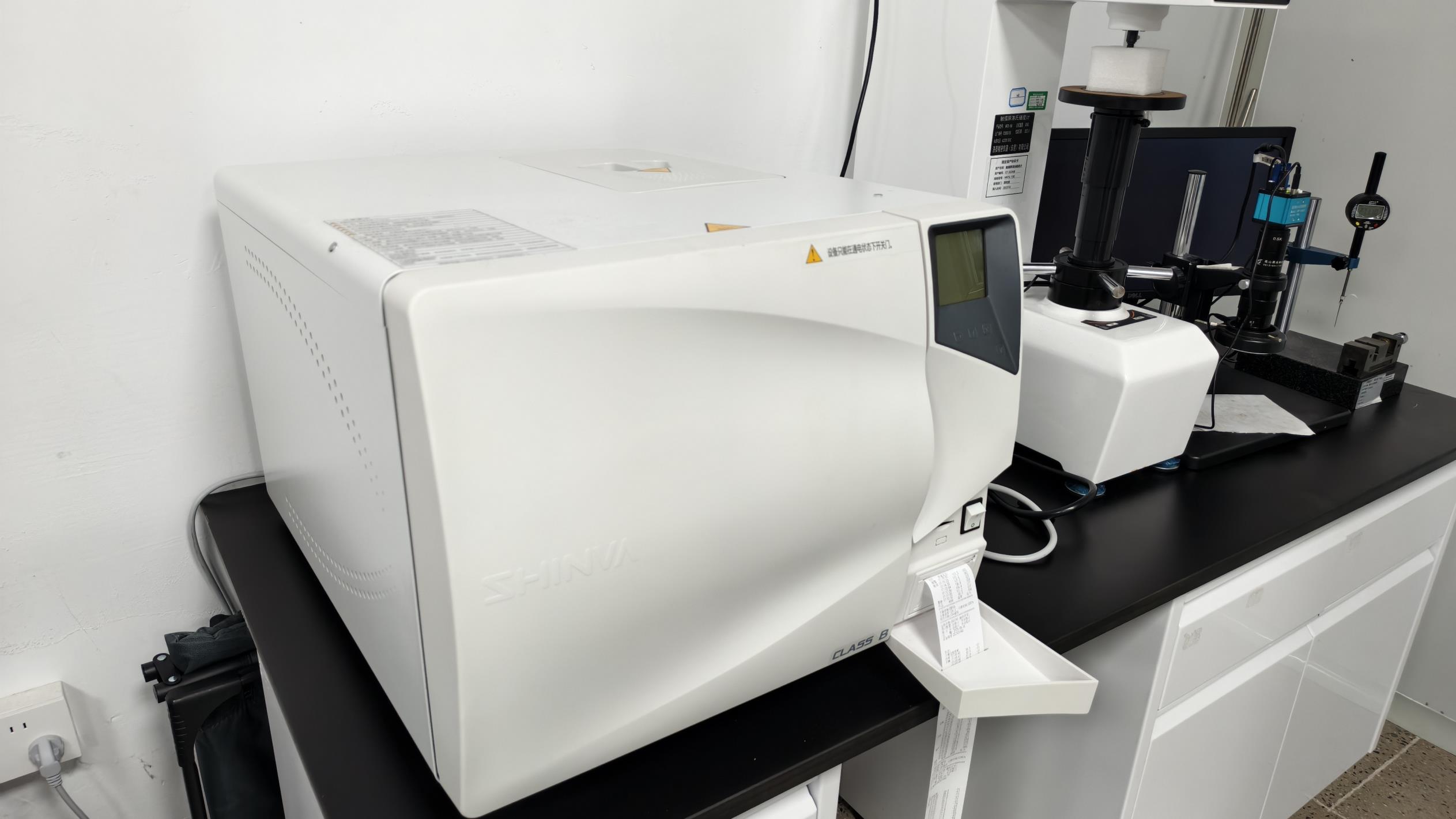
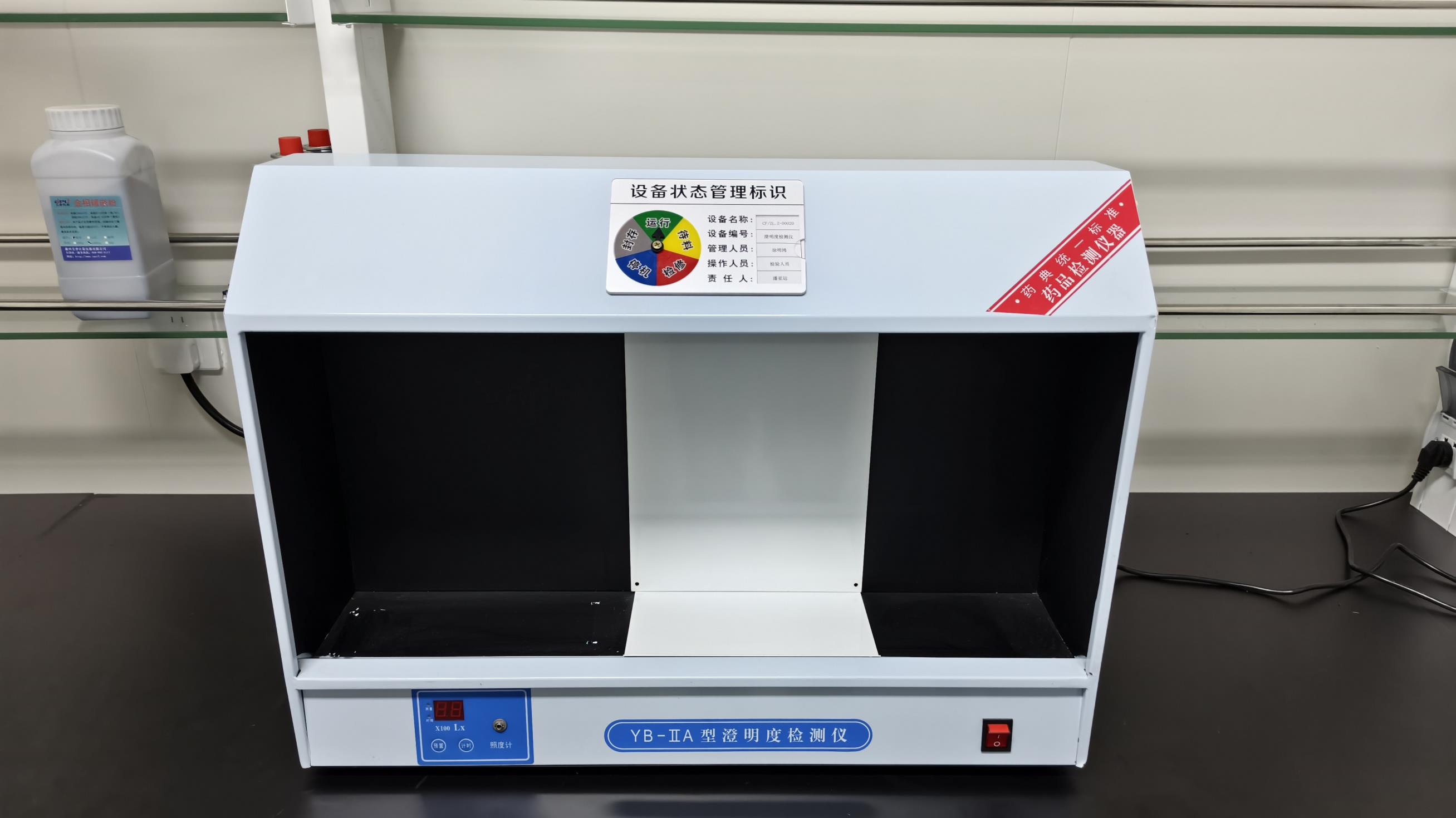
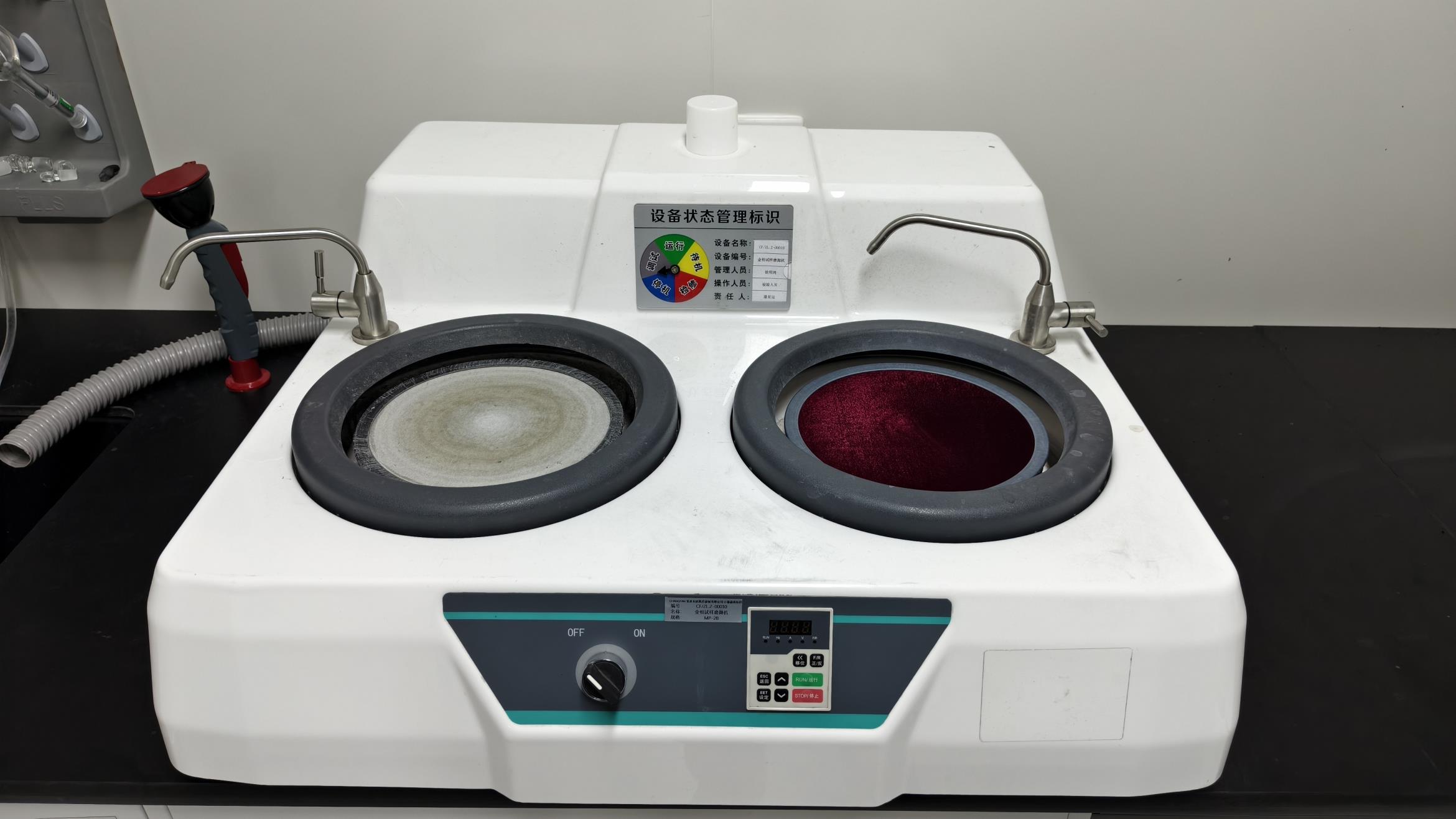
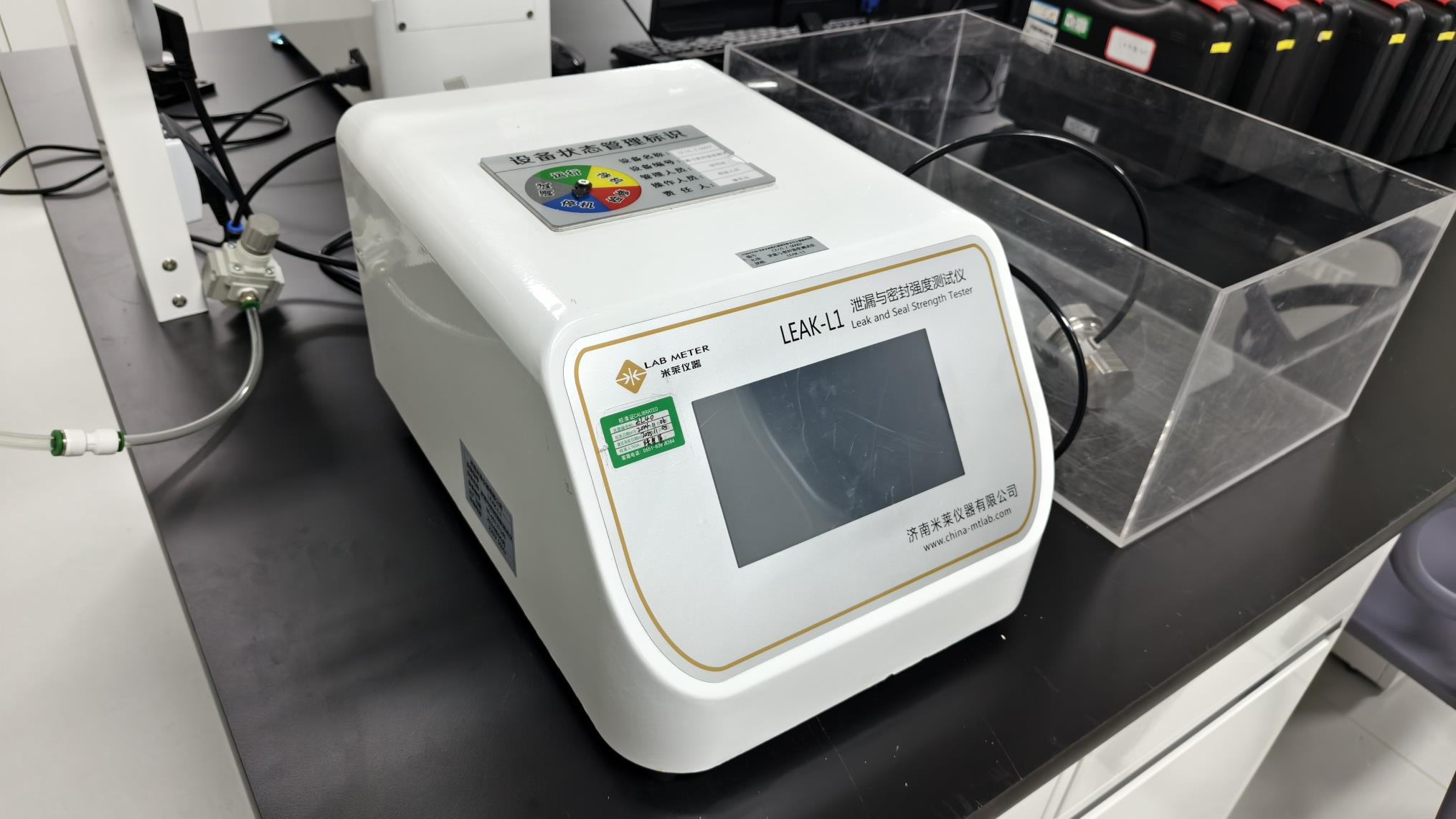
Our in-house laboratory verifies absolute performance margins through mechanical, chemical, and biological testing.
Targeting specialized clinical requirements across critical orthopedic sub-specialties.
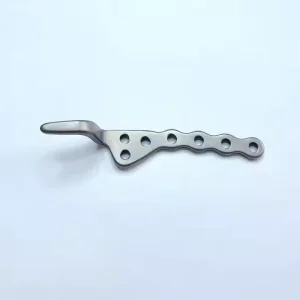
Designed for diaphyseal and metaphyseal long bone fractures. Our anatomical locking plates (clavicle, humerus, femur, tibia) provide variable angle locking configurations that match bone topology. This reduces the need for intraoperative plate bending, minimizing structural degradation of the implant.
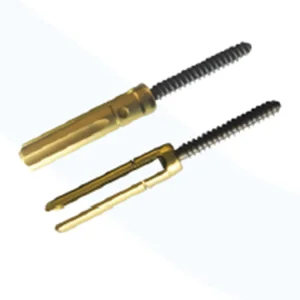
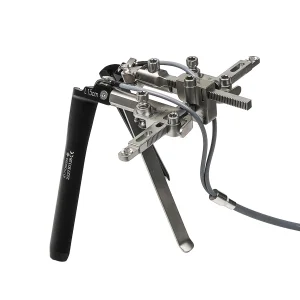
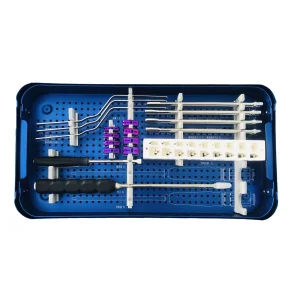
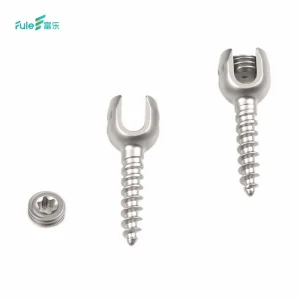
Our pedicle screws and TLIF/OLIF retractor systems are built for Minimally Invasive Spine Surgery (MISS). Features like low-profile screw heads reduce soft tissue irritation, while PEEK cages with large graft areas facilitate high fusion rates in degenerative spondylolisthesis.
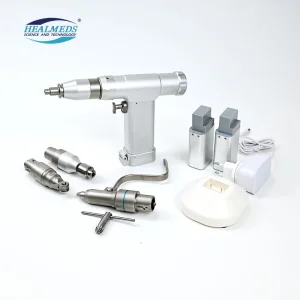
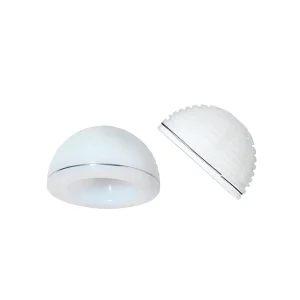
Meeting demand for both human joint reconstruction (such as Dual Mobility hip systems featuring ultra-high-molecular-weight polyethylene - UHMWPE) and high-load veterinary power tools and implants designed for specialized canine and feline bone morphologies.
Addressing complex sourcing challenges and aligning with the digital future of surgery.
Standard titanium implants are increasingly paired with radiolucent materials such as PEEK for spinal fusion. These materials offer an elastic modulus matching cortical bone, which minimizes stress-shielding. Looking ahead, bioabsorbable polymers represent the next step in temporary internal fixation.
B2B procurement departments face strict requirements under the EU Medical Device Regulation (MDR). Suppliers must provide fully traceble chemical compositions (heat numbers) and validated passivation certifications to verify corrosion resistance prior to patient implantation.
To mitigate logistics disruptions, global distributors prefer OEM/ODM manufacturers capable of maintaining buffer stock. At Synoviq, our advanced enterprise resource planning (ERP) systems streamline lead times, ensuring prompt deliveries for tenders and hospitals.
Direct answers regarding biocompatibility, custom engineering, and validation protocols.
Surgical instruments, veterinary systems, and advanced joint arthroplasty components.
 Synoviq Medical