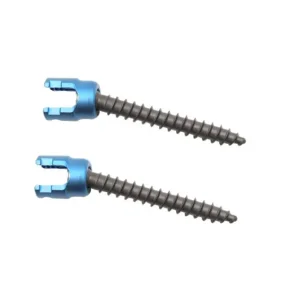
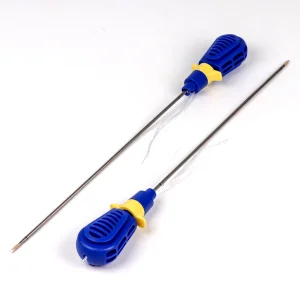
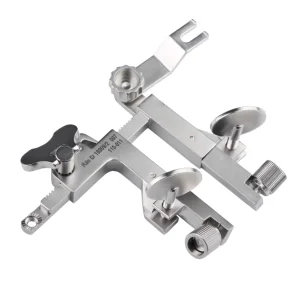
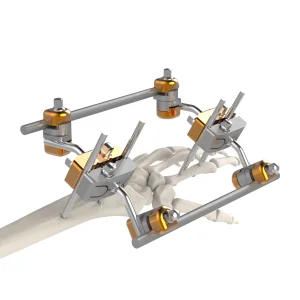
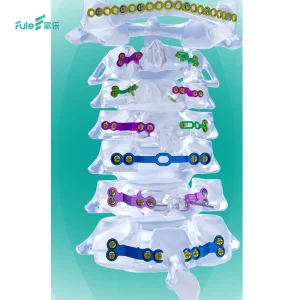
Reduction pedicle screws represent a critical advancement in spinal fixation hardware. Unlike standard polyaxial screws, reduction screws feature extended breakaway tabs that assist in pulling the spine toward the rod during surgical correction. They are primarily utilized in treatments for high-grade spondylolisthesis, scoliosis, kyphosis, and complex thoracic/lumbar spinal fractures.
The biomechanical environment of a reduction screw requires meticulous engineering. The long tabs undergo substantial bending stresses as they facilitate rod reduction. The screw thread design must optimize pullout strength, utilizing a dual-lead or variable-pitch structure that grips both the cortical shell and the cancellous bone core of the pedicle. High-quality raw titanium alloys (Ti-6Al-4V ELI) are critical to ensuring the structural integrity of these implants under high mechanical loading.
As a leading OEM/ODM reduction pedicle screws manufacturer, Synoviq Medical Technology ensures that every screw is manufactured with ultra-tight tolerances. Our engineering focus targets the thread engagement efficiency, tab shear reliability, and interface compatibility with orthopedic surgical instrumentation.
Synoviq Medical Technology (China) Co., Ltd. is a dedicated, professional manufacturer of orthopedic implants and surgical instruments. We deliver innovative, reliable, and high-quality medical solutions for healthcare professionals worldwide. Since our establishment, Synoviq has focused on advanced R&D, precision manufacturing, and international quality standards, providing comprehensive OEM and ODM services for global medical device brands, distributors, and healthcare systems.
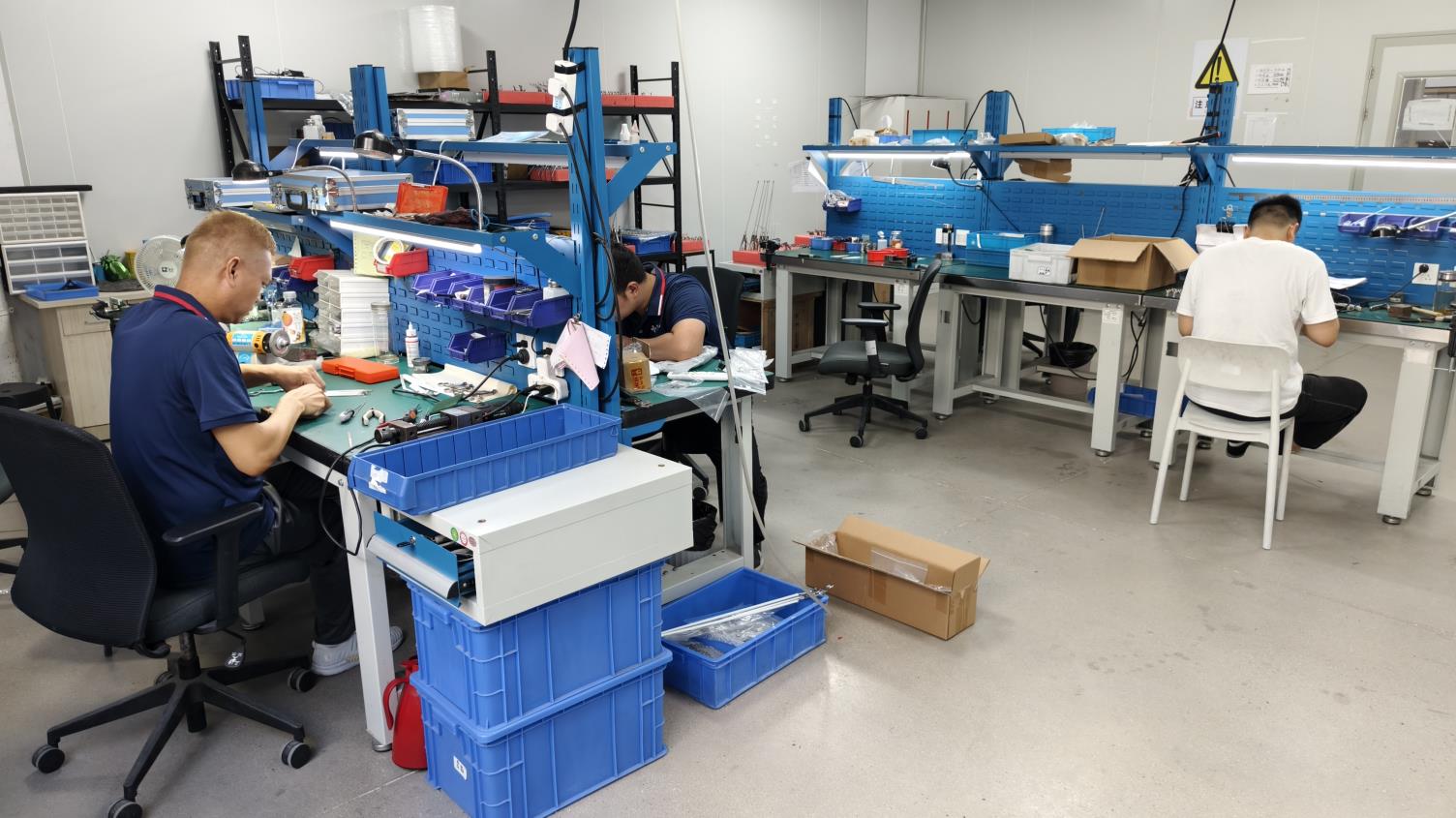
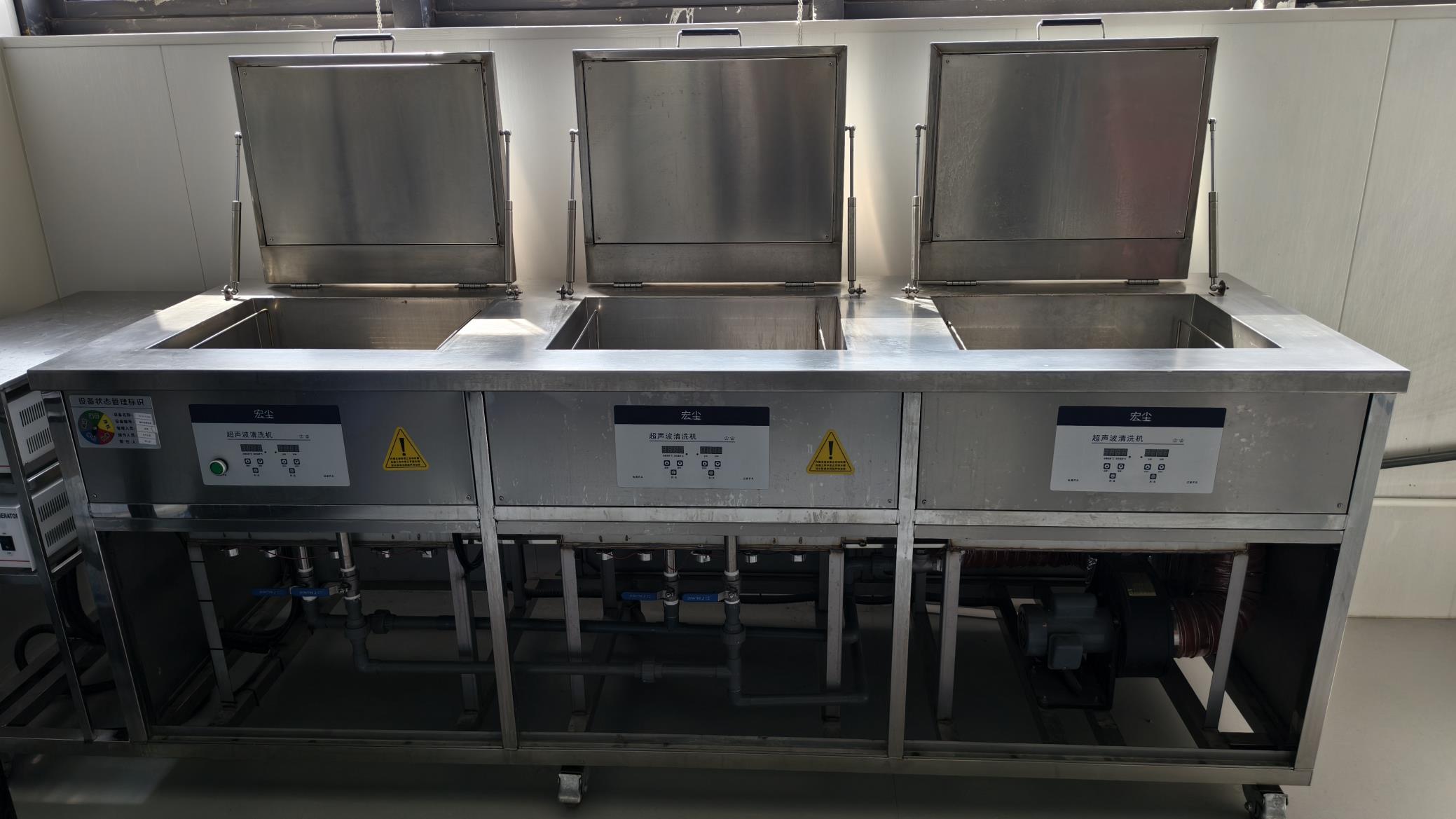
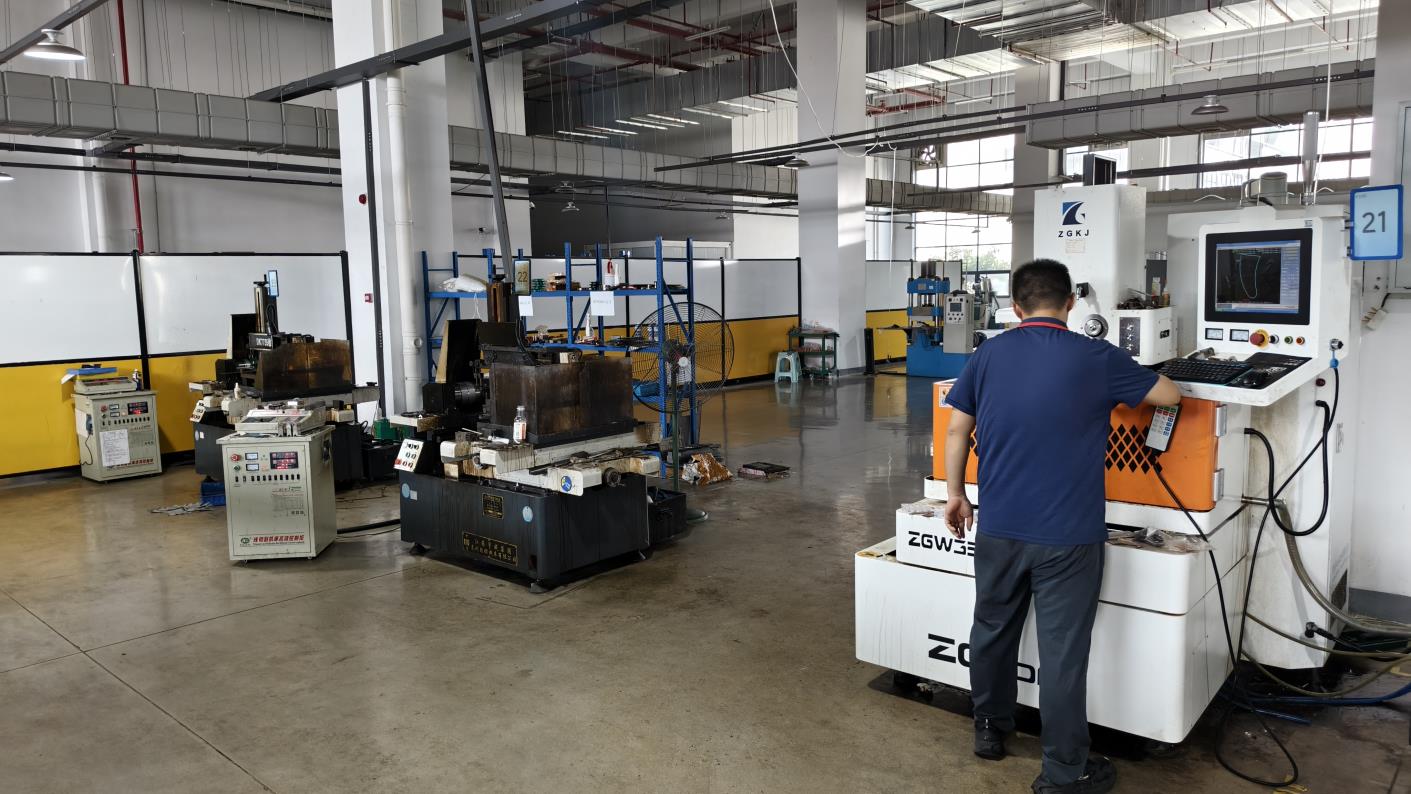
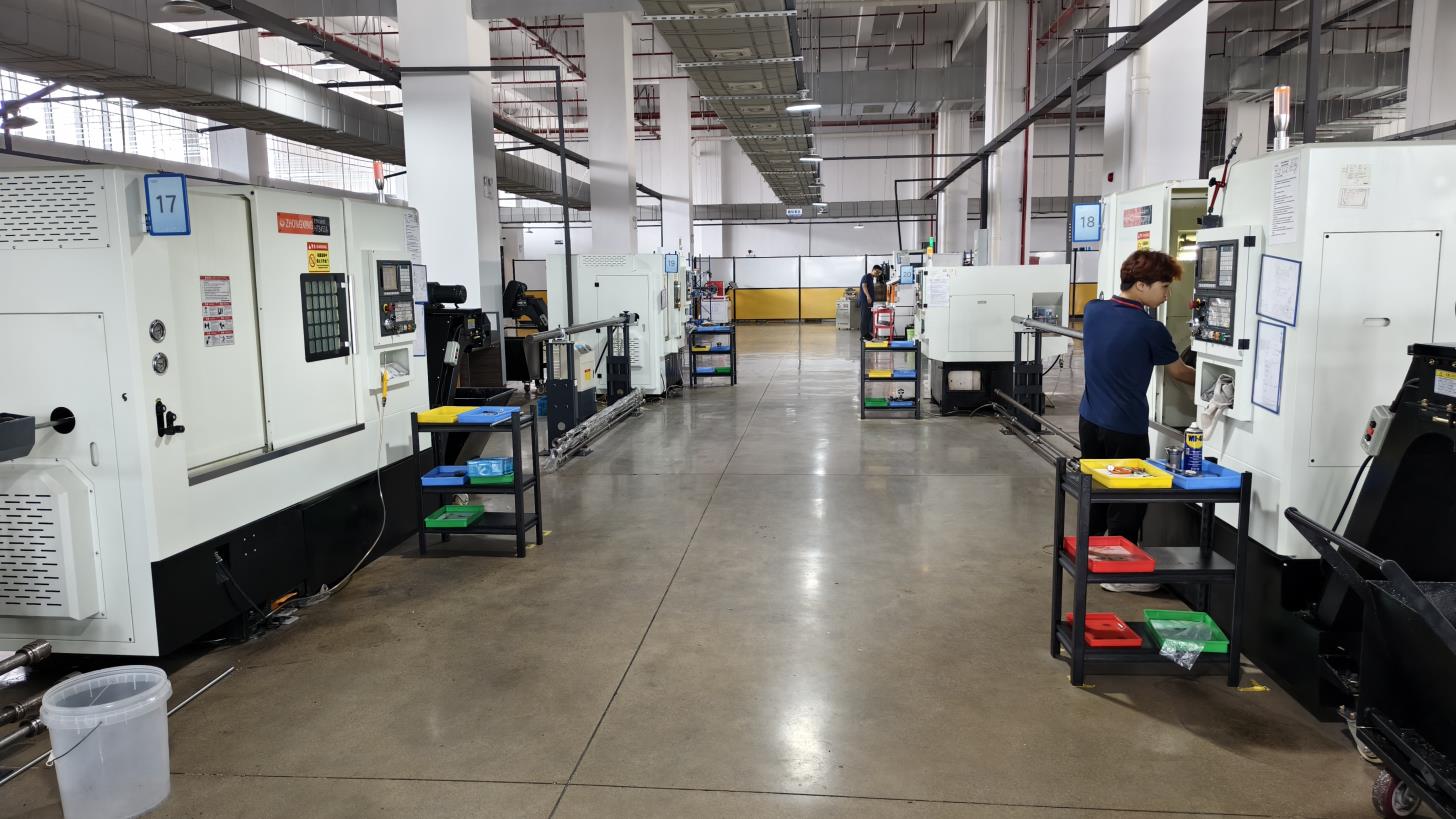
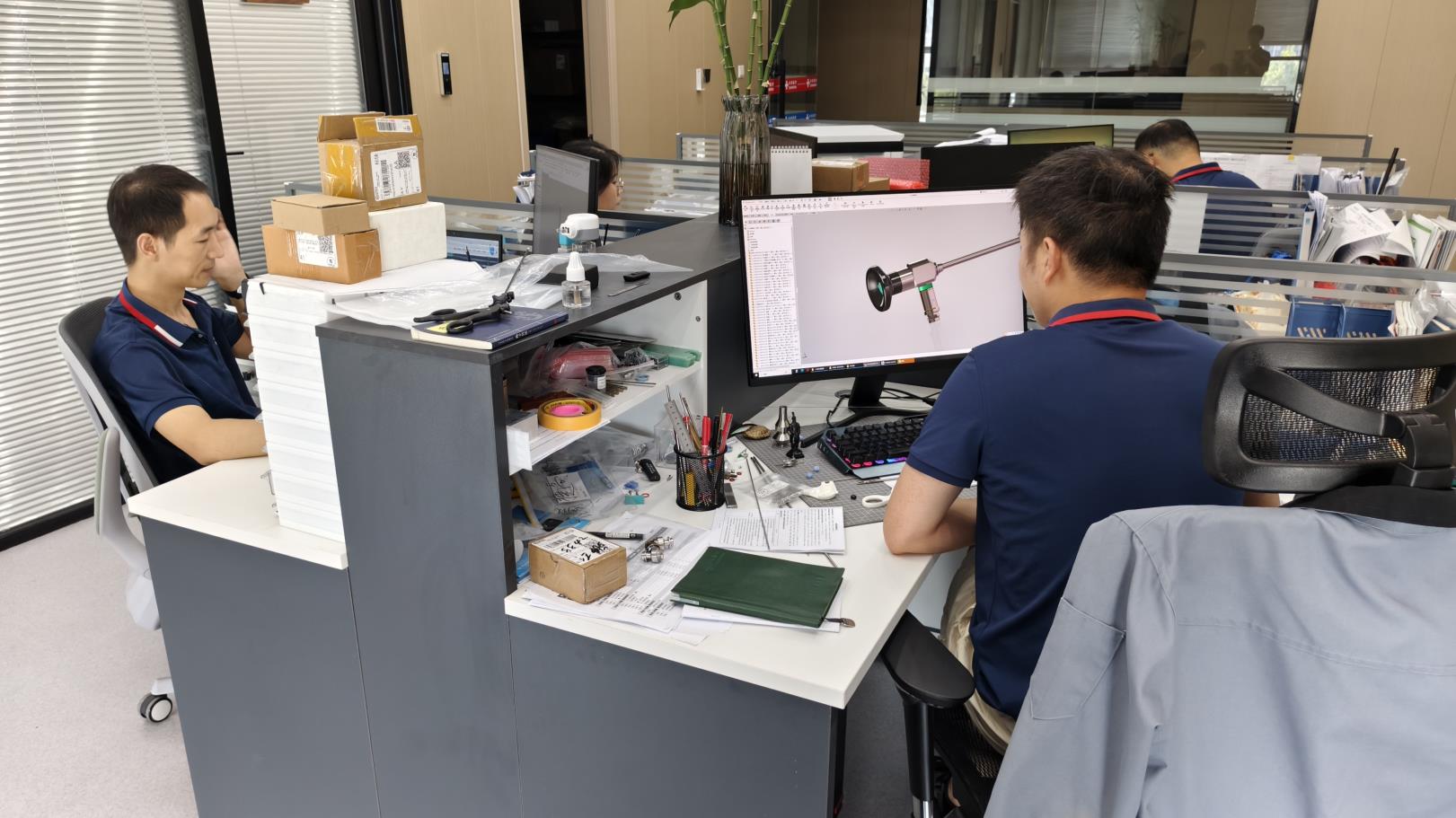
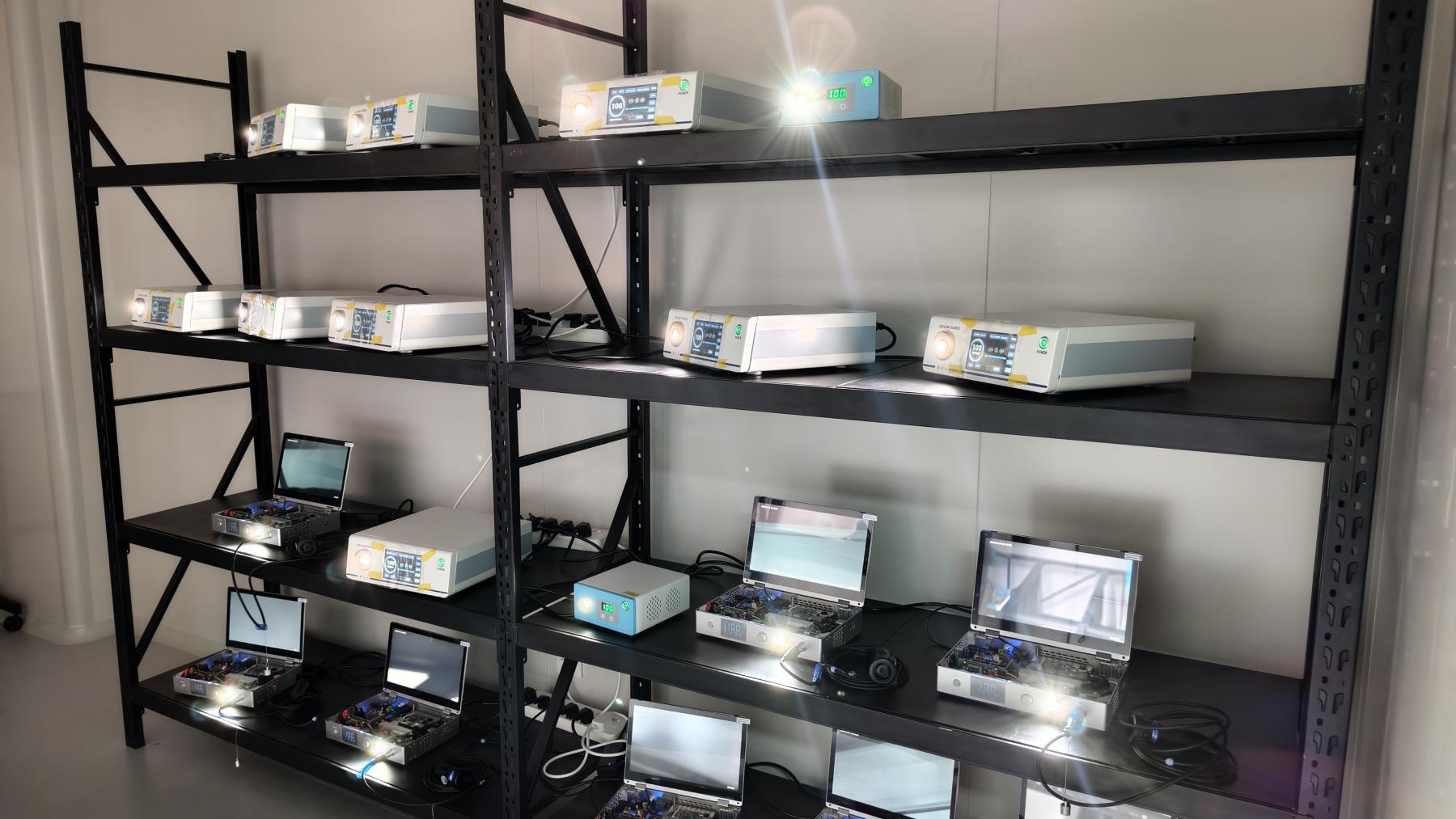
Our expansive production facility covers 18,600 m² and is equipped with multi-axis CNC machining centers, Swiss-type automatic lathes, precision surface treatment cleanrooms, and Class 100,000 packing rooms. With over 14 years of industry experience and a highly skilled engineering team, Synoviq supports partners through every stage of the product lifecycle—from raw material analysis to global regulatory clearance support.
| Corporate Parameter | Operational Details |
|---|---|
| Company Name | Synoviq Medical Technology (China) Co., Ltd. |
| Brand Portfolio | Synoviq |
| Established Date | March 18, 2016 |
| Manufacturing Footprint | 18,600 m² state-of-the-art facility |
| Annual Export Revenue | USD 21.8 Million |
| Export & Industry Track Record | 8 Years Export Experience | 14 Years Industry Experience |
| Quality Inspection Standards | 100% Final Inspection & Incoming Material Testing |
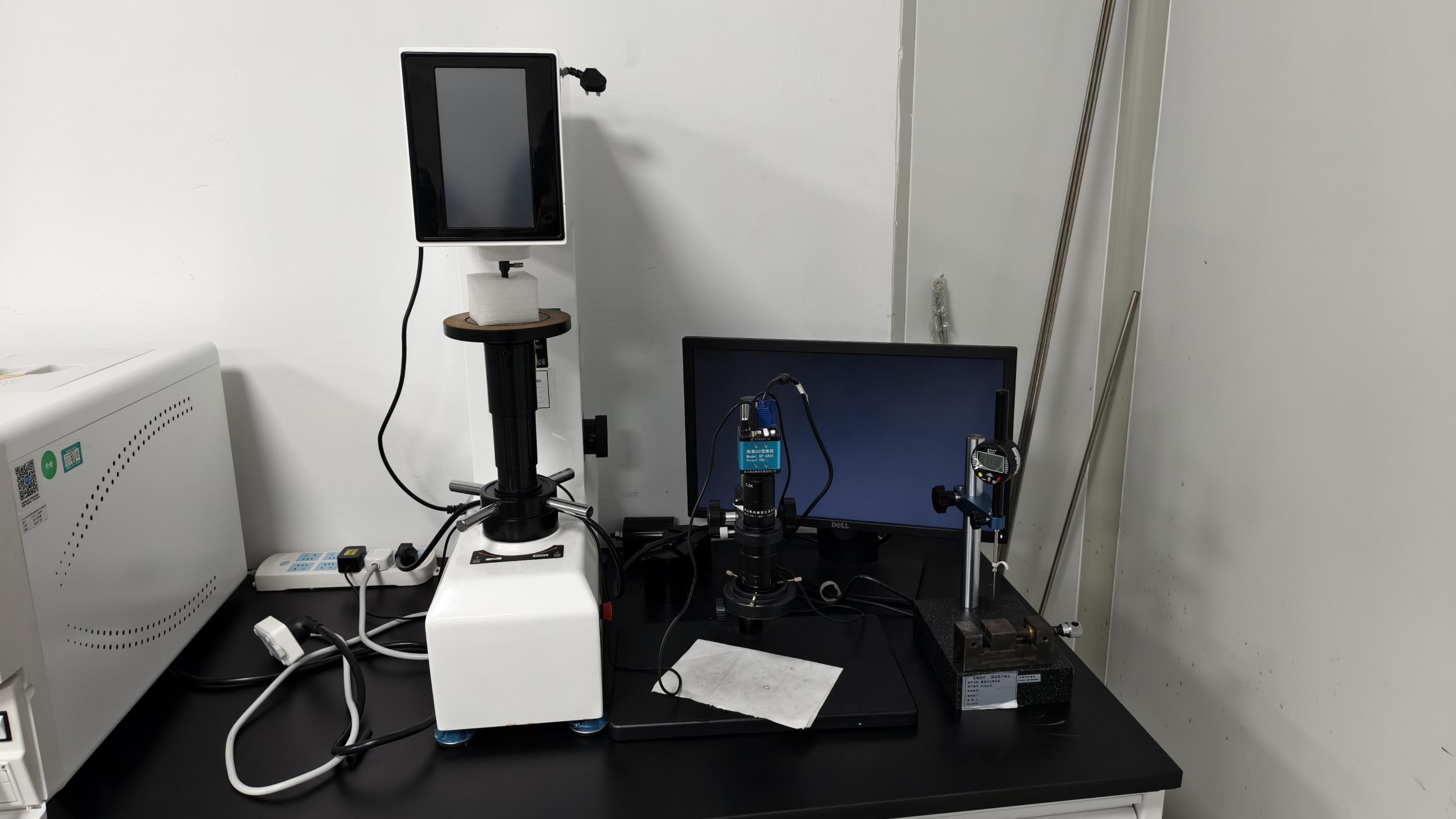
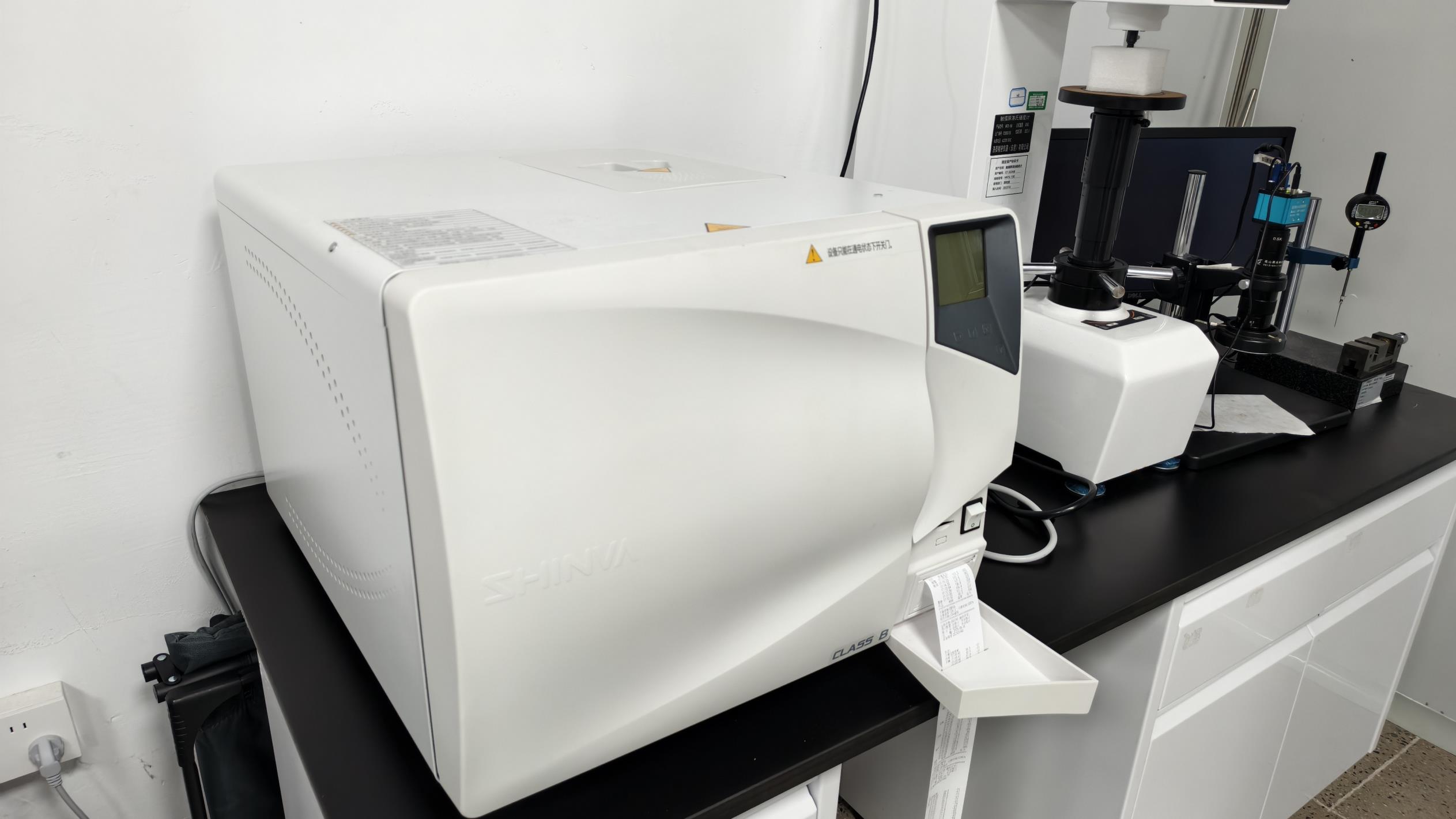
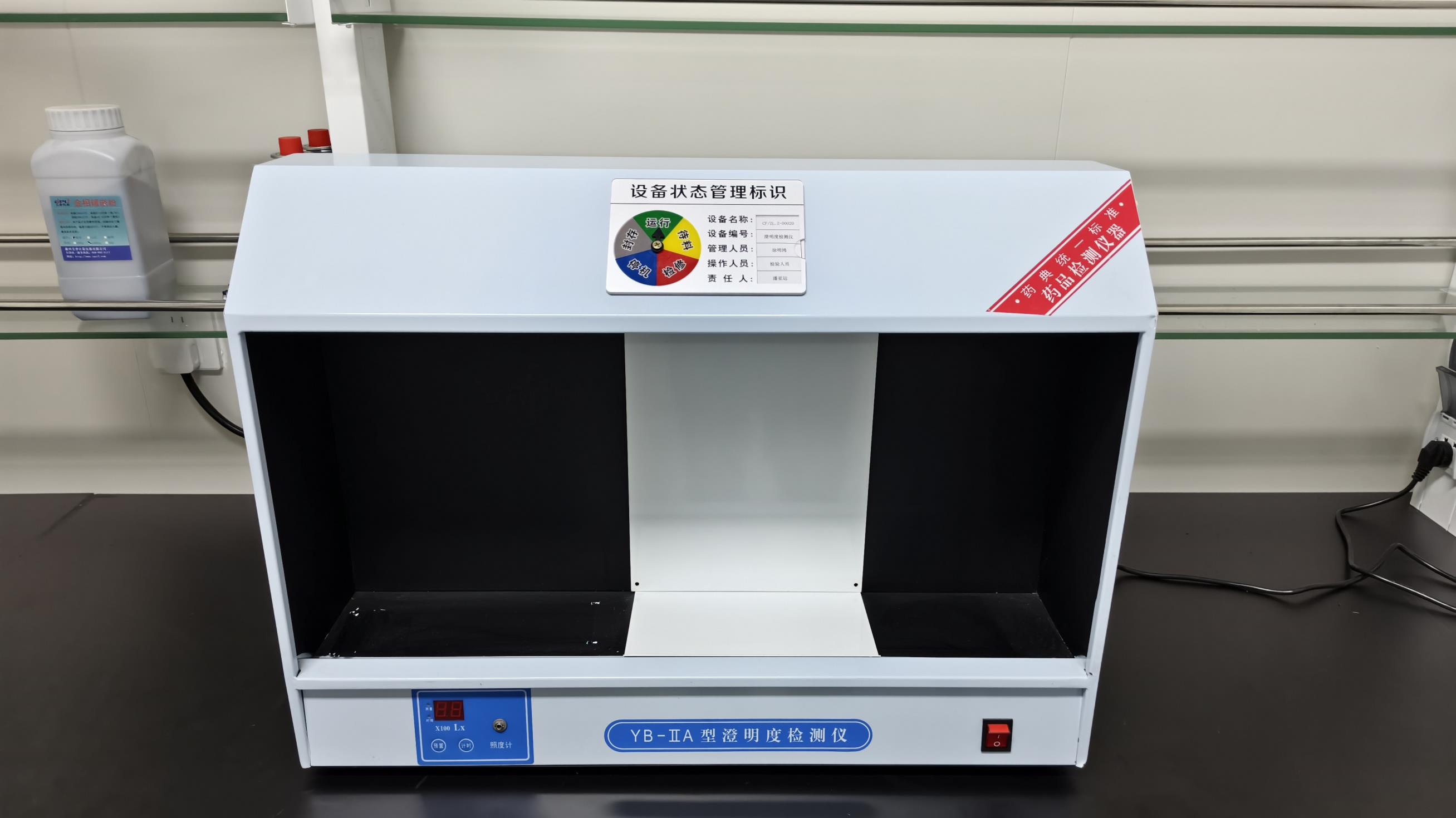
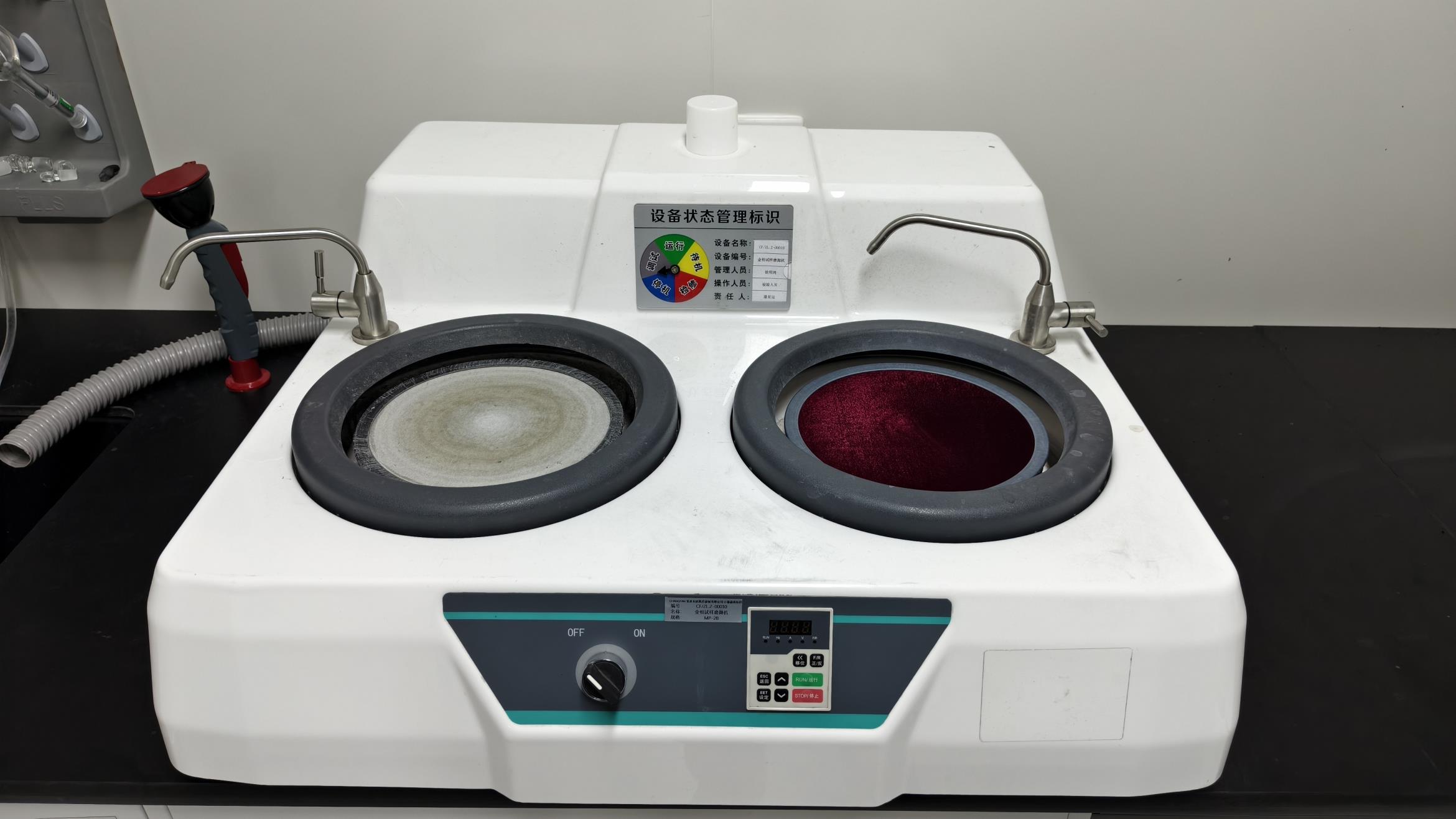
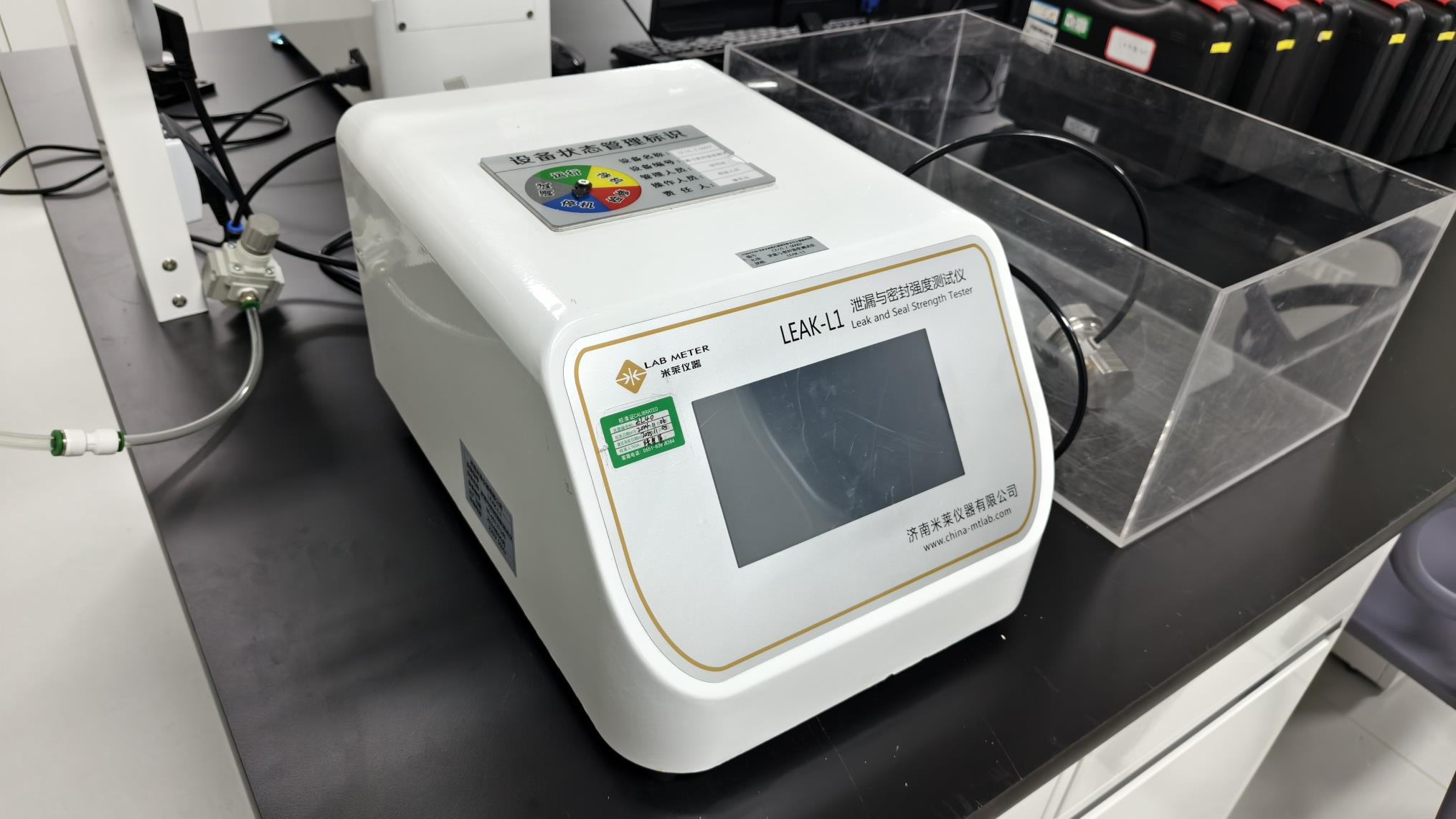
| Product Inspection Methods | CMM Measurement, Mechanical Testing, Surface Roughness Testing, Hardness Testing, Salt Spray Testing, Sterility Validation |
| Regulatory / QC Team | 48 Quality Control Professionals |
| Business Model | OEM/ODM Manufacturer & Exporter |
| Primary Export Regions | Europe, North America, South America, Middle East, Southeast Asia |
| Supply Chain Network | 1,120+ Verified Partners |
| Core Client Groups | Medical Device Brands, Importers, Distributors, Hospitals, Government Procurement Agencies |
| R&D Scope | Independent Design, Prototype Development, Clinical-Oriented Engineering, Custom OEM/ODM Kits |
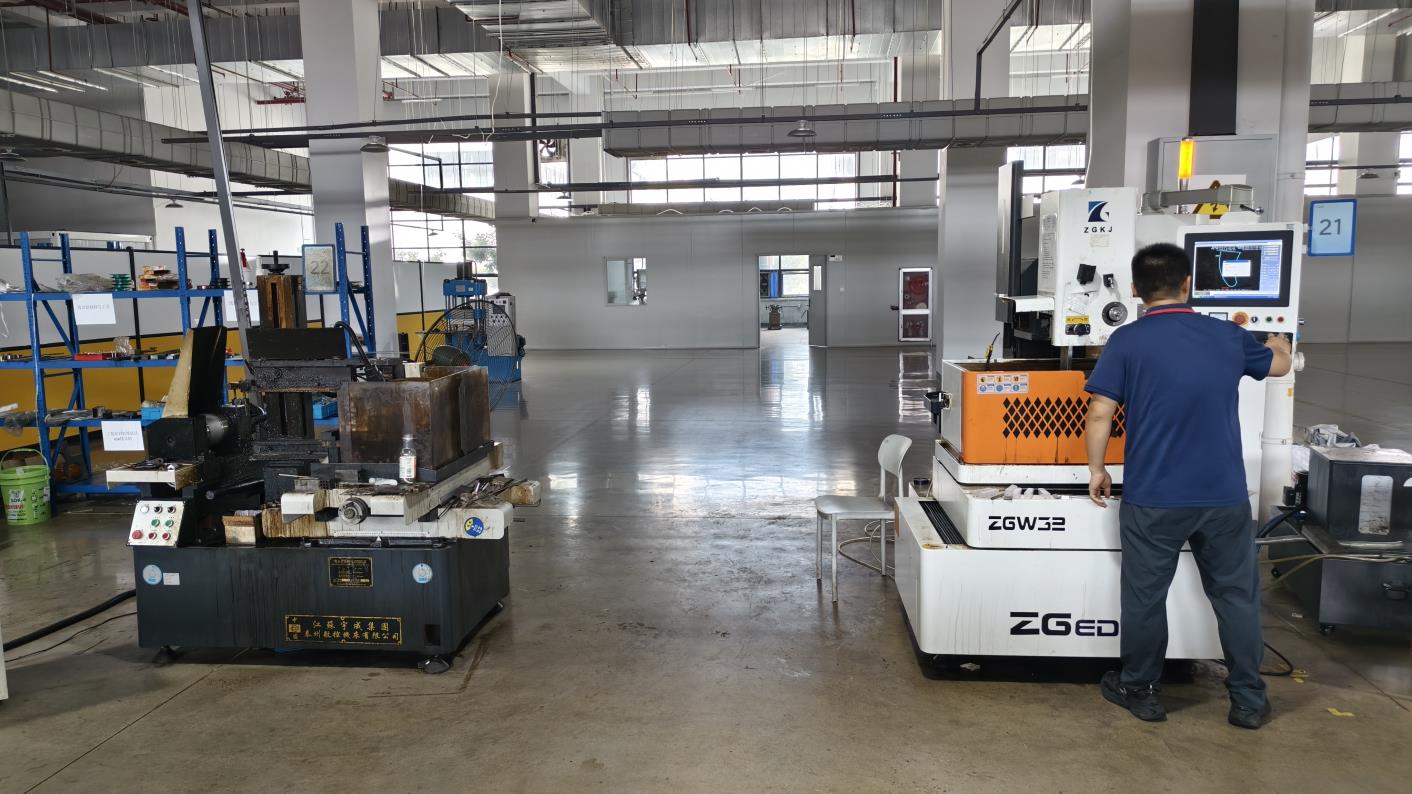
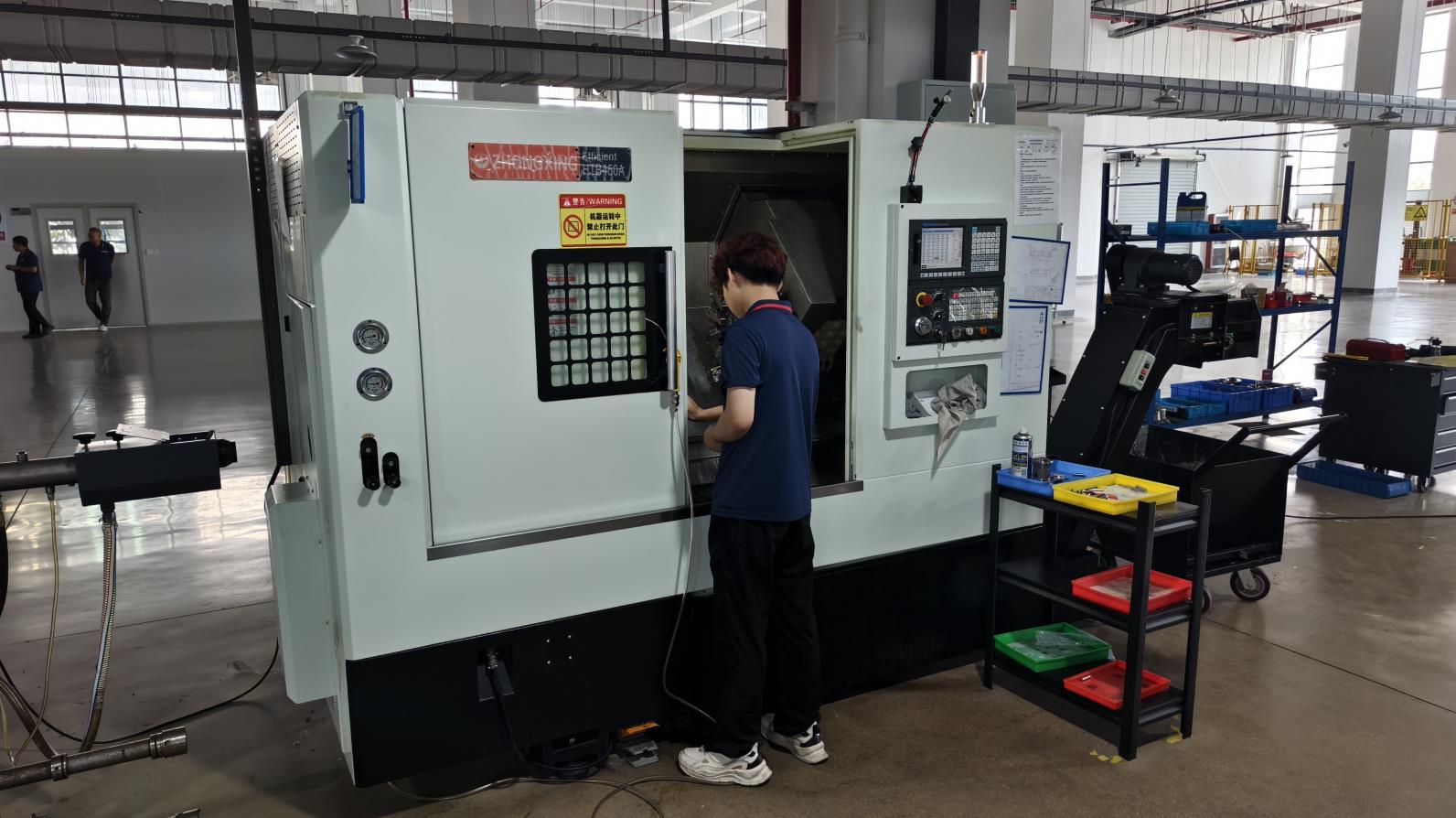
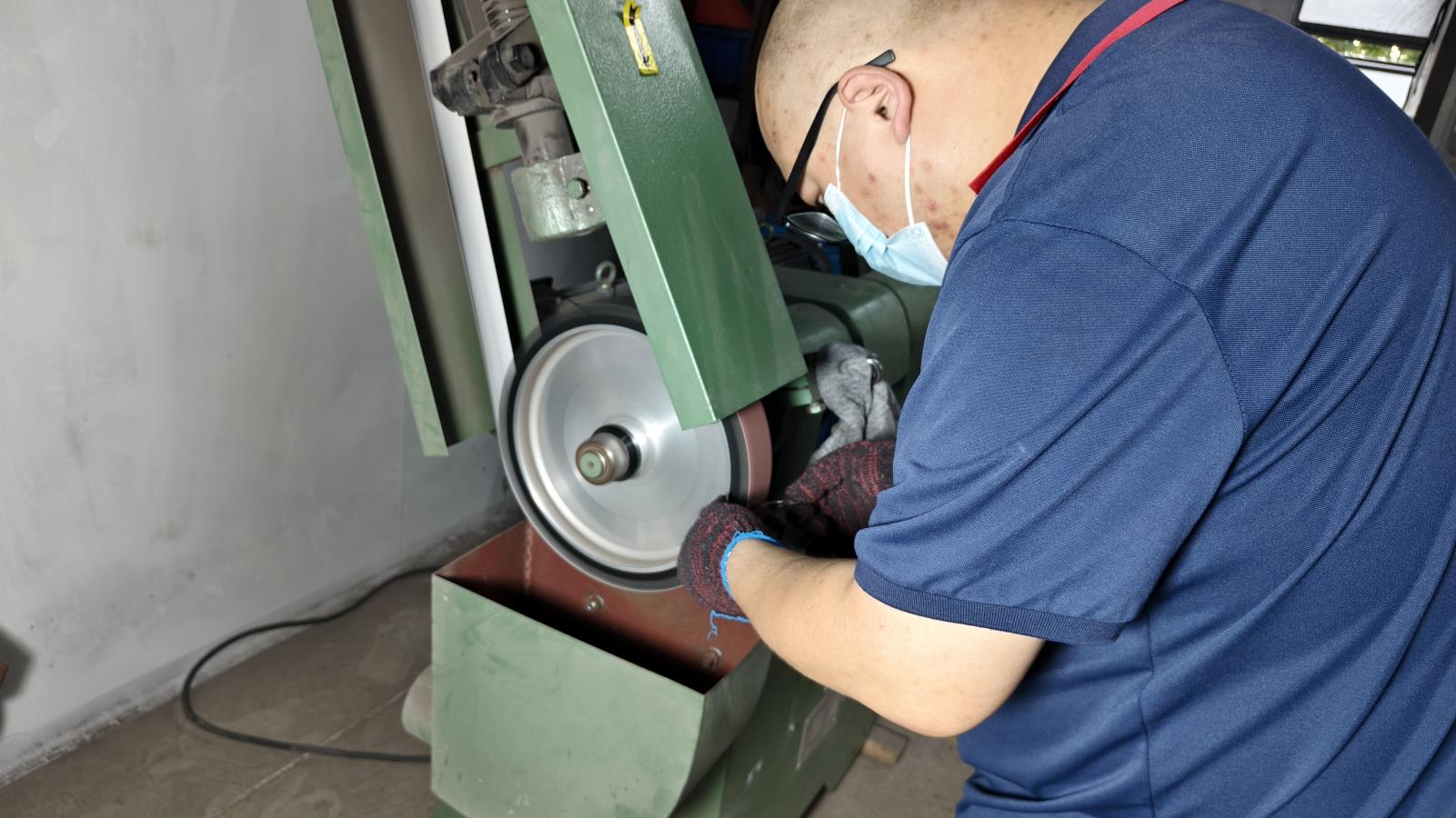
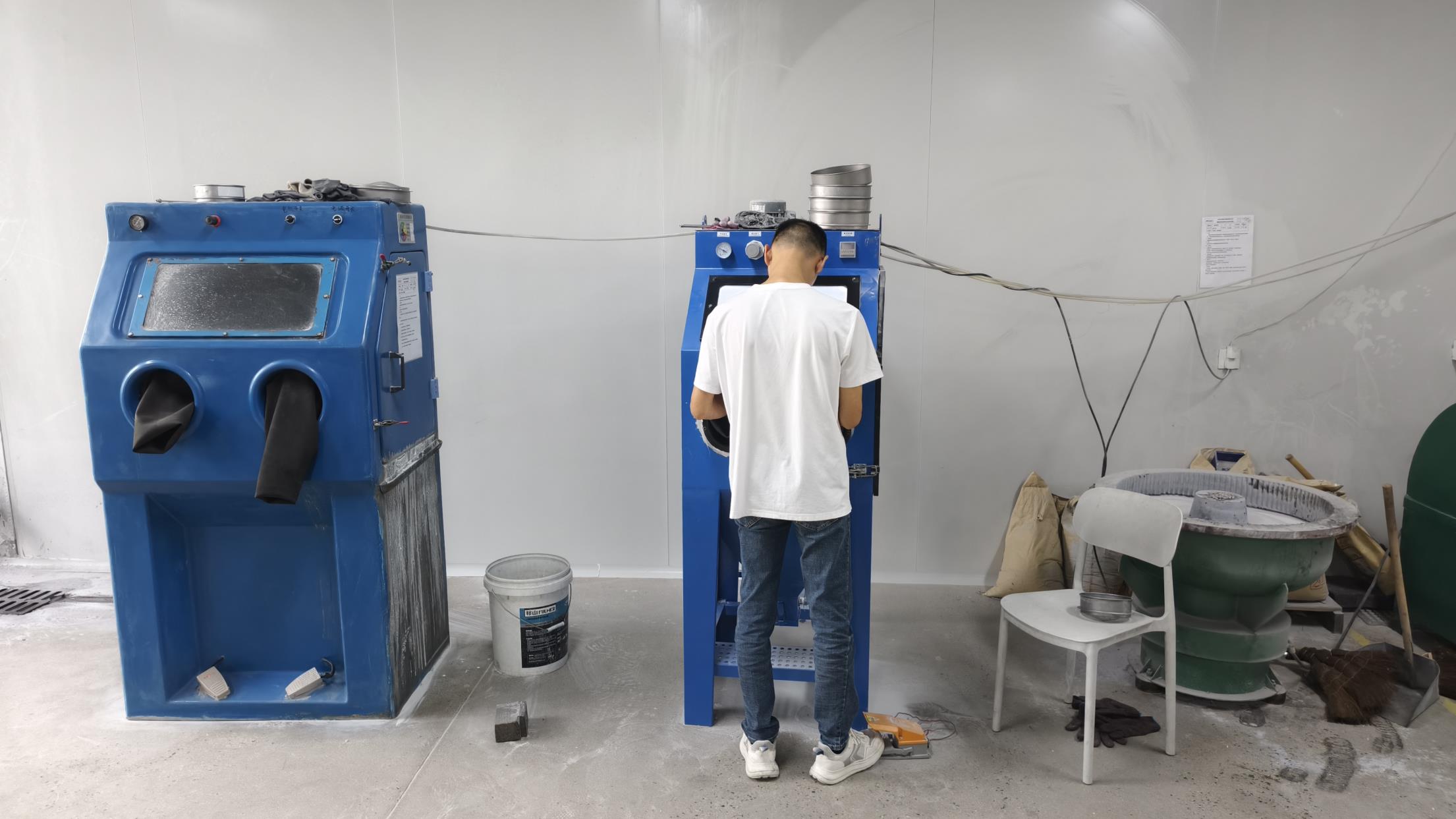
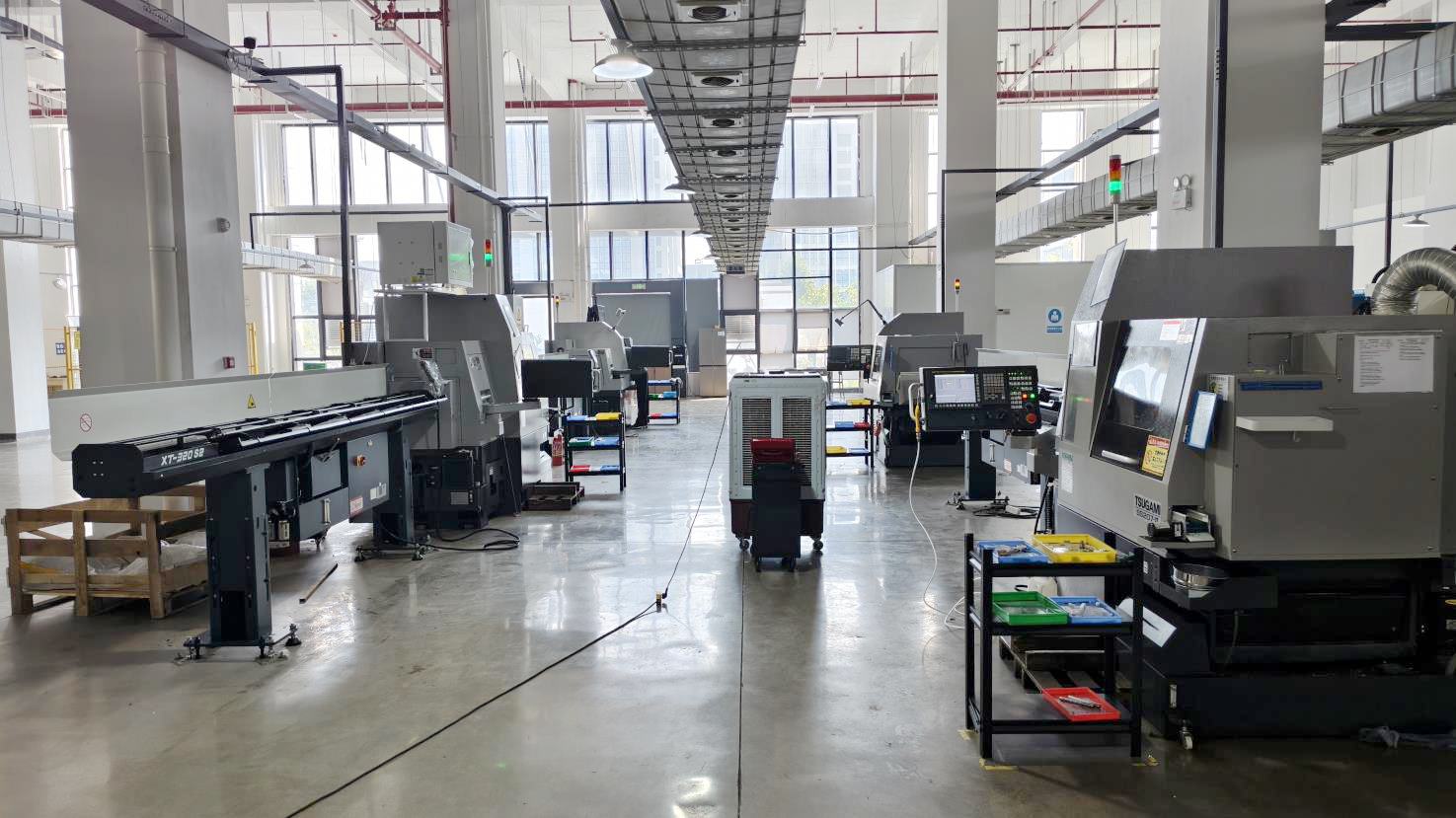
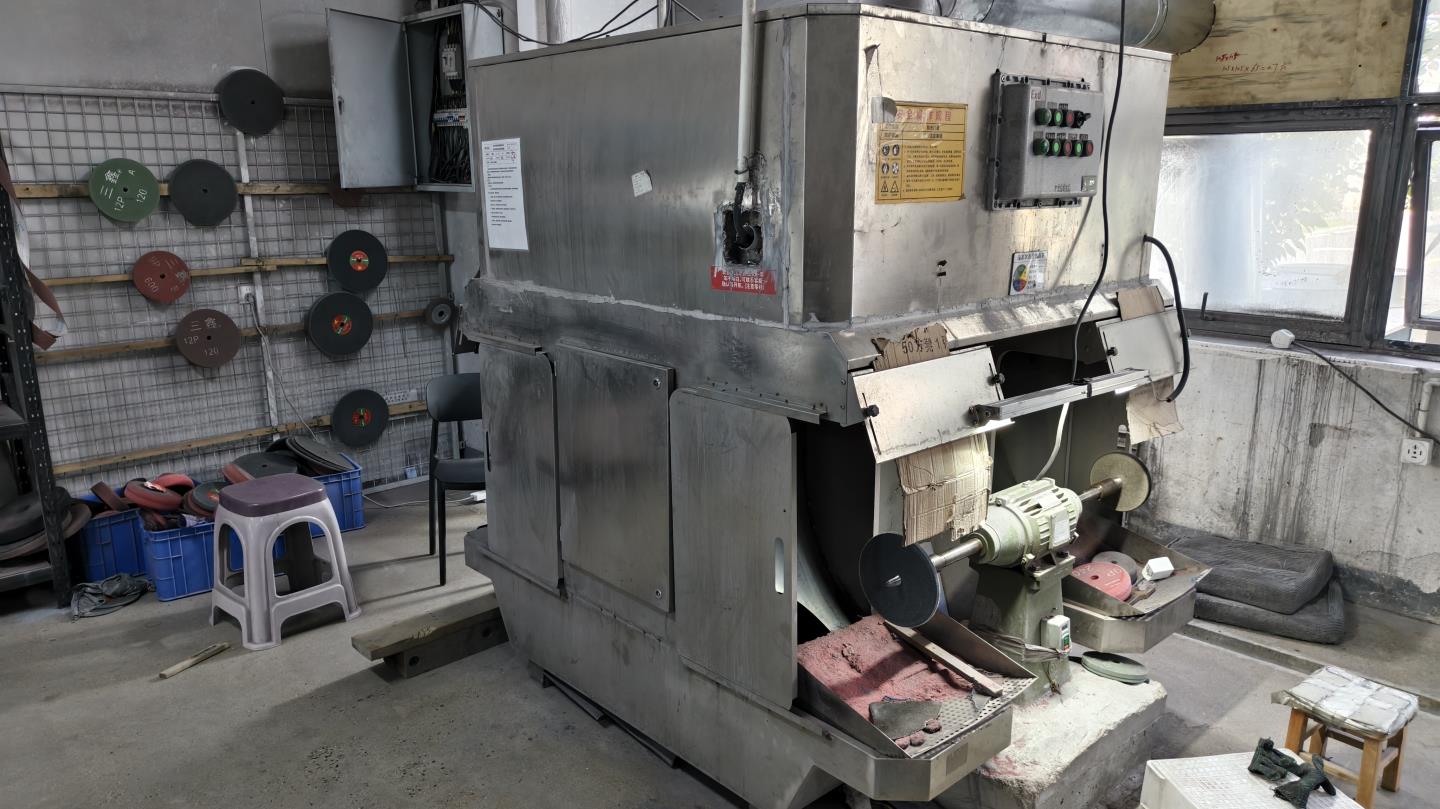
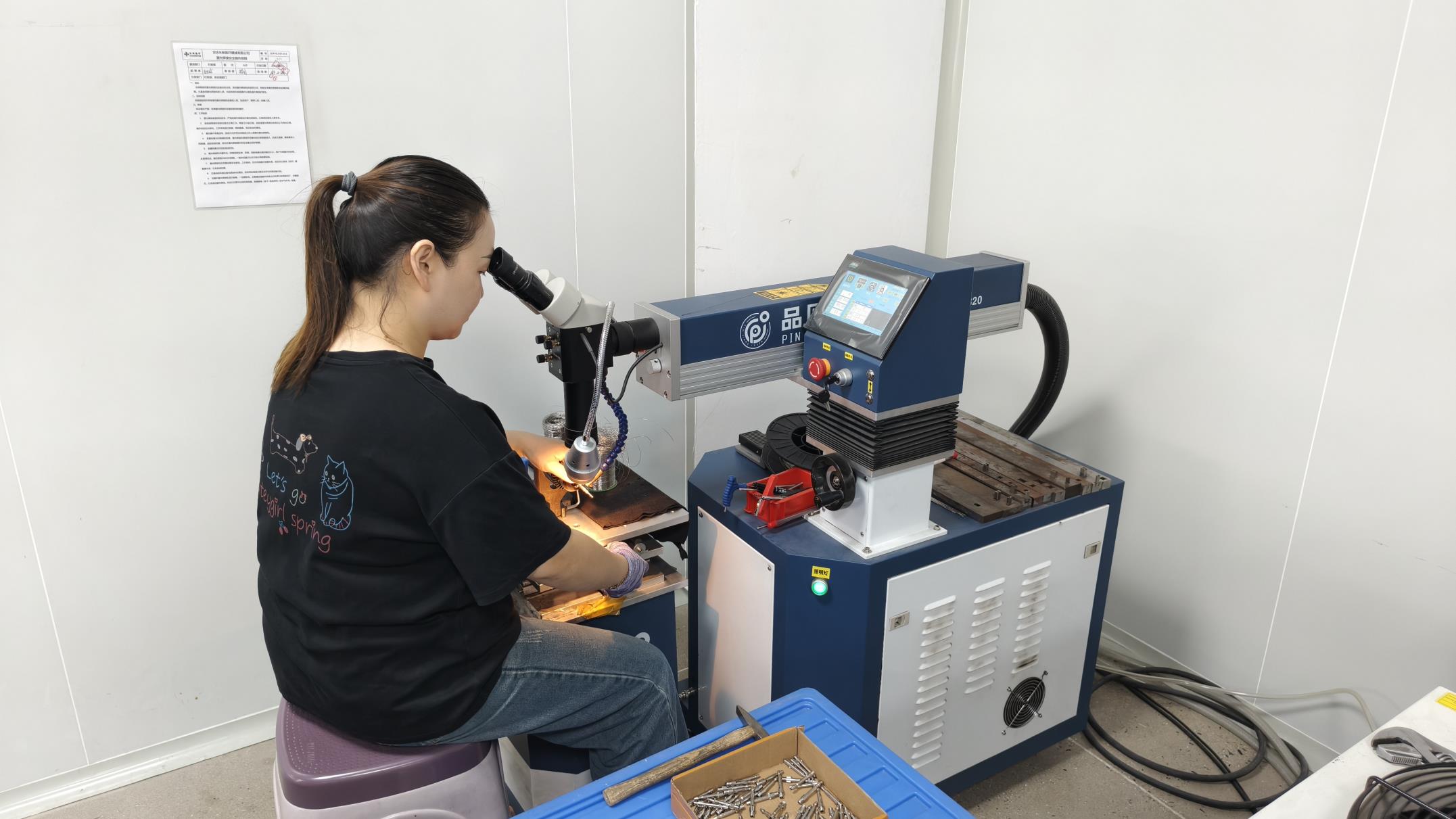
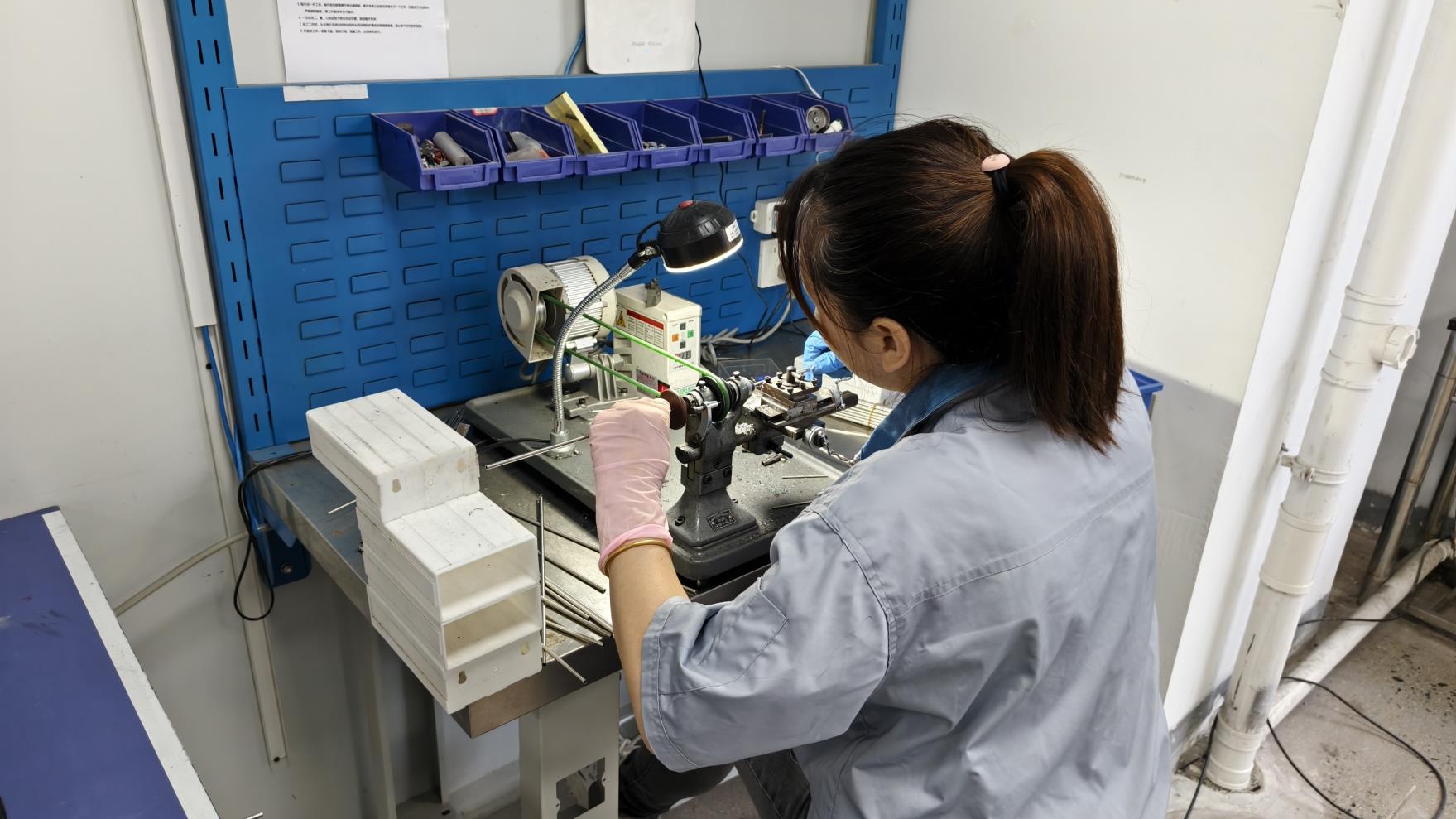
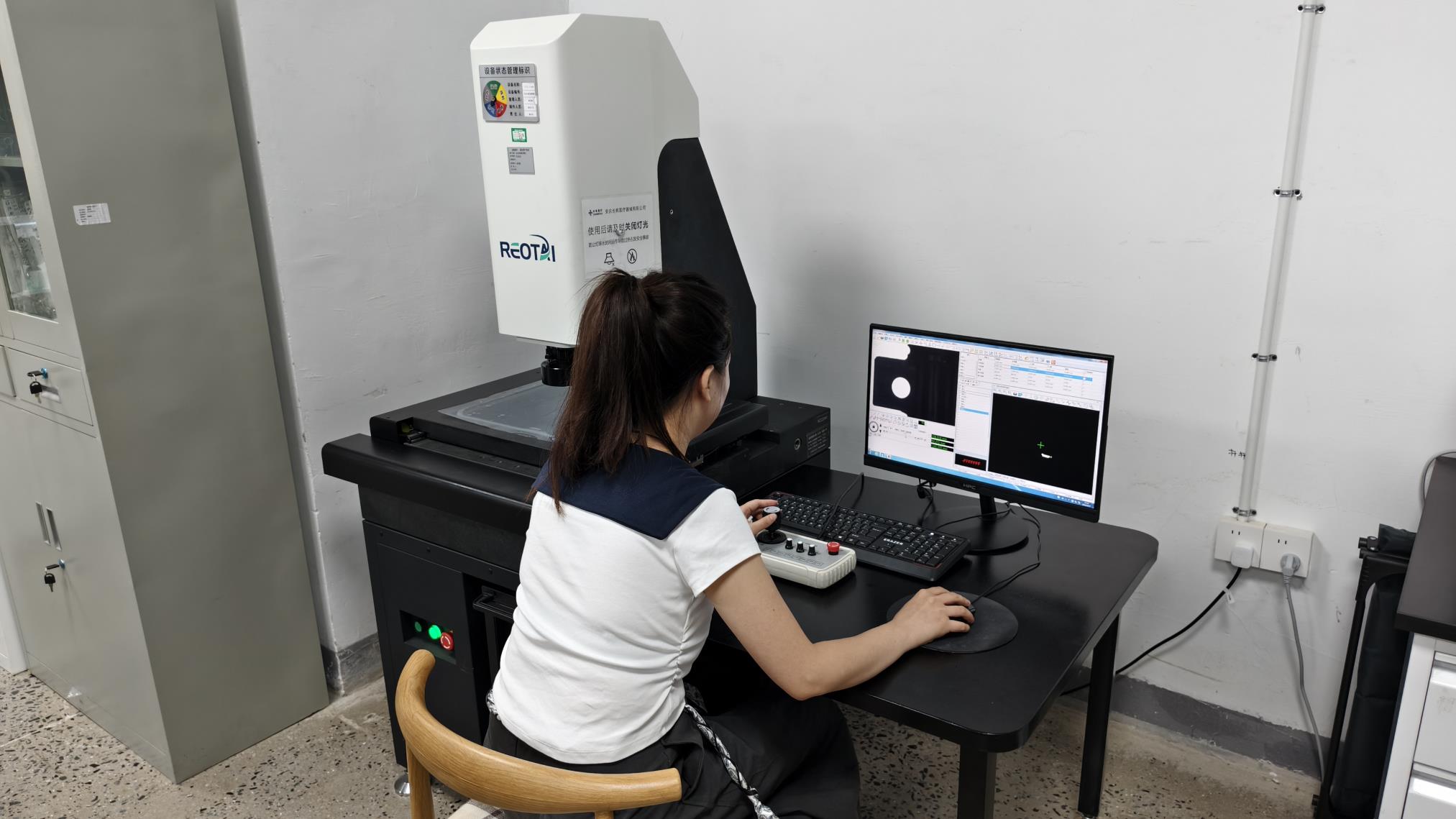
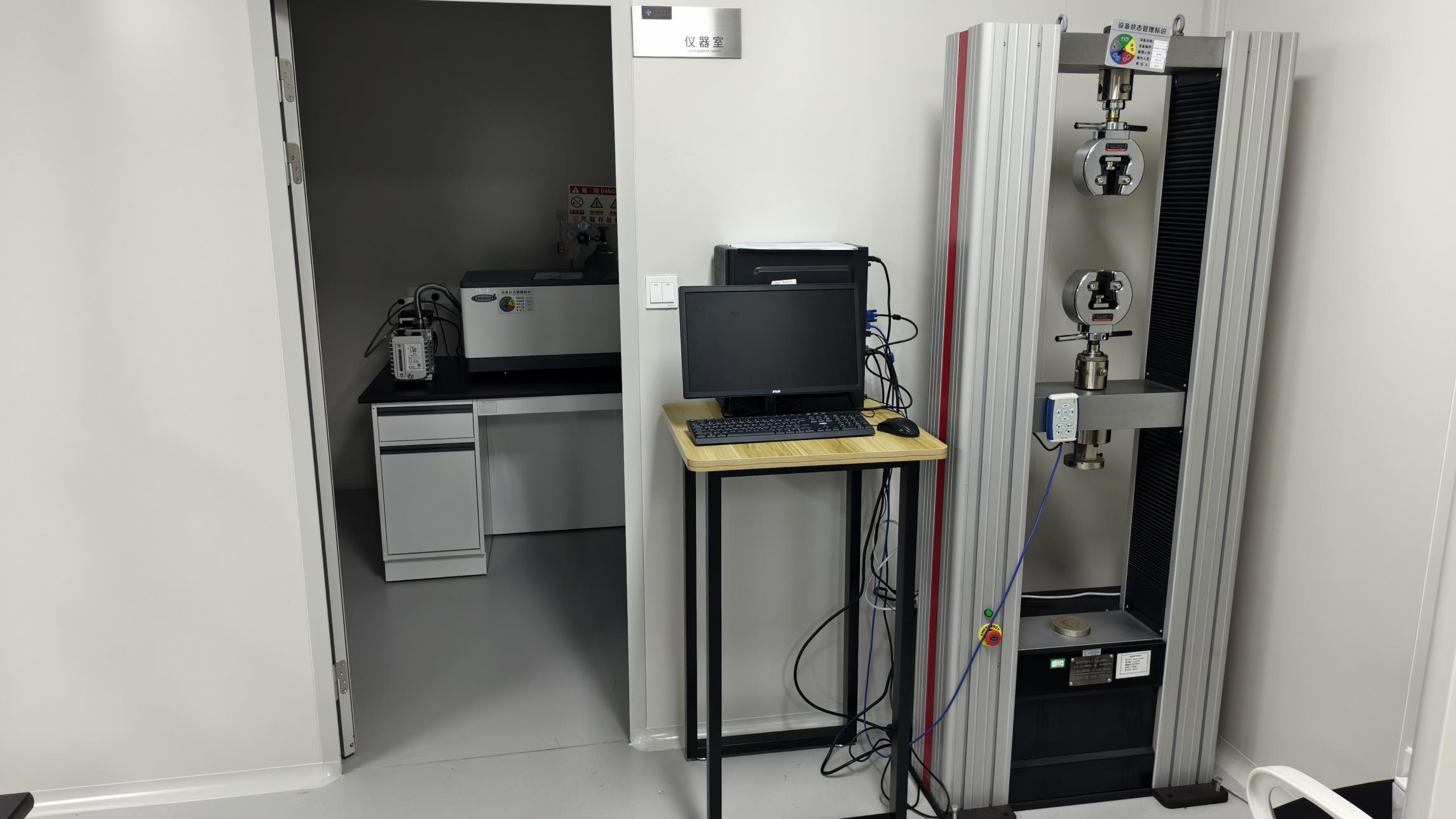
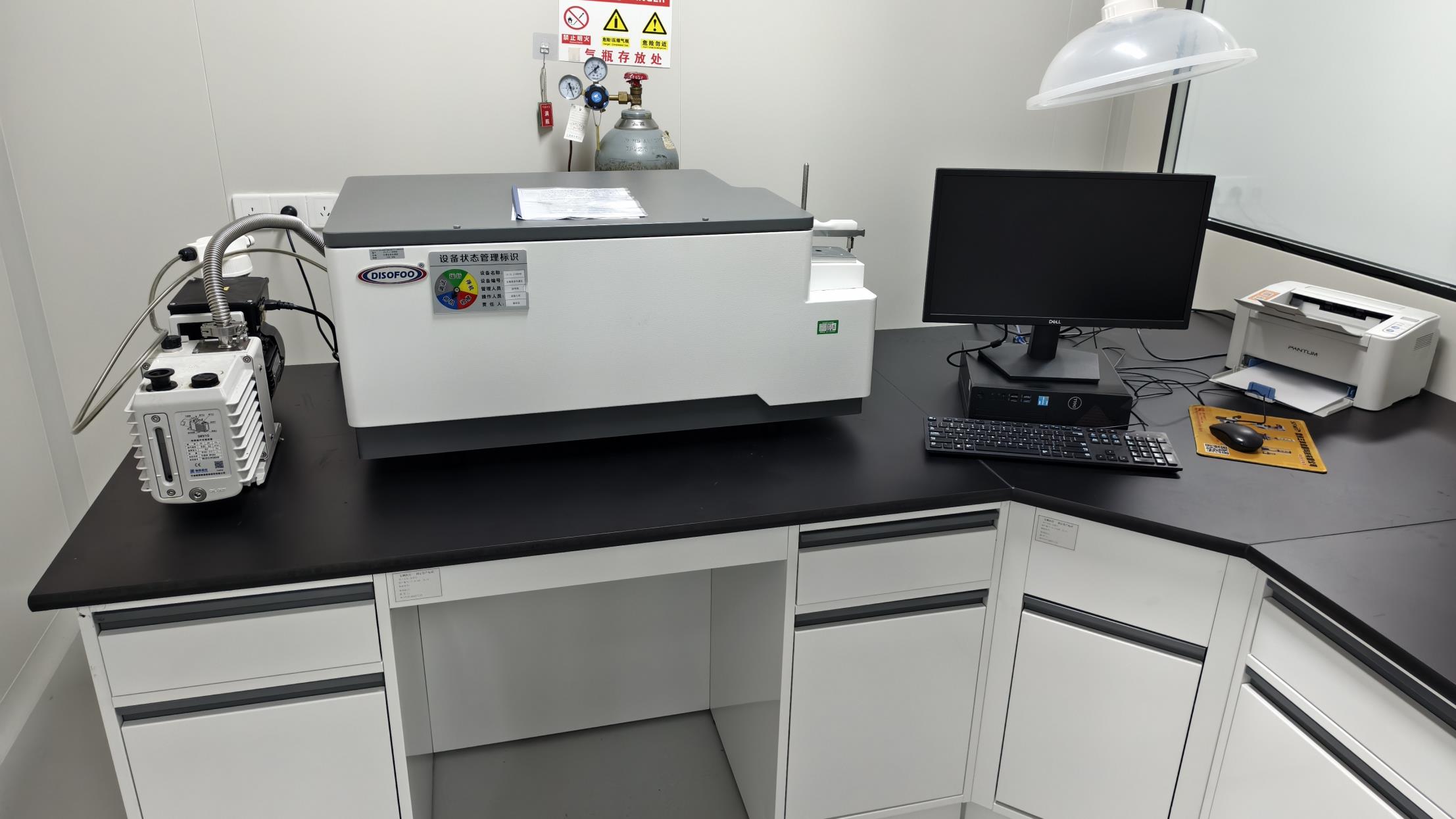
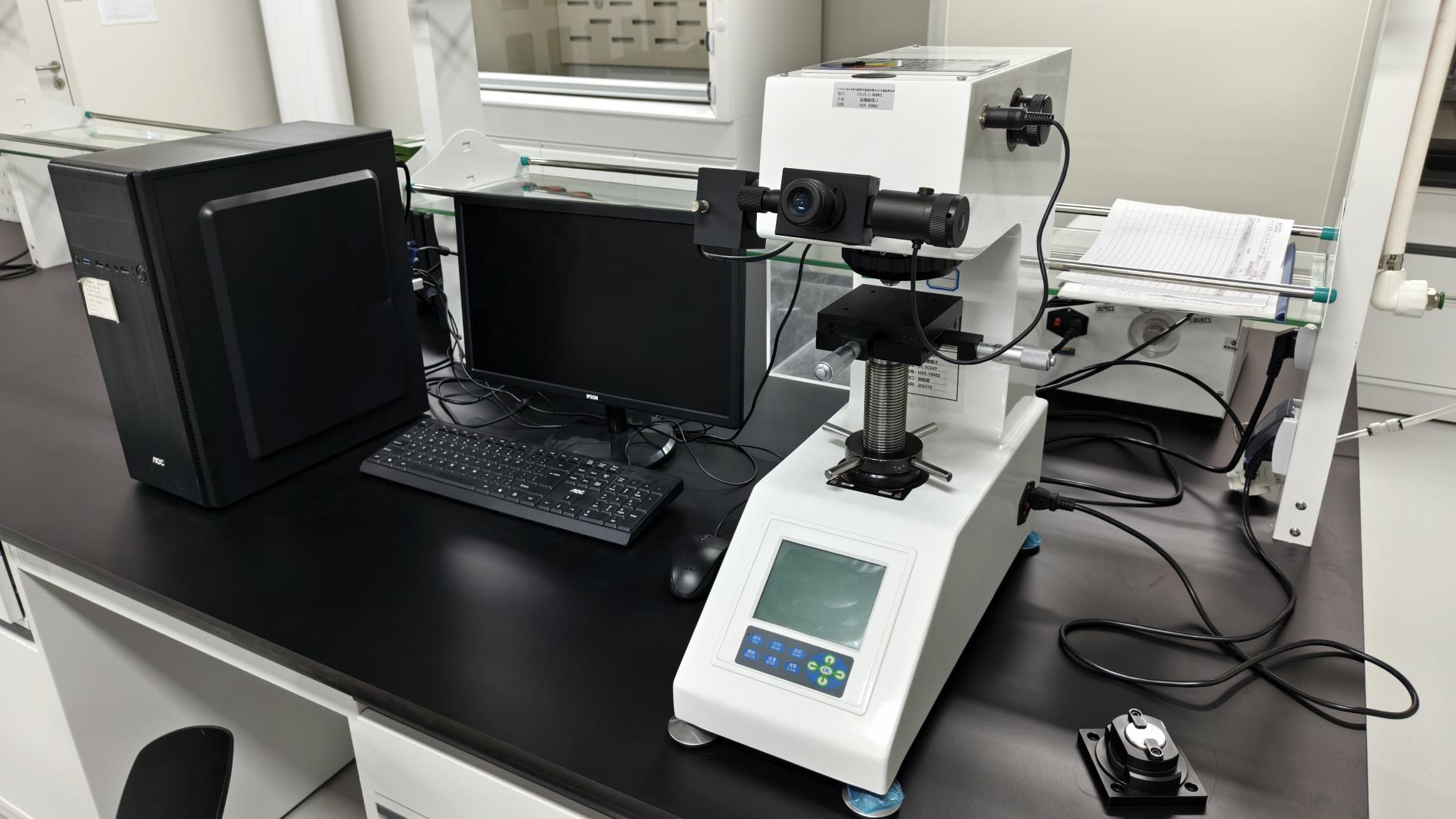
For global medical device brands, sourcing spinal hardware from China offers significant strategic advantages. Synoviq's operations utilize a fully integrated local supply chain. We source high-grade raw titanium alloys directly from certified domestic producers who meet strict ASTM F136 medical standard classifications. This local sourcing strategy minimizes shipping transit times, reduces raw material costs, and shields our clients from volatile global metal markets.
In addition to raw materials, China's industrial infrastructure offers access to specialized tooling, precision surface coatings (such as Type II anodization and HA coating), and localized sterile packaging partners. These resources are housed within close proximity, allowing us to maintain efficient production cycles and scale capacity quickly without sacrificing product quality.
Entering international orthopedic markets requires absolute adherence to regional regulatory frameworks. At Synoviq, our quality management system is fully certified to ISO 13485:2016. We support our OEM/ODM clients with complete Technical Files to facilitate regulatory approvals, including EU MDR (2017/745), US FDA 510(k), and regional registrations across Latin America and the Asia-Pacific.
Our quality department works with accredited third-party laboratories to conduct biocompatibility studies (ISO 10993) and comprehensive mechanical tests (ASTM F1717 / ASTM F2193) for spinal construct assemblies. This verification data is crucial for regulatory applications, helping to streamline the approval process and speed up time-to-market for our partners.
North American MIS Focus: In North America, there is strong demand for low-profile, sterile-packed reduction pedicle screws compatible with minimally invasive surgery (MIS) towers and robotic navigation systems. We customize screw heads to integrate with leading navigation driver geometries.
European MDR Requirements: European markets require detailed post-market clinical follow-up (PMCF) and clear raw material traceability. Synoviq provides full documentation showing raw titanium heat-number traceability for every batch of implants.
Emerging Markets (LATAM & APAC): These regions value high-performance, cost-effective instrumentation sets. We design reusable, multi-functional surgical instruments to complement our reduction pedicle screw lines, lowering the overall cost per case for hospitals.
The field of spinal fixation continues to evolve, driven by advancements in materials science and computer-assisted surgery. As a forward-looking OEM/ODM manufacturer, Synoviq tracks these trends to ensure our clients' product lines remain competitive in the global market.
One key trend is the integration of additive manufacturing (3D printing). By combining 3D-printed porous titanium surfaces with solid titanium screw cores, next-generation pedicle screws can support direct bone ingrowth (osseointegration) along the screw shaft, which can help improve long-term stability and reduce the risk of implant loosening.
 Synoviq Medical