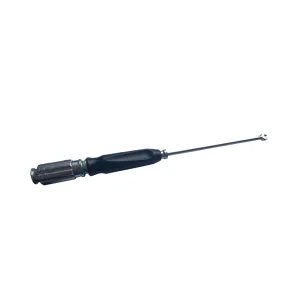
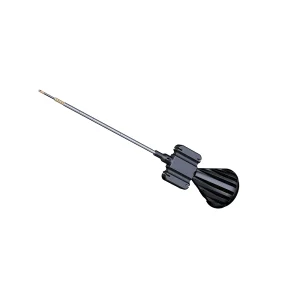
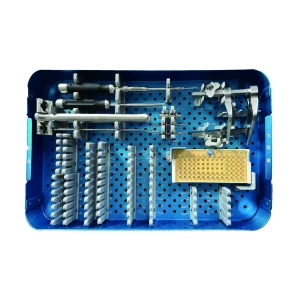
Explore our flagship spine surgical implants and instruments engineered to dynamic international standards.
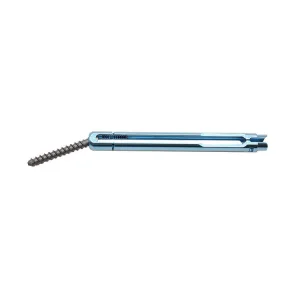
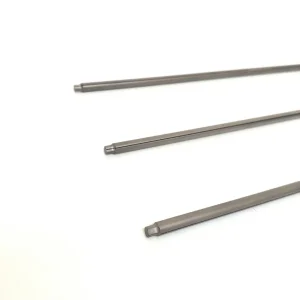
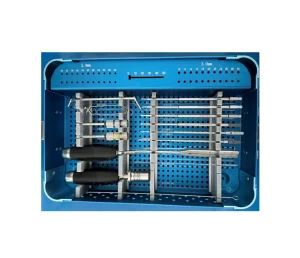
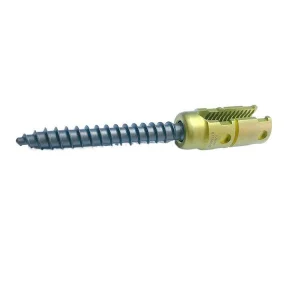
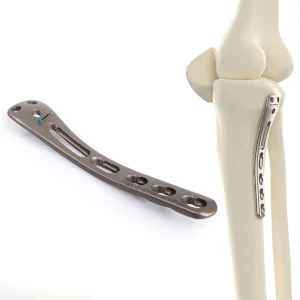
In modern spinal reconstruction, pedicle screws serve as the anchor point to provide rigid stabilization. The choice between Monoaxial Pedicle Screws and polyaxial alternatives represents a critical biomechanical decision. While polyaxial screws offer intraoperative alignment flexibility, monoaxial pedicle screws feature a solid, single-axis design where the screw shaft is rigidly fused to the head. This absolute rigidity ensures maximum pullout strength and unmatched control during complex corrective maneuvers, particularly in spinal deformity adjustments, traumatic reconstructions, and high-degree listhesis corrections.
For spinal surgeons, the lack of directional play in a monoaxial construct translates directly to powerful mechanical leverage. When correcting axial rotation in severe scoliosis or stabilizing burst fractures, the structural load must be directly transferred from the rod to the vertebral body without any energy dissipation. Synoviq’s advanced engineering optimizes the thread profile and head-to-shaft transition of our monoaxial pedicle screws, minimizing stress concentrations and maximizing fatigue resistance under heavy physiological loads.
The single-unit design eliminates pivoting or head movement, allowing direct corrective force vectors to be applied to the vertebral bodies during deformity correction procedures.
Engineered dual-lead or cancellous/cortical transition threads ensure rapid insertion and superior purchase in both high-density cortical bone and osteoporotic cancellous bone.
Manufactured using medical-grade Titanium Alloy (Ti-6Al-4V ELI) complying with ASTM F136 standards to guarantee excellent biocompatibility and long-term mechanical reliability.
Synoviq Medical Technology (China) Co., Ltd. is a professional manufacturer of orthopedic implants and surgical instruments, dedicated to delivering innovative, reliable, and high-quality medical solutions for healthcare professionals worldwide. Since its establishment, Synoviq has focused on research, development, precision manufacturing, and international quality standards, providing comprehensive OEM and ODM services for global medical device brands, distributors, and hospitals.
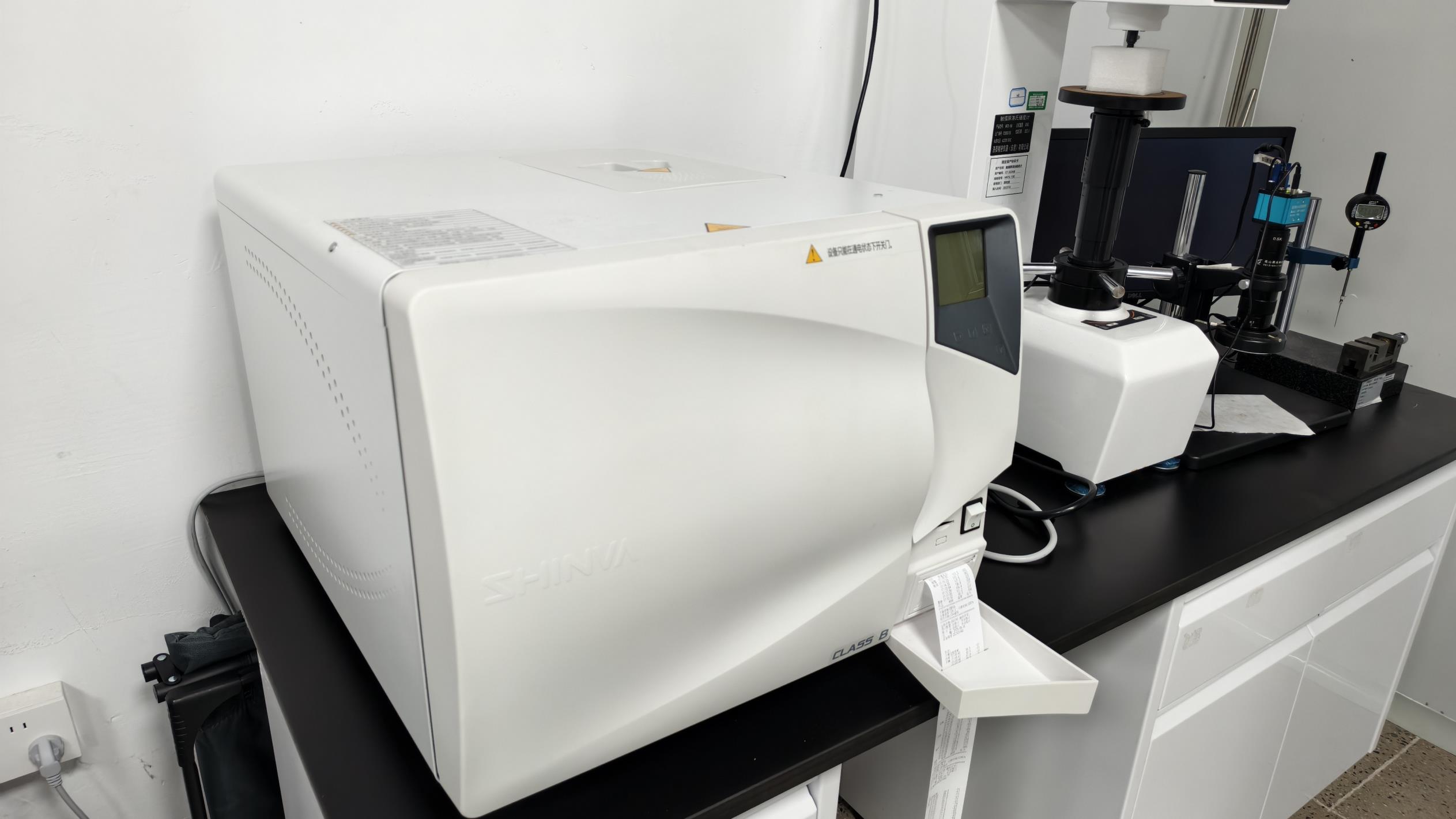
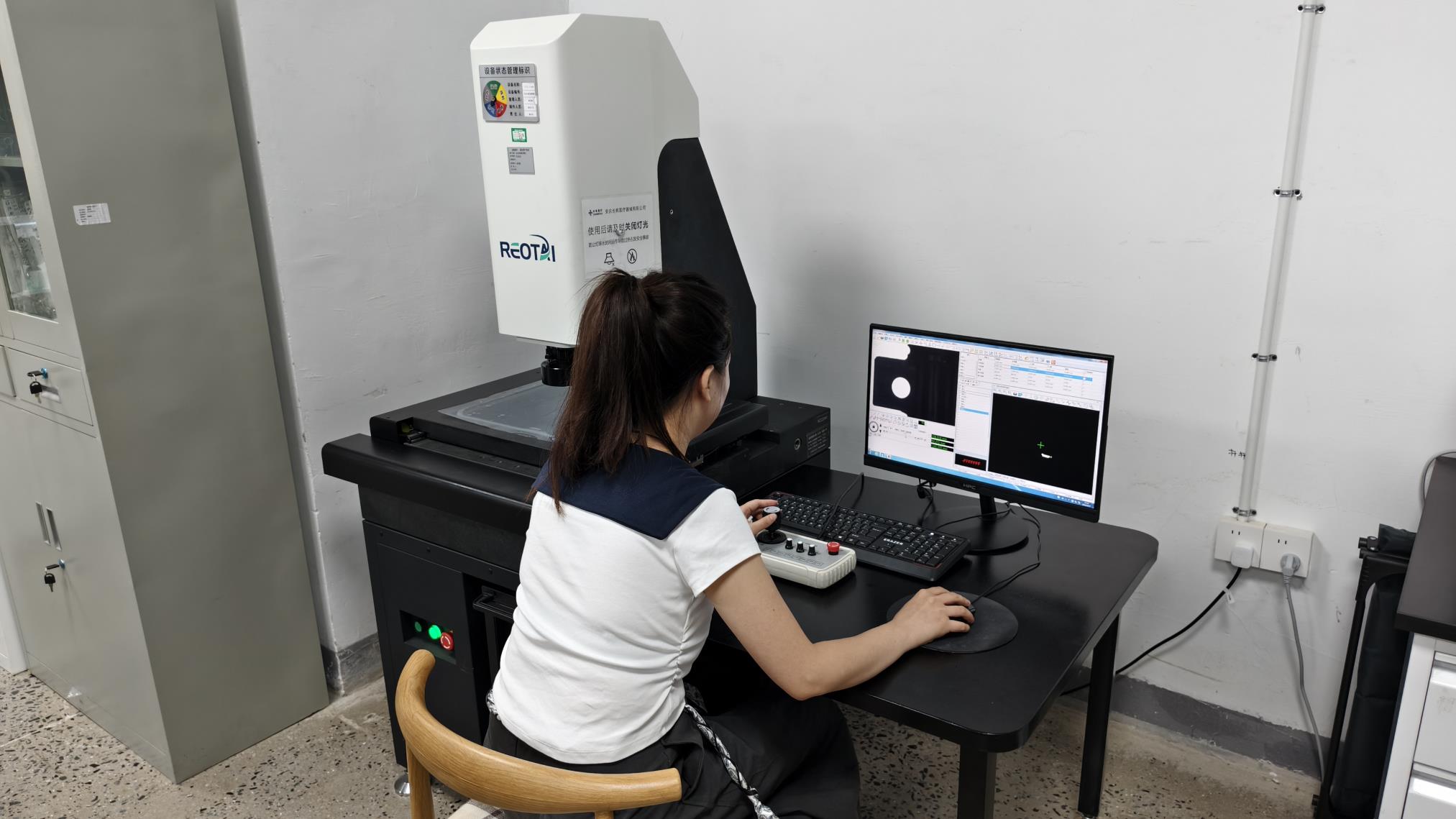
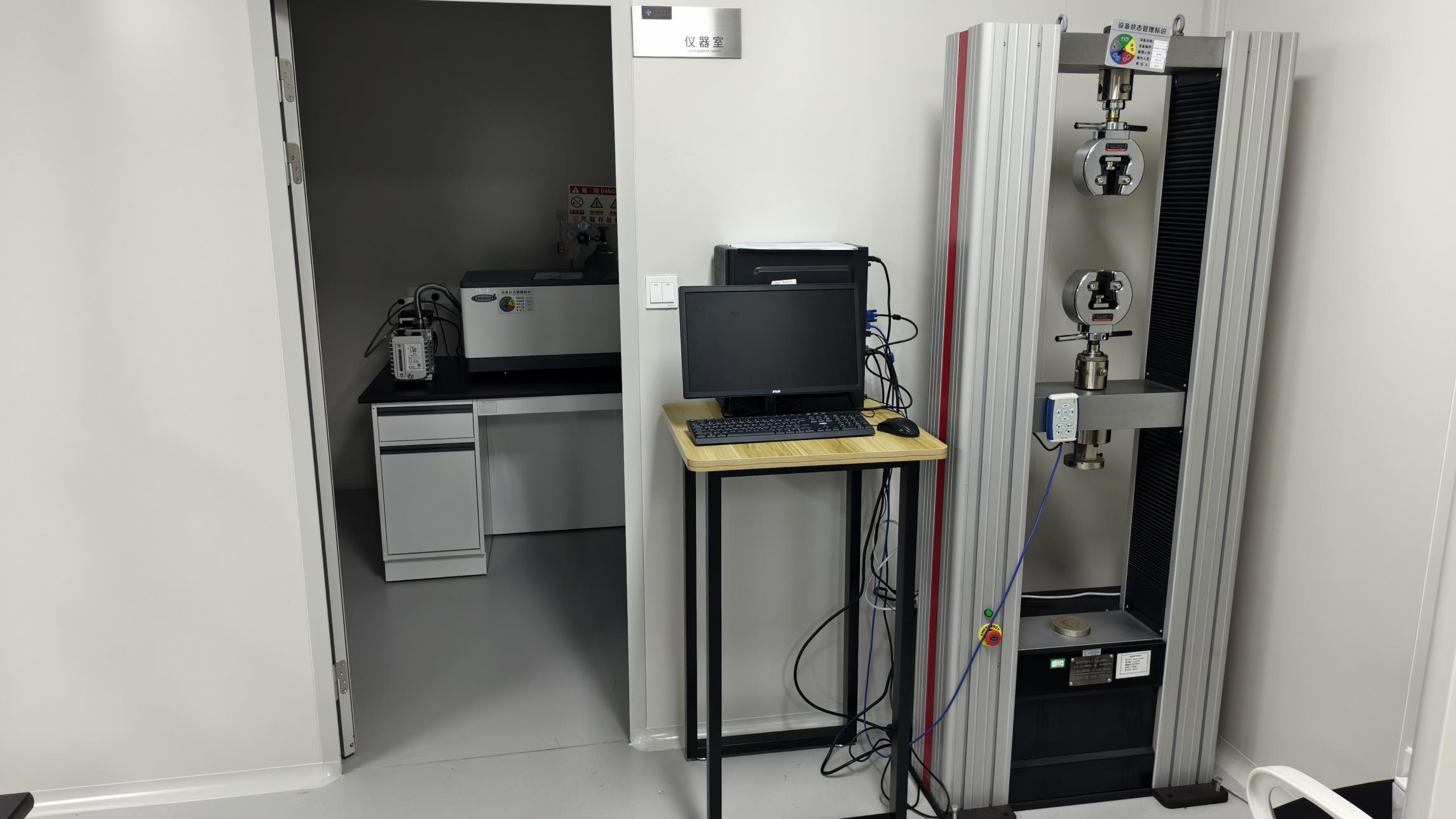
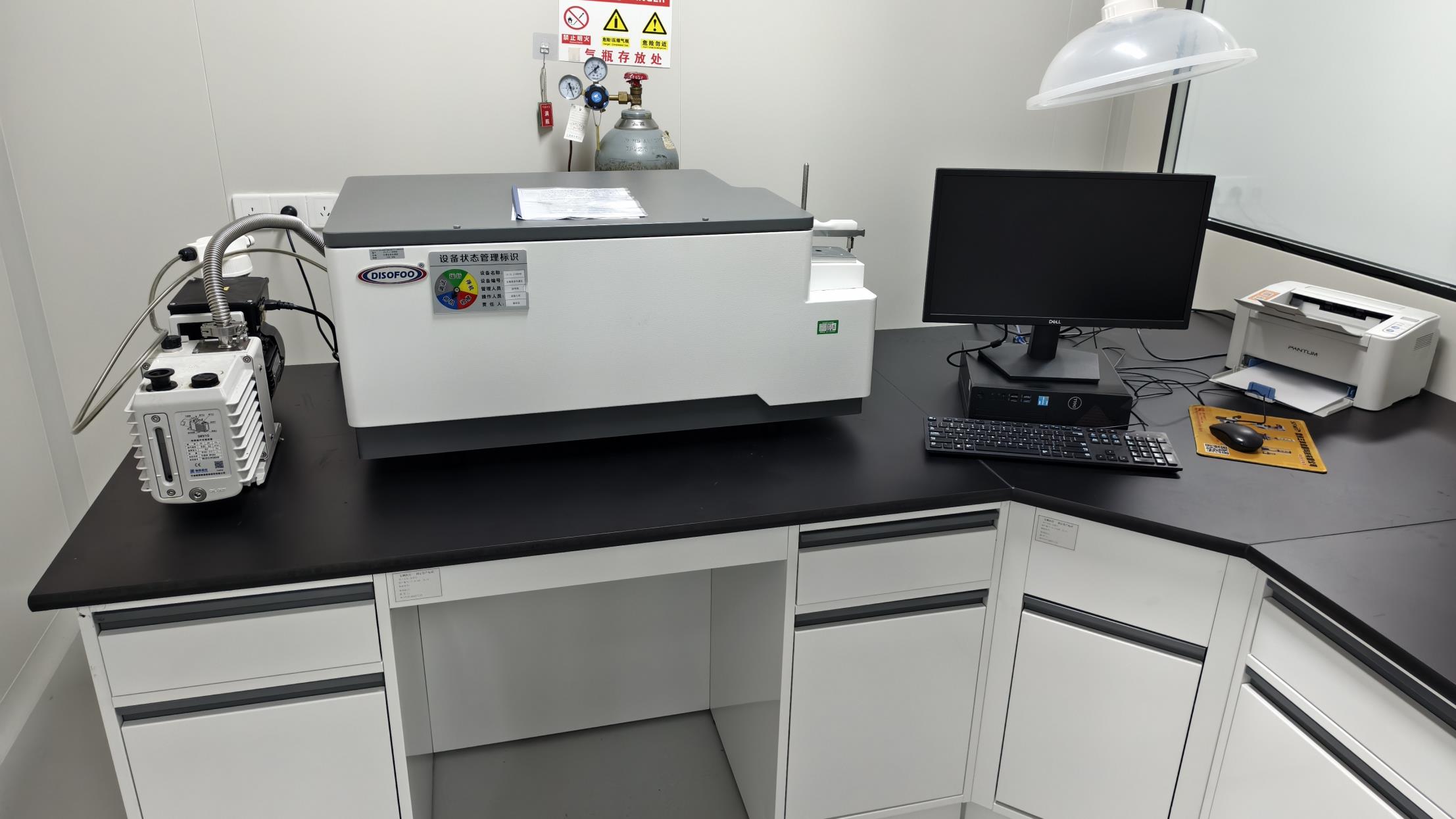
Our comprehensive product portfolio features trauma fixation systems, spinal implants, locking plates, intramedullary nails, external fixation systems, orthopedic screws, surgical instruments, and customized orthopedic solutions. Equipped with advanced CNC machining centers, precision inspection equipment, and modern clean production facilities, we ensure every product meets strict international quality requirements.
Driven by continuous innovation, Synoviq invests heavily in R&D and intelligent manufacturing to enhance product performance, surgical efficiency, and patient outcomes. Our experienced engineering team works closely with customers to develop customized products tailored to different clinical applications and market demands.
| Item / Specification | Details & Capabilities |
|---|---|
| Company Name | Synoviq Medical Technology (China) Co., Ltd. |
| Brand & Est. Date | Synoviq | March 18, 2016 |
| Manufacturing Area & Clean Rooms | 18,600 m² state-of-the-art facility featuring ISO Class 7 cleanrooms |
| Annual Export Revenue | USD 21.8 Million with 8+ years of global exporting experience |
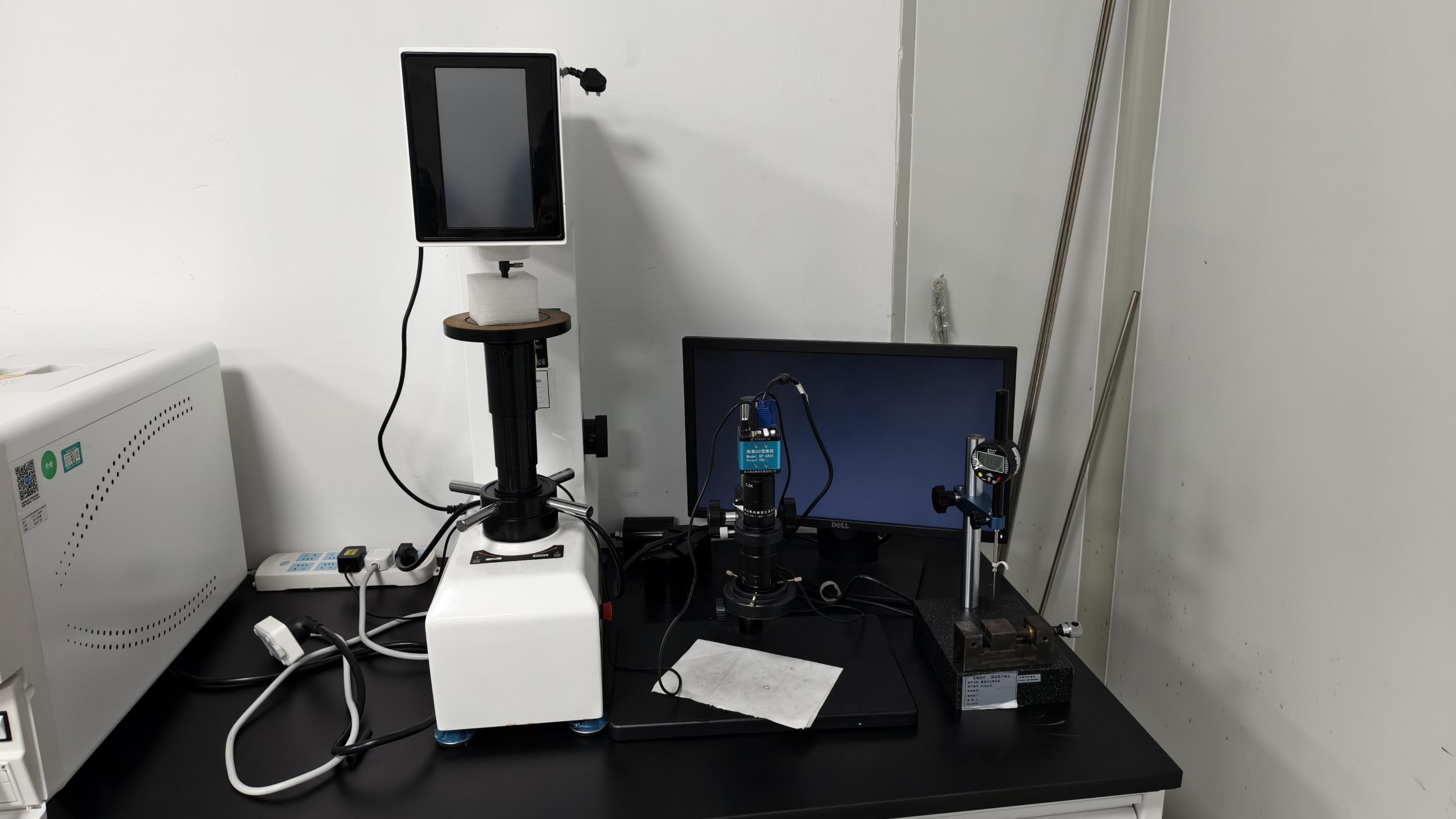
| Quality Inspection Protocols | 100% Final Inspection & Incoming Material Inspection (CMM, Mechanical Testing) |
| Customization Capabilities | Full OEM/ODM (Logo, packaging, dimension modifications, Surface anodizing, HA coating) |
| Design Team | 76 R&D Engineers with 186 new products released last year |
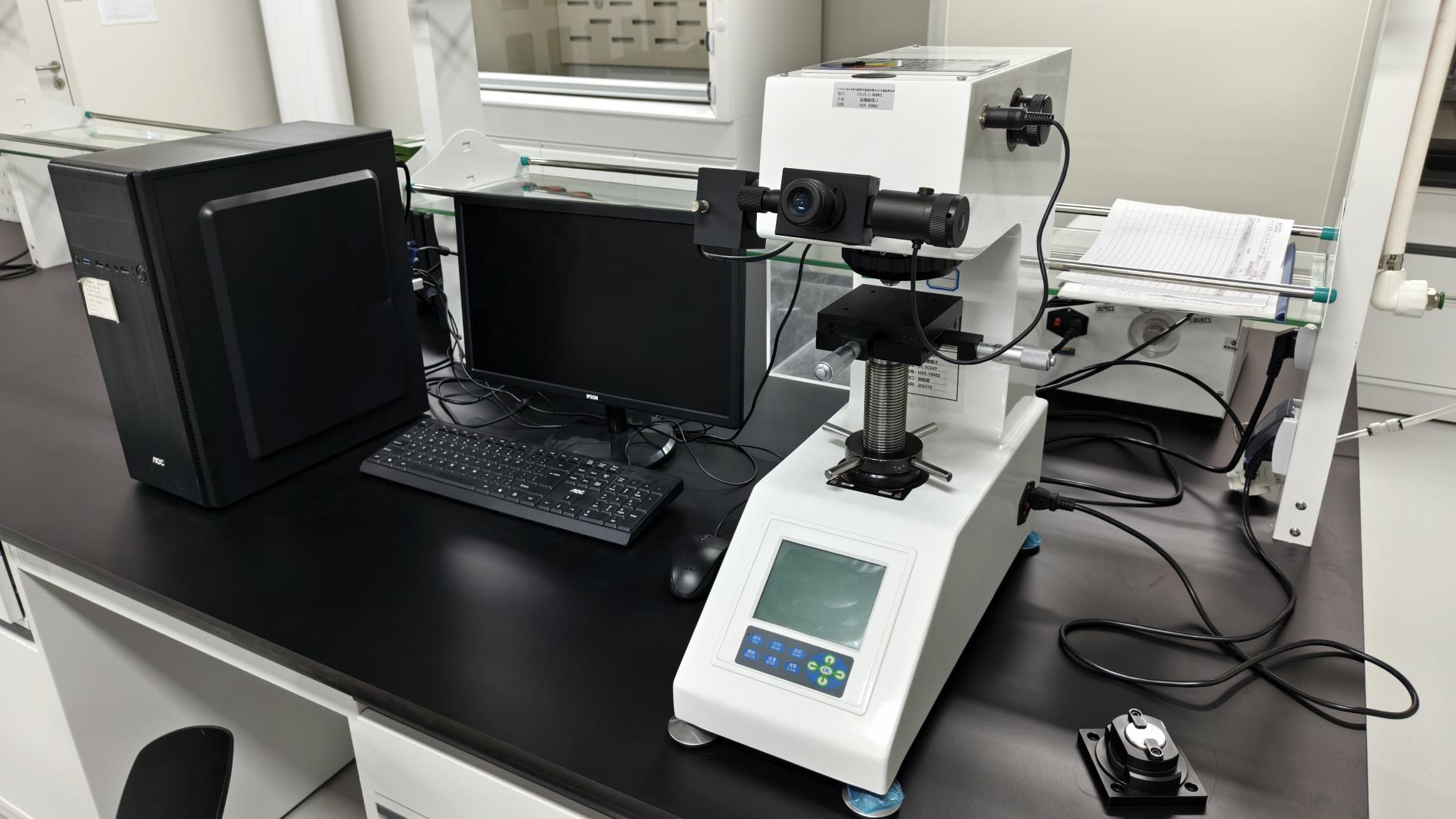
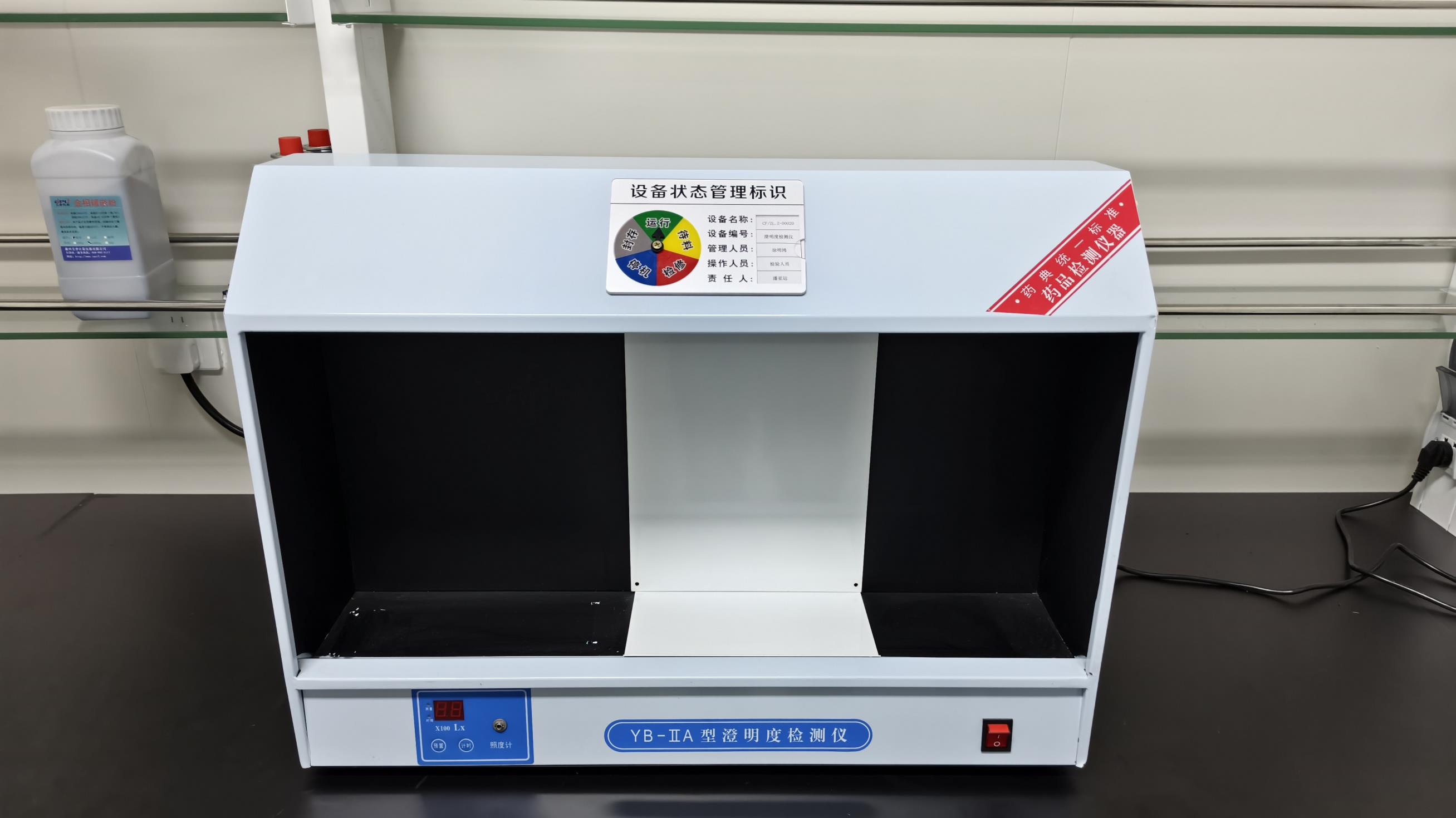
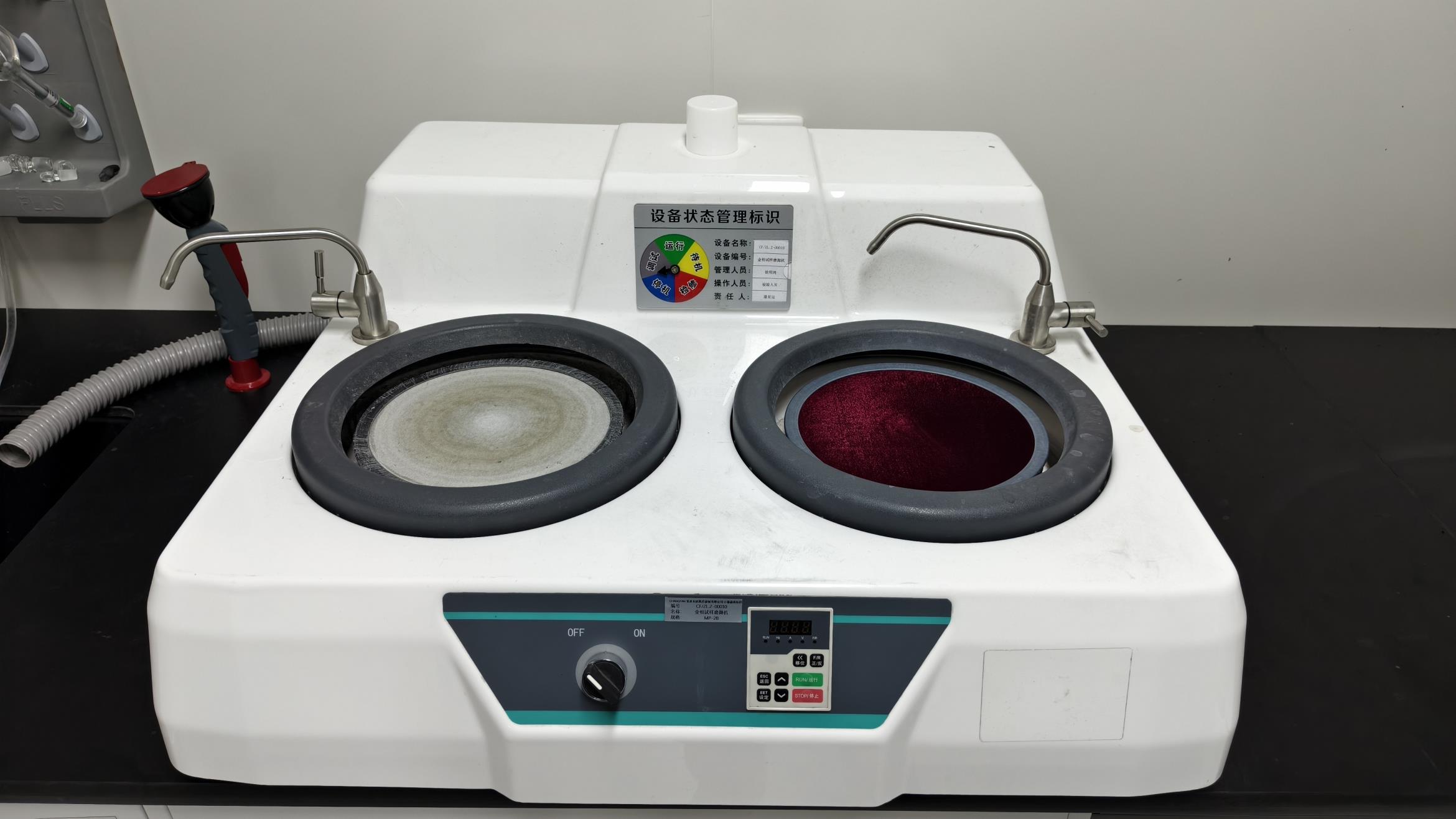
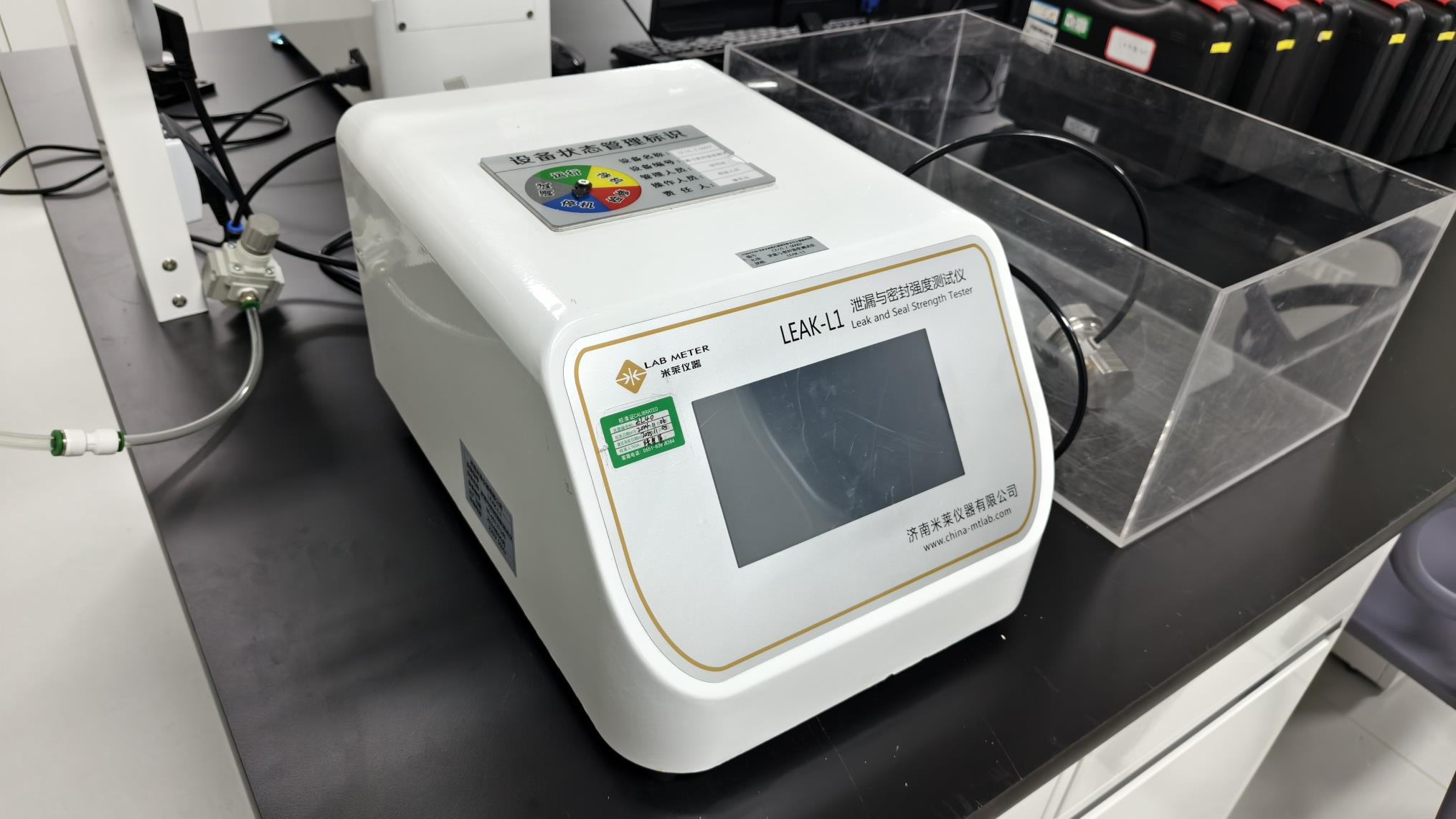
Take an inside look at our advanced manufacturing lines, where medical grade raw titanium is transformed into nanometer-precise clinical implants.
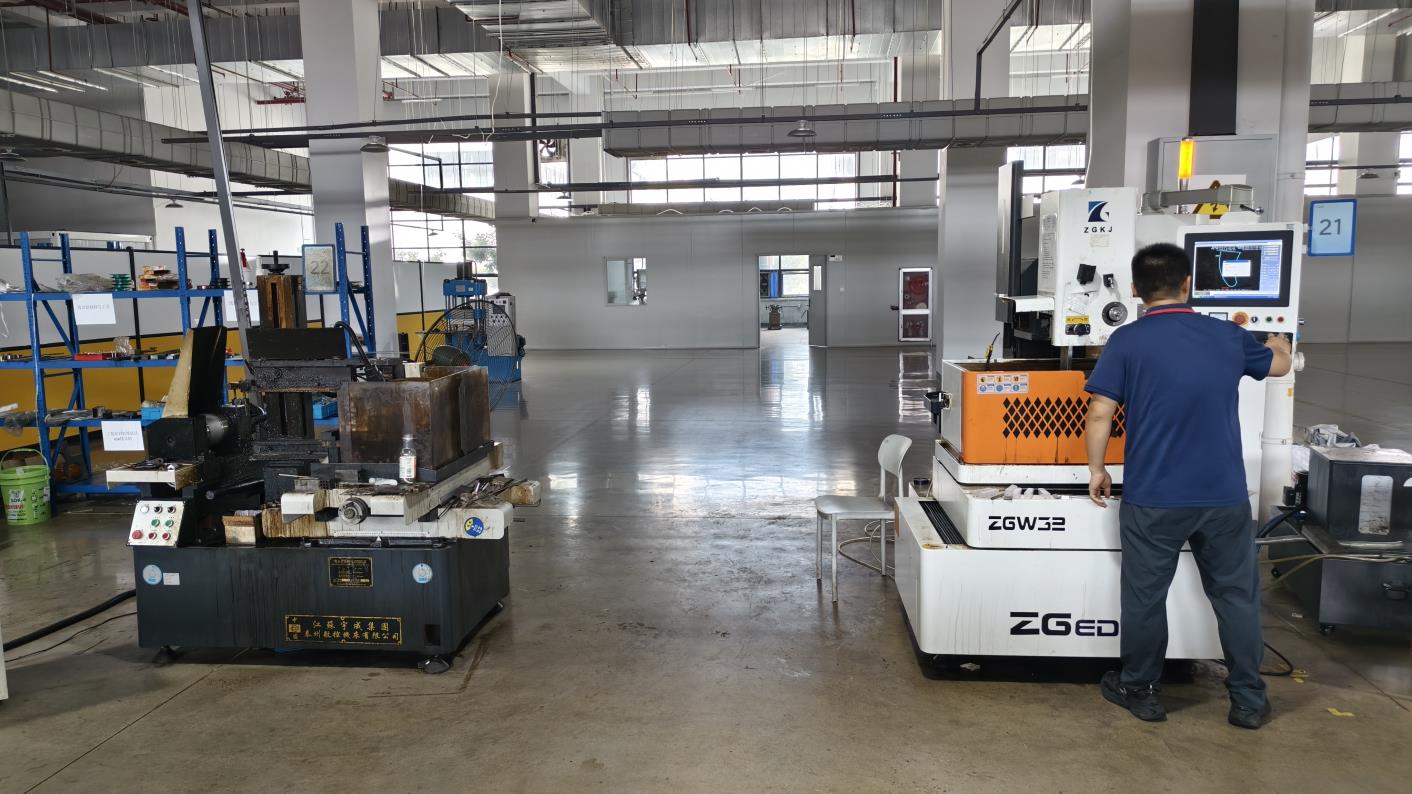
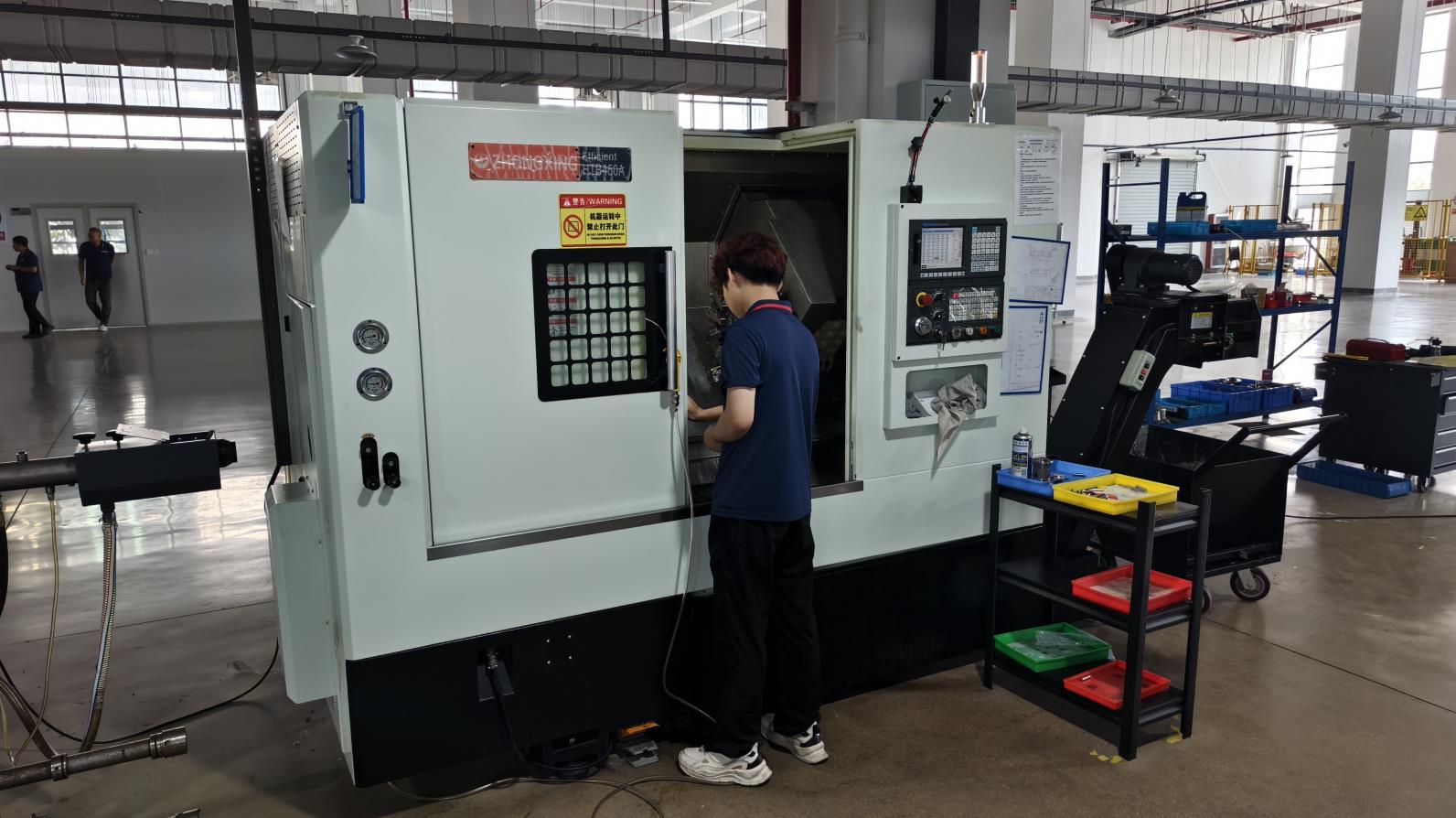
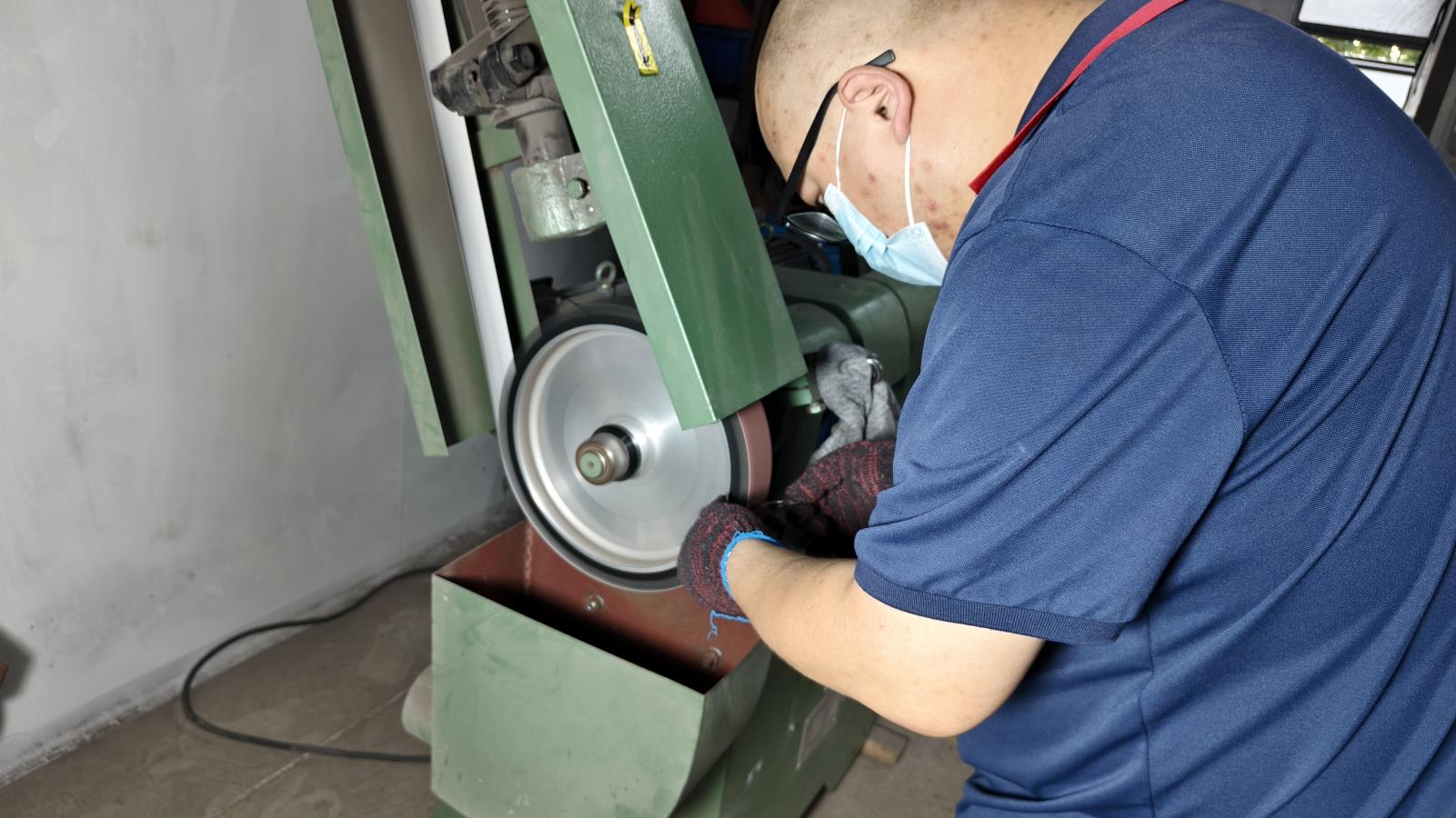
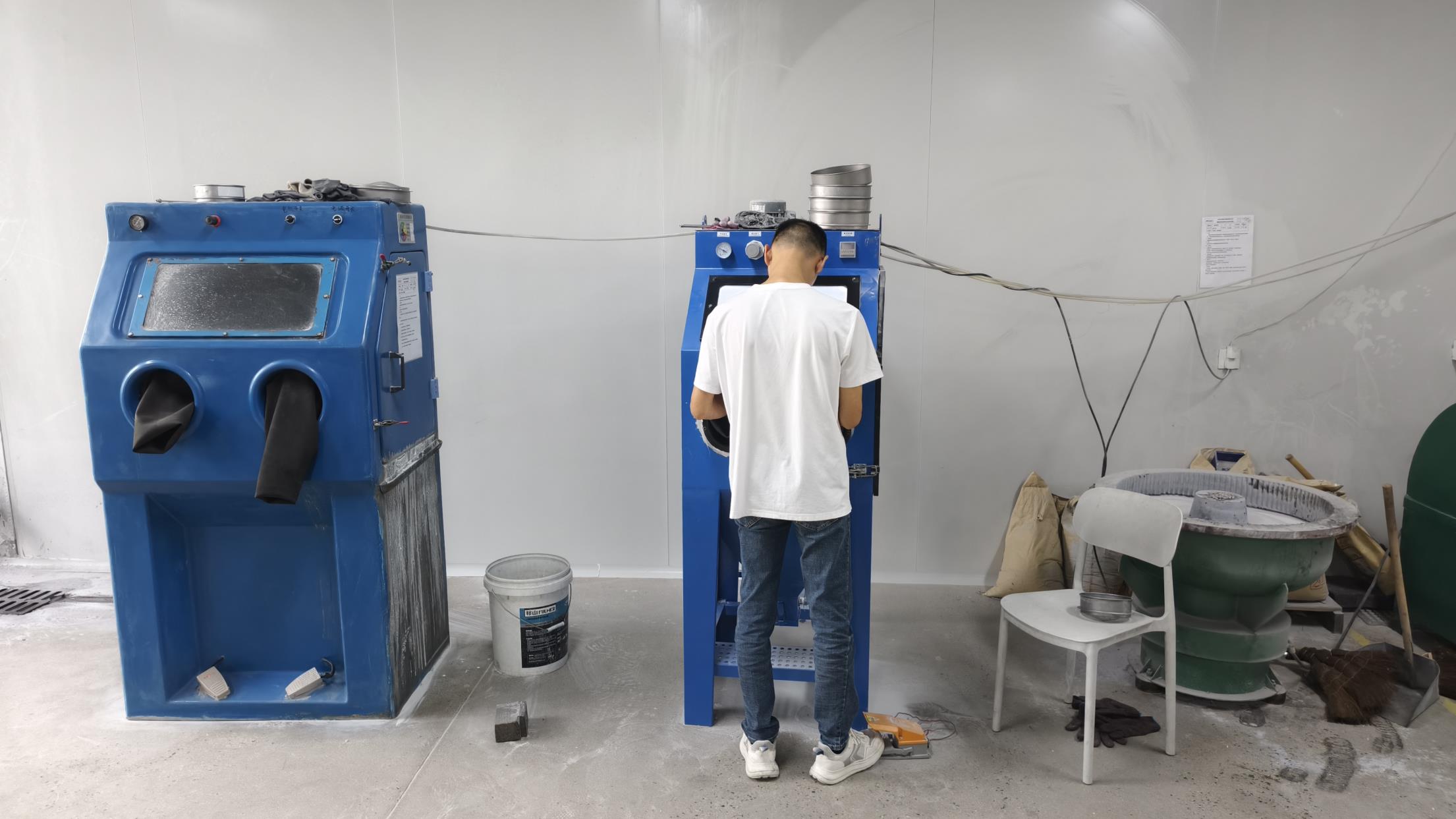
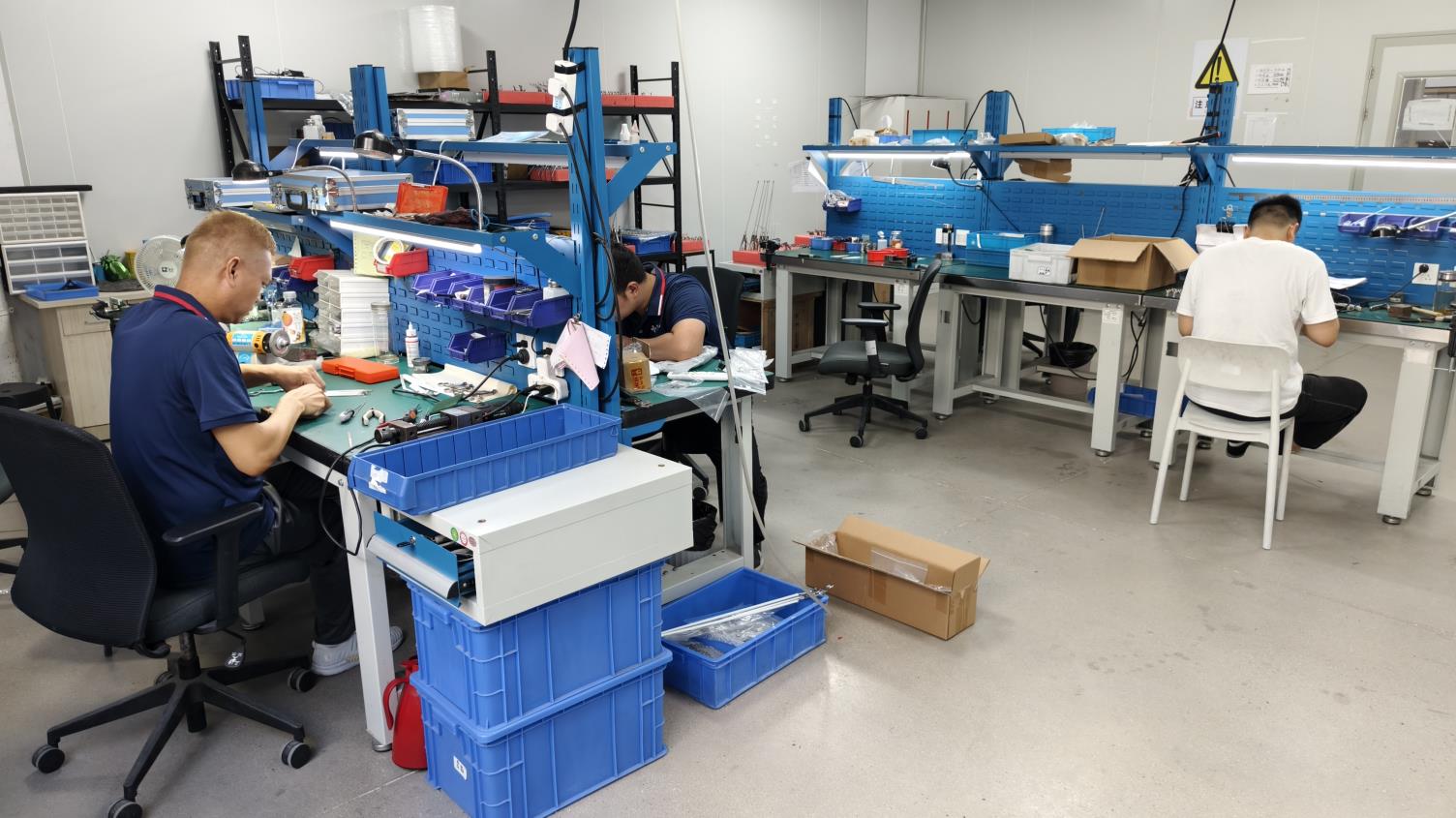
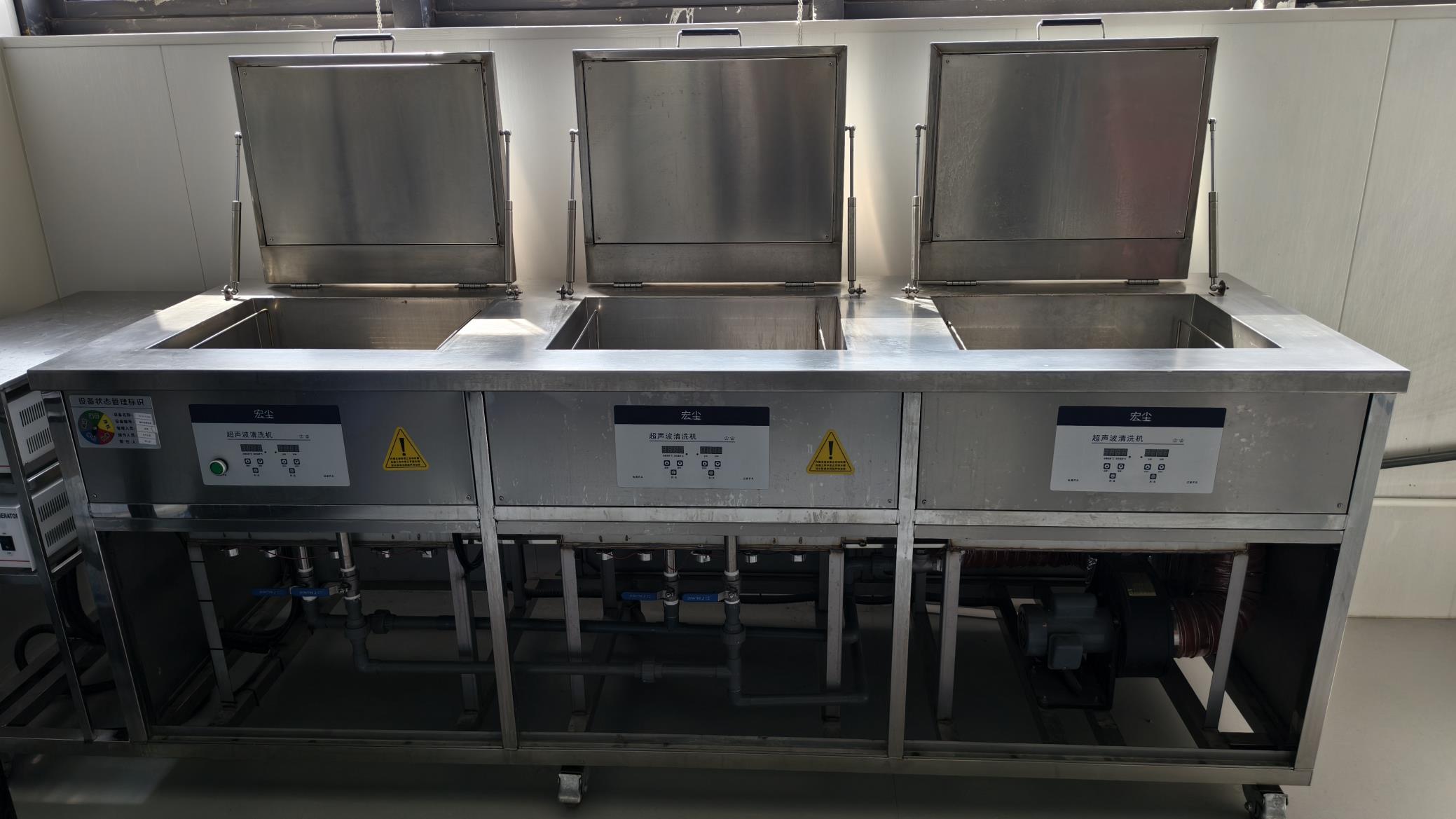
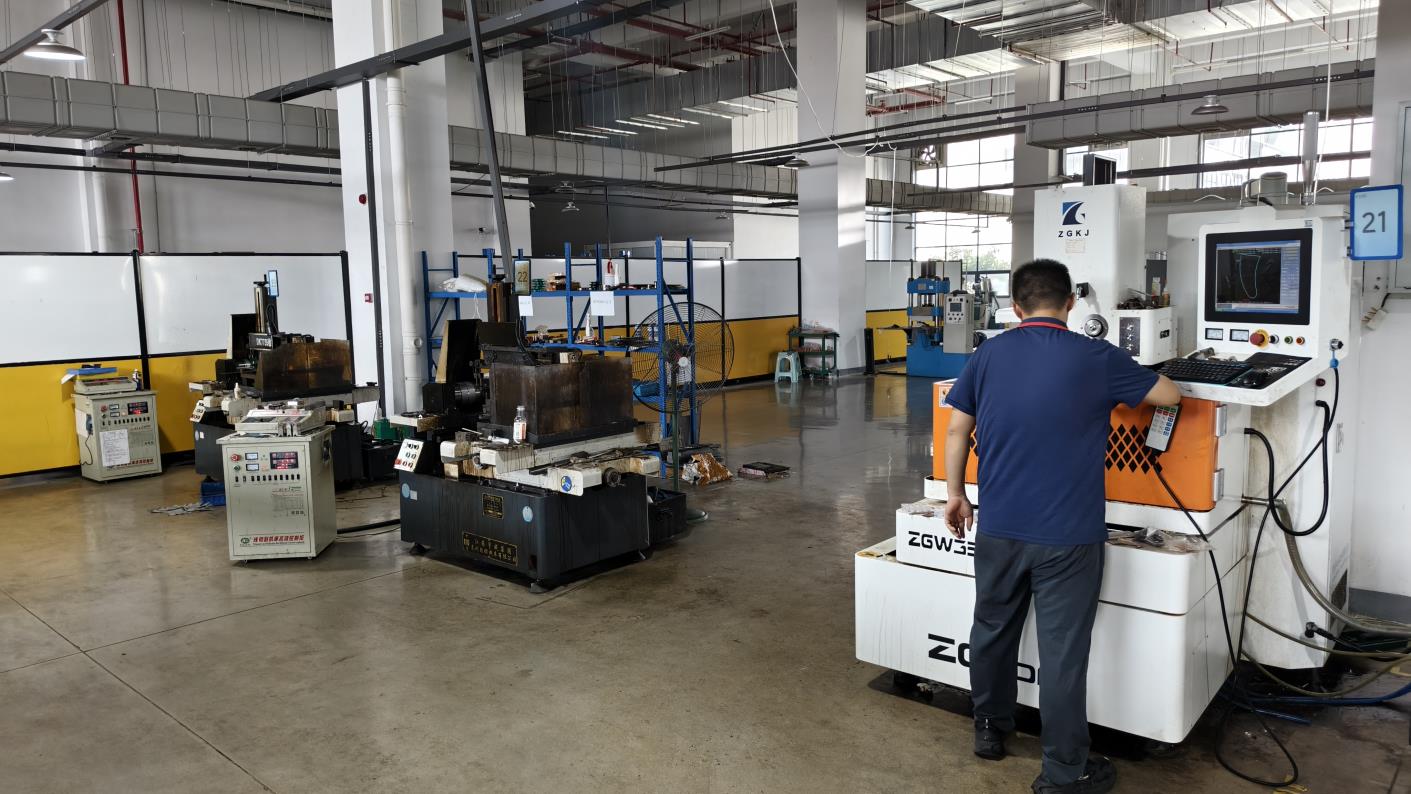
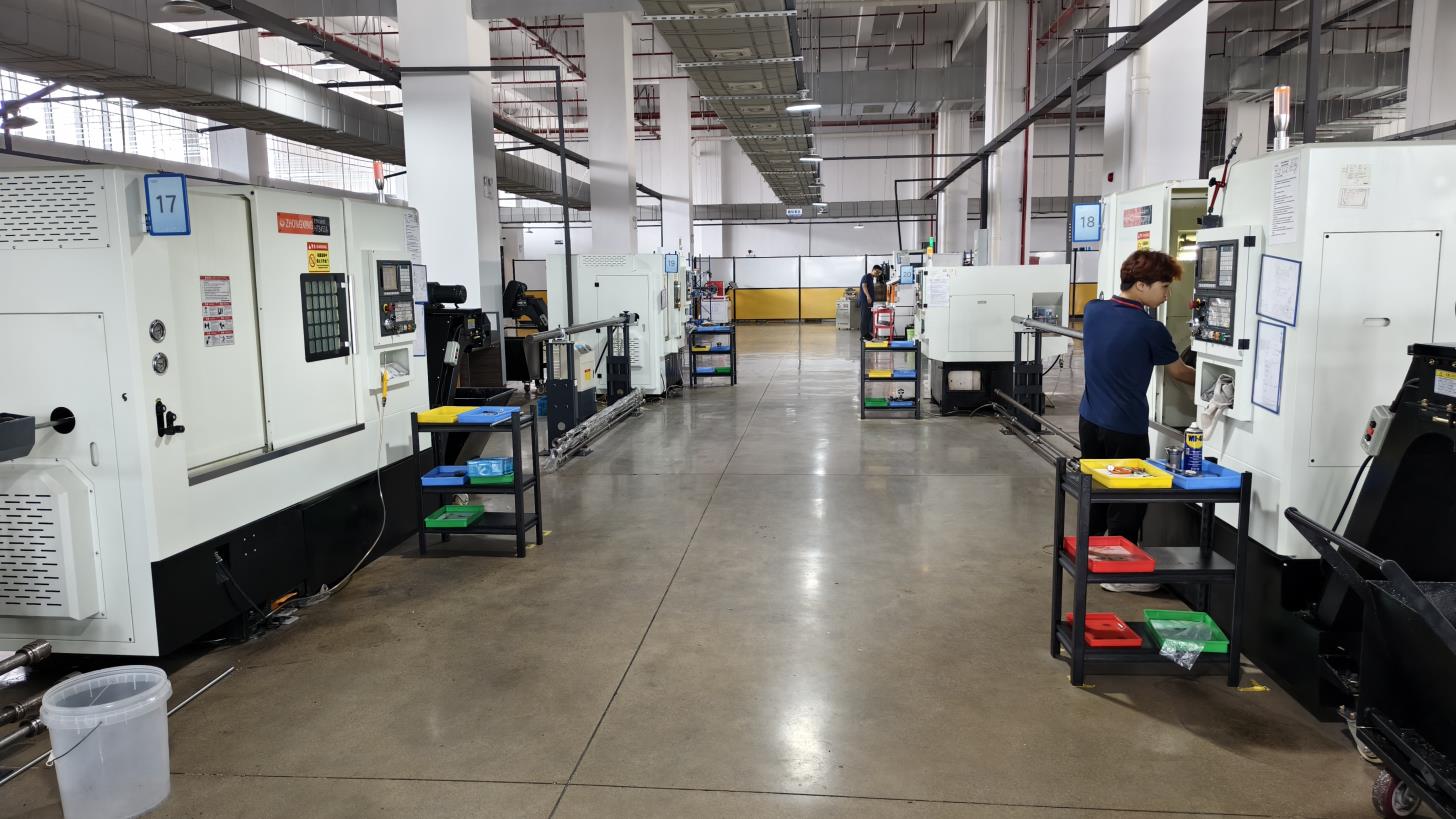
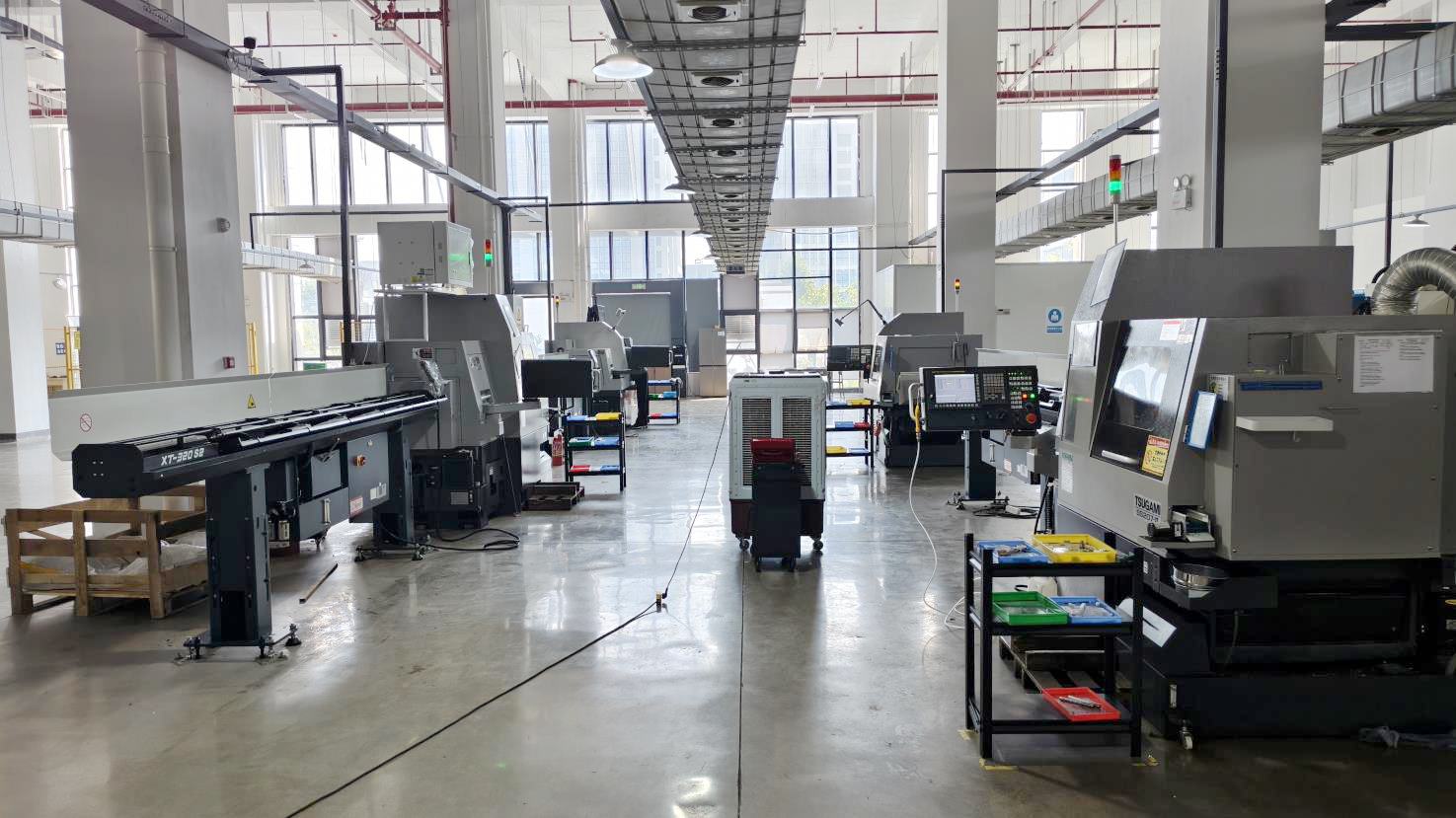
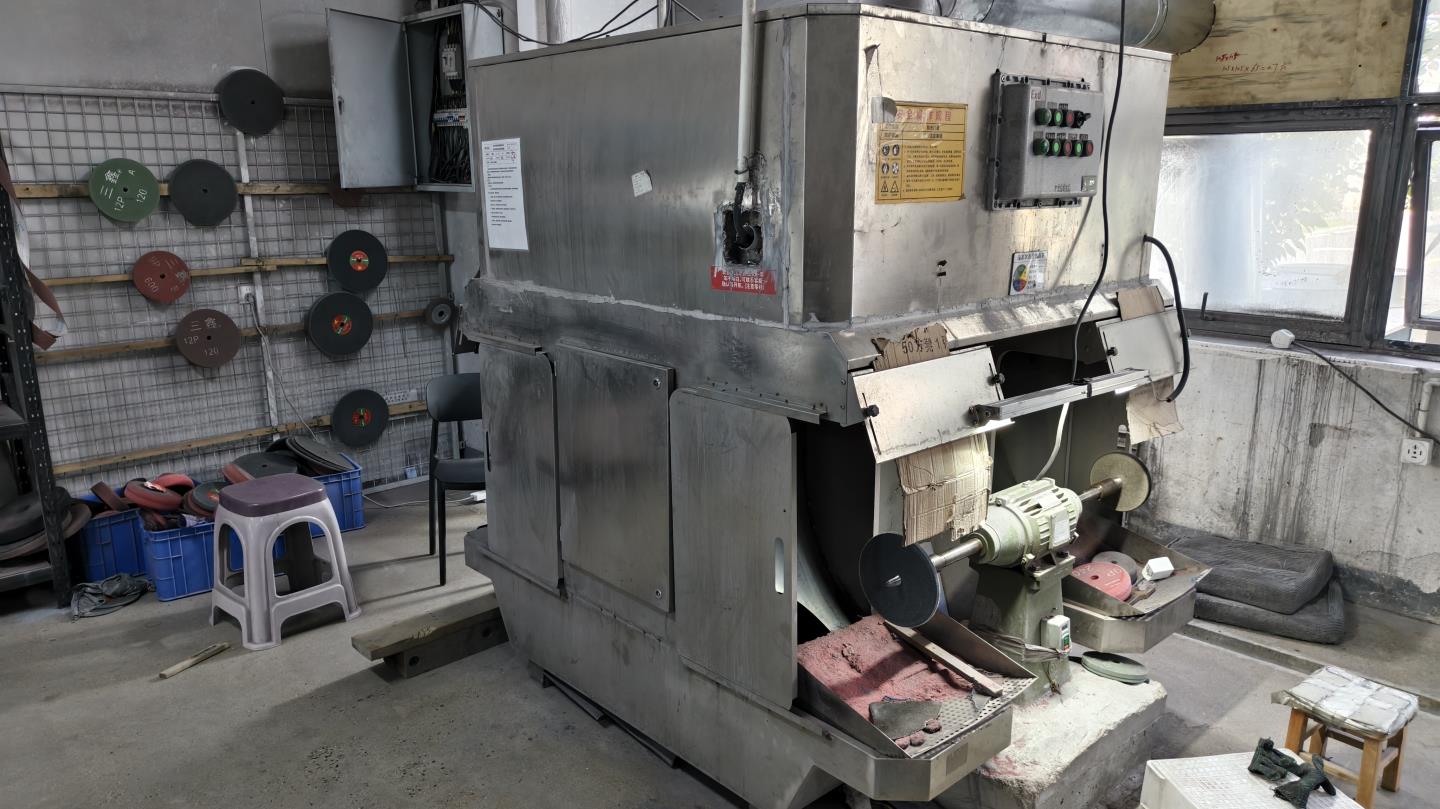
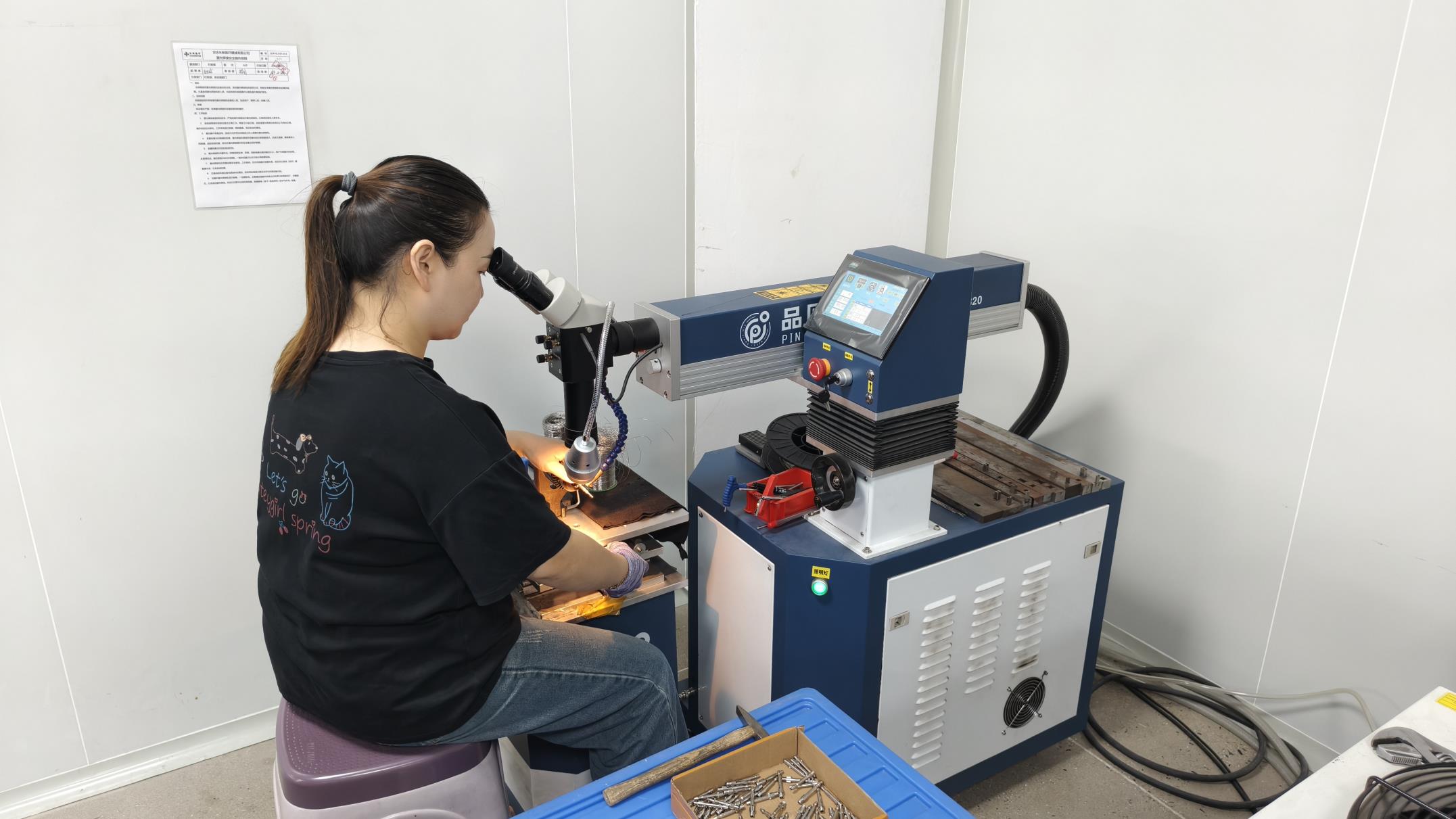
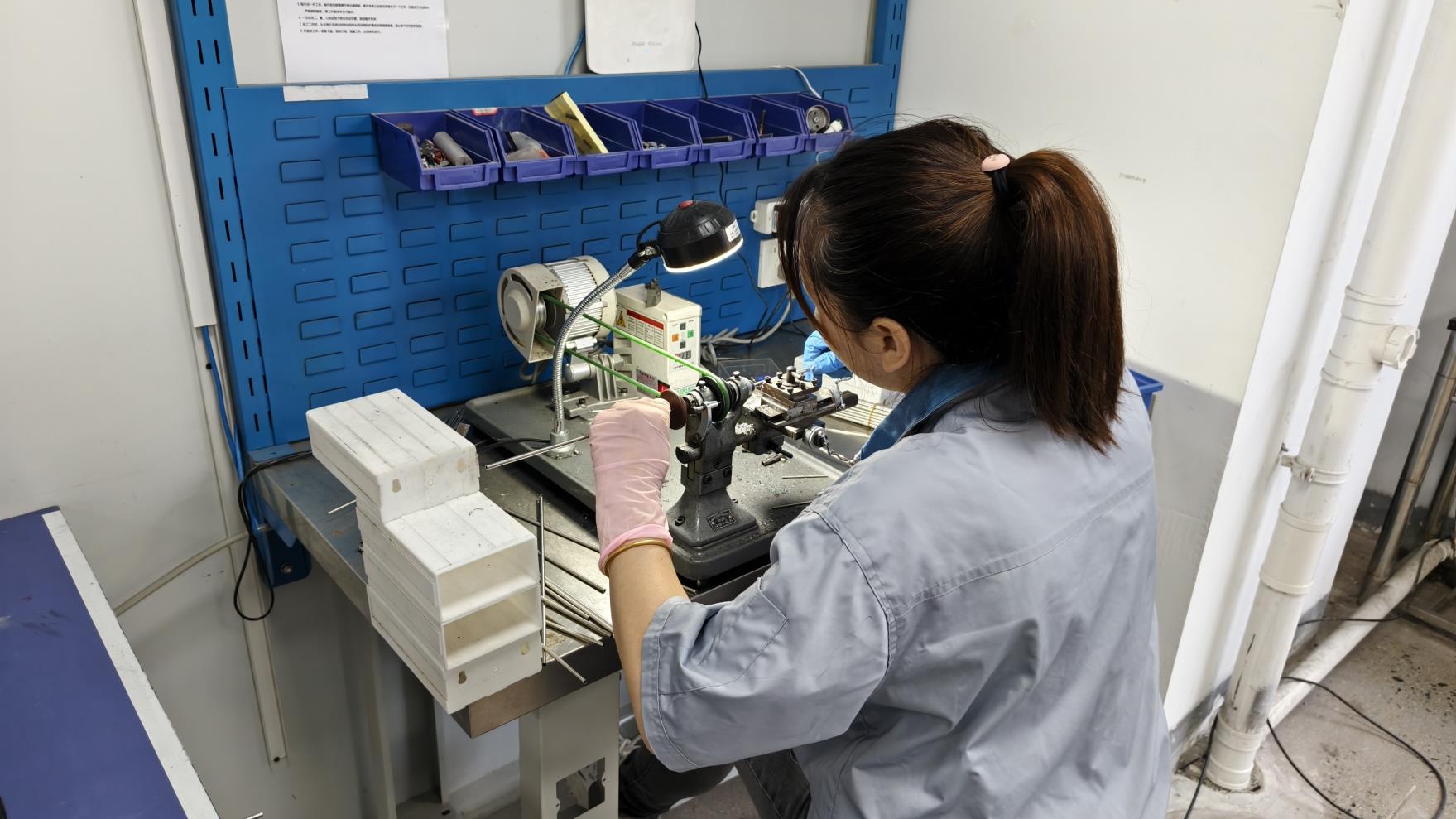
Under our zero-defect strategy, every component undergo strict biomechanical and metallurgical evaluation to comply with CE and international medical standards.
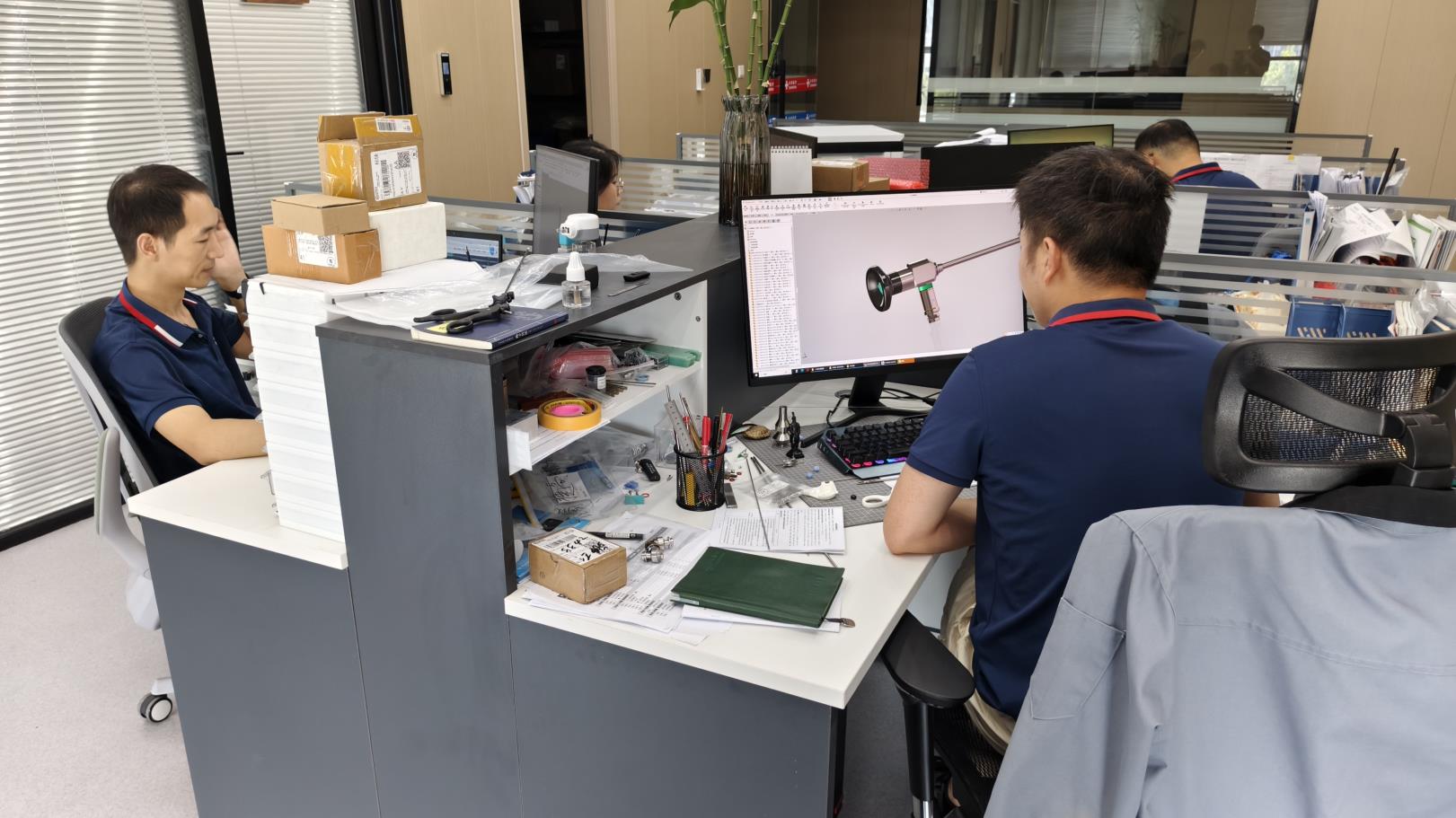
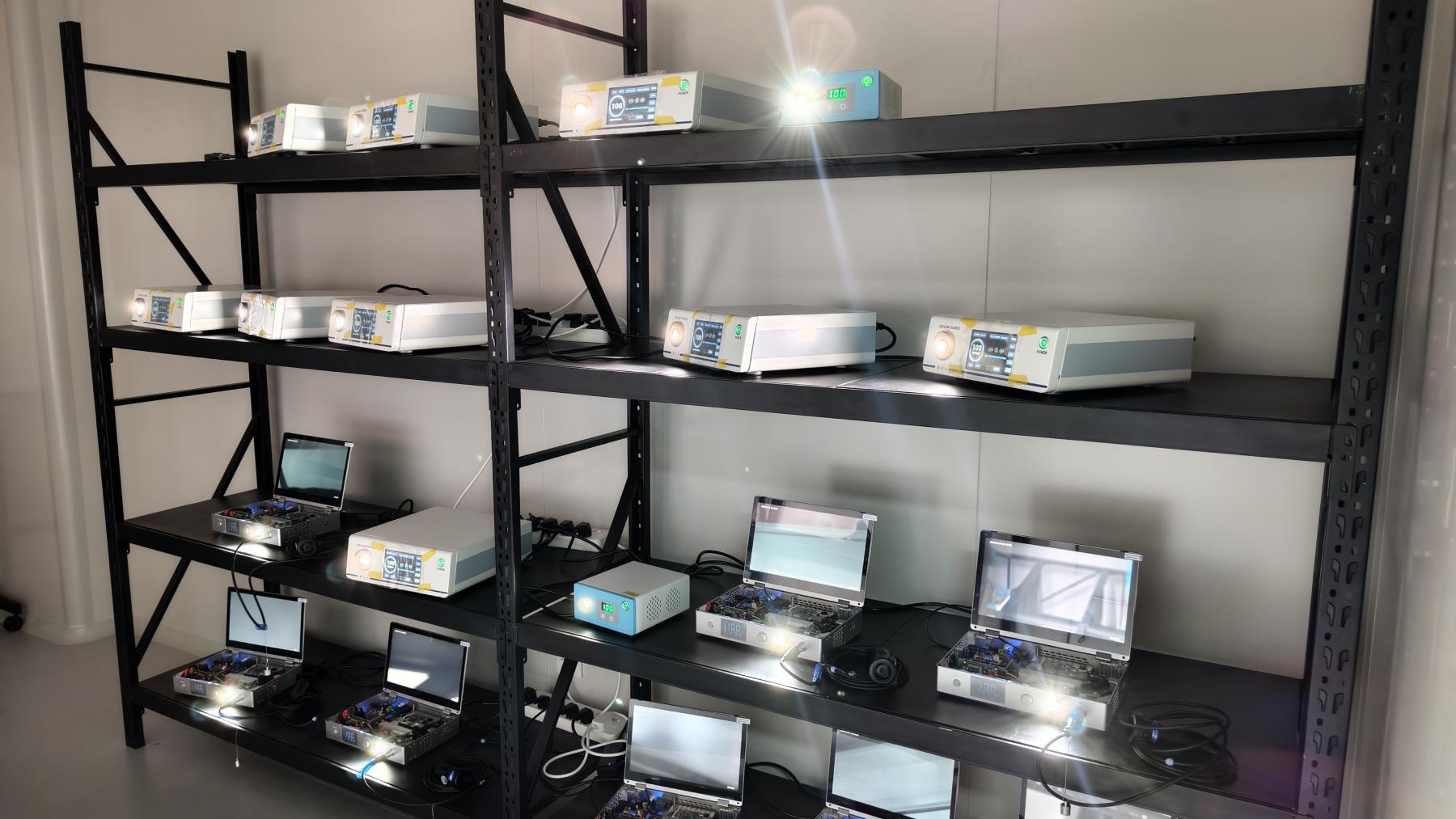
The global market for spinal surgery implants is shifting rapidly. In regions like North America and Europe, the rising incidence of osteoporosis in an aging population requires spinal constructs that optimize load sharing. High-integrity monoaxial screws reduce micro-motion at the bone-screw interface, preventing premature failure or screw loosening in compromise bone structures.
From a localization perspective, medical distributors and OEM brands in Asia-Pacific and Latin America are facing stricter regulatory registration pathways (such as MDR in the EU and local variations of MDSAP). Importers are seeking partners who provide comprehensive design validation, raw material traceability (such as certificates for implantable medical grade titanium), and certified bio-burden/sterilization parameters. Synoviq answers this challenge by maintaining a fully transparent supply chain and providing extensive technical dossiers with every batch.
Furthermore, our custom-engineered solutions include specific low-profile heads and self-tapping, self-drilling tips that significantly reduce surgical time. Shorter procedures translate directly to lower hospital costs and decreased risk of postoperative infections, reinforcing the overall clinical utility of our orthopedic portfolio.
Crucial industrial and clinical questions compiled by our surgical design engineers and quality assurance specialists.
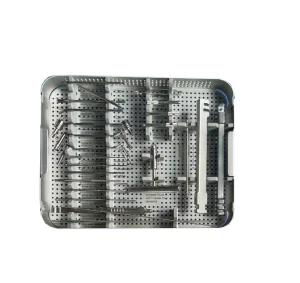
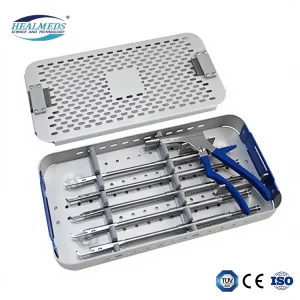
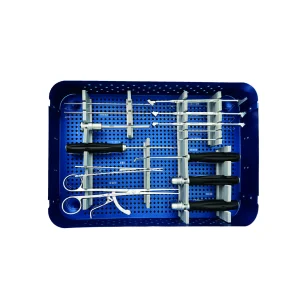
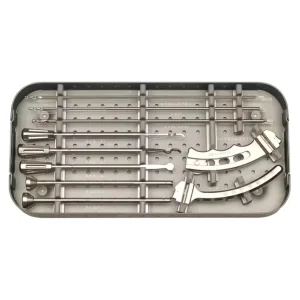
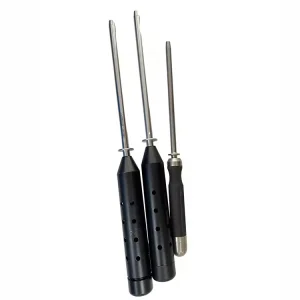
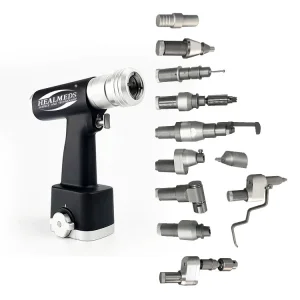
Complete your catalog with our specialized spinal surgery, trauma, and orthopedic surgical instrumentation.
 Synoviq Medical