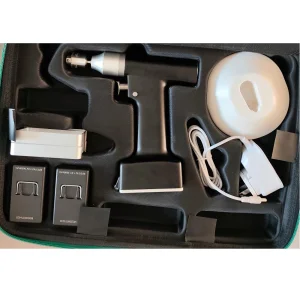
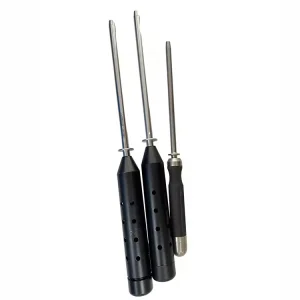
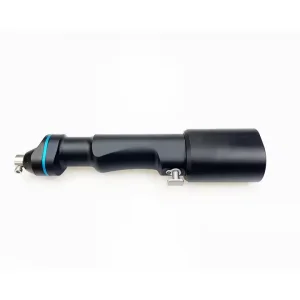
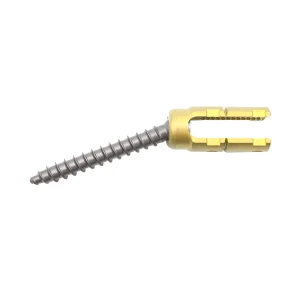
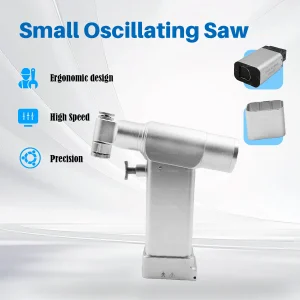
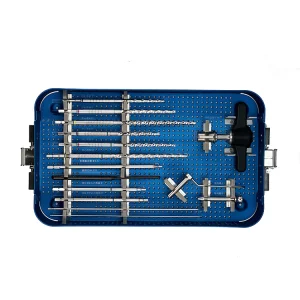
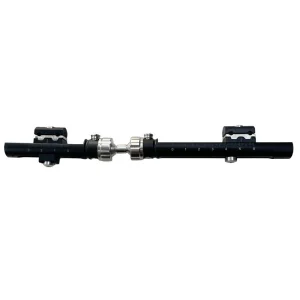
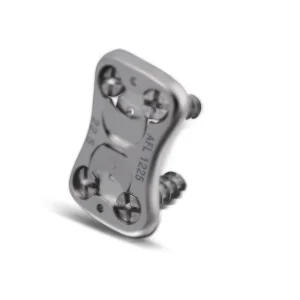
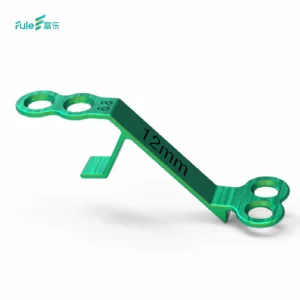
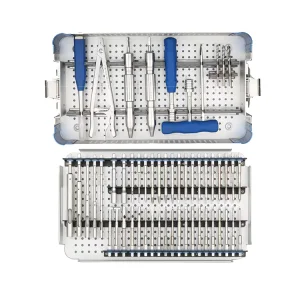
High-durability implants and surgical tools engineered for complex reconstructive surgeries.
In reconstructive bone surgery and internal fracture fixation, the role of compression screws is paramount. Unlike standard bone anchoring screws, compression screws are engineered to actively draw two bone fragments together, creating structural stability and eliminating micro-movements that can lead to pseudoarthrosis or delayed healing. The dynamics of interfragmentary compression utilize two primary biomechanical formats: lag screw techniques (where the screw thread grips only the far cortex while the head compresses the near cortex) and headless compression screws (HCS), which leverage pitch differentials between the leading and trailing threads to achieve compression within the bone itself without a protruding head.
For modern medical device brands and hospital procurement divisions, sourcing medical-grade compression screws requires deep supply chain reliability and strict technical alignment. Implants must be fabricated from highly biocompatible materials such as Titanium Alloy (Ti-6Al-4V ELI, ASTM F136) or surgical-grade stainless steels. The manufacturing process demands ultra-high-precision Swiss-type CNC turning centers capable of holding tolerances within ±0.005mm. Any microscopic defect or structural variance in thread pitch can lead to catastrophic implant failure or inconsistent compressive forces during fixation.
A premier manufacturer and OEM/ODM supplier of orthopedic implants and precision surgical systems.
Synoviq Medical Technology stands at the forefront of the orthopedic medical device sector in China. Focusing on trauma fixation systems, spinal implants, intramedullary nails, and precision surgical instrumentation, Synoviq combines advanced metallurgy, cleanroom compliance, and cutting-edge mechanical testing to supply leading medical brands worldwide. Under stable OEM/ODM partnership structures, we integrate engineering design, rapid prototyping, and sterile-packaging validation to expedite time-to-market for complex medical devices.
Technical capabilities, manufacturing benchmarks, and system configurations for B2B procurement partners.
| Specification Category | Technical Standards & Details |
|---|---|
| Company Name | Synoviq Medical Technology (China) Co., Ltd. (Brand: Synoviq) |
| Establishment & Experience | Established March 18, 2016 (14 Years Industry Experience, 8 Years Export) |
| Quality Inspection Protocols | 100% Final Inspection & Incoming Material Inspection (Lot Traceability) |
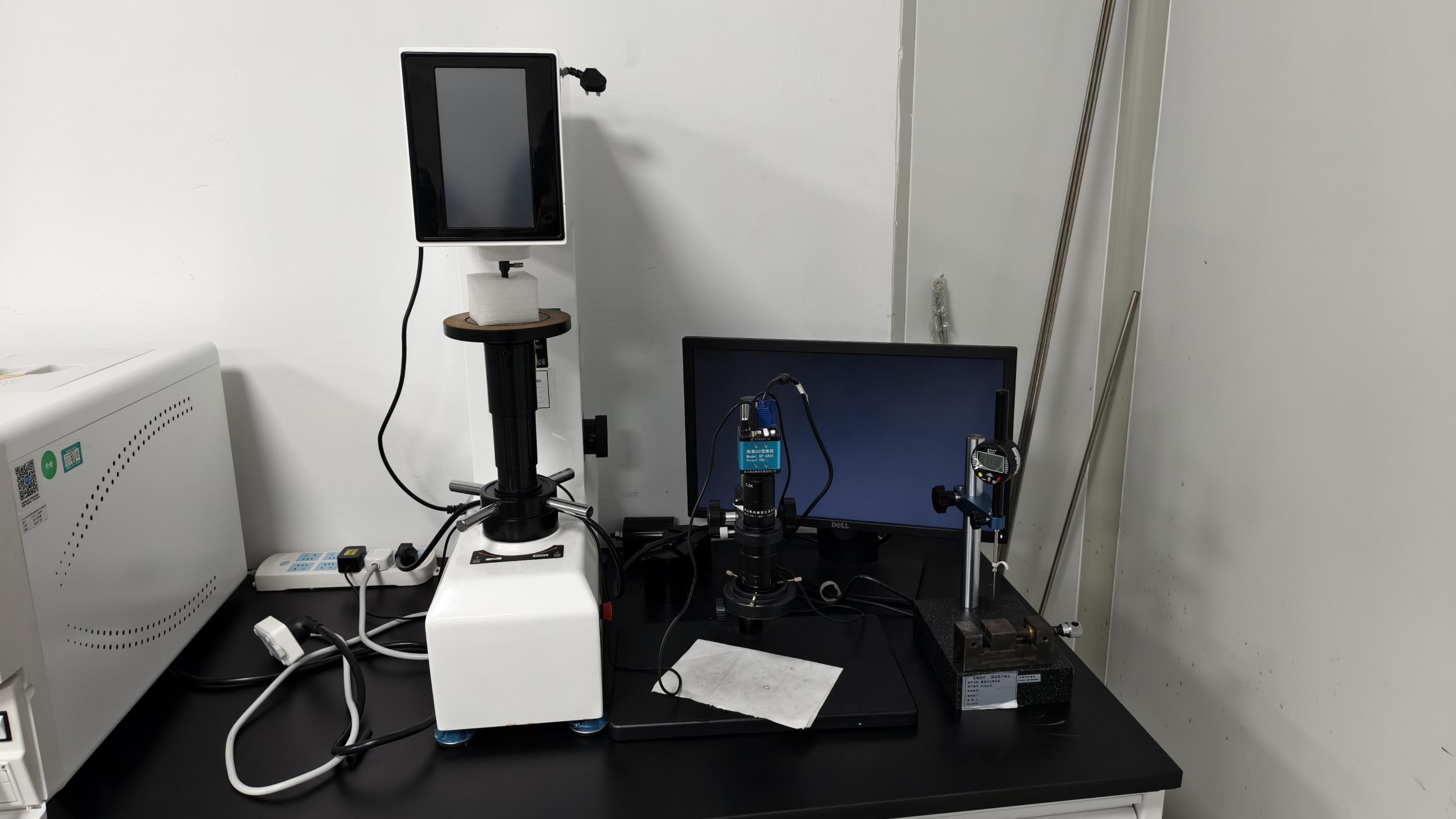
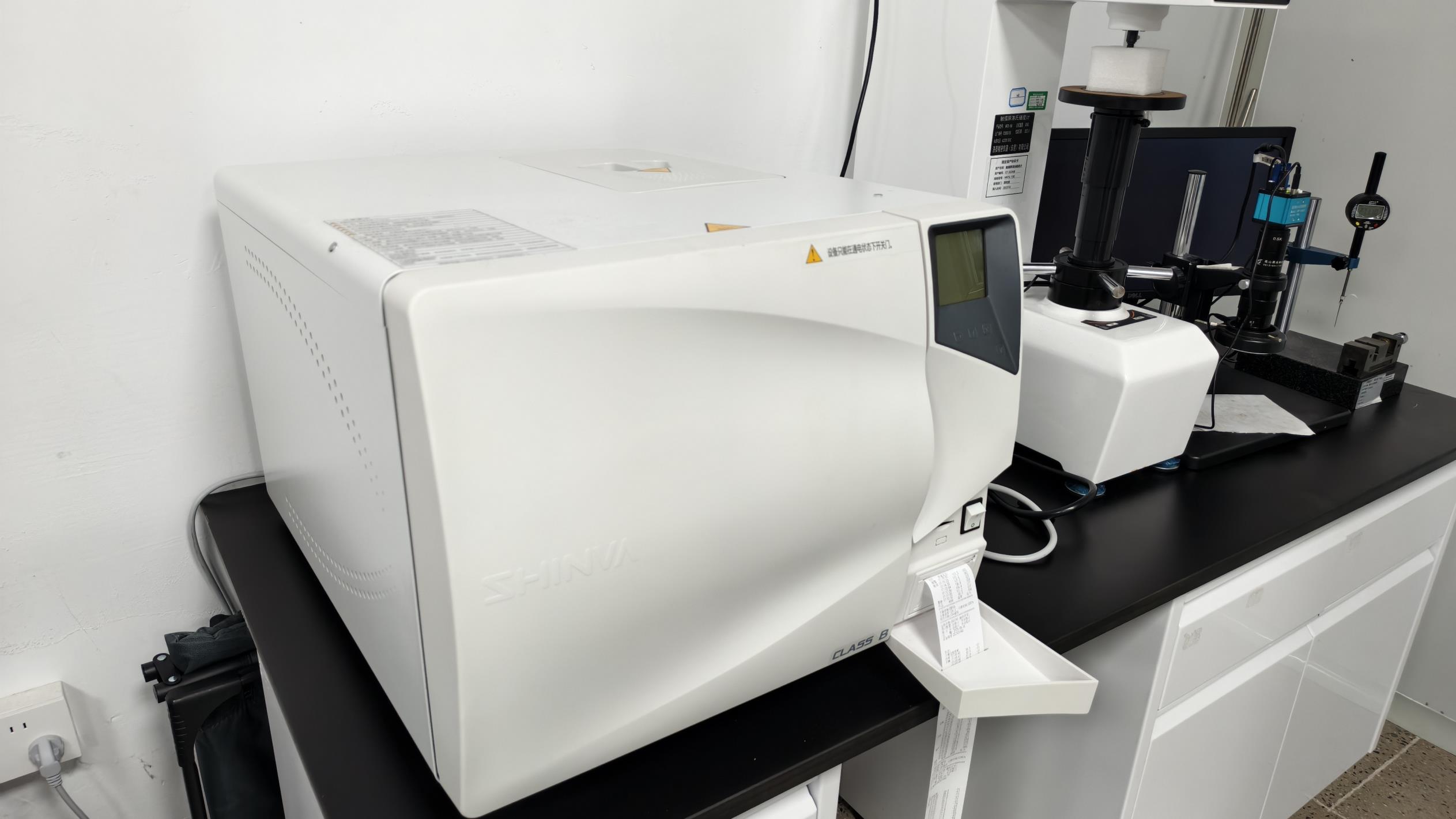
| Product Inspection Methods | CMM Measurement, Mechanical Testing, Surface Roughness Testing, Hardness Testing, Salt Spray Testing, Sterility Validation |
| Quality Control Staff | 48 Quality Assurance Specialists |
| Primary Target Markets | Europe, North America, South America, Middle East, Southeast Asia |
| Supply Chain Integration | 1,120+ Active Global Supply Chain Partners |
| Customization Capabilities | Logo Etching, Packaging/Sterility Customization, Product Design Modification, Raw Material Selection, Surface Treatment Anodization |
| Annual R&D Output | 186 New Products Released Last Year |
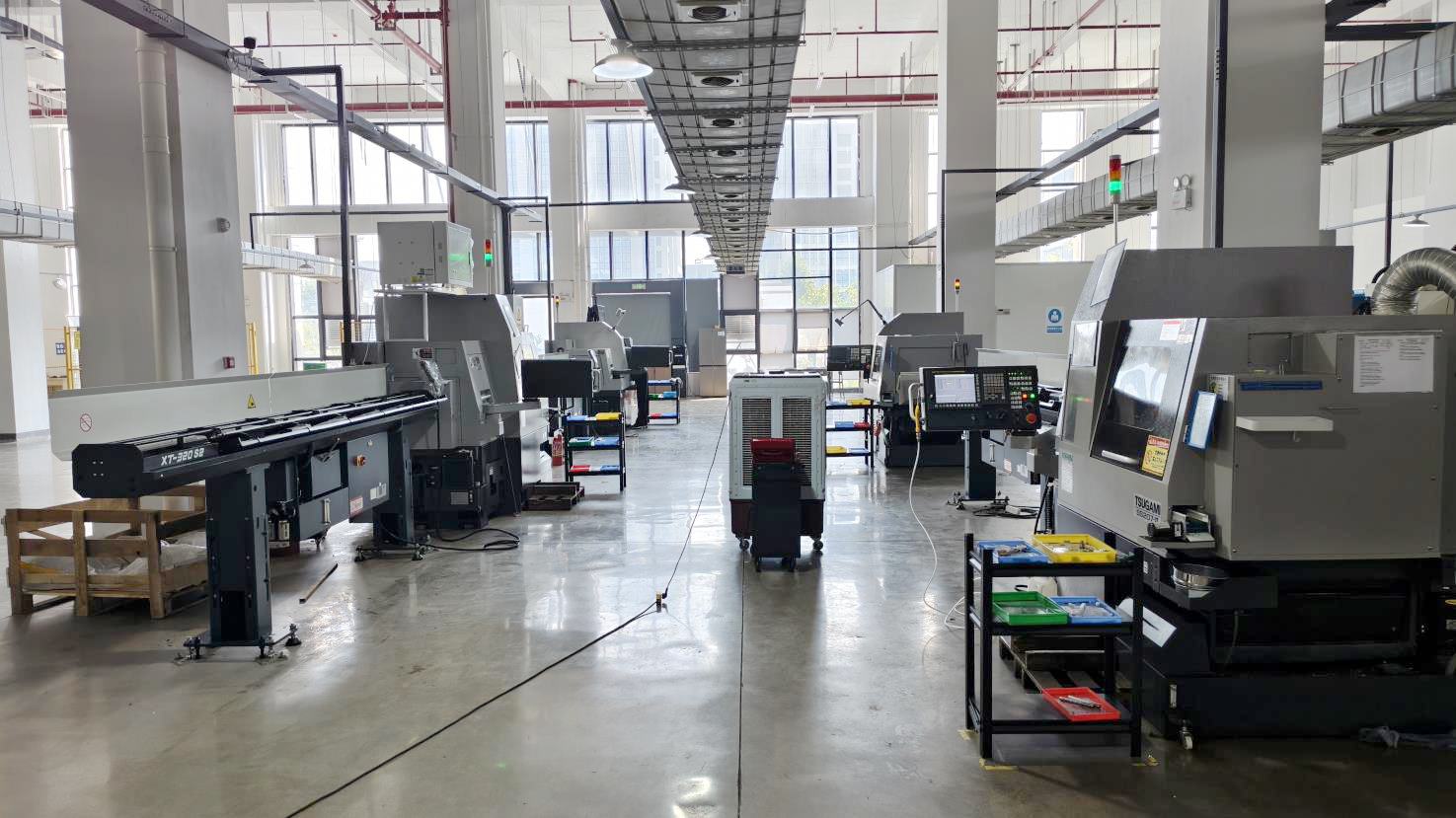
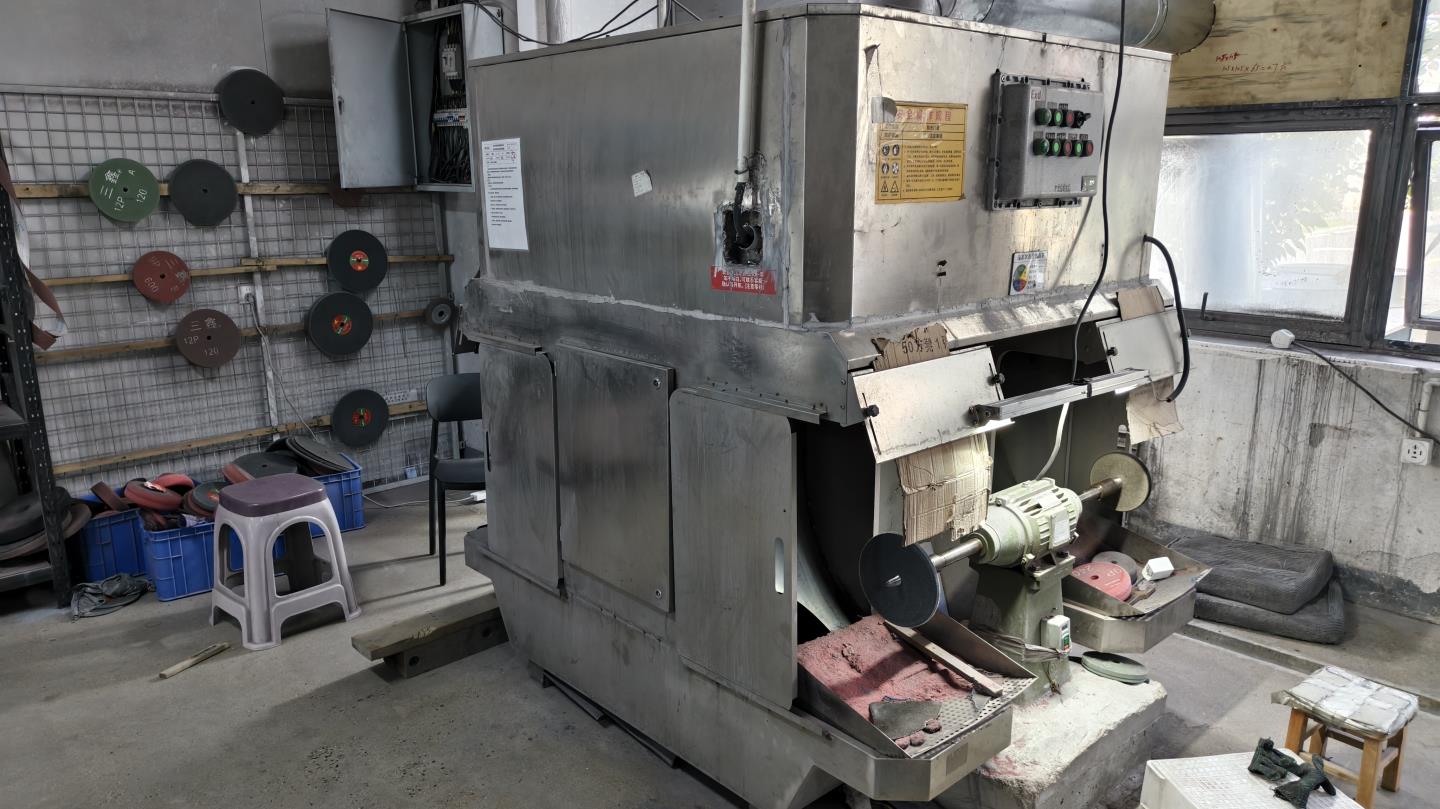
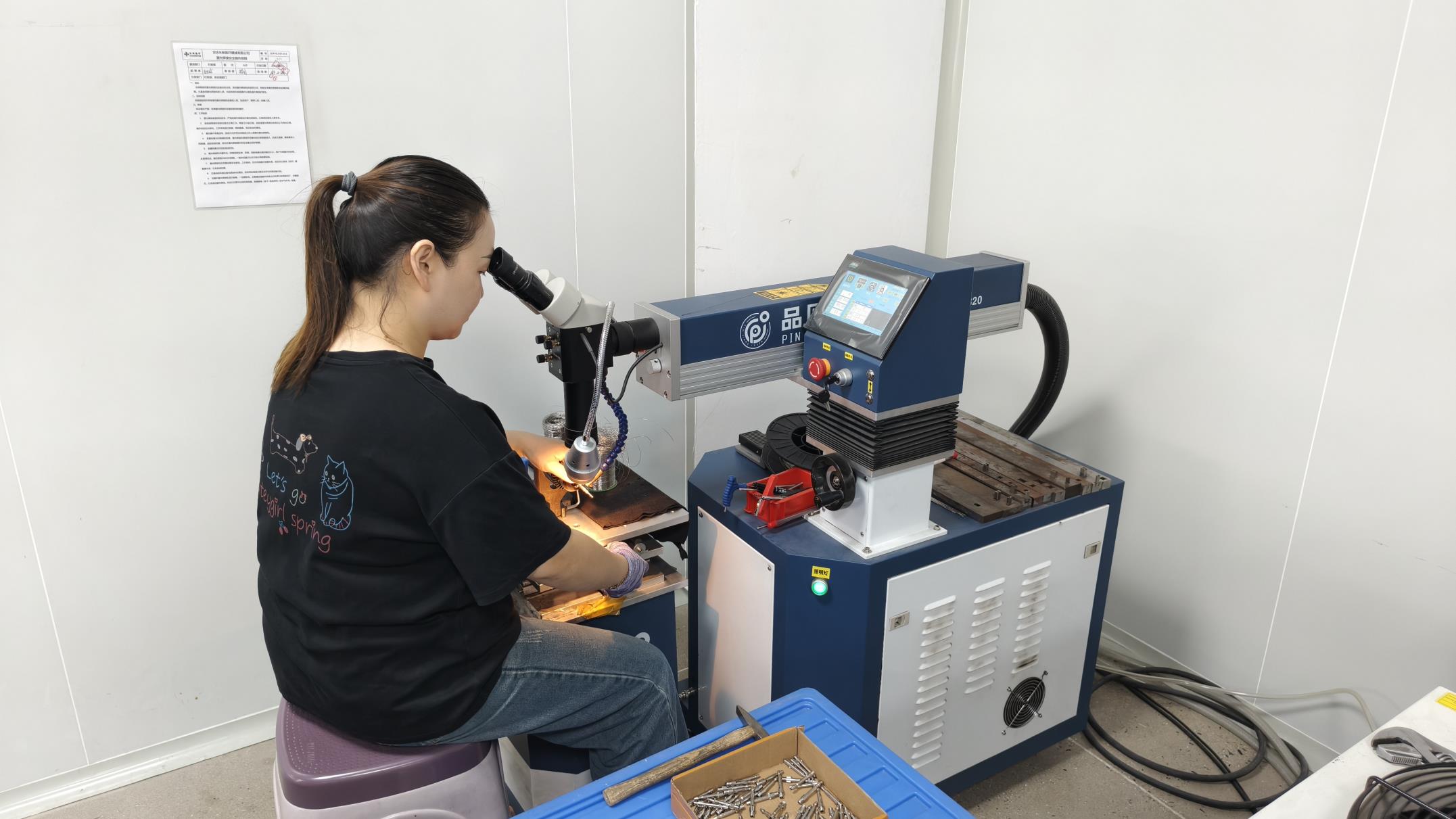
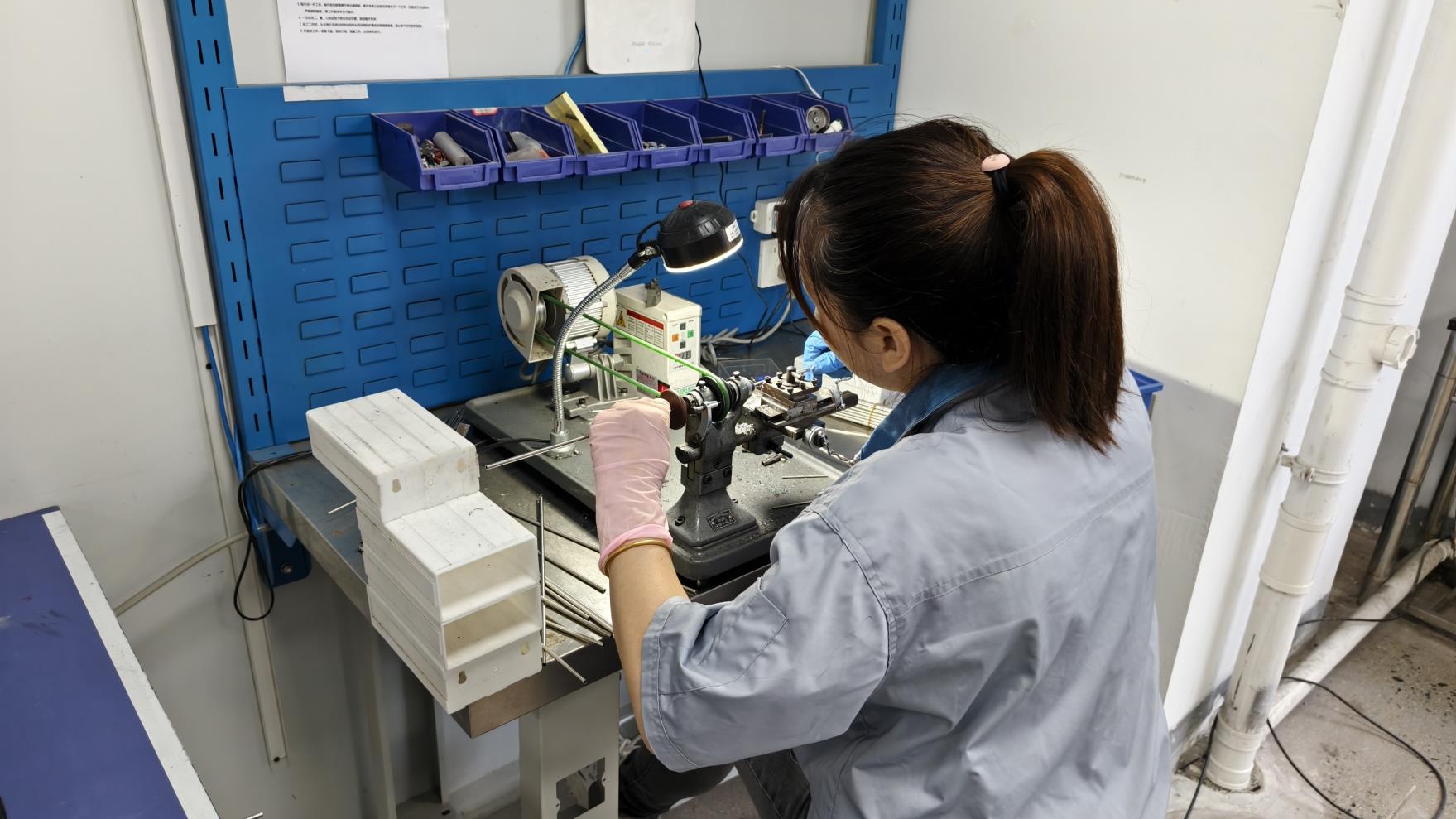
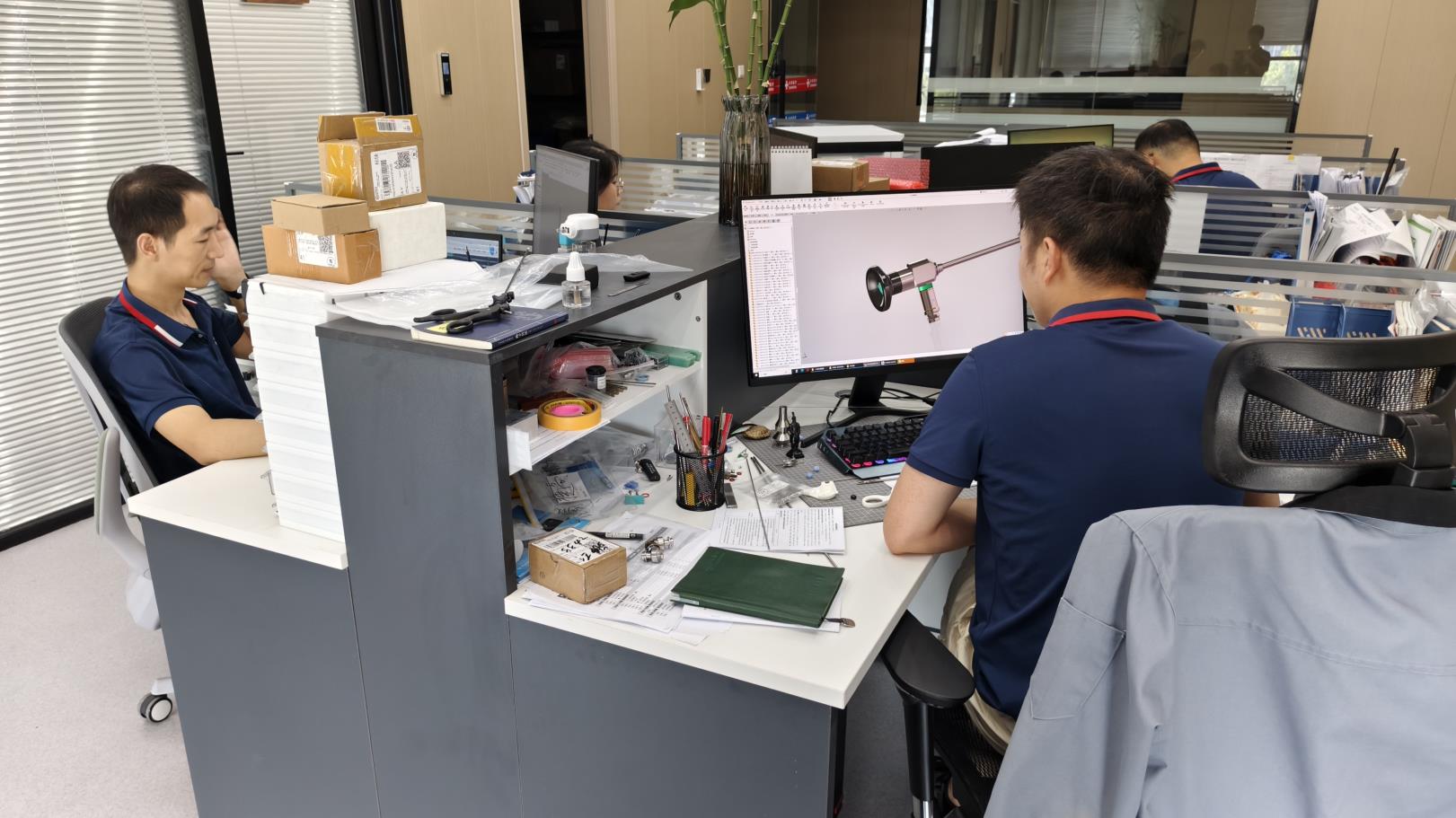
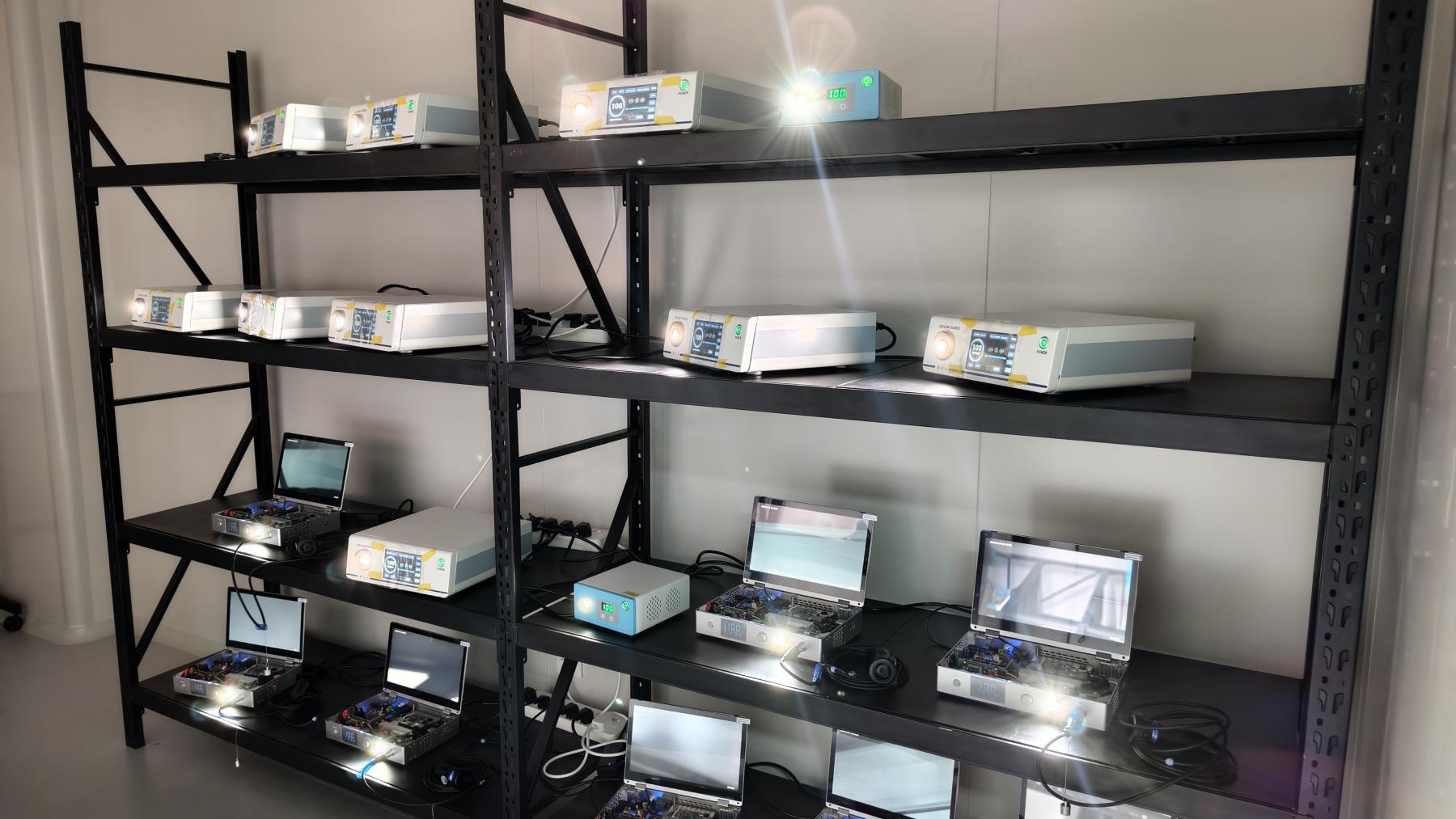
Explore our state-of-the-art facilities equipped with advanced CNC Swiss-type machines, laser lines, and metrology labs.
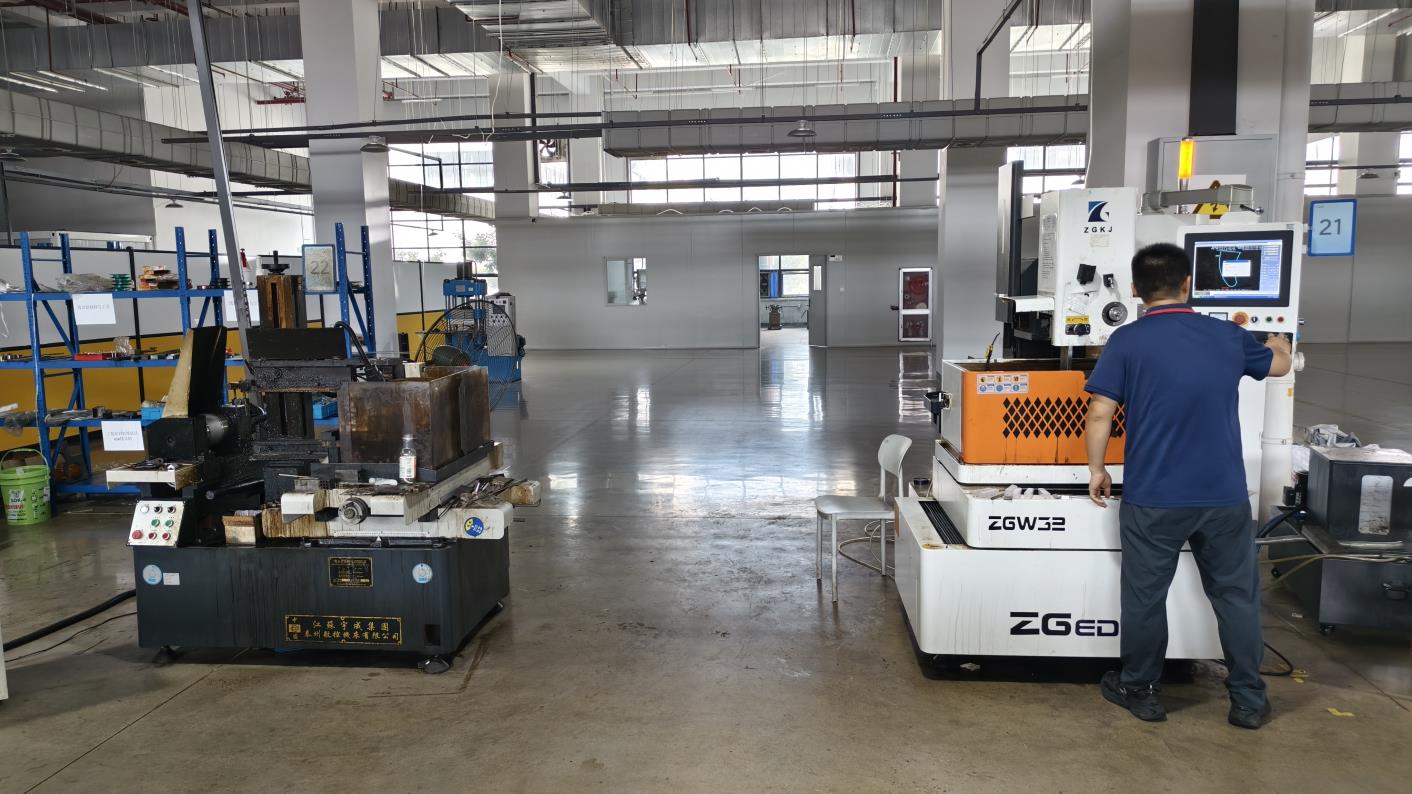
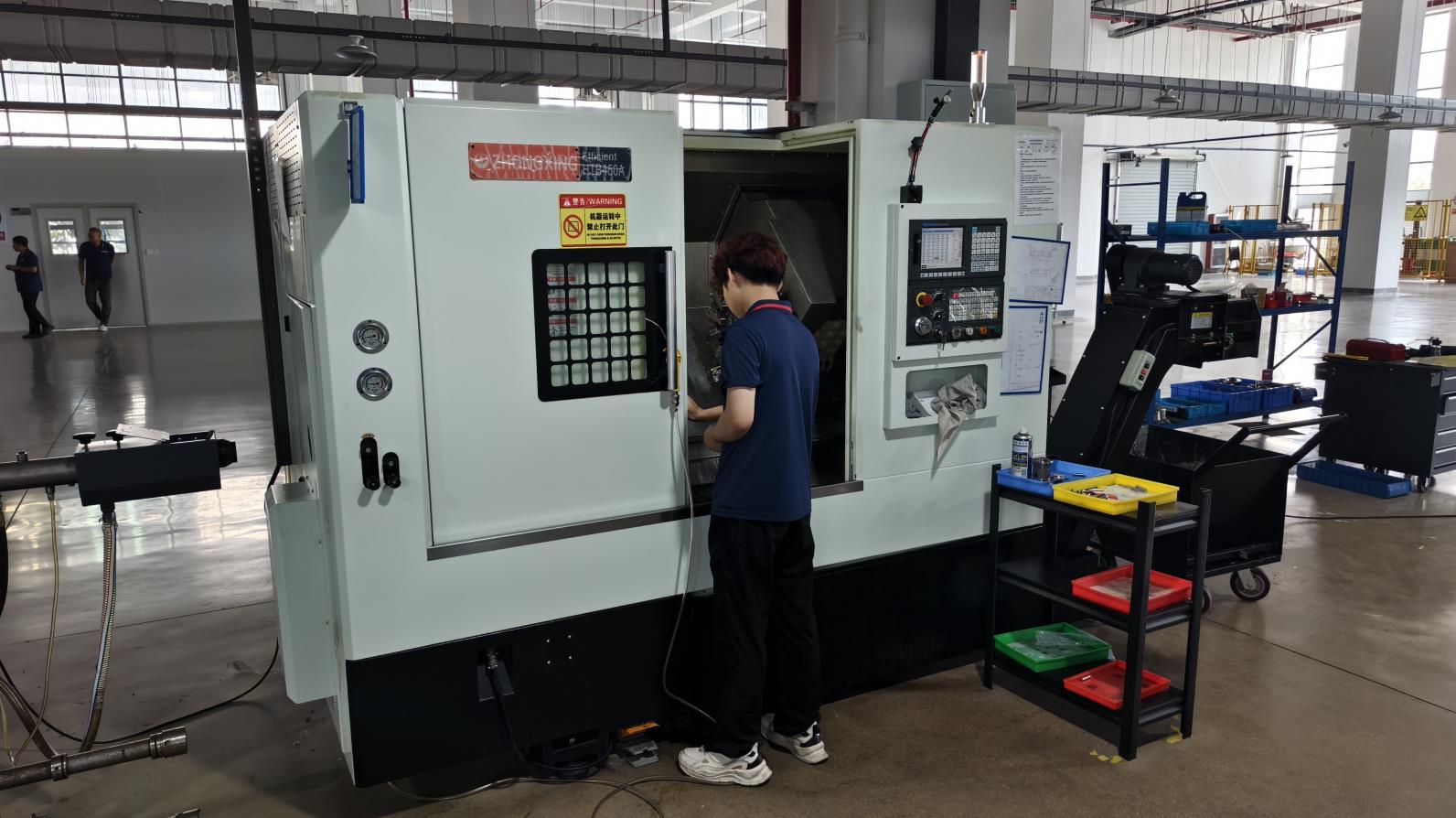
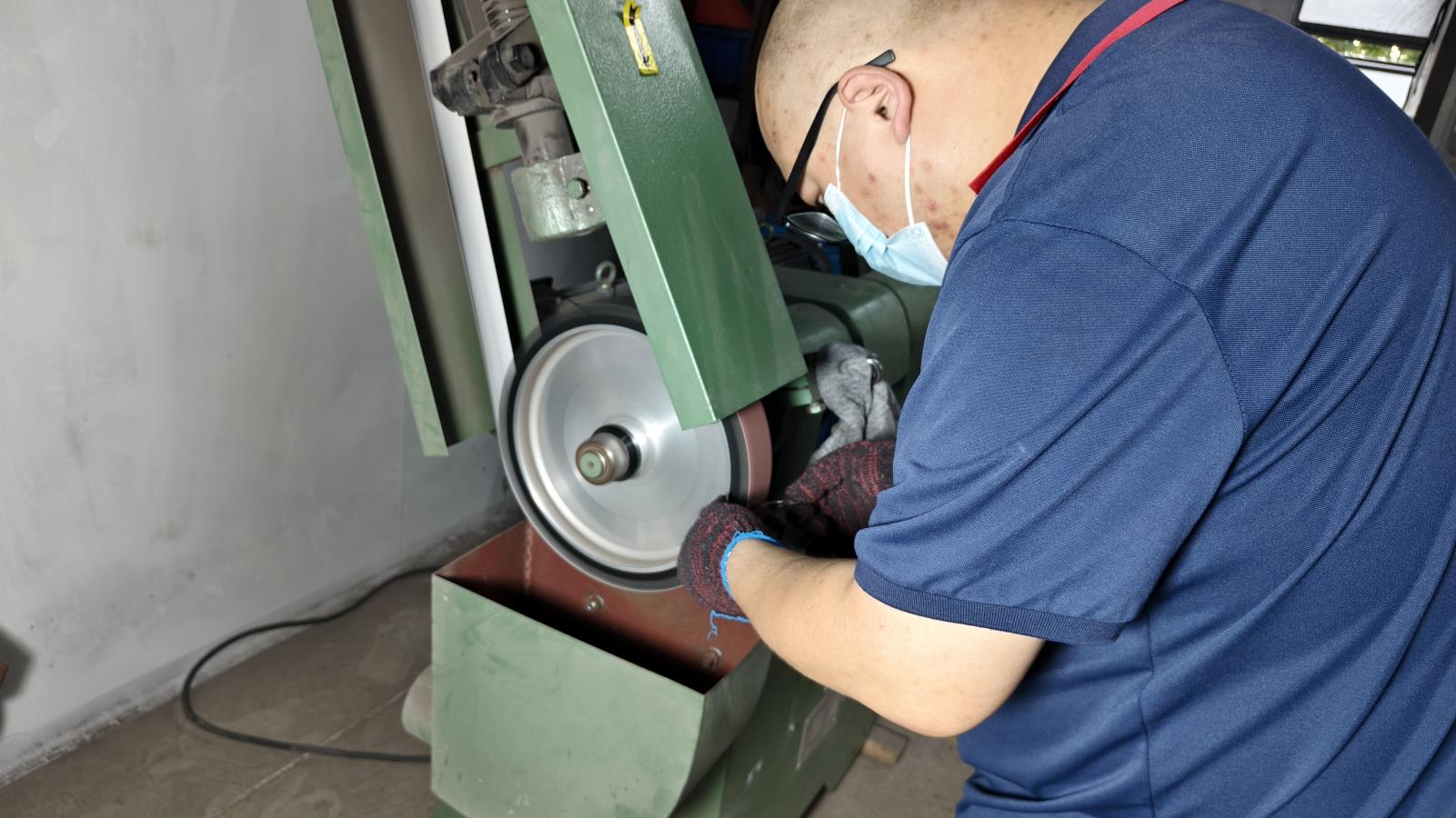
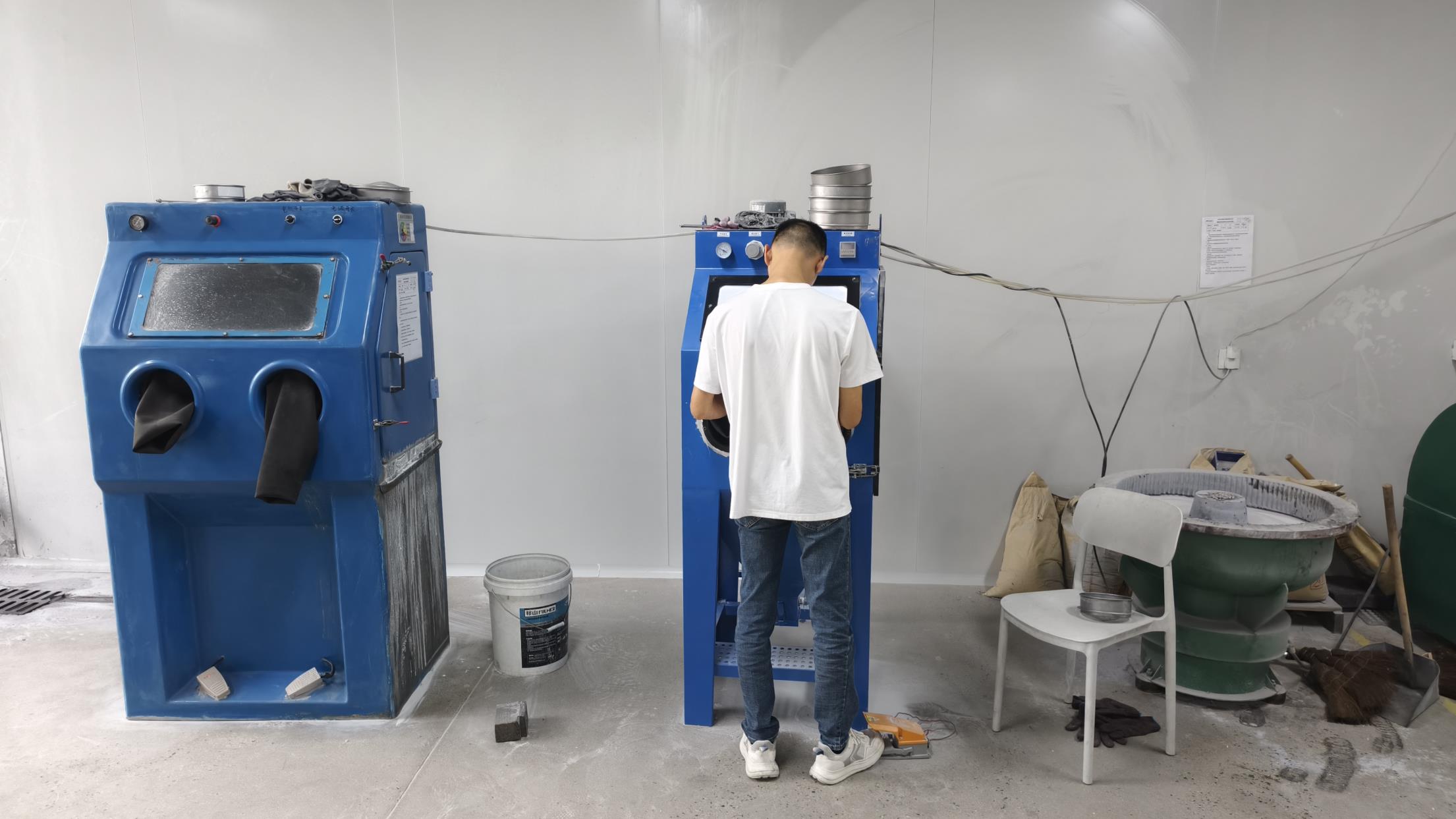
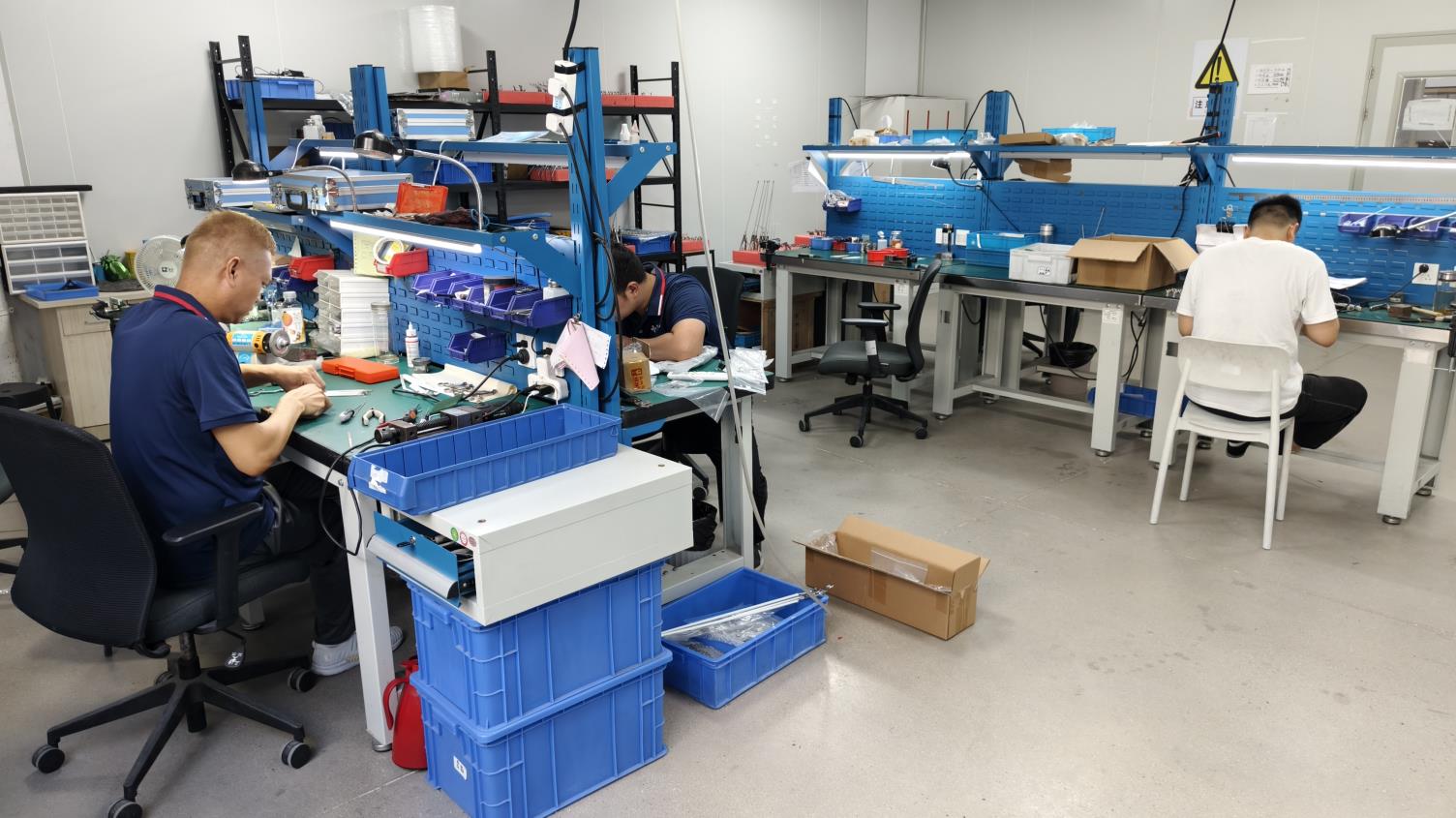
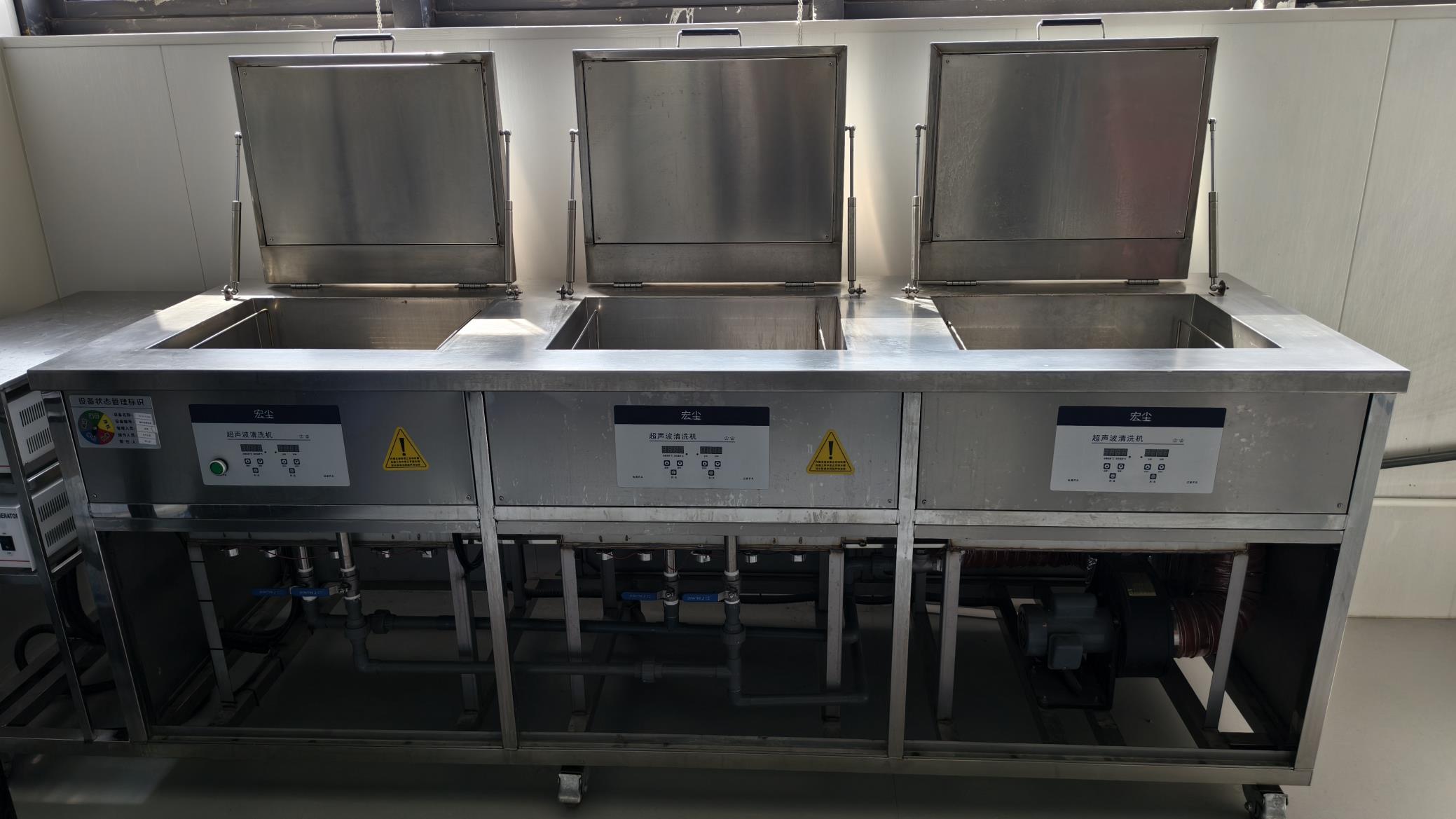
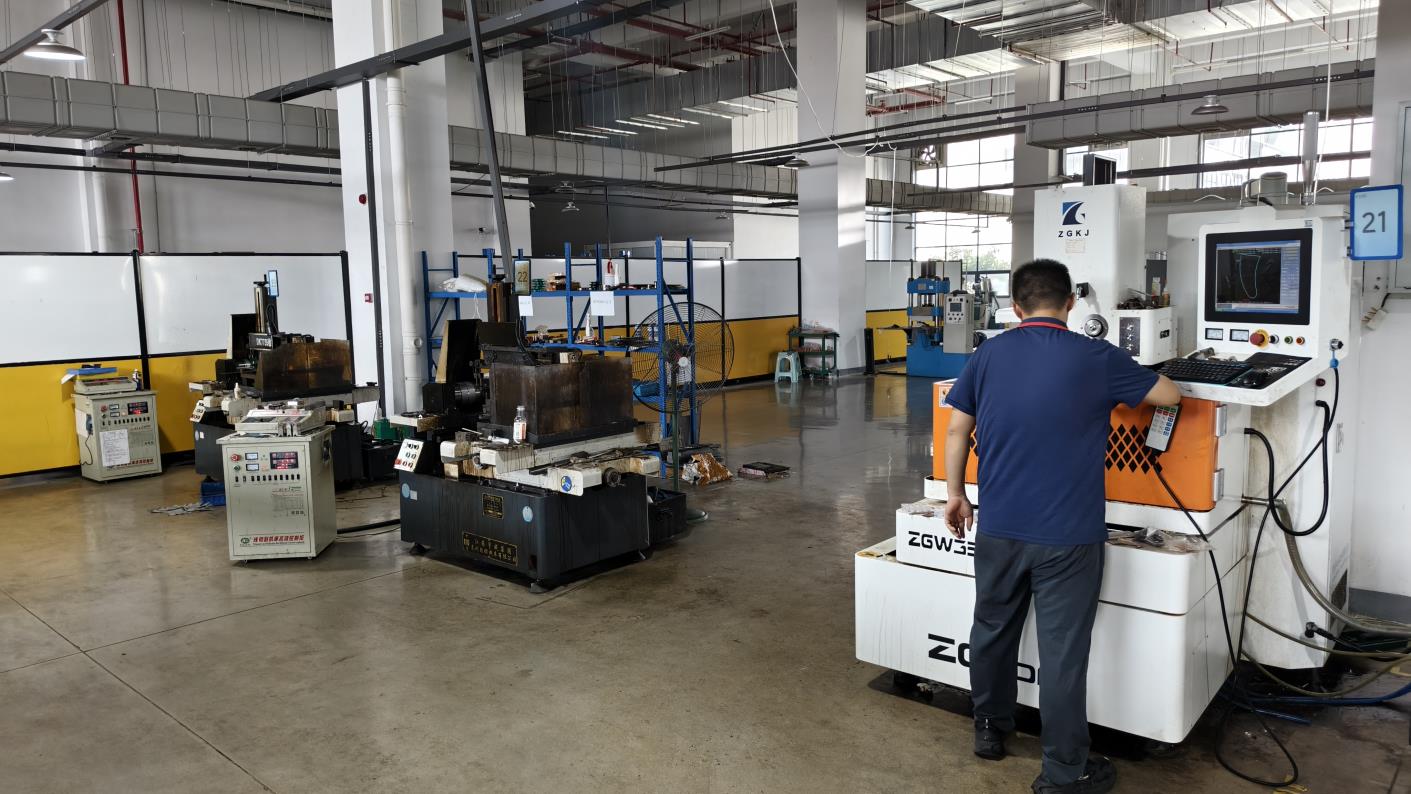
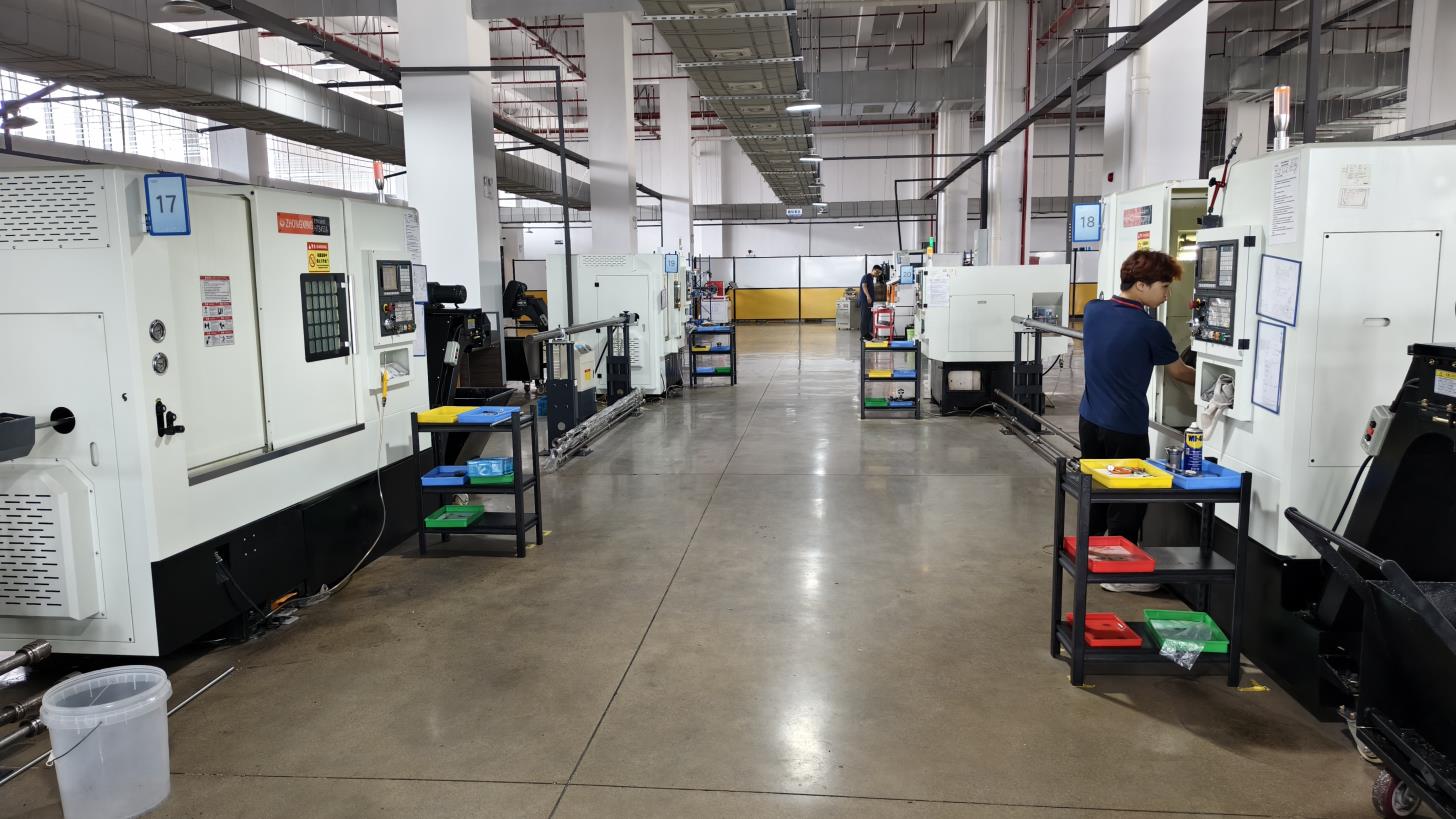
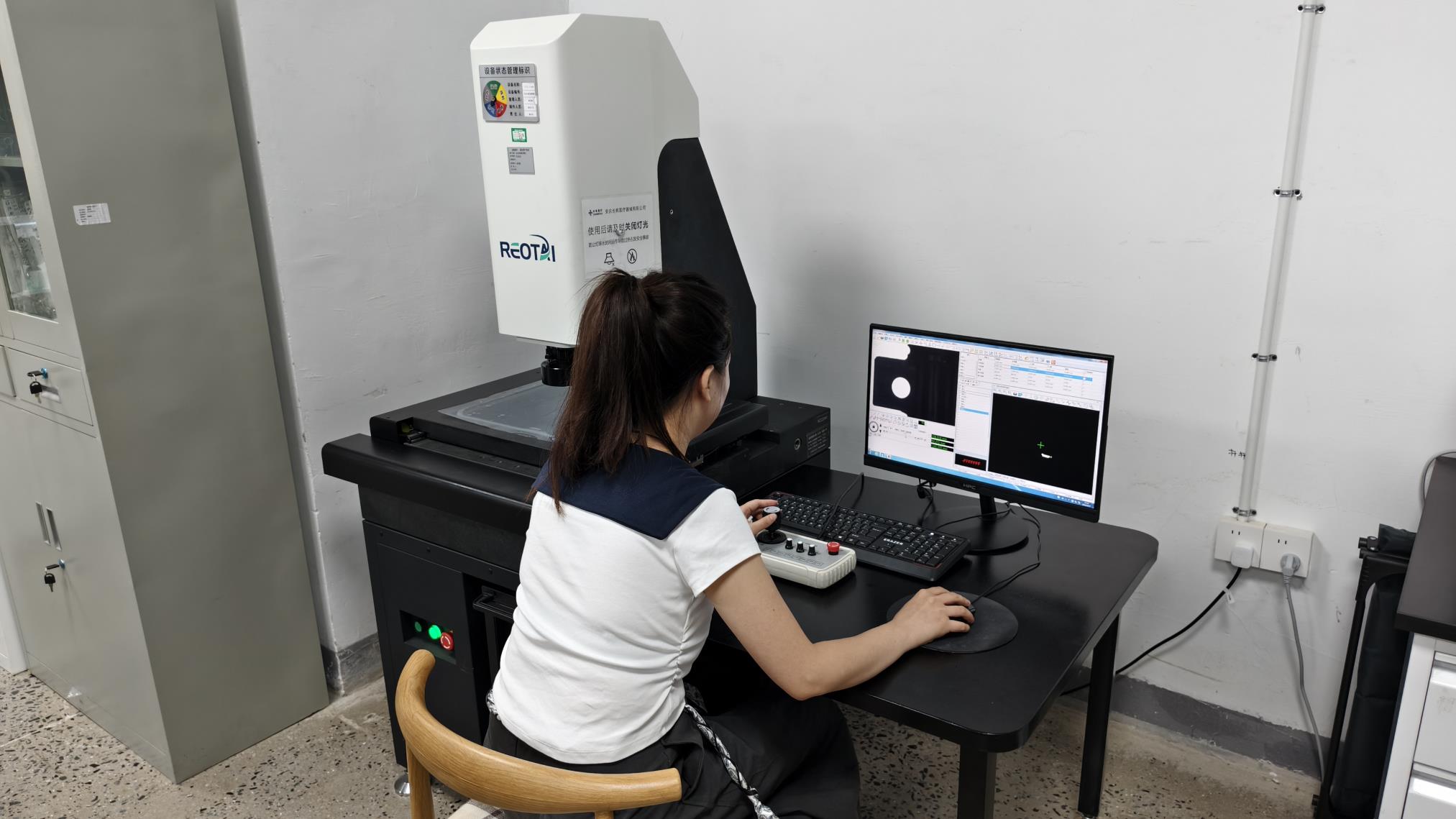
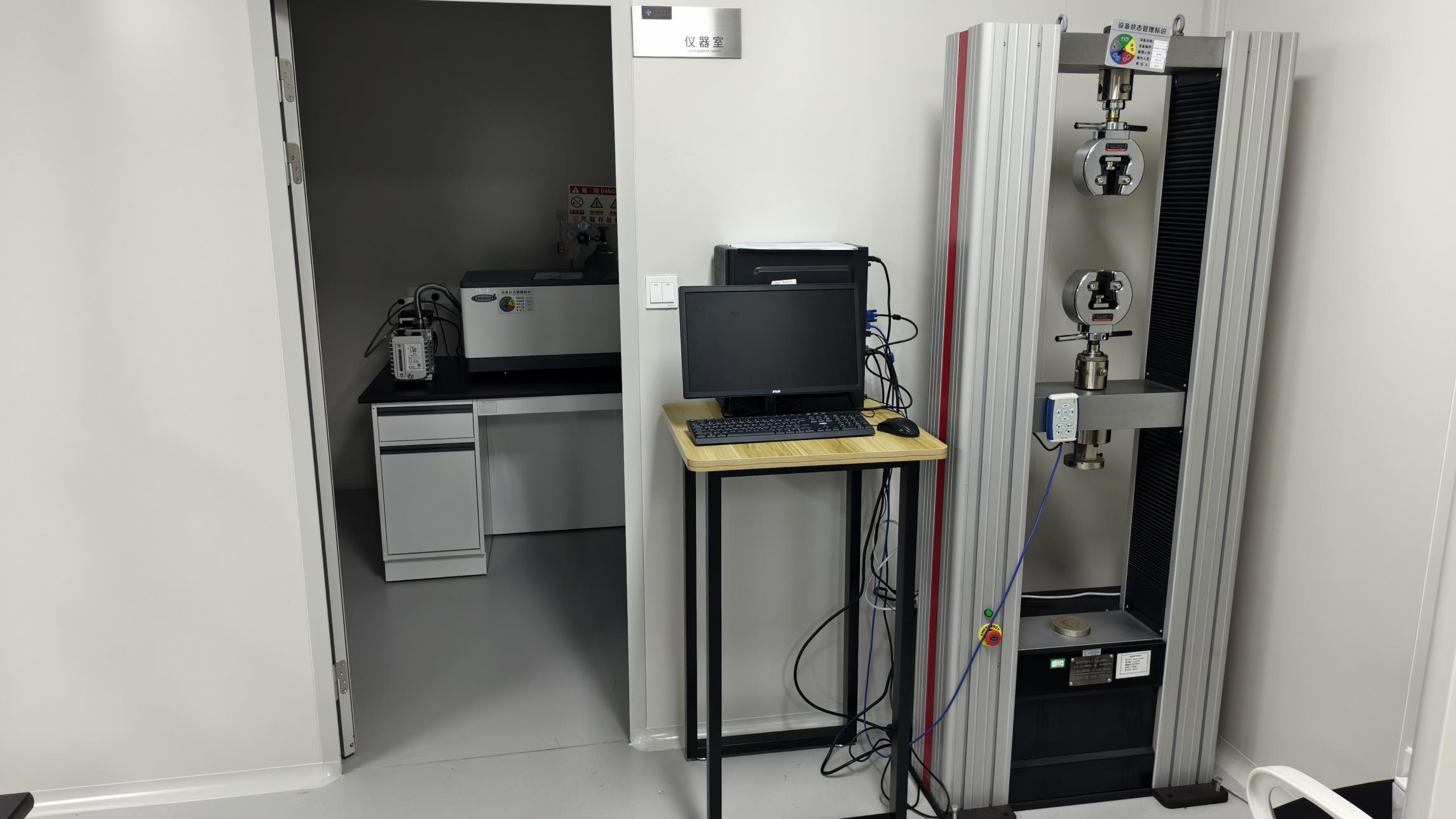
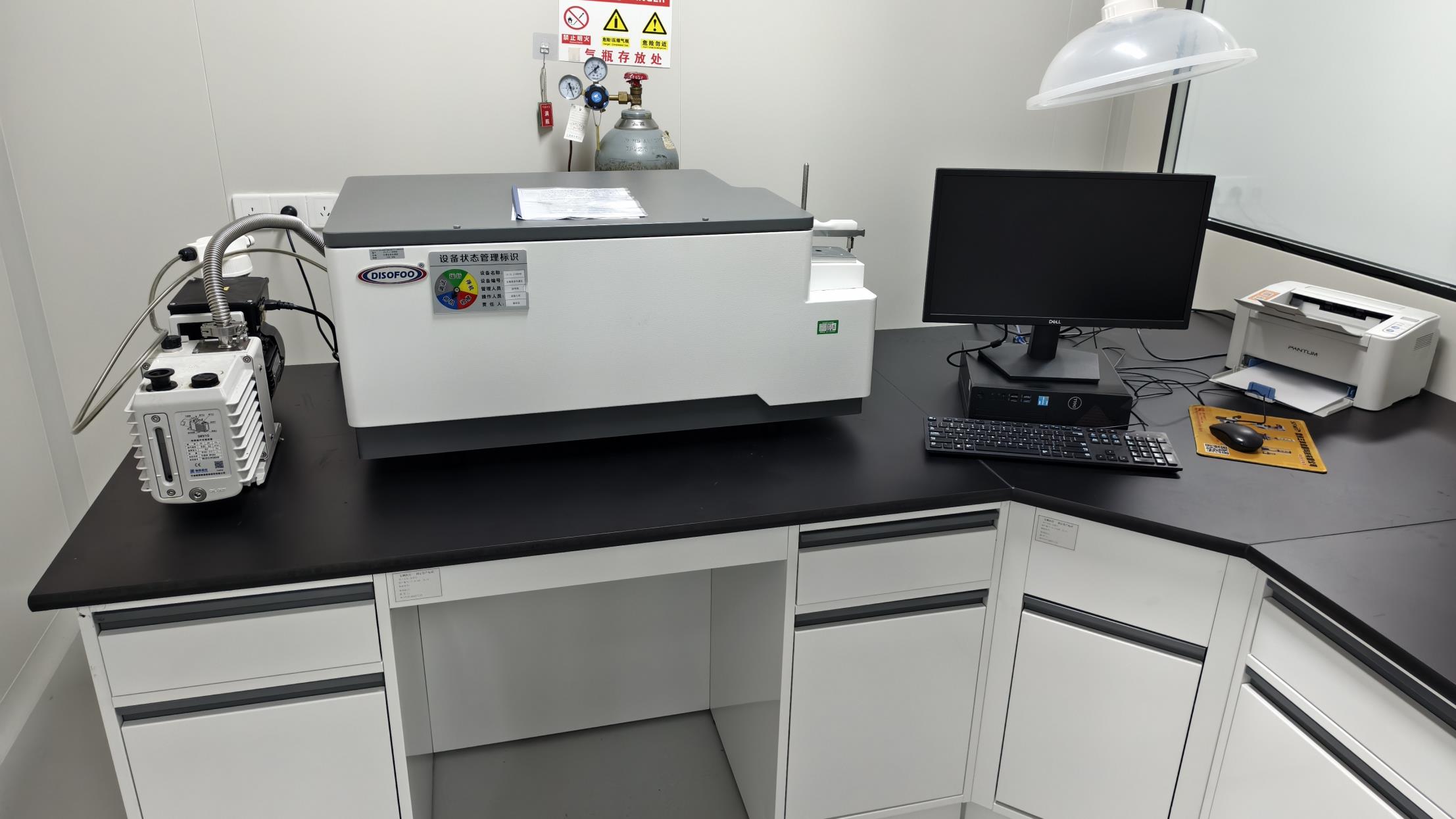
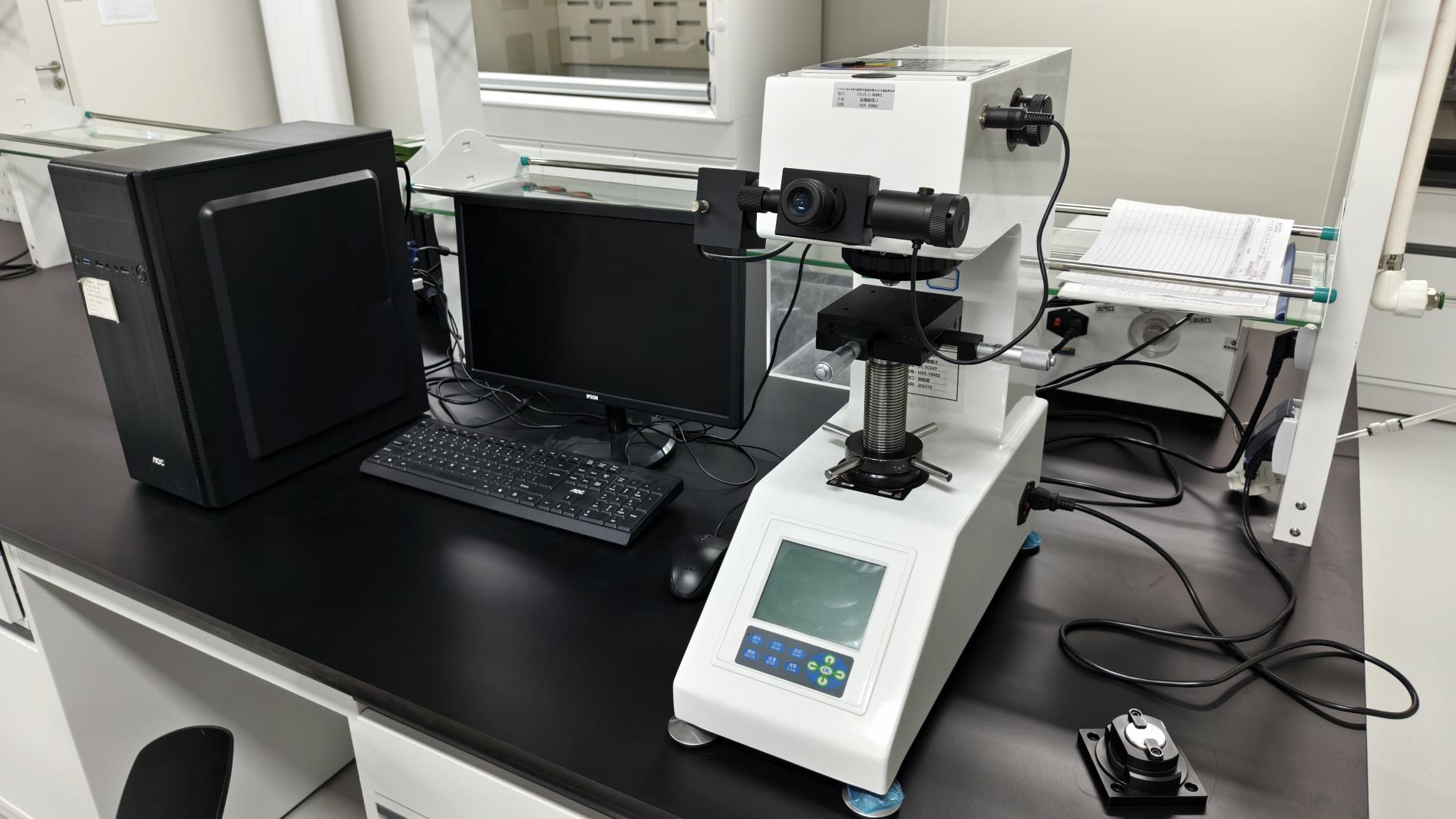
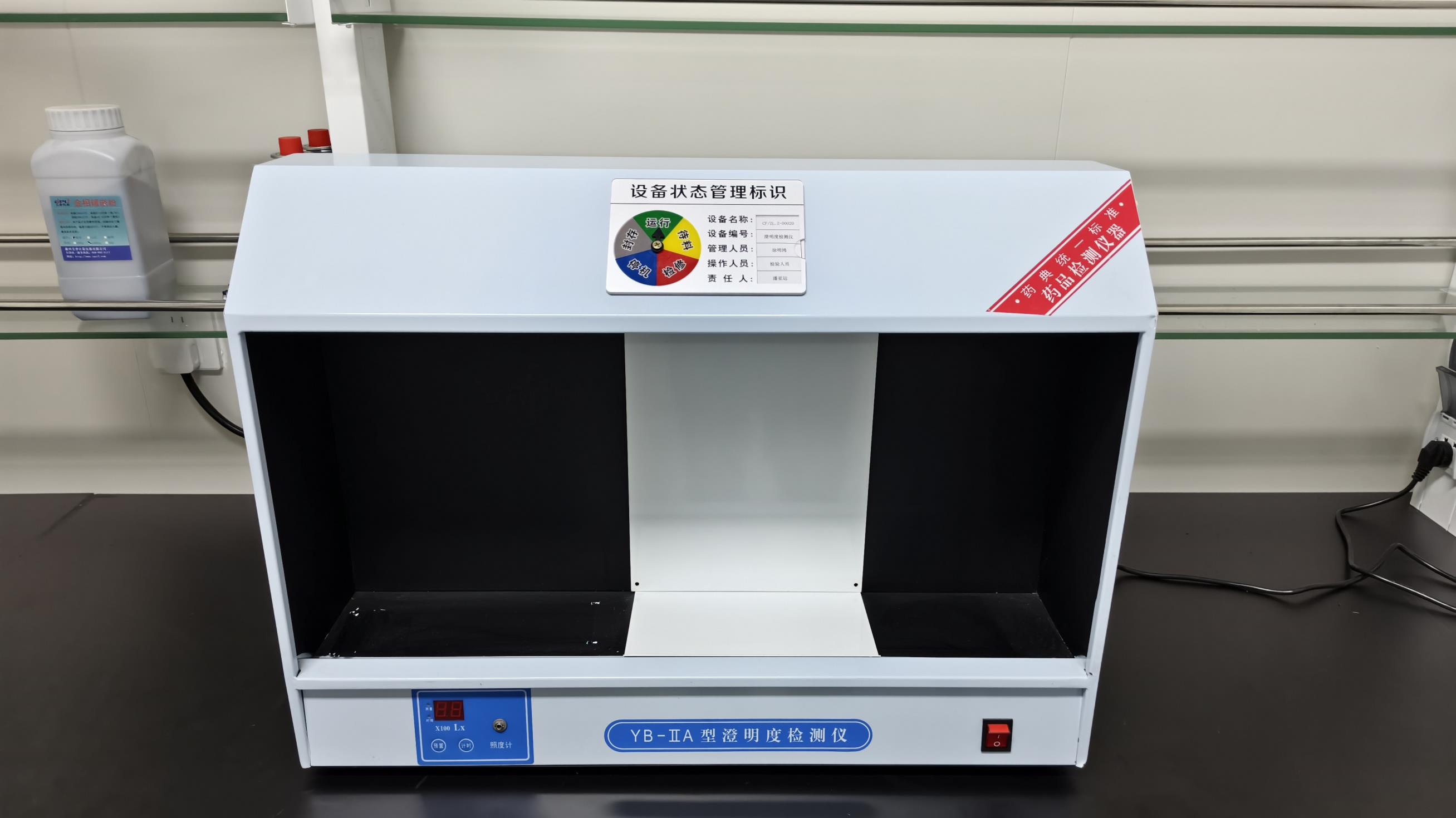
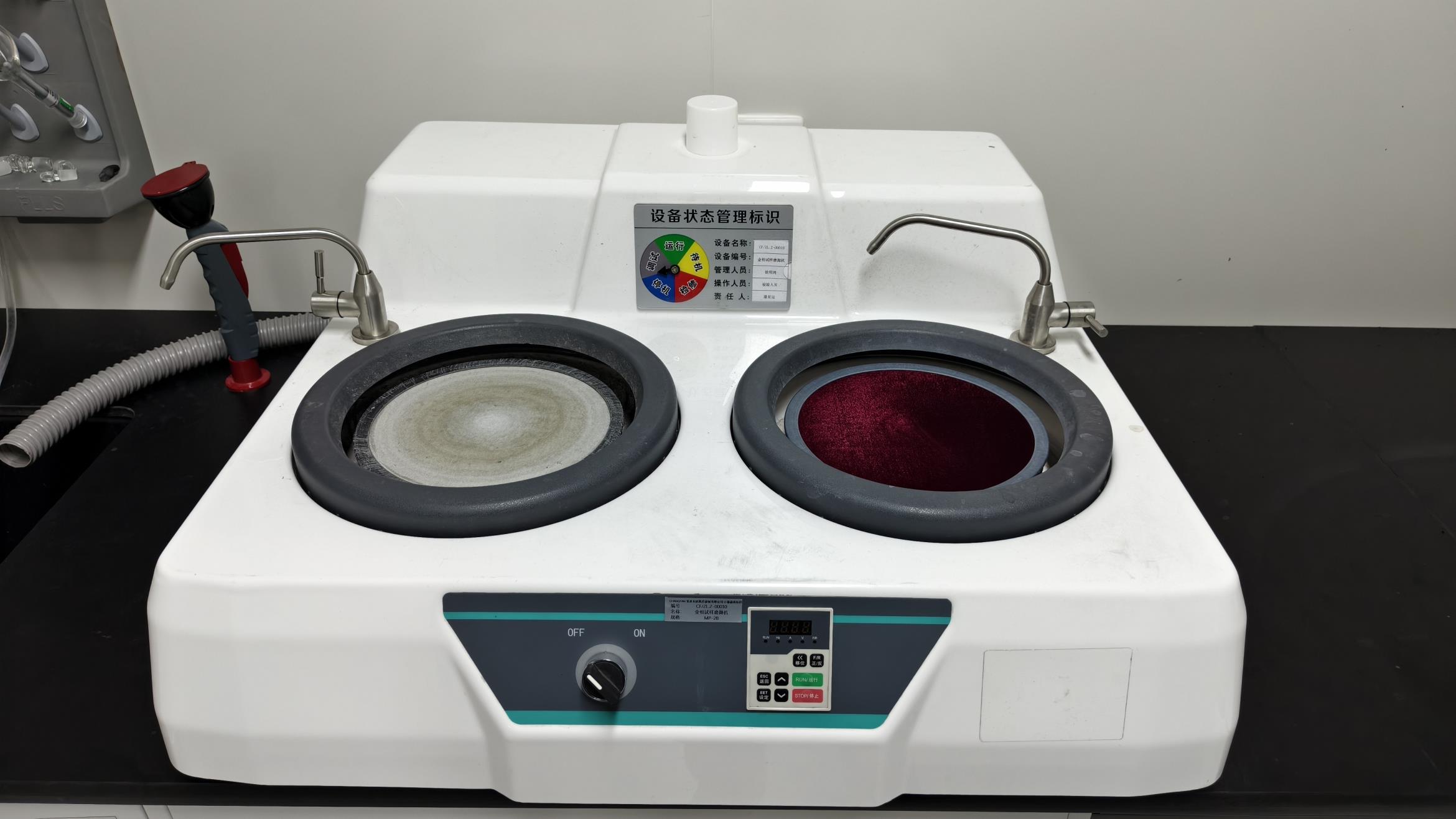
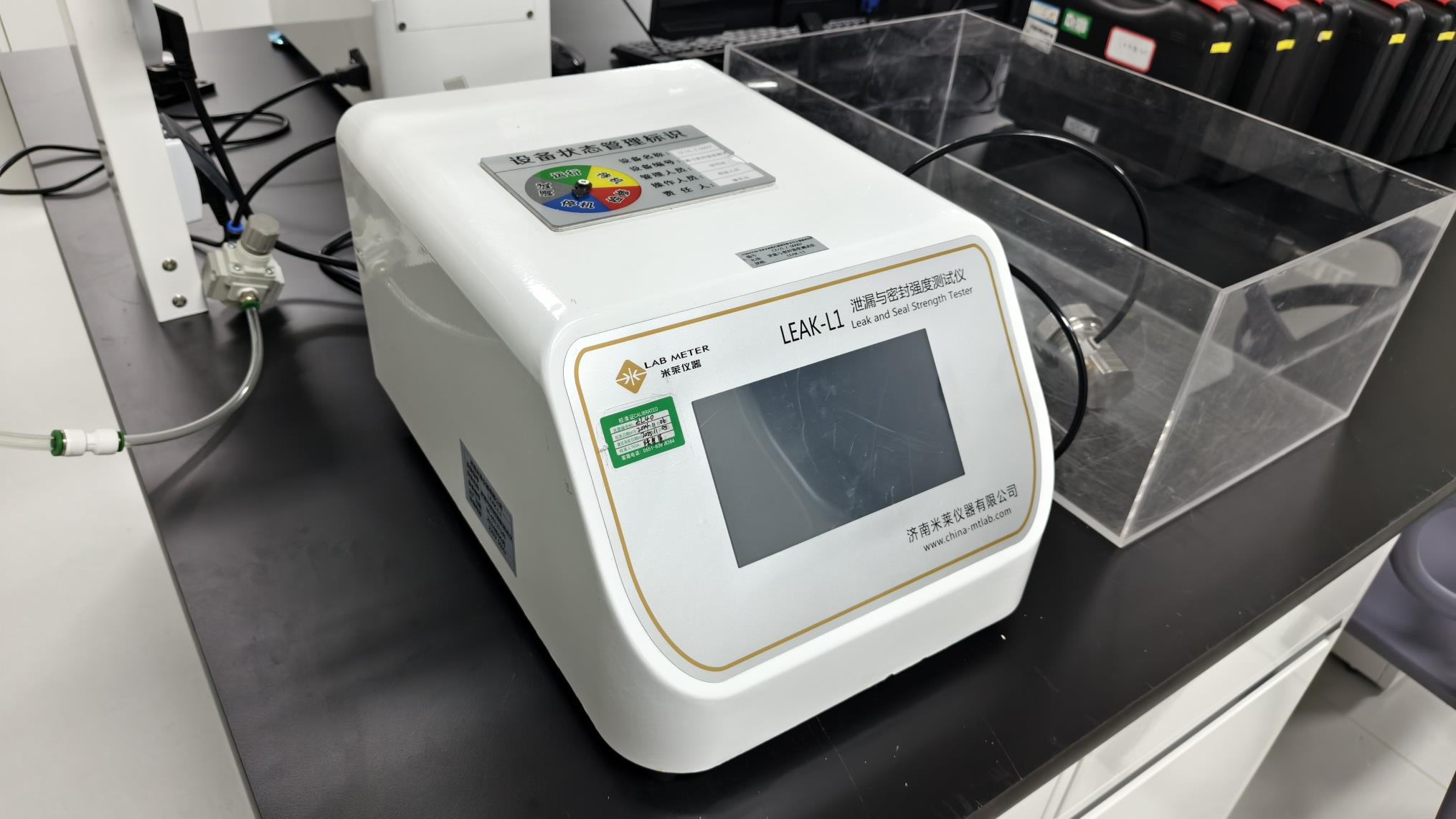
Analyze the shifting paradigms in medical device outsourcing and how Chinese factories lead in tech-adoption and capacity.
China's manufacturing centers have evolved beyond simple cost efficiency. Today, facilities like Synoviq offer deep supply chain aggregation. Proximity to advanced titanium alloy mills, localized surface finishing networks (such as micro-polishing and type II hard anodizing), and access to highly specialized robotics engineers reduce lead times by up to 40% compared to Western manufacturers. Supported by a robust raw material supply and rapid tooling turnarounds, Chinese factories enable agile product iterations.
The surgical world is migrating rapidly toward minimally invasive procedures that demand headless compression screws (HCS). HCS designs eliminate joint interface conflicts and reduce soft-tissue irritation. Simultaneously, the integration of osteoconductive coatings, porous titanium structures, and surface passivations that resist bacterial bio-films represent the next frontier. R&D must align with these clinical realities to yield implants that actively accelerate cellular osteointegration.
Implants must adapt to specific clinical demands. In human trauma surgery, compression screws secure scaphoid fractures, bunionectomies, and distal radius fractures. In spinal surgery, polyaxial pedicle screws stabilize vertebrae during decompression procedures. Veterinary surgery is also expanding quickly; high-load configurations like TPLO (Tibial Plateau Leveling Osteotomy) require robust titanium implants that can withstand sudden, high mechanical loads without failure.
How Synoviq addresses compliance, risk management, and scale for international medical brands.
Navigating international regulatory frameworks is the primary barrier for medical device entry. Under MDR (EU) 2017/745 and FDA guidelines, quality system compliance is non-negotiable. Synoviq ensures every manufacturing step—from spectrometer-verified material composition to 100% final dimensional inspections—is documented with fully traceable certificates. Our facilities conform to ISO 13485:2016, establishing the data depth required to support your market registration portfolios.
OEM/ODM collaboration is more than print-to-part production. Synoviq’s 76 R&D engineers utilize advanced CAD software and Finite Element Analysis (FEA) to simulate clinical loads on implants before physical prototypes are machined. This analytical validation mitigates product development risks, decreases structural optimization iterations, and ensures the mechanical properties of customized screw heads or thread pitches align with physiological stress limits.
With over 1,120 supply partners, Synoviq guarantees material supply stability. We mitigate global logistics risks by utilizing advanced inventory strategies (such as safety stock agreements for high-volume products) and secure shipping channels. Whether you require micro-scale batches for clinical trials or multi-million-unit runs for national healthcare systems, our modern Swiss-type lathe centers provide high precision and scale without compromising quality.
Detailed structural insights and business term information for B2B distributors and brand managers.
We primarily machine implants using high-performance Titanium Alloy (Ti-6Al-4V ELI, conforming to ASTM F136 / ISO 5832-3 standards) and surgical-grade Stainless Steel (316LVM, conforming to ASTM F138 / ISO 5832-1). These materials ensure high fatigue strength, biocompatibility, and corrosion resistance.
Synoviq is certified under the ISO 13485:2016 Quality Management System for Medical Devices. Our production pathways conform to CE (Class III) and other critical regional medical device rules, ensuring ease of validation for your domestic registration audits.
Each raw material batch undergoes spectral analysis upon delivery. We perform 100% dimensional and visual checks during CNC processing, followed by automated CMM measurements, hardness tests, and mechanical tensile evaluations in our QA laboratory. Complete lot traceability documents are issued with every shipment.
Standard OEM production batches generally take 45 to 60 days from final blueprint approval, depending on order size and complexity. For customized designs requiring specialized surface finishing, validation, or sterile packaging setups, the timeline may vary but is clearly established during project onboarding.
Additional surgical implants, instruments, and equipment to support global distribution demands.
 Synoviq Medical