Explore our elite selection of surgical implants and instrumentation systems manufactured under rigorous CE and ISO regulatory frameworks.
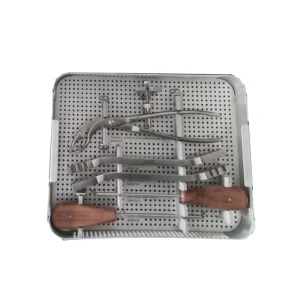
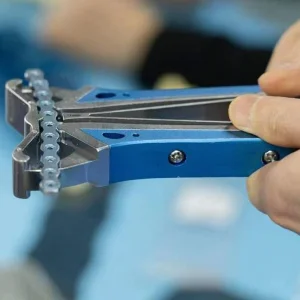
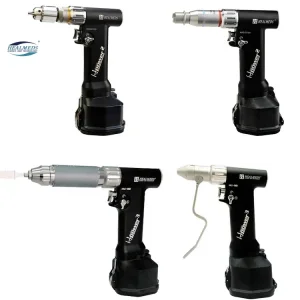
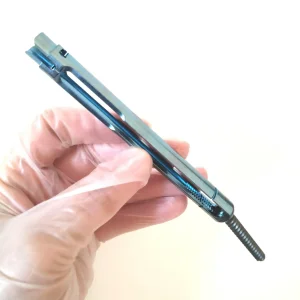
In the high-stakes sector of extremity trauma and reconstructive osteosynthesis, the Headless Compression Screw (HCS)—popularly recognized under the pioneering Acutrak design topology—stands as the definitive gold standard. Offering variable pitch, fully threaded, and tapered geometries, these implants yield unparalleled interfragmentary compression and stable load distribution. However, the engineering complexity and strict regulatory boundaries surrounding medical-grade titanium manufacturing demand experienced and certified production partners.
For global medical device brands, procurement managers, and specialized orthopedic distributors, procuring Acutrak-compatible screws involves navigating complex trade-offs between mechanical tolerances, raw material traceability, manufacturing yield rates, and regulatory compliance (MDR/FDA). This whitepaper provides a comprehensive overview of how Synoviq Medical Technology (China) Co., Ltd. addresses these systemic challenges through cutting-edge, vertically integrated OEM/ODM solutions.
A summary of our core business assets, production footprint, and engineering parameters that sustain our high-capacity OEM/ODM orthopedic contract services.
| Operations Metric | Industrial Capability & Specification Details |
|---|---|
| Company Name | Synoviq Medical Technology (China) Co., Ltd. |
| Brand Registration | Synoviq |
| Establishment Date | March 18, 2016 |
| Export Capability | 8+ Years of Certified International Shipments |
| Supply Chain Partners | 1,120+ Active Global Partners & Raw Material Suppliers |
| Inspection Benchmark | 100% Final Inspection & Strict Material Source Testing |
| Product R&D Output | 186 New Orthopedic Products Released Last Fiscal Year |
| Quality Control Staff | 48 Dedicated Quality Assurance & Metrology Technicians |
The core clinical utility of an Acutrak-style screw lies in its unique geometric configurations, which differentiate it from conventional Herbert screws:
Unlike standard dual-threaded screws that have distinct distal and proximal threads separated by a smooth shank, Acutrak screws utilize a continuous thread with a pitch that gradually shifts from wider at the tip to narrower at the tail. This layout guarantees that each subsequent thread turn draws the proximal bone fragment closer to the distal fragment, achieving incremental compression across the entire fracture plane.
The tapered shape ensures that the screw compresses the surrounding bone matrix along its entire length. In osteoporotic bone or complex scaphoid non-unions, this taper enhances pull-out resistance, prevents backing out, and significantly minimizes the risk of construct failure under rotational strain.
By eliminating the screw head, surgeons can countersink the implant entirely beneath the articular cartilage, preventing soft-tissue impingement. The fully threaded layout ensures that load is distributed along the entire length of the screw, rather than concentrating stress solely at the head-neck junction.
As a leading OEM/ODM contractor, Synoviq utilizes premium medical-grade Titanium Alloys (typically Ti-6Al-4V Extra Low Interstitial) to manufacture compression screws. This specific alloy offers a highly favorable combination of strength, high fatigue resistance, and low density. It also features a modulus of elasticity that aligns closely with cortical bone tissue, helping to mitigate stress shielding and accelerate postoperative osteogenesis.
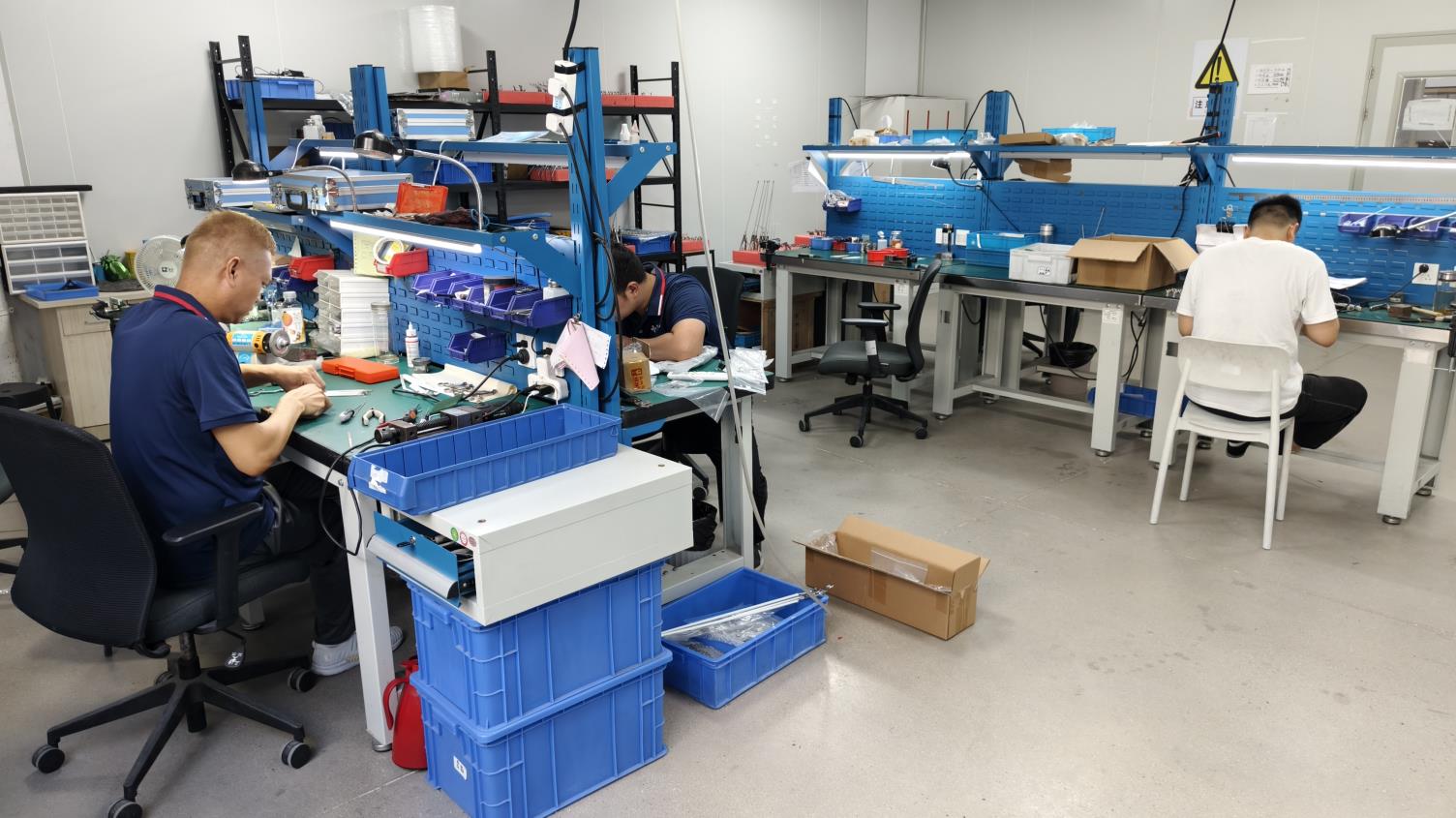
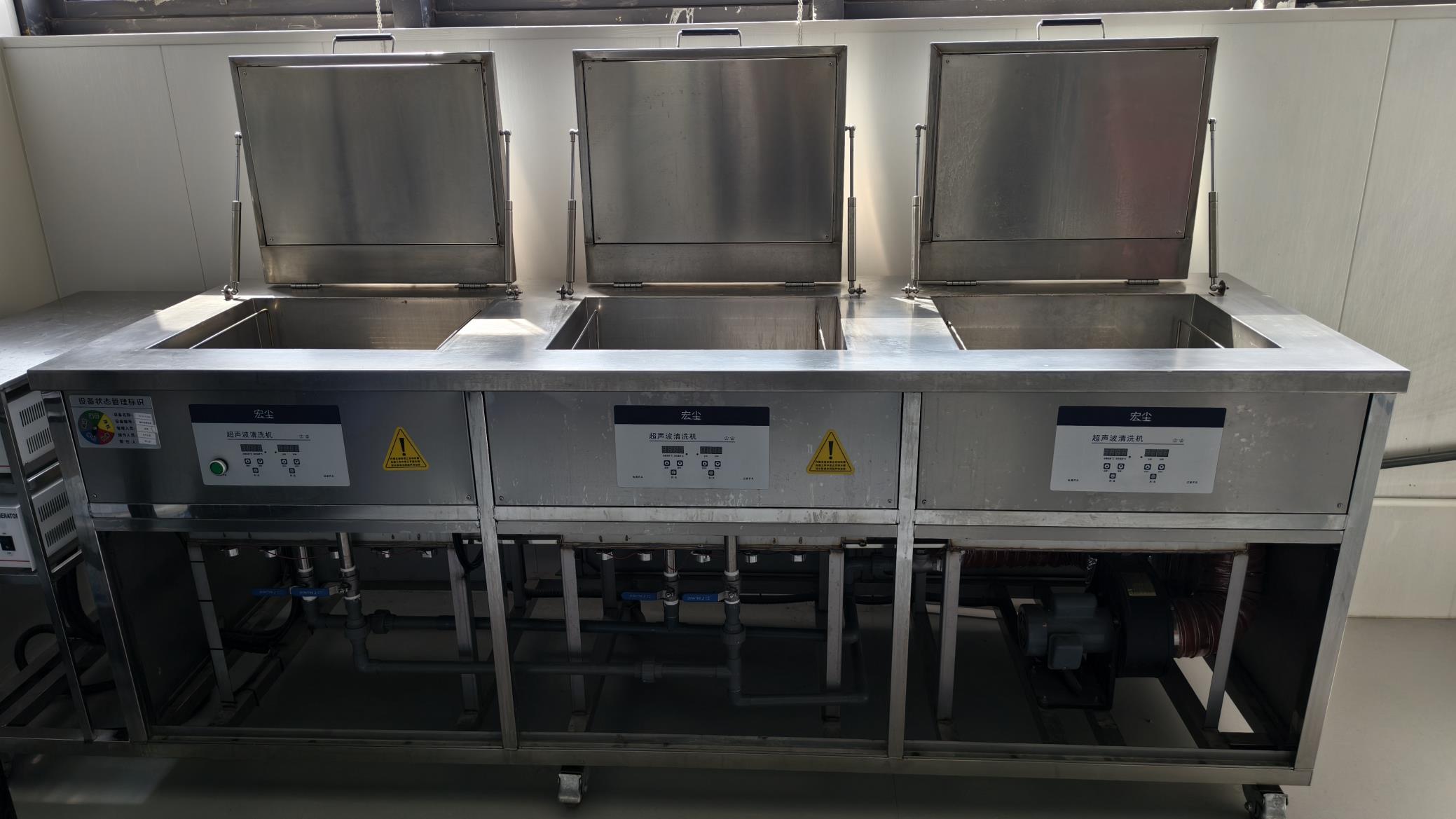
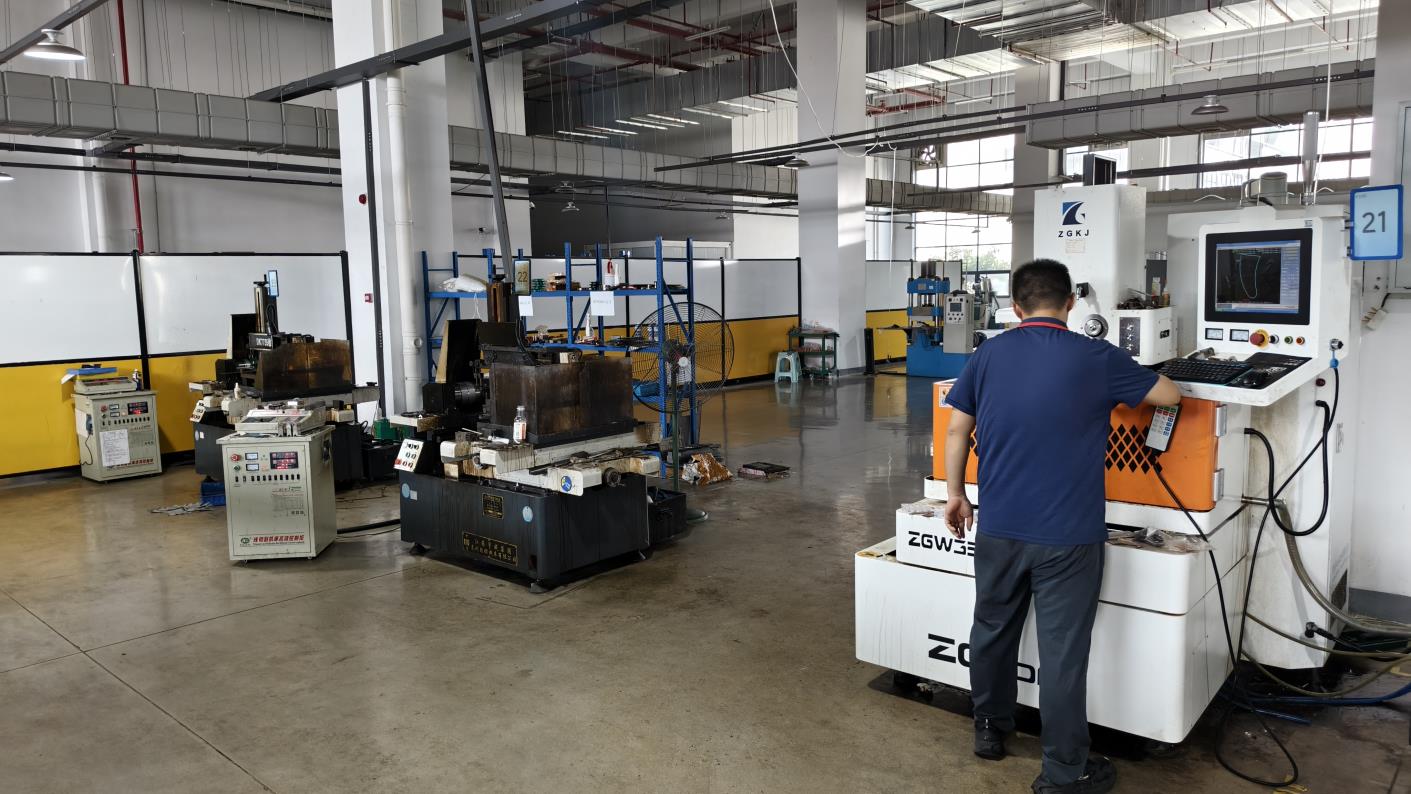
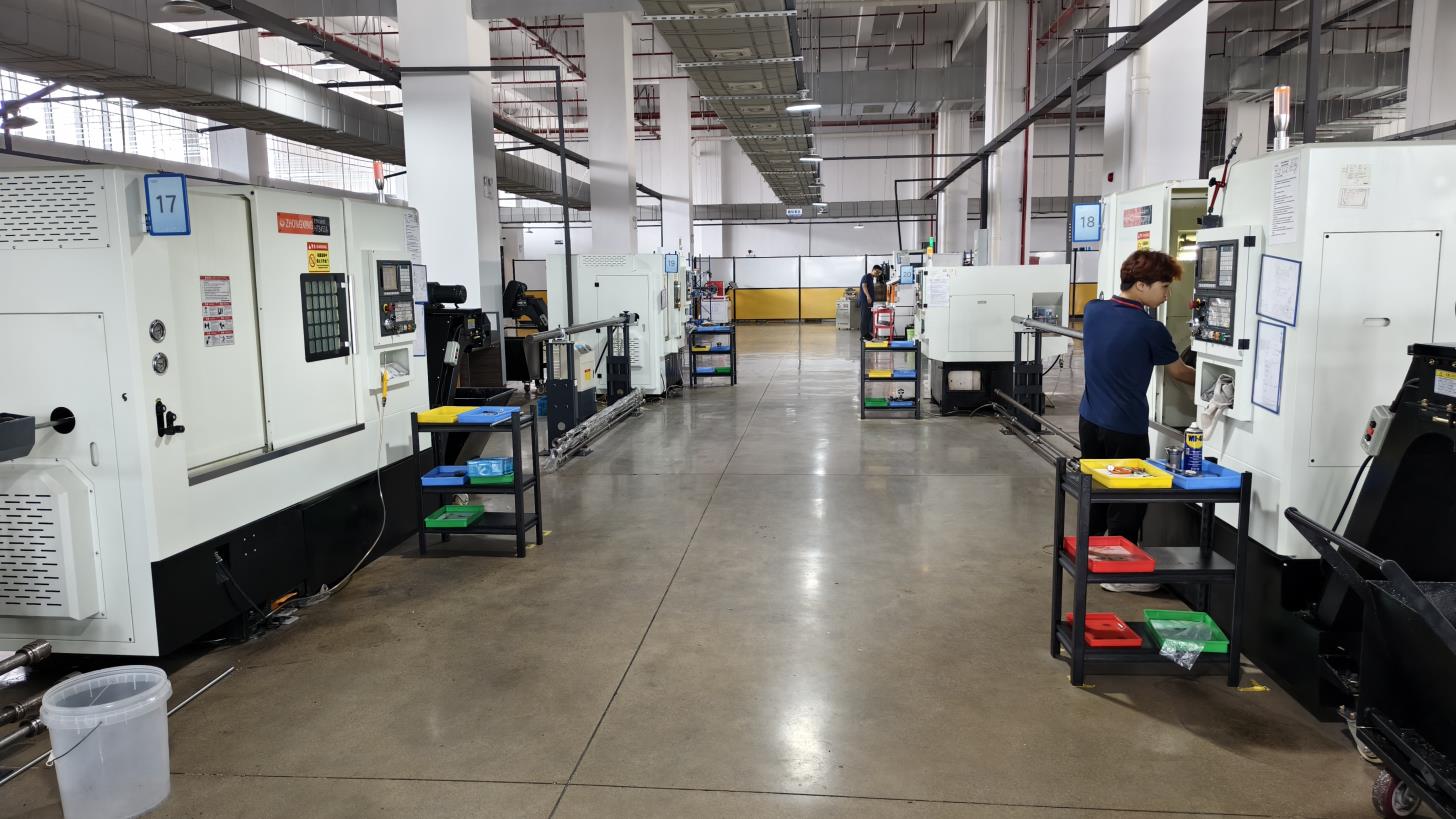
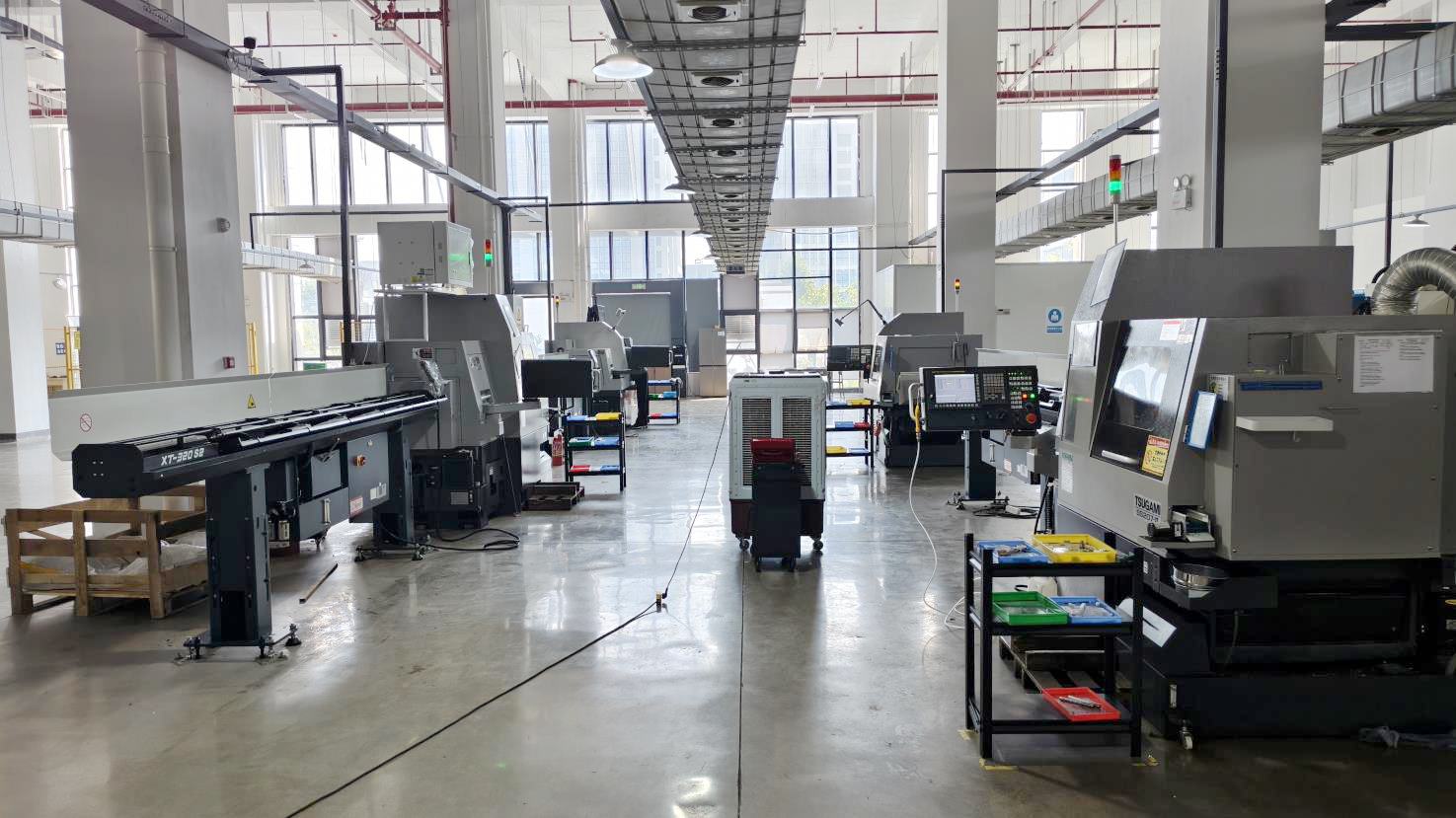
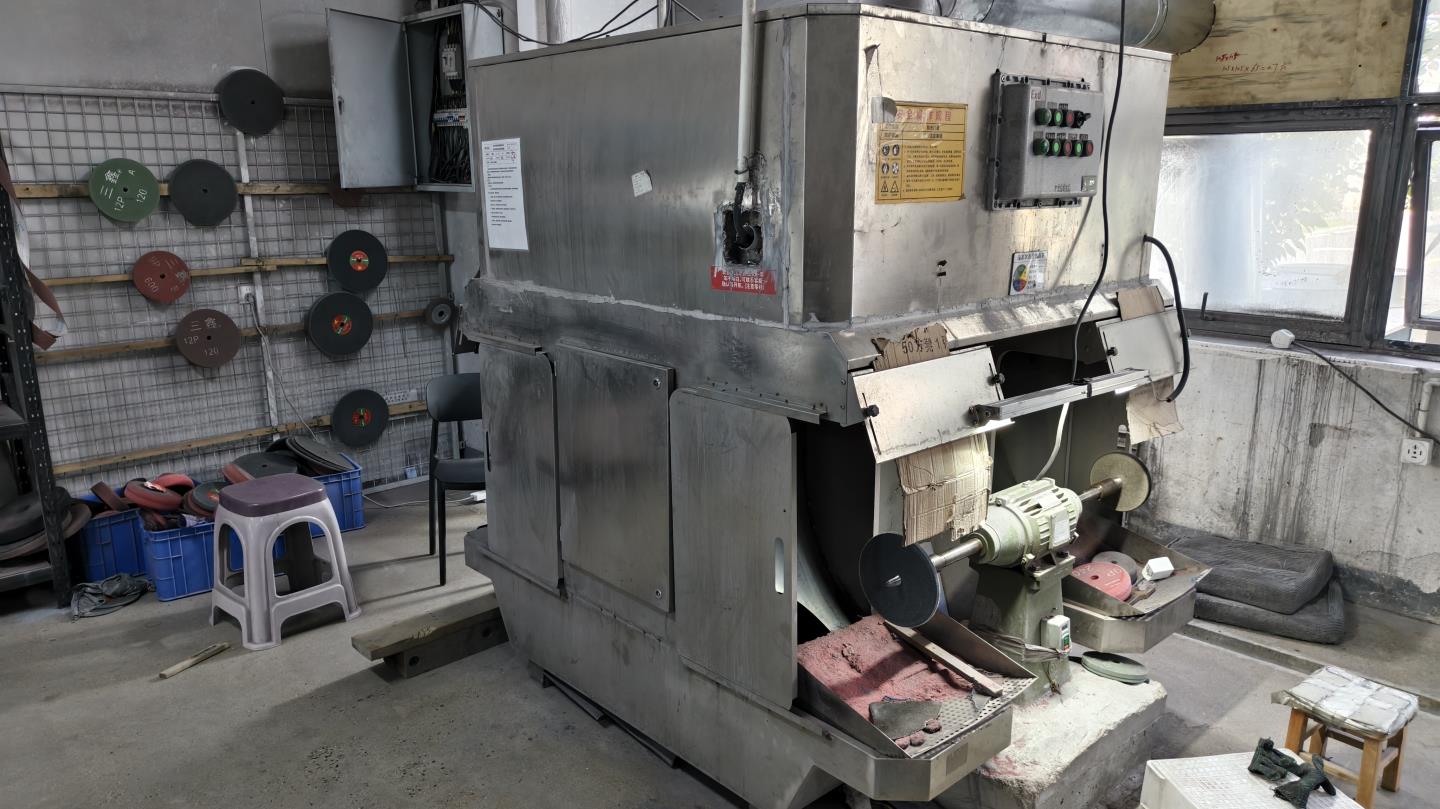
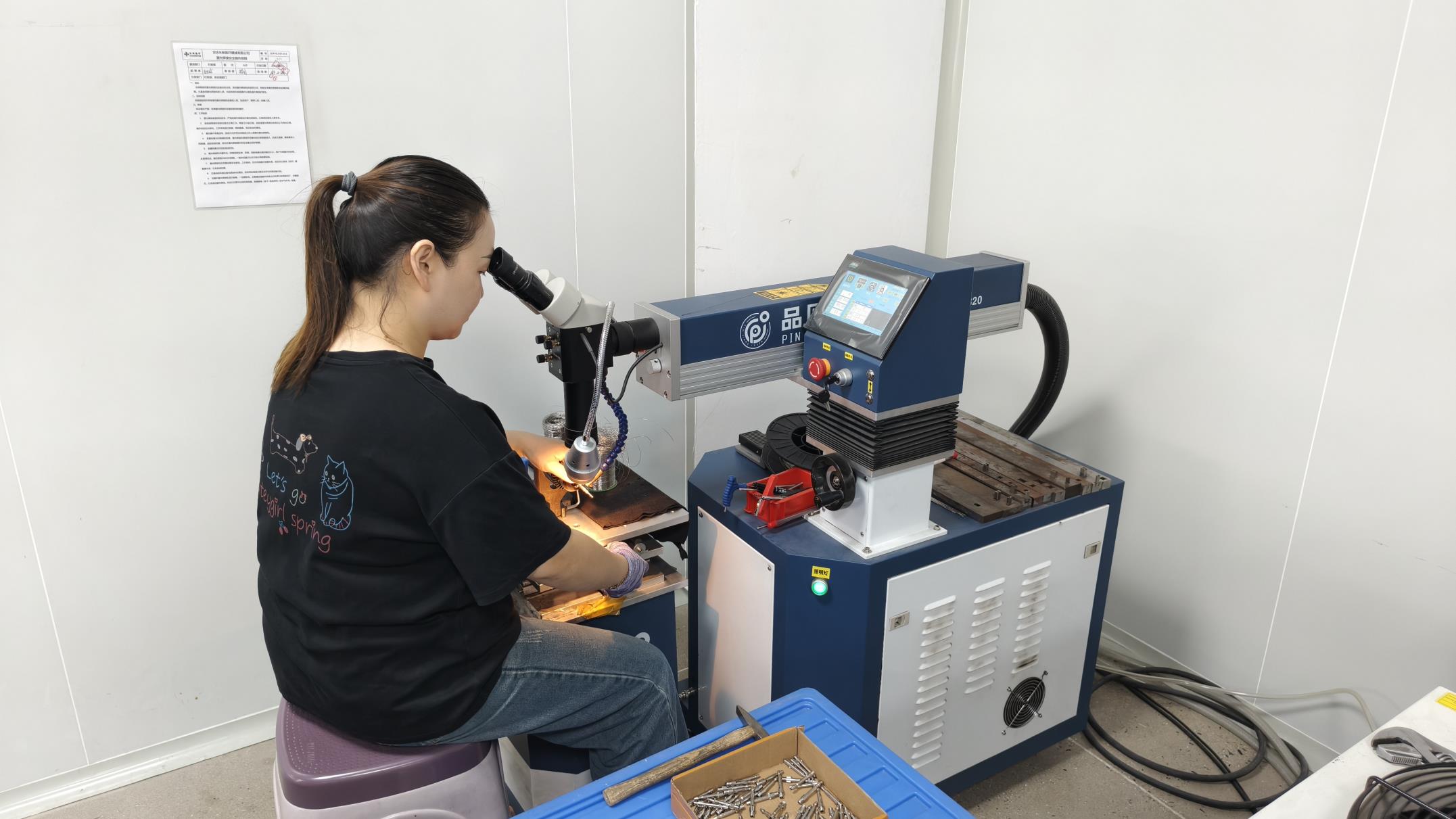
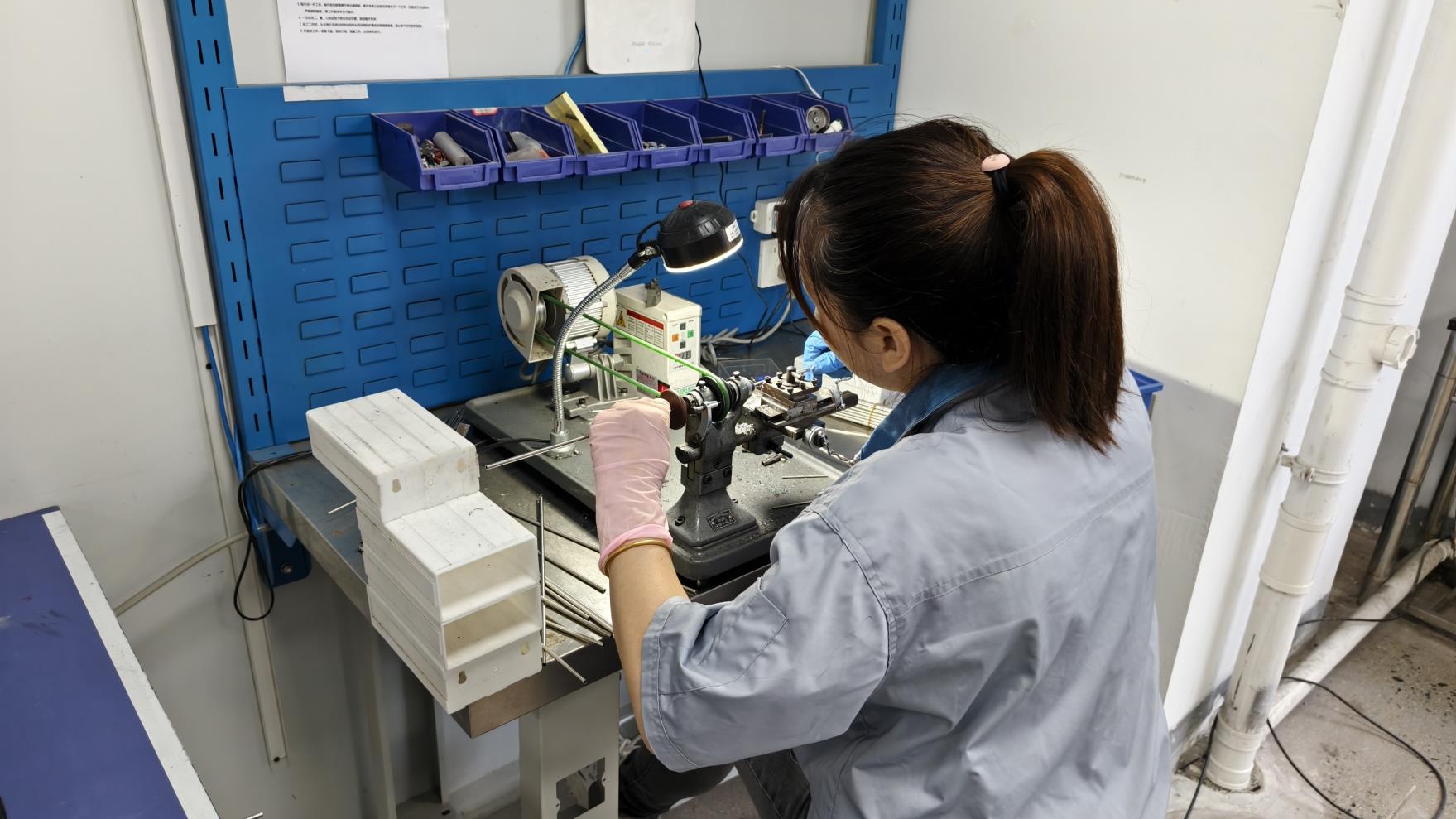
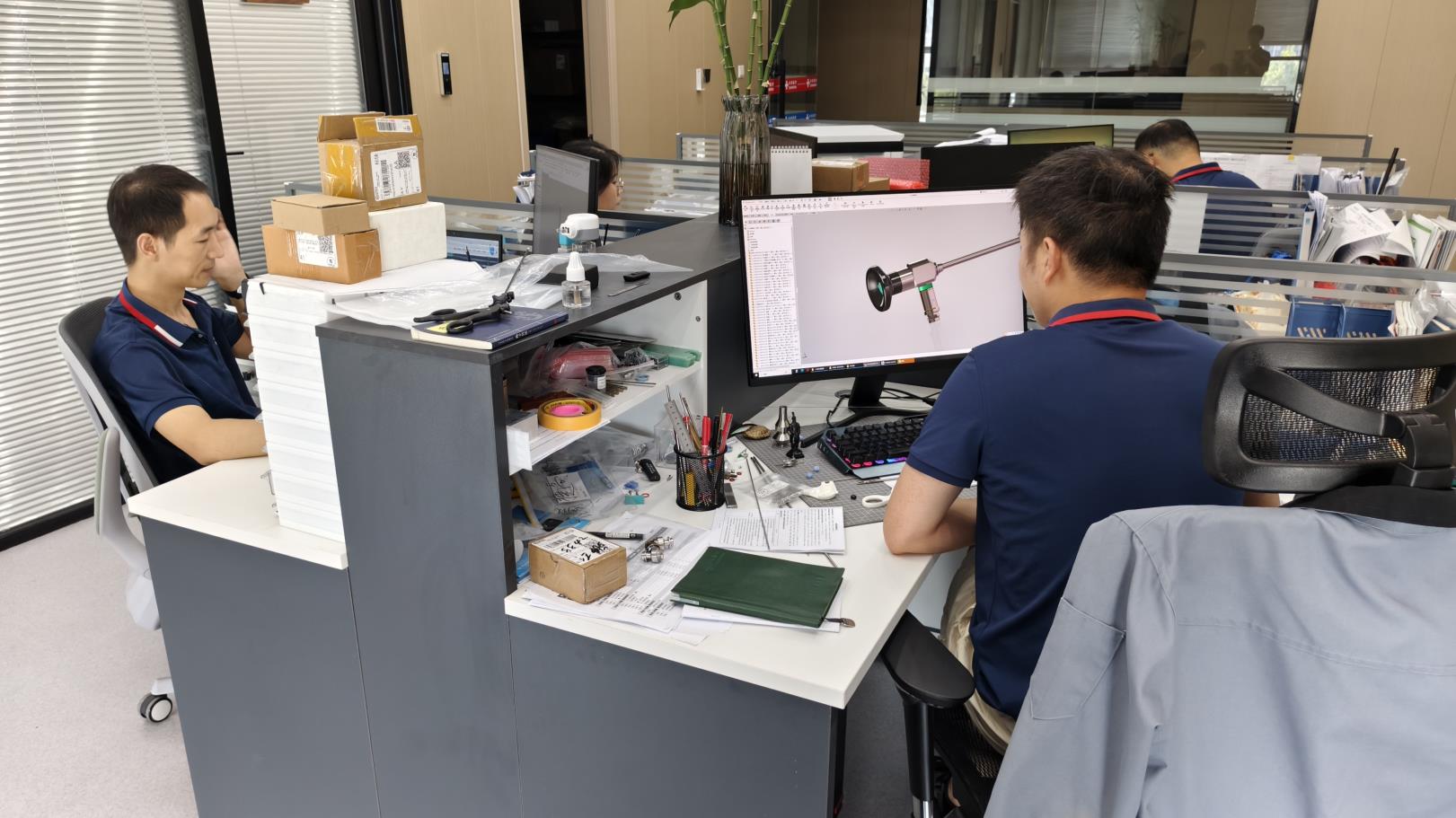
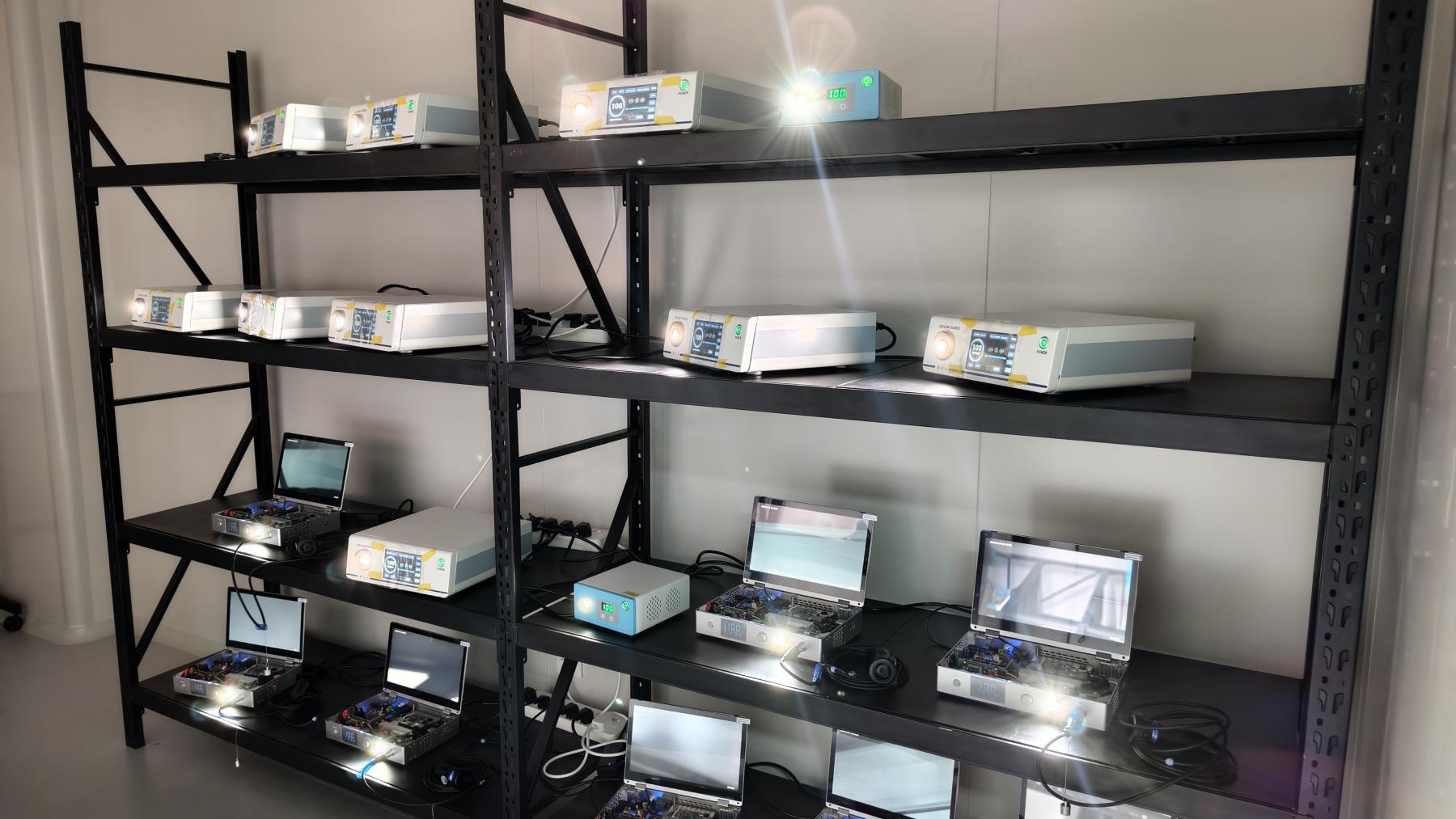
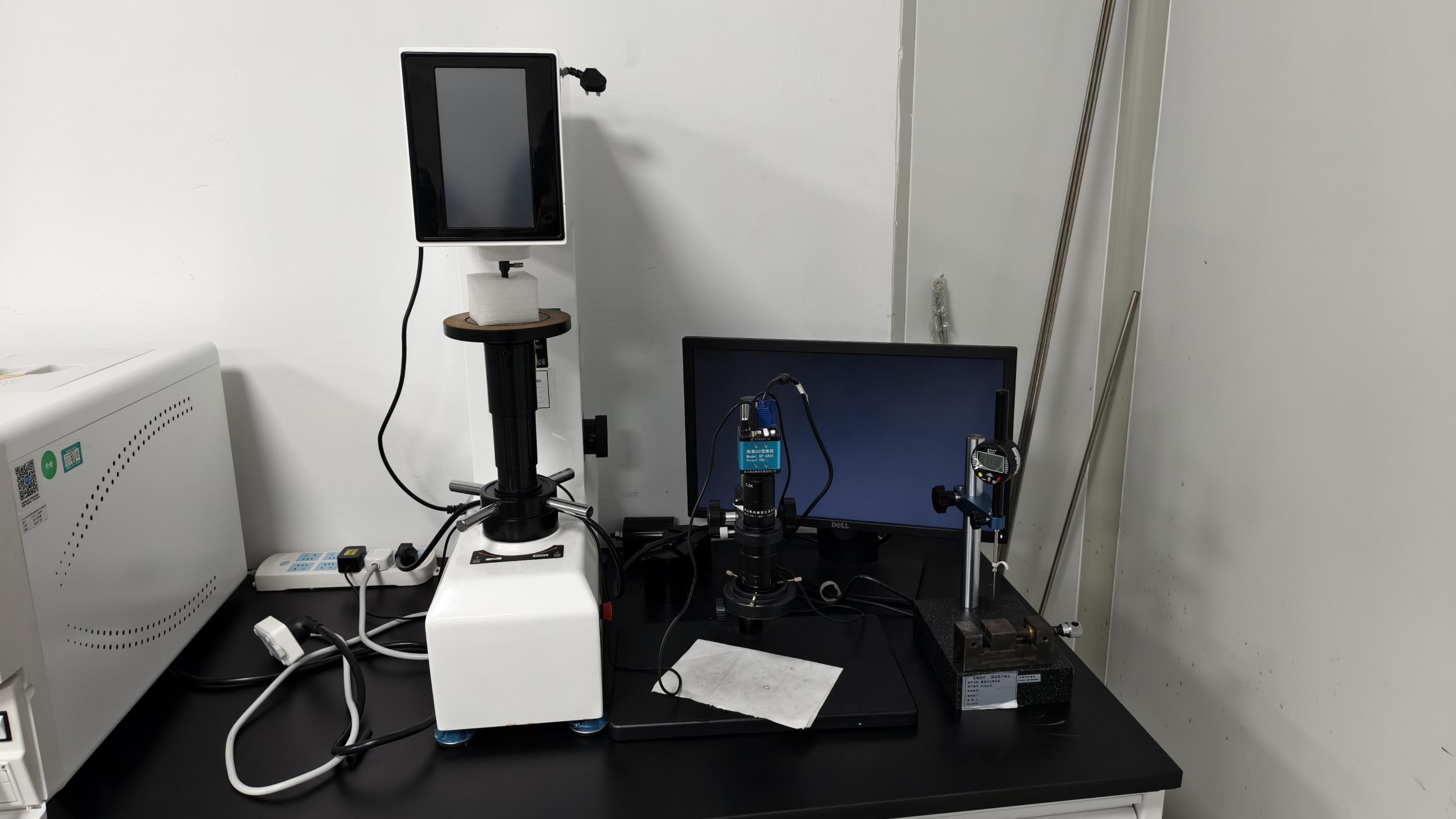
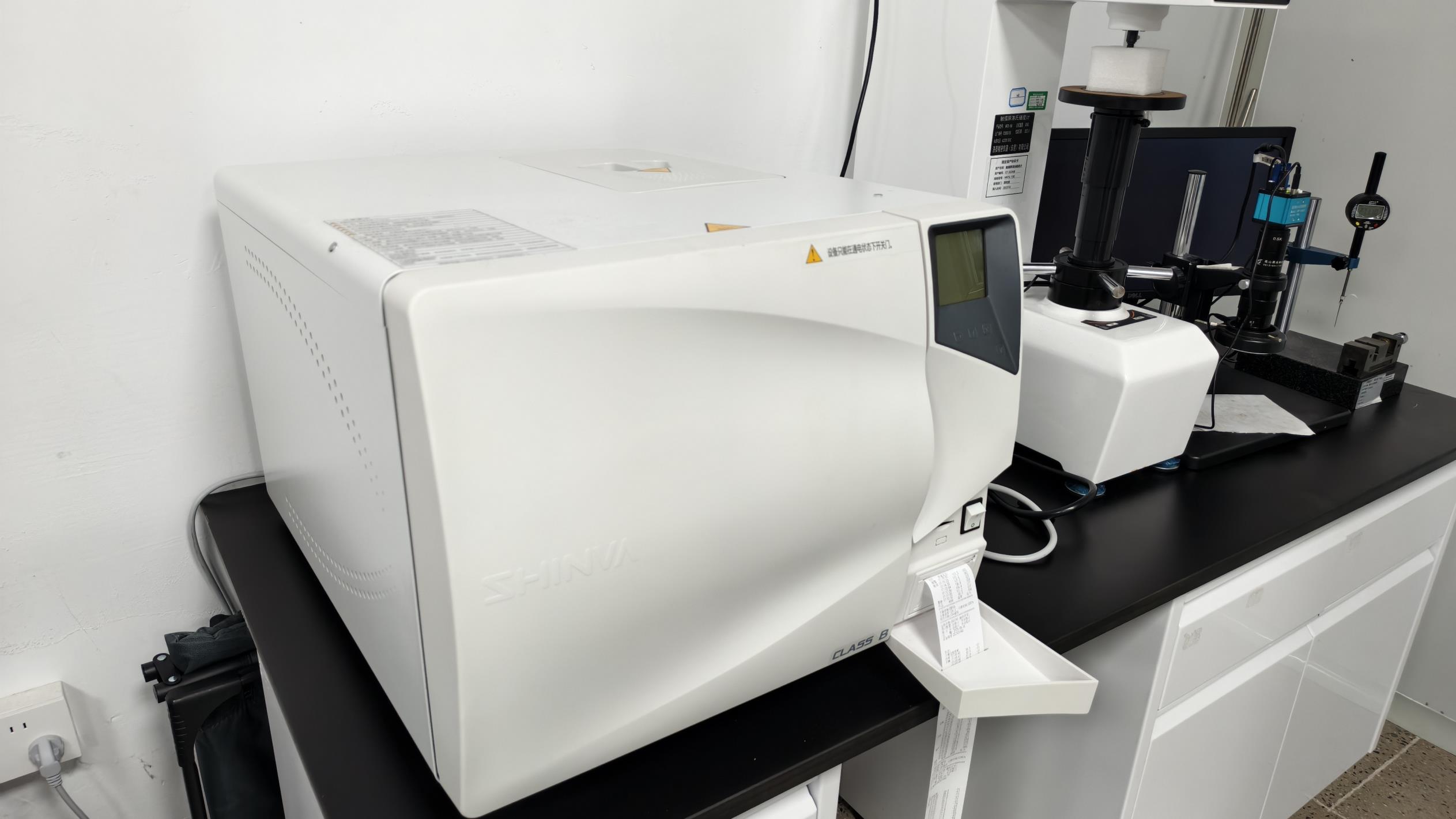
Below is the visualization of Synoviq's complete manufacturing workflow, highlighting our high-precision machinery, testing instruments, and quality validation phases.
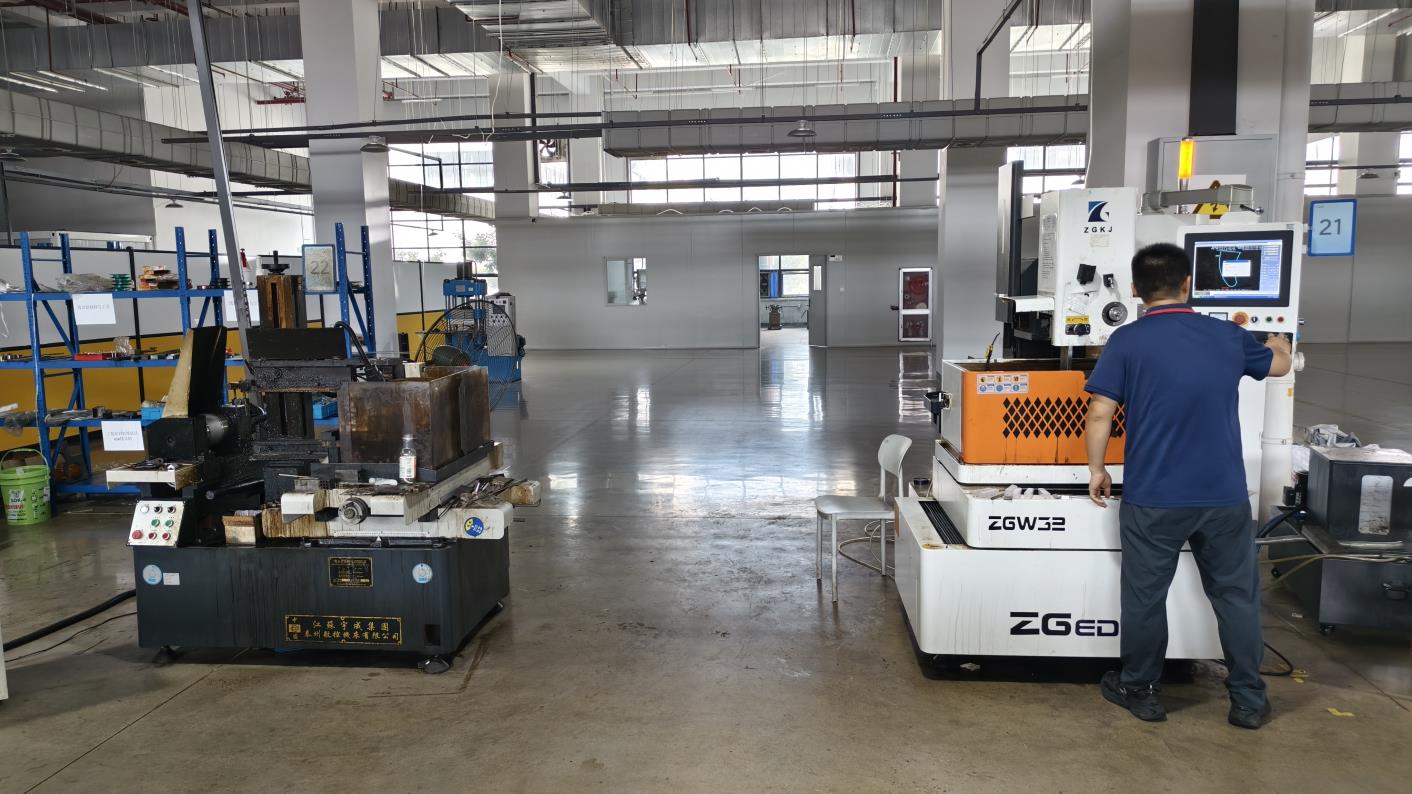
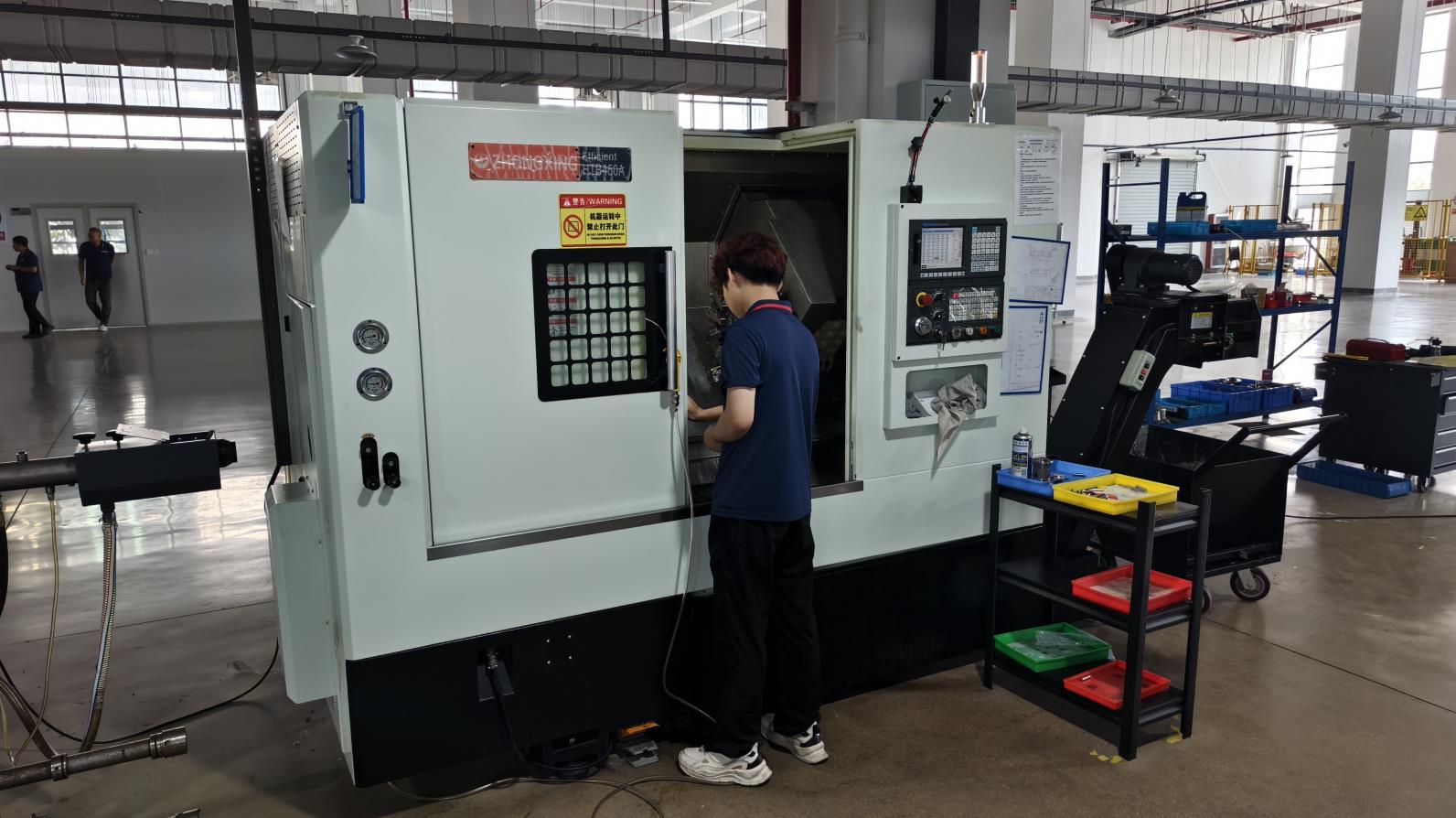
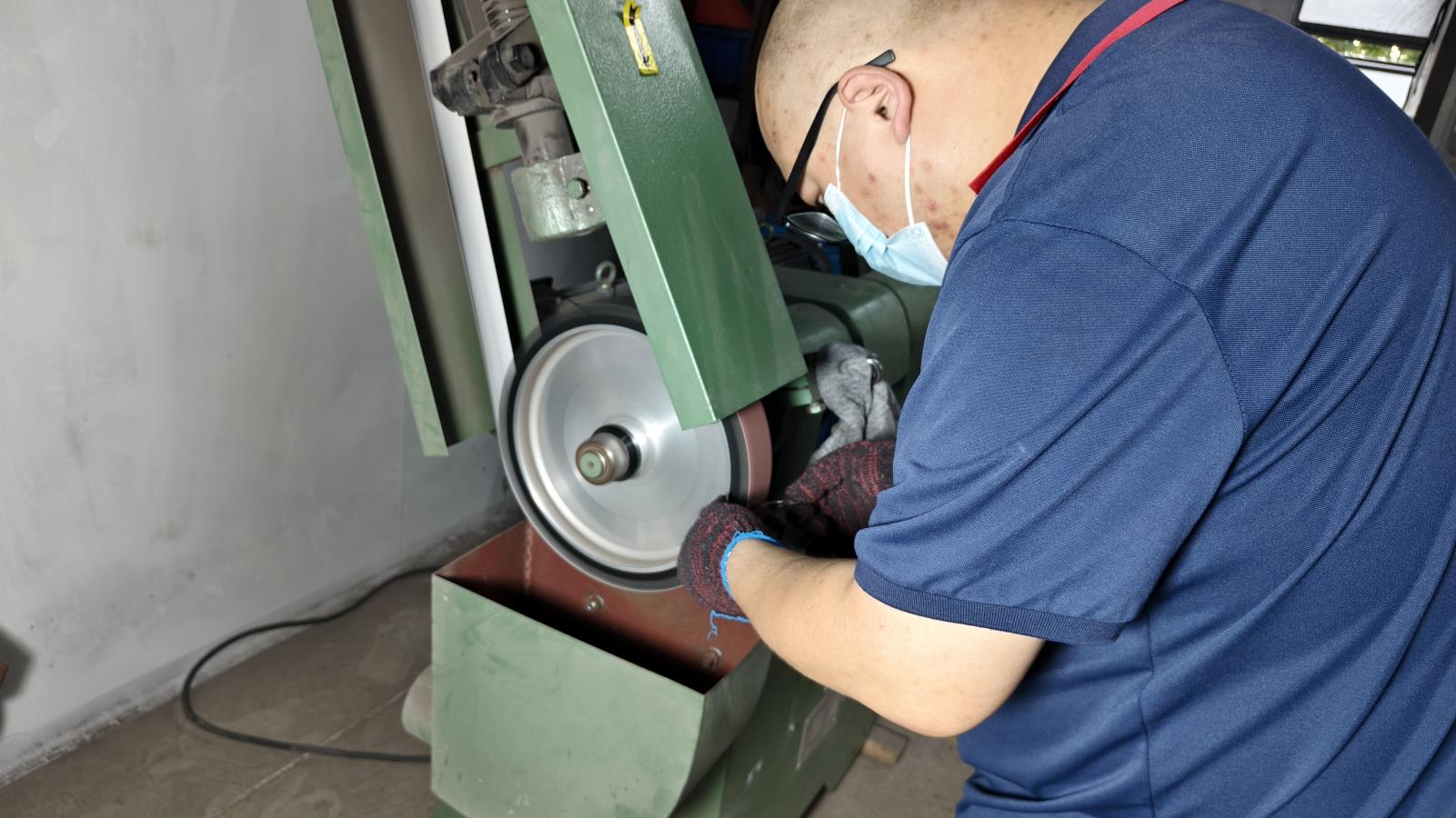
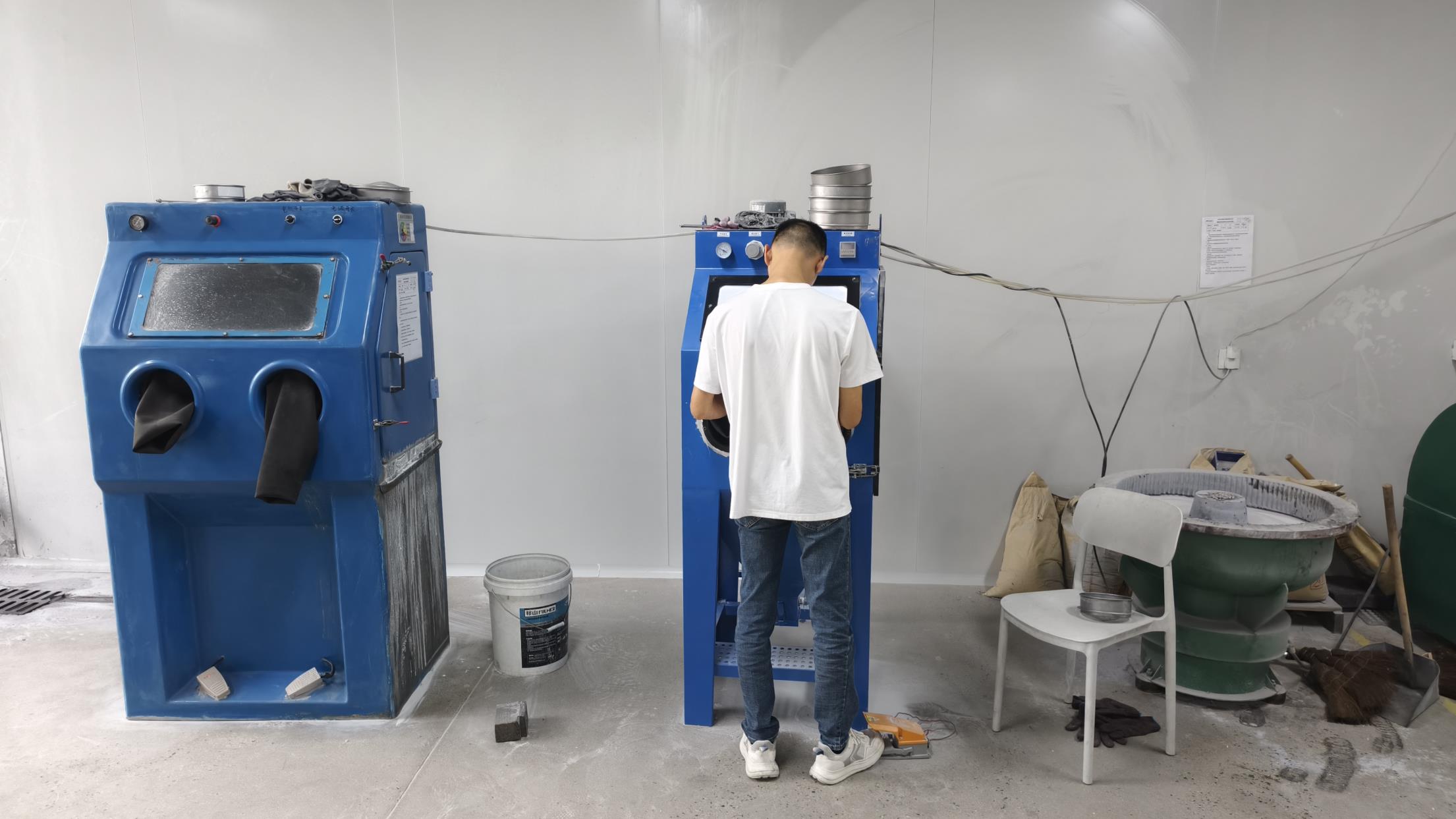
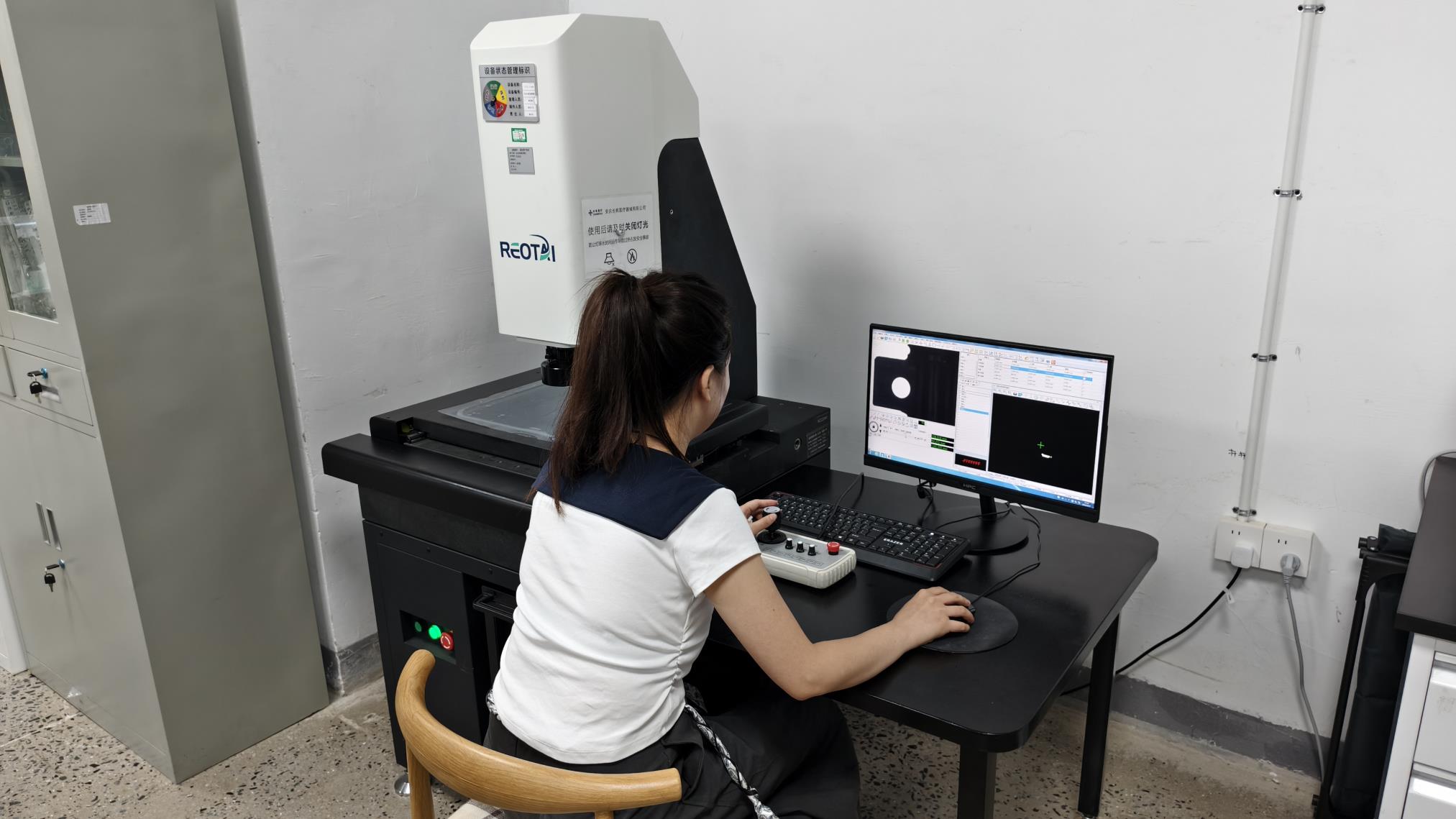
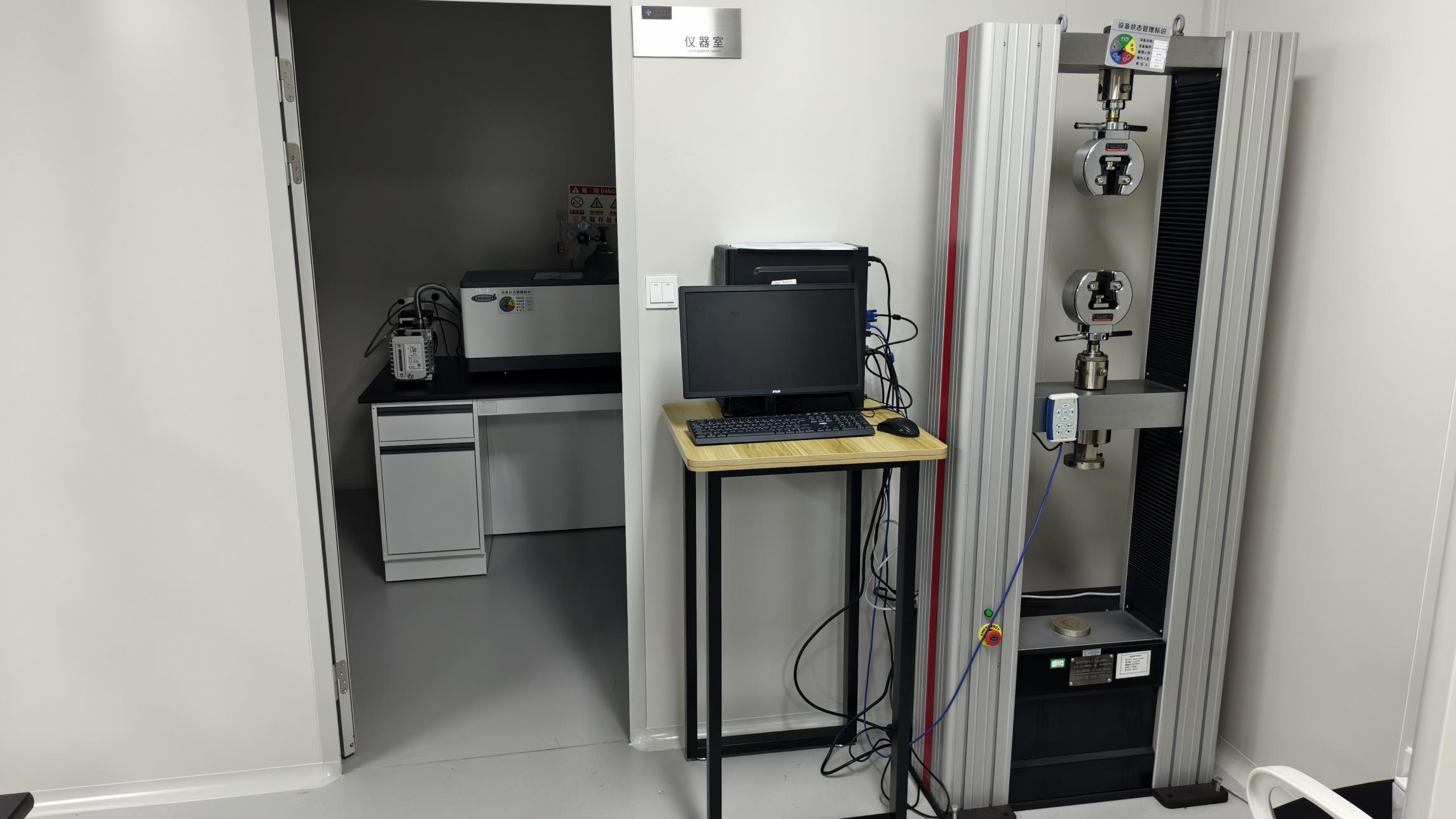
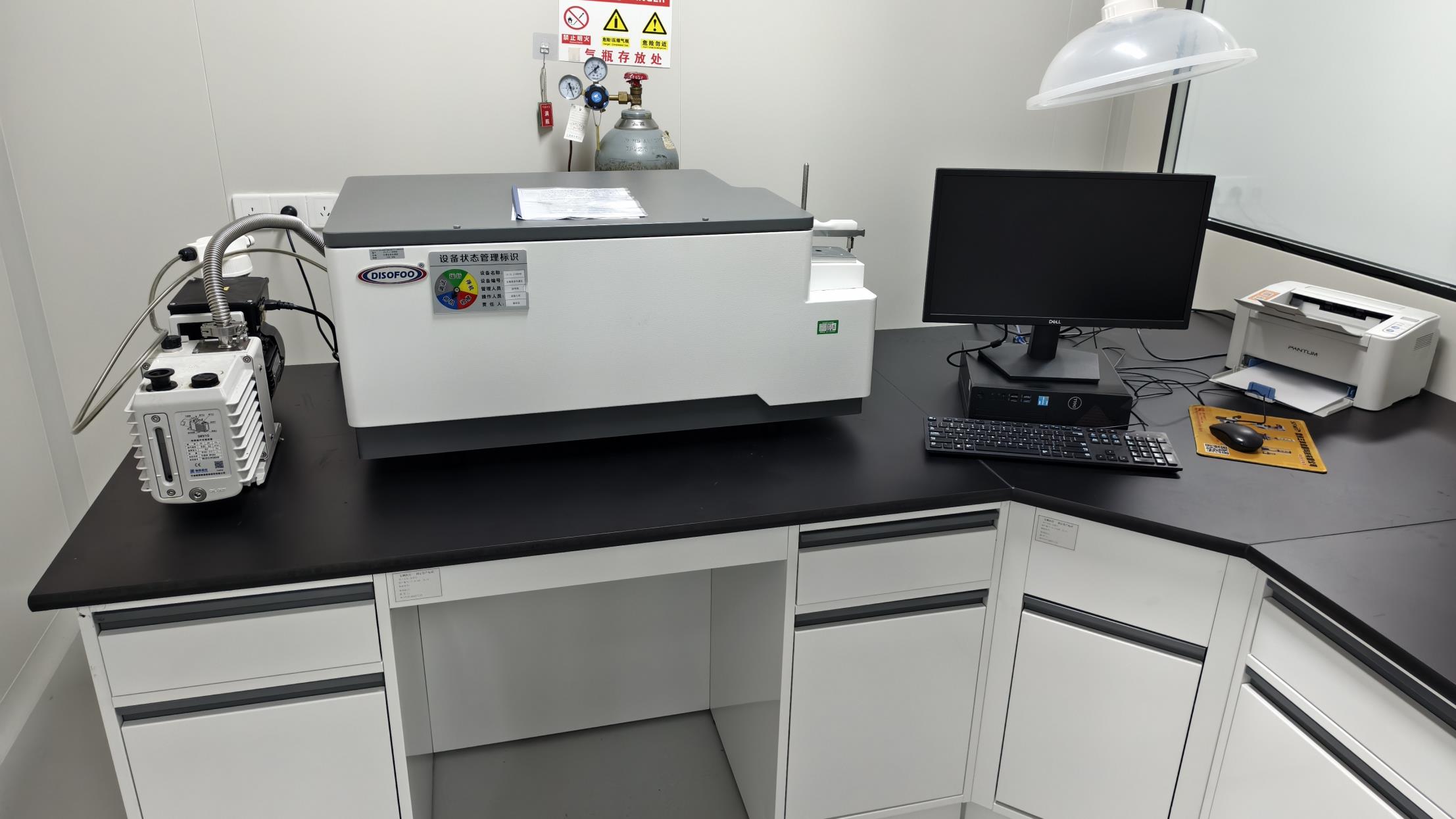
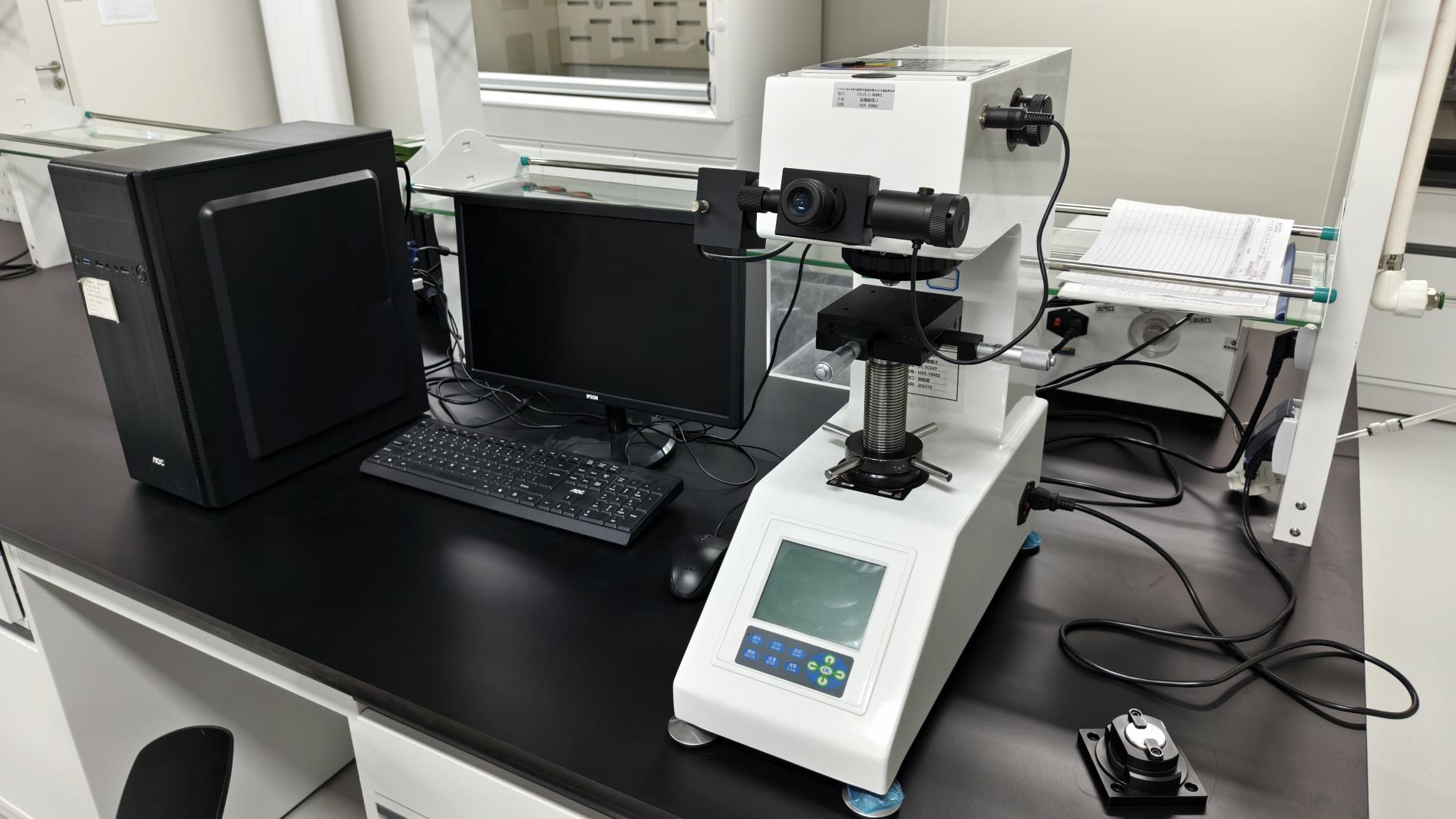
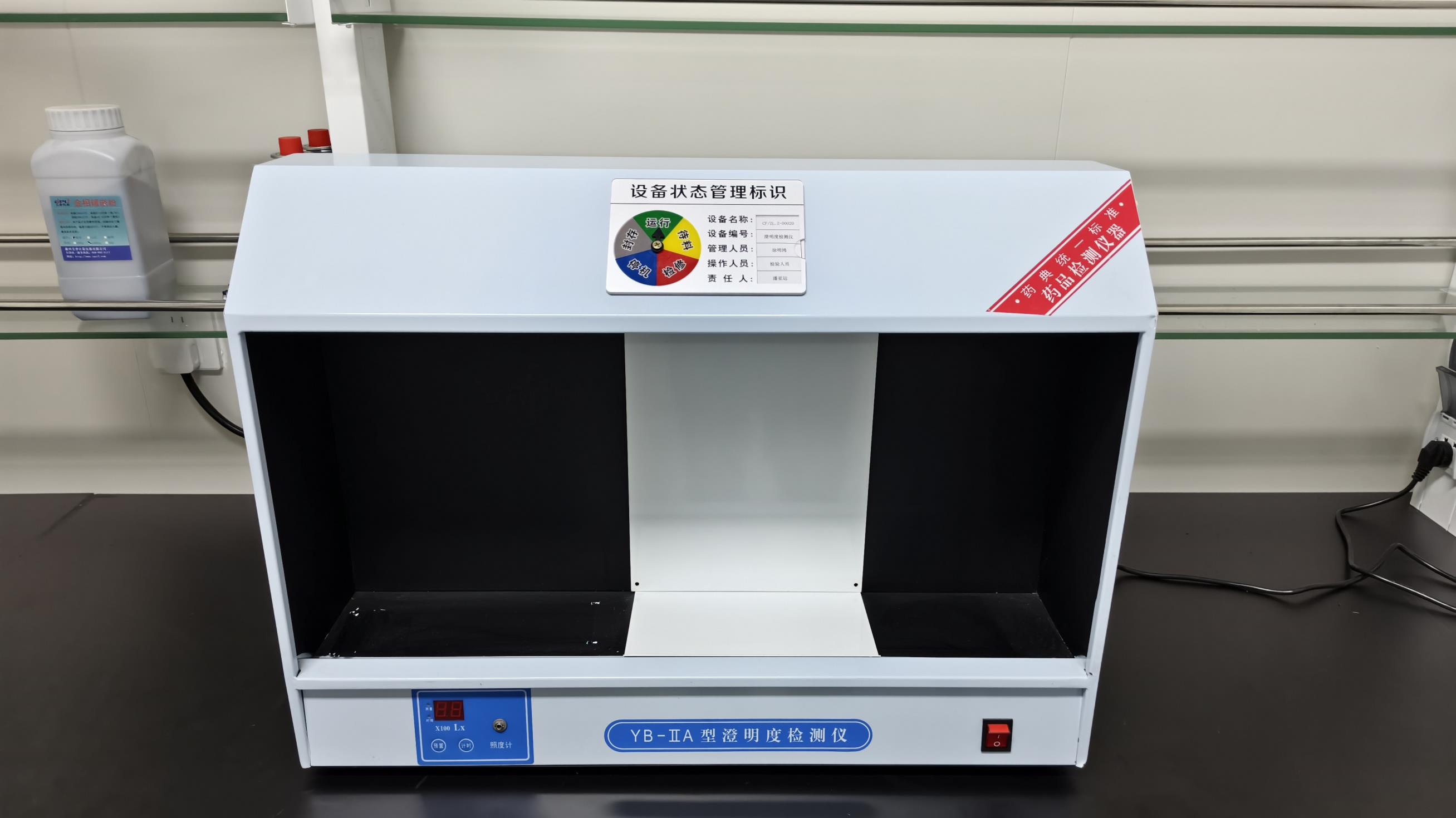
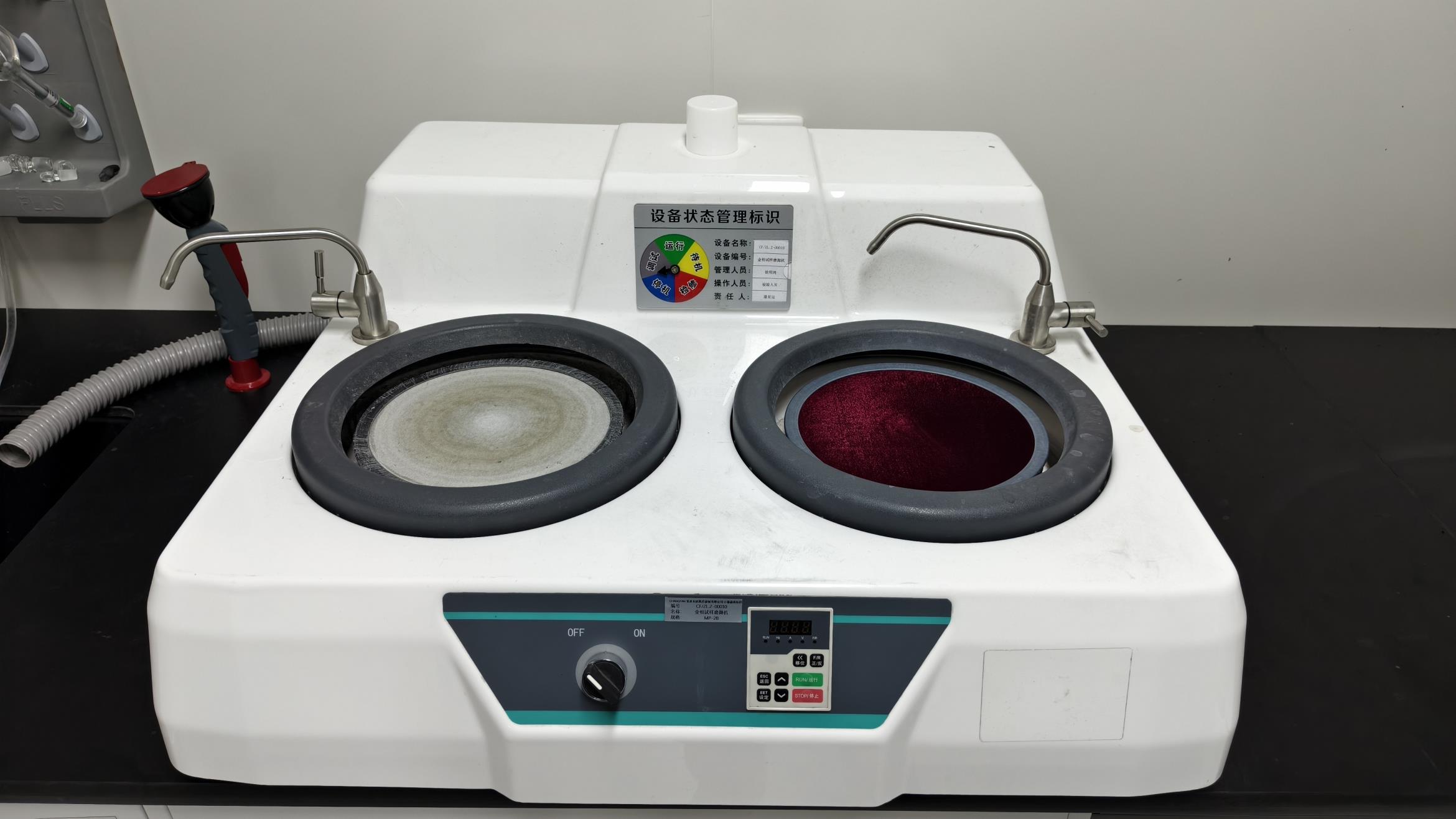
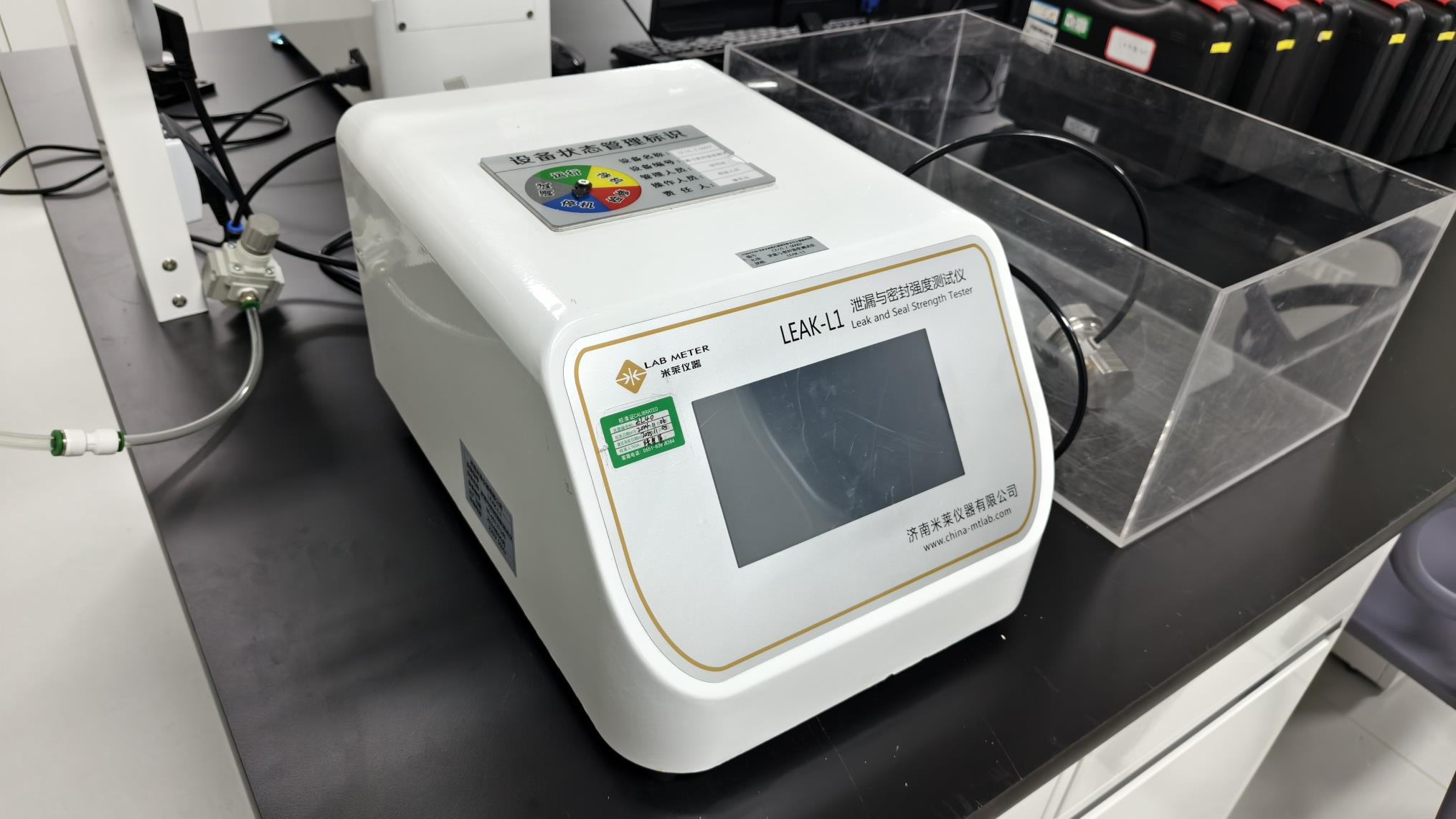
Why do international device brands choose Chinese contract manufacturers over local machine shops? Sourcing orthopedic implants requires solving three main operational challenges:
Tooling and setting up a Swiss-type sliding head CNC machine for variable pitch micro-threads incurs high capital expenditures. A specialized manufacturer like Synoviq lowers this barrier by leveraging existing tooling systems and economies of scale, passing the cost savings directly to the client.
Under regulations like the EU MDR, every implant must be traceable back to the specific batch of titanium alloy ingot. Our strict inbound verification protocols, utilizing atomic emission spectrometers, ensure that only certified, medical-grade materials enter our production lines.
Obtaining marketing clearance from the FDA or notified bodies requires extensive verification data, including bio-compatibility assessments, sterile barrier validations, and fatigue limit tests. We supply our OEM customers with comprehensive technical files to expedite their global regulatory approvals.
The extremity fixation market is shifting toward biological interfaces, advanced surface treatments, and digital workflows. Synoviq's R&D department is focusing on several key initiatives:
We are advancing our surface treatment capabilities beyond standard Type II anodization to integrate silicon-phosphate hydroxyapatite (HA) layers. This modification promotes accelerated osseointegration, enabling the titanium alloy to bond directly with bone tissue and reducing micro-motion during initial recovery.
Looking ahead, we are developing bioabsorbable metallic implants. Utilizing specialized magnesium-zinc-calcium alloys, these implants provide stable fixation during the bone-healing window and then gradually degrade, eliminating the need for subsequent hardware removal surgeries.
To support customized patient care, we are combining CNC manufacturing with additive technologies. This enables the direct fabrication of orthopedic screws based on patient-specific CT-scans, matching the screw length and pitch to the patient's unique anatomy.
Operating a global medical device supply chain requires adherence to stringent regulatory frameworks. At Synoviq, our processes conform to these international standards:
Our entire facility—from material receipt to sterile barrier packaging—operates under a quality management system audited for medical devices, ensuring consistency and full process traceability.
All cleaning, final assembly, and packaging steps are performed in certified cleanrooms (ISO Class 7/8 equivalent) to control bioburden levels prior to final sterilization.
We assist our clients with custom clearances, sterile container labeling, and provide necessary import documentation for European, North American, Middle Eastern, and Asian markets.
Browse additional veterinary and human reconstructive systems manufactured in our specialized facilities.
 Synoviq Medical