Custom OEM Titanium Interbody Cages Manufacturer & Factory

Pioneering High-Precision Spinal Fusion Implants & Advanced Orthopedic Solutions Globally

Premium Orthopedic & Spinal Implants

Explore our advanced orthopedic devices manufactured under strict international quality validation and state-of-the-art tooling environments.
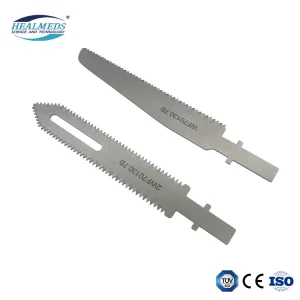
Reciprocating Sternum Saw Blade

HOT SALE Reciprocating Sternum Saw Blade Orthopedic Surgical Instrument Saw Blade CE & ISO Approved 1pcs

View Details
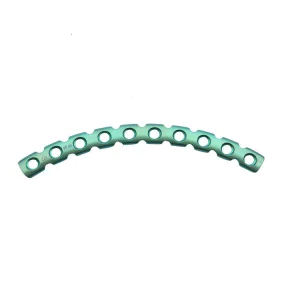
Titanium Maxillofacial Arc Locking Plate

Titanium Maxillofacial Arc Locking Plate Orthopedic Implants and Interventional Materials Orthopedic Cage Plate Screw Fusion

View Details
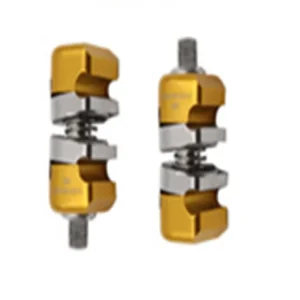
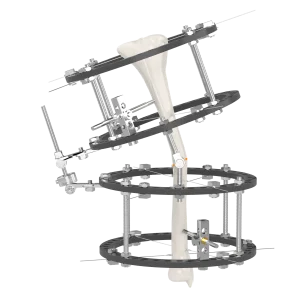
Orthopedic External Fixator

Orthopedic External Fixator Orthopedic Surgery Combined External Fixator Rod and Pin Clamp Connection

View Details
5.0mm CSS Titanium Orthopedic Spine Implant Set

High Quality 5.0mmCSS Titanium Orthopedic Spine Surgery Implant Set CE Certified Factory Direct Sales Mass Production

View Details
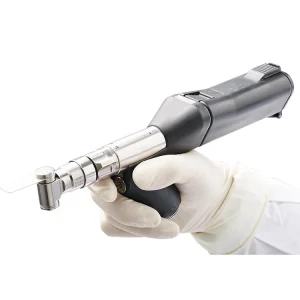
Portable Orthopaedic High Speed Drill

Portable Orthopaedic Craneotomo High Speed Drill Neurosurgery

View Details
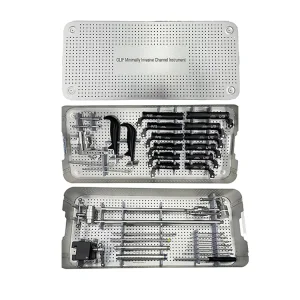
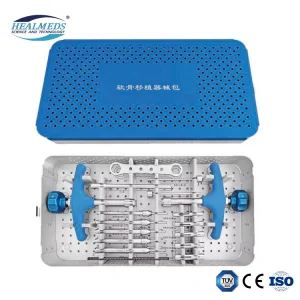
Geasure Peek Cage Instrument Set

Geasure Peek Cage Orthopedic Instruments Bone Surgical Instrument Sets Spinal Surgical OLIF Peek Cage Instrument Set

View Details
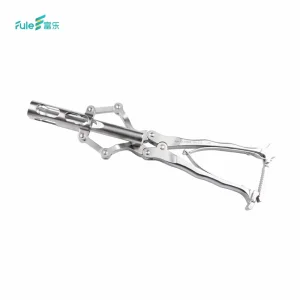
Meniscal Stapler Repair Device

Techniques Repair Device Sequent Total Inner Meniscal Stapler

View Details
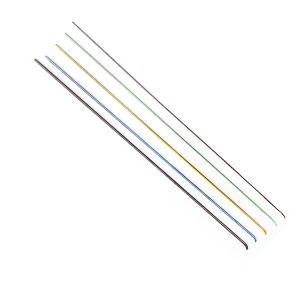
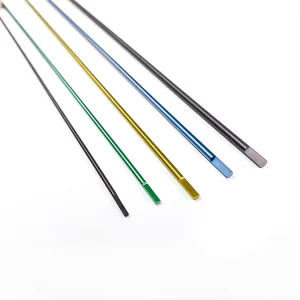
Pediatric Titanium Alloy Elastic Nails

Pediatric Orthopedic Intramedullary Titanium Alloy Elastic Nails Surgical Implants & Interventional Materials for Hospitals Use

View Details

Synoviq Medical Technology (China) Co., Ltd.

As a premier manufacturer of premium orthopedic implants and surgical instruments, Synoviq Medical Technology (China) Co., Ltd. stands at the forefront of spinal surgery device engineering. We specialize in delivering innovative, clinically proven medical systems that enhance spinal fusion outcomes globally. Since our founding, we have integrated raw material excellence, precision milling, and surface modification to assist international medical brands, distributors, and surgical institutions through extensive OEM and ODM workflows.

Our core focus addresses the critical biomechanical demands of spinal fusion. By engineering titanium interbody cages with optimized modulus of elasticity, precise lordotic angles, and porous surfaces, we accelerate osseointegration while minimizing the risk of stress shielding. Synoviq's state-of-the-art 18,600 m² cleanroom environment and dynamic CNC production plants ensure every medical implant meets CE and ISO certifications.

14+
Years Industry Experience
USD 21.8M
Annual Export Revenue
76
R&D Engineers
1,120+
Supply Chain Partners
Key Manufacturing Qualifications
Brand Name Synoviq
Established March 18, 2016
Facility Area 18,600 m²
Export History 8 Years
Quality Control Staff 48 Qualified Inspectors
Inspection Standards 100% Final Inspection & Incoming Material Testing
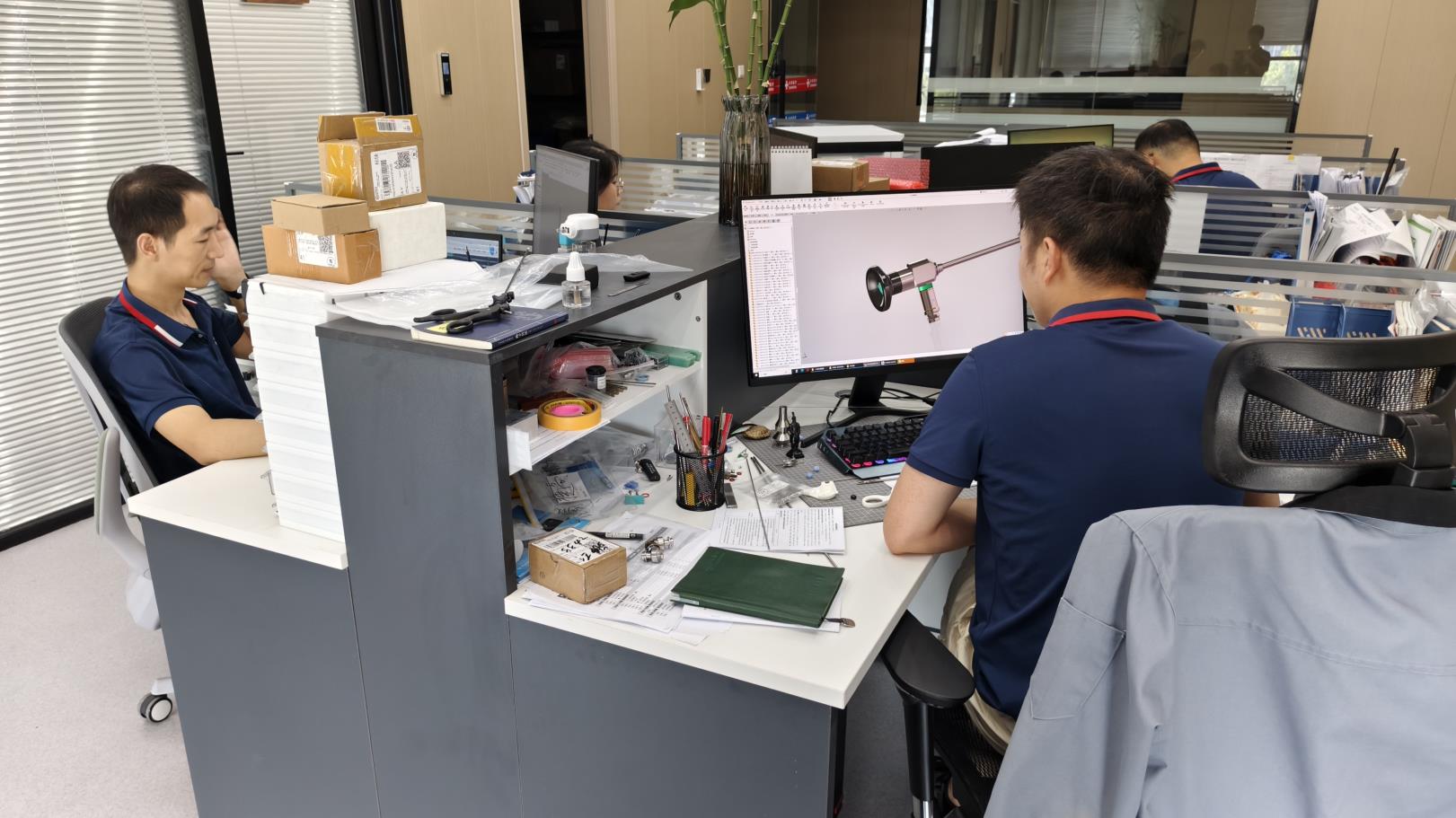
R&D Scope Independent CAD/CAM Design, Finite Element Analysis (FEA), Rapid Prototyping
New Product Output 186 products released last fiscal year
Testing Equipment CMM Measurement, Tensile Testers, Surface Roughness Testers, Spectrometers, Sterility Validation

Titanium Interbody Cages: Science, Materials & Engineering

An in-depth review of metallurgical options, manufacturing modalities, and clinical advantages of customized spinal fusion implants.

1. Modulus of Elasticity and Osseointegration: Titanium vs. PEEK

In the history of spinal arthrodesis, selection of the optimal biomaterial remains a critical design consideration. While Polyetheretherketone (PEEK) has long been favored for its radiolucency and low elastic modulus close to that of host bone, it suffers from a lack of direct bone bonding, often resulting in a fibrous tissue encapsulation that can impair long-term mechanical stability.

Medical Grade Titanium (typically Ti-6Al-4V ELI conforming to ASTM F136) presents superior biocompatibility, fatigue resistance, and higher surface energy. This promotes direct osteoblast cell proliferation, adhesion, and differentiation. To mitigate the difference in elastic modulus between solid titanium and cortical bone (preventing the phenomenon of stress shielding and subsequent subsidence), Synoviq employs advanced computer-aided structures such as trabecular or porous lattices.

2. Surface Modifications & 3D Printed Lattice Topography

The interface between the interbody cage and the vertebral endplates dictates the fusion rate. Through modern additive manufacturing (Selective Laser Melting - SLM) and precise chemical etching, Synoviq fabricates titanium cages with biomimetic porosity. Our titanium structures feature open pores ranging from 300 to 700 microns, mirroring the structure of trabecular bone.

This micro-roughness increases capillary action, drawing blood and osteogenic proteins into the implant core. Simultaneously, macro-pores allow for bone graft containment and subsequent through-growth, producing a mechanical interlock that virtually eliminates implant migration.

3. Testing Standards: Structural Integrity Under Dynamic Mechanical Stress

Spinal implants undergo rigorous mechanical loading cycles within the human body. To ensure structural integrity, Synoviq subjects all OEM custom titanium cages to strict evaluation criteria, including:

  • ASTM F2077: Dynamic and static compression, shear, and torsion testing under simulated physiological fluid environments to determine fatigue limits up to 5 million cycles.
  • ASTM F2267: Analysis of implant-induced subsidence into synthetic polyurethane vertebral bodies to assess safety profiles against cage sinking.
  • Expulsion Resistance Tests: Quantification of the force required to dislodge the cage from between parallel endplates, ensuring high friction tooth patterns hold securely post-operatively.

Why Select China for Orthopedic OEM/ODM Partnerships?

Leveraging geographical supply chains, technological clusters, and efficient operational infrastructure for global surgical brands.

China has transitioned from a high-volume manufacturing center to a specialized, advanced medical-device engineering hub. Synoviq's facility, located within the industrial clusters of Jiangsu province, utilizes a localized ecosystem of raw material processing, high-tolerance machining, and specialized thermal processing.

Key Advantages of Synoviq's China Infrastructure:

  • Optimized Cost Structures: Access to regional engineering talent and consolidated domestic supply chains reduces production overhead without compromising regulatory compliance.
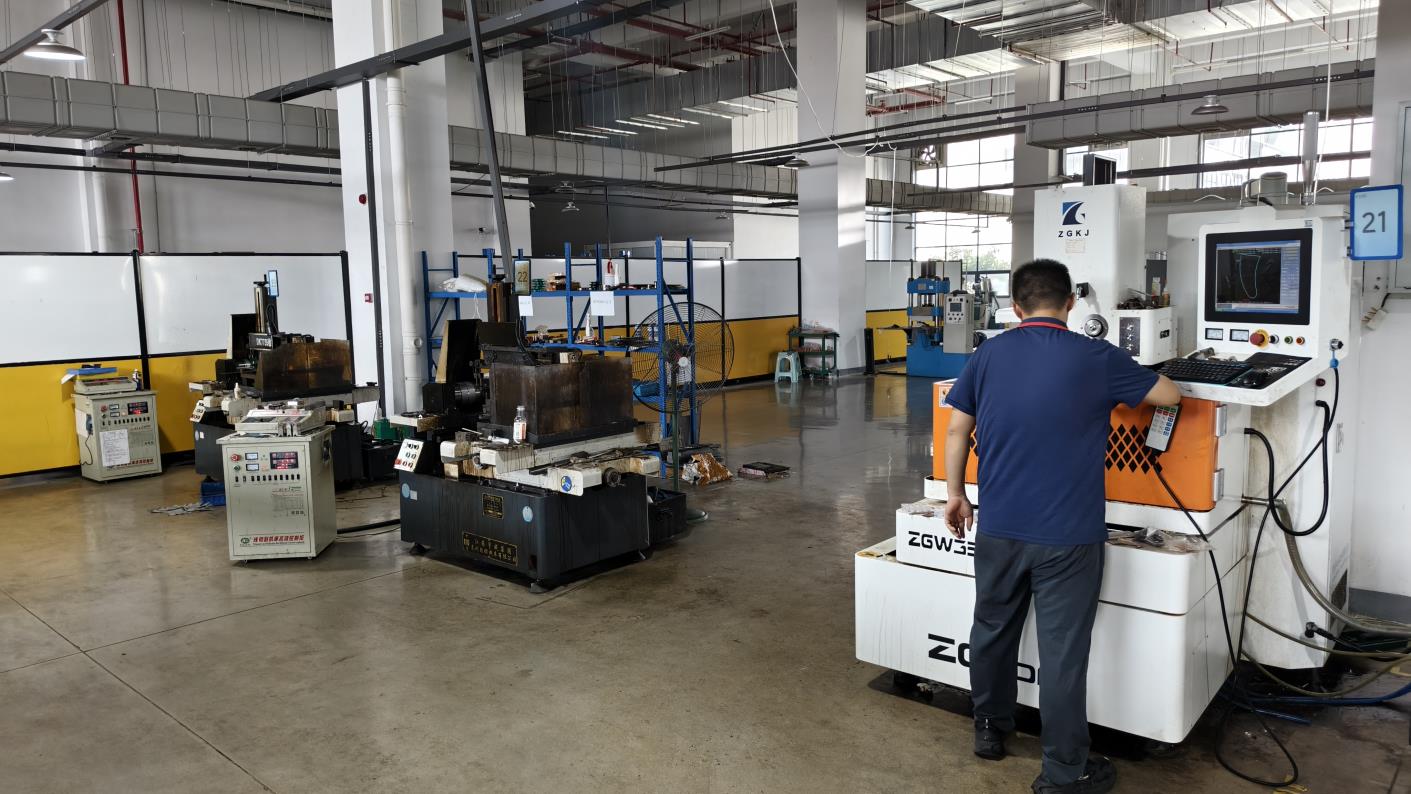
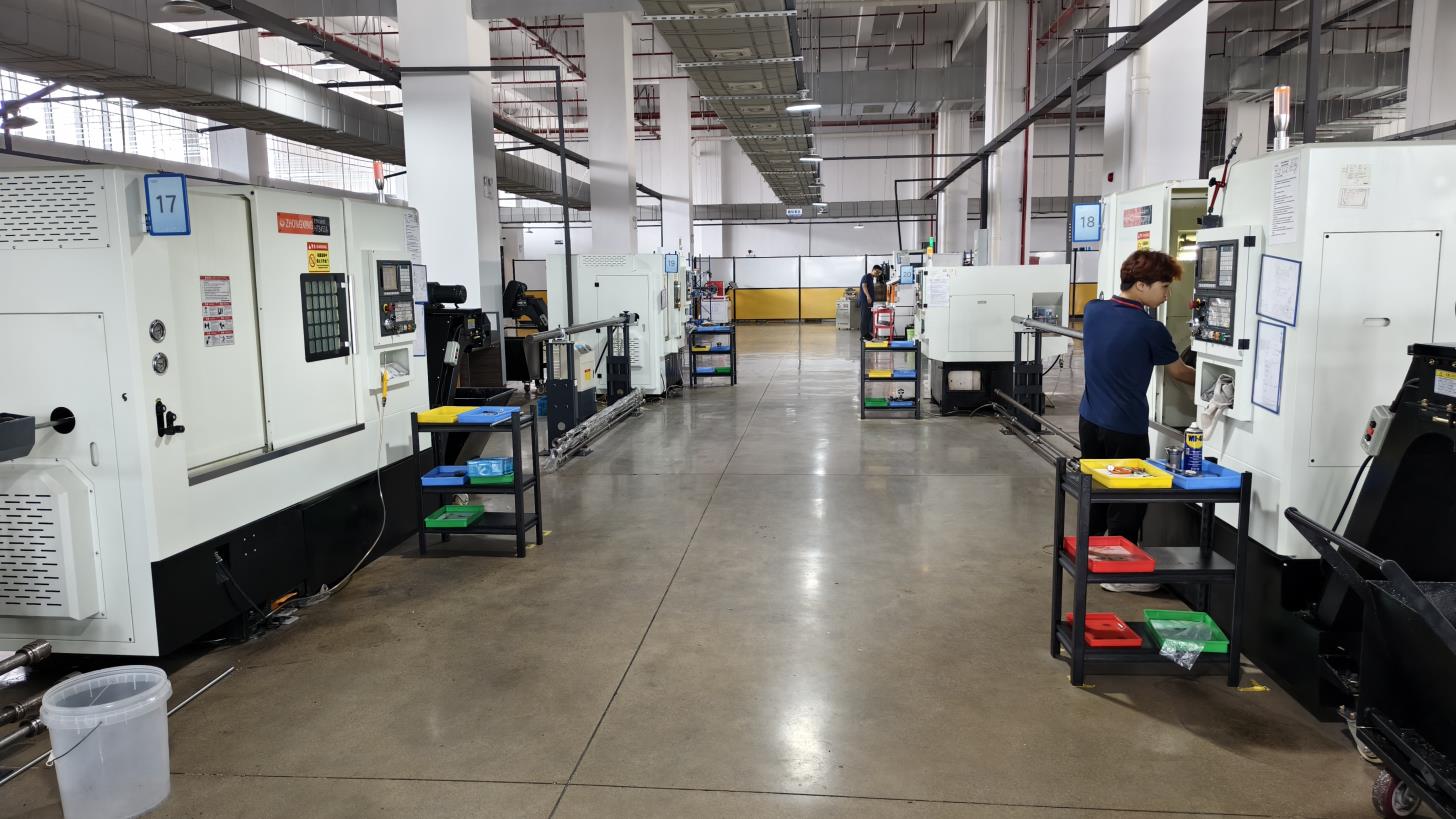
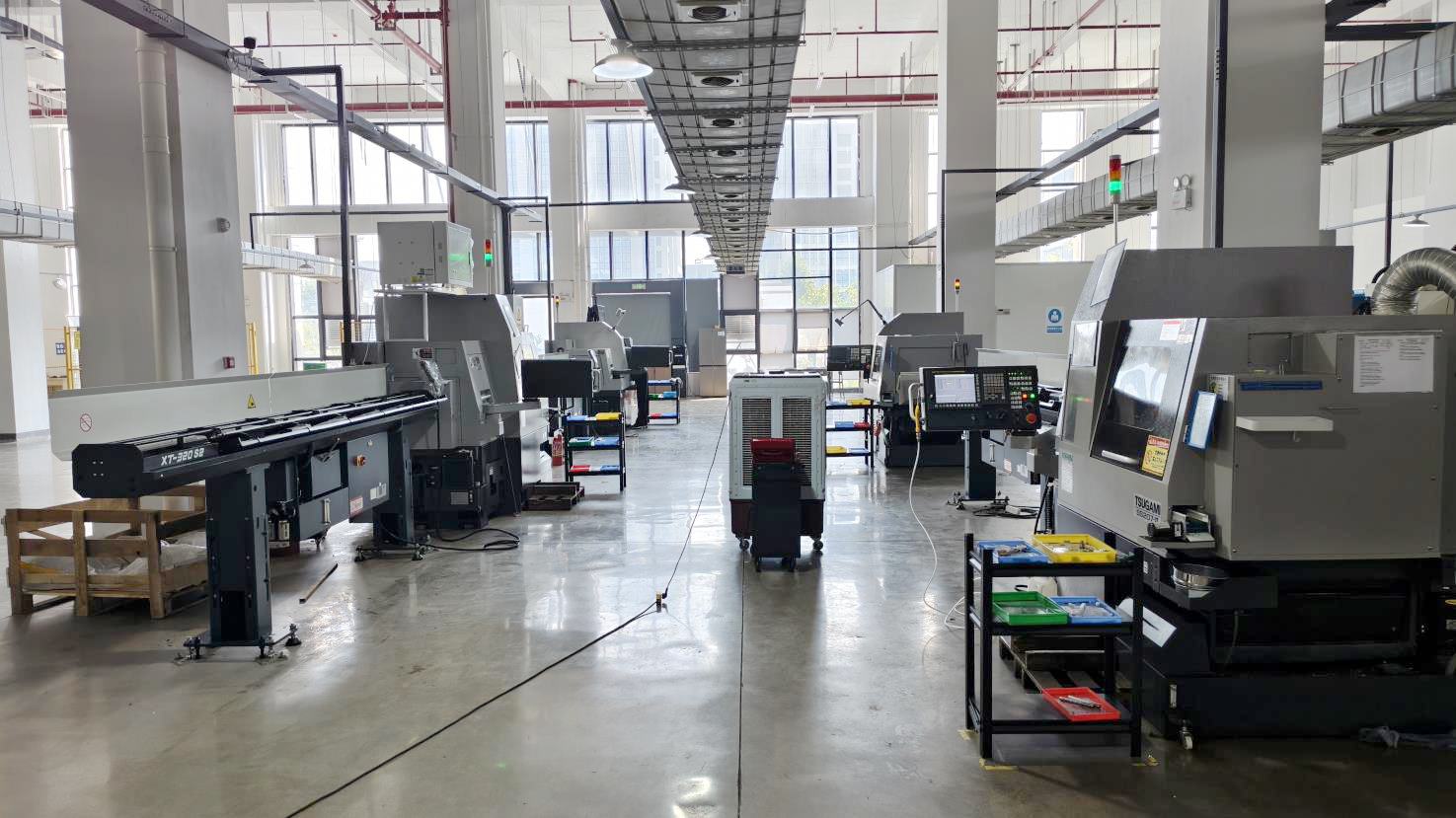
  • Advanced Swiss CNC Tooling: We deploy high-speed multi-axis CNC lathe lines and EDM wire-cutting setups capable of achieving geometric tolerances down to ±5 microns.
  • Accelerated Prototyping: Dynamic digital design links (CAD/CAM/FEA) permit the turnaround of customized design prototypes in as little as 7 to 10 working days.
  • Regulatory Compliance: Production environments feature Class 100,000 (ISO Class 7) cleanrooms, ready for validation audits by international regulatory agencies.

Our supply network incorporates more than 1,120 partner organizations, ensuring that specialized surface coatings (such as plasma-sprayed hydroxyapatite, anodic oxidation for color-coding, and acid-etched texture) can be integrated with short turnaround times.

For global entities aiming to maintain a competitive footprint in Europe, North America, and Southeast Asia, partnering with Synoviq offers a reliable, scalable supply chain that remains resilient to shifts in global logistics.

Machining, Assembly, and Quality Control Workflows

Step-by-step visual demonstration of our medical device manufacturing capabilities, raw material processing, and mechanical testing laboratories.
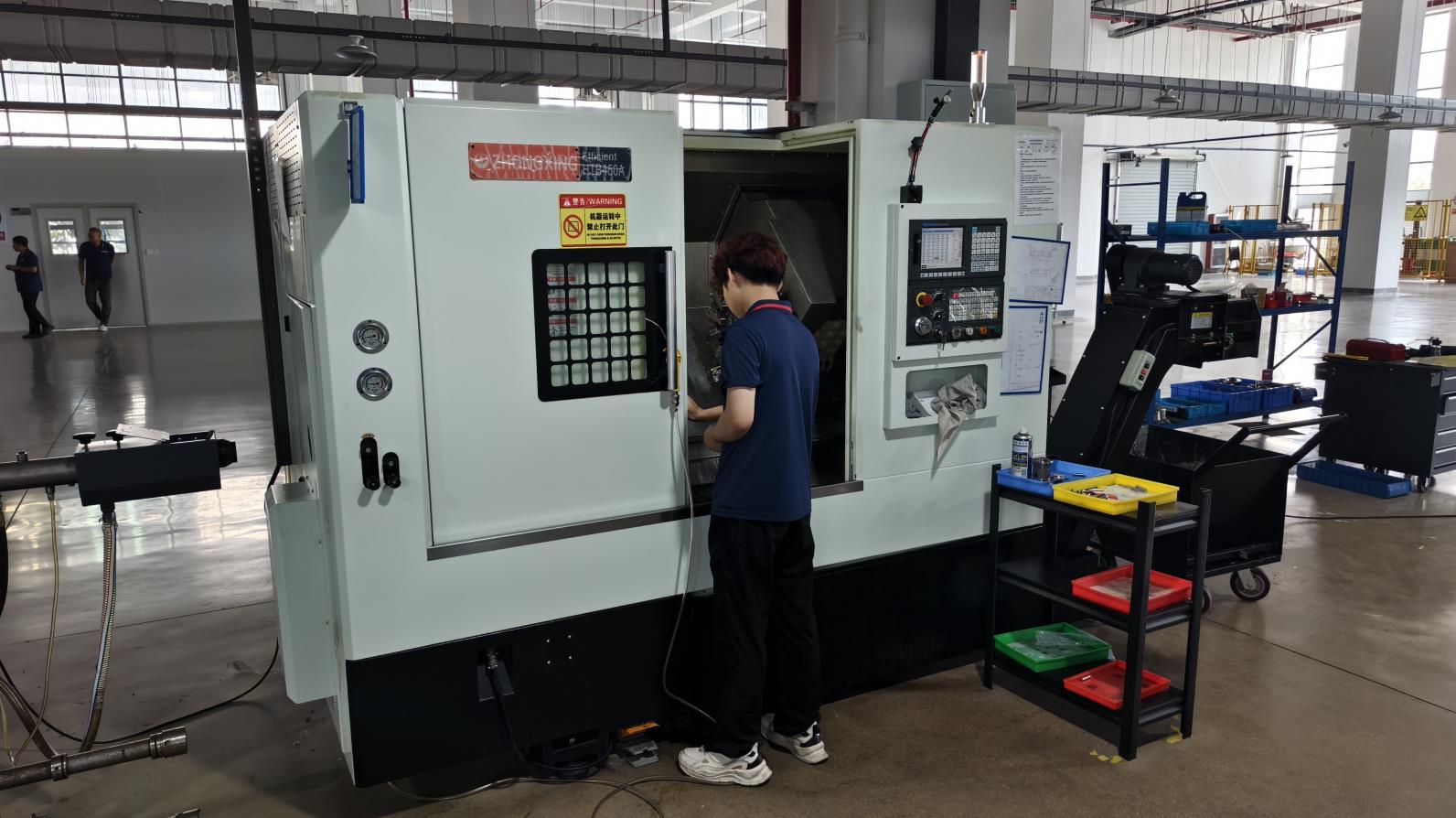
Cutting Raw Materials
Cutting Stage
Machining Implants
Machining Operations
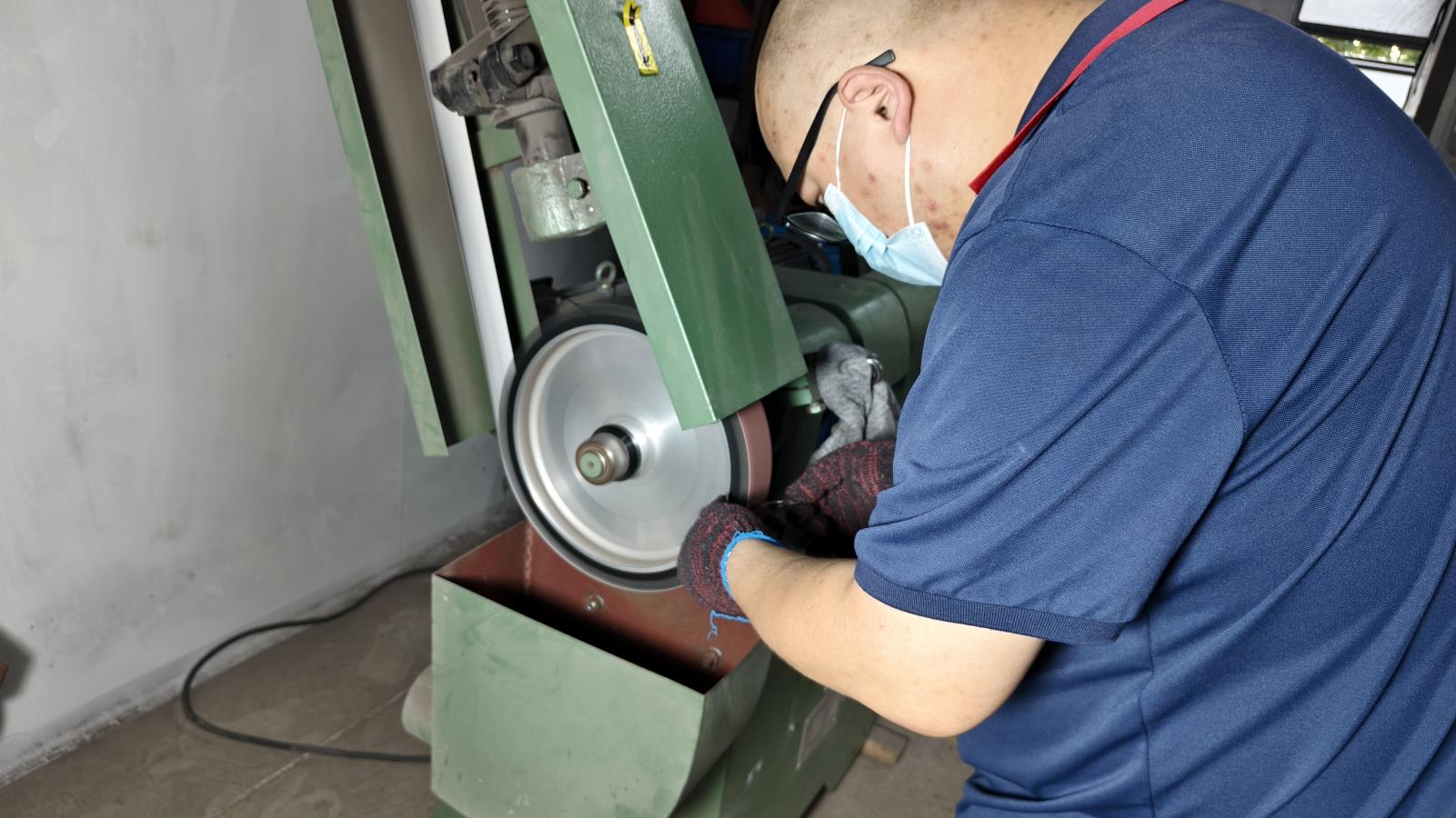
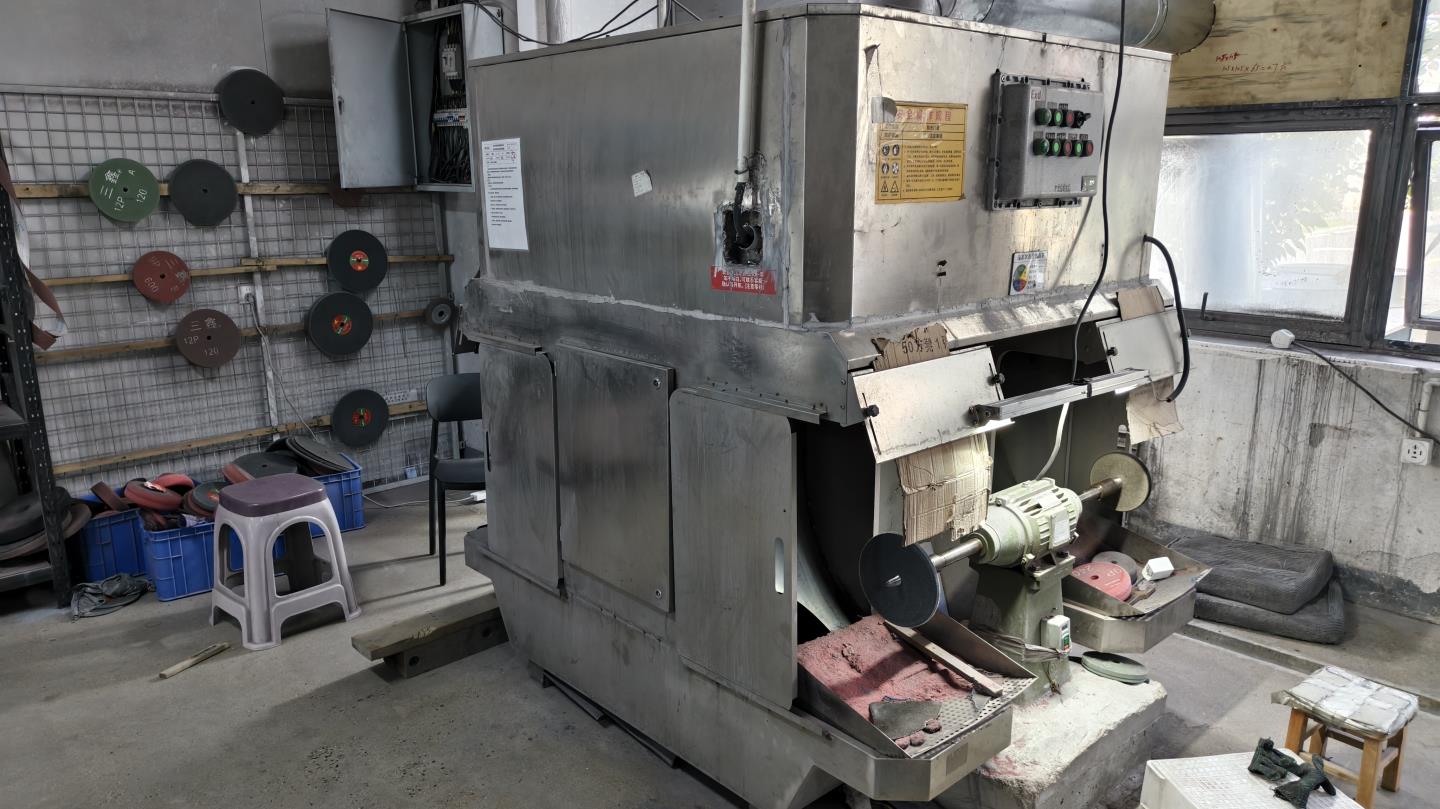
Polishing Stage
Precision Polishing
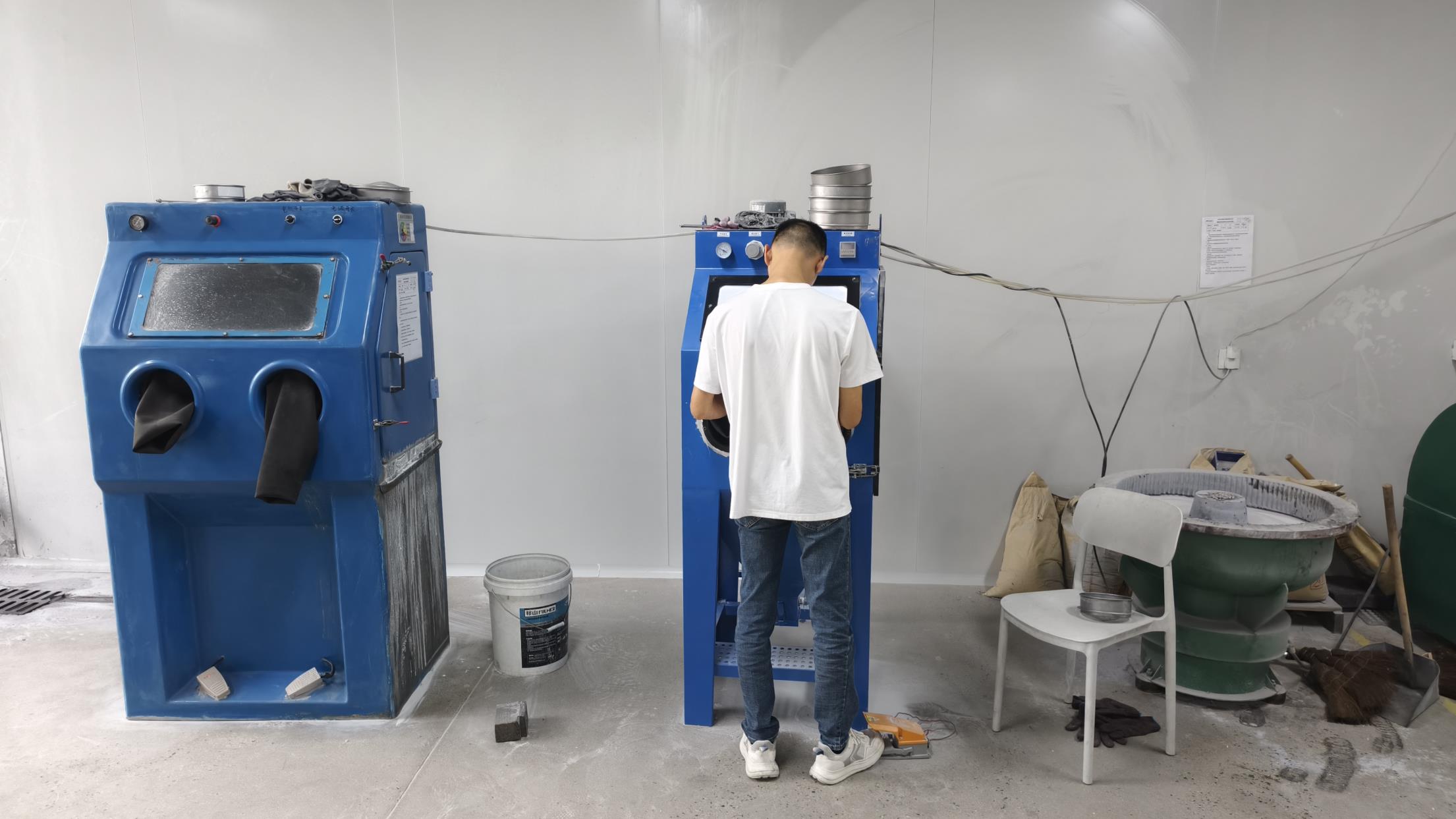
Surface Treatment Area
Surface Passivation & Anodization
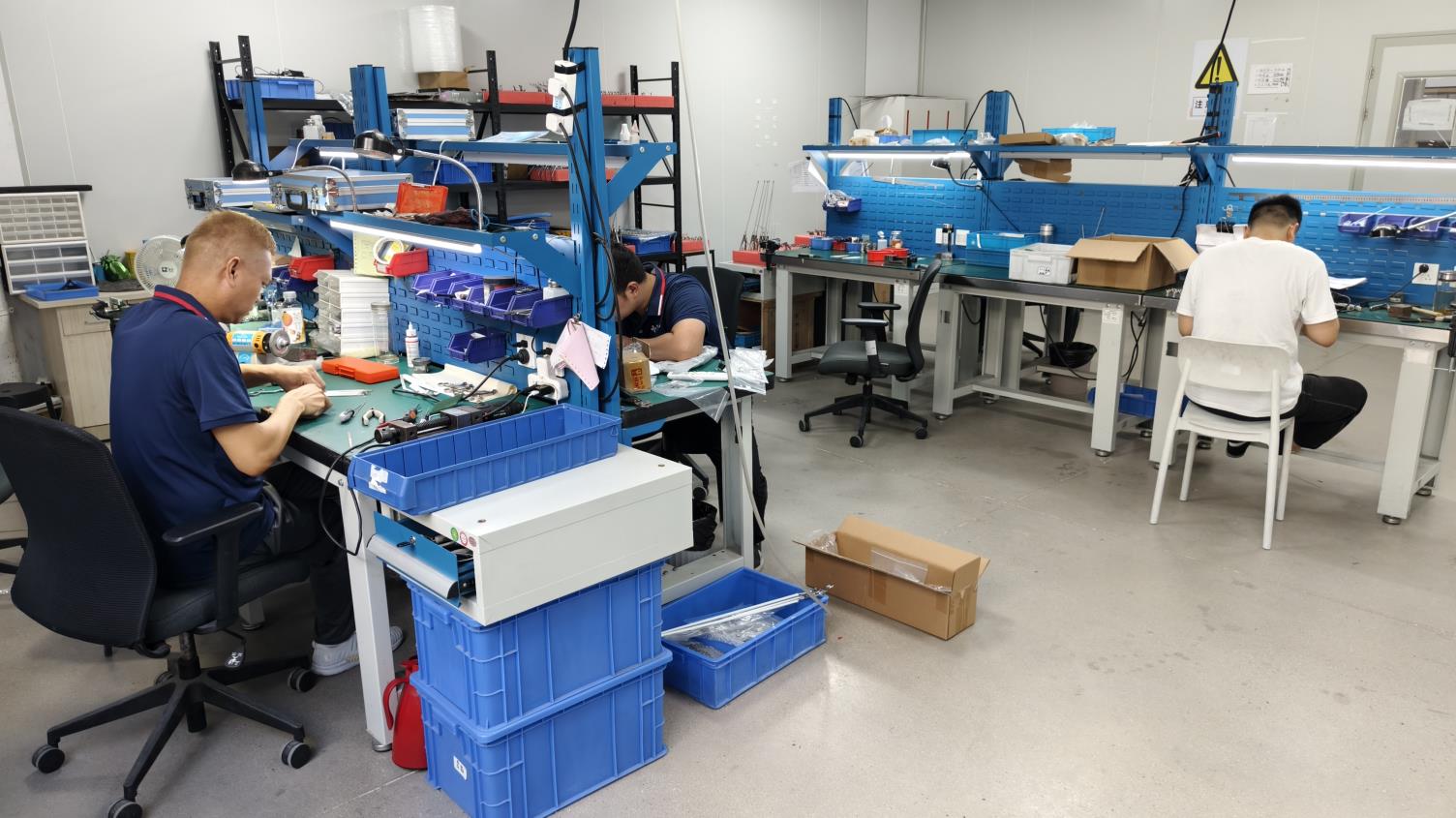
Assembling Cleanroom
Cleanroom Assembly
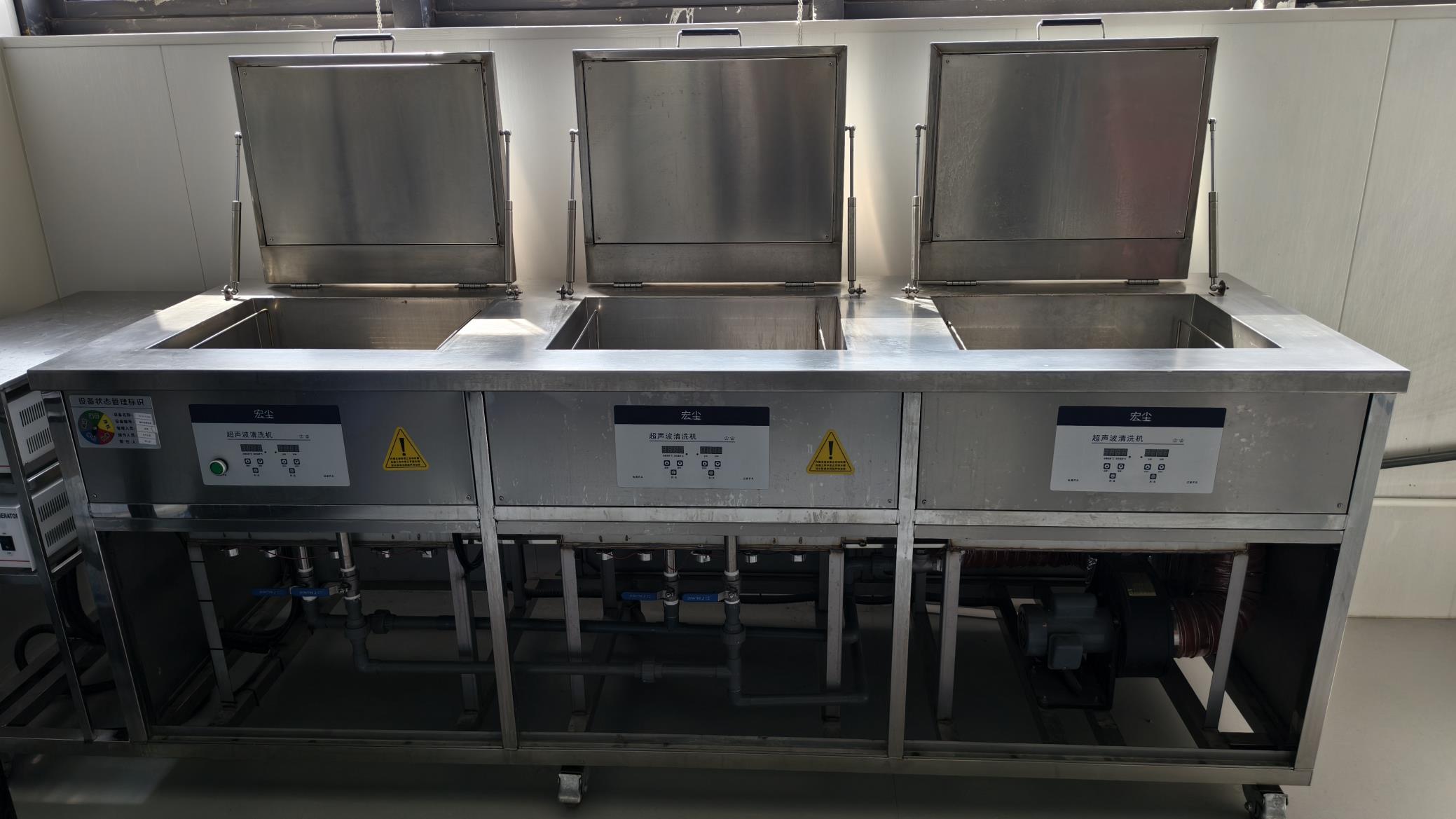
Cleaning Processing
Ultrasonic Pure Water Cleaning
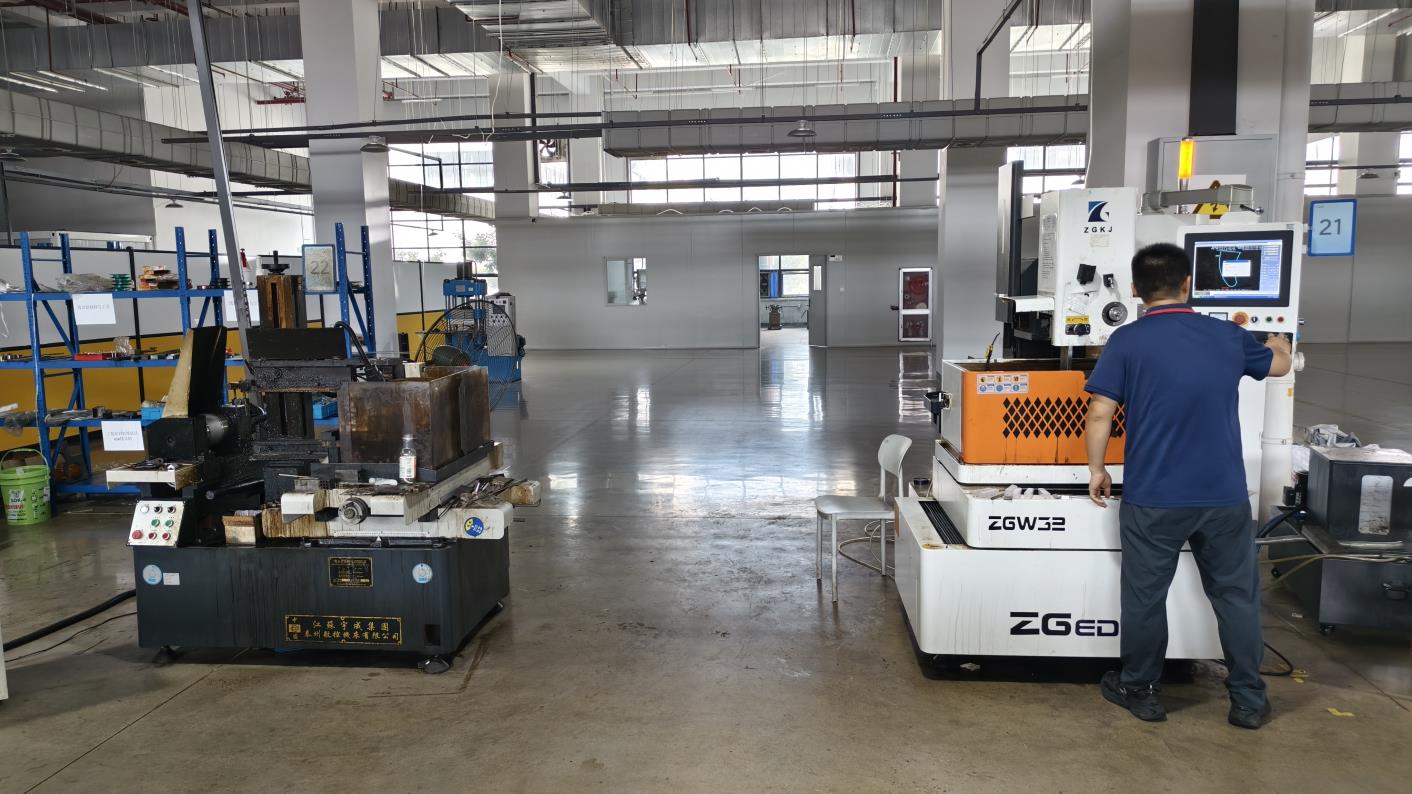
Wire Cutting Machine
Wire EDM Machining
CNC Lathe
Multi-Axis CNC Lathe
Swiss-type Lathe
Swiss-type Lathe Line
Grinding Equipment
Surface Grinder
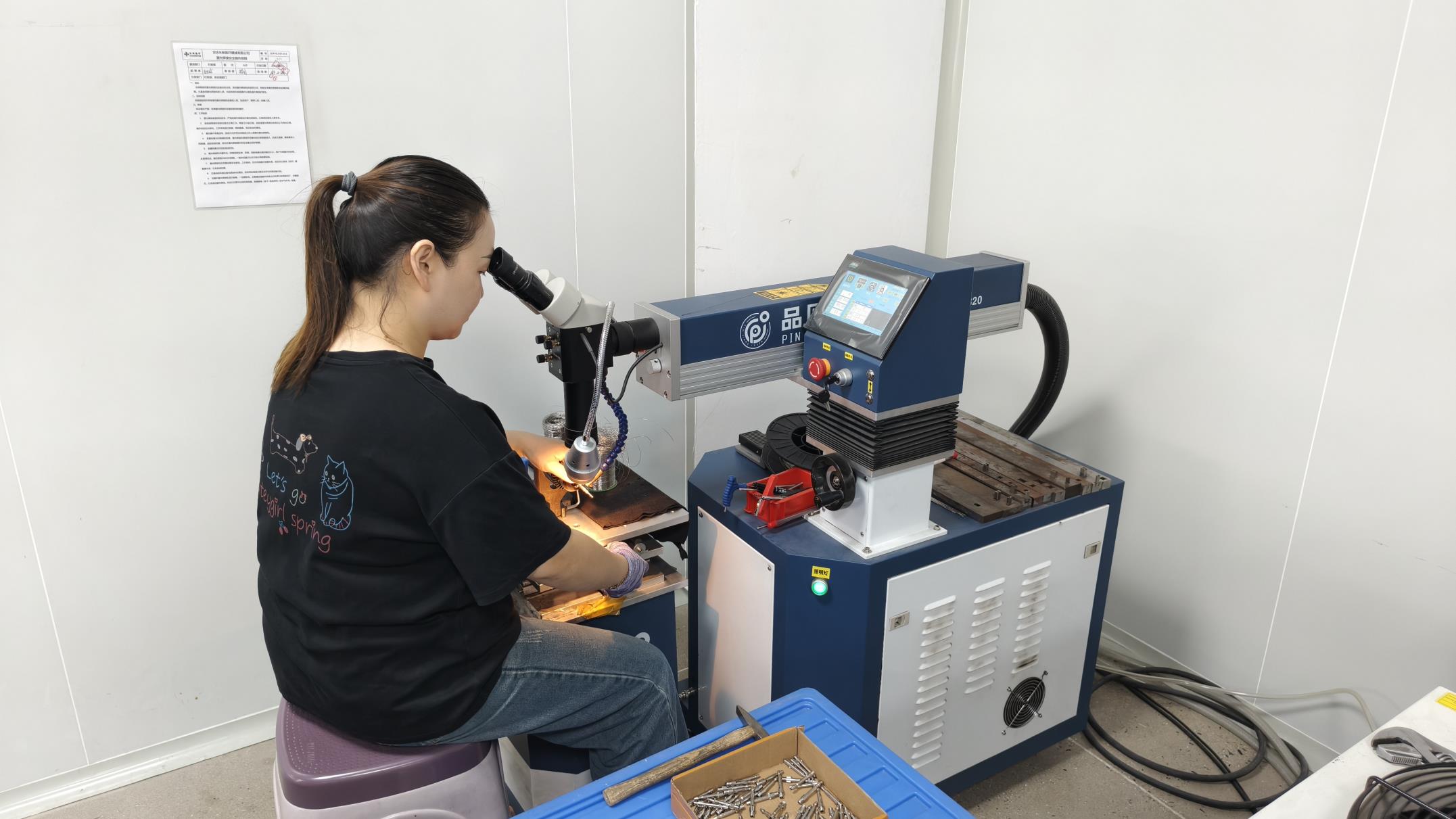
Laser Welding Machine
Laser Welding System
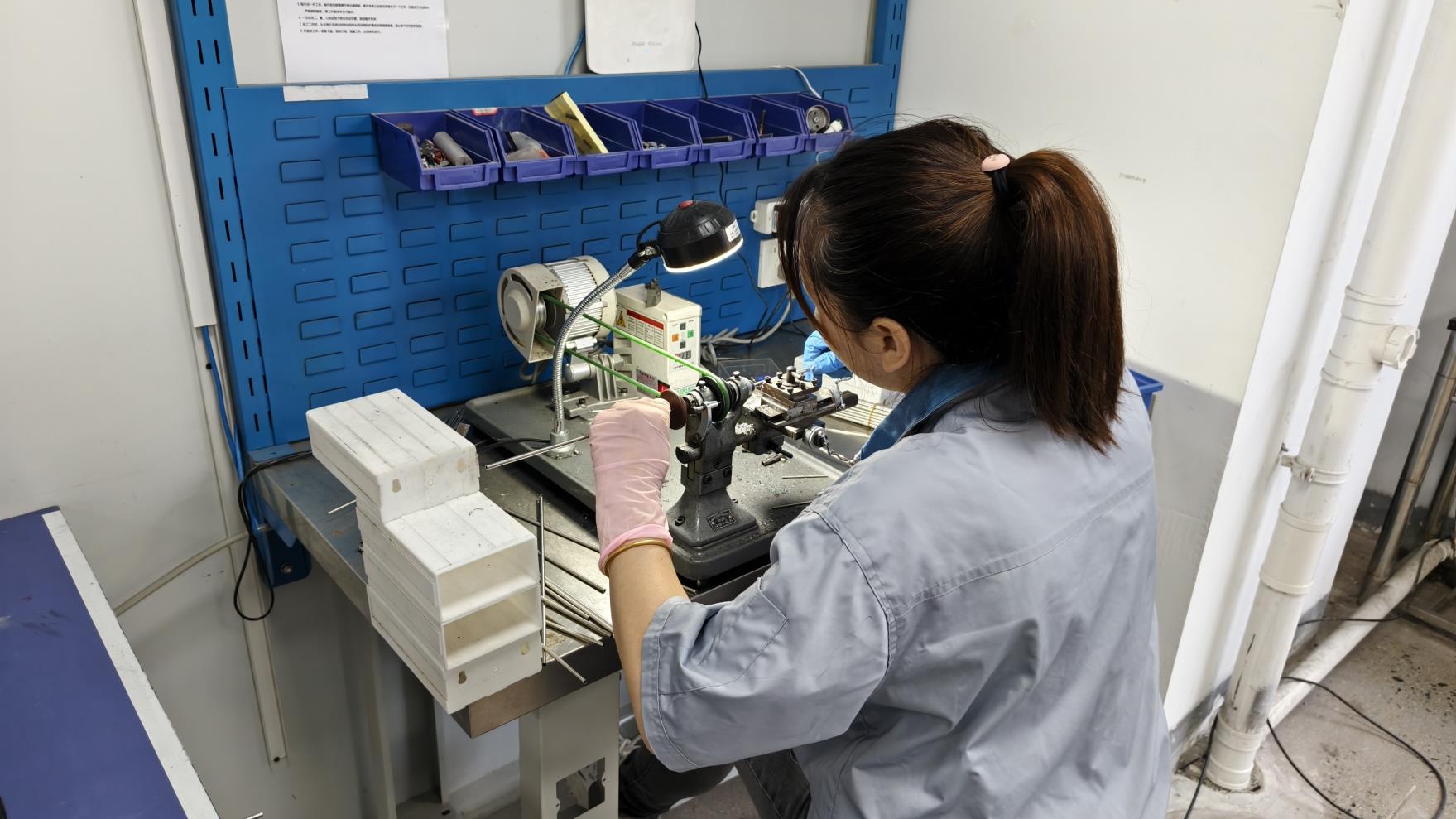
Lathe Operation
Lathe Machining Station
Orthopedic CAD Design
Biomechanical R&D & Design
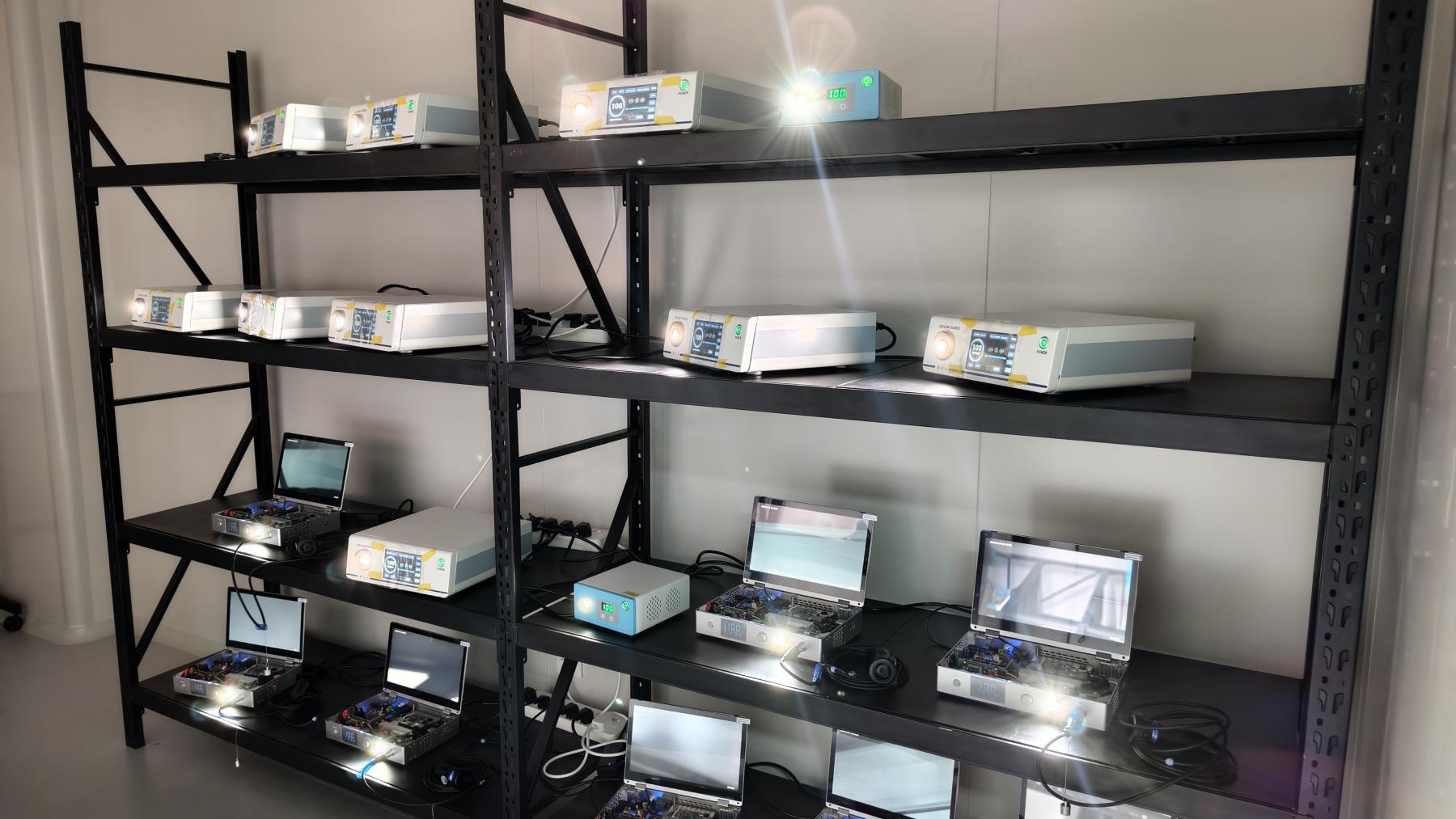
Aging Environmental Chambers
Environmental Aging Validation
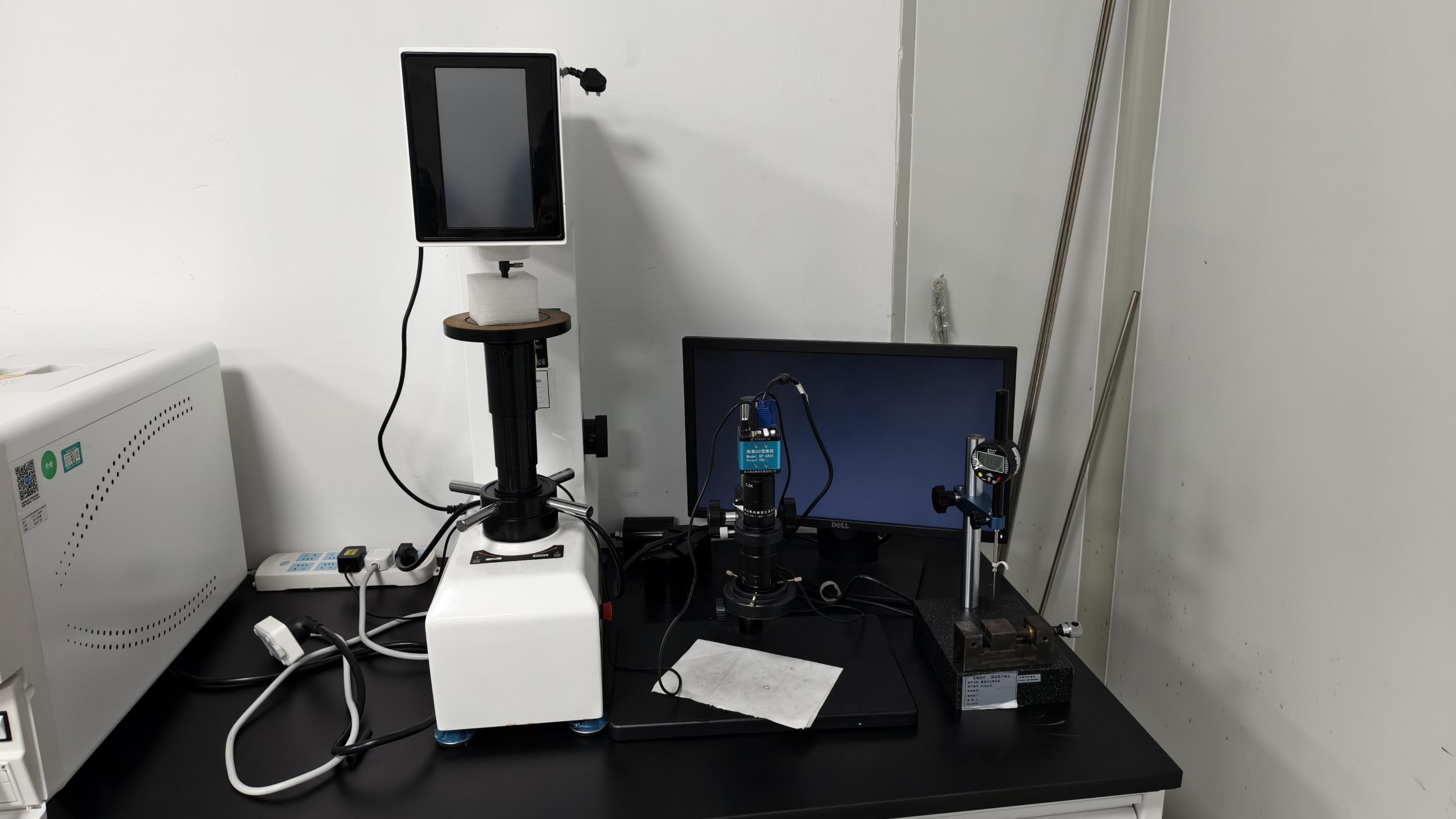
Digital Microscope Analysis
High-Resolution Digital Microscopy
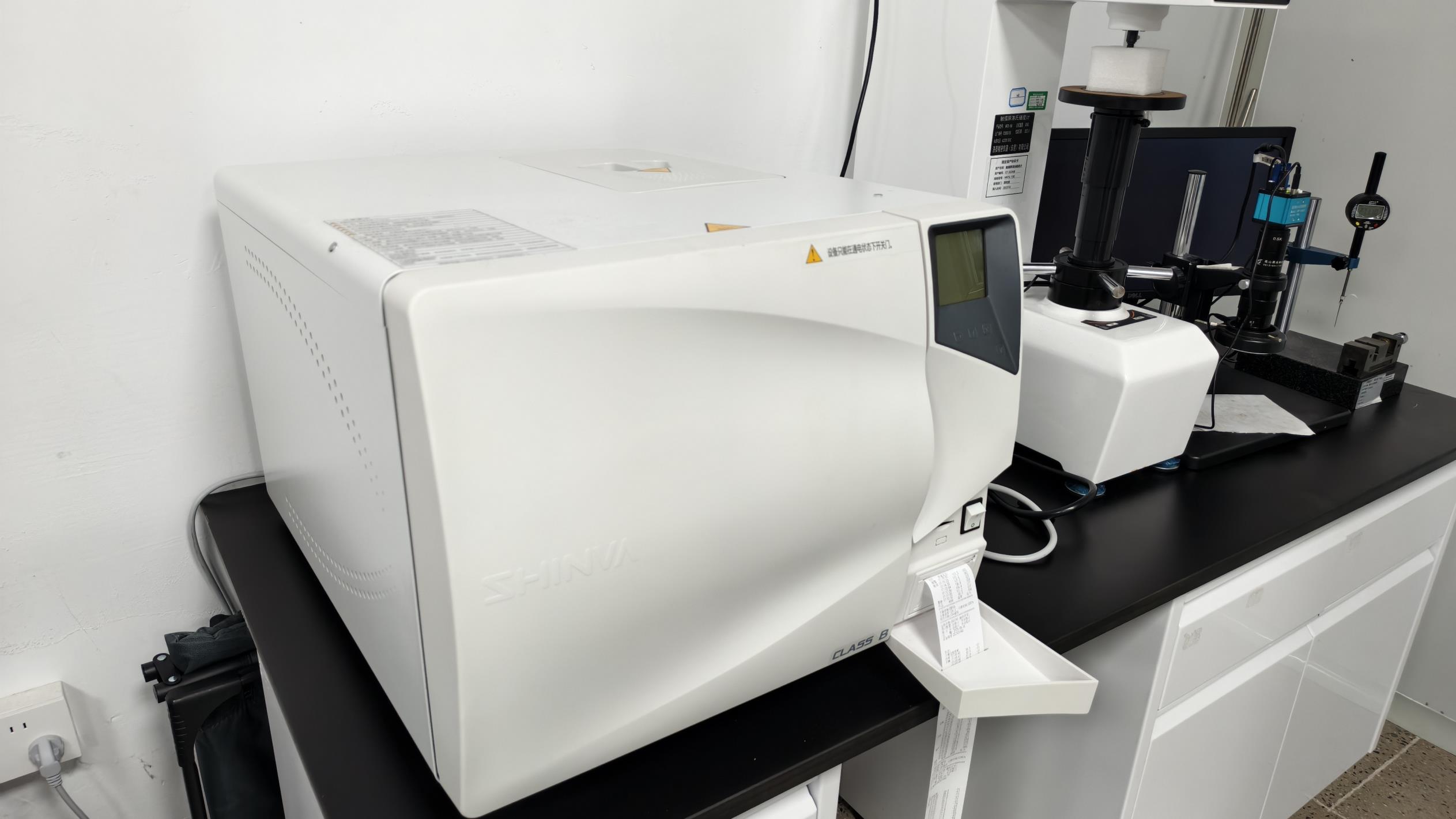
Steam Sterilization
Autoclaving & Sterility Validation
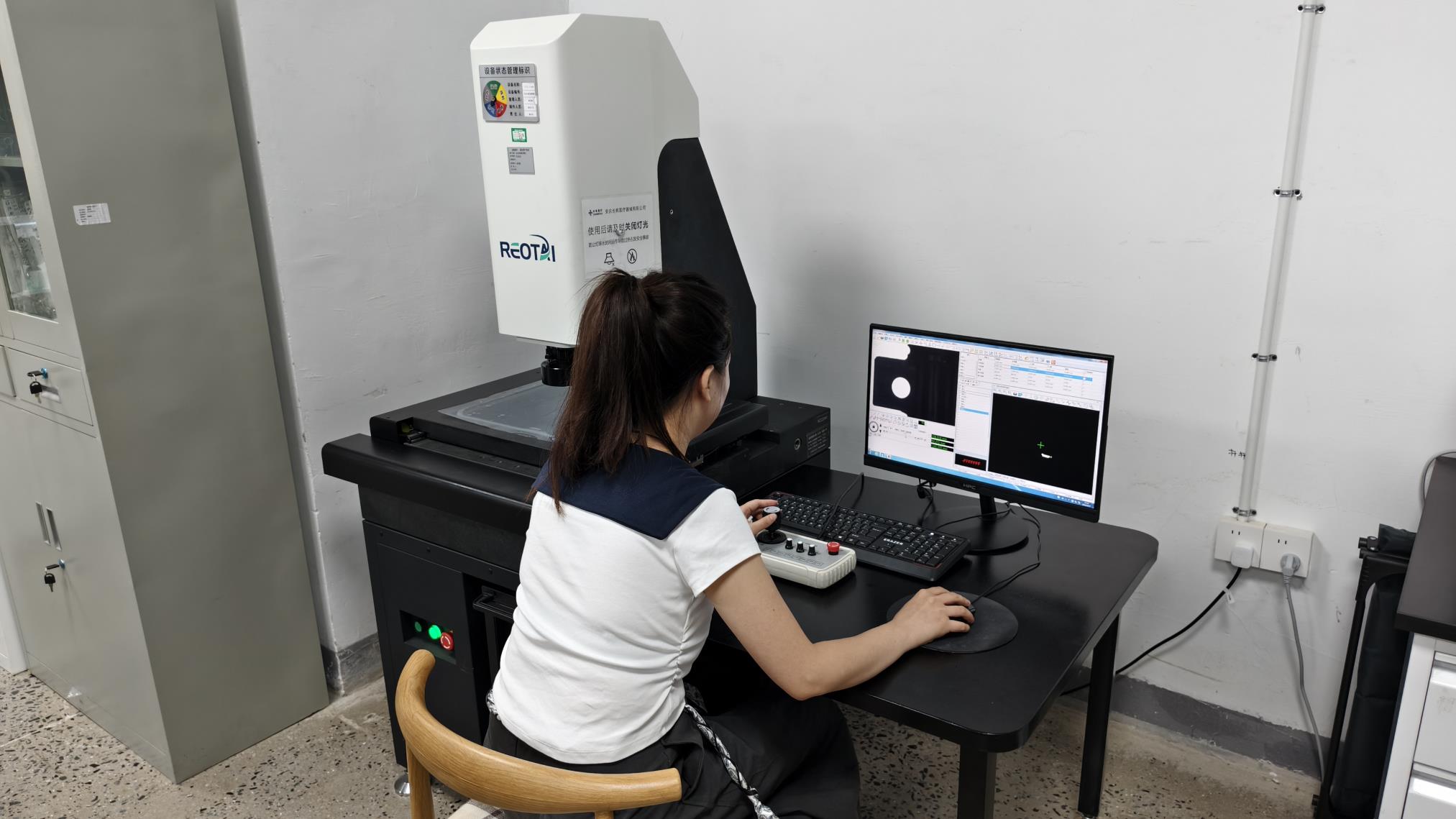
2D Measurement Instrument
Automatic 2D Video Measurement
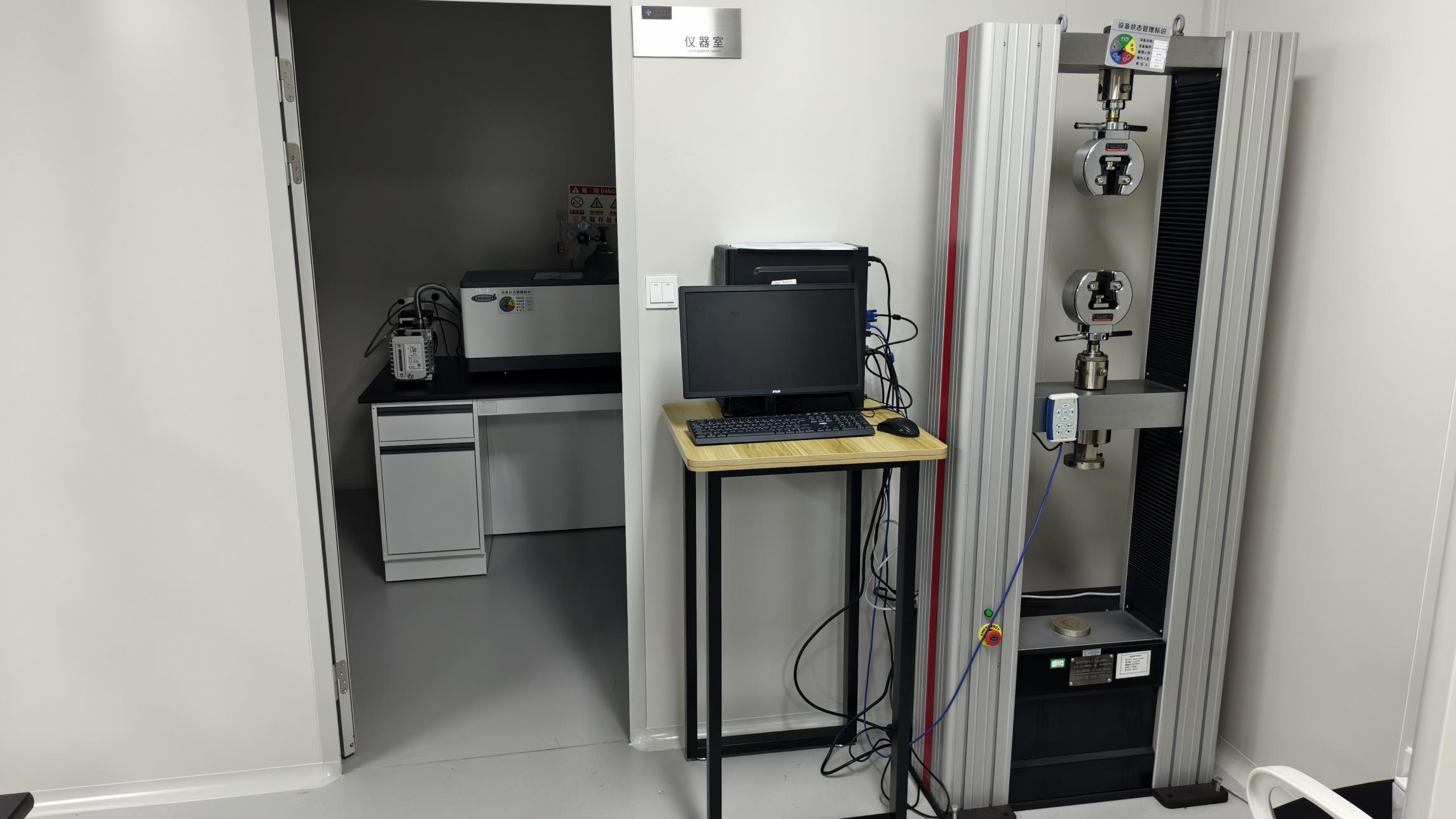
Tensile Fatigue Tester
Universal Tensile Testing
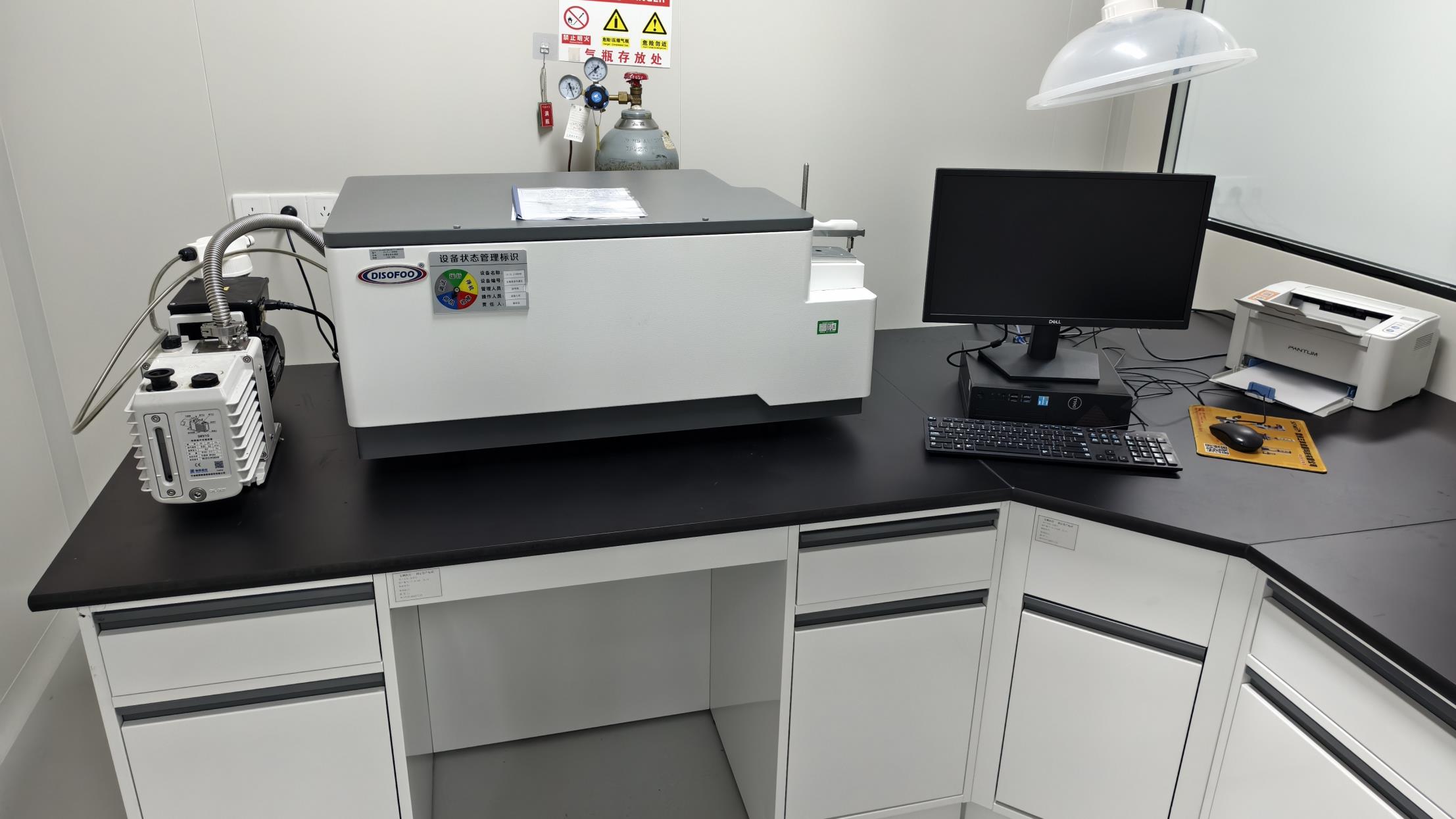
Spectrometer Analysis
Direct-Reading Optical Spectrometer
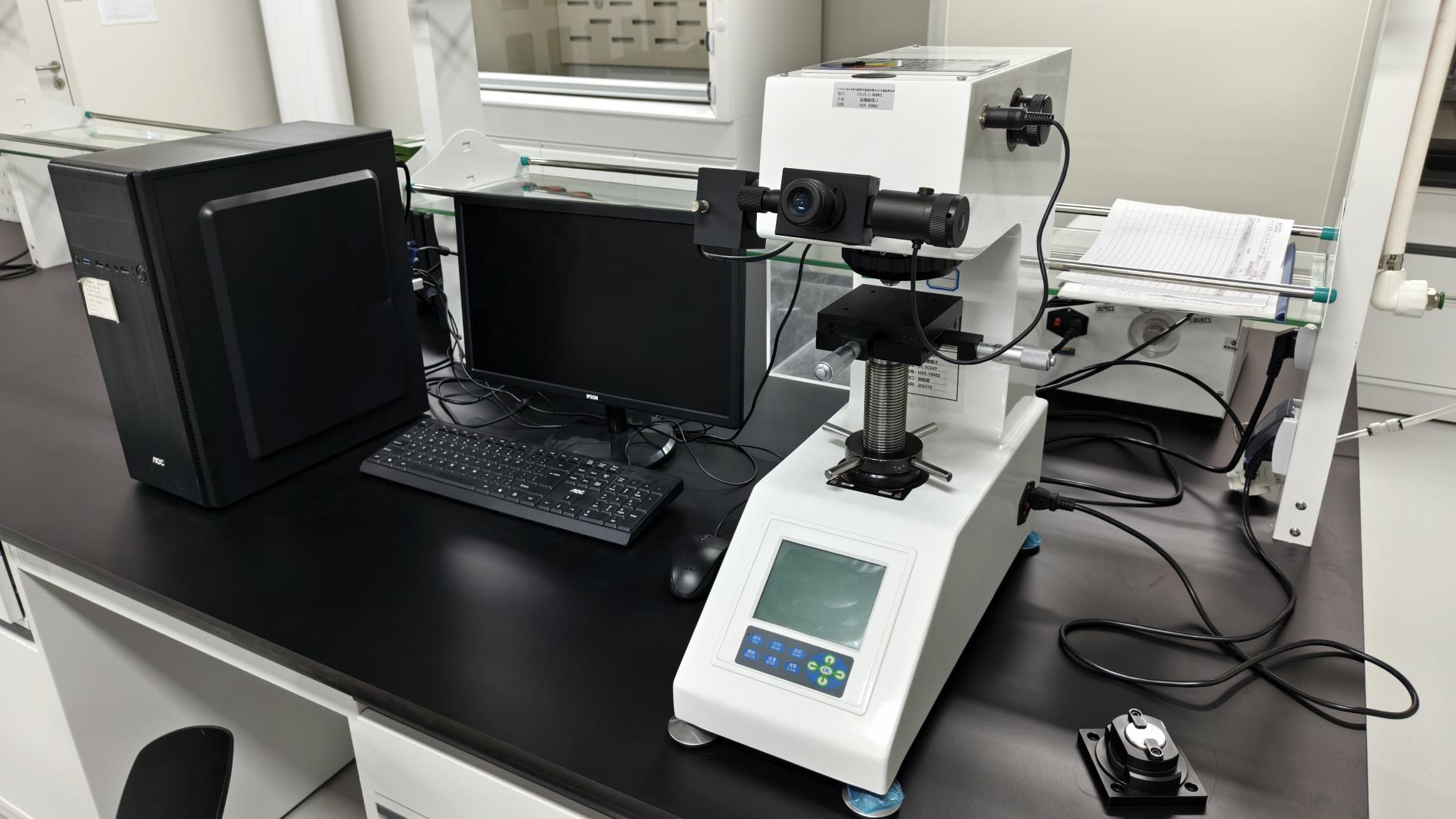
Hardness Testing Machine
Rockwell/Vickers Hardness Tester
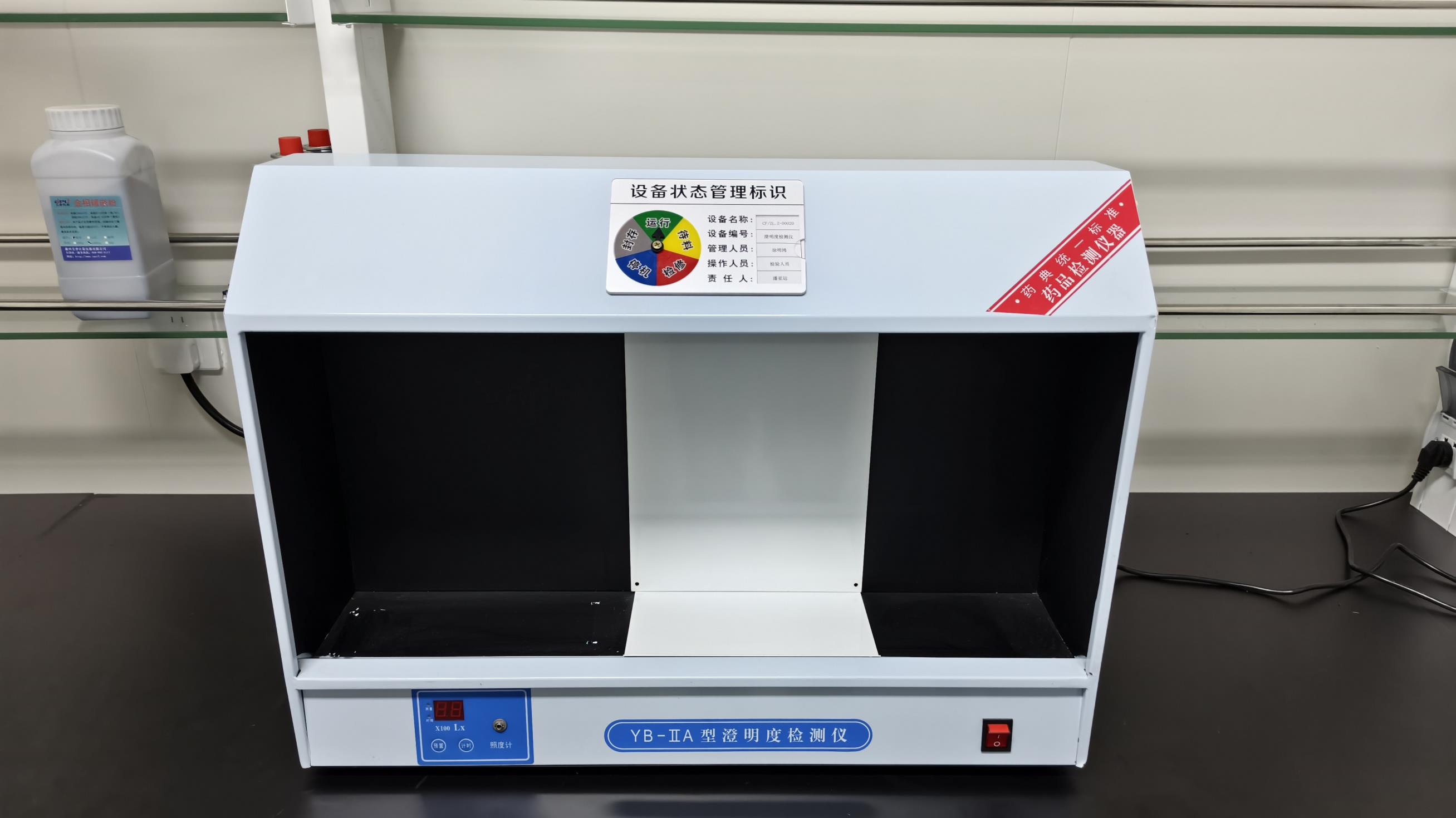
Clarity Quality Control
Liquid Particulate Clarity Detector
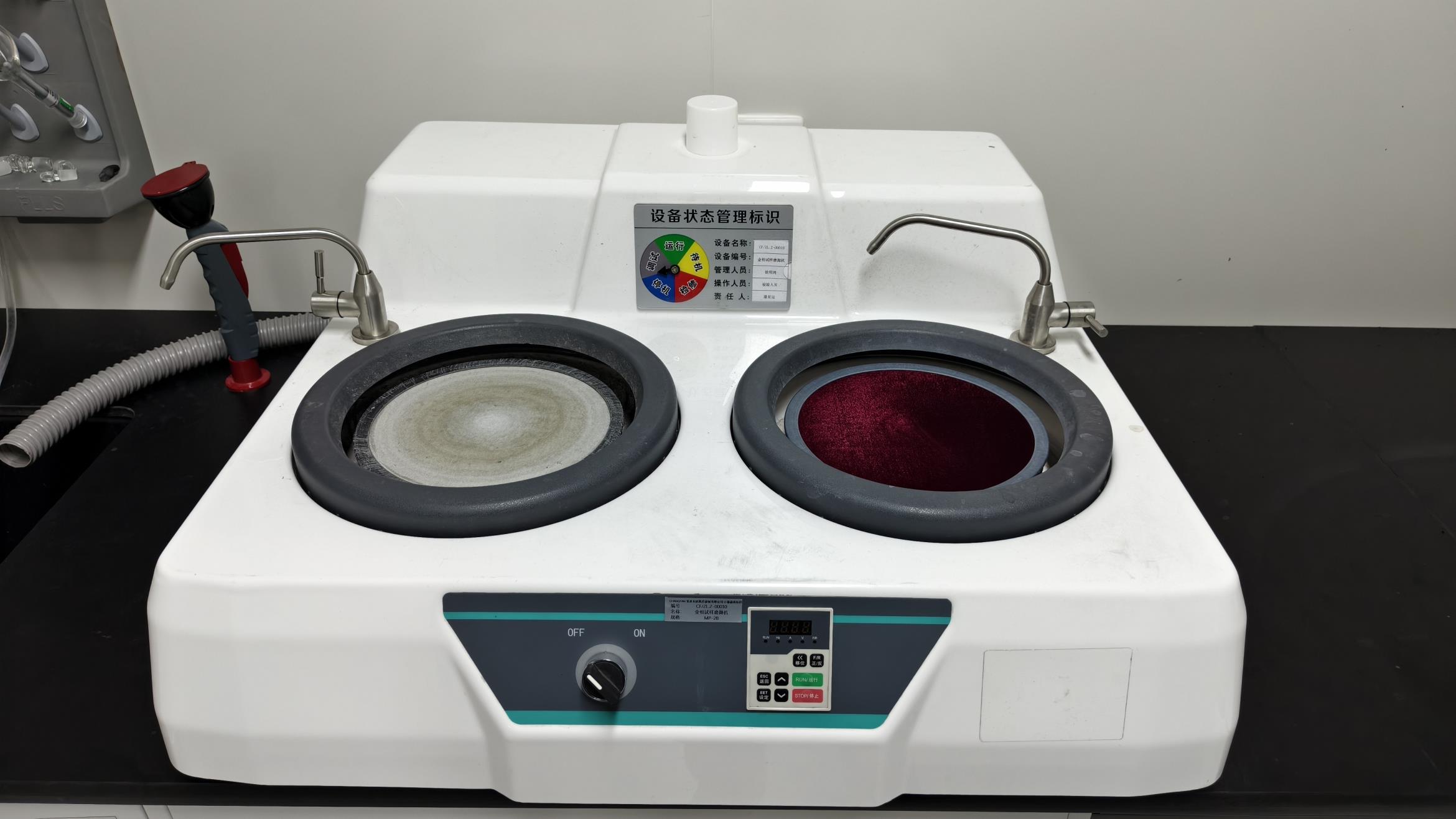
Metallographic Analysis
Metallographic Sample Preparation
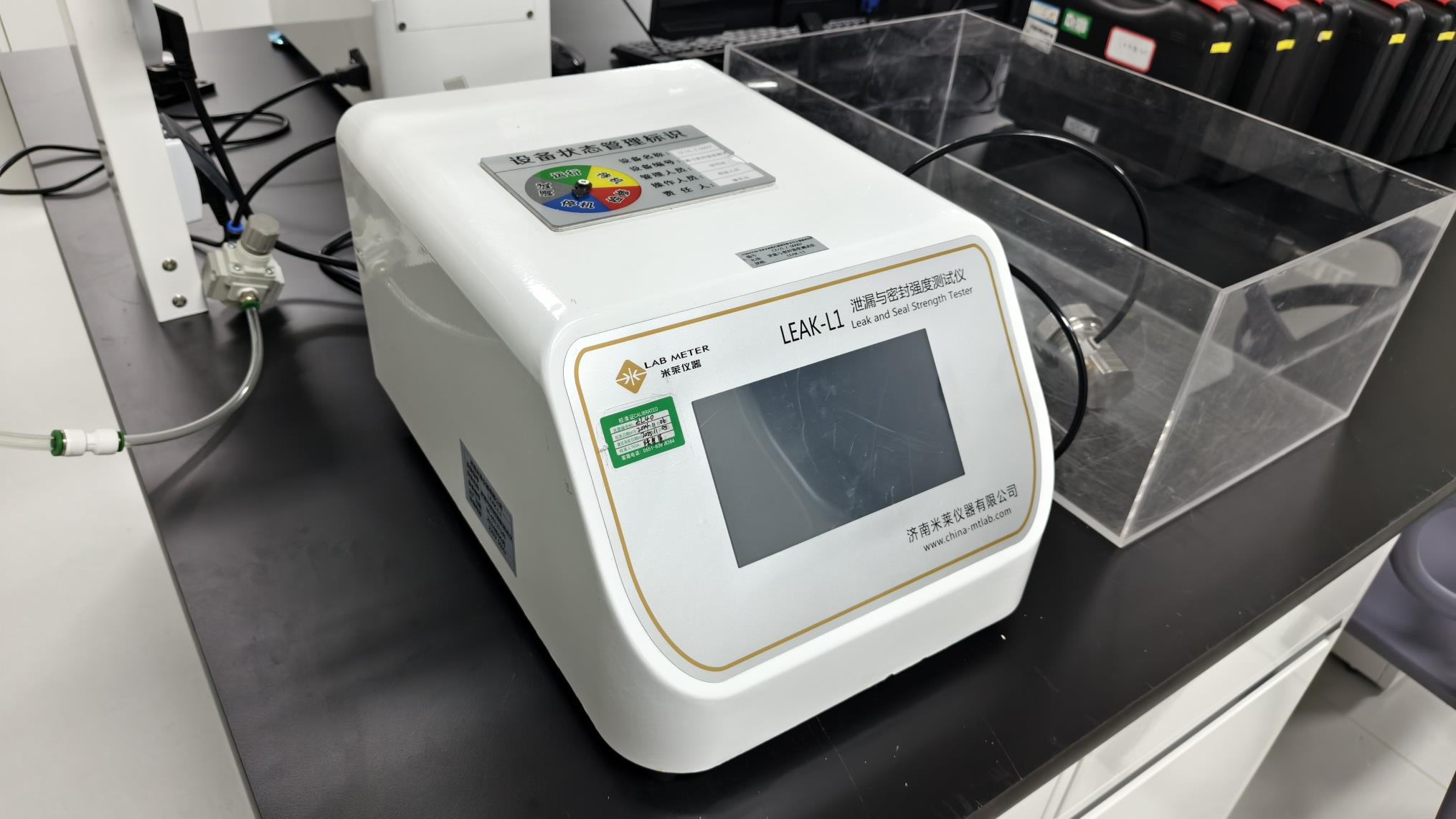
Sealing Strength Tester
Package Leakage & Sealing Strength Tester

Clinical Customization & Surgical Indications

How Synoviq designs tailor-made interbody cages for anatomical diversity and surgical approaches.

Surgical Approach Integration

No single cage design accommodates all spinal pathologies. Our engineering division collaborates with global orthopedic distributors to manufacture specialized titanium interbody cages according to surgical entries:

  • PLIF (Posterior Lumbar Interbody Fusion): Dual-cage implant configuration with rigid cross-sections to bear substantial posterior shear forces.
  • TLIF (Transforaminal Lumbar Interbody Fusion): Curved (banana-shaped) profiles allowing transforaminal insertion while establishing proper sagittal alignment.
  • ALIF (Anterior Lumbar Interbody Fusion): Cages featuring integrated fixation screw plates to secure the device anteriorly, preventing migration without posterior fixation in select procedures.
  • OLIF / LLIF (Oblique/Lateral Lumbar Interbody Fusion): Wide-footprint cages that rest on the strong peripheral ring of the cortical endplates, reducing the risk of subsidence.

Anatomical Customization (East Asian vs. Western Patient Profiles)

Spinal morphometrics vary significantly across ethnic cohorts. For example, East Asian spinal channels and vertebral body diameters are statistically smaller than Western counterparts.

Synoviq offers custom OEM scaling. We adapt parameters such as footprint width, length, and lordotic angles (ranging from 0° to 15° or higher) to match localized patient groups. This targeted design helps prevent neural impingement and structural misfit, minimizing post-operative complications.

Quality Control Framework & OEM/ODM Partnerships

Minimizing procurement risk through validated manufacturing processes and strict regulatory assurance.

100% Quality Validation Workflow

At Synoviq, quality assurance is integrated into every step of production. Every batch of Grade 23 (Ti-6Al-4V ELI) titanium undergoes spectroscopic analysis to verify compliance with ASTM standards.

Machined implants pass through automated 2D video inspection and Coordinate Measuring Machine (CMM) testing to confirm dimensional accuracy down to micrometric tolerances. Following finishing, implants undergo multi-stage ultrasonic cleaning and are packed within Class 10,000 cleanrooms to verify low bioburden levels before sterilization.

Comprehensive Regulatory File Integration

For medical device brands seeking regulatory approval, Synoviq provides structured support files. We offer complete technical documentation, including raw material traceability records, surface roughness reports, biological evaluation data, and mechanical fatigue test results conforming to ISO 13485 protocols. This helps streamline the submission process for FDA 510(k), CE MDR, and domestic approvals.

Frequently Asked Questions

Technical answers to common questions about sourcing custom titanium interbody cages, manufacturing capabilities, and quality assurance processes.

What titanium grade does Synoviq utilize for interbody fusion cages?
We exclusively manufacture our titanium spinal implants from biocompatible Ti-6Al-4V ELI (Extra Low Interstitials) Grade 23 titanium alloy, conforming to the ASTM F136 specification. This material provides high tensile strength, fatigue life, and corrosion resistance compared to standard titanium grades.
How does Synoviq address stress shielding issues in titanium interbody cages?
We address this by engineering 3D-printed porous lattices with controlled structural density. The resulting porous titanium structures display a lower modulus of elasticity, closer to that of trabecular bone, which improves load sharing and minimizes bone resorption and subsidence risks.
What are the lead times for custom OEM/ODM design prototypes?
For standard profile modifications (e.g. customized sizing or surface changes), prototype files are produced in 5 to 7 days, with functional prototypes ready for biomechanical testing in 15 to 20 days. Completely new implant designs are subject to R&D schedules.
Do your manufacturing processes comply with ISO 13485 and CE standards?
Yes. Synoviq operates under a validated ISO 13485 quality management system. Our product lines hold CE certifications and meet FDA cGMP production regulations.
What surface treatments can be applied to the cages?
We provide a variety of surface treatments, including acid-etching (for micro-texture), anodic oxidation (for surgical color-coding), blast texturing, and specialized hydroxyapatite (HA) coating, to enhance bio-activity.
What mechanical testing is performed on the implants?
We perform dynamic and static axial compression, compression-shear, and torsion testing under ASTM F2077 standards. Subsidence tests are conducted in compliance with ASTM F2267.
Can you support sterile packaging options?
Yes, we provide both non-sterile bulk packaging and validated sterile barrier packaging systems (Tyvek pouch systems validated to ISO 11607) for direct clinical use.
What is your Minimum Order Quantity (MOQ) for custom OEM production?
MOQ requirements depend on the tooling and setup needs of the implant geometry. Typically, our starting MOQ for customized titanium cages is 50 to 100 units per size specification.
How does Synoviq prevent cross-contamination during production?
All manufacturing lines use medical-grade lubricants and clean cutting fluids. Post-machining, cages undergo validated multi-stage ultrasonic cleaning and organic residue testing before entering cleanroom packaging.
Can we audit the manufacturing facility?
Yes, we welcome on-site facility audits and virtual inspection reviews by our international customers.

Advanced Surgical & Veterinary Instrument Portfolios

Explore our complete manufacturing capabilities, extending from human reconstructive implants to precision veterinary systems.
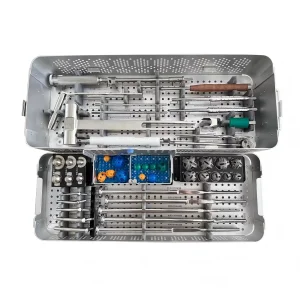
Veterinary Hip Prosthesis Instrument Set

Veterinary Hip Prosthesis Joint Replacement Instrument Set Veterinary Surgical Instruments

View Details
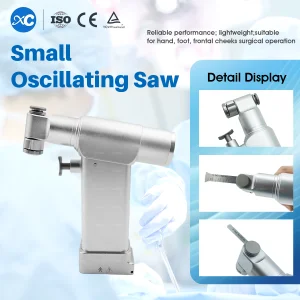
XC Medico Small Oscillating Saw

XC Medico Small Oscillating Saw Electric Steel Orthopedic Surgical Instruments for Hand Foot Pet Surgery

View Details
Conmed Stryker Power Drill System

Conmed Stryker Multifunctional Drill Saw System Orthopedic Power Drill for Vet

View Details
Titanium Surgical Suture Anchor

Medical Metal Instruments Surgical Anchor Titanium Suture Button

View Details
Canwell Ilizarov Ring Fixator

CANWELL Orthopedic Trauma Implant Ilizarov Ring Fixator External Fixator Ilizarov External Fixation

View Details
China Manufacture PRCL-M Veterinary Bone Plate

China Manufacture PRCL-M 8mm/9mm Orthopedic Surgical Implants Veterinary Bone Plate

View Details
Stainless Steel Cartilage Removal Instrument Set

Professional Stainless Steel Cartilage Removal Instrument Set Orthopedic Bone Curette and Shaver for Knee Arthroscopy Surgery

View Details
Titanium Alloy Elastic Interlocking Nail

Titanium Alloy Elastic Interlocking Nail Orthopedic Implant Competitive Price Titanium Elastic Nail

View Details