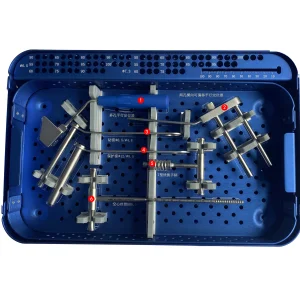
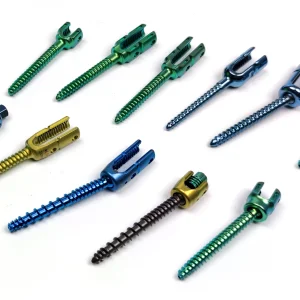
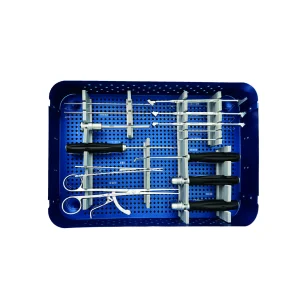
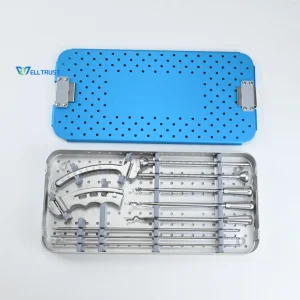
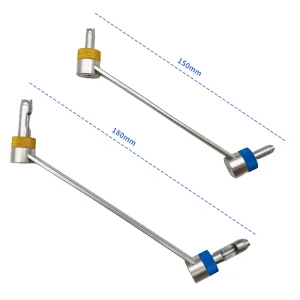
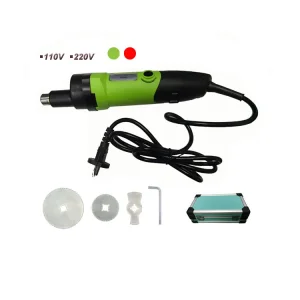
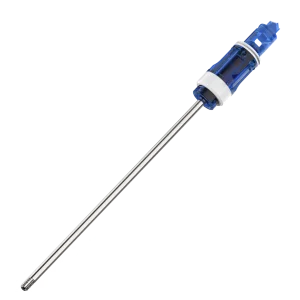
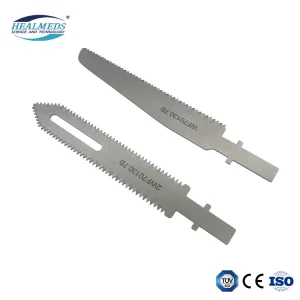
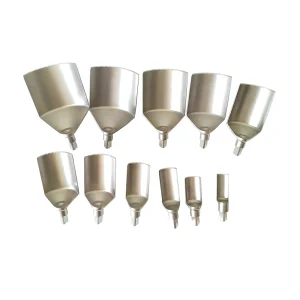
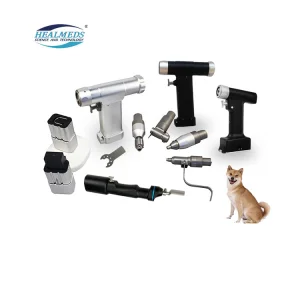
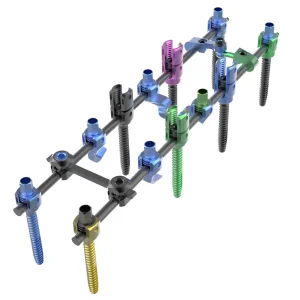
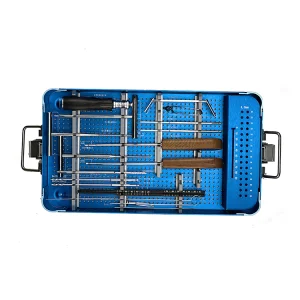
Explore our advanced surgical instrumentation sets, orthopedic implants, and veterinary surgical components certified for clinical success.
The global market for Total Shoulder Prosthesis has witnessed significant structural growth, driven by an aging global population, rising indications of osteoarthritis, and clinical transitions toward Reverse Total Shoulder Arthroplasty (rTSA). Unlike hip and knee systems, which are largely standardized, shoulder joint biomechanics demand high-fidelity design variations, including stemless humeral implants, modular trabecular glenoids, and comprehensive convertible configurations that allow surgeons to intraoperatively transition from Anatomic Total Shoulder Arthroplasty (aTSA) to reverse designs.
As healthcare systems globally optimize orthopedics for cost-containment and outpatient ASC (Ambulatory Surgery Center) operations, the procurement paradigm has shifted. Orthopedic distributors, import agents, and implant brands are increasingly sourcing directly from vertically integrated Chinese manufacturers. By utilizing state-of-the-art Chinese forging, precision Swiss-type lathes, and cleanroom facilities, distributors can manage product margins while maintaining conformance to strict CE MDR, ISO 13485, and FDA regulations.
China's orthopedic supply chain is no longer just about low-cost mass production. It represents an ecosystem where raw material procurement (using implant-grade titanium alloy Ti-6Al-4V ELI conforming to ASTM F136), CNC high-precision grinding, physical vapor deposition (PVD), and sterilization validation occur within highly coordinated industrial hubs. This minimizes production cycle times and provides rapid-response ODM/OEM iterations for new medical device portfolios.
Synoviq Medical Technology (China) Co., Ltd. is a professional manufacturer of orthopedic implants and surgical instruments, dedicated to delivering innovative, reliable, and high-quality medical solutions for healthcare professionals worldwide. Since its establishment, Synoviq has focused on research, development, precision manufacturing, and international quality standards, providing comprehensive OEM and ODM services for global medical device brands, distributors, and hospitals.
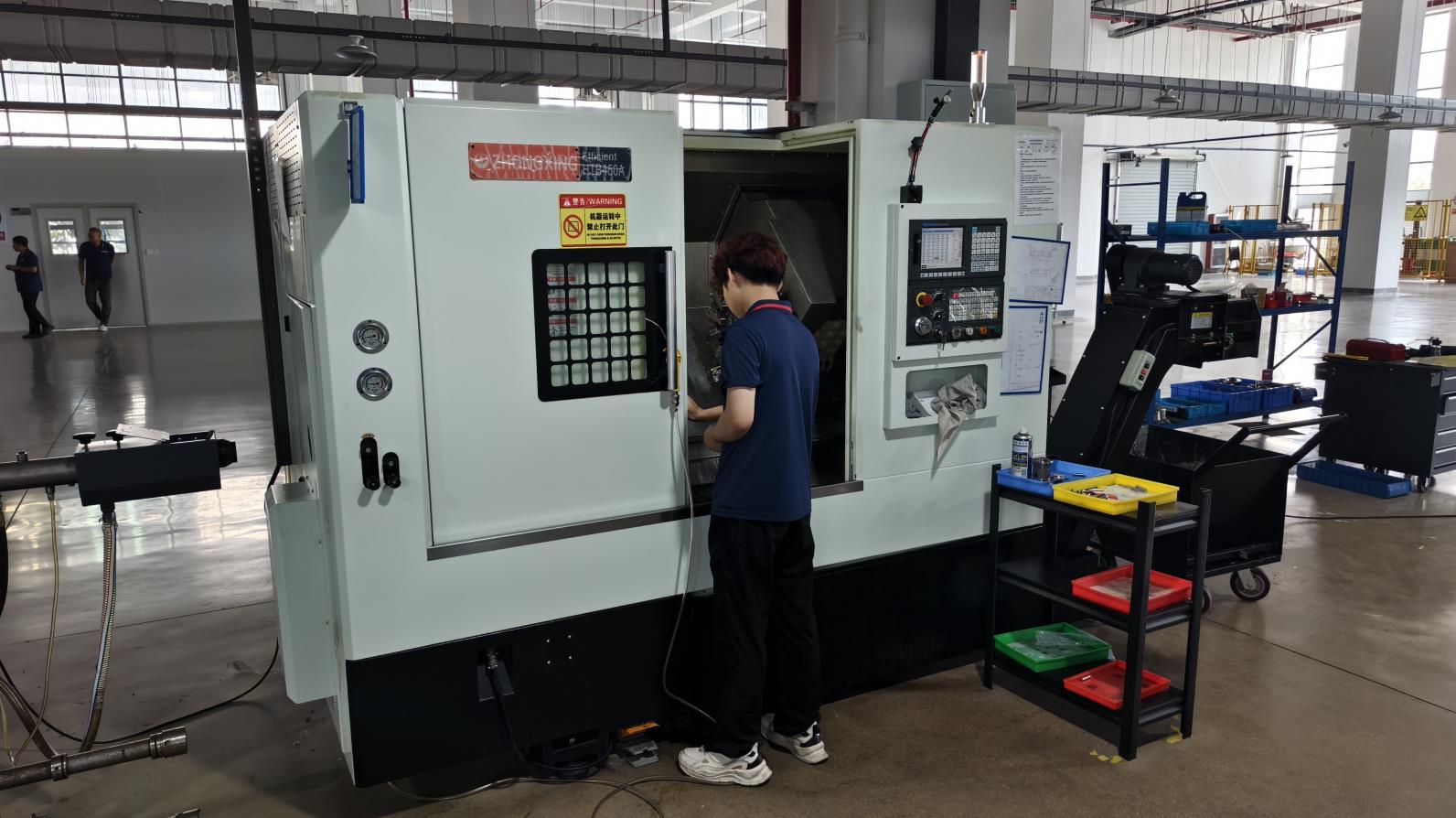
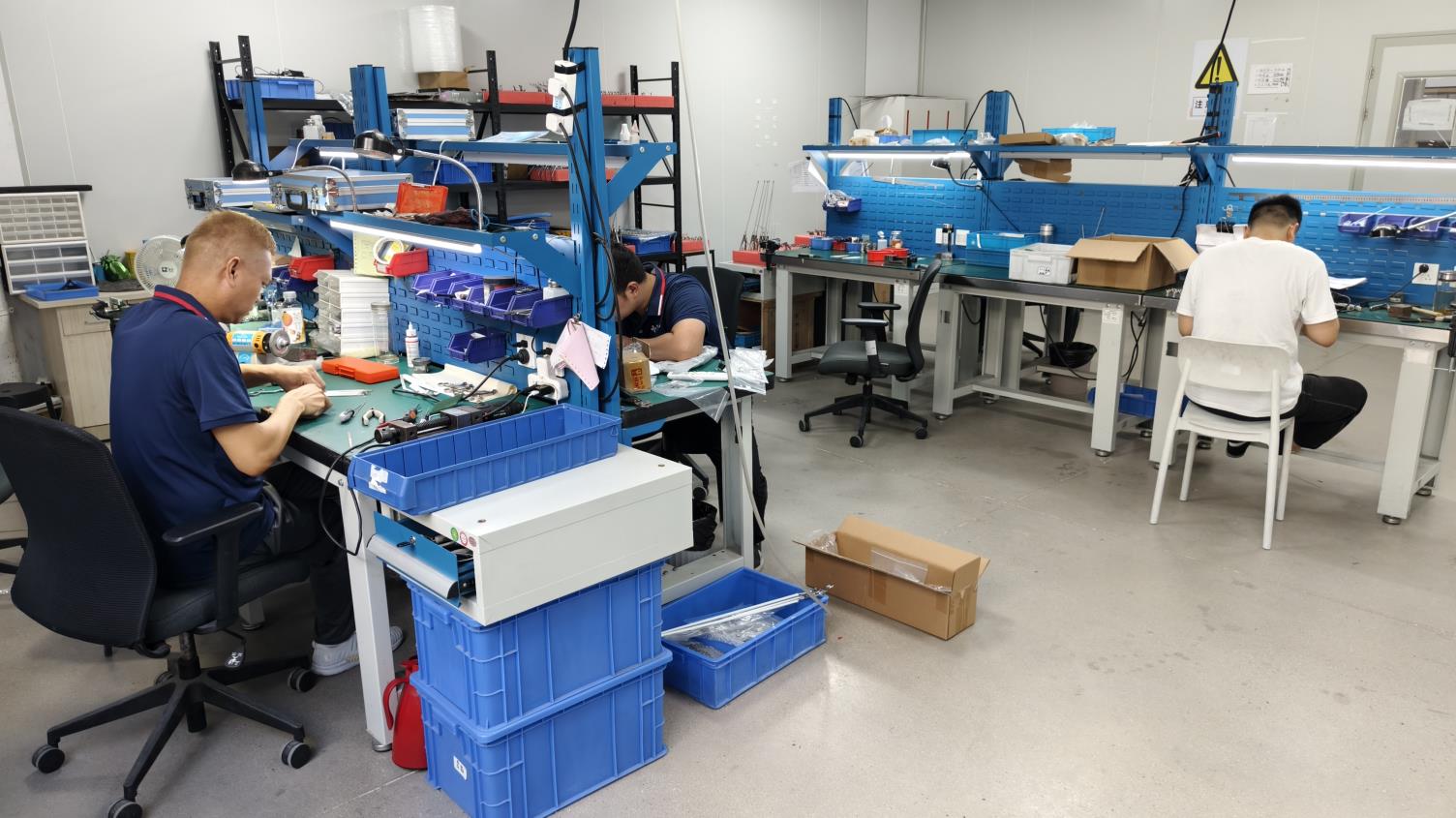
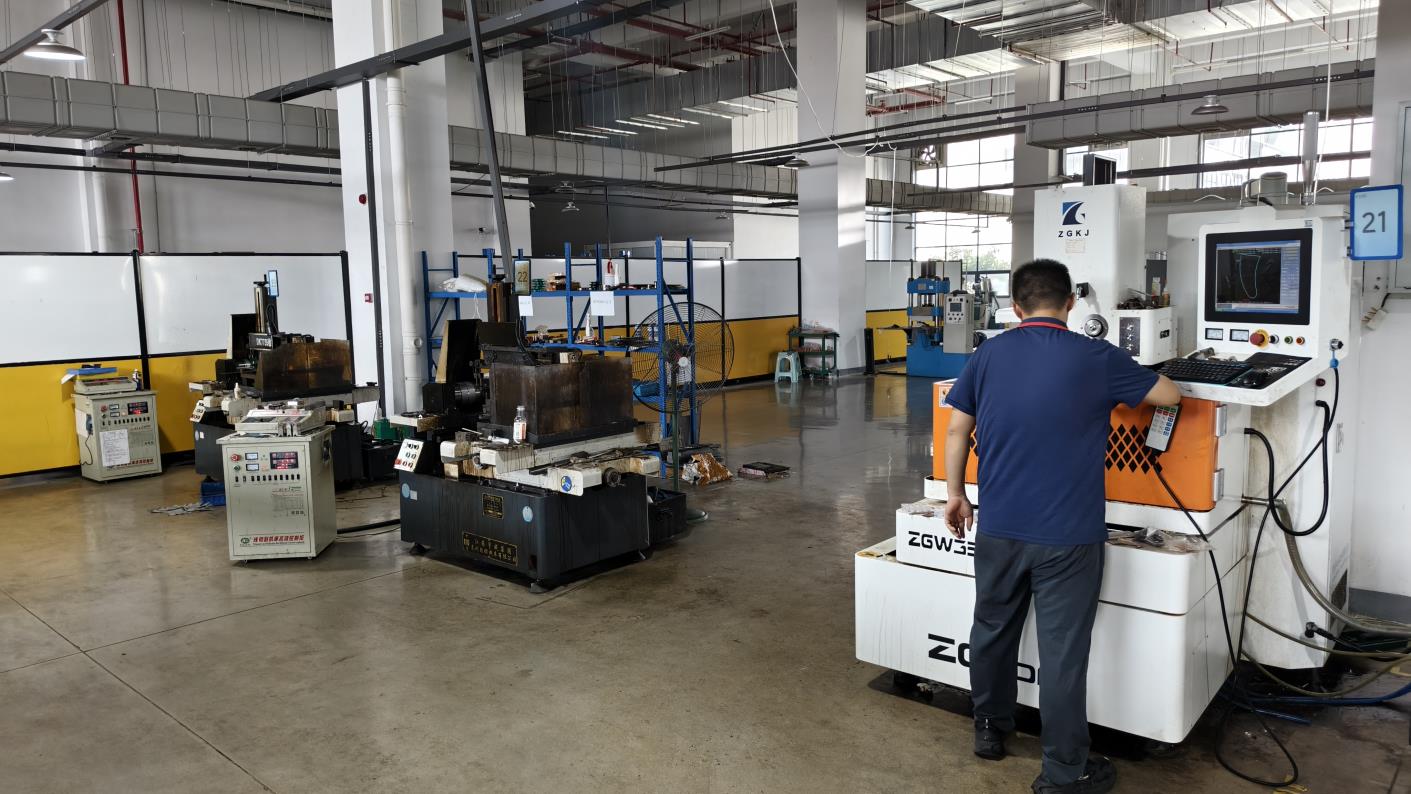
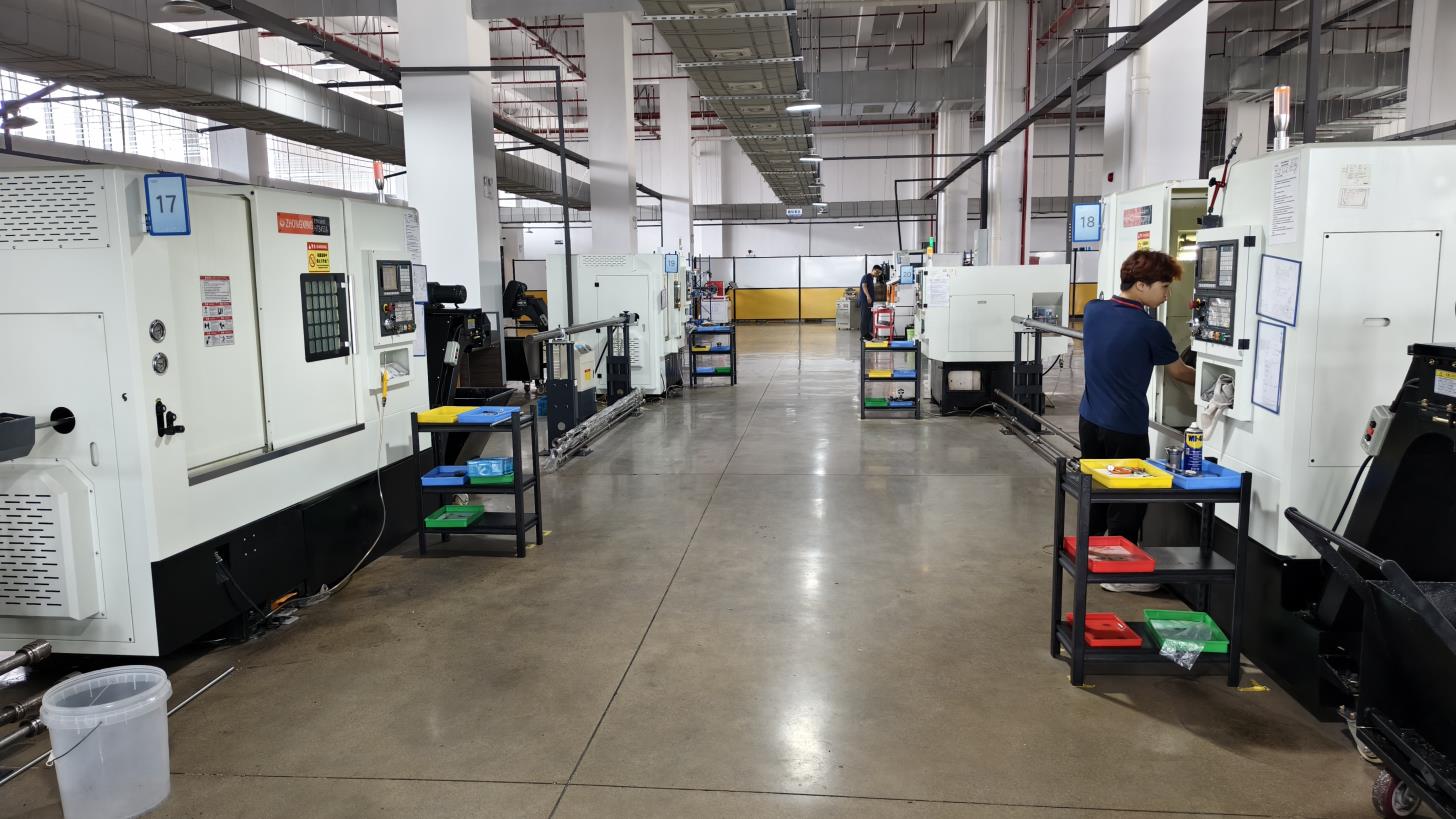
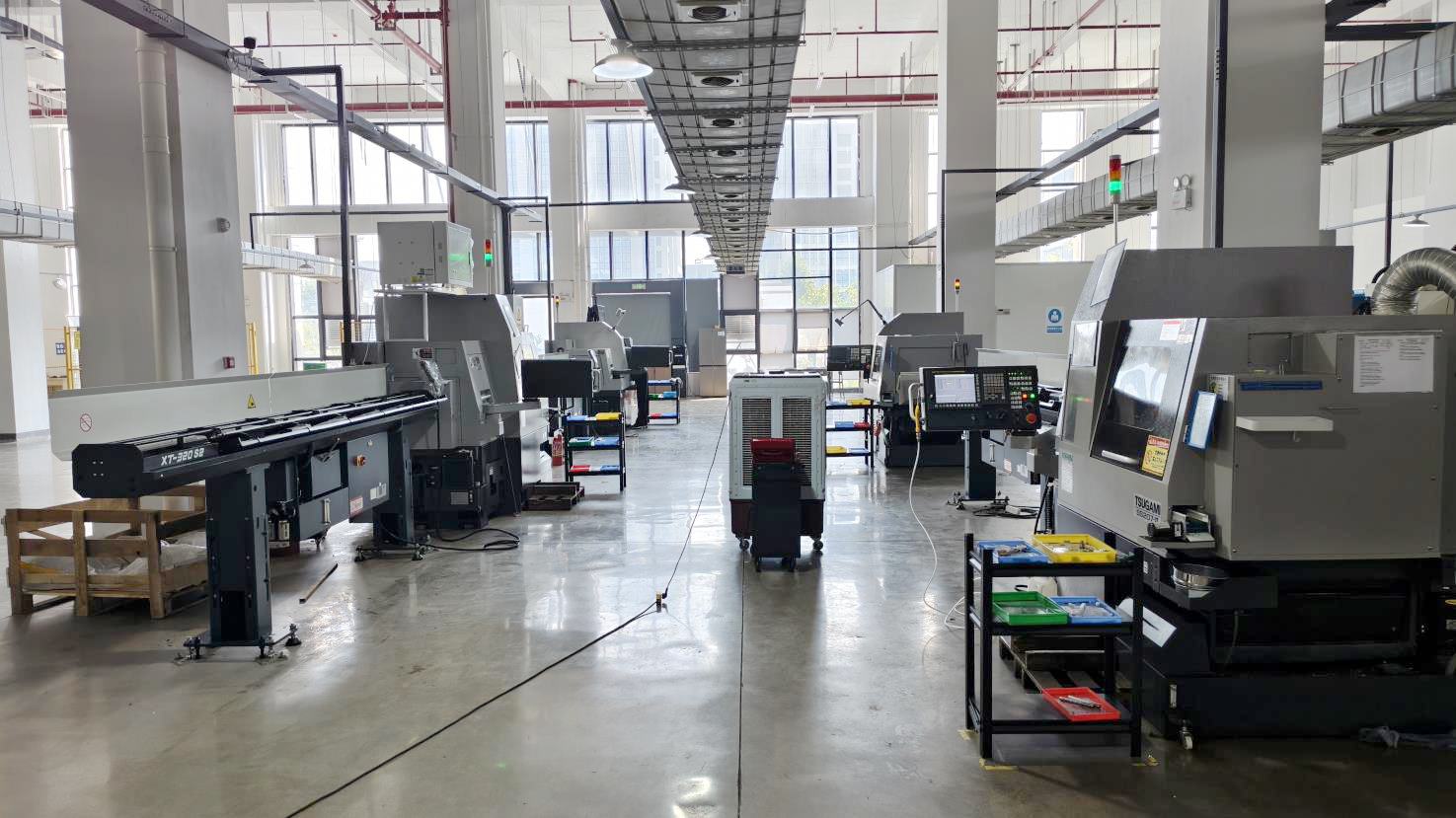
Our product portfolio includes trauma fixation systems, spinal implants, locking plates, intramedullary nails, external fixation systems, orthopedic screws, surgical instruments, and customized orthopedic solutions. Equipped with advanced CNC machining centers, precision inspection equipment, and modern clean production facilities, we ensure every product meets strict international quality requirements.
Driven by continuous innovation, Synoviq invests heavily in R&D and intelligent manufacturing to enhance product performance, surgical efficiency, and patient outcomes. Our experienced engineering team works closely with customers to develop customized products tailored to different clinical applications and market demands.
With a customer-oriented philosophy, competitive pricing, stable supply capability, and efficient technical support, Synoviq has established long-term partnerships with distributors, medical brands, and healthcare organizations across Europe, North America, South America, the Middle East, and Asia-Pacific.
Committed to quality, innovation, and global collaboration, Synoviq Medical Technology (China) Co., Ltd. strives to become a trusted international partner in the orthopedic medical device industry.
| Specification Category | Technical & Operational Details |
|---|---|
| Company Name | Synoviq Medical Technology (China) Co., Ltd. |
| Brand Identity | Synoviq |
| Established Date | March 18, 2016 |
| Production Facility Area | 18,600 m² modern clean-room and machining complex |
| Annual Export Revenue | USD 21.8 Million |
| Export Experience | 8 Years global compliance and logistics capability |
| Industry Experience | 14 Years specialized in orthopedic metallurgy and polymer machining |
| Quality Inspection Protocols | 100% Final Inspection & strict Incoming Material Inspection |
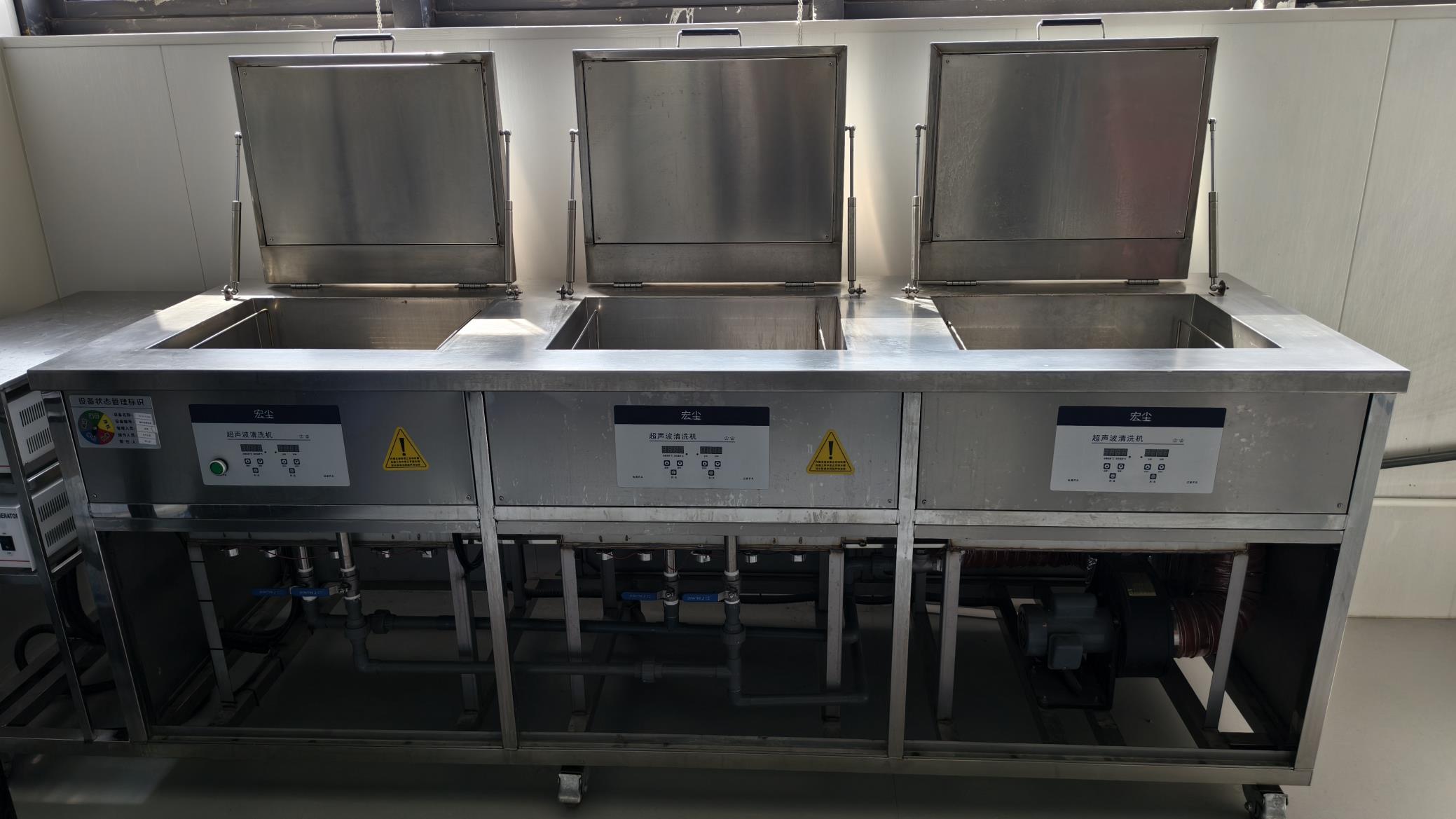
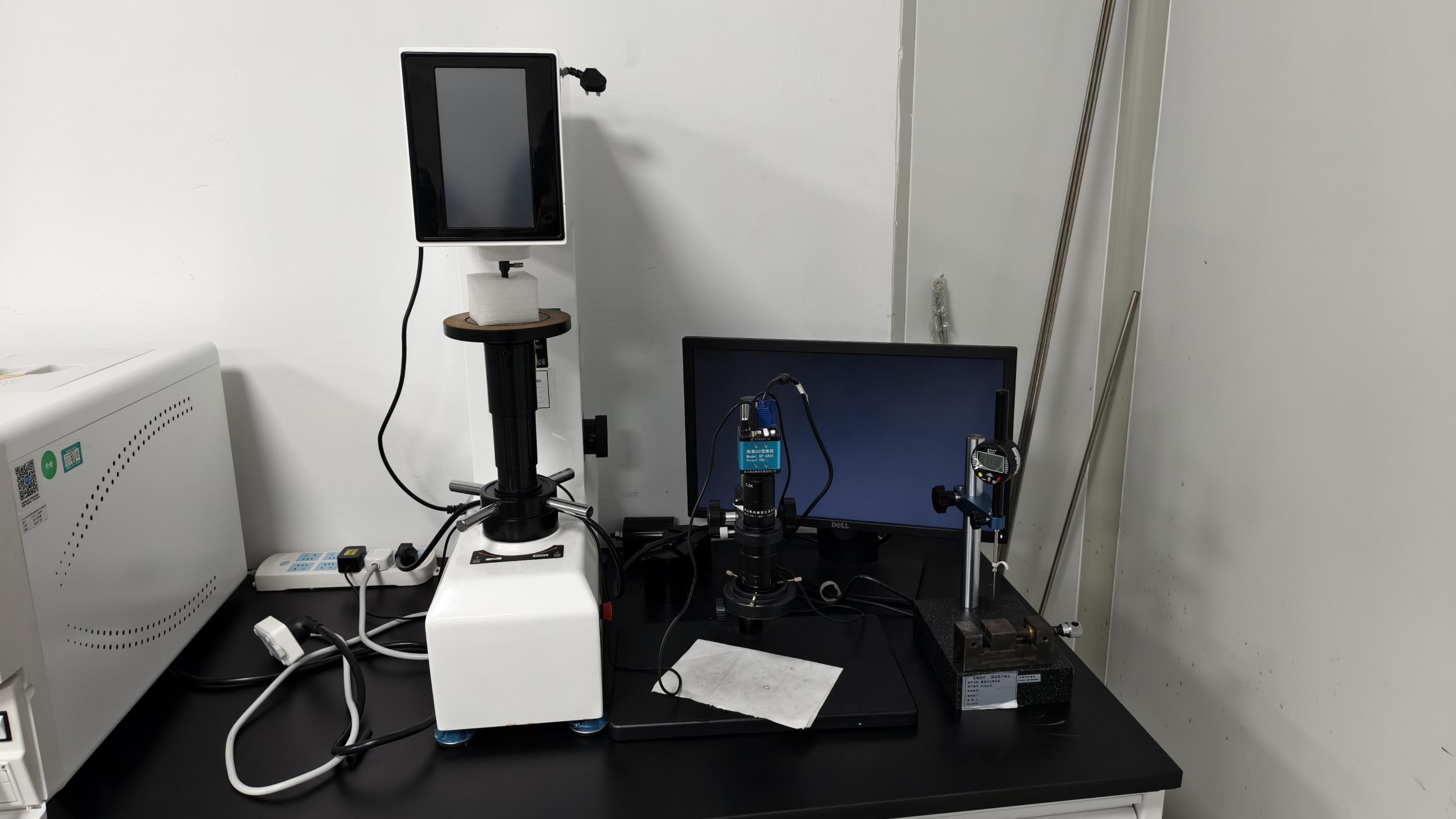
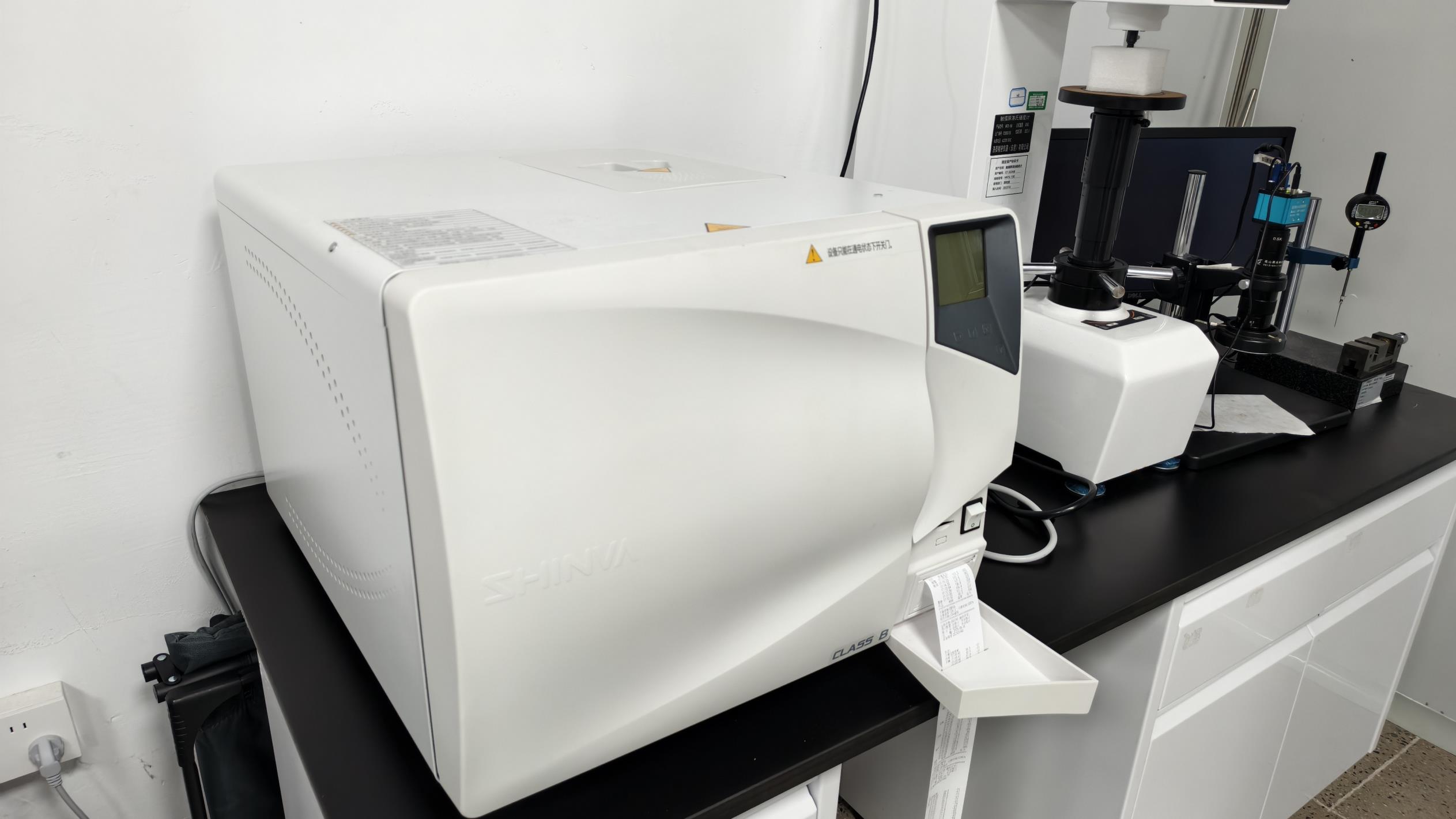
| Validation & Measurement Methods | CMM Measurement, Mechanical Testing, Surface Roughness Testing, Hardness Testing, Salt Spray Testing, Sterility Validation |
| Quality Control Staff | 48 Quality Assurance (QA/QC) experts and regulatory specialists |
| Core Business Classifications | Contract Manufacturer & Exporter (OEM/ODM/OBM) |
| Primary Export Regions | Europe, North America, South America, Middle East, Southeast Asia |
| Supply Chain Network Partners | 1,120+ audited materials, tooling, and logisitics partners |
| Client Segments Served | Medical Device Brands, Importers, Distributors, Hospitals, Government Procurement Projects |
| Advanced R&D Capabilities | Independent Product Design, Prototype Development, Clinical-Oriented Engineering, OEM & ODM Development |
| Customization Options | Logo Customization, Packaging Customization, Product Design Customization, Material Selection, Surface Treatment |
| New Product Releases (Trailing Year) | 186 orthopaedic devices, instruments, and system variations |
| Dedicated R&D Engineers | 76 mechanical, metallurgical, and biomechanics designers |
Investing in next-generation material science and robotic interfaces to ensure patient satisfaction.
Integration of Electron Beam Melting (EBM) and Laser Powder Bed Fusion (LPBF) to manufacture trabecular structure titanium glenoid bases, enhancing secondary biological fixation and osseointegration.
Adopting Highly Cross-Linked Polyethylene (HXLPE) infused with Vitamin E to decrease oxidative wear and long-term osteolysis risk in the glenoid articulating surface.
Universal humeral stem components that permit transition from anatomical to reverse shoulder configurations without removing a well-fixed osteointegrated humeral stem.
Recommended for patients presenting with intact rotator cuff anatomy suffering from primary osteoarthritis, post-traumatic arthritis, or avascular necrosis of the humeral head. The implant mirrors the physiological joint anatomy to preserve natural humeroglenoid kinematics, featuring a cobalt-chrome or titanium humeral head paired with a cemented UHMWPE glenoid component.
Indicated for severe cuff tear arthropathy, complex proximal humeral fractures, or revision surgery where deltoid function is relied upon to lift the arm. By reversing the anatomy (placing a spherical glenosphere on the scapula and a socket humerus cup), the biomechanical fulcrum shifts medially and distally, enabling pain-free articulation without a functional rotator cuff.
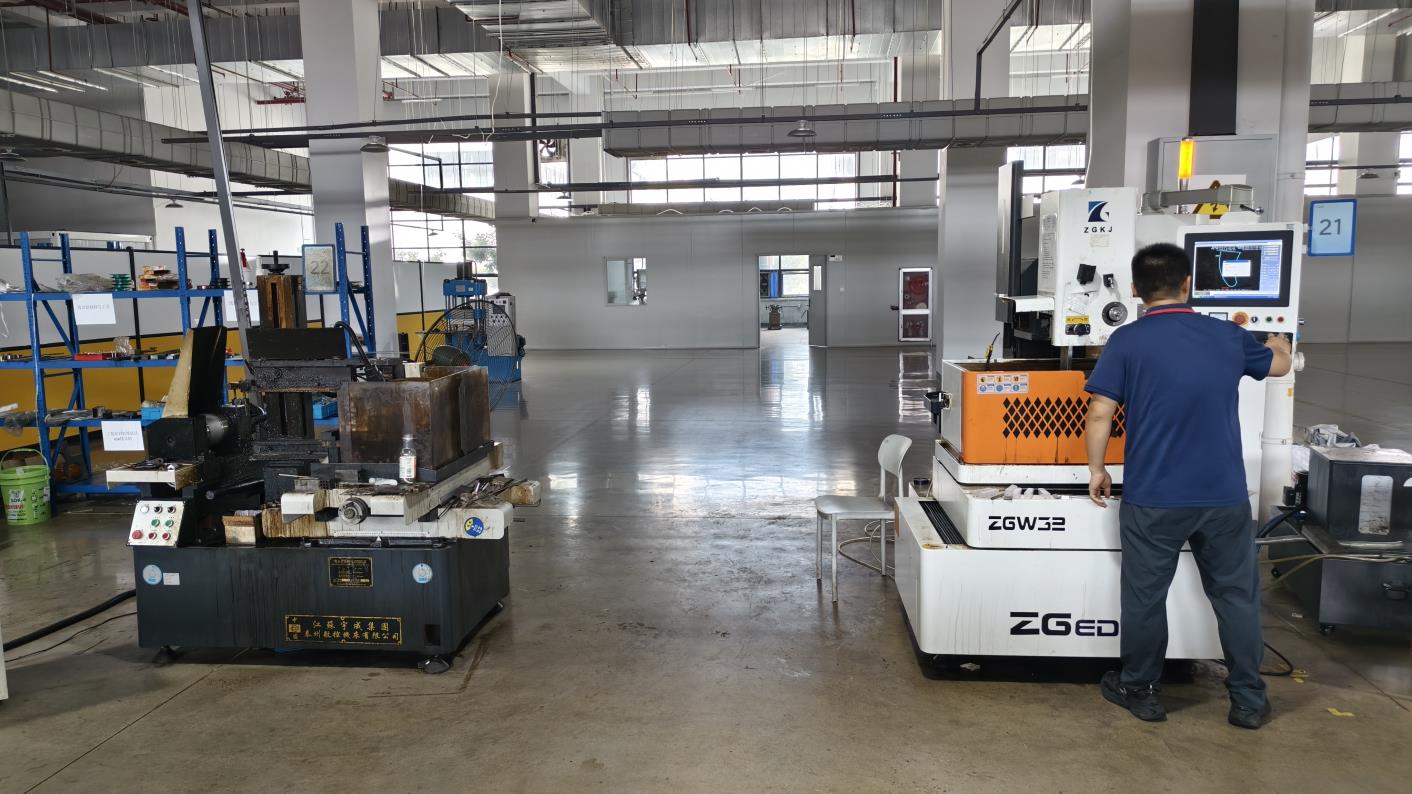
Synoviq Medical's operational infrastructure is built within China's medical manufacturing clusters. This proximity yields significant cost, quality, and time benefits. By operating an integrated 18,600 m² facility containing both forging plants and CNC machining operations, we bypass typical multi-vendor transit delays and raw-material quality variance.
Key supply chain capabilities include:
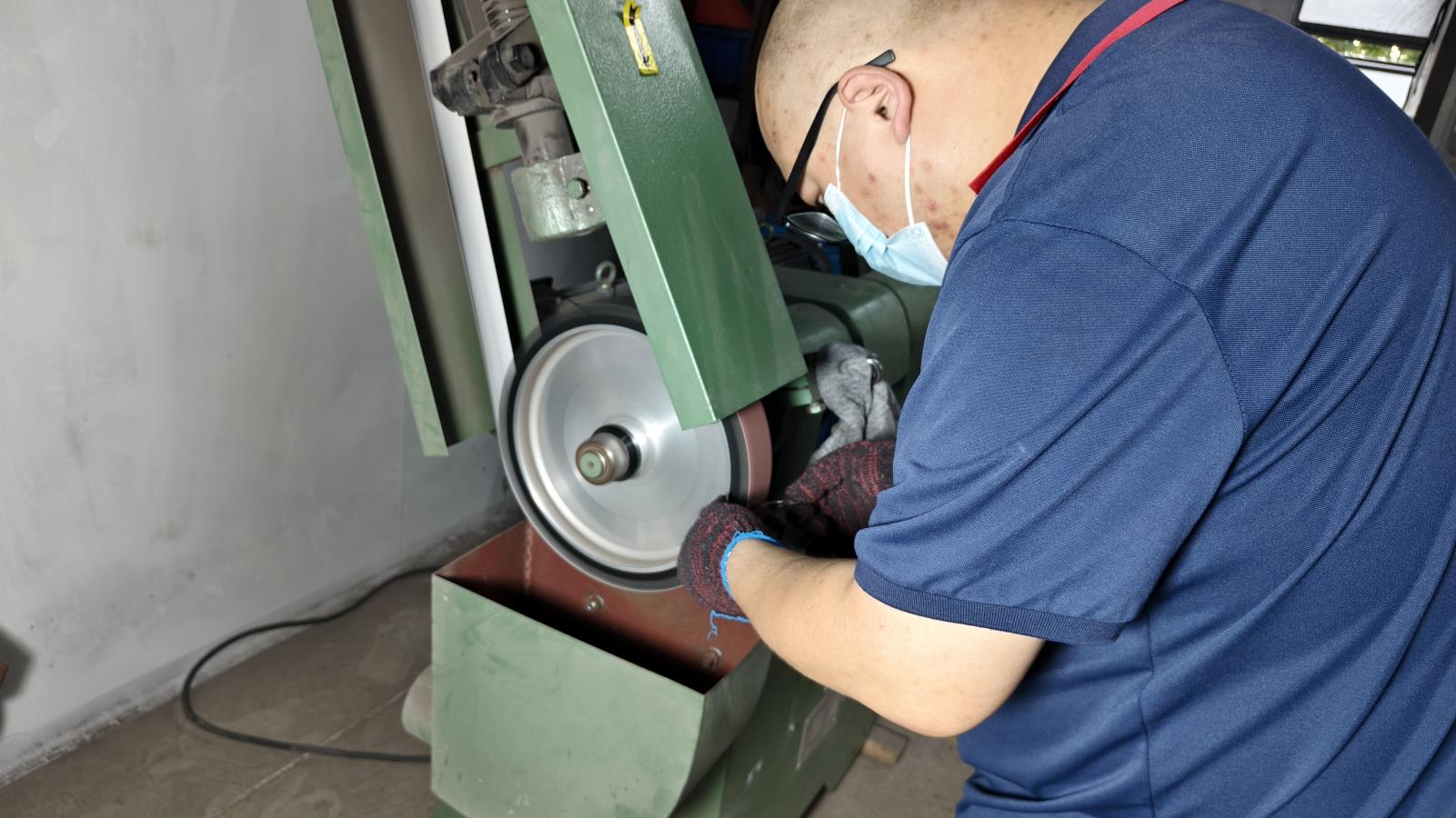
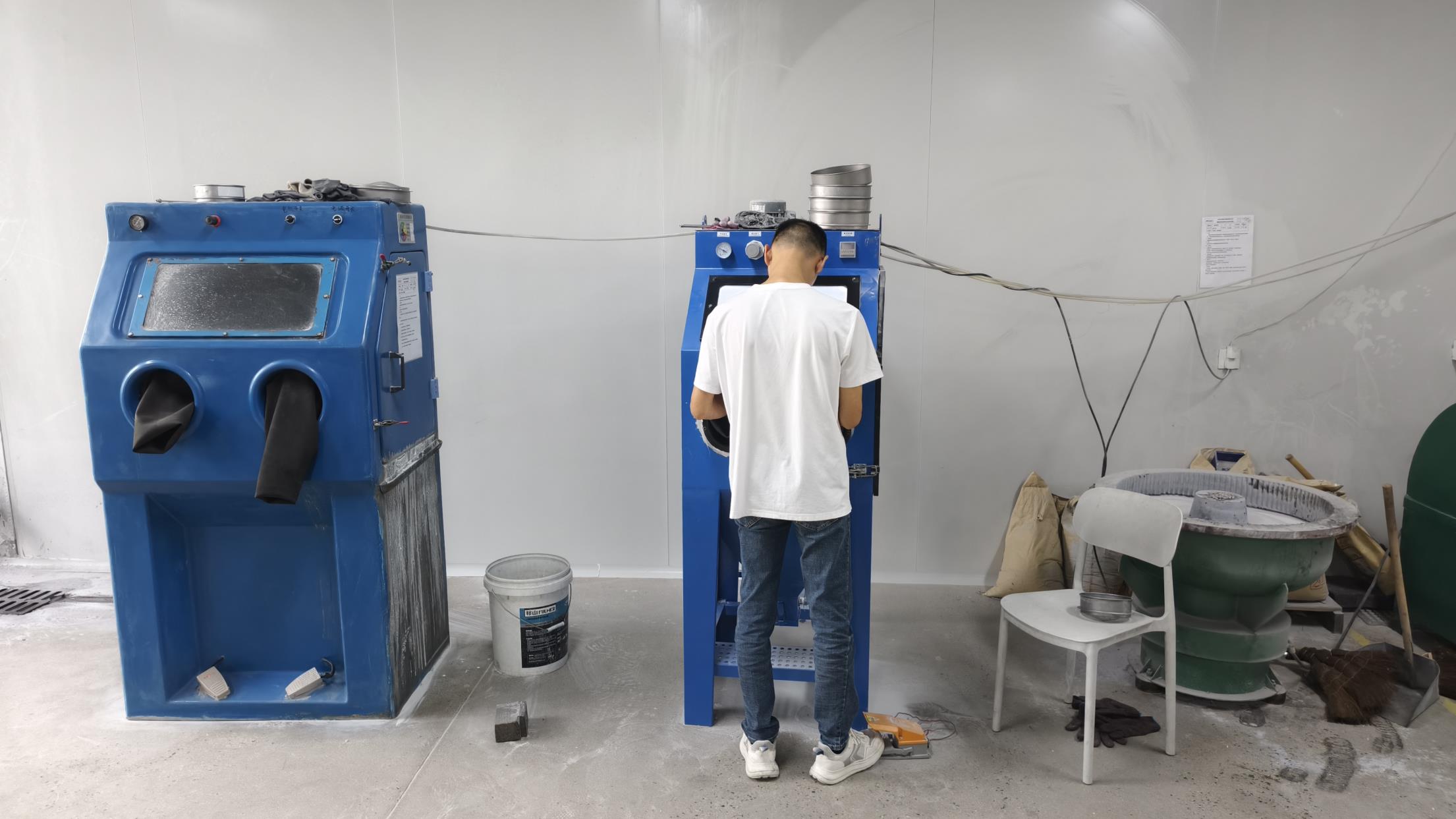
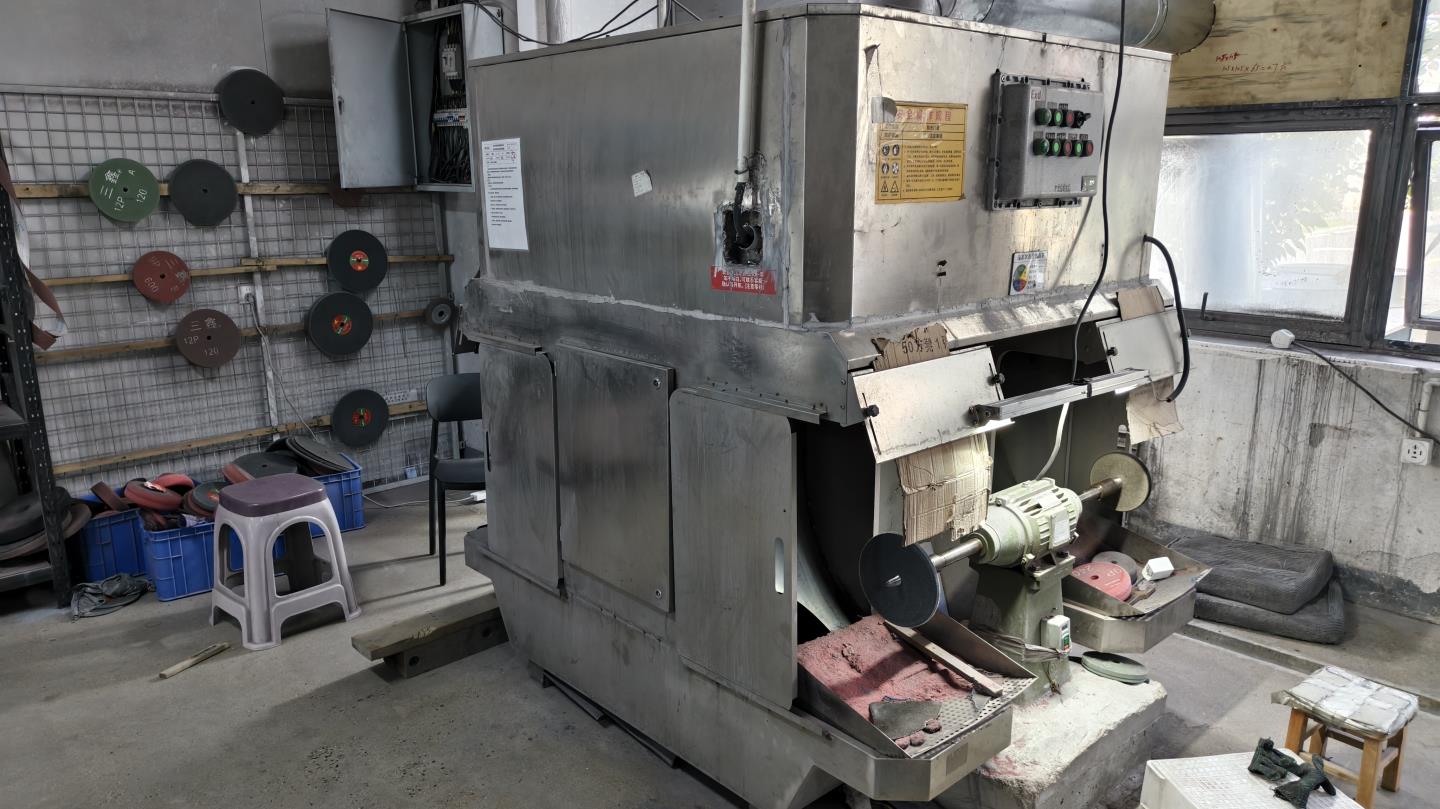
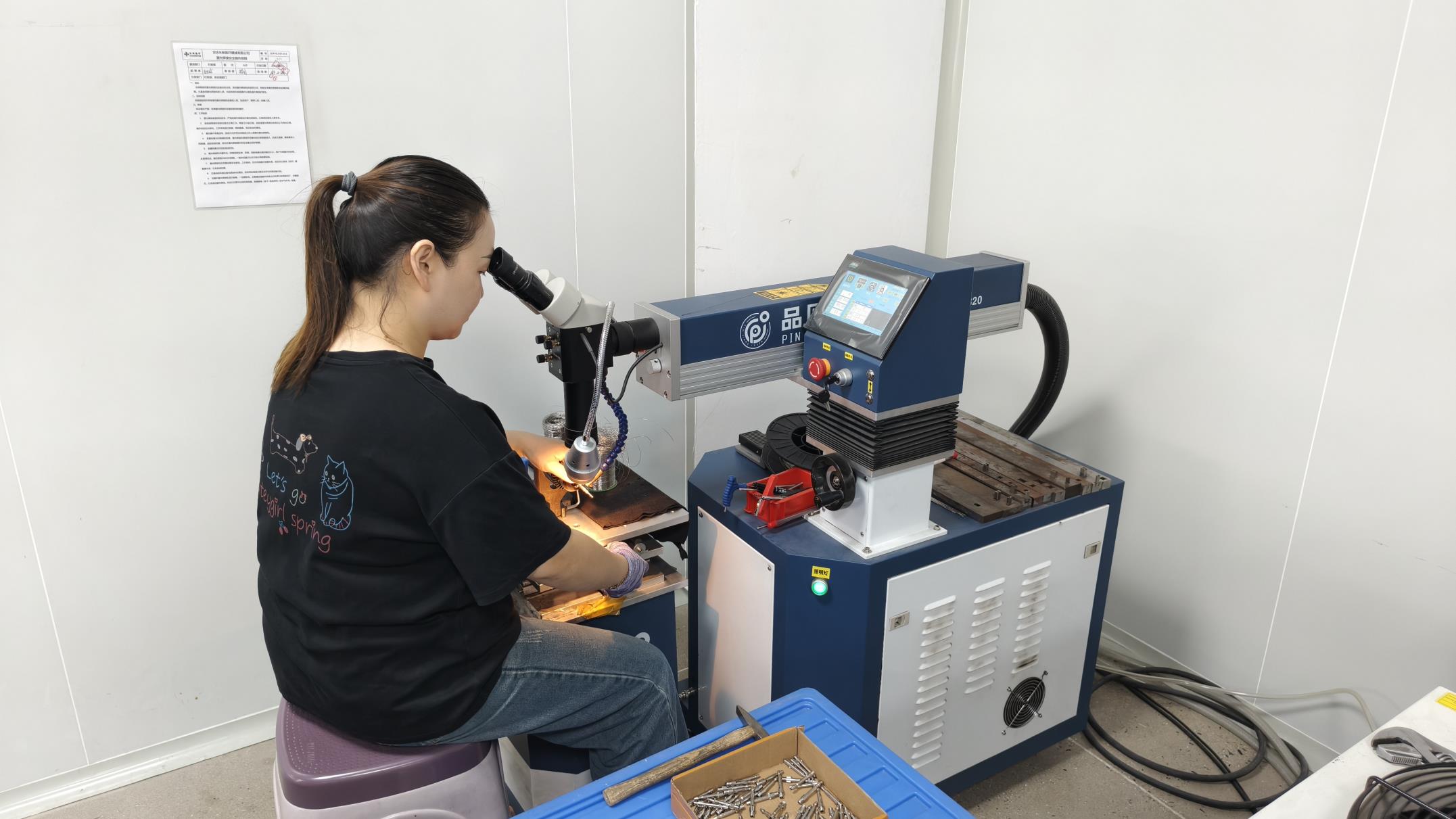
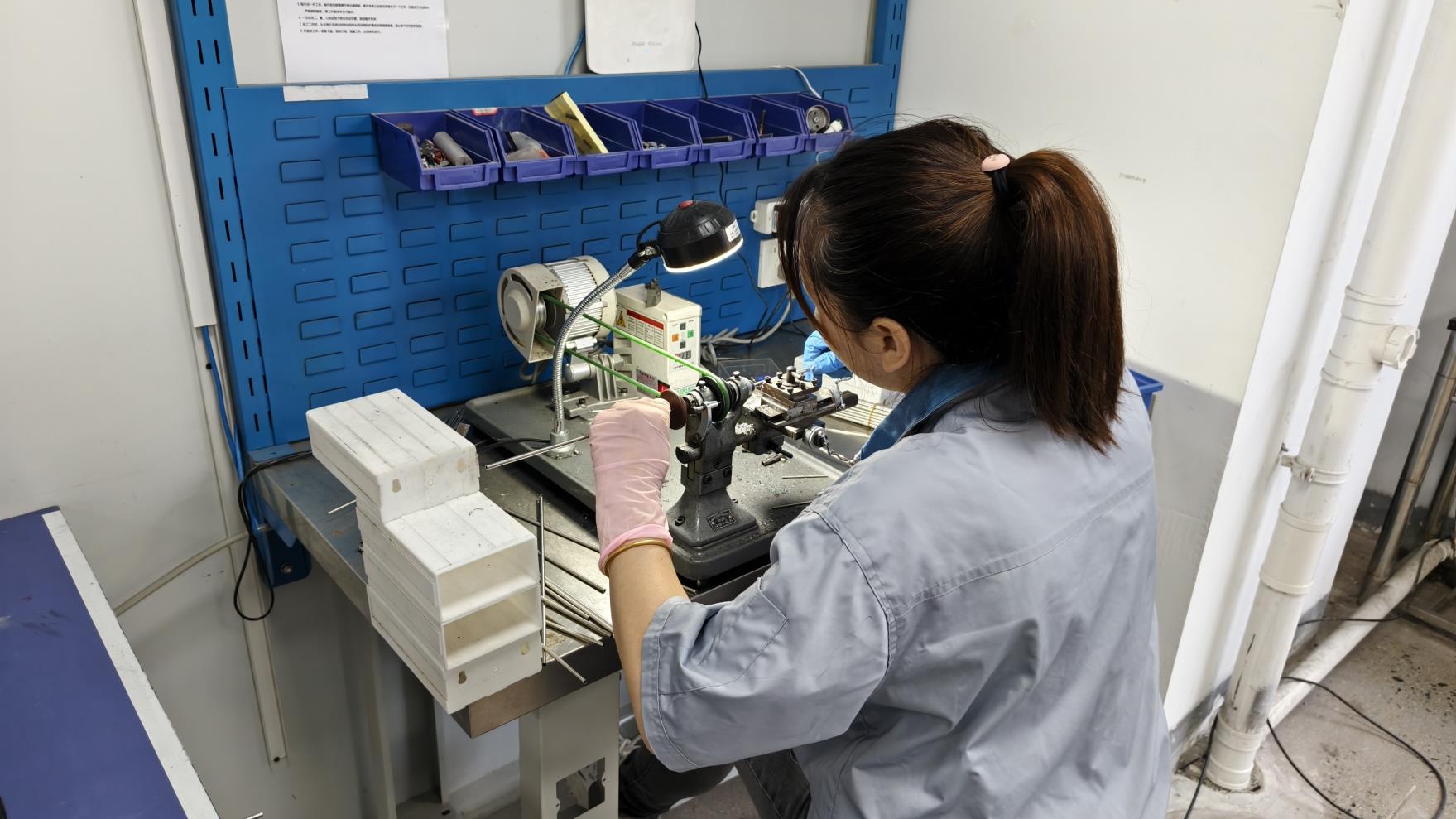
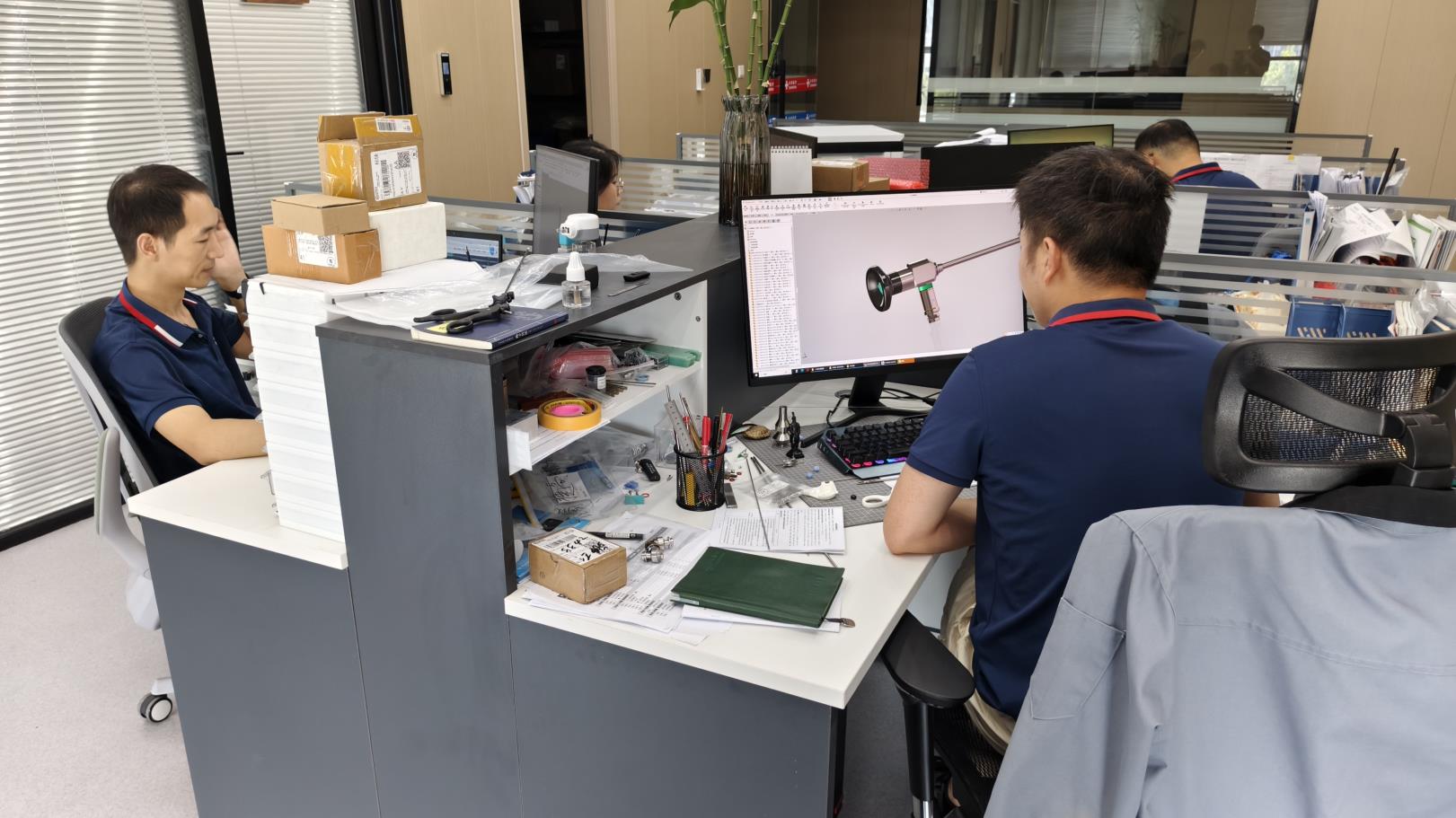
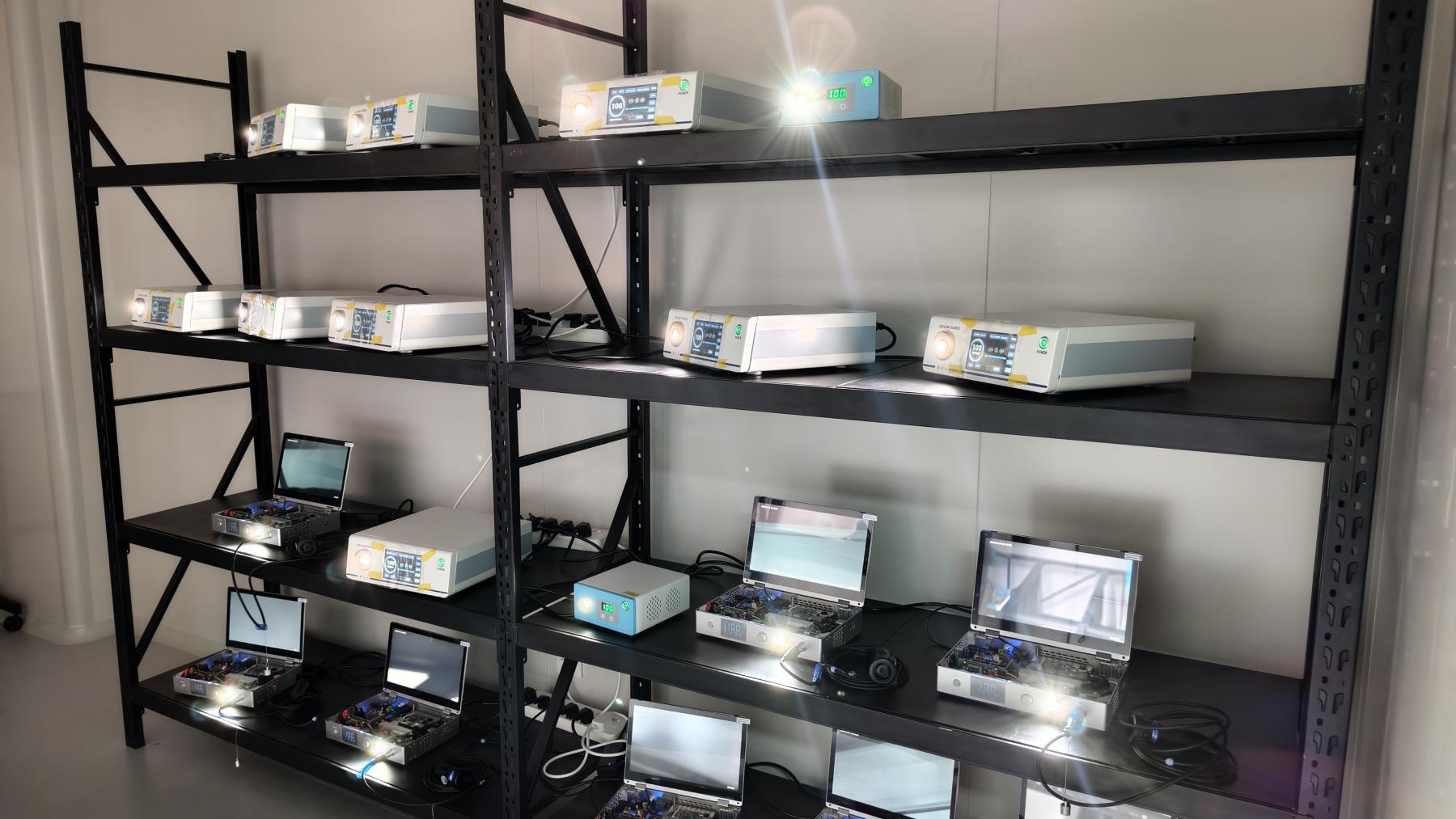
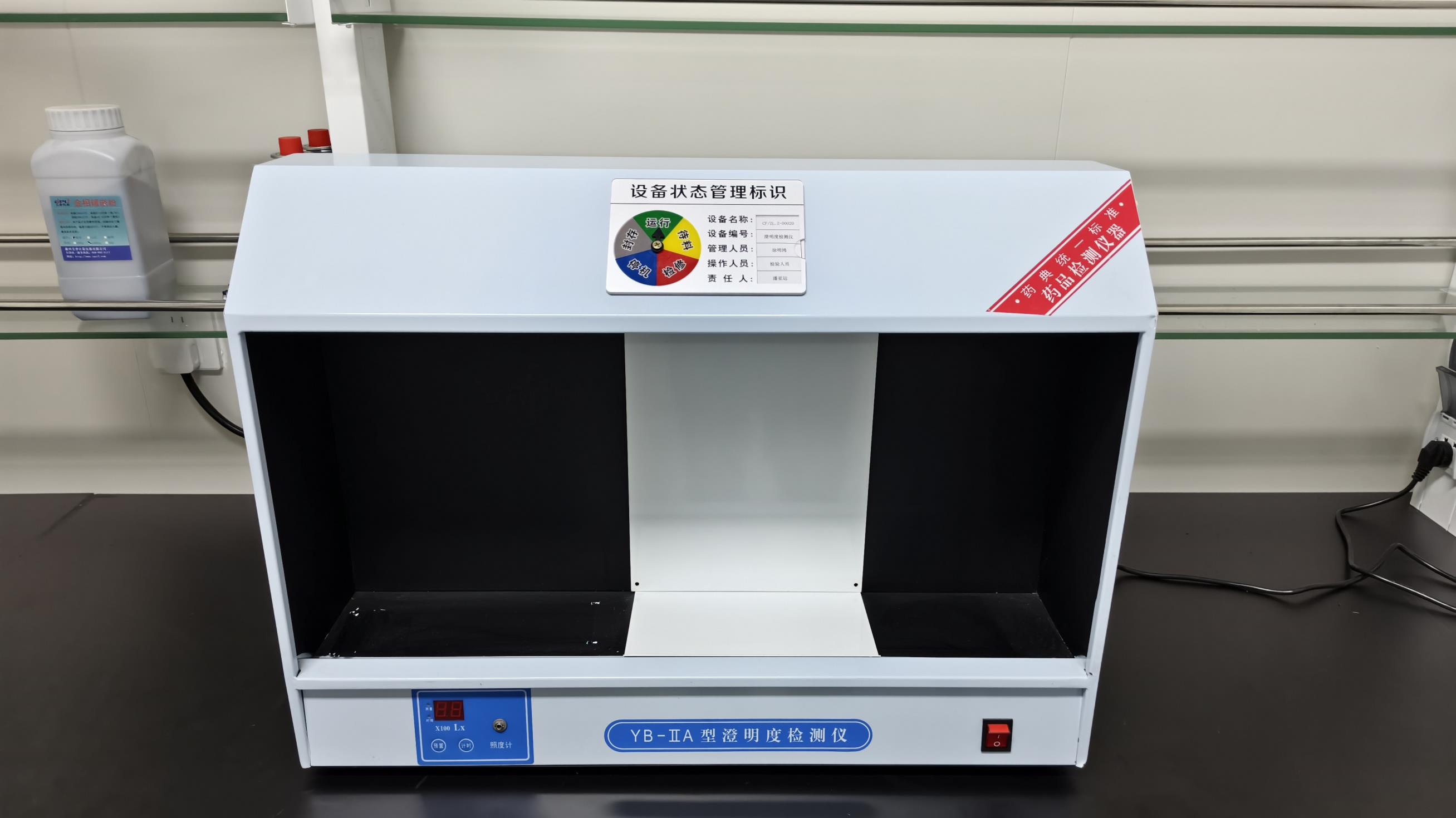
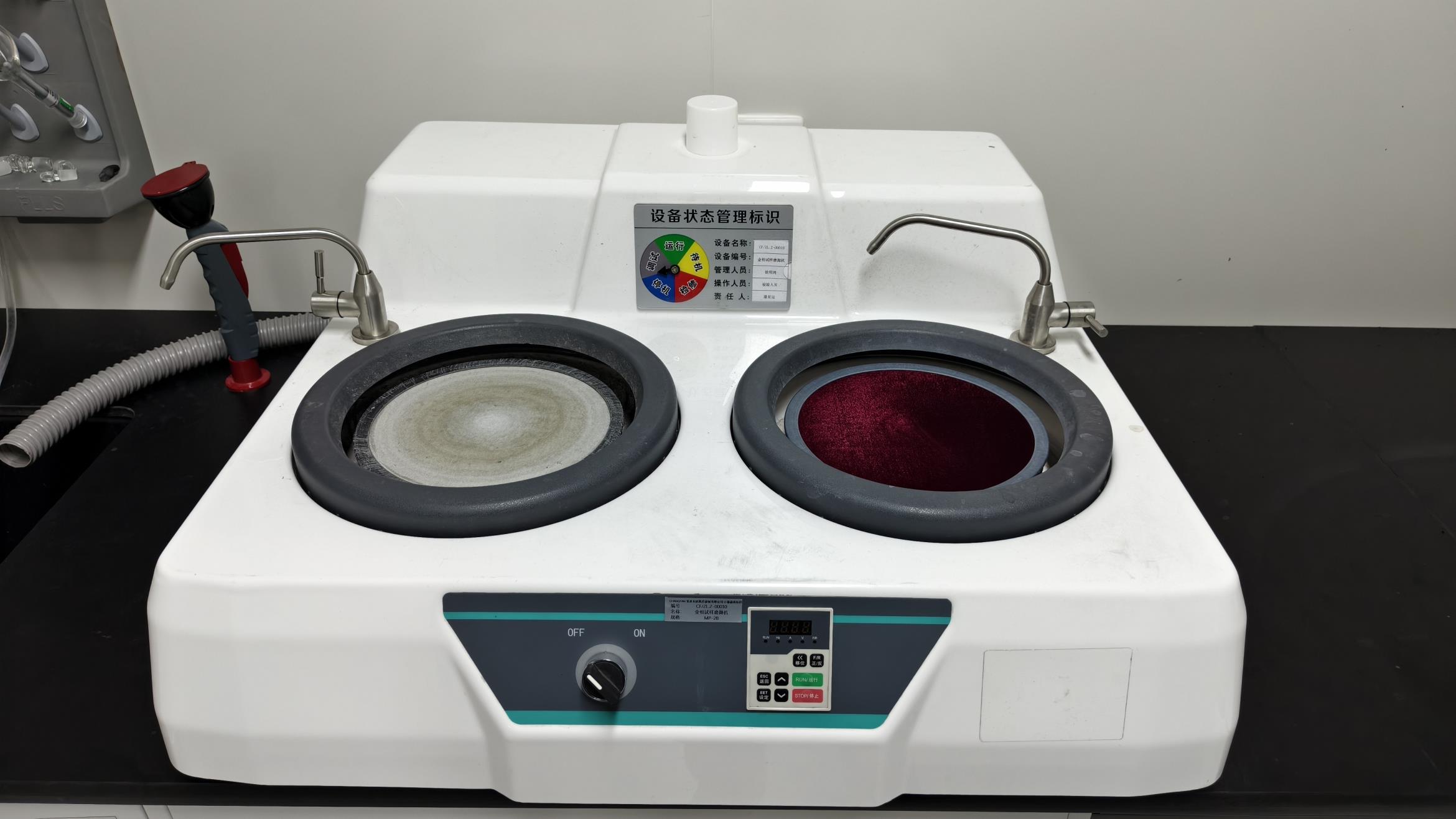
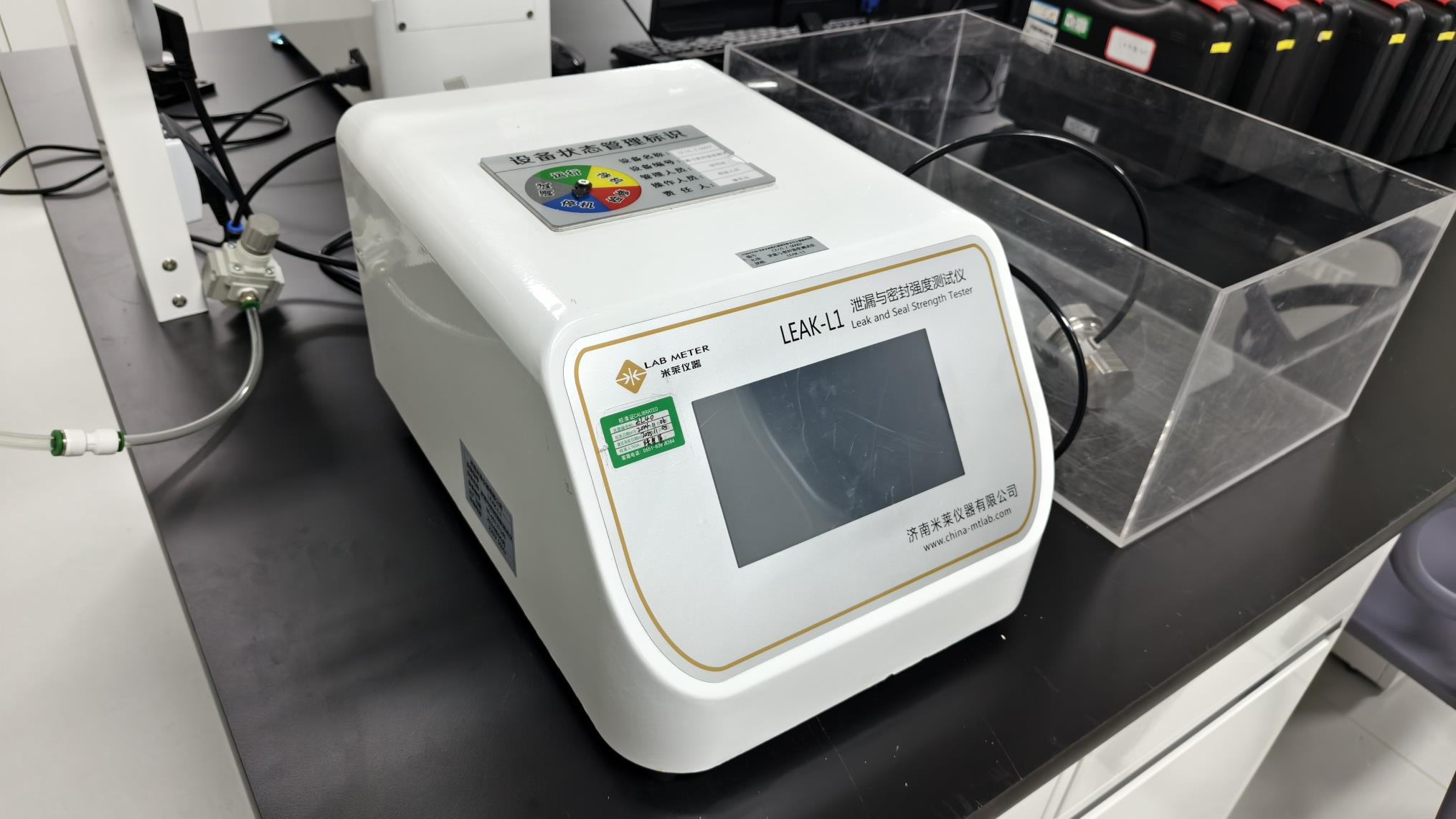
A visual tour of Synoviq's state-of-the-art facility, testing machinery, and production departments.
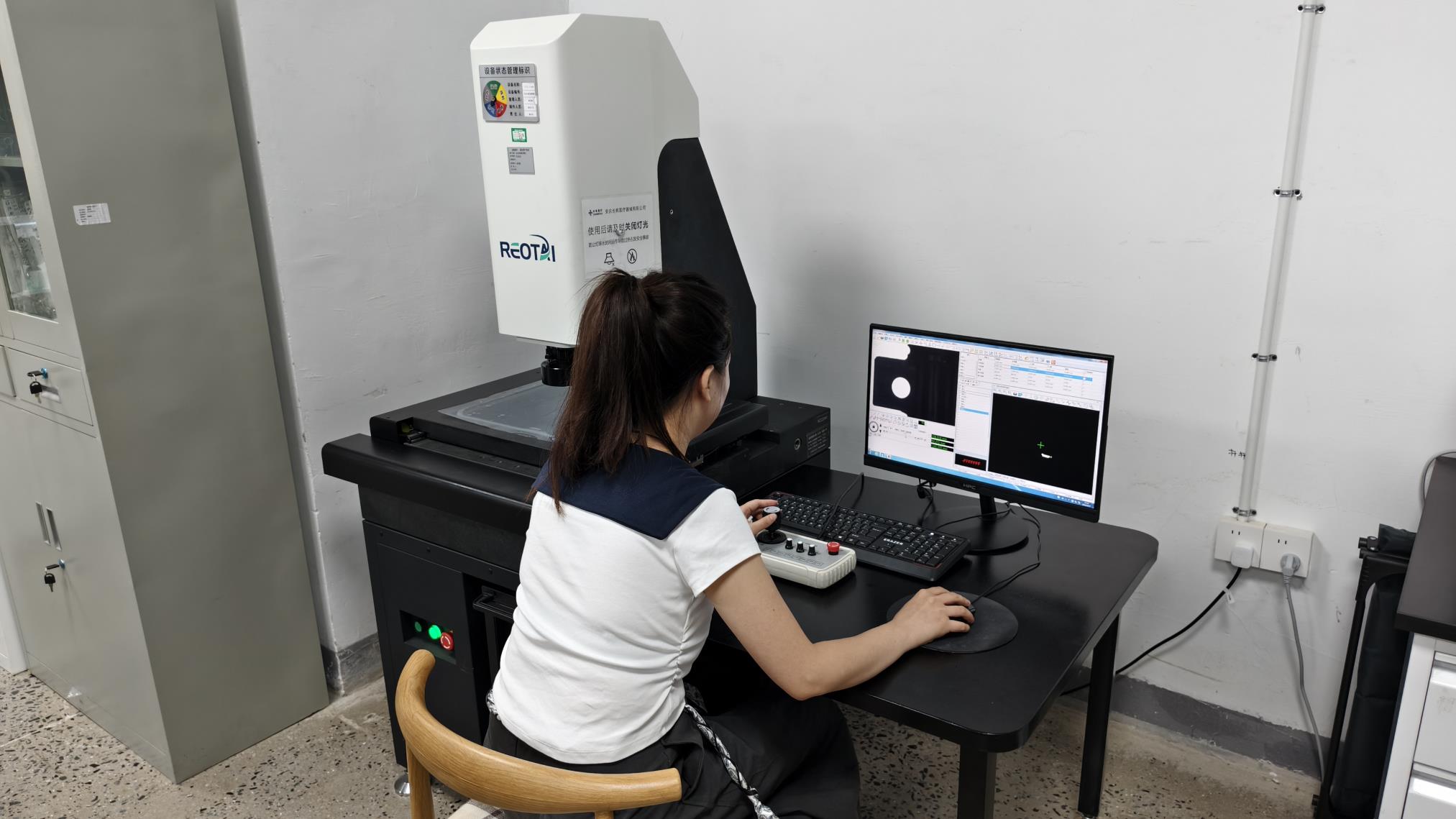
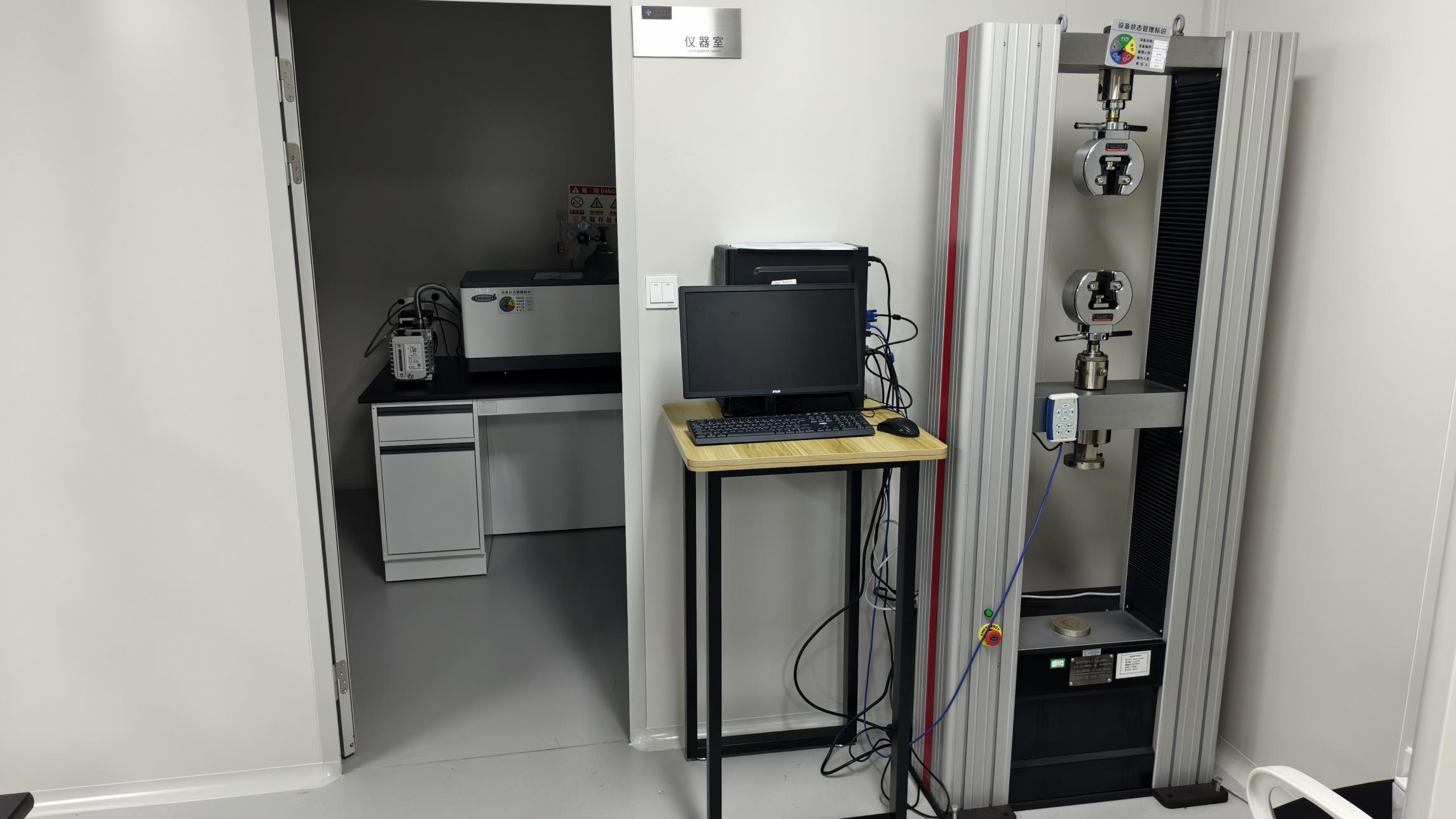
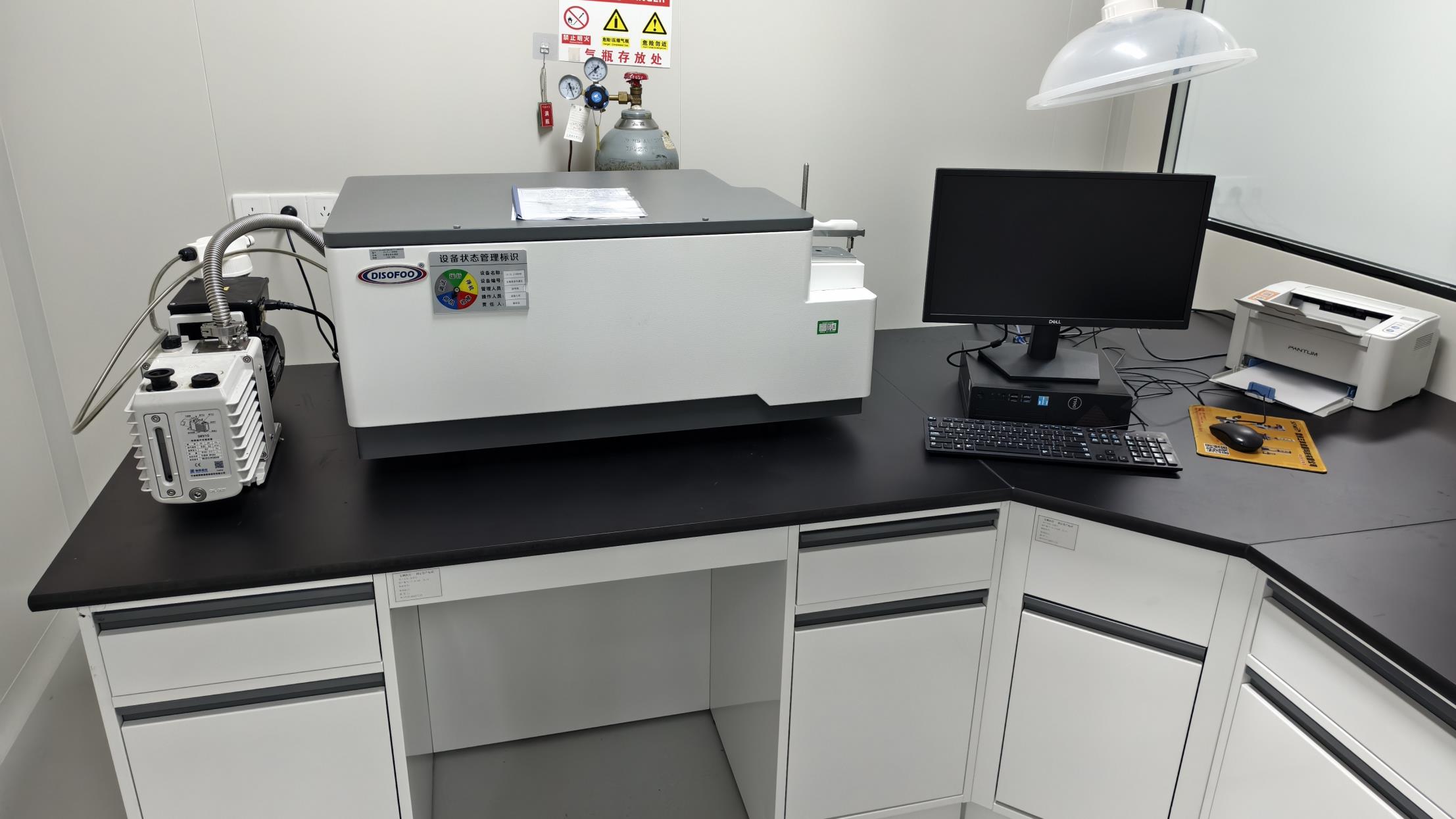
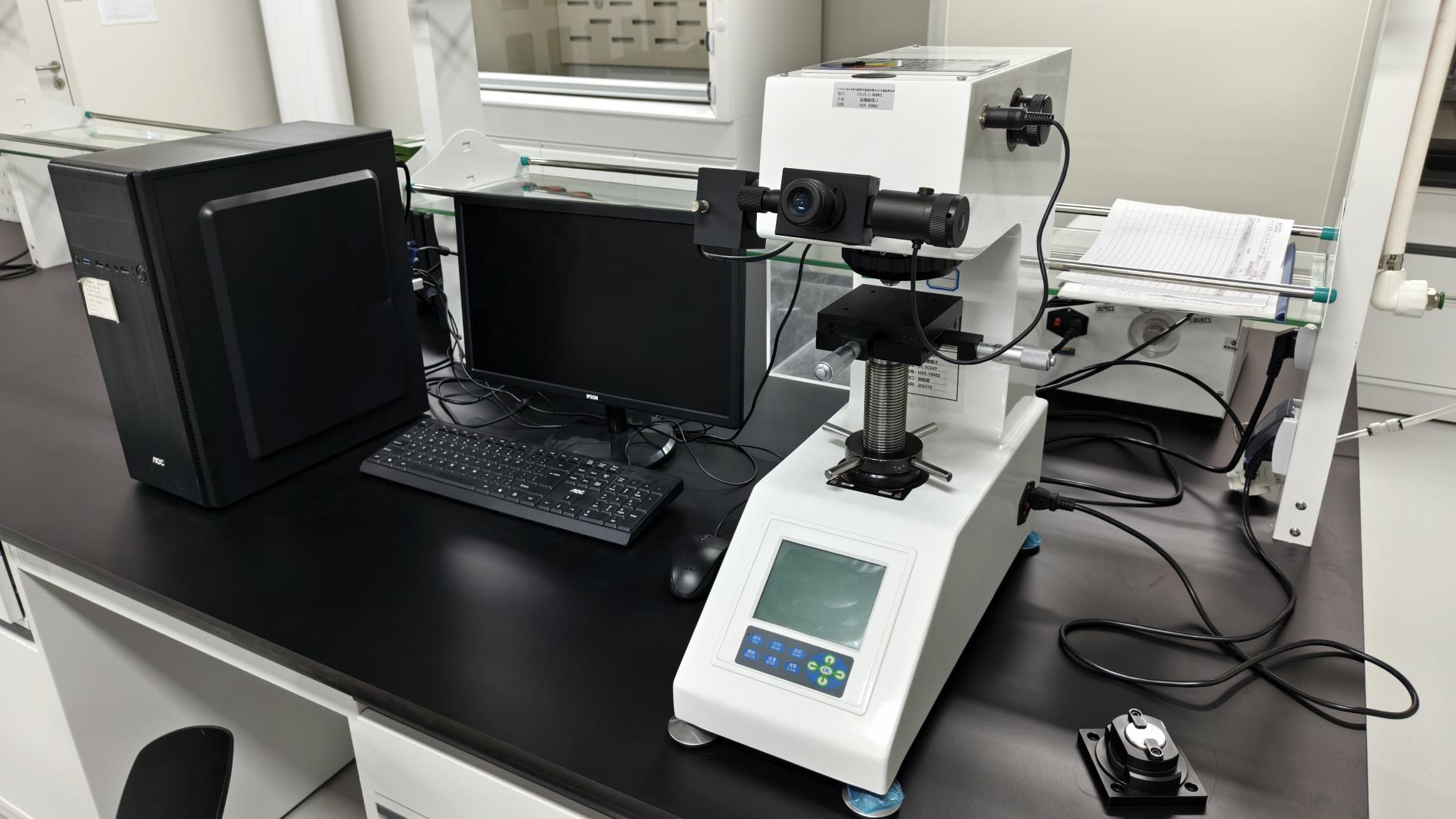
Entering international orthopedic markets requires stringent regulatory adherence. Synoviq ensures that all products are backed by standard compliance folders, accelerating registration pathways under the European Union Medical Device Regulation (EU MDR), US FDA 510(k), and local healthcare authorizations (such as ANVISA, SFDA, and TFDA).
We provide comprehensive local support models for our international partners:
Addressing technical, commercial, and engineering questions for global buyers.
High-durability orthopedic instrumentation, surgical power tool attachments, and spinal kits.
 Synoviq Medical