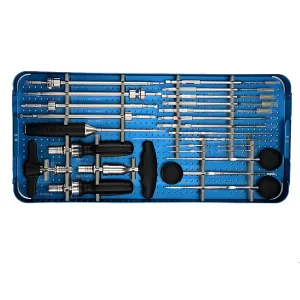
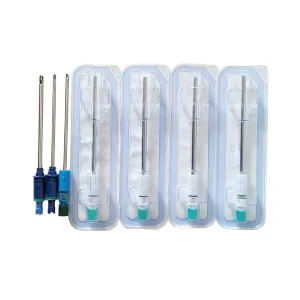
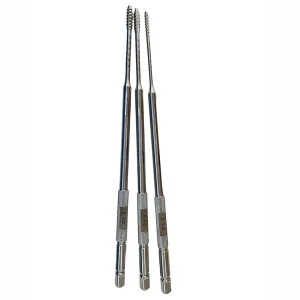
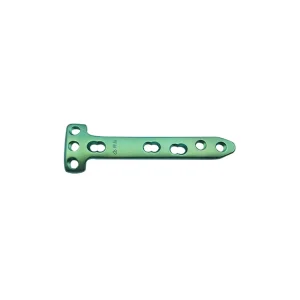
Explore our certified orthopedic implants, precision surgical instruments, and trauma systems designed for global clinical excellence.
A technical guide for orthopedic distributors, sourcing directors, and clinical developers on next-generation sports medicine implants.
Modern rotator cuff repairs demand implants that sustain cyclical loads, minimize gap formation, and promote robust biological footprint restoration.
Polyetheretherketone (PEEK) and advanced biocomposite polymers offer radiolucency, high pull-out strength, and stress-shielding mitigation.
Adhering strictly to MDR, FDA 510(k), and CE standards ensures safe clinical execution and barrier-free cross-border distribution.
In arthroscopic rotator cuff repair, the choice of the suture anchor defines the stability of the entire construct. Historically, titanium alloy anchors were the industry standard, providing superior rigid fixation. However, clinical concerns surrounding post-operative imaging artifacts, difficulty in revision surgery, and mismatch in elastic modulus led to the rapid rise of non-metallic materials.
PEEK (Polyetheretherketone) has emerged as the premier polymer for sports medicine implants due to its combination of high mechanical strength, chemical inertness, and structural elasticity comparable to cortical bone. Furthermore, the development of biocomposite suture anchors, integrating Osteoconductive materials like Beta-Tricalcium Phosphate (β-TCP) or Hydroxyapatite (HA) into polylactic acid (PLLA/PLDLA) matrices, represents the cutting edge of bone remodeling. These materials slowly resorb, allowing progressive natural bone ingrowth to backfill the implant site, minimizing the occurrence of osteolysis and anchor pull-out.
Surgical efficiency and the mechanical profile of the suture-tendon interface are key drivers of current design iterations. Knotless suture anchors have revolutionized arthroscopic shoulder procedures by eliminating the need for intra-articular knot tying, reducing operation time, and removing the risk of knot migration or soft tissue irritation. They allow surgeons to control the tension of the repair dynamically prior to locking the suture in place.
For dual-row and transosseous-equivalent (TOE) repair techniques, a combination of knotted anchors in the medial row and knotless anchors in the lateral row creates a stable bridge. This construct maximizes footprint contact area, optimizes blood supply regeneration, and lowers the probability of re-tear at the musculotendinous junction.
The global medical device market is undergoing significant restructuring. Faced with rising healthcare costs, inflation, and localized regulatory pressures, international procurement teams are moving away from single-source domestic suppliers toward high-capability, cost-competitive OEM/ODM manufacturing hubs in China.
Manufacturers like Synoviq Medical Technology (China) Co., Ltd. represent this paradigm shift. By leveraging cutting-edge Swiss-type precision machining, 10,000-class cleanrooms, and comprehensive mechanical validation laboratories, Chinese suppliers deliver high-performance sports medicine implants at a fraction of Western production costs. This enables medical brands to expand their margins while maintaining absolute compliance with European MDR and US FDA regulations.
Take a closer look at our smart manufacturing operations, advanced CNC processing, and industry-leading validation protocols.
At Synoviq Medical Technology, quality is not a variable; it is our foundational baseline. Operating out of an 18,600 m² state-of-the-art facility, our processes are optimized through digital production monitoring and integrated supply chain management. From the intake of medical-grade titanium and PEEK raw stock to final packaging, every step is rigorously monitored.
We employ a quality control team of 48 dedicated specialists conducting dimensional checks with Coordinate Measuring Machines (CMM), surface roughness analysis, hardness validation, and tensile testing to verify that each suture anchor exceeds the pull-out force thresholds defined by ASTM standards. Our automated cleaning, sterilization preparation, and cleanroom packaging preserve the absolute integrity of our implants prior to delivery.
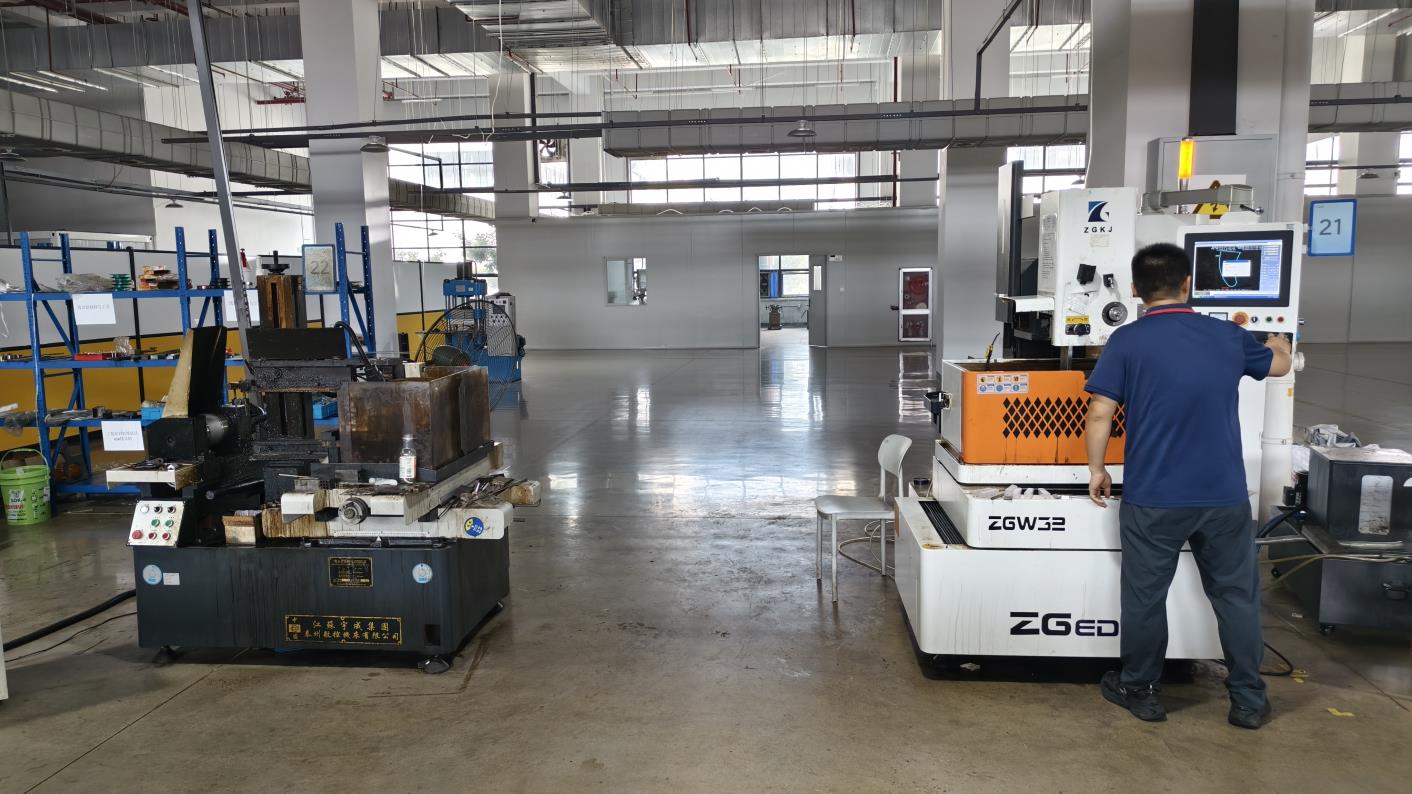
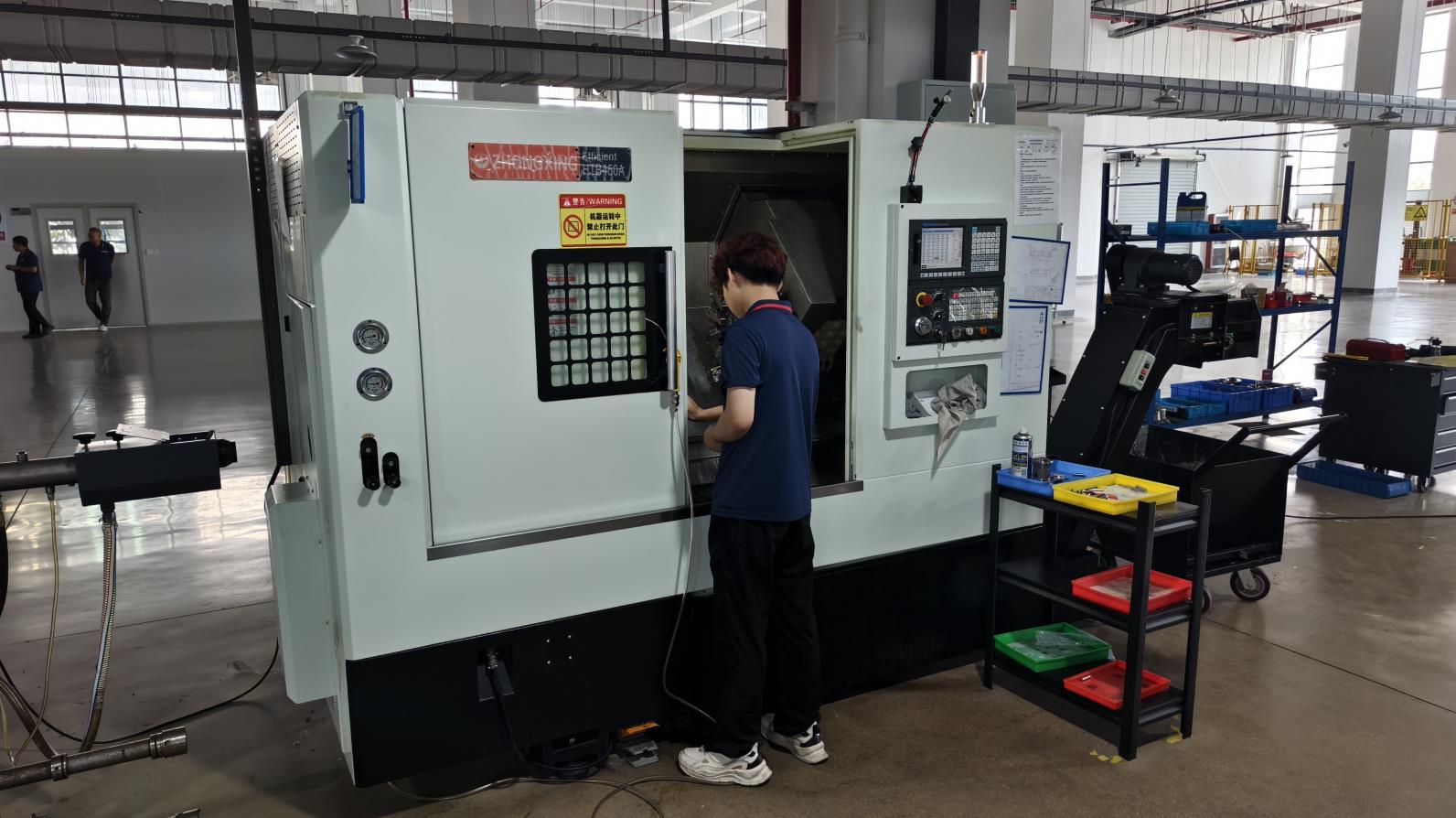
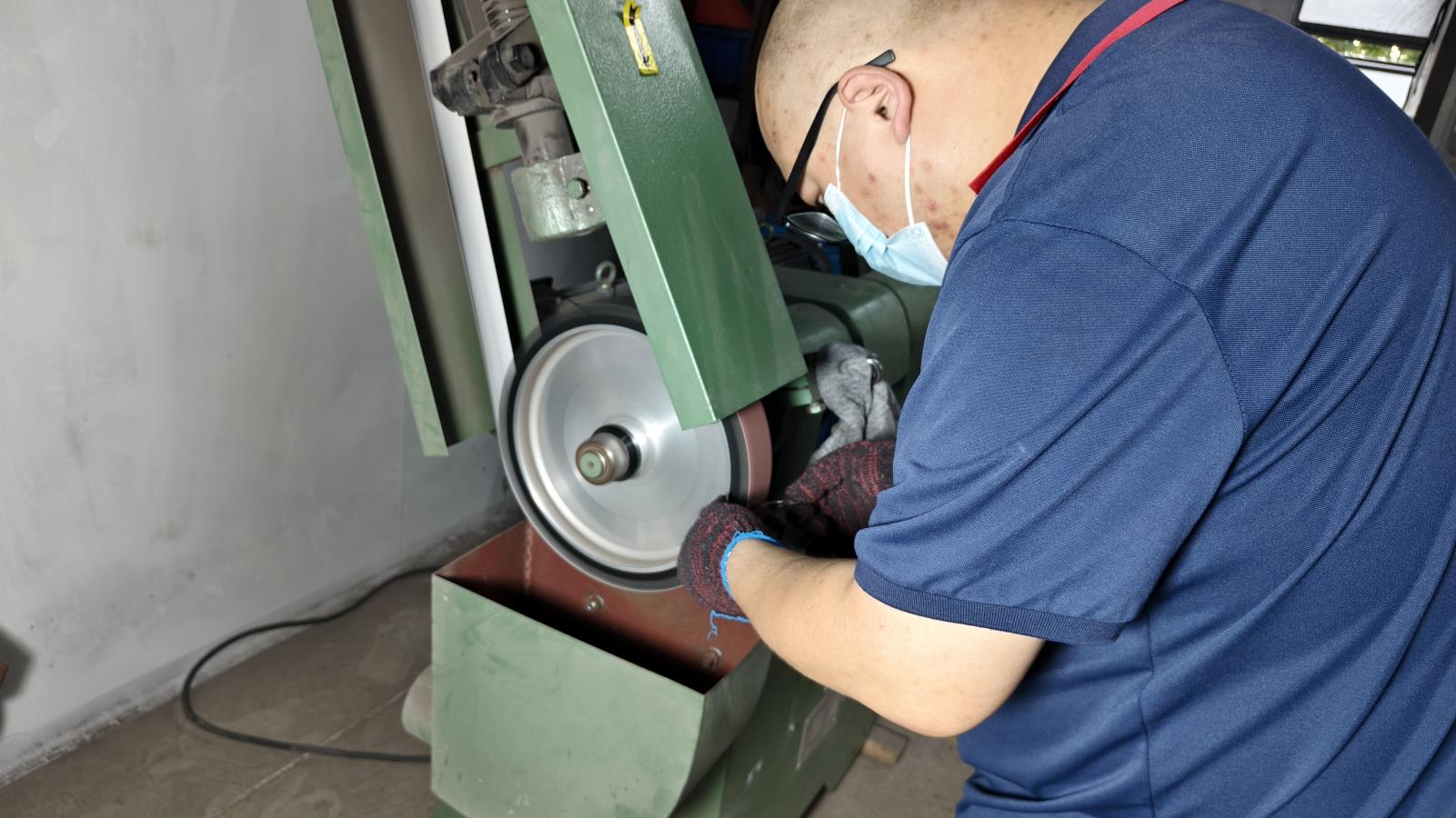
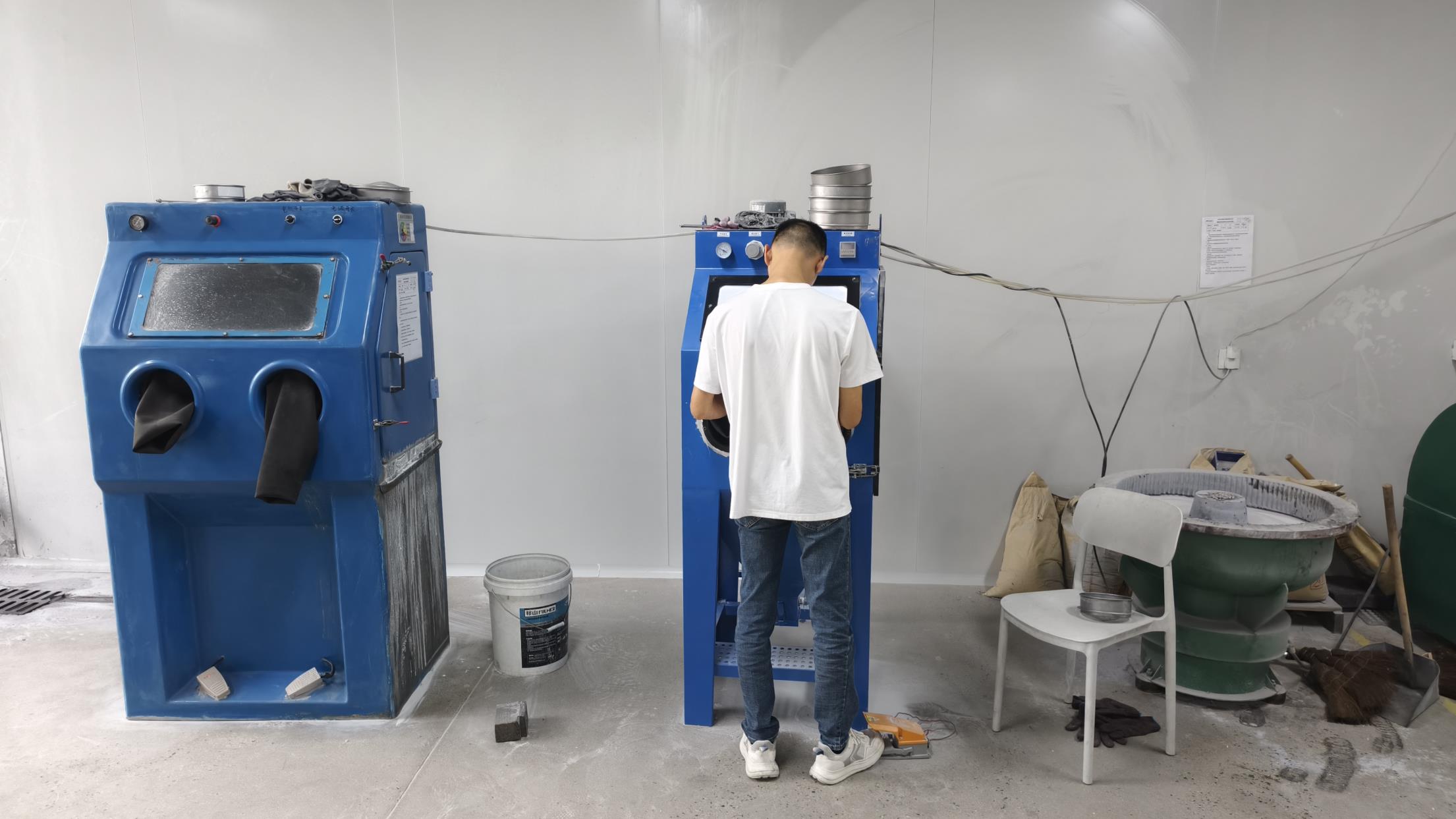
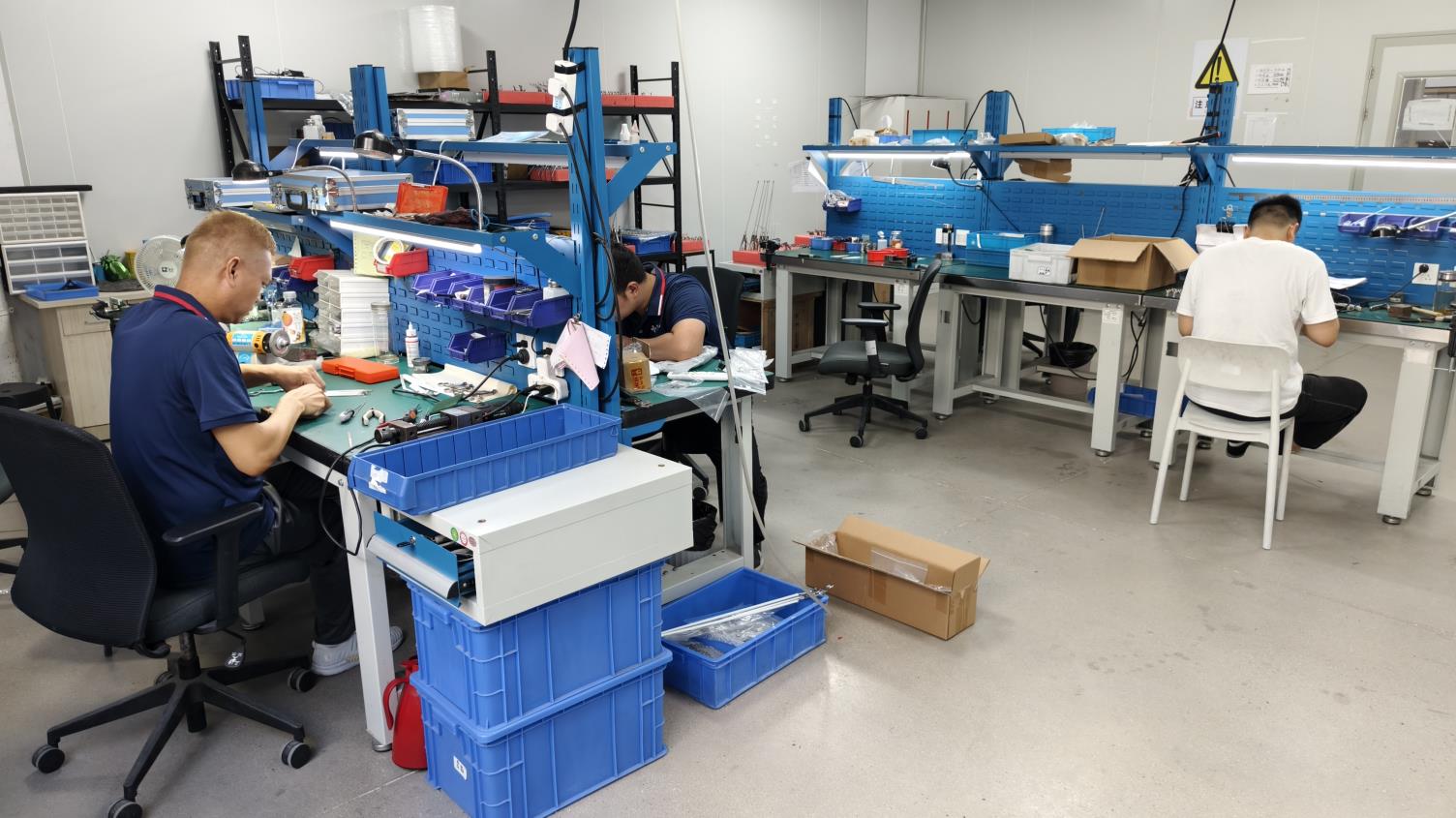
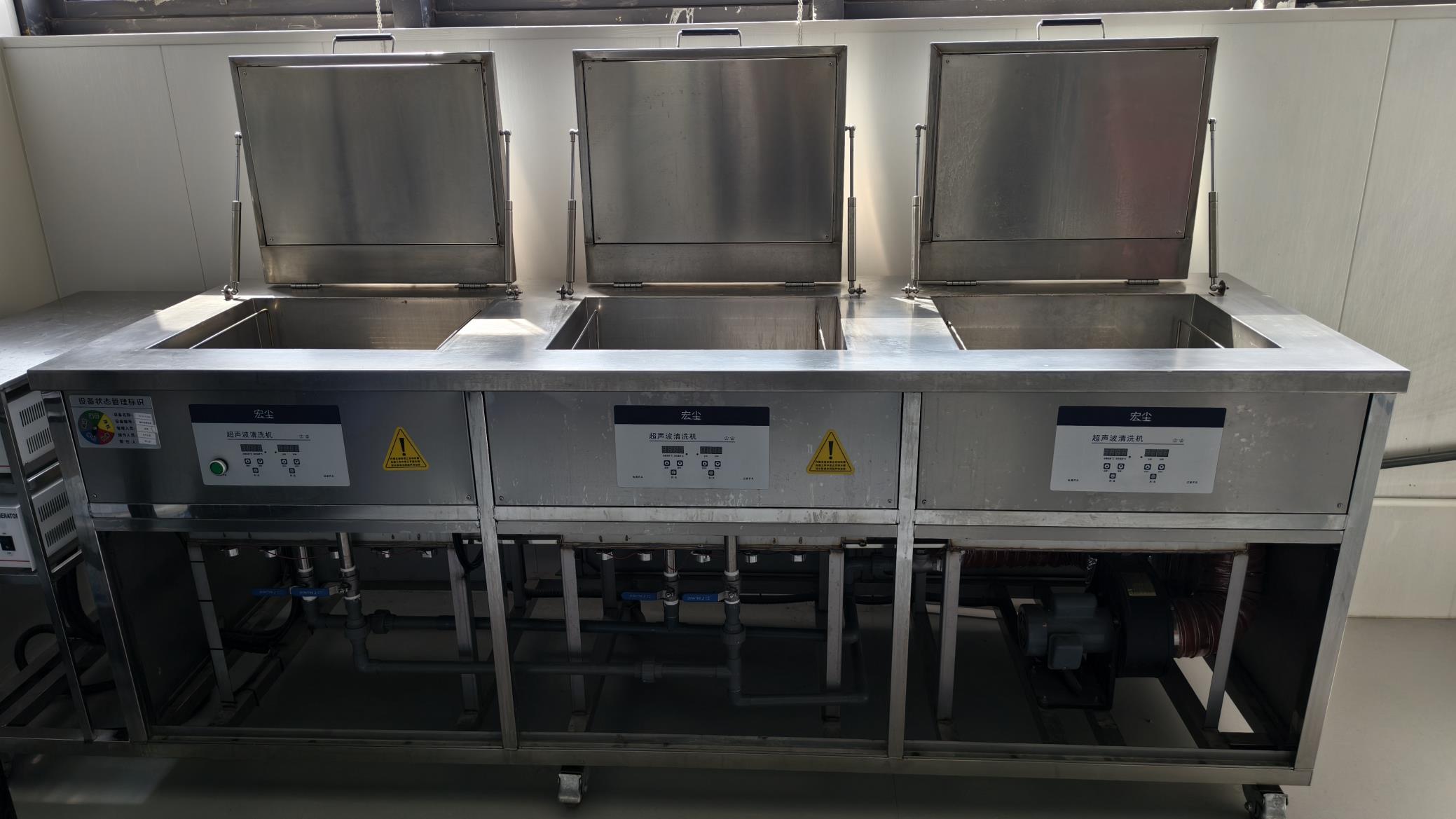
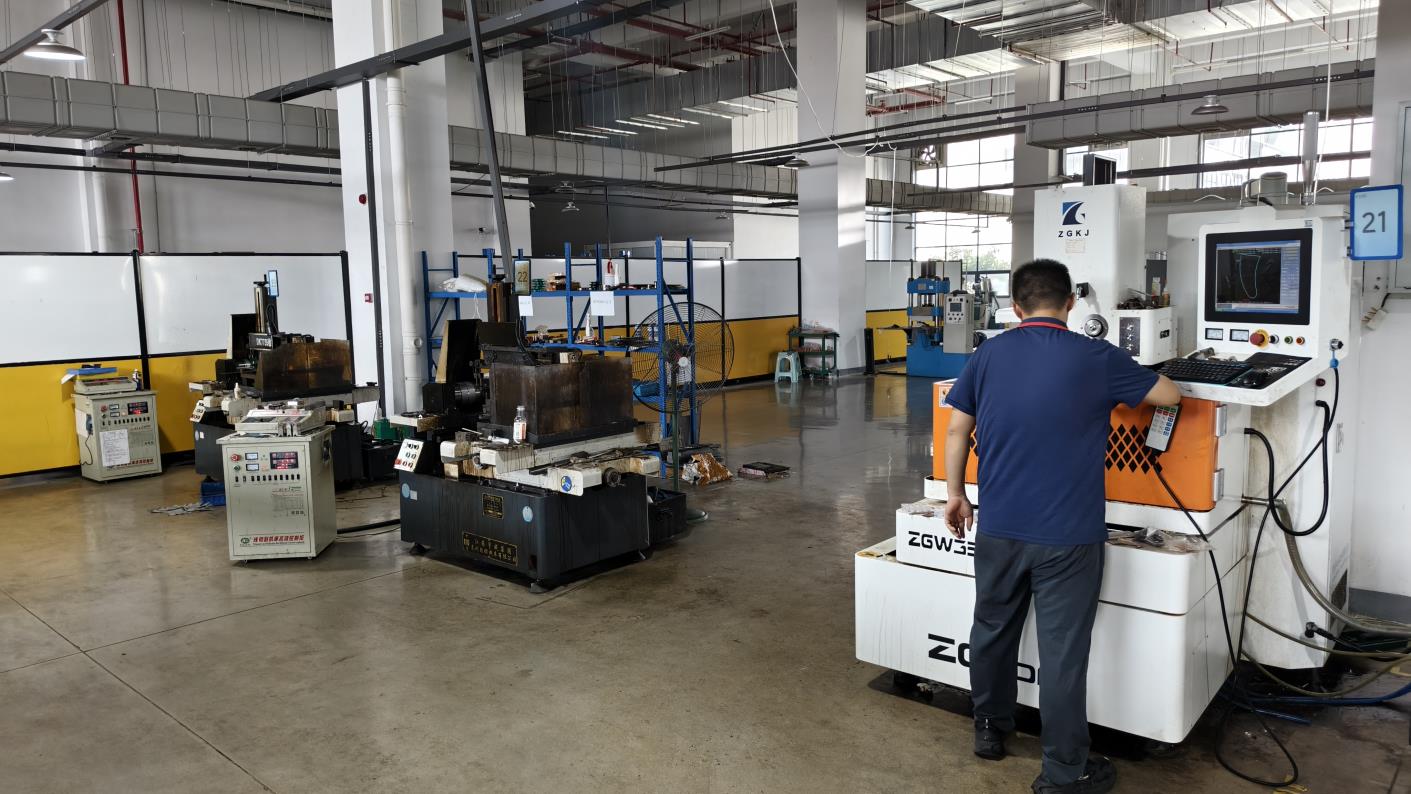
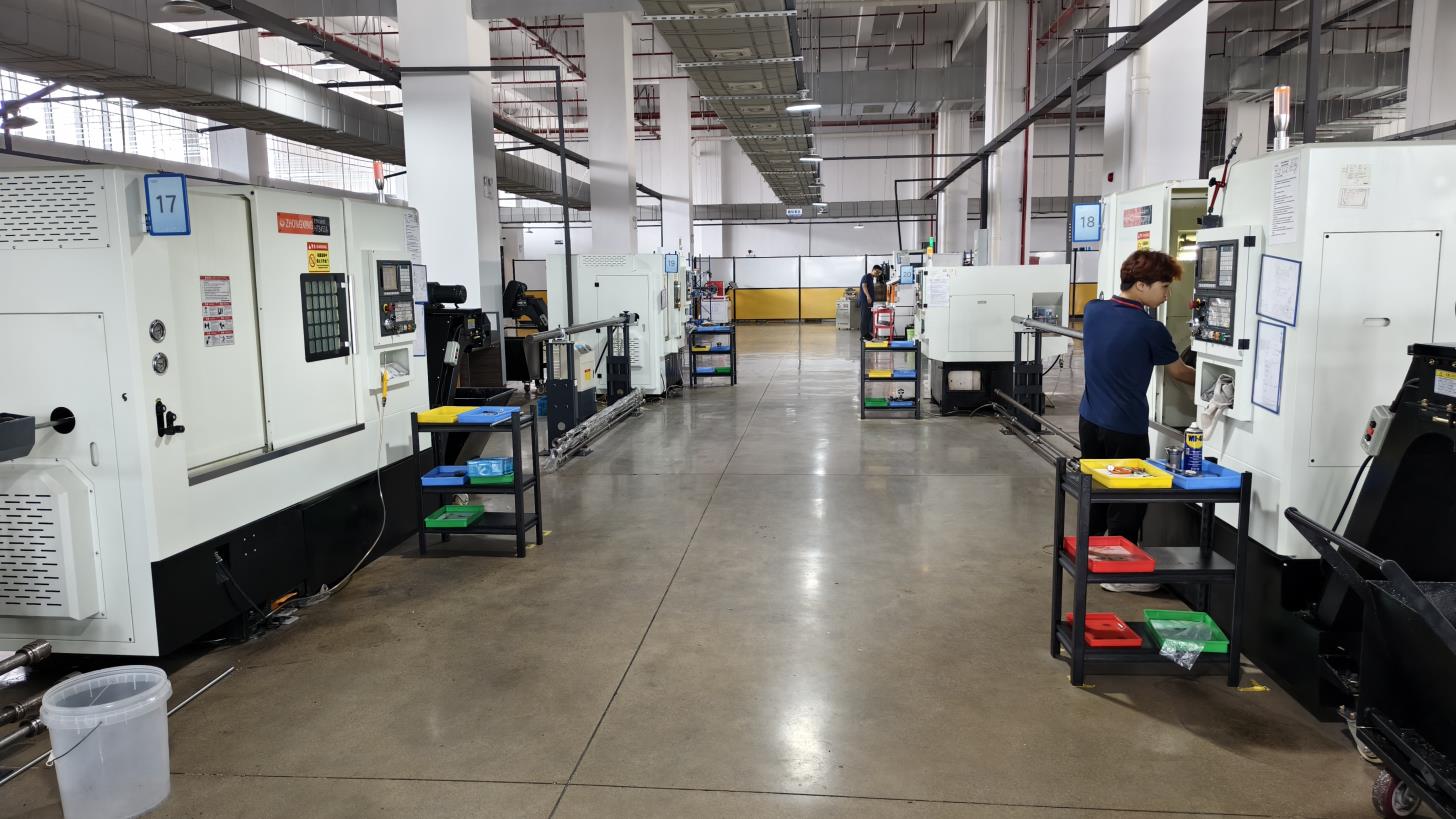
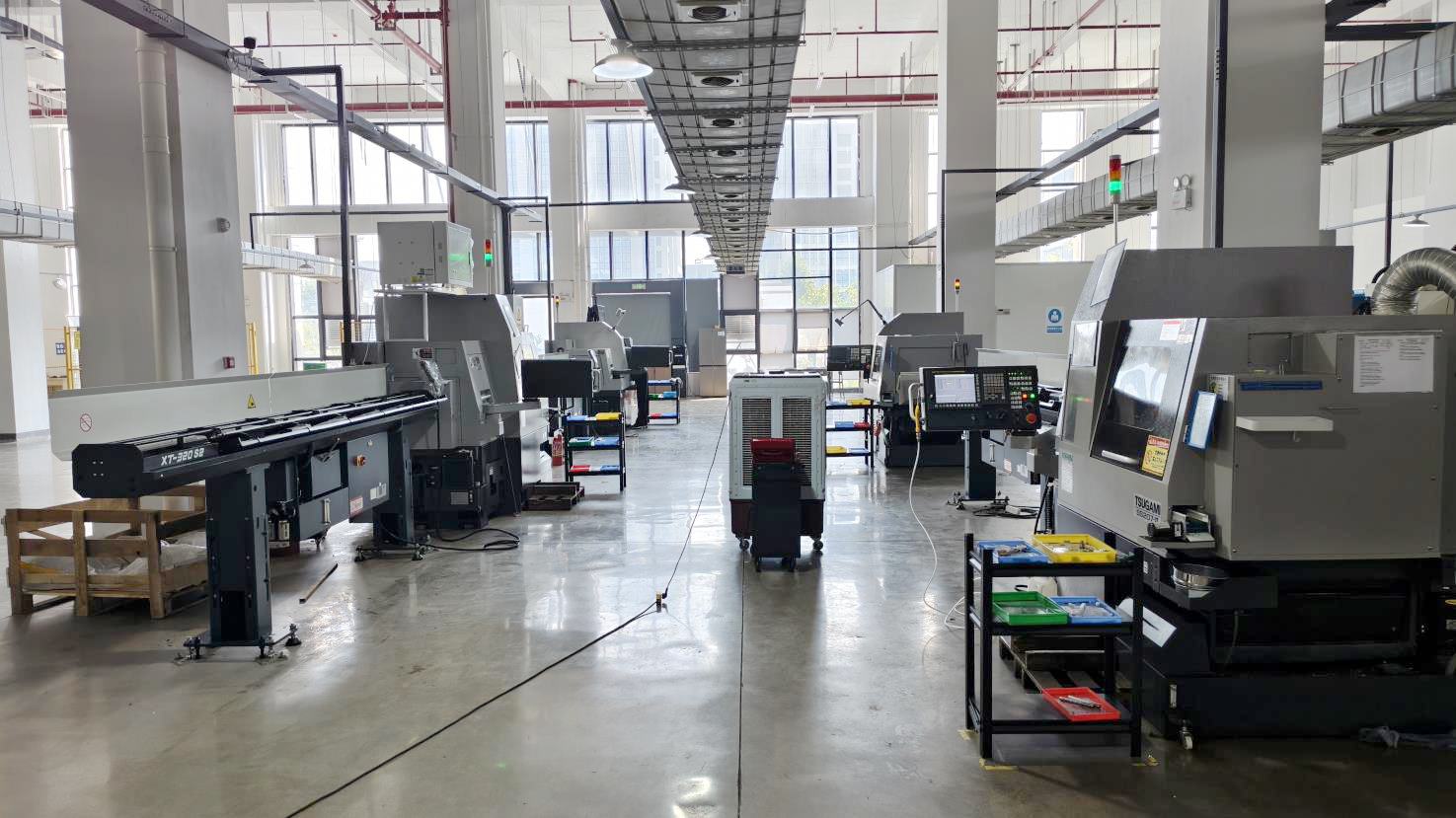
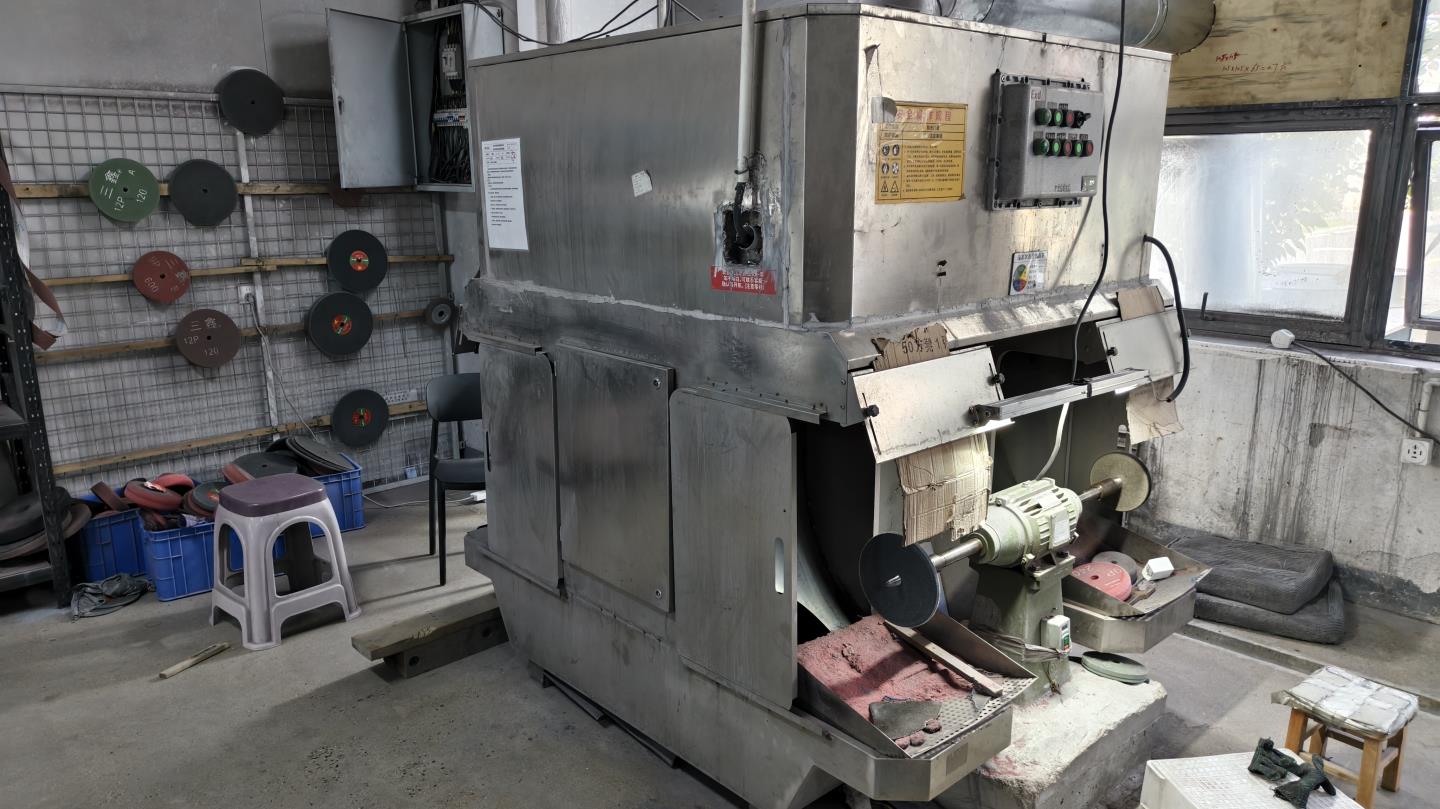
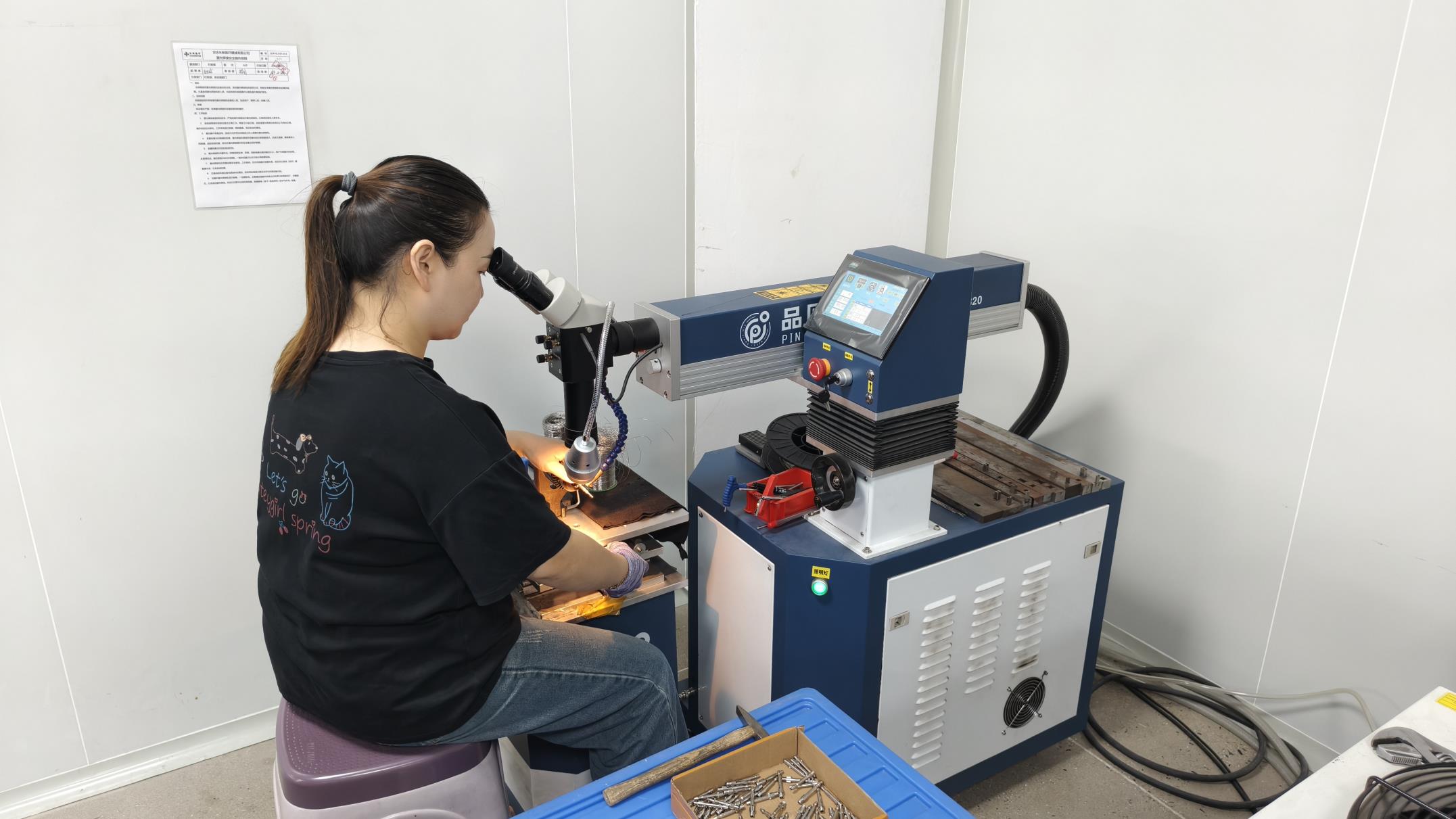
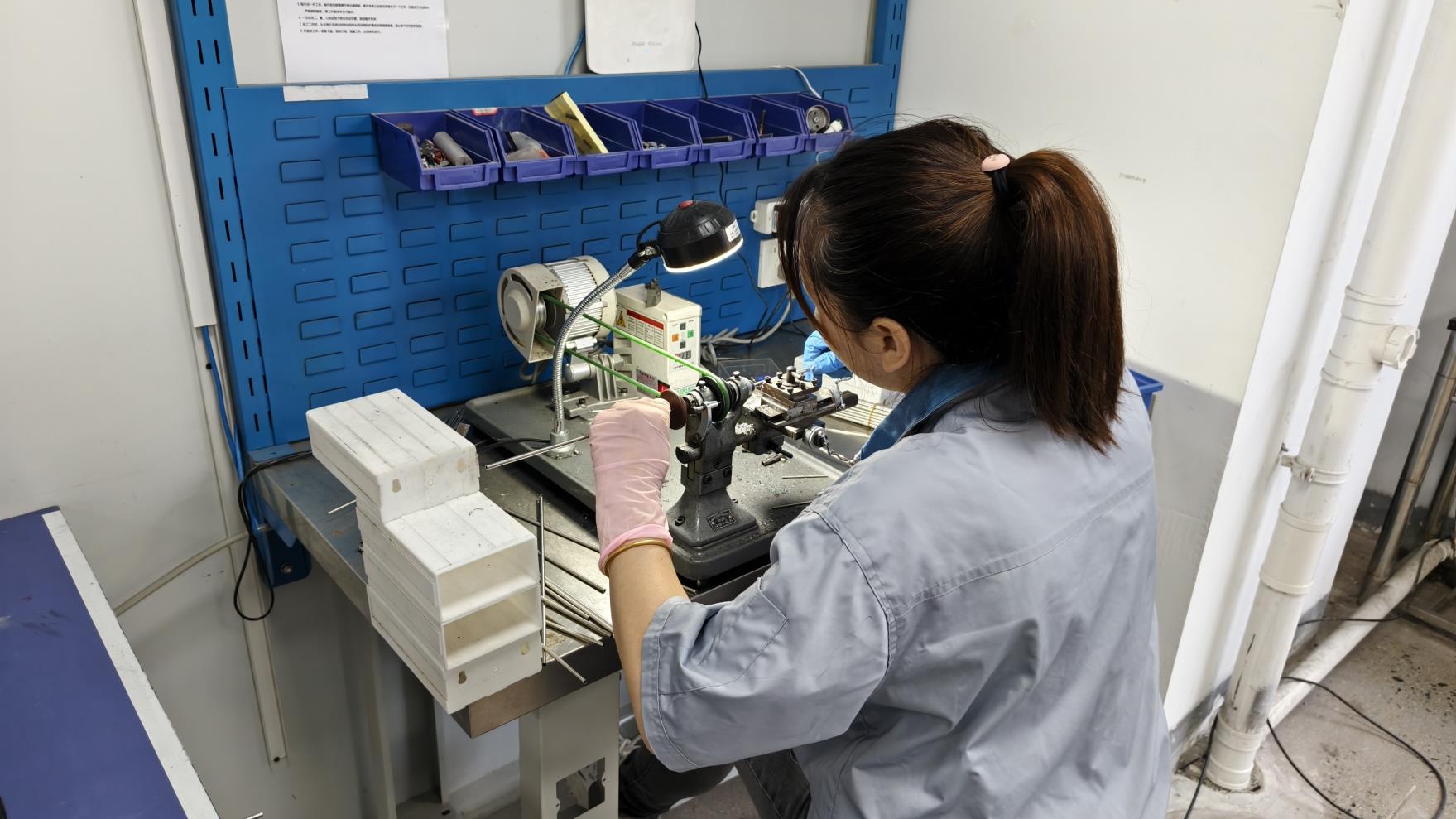
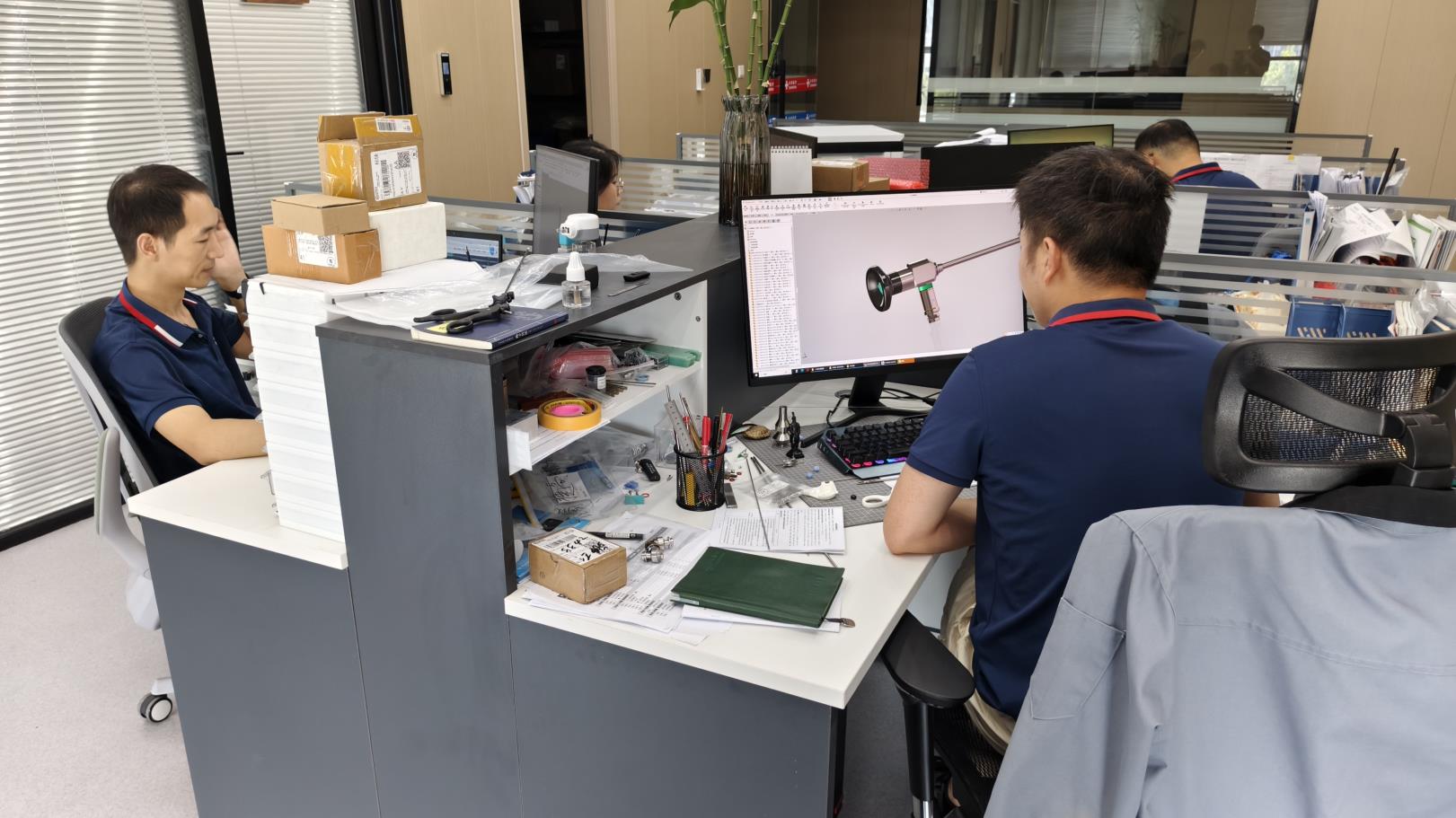
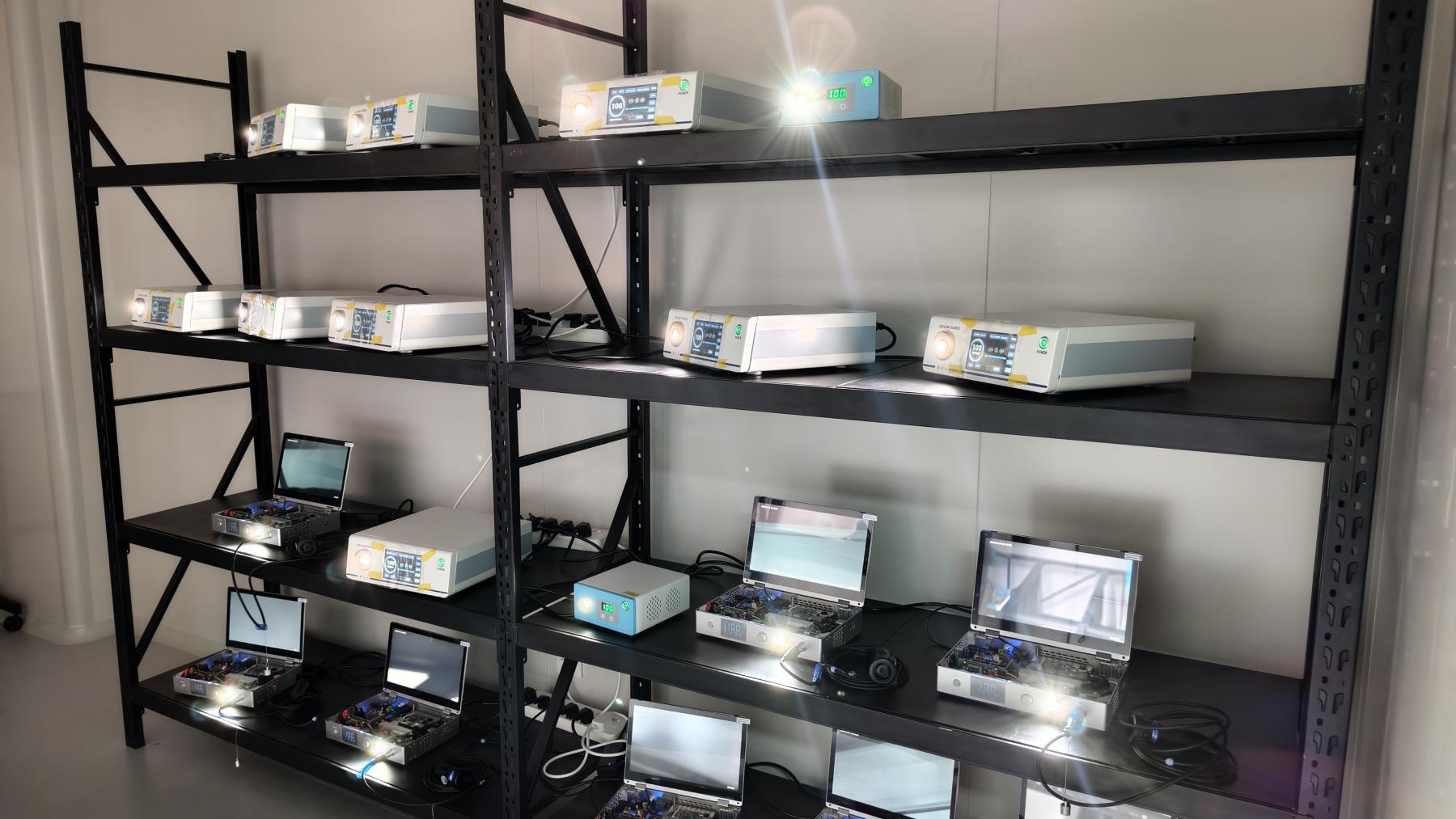
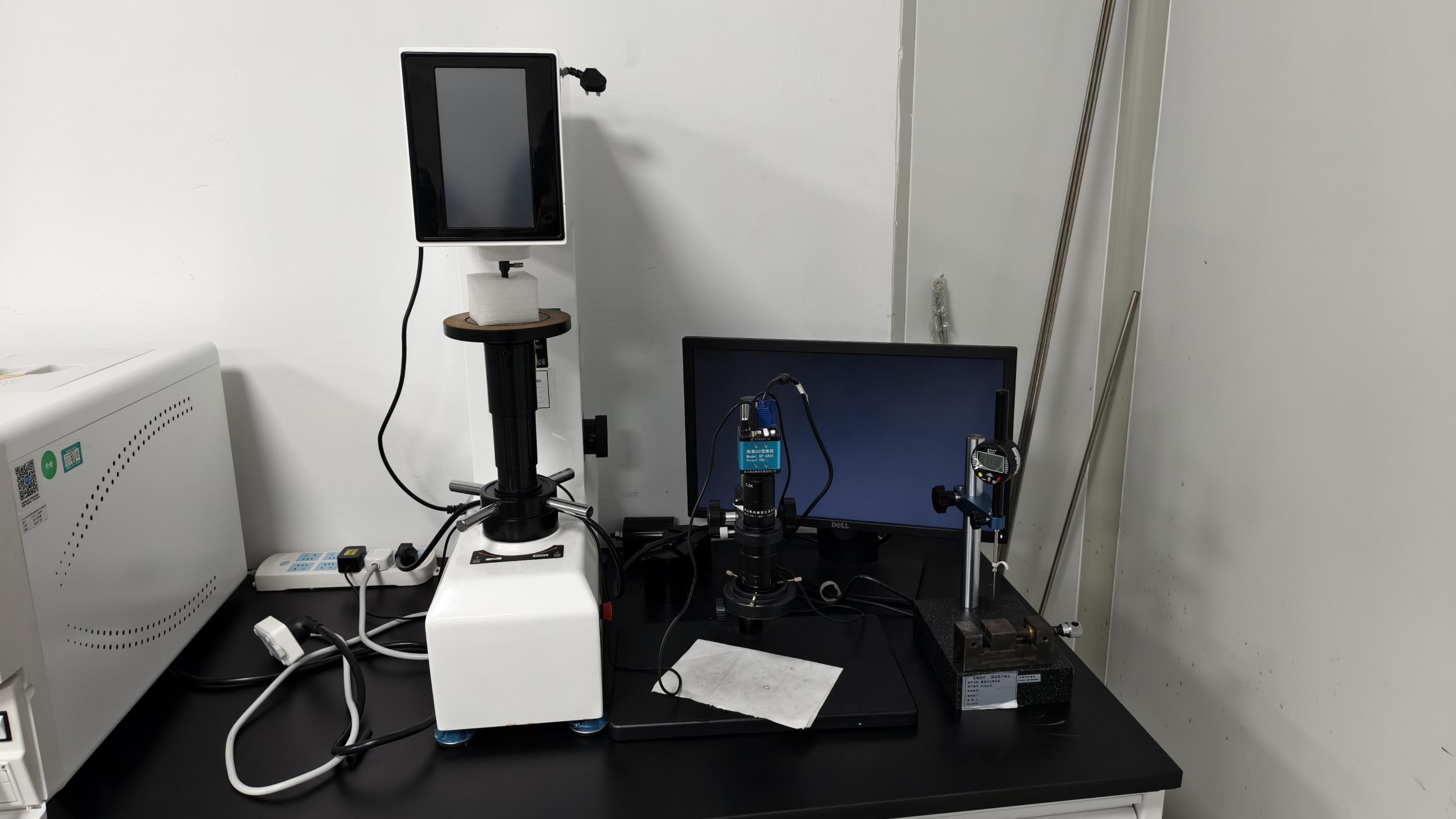
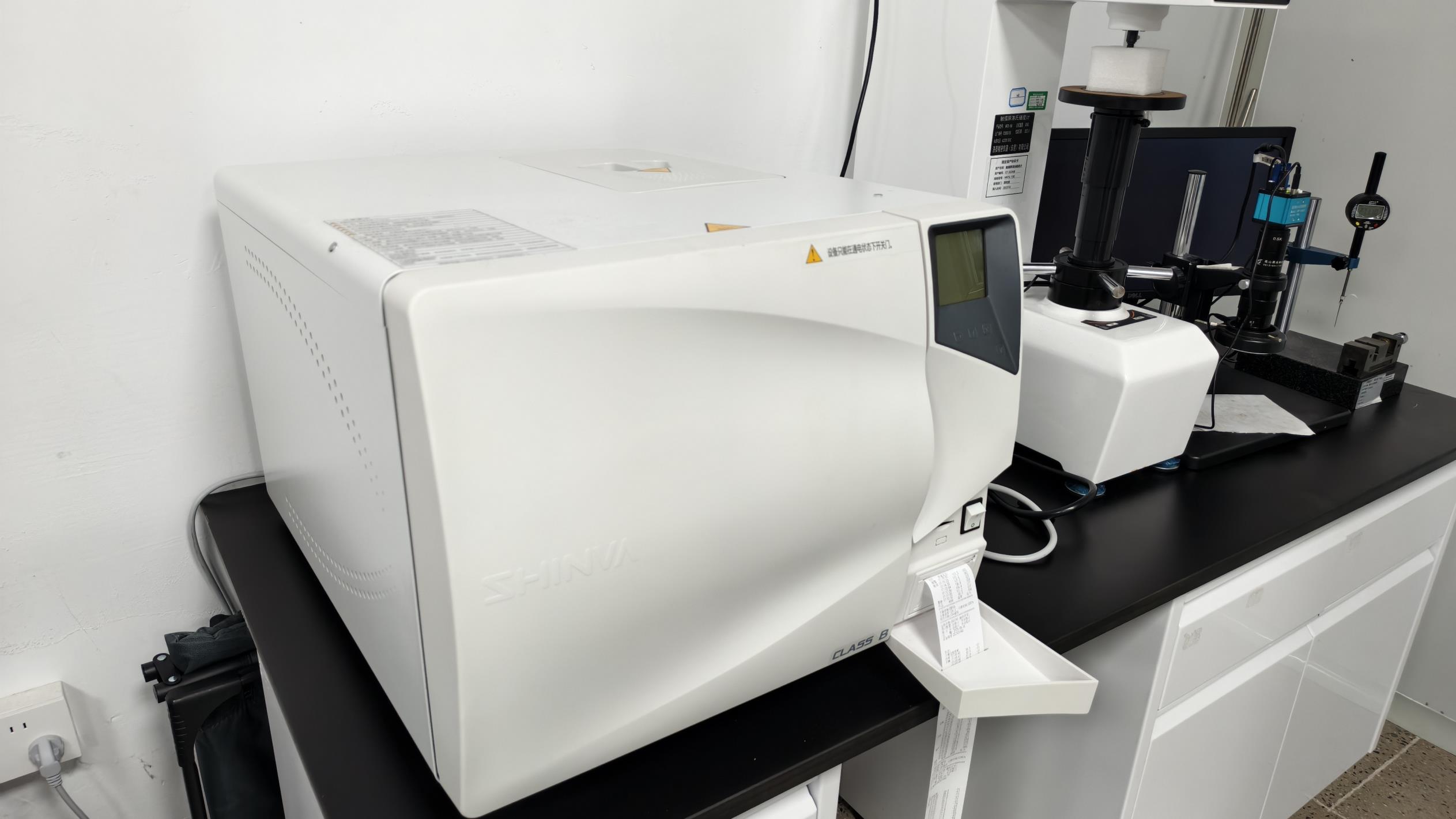
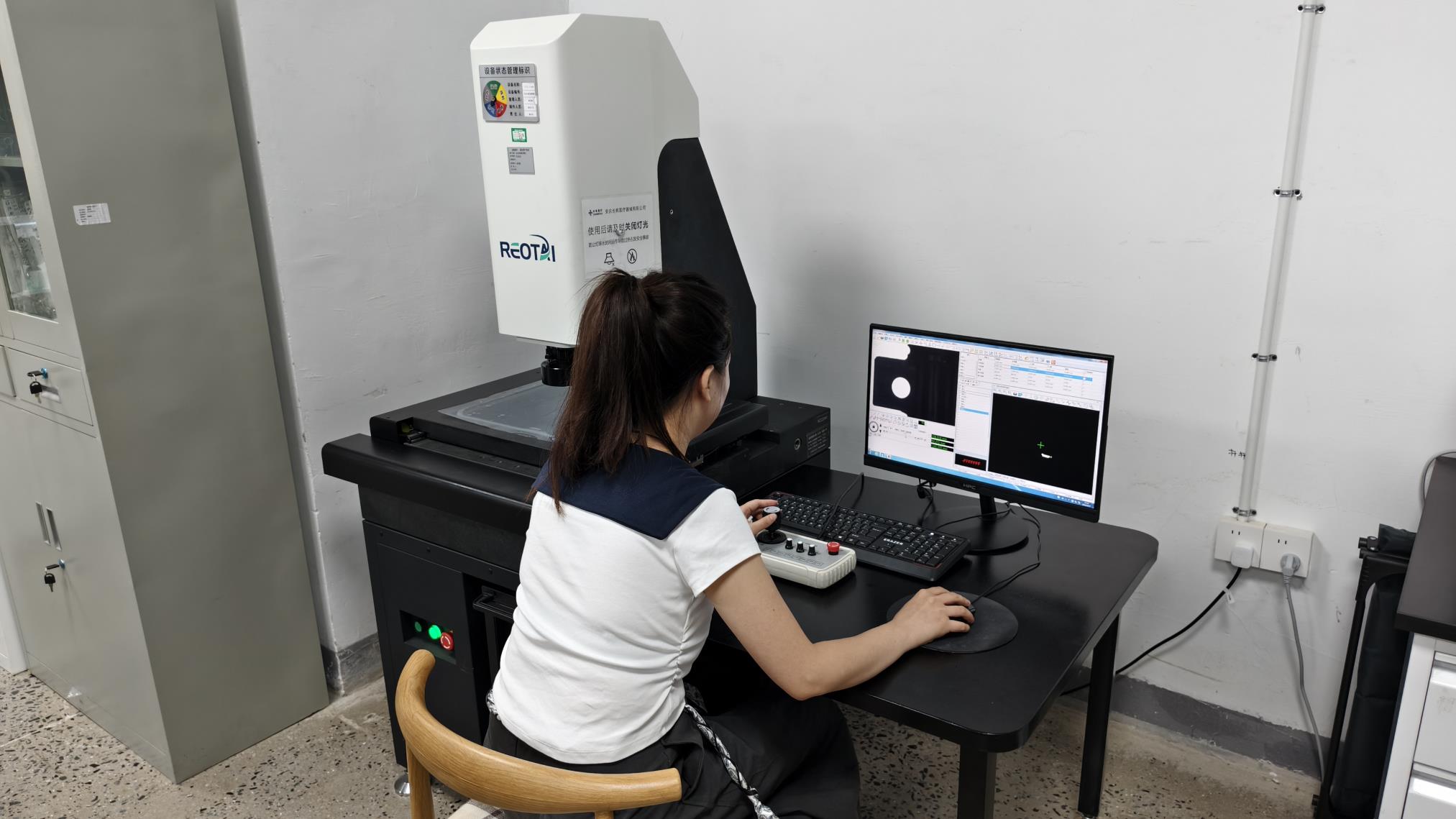
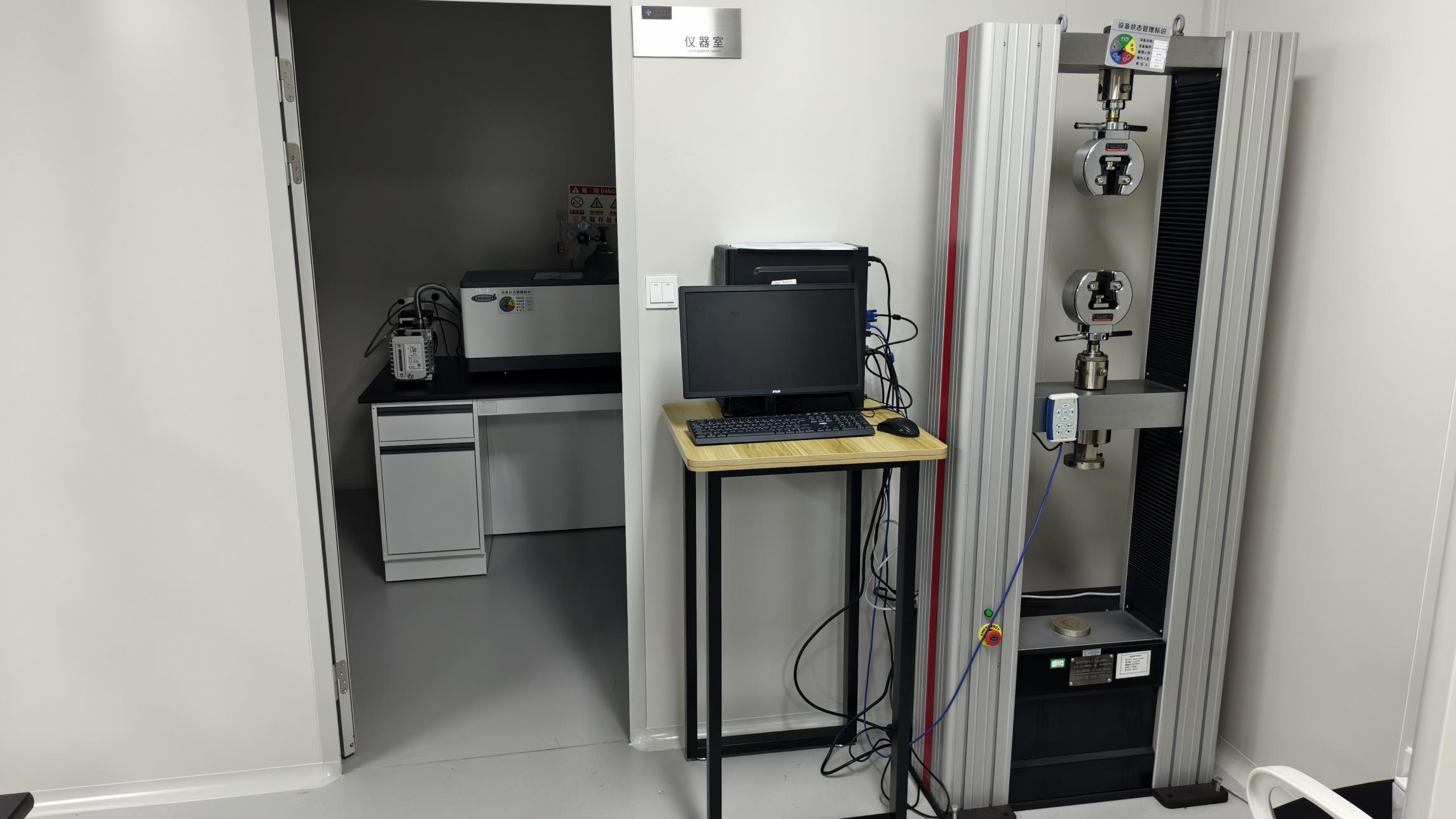
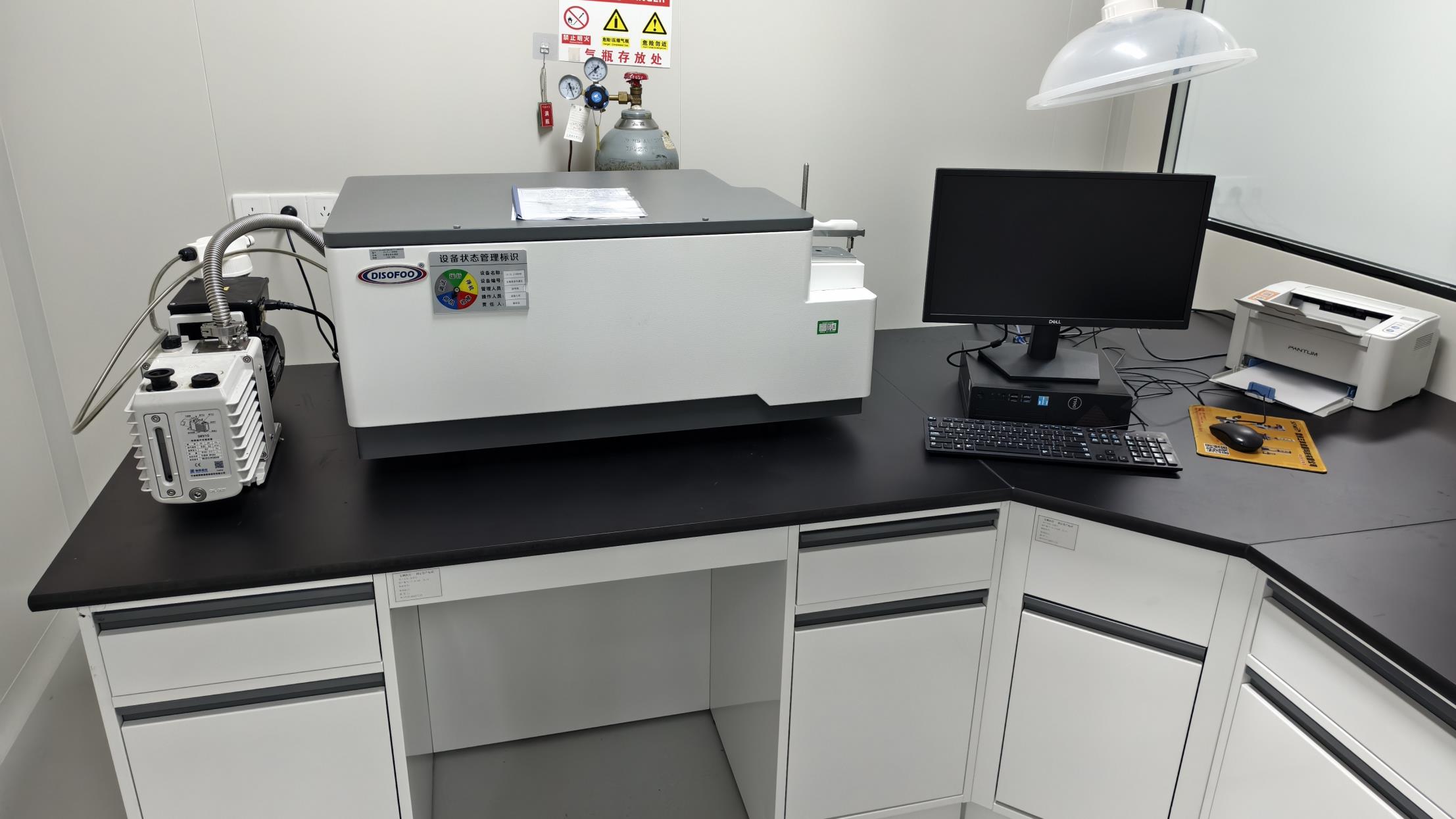
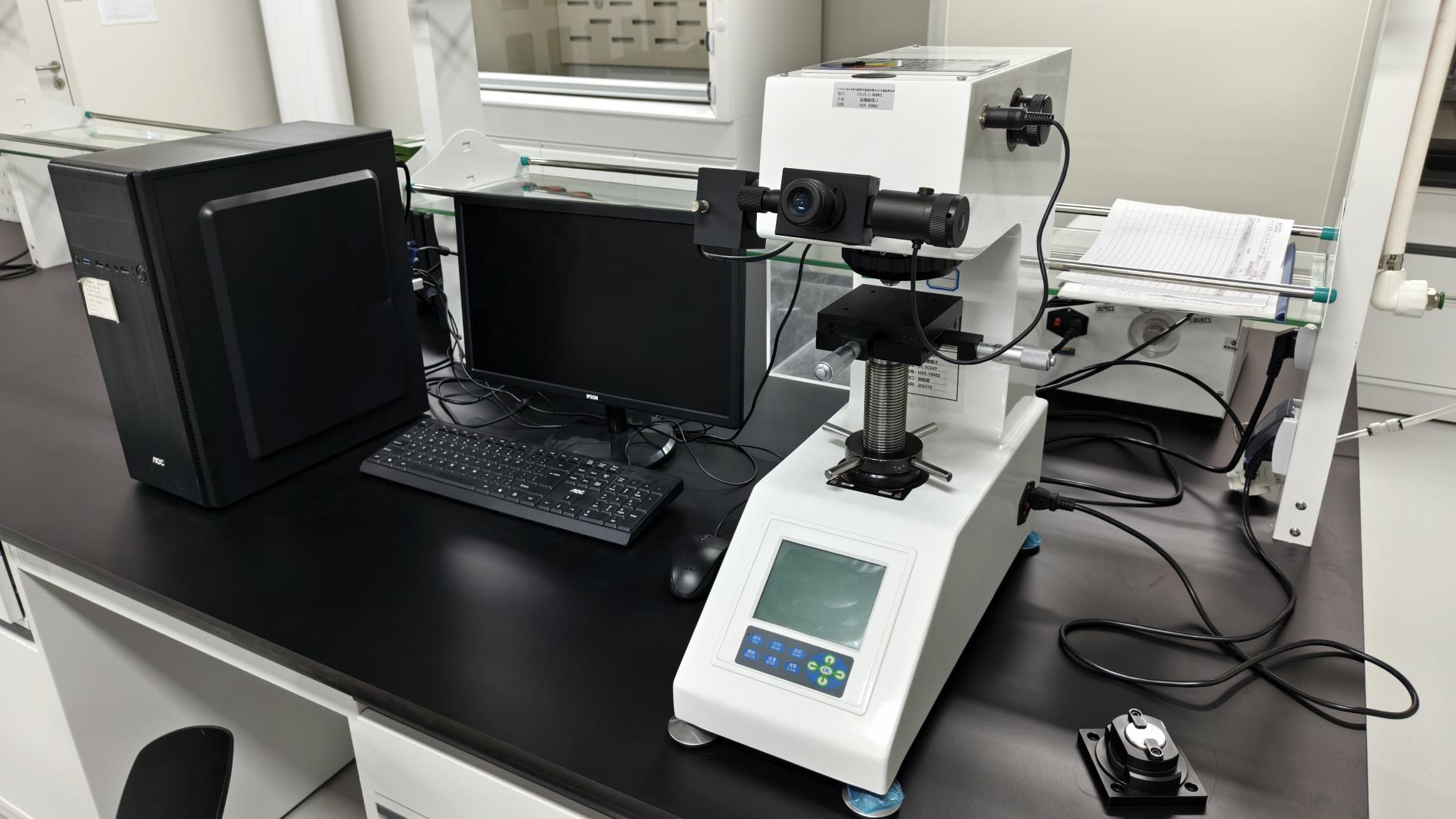
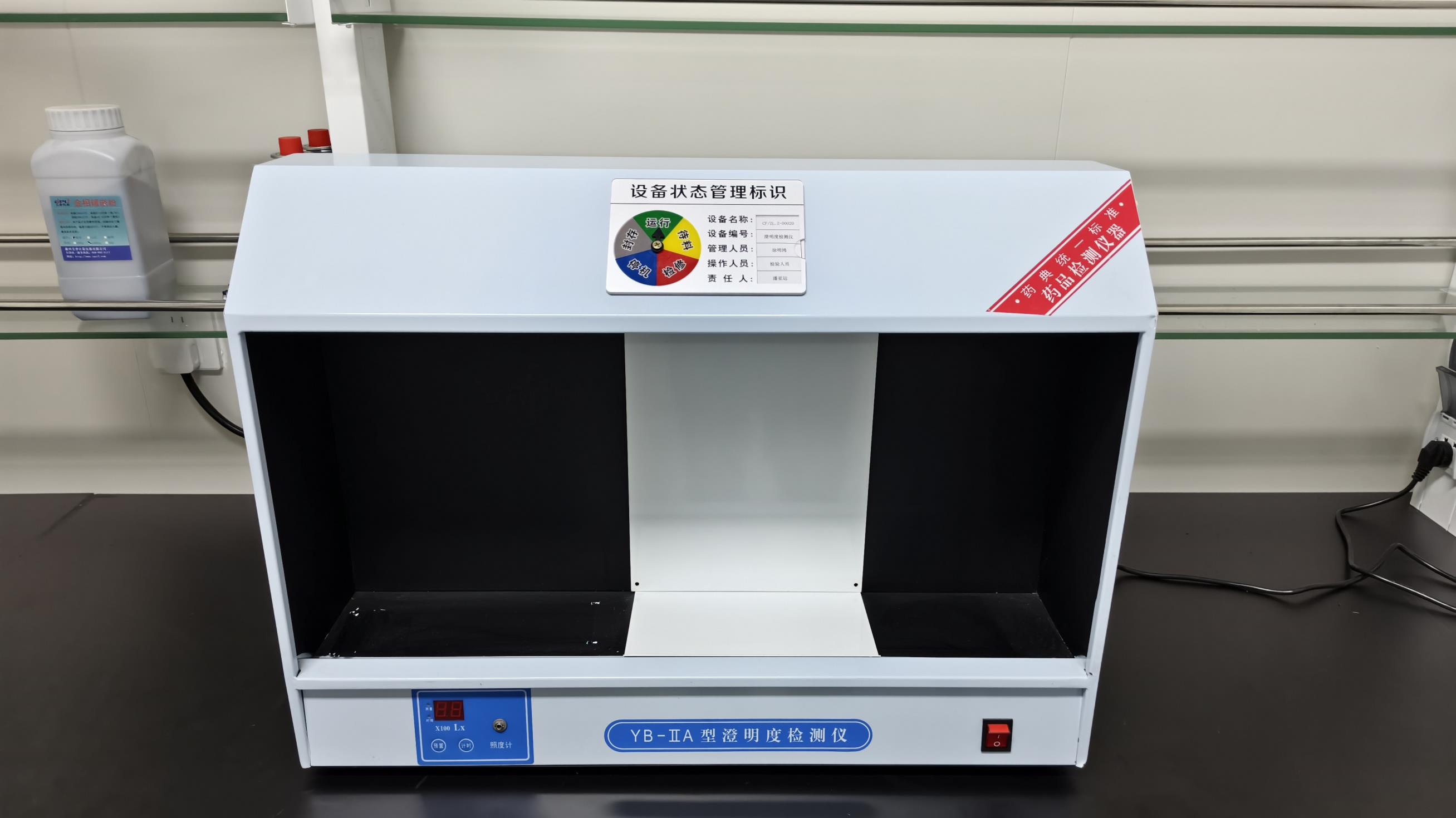
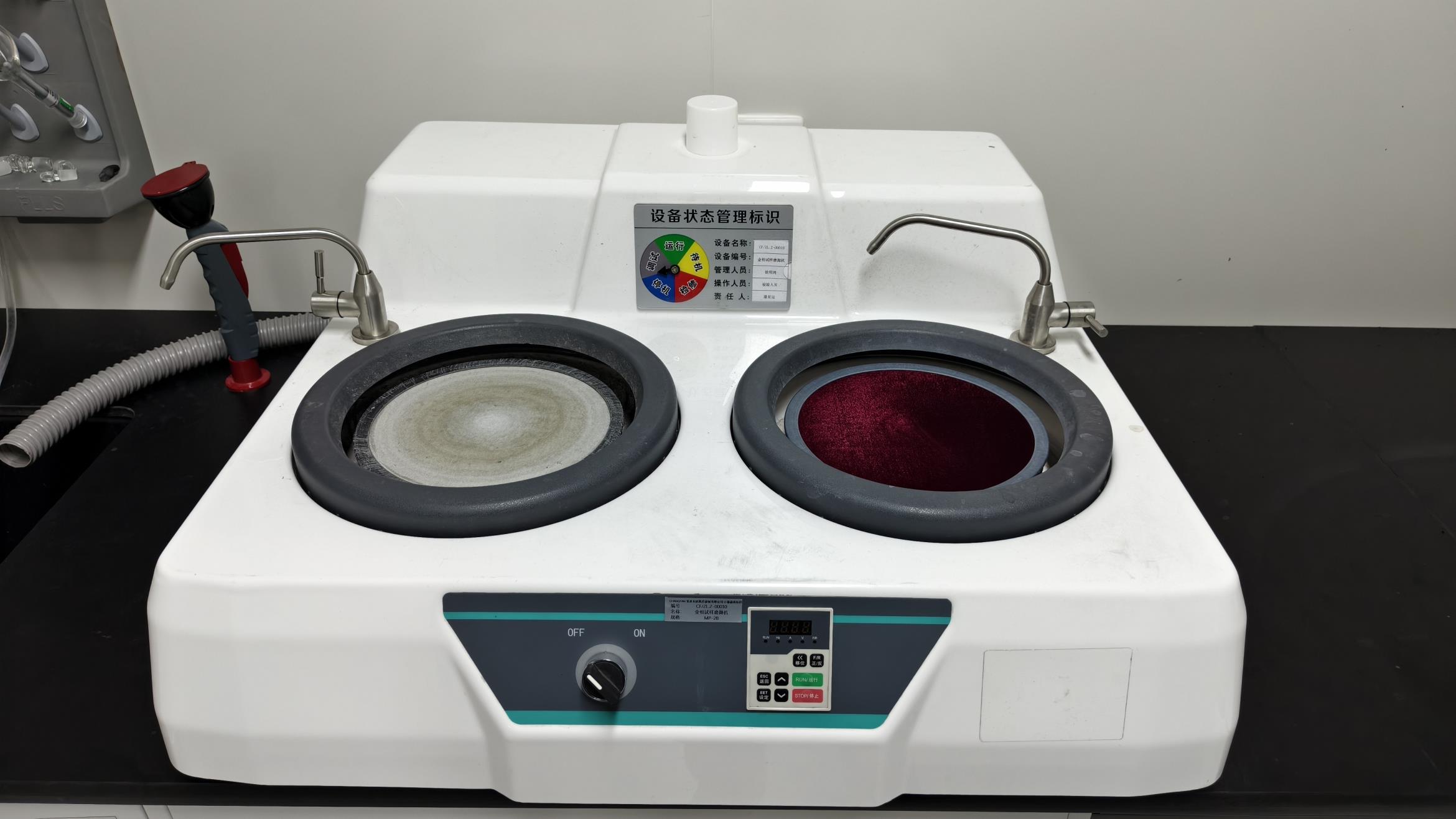
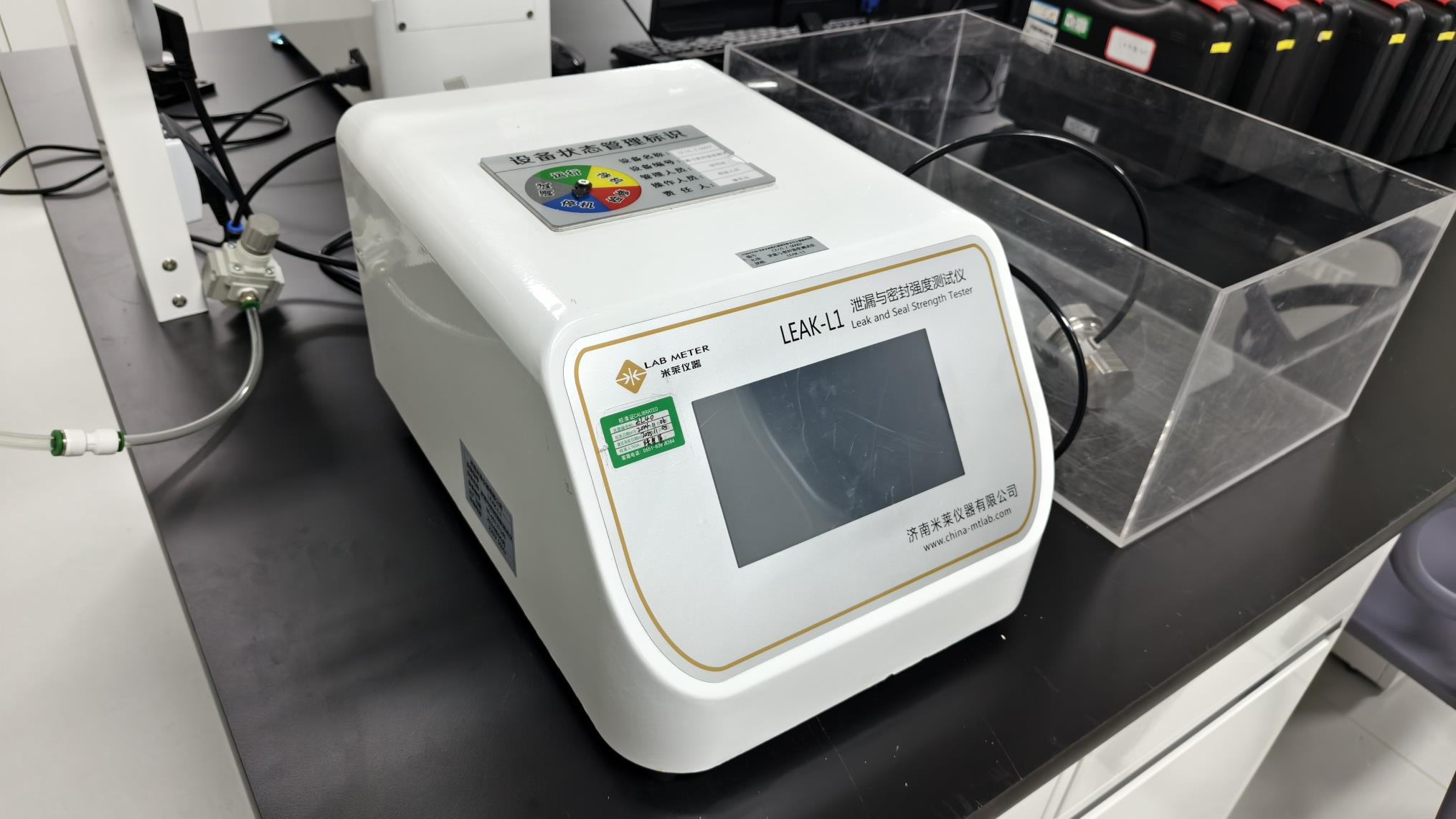
Detailed capabilities, inspection protocols, and export credentials of Synoviq Medical Technology.
Synoviq Medical Technology (China) Co., Ltd. is a professional manufacturer of orthopedic implants and surgical instruments, dedicated to delivering innovative, reliable, and high-quality medical solutions for healthcare professionals worldwide. Since its establishment, Synoviq has focused on research, development, precision manufacturing, and international quality standards, providing comprehensive OEM and ODM services for global medical device brands, distributors, and hospitals.
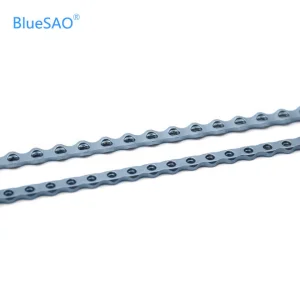
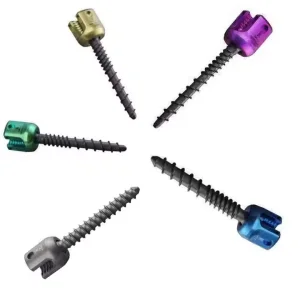
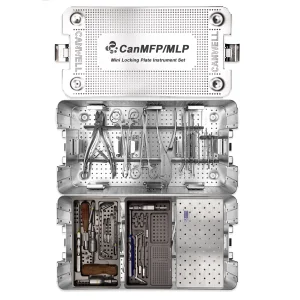
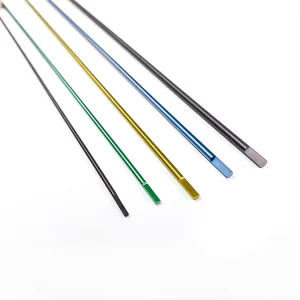
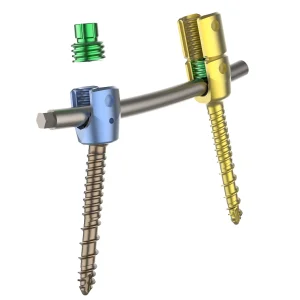
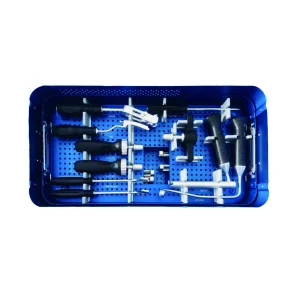
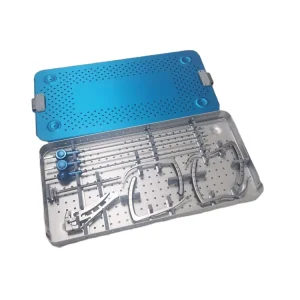
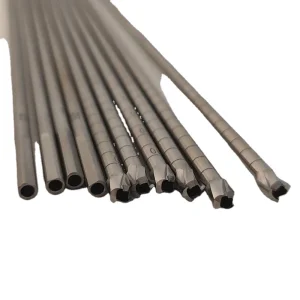
Our product portfolio includes trauma fixation systems, spinal implants, locking plates, intramedullary nails, external fixation systems, orthopedic screws, surgical instruments, and customized orthopedic solutions. Equipped with advanced CNC machining centers, precision inspection equipment, and modern clean production facilities, we ensure every product meets strict international quality requirements.
Driven by continuous innovation, Synoviq invests heavily in R&D and intelligent manufacturing to enhance product performance, surgical efficiency, and patient outcomes. Our experienced engineering team works closely with customers to develop customized products tailored to different clinical applications and market demands.
With a customer-oriented philosophy, competitive pricing, stable supply capability, and efficient technical support, Synoviq has established long-term partnerships with distributors, medical brands, and healthcare organizations across Europe, North America, South America, the Middle East, and Asia-Pacific.
| Item | Information |
|---|---|
| Company Name | Synoviq Medical Technology (China) Co., Ltd. |
| Brand | Synoviq |
| Established | March 18, 2016 |
| Building Area | 18,600 m² |
| Annual Export Revenue | USD 21.8 Million |
| Export Experience | 8 Years |
| Industry Experience | 14 Years |
| Quality Inspection | 100% Final Inspection & Incoming Material Inspection |
| Product Inspection Methods | CMM Measurement, Mechanical Testing, Surface Roughness Testing, Hardness Testing, Salt Spray Testing, Sterility Validation |
| Quality Control Staff | 48 |
| Business Type | Manufacturer & Exporter (OEM/ODM) |
| Main Markets | Europe, North America, South America, Middle East, Southeast Asia |
| Supply Chain Partners | 1,120+ |
| Main Customer Types | Medical Device Brands, Importers, Distributors, Hospitals, Government Procurement Projects |
| R&D Capability | Independent Product Design, Prototype Development, Clinical-Oriented Engineering, OEM & ODM Development |
| Customization Options | Logo Customization, Packaging Customization, Product Design Customization, Material Selection, Surface Treatment |
| New Products Released Last Year | 186 |
| R&D Engineers | 76 |
Addressing clinical performance, regulatory clearances, customization processes, and lead times.
Explore our extensive surgical support tools, specialized spinal systems, and arthroscopic instruments.
 Synoviq Medical