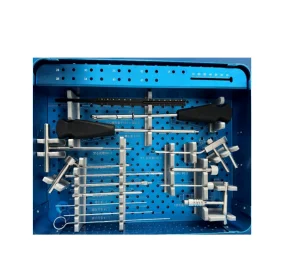
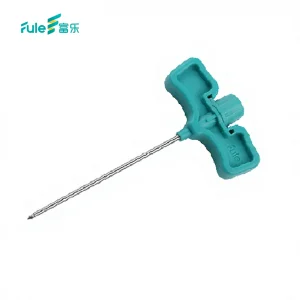
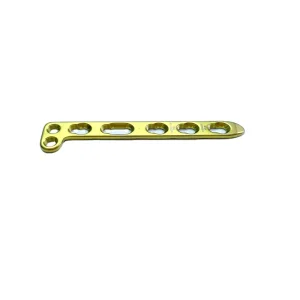
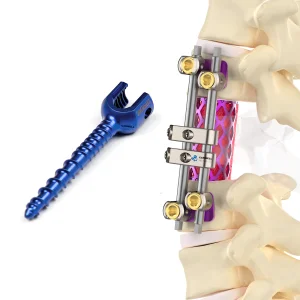
Precision-engineered surgical tools, trauma fixation devices, and spine systems designed to optimize clinical workflows and improve patient rehabilitation.
Insights into clinical requirements, biomechanical advancements, and how intramedullary systems are addressing osteoporotic hip fracture challenges globally.
As global demographics shift towards an aging population, the prevalence of proximal femoral fractures—particularly intertrochanteric, subtrochanteric, and femoral neck fractures—has increased exponentially. Clinical consensus indicates that intramedullary fixation systems, specifically the Proximal Femoral Nail Antirotation (PFNA), provide superior biomechanical stability compared to extramedullary implants like the Dynamic Hip Screw (DHS).
PFNA systems feature a unique helical blade design that compacts cancellous bone upon insertion, significantly enhancing purchase within osteoporotic bone structures. This design reduces bone removal, decreases the risk of cut-out, and improves load distribution. To meet global medical standards, orthopedic device factories must maintain stringent tolerances, execute biocompatibility protocols, and leverage high-purity medical metals.
The intramedullary axis lines up directly with anatomical load bearing paths, decreasing stress moments on mechanical plates and minimizing dynamic fatigue risks.
Compaction of bone instead of drilling preserves local micro-vascular systems and provides exceptional pull-out resistance, even in low bone-mineral density cases.
Reduced incision lengths minimize blood loss, speed up post-op recovery cycles, and significantly reduce hospital occupancy times for elderly patients.
Introduction to Synoviq Medical Technology (China) Co., Ltd. and our state-of-the-art facilities dedicated to trauma and spinal instrumentation.
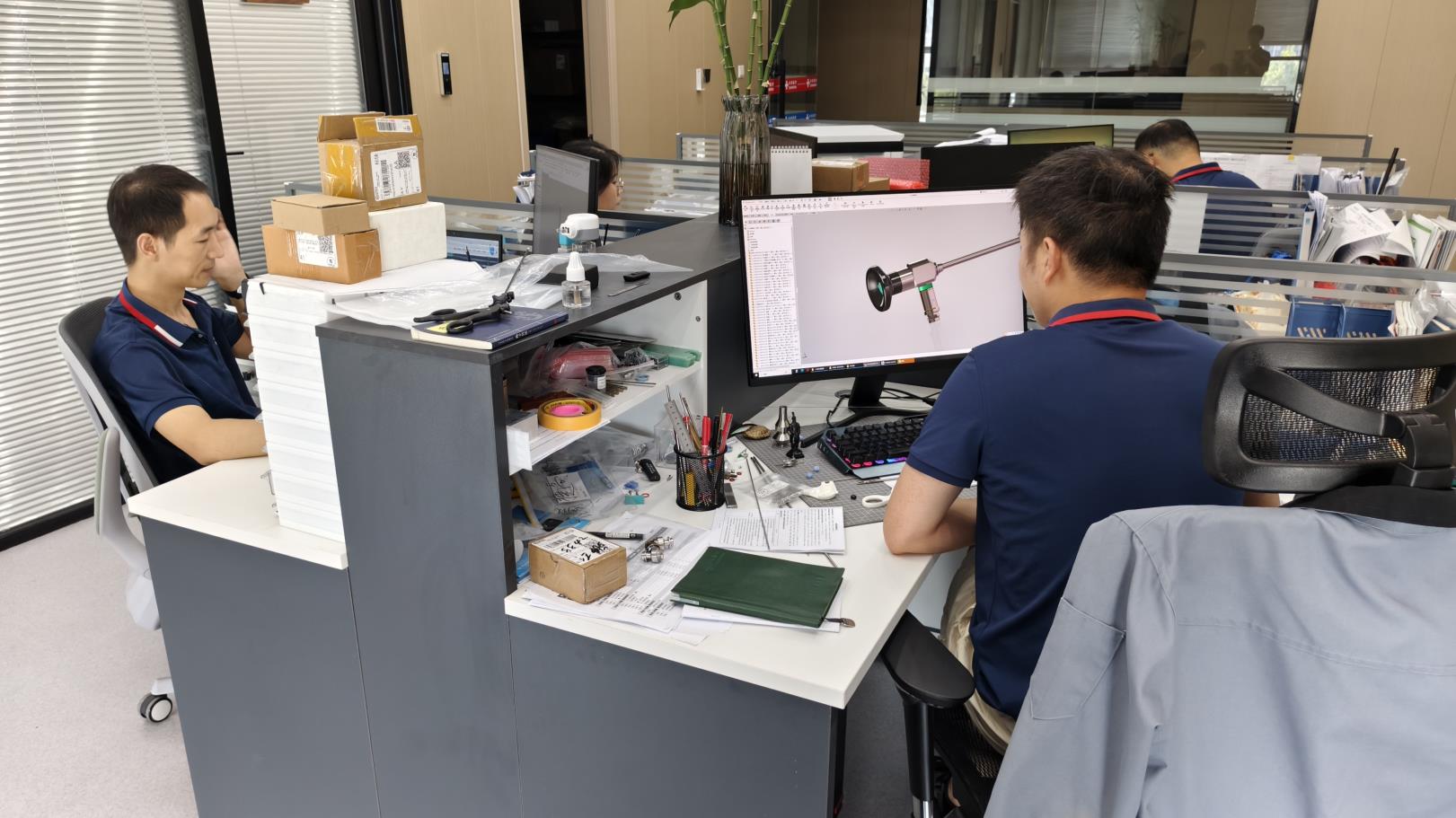
Synoviq Medical Technology (China) Co., Ltd. is a leading manufacturer of orthopedic implants and precision surgical instruments. We design, manufacture, and distribute critical clinical solutions across the globe. Our operational focus centers on research and development, advanced CNC precision milling, and compliance with international ISO and CE quality frameworks.
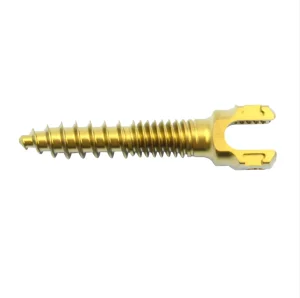
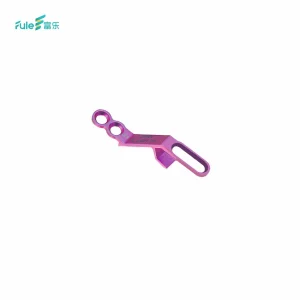
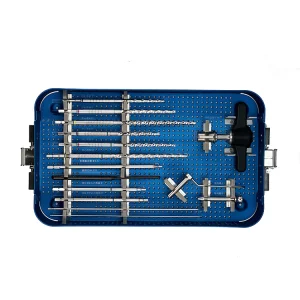
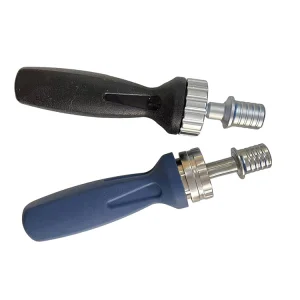
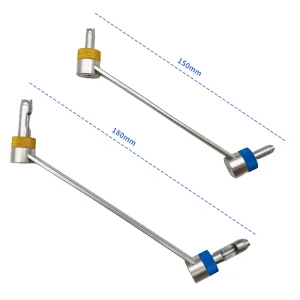
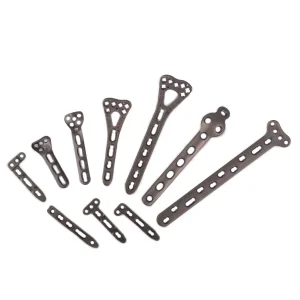
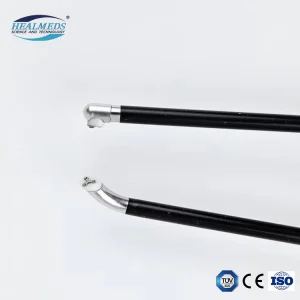
Our comprehensive portfolio includes trauma fixation plates, spinal stabilization systems, cannulated screws, external fixators, intramedullary nails, and specific arthroscopic tools. Operating out of an advanced manufacturing facility, Synoviq provides custom OEM and ODM services to leading medical brands, government purchasing entities, and international healthcare distributors.
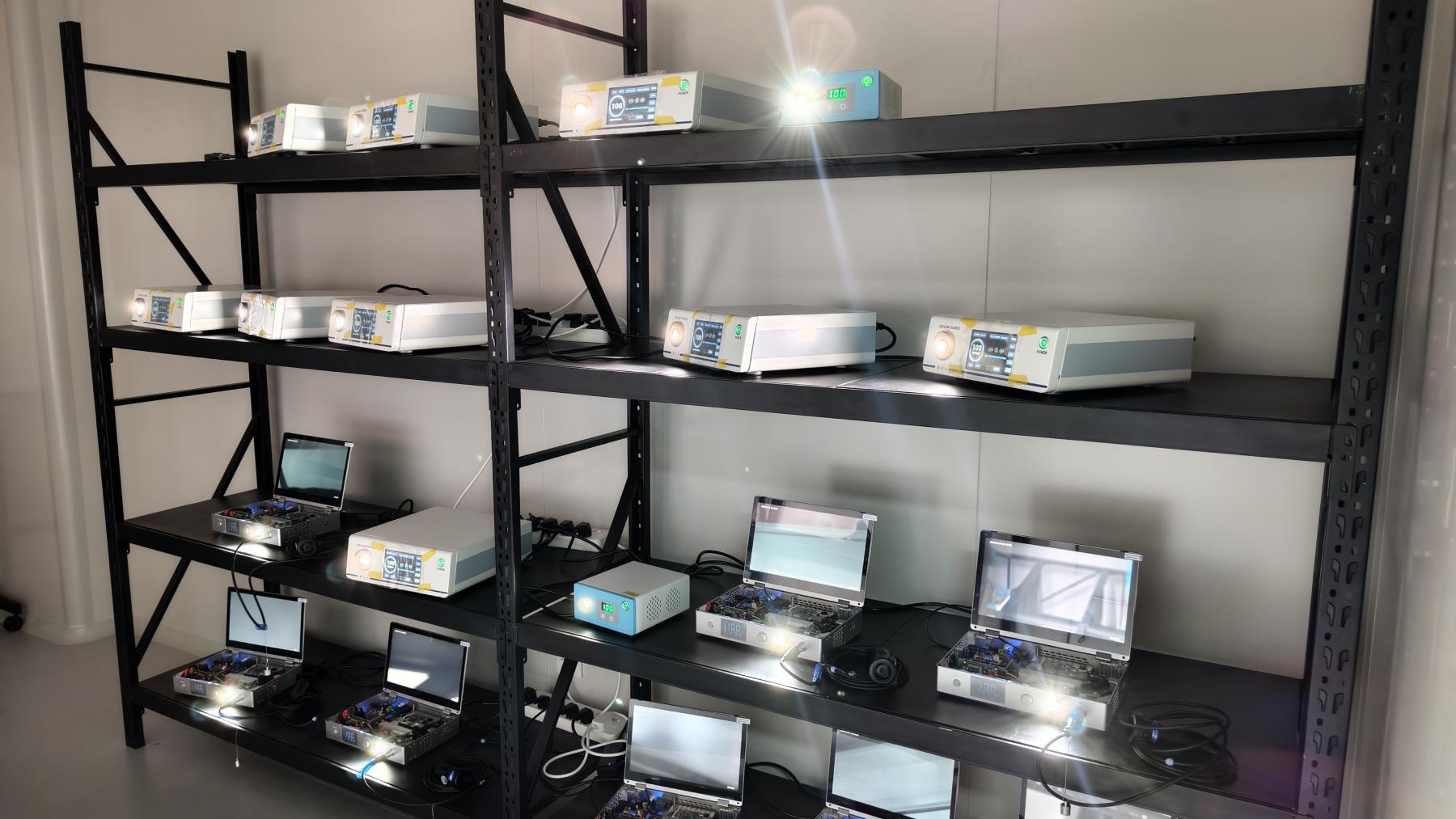
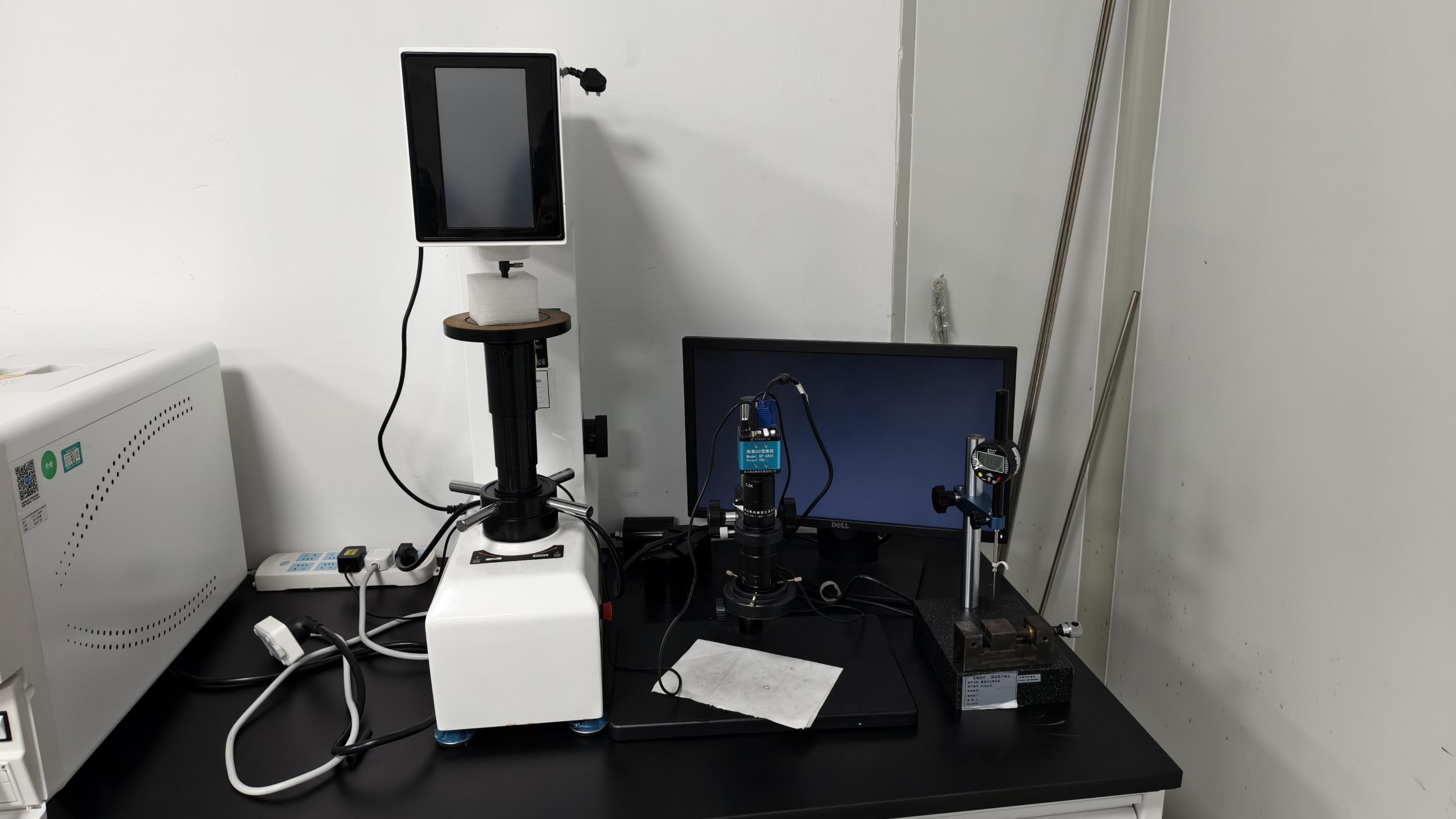
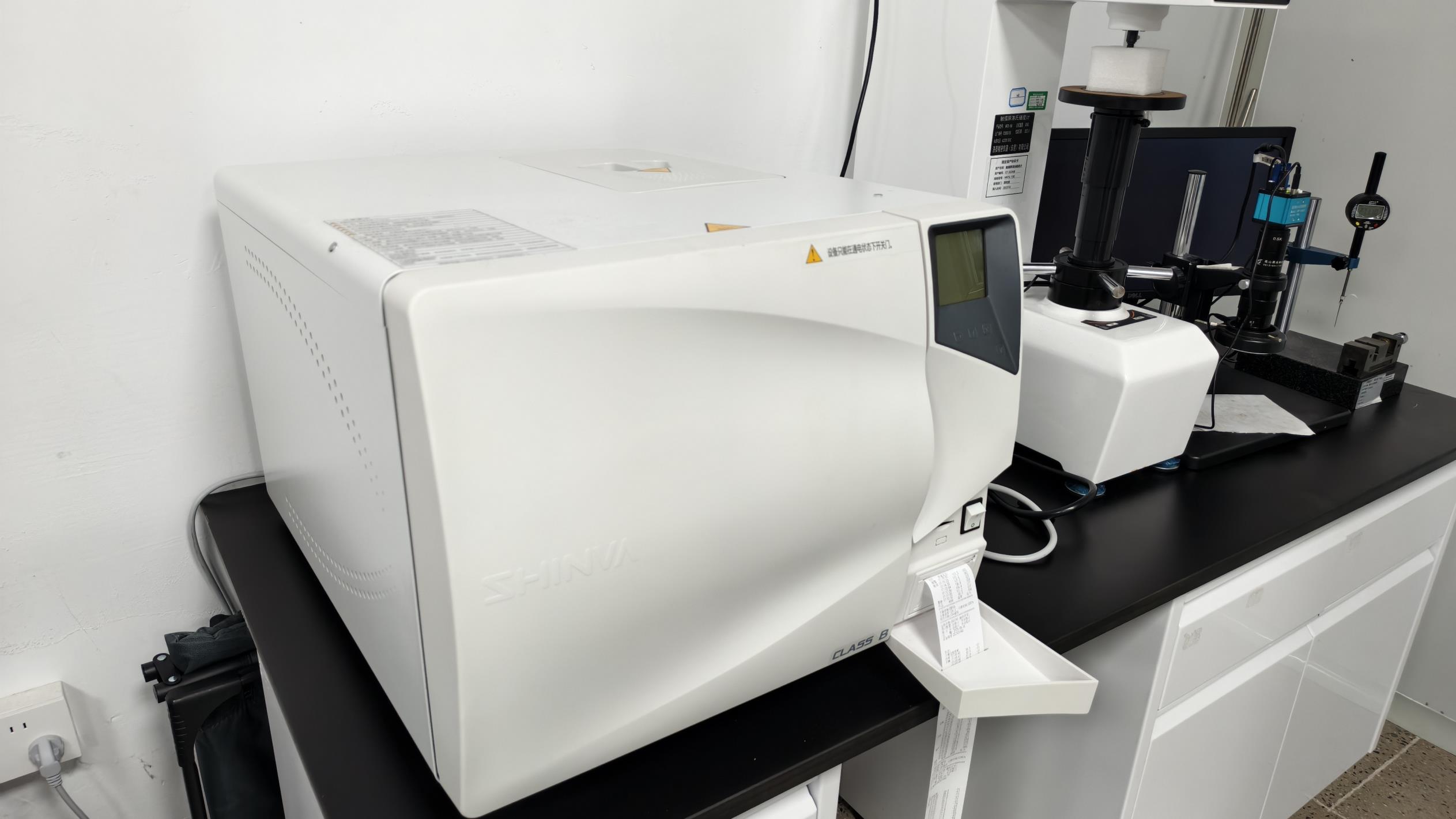
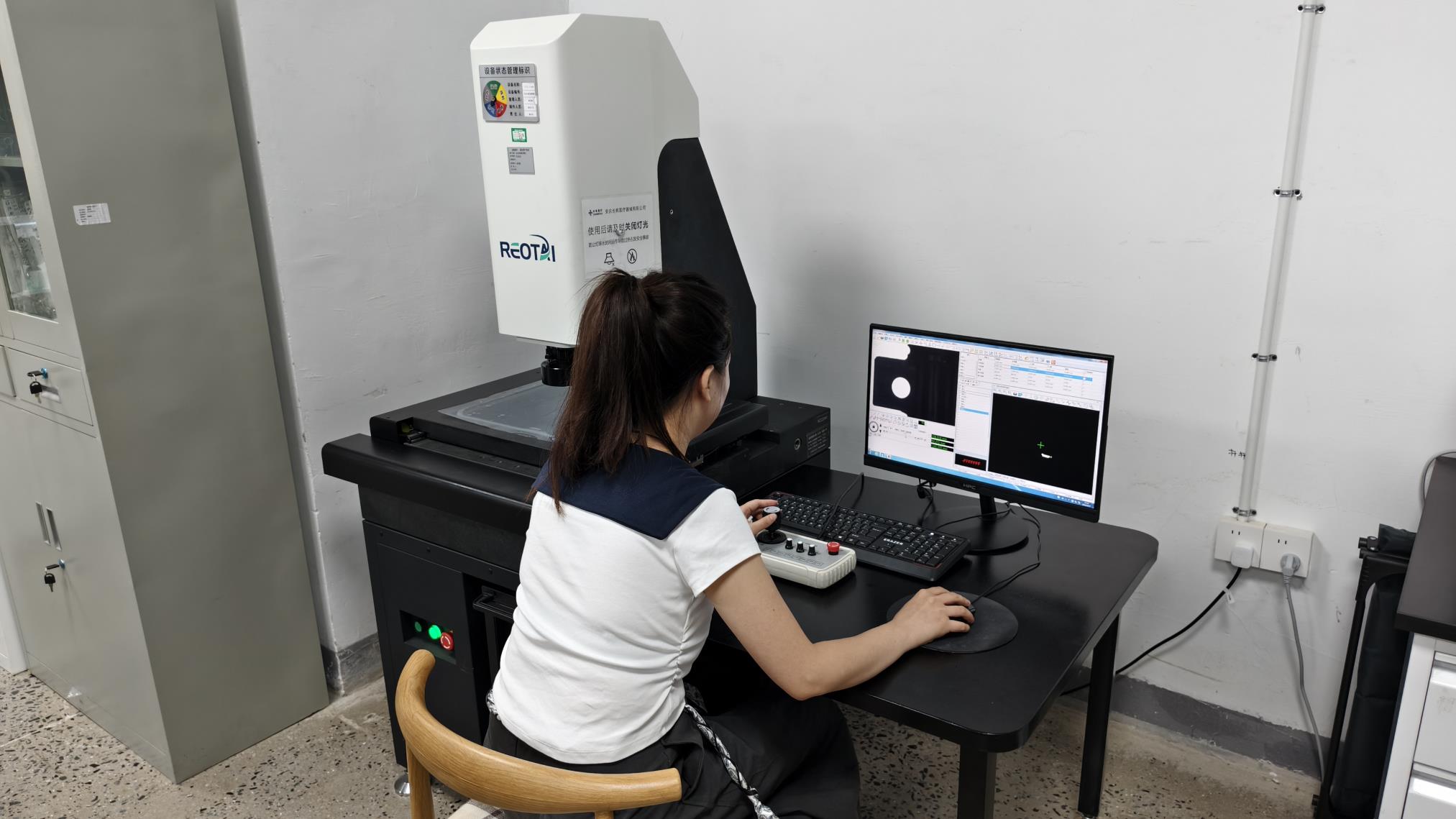
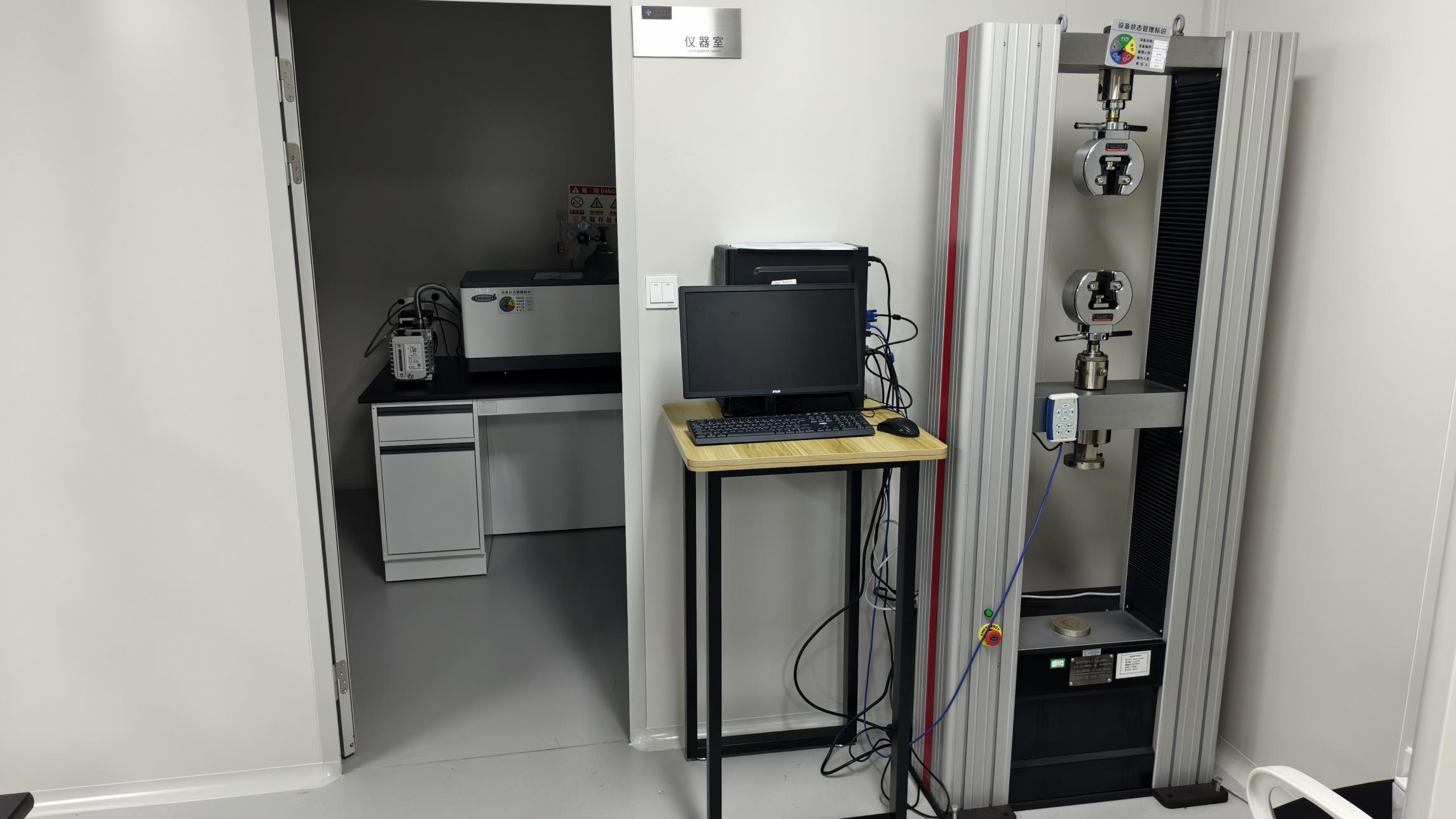
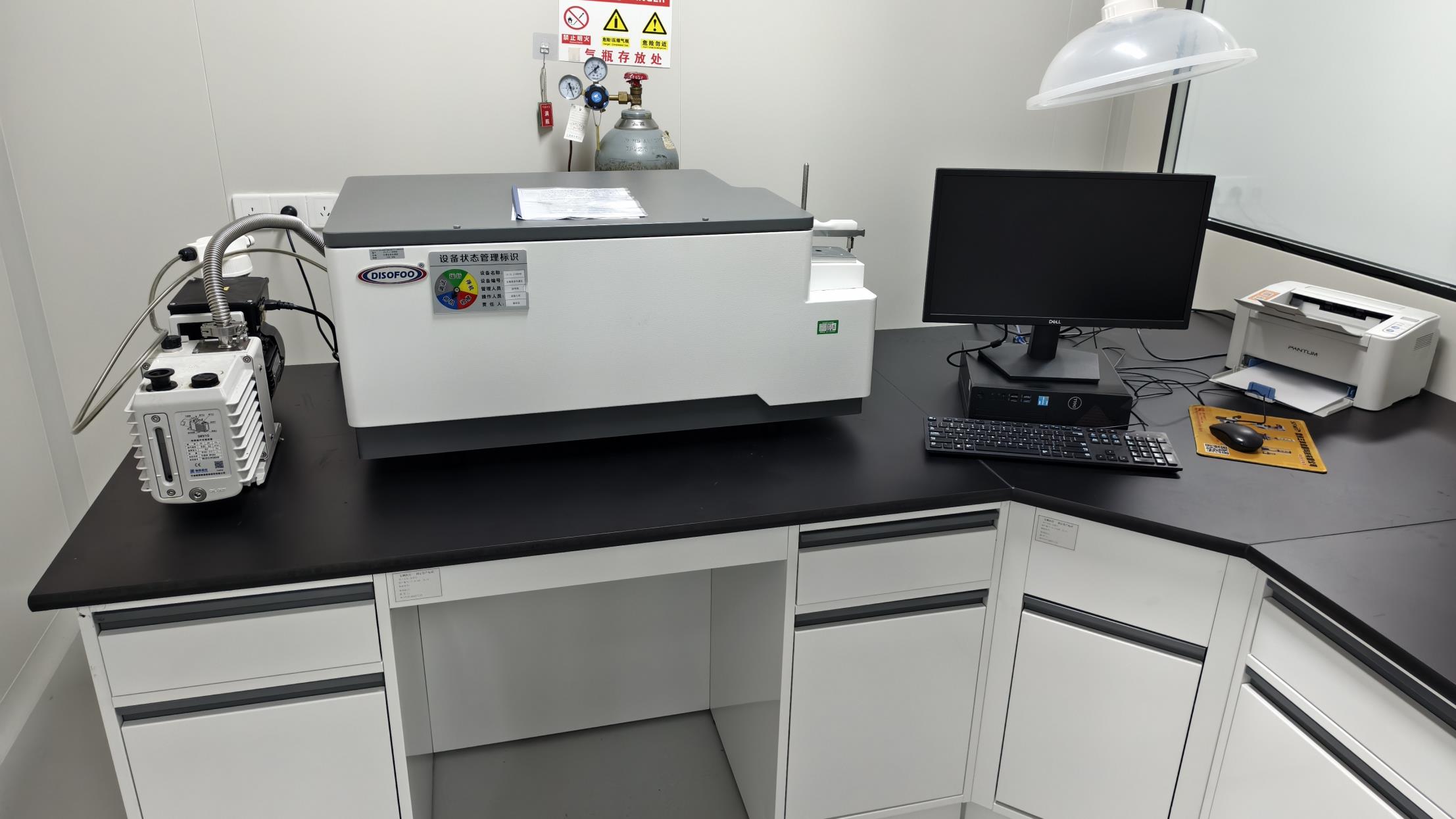
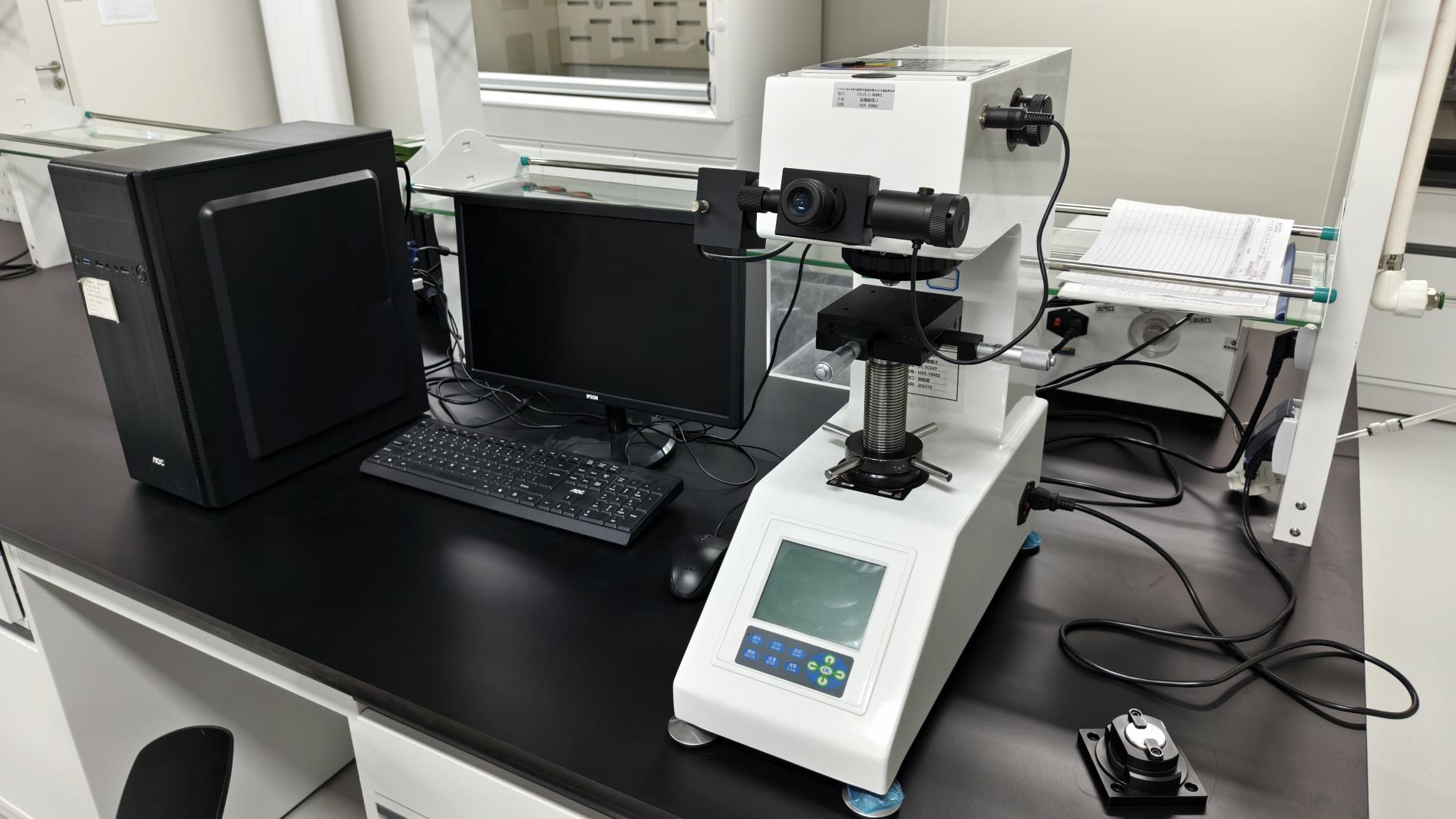
By integrating advanced testing tools—including Coordinate Measuring Machines (CMM), spectroscopic metal alloy analyzers, mechanical performance testers, and cleanroom sterility validation devices—we assure consistent quality for every production run.
| Organizational Indicator | Operational Data / Capacity |
|---|---|
| Company Name | Synoviq Medical Technology (China) Co., Ltd. |
| Brand Name | Synoviq |
| Established | March 18, 2016 |
| Production Facility Area | 18,600 m² |
| Annual Export Revenue | USD 21.8 Million |
| Export Experience | 8 Years |
| Total Industry Experience | 14 Years |
| Quality Inspection Protocols | 100% Final Inspection & Rigorous Incoming Material Validation |
| Inspection Equipment | CMM Measurement, Tensile/Mechanical Testers, Hardness Testers, Spectrometer |
| Dedicated Quality Staff | 48 QC Specialists |
| R&D Engineers On-Site | 76 R&D Engineers |
Every step of our production process is designed to ensure precision, reliability, and traceabilty for all medical implants and instruments.
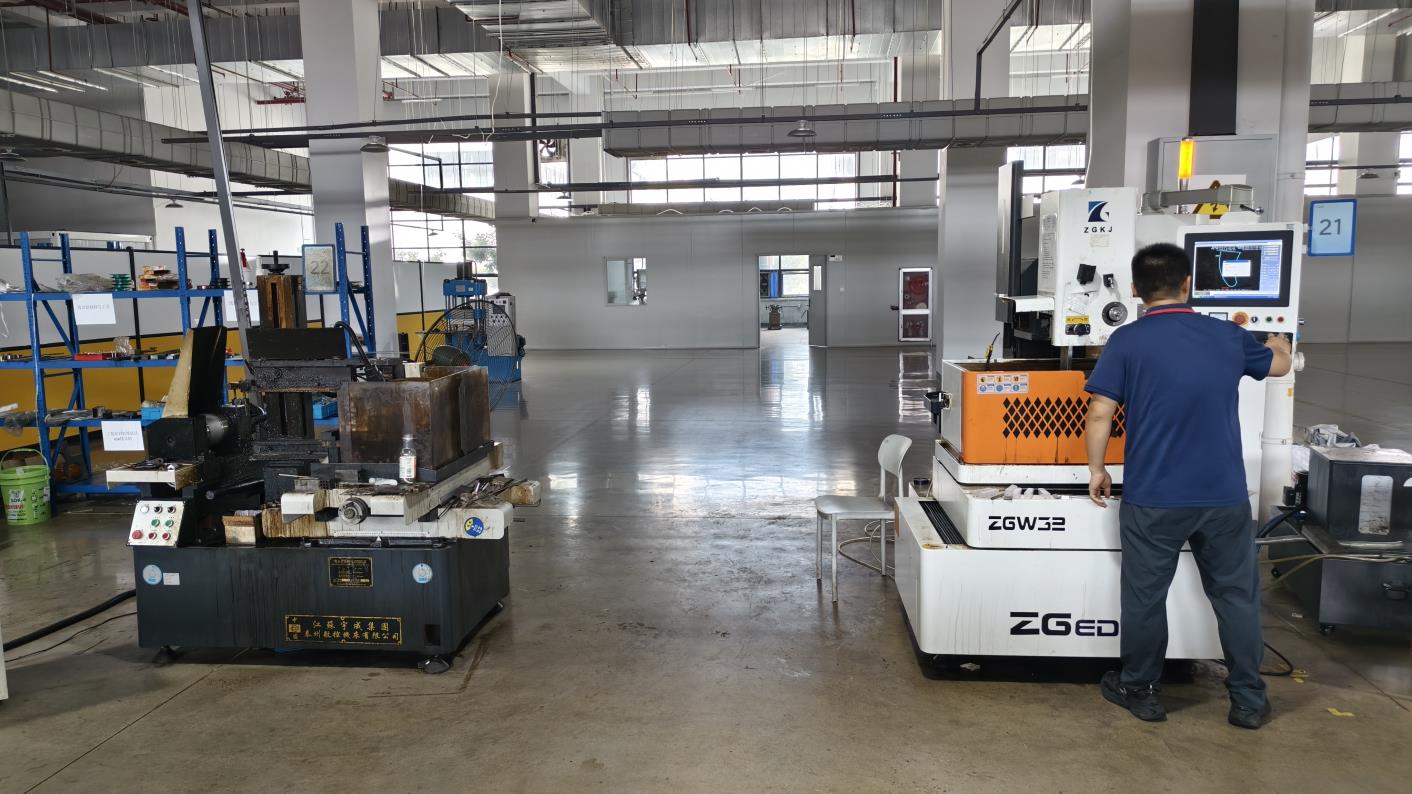
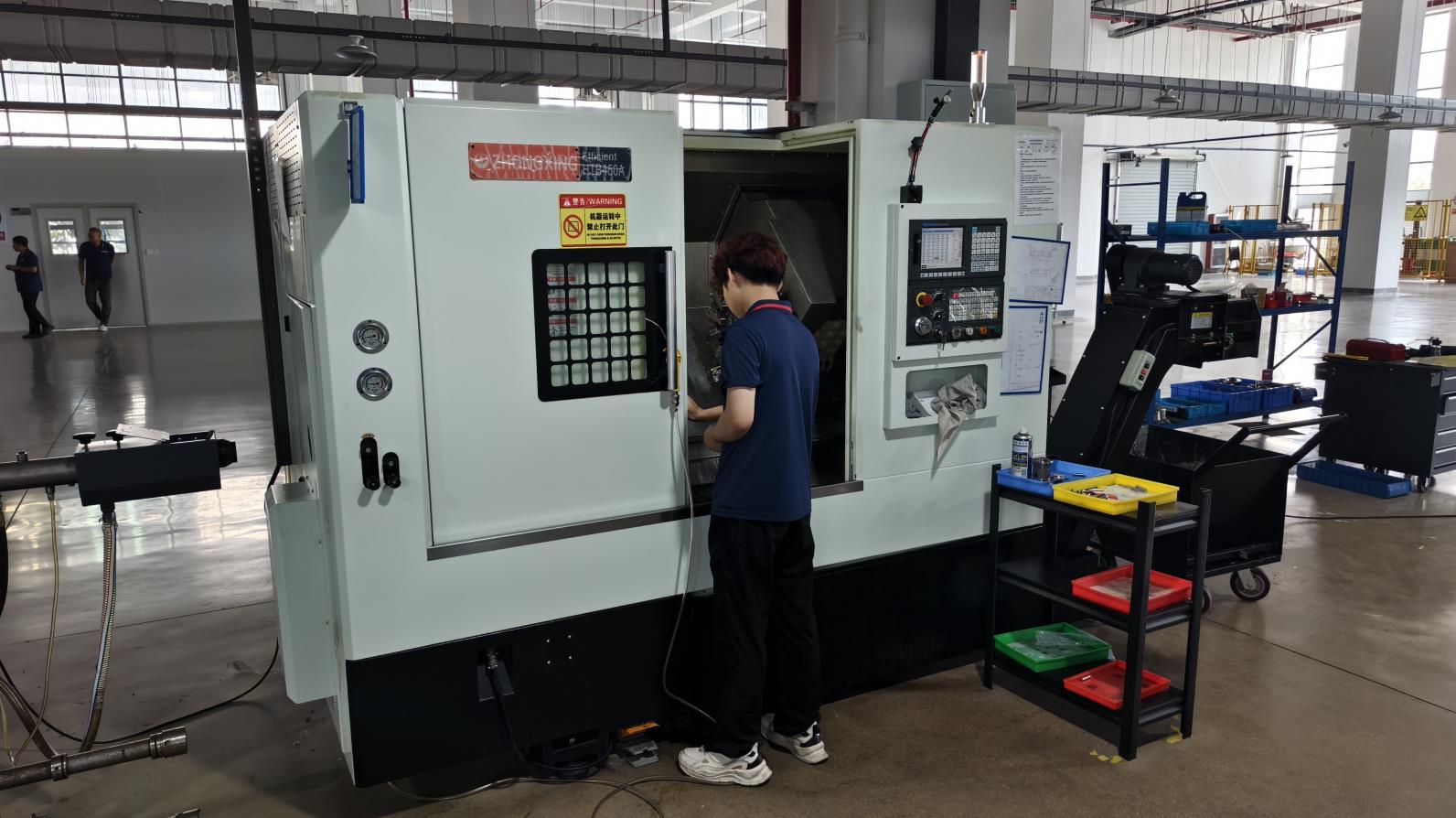
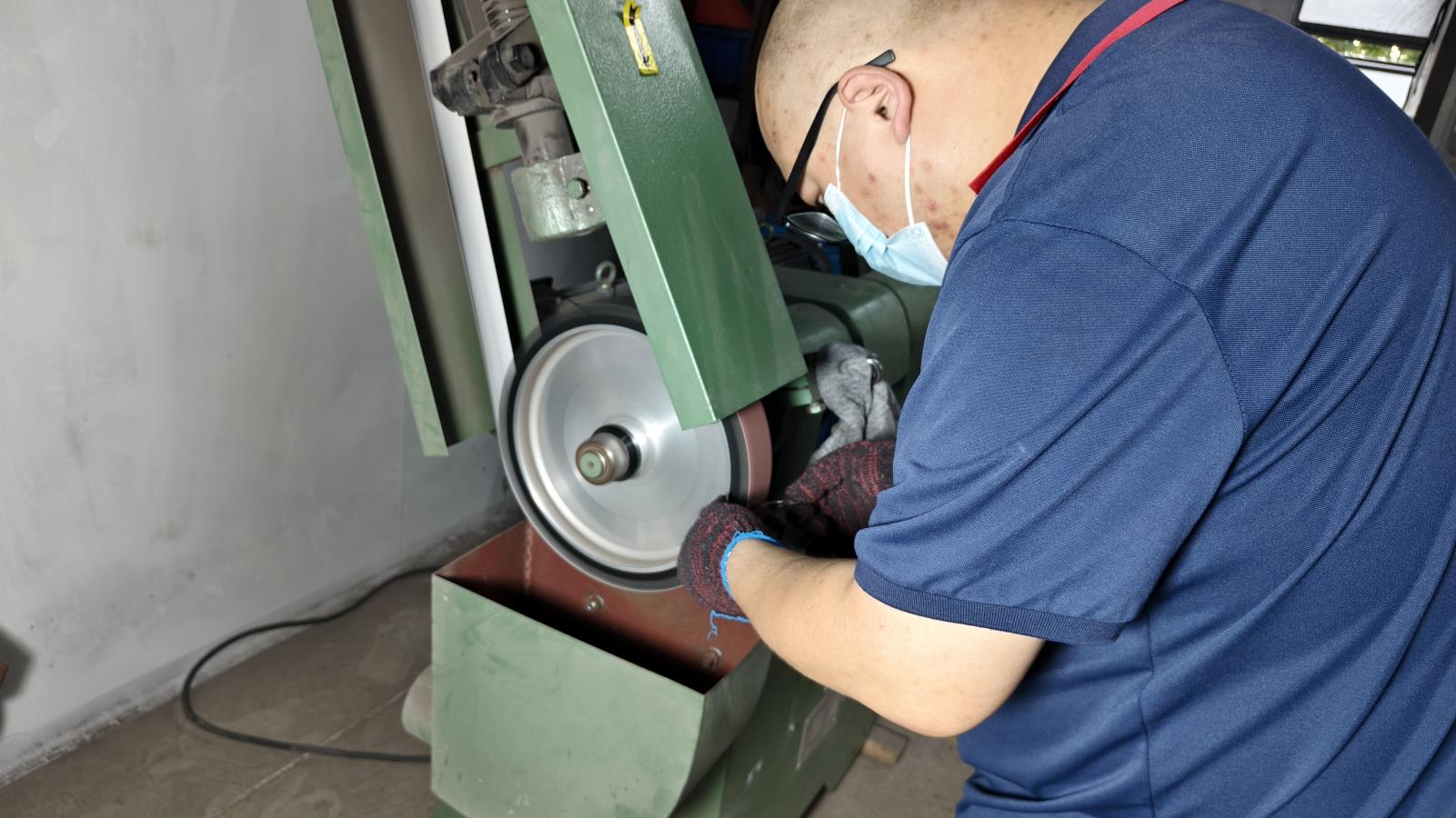
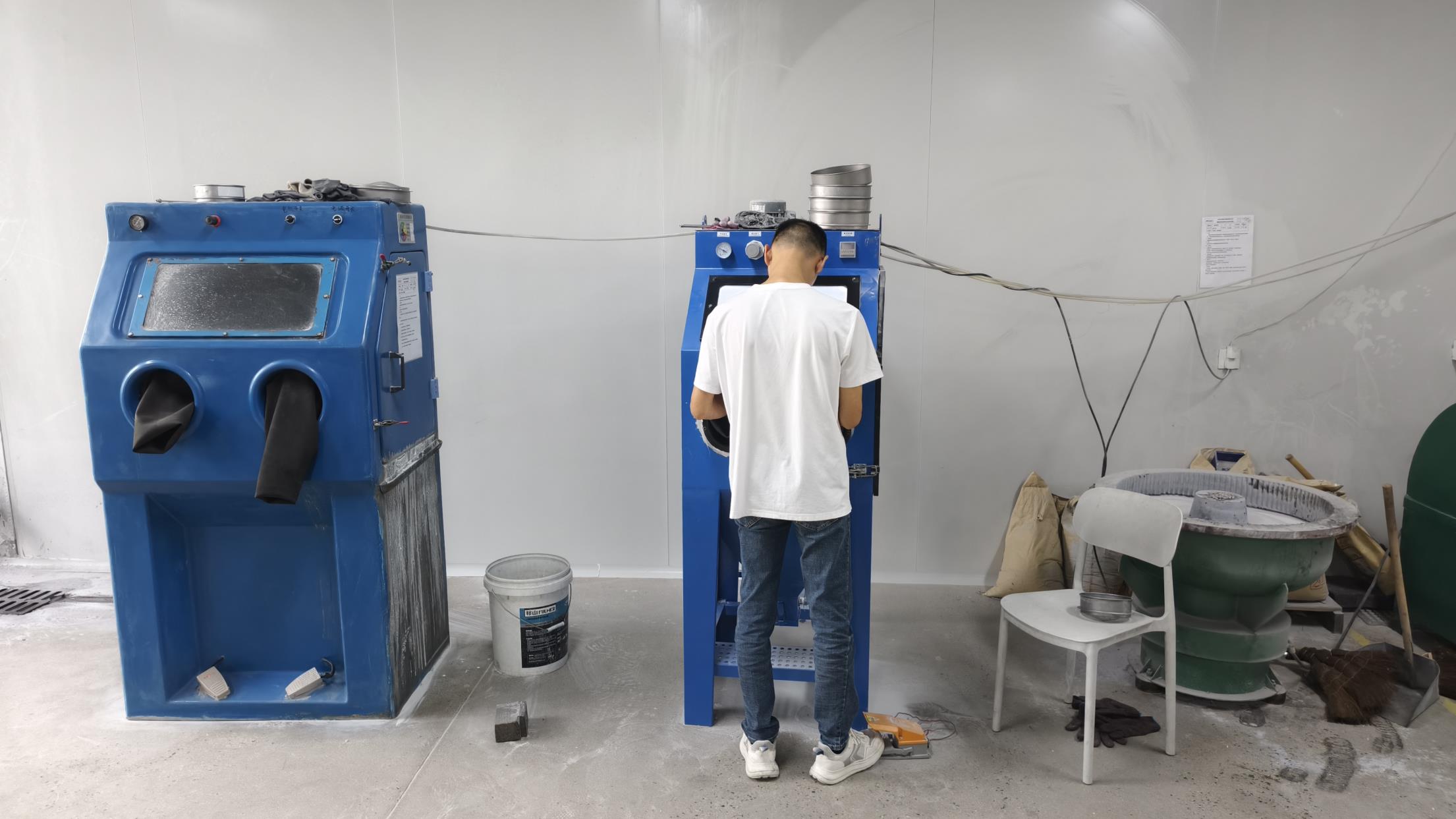
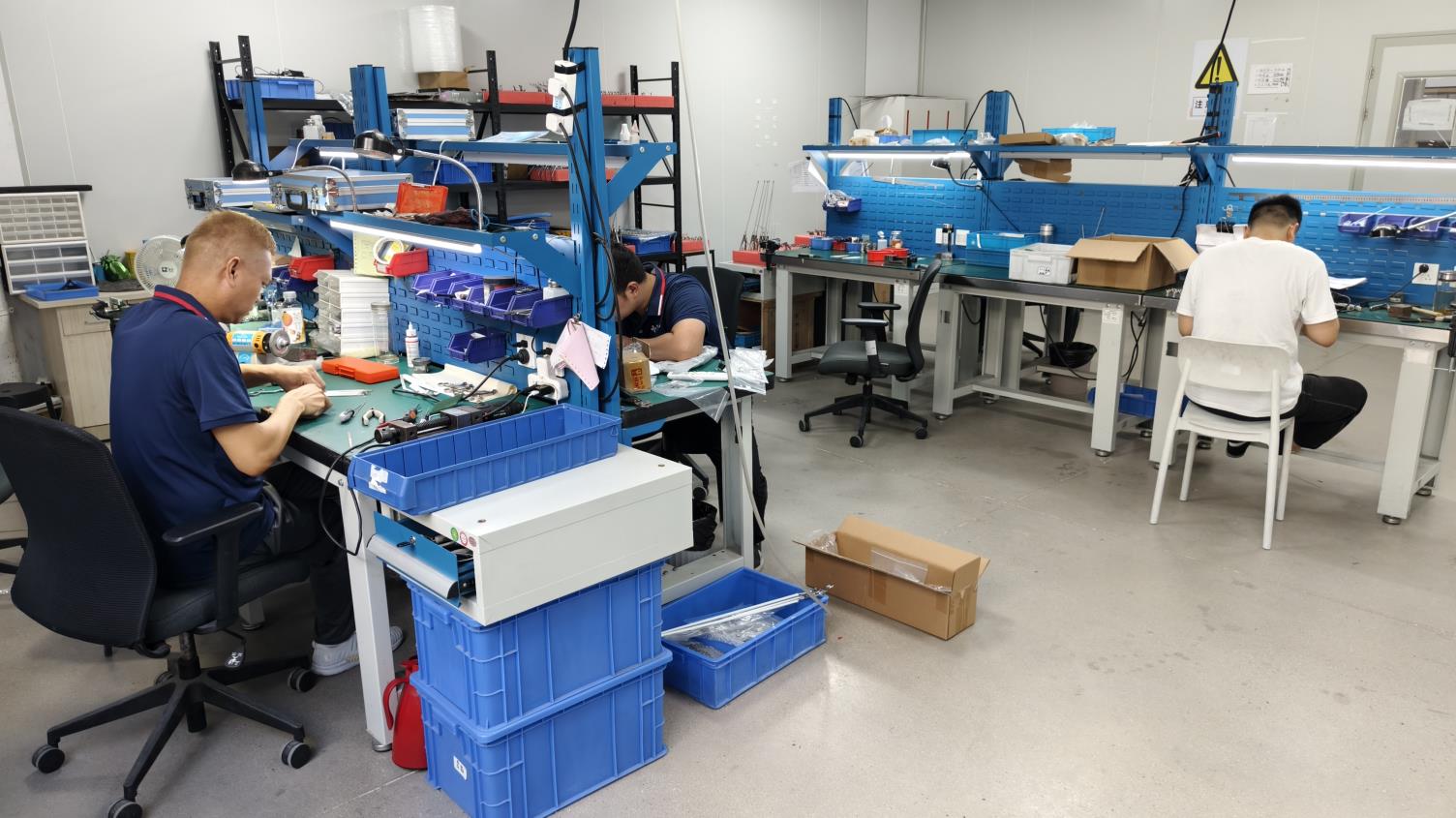
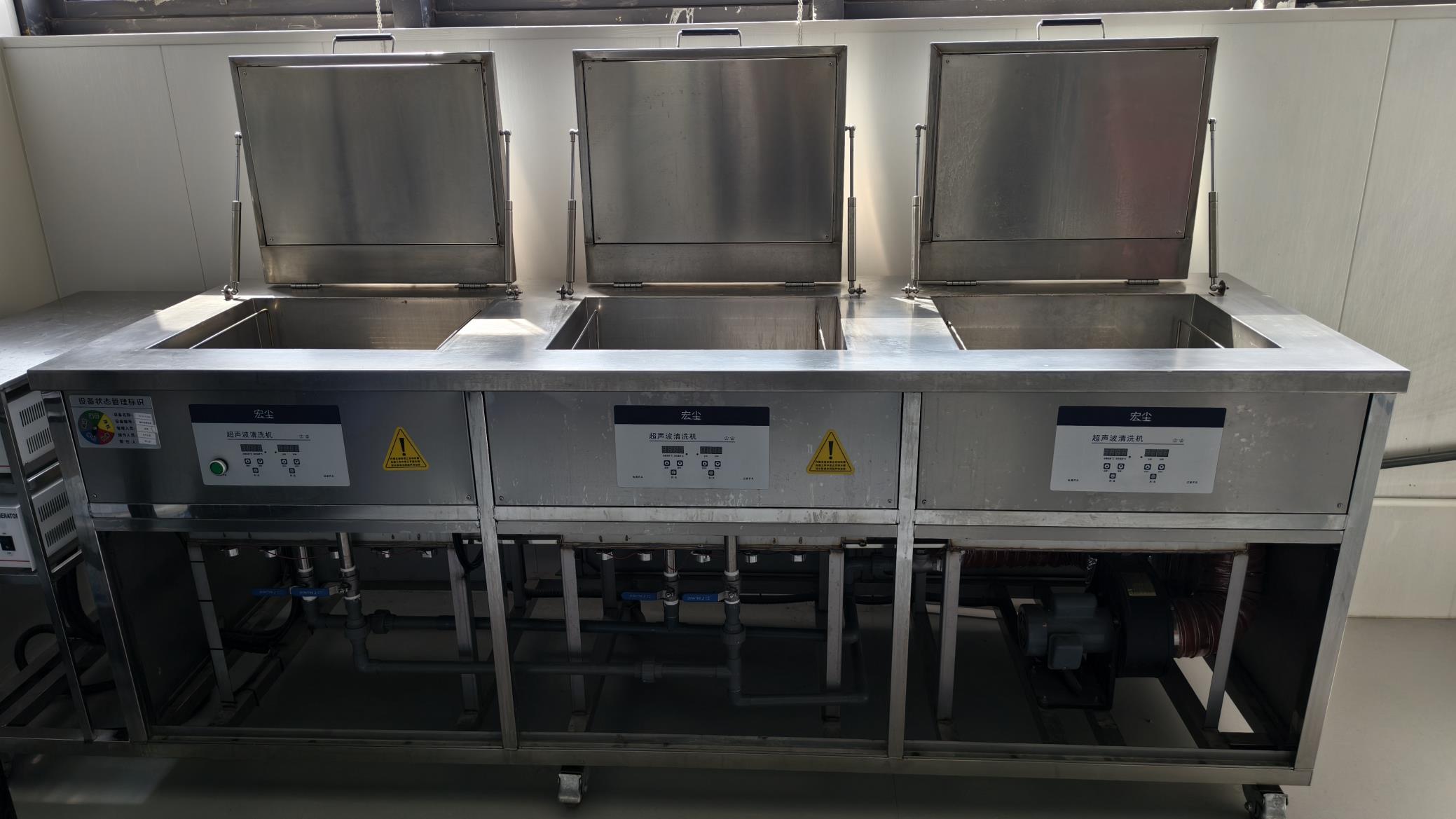
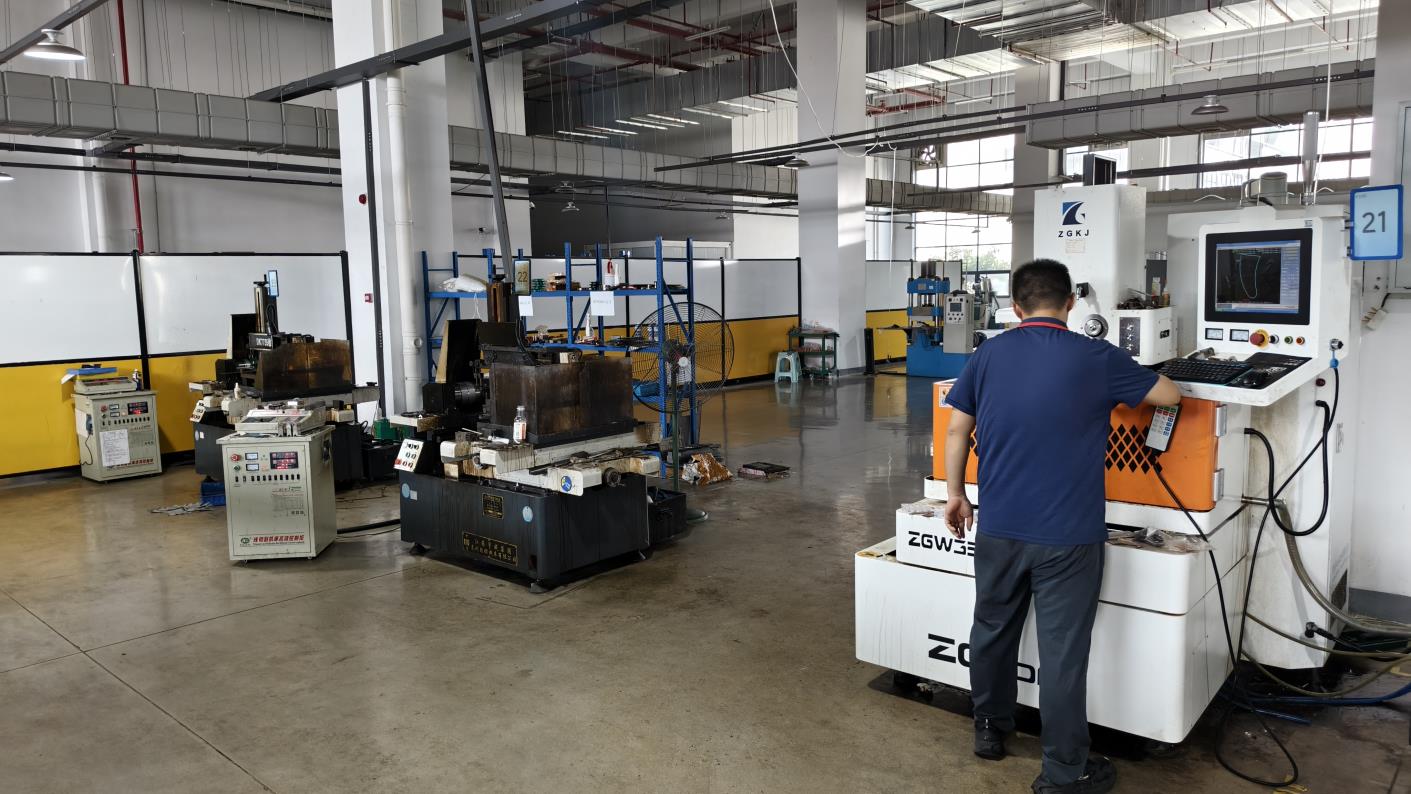
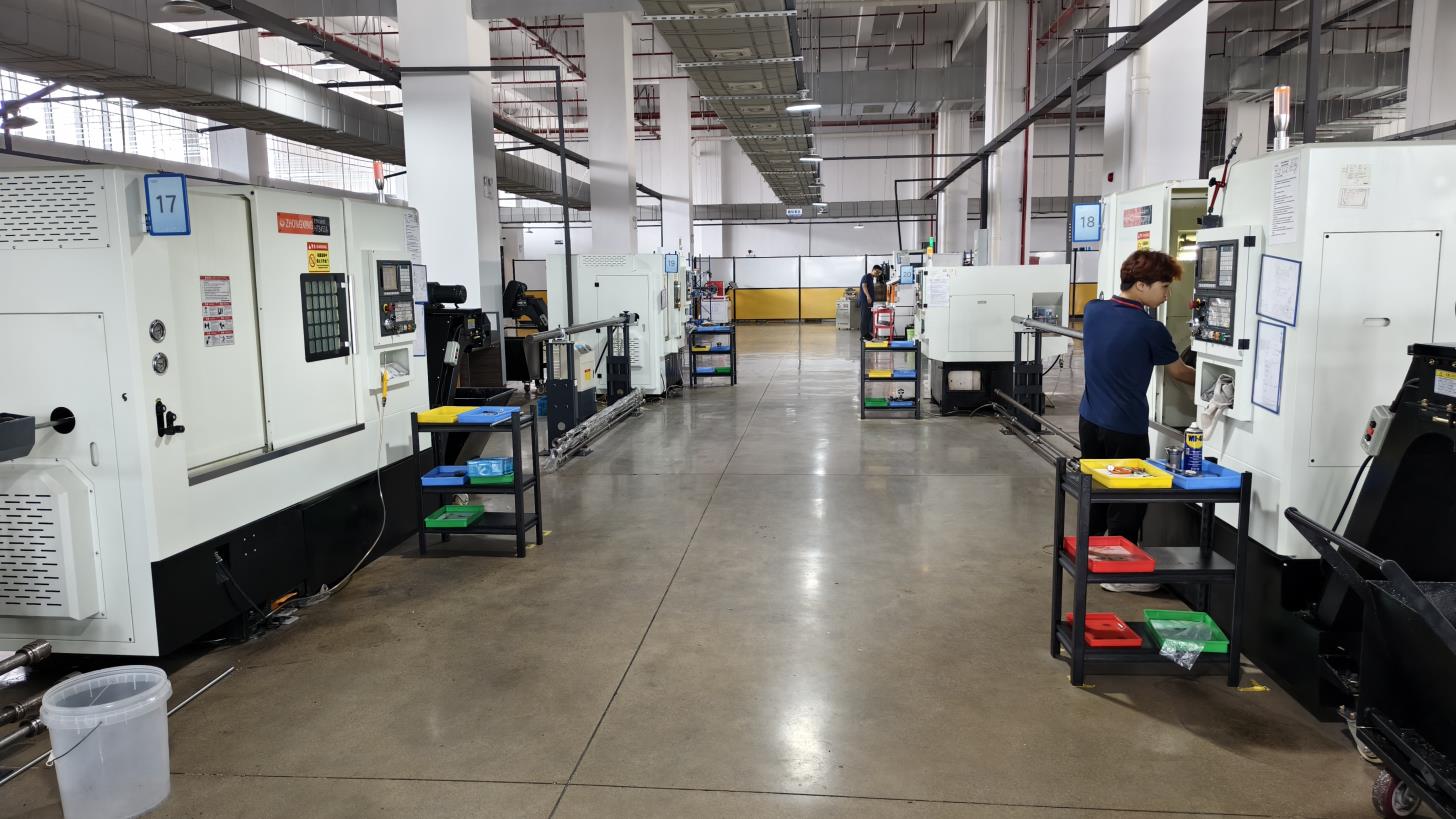
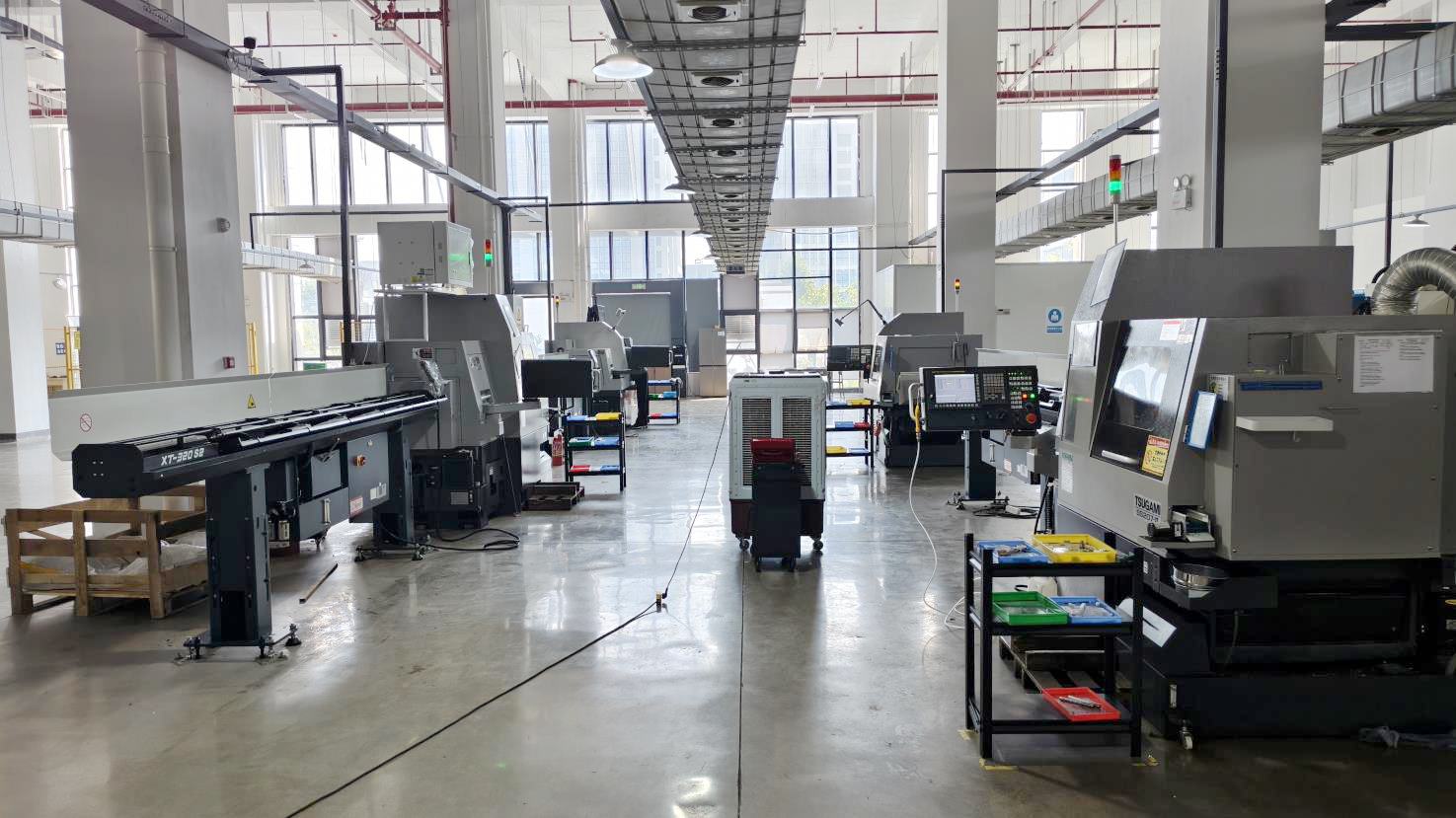
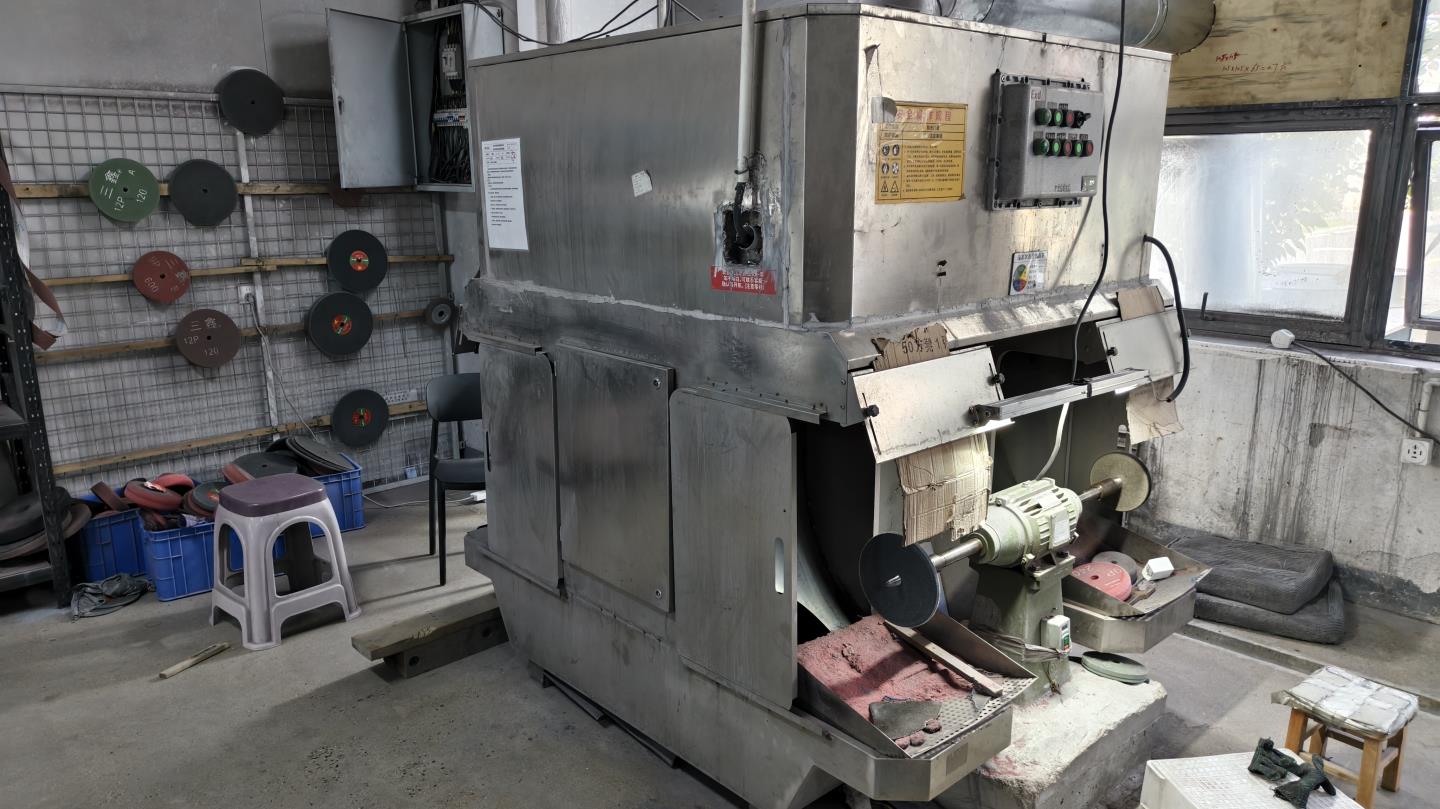
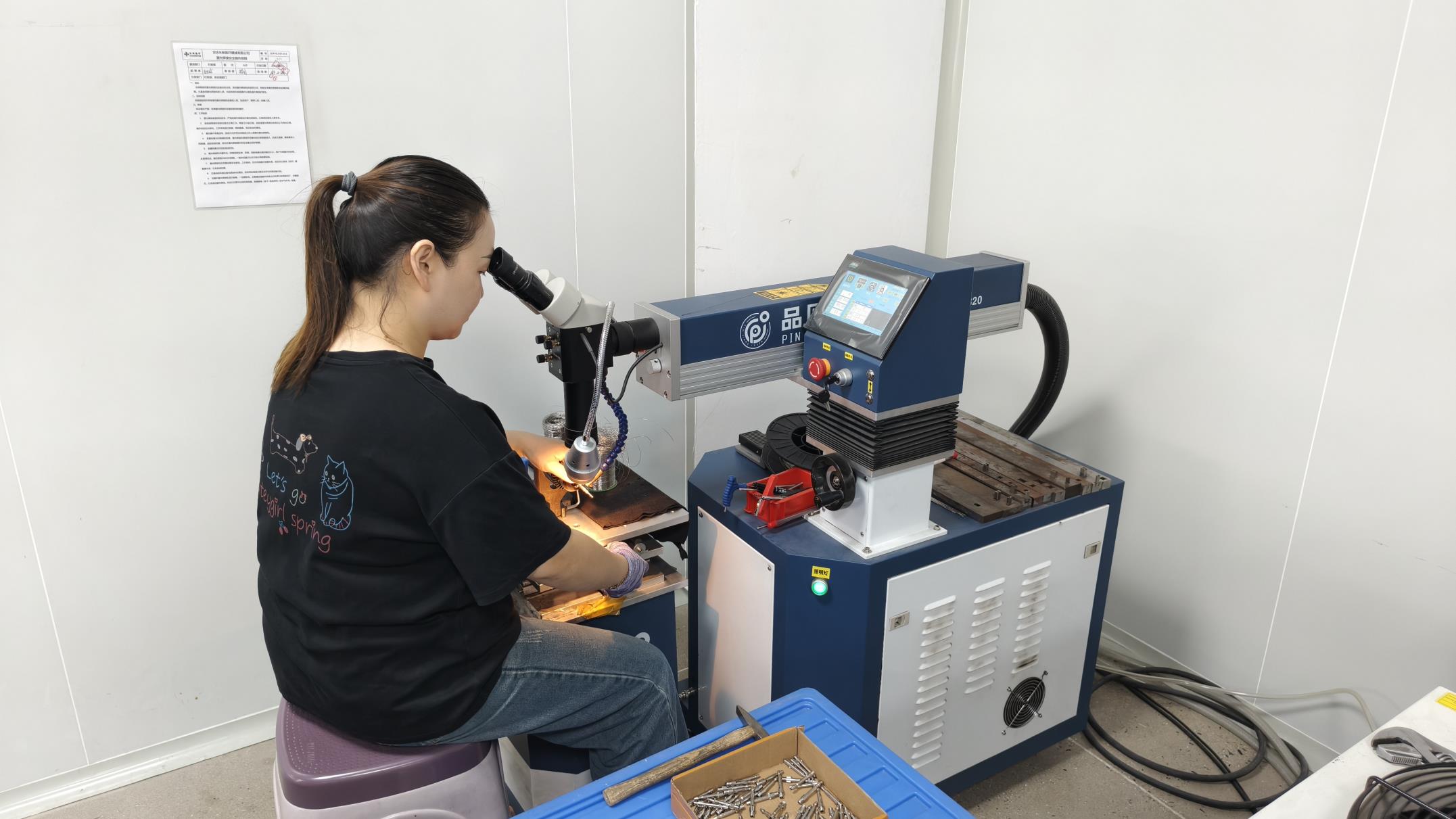
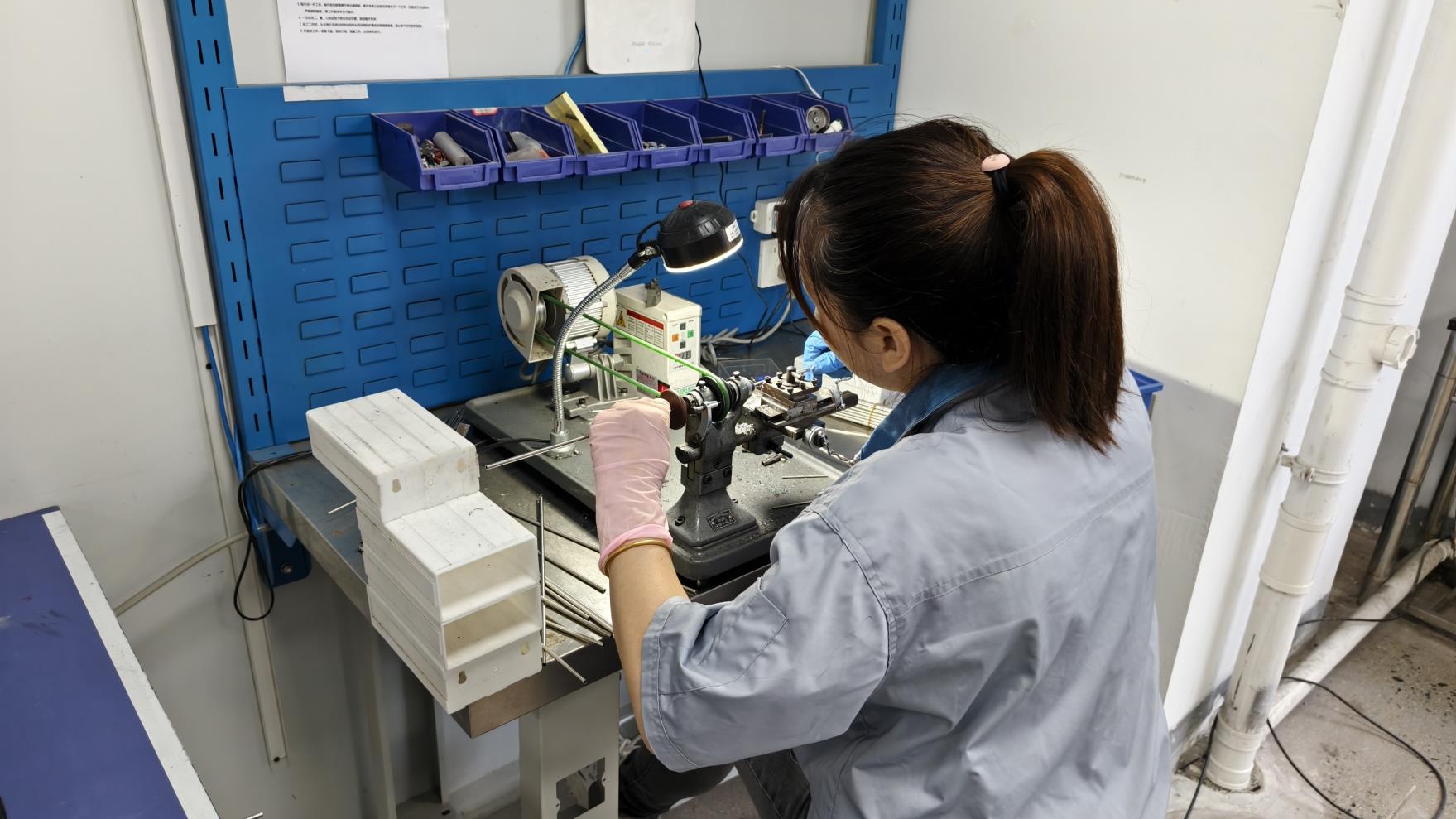
Our quality verification workflows utilize advanced test instrumentation to ensure product reliability.
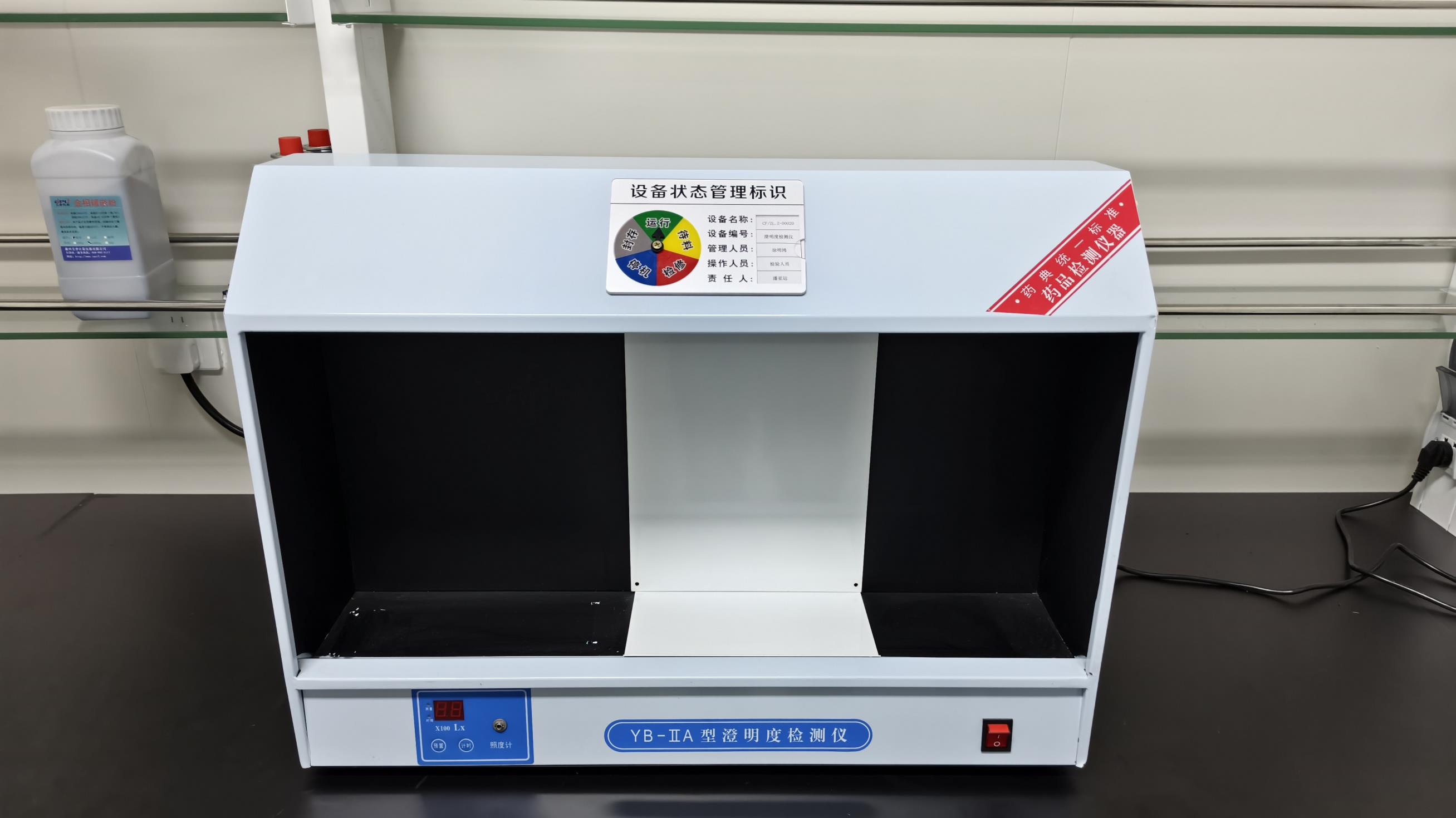
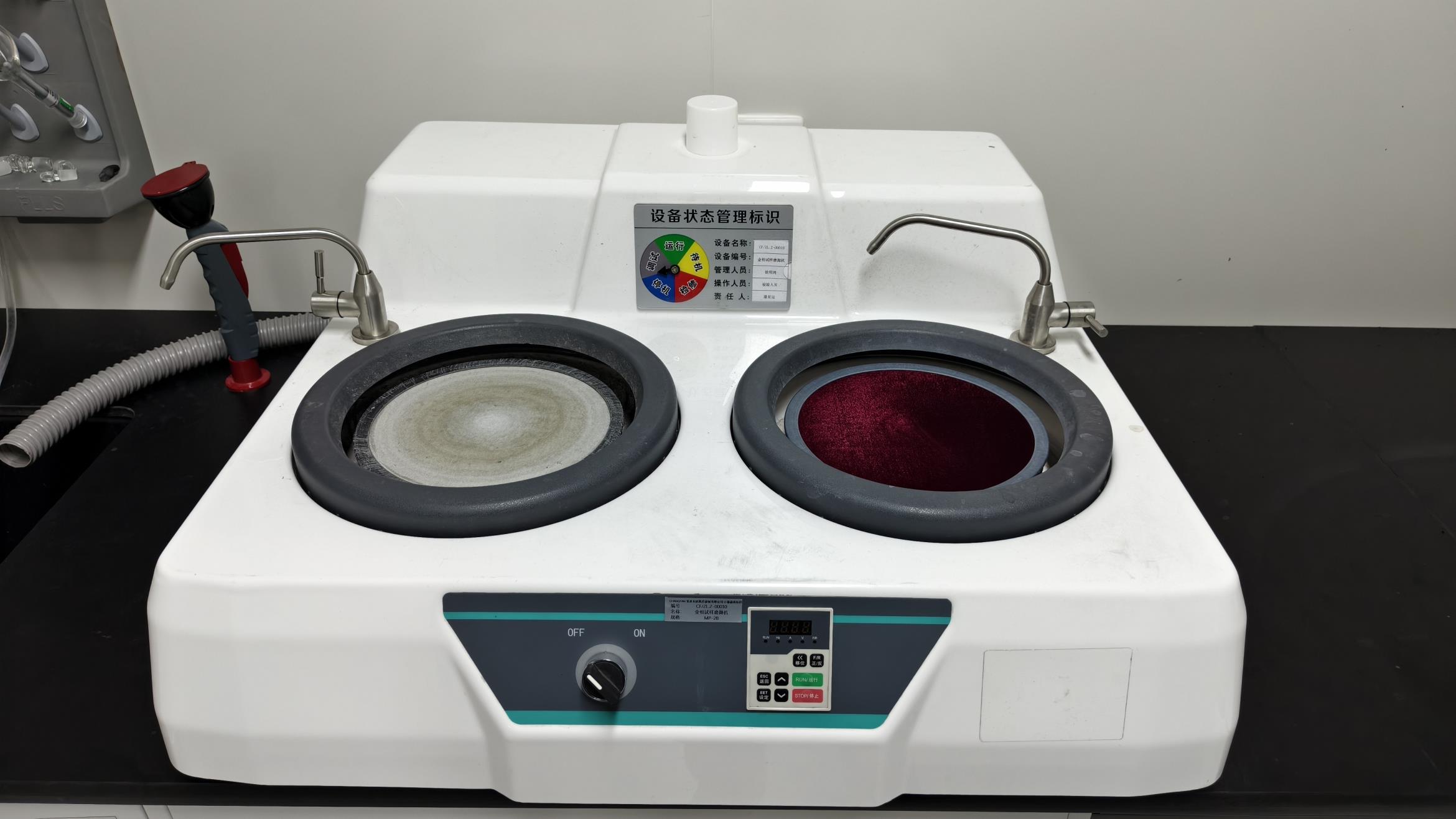
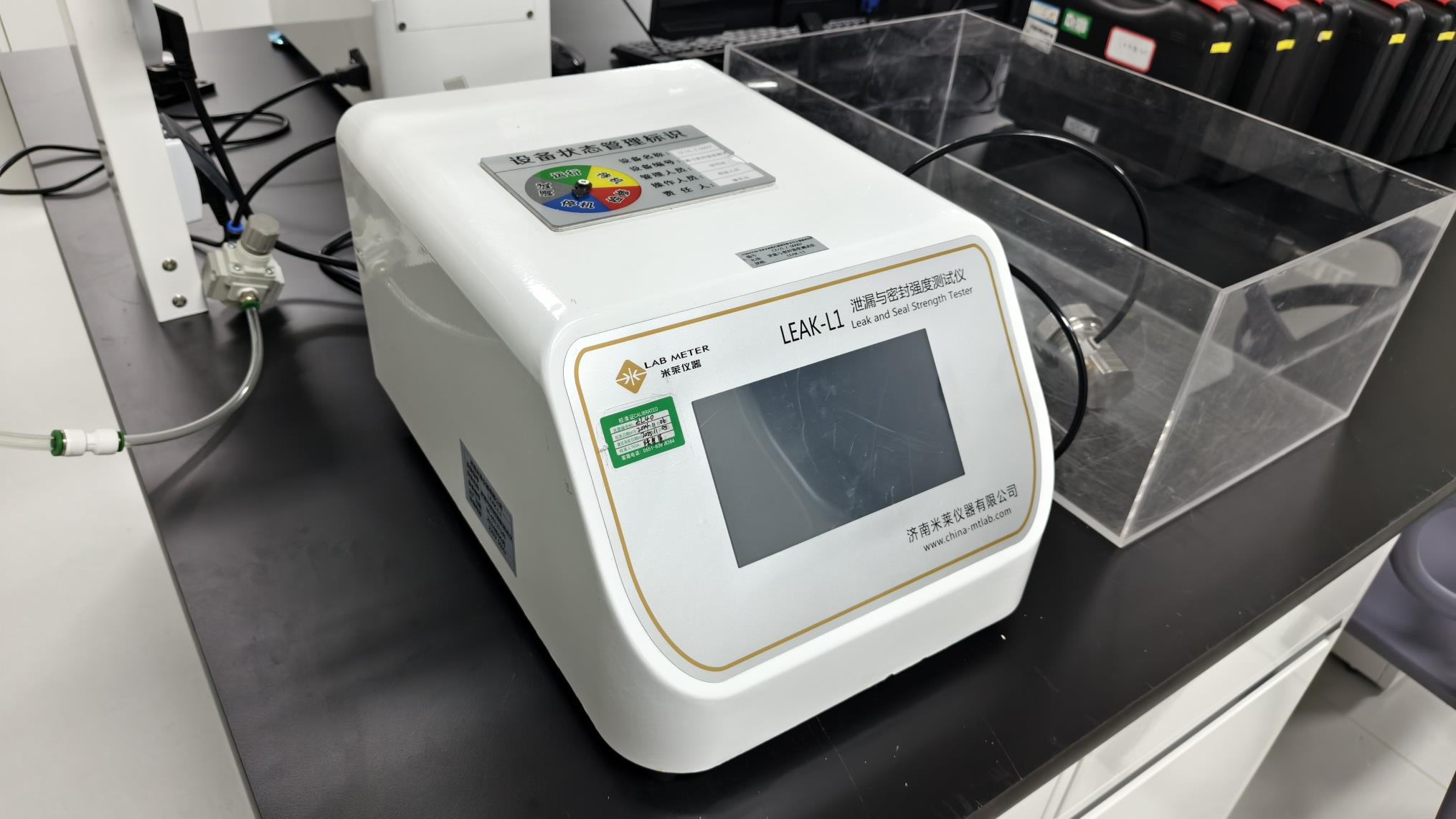
Technical insights into material dynamics, structural characteristics, and next-generation manufacturing paths.
High-performance PFNA nails must balance structural yield strength with biological compatibility. Synoviq uses premium titanium alloy (specifically ISO 5832-3 compliant Ti-6Al-4V ELI). This material features low levels of interstitial elements (oxygen, nitrogen, hydrogen, carbon), which improves fatigue limit and fracture toughness. This alloy reduces stress-shielding effects, promoting natural osseous remodeling around the implant shaft.
Dynamic hip lag screws require drilling out substantial portions of the femoral head core, which can compromise bone integrity. The PFNA helical blade avoids this by compacting cancellous tissue outward during insertion. This compaction creates a dense perimeter of bone that improves load distribution and increases torque-to-fail parameters.
To improve corrosion resistance and reduce metal ion release, all Synoviq implants undergo precise electrochemical anodizing. This process creates a controlled titanium dioxide (TiO₂) passivation layer. In clinical settings, this layer minimizes tissue friction, reduces bacterial adhesion, and provides clear color coding for surgical identification.
Orthopedic trauma solutions are shifting toward functionalized implants. R&D teams are exploring hydroxyapatite (HA) plasma-sprayed coats and bioabsorbable silver-ion formulations to support bone healing and prevent infection. Synoviq's future roadmap also includes designing active telemetry-based strain implants to monitor real-time union rates during rehabilitation.
How B2B procurement managers can evaluate factories to secure consistent supply chains, reduce risks, and maintain regulatory compliance.
B2B medical device supply chains require strict regulatory oversight. Synoviq maintains robust quality management frameworks aligned with international standards:
We customize sizing profiles, instrumentation designs, and branding to meet regional requirements:
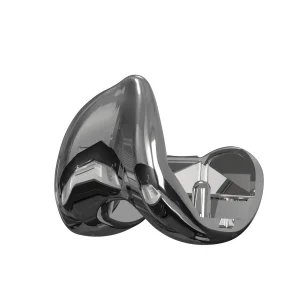
Comprehensive orthopedic solutions, including spinal fixators, cannulated locking screws, and total knee replacement kits.
Answering common technical, regulatory, and logistics questions from B2B orthopedic buyers and distributors.
 Synoviq Medical