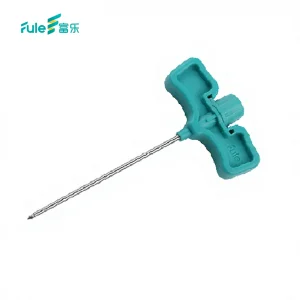
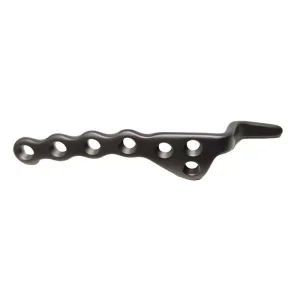
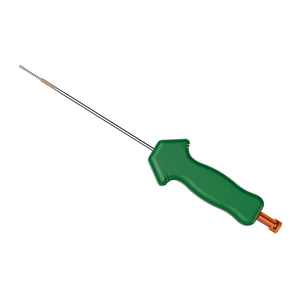
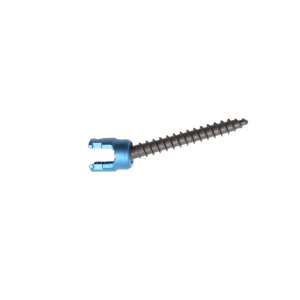
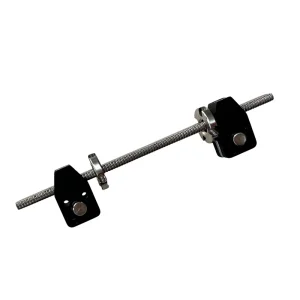
Precision-engineered spinal fixation components, trauma plates, and implantable systems matching absolute regulatory excellence.
The biomechanical complexities and surgical engineering demands of craniocervical junction (CCJ) reconstruction.
Occipito-cervical fixation (OCF) represents one of the most mechanically demanding procedures in orthopedic spine surgery. The craniocervical junction (CCJ)—comprising the occipital bone, the atlas (C1), and the axis (C2)—possesses unique anatomical features that dictate wide ranges of motion while protecting vital neuromuscular channels. When pathological instability arises from trauma, rheumatoid arthritis, congenital malformation, or oncological resections, stabilization requires structural implants engineered to support multi-axial stress while fostering biological arthrodesis.
Occipito-cervical plates must be pre-contoured or intraoperatively bendable to fit the anatomy of the posterior occipital bone. The bone thickness is greatest at the external occipital protuberance and the superior nuchal line, where bicortical screws can achieve maximum torque and pull-out resistance without damaging intracranial venous sinuses.
The transition zone between the rigid skull and the mobile cervical spine experiences substantial leverage. The fixation constructs must balance structural stiffness to prevent failure under loading and dynamic flexibility to load-share, optimizing fusion rates and reducing the risk of adjacent segment degeneration.
Utilizing Grade 5 Titanium Alloy (Ti-6Al-4V ELI) or Medical-Grade PEEK ensures high fatigue strength, minimal imaging artifacts under MRI or CT scans, and a modulus of elasticity close to human bone structure, minimizing stress shielding.
Empowering orthopedic surgery with world-class production, compliance, and international manufacturing standards.
Synoviq Medical Technology (China) Co., Ltd. is a professional manufacturer of orthopedic implants and surgical instruments, dedicated to delivering innovative, reliable, and high-quality medical solutions for healthcare professionals worldwide. Since its establishment, Synoviq has focused on research, development, precision manufacturing, and international quality standards, providing comprehensive OEM and ODM services for global medical device brands, distributors, and hospitals.
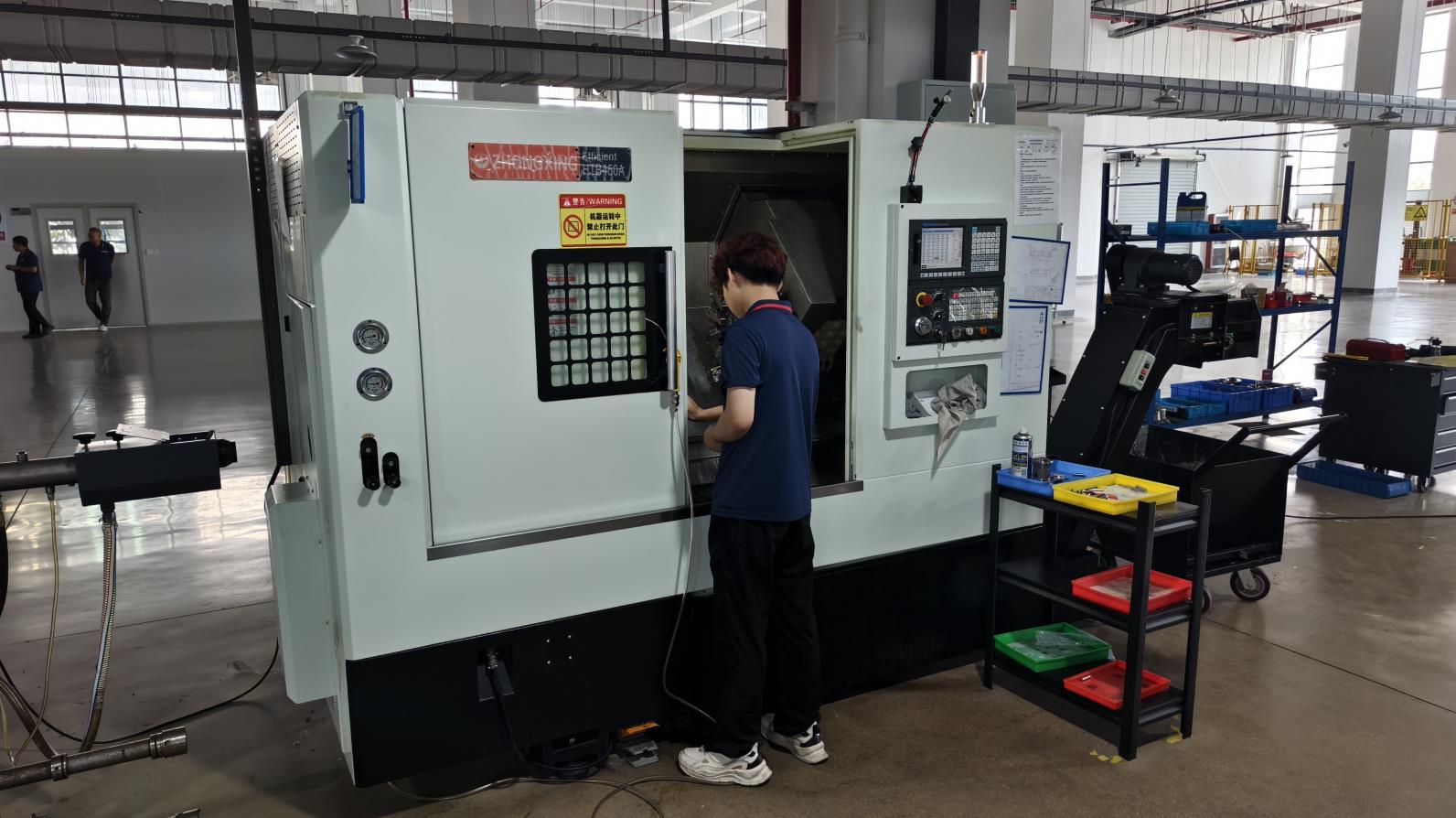
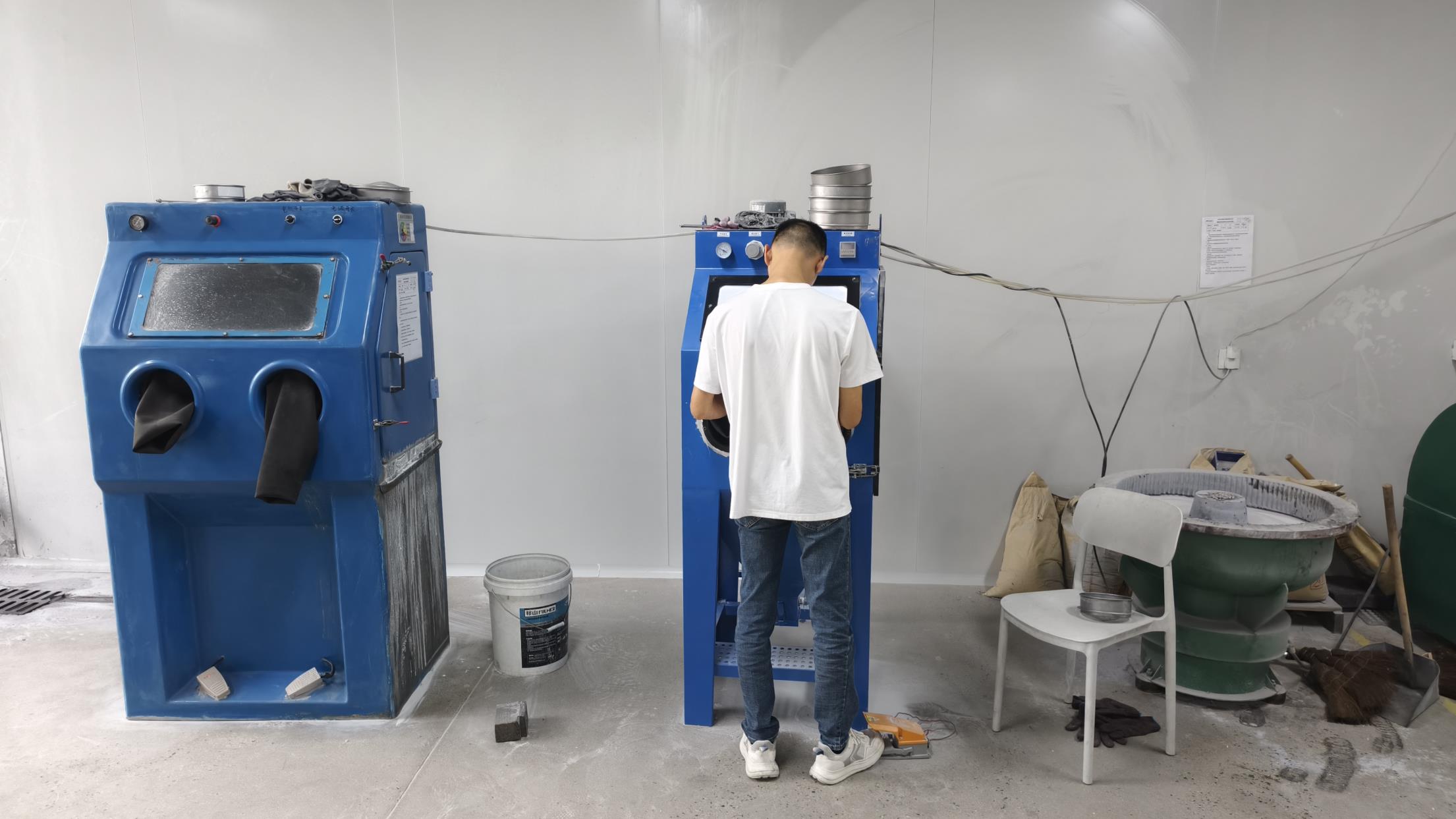
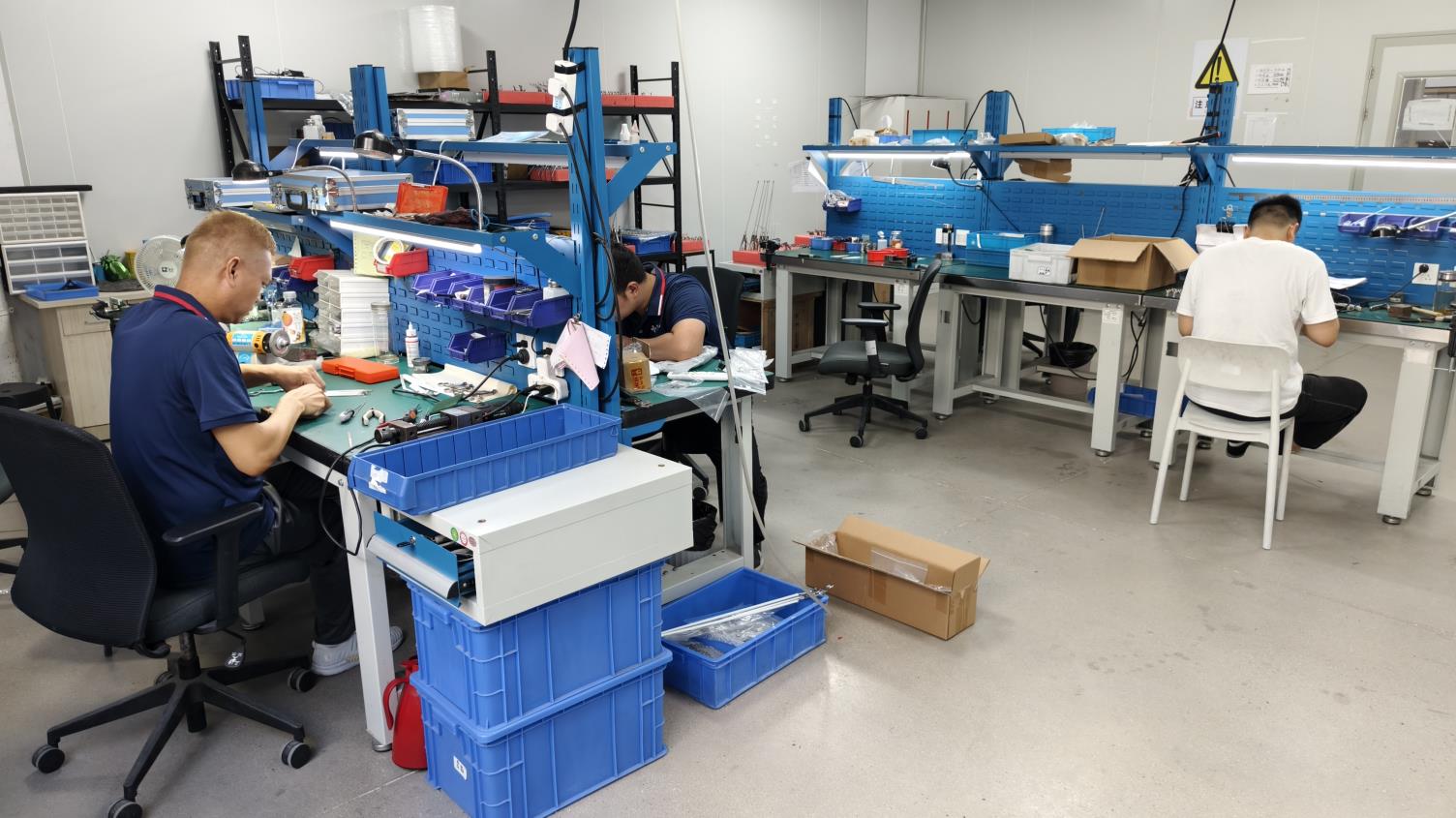
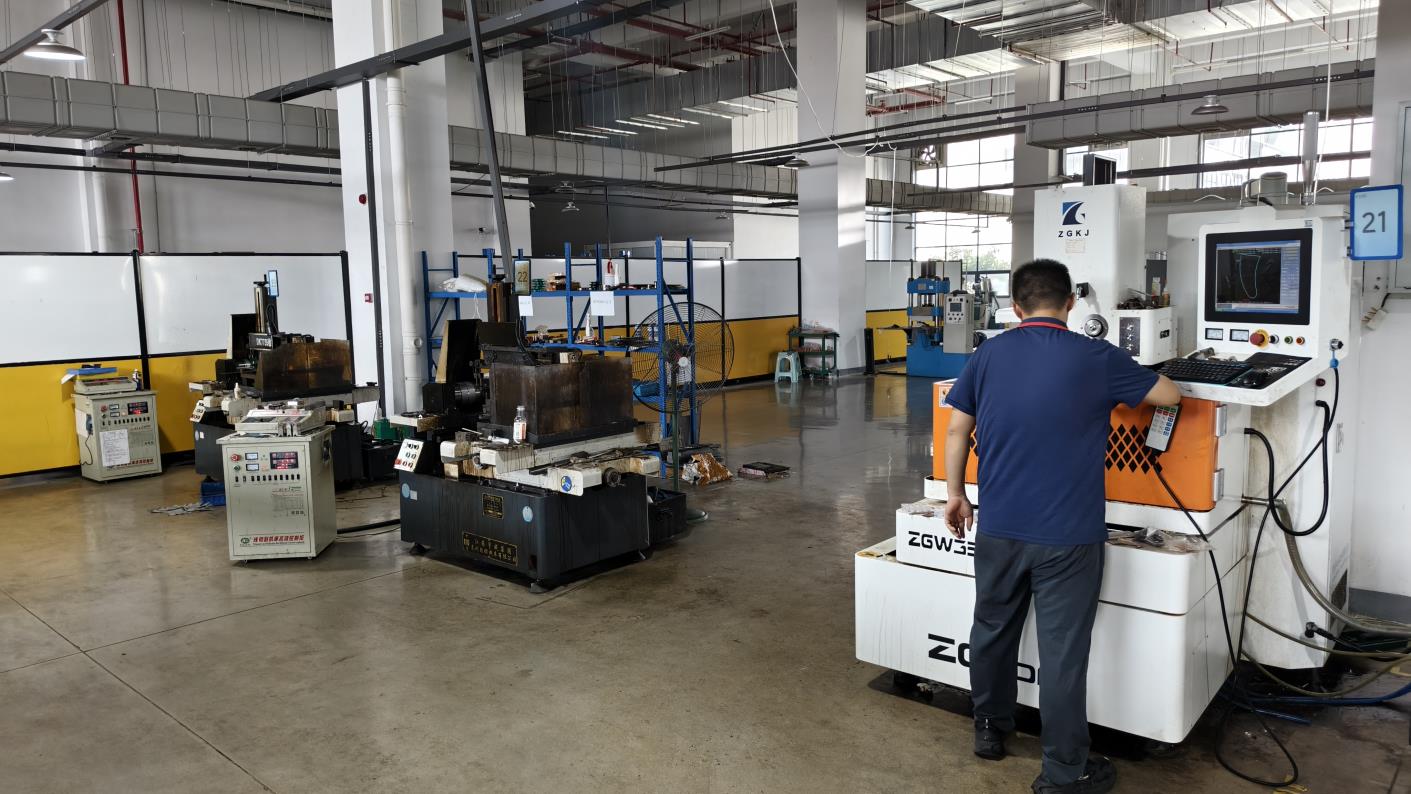
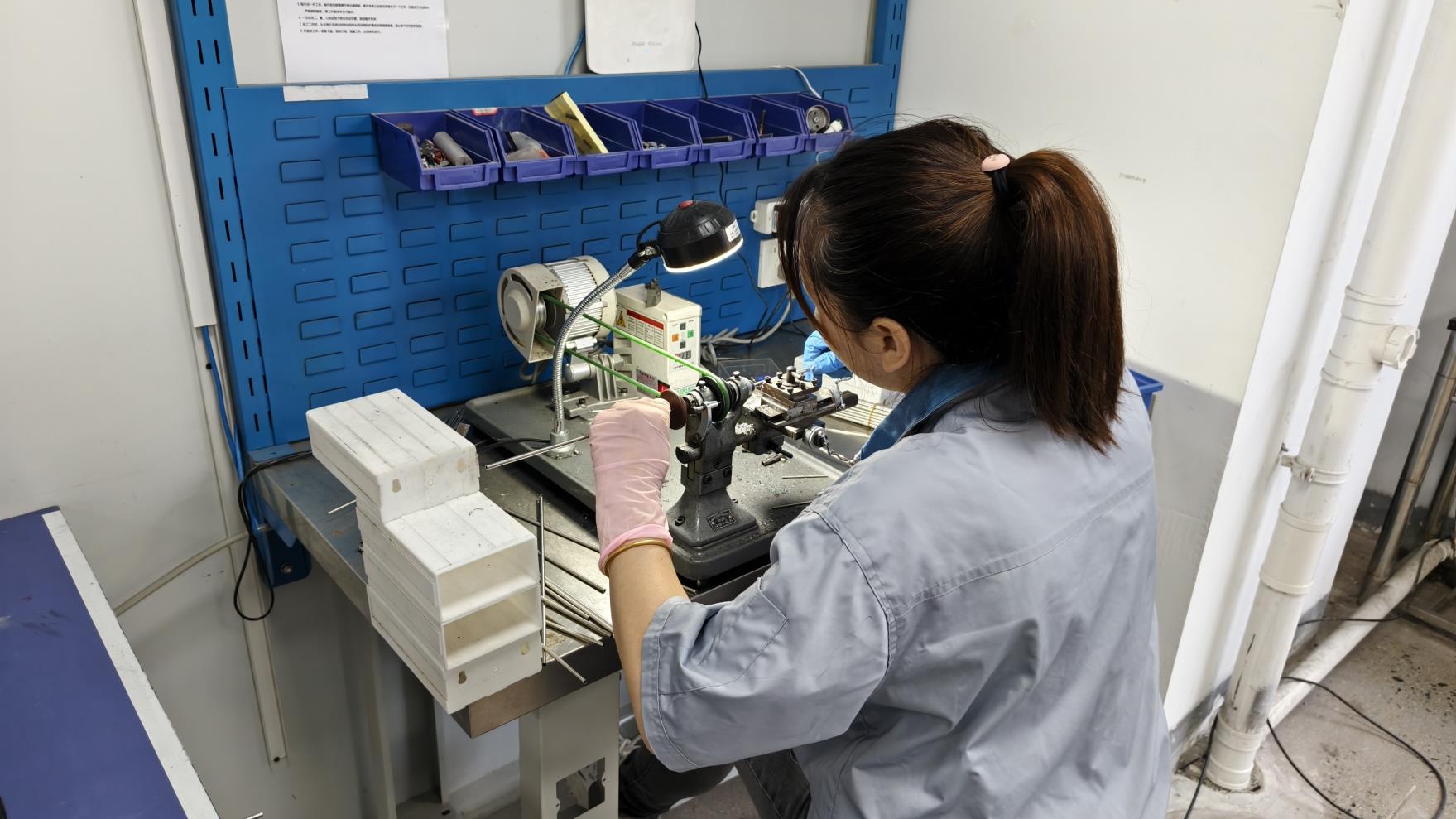
Our product portfolio includes trauma fixation systems, spinal implants, locking plates, intramedullary nails, external fixation systems, orthopedic screws, surgical instruments, and customized orthopedic solutions. Equipped with advanced CNC machining centers, precision inspection equipment, and modern clean production facilities, we ensure every product meets strict international quality requirements.
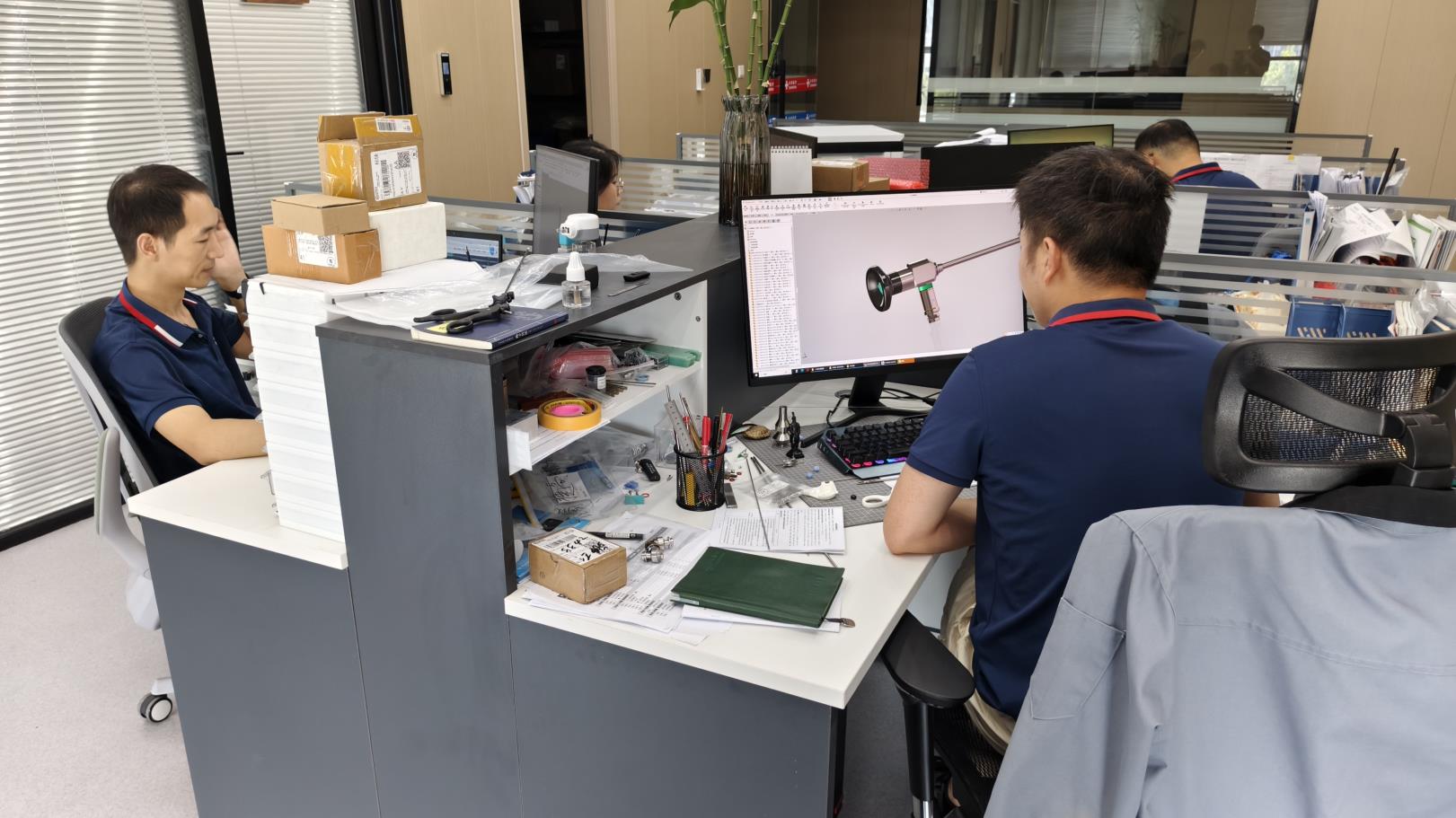
Driven by continuous innovation, Synoviq invests heavily in R&D and intelligent manufacturing to enhance product performance, surgical efficiency, and patient outcomes. Our experienced engineering team works closely with customers to develop customized products tailored to different clinical applications and market demands.
With a customer-oriented philosophy, competitive pricing, stable supply capability, and efficient technical support, Synoviq has established long-term partnerships with distributors, medical brands, and healthcare organizations across Europe, North America, South America, the Middle East, and Asia-Pacific.
Our commitment is rooted in scientific validation, strict raw material origin traceabilities, and thorough product inspection methods. Operating 100% Final Inspection systems guarantees that every spine screw, plate, or instrument set entering a clinical environment performs flawlessly.
| Item | Information |
|---|---|
| Company Name | Synoviq Medical Technology (China) Co., Ltd. |
| Brand | Synoviq |
| Established | March 18, 2016 |
| Building Area | 18,600 m² |
| Annual Export Revenue | USD 21.8 Million |
| Export Experience | 8 Years |
| Industry Experience | 14 Years |
| Quality Inspection | 100% Final Inspection & Incoming Material Inspection |
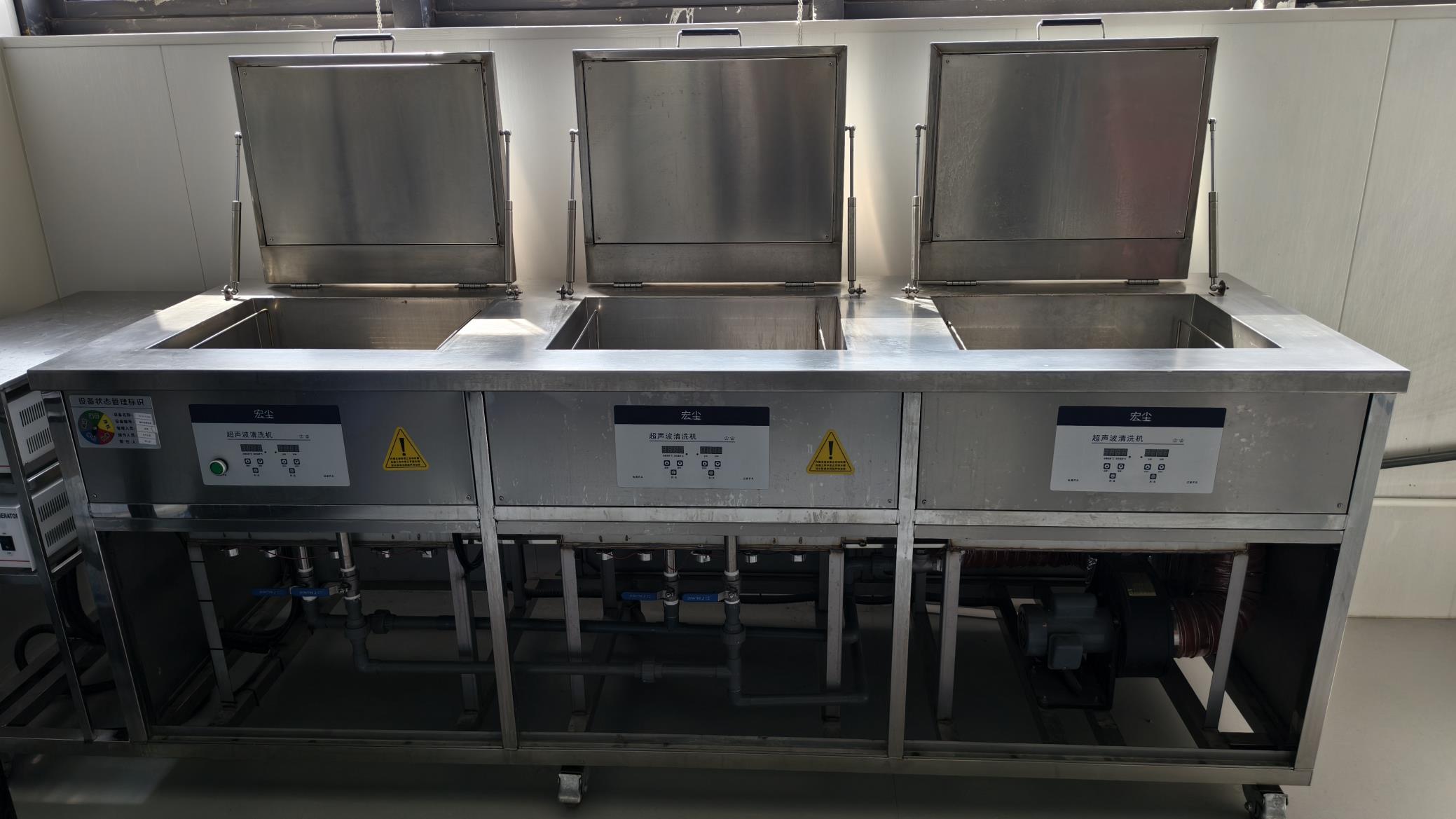
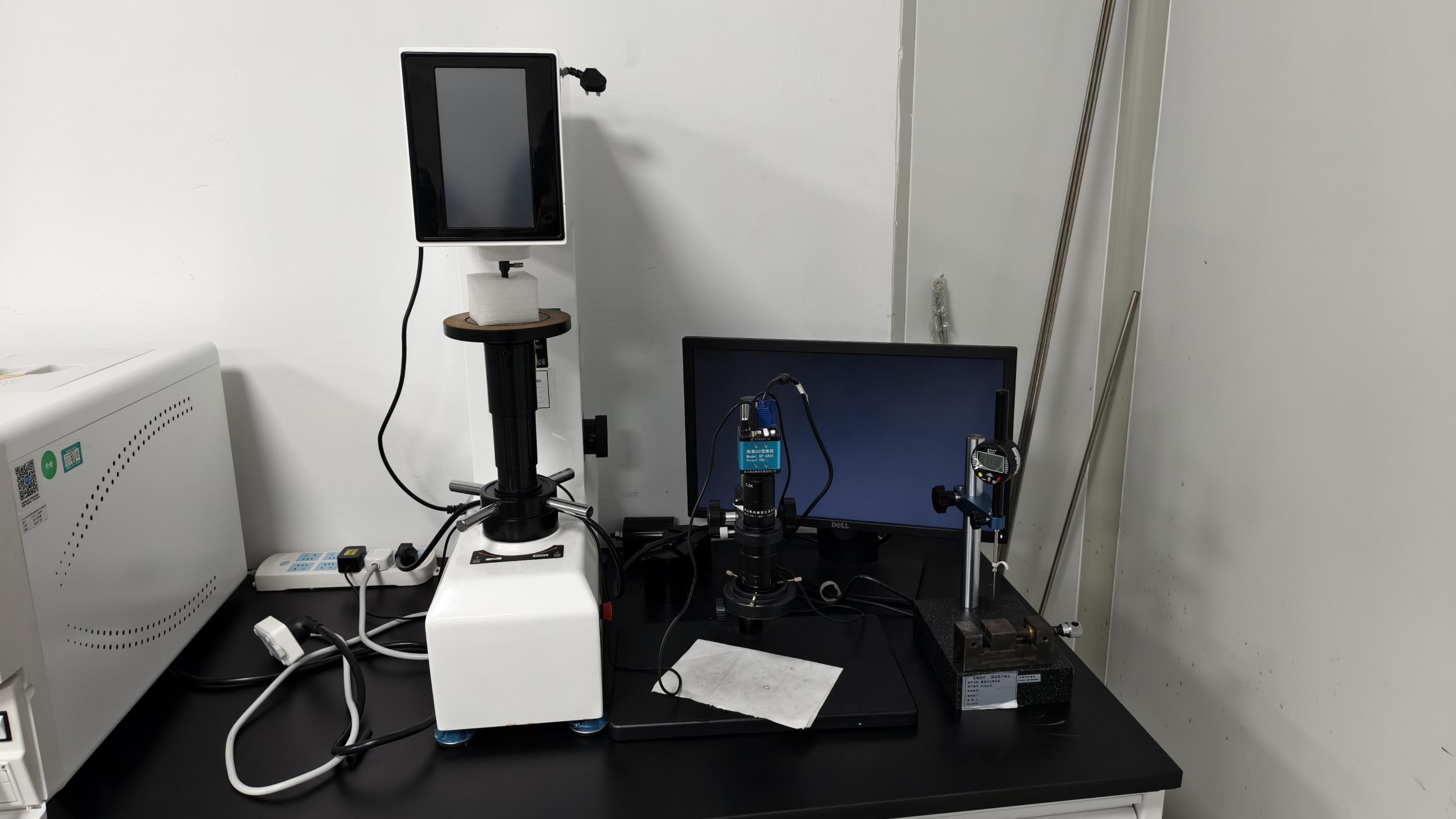
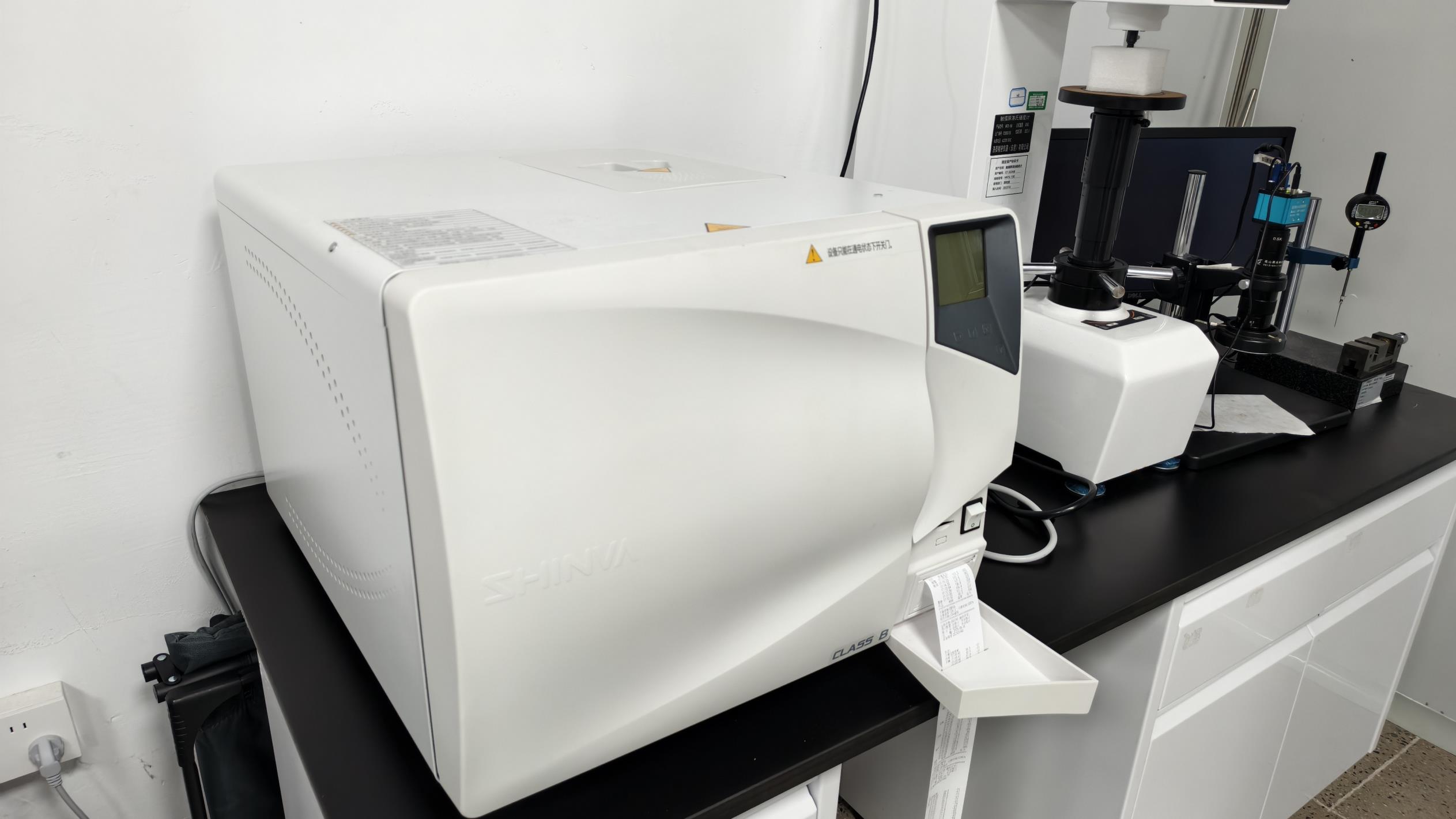
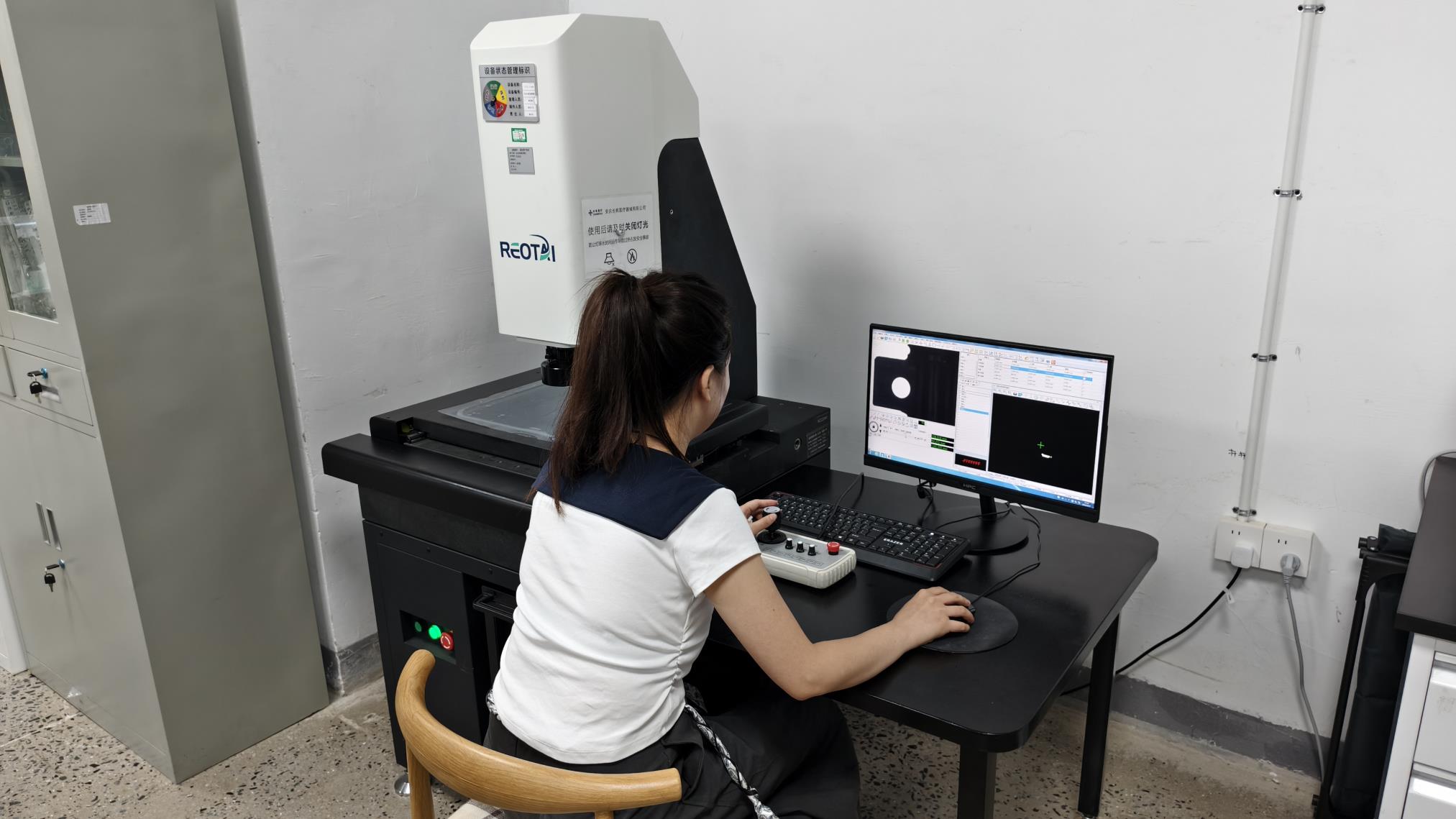
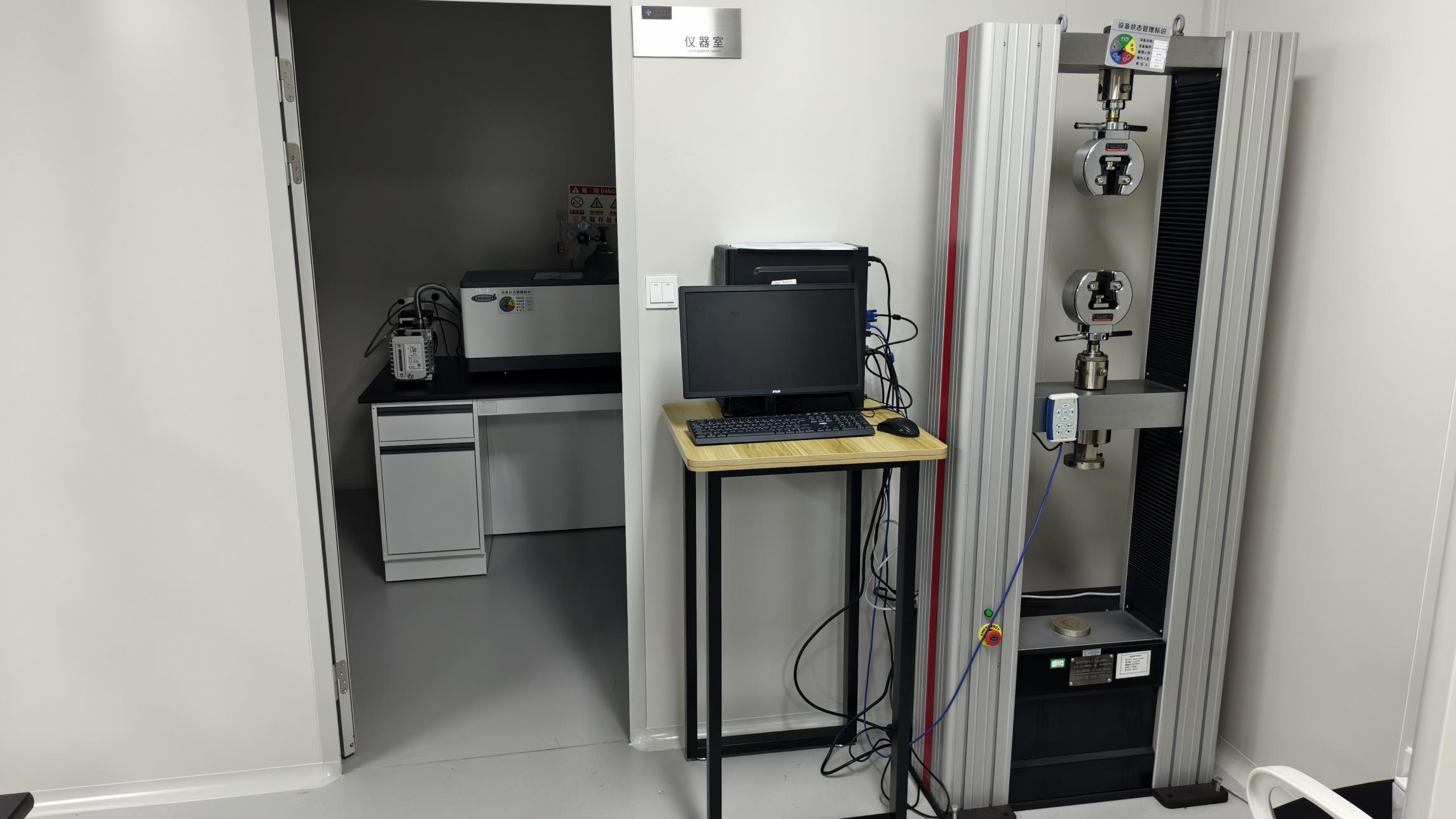
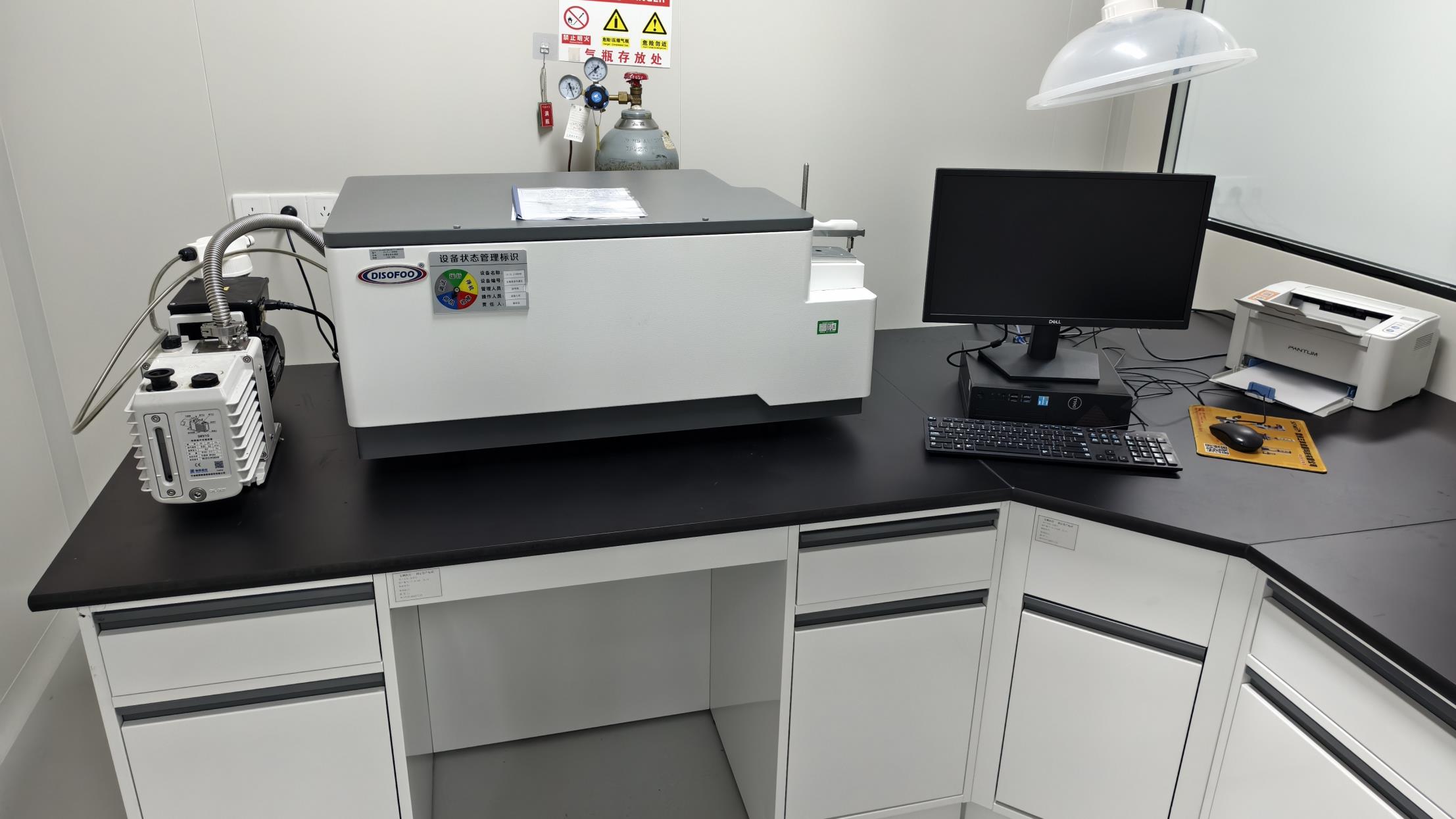
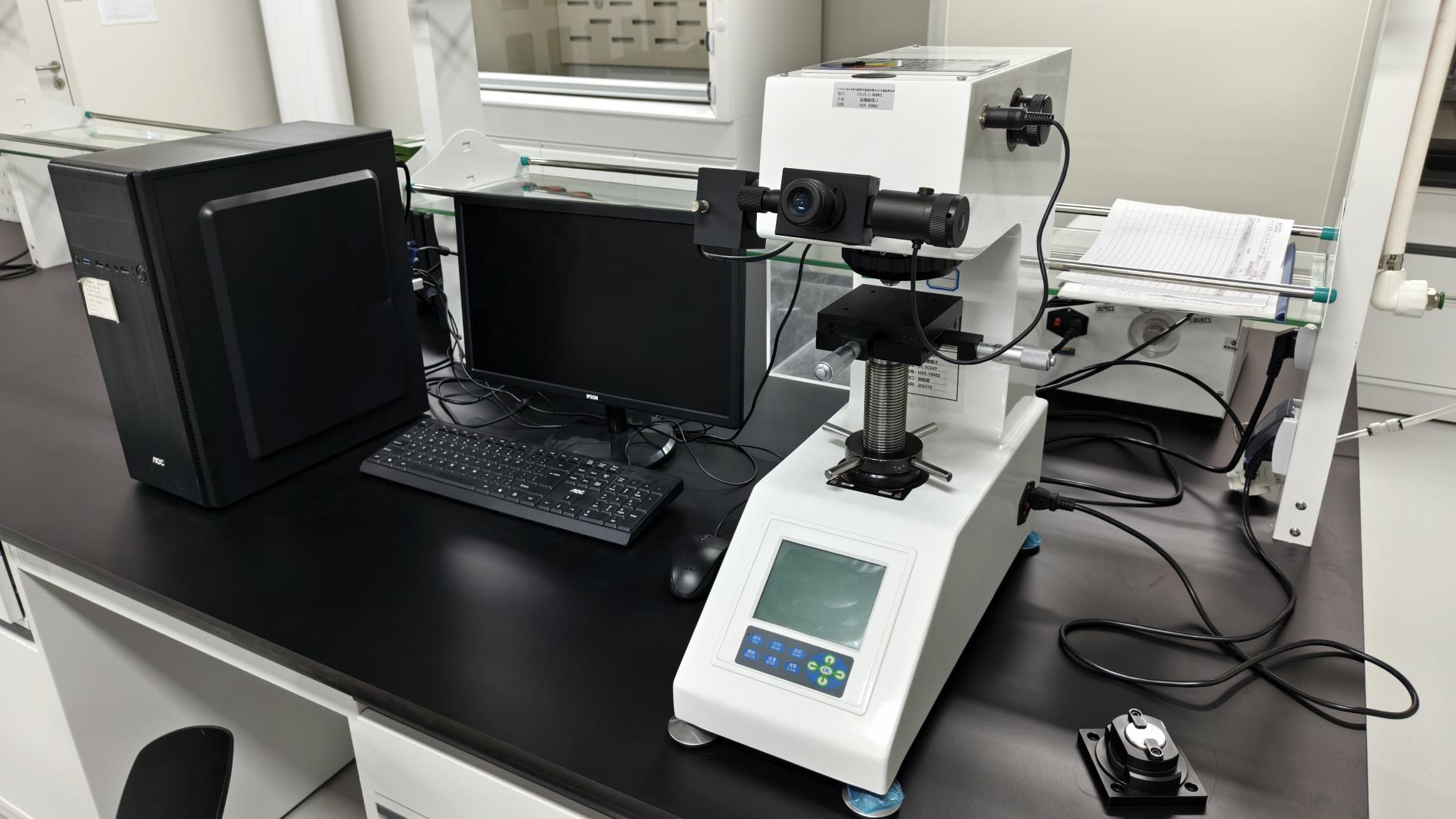
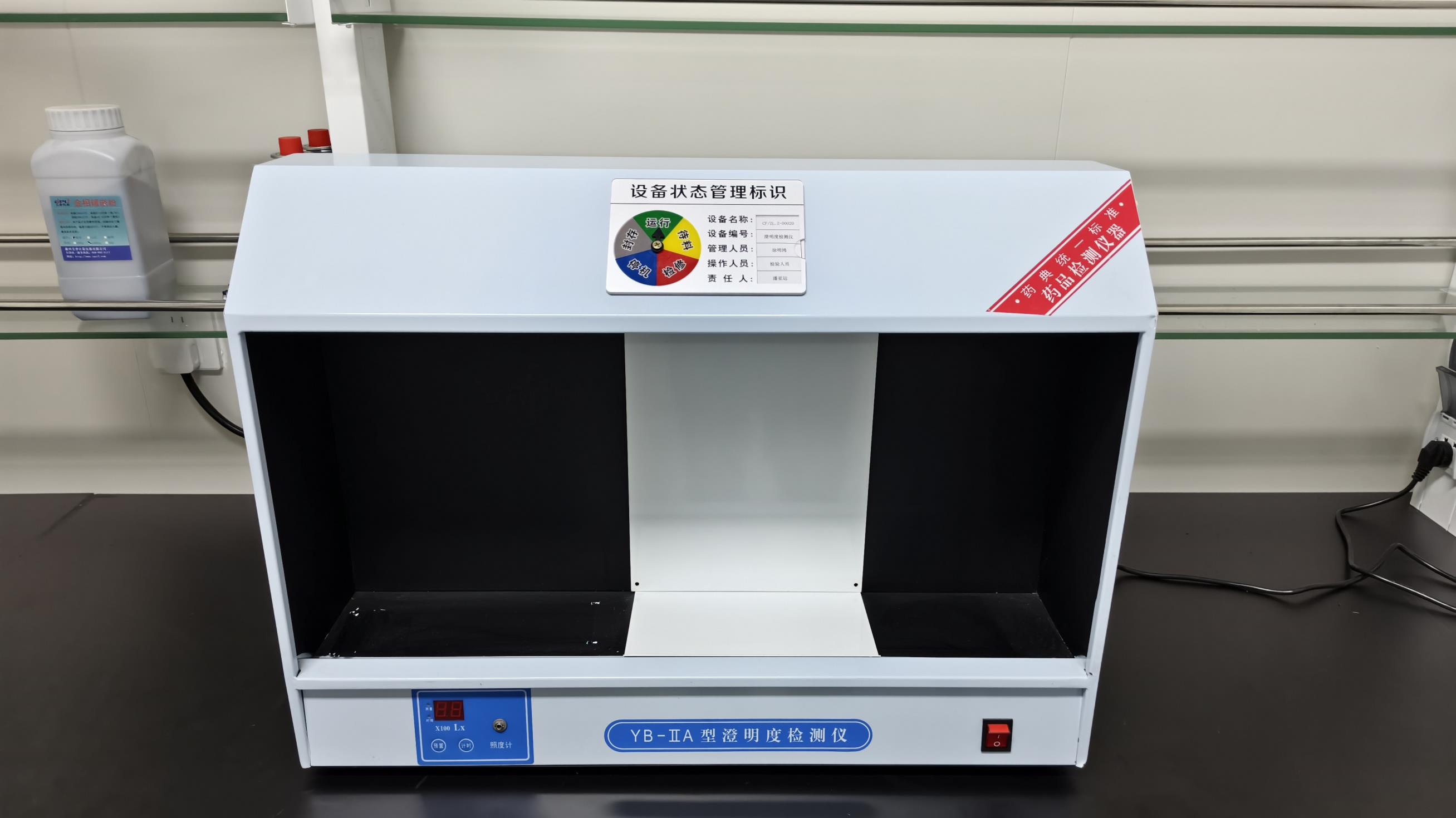
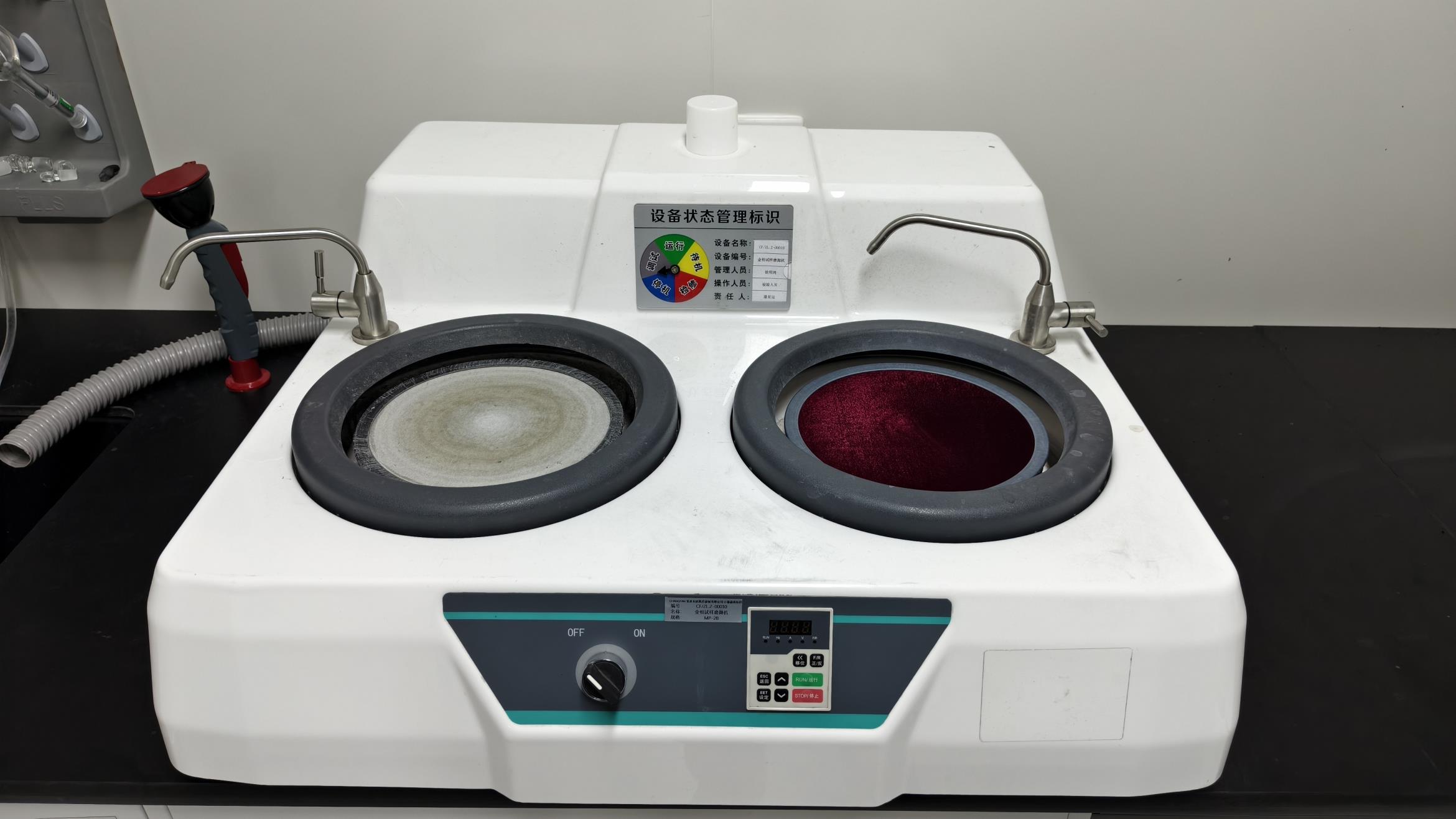
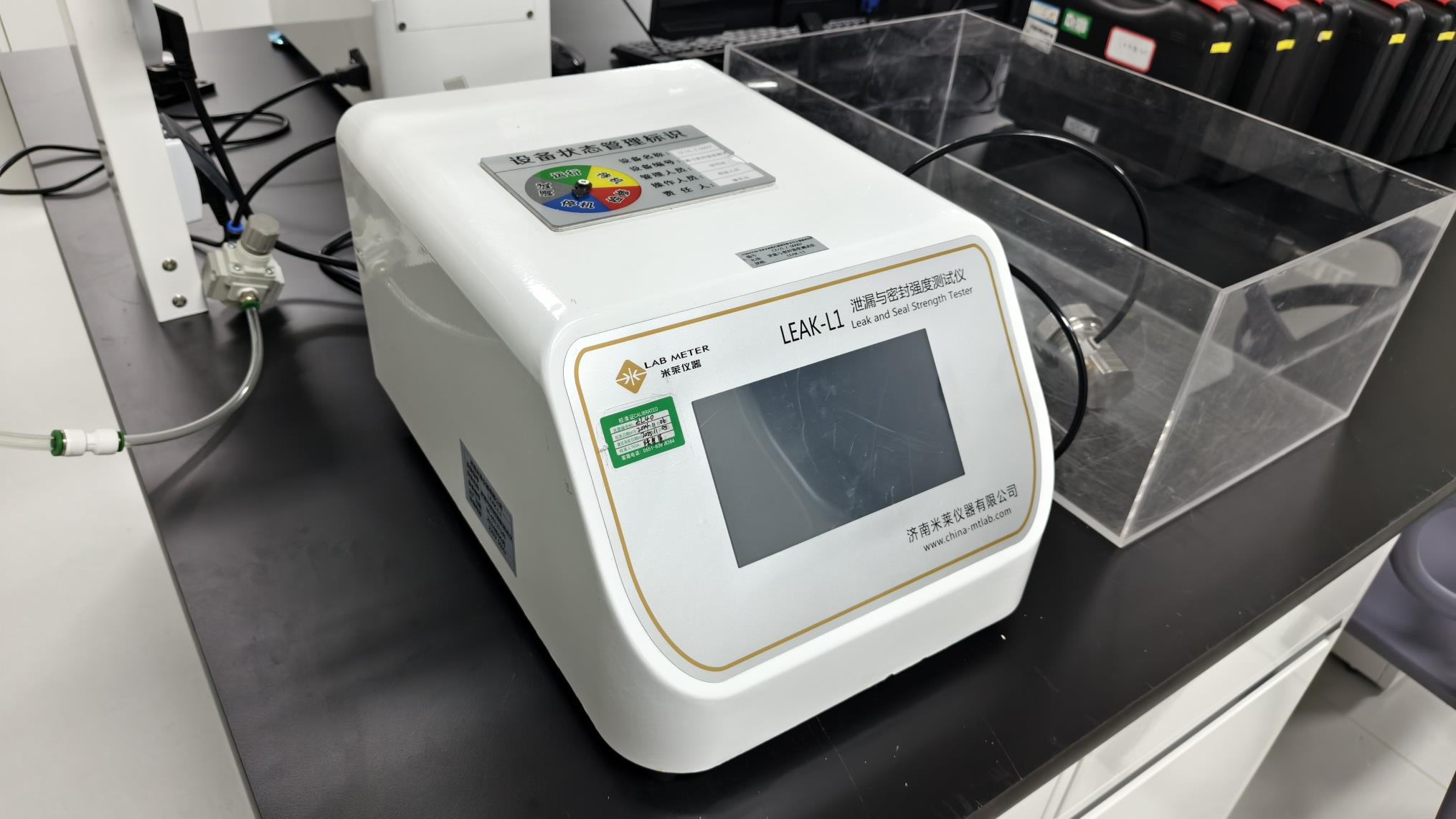
| Product Inspection Methods | CMM Measurement, Mechanical Testing, Surface Roughness Testing, Hardness Testing, Salt Spray Testing, Sterility Validation |
| Quality Control Staff | 48 |
| Business Type | Manufacturer & Exporter (OEM/ODM) |
| Main Markets | Europe, North America, South America, Middle East, Southeast Asia |
| Supply Chain Partners | 1,120+ |
| Main Customer Types | Medical Device Brands, Importers, Distributors, Hospitals, Government Procurement Projects |
| R&D Capability | Independent Product Design, Prototype Development, Clinical-Oriented Engineering, OEM & ODM Development |
| Customization Options | Logo Customization, Packaging Customization, Product Design Customization, Material Selection, Surface Treatment |
| New Products Released Last Year | 186 |
| R&D Engineers | 76 |
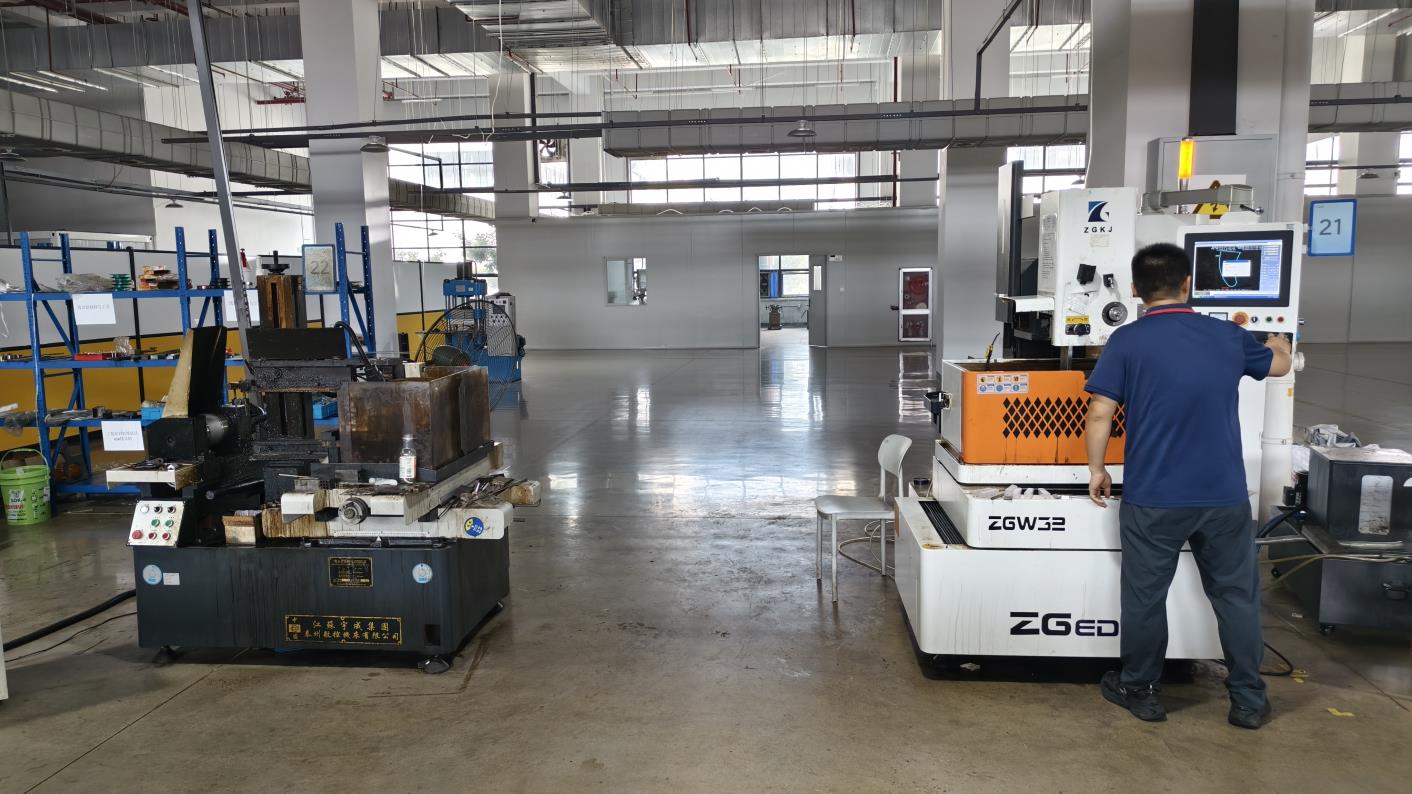
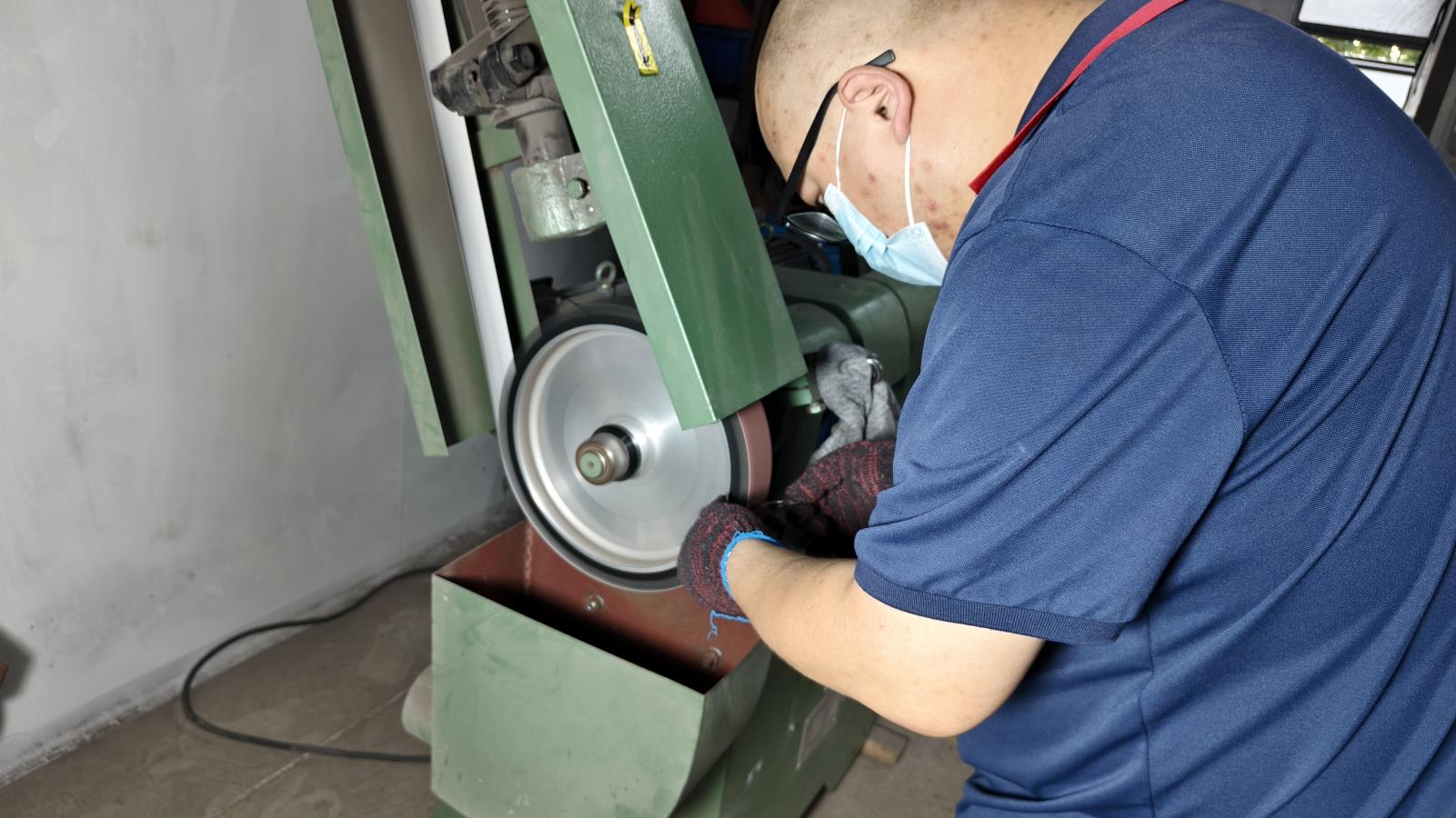
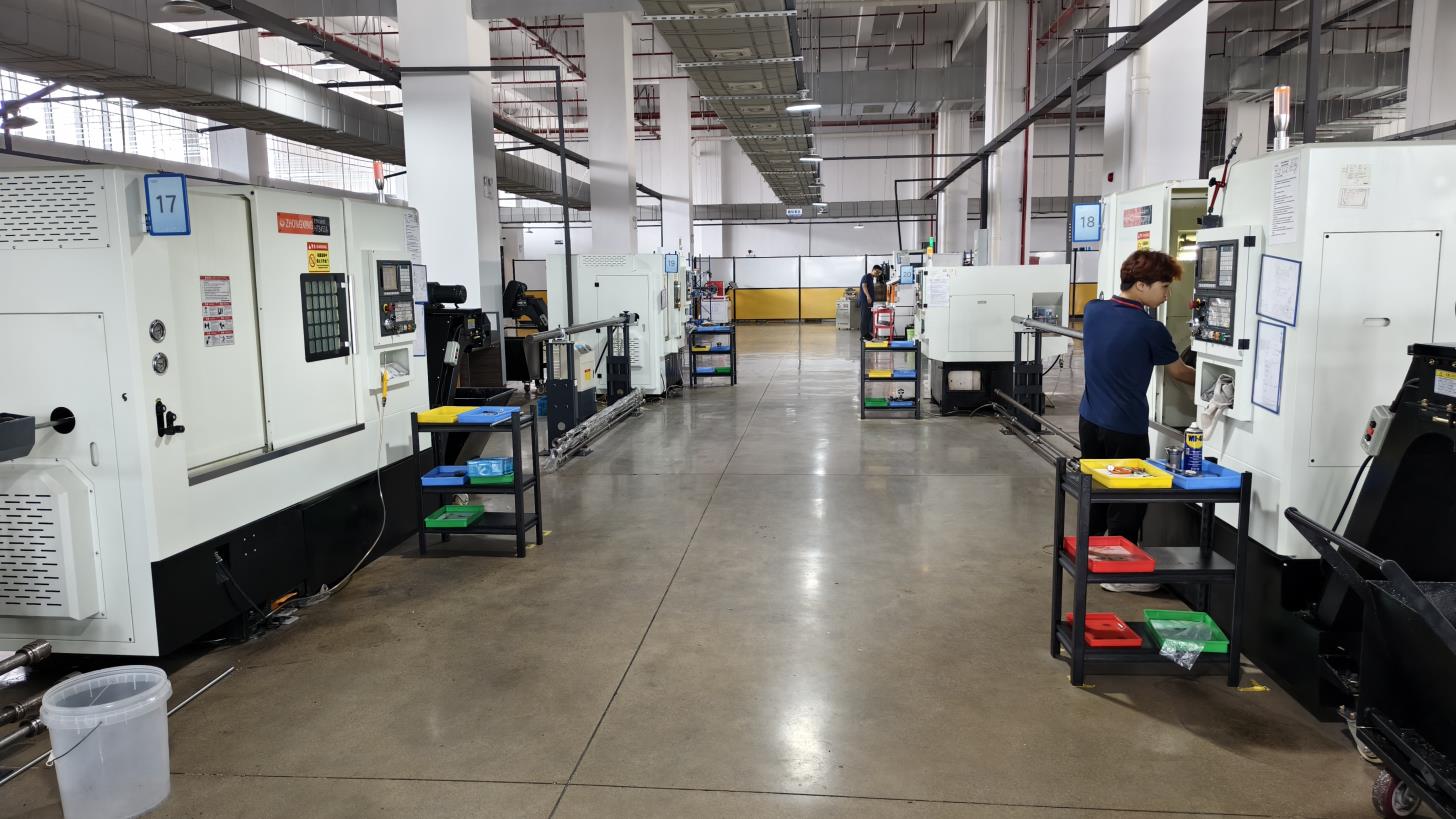
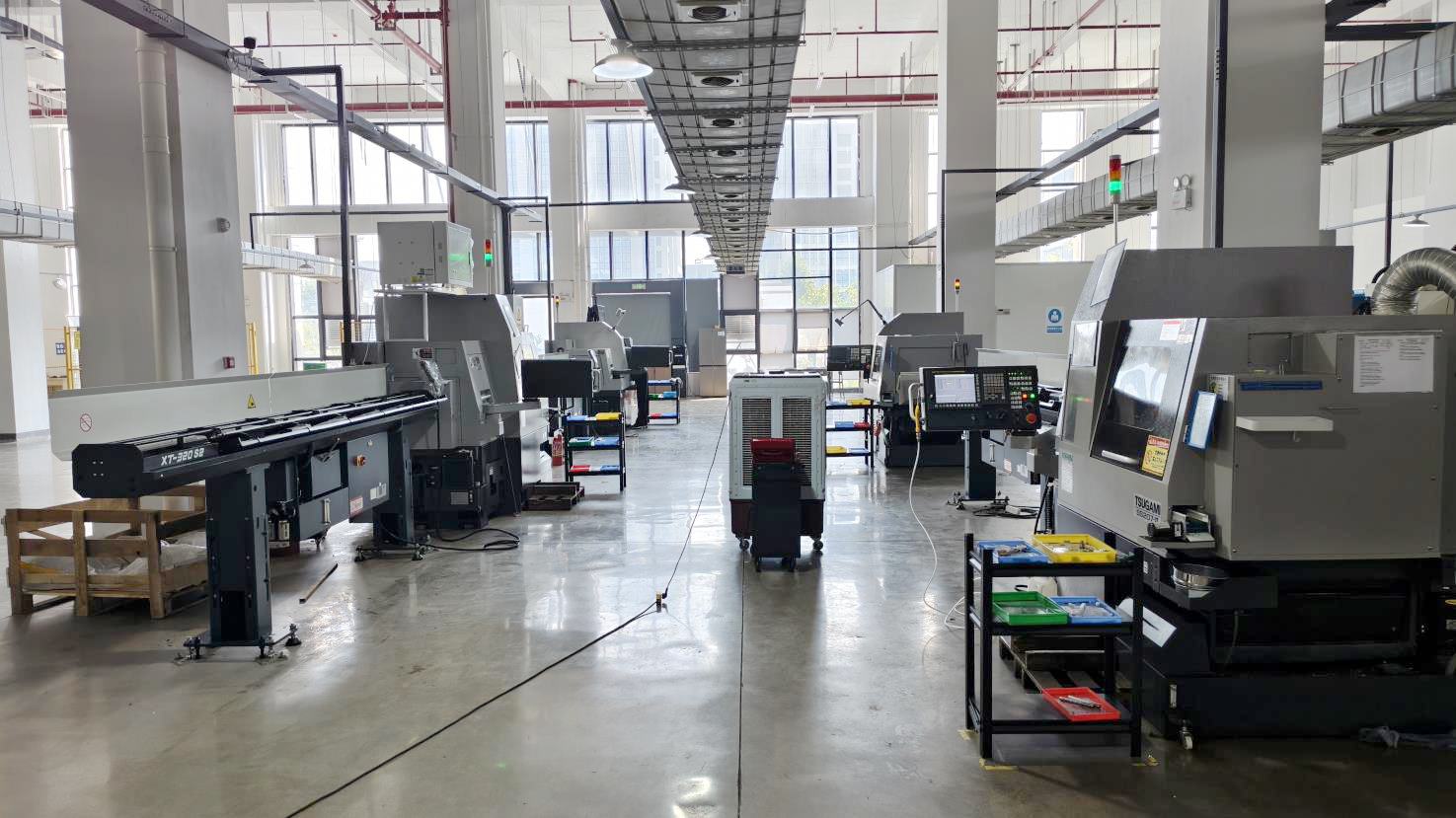
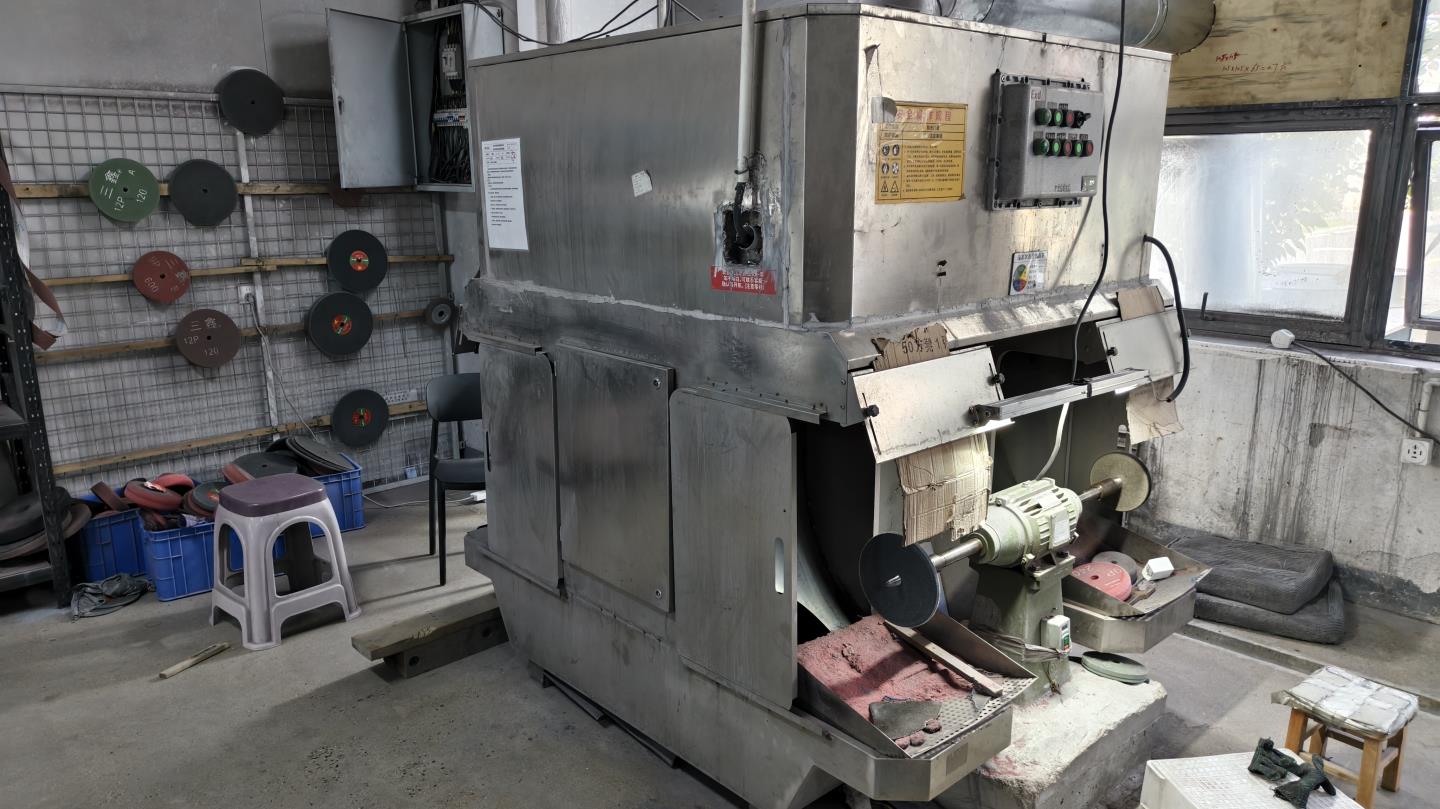
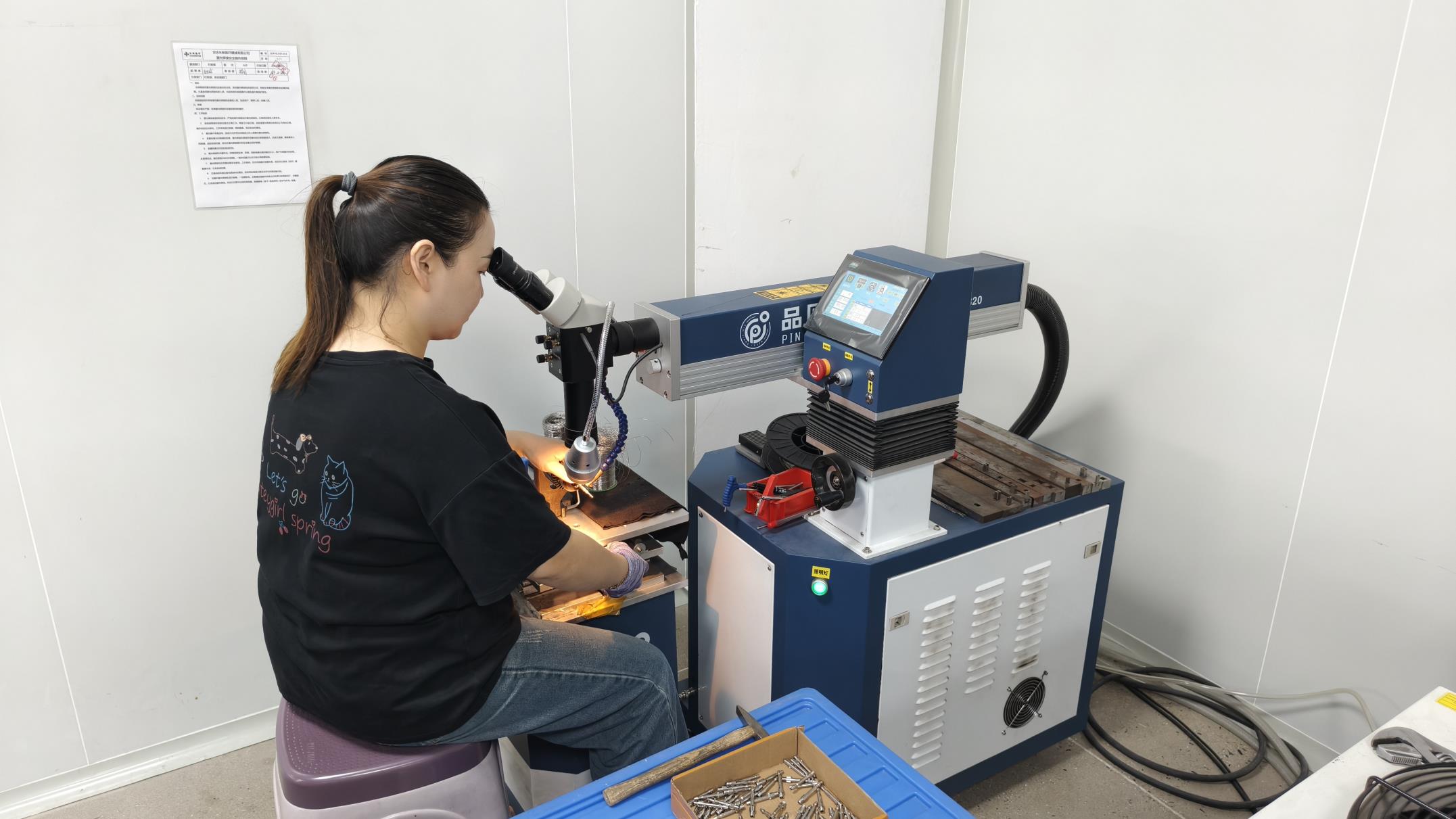
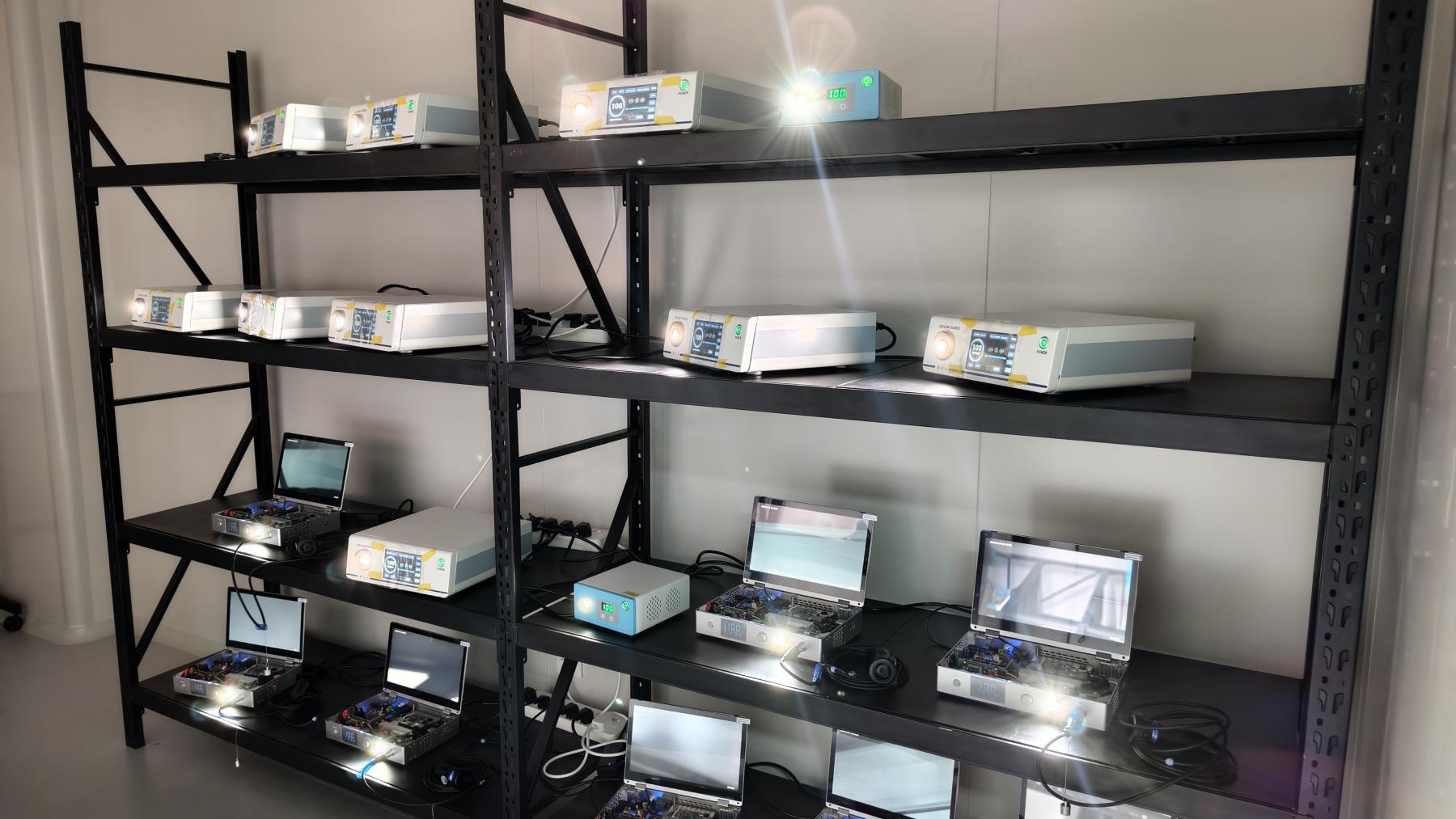
A comprehensive visual walk-through of our ISO 13485 compliant facility processes and scientific validation labs.
A deep dive into macroeconomic advantages, industrial clustering, and rigorous cost-quality optimization.
China's orthopedic medical manufacturing corridors (particularly in Jiangsu and Zhejiang provinces) house comprehensive industrial ecosystems. Raw titanium sourcing, Swiss-turning lathe tooling, heat treating, anodizing, and Class 10,000 packaging cleanrooms operate in adjacent zones. This dense aggregation minimizes logistics lead times, decreases production costs, and yields a resilient supply chain structure capable of scaling production from single batches to hundreds of thousands of units.
Chinese factories are no longer simple contract molders; they lead in technological investment. Incorporating 5-axis CNC machining centers, high-accuracy wire-cutting, advanced laser welding, and automated video-measuring tools allows companies like Synoviq to maintain structural tolerances within 5 microns. This level of accuracy is critical for spinal constructs where components must click and lock with zero mechanical play.
By conforming to ISO 13485 (Medical Devices Quality Management System), carrying out intensive metallographic analysis, tensile testing, and sterility validations, Chinese manufacturers align directly with CE, FDA, and ANVISA requirements. Complete material traceability documentation (raw bar to surgical implant) protects global distributors from regulatory audits and liability risks.
The future landscape of spinal fusion, customization trends, and digitalization of orthopedic solutions.
Standard OCF systems may not fit complex anatomical deviations resulting from severe bone degradation or oncology resections. The industry is moving rapidly toward Patient-Specific Implants. By importing patient CT scans into CAD software, engineers print custom titanium mesh structures (Electron Beam Melting or Selective Laser Sintering). These customized implants promote osteointegration, reduce surgery times, and offer unparalleled mechanical stability.
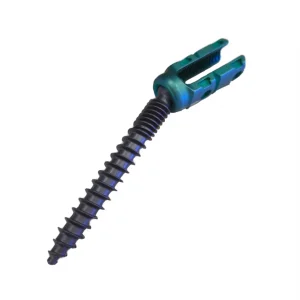
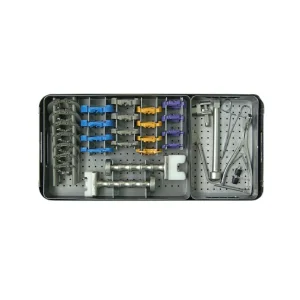
Modern clinical practices favor minimally invasive options to preserve paraspinal musculature and minimize blood loss. Future OCF systems are designed to accommodate percutaneous rod insertion and low-profile polyaxial pedicle screws. Specialized instrumentation packages, including high-precision dilators and navigation-ready systems, allow surgeons to navigate anatomical pathways with minimal soft-tissue disruption.
Understanding how OCF assemblies address specific craniocervical pathologies in surgical practice.
Severe high-velocity trauma can cause atlanto-occipital dislocation (AOD) or unstable fractures of the atlas and axis. Occipito-cervical plates coupled with lateral mass screws and pedicle screws provide immediate rigid stabilization, preventing brainstem compression and spinal cord injury.
RA frequently attacks the synovial joints of the cervical spine, leading to atlantoaxial subluxation and cranial settling. A robust OCF system restores vertical alignment, decompresses neural structures, and maintains stable skeletal fixation while bony fusion occurs.
Neoplastic osteolysis or osteomyelitis within the upper cervical spine can compromise structural integrity. Reconstructive surgery utilizes OCF systems to bridge the defect area, providing reliable load-bearing support for cancer patients undergoing adjunctive radiotherapy.
Direct answers regarding manufacturing standards, material choices, and wholesale collaboration options.
Complete surgical instruments, bone plates, external fixators, and joint reconstruction technologies.
 Synoviq Medical