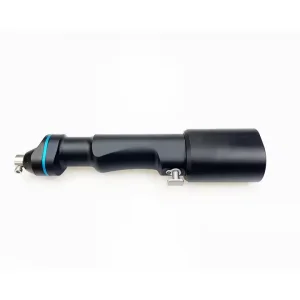
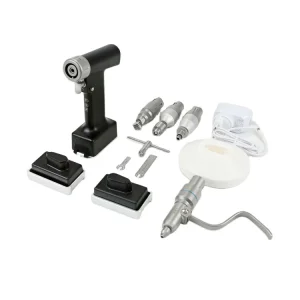
Explore our state-of-the-art trauma fixation systems, spinal implants, joint prostheses, and clinical power tools engineered for optimal surgical efficiency and patient mobility.
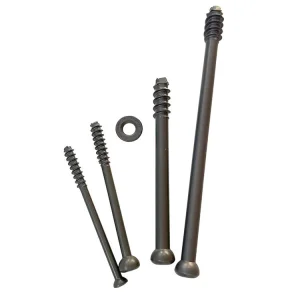
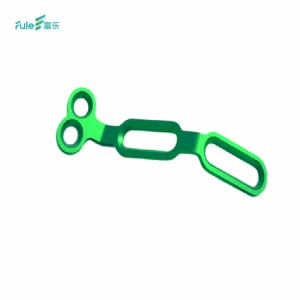
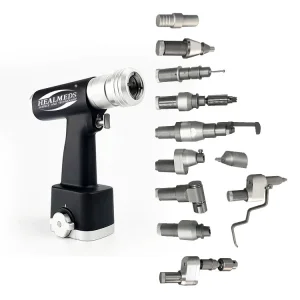
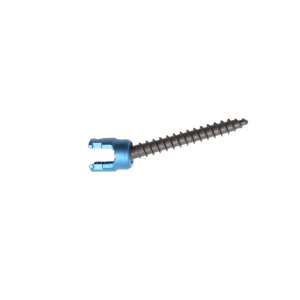
Synoviq Medical Technology (China) Co., Ltd. leads the evolution of high-performance orthopedic reconstructive devices.
In modern orthopedic reconstruction, particularly regarding hemiarthroplasty implants, manufacturers are tasked with bridging the gap between surgical feasibility, structural durability, and economic viability. Synoviq Medical Technology (China) Co., Ltd. stands as a premier manufacturer and global exporter of orthopedic implants and precision surgical instruments. Established on March 18, 2016, we have leveraged over 14 years of deep-seated industrial experience and 8 years of dedicated international export operations to supply advanced medical institutions, regional distributors, and state-backed procurement initiatives across Europe, North America, South America, the Middle East, and the Asia-Pacific region.
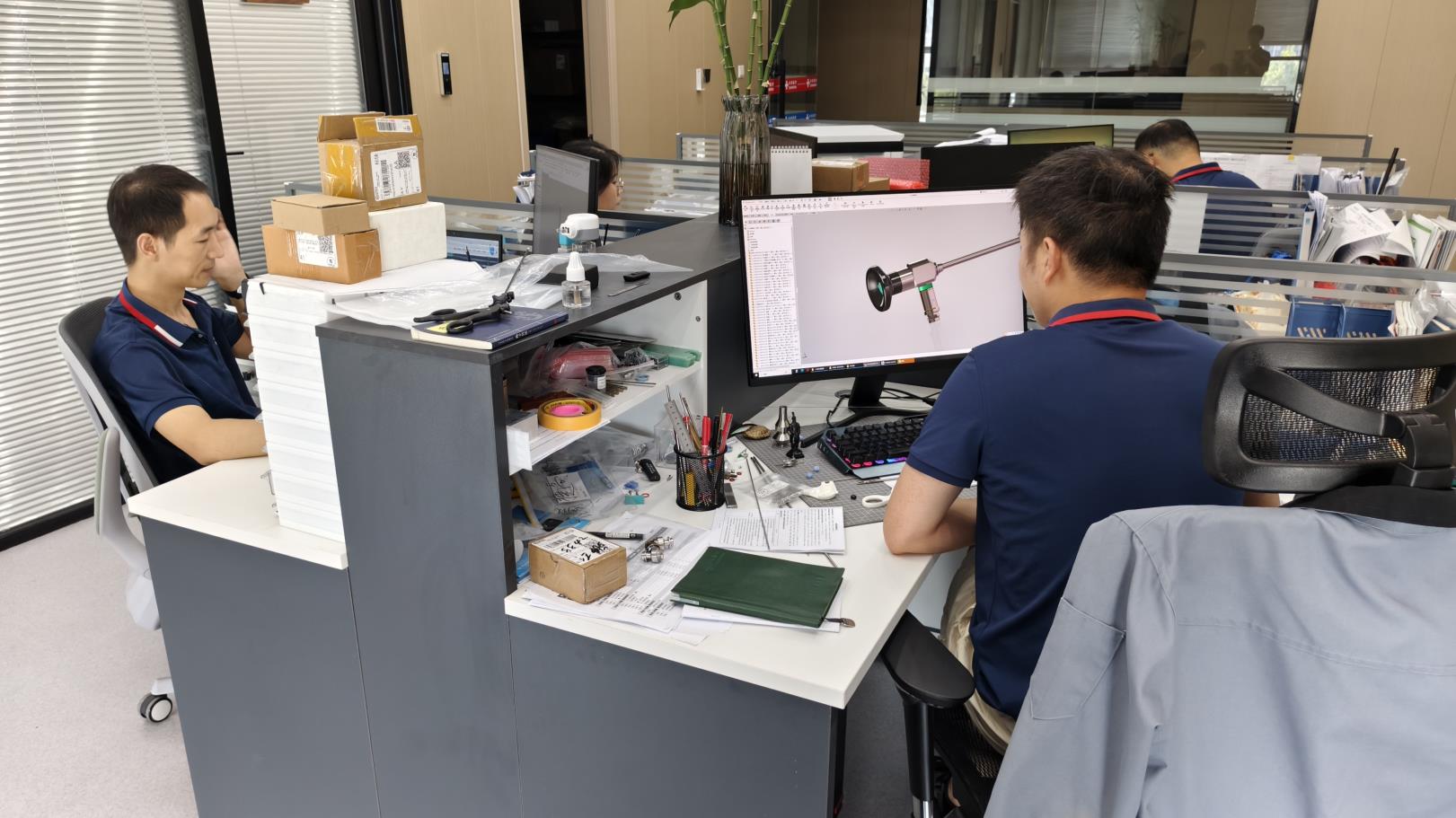
Operating a massive 18,600 m² state-of-the-art production complex, Synoviq executes end-to-end orthopedic fabrication processes under strict ISO 13485 guidelines. By combining a highly qualified R&D team consisting of 76 dedicated engineers with a quality control workforce of 48 specialists, we offer scalable OEM and ODM solutions that address the highly complex technical requirements of femoral head and hip reconstruction surgeries.
Clinical Focus: Hemiarthroplasty remains a cornerstone intervention for displaced femoral neck fractures (Garden Classification Stage III and IV) in geriatric patients. Synoviq's implant designs focus on minimizing operative times, mitigating periprosthetic joint infection (PJI) risk factors, and maximizing immediate postoperative weight-bearing capabilities through optimized stem geometry and highly biocompatible surface finishes.
Systematic specifications demonstrating Synoviq’s production capabilities, validation standards, and regulatory infrastructure.
| Strategic Core Metric | Technical Verification & Capability Details |
|---|---|
| Company Name | Synoviq Medical Technology (China) Co., Ltd. |
| Brand Label | Synoviq (Custom OEM and Neutral packaging structures available) |
| Established Date | March 18, 2016 (Incorporated on high-precision biomedical platforms) |
| Annual Export Volume | USD 21.8 Million (Serving regional health authorities and commercial brands) |
| Raw Material Sourcing | Medical-grade Titanium Alloy (Ti-6Al-4V ELI / ASTM F136), Cobalt-Chromium-Molybdenum (Co-Cr-Mo / ASTM F1537), UHMWPE (ISO 5834-2) |
| Quality Inspection Rigor | 100% Final Inspection & strict Incoming Material Inspection |
| Validation Methods | Coordinate Measuring Machine (CMM), Static & Dynamic Mechanical Testing (ASTM F2996 / ISO 7206), Surface Roughness Profiling, Micro-hardness Testing, Salt Spray Corrosion Resistance, and Sterility Validation |
| Quality Control Staff | 48 Dedicated Metrology and Bio-compliance Engineers |
| Customization Scope | Logo Etching (Laser marking), Sterile Barrier Packaging Customization, Geometry Modality Adjustments, PVD/HA Coating Services |
| New Products Released (YoY) | 186 Orthopedic Implants, Instruments, and Spinal fixation additions |
| R&D Staff Depth | 76 Specialist Engineers focusing on Bio-mechanics, Materials Science, and Clinical-assistance Systems |
Addressing the clinical and economic pressures faced by global healthcare networks through scalable, standardized manufacturing.
The global orthopedic market is undergoing a significant paradigm shift driven by two primary macroeconomic forces: rapidly aging global populations and the pressure to reduce healthcare costs. According to epidemiological reports, hip fractures among the elderly are expected to double by 2050, resulting in a substantial clinical burden. In cases of intracapsular femoral neck fractures, hemiarthroplasty remains the treatment of choice for elderly patients with lower functional demands, offering reduced surgical trauma, lower complication rates, and faster postoperative mobilization compared to total hip arthroplasty (THA).
For national health systems and private hospital chains, managing the cost of implants without compromising patient outcomes is a critical objective. Synoviq addresses this global challenge by leveraging China's advanced manufacturing infrastructure to produce high-performance hemiarthroplasty implants at wholesale prices. By reducing implant acquisition costs, we enable healthcare providers to allocate resources to other critical areas while maintaining high standards of care.
Strategic Supply Chain Resilience: During global supply chain disruptions, Synoviq’s integrated production model ensures stable lead times. Our extensive network of over 1,120 supply chain partners ensures we maintain a continuous supply of medical-grade raw materials, securing production capacity even during high global demand.
Our macro-industry solutions extend beyond manufacturing. We provide comprehensive OEM/ODM partnerships that allow global medical brands to launch localized product lines quickly and cost-effectively. By handling the complex engineering, testing, and validation processes, Synoviq reduces the time-to-market for new orthopedic systems, enabling our partners to capture market share and respond to clinical demands more efficiently.
Analyzing market dynamics, regulatory barriers, and the industrial role of Chinese orthopedic manufacturing.
Historically, the global orthopedic implant market was dominated by a few multinational corporations based in North America and Western Europe. However, strict regulatory developments, such as the European Union’s Medical Device Regulation (MDR) and rising regulatory compliance costs under the FDA, have reshaped the competitive landscape. These changes have created opportunities for agile manufacturers like Synoviq, who offer high-quality alternatives that meet international standards at competitive price points.
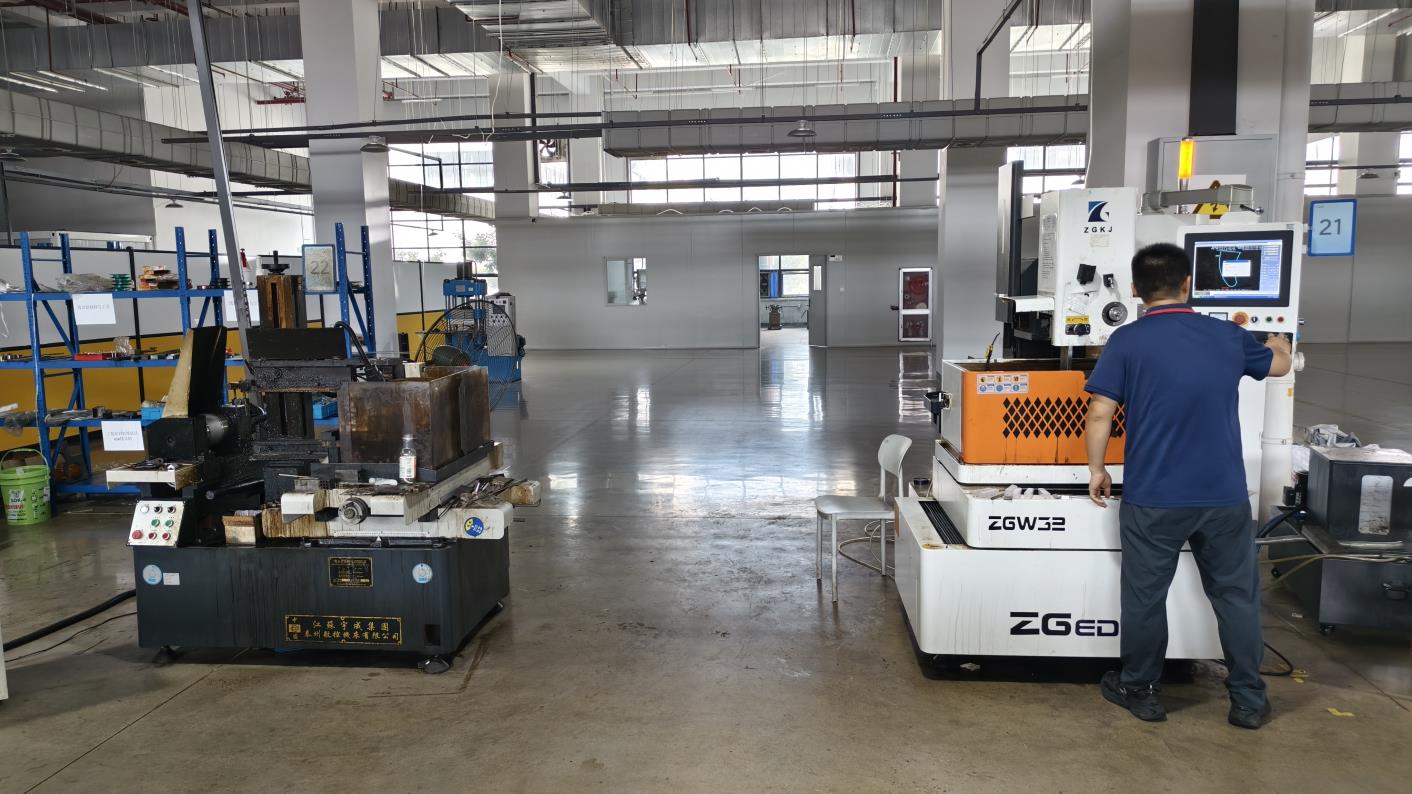
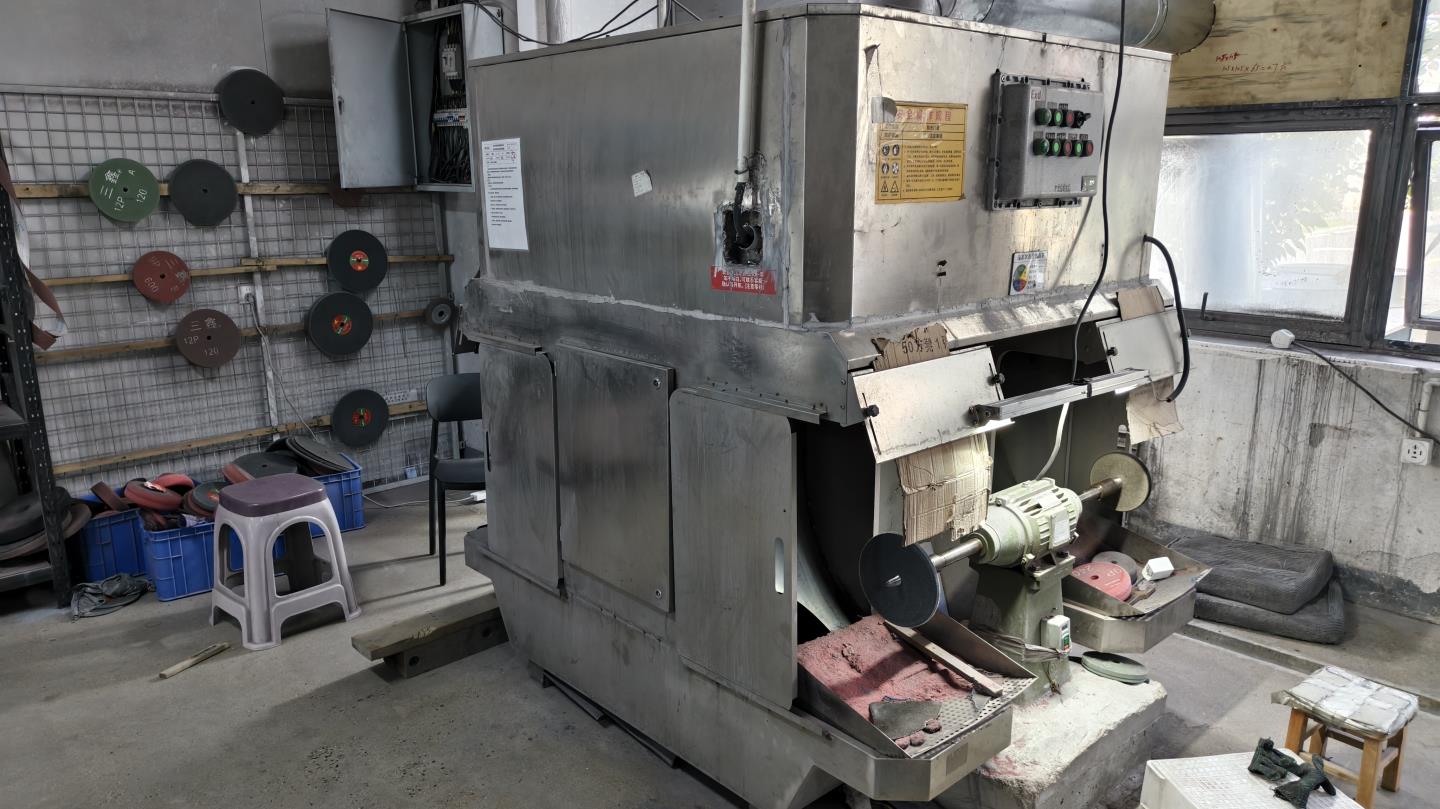
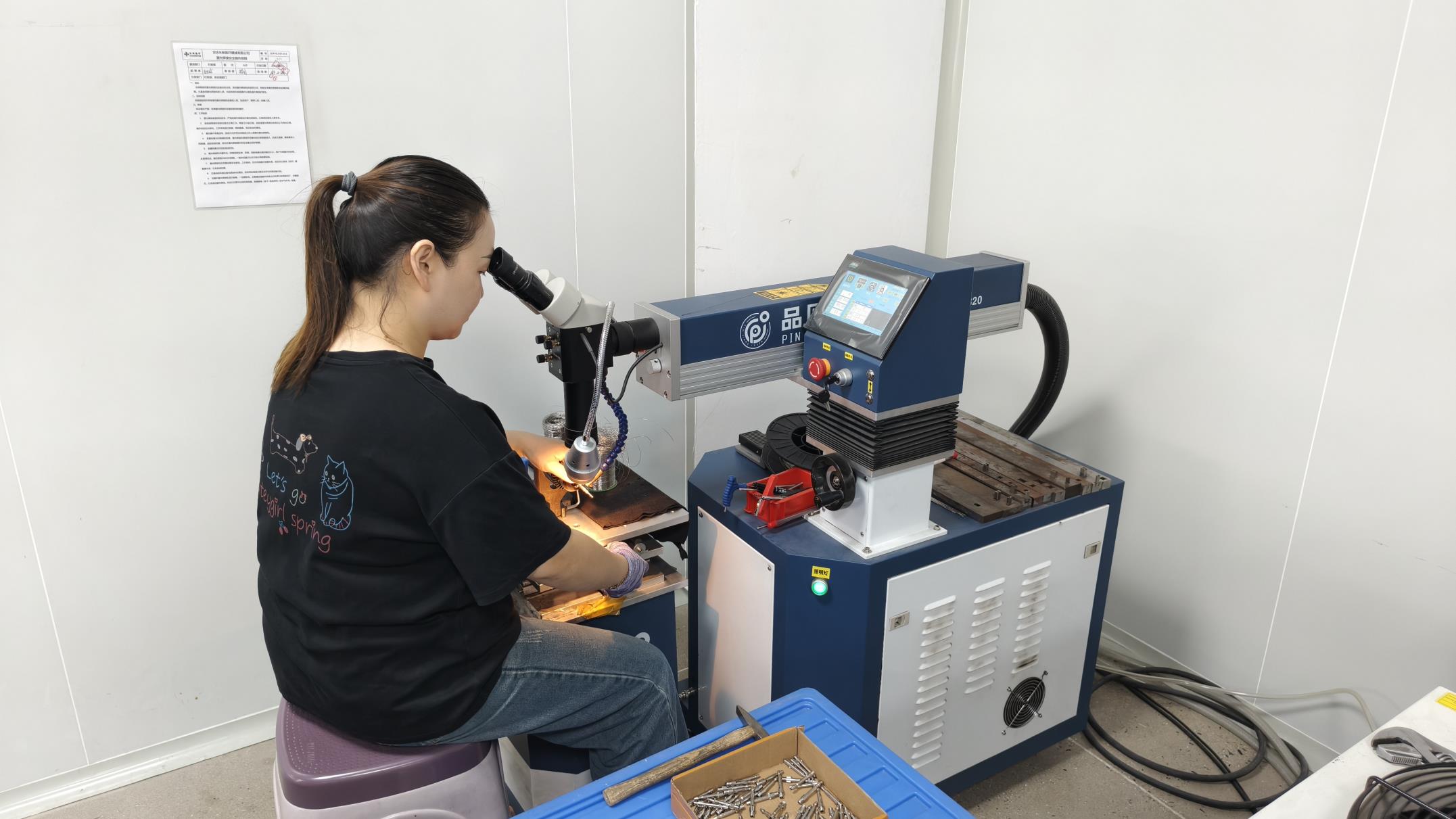
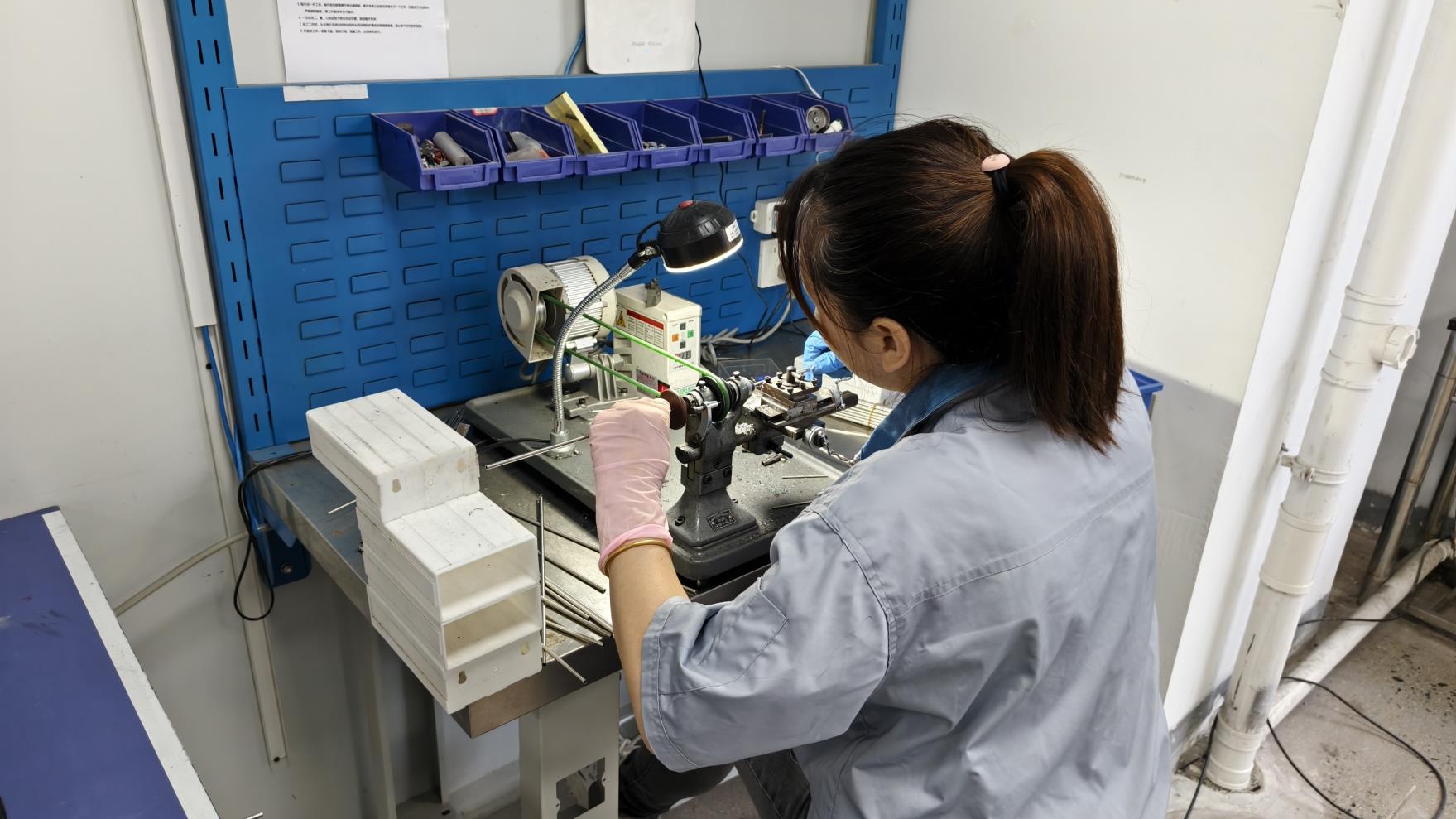
Today, China's biomedical manufacturing sector has evolved from a basic component provider to a center for advanced engineering and innovation. By implementing high-precision Swiss-type lathes, multi-axis CNC machining centers, and automated coordinate measuring systems, manufacturers like Synoviq produce implants with tolerances measured in micrometers. This technical capability ensures that our wholesale hemiarthroplasty implants meet or exceed the performance specifications of traditional Western brands.
In addition, the commercial distribution model has changed. Importers and hospital procurement groups now seek direct relationships with manufacturers to eliminate intermediaries. Synoviq supports this shift by providing direct export services, custom labeling (OEM), and comprehensive regulatory documentation. This approach allows distributors to optimize their margins and compete more effectively in regional healthcare tenders.
Visual overview of our ISO Class 7 cleanrooms, high-speed multi-axis CNC machinery, and analytical testing equipment.
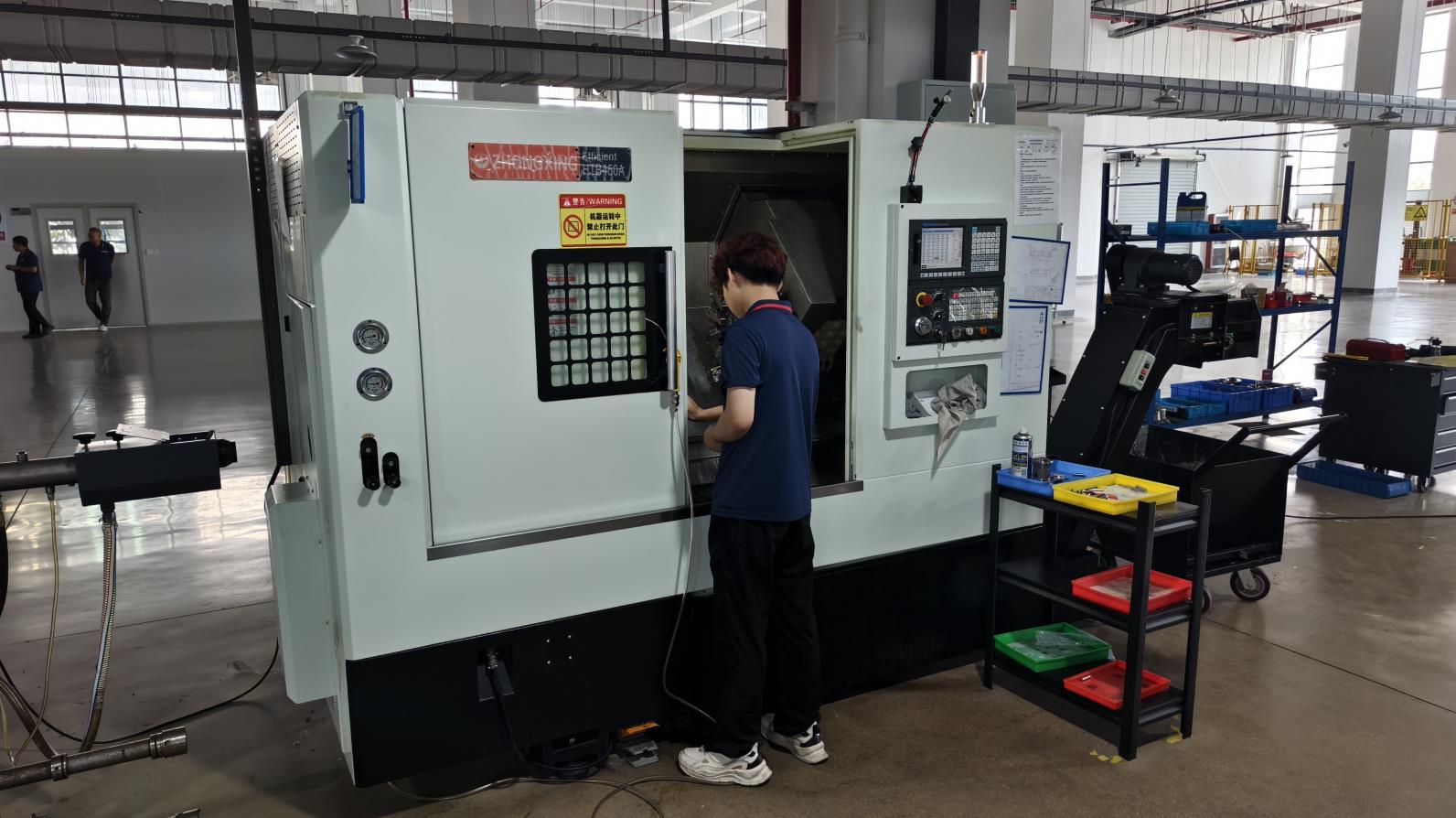
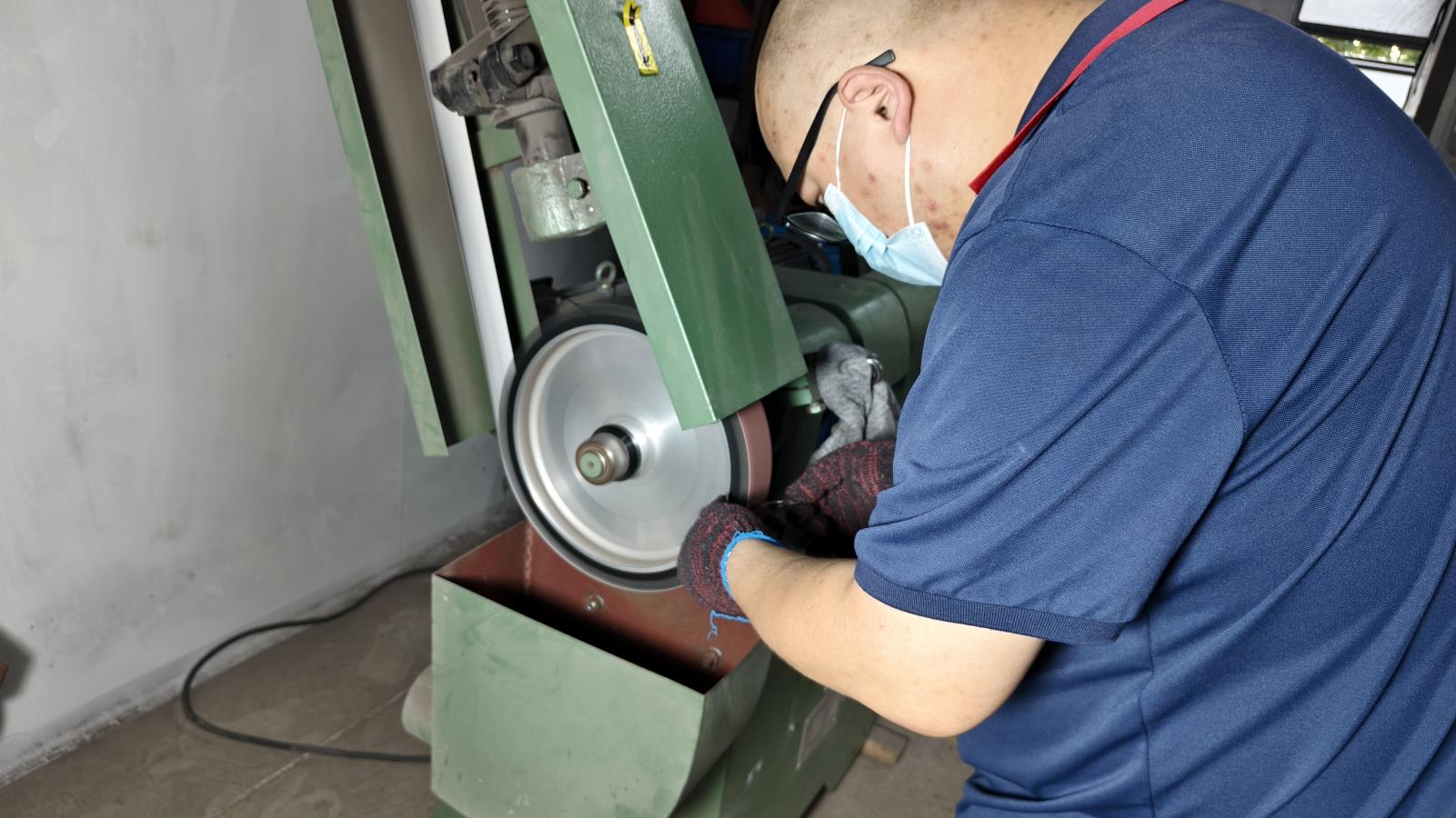
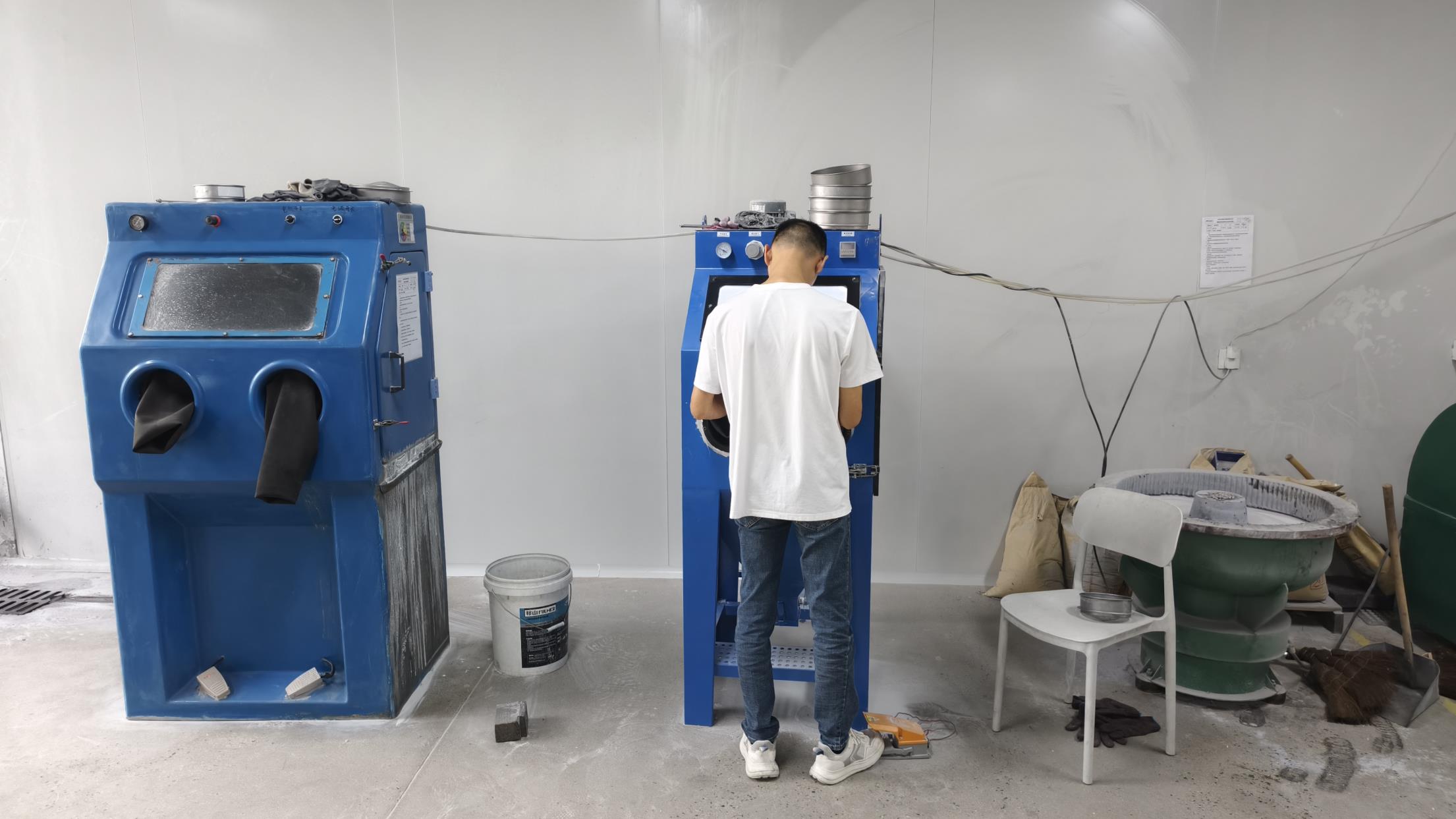
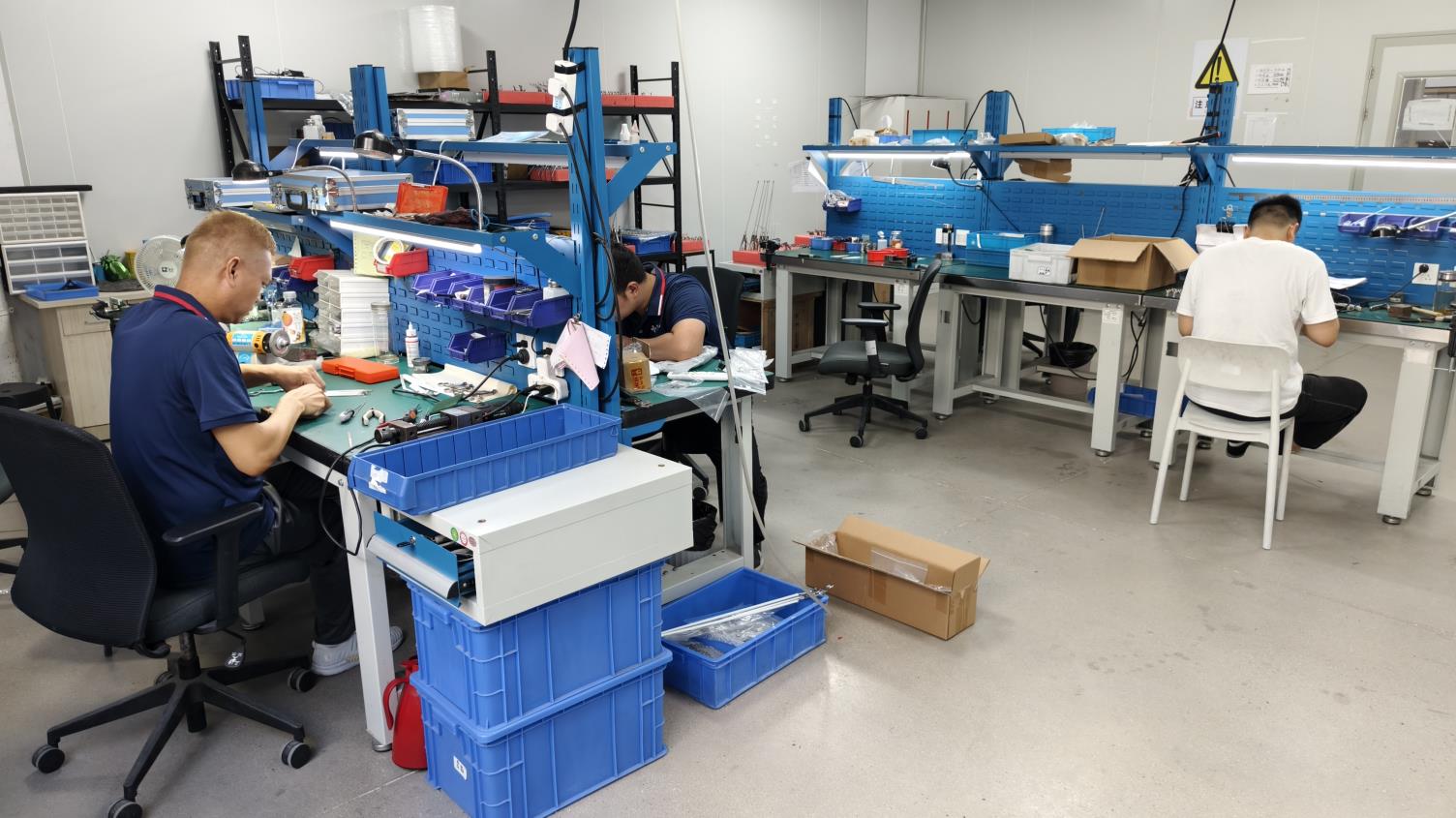
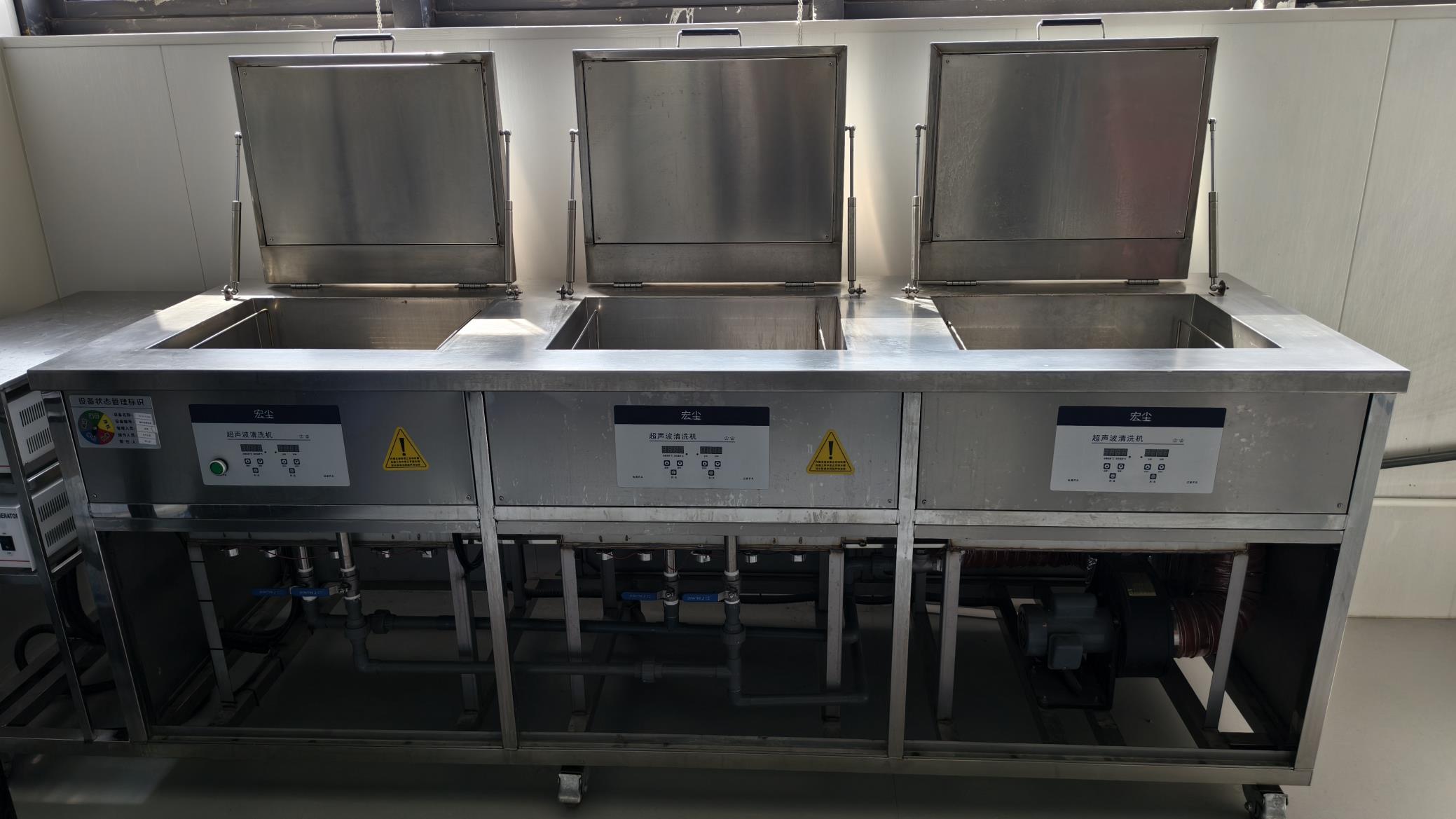
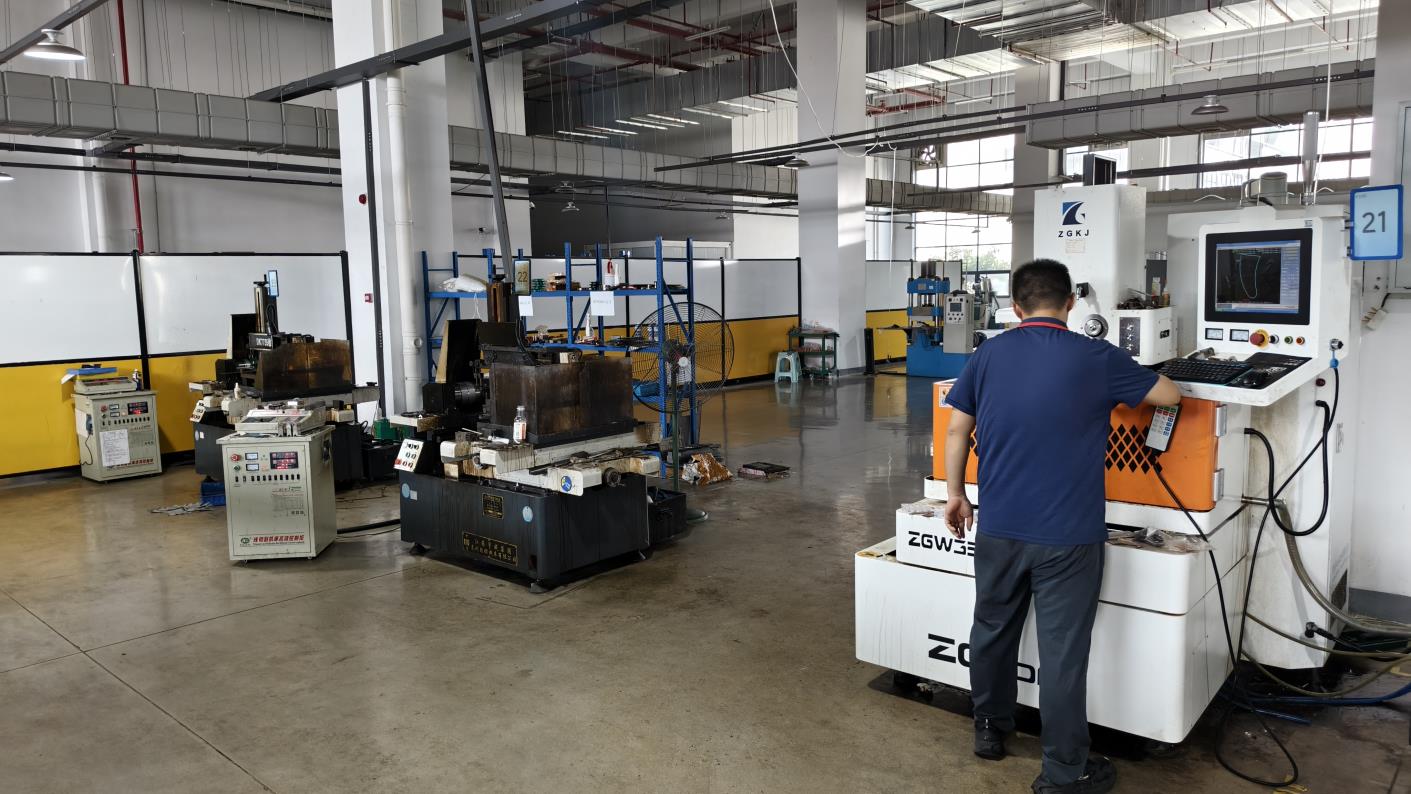
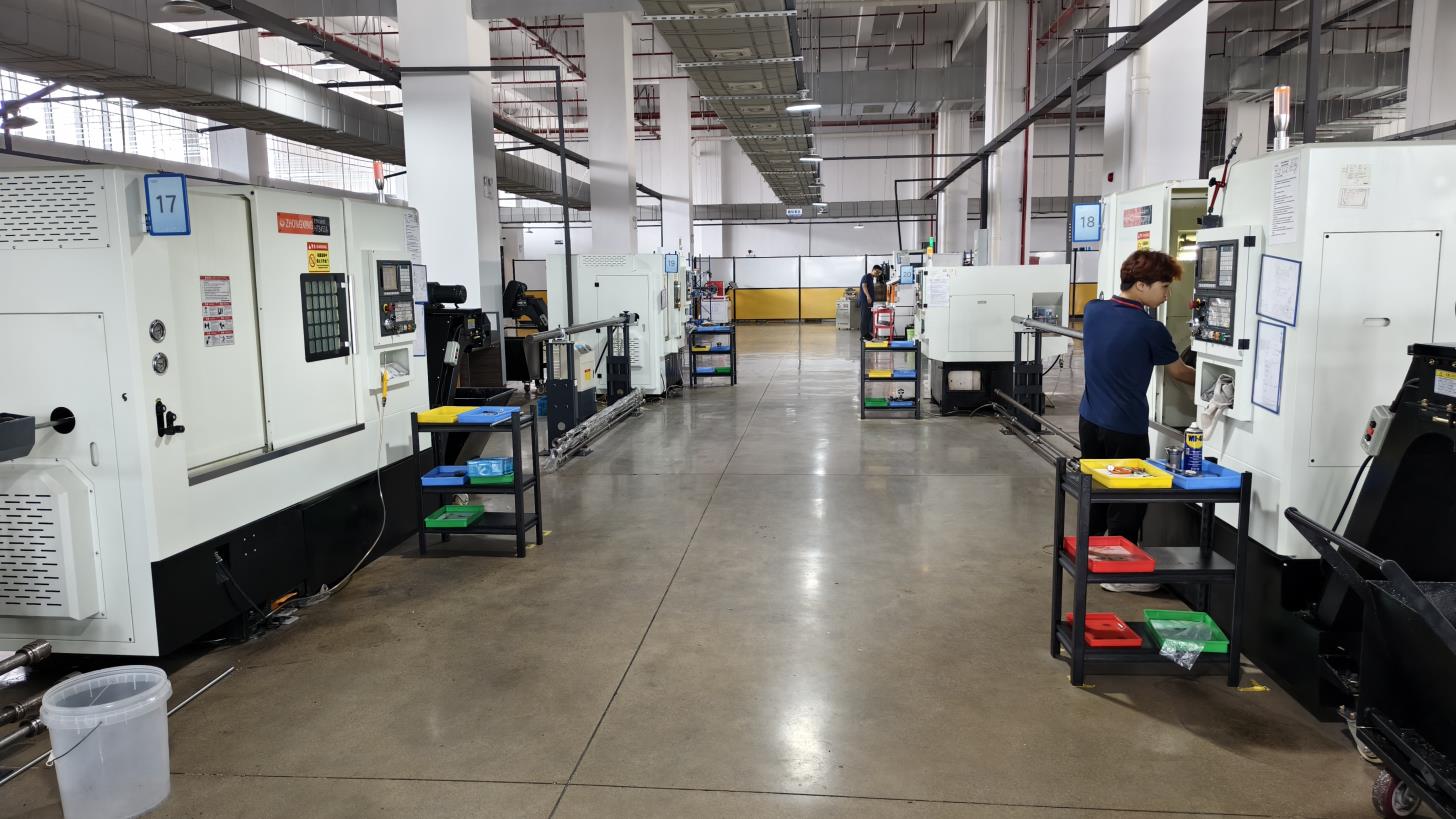
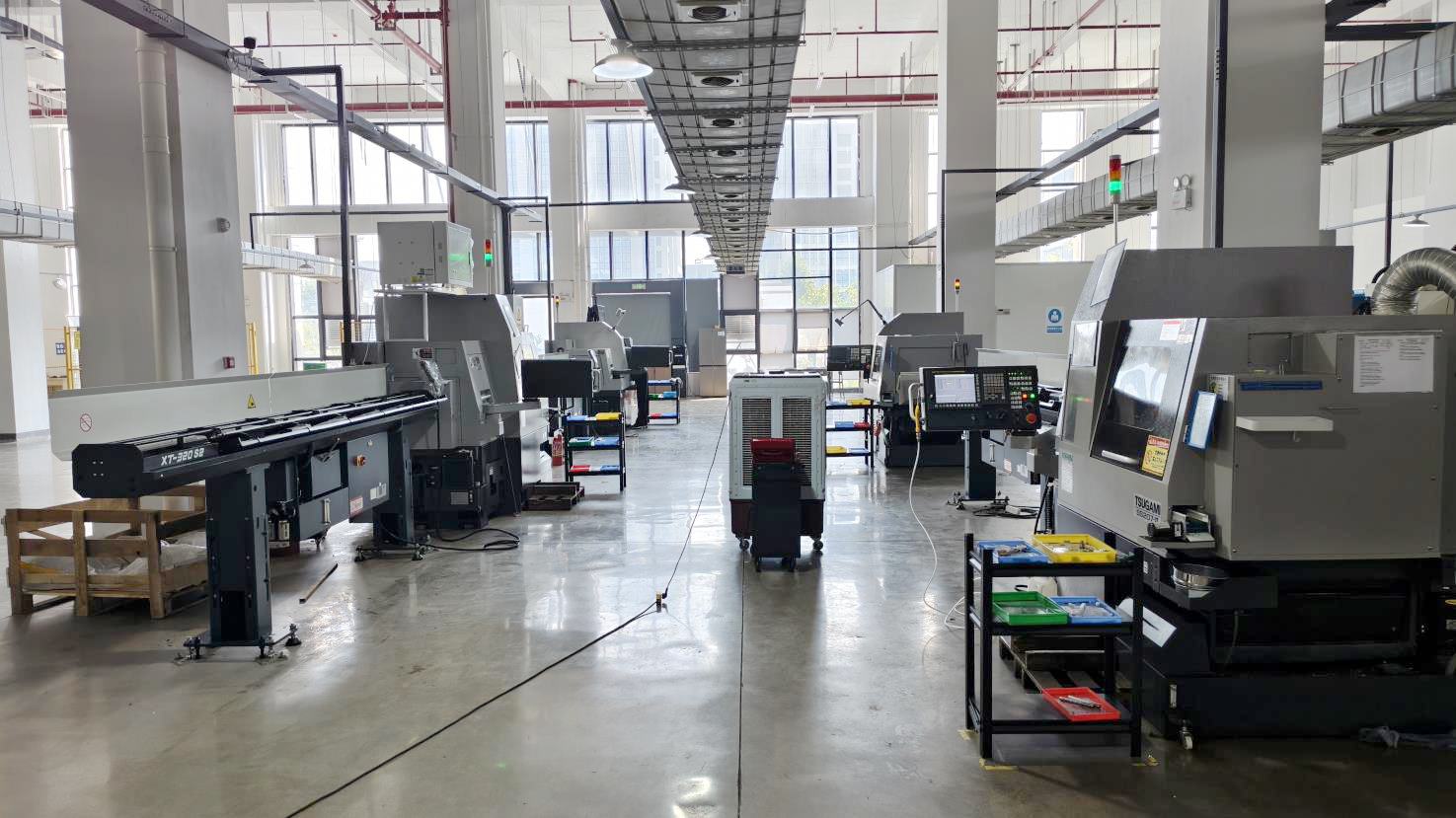
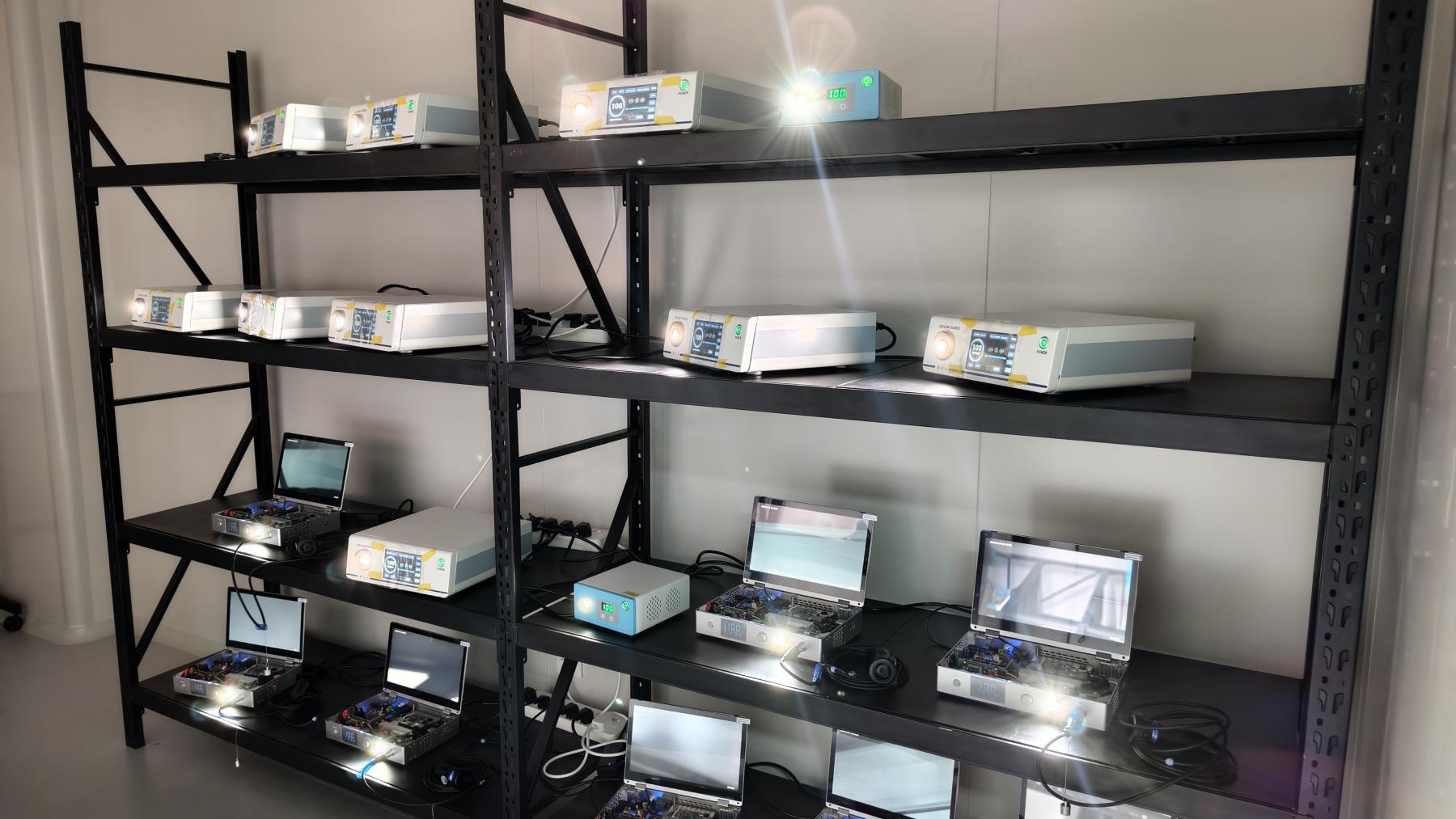
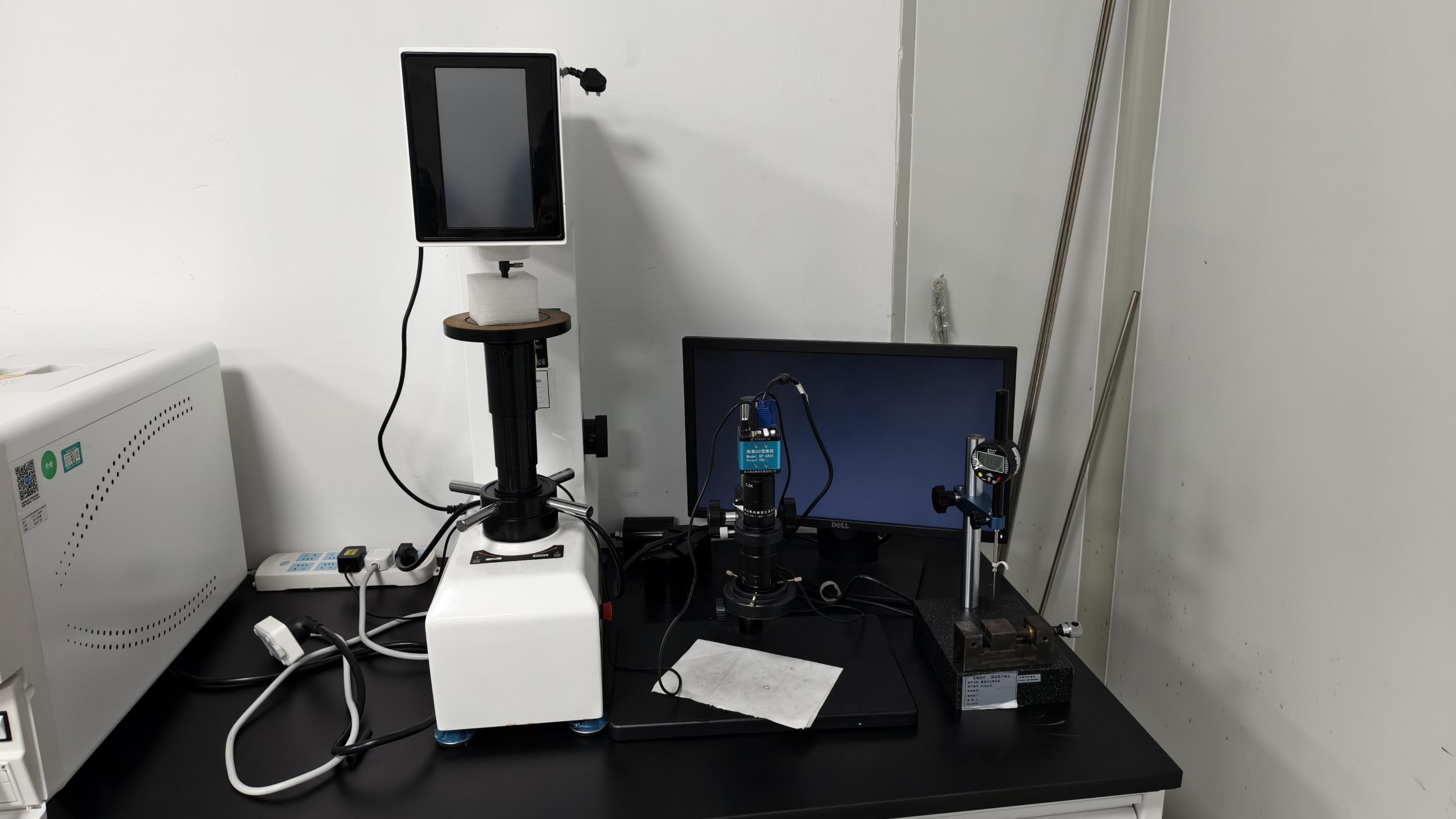
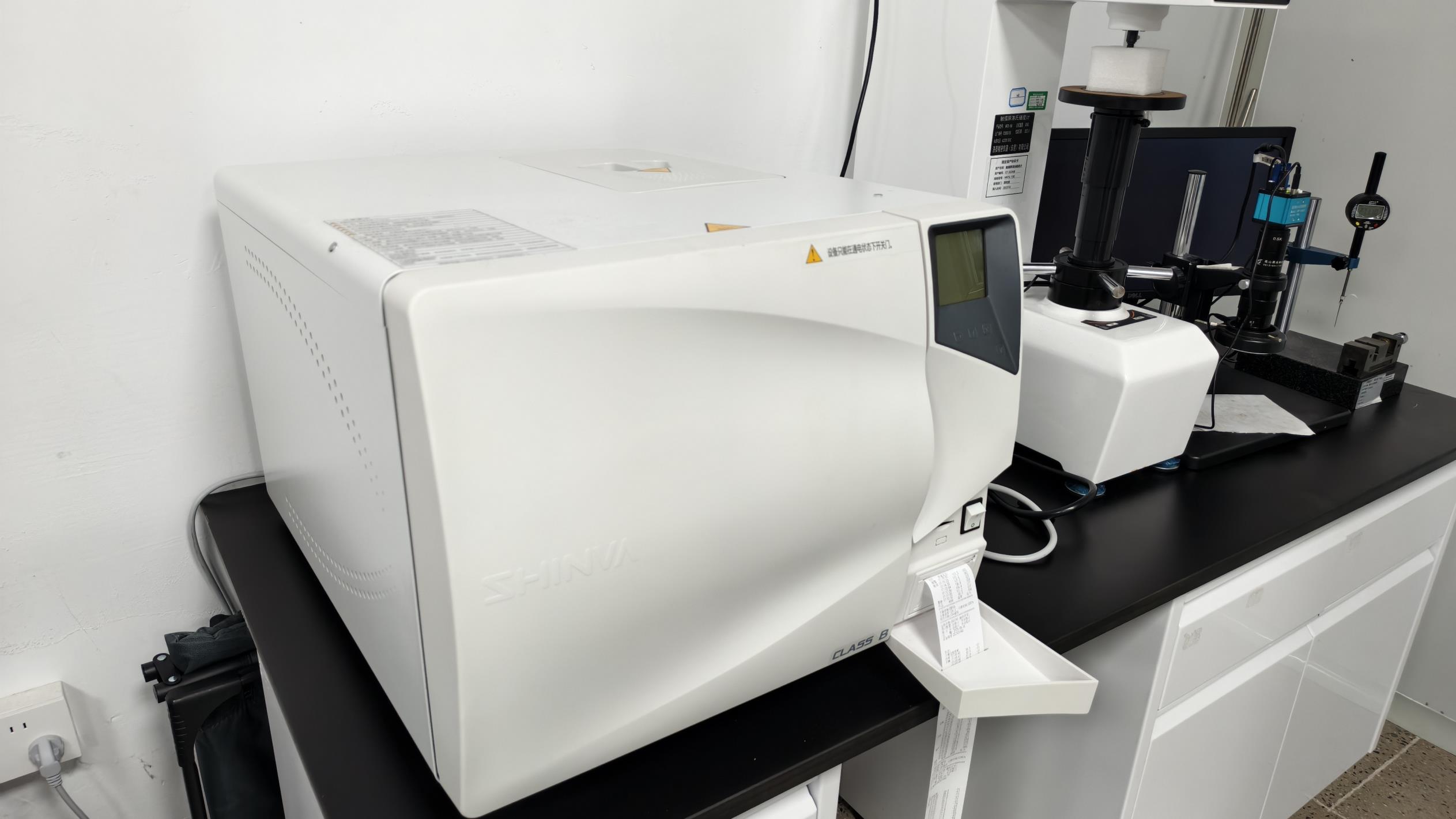
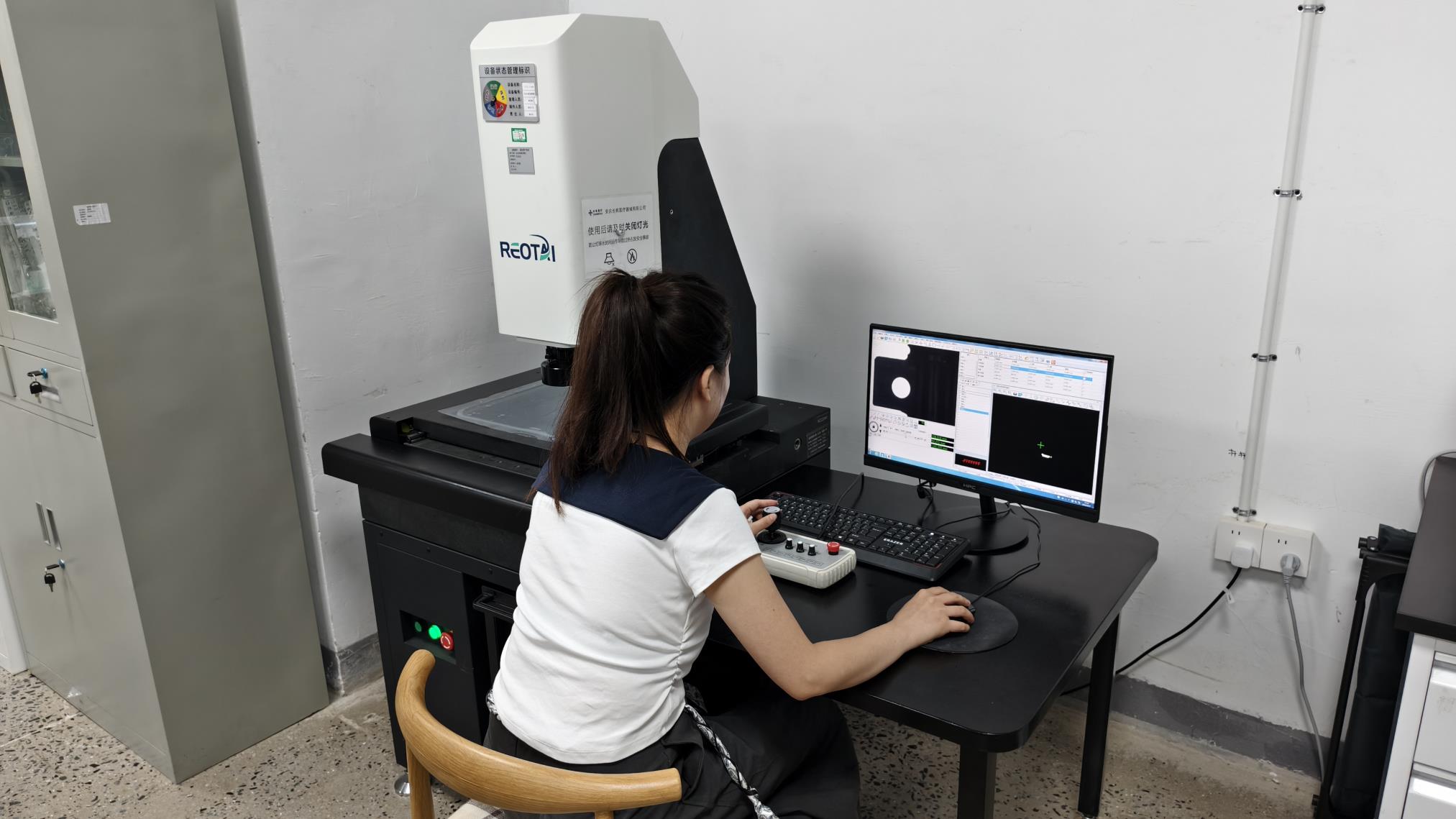
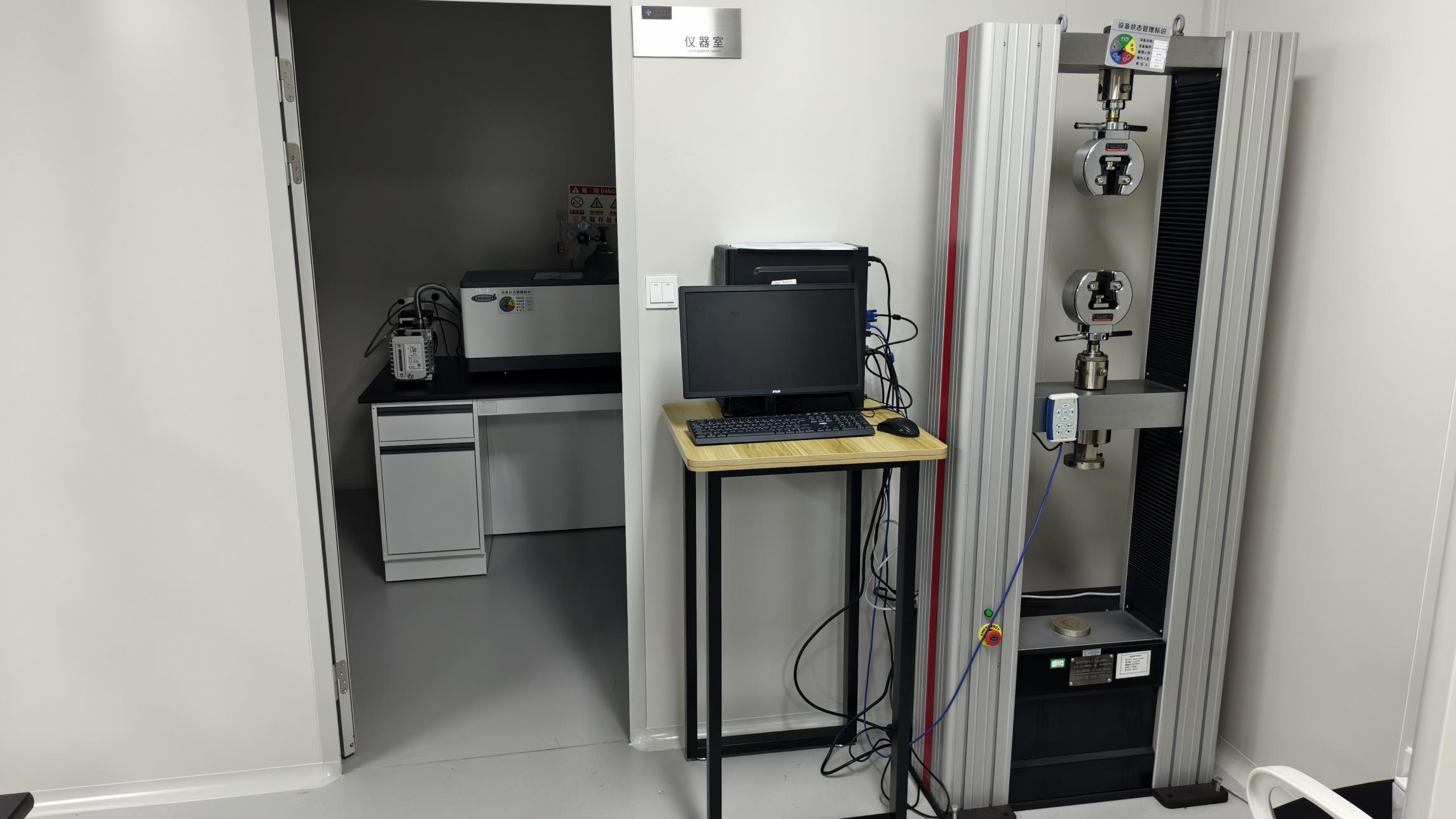
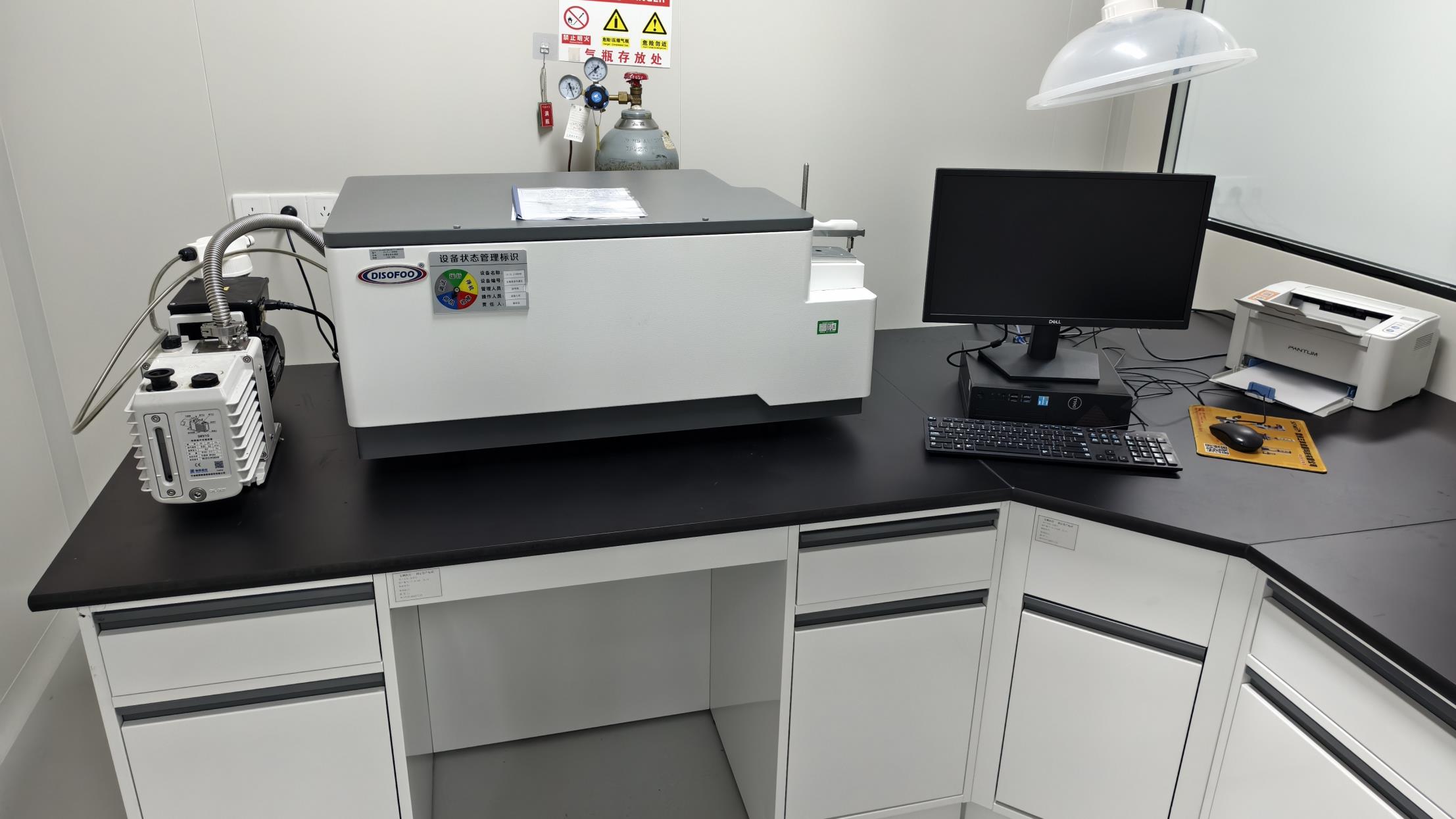
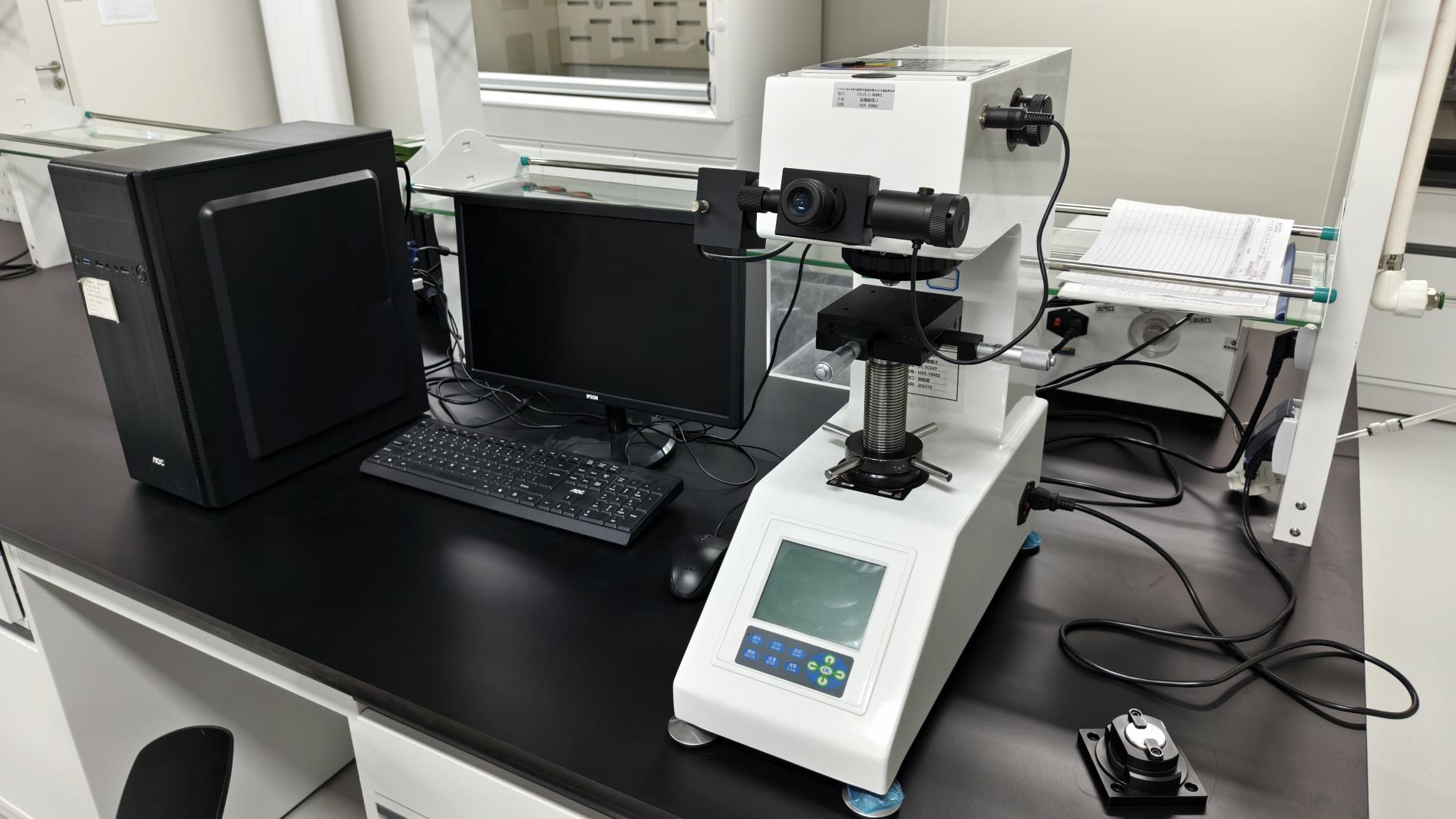
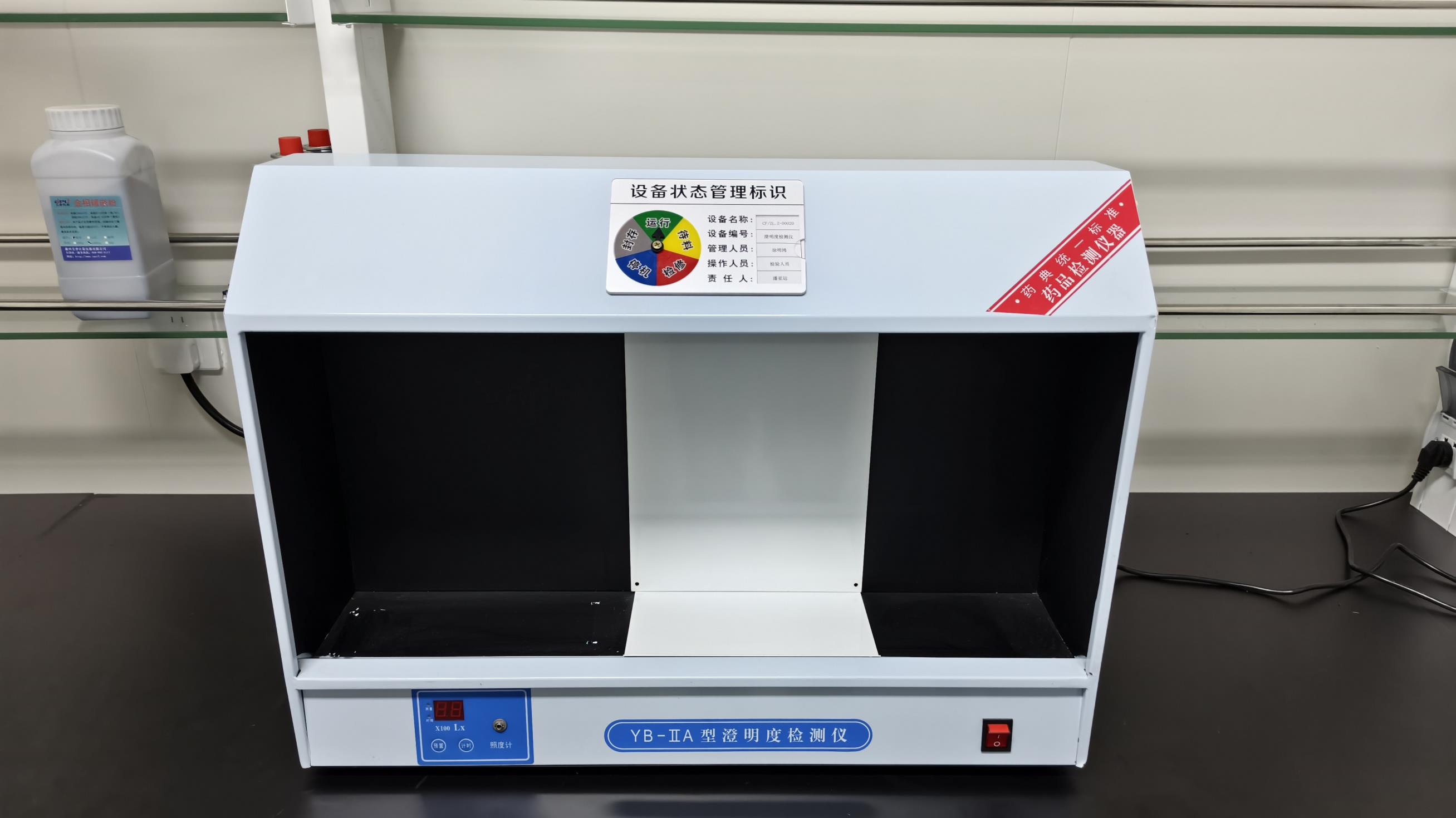
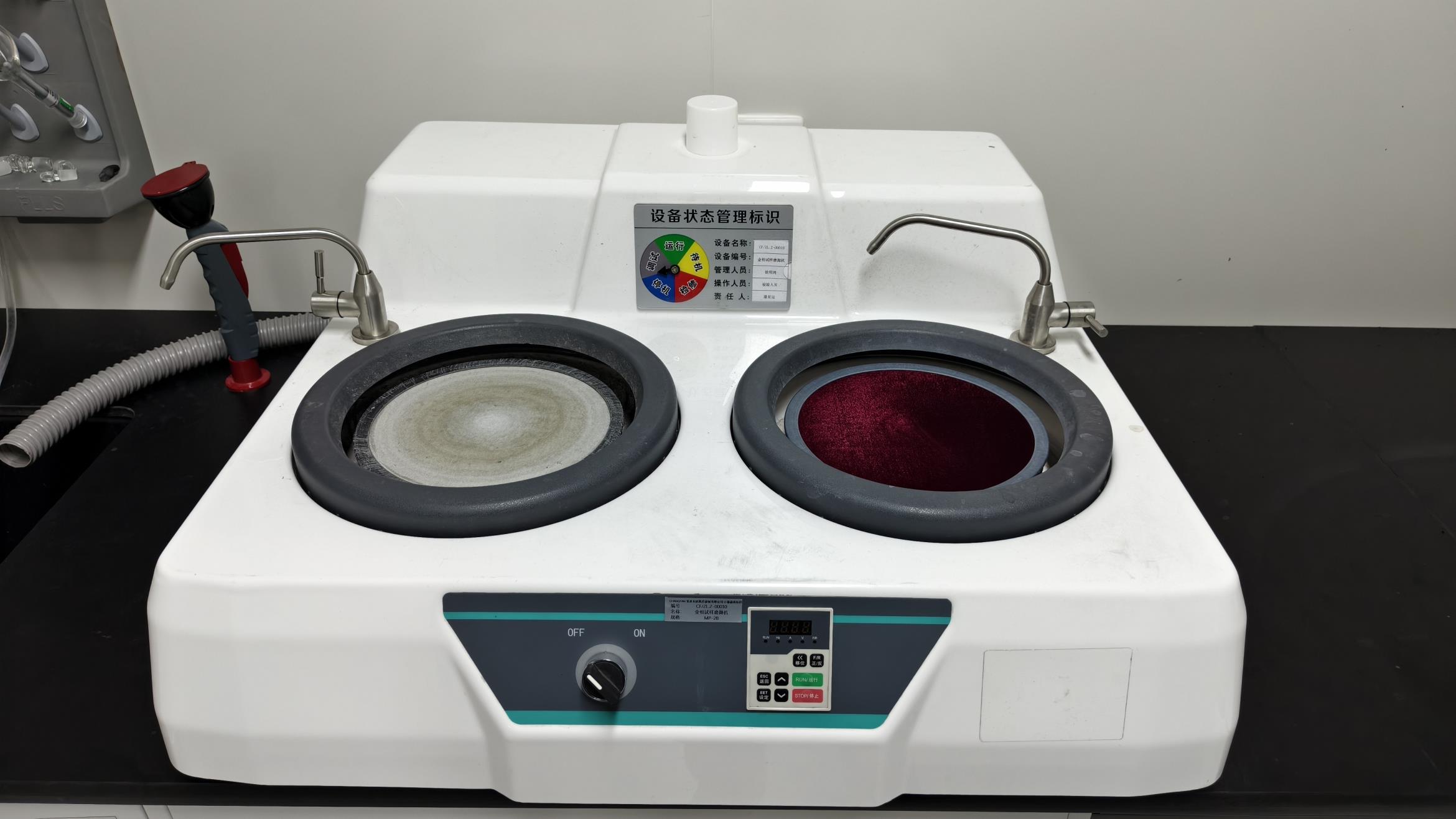
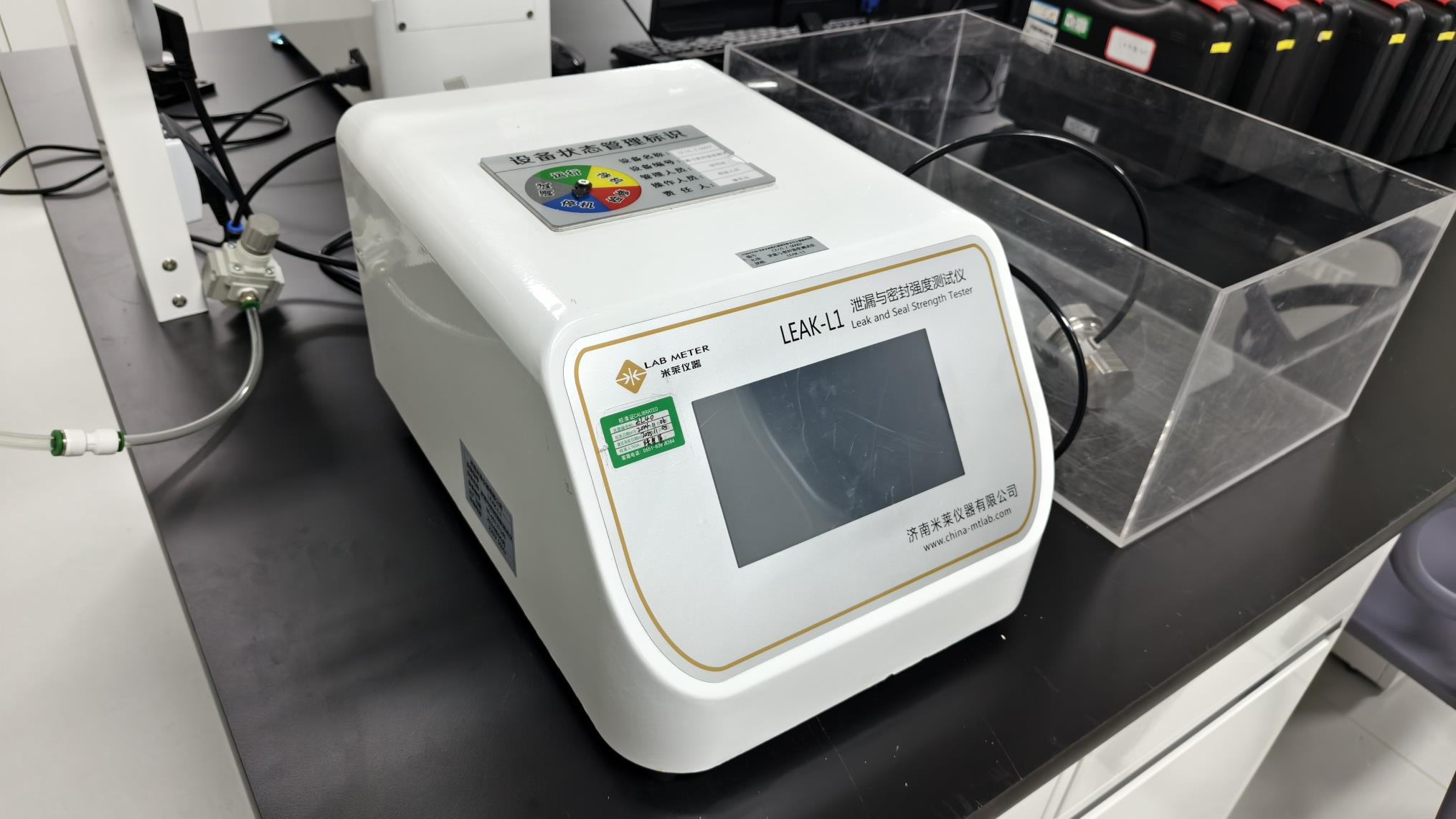
Our commitment to research and development drives the future of joint arthroplasty technologies.
At Synoviq, our research and development programs focus on clinical feedback and materials science. By addressing long-term post-operative challenges such as aseptic loosening, implant migration, and bacterial adhesion, we refine our product range to support surgical performance and patient outcomes. Our technical roadmap highlights our focus on key areas of orthopedic innovation:
Our R&D team is developing advanced electron beam melting (EBM) and direct metal laser sintering (DMLS) technologies to produce femoral stems with integrated trabecular structures. By matching the elastic modulus of natural bone, this technology supports long-term primary stability and minimizes stress shielding.
We are expanding our surface treatment capabilities to include plasma-sprayed Hydroxyapatite (HA) and dual-coatings (Titanium/HA). This structure supports rapid osseointegration, forming a stable biological bond between the host bone and the implant surface.
To reduce dislocation risks in hemiarthroplasty patients with neuromuscular instability, Synoviq is developing a dual-mobility head option. This design combines the benefits of low wear rates with a wide range of motion, helping to minimize mechanical failures.
We are implementing sustainable, high-barrier packaging systems that maintain sterility for up to five years while reducing environmental impact, supporting the sustainability goals of healthcare systems worldwide.
Matching patient pathology with precise implant configurations to ensure optimal clinical outcomes.
Selecting the appropriate implant configuration is critical to successful joint reconstruction. Our hemiarthroplasty systems are designed to address specific clinical indications based on patient age, bone quality, and activity levels. This approach helps orthopedic surgeons achieve stable, anatomical reconstructions tailored to individual needs:
Bipolar Hemiarthroplasty: Featuring a dual-axis articulation design, this system includes an inner head that rotates within an outer shell, helping to reduce friction and wear against the native acetabulum. This configuration is recommended for active elderly patients, as it helps preserve acetabular cartilage and reduce postoperative groin pain.
Unipolar Hemiarthroplasty: This design features a single solid head component that articulates directly with the patient's acetabulum. It is typically indicated for less active, elderly patients with shorter life expectancies, providing a stable and cost-effective treatment option that restores mobility quickly.
In patients with poor bone quality or advanced osteoporosis (Dorr Type C classification), cemented femoral stems provide immediate mechanical stability through bone cement integration. For patients with adequate bone stock, cementless stems featuring grit-blasted or HA-coated surfaces support long-term biological fixation through natural bone ingrowth.
Providing regional support, comprehensive registration assistance, and international quality certifications.
Operating in the medical device industry requires strict adherence to regulatory standards. Synoviq maintains a comprehensive compliance framework to ensure all products meet regional requirements. Our facility operates in compliance with ISO 13485, and our quality systems are designed to support regulatory submissions worldwide, facilitating smooth registration processes for our international partners.
We provide complete regulatory documentation to support localized registrations, including Technical Files, Biocompatibility Evaluation Reports (ISO 10993), Sterilization Validation Reports (ISO 11137), and Clinical Evaluation Reports (CER). This documentation helps streamline the approval process with regional authorities, such as EU notified bodies and national ministries of health.
Direct OEM / ODM Customization: We offer comprehensive customization options, including laser etching, custom sterile packaging, and specific alloy selections, helping distributors modify designs to meet the unique needs of localized healthcare tenders.
Our localized support services help our partners manage logistics, customs clearance, and quality verification. By providing transparent traceability documentation for every batch of raw materials and finished products, we ensure our clients receive consistent quality and reliable support for their supply chain.
Answers to common questions from distributors, hospital procurement teams, and compliance officers.
Complementary components, external fixation frames, and veterinary systems designed for consistent surgical performance.
 Synoviq Medical