Explore our elite portfolio of orthopedic trauma implants, specialized spinal components, and advanced veterinary instrument sets.
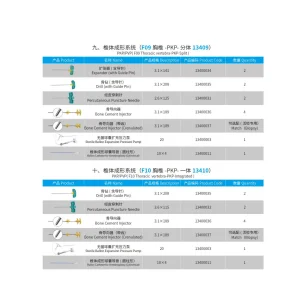
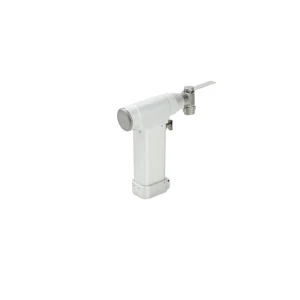
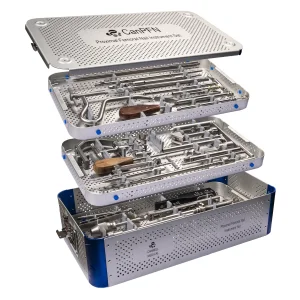
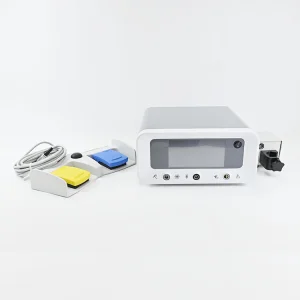
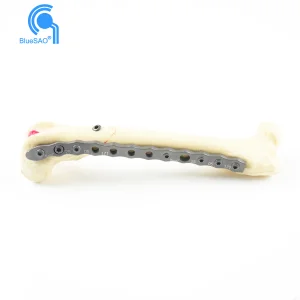
In the biomechanical hierarchy of orthopedic stabilization, proximal femoral fractures require dynamic load-bearing yet structurally stable fixation. The Gamma Nail, an intramedullary device that evolved from classical plating systems, provides superior mechanical performance compared to extramedullary implants (like the Dynamic Hip Screw). Centrally positioned inside the femoral canal, the Gamma Nail acts as a load-sharing device. This significantly reduces the bending moment on the implant and reduces the mechanical leverage of joint contact forces.
For global medical buyers and orthopedic distributors, sourcing these implants requires deep alignment with high-precision manufacturing. China's top-tier manufacturers, utilizing advanced medical alloys, are capable of fabricating these complex geometries. The intramedullary nail design accommodates early post-operative load bearing, minimizes disruption to the periosteal blood supply, and provides anatomical stability that promotes secondary bone healing through micromotion-induced callus formation.
Intramedullary positioning places the implant closer to the hip joint axis, reducing bending stress up to 40% compared to lateral locking plates.
Designed with fixed CCD (Caput-Collum-Diaphyseal) angles of 120° to 130° to match diverse human proximal femoral anatomies.
Integrated lag screw geometries secure the femoral head fragment, mitigating risk of lag screw cutout or migration.
Synoviq Medical Technology (China) Co., Ltd. is a professional manufacturer of orthopedic implants and surgical instruments, dedicated to delivering innovative, reliable, and high-quality medical solutions for healthcare professionals worldwide.
Since its establishment on March 18, 2016, Synoviq has focused on research, development, precision manufacturing, and international quality standards, providing comprehensive OEM and ODM services for global medical device brands, distributors, and hospitals. Our product portfolio includes trauma fixation systems, spinal implants, locking plates, intramedullary nails, external fixation systems, orthopedic screws, surgical instruments, and customized orthopedic solutions.
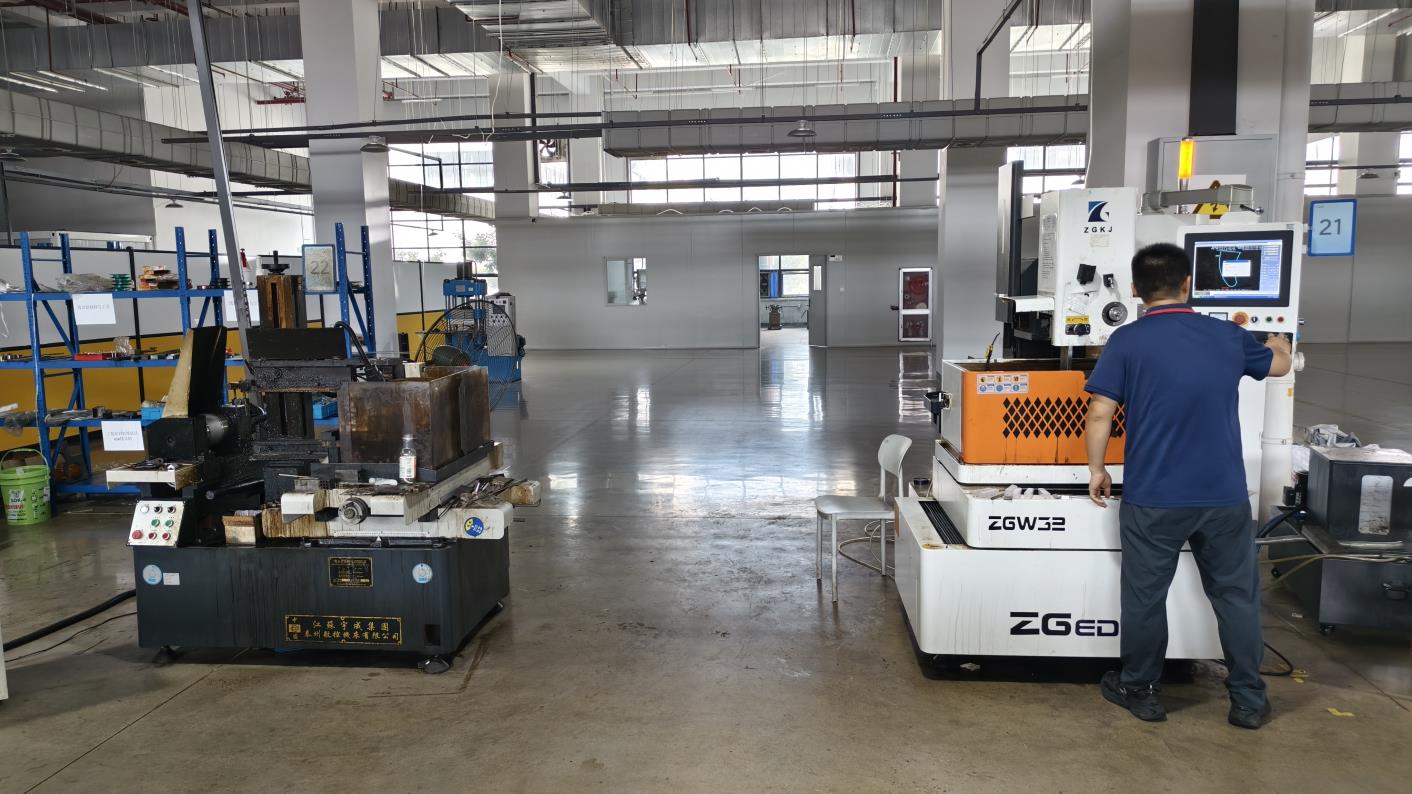
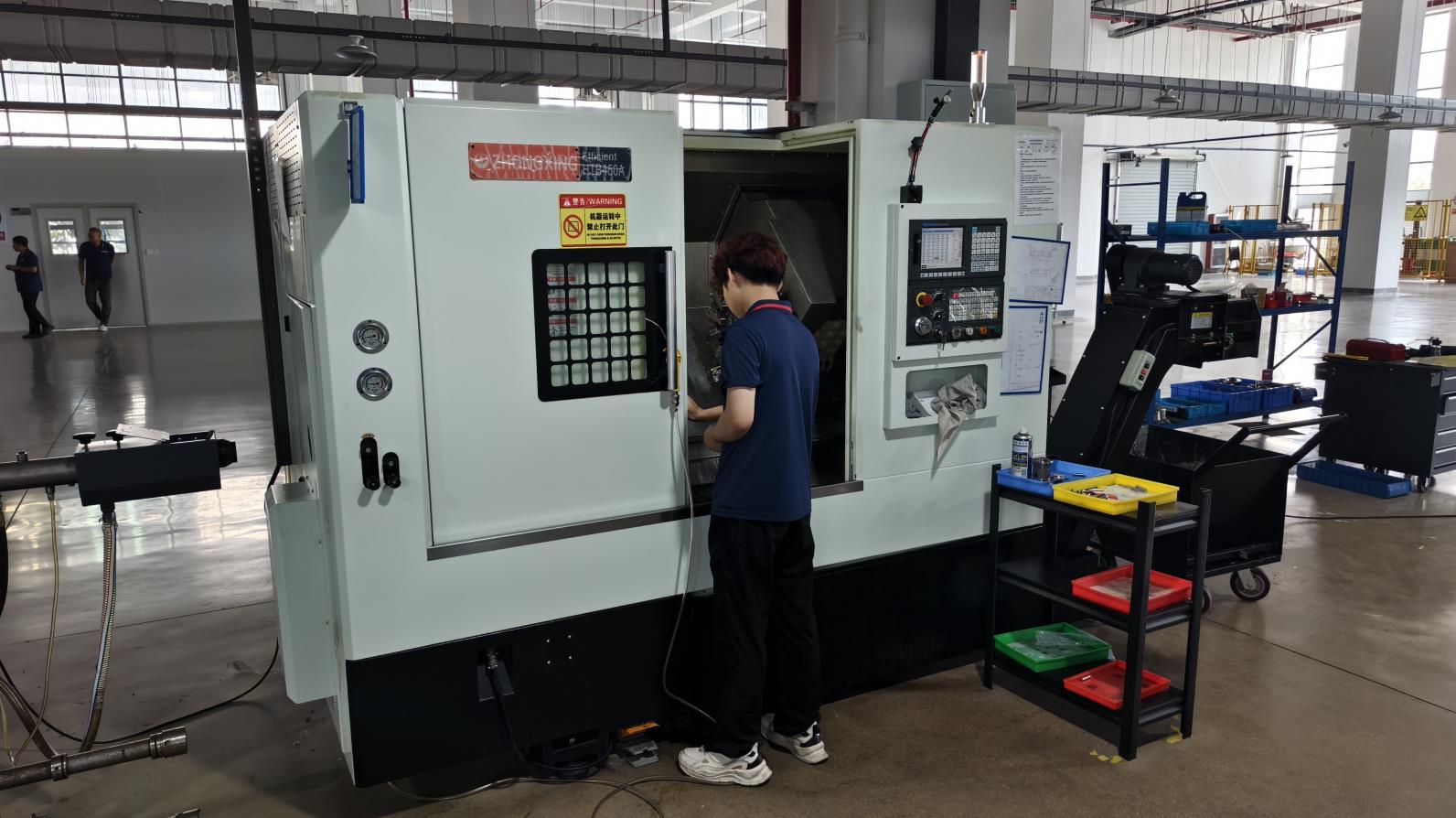
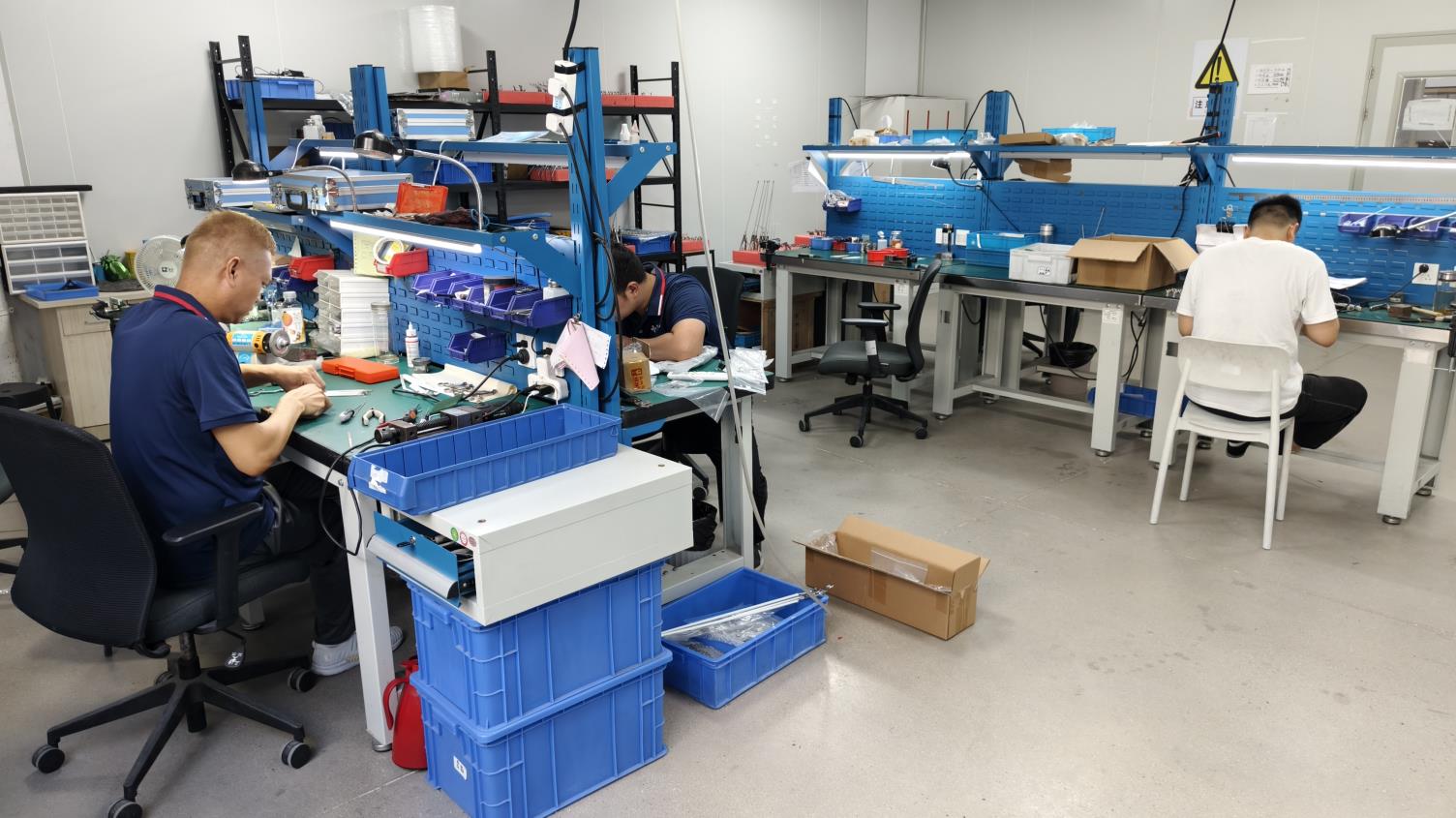
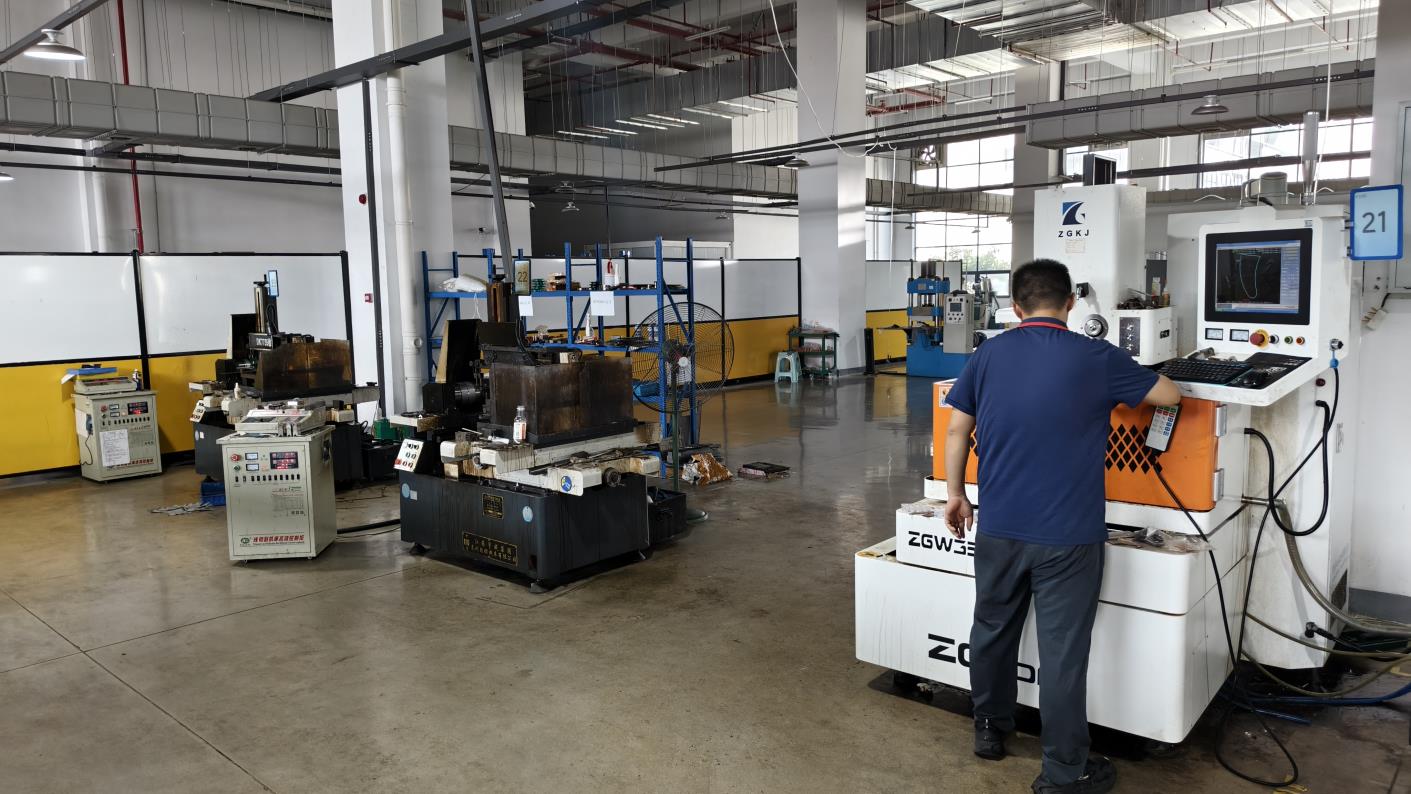
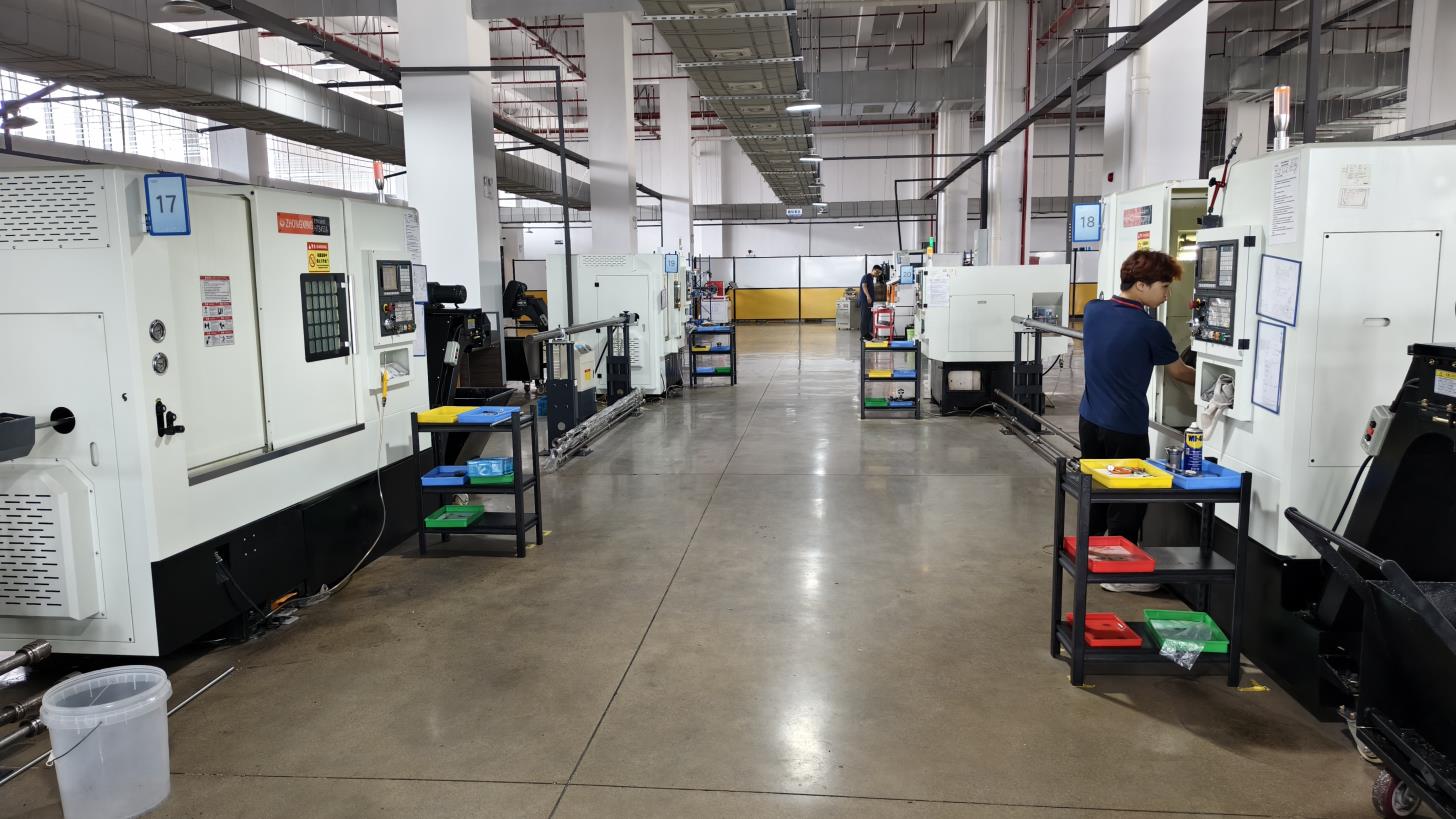
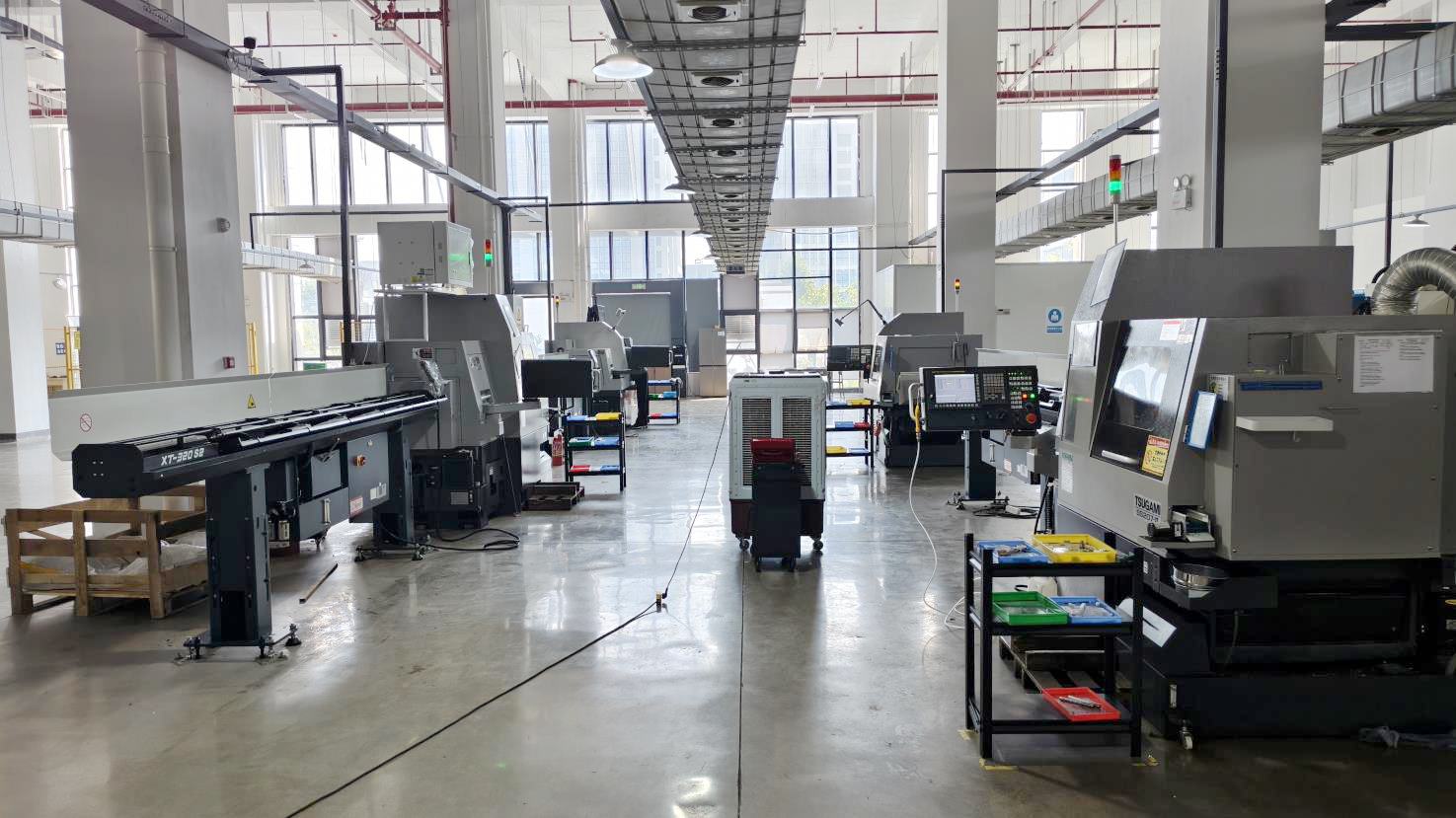
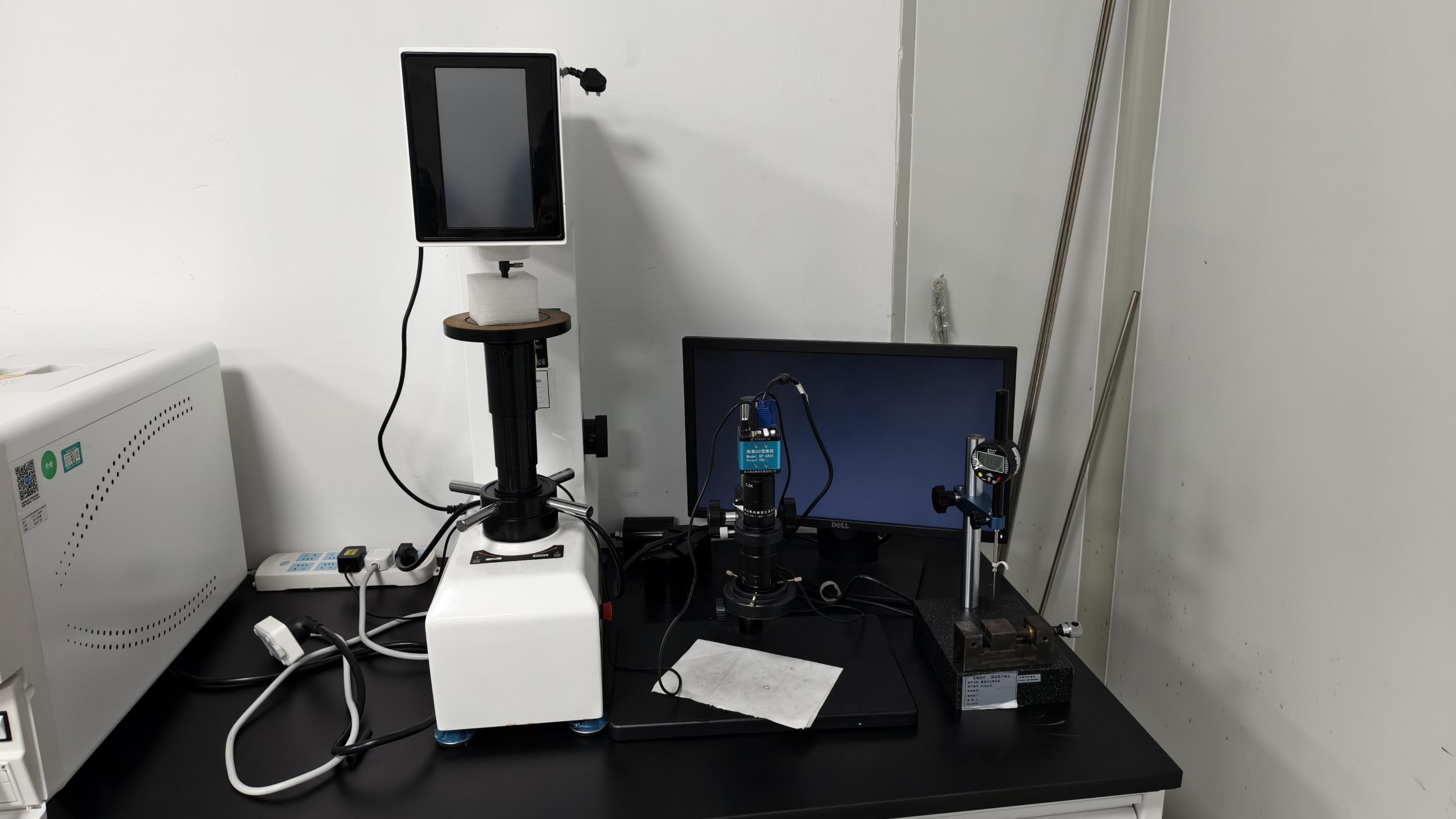
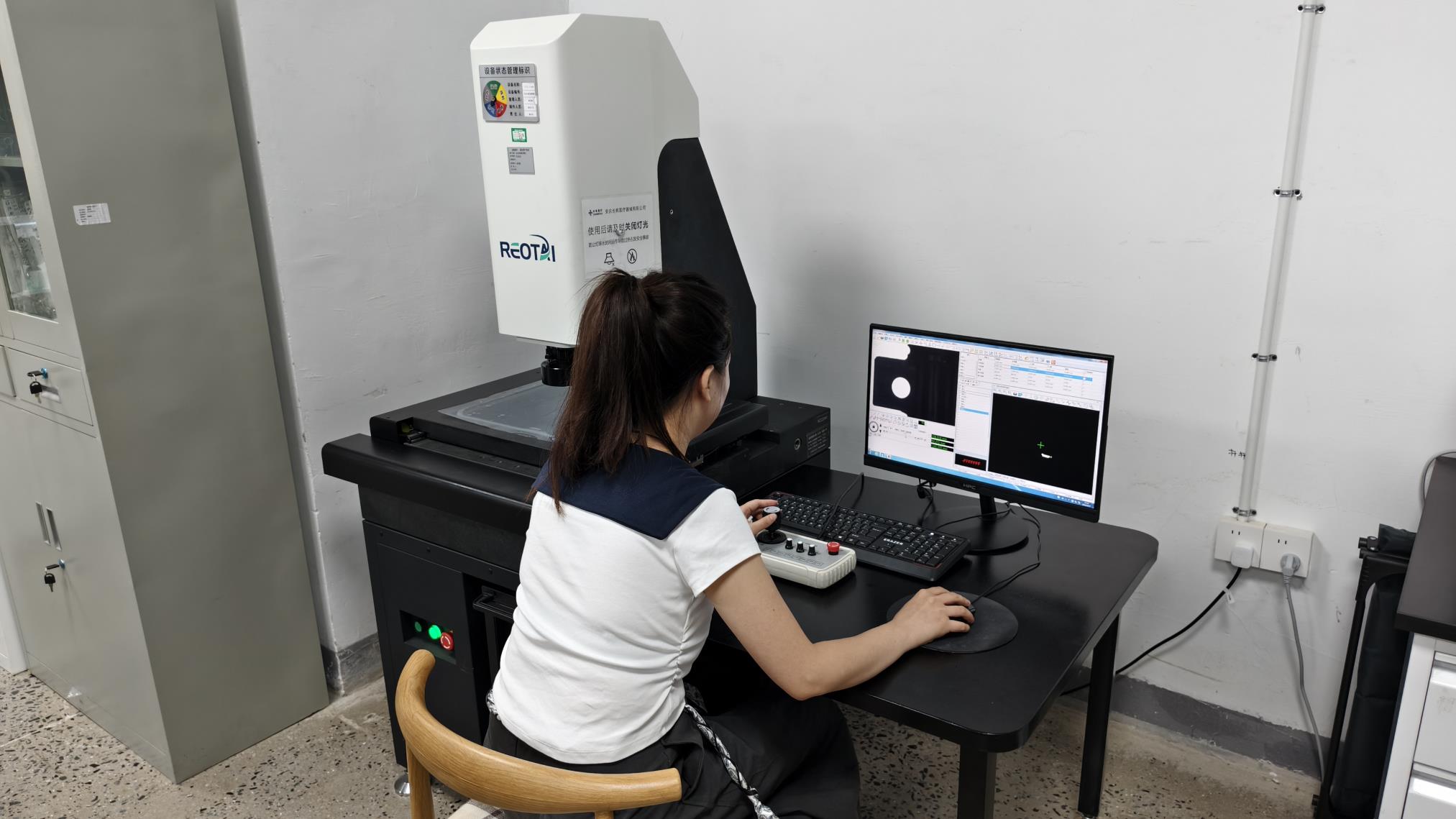
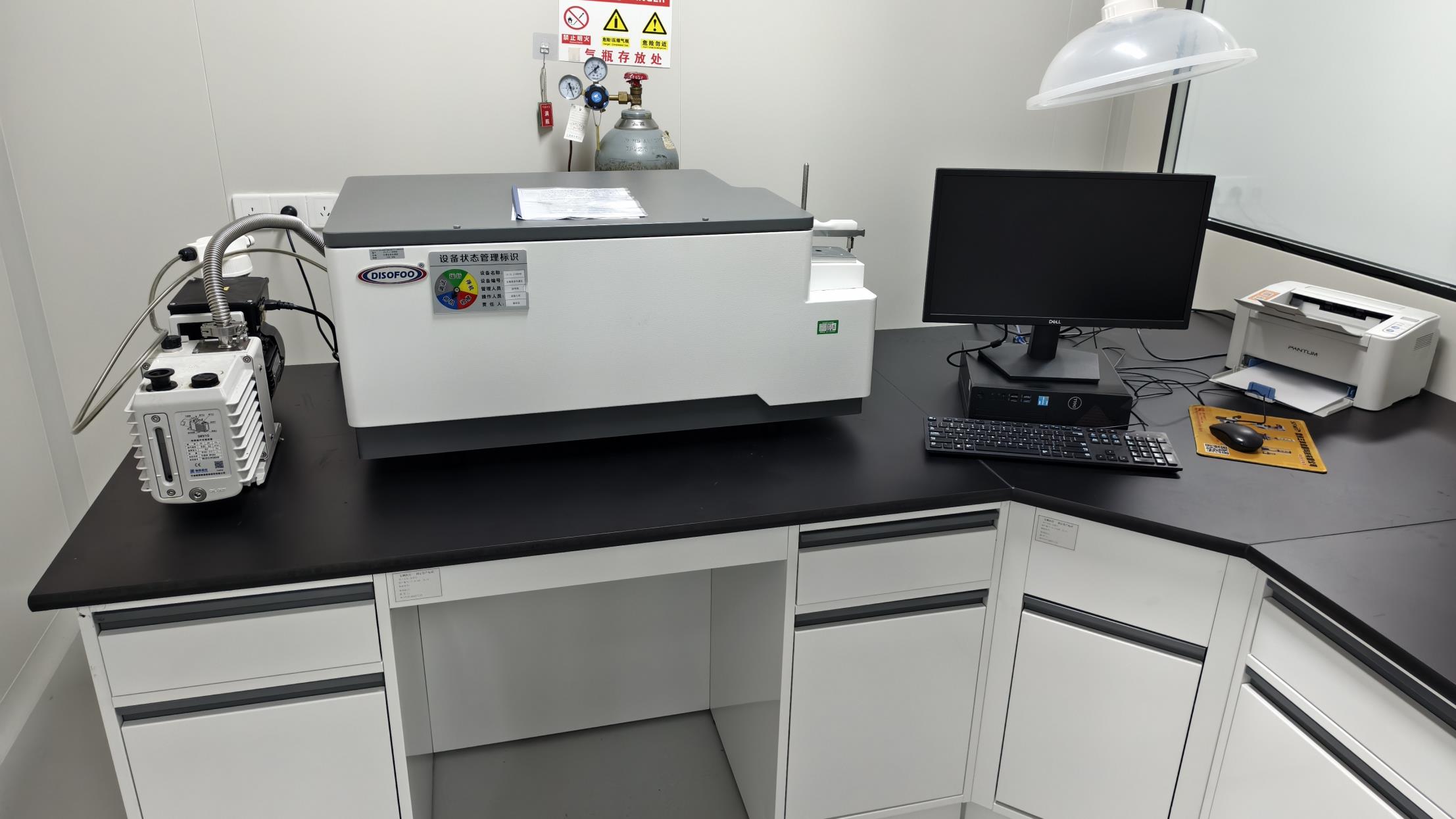
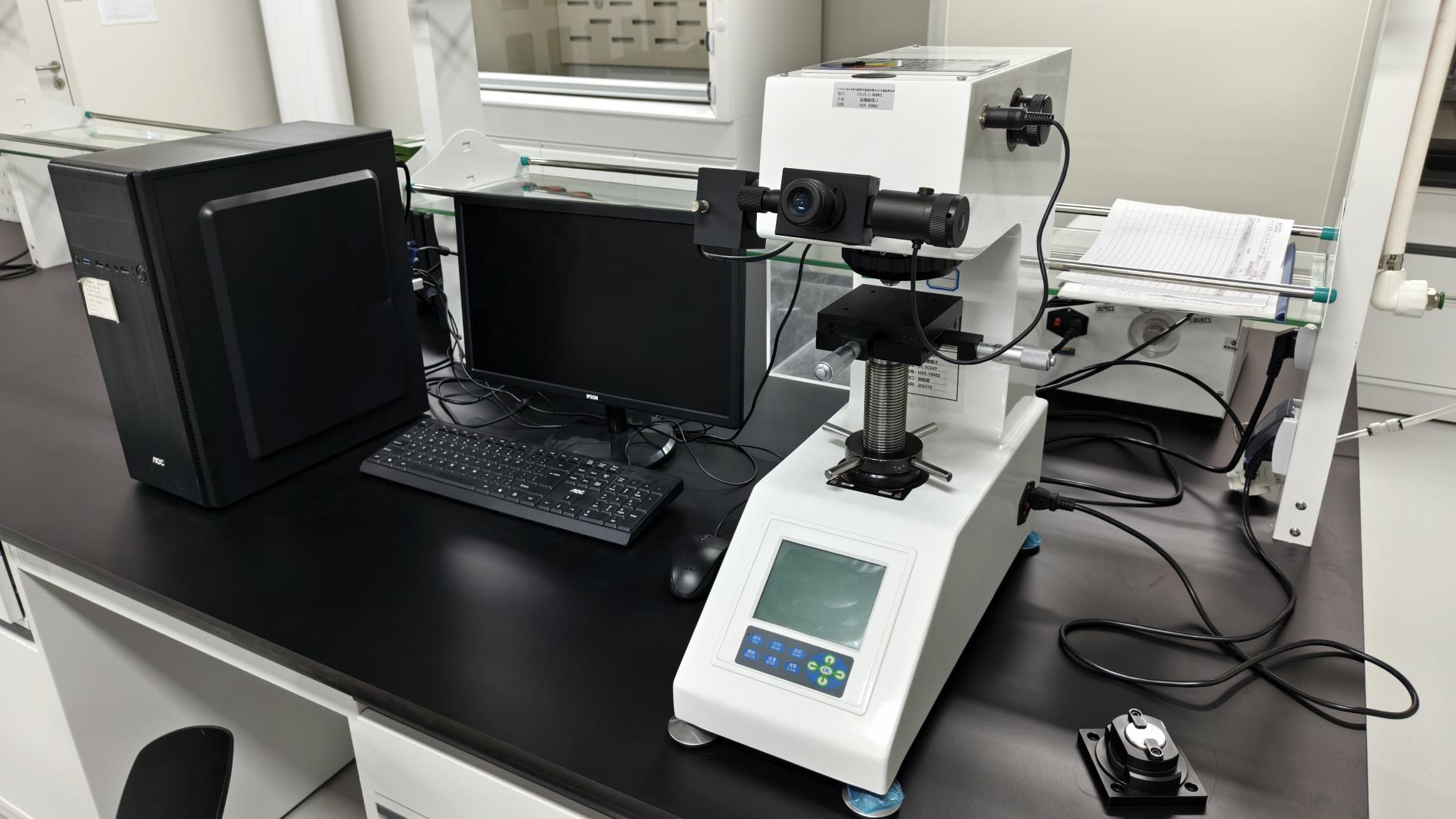
Equipped with advanced CNC machining centers, precision inspection equipment, and modern clean production facilities, we ensure every product meets strict international quality requirements. Guided by a customer-oriented philosophy, competitive pricing, stable supply capability, and efficient technical support, Synoviq has established long-term partnerships across Europe, North America, South America, the Middle East, and Asia-Pacific.
| Key Metric | Manufacturer Capabilities & Verified Data |
|---|---|
| Company Name | Synoviq Medical Technology (China) Co., Ltd. |
| Building Area | 18,600 m² modern facility |
| Annual Export Revenue | USD 21.8 Million |
| Industry Experience | 14 Years in Orthopedics |
| R&D Team | 76 Engineers; 186 New Products Released Last Year |
| Quality Assurance | 48 Specialists, 100% Final & Incoming Inspection |
| Main Markets | Europe, North America, South America, Middle East, Southeast Asia |
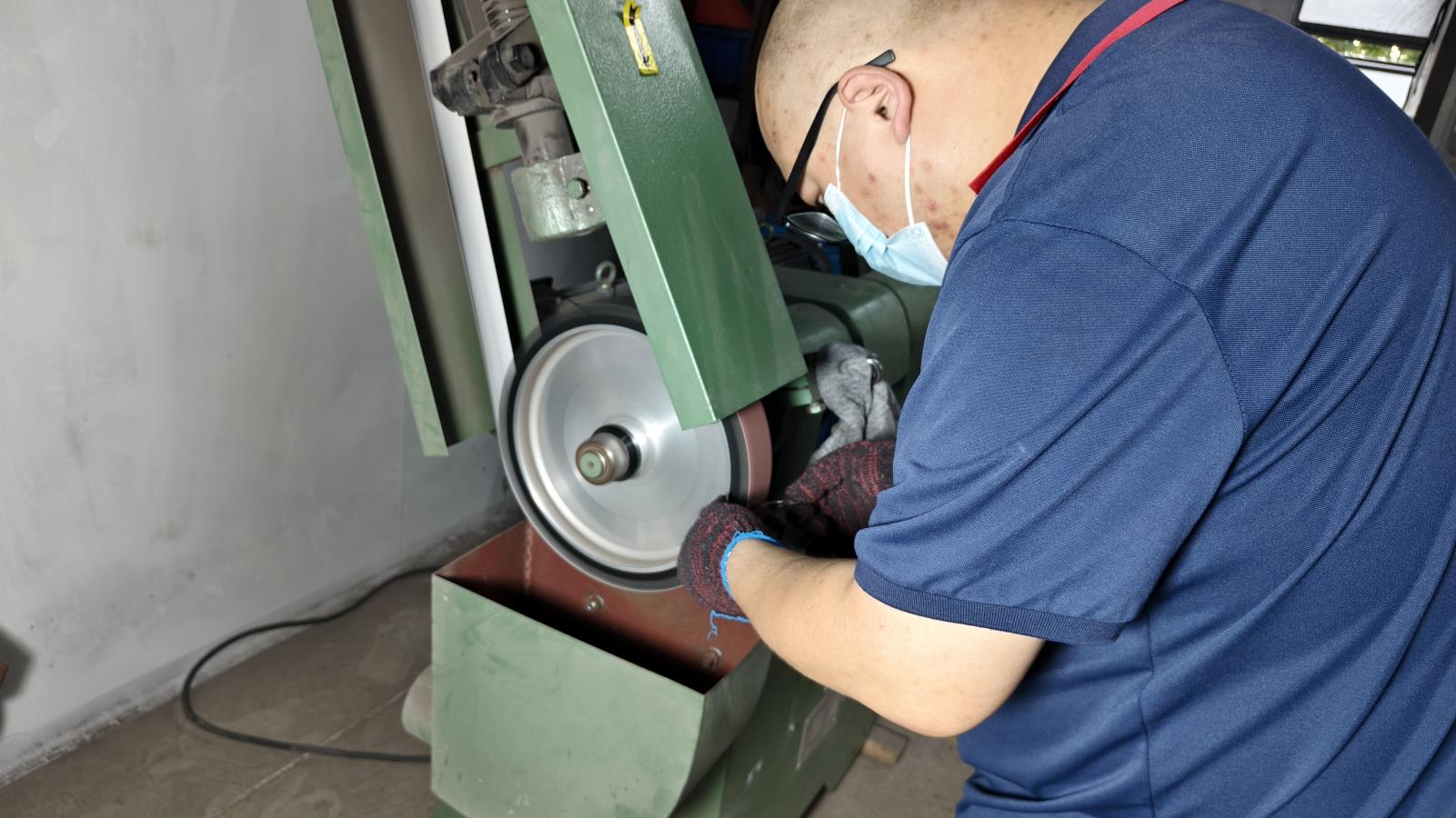
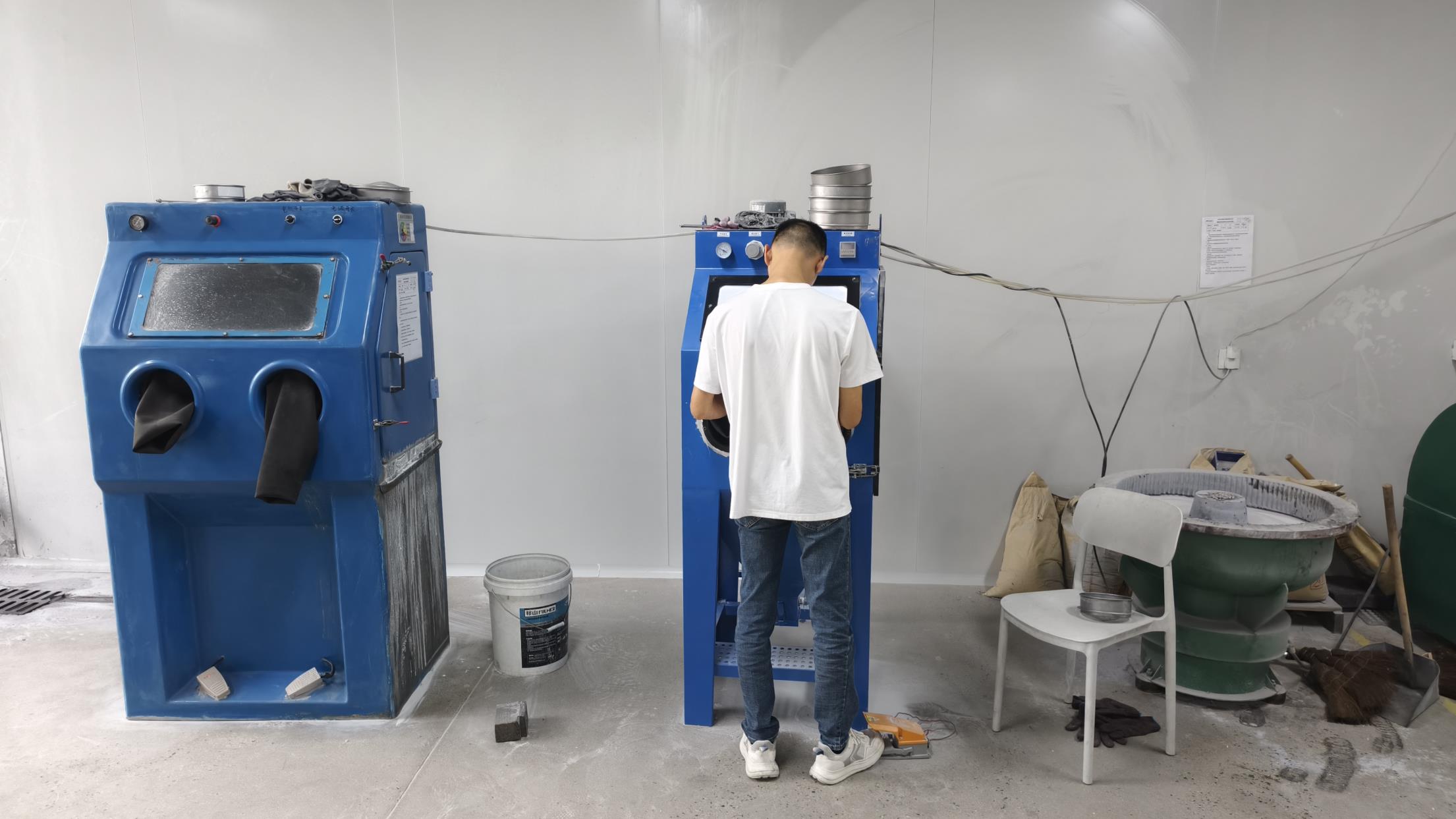
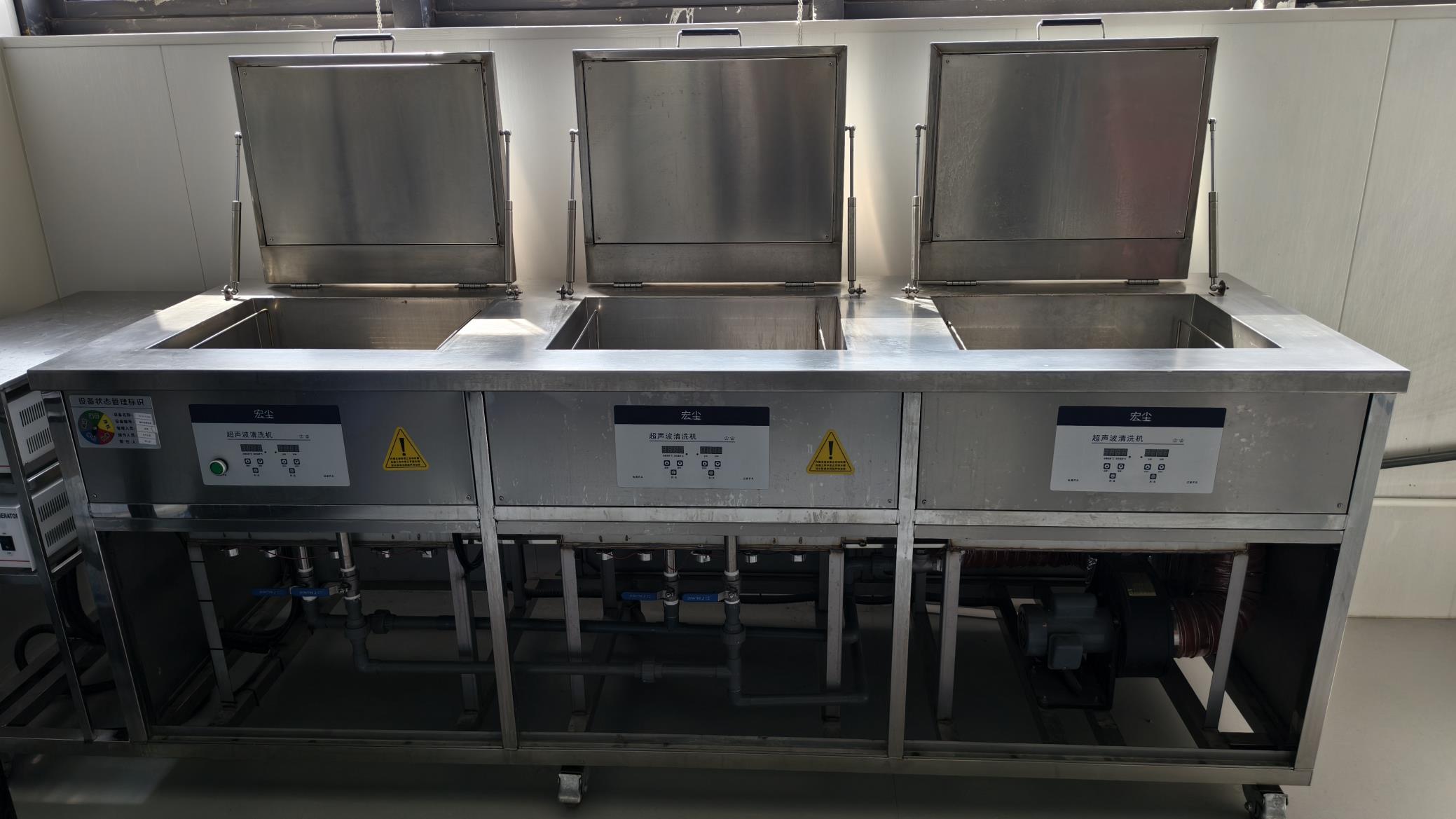
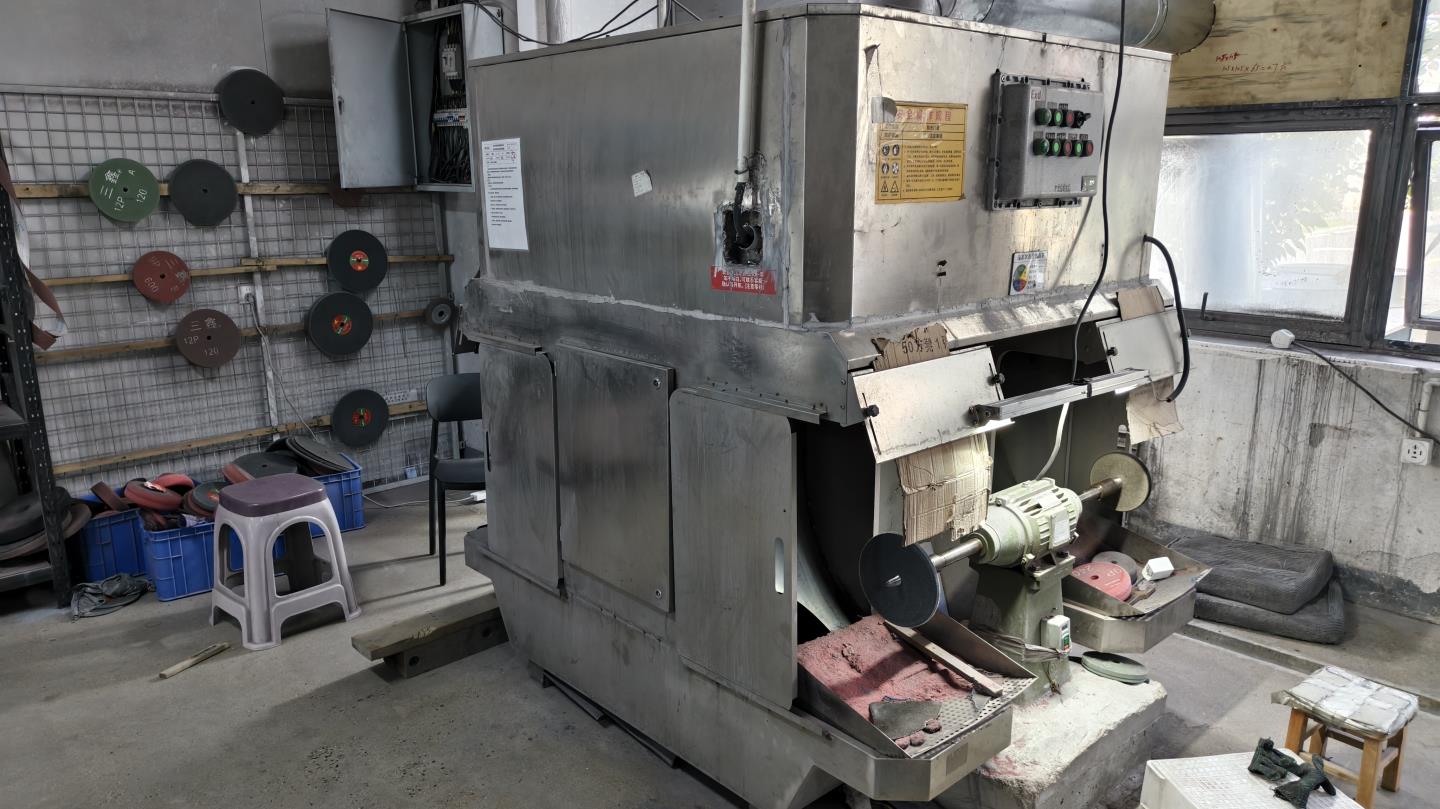
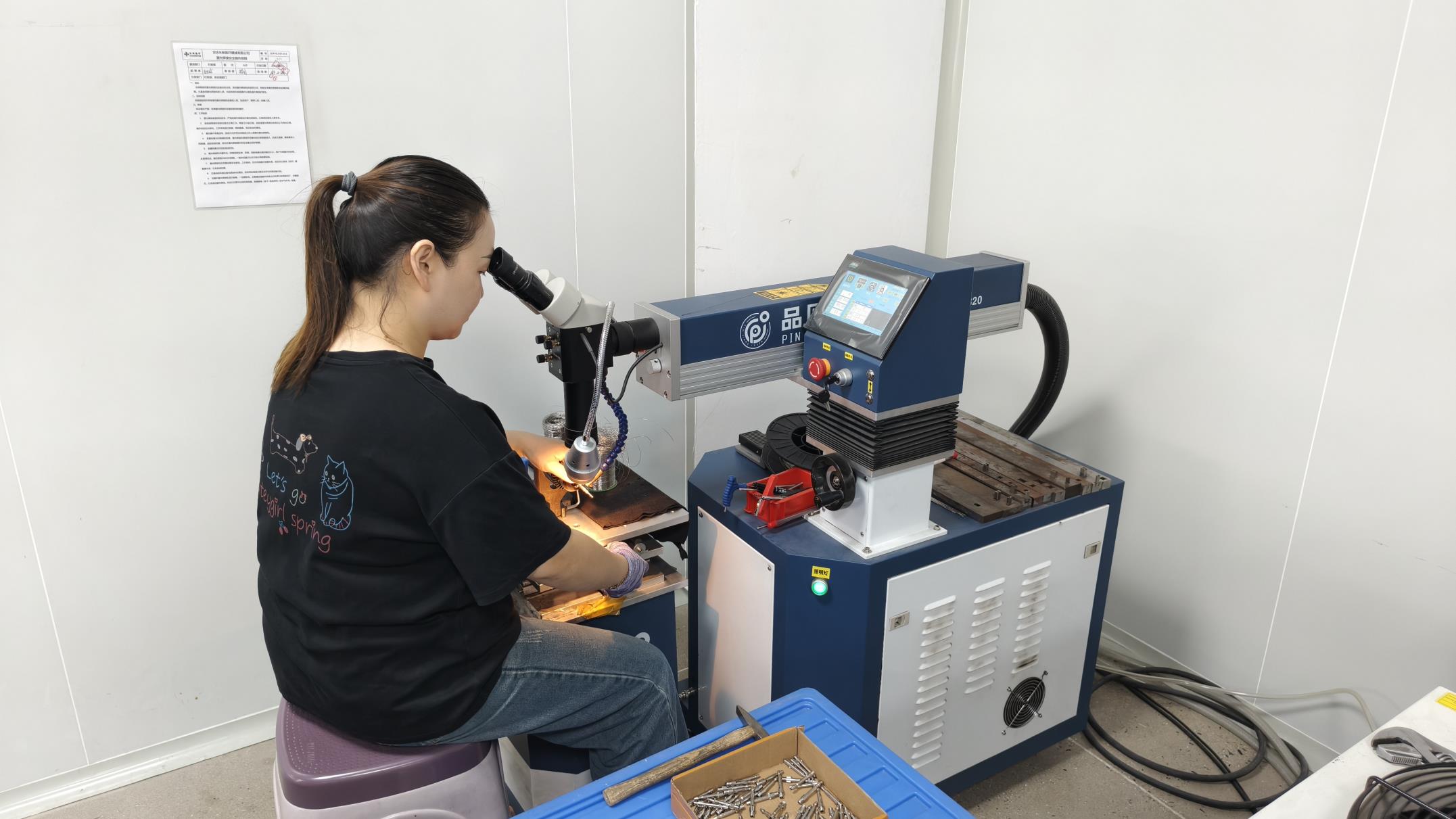
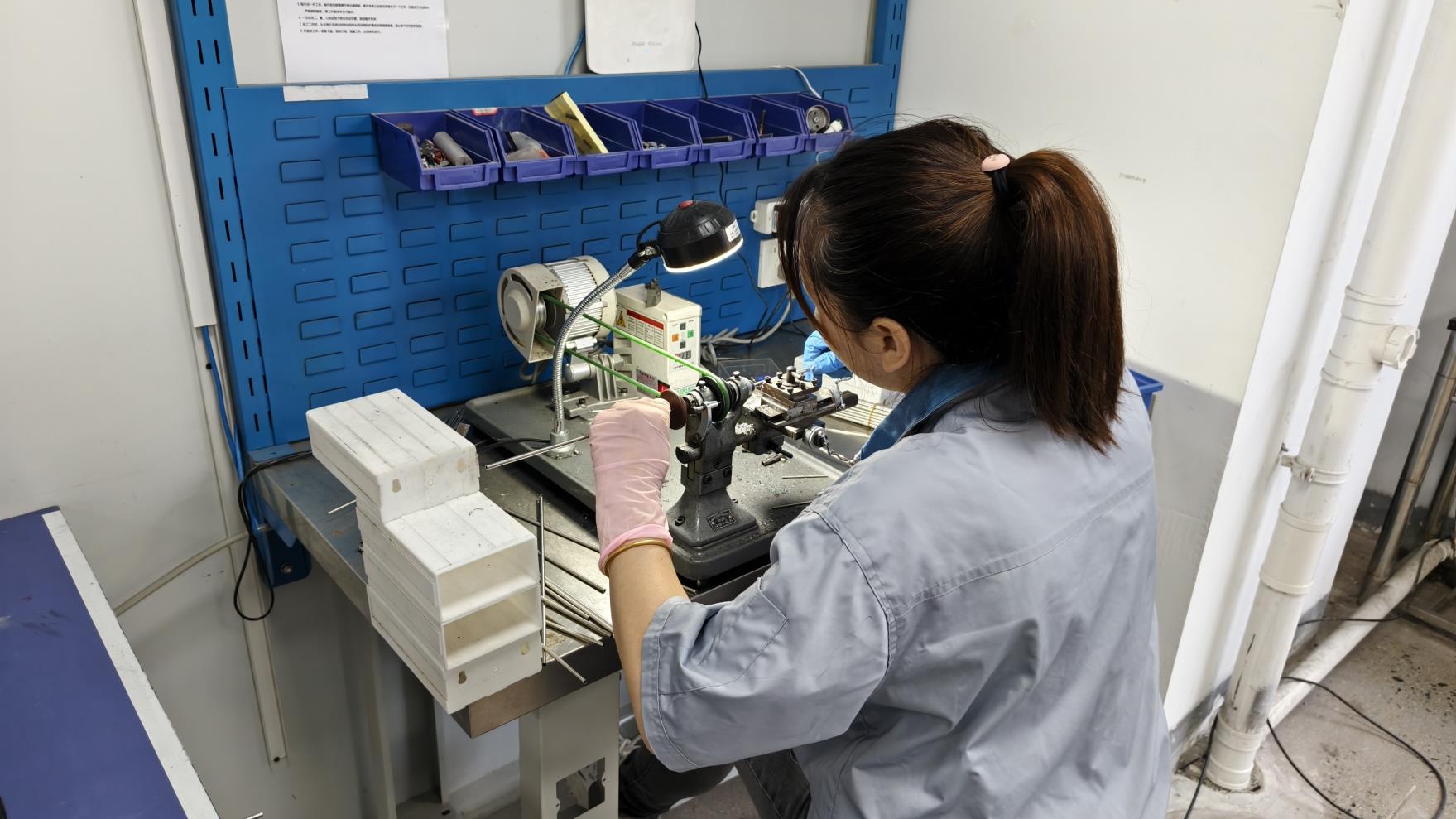
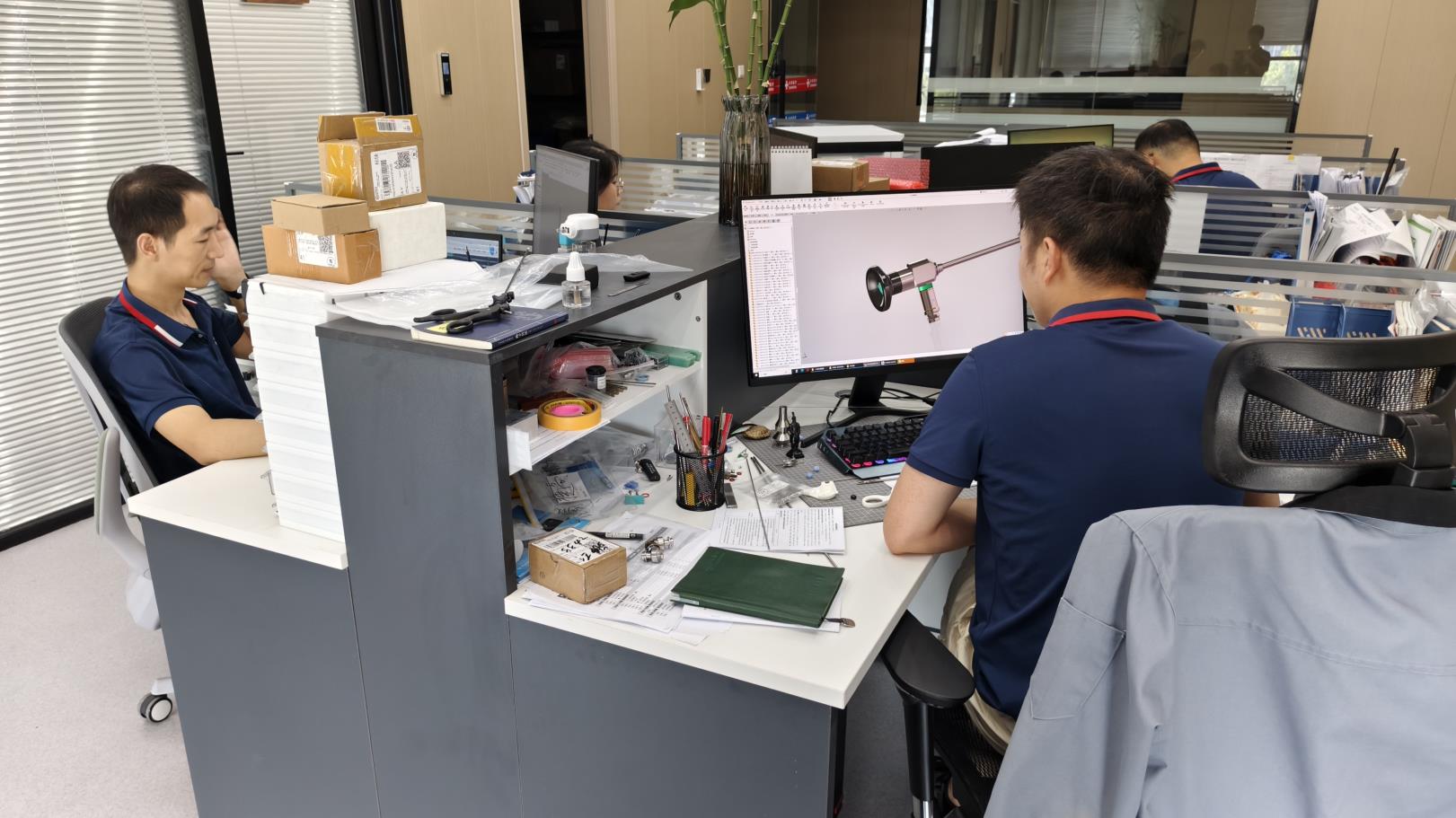
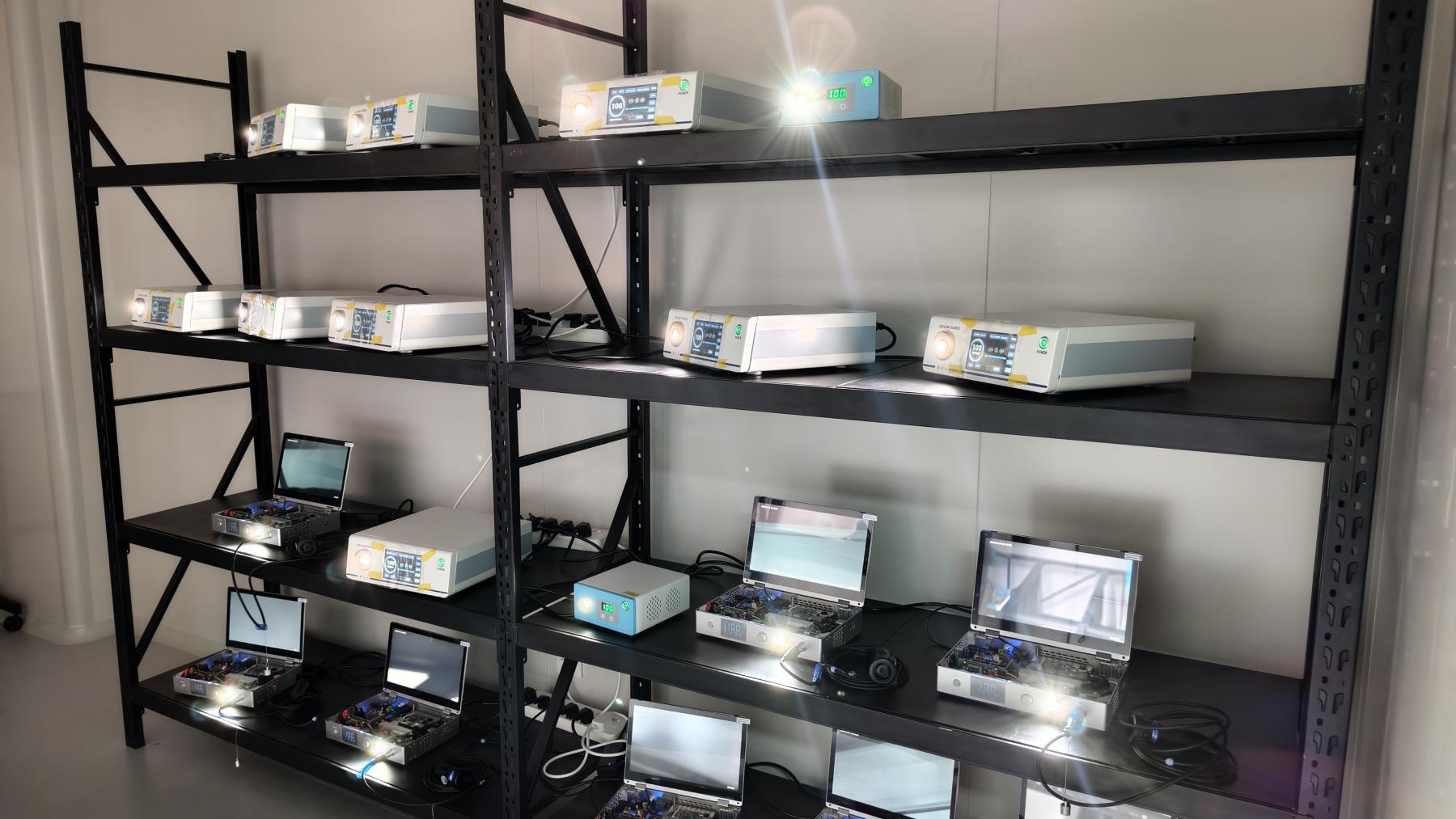
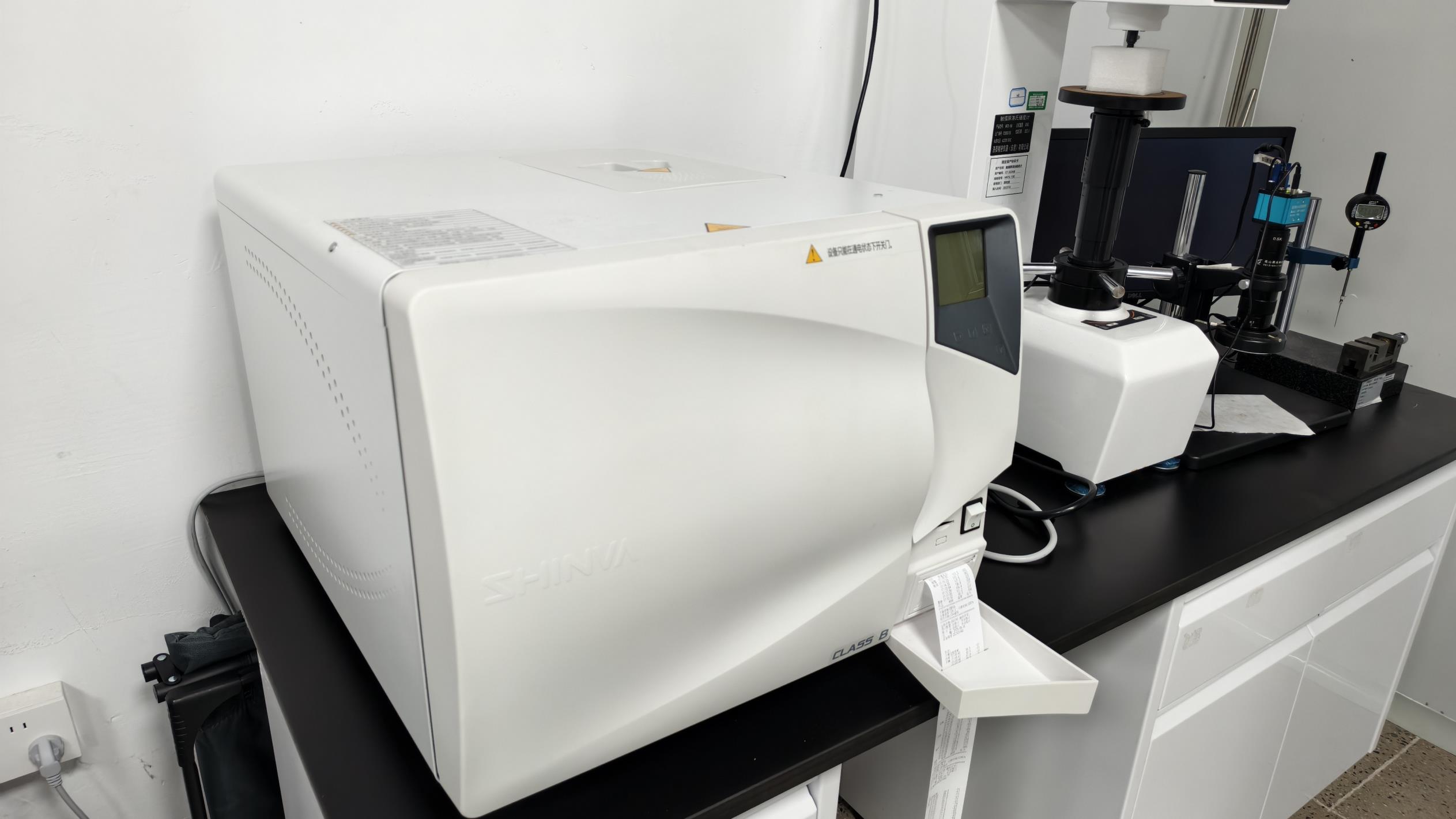
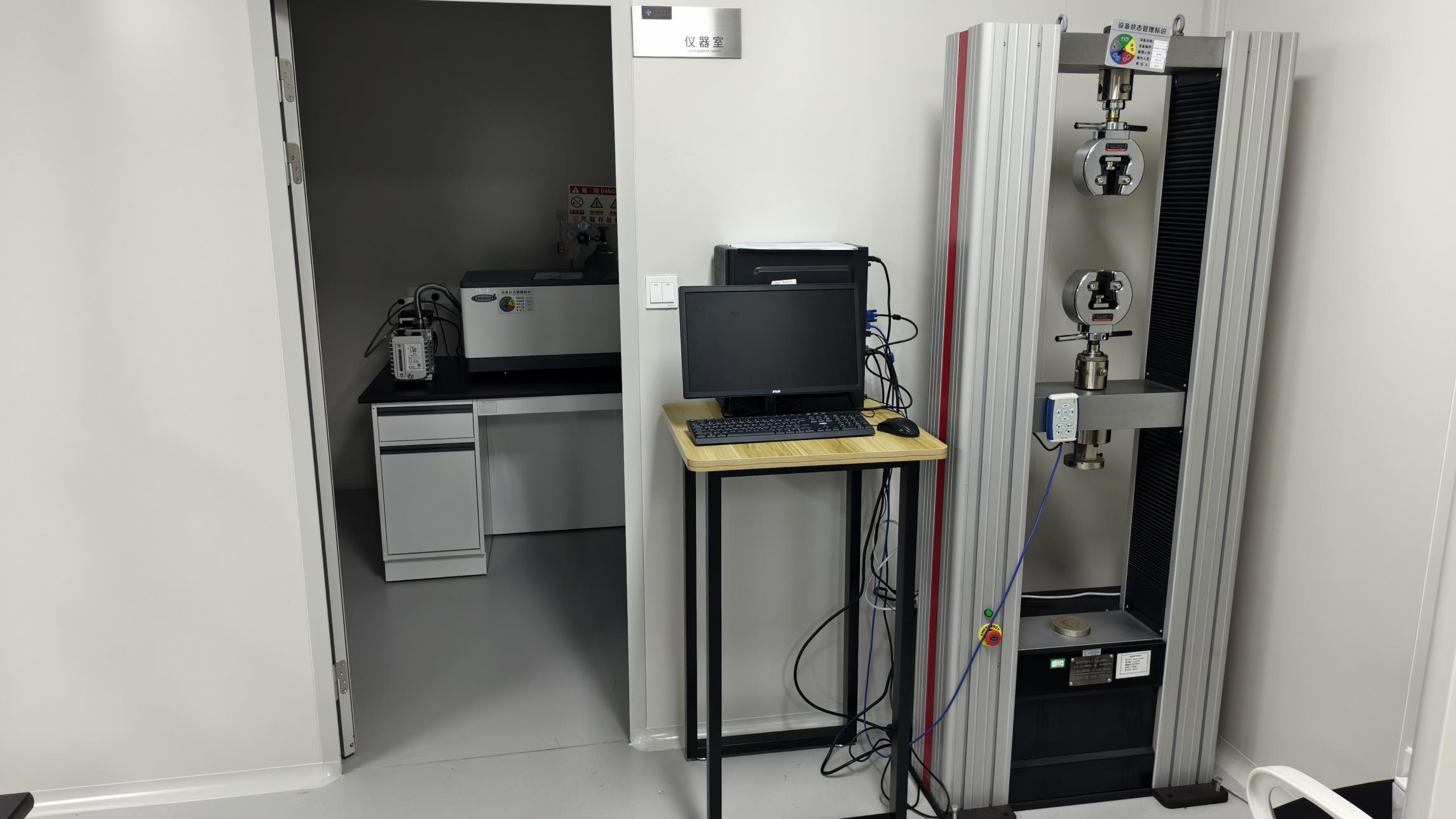
Take a look inside Synoviq's advanced CNC milling, machining lines, and material testing labs. Every implant undergoes microscopic inspection and sterile validation.
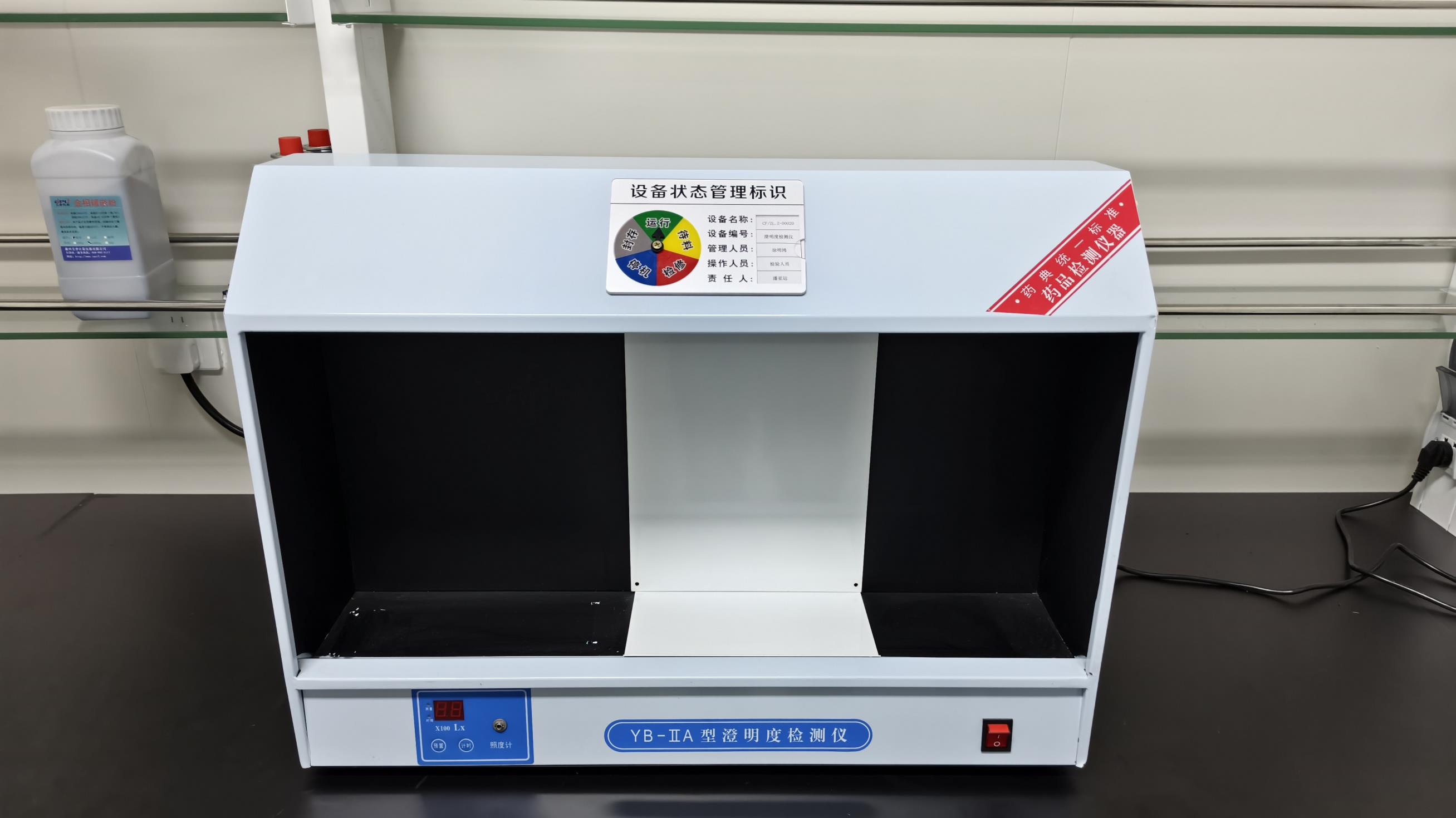
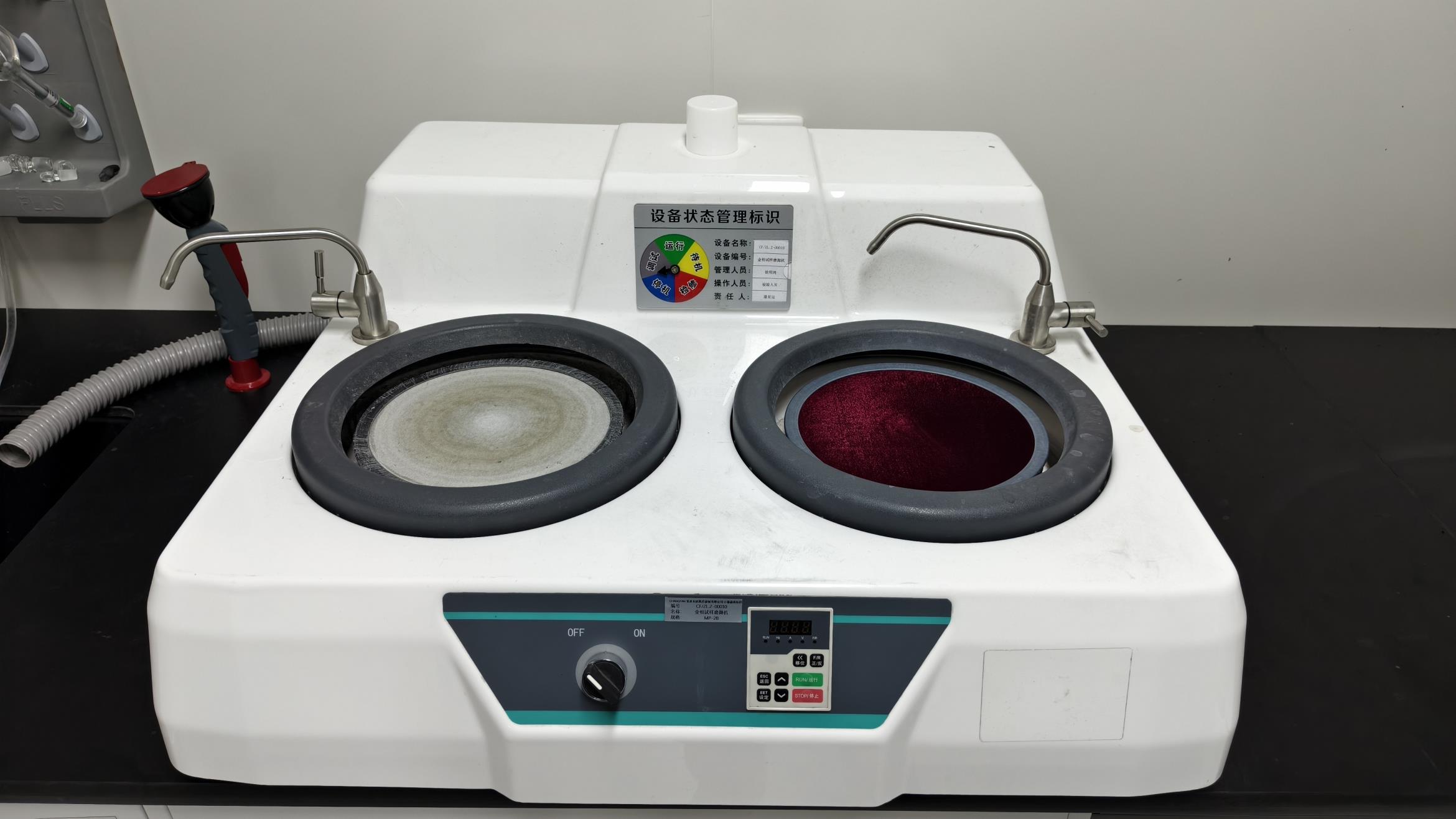
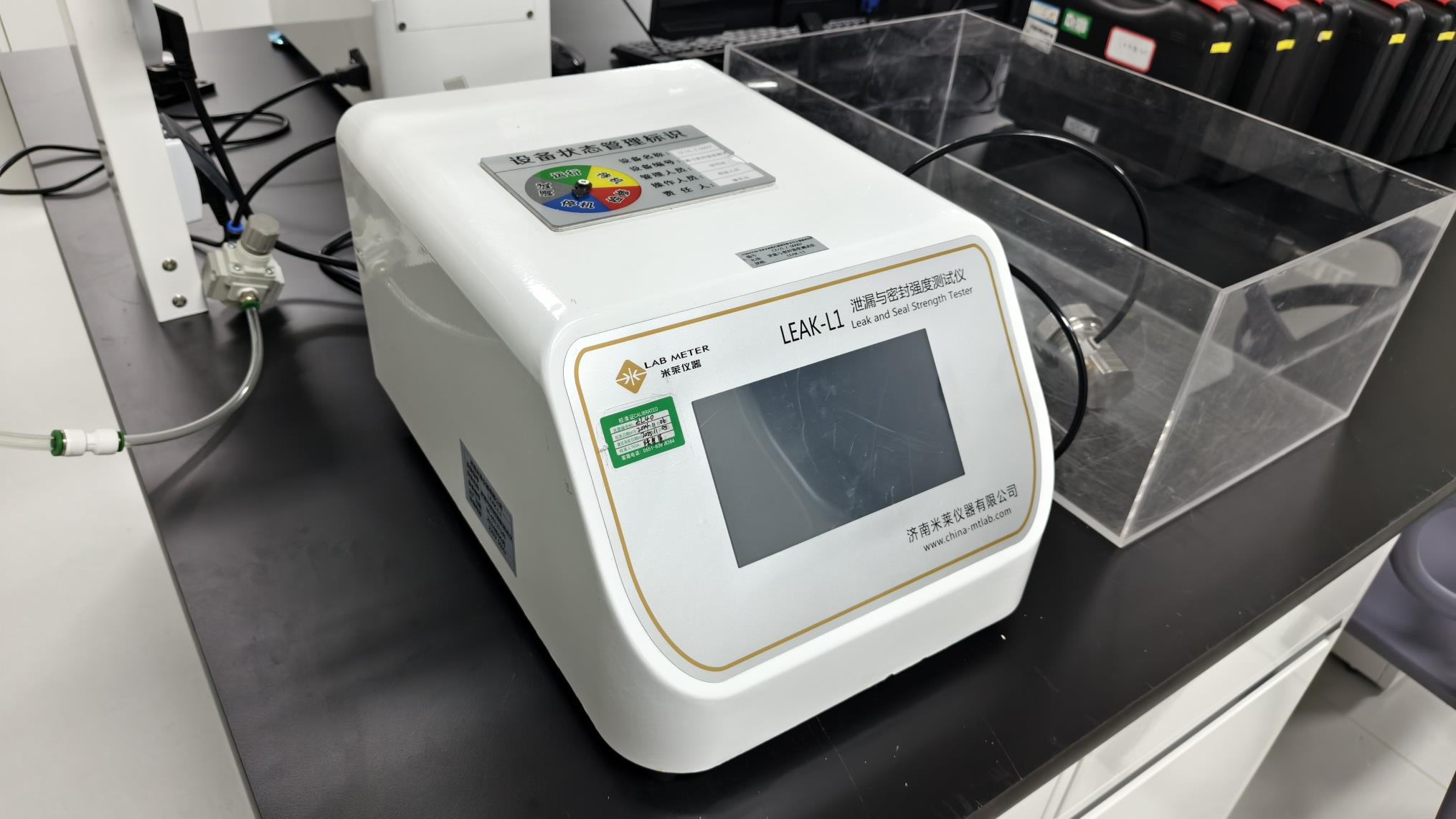
Navigating international regulatory frameworks is critical for medical device distributors. We offer structured technical dossiers and localized support.
To legally distribute implants like the CanPFN Proximal Femoral Nail system, suppliers must meet regulatory standards such as CE, ISO 13485, and FDA 510(k). Synoviq works closely with regional partners to simplify this process:
We provide full technical documentation—including mechanical fatigue studies, biocompatibility reports (ISO 10993), and packaging validation dossiers—to accelerate local registration.
Our facilities comply with ISO 13485 regulations. We regularly host third-party audits and provide complete traceability, tracking raw material batches through to final finished goods.
For partners requiring sterile-packaged implants, we provide Class 10,000 (ISO Class 7) cleanroom packaging and ethylene oxide (EO) or Gamma-irradiation validation.
How orthopedic device brands leverage Chinese supply chains to maintain competitive margins without compromising on clinical quality.
The global orthopedics market faces constant pressure from healthcare cost-containment measures and tender-based pricing models. In this environment, partner factories must provide more than just low-cost labor. The modern Chinese orthopedic ecosystem offers significant advantages in material science integration, high-speed automated machining, and raw material sourcing.
Our close alignment with high-grade titanium mills allows direct sourcing of certified Ti-6Al-4V ELI (Extra Low Interstitial) alloys conforming to ASTM F136 specifications. This protects our supply chain from raw material price swings and guarantees consistent mechanical properties.
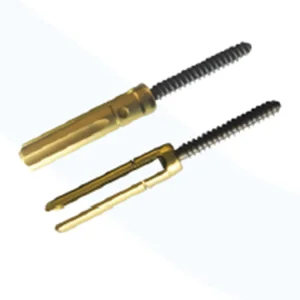
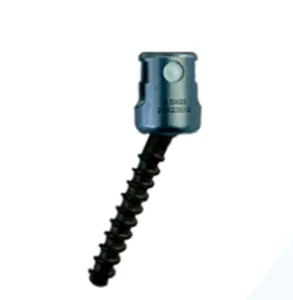
Manufacturing complex locking implants, such as polyaxial pedicle screws and dynamic hip locking nails, requires precise tolerances down to the micron. Our Swiss-type multi-axis lathes turn and mill implants in a single setup, eliminating variation and maintaining high axial consistency.
With 76 dedicated R&D engineers, Synoviq translates clinical feedback into production-ready designs. Whether adjusting the distal taper of an intramedullary nail or refining surgical instrument guides, our CAD/CAM integration helps minimize design cycle times.
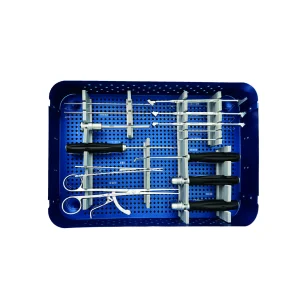
Surgical outcomes rely heavily on the instrument kit. We provide customized, autoclave-compatible sterilizer cases alongside matching instrumentation (like guides, dynamic reamers, and depth gauges), offering a complete solution for hospitals.
Matching implant designs to specific regional demographics and clinical practices ensures better patient outcomes.
In aging populations with osteoporotic bone structures, our Gamma and Proximal Femoral Nails feature optimized lag screw designs to distribute pressure evenly. This design helps minimize the risk of bone cutout and dynamic failure during patient recovery.
Our soft-tissue protection sleeves and targeting guides allow surgeons to insert intramedullary implants through small incisions. This approach helps reduce intraoperative blood loss and shortens hospital recovery times.
Different populations present varied femoral curvatures. We offer nails in multiple lengths and distal curvatures (Radius of Curvature) to help prevent anterior cortical impingement during placement.
Looking ahead at the materials and digital innovations shaping the next generation of intramedullary implants.
The future of trauma implants lies at the intersection of biological integration and digital surgical assistance. We track these key technological shifts to keep our product lines aligned with future clinical demands:
Advanced surface modifications, such as titanium anodization and calcium phosphate coatings, help promote osseointegration. Additionally, silver or copper ion doping is being researched to prevent early post-operative bacterial colonization on implants.
Surgical protocols are shifting toward computer-guided navigation. Our targeting instruments are designed to integrate with modern optical and electromagnetic tracking systems, helping surgeons achieve highly accurate distal locking screw placement.
Technical and regulatory answers for supply chain managers and global procurement executives.
Our implants are manufactured from medical-grade Titanium Alloy (Ti-6Al-4V ELI) conforming to ASTM F136 and ISO 5832-3 standards. For specific markets, we also manufacture implants using medical-grade Stainless Steel (316LVM) conforming to ASTM F138.
Every batch of implants undergoes mechanical fatigue testing in accordance with ASTM F382 or equivalent standards. This testing simulates physiological loading cycles to ensure long-term durability and prevent structural failure in patients.
We offer comprehensive customization, including laser-etched branding, custom surface anodization (color coding for sizing), specialized dimensional adjustments, custom instrument set configurations, and tailored sterile packaging.
We supply implants in both sterile (double sterile blister packs with EO validation) and non-sterile configurations. Surgical instrument sets are typically supplied non-sterile and are designed for steam sterilization prior to use in the operating room.
Standard catalog items are generally shipped within 15–30 days. Custom OEM orders or large contract manufacturing runs typically require 45–60 days, which accommodates tooling preparation, machining, quality inspection, and packaging validation.
Yes, we welcome on-site quality audits by distributors and regulatory authorities. We provide access to our CNC production areas, cleanrooms, and testing laboratories, along with complete documentation trails for our quality systems.
We design and manufacture both implants and instruments within a single engineering framework. We perform complete tolerance stack-up analysis and physically test fitment to ensure smooth instrument engagement during surgery.
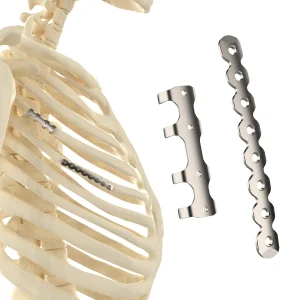
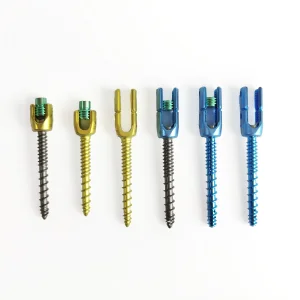
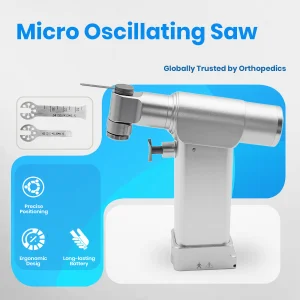
Discover our comprehensive collection of spine screws, locking plates, trauma fixation sets, and precision medical power tools.
 Synoviq Medical