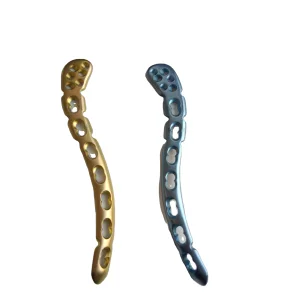
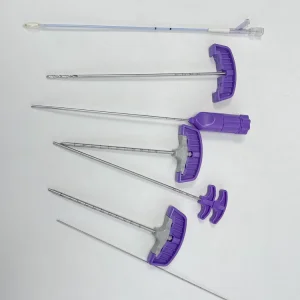
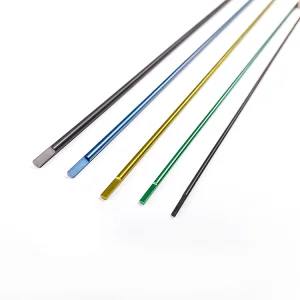
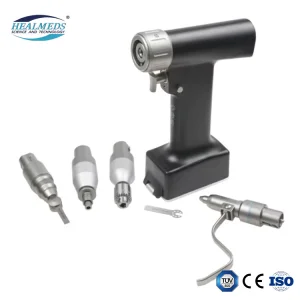
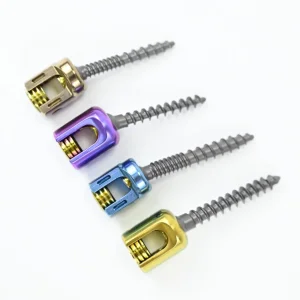
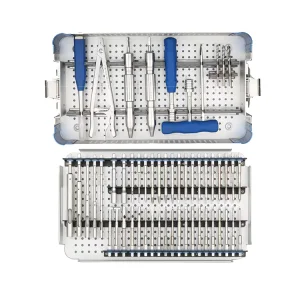
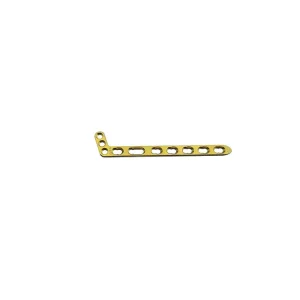
Explore our state-of-the-art trauma fixation assemblies, spine reconstruction kits, and specialized cortical bone surgical instruments.
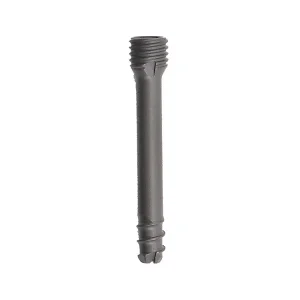
In modern orthopedic internal fixation, the cortical screw is a fundamental component designed to anchor rigid metal configurations directly to dense bone tissues (cortical bone). Unlike cancellous screws, which possess deep, widely spaced threads suited for sponge-like trabecular networks, cortical screws require unique engineering. They feature a finer pitch (distance between threads) and a larger core-to-outer diameter ratio to maximize contact surface and purchase strength within thin, highly calcified osseous structures.
From a biomechanical standpoint, the pull-out strength of cortical screws depends on multiple critical variables:
The global orthopedic implant market is shifting toward minimally invasive procedures and highly specialized bone-fixation systems. Geopolitically, manufacturing hubs in China have transitioned from high-volume, low-margin exporters to advanced precision innovators. Chinese factories now manufacture clinical-grade implants using Swiss-type CNC centers and automated physical vapor deposition (PVD) lines. This change has lowered global healthcare costs while upholding the safety and mechanical performance standards set by Western medical device authorities.
Furthermore, standardizing ISO 13485 quality control systems has unified China's domestic supplier ecosystem with the strict requirements of international purchasers. As hospitals in the Americas, EU, and Asia-Pacific manage mounting economic pressures, relying on reputable Chinese factories for orthopedic screws, locking plates, and custom surgical instruments offers a viable way to cut procurement costs without sacrificing patient outcomes.
Pioneering High-Precision Orthopedic Implants and Surgical Systems for Global Markets
Synoviq Medical Technology (China) Co., Ltd. is a professional manufacturer of orthopedic implants and surgical instruments, dedicated to delivering innovative, reliable, and high-quality medical solutions for healthcare professionals worldwide. Since its establishment, Synoviq has focused on research, development, precision manufacturing, and international quality standards, providing comprehensive OEM and ODM services for global medical device brands, distributors, and hospitals.
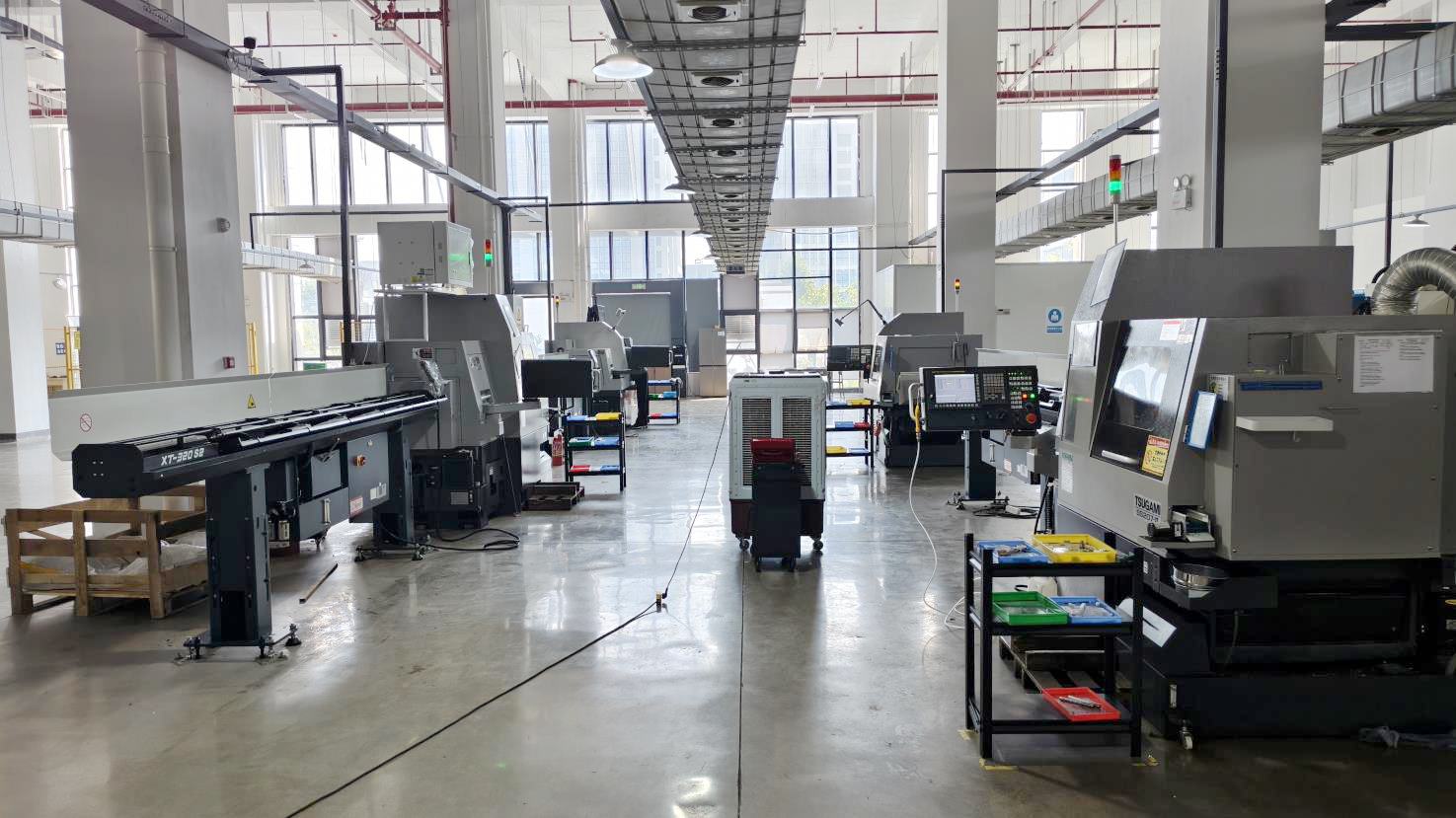
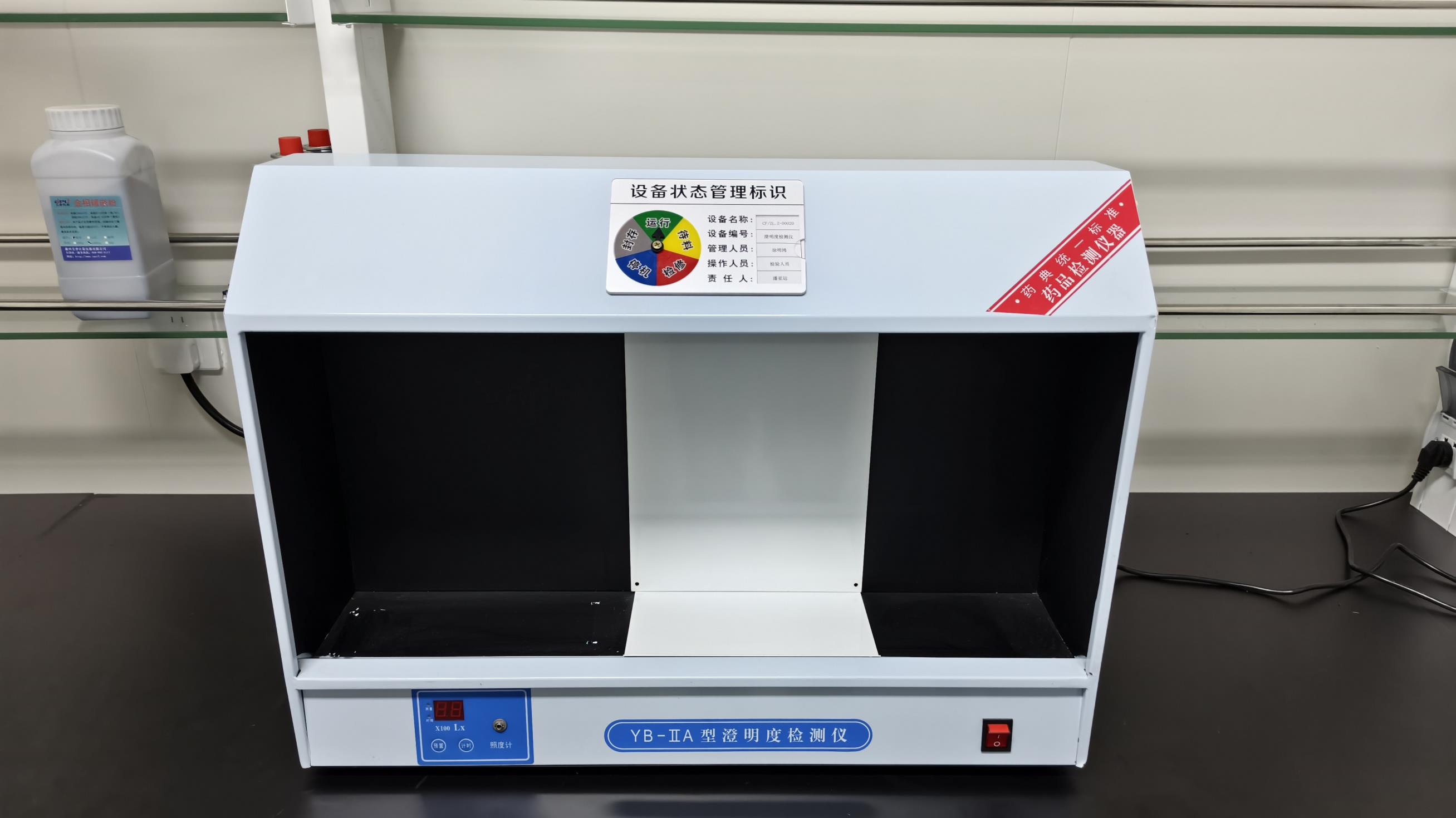
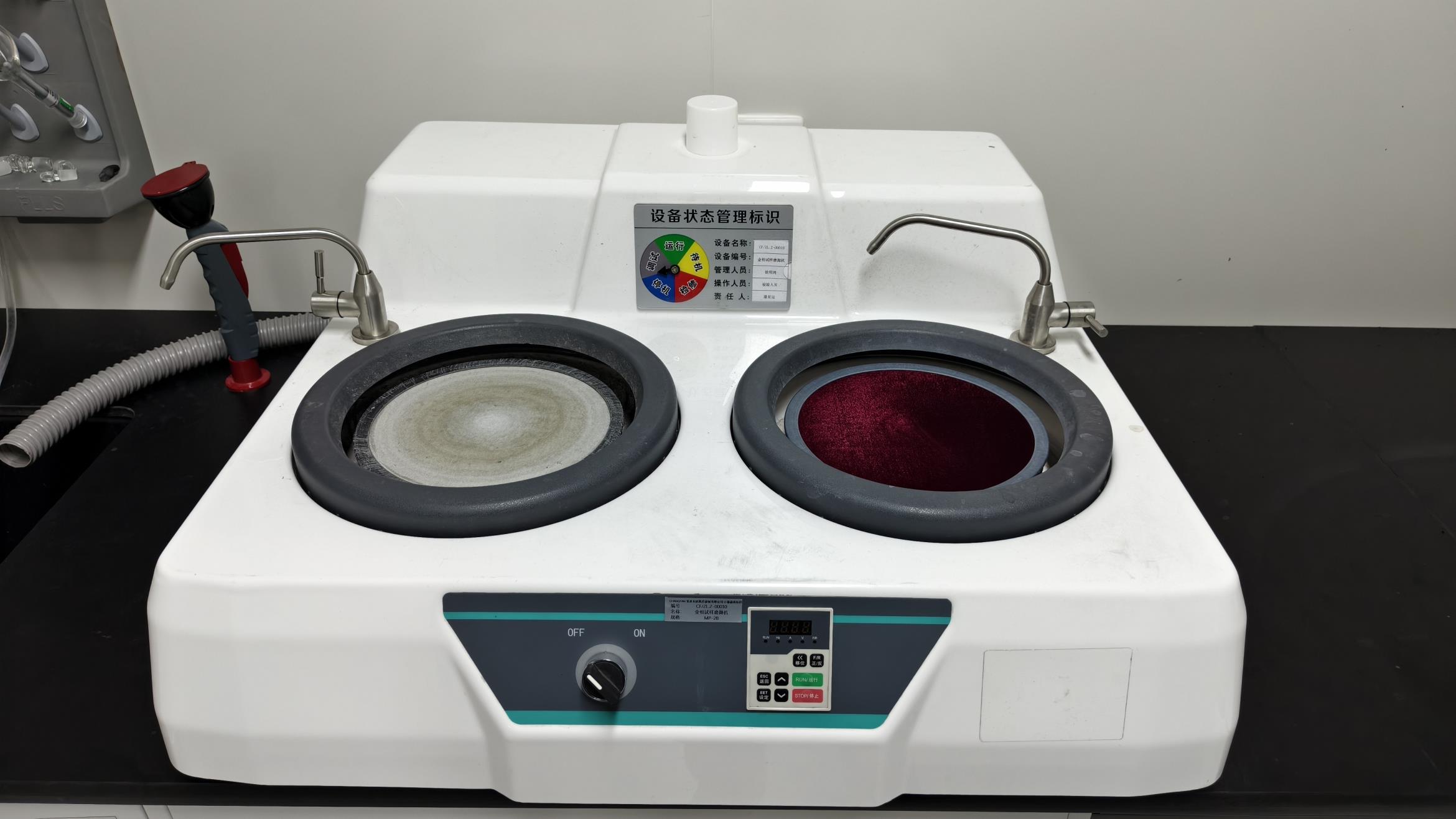
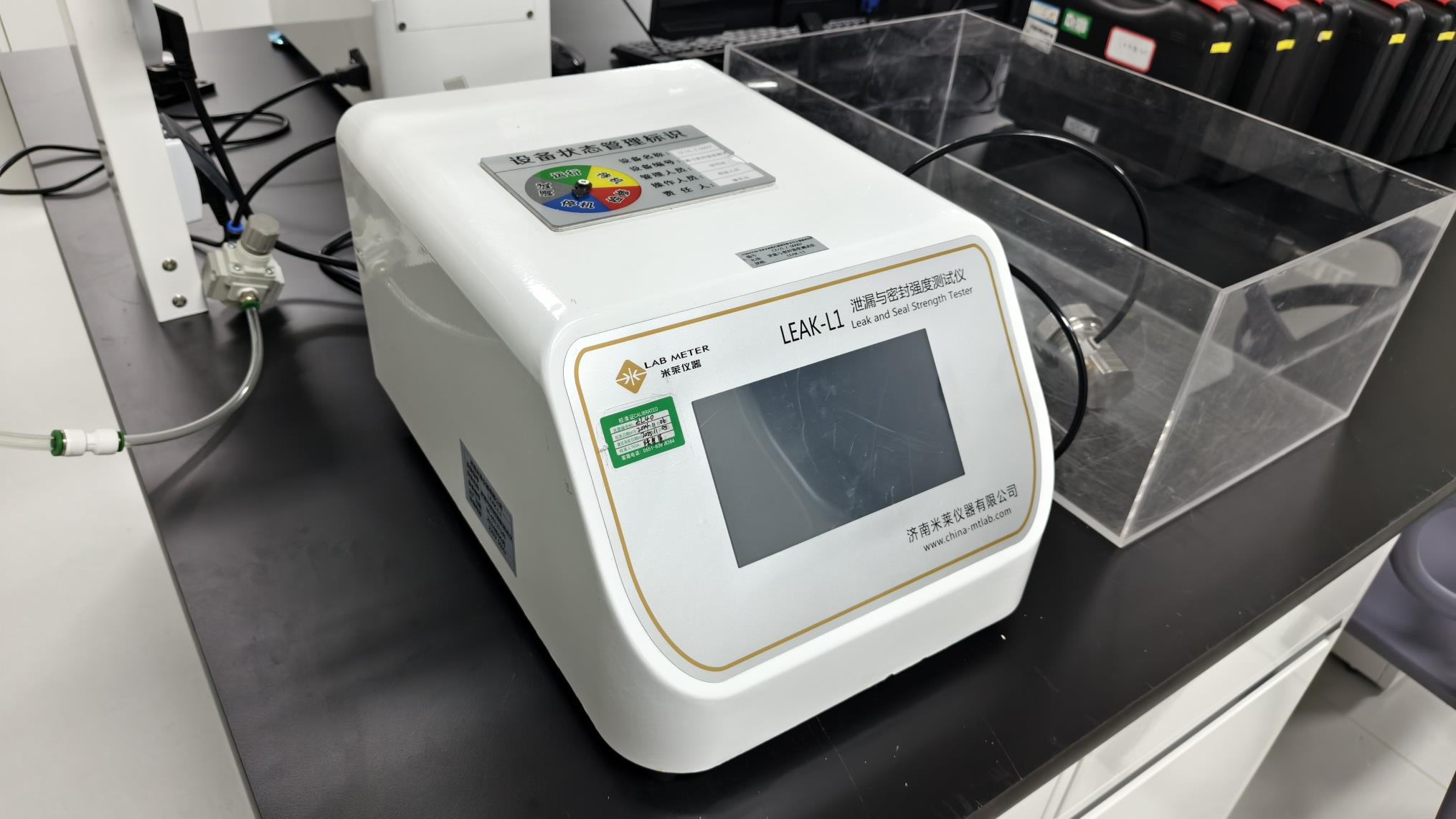
Our product portfolio includes trauma fixation systems, spinal implants, locking plates, intramedullary nails, external fixation systems, orthopedic screws, surgical instruments, and customized orthopedic solutions. Equipped with advanced CNC machining centers, precision inspection equipment, and modern clean production facilities, we ensure every product meets strict international quality requirements.
Driven by continuous innovation, Synoviq invests heavily in R&D and intelligent manufacturing to enhance product performance, surgical efficiency, and patient outcomes. Our experienced engineering team works closely with customers to develop customized products tailored to different clinical applications and market demands.
With a customer-oriented philosophy, competitive pricing, stable supply capability, and efficient technical support, Synoviq has established long-term partnerships with distributors, medical brands, and healthcare organizations across Europe, North America, South America, the Middle East, and Asia-Pacific.
Committed to quality, innovation, and global collaboration, Synoviq Medical Technology (China) Co., Ltd. strives to become a trusted international partner in the orthopedic medical device industry.
| Item | Information |
|---|---|
| Company Name | Synoviq Medical Technology (China) Co., Ltd. |
| Brand | Synoviq |
| Established | March 18, 2016 |
| Building Area | 18,600 m² |
| Annual Export Revenue | USD 21.8 Million |
| Export Experience | 8 Years |
| Industry Experience | 14 Years |
| Quality Inspection | 100% Final Inspection & Incoming Material Inspection |
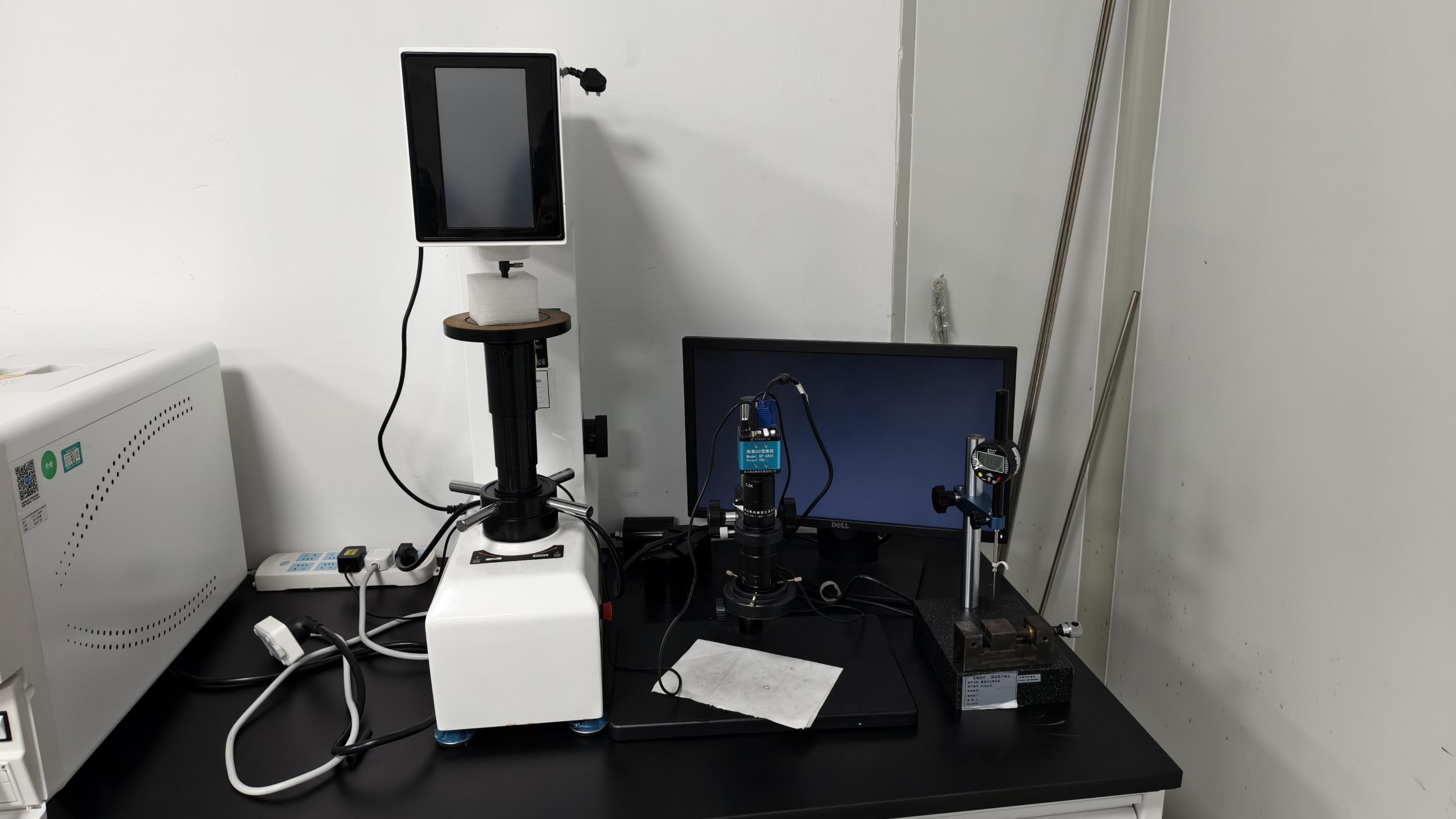
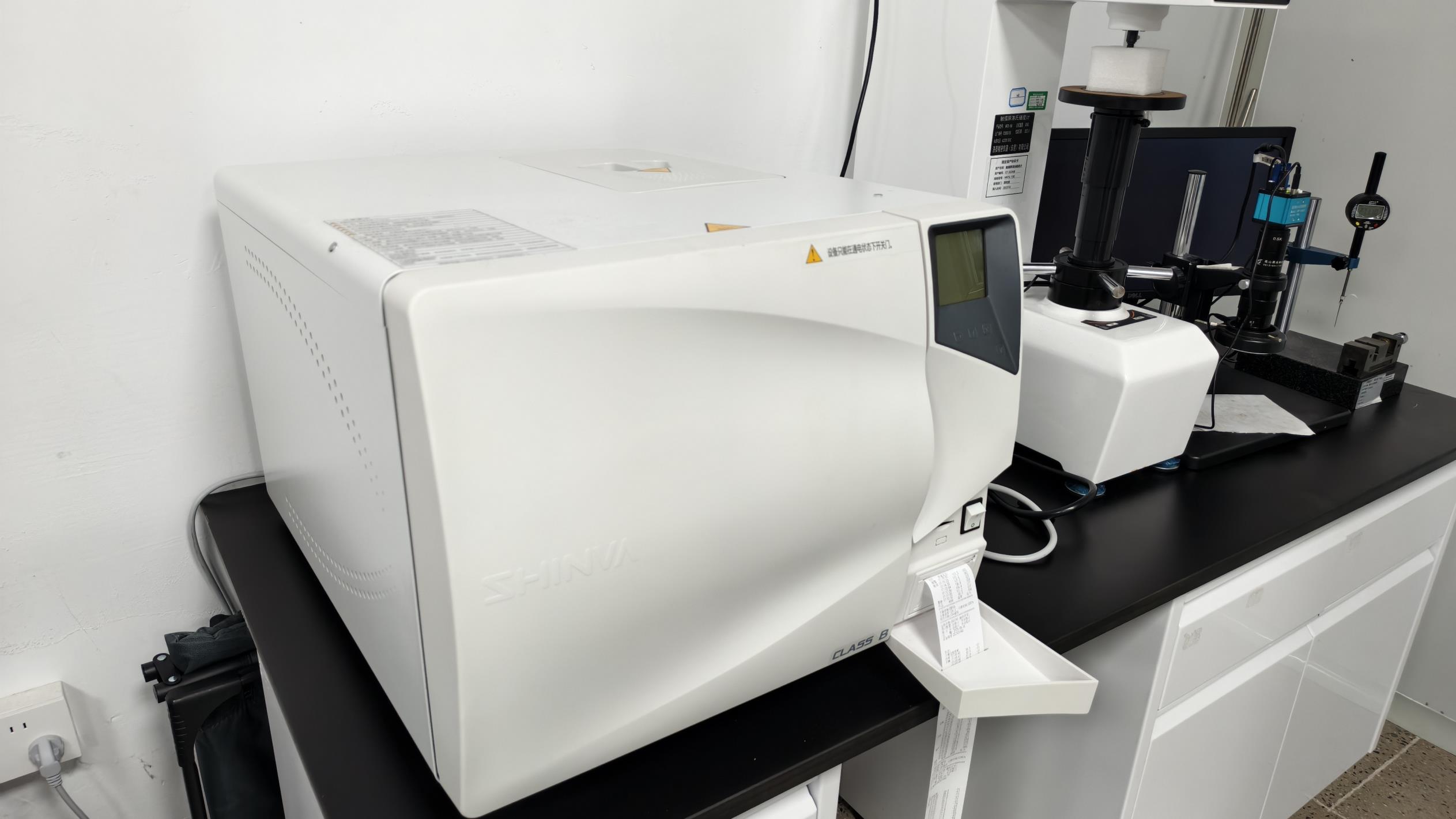
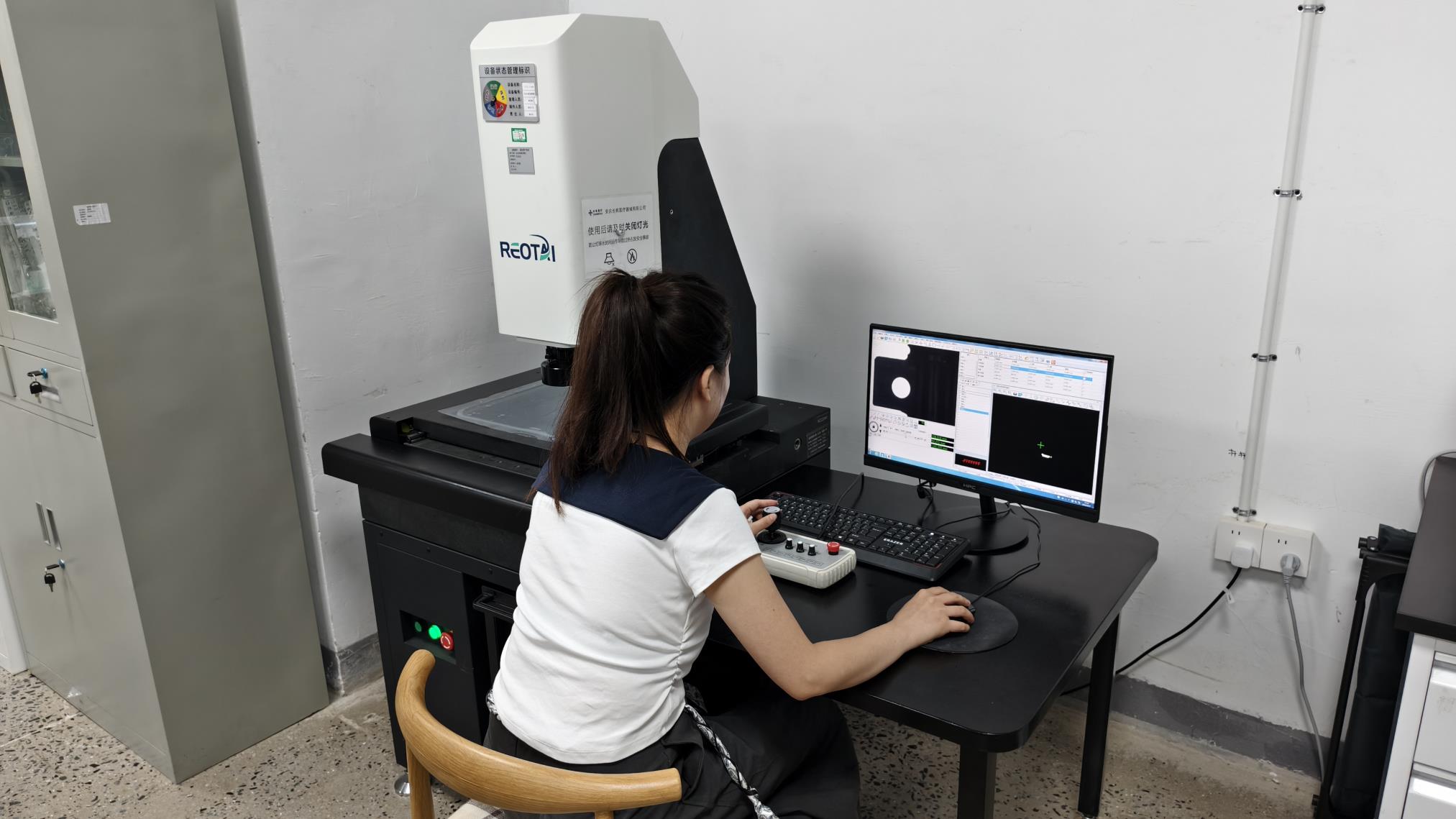
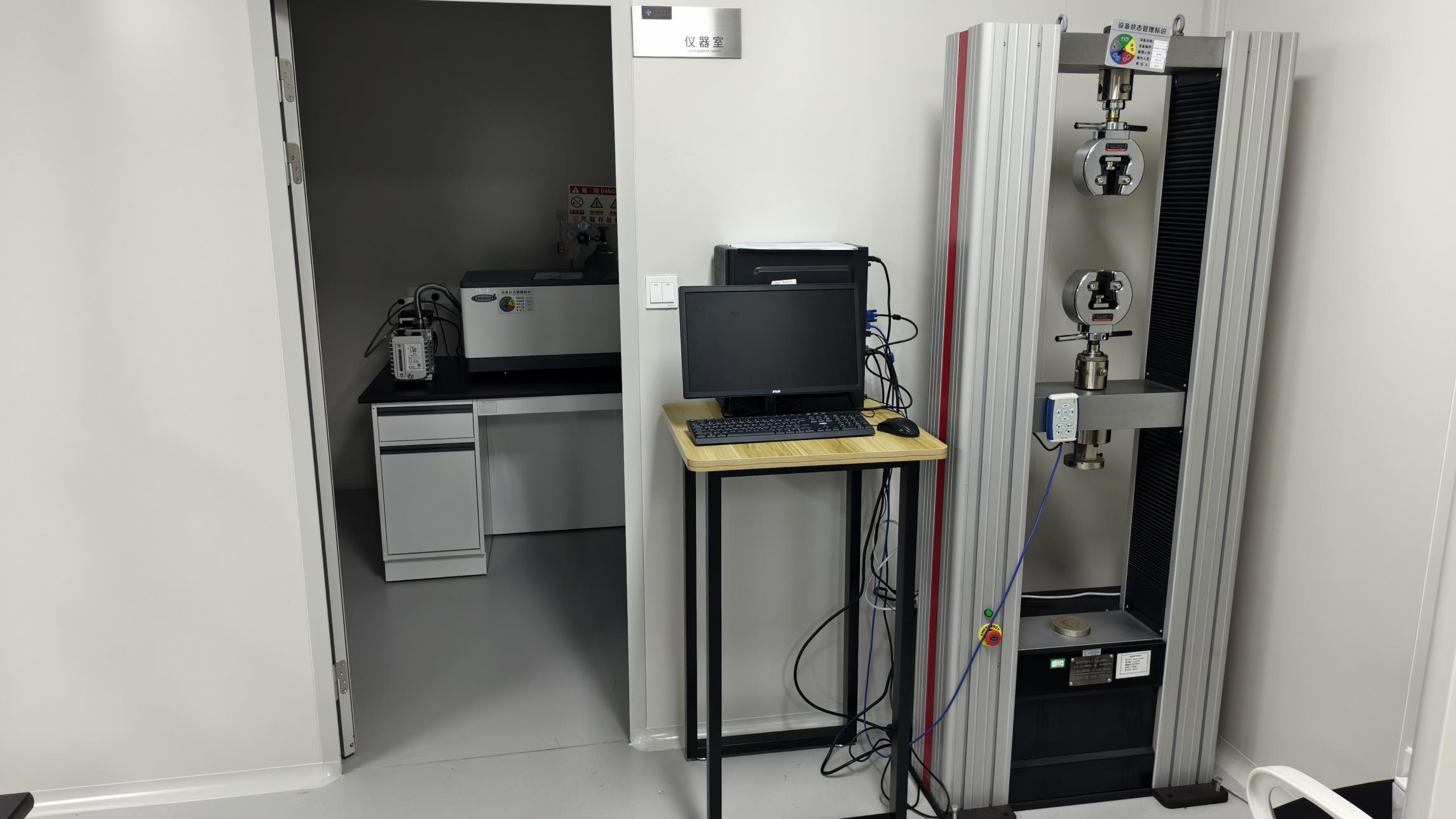
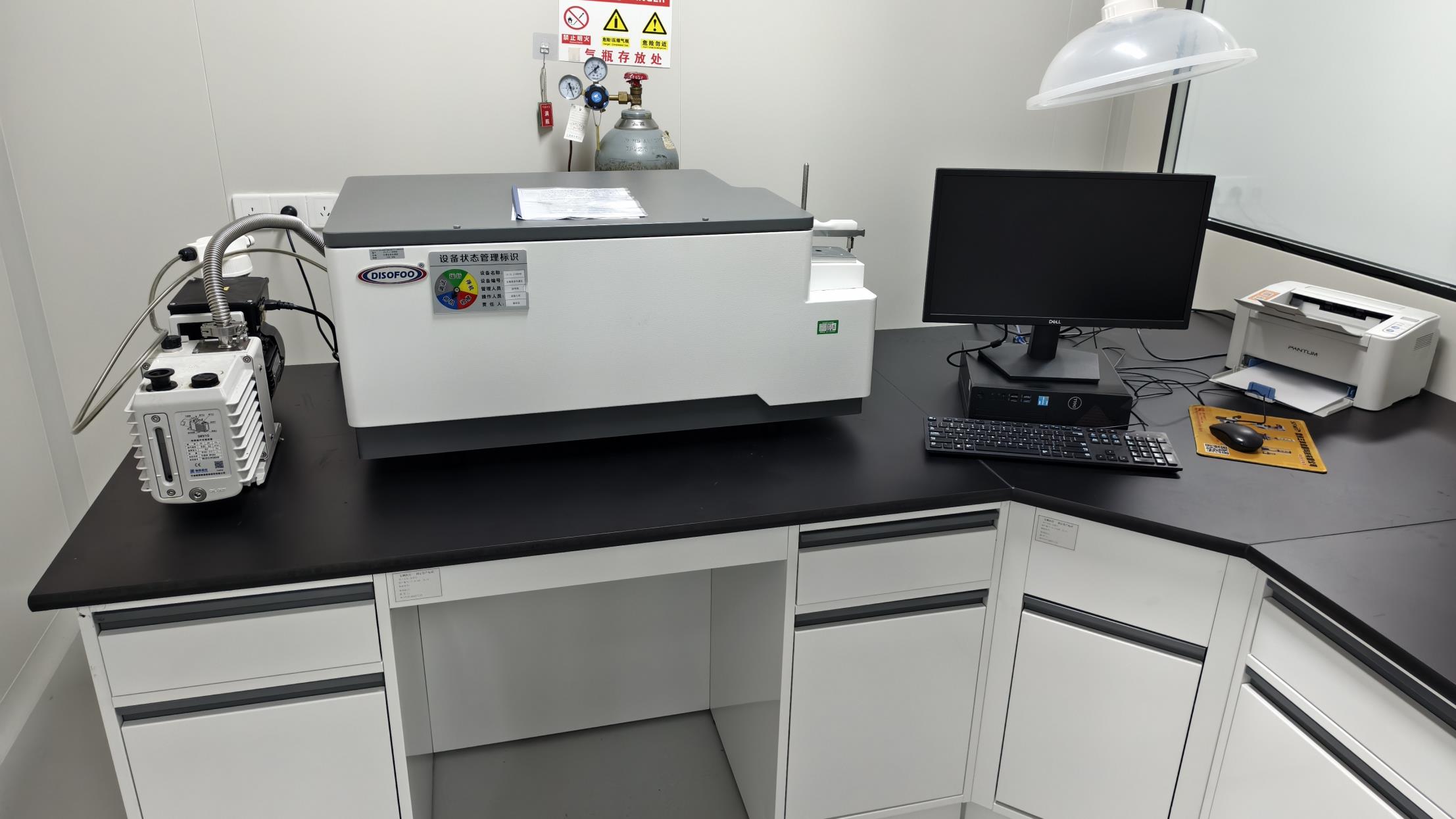
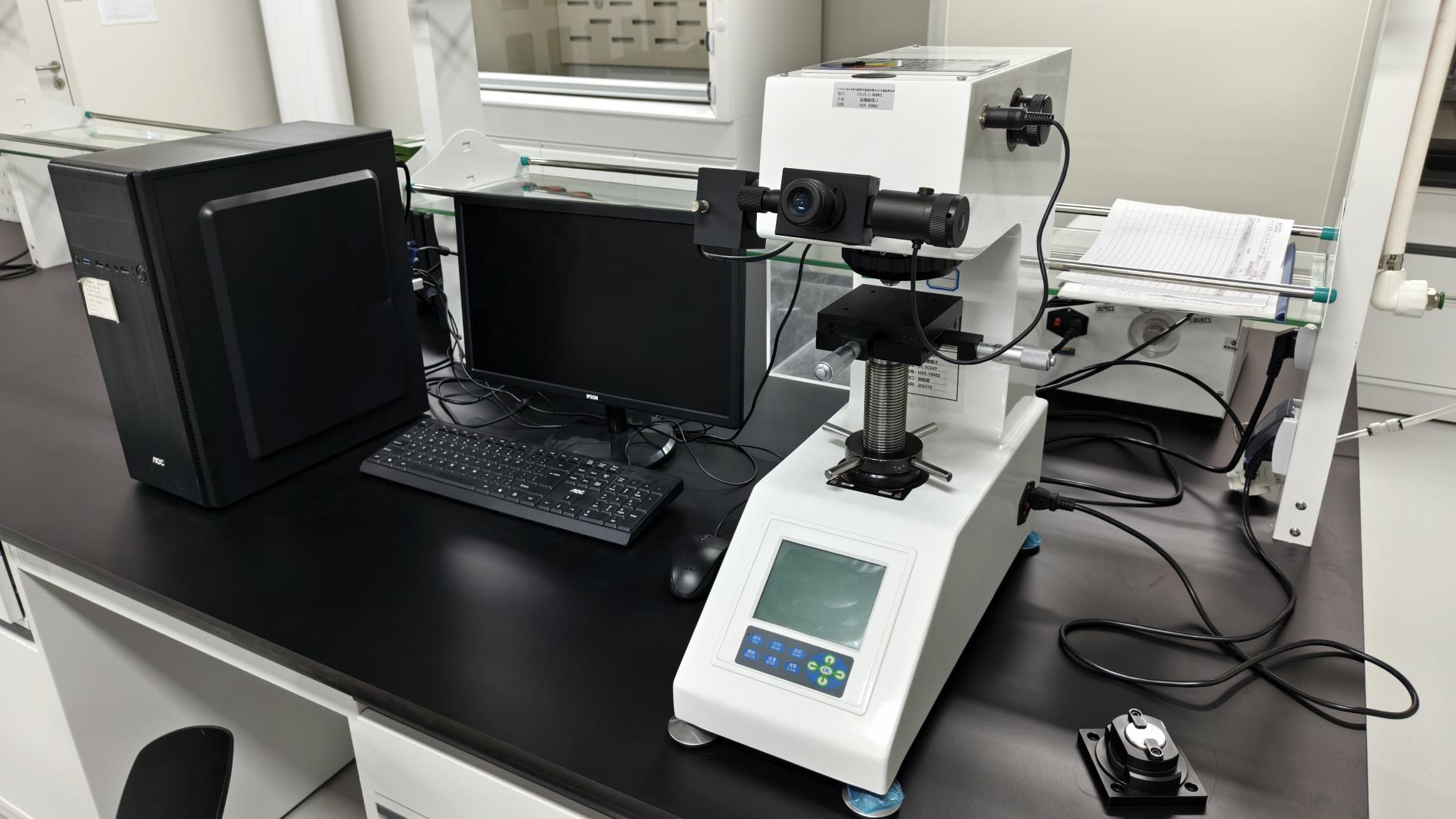
| Product Inspection Methods | CMM Measurement, Mechanical Testing, Surface Roughness Testing, Hardness Testing, Salt Spray Testing, Sterility Validation |
| Quality Control Staff | 48 |
| Business Type | Manufacturer & Exporter (OEM/ODM) |
| Main Markets | Europe, North America, South America, Middle East, Southeast Asia |
| Supply Chain Partners | 1,120+ |
| Main Customer Types | Medical Device Brands, Importers, Distributors, Hospitals, Government Procurement Projects |
| R&D Capability | Independent Product Design, Prototype Development, Clinical-Oriented Engineering, OEM & ODM Development |
| Customization Options | Logo Customization, Packaging Customization, Product Design Customization, Material Selection, Surface Treatment |
| New Products Released Last Year | 186 |
| R&D Engineers | 76 |
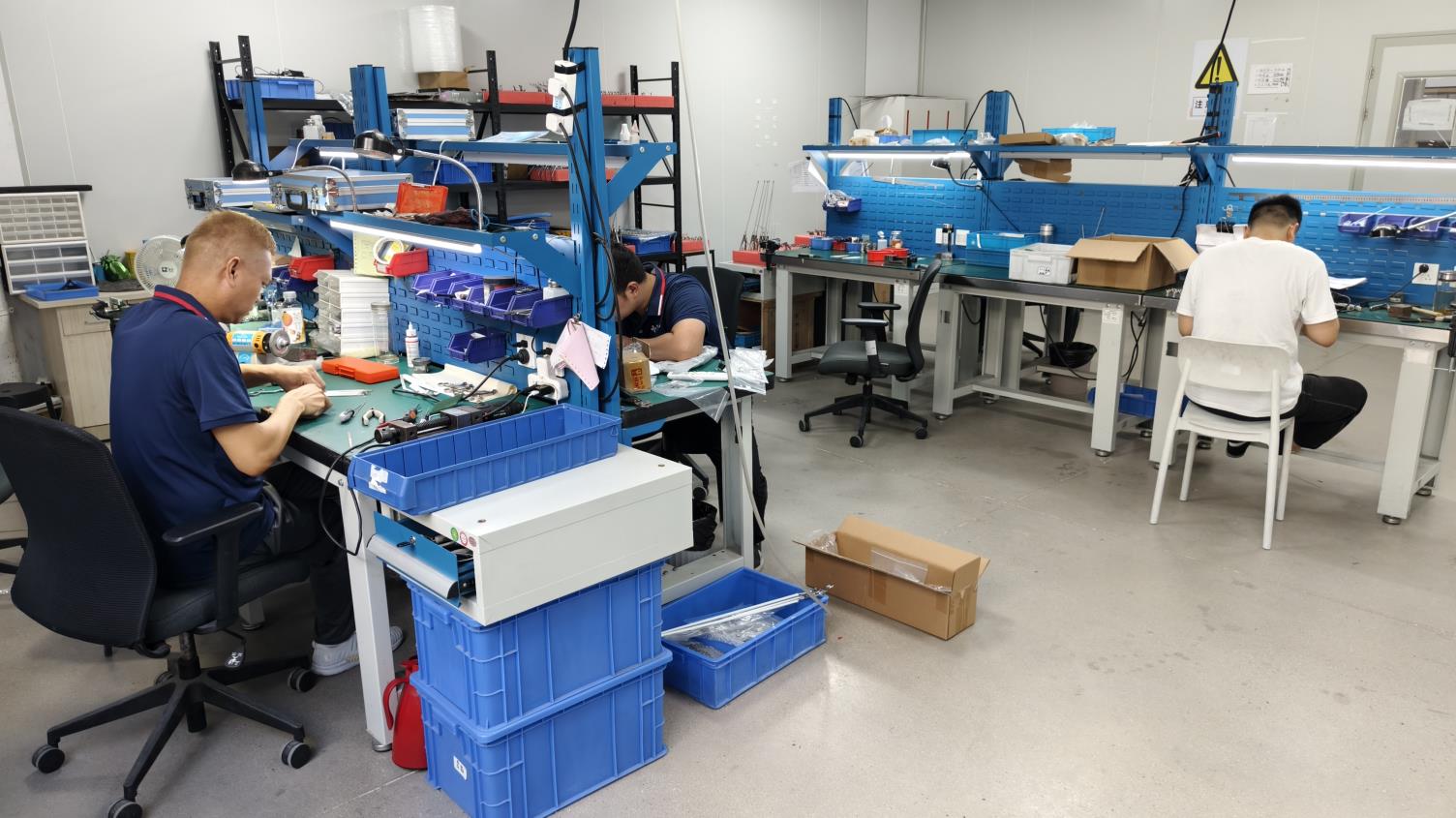
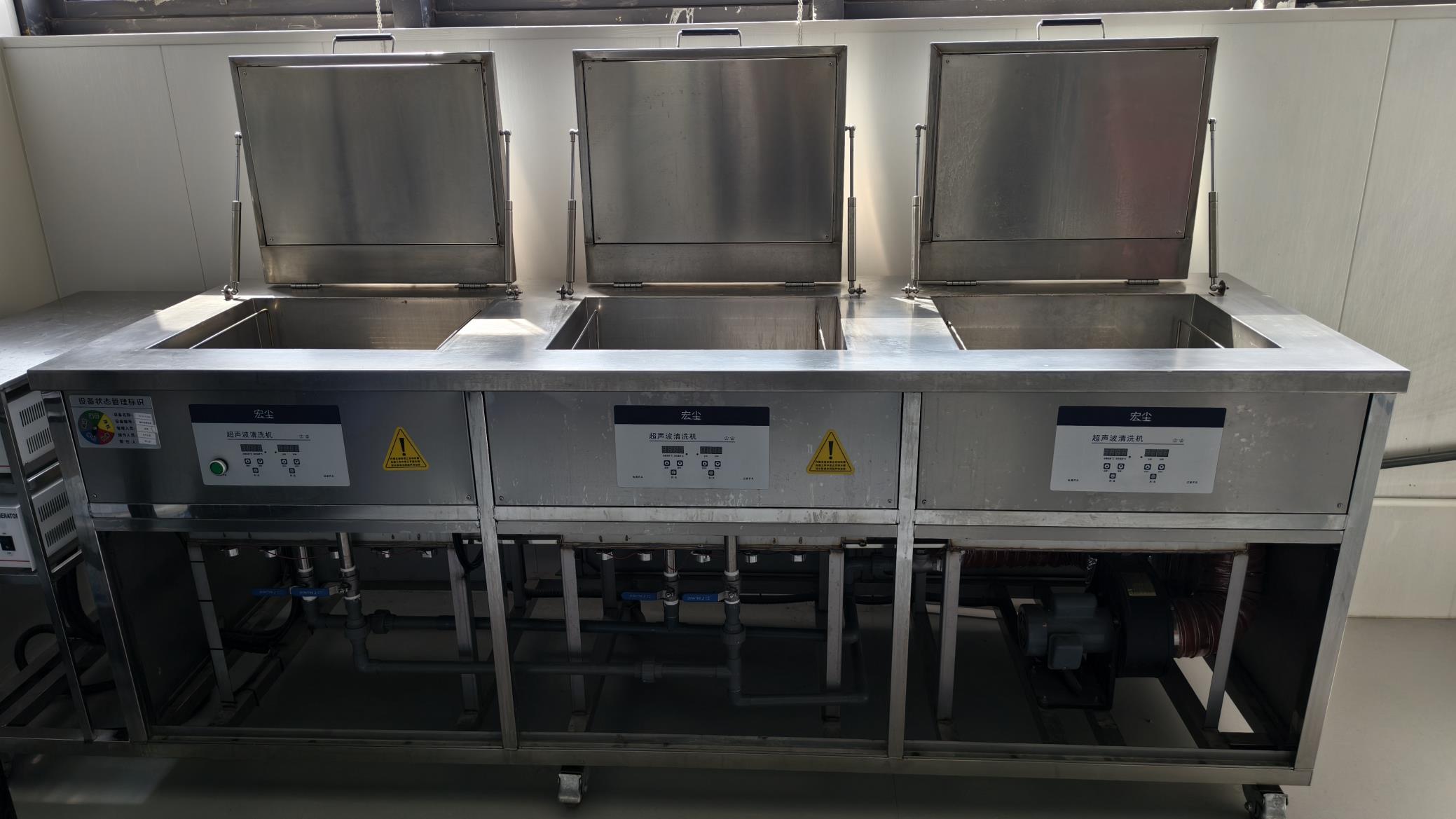
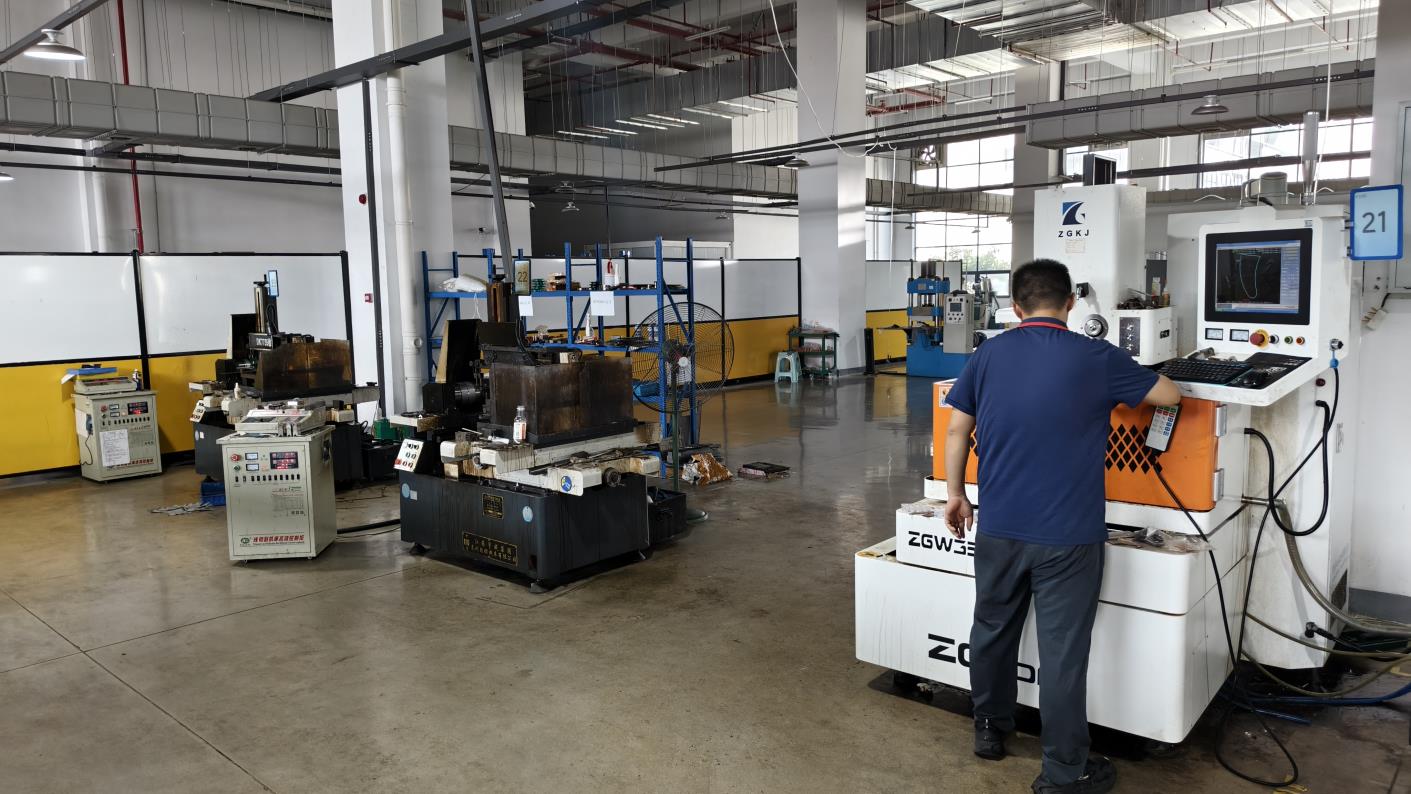
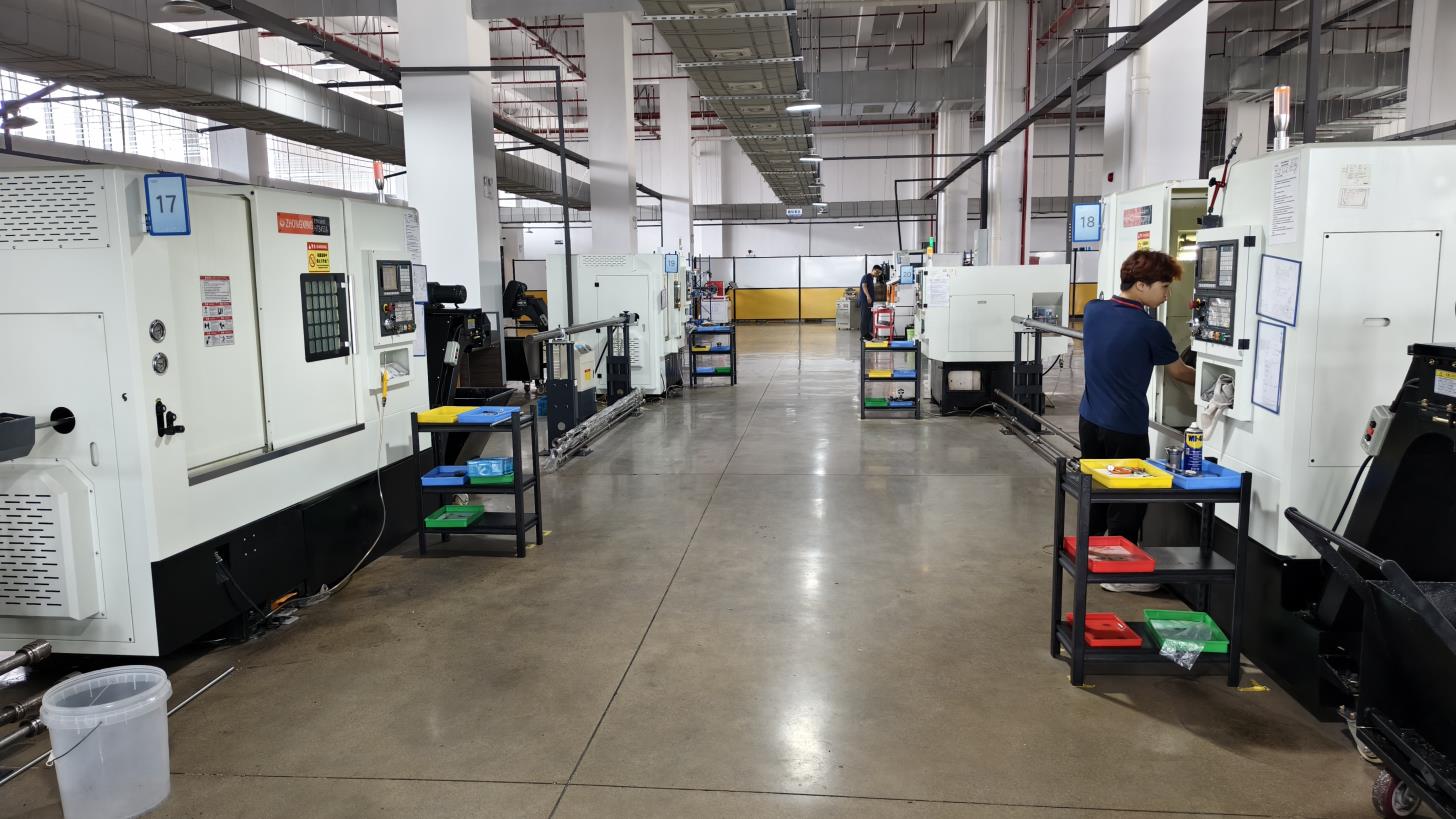
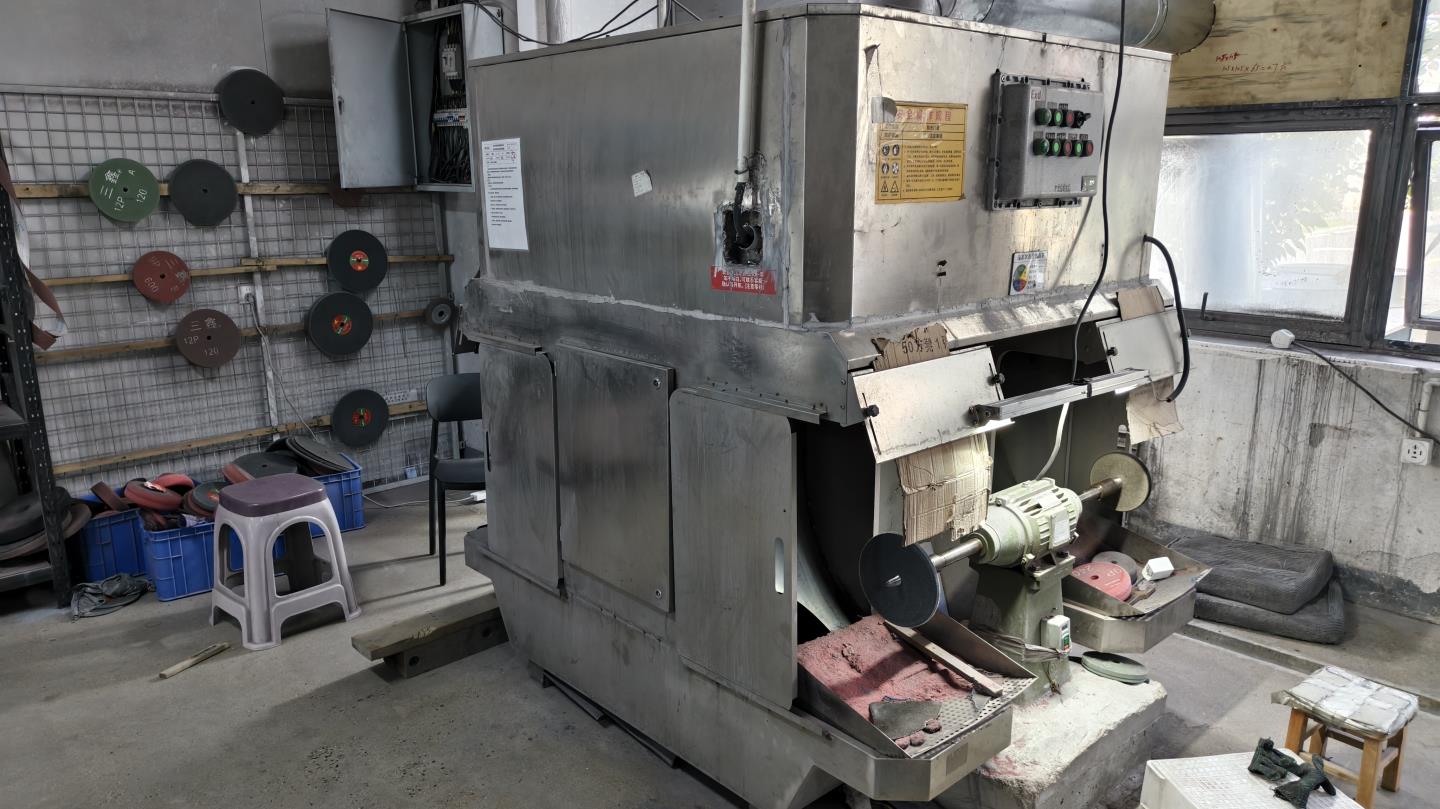
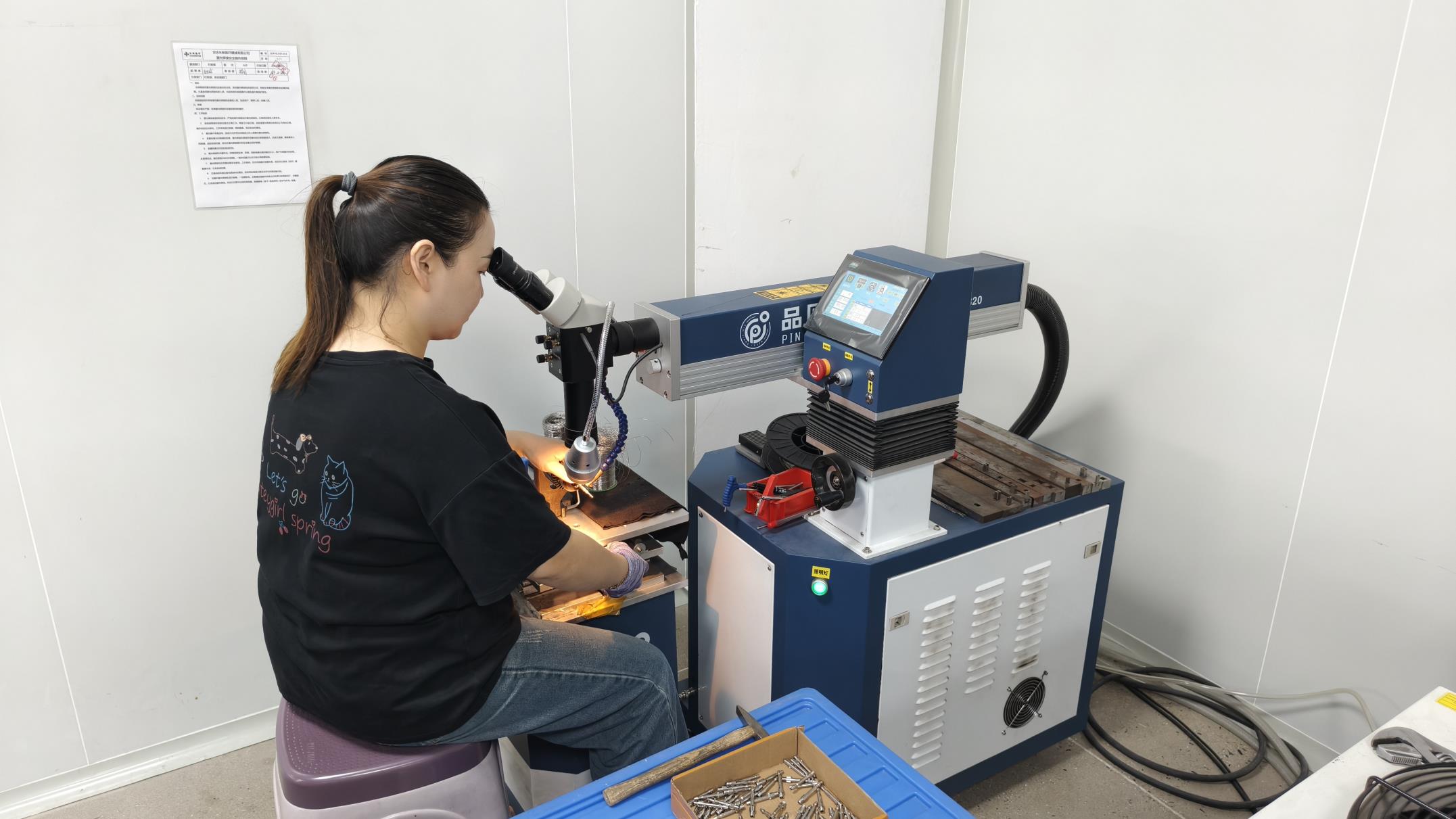
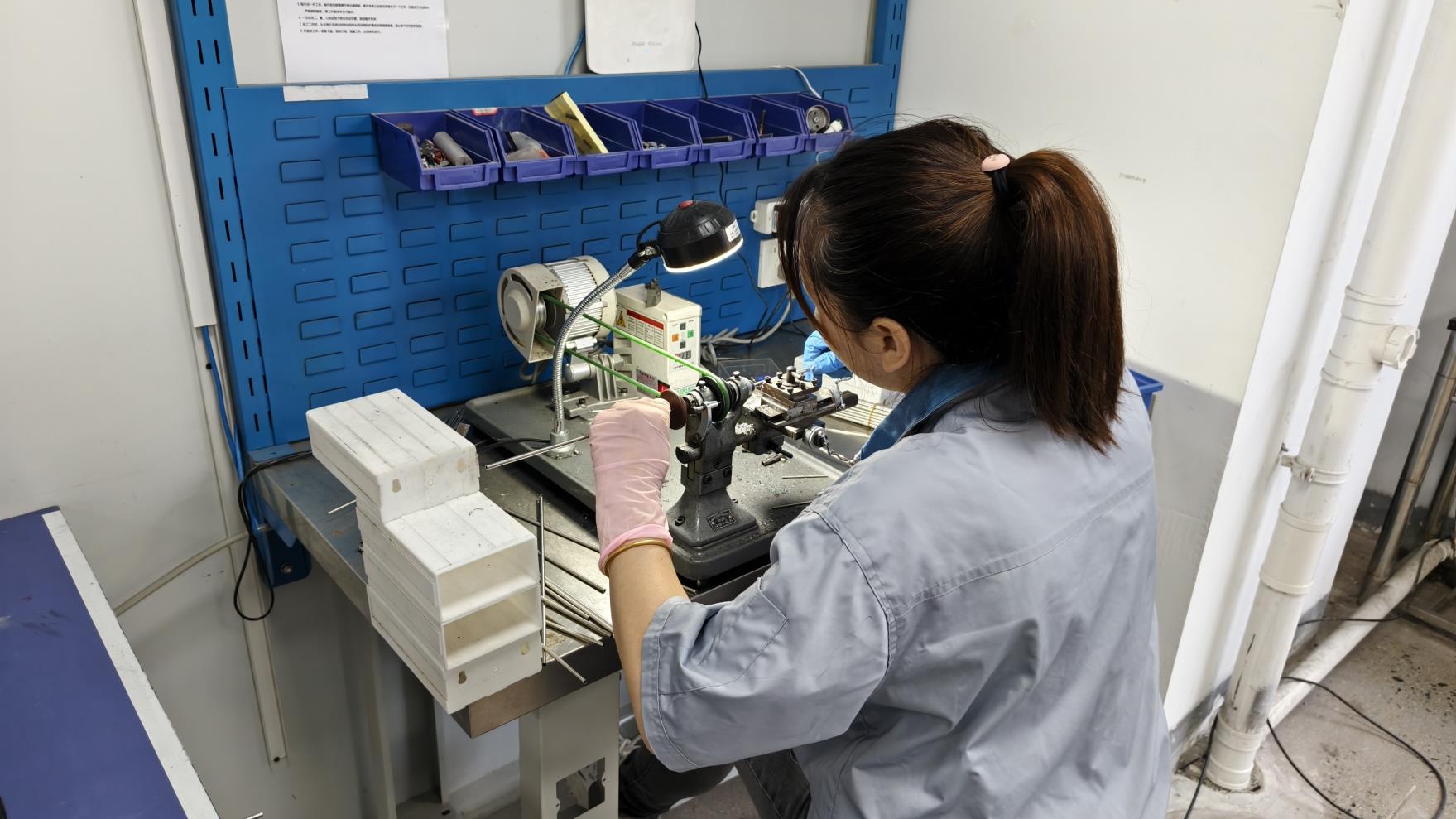
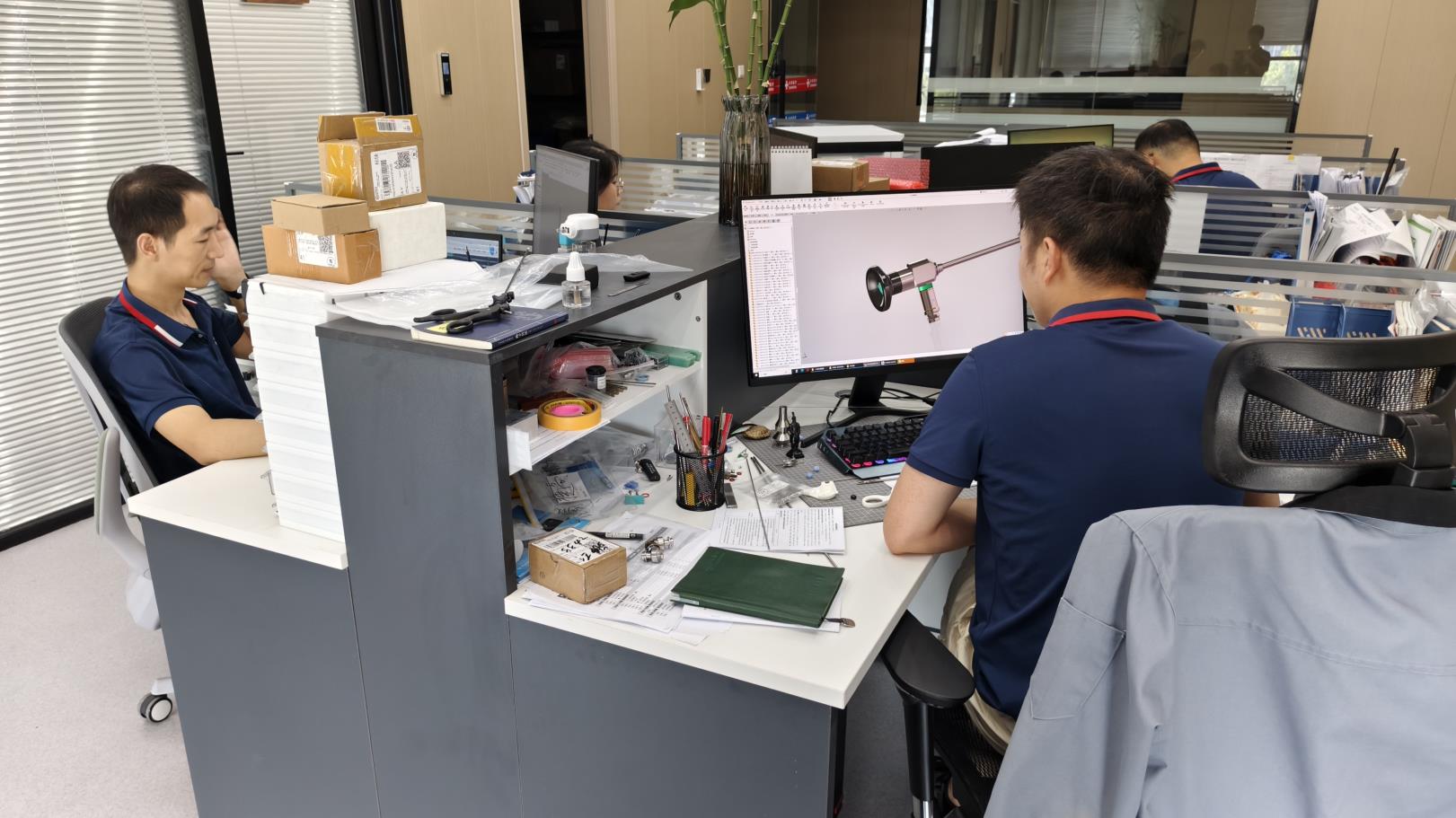
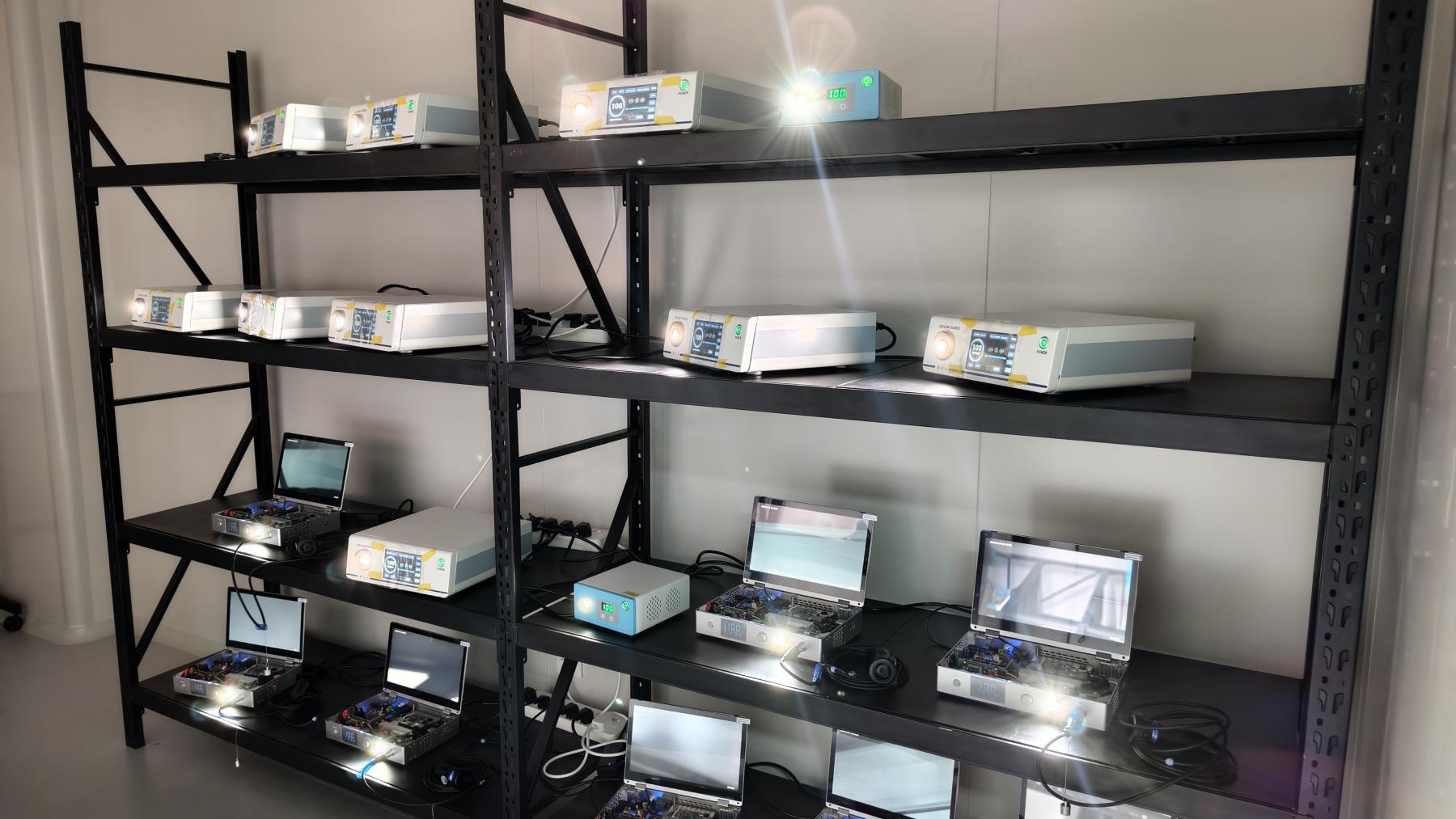
Take a look inside our advanced manufacturing workshops, where ISO standards and computerized precision form the basis of every implant we make.
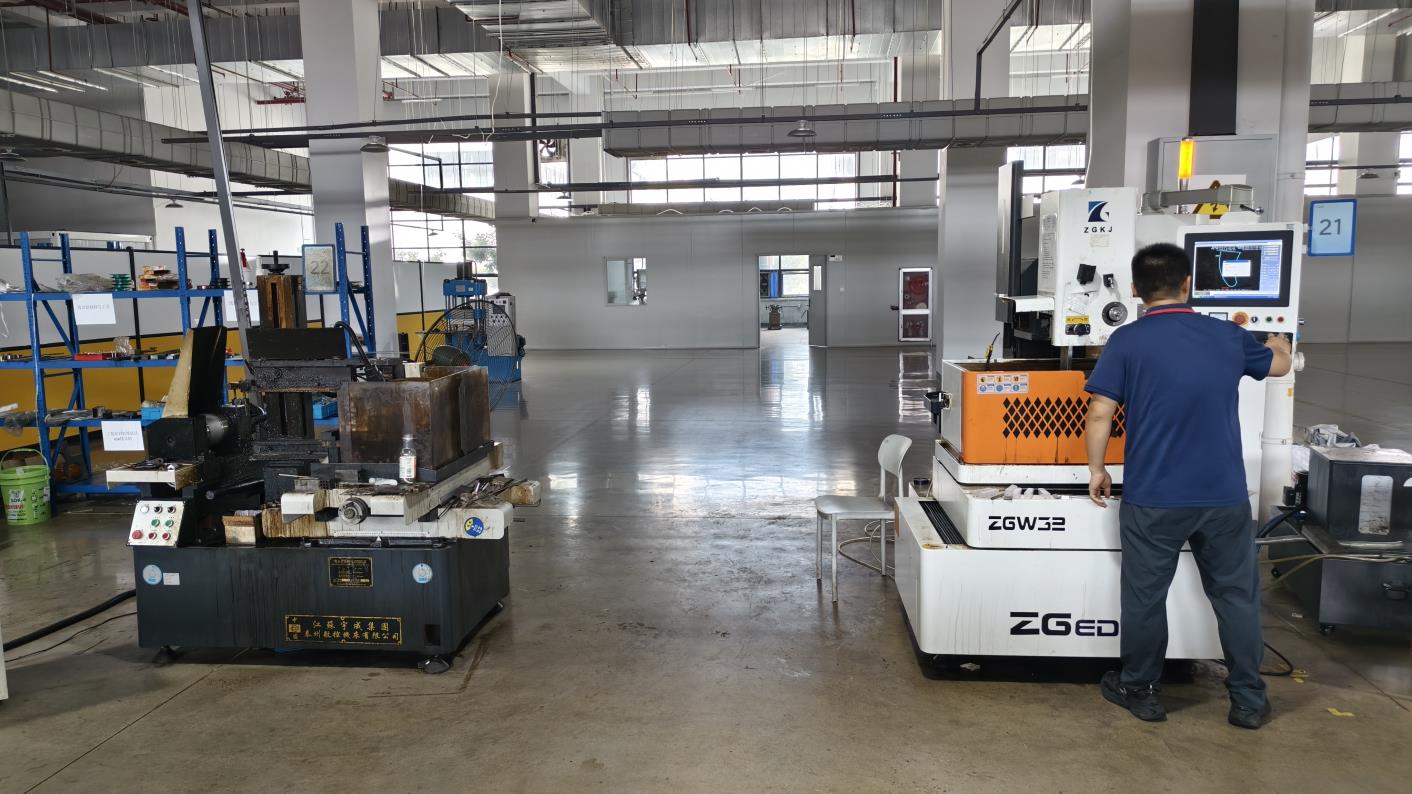
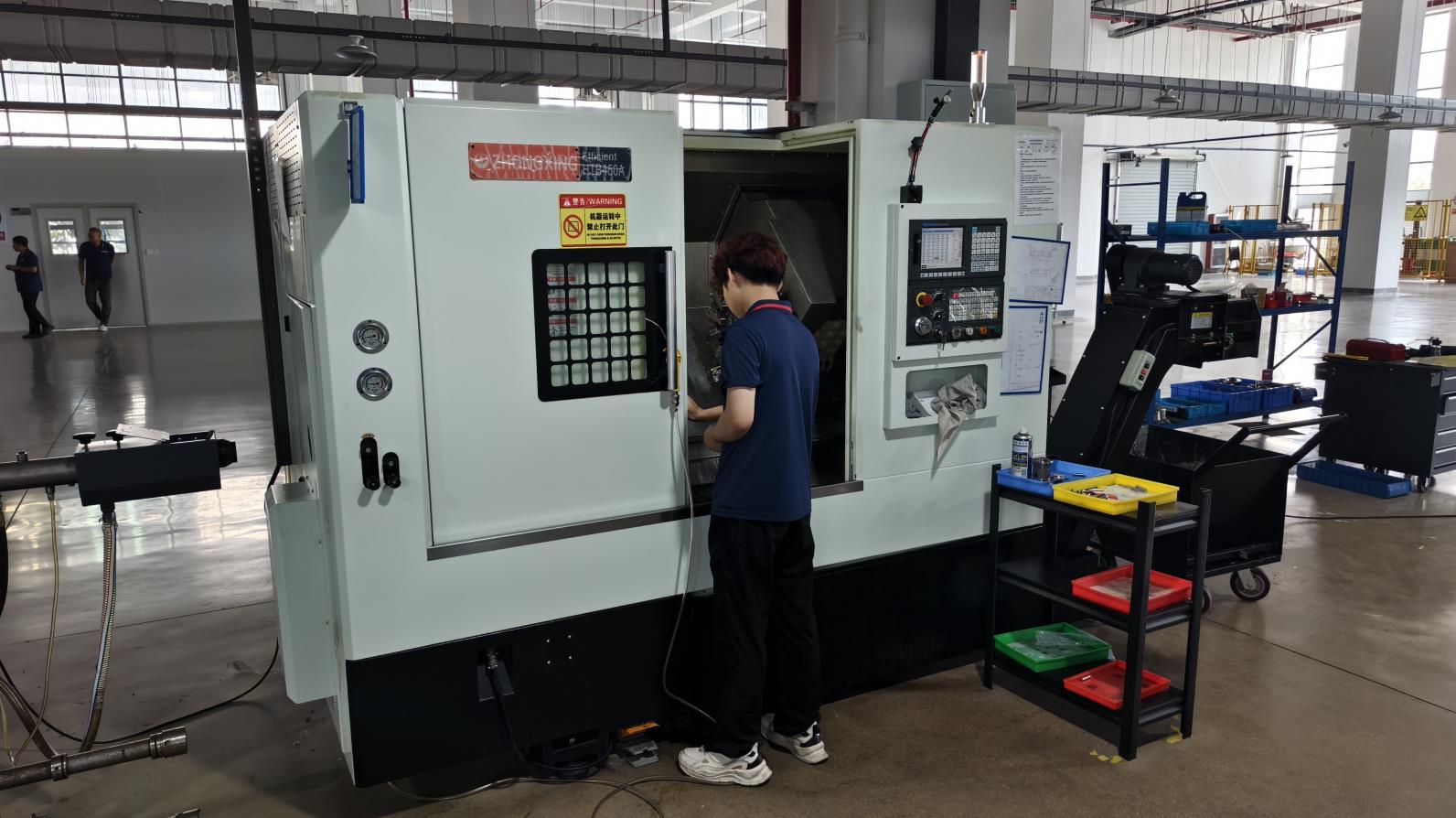
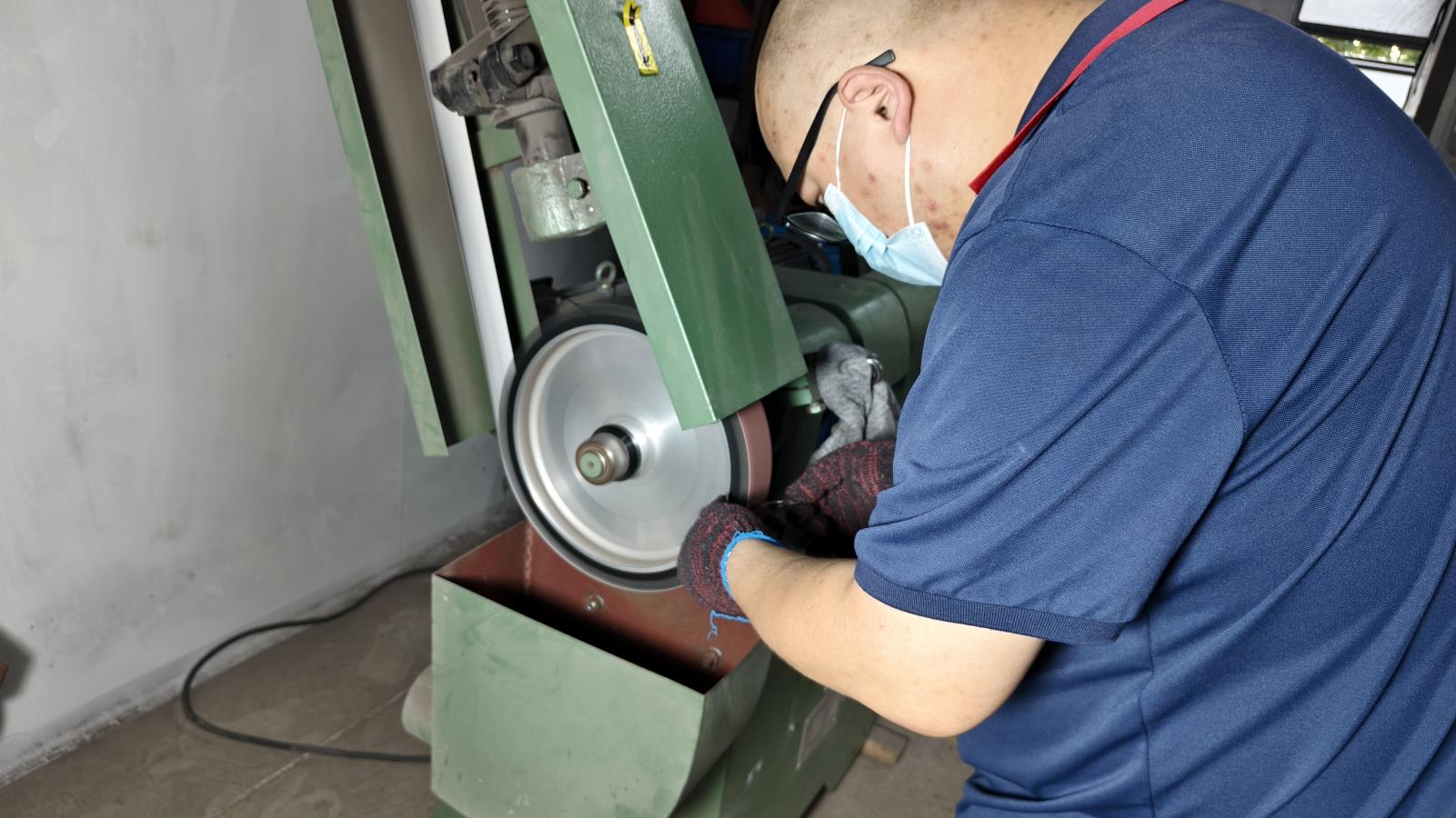
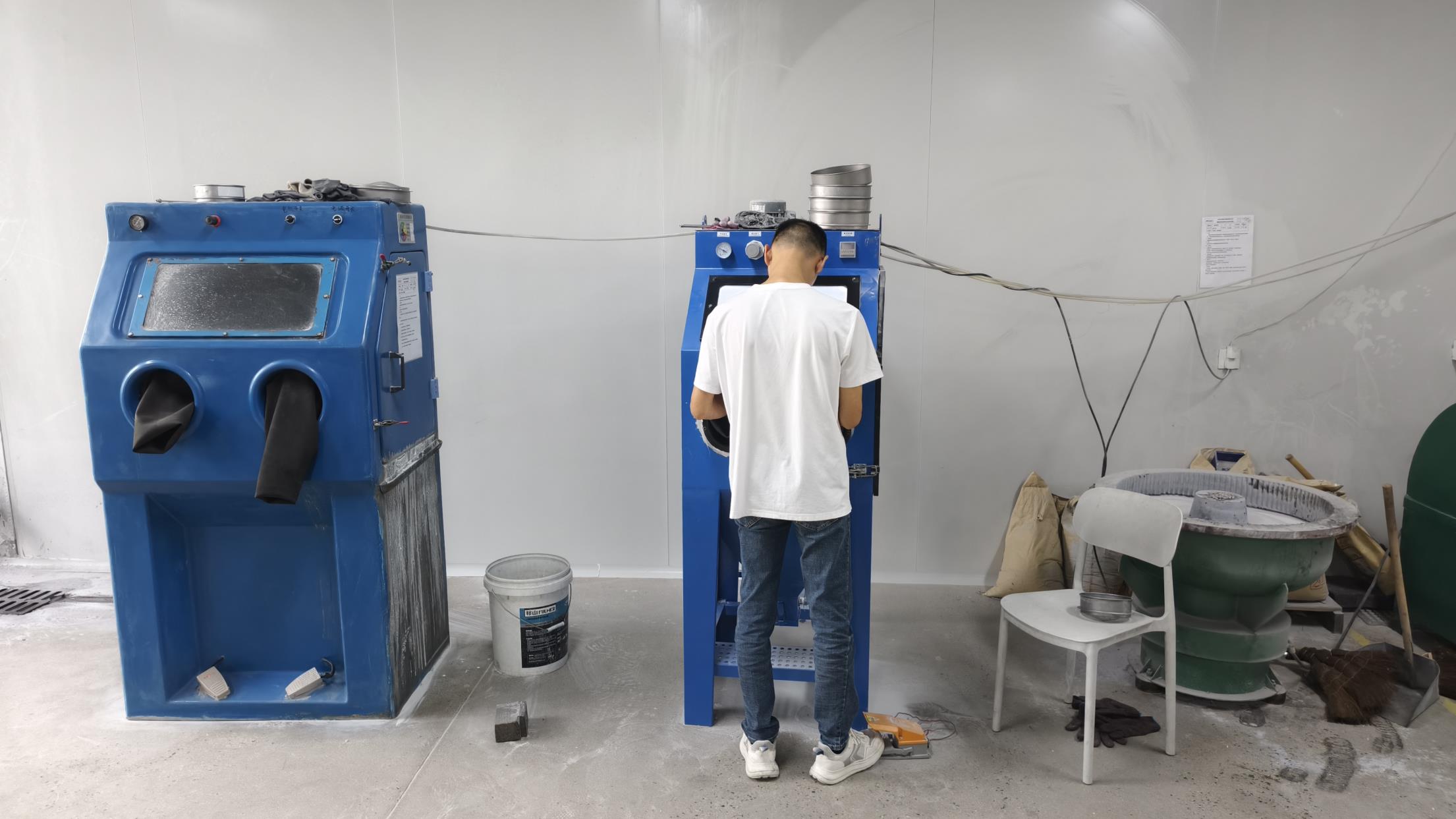
Cortical screws are primary mechanical components in standard trauma fixation systems. In clinical applications, they are used for two main purposes:
Whether in veterinary surgeries fixing fractures in small animals or human orthopedics, selecting the correct screw size (ranging from micro 1.5mm to major 4.5mm diameters) remains critical to clinical success.
In medical manufacturing, regulatory compliance is essential for patient safety. Synoviq maintains strict quality control systems to meet the requirements of international regulatory bodies.
The manufacturing process for cortical bone anchors continues to evolve. Our current R&D efforts focus on several key areas:
Get clear, professional answers regarding materials, manufacturing limits, sterilization, and OEM capabilities.
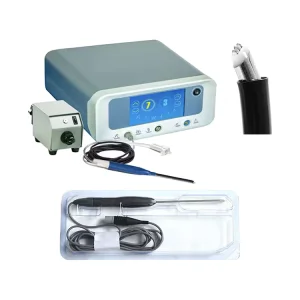
Review more of our high-quality surgical hardware, specialized removal kits, and arthroscopic instruments.
 Synoviq Medical