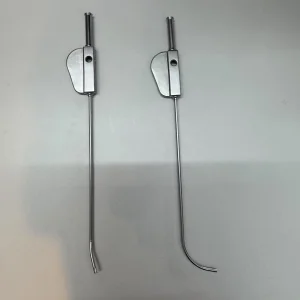
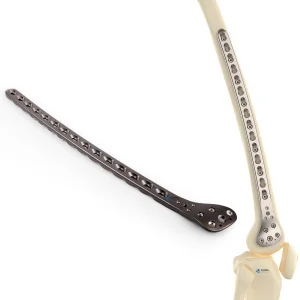
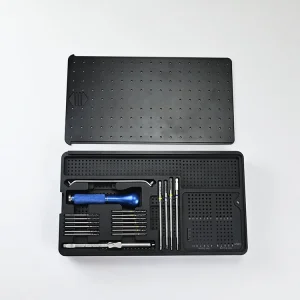
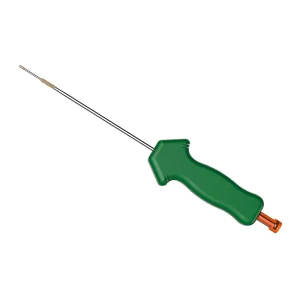
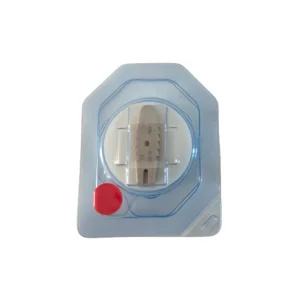
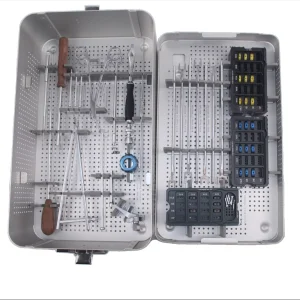
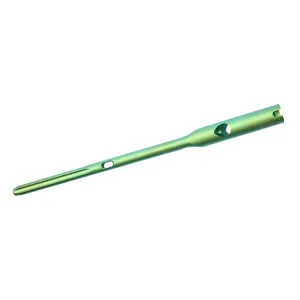
In the demanding field of orthopedic trauma surgery, tibial fractures present distinct biomechanical challenges. The tibia, being a primary load-bearing bone with compromised soft-tissue coverage, especially in its distal and proximal regions, requires fixation systems that guarantee mechanical stability while preserving biological vascularization. CE certified tibial locking plates have transformed the clinical landscape by integrating locking screw technology with traditional dynamic compression mechanisms. This integration creates a fixed-angle construct that maintains reduction without compressing the periosteum against the bone, safeguarding vital blood supply and accelerating osseosynthesis.
Globally, the market for internal fixation systems is experiencing rapid growth, driven by an aging population prone to osteoporotic fractures and a rise in high-energy trauma incidents. Healthcare procurement officers and distributors face the challenge of sourcing implants that meet strict regulatory standards, such as the EU Medical Device Regulation (MDR) and CE certifications, without compromising on cost-efficiency. Manufacturers who can deliver high-precision titanium implants engineered under ISO 13485 quality management systems are crucial strategic partners in the global medical supply chain.
Threaded screw heads lock securely into the plate's threaded holes, converting the plate-screw construct into a single rigid frame that prevents secondary loss of reduction.
By avoiding direct contact between the plate and the underlying bone surface, these implants minimize damage to the periosteal capillary network, promoting rapid bone healing.
Pre-shaped contours fit the specific geometry of the proximal or distal tibia, reducing the need for intraoperative bending and minimizing operating times.
Tibial locking plates are designed for specific anatomical regions, addressing different fracture patterns with precision-engineered geometries:
The mechanical integrity of these implants relies on high-grade biocompatible materials, primarily Titanium Alloy (Ti-6Al-4V ELI) and Ultra-Clean Stainless Steel (316LVM). Titanium is preferred for its superior fatigue strength, lower modulus of elasticity (closer to human bone to prevent stress shielding), and excellent biocompatibility, which reduces long-term implant complications.
Synoviq Medical Technology (China) Co., Ltd. is a leading manufacturer of orthopedic implants and surgical instruments, dedicated to delivering innovative, reliable, and high-quality medical solutions for healthcare professionals worldwide. Since its establishment, Synoviq has focused on research, development, precision manufacturing, and international quality standards, providing comprehensive OEM and ODM services for global medical device brands, distributors, and hospitals.
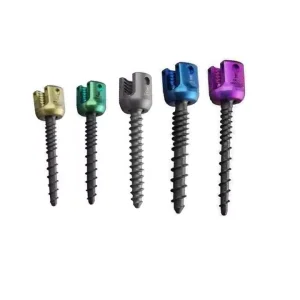
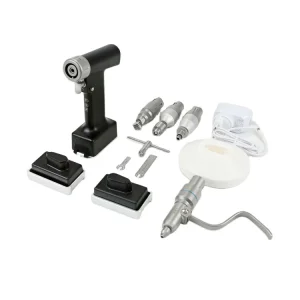
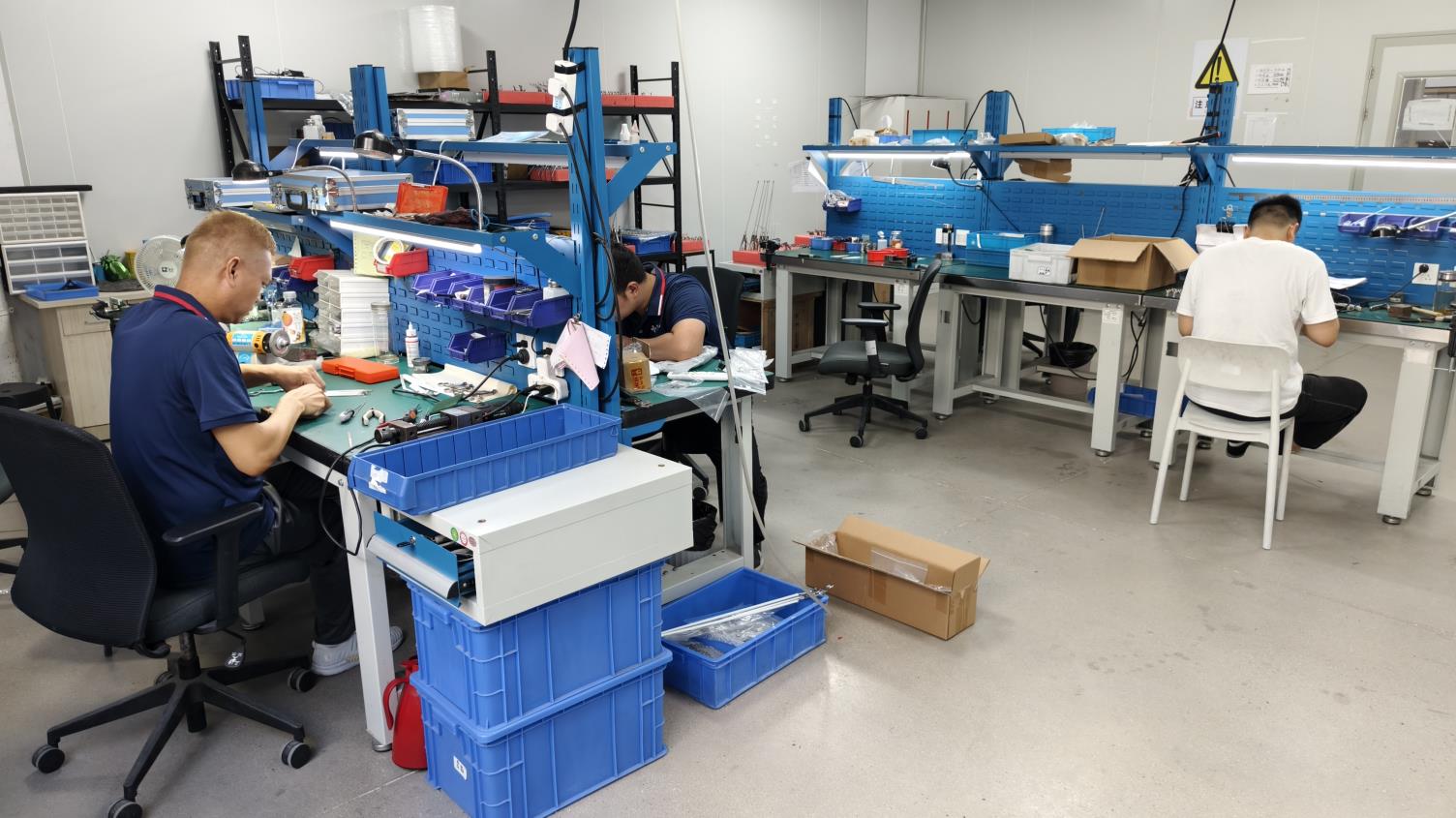
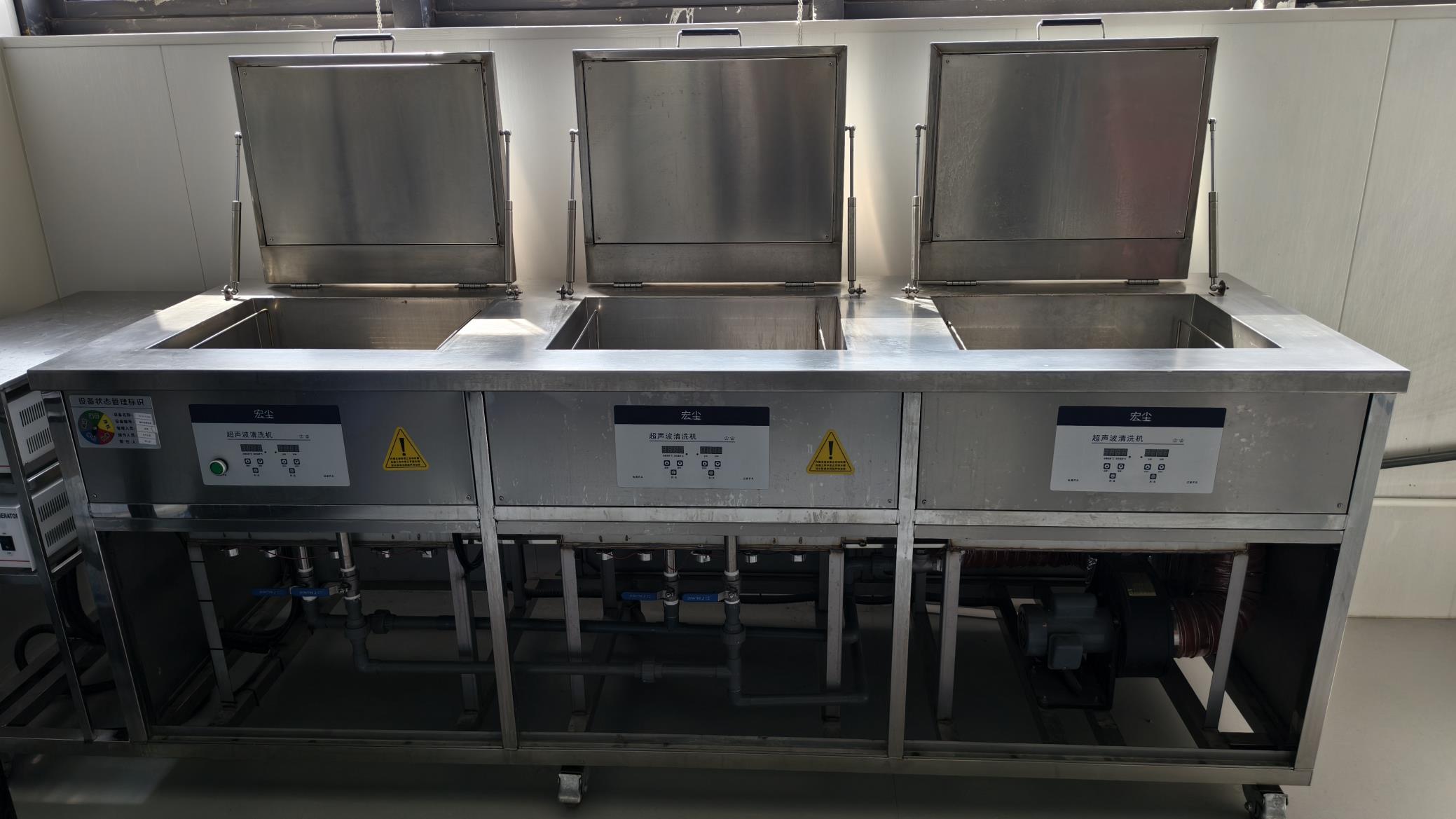
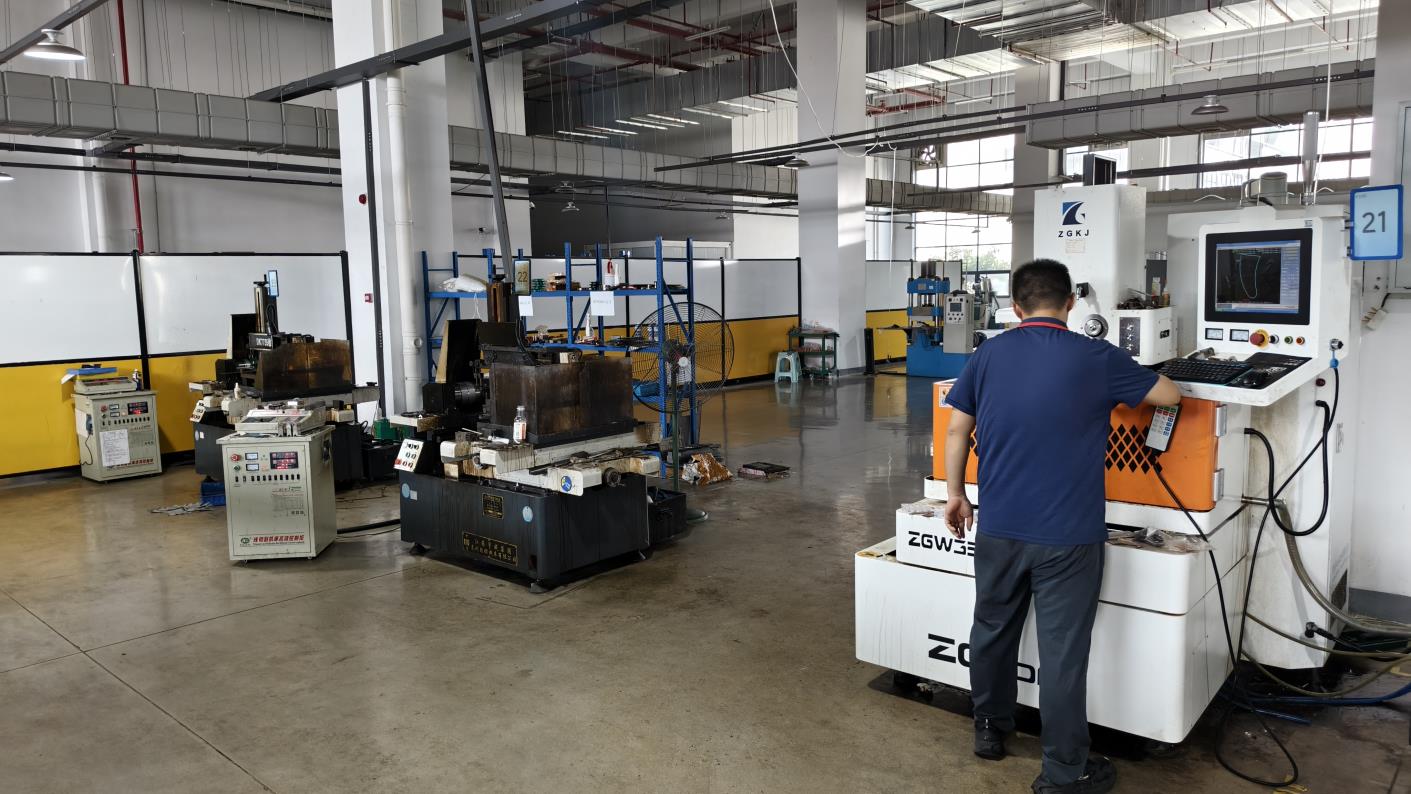
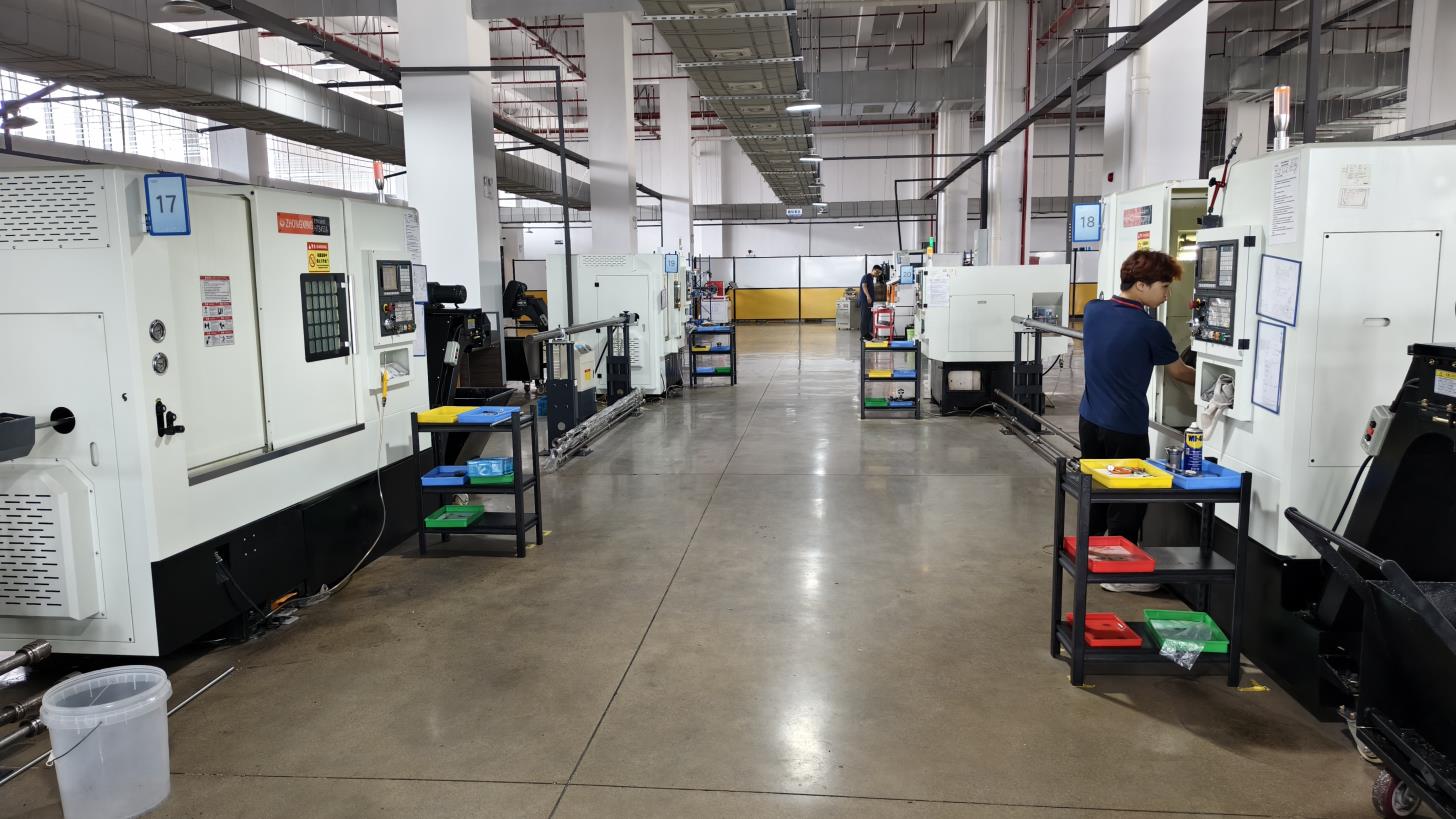
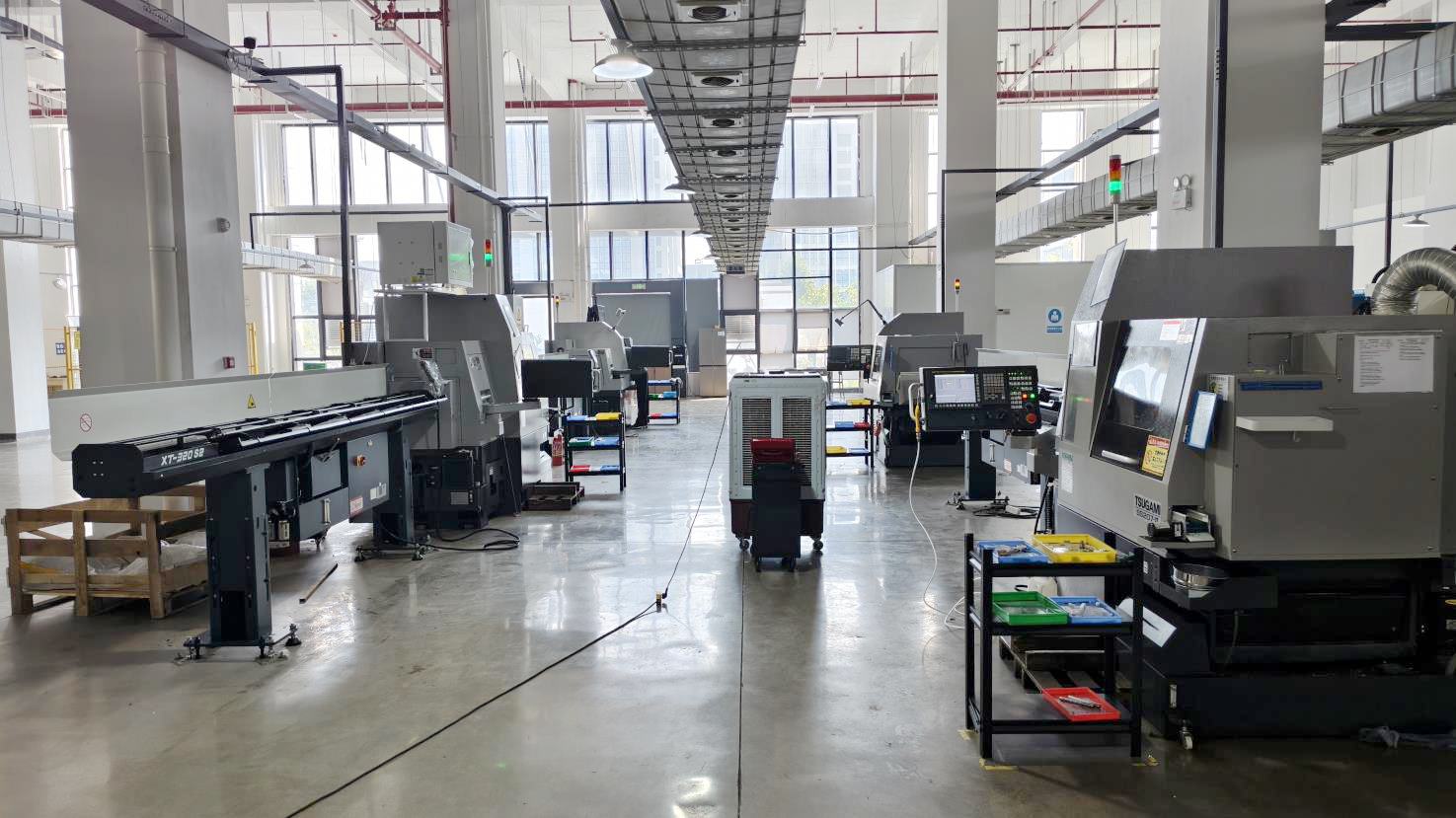
Our product portfolio includes trauma fixation systems, spinal implants, locking plates, intramedullary nails, external fixation systems, orthopedic screws, surgical instruments, and customized orthopedic solutions. Equipped with advanced CNC machining centers, precision inspection equipment, and modern clean production facilities, we ensure every product meets strict international quality requirements.
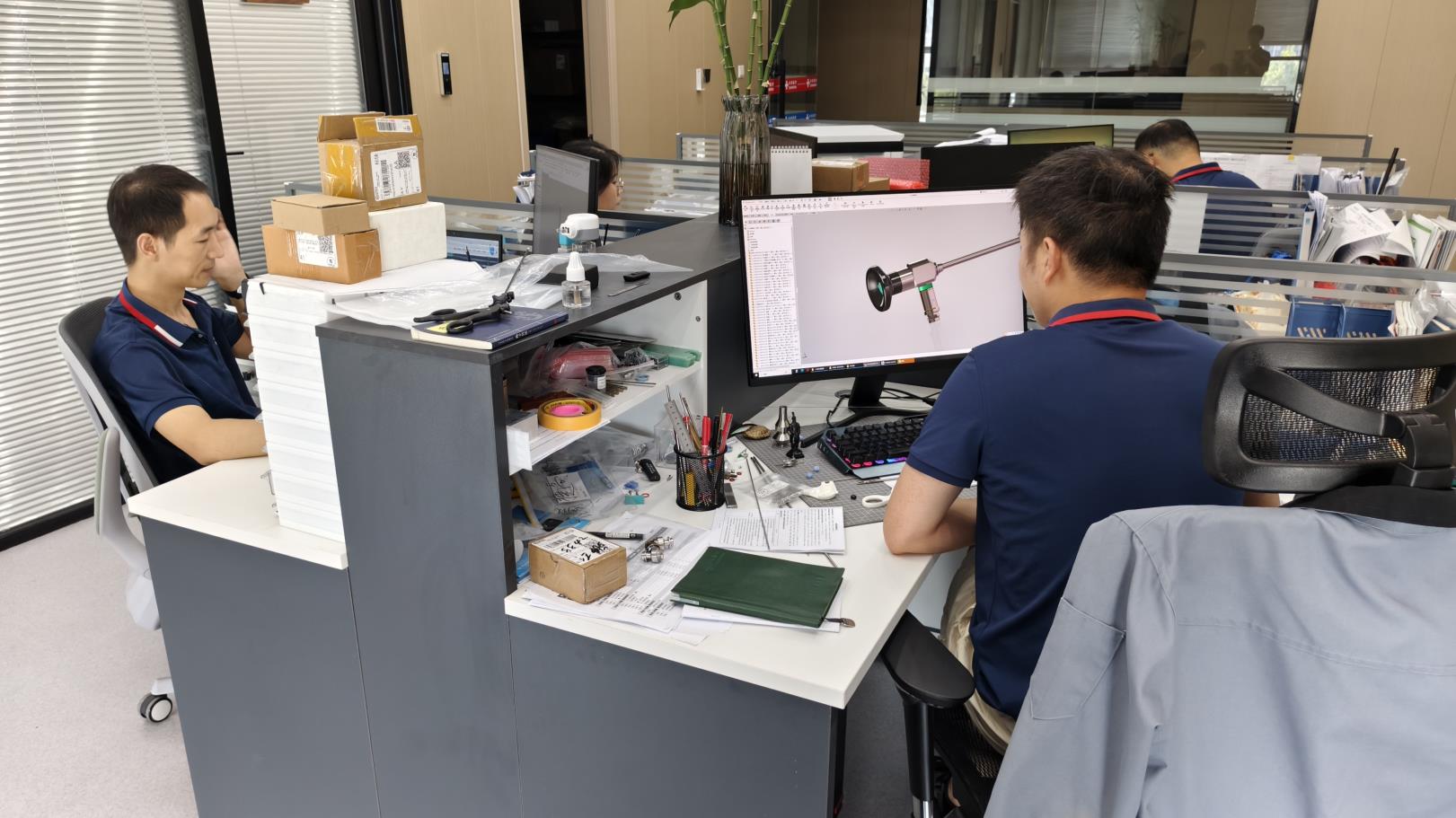
Driven by continuous innovation, Synoviq invests heavily in R&D and intelligent manufacturing to enhance product performance, surgical efficiency, and patient outcomes. Our experienced engineering team works closely with customers to develop customized products tailored to different clinical applications and market demands.
With a customer-oriented philosophy, competitive pricing, stable supply capability, and efficient technical support, Synoviq has established long-term partnerships with distributors, medical brands, and healthcare organizations across Europe, North America, South America, the Middle East, and Asia-Pacific.
| Operation Details | Technical Capability / Parameters |
|---|---|
| Company Name | Synoviq Medical Technology (China) Co., Ltd. |
| Brand | Synoviq |
| Established | March 18, 2016 |
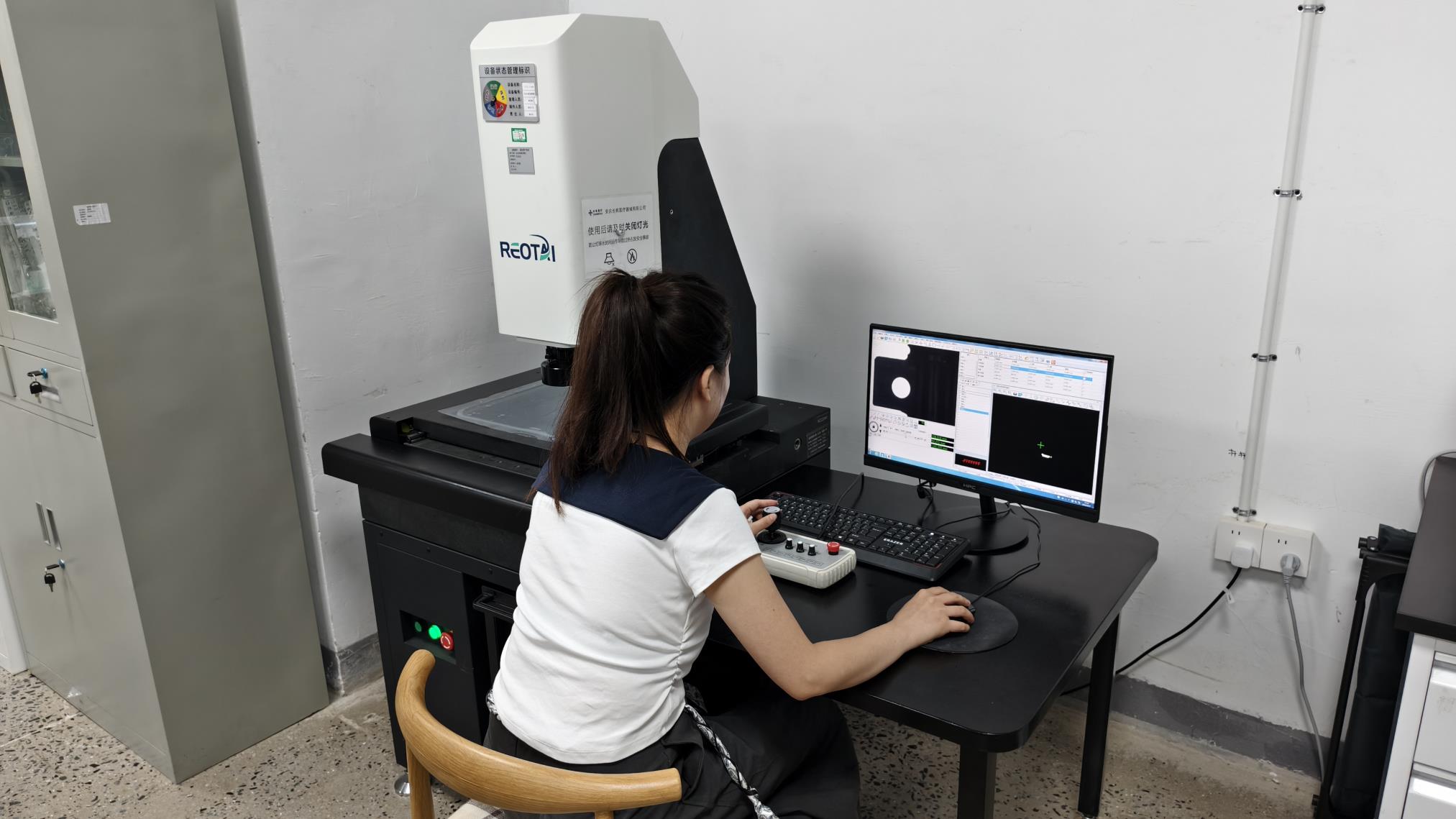
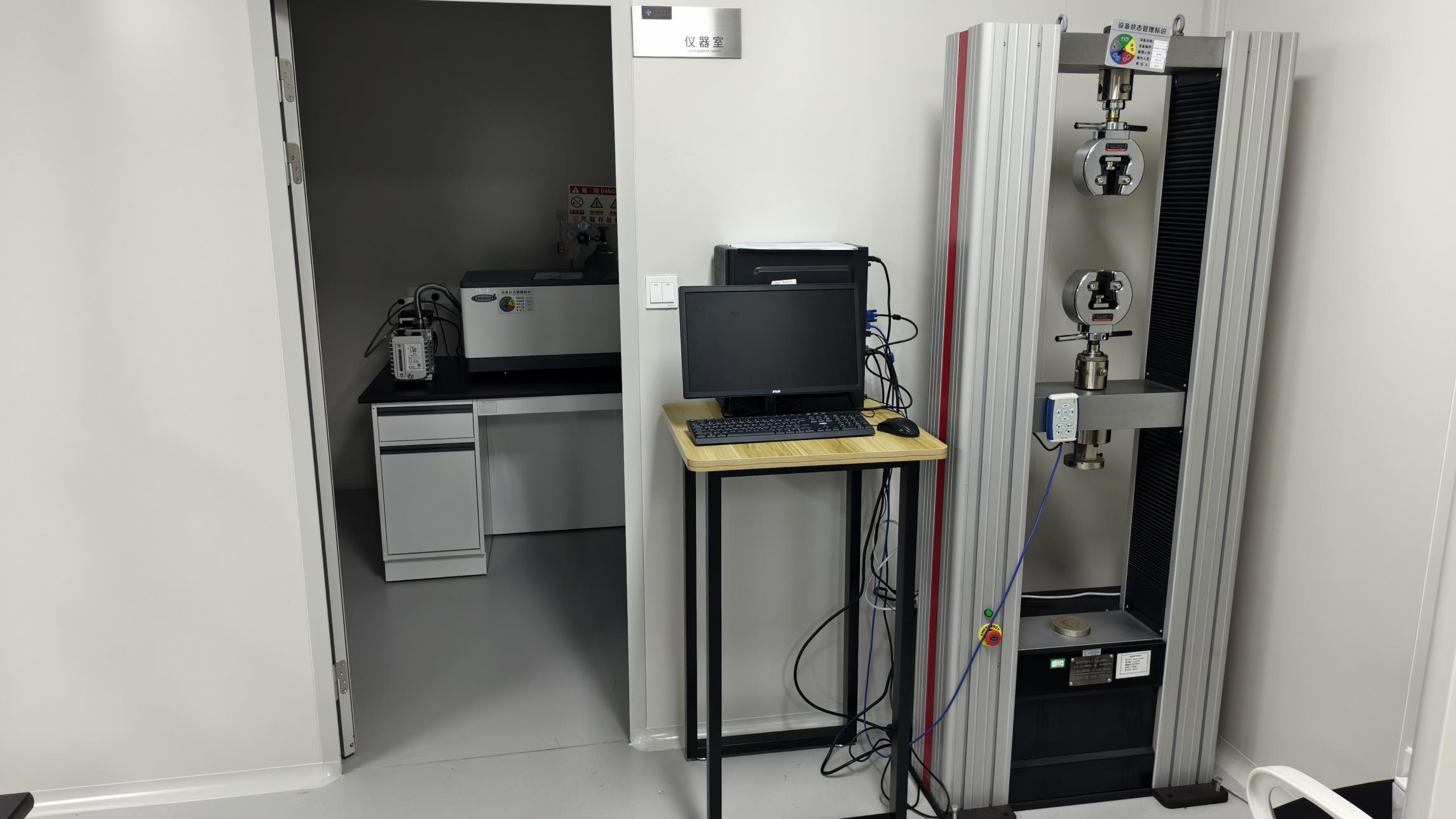
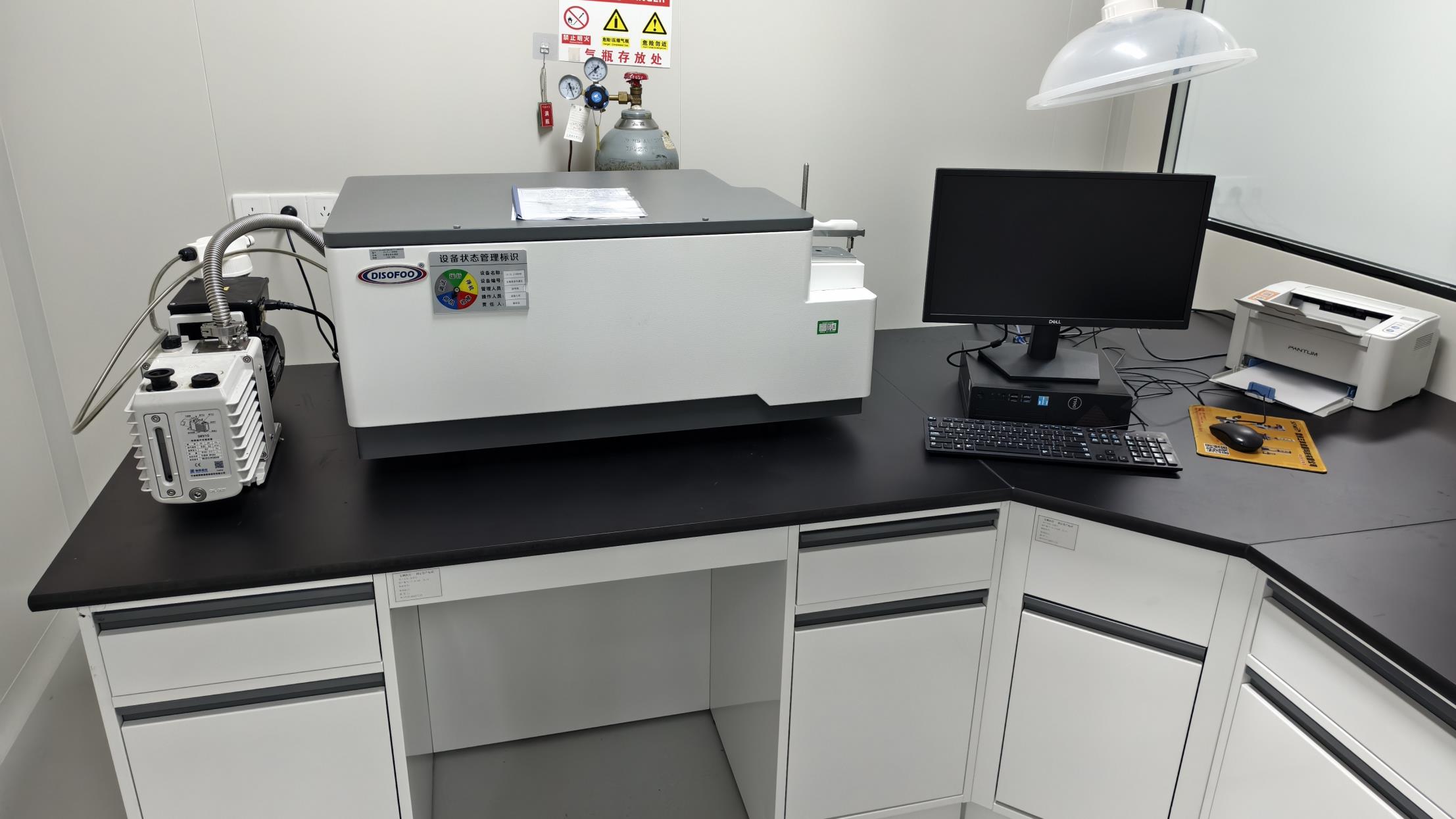
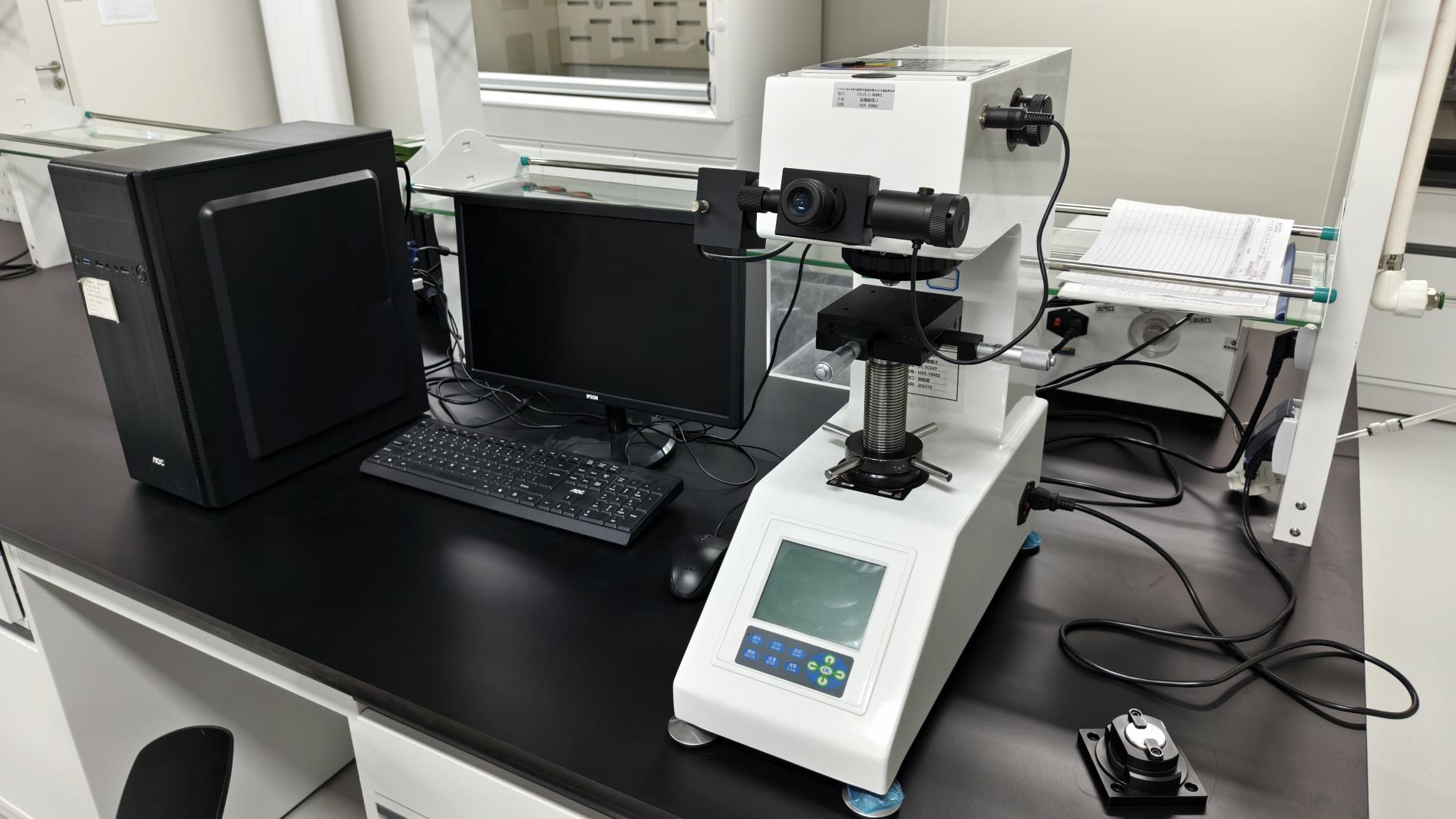
| Quality Inspection | 100% Final Inspection & Incoming Material Inspection |
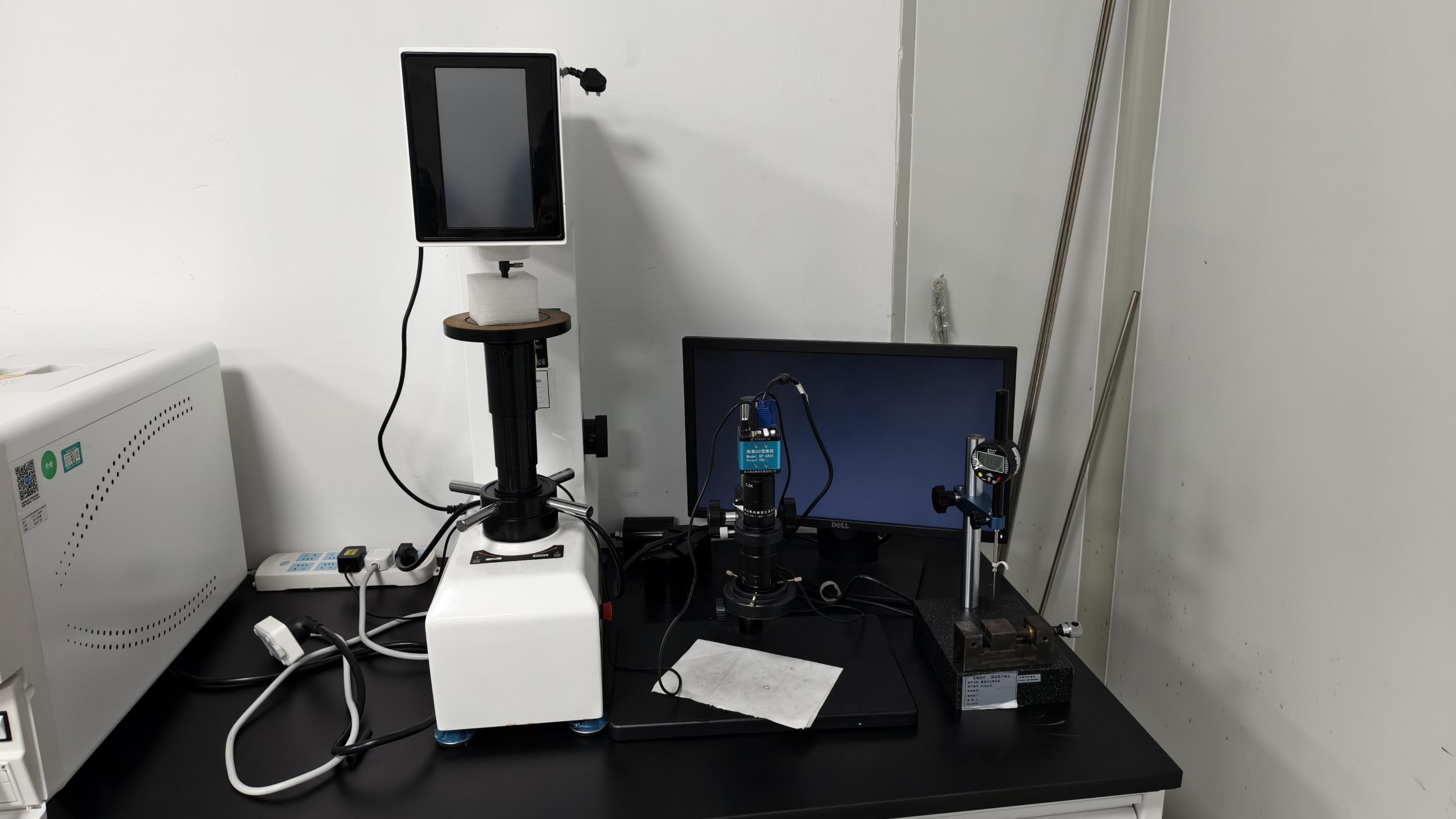
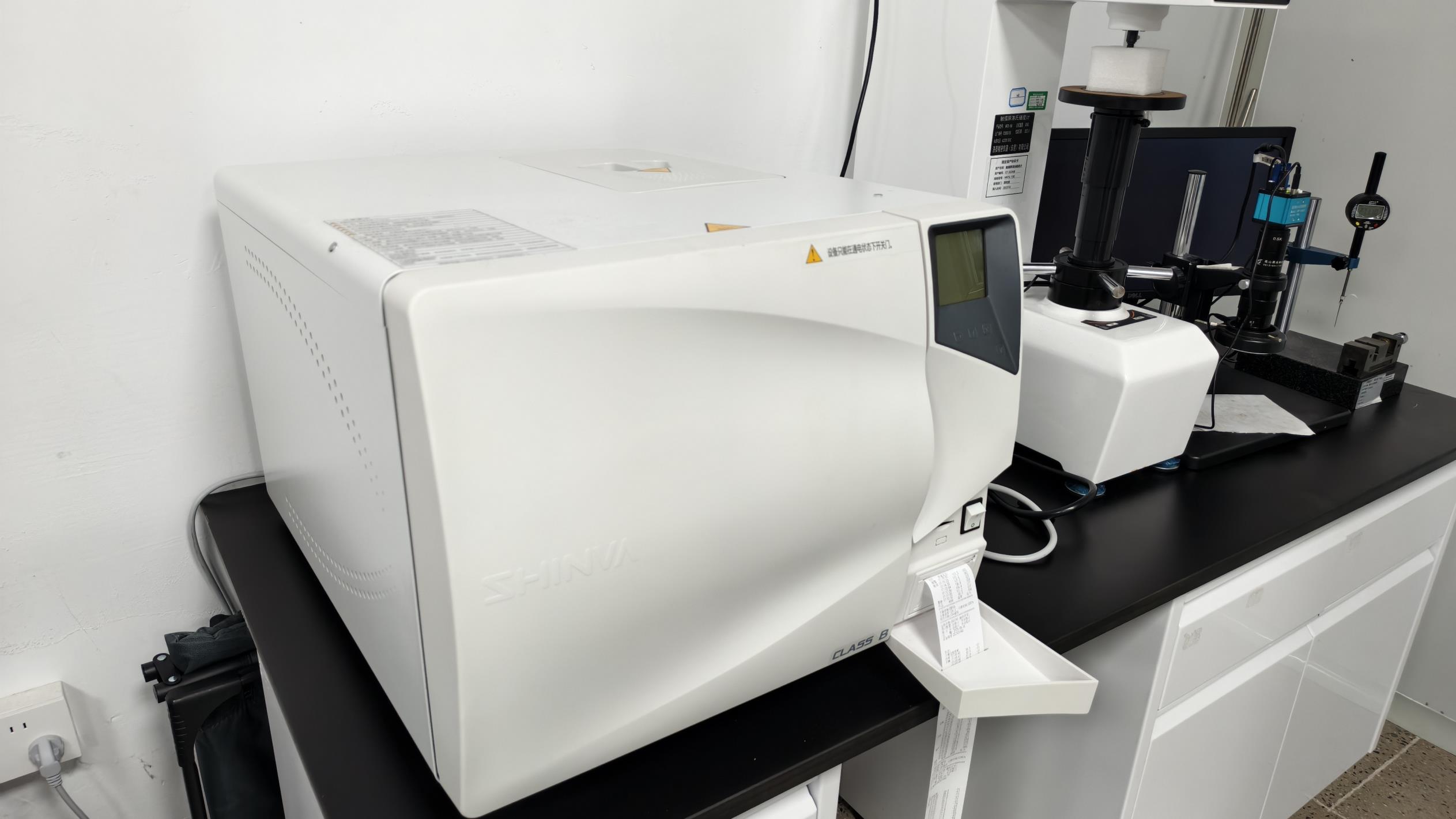
| Product Testing Methods | CMM Measurement, Mechanical Testing, Surface Roughness Testing, Hardness Testing, Salt Spray Testing, Sterility Validation |
| Quality Control Staff | 48 Quality Assurance Professionals |
| Business Type | Manufacturer & Exporter (OEM/ODM Services) |
| R&D Capability | Independent Design, Prototype Development, Clinical-Oriented Engineering |
| New Products (Last Year) | 186 Innovative Device Designs Released |
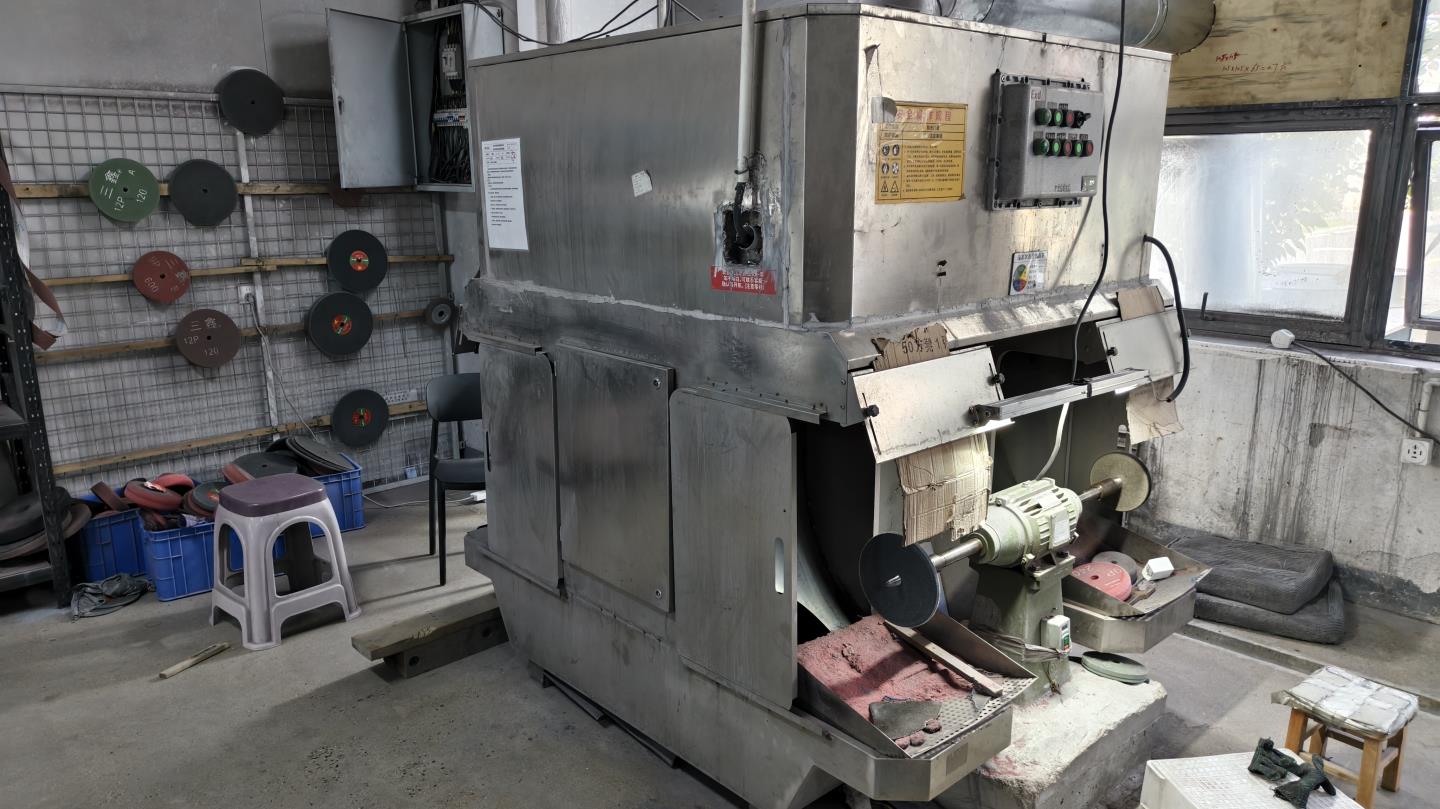
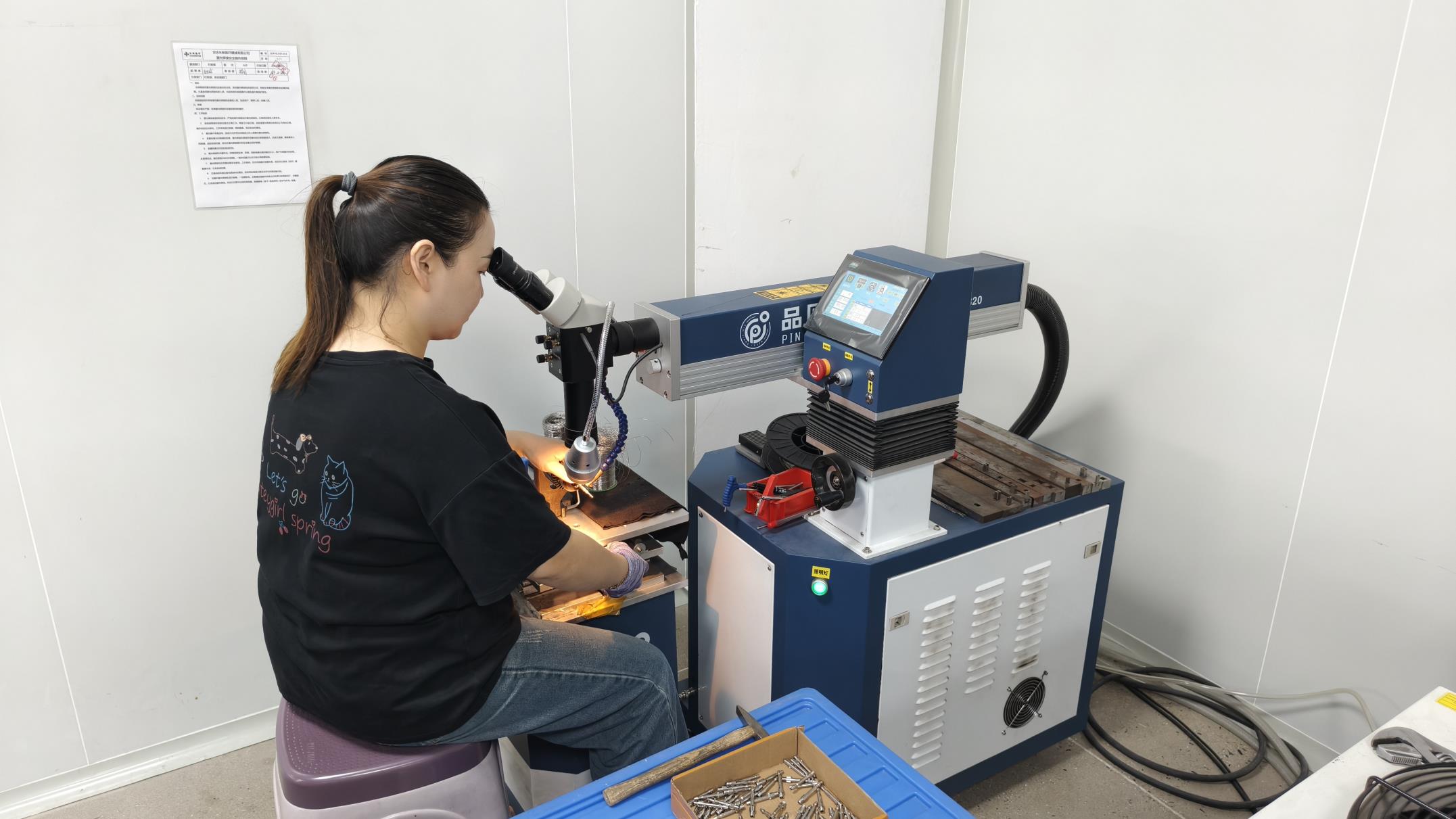
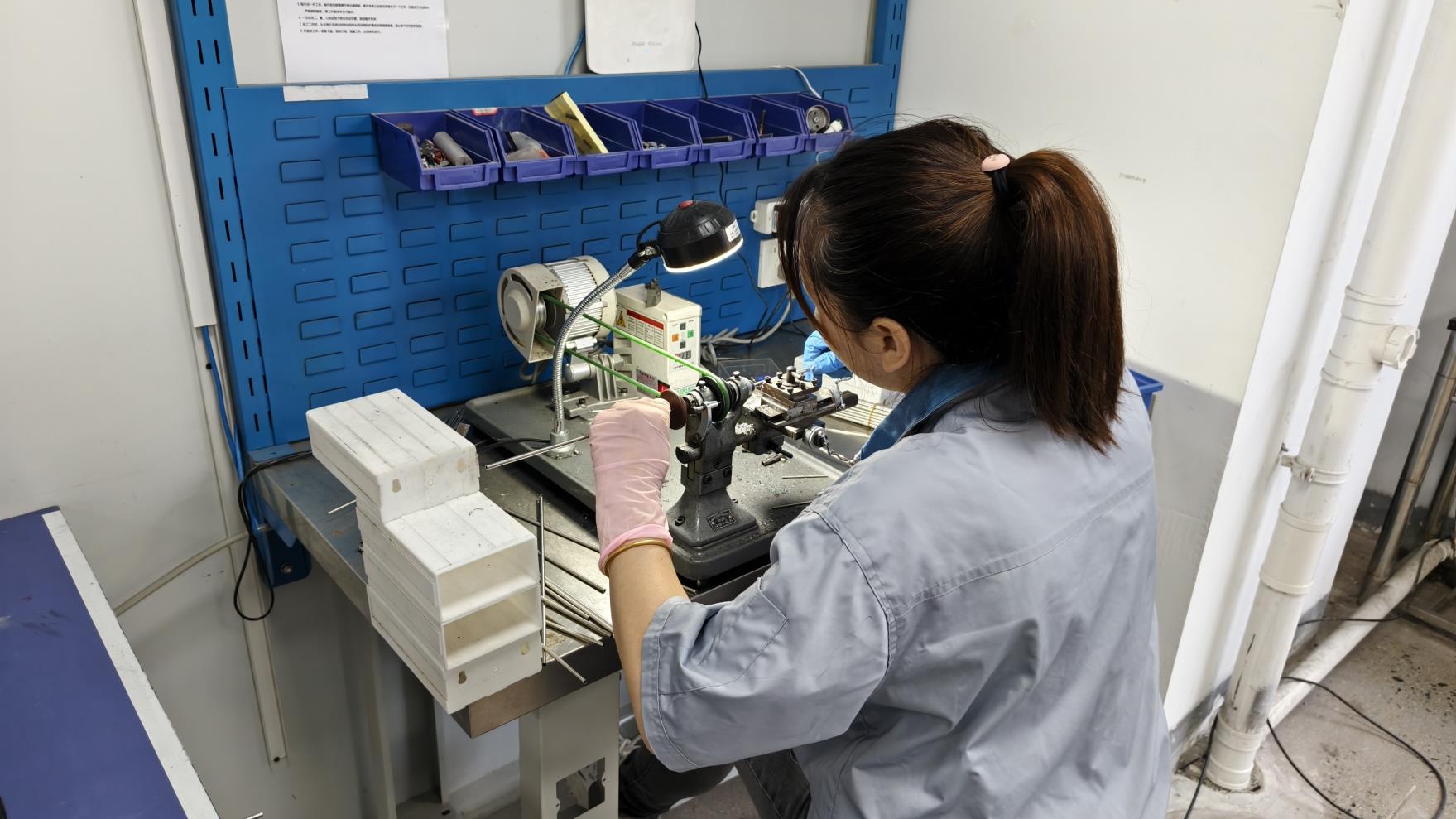
Our integrated manufacturing facility handles raw material cutting and high-speed CNC machining, through to final polishing, passivation, and packaging under Clean Room conditions. Below is a detailed look at our primary processing stages:
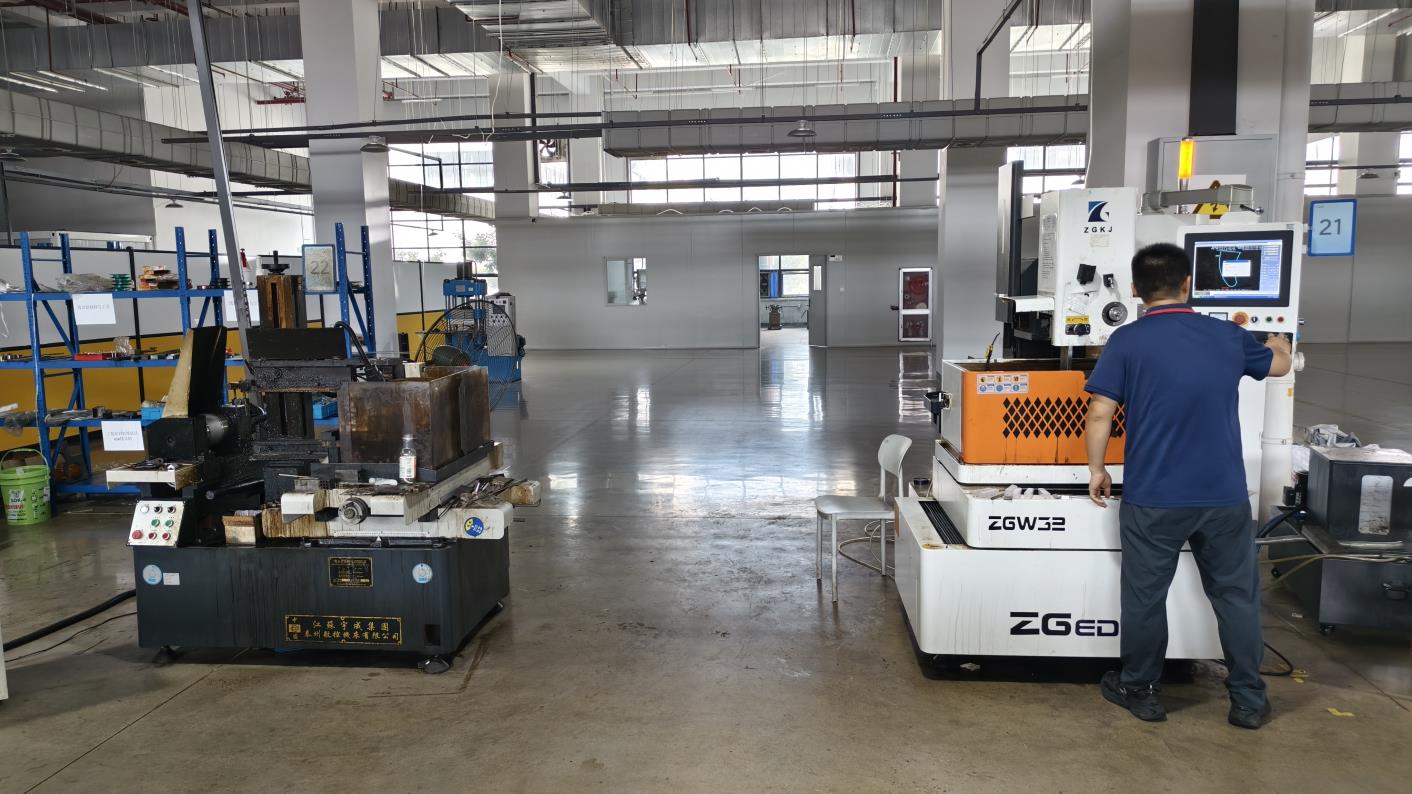
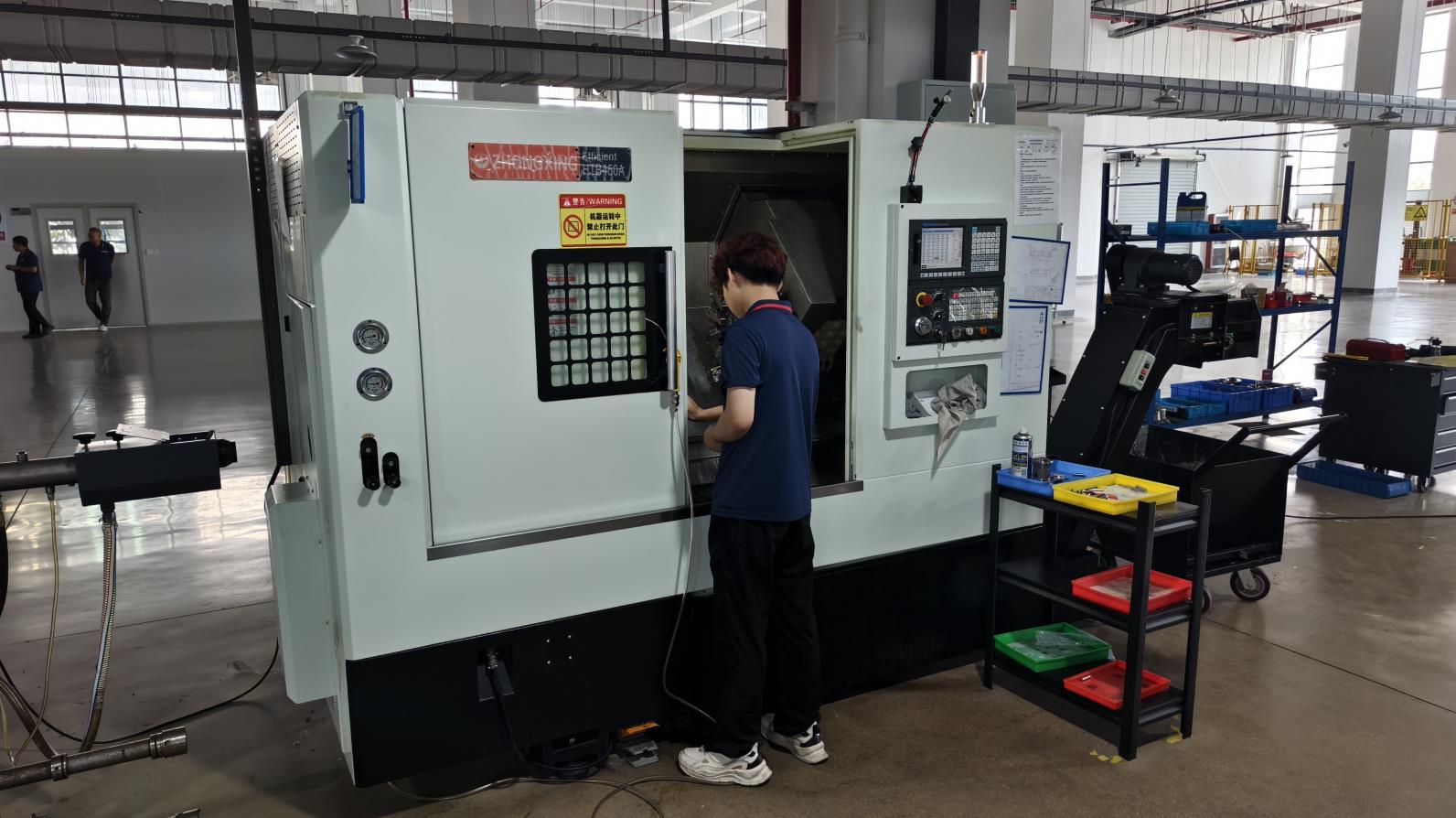
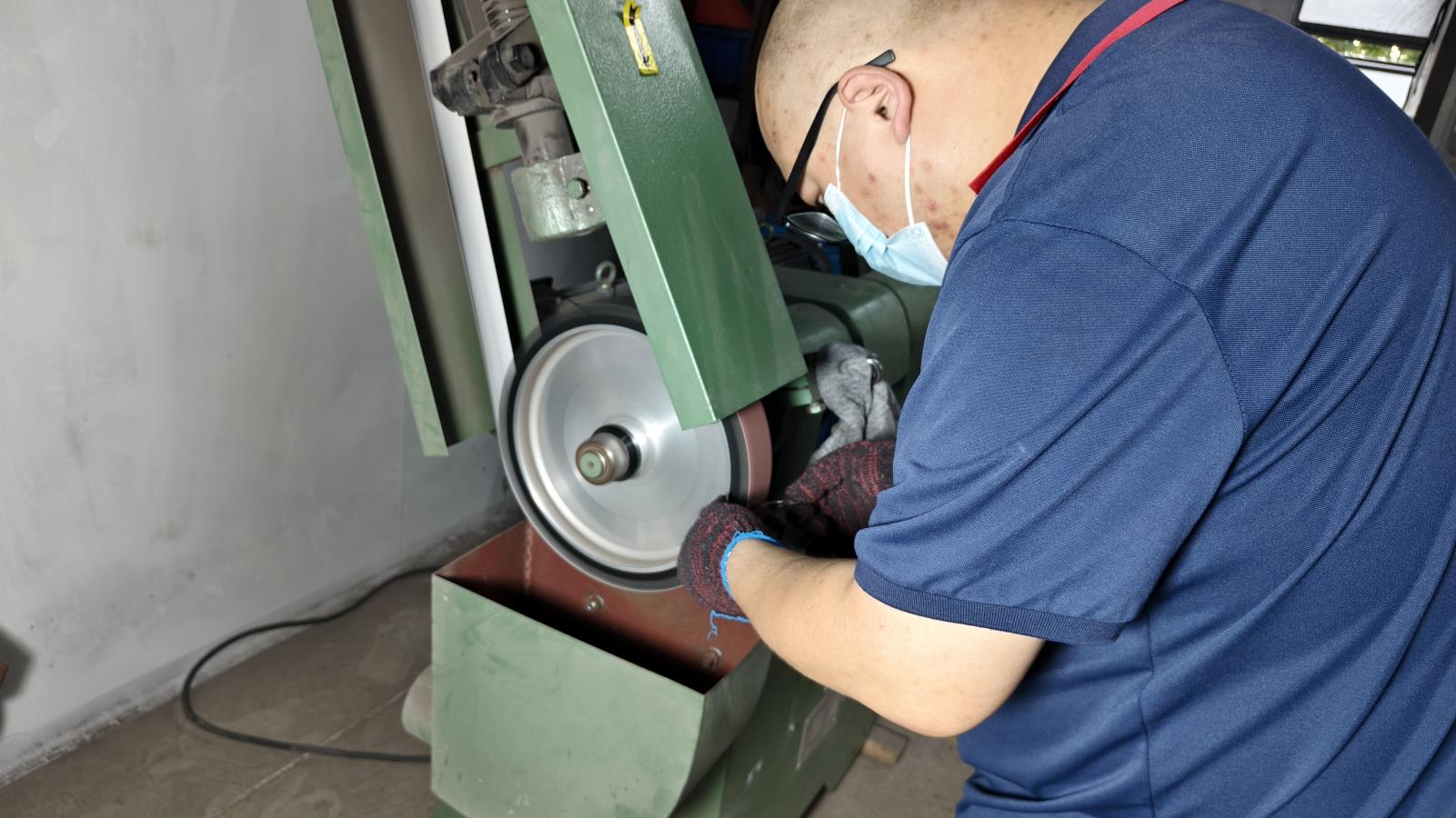
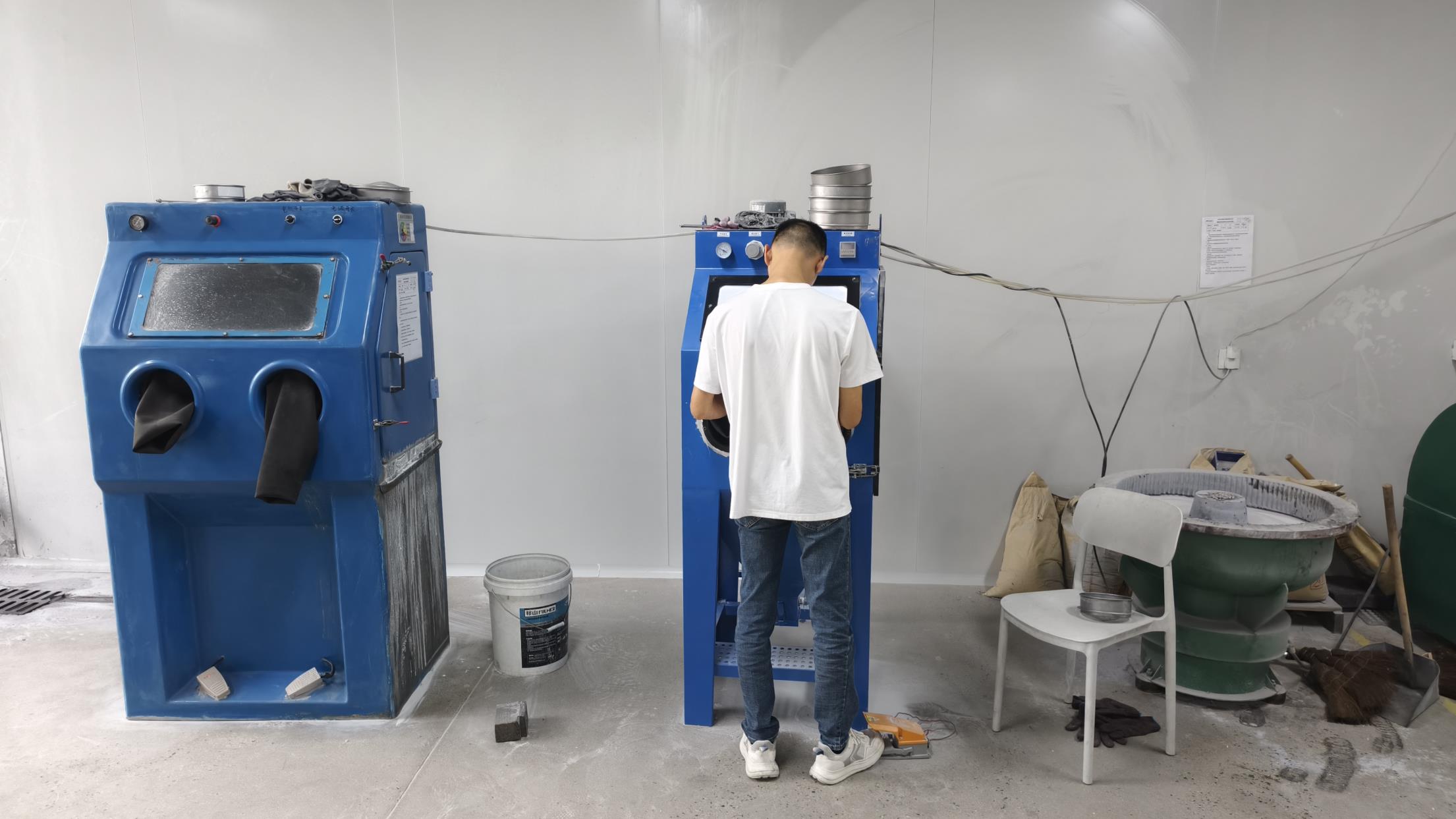
Global distributors and medical device brands face challenges such as rising production costs, supply chain bottlenecks, and complex regulatory compliance. Sourcing from Synoviq’s advanced manufacturing facility in China offers key strategic advantages:
First, our localized raw material integration ensures direct access to medical-grade titanium alloys and stainless steel with full material traceability certificates. Second, our industrial clusters drastically lower the cost of high-precision multi-axis tooling, allowing us to pass these cost savings directly to our partners. Lastly, our large production scale ensures rapid turnaround times, transforming product concepts into clinical-grade samples within weeks.
Rather than simply minimizing costs, our focus is on delivering "smart manufacturing." By combining automated CNC workstations with strict inspection systems, Synoviq achieves tolerances within 0.005mm, matching the quality of Tier-1 international medical device manufacturers.
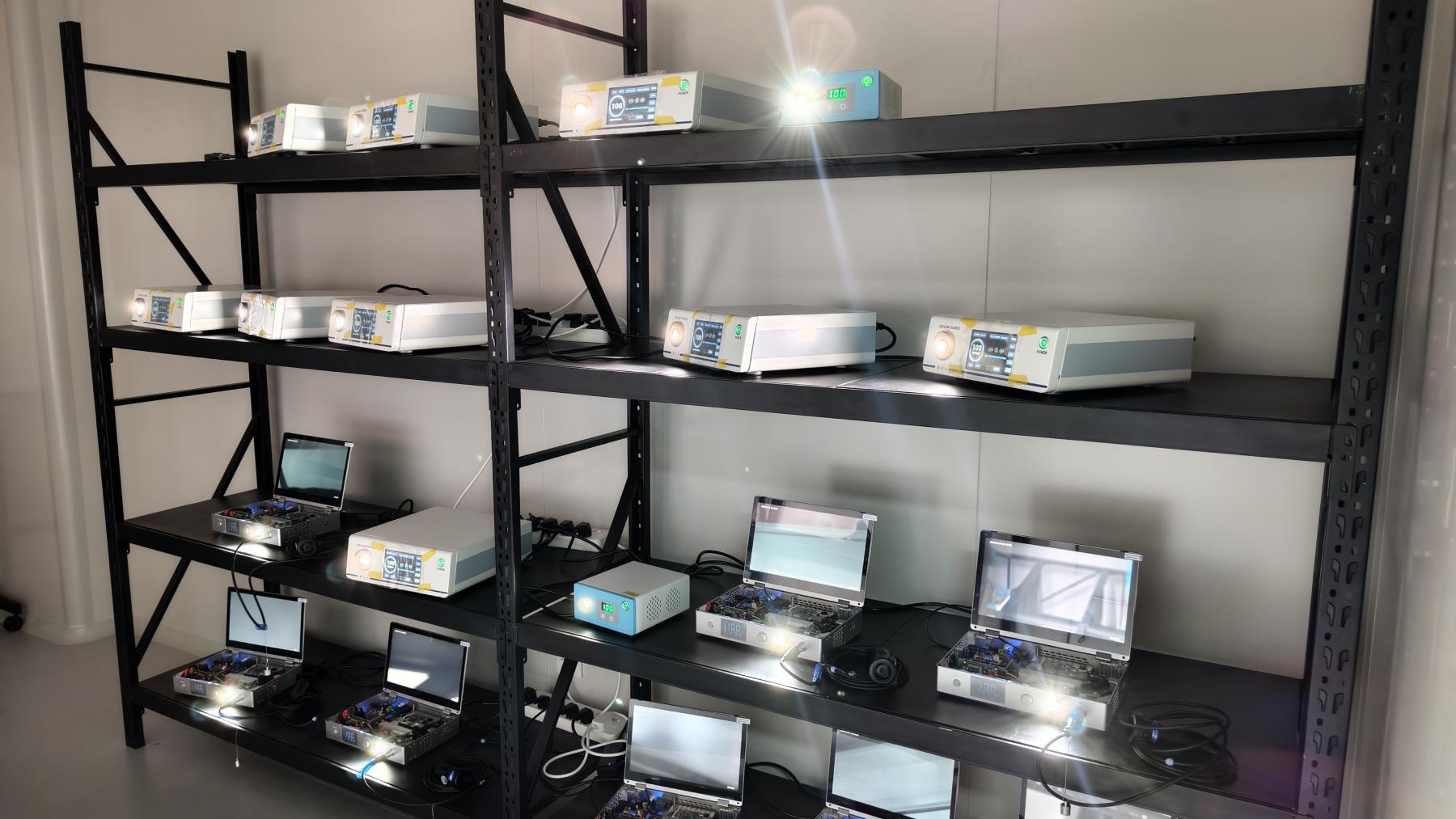
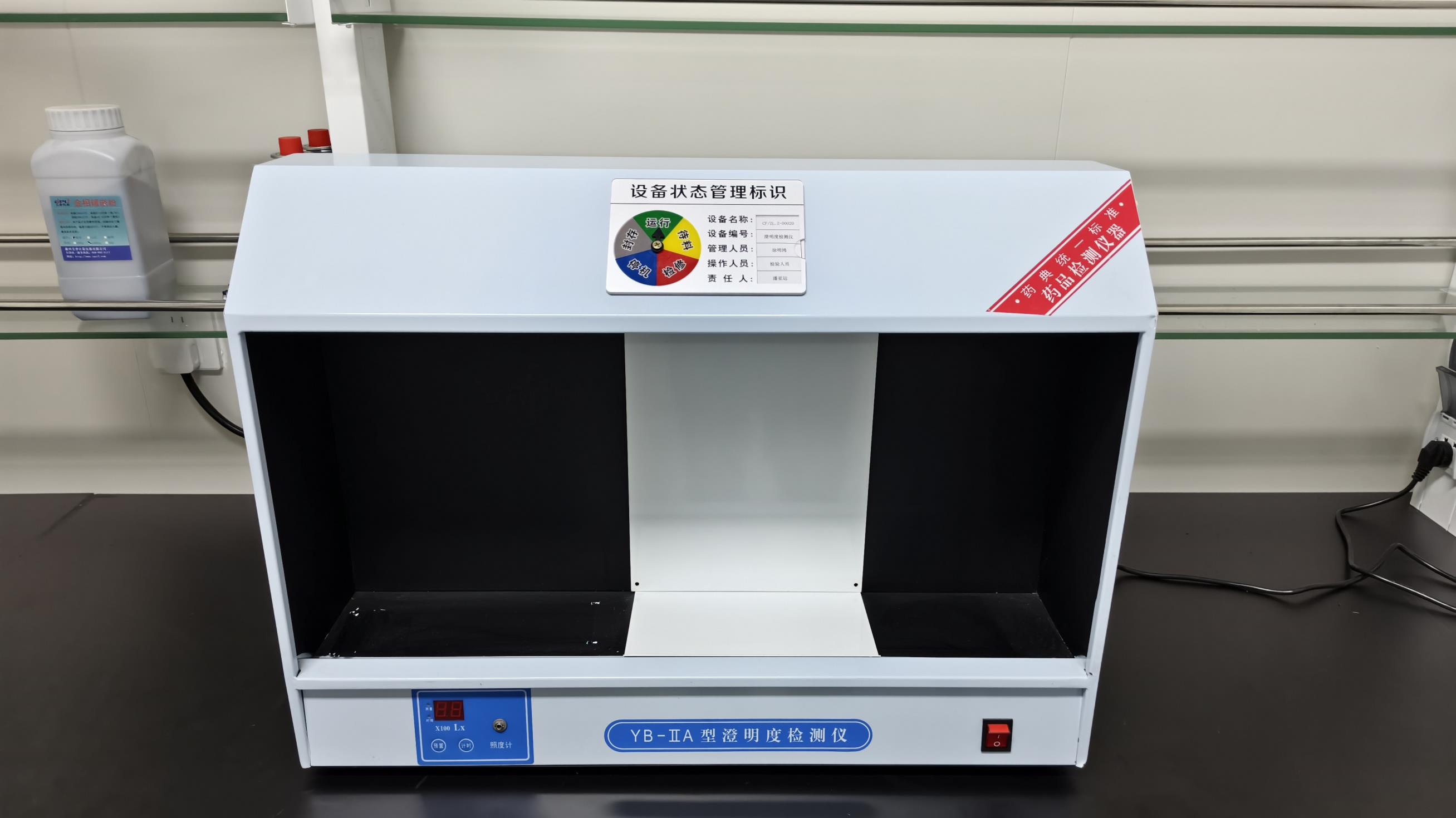
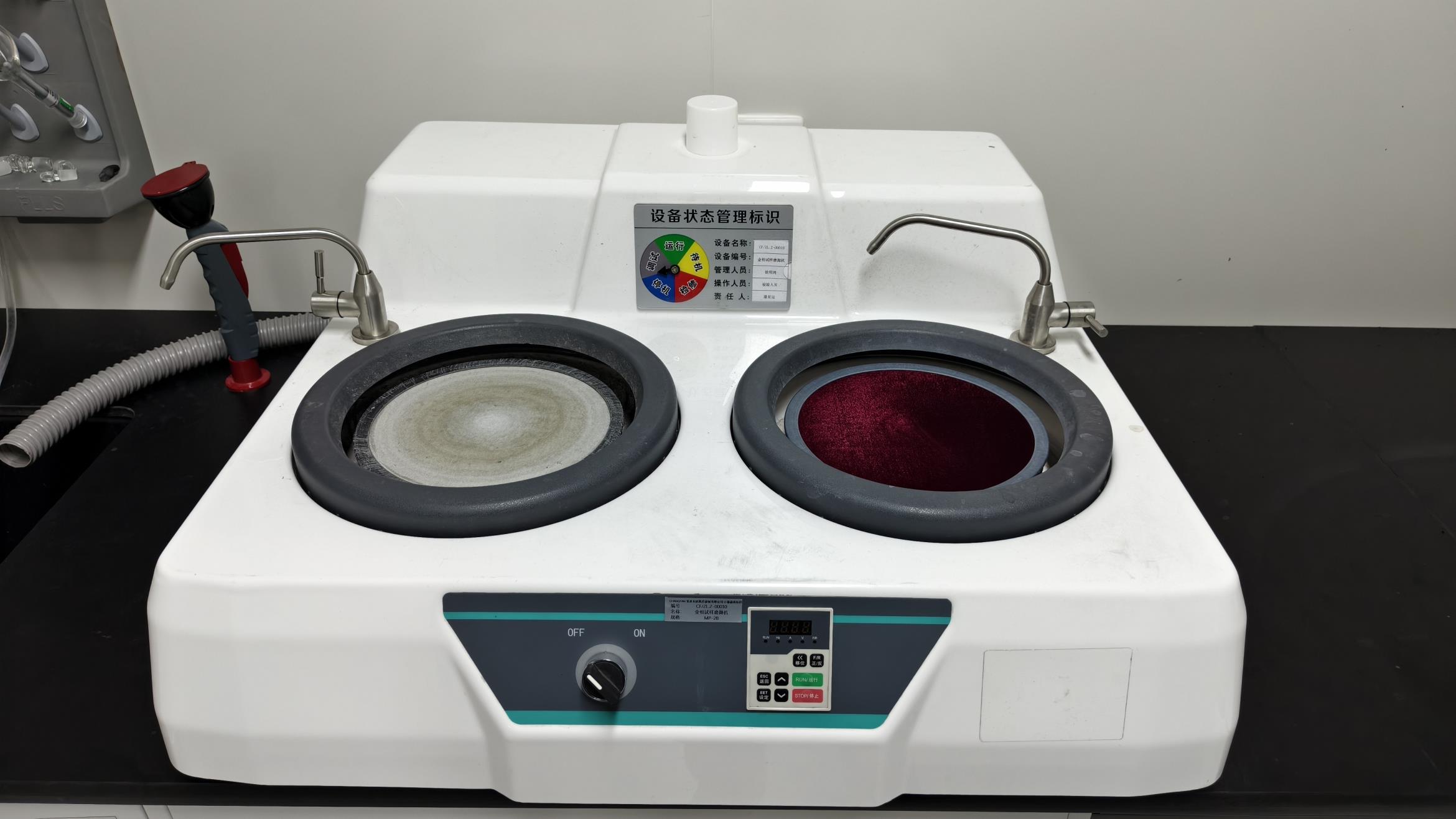
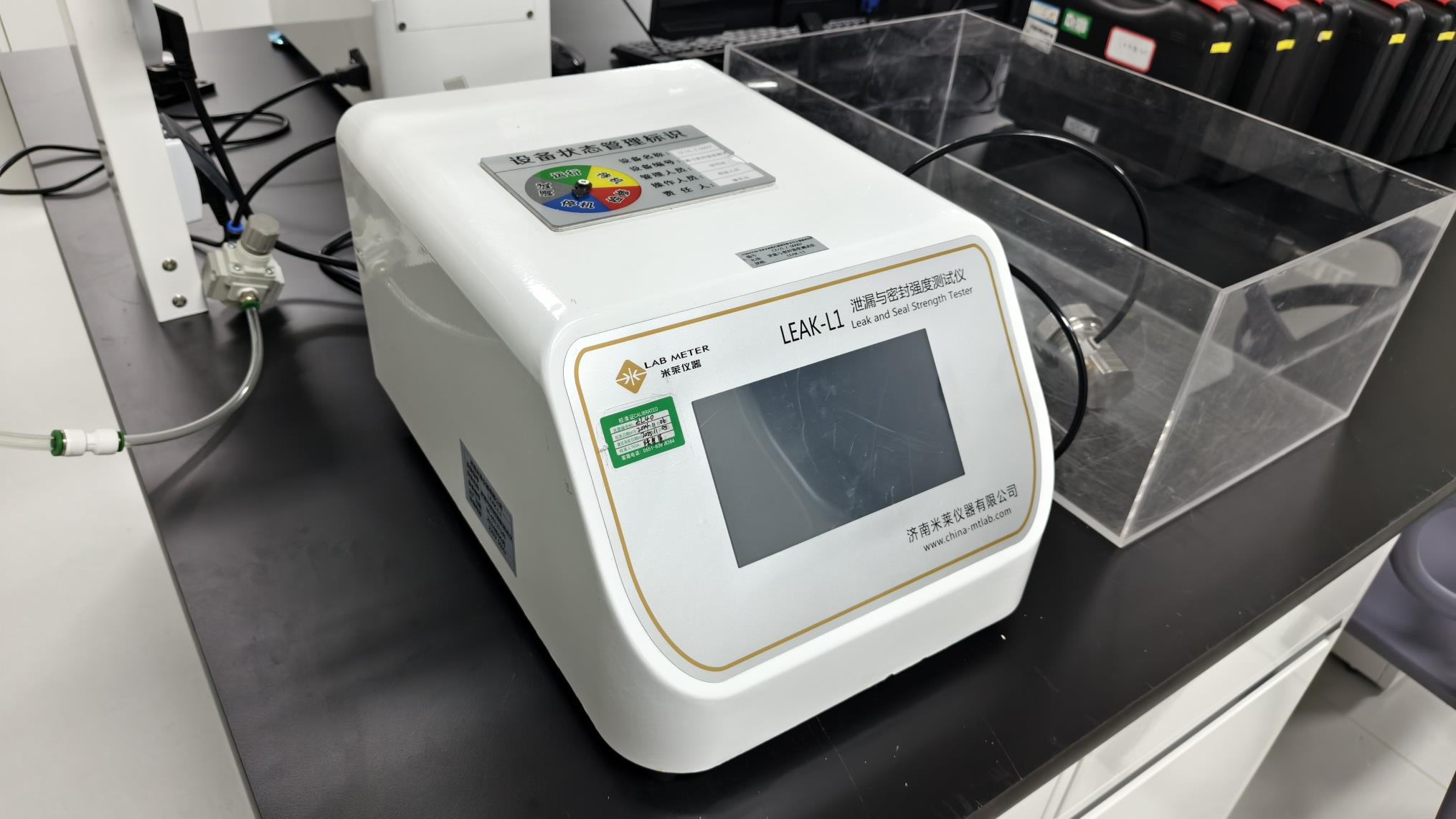
To maintain CE standards and E-E-A-T principles, Synoviq operates a dedicated quality assurance division staffed by 48 professionals. We monitor every step of production, from raw material validation to final sterility checks, using advanced diagnostic equipment:
The field of internal fixation is moving toward biological preservation and smart technologies. Key developments include:
Anodic oxidation and hydroxyapatite coatings are being utilized to enhance osseointegration, speed up bone bonding, and reduce bacterial adhesion rates.
3D metal printing (Direct Metal Laser Sintering) allows for patient-specific plates that match unique anatomical geometries, crucial for complex reconstructions.
PEEK composites with carbon fibers offer elasticity close to human cortical bone, reducing stress shielding and allowing clear radiographic assessment of bone healing.
 Synoviq Medical